
Checklist · Pets & garden
Adopting a Rescue Dog in Kigali: What to Buy Checklist
Bringing home a rescue dog in Kigali? This checklist covers food, a bed, a leash, grooming and vet basics so the first weeks go smoothly.
Updated November 25, 2026 · By Isokko
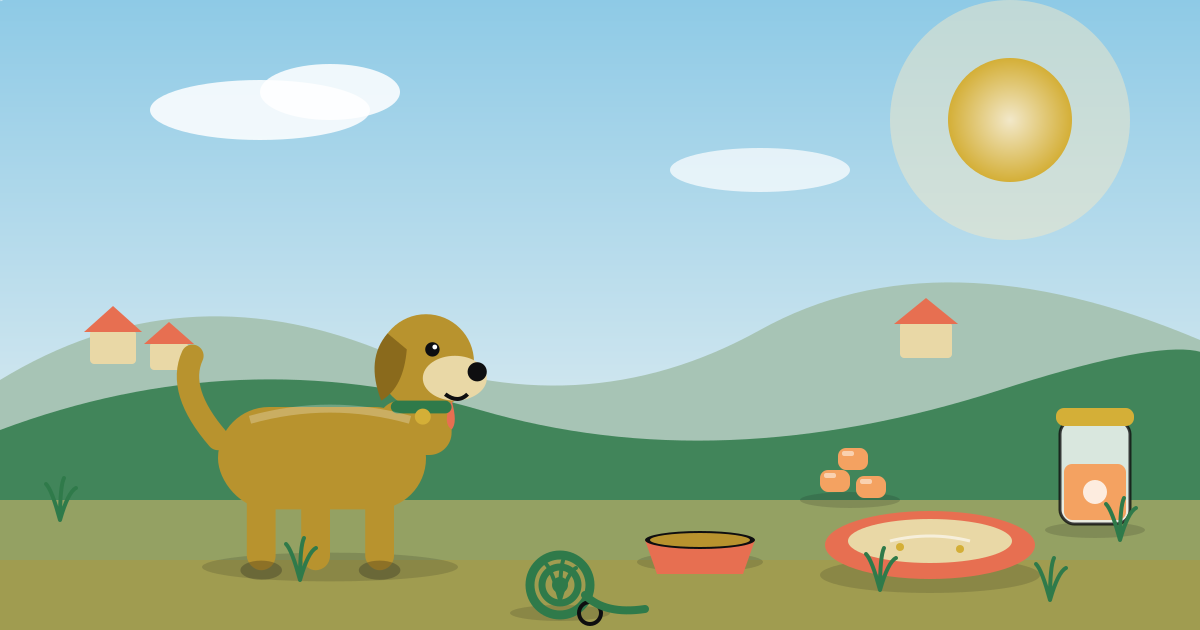
A rescue dog may arrive nervous, hungry or unsure of the house. A calm, ready home helps them settle faster, and you can prepare most of it in a single shopping trip.
This checklist covers the essentials: food and water, a safe place to sleep, a collar and leash for walks, grooming and cleaning, and a small health kit. If the dog's history is unknown, plan a vet visit in the first week.
Ask the shelter what the dog has been eating and buy the same food at first, so their stomach is not upset.
Who it's for
Anyone in Kigali about to adopt a rescue or shelter dog
Time needed
Shop 2 to 3 days before the dog comes home
When to shop
Buy food, a collar, a leash and a bed first. Add toys and grooming items after the first week
On the list
28 items, 13 must haves
0 of 28 ready
Food and water
Steady meals and fresh water help a stressed dog feel safe.
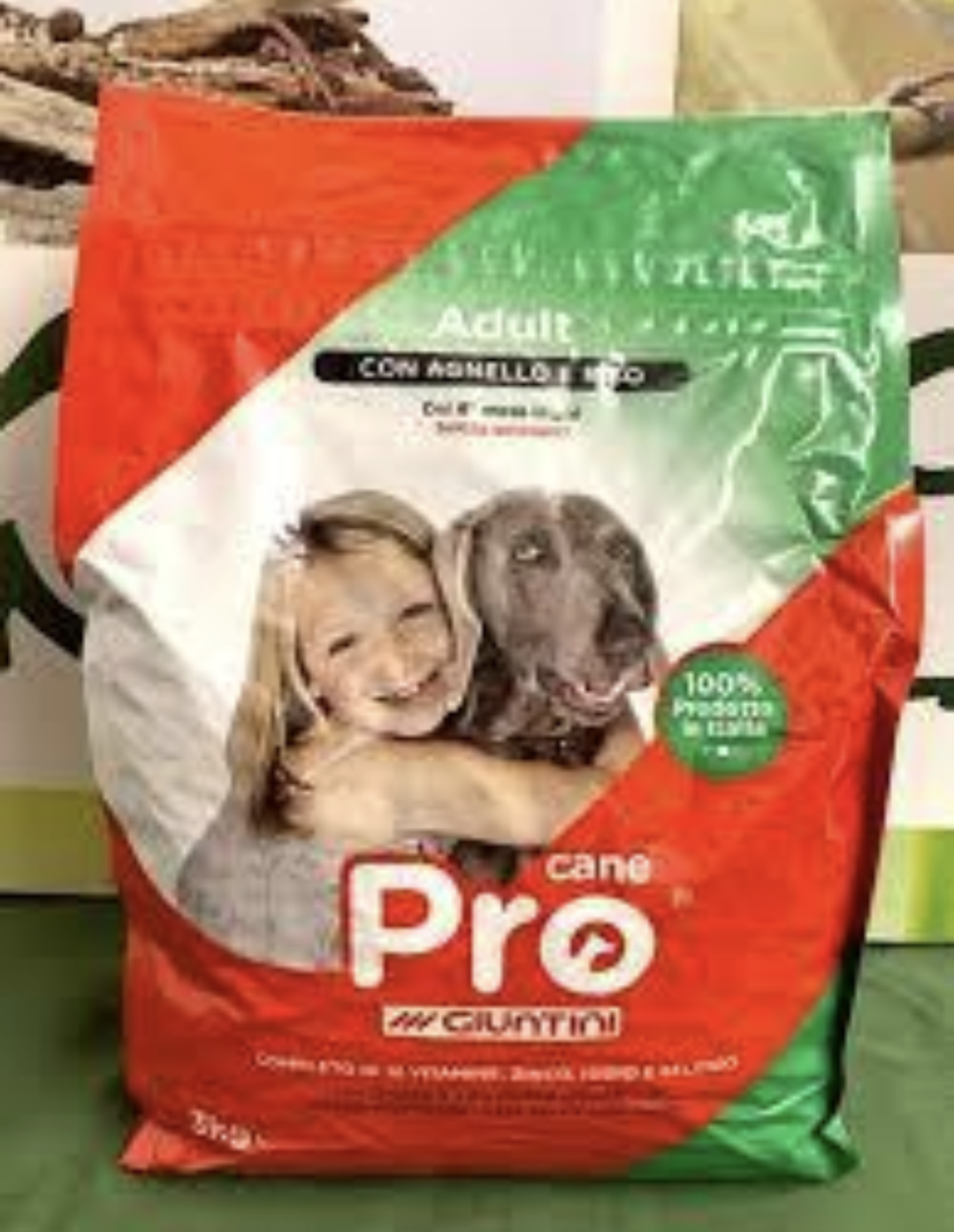
Dog food
1 bag Must haveThe right food supports energy, coat and digestion. Choose food that fits the dog's age and size.
How to use it: Start with what the shelter fed and change to a new food slowly over about a week. Ask your vet if you are unsure.
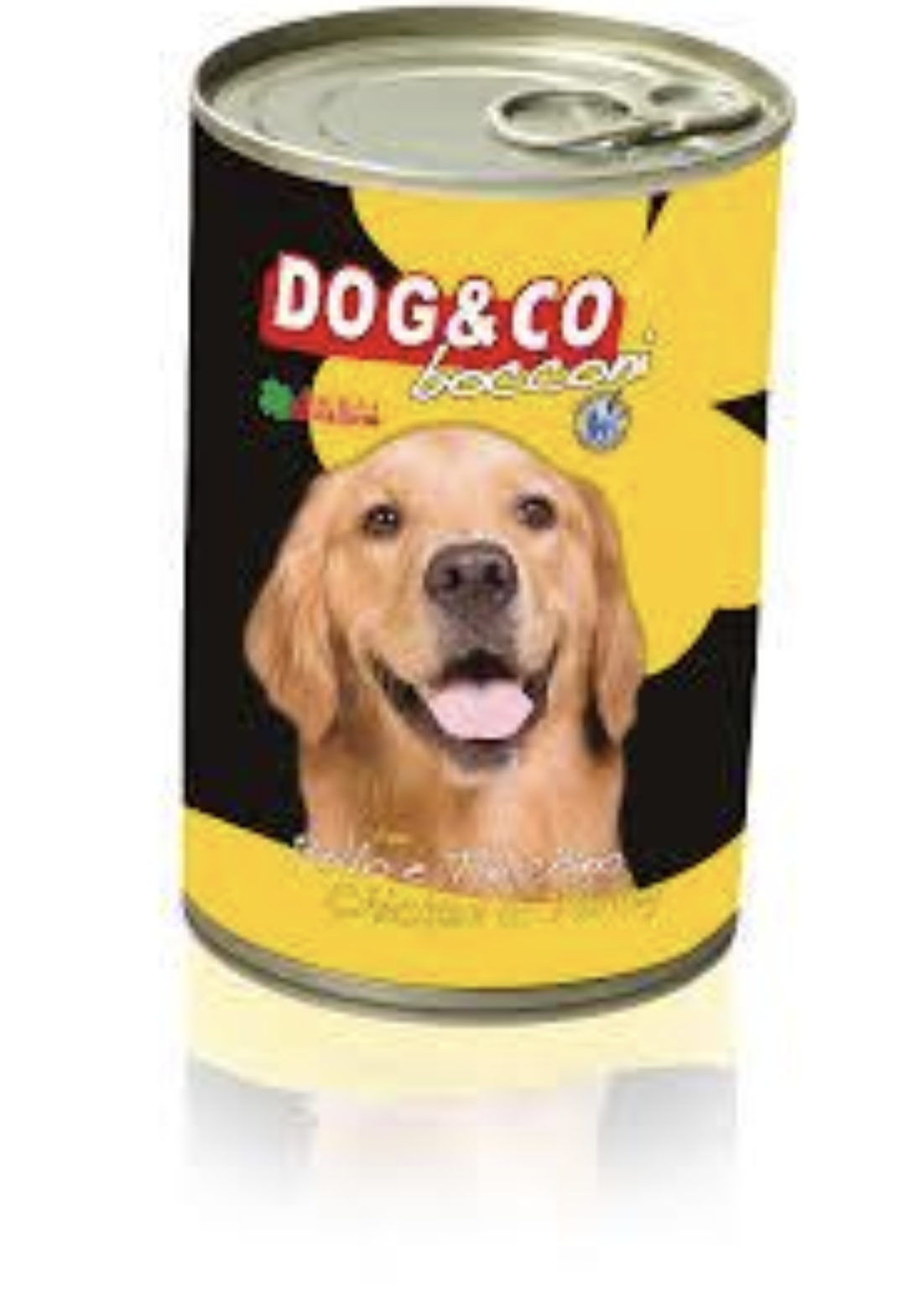
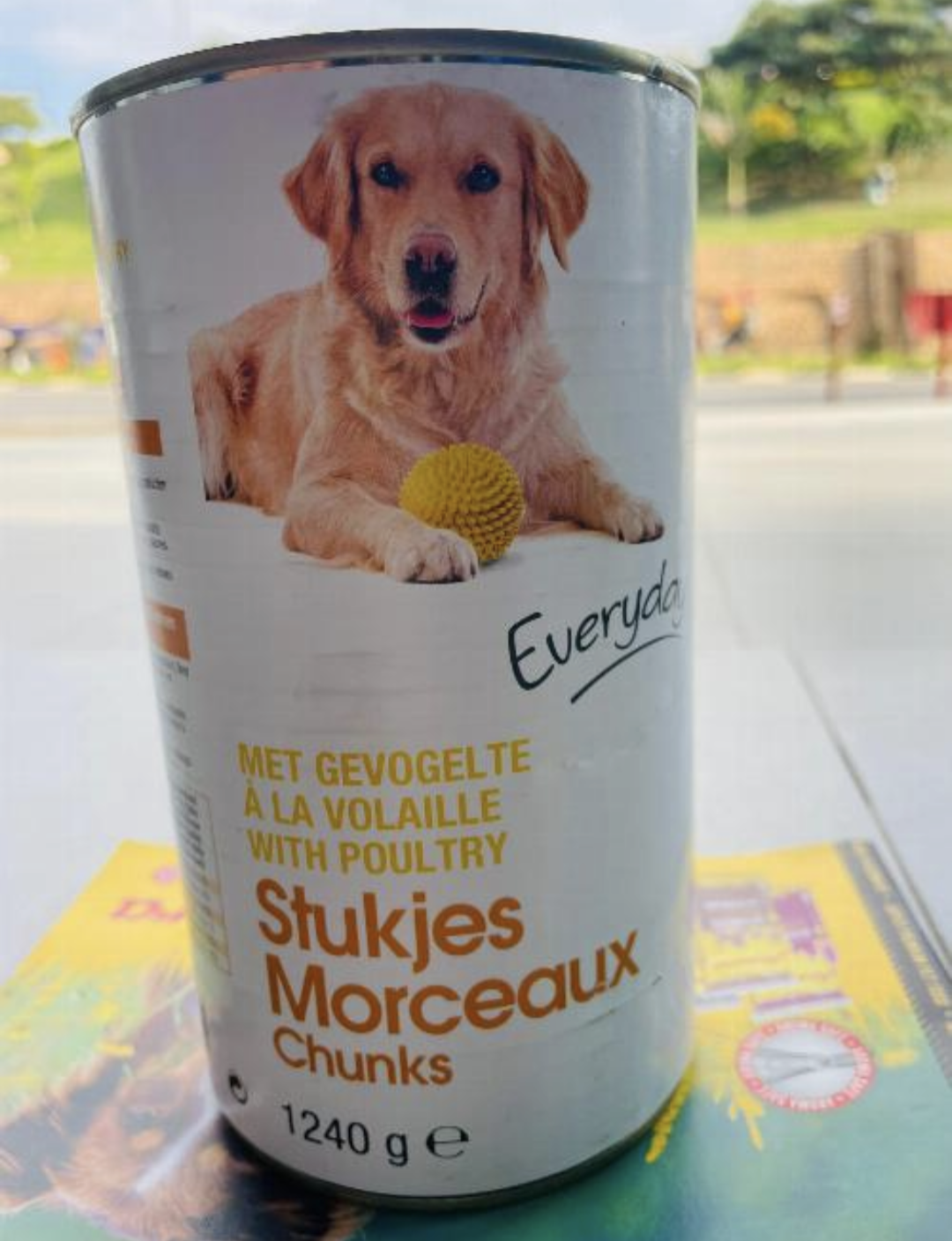
Wet dog food
2 cansNice to haveWet food can tempt a nervous dog who will not eat dry food yet.
How to use it: Mix a spoonful into dry food and keep opened cans in the fridge.
Food bowl
1 Must haveEach dog needs a bowl that does not slide or tip while they eat.
How to use it: Pick a heavy bowl and wash it every day.
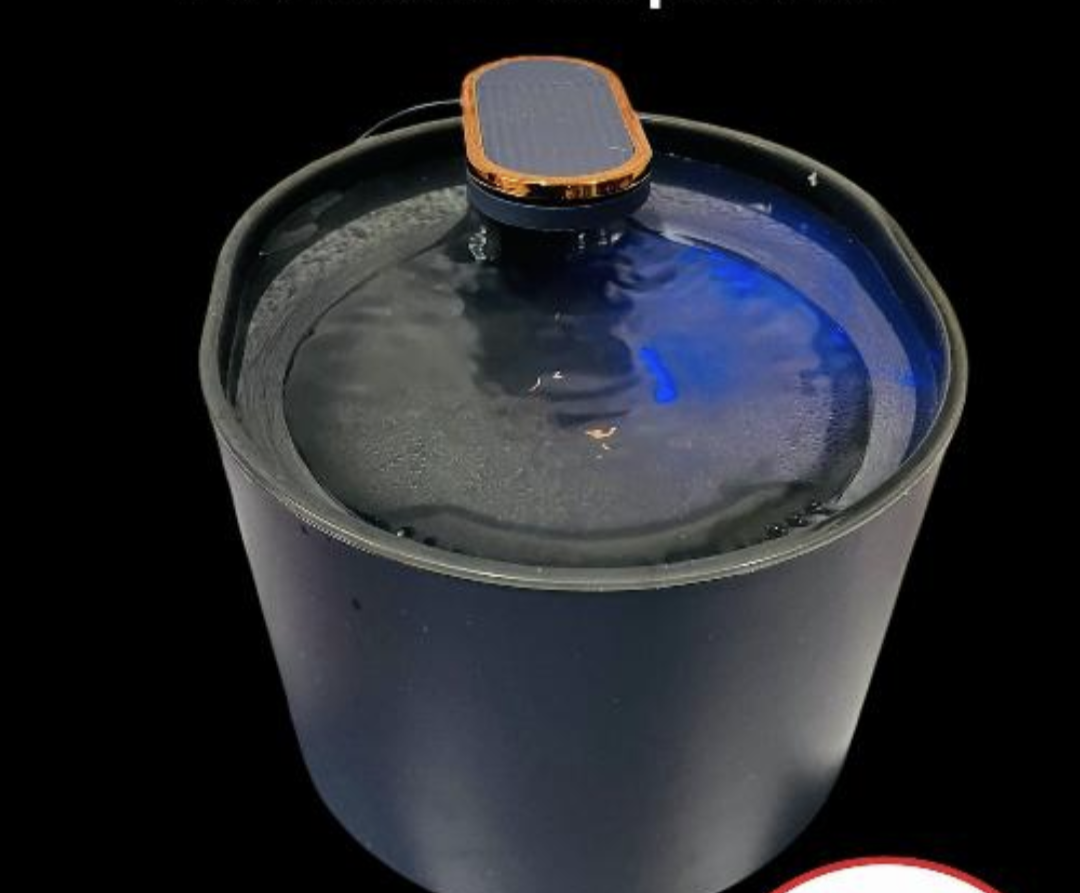
Water bowl
1 Must haveFresh water should always be within reach, especially on hot days.
How to use it: Place it in a shaded, quiet spot and refill it often.
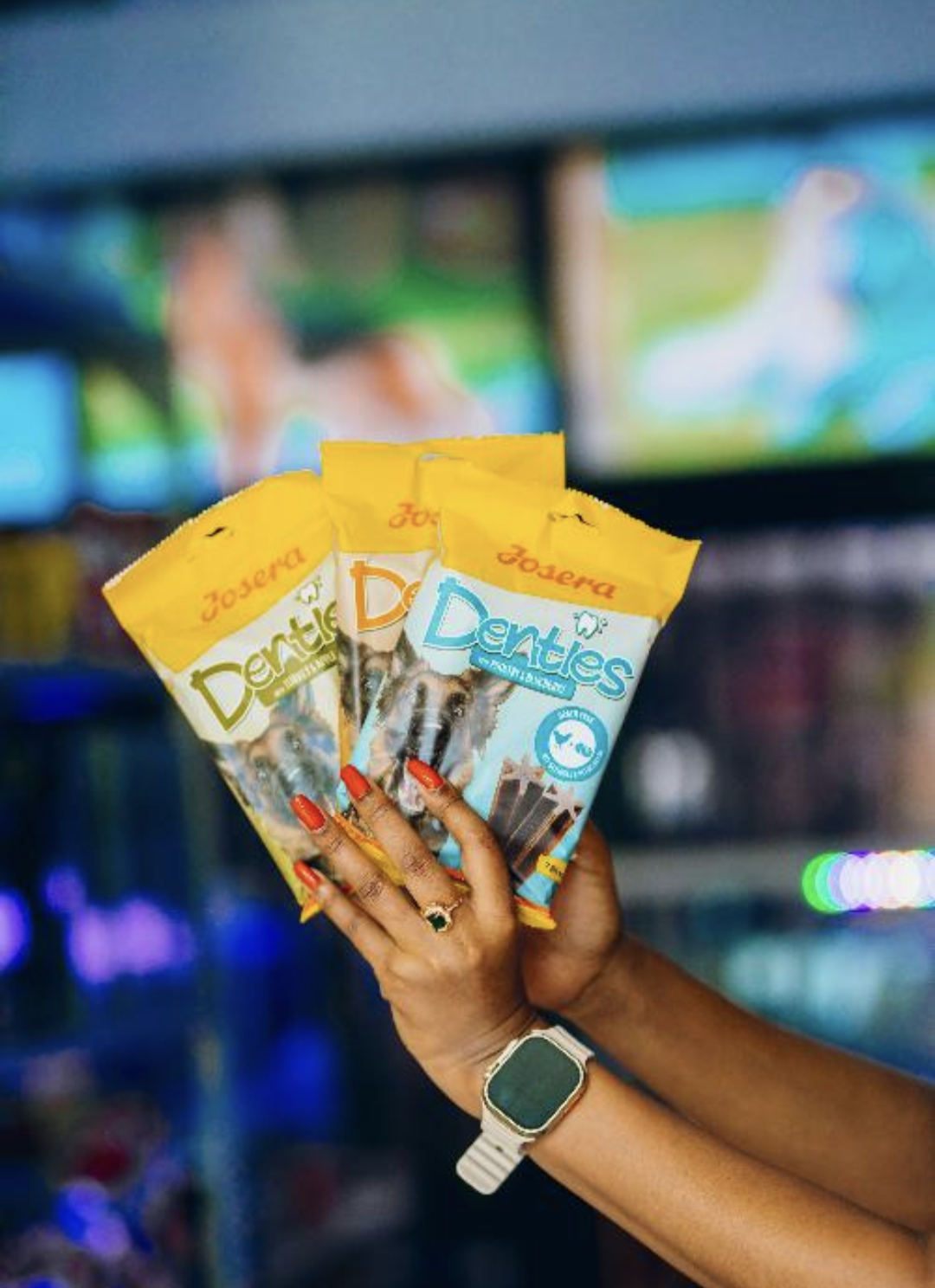
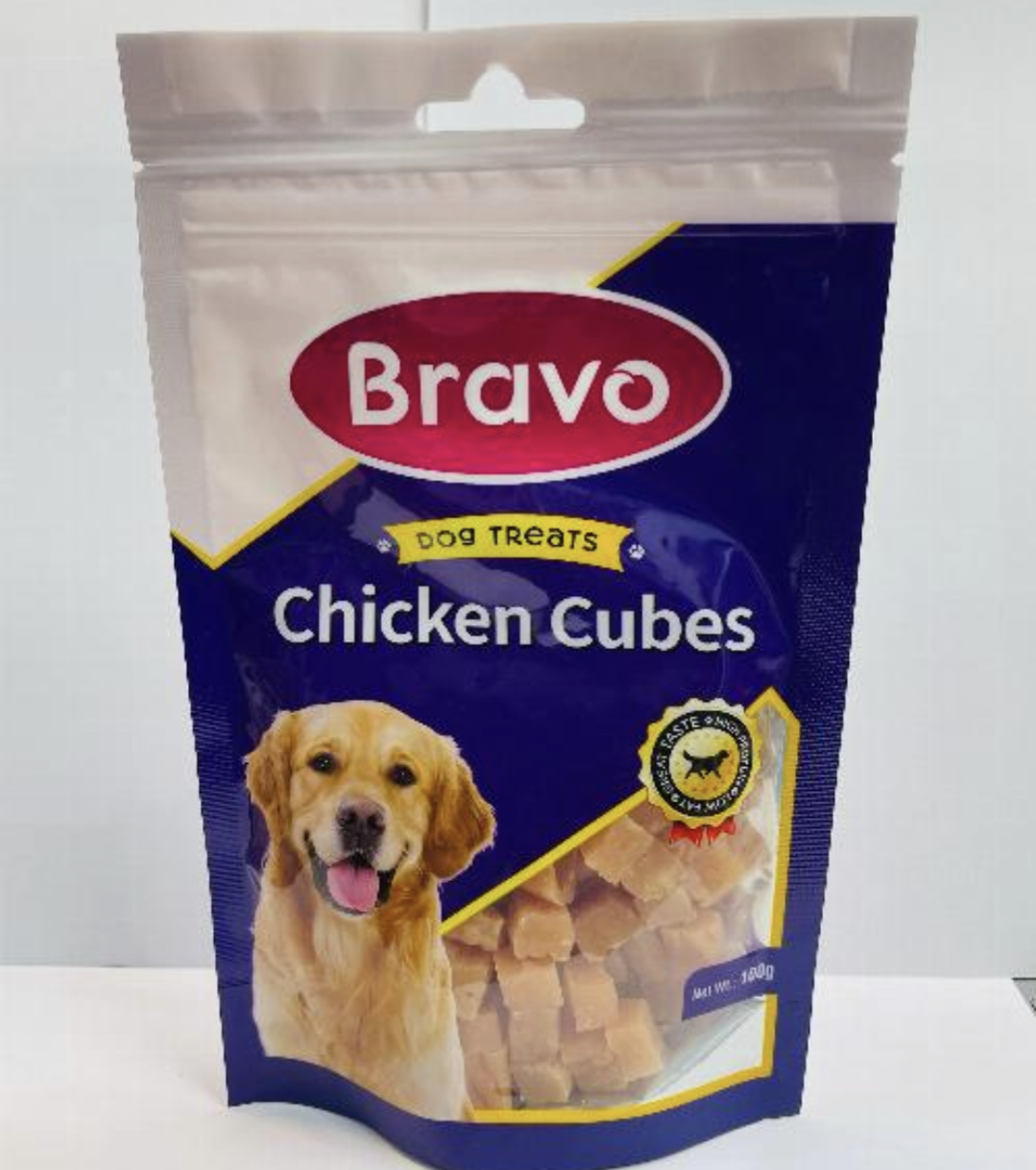
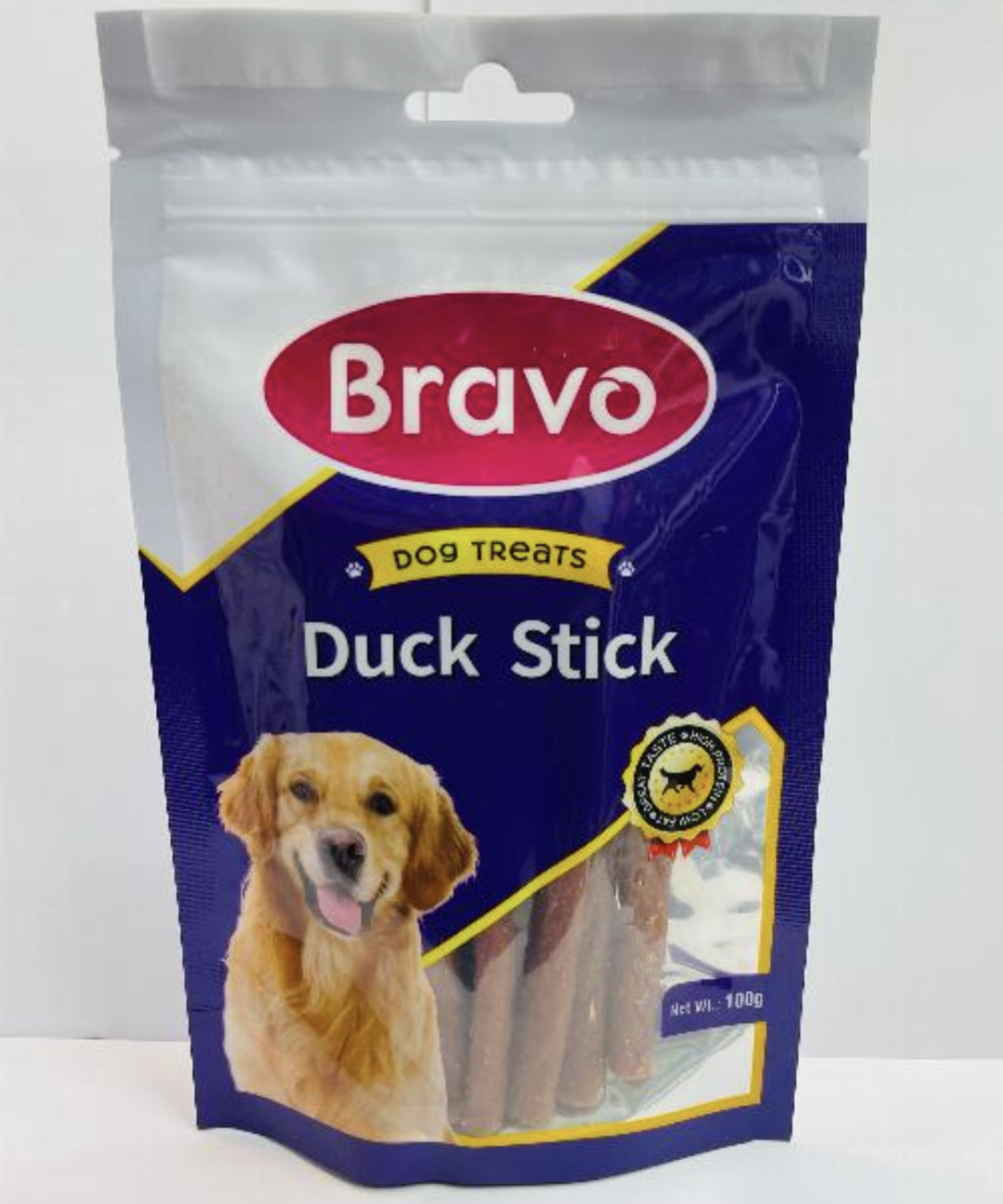
Dog treats
1 packNice to haveTreats help a new dog learn to trust you and are useful for training.
How to use it: Use small pieces and count them as part of the daily food.
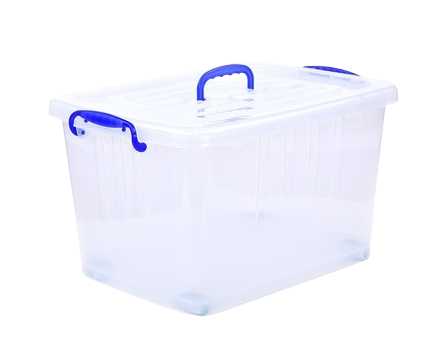
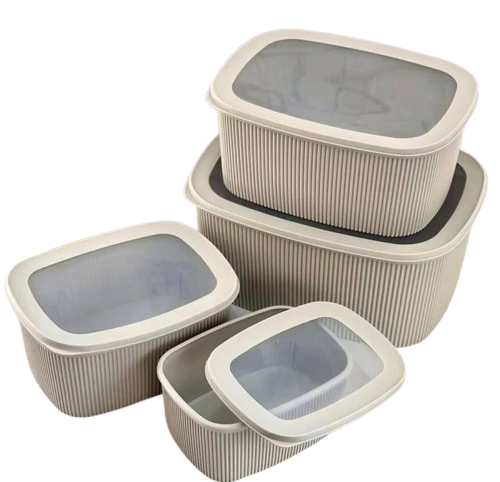
Storage box with lid
1Nice to haveKeeps dry food fresh and away from rats and damp.
How to use it: Store it in a cool, dry place and keep the date label from the bag.

Sleeping and resting
Your dog needs a quiet corner that is their own.
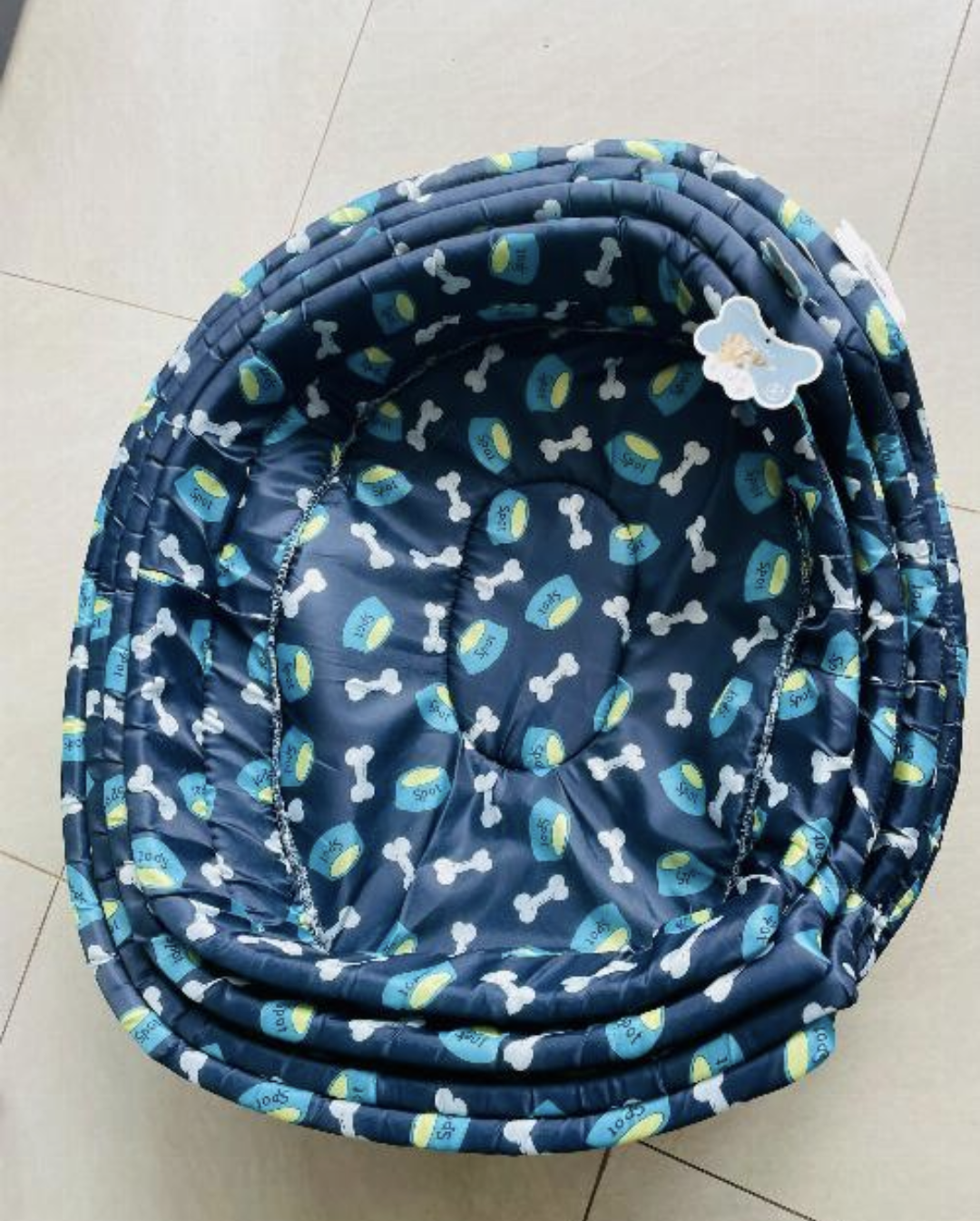
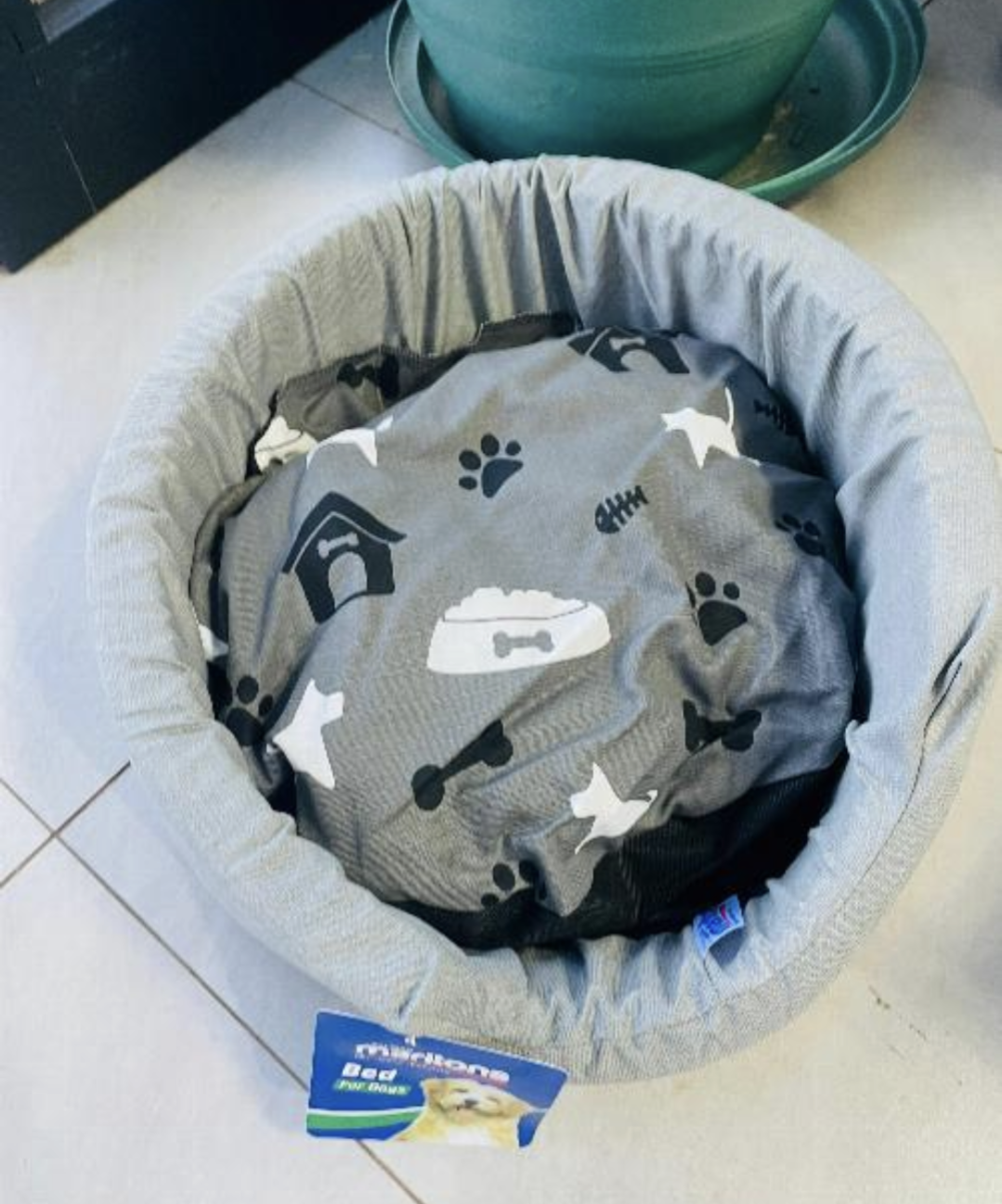
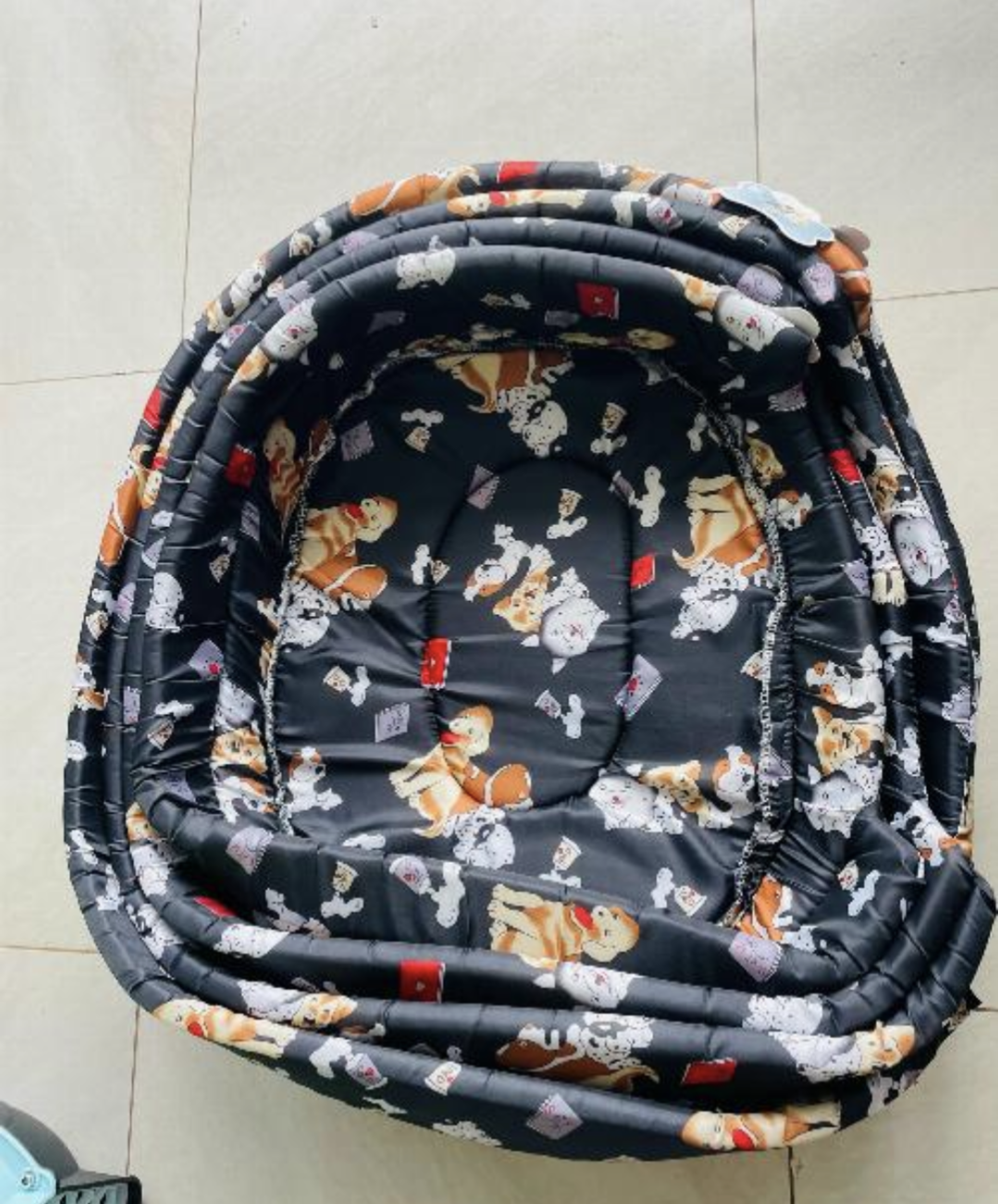
Dog bed
1 Must haveA bed gives a rescue dog a secure place to rest while they learn the house.
How to use it: Put it in a calm corner, away from doors and loud noise.
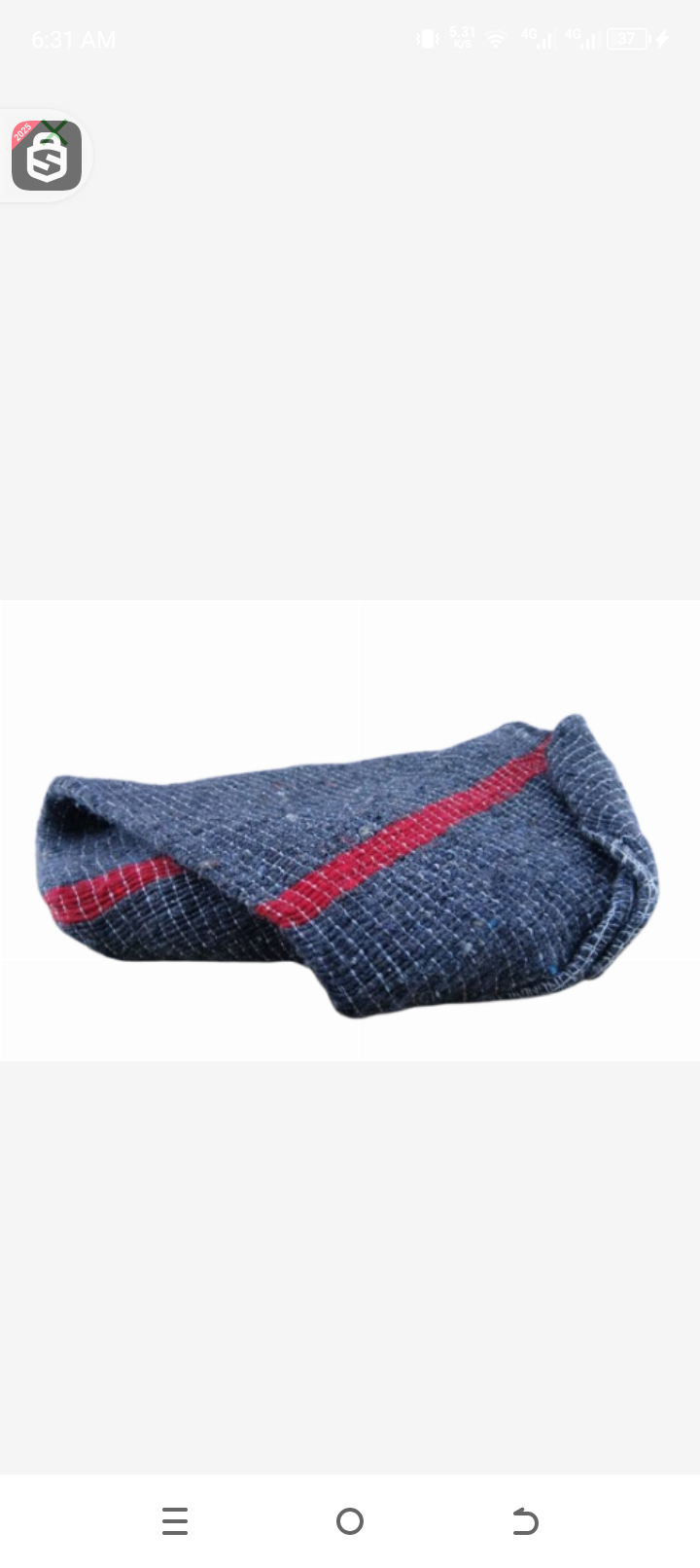
Blanket
1 to 2 Must haveA soft blanket makes the bed warmer on cool Kigali nights and carries a familiar smell.
How to use it: Wash it weekly and keep a spare.
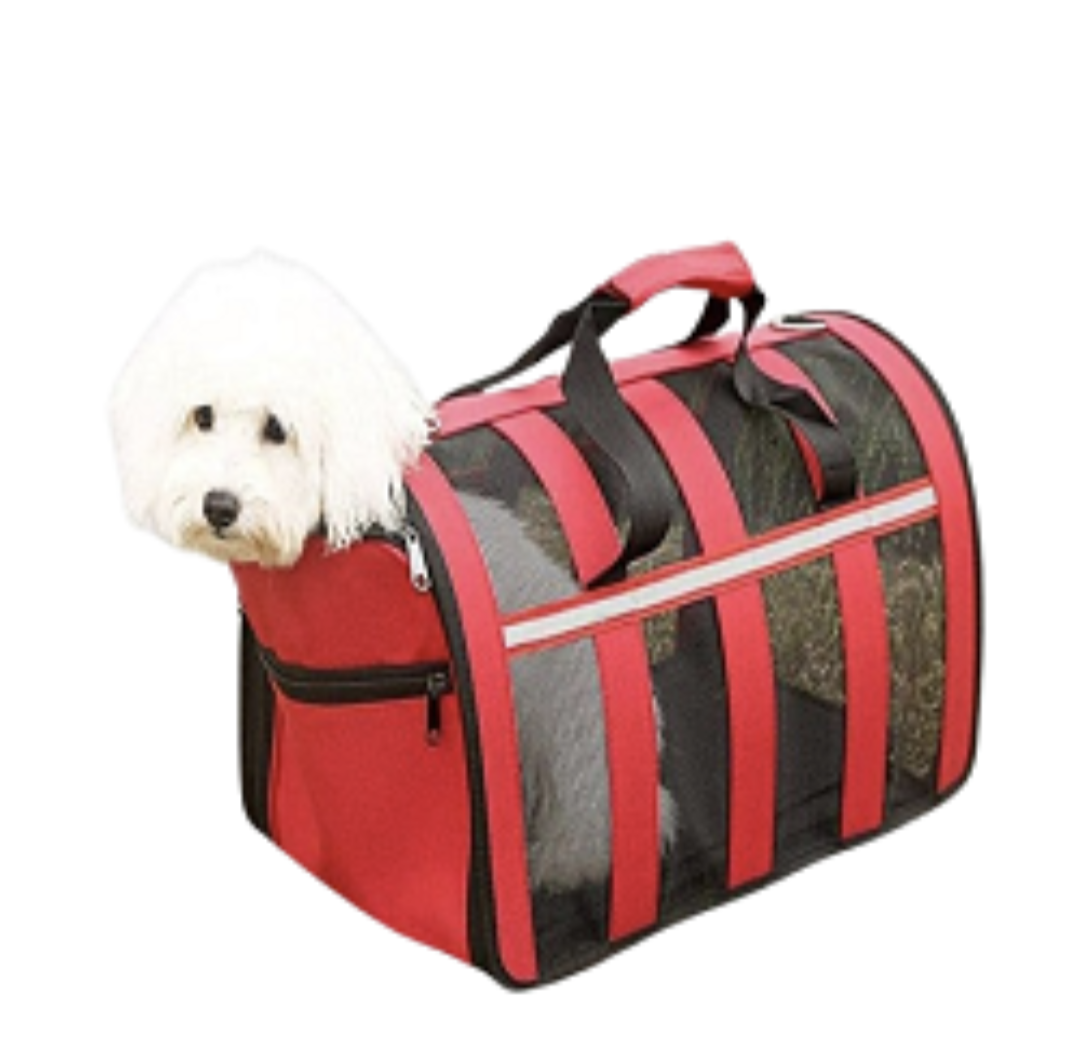
Pet carrier bag
1Nice to haveUseful for the first vet visit, especially with a small dog.
How to use it: Leave it open at home first so the dog gets used to it before travel.
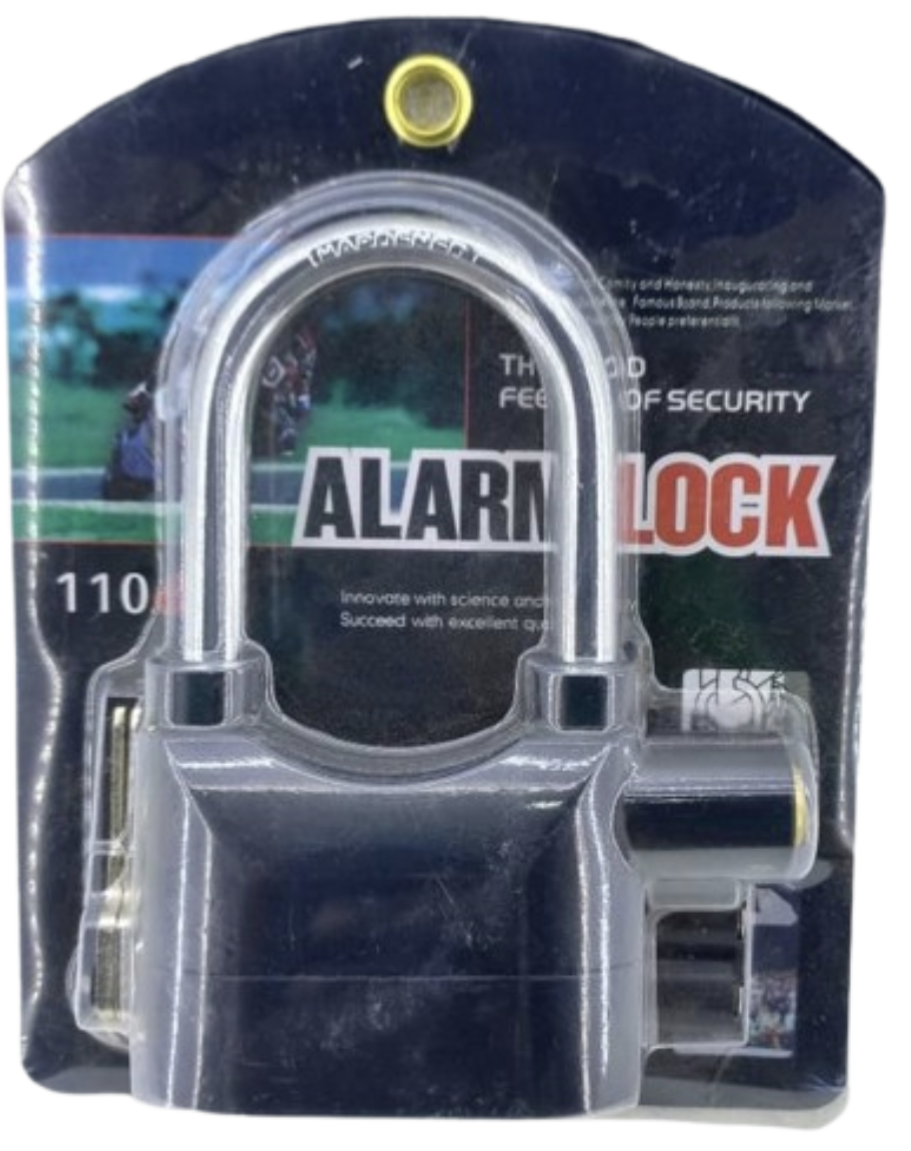
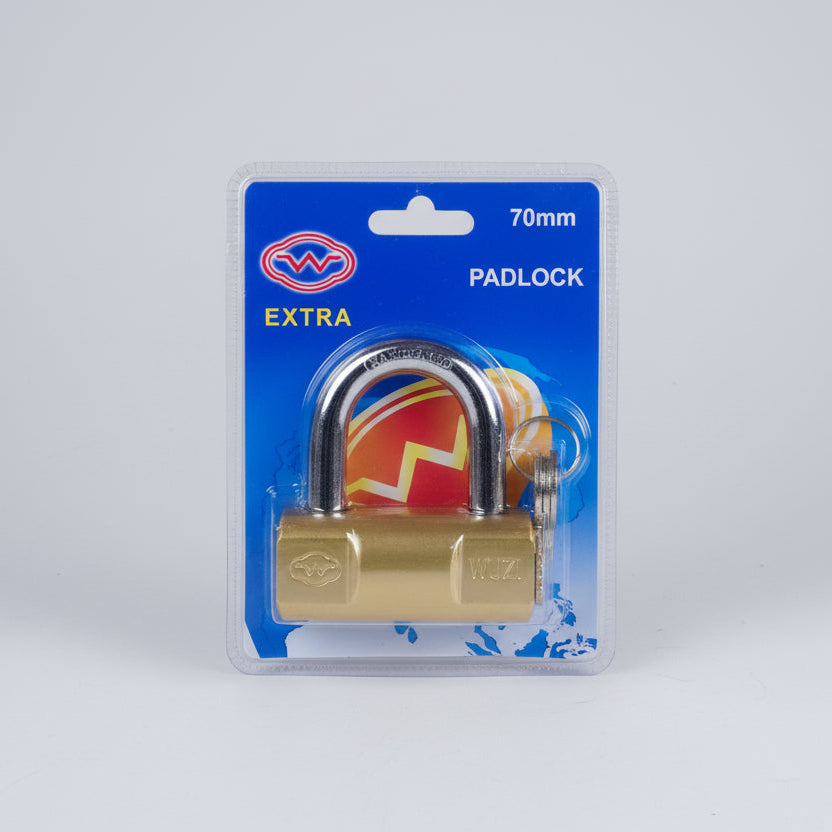
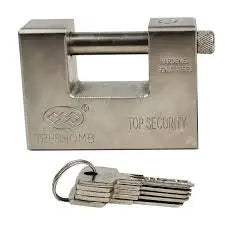
Padlock for the gate
1 Must haveA new dog may try to escape or follow strangers.
How to use it: Lock the compound gate and fix any gaps in the fence before the dog arrives.
Walks and identity
A well fitted collar and a leash keep your dog safe in busy Kigali streets.
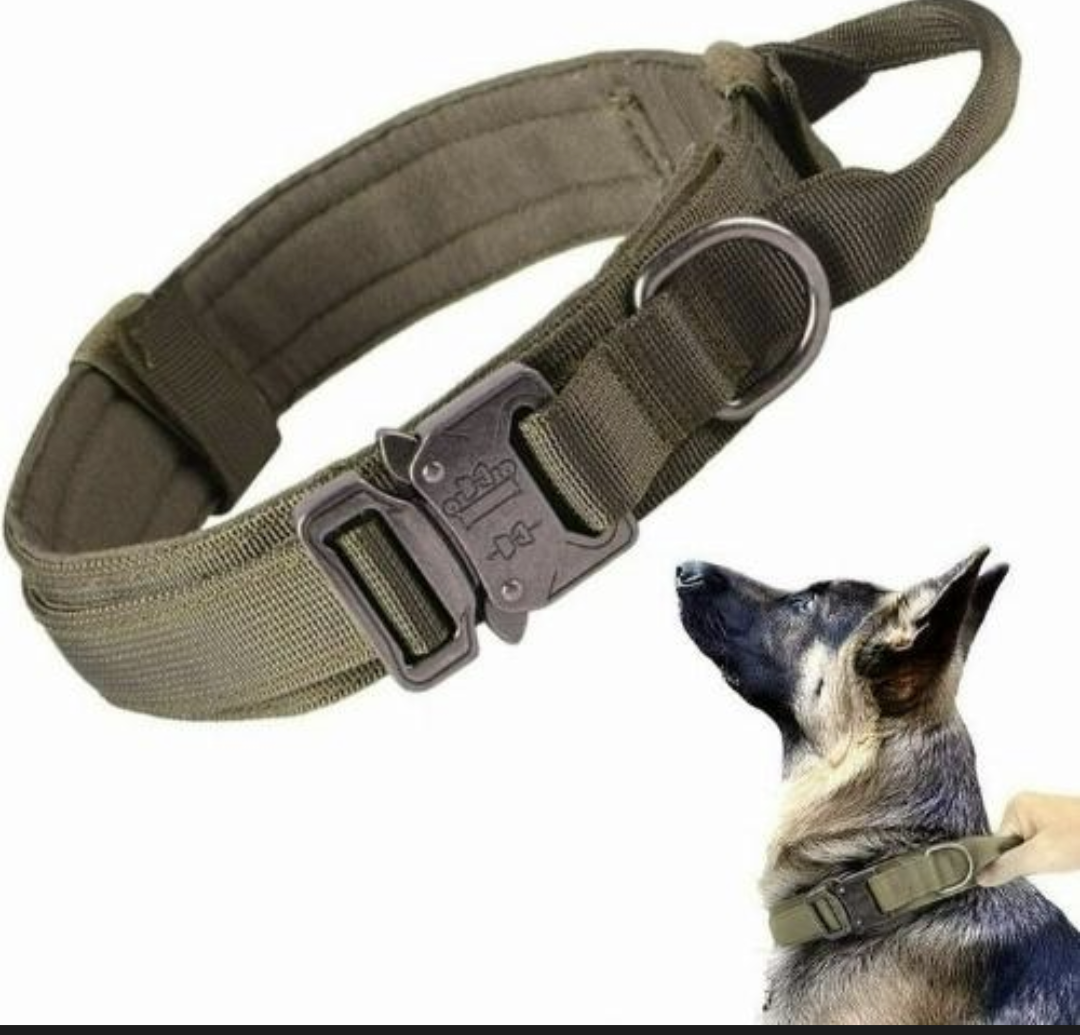
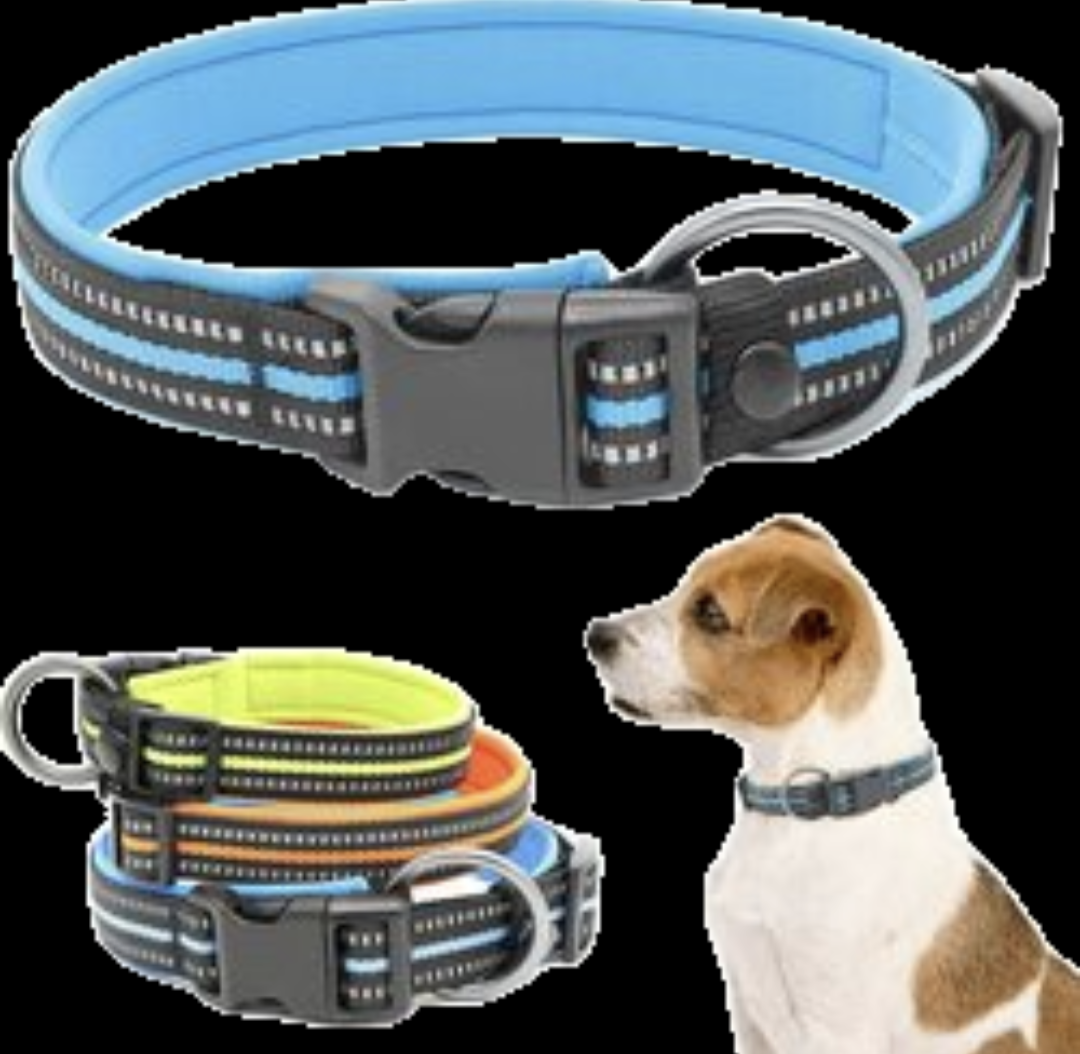
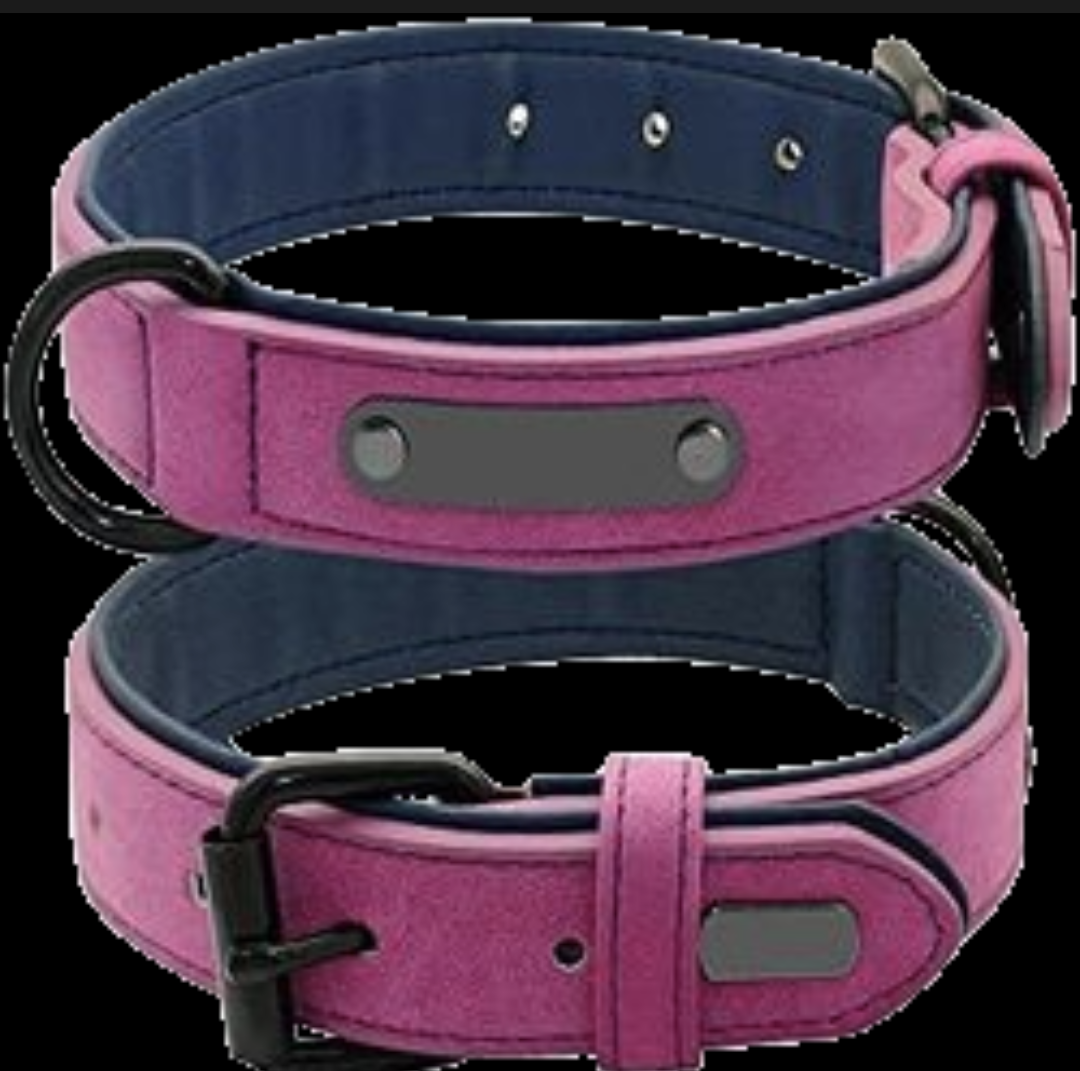
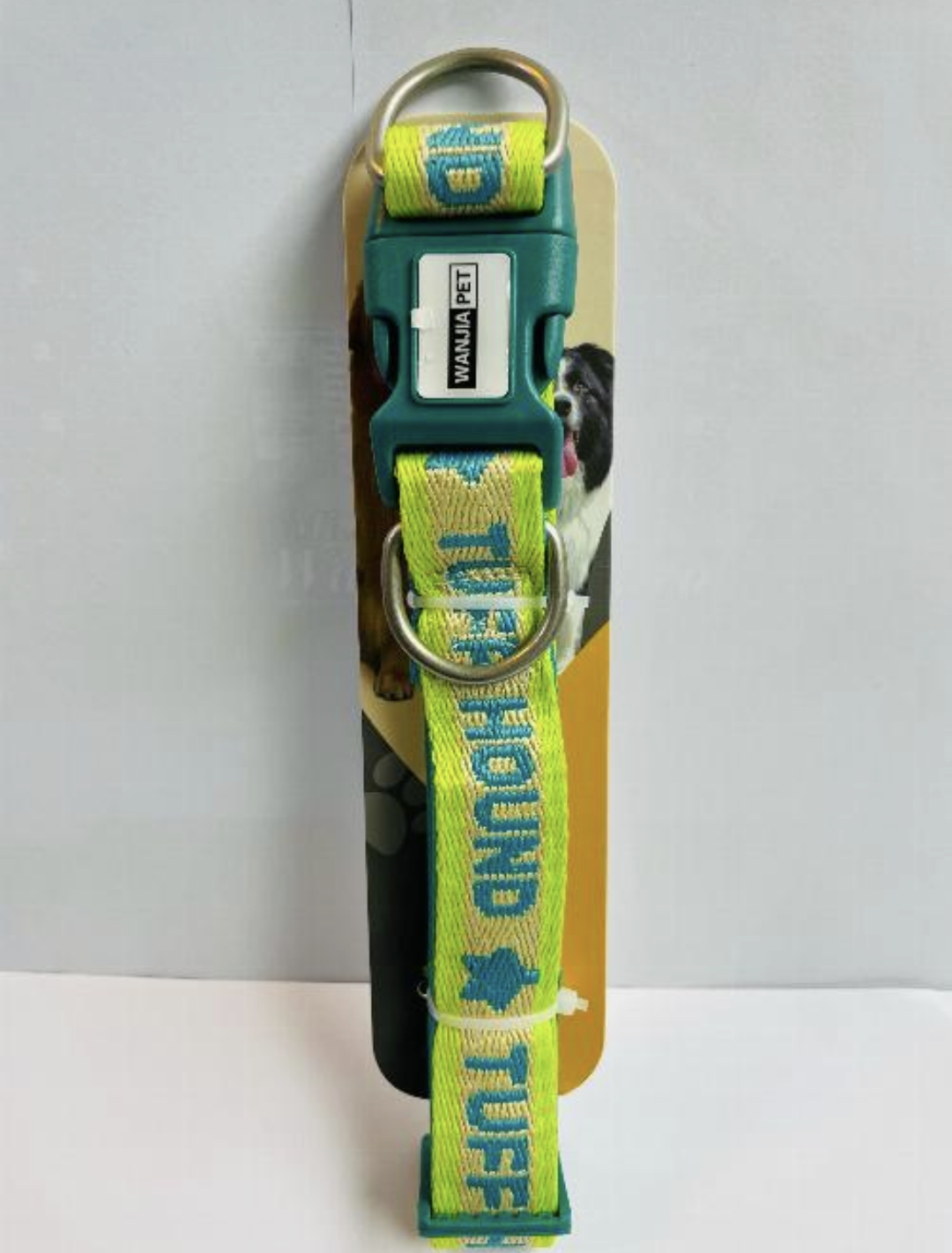
Dog collar
1 Must haveA collar holds an identity tag, which is the fastest way to get a lost dog home.
How to use it: Fit it so you can slip two fingers under it.
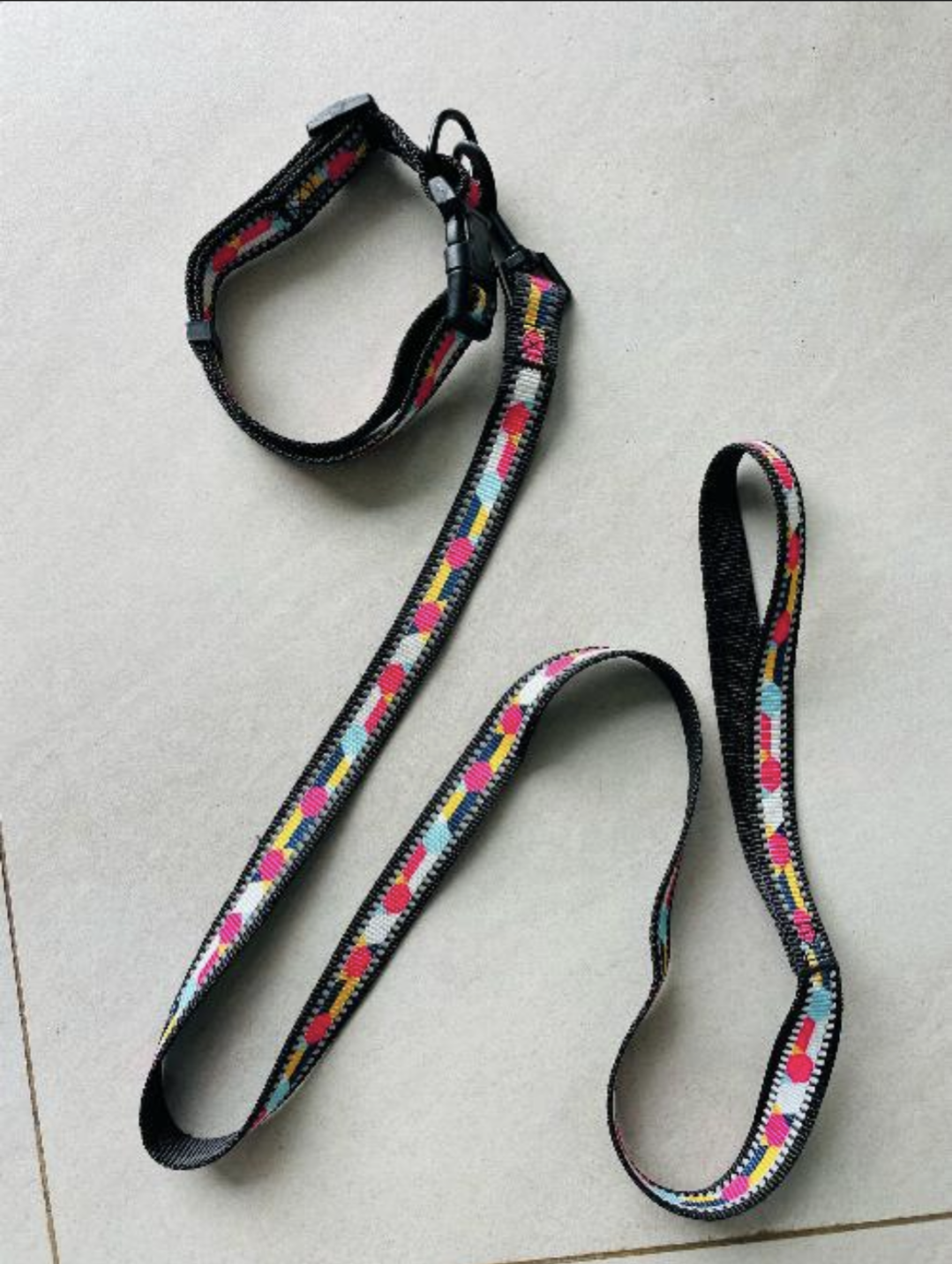
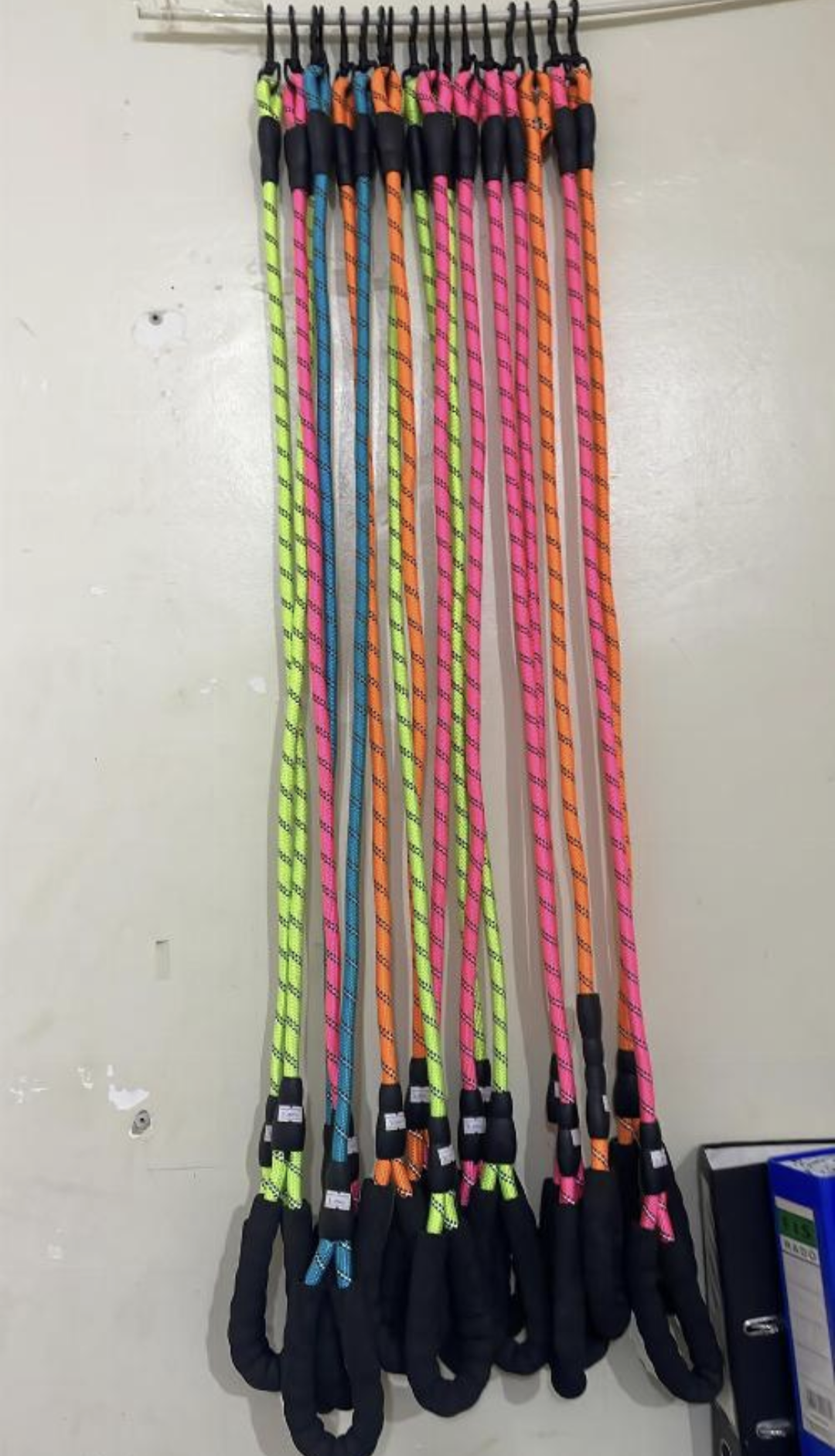
Dog leash
1 Must haveA secure leash keeps your dog close near traffic, motos and other dogs.
How to use it: Use a short leash at first and keep your dog beside you.
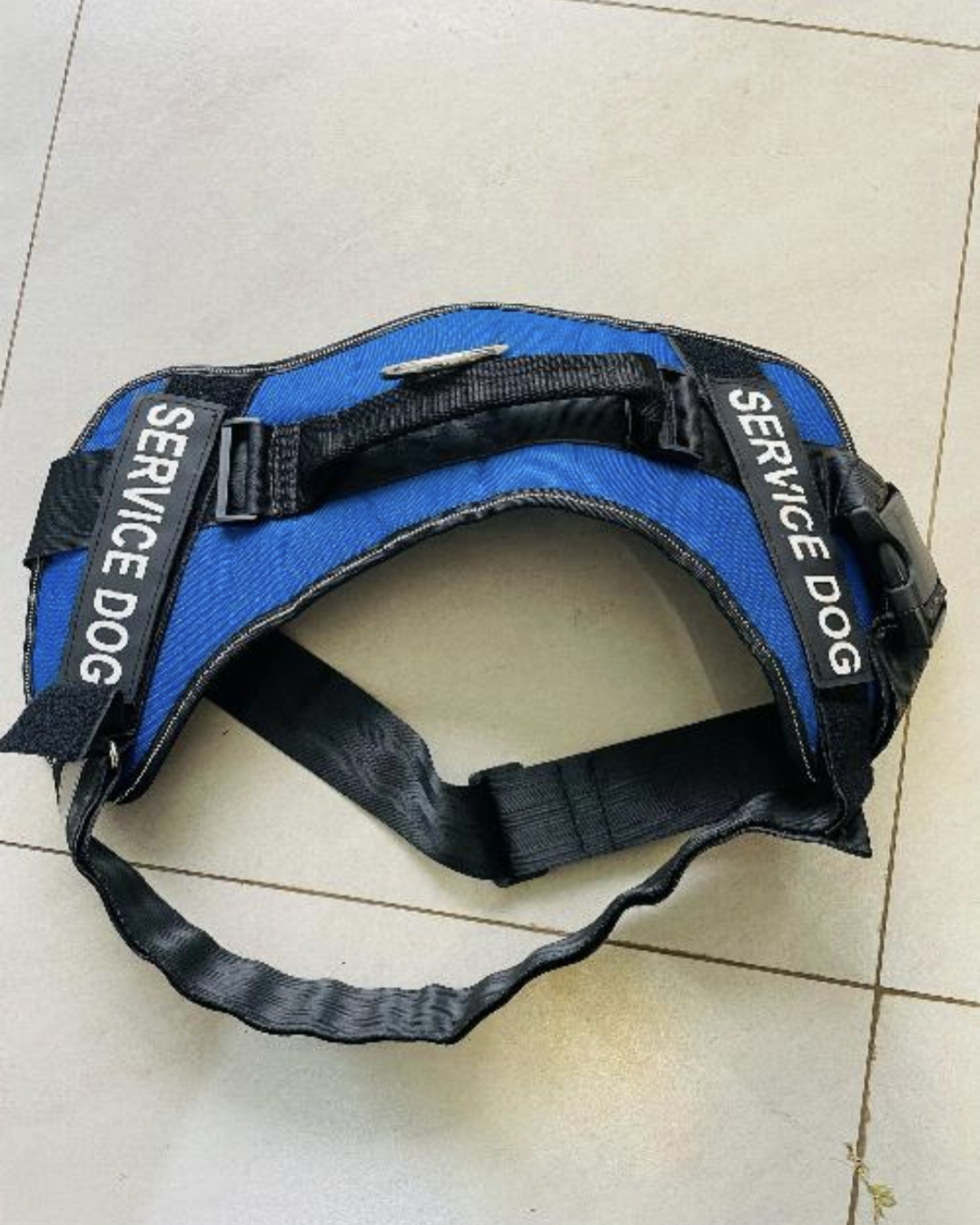
Dog harness
1Nice to haveA harness protects the neck, especially for a dog who pulls.
How to use it: Choose one that fits snugly without rubbing under the legs.
ID tag
1 Must havePut your name and phone number on it in case your dog runs away.
How to use it: Check the writing is still clear every few months.
Waste bags
1 roll Must havePicking up after your dog keeps streets clean.
How to use it: Carry a few in your pocket and put them in a bin.
Grooming and cleaning
A clean dog and a clean home make the first weeks easier.
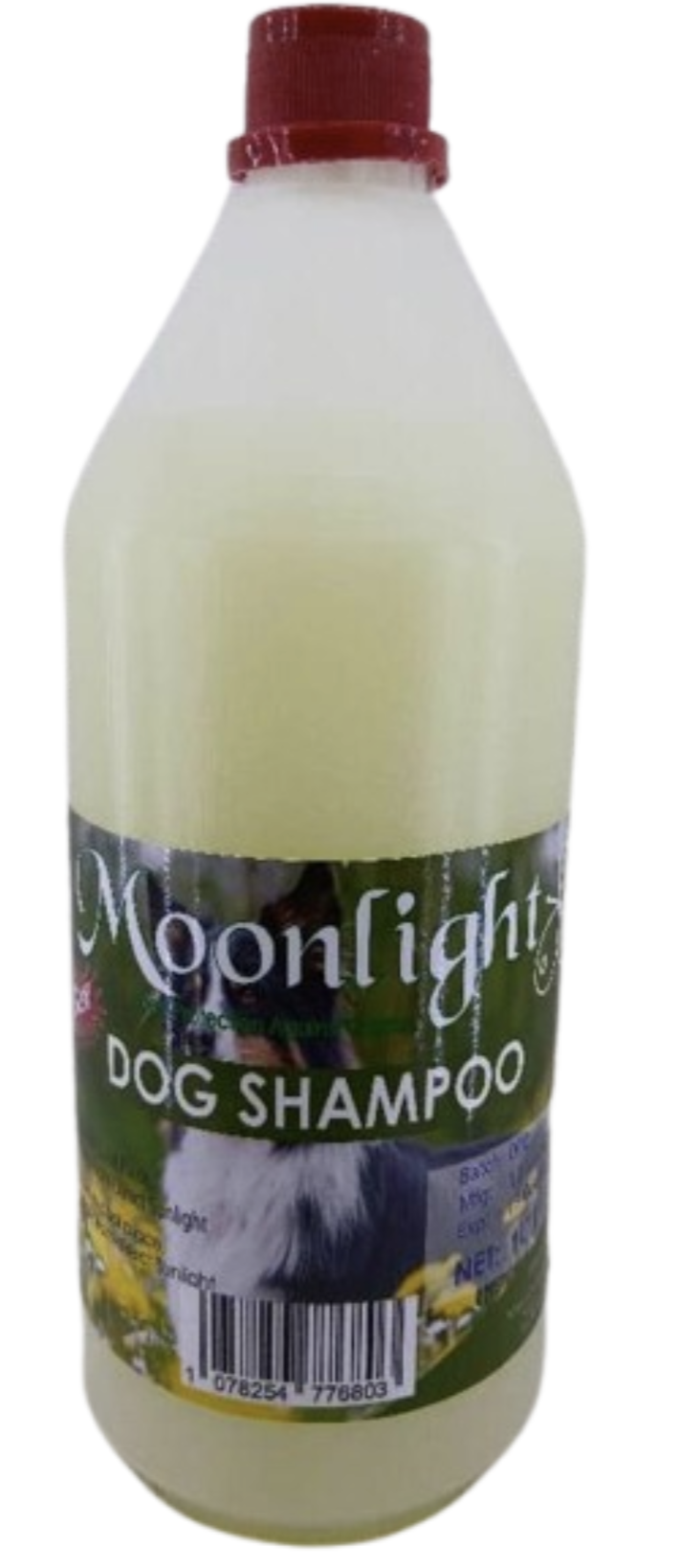
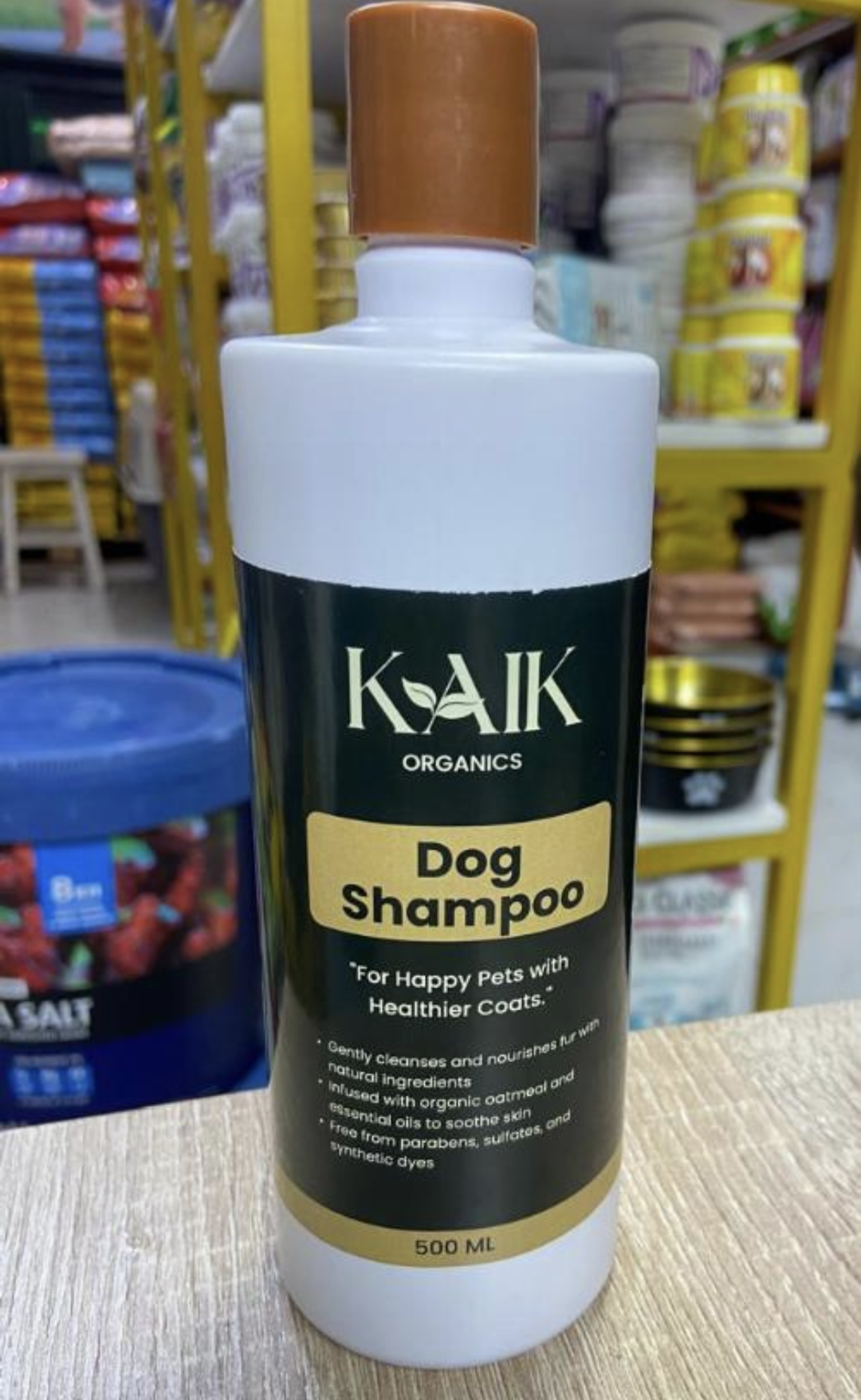
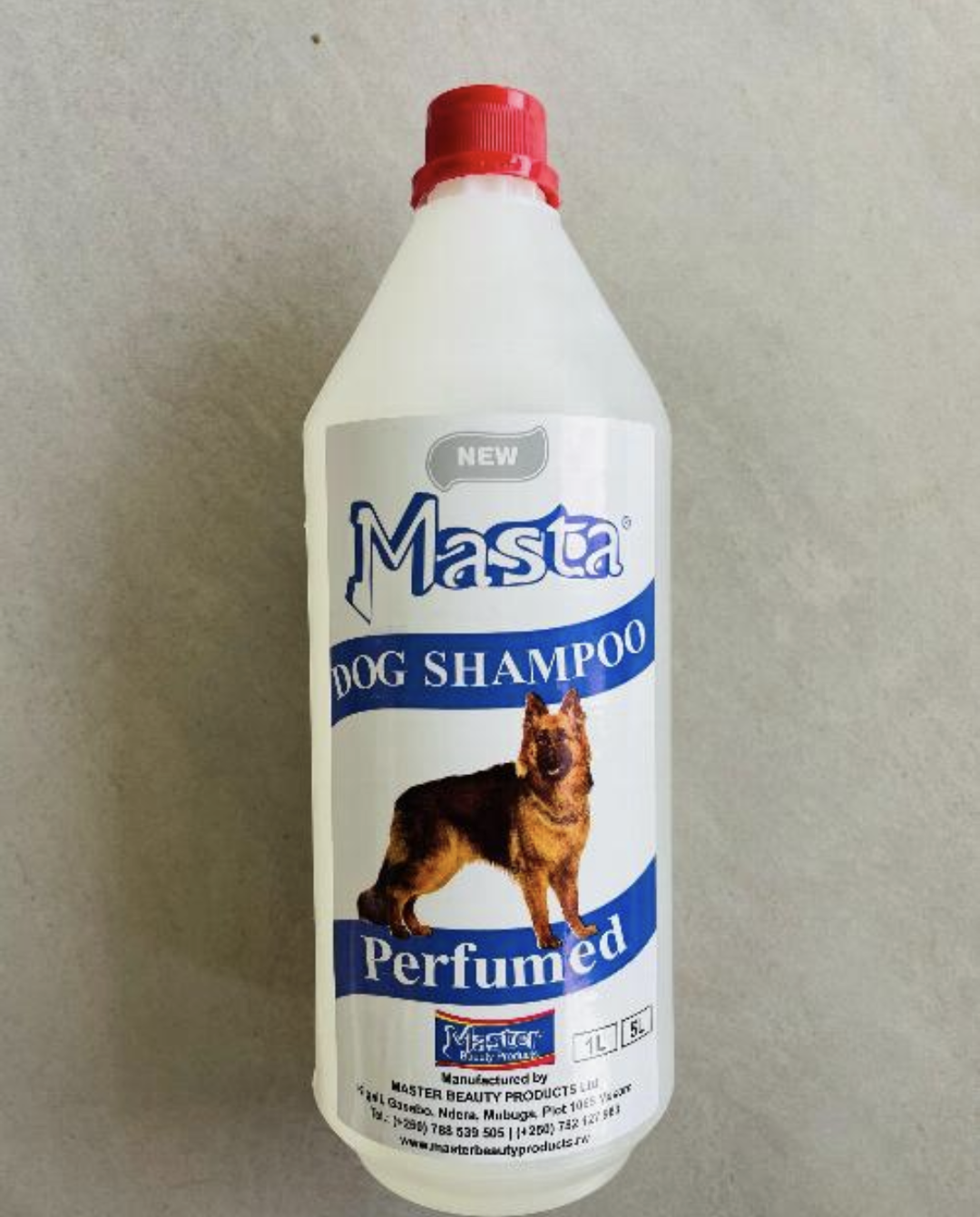
Dog shampoo
1 bottle Must haveMany rescue dogs arrive dirty. A gentle wash helps them feel fresh.
How to use it: Use dog shampoo only. Rinse well and dry the dog with a towel.
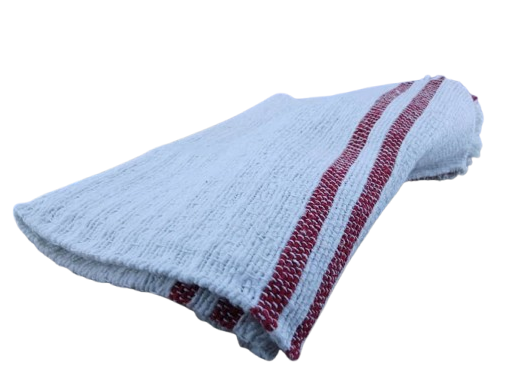
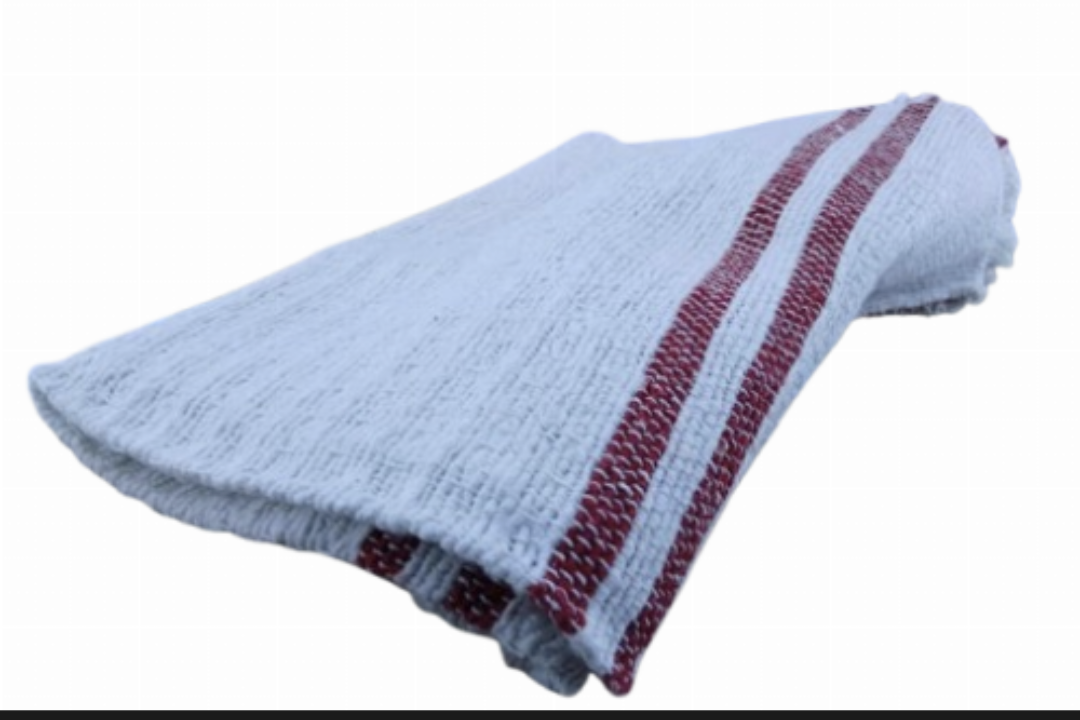
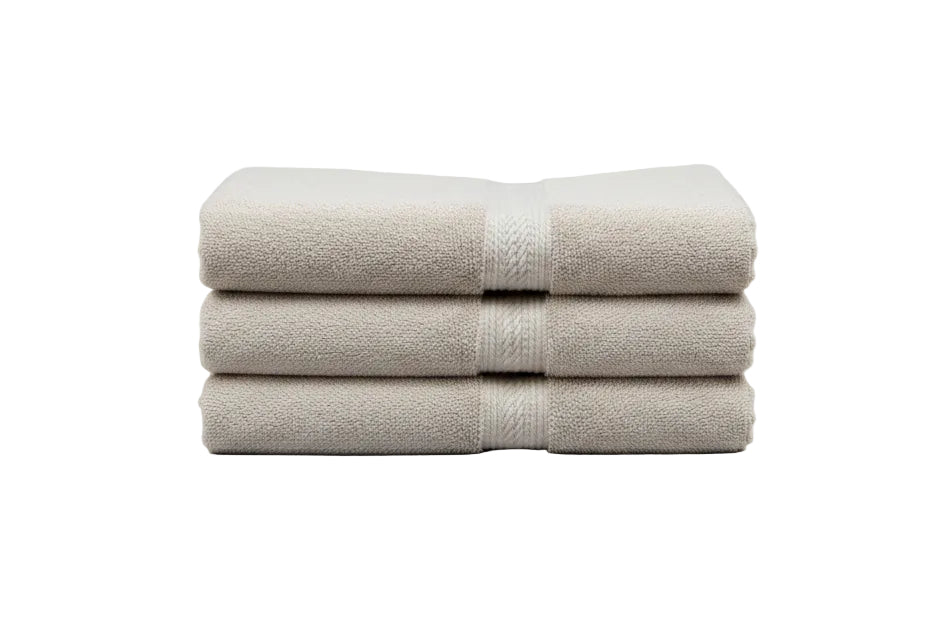
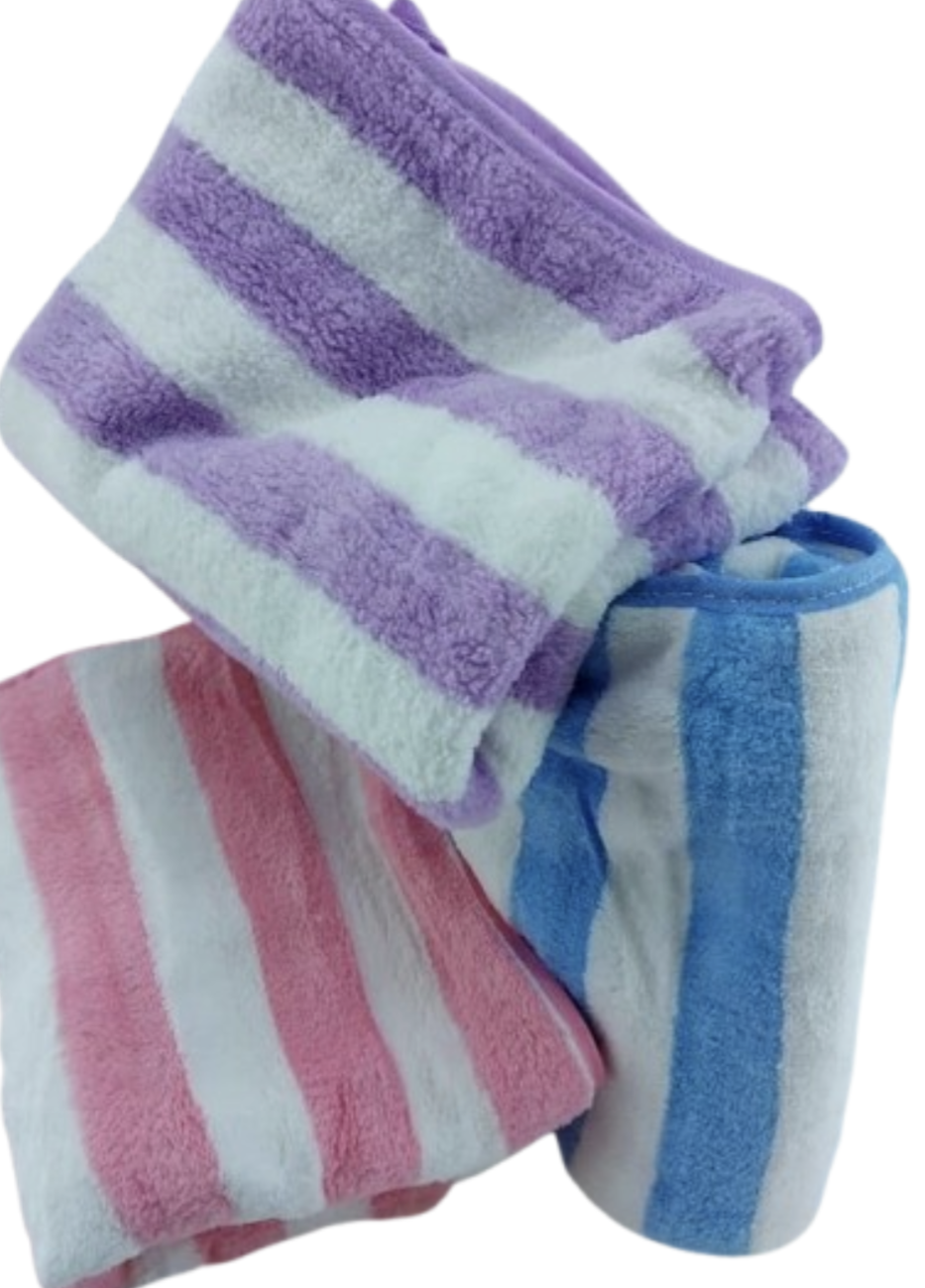
Towel
2 Must haveDries your dog after baths and wipes muddy paws in the rainy seasons.
How to use it: Keep a towel by the door.
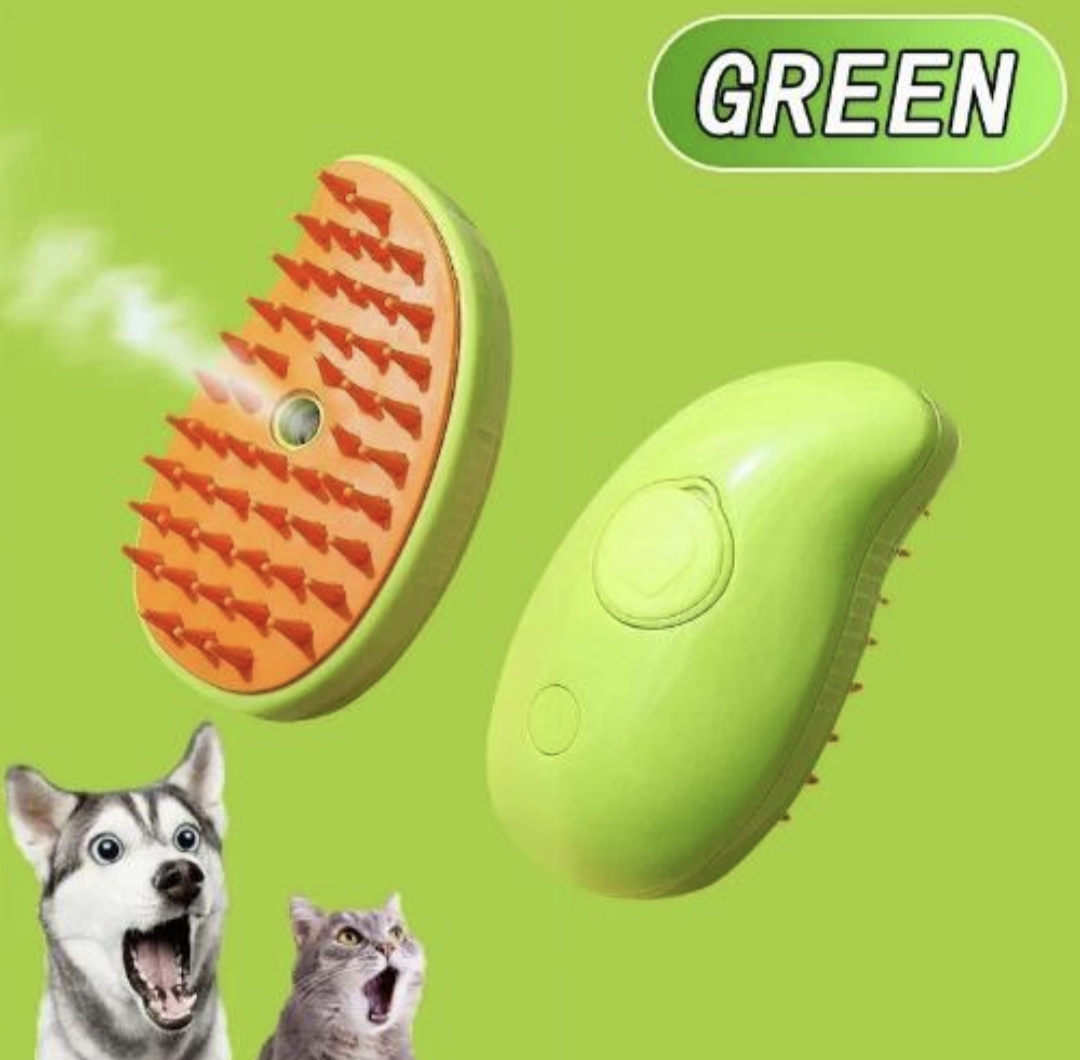
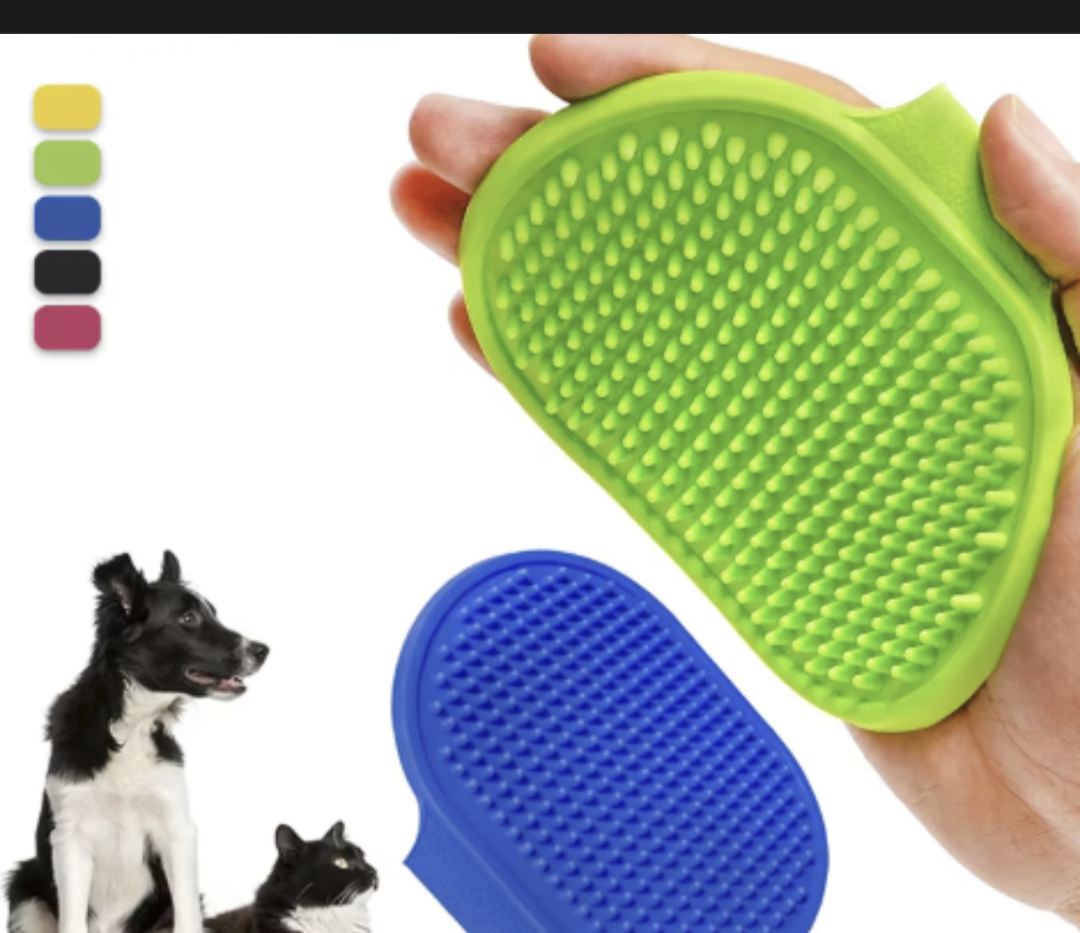
Pet brush
1Nice to haveBrushing removes loose hair and dust and lets you spot ticks or skin problems.
How to use it: Brush gently a few times a week.
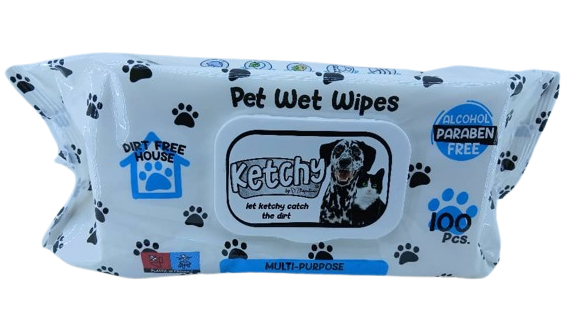
Pet wet wipes
1 packNice to haveQuick cleaning for paws and faces between baths.
How to use it: Use them after walks and throw them out after use.
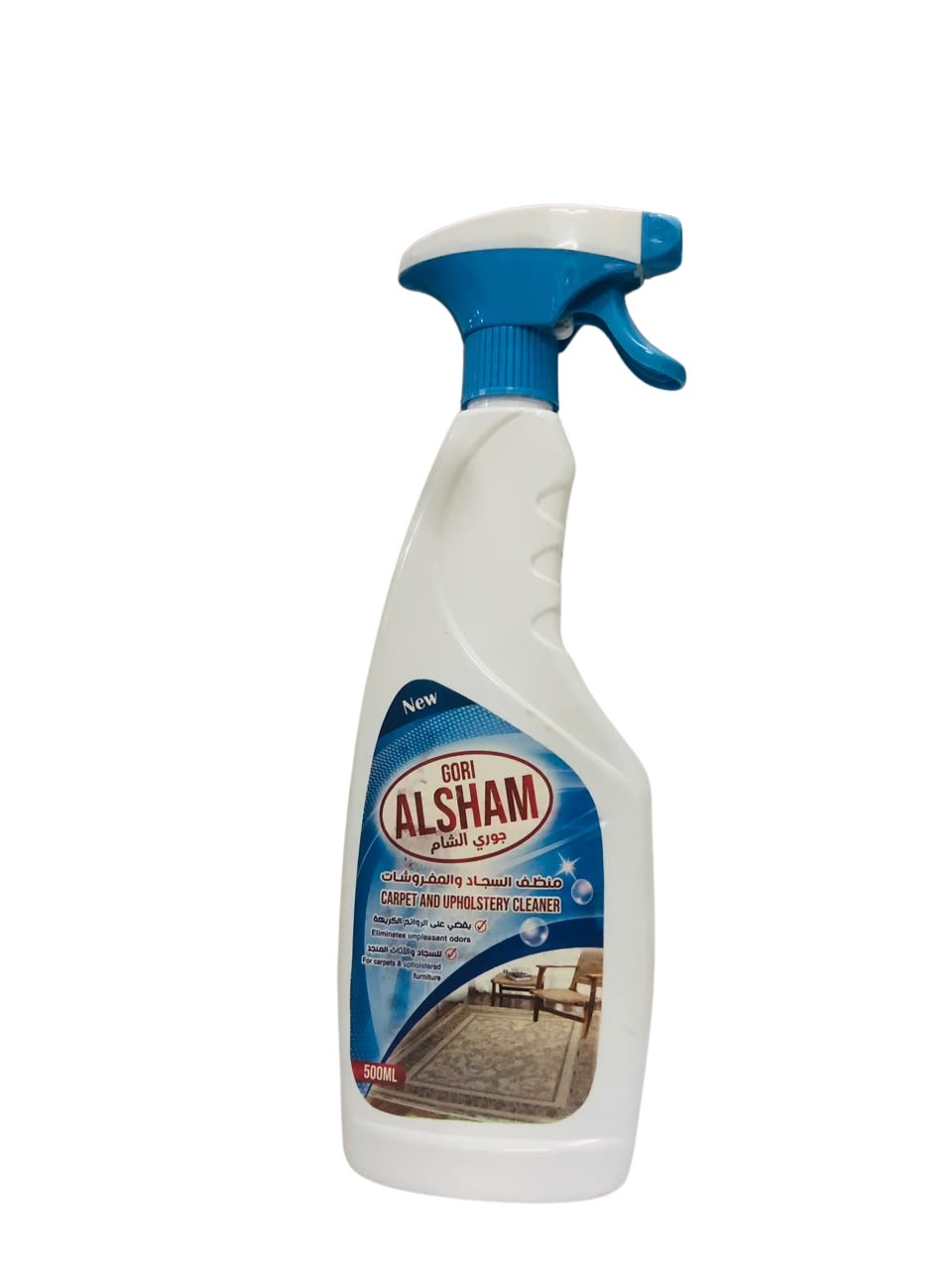
Carpet cleaner
1 bottleNice to haveAccidents happen in the first weeks while your dog learns the rules.
How to use it: Clean right away and keep the dog away until the floor is dry.
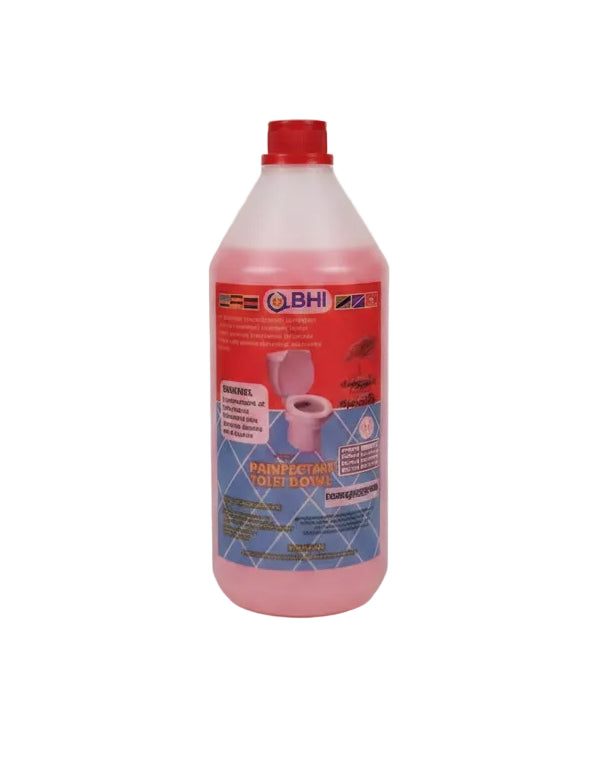
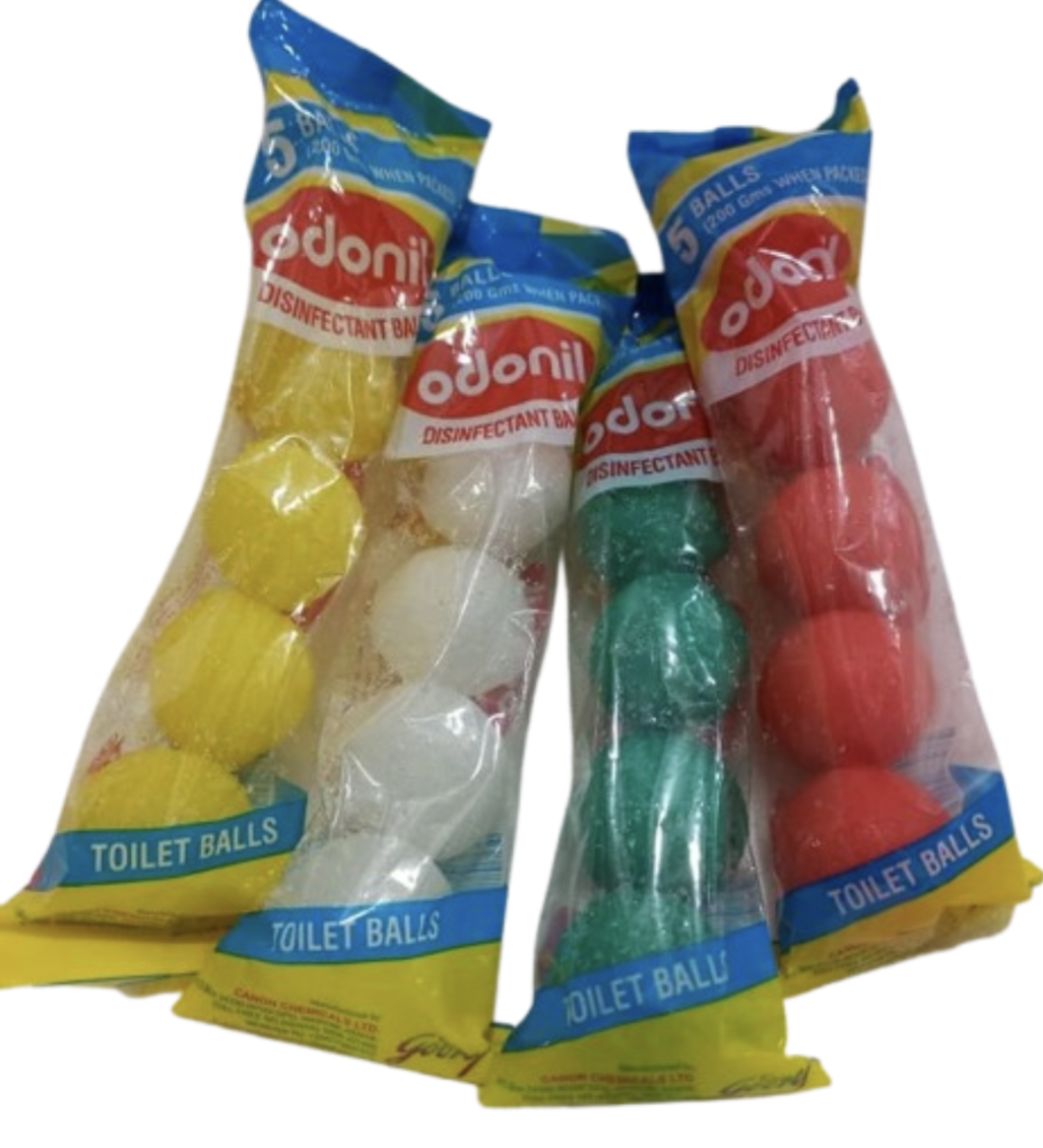
Disinfectant
1 bottleNice to haveHelps you clean floors and feeding areas.
How to use it: Dilute as the label says and keep it away from your dog.
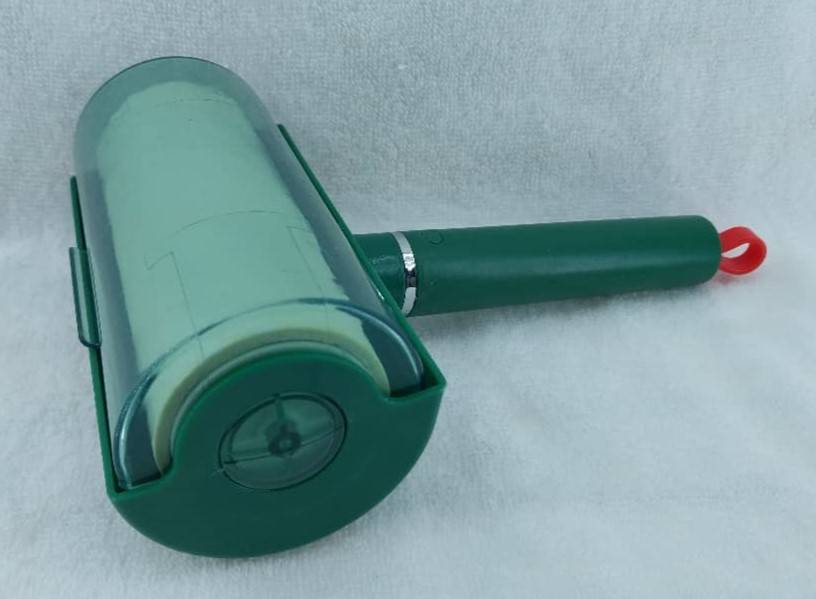
Lint roller
1Nice to haveRemoves dog hair from clothes and sofas.
How to use it: Keep one by the door.


Play and health basics
Toys keep a new dog calm, and a small kit helps you deal with small problems.
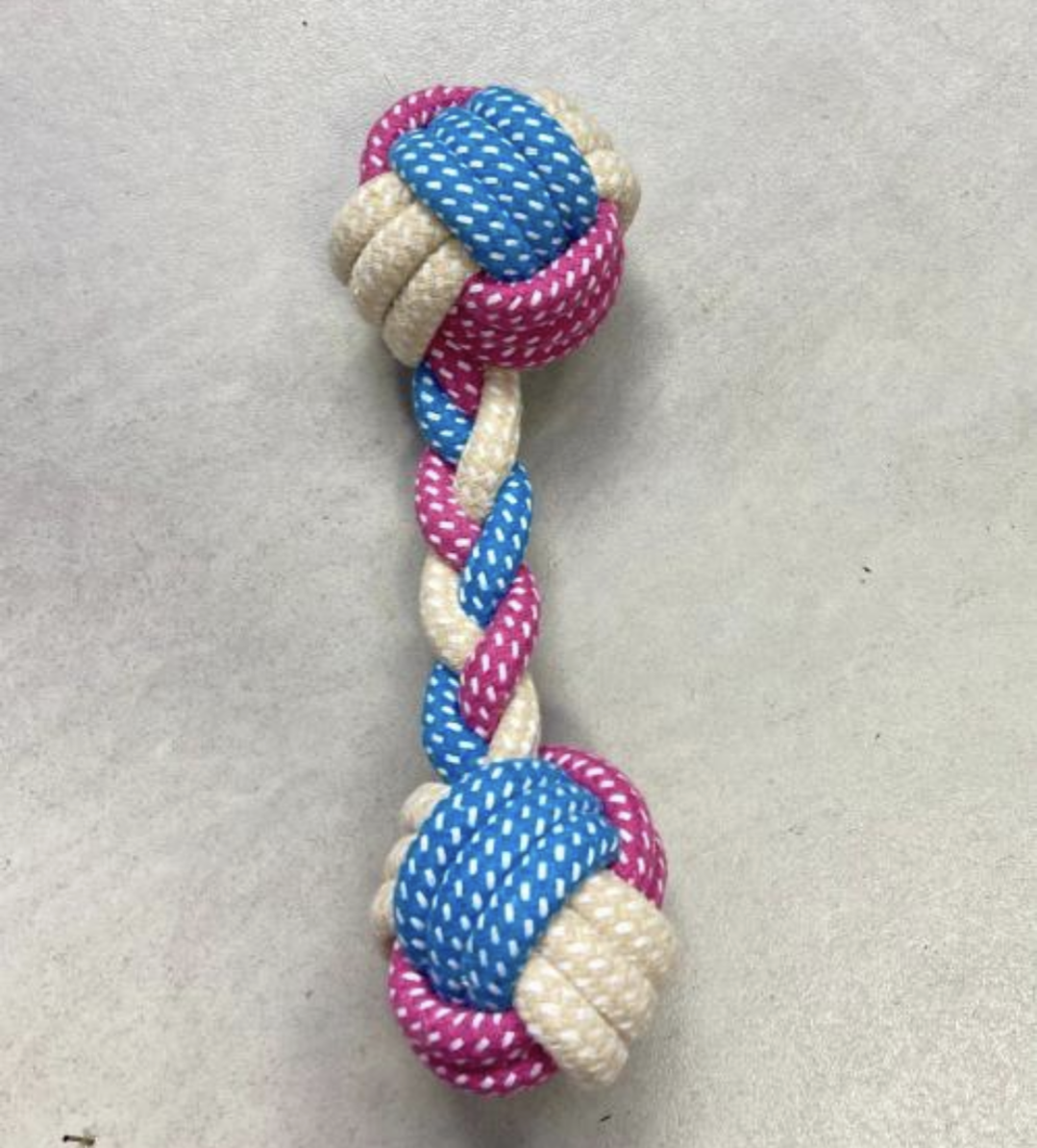
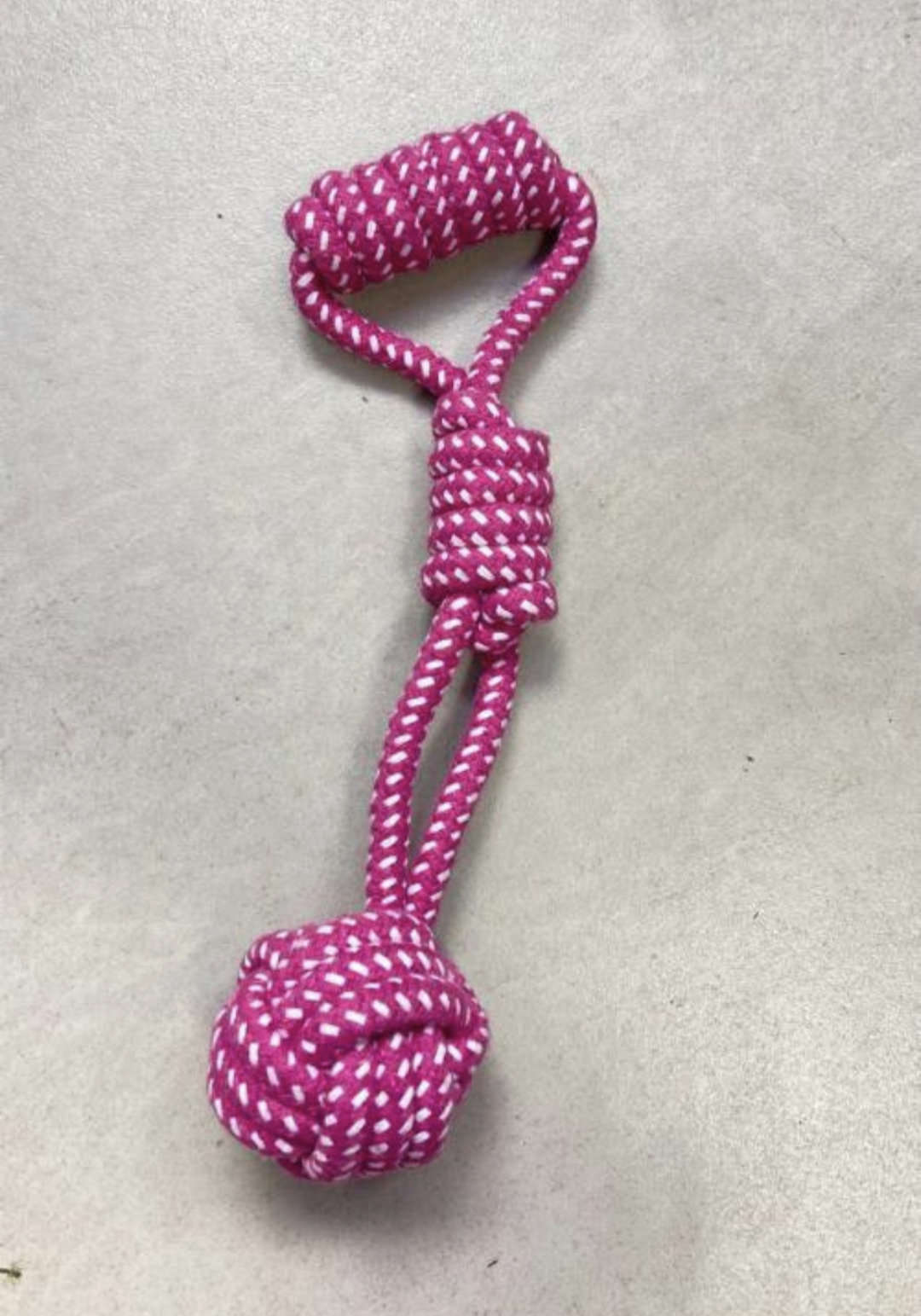
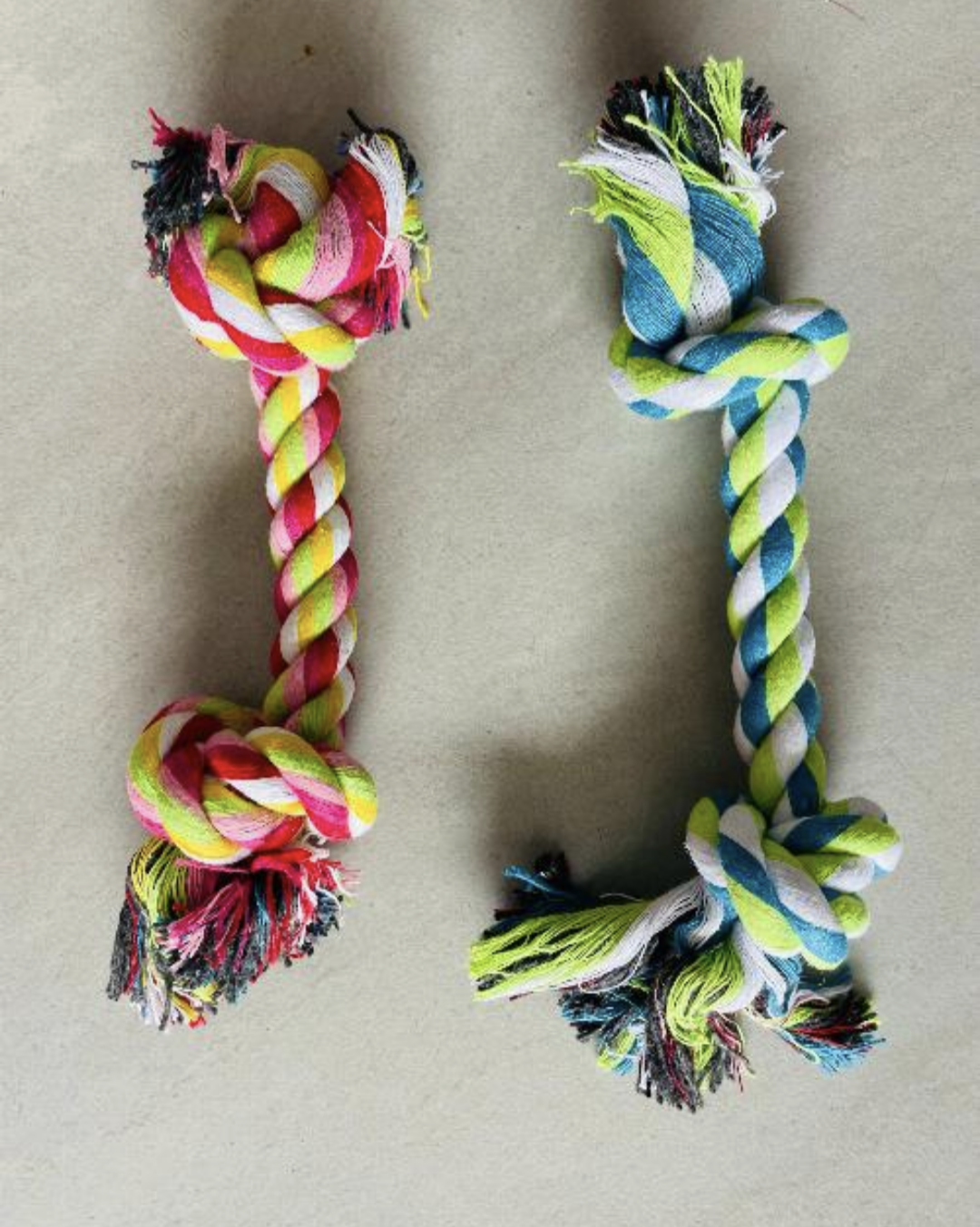
Rope toy
1Nice to haveChewing relieves stress and saves your shoes.
How to use it: Take it away if it starts to fall apart.
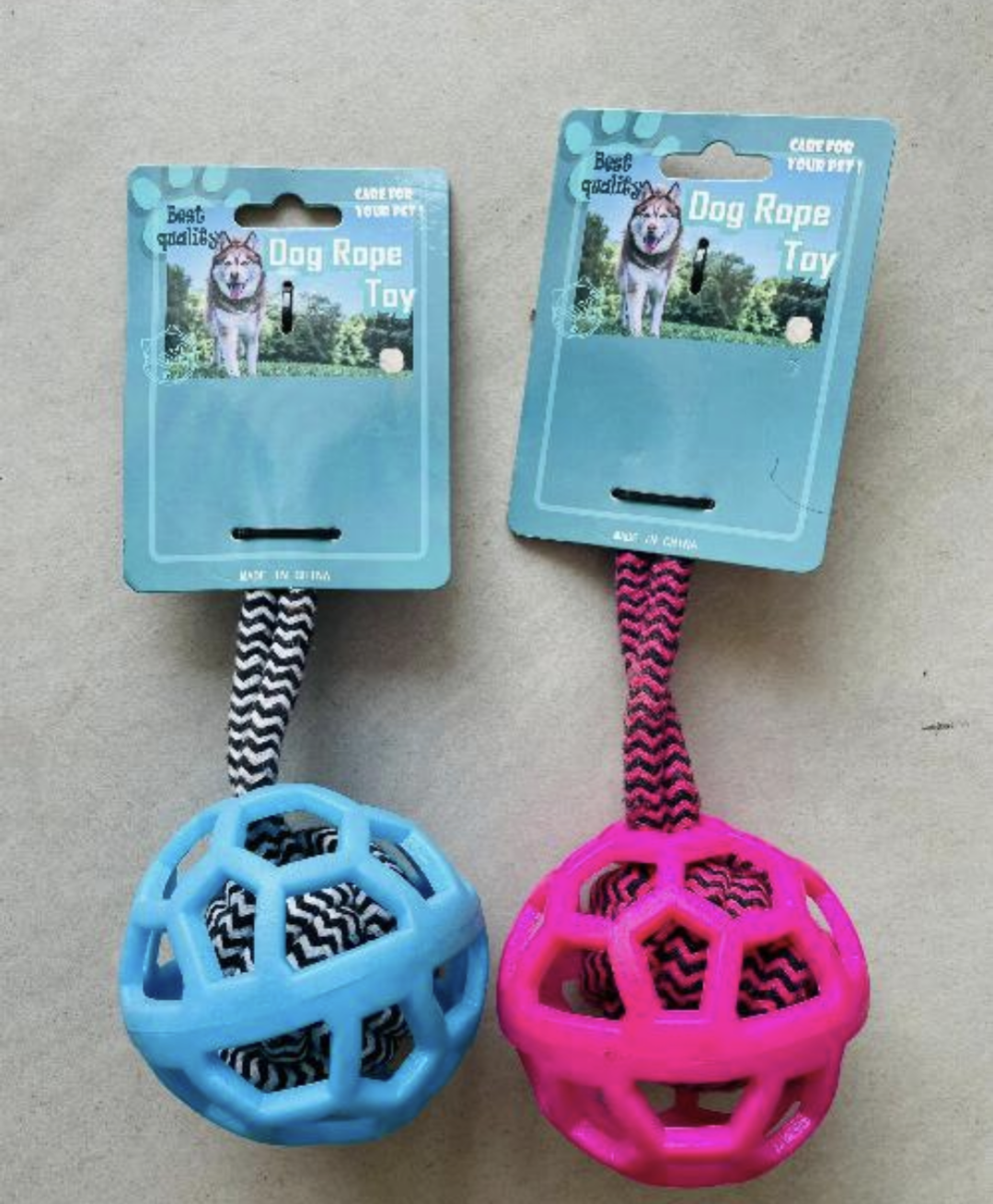
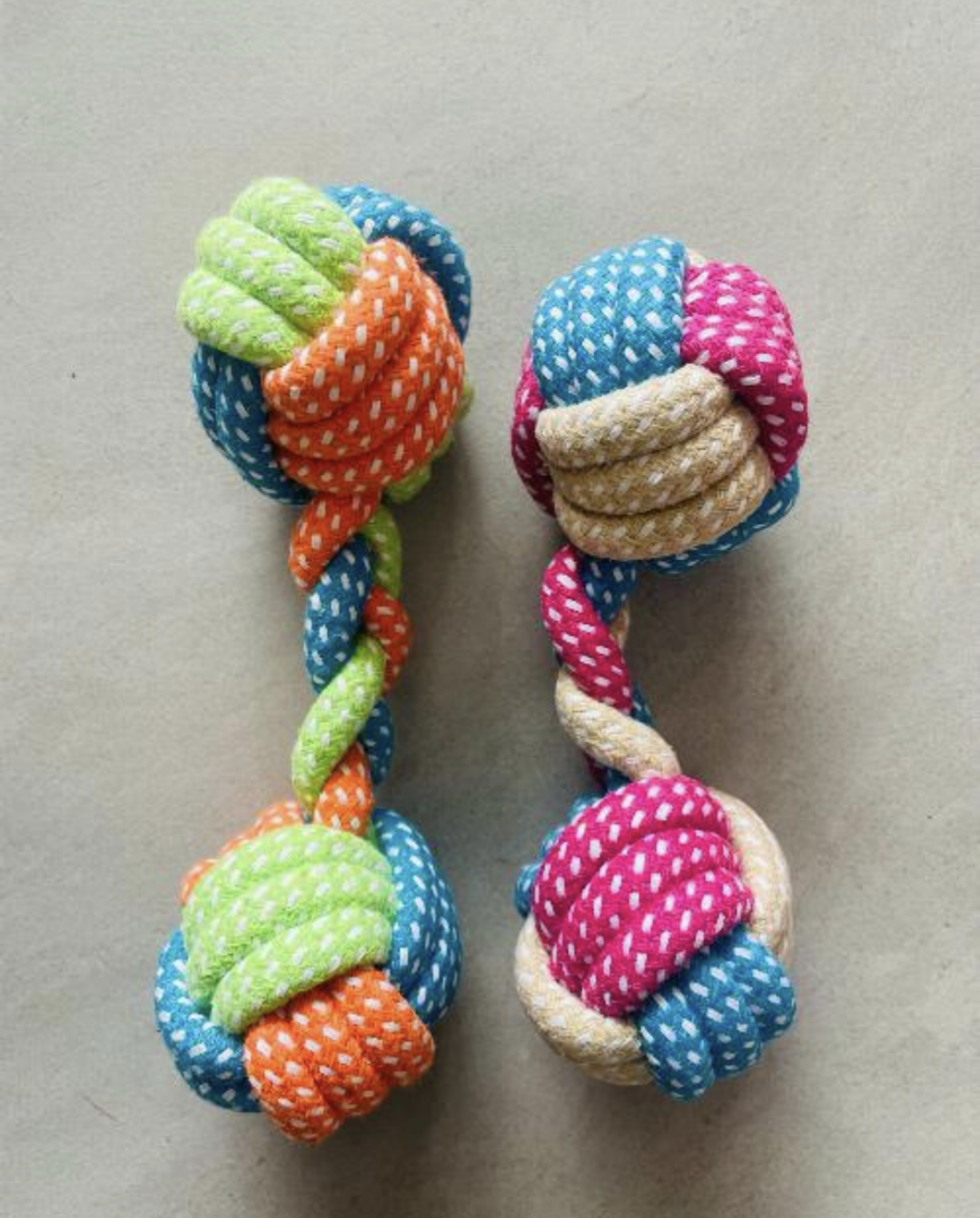
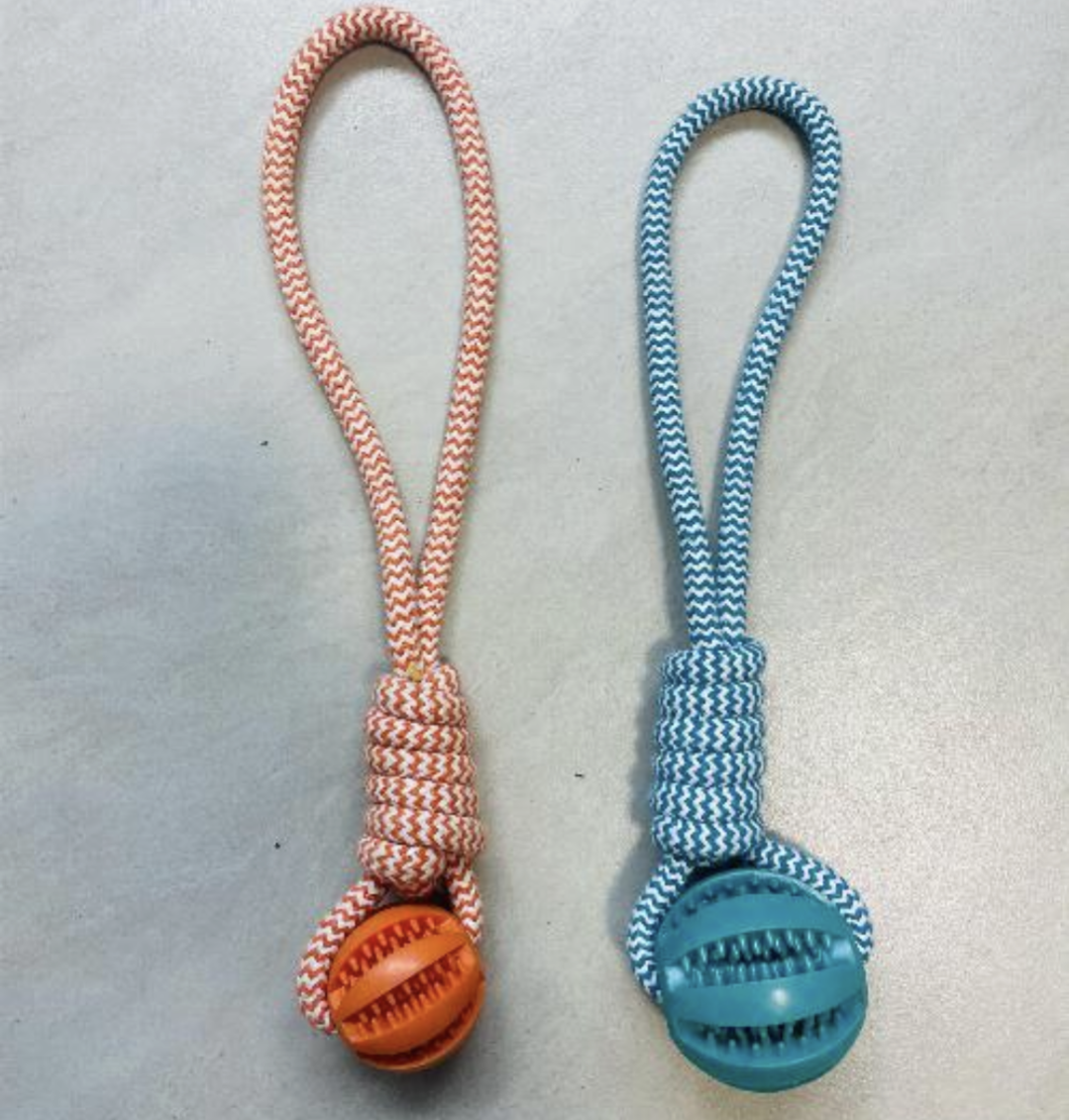
Dog toy
2Nice to haveToys give the dog something to do while you are out.
How to use it: Offer two or three toys and switch them every few days.
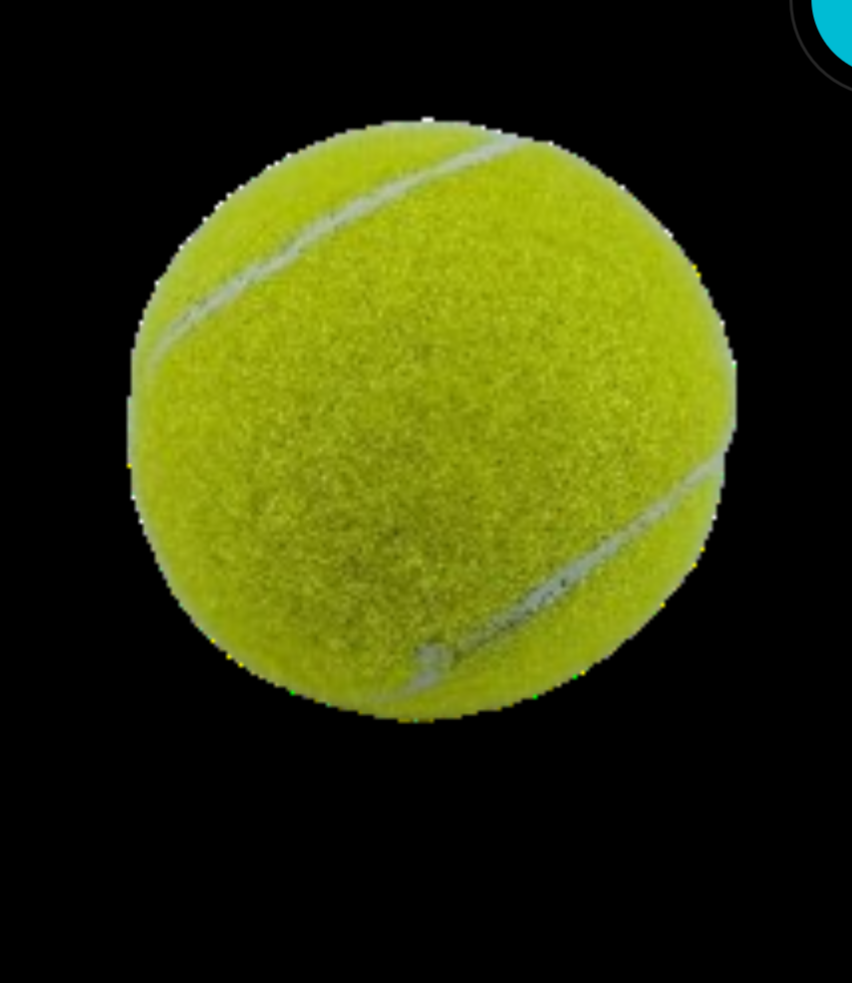
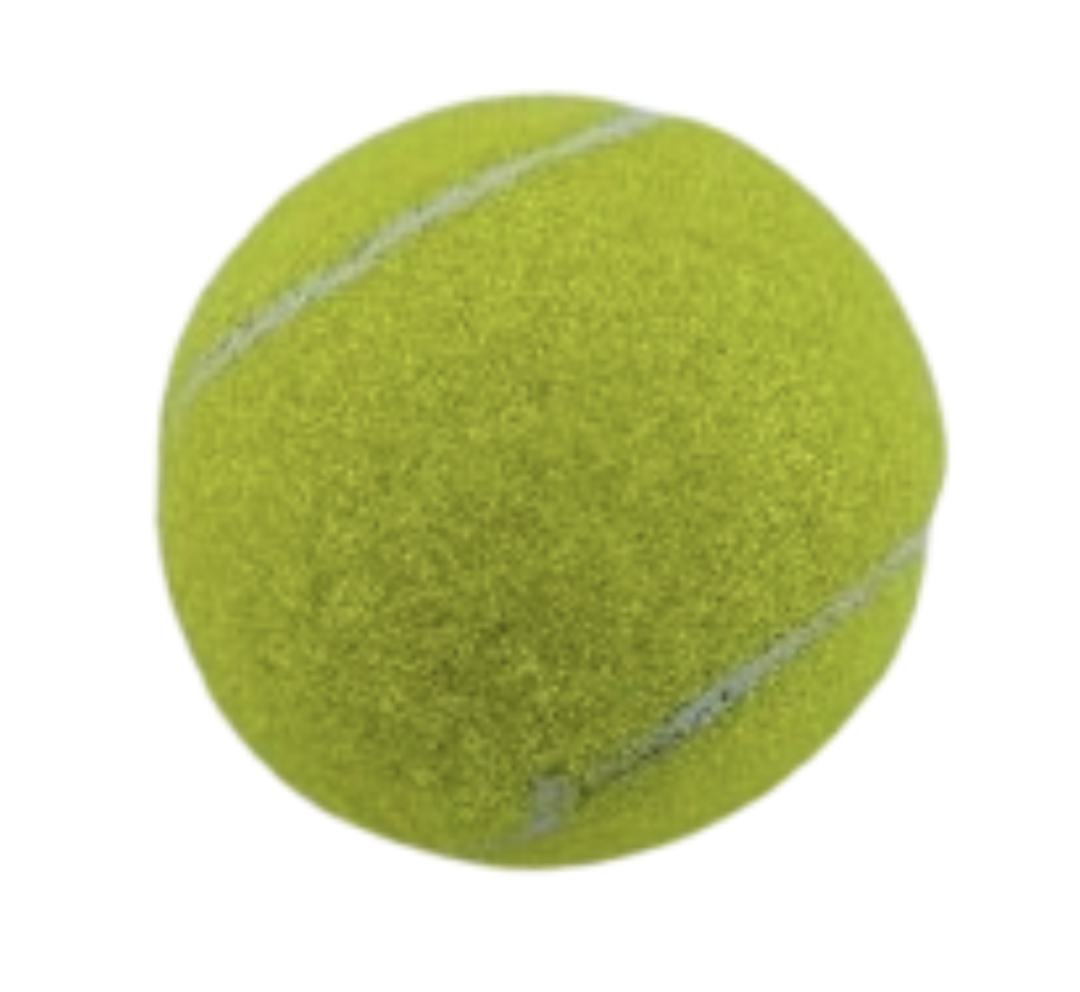
Tennis ball
1Nice to haveA simple toy for fetch in the compound.
How to use it: Choose a size that cannot be swallowed.
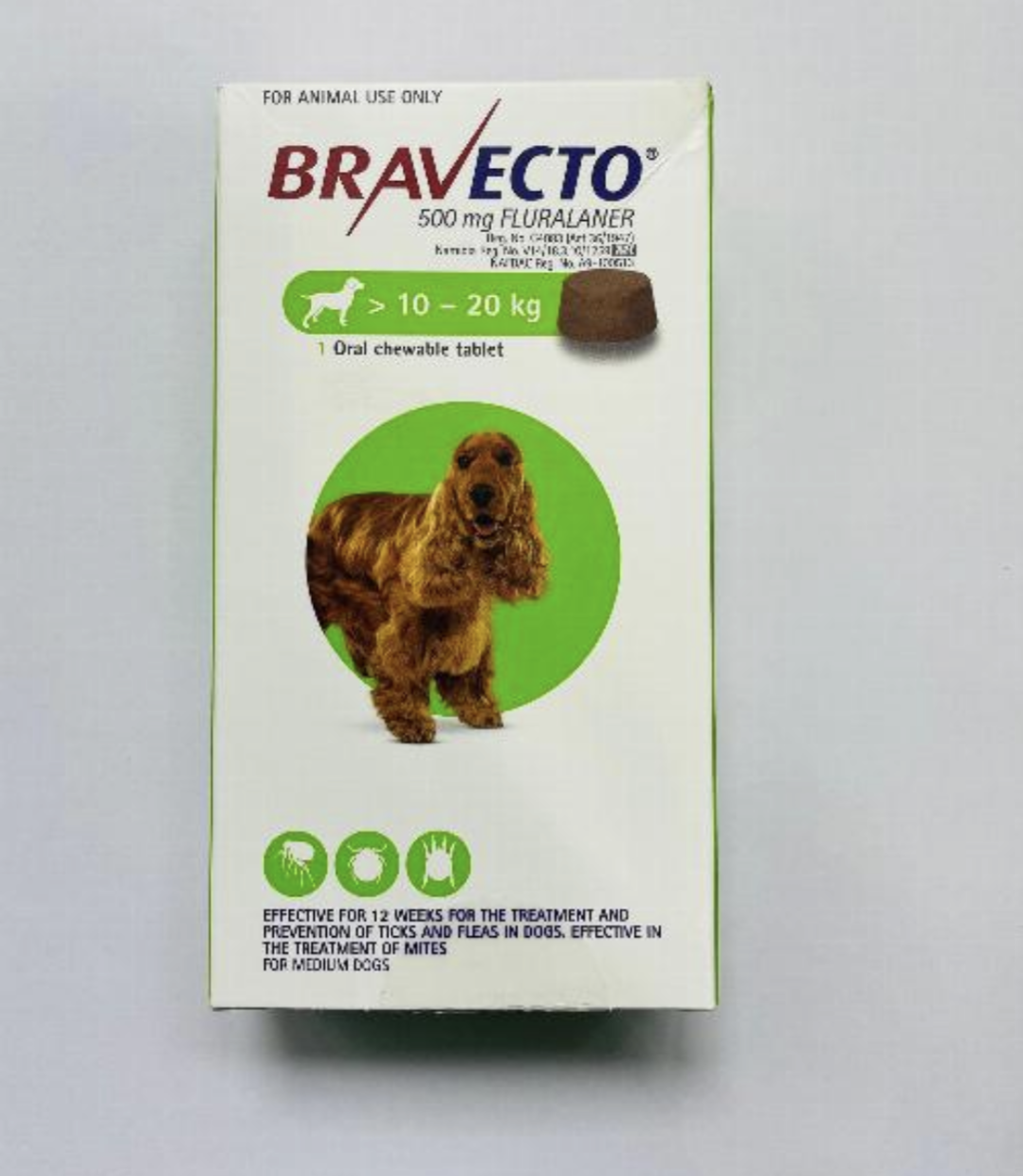
Flea and tick treatment
1 Must haveRescue dogs often carry fleas or ticks.
How to use it: Ask your vet which treatment fits your dog's weight.
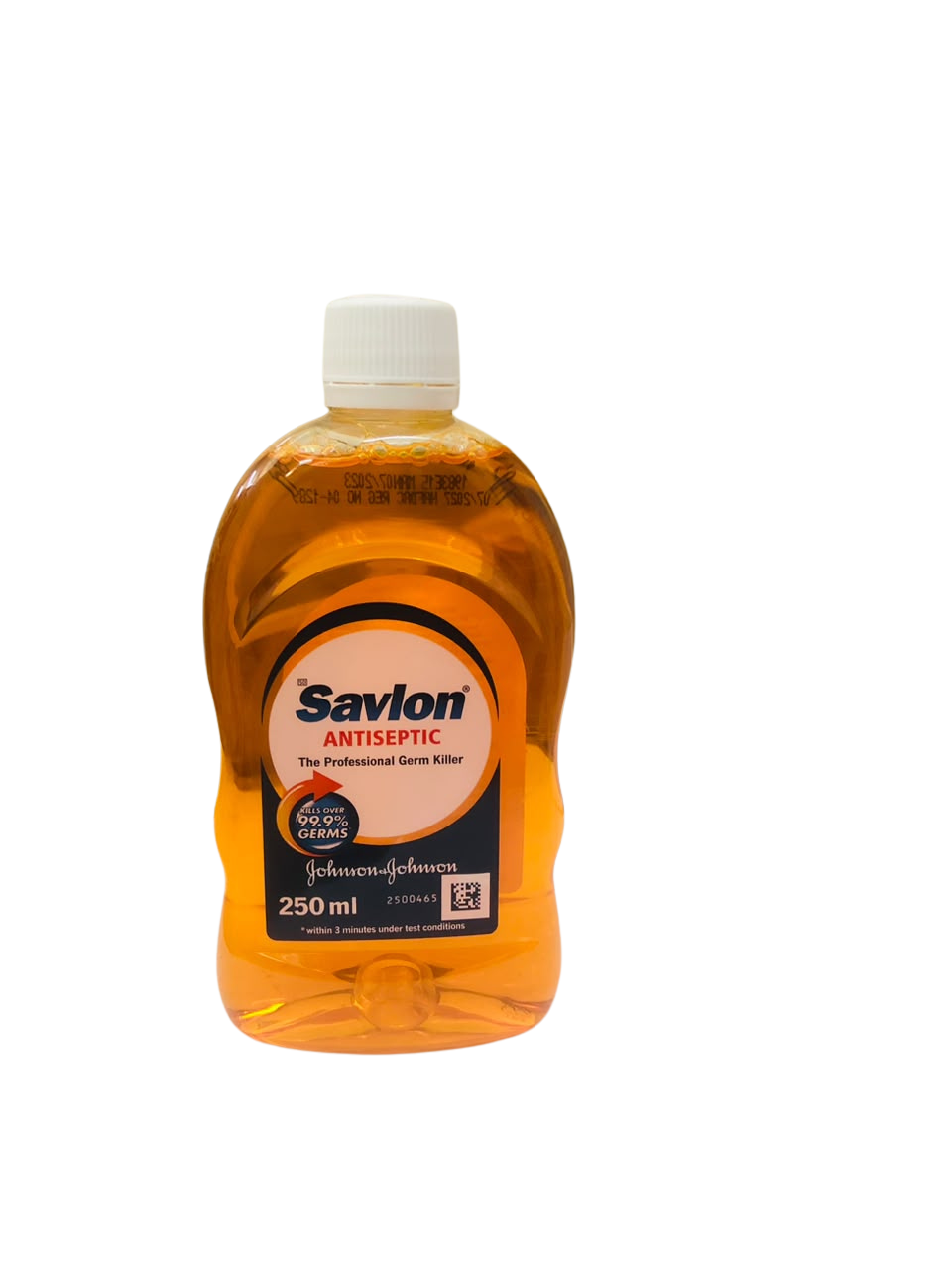
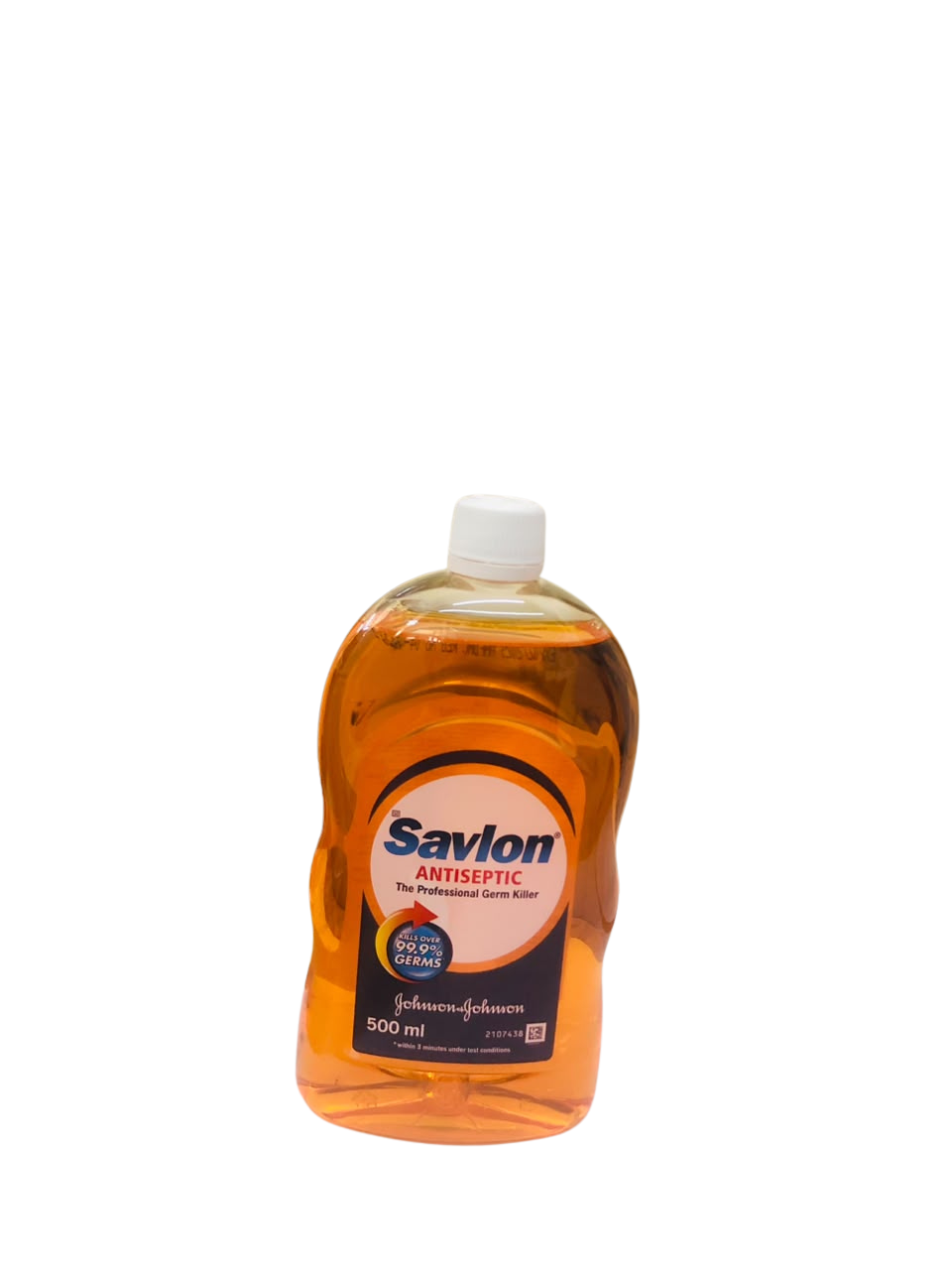
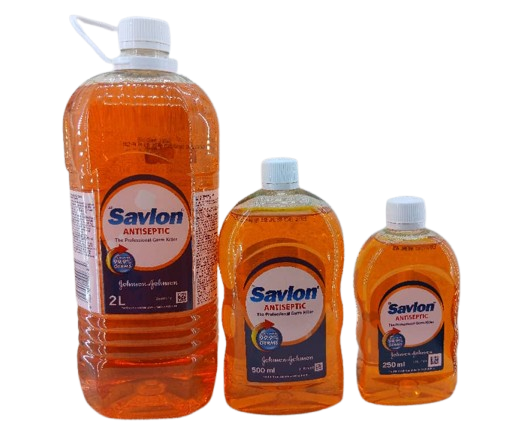
Antiseptic
1Nice to haveFor cleaning small scratches before a vet check.
How to use it: Use as the label says and see a vet for deep wounds.
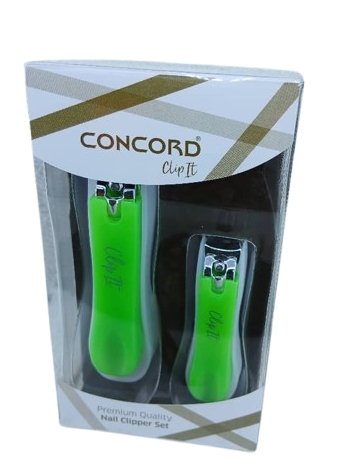
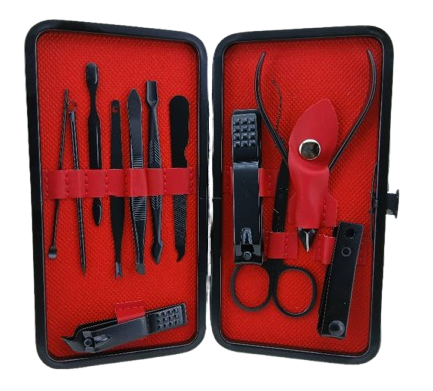
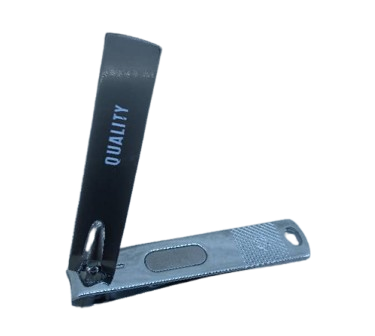
Nail clipper
1Nice to haveLong nails make walking painful.
How to use it: Trim a little at a time, or ask the vet to show you how.

Step by step
- 1
Before pickup
Ask the shelter about food, age and health. Prepare the bed, bowls and a quiet corner.
- 2
Day one
Walk the dog on a leash, show the water, and let the dog rest. Keep things calm.
- 3
First week
Visit a vet for a check, vaccine advice and flea treatment.
- 4
First month
Build a routine of feeding, walks and training with treats.
Tips that help
- Keep the first days quiet and let the dog come to you.
- Feed at the same times each day.
- Do not let a new dog off the leash outside the fence at first.
- Add an ID tag with your phone number from day one.
- Use treats to teach simple words like sit.
- Ask your vet about vaccines and rabies protection.
- Be patient. Some dogs need weeks to trust you.
Mistakes to avoid
- Changing the dog's food suddenly.
- Taking the dog to crowded places on day one.
- Skipping the vet check.
- Leaving gates open.
- Using human shampoo on the dog.
Questions people ask
What do I need before bringing a rescue dog home?+
Food, bowls, a bed, a collar, a leash and an ID tag. Add grooming items and a small health kit after that.
How much does it cost to keep a dog in Kigali?+
It depends on the size of the dog, the food you choose and vet visits. Ask your vet and compare food prices on Isokko.
Should I take a rescue dog to the vet?+
Yes. A check in the first week is wise, to look for parasites and talk about vaccines.
How long does a rescue dog take to settle in?+
It varies. Some settle in days, others need weeks or months. Keep a routine and stay patient.
Can I leave a rescue dog alone?+
Start with very short times and increase slowly, leaving toys and water. A nervous dog may need more time.
A new dog needs a few simple things and plenty of patience. Shop this checklist on Isokko and get everything delivered before your dog comes home.
Shop this list
Get everything delivered in Kigali
Order from local stores on Isokko and pay with MoMo, card or cash. Same-day delivery.