
Checklist · Travel & outings
Camping Trip Checklist for Rwanda: What to Pack and Buy
Going camping in Rwanda? This camping checklist covers shelter, warm sleeping, light, simple camp cooking, food, water, bug protection and hygiene for a night outdoors.
Updated November 16, 2026 · By Isokko
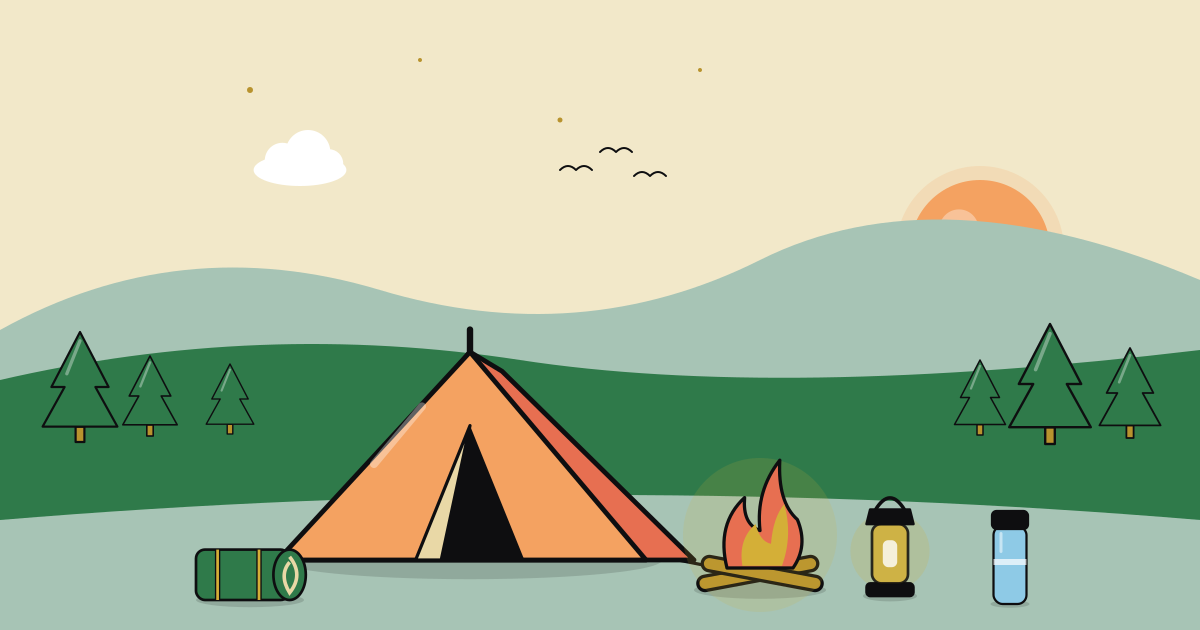
Camping in Rwanda is magical. You can fall asleep to hippos grunting at a lakeside campsite, wake up to mist over the hills or sit around a fire under more stars than you ever see in Kigali. It is also colder at night than most people expect, and rain can arrive at any time of year.
The best camping trips are the well planned ones. You need dry shelter, a warm way to sleep, good light after dark, simple food that is easy to cook and plenty of water. Miss one of those and the night gets long.
This checklist is built for campsites around Rwanda, from lakeshores to national parks. Only camp at official sites, and check fees, booking, fire rules and what facilities they have before you go.
Who it's for
First time and occasional campers heading to a campsite in Rwanda for one or two nights
Time needed
Plan and shop over a week, pack the day before
When to shop
Order gear early in the week and food two days before you leave
On the list
35 items, 24 must haves
0 of 35 ready
Shelter and sleeping
Nights are cool across Rwanda and cold at higher altitude. Sleeping warm and dry matters more than anything else.
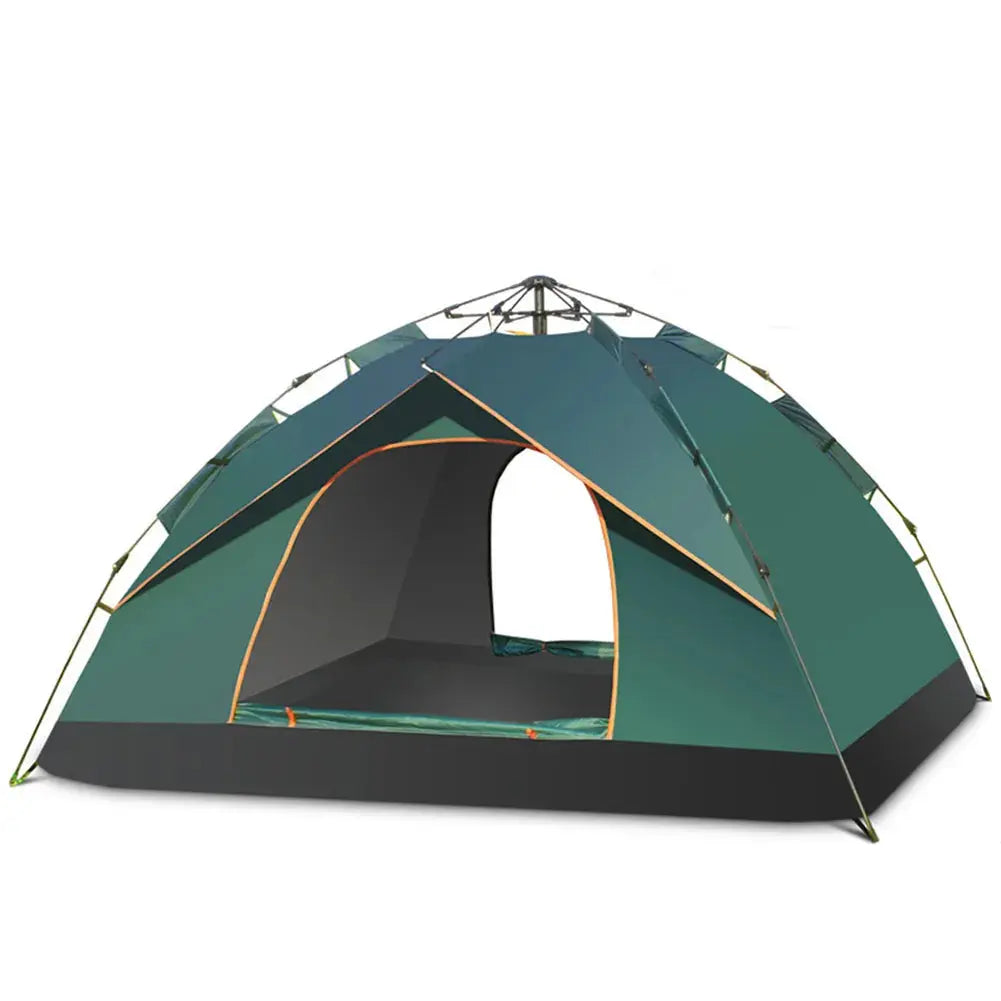
Tent
1 per 2 to 3 people Must haveYour shelter from rain, wind, insects and curious animals.
How to use it: Practice setting it up at home first. Pitch on flat, slightly raised ground so rain water drains away.
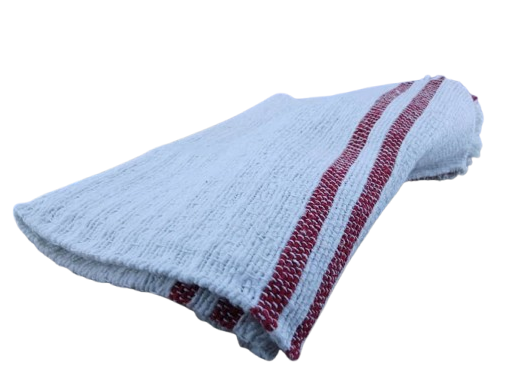
Warm blanket
1 to 2 per person Must haveTemperatures drop after sunset, especially in the hills and near forests.
How to use it: Bring one more layer than you think you need. Two thinner blankets are more flexible than one thick one.
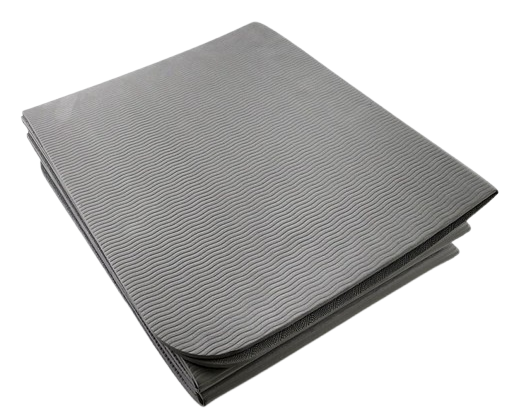
Sleeping mat
1 per person Must haveThe ground pulls heat from your body and rocks dig into your back.
How to use it: A thick exercise mat works for a night or two. Lay it on a groundsheet inside the tent.
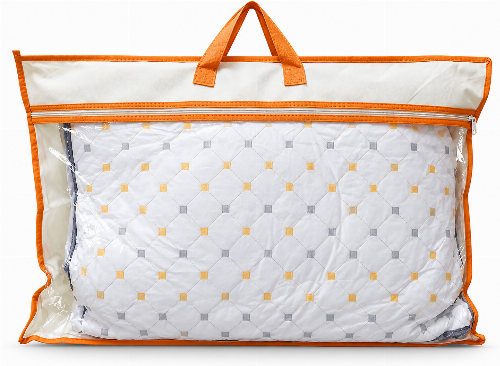
Pillow
1 per personNice to haveA good night's sleep needs a proper pillow, not a rolled up jacket.
How to use it: A small cotton pillow packs easily.
Mosquito net
1Nice to haveKeeps mosquitoes off you at lakeside and lowland campsites.
How to use it: Hang it inside the tent from the roof loop, or use a tent with a fine mesh door kept zipped.






Light and power
It gets dark early and quickly near the equator, around 6 pm all year. Have light ready before sunset.
Lantern
1 Must haveLights up the whole tent or cooking area so you can see what you are doing.
How to use it: Hang it from a tree or tent pole. Keep it away from fabric if it gets hot.
Torch
1 per person Must haveFor walking to the toilet, finding things in the tent and checking around camp.
How to use it: One per person is ideal. Charge rechargeable ones fully at home.
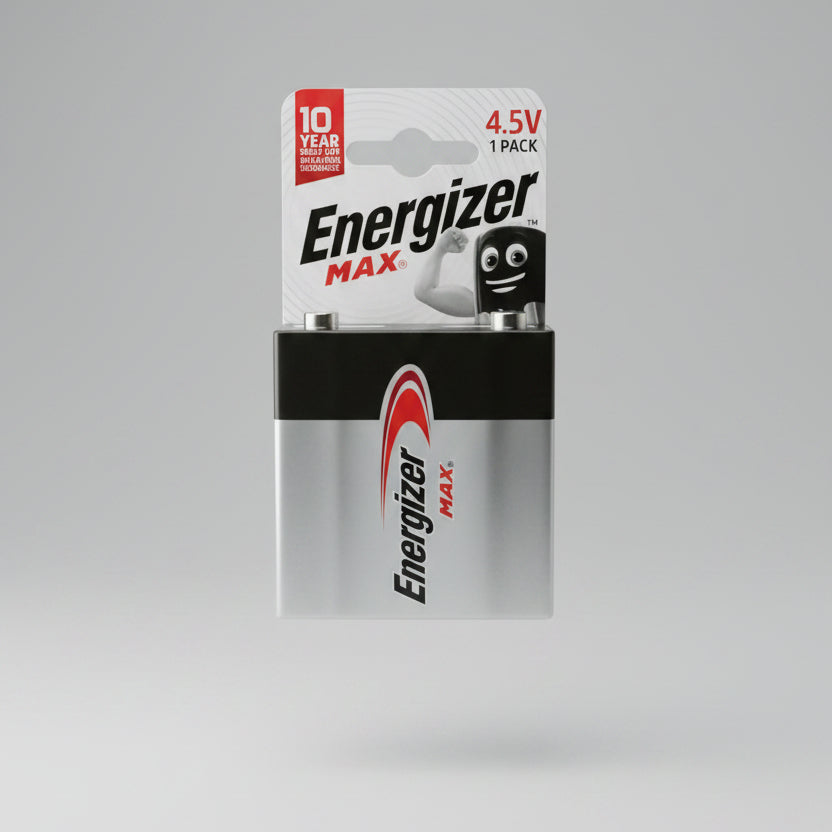
Batteries
1 spare set per device Must haveFor the lantern and any battery torch. Running out on night one is a classic mistake.
How to use it: Bring a full spare set for every device and keep them in a dry bag.
Power bank
1 to 2 Must haveThere is usually no power at campsites.
How to use it: Charge fully before leaving and use low power mode to stretch it.


Camp kitchen
Keep cooking simple: one pot meals, things you can grill and hot drinks.
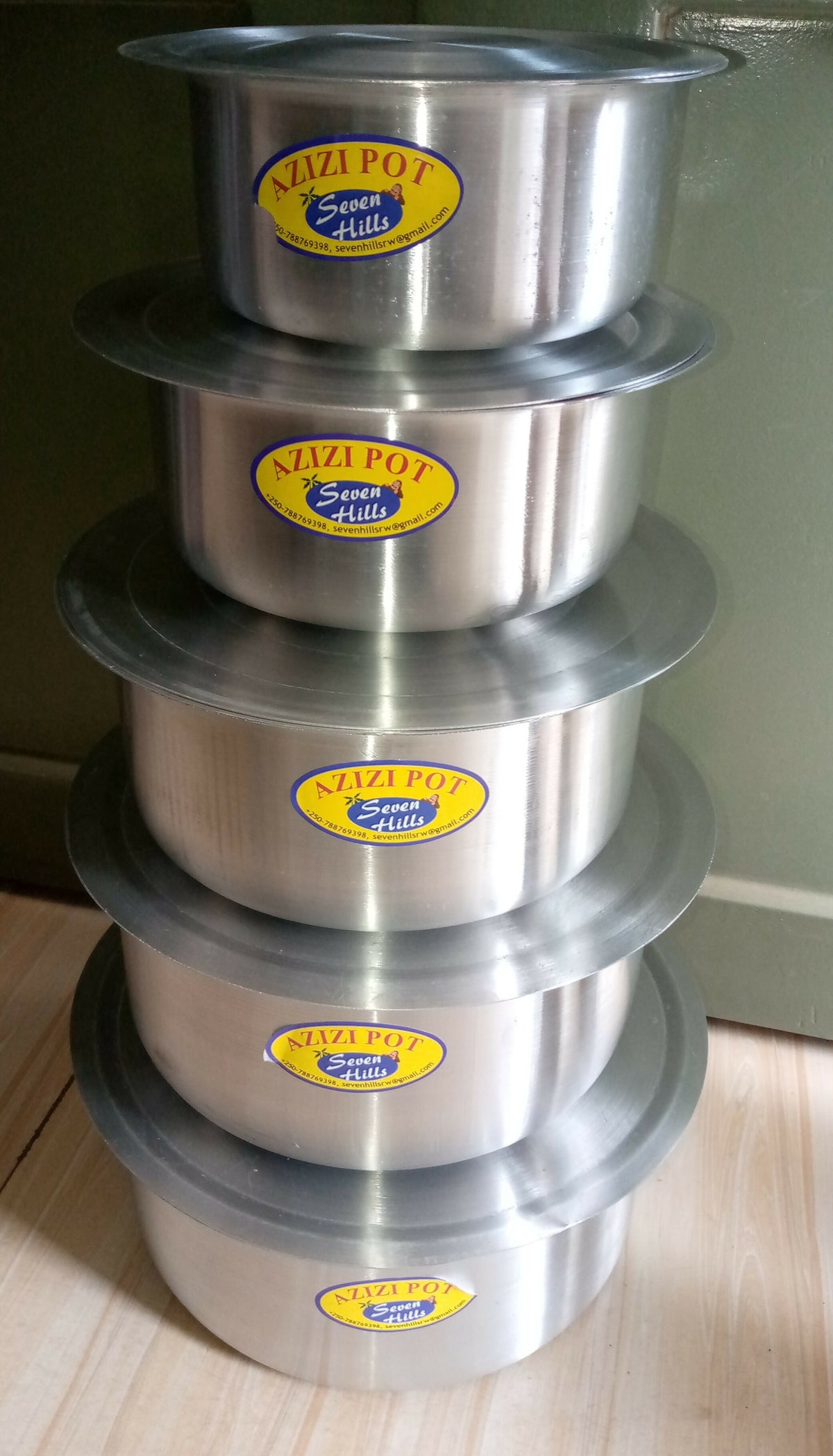
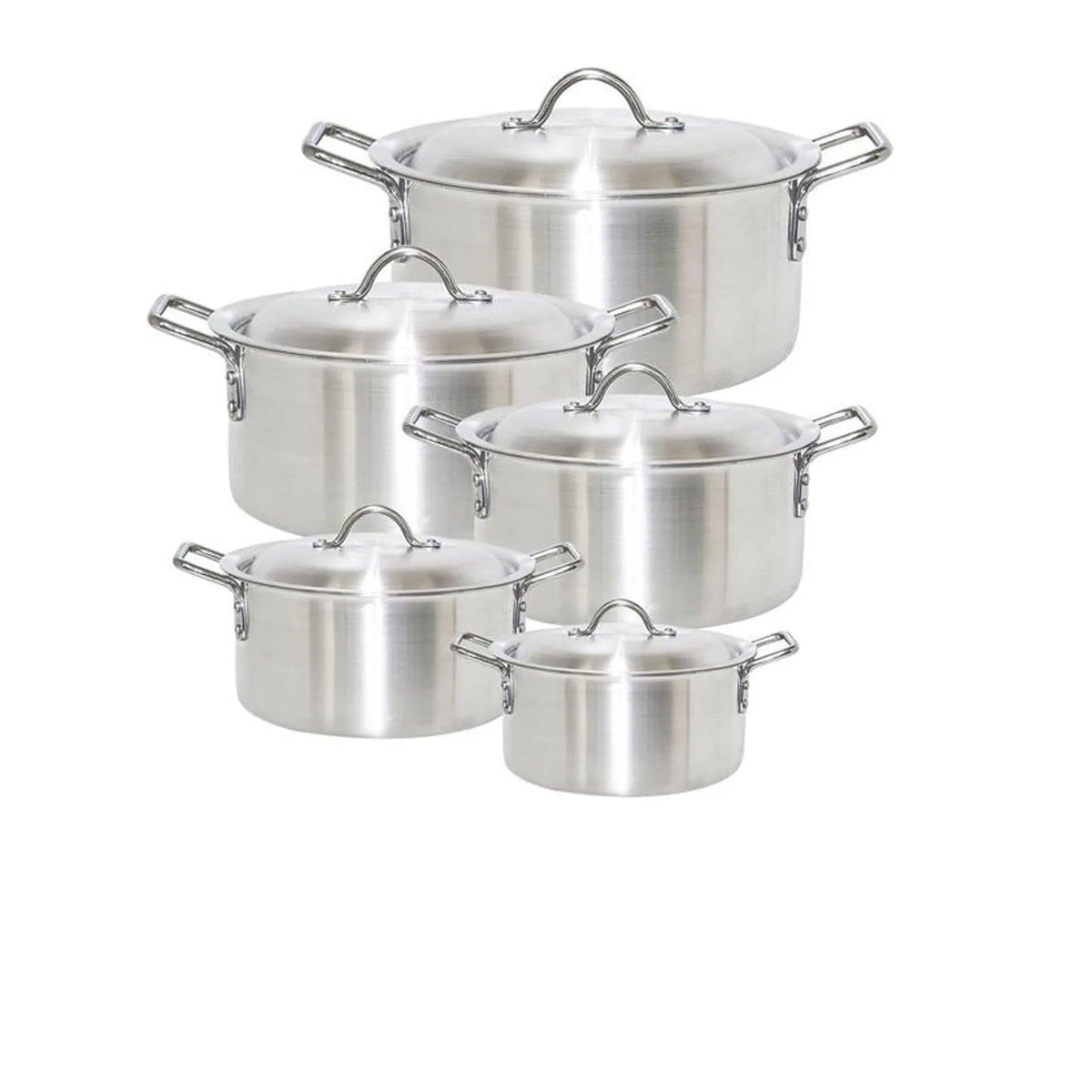
Cooking pot
1 to 2 Must haveFor noodles, rice, beans and boiling water for tea.
How to use it: A pot with a lid boils water faster and saves fuel.
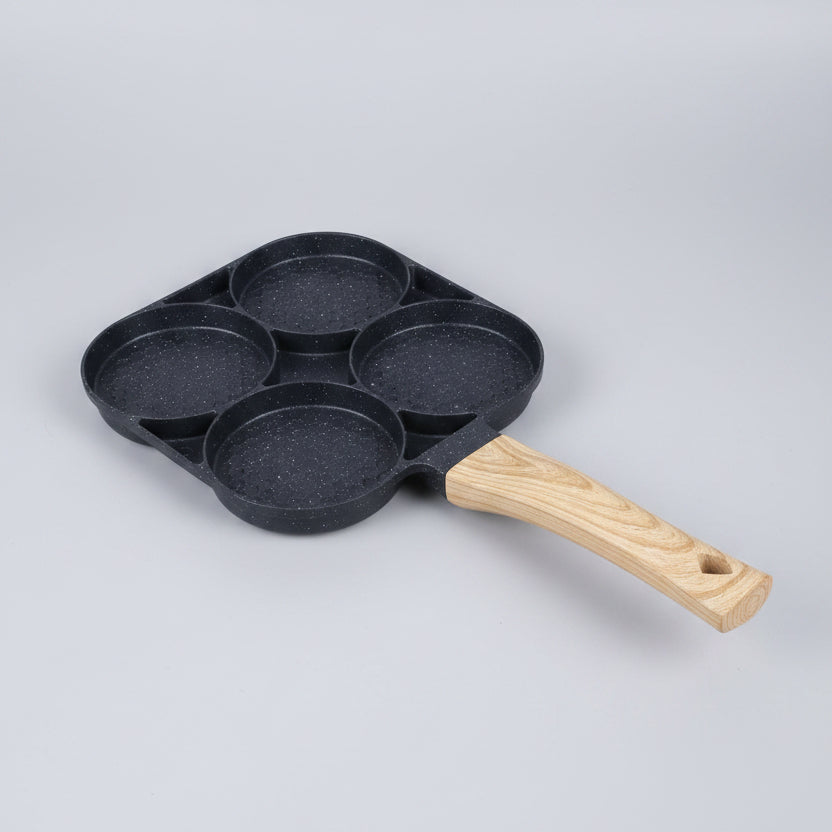
Frying pan
1Nice to haveFor eggs, sausages and toast in the morning.
How to use it: Non stick makes cleaning easy without much water.
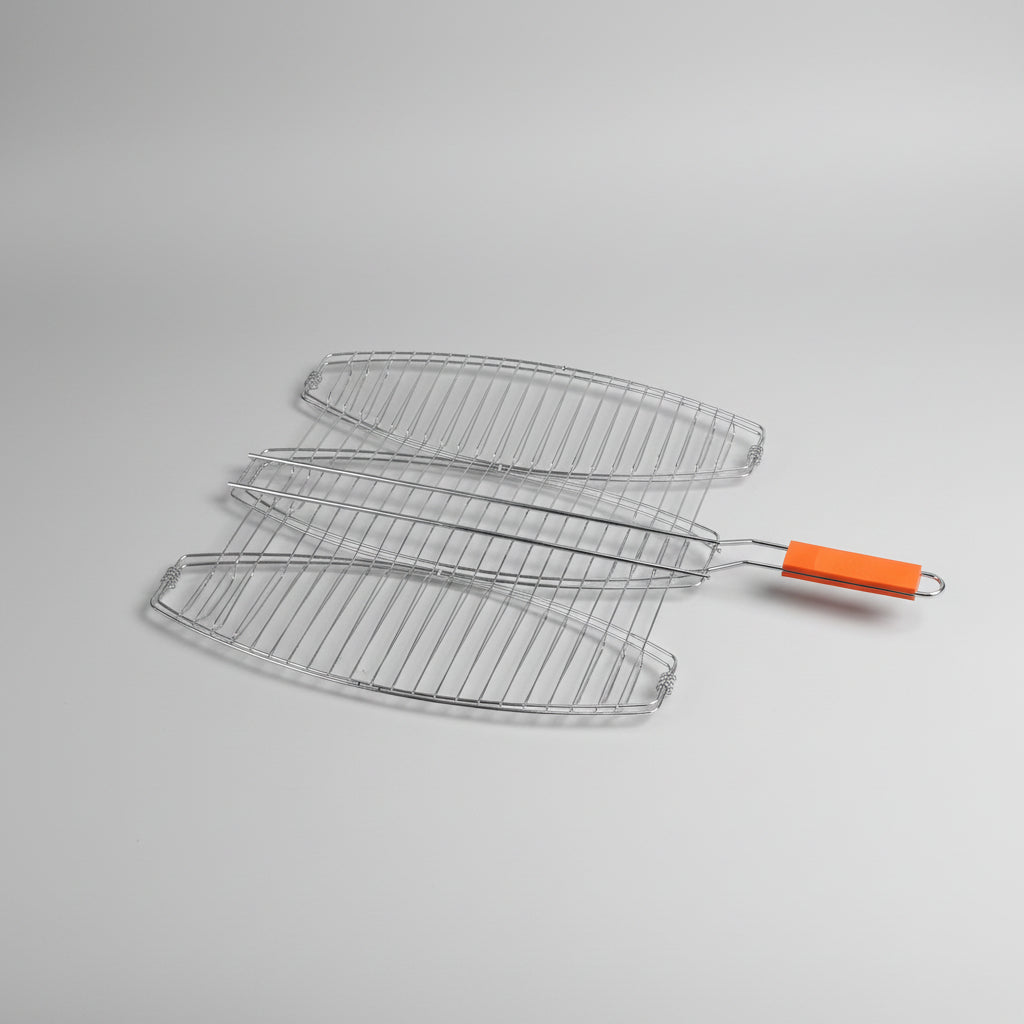
Grill basket
1Nice to haveGrilling fish, meat or vegetables over a fire or charcoal is a highlight of camping.
How to use it: Only cook over a fire where the campsite allows it. Ask staff about firewood or charcoal.
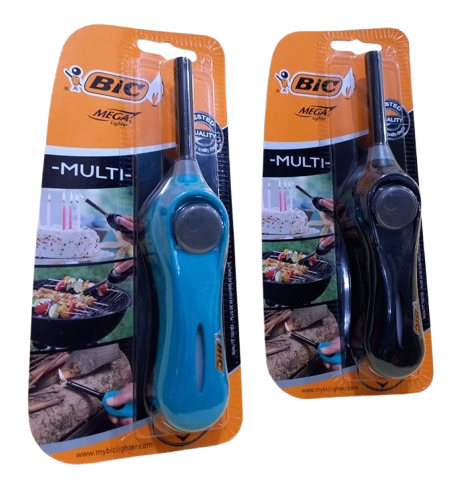
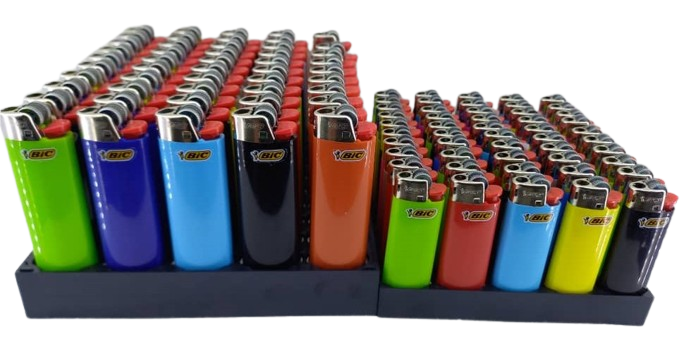
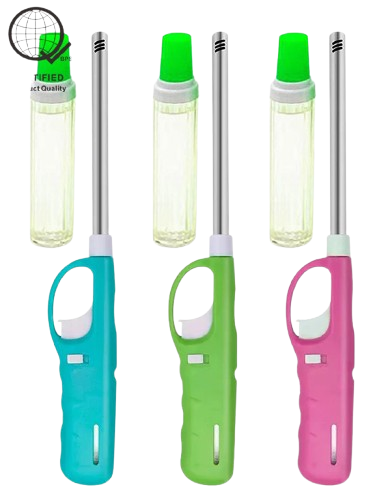
Lighter and matches
1 lighter plus 1 box of matches Must haveWithout them there is no fire, no hot food and no tea.
How to use it: Bring both and keep the matches in a sealed bag so they stay dry.
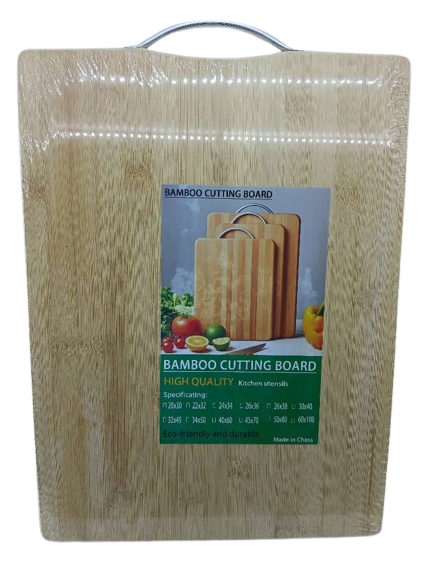
Kitchen knife and cutting board
1 each Must haveFor onions, tomatoes, bread and meat.
How to use it: Wrap the knife in a cloth or keep it in a sheath.
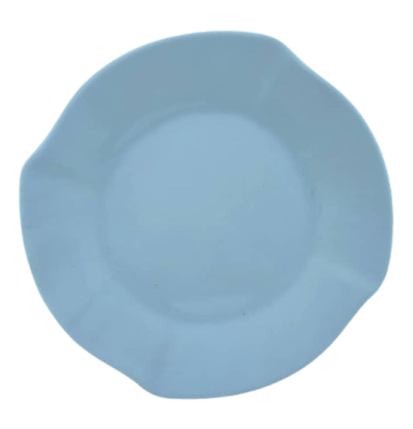
Plates, cups and cutlery
1 set per person Must haveReusable plastic is light, unbreakable and less rubbish.
How to use it: Give each person one set and their own cup.
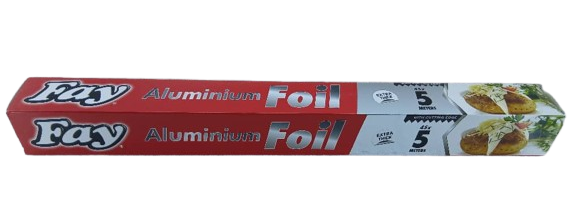
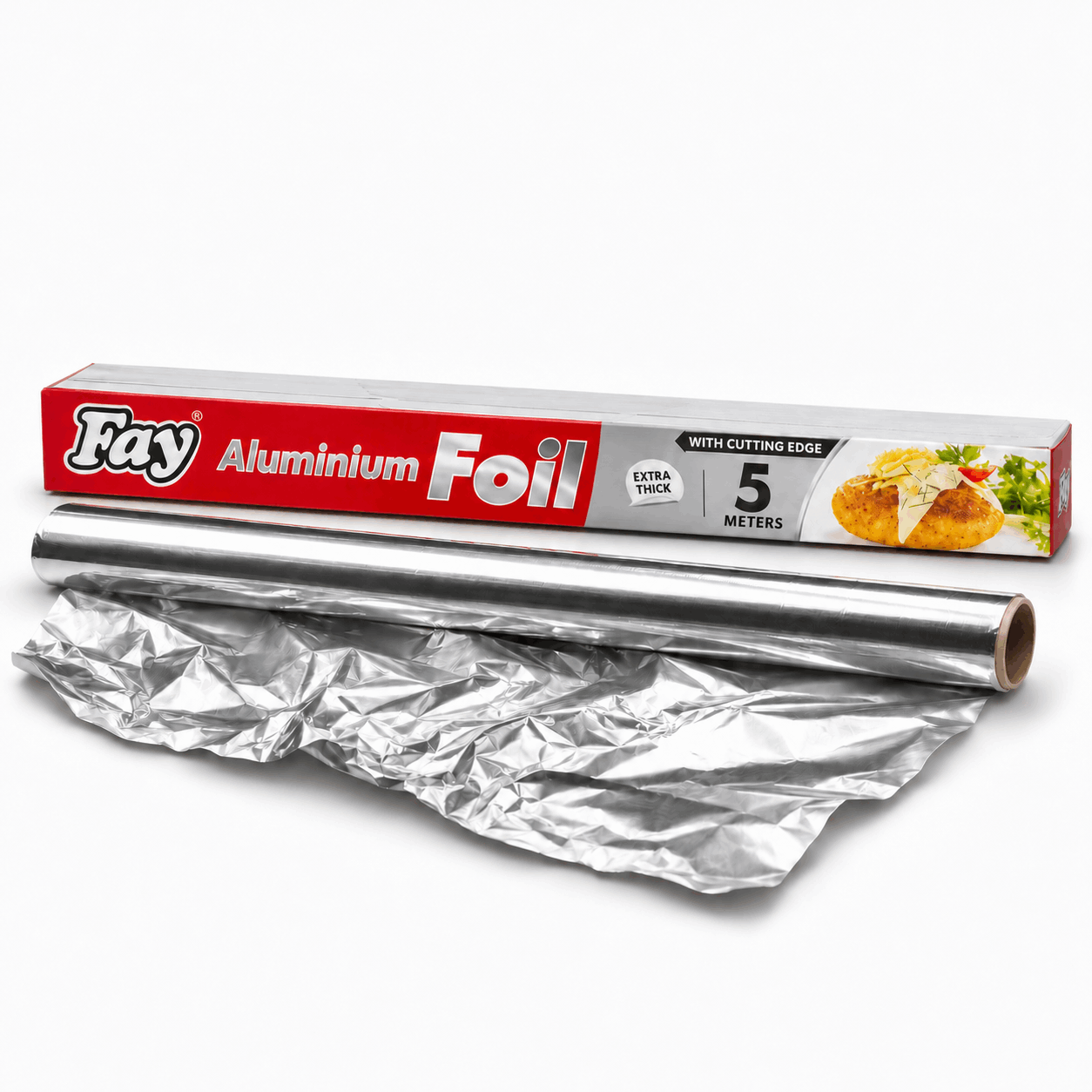
Aluminum foil
1 rollNice to haveWrap potatoes, fish or bananas and cook them in the coals. Also covers leftovers.
How to use it: Use a double layer for cooking in the fire.
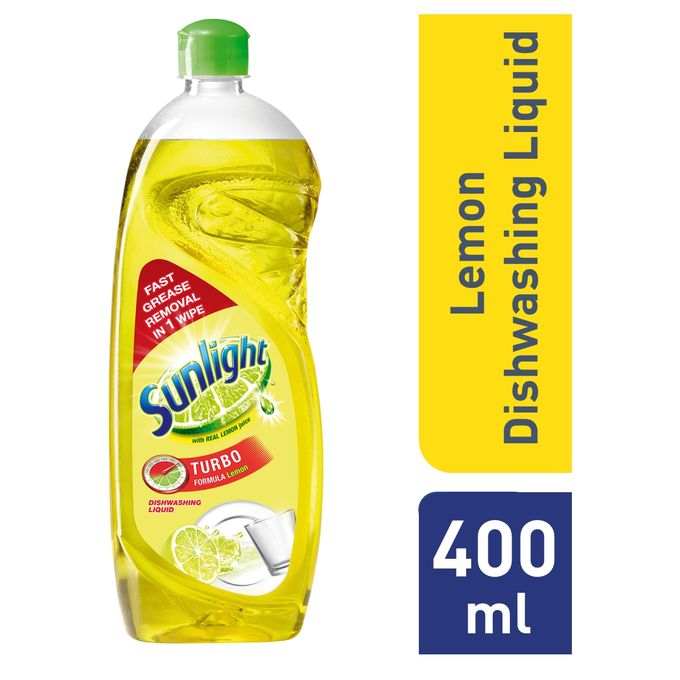
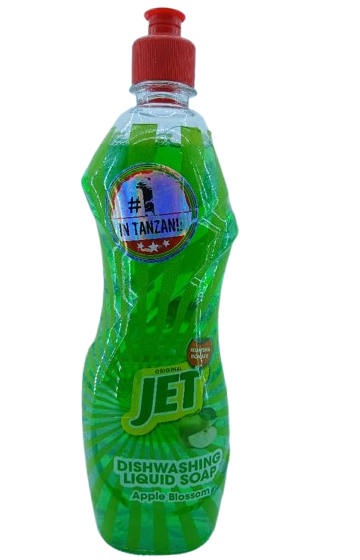
Dishwashing liquid and sponge
1 small bottle plus 1 spongeNice to haveClean pots before you sleep so they do not attract animals and insects.
How to use it: Wash away from water sources and use as little soap as possible.







Camp food and drinks
Choose food that keeps without a fridge and cooks in one pot.
Drinking water
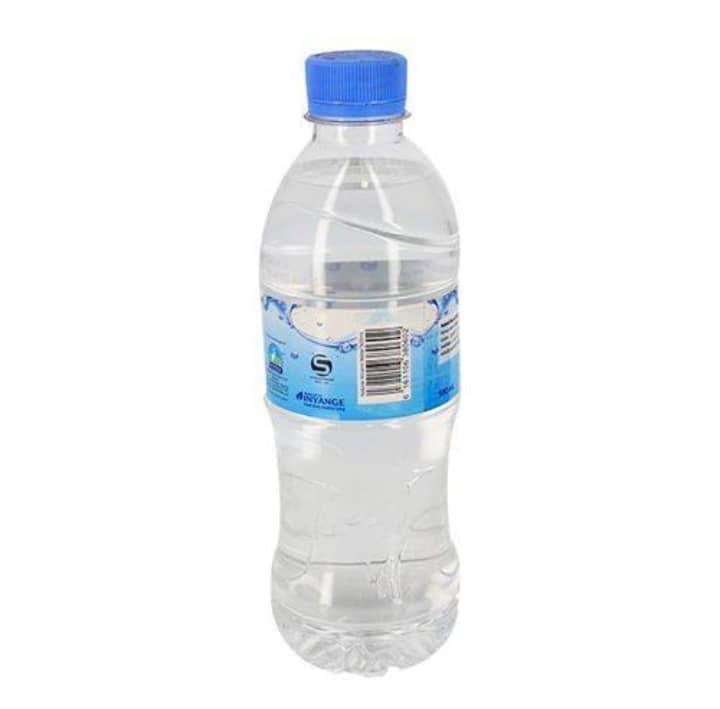
4 litres per person per day Must haveCampsites may not have safe drinking water, and you need it for cooking and washing too.
How to use it: Bring at least 4 litres per person per day. A jerrycan of water for washing saves your drinking water.
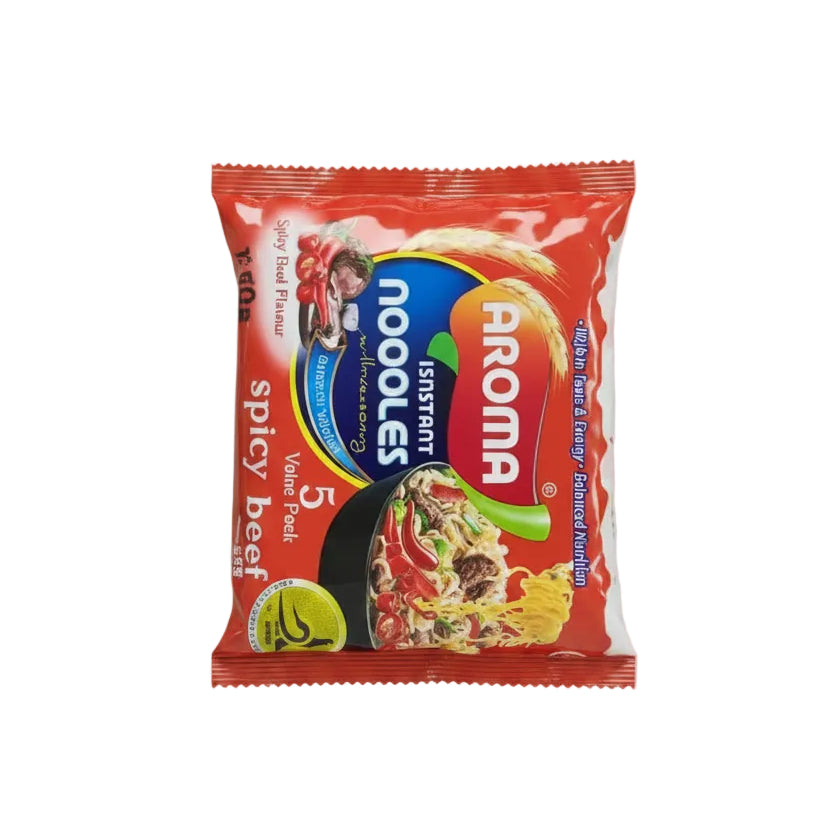
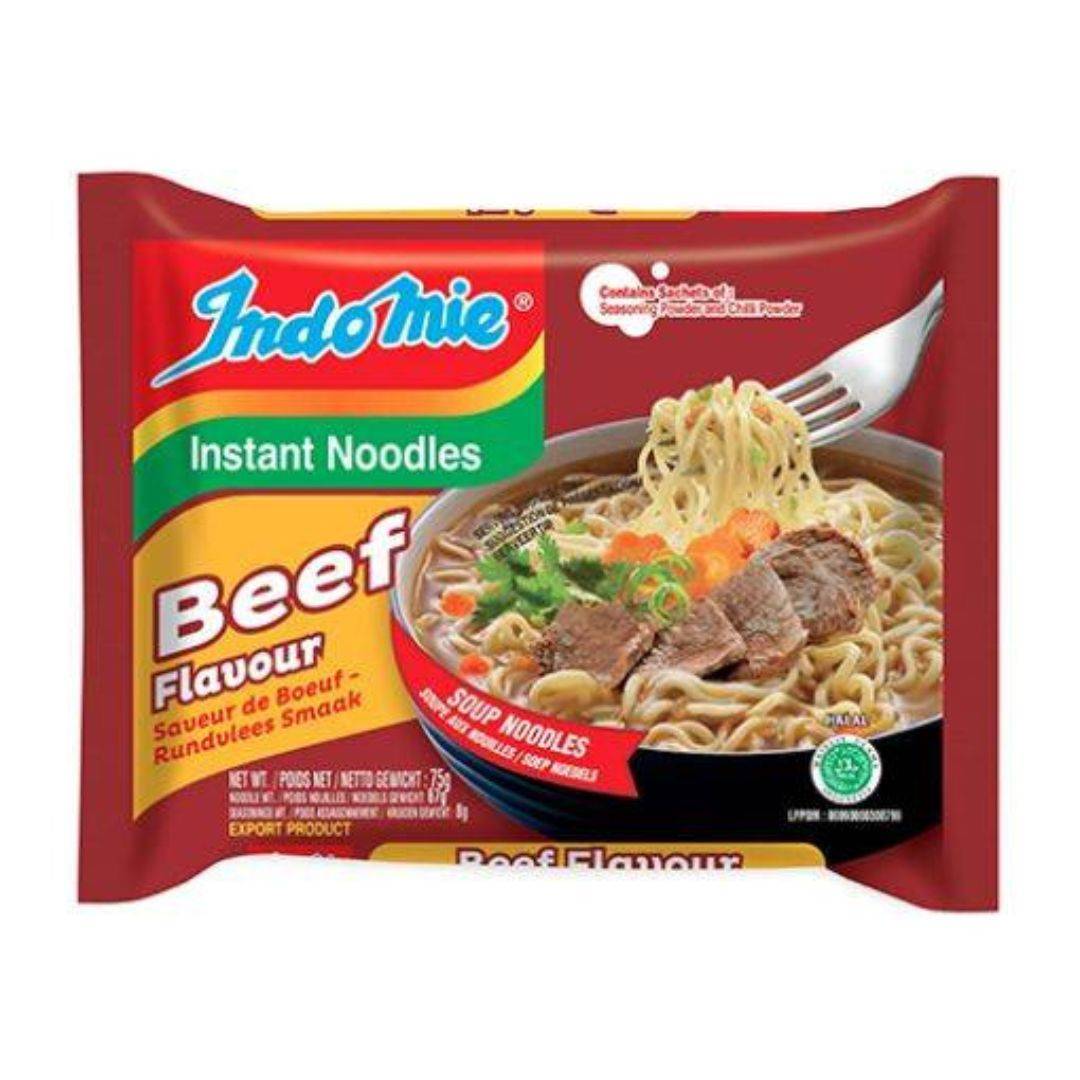
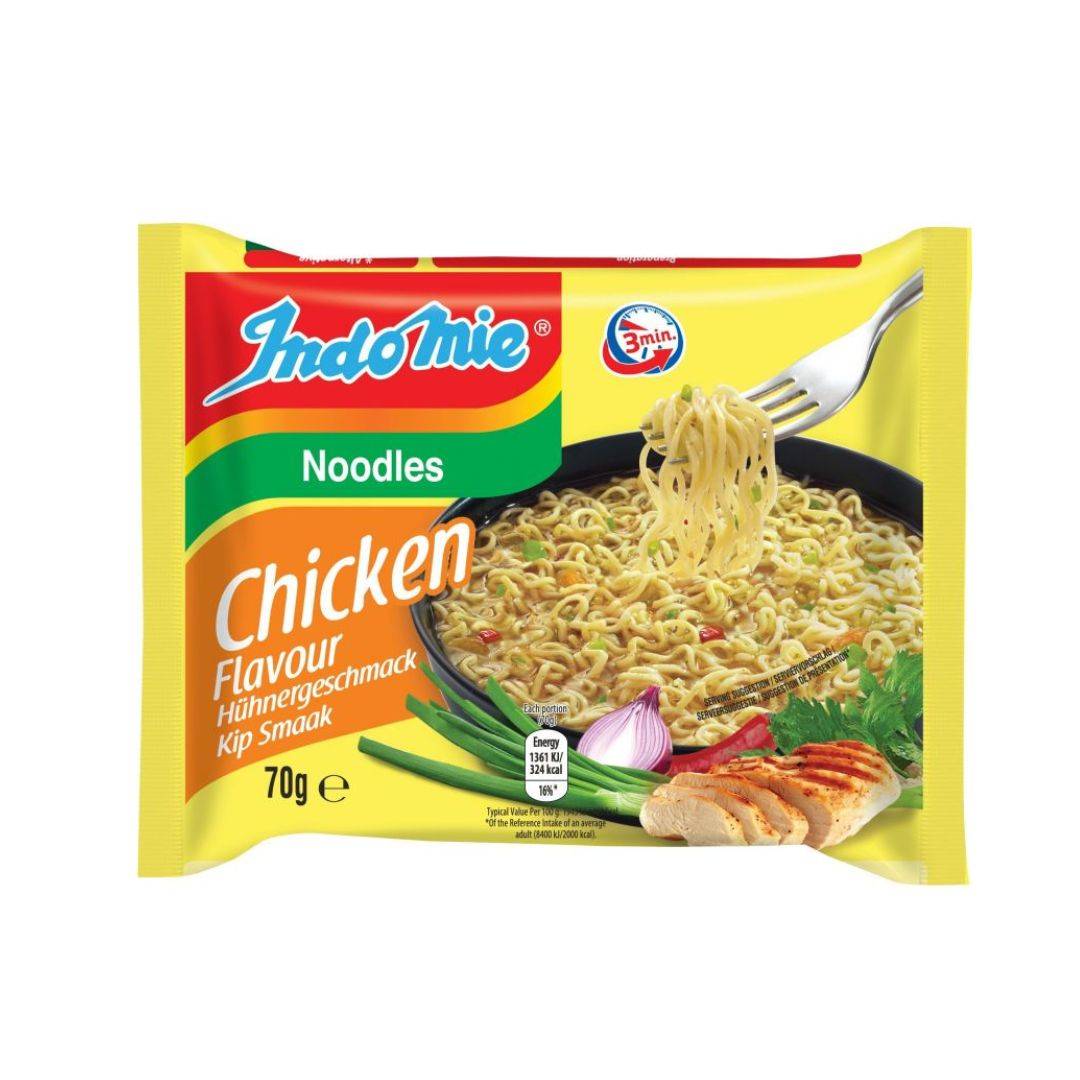
Instant noodles
2 packs per person Must haveReady in minutes, light and warming on a cold night.
How to use it: Add an egg or tinned fish to make it a proper meal.
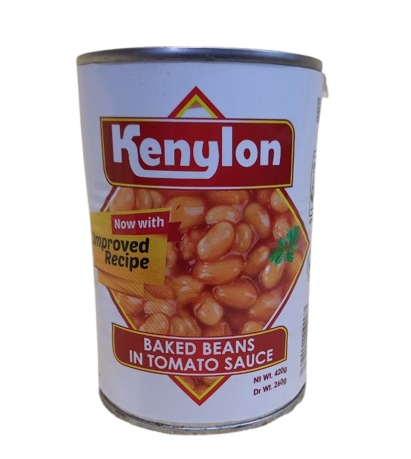
Baked beans
2 tins Must haveFilling, good for breakfast with bread or eggs, and no fridge needed.
How to use it: Heat in the tin with the lid opened, or in your pot.
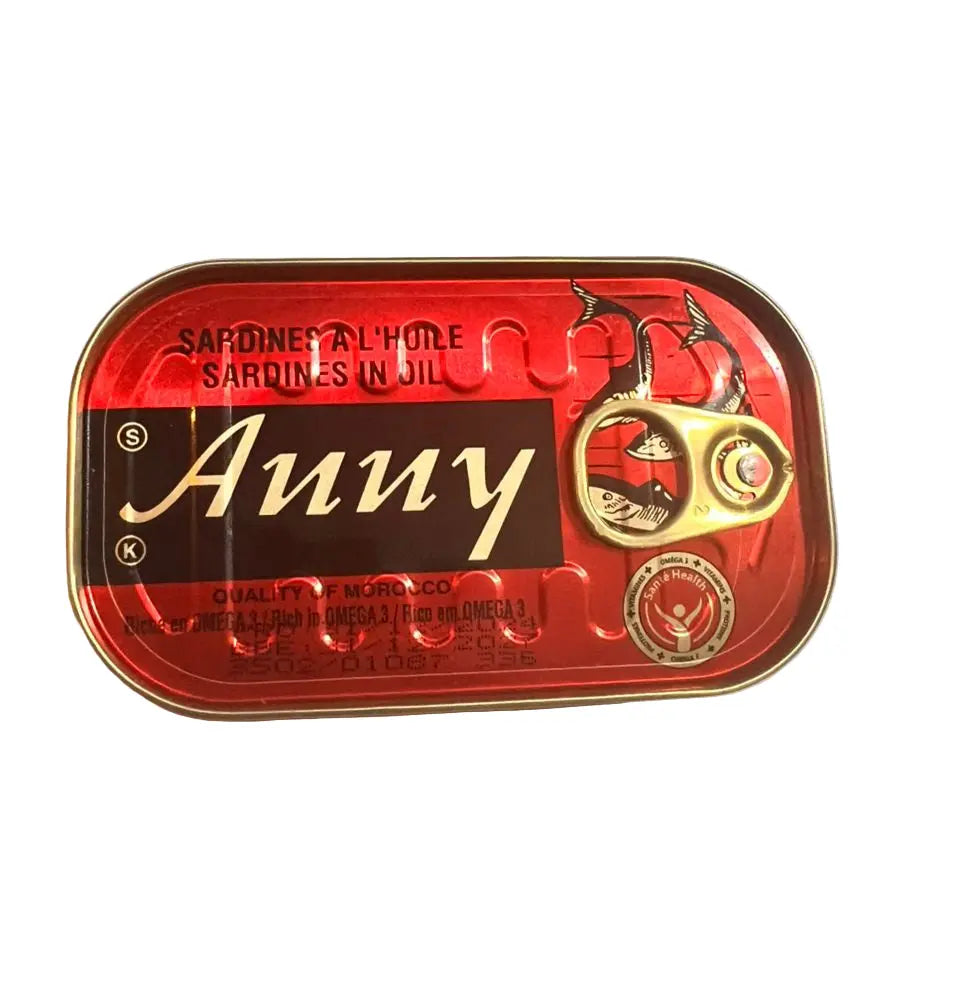
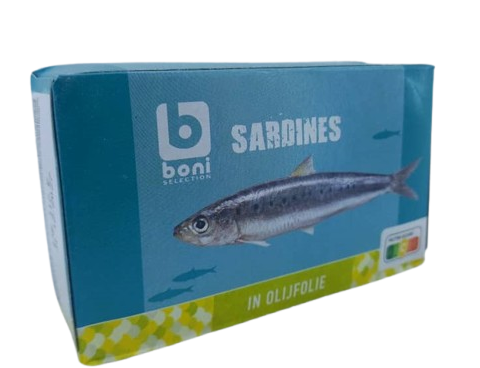
Tinned fish or corned beef
2 to 3 tins Must haveProtein that keeps for a long time without a fridge.
How to use it: Pick tins with ring pulls so you do not need an opener.
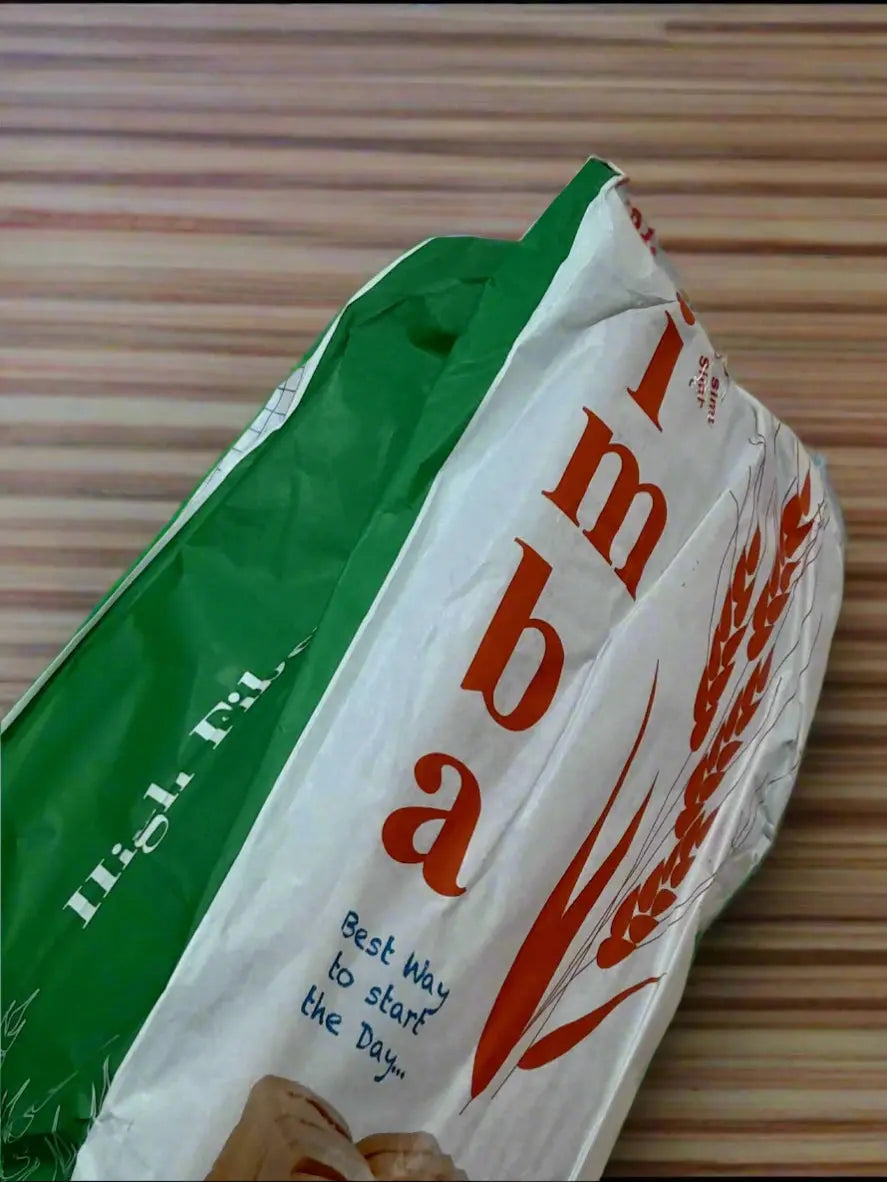
Bread and peanut butter
1 loaf plus 1 jar Must haveThe easiest camping breakfast and lunch.
How to use it: Keep bread in a hard container so it does not get crushed.
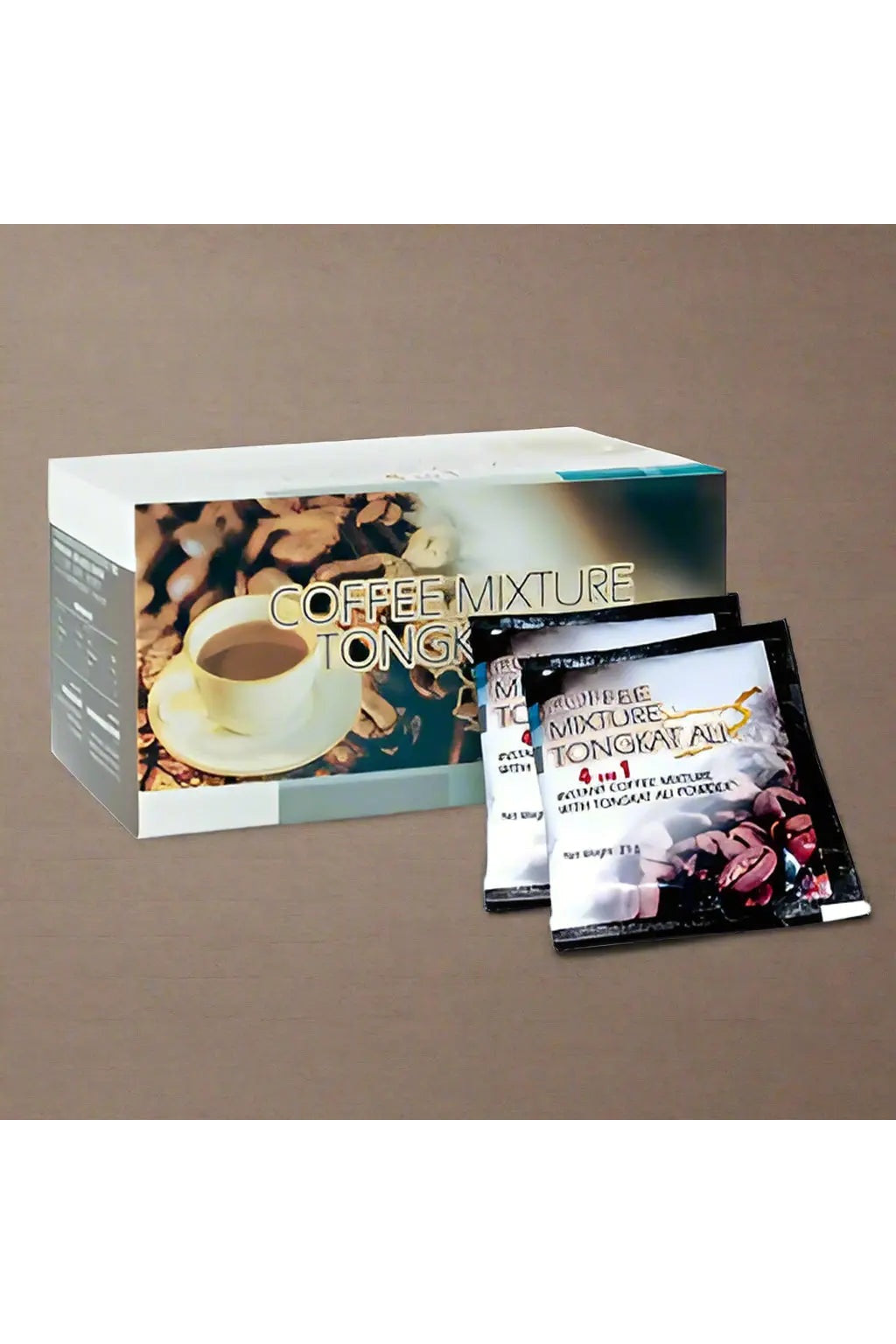
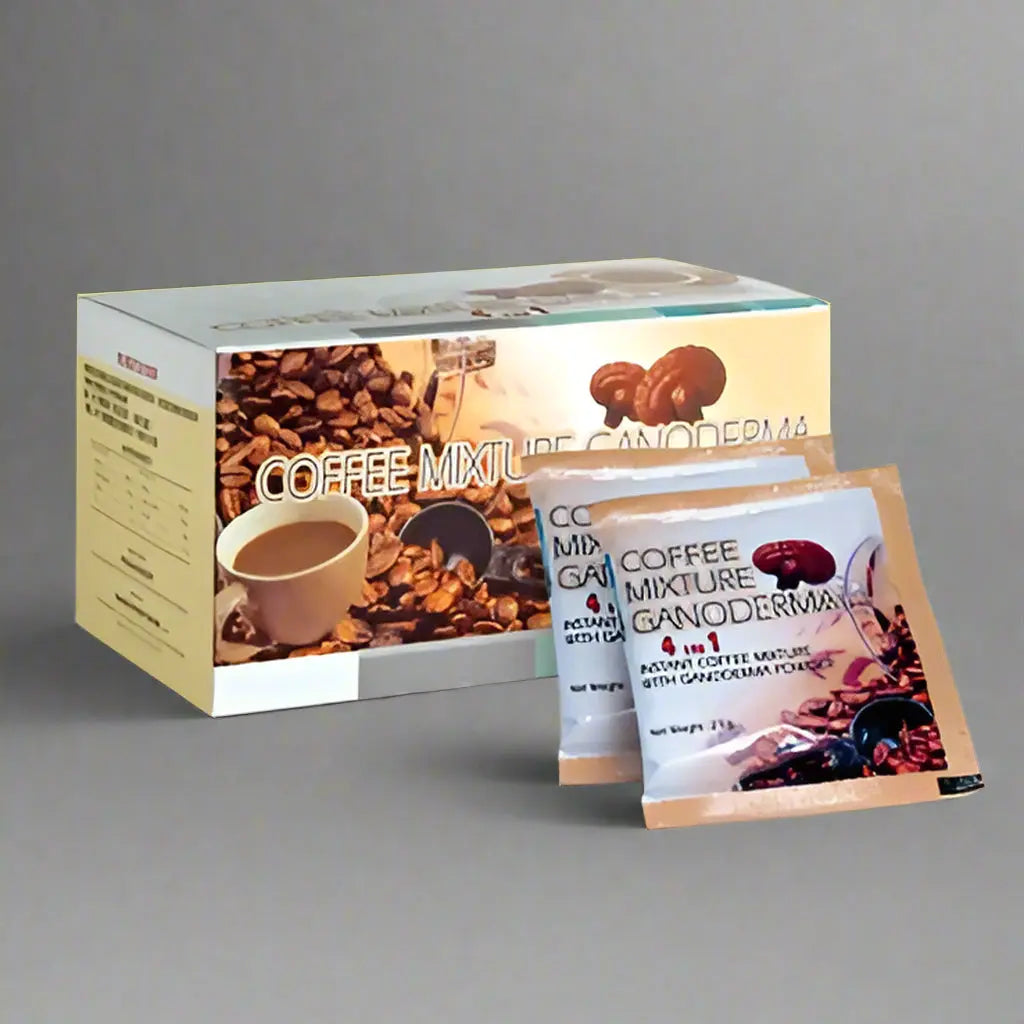
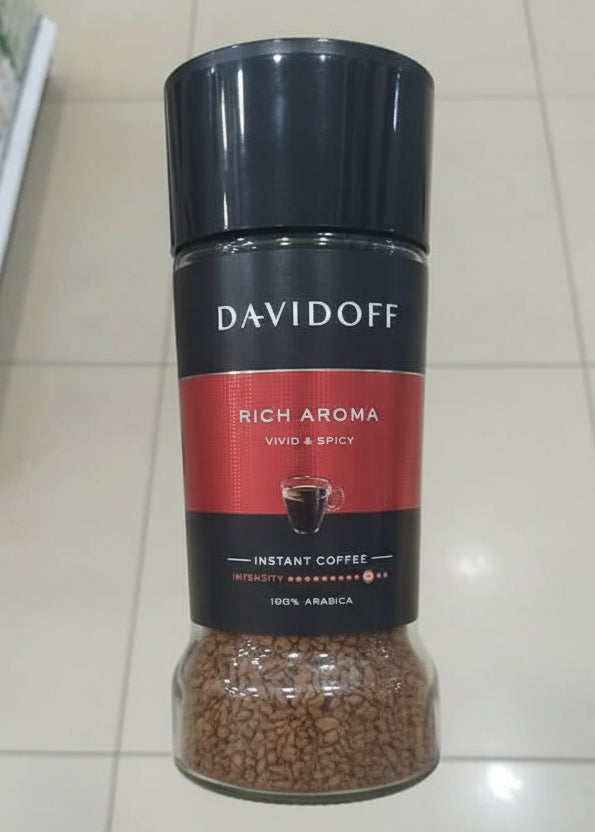
Tea, coffee and milk powder
1 pack eachNice to haveA hot drink at sunrise or around the fire is half the fun of camping.
How to use it: Powdered milk travels better than fresh milk.
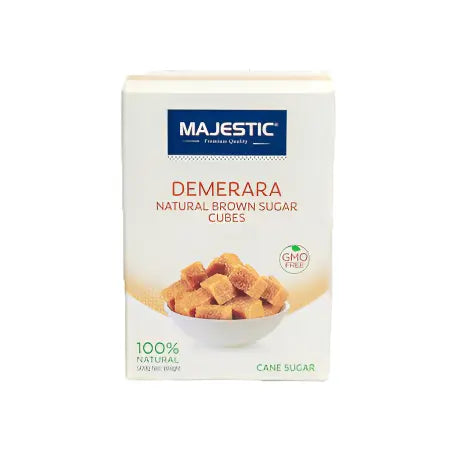
Sugar
1 small packNice to haveFor tea, coffee and porridge.
How to use it: Decant into a small sealed container to keep insects out.
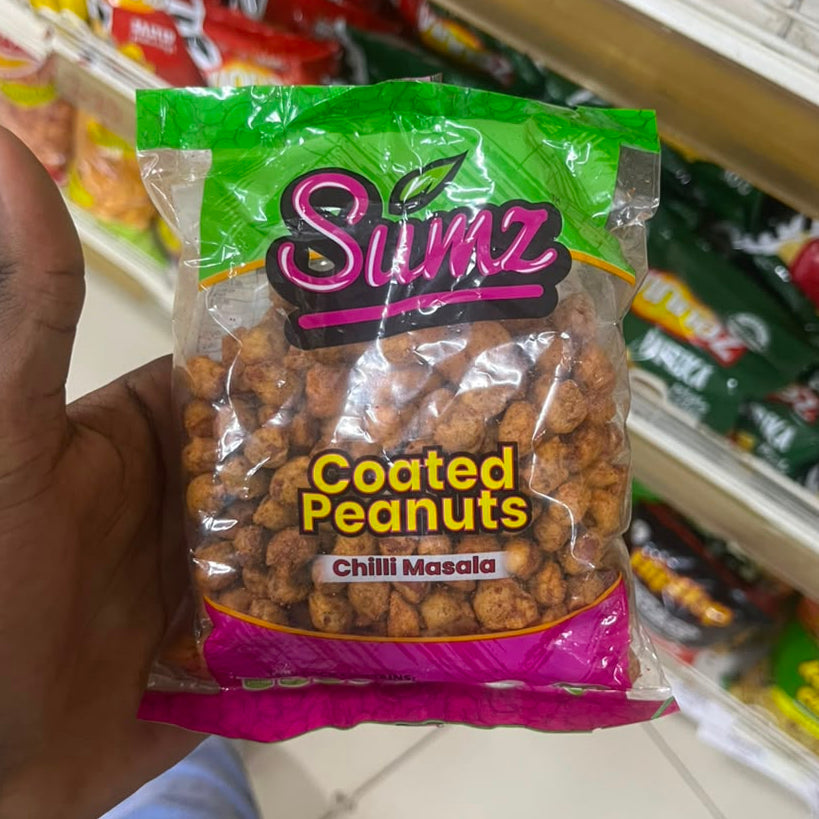
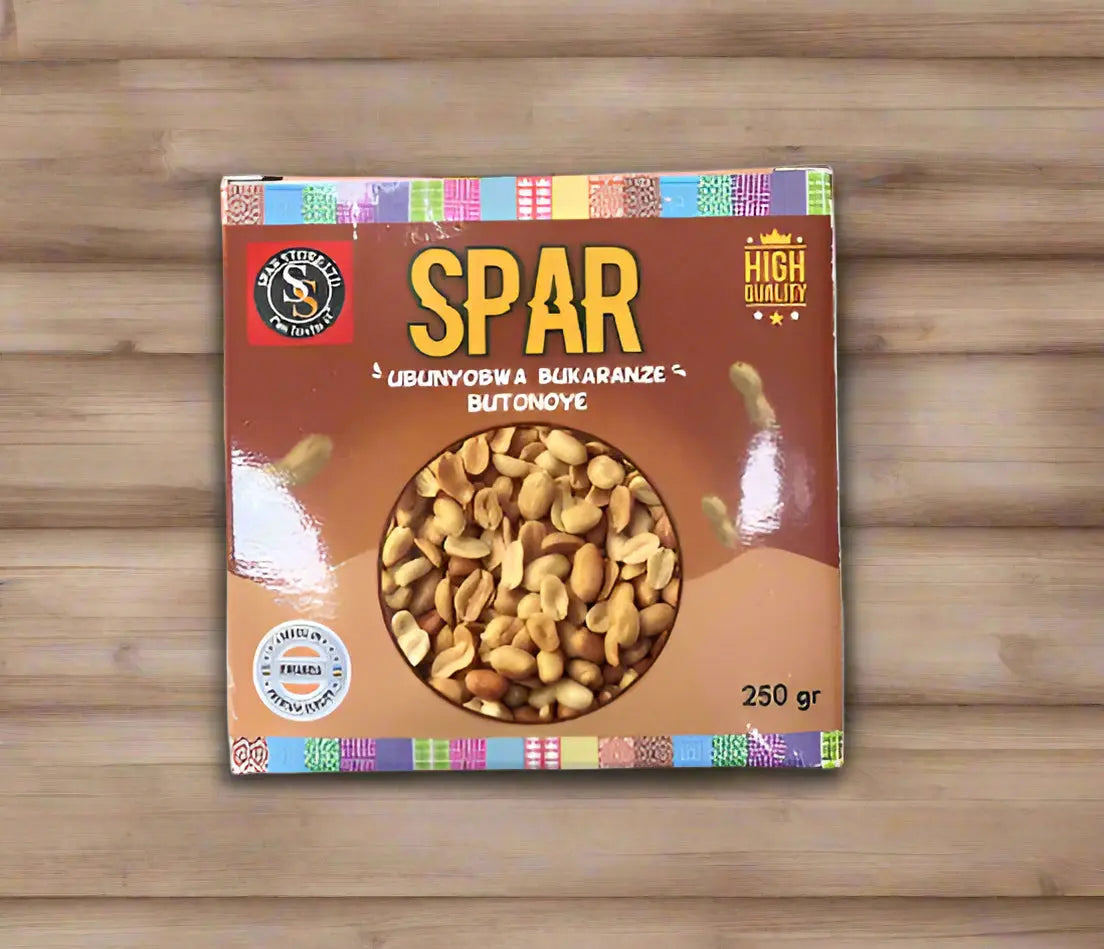
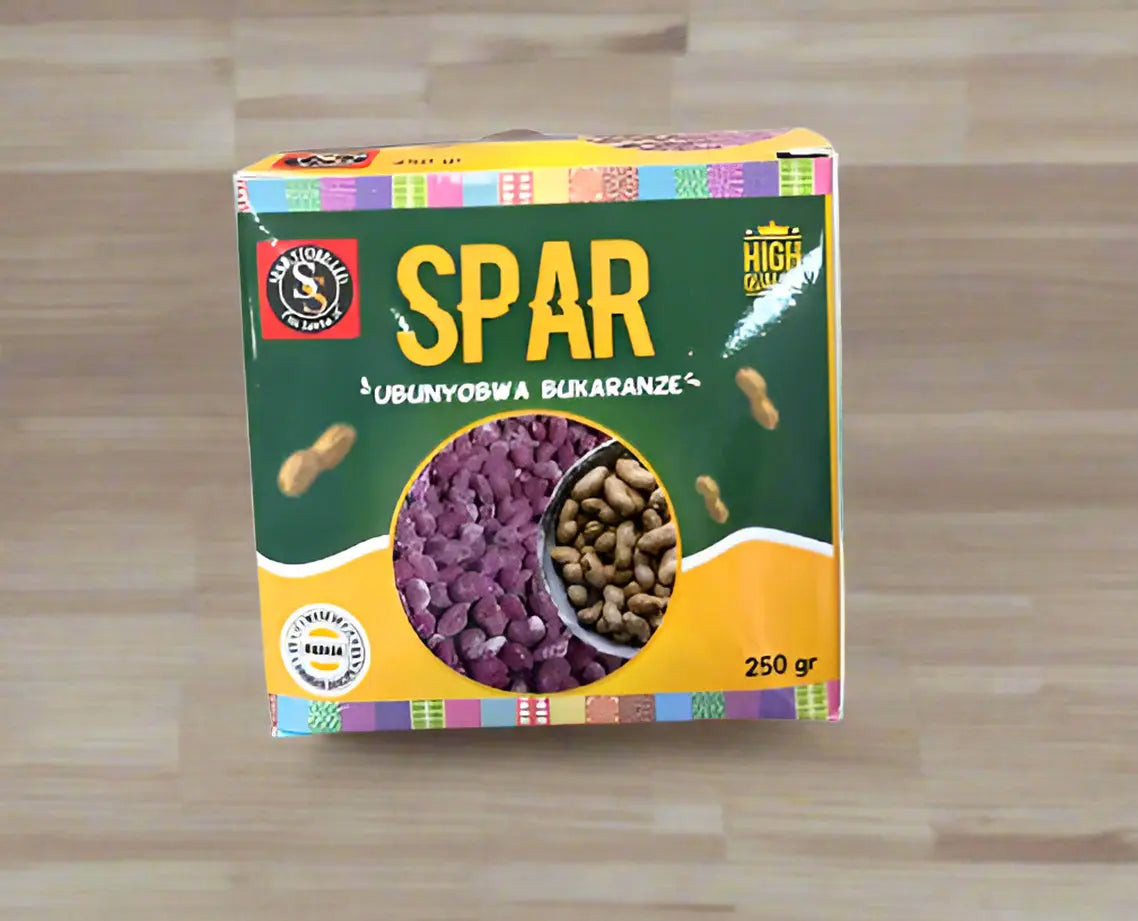
Snacks
A few packsNice to haveFor energy between meals and while sitting around camp.
How to use it: Nuts, biscuits and dried fruit keep well.









Clothes, bugs and rain
Pack for hot afternoons, cold nights and at least one rain shower.
Warm jacket
1 per person Must haveNights are cold, especially at higher campsites and in the early morning.
How to use it: Bring a thick layer and wear it as soon as the sun goes down.
Rain coat
1 per person Must haveRain comes fast in Rwanda, even outside the main rainy seasons.
How to use it: Keep it near the tent door so you can grab it quickly.
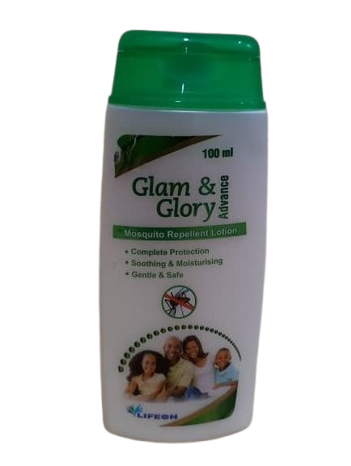
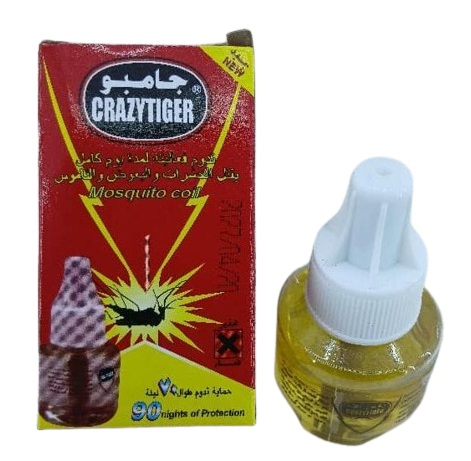
Mosquito repellent
1 Must haveLakeside and lowland campsites have mosquitoes at dusk and dawn.
How to use it: Apply before sunset and after washing.
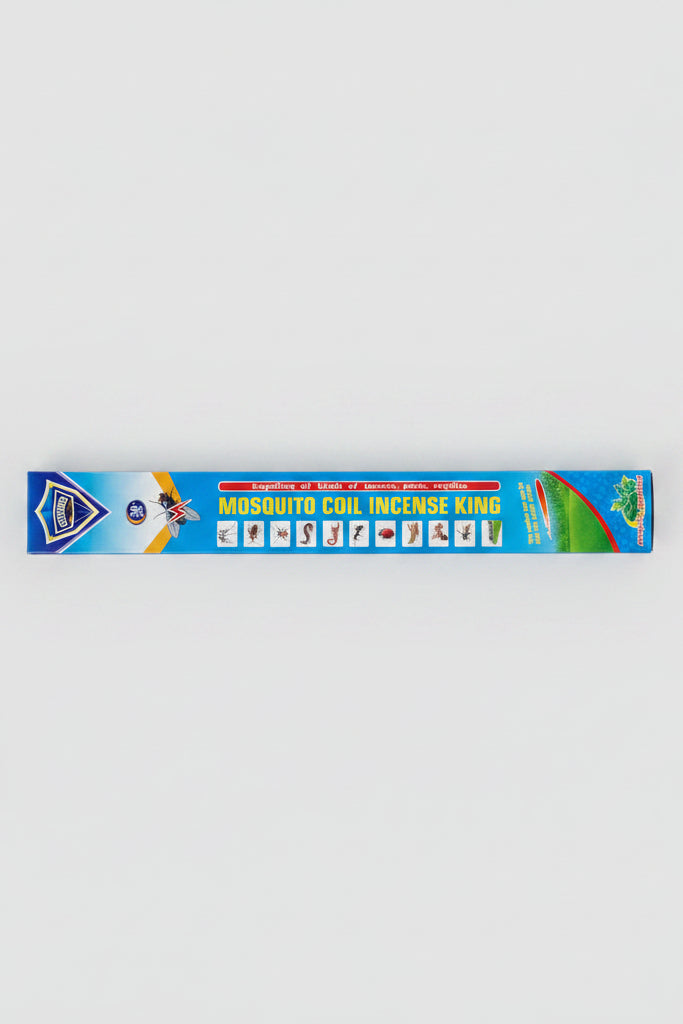
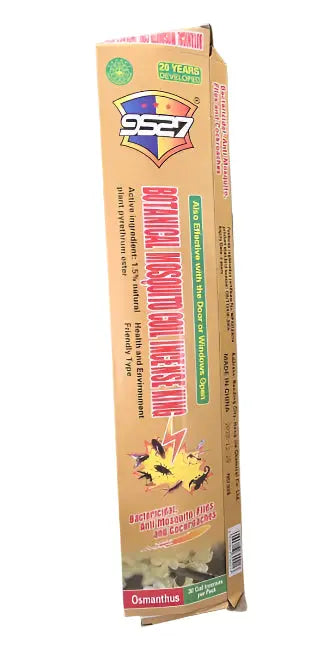
Mosquito coil
1 packNice to haveHelps keep the area around the fire and table more comfortable.
How to use it: Burn it outside on a stable surface, never inside the tent.
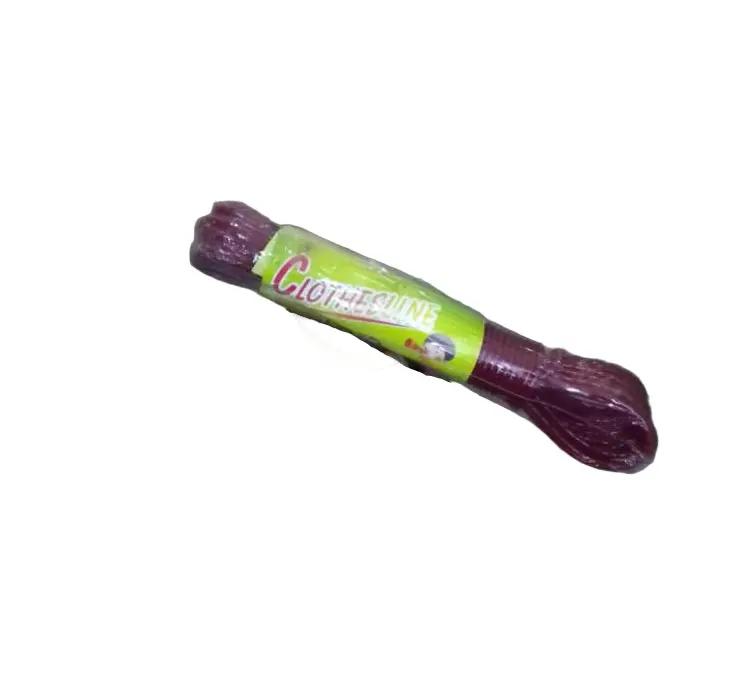
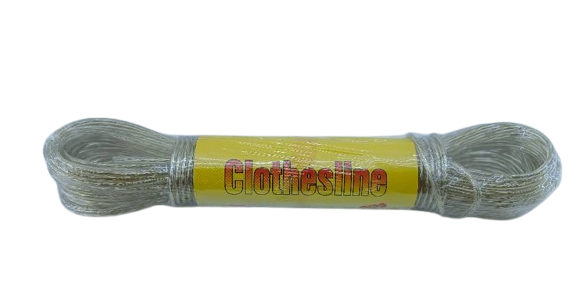
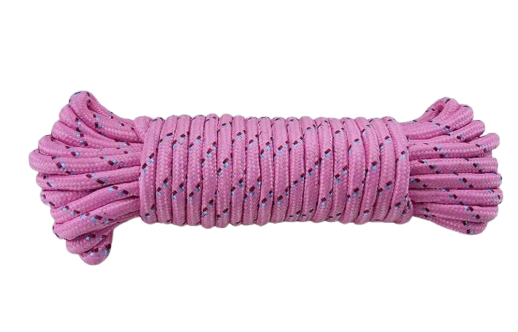
Clothesline
1Nice to haveWet towels and rain soaked clothes dry much faster when hung up.
How to use it: Tie it between two trees or tent poles at chest height.




Hygiene and first aid
Campsite facilities vary a lot. Bring your own basics.
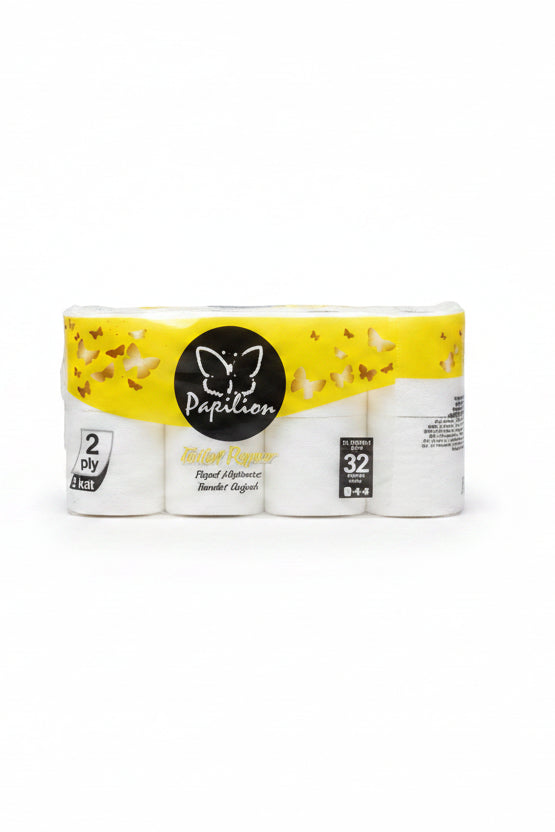
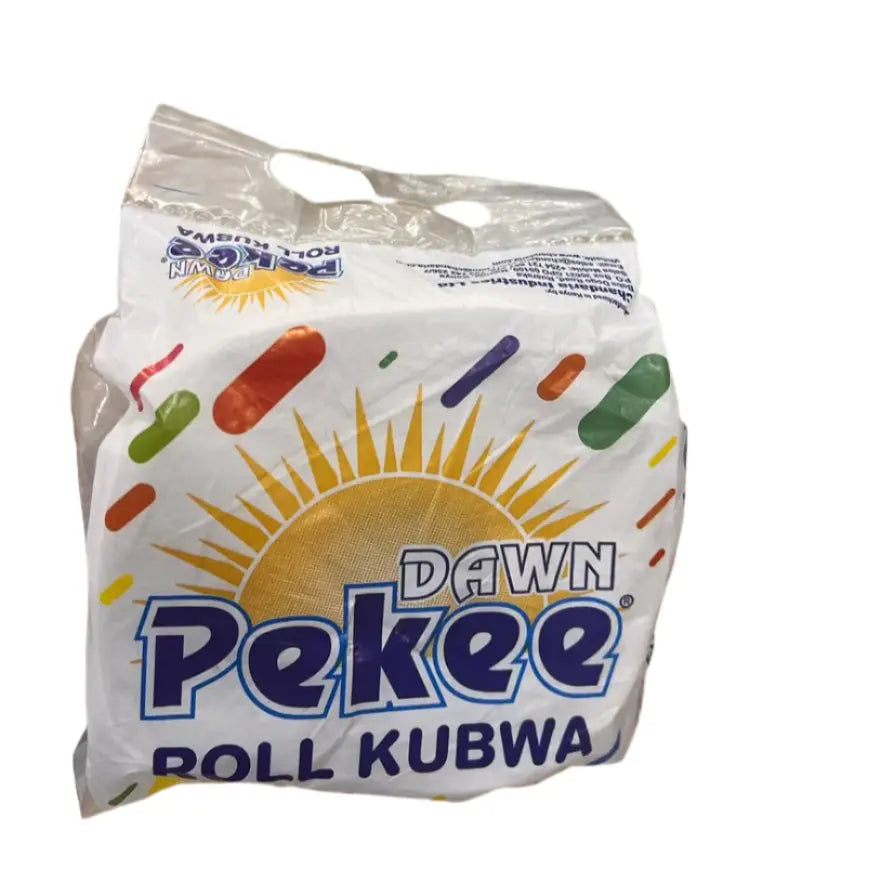
Toilet paper
1 to 2 rolls Must haveNever assume the campsite will have it.
How to use it: Keep a roll in a plastic bag so it stays dry.
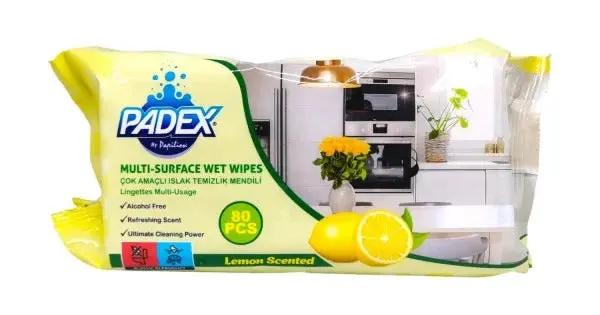
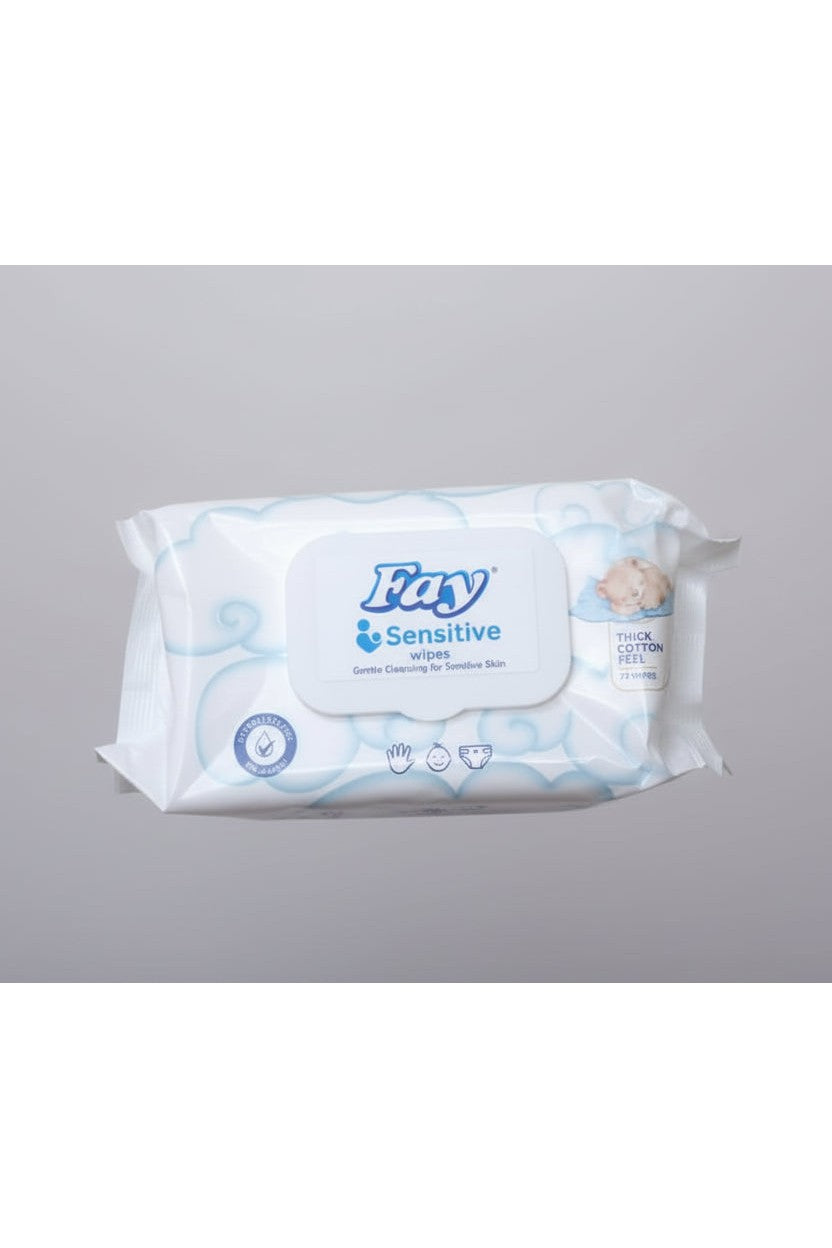
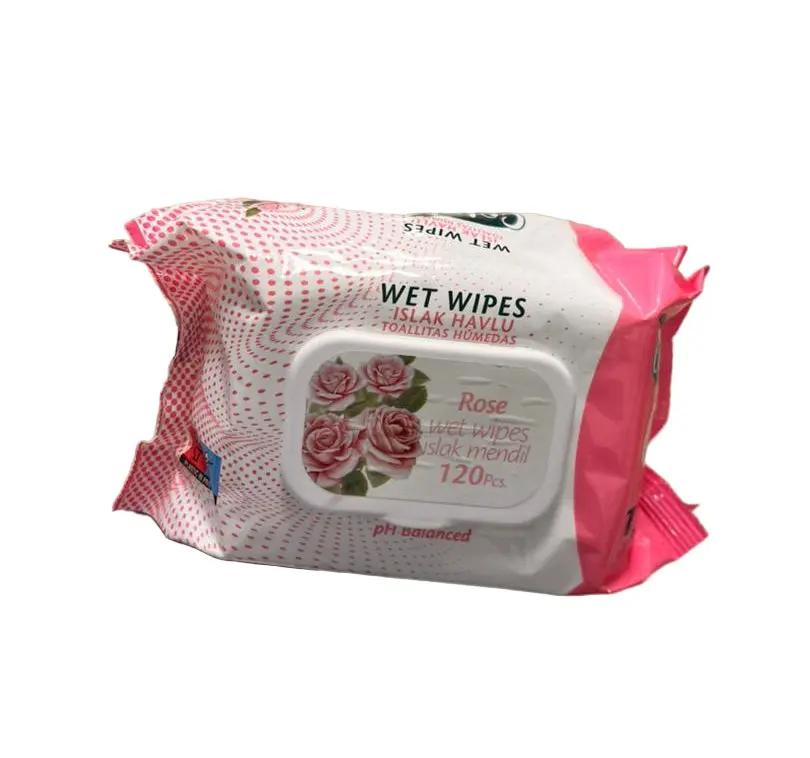
Wet wipes
2 packs Must haveA quick wash when water is limited.
How to use it: Pack used wipes out with your rubbish.
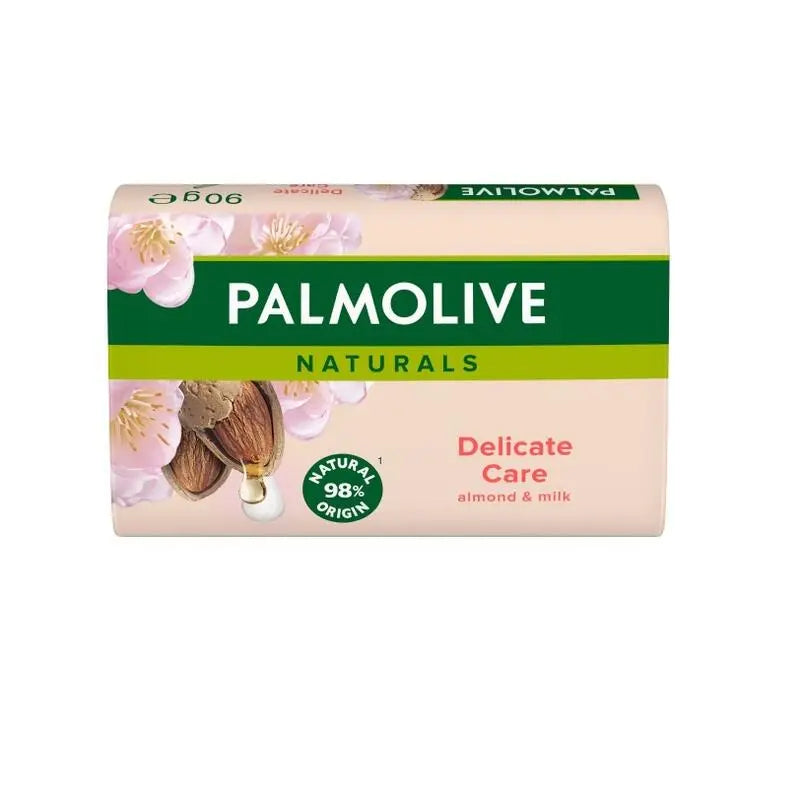
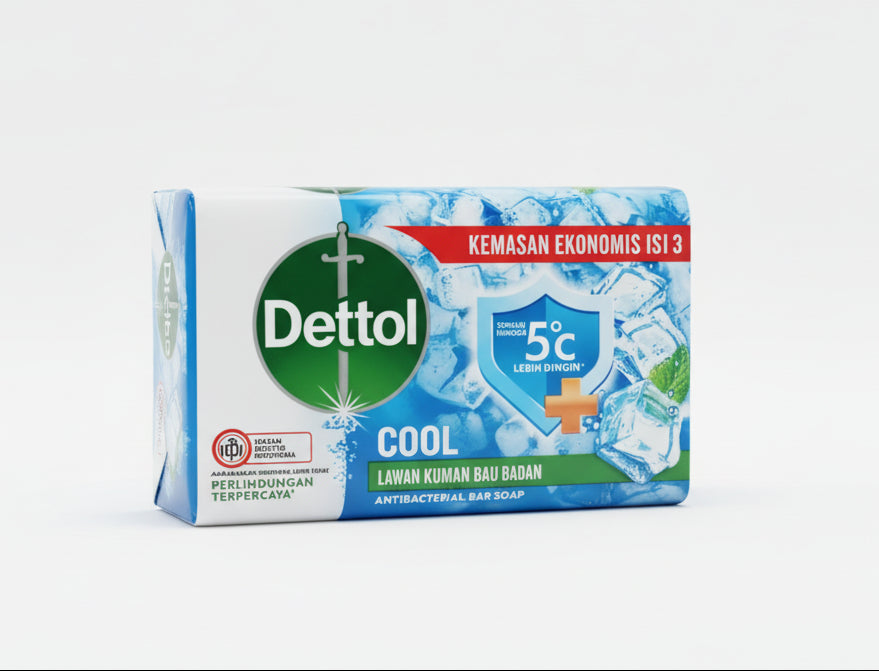
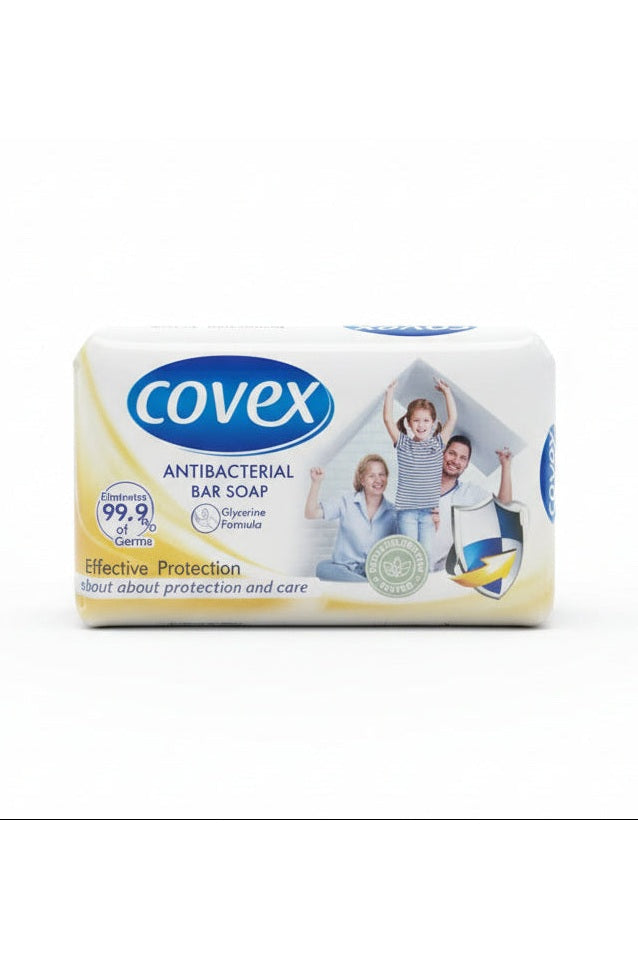
Bar soap and towel
1 each Must haveFor washing hands, face and body.
How to use it: A quick dry towel is easiest to pack.
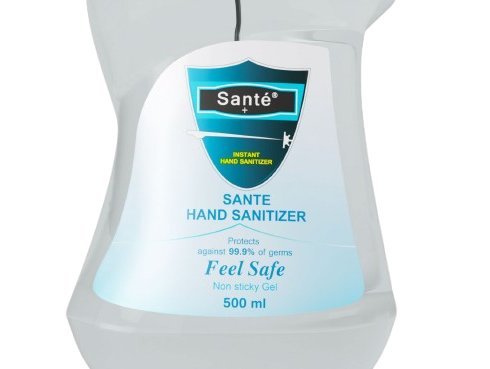
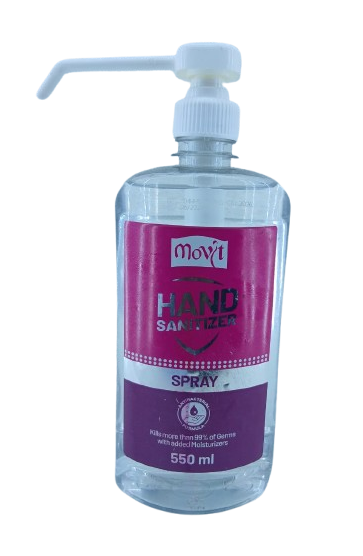
Hand sanitizer
1 Must haveFor before cooking and eating when water is far.
How to use it: Keep it at the cooking area.
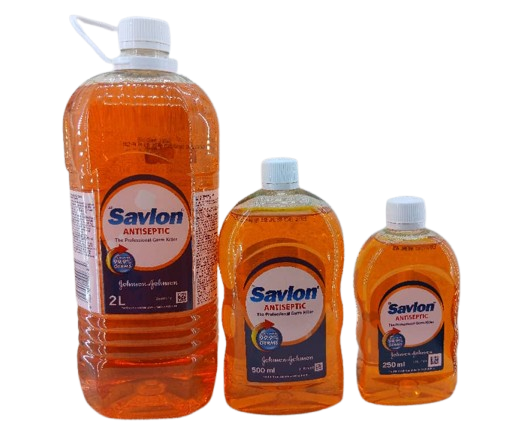
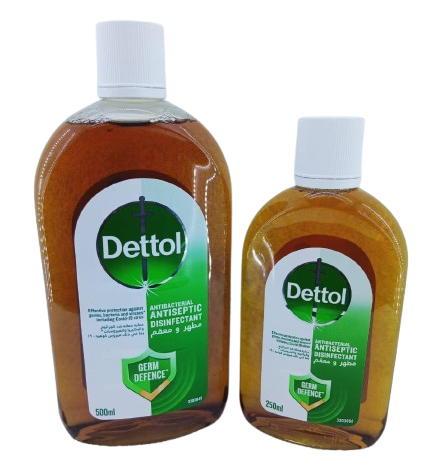
Antiseptic
1 Must haveSmall cuts and scratches are common around camp.
How to use it: Pack it with cotton wool, plasters and any medicines you take. Get medical help for anything serious.



Step by step
- 1
Choose and book a campsite
Pick an official campsite and check fees, booking, fire rules and what facilities they offer, such as water, toilets and showers.
- 2
A week before
Test your tent at home and check every pole and zip. Order missing gear like a lantern, sleeping mat and cooking pot on Isokko.
- 3
Two days before
Plan simple meals and order food, water, batteries and toiletries. Charge every torch and power bank.
- 4
Packing day
Pack heavy gear at the bottom of the car, keep rain gear and the torch near the top, and put food in sealed boxes.
- 5
At camp
Pitch the tent first while it is light, set up the lantern and get water ready before dark. Pack food away at night.
- 6
Leaving
Put out the fire completely with water, pack out every piece of rubbish and check the ground for small items before you go.
Tips that help
- Arrive with at least two hours of daylight left. Pitching a tent in the dark is hard.
- Store food in sealed containers inside the car at night, not in your tent.
- Keep a torch, rain coat and warm layer in the tent with you.
- Fully put out your fire with water before you sleep, never just leave it to burn down.
- Bring a big rubbish bag and take everything home.
- Pack clothes in plastic bags inside your bag so they stay dry if it rains.
Mistakes to avoid
- Underestimating the cold. Many first timers pack only light clothes and spend the night shivering.
- Forgetting spare batteries for the lantern.
- Pitching in a dip where rain water collects.
- Bringing food that needs a fridge and has gone bad by the second day.
- Not checking campsite rules about fires and finding out on arrival.
Questions people ask
Where can I camp in Rwanda?+
There are campsites in some national parks such as Akagera, around Lake Kivu and at some eco lodges. Only camp at official sites, and check booking, fees and rules with the site before you go.
How cold does it get when camping in Rwanda?+
Nights are cool almost everywhere and can be cold at higher altitude, in forests and in the hills. Pack a warm jacket and blankets even if the day is hot.
What food should I bring camping?+
Pick food that keeps without a fridge and cooks quickly: instant noodles, baked beans, tinned fish, corned beef, bread, peanut butter, eggs for the first morning, fruit, tea and coffee. Bring plenty of drinking water.
Do I need my own tent?+
Some campsites rent tents or have fixed tents, while others expect you to bring your own. Ask the campsite when you book.
Can I make a campfire?+
It depends on the campsite. Some have fire pits and sell firewood, others do not allow fires. Always ask first and never leave a fire unattended.
A night under the stars in Rwanda is worth the effort. With a dry tent, warm layers, good light, simple food and plenty of water, you will sleep well and wake up ready to enjoy the morning. Shop the list on Isokko and have your camping supplies delivered before you go.
Shop this list
Get everything delivered in Kigali
Order from local stores on Isokko and pay with MoMo, card or cash. Same-day delivery.