
Checklist · Beauty & self care
Caring for Locs in Kigali Through Rain and Dust: Checklist
A practical locs care checklist for Kigali: shampoos, oils, scarves and tools to keep locs clean, moisturized and strong in rain and dust.
Updated November 23, 2026 · By Isokko

Locs love routine, and Kigali gives them a lot to handle. Rain keeps them damp for days, red dust settles in the roots, and sun and wind dry the ends. Good products and a calm weekly habit keep your locs clean, light and strong.
This checklist covers washing, moisture, scalp care, protection at night and the tools you need for neat roots. Start with the must items and add the rest as you learn what your locs like.
Locs that smell musty, a scalp that itches badly or hair that thins in patches are reasons to see a doctor or a trained loctician.
Who it's for
Anyone with locs, new or mature, living in Kigali
Time needed
Shop once, then about 20 minutes a week plus a few minutes daily
When to shop
Before the rainy seasons (March to May and October to December) and again before the dusty dry months
On the list
24 items, 7 must haves
0 of 24 ready
Washing and scalp
A clean scalp is the base of healthy locs. Dust and product build up do not rinse out on their own.
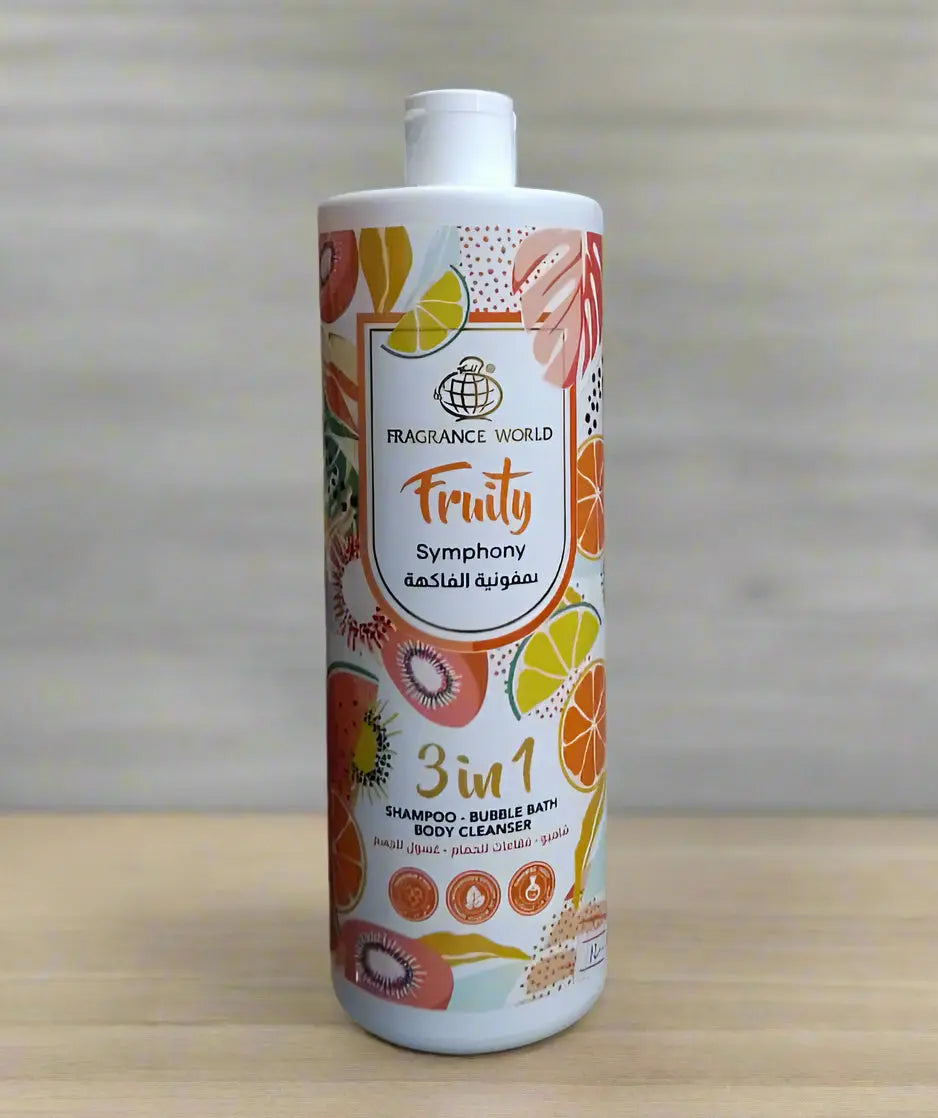
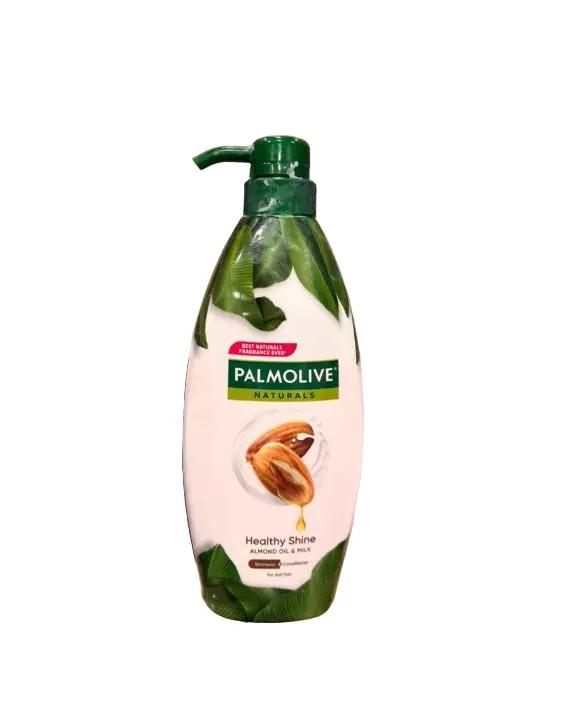
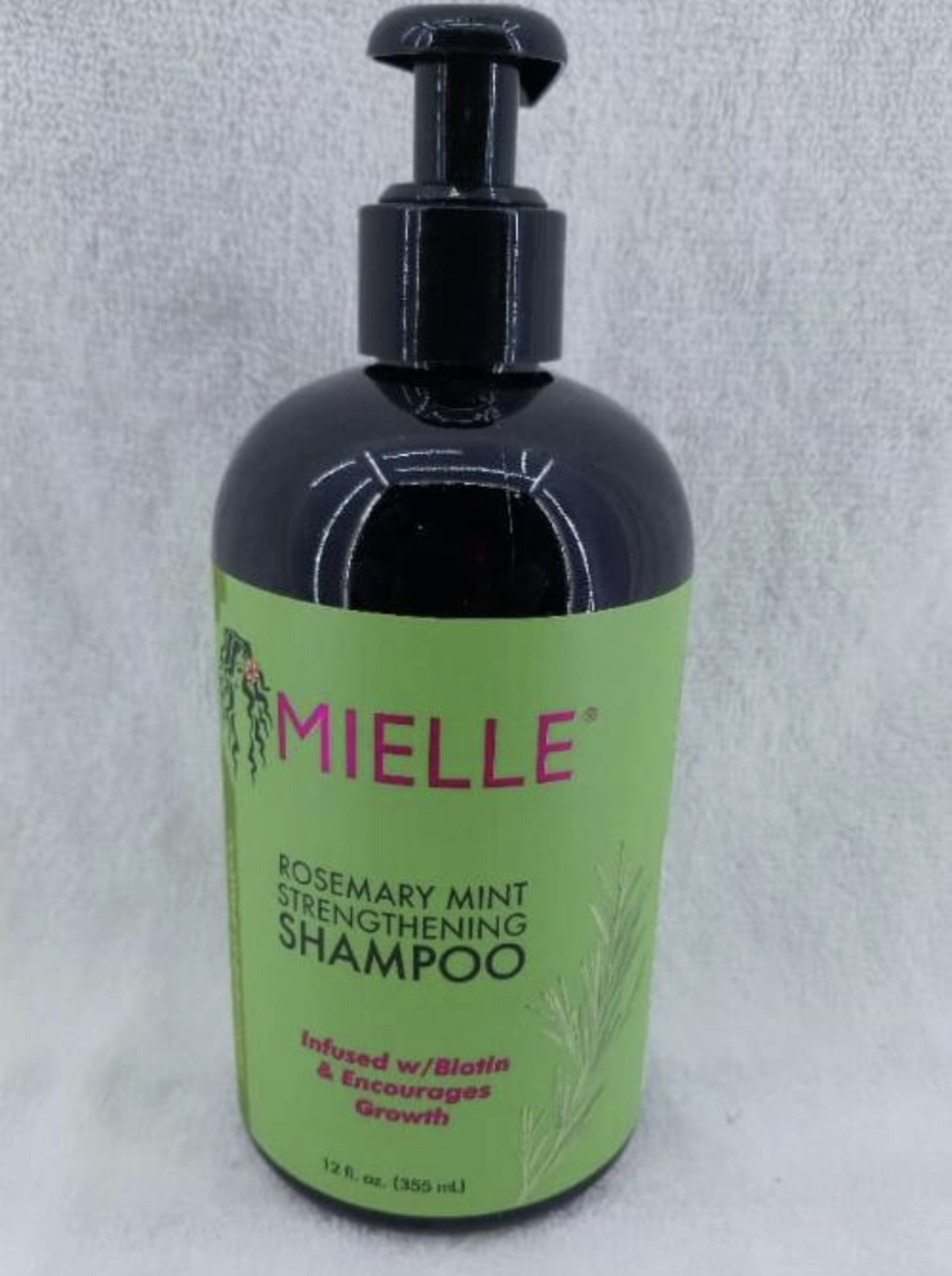
Residue free shampoo
1 Must haveCreamy shampoos and heavy products can stay inside locs and cause buildup and odor. A clear, light shampoo rinses out better.
How to use it: Apply to the scalp only, massage with fingertips, and let the suds run through the locs. Rinse for longer than you think you need.
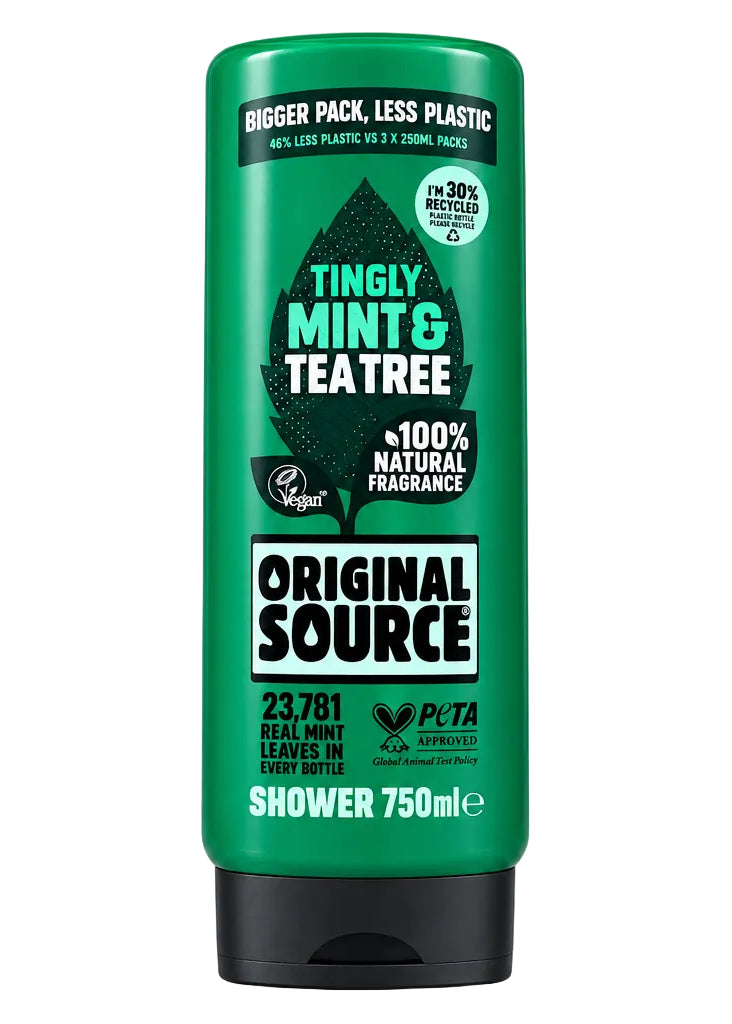
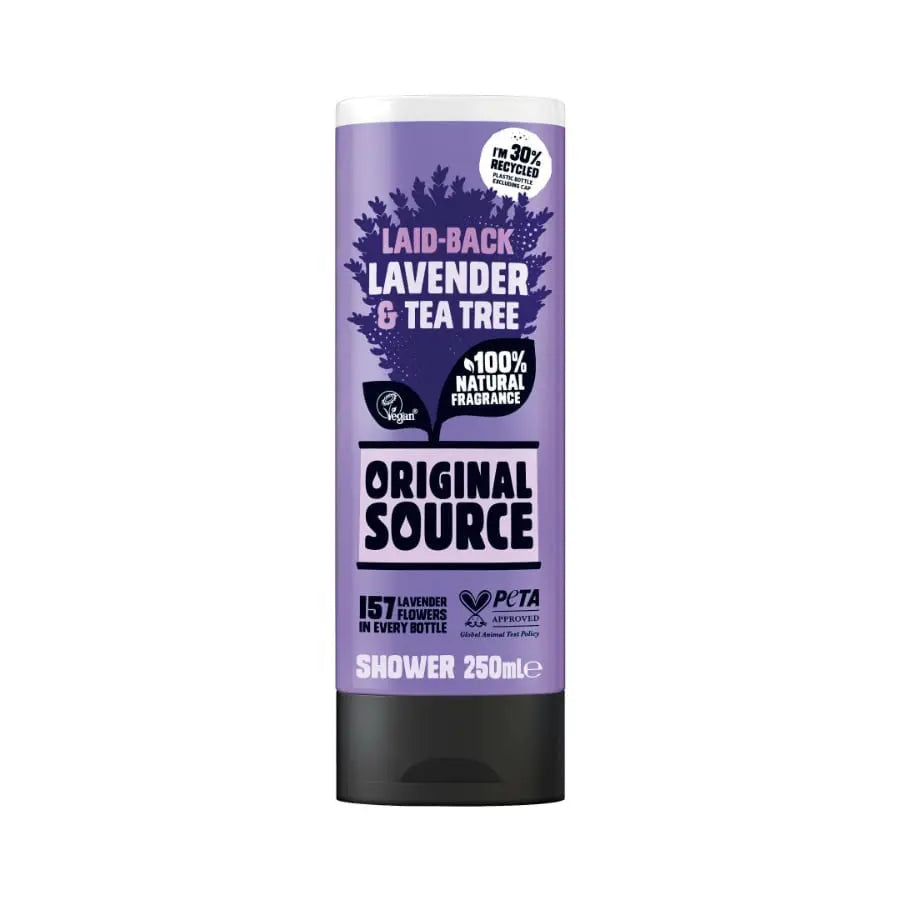
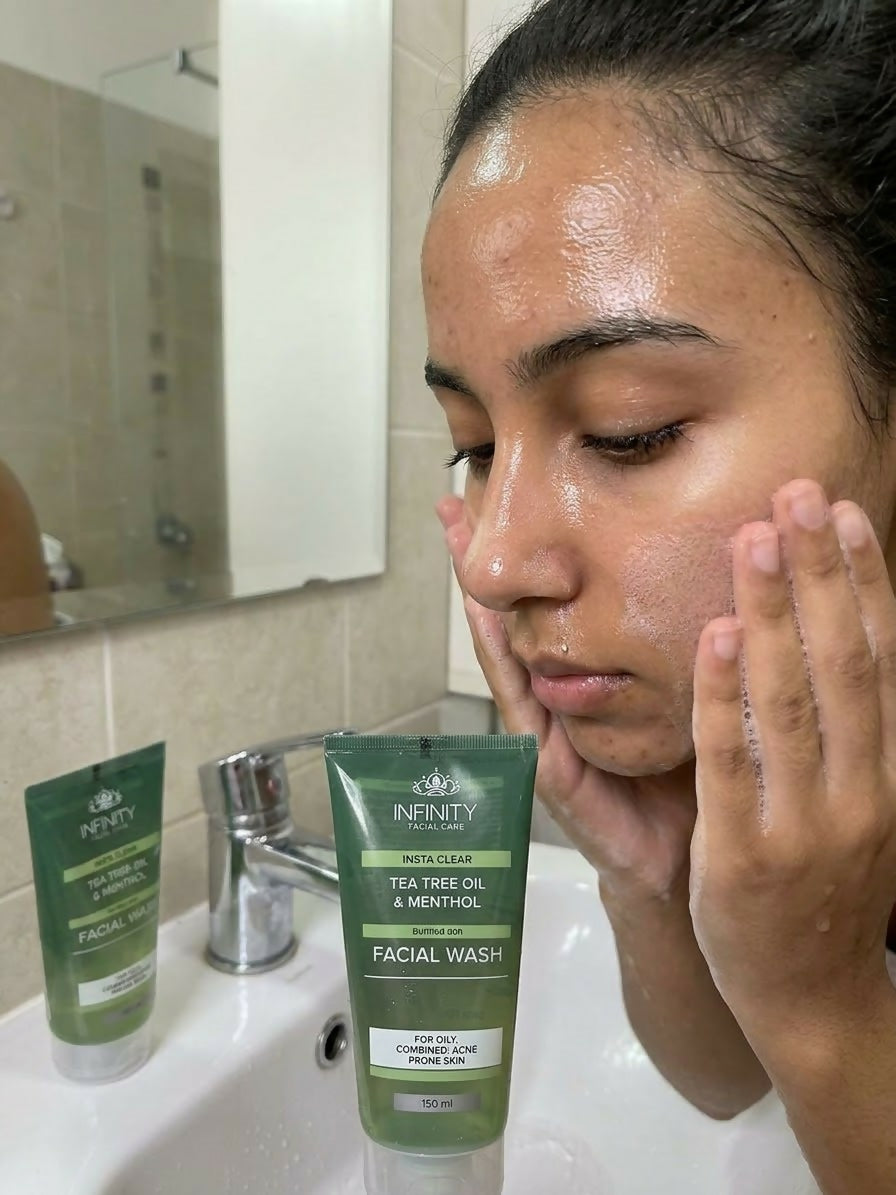
Tea tree anti dandruff shampoo
1Nice to haveDry season dust and dry scalps can cause flakes. Tea tree is a popular choice for a fresh, calm scalp.
How to use it: Use once every one or two weeks. Leave on the scalp for two minutes before rinsing.
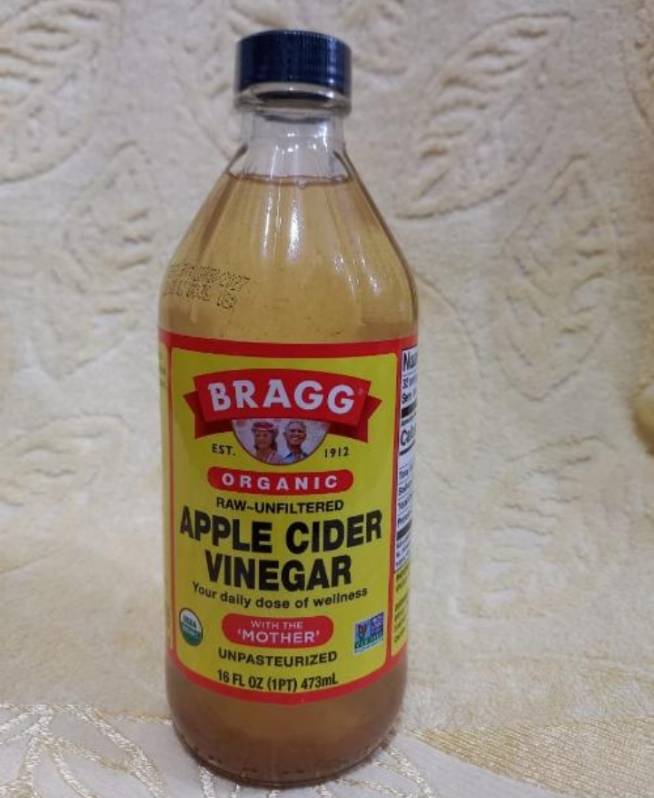
Apple cider vinegar
1 bottleNice to haveMany people use a diluted rinse to help remove buildup and leave locs feeling light.
How to use it: Mix about one part vinegar with four parts water, pour over the roots, then rinse well. Stop if your scalp stings.
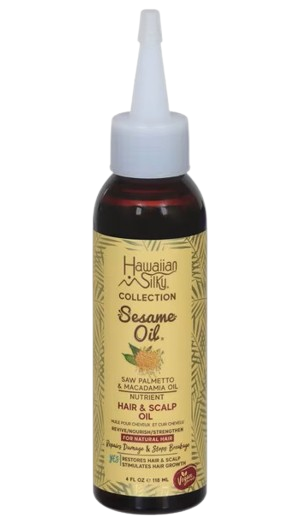
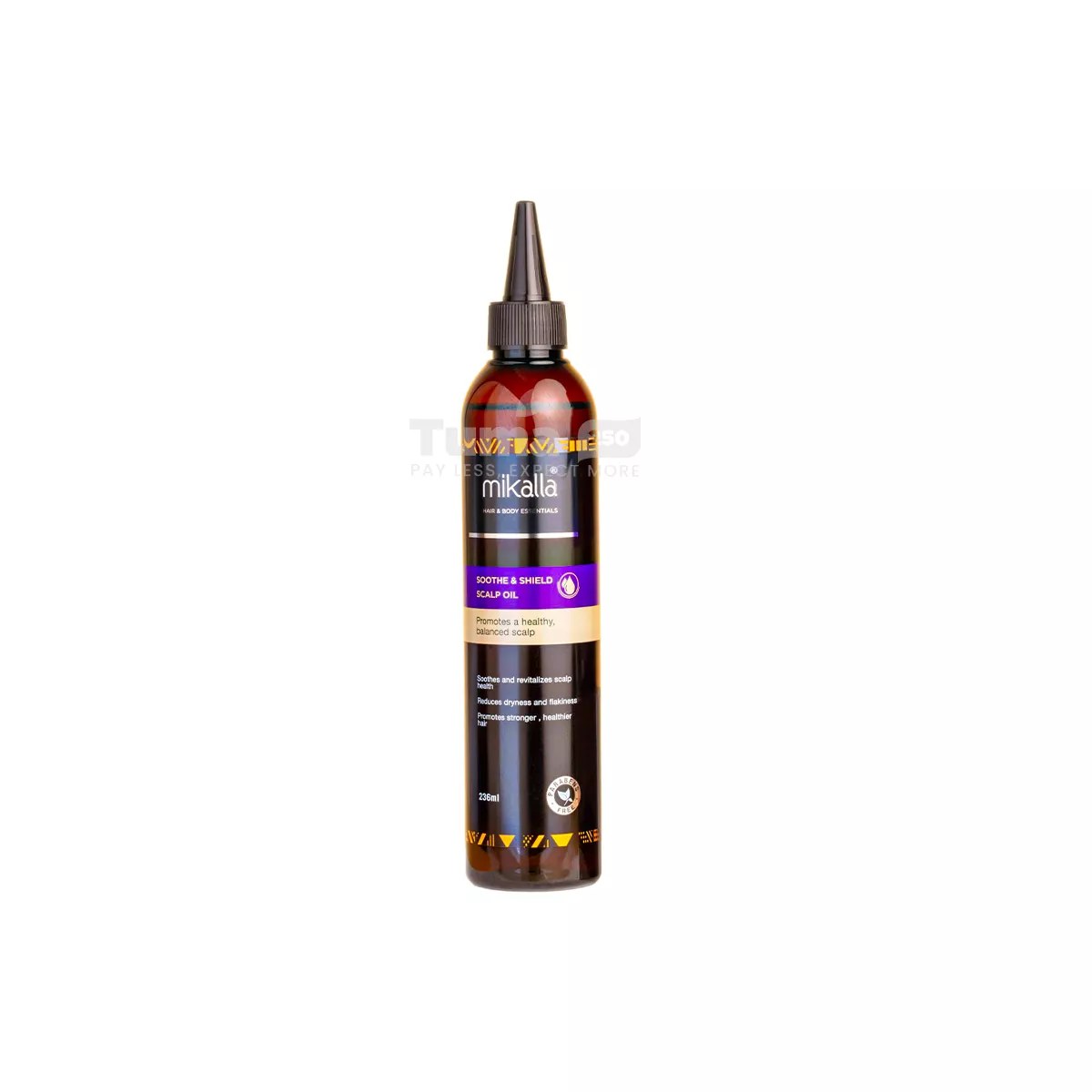
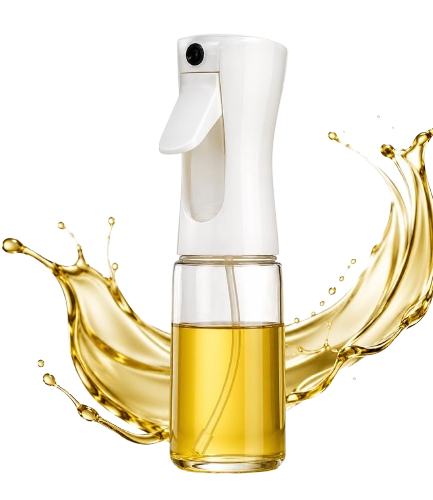
Scalp oil
1 Must haveDry scalps itch. A light oil on the scalp keeps it comfortable without weighing the locs down.
How to use it: Part the roots and apply a few drops with the tip of the bottle. Massage gently.
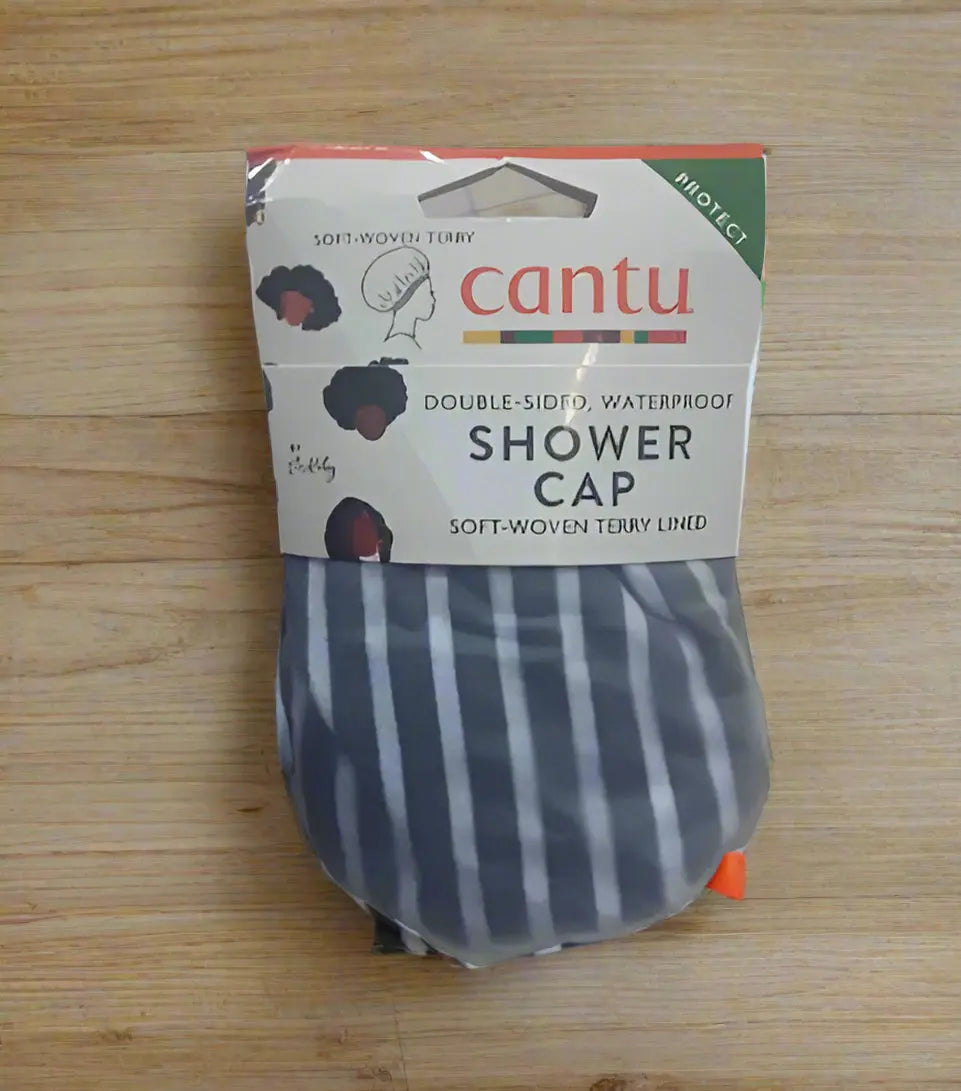
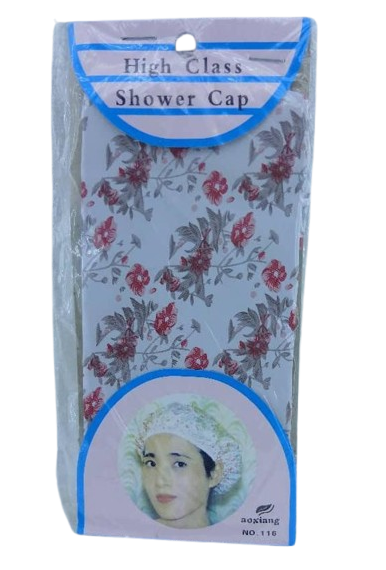
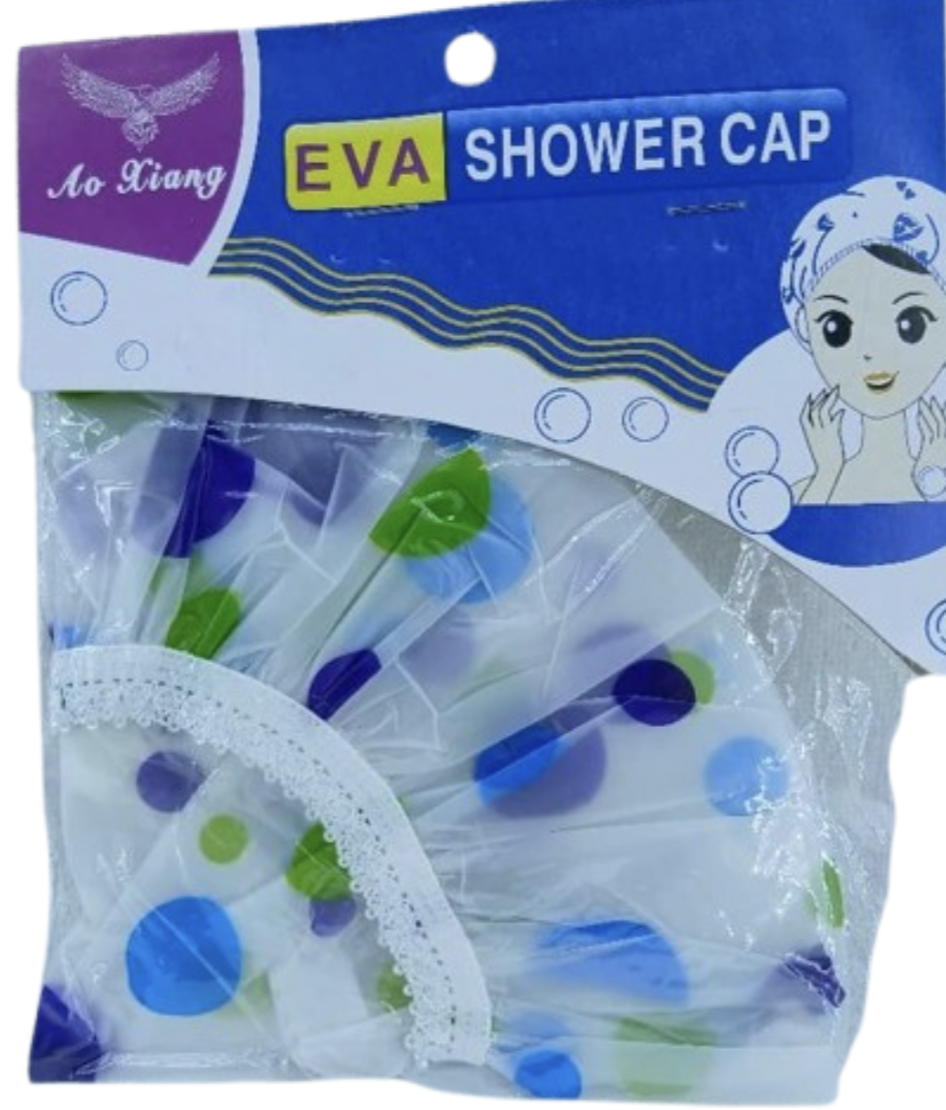
Shower cap
1Nice to haveIt keeps rain or shower water off locs when you want a quick body wash, which avoids constant wetting.
How to use it: Wear it while washing and rinse it out after use.
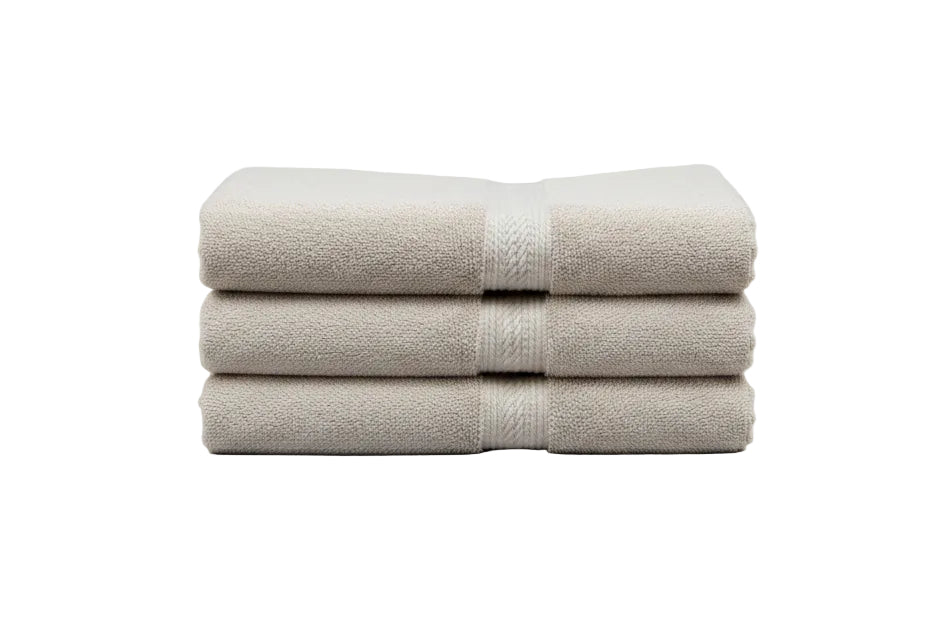
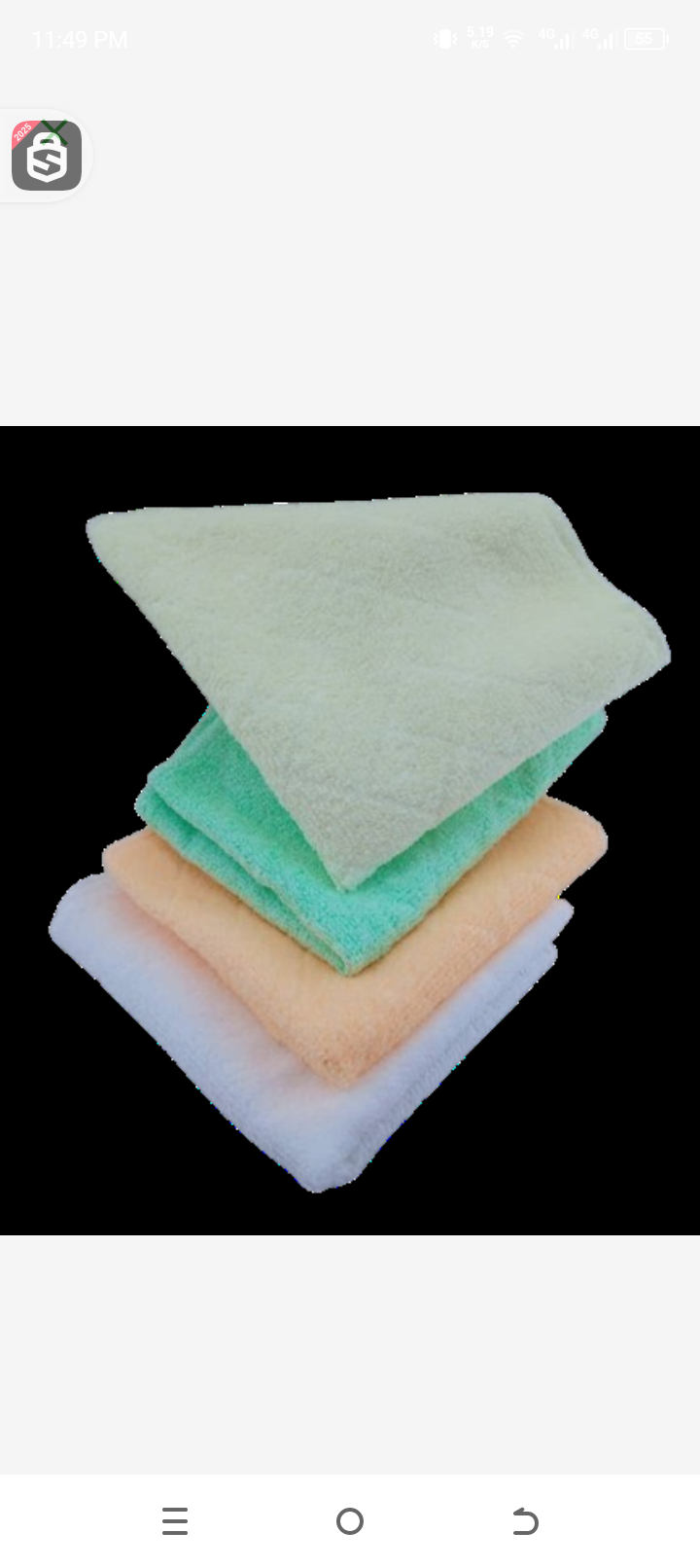
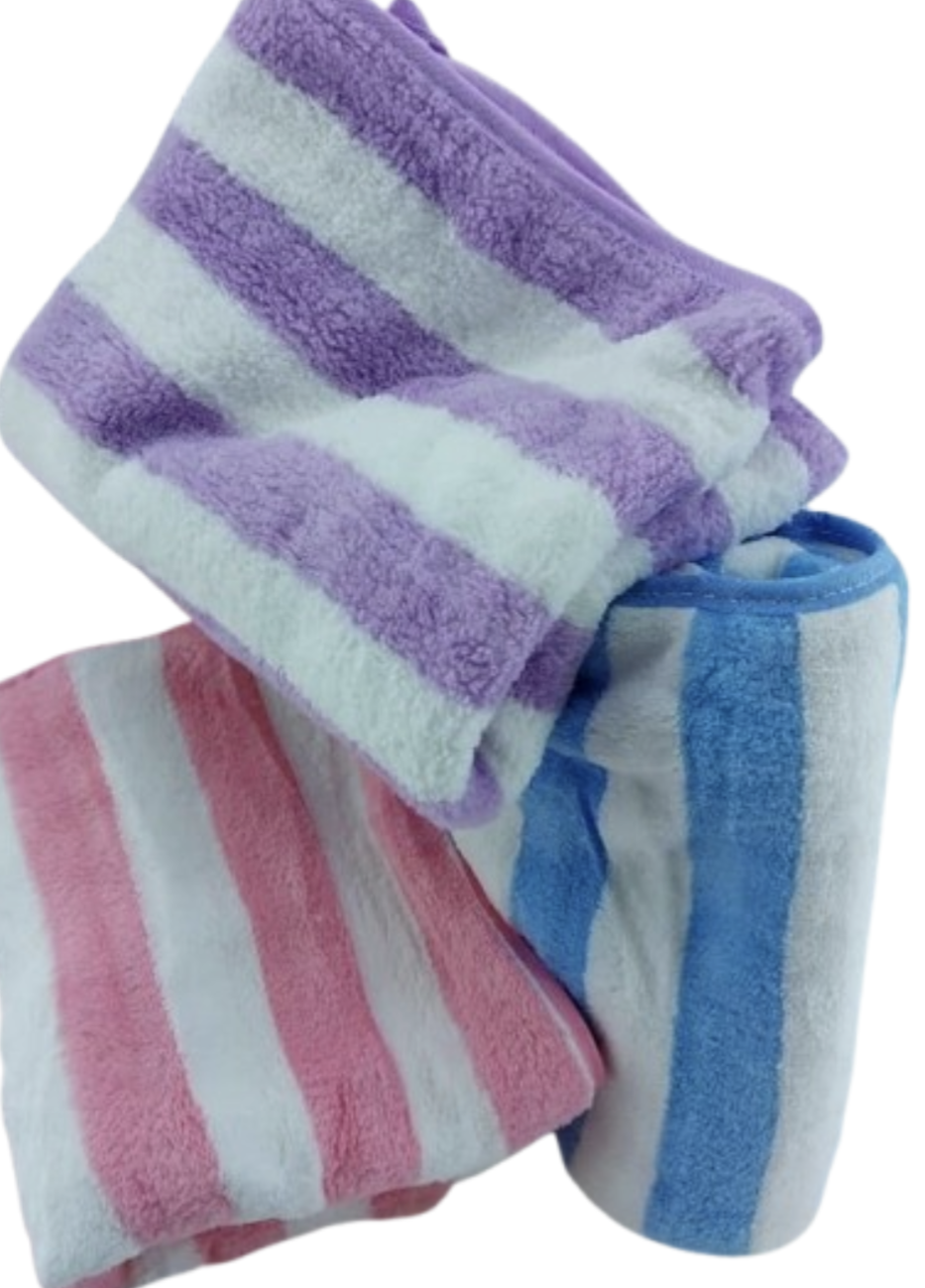
Soft towels
2 Must haveLocs hold water. Squeezing them in a soft towel speeds drying and helps prevent a musty smell.
How to use it: Squeeze, do not rub. Let locs dry fully in the sun or by a window before tying up.

Moisture and strength
Locs can look dry quickly in the dry season. Light moisture often works better than heavy butters.
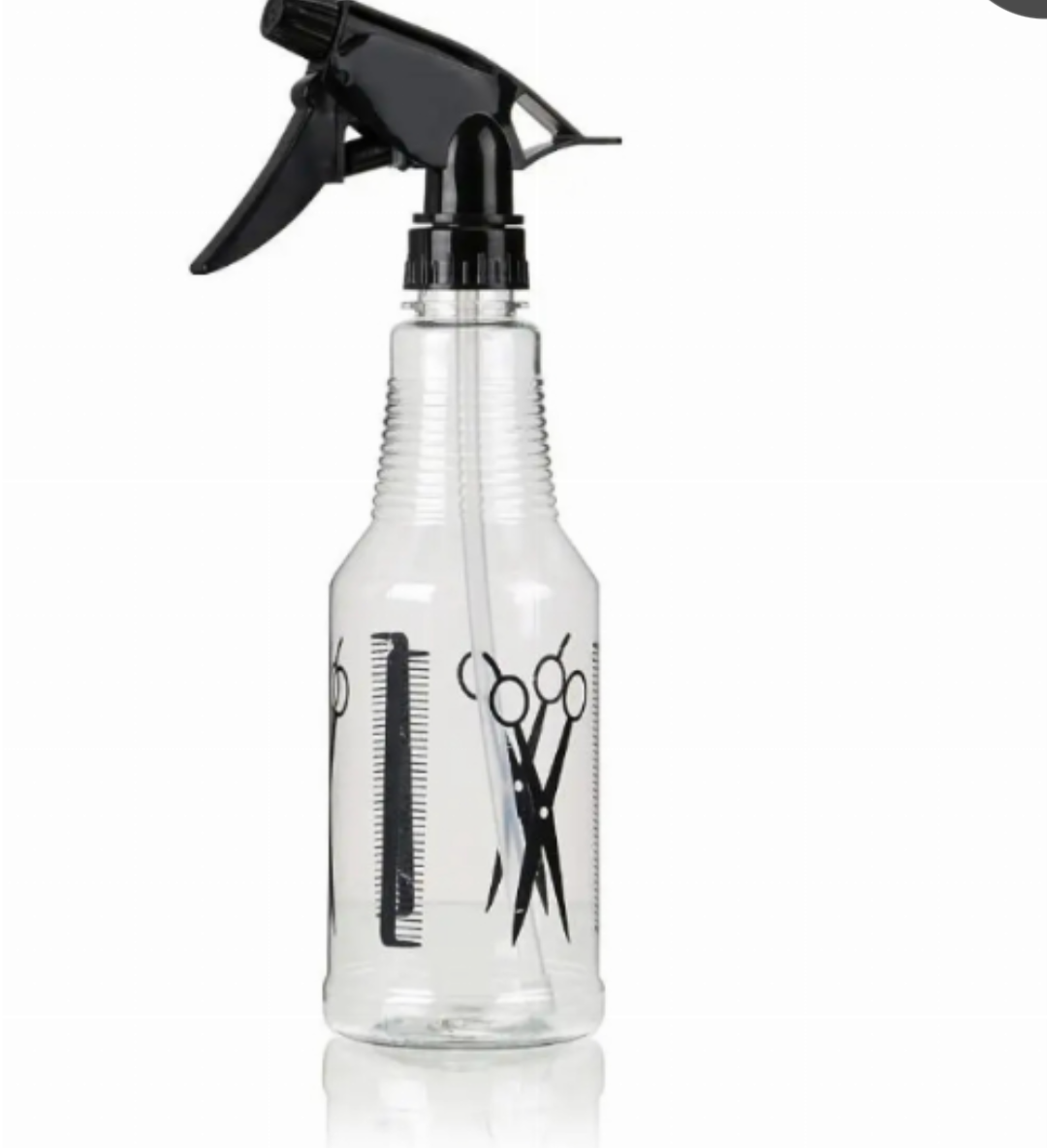
Water spray bottle
1 Must havePlain water is the best moisture. A small bottle lets you refresh locs in the morning without a full wash.
How to use it: Fill with water and a few drops of oil, then lightly mist from root to tip.
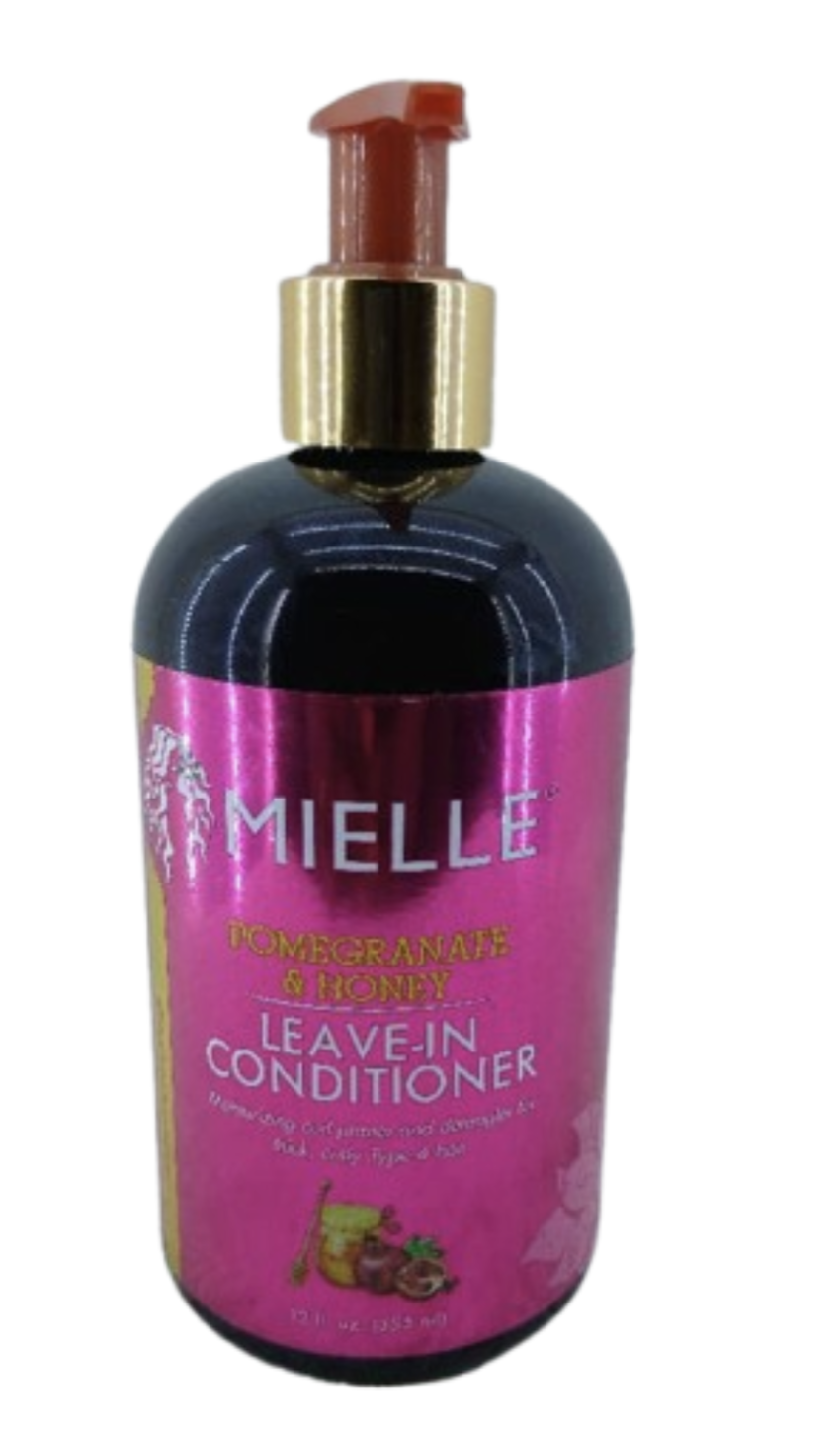
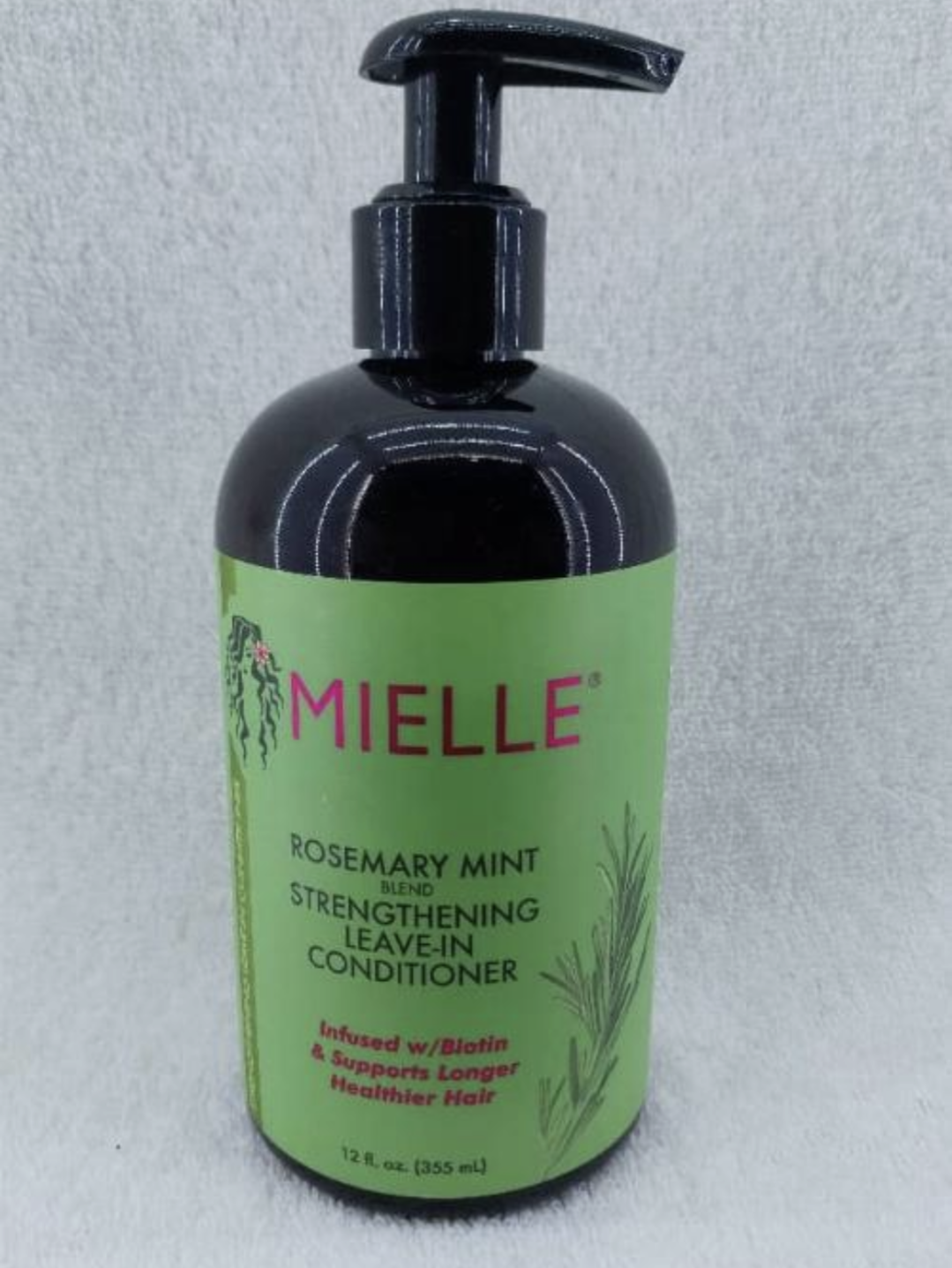
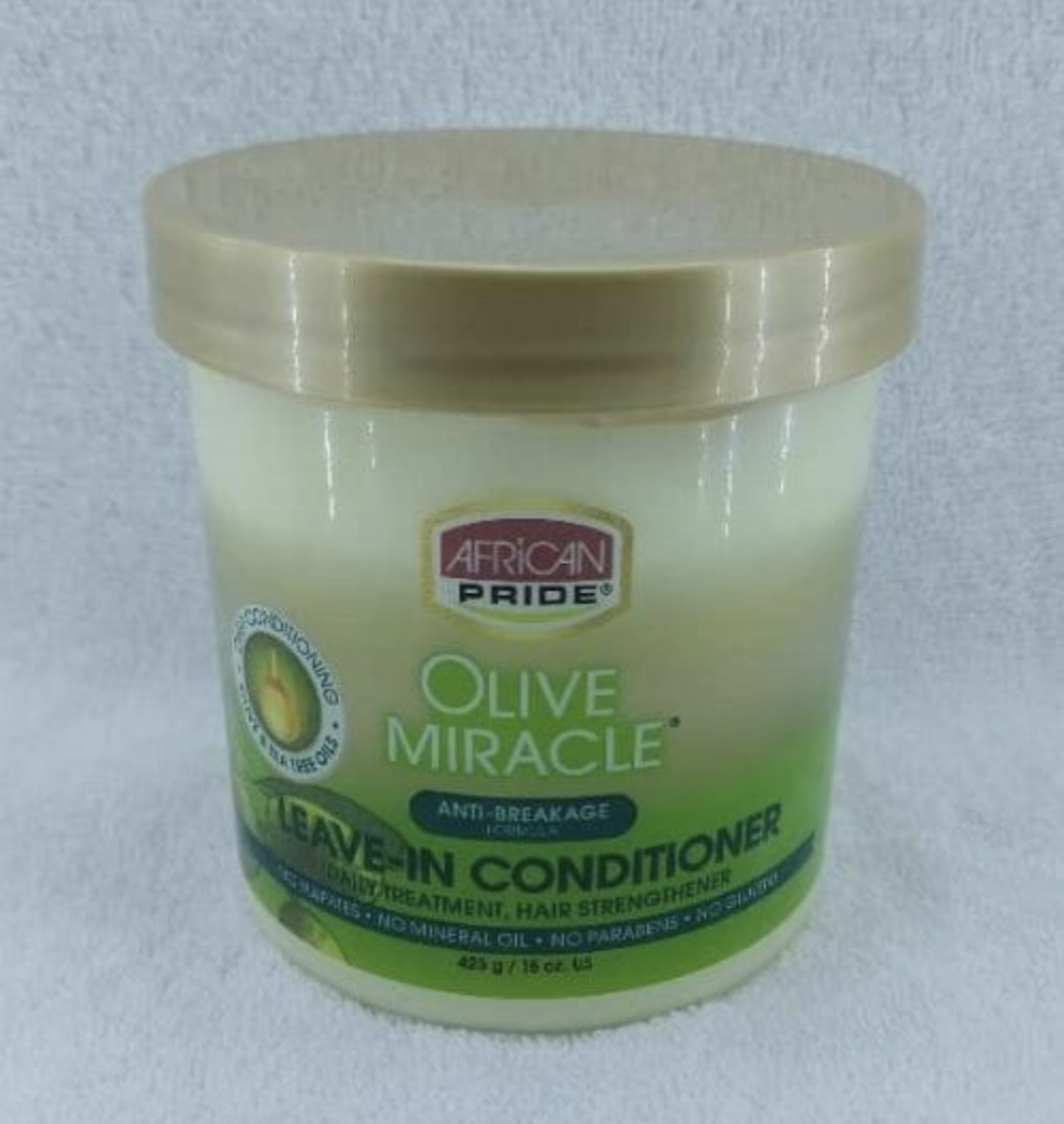
Leave in conditioner
1Nice to haveIt softens locs and helps stop breakage and frizz at the ends.
How to use it: Use a small amount after washing on damp locs, then rinse out well every few weeks to prevent buildup.
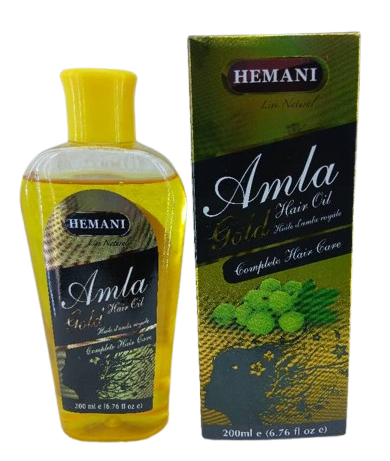
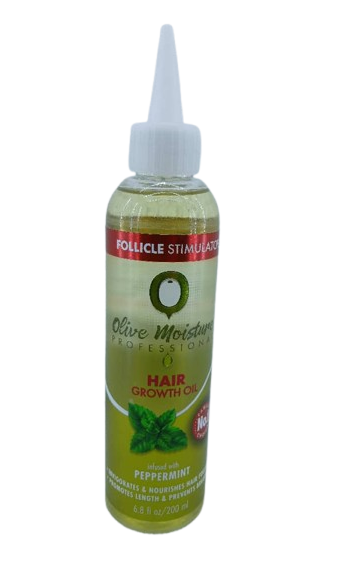
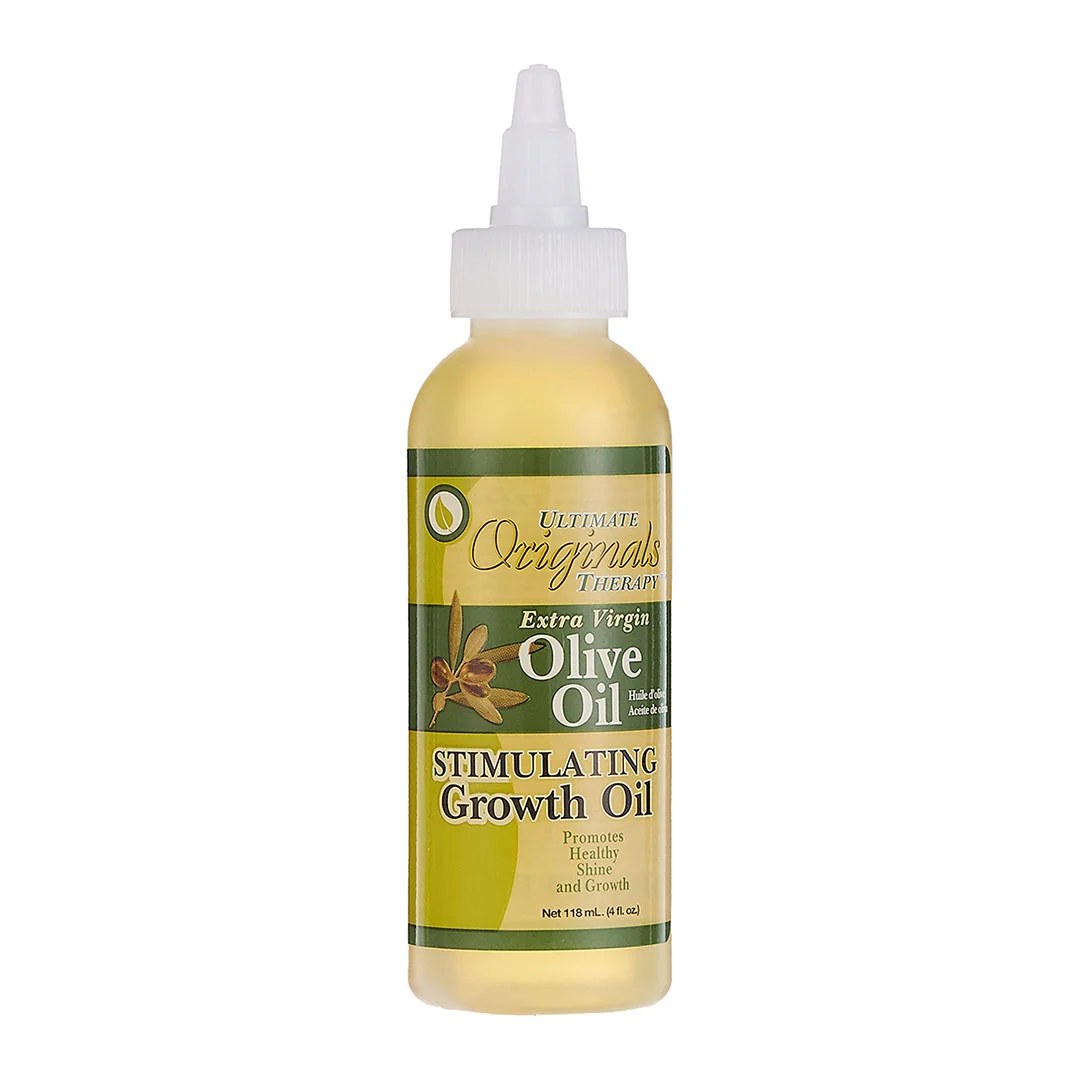
Hair growth oil
1Nice to haveMany people use light oils to support a healthy scalp as locs grow.
How to use it: Apply a few drops on the scalp two or three times a week. Do not drench the locs.
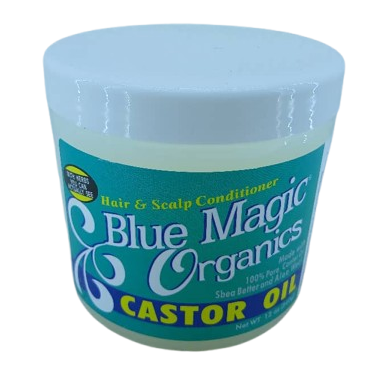
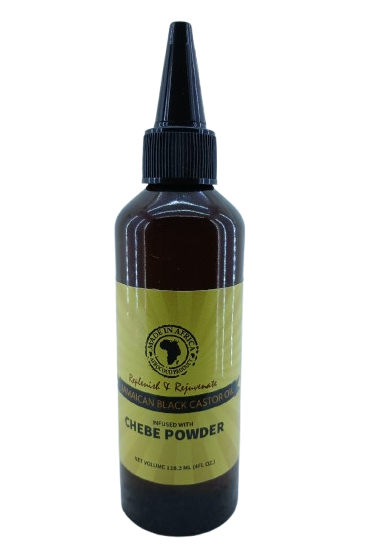
Black castor oil
1Nice to haveA thick, popular oil for dry roots and ends. A little goes a long way.
How to use it: Warm a few drops in your palms and rub on the ends. Avoid heavy use in the rainy season.
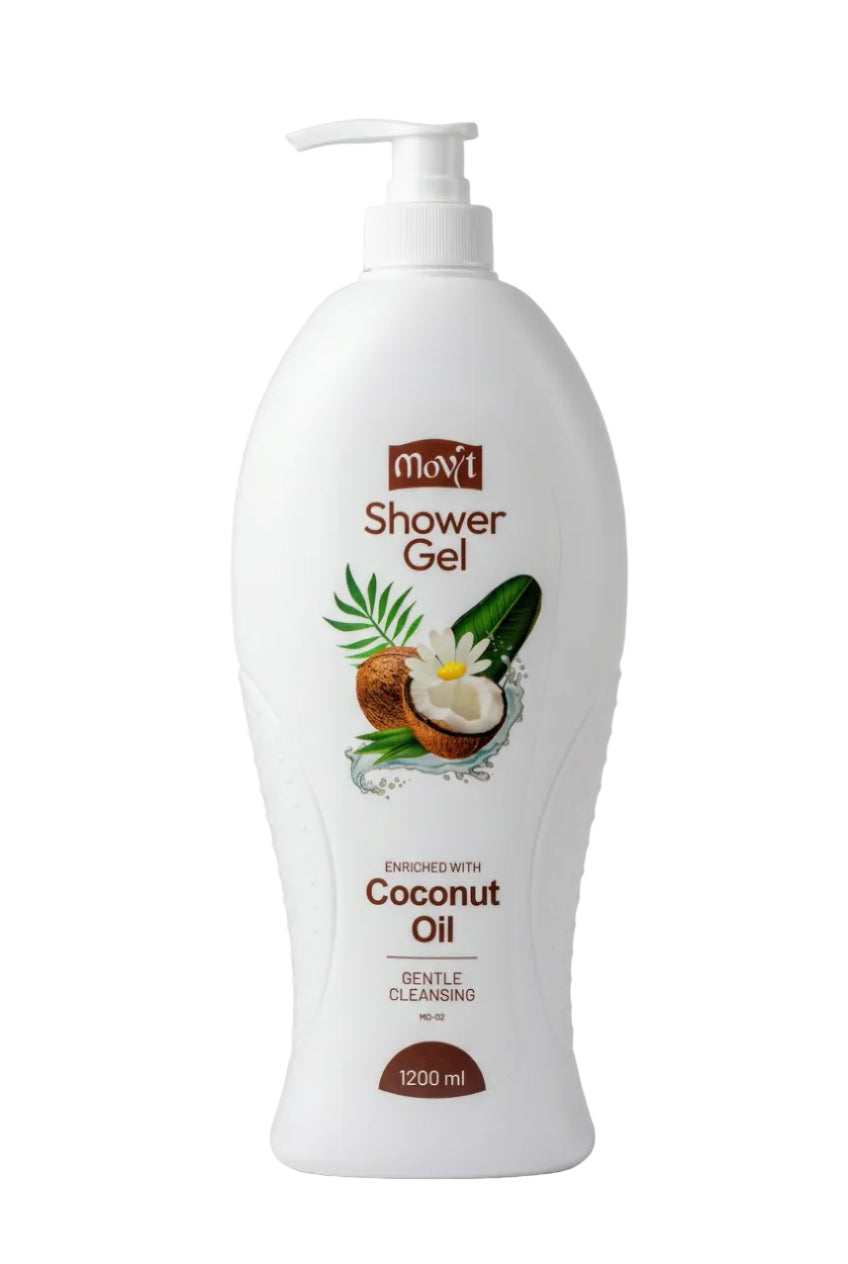
Coconut oil
1Nice to haveA familiar oil for shine and softness on dry ends.
How to use it: Use a small amount on the ends once or twice a week. Skip it if it makes your scalp itchy.
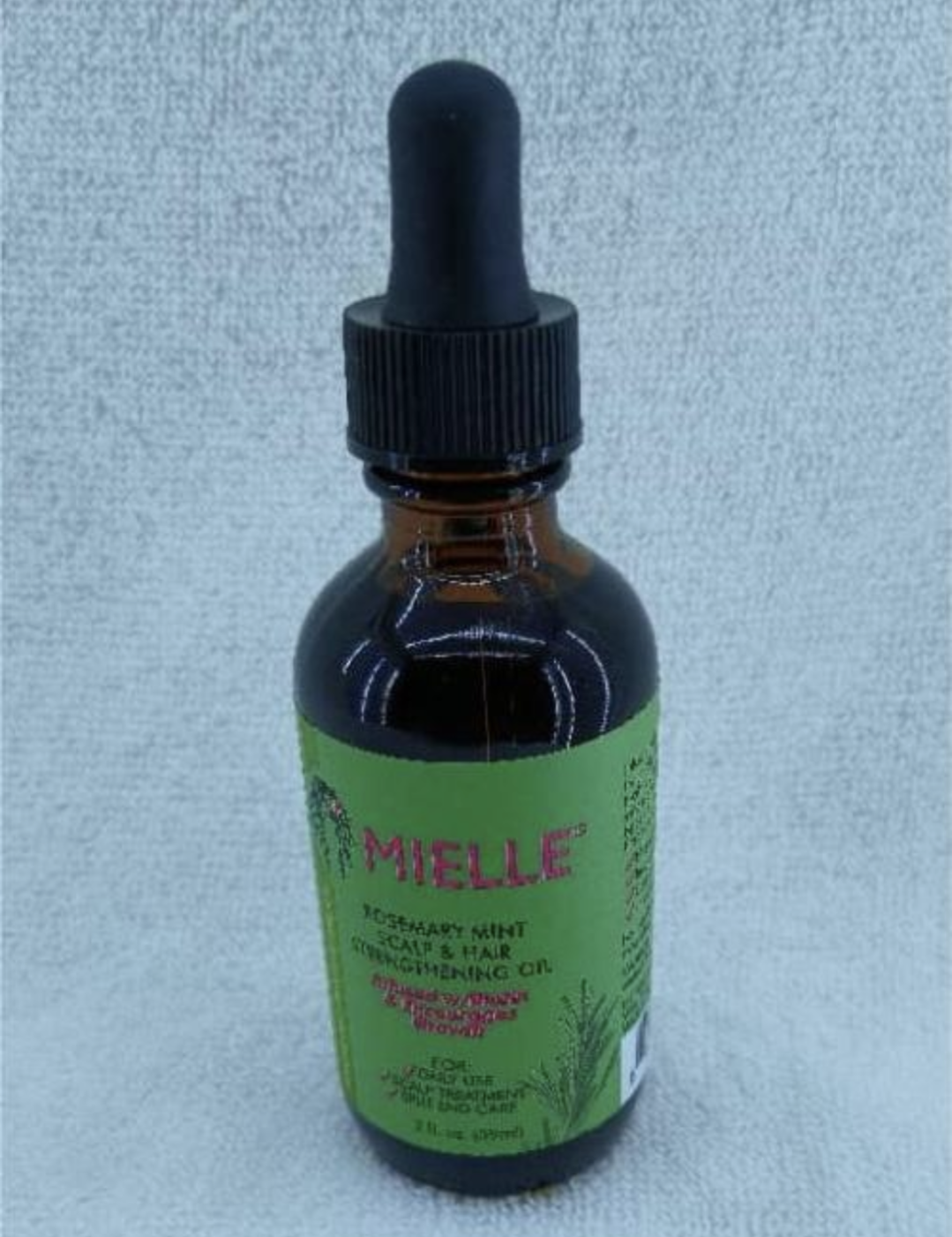
Rosemary hair oil
1Nice to haveA scalp oil that many people enjoy for a fresh feeling and for supporting hair that looks fuller.
How to use it: Use a small amount on the scalp a few times a week. Test on your skin first.
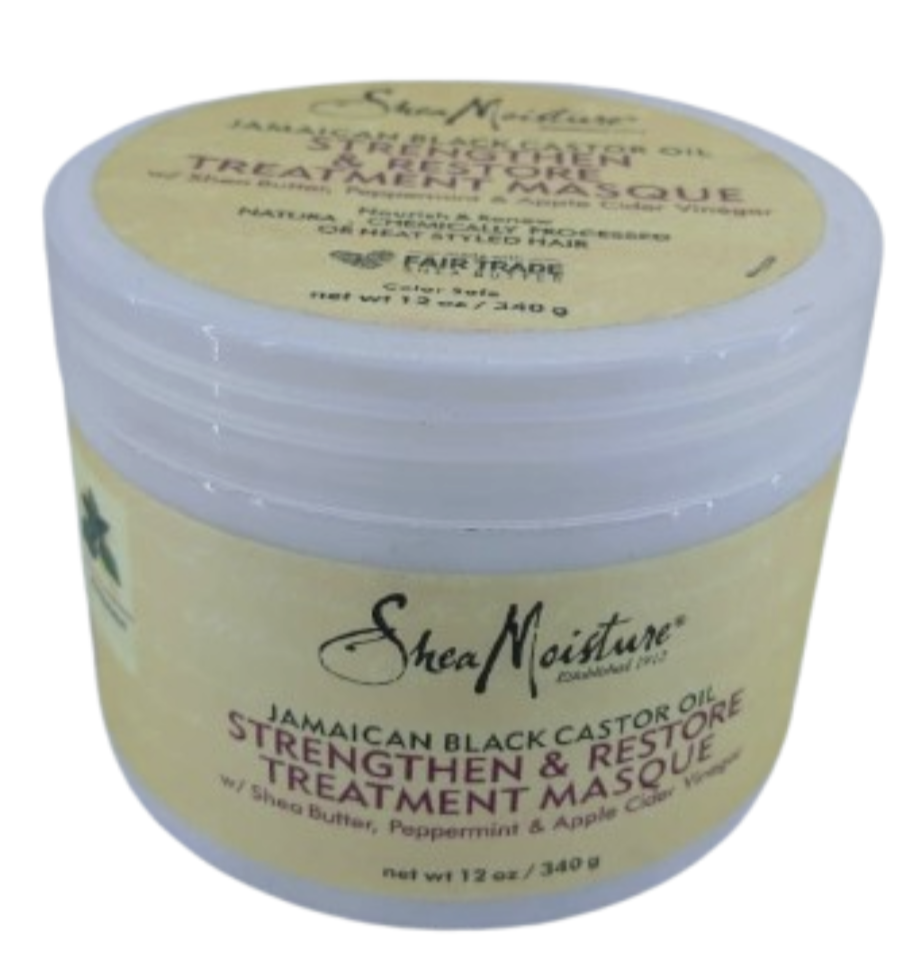
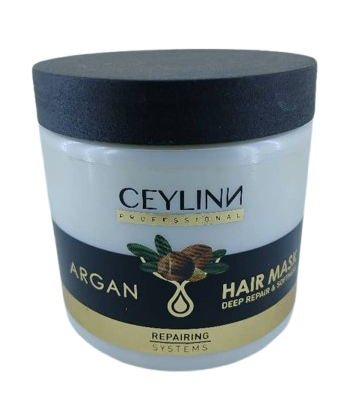
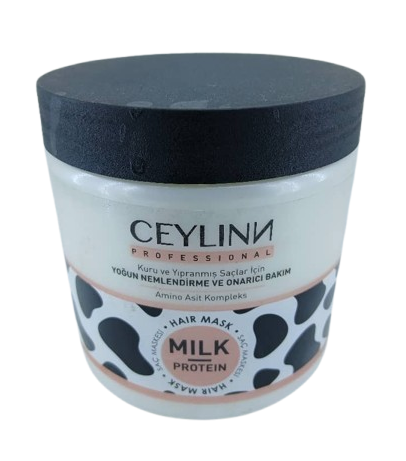
Deep conditioning hair mask
1Nice to haveA monthly mask restores softness after dry weeks and prevents brittle ends.
How to use it: Apply to damp locs, cover with a shower cap for 20 minutes, then rinse very well.




Retwist and styling
Neat roots are easier when you have the right products and keep them light.
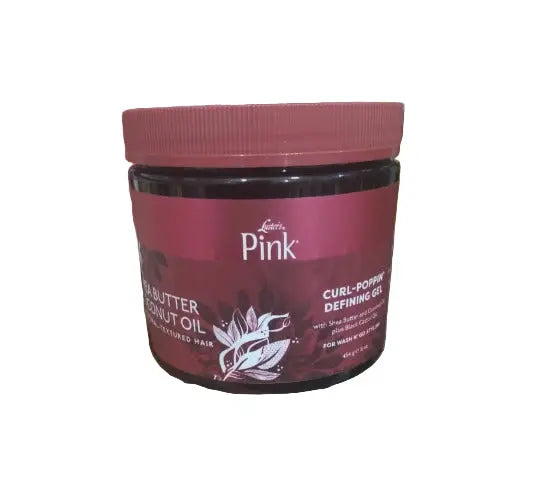
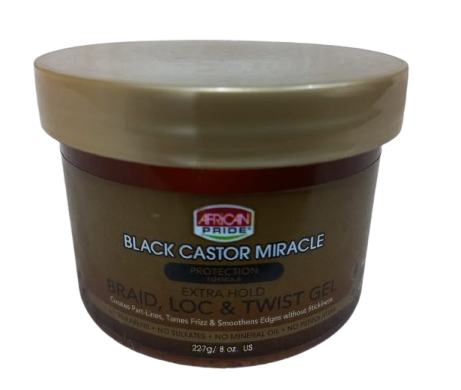
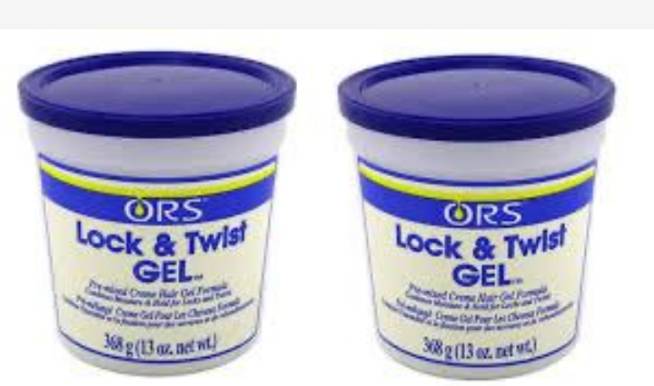
Loc and twist gel
1 Must haveA light gel holds new growth in place after washing and keeps the roots tidy.
How to use it: Use a pea sized amount on the roots and twist. Wash it out regularly so it does not build up.
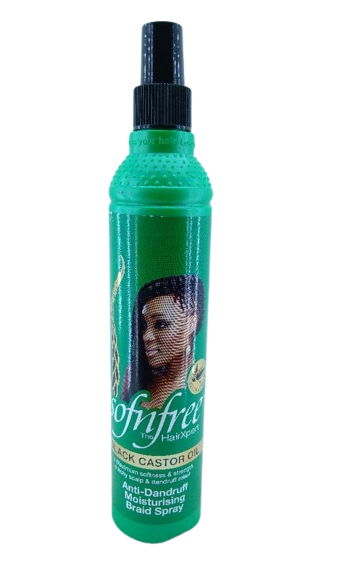
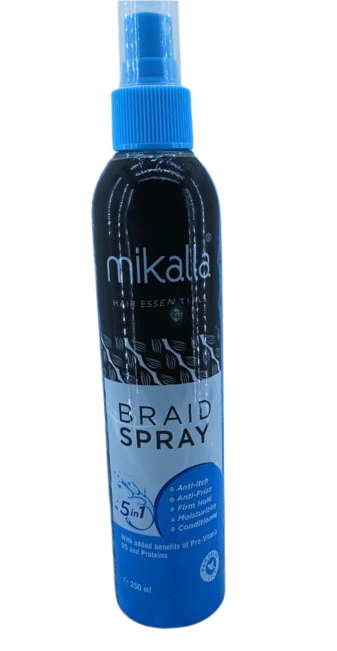
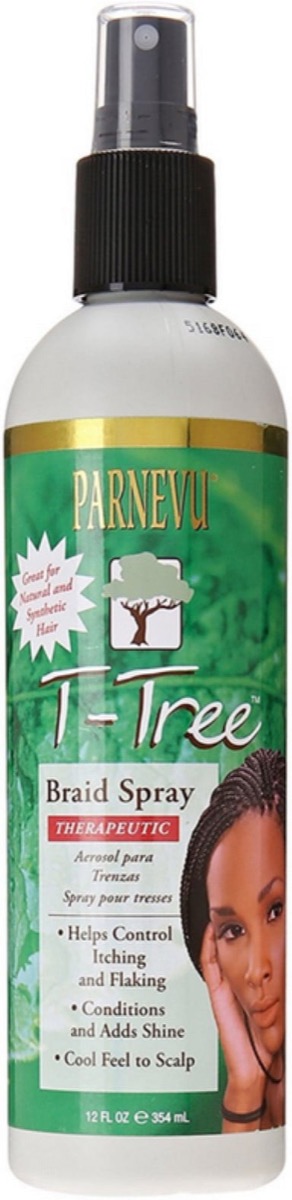
Braid and loc spray
1Nice to haveA light spray gives moisture and a bit of hold between retwists.
How to use it: Spray lightly on the roots and ends. Shake the bottle first.
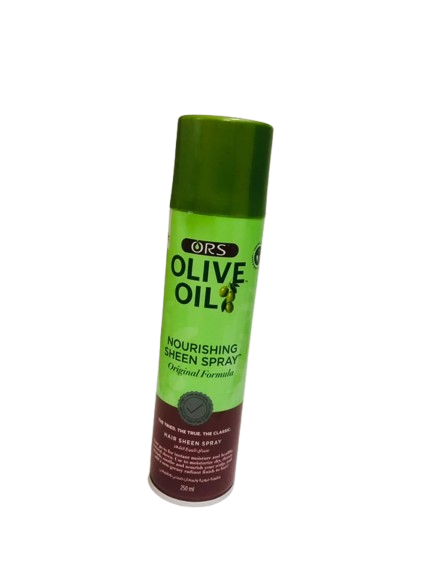
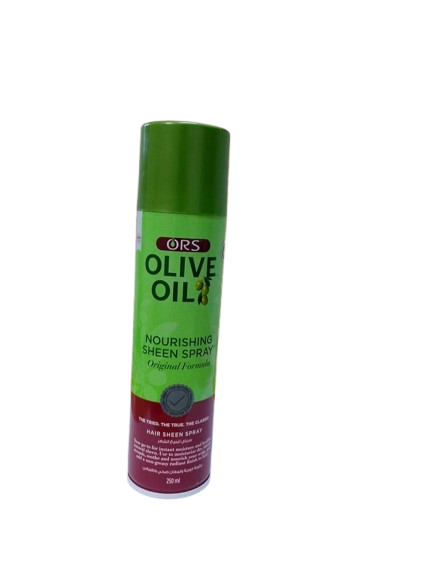
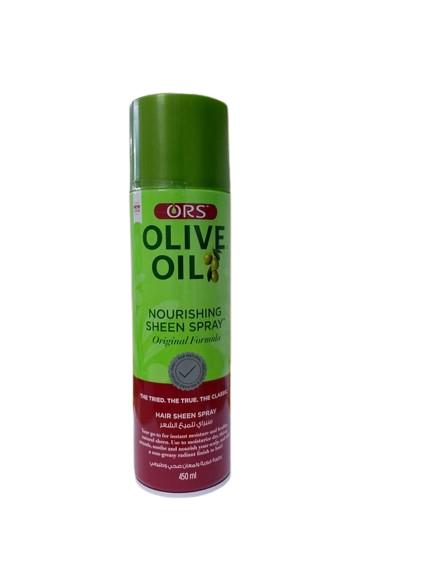
Sheen spray
1Nice to haveGives a soft shine to dry locs without heavy grease.
How to use it: Use sparingly from about 20 cm away. Avoid the scalp.
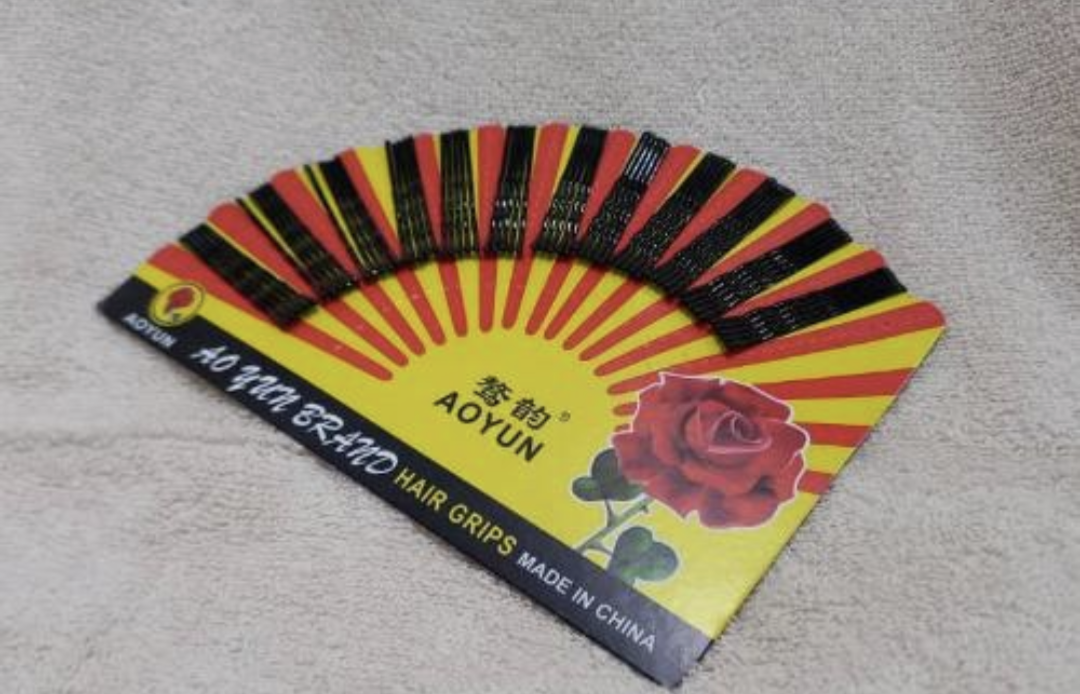
Hair grips and pins
1 packNice to havePins keep roots in place after a retwist and help style locs up for events.
How to use it: Use soft pins and avoid pulling tight at the hairline.
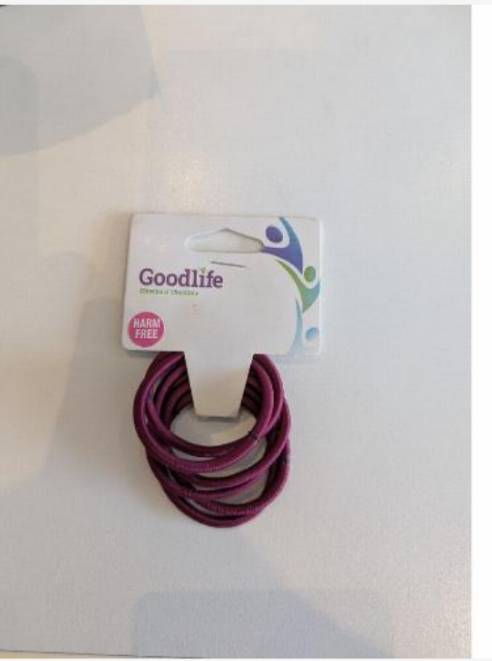
Soft hair rings
1 packNice to haveGentle ties let you tie locs up without pulling or leaving marks.
How to use it: Choose soft, loose rings and change the position often.
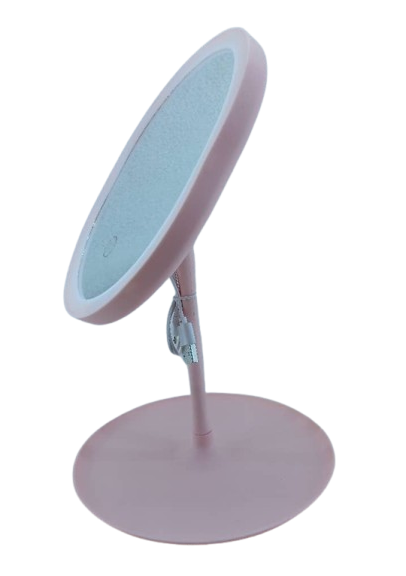
Hand mirror
1Nice to haveA mirror helps you see the back of your head while you retwist or check roots.
How to use it: Keep it near your wash station so it is always handy.
Night and day protection
Locs rub against fabric all night and get hit by wind, rain and sun all day.
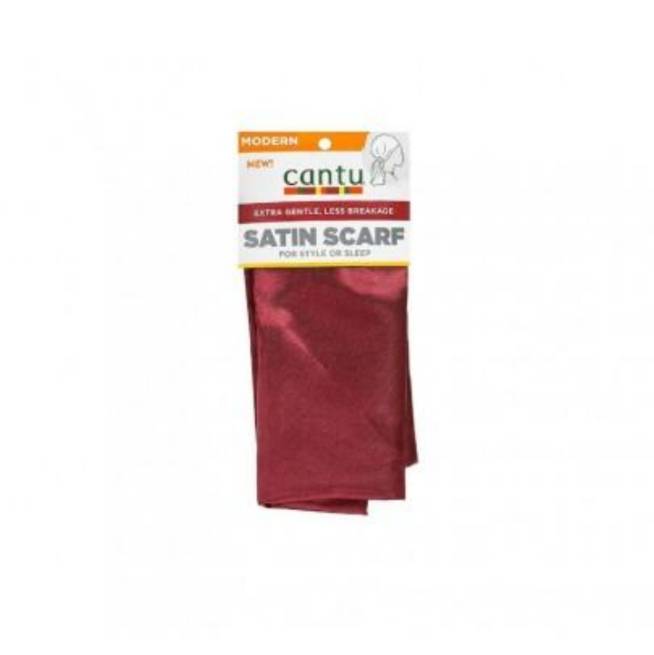
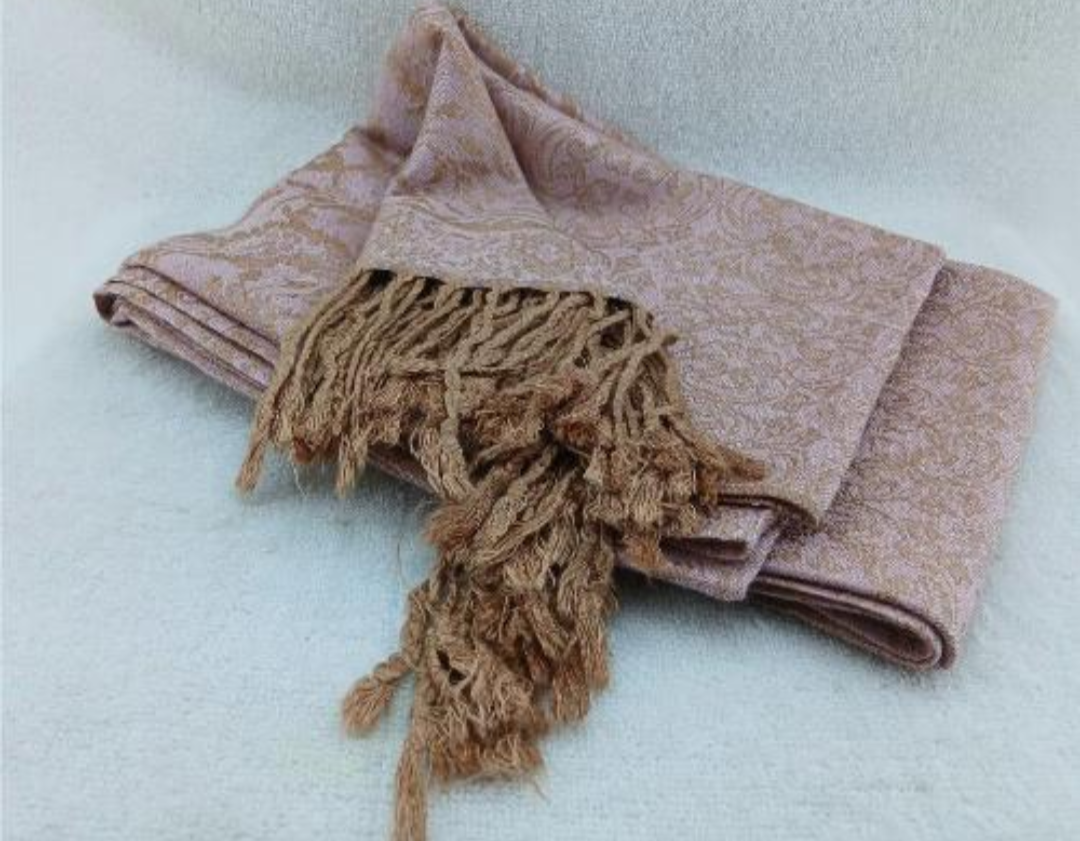
Satin scarf
2 Must haveSatin keeps locs smooth and stops cotton pillows from drying them out.
How to use it: Tie it loosely each night. Wash it every week with mild soap.
Satin scrunchies
2Nice to haveSoft ties for pulling locs back at night or during the day without damage.
How to use it: Use a loose scrunchie and avoid pulling near the hairline.
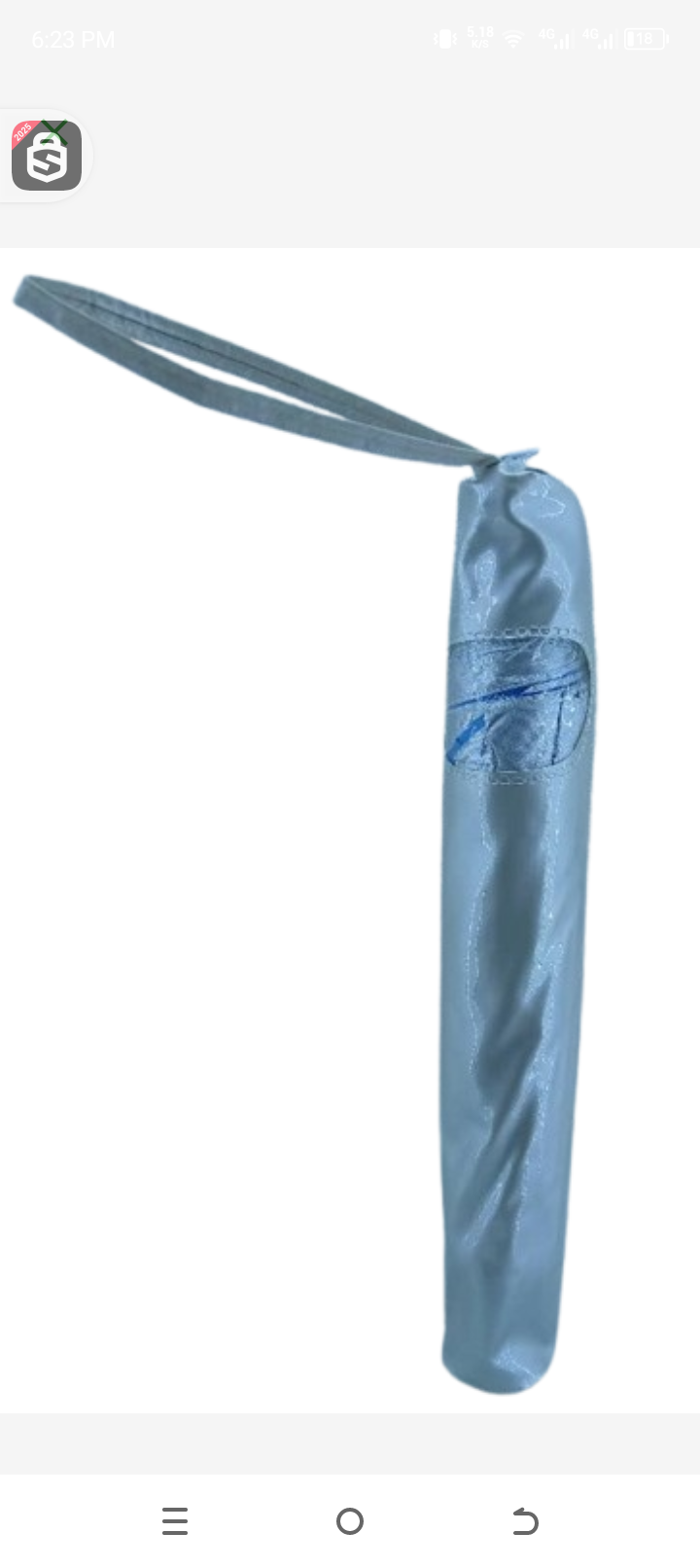
Umbrella
1 Must haveA small umbrella keeps your locs dry in the rains and shaded in strong sun.
How to use it: Carry one in your bag from March to May and October to December.
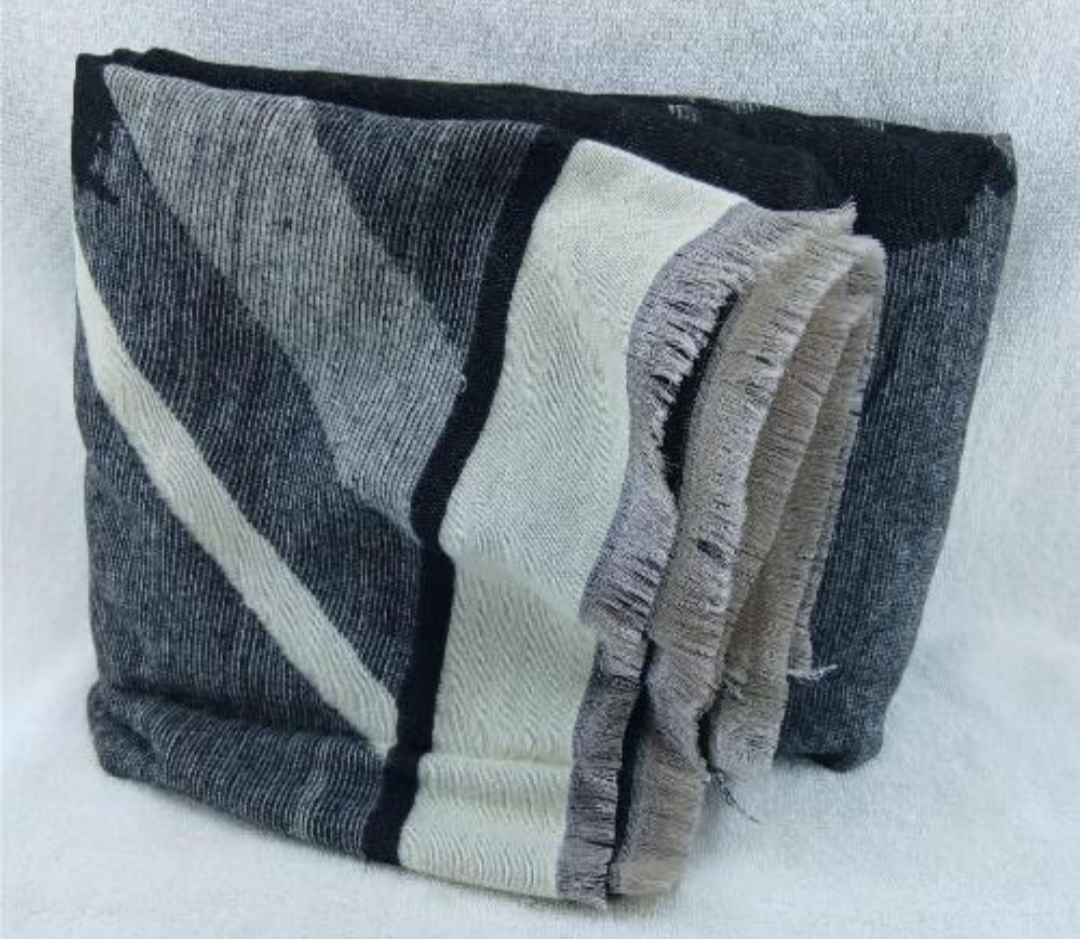
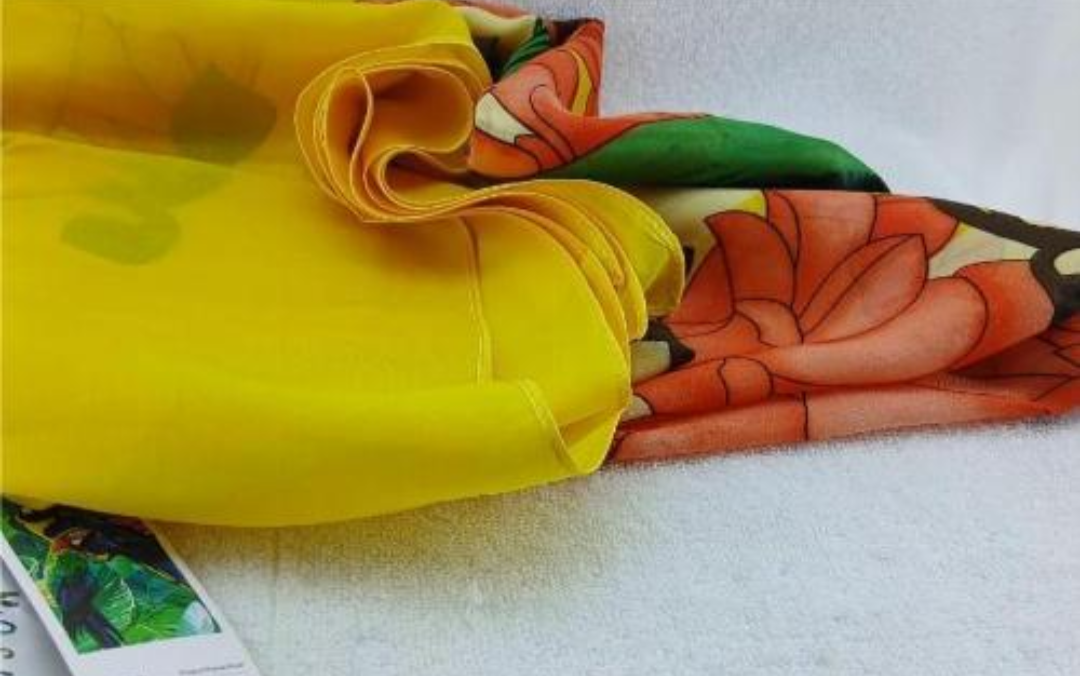
Hair wrap or scarf for rain
1Nice to haveA scarf over your locs on windy dusty days keeps dust out of your roots.
How to use it: Choose breathable fabric. Wash it after dusty days.
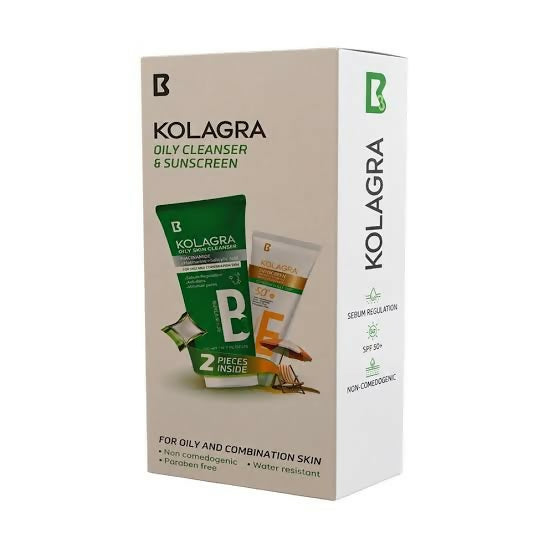
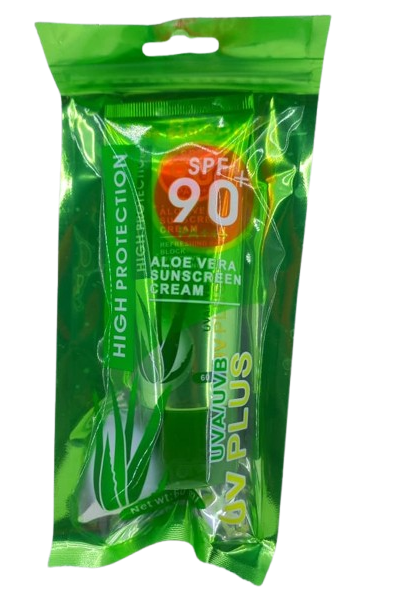
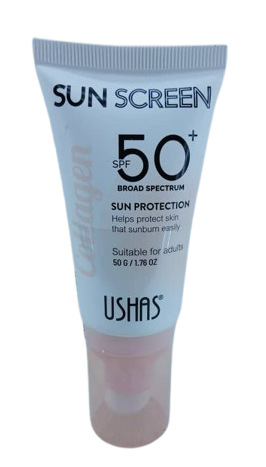
Sunscreen for the scalp line
1Nice to haveThe part of your scalp is exposed to strong sun, which can burn and dry out the skin.
How to use it: Dab a small amount along partings if you spend long hours outside.


Step by step
- 1
Before the rains
Stock up on shampoo, spray bottle, scarf and umbrella. Check your locs for damp spots.
- 2
Weekly wash
Wash the scalp, rinse well, squeeze dry in a towel and let locs dry fully.
- 3
Daily care
Mist with water and a drop of oil. Tie up with a satin scarf at night.
- 4
Monthly reset
Use an apple cider vinegar rinse and a deep conditioning mask. Retwist roots lightly.
- 5
After dusty days
Shake or brush dust out, cover locs with a scarf and wash sooner if the scalp itches.
Tips that help
- Dry locs fully after every wash to avoid a musty smell.
- Use light products. Heavy wax and butter trap dust.
- Tie a scarf over your locs on dusty moto rides.
- Do not retwist too often. Over twisting can thin the roots.
- Wash a satin scarf weekly so it stays clean.
- Keep a small spray bottle by the door for quick morning refresh.
- Be gentle with new locs and avoid tight styles.
Mistakes to avoid
- Leaving locs damp for days in the rainy season.
- Using thick wax or heavy cream that builds up inside the locs.
- Skipping the scalp wash because locs look clean.
- Retwisting too tight or too often.
- Sleeping on a rough cotton pillow without a satin scarf.
Questions people ask
How often should I wash my locs in Kigali?+
Most people wash every one to two weeks. Wash sooner after heavy dust or sweating, and always dry locs fully afterward.
How do I stop locs smelling musty?+
Wash the scalp well, rinse until the water runs clear and dry the locs completely. Avoid thick products that trap water.
Is it ok to use oil on locs?+
Yes, in small amounts. Light oil on the scalp and ends keeps them comfortable. Too much oil collects dust and builds up.
What should I wear to protect locs in the rain?+
Carry an umbrella and wear a scarf or cap in strong rain. Dry locs as soon as you get home.
Do I need a satin scarf for locs?+
It is not required, but it reduces friction and keeps locs smoother and less dry through the night.
When should I see a professional?+
See a loctician for roots that look thin, locs that break or merge badly. See a doctor if your scalp is very itchy, painful or has sores.
Healthy locs come from a simple routine that fits Kigali weather. Start with the must items, add the nice ones over time, and shop the whole list on Isokko with delivery to your door.
Shop this list
Get everything delivered in Kigali
Order from local stores on Isokko and pay with MoMo, card or cash. Same-day delivery.