
Checklist · Home & moving
Creating a Toddler Play Area in a Living Room: Checklist
Set up a safe, tidy toddler play area in your Kigali living room. Floor mats, toy storage, safe furniture and everything else to buy.
Updated November 26, 2026 · By Isokko
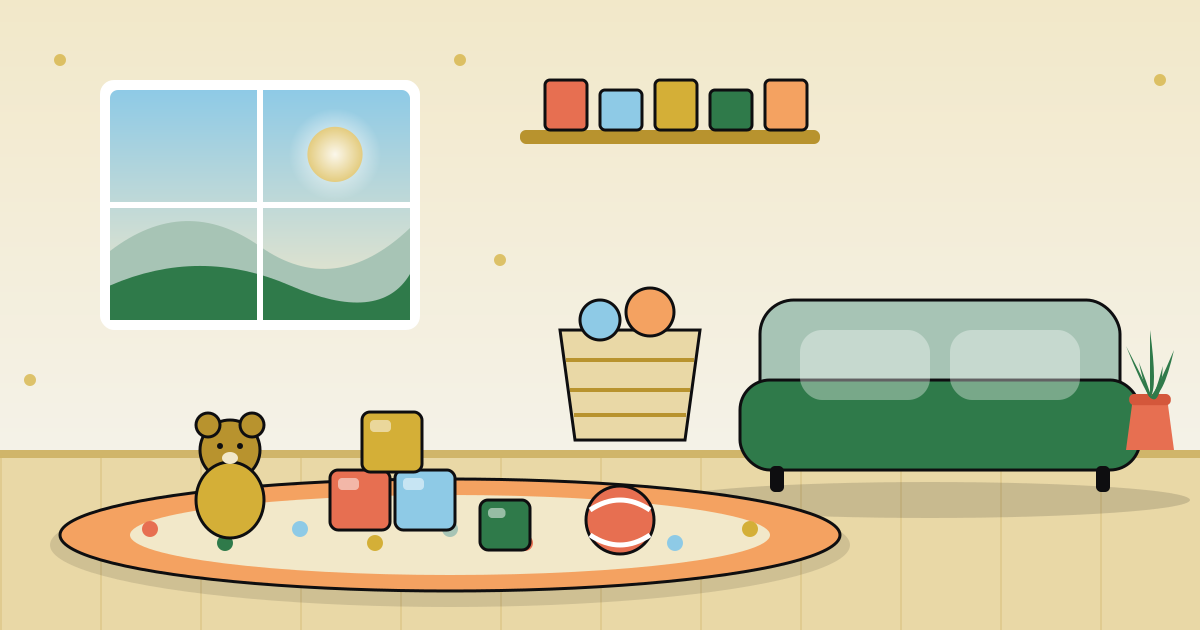
A toddler explores with hands, mouth and feet. In many Kigali homes the living room is also the play room, the dining room and the place where visitors sit. A small, well planned play area keeps your child safe and keeps the rest of the room usable.
This checklist covers the floor, toys and storage, safe furniture, little extras for drawing and quiet time, and the cleaning supplies that keep the area healthy. Each item says why it matters and how to use it.
Start by choosing a corner away from stairs, doors to the compound, hot kettles and cookers. Then shop the list. Always stay close while your toddler plays. No product replaces an adult nearby.
Who it's for
Parents and carers of toddlers who share a living room with them
Time needed
One afternoon to set up, then a short tidy each evening
When to shop
Before your child starts crawling or walking, or whenever you feel the room is no longer safe
On the list
27 items, 10 must haves
0 of 27 ready
A soft, clean floor
Toddlers sit, fall and crawl on the floor all day. The floor needs to be soft, clean and not slippery.
Play mat
1 Must haveA mat gives a soft place to sit and fall, and it marks out the play area so toys stay in one place.
How to use it: Put it in the corner you chose. Wipe it every day and lift it weekly to clean the floor underneath.
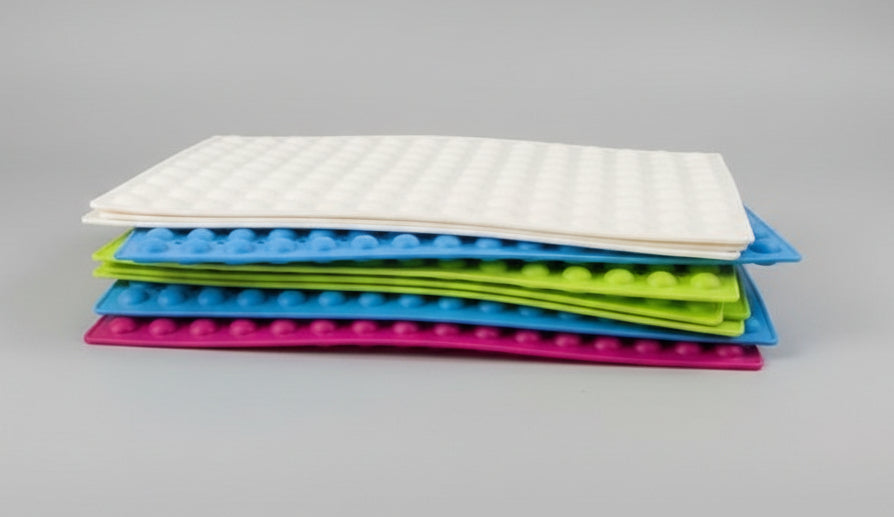
Non-slip mats
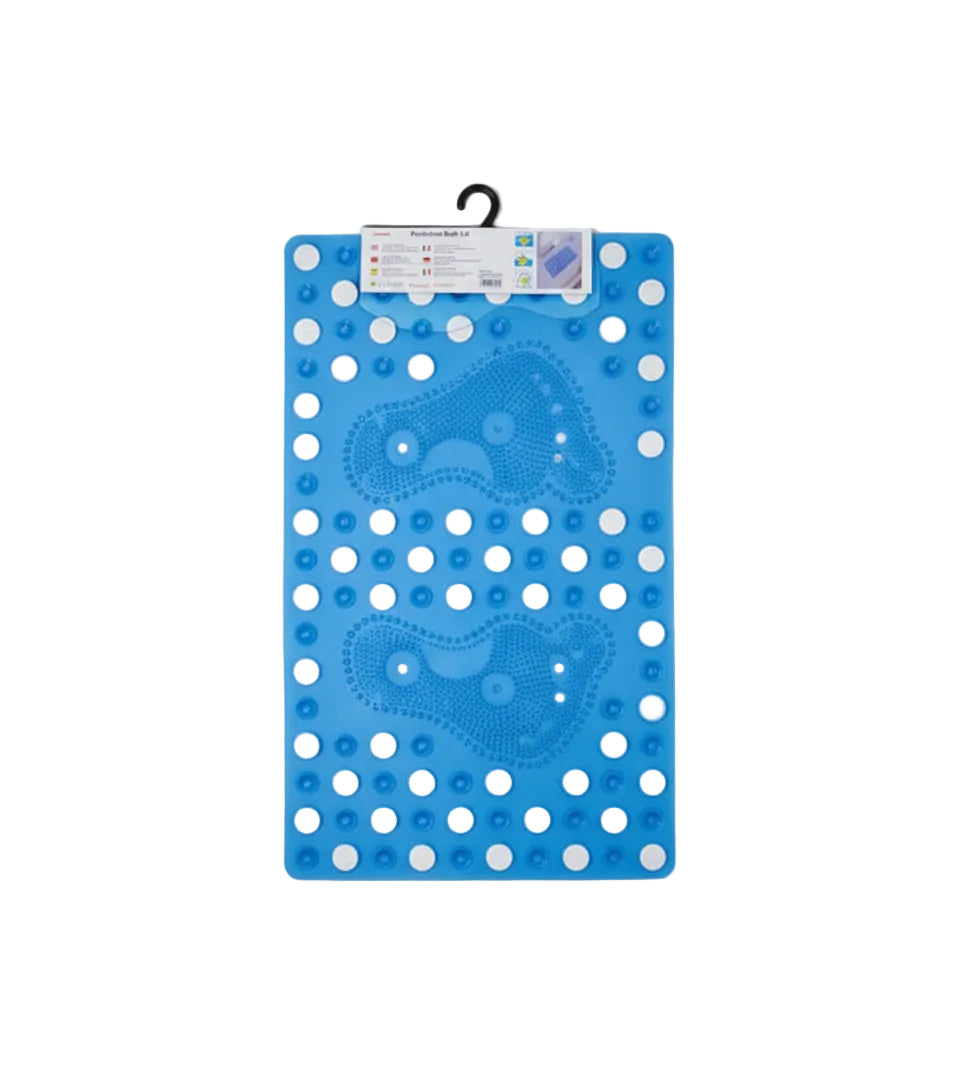
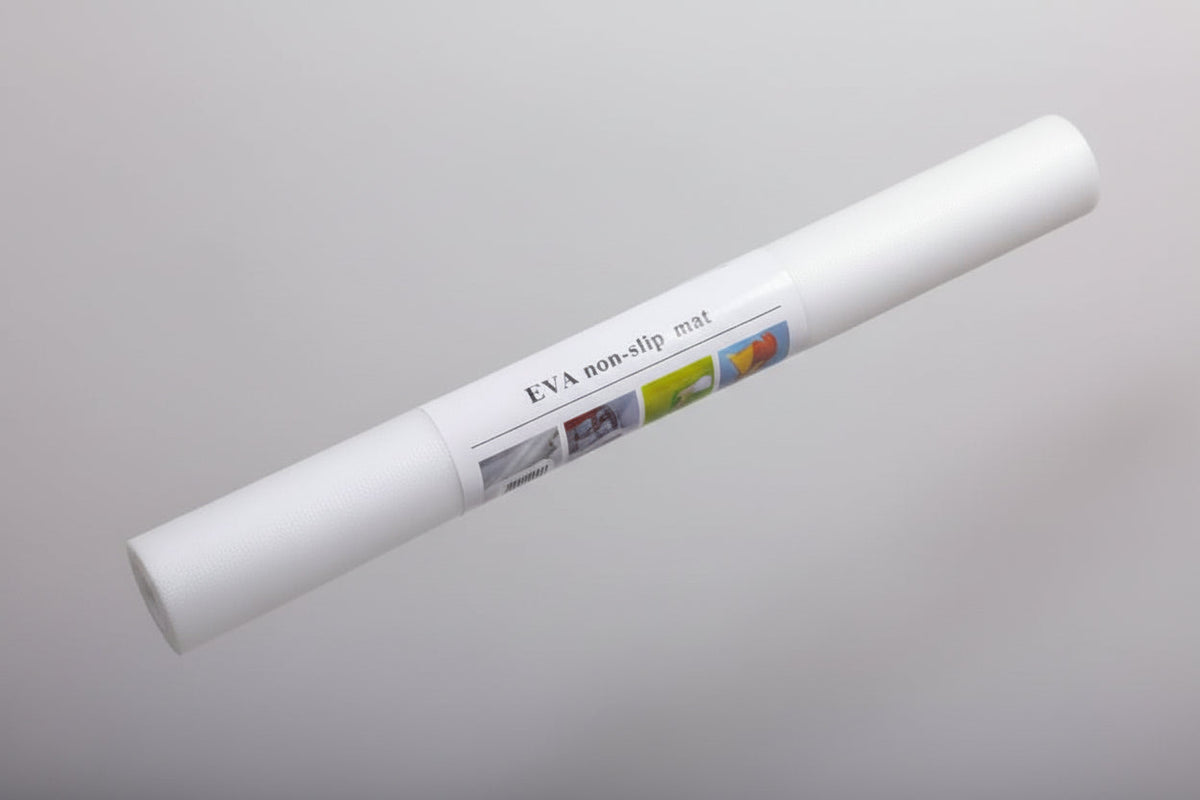
1 to 2 Must haveSmooth tiles are slippery for small feet, especially with socks.
How to use it: Put non-slip mats where your child walks most. Check that the edges lie flat so nobody trips.
Carpet
1Nice to haveA small carpet adds comfort and warmth on cool mornings and rainy days.
How to use it: Choose a short pile that is easy to sweep. Shake it outside often because of Kigali dust.
Cushions
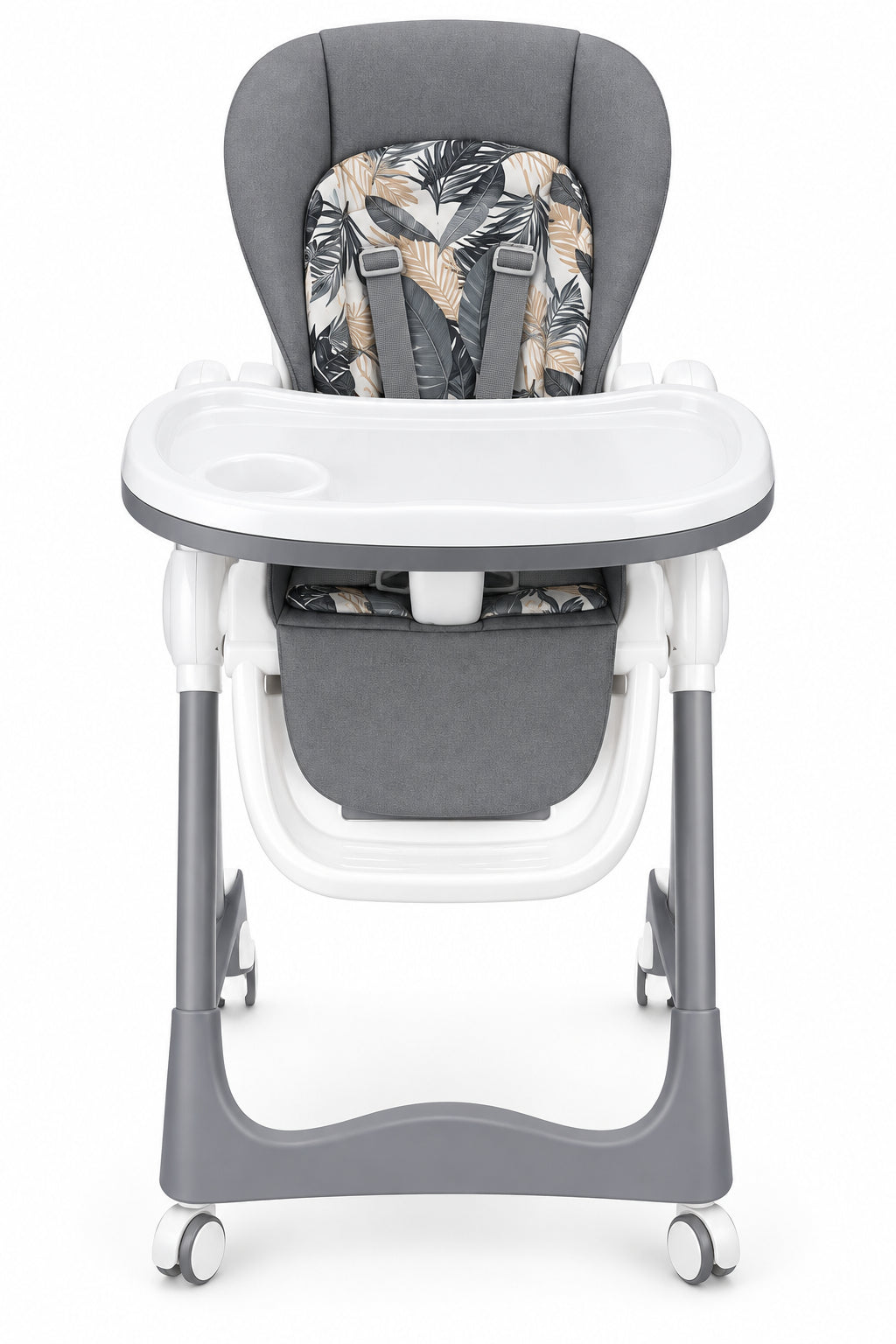
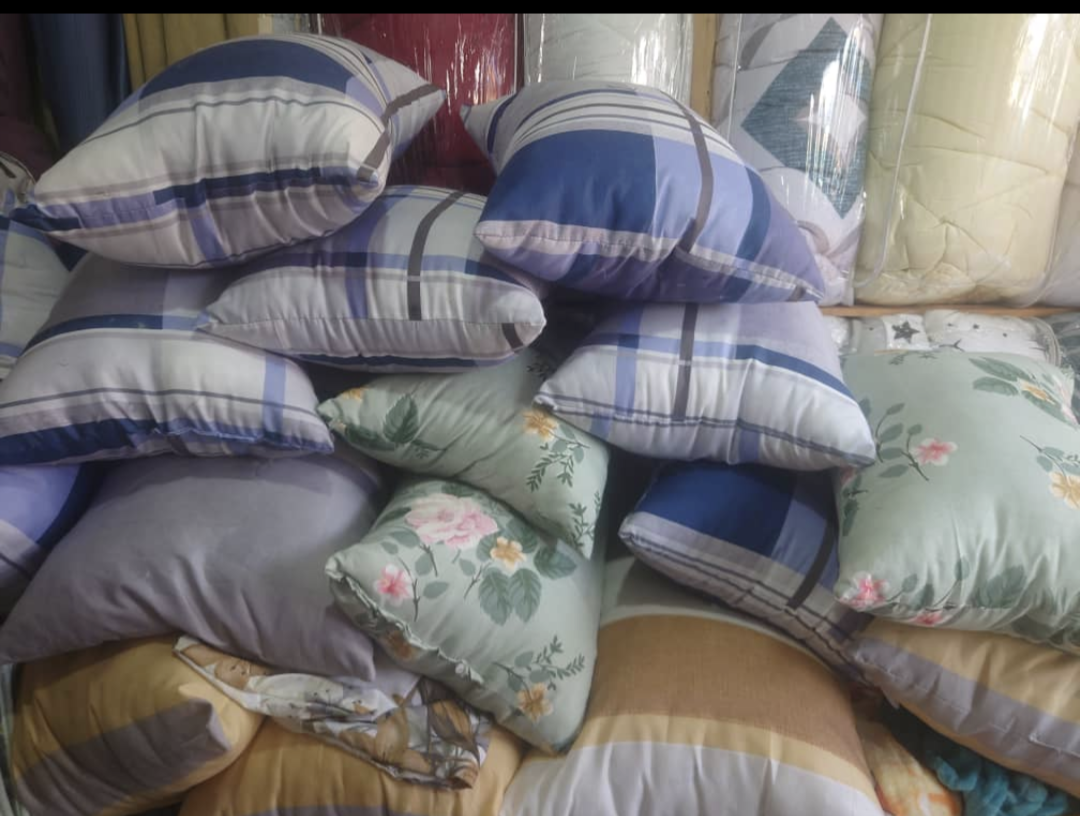
2 to 4Nice to haveSoft cushions give your toddler something to lean on and climb gently.
How to use it: Choose washable covers. Check there are no loose buttons or small decorations.
Toys that suit toddlers
Choose a few good toys rather than many. Toys that stack, build, roll and pretend keep a toddler busy.
Building blocks
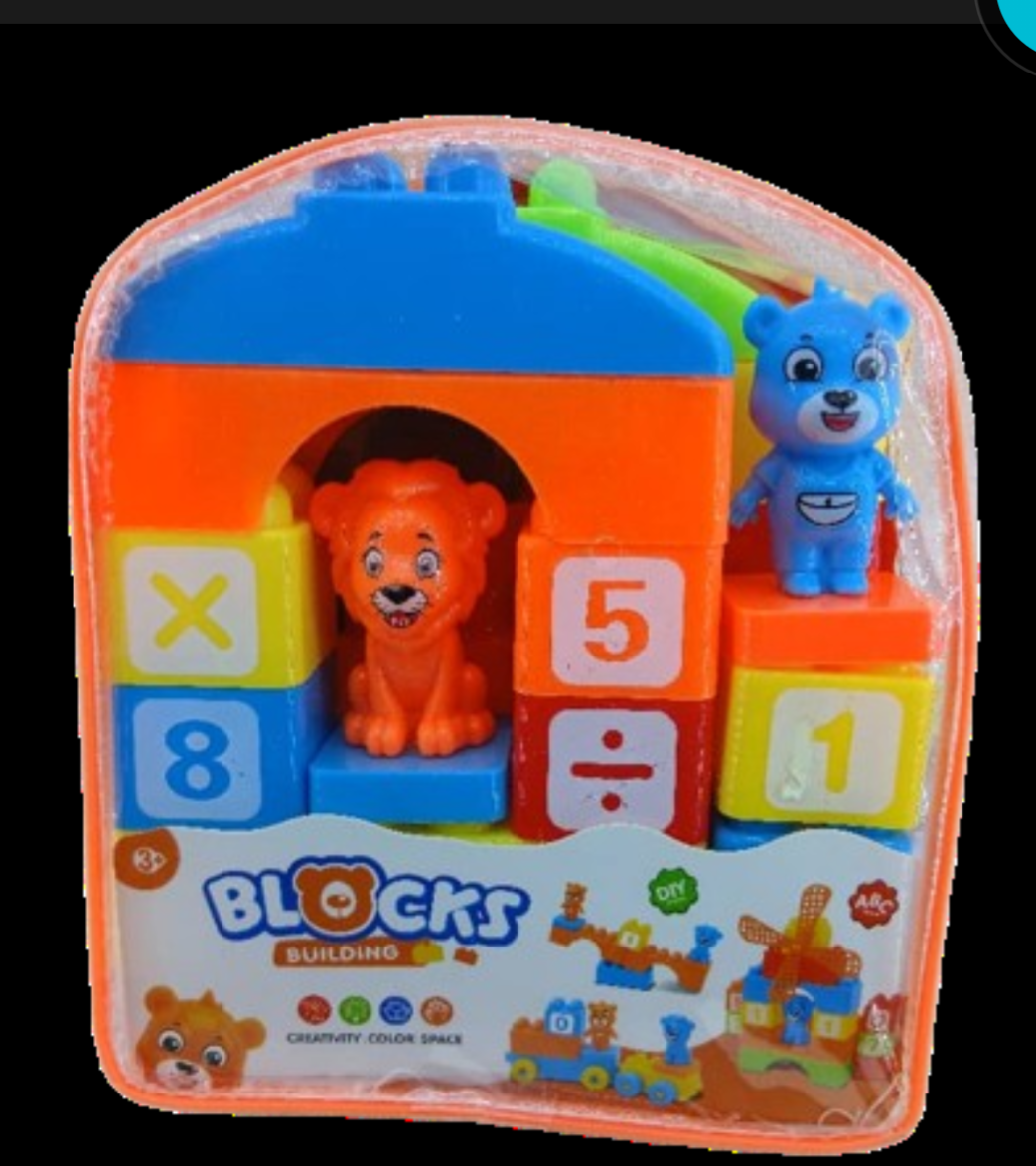
1 set Must haveBlocks teach hand skills and patience. A tower that falls is also a great game.
How to use it: Pick large blocks that cannot fit in a small mouth. Sit and build with your child for a few minutes.
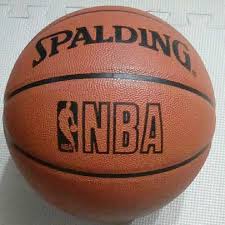
Soft ball
1 to 2 Must haveRolling and kicking a ball builds balance and movement, even in a small room.
How to use it: Choose a ball that is light and soft so it will not break things. Play away from glass and shelves.
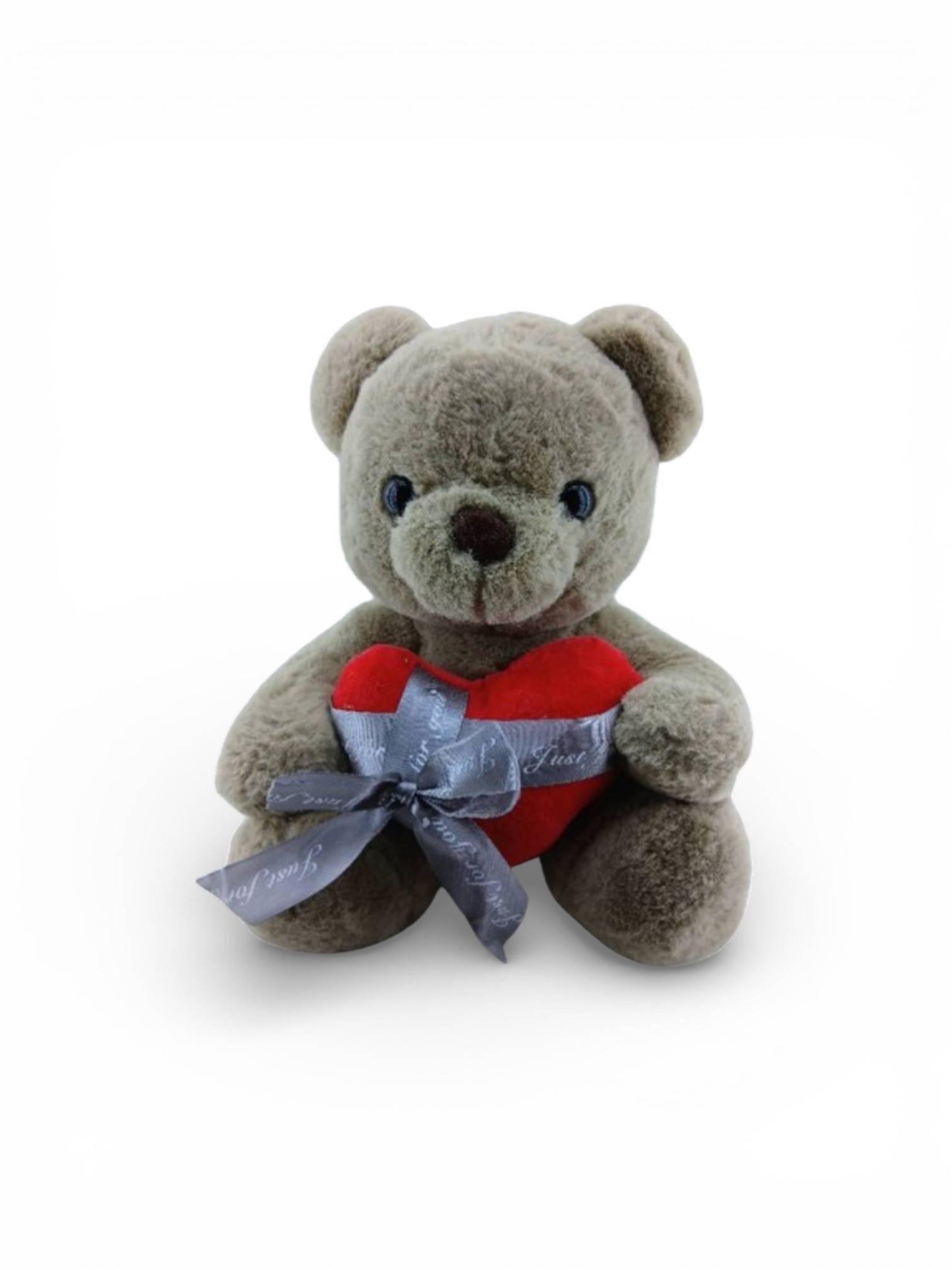
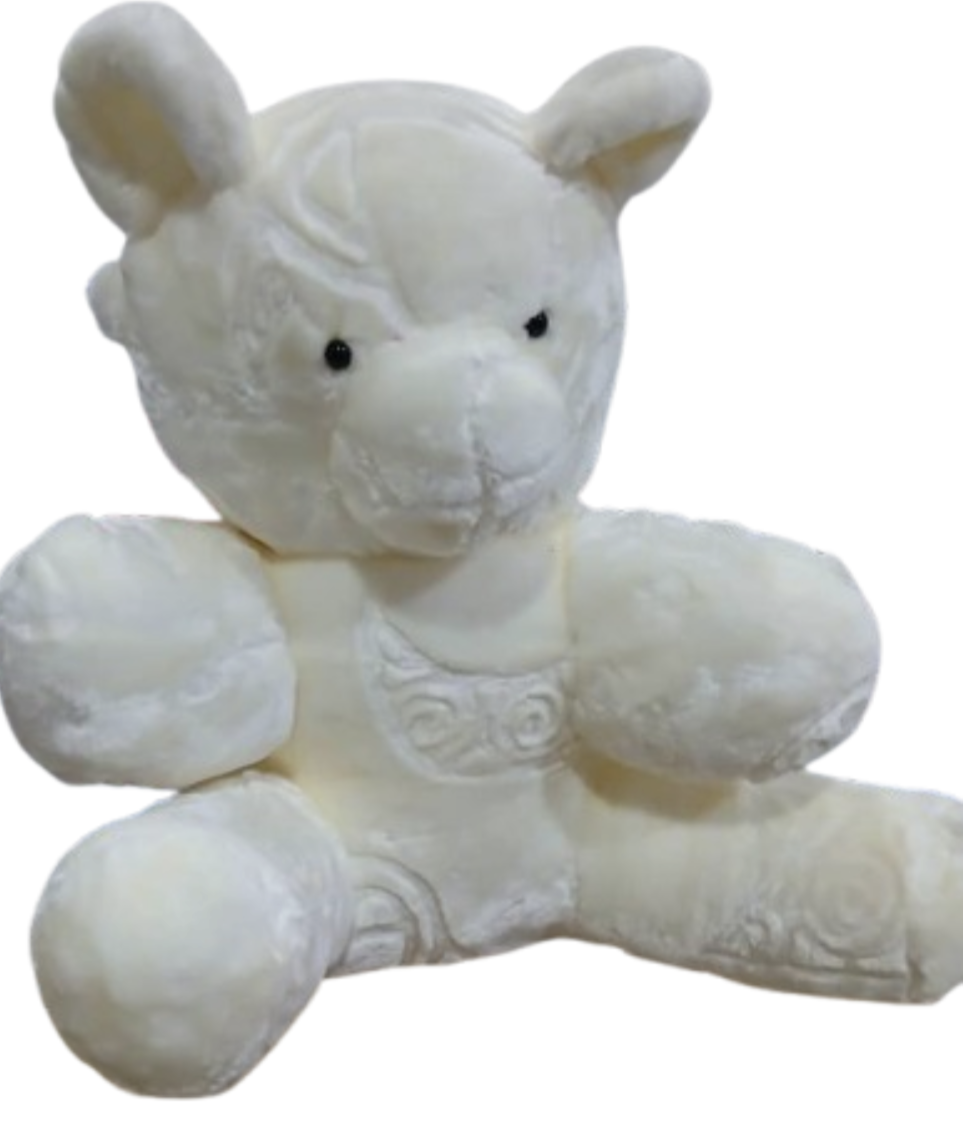
Teddy bear
1Nice to haveA soft toy gives comfort at nap time and for pretend play.
How to use it: Check that the eyes and nose are firmly attached. Wash it when it gets dirty.
Doll
1Nice to haveDolls help toddlers copy care, like feeding or putting to bed, which builds language.
How to use it: Pick a soft, simple doll with no small parts that can come off.
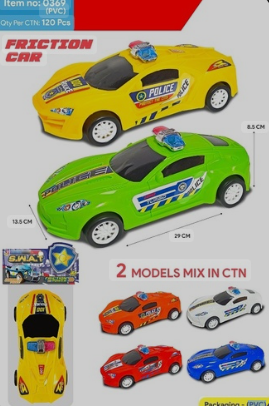
Toy car
1 to 2Nice to havePush toys keep toddlers moving and help them learn cause and effect.
How to use it: Choose a sturdy car without tiny parts. Check it often for cracks or sharp edges.
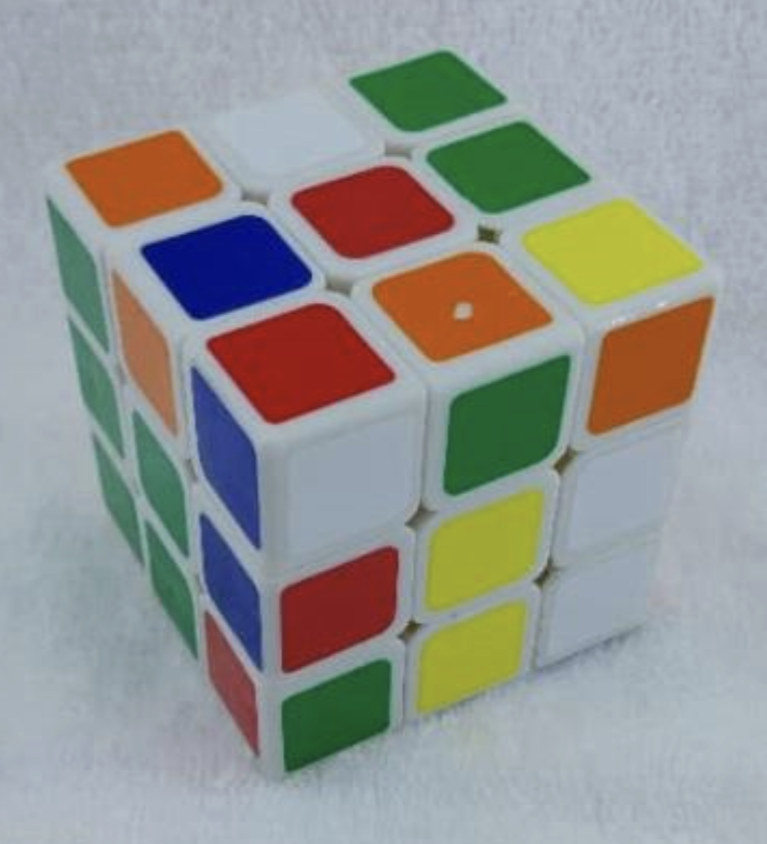
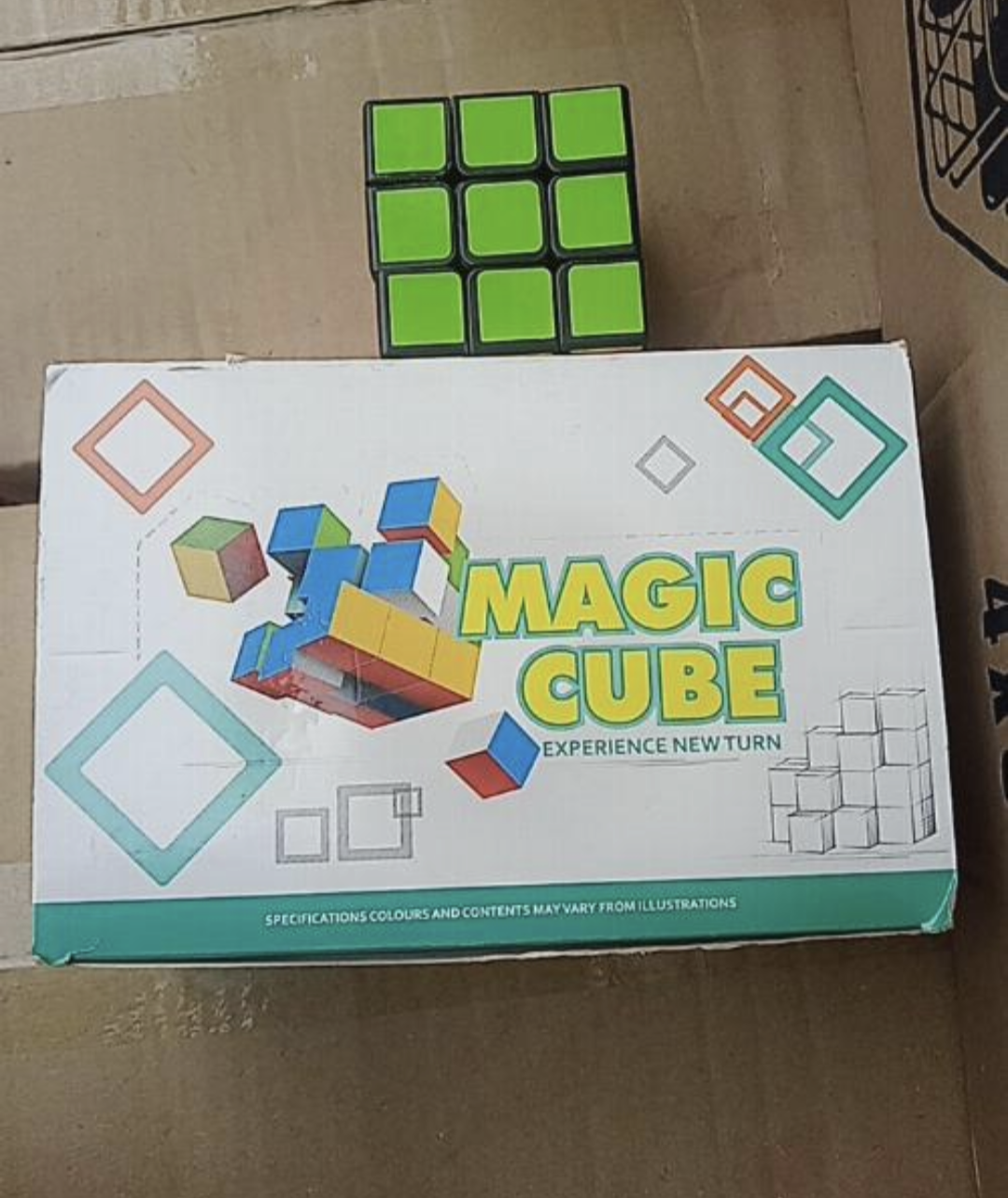
Puzzle
1 to 2Nice to haveSimple puzzles teach shapes and patience, and they work well for quiet time.
How to use it: Look for large pieces. Do it together first, then let your child try alone.






Tidy toy storage
Easy storage helps your child choose toys alone, and helps you clear the floor in two minutes.
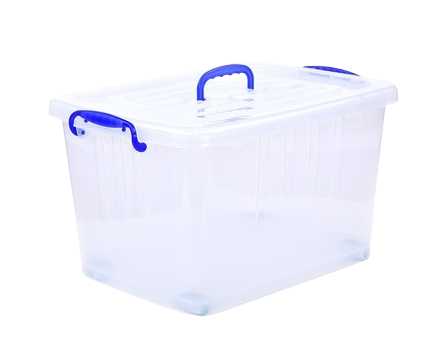
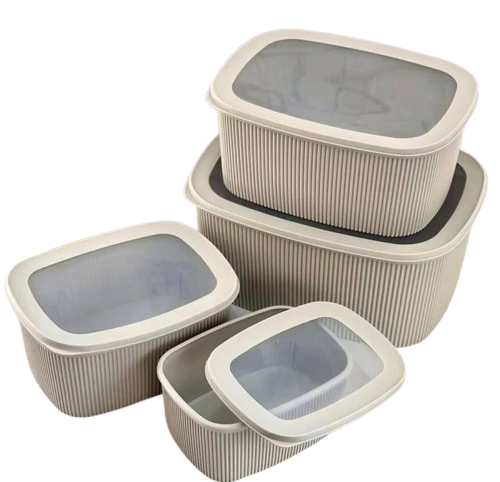
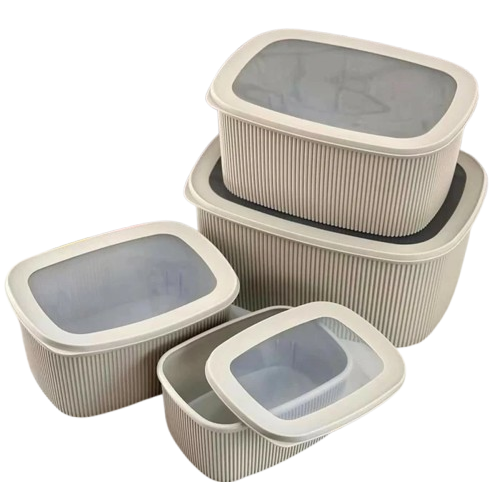
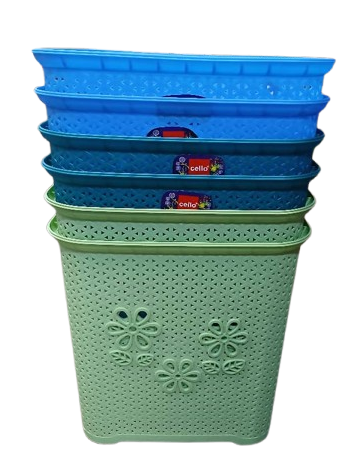
Storage boxes
2 to 4 Must haveBoxes let you sort toys by type, so blocks are not mixed with cars.
How to use it: Keep a few out and put the rest away. Swap them every week so toys feel new.
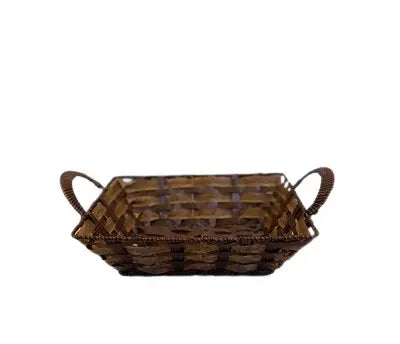
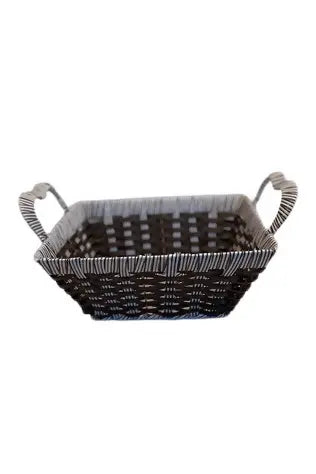
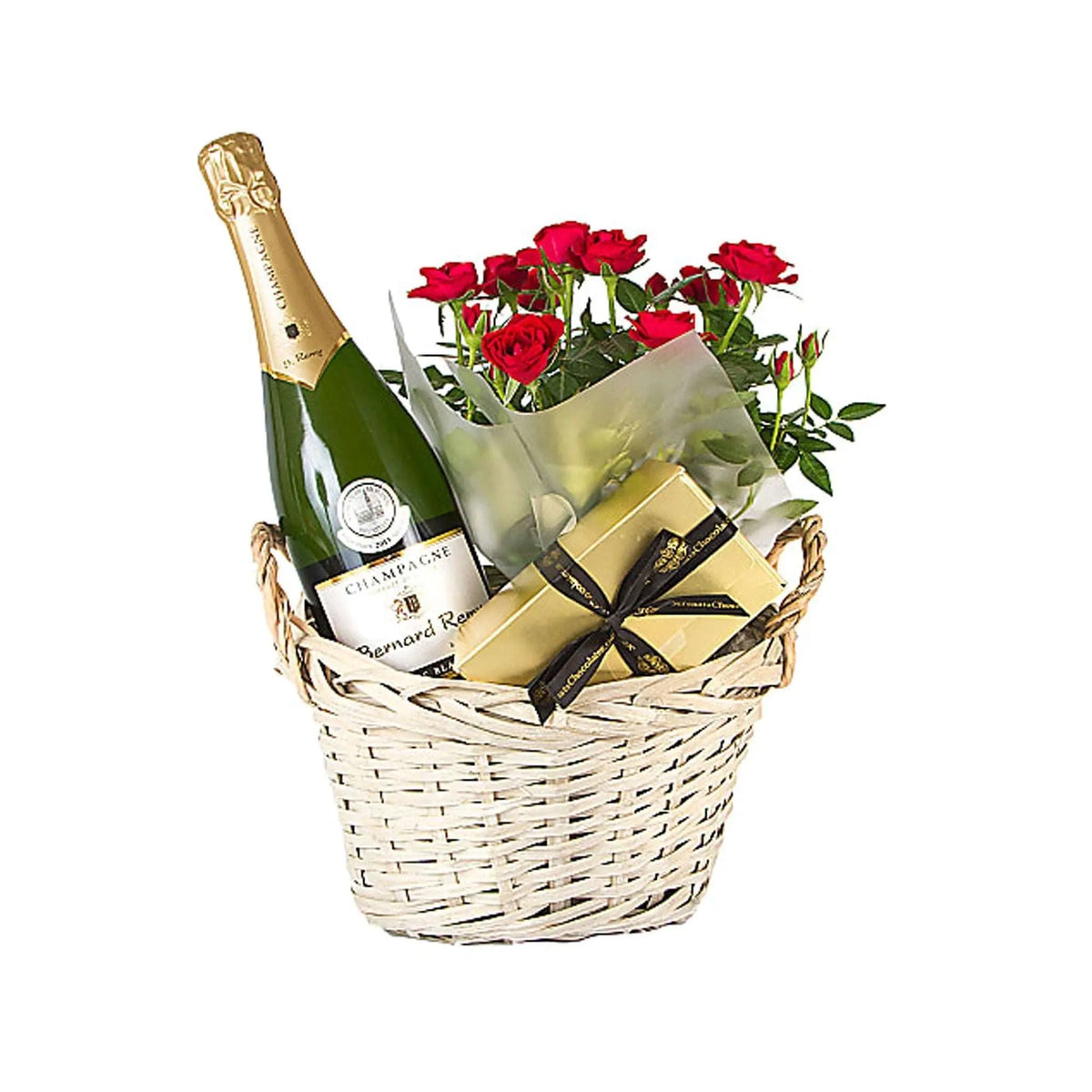
Wicker basket
1 to 2Nice to haveA basket looks good in a living room and is simple enough for a toddler to put toys into.
How to use it: Choose one with soft edges and low sides. Keep it on the floor so your child can reach.
Low shelf
1Nice to haveA low shelf lets your child see and reach books and toys without climbing.
How to use it: Fix it to the wall if it can tip over. Check with your landlord before you drill.
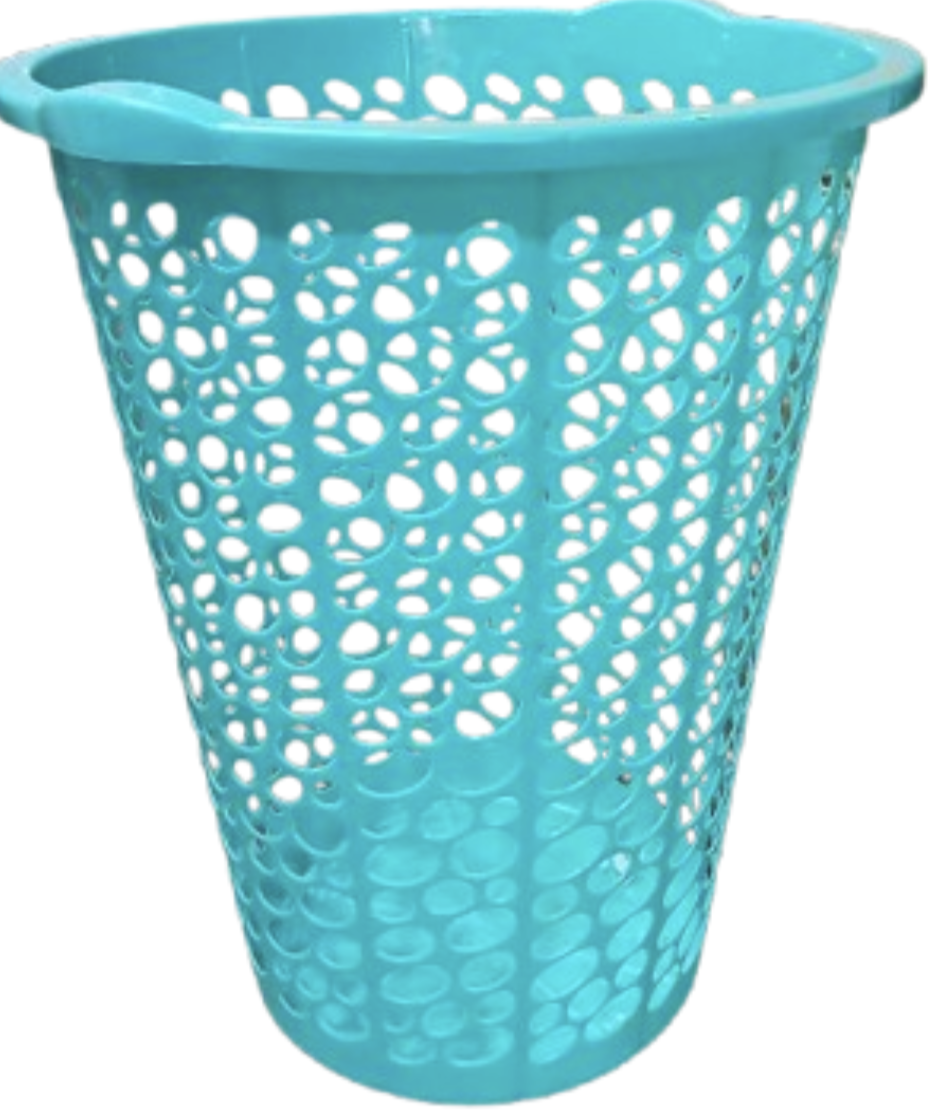
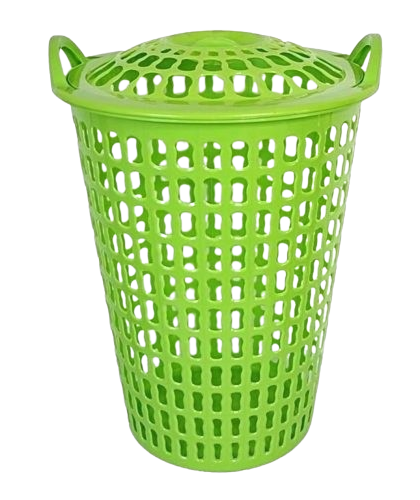
Big basket for tidy up time
1Nice to haveA big basket is a quick place to throw everything at tidy up time.
How to use it: Make tidy up a game. Sing and drop the toys in together.
Safe living room
A toddler can reach more than you think. Look at the room from their height.
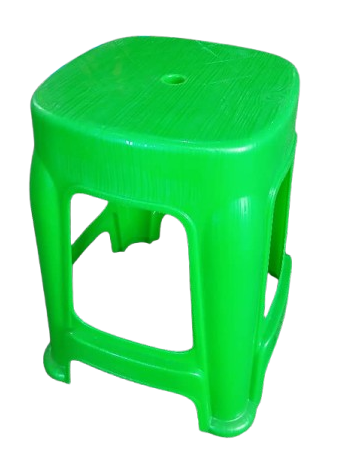
Low, stable seating
As needed Must haveLow, stable seating is safer than tall stools. Toddlers pull themselves up on whatever is near.
How to use it: Move glass tables, heavy lamps and sharp corners out of the play area. Choose sturdy, rounded pieces.
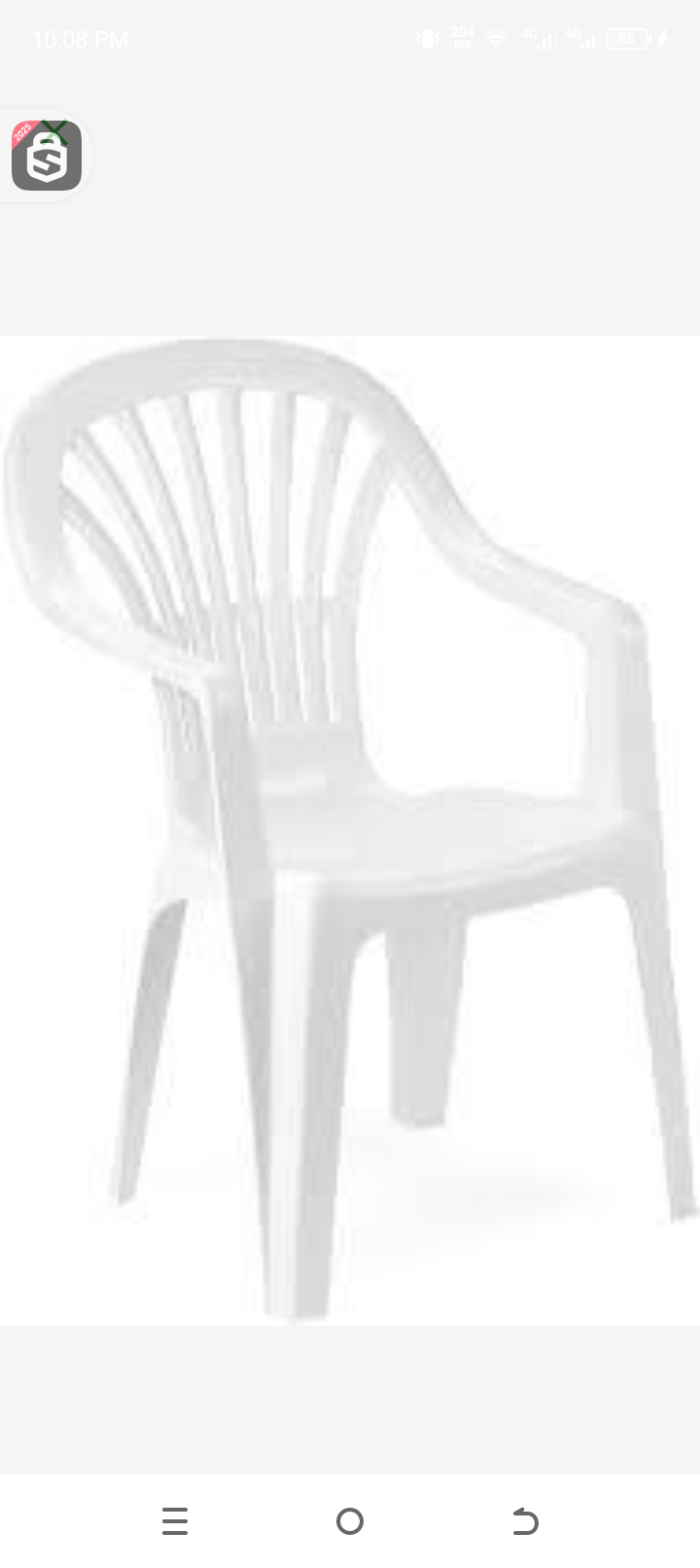
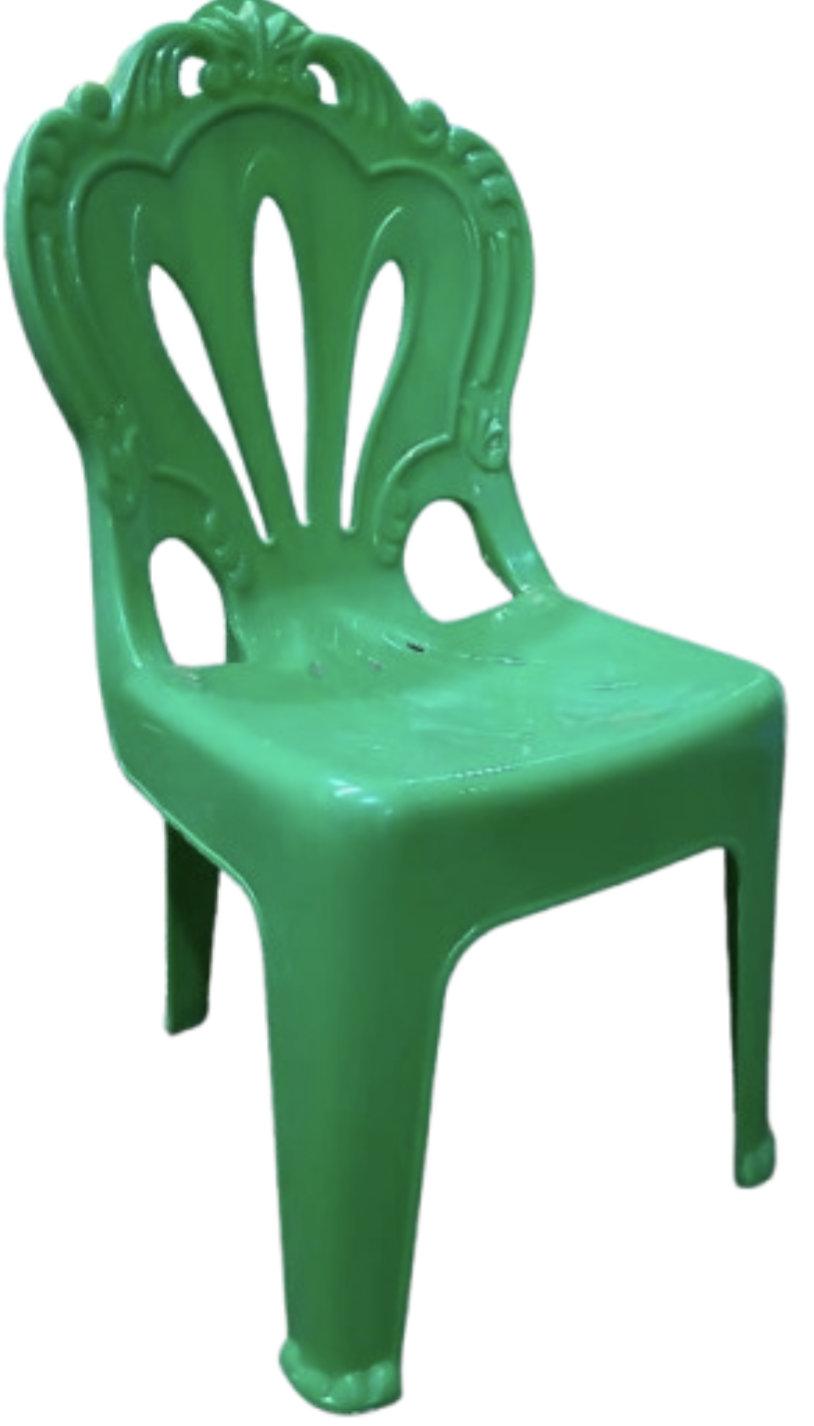
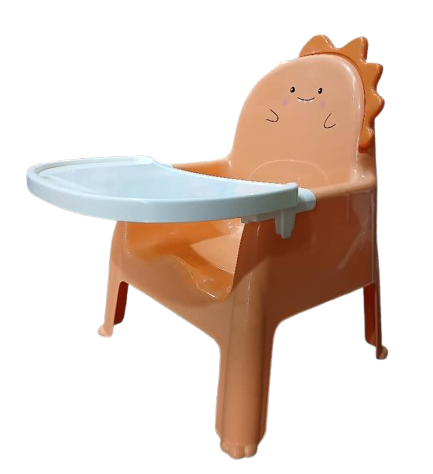
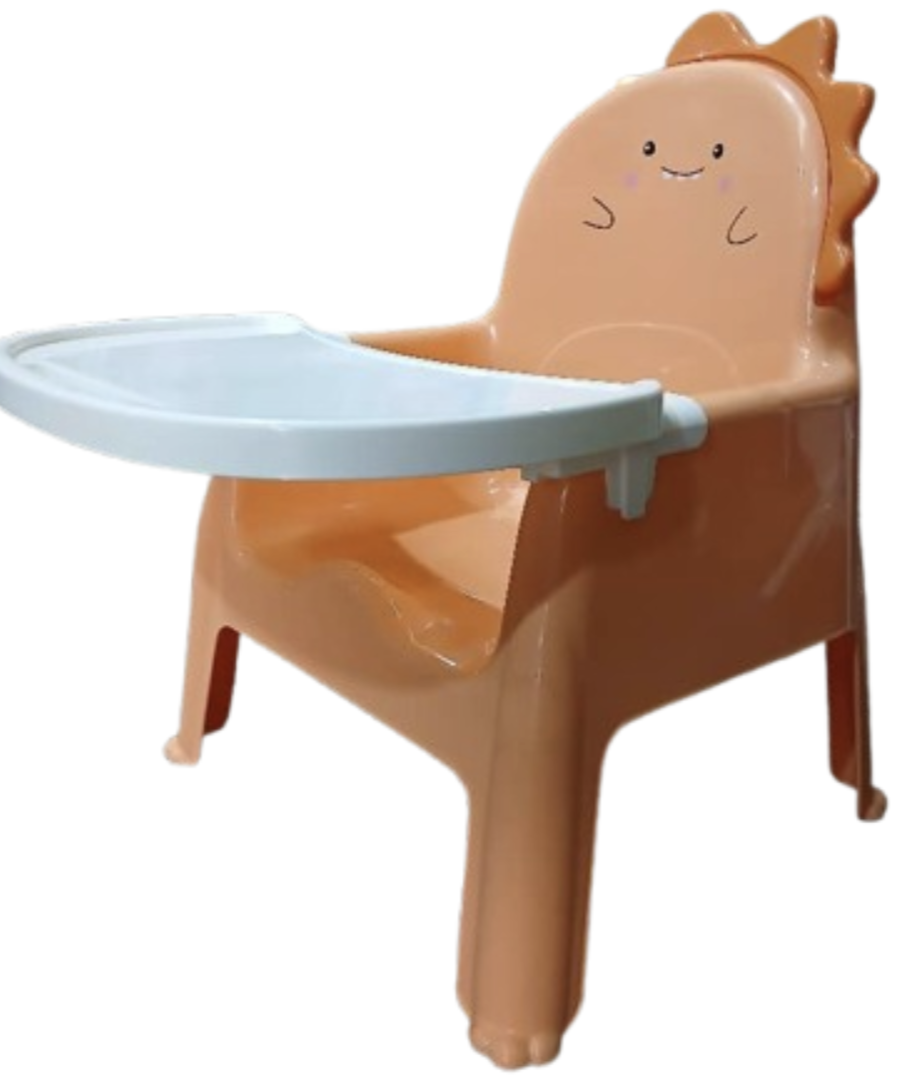
Child chair
1Nice to haveA small chair gives your toddler a place to sit for snacks and drawing.
How to use it: Choose a stable one with a wide base. Never leave a child standing on it.
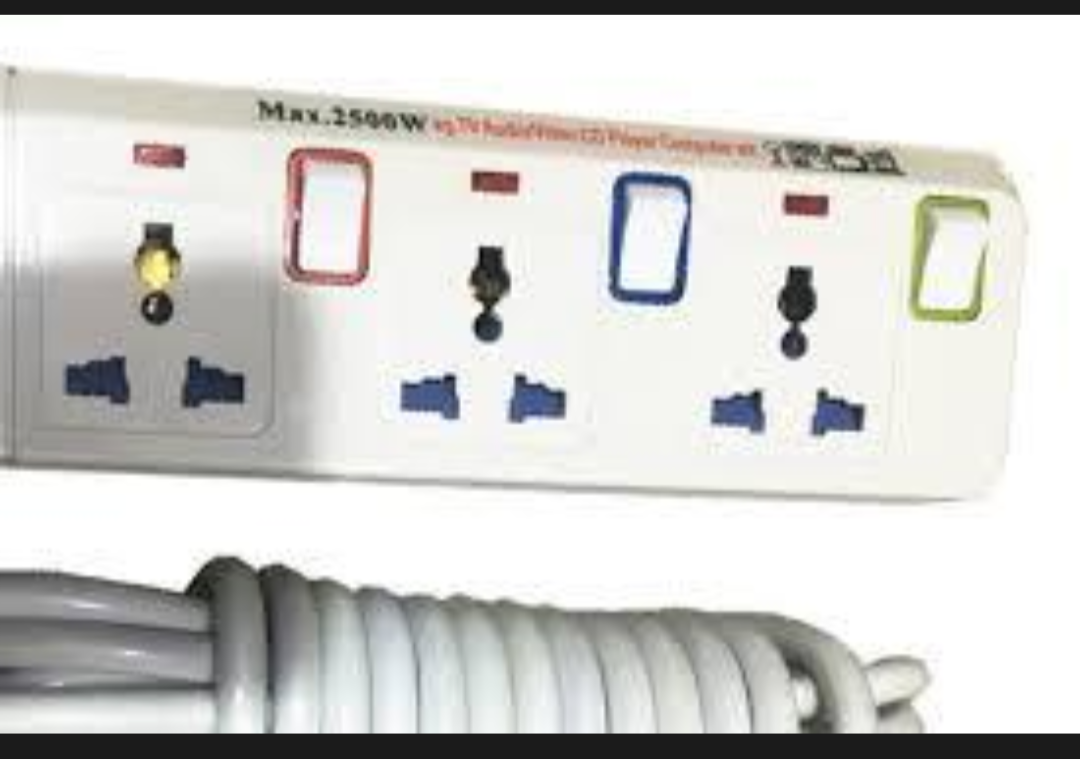
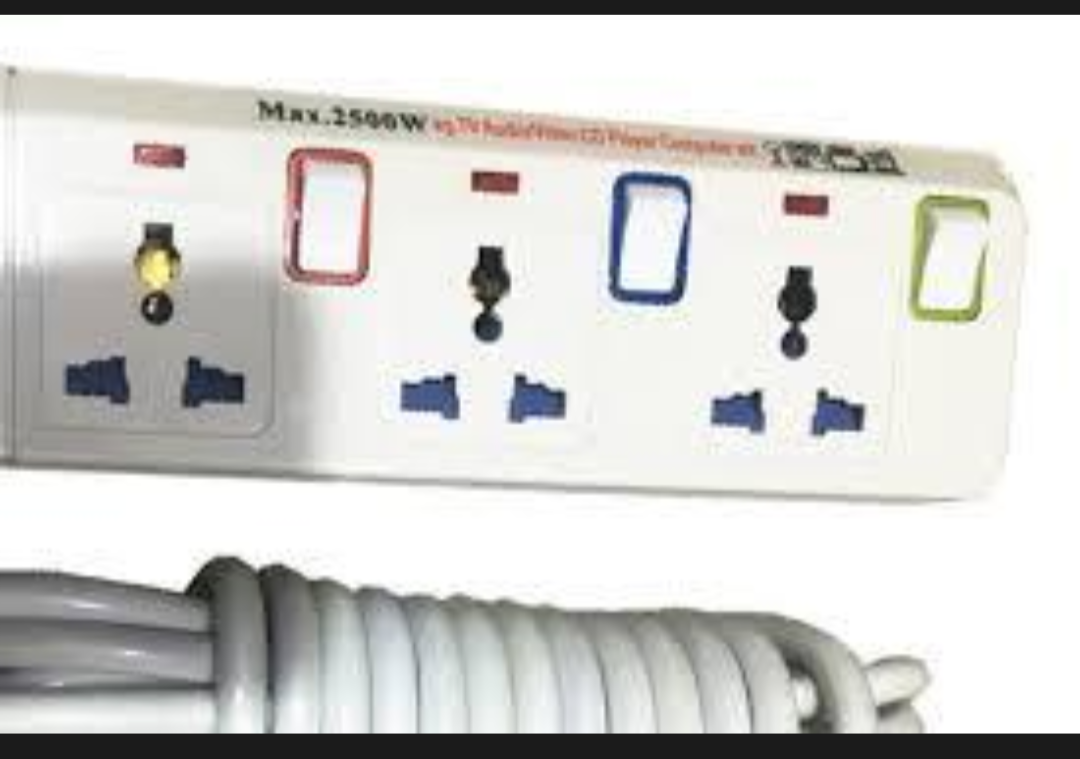
Multi socket
1 Must haveCords and sockets are a real risk. Cables on the floor can be pulled or chewed.
How to use it: Keep sockets and multi sockets out of reach, behind furniture. Never leave cables loose in the play area.
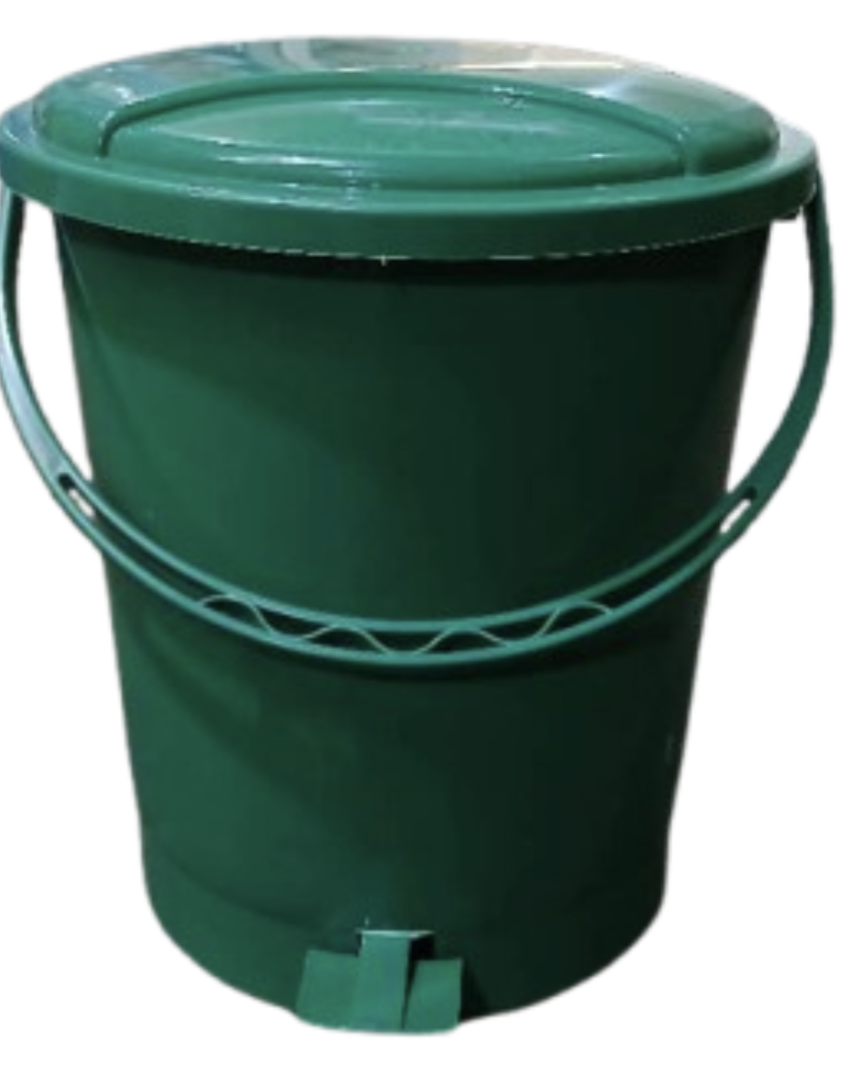
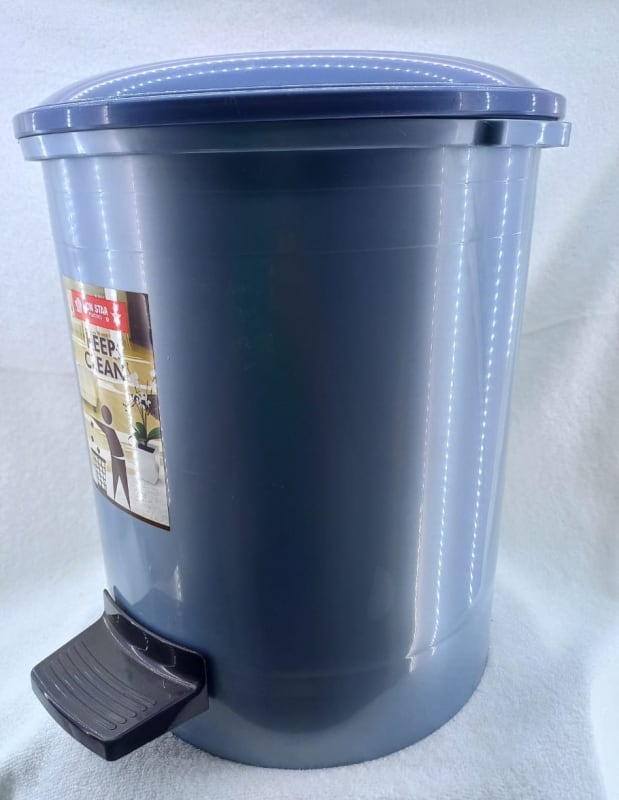
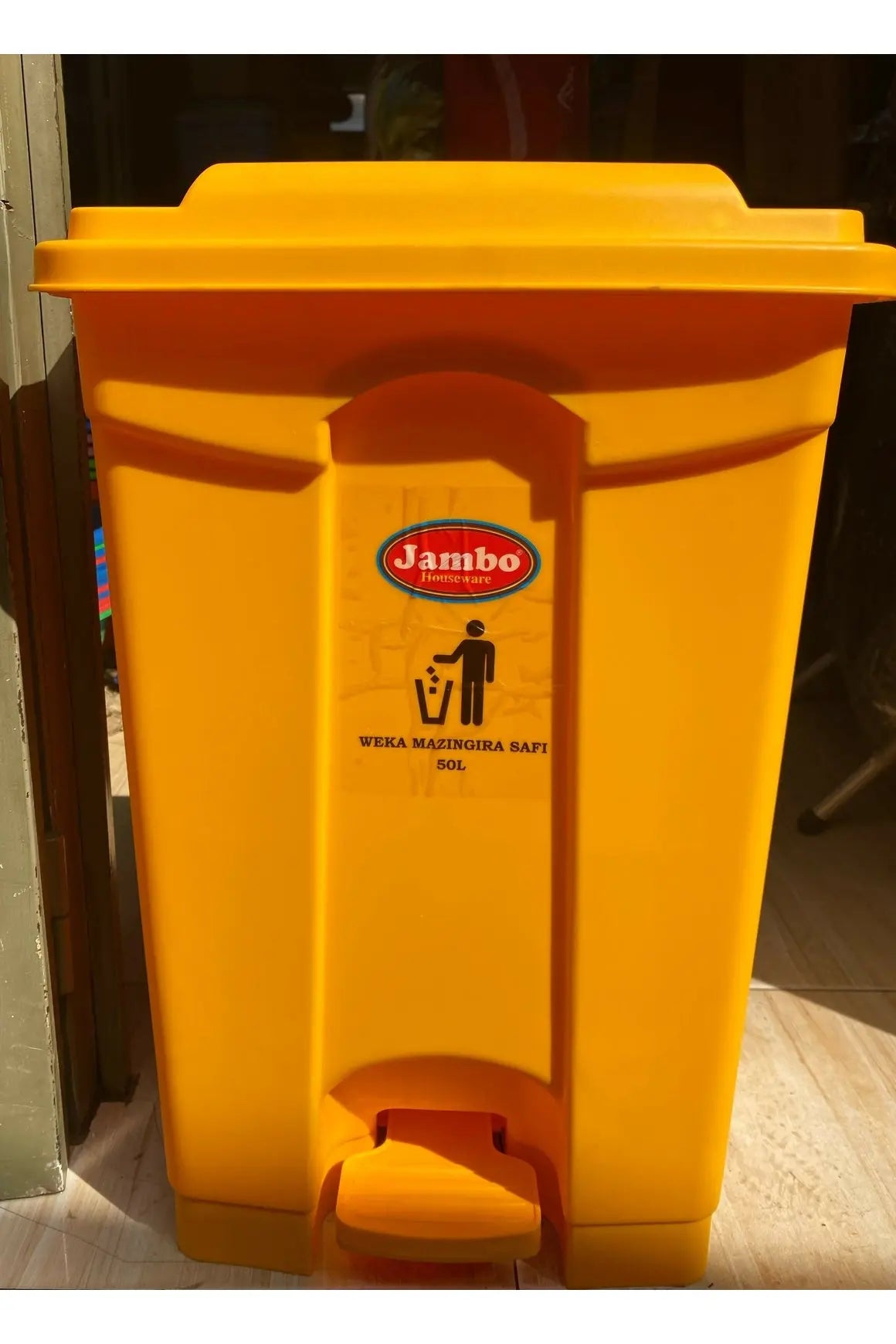
Bin with a lid
1Nice to haveA bin with a lid or pedal keeps small hands out of waste.
How to use it: Put it high or in another room. Empty it every evening.
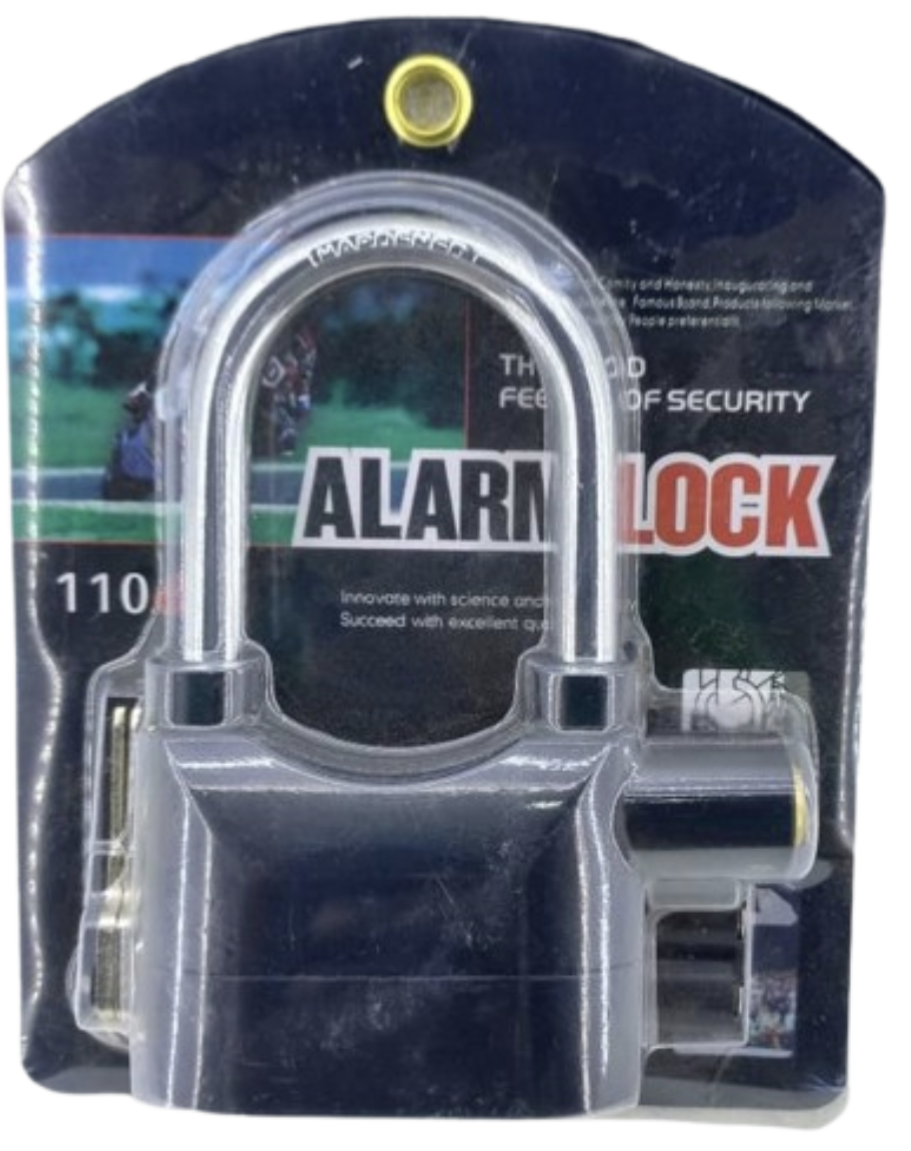
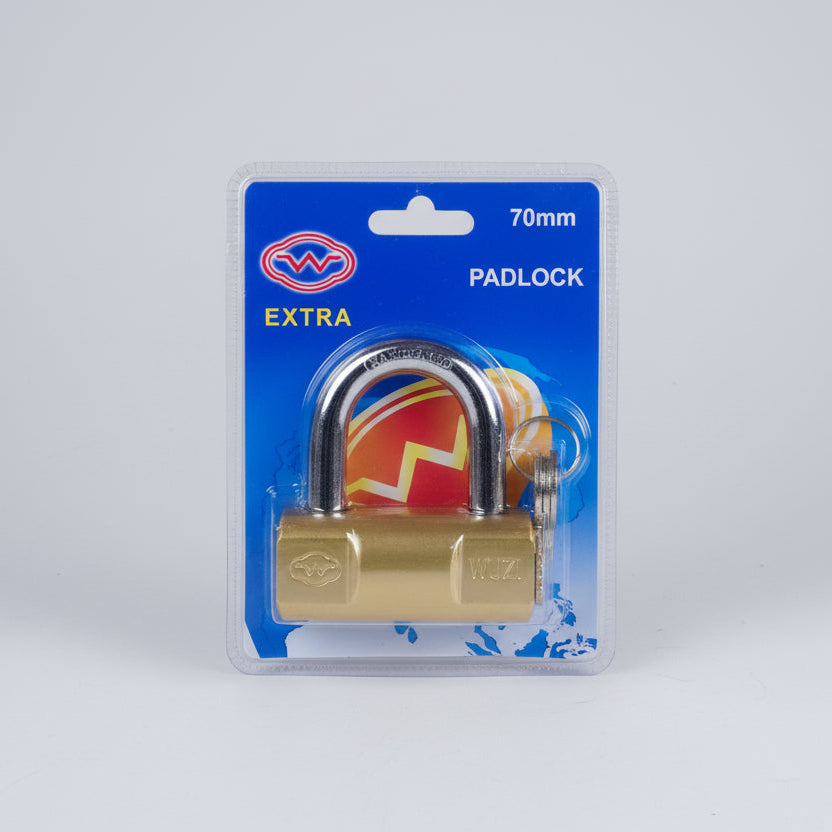
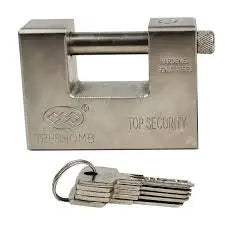
Padlock for cupboards
1 or more Must haveCupboards with cleaning products, medicines or sharp tools must stay locked.
How to use it: Keep all such items on a high shelf or in a locked cupboard.

Quiet time and drawing
Not every moment is running around. Calm activities are good for toddlers and for tired parents.
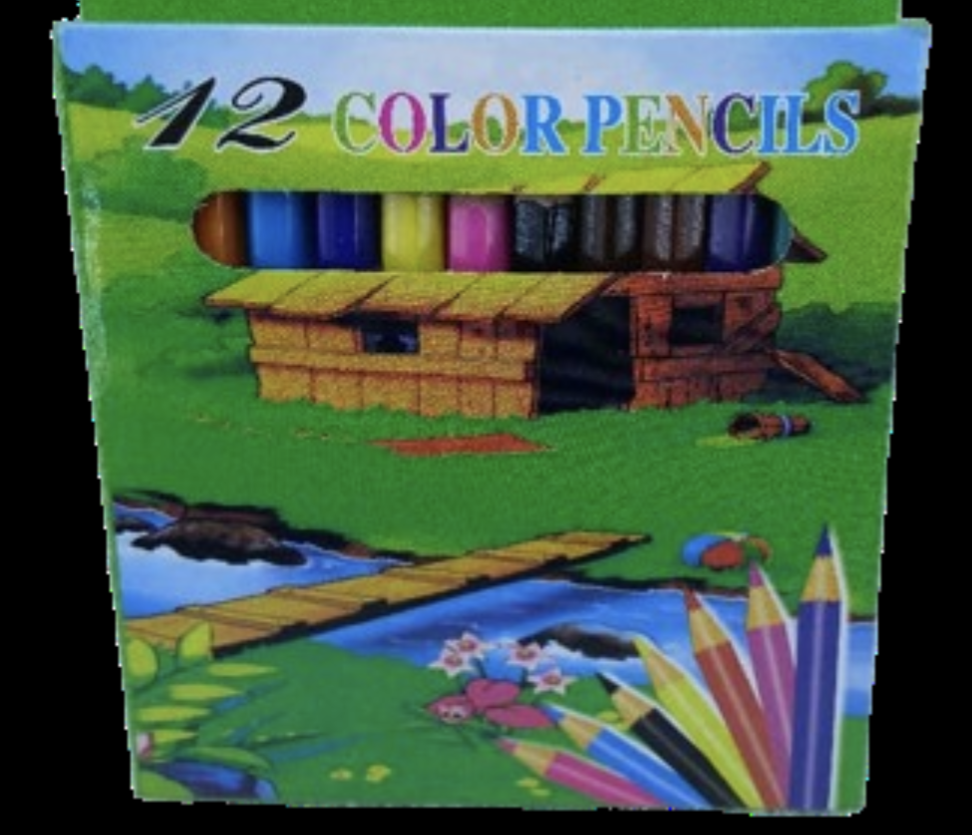
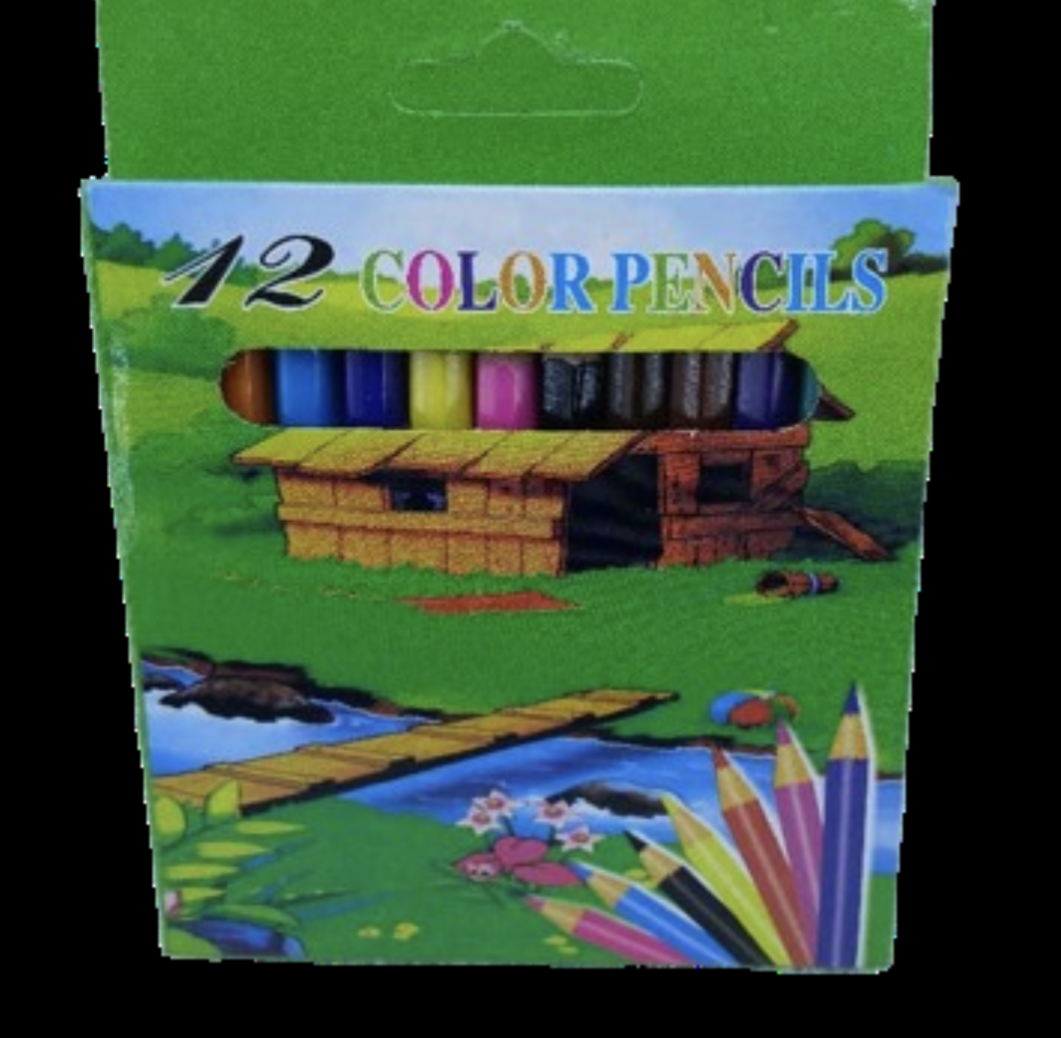
Color pencils
1 packNice to haveDrawing builds hand control and lets toddlers show what they see and feel.
How to use it: Always watch while your child draws. Put the pencils away afterwards.
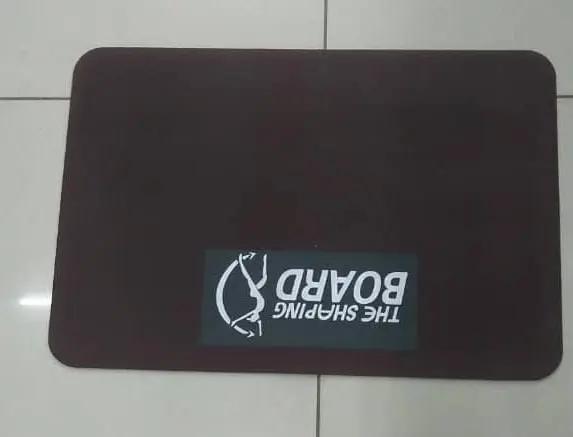
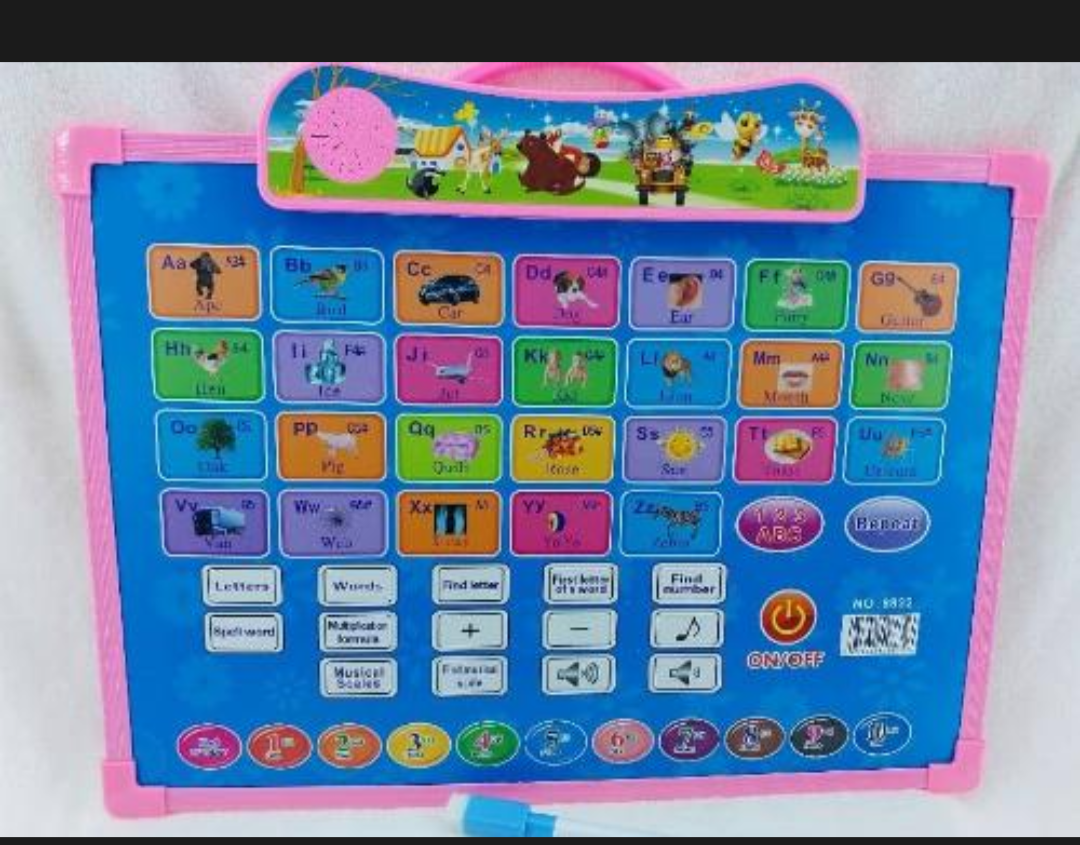
Drawing board
1Nice to haveA board can be wiped clean again and again, so you waste less paper and floor space.
How to use it: Use it on the mat. Wipe it clean and let your child start fresh.
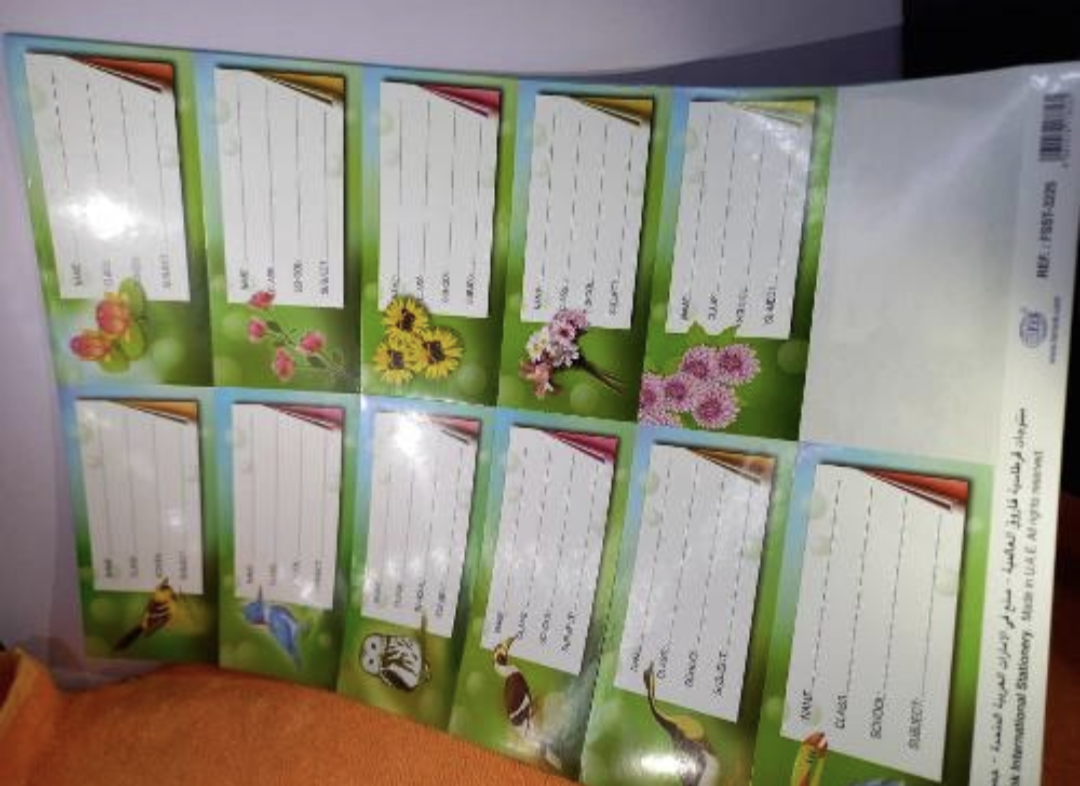
Stickers
1 packNice to haveStickers keep little fingers busy and help with counting and naming.
How to use it: Supervise closely. Stickers must stay out of the mouth.
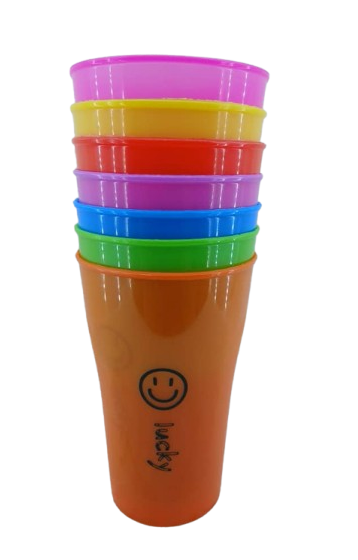
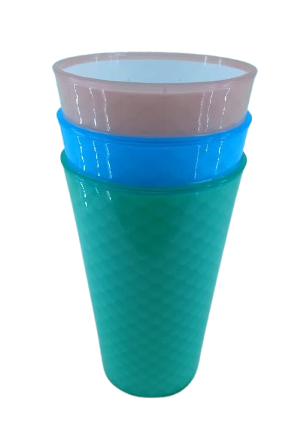
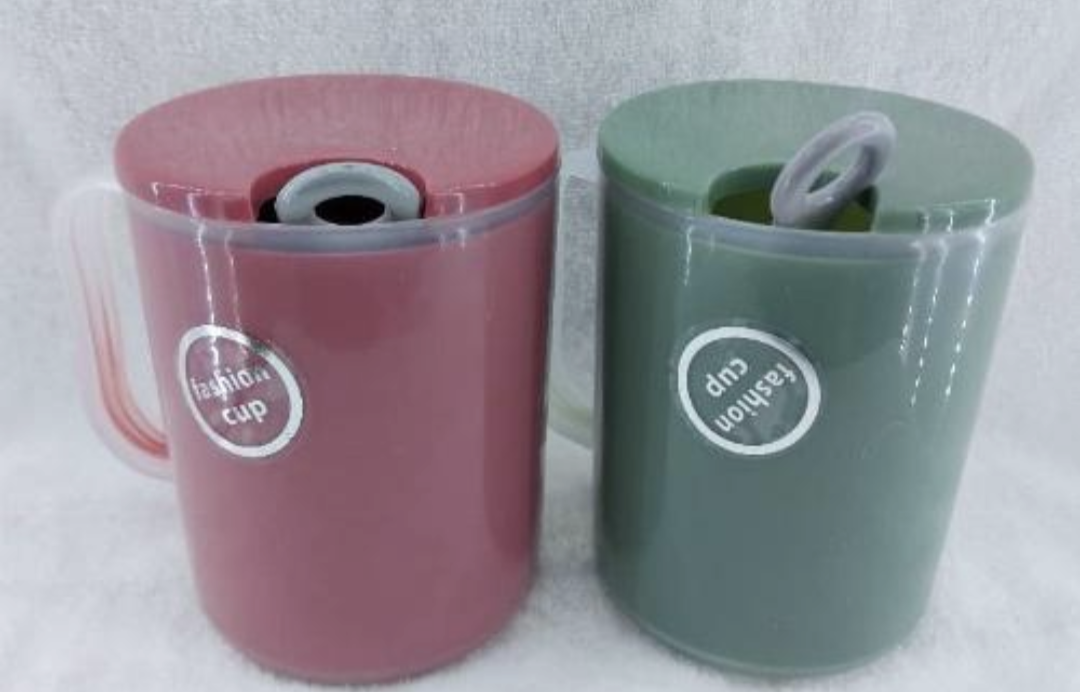
Plastic cup
2Nice to haveA sturdy cup lets your child drink in the play area without spills on the mat.
How to use it: Choose a plastic cup that is hard to break. Wash it every day.

Cleaning the play area
Toddlers put toys in their mouths. A quick daily clean keeps the area healthy.
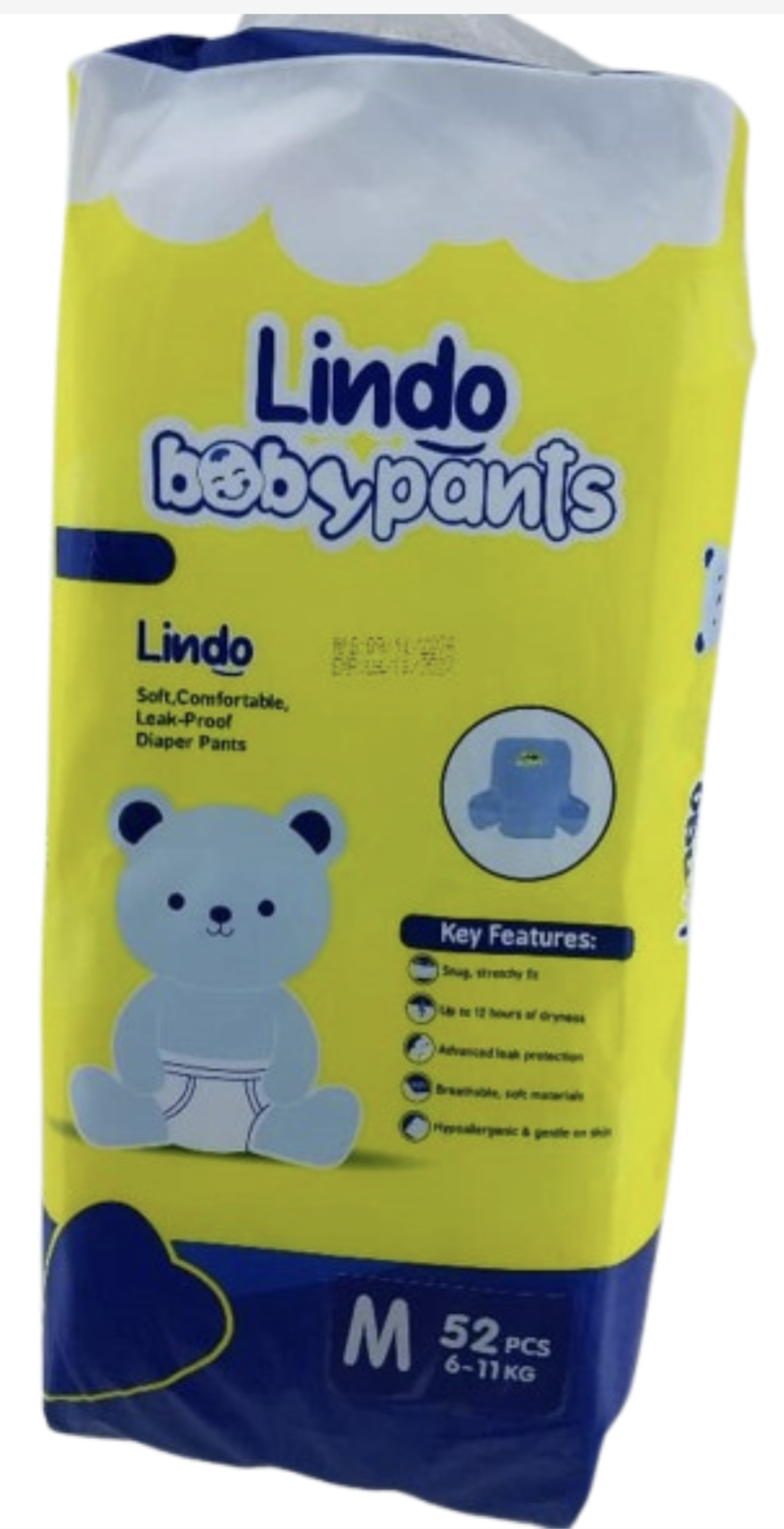
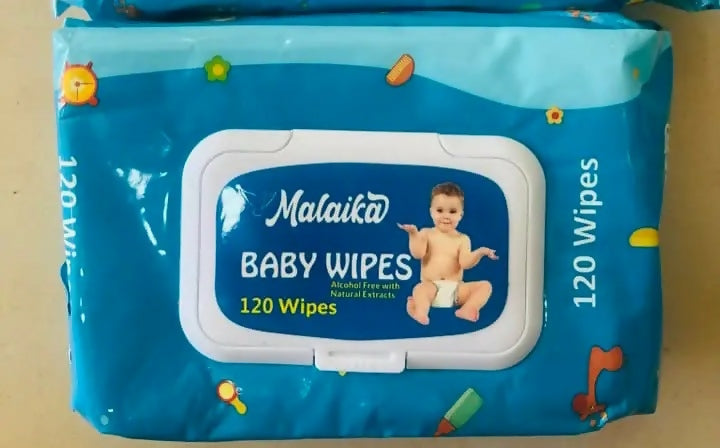
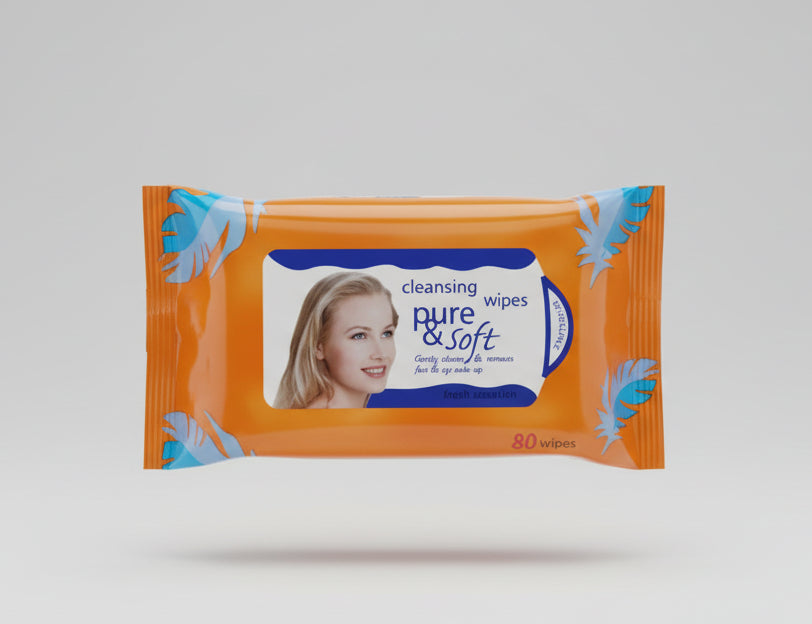
Wet wipes
1 or 2 packs Must haveWipes are quick for sticky hands, mats and toys after snacks.
How to use it: Keep a pack near the play area. Use them on hands and wipe toys that get dirty.
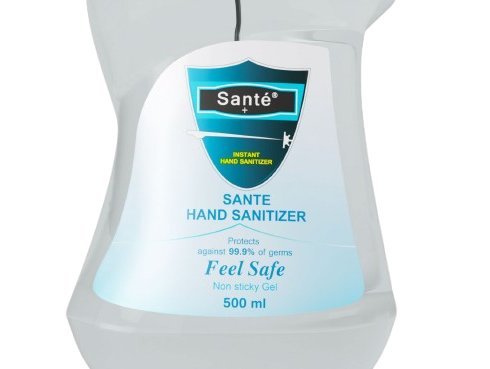
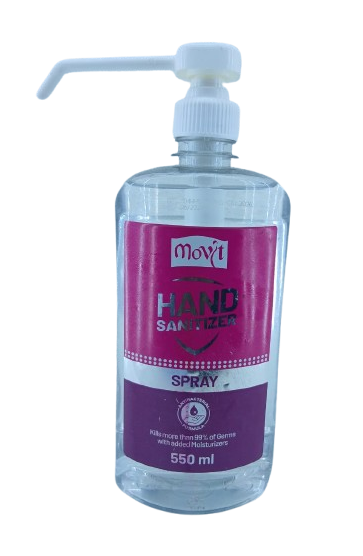
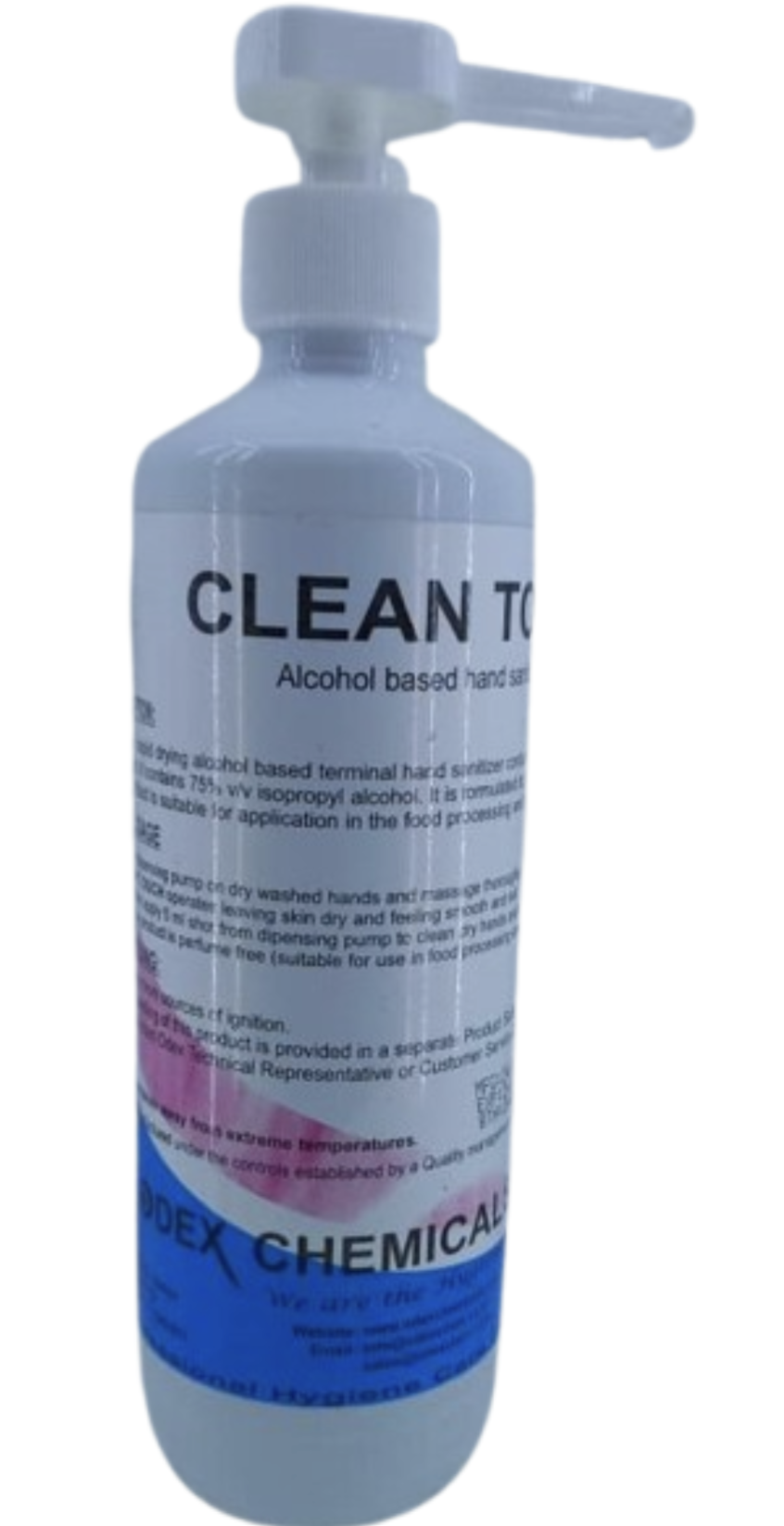
Hand sanitizer for adults
1Nice to haveAdults should clean their hands before touching a toddler's toys and food.
How to use it: Keep it on a high shelf. Wash with soap and water when hands are dirty.
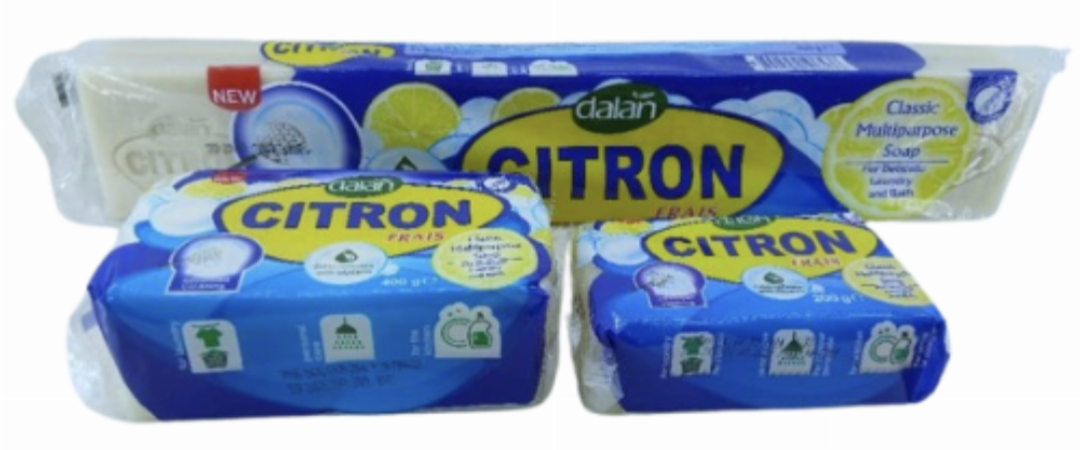
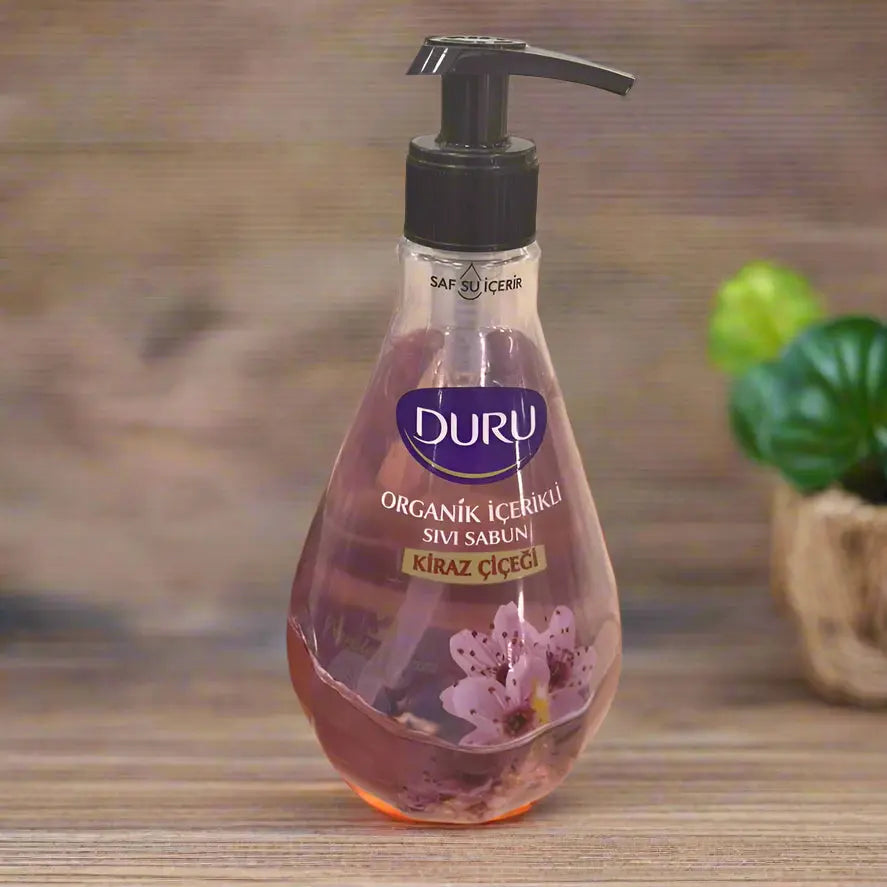
Mild soap for washing toys
1 Must haveSoap and water clean toys better than strong chemicals.
How to use it: Wash hard toys in soapy water and rinse them well. Dry them fully before play.
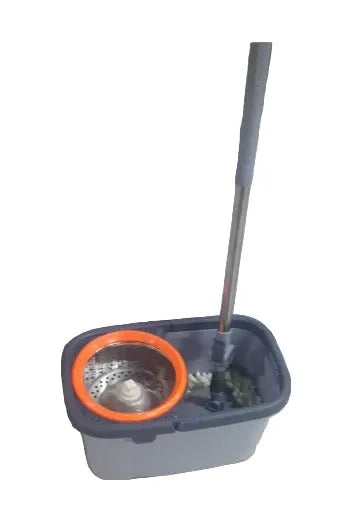
Bucket
1Nice to haveA small bucket is useful for washing toys, and for mopping the mat area.
How to use it: Use one bucket for toys and another for floors.

Step by step
- 1
Choose the corner
Pick a spot you can see from the sofa or kitchen, away from doors, cords and hot items.
- 2
Look from toddler height
Kneel down. Note sharp corners, loose cables, small objects and heavy things that could tip.
- 3
Set up the floor
Put down the play mat and non-slip mats. Make sure the edges lie flat.
- 4
Choose a few toys
Select toys that suit your child's age. Put the rest in a box for later.
- 5
Make a daily routine
Clean and tidy each evening. Wipe the mat, wash toys and put everything in its place.
Tips that help
- Rotate toys. Keep half in storage and swap them each week so play stays interesting.
- Always stay in the room while your toddler plays, even in a safe area.
- Keep medicines, cleaning products and small batteries on a high shelf or locked away.
- Take off shoes at the door to cut down on red dust on the mat.
- Choose soft or rounded furniture for the play corner and push heavy items against the wall.
- Check toys regularly for cracks, loose parts and sharp edges.
- Read the age label on every toy. If a part can fit inside a toilet paper tube, it is too small for a toddler.
Mistakes to avoid
- Buying too many toys at once. A toddler plays better with a small choice.
- Leaving cables, sockets and cords where a toddler can reach.
- Using toys with small parts for a child who still puts things in the mouth.
- Putting the play area next to a door, stairs or a hot kitchen.
- Skipping daily cleaning, so the mat and toys stay dirty.
Questions people ask
How big should a toddler play area be?+
It does not need to be big. A mat a few steps wide in a corner is enough. What matters is that the space is safe, soft, clear of hazards and easy to supervise.
What toys are best for toddlers?+
Simple toys work best: large blocks, a soft ball, soft toys, simple puzzles and push toys. Always check the age label and avoid small parts.
How do I keep red dust off the play mat?+
Take off shoes at the door, sweep daily and wipe the mat with a damp cloth. Shake rugs and carpets outside on dry days.
How do I stop my toddler touching sockets and cables?+
Move furniture in front of sockets, keep cables short and out of sight, and never leave plugs lying on the floor. Ask an electrician if you worry about your wiring.
When should I set up the play area?+
The best time is before your child starts crawling or walking. If your child already moves around, set it up as soon as you can and look at the whole room from their height.
A good toddler play area is soft, simple and safe. Choose your corner, work through this list and shop on Isokko, with delivery to your door in Kigali. Then enjoy the floor time with your little one.
Shop this list
Get everything delivered in Kigali
Order from local stores on Isokko and pay with MoMo, card or cash. Same-day delivery.