
Checklist · Cleaning & home care
Laundry for a Family of Six in Kigali: Weekly Checklist
A weekly laundry checklist for a family of six in Kigali: detergent, baskets, drying and ironing supplies, and a simple routine that works.
Updated November 18, 2026 · By Isokko
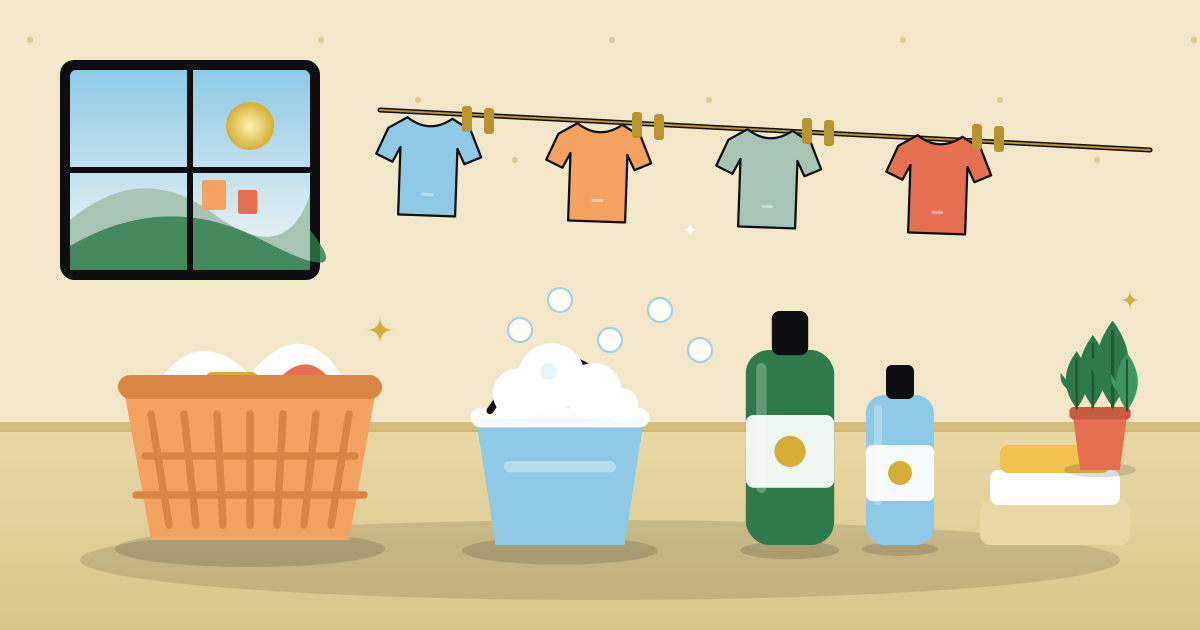
Six people make a lot of clothes, towels and bedding. If everything waits for one big wash day, the pile gets huge, the line is full and a rainy afternoon can ruin the plan.
This checklist helps you buy the right amount of the right things: soap and detergent, baskets for sorting, enough pegs and line, and tools for ironing. It also gives a simple routine so the work is shared across the week.
Most items are cheap and last a long time. Buy the washing supplies in bigger packs and spend a little more on baskets and drying gear, because you will use them every single week.
Who it's for
Families of five or more who wash clothes at home in Kigali
Time needed
Set up once, then plan a few hours spread over the week
When to shop
Restock detergent and soap monthly, and buy drying gear before the rainy seasons
On the list
20 items, 10 must haves
0 of 20 ready
Washing supplies
The things that go into the water every wash day. Bigger packs usually cost less per wash, so buy for the month.
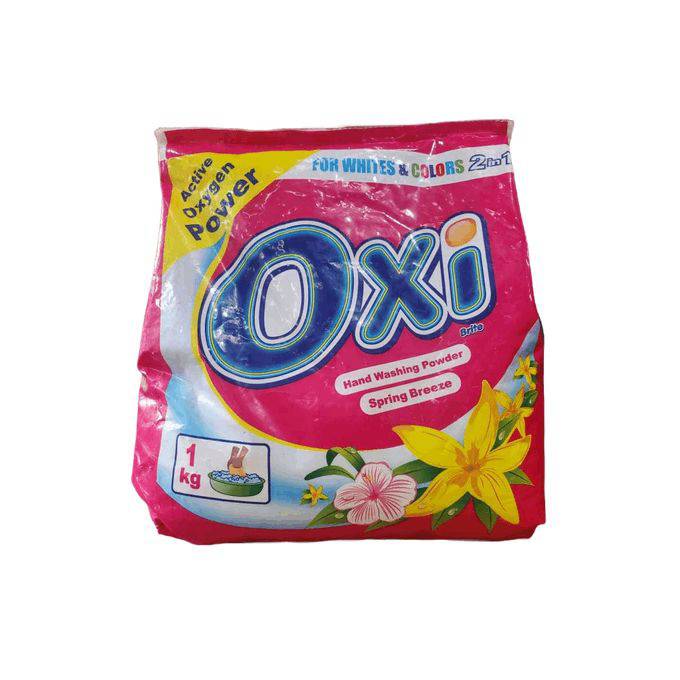
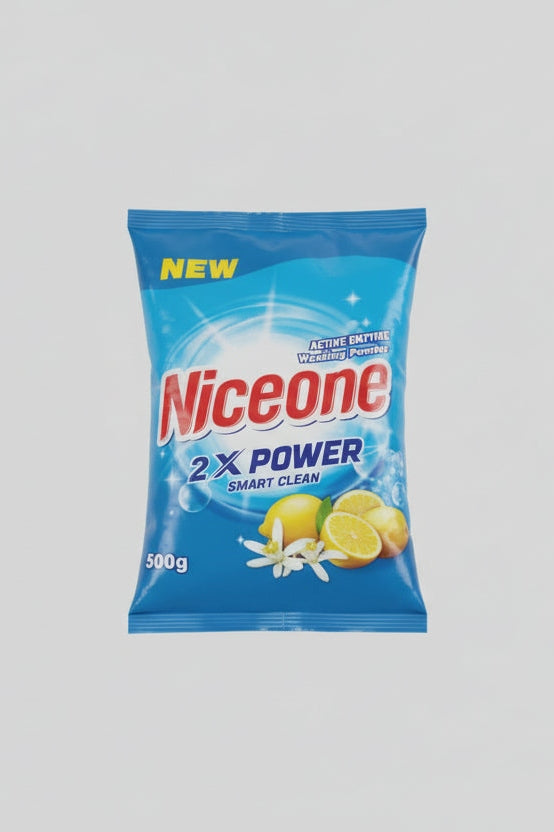
Washing powder or liquid detergent
1 large pack per month Must haveA family of six washes often, so detergent is your biggest repeat purchase. A large pack saves money and trips.
How to use it: Follow the amount on the pack for the size of your load. Using more does not clean better and leaves soap in the clothes.
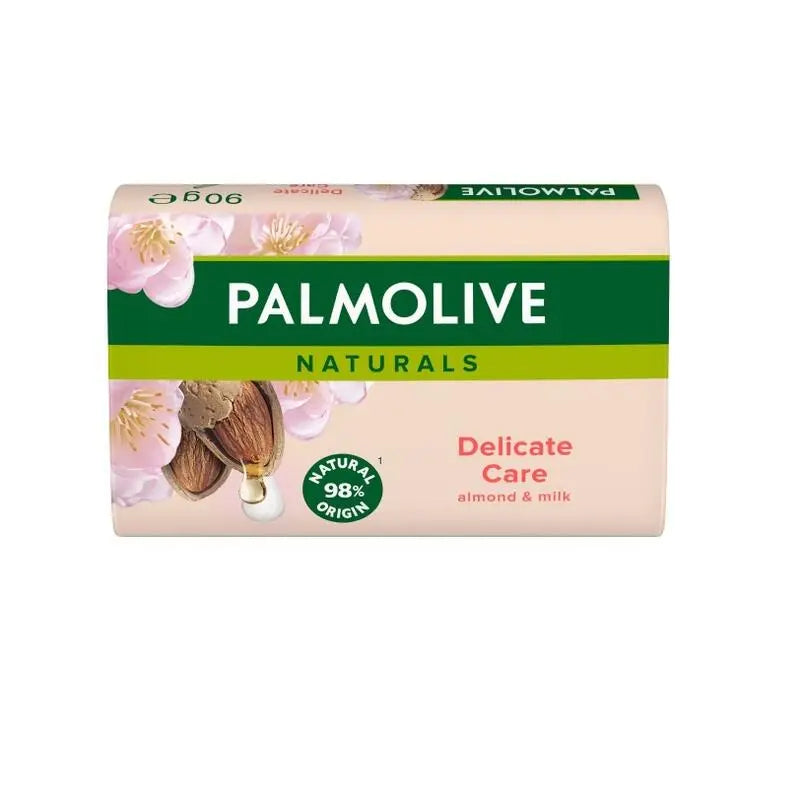
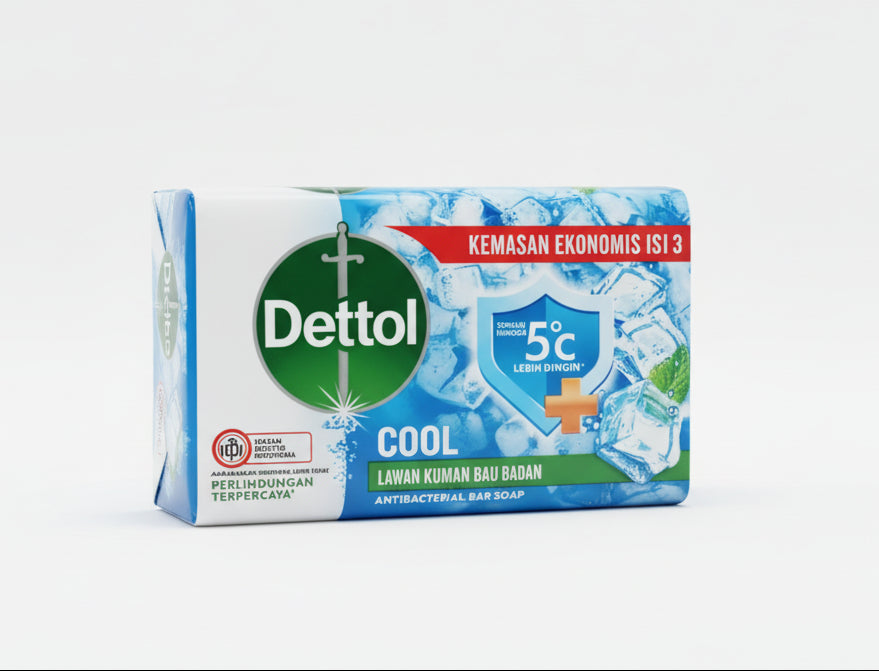
Bar laundry soap
3 to 4 bars Must haveBar soap is strong on collars, cuffs, socks and school uniform knees. Rubbing it directly on the dirt before the wash saves scrubbing time.
How to use it: Wet the dirty spot, rub the bar on it, leave it for a few minutes, then wash as normal.
Stain remover
1Nice to haveOil, mud and food stains on children's clothes are common and set quickly if left.
How to use it: Treat the stain before the main wash and test on a hidden corner first, especially on colored clothes.
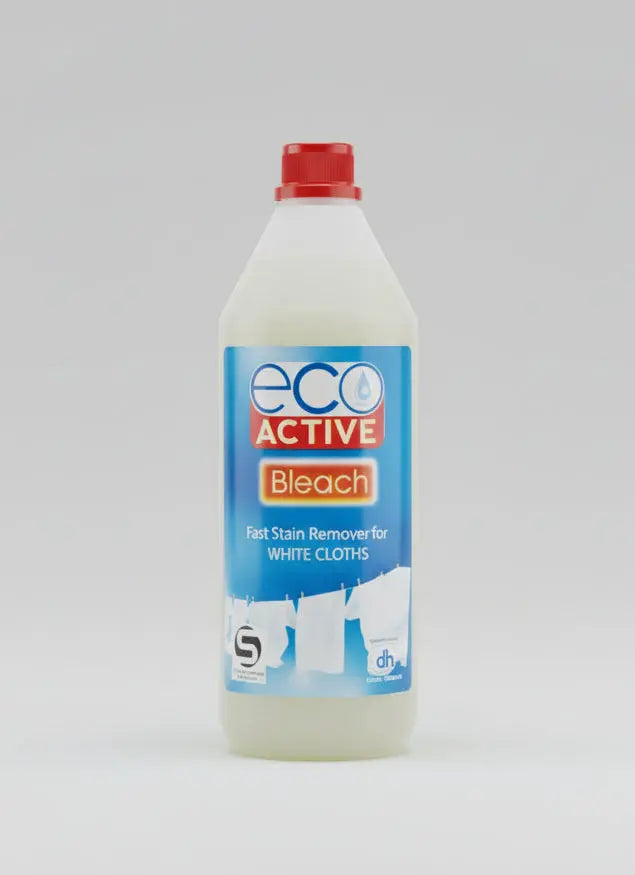
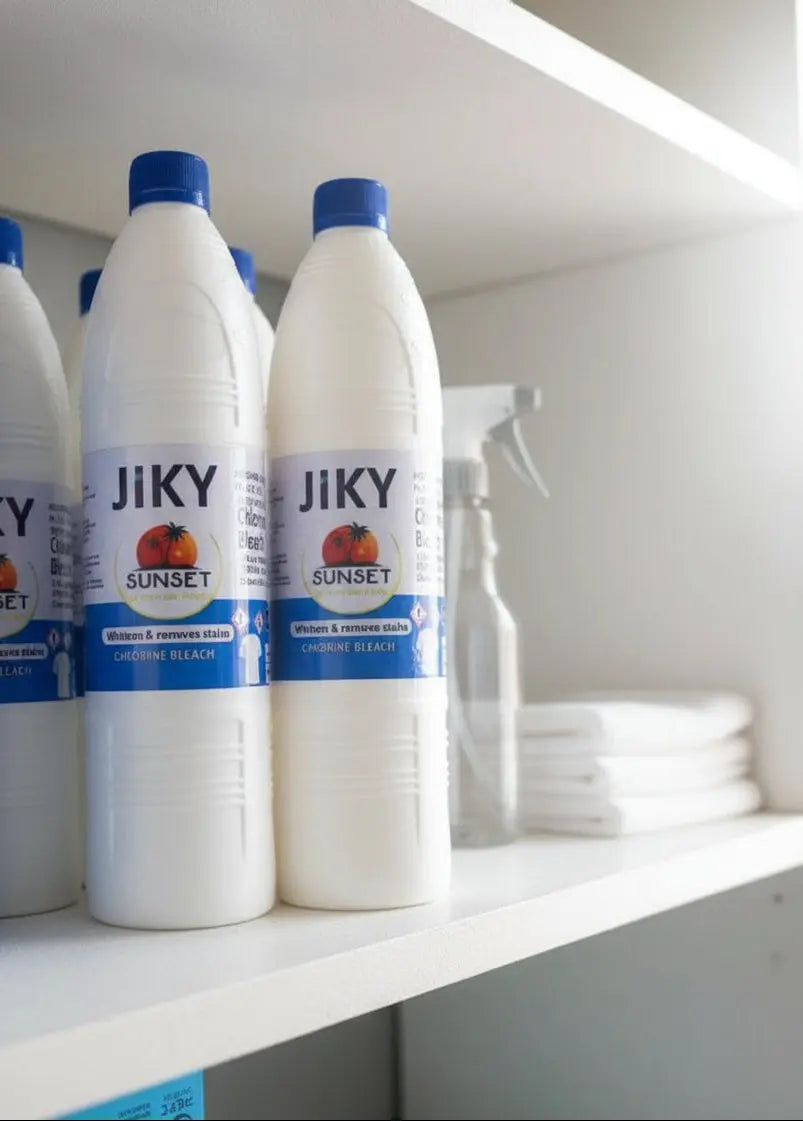
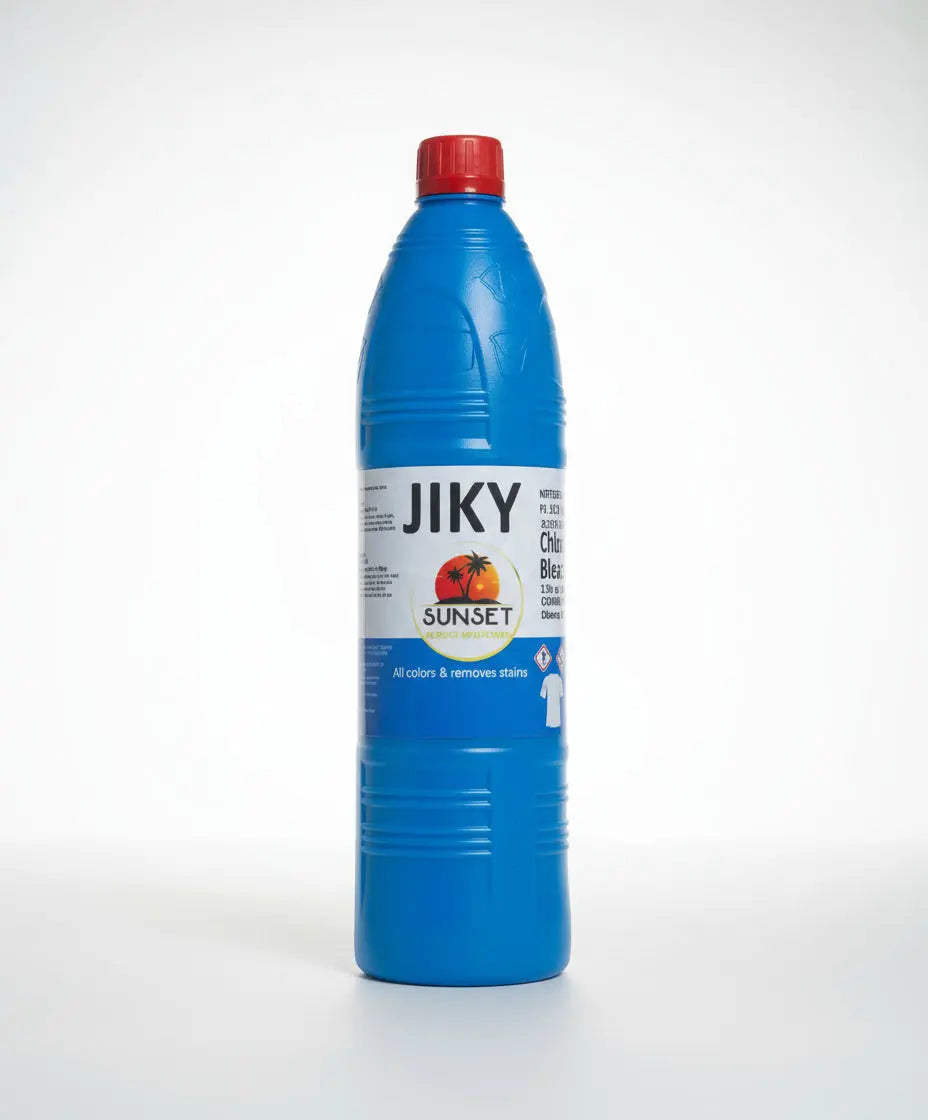
Bleach for whites
1 bottleNice to haveUseful for white school shirts, socks and towels that turn gray or yellow.
How to use it: Dilute as the label says, never mix it with other cleaners, and keep it away from colored clothes and from children.
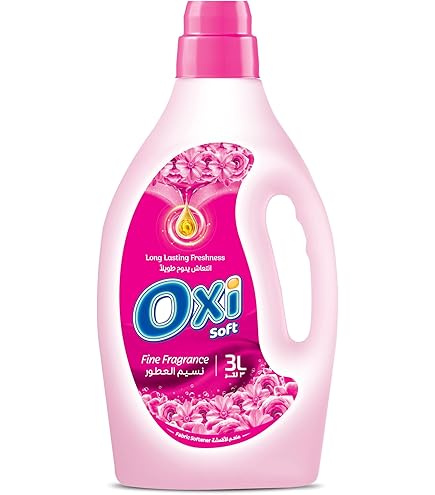
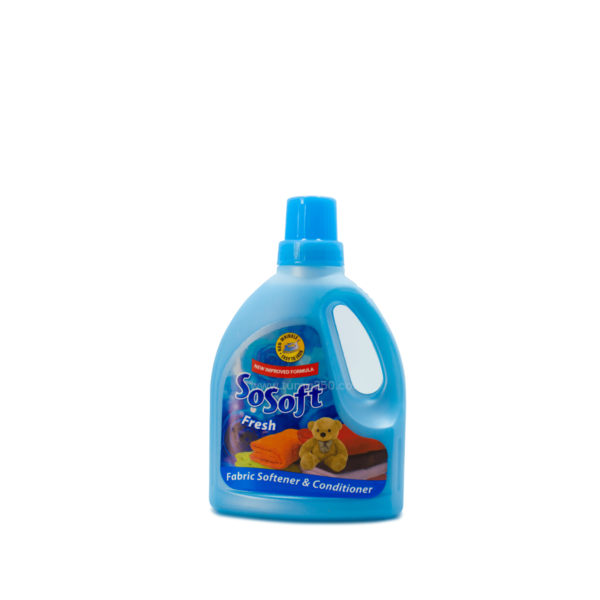
Fabric softener
1 bottleNice to haveMakes clothes softer and nicer to wear, especially towels dried in the sun.
How to use it: Add it only in the final rinse. A small amount is enough, so one bottle lasts a long time.





Washing and soaking
Containers to wash, soak and rinse several loads without waiting for a free bucket.
Large basin
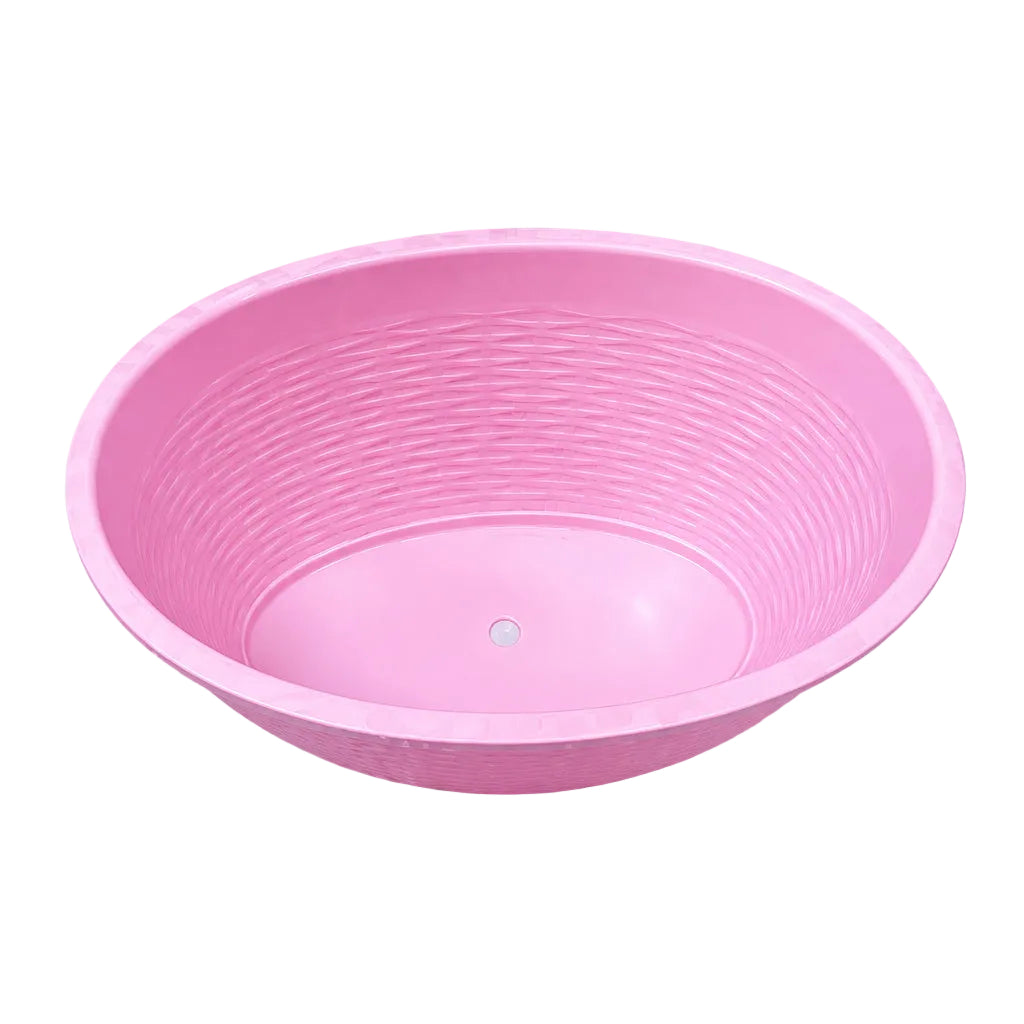
2 Must haveA wide basin is easier than a bucket for hand washing and for soaking dirty school clothes.
How to use it: Soak very dirty clothes in soapy water for a while before scrubbing. Rinse the basin after use so it does not smell.
Bucket for rinsing
2 Must haveOne bucket for the wash water and another for clean rinse water speeds up hand washing.
How to use it: Wring clothes well before rinsing, and change the rinse water until it runs clear.
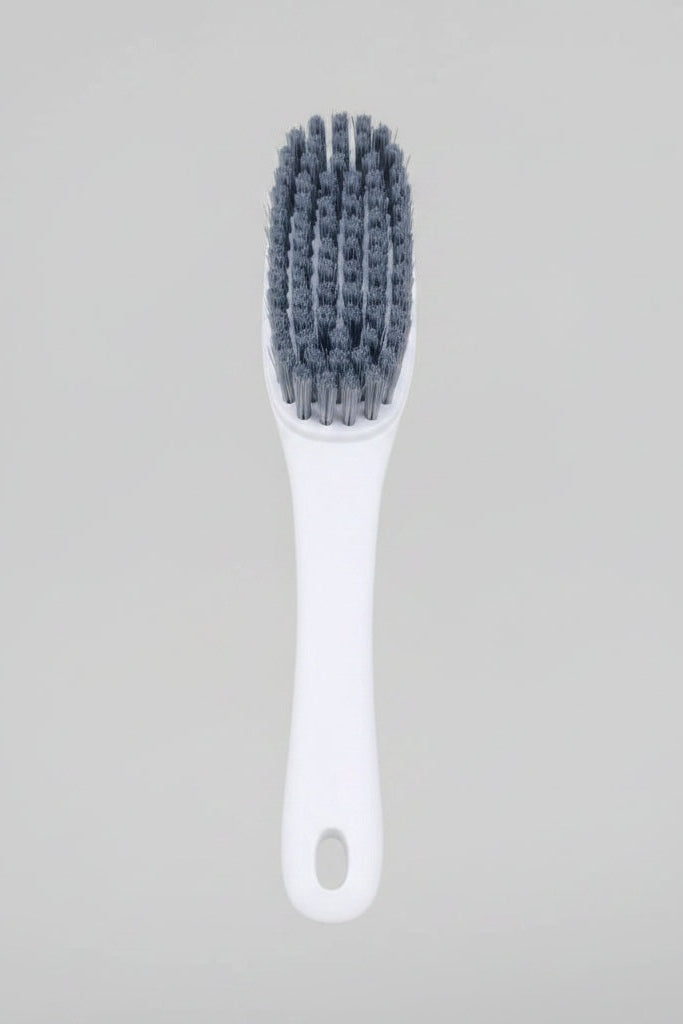
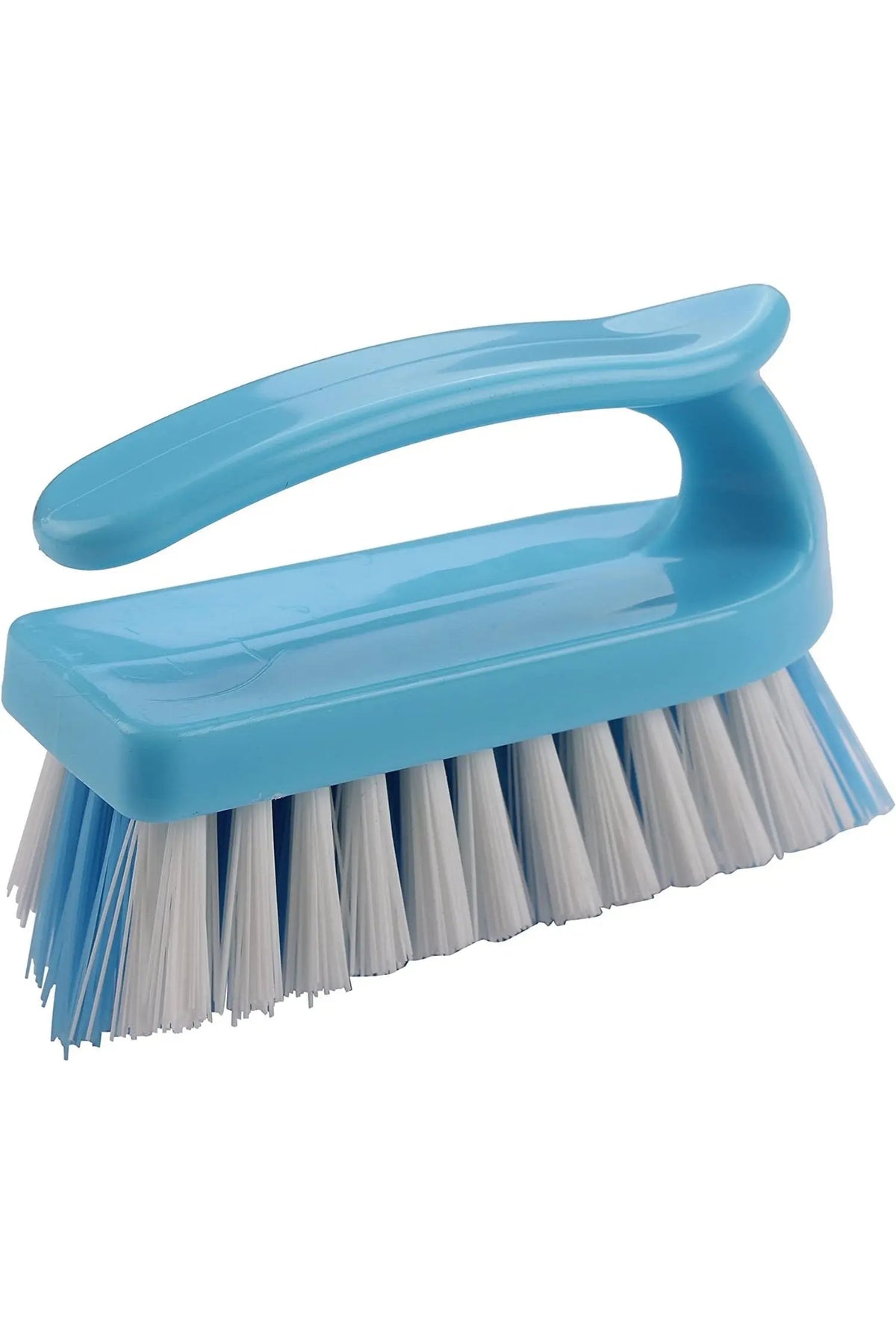
Scrub brush
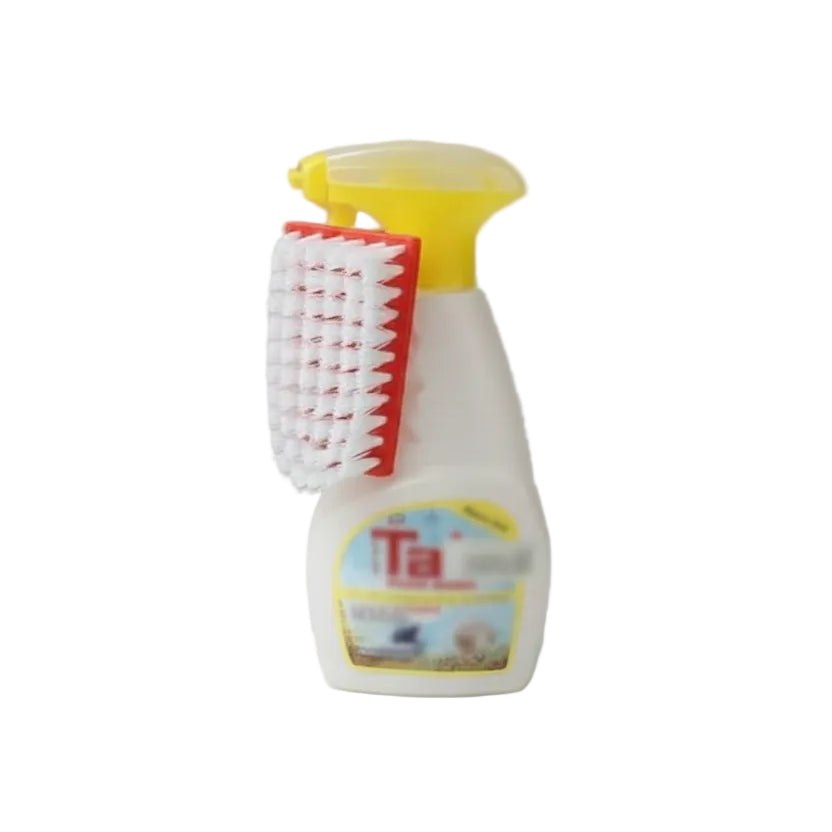
1Nice to haveA brush is better than your knuckles for school shoes, uniform collars and work clothes.
How to use it: Use it gently on thin fabric. Rinse and dry the brush in the sun after each wash day.
Rubber gloves
1 pairNice to haveProtects your hands from strong soap and bleach during long wash days.
How to use it: Hang them to dry inside out so they do not smell. Replace them when they tear.
Measuring cup
1Nice to haveHelps you use the right amount of detergent every time, so you do not waste soap.
How to use it: Keep it next to the detergent. Rinse it after use so powder does not harden inside.



Sorting and carrying
Good sorting turns a mountain of clothes into small, manageable loads.
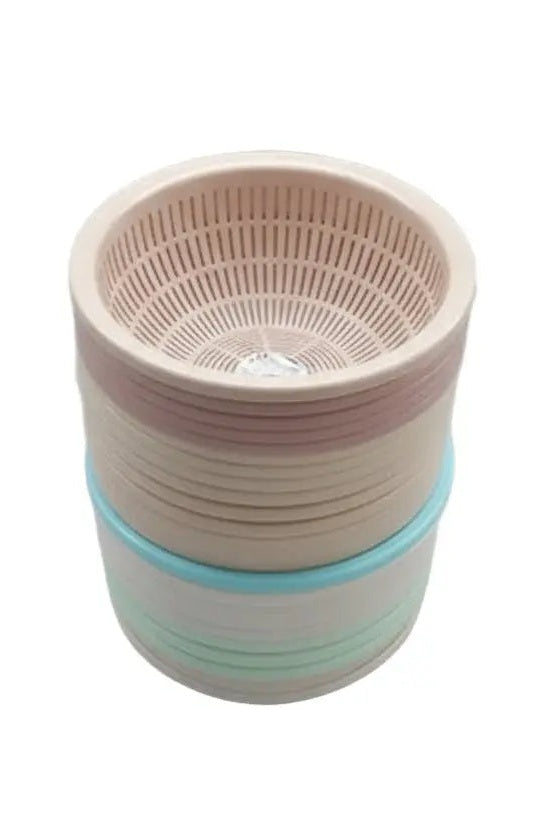
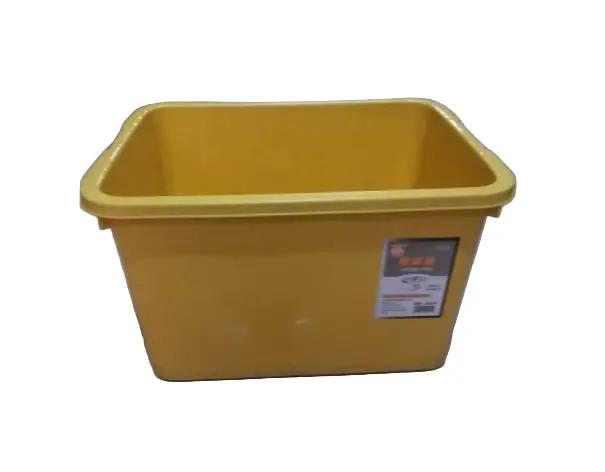
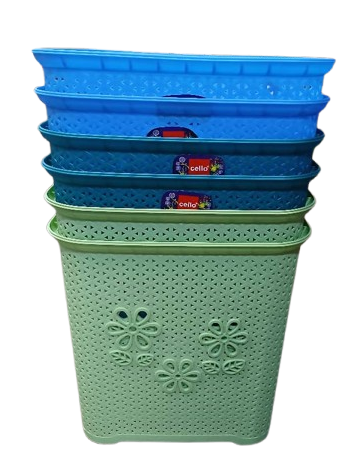
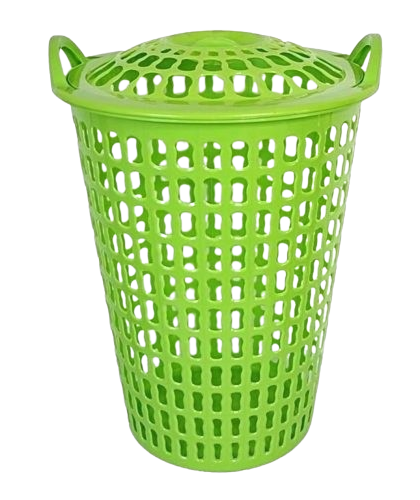
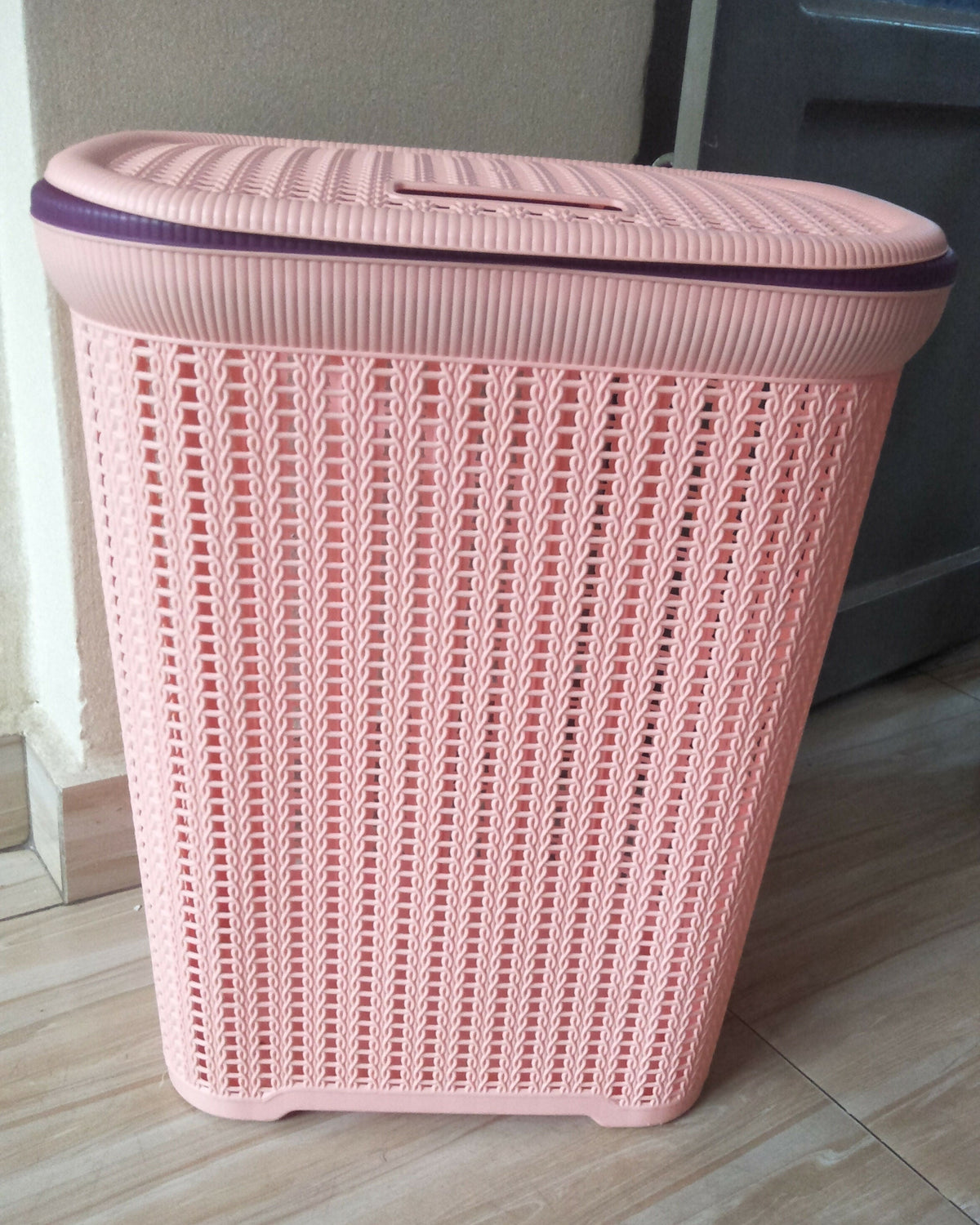
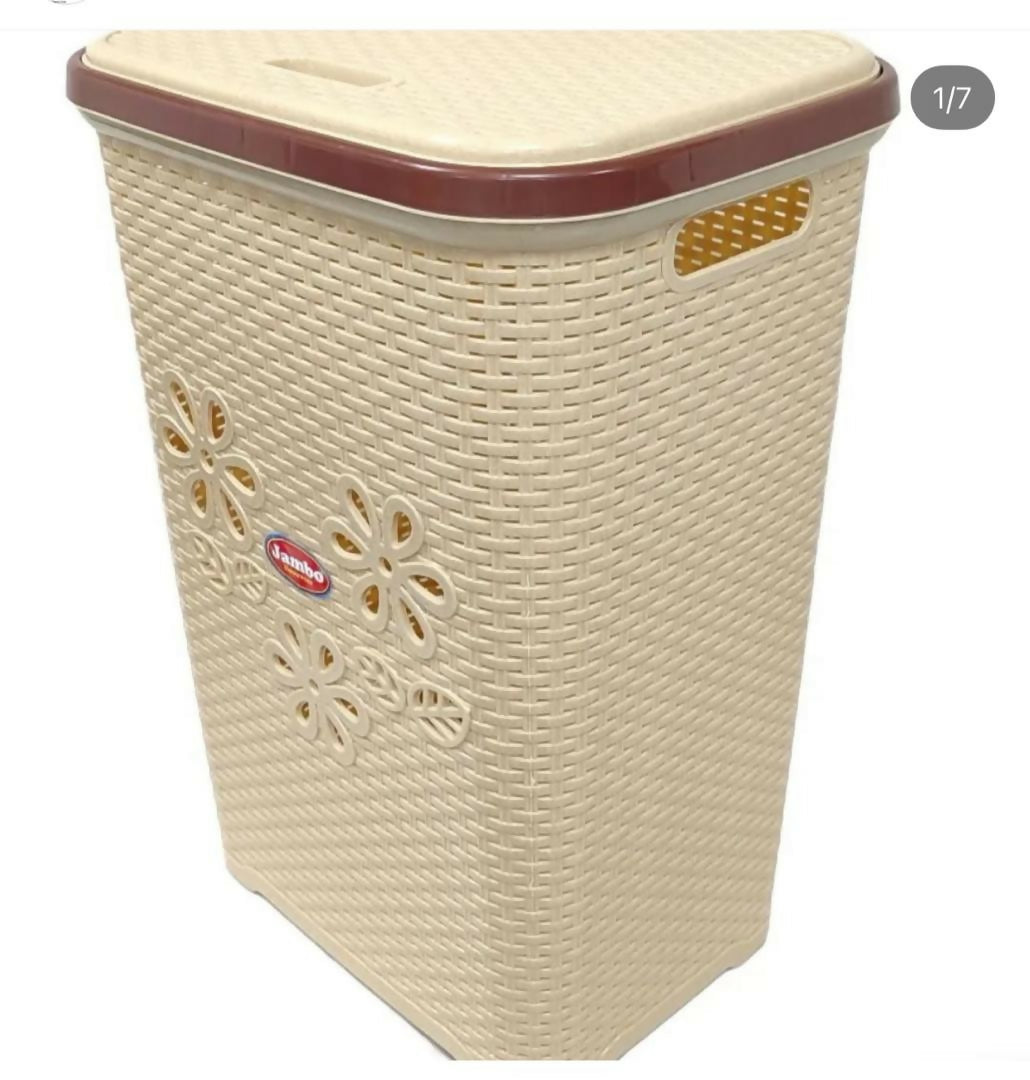
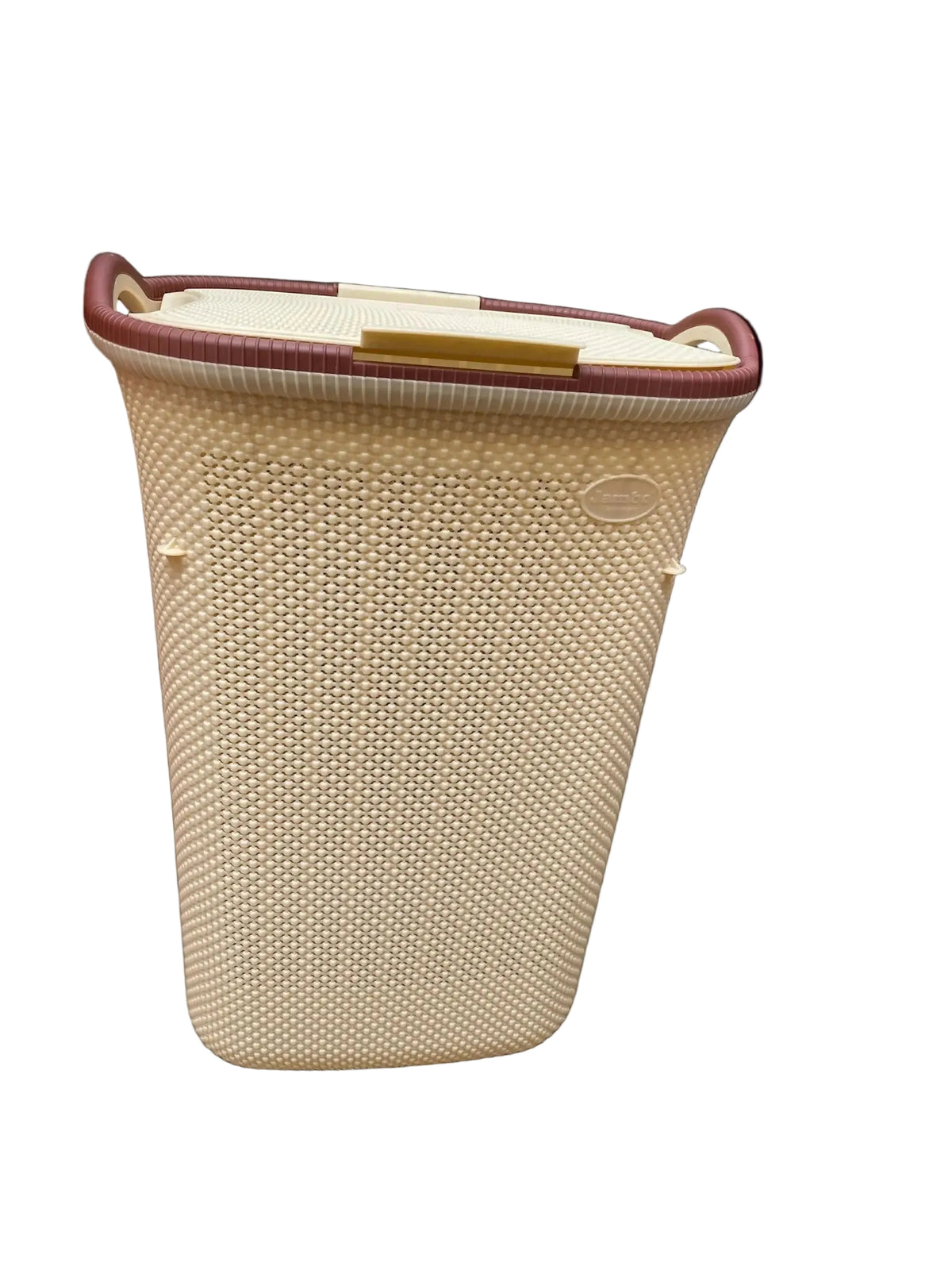
Large laundry basket
1 or 2 Must haveOne big basket in the hallway lets everyone drop dirty clothes in one place instead of on the floor.
How to use it: Choose one with a lid or holes for air so damp clothes do not smell. Empty it before it overflows.
Second basket for sorting
2Nice to haveSeparate whites, colors and towels into their own baskets so you can wash them in turns.
How to use it: Label the baskets in your own way, for example by color. Teach the older children to sort their own clothes.
Small laundry bag
2Nice to haveKeeps socks, underwear and baby items together so single socks do not get lost.
How to use it: Tie the bag shut before washing. Wash it with similar clothes.

Drying
In Kigali the sun is a great dryer, but the rainy seasons need a plan B.
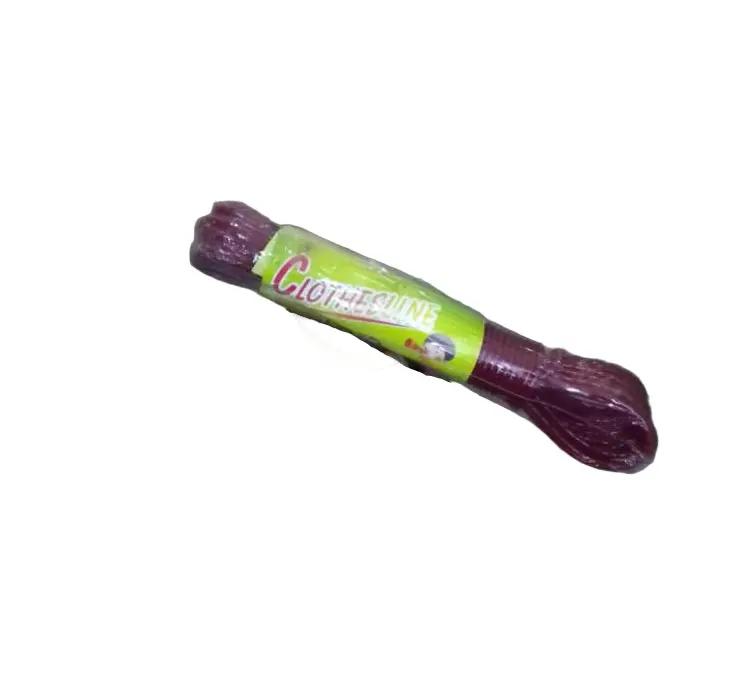
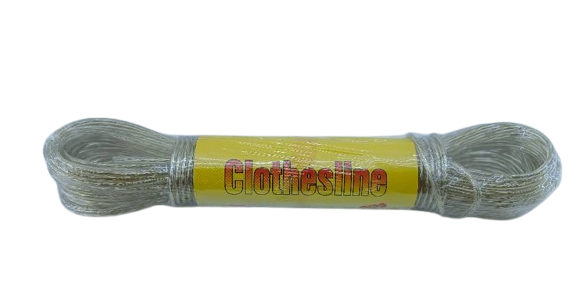
Clothesline rope
10 to 20 m Must haveA long line outside takes a full family load. Strong rope will not sag under wet jeans and sheets.
How to use it: Tie it tight between two solid points and wipe it clean before hanging white clothes.
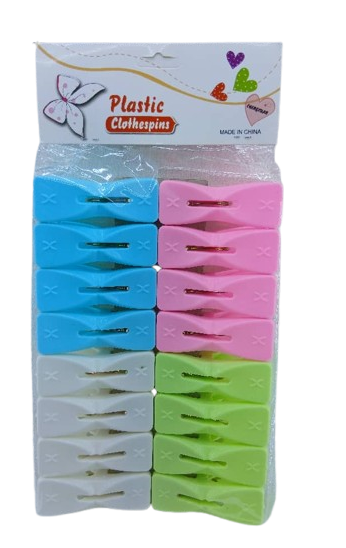
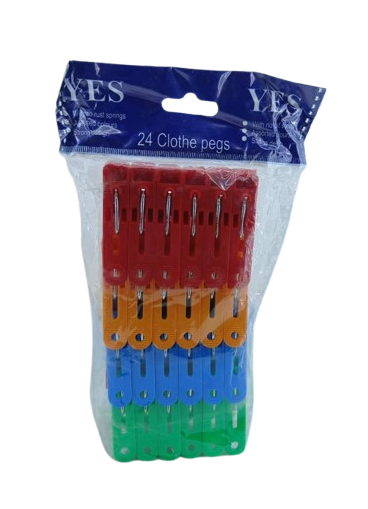
Clothes pegs
40 to 60 Must haveWind on the hills can blow clothes off the line, and pegs also stop sagging.
How to use it: Count roughly two pegs per piece of clothing, plus extra for sheets. Keep them in a small bag so they do not scatter.
Indoor drying rack
1 to 2 Must haveDuring March to May and October to December, clothes often cannot dry outside. A rack lets you dry them indoors.
How to use it: Put it in a room with open windows or near the sun, and space the clothes so air can pass.
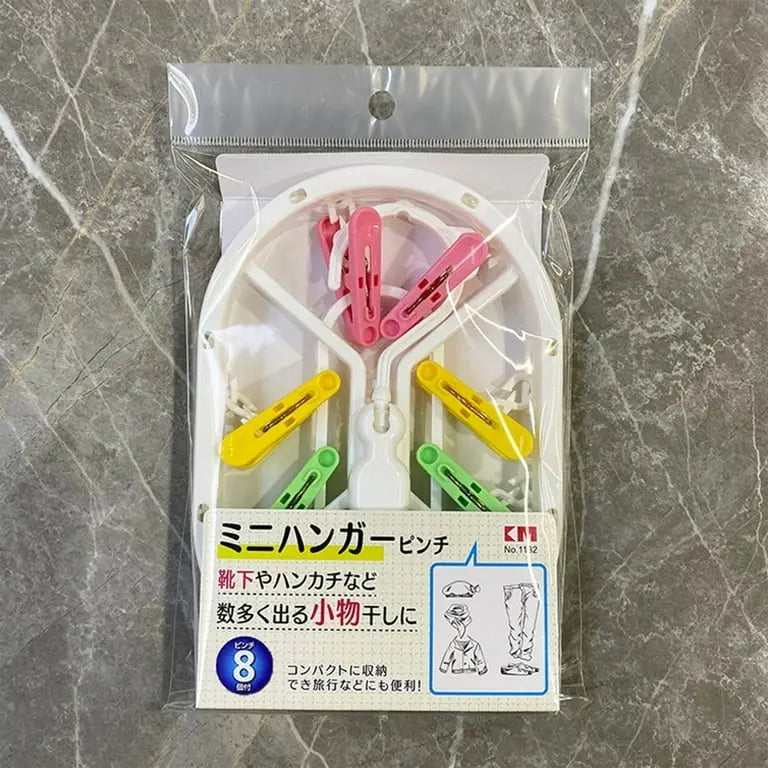
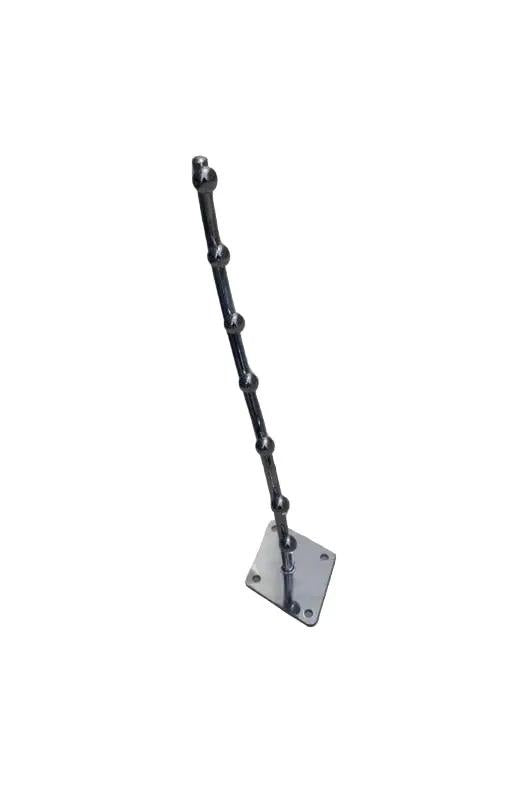
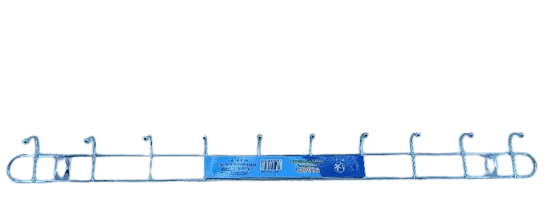
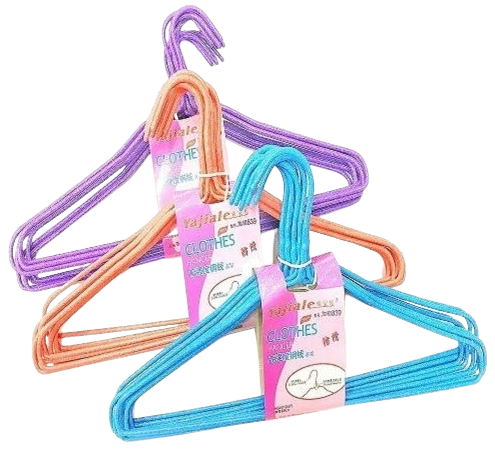
Hangers
12 to 20Nice to haveShirts and school uniforms dry with fewer wrinkles on hangers and go straight into the wardrobe.
How to use it: Hang shirts by the shoulders and use clips or pegs for trousers.


Ironing and folding
Neat clothes last longer and make school mornings easier.
Electric iron
1 Must haveA uniform for each school child looks better pressed, and ironing helps dry the last bit of damp cloth.
How to use it: Check that clothes are almost dry before ironing. Switch it off at the wall after use, especially during power cuts.
Ironing board
1 Must haveA proper board protects your table and makes pressing faster and safer.
How to use it: Set it at a comfortable height and keep it away from children when the iron is hot.
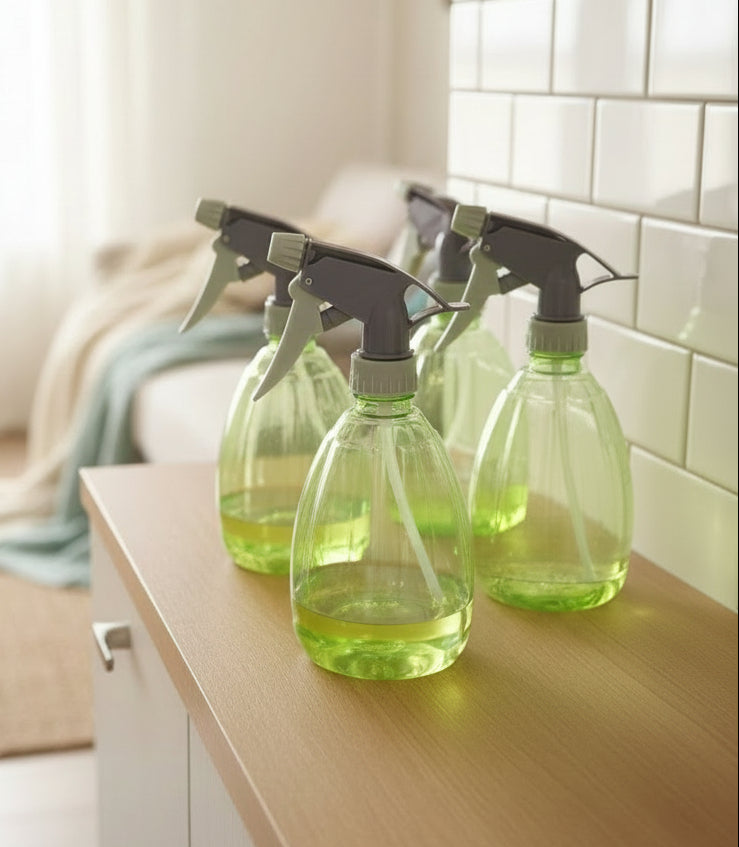
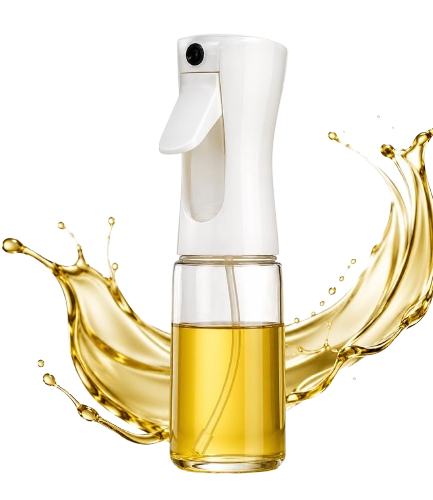
Spray bottle
1Nice to haveA fine water spray dampens dry clothes so they iron easily.
How to use it: Fill with clean water only. Spray lightly, wait a minute, then iron.




Step by step
- 1
Sunday evening
Check stocks of detergent and soap. Put baskets in place so the week starts organized.
- 2
Monday and Tuesday
Wash the heavy loads: bedding and towels. Early morning sun dries them fastest.
- 3
Midweek
Wash school uniforms and everyday clothes so they are ready in time for the next days.
- 4
Friday
Wash work clothes, socks and anything left in the basket. Pre-treat stains before the wash.
- 5
Saturday
Iron, fold and put away. Children can help match socks and carry their own clothes.
Tips that help
- Wash a little every day rather than everything on one day. The pile stays small.
- Wash early in the morning so the sun can dry clothes before afternoon rain.
- Hang clothes inside out to protect colors from strong sun.
- Give each child a small laundry job, like putting dirty clothes in the right basket.
- Buy detergent in the largest pack you can store, and keep it dry.
- In rainy weeks, wash fewer items at a time and dry them indoors on a rack.
Mistakes to avoid
- Using too much detergent. It leaves residue and makes rinsing harder.
- Mixing bleach with other cleaners. Always use it alone and read the label.
- Leaving wet clothes in a basket. They get a bad smell fast.
- Washing dark and white clothes together, so colors run.
- Hanging clothes outside when rain clouds are already coming over the hills.
Questions people ask
How often should a family of six do laundry?+
Many families do a little most days or two or three bigger washes a week. The best rhythm is the one that keeps the dirty basket from overflowing and the line from being overloaded.
How do I dry clothes in the rainy season in Kigali?+
Use an indoor drying rack in a room with an open window. Wring clothes well first, and give them space. Hang thick items like jeans and towels early in the day.
Is it better to use powder or liquid detergent?+
Both work. Powder in a big pack is often good value for hand washing. Liquid dissolves easily in cold water. Pick the one that rinses out well and fits your budget.
How many baskets do I need?+
One main basket for dirty clothes is the minimum. A second or third basket for whites, colors and towels makes sorting faster.
How can I stop white shirts looking dull?+
Wash them separately, rinse well and dry in the sun. Bleach can help, but follow the label carefully.
With the right detergent, baskets and drying gear, laundry for six becomes a steady routine instead of a weekend fight. Shop the list on Isokko and have everything delivered to your door.
Shop this list
Get everything delivered in Kigali
Order from local stores on Isokko and pay with MoMo, card or cash. Same-day delivery.