
Checklist · Holidays & seasons
Dry Season in Kigali Checklist: Home, Skin and Water (June to August)
Get ready for Kigali's long dry season from June to August: beat the red dust at home, keep skin and lips from cracking, store water well and stay comfortable.
Updated November 16, 2026 · By Isokko
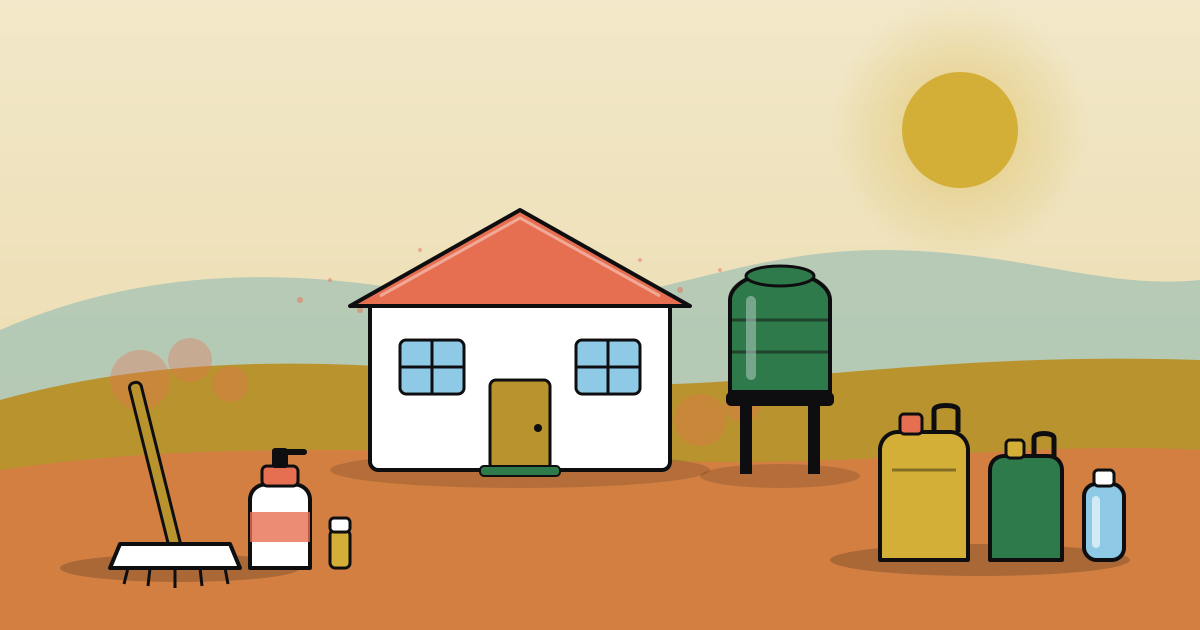
Kigali's long dry season, roughly June to August, brings blue skies, cool mornings and almost no rain. It also brings red dust on every surface, dry skin and cracked lips, dusty feet and, in some neighborhoods, more frequent water interruptions.
None of it is hard to manage if you prepare. This checklist covers three things: keeping dust out of your home, keeping your skin, lips and hair comfortable, and making sure your house always has enough clean water stored.
Shop in late May or early June and set up your routines before the dust gets serious. Your floors, your skin and your water tank will thank you in August.
Who it's for
Anyone living in Kigali who wants a cleaner home, healthier skin and a steady water supply through the long dry season
Time needed
One afternoon to set up, then small weekly habits
When to shop
Late May or early June, before the dust and dry air really set in
On the list
25 items, 12 must haves
0 of 25 ready
Beat the dust at home
Red dust blows in through windows and doors and settles everywhere. Damp cleaning works better than dry sweeping.
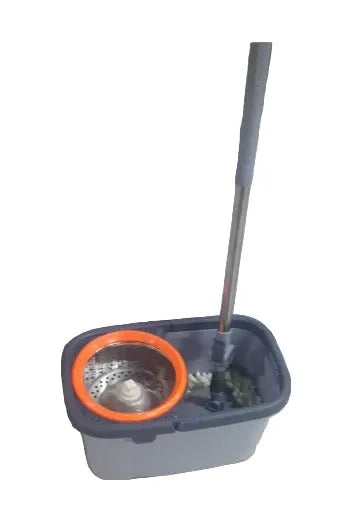
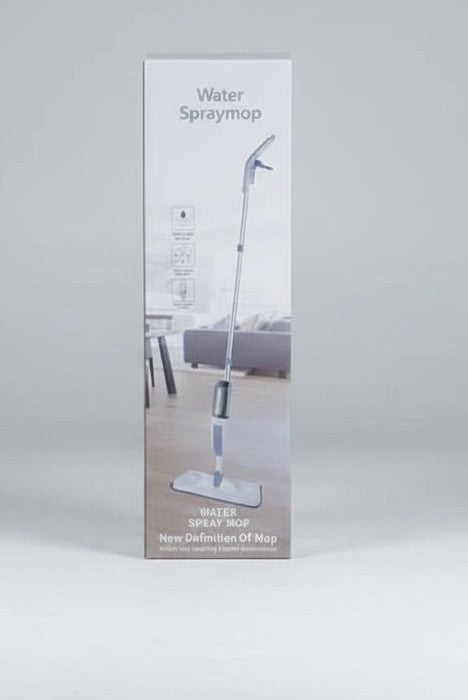
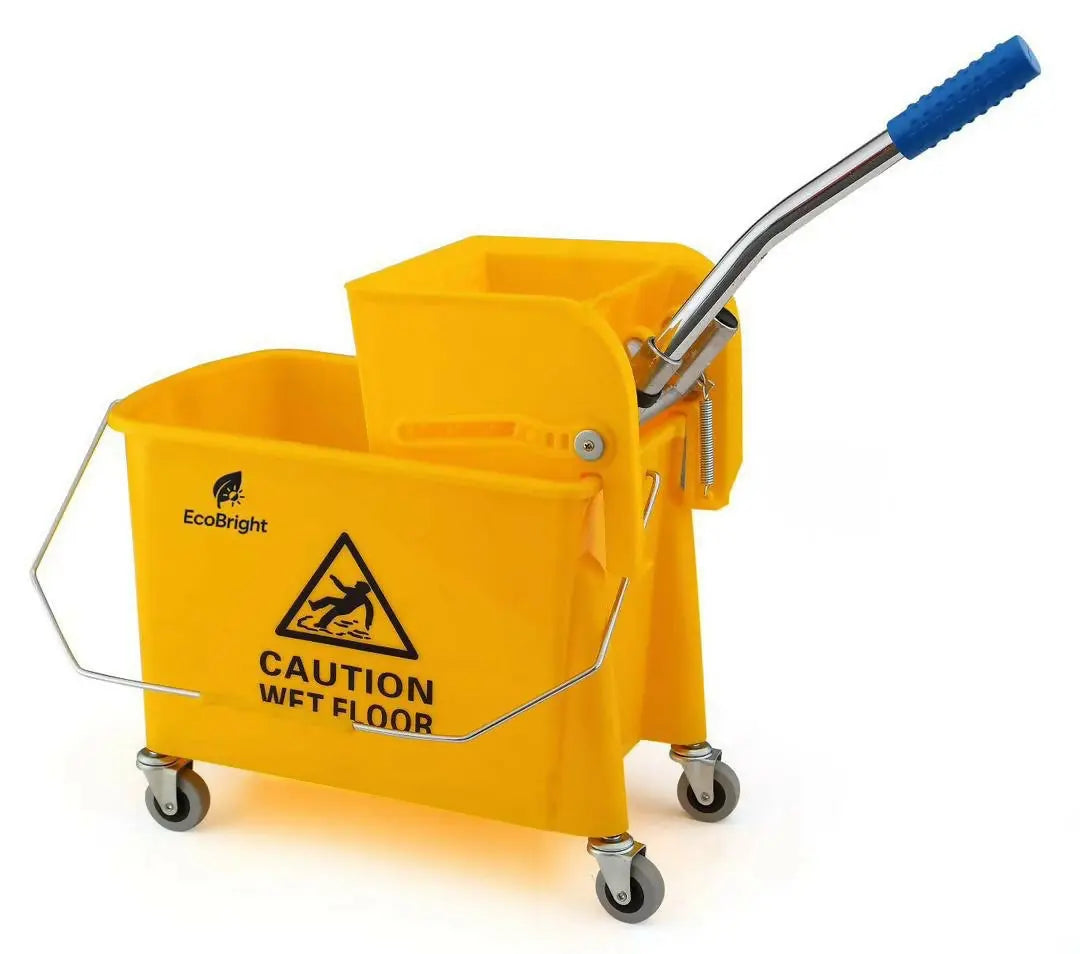
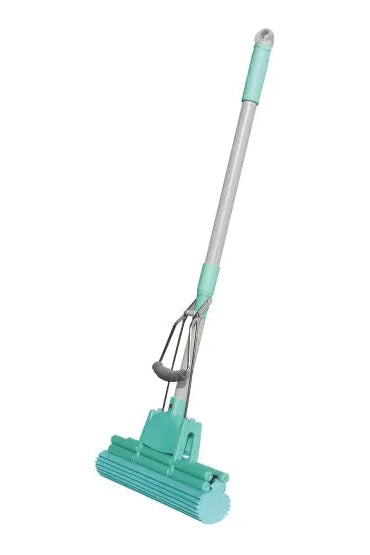
Mop and bucket
1 set Must haveWet mopping picks up fine dust instead of pushing it into the air like a broom does.
How to use it: Mop tiled floors daily or every other day in peak season. A spin mop wrings out well so floors dry fast.
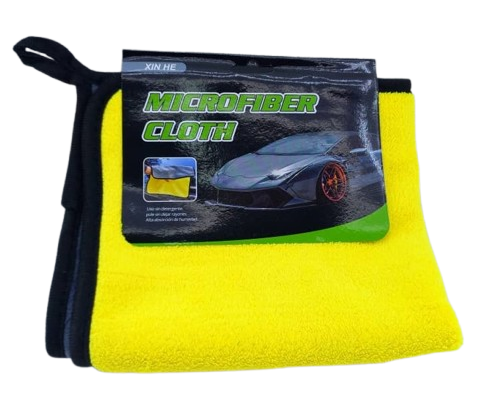
Microfiber cloths
5 to 10 Must haveMicrofiber traps dust instead of spreading it, so surfaces stay clean longer.
How to use it: Use slightly damp to wipe tables, shelves and screens. Wash them in plain soapy water and air dry.
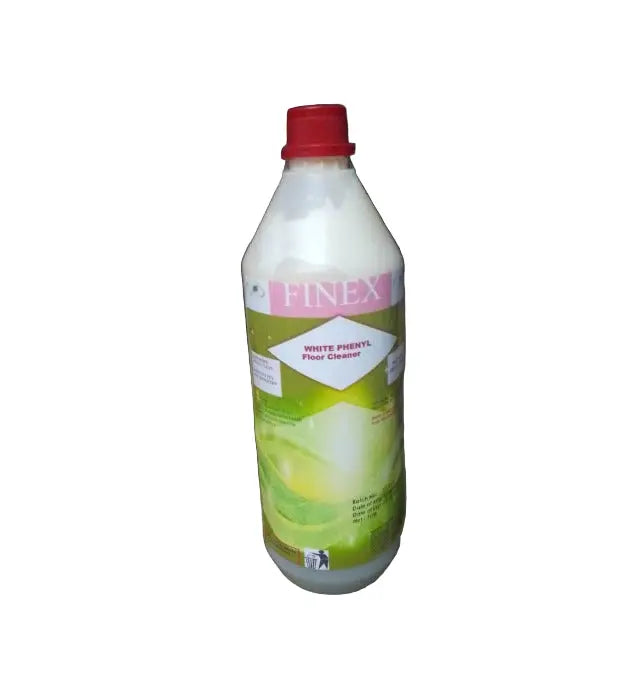
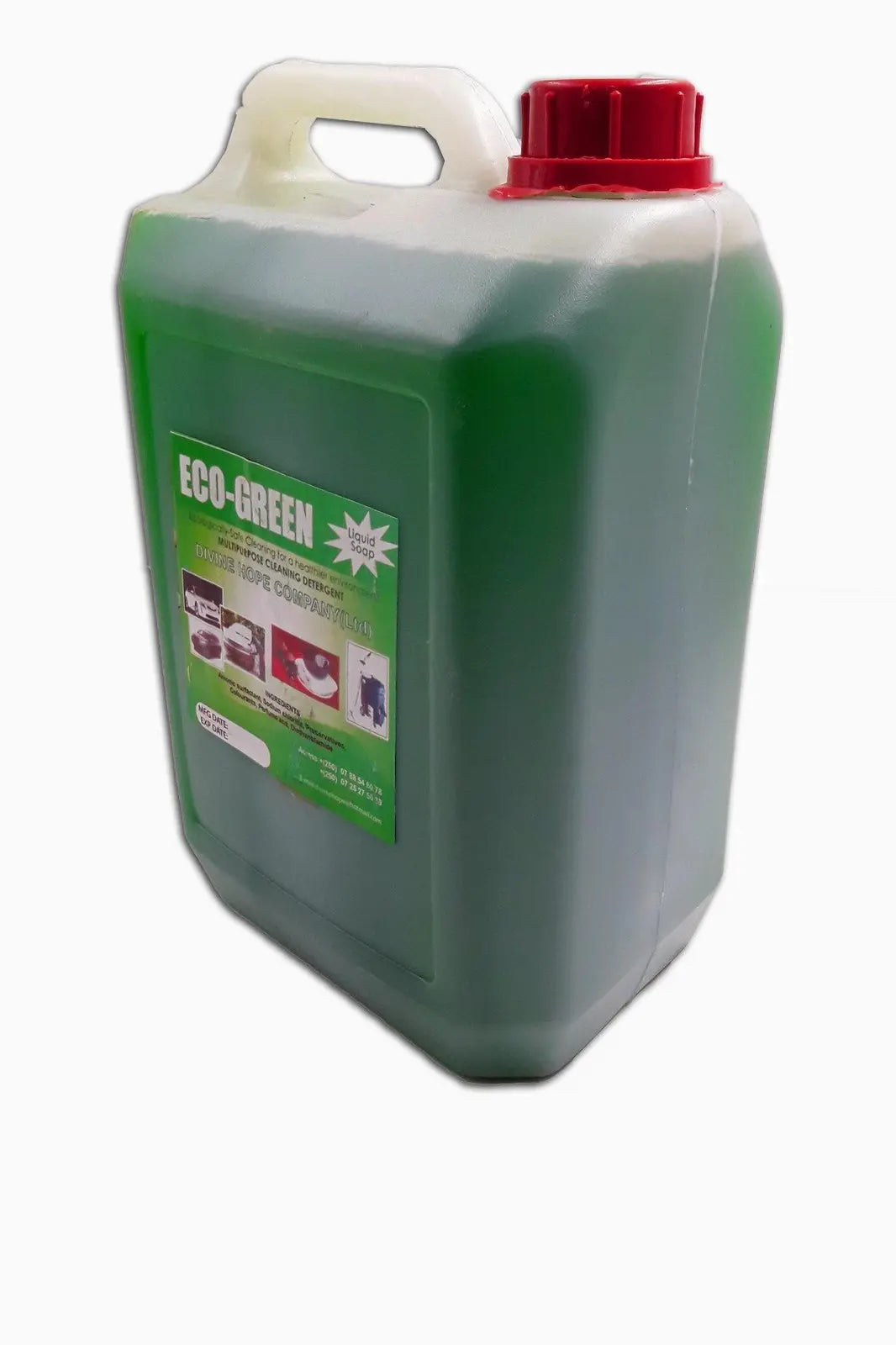
Floor cleaner
1 litre Must haveA good floor cleaner cuts through the red film that water alone leaves behind.
How to use it: Add a capful to a bucket of water. Change the water when it turns red so you are not spreading dirt.
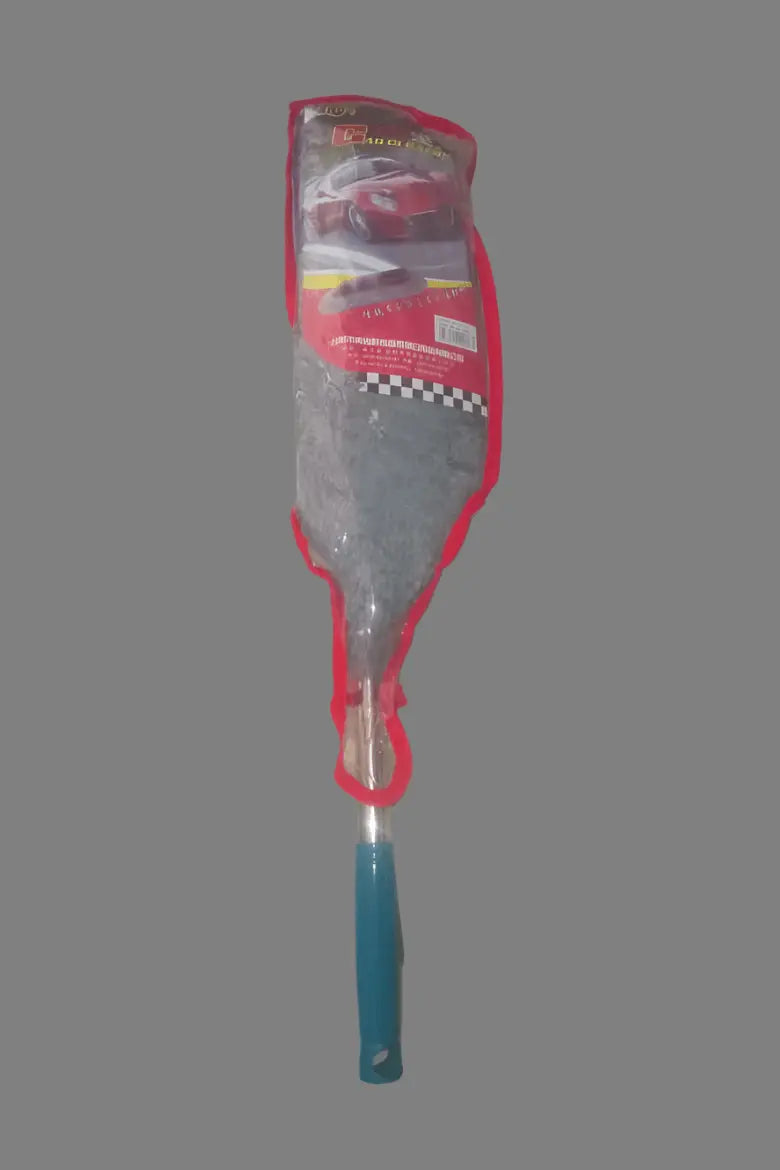
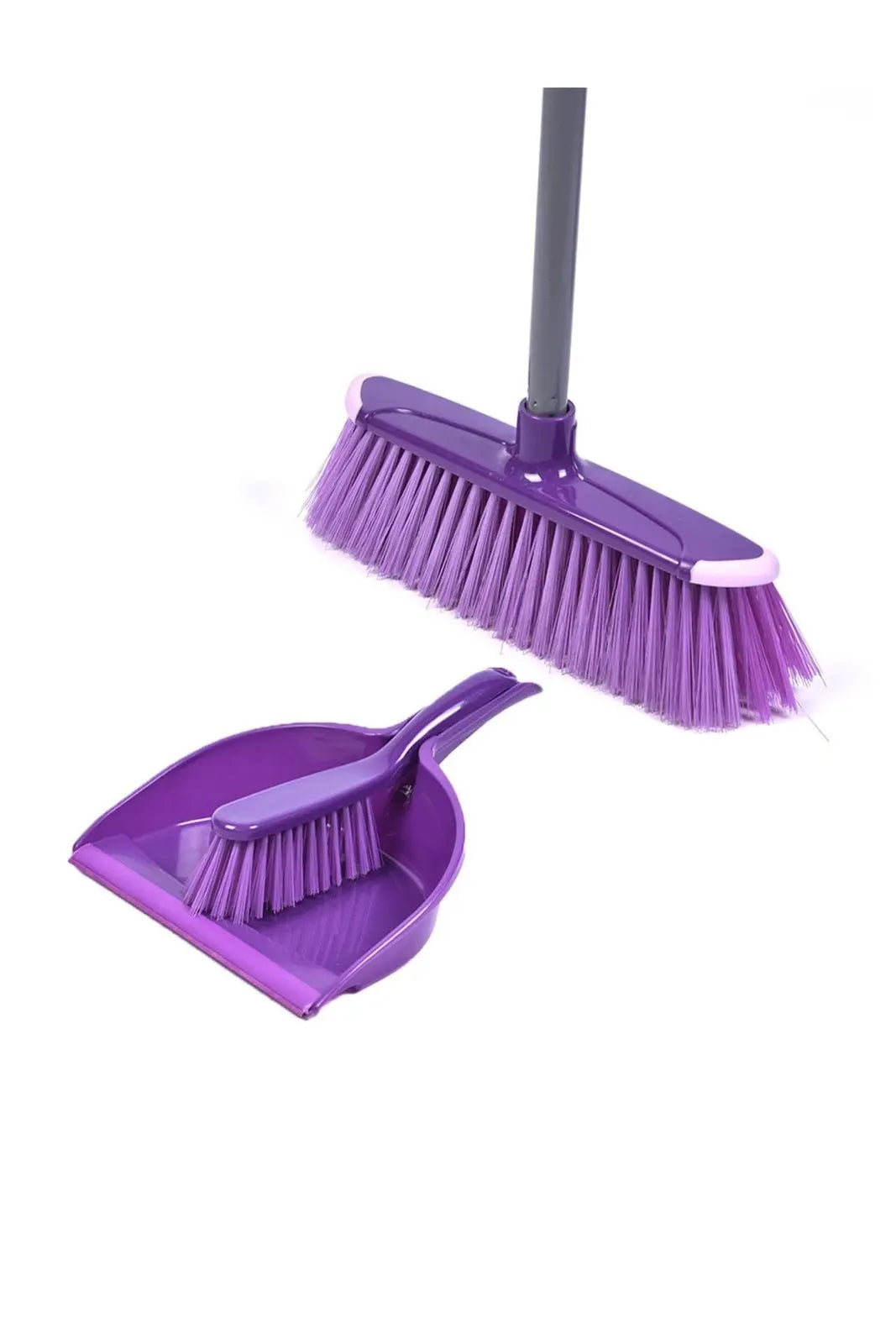
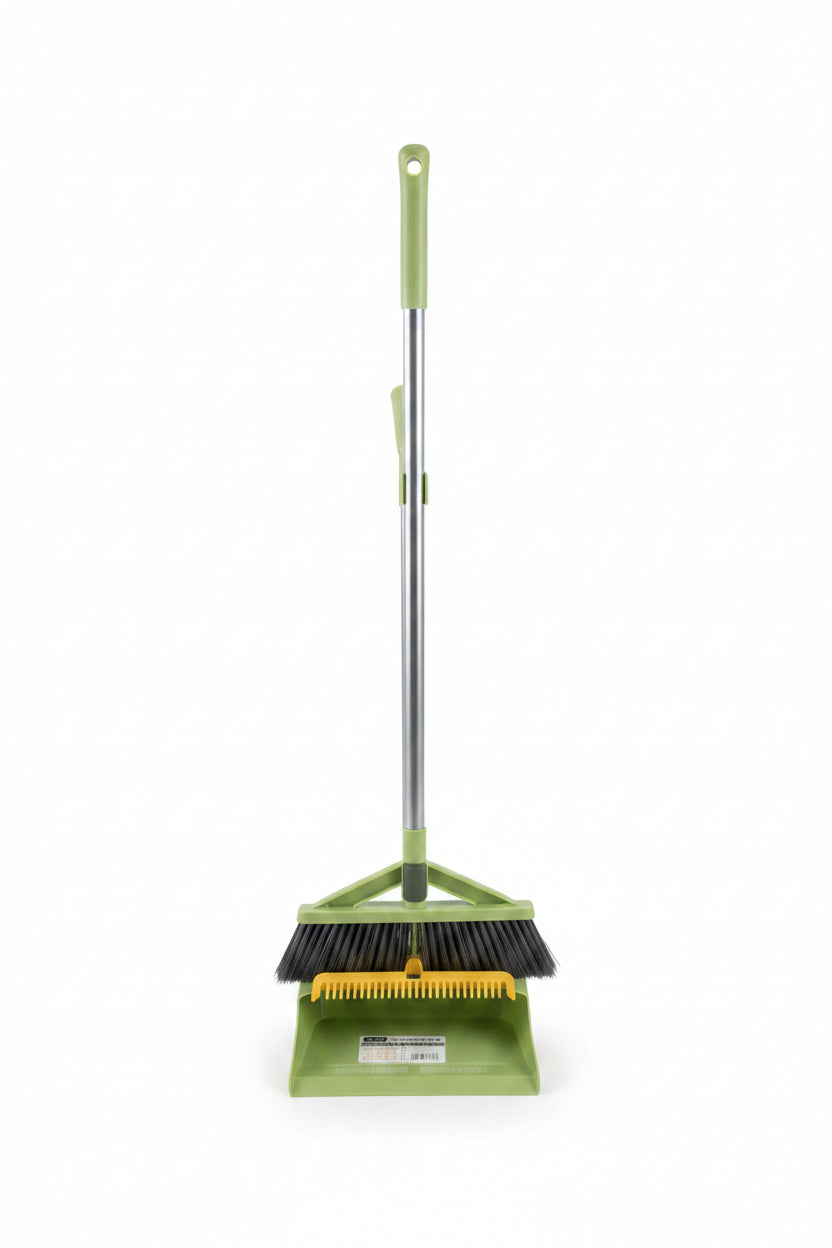
Broom and dustpan
1 Must haveYou still need a broom for the compound, veranda and stairs.
How to use it: Sprinkle a little water before sweeping outdoors so the dust does not fly back in.
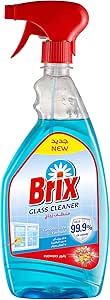
Glass cleaner
1 bottleNice to haveWindows get a dusty film quickly in the dry season and block the light.
How to use it: Spray and wipe with a dry microfiber cloth in the morning, not in direct midday sun, to avoid streaks.
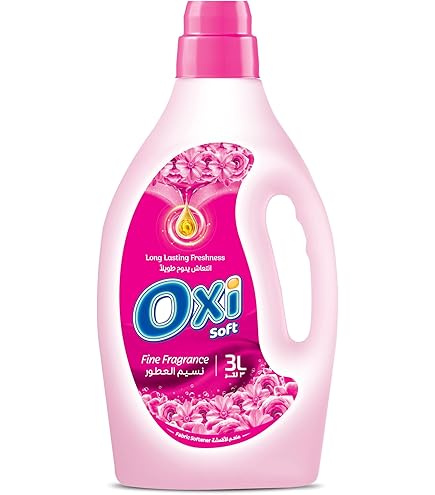
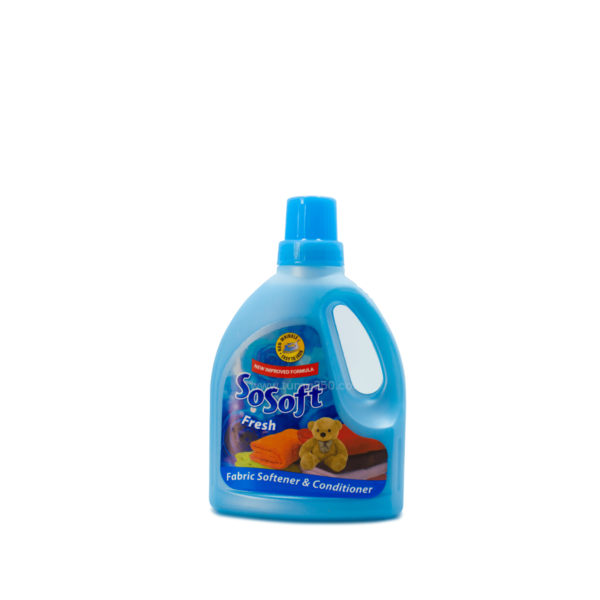
Fabric softener and detergent
1 bottle eachNice to haveCurtains, sofa covers and bedding collect dust and need more frequent washing in the dry season.
How to use it: Wash curtains once or twice during the season. The dry sun dries them in a few hours.
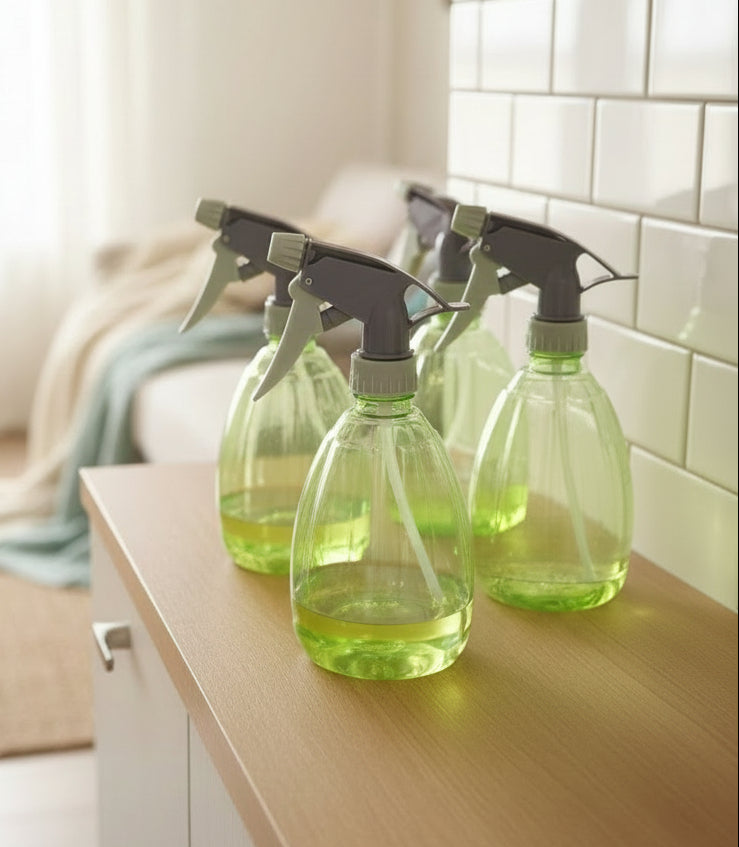
Spray bottle
1Nice to haveA fine mist of water settles dust before sweeping and helps when ironing dry clothes.
How to use it: Fill with clean water and mist the floor lightly before you sweep.







Skin care for dry air
Low humidity and strong sun pull moisture from your skin. A simple routine keeps it soft and protected.
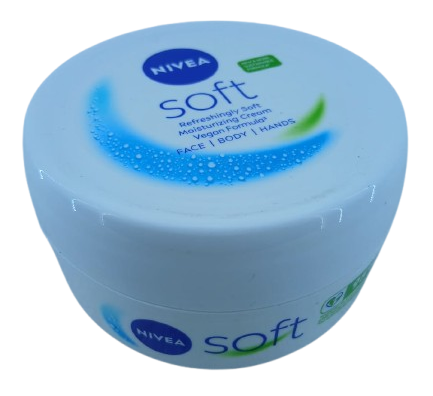
Body lotion or body cream
1 large bottle Must haveDry air makes skin tight, flaky and ashy, especially on legs and arms.
How to use it: Apply right after bathing while the skin is still slightly damp, so it locks in moisture.
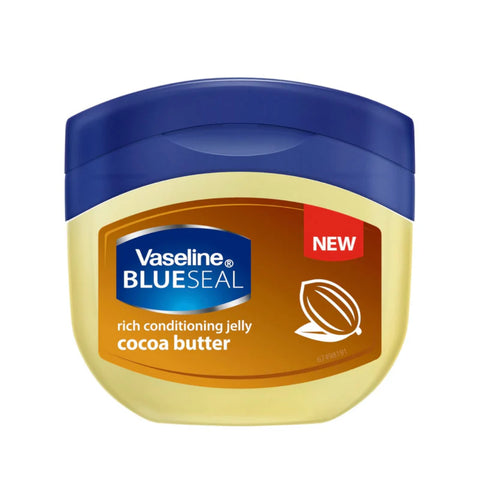
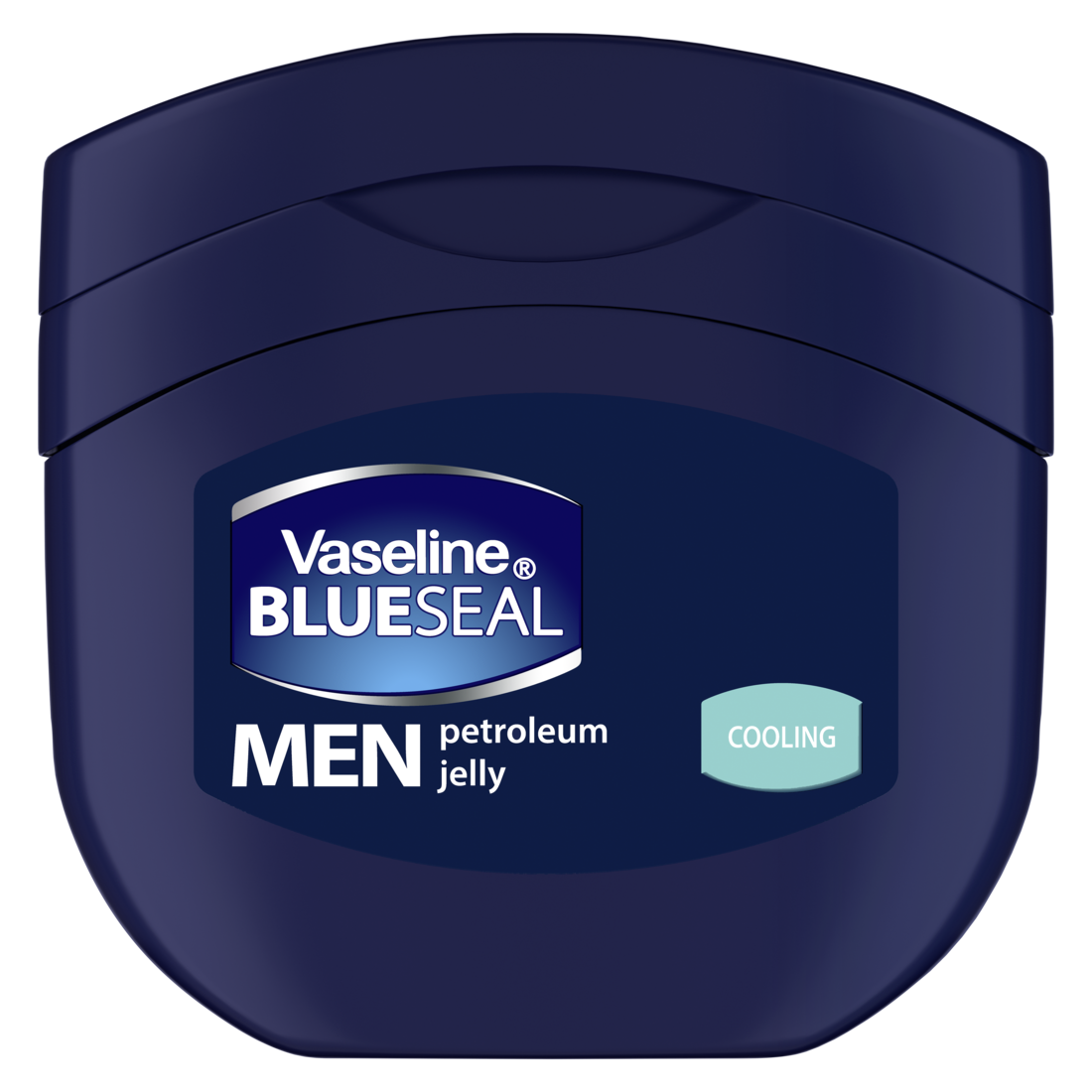
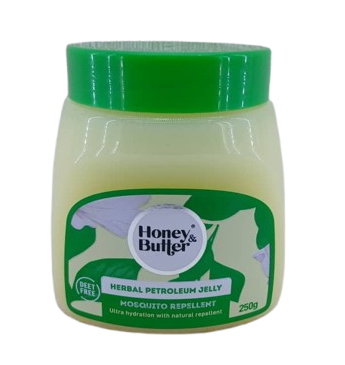
Shea butter or petroleum jelly
1 jar Must haveThick balms protect very dry areas like elbows, knees and heels.
How to use it: Use a small amount at night on the driest spots. A little goes a long way.
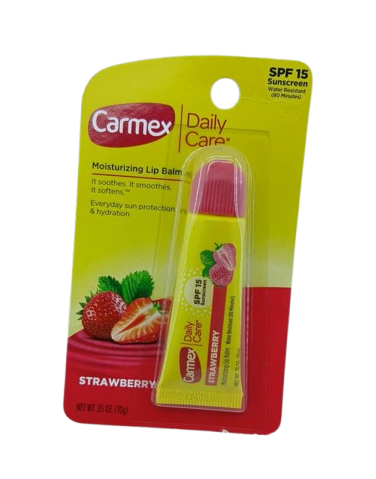
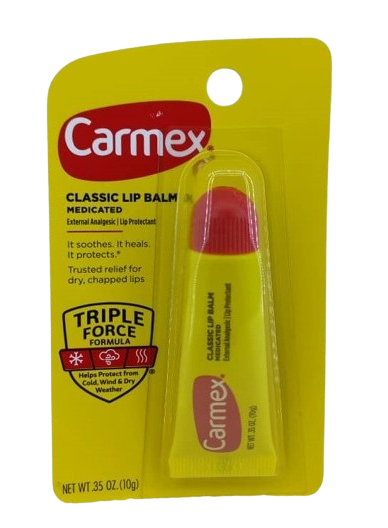
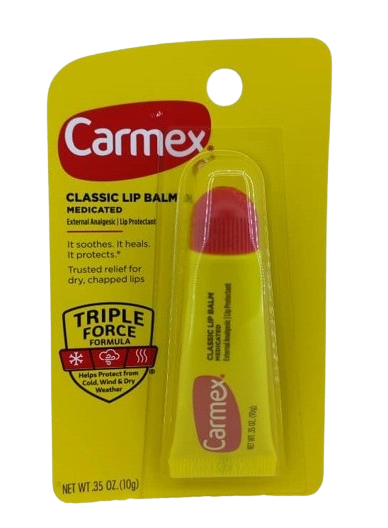
Lip balm
1 to 2 Must haveLips crack quickly in dry, windy weather and it can become painful.
How to use it: Keep one in your bag and one by your bed. Apply before going out and before sleep.
Sunscreen
1 bottle Must haveDry season skies are clear and the sun at Kigali's altitude is strong, for every skin tone.
How to use it: Apply to face, neck and hands every morning and reapply if you spend hours outside.
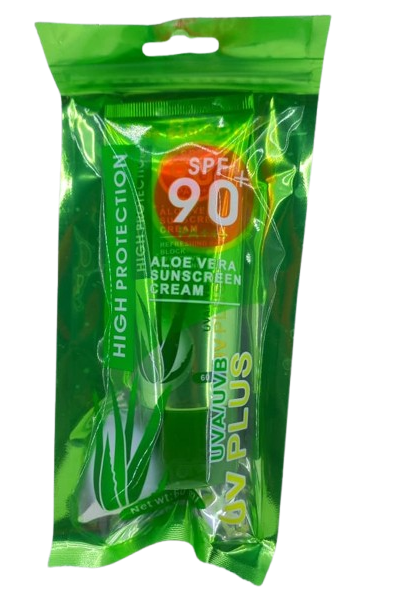 Kiss Beauty spf 90+ Aloe Vera Sunscreen Cream 60mlAmper SupermarketRWF 8,100
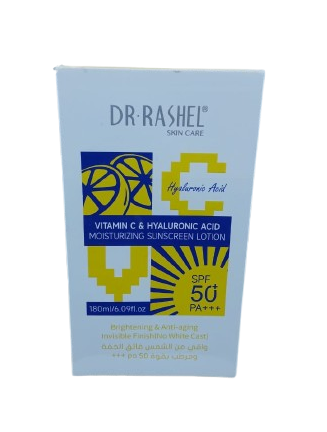 Dr.Rashel Vitamin C & Hyaluronic Acid Moisturizing Sunscreen Lotion SPF50+ PA+++180mlAmper SupermarketRWF 21,300
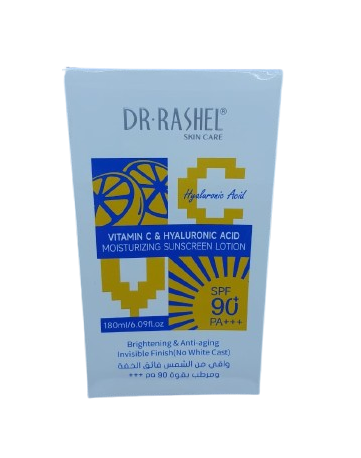 Dr.Rashel Vitamin C & Hyaluronic Acid Moisturizing Sunscreen Lotion SPF90+ PA+++180mlAmper SupermarketRWF 21,300See more on Isokko
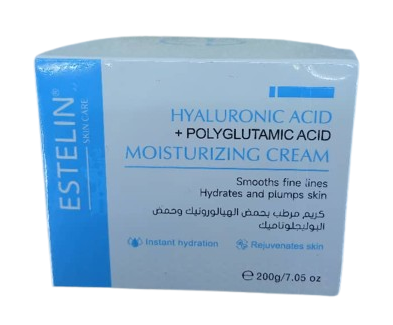
Face moisturizer
1Nice to haveFacial skin gets dry and irritated from dust and sun.
How to use it: Wash your face gently in the evening to remove dust, then moisturize.
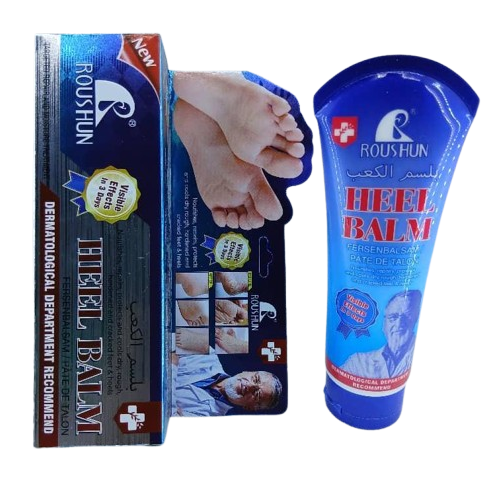
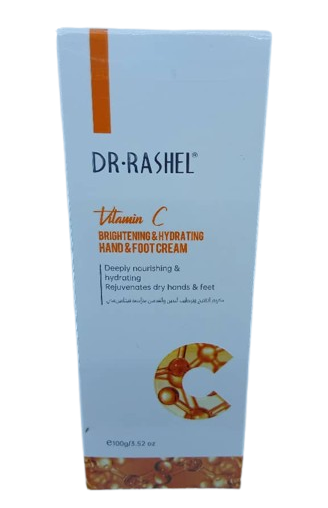
Heel balm
1Nice to haveOpen shoes and dusty roads crack heels fast in the dry season.
How to use it: Soak feet, dry them, apply balm and wear socks overnight for faster results.
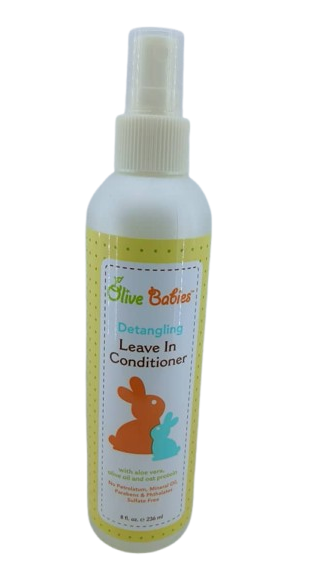
Hair oil or leave-in conditioner
1Nice to haveHair dries out and breaks more easily in dry air and dust.
How to use it: Use a little on the ends after washing, and cover hair outside on very dusty, windy days.





Water storage and safe drinking water
If your area has water interruptions, a few days of stored water makes life much easier.
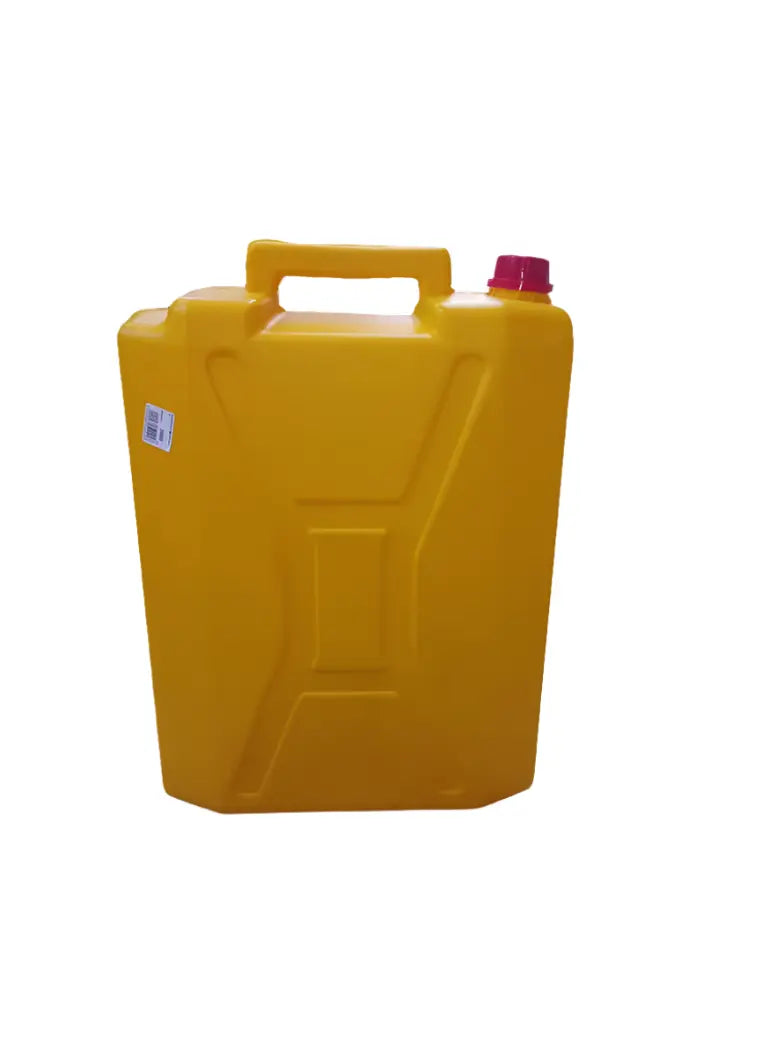
Jerrycans
2 to 4 Must haveJerrycans are the simplest way to store backup water for cooking, washing and flushing.
How to use it: Fill them when the tap is running, close tightly and keep them in the shade. Use the oldest water first.
Water tank
1Nice to haveA tank gives your home a real buffer during longer water cuts, if you have space and your landlord agrees.
How to use it: Check with your landlord before installing. Keep it covered and clean it at least once a year.
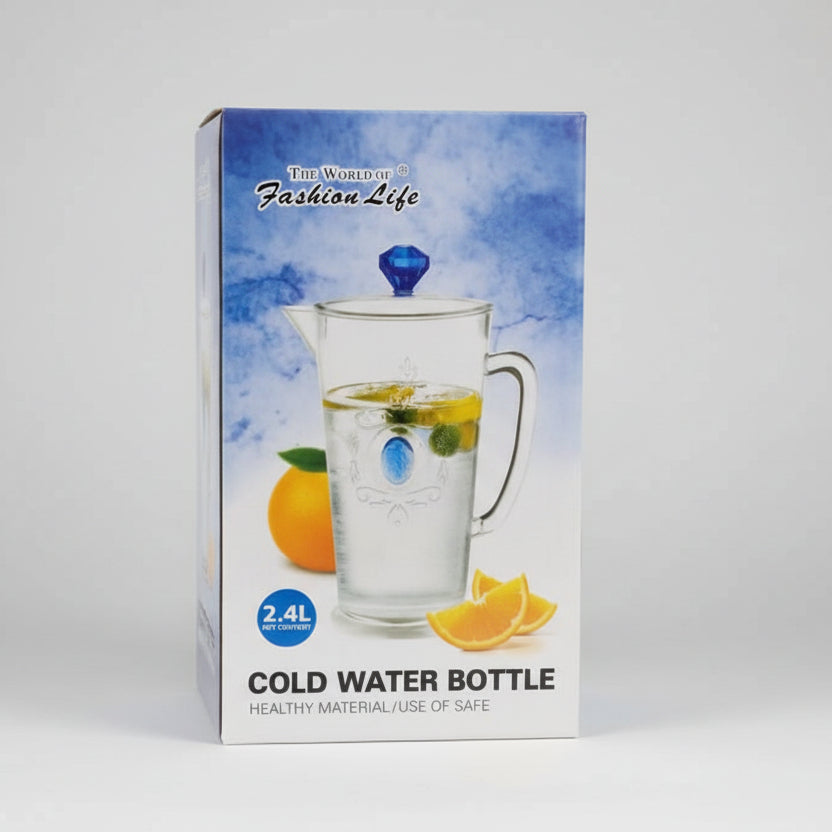
Large bucket or basin
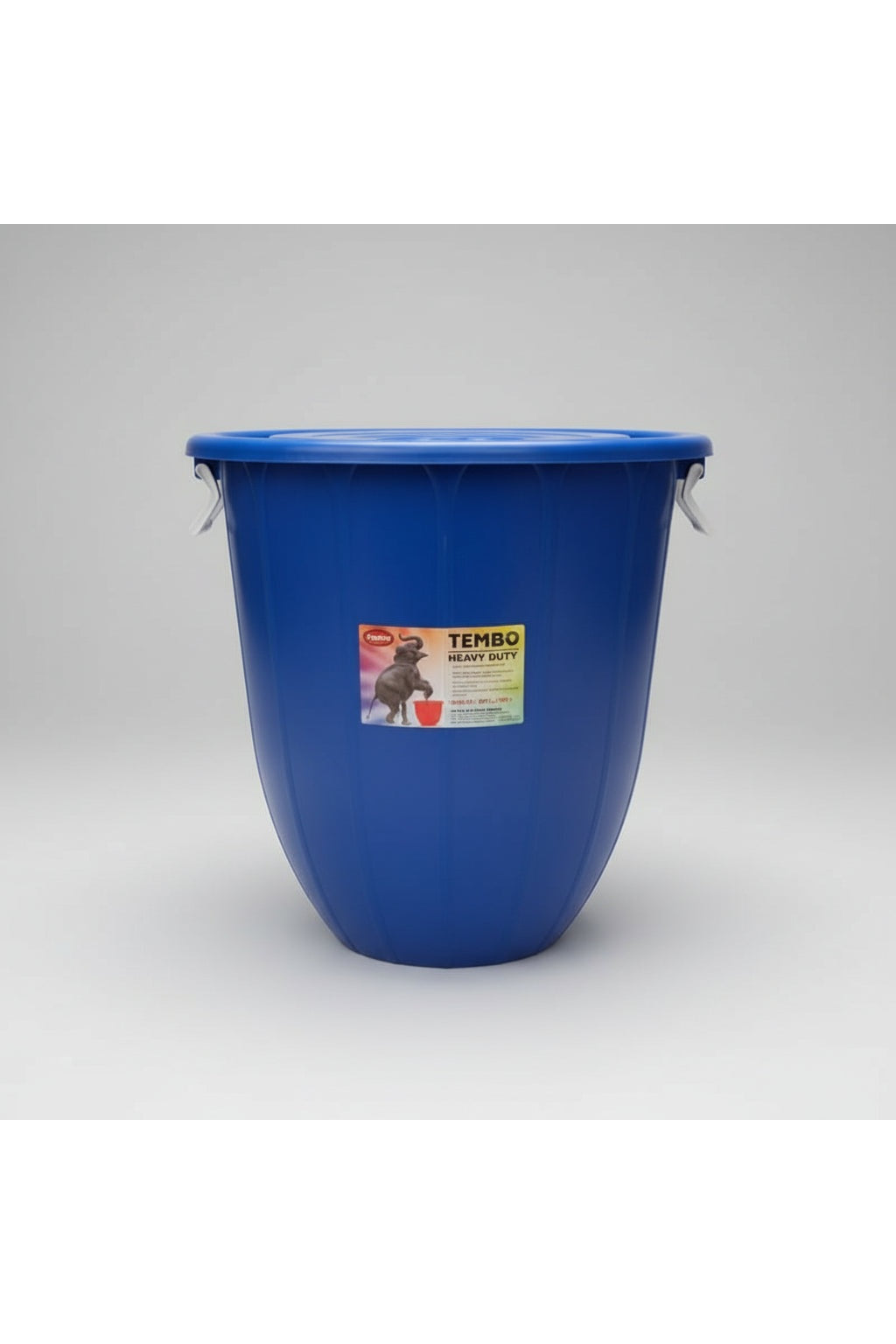
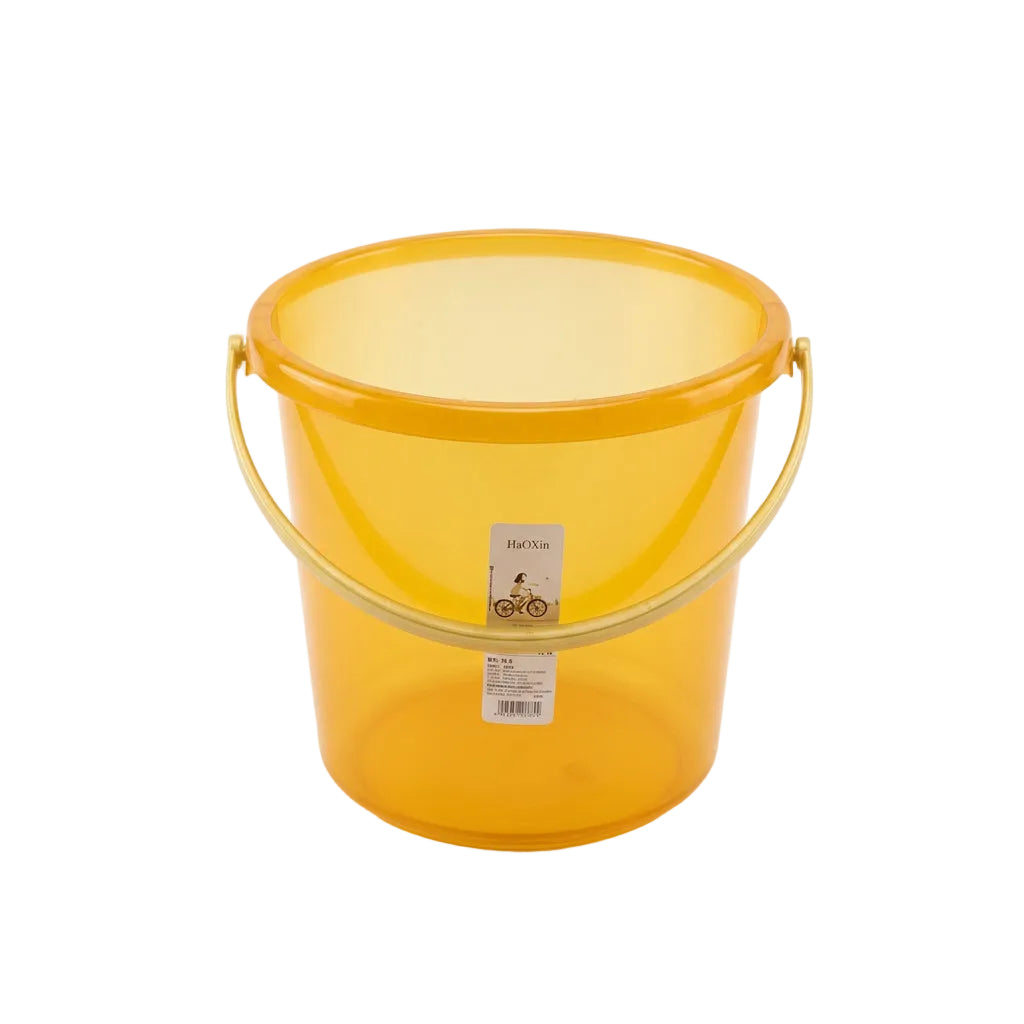
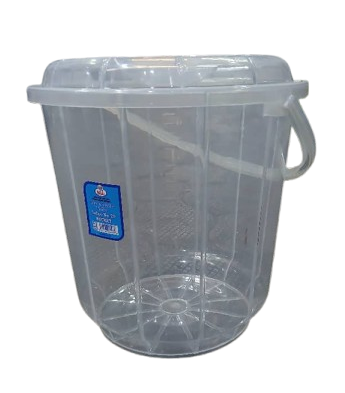
1 to 2 Must haveA big bucket is handy for collecting water and for bathing and washing when the tap is off.
How to use it: Keep it covered to stop dust and mosquitoes. Do not leave water standing for many days.
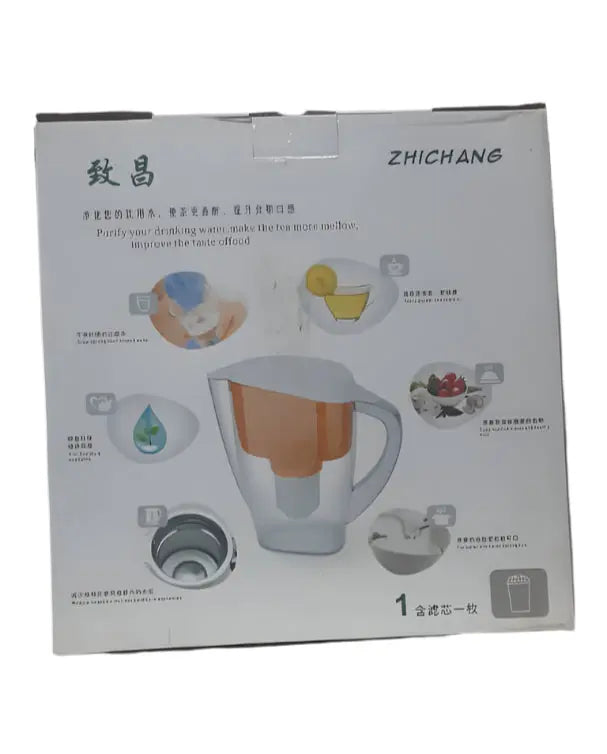
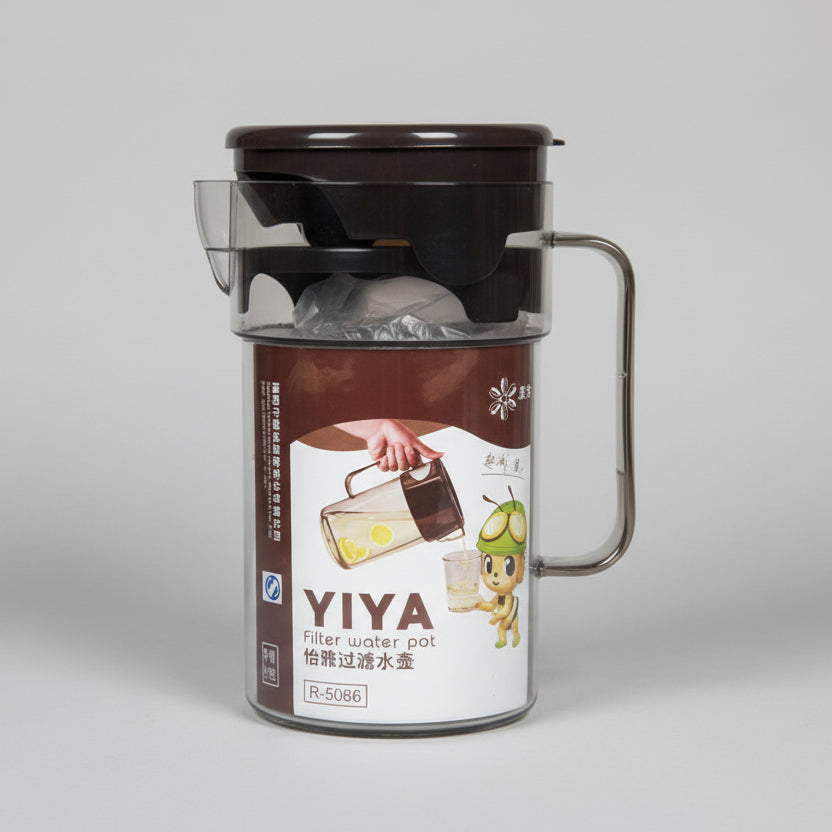
Water filter
1Nice to haveFiltered or boiled water is safer to drink, especially when stored water sits for a while.
How to use it: Change filters as the instructions say. If you do not filter, boil drinking water and let it cool covered.
Bottled drinking water
2 to 4 bottles of 5 litres Must haveA few big bottles mean you always have clean drinking water, even when the tap is dry.
How to use it: Keep two 5 litre bottles in reserve and replace them as you use them.
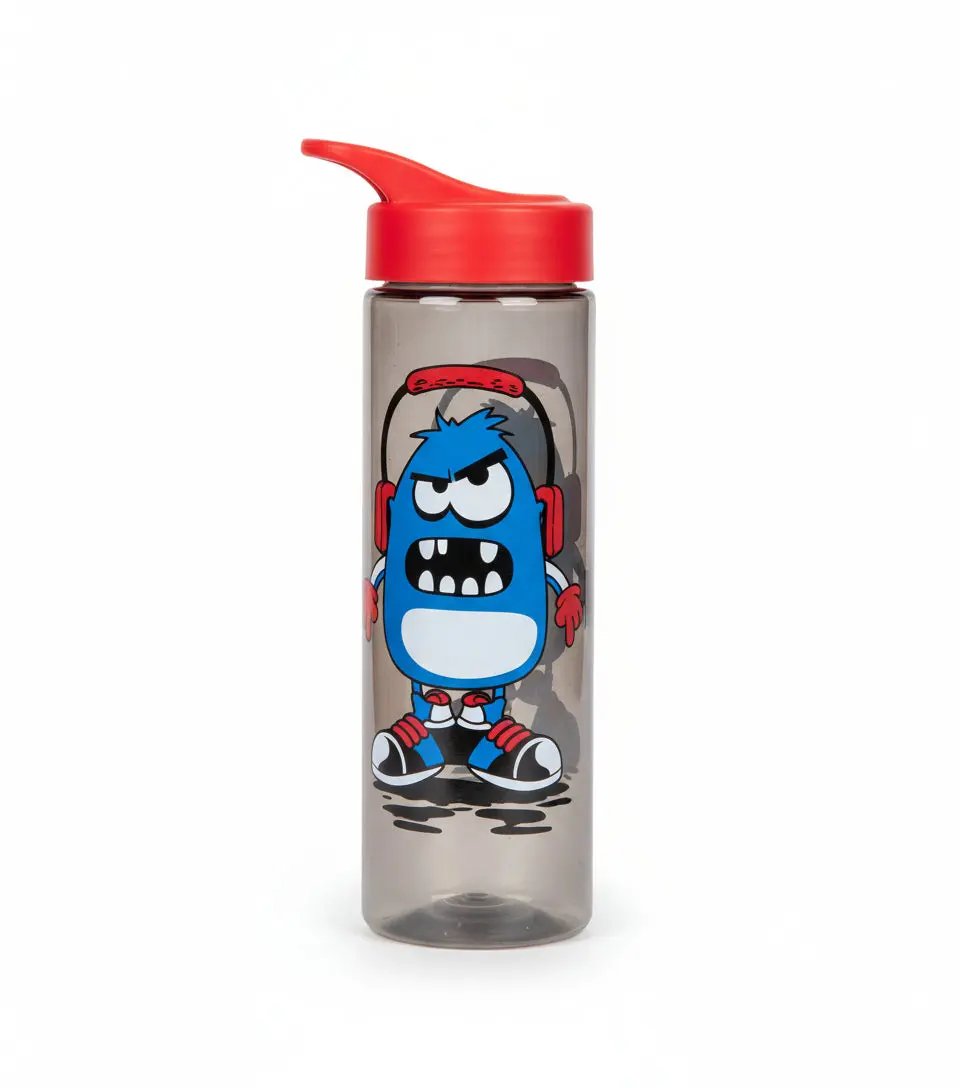
Reusable water bottle
1 per person Must haveDry air dehydrates you faster than you notice, and carrying water makes you drink more.
How to use it: Fill it every morning and refill during the day. Wash it daily.





Staying comfortable
Dry season days can be warm and bright while mornings and nights are cool.
Sunglasses
1Nice to haveThey protect your eyes from bright sun and from dust on a moto ride.
How to use it: Wear them on motos and long walks, and wipe them with a soft cloth to avoid scratches.
Sun hat
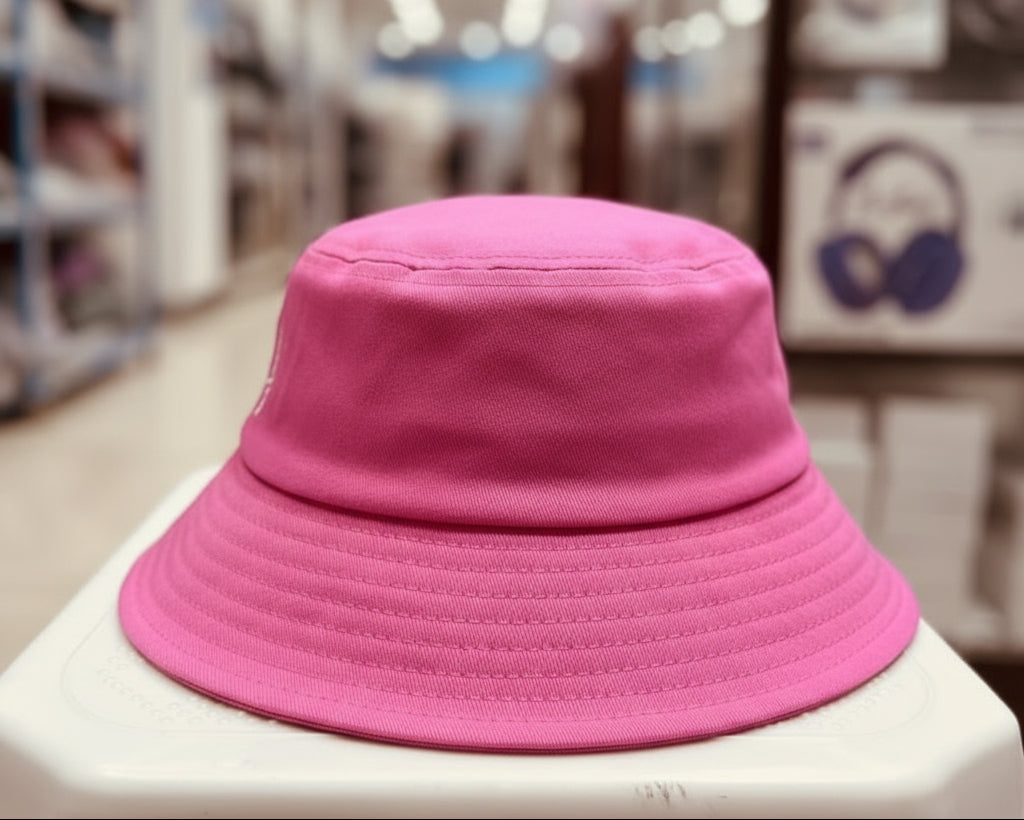
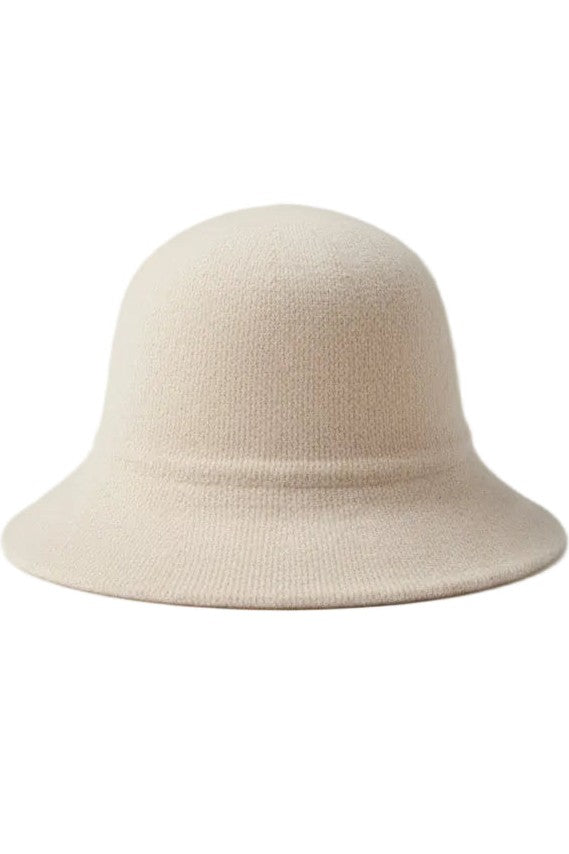
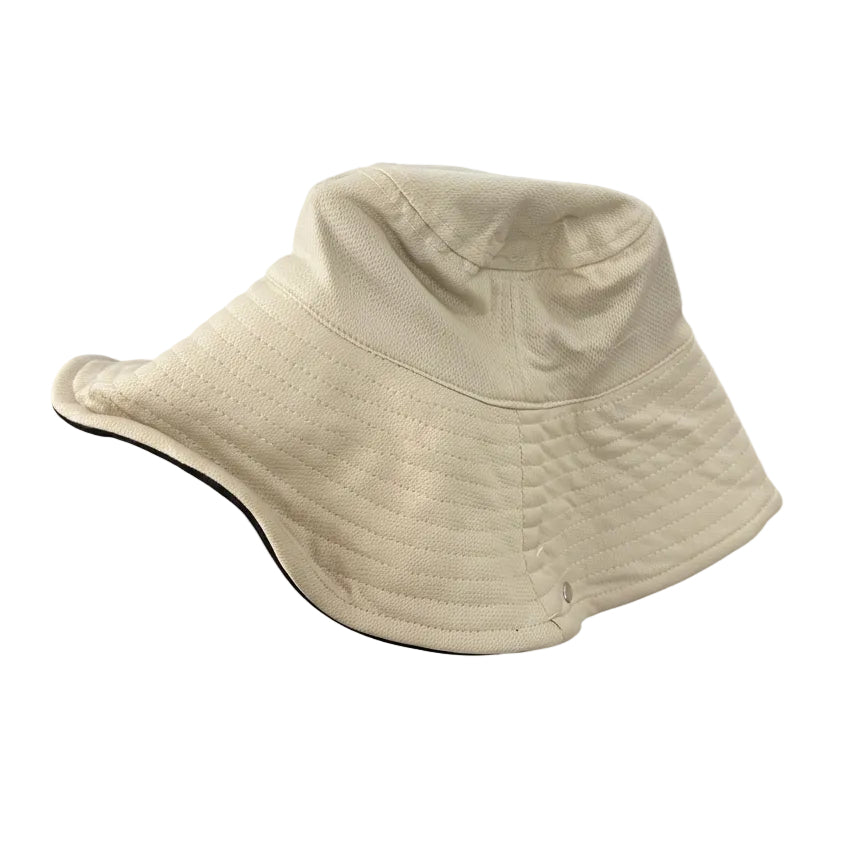
1Nice to haveA hat keeps sun off your face and dust out of your hair.
How to use it: Choose a wide brim for long days outdoors, like Umuganda or weekend markets.
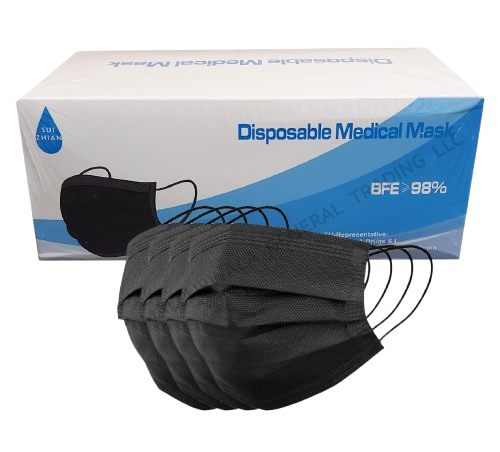
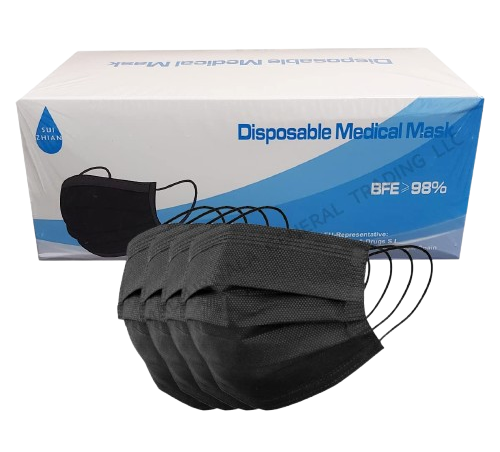
Face mask
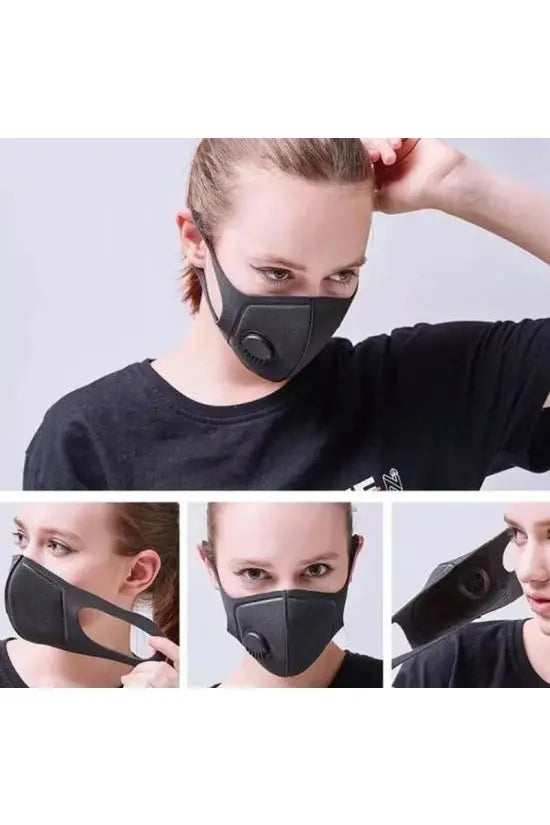
1 packNice to haveA simple mask helps on very dusty roads, during sweeping or construction work nearby.
How to use it: Use a fresh one each day. If you have asthma or breathing problems, talk to your doctor about dust protection.
Small fan
1Nice to haveAfternoons can get warm, especially in rooms under iron roofs.
How to use it: A desktop or USB fan works well for a desk or bedside. Keep the blades dusted.
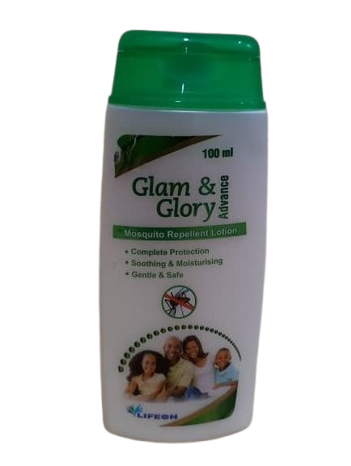
Mosquito repellent
1Nice to haveMosquitoes are fewer in the dry season but do not disappear, especially near water.
How to use it: Keep using nets and repellent in the evening, and empty any standing water around the house.





Step by step
- 1
Late May
Check your water storage, clean jerrycans and the tank, and buy what is missing. Stock lotion, lip balm and sunscreen.
- 2
Early June
Wash curtains and bedding, set up the mop and microfiber routine, and place a mat at each door to catch dust.
- 3
Every week
Mop floors, wipe surfaces with damp cloths, refill water containers and check that stored water is covered and fresh.
- 4
Mid season
Wash curtains again if they look red, clean window screens and top up skin care and drinking water.
- 5
End of August
Before the rains return in September, clear gutters and drains of dust and debris so the first storms drain freely.
Tips that help
- Keep windows closed during the windiest part of the afternoon and open them in the cool early morning.
- Leave shoes at the door. It noticeably cuts the dust you bring into the house.
- Damp-dust, do not dry-dust. A slightly wet cloth catches dust instead of moving it around.
- Moisturize right after your bath while your skin is still a little damp.
- Fill water containers at night if your tap runs better at night.
- Drink water steadily through the day even if you do not feel thirsty.
Mistakes to avoid
- Sweeping indoors with a dry broom, which sends fine dust into the air and back onto surfaces.
- Leaving stored water uncovered, where dust, insects and mosquitoes get in.
- Skipping sunscreen because the mornings feel cool.
- Waiting for the first water cut to buy jerrycans.
Questions people ask
When is the dry season in Kigali?+
Kigali's long dry season usually runs from about June to August, with a shorter, less predictable dry spell around December to February. Exact weather varies from year to year.
How do I keep red dust out of my house in Kigali?+
Keep windows closed during windy afternoons, leave shoes at the door, put mats at entrances, and mop and damp-dust regularly instead of dry sweeping. Washing curtains during the season also helps.
What is good for dry skin in the Kigali dry season?+
Moisturize after bathing, use a thicker balm like shea butter or petroleum jelly on very dry spots, protect your lips, wear sunscreen and drink plenty of water. See a doctor or pharmacist if skin cracks, bleeds or itches badly.
How much water should I store at home?+
A simple goal is enough for drinking, cooking and basic washing for two or three days. For many families that means a few jerrycans plus bottled drinking water. A tank gives more security if you have space and your landlord agrees.
Can I order cleaning and water storage supplies in Kigali?+
Yes. Mops, cloths, cleaners, jerrycans, water bottles, lotions and sunscreen are all on Isokko, and bulky items like jerrycans and water bottles are delivered to your door.
The dry season is one of the most beautiful times of year in Kigali, as long as the dust, dry skin and water cuts do not wear you down. Set up your home, your skin care and your water storage now, and enjoy the blue skies. Shop this checklist on Isokko before June.
Shop this list
Get everything delivered in Kigali
Order from local stores on Isokko and pay with MoMo, card or cash. Same-day delivery.