
Checklist · Holidays & seasons
Eid al-Adha Feast at Home in Kigali: What to Buy Checklist
Plan your Eid al-Adha feast at home in Kigali: meat, rice, spices, sweets and serving dishes, with a clear shopping list and cooking tips.
Updated November 16, 2026 · By Isokko
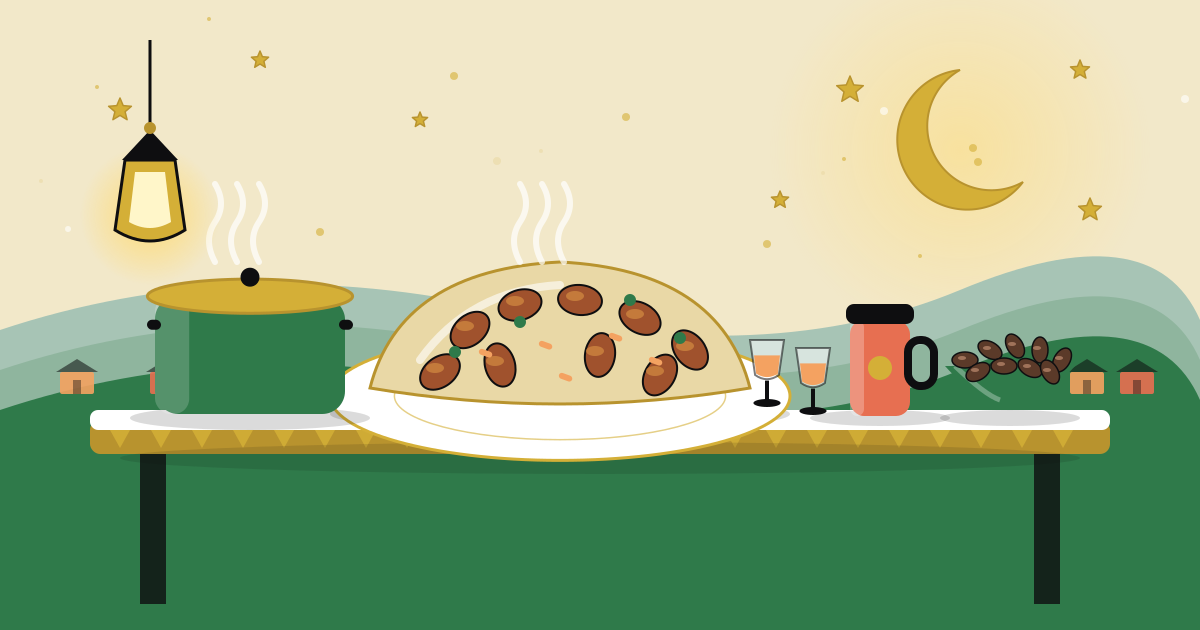
Eid al-Adha is a day for prayer, family and generosity, and the table is where many people feel it most. In Kigali the feast often means a big pot of pilau or biryani, slow cooked meat, sweets with tea, and plenty of food to share with neighbors and relatives.
This checklist helps you work out exactly what to buy so you are not rushing to a shop on the morning of Eid. It covers the meat, the rice dishes, the spices, the sweets and drinks, and the serving dishes that make a big table look and feel right.
Quantities depend on how many guests you expect and what your family traditionally cooks, so adjust the amounts. Where we say to check with your butcher or mosque, that is because practices differ between families and communities.
Who it's for
Muslim families in Kigali hosting or joining an Eid al-Adha meal at home
Time needed
Shop over 3 to 5 days, cook the day before and on Eid morning
When to shop
Order meat and fresh vegetables 1 to 2 days before, and dry spices and rice a week ahead
On the list
40 items, 25 must haves
0 of 40 ready
Meat for the feast
Meat is the center of the meal. Decide how much you need for your own table and how much you want to share, then buy from a source you trust.
Goat meat
1 to 2 kg per 4 people Must haveGoat is a popular choice for Eid dishes and holds up well to slow cooking with spices. It is also easy to cut into portions for sharing.
How to use it: Ask for pieces with some bone for stews and soups. Cook slowly on low heat until tender, and keep raw meat cold until you start.
Lamb
1 to 2 kgNice to haveLamb is a softer, richer alternative and works well roasted or in biryani for guests who prefer milder meat.
How to use it: Marinate for a few hours with yogurt, garlic and spices before cooking. Cook until it is no longer pink inside.
Stewing beef
1 kgNice to haveBeef is a good way to stretch the meat for a bigger crowd, and many families cook it in the same pot as the pilau.
How to use it: Cut into even cubes so everything cooks at the same speed. Simmer in its own juices with onions before adding water.
Butcher knife
1Nice to haveIf you are cutting up meat at home, a sharp knife is safer than a dull one and makes portioning for sharing much faster.
How to use it: Keep the blade sharp, cut away from your hand, and wash it with hot soapy water right after raw meat.
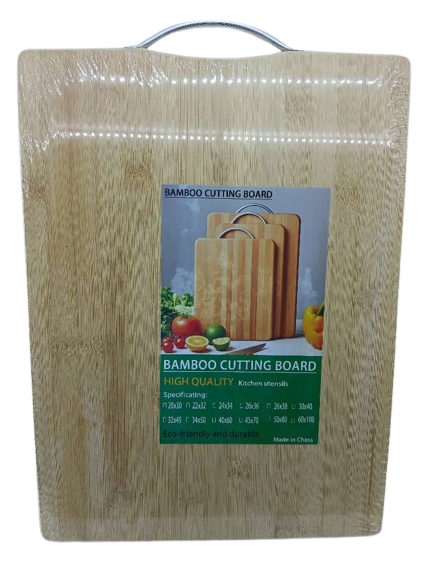
Cutting board
1 or 2 Must haveA sturdy board protects your counter and keeps raw meat away from vegetables and bread.
How to use it: Use one board for raw meat and another for vegetables if you can. Wash with hot water and soap after each use.





Rice and the main dish
Pilau or biryani is the star for many Eid tables. These are the base ingredients.
Basmati rice
1 kg per 6 to 8 people Must haveLong grain rice stays separate and fluffy, which is what you want for pilau and biryani at the table.
How to use it: Rinse until the water runs clear and soak for 20 to 30 minutes before cooking. This helps the grains stay long and unbroken.
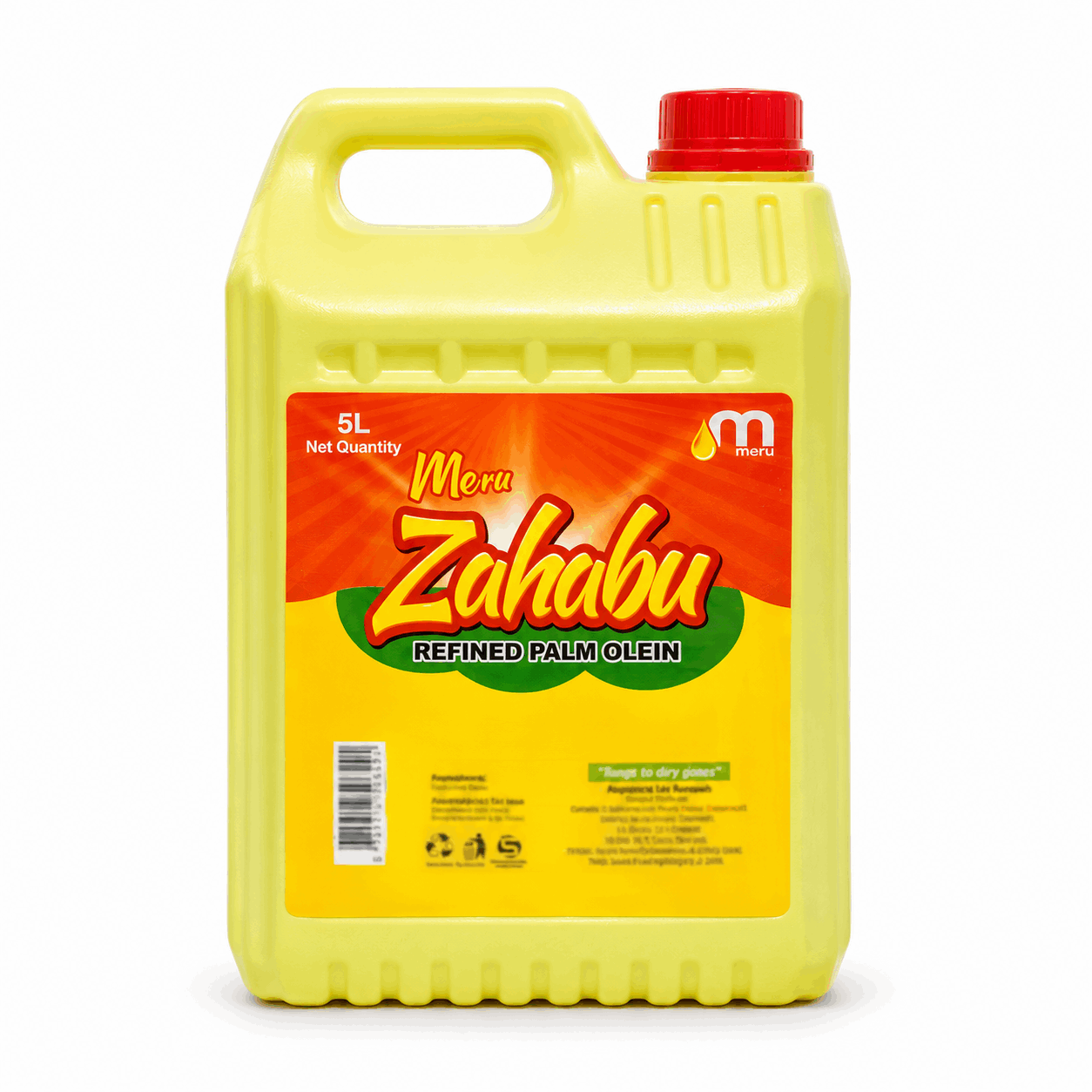
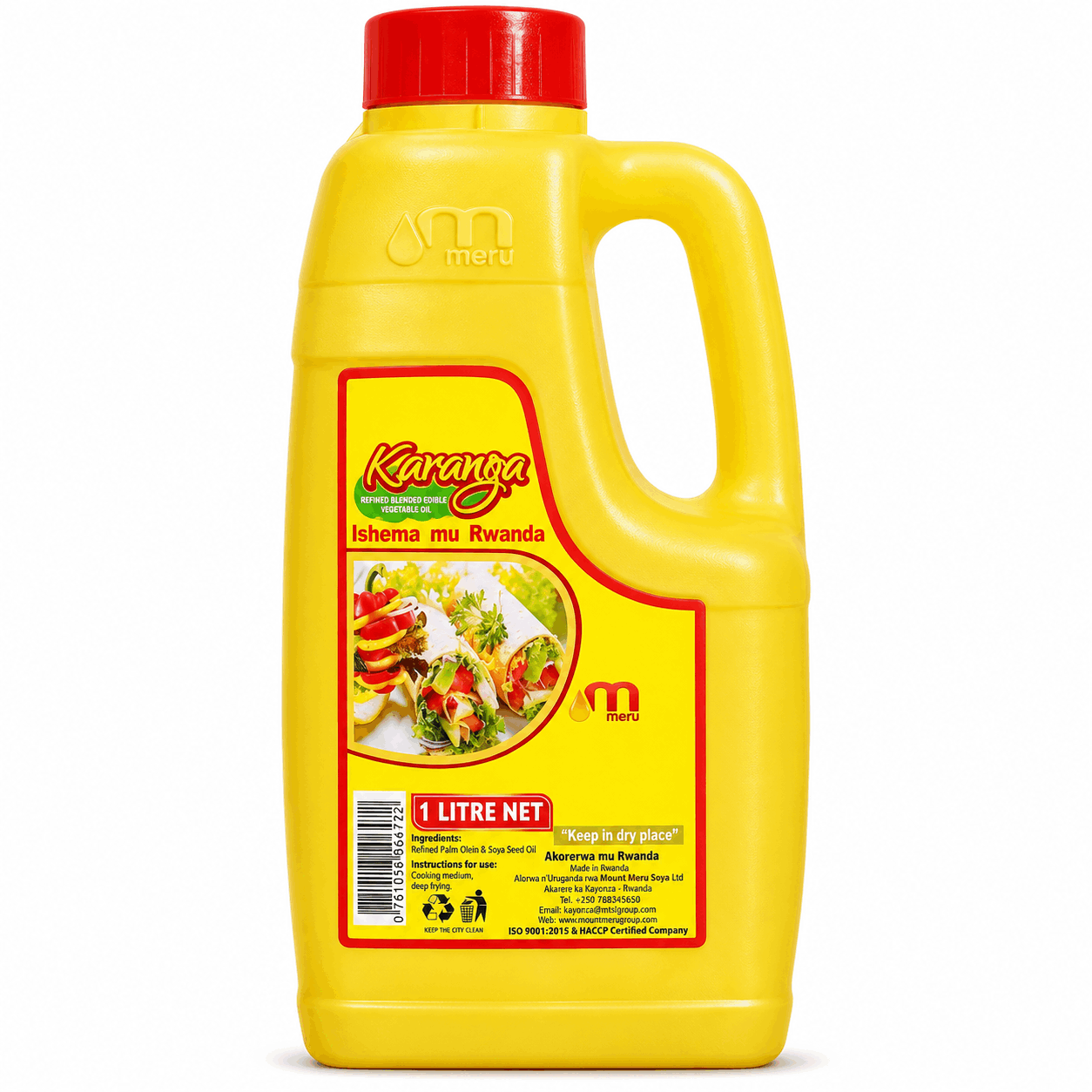
Cooking oil
3 litres Must haveYou need enough oil to brown onions and meat well, which is where most of the flavor comes from.
How to use it: Heat the oil before adding onions and let them turn golden brown without burning. That color gives pilau its deep taste.
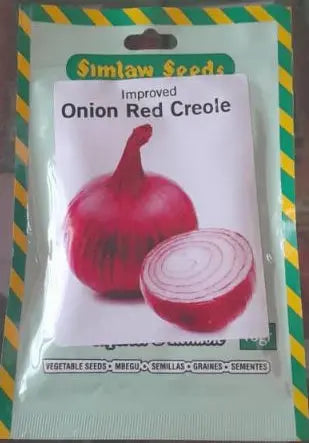
Onions
2 to 3 kg Must haveOnions are the base of almost every Eid dish, and you will use more than you expect.
How to use it: Slice thinly and fry slowly. Buy a little extra for salads and garnish.
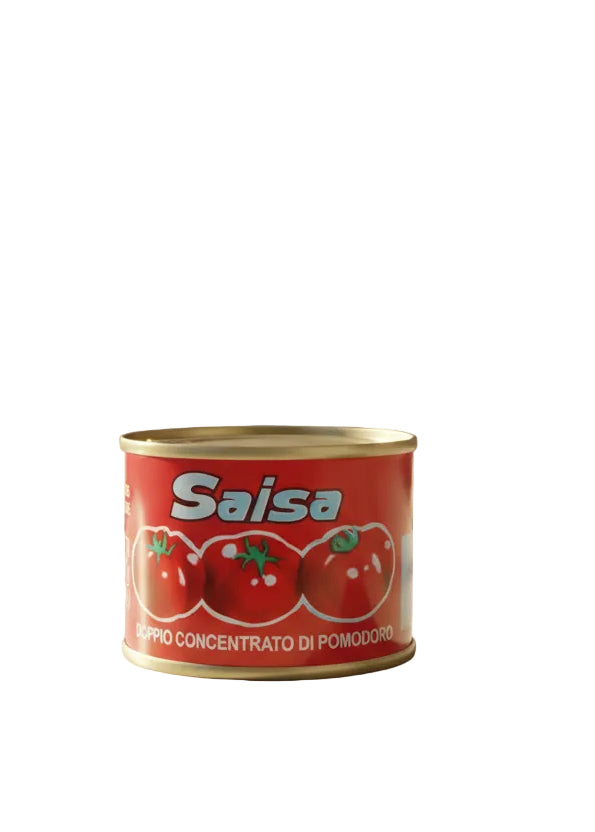
Tomato paste
2 small tinsNice to haveIt adds color and depth to stews and biryani sauces without watering them down.
How to use it: Fry it briefly in the oil after the onions so the raw taste cooks out.
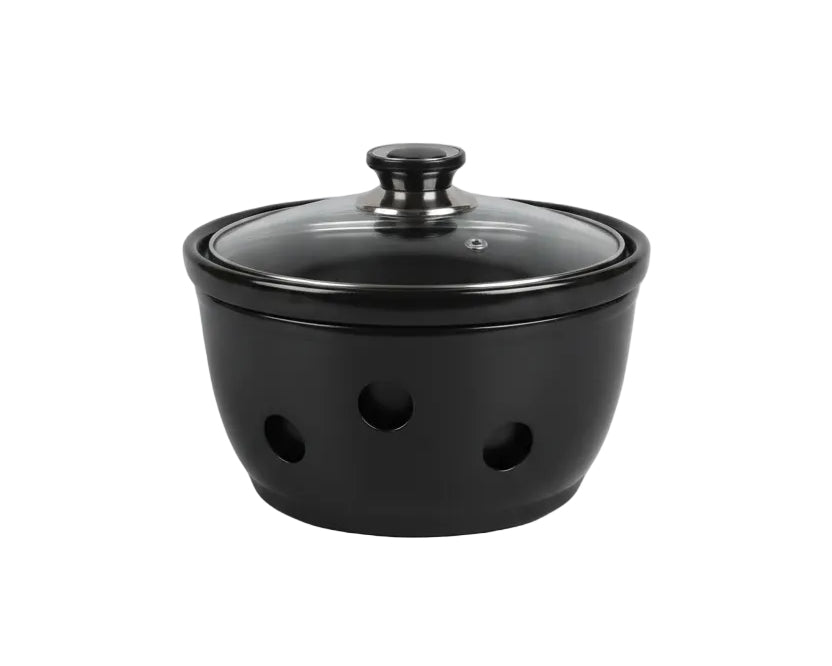
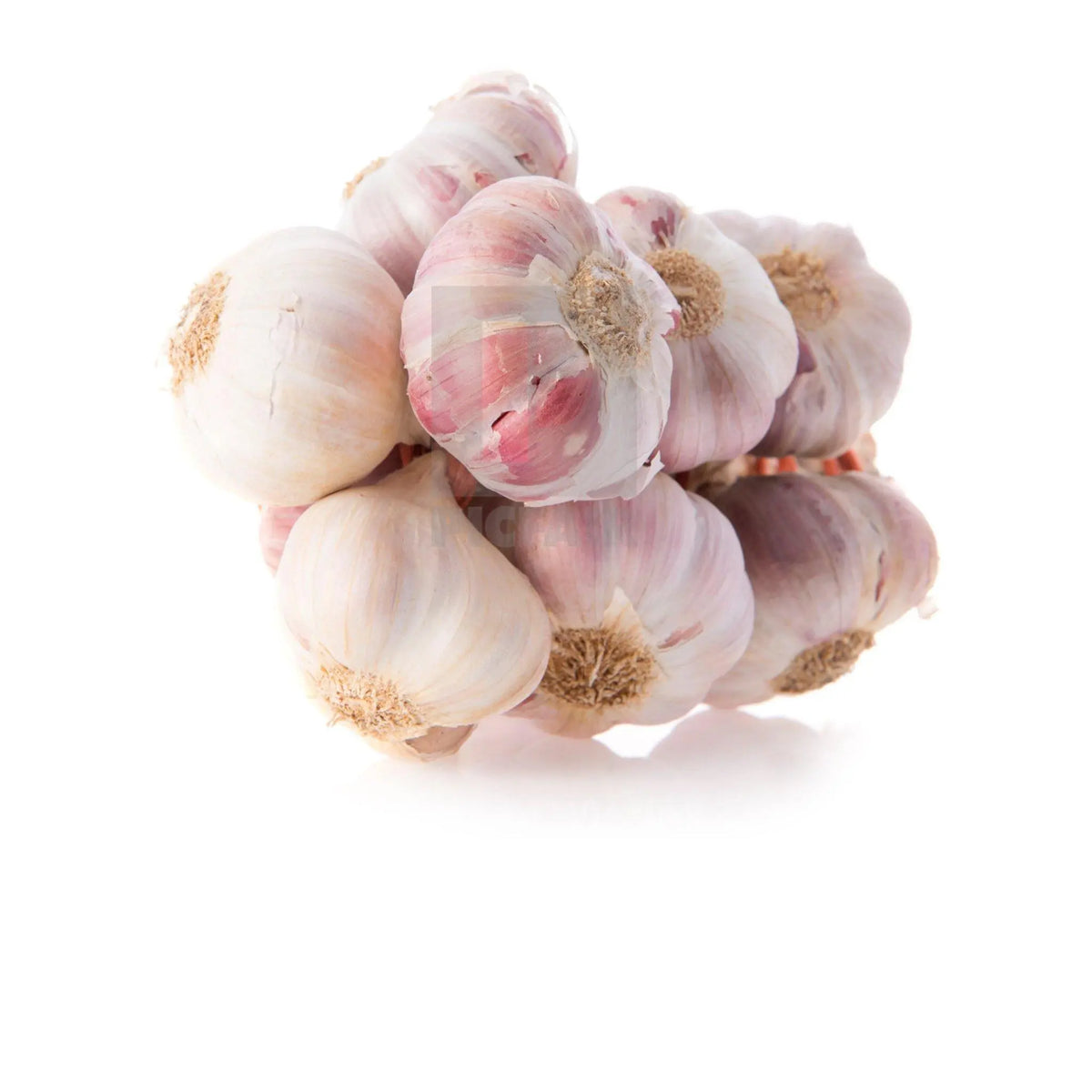
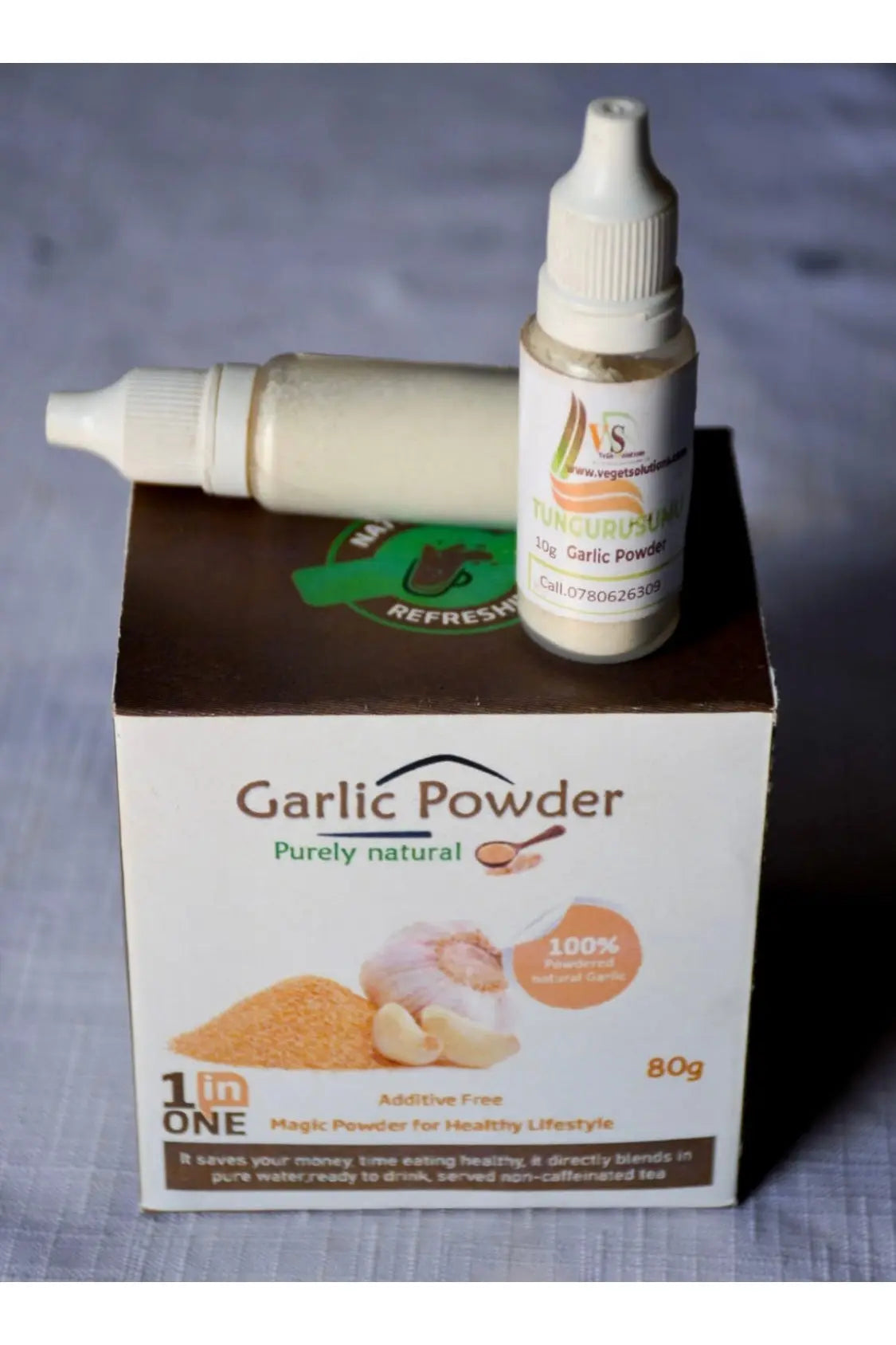
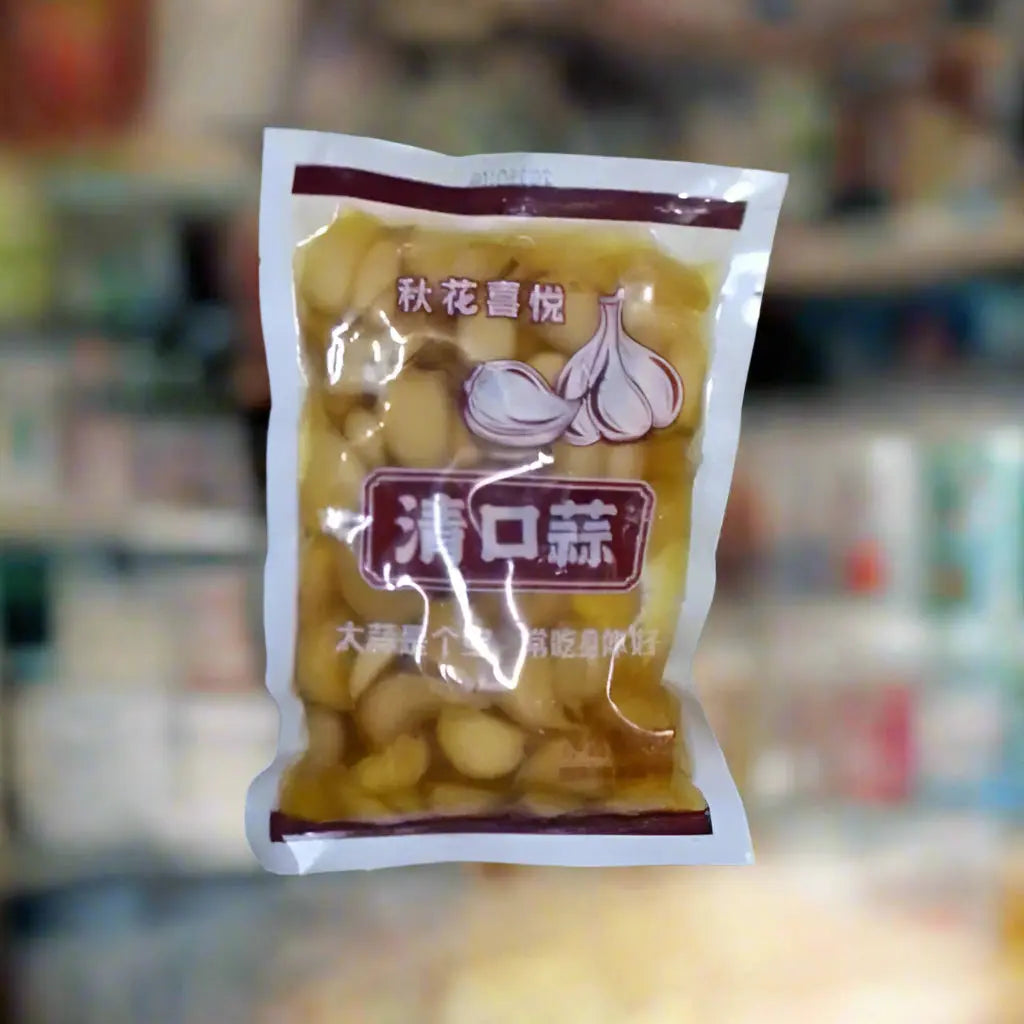
Garlic
3 to 4 bulbs Must haveFresh garlic goes into marinades, stews and rice for a warm base flavor.
How to use it: Crush it just before cooking. Add it after the onions are soft so it does not burn.
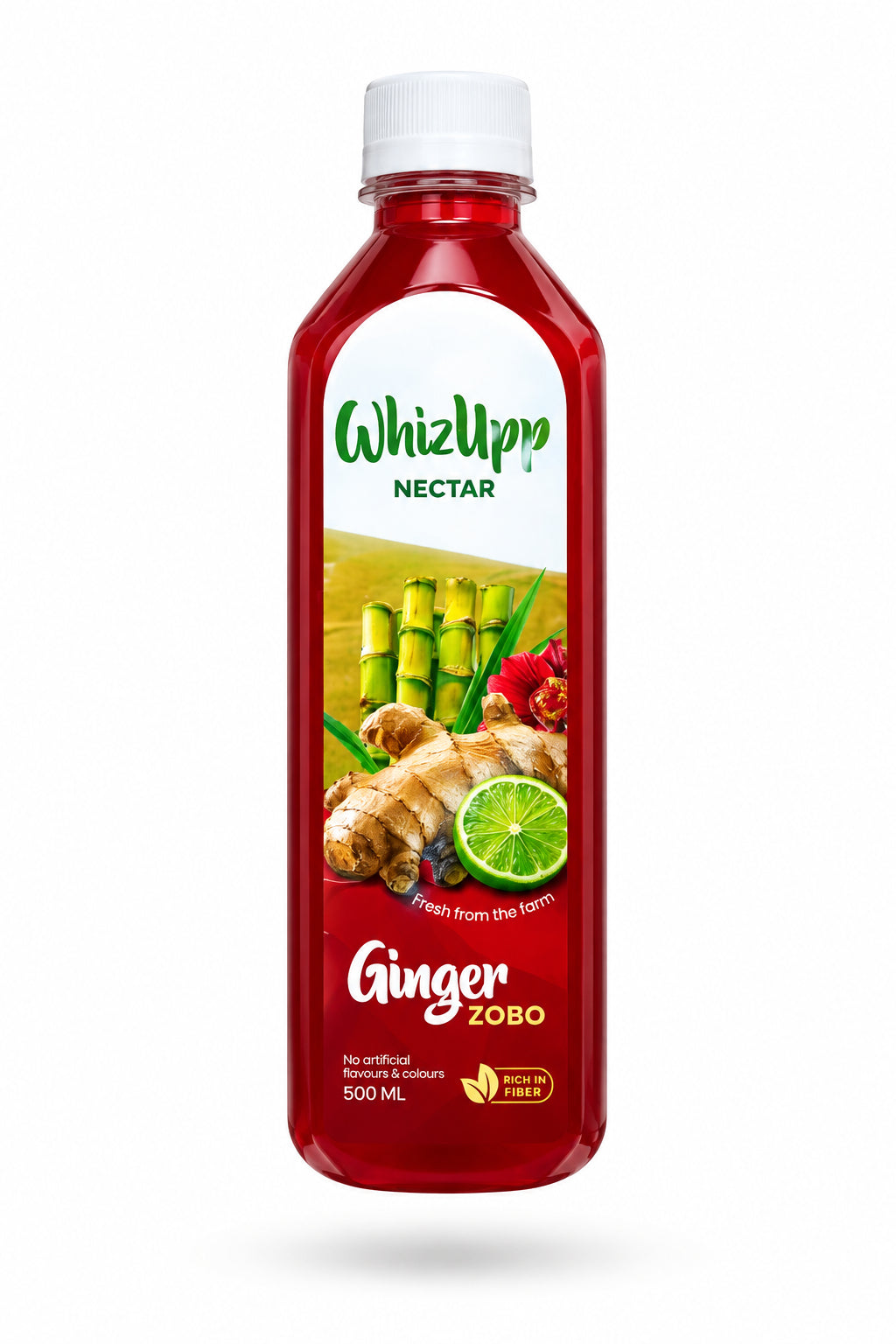
Fresh ginger
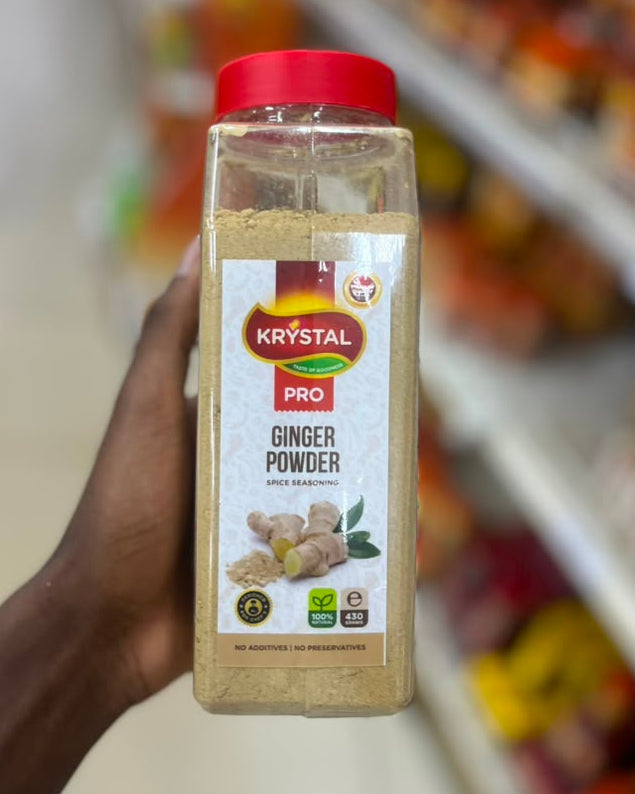
200 g Must haveIt balances rich meat and adds a gentle heat to the pot.
How to use it: Peel and grate or crush with garlic into a paste you can use in several dishes.
Irish potatoes
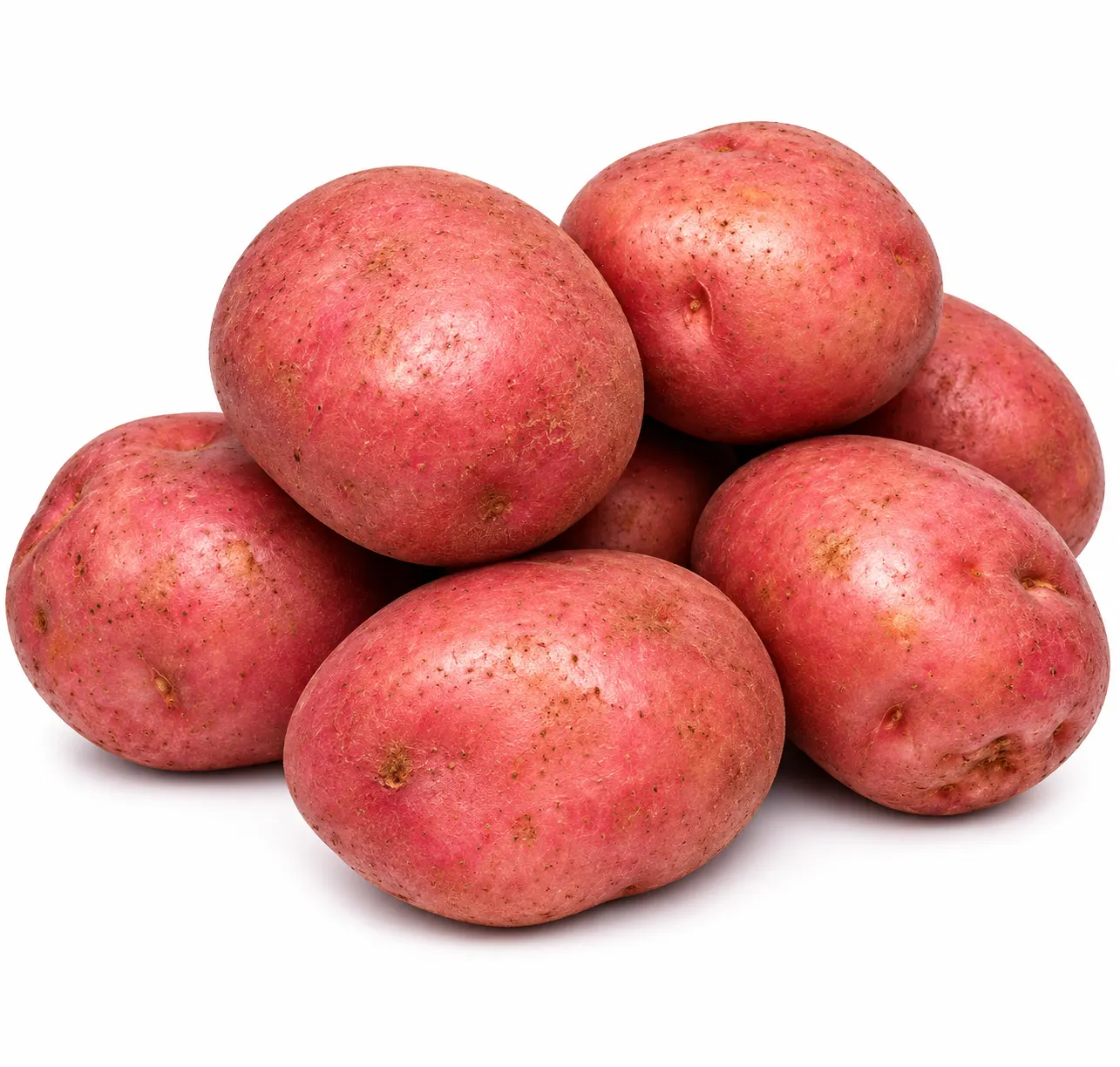
2 kgNice to havePotatoes cooked in the pilau or stew soak up the spices and stretch the meal.
How to use it: Cut into large chunks so they do not fall apart. Add them after the meat is half cooked.
Carrots
1 kgNice to haveThey add sweetness and color to rice and are often grated into a side salad.
How to use it: Cut into thin sticks for rice or grate for a simple salad.









Spices
A small set of whole and ground spices makes the difference between a good and a great pot.
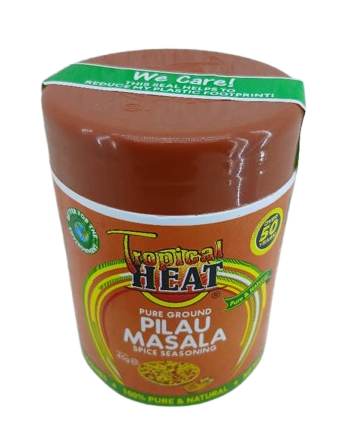
Pilau masala
1 small pack Must haveA ready blend gives you the classic pilau aroma in one step and saves you buying many jars.
How to use it: Add it with the meat and onions and let it fry for a minute before adding water. Taste and adjust at the end.
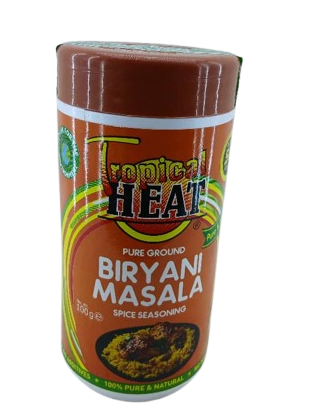
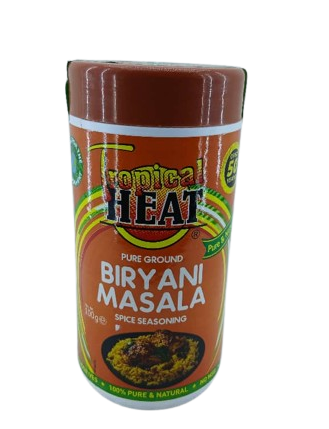
Biryani masala
1 packNice to haveIf your family cooks biryani, this blend is made for layered rice with marinated meat.
How to use it: Mix half into the marinade and use the rest between the rice layers.
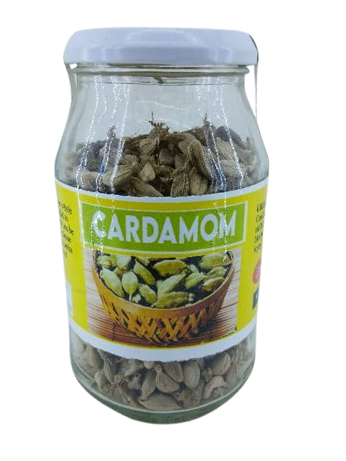
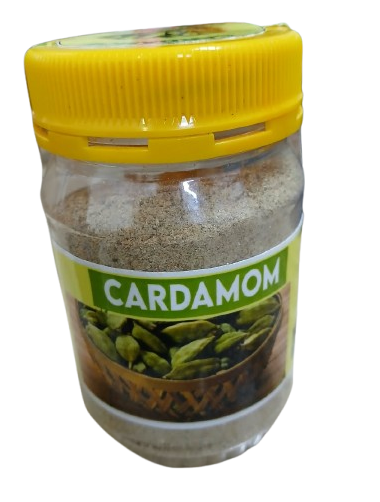
Cardamom
1 pack Must haveWhole pods or powder bring the sweet, floral note that Eid rice and tea are known for.
How to use it: Crush a few pods lightly before adding to rice, or add a pinch of powder to milk tea.
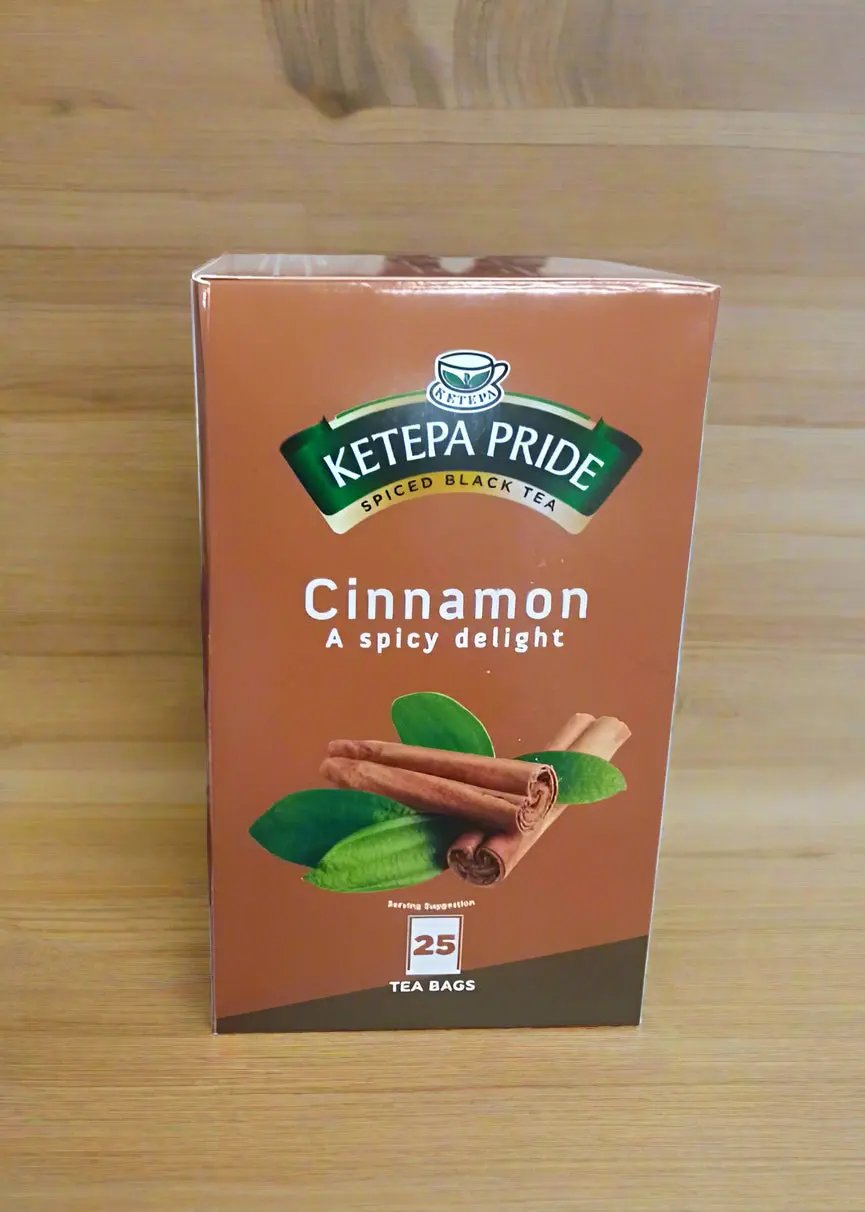
Cinnamon sticks
1 pack Must haveCinnamon gives warmth to rice and meat and works in sweet drinks too.
How to use it: Add whole sticks to the oil at the start so the flavor spreads. Remove before serving.
Cumin
1 packNice to haveCumin adds an earthy base that suits goat and beef.
How to use it: Toast lightly in a dry pan for extra aroma, then add to the pot.
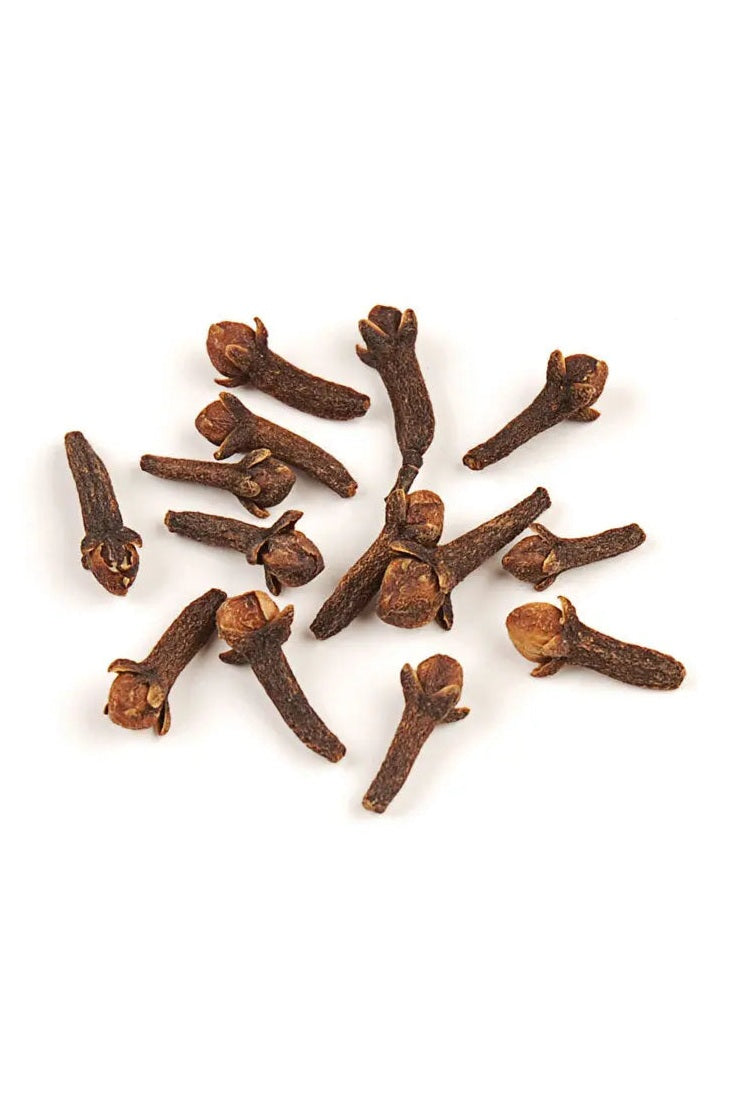
Cloves
1 small packNice to haveJust a few cloves add a deep, sweet spice to the rice and broth.
How to use it: Use sparingly, around 4 to 6 cloves for a large pot, as they can overpower the dish.
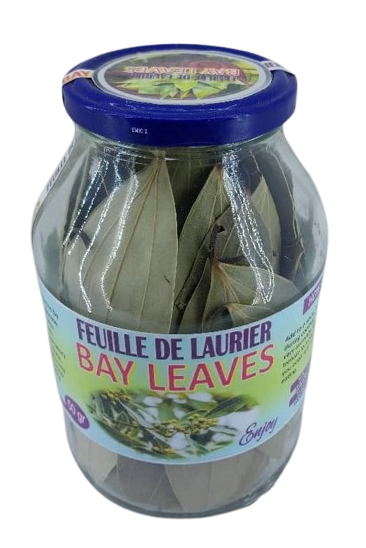
Bay leaves
1 small packNice to haveBay leaves add a subtle background note to stews and rice.
How to use it: Add one or two to the pot with the water and remove before serving.










Sweets and drinks
After the meal, guests expect something sweet, a hot drink and something cold. Stock enough for people who drop by all day.
Dates
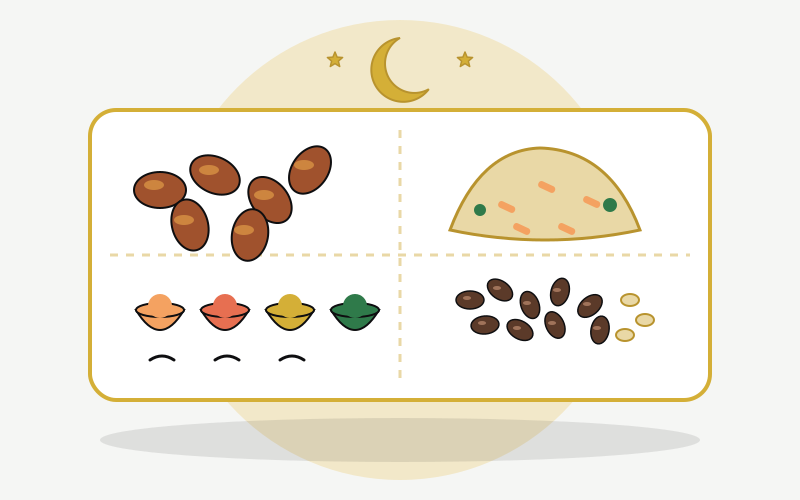
1 to 2 packs Must haveDates are a traditional treat and a lovely welcome for visitors, served on their own or with tea.
How to use it: Serve in a small bowl with a spare dish for the seeds. Store in a sealed container so they stay soft.
Raisins
1 packNice to haveRaisins and fried onions are often scattered over pilau for a sweet and savory finish.
How to use it: Fry them briefly in oil until they puff up, then sprinkle on top just before serving.
Cashew nuts
1 packNice to haveRoasted nuts add crunch to rice and fill out the sweet tray for guests.
How to use it: Fry lightly or use roasted ones straight from the pack.
Coconut milk
2 tins or packsNice to haveMany coastal style dishes and sweets use coconut milk for richness.
How to use it: Stir well before opening and add near the end of cooking so it does not split.
White sugar
2 kg Must haveYou need sugar for tea, sweets and desserts, and visitors will go through more than usual.
How to use it: Keep a spare bag at home so you do not run out on the day.
Fruit juice
4 to 6 bottles Must haveA cold drink balances the rich food, and it works for children and guests who do not take tea.
How to use it: Chill the day before. Serve from a jug so people can help themselves.
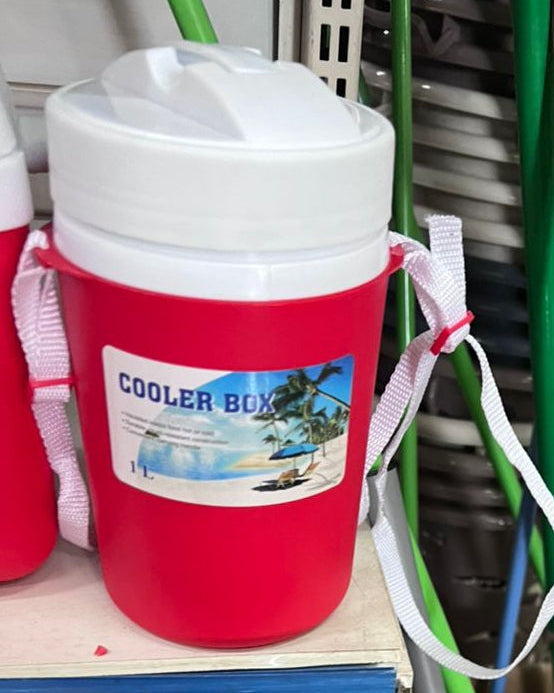
Thermos flask
1 or 2Nice to haveA flask keeps spiced tea hot for hours, so you can serve visitors without going back to the kitchen.
How to use it: Rinse with hot water first, then fill with freshly boiled tea and close tightly.

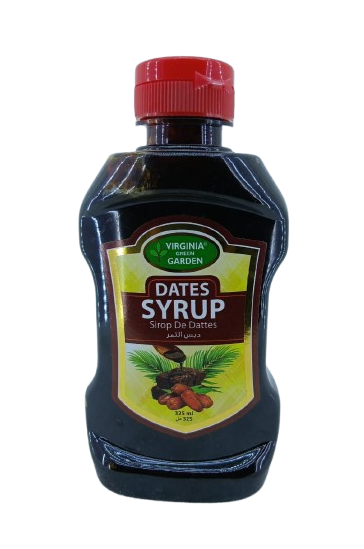
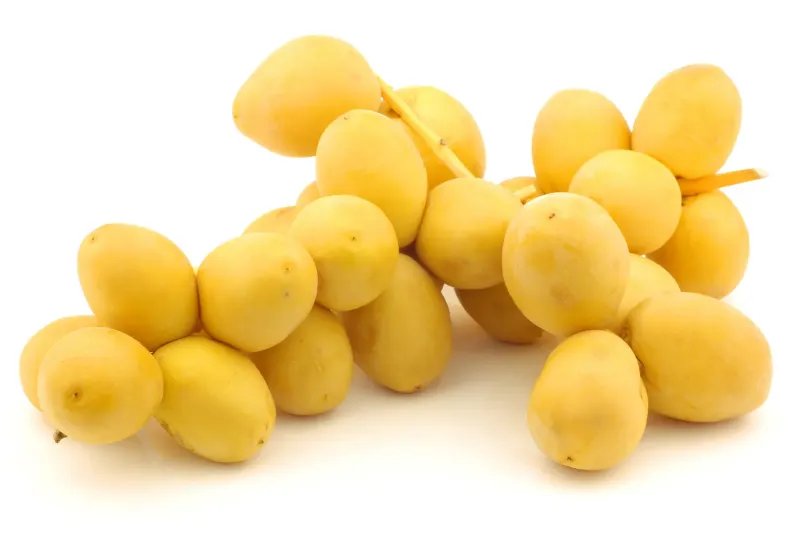


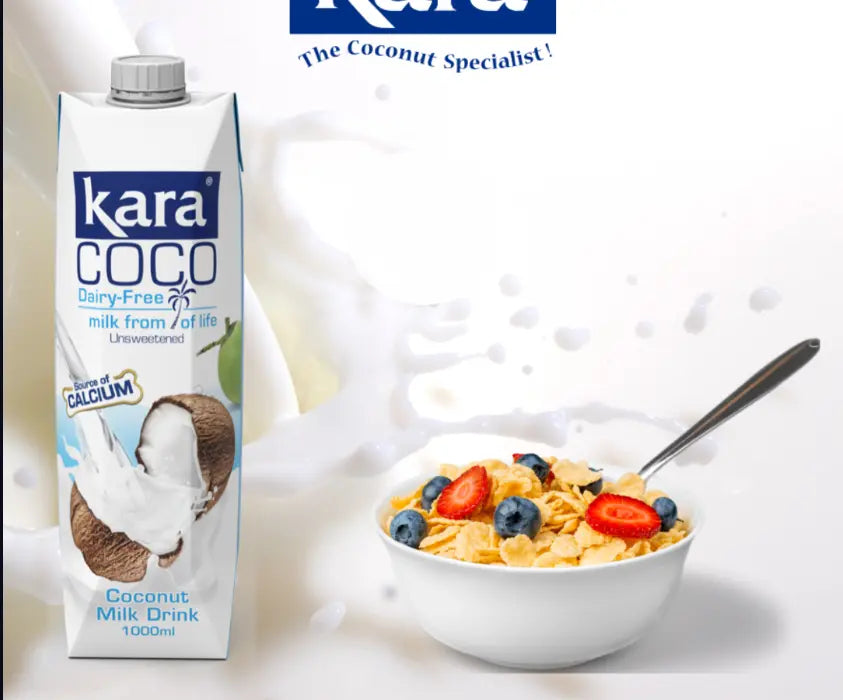


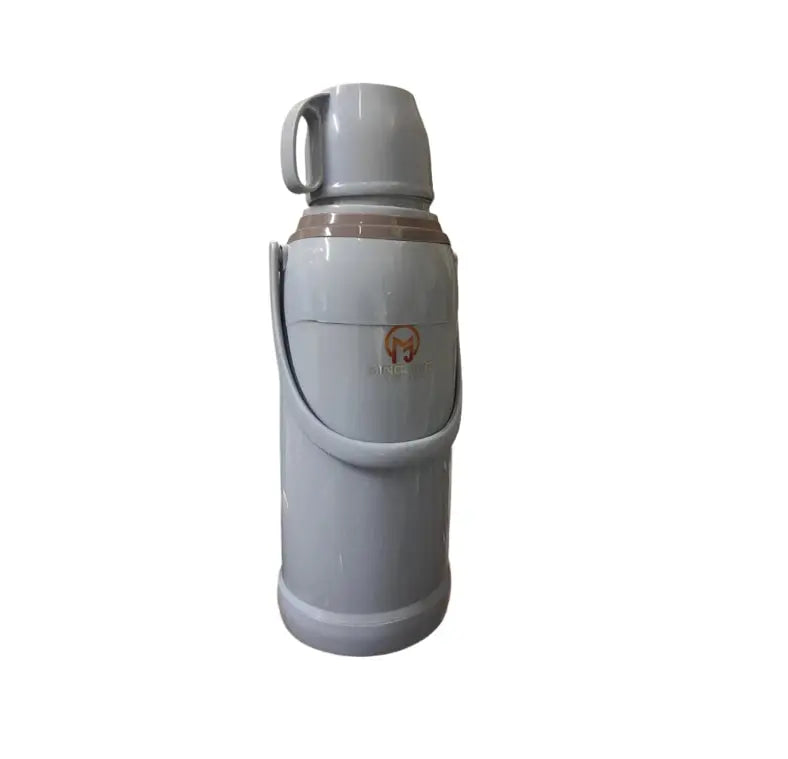

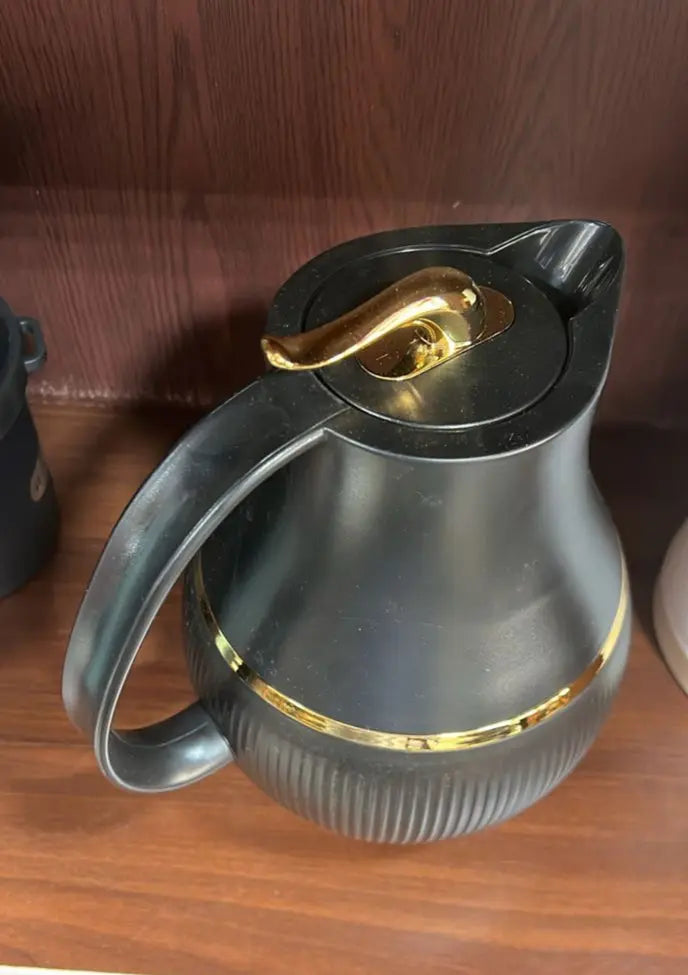
Table and serving
A table that looks generous makes everyone feel welcome, and good serving dishes make sharing easy.
Tablecloth
1 Must haveA clean cloth makes the table feel like a celebration and protects the surface from spills.
How to use it: Choose a color that hides stains, wash and iron it a day ahead.
Large serving platter
1 or 2 Must havePilau and meat look best piled on one large platter in the middle of the table.
How to use it: Warm the platter with hot water first so the food stays hot a little longer.
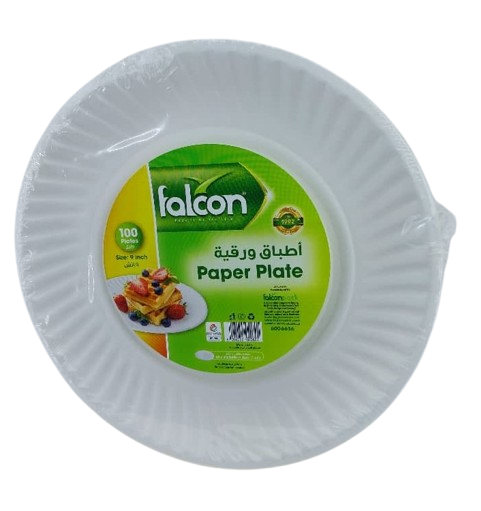
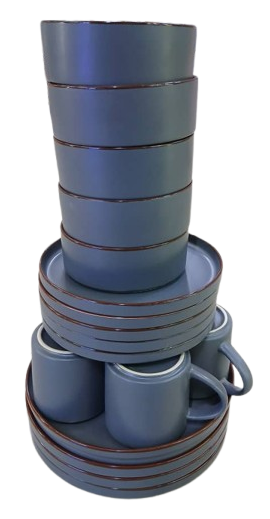
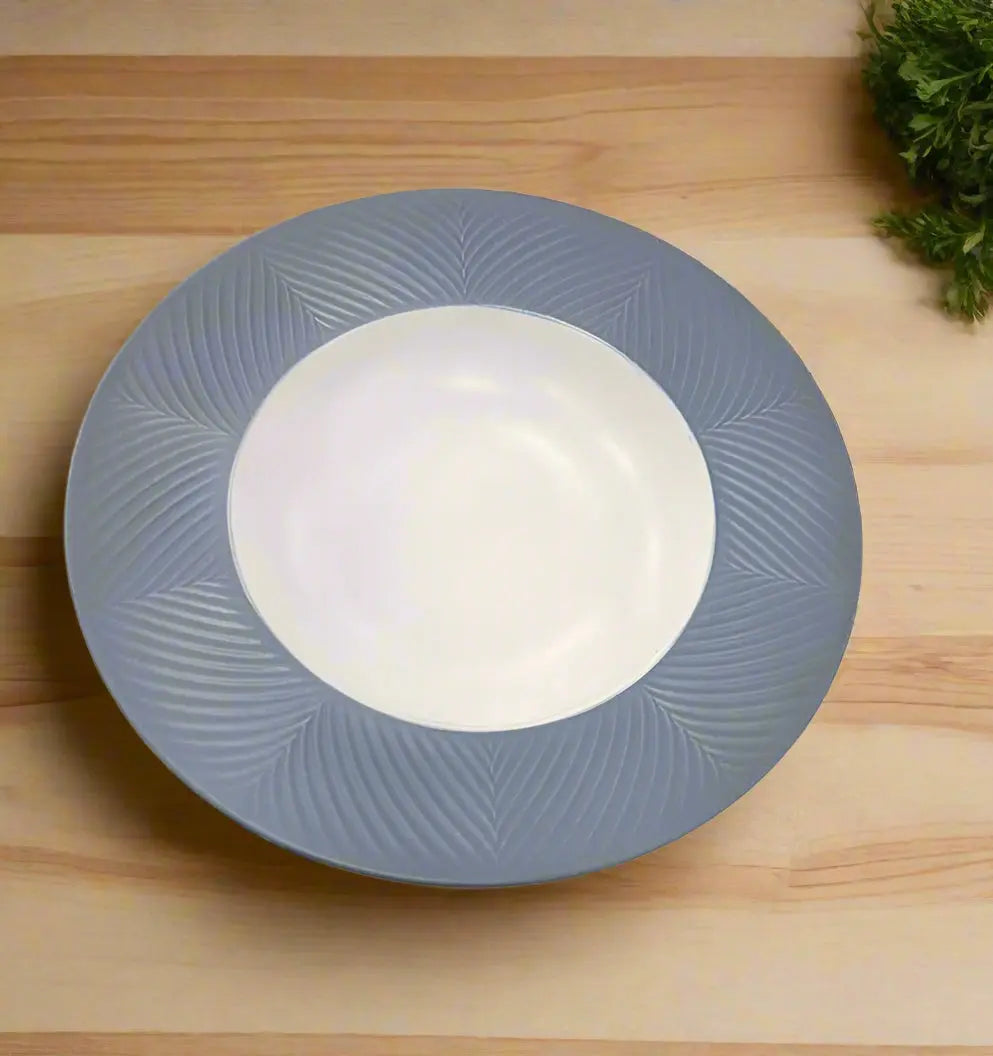
Dinner plates
1 per guest plus extras Must haveYou will need enough plates for guests and for second rounds, especially with children.
How to use it: Count your guests, add 30 percent, and borrow from a neighbor if needed.
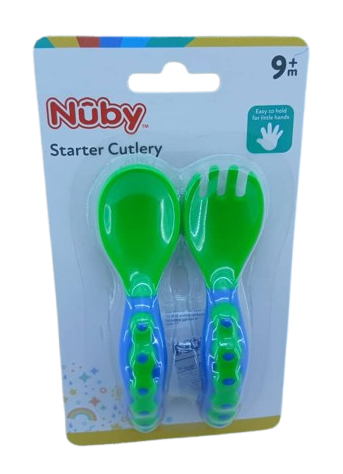
Cutlery set
1 set per guest Must haveMany families eat with spoons and forks, so have enough for everyone.
How to use it: Wash and dry before the meal and set out in a basket or cup.
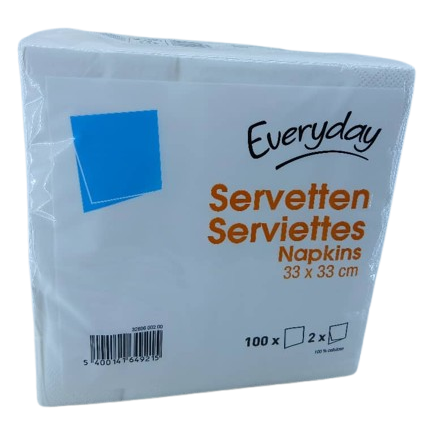
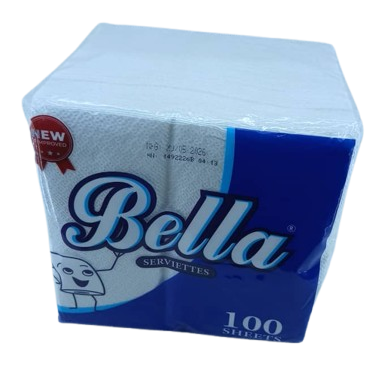
Serviettes
2 packs Must havePaper serviettes keep hands and clothes clean and save on washing up.
How to use it: Keep a pack at each end of the table.
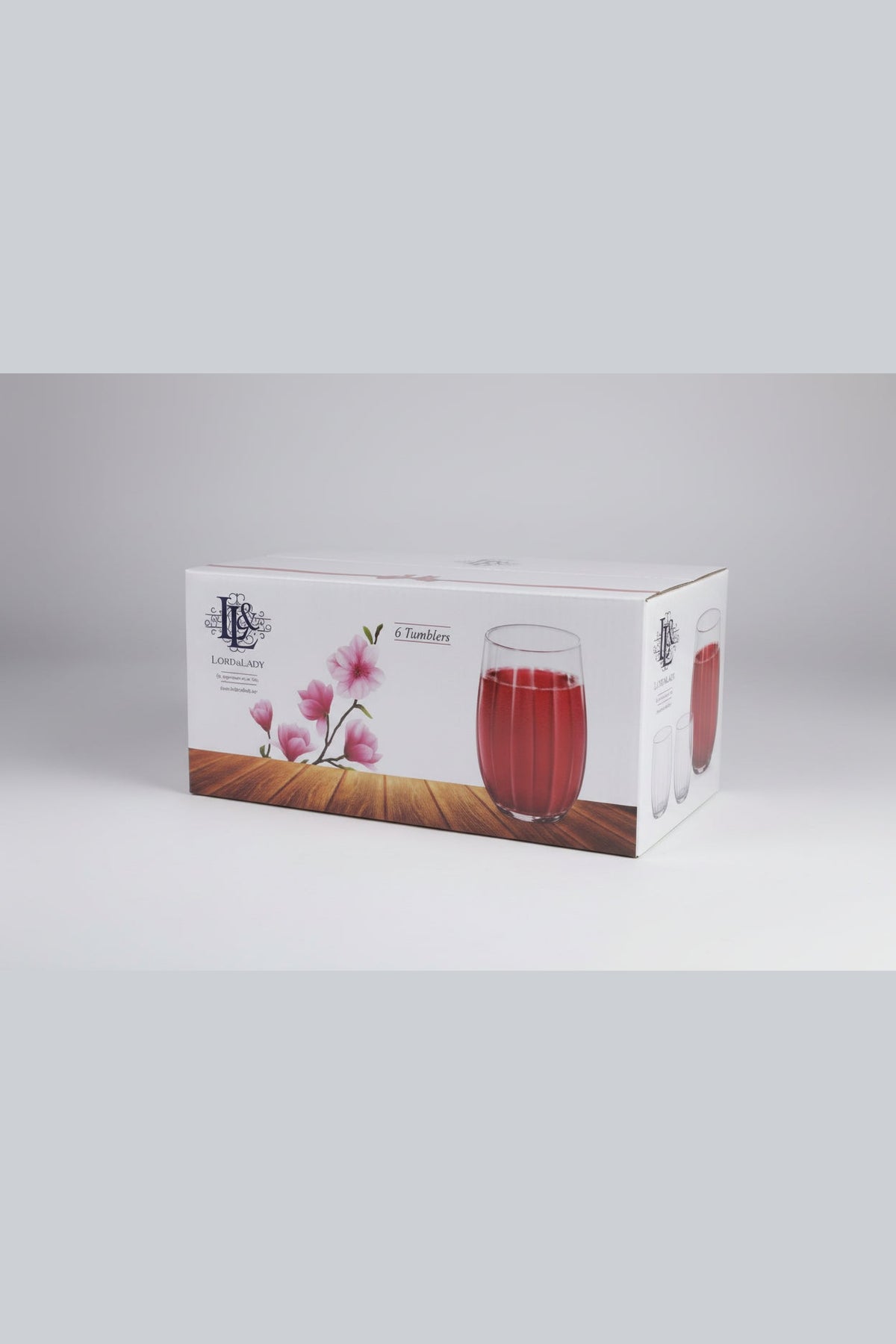
Drinking glasses
12 Must haveWater and juice need glasses, and a set of 6 goes quickly with a full house.
How to use it: Rinse the glasses before guests arrive so they sparkle.
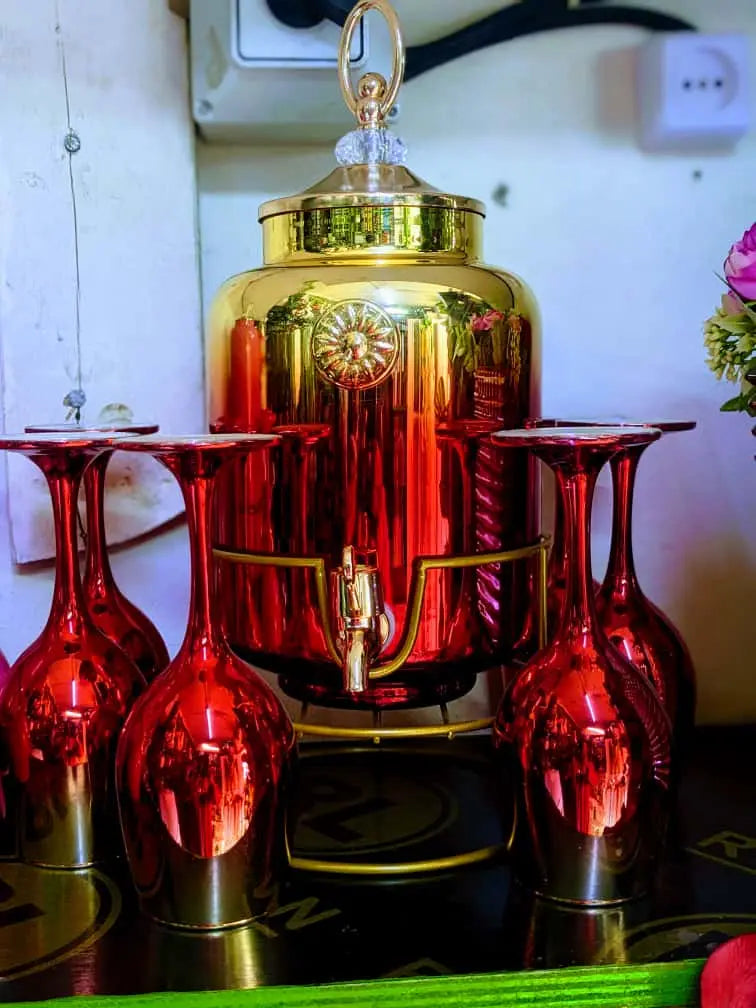
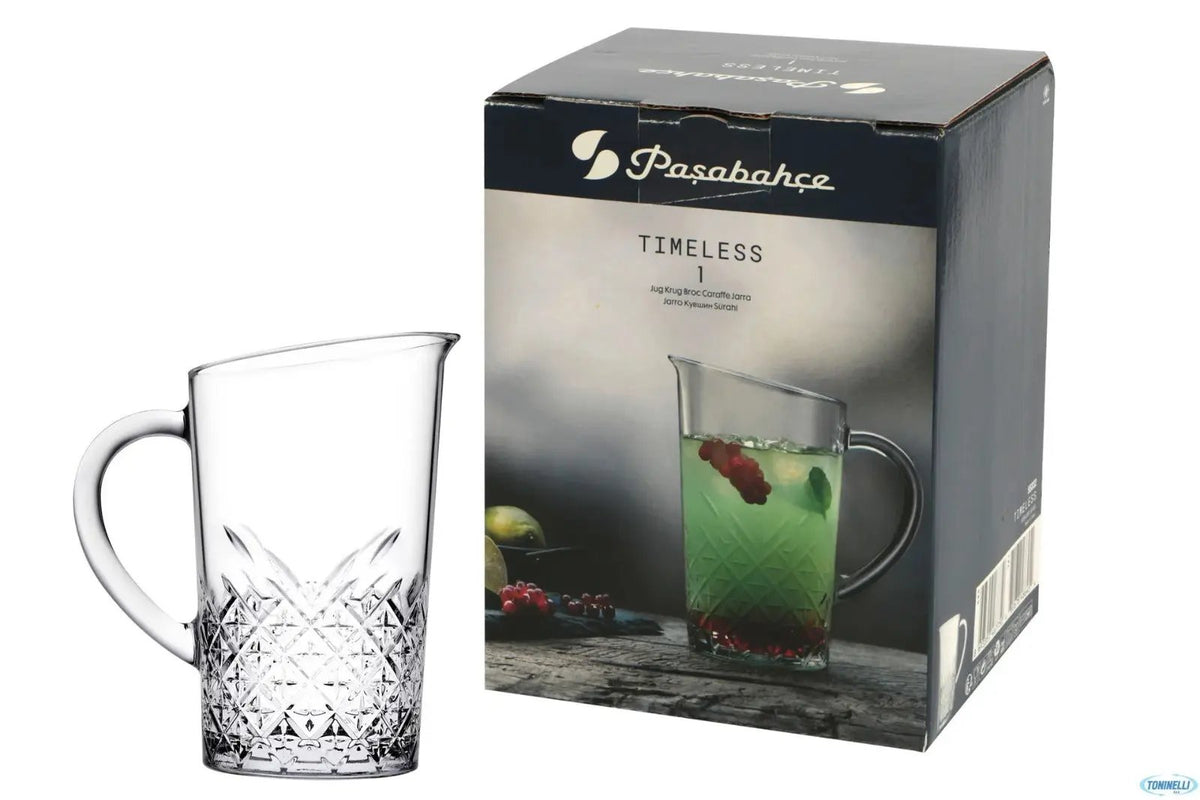
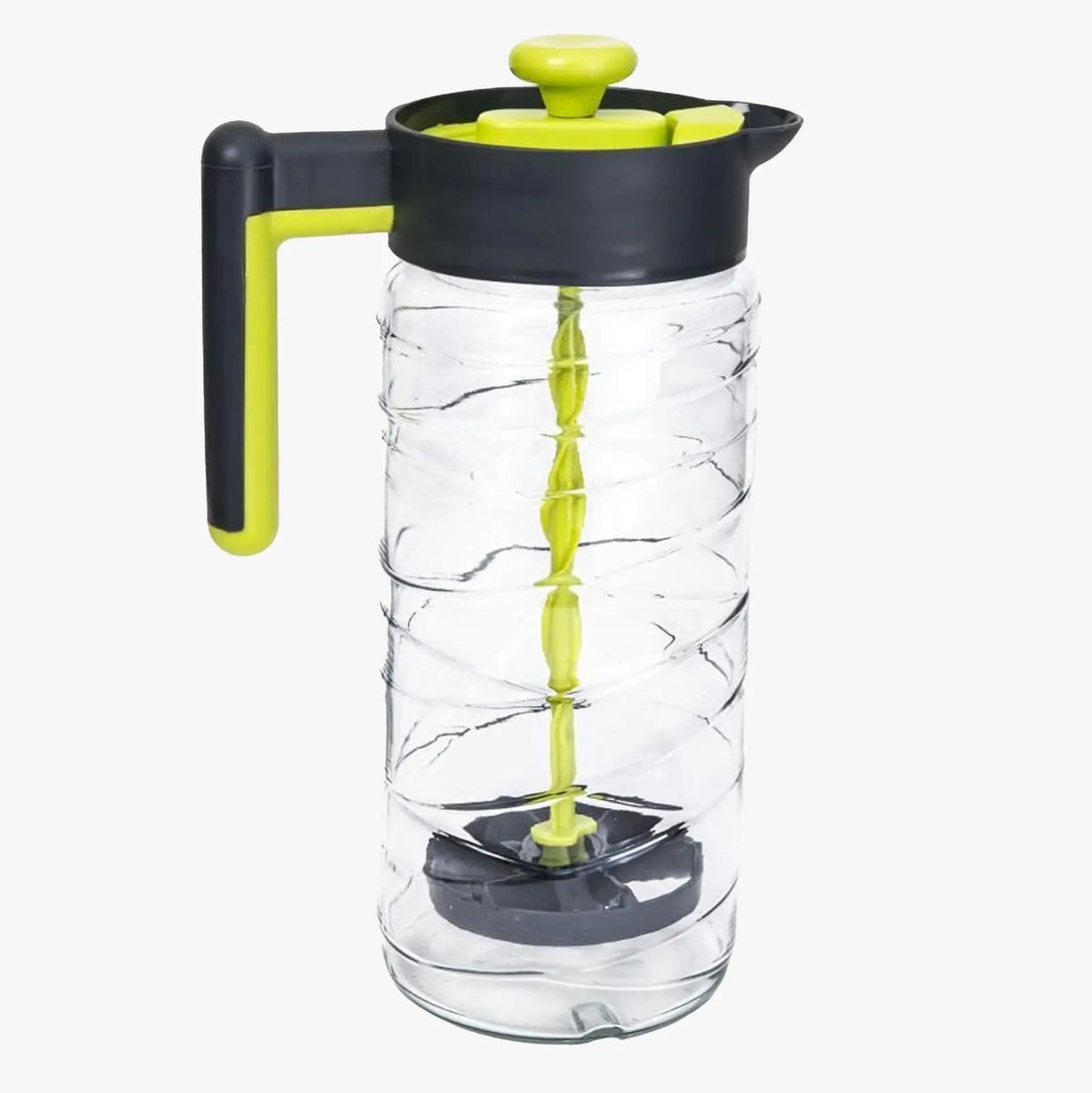
Water jug
1 or 2Nice to haveA jug of water on the table saves people from asking and keeps the kitchen calm.
How to use it: Add a few slices of lemon or mint if you like.
Serving bowls
3 to 4 Must haveSalads, sauces and side dishes look better and stay cleaner in their own bowls.
How to use it: Use one bowl per dish and a separate spoon for each.









Cooking and sharing
Eid is also about sharing food with neighbors and those in need, so plan containers and a clean kitchen.
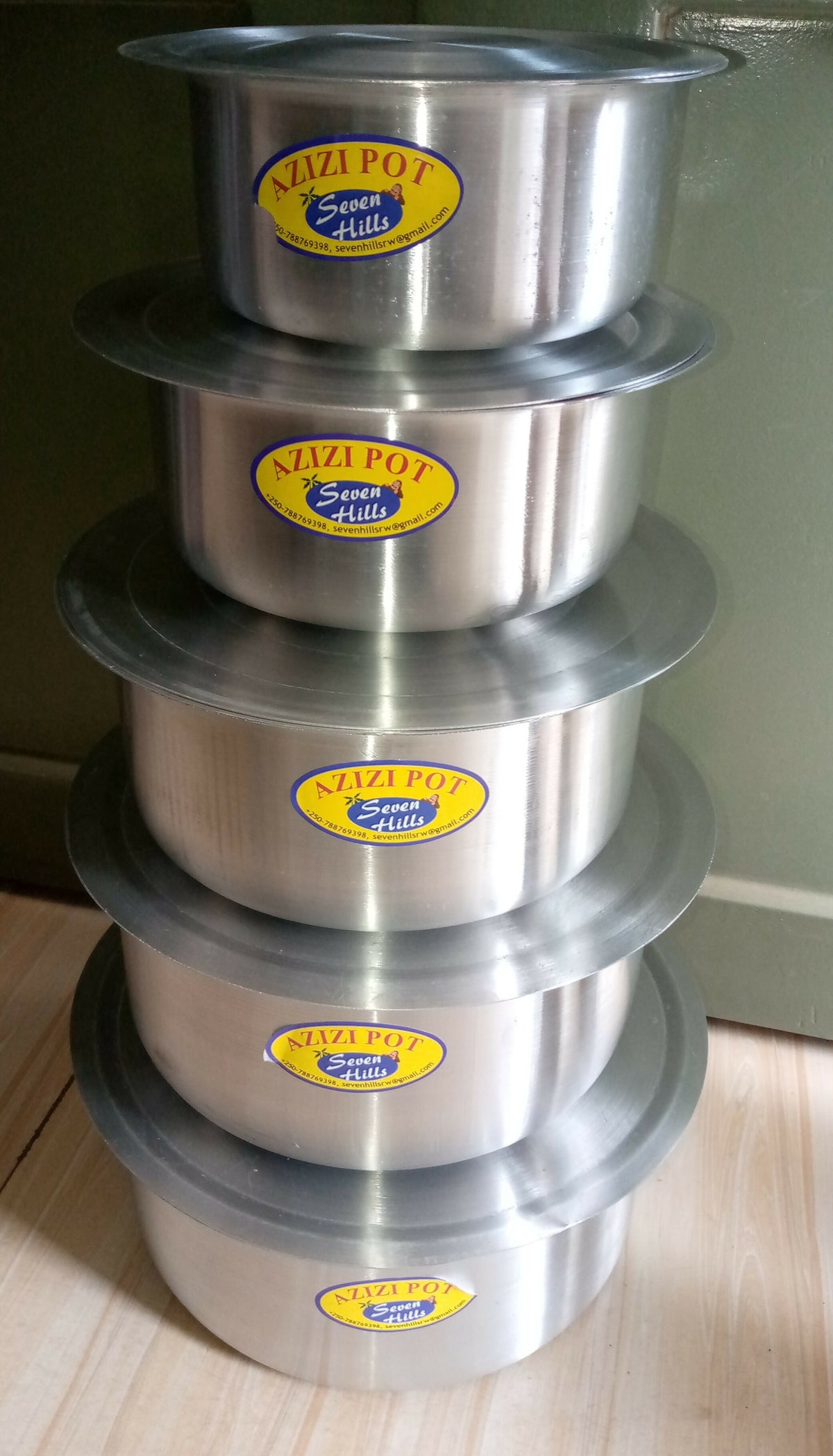
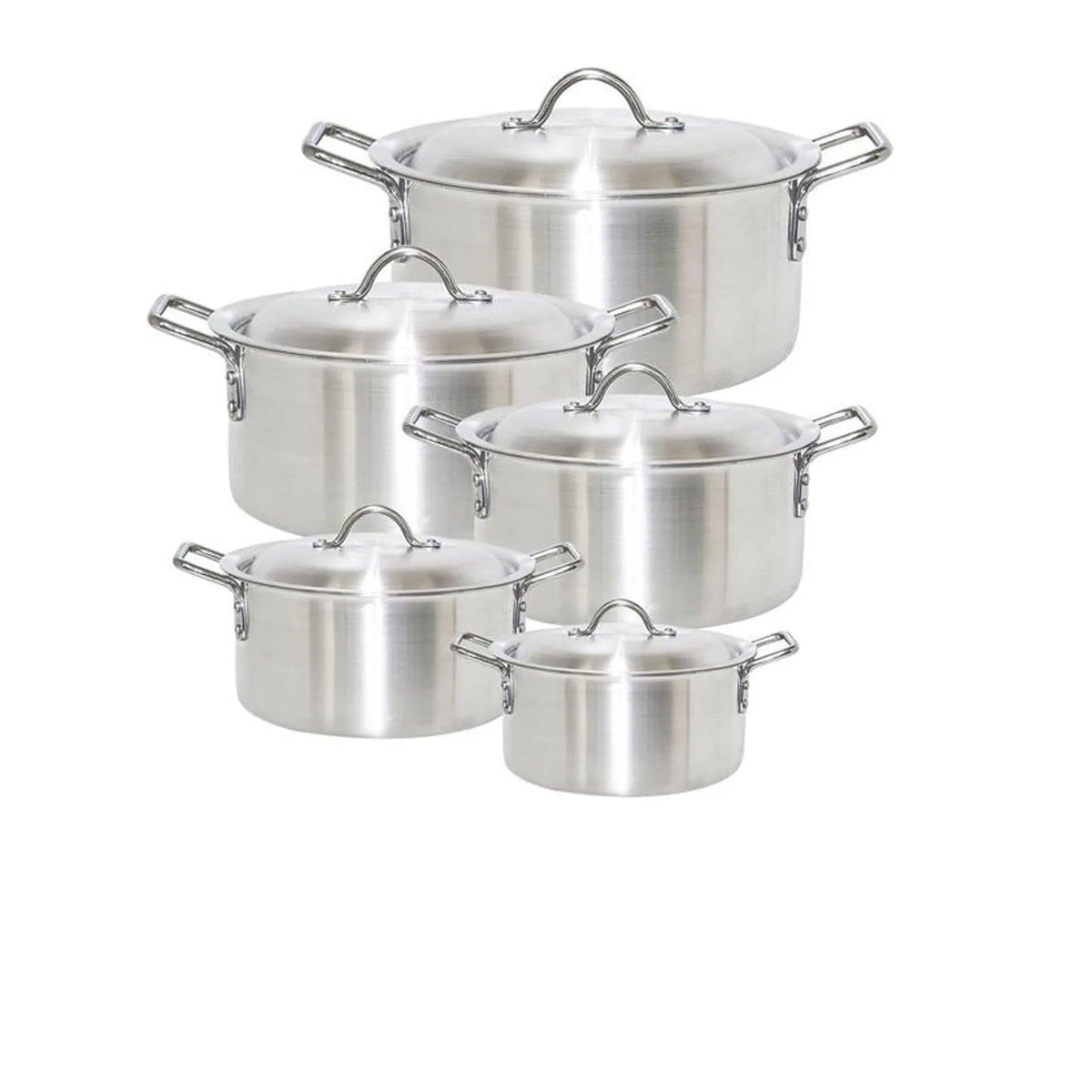
Large cooking pot
1 large Must haveA big pot is essential for cooking pilau or stew for a crowd.
How to use it: Pick one with a heavy base so the rice does not burn. Check it fits your cooker.
Serving ladle
2 Must haveA long ladle makes serving stew and sauces tidy and safe.
How to use it: Keep a spare so you can use a clean one for each pot.
Aluminum foil
1 roll Must haveFoil keeps cooked dishes warm and covers trays that you send to relatives.
How to use it: Wrap dishes tightly. Do not leave hot food covered in foil for hours at room temperature.
Plastic food containers
6 to 10 Must haveThey let you pack portions to share with neighbors, elderly relatives and anyone who cannot be at your table.
How to use it: Let food cool a little before closing the lids. Label with the contents.
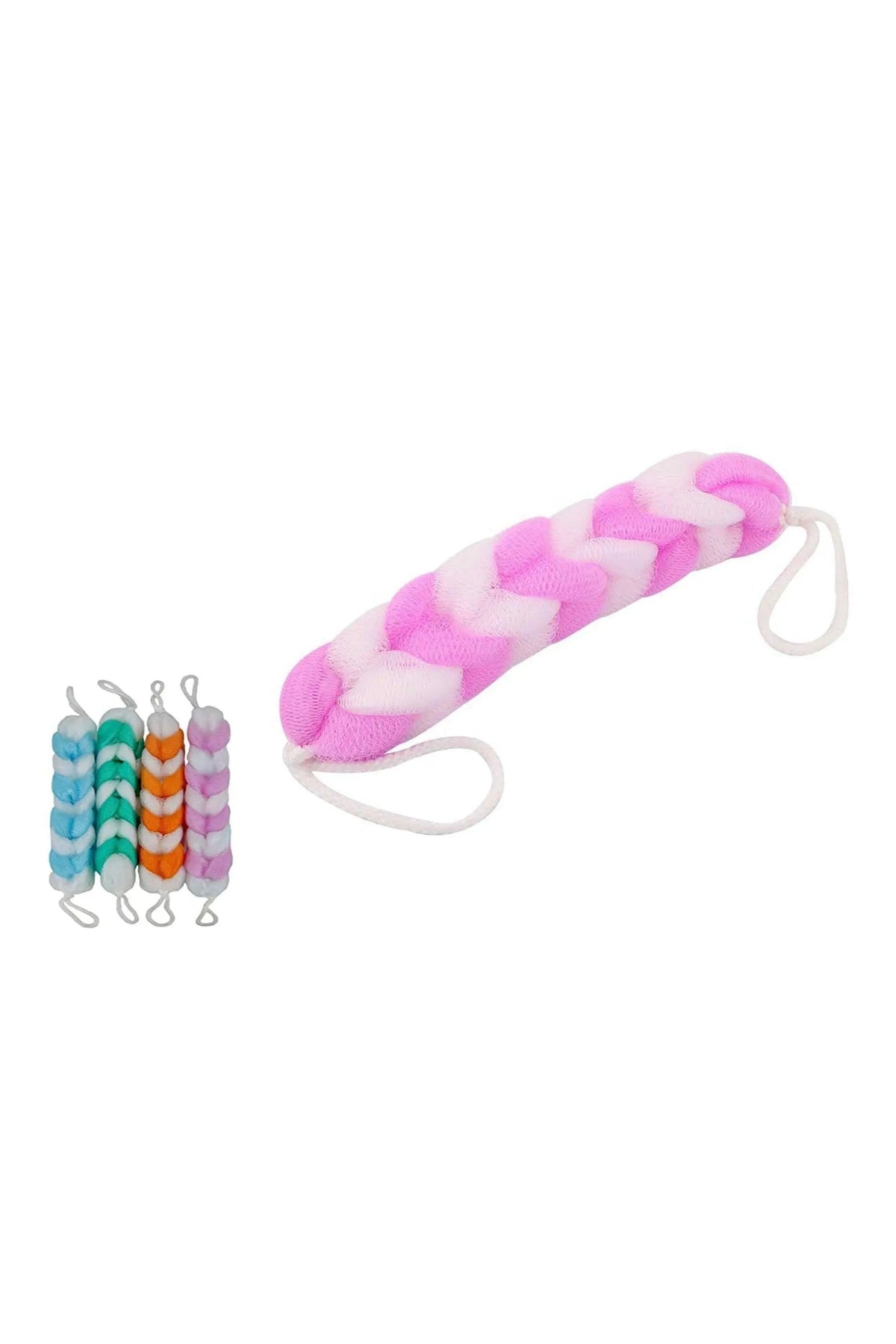
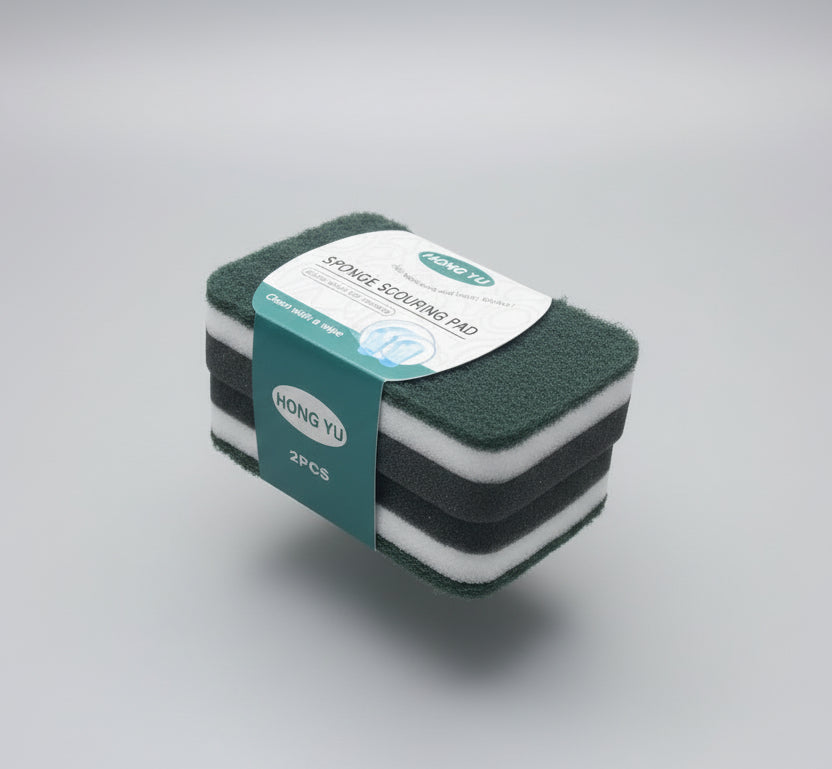
Sponges and dish soap
2 sponges Must haveCooking for a crowd means a big pile of dishes, and you want to clear it quickly.
How to use it: Start washing between courses so it does not pile up.








Step by step
- 1
One week before
Decide how many guests you expect and what you will cook. Buy rice, spices, oil, sugar and dates, which keep well. Check pots, plates and glasses and note what you need to borrow.
- 2
Three days before
Order serving dishes, serviettes, foil and food containers. Clean the house and iron the tablecloth.
- 3
Two days before
Buy meat, onions, potatoes and fresh vegetables. Marinate meat if your recipe calls for it and keep it in the fridge.
- 4
The day before
Prepare onions, garlic and ginger paste. Make desserts and chill drinks. Set the table with plates, cutlery and glasses.
- 5
Eid morning
Cook the main dish after prayers or early in the morning, depending on your plan. Pack shared portions first, then serve the family.
Tips that help
- Cook rice dishes in two smaller pots if you do not own one very large pot, so the rice cooks evenly.
- Fry onions until deep golden brown. This one step builds most of the flavor.
- Make a shopping list by dish, not by aisle, so you do not forget a key spice.
- Ask neighbors and relatives who is bringing what, so you do not double up on sweets.
- Keep raw and cooked food apart and refrigerate leftovers within a couple of hours.
- Ask your butcher or mosque if you are unsure about preferred sources or how to share meat.
Mistakes to avoid
- Buying meat too early and not having enough fridge space.
- Leaving spices to the last day when a shop may be out of your usual brand.
- Cooking rice for exact numbers and running short when visitors drop in.
- Forgetting containers for sharing, then scrambling for old jars and bags.
- Using one board and knife for raw meat and salad.
Questions people ask
How much meat do I need for an Eid meal?+
A common rule of thumb is about 250 to 300 grams of meat per adult for a main dish, and more if you plan to share portions. Add extra for guests who drop in, and adjust to your family's habits.
What spices do I need for pilau?+
A pilau masala blend, cardamom, cinnamon, cloves and cumin cover most recipes. Add garlic and ginger fresh, and bay leaves if your family likes them.
When should I buy fresh meat in Kigali?+
Buy one or two days before Eid and keep it cold in the fridge, or freeze it if you buy earlier. Many families order ahead because demand is higher at festival time.
How can I keep food hot for guests?+
Cover dishes with foil, serve in warmed platters, and keep a thermos for tea. Cook rice last so it is freshest at the table.
What should I serve for dessert?+
Dates, sweets, fruit and spiced tea are common choices. Many families also make a simple pudding or sweet rice. Keep it light after a heavy meal.
With the meat, the pot, the spices and the table all planned in advance, Eid can be about your family and not about last minute shopping. Browse the items above on Isokko and have everything delivered to your door in Kigali. Eid Mubarak.
Shop this list
Get everything delivered in Kigali
Order from local stores on Isokko and pay with MoMo, card or cash. Same-day delivery.