
Checklist · Baby & family
Family Road Trip to Musanze With Kids: What to Pack Checklist
Plan a family road trip from Kigali to Musanze with kids. Snacks, games, car comfort and clean up items to pack, with a simple timeline.
Updated November 17, 2026 · By Isokko
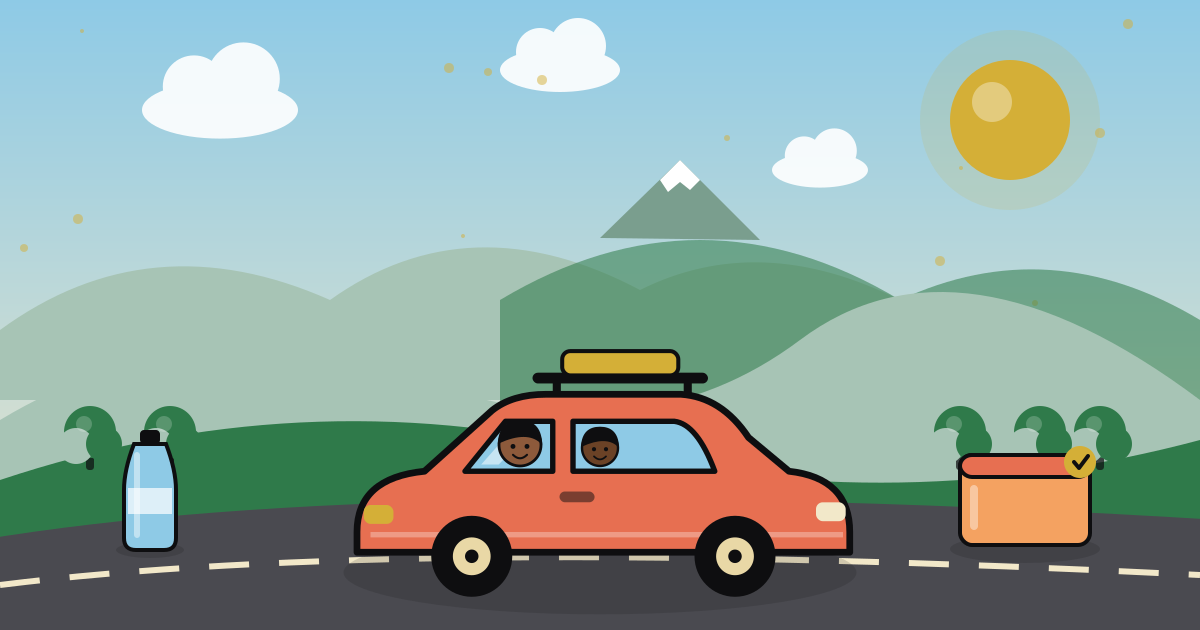
A road trip to Musanze is a lovely family outing, but a car full of hungry, bored or sleepy children can turn a good day into a long one. The right small things in the right bag make the whole drive calmer.
This checklist is built around what really goes wrong on the road: hunger, thirst, boredom, feeling cold or hot, spills and dirty hands. Musanze sits in the hills and can be cooler and wetter than Kigali, so we cover weather too.
Go through each group, pick what fits your children's ages, and keep the must items first. Everything here can be ordered on Isokko before you leave.
Who it's for
Parents and carers driving from Kigali to Musanze with children of any age
Time needed
Shop over 2 to 3 days, pack the night before
When to shop
Buy snacks and drinks the day before so they stay fresh
On the list
30 items, 15 must haves
0 of 30 ready
Snacks and drinks
Small, mess free food that children actually eat, packed so they are easy to reach from the back seat.
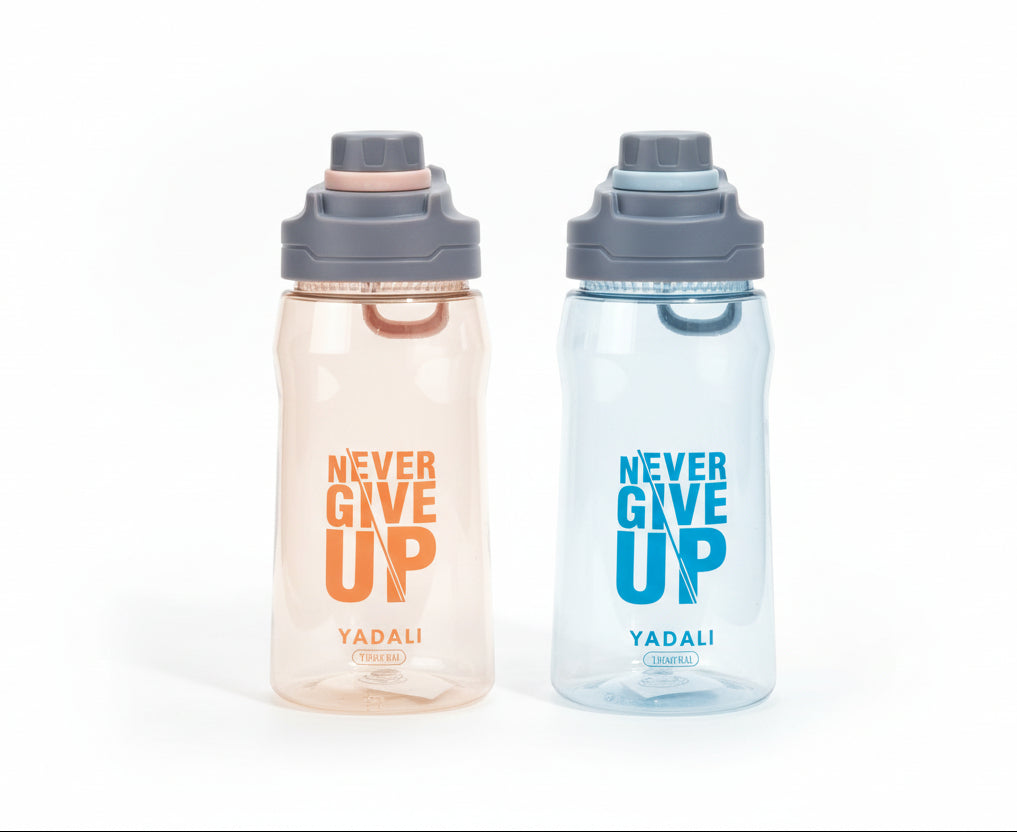
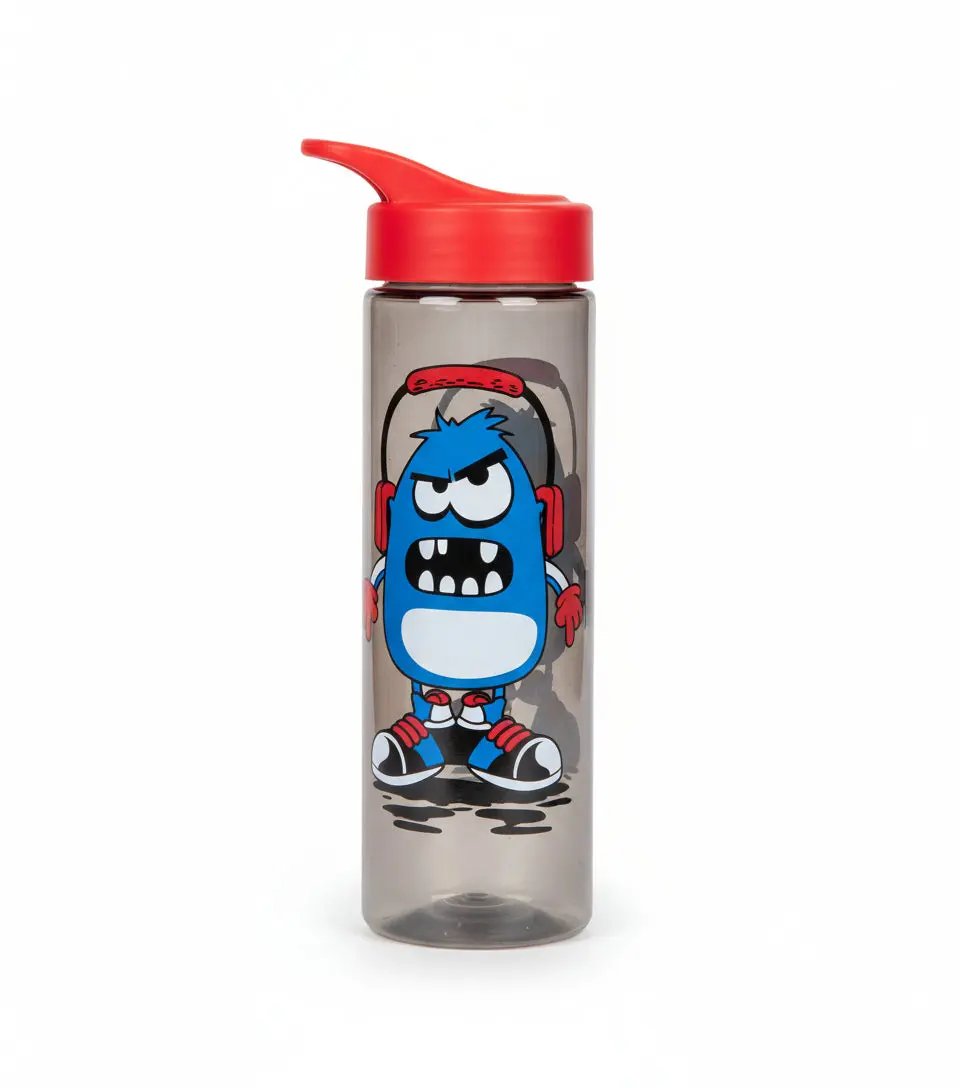
Water bottle for each child
1 per child Must haveChildren get thirsty and cranky quickly in a warm car. A bottle of their own with a secure lid means no begging and fewer spills.
How to use it: Fill at home and refill at stops. Pick bottles with a flip lid or straw so they cannot open them by mistake.
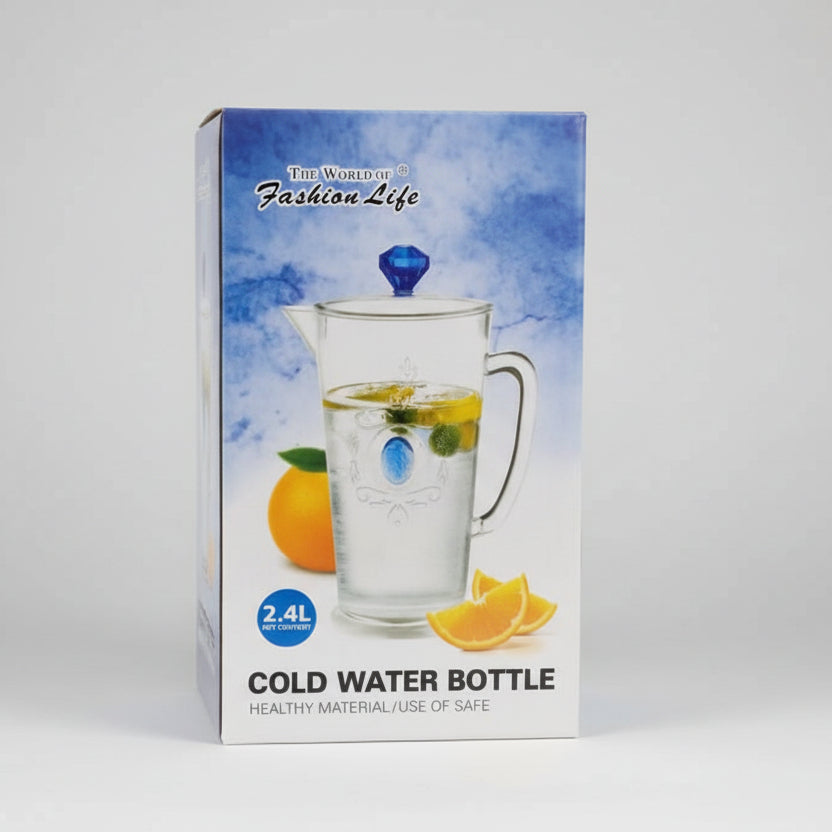
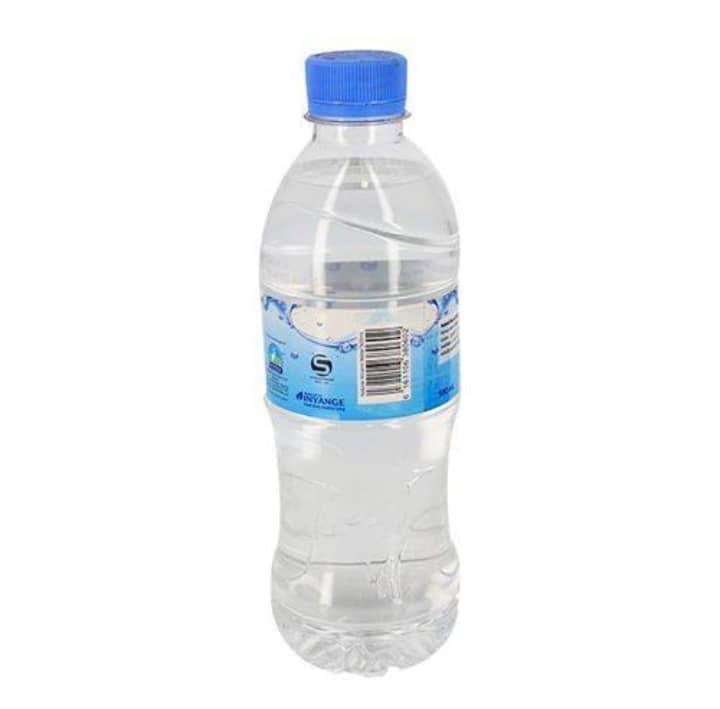
Mineral water
6 small or 1 large Must haveBottled water is useful for drinking on the road and for rinsing hands or a scraped knee when there is no tap.
How to use it: Keep a few small bottles in the door pockets and a larger one in the boot for refills.
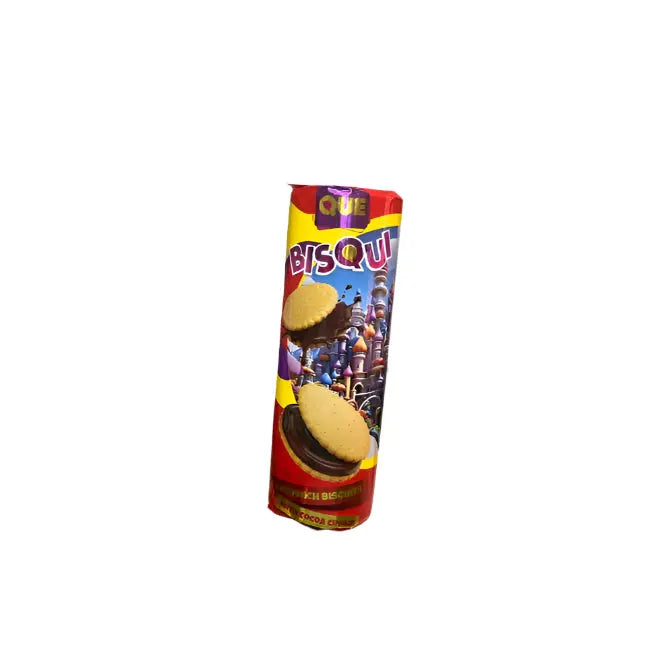
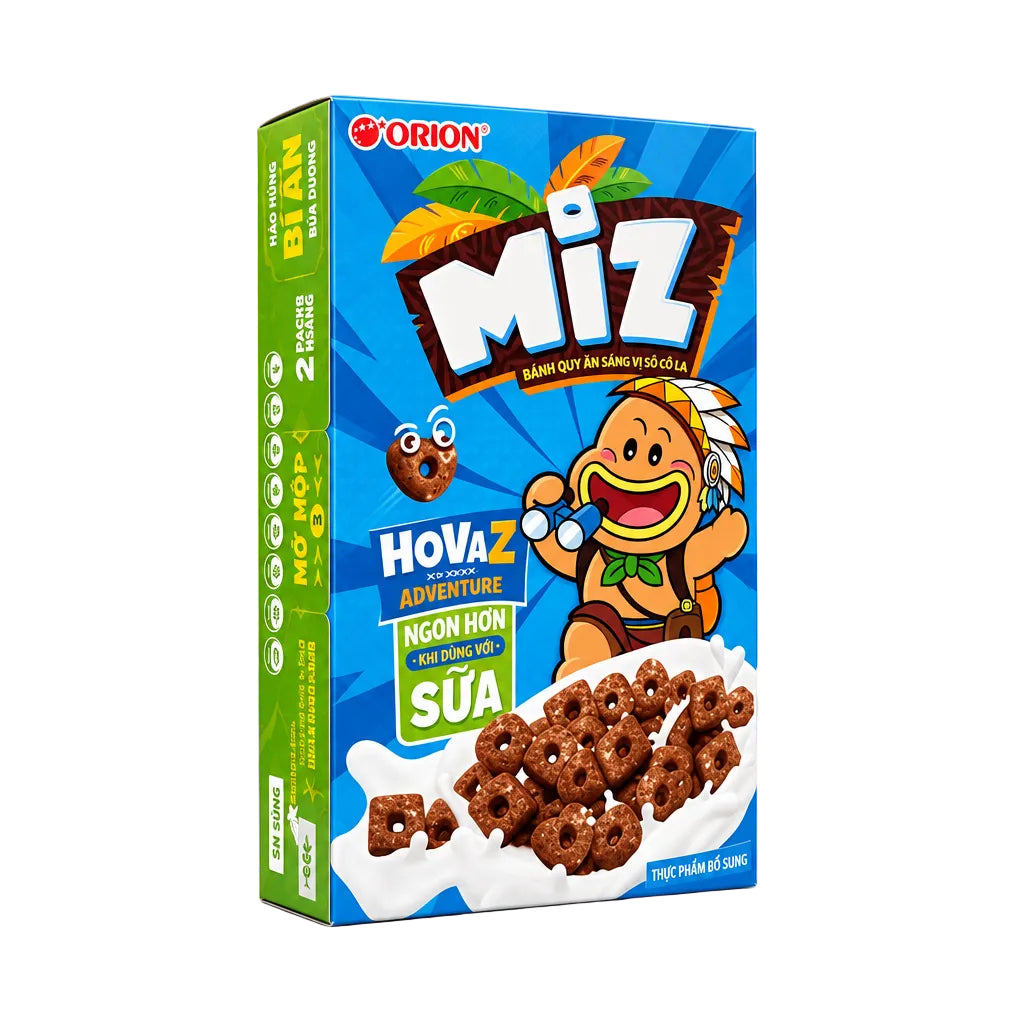
Biscuits
2 packs Must havePlain biscuits are the easiest snack to hand back. They keep well, travel well and calm a fussy child.
How to use it: Choose plain or lightly sweet ones that do not melt. Give a few at a time so crumbs stay under control.
Bananas or apples
1 hand of bananas and a few apples Must haveFresh fruit gives real energy and is easy to eat in the car. Bananas come in their own wrapper, which means less mess.
How to use it: Buy fruit that is ripe but firm. Wash apples before you leave and wrap them in a clean cloth.
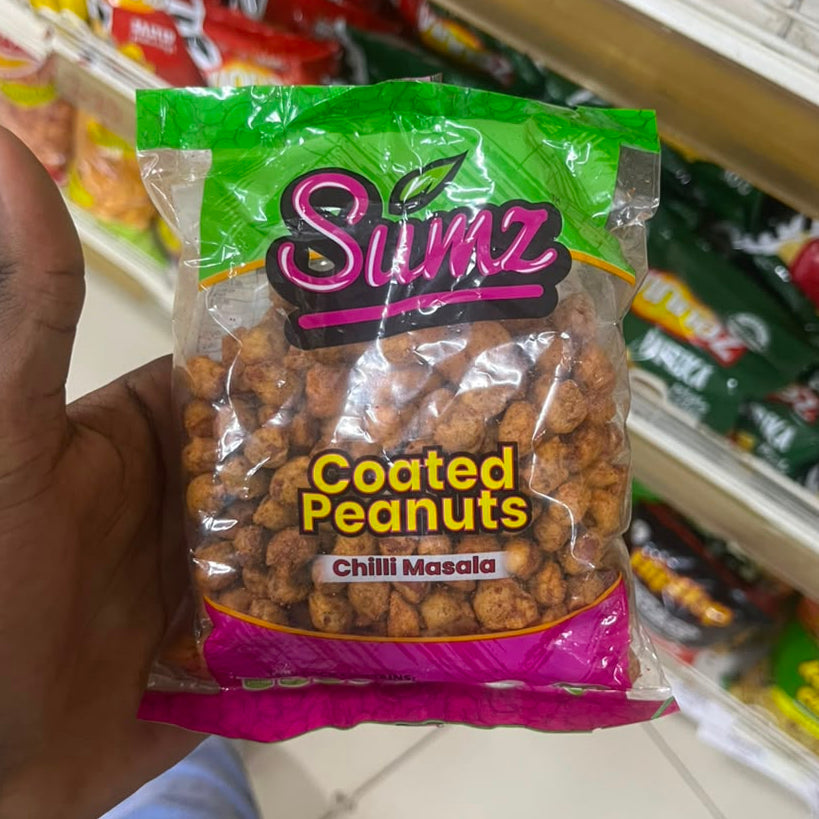
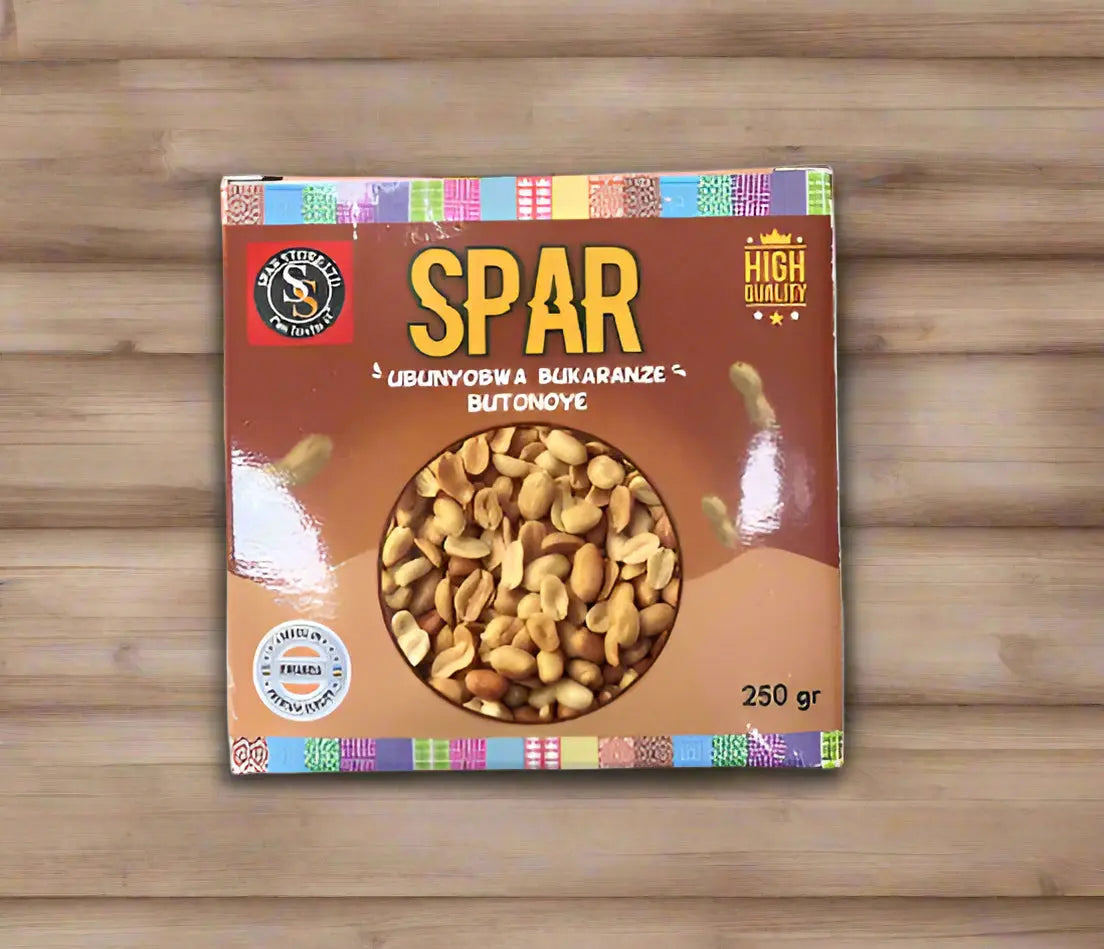
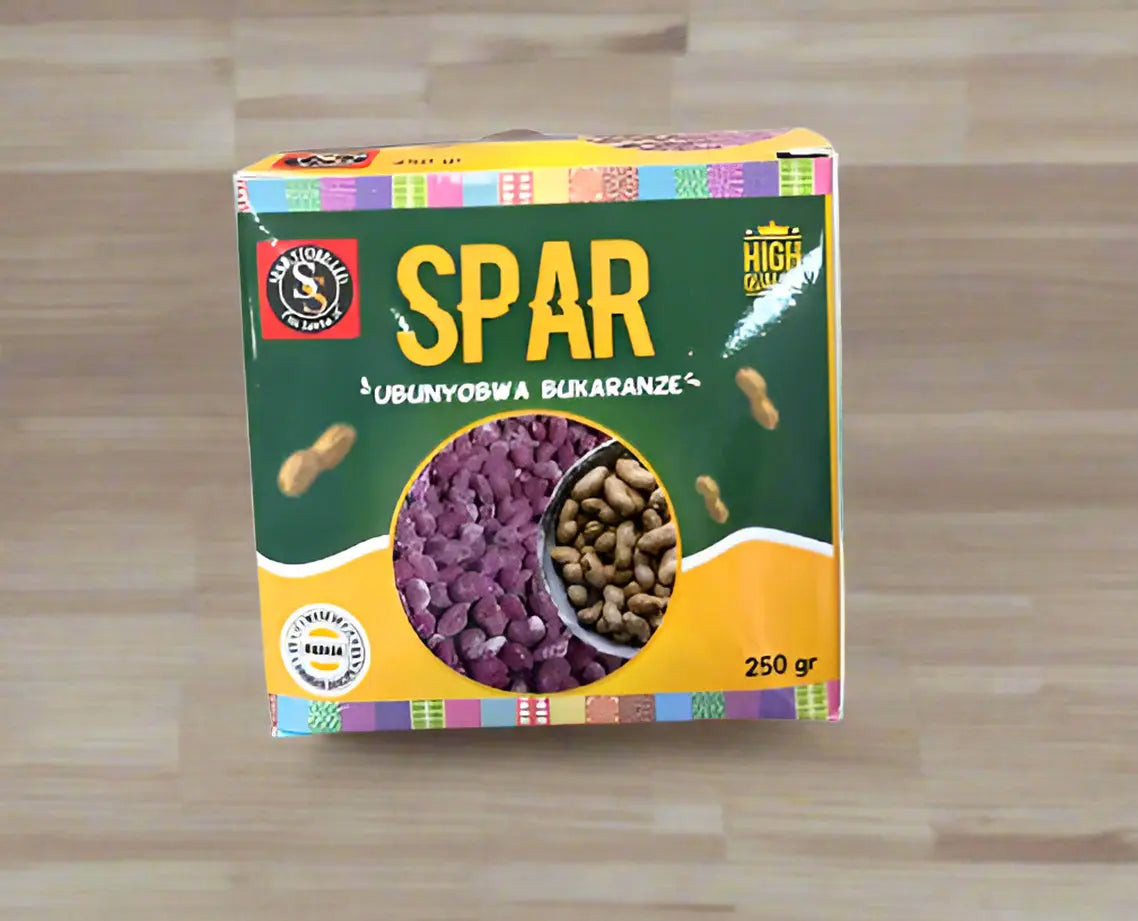
Roasted peanuts
1 or 2 small packsNice to haveA good filling snack for older children who can chew safely. It keeps hunger away until the next meal.
How to use it: Only give to children who are old enough and watch them while they eat in the moving car. Skip it if anyone has a nut allergy.
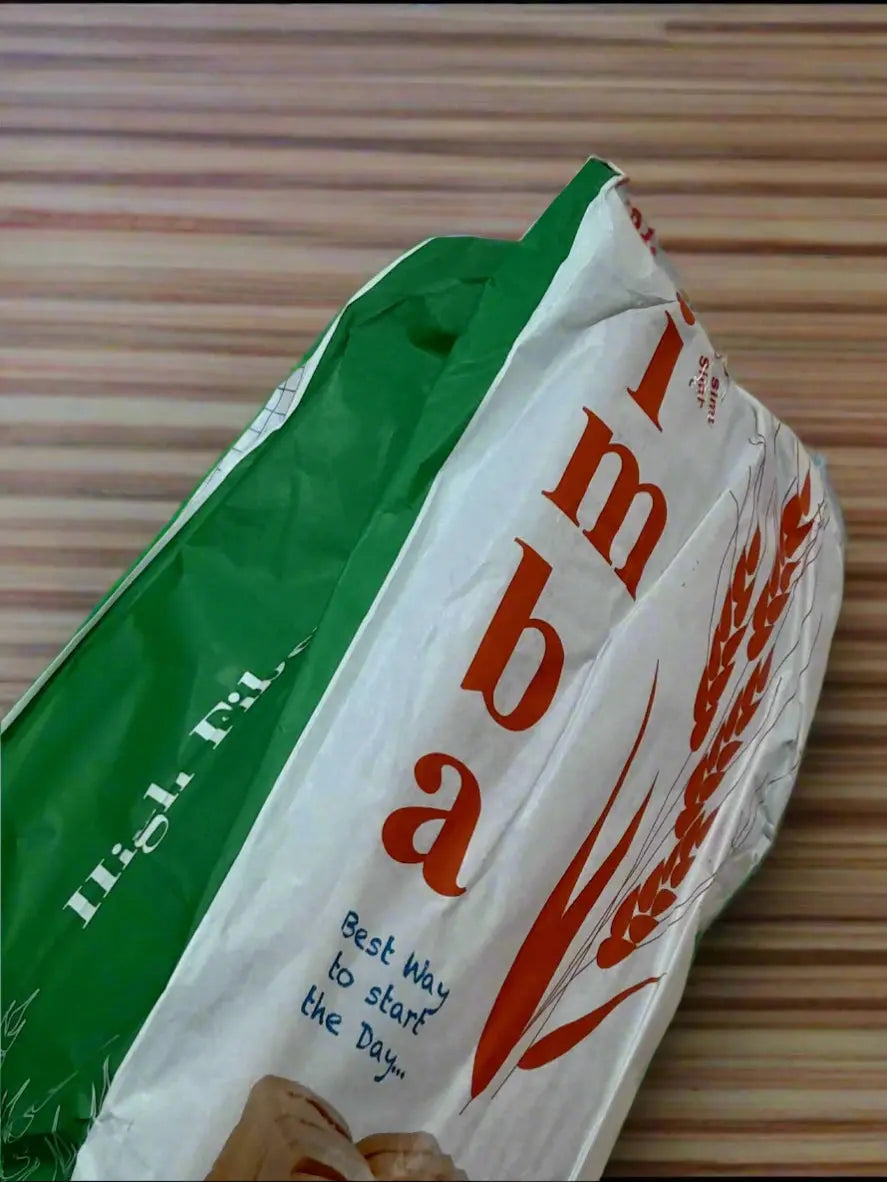
Bread for sandwiches
1 loafNice to havePacked sandwiches save you from stopping at a restaurant when the children are starving.
How to use it: Make them the morning you leave. Fill with something that does not spoil quickly, and keep them in a closed container.
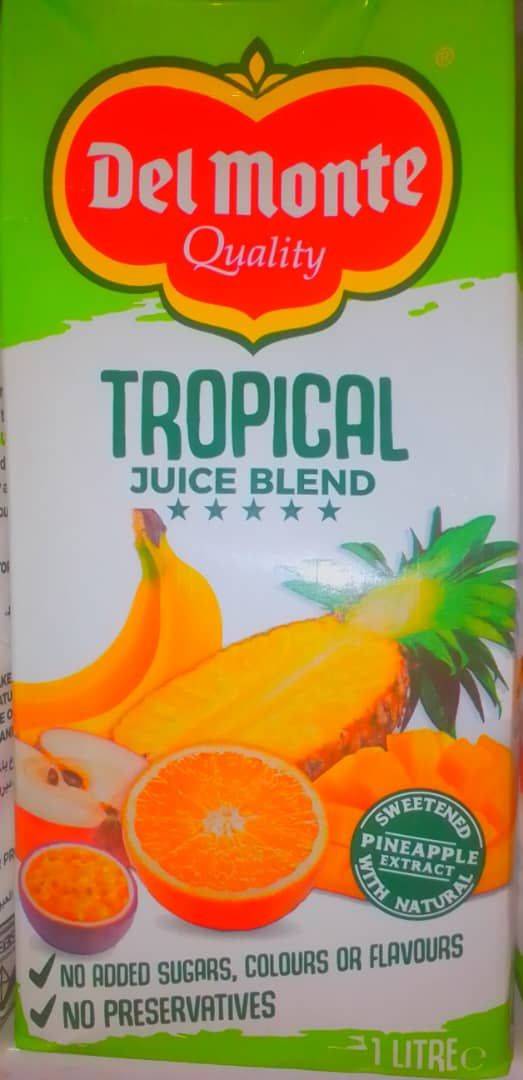
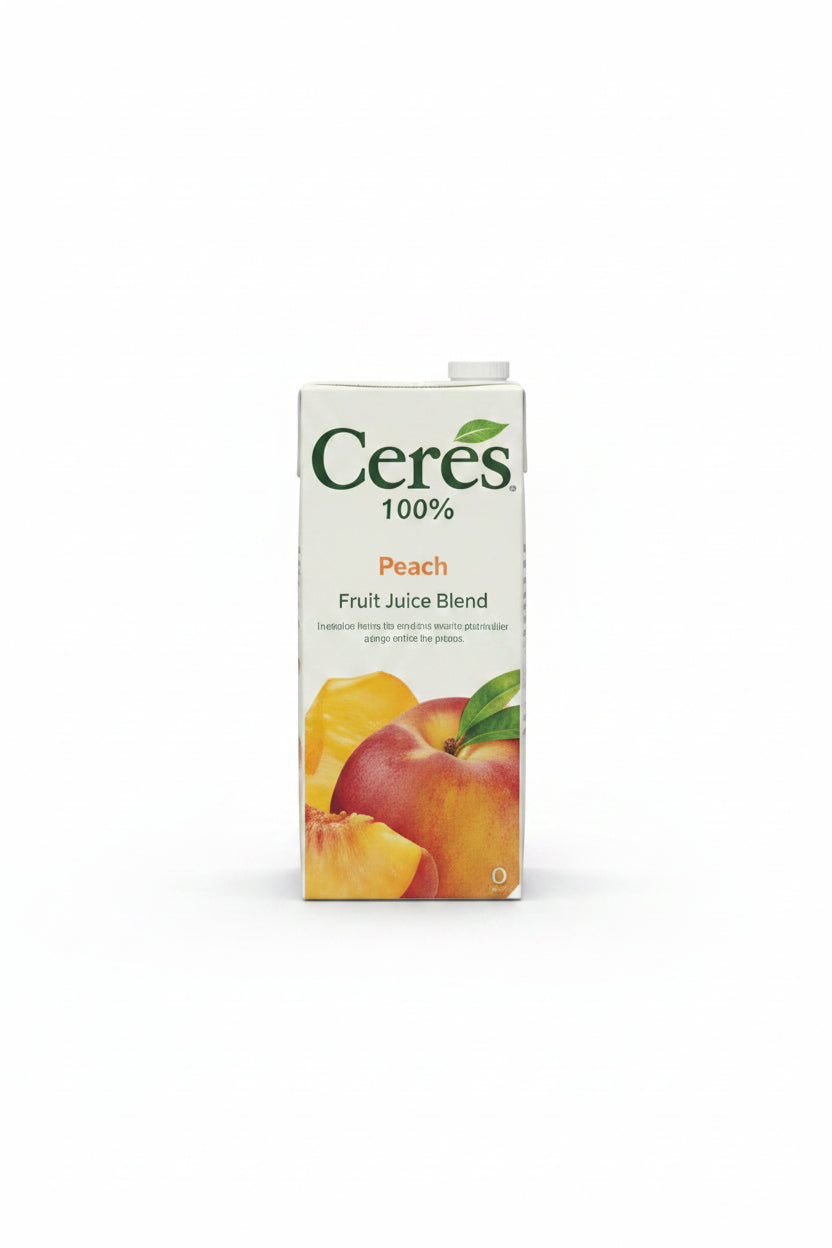
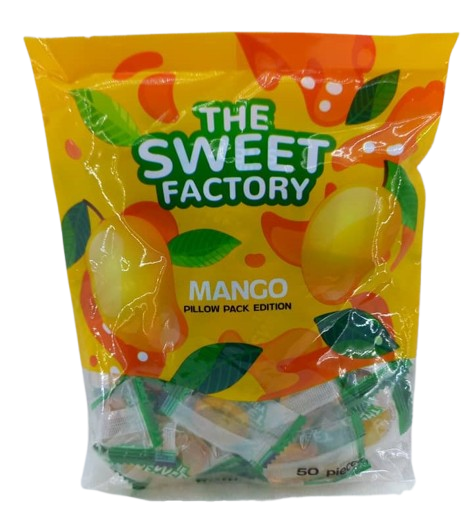
Juice
3 to 4 small packsNice to haveA sweet drink is a treat that helps a long drive feel special.
How to use it: Offer it with a meal or snack rather than all day. Choose small packs so there is no half finished bottle rolling around.







Keep it cool and carry it
These help food stay fresh and make stops quick and tidy.
Cooler box
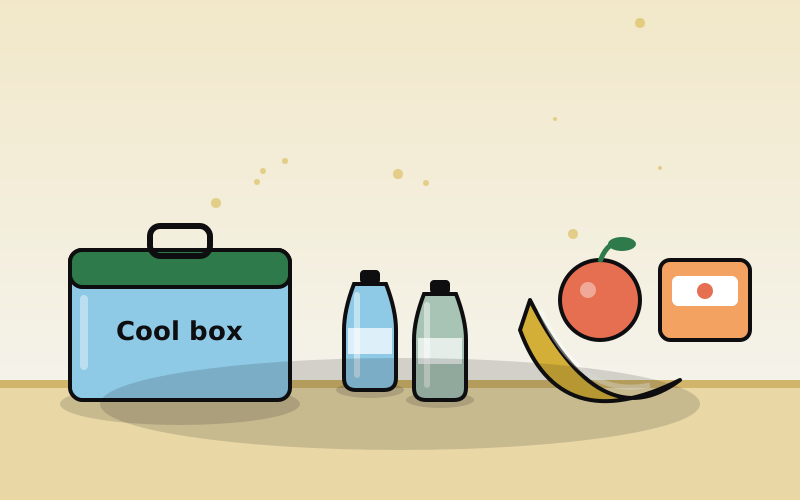
1 Must haveFood and drinks go warm fast in a car, and Musanze is a few hours there and back. A cooler box keeps sandwiches, fruit and milk safe to eat.
How to use it: Pre chill it, then pack drinks at the bottom and food on top. Keep it in the cabin, not in the hot boot.
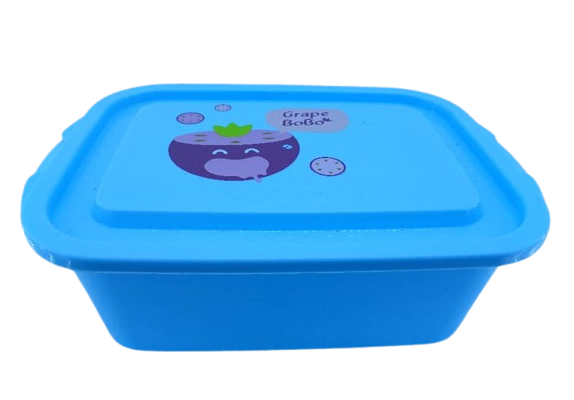
Plastic containers with lids
3 to 4 Must haveContainers keep cut fruit and sandwiches from getting crushed and stop leaks in the bag.
How to use it: Pack one container per child so nobody fights over the snacks. Wash and dry them well beforehand.
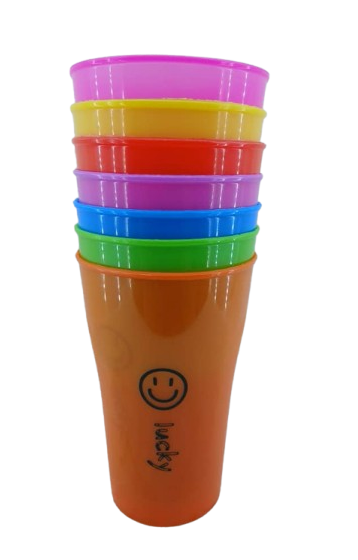
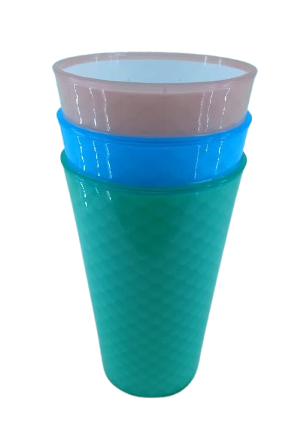
Plastic cups
1 per personNice to haveCups make it easy to pour a drink for little ones at a rest stop or picnic.
How to use it: Choose sturdy ones that can be washed and reused. Keep a spare for each child.
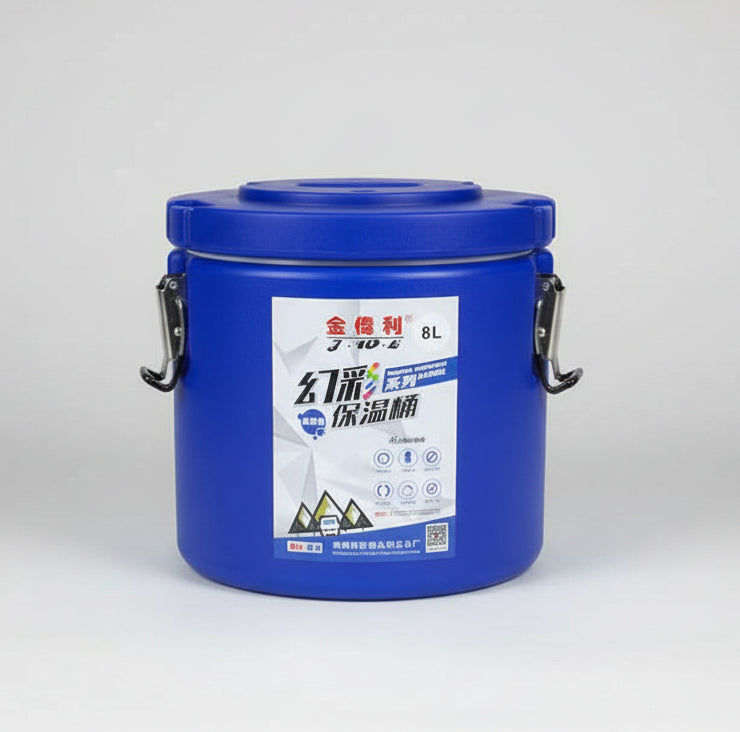
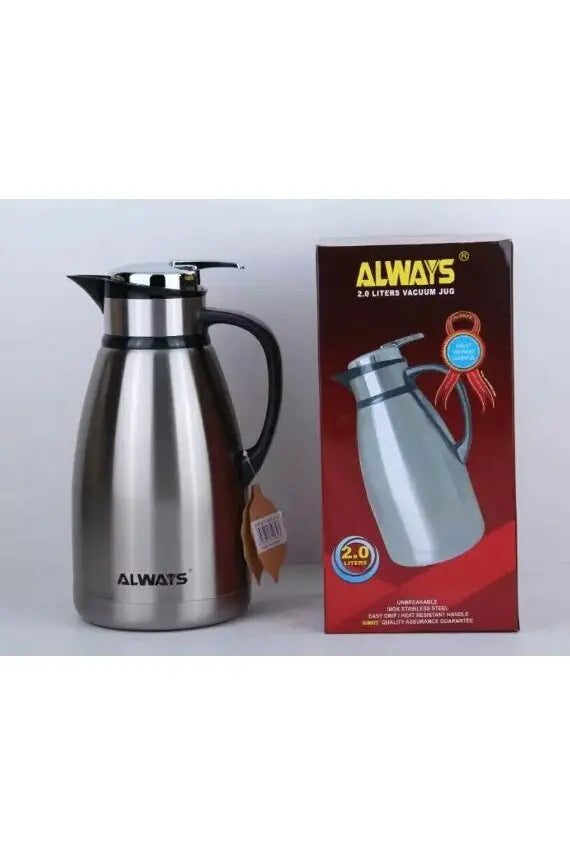
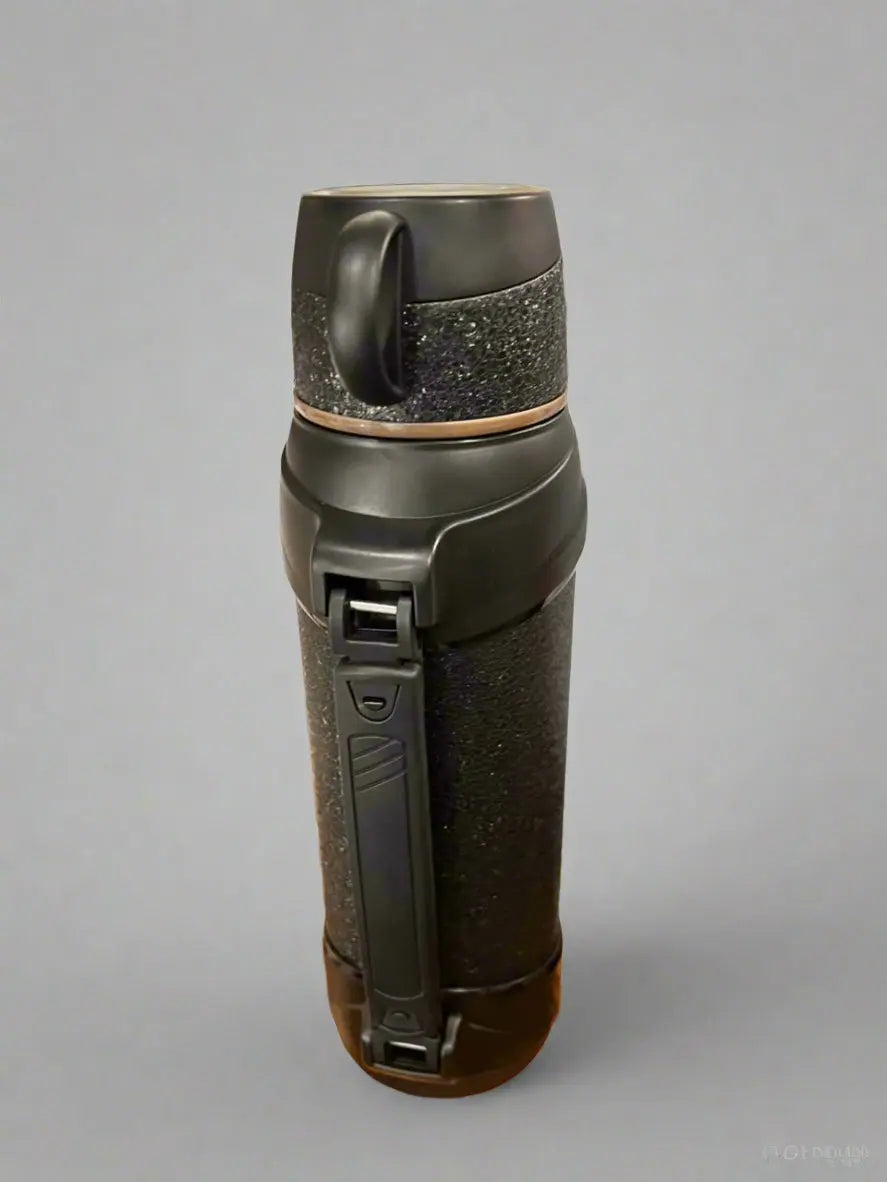
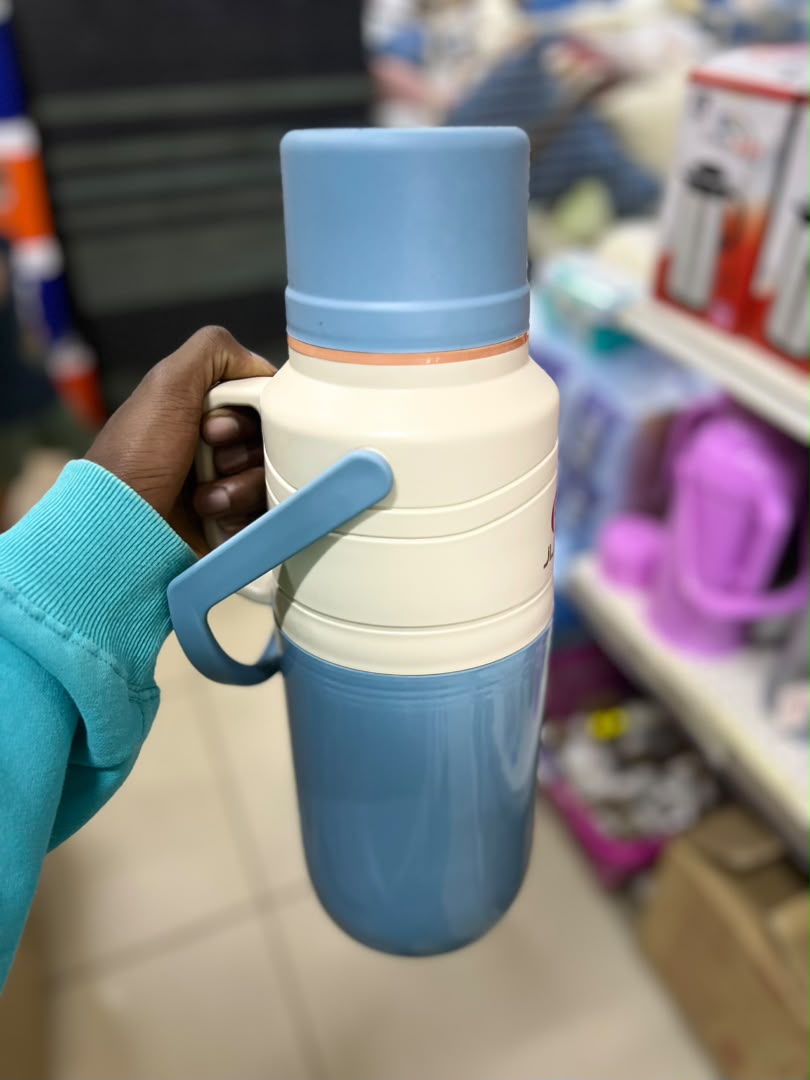
Thermal flask
1Nice to haveA flask keeps hot tea or warm water for a baby bottle and helps on a cool Musanze morning.
How to use it: Fill it with very hot water before you leave. Screw the lid on tight and carry it upright in the bag.


Entertainment
Quiet things to do so the drive passes without screens or fighting.
Playing cards
1 packNice to haveA pack of cards gives older children a game for the whole family. It takes almost no space.
How to use it: Play simple games like snap or memory. Keep the cards in a small bag so none fall under the seat.
Puzzle
1Nice to haveA small puzzle keeps a child busy for a long stretch and is a good reward for staying seated.
How to use it: Pick one with a small number of big pieces and a tray or board so pieces do not slide away.
Colour pencils
1 set per child Must haveDrawing is a calm activity that works even for children who get carsick looking at screens.
How to use it: Bring a firm board or book to rest on. Pencils are safer than pens or crayons that melt or stain the seats.
Exercise book for drawing
1 per child Must haveA cheap notebook gives children something to draw, write games and tick off things they see on the road.
How to use it: Ask them to draw cows, banana trees and volcanoes. Keep one spare book in case one gets lost.
Small toys
2 to 3Nice to haveA few new or forgotten toys feel like a surprise and keep little hands busy.
How to use it: Hide them in a bag and hand them out one at a time, not all at once. Avoid anything with tiny loose parts for babies.
Headphones
1 per childNice to haveIf a child watches a video or listens to a story, headphones keep the car calm for everyone else.
How to use it: Check the volume before handing them over. Keep the plug type matched to your phone or tablet.


Car comfort
Musanze can be cool and rainy while Kigali is sunny, so plan for both.
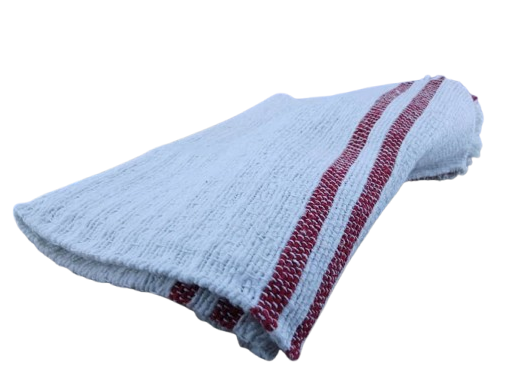
Blanket
1 or 2 Must haveA blanket works as a cover for a sleeping child, a picnic mat and a spill shield for the seat.
How to use it: Fold it in the back seat where you can reach it. Choose one that is easy to wash.
Pillow
1 per childNice to haveA small pillow helps children sleep without their head dropping to the side, which means a calmer car.
How to use it: Use one pillow per child who naps. Make sure it does not block the seat belt.
Light jacket
1 per child Must haveHills near the Virunga volcanoes often feel noticeably cooler than Kigali, especially in the morning and when it rains.
How to use it: Pack one per child even if it is sunny when you leave. Put it on top of the bag, not at the bottom.
Umbrella
1 or 2Nice to haveRain can come fast in the rainy seasons. An umbrella gets the family from car to shelter without everyone getting soaked.
How to use it: Keep it in the door pocket, not in the boot. A compact one is easiest.
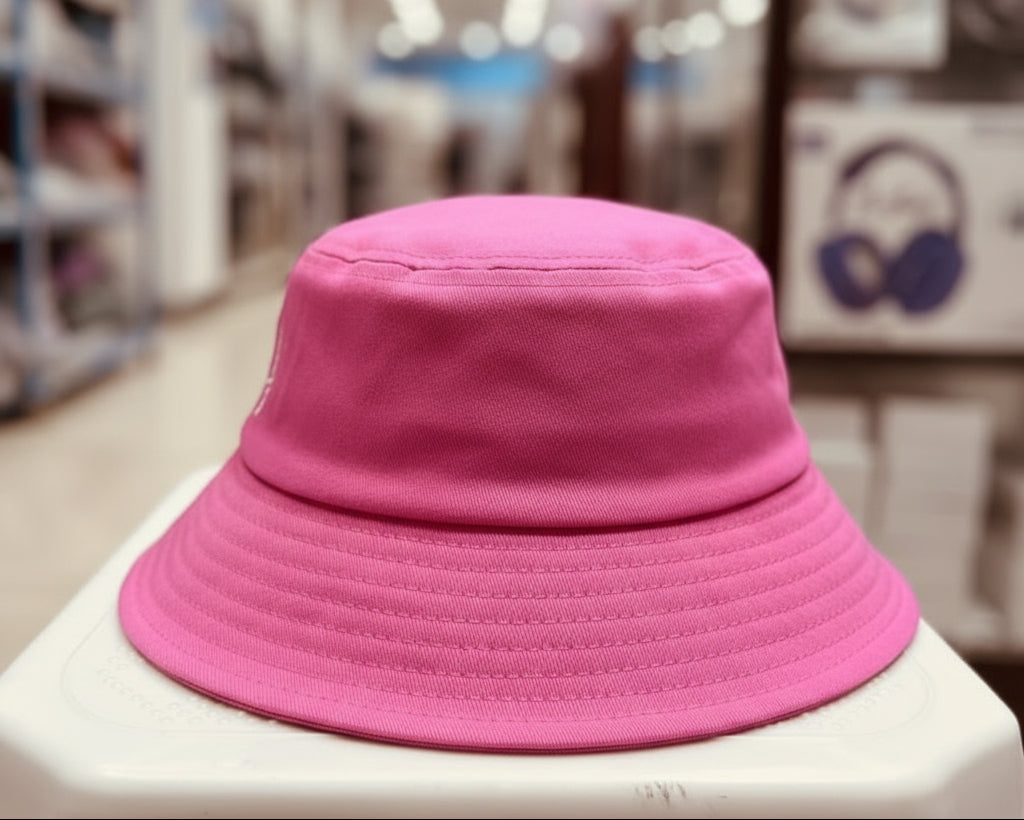
Sun hat
1 per childNice to haveThe sun is strong at high altitude. A hat protects little faces during stops and walks.
How to use it: Choose a wide brim for toddlers. Check that it stays on without a tight strap.
Sunglasses
1 per childNice to haveBright light on the road can bother children's eyes and make them sleepy or cranky.
How to use it: Pick a pair with a soft band for the youngest. Keep a spare in case they break.






Clean up and stay safe
Dirty hands, sticky faces and small injuries are certain on a family trip. Be ready.
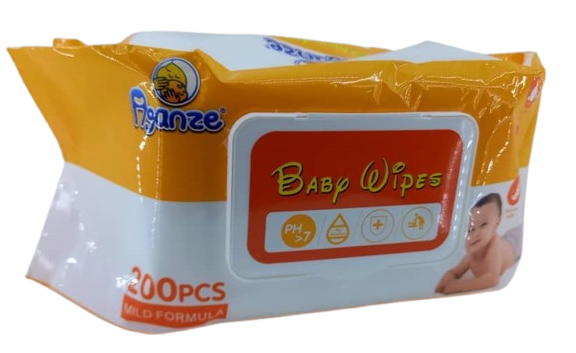
Baby wipes
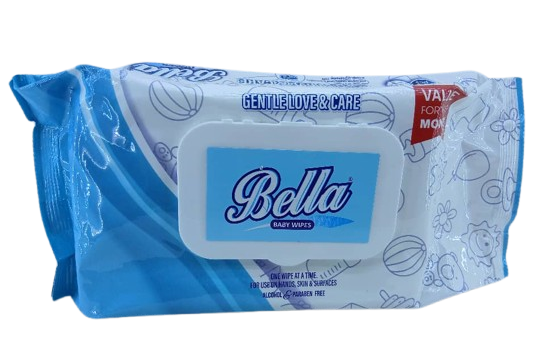
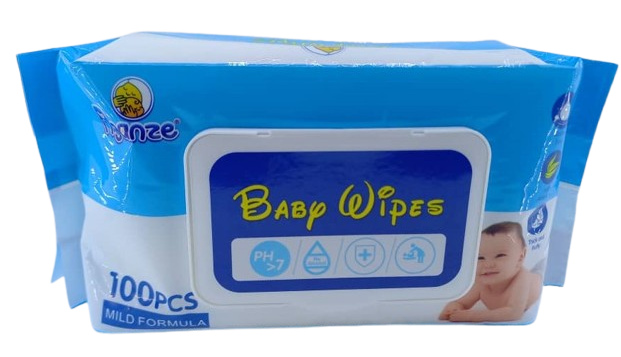
2 packs Must haveWipes clean hands, faces, seats and bottoms without water. They are the single most useful item on a road trip.
How to use it: Keep a pack in the front and one in the back. Close the pack tightly so they do not dry out.
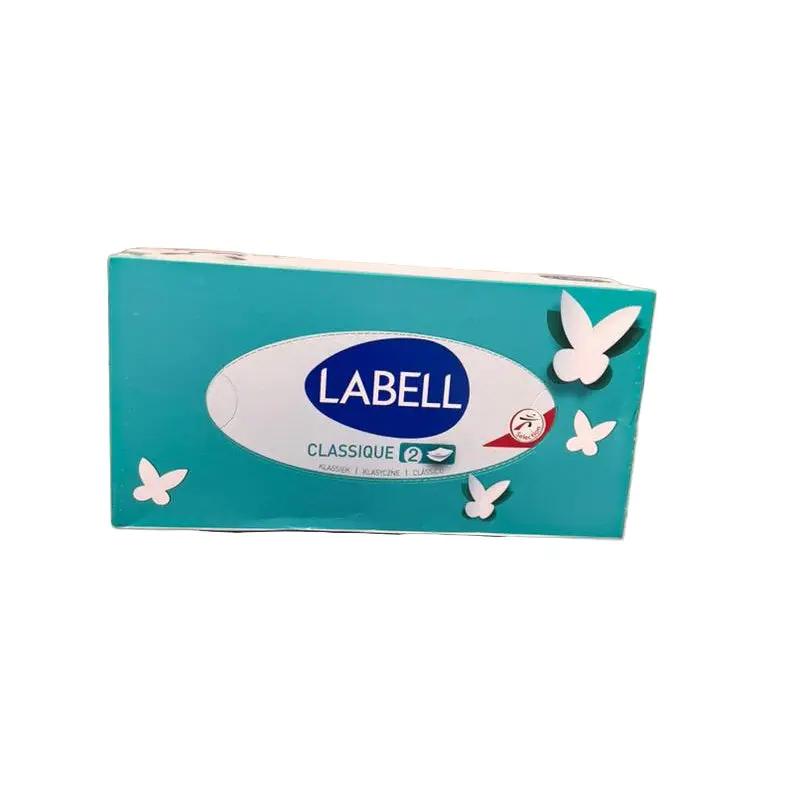
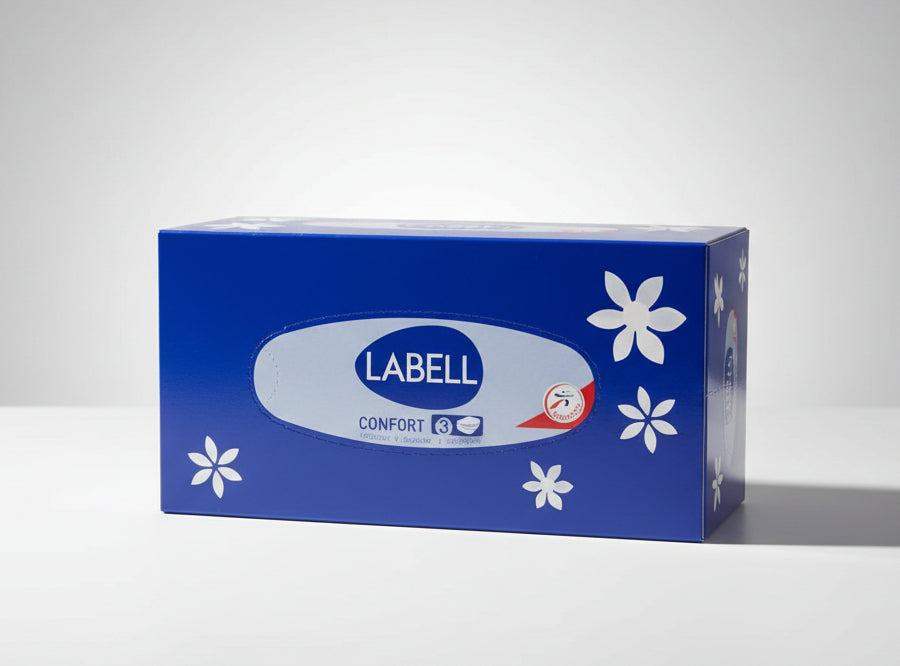
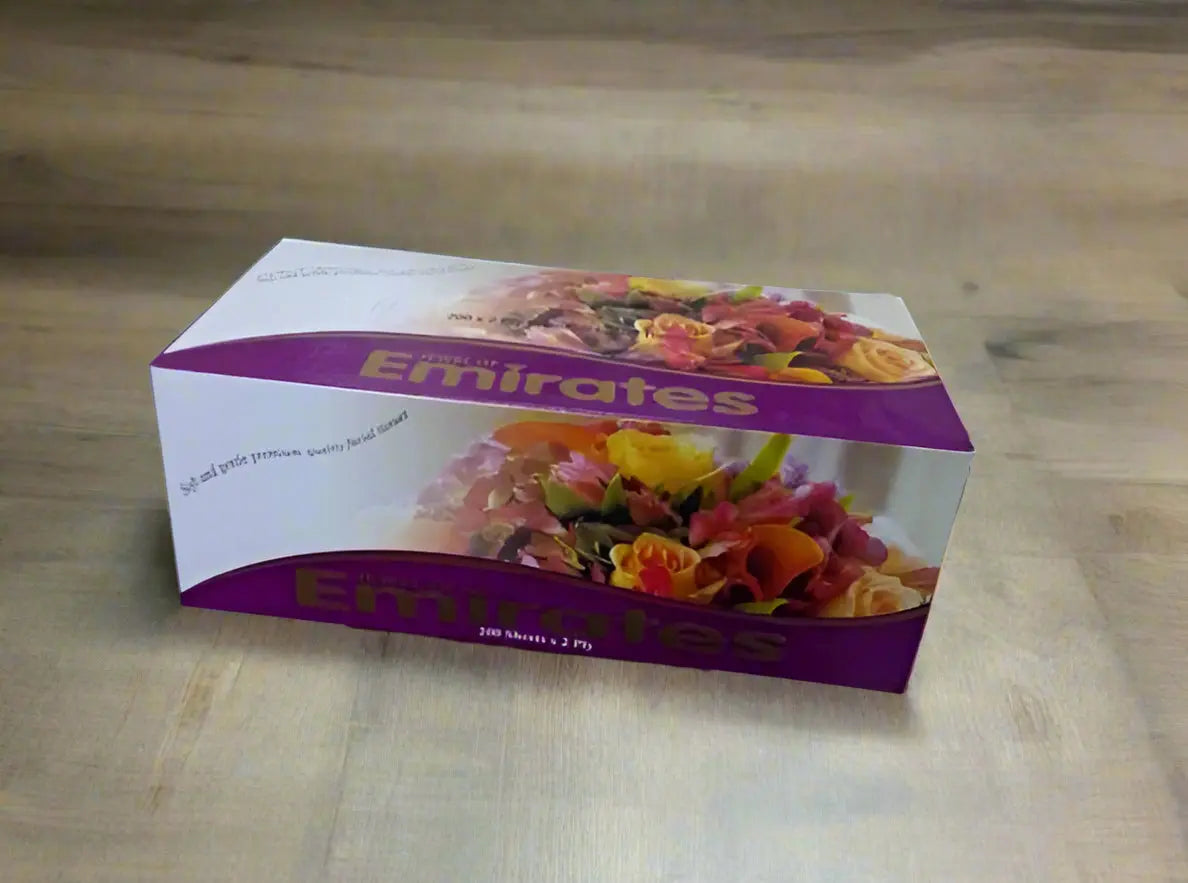
Facial tissues
2 packs Must haveFor runny noses, spills and quick wipes at a roadside toilet that may not have paper.
How to use it: Keep a box on the dashboard or a pack in each pocket.
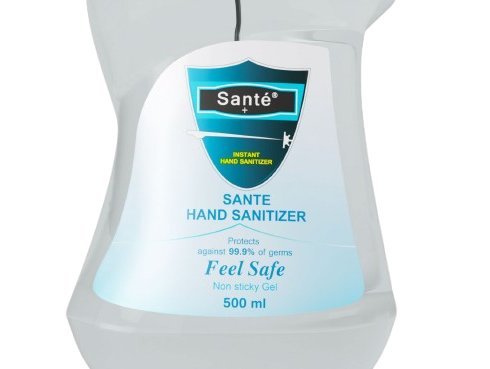
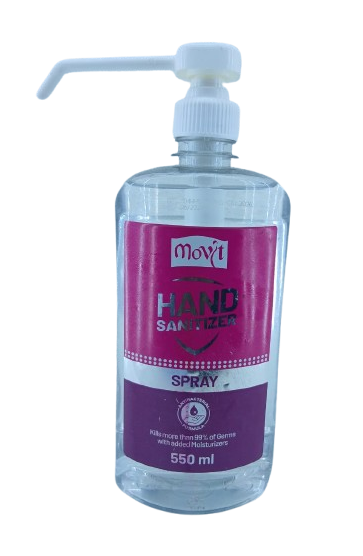
Hand sanitizer
1 Must haveUseful before eating when there is no tap nearby. Children can get sick from dirty hands.
How to use it: Use a small amount and rub until dry. Keep it out of reach of very young children and never near the eyes.
First aid kit
1 Must haveScrapes, small cuts and blisters happen on walks and at rest stops. Having plasters and antiseptic close saves a stressful search.
How to use it: Check what is inside before you leave and replace anything used. Ask a pharmacist for the right children's medicine and doses.
Sunscreen
1Nice to haveEven when it feels cool, sunlight at altitude can burn children's skin.
How to use it: Apply before you leave and again if you spend time outside. Check the label for how old a child should be.
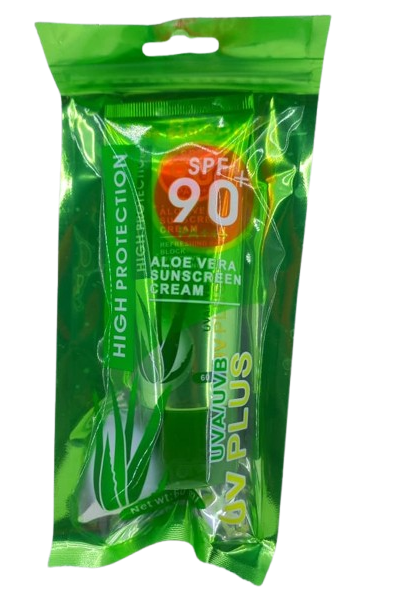 Kiss Beauty spf 90+ Aloe Vera Sunscreen Cream 60mlAmper SupermarketRWF 8,100
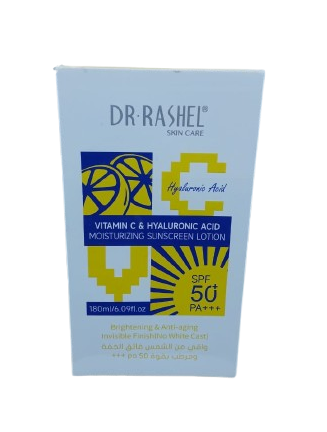 Dr.Rashel Vitamin C & Hyaluronic Acid Moisturizing Sunscreen Lotion SPF50+ PA+++180mlAmper SupermarketRWF 21,300
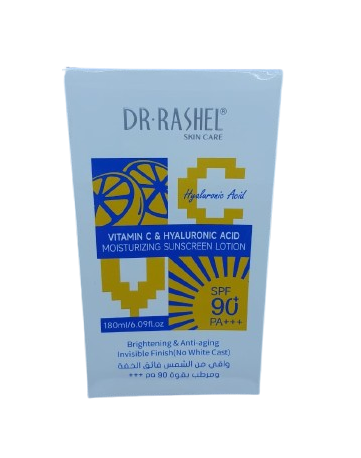 Dr.Rashel Vitamin C & Hyaluronic Acid Moisturizing Sunscreen Lotion SPF90+ PA+++180mlAmper SupermarketRWF 21,300See more on Isokko
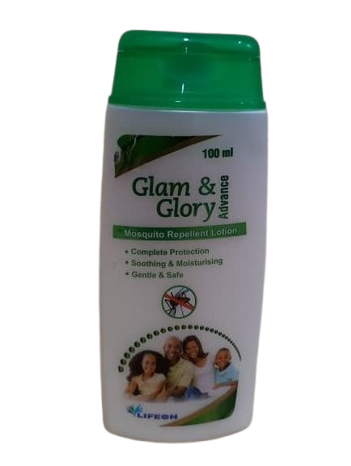
Mosquito repellent
1Nice to haveIf you stay overnight or sit outside in the evening, repellent helps protect children from bites.
How to use it: Ask your pharmacist what is suitable for your child's age. Apply on clothing or skin as the label says and avoid the eyes and mouth.
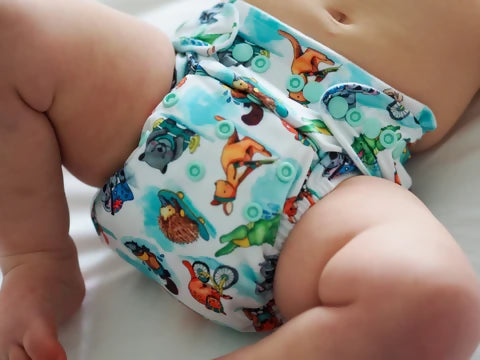
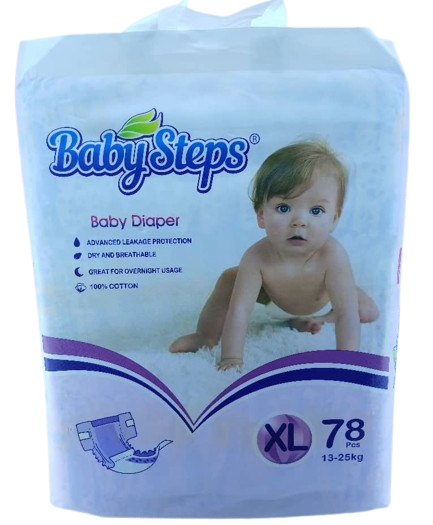
Diapers
1 per 2 hours plus extra Must haveBabies and toddlers need more changes than you expect on a long day out, and delays are common.
How to use it: Pack more than you think you need. Include a changing mat or an old towel and a bag for dirty ones.




Step by step
- 1
Three days before
Check the car, wash the seat covers if needed and choose games and drawing things for each child.
- 2
Two days before
Buy dry snacks, wipes, tissues, sunscreen and any first aid items. Charge power banks and tablets.
- 3
The day before
Buy fruit and bread, fill the water bottles and chill the cooler box. Pack clothes and jackets.
- 4
Morning of the trip
Make the sandwiches, load the cooler box in the cabin and put wipes and tissues within reach.
- 5
On the road
Stop about every two hours for toilets, water and a stretch. Hand out snacks in small portions.
Tips that help
- Give each child a small bag with their own water, a snack and a toy so they stop asking you.
- Start early in the morning. Children are fresher and traffic is lighter.
- If a child gets carsick, stop for fresh air, avoid heavy snacks and let them look at the road, not at a screen.
- Keep a bag for rubbish in the car and empty it at every stop.
- Bring a spare set of clothes for each young child in an easy to reach bag.
- Keep some cash and your phone with Mobile Money ready for stops and roadside fruit.
- Tell older children where you are going and what they will see, so the trip feels like an adventure.
Mistakes to avoid
- Packing everything in the boot, so the wipes and snacks are out of reach when you need them.
- Forgetting jackets because Kigali is warm. Musanze mornings and evenings can be cold.
- Giving all the snacks at the start and having nothing left for the way back.
- Leaving food in a hot car or the boot for hours.
- Relying only on screens, then running out of battery.
Questions people ask
What snacks are best for a long car ride with kids?+
Plain biscuits, fruit like bananas and apples, small sandwiches and a drink are the easiest. Avoid very sticky or messy foods and keep portions small so nobody is overfed in a moving car.
How do I keep kids busy on the way to Musanze?+
Mix quiet games and drawing with songs and a few small surprises. Playing cards, a small puzzle and a drawing book work even for children who get carsick on screens.
What should I wear for Musanze with children?+
Dress in layers. It can be sunny and warm, then cool and rainy within the same day. A light jacket and a hat for each child, and a spare set of clothes, cover most situations.
Do I need a first aid kit for a day trip?+
It is a good idea. A few plasters, antiseptic and wipes handle most small scrapes. Ask a pharmacist before giving any medicine to a child, and see a doctor if a child is unwell.
How often should we stop on the road?+
With small children, plan a stop every one to two hours for the toilet, water and a stretch. It makes the trip longer but much calmer.
A good road trip is mostly small preparation: water, snacks, something to do and a way to clean up. Pick what fits your family from this list and order it on Isokko so you can start the drive relaxed.
Shop this list
Get everything delivered in Kigali
Order from local stores on Isokko and pay with MoMo, card or cash. Same-day delivery.