
Checklist · Travel & outings
Gorilla Trekking in Volcanoes National Park: What to Pack
A practical packing checklist for gorilla trekking in Volcanoes National Park, with rain gear, boots, gloves, snacks and water you can order in Kigali.
Updated November 18, 2026 · By Isokko
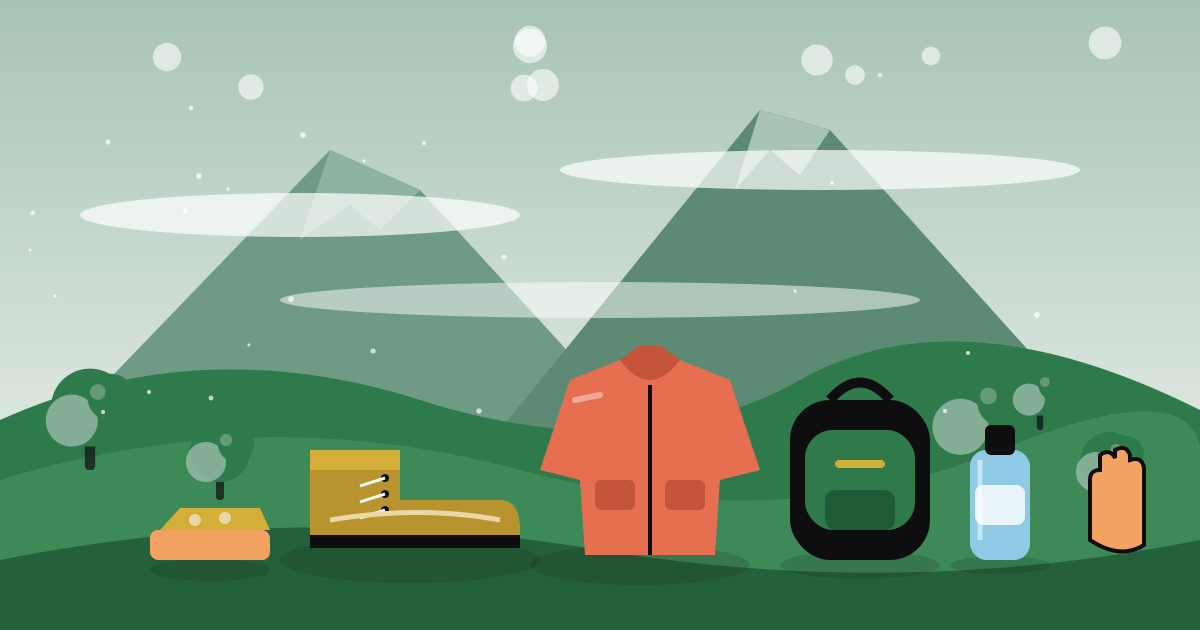
A gorilla trek is one of the best days you can have in Rwanda. It is also a real walk on a mountain. The ground can be steep, wet and muddy, and the weather can change in a few minutes. You may walk for an hour or for several hours, depending on where the gorilla family is that day.
The good news is that comfort comes from a small list of the right things. Sturdy shoes, a waterproof layer, gloves for the plants, water and a few snacks matter much more than any gadget.
Use this checklist to buy and pack what you need in Kigali. Your permit provider or tour operator may also give you advice, so check with them about the rules for your day.
Who it's for
Anyone planning a gorilla trek in Volcanoes National Park, from Kigali or from Musanze
Time needed
Shop one week before, pack the night before
When to shop
Order boots and rain gear early, and snacks and water two days before the trek
On the list
30 items, 13 must haves
0 of 30 ready
What to wear
Dress in layers that dry fast and protect your skin from plants and insects.
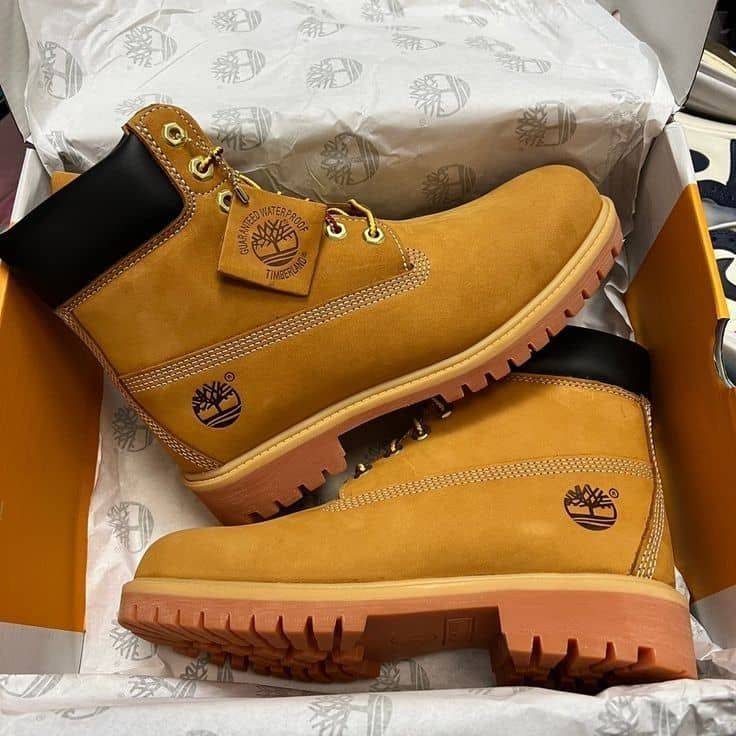
Waterproof hiking boots
1 pair Must haveThe paths are often muddy and steep. Strong boots with good grip protect your ankles and keep your feet dry.
How to use it: Break them in with a few walks before the trek. New boots can cause blisters.
Rain jacket
1 Must haveVolcanoes National Park has rain at any time of year, and the forest stays wet. A waterproof jacket keeps you warm and dry.
How to use it: Choose one with a hood. Pack it near the top of your bag so you can reach it quickly.
Long trousers
1 pair Must haveThey protect your legs from nettles, thorns and insects as you walk through thick plants.
How to use it: Pick quick drying fabric, not thick jeans, which stay heavy when wet.
Long sleeve shirt
1 to 2 Must haveIt protects your arms from plants and insects, and keeps you warm in the cooler forest air.
How to use it: Wear a light layer that you can tie around your waist if it gets warm.
Warm sweater
1Nice to haveMornings at the start point can be cool, and you may be cold after rain.
How to use it: Pack it in a plastic bag so it stays dry.
Warm socks
2 pairs Must haveGood socks reduce blisters and keep your feet warm in wet boots.
How to use it: Pull your trouser legs over your boots or tuck them into your socks to keep out ants.
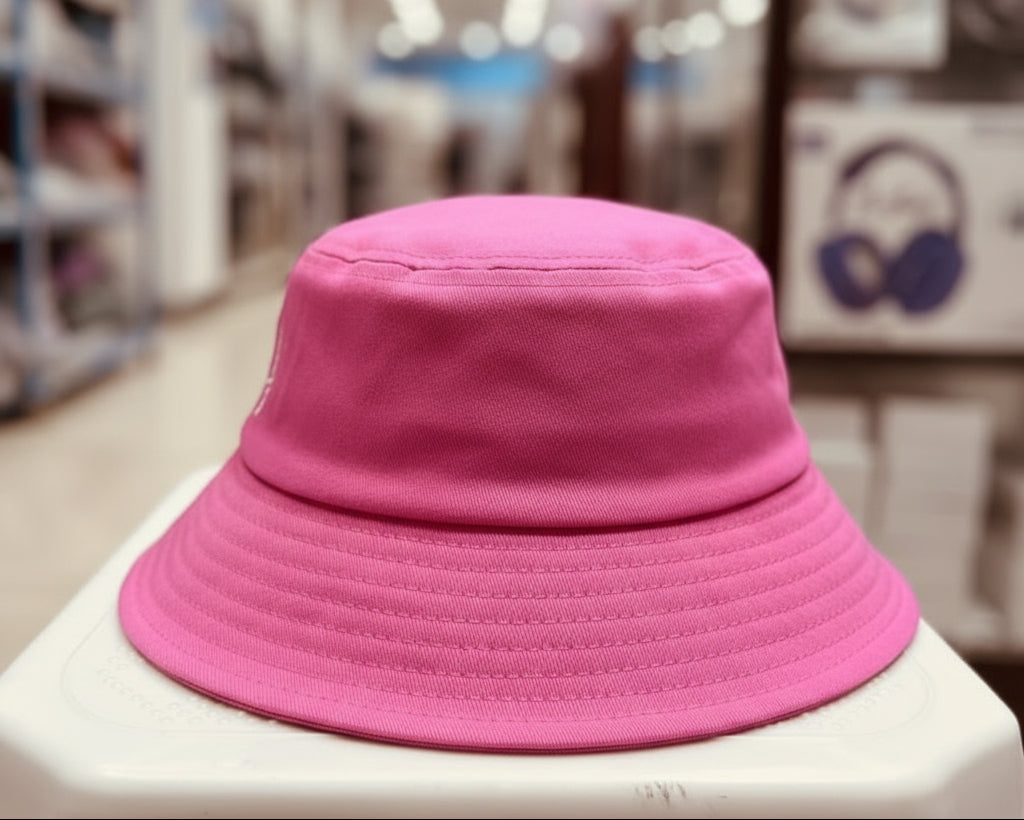
Hat or cap
1Nice to haveIt protects your face from sun in open areas and from light rain.
How to use it: Choose one with a brim you can wear under a hood.





Hands and body
Small things that help with the trail.
Gardening or work gloves
1 pair Must havePlants can sting or scratch, and you will hold branches or vines for balance. Gloves protect your hands.
How to use it: Choose gloves with a grip. Thin ones are better than thick ones, so you can still use your phone and camera.
Walking stick
1Nice to haveMany trekkers find a stick helps on slippery slopes. Your guides can often provide one at the start, so check first.
How to use it: If you bring your own, choose a light one and avoid sharp tips.
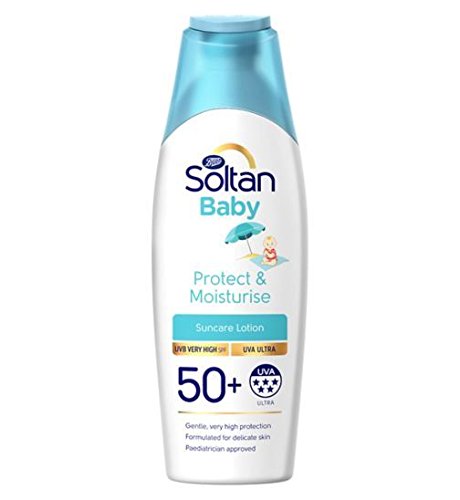
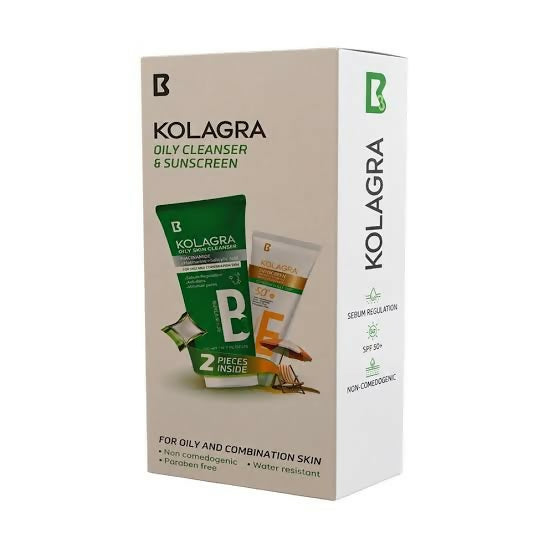
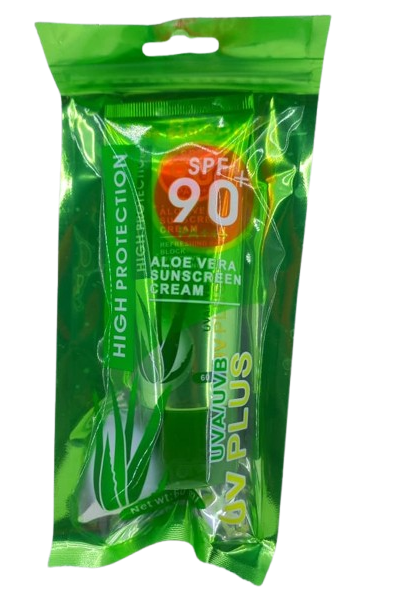
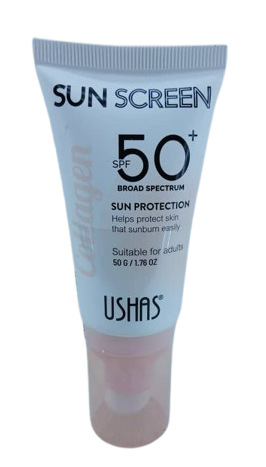
Sunscreen
1 small bottle Must haveAt high altitude the sun can burn even on cloudy days.
How to use it: Put it on before you leave and again if the sun is out.
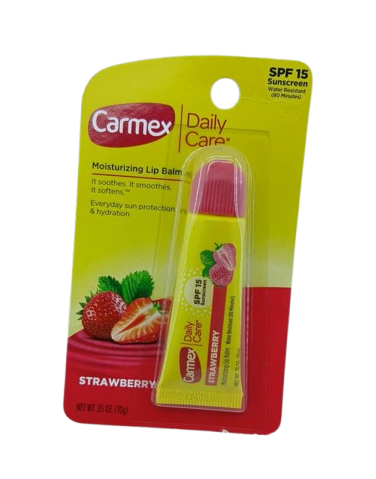
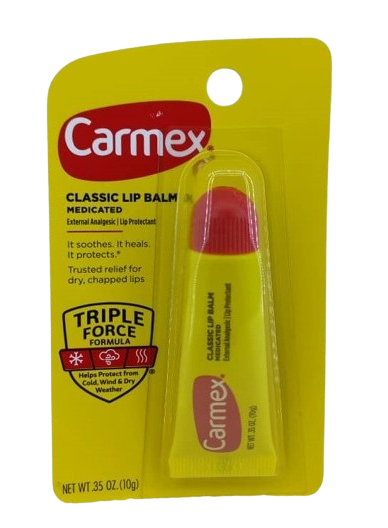
Lip balm
1Nice to haveWind and sun dry out your lips.
How to use it: Keep it in a pocket that is easy to reach.
Insect repellent
1Nice to haveIt helps against bites while you wait at the park office and on the trail.
How to use it: Apply to bare skin and clothing edges. Do not spray near the gorillas, and follow your guides' advice.




Food and drink
You will burn a lot of energy. Pack food that is easy to eat on the move.
Drinking water
2 bottles Must haveYou need plenty of water on the walk. Bring more than you think.
How to use it: Take at least 1.5 litres per person, and more for a long trek. Keep a small bottle in your bag pocket.
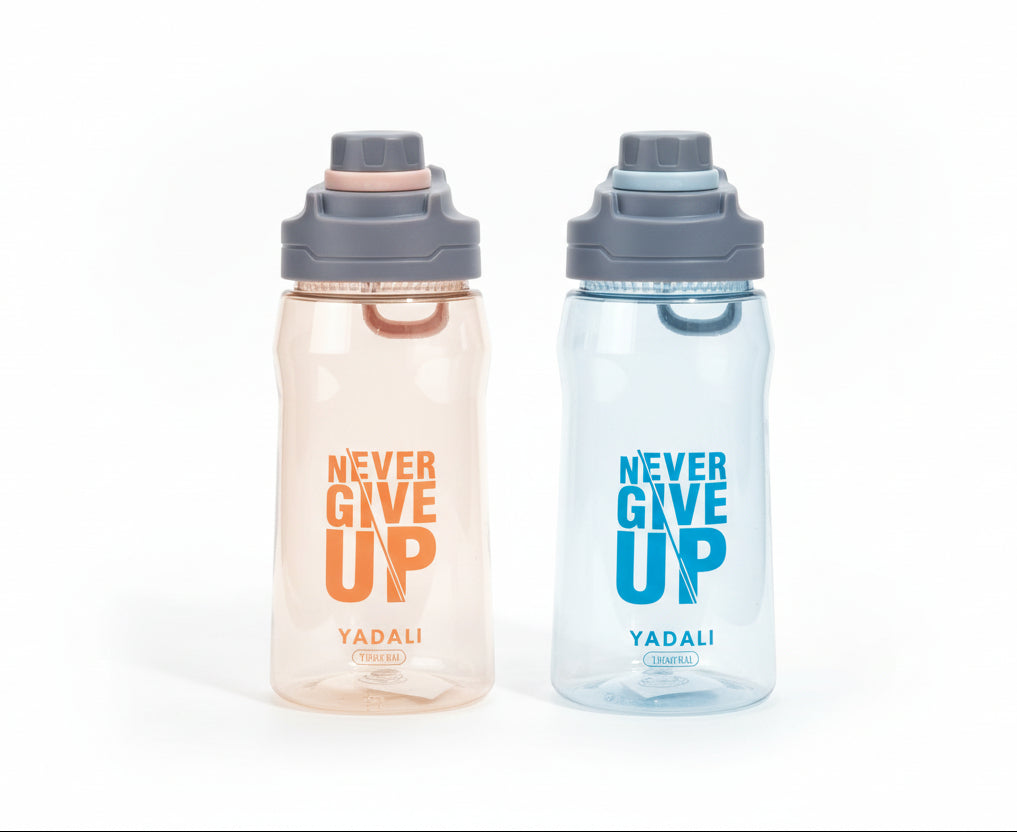
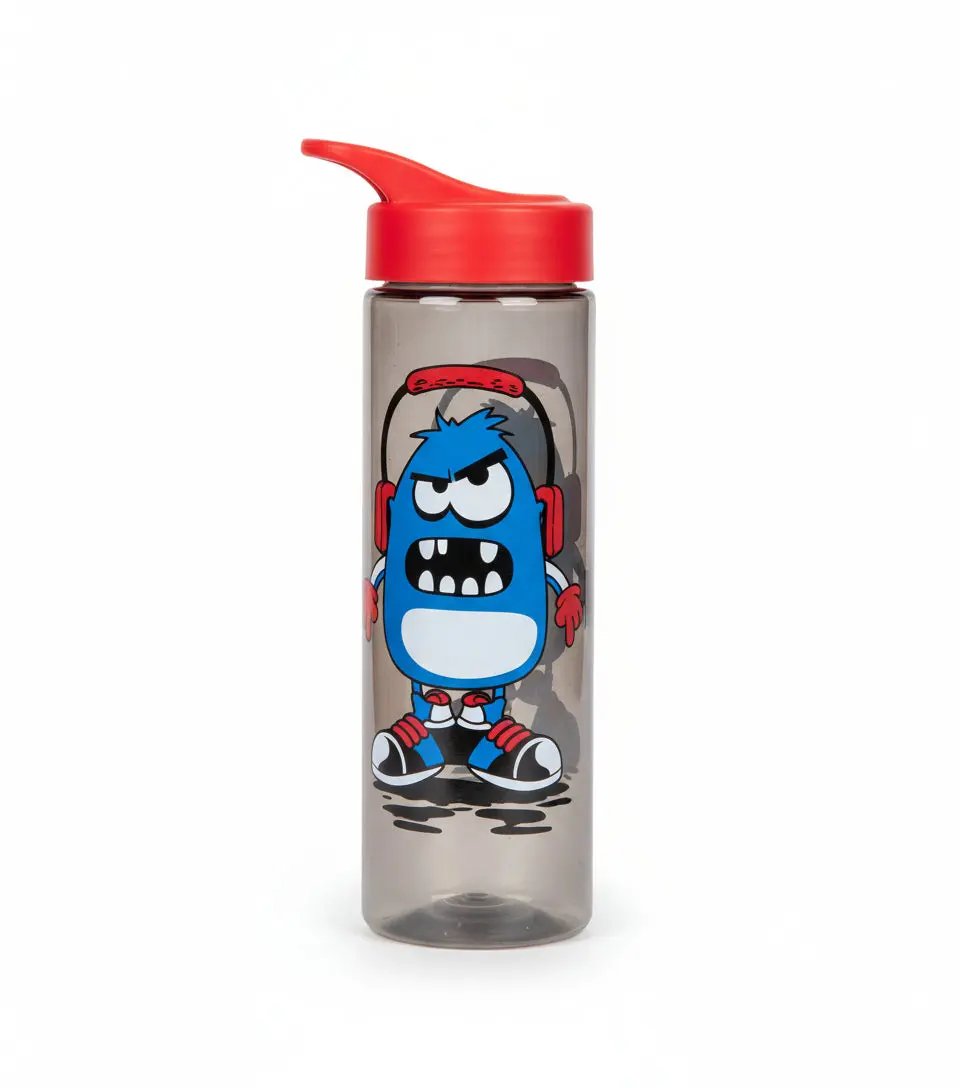
Reusable water bottle
1Nice to haveA good bottle that closes tightly stays easy to carry and keeps water in your bag.
How to use it: Fill it the morning of the trek. Check that the lid is tight.
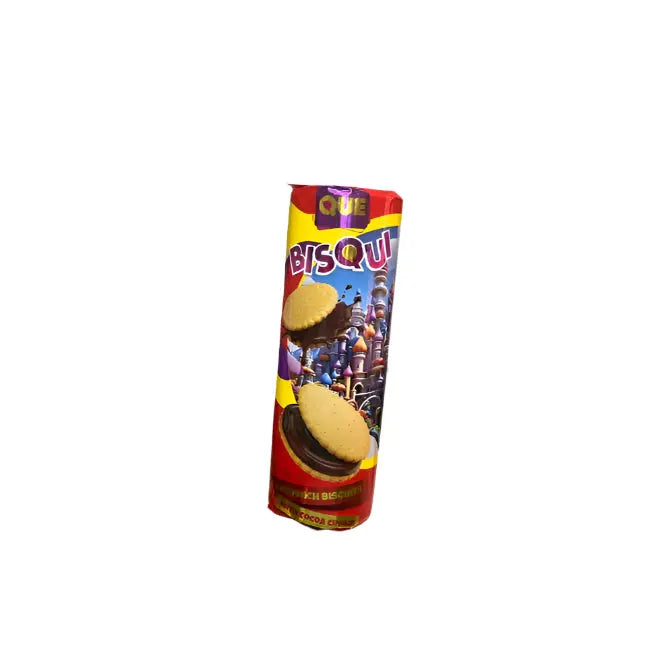
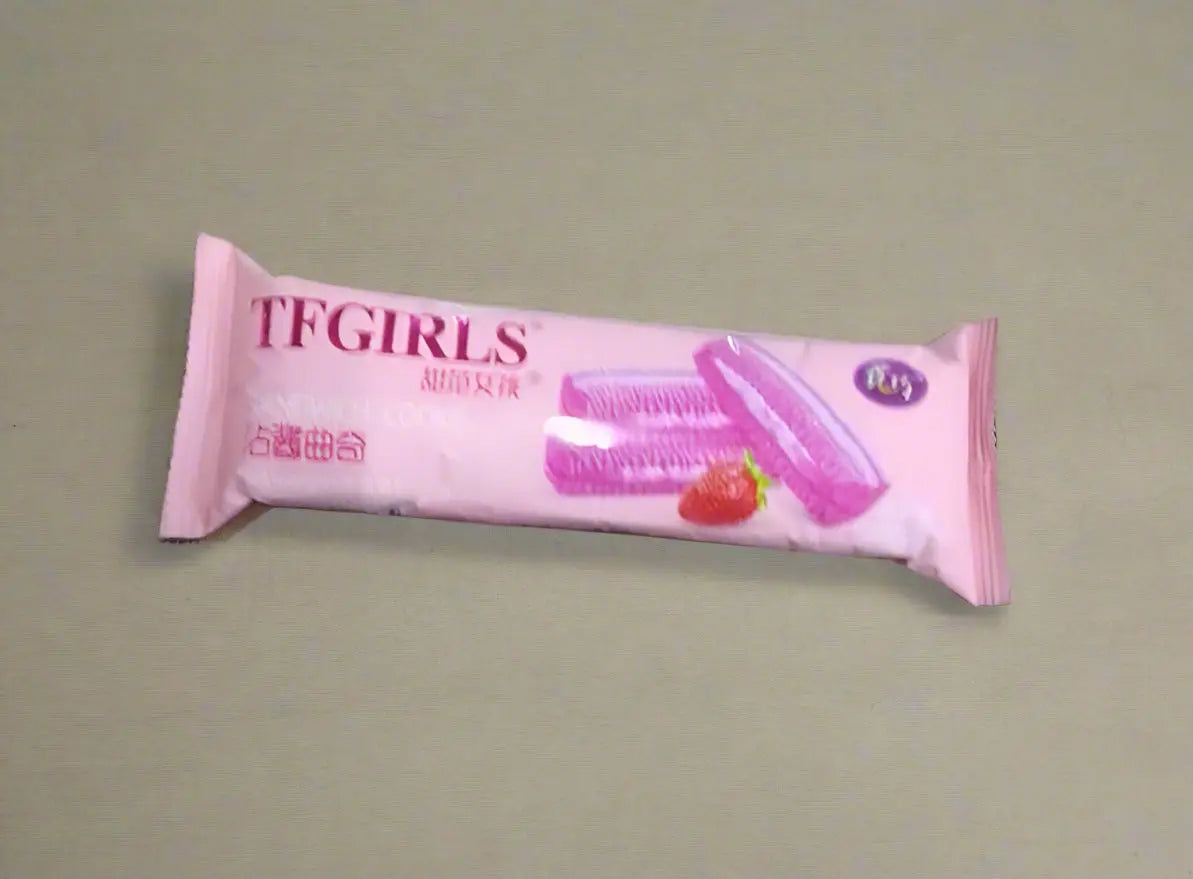
Biscuits
2 packs Must haveThey are light, do not spoil and give a quick bit of energy.
How to use it: Choose plain or lightly sweet biscuits that do not crumble into dust.
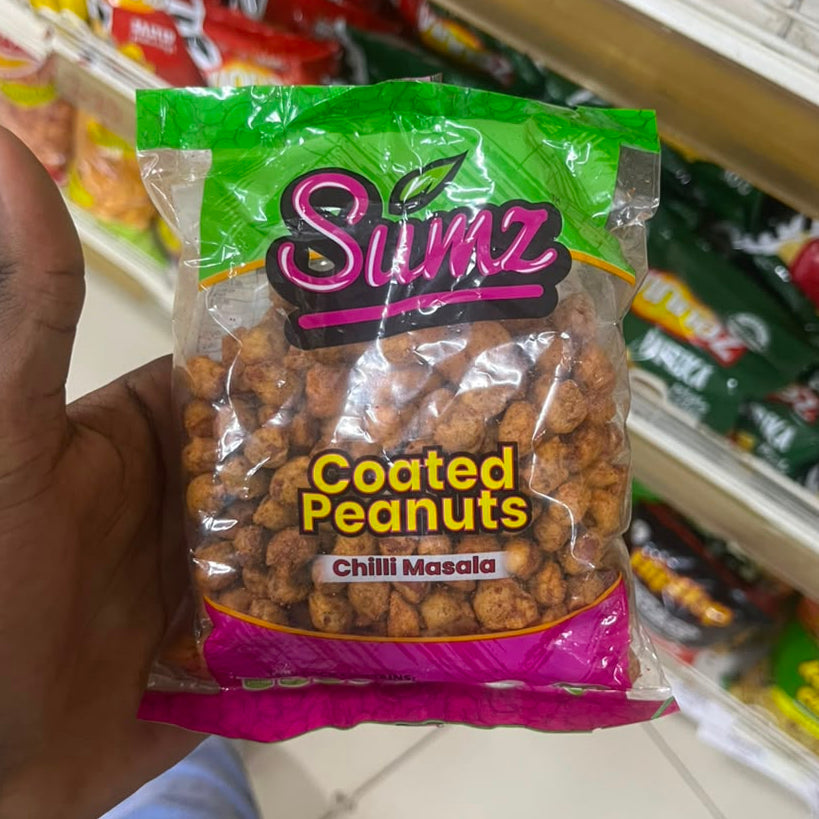
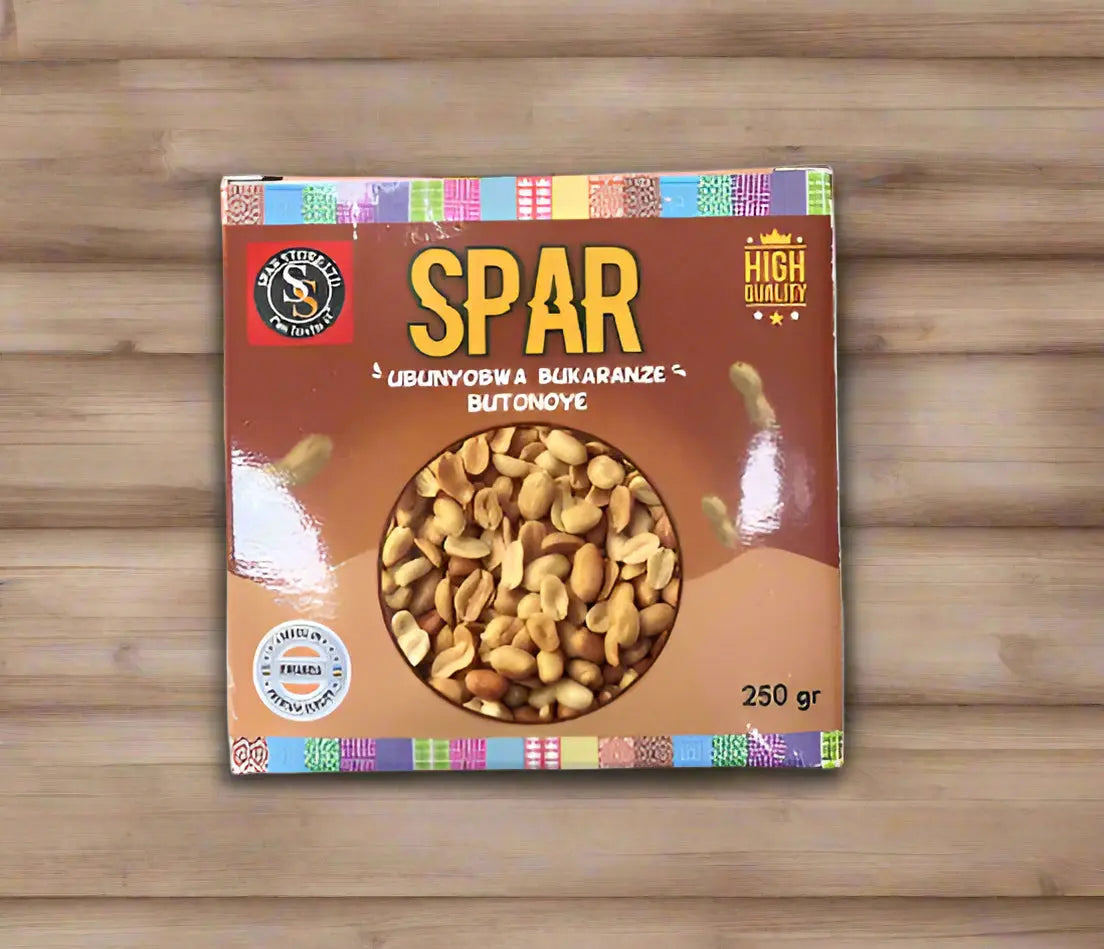
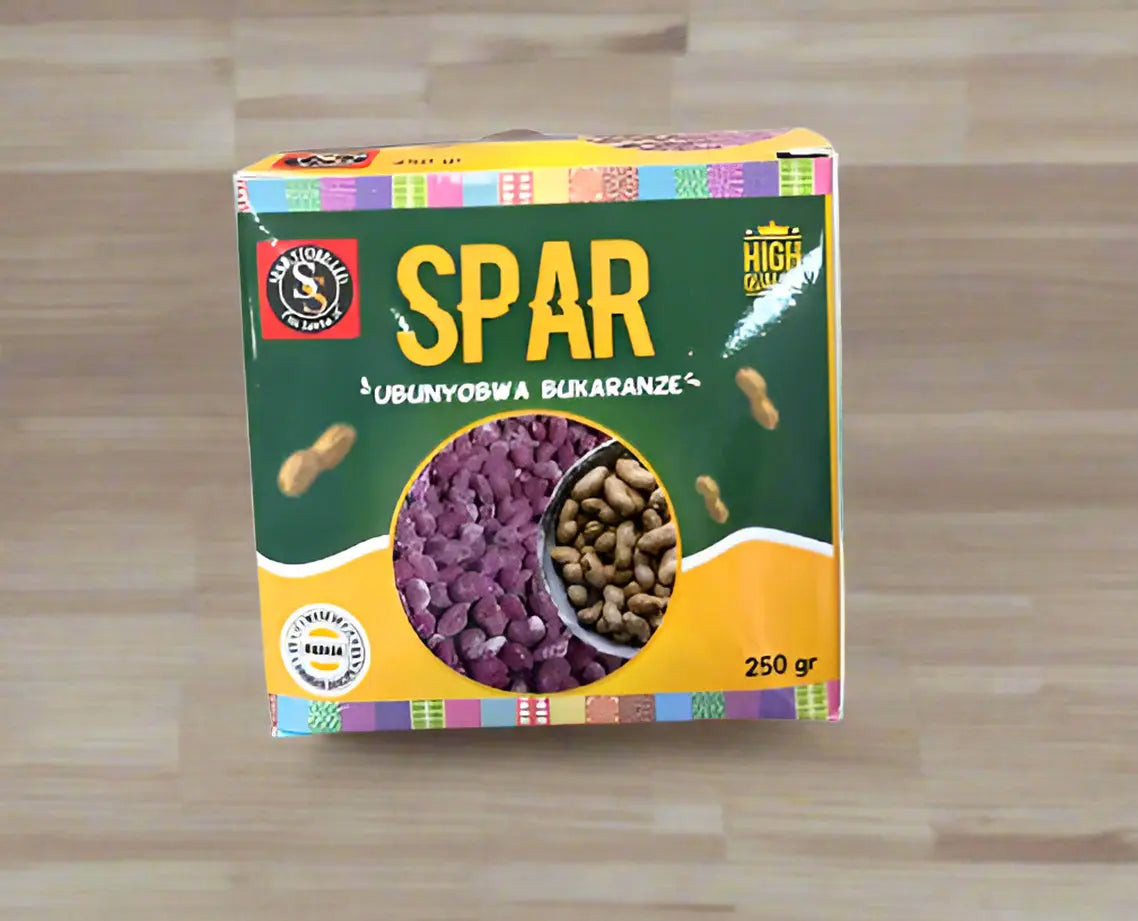
Peanuts
1 to 2 packs Must haveNuts have protein and last a long time in a bag.
How to use it: Take a small pack for each person and eat a handful when you rest.
Cashew nuts
1 small packNice to haveA nice change from peanuts and good for long walks.
How to use it: Pack in a small sealed bag.
Bananas
2 to 4Nice to haveA natural snack that is easy to carry and easy to eat.
How to use it: Pack them in a hard container so they do not bruise in your bag.
Chocolate bar
1 to 2Nice to haveA small treat that is good for a quick burst of energy at the top.
How to use it: Chocolate melts in warm cars and bags, so keep it in a cool spot.
Packed lunch
1 per personNice to haveThe trek may take several hours and you will be hungry at the end. Many lodges and hotels can prepare a lunch box, so ask.
How to use it: Bring simple food like sandwiches or samosas that you can eat with one hand.












Bags and protection
Keep your things dry and your hands free.
Small backpack
1 Must haveYou will carry water, snacks and layers. A small bag with two straps keeps your hands free.
How to use it: Choose one around 20 to 30 litres. Put heavier items in the middle, close to your back.
Rain poncho
1Nice to haveA cheap poncho can cover both you and your bag in heavy rain.
How to use it: Fold it small and keep it in a side pocket.
Plastic bags
5 or more Must haveUse them to keep your phone, camera and spare clothes dry and to carry back your trash.
How to use it: Pack a few small and one large bag.
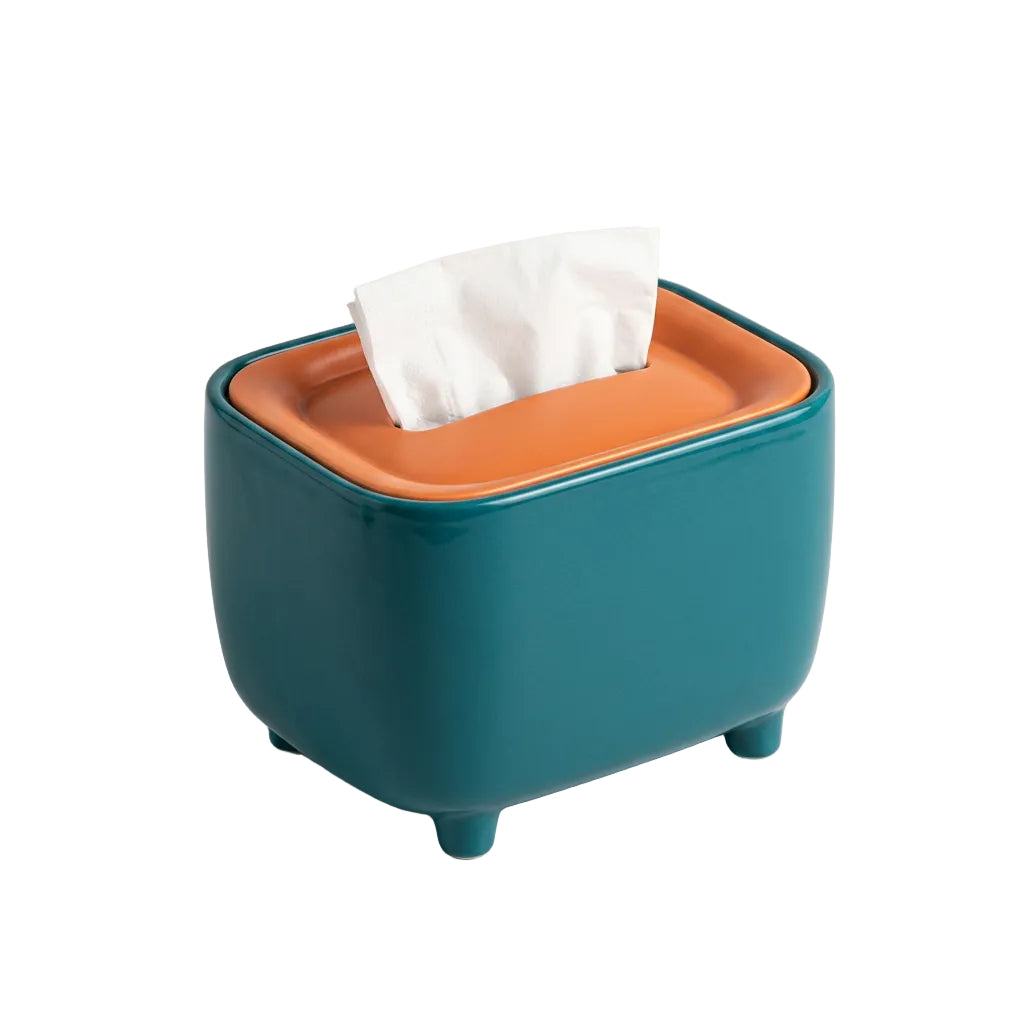
Tissues
1 packNice to haveThey are useful on the trail and at the park, where you might not find toilet paper.
How to use it: Pack a small pocket pack and keep it dry.
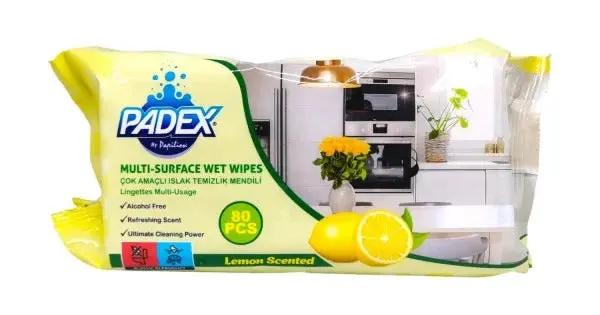
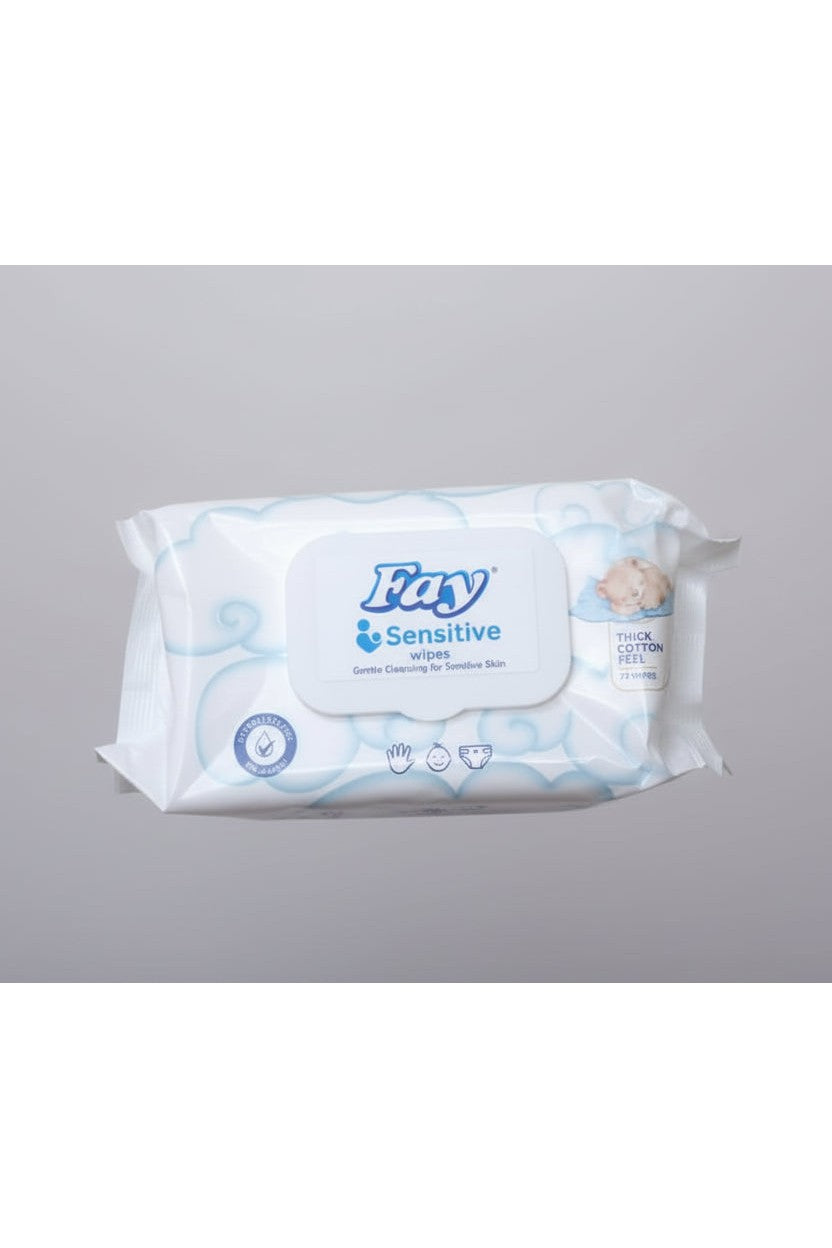
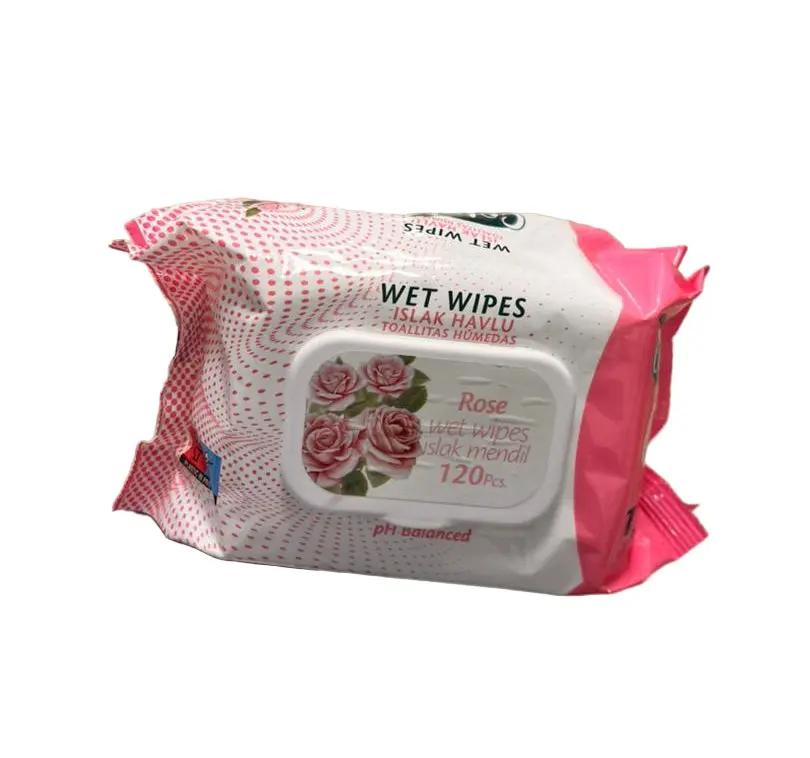
Wet wipes
1 packNice to haveGood for cleaning muddy hands and your face before you eat.
How to use it: Carry a small pack and take the used wipes home.
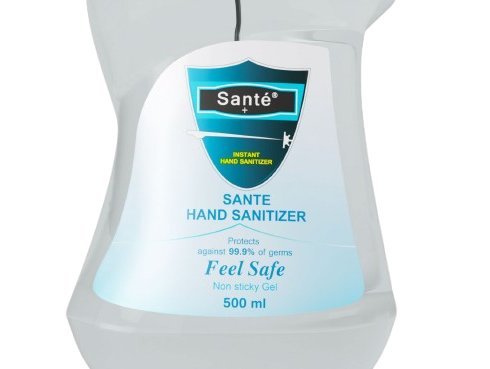
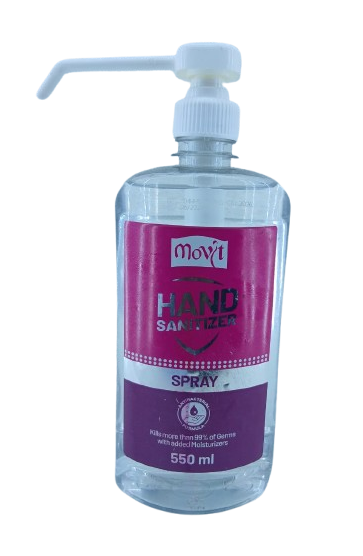
Hand sanitizer
1Nice to haveUseful before you eat, and you may be asked to clean your hands near the gorillas.
How to use it: Keep a small bottle in your pocket.




Health and extras
A few items for comfort and safety.
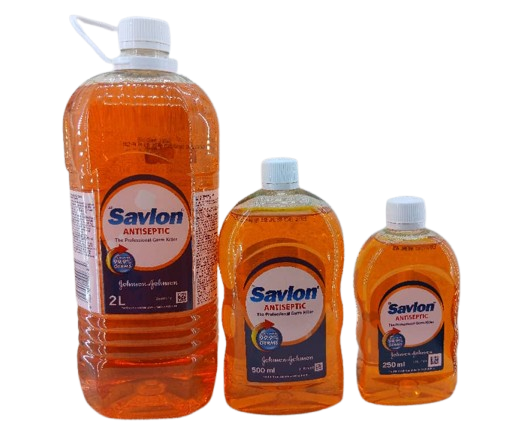
Basic first aid items
1 small kit Must haveBlisters and small cuts happen on a long walk.
How to use it: Pack bandages, an antiseptic and any personal medicine. If you are unsure what you need, ask a pharmacist.
Power bank
1Nice to havePhotos use battery fast and you may want your phone on the way back.
How to use it: Charge it the night before. Keep it dry in a plastic bag.
Sunglasses
1Nice to haveThey protect your eyes from glare and from branches.
How to use it: Choose a pair that stays on when you walk.
Torch
1Nice to haveIf you come back late or your lodge has a power cut, you will be glad to have one.
How to use it: Check the batteries the night before.




Step by step
- 1
One week before
Check your permit and pick up boots, gloves and a rain jacket. Wear the boots on a short walk.
- 2
Two days before
Order snacks, water, sunscreen and wet wipes. Charge your power bank.
- 3
The night before
Pack your bag, put valuables in plastic, and set out your clothes. Get a good sleep.
- 4
Trek morning
Eat a good breakfast, wear layers and put on your boots. Fill your water bottle.
- 5
After the trek
Clean your boots, dry your clothes and drink water. Share your photos.
Tips that help
- Dress in layers so you can take things off as you warm up.
- Wear your boots before the trek so your feet are used to them.
- Tuck your trousers into your socks to keep ants and mud out.
- Take less than you think. A light bag is easier on a steep hill.
- Ask your tour operator about hiring a porter. Many people find it helps and it supports local people.
- Keep your phone and camera in a sealed plastic bag.
- Check with your permit provider about age rules, group rules and what to do near the gorillas.
- Bring cash in small notes for tips, in a sealed bag.
Mistakes to avoid
- Wearing new shoes for the first time on the trek, which leads to blisters.
- Wearing cotton jeans, which get heavy and cold when wet.
- Bringing too little water for a long walk.
- Leaving rain gear in the car because the morning looked sunny.
- Carrying a heavy bag. Pack only what you will use.
- Not asking your tour operator what to expect, since each day and each gorilla family is different.
Questions people ask
What should I wear for gorilla trekking in Rwanda?+
Wear long trousers, a long sleeve shirt, sturdy waterproof boots, warm socks and a rain jacket. Dress in layers. Cotton jeans are not ideal because they stay wet and heavy.
Do I need gloves for gorilla trekking?+
Many people find gloves useful because plants can sting or scratch and you often hold branches or vines. Thin work gloves with a grip are a good choice.
How much water should I bring?+
Bring at least 1.5 litres per person and more if the trek is long. Ask your guide or tour operator how long they expect your trek to be.
What snacks are good for the trek?+
Choose light and easy snacks such as biscuits, nuts, bananas and a small chocolate bar. Pack a lunch if your trek may be long, and keep all food in sealed bags.
Can I buy gorilla trekking gear in Kigali?+
Yes. You can find boots, rain gear, snacks, water, sunscreen and many other things in Kigali. Order early for items like boots so you have time to try them on.
Is the trek hard?+
It depends on where the gorillas are that day. Some treks are short and some are long and steep. Check with your tour operator, and if you have health concerns, talk to a doctor before you go.
A good gorilla trek day comes down to dry feet, warm layers, plenty of water and a few snacks. Shop the list on Isokko, have it delivered in Kigali, and head to Musanze ready to enjoy every minute.
Shop this list
Get everything delivered in Kigali
Order from local stores on Isokko and pay with MoMo, card or cash. Same-day delivery.