
Checklist · Parties & celebrations
Hosting a Family Get-Together After Church: Sunday Lunch Checklist
Easy crowd food, drinks and seating for a big Sunday family lunch at home in Kigali. A practical checklist of what to buy and how to plan.
Updated November 16, 2026 · By Isokko
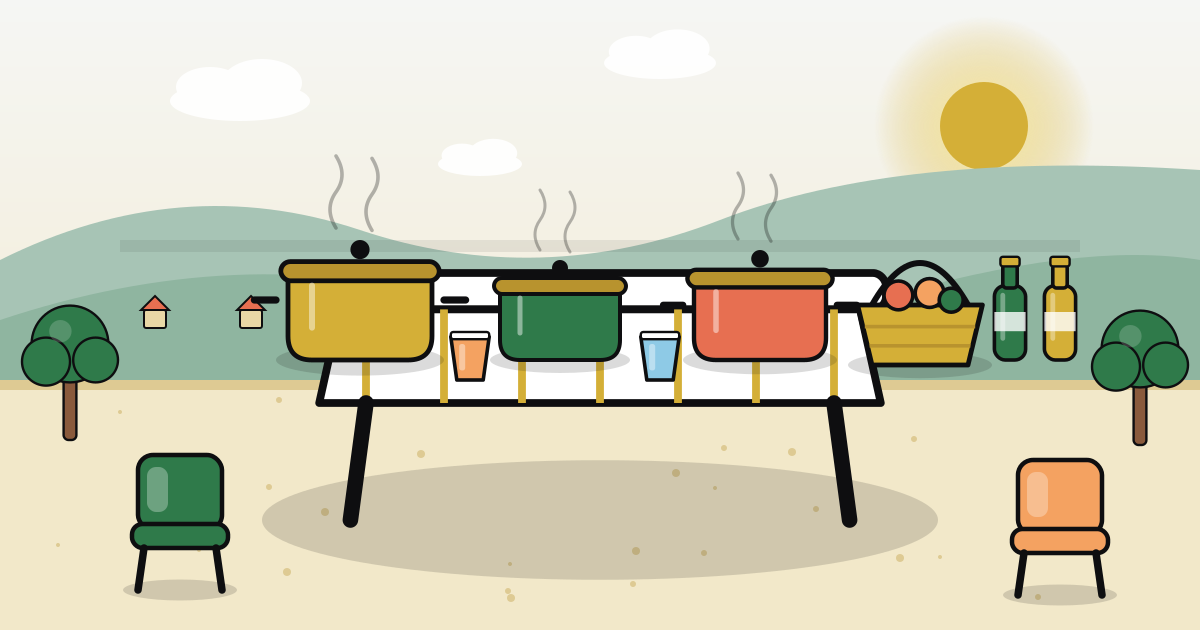
Sunday service ends, and suddenly eight, fifteen or thirty people are coming to your house for lunch. It is a lovely problem, but only if the food and seating are ready before they arrive.
This checklist is built around easy, filling dishes that scale up well: rice, potatoes, beans, a meat or fish dish, vegetables and fruit. You will also find the drinks, serving gear and cleanup supplies that save you from running to the shop mid-lunch.
Adjust the quantities to your headcount and to what your family usually eats. If your family has special dishes, add them, and use this list to cover everything around them.
Who it's for
Anyone hosting relatives, friends or church family for lunch at home in Kigali
Time needed
Shop 2 to 3 days ahead and prepare the base the evening before
When to shop
Buy fresh produce and meat on Saturday so Sunday morning is for cooking
On the list
36 items, 20 must haves
0 of 36 ready
Seating and table
Get people comfortable first. A relaxed family stays longer and enjoys the meal more.
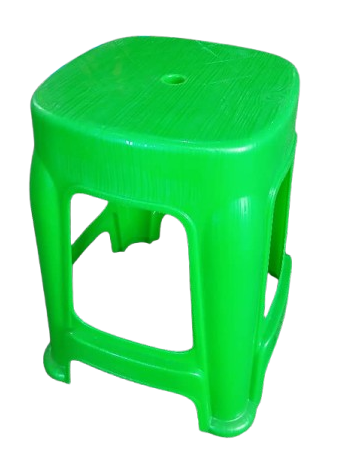
Plastic chairs
1 per guest Must haveExtra chairs let everyone sit together, including the children and the older relatives.
How to use it: Count every guest, then add a few spares. Stack them near the door the night before so setup takes minutes.
Table cloths
2 to 3 Must haveA cloth makes a regular table look like a family occasion and hides scratches.
How to use it: Use one for the main table and one for the drinks table. Wash and iron them the day before.
Floor mats
1 or 2Nice to haveMats give children their own space and add more seating when the room is full.
How to use it: Place them where kids can eat and play without being underfoot.
Serving trays
2 to 3Nice to haveTrays help you move drinks and dishes around a busy room without spills.
How to use it: Use non-slip trays and keep one near the kitchen door.
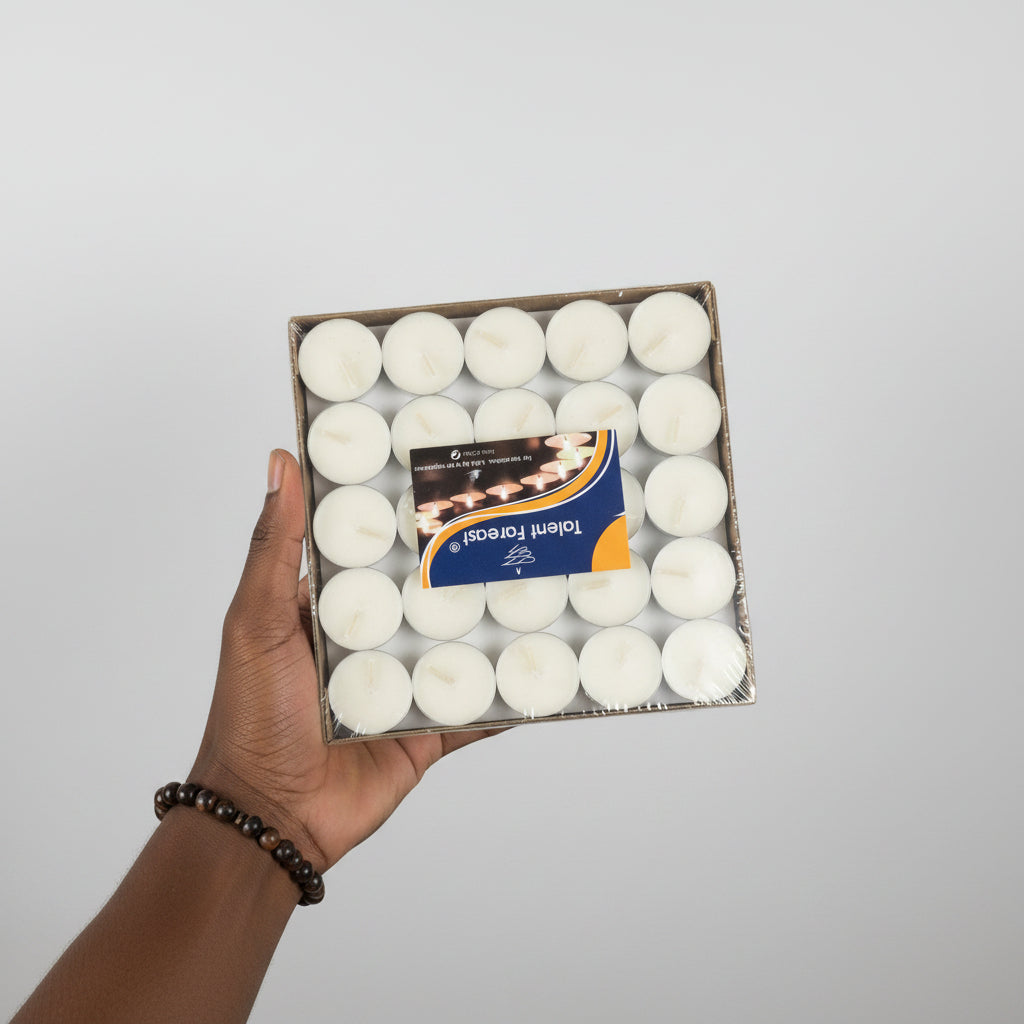
Table decoration candles
1 packNice to haveSimple candles on the table make an ordinary lunch feel special, especially if the afternoon turns dark and rainy.
How to use it: Place them away from curtains and light them only when someone is nearby.







Staples and meat
Think big pots and simple recipes. These ingredients cover most Sunday menus in Kigali homes.
Rice
About 100 g per person uncooked Must haveRice is easy to scale and pairs with most sauces. It is the reliable base of a big meal.
How to use it: Rinse well and use a large pot with a tight lid. Keep it warm in a covered pan.
Irish potatoes
About 200 g per person Must havePotatoes work boiled, fried or in stew, and many people expect them at a family lunch.
How to use it: Peel the evening before and keep them in water in the fridge or a cool place.
Beans
About 80 g dry per person Must haveBeans are filling, cheap and loved by most families. They also suit guests who do not eat meat.
How to use it: If using dry beans, soak them overnight and cook early in the morning. Season towards the end.
Chicken or beef
About 150 to 200 g per person Must haveA meat dish is the center of the meal for many families, and it is the item most worth ordering fresh.
How to use it: Buy Saturday if you will cook on Sunday morning. Keep it cold and cook thoroughly.
Tilapia or fish
1 fish per 3 guestsNice to haveFish gives a lighter option and is good for guests who prefer it to red meat.
How to use it: Check that it is fresh, with clear eyes and no strong smell. Cook the same day it is bought if you can.
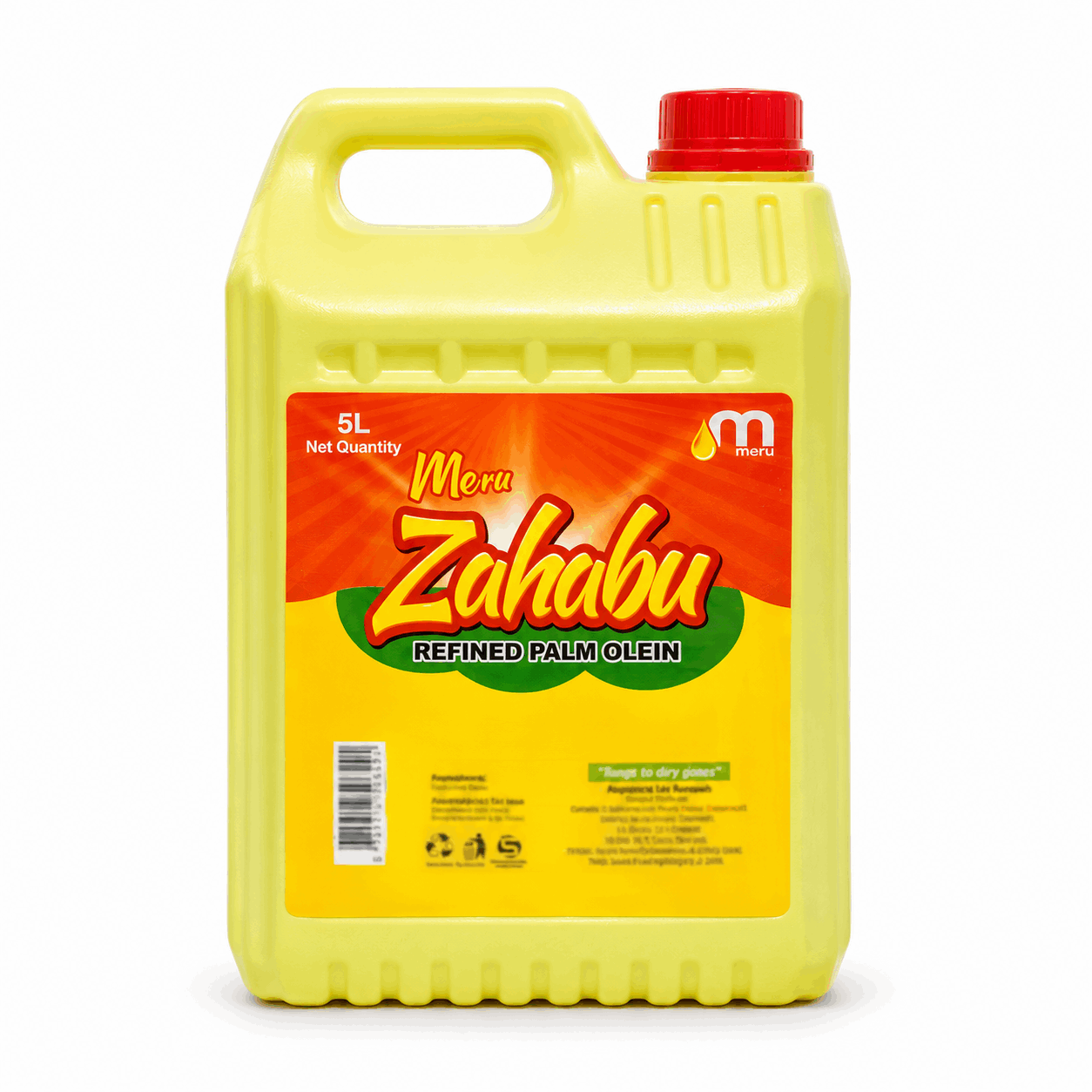
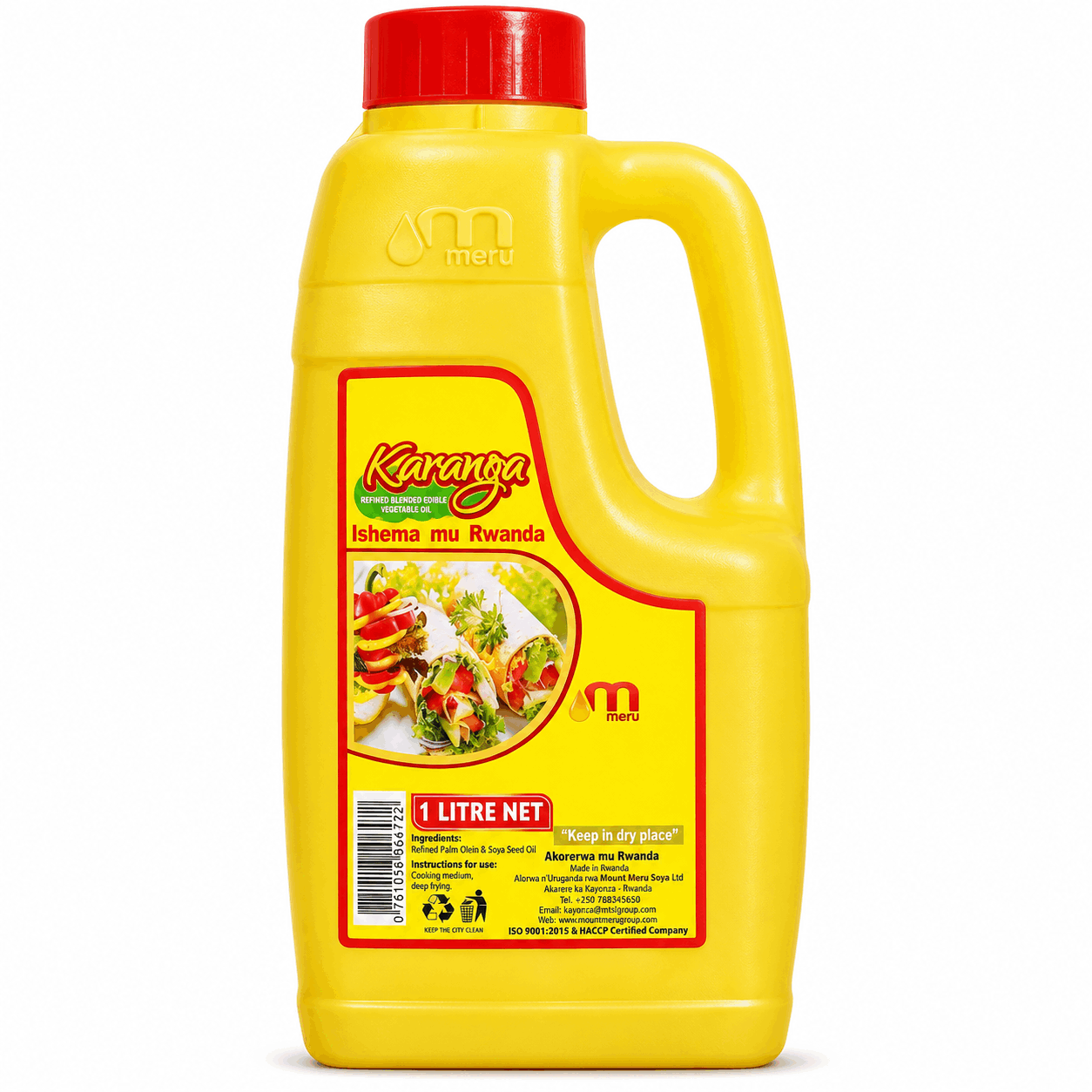
Cooking oil
3 to 5 litres Must haveYou will need oil for frying, sauces and sides. Running out of it in the middle of cooking is stressful.
How to use it: Buy a 3 or 5 litre bottle. Keep it away from the heat.








Sauces, vegetables and seasoning
More to check off for this group.
Tomatoes and onions
1 to 3 kg each Must haveAlmost every stew and sauce starts with tomato and onion.
How to use it: Chop before guests come back from church to save time. Store in covered bowls.
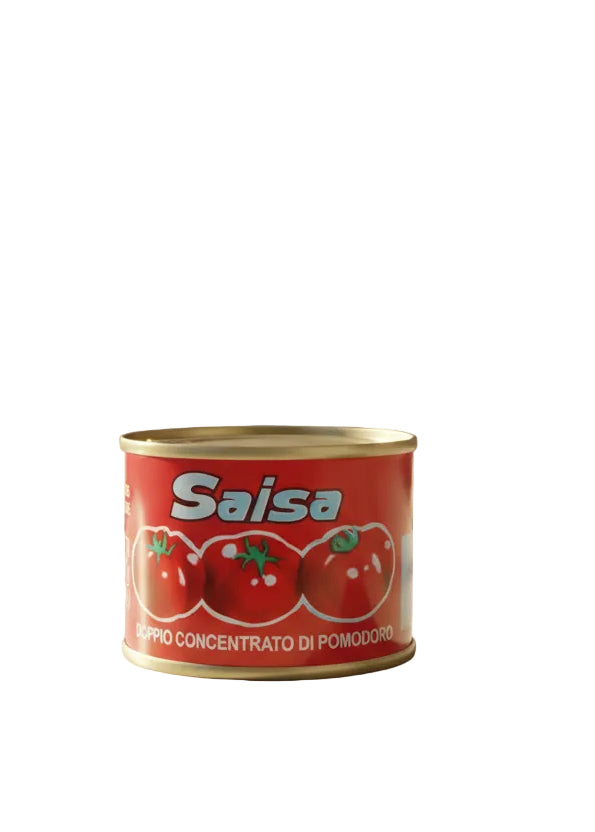
Tomato paste
2 to 4 small tinsNice to haveTomato paste deepens the color and flavor of stews and saves time on a big batch.
How to use it: Add a spoon at a time and taste as you go. Cover and refrigerate any open tin.
Carrots and cabbage
2 to 3 kgNice to haveEasy vegetable sides give color to the table and balance the meal.
How to use it: Cut thin and cook briefly so they stay bright. Add a pinch of salt at the end.
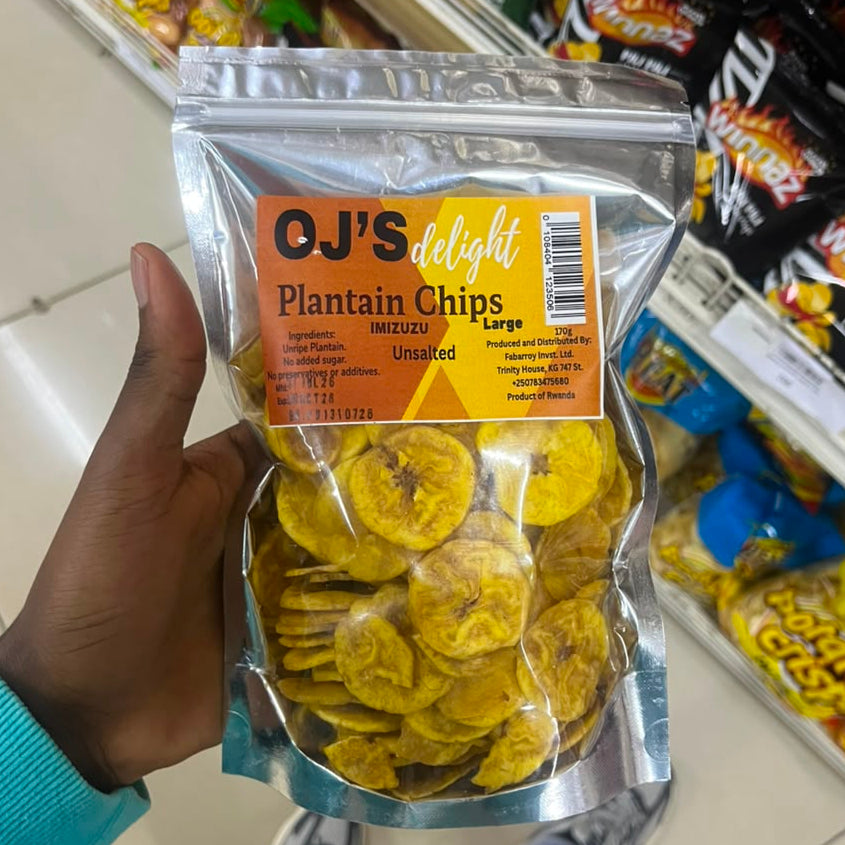
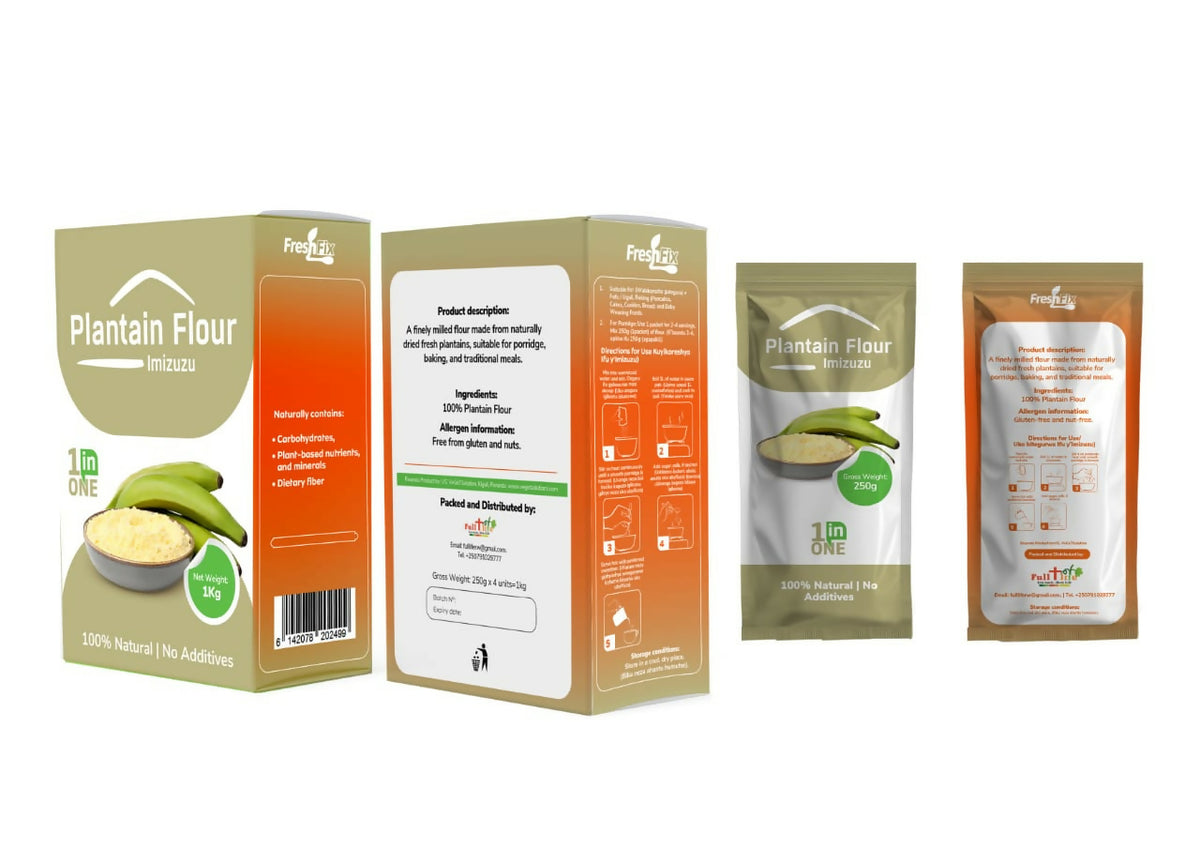
Cooking plantain and bananas
2 to 3 kgNice to havePlantain is a Rwandan favorite for lunch. A pot of it feeds many people for little.
How to use it: Peel with a little oil on your hands to avoid stains. Boil or fry depending on your family's style.
Salt and seasoning
1 kg salt Must haveCooking for many people uses far more salt and spice than a normal day.
How to use it: Check your stock on Friday evening so you can add it to your order.










Drinks and dessert
Keep drinks simple and cold, and end the meal with something fresh and sweet.
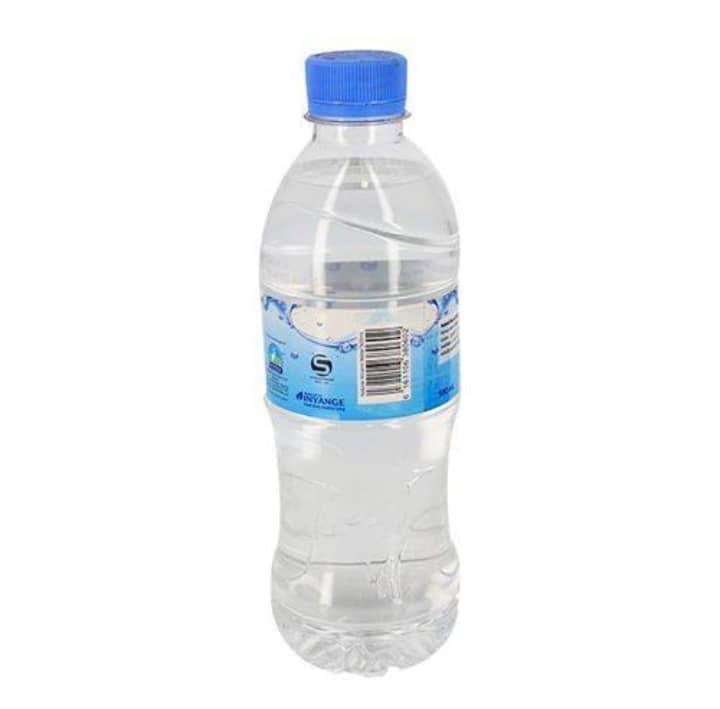
Bottled water
1 bottle per 2 guests Must haveGuests drink more water than you expect, especially after a day out.
How to use it: Keep a few bottles in the fridge and others on the table. Offer to the elders first.
Sodas
2 per guest Must haveSodas are the usual choice for children and many adults at lunch.
How to use it: Buy a mix and chill them the day before. Keep a bucket of ice nearby.
Juice
1 litre per 4 guestsNice to haveJuice is a good choice for the kids and for guests who skip soda.
How to use it: Pour from a jug to keep servings fair and reduce waste.
Tea bags and coffee
1 boxNice to haveAfter a heavy lunch, many guests ask for tea or coffee before they leave.
How to use it: Have sugar, milk and a flask of hot water ready so nobody has to wait.
Fresh fruit
1 large platterNice to haveFruit is easy dessert for a big crowd, and it can be cut ahead.
How to use it: Wash and cut watermelon, pineapple or mango on a platter. Keep covered in the fridge until serving.
Passion fruit or tree tomato
1 kgNice to haveLocal fruits make a fresh juice or a simple side for a Rwandan family meal.
How to use it: Blend or squeeze just before serving for the best flavor.
Cake or biscuits
1 cake or 2 packs of biscuitsNice to haveA simple cake or a plate of biscuits marks the end of the meal, and it is useful for sudden extra guests.
How to use it: Buy a cake the day before or ask a bakery to deliver. Keep biscuits in a sealed tin.



















Serving, kids and leftovers
A little preparation on tableware means you are not washing plates while guests are still eating.
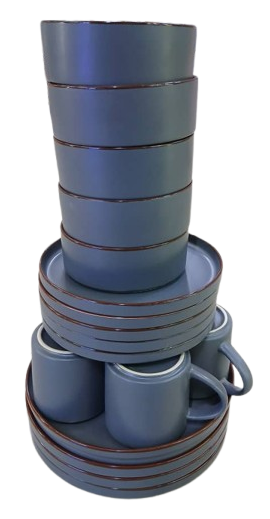
Plates
1 per guest plus spares Must haveSturdy plates are needed for rice, sauce and sides. Check you have enough for everyone at once.
How to use it: Count all your plates the night before. Borrow or buy extras if short.
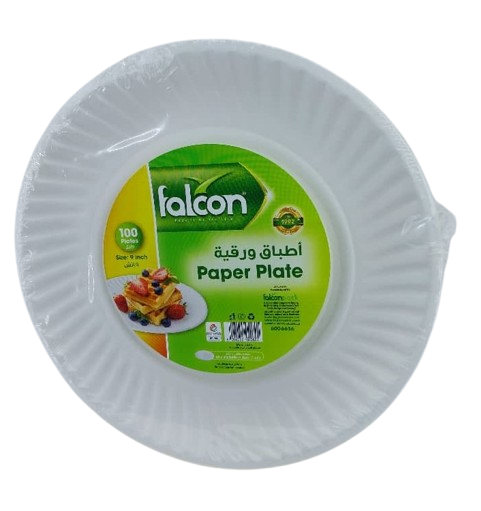
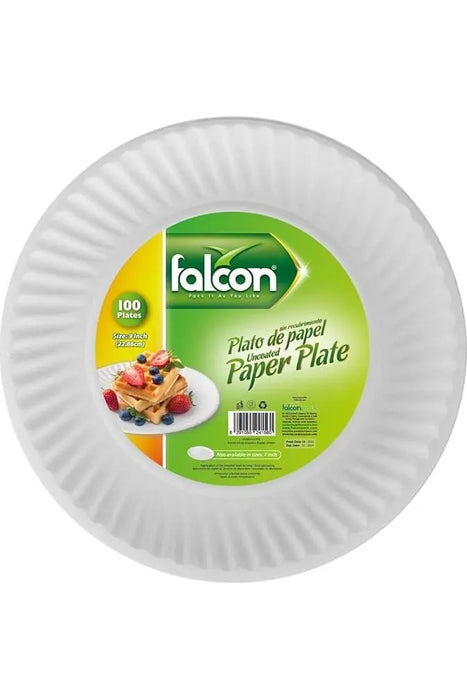
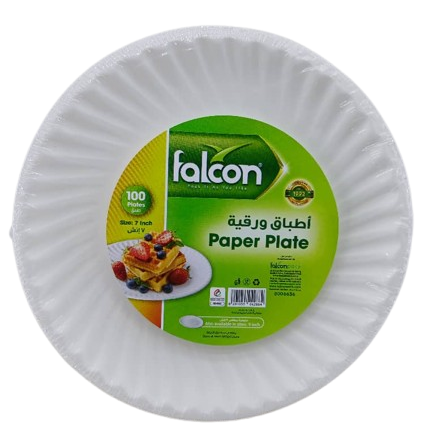
Paper plates
50 to 100Nice to havePaper plates reduce washing up and are useful for kids and for the second round of eating.
How to use it: Choose thick ones that will not bend under sauce.
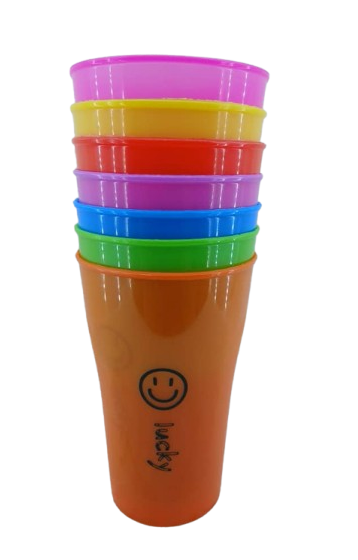
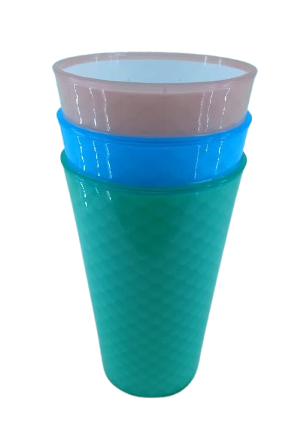
Plastic cups
2 per guest Must haveCups for kids and for the big drinks table, so the glassware stays safe.
How to use it: Keep a pack near the drinks and use markers to write names if needed.
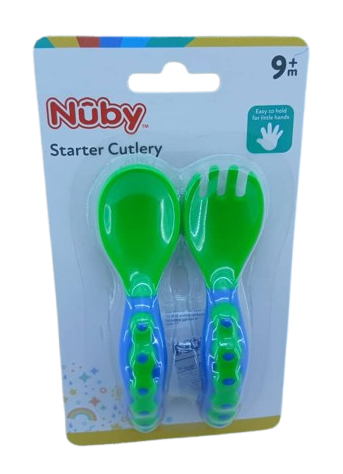
Cutlery set
1 set per guest Must haveForks and spoons for every guest, with a few extra serving spoons.
How to use it: Put cutlery in a cup on the table so guests help themselves.
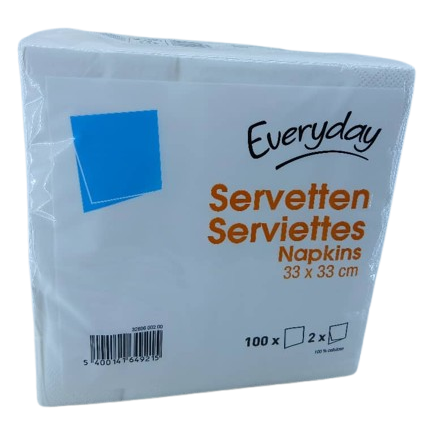
Serviettes
2 packs Must haveNapkins keep hands and faces clean and are used all through the meal.
How to use it: Place a stack on each table.
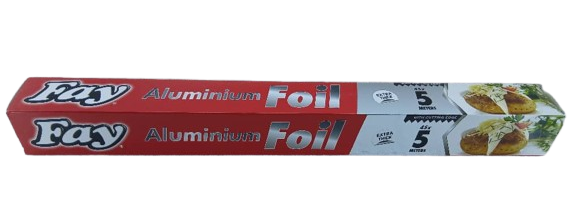
Aluminium foil
1 rollNice to haveFoil keeps dishes warm on the table and wraps leftovers to take home.
How to use it: Cover dishes while they wait to be served to hold the heat.
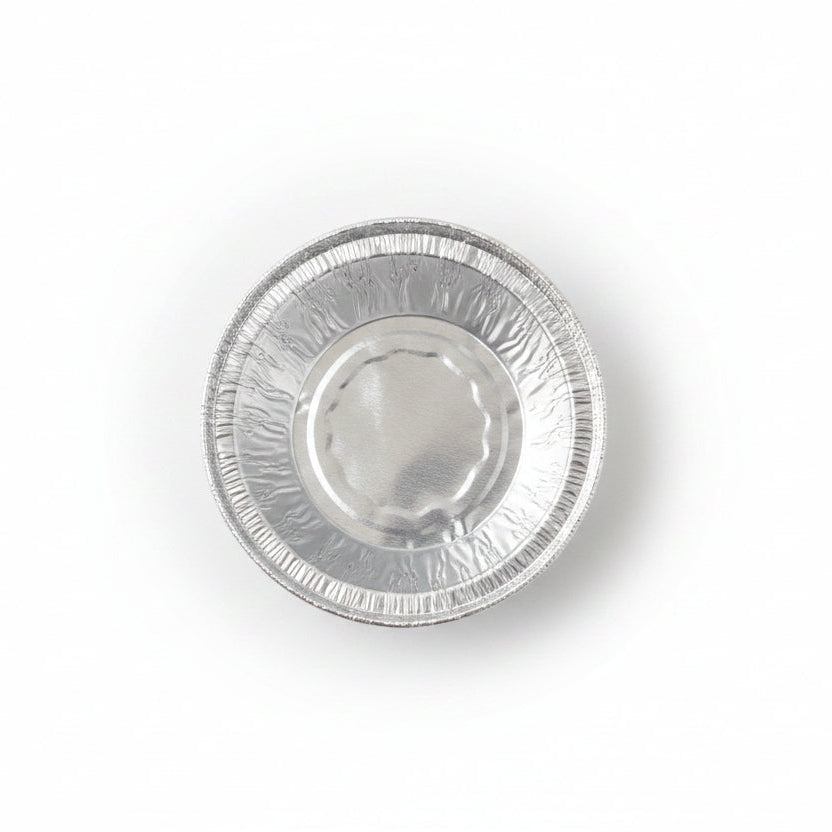
Food containers for leftovers
6 to 10Nice to haveMany families send guests home with a share of the food, and good containers make this easy.
How to use it: Wash and label them and keep them near the kitchen.











Cleaning up and hand washing
A clean-up kit near the kitchen turns an hour of work into twenty minutes.
Hand wash and sanitizer
1 bottle Must haveHands get washed before eating, and children especially need a visible place to do it.
How to use it: Put liquid soap and a bucket of water by the door or next to the sink.
Dishcloths and sponges
4 to 6 Must haveYou will use many cloths when washing up for a crowd. Having extras avoids reusing a dirty one.
How to use it: Boil or bleach cloths weekly to keep them clean.
Dish soap
1 large Must haveWashing up for a crowd uses up dish soap quickly.
How to use it: Keep a full bottle ready and a backup if you cook often.
Dustbin
1 large Must haveA big bin in the dining area makes it easy to clear plates and cups.
How to use it: Line it with a bag before the guests arrive.
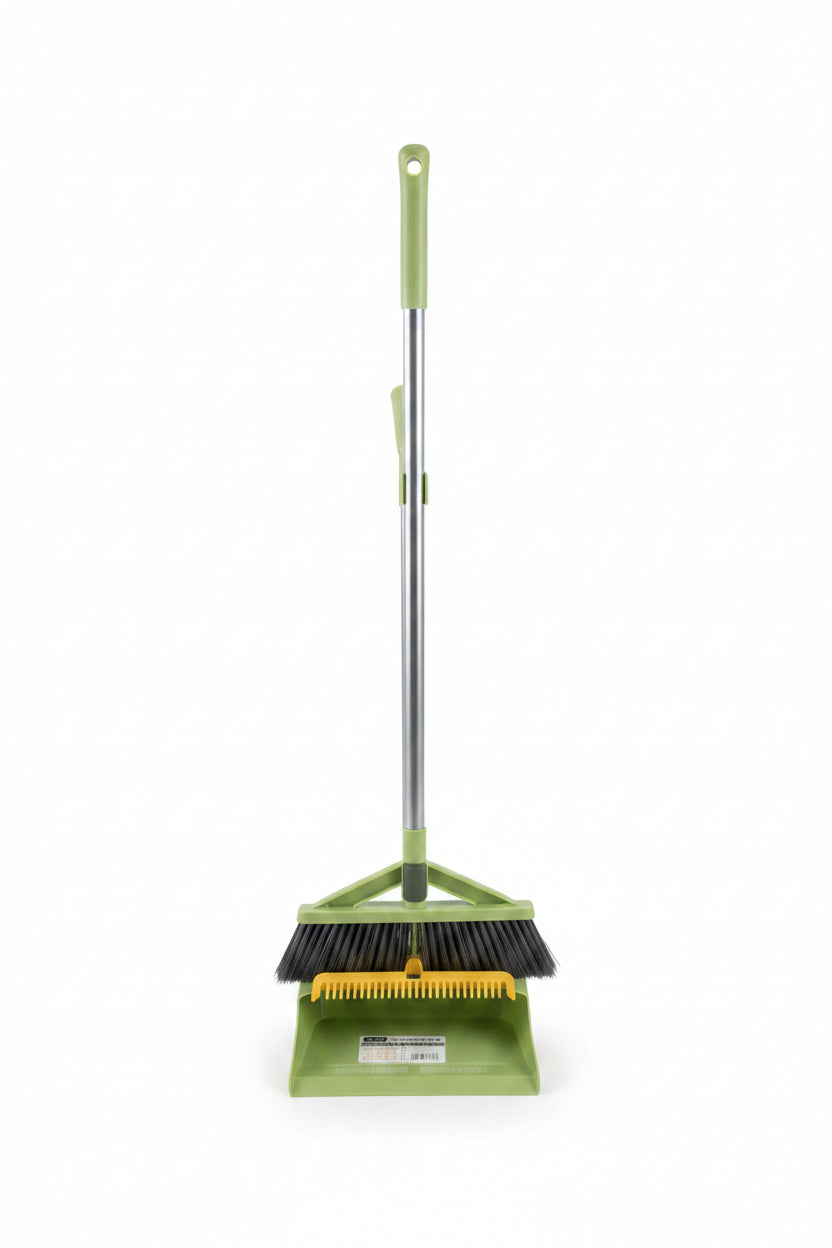
Broom
1Nice to haveAfter a full house, the floor needs a quick sweep, especially with red dust.
How to use it: Sweep once guests leave and again before evening.
Buckets
2 Must haveBuckets are useful for washing, for carrying water and for soaking pots after the meal.
How to use it: Soak the biggest pots straight away to ease cleaning.












Step by step
- 1
Wednesday or Thursday
Confirm the guest count and menu. Make your shopping list and order drinks, tableware and non-perishables.
- 2
Friday
Check your stock of rice, oil, salt and seasoning. Borrow or arrange extra chairs. Wash table cloths.
- 3
Saturday
Buy fresh meat, vegetables, fruit and ice. Peel potatoes, soak beans, and chop onions and tomatoes.
- 4
Sunday morning
Start the long-cooking dishes first. Set the table, chill the drinks and place the cleanup kit near the kitchen.
- 5
After lunch
Pack leftovers, soak pots, sweep the floor and return borrowed items the next day.
Tips that help
- Choose dishes that hold well on the stove, like stews, beans and rice, so lunch can wait while people chat.
- Ask each guest family to bring one dish or a drink if the group is large.
- Cook the beans and sauces the evening before. They often taste better the next day.
- Put the children's food out first so adults can eat in peace.
- Keep a flask of hot water ready for tea at any moment.
- Have a plan B for rain: move seating indoors and keep mats ready.
- Prepare a short list of tasks and ask relatives to help with serving and washing up.
Mistakes to avoid
- Buying fresh food too early and having it spoil in the heat.
- Counting only adults and forgetting that children also eat and drink.
- Not checking oil, salt and gas before Sunday morning.
- Running out of chairs and plates just as everyone sits.
- Leaving the washing up for after guests go, when you are tired.
Questions people ask
How much rice and meat do I need for 20 people?+
A rough rule is about 100 g of uncooked rice and 150 to 200 g of meat per person, plus extra for second helpings. For 20 people, that is around 2 kg of rice and 3 to 4 kg of meat. Adjust to your family's appetite.
What is the easiest menu for a big family lunch?+
Rice, potatoes, beans, a meat or fish stew and a vegetable side. These dishes scale well, hold their heat and suit most tastes.
How do I keep food warm until everyone arrives?+
Keep pots covered on a low heat, or wrap them in thick cloths. Foil on top of serving dishes helps too. Do not leave cooked food out for many hours in hot weather.
Should I use disposable or normal plates?+
A mix works well. Use your normal plates for adults and disposable ones for children and second rounds. It reduces washing without making the table feel less special.
How do I plan when I do not know the exact number of guests?+
Plan for the confirmed number plus about 20 percent. Cooking extra rice and potatoes is cheap, and leftovers can be shared or eaten the next day.
A calm Sunday lunch is mostly about preparation done the day before. Shop the list on Isokko, get your fresh items on Saturday, and enjoy the time with your family.
Shop this list
Get everything delivered in Kigali
Order from local stores on Isokko and pay with MoMo, card or cash. Same-day delivery.