
Checklist · Parties & celebrations
Hosting an Introduction Ceremony Reception at Home: Checklist
Plan a family introduction day at home in Kigali: seating, drinks, snacks, decor and serving items, with a clear checklist of what to buy.
Updated November 27, 2026 · By Isokko
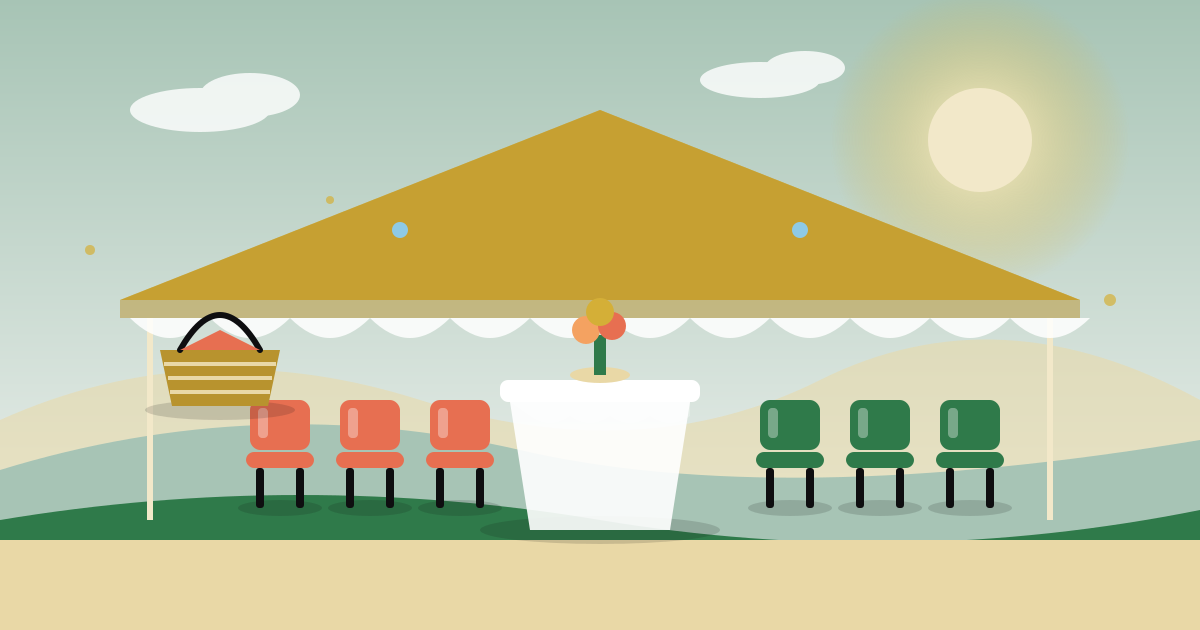
A family introduction day is about welcome, respect and good company. As the host family, your job is to make guests feel comfortable: a place to sit, something to drink, food that arrives on time, and a calm program.
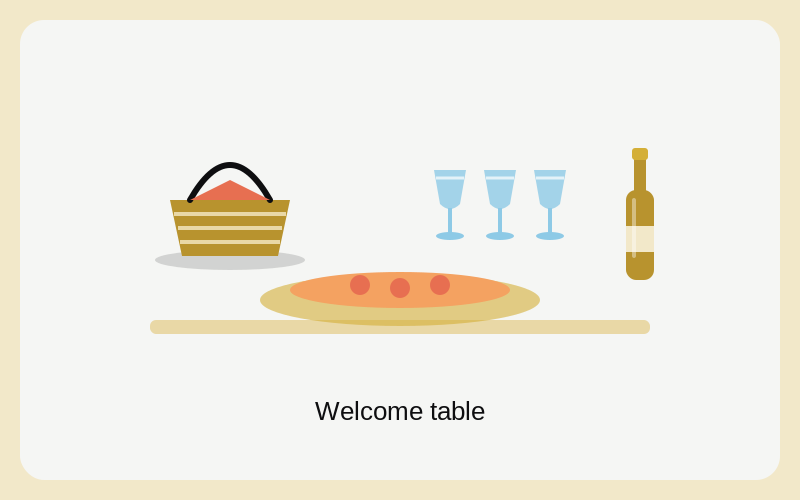
This checklist helps you prepare the home side of the reception: seating and shade, a welcome table, drinks, light food, serving items and the small things that keep the day running smoothly. Customs differ between families, so agree on the program and any traditional items with your elders first.
Ask your family who is in charge of what. One person for drinks, one for food and one for guests at the gate makes a big difference.
Who it's for
Families hosting a family introduction day at their compound or home in Kigali
Time needed
Plan 3 to 4 weeks ahead, final shopping 3 to 5 days before
When to shop
Book chairs and tents early, buy drinks and serving items in the last week
On the list
32 items, 14 must haves
0 of 32 ready
Seating and shade
Guests may sit for hours, so comfort and shade come first.
Plastic chairs
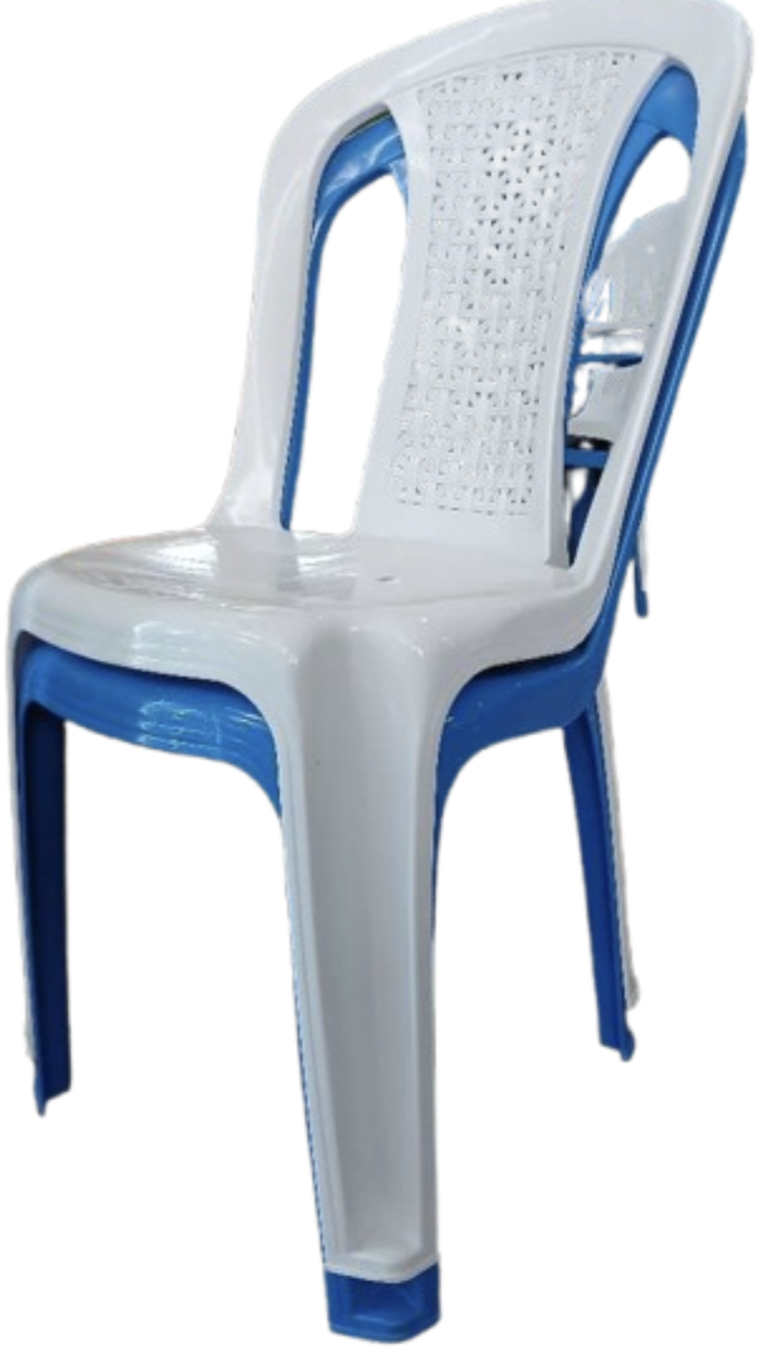
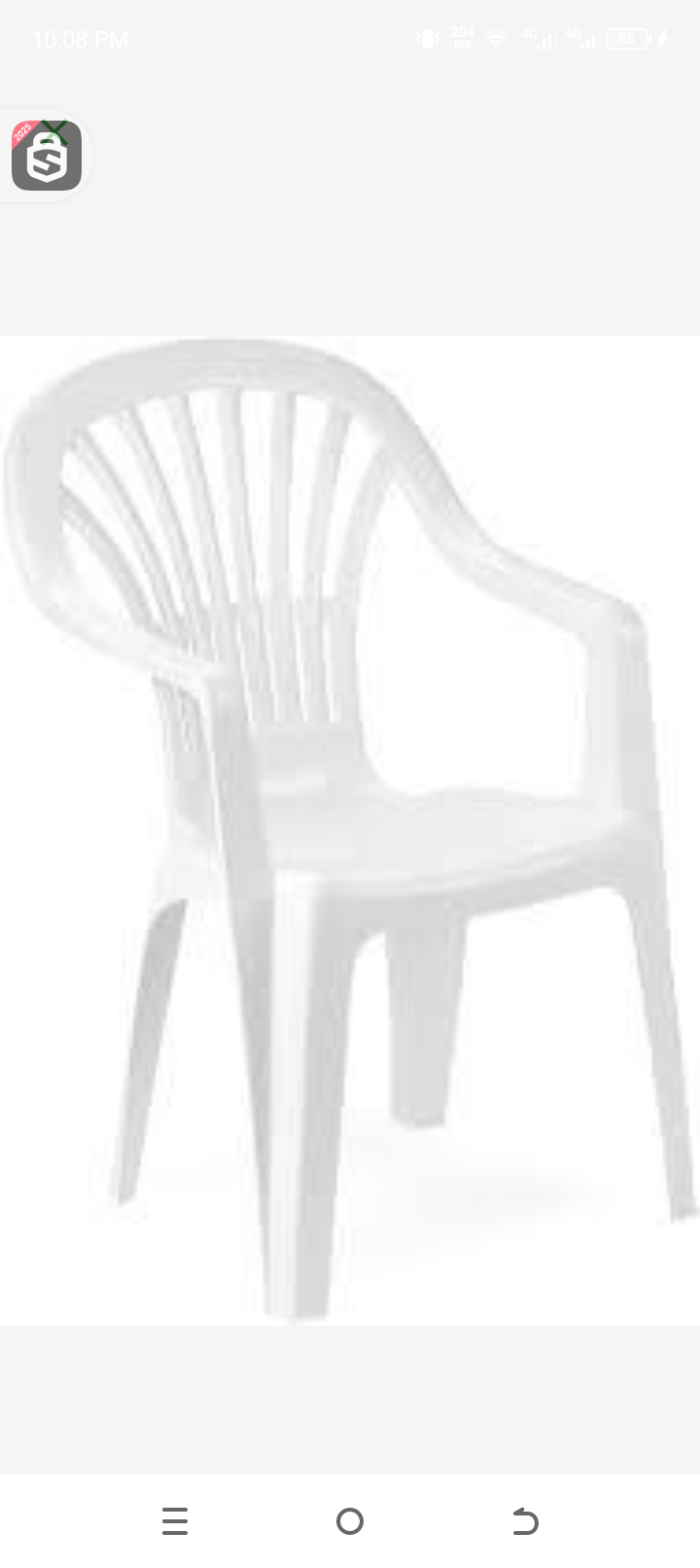
1 per guest Must haveEnough seats for every guest keeps elders comfortable and the day on schedule.
How to use it: Count guests and add 10 percent. Check with your landlord or neighbors if chairs will be stored in shared space.
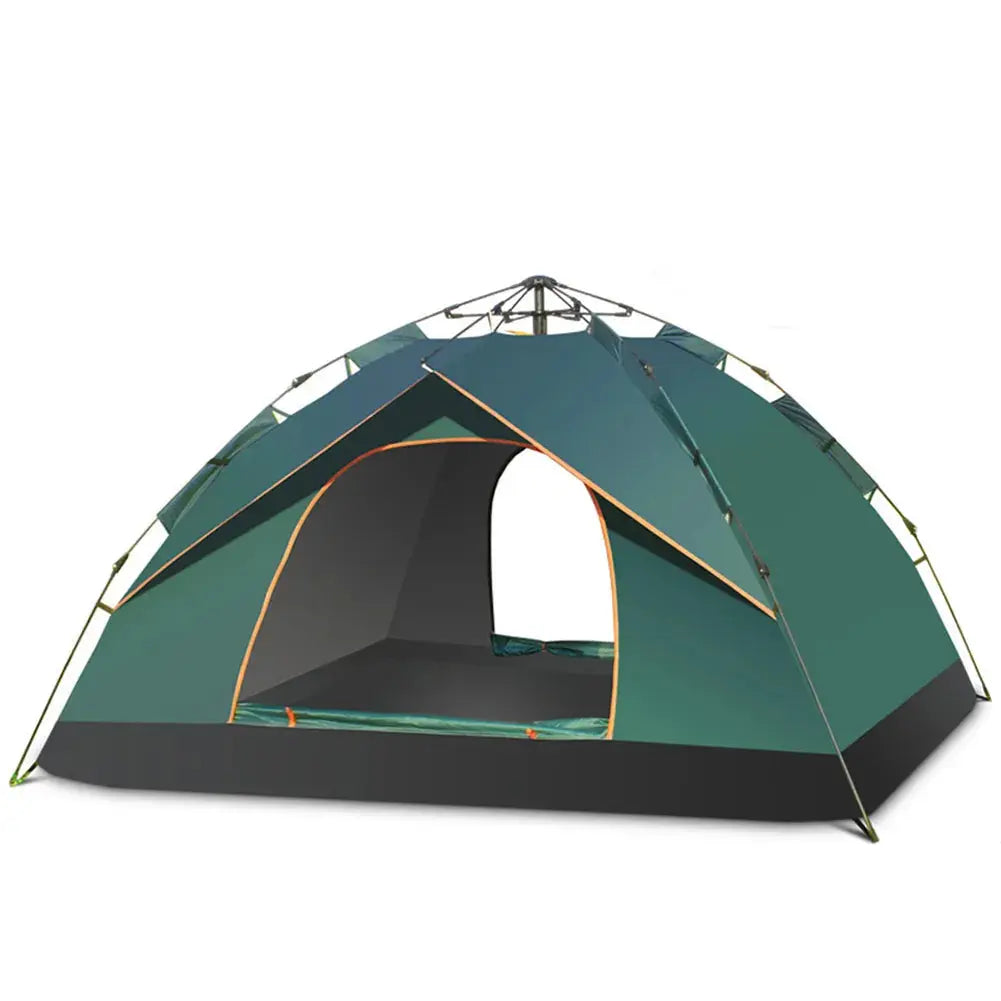
Outdoor tent or canopy
1Nice to haveShade in the dry season and cover in the rainy seasons protect your guests and food.
How to use it: Check the weather. If you rent a larger tent, order it early and ask about setup times.
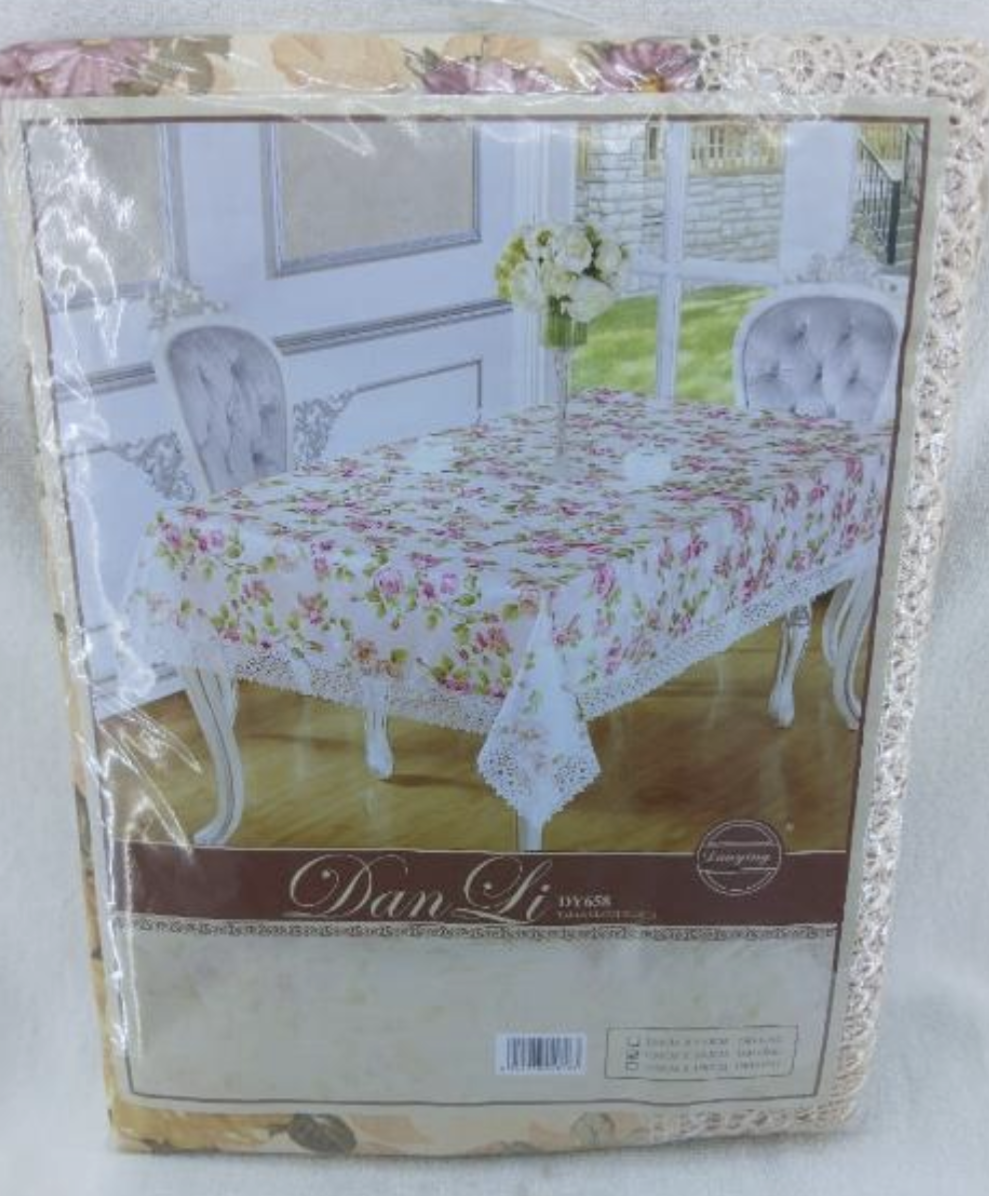
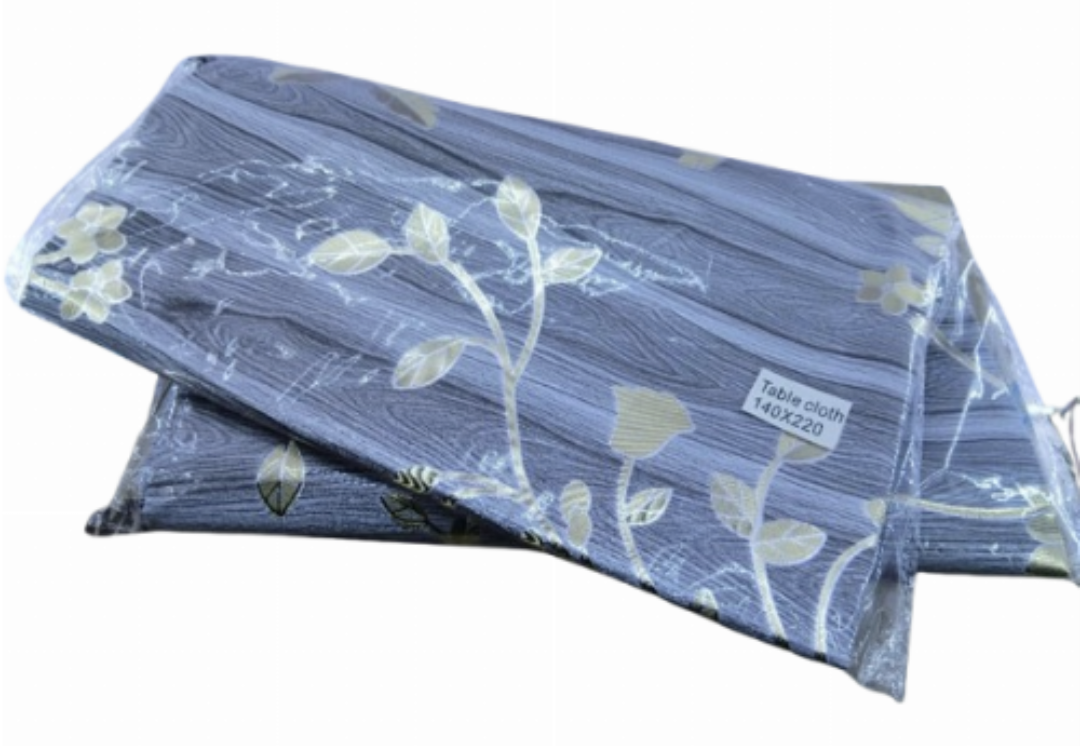
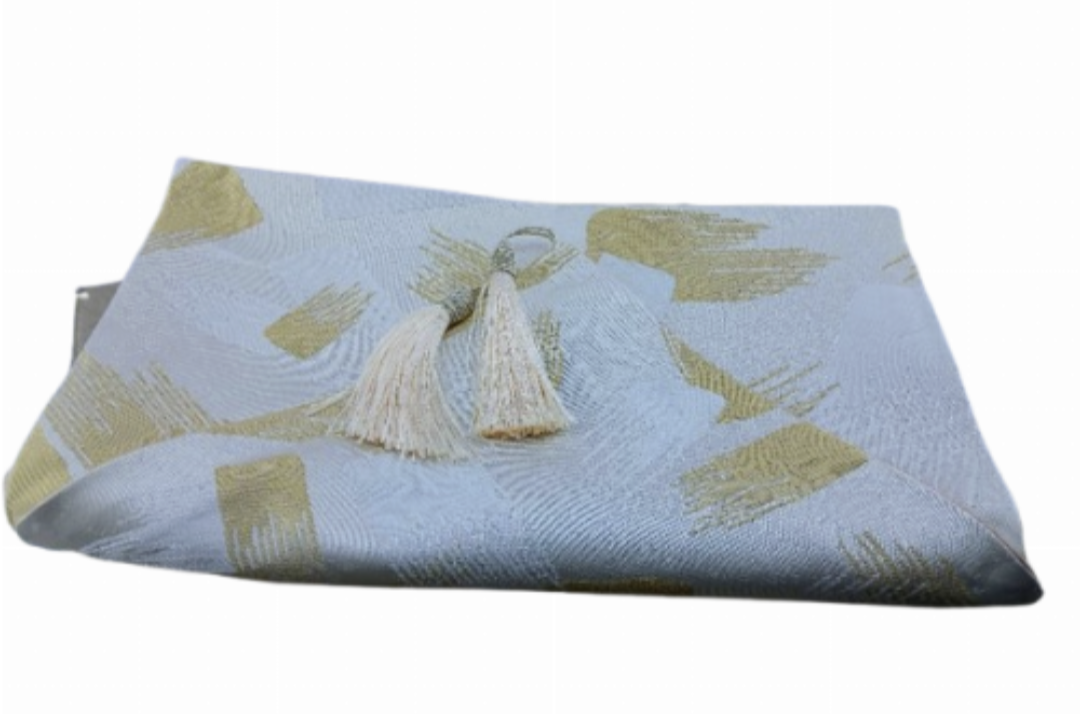
Table cloths
3 to 6 Must haveClean cloths make buffet and gift tables look neat without extra decor.
How to use it: Choose white or a color that matches your theme. Iron them the day before.
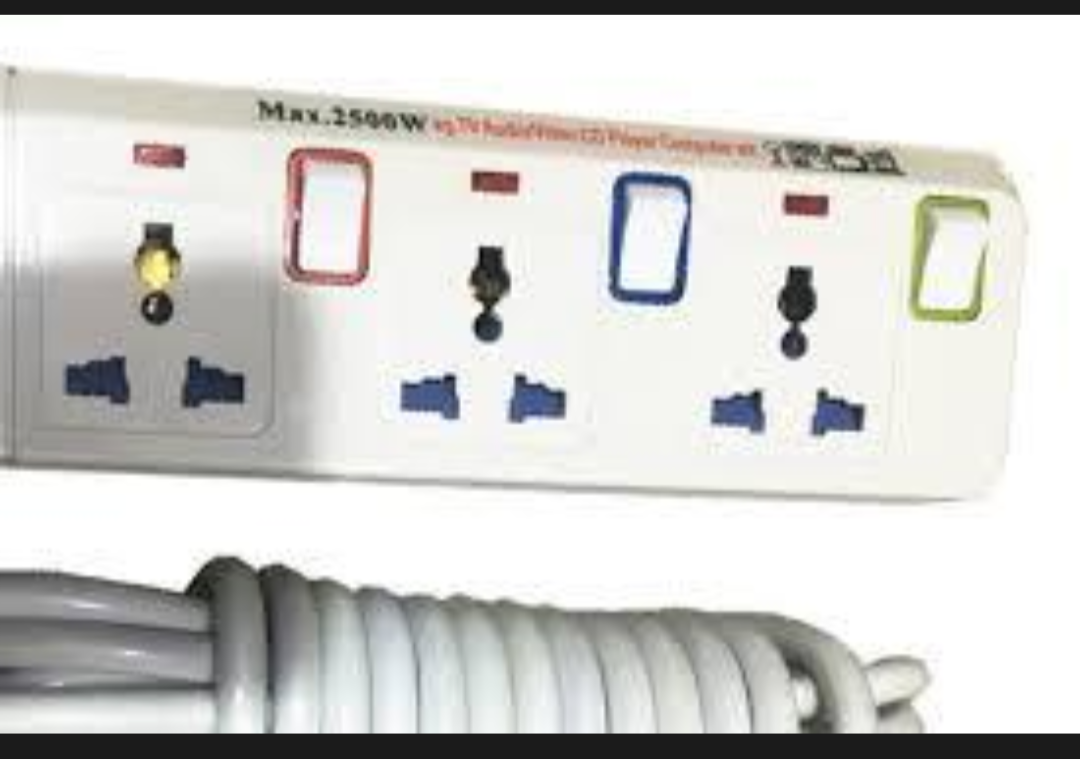
Extension sockets
2Nice to haveNeeded for speakers, lights and phone charging, especially in a compound.
How to use it: Keep them off wet ground. Check the load before connecting many devices.
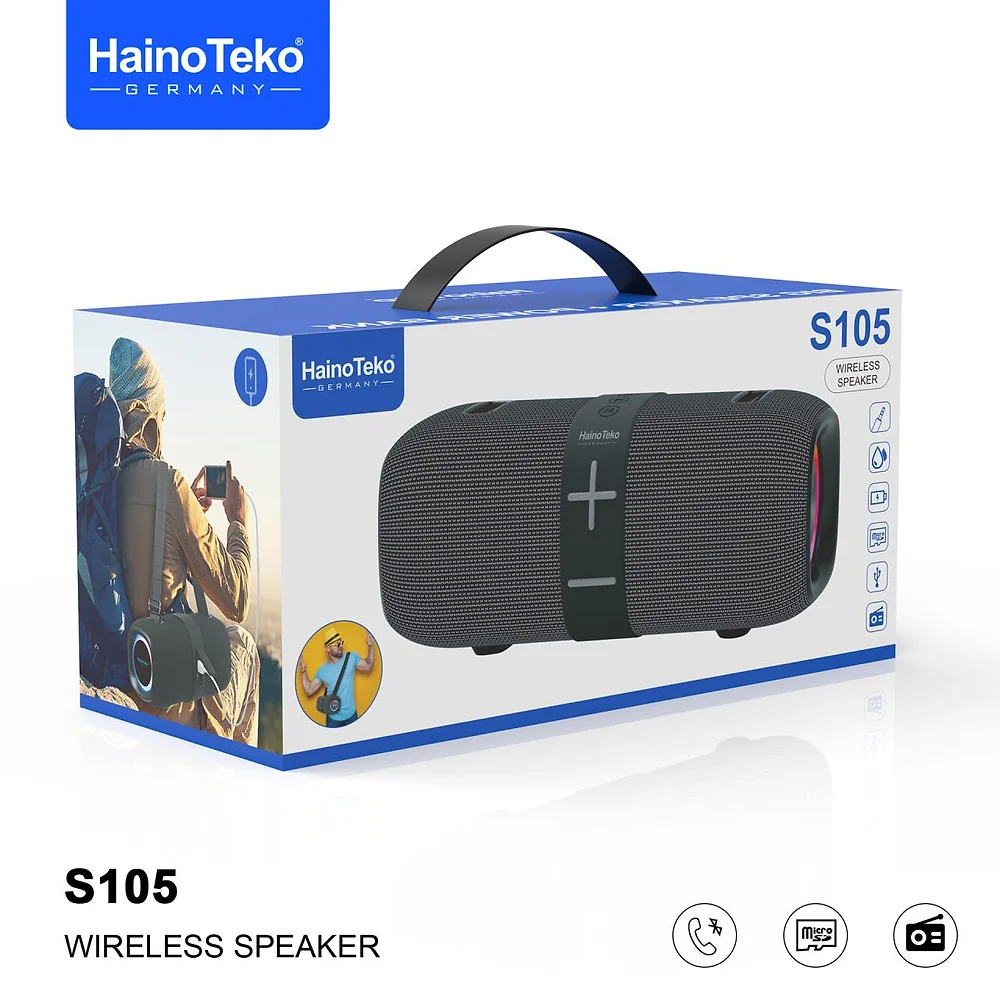
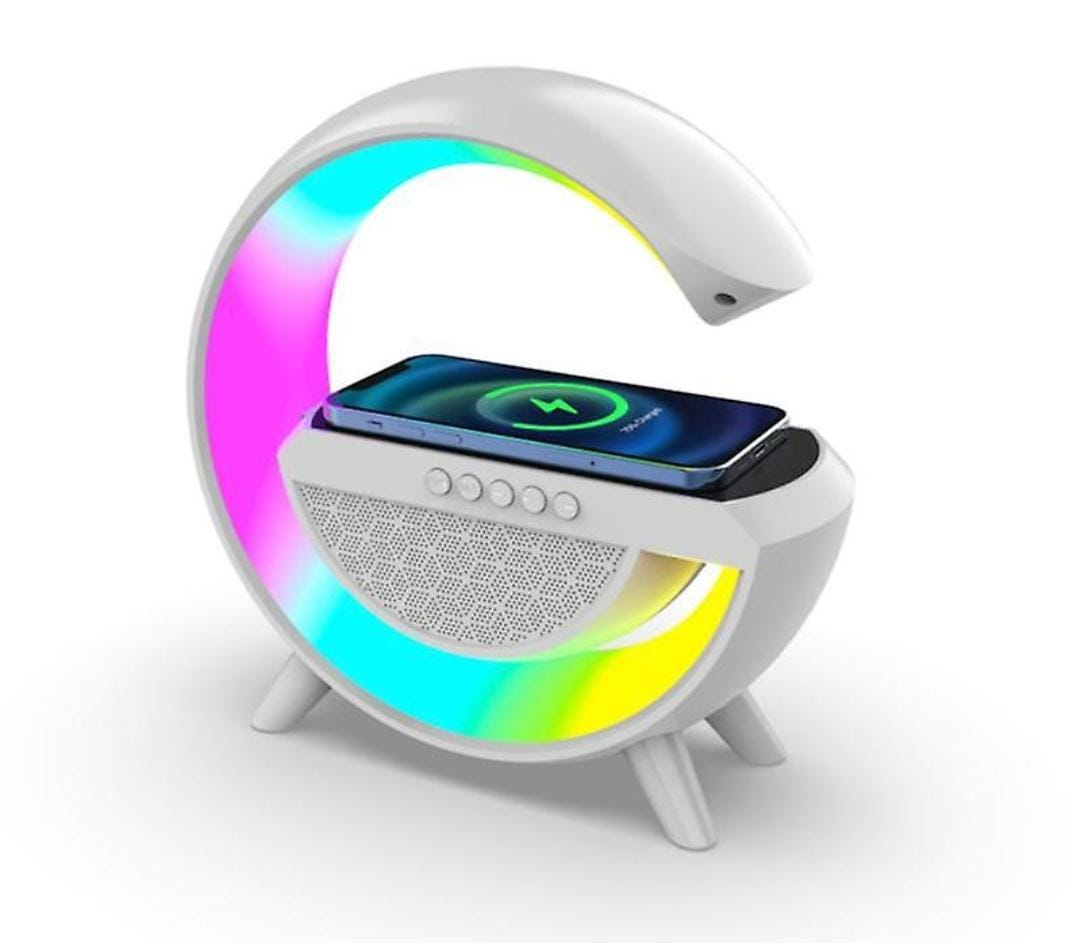
Speaker
1Nice to haveMusic or a microphone makes the program audible for older guests at the back.
How to use it: Test it the day before. Keep a charged power bank or spare battery if you can.



Drinks
A good drinks plan means fewer trips to the shop on the day.
Soda
1 to 2 per guest Must haveSafe, familiar and loved by guests of every age.
How to use it: Buy in crates and keep cold in a cooler box with ice.
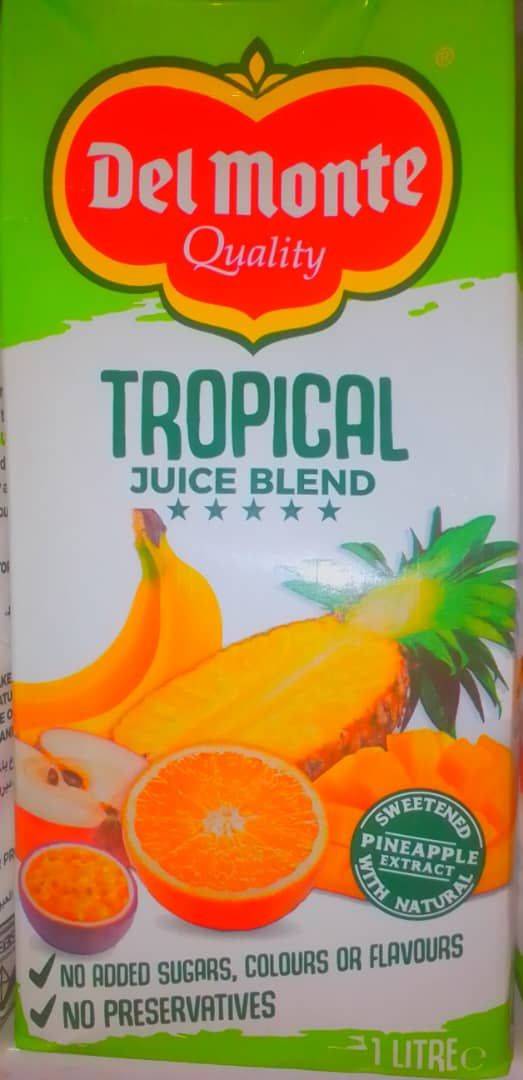
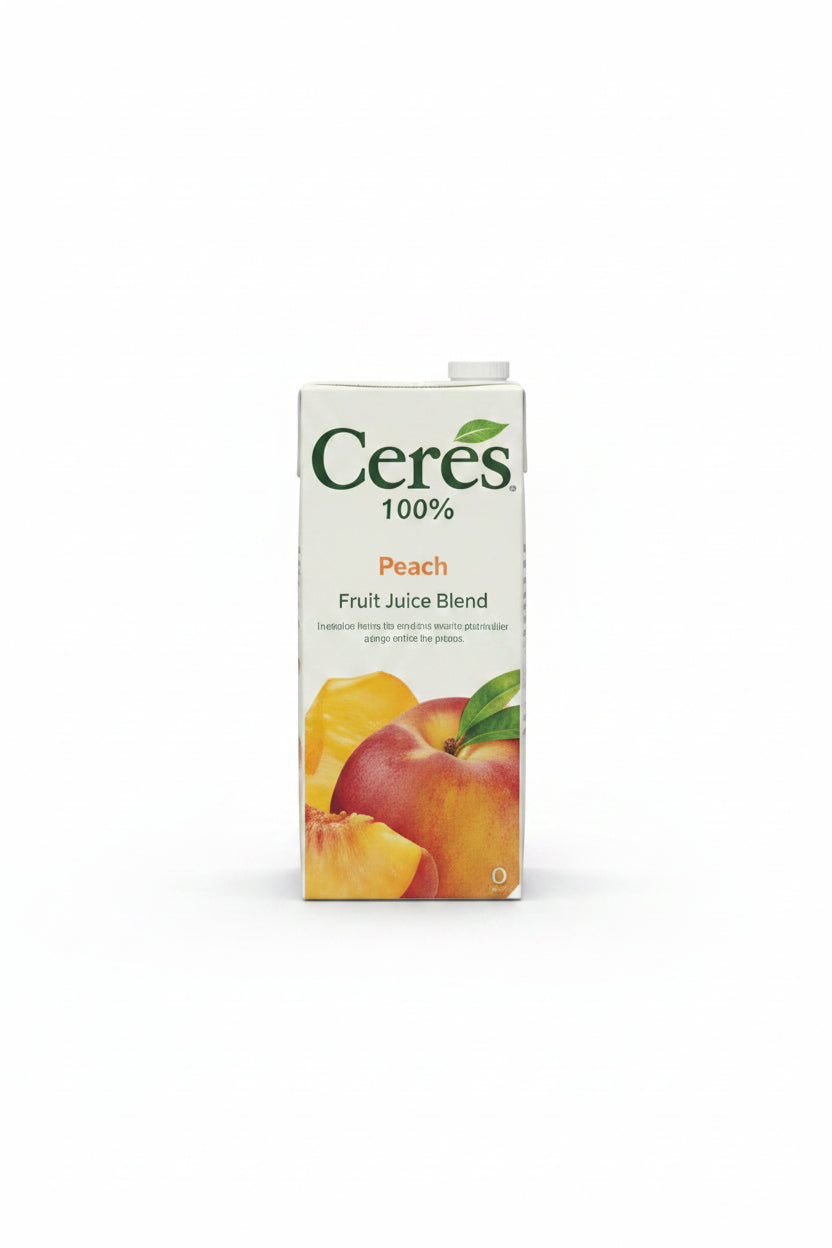
Juice
4 to 6 litres Must haveA good option for guests who prefer fruit drinks and for children.
How to use it: Serve in jugs on every table or from a dispenser.
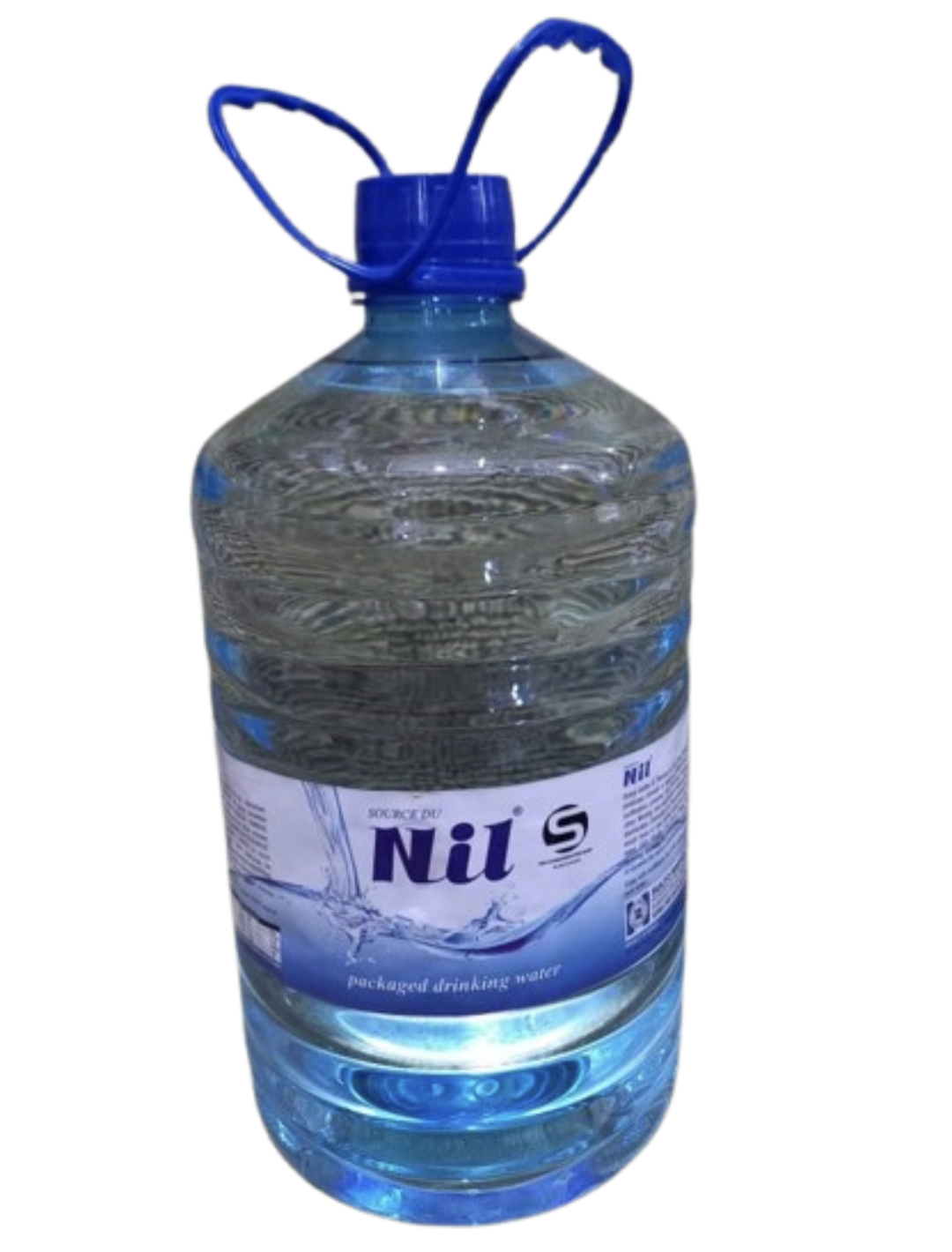
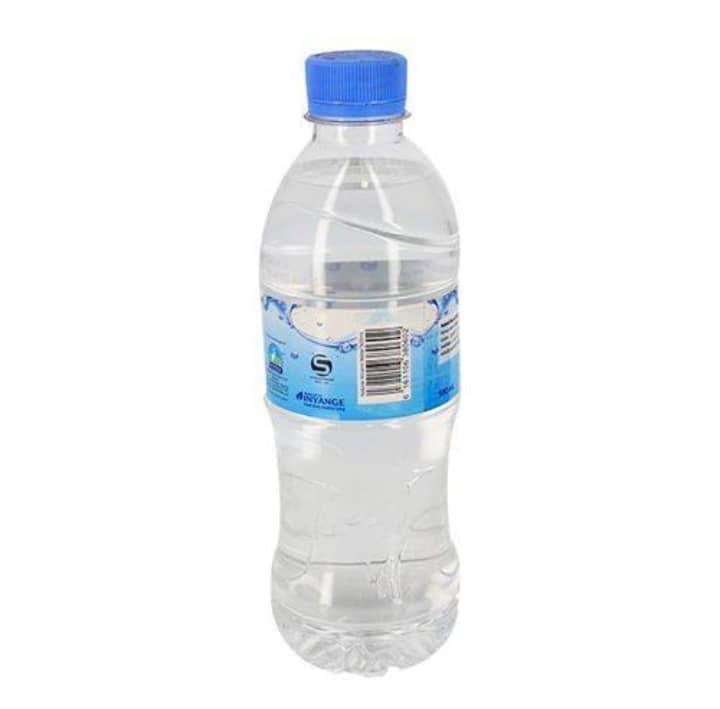
Mineral water
1 per guest Must haveAlways needed, especially for elders and for people taking medicine.
How to use it: Keep one box at the main table and one at the kitchen.
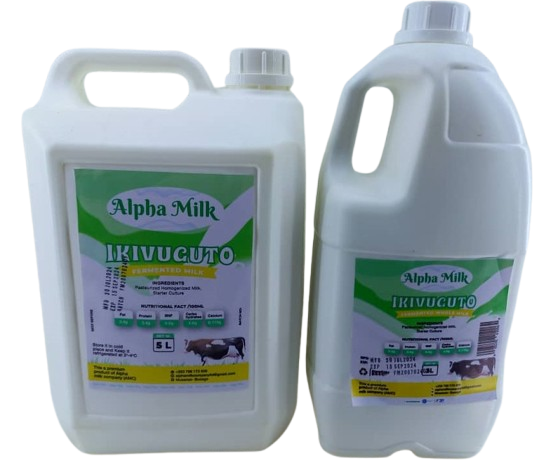
Fermented milk (Ikivuguto)
5 to 10 litresNice to haveA drink many Rwandan families serve at ceremonies. Ask elders if it belongs in your program.
How to use it: Keep it cold and serve in small cups. Buy fresh and check dates.
Beer
As neededNice to haveMany hosts offer beer for adult guests, so plan quantity carefully.
How to use it: Buy by the pack and chill in a cooler. Do not serve to children or to drivers.
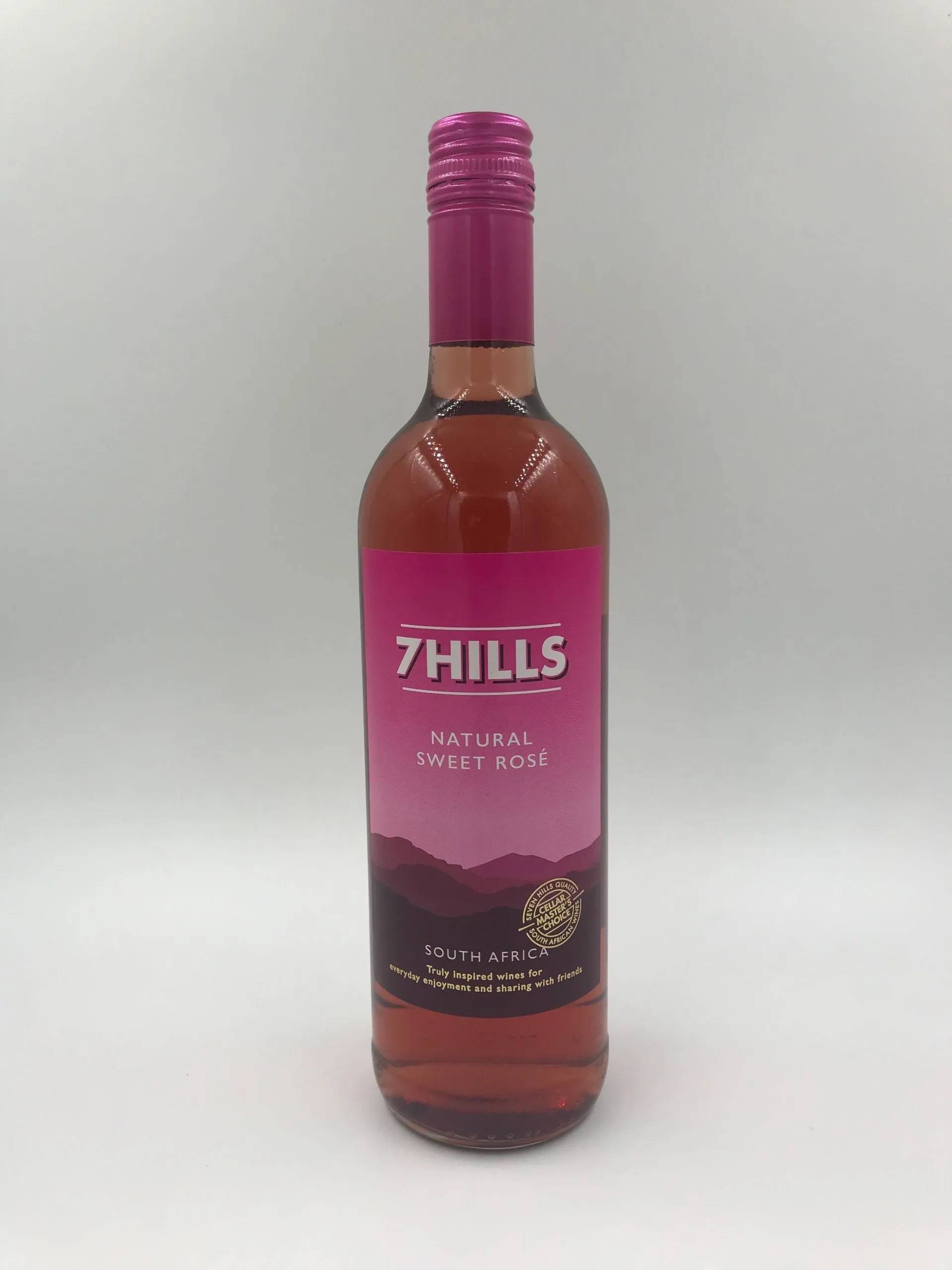
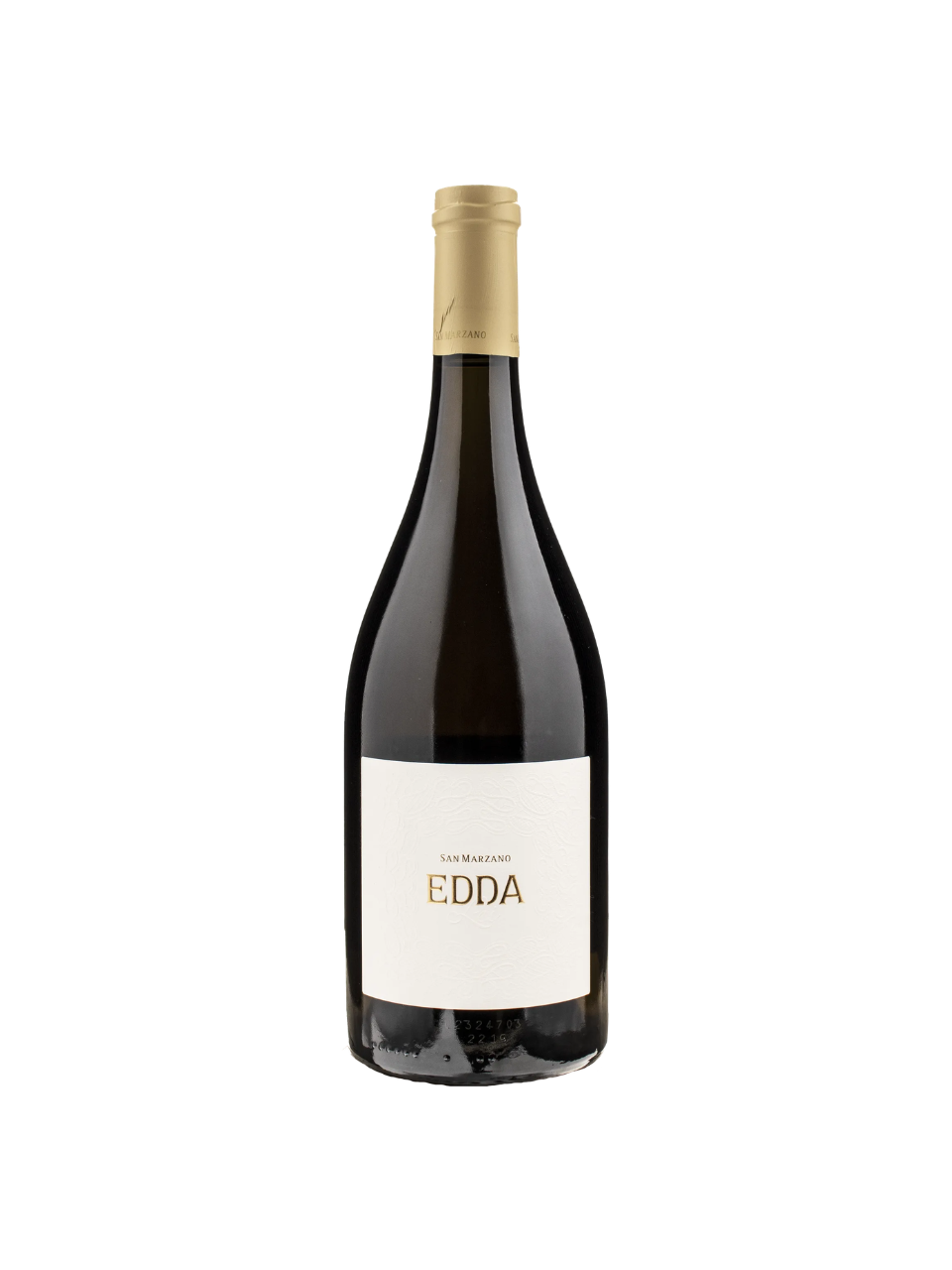
Wine
2 to 4 bottlesNice to haveA bottle or two for toasts and for guests who prefer wine.
How to use it: Chill white or sparkling wine. Keep a few glasses ready.
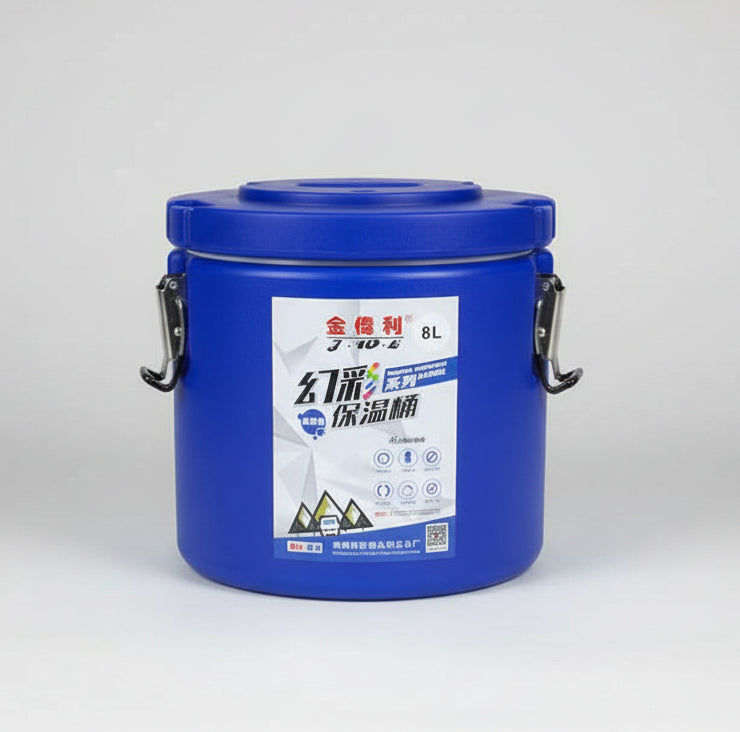
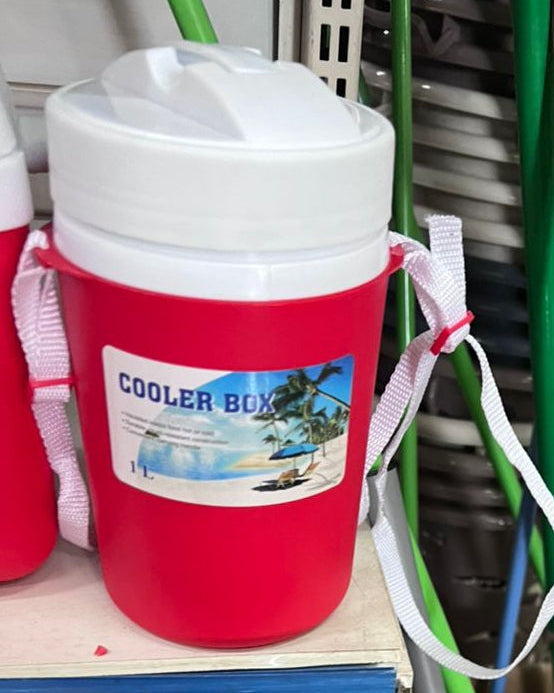
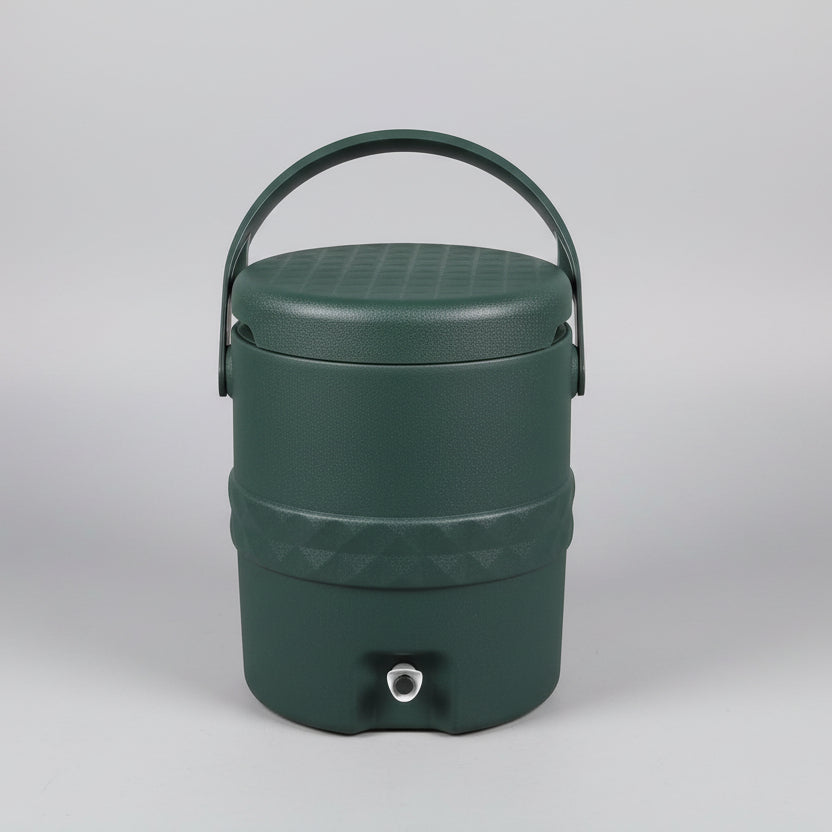
Cooler box
1 or 2Nice to haveKeeps drinks cold during a long day outdoors.
How to use it: Pack with ice an hour before guests arrive and top up when needed.







Welcome and warm drinks
Tea and coffee are a polite welcome in many families.
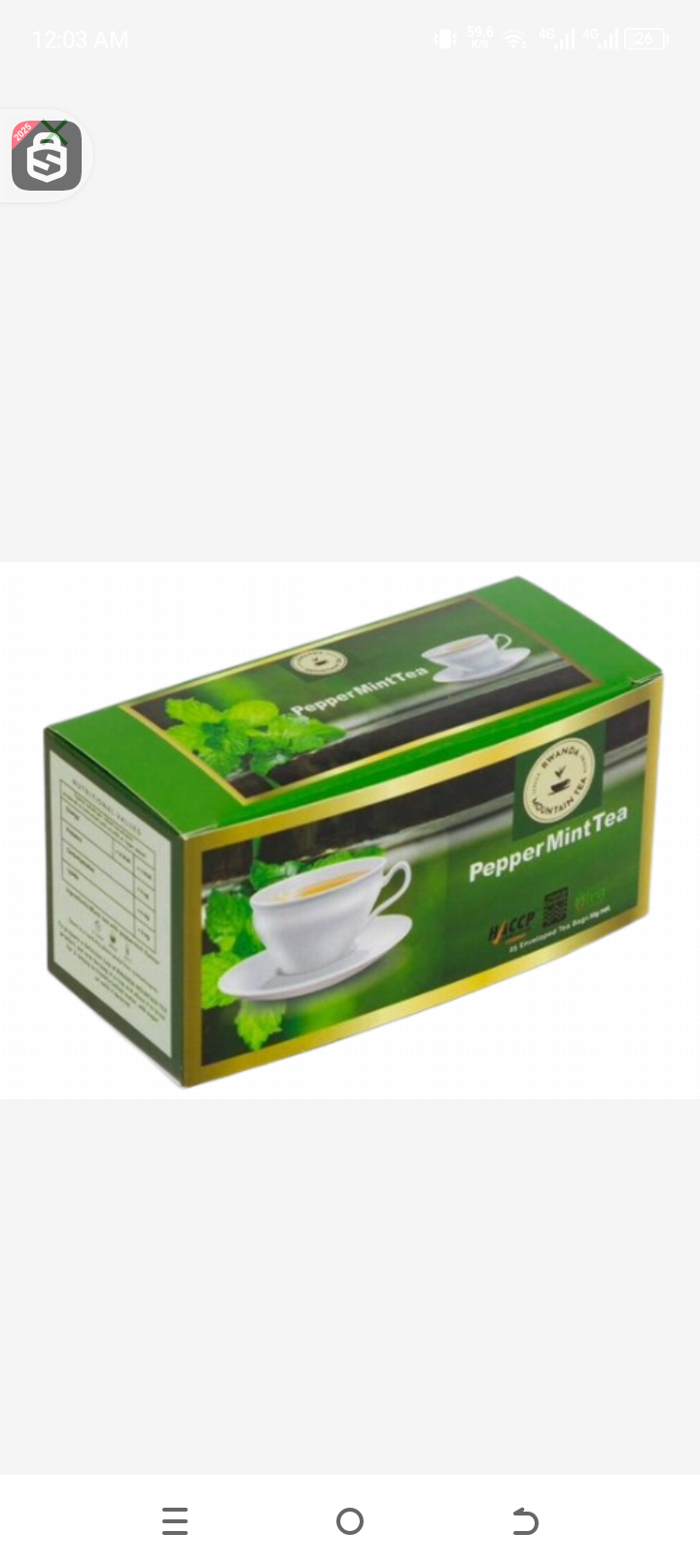
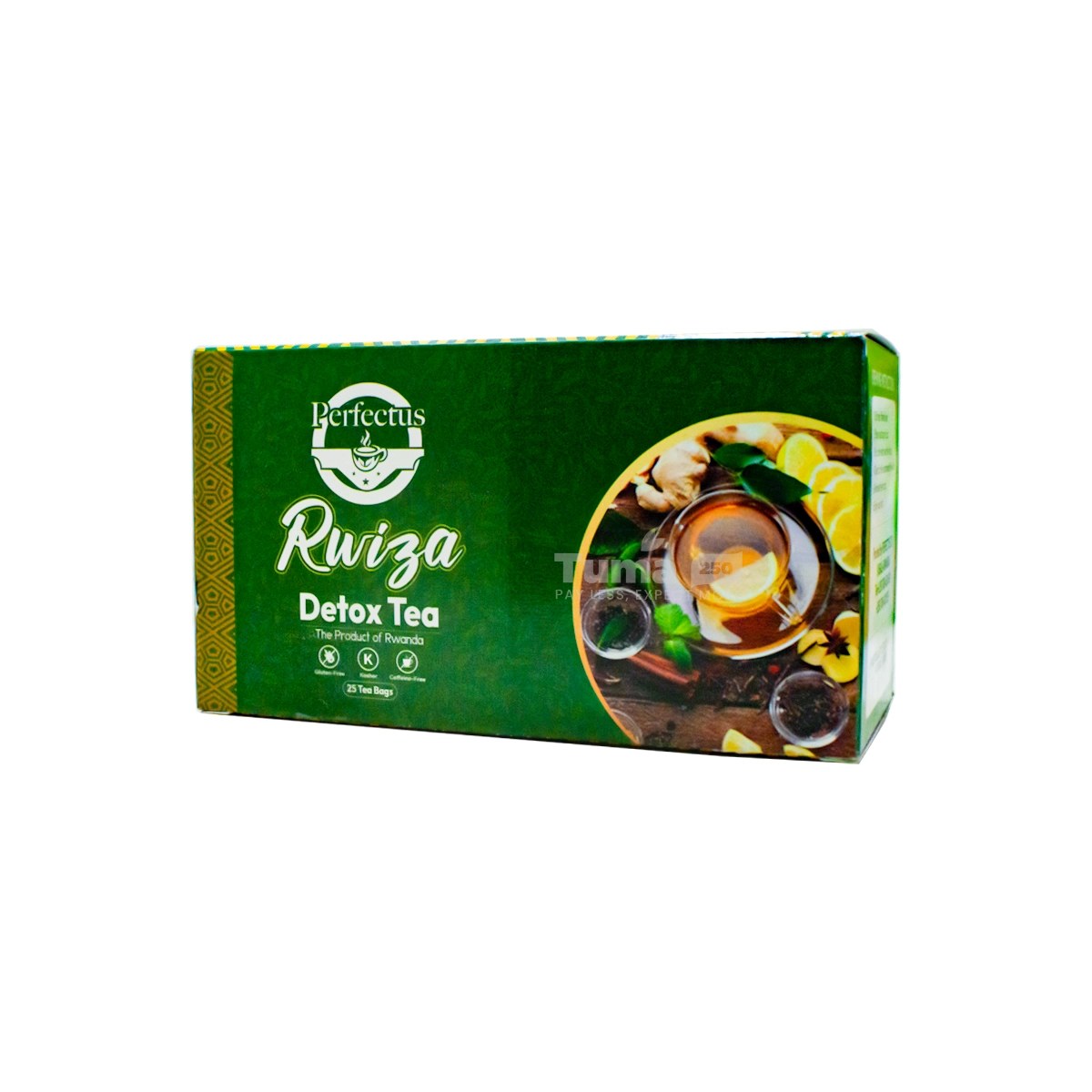
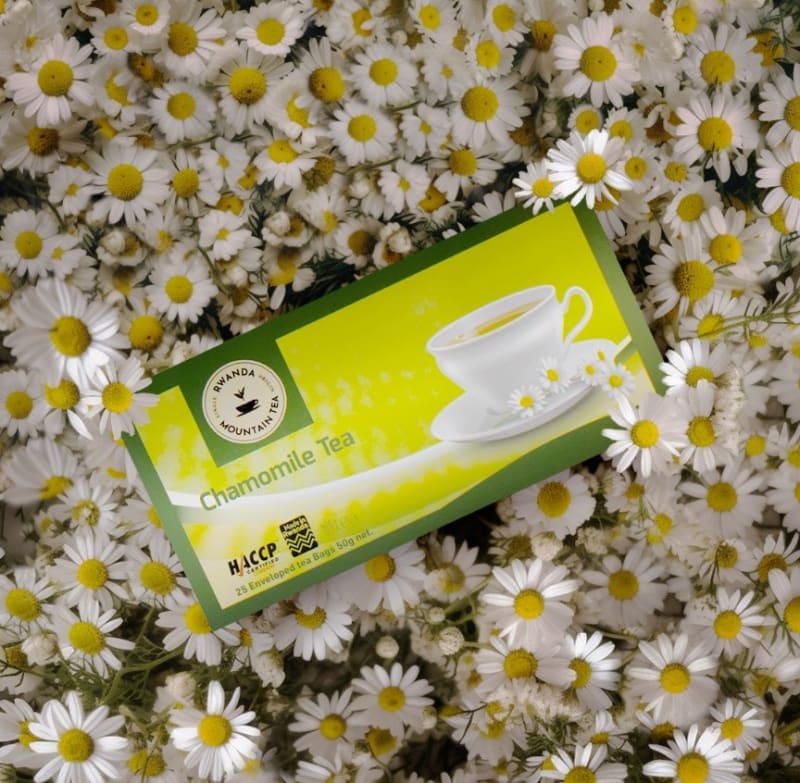
Tea bags
2 boxesNice to haveMany guests like a warm drink, especially on cool mornings and rainy afternoons.
How to use it: Use a large thermal flask for hot water and put sugar and milk on the side.
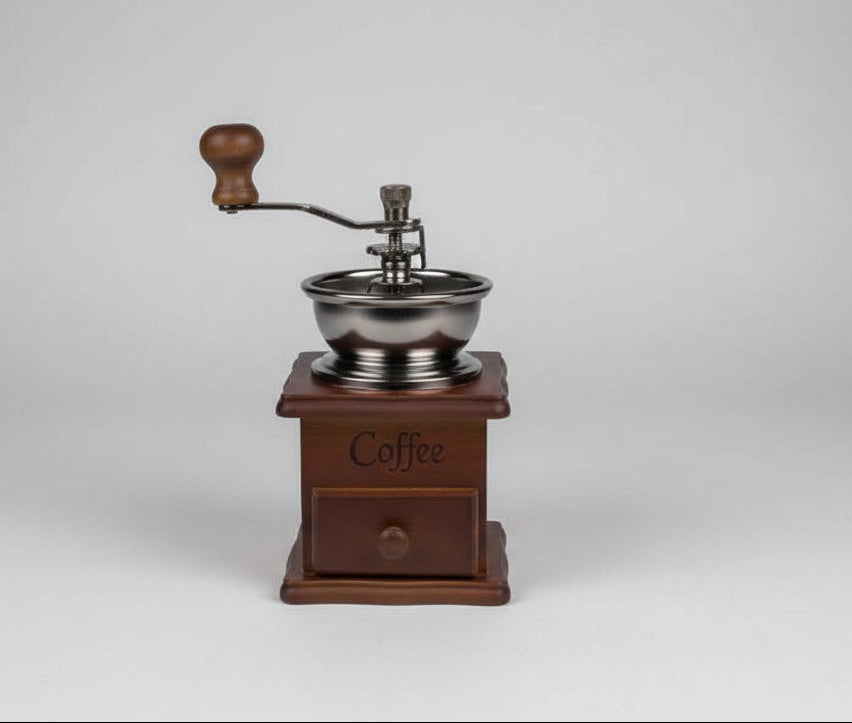
Coffee
1 packNice to haveA good coffee adds a Rwandan touch to the welcome.
How to use it: Make it fresh in small amounts so it stays hot and tasty.
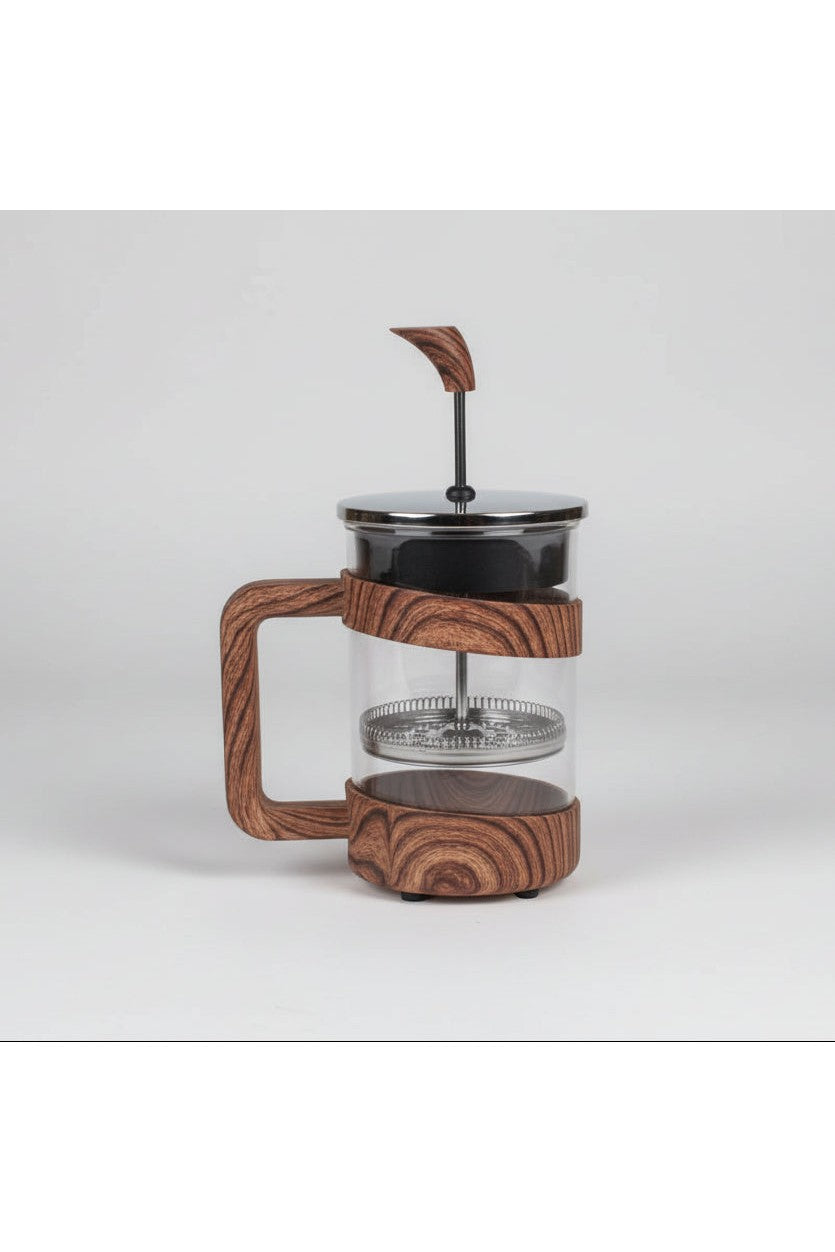
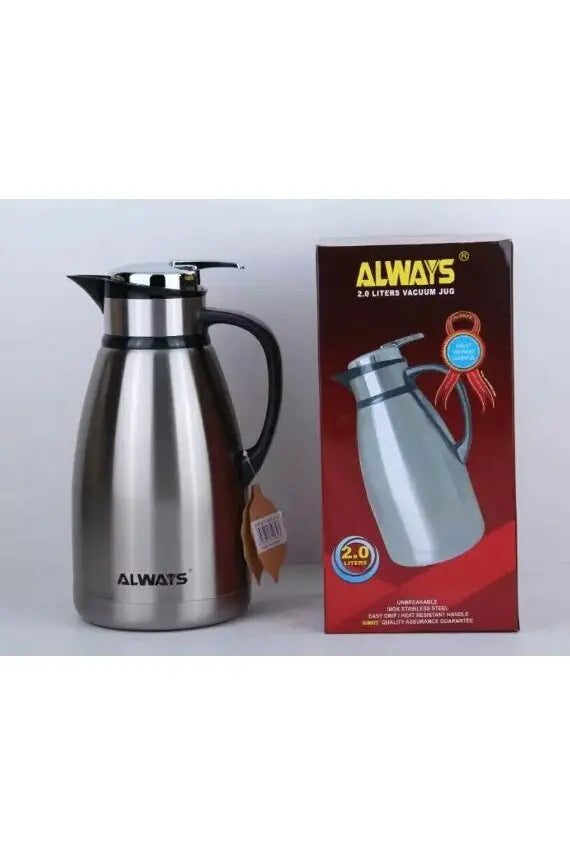
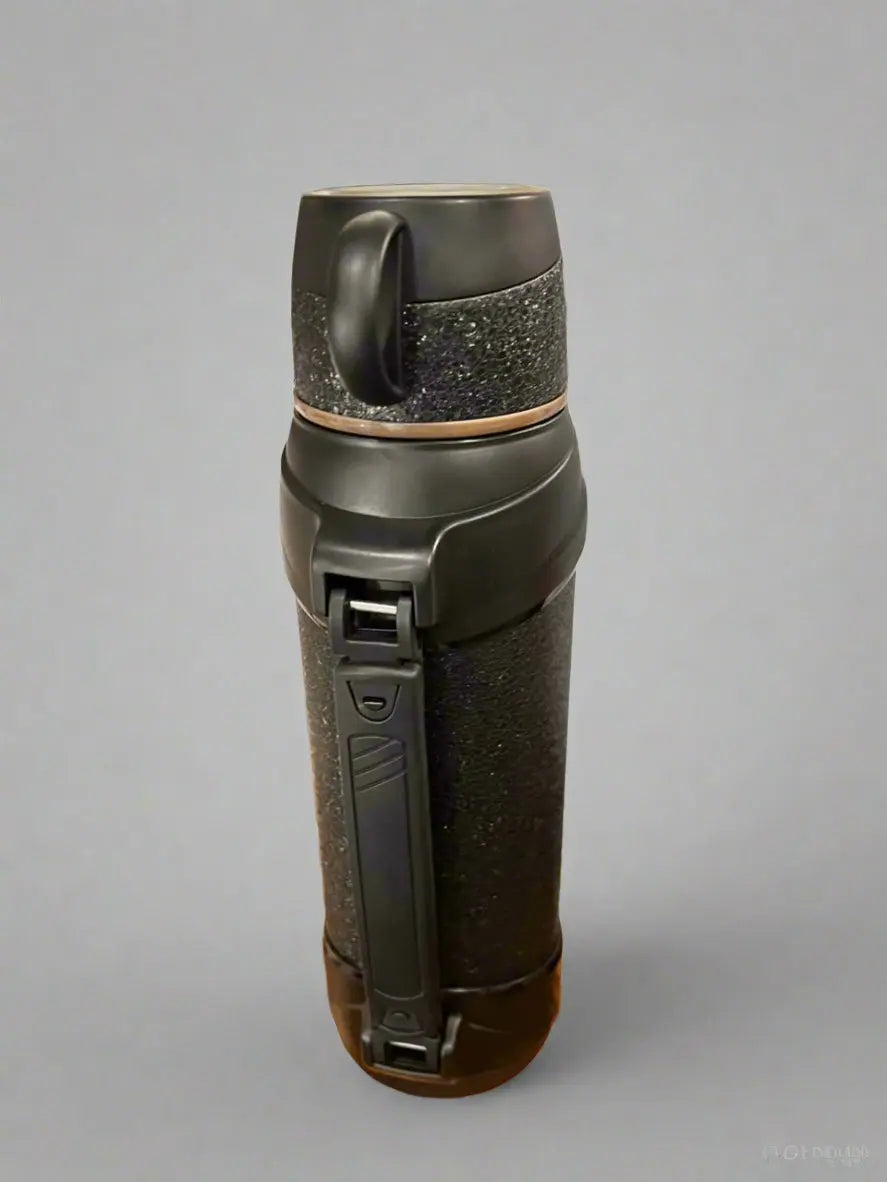
Thermal flasks
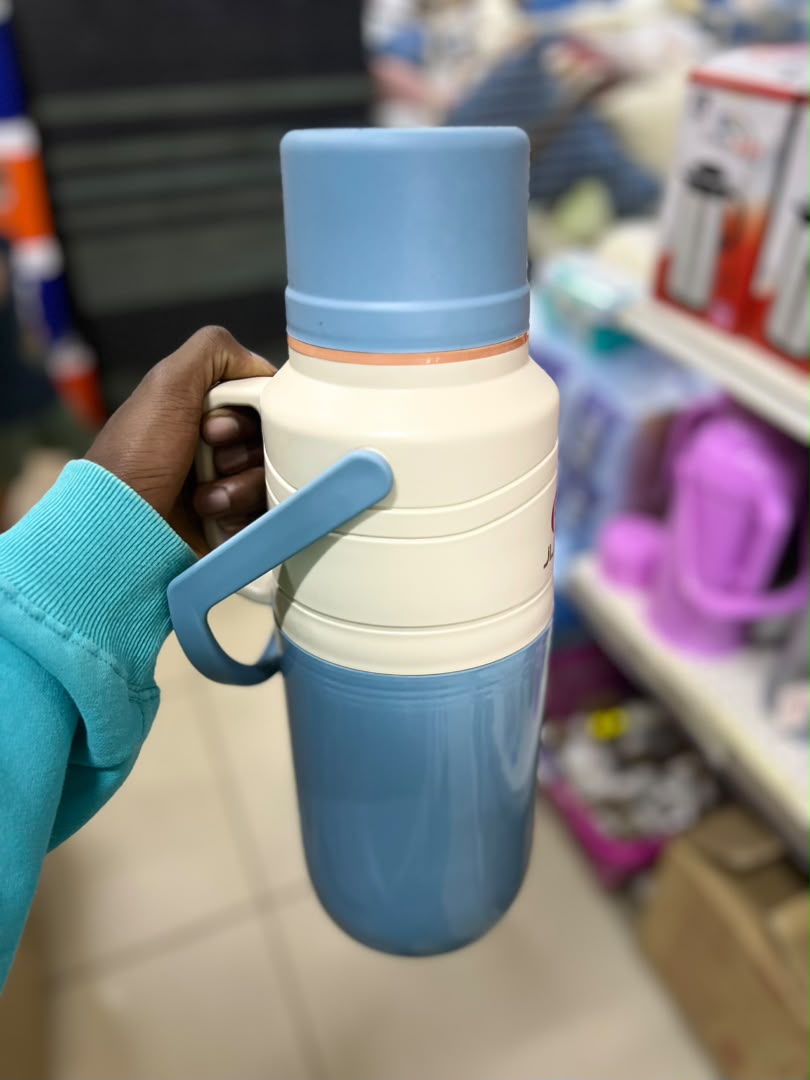
2 to 4 Must haveKeep hot water or tea hot without staying in the kitchen.
How to use it: Fill with boiling water just before guests arrive.
Sugar
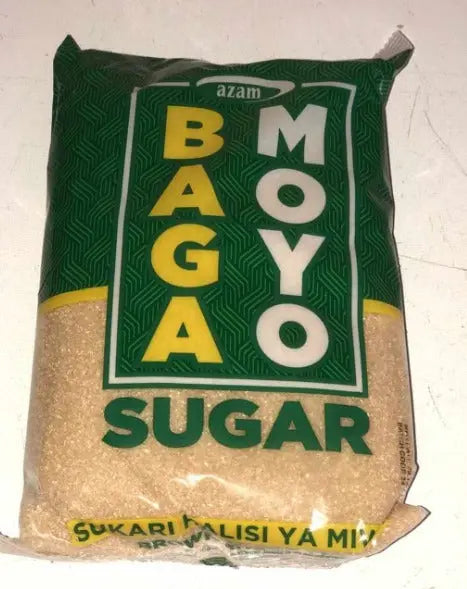
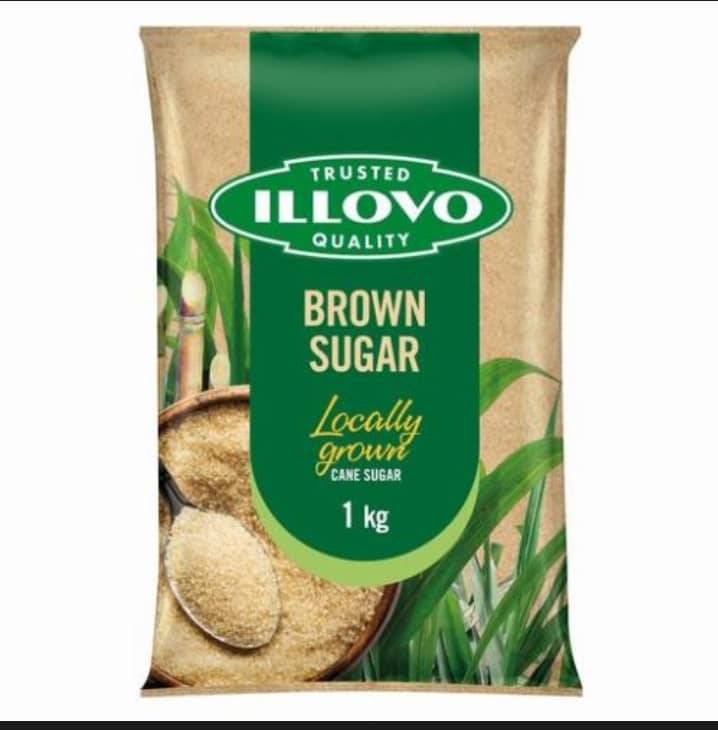
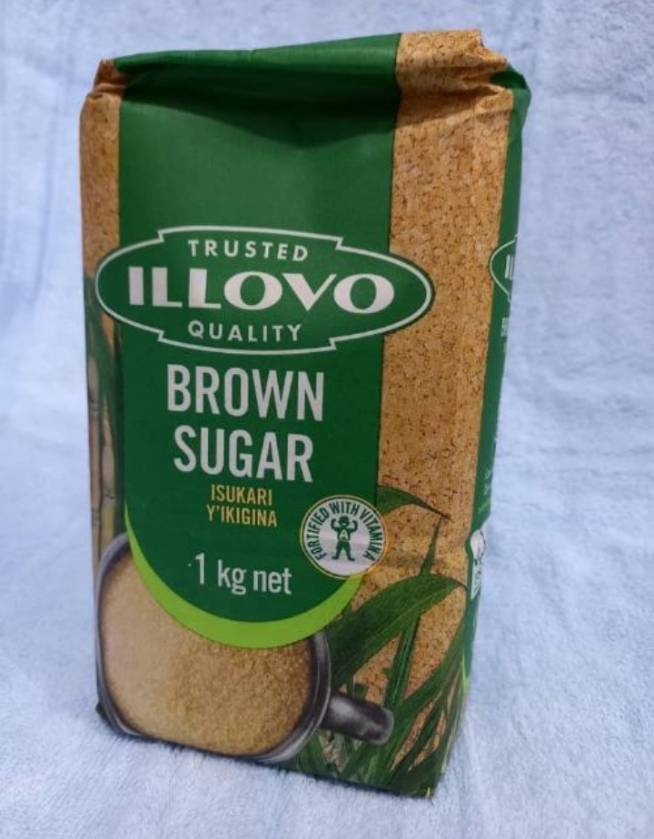
2 kg Must haveThe most common request at the tea table.
How to use it: Put it in small bowls so it does not spill.
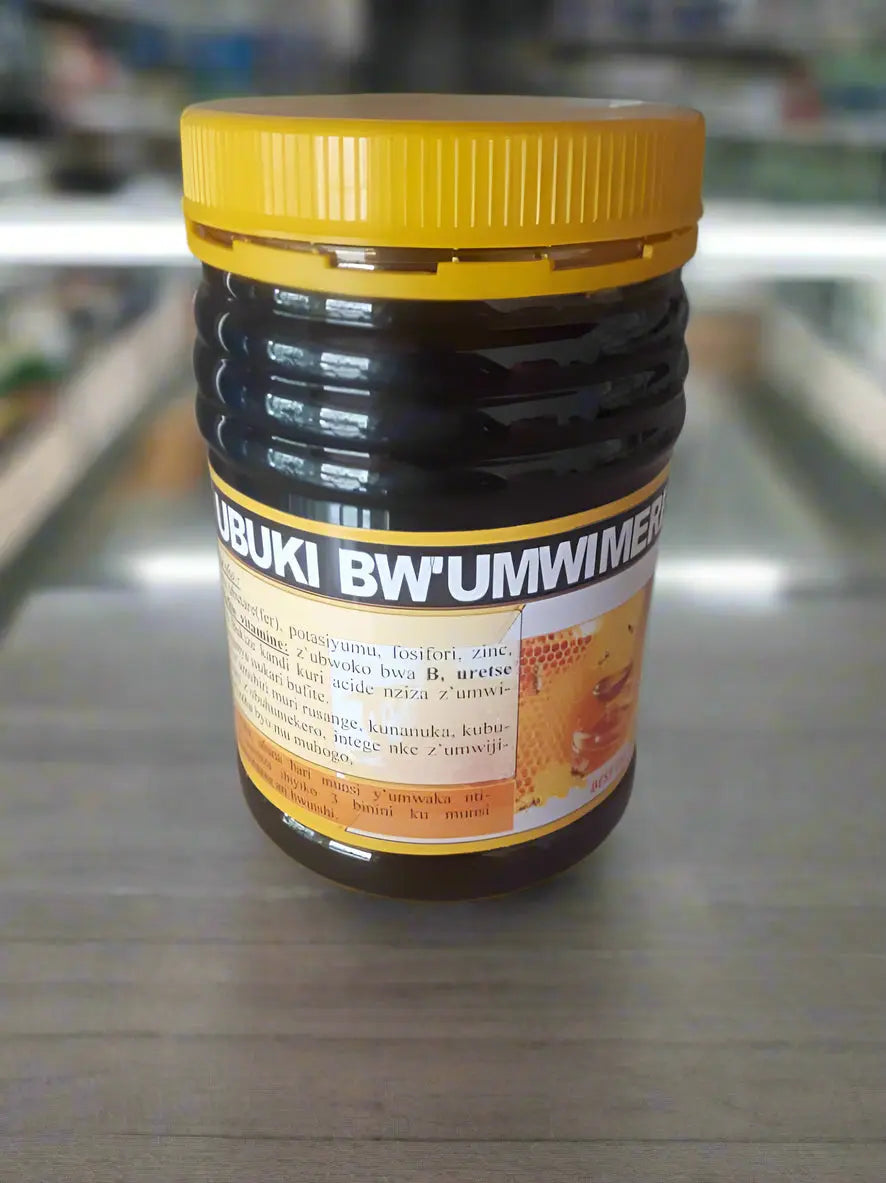
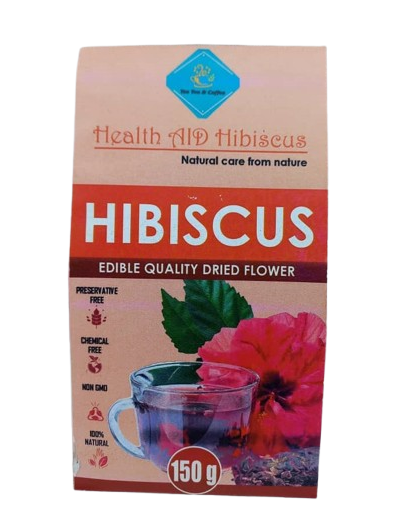
Honey
1 jarNice to haveA natural option for tea and a nice touch for the welcome table.
How to use it: Use a clean spoon and keep the jar covered.

Food and snacks
Decide between a full meal and light food, and plan portions.
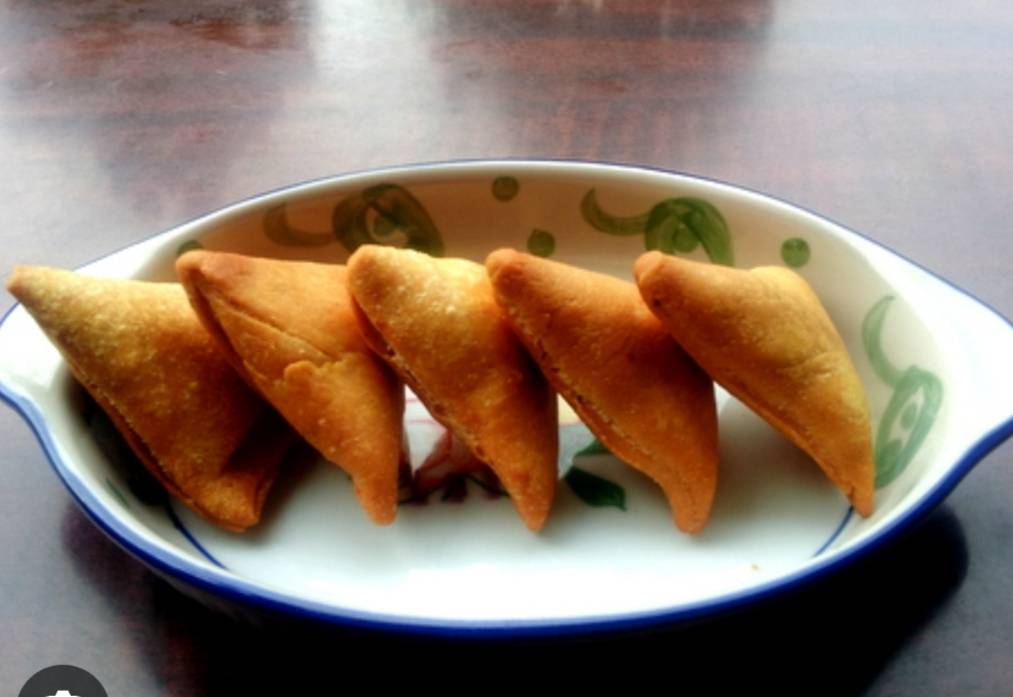
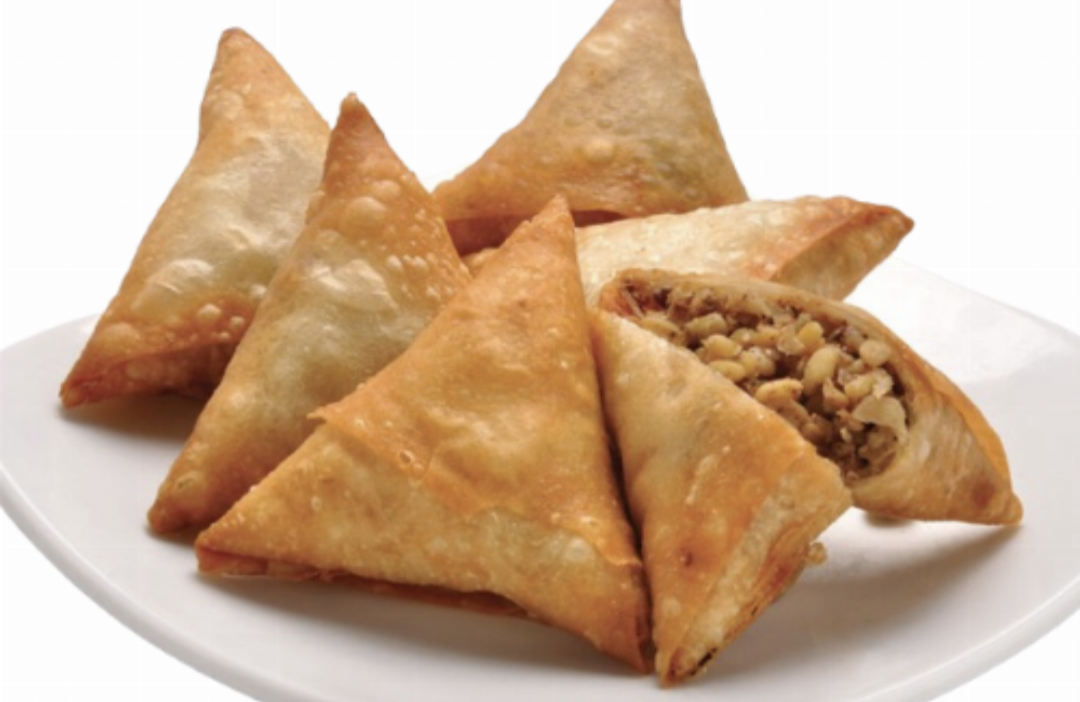
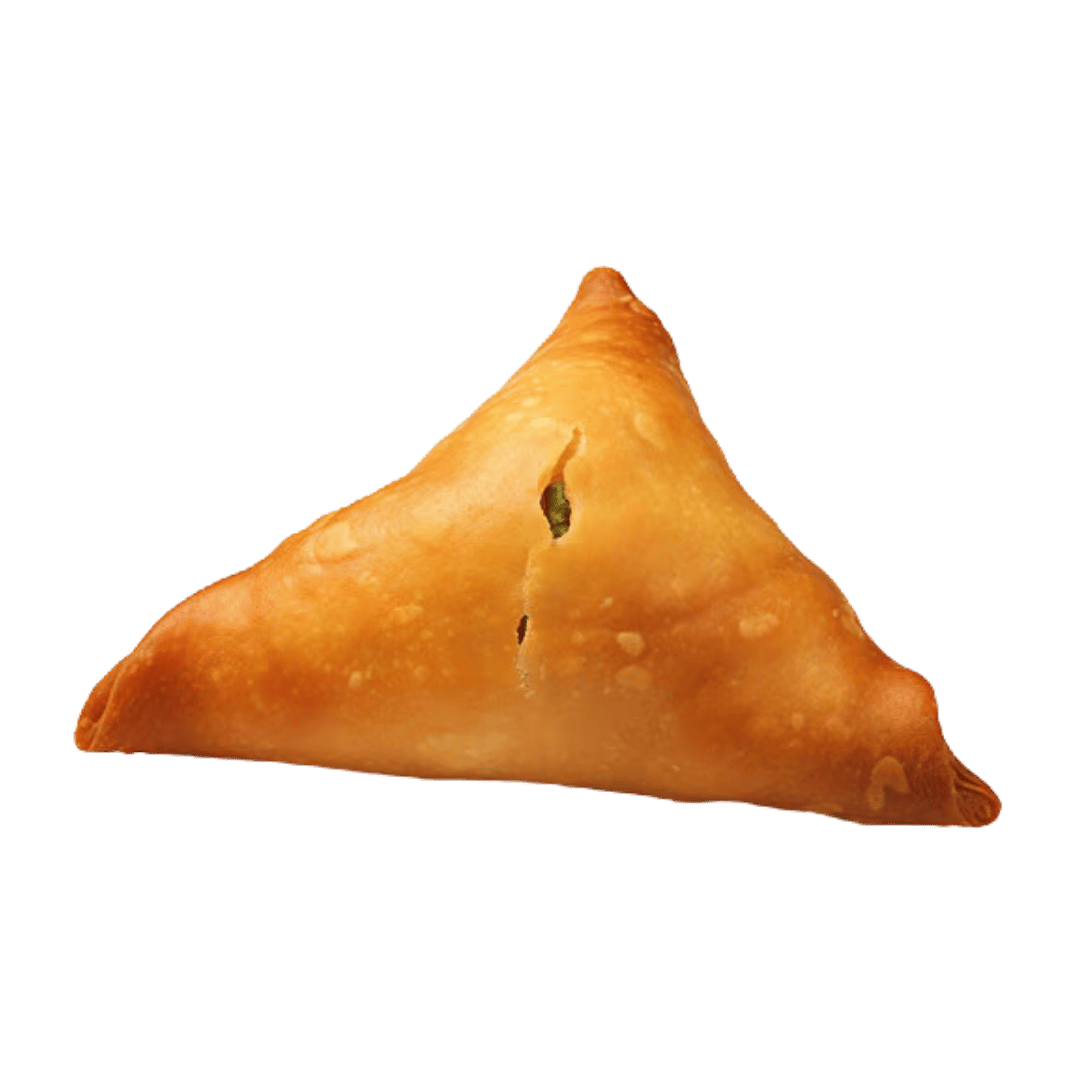
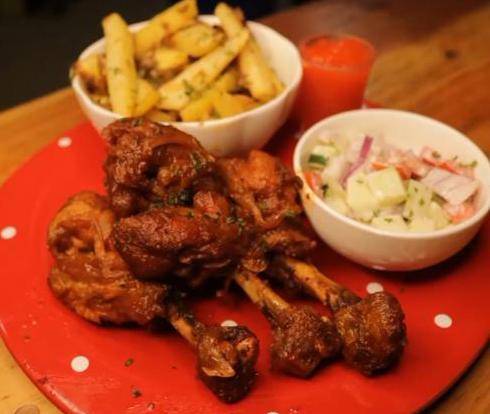
Samosas
2 to 3 per guest Must haveEasy, popular and good for guests while they wait for the main meal.
How to use it: Order from a trusted cook a day ahead and keep warm in foil.
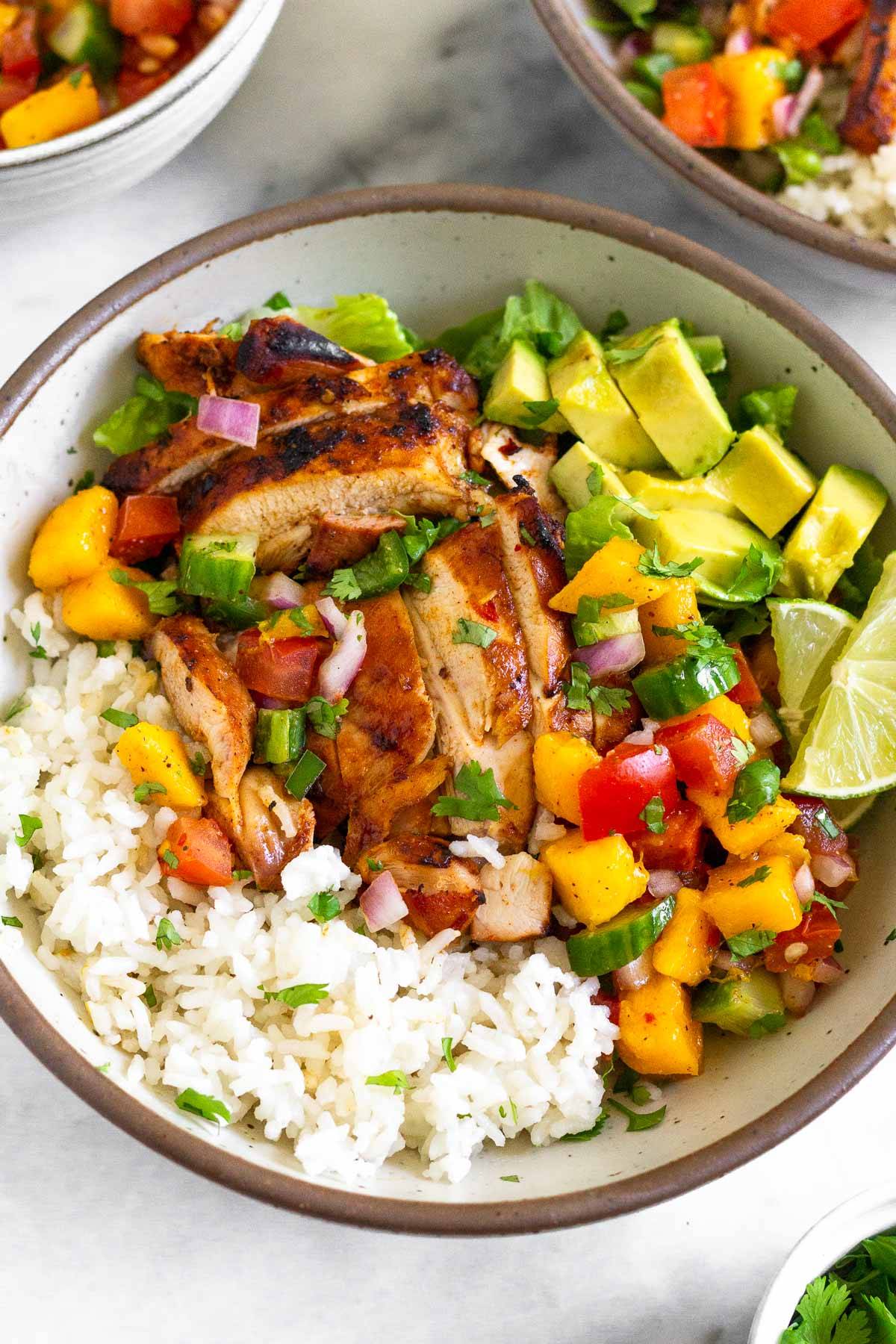
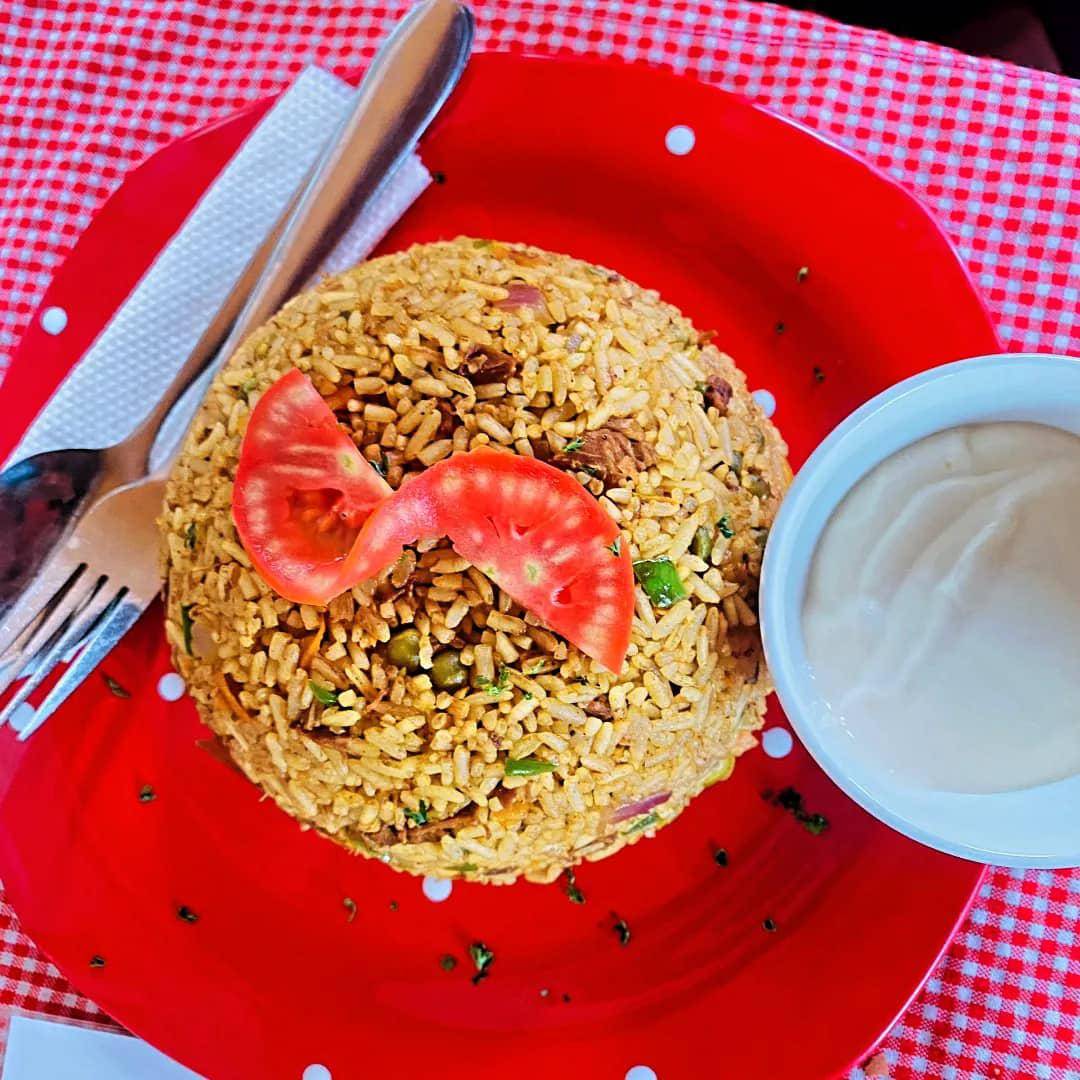
Rice
1 kg per 8 to 10 guestsNice to haveA staple for a buffet that feeds many people at a fair cost.
How to use it: Cook in large pots and keep the lid on to stay warm.
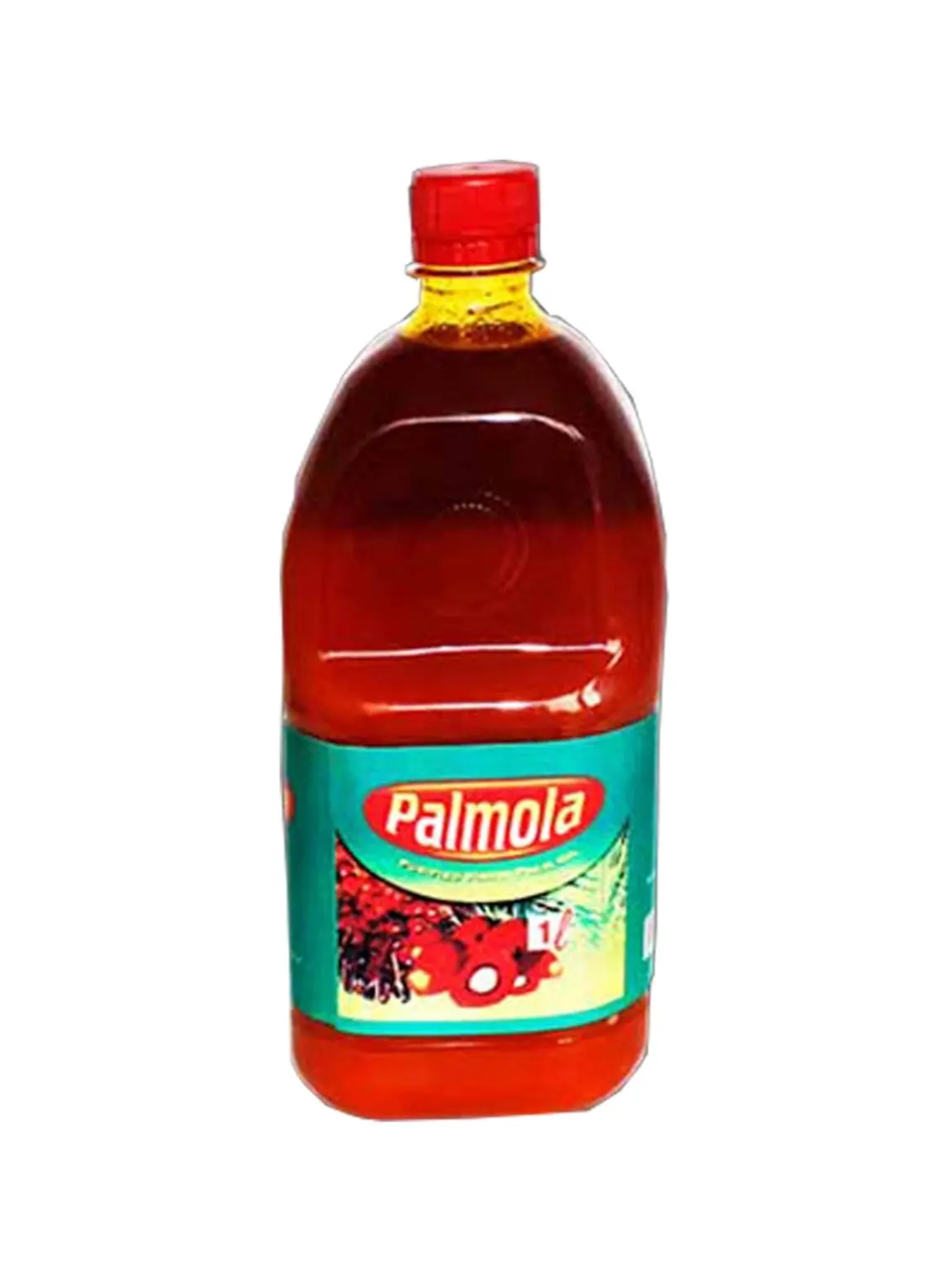
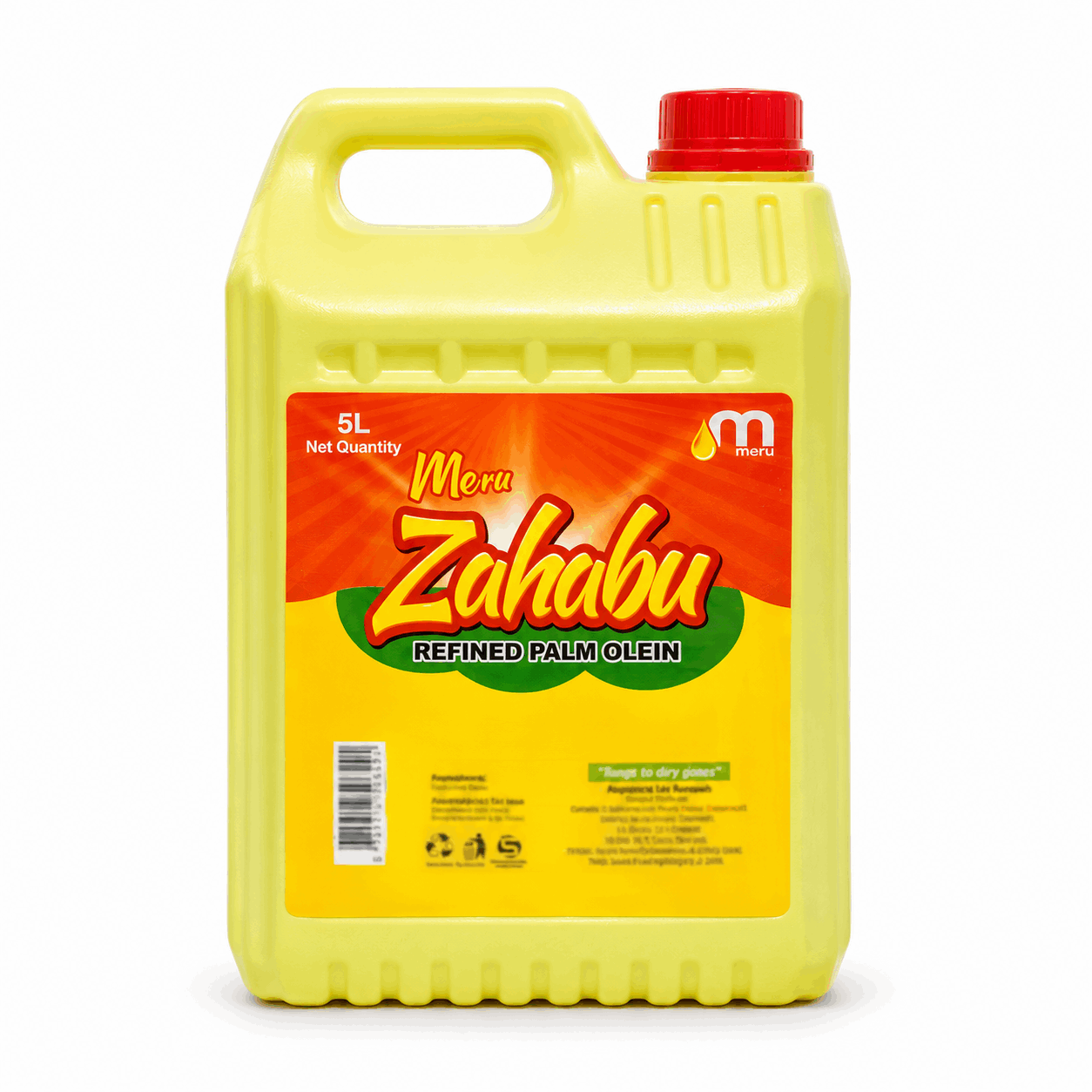
Cooking oil
1 large bottleNice to haveNeeded if you or your cook prepare food at home.
How to use it: Buy a large bottle so you do not run out mid cooking.
Irish potatoes
1 kg per 6 guestsNice to haveCheap, filling and easy for a family style buffet.
How to use it: Wash and peel the day before and keep covered in water.
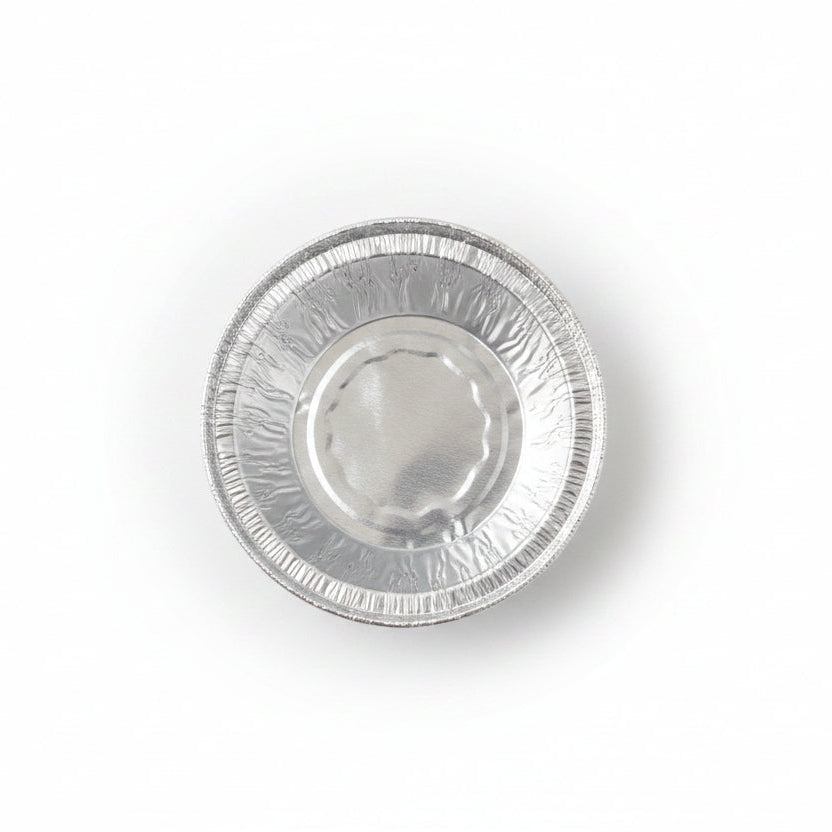
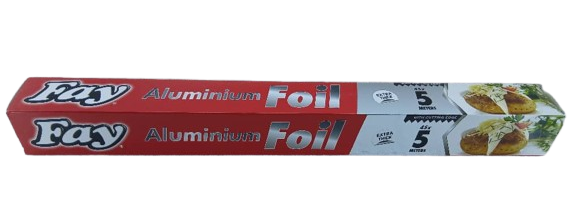
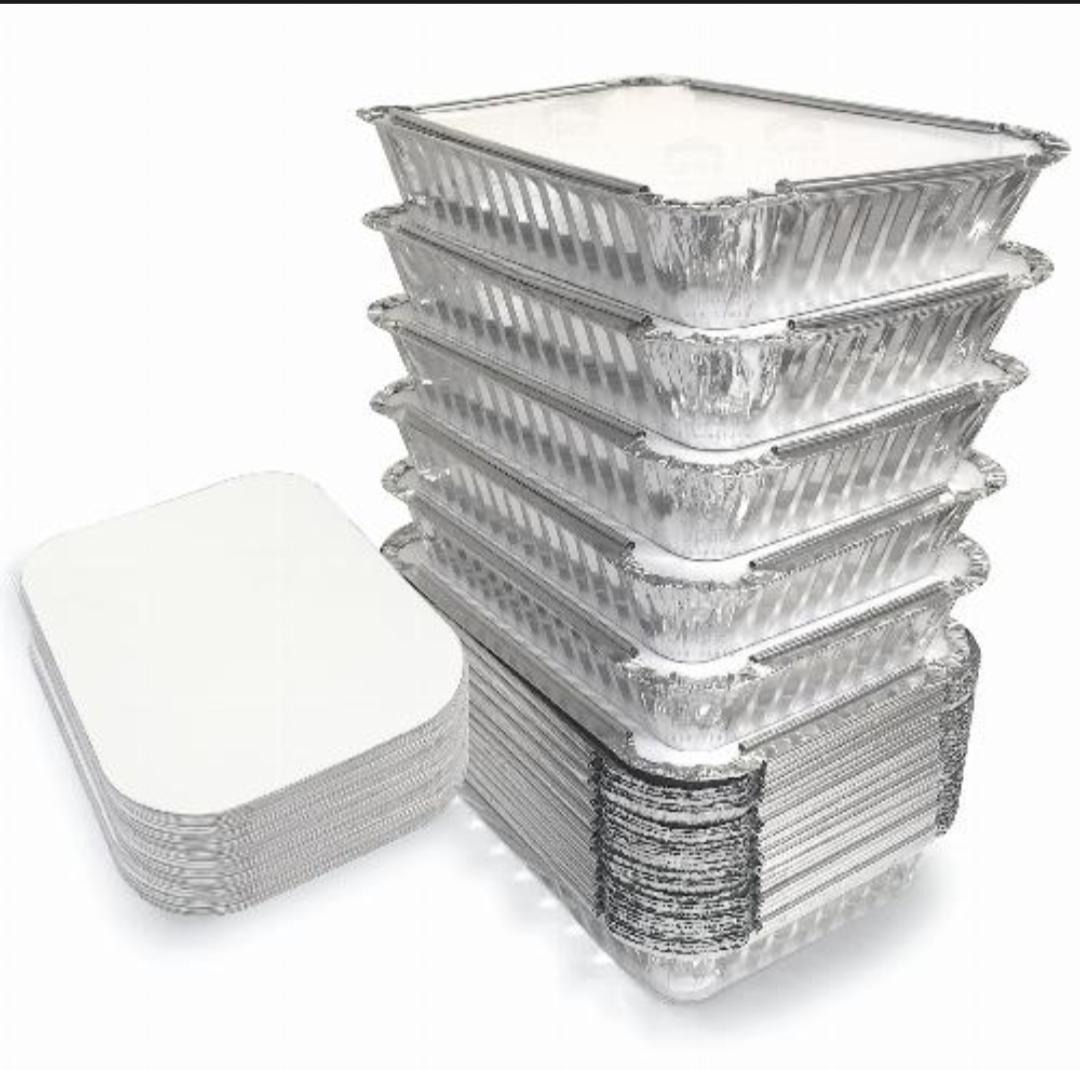
Aluminum foil
2 rolls Must haveKeeps food warm and covers trays during transport and serving.
How to use it: Use two layers on hot dishes and keep the shiny side in.
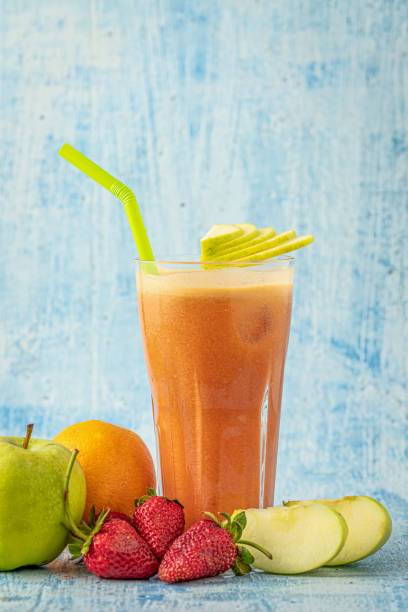
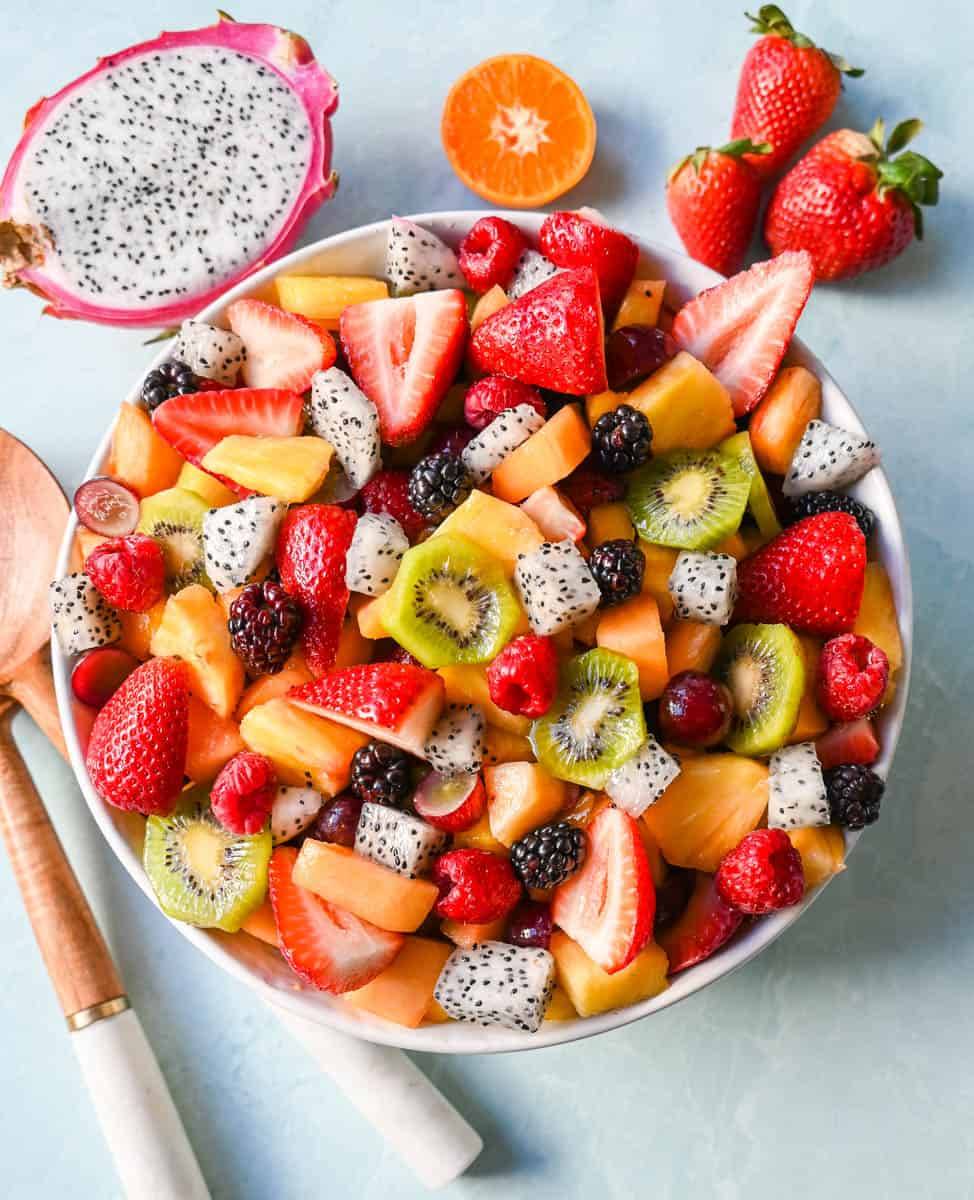
Fruit
1 per 2 guestsNice to haveBananas and mixed fruit on the table are simple and well liked.
How to use it: Wash fruit and serve in a large bowl or basket.






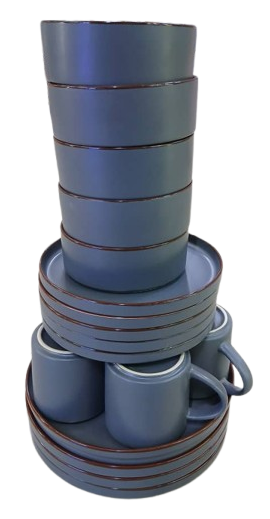
Serving and tableware
Enough plates and cups so the line does not stop.
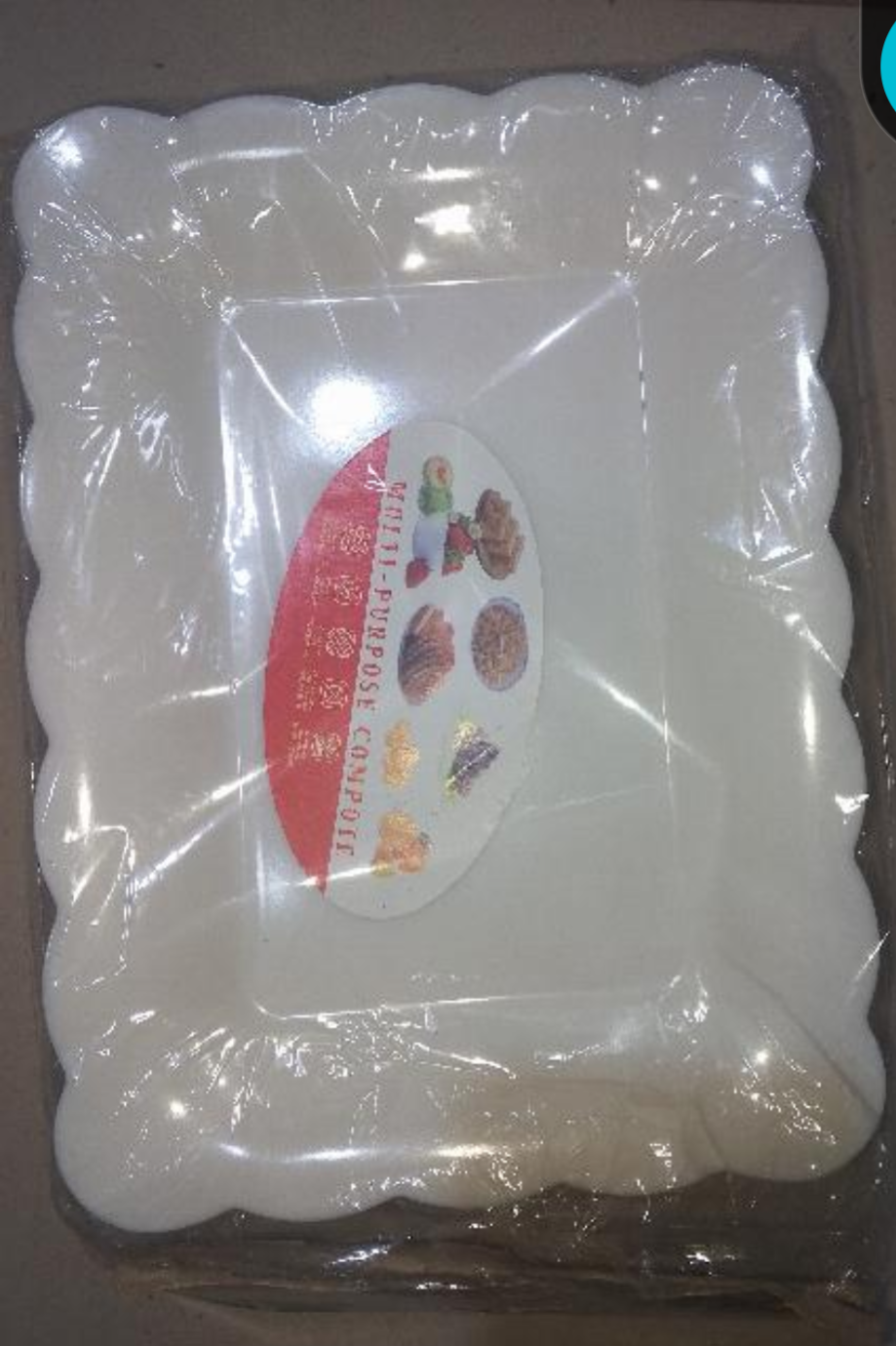
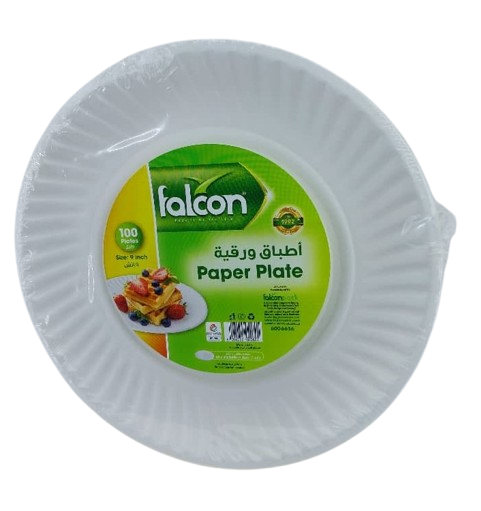
Plates
1 per guest Must haveGuests need sturdy plates for a meal. Wash and dry them before the day.
How to use it: Keep a few spares for children and extra guests.
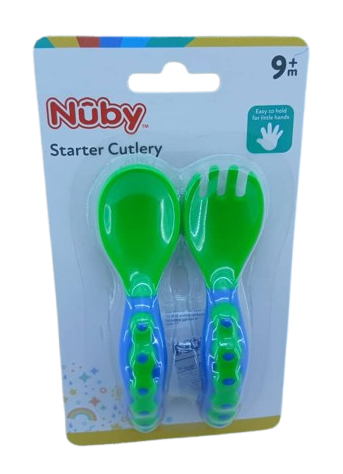
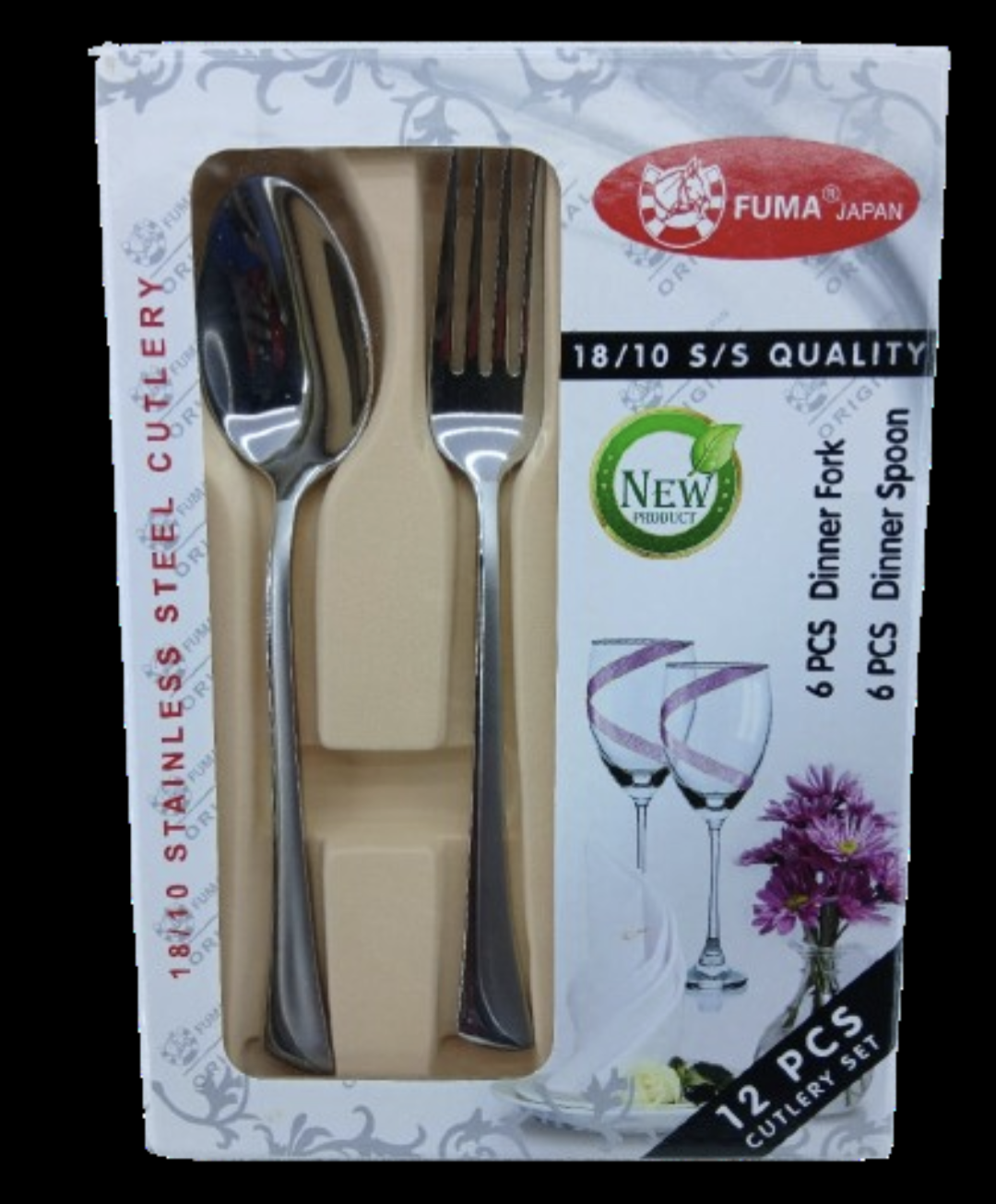
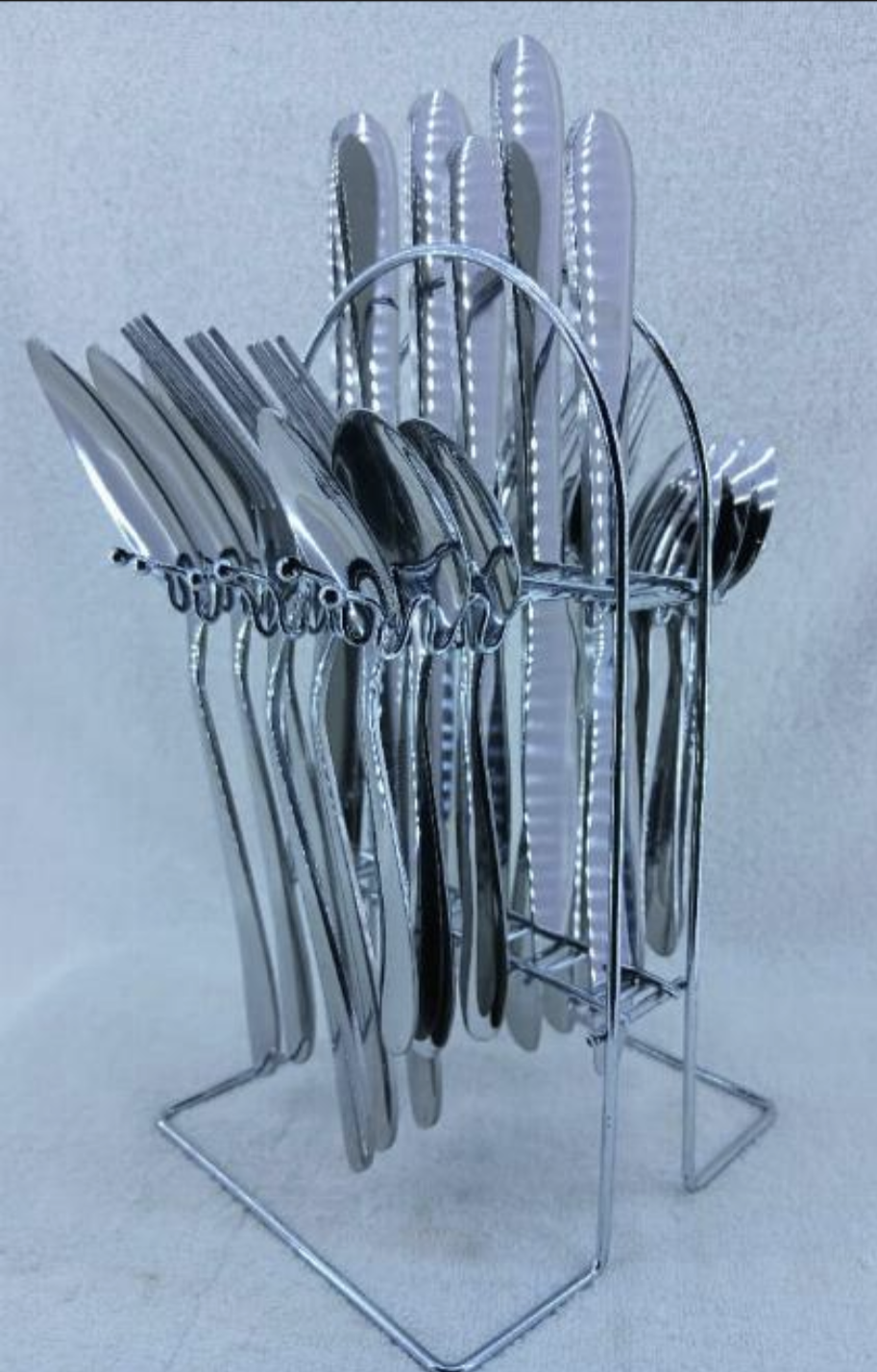
Cutlery sets
1 set per 6 guestsNice to haveA spoon and fork per guest, plus knives if you serve meat.
How to use it: Collect used cutlery in a bowl of hot water so it is easy to wash.
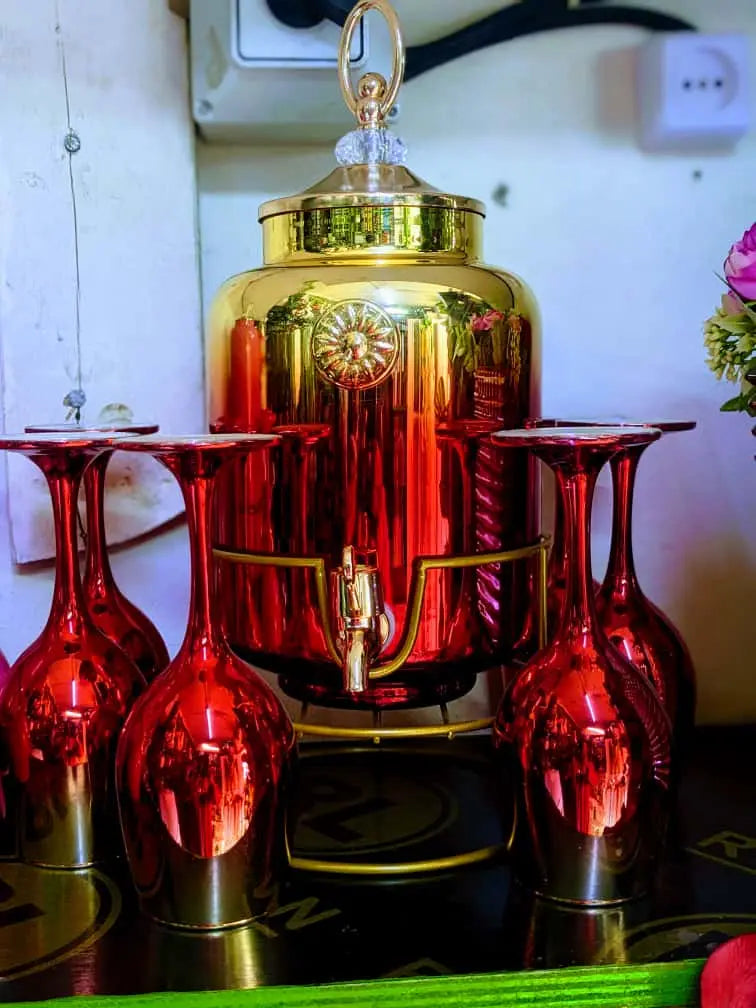
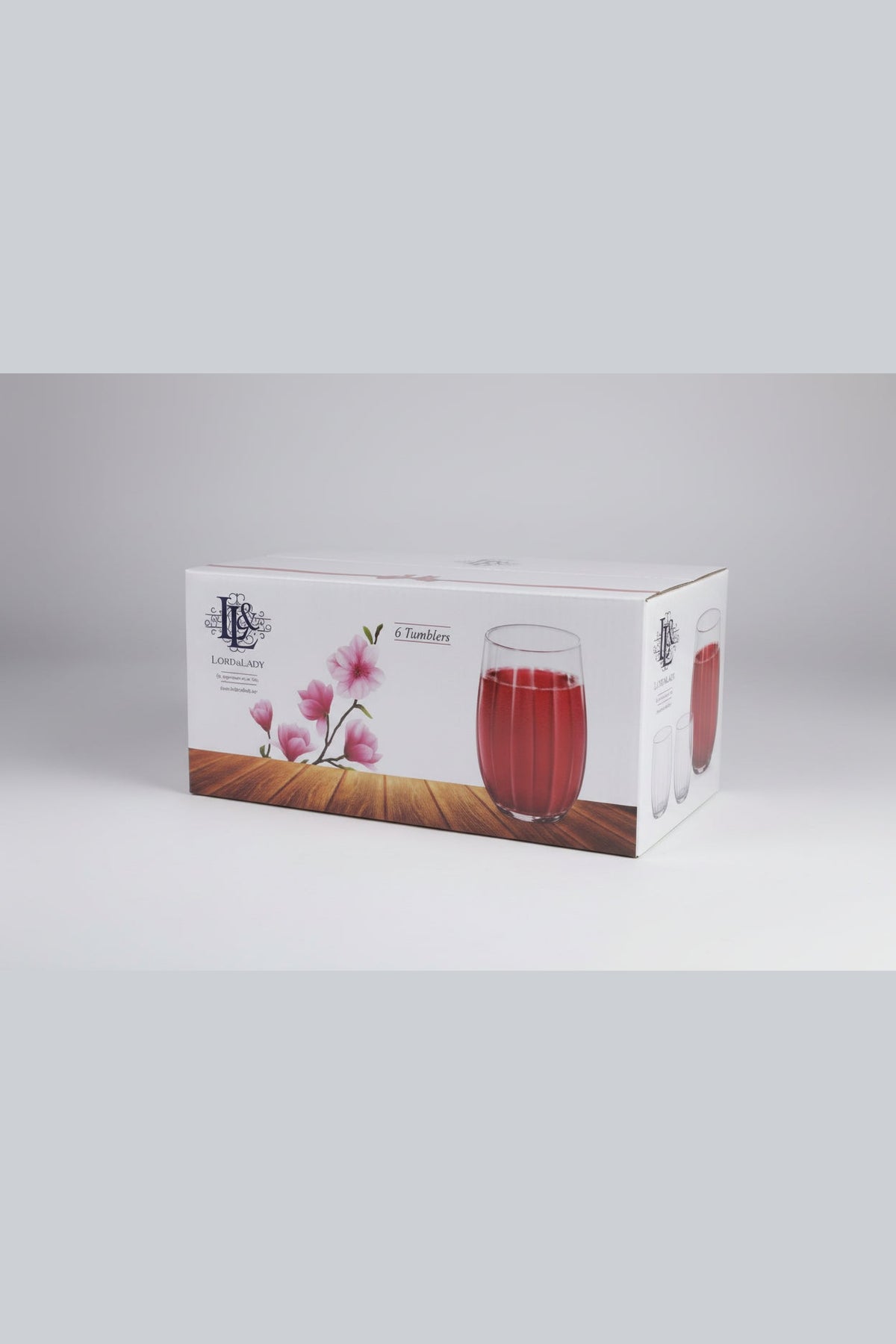
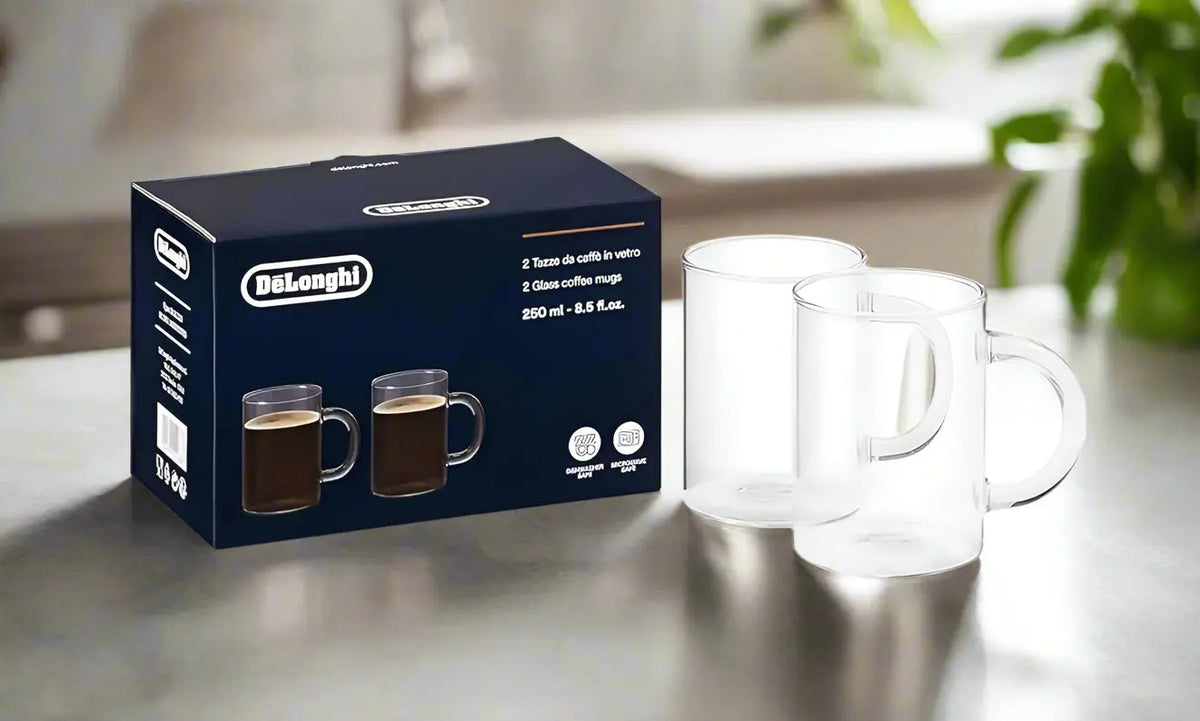
Glasses and cups
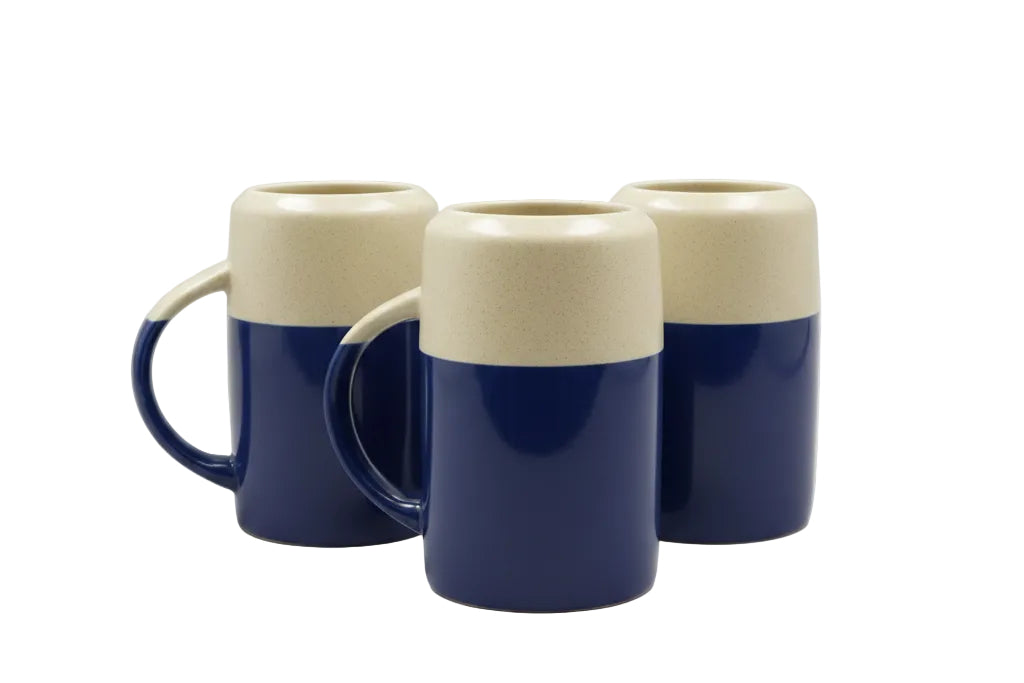
2 per guest Must haveGlasses for drinks and wine make the table look special.
How to use it: Use plastic cups outdoors if you worry about breaking.
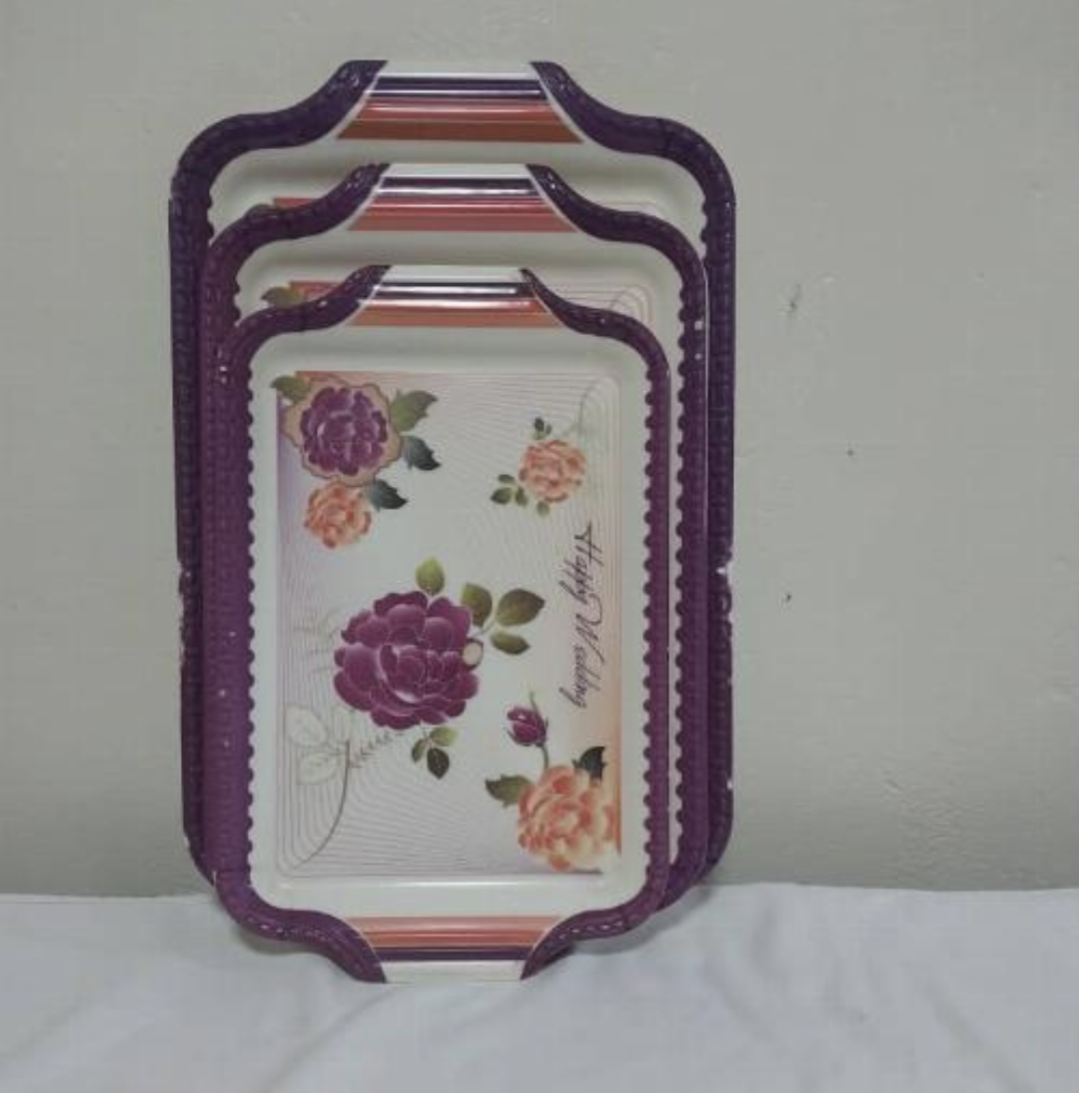
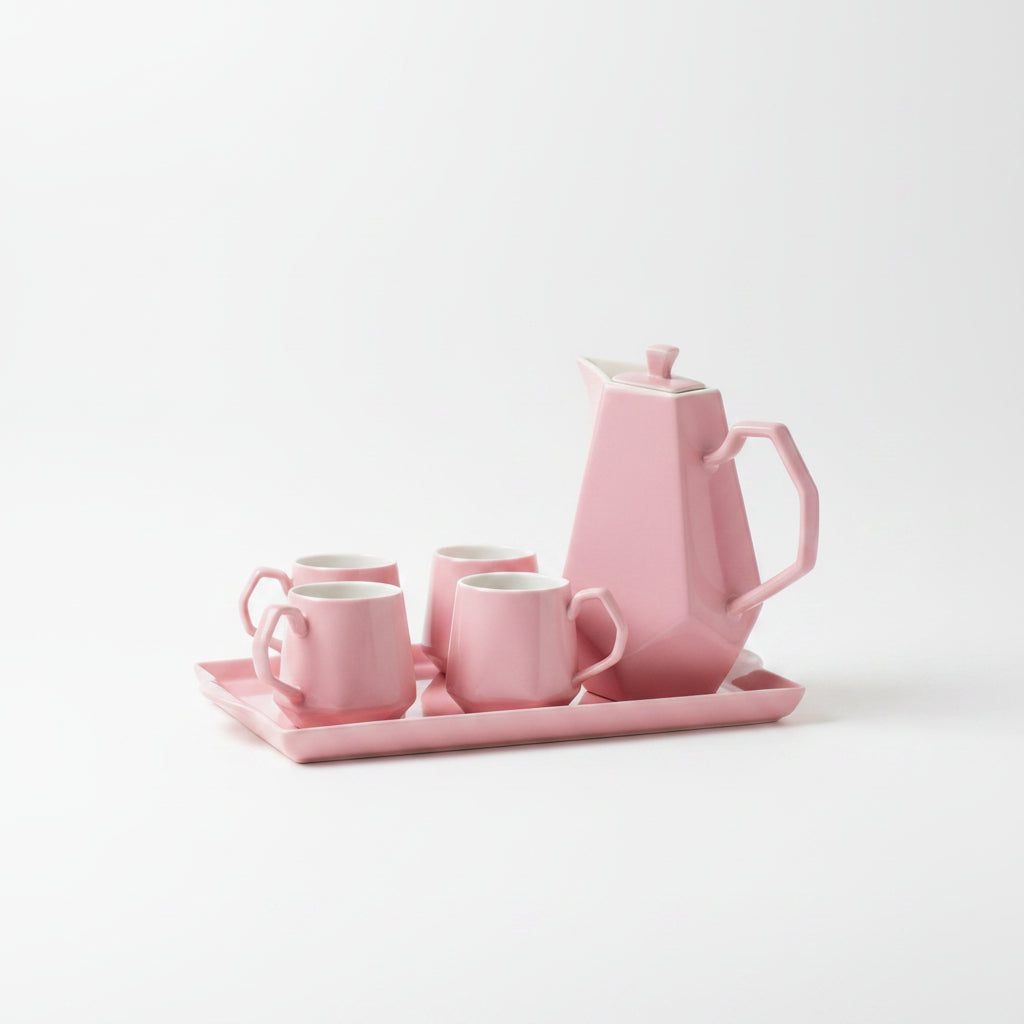
Serving trays
3 to 6 Must haveHelp you carry drinks and snacks to guests without spilling.
How to use it: Use one tray per drink type so waiters know where to go.
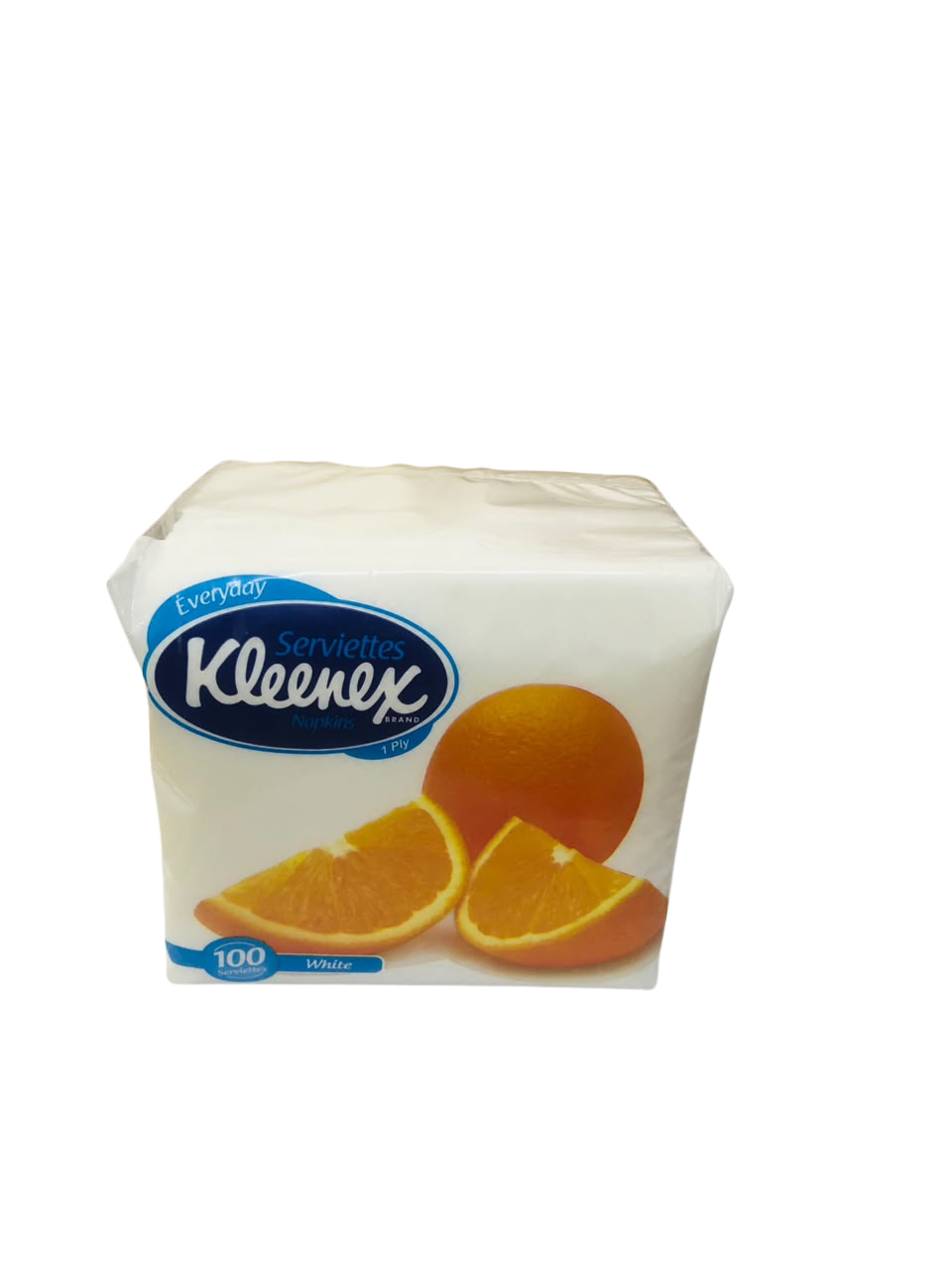
Serviettes
3 packs Must haveGuests need them for samosas, fruit and sticky hands.
How to use it: Put small stacks on every table and near the buffet.


Decor and finishing touches
A few well chosen decor items are enough.
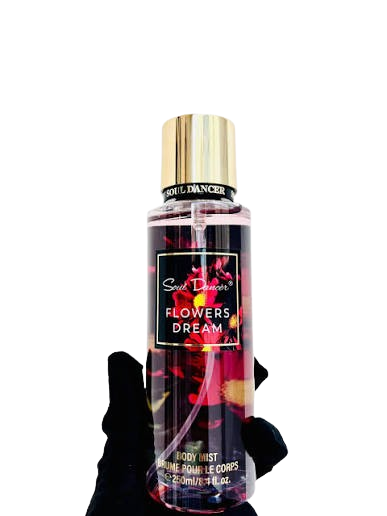
Flowers
2 to 4 bunchesNice to haveFresh flowers give a warm look to the welcome and head tables.
How to use it: Buy the same day and keep in water in the shade.
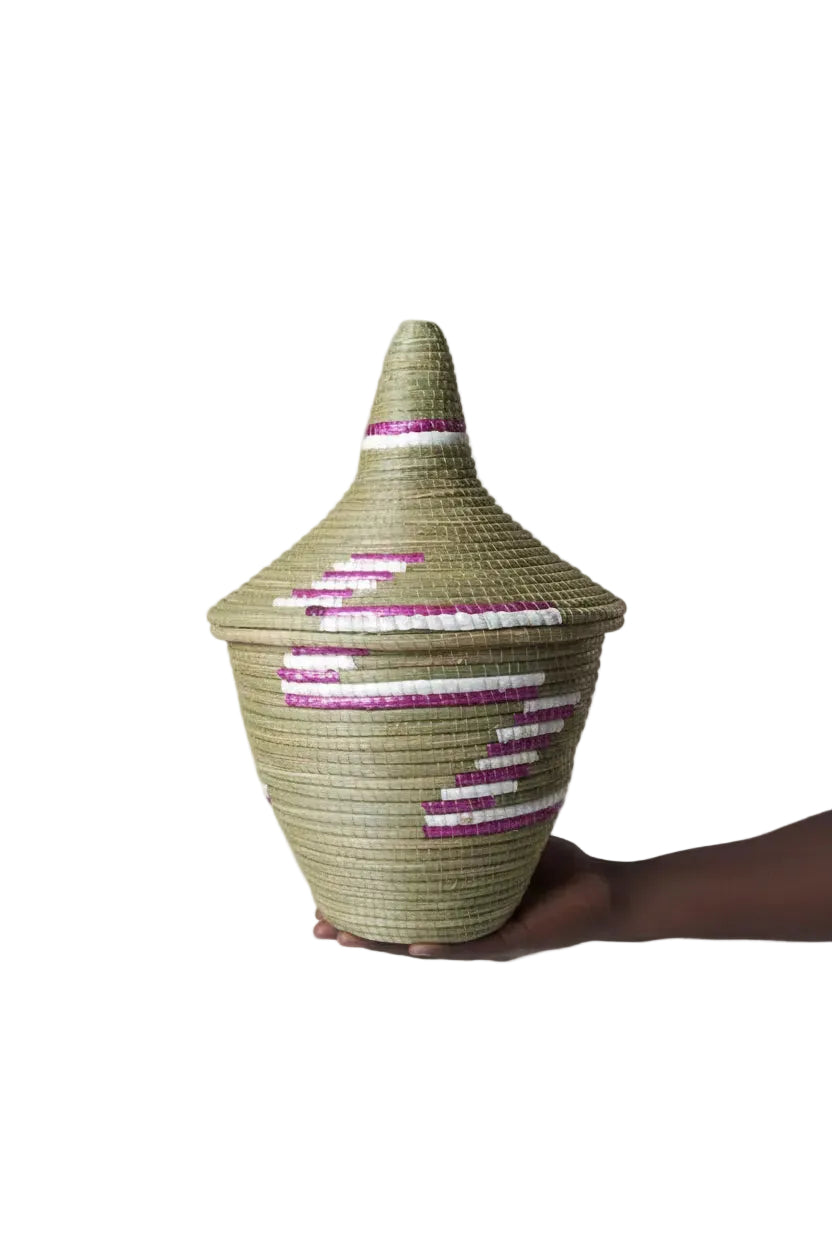
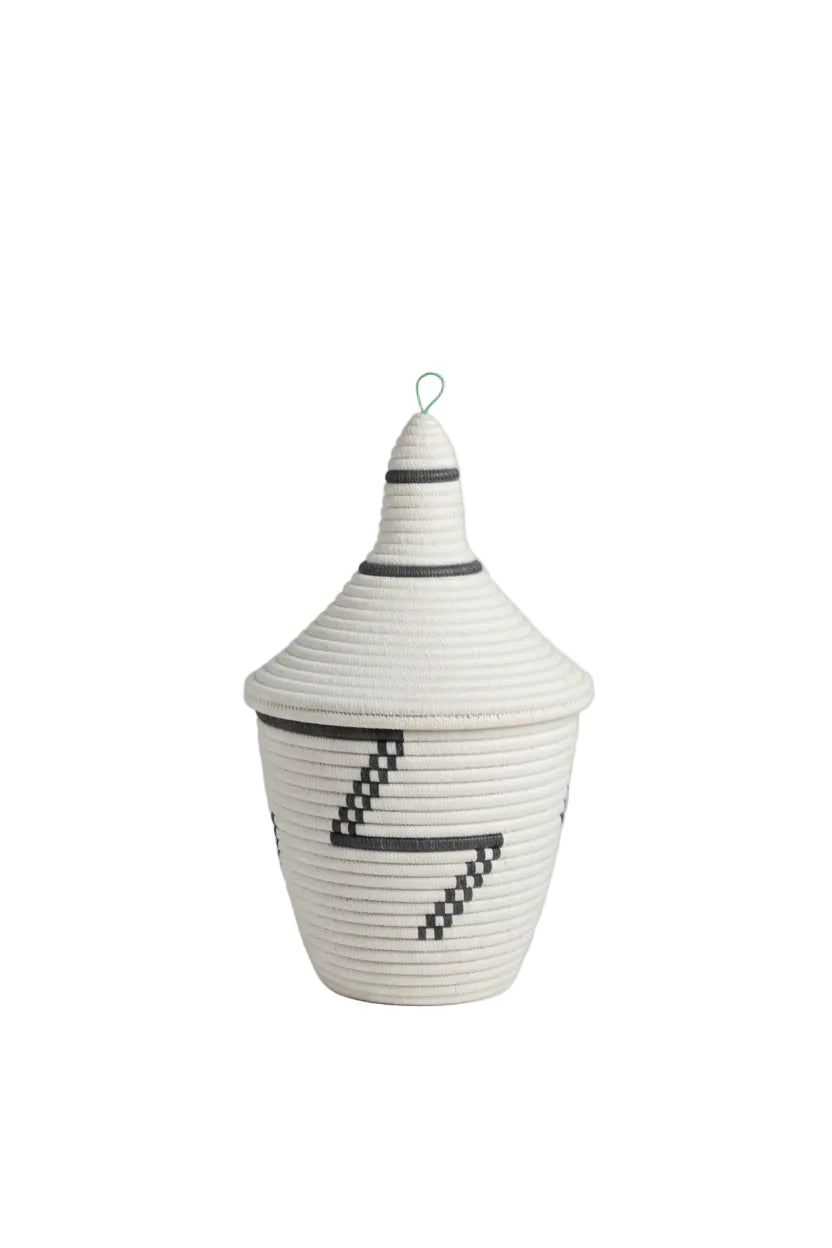
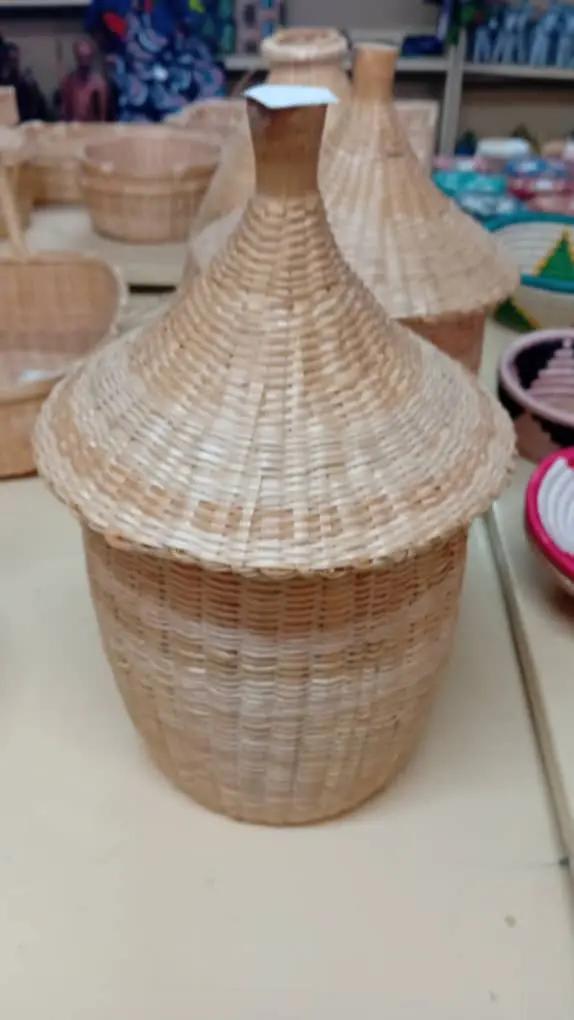
Agaseke basket
1 to 2Nice to haveA traditional woven basket is a lovely decor piece and a meaningful gift.
How to use it: Check with your family if a basket is part of the program. Handle with care so the weave stays tight.
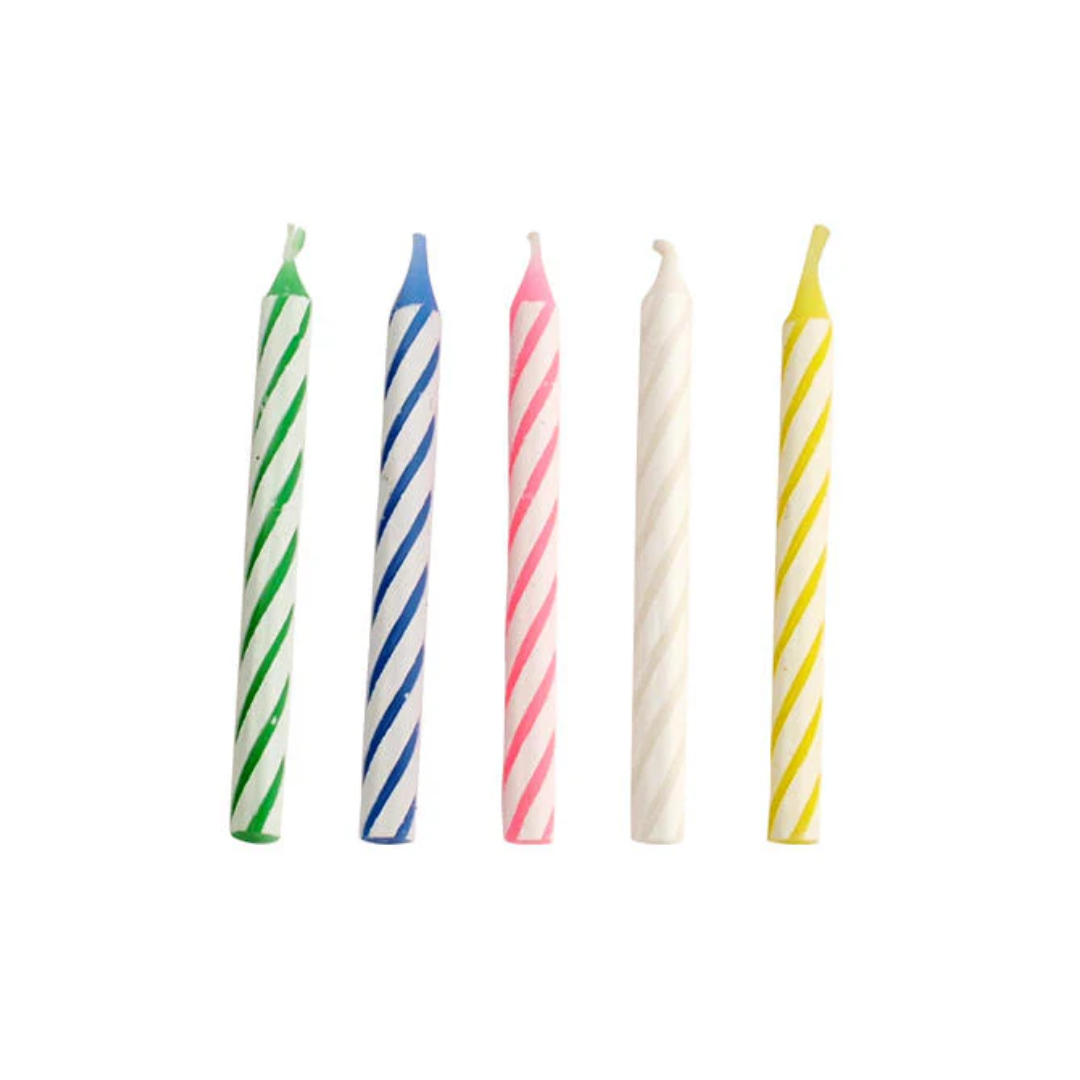
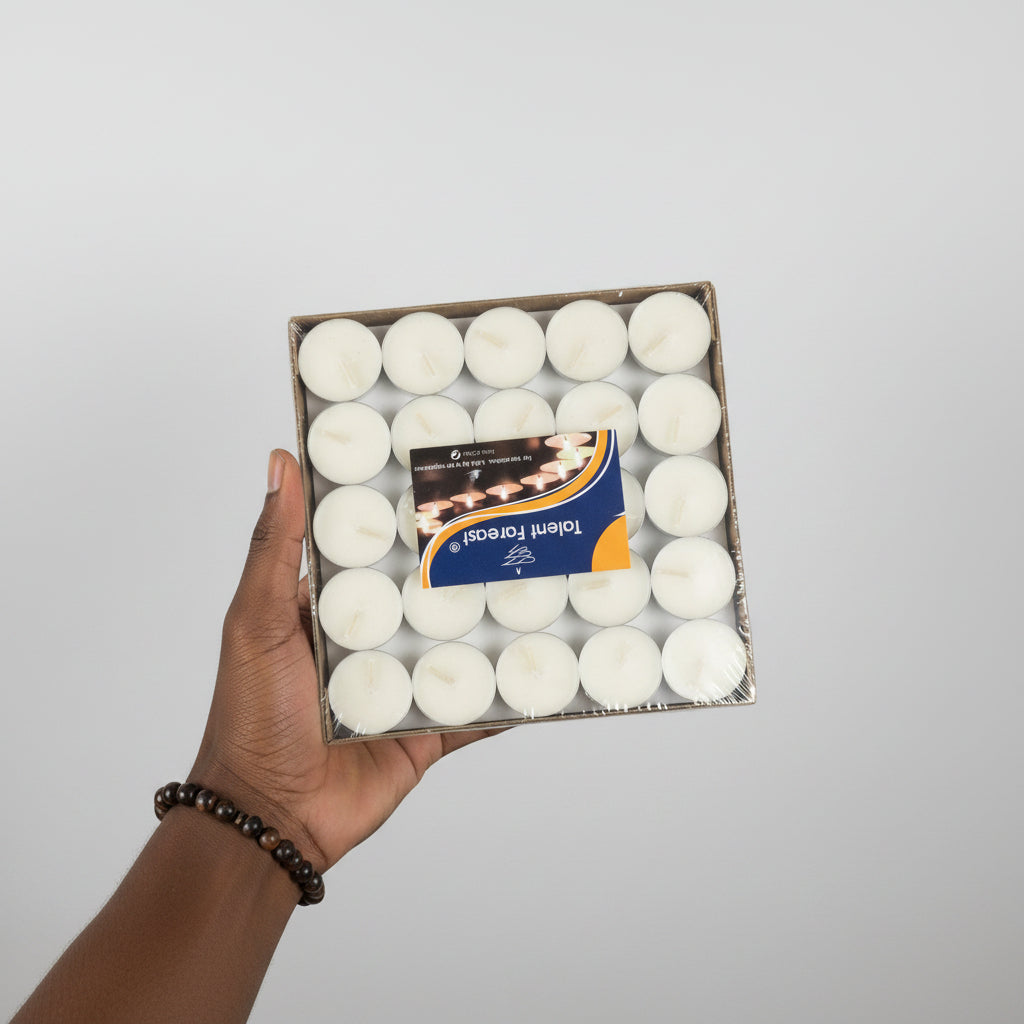
Candles
6 to 12Nice to haveSoft light for the welcome table or for an evening reception.
How to use it: Keep them away from tent fabric and draped cloth.
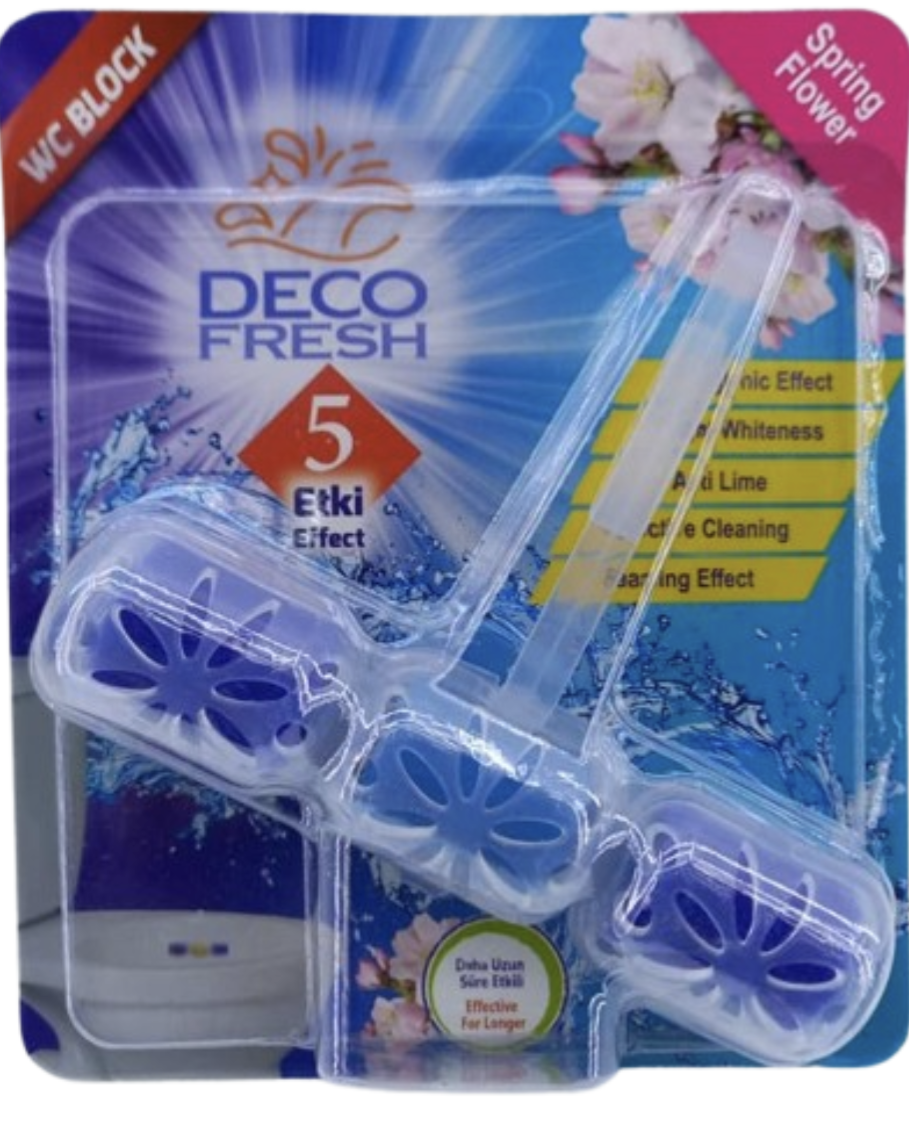
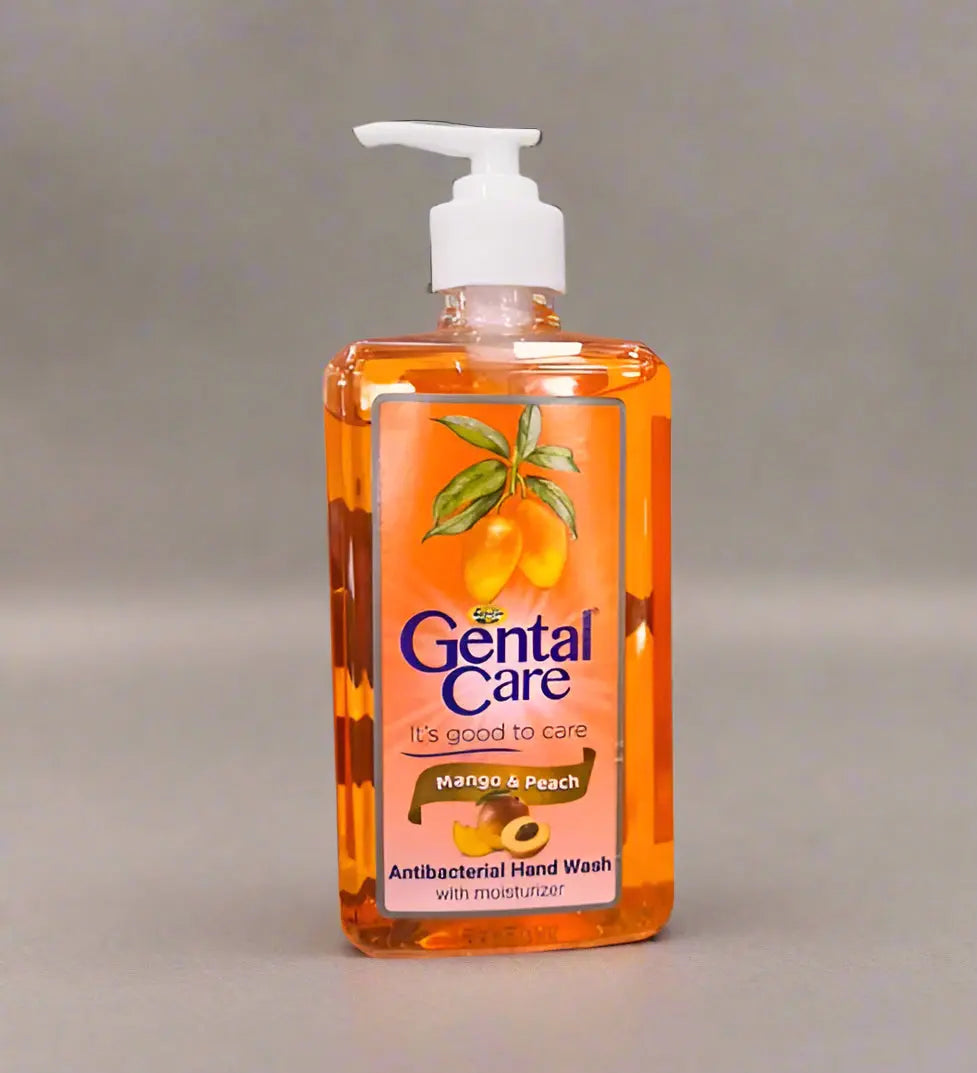
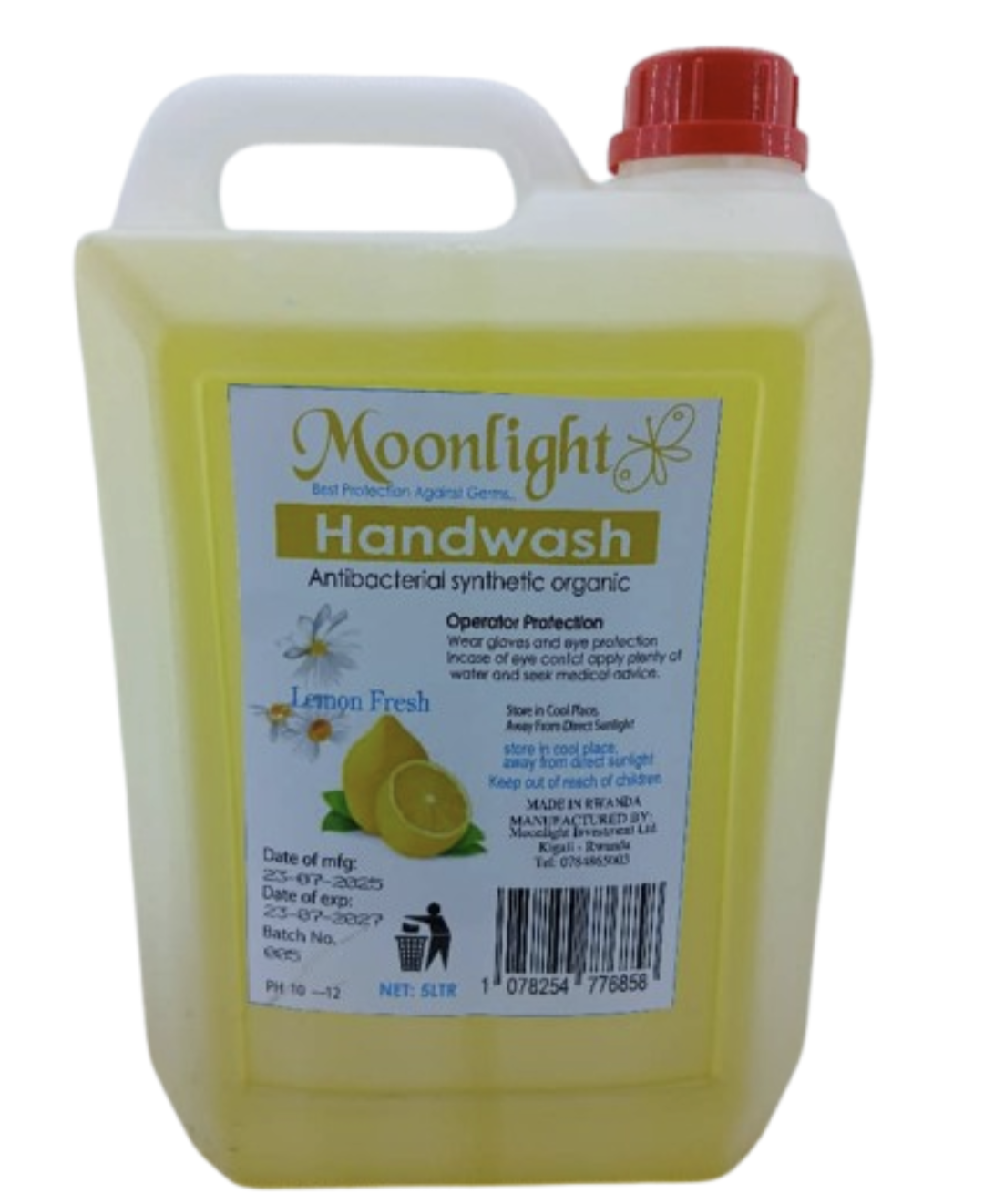
Hand wash and tissue
1 each Must haveNeeded before and after meals, and they show care for your guests.
How to use it: Set up a small wash station by the gate or the toilets.
Step by step
- 1
Four weeks before
Agree on the date, the program and who does what. Book the tent and chairs, and talk to a caterer or cook.
- 2
Two weeks before
Finalize the guest list. Buy decor, table cloths, tableware and candles. Test the speaker and extension sockets.
- 3
One week before
Order samosas and other food. Buy drinks, sugar, tea and coffee. Plan your parking and water for guests.
- 4
The day before
Clean the compound, set up chairs, cover tables and chill drinks. Cook what can be cooked ahead.
- 5
On the day
Set up the welcome table early. Assign someone to greet guests, and someone to watch the food and drinks.
Tips that help
- Agree with elders on the program before you buy anything. It will tell you what to prepare.
- Plan a rain option. A tent or covered area saves the day in the rainy seasons.
- Count children as guests when you plan drinks and snacks.
- Keep one person near the gate to direct guests and boda drivers.
- Charge your phones, speaker and torch. Power cuts can happen.
- Do a quick walk around the compound the evening before and fix anything unsafe, like loose cables.
Mistakes to avoid
- Buying drinks for the guest list without counting the extra guests who always come.
- Forgetting enough water and clean cups.
- Starting food too late, so guests wait hungry.
- Leaving the music too loud for elders to talk and listen.
- Using decor or traditions without checking with the family first.
Questions people ask
What do I need first for a family introduction ceremony?+
Start with the date, the program and the guest list. Then book seating and shade, and plan drinks and food. Talk to your elders about any traditional items before you buy.
How many drinks should I buy?+
Plan at least 2 drinks per guest, more if the day is hot and long. Keep a mix of soda, juice and water, and buy a few extra crates for surprises.
Can I host it in an apartment?+
Small groups can fit, but most families use a compound or a hired venue. Check with your landlord and neighbors about noise, parking and guest numbers.
Should I serve alcohol?+
That depends on your family and your guests. Many hosts offer a few options, and always provide non-alcohol drinks and water.
How early should I order food?+
Order samosas and other prepared food 1 to 2 days ahead, and confirm pickup or delivery times. Buy staples like rice and oil during your last week of shopping.
A good reception feels calm, warm and well organized. Prepare the seating, the drinks and the welcome table, and let your family focus on the guests. Shop the list on Isokko and have it delivered to your home in Kigali.
Shop this list
Get everything delivered in Kigali
Order from local stores on Isokko and pay with MoMo, card or cash. Same-day delivery.