
Checklist · Beauty & self care
Kids' Natural Hair Care Routine in Kigali: What to Buy Checklist
Build a gentle kids' natural hair care routine in Kigali: detangling tools, moisturizers and bedtime protection, with what to buy and how to use it.
Updated November 23, 2026 · By Isokko
Natural hair is full of life, and it can also be full of knots, tears and tired arms on wash day. A child's scalp is tender and their patience is short, so the right gentle tools matter more than a long list of products.
This checklist gives you a simple routine: wash, condition, detangle, moisturize, style and protect at night. Each item says why it helps a child's hair and how to use it, so you can shop once and keep wash day calm.
Kigali's dry season and red dust can leave hair dry and dirty, and the rains can leave it damp for days. Build your kit around moisture and gentleness, and adjust to what your child's hair likes.
Who it's for
Parents and caregivers of children with curly, coily or kinky hair
Time needed
Wash day takes 1 to 2 hours once a week or every two weeks
When to shop
Stock up before school terms and before big braiding days
On the list
25 items, 12 must haves
0 of 25 ready
Gentle washing
Short, mild washes keep a child's scalp clean without stripping the hair.
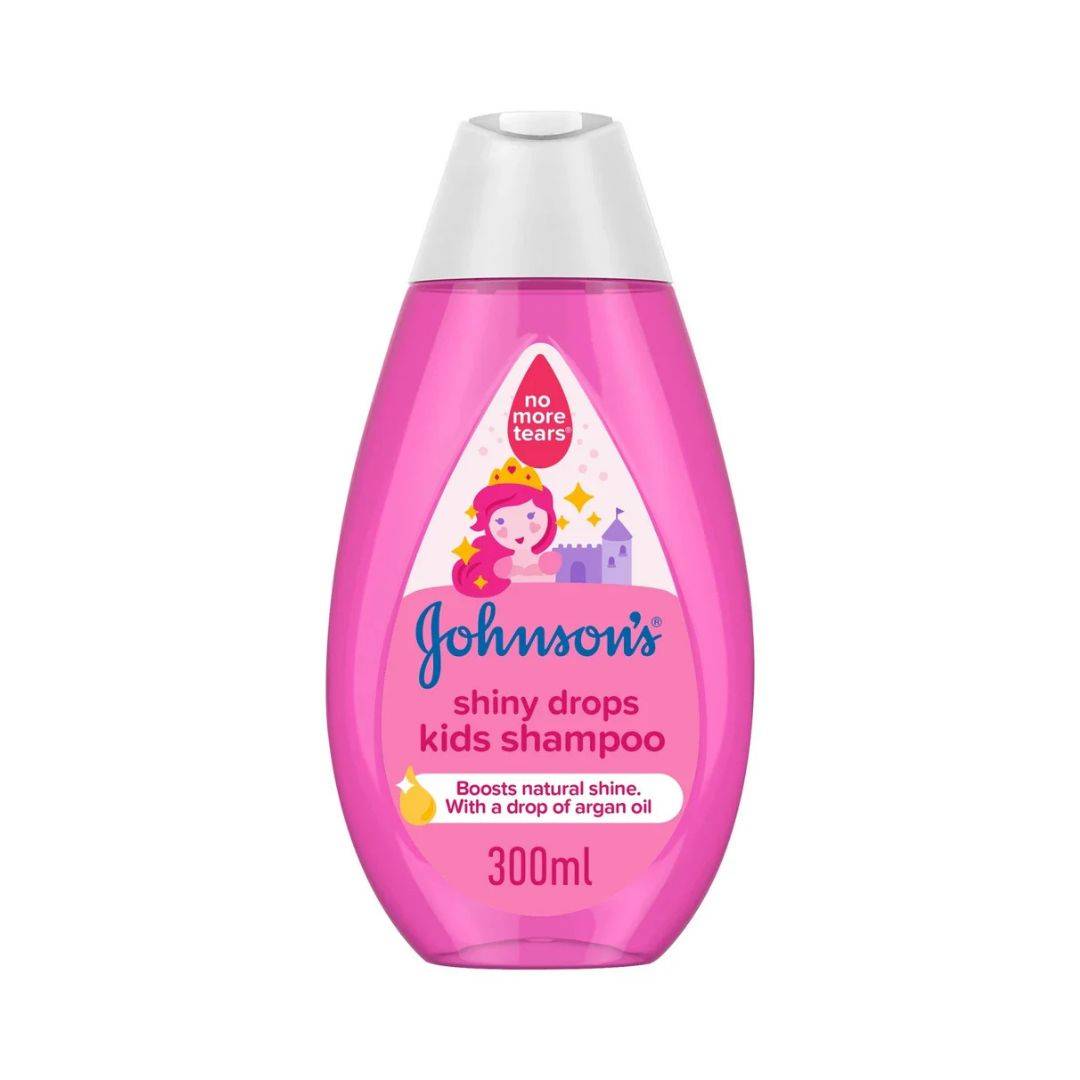
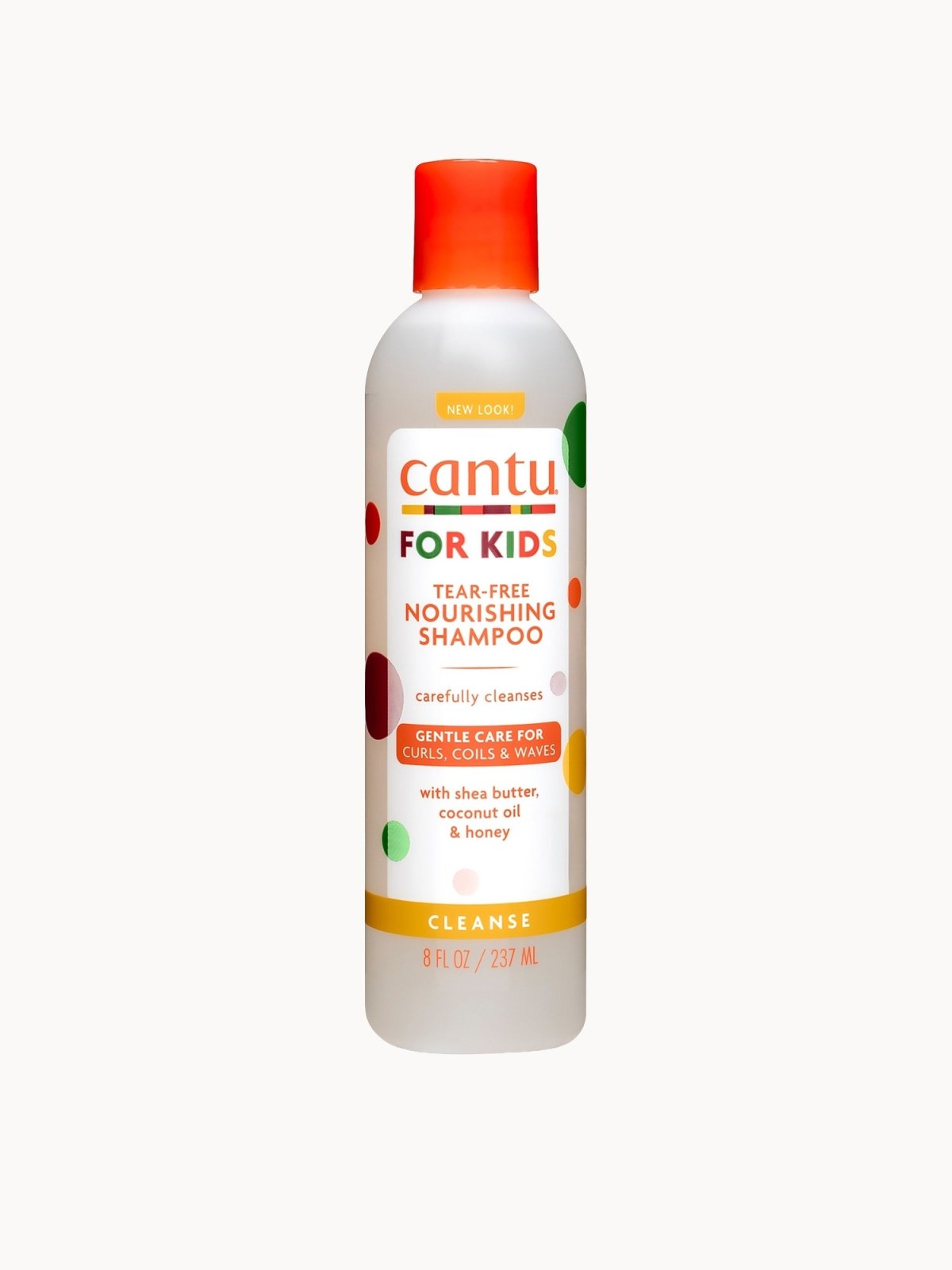
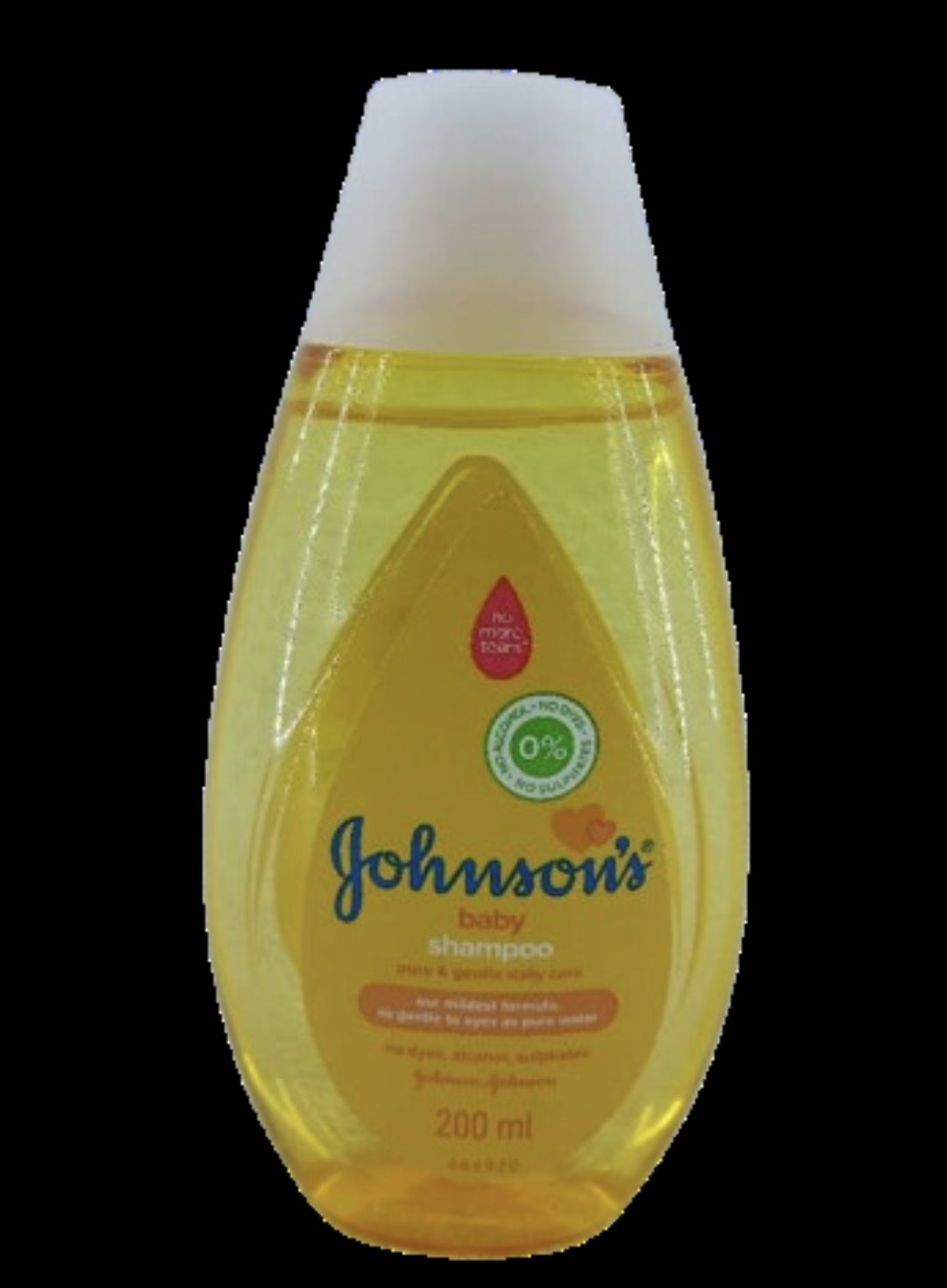
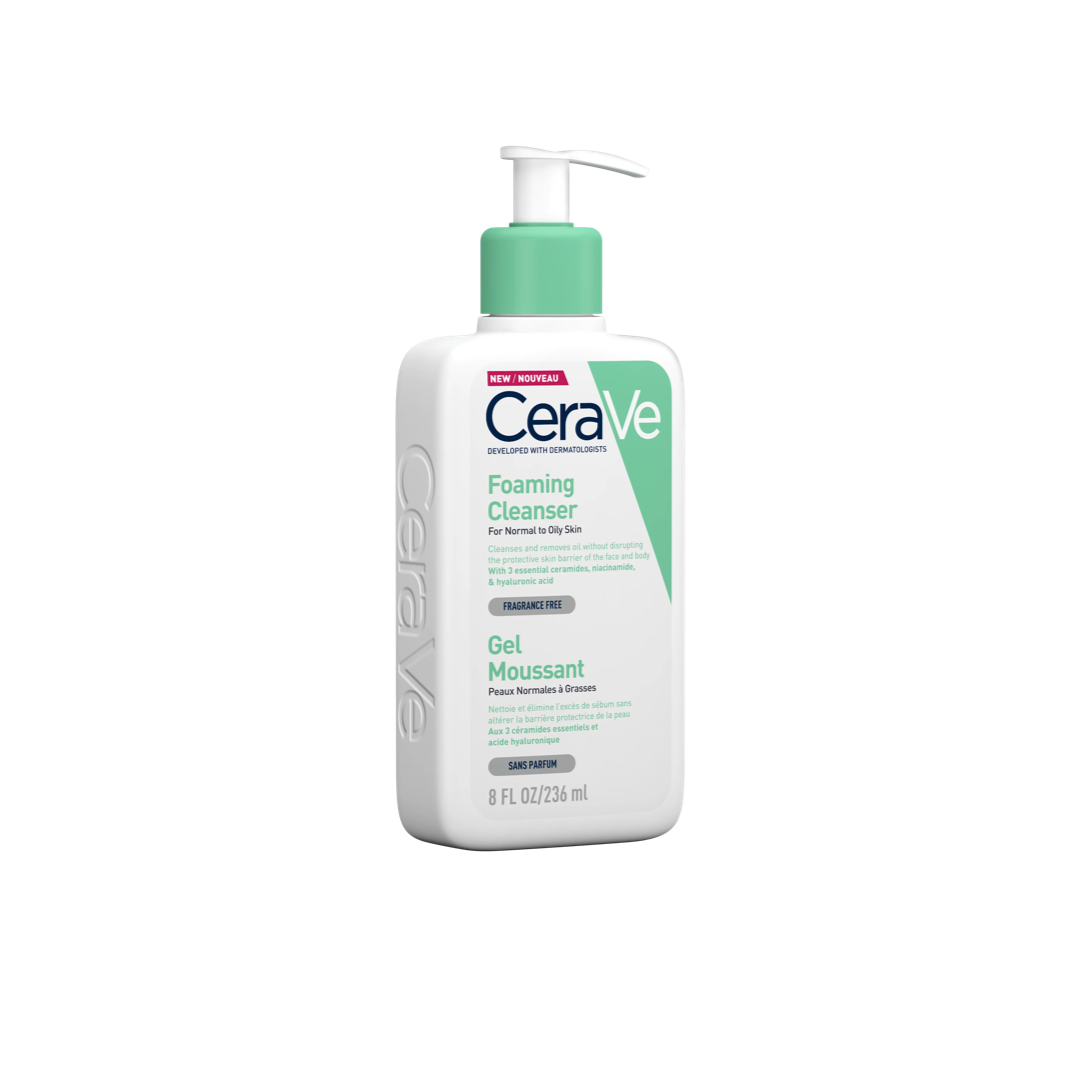
Kids shampoo
1 bottle Must haveChildren's scalps are sensitive and eyes sting easily. A mild kids shampoo cleans dust and sweat without harsh dryness.
How to use it: Wet the hair well, massage the scalp with your fingertips and rinse with lukewarm water. Wash every one to two weeks unless the hair is very dirty.
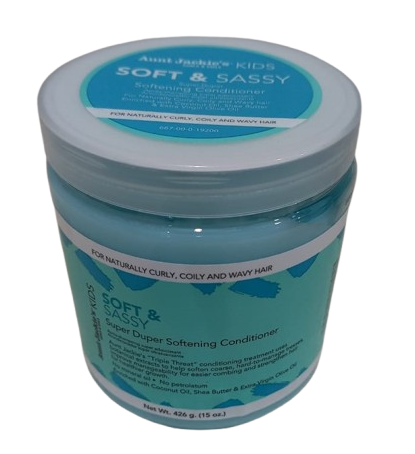
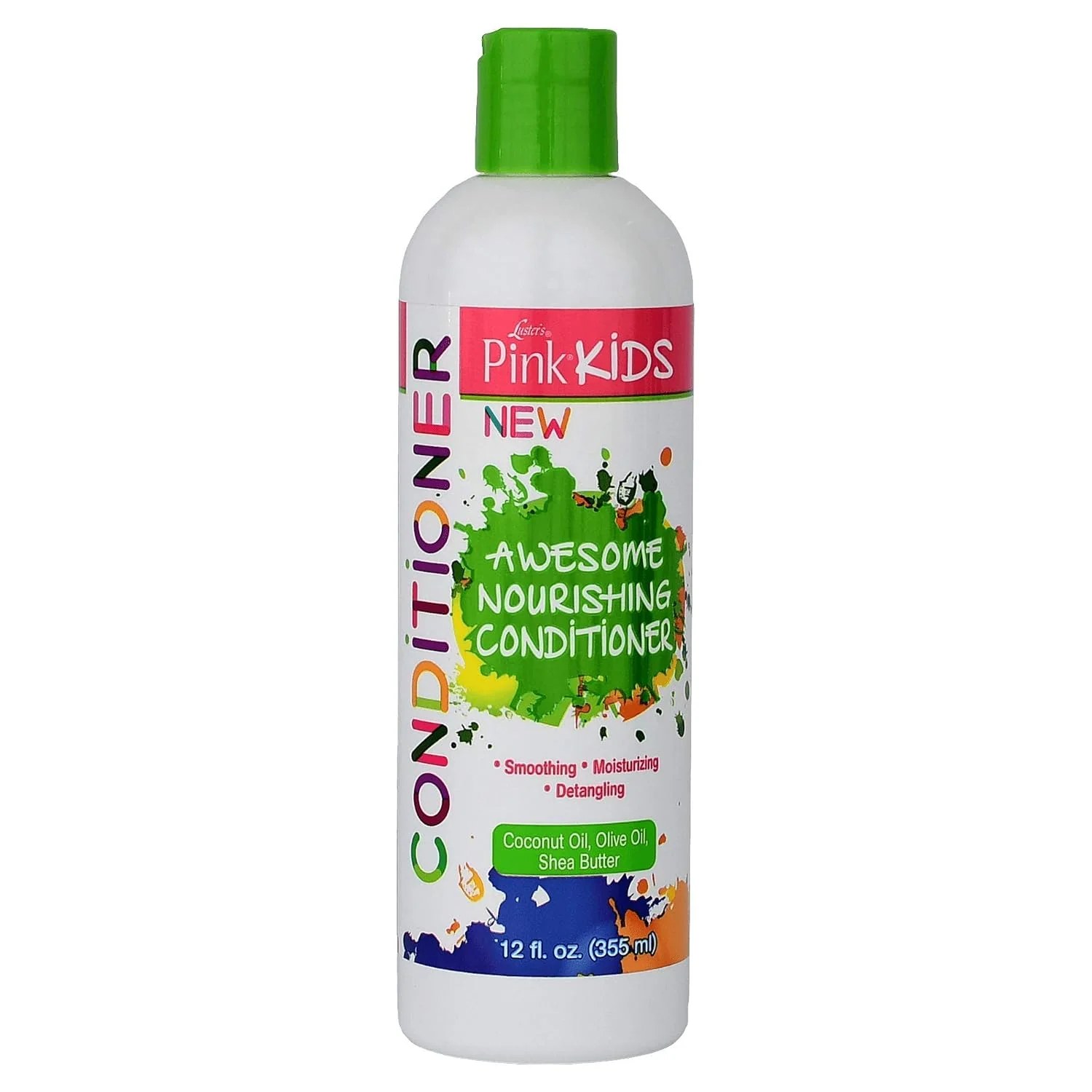
Kids conditioner
1 bottle Must haveConditioner adds slip so knots loosen instead of tearing. It is the most useful step for easy detangling.
How to use it: Apply to soaking wet hair in sections, leave for a few minutes, then detangle before rinsing.
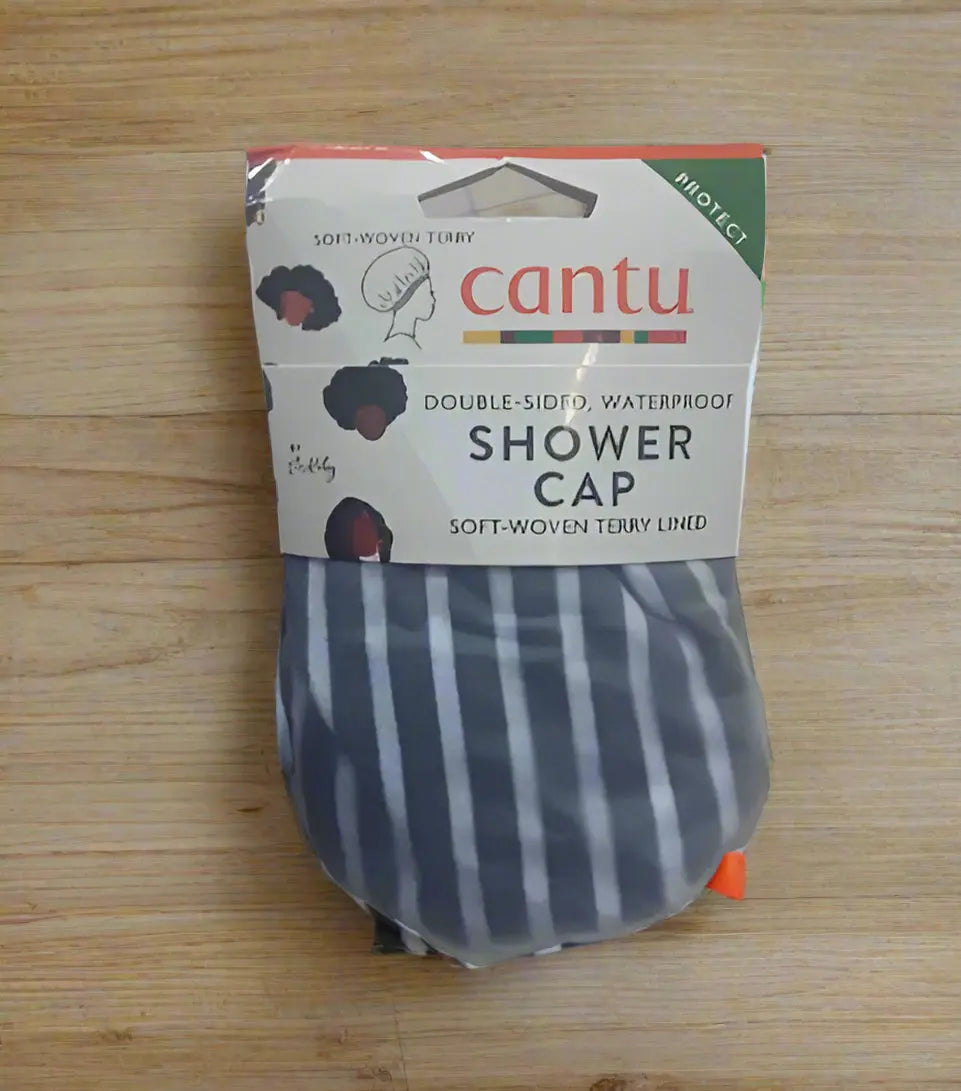
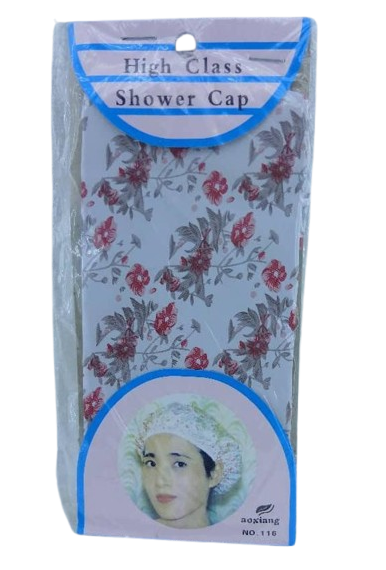
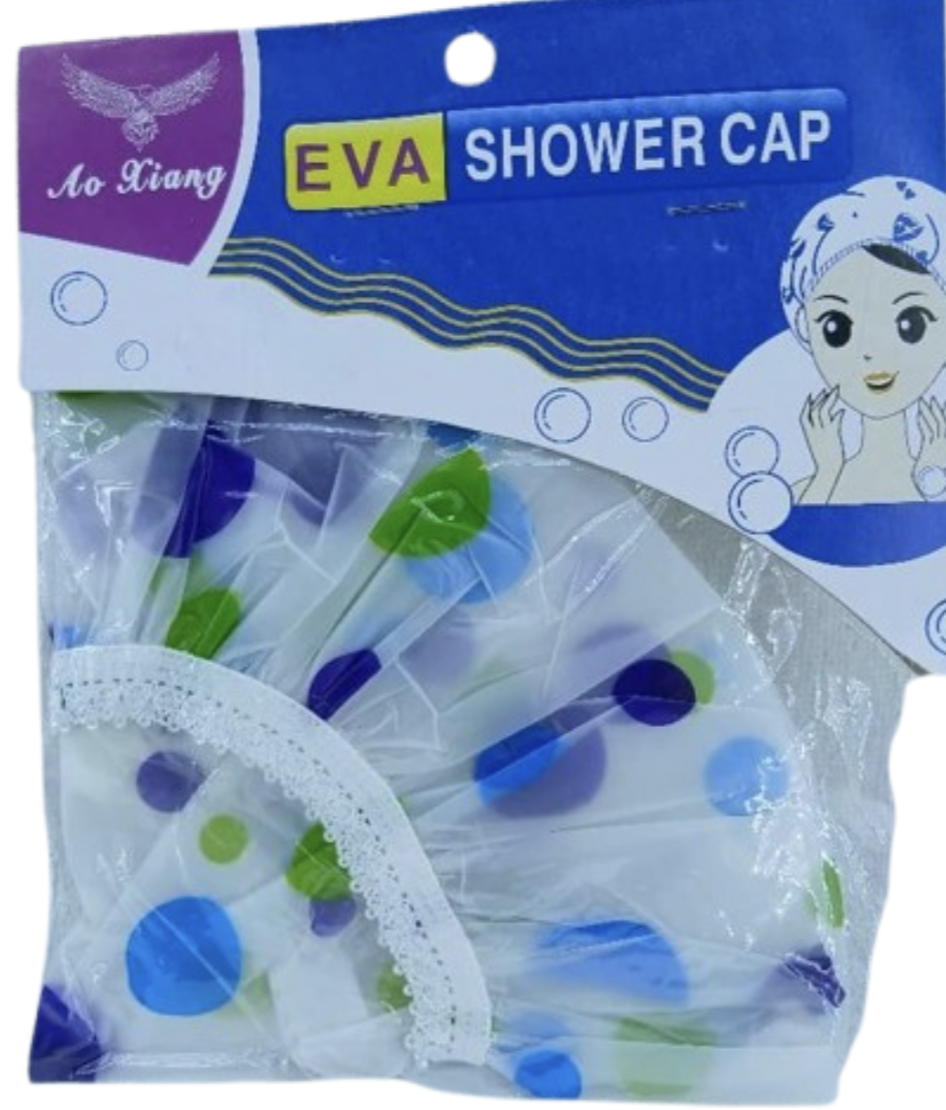
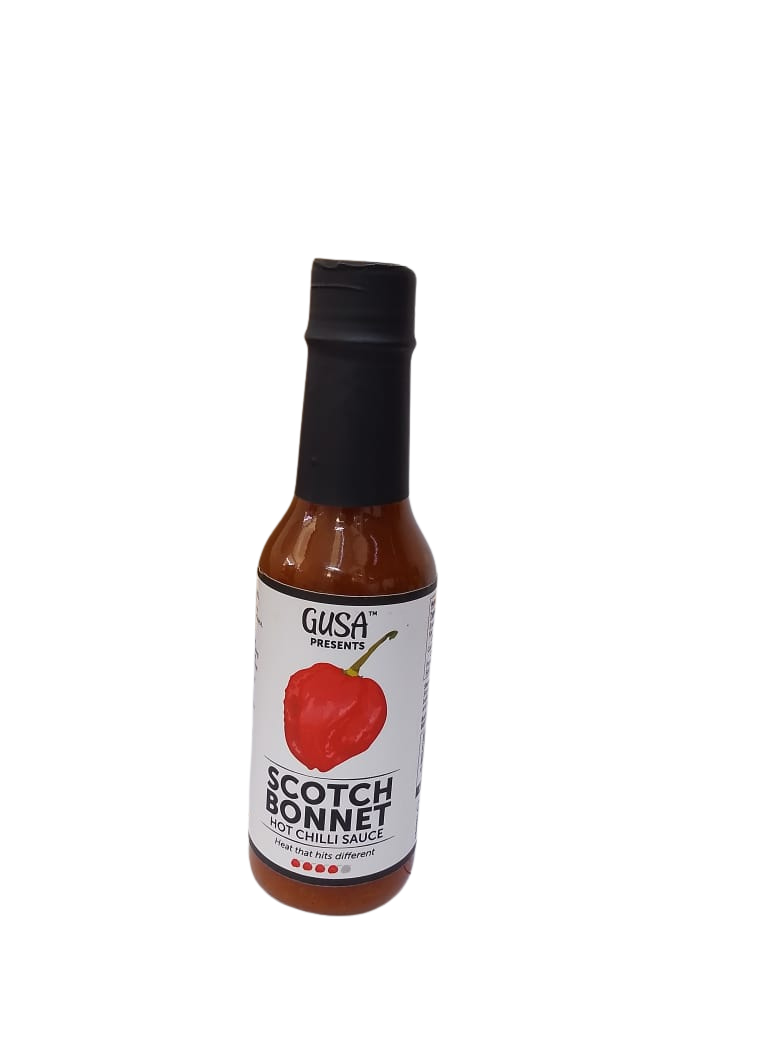
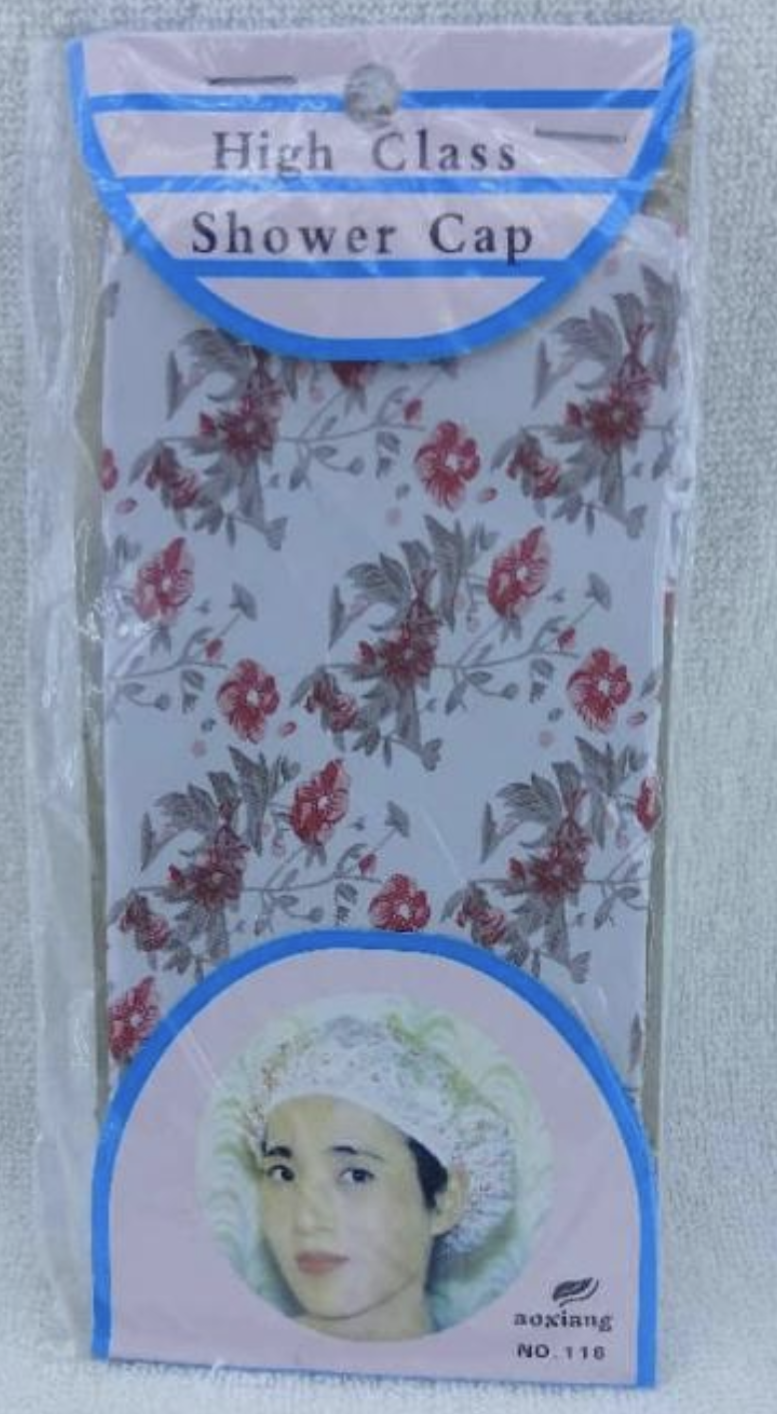
Shower cap
1 or 2Nice to haveKeeps hair dry between wash days so a good style lasts longer, especially during the rainy seasons.
How to use it: Wear it in the bath or shower. Check that it is not too tight around the forehead.
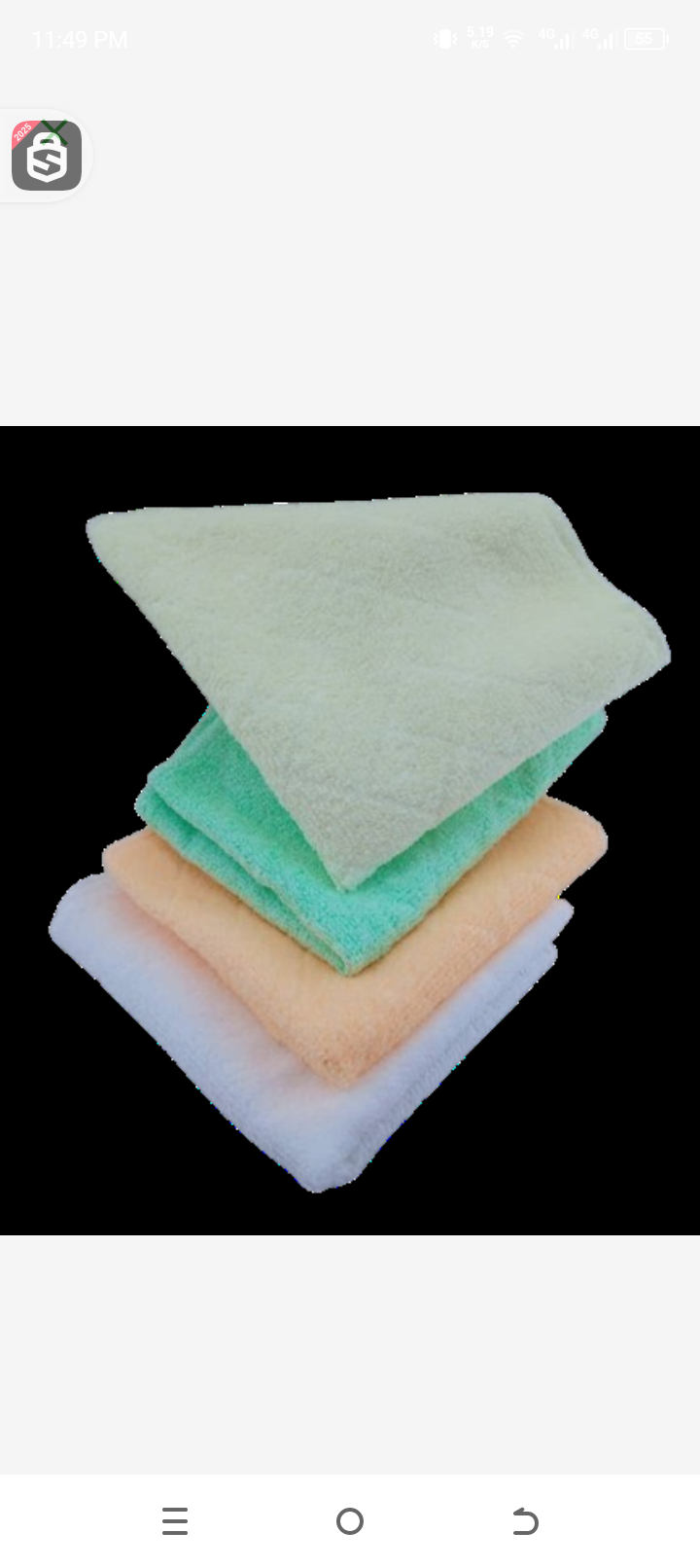
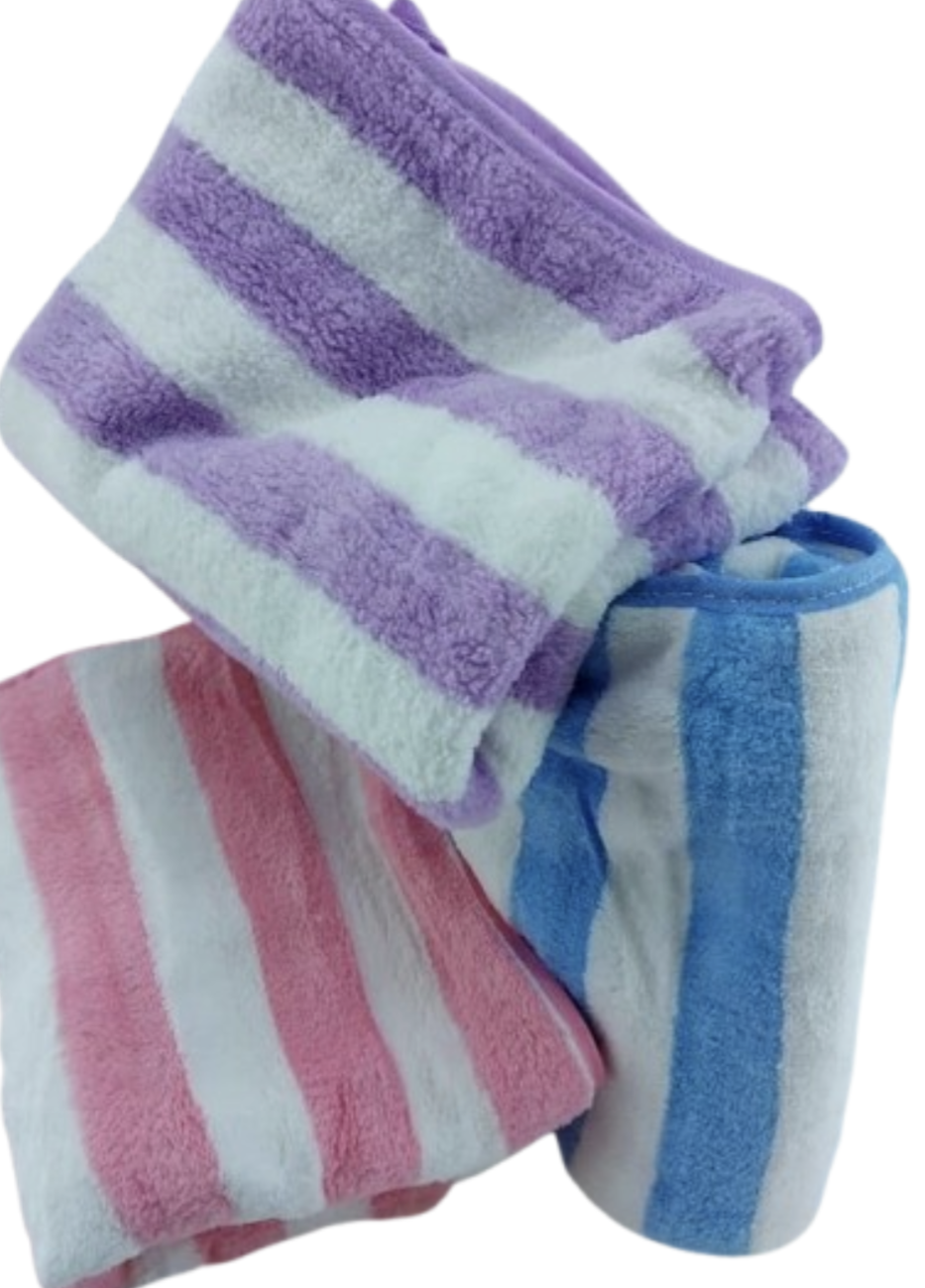
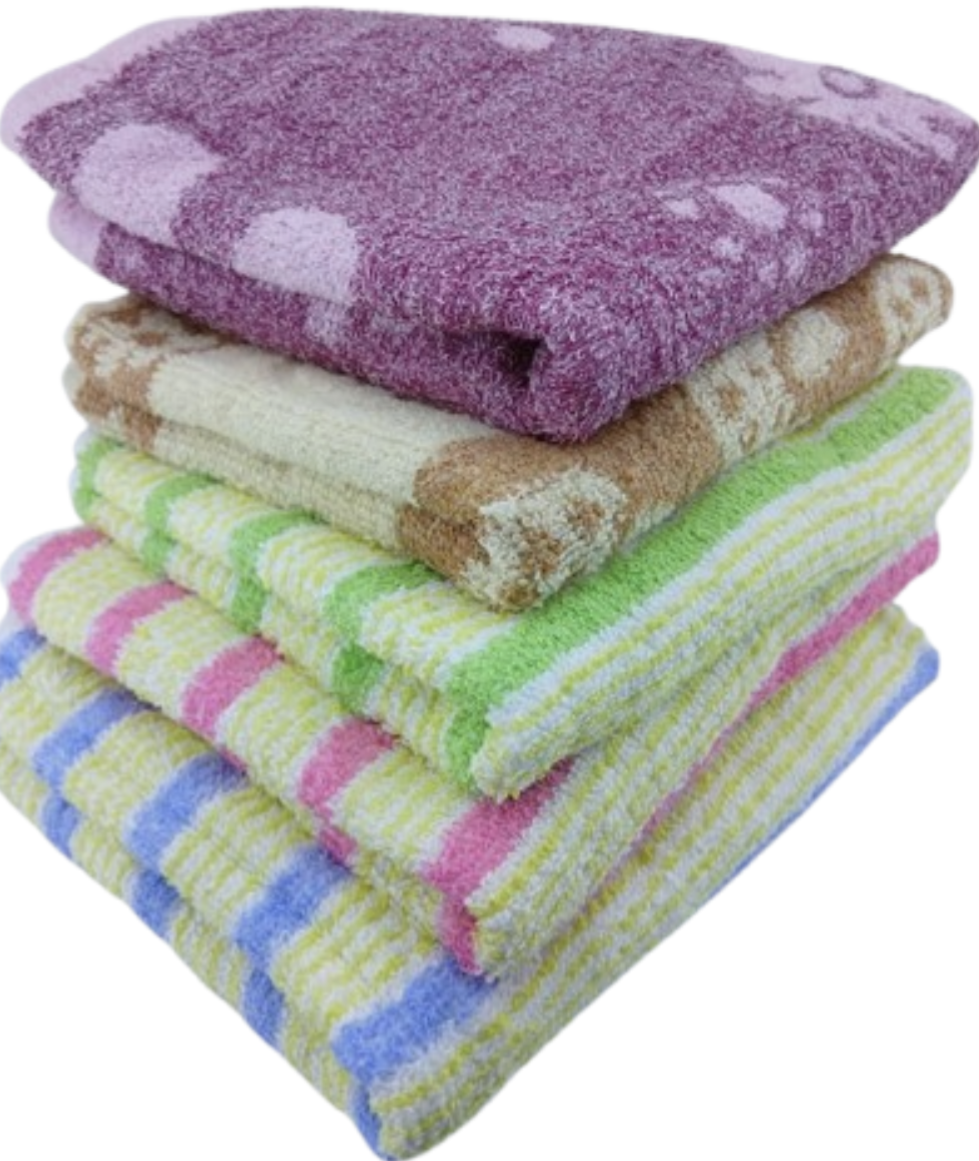
Soft towel
1 Must haveRough rubbing causes frizz and breakage. A soft towel pressed gently on the hair is kinder.
How to use it: Squeeze water out gently and pat. Do not rub in circles.
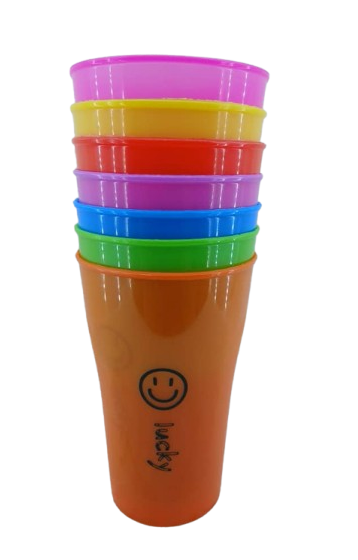
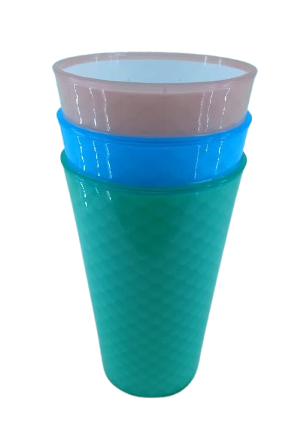
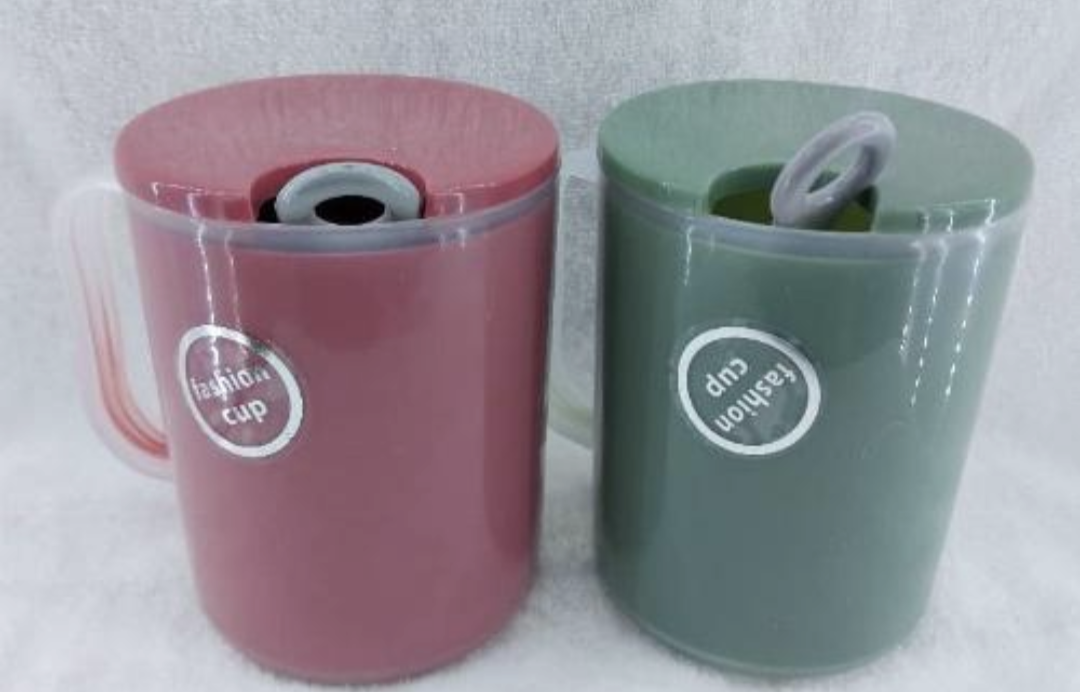
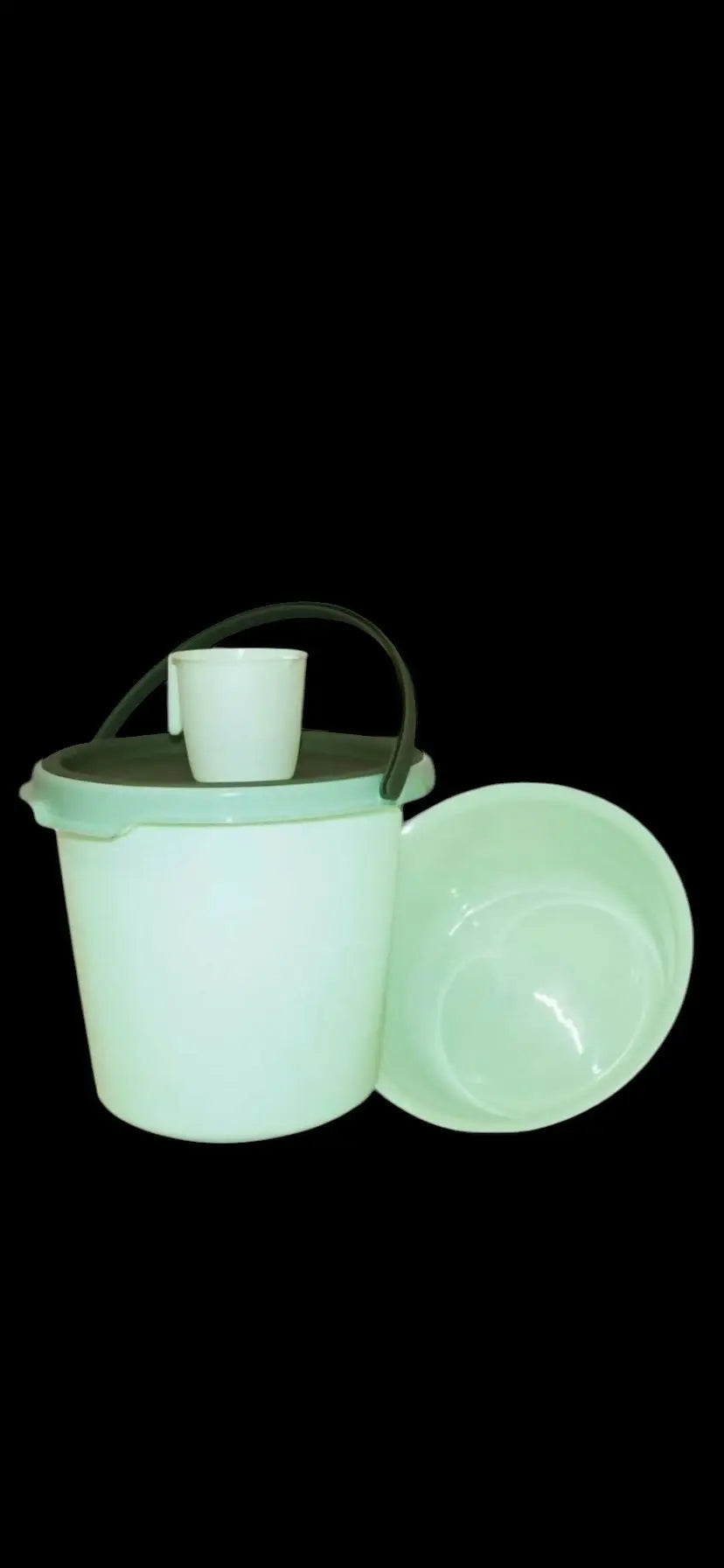
Plastic cup for rinsing
1Nice to haveA cup lets you rinse gently without water running into your child's eyes.
How to use it: Ask the child to tilt the head back and pour slowly over the hair.
Detangling tools
Detangle on damp, conditioned hair, slowly, from the ends up.
Wide-tooth comb for curly hair
1 Must haveWide teeth slide through coils and cause less pulling and breakage than fine combs.
How to use it: Start at the ends and work up to the roots in small sections. Never force a comb through a knot.
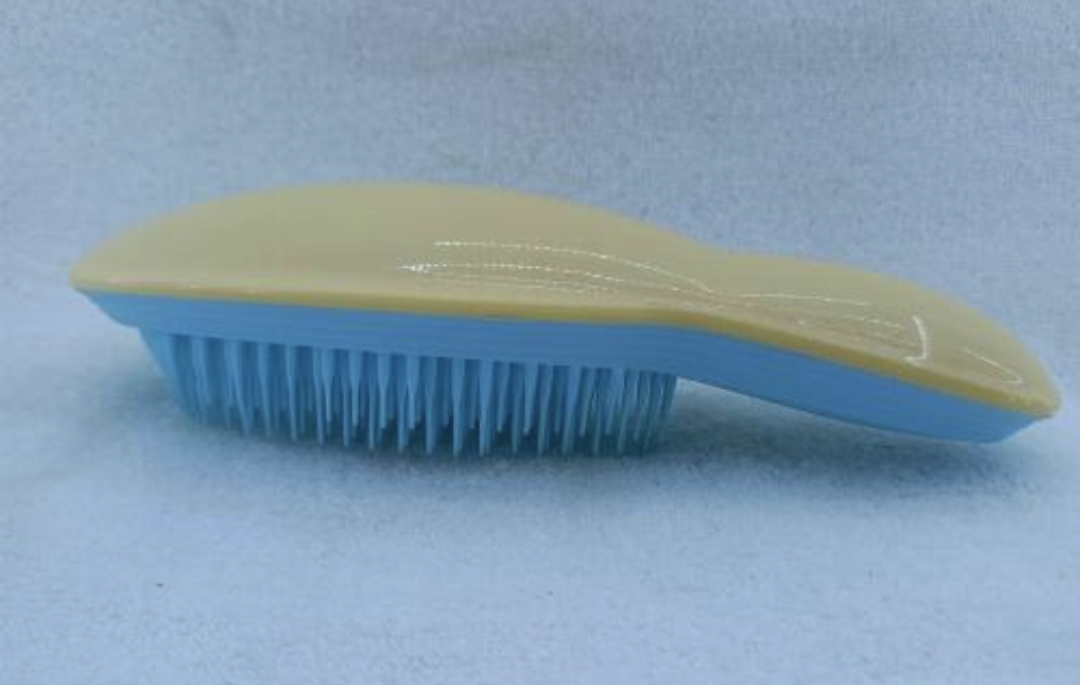
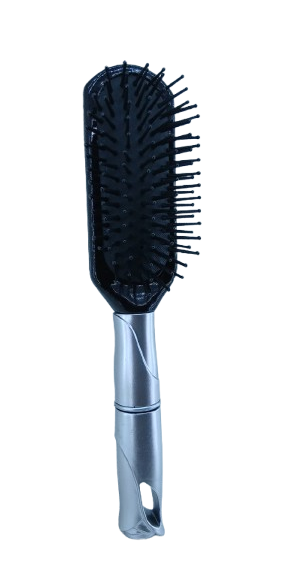
Detangling brush
1 Must haveA flexible brush with soft bristles can speed up detangling and feels gentler for many kids.
How to use it: Use only on wet, conditioned hair, one section at a time.
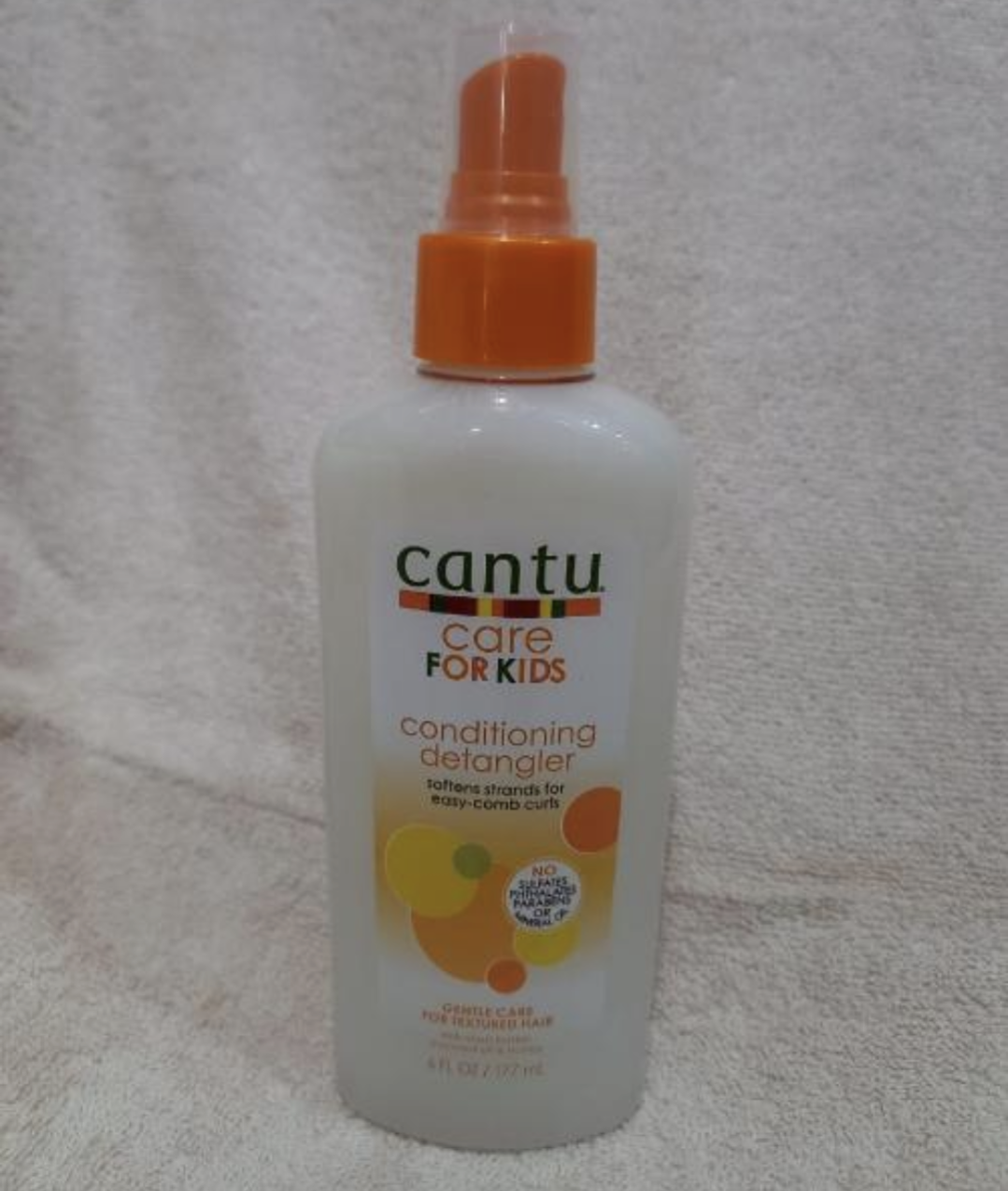
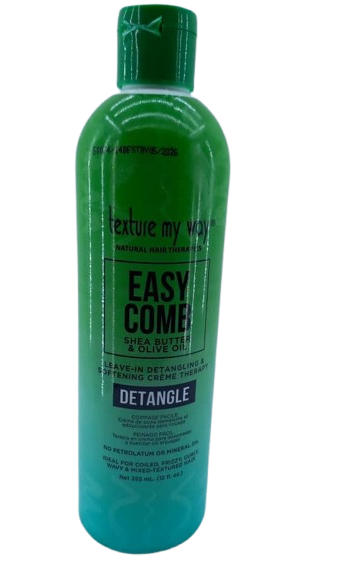
Leave-in detangler spray
1 bottle Must haveAdds slip when hair is already dry and tangled, so you do not need a full wash.
How to use it: Spray lightly on a section, wait a minute, then comb gently from the ends.
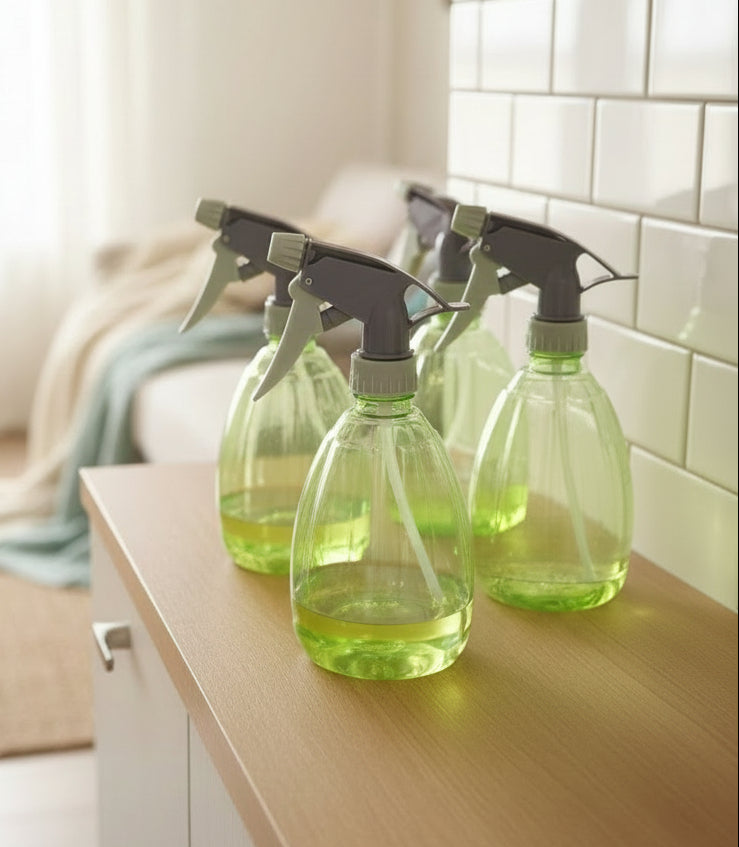
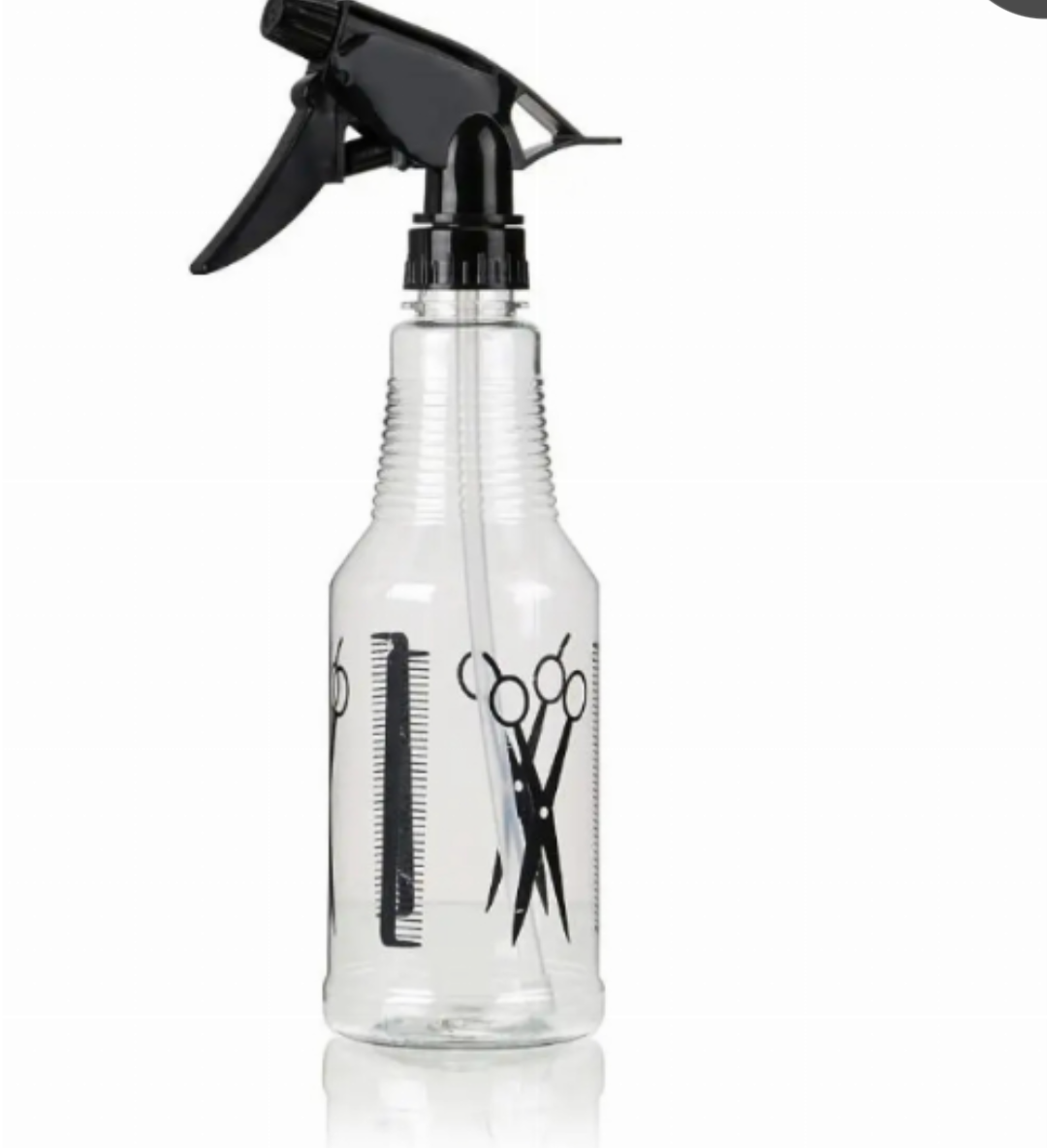
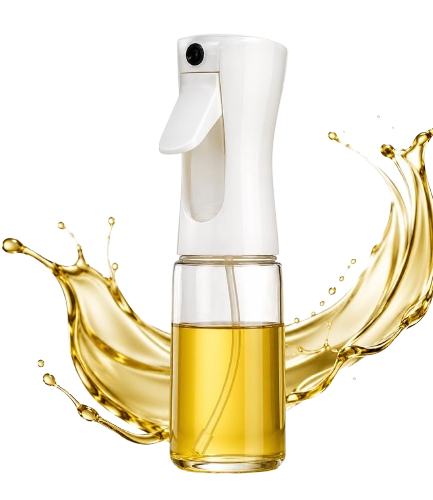
Spray bottle
1Nice to haveFilled with water, it lets you re-dampen hair during detangling and styling so it does not dry and knot.
How to use it: Keep water only, or water with a little leave-in. Mist, do not soak.
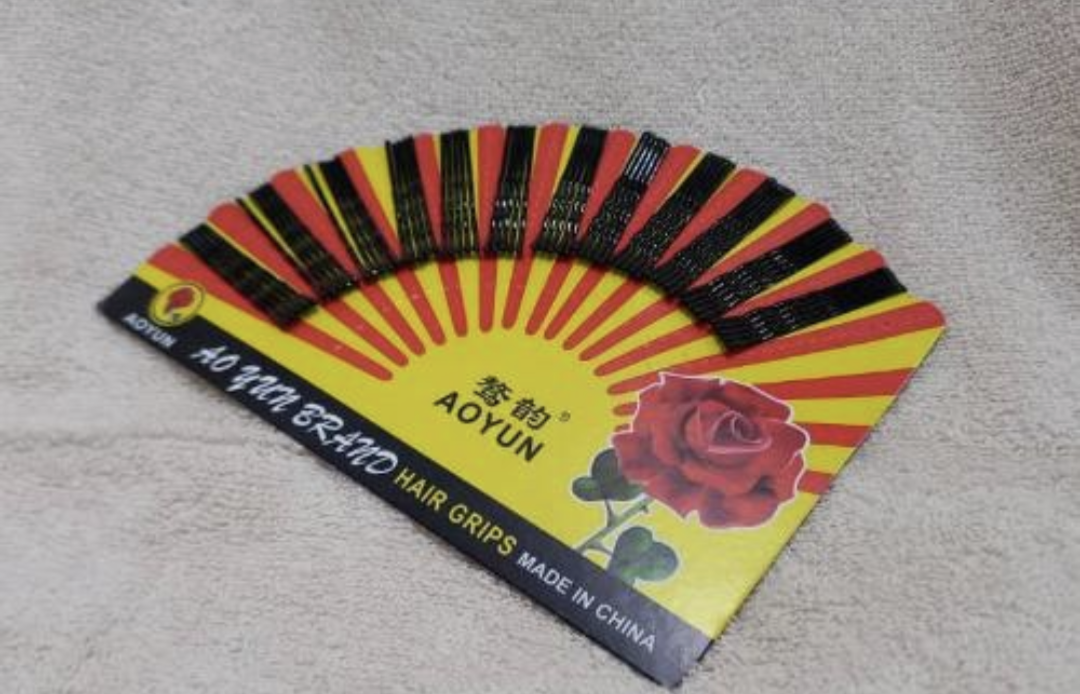
Hair clips
6 or more Must haveClips hold finished sections out of the way so you can work on one small part at a time.
How to use it: Use 4 to 8 clips and release one section at a time.


Moisture and sealing
Curly hair dries out fast. Water first, then a light oil or butter to hold it in.
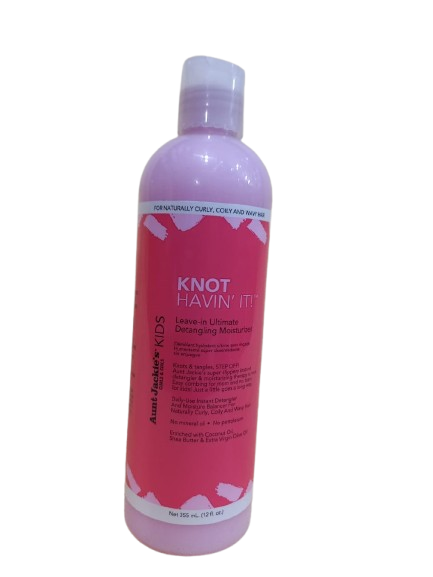
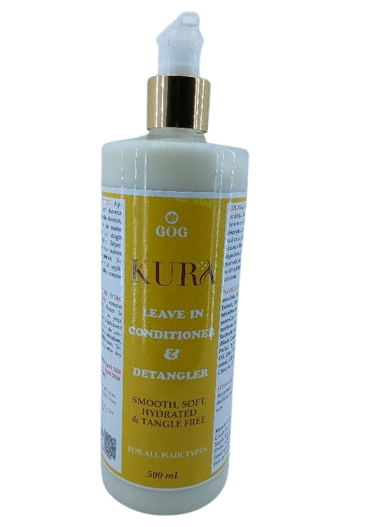
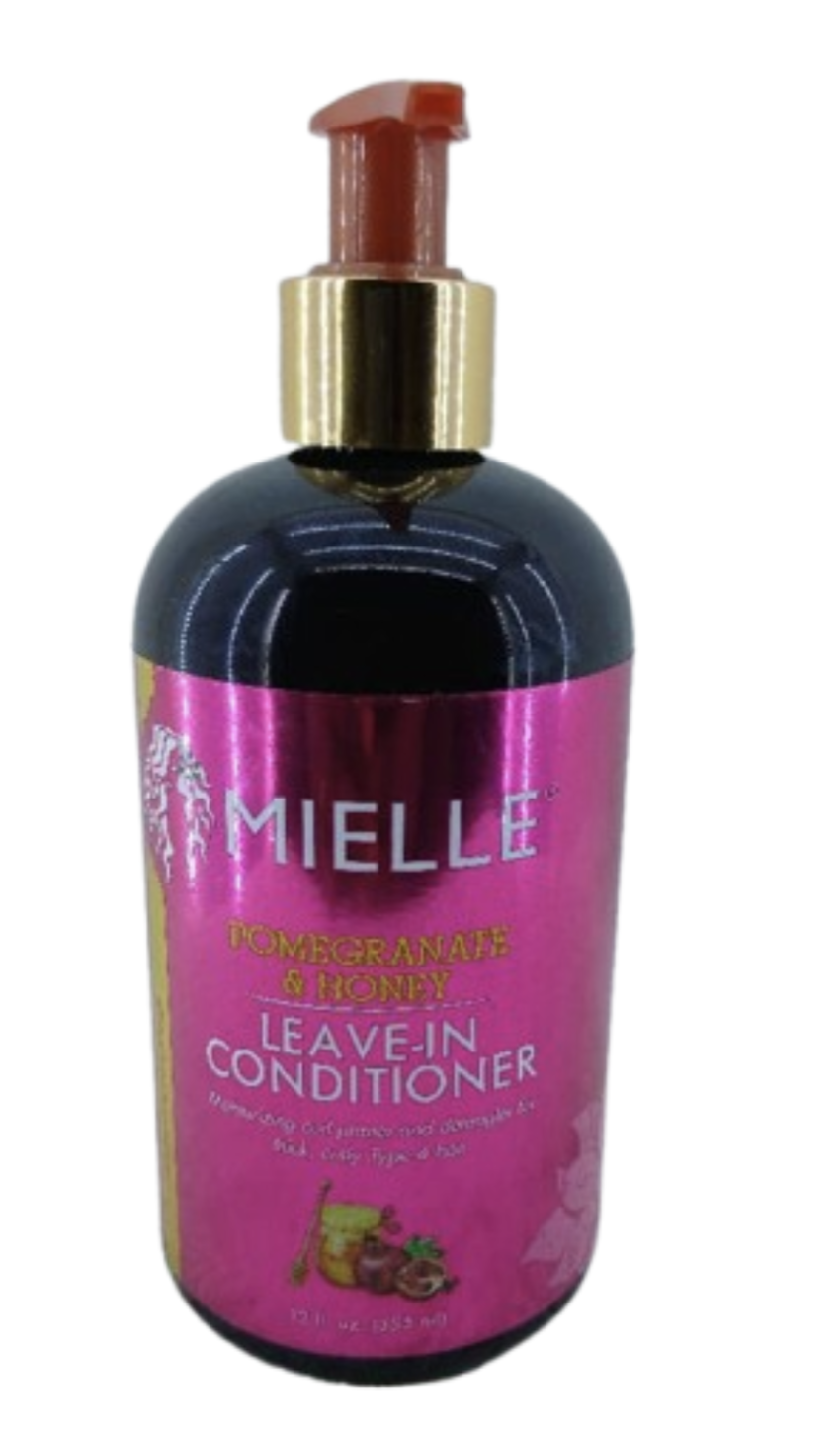
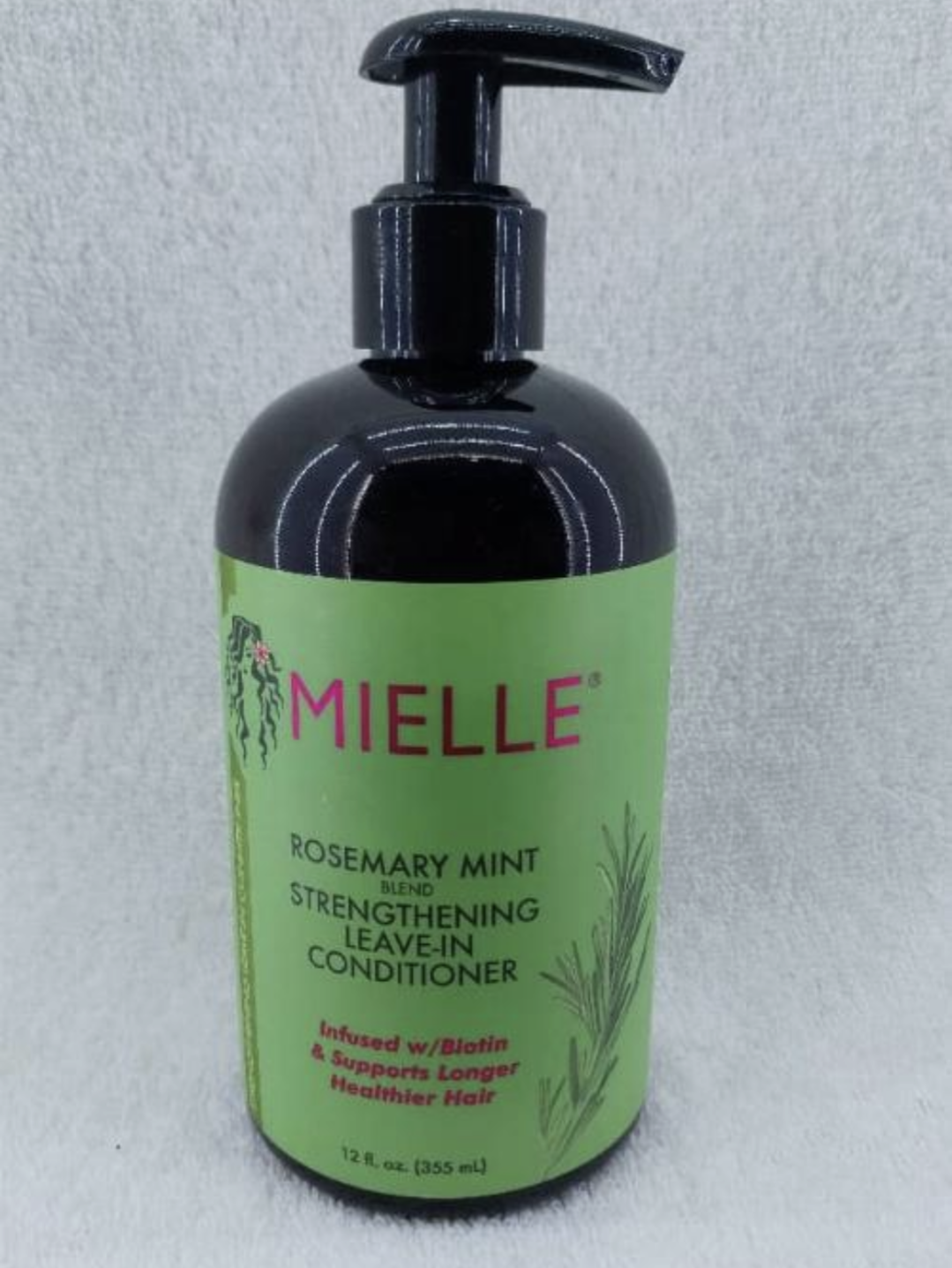
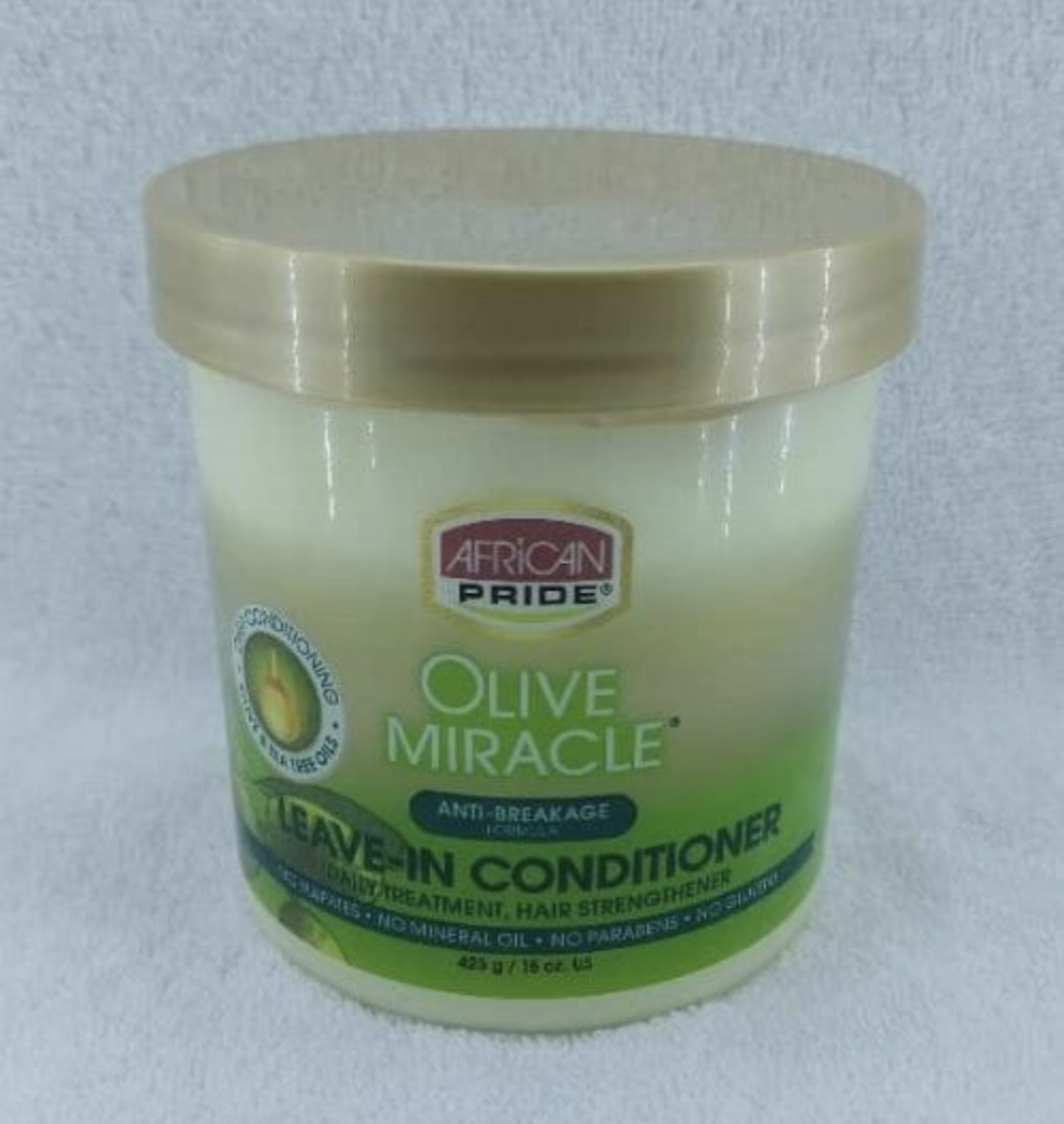
Leave-in conditioner
1 bottle Must haveA light leave-in keeps hair soft for days and makes combing easier next time.
How to use it: Apply a small amount to damp hair, section by section. Start small, add more if the hair feels dry.
Shea butter
1 tub Must haveA traditional favorite for sealing in moisture on dry ends and coils.
How to use it: Warm a pea-sized amount in your hands and smooth over damp hair, focusing on ends.
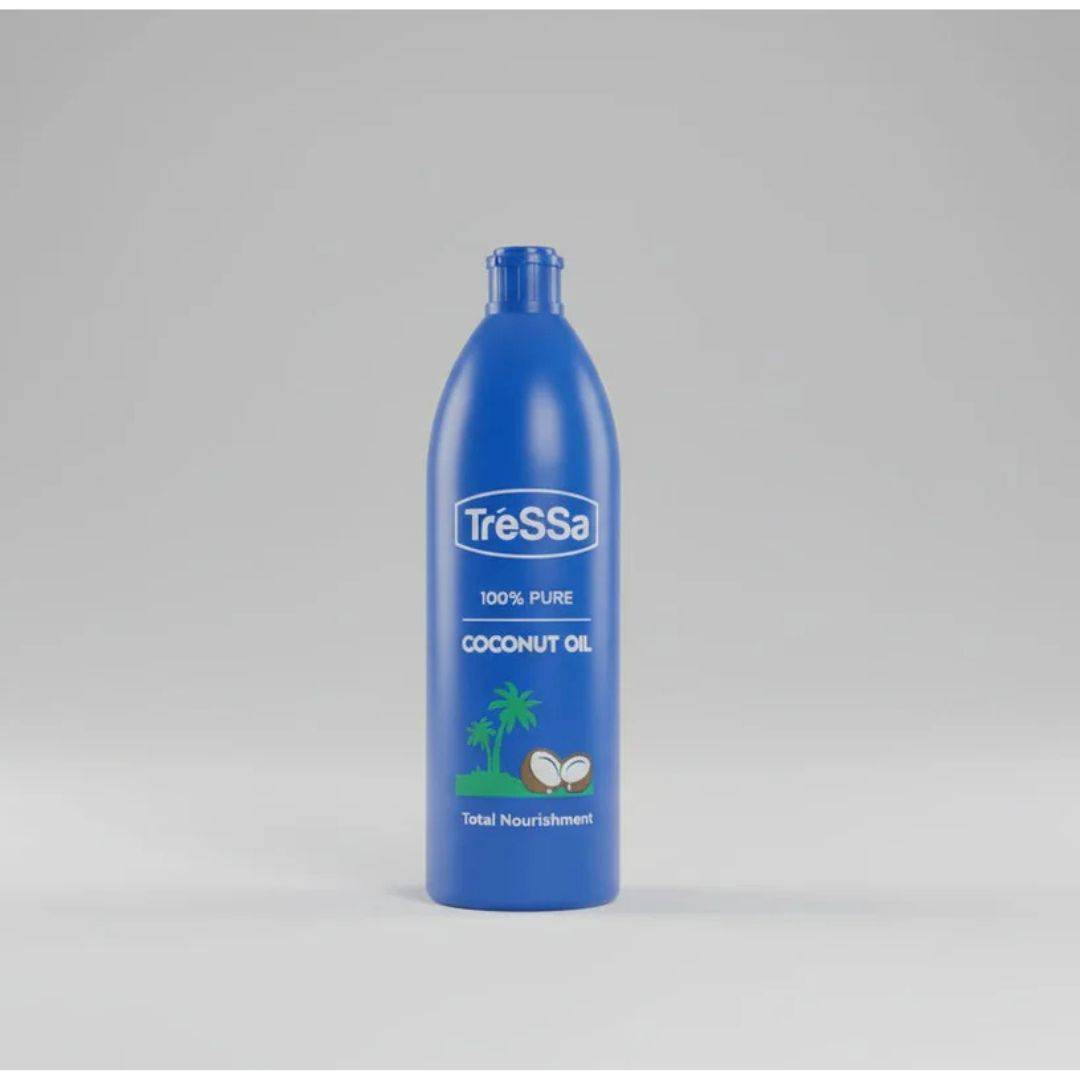
Coconut oil
1 bottleNice to haveA simple oil to seal in water and add shine. It can also soften scalp dryness.
How to use it: Use a small amount. Too much makes hair greasy and heavy. Try it on a small patch first.
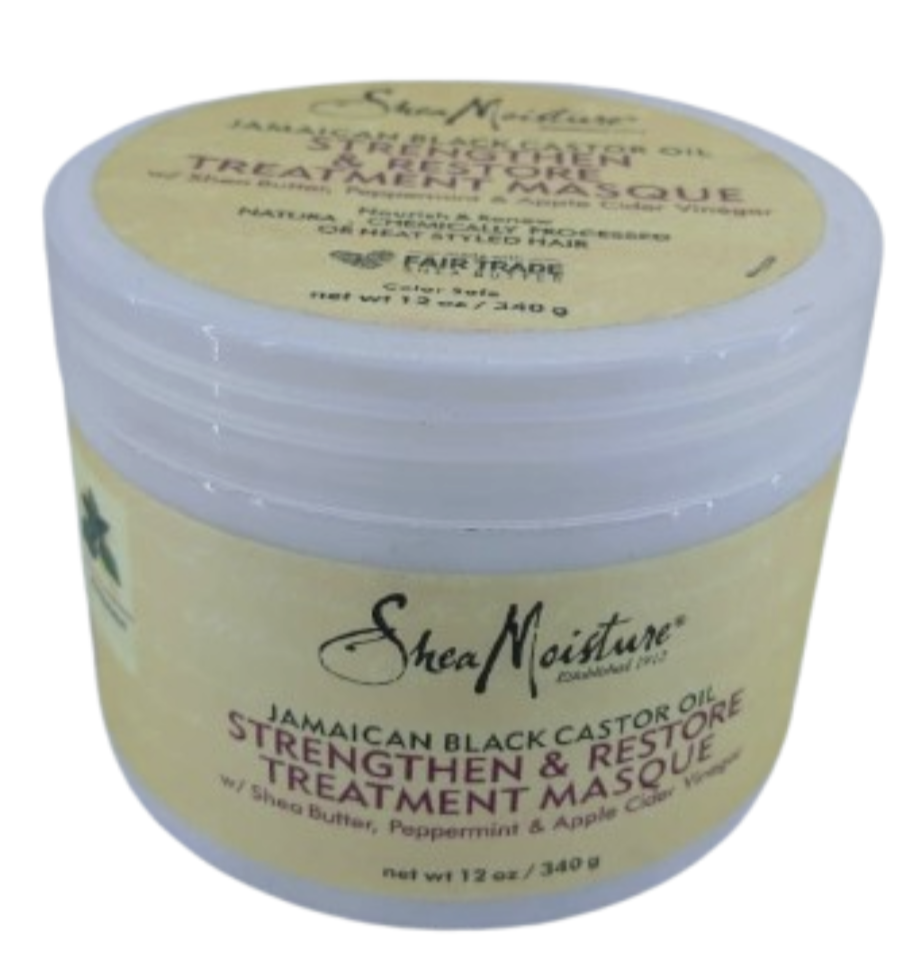
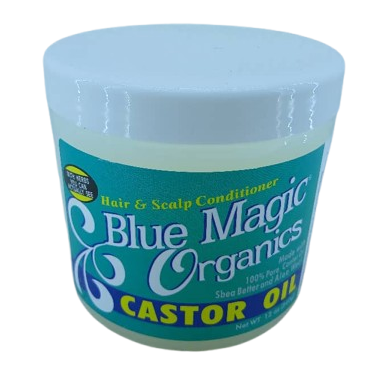
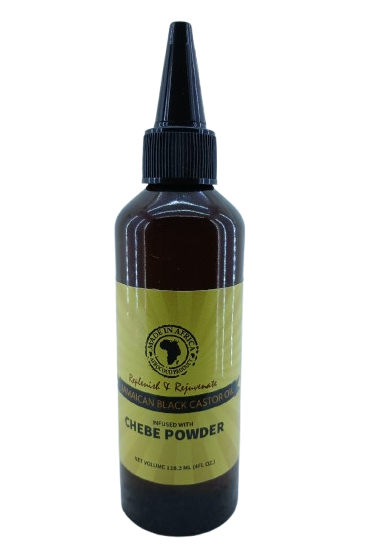
Castor oil
1 small bottleNice to haveOften used by families on edges and dry spots. It is thick, so a little goes a long way.
How to use it: Dab a tiny amount on edges and ends. Skip it if your child has a sensitive scalp or the hair feels coated.
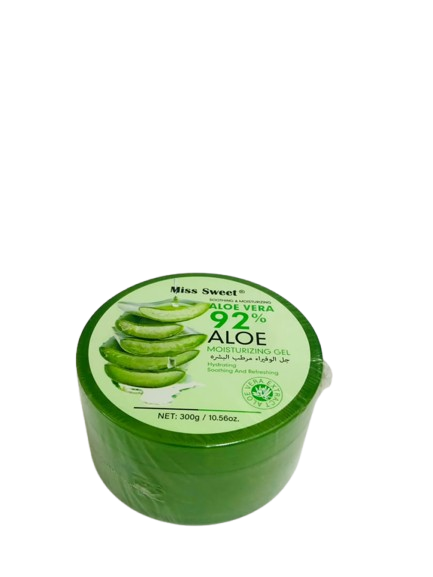
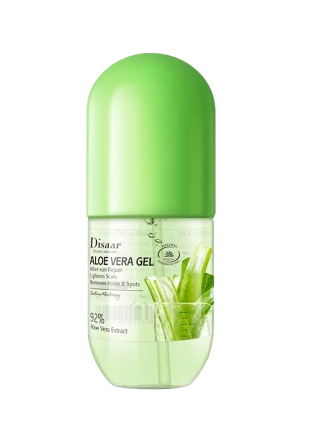
Aloe vera gel
1Nice to haveLight moisture that can help calm a dry, itchy scalp and give soft hold.
How to use it: Smooth a thin layer on the scalp or hair. Check for any redness first.
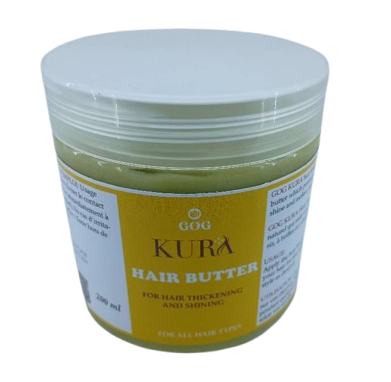
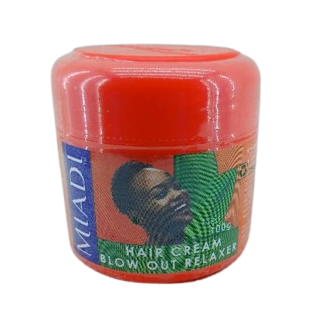
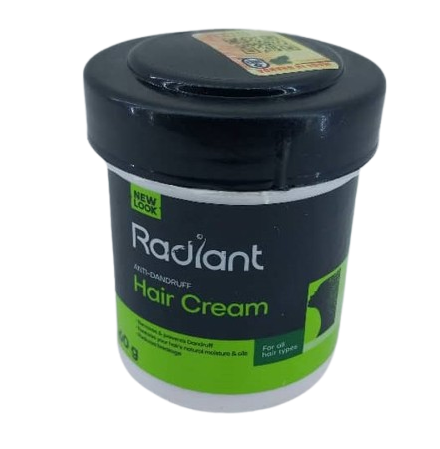
Hair cream or butter
1 jarNice to haveA creamy moisturizer for daily touch ups so hair does not stay dry between wash days.
How to use it: Rub a tiny amount between your palms and smooth over dry areas in the morning.

Styling
Simple, low tension styles protect hair and save time on school mornings.
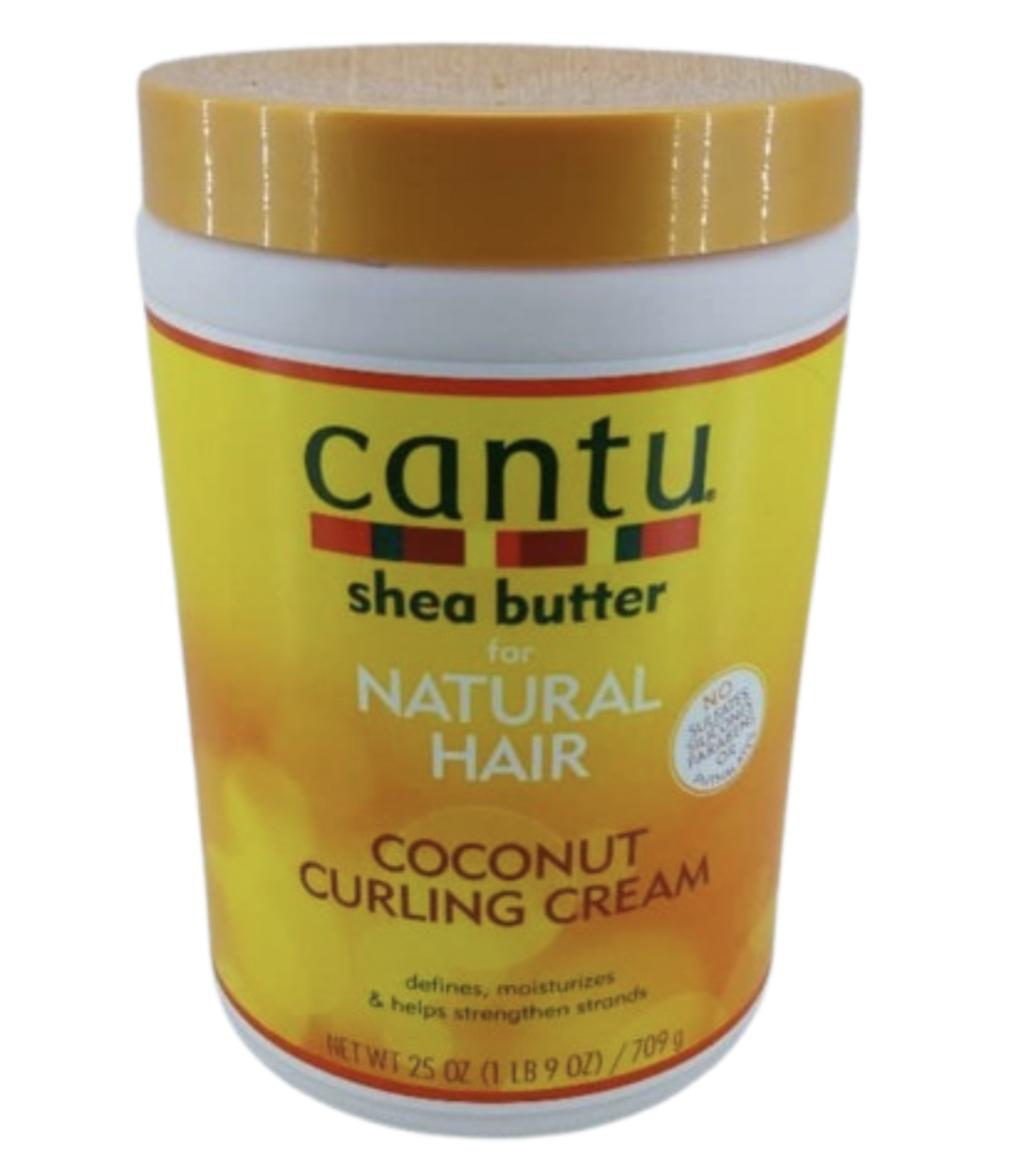
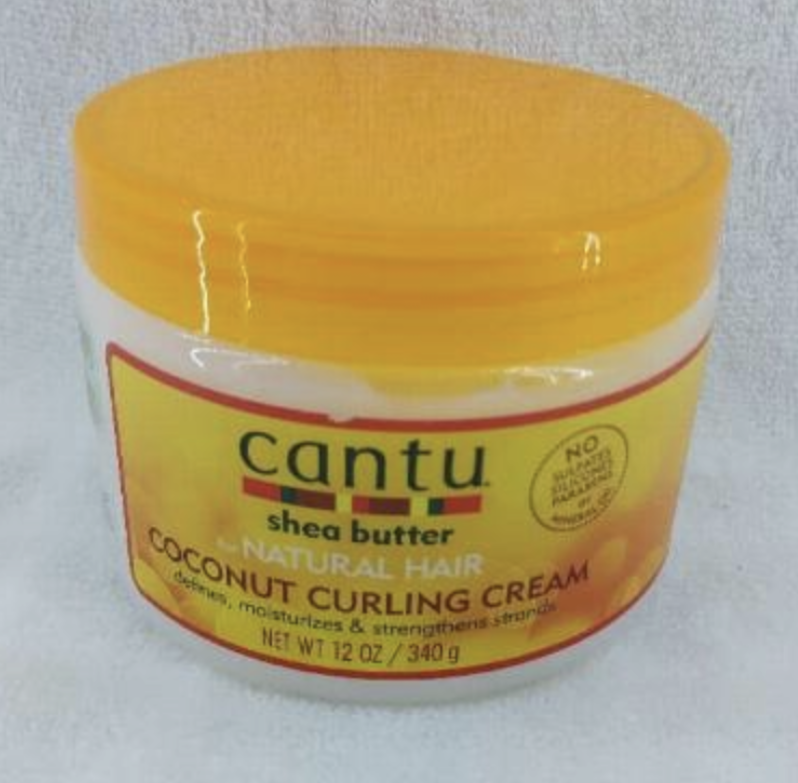
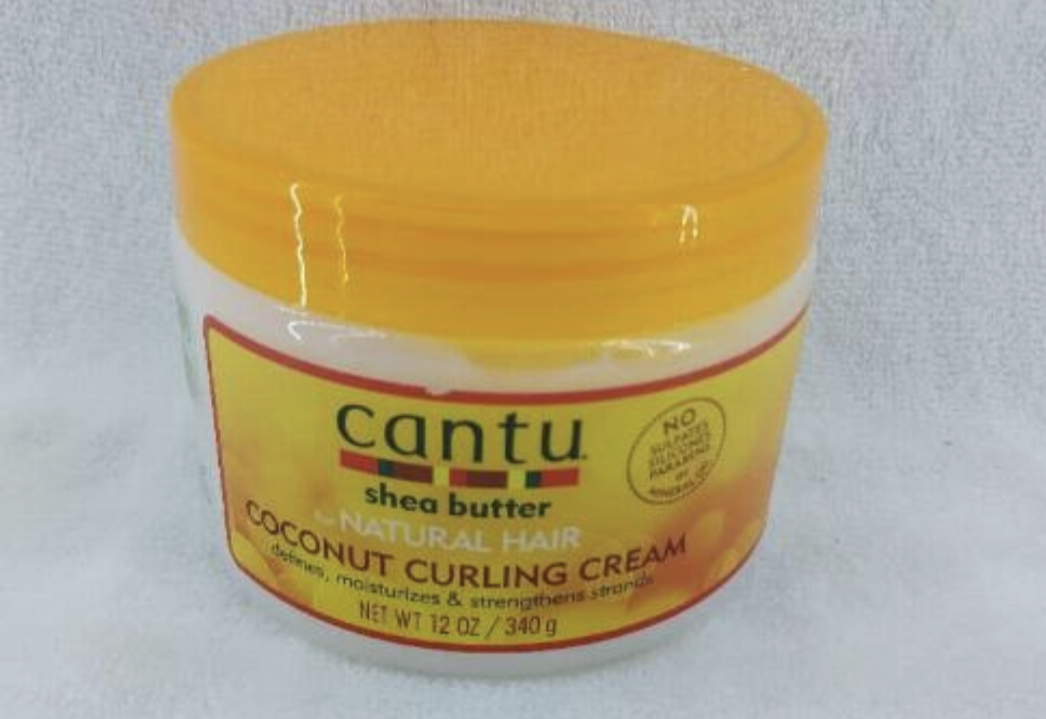
Curl cream
1 jar Must haveDefines curls and adds soft hold without crunch, good for wash and go styles.
How to use it: Apply on damp hair and shape the curls with your fingers. Air dry or sit in the sun.
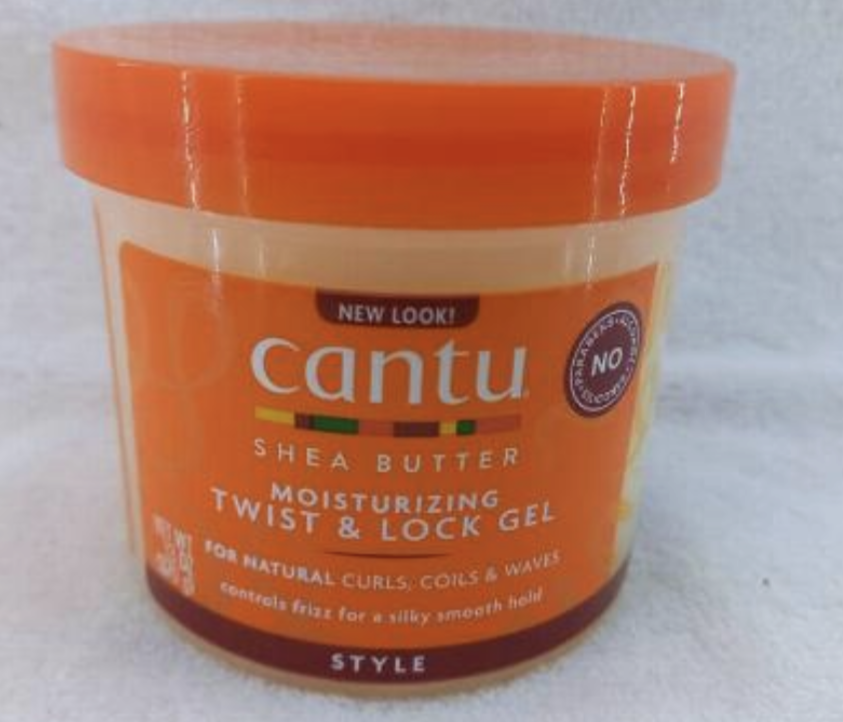
Twist and lock gel
1 jarNice to haveGives hold for twists and braid outs, and keeps edges tidy for several days.
How to use it: Apply a small amount to each section before twisting. Avoid pulling edges tight.
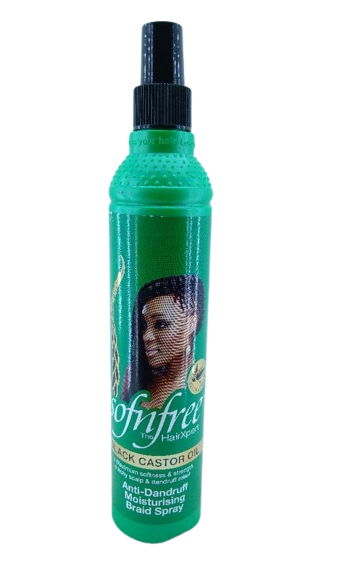
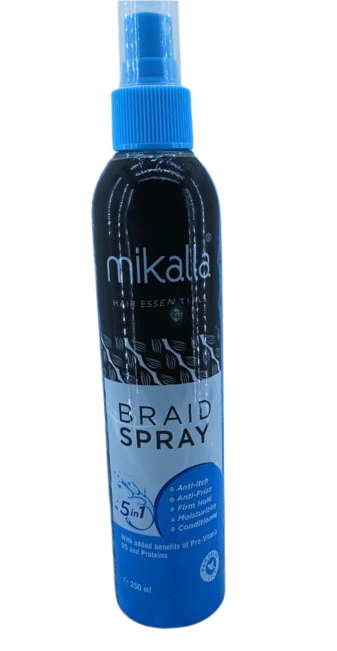
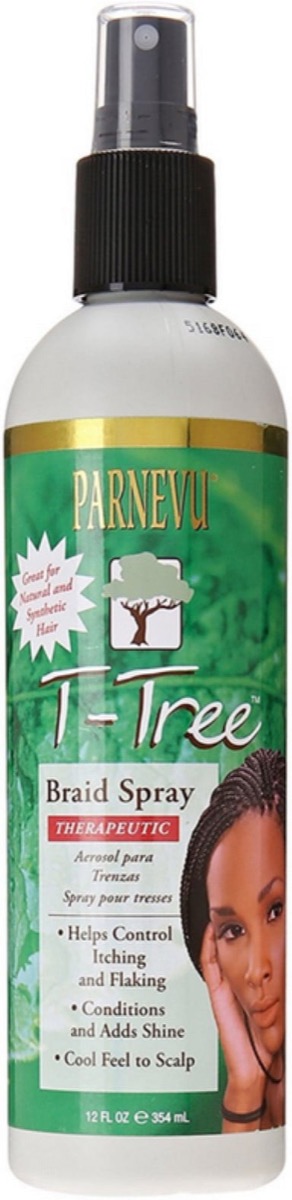
Braid spray
1 bottleNice to haveKeeps braids and twists moisturized and fresh and reduces dryness at the scalp.
How to use it: Spray lightly along the parts every few days. Do not soak the hair.
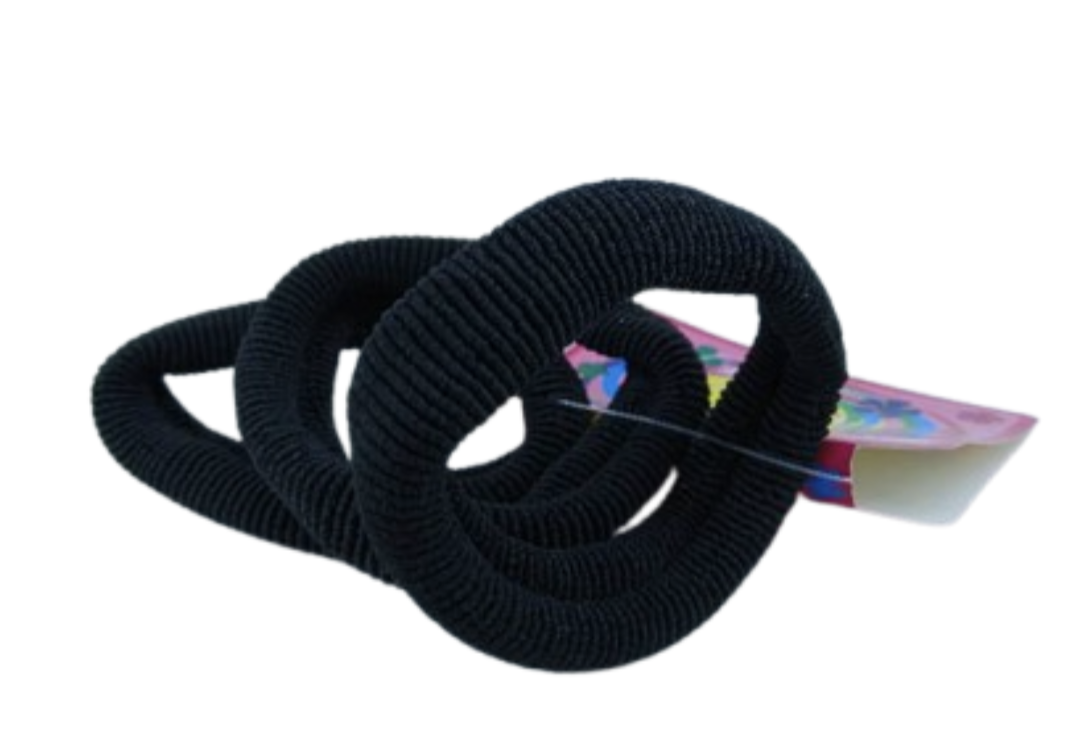
Soft hair bands
6 or more Must haveSoft bands with no metal avoid snagging and breaking hair. Skip tight rubber bands.
How to use it: Wrap loosely. Never leave the same ponytail tight for many days.
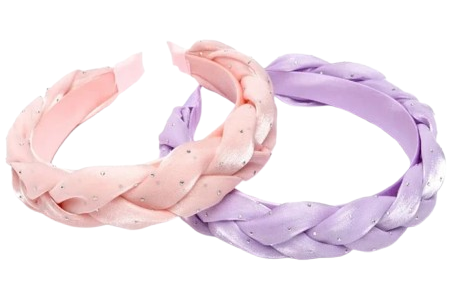
Headband
1 or 2Nice to haveHolds hair back for school and play with little tension on the edges.
How to use it: Choose a soft, wide band and avoid pulling it tight against the hairline.


Night and protection
What your child wears to bed decides whether today's style survives tomorrow.
Satin bonnet
1 or 2 Must haveCotton pillowcases drink moisture and rub hair. A satin bonnet keeps it soft and styles lasting longer.
How to use it: Make sure it fits snugly without squeezing the forehead. Let your child choose a color so they will wear it.
Satin scrunchies
2Nice to haveGentler on hair than regular elastics for a loose pineapple ponytail at night.
How to use it: Gather hair loosely on top of the head and secure with a scrunchie.
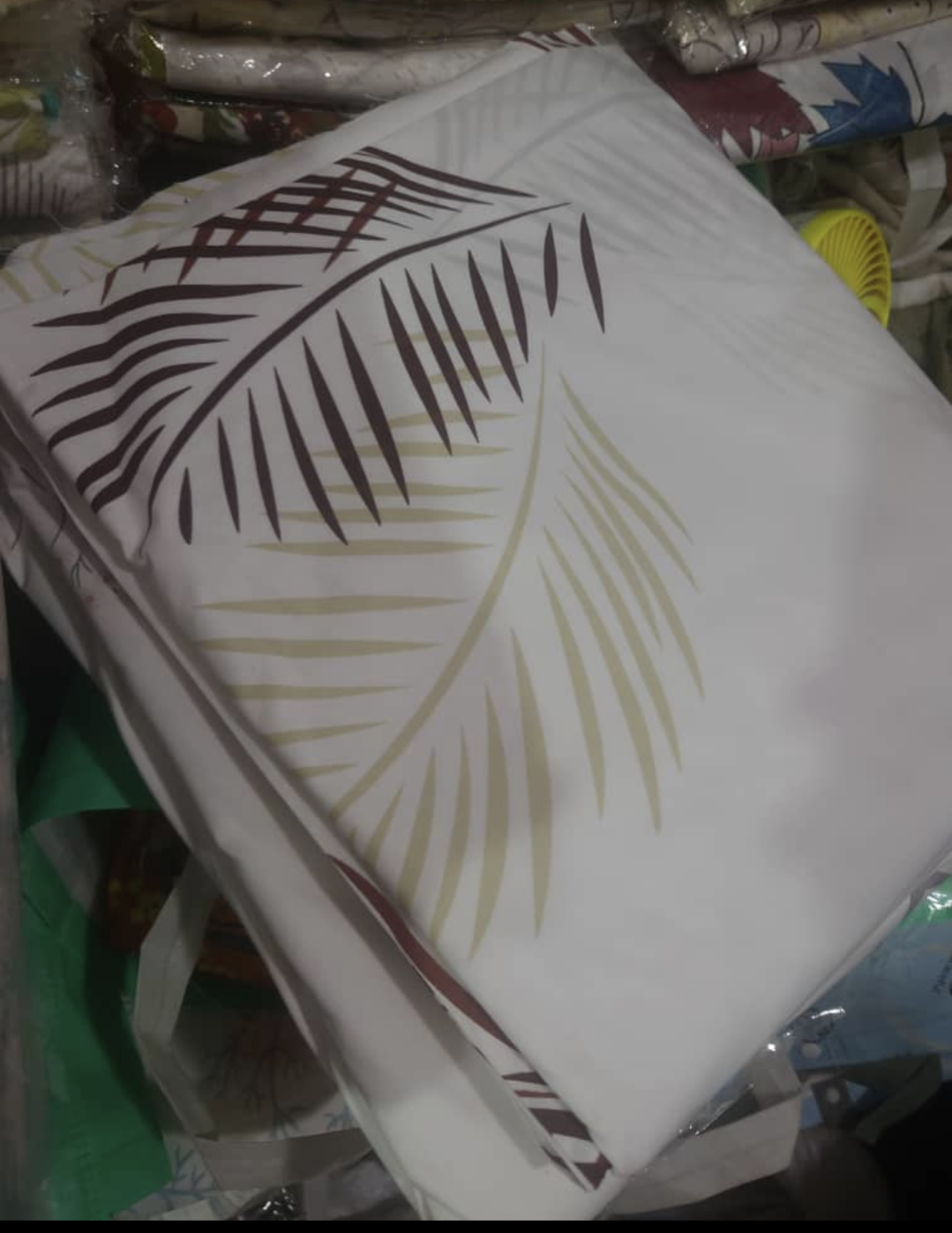
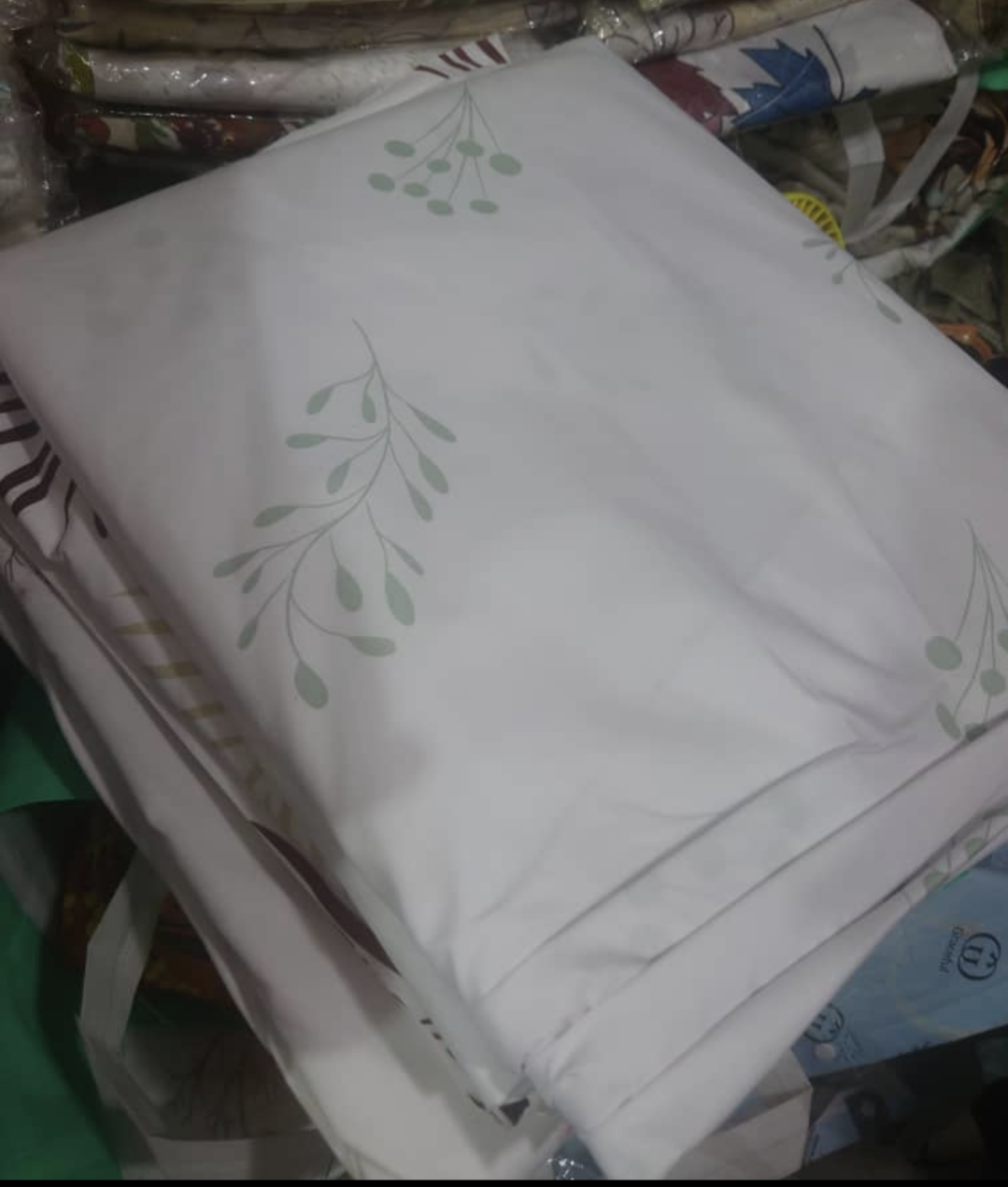
Pillowcase
2Nice to haveA smooth pillowcase is a back up when the bonnet falls off in the night.
How to use it: Wash weekly. Satin or smooth cotton blends are kinder than rough fabric.
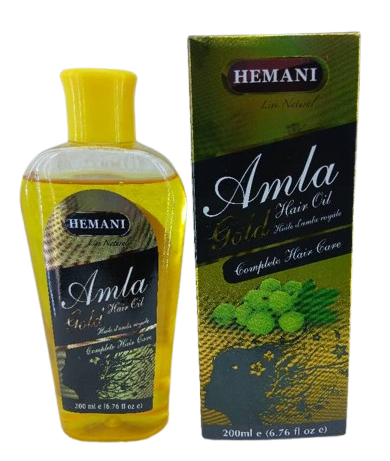
Hair oil for scalp
1 small bottleNice to haveA light scalp oil can ease dryness. Use sparingly, and see a doctor if there are patches, sores or lots of flaking.
How to use it: Dab on the parts with a fingertip, not the whole head.

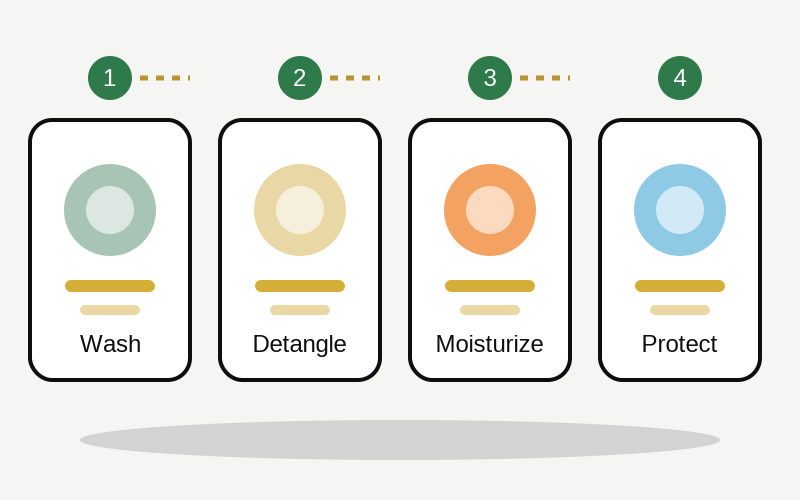
Step by step
- 1
Before wash day
Gather everything, wrap a towel around your child's shoulders and finger detangle any big knots gently.
- 2
Wash and condition
Wash with kids shampoo, apply conditioner and detangle in four to six sections while the hair is wet.
- 3
Moisturize and seal
Apply leave-in on damp hair, then seal ends with a little shea butter or oil.
- 4
Style gently
Choose a loose style such as twists, puffs or braids. Check that nothing pulls on the edges.
- 5
Protect at night
Put on a satin bonnet and re-moisturize with water and a light cream every two or three days.
Tips that help
- Detangle on wet, conditioned hair and work from the ends up to the roots.
- Keep wash day fun with a favorite song, a snack or a short cartoon.
- Use small sections. Four sections are enough to start, and more sections make it gentler.
- Water is the real moisturizer. Oils and butters just seal it in.
- Mist the hair lightly in the morning if it feels dry rather than adding more product.
- Trim split ends when they appear, and ask your braider to avoid very tight styles.
- Check with a pharmacist or doctor for itching, sores or sudden hair loss.
Mistakes to avoid
- Combing dry hair with a fine tooth comb, which pulls and breaks it.
- Pulling braids, ponytails or buns tight. Edges thin when pulled for long.
- Using too many heavy products. Build up makes hair dull and hard to wash.
- Skipping the bonnet. Cotton pillowcases dry the hair out overnight.
- Washing every day, which can dry out natural hair.
Questions people ask
How often should I wash my child's natural hair?+
Most families wash every one to two weeks. Dusty days, sweating or heavy products may mean a bit more often, but daily shampooing usually dries curly hair out.
What is the best way to detangle kids' natural hair?+
Work on damp, conditioned hair in small sections with a wide-tooth comb or a soft detangling brush. Start at the ends and move up slowly.
Can I use adult products on my child?+
Many adult products are strong in scent or ingredients. Choose products made for kids or gentle ones, and test a small patch first.
Do kids really need a satin bonnet?+
It helps a lot. Satin keeps moisture in and reduces rubbing, so styles last longer and mornings are easier.
My child cries on wash day. What can I do?+
Use lots of conditioner, small sections and slow strokes, and take breaks. Let your child hold a mirror or pick a hairstyle.
When should I see a doctor?+
If you see sores, patches of hair loss, constant itching or a very dry flaky scalp that does not improve, ask a pharmacist or doctor.
A gentle kit turns wash day from a fight into a calm routine. Shop the list on Isokko and have it delivered to your door in Kigali.
Shop this list
Get everything delivered in Kigali
Order from local stores on Isokko and pay with MoMo, card or cash. Same-day delivery.