
Checklist · Cooking & meals
Stocking a Pantry: Kigali Kitchen Essentials Checklist
The pantry essentials every Kigali kitchen needs: grains, flours, legumes, oils, spices and storage, so you can cook a proper meal any day without a last minute shop.
Updated November 15, 2026 · By Isokko
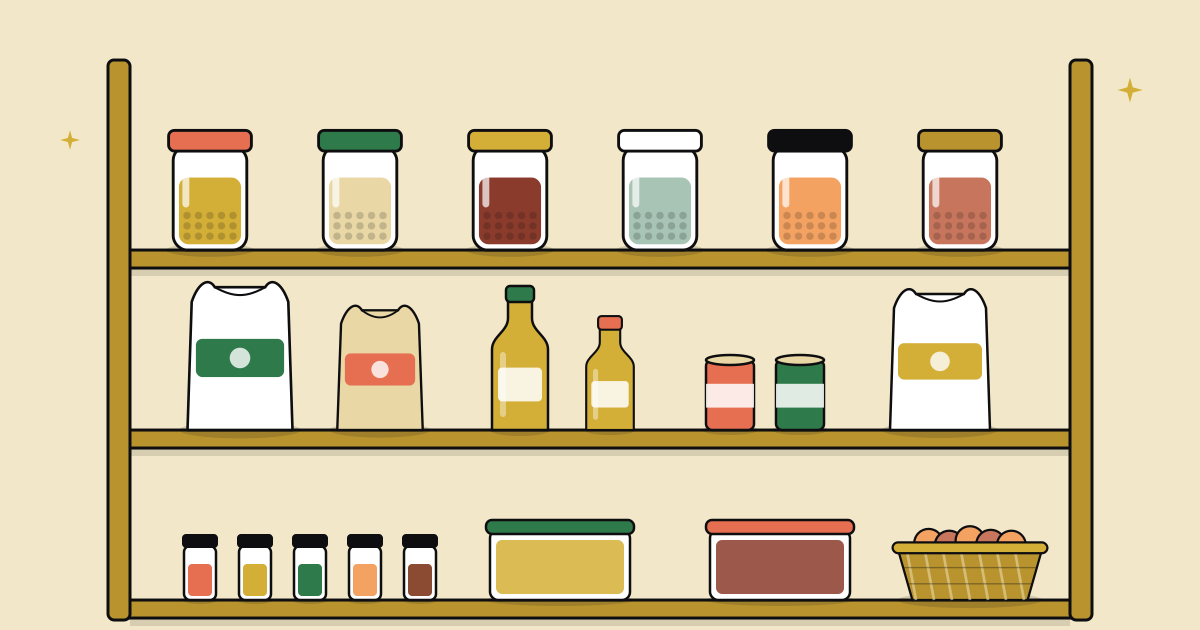
A good pantry is the difference between cooking dinner and ordering out again. When rice, beans, flour, oil and a few spices are always on the shelf, you only need a handful of fresh vegetables to make a real meal.
This list covers what a Kigali kitchen actually uses: rice and beans, maize and cassava flour for ugali, peanut flour for sauces and isombe, tea for the morning, and the spices that make everyday food taste like home. It also covers storage, because damp rainy months and kitchen pests can ruin a full cupboard.
Buy the musts first, then add the nice to haves as your budget allows.
Who it's for
Anyone setting up or restocking a home kitchen in Kigali
Time needed
One big order, then a 10 minute check every two weeks
When to shop
Restock dry goods monthly, ideally before the rainy season starts
On the list
25 items, 13 must haves
0 of 25 ready
Grains and starches
The heart of the pantry. These keep for months if stored dry and sealed.
Rice
5 kg Must haveRice is the base for countless Rwandan meals and keeps for a long time.
How to use it: Store in a sealed bucket or jar. Rinse before cooking to remove extra starch.
Maize flour
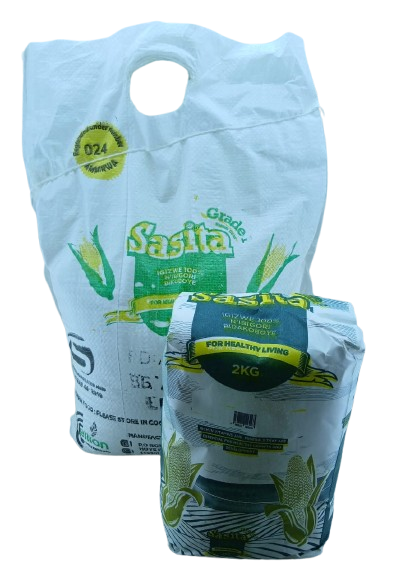
2 to 5 kg Must haveFor ugali, the quickest filling side you can make.
How to use it: Keep it sealed and off the floor so it stays dry. Use within a few months for the best taste.
Cassava flour
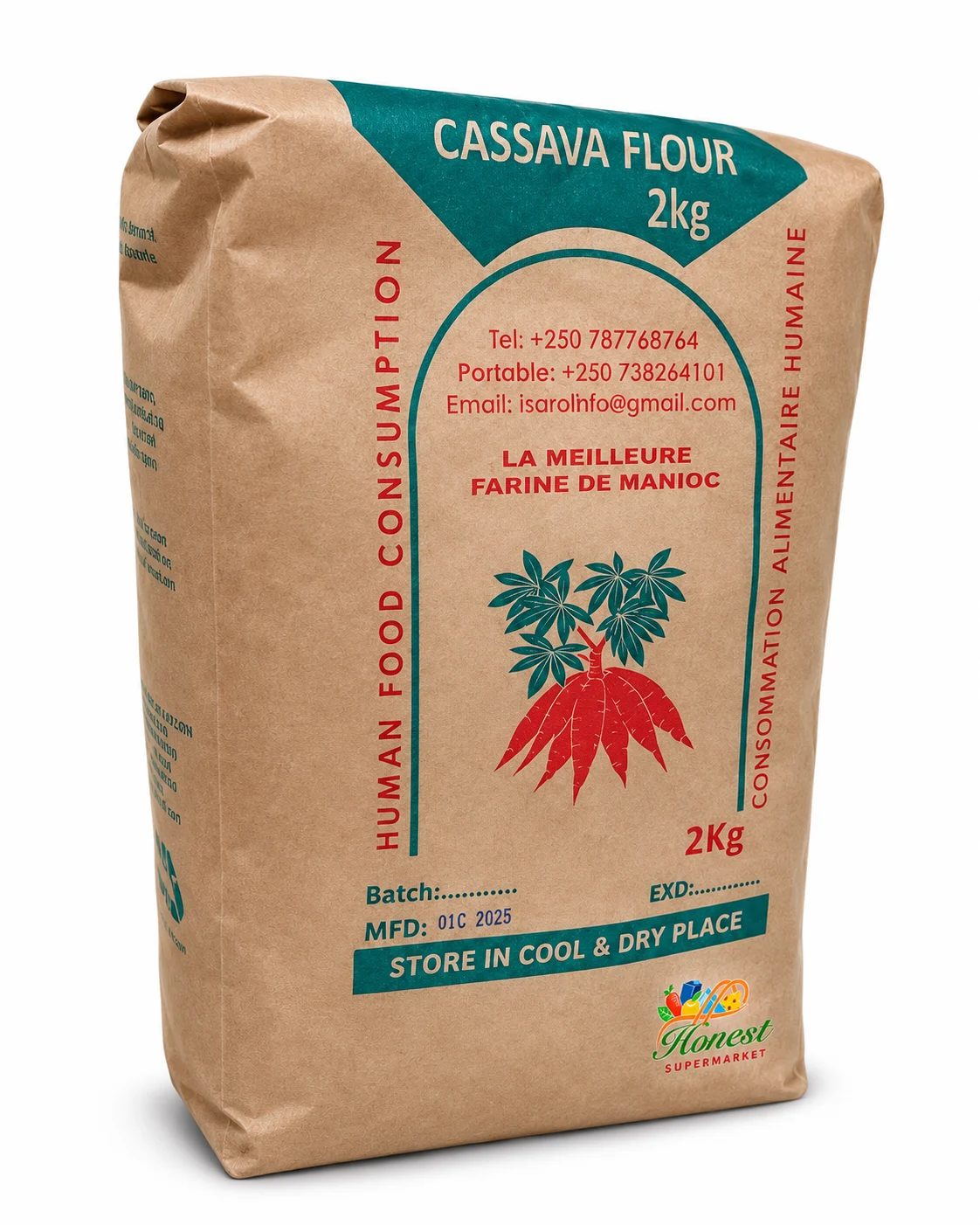
2 kgNice to haveCassava ugali is a favorite in many Rwandan homes and pairs well with isombe and fish.
How to use it: Sift if it has clumped, then stir slowly into boiling water. Store sealed against damp.
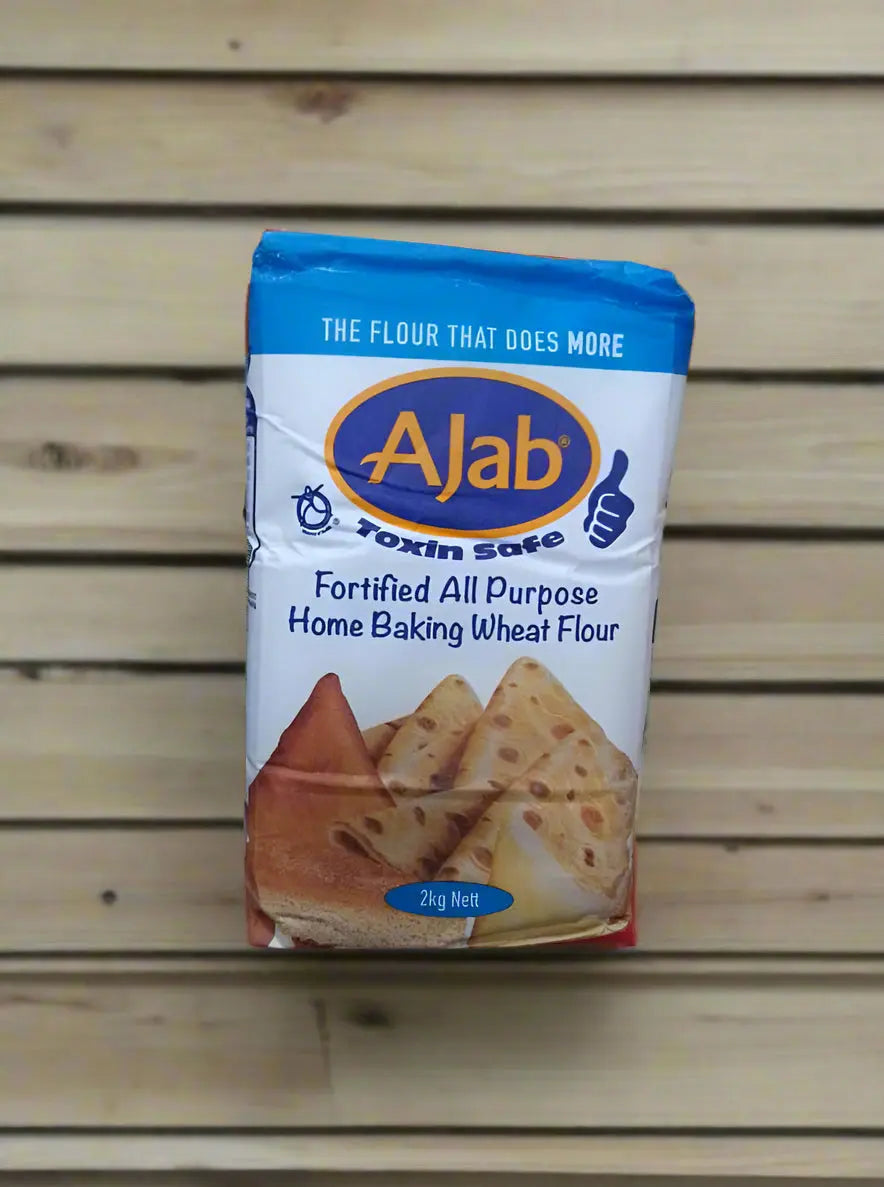
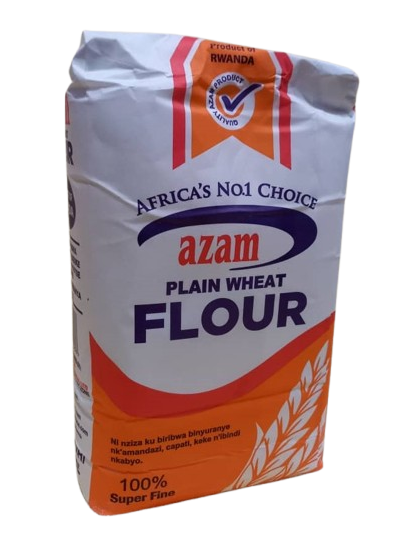
Wheat flour
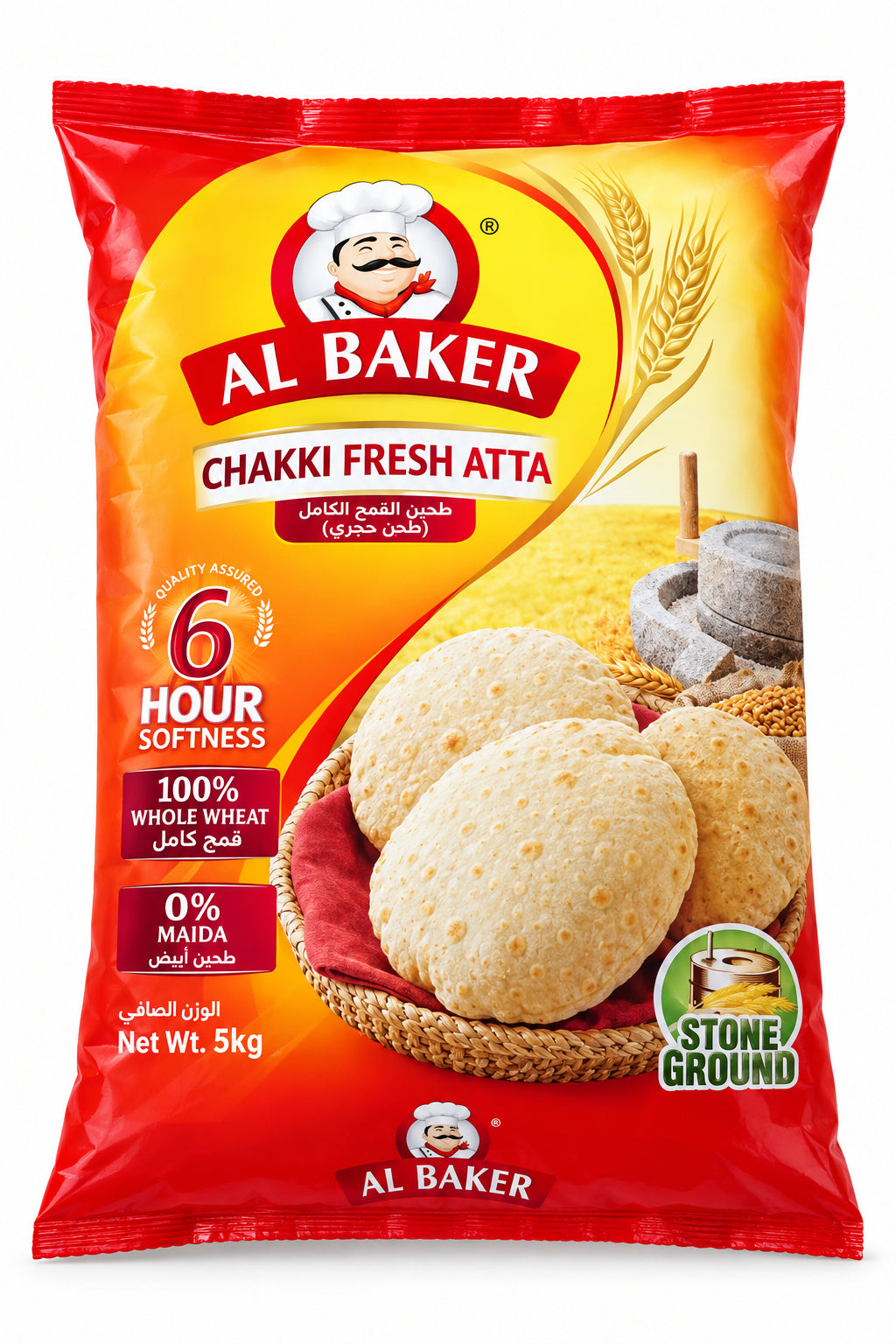
2 kg Must haveFor chapati, mandazi, pancakes and thickening sauces.
How to use it: Keep in an airtight container. Check for weevils if it has sat for a long time.
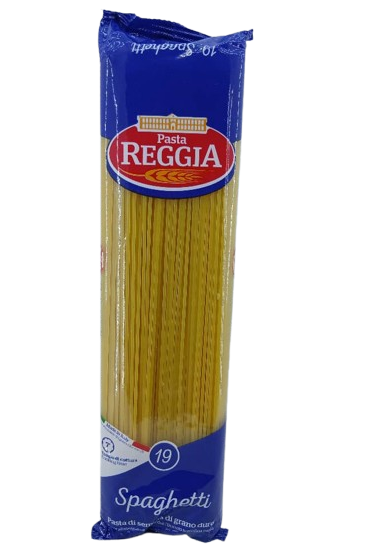
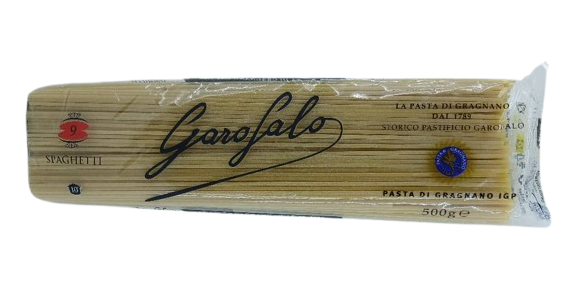
Spaghetti or pasta
2 to 4 packsNice to haveA fast dinner when you have no time and the kids are hungry.
How to use it: Pair with a tomato and minced meat sauce. Dry pasta keeps for a year.
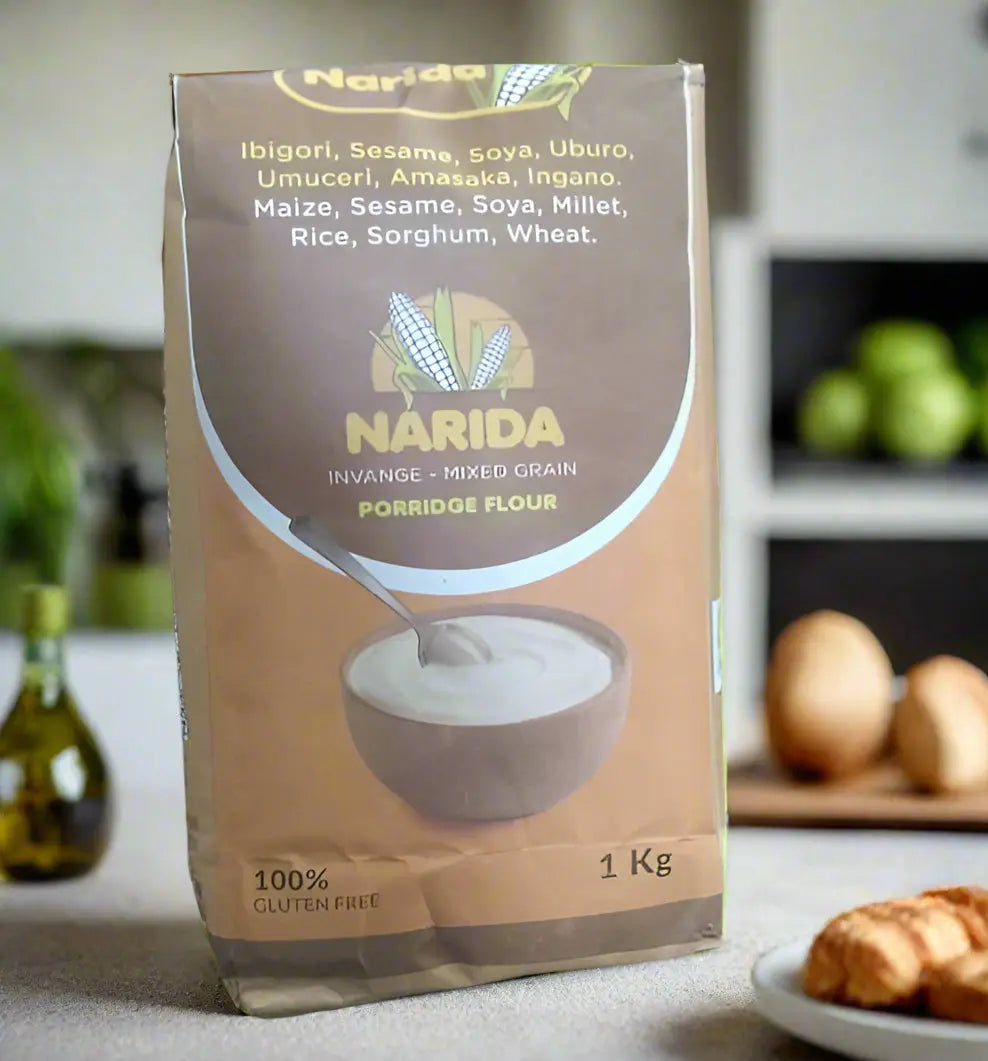
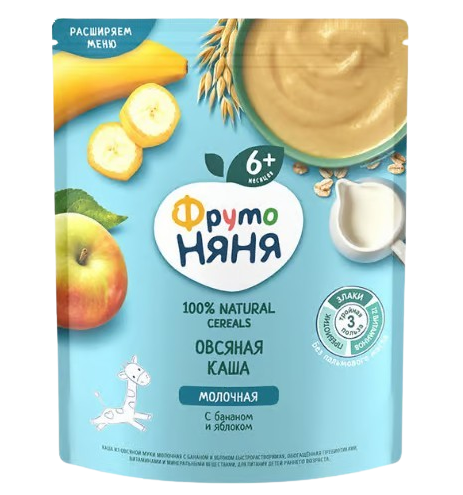
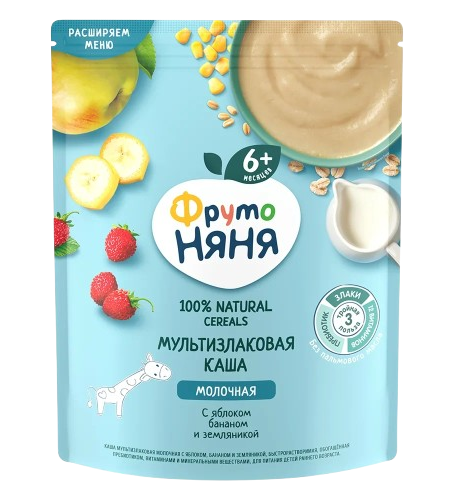
Oats or porridge flour
1 kgNice to haveBreakfast that is cheap, warm and filling.
How to use it: Cook with water or milk and a little sugar. Sorghum porridge flour is a great local option.






Beans and legumes
Protein you can store. Beans are the most important item on this list for many homes.
Dry beans
2 to 5 kg Must haveBeans are affordable protein and the base of so many meals.
How to use it: Soak overnight before boiling to cut cooking time and fuel. Keep in a sealed container.
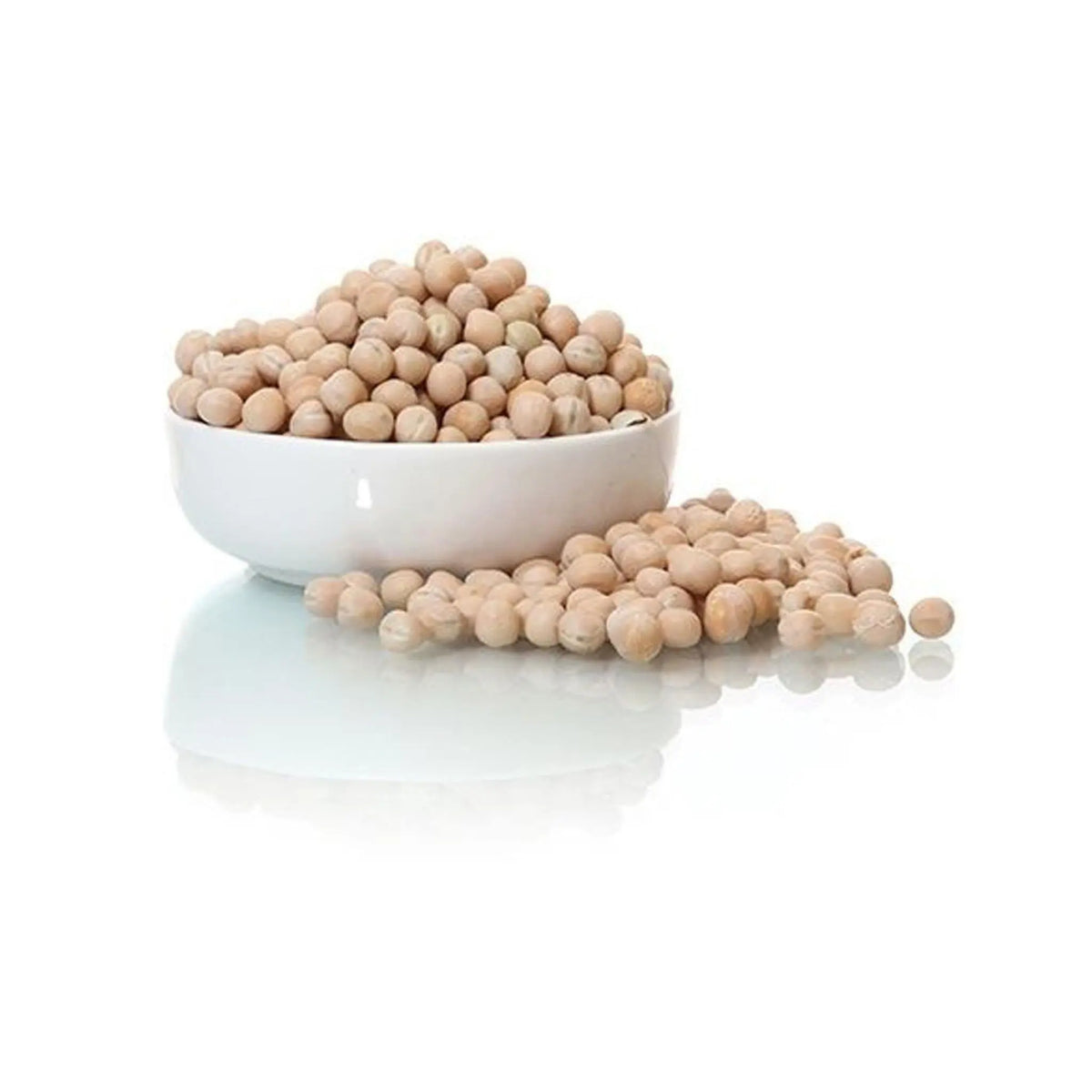
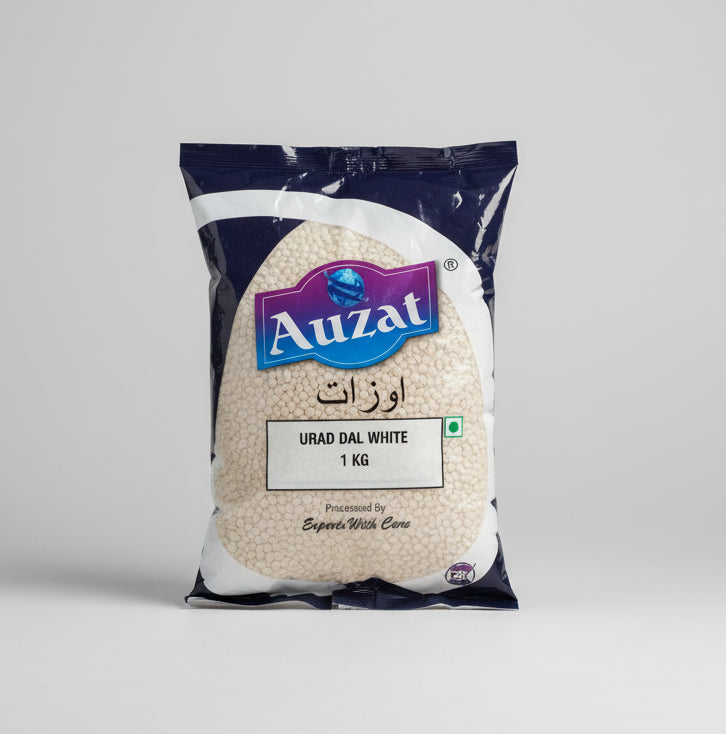
Dry peas or lentils
1 kgNice to haveA quicker cooking alternative that changes up the week.
How to use it: Lentils cook in about 25 minutes without soaking, which saves gas and charcoal.
Peanut flour
500 g to 1 kg Must haveGround peanuts thicken and enrich sauces, greens and isombe.
How to use it: Mix with a little water into a paste, then stir into the pot and simmer well.
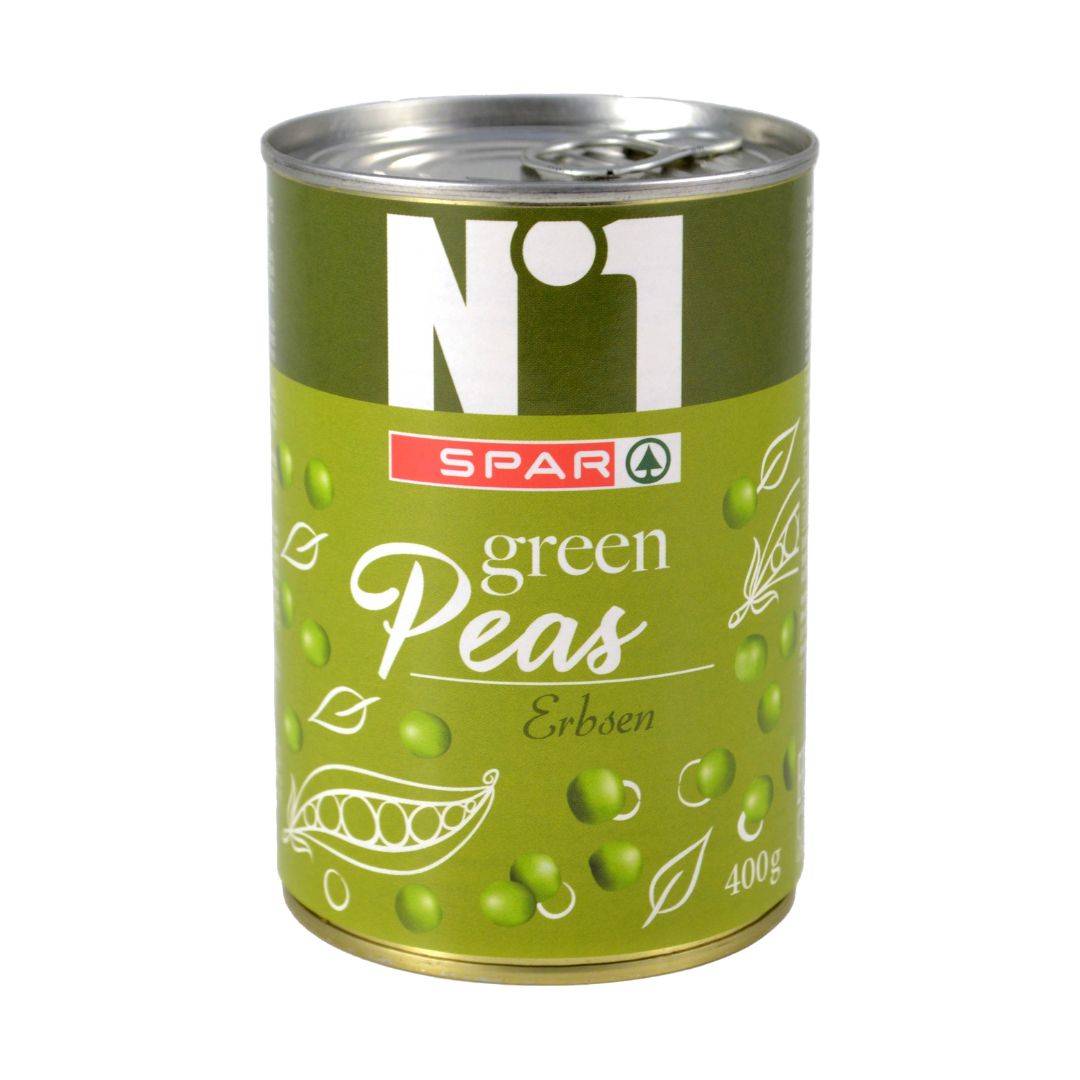
Canned beans or green peas
3 to 4 tinsNice to haveA backup for nights when there is no time to boil dry beans.
How to use it: Rinse and heat with fried onion and tomato for a meal in ten minutes.





Oils, sauces and sweeteners
Flavor and fat. Without these, even good ingredients taste flat.
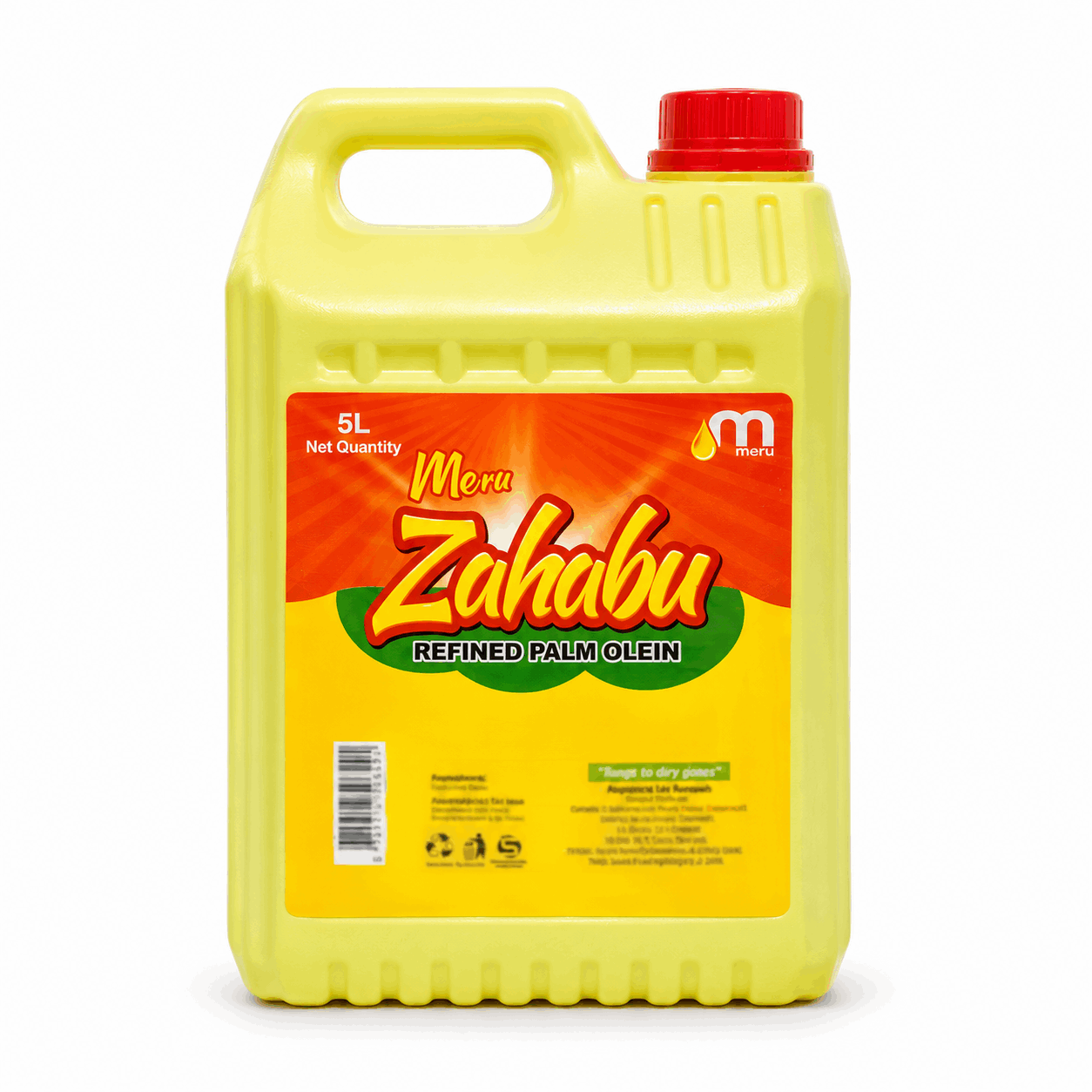
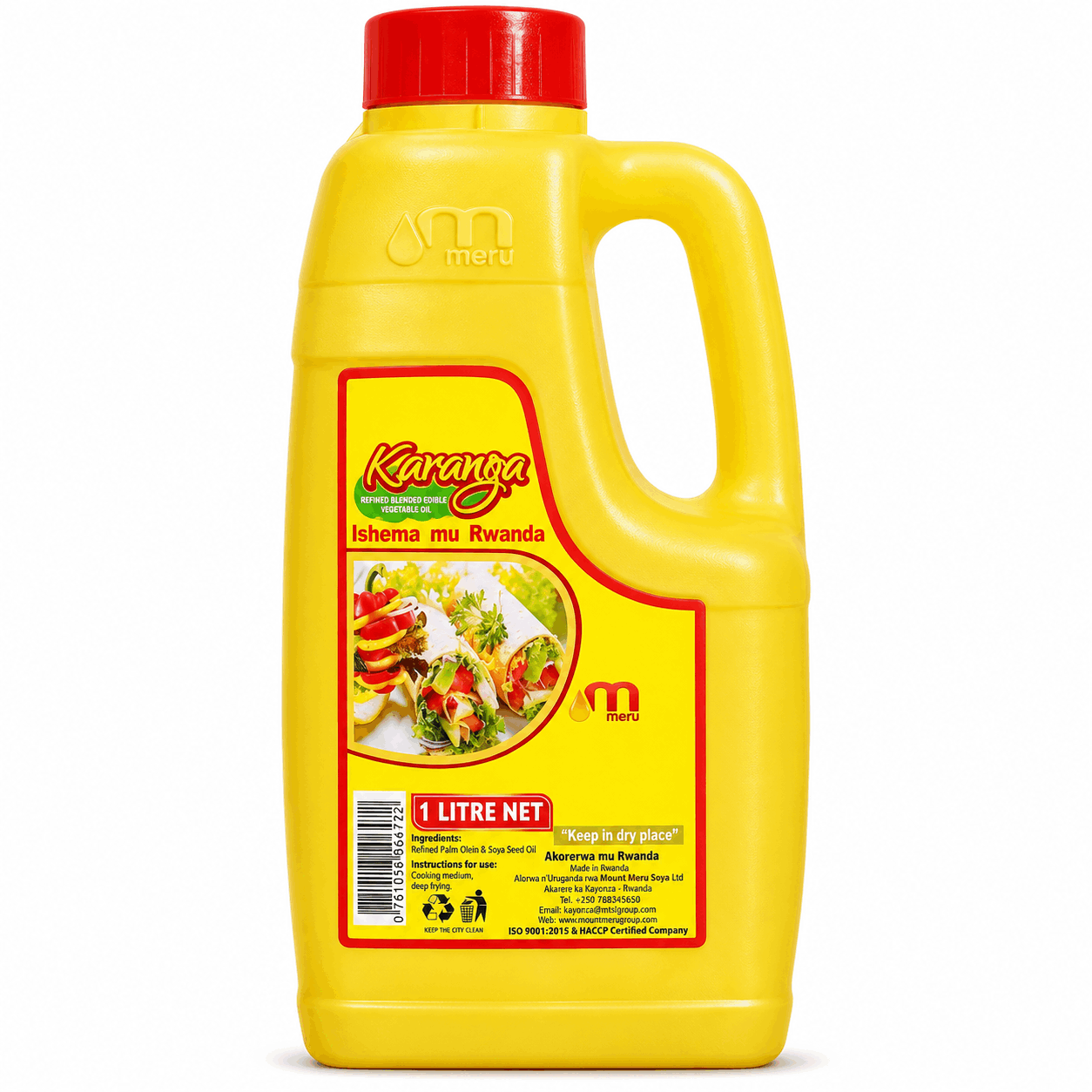
Cooking oil
3 to 5 litres Must haveEvery sauce starts with oil, so this goes fast.
How to use it: Buy a big bottle for value and decant into a small bottle by the stove.
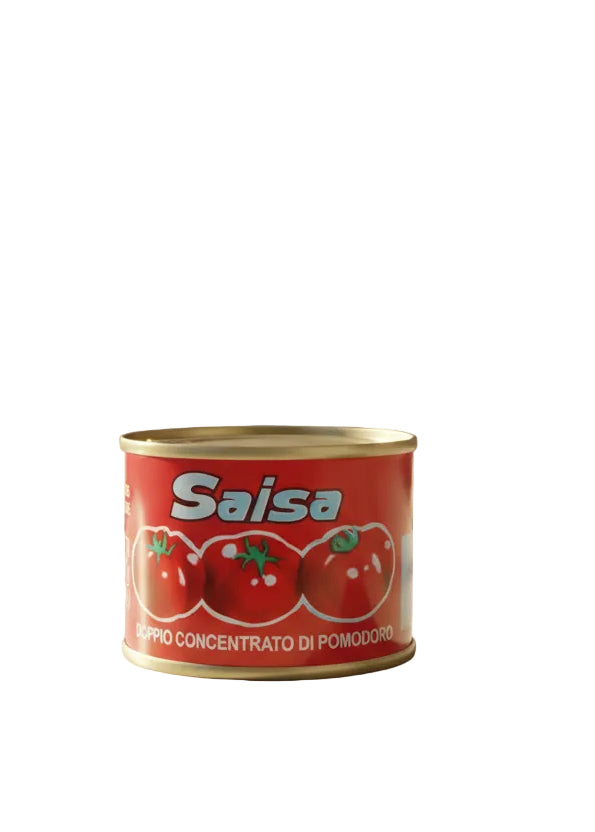
Tomato paste
3 small tins or 1 big Must haveRich tomato flavor that lasts much longer than fresh tomatoes.
How to use it: Fry it in oil for a minute before adding liquid to remove the raw taste.
Sugar
2 kg Must haveFor tea, porridge, baking and the occasional juice.
How to use it: Keep sealed so ants cannot get in.
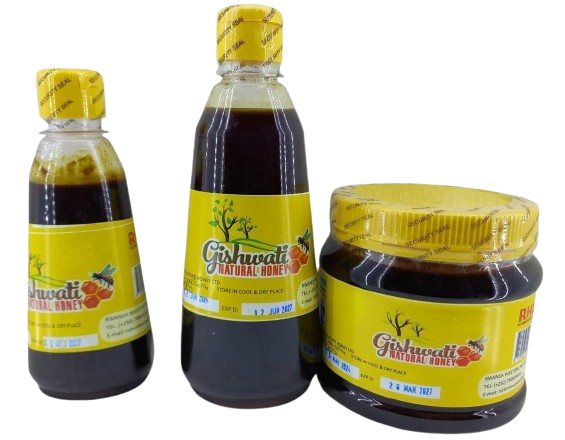
Honey
1 jarNice to haveA natural sweetener for tea and porridge, and Rwanda produces good honey.
How to use it: If it crystallizes, stand the jar in warm water. It does not go bad.
Akabanga or chili oil
1 bottleNice to haveA few drops bring heat to any plate, the Rwandan way.
How to use it: Add drops at the table, not while cooking, since it is very strong.
Soy sauce or vinegar
1 bottleNice to haveFor marinades, stir fries and salad dressings.
How to use it: A splash of vinegar brightens beans and greens at the end of cooking.










Spices and seasoning
A small spice shelf goes a long way. Start with these and add as you cook more.
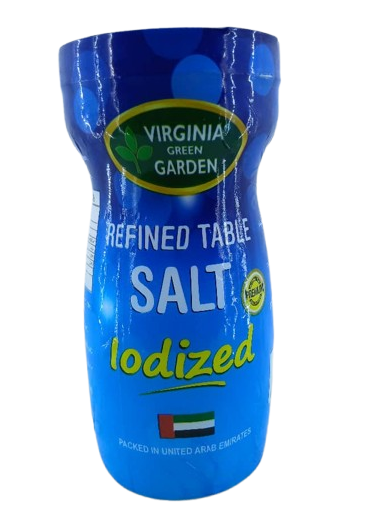
Salt
1 kg Must haveEssential for every pot.
How to use it: Keep a small open jar near the stove and the main bag sealed.
Seasoning cubes
1 pack Must haveQuick flavor for stews and rice, used in most Kigali kitchens.
How to use it: Crumble in early so it dissolves fully. Go easy, they are salty.
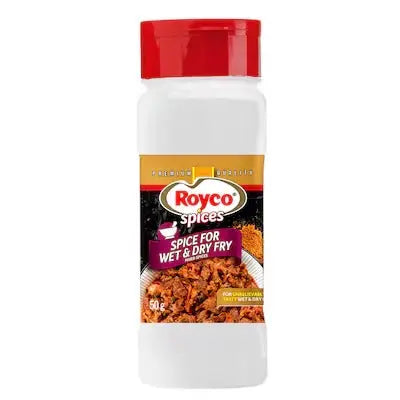
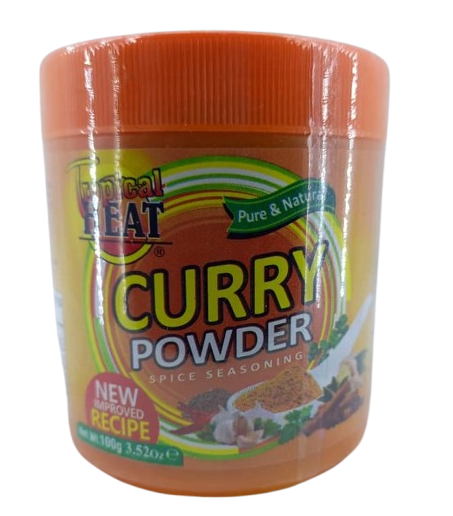
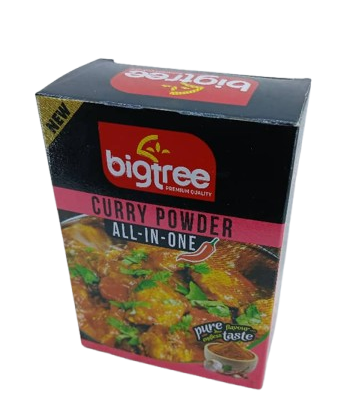
Curry powder
1 jar Must haveWarms up beans, potatoes and meat stews.
How to use it: Fry it with onions for a minute to bring out the flavor.
Black pepper
1 jarNice to haveA basic seasoning for eggs, meat and soups.
How to use it: Add near the end of cooking for the strongest flavor.
Mixed spices or garam masala
1 jarNice to haveFor pilau and spiced rice dishes.
How to use it: Toast lightly in oil before adding rice and water.
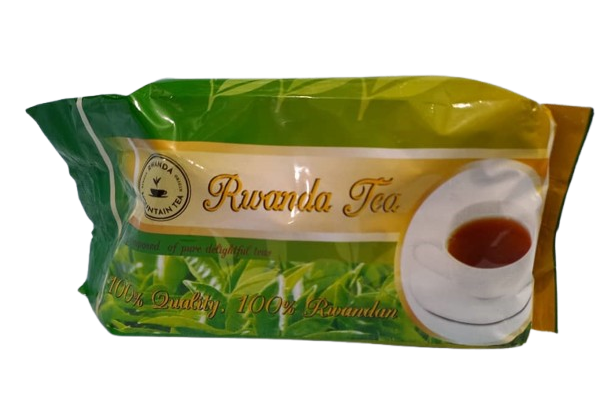
Tea leaves
500 g Must haveRwandan tea is part of the morning in most homes.
How to use it: Store in a sealed tin away from the stove so it keeps its aroma.








Storage and pest control
Damp air in the rainy season and small insects are the biggest pantry threats. Good storage protects your money.
Airtight storage containers
6 to 10 Must haveSealed containers keep flour, rice and beans dry and free of weevils and ants.
How to use it: Label each one and pour new stock behind the old, so you use the oldest first.
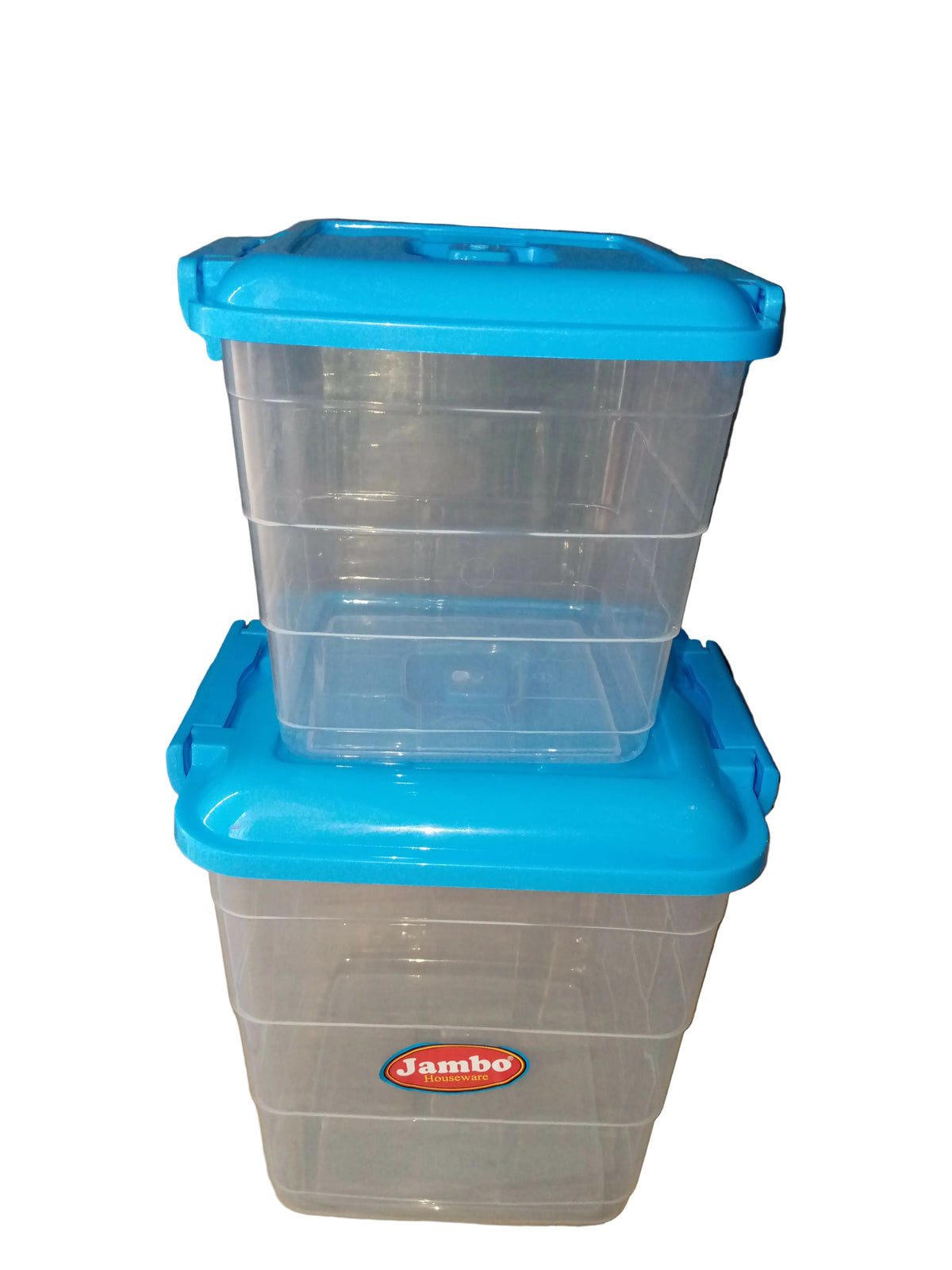 Jambo Clear Plastic Storage Container Set with Latching Lid/2 PiecesKimironko MarketRWF 9,000
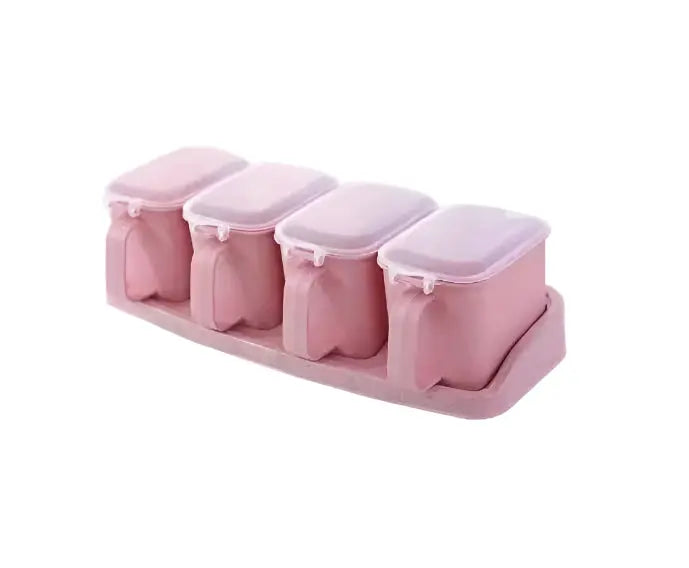 4 Pcs Set Plastic Lid Condiment Box Seasoning Box Plastic Kitchen Supplies Spice Rack Salt Pepper Storage ContainerKimironko MarketRWF 9,000
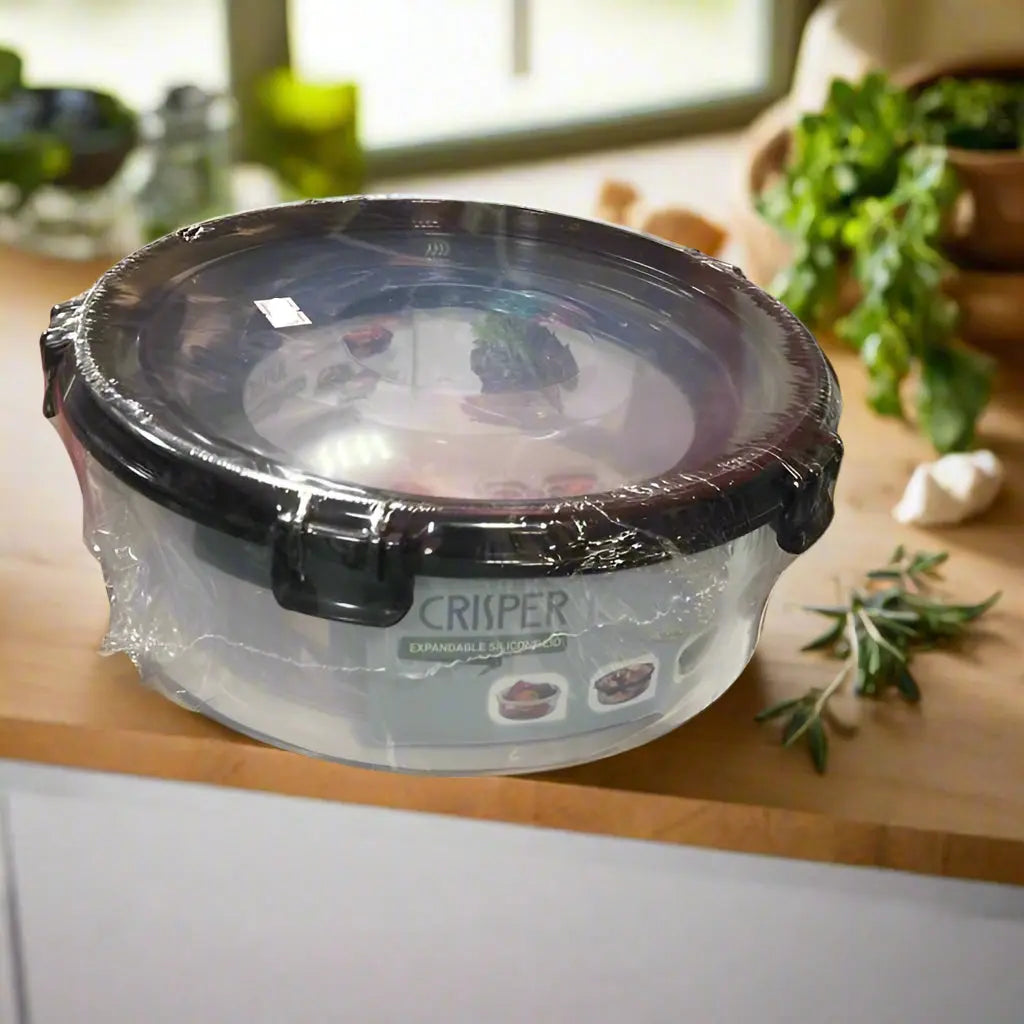 Crisper Food Storage Container This is a type of food storage container designed to keep fruits and vegetables fresh by controlling humidity.Kimironko MarketRWF 6,000See more on Isokko
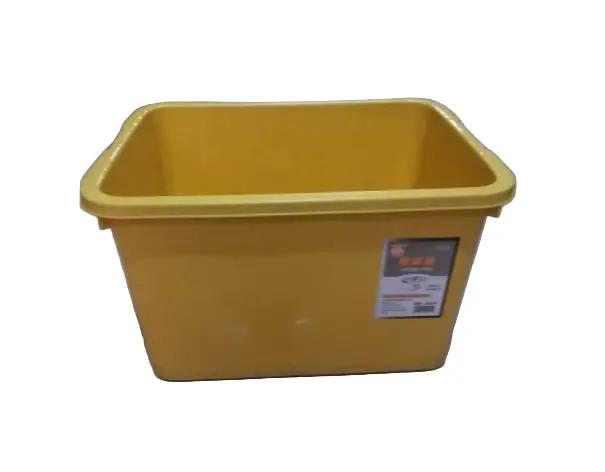
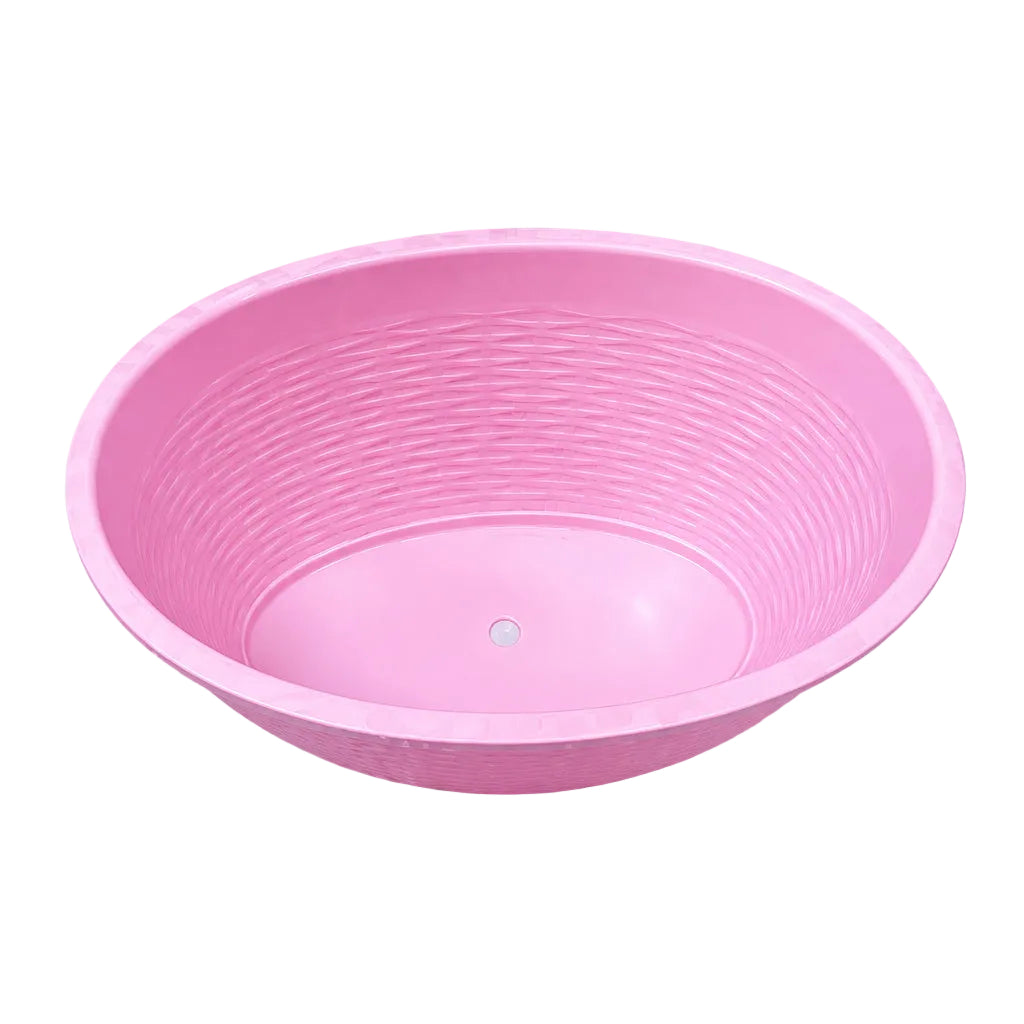
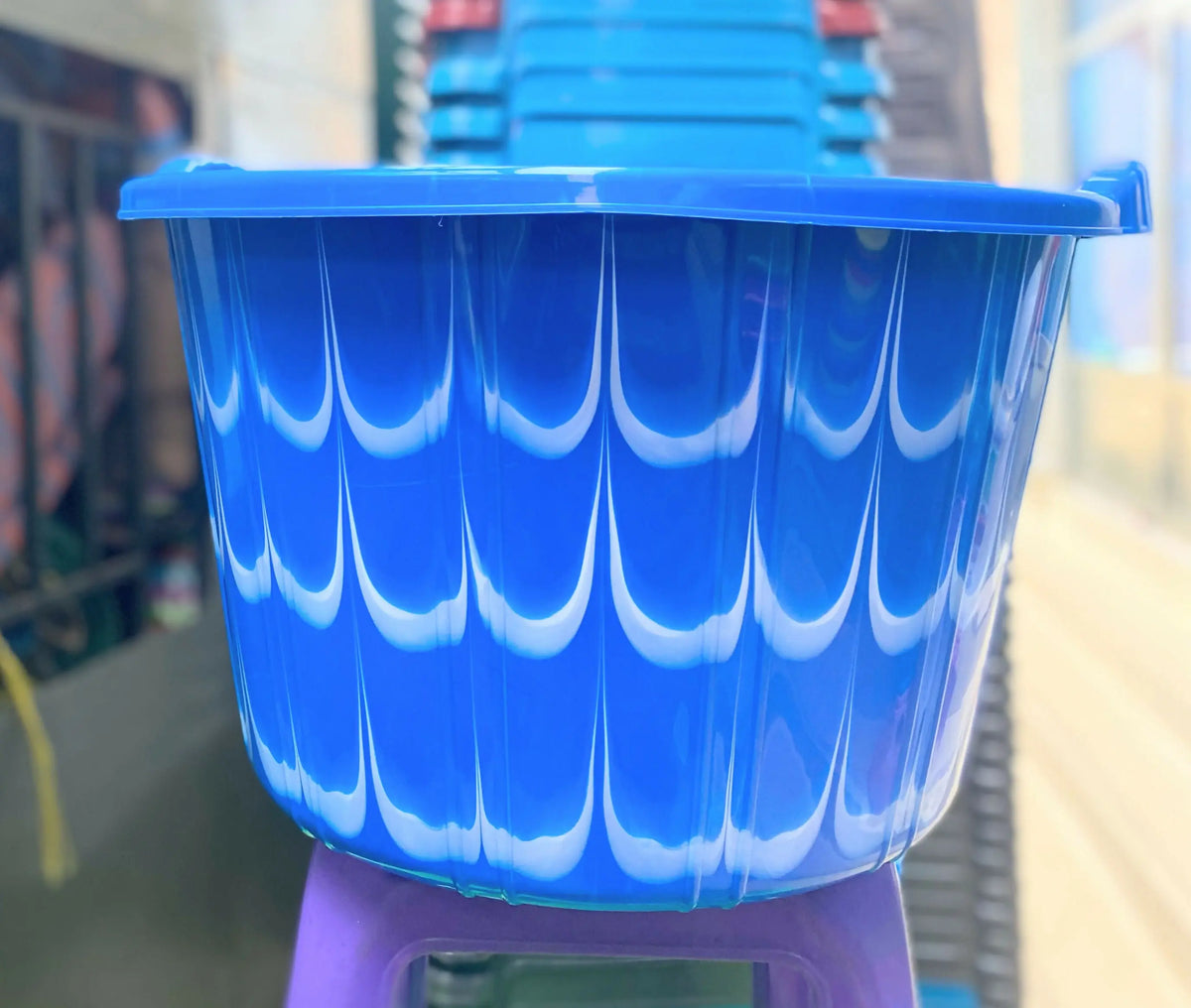
Large basin or bucket with lid
1 to 2Nice to haveFor bulk rice, beans or flour bought in big bags.
How to use it: Keep it raised off the floor on a shelf or crate, away from damp walls.
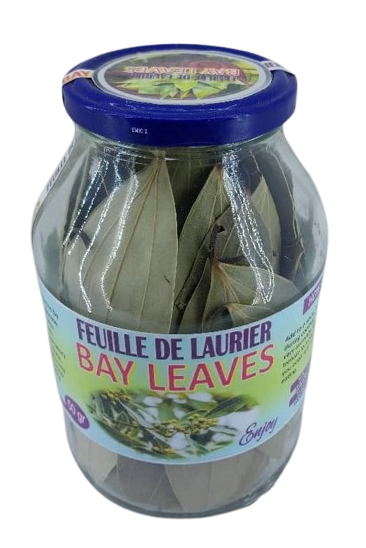
Bay leaves
1 packNice to haveMany cooks put a bay leaf in flour and rice containers to help keep insects away.
How to use it: Drop one or two leaves in each container and replace every few months. They also flavor stews.


Step by step
- 1
Empty and clean the shelves
Take everything out, throw away anything damp, smelly or full of insects, and wipe shelves dry.
- 2
Buy the musts first
Order rice, beans, maize flour, wheat flour, oil, tomato paste, salt, sugar, cubes and tea. That alone covers most meals.
- 3
Decant into containers
Move dry goods out of thin bags into sealed containers and label them with the date.
- 4
Add spices and extras over time
Each month add one or two items like curry powder, peanut flour or honey until your shelf feels complete.
- 5
Check every two weeks
Look at what is half empty and add it to your next order before it runs out.
Tips that help
- Keep a running list on the fridge and write items down the moment you open the last pack.
- Stock up on dry goods before the long rains so a wet week does not send you to the market.
- Store oil and spices away from the stove, since heat makes them go stale faster.
- Buy flour in sizes you finish within two or three months.
- Keep one backup of each must so you never run out in the middle of cooking.
- Raise sacks off the floor. Cement floors pull in damp.
Mistakes to avoid
- Leaving flour and rice in the bags they came in, where weevils and damp get in easily.
- Buying huge amounts of spices that lose flavor before you use them.
- Forgetting to rotate stock so old beans sit at the back for a year.
- Keeping the pantry next to the stove or a sunny window.
Questions people ask
What are the most important pantry items for a Rwandan kitchen?+
Rice, dry beans, maize flour, cooking oil, tomato paste, salt, onions and tea cover the most meals. Add wheat flour, cassava flour and peanut flour next.
How do I keep weevils out of flour and rice?+
Store them in airtight containers, buy amounts you will finish in a few months, and keep the shelf clean and dry. Some cooks also add bay leaves to the containers.
How long do dry beans last?+
Dry beans keep for a long time if stored dry and sealed, but older beans take longer to cook. Try to use them within a year and buy fresher stock if they stay hard after long boiling.
How much should I spend to stock a pantry from zero?+
It depends on household size and the sizes you buy. Start with the must items only, then build the rest over a few months so the cost is spread out.
Should I keep cooking oil in the fridge?+
No. Keep it closed in a cool, dark cupboard. The fridge can make some oils cloudy, and it takes space you need for fresh food.
A stocked pantry means you can always make something good, even on a rainy evening or a day with no time to shop. Work through this list on Isokko, store it well, and your kitchen will be ready for anything.
Shop this list
Get everything delivered in Kigali
Order from local stores on Isokko and pay with MoMo, card or cash. Same-day delivery.