
Checklist · Cooking & meals
Making Perfect Chapati at Home in Kigali: What to Buy Checklist
Everything to buy for soft, layered chapati at home in Kigali: flour, oil, rolling pin, pan and what to serve with it.
Updated November 17, 2026 · By Isokko

Good chapati is simple food, but it needs the right few things. Plain flour, a little oil, a firm rolling pin and a pan that heats evenly are what separate a soft, layered chapati from a dry, stiff one.
This checklist covers the dough, the tools for rolling and cooking, how to keep the chapati warm, and what to serve with it so the whole meal is ready together. Order what you need and the delivery arrives while the dough is resting.
Who it's for
Anyone who wants to make soft, layered chapati at home for family, guests or a weekend breakfast
Time needed
About 1 hour for a family batch, including 30 minutes of resting time
When to shop
Shop the day before, so the dough can rest while you cook the sides
On the list
28 items, 13 must haves
0 of 28 ready
Dough ingredients
A basic chapati dough needs only a handful of ingredients, but the quality of the flour and the oil matters.
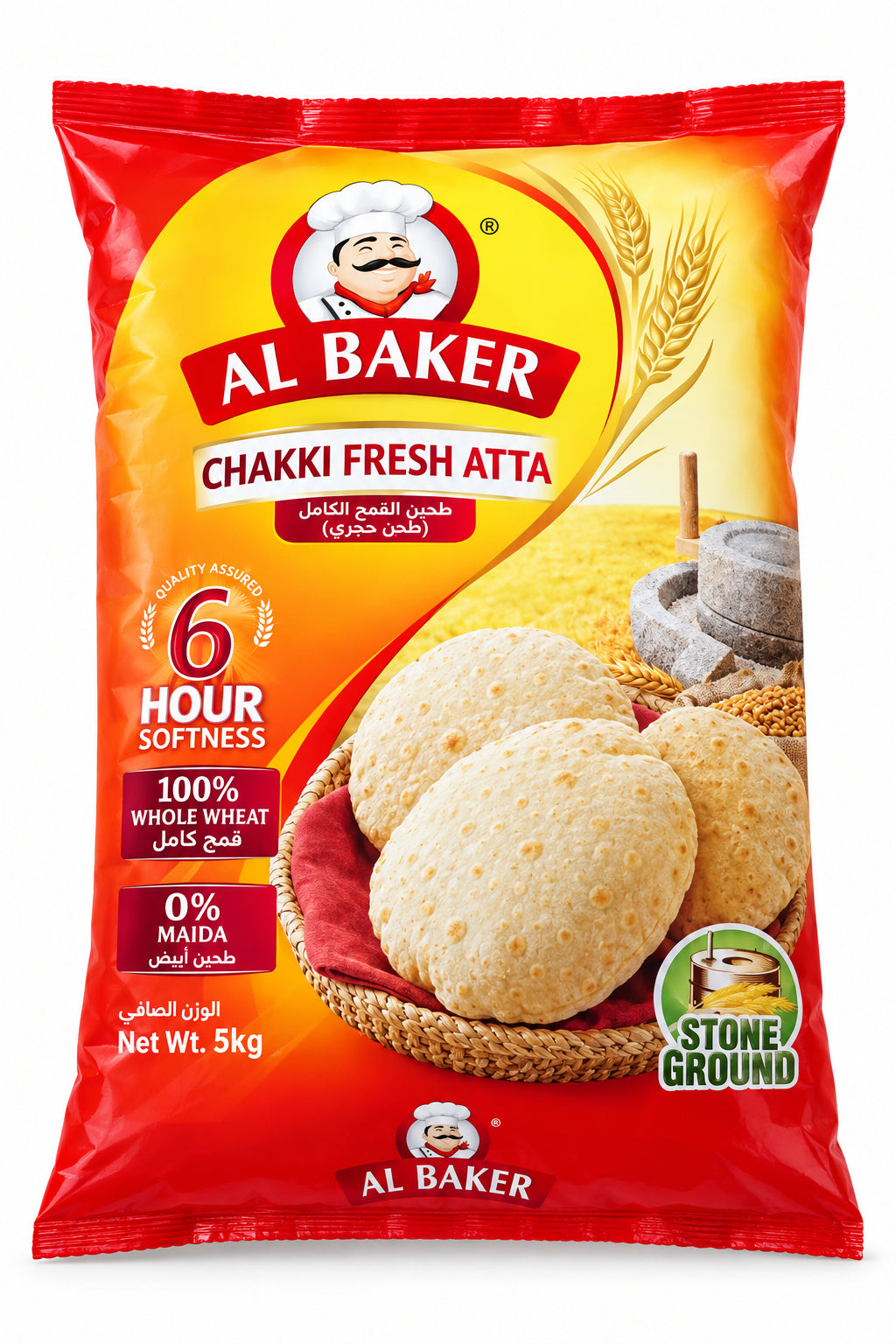
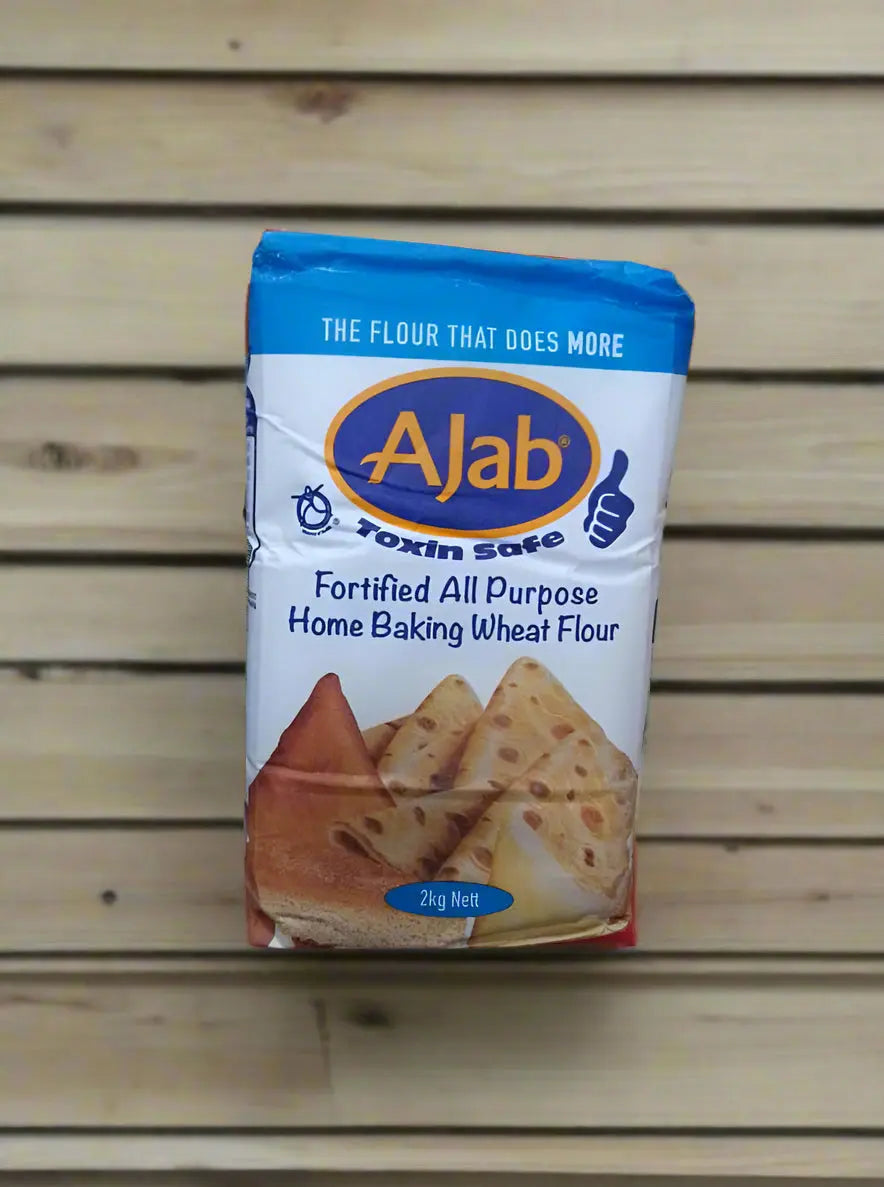
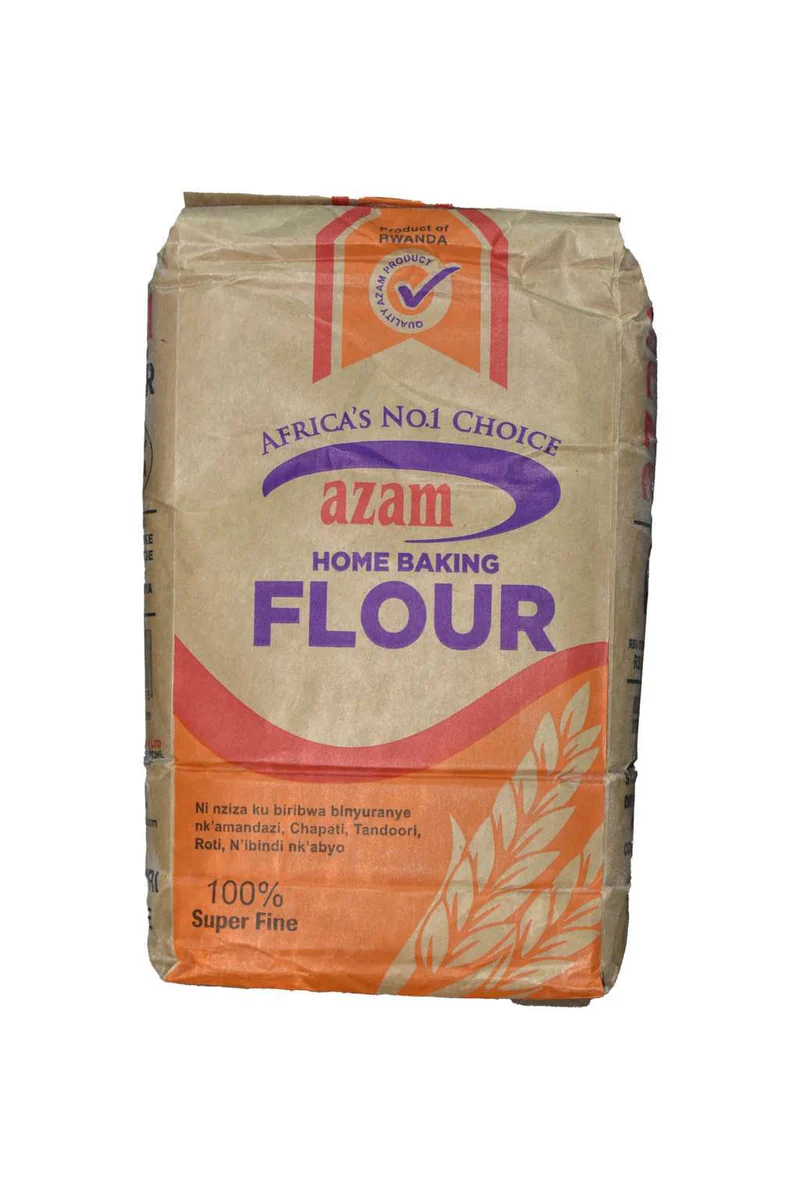
Wheat flour
1 kg to 2 kg Must haveChapati is made from wheat flour. A plain all purpose flour gives a dough that stretches without tearing, which is what you need for thin, layered rounds.
How to use it: Allow about one cup of flour per two chapati. Fluff it with a fork before mixing so the dough is smooth.
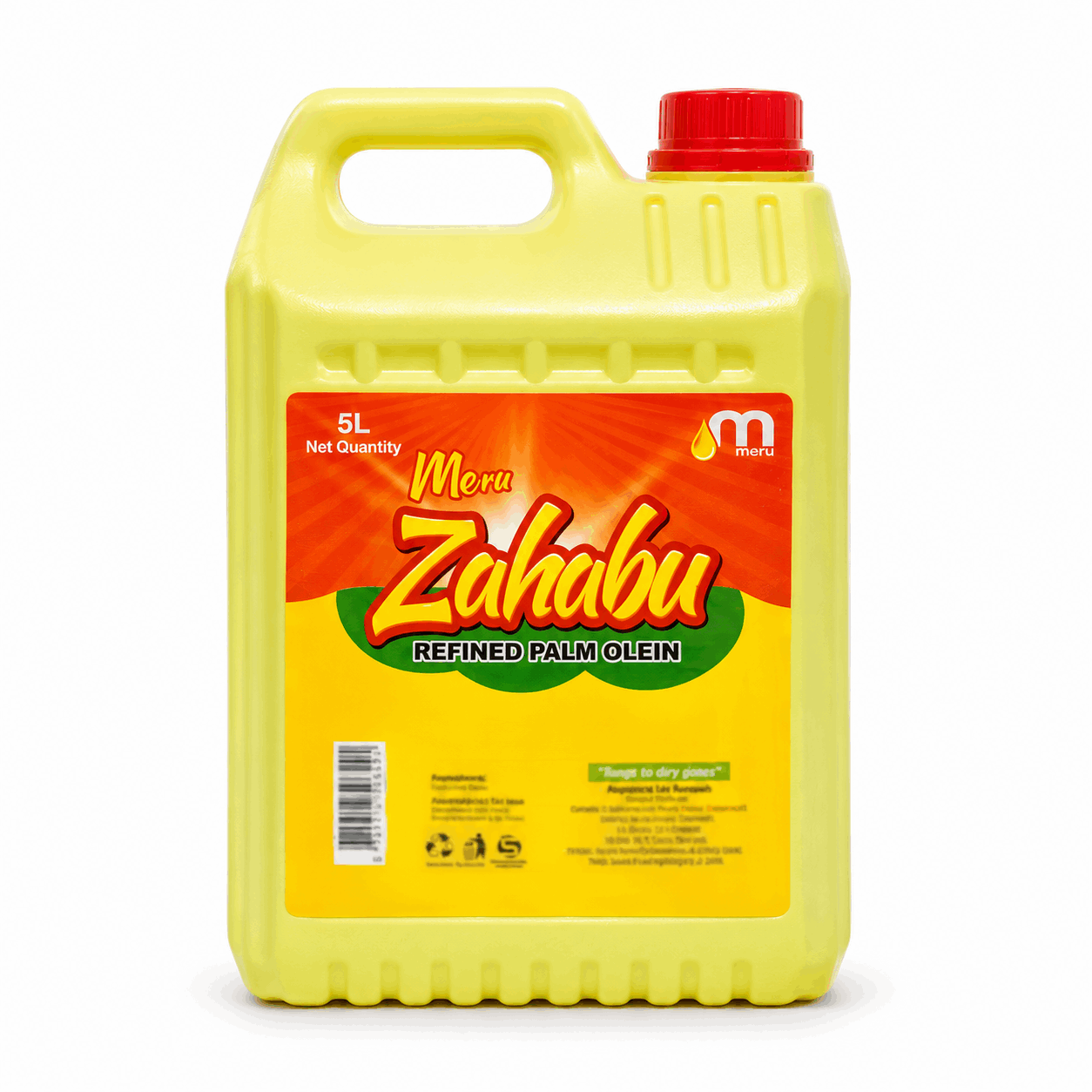
Cooking oil
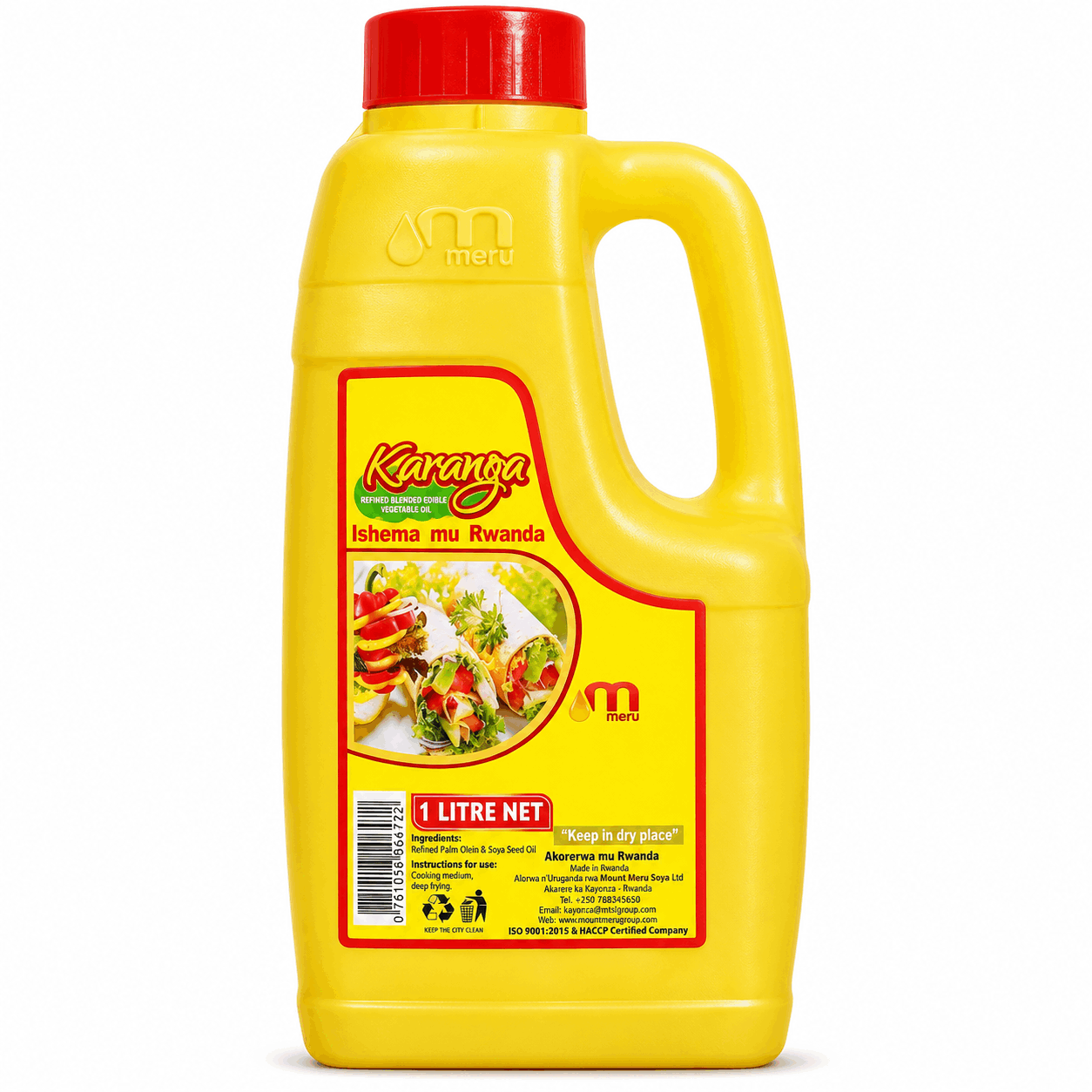
1 litre Must haveOil goes into the dough and also onto each rolled round. This is what creates the soft layers and stops the chapati drying out.
How to use it: Use a neutral oil. Mix two tablespoons into the dough, then brush a thin film on each round before folding.
Salt
1 small packet Must haveA small pinch makes the dough taste like real bread instead of plain paste.
How to use it: Dissolve the salt in the warm water first so it spreads evenly. About one teaspoon is enough for 3 cups of flour.
White sugar
1 kgNice to haveA teaspoon of sugar adds a light color and a hint of sweetness, and helps the chapati brown nicely in the pan.
How to use it: Stir it into the warm water with the salt. Do not add more than a teaspoon unless you like sweet chapati.
Milk powder
1 small tinNice to haveWarm milk in place of some of the water makes a softer dough that stays soft longer.
How to use it: Mix a spoon of milk powder into the warm water. Skip it if you want the simplest dough.
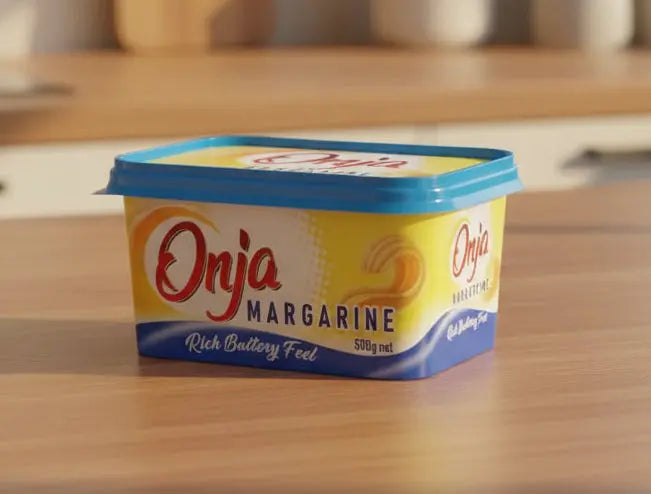
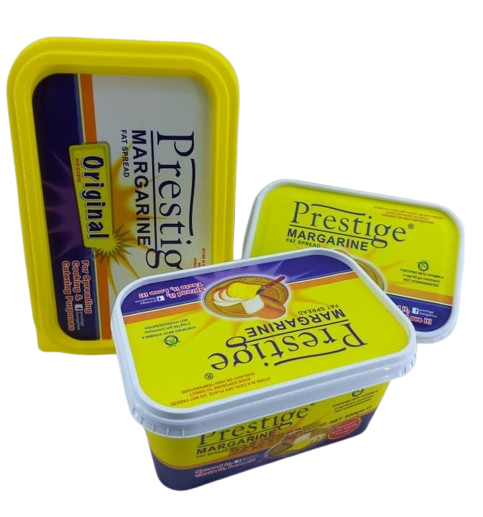
Margarine
1 tubNice to haveSpreading a little margarine on the hot chapati gives a rich flavor and extra softness for special breakfasts.
How to use it: Brush it on right after the chapati leaves the pan. Keep the tub closed and cool.










Mixing and rolling tools
Rolling is where the layers are made, so a good surface and a good pin make the work easier.
Rolling pin
1 Must haveA smooth, straight rolling pin lets you roll each round thin and evenly. Pressing with a bottle works, but it is slower and uneven.
How to use it: Dust the pin and the surface lightly with flour. Roll from the center outward, turning the dough a quarter turn each time.
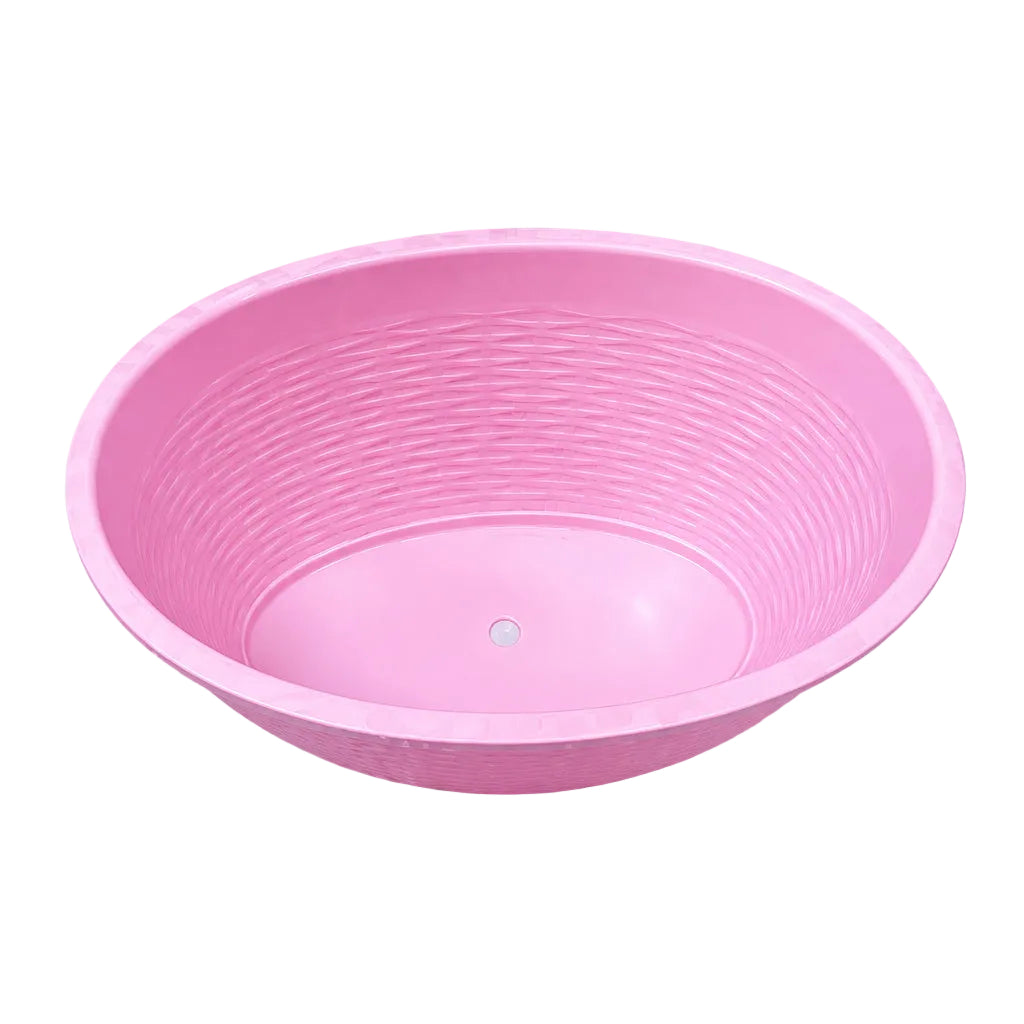
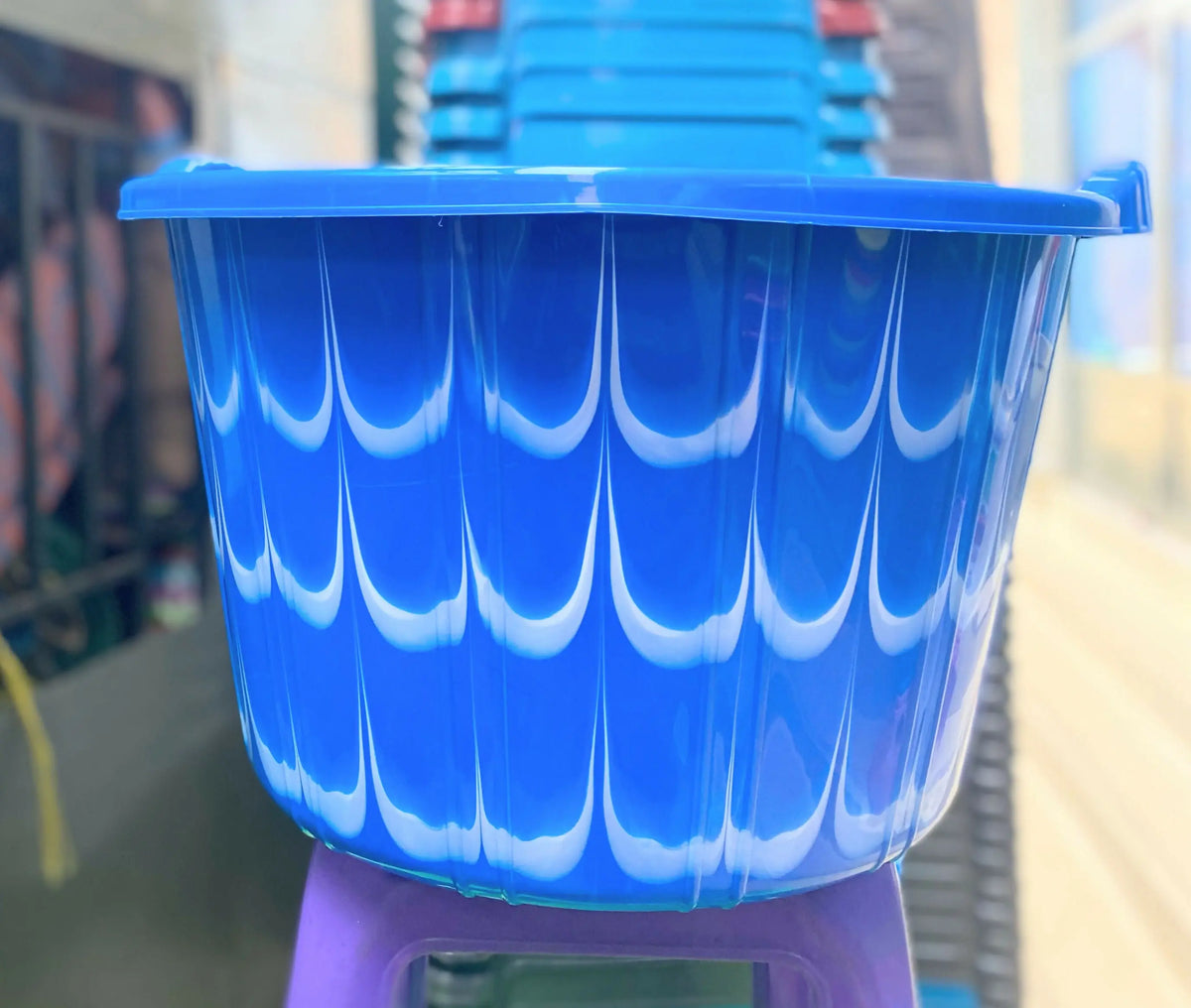
Large basin
1 Must haveYou need room to knead a full batch without flour flying onto the floor.
How to use it: Pick a basin wide enough for both hands. Knead for 8 to 10 minutes until the dough is smooth and springy.
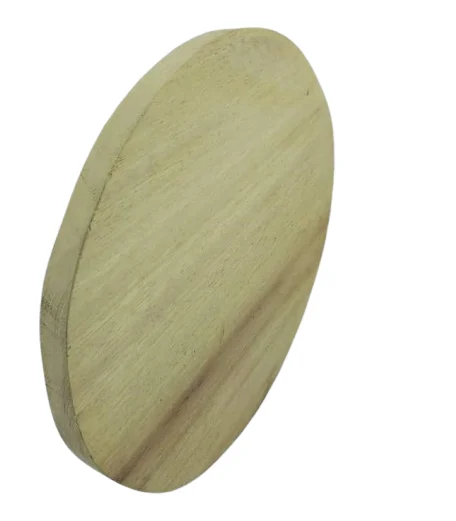
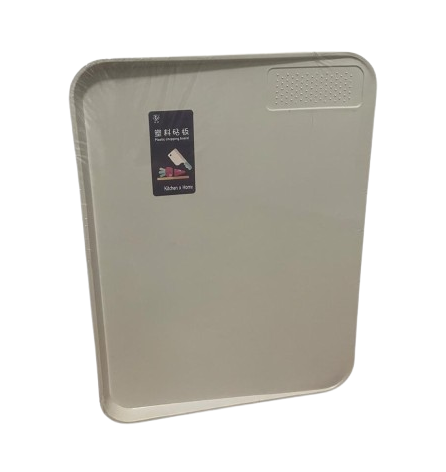
Chopping board
1 Must haveA flat, clean board gives you a steady place to roll and fold. A wobbly or damp surface makes the dough stick.
How to use it: Wipe it dry, dust with flour and keep it for dough only. Wash with warm soapy water after use.
Measuring cup
1Nice to haveChapati depends on the ratio of flour to water. A cup helps you repeat a good batch every time.
How to use it: Use the same cup for flour and water. For most flours, start with about half a cup of warm water for each cup of flour, then adjust.
Clean kitchen towel
2 Must haveResting dough dries and cracks when left uncovered. A clean towel keeps it soft while it rests.
How to use it: Dampen it slightly and cover the basin for at least 30 minutes.







Cooking setup
Chapati cooks fast, so the pan and heat need to be ready before the first round goes in.
Flat frying pan
1 Must haveA wide, flat pan with an even base cooks the chapati without scorching. A heavy base holds heat across many rounds.
How to use it: Heat the pan on medium before the first chapati goes in. It is ready when a drop of water dances and disappears.
Gas cooker
1 Must haveA steady, adjustable flame gives better control than a charcoal fire when cooking many chapati in a row.
How to use it: Check your gas cylinder before you start so it does not run out halfway through the batch. Keep a spare if you can.
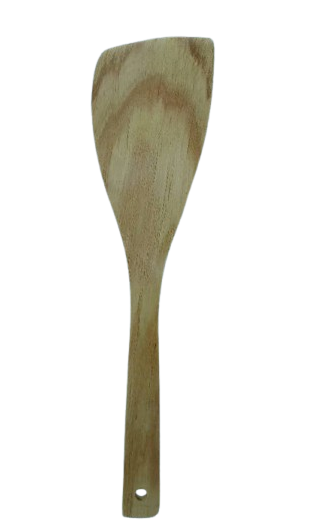
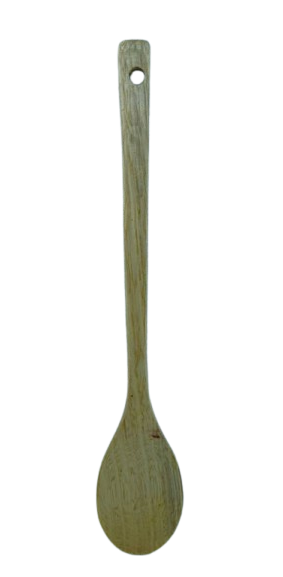
Spatula
1 Must haveA flat spatula flips each chapati quickly and presses it down gently so it cooks evenly and puffs.
How to use it: Use a heat safe wooden or steel spatula. Press softly on the edges after flipping.
Tongs
1Nice to haveTongs let you lift a hot chapati without burning your fingers and keep your hands away from the pan.
How to use it: Use them to pick up and stack the cooked rounds.
Pot holder
1Nice to haveA pot holder protects your hands when you move a hot pan or lift a pot lid.
How to use it: Keep it dry. A wet cloth transfers heat and can burn you.







Keeping chapati warm
Chapati is best soft and warm. A few simple items keep a big batch good for an hour or more.
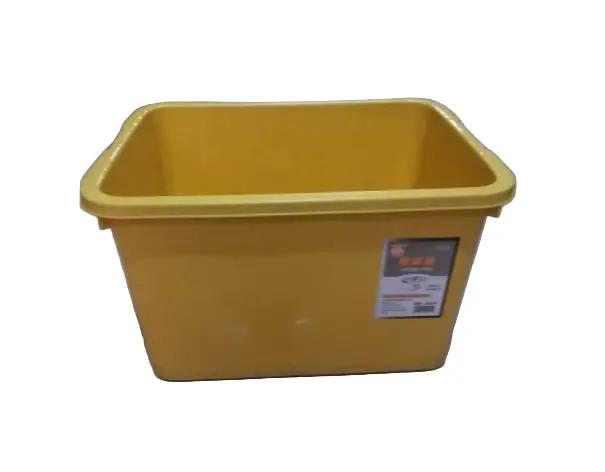
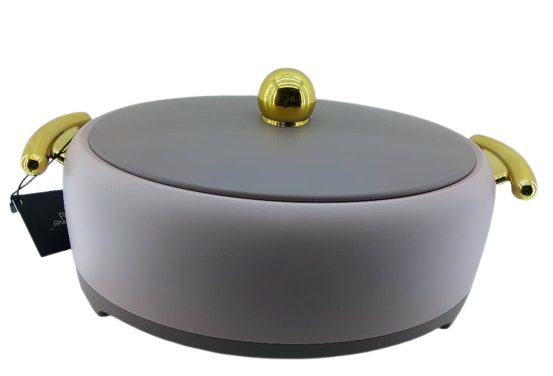
Food container with a lid
1 Must haveA closed container traps heat and steam, so the chapati stay soft and do not dry out at the edges.
How to use it: Line it with a clean cloth or foil. Stack the chapati as they come off the pan and close the lid.
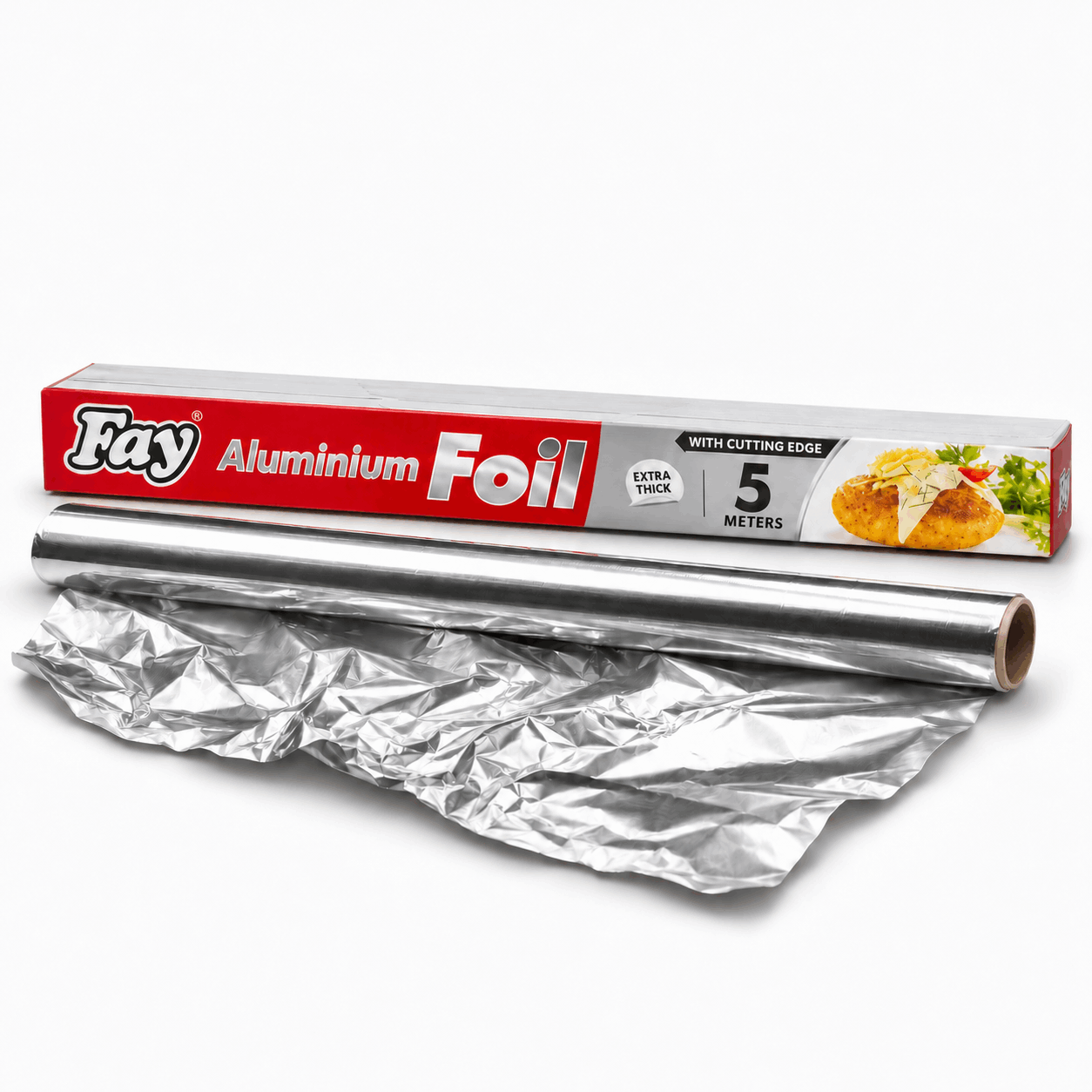
Aluminium foil
1 rollNice to haveFoil wrapped around a stack keeps the heat in and protects the chapati when you carry them to a gathering.
How to use it: Wrap each stack of five or six in a double layer and keep them in a covered dish.
Paper towels
1 rollNice to haveA sheet under the hot chapati absorbs extra oil, and you can also use one to wipe the pan between rounds.
How to use it: Use a folded sheet to rub a tiny film of oil on the pan. Do not use too much oil.
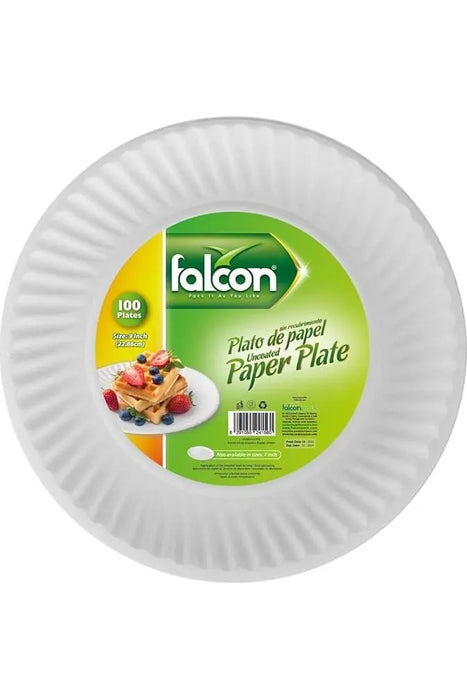
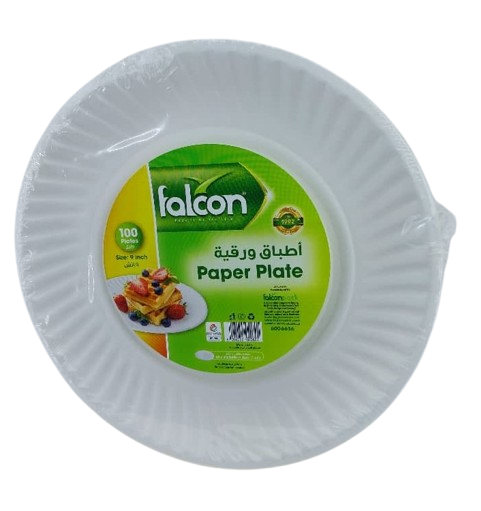
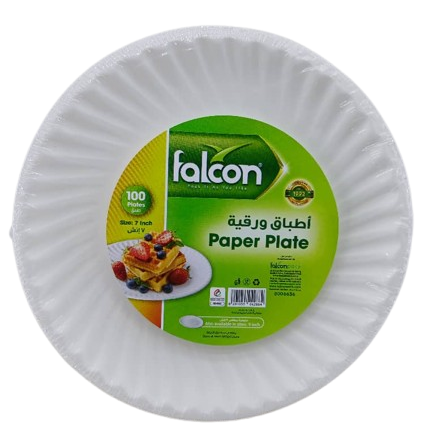
Paper plates
1 packNice to haveFor a crowd or a picnic, paper plates save washing and let people eat without waiting for dishes.
How to use it: Buy sturdy plates for stews. Thin plates can soften with sauce.






What to serve with chapati
Chapati is the base of the meal. These add the protein, the freshness and the drink.
Minced beef
500 gNice to haveChapati and a simple minced beef stew is a filling meal that is quick to cook.
How to use it: Cook the mince with onions and tomatoes, then add curry powder near the end. Keep fresh meat cold until you cook it.
Onions
1 kg Must haveOnions are the base of almost every sauce or stew you serve with chapati.
How to use it: Slice finely and cook slowly until soft before adding tomato.
Tomatoes
1 kg Must haveFresh tomatoes give a quick sauce or a side salad for the chapati.
How to use it: Choose firm, ripe ones. Chop and cook into a thick sauce or slice raw with a little salt.
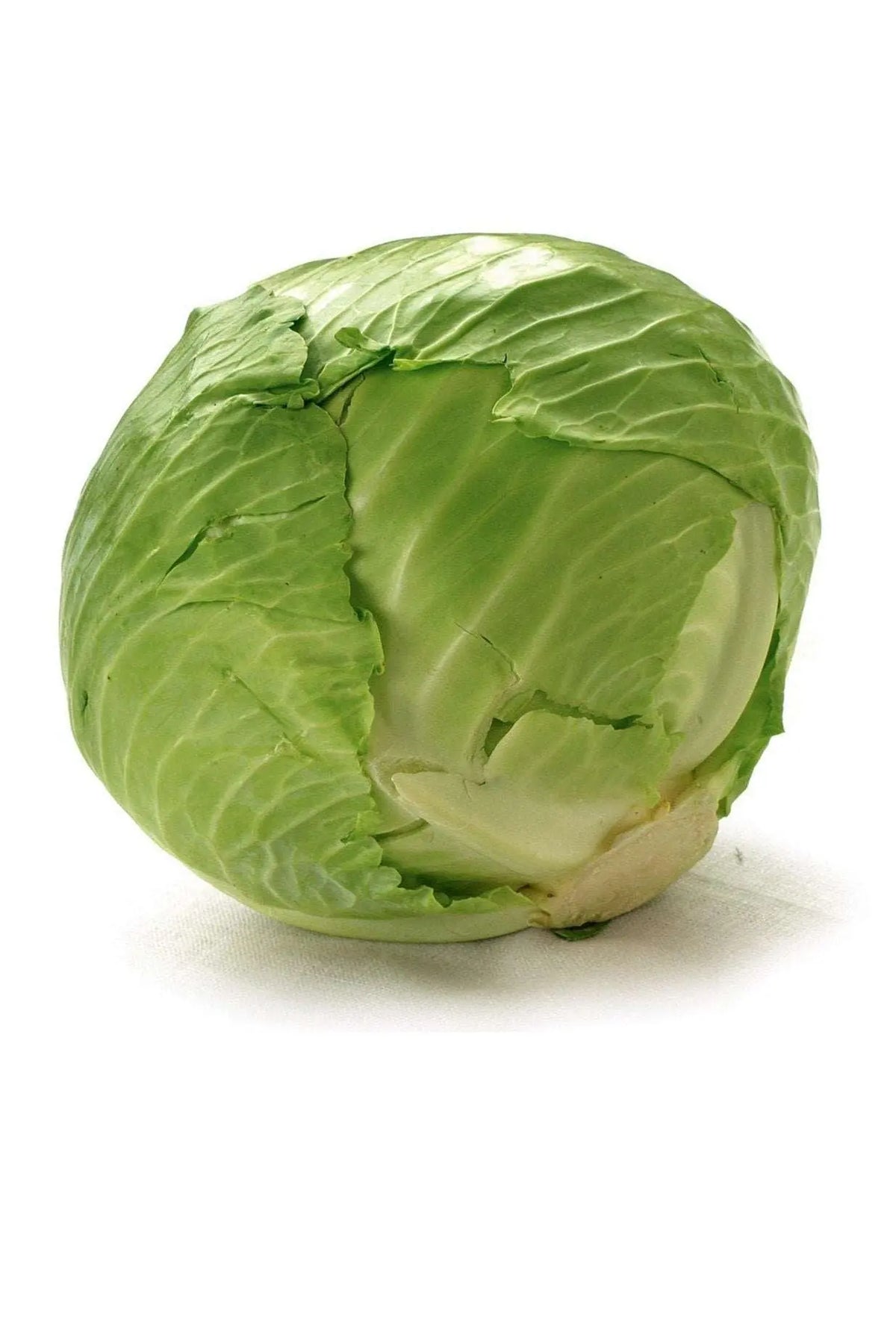
Cabbage
1Nice to haveShredded cabbage with a squeeze of lemon makes a cheap, crunchy side that balances the richness of the chapati.
How to use it: Slice thinly, salt lightly and let it sit for ten minutes.
Eggs
1 trayNice to haveScrambled or fried eggs inside a rolled chapati make a quick breakfast wrap.
How to use it: Cook the egg in a clean pan and roll it inside the warm chapati.
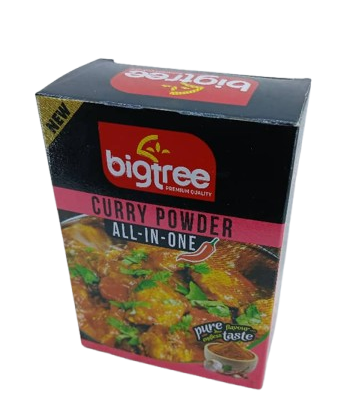
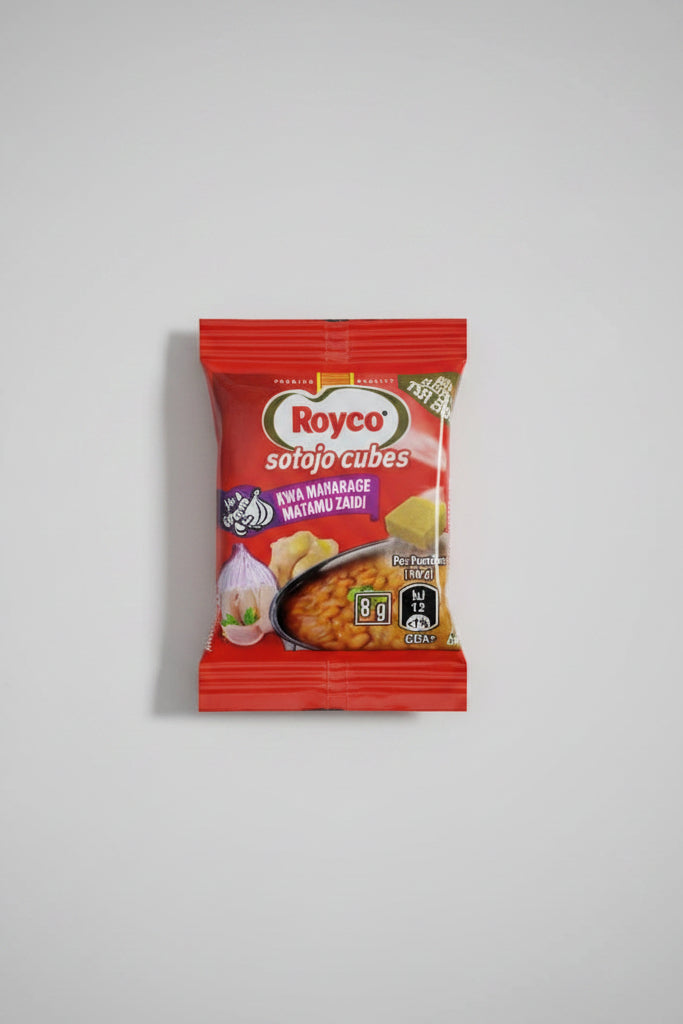
Curry powder
1 small packetNice to haveA spoon of curry powder turns a plain stew of mince or beans into a rich sauce for chapati.
How to use it: Add it to the stew with the tomatoes and let it cook for a few minutes.
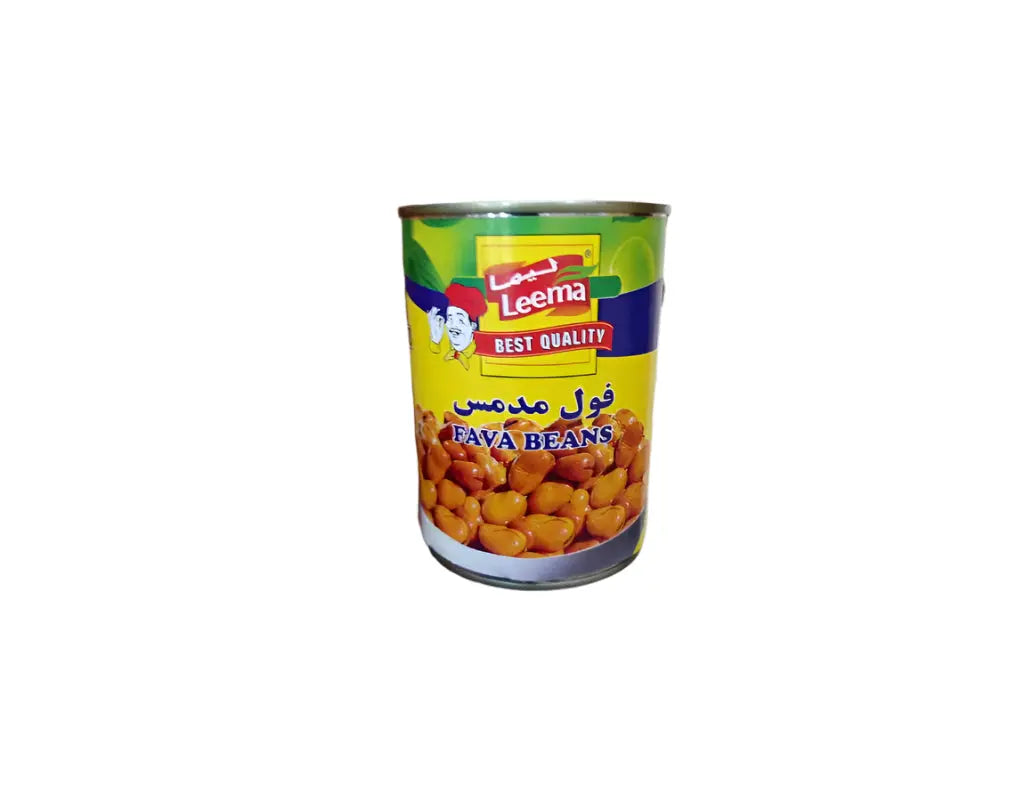
Beans
1 kgNice to haveCooked beans with onions and tomatoes are a classic, low cost partner for chapati.
How to use it: Soak dry beans overnight to save cooking time and gas.
Tea leaves
1 packNice to haveChapati and hot tea is the classic breakfast. A good tea makes the meal feel complete.
How to use it: Brew strong tea with milk and sugar to taste. Keep it hot in a flask.













Step by step
- 1
The day before
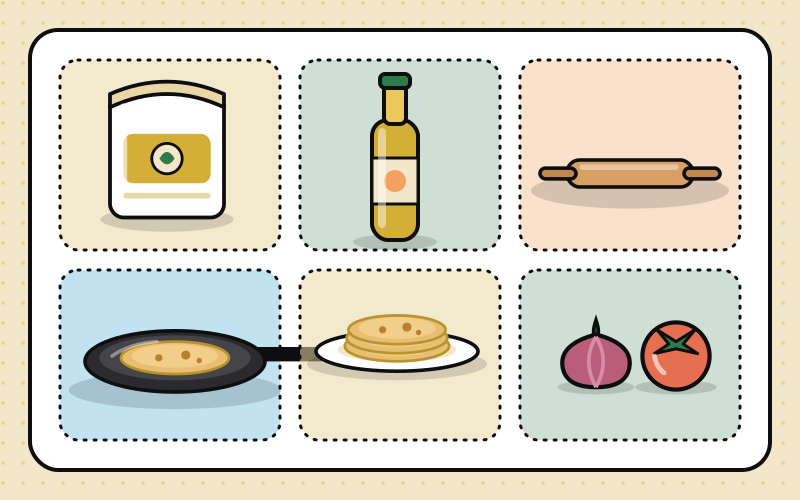
Buy flour, oil, salt, and any sides. Check your gas cylinder and make sure the pan is clean.
- 2
Make the dough
Mix flour, salt and sugar. Add oil and warm water slowly. Knead for 8 to 10 minutes until smooth and springy.
- 3
Rest the dough
Cover it with a damp towel and rest it for at least 30 minutes. This makes rolling much easier.
- 4
Roll, oil and fold
Divide the dough into balls. Roll each thin, brush with oil, roll it up like a rope, coil it, then roll flat again.
- 5
Cook and keep warm
Cook each round on a medium hot pan for about a minute per side. Stack them in a covered container.
Tips that help
- Rest the dough for at least 30 minutes. Dough that rests rolls out thin without shrinking back.
- Warm water, not cold or boiling, gives a soft dough. It should feel comfortable on your wrist.
- Roll the dough thin and coil it before the final roll. This is how you get layers.
- Cook on medium heat. Too hot and the chapati burns outside while staying raw inside.
- Brush a little oil on both sides while cooking for a soft, glossy finish.
- Make a big batch and freeze cooked chapati between sheets of paper. Warm them in a dry pan before serving.
- If gas is low, cook the chapati first, then the sides. Chapati can wait in a warm container, but a stew should be served hot.
Mistakes to avoid
- Adding all the water at once. Add it slowly, since flours absorb different amounts.
- Skipping the rest time. The dough will fight back and the chapati will be tough.
- Using too much flour while rolling. Extra flour makes the chapati dry and pale.
- Stacking the chapati without covering them. They dry and harden in minutes.
- Cooking on a cold pan. The chapati will soak up oil and turn heavy.
Questions people ask
How do I make chapati soft?+
Use warm water, knead the dough for several minutes and let it rest for at least 30 minutes. Brush with oil while cooking and store the chapati in a covered container as soon as they come off the pan.
What flour is best for chapati in Kigali?+
A plain wheat flour sold for home baking works well. Look for all purpose or home baking flour. Wholemeal flour also works but gives a denser chapati.
How many chapati does 1 kg of flour make?+
It depends on size, but a kilogram of flour usually makes around 15 to 20 medium chapati. Plan two chapati per adult for a main meal.
Can I make the dough ahead of time?+
Yes. Covered well, the dough keeps for a few hours at room temperature, or overnight in the fridge. Bring it back to room temperature before rolling.
Why are my chapati hard?+
The most common causes are too little oil, too much flour while rolling, no rest time or a pan that is too hot. Fix one at a time and the next batch will improve.
How do I keep chapati warm for guests?+
Wrap them in a clean cloth or foil and put them in a closed container. They will stay warm and soft for about an hour.
With the right flour, a good pan and a few simple tools, soft layered chapati is easy to make at home. Order the items on this list on Isokko and have everything delivered to your door in Kigali.
Shop this list
Get everything delivered in Kigali
Order from local stores on Isokko and pay with MoMo, card or cash. Same-day delivery.