
Checklist · Baby & family
Potty Training a Toddler in Kigali: What to Buy Checklist
Potty training a toddler in Kigali? See what to buy before you start: potty, underwear, wipes, cleaning supplies and small rewards, with tips for each.
Updated November 17, 2026 · By Isokko
Potty training goes best when you are prepared and the toddler feels relaxed. Most children show readiness between about two and three years, but every child is different, so watch for signs like staying dry for longer or telling you when they have a dirty diaper.
This checklist covers what to buy before you begin: the potty, underwear, cleaning supplies and small rewards. It also covers practical Kigali details, like drying wet clothes in the rainy season and using a shared or outdoor toilet.
Get everything ready at home, choose a calm week, and take it slowly. Accidents are normal and part of learning.
Who it's for
Parents and caregivers in Kigali whose toddler is showing signs of being ready to leave diapers
Time needed
Shop a few days before you start, then plan a calm week at home
When to shop
Buy the potty and underwear first so your toddler can get used to them before the real start
On the list
25 items, 10 must haves
0 of 25 ready
The potty and toilet setup
Your toddler needs a place that feels safe and the right size. Many children prefer a small potty at first, then move to the family toilet.
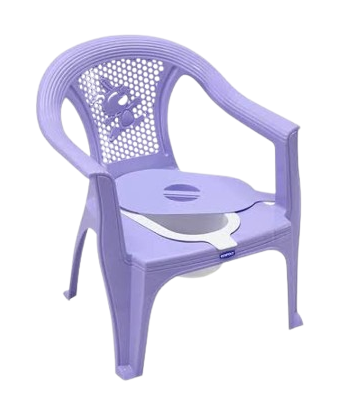
Potty chair
1 to 2 Must haveA small potty lets your toddler sit with feet flat on the floor, which helps them feel secure and push when needed.
How to use it: Put the potty in the bathroom or a quiet corner. Let your toddler sit on it with clothes on at first, to get used to it. Empty and rinse it after each use.
Toilet seat for toddlers
1Nice to haveA smaller seat that fits over the family toilet makes the move from potty to toilet easier, and avoids the fear of falling in.
How to use it: Check that it fits your toilet without wobbling. Use a step stool so feet are supported.
Step stool
1Nice to haveA sturdy stool helps your toddler climb onto the toilet and rest their feet, which makes it easier to go.
How to use it: Place it on a dry, flat floor. Supervise at first and wipe the stool when it gets wet.
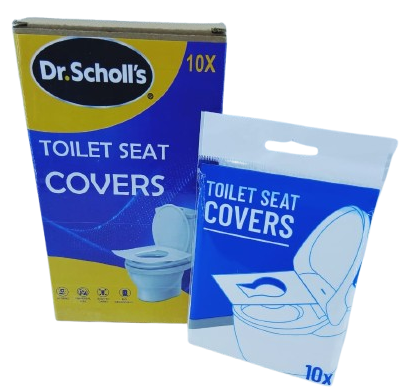
Disposable toilet seat covers
1 packNice to haveIf you go out, public and restaurant toilets in Kigali can be unfamiliar and not always clean. Covers help your toddler feel comfortable.
How to use it: Keep a few in your bag. Show your toddler how you place it, so it is not scary.
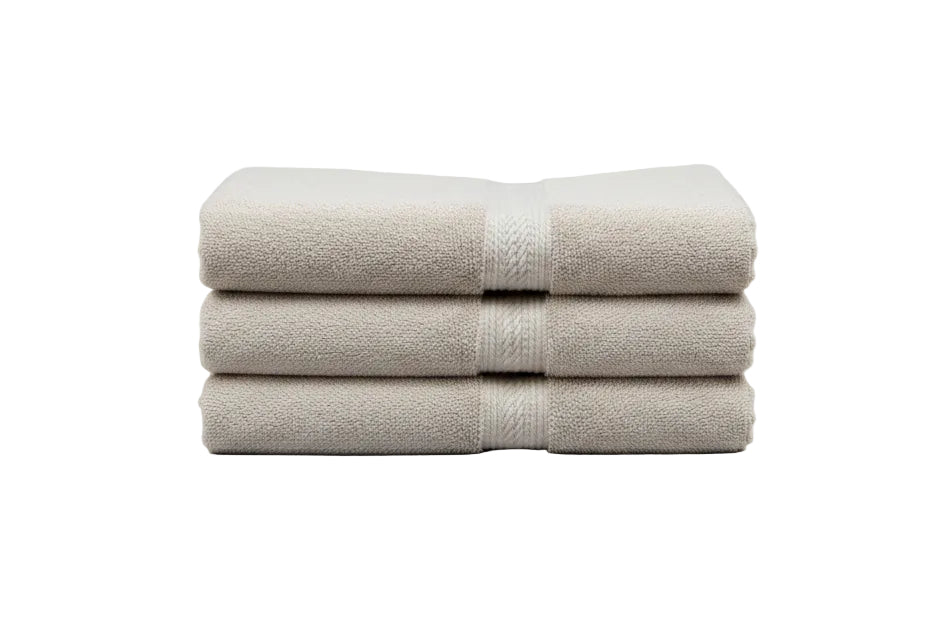
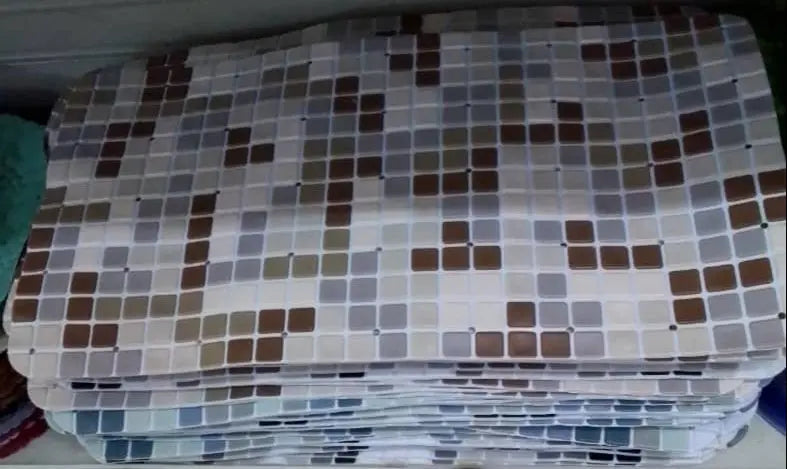
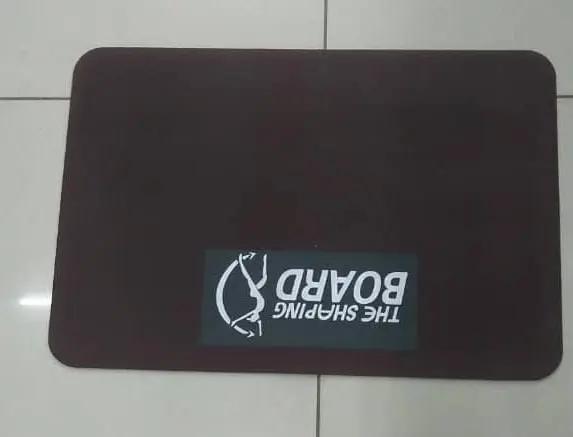
Bath mat for the bathroom
1Nice to haveWet floors are slippery for small feet and a toddler in a hurry. A mat adds grip.
How to use it: Place it near the toilet and shower, and wash it weekly.


Underwear and clothes
Clothes your toddler can pull up and down quickly help prevent accidents and build confidence.
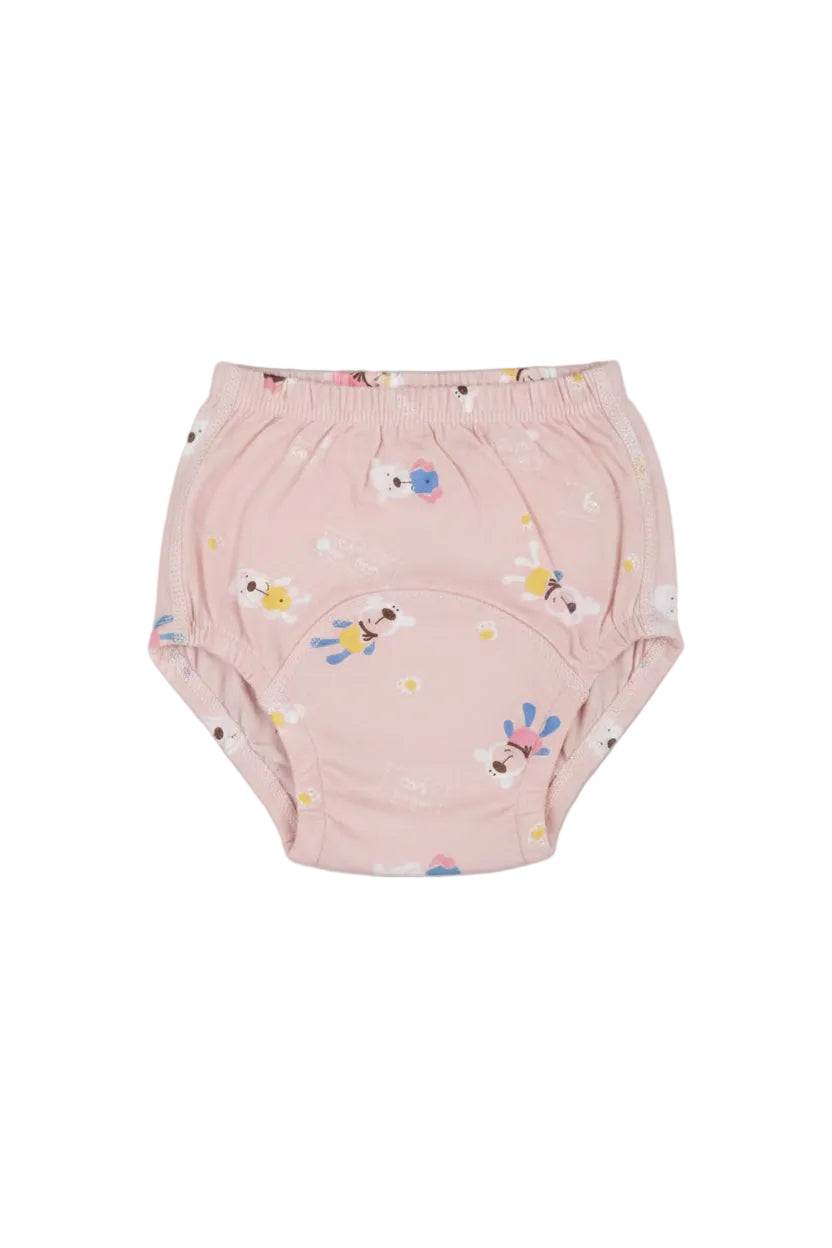
Training underwear
5 to 8 Must haveTraining underwear with thicker layers catches small accidents while still letting your toddler feel wetness, which helps them learn.
How to use it: Buy a few more than you think you need. Wash after each accident and dry in the sun.
Regular cotton underwear
5 to 7Nice to haveMany families move from training pants to normal underwear when the child is mostly dry. Plain cotton is comfortable in warm weather.
How to use it: Choose soft cotton with an easy elastic. Let your toddler choose a fun pattern if you can.
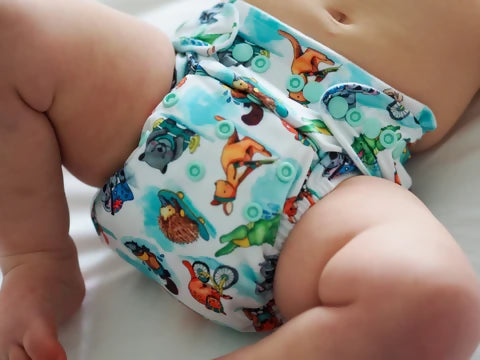
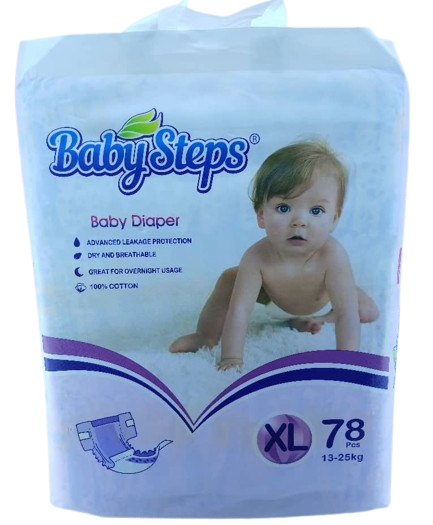
Diapers for nights and outings
1 pack Must haveMost toddlers stay dry in the day well before night. Keeping diapers for naps, night and long trips lowers stress.
How to use it: Use diapers only for sleep. Switch back to underwear as soon as you wake up in the morning.
Spare clothes
3 to 5 sets Must haveAccidents will happen, especially in the first weeks. Having a full change ready saves you from rushing around Kigali with a wet child.
How to use it: Keep a spare set in your bag and one at the caregiver's or daycare.
Waterproof mattress cover
1Nice to haveNight time accidents are common even after daytime success. A cover protects the mattress and means no damp smell in the rainy season.
How to use it: Place it under the sheet and wash it as needed. Air it in the sun when you can.
Bed sheets
2 to 3Nice to haveExtra sets mean you can change bedding quickly after a wet night.
How to use it: Keep two or three sets in rotation and wash on a hot cycle.





Cleaning and hygiene
Good hygiene habits start early, and cleaning is a big part of potty training.
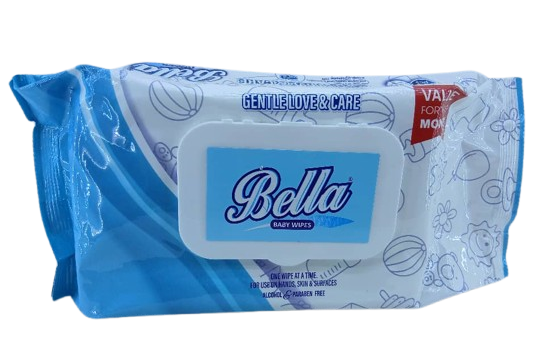
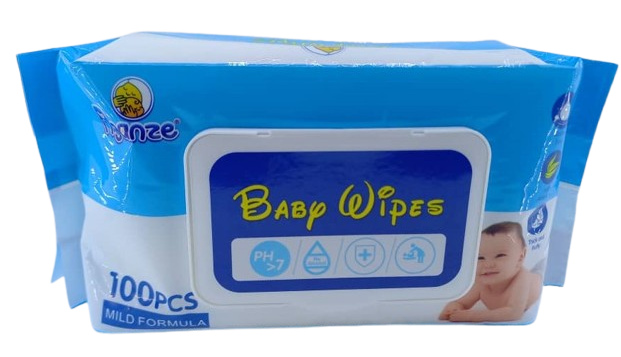
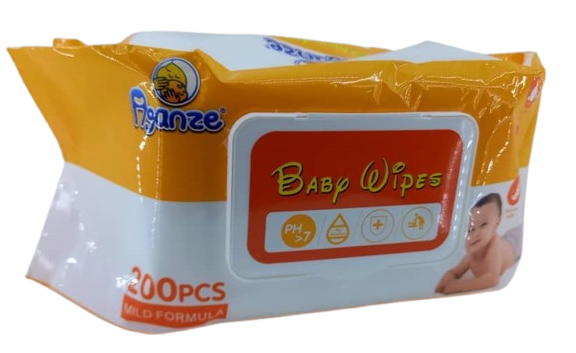
Wet wipes
2 packs Must haveWipes make cleaning quick and gentle for a toddler who is still learning. Choose fragrance free if the skin is sensitive.
How to use it: Keep a pack by the potty and one in the bag. Do not flush most wipes, as they can block toilets and drains.
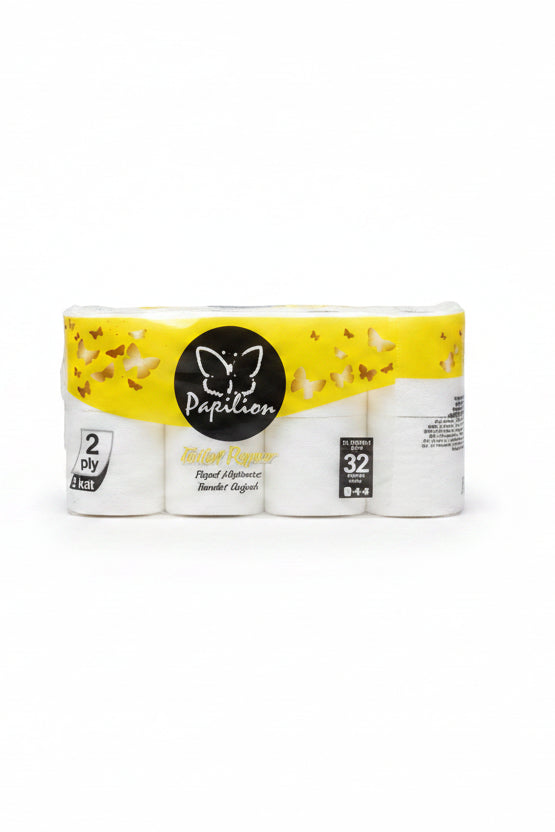
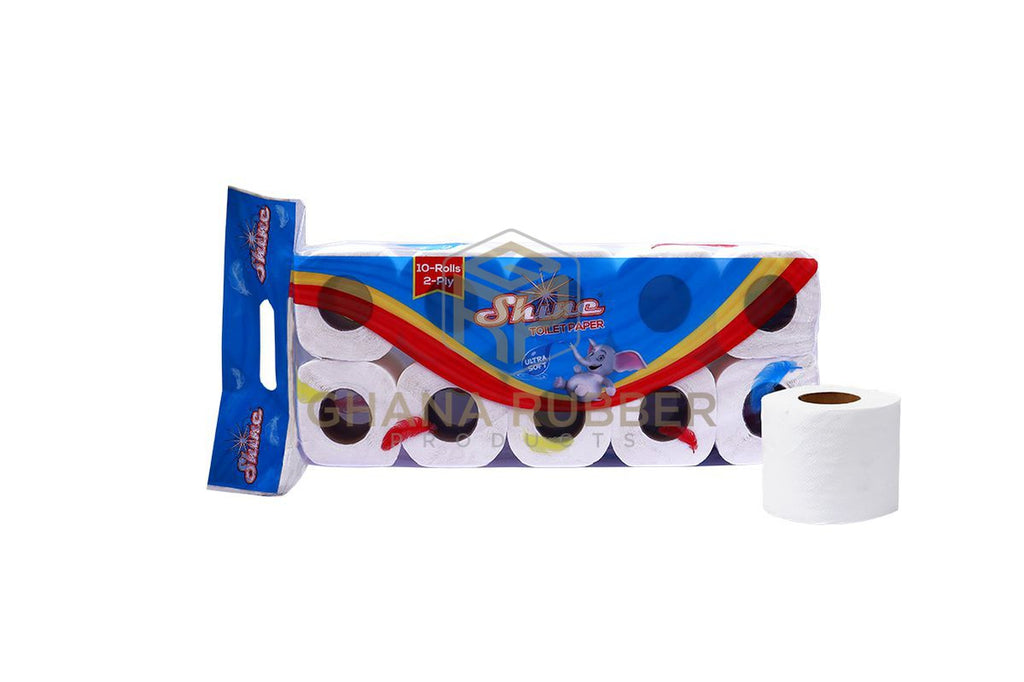
Toilet paper
1 pack Must haveToddlers will want to copy you, and toilet paper is needed for older children.
How to use it: Show them how to wipe from front to back. Keep an extra roll nearby.
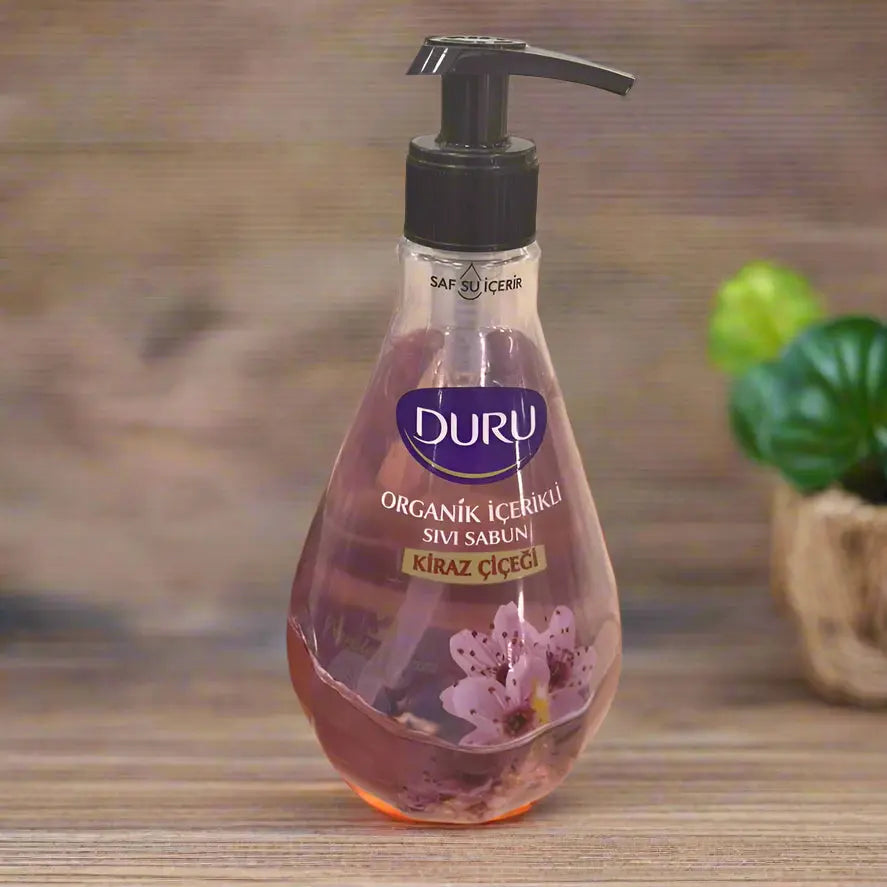
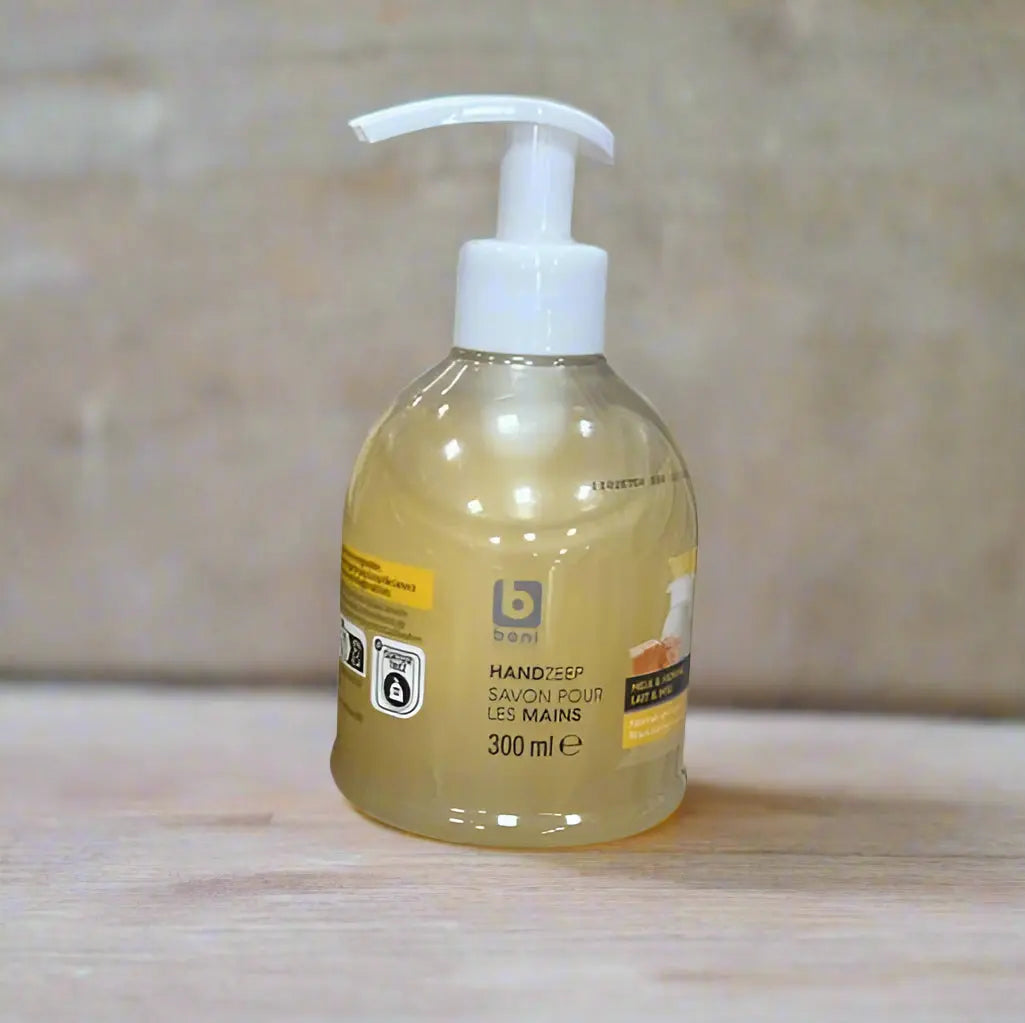
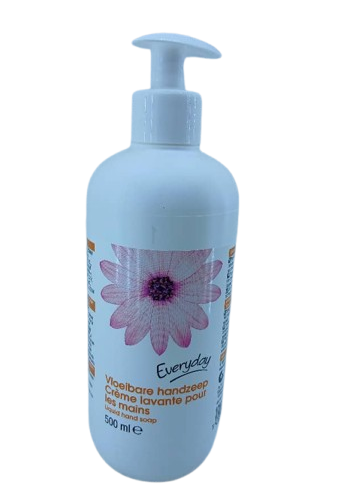
Liquid hand soap
1 to 2 Must haveWashing hands after every potty visit is the habit that matters most for health.
How to use it: Put soap at a height your toddler can reach and sing a short song while washing.
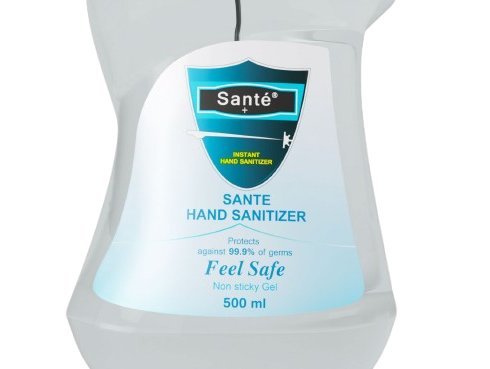
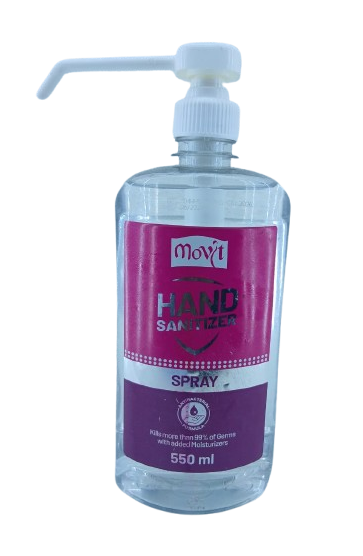
Hand sanitizer
1Nice to haveFor outings where water is not available, sanitizer helps, but washing with soap is better when possible.
How to use it: Use a small amount and rub until dry. Keep it out of reach of toddlers when not in use.
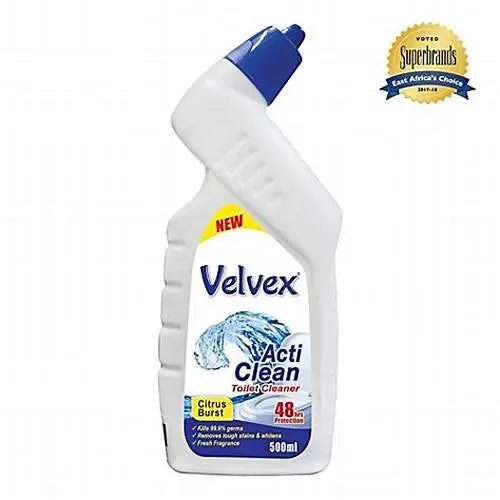
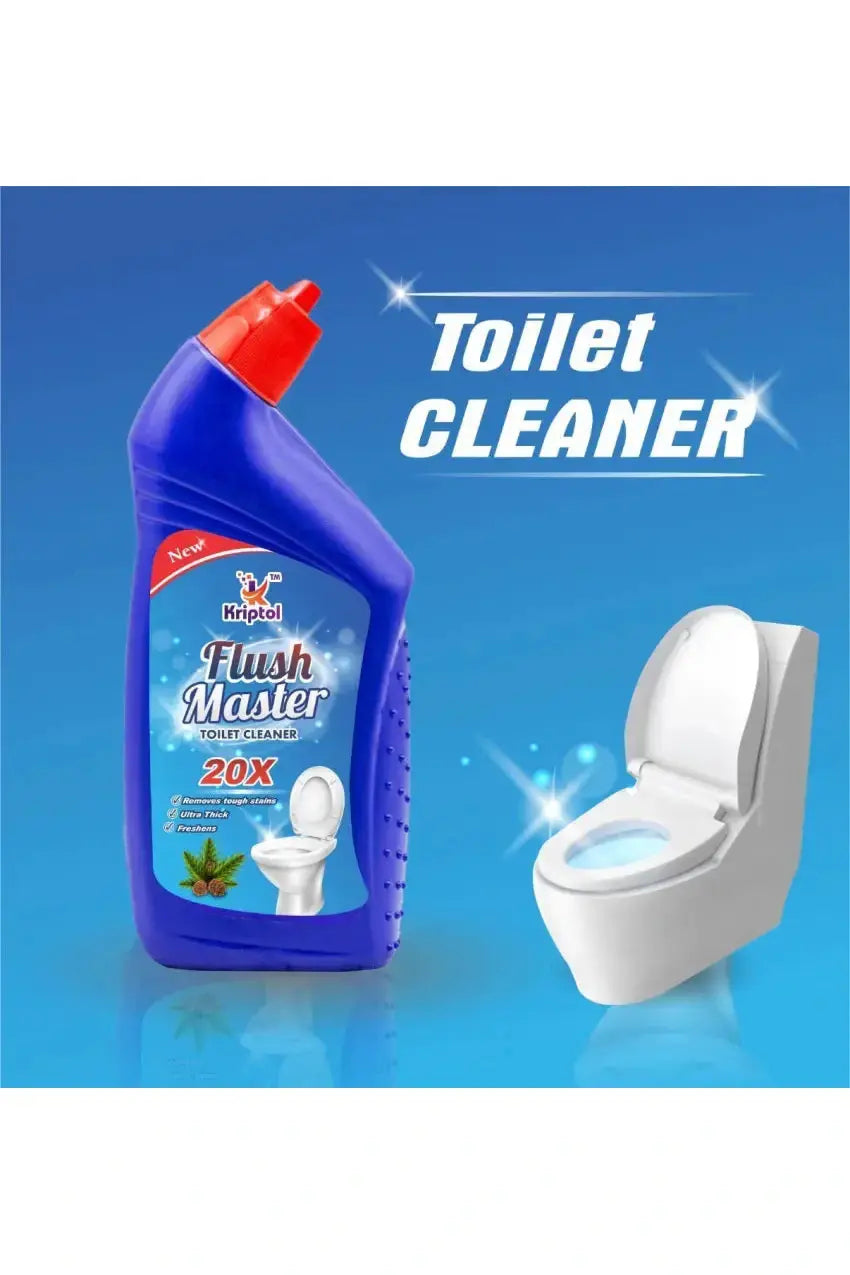
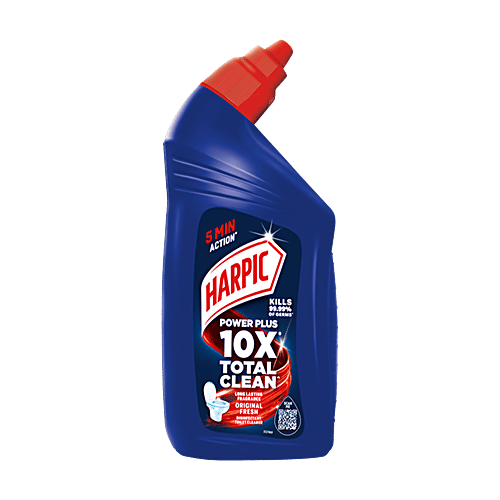
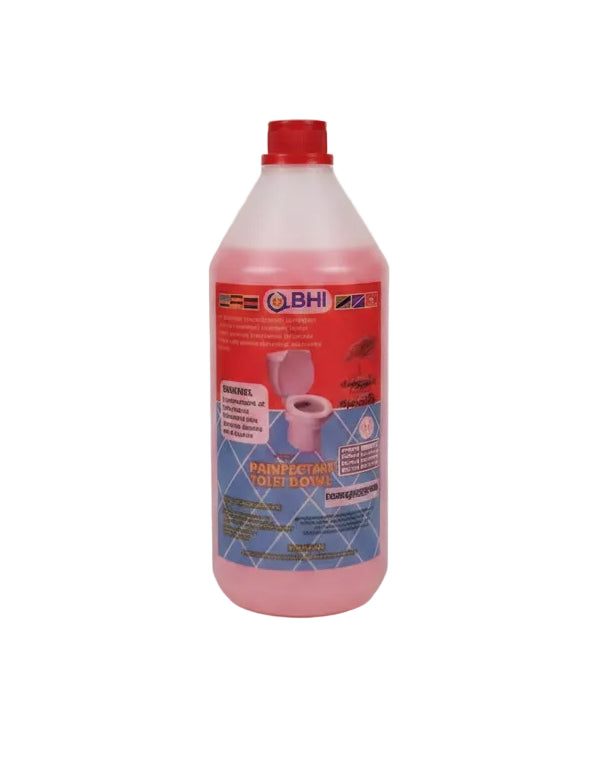
Toilet cleaner
1 Must havePotty and toilet areas need regular cleaning to keep smells and germs down.
How to use it: Use according to the label and keep it locked away from children.
Household disinfectant
1Nice to haveAccidents on floors, carpets and mats need quick cleaning with something that kills germs.
How to use it: Dilute as directed. Rinse the surface afterward and let it dry before the toddler plays there.
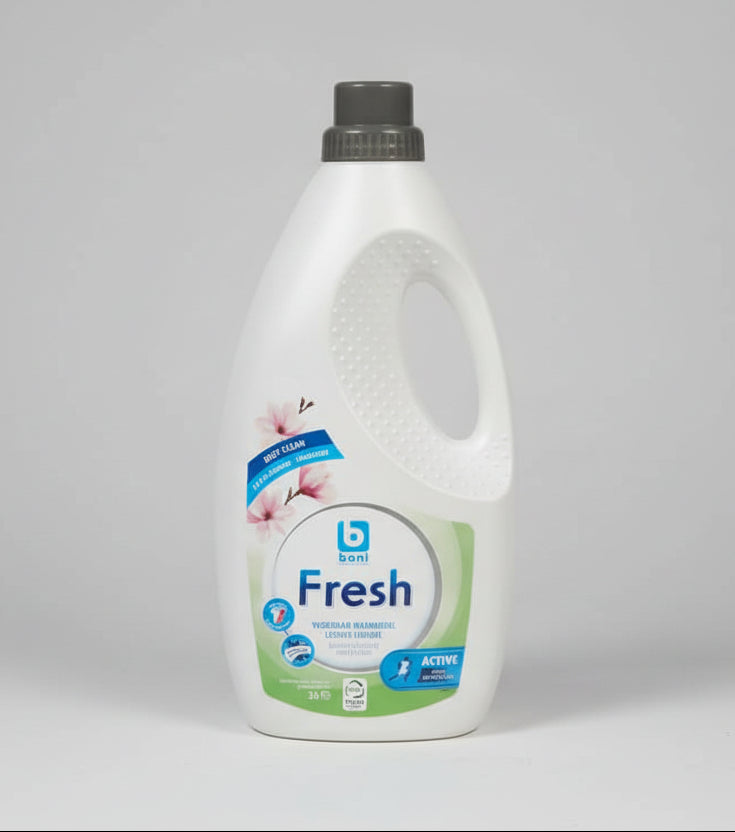
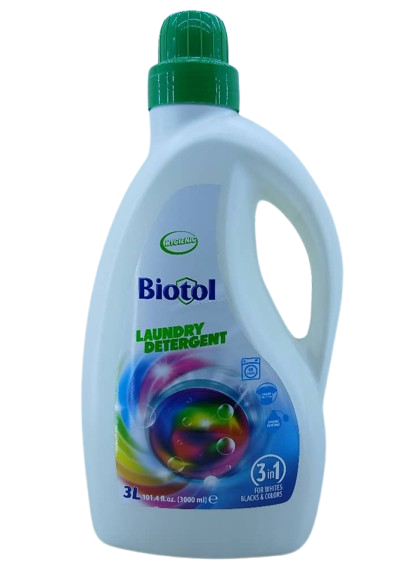
Laundry detergent
1 large Must haveWashing increases a lot during training. A good detergent makes stains easier.
How to use it: Rinse soiled clothes in cold water first, then wash. Dry in the sun, which helps freshen and whiten.
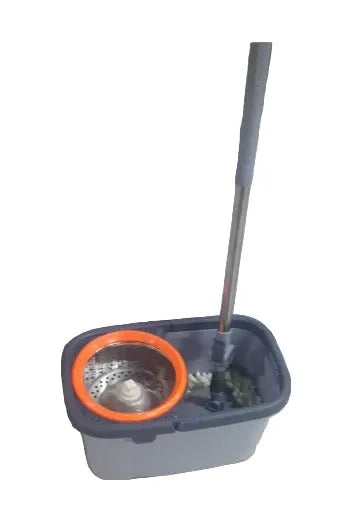
Bucket with lid
1Nice to haveA bucket for soaking soiled clothes keeps smells away until you have time to wash.
How to use it: Add water and a little detergent. Keep the lid closed and out of toddlers' reach.
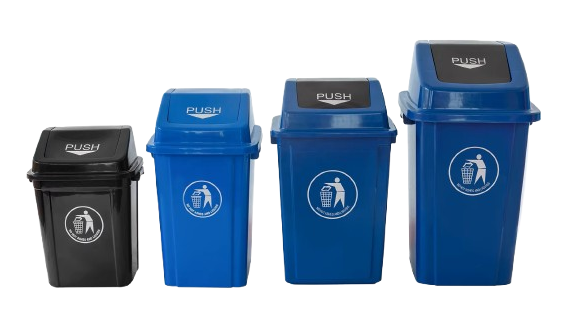
Dustbin with lid
1Nice to haveUsed diapers and wipes need a lidded bin so the area stays clean.
How to use it: Empty it daily. Place it away from where your toddler plays.






Rewards, books and motivation
Toddlers respond to encouragement more than pressure. Small, fun rewards keep the mood positive.
Sticker pack
1 to 2 packs Must haveStickers are a cheap and fun reward for each successful try, even if nothing happens in the potty.
How to use it: Make a simple chart on the wall. Celebrate effort, not only results.
Small toys
1Nice to haveA special toy used only during potty time can keep your toddler sitting calmly for a minute or two.
How to use it: Keep it near the potty. Do not force long sitting, five minutes is plenty.
Healthy snacks
as neededNice to haveSnacks can be a small treat, and keeping fluids and fiber up helps stop constipation.
How to use it: Offer fruit, yogurt and water through the day. Avoid using sweets as the main reward.
Drawing board
1Nice to haveQuiet activities help while waiting and make the potty a calm, happy place.
How to use it: Keep it in the bathroom area, only for potty time.
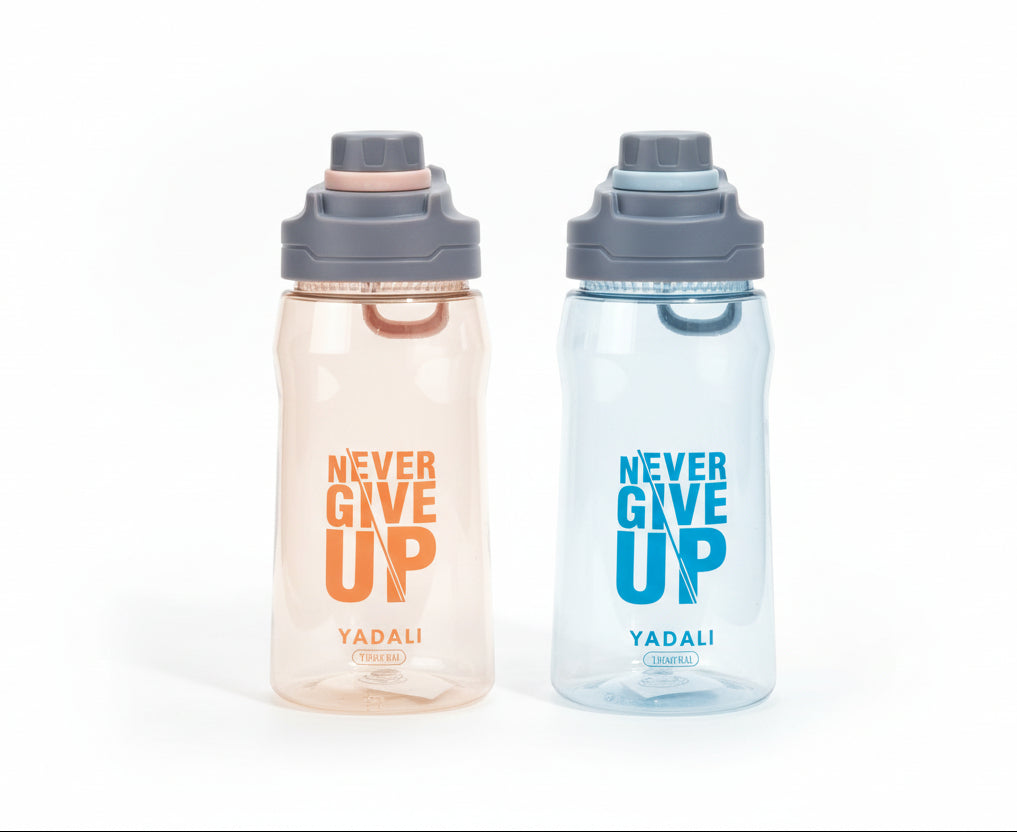
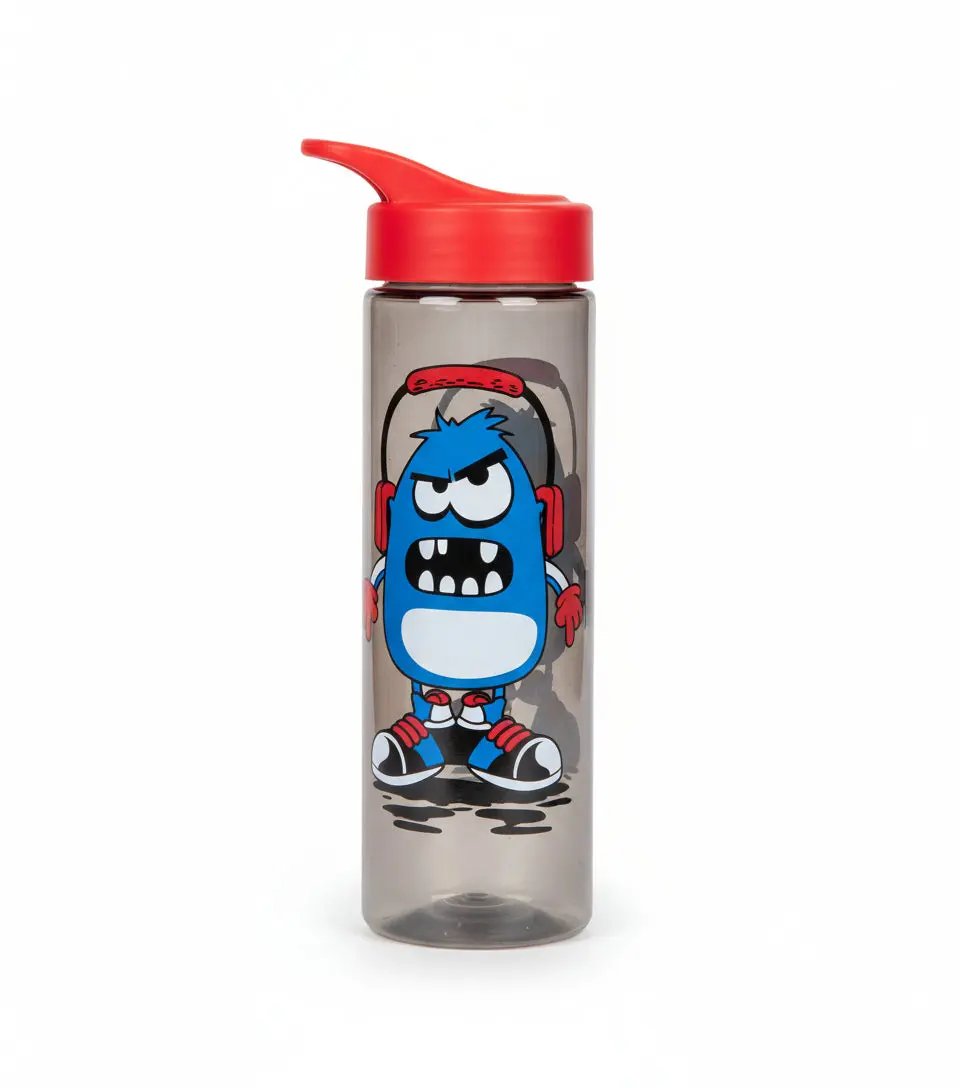
Water bottle for the toddler
1Nice to haveMore drinks mean more chances to practice, and avoid constipation, which can make training harder.
How to use it: Offer small drinks often, but reduce fluids close to bedtime.







Step by step
- 1
Before you start
Check for signs of readiness and pick a calm period without travel, a new baby or a move. Buy the potty and underwear and let your toddler explore them.
- 2
Day one to three
Stay home as much as you can. Offer the potty every hour or two, after meals and after waking. Praise every try.
- 3
Week one
Keep going with underwear in the day and diapers at night. Clean accidents calmly and avoid scolding.
- 4
Week two onward
Introduce outings with spare clothes, wipes and a seat cover. Move to the family toilet when your child is comfortable.
- 5
Night time
Wait until your toddler has dry diapers in the morning for some time before trying nights without a diaper, and use a mattress cover.
Tips that help
- Choose a calm week at home without big changes. Avoid starting during travel, a move or when a new baby arrives.
- Let your toddler pick their own underwear. Ownership helps motivation.
- Keep the same words for toilet use at home and at daycare so your child is not confused.
- Dress your toddler in clothes that are easy to pull down quickly, like elastic waist pants.
- Offer the potty at regular times, such as after meals and waking, rather than asking if they need to go.
- In the rainy season, plan for drying clothes indoors, and keep spare underwear in the bag.
- Talk to your clinic if your toddler is still struggling after several months or has pain.
Mistakes to avoid
- Starting when the toddler is not ready, which leads to stress for everybody.
- Scolding or punishing accidents. This can make children hide or hold in urine and stool.
- Buying only a few pairs of underwear and running out by midday.
- Using sweets as the main reward.
- Forgetting night diapers and spare clothes when going out.
Questions people ask
What age should I start potty training?+
Most children show signs of readiness between about two and three years, but there is no single right age. Signs include staying dry for a couple of hours, showing interest in the toilet and being able to pull clothes up and down.
Do I need a potty or can I use the family toilet?+
Either works. A potty is smaller and less scary for many toddlers, while a toilet seat insert and step stool let them use the family toilet directly. Choose what your child prefers.
How many pairs of underwear do I need?+
Aim for at least five to eight pairs. In the first week accidents can happen several times a day, and rainy weather makes drying slow.
When can my child stay dry at night?+
Night dryness usually comes later than daytime control and depends on body development. Keep diapers for sleep until your toddler wakes up dry for a while, and see a doctor if bedwetting continues well into childhood.
What if my toddler refuses the potty?+
Take a break for a week or two and try again, without pressure. Keep it playful, and talk to your clinic if you have concerns.
Potty training takes patience, but the right supplies make everything easier. Set up the potty, stock plenty of underwear and wipes, and plan a calm week. Shop the full list on Isokko and have it delivered to your door in Kigali.
Shop this list
Get everything delivered in Kigali
Order from local stores on Isokko and pay with MoMo, card or cash. Same-day delivery.