
Checklist · Home & moving
Setting Up a Kitchen From Scratch: The Complete Kigali Checklist
Setting up a kitchen from scratch in Kigali? This checklist covers cooking, prep tools, serving, storage, cleaning and a pantry starter, with what to buy first.
Updated November 15, 2026 · By Isokko
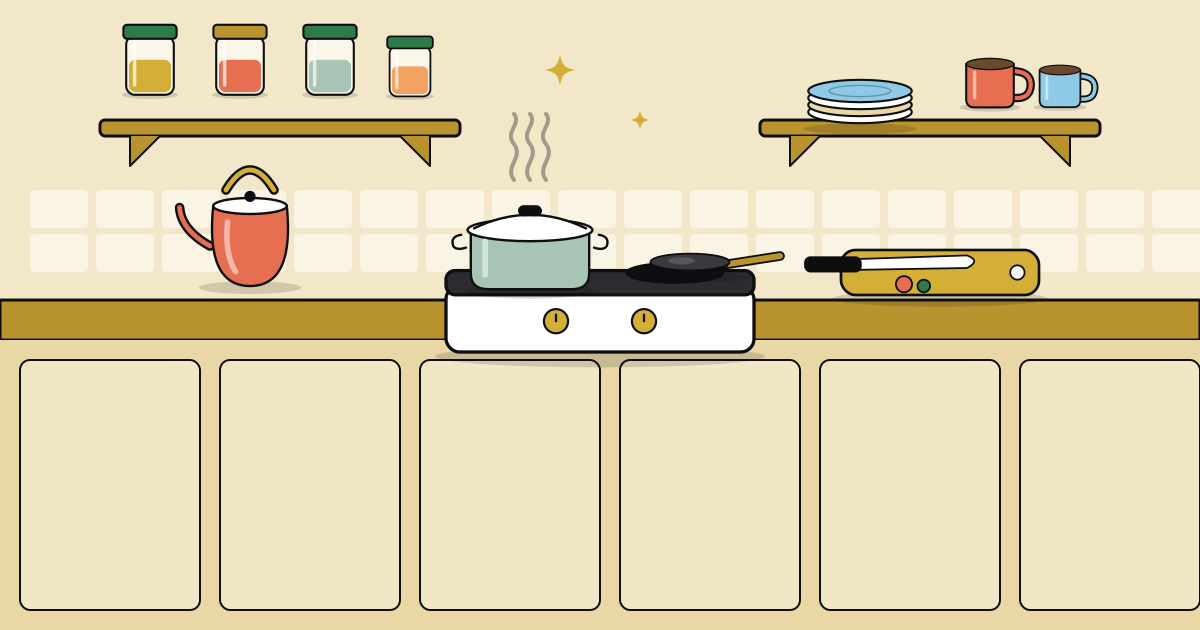
An empty kitchen can feel overwhelming. There are a hundred gadgets out there, but the truth is that most Rwandan home cooking, from beans and rice to isombe, ibihaza and a Sunday brochette, needs a fairly short list of good tools.
This checklist walks you through the kitchen in the order you will use it: cooking, preparing, serving, storing, cleaning up and stocking the shelves. Each item says why it earns its place and how to choose it.
If you are on a budget, buy the must items now and let your cooking tell you what to add next. A kitchen built slowly around how you cook is better than a full set that sits in the cupboard.
Who it's for
Anyone starting a kitchen from zero in Kigali: a new home, a newly married couple, or a first rental
Time needed
Buy the core in one order, then add tools over the first month as you cook
When to shop
Order the cooking and pantry basics together so you can cook the day everything arrives
On the list
39 items, 28 must haves
0 of 39 ready
Cooking
The heart of the kitchen. Buy fewer, better pieces here because you will use them every day.
Cooker or gas setup
1 Must haveEverything starts here. Gas is common in Kigali homes and keeps working during power cuts.
How to use it: Have a gas regulator and hose checked for leaks with soapy water, and close the valve after cooking. Electric cookers need a socket that can handle the load.
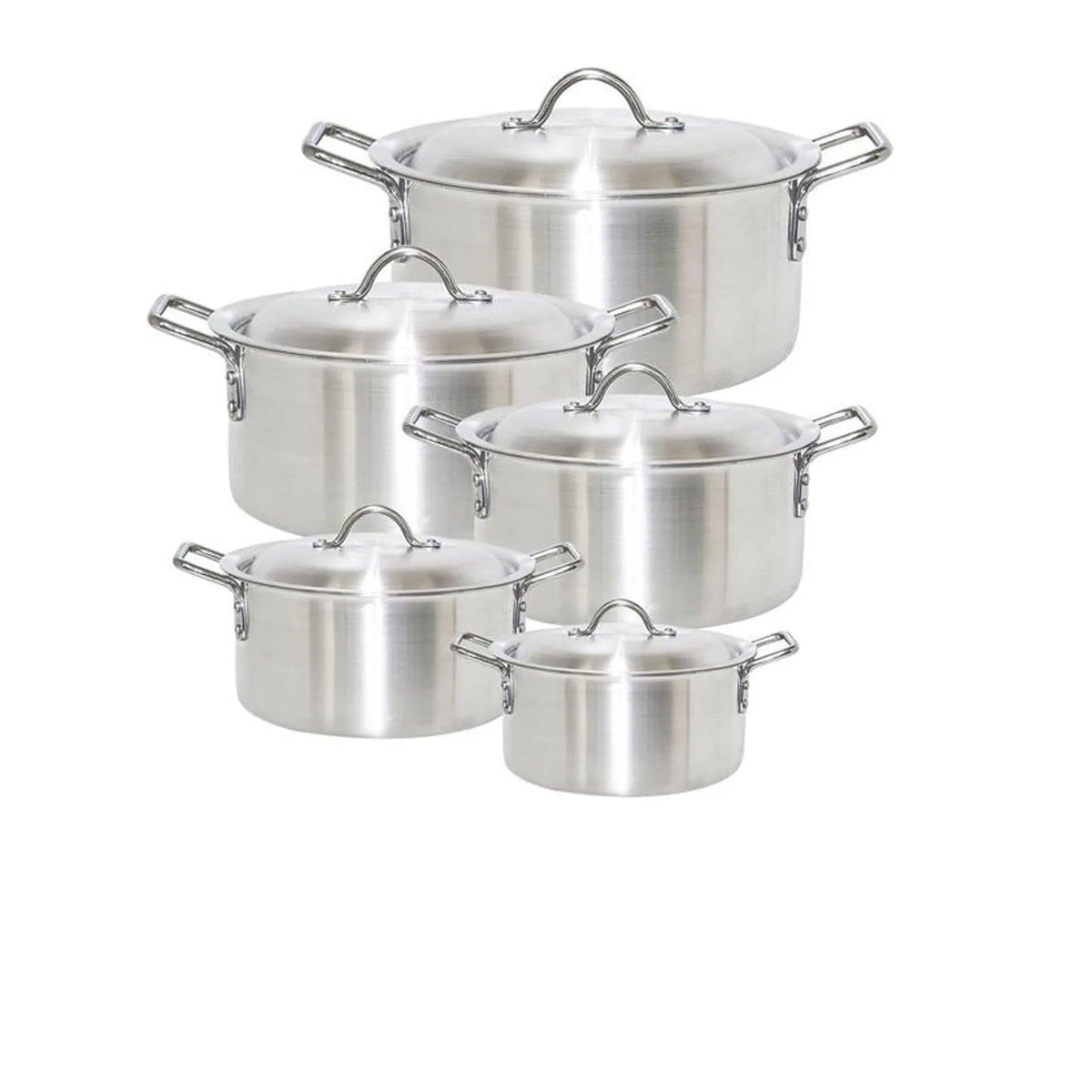
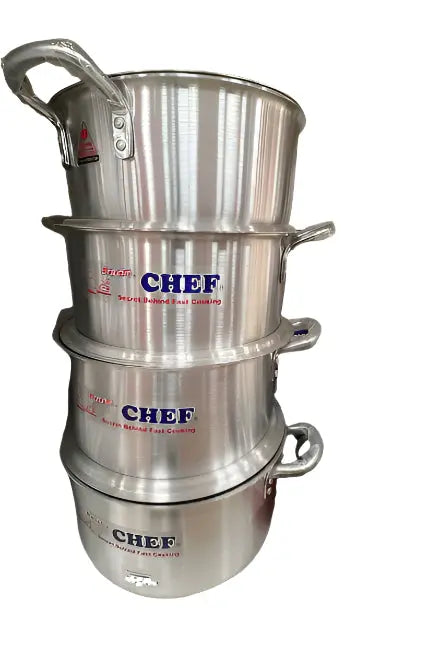
Cooking pot set
1 set Must haveDifferent pot sizes let you cook rice, beans and sauce at the same time.
How to use it: A set of three to five pots with lids covers most families. Thick bottoms burn food less.
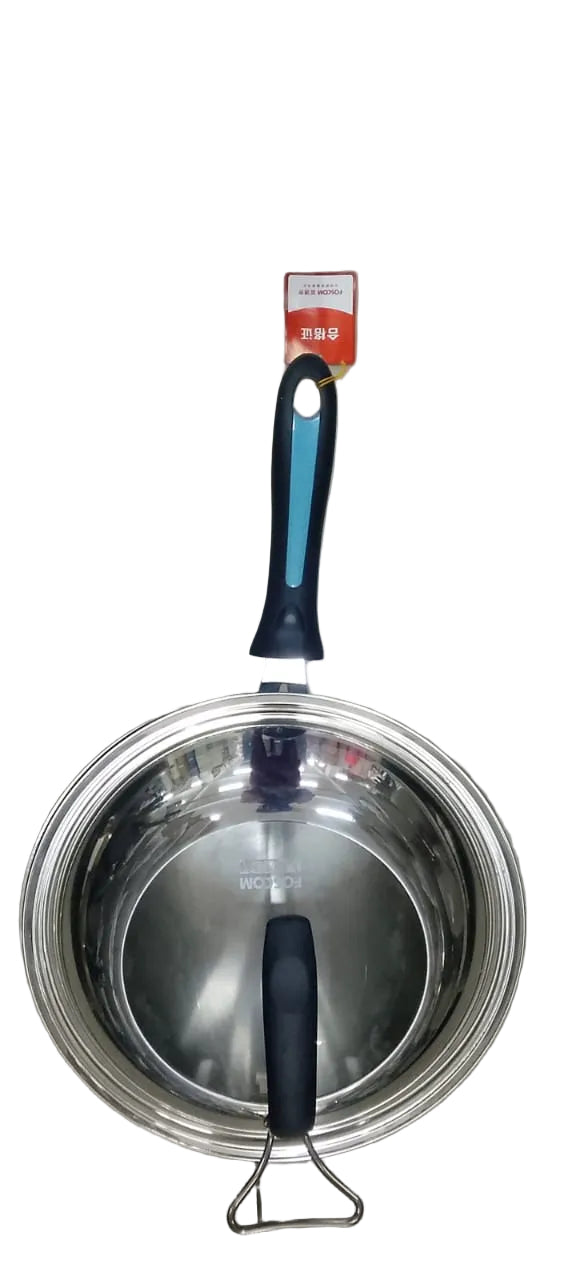
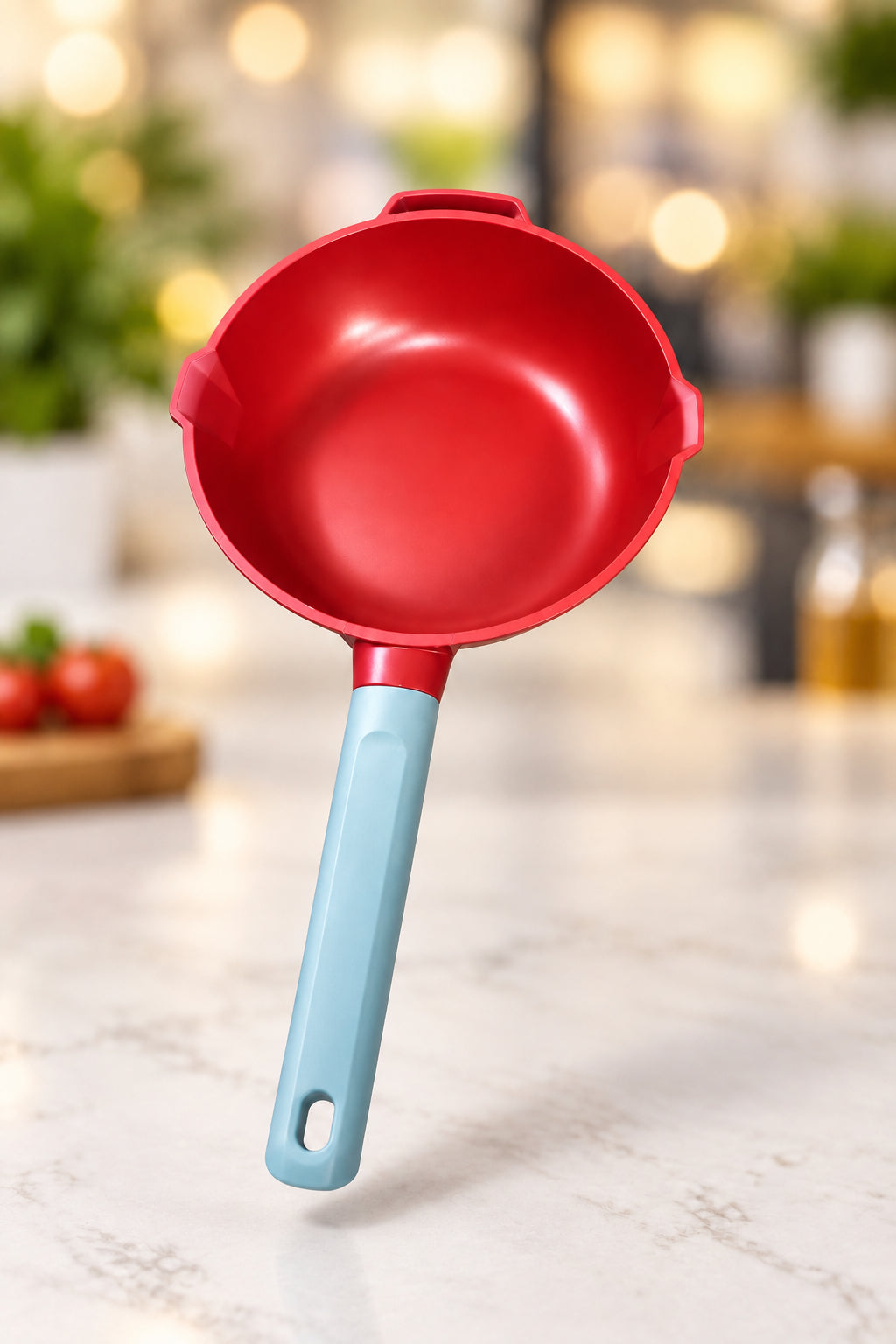
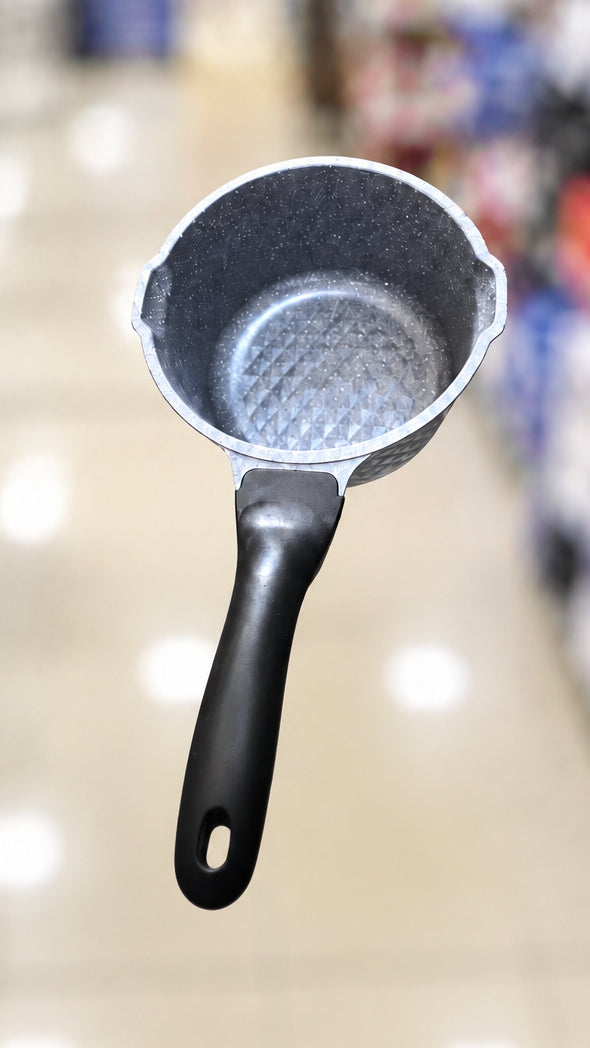
Saucepan
1 Must haveFor tea with milk, porridge, sauces and boiling eggs.
How to use it: A saucepan with a long handle is easier to pour from.
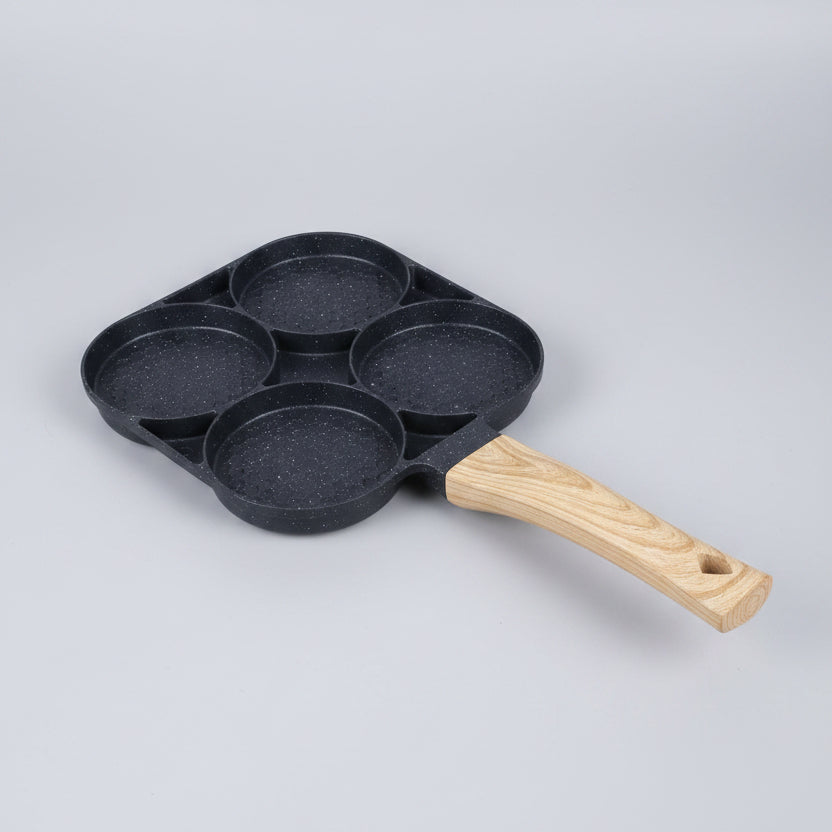
Frying pan
1 or 2 Must haveEggs, fried plantain, onions and quick stir fry.
How to use it: Non-stick needs less oil. Use only wooden or plastic tools on it so the coating lasts.
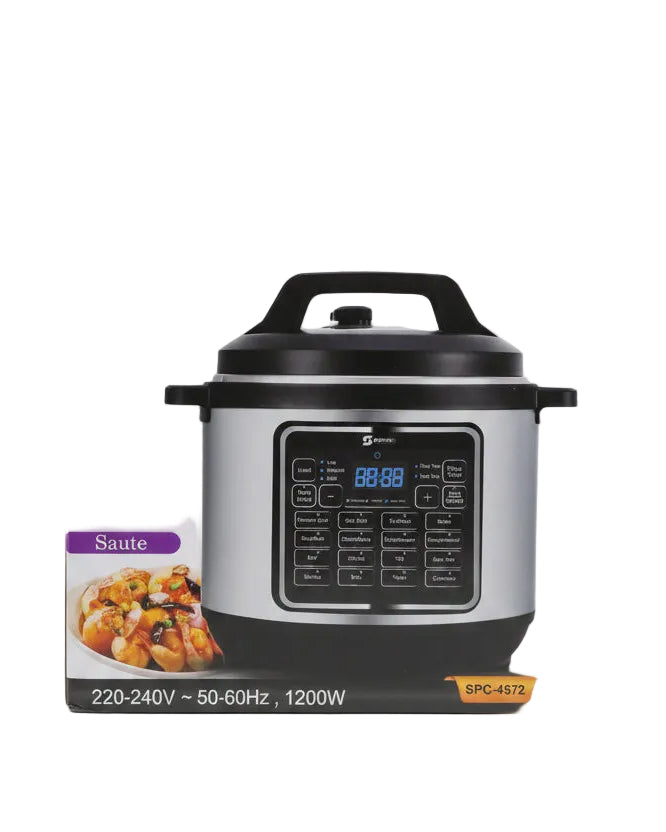
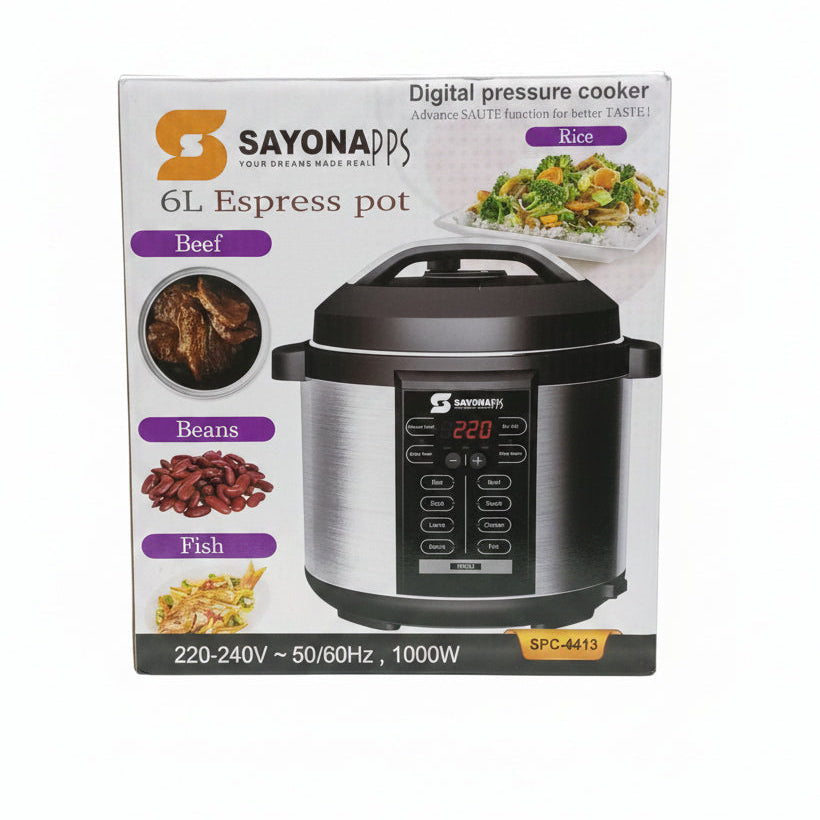
Pressure cooker
1Nice to haveBeans that take hours on the stove are ready in about 30 minutes, which saves a lot of gas or charcoal.
How to use it: Never fill it more than two thirds, and let the pressure drop fully before opening.
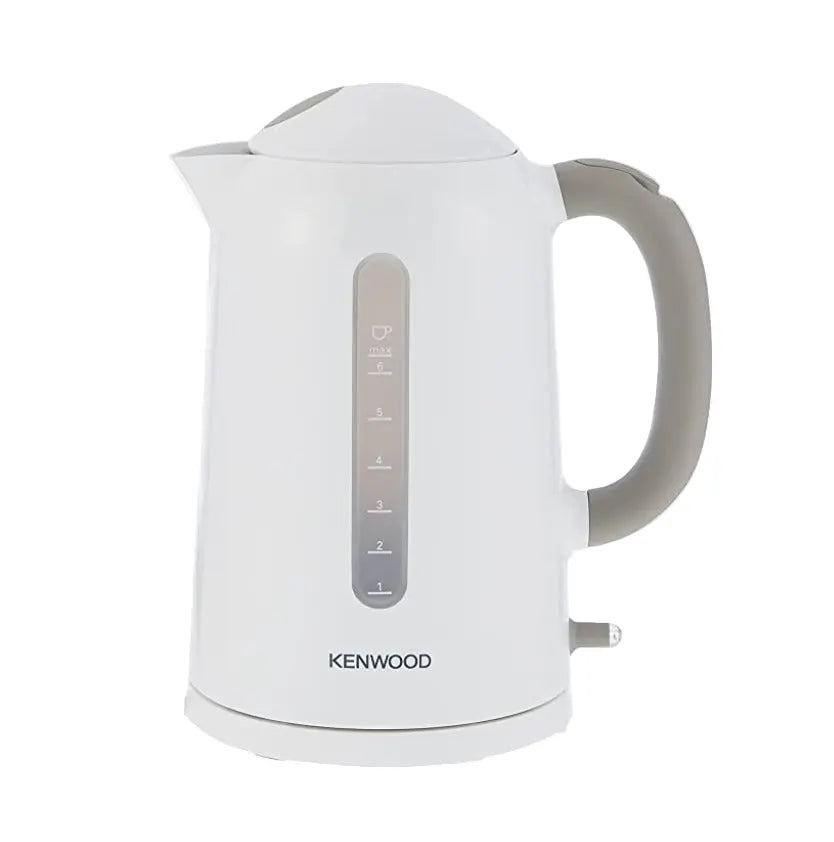
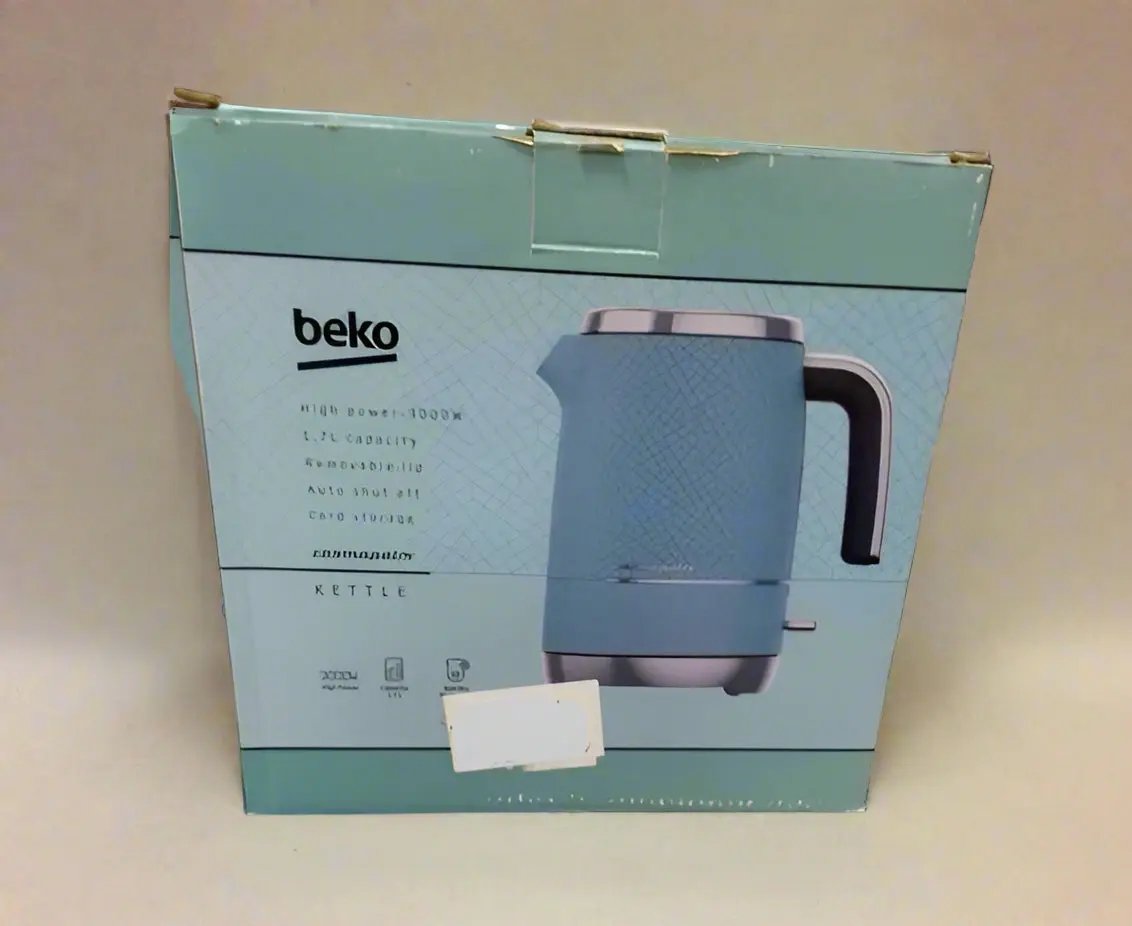
Kettle
1 Must haveHot water for tea, coffee, washing up and speeding up cooking.
How to use it: Descale it with vinegar every few weeks if you see white deposits.
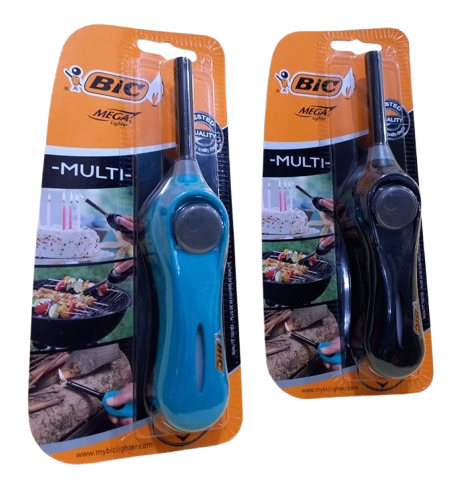
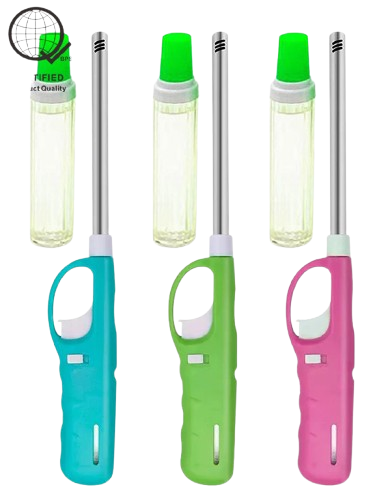
Gas lighter
1Nice to haveMatches get damp in rainy season, and a lighter is safer near the burner.
How to use it: Keep it in a drawer away from the stove, not on top of it.







Preparing food
Good prep tools make cooking faster and safer.
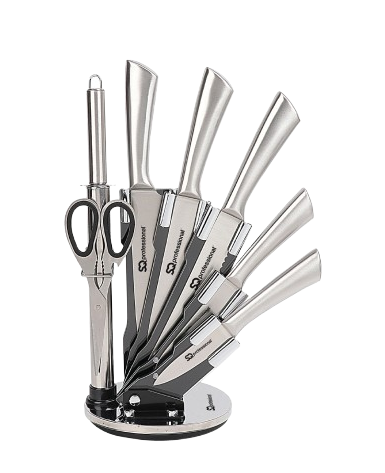
Kitchen knives
2 or a set Must haveA sharp knife is safer than a dull one because it does not slip.
How to use it: Start with one large knife and one small knife. Wash and dry them by hand.
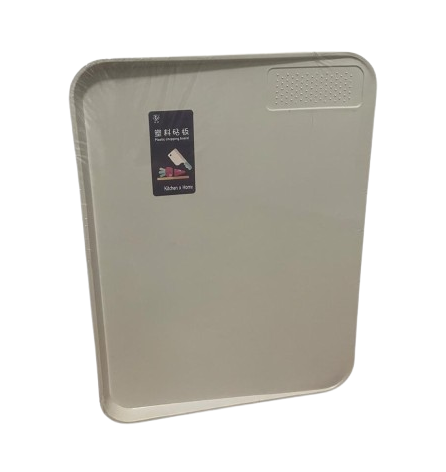
Chopping board
2 Must haveProtects your counter and your knives.
How to use it: Use a separate board for raw meat, or wash the board with hot soapy water straight after.
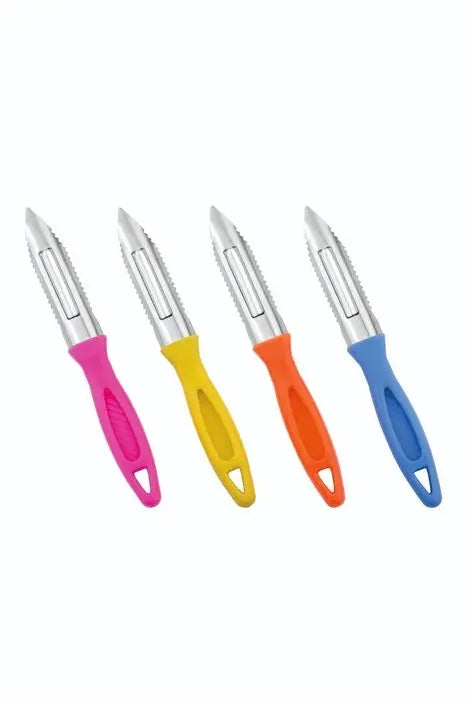
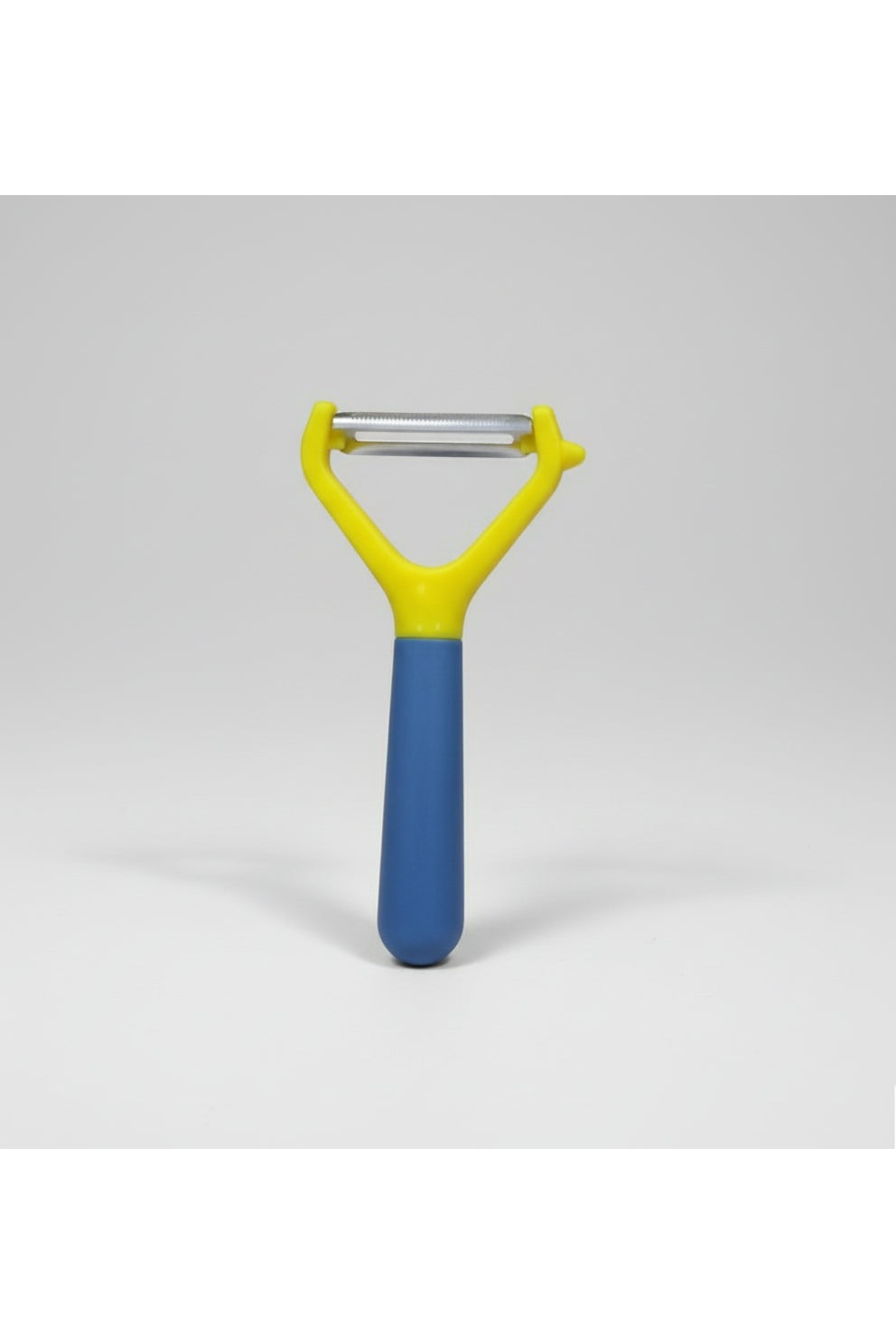
Peeler
1 Must havePotatoes, carrots and cucumbers go much faster.
How to use it: A Y shaped peeler is easier on the hand for big batches.
Grater
1Nice to haveCarrots for salad, cheese, ginger and garlic.
How to use it: A box grater with several sides is the most versatile.
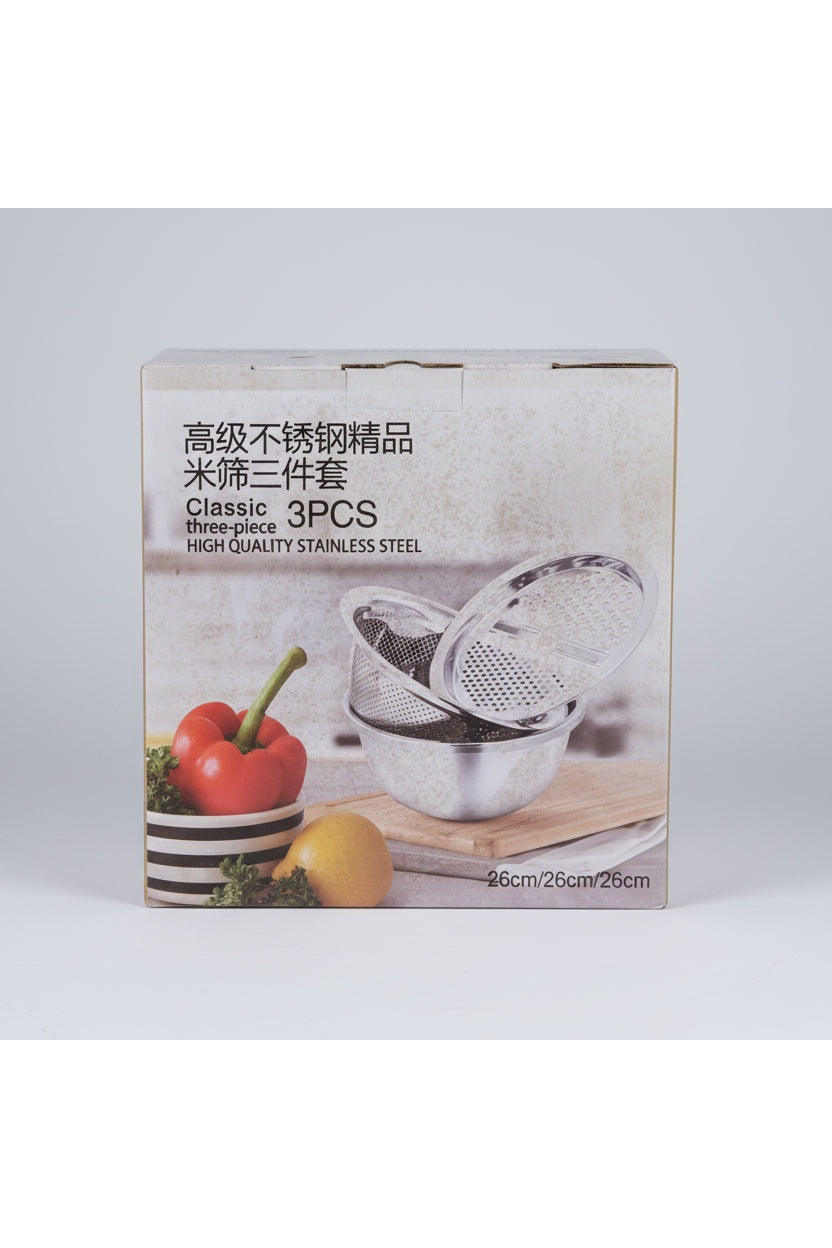 3-in-1 Multifunctional Stainless Steel Kitchen Basin Set with Grater Strainer & Drain Basket 3pcsKimironko MarketRWF 18,000
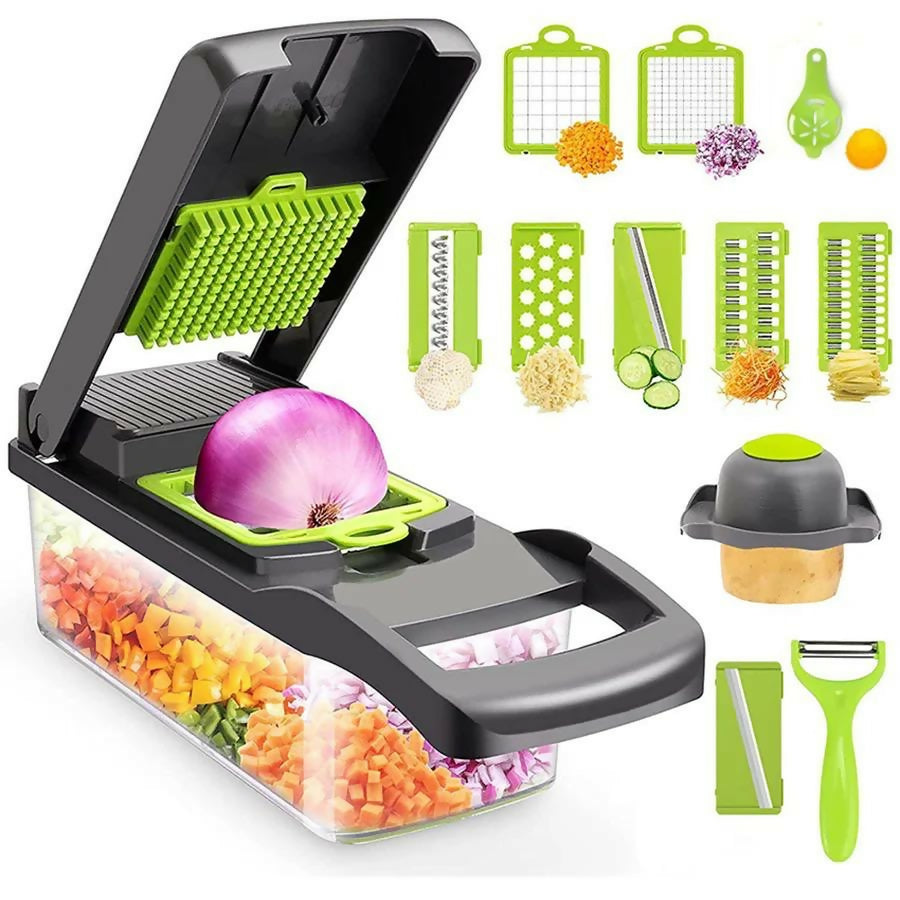 Multi-Function Vegetable and Fruit Chopper, Slicer, Dicer, and Grater 14-in-1Kimironko MarketRWF 15,000
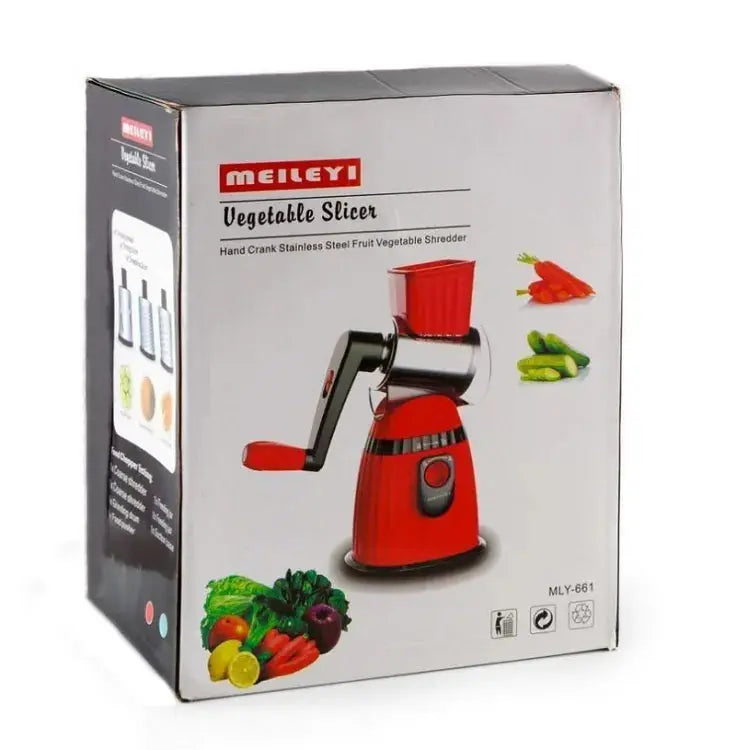 Meileyi Rotary Cheese Grater, 3-in-1 Multi-functional Mandoline Vegetable Shredder, Slicer, 3 Drum Blades in SetKimironko MarketRWF 18,000See more on Isokko
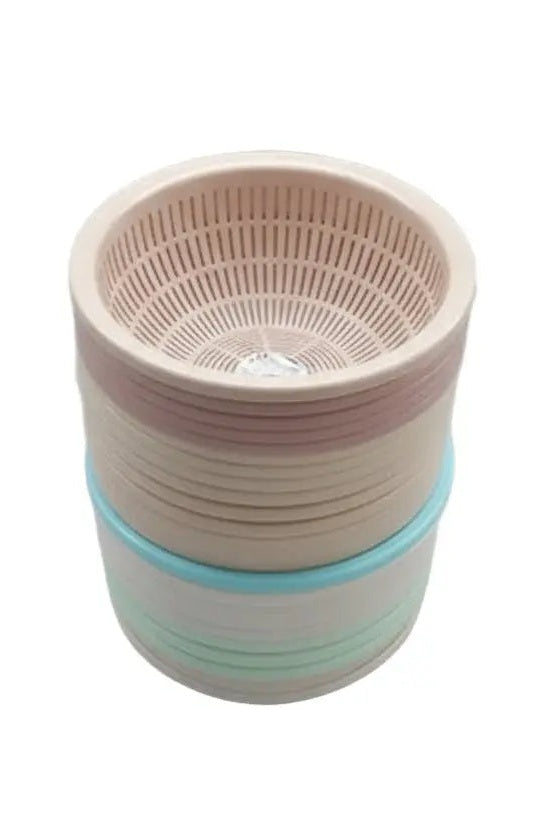
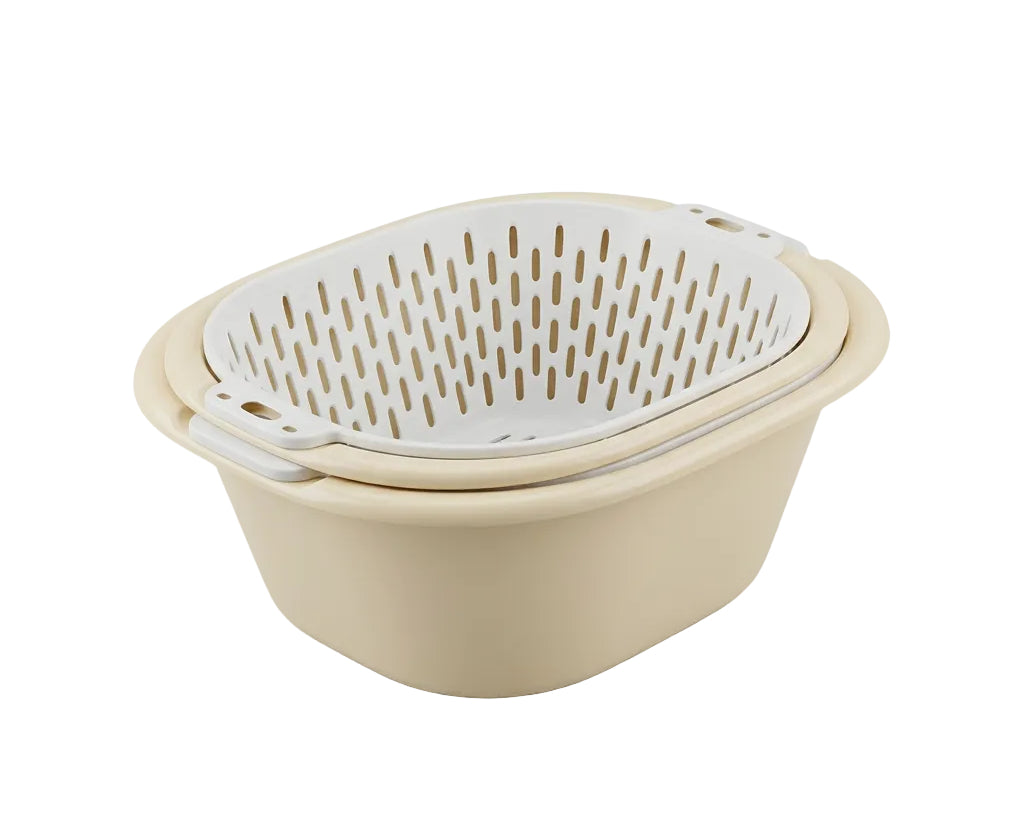
Colander or strainer
1 or 2 Must haveDraining pasta, rinsing rice and washing vegetables and fruit.
How to use it: A plastic colander is fine for most jobs. Use a metal strainer for hot oil.
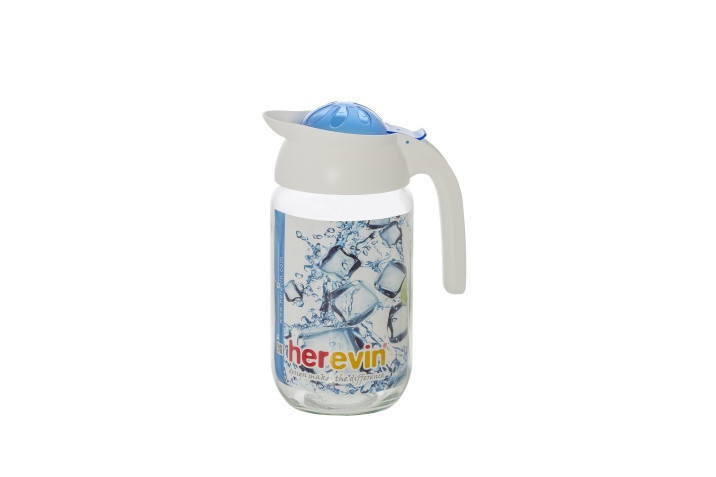
Measuring cup
1Nice to haveBaking and rice cooking work better with the right amounts.
How to use it: A clear jug with markings handles both liquids and grains.
Can opener
1 Must haveTomato paste, beans and tinned fish all need one.
How to use it: Wash it after each use so it does not rust.
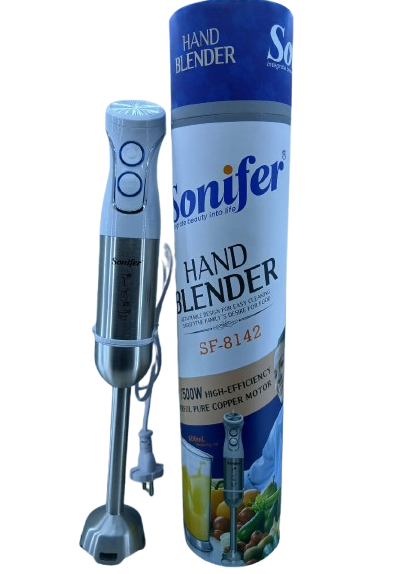
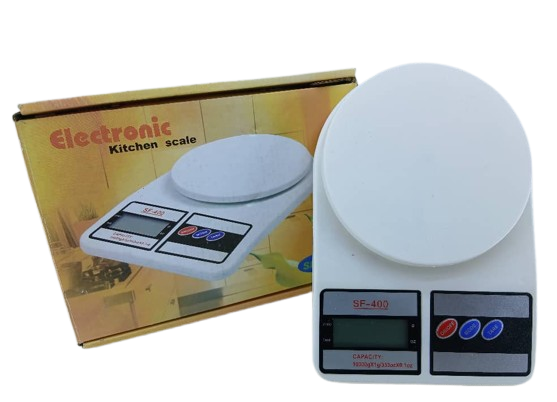
Kitchen scale
1Nice to haveUseful if you bake or follow recipes in grams.
How to use it: Zero the scale with the bowl on it before adding ingredients.





Stirring, flipping and serving tools
Small tools you reach for every single meal.
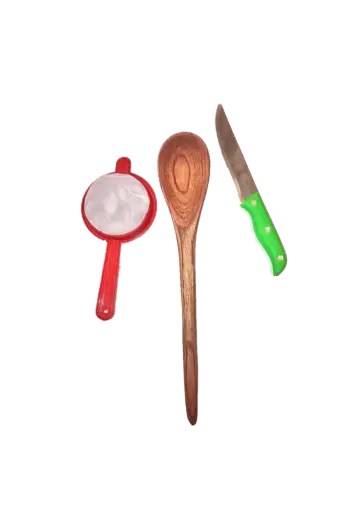
Wooden spoons
3 Must haveSafe on every pot and pan and they do not get hot.
How to use it: Let them dry fully after washing so they do not crack.
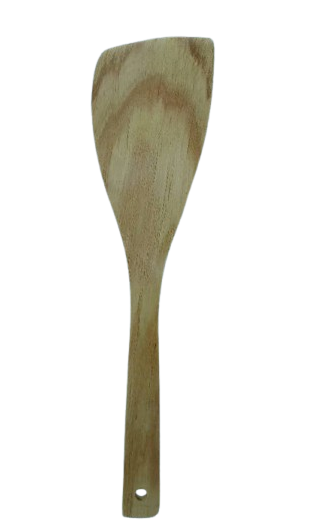
Spatula
1 or 2 Must haveTurning eggs, plantain and anything in the frying pan.
How to use it: A wide, thin edge slides under food without breaking it.
Ladle
1 Must haveServing soup, sauce and beans without spills.
How to use it: A deep ladle is worth it if you cook sauces often.
Tongs
1Nice to haveGrilling brochettes, turning chicken and serving salad.
How to use it: Stainless steel tongs last for years.





Serving and eating
Plan for your household plus a few visitors. In Rwanda, someone always drops by at dinner time.
Plates
6 to 12 Must haveEnough for everyone at the table plus guests.
How to use it: Buy plates by the dozen or as a set so you can replace broken ones easily.
Bowls
6 Must haveSoup, porridge, fruit and serving vegetables.
How to use it: Stackable bowls save cupboard space.
Cutlery
1 set Must haveSpoons, forks and knives for every family member and guests.
How to use it: A 24 piece set covers six people.
 FUMA 12pcs Cutlery Set 6Dinner Fork and 6pcs Dinner SpoonIgihozo SupermarketRWF 25,000
 12m+ bigkids 1st cutlery set stainless steel feeding skills fork, spoon and knifeIgihozo SupermarketRWF 15,000
 24pcs cutlery set 6 Dinner knives, 6 Dinner forks,6 Dinner spoons and 6 Tea spoonsIgihozo SupermarketRWF 25,000See more on Isokko
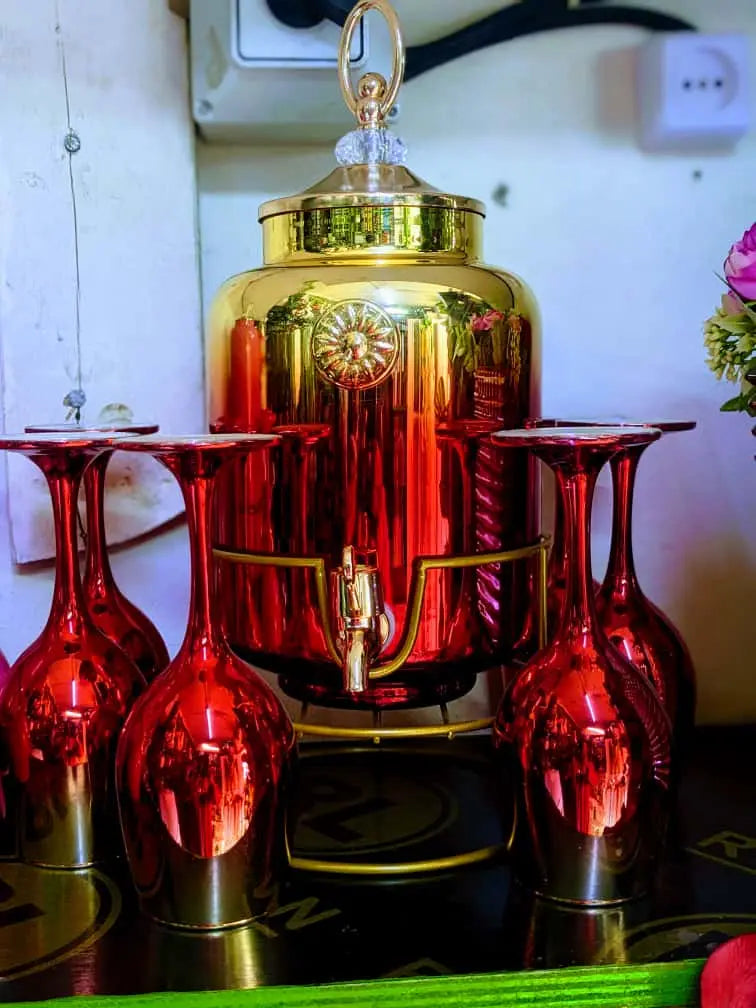
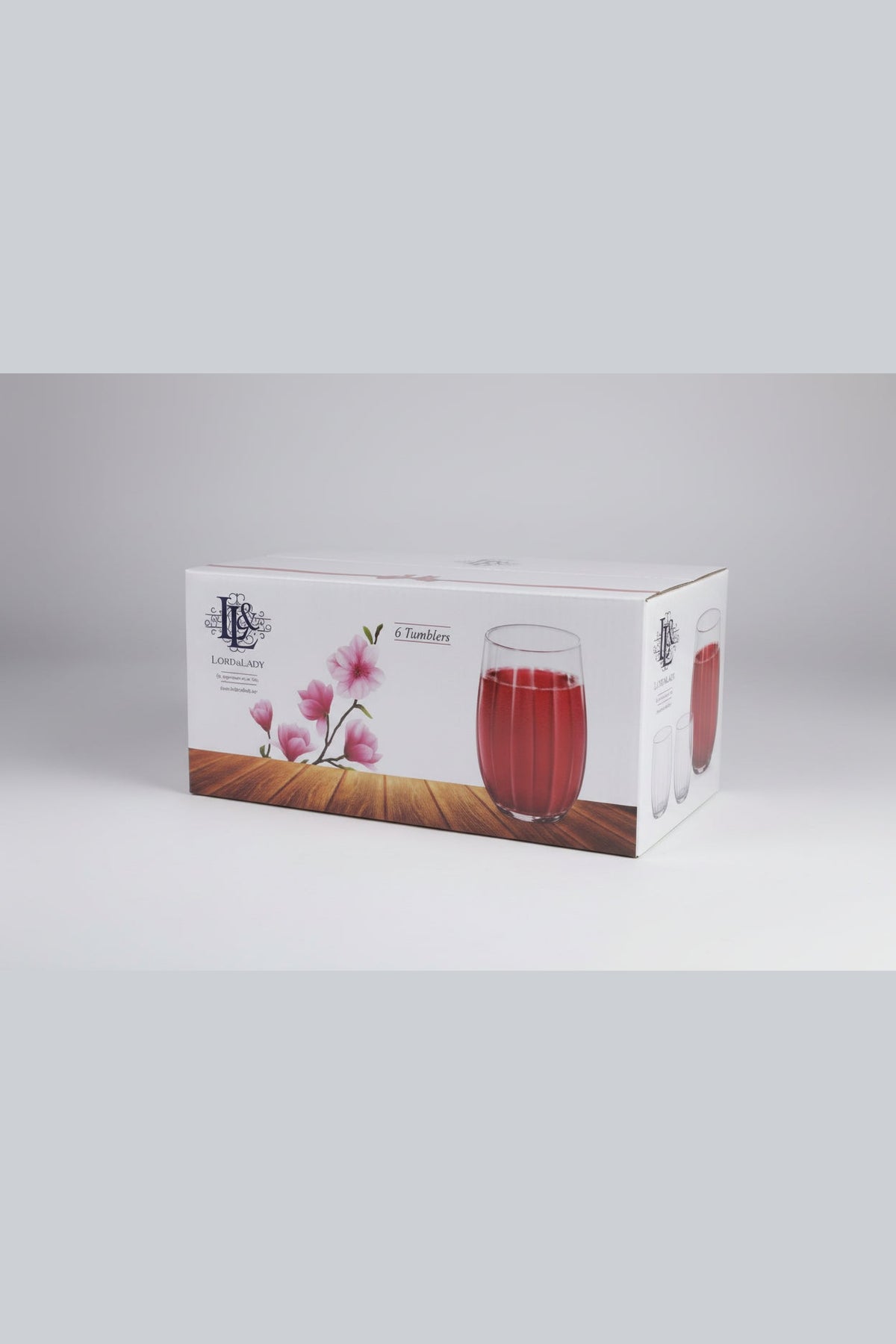
Glasses and mugs
6 each Must haveWater, juice, tea and coffee.
How to use it: Mugs for hot drinks, glasses for cold ones. Get a few extra because they break.
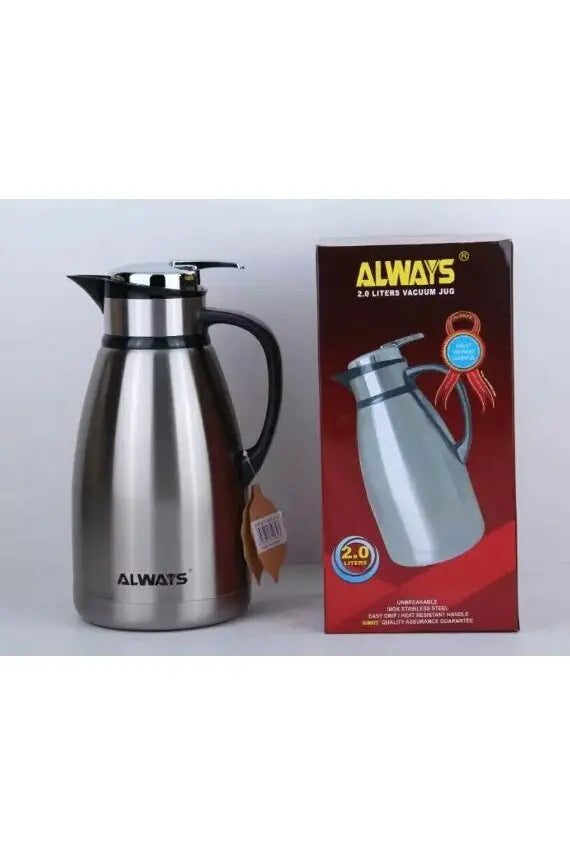
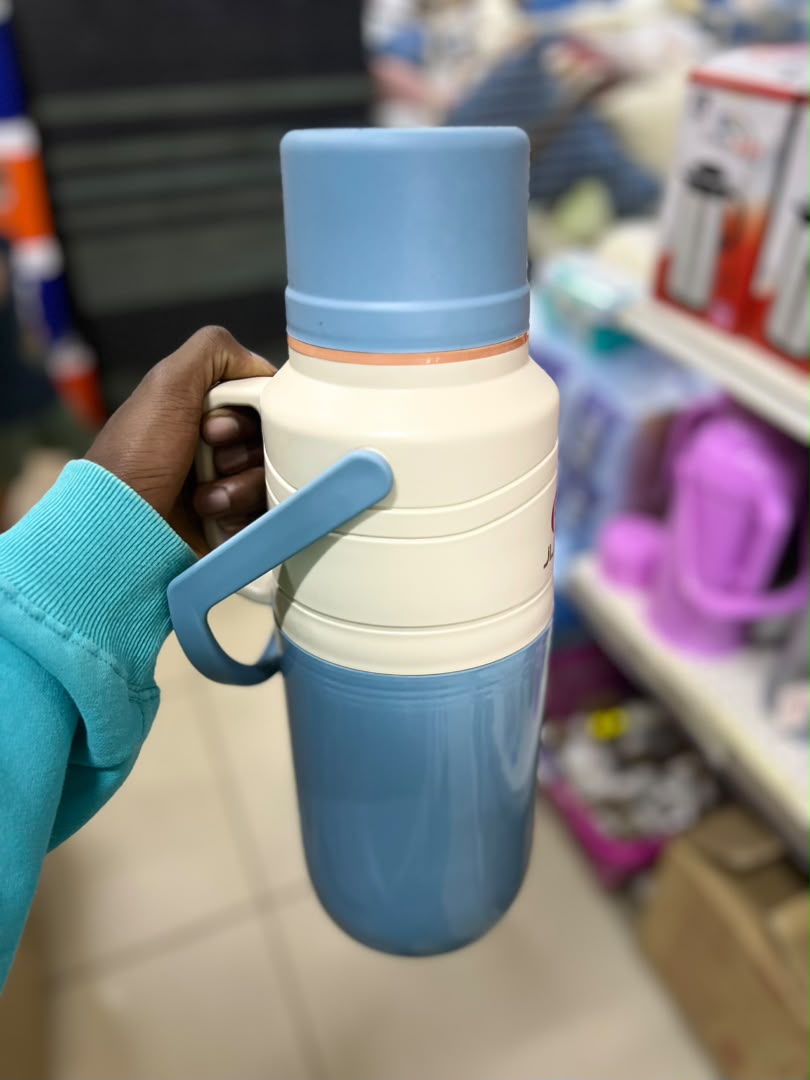
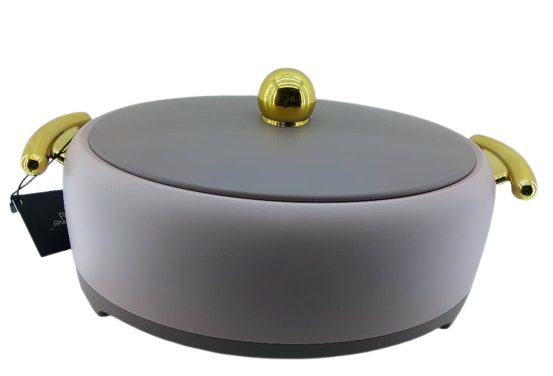
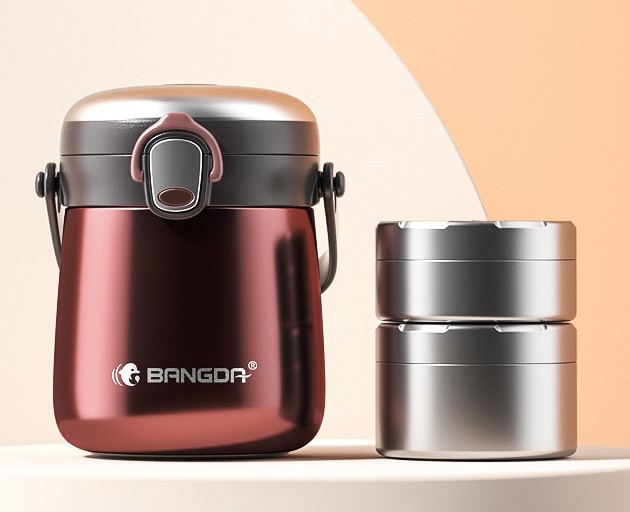
Thermos flask
1Nice to haveKeeps tea hot for the whole morning, which is how many Kigali homes serve tea.
How to use it: Rinse with hot water before filling so the tea stays hot longer.





Storage
A tidy kitchen is a kitchen where food lasts longer and pests stay out.
Airtight storage containers
4 to 8 Must haveRice, sugar, flour and beans stay dry and safe from ants and weevils.
How to use it: Label each container and keep the oldest food in front.
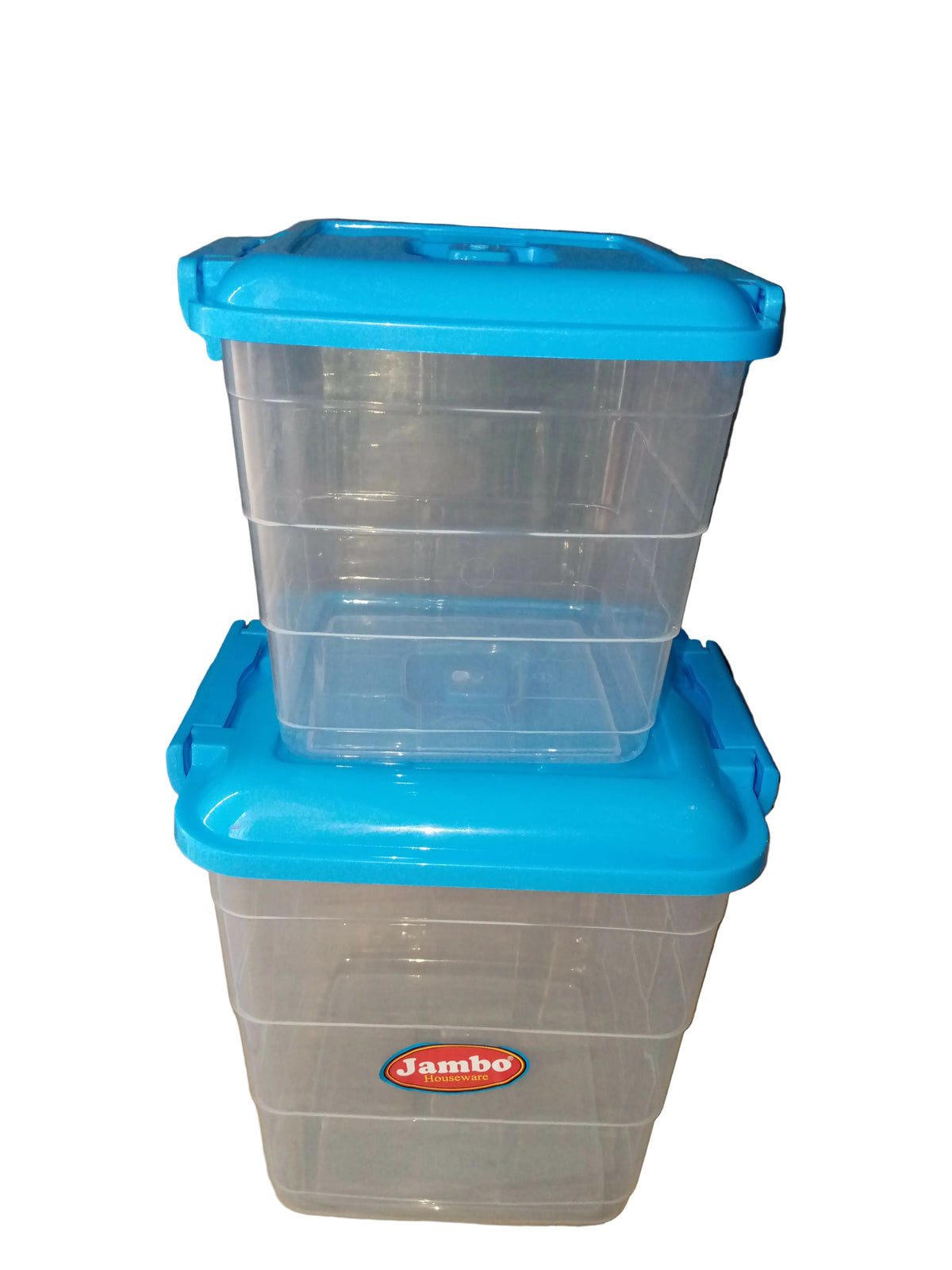 Jambo Clear Plastic Storage Container Set with Latching Lid/2 PiecesKimironko MarketRWF 9,000
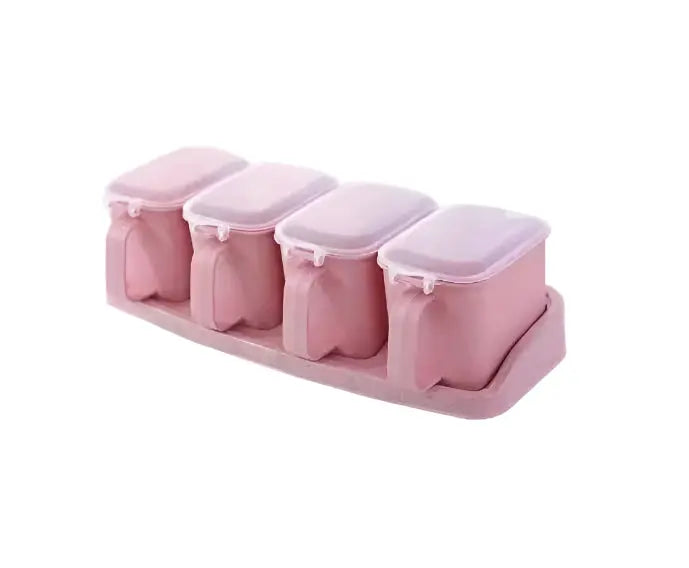 4 Pcs Set Plastic Lid Condiment Box Seasoning Box Plastic Kitchen Supplies Spice Rack Salt Pepper Storage ContainerKimironko MarketRWF 9,000
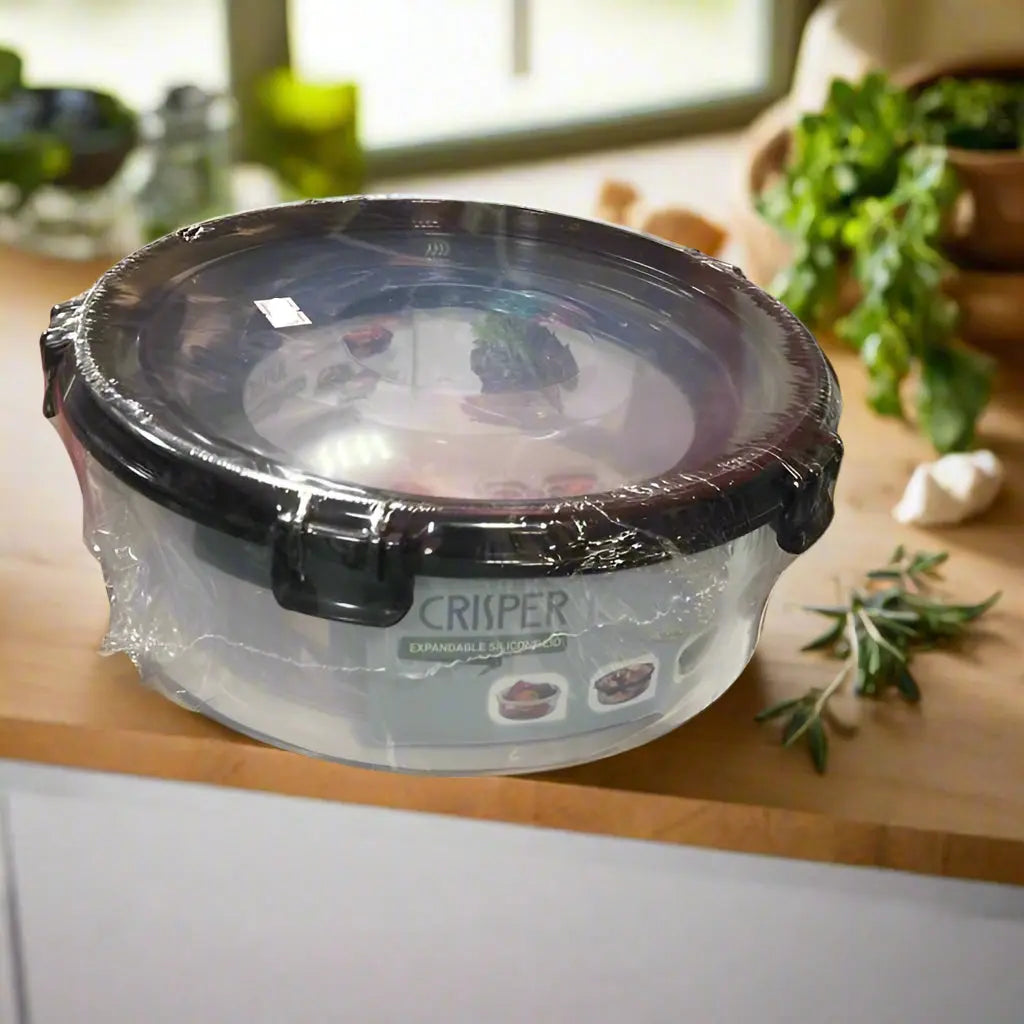 Crisper Food Storage Container This is a type of food storage container designed to keep fruits and vegetables fresh by controlling humidity.Kimironko MarketRWF 6,000See more on Isokko
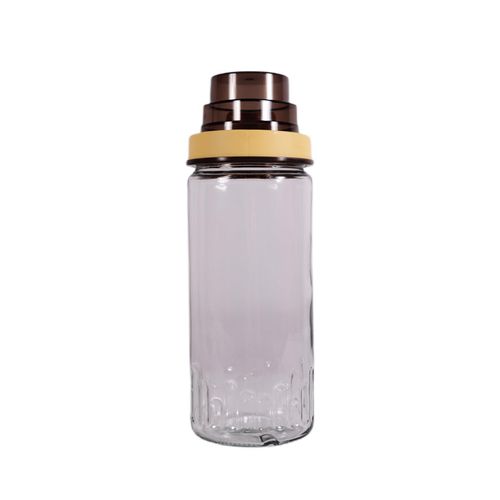
Spice jars
4 to 6Nice to haveSpices lose flavor fast in open packets.
How to use it: Keep them away from the stove where heat and steam dull the taste.
Food containers for leftovers
4 to 6 Must haveLeftovers become tomorrow's lunch instead of waste.
How to use it: Cool food before closing and refrigerating it.
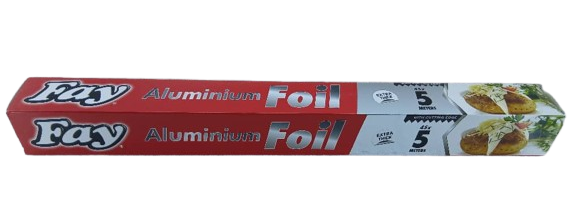
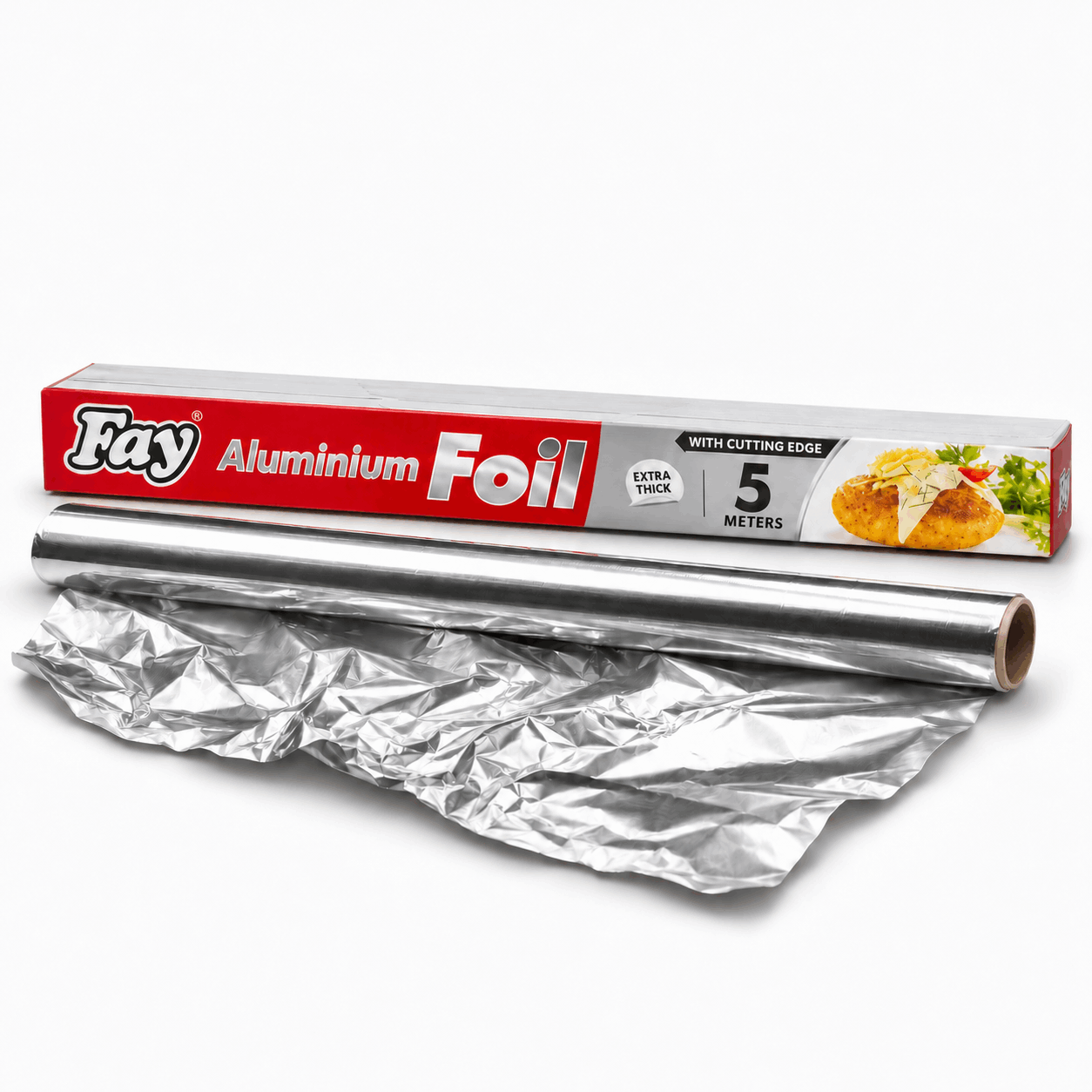
Aluminium foil
1 rollNice to haveCovering food, lining pans and wrapping food for a trip.
How to use it: Shiny side in or out does not matter much for home cooking.
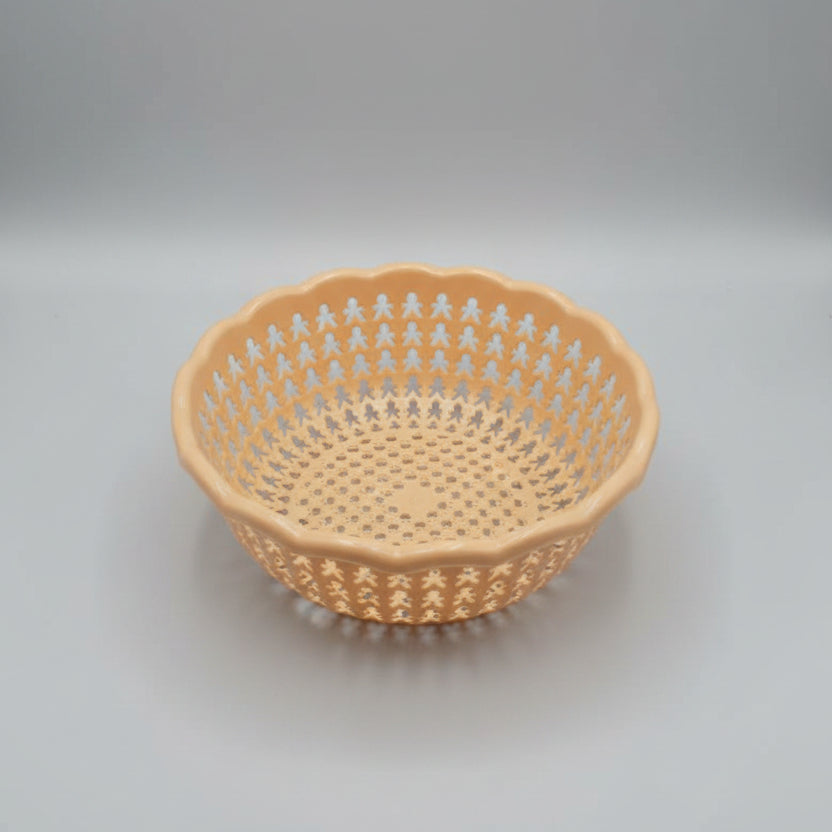
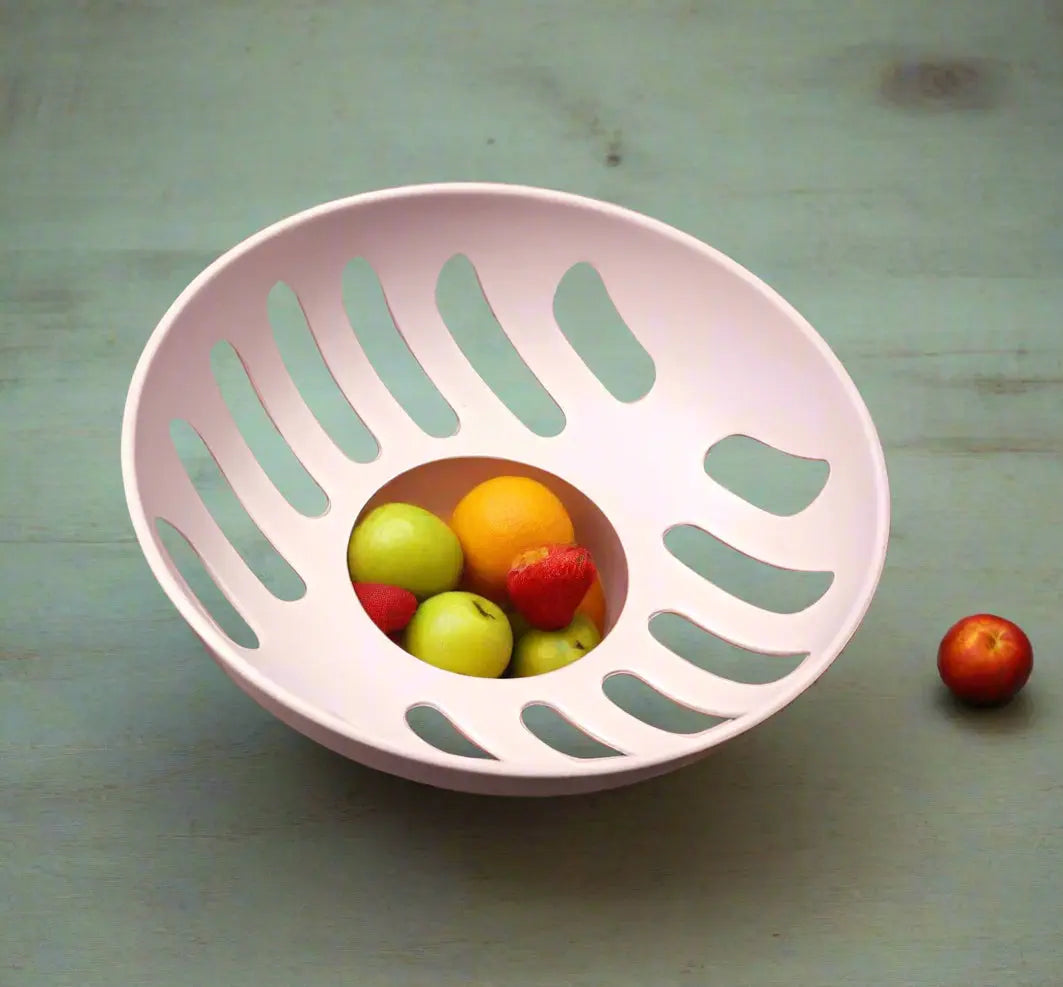
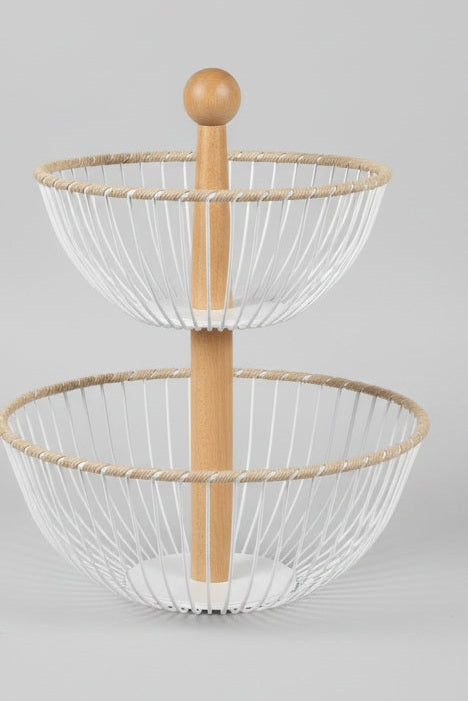
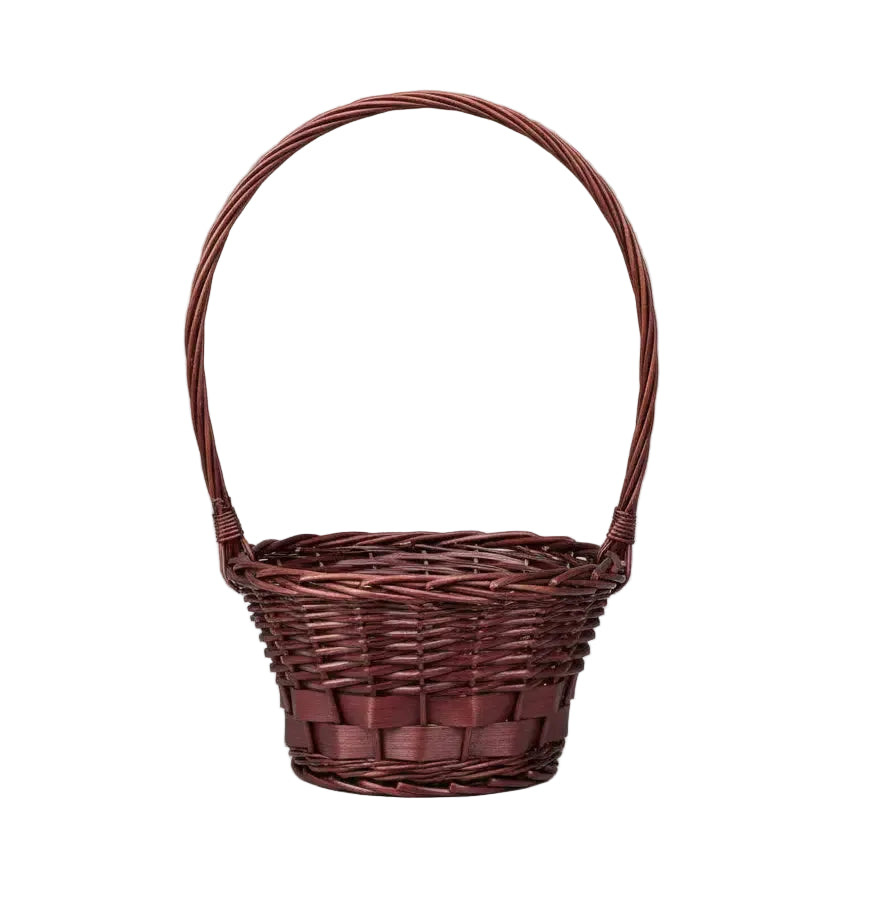
Fruit basket
1Nice to haveBananas, avocados and passion fruit ripen better in the open air than in a bag.
How to use it: Keep bananas a little apart from other fruit, or everything ripens faster.


Cleaning up
Make washing up easy and the kitchen stays clean.
Dish drainer
1 Must haveDishes dry on their own and your counter stays dry.
How to use it: Put it next to the sink with the tray draining into the sink.
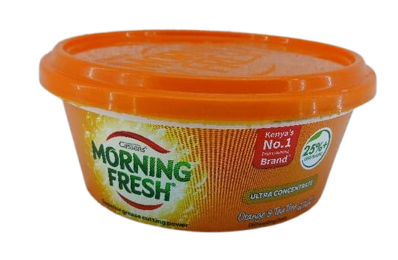
Dish washing liquid and sponges
1 bottle, 3 sponges Must haveEvery meal ends here.
How to use it: Replace sponges every few weeks or when they smell.
Kitchen towels
1 pack Must haveDrying hands, wiping spills and handling hot lids.
How to use it: Keep paper towels for oily spills and cloth ones for drying.
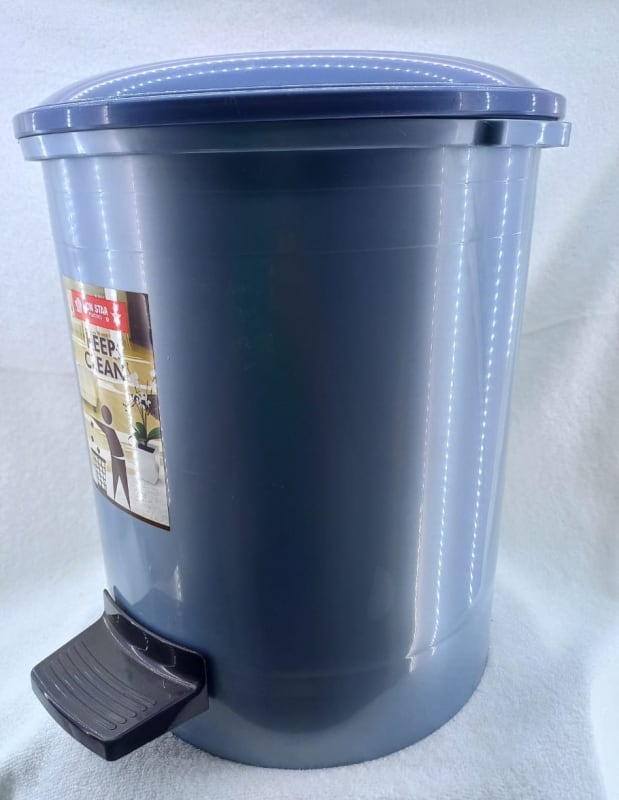
Pedal bin
1 Must haveA lid keeps flies and smells away from your food area.
How to use it: Empty it daily in hot weather, and rinse it weekly.
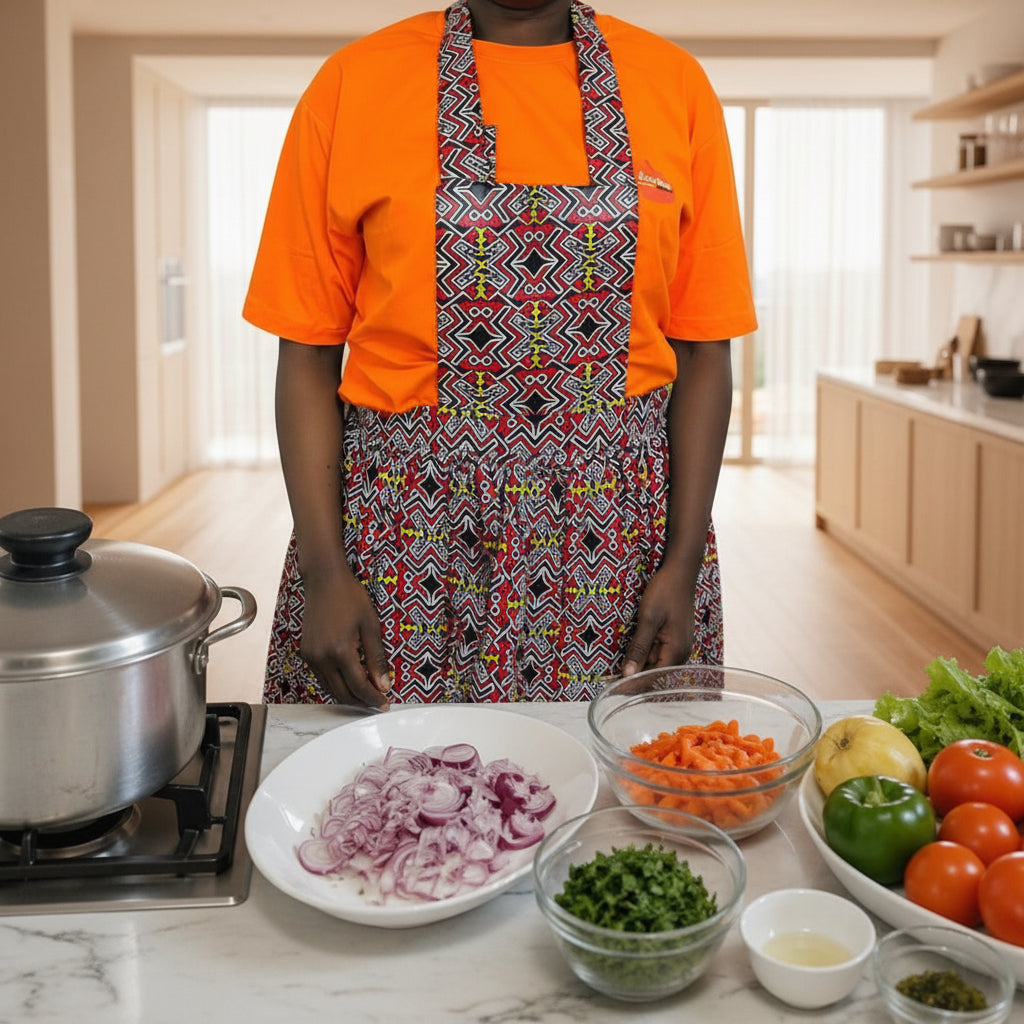
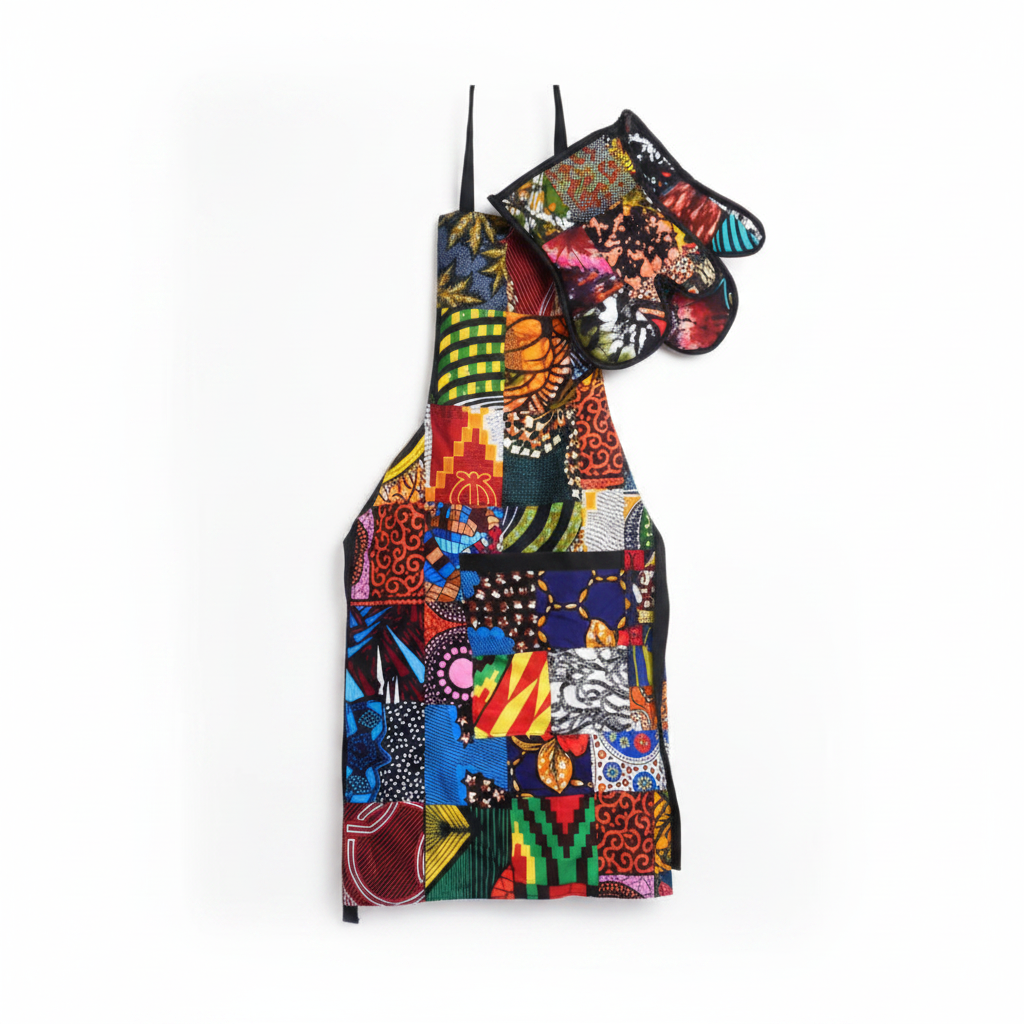
Apron and oven gloves
1 eachNice to haveHot oil splashes and hot pot handles burn.
How to use it: Use a thick glove or folded cloth to lift lids, never a wet one.









Pantry starter
Stock these and you can cook a full meal on day one.
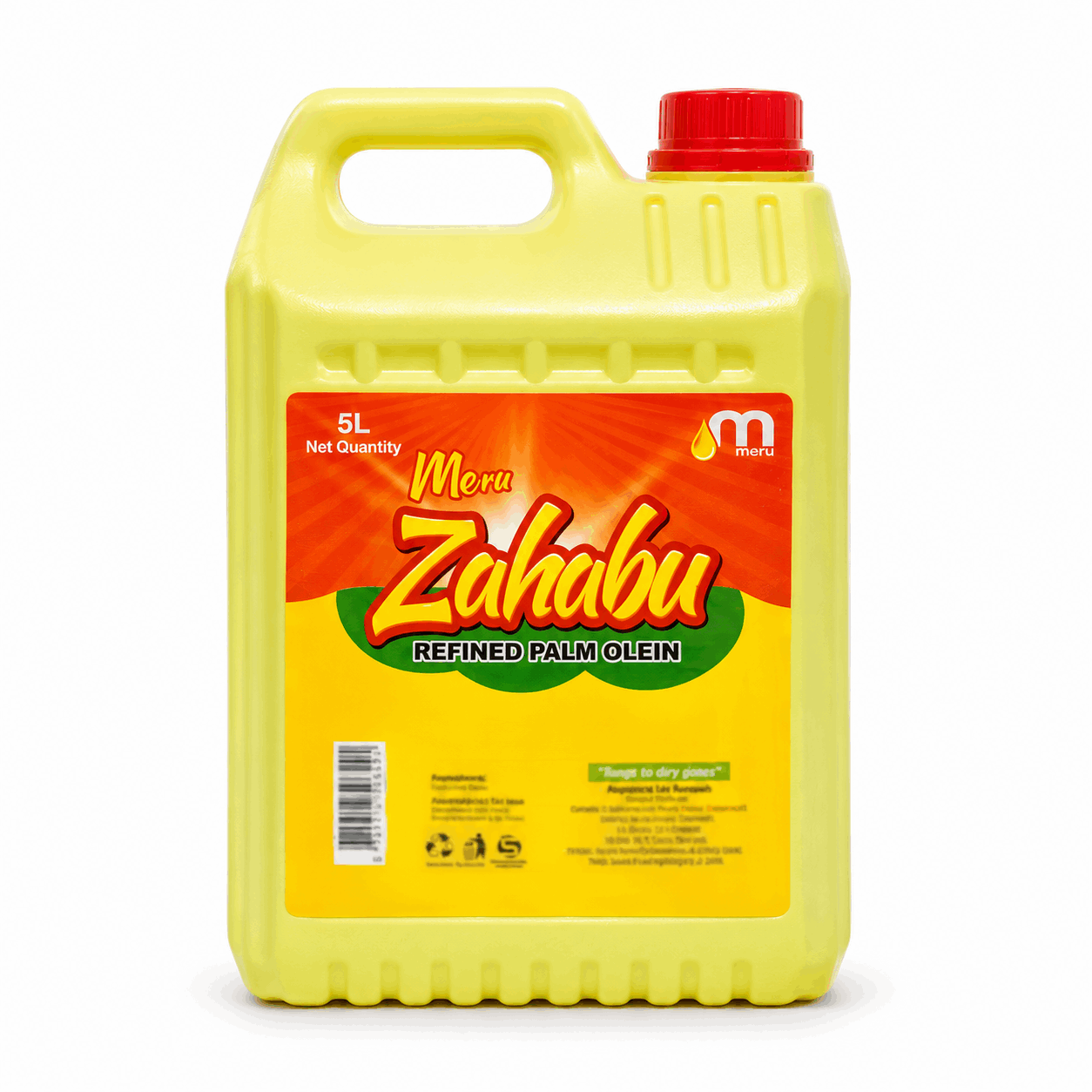
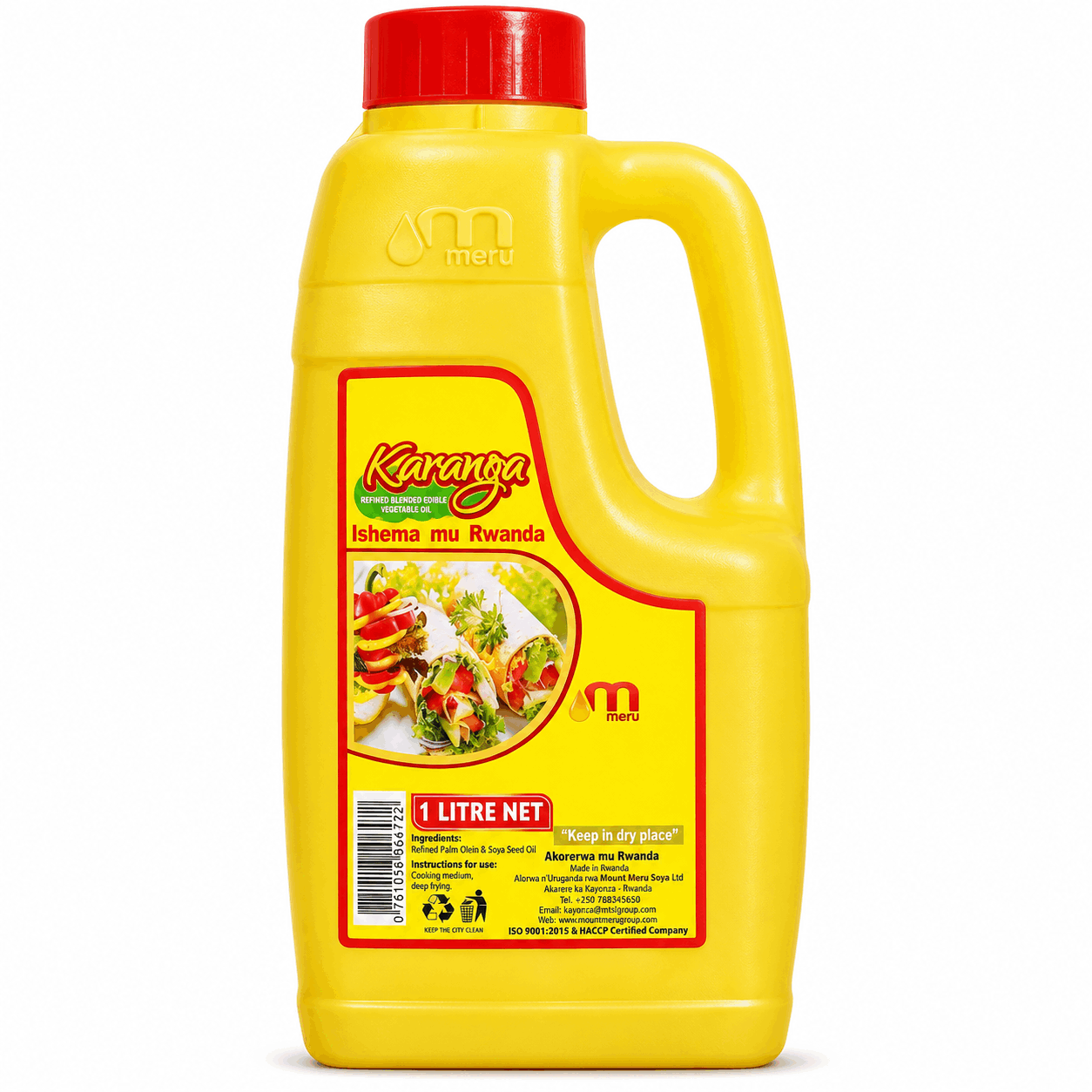
Cooking oil
1 bottle Must haveAlmost every dish starts with oil.
How to use it: A 3 litre bottle lasts a small family a few weeks. Store away from the stove.
Rice
1 bag Must haveThe base of countless Kigali meals.
How to use it: Rinse before cooking. Store in an airtight container.
Salt and spices
a few Must haveSalt, seasoning cubes and a few spices make simple food taste great.
How to use it: Start with salt, black pepper, curry powder and a mixed seasoning, then add as you cook.
Sugar and tea leaves
1 each Must haveTea is part of every morning and every visit.
How to use it: Rwandan tea leaves are excellent value. Keep both in airtight jars.
Onions and tomato paste
1 kg and 1 tin Must haveThe start of almost every sauce.
How to use it: Store onions somewhere dry and airy, not in the fridge.






Step by step
- 1
Measure and plan
Check your counter space, cupboards and sockets. Decide gas or electric and how many people you cook for.
- 2
Buy the core
Order the cooker setup, pots, frying pan, knife, board, plates, cutlery and the pantry starter together.
- 3
Cook for a week
Cook your usual meals and write down every time you wish you had a tool.
- 4
Fill the gaps
Buy the tools on your list, plus storage containers once you know which foods you keep.
Tips that help
- Buy pots with thick bottoms. They spread heat evenly and burn food less, which saves gas.
- Keep a small fire safety habit: never leave hot oil alone, and keep a lid nearby to cover a pan fire.
- Use clear storage containers so you can see when rice or sugar is running low.
- Hang the most used tools near the cooker on a hook or rail to free drawer space.
- Wash and dry new pots and dishes before the first use.
Mistakes to avoid
- Buying a huge cookware set where half the pieces never get used.
- Cheap thin pots that burn beans and warp on high heat.
- Forgetting a can opener and a colander, then improvising with a knife.
- Storing rice and flour in open bags where weevils and ants get in.
Questions people ask
What are the basic kitchen items for a new home?+
A cooker, a set of pots, a frying pan, a kettle, a sharp knife and board, a few spoons and a spatula, plates, bowls, cutlery, glasses, storage containers and cleaning supplies. With these and a pantry starter you can cook most everyday meals.
Is gas or electric better for a kitchen in Kigali?+
Gas is the most common choice because it works during power cuts and heats quickly. Electric cookers are simple and need no cylinder. Many homes use gas for cooking and an electric kettle for hot water.
How many plates and cups should I buy?+
A good rule is the number of people in your home plus four to six for guests. Visitors are common, and having enough plates means no one waits to eat.
How do I keep ants and weevils out of my kitchen?+
Store dry food in airtight containers, wipe counters after cooking, empty the bin daily and fix any dripping taps. A clean, dry kitchen gives pests nothing to come for.
What should I buy first if my budget is small?+
One good pot with a lid, a frying pan, a knife, a board, a wooden spoon, a few plates and the pantry basics. You can cook almost anything with those and add the rest over time.
A good kitchen is built around the meals you love to cook. Start with the core, cook for a week, and add what you really need. Shop this whole kitchen checklist on Isokko and get it delivered to your door in Kigali.
Shop this list
Get everything delivered in Kigali
Order from local stores on Isokko and pay with MoMo, card or cash. Same-day delivery.