
Checklist · Home & moving
Laundry Line and Drying Area for Rainy Season in Kigali: Checklist
Set up an indoor laundry line and drying area in Kigali so clothes dry during March to May rains. See what to buy and how to use it.
Updated November 25, 2026 · By Isokko
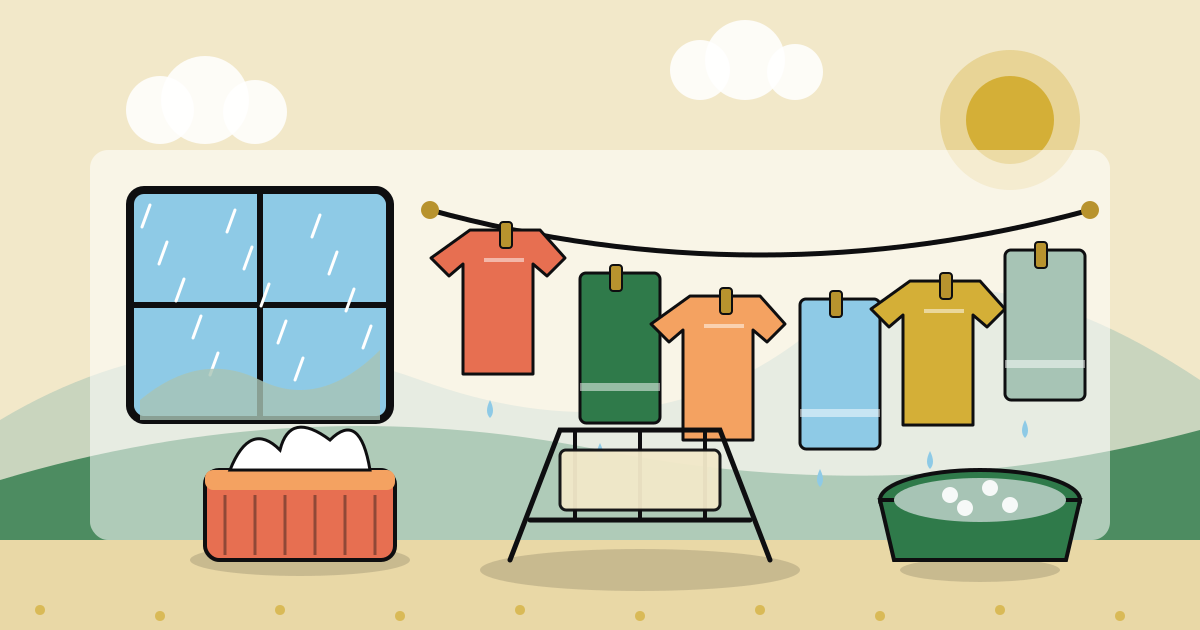
When the rains settle over Kigali, the compound line stops working. Clothes stay damp for days, towels start to smell, and school uniforms are not ready on Monday morning. A little planning fixes most of this.
This checklist walks you through a covered drying area: lines and racks, washing habits that help clothes dry faster, airflow, and the small things that keep damp smell and mold away. You do not need a big space. A corridor, a spare room or a covered veranda can do the job.
Every item says why it matters and how to use it, so you can buy only what fits your home. Check with your landlord before you drill holes or fix hooks into walls.
Who it's for
Anyone in a Kigali apartment or compound house whose clothes stay damp when it rains for days
Time needed
One afternoon to set up, plus a small weekly routine
When to shop
Before the March to May rains or the October to December rains start
On the list
24 items, 8 must haves
0 of 24 ready
Lines, racks and hangers
These give your wet clothes room to hang with air all around them. Clothes packed together stay wet far longer.
Clothesline rope
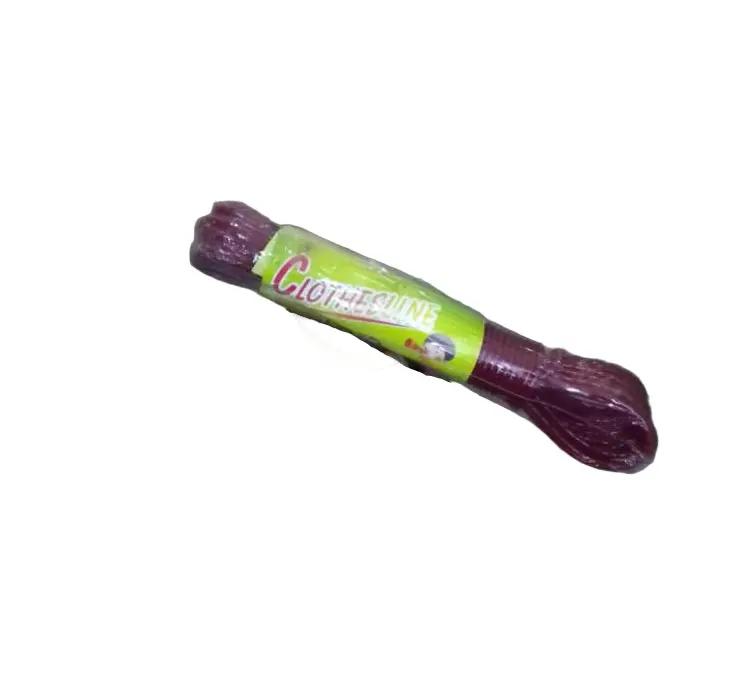
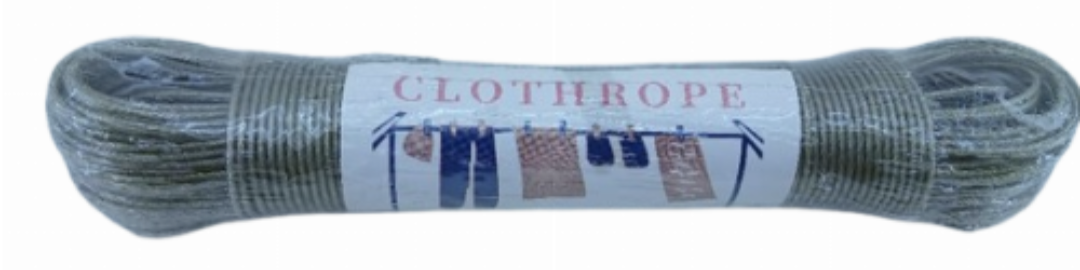
1 roll, 10 to 20 m Must haveA strong rope lets you make a line inside a corridor, spare room or covered veranda. Rope is cheap and can be taken down when the sun returns.
How to use it: Tie it tight so it does not sag under wet jeans. Measure the space first and buy a little more length than you think you need.
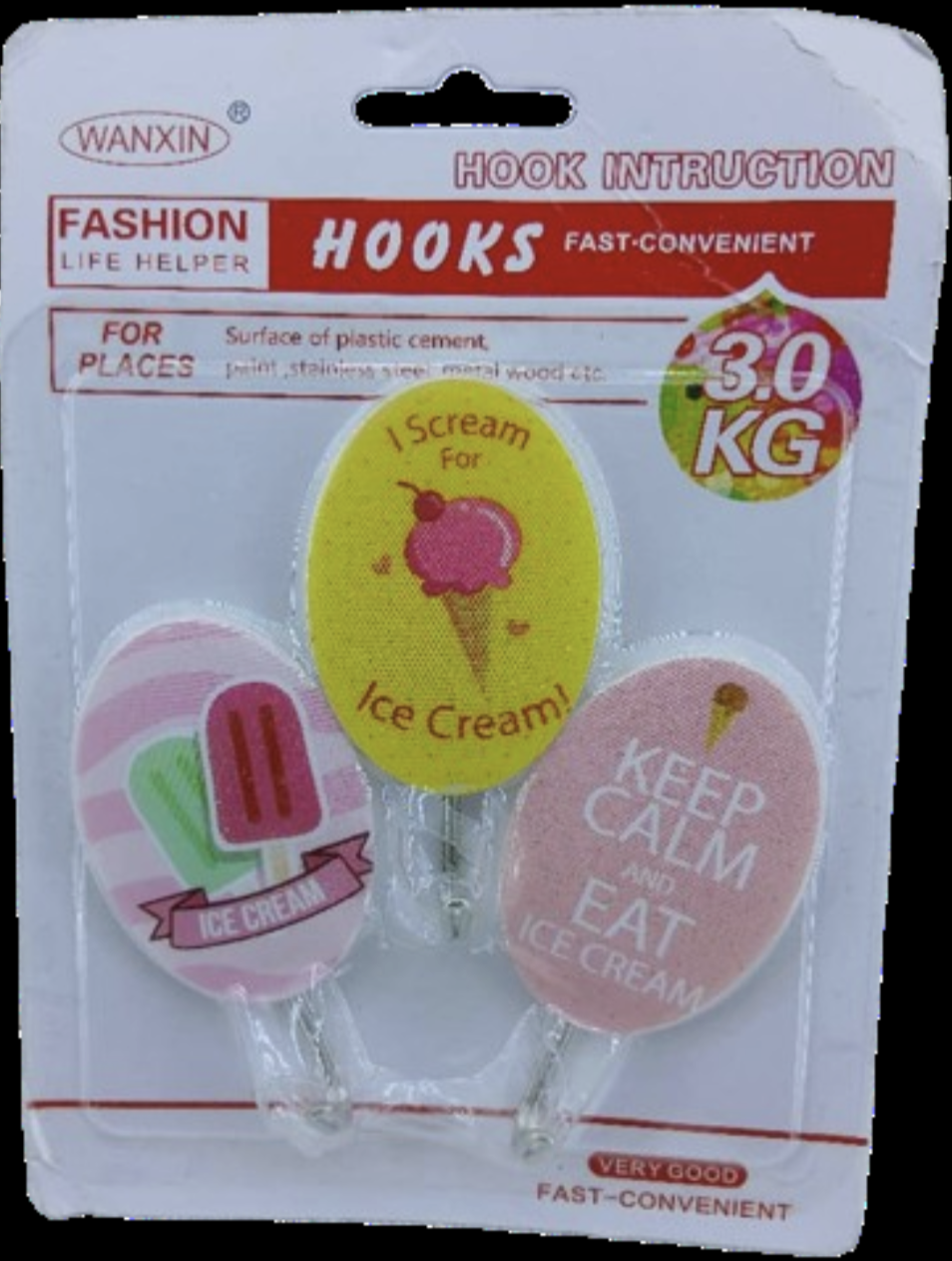
Wall hooks
2 to 4 Must haveStrong hooks give you firm points to tie the rope between two walls or door frames. A weak nail will pull out under heavy wet laundry.
How to use it: Fix them at the same height on both walls so the line stays level. Ask your landlord before you make holes. Stick-on hooks only hold light items.
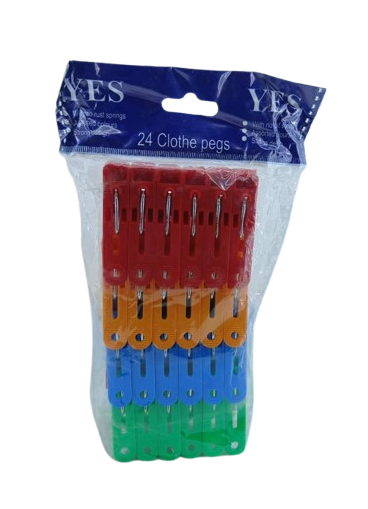
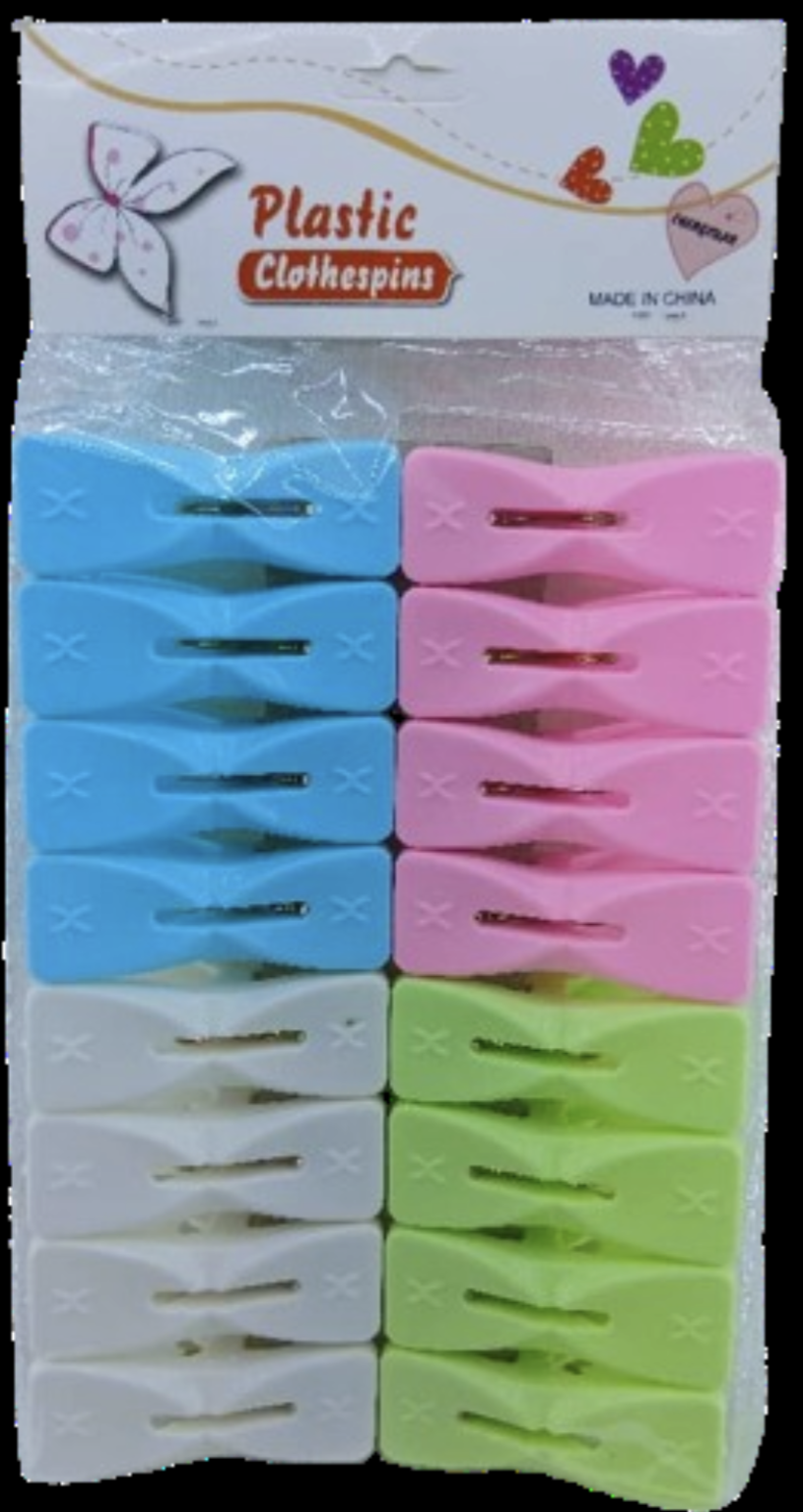
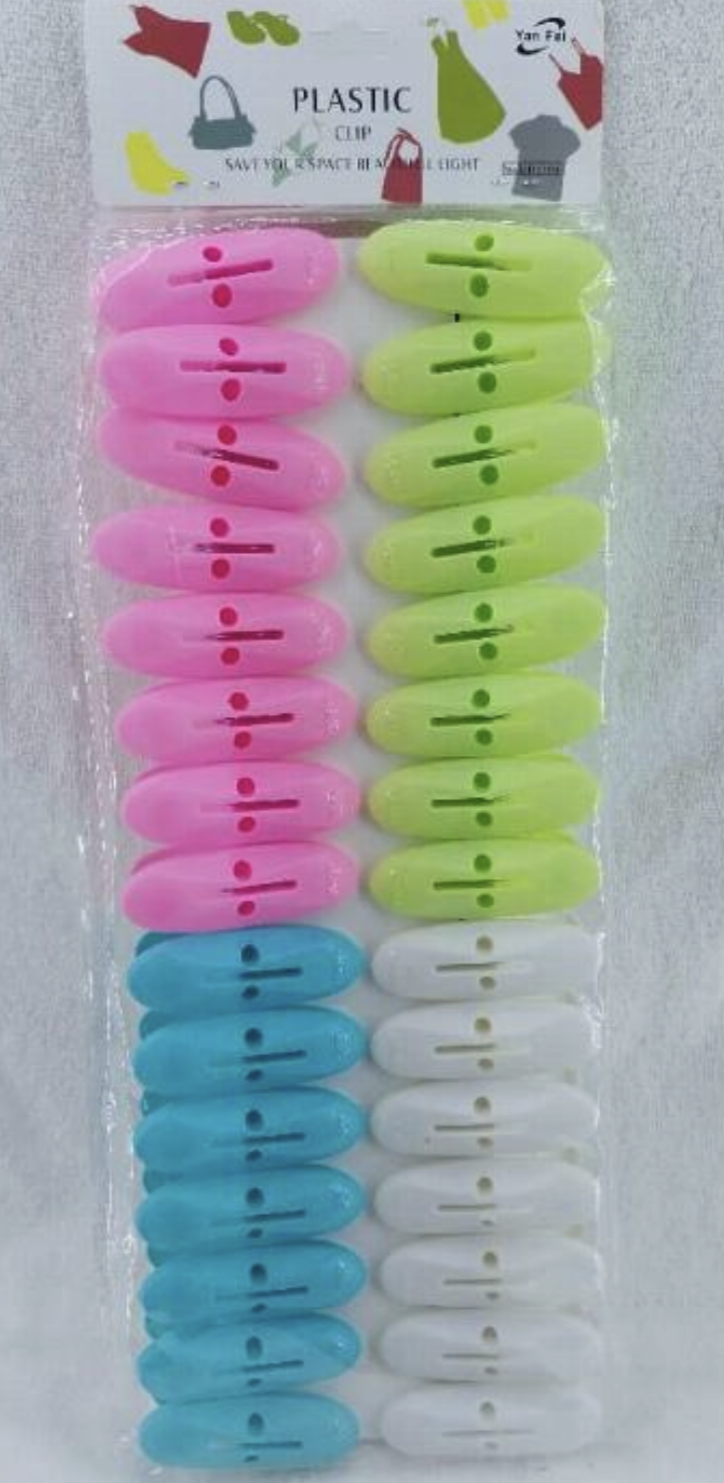
Clothes pegs
24 to 48 Must havePegs hold clothes on the line and stop them sliding into a heap. Spread-out clothes dry faster than bunched ones.
How to use it: Use two pegs on heavy items like towels. Hang shirts by the bottom edge so water drips away from the collar.
Folding drying rack
1 Must haveA rack dries a lot of laundry in a small footprint, and you can move it to wherever there is airflow or a little sun.
How to use it: Place it near an open window or in front of a fan. Leave gaps between items. Do not overload it or the legs may bend.
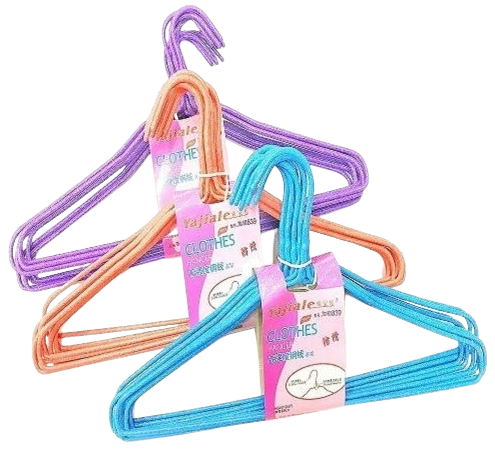
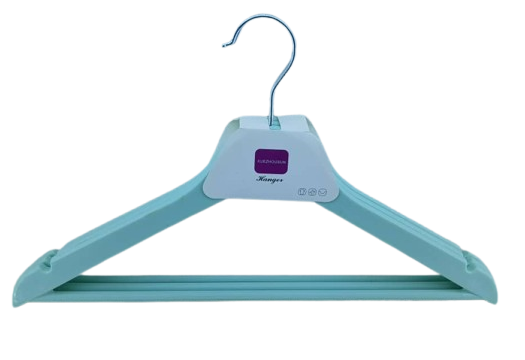
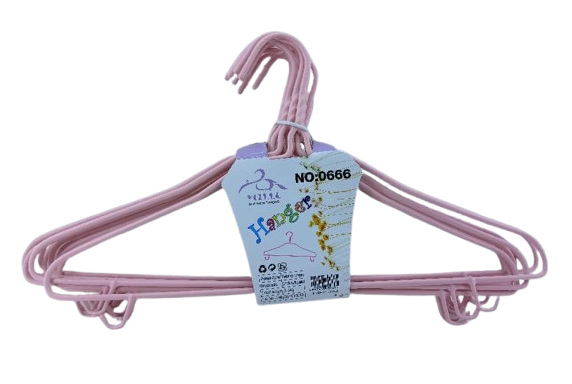
Clothes hangers
10 to 20 Must haveShirts, dresses and school uniforms dry with fewer wrinkles on hangers, and you can hang them from the line or a door frame.
How to use it: Use hangers for shirts and blouses. Fold jeans over the line instead, since they are heavy and can stretch the hanger.
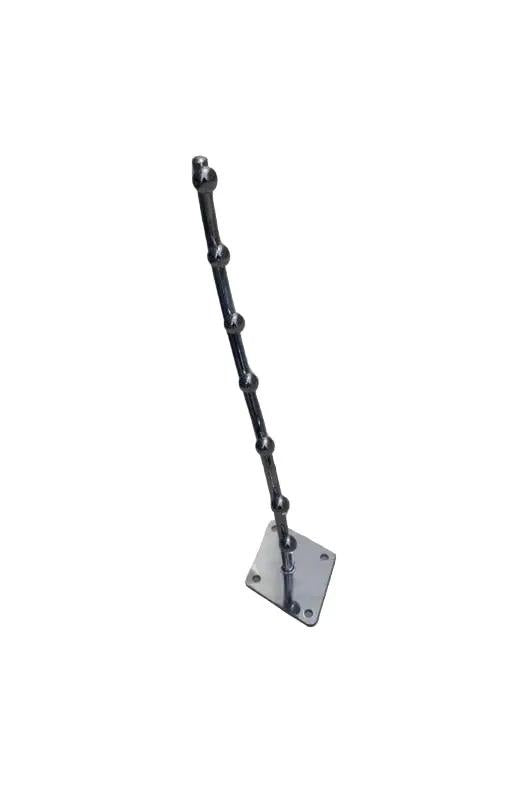
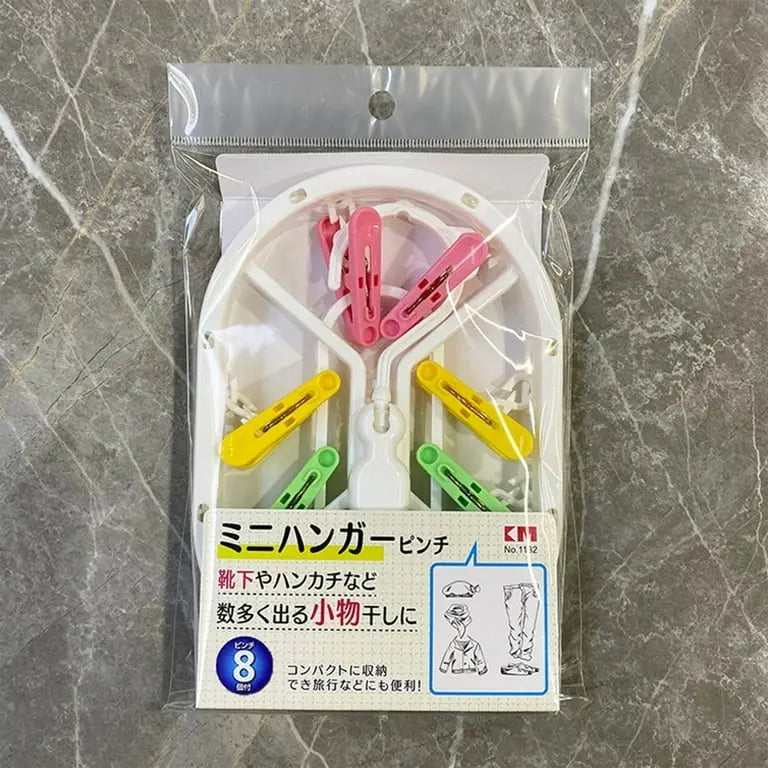
Hanging clip rack for small items
1Nice to haveSocks, underwear and baby clothes are easy to lose and slow to dry when laid flat. A hanging rack with clips keeps them together.
How to use it: Hang it from the line or a hook and clip items by the edge. Keep underwear in a spot with good airflow, not tucked in a dark corner.

Washing so clothes dry faster
How you wash decides how long clothes stay wet. Less water left in the cloth means a shorter wait.
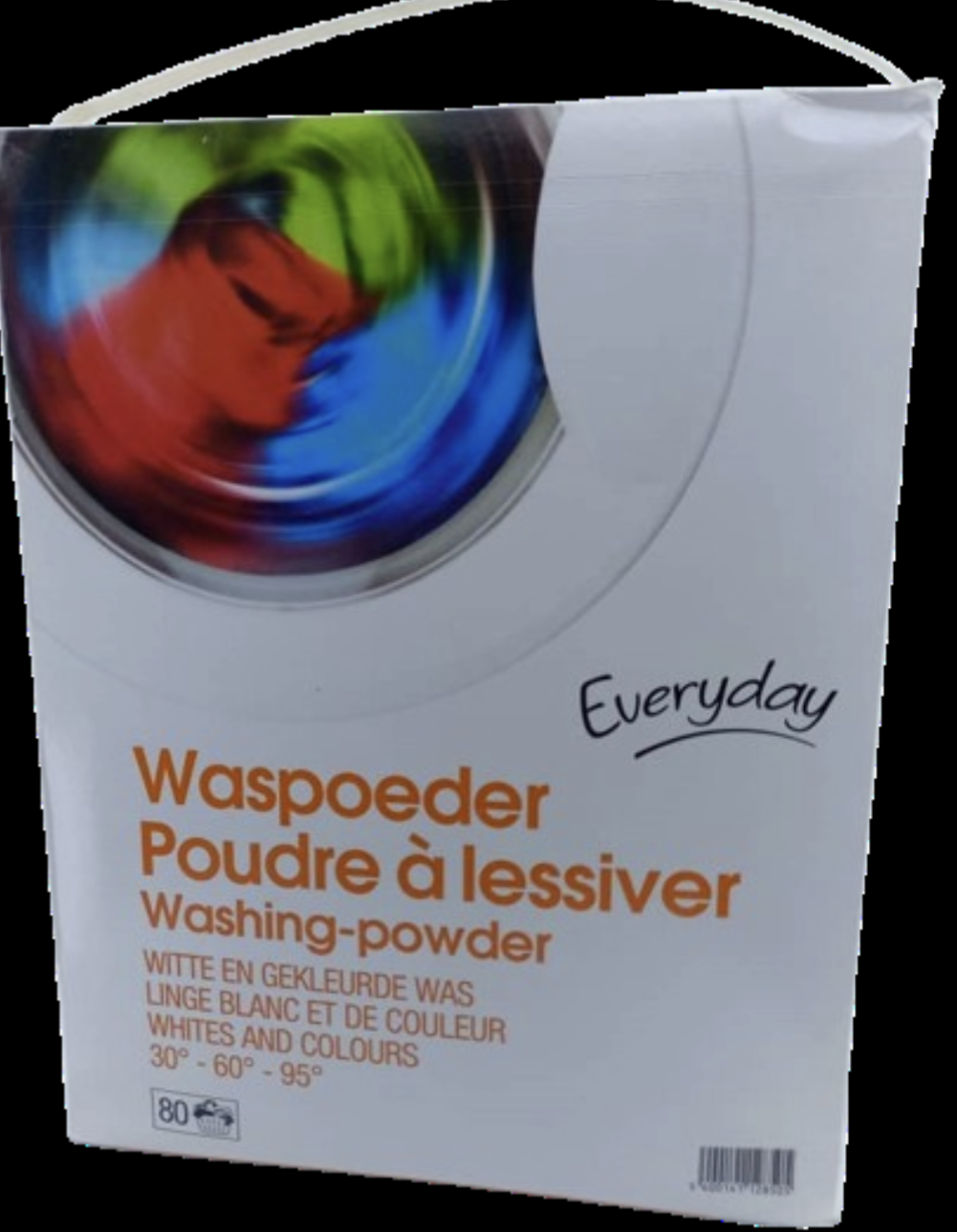
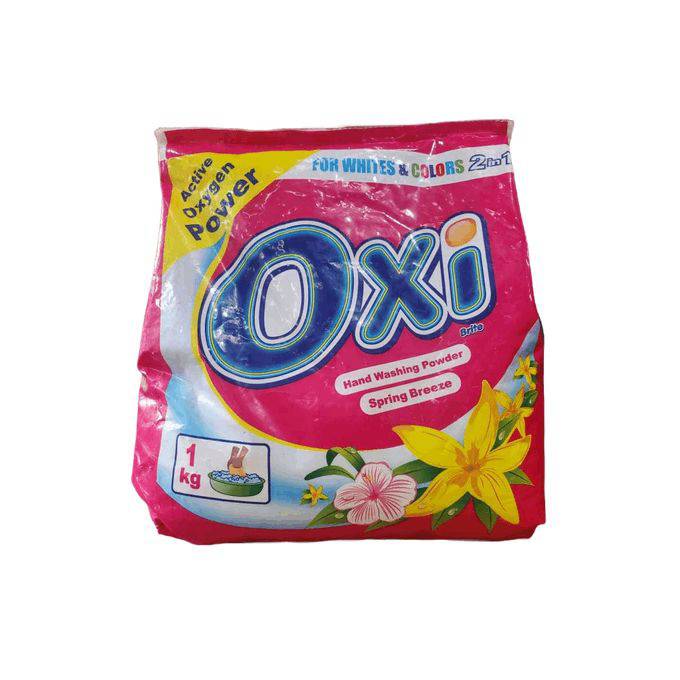
Washing powder or liquid detergent
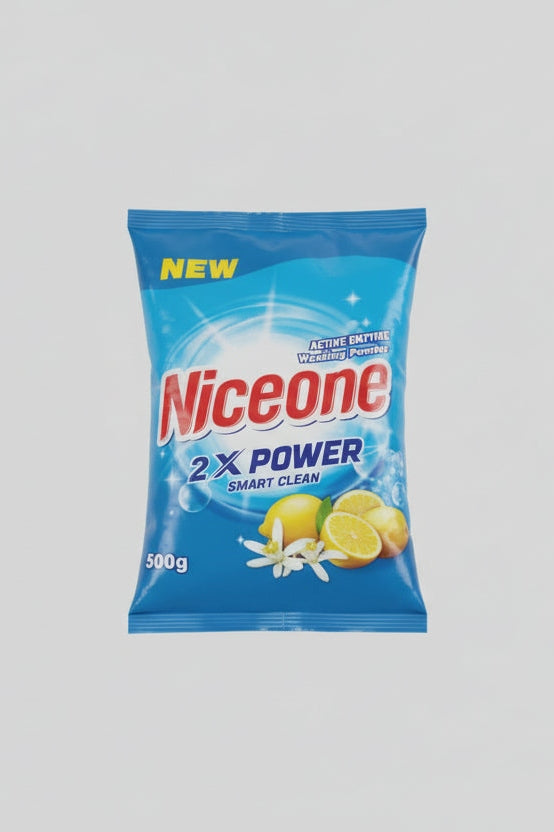
1 pack Must haveGood detergent rinses out well. Leftover soap makes cloth stiff and damp for longer and can leave a sour smell.
How to use it: Measure the amount on the pack for the load size. More soap does not mean cleaner clothes and it takes more rinsing.
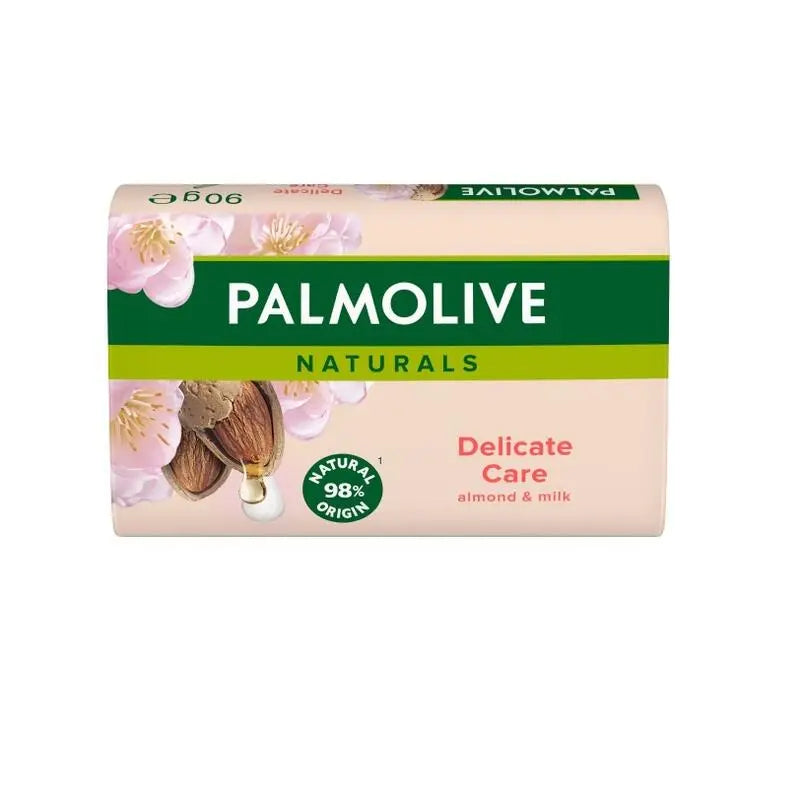
Laundry bar soap
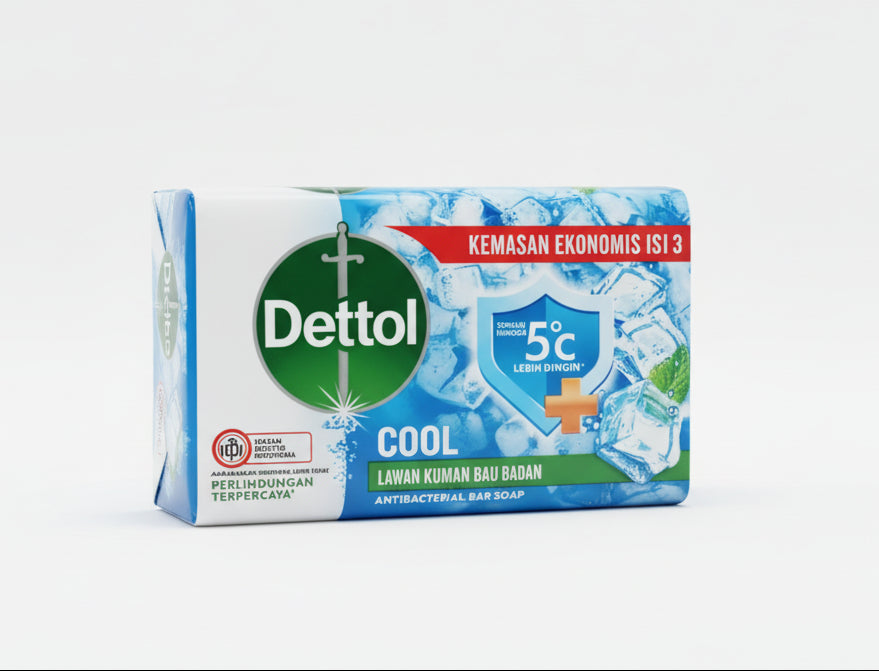
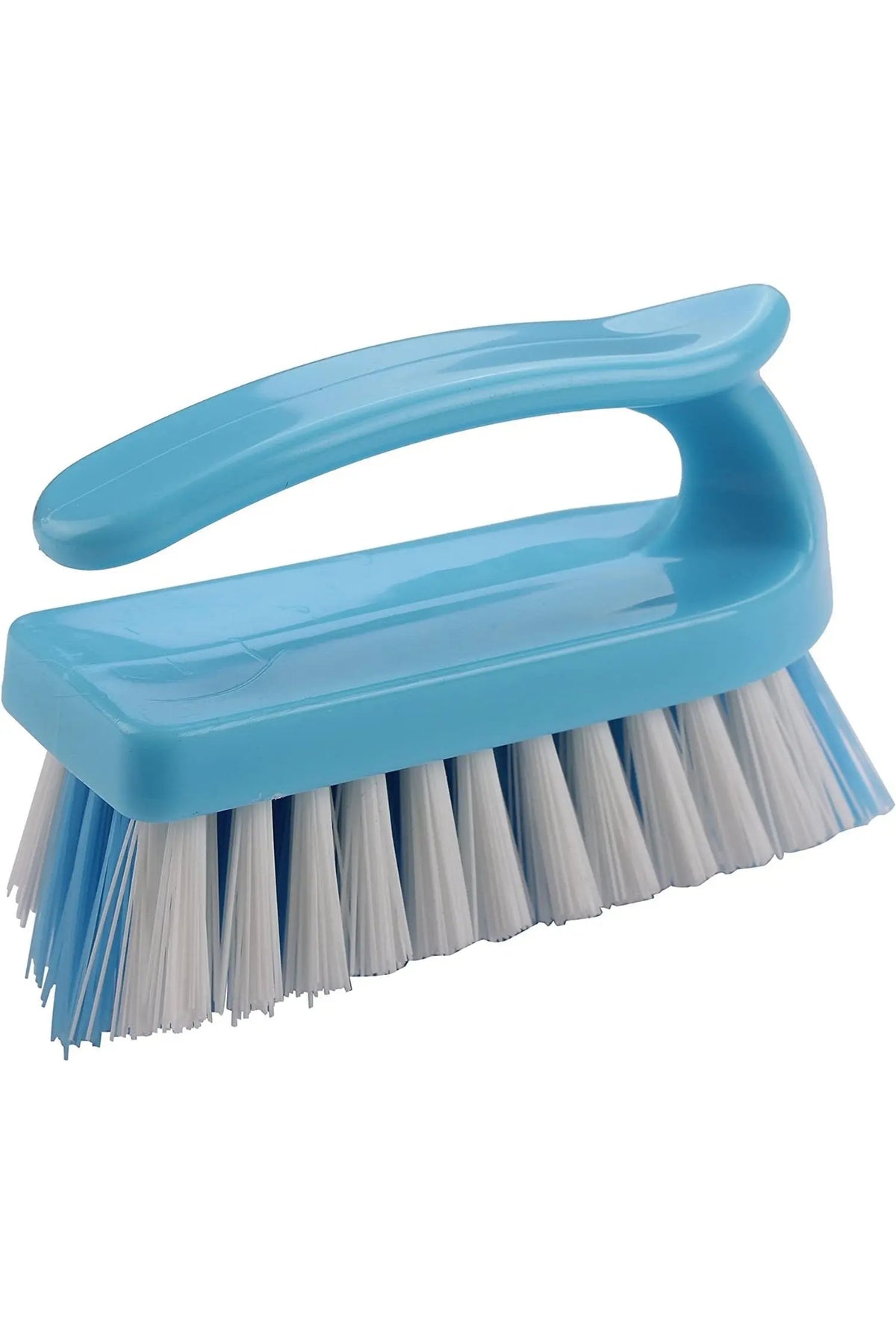
2 to 3 barsNice to haveBar soap is good for collars, cuffs and muddy school socks. Scrubbing the dirty spots lets you use less detergent for the whole load.
How to use it: Wet the stain, rub the bar on it and scrub. Rinse well before it goes on the line.
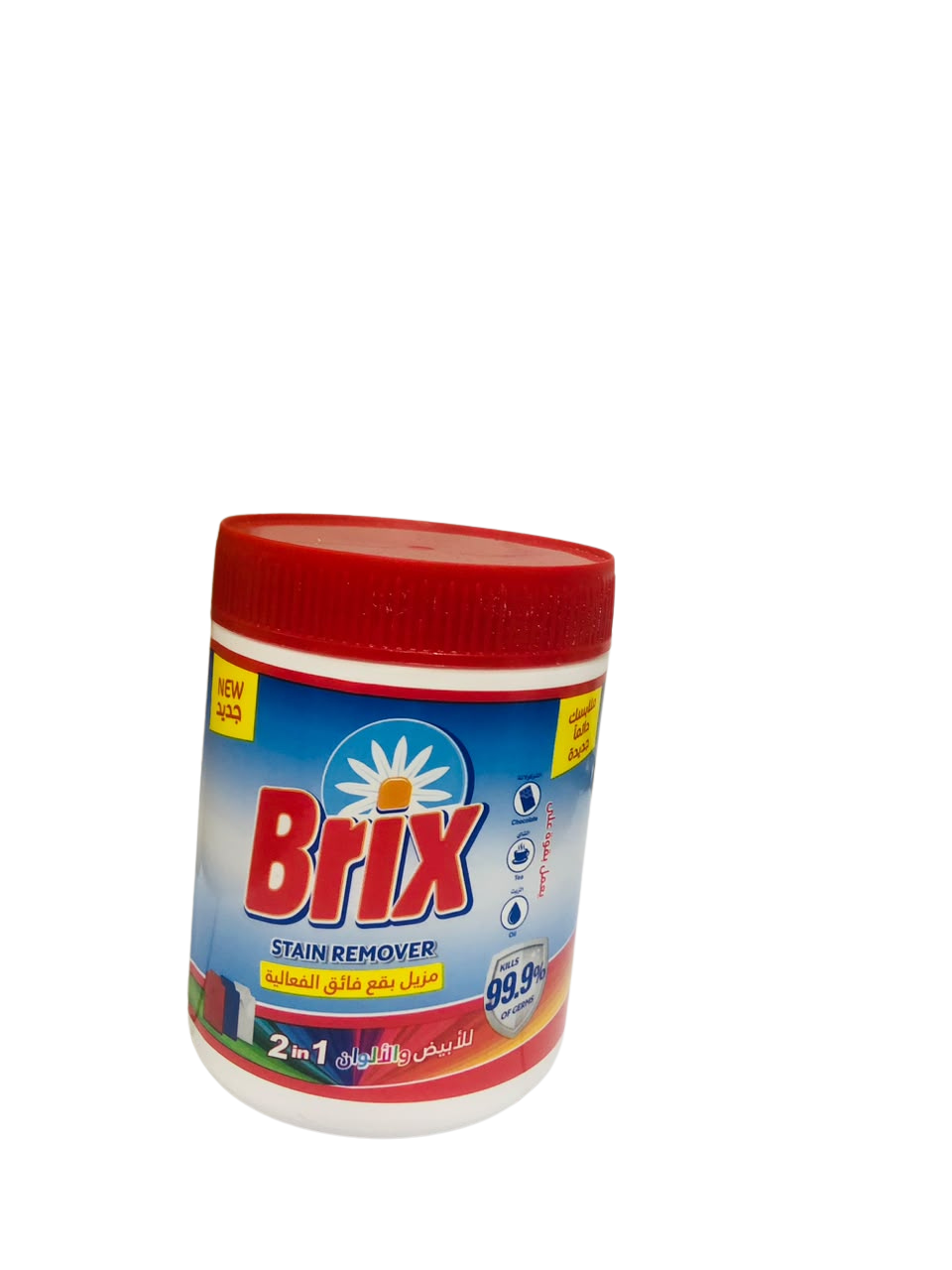
Stain remover
1Nice to haveRainy season brings red mud on cuffs and hems. Old stains are harder to remove and need more washing.
How to use it: Treat the stain before washing. Test on a hidden corner first, especially on colored clothes.
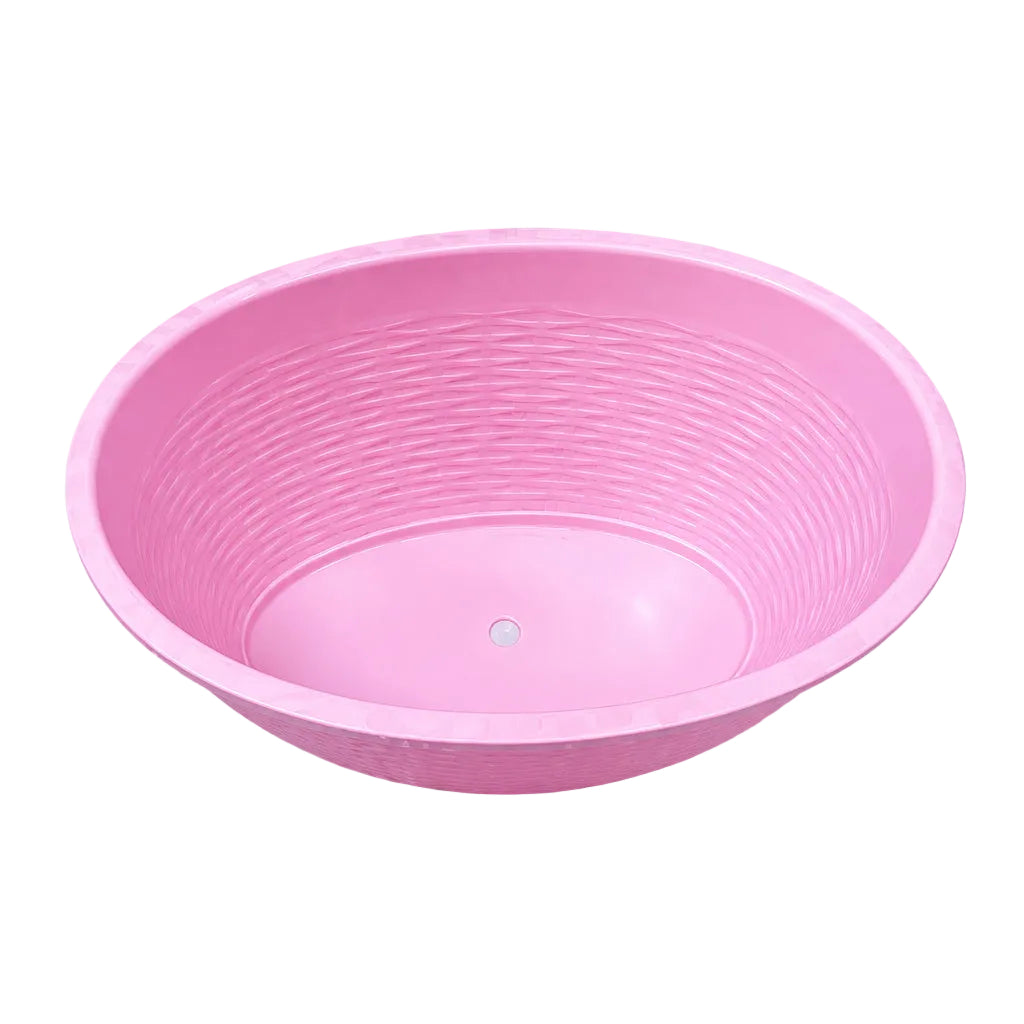
Washing basins
2 or 3 Must haveOne basin to wash and one or two to rinse give cleaner clothes. Clean rinse water is the best way to get soap out.
How to use it: Use a basin for each stage: wash, first rinse, final rinse. Wring each item firmly between stages.
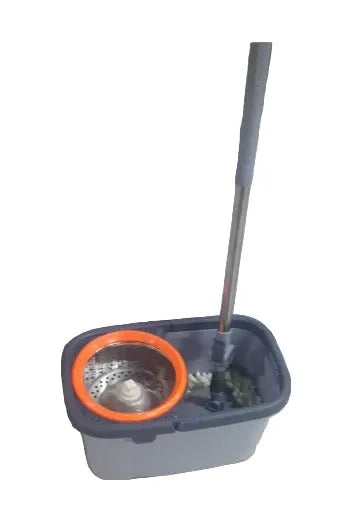
Water bucket
1 or 2Nice to haveA bucket carries rinse water to the basin and helps you keep a clean supply when taps are slow.
How to use it: Keep one bucket only for rinse water and another for dirty water so you do not mix them up.
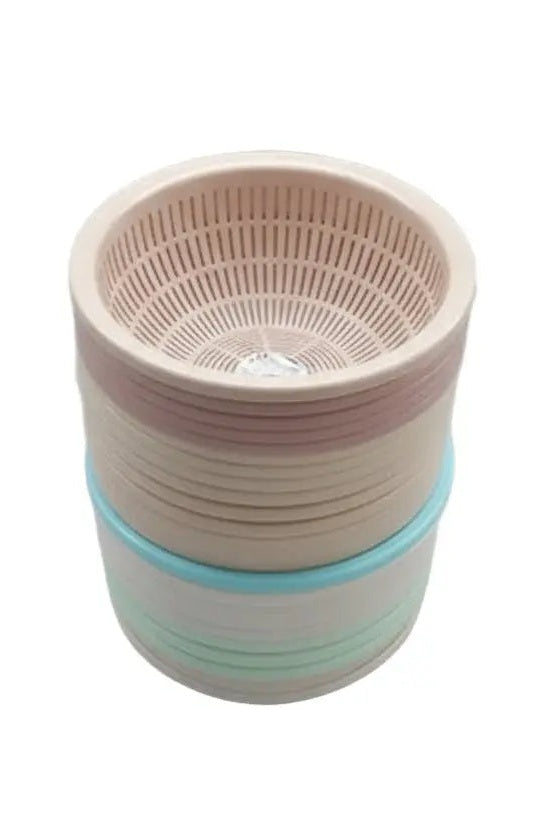
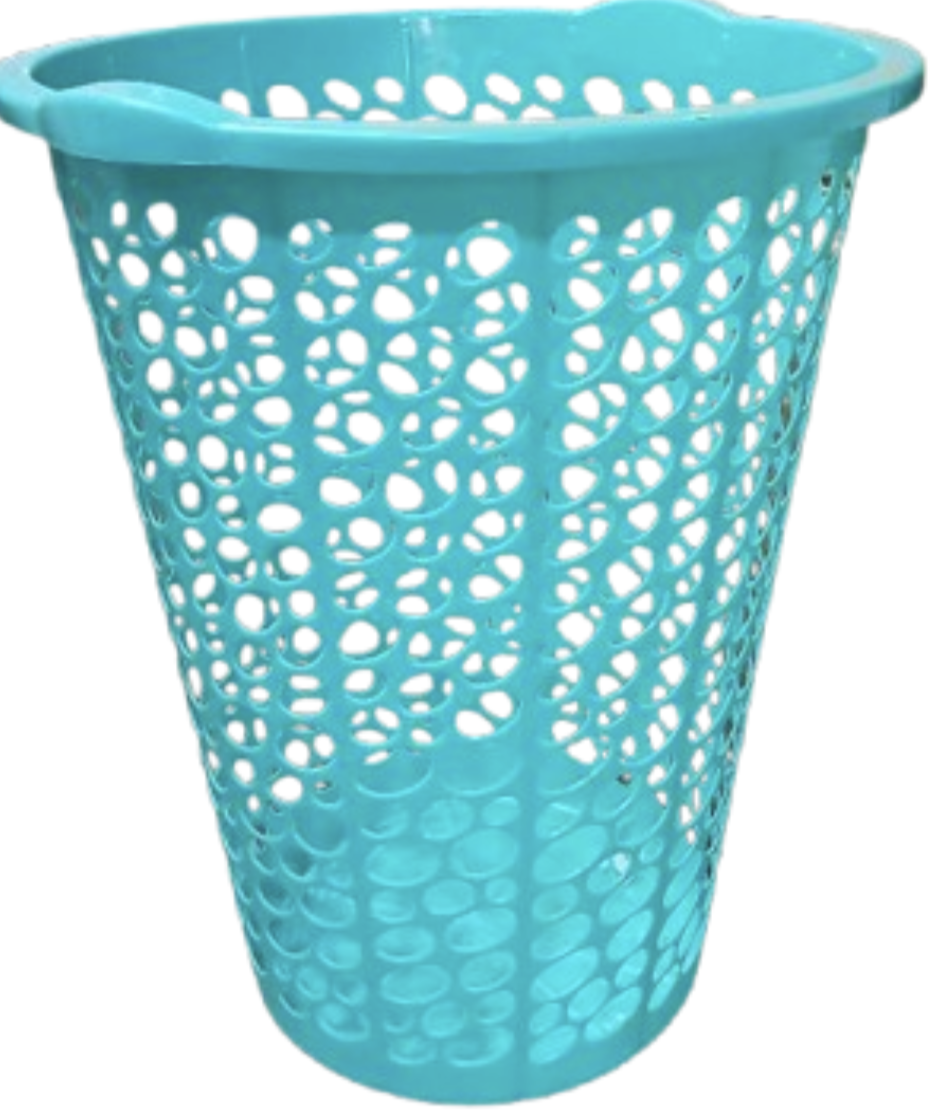
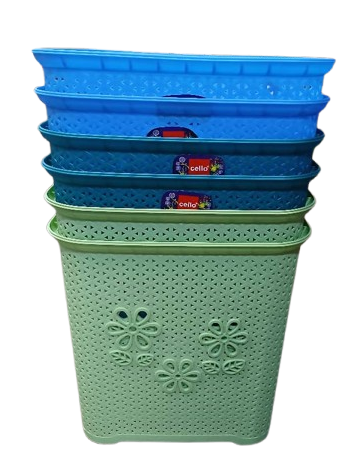
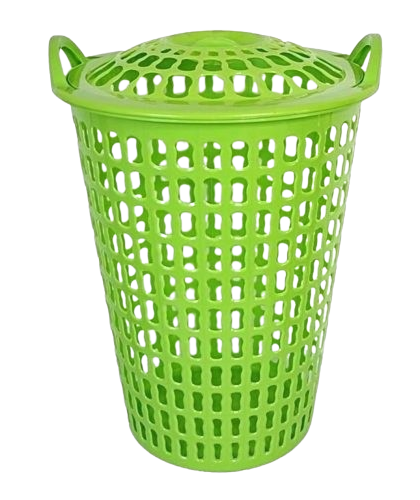
Laundry basket with ventilation
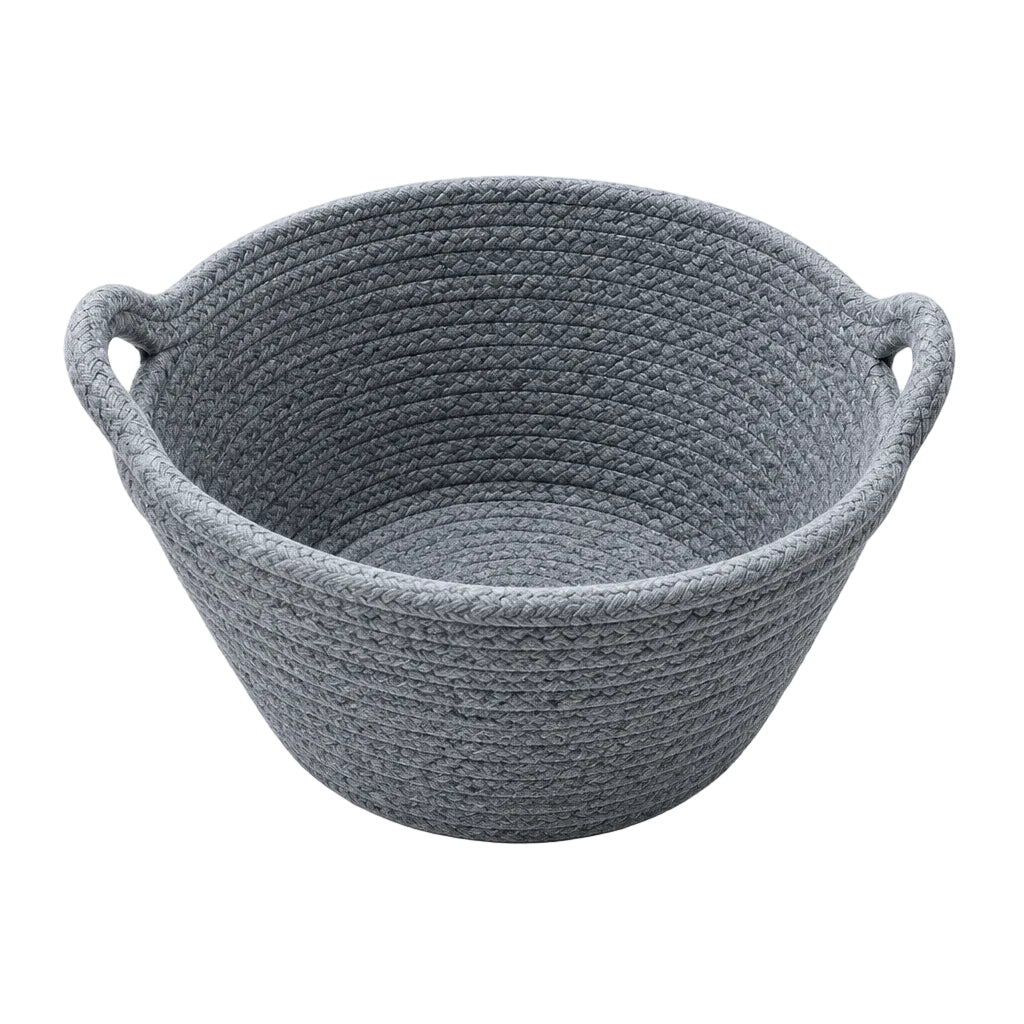
1 Must haveDamp clothes dumped in a closed bin grow a musty smell within a day. A basket with holes lets air through.
How to use it: Keep it off the floor if you can. Wash items soon after they get wet in the rain and do not leave damp clothes sitting in a heap.



Airflow and heat
Wet cloth dries when air moves across it and when the room is not damp. These items help.
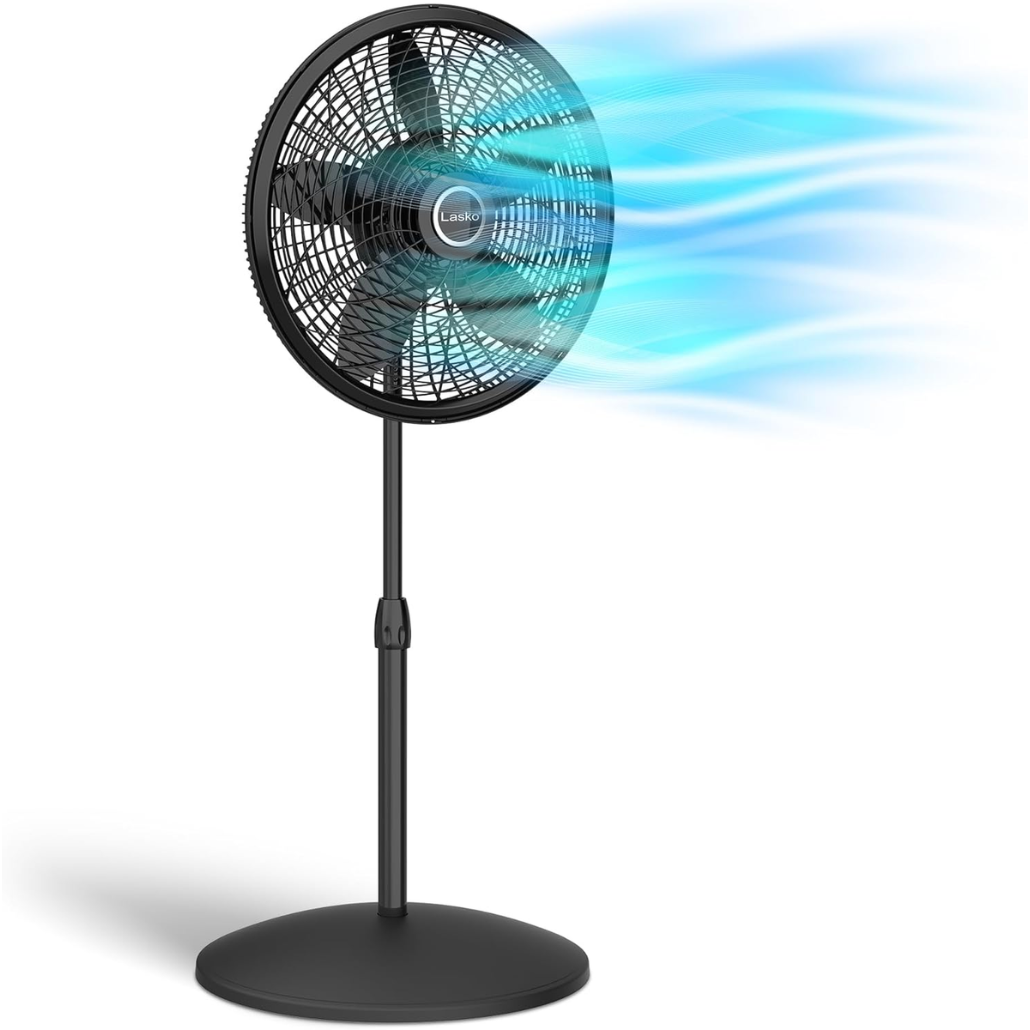
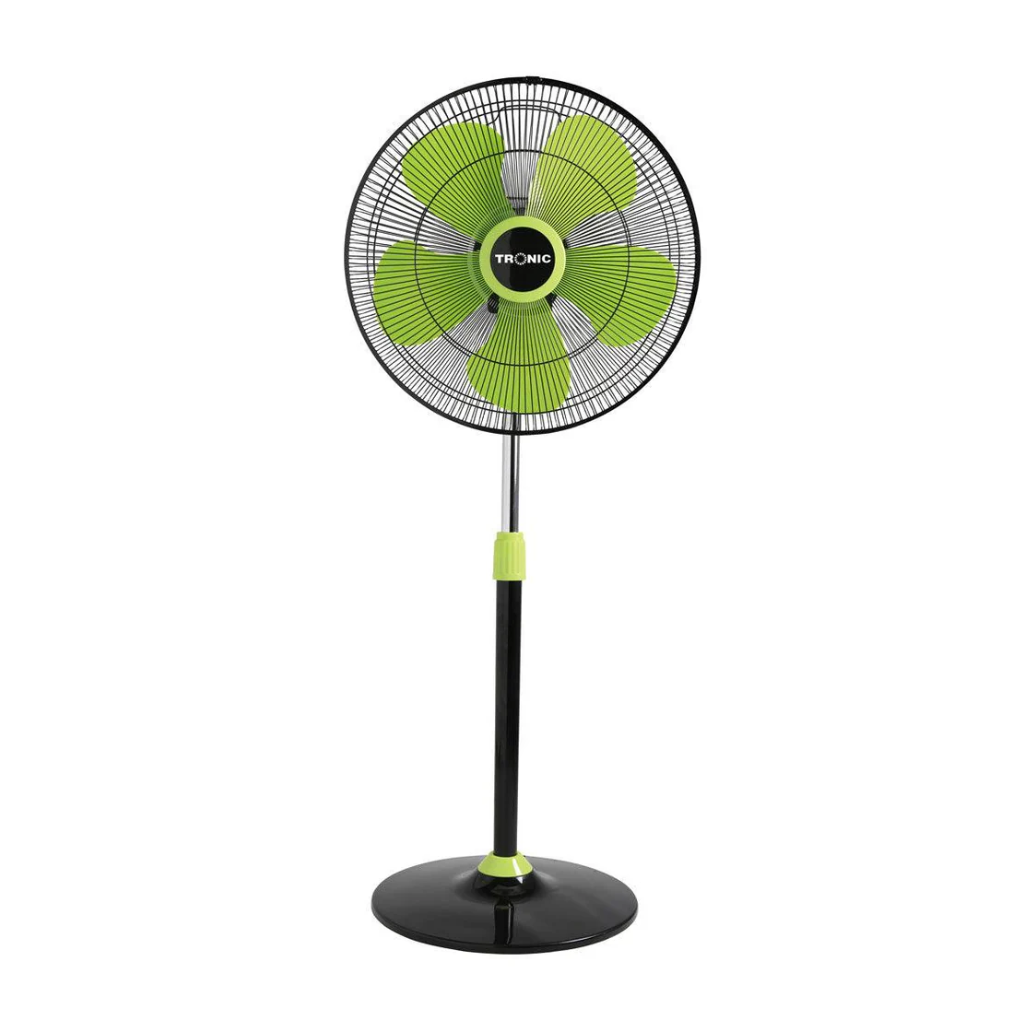
Standing fan
1Nice to haveA fan moving air across the line can cut the drying time a lot, even on gray days.
How to use it: Point it at the line from a short distance and angle it slightly upward. Turn it off when you leave the house.
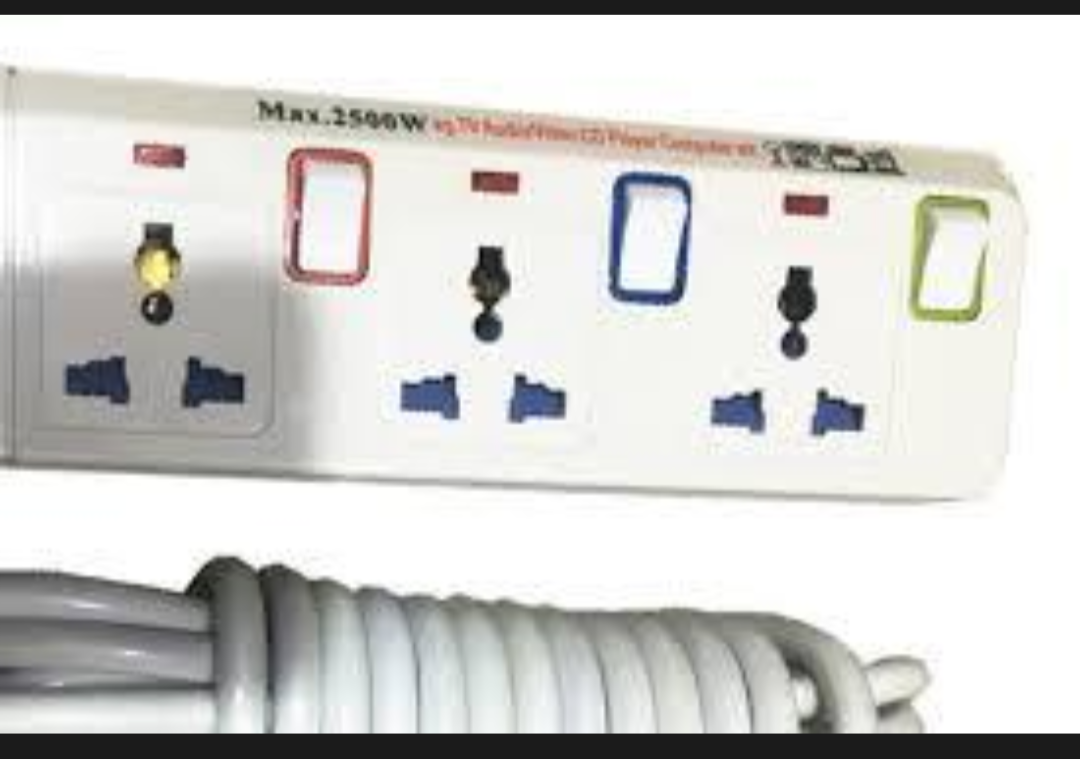
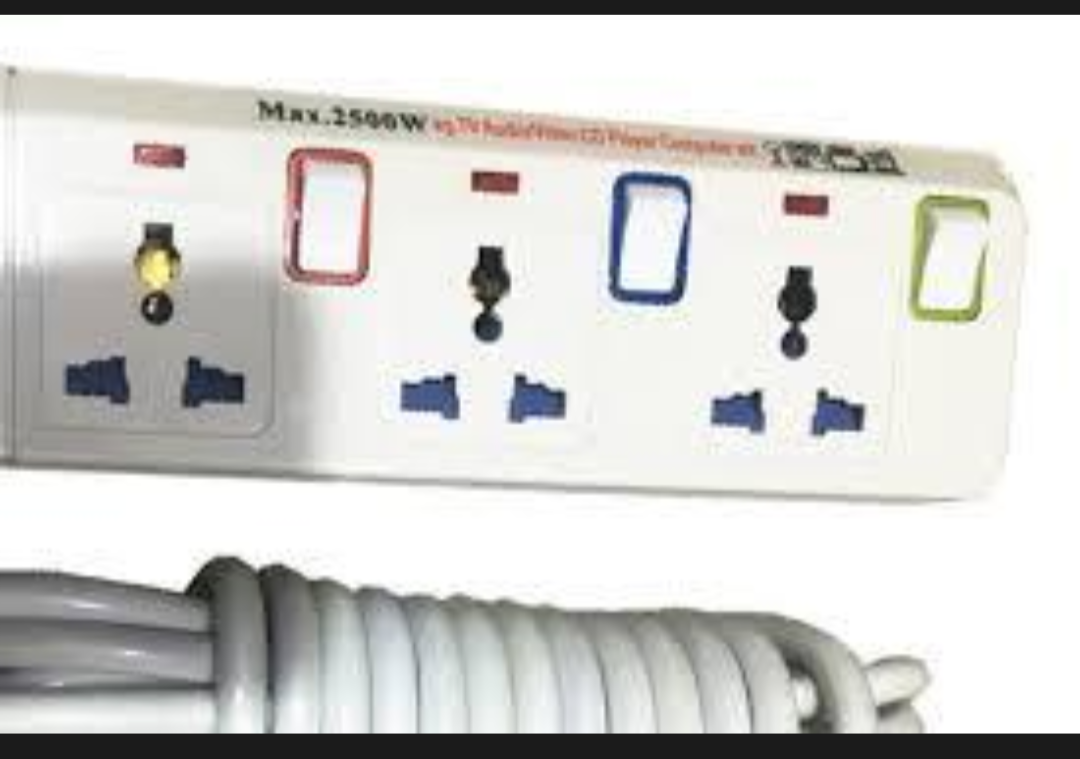
Multi socket
1Nice to haveA fan and an iron both need a safe place to plug in away from damp walls and floors.
How to use it: Choose one with a switch and keep it off the floor. Do not place it under dripping clothes.
Electric iron
1Nice to haveA hot iron finishes drying items that are almost dry and removes the damp smell. It helps finish school uniforms when the sun is missing.
How to use it: Iron slightly damp clothes on low to medium heat, depending on the fabric label. Never leave it face down and plugged in.
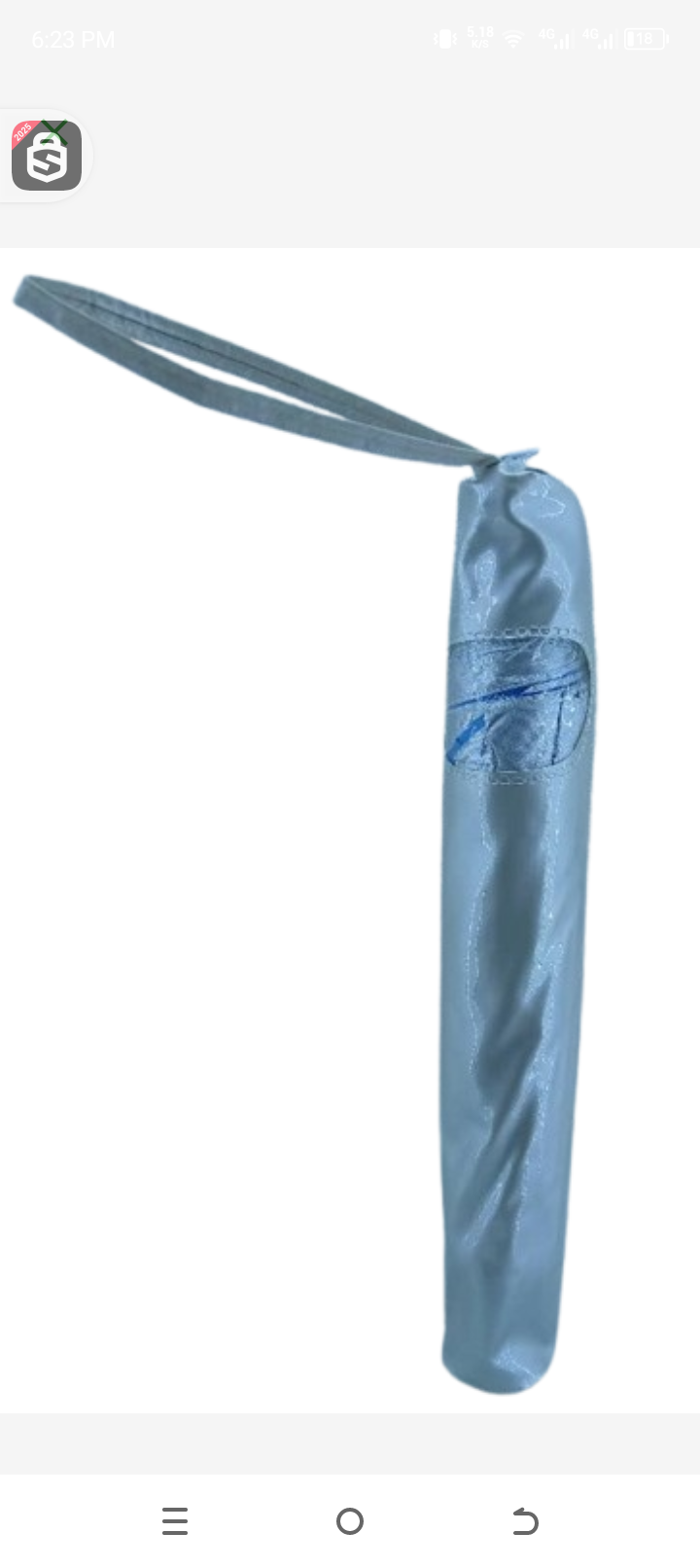
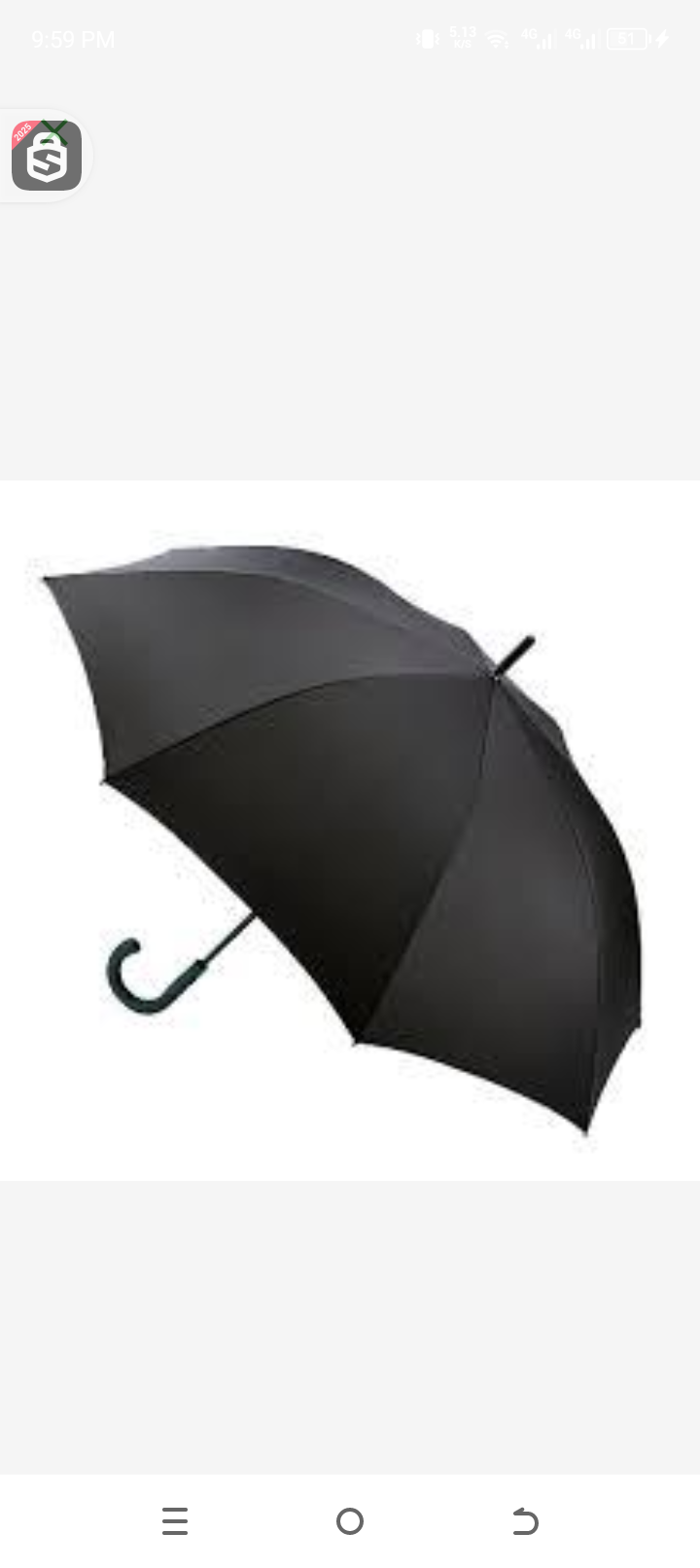
Umbrella
1Nice to haveAn umbrella protects a short trip from the washing area to a covered line without soaking the clean clothes again.
How to use it: Keep it by the door. Do not carry clean clothes across open yards while rain is still falling.
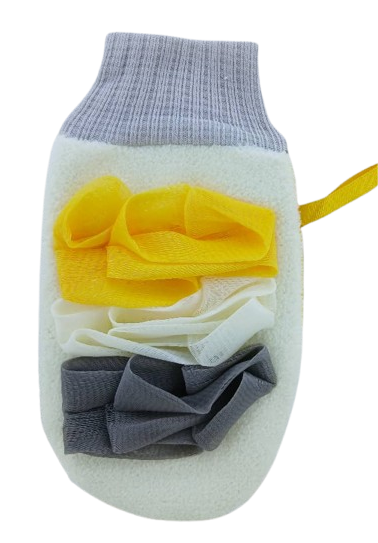
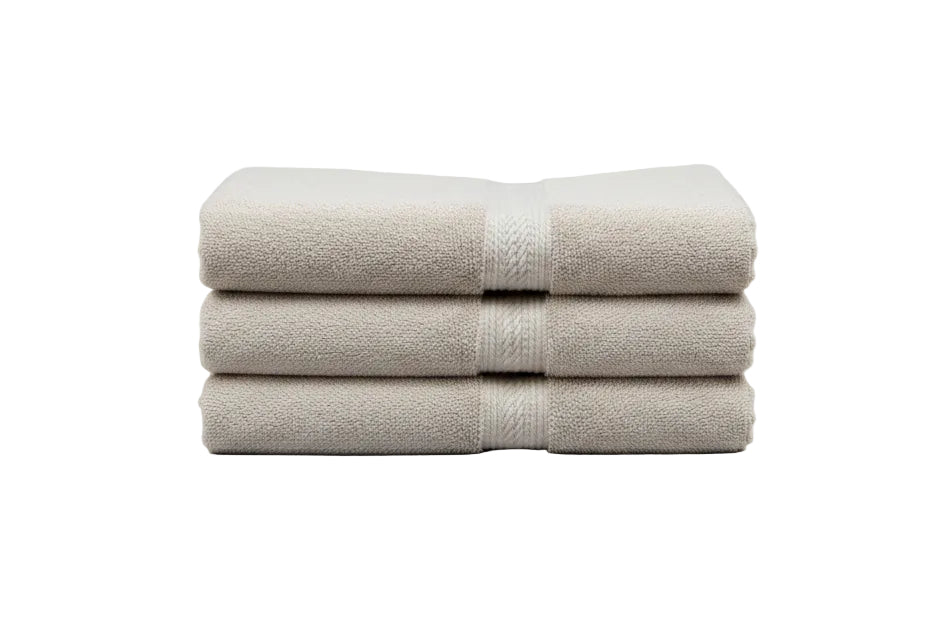
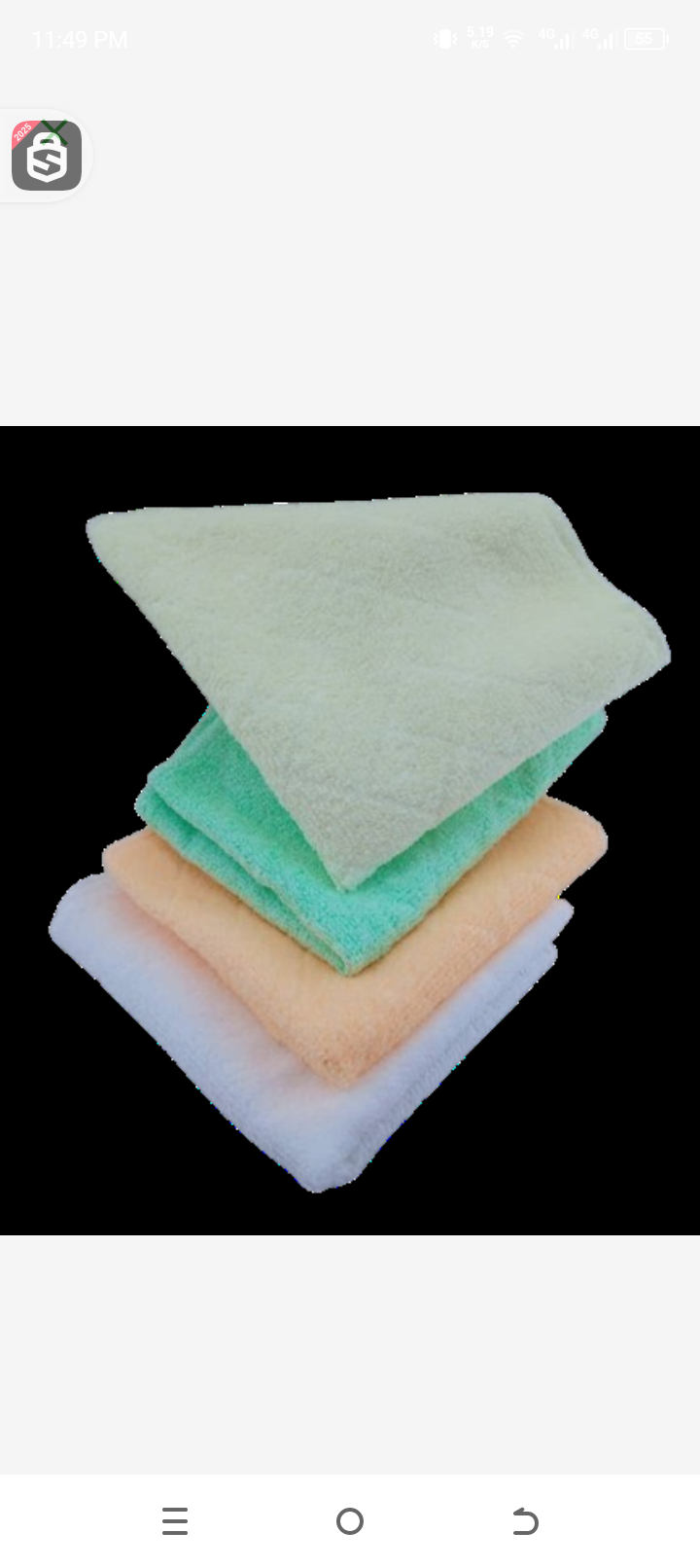
Absorbent bath towels
2 to 4Nice to haveTowels dry bodies and also help you press water out of clothes. Roll a wet shirt in a towel and press before hanging.
How to use it: Wash and dry towels fully before reuse. A damp towel stored in a pile starts to smell fast.



Keeping clothes fresh and mold free
Damp storage is the next problem after damp drying. These small buys protect clothes after they dry.
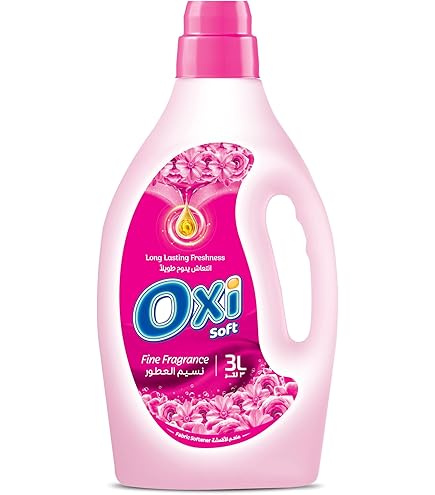
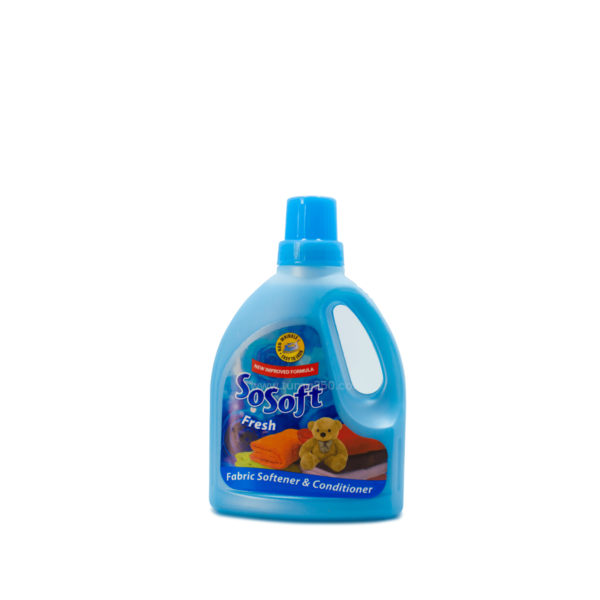
Fabric softener
1 bottleNice to haveSoftener makes cloth feel gentler after line drying indoors and leaves a fresh smell.
How to use it: Add it in the last rinse, not with the detergent. Use the amount on the label.
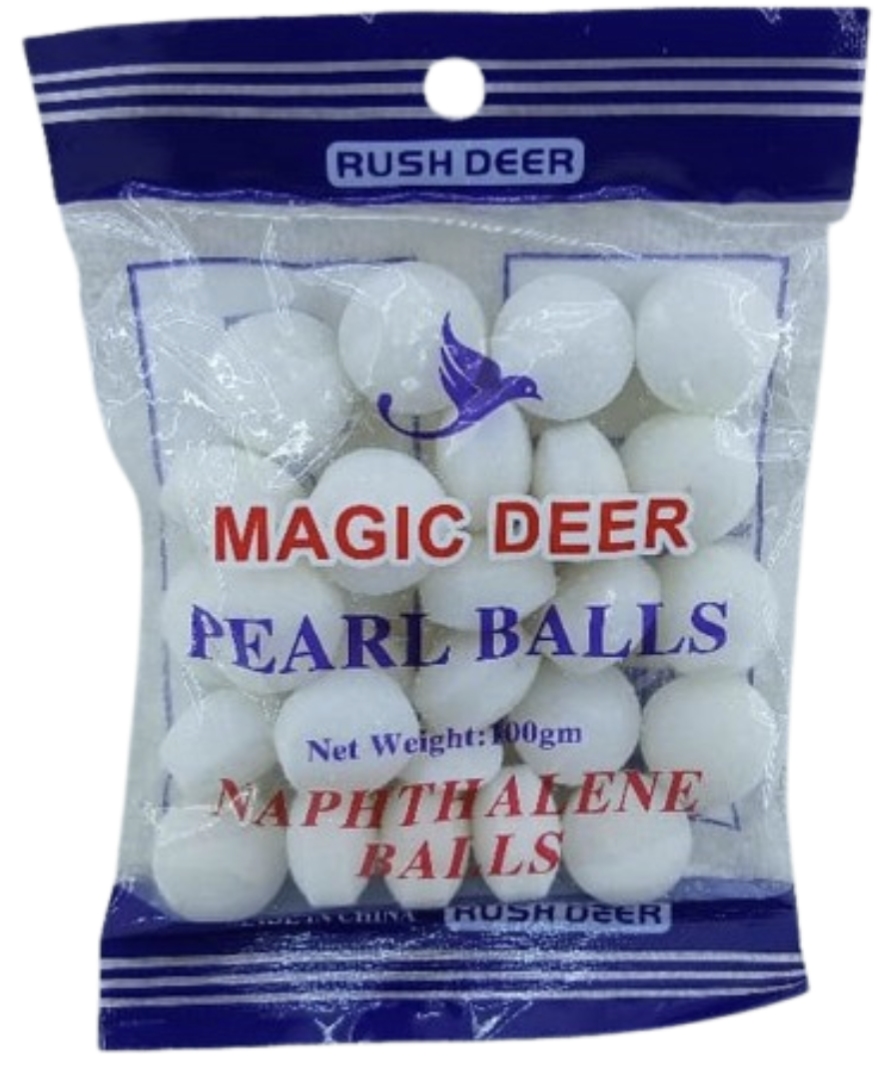
Naphthalene balls
1 packNice to haveThese help keep moths and damp smell out of closed wardrobes and drawers.
How to use it: Wrap them in a small cloth and keep them out of reach of children and pets. Do not put them directly on clothes.
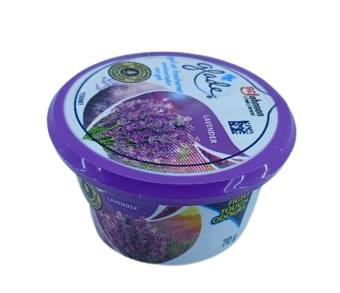
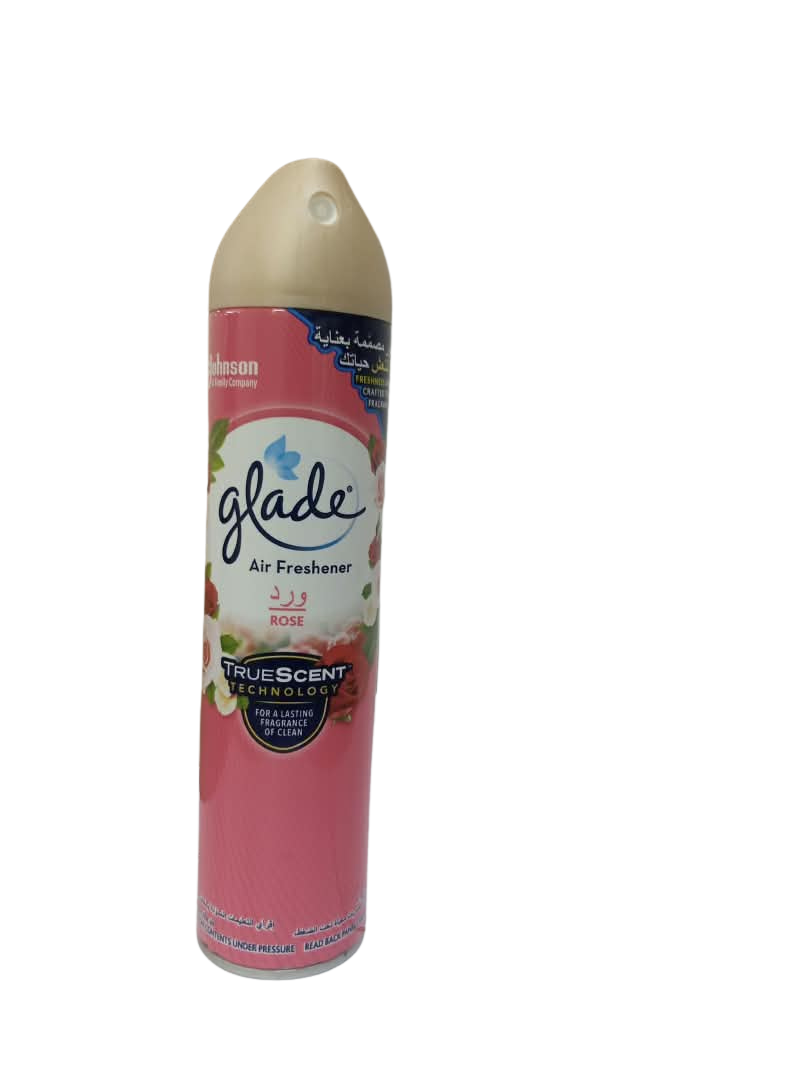
Air freshener
1Nice to haveA closed room full of drying laundry gets a damp smell. A light air freshener helps while you open windows.
How to use it: Use sparingly. Ventilation does the real work. Do not spray directly on drying clothes.
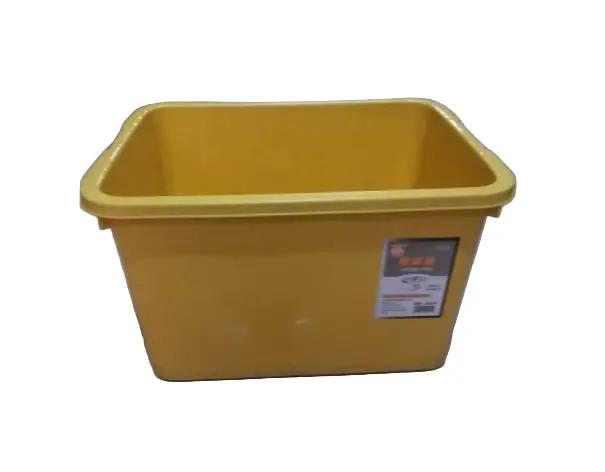
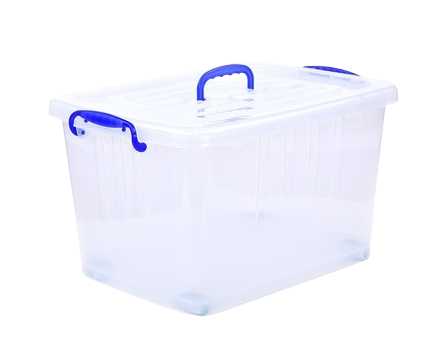
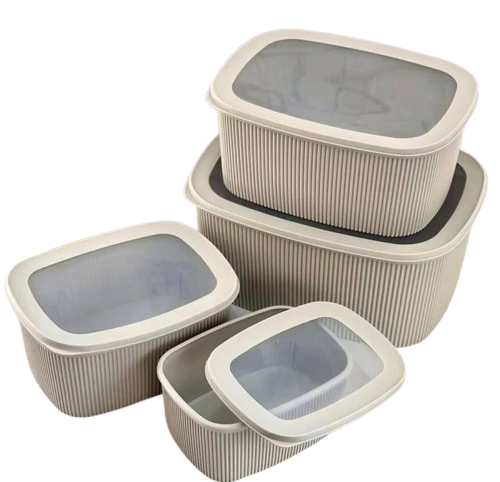
Storage boxes with lids
2 to 4Nice to haveFully dry out-of-season clothes keep better in sealed boxes, and boxes protect against dust and damp walls.
How to use it: Only store clothes that are completely dry. Keep boxes off the floor, away from outside walls.
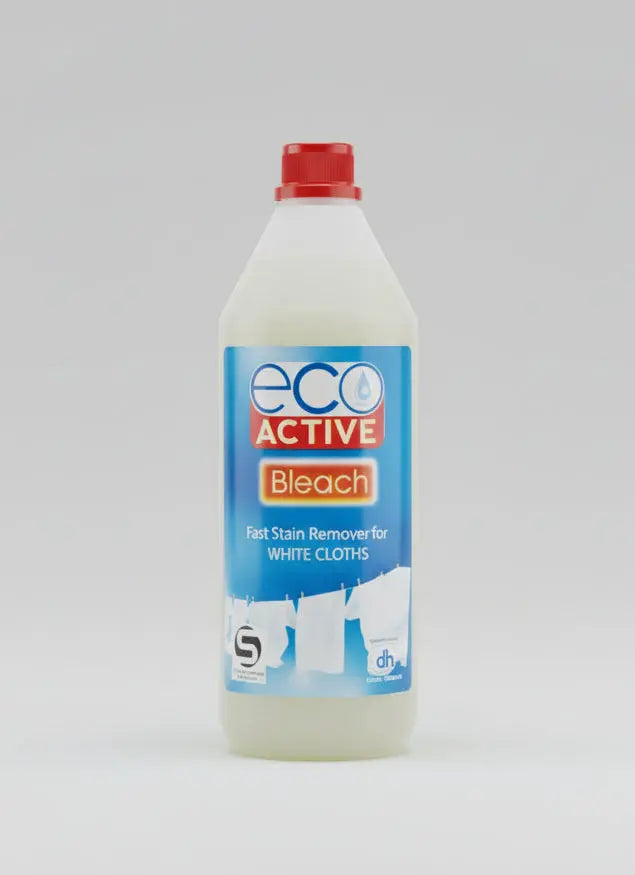
Bleach for whites
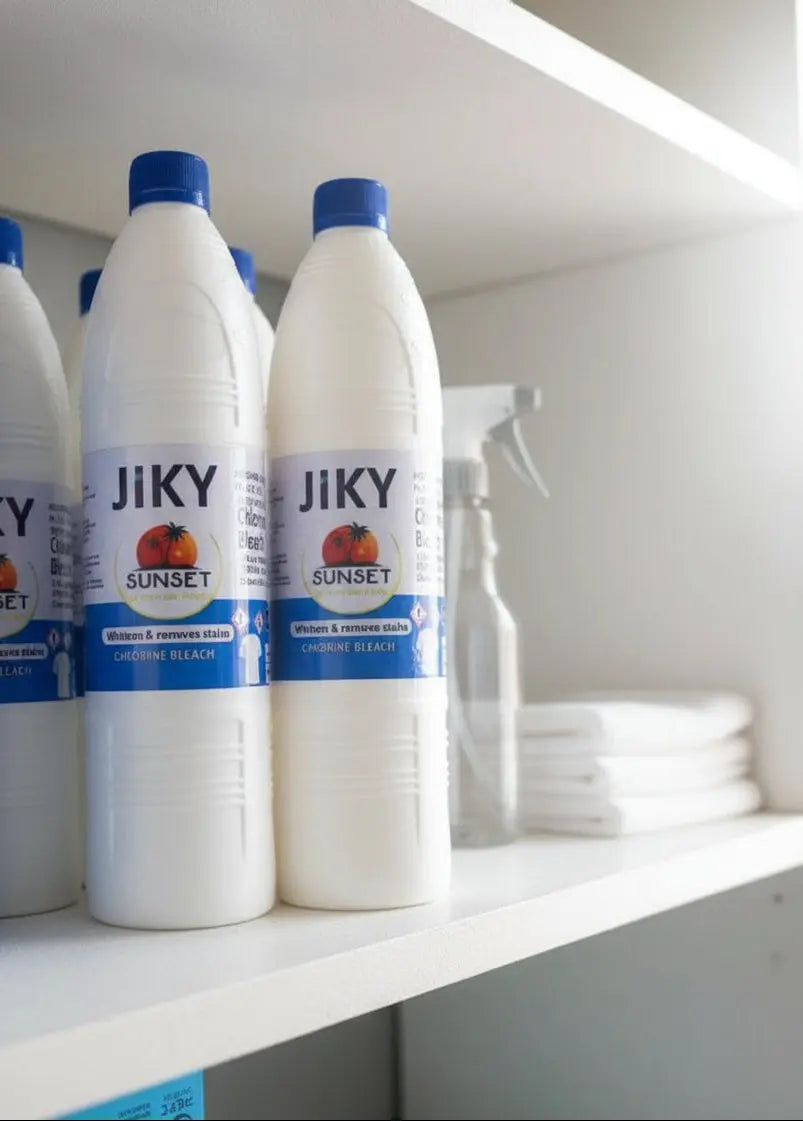
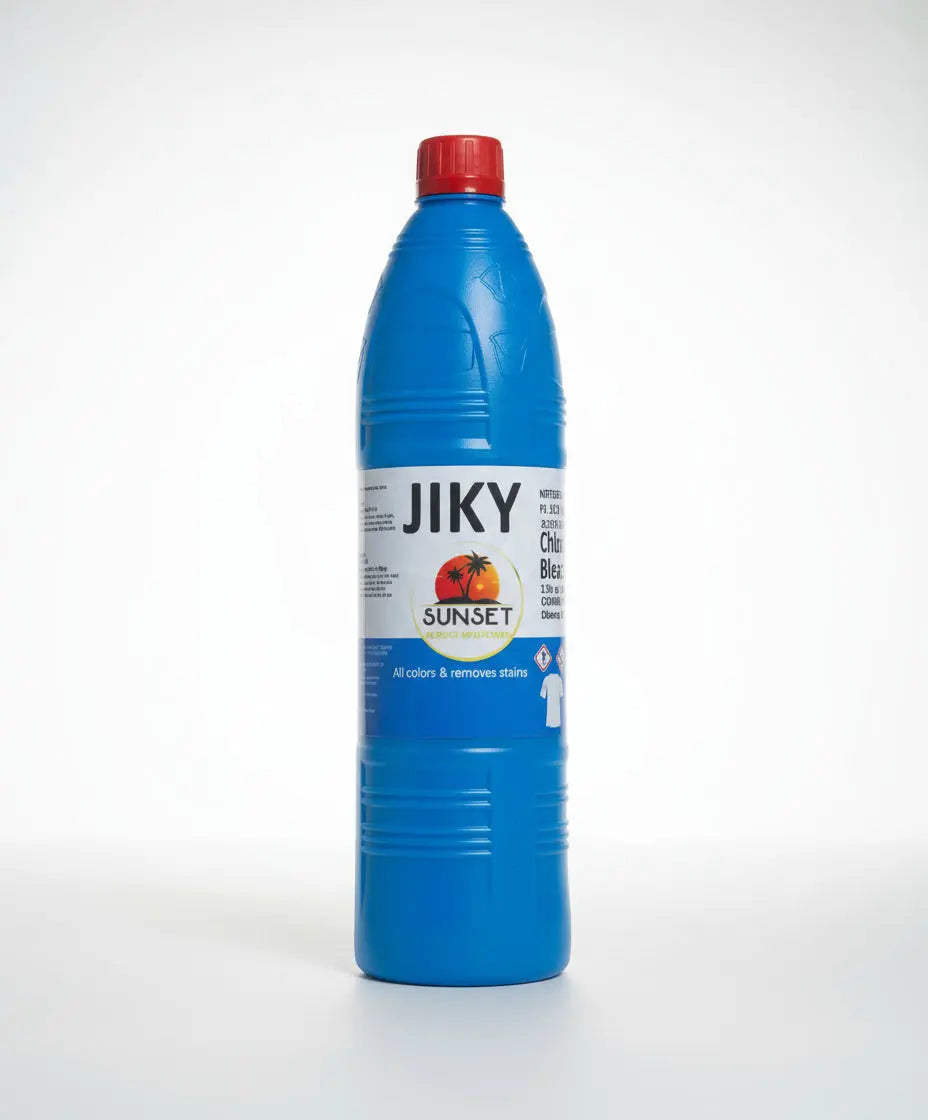
1 bottleNice to haveFor white school shirts and sheets, bleach helps remove mold spots that can start in damp weather.
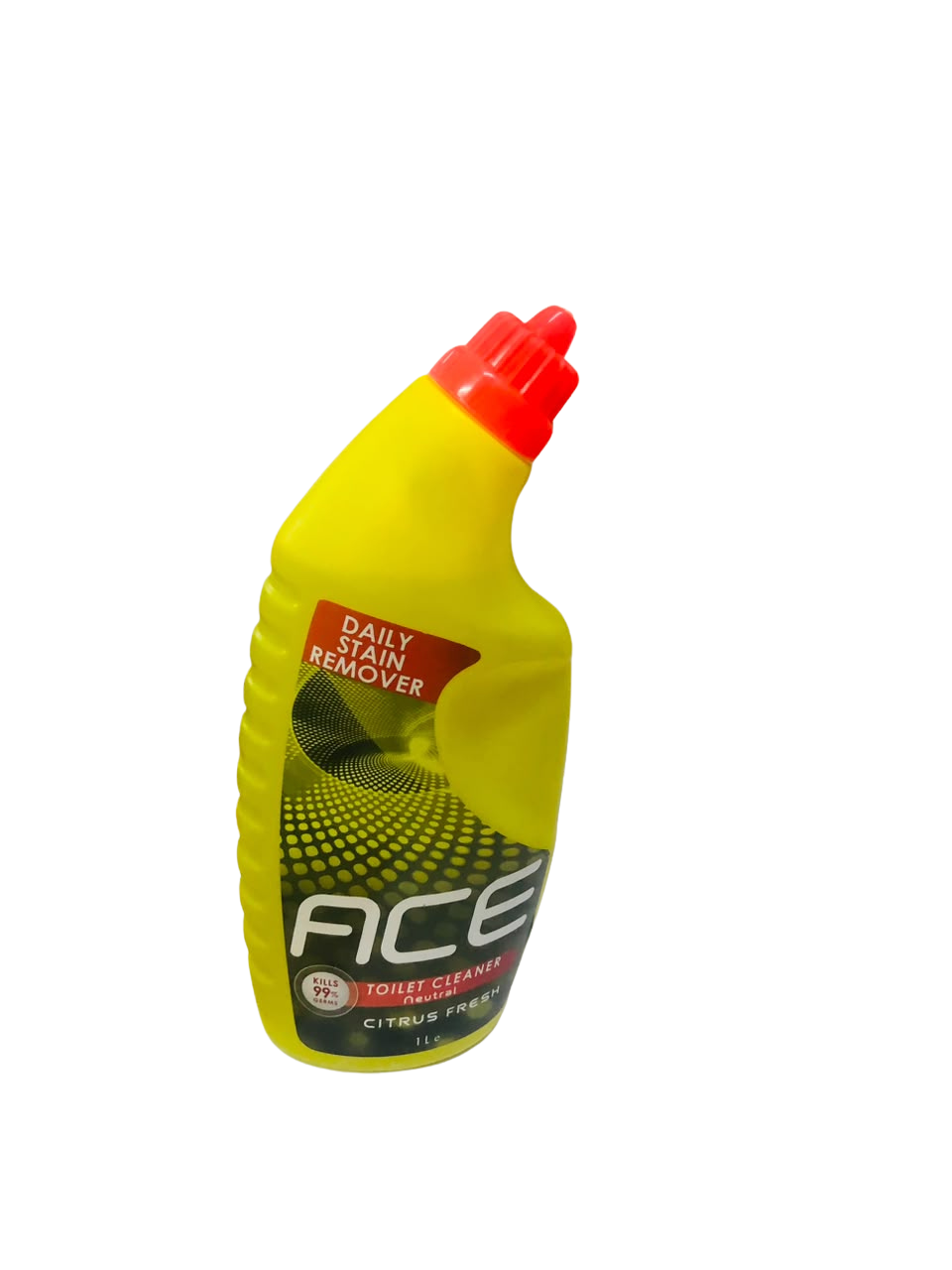
How to use it: Dilute as the label says and keep it away from colored clothes. Rinse very well and never mix with other cleaners.


Planning the space
Some of the best steps cost nothing. Do these before you buy.
Measuring tape or string
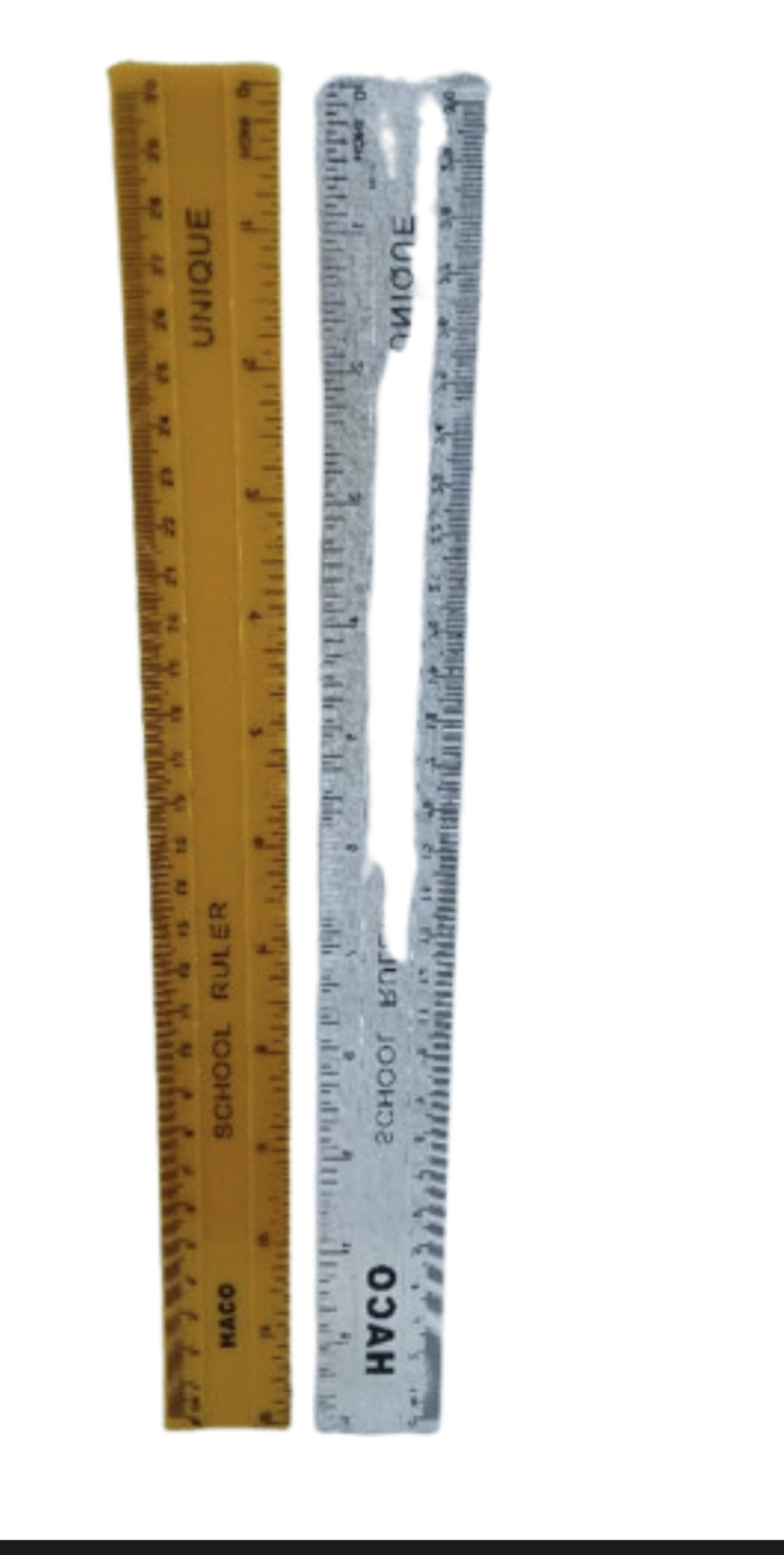
1Nice to haveMeasure the space for your line so you buy the right length of rope and the right number of racks.
How to use it: Measure wall to wall at the height you plan to hang the line.
A written weekly laundry plan
1 pageNice to haveA simple plan like school uniforms on Sunday and towels midweek spreads the load so your drying space never overflows.
How to use it: Write it on paper and stick it on the wall. Wash small loads often during the rains.
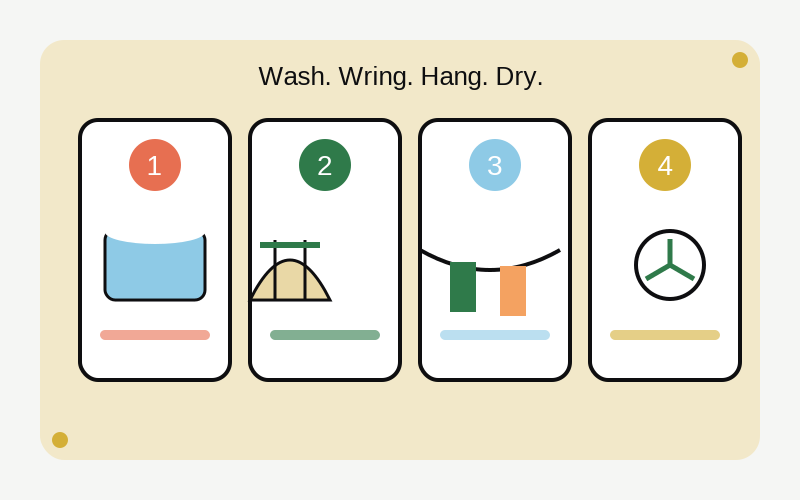
Step by step
- 1
Choose the spot
Pick a corridor, spare room or covered veranda with some airflow. Measure it and check with your landlord before drilling.
- 2
Buy and fix the line
Get rope, hooks, pegs and hangers. Fix hooks at the same height and pull the rope tight.
- 3
Add a rack and fan
Place a rack near a window and a fan pointing at the line to speed things up.
- 4
Wash smaller loads
Wash more often in smaller loads. Wring well and rinse out all the soap.
- 5
Store only dry clothes
Check each item is fully dry before it goes into the wardrobe or boxes.
Tips that help
- Wring clothes hard or roll them in a clean towel before hanging. Less water means faster drying.
- Leave a hand width between items on the line so air can pass.
- Open a window a little even when it rains. Moving air matters more than warm air.
- Hang heavy items like jeans and towels nearest the fan or window.
- Use sunny breaks. If the sun shows up for an hour, move the rack outside.
- Wash small loads often instead of one big load that hangs for days.
- Finish nearly dry clothes with a warm iron to remove the last damp.
Mistakes to avoid
- Packing too many clothes on one line, so nothing dries.
- Putting damp clothes into the wardrobe, which brings mold and smell.
- Using too much detergent, which leaves clothes damp and stiff.
- Drilling into walls without asking your landlord first.
- Leaving wet laundry in a closed basket or bag overnight.
Questions people ask
How do I dry clothes indoors in Kigali when it keeps raining?+
Hang them on a line or rack in a room with some airflow, leave space between items and wring them well first. A fan pointed at the line helps a lot. Wash smaller loads more often.
How can I stop clothes from smelling damp?+
Rinse out all the detergent, dry the clothes fully and never store them while damp. Wash baskets and towels often and keep the drying room ventilated.
Is it safe to use a fan near wet laundry?+
Yes, as long as the fan and its plug stay away from dripping water. Place the multi socket off the floor and switch it off when you leave the house.
What is the best place to dry clothes inside a small apartment?+
A corridor, a bathroom with an open window or a spare room works well. Use a folding rack so you can put it away when it is not needed.
When are the rainy seasons in Kigali?+
They are generally from March to May and October to December. Prepare your drying area a week or two before they begin.
A simple line, a rack and a fan can keep your family in fresh, dry clothes all through the rains. Shop the list on Isokko and we will bring it to your door in Kigali.
Shop this list
Get everything delivered in Kigali
Order from local stores on Isokko and pay with MoMo, card or cash. Same-day delivery.