
Checklist · Cleaning & home care
Spring Cleaning After the Long Rainy Season in Kigali: Checklist
A room by room checklist for cleaning, airing and freshening your Kigali home after the long rains, with mold, laundry and linen essentials.
Updated November 18, 2026 · By Isokko
After months of rain in Kigali, most homes feel it. Clothes smell damp, corners of the bathroom turn dark, shoes grow a white film and the whole house carries a closed up smell. The good news is that the dry weeks that follow are the best time for a proper reset.
This checklist helps you buy only what you need to air, scrub, wash and refresh the house. It is grouped by job, so you can work through one area at a time without running back to the shop.
Every item says why it matters and how to use it. If you see mold that covers a large area, or anyone in the house has breathing problems, ask a doctor or pharmacist for advice and ask your landlord for help with the cause.
Who it's for
Families and renters in Kigali who want a fresh, dry, healthy home once the rains end
Time needed
One weekend for the main work, plus a few short sessions in the following week
When to shop
Buy before the first dry, sunny weekend so you can clean, wash and dry everything in one go
On the list
32 items, 17 must haves
0 of 32 ready
Cleaning basics
The tools you reach for in every room. Buy sturdy ones, because wet season grime is stubborn.
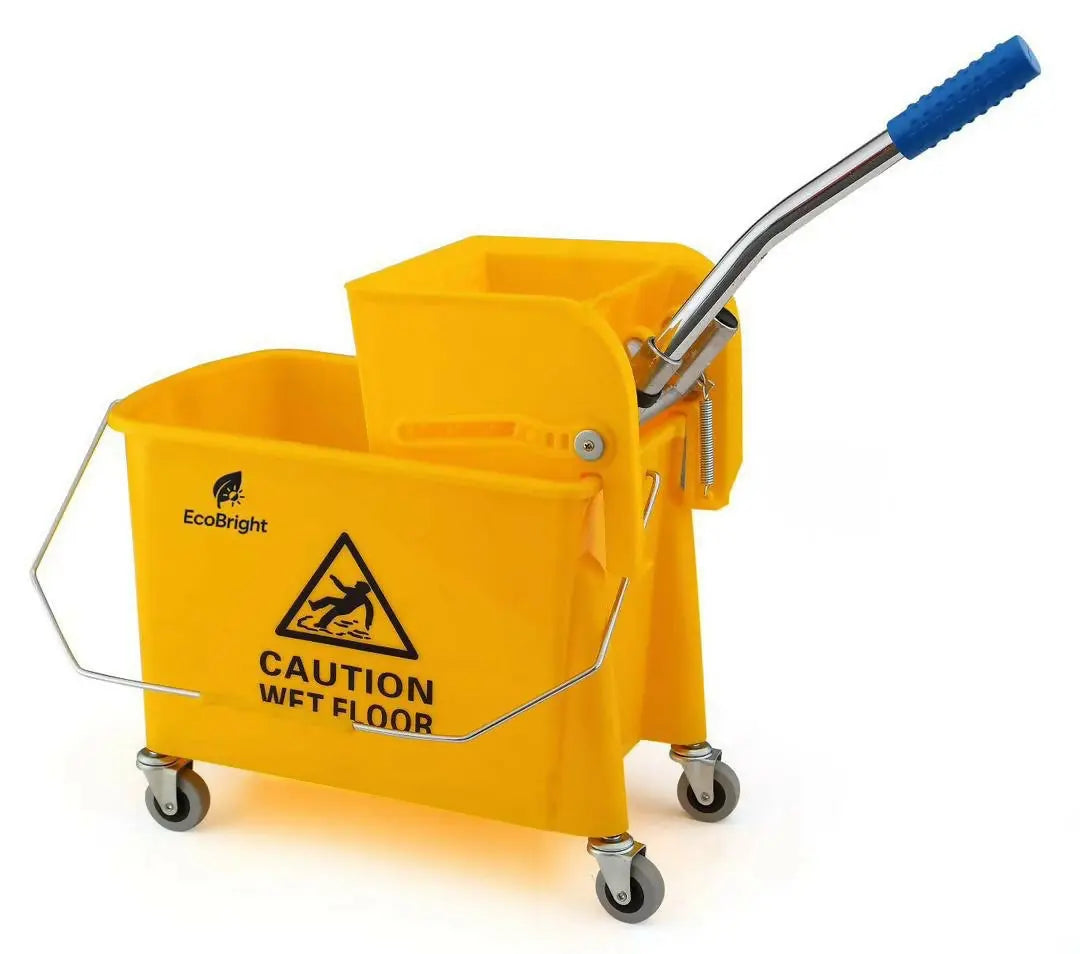
Plastic bucket
2 Must haveYou need clean water for rinsing, and a second bucket helps you avoid spreading dirty water around.
How to use it: Use one bucket for soapy water and one for rinsing. Wash it out when you finish so it does not smell.
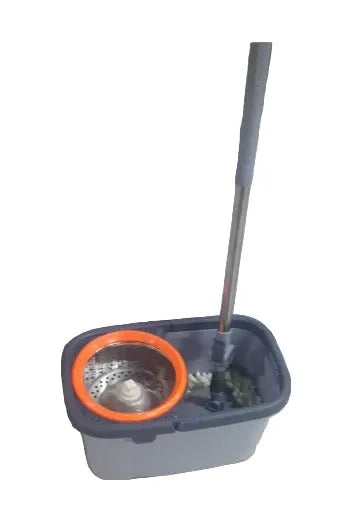
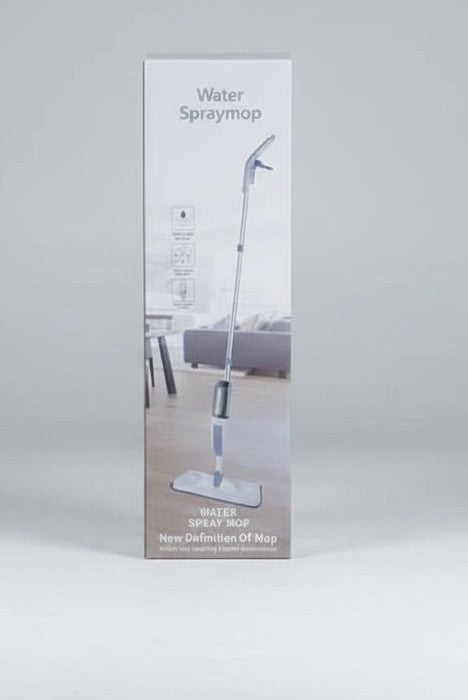
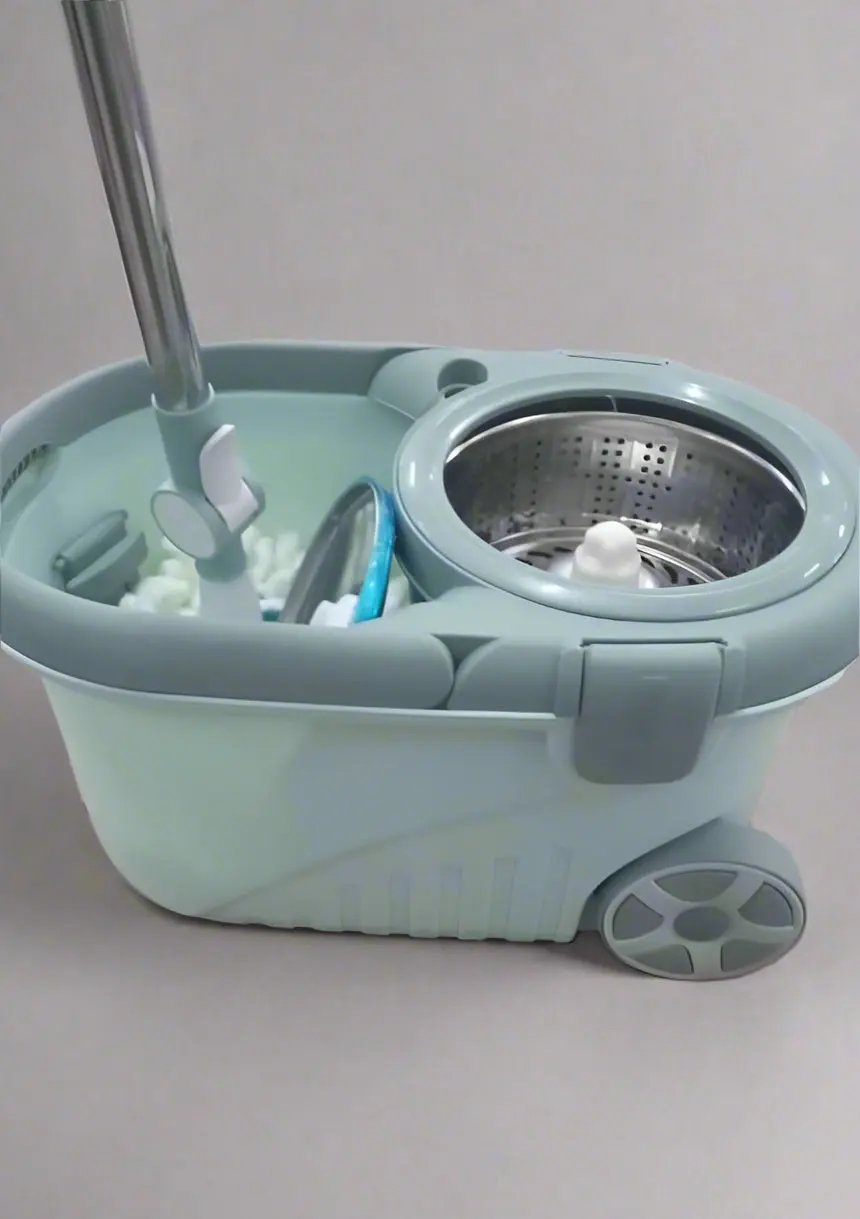
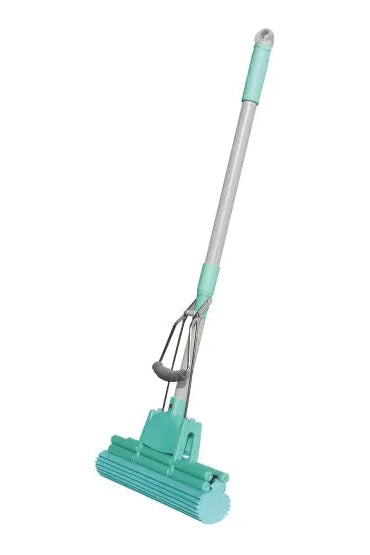
Mop
1 Must haveFloors collect damp dust and footprints during the rains. A good mop lifts it instead of pushing it around.
How to use it: Wring the mop well. A too wet mop leaves puddles that bring the damp back.
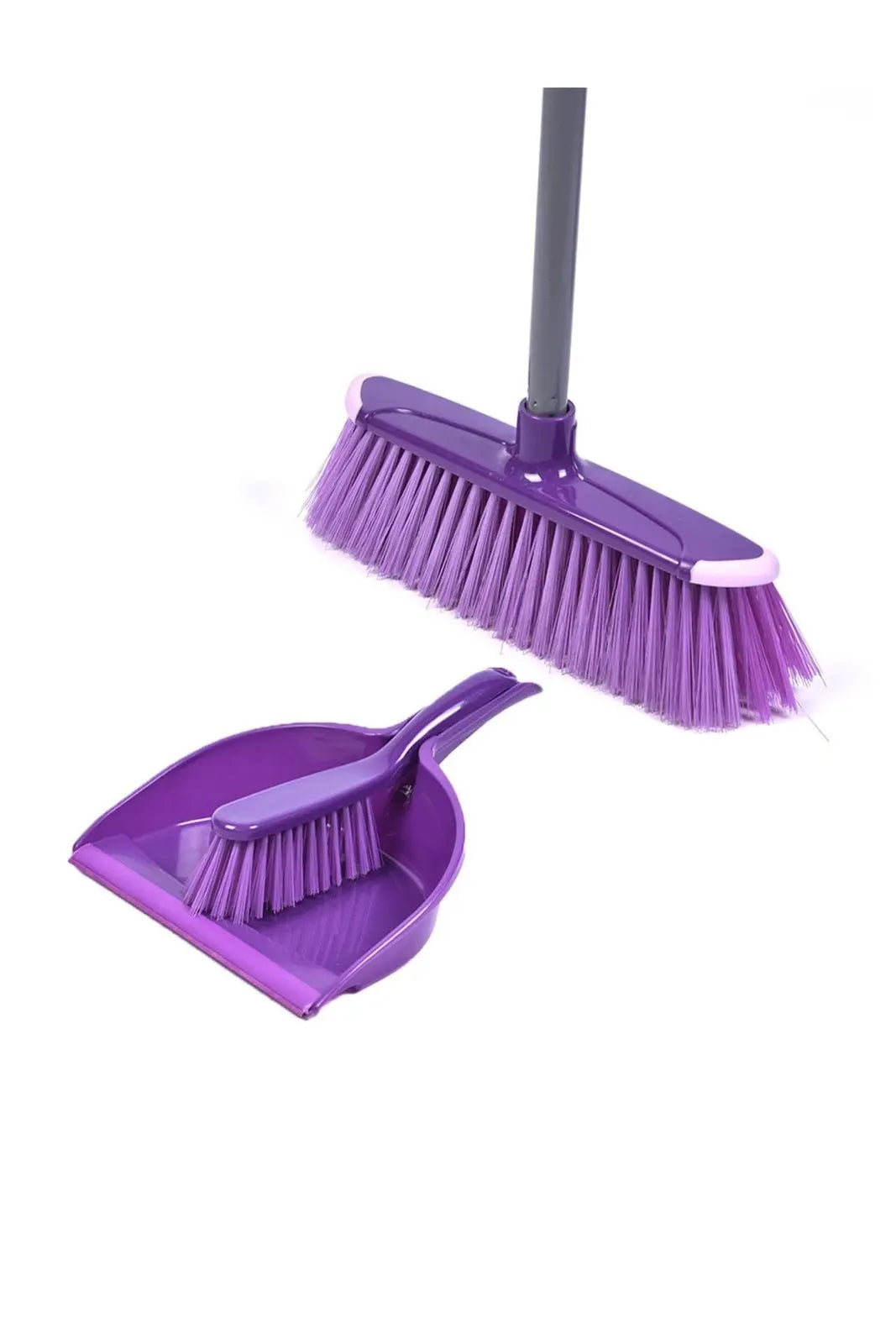
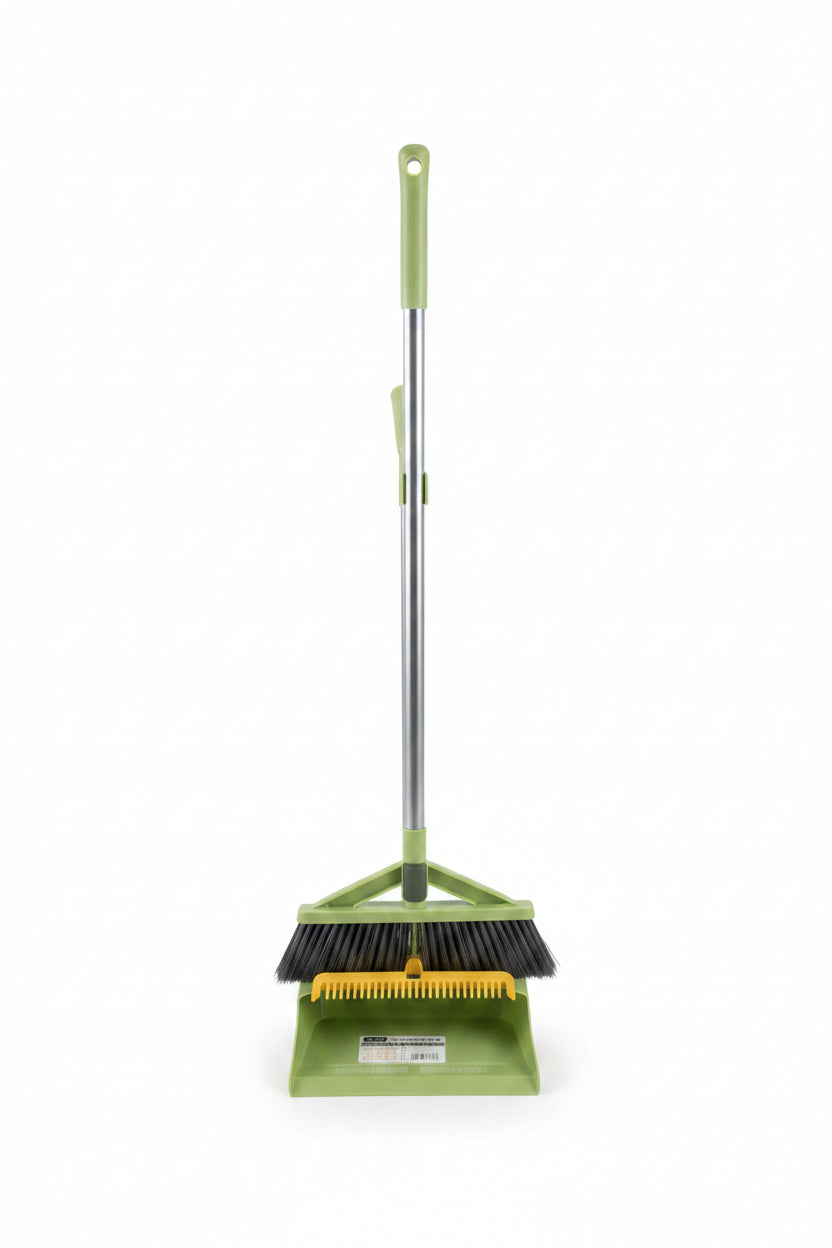
Broom and dustpan
1 set Must haveSweep first so you do not turn dust into mud when you mop.
How to use it: Sweep from the corners toward the door. Empty the dustpan outside, not in the house bin.
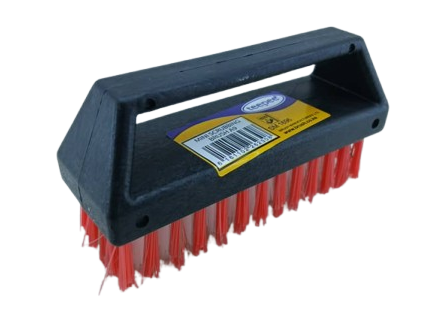
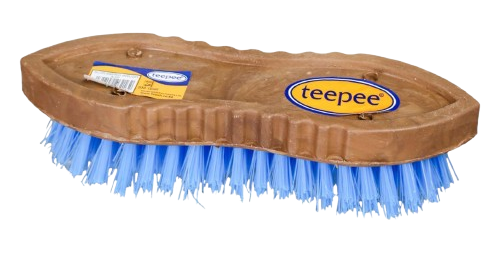
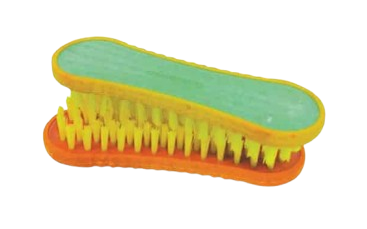
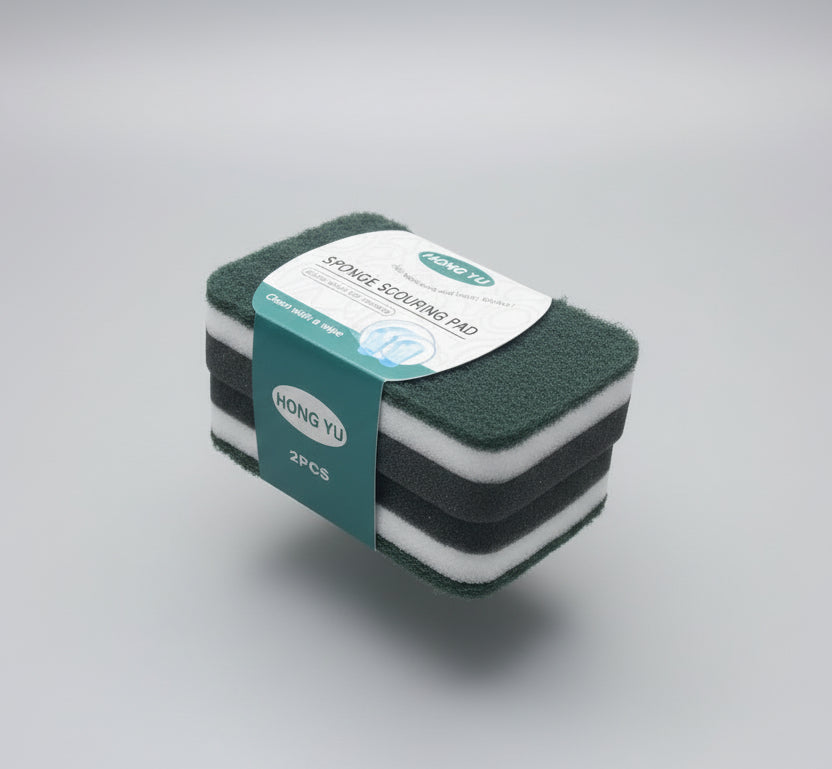
Scrubbing brush
2 Must haveBathroom tiles, kitchen corners and steps need real scrubbing power that cloths cannot give.
How to use it: Use short firm strokes along the grout lines. Rinse the brush and let it dry in the sun.
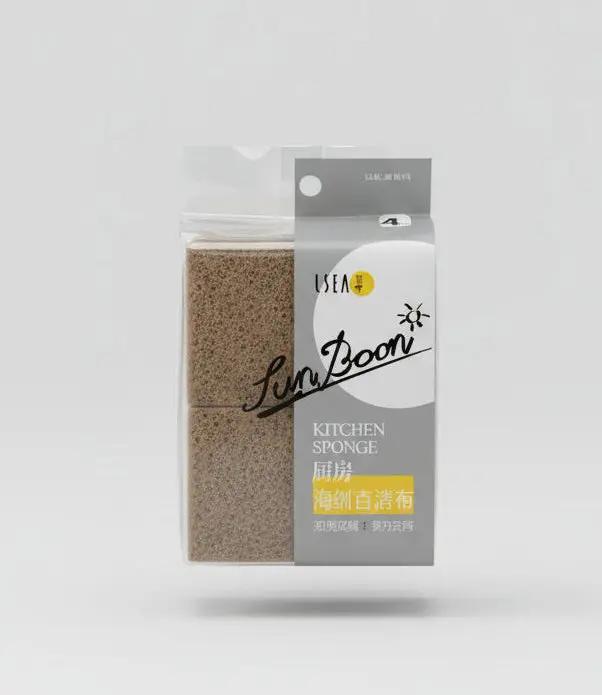
Sponges
4 Must haveHandy for sinks, counters and light marks on walls.
How to use it: Keep one sponge for the kitchen and another for the bathroom, and never swap them.
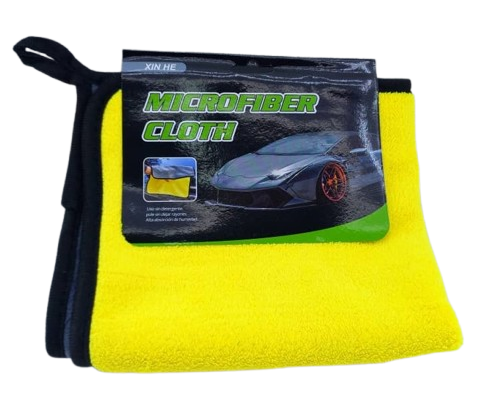
Microfiber cloths
6 Must haveThey pick up dust and polish windows without leaving lint.
How to use it: Use one dry for dusting and one damp for wiping. Wash them after each use.
Rubber gloves
2 pairs Must haveCleaners and mold spores are hard on skin. Gloves keep your hands safe.
How to use it: Pick a snug fit. Rinse them and hang them to dry after each session.
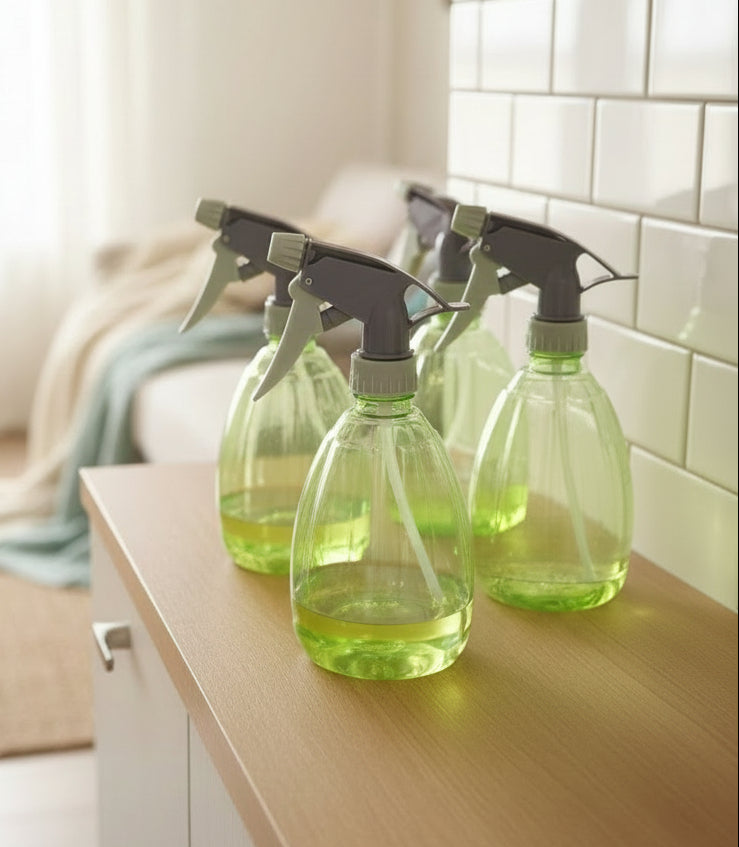
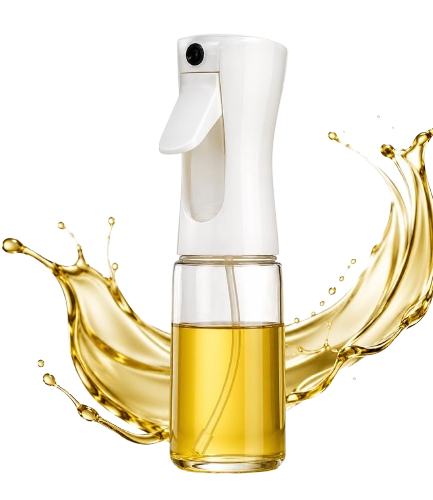
Spray bottle
2Nice to haveYou can mix and apply cleaning solutions exactly where you need them.
How to use it: Label the bottle with what is inside. Never mix cleaners with bleach.







Mold, damp and smell
This is the heart of the post rain clean. Work with the windows open and wear gloves.
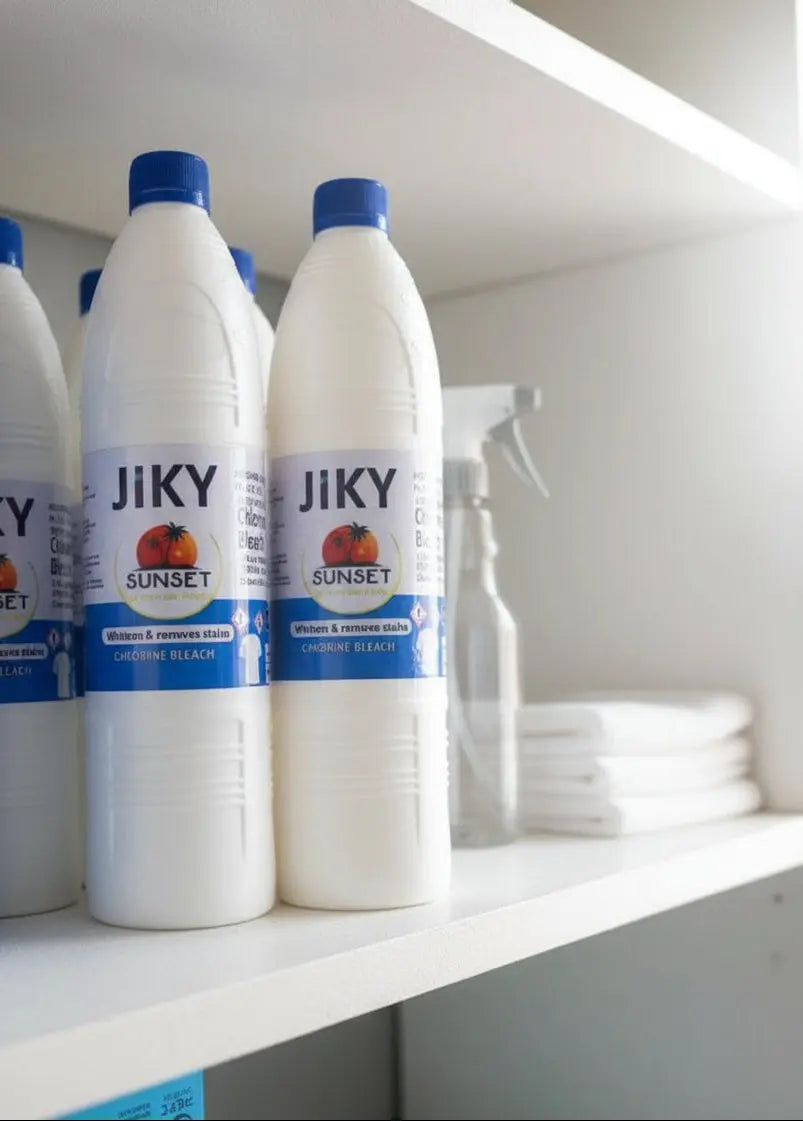
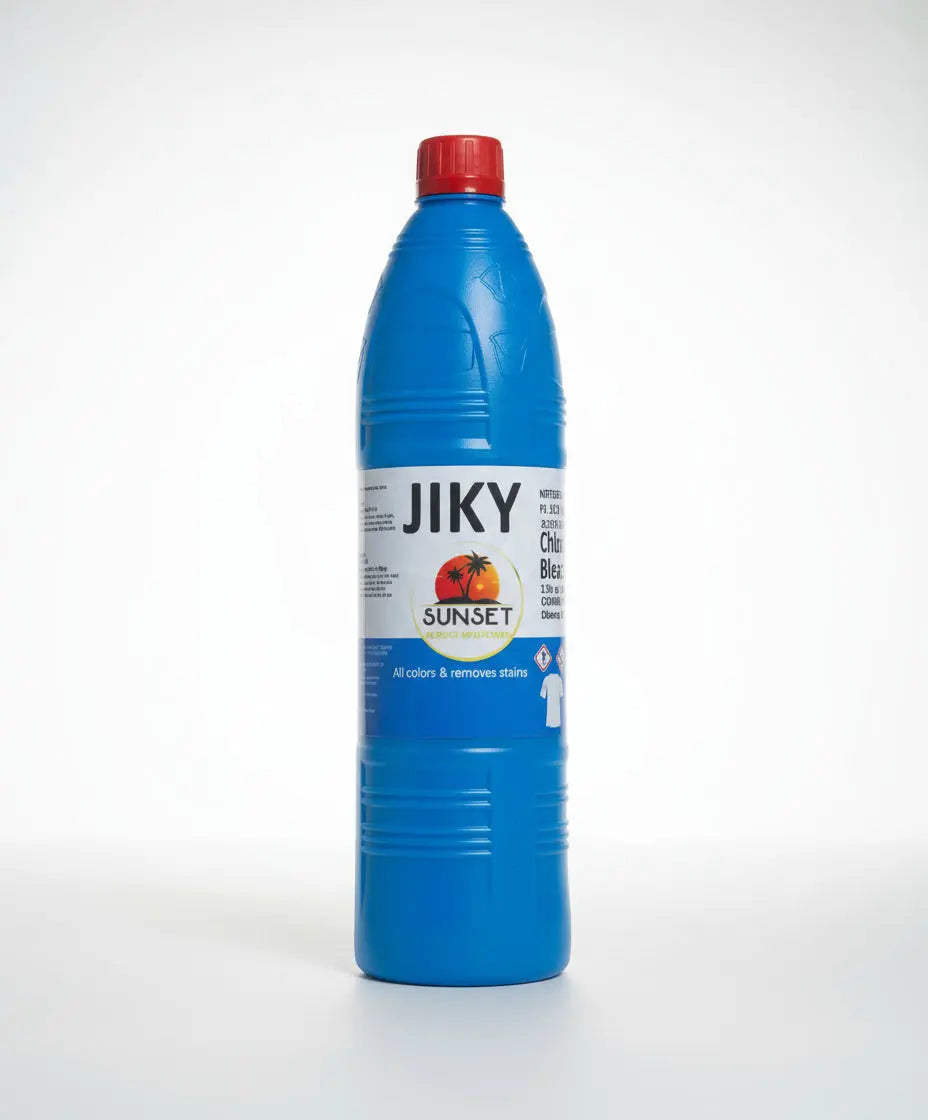
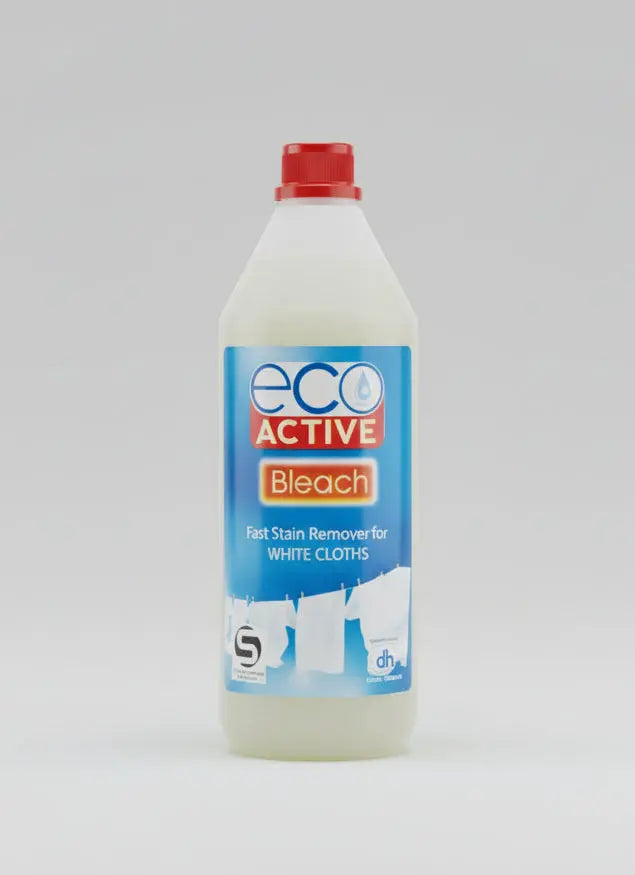
Bleach
1 bottle Must haveBleach helps remove and kill surface mold on hard, non porous surfaces like tiles and sinks.
How to use it: Dilute as the label says. Open windows, never mix it with other cleaners and keep it away from children.
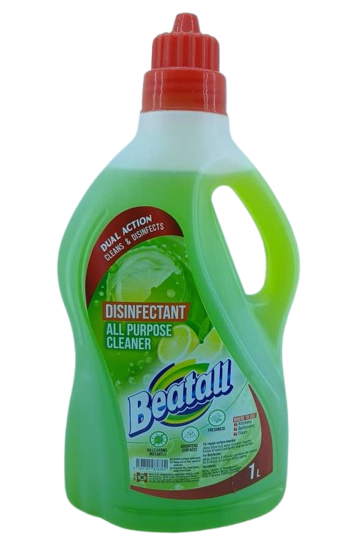
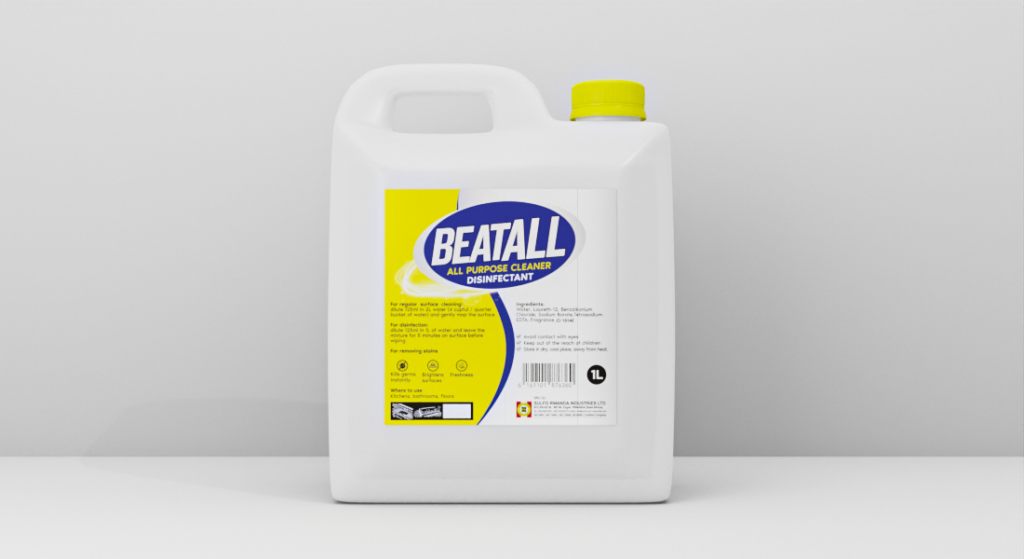
Disinfectant
1 bottle Must haveGood for wiping door handles, bins and bathrooms after weeks of damp air.
How to use it: Follow the dilution on the label. Leave it on the surface for the time it recommends before wiping.
All purpose cleaner
1 bottle Must haveCuts through general grime on counters, doors and shelves so you do not need many different products.
How to use it: Spray on, wait a minute, then wipe with a clean cloth.
White vinegar
1 bottleNice to haveA common home helper for wiping light mildew and cutting smells on hard surfaces. Test a small spot first.
How to use it: Never mix vinegar with bleach. Use it on its own and rinse the surface afterward.
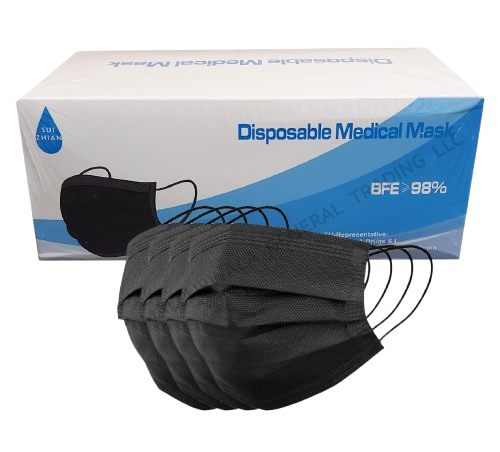
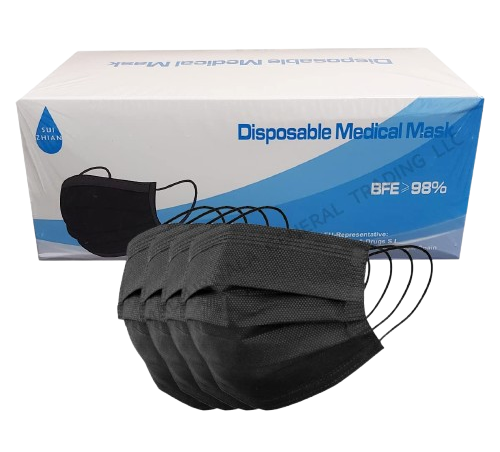
Face mask
1 pack Must haveMold spores and dust from old corners can irritate your nose and throat while you scrub.
How to use it: Wear it while cleaning damp walls, wardrobes and cupboards. Replace it if it gets wet.
Naphthalene balls
1 packNice to haveWardrobes and drawers hold dampness for weeks and can smell musty.
How to use it: Use as the label directs, keep them away from children and food, and do not put them next to baby clothes.
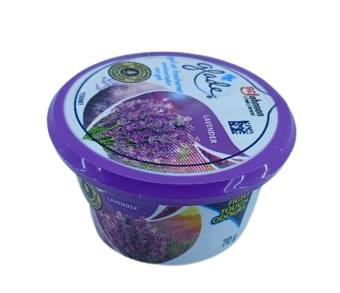
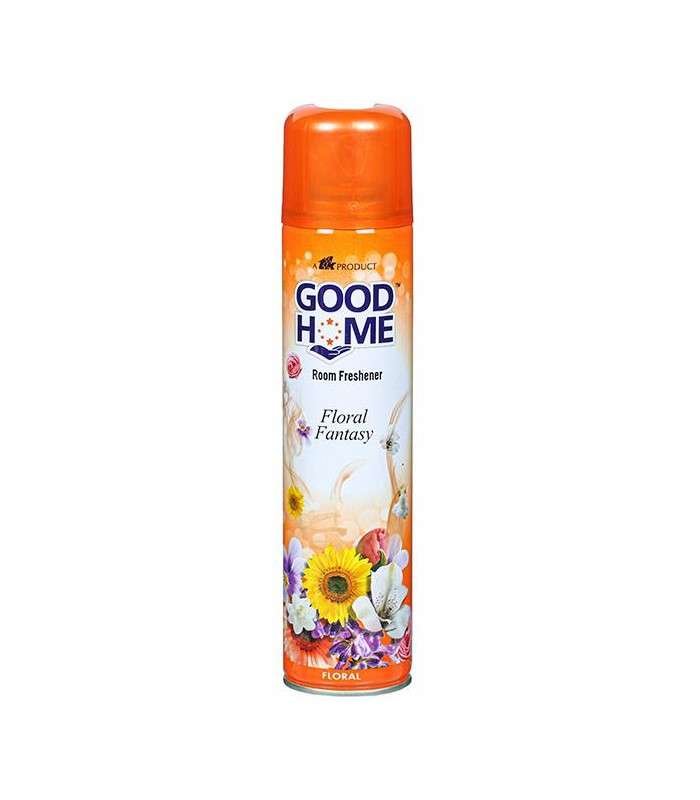
Air freshener
1Nice to haveA little freshness after the deep clean makes the house feel new.
How to use it: Use it after you have aired the room, not instead of airing it.






Floors, tiles and windows
Light comes back to a house when floors and glass are clean.
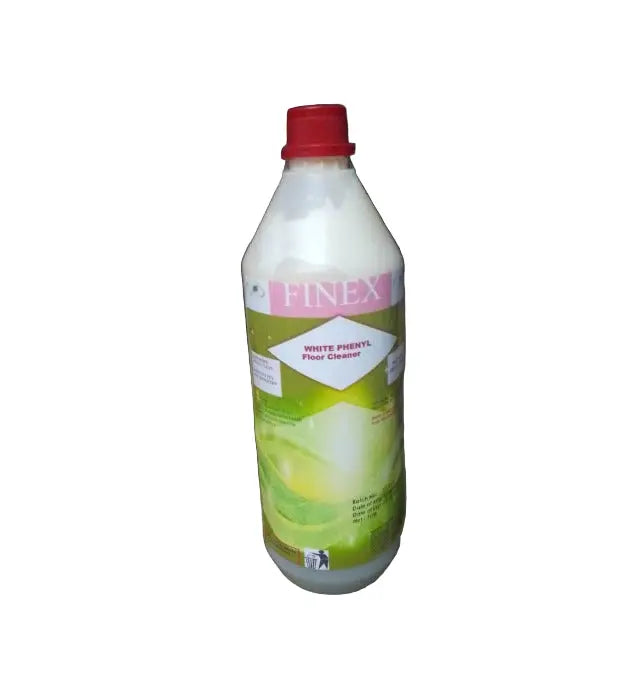
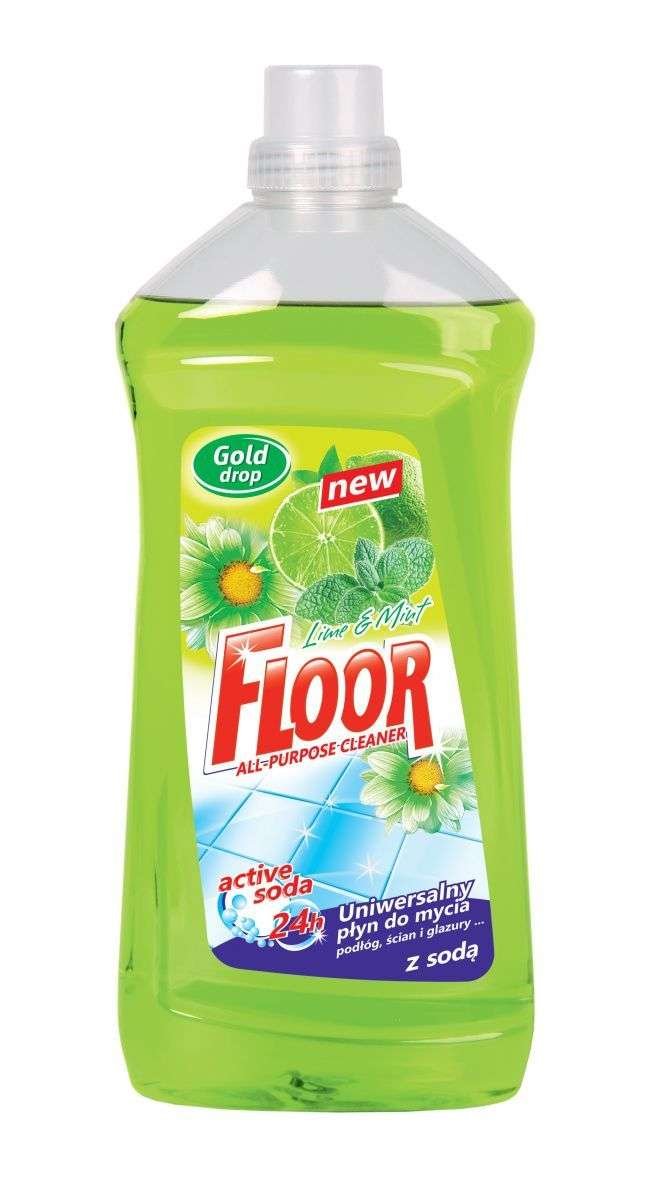
Floor cleaner
1 bottle Must haveTiles and cement floors collect a film during the rains. A proper floor cleaner removes it.
How to use it: Add to your mop bucket as the label says and rinse well if you have small children.
Tile cleaner
1 bottleNice to haveBathroom and kitchen tiles hold soap scum and dark stains that plain soap cannot shift.
How to use it: Apply, wait, scrub with the brush and rinse thoroughly. Wear gloves.
Window cleaner
1 bottleNice to haveRain streaks and dust leave windows cloudy. Clean glass lets in real daylight.
How to use it: Spray lightly and wipe with a dry microfiber cloth in a Z pattern.
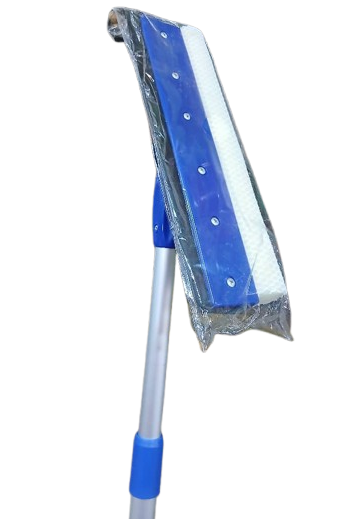
Squeegee
1Nice to havePulls water off the glass in one pass so there are no streaks.
How to use it: Wipe the blade clean after each pass. Start at the top and work down.
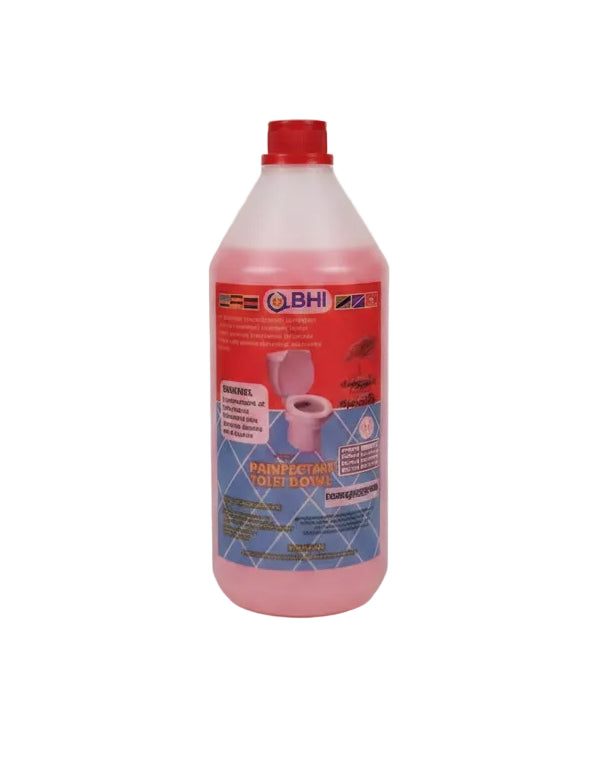
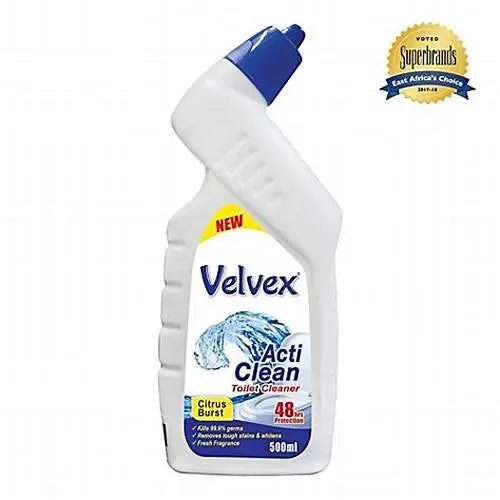
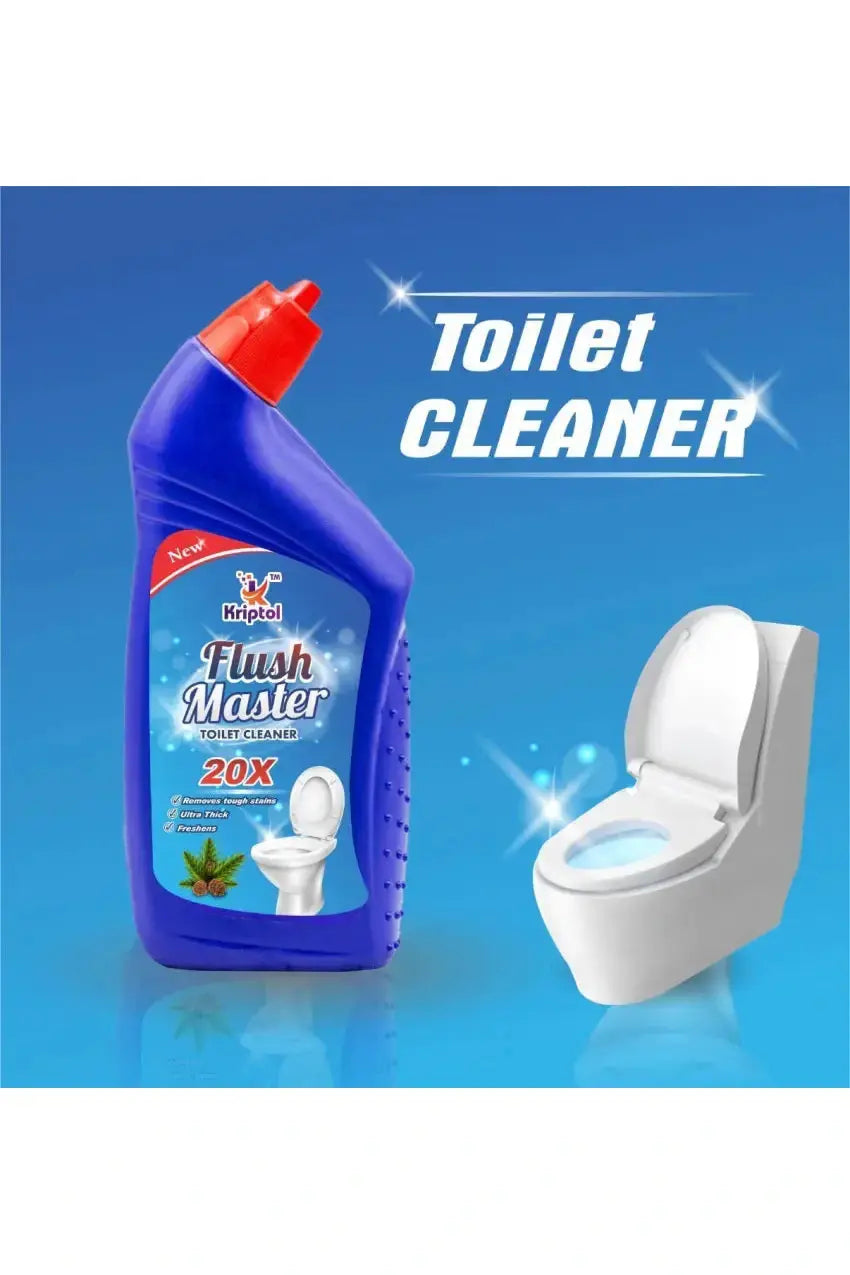
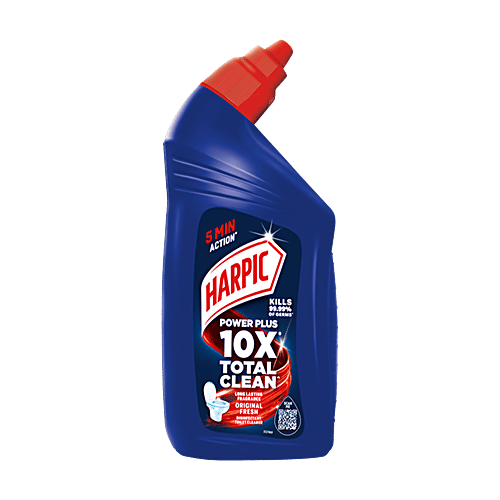
Toilet cleaner and brush
1 each Must haveDamp bathrooms stain faster in the wet season and need a proper toilet clean.
How to use it: Apply under the rim, wait, then scrub. Keep the brush in its own holder.





Laundry and linens
Everything that stayed damp needs a good wash and a full day of sun.
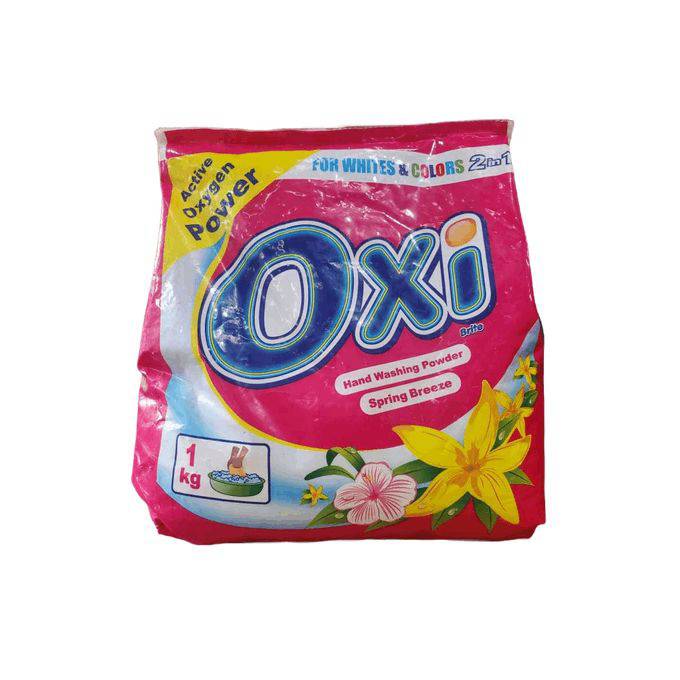
Washing powder
1 large pack Must haveBlankets, curtains and towels hold a damp smell that only a proper wash will remove.
How to use it: Follow the dose on the box. Use warm water if the fabric label allows.
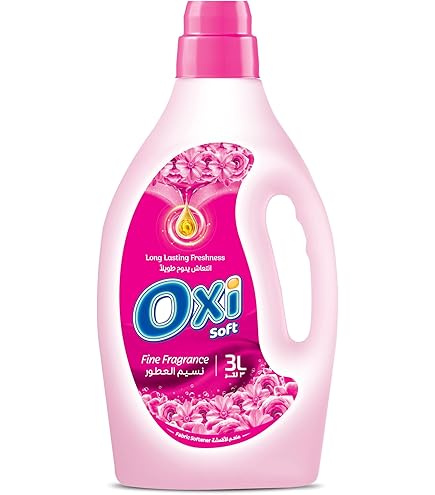
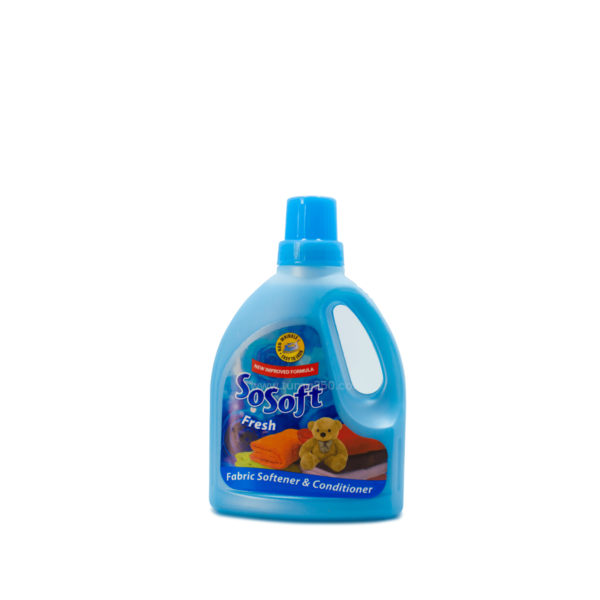
Fabric softener
1 bottleNice to haveLeaves clothes and linens smelling fresh after a long damp season.
How to use it: Add in the rinse. Use a small amount because too much leaves fabric stiff.
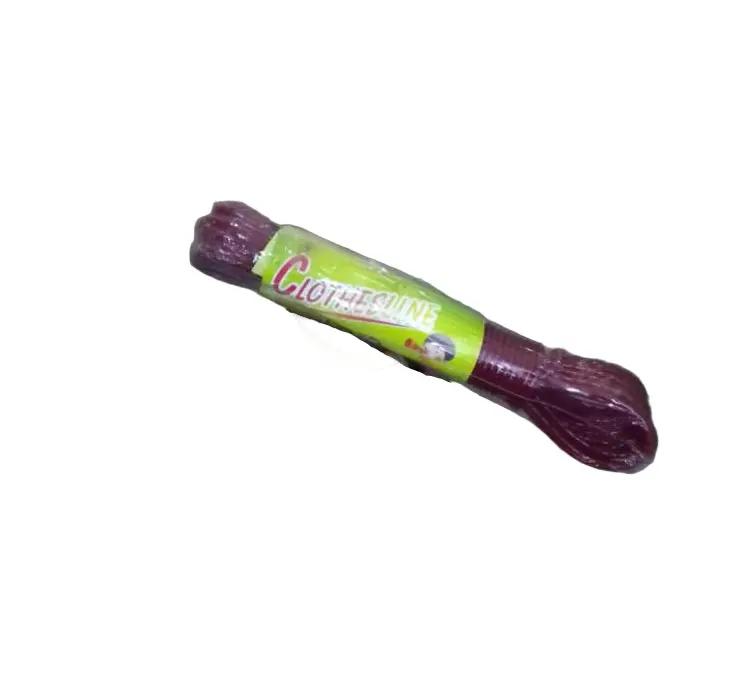
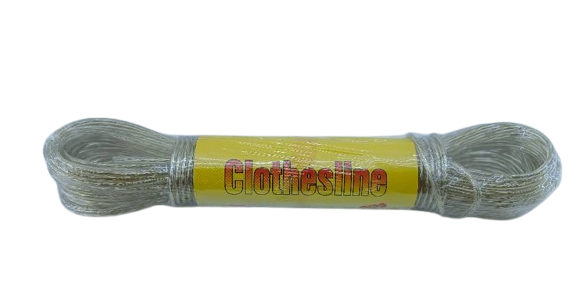
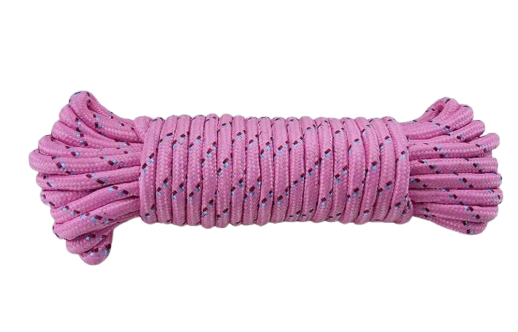
Clothesline rope
10 m Must haveIn the first dry days, line drying in the sun is the best way to freshen everything.
How to use it: Tie it between two firm points in full sun. Wipe the rope before use because it may be dusty.
Clothes pegs
1 pack Must haveKeep blankets and sheets from blowing off the line on windy days.
How to use it: Use at least two pegs per large item.
Fresh bed sheets
1 setNice to haveIf sheets have a damp smell that will not wash out, a new set is worth it.
How to use it: Wash once before first use. Keep a spare set so one can dry while the other is on the bed.
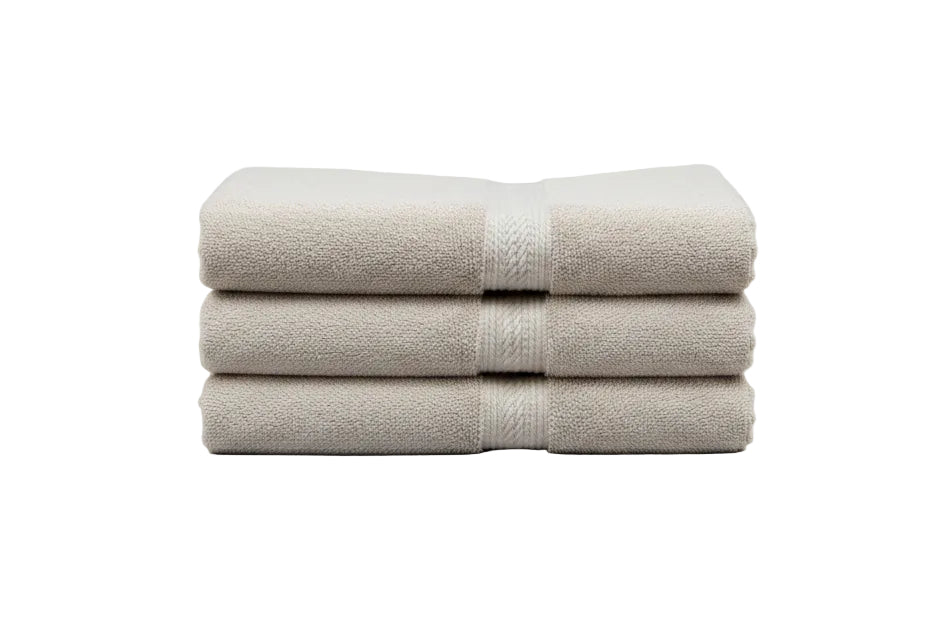
Towels
2Nice to haveTowels that stayed wet in the rains often smell. Replace any that do not recover.
How to use it: Hang to dry fully after each use, spread open, not bunched.
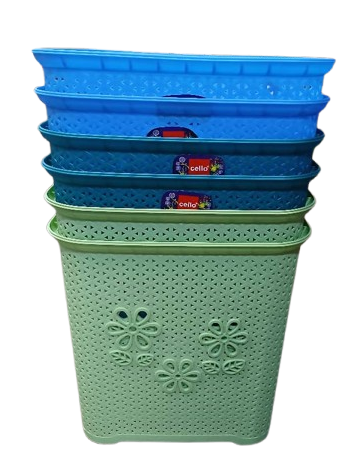
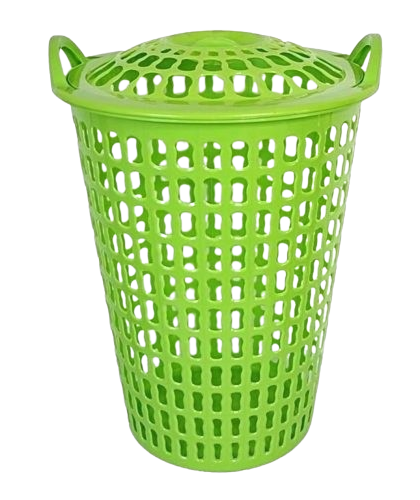
Laundry basket
1Nice to haveKeeping dirty clothes in an open basket stops the damp smell from building up.
How to use it: Choose one with air holes and keep it off wet floors.







Finish and refresh
The last steps make your house feel like new and help keep it dry.
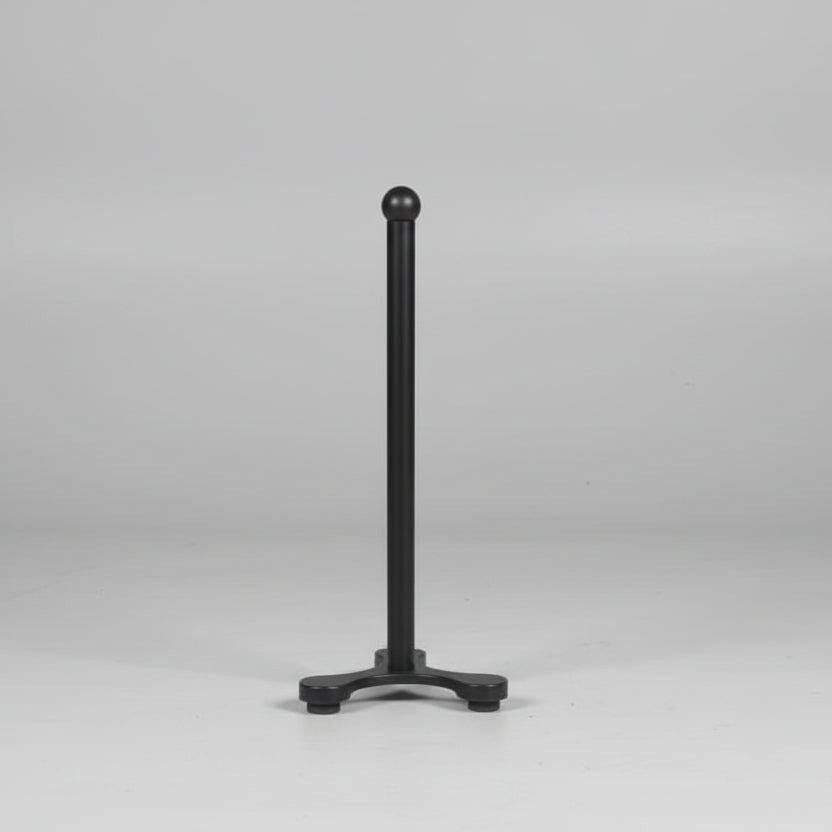
Dust bin
1Nice to haveA bin with a lid keeps old rubbish from bringing smells and pests back into the house.
How to use it: Empty it often and wash it with disinfectant once a week.
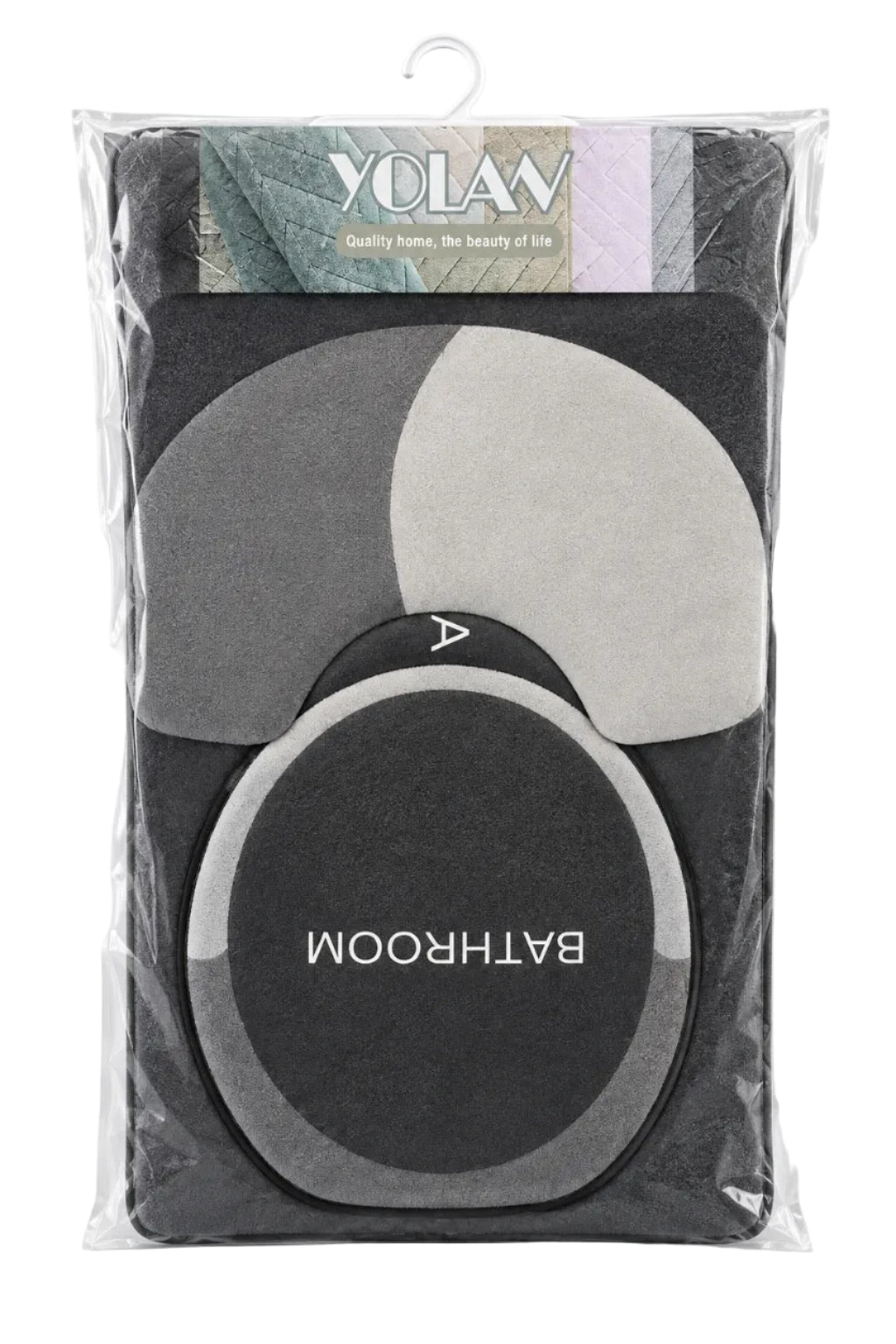
Door mat
1Nice to haveA mat at the door catches mud and wet shoes before they reach the floor.
How to use it: Shake it outside every day and wash it weekly in the rainy months.
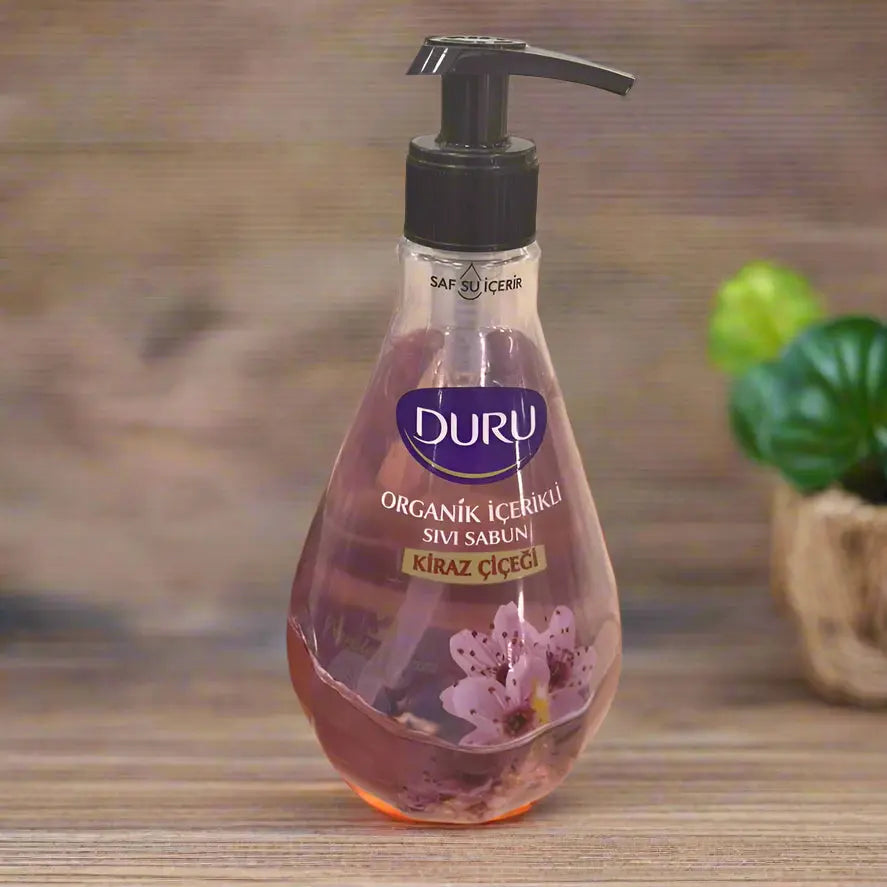
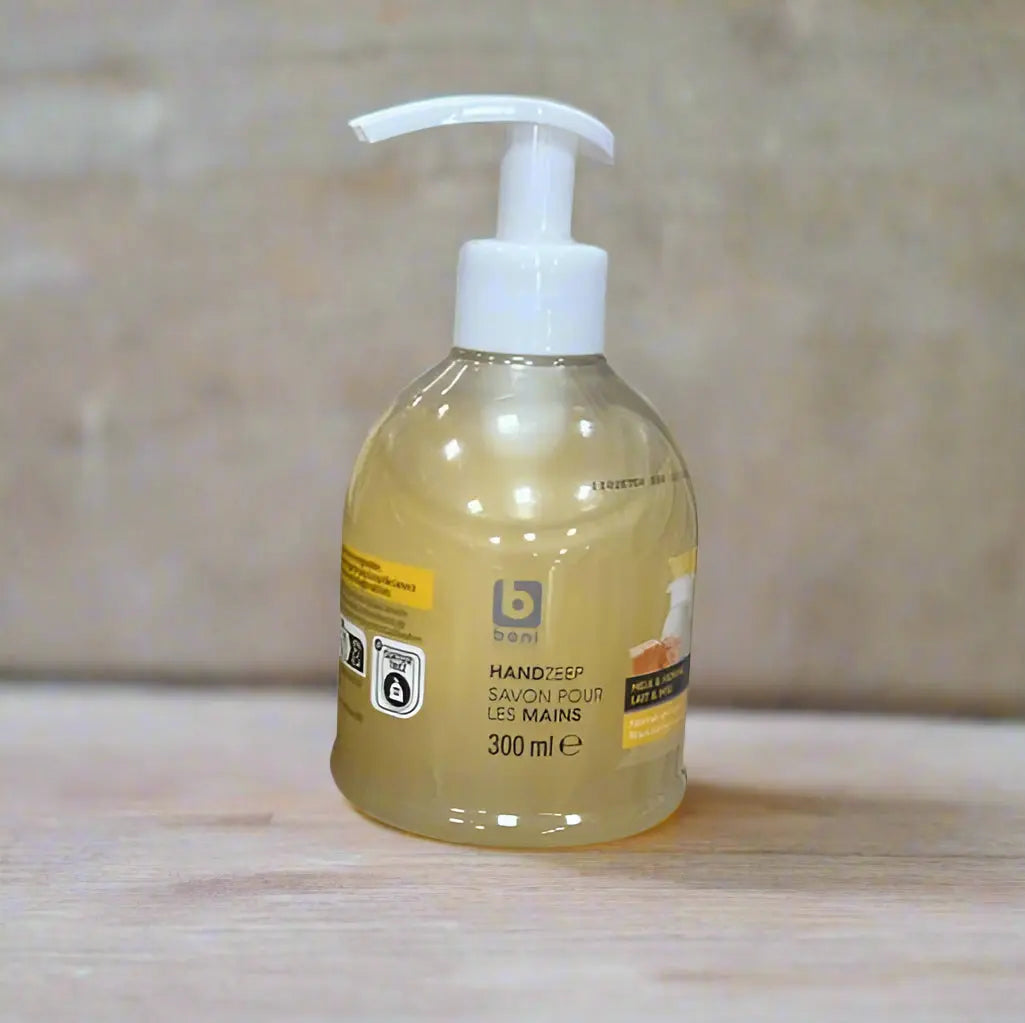
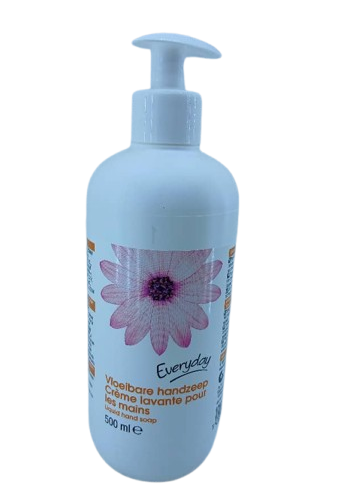
Hand soap
1 Must haveAfter a big clean, clean hands matter. Keep a pump bottle at the sink.
How to use it: Wash for about 20 seconds, front and back of your hands.
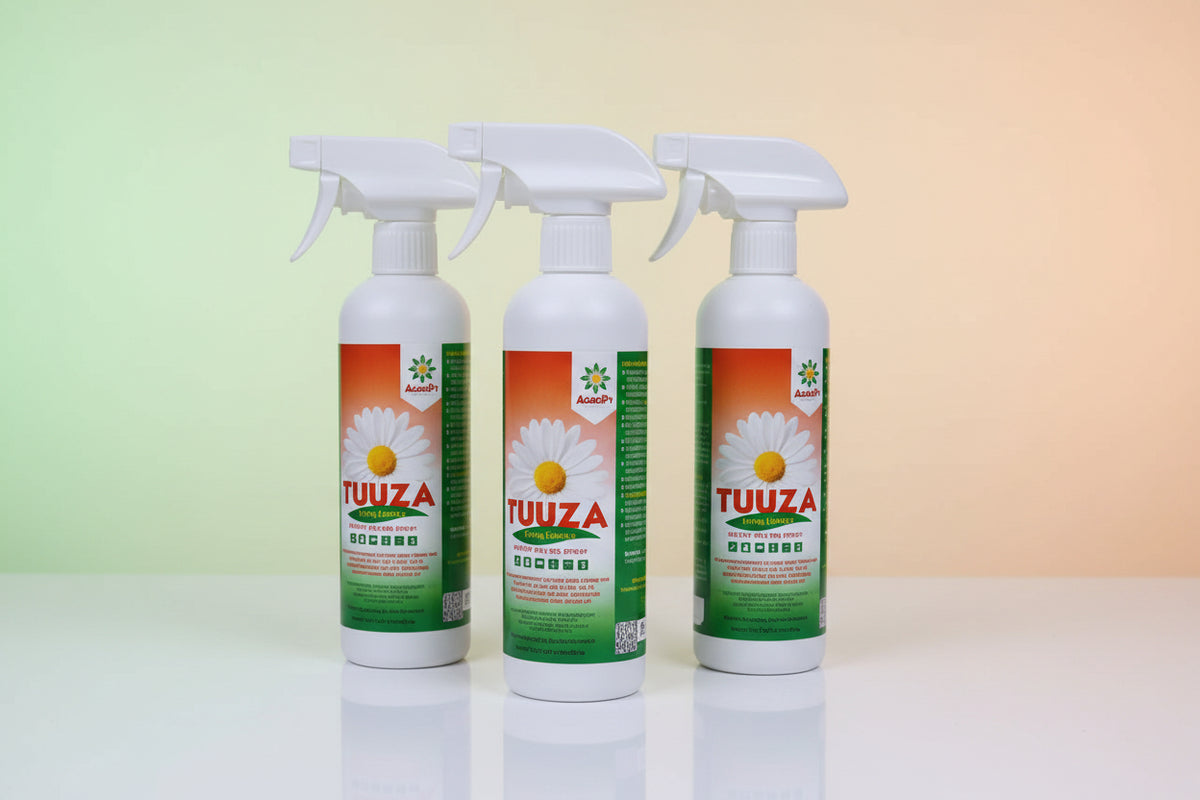
Insect spray
1Nice to haveDamp corners attract ants and cockroaches. Spray after cleaning, when the floor is dry.
How to use it: Follow the label, keep it away from food and children, and ventilate the room.
Fan
1Nice to haveMoving air dries walls, wardrobes and wet laundry faster on cloudy days.
How to use it: Place it facing damp walls or the laundry. Never leave it running near a wet floor.


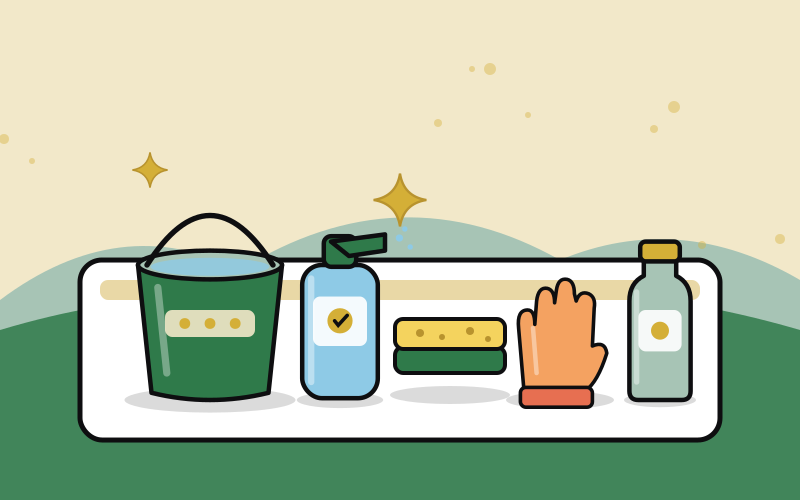
Step by step
- 1
Open up the house
On the first sunny morning, open every window and door. Pull mattresses and cushions into the sun if you can. Buy your cleaning basics and mold supplies before this day.
- 2
Clear and dust
Empty cupboards and wardrobes. Wipe shelves, then put back only what is dry and fresh. Wash everything that smells damp.
- 3
Scrub the damp spots
With gloves and a mask on, clean bathroom tiles, window frames and dark corners. Rinse and dry each area.
- 4
Wash and sun dry
Wash blankets, curtains and towels. Hang them in full sun for the whole day.
- 5
Floors and finish
Sweep, mop, then set your mat, bins and fresh linen in place. Keep windows open for a few hours.
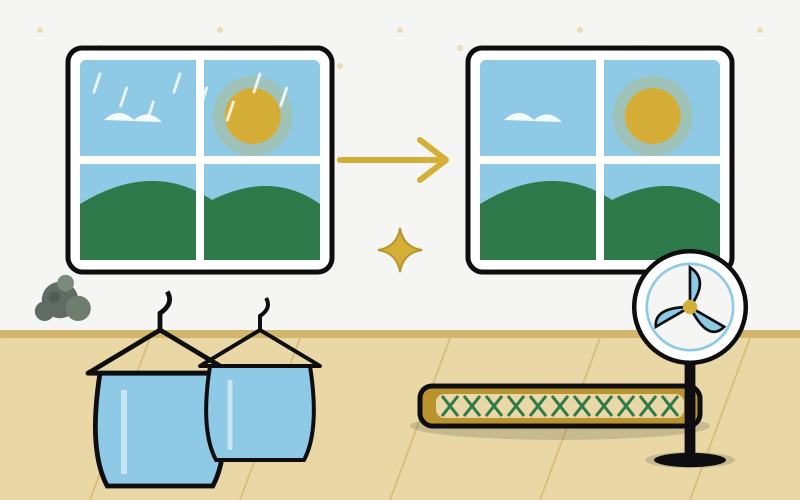
Tips that help
- Start early in the morning. The sun is strongest by midday and everything dries before the evening cool.
- Work from the top of the room to the floor so dust falls onto the part you have not cleaned yet.
- Rinse every cleaned surface and dry it. Leftover water is the cause of new mold.
- Leave wardrobes and cupboards open for a day after cleaning so they can dry fully.
- Move furniture a hand's width away from outside walls so air can pass behind it.
- Tell your landlord if mold keeps coming back in the same place, since a leak may be the cause.
- Make a short list before you shop. Many cleaners do the same job, so buy fewer and use them well.
Mistakes to avoid
- Mixing bleach with vinegar or other cleaners. This can create harmful fumes. Use each product alone and rinse in between.
- Cleaning mold without a mask or gloves, and with the windows closed.
- Putting clothes or linens back in the wardrobe while they are still a little damp.
- Using too much water on floors, which leaves the house damp again.
- Covering the smell with air freshener instead of finding and cleaning the cause.
Questions people ask
When is the best time to do spring cleaning in Kigali?+
Wait for a dry, sunny spell after the rainy season. You can then dry mattresses, blankets and laundry fully in the sun, which is the most important part.
How do I get the damp smell out of my clothes?+
Wash them again with washing powder, rinse well and dry them in full sun. Add fabric softener in the last rinse if you like. If the smell remains, repeat the wash and make sure the clothes are completely dry before storing them.
Can I use bleach on all mold?+
Bleach works on hard surfaces like tiles and sinks. It is not suitable for every material, so read the label and test a small area first. Never mix bleach with other cleaners, and keep the room well ventilated.
How do I stop mold coming back?+
Dry surfaces after cleaning, keep air moving and do not hang wet laundry indoors for long. If the same wall keeps getting damp, ask your landlord to check for a leak.
Do I need to clean the mattress too?+
Yes. Air it in the sun for a few hours on each side. If it has dark spots or a strong smell that does not go away, it may be time to replace it.
Is it safe to clean mold if I have asthma?+
Ask someone else to do it if you can, or speak to a doctor or pharmacist first. Mold can make breathing problems worse.
A fresh, dry house is one of the nicest gifts you can give your family after the long rains. Order the items on this list on Isokko, plan your sunny weekend and enjoy a clean home with everything delivered to your door in Kigali.
Shop this list
Get everything delivered in Kigali
Order from local stores on Isokko and pay with MoMo, card or cash. Same-day delivery.