
Checklist · Emergencies & power cuts
Water Shortage Preparedness at Home in Kigali: Checklist
Get ready for water cuts in Kigali: how much to store, the containers and tanks to buy, safe drinking water, and simple ways to cook, wash and flush with less.
Updated November 16, 2026 · By Isokko
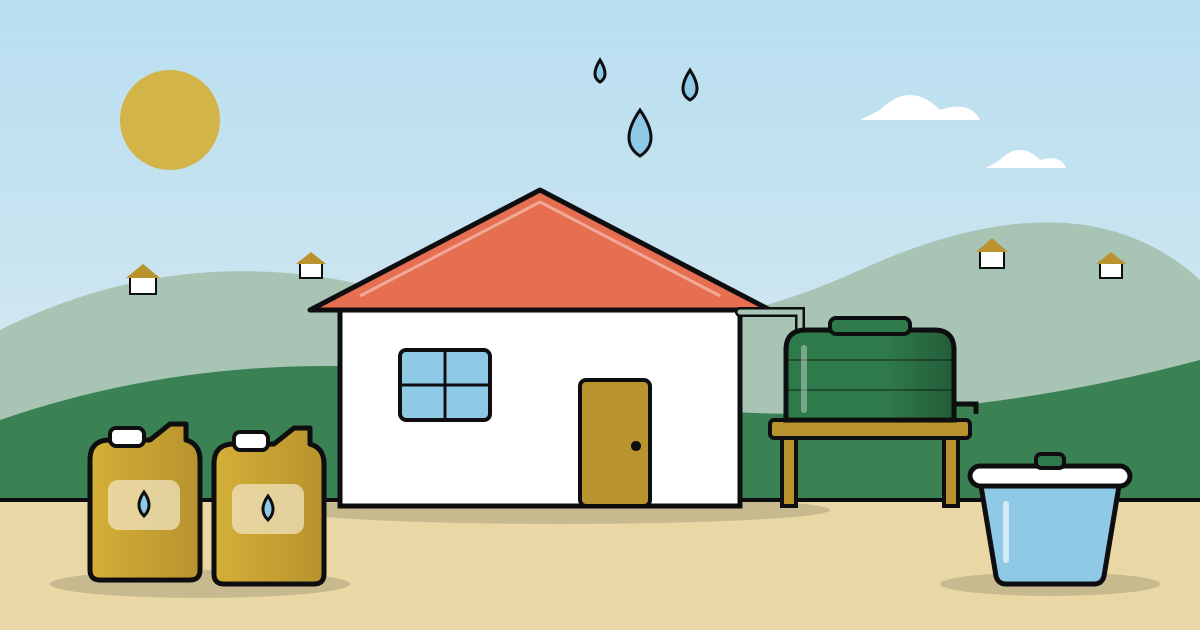
In many Kigali neighborhoods, the tap can run dry without warning, sometimes for a few hours, sometimes for days. Houses higher on the hills and upper floor apartments often feel it first. When the water stops, cooking, washing, flushing and even drinking suddenly need a plan.
The good news is that a little storage and a few habits go a long way. This checklist covers containers and tanks, safe drinking water, and the small supplies that let you cook, clean and stay fresh with much less water.
Start with the basics, a few clean jerrycans and drinking water, and add a tank when you can.
Who it's for
Households in Kigali neighborhoods where taps run dry for hours or days, especially on hills and upper floors
Time needed
One afternoon to set up storage, then a few minutes a week
When to shop
Before the dry season (June to September) and any time your area has repeated cuts
On the list
23 items, 13 must haves
0 of 23 ready
Storing water
Plan for at least a few days. A common rule of thumb is about 20 litres per person per day for drinking, cooking, washing and flushing, more if you can.
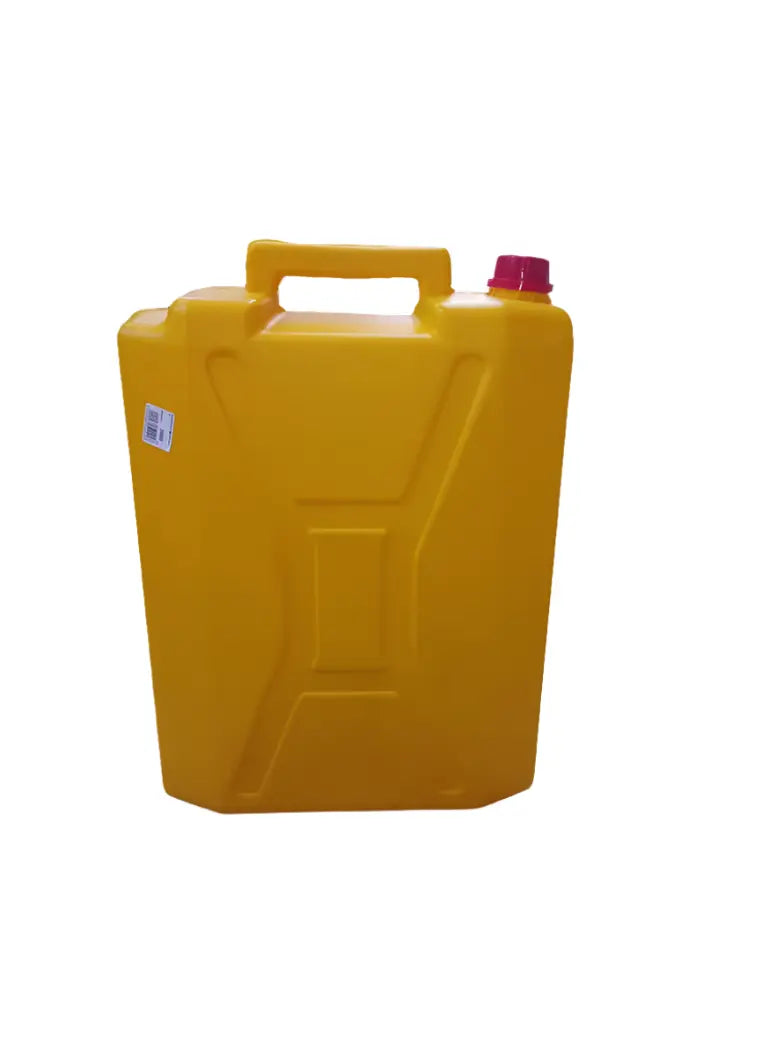
20 litre jerrycans
4 to 6 Must haveEasy to carry, easy to fill when the water comes back, and they stack well in a corner.
How to use it: Use food safe containers only, keep them closed and out of the sun, and mark which are for drinking and which are for washing.
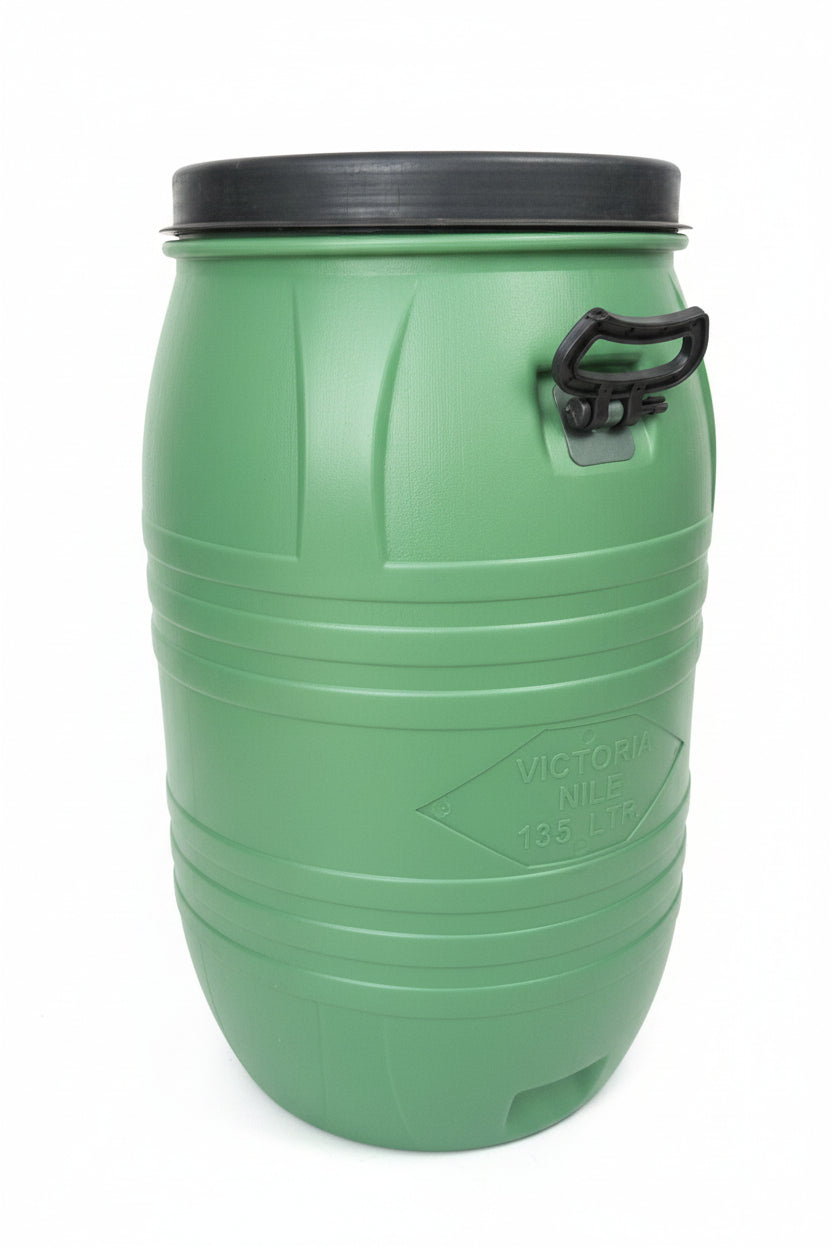
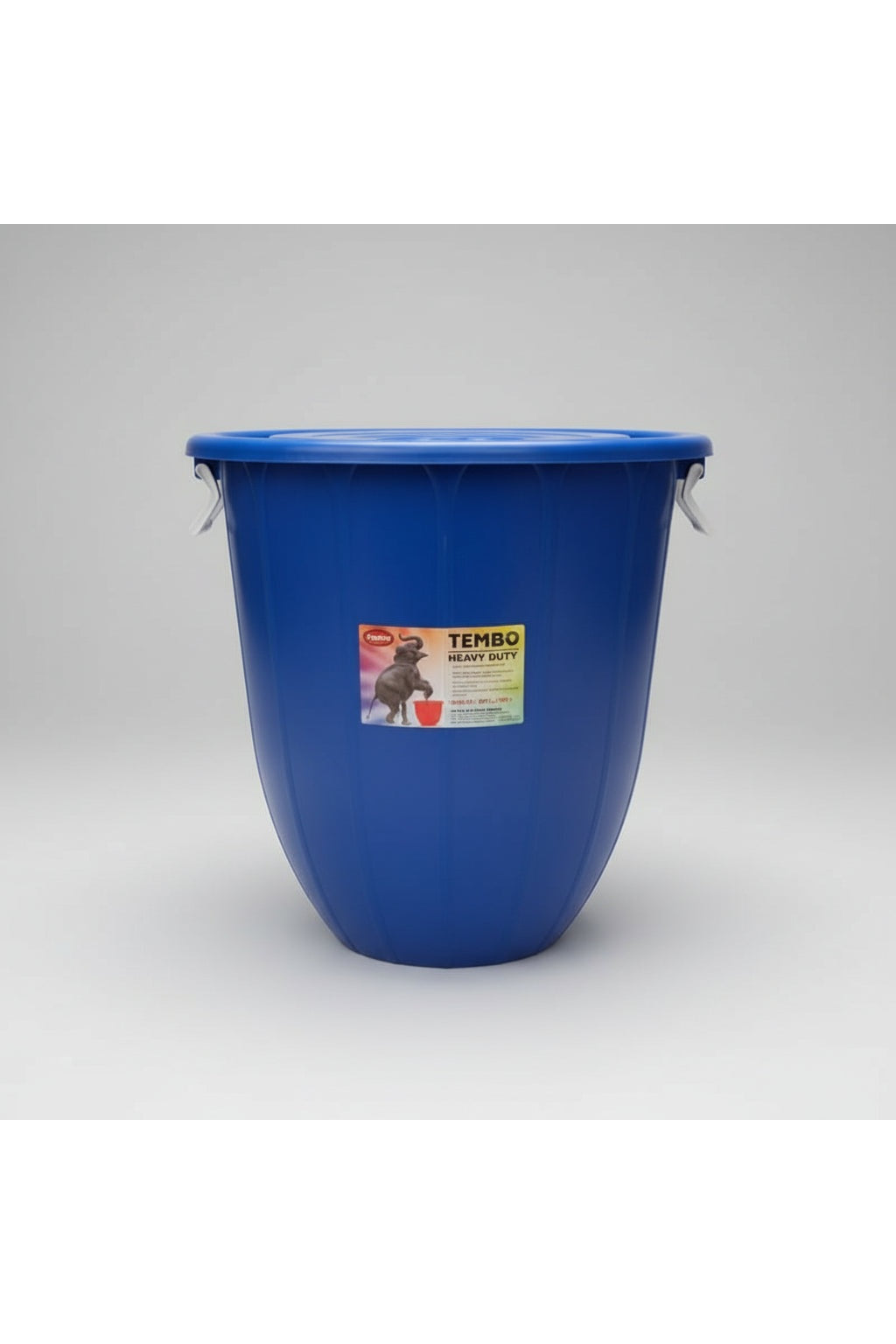
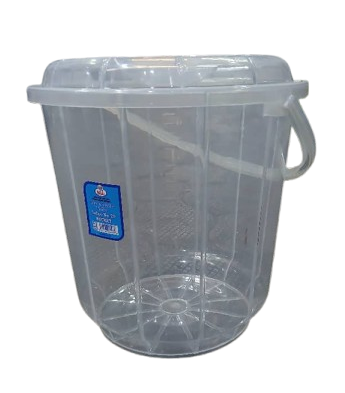
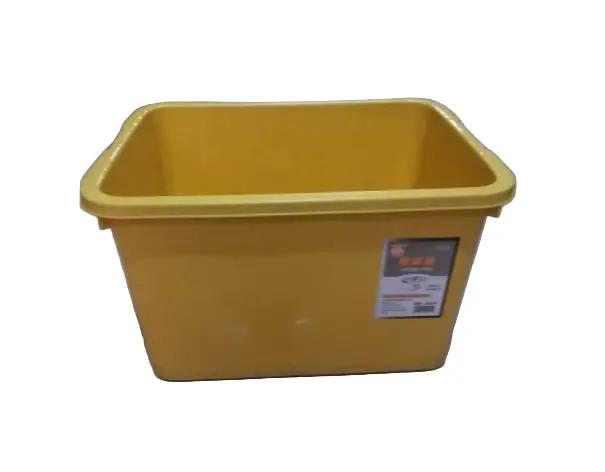
Large water storage drum or bucket with lid
1 or 2 Must haveHolds enough water for flushing and washing for a whole family for a day or more.
How to use it: Keep it covered all the time to stop mosquitoes breeding, and scrub it out every few weeks.
Water tank
1Nice to haveA tank connected to the house fills when the mains water runs and carries you through days of cuts.
How to use it: Ask your landlord before installing one. Place it on a solid stand, keep the lid sealed, and clean it once or twice a year.
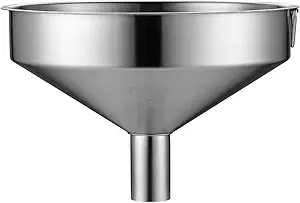
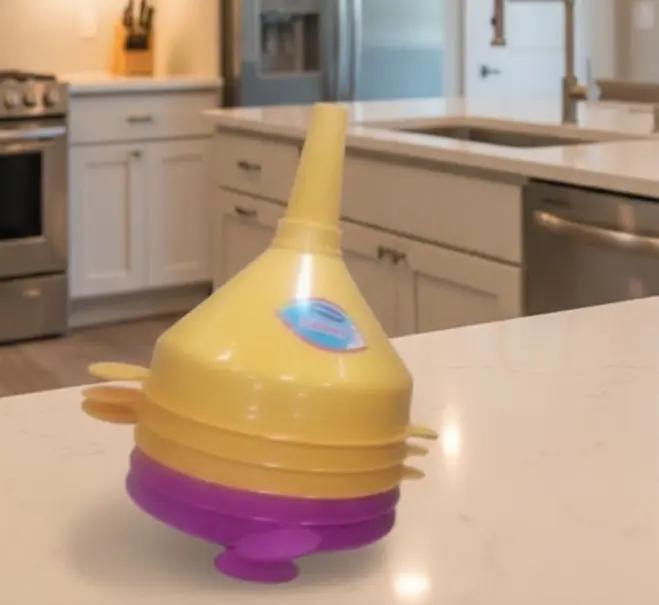
Funnel
1 or 2Nice to haveMakes filling jerrycans and small bottles quicker with less spilling.
How to use it: Keep a separate, clean funnel for drinking water only.
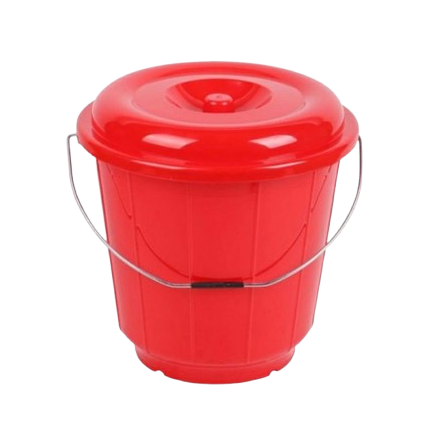
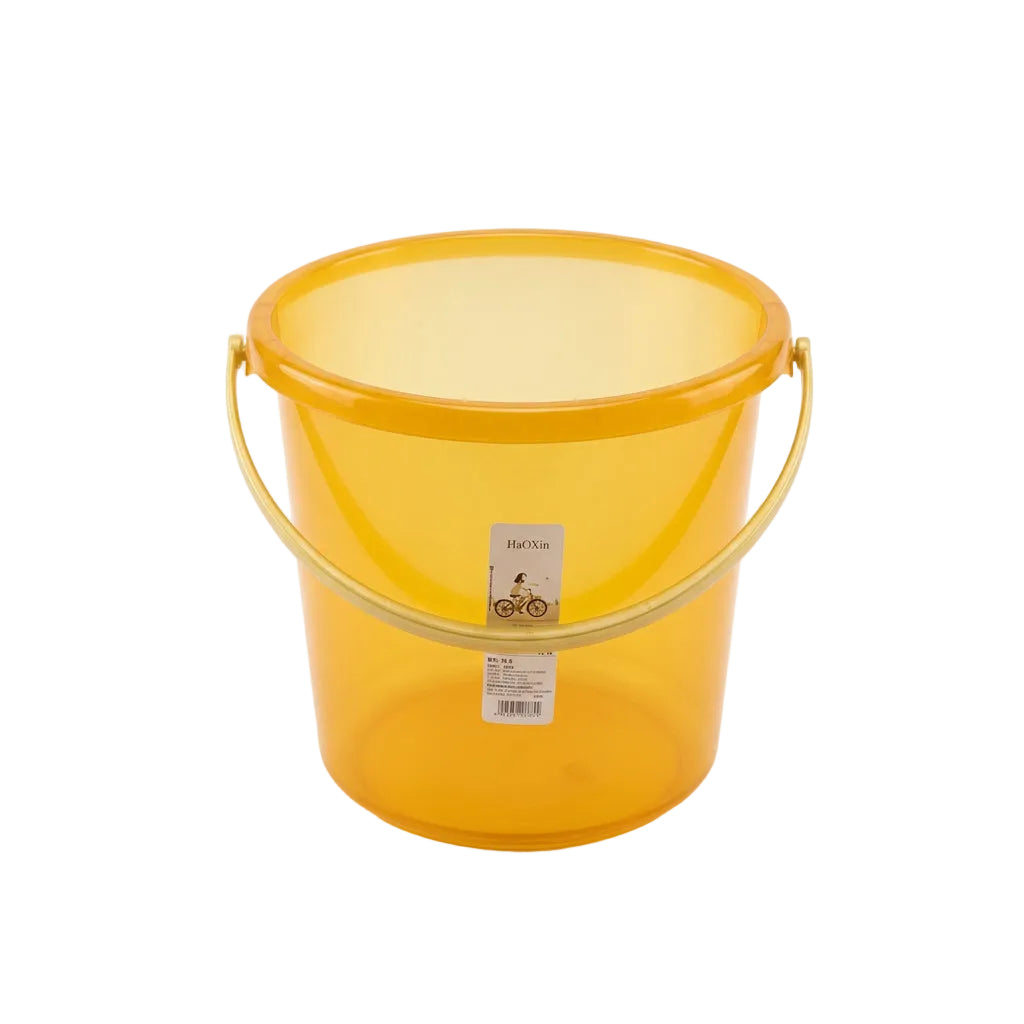
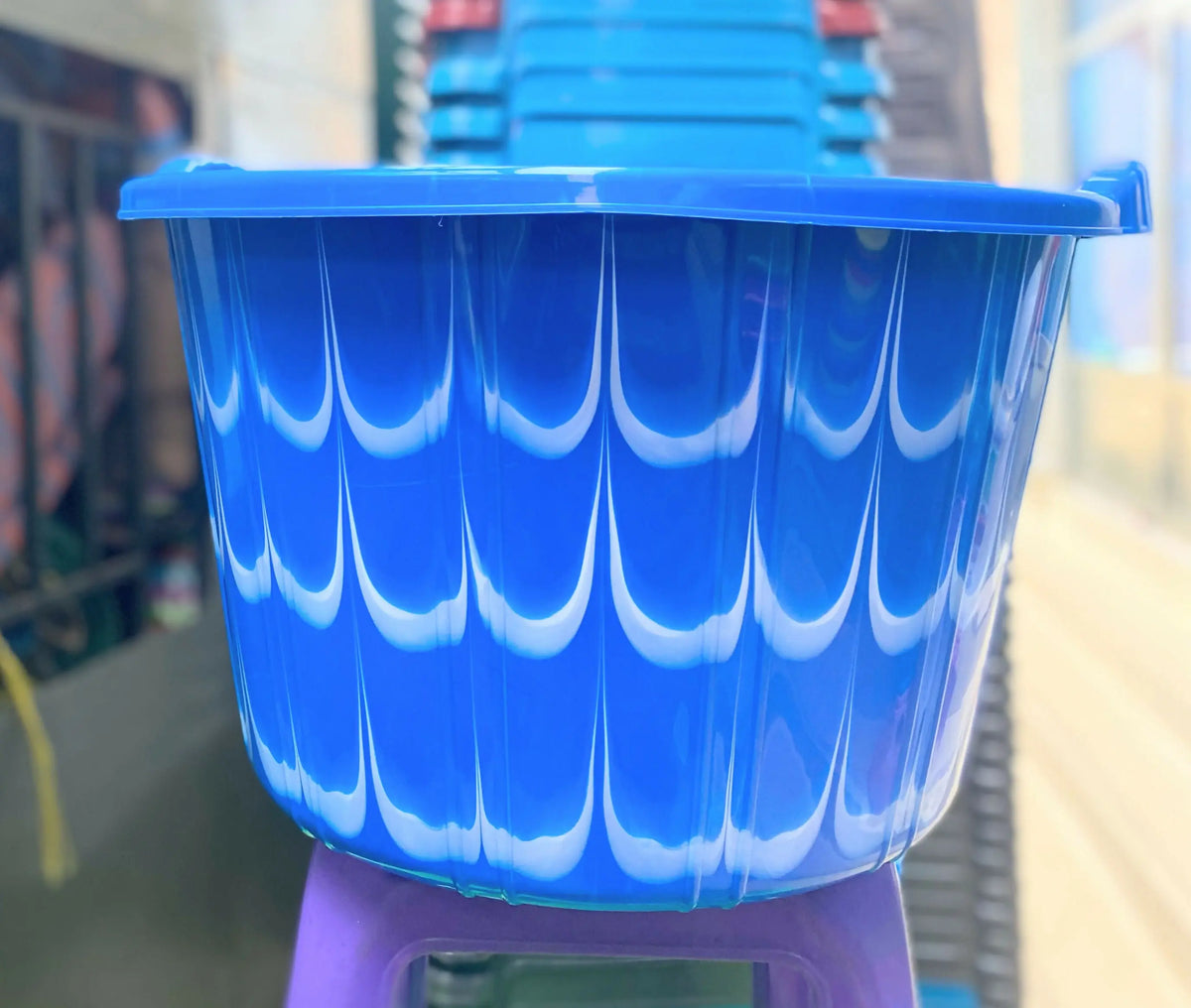
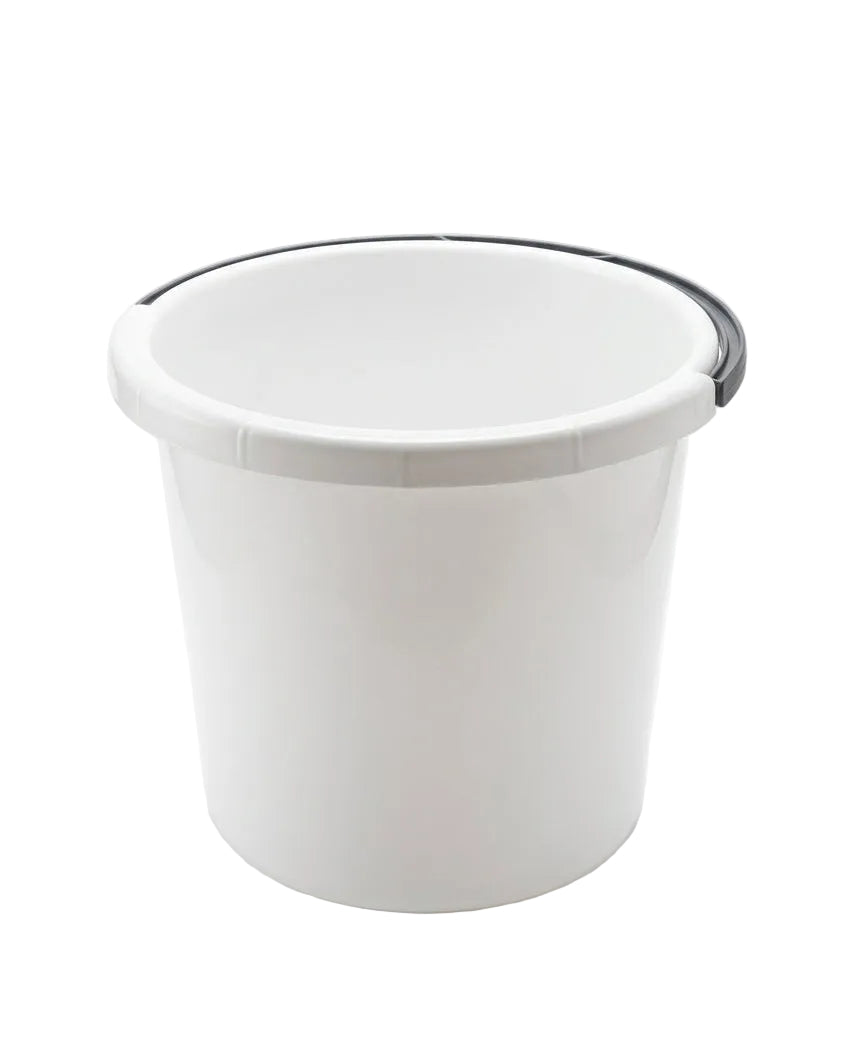
Plastic buckets
2 or 3 Must haveFor carrying water to the bathroom and kitchen, and for collecting rainwater in the rainy seasons.
How to use it: Rainwater is useful for flushing, mopping and the garden. Do not drink it unless it is properly treated.



Safe drinking water
Drinking water comes first. Store it separately and keep it clean.
Bottled drinking water
10 to 20 litres per person Must haveReady to drink with no boiling, ideal when you also lack gas or power.
How to use it: Keep a few 5 litre bottles in a cool, dark place and use the oldest first.
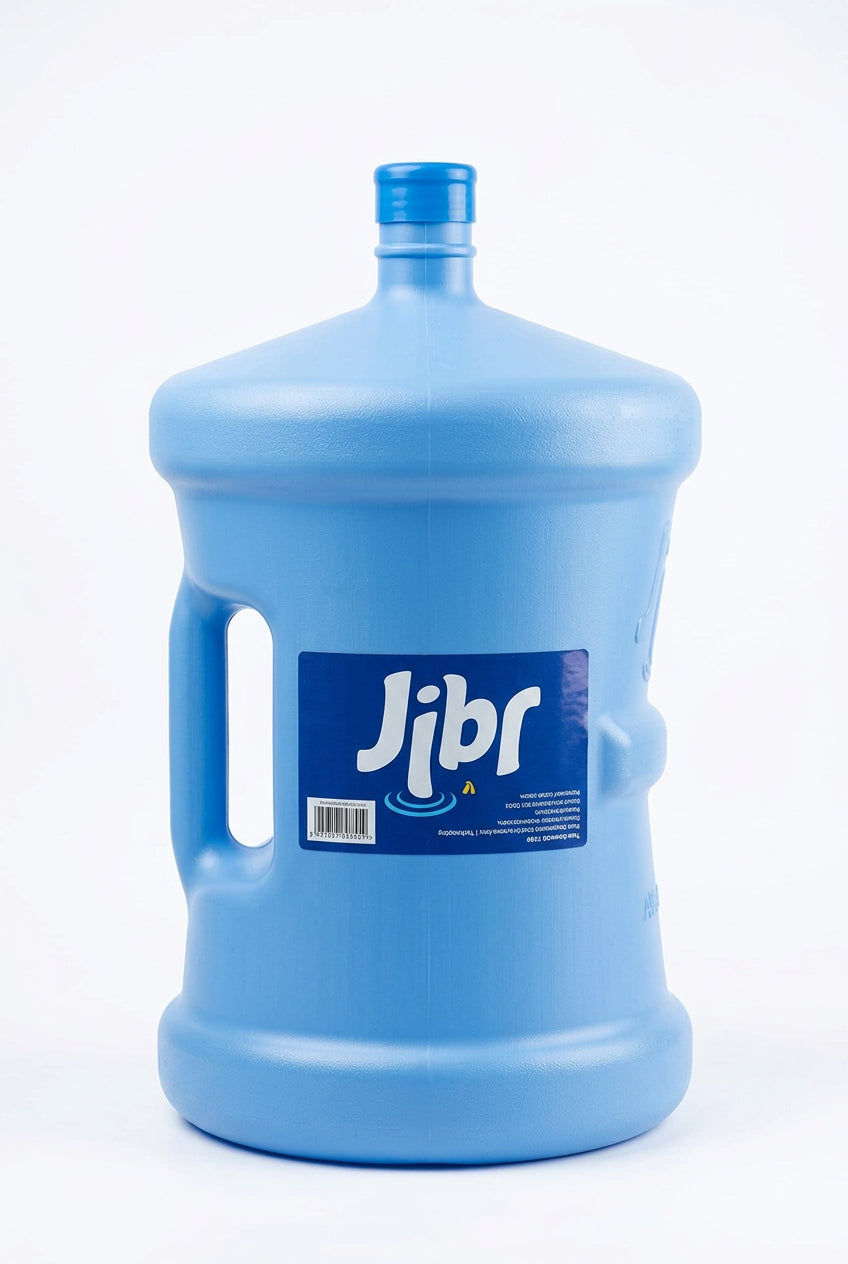
20 litre refill bottle and dispenser
1 dispenser and 2 bottlesNice to haveA big refillable bottle on a dispenser makes drinking water simple for a family or office.
How to use it: Order a refill before the bottle is empty, and clean the dispenser tap regularly.
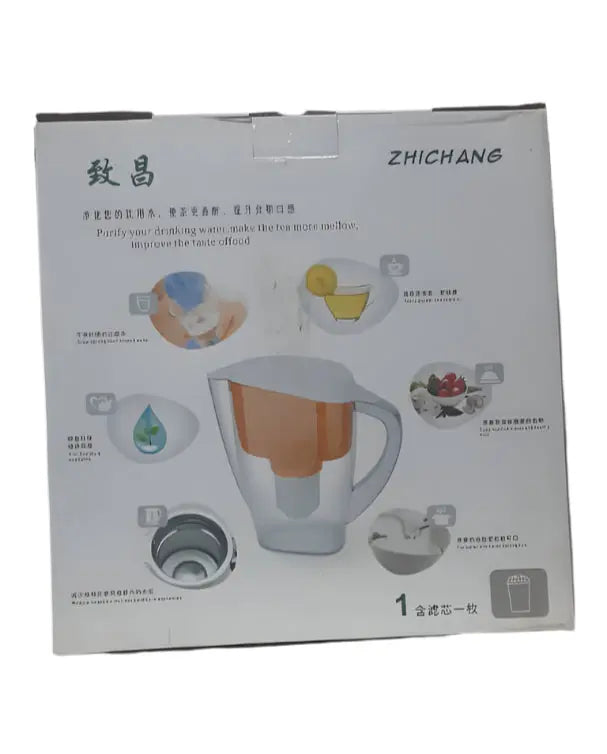
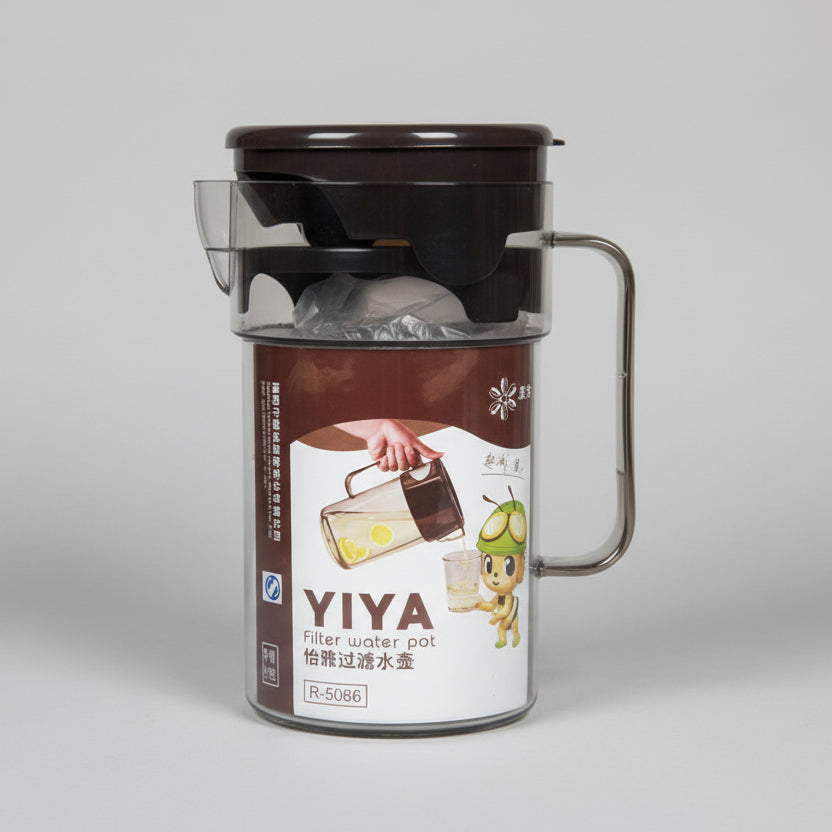
Water filter pitcher
1Nice to haveImproves the taste of stored tap water and catches sediment after cuts, when the water often comes back cloudy.
How to use it: A filter pitcher does not replace boiling for safety. Boil or treat tap water too, and change the cartridge on time.
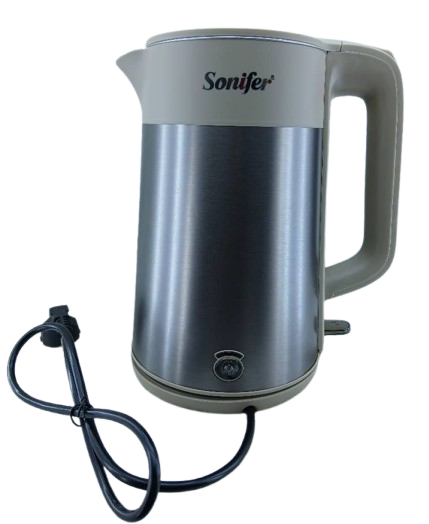
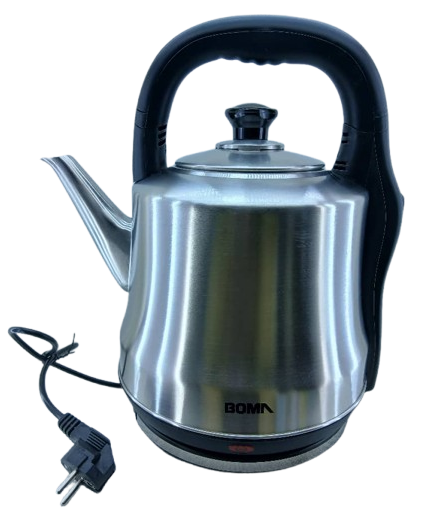
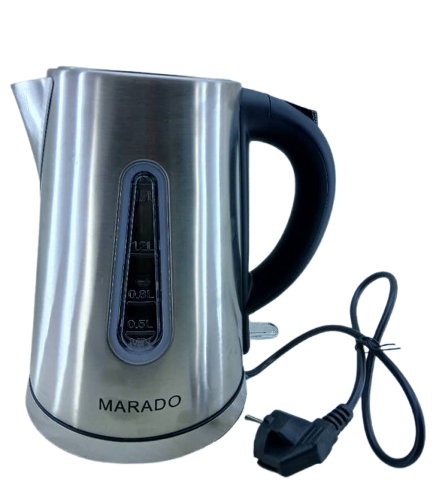
Electric kettle
1 Must haveBoiling is the simplest way to make tap water safe to drink.
How to use it: Bring water to a full rolling boil, let it cool covered, then store it in a clean, closed container.
Water jug with lid
1 or 2 Must haveKeeps boiled, cooled water clean and easy to pour at the table.
How to use it: Wash it daily and never dip cups into it; always pour.
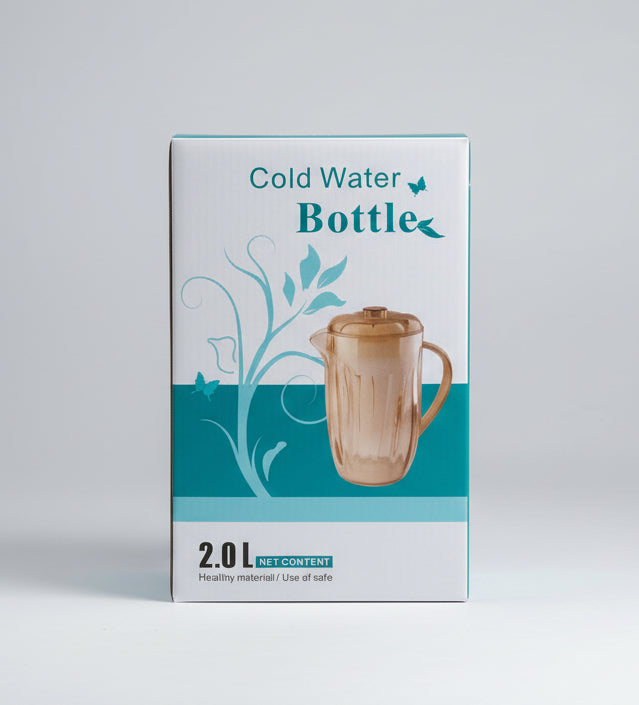 Plastic Cold Water Jug and Cup 4pcs – Safe & Durable Beverage Container 2.0LKimironko MarketRWF 12,000
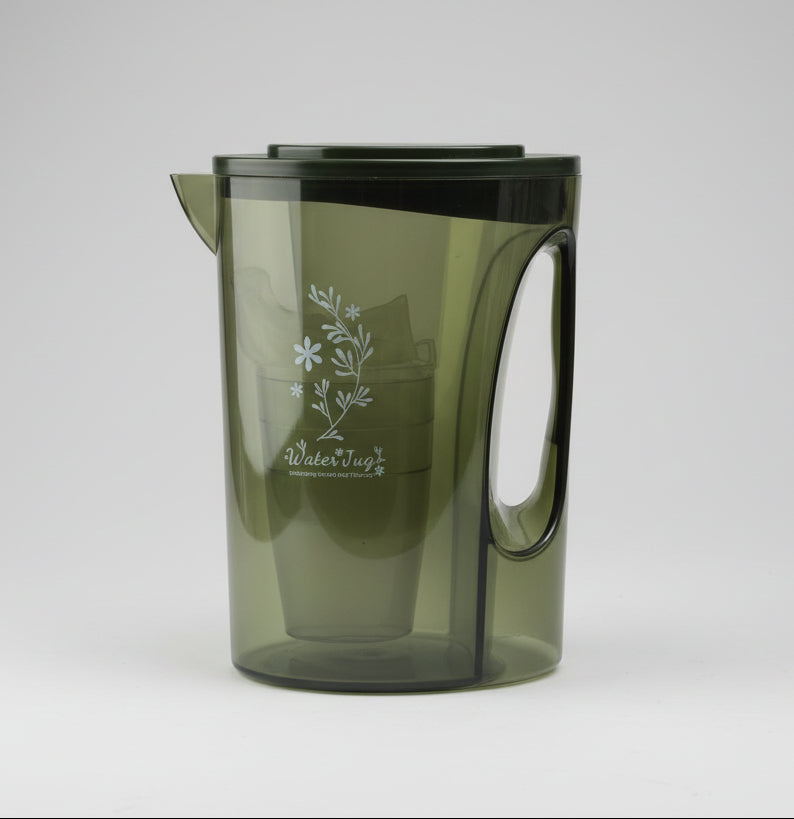 Nayasa Icon Plastic Water Jug set and Cups 4pcs – 2.1L BPA-Free Leak-Proof with HandleKimironko MarketRWF 15,000
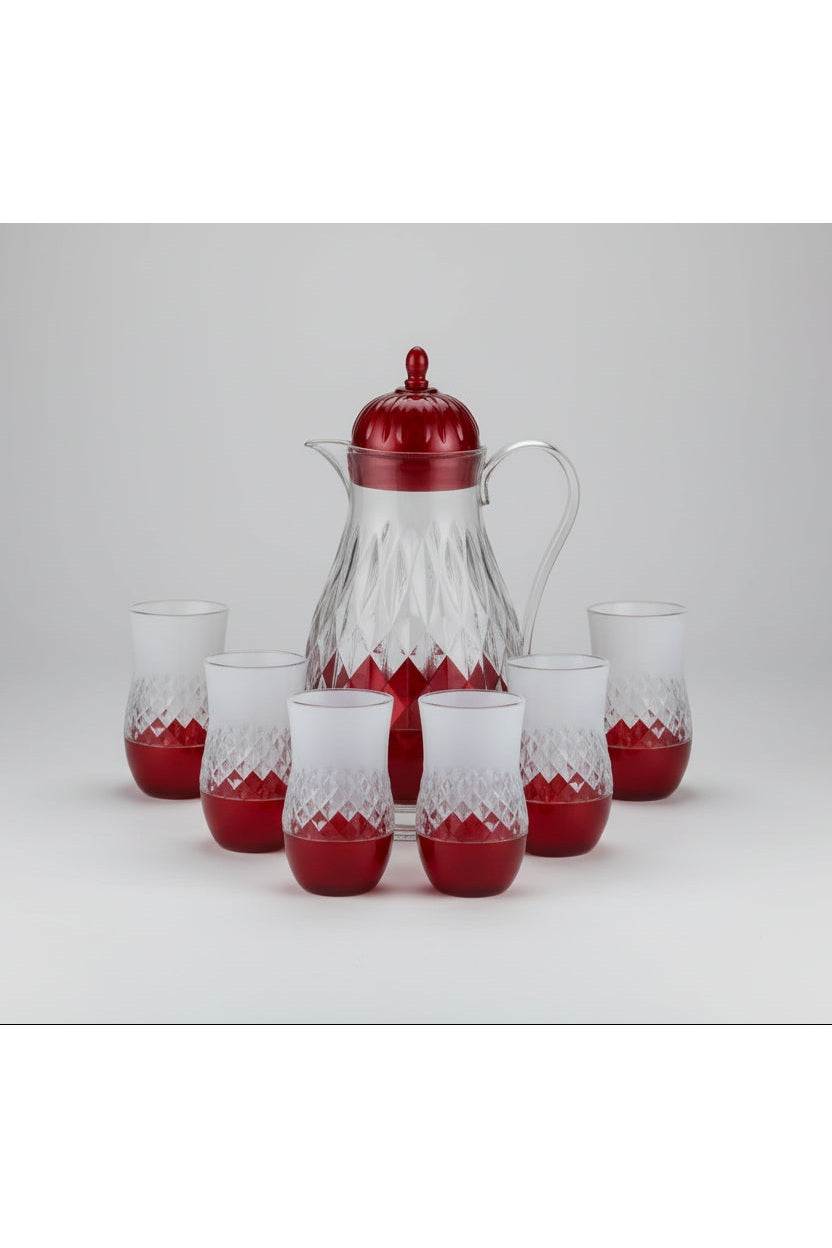 JIE HUIOMEI Glass Water Jug and Glass Set – 7-Piece Red Base DesignKimironko MarketRWF 22,000See more on Isokko
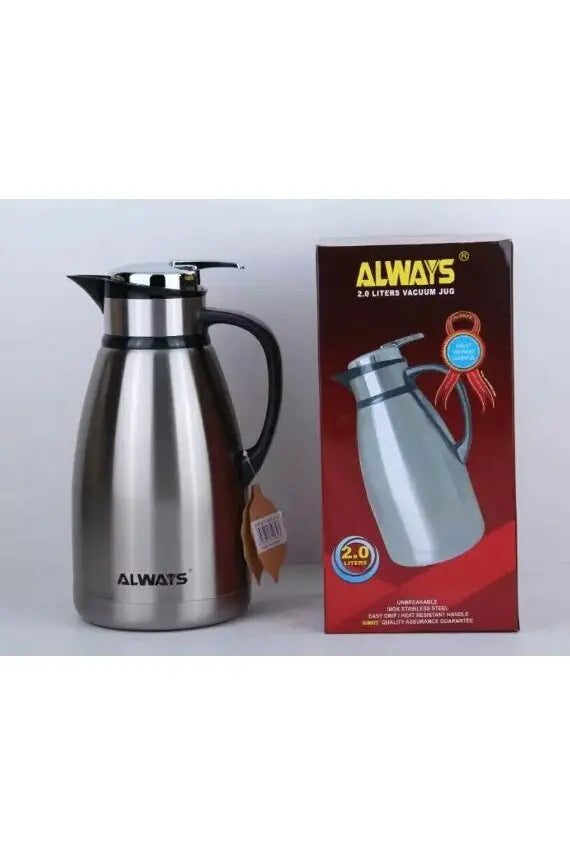
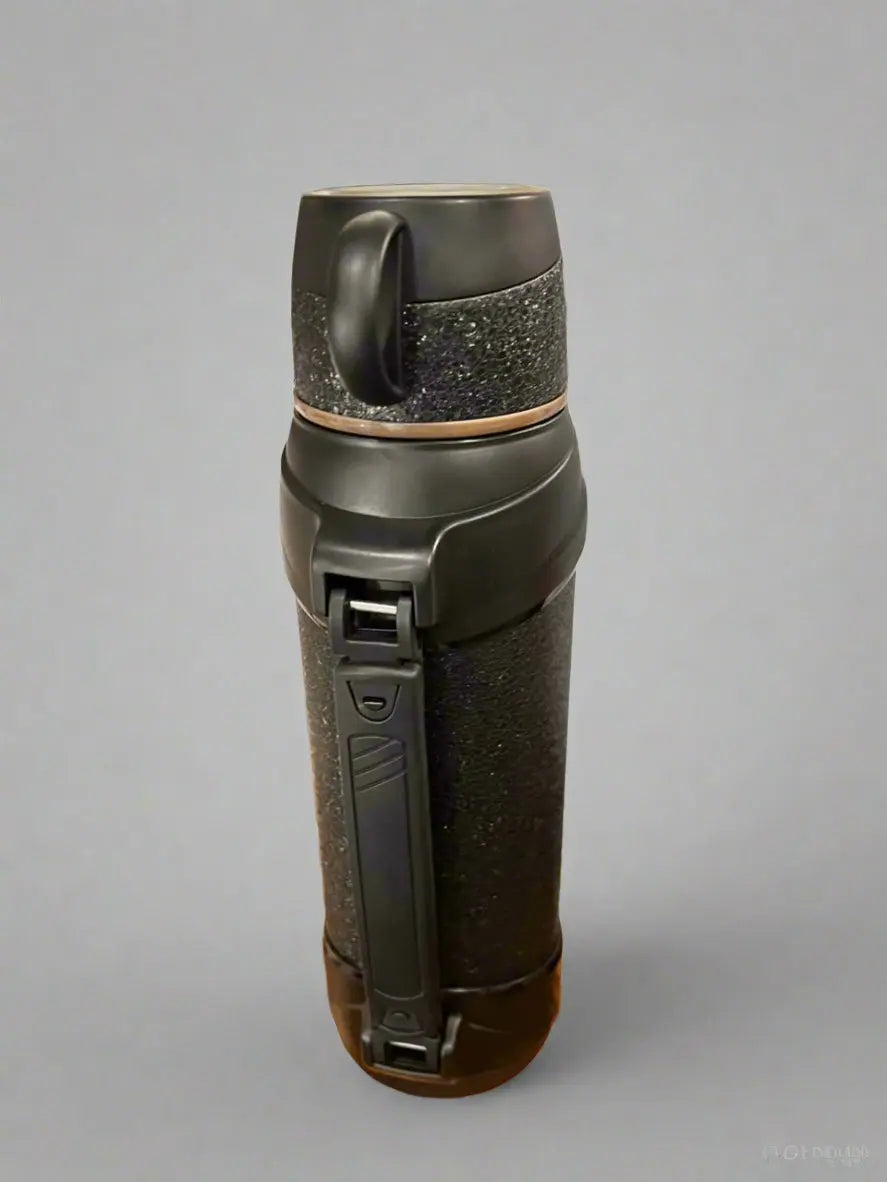
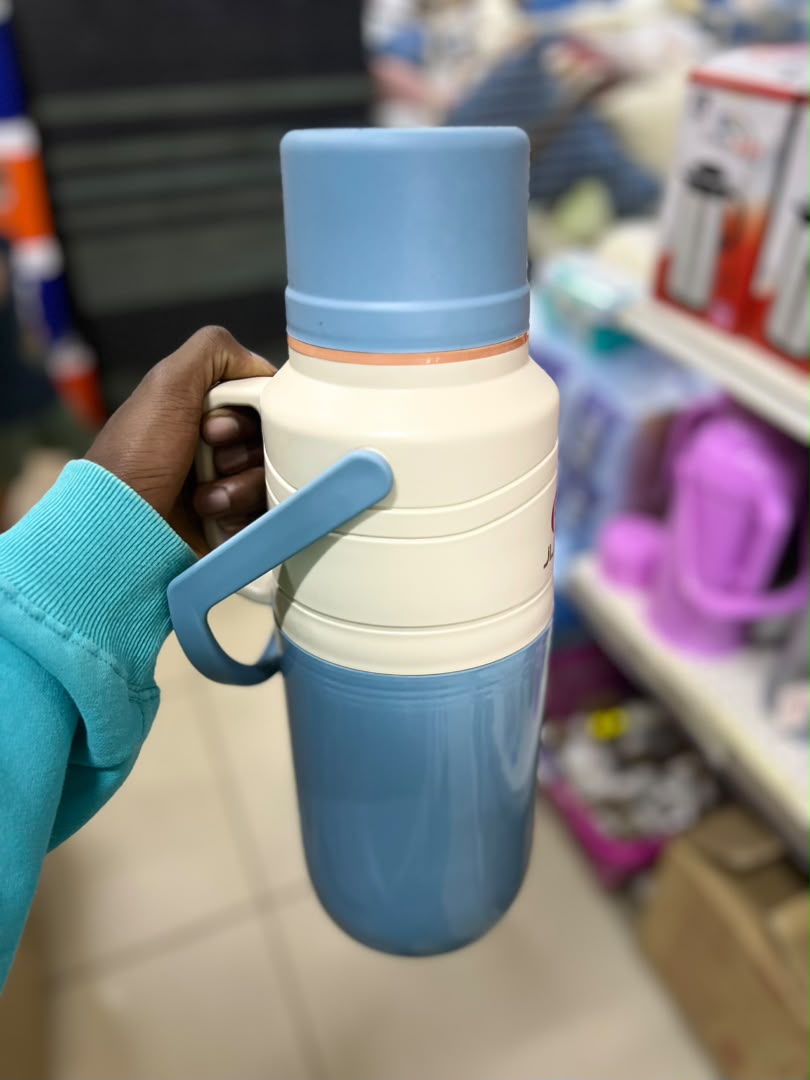
Thermos flask
1Nice to haveBoil once and keep hot water for tea, baby bottles or washing up through the day.
How to use it: Fill it with boiling water when the gas or power is on so you are not boiling again and again.





Cooking and washing up with less water
The kitchen uses more water than you think. These cut it a lot.
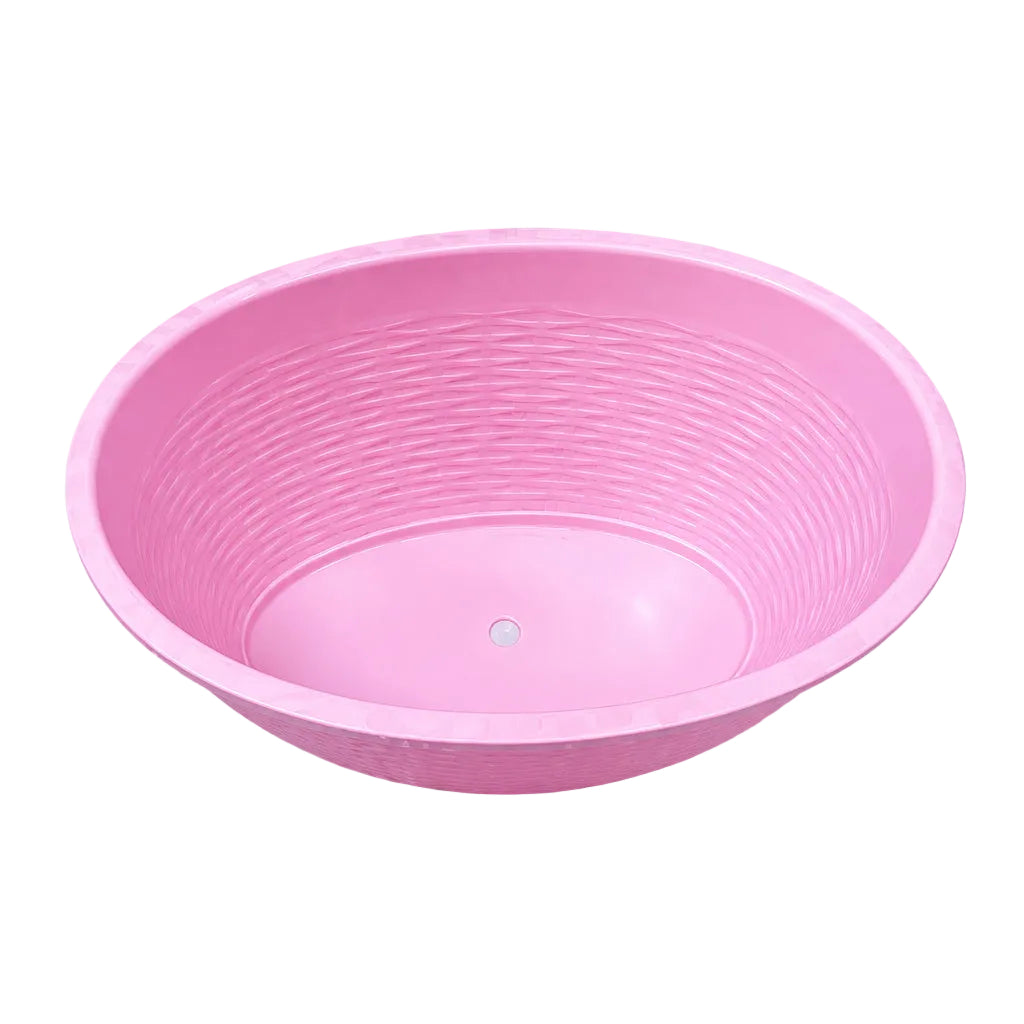
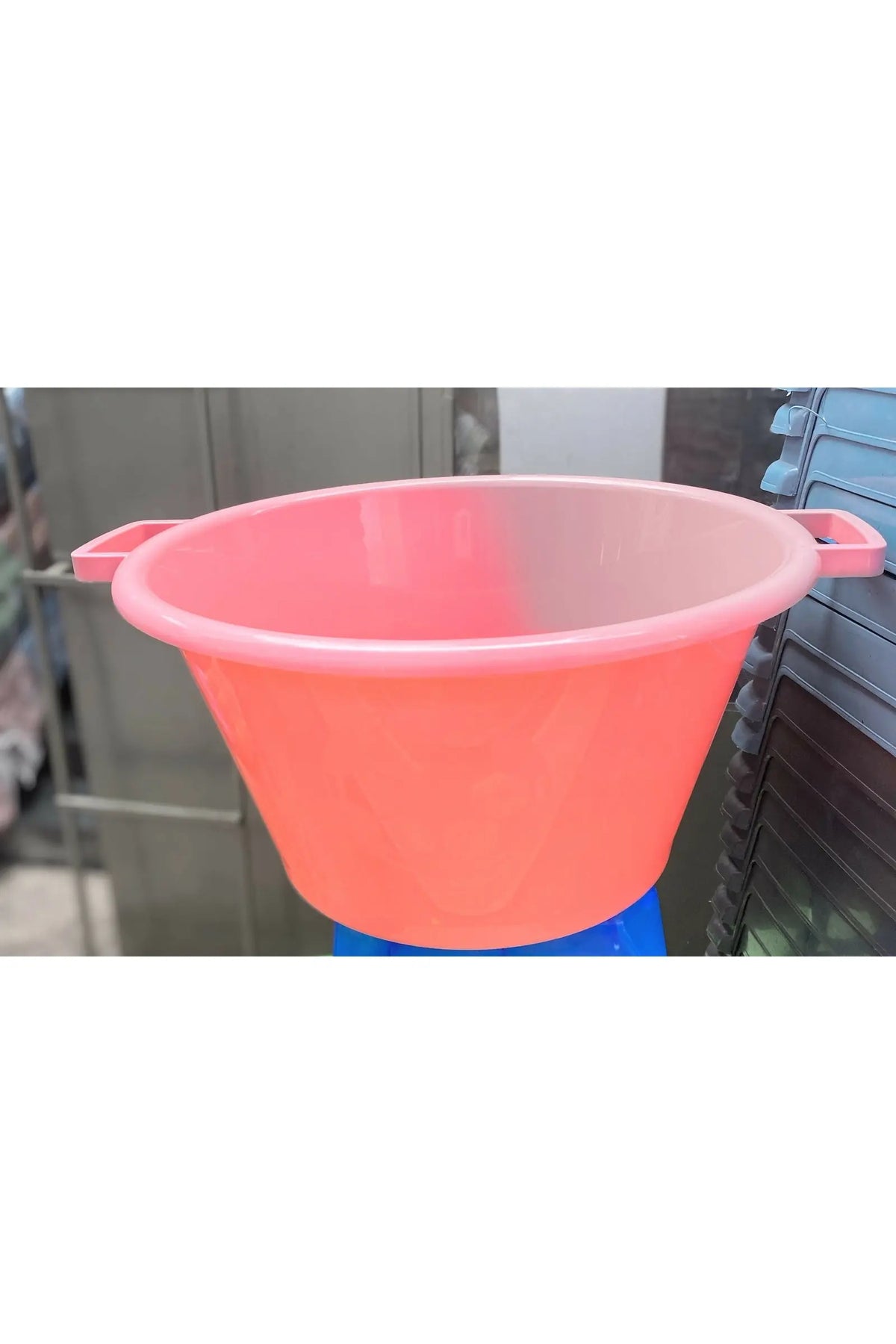
Washing up basins
2 Must haveWashing dishes in two basins, one soapy and one rinse, uses a fraction of the water of a running tap.
How to use it: Scrape plates first, wash glasses before greasy pots, and reuse the rinse water to soak the pans.
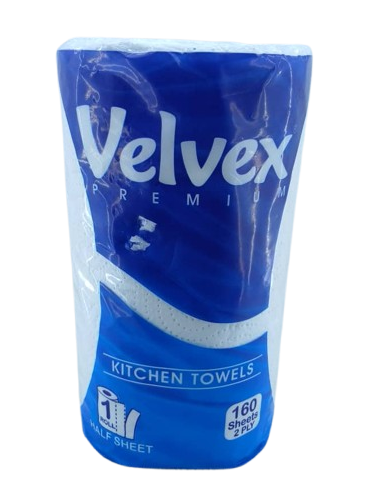
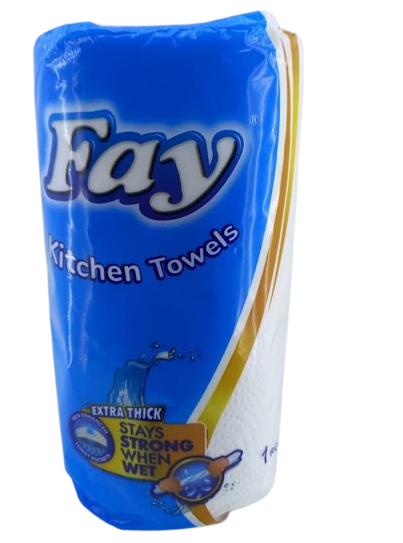
Kitchen towel rolls
2 to 4 rolls Must haveWiping oil and food from pans before washing means less soap and less water to get them clean.
How to use it: Wipe pans and plates as soon as you finish eating, then wash.
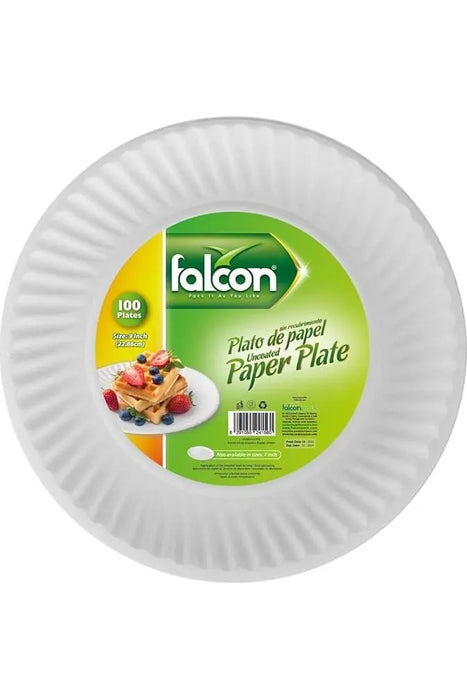
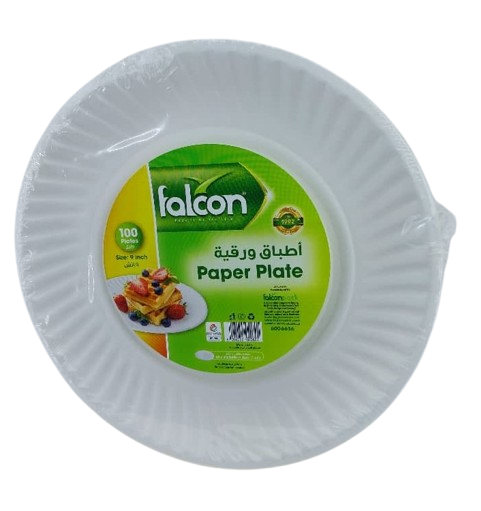
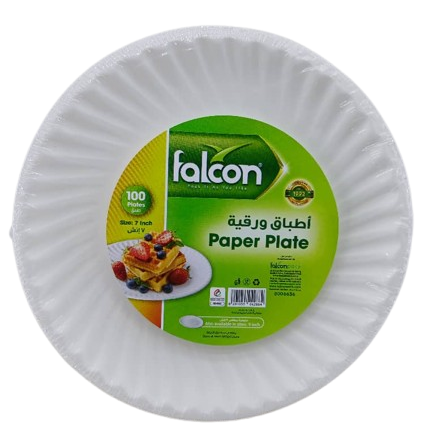
Paper plates and cups
1 pack eachNice to haveDuring a long cut, especially with guests, they save a lot of washing.
How to use it: Use them for snacks and drinks, and keep real plates for main meals if you can.
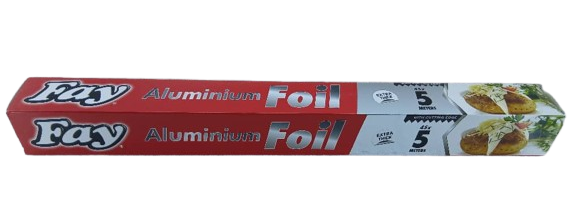
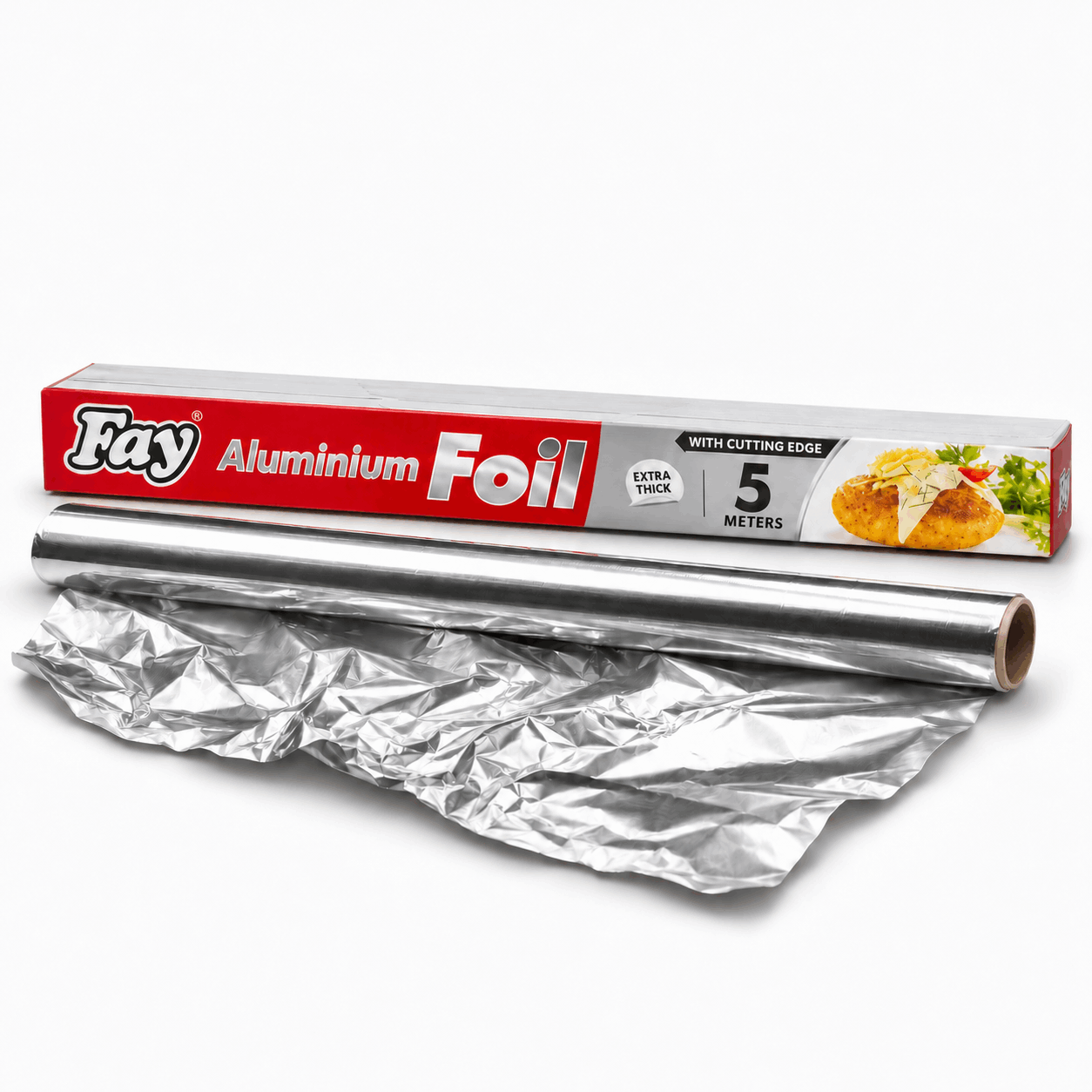
Aluminium foil
1 rollNice to haveLining baking trays and wrapping food means fewer greasy dishes.
How to use it: Line trays before roasting and wrap leftovers instead of using another container.


Staying clean and fresh
Hygiene matters most when water is short. Handwashing still comes first.
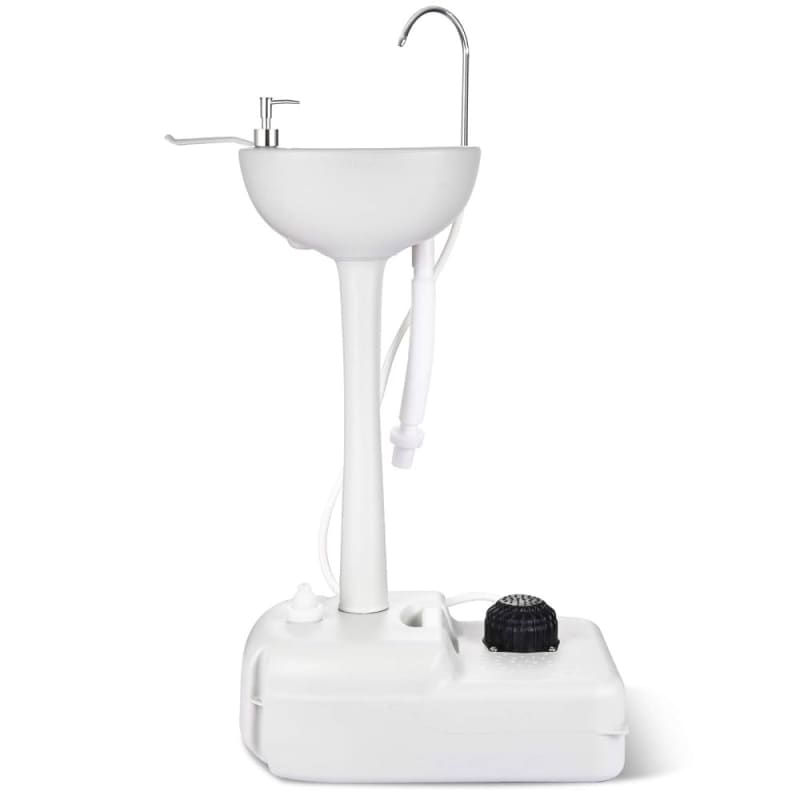
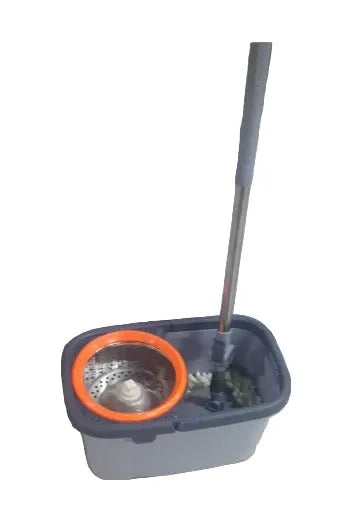
Portable hand washing station
1Nice to haveA container with a tap uses very little water and keeps handwashing easy near the kitchen or toilet.
How to use it: Fill it each morning from stored water, put soap next to it, and empty the drip bucket daily.
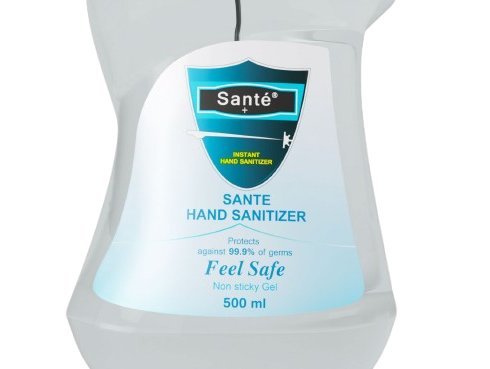
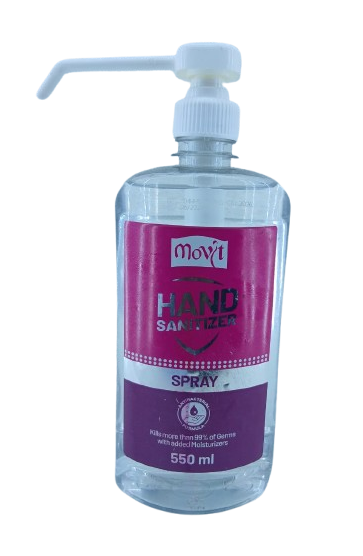
Hand sanitizer
1 or 2 bottles Must haveWhen there is no water nearby, sanitizer keeps hands clean before eating and after the toilet.
How to use it: Rub until fully dry. Wash with soap and water as soon as you can if hands are visibly dirty.
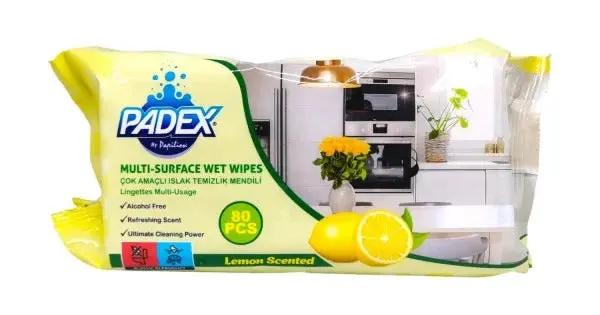
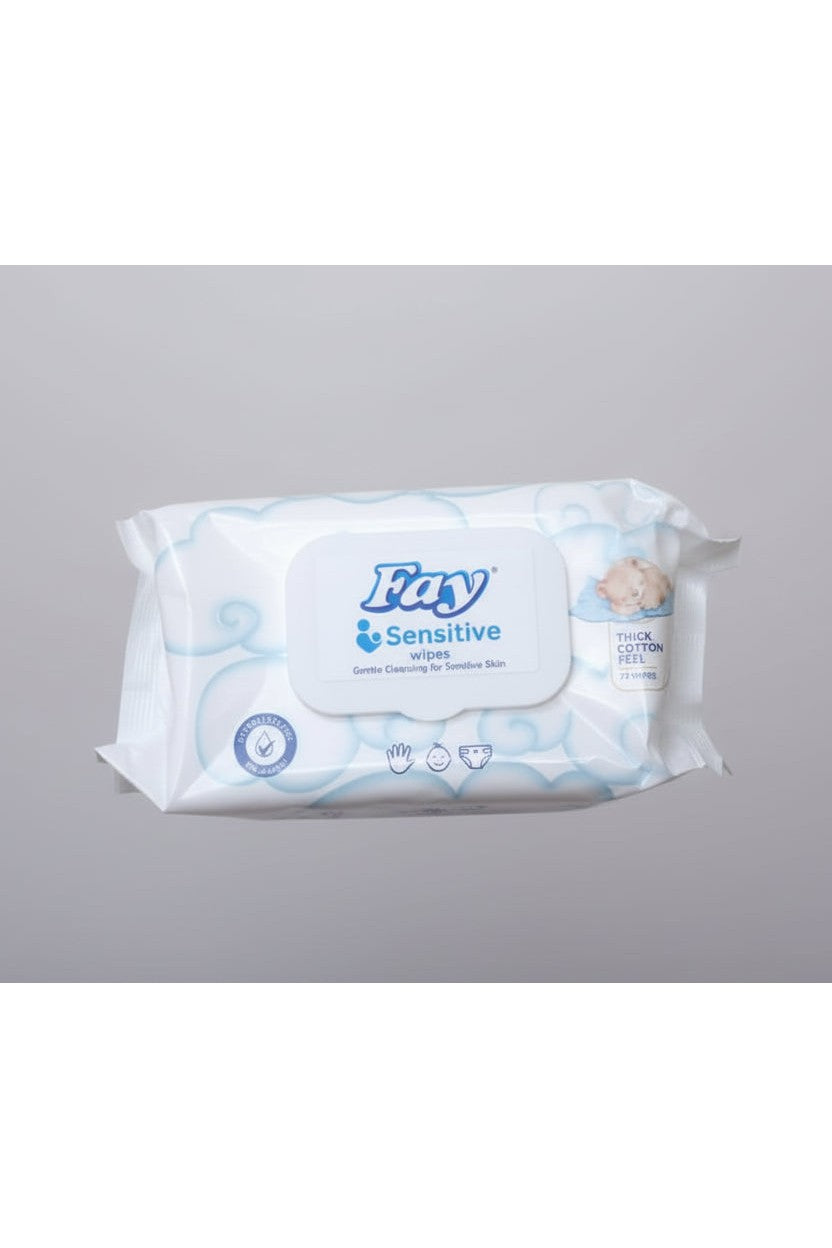
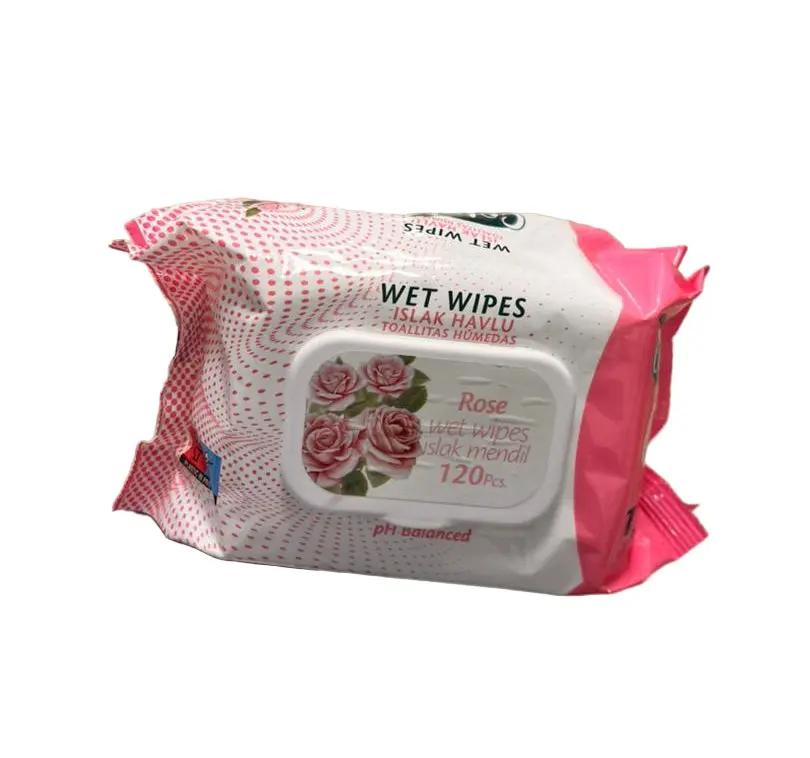
Wet wipes
2 or 3 packs Must haveFor a quick freshen up, cleaning children's hands and faces, and wiping surfaces.
How to use it: Put used wipes in the bin, never in the toilet, which blocks drains.
Basin and cup for bucket baths
1 set Must haveA bucket bath with a cup uses much less water than a shower and works when the pipes are dry.
How to use it: Warm a little water in the kettle and mix it in a bucket. Wet, soap, then rinse with the cup.
Dry shampoo
1Nice to haveFreshens hair between washes when water is precious.
How to use it: Spray or sprinkle at the roots, wait a minute, then brush through.


Toilets and cleaning
Flushing is the biggest water user in most homes. Plan for it.
Flush bucket
1 per toilet Must haveWhen the cistern will not fill, a bucket of water poured quickly into the bowl flushes the toilet.
How to use it: Use grey water from washing or rainwater, not drinking water. Pour fast from waist height.
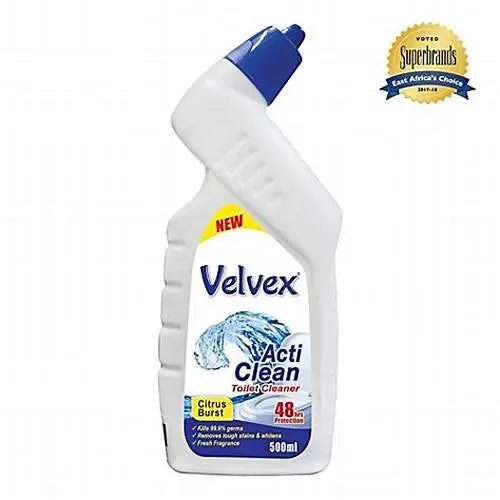
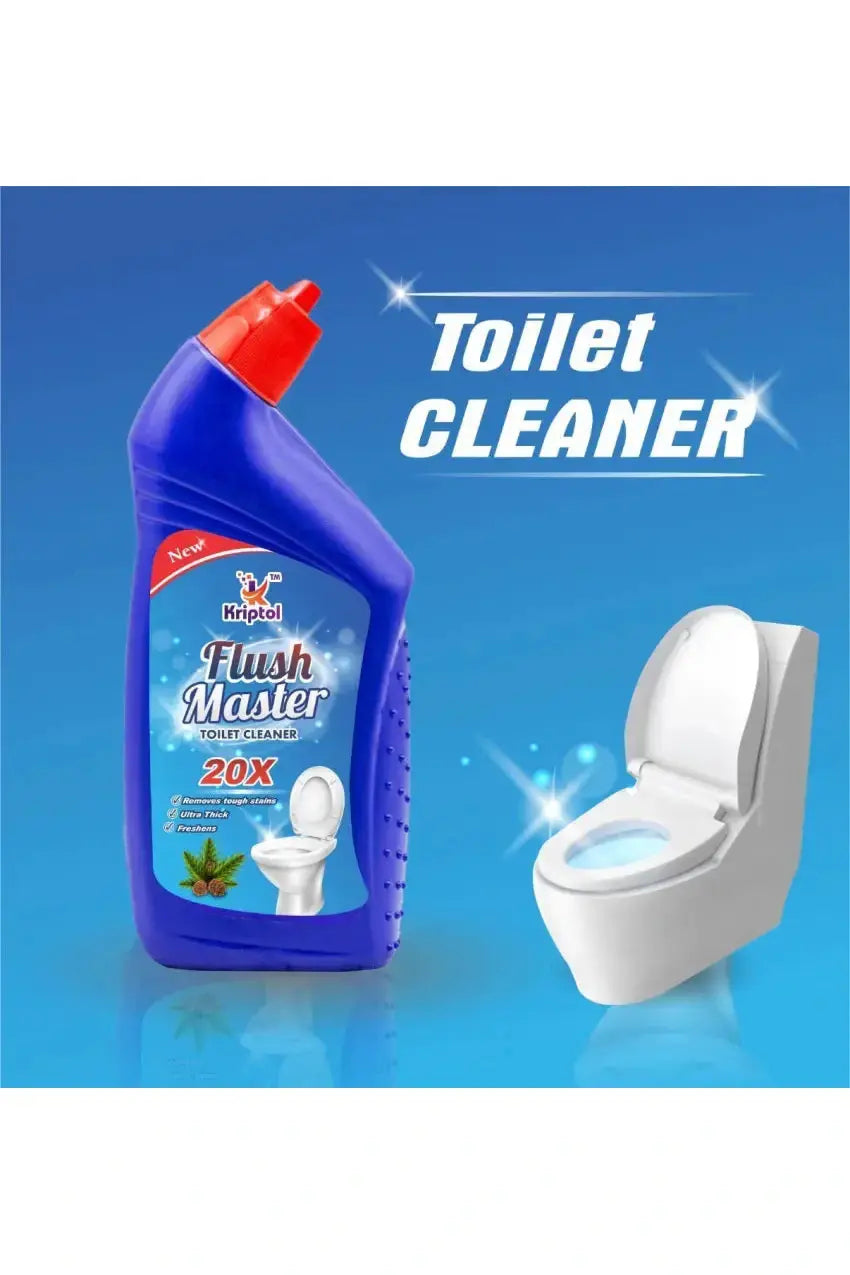
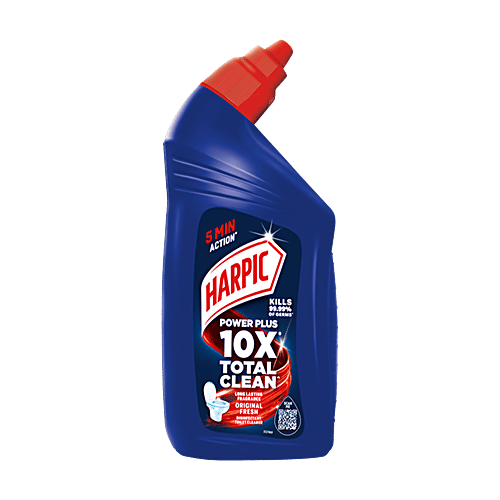
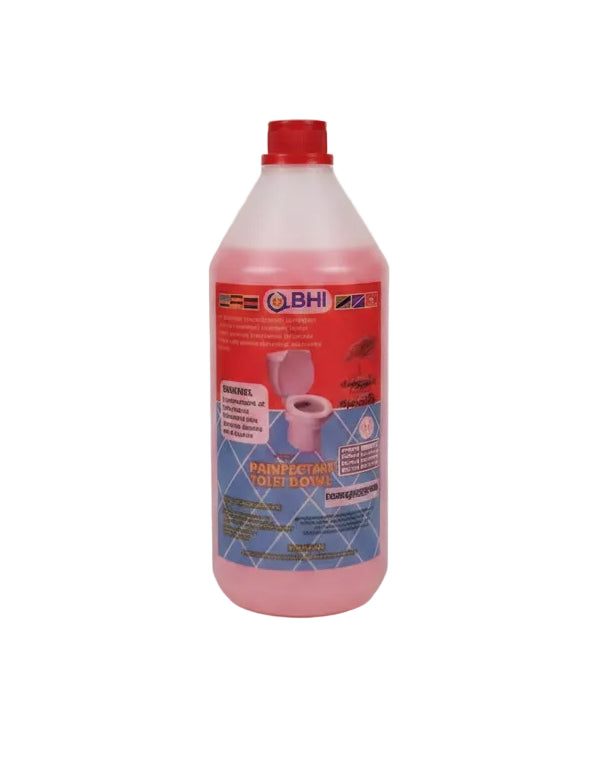
Toilet cleaner
1 bottle Must haveWith fewer flushes, toilets stain and smell faster.
How to use it: Use a little gel under the rim each day during a cut, and scrub when the water returns.
Disinfectant spray
1 bottleNice to haveCleaning surfaces without a full mop bucket keeps the kitchen and bathroom hygienic.
How to use it: Spray and wipe with a cloth, then rinse the cloth in a small bowl of water.


Step by step
- 1
Work out how much you need
Multiply the people in your home by about 20 litres a day, then by the number of days cuts usually last where you live.
- 2
Buy containers
Get food safe jerrycans for drinking water and a large covered drum or bucket for washing and flushing.
- 3
Fill and label
Fill everything when the water is running. Label drinking water clearly and store it out of the sun.
- 4
During a cut
Use drinking water only for drinking and cooking. Use washing water for dishes, then reuse it for flushing or mopping.
- 5
When the water returns
Run the tap for a minute if it comes out cloudy, refill all containers, and clean any that have been standing for weeks.
Tips that help
- Fill containers at night or early morning when water pressure is often better.
- Keep every water container covered. Open water breeds mosquitoes within days.
- Collect rainwater from the roof in the rainy seasons for flushing, mopping and plants.
- Rotate stored drinking water every month or two so it stays fresh.
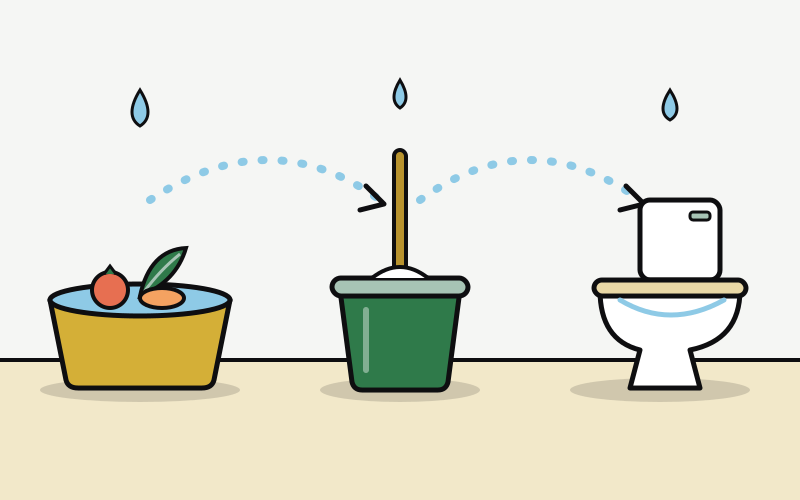
- Reuse water in a chain: rinse vegetables, then use that water for mopping or flushing.
- Follow WASAC announcements and neighborhood groups to know about planned cuts in advance.
Mistakes to avoid
- Storing drinking water in old containers that once held chemicals, oil or fuel.
- Leaving buckets and drums open, which invites mosquitoes and dust.
- Using drinking water to flush the toilet when washing water would do.
- Forgetting to clean storage containers, which grow slime and smell over time.
- Waiting until the tap is already dry to start storing water.
Questions people ask
How much water should I store at home?+
A good starting point is about 20 litres per person per day for drinking, cooking, washing and flushing. Store enough for at least two or three days, more if cuts in your area tend to last longer.
Is Kigali tap water safe to drink?+
Many households in Kigali boil or filter tap water before drinking, especially after a cut when it can come back cloudy. Boiling is the simplest way to be safe, or use bottled water.
How long can I keep stored water?+
Drinking water in a clean, sealed, food safe container in a cool dark place can be kept for a few weeks. Replace it regularly, and clean the containers when you refill them.
Can I treat water with tablets?+
Water treatment tablets and drops exist, and they can help in an emergency. Ask a pharmacist which product to use, follow the instructions exactly, and still prefer boiling when you can.
Do I need my landlord's permission for a water tank?+
Usually yes, because a tank often needs plumbing work and a solid stand. Talk to your landlord first; many are happy to share the cost because it adds value to the house.
A few jerrycans, drinking water and some simple habits are all it takes to stay calm when the taps run dry. Order your containers, drinking water and hygiene supplies on Isokko and have them delivered before the next cut.
Shop this list
Get everything delivered in Kigali
Order from local stores on Isokko and pay with MoMo, card or cash. Same-day delivery.