
Checklist · School & students
Back to School Checklist for Primary Pupils in Kigali
A practical back to school checklist for primary pupils in Kigali: stationery, school bag, lunchbox, rain gear and hygiene, with what to buy early and what can wait.
Updated November 15, 2026 · By Isokko
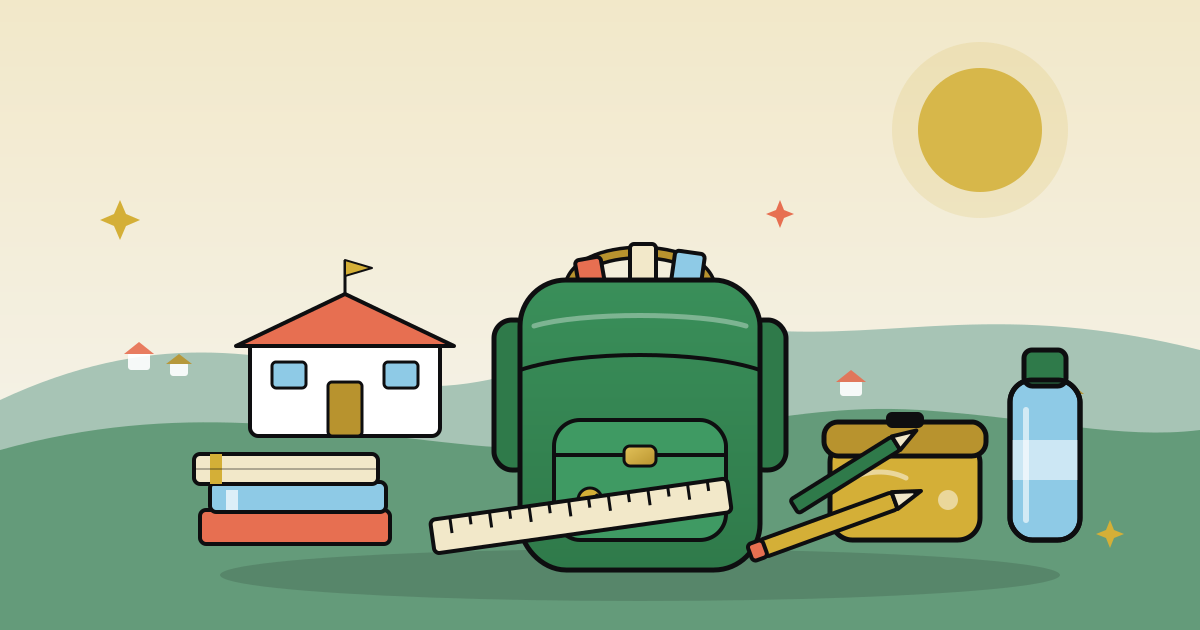
The week before term starts in Kigali has its own energy: uniforms being ironed, names being written on everything, and a requirements list from school that somehow grows every time you read it. This checklist gathers what most primary pupils actually use, so you can shop once, calmly, and not end up at a crowded stationery shop the night before.
Every school is different, so treat your school's own list as the boss. Use this one to fill the gaps: the things schools assume you already have, the items that make mornings easier, and the small extras that save a call from the teacher in week two.
We have grouped everything by where it lives: the school bag, the pencil case, the lunchbox, the rain and sun kit, and the hygiene pouch. Tick as you go.
Who it's for
Parents and guardians of P1 to P6 pupils in Kigali, day school or boarding primary
Time needed
One evening to plan, then two or three short shopping rounds
When to shop
Two to three weeks before term starts, once the school has shared its requirements list
On the list
27 items, 15 must haves
0 of 27 ready
Books and paper
Exercise books are the biggest single line on most primary lists. Check your school's list for page counts and how many of each.
Exercise books
As on school list, plus 2 Must haveMost subjects need their own book, and teachers often ask for a specific page count. Running out in the middle of term means a rushed trip and an unhappy child.
How to use it: Buy the count on your school's list plus two spares. Write the child's name, class and subject on the cover the same evening.
Graph or squared book
1 to 2Nice to haveUpper primary maths often uses squared paper for tables, shapes and graphs. Some schools ask for it from P4.
How to use it: Check whether the list says graph book or squared book. Keep it separate from the main maths book.
Register book for homework
1Nice to haveA hardcover lined book makes a sturdy homework diary that survives a full term in a bag. Teachers and parents can both write notes in it.
How to use it: Rule a simple column for date, subject and task. Check it each evening and sign if the teacher asks.
Book covers or manila envelopes
1 packNice to haveCovers keep books readable through rainy season and red dust. Many schools ask that books arrive covered.
How to use it: Cover with plain or brown paper and tape the edges. Keep a few manila envelopes for carrying report cards and forms home flat.


The pencil case
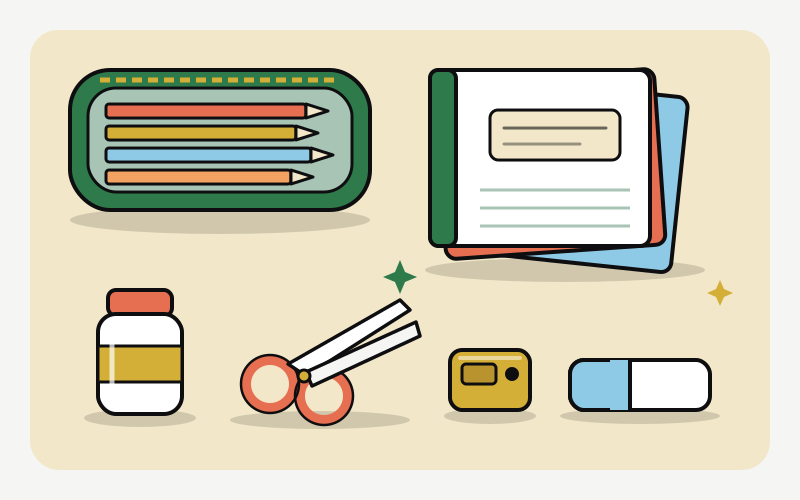
Small things go missing fastest. Buy in packs so you can refill the pencil case mid term without a special trip.
Pencils, with a spare pack
1 pack of 12 Must haveYounger pupils write mostly in pencil and break or lose several a week. A spare pack at home means no morning panic.
How to use it: Sharpen three the night before and keep the rest at home. Label pencils with a small strip of tape and a name.
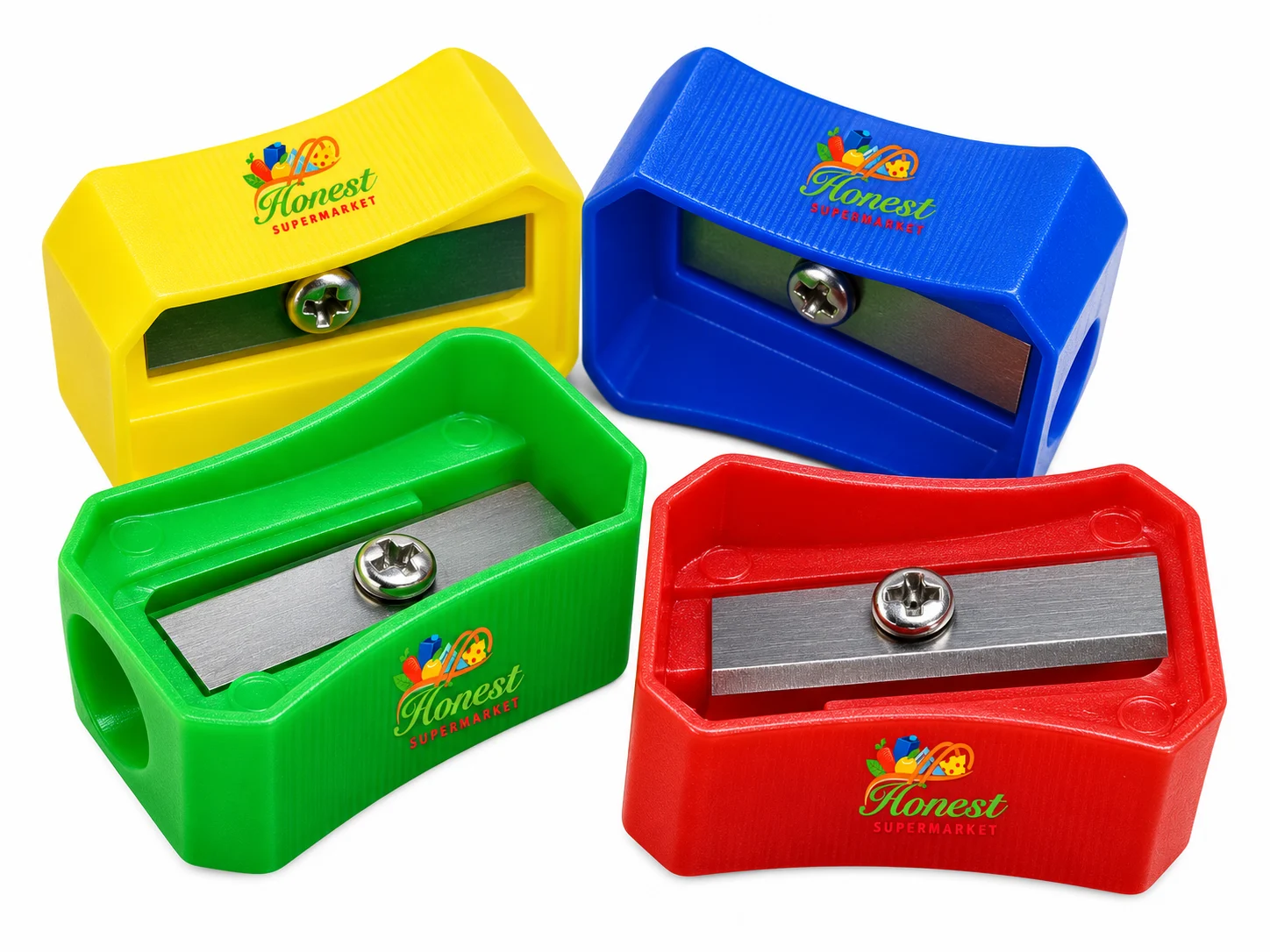
Pencil sharpener
2 Must haveA blunt pencil slows handwriting and causes tears in P1. A sharpener with a container keeps shavings out of the bag.
How to use it: Choose one with a lid. Empty it at home on Sundays.
Blue pens
1 box Must haveFrom around P3 or P4 many schools move children to pens. Pens run out without warning, so buy more than one.
How to use it: Ask the teacher when pens start. Buy a box and give out one at a time.
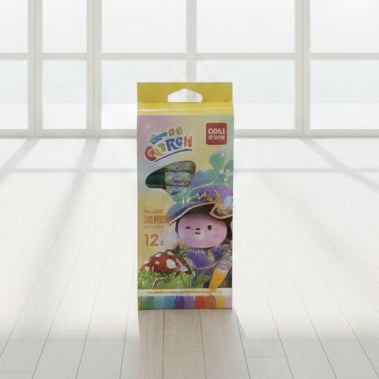
Colored pencils
1 set Must haveDrawing, maps and science diagrams all use color in primary school. They also keep a child busy on a rainy afternoon.
How to use it: A set of 12 is plenty. Keep them in their box so they do not break loose in the bag.
Ruler
2 Must haveNeeded for underlining, margins and maths from P1. Plastic rulers snap, so a spare is useful.
How to use it: A 30 cm ruler fits most bags. Mark the name with a permanent marker.
Mathematical set
1Nice to haveUpper primary geometry needs a compass, protractor and set squares. Most lists ask for one from P4 or P5.
How to use it: Check the compass point before sending it with younger children. Keep the tin closed with a rubber band.
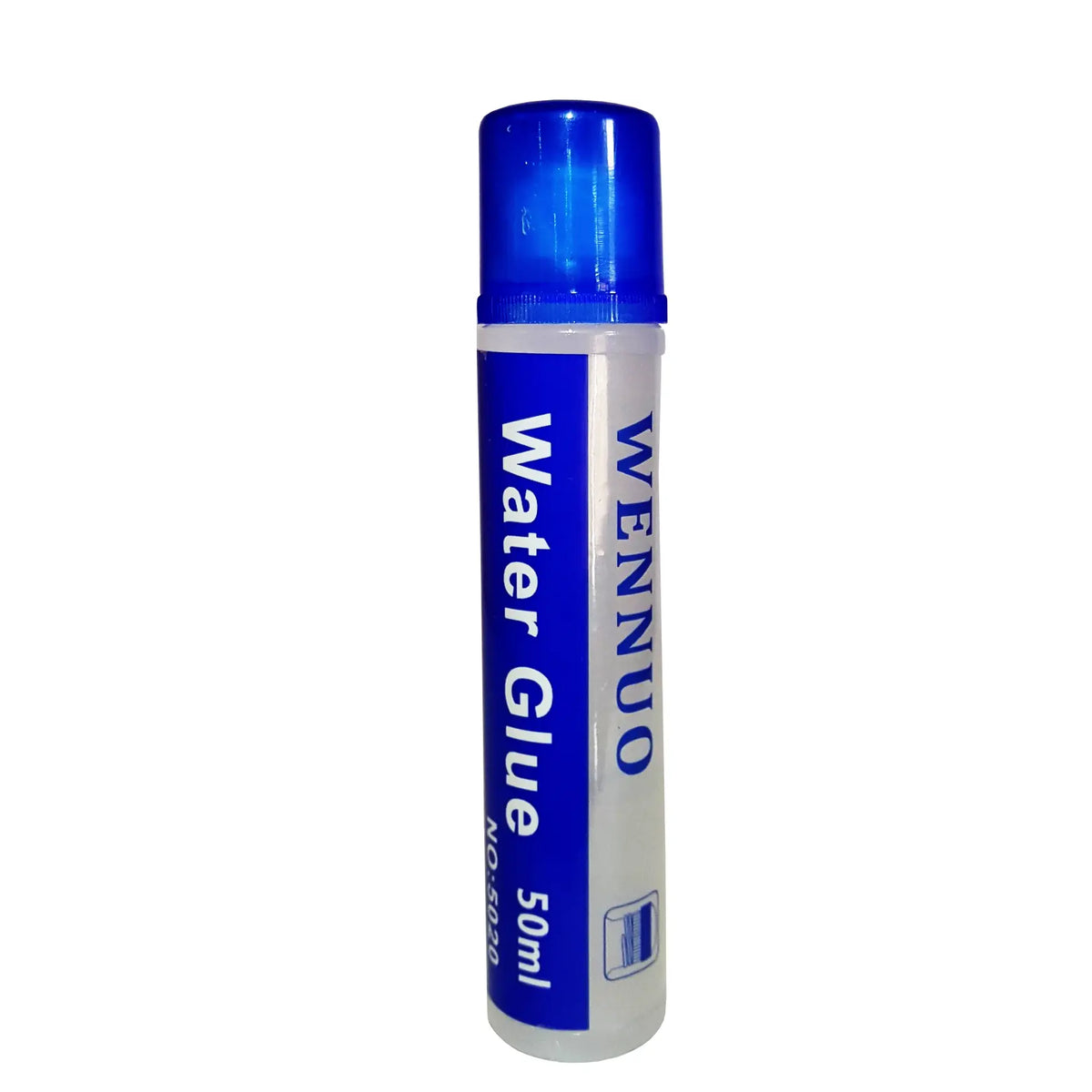
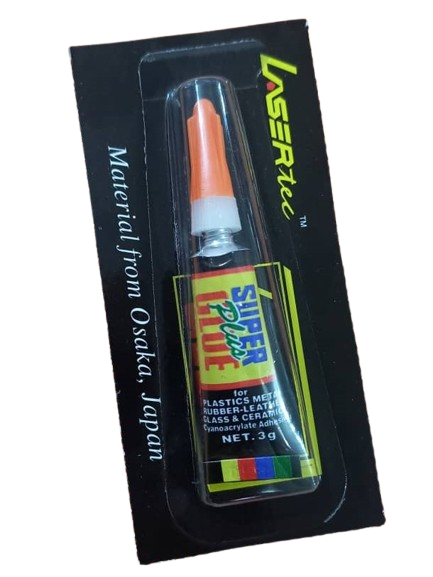
Glue and safety scissors
1 eachNice to haveCraft, cut and stick, and science charts come up often in lower primary. Teachers may ask each child to bring their own.
How to use it: Pick round tip scissors for small hands. Send water glue in a small sealed bag in case it leaks.






Bag, bottle and lunchbox
These are daily carry items. Buy sturdy ones once rather than cheap ones three times a year.
School bag
1 Must haveA good bag carries books safely up Kigali hills and keeps them dry in a sudden downpour. Wide padded straps protect a growing back.
How to use it: Pick a size that ends at the waist. Pack heavy books closest to the back and empty it each Friday.
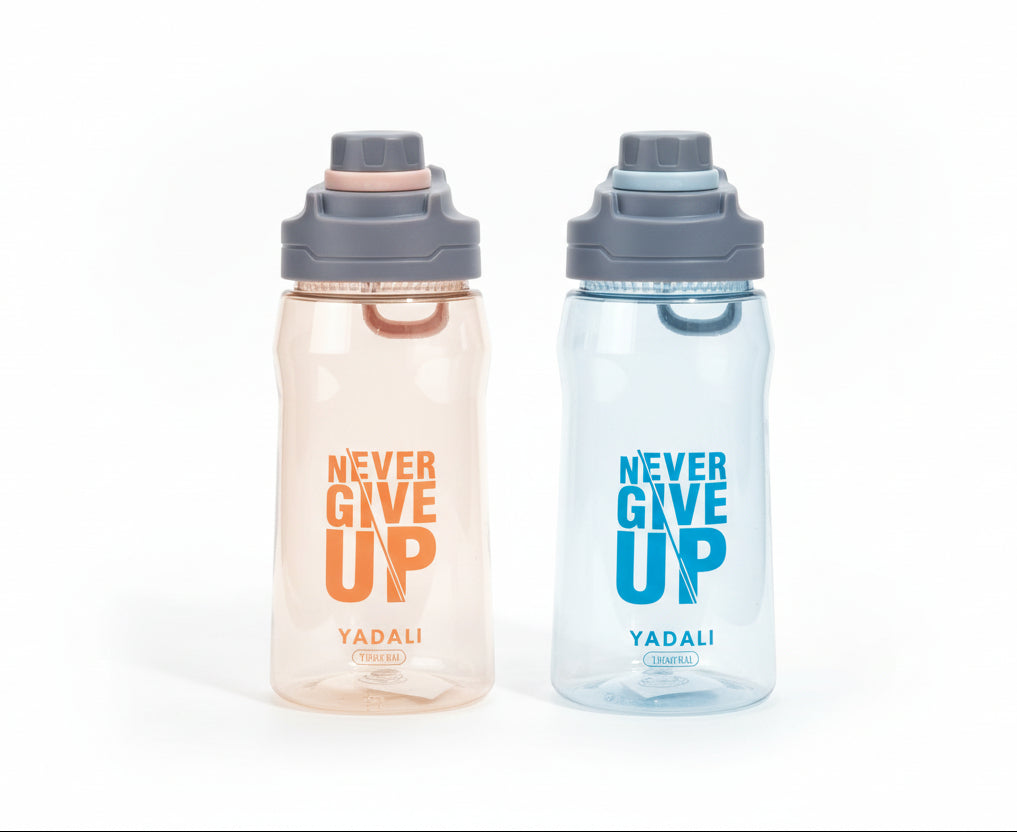
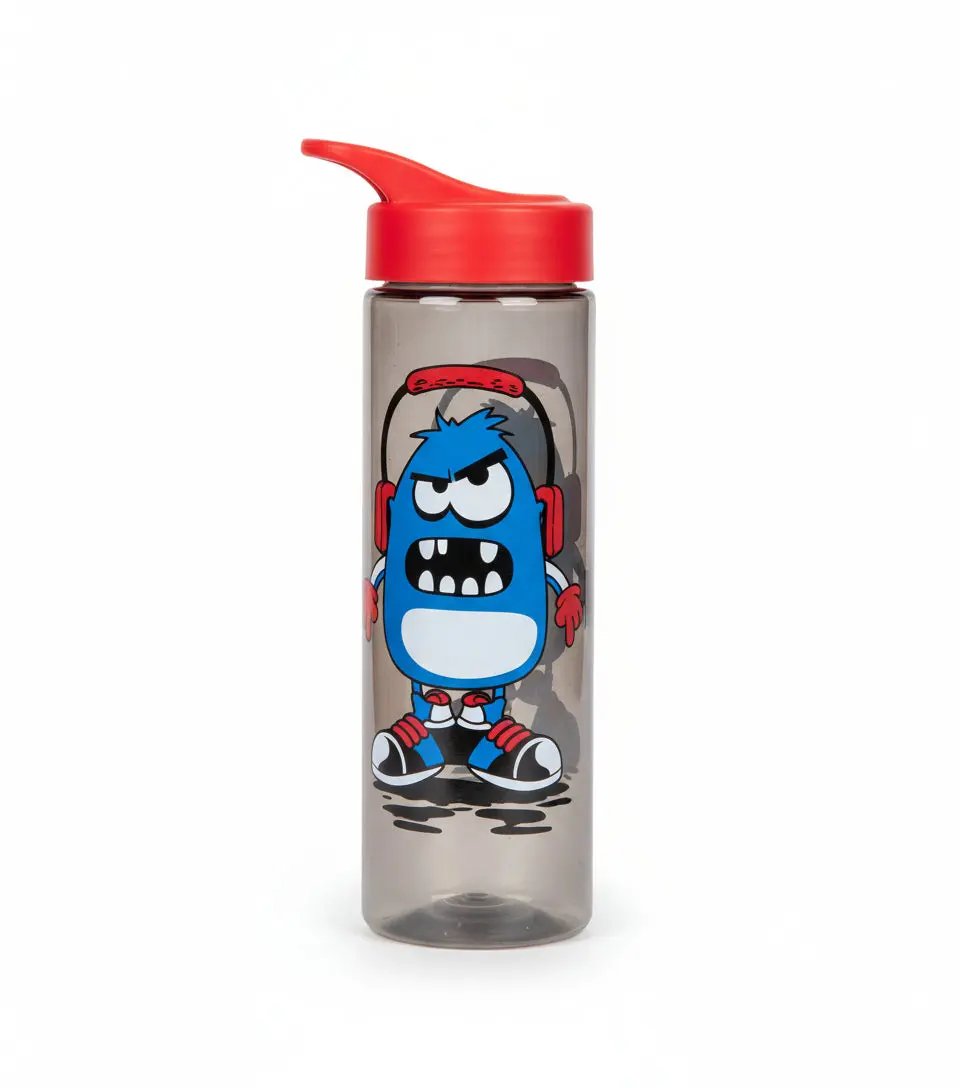
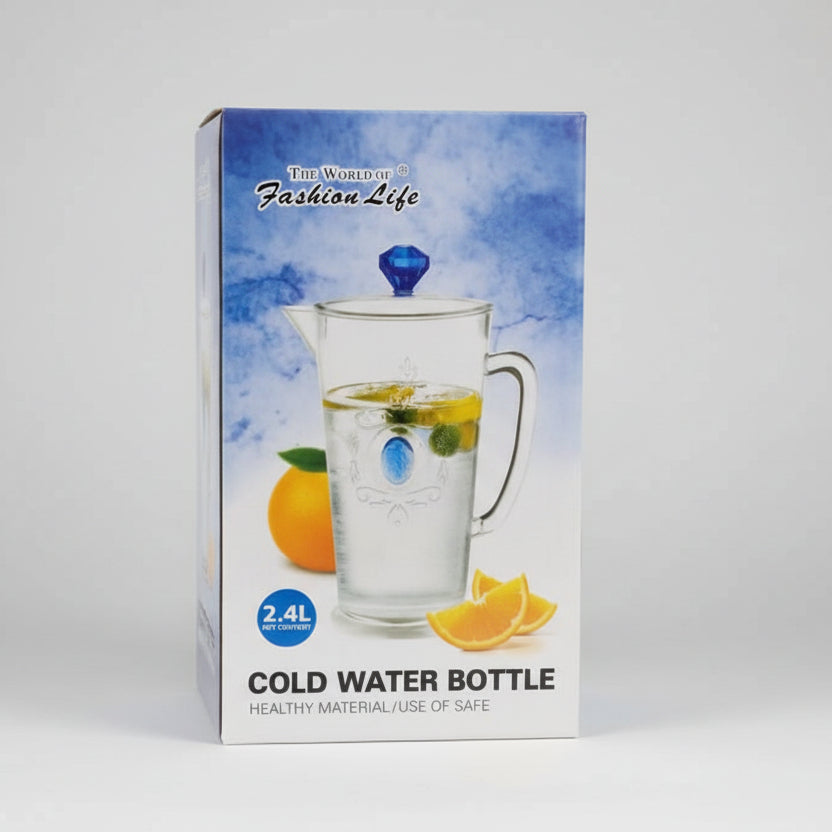
Water bottle
1 to 2 Must haveChildren forget to drink at school, especially in the dry season heat. A bottle they like is a bottle they use.
How to use it: Choose leak proof with a flip lid. Wash it every evening with hot soapy water and let it air dry.
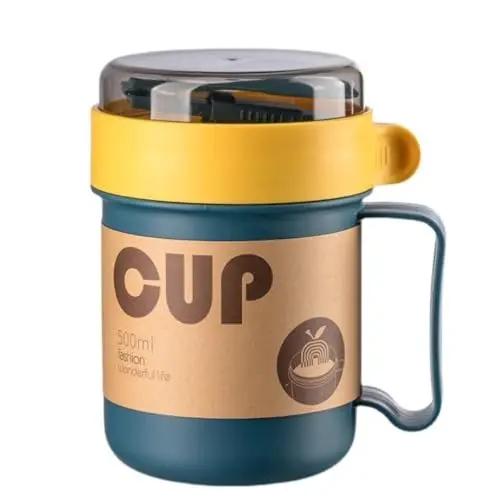
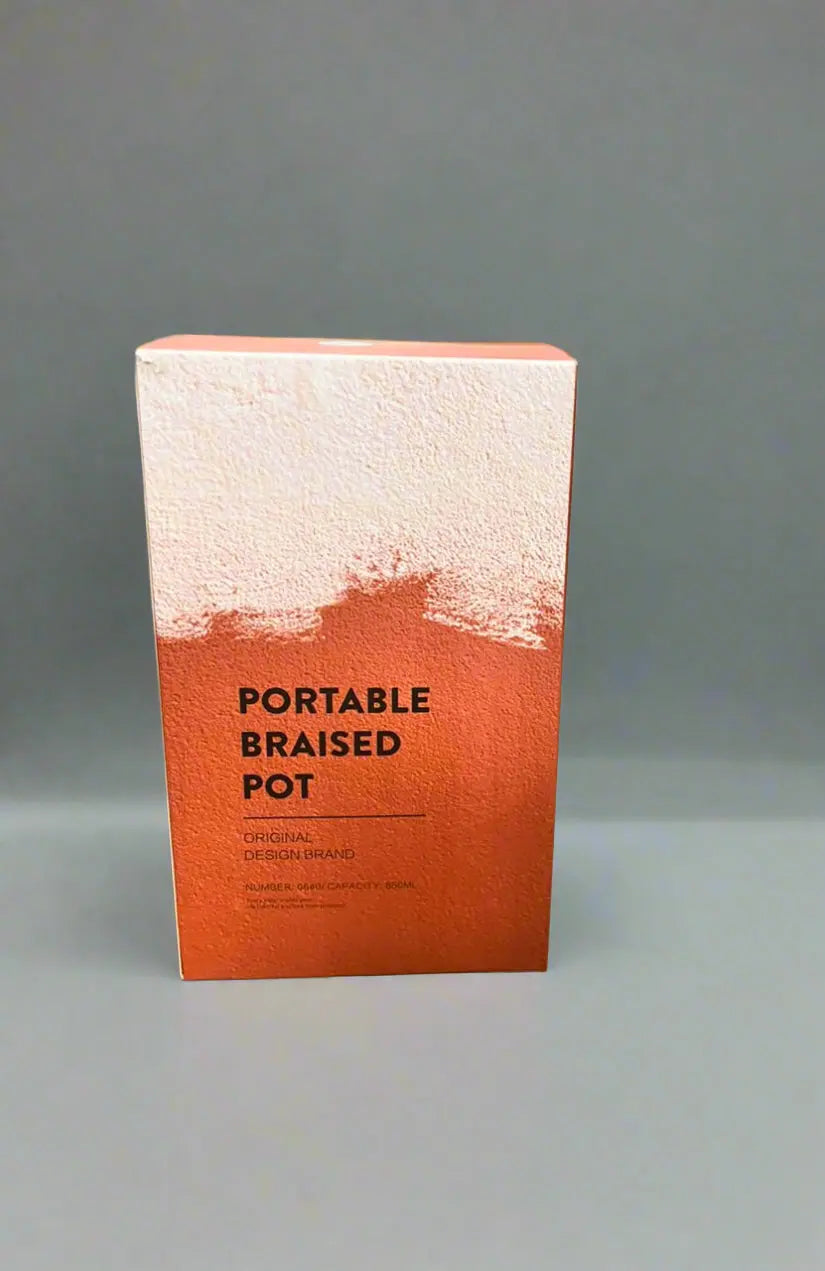
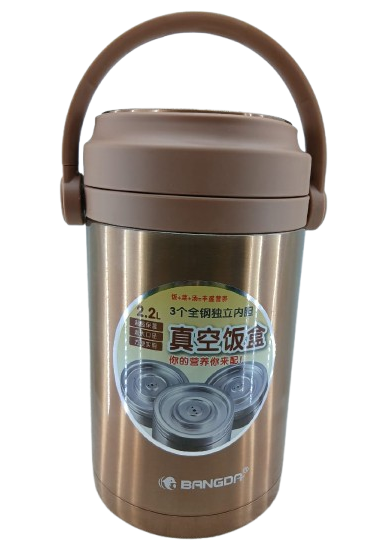
Lunchbox
1 Must haveWhether your school serves lunch or not, most children need a box for break time snacks. A box with compartments keeps food from going soggy.
How to use it: Wash and dry it daily so it does not smell by Wednesday. Write the name on both the lid and the base.
Snacks for break time
WeeklyNice to haveA small snack keeps energy up between morning lessons and lunch. Pack food that is easy to eat with clean hands.
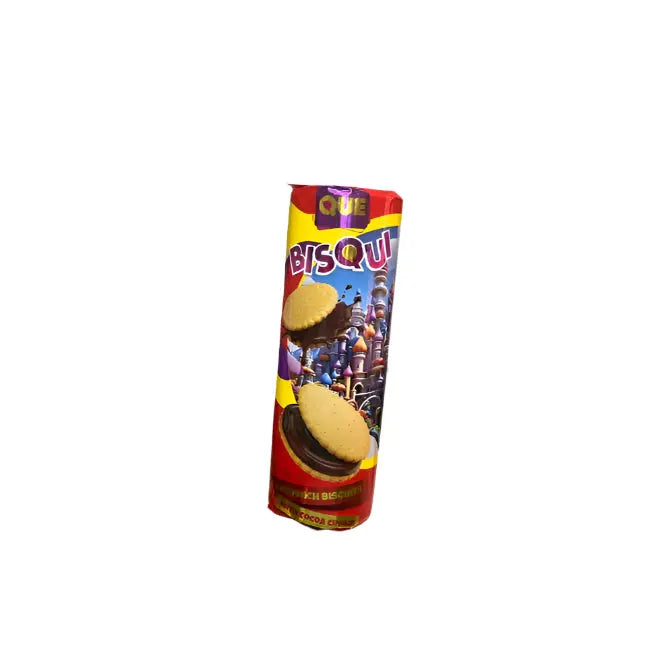
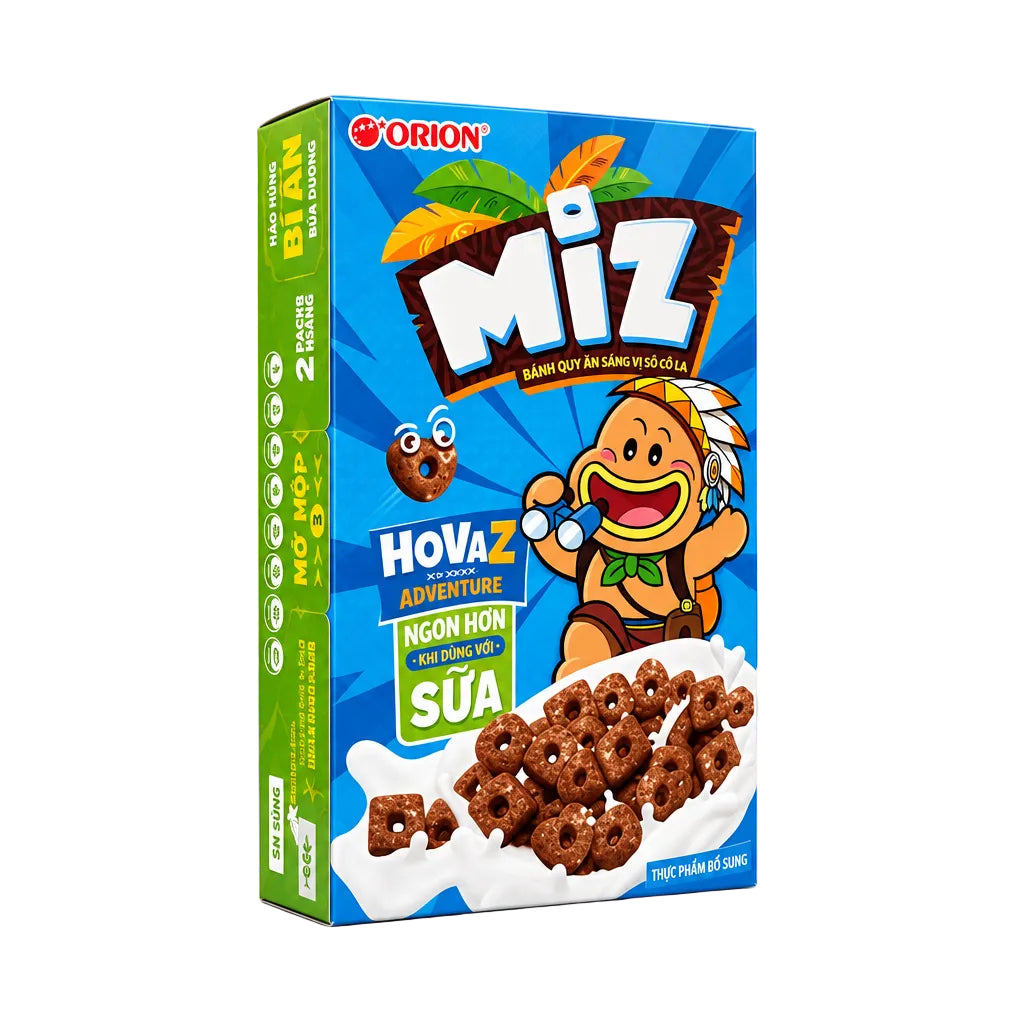
How to use it: Bananas, biscuits, groundnuts and juice all travel well. Buy biscuits in bulk packs and portion them at home.

Rain, cold mornings and shoes
Term often overlaps a rainy season in Kigali. A wet child with wet books has a long day.
Small umbrella
1 Must haveAfternoon storms in Kigali arrive fast, often right at pick up time. A compact umbrella fits in the side pocket of the bag.
How to use it: Teach your child to shake it out and open it to dry at home. Label the handle.
Raincoat
1Nice to haveBetter than an umbrella for younger pupils who need both hands for a bag and a sibling. It also protects the uniform.
How to use it: Choose a light one that folds into a pocket. Hang it to dry the moment you get home.
Shoe polish and brush
1 each Must haveMany schools inspect shoes, and red dust shows on black leather by noon. Ten minutes on Sunday evening keeps shoes looking new for longer.
How to use it: Wipe dust off first, polish thinly, then brush. Let older children do their own.
Sweater or jumper
1 to 2 Must haveKigali mornings can be cool, especially in the rainy season, and classrooms on a hill catch the wind. Check your school's list for the color and style.
How to use it: Buy one size up so it lasts the year. Write the name inside the collar, since sweaters are the most lost item at school.


Hygiene pouch
A small zip pouch in the bag makes a big difference to how your child feels by afternoon.
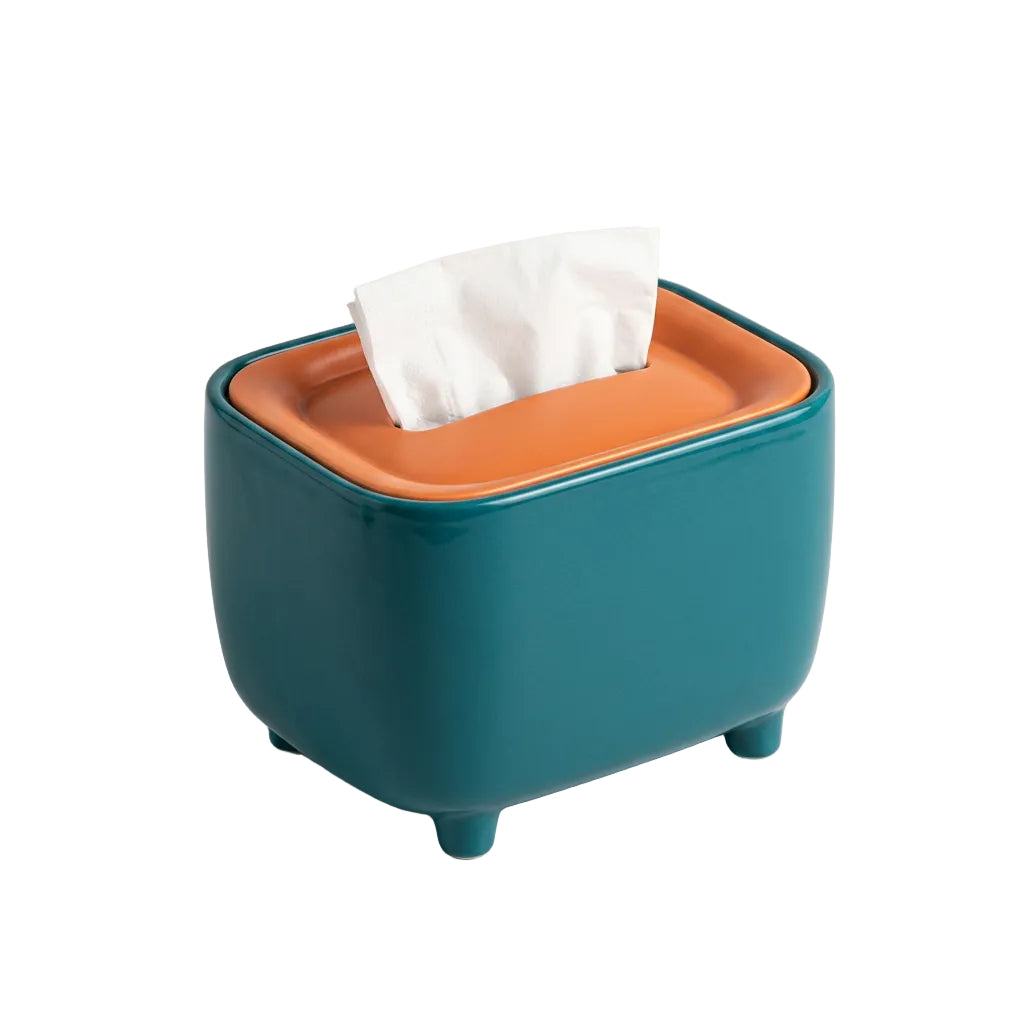
Tissues
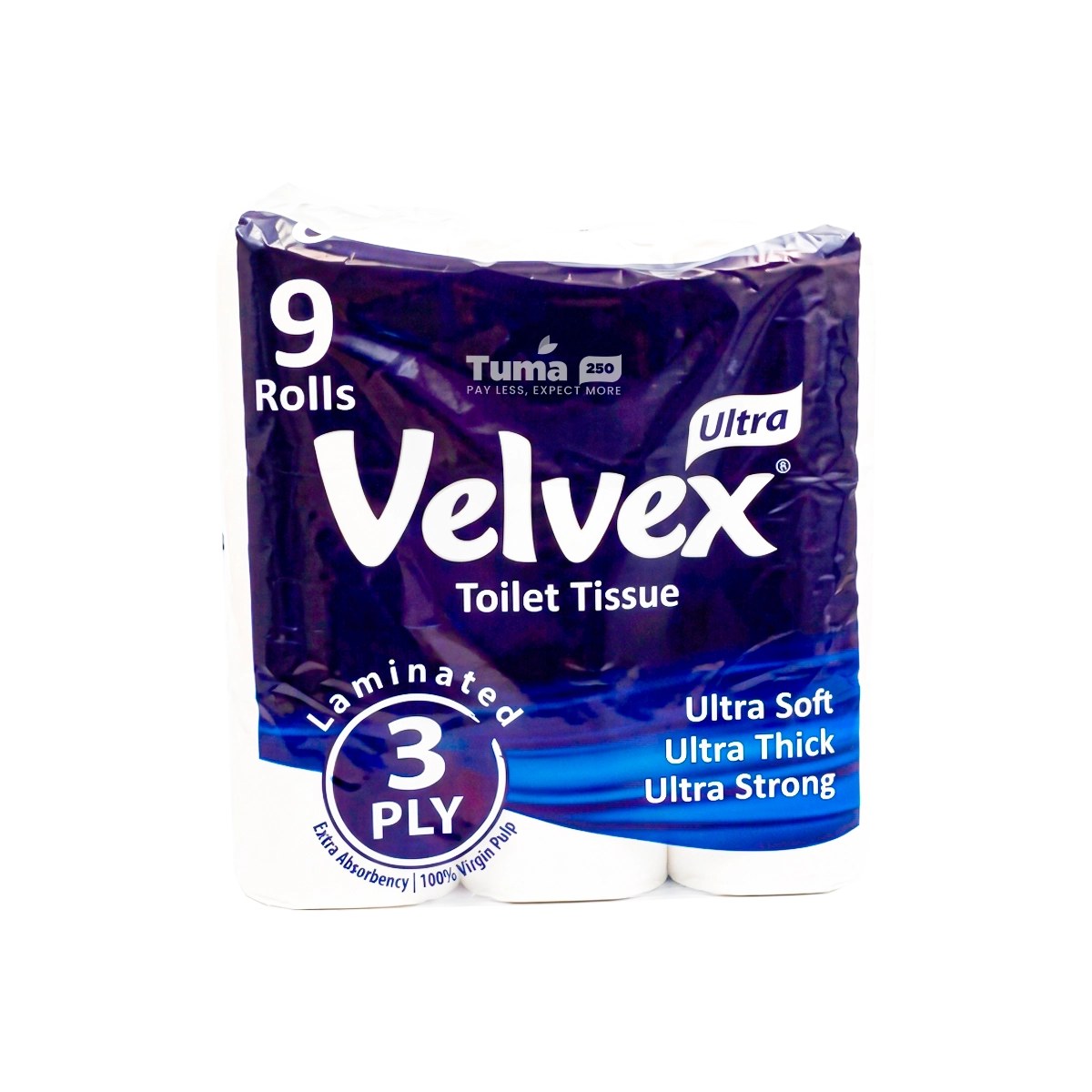
1 pack a week Must haveRunny noses spread fast in a classroom. A pocket pack saves your child from using a sleeve.
How to use it: Put one small pack in the bag each Monday. Show them how to bin used tissues.
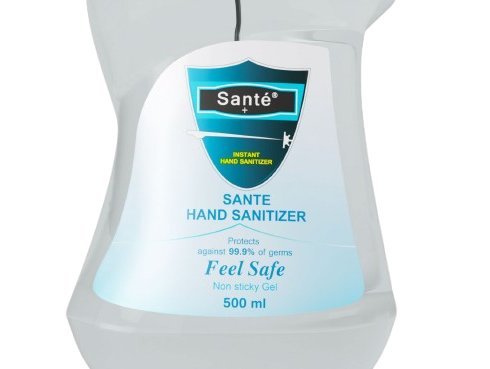
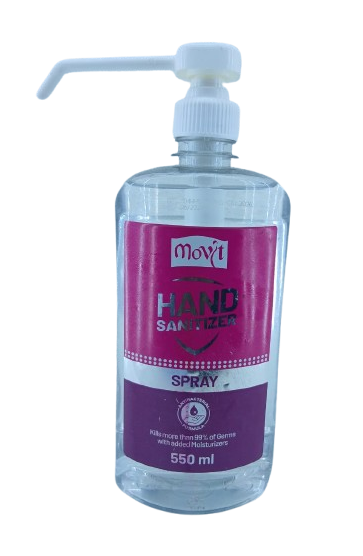
Hand sanitizer
1 small bottle Must haveNot every school tap has soap at every break. Sanitizer before eating cuts down on stomach bugs.
How to use it: A small bottle is enough. Teach them to rub until dry and still wash with soap when they can.
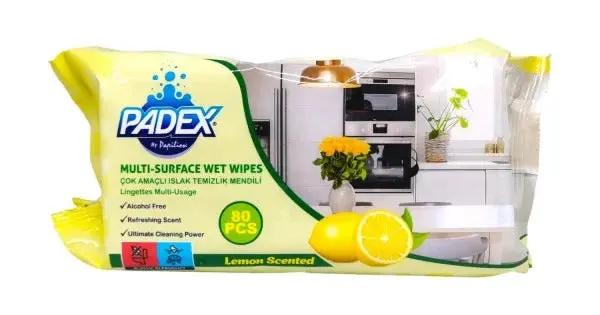
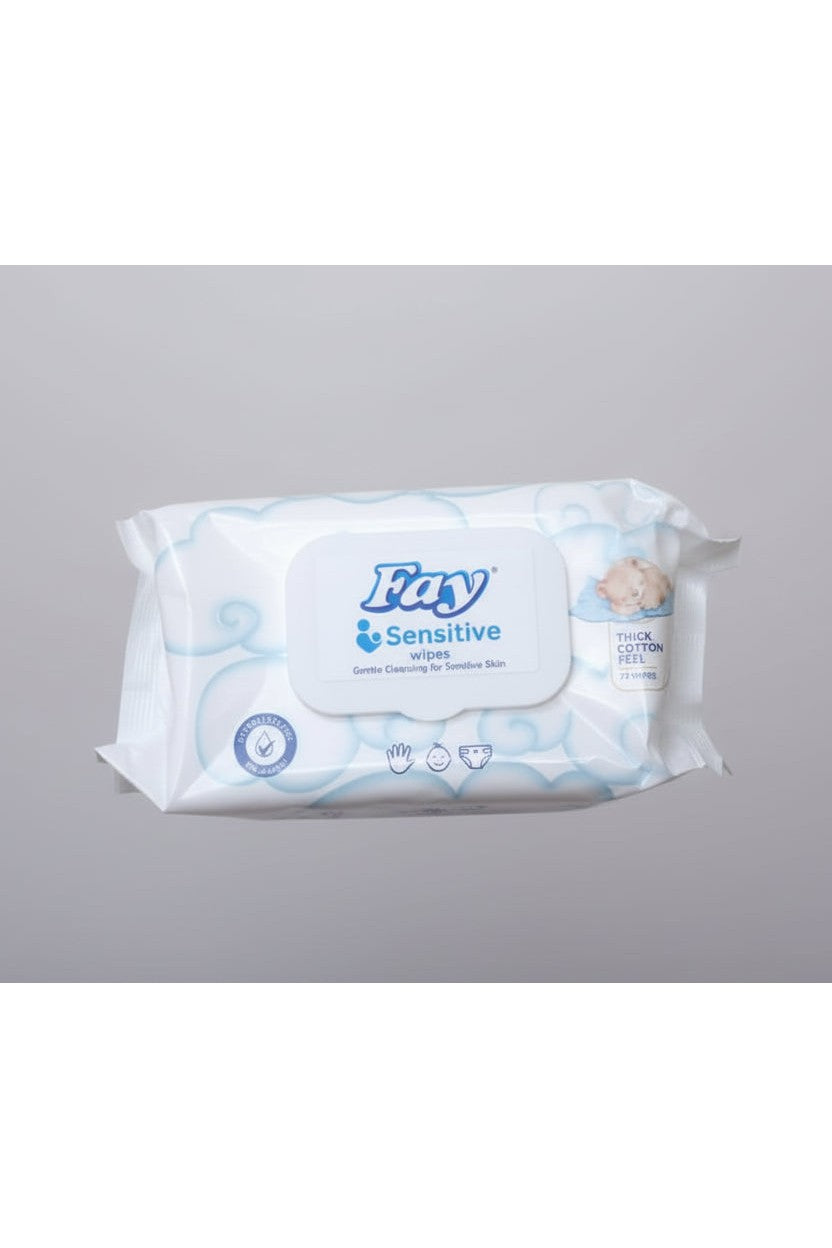
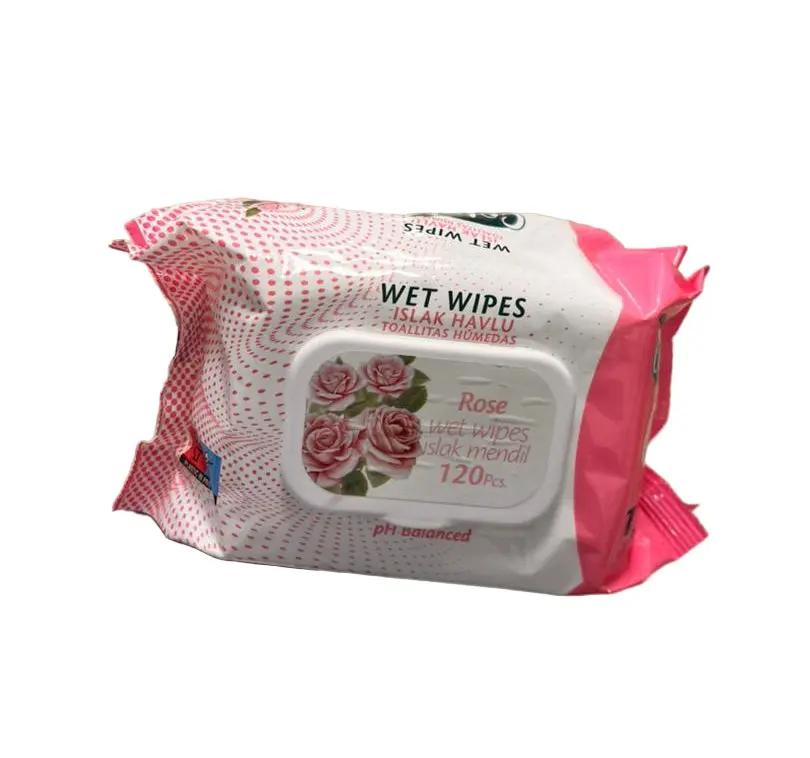
Wet wipes
1 packNice to haveGood for sticky hands after break, muddy knees and a dusty desk. Especially useful for P1 and P2.
How to use it: Pack a small travel pack, not a big tub. Keep it sealed so wipes do not dry out.
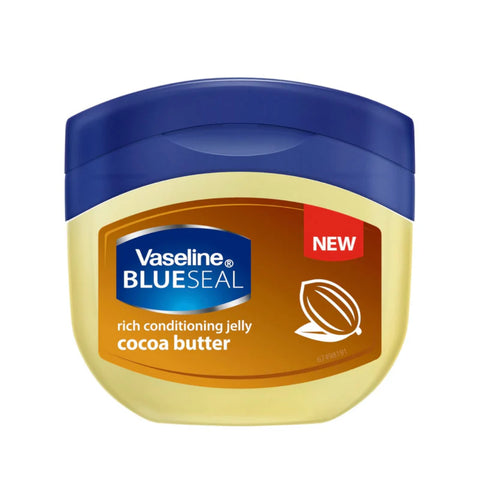
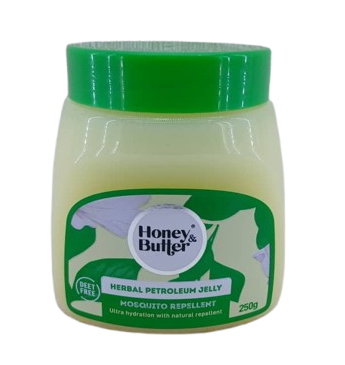
Petroleum jelly for dry skin
1 small tinNice to haveKigali's dry season and dusty walks leave lips and knees dry and cracked. A small tin in the bag helps.
How to use it: A thin layer on lips and elbows in the morning is enough. Do not share with friends.


Name labels and home setup
These are not glamorous, but they are what keep the rest of the list from disappearing.
Labels or stickers for names
1 sheet Must haveLost property boxes fill up within weeks. Named items come home; unnamed ones rarely do.
How to use it: Label books, bottle, lunchbox, sweater and shoes. A permanent marker on the inside of a collar also works.
Permanent marker
1Nice to haveFor writing names on bottles, lunchboxes, shoe insoles and anything stickers will not stay on.
How to use it: Write names small and inside where friends will not see them. Keep the marker at home, not in the bag.
Rechargeable torch or lamp for homework
1Nice to havePower cuts happen in the evening when homework is due. A rechargeable light means homework still gets done.
How to use it: Charge it every afternoon after school. Keep it on the homework table, not in a drawer.
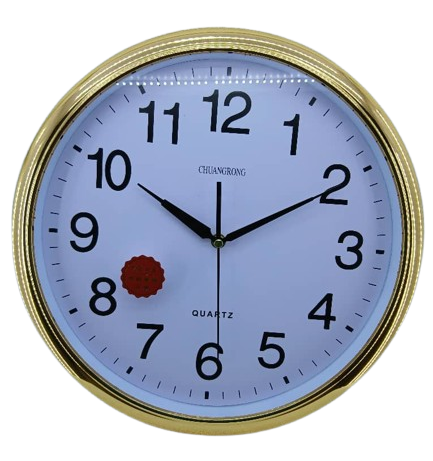
Wall clock
1Nice to haveA clock in the living room helps young children learn time and keeps the morning routine on track.
How to use it: Put it where everyone can see it from the breakfast table. Practice reading it together.






Step by step
- 1
Three weeks before
Ask the school for its requirements list and read it with your child. Mark what you already have at home from last year and what needs replacing.
- 2
Two weeks before
Buy the bulk items: exercise books, pencils, pens and hygiene supplies. Ordering these for delivery saves a carry home on a moto.
- 3
One week before
Buy the bag, bottle and lunchbox and let your child try them. Cover books and write names on everything over one evening.
- 4
The weekend before
Pack the bag together, polish shoes and set out the uniform. Charge the homework torch and stock break time snacks.
- 5
End of week one
Check what the teacher asked for that was not on the list and order it in one go.
Tips that help
- Buy exercise books by the pack, not one at a time. You will need replacements before the term ends.
- Keep a small refill box at home with spare pencils, pens, a ruler and an eraser so the morning panic becomes a quick swap.
- Let your child choose one fun thing, like the bottle or the pencil case. They look after things they picked.
- In rainy season, keep exercise books inside a reusable waterproof pouch or folder in the bag so a downpour does not soak them.
- Photograph the school requirements list on your phone so you can check it from the shop.
- Label everything the same evening you buy it. Tomorrow never comes in the first week of term.
Mistakes to avoid
- Buying the biggest bag in the shop. A bag that hangs below the waist hurts small backs on Kigali hills.
- Skipping covers on exercise books, then losing half of them to rain and spilled juice by mid term.
- Buying everything the night before when shops are busy and the item you need is sold out.
- Forgetting to label shoes and sweaters, the two items most likely to go missing.
- Sending glue or ink without a sealed bag and ruining a set of new books.
Questions people ask
What do primary schools in Kigali usually ask pupils to bring?+
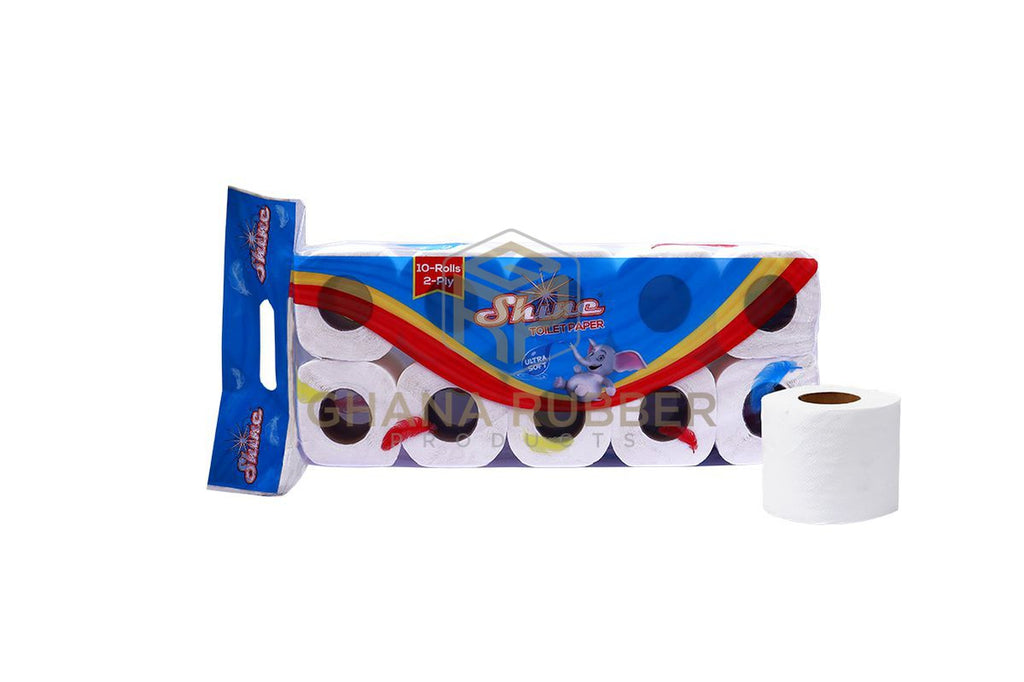
Most lists include exercise books, pencils or pens, a ruler, colored pencils, a school bag and the school uniform with shoes and socks. Many also ask for items for the class such as toilet paper or a ream of paper. Lists differ a lot between schools, so always check your school's own list first.
How many exercise books does a primary pupil need?+
It depends on the class and the number of subjects. Lower primary often needs fewer, larger books, while upper primary needs one per subject. Buy what your school's list says and add two spares for the term.
When should I start back to school shopping?+
Two to three weeks before term is a comfortable time. You have the list, shops are not yet crowded and delivery is quick. Leave a small amount aside for things teachers ask for in the first week.
Do I need a lunchbox if the school serves lunch?+
Usually yes, for break time snacks and fruit. A small box with a tight lid is enough. Ask the school whether outside food is allowed and whether nuts are restricted for allergies.
How do I stop my child losing things at school?+
Label everything with name and class, keep the number of loose items small, and check the bag together every Friday. Children who packed their own bag also tend to notice when something is missing.
With the list sorted, the first morning of term can be about your child, not a hunt for a missing ruler. Tick off what you have, then shop the rest of this checklist on Isokko and have it delivered to your door in Kigali before term starts.
Shop this list
Get everything delivered in Kigali
Order from local stores on Isokko and pay with MoMo, card or cash. Same-day delivery.