
Checklist · School & students
Boarding School Packing List for Secondary Students in Rwanda
A complete boarding school packing list for secondary students in Rwanda: bedding, trunk and padlock, bucket and basin, toiletries, laundry, snacks and study supplies.
Updated November 15, 2026 · By Isokko
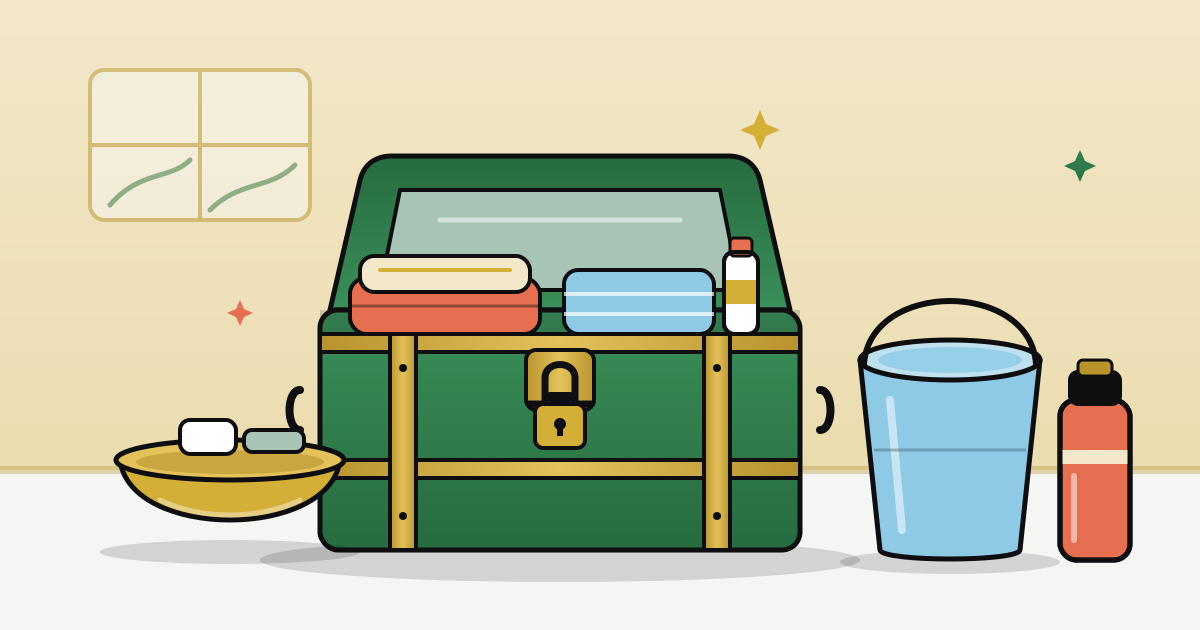
Reporting day for boarding school is a big moment for the whole family. The car or moto is loaded with a trunk, a mattress, a bucket full of soap and a student who is half excited and half nervous. Getting the packing right means your child settles in faster and you get fewer calls asking for things you could have sent.
This list covers what boarders across Rwanda typically need for a full term: bedding, storage and security, washing and laundry, toiletries, eating and snacks, and study supplies. Schools are strict about what is allowed, especially food, electronics and anything that looks like a cooker, so check your school's own list and rules before you buy.
Buy in term sized quantities. A boarder cannot pop out to the shop on a Tuesday, so whatever runs out stays out until visiting day.
Who it's for
Parents of S1 to S6 boarders, and students packing for themselves
Time needed
Plan in one evening, shop over one to two weeks
When to shop
As soon as the school list arrives, so bulky items are ready before reporting day
On the list
34 items, 24 must haves
0 of 34 ready
Bed and sleep
A good night's sleep in a dorm starts with bedding that is warm, clean and clearly labeled. Check your school's list on whether a mattress is brought from home.
Bed sheets, two sets
2 sets Must haveOne set on the bed and one in the wash. Dorm beds are usually single, so check the size before buying.
How to use it: Pick a color the school allows and that hides dust. Mark the student's name on a corner with a permanent marker.
Warm blanket
1 to 2 Must haveMany boarding schools sit in hilly, cool areas, and nights in the rainy season get cold. A thick blanket matters more than people expect.
How to use it: Choose one that can be washed by hand and dries in a day. Pack it rolled to save trunk space.
Pillow
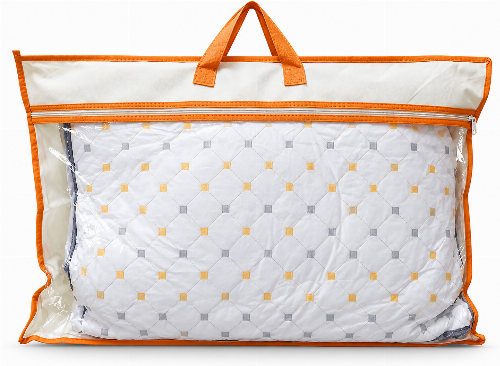
1 Must haveNot every school provides one. A pillow from home also feels familiar in the first homesick weeks.
How to use it: Send a pillowcase too and wash it with the sheets every week.
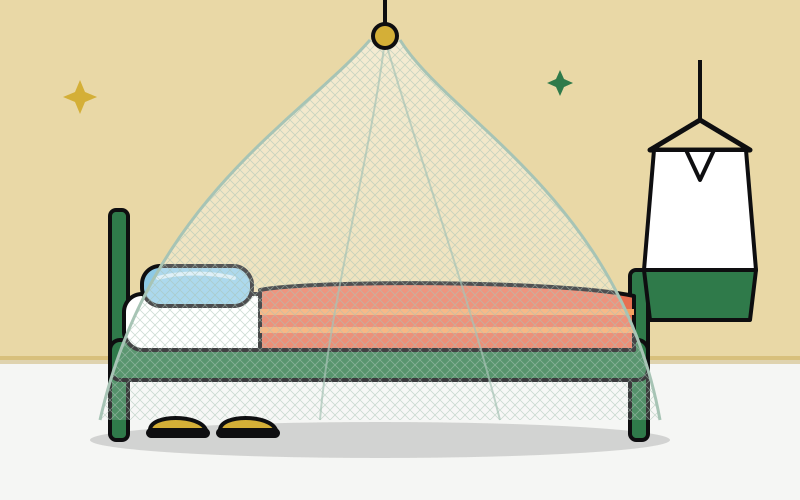
Mosquito net
1 Must haveNets are often on school lists and they help keep mosquitoes off at night. A net from home fits the student's own bed and is easy to recognize.
How to use it: Check whether the dorm beds need a round or rectangular net. Tie it up during the day so it does not tear.
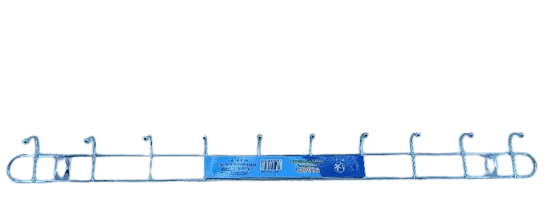
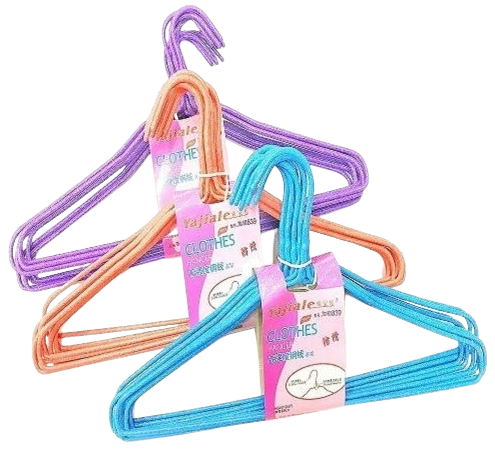
Clothes hangers
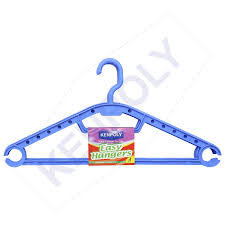
6 to 10Nice to haveDorm space is tight, and hung uniforms stay neater than folded ones in a trunk.
How to use it: Pack a set of six to ten. Strong plastic is better than wire, which bends and rusts.






Storage and security
A boarder's things live in a trunk or box for months. Lock it, label it and keep it organized.
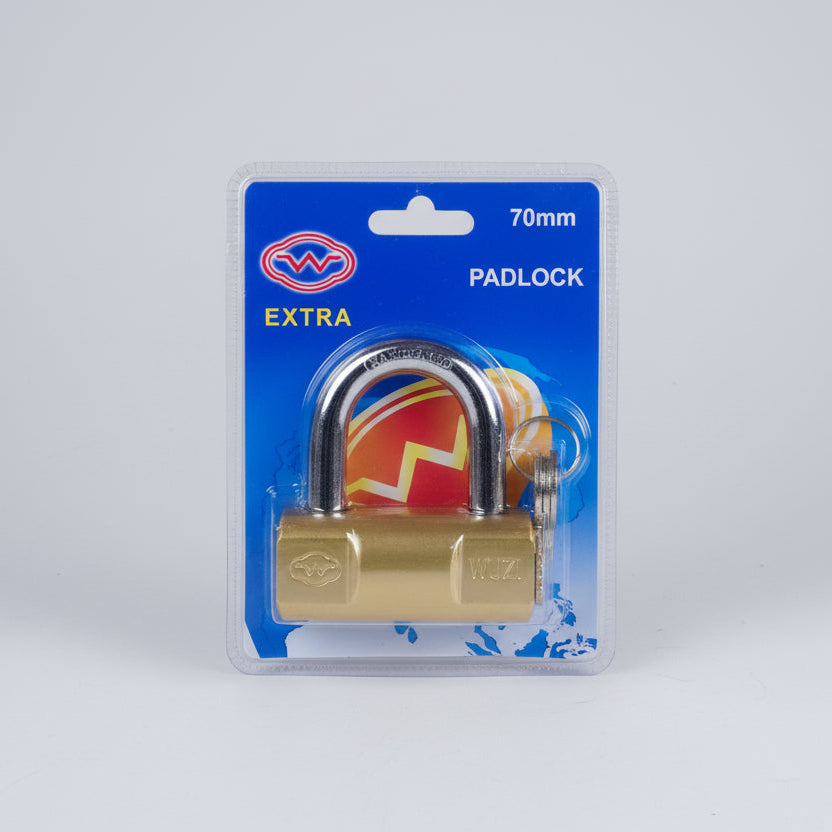
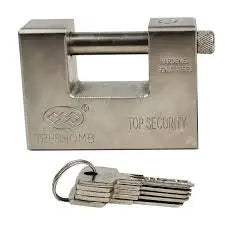
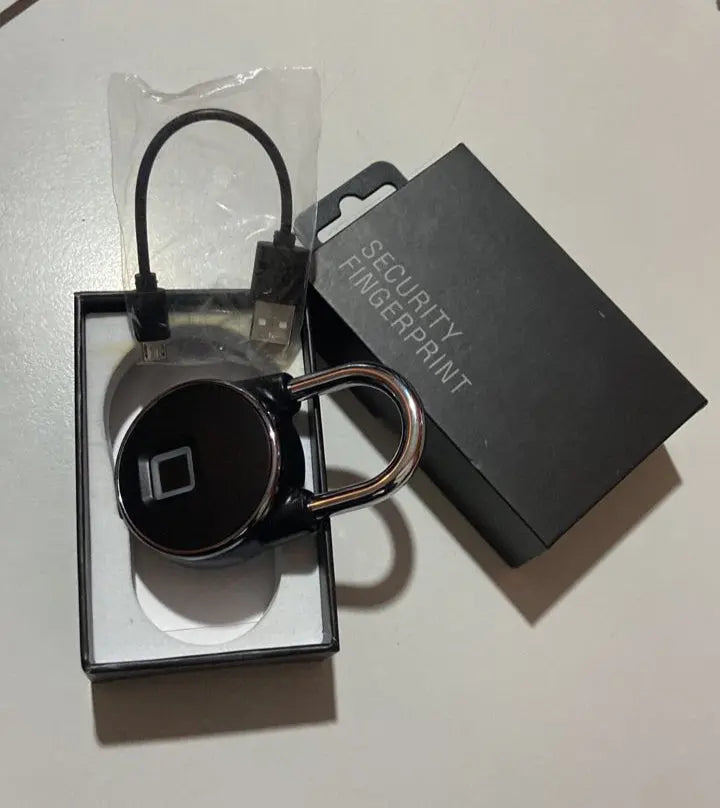
Strong padlock
1 to 2 Must haveThe trunk holds everything a student owns at school, including pocket money and snacks. A solid padlock is not optional.
How to use it: Buy one with two or three keys. Keep one key at home and teach your child to wear the other on a string.
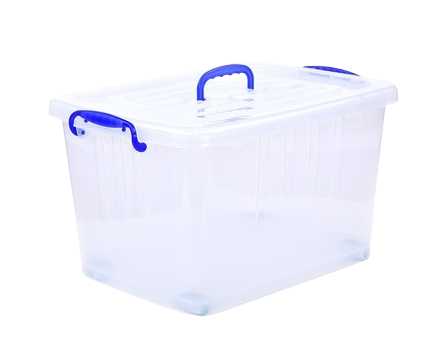
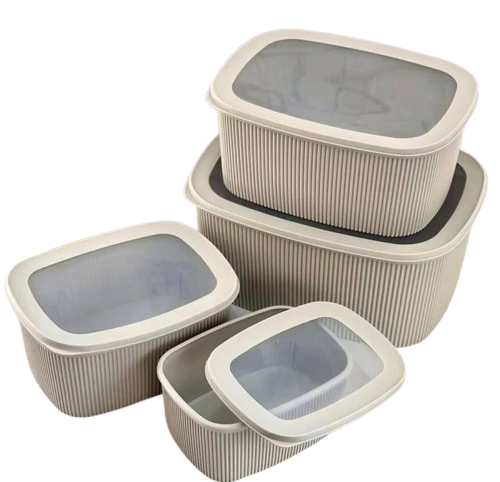
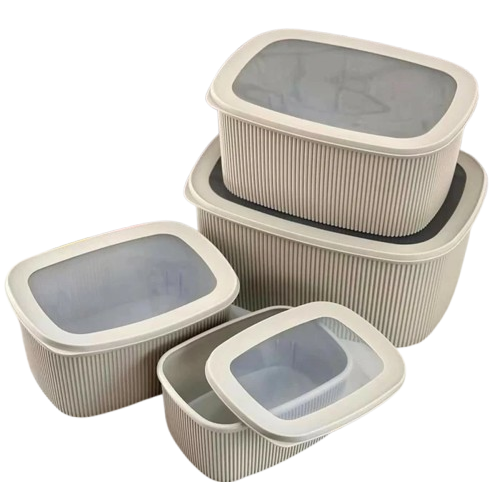
Storage box for small items
1 to 2Nice to haveTrunks turn into a jumble by week three. A small box inside keeps toiletries, snacks and stationery separate.
How to use it: Use one box for food and one for toiletries so soap does not taste through the biscuits.
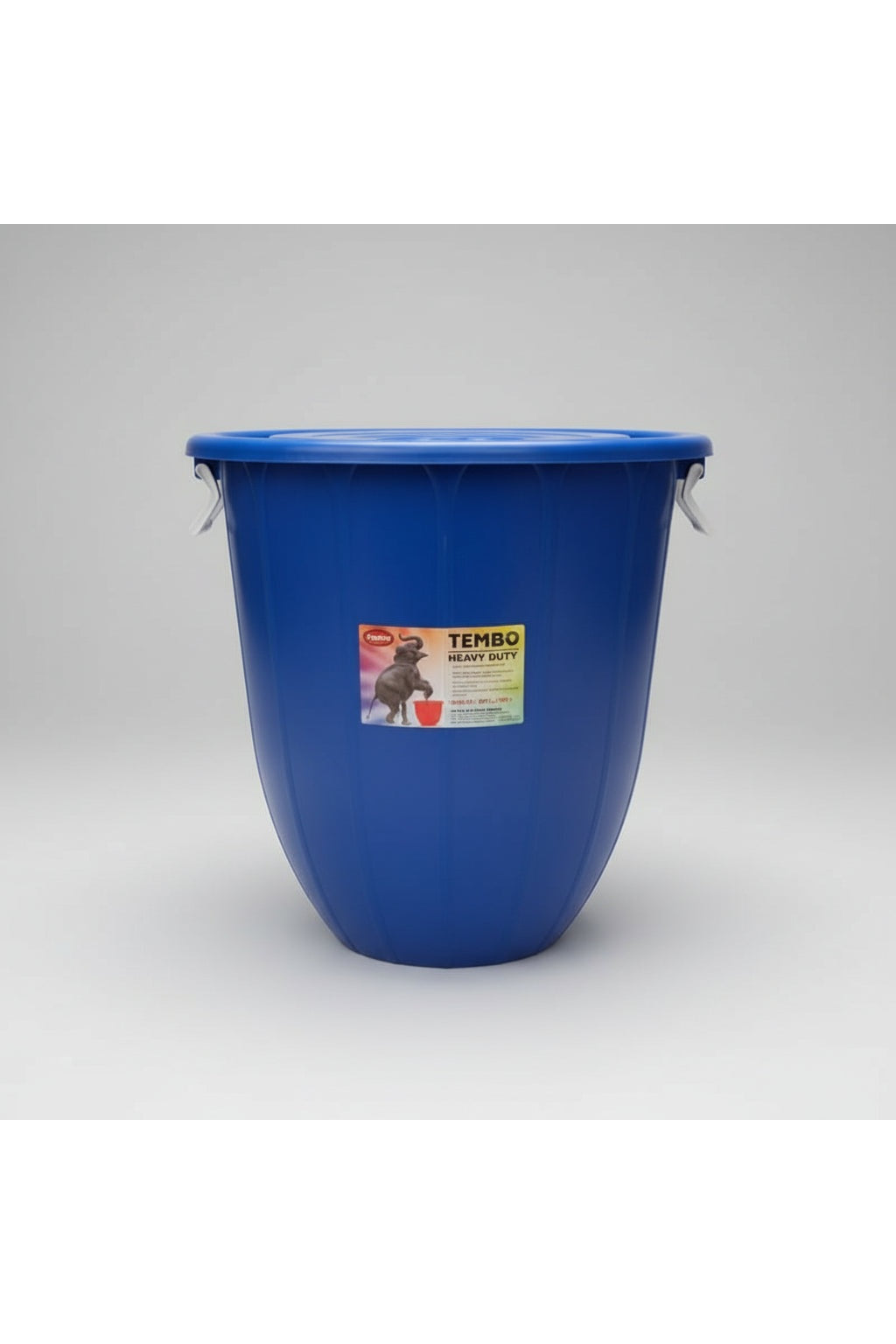
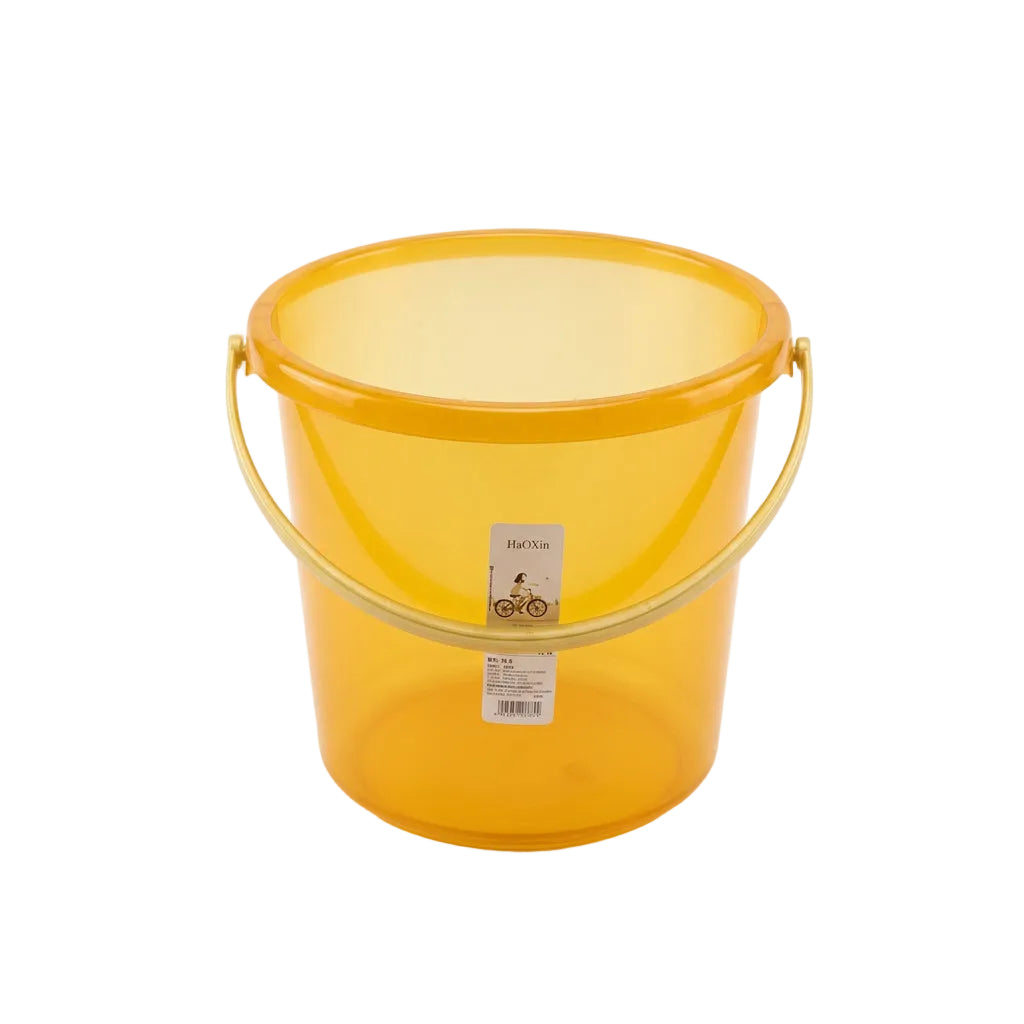
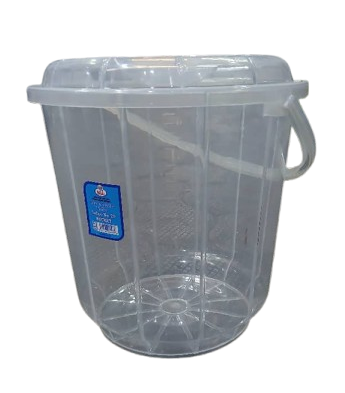
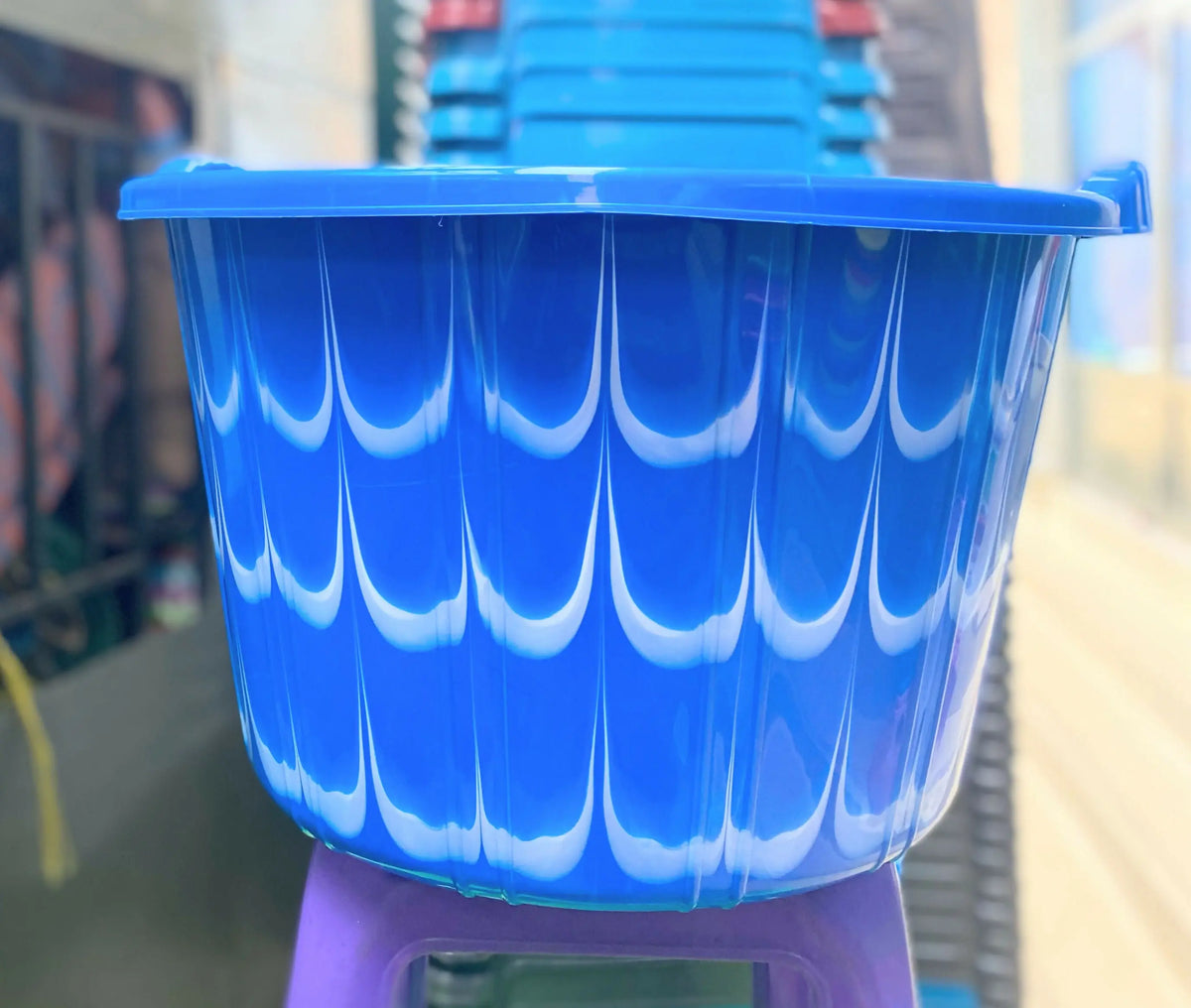
Bucket
1 Must haveThe bucket is the boarder's tool for everything: fetching water, bathing, washing clothes and carrying things on reporting day.
How to use it: Choose a strong plastic bucket with a firm handle, around 10 to 20 litres. Write the name on it in large letters.
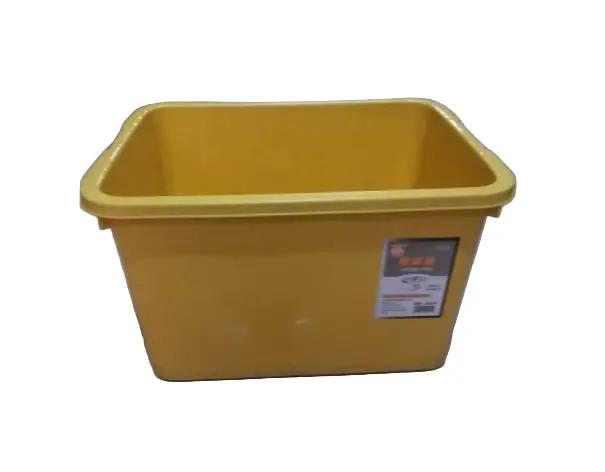
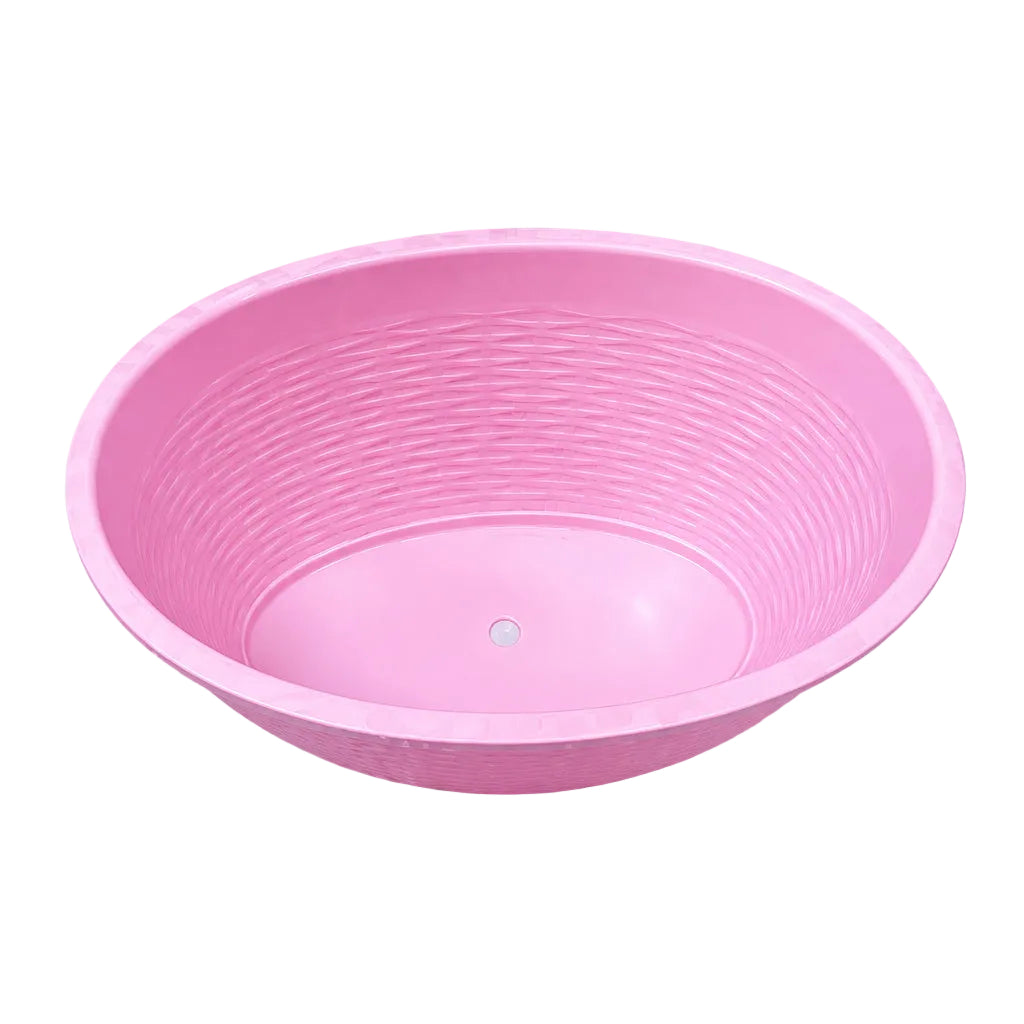
Basin
1 Must haveUsed for washing clothes, washing face in the morning and soaking socks. A bucket alone is not enough for laundry day.
How to use it: A medium basin nests on top of the bucket, which saves space on the journey.
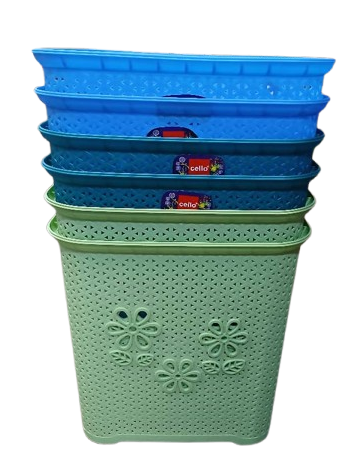
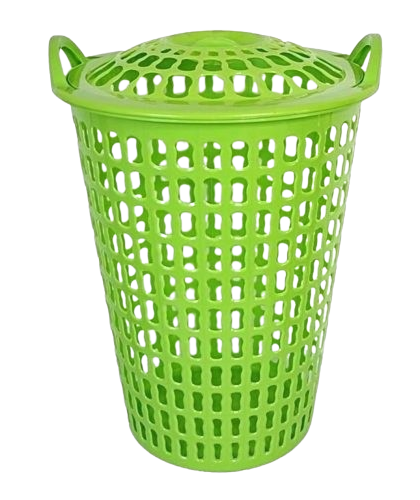
Laundry basket
1Nice to haveKeeps dirty clothes off the floor and out of the trunk until laundry day.
How to use it: A collapsible or lidded basket fits best under a dorm bed. Check if the dorm has space for one.

Washing and laundry
Most boarders wash their own clothes, often by hand, every weekend.
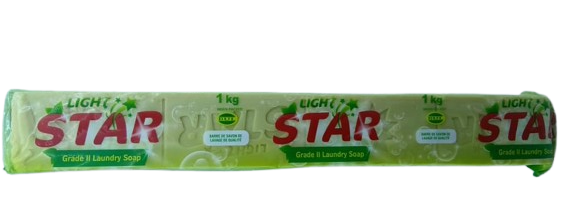
Laundry bar soap
3 to 6 bars Must haveHand washing uniforms takes a lot of soap, and a bar lasts longer than powder in cold water.
How to use it: Cut big bars into smaller pieces so one gets used at a time and the rest stays dry.
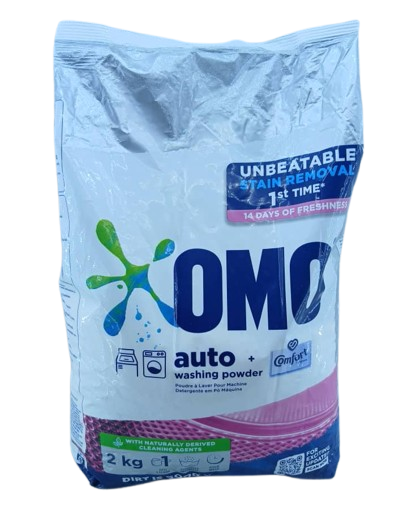
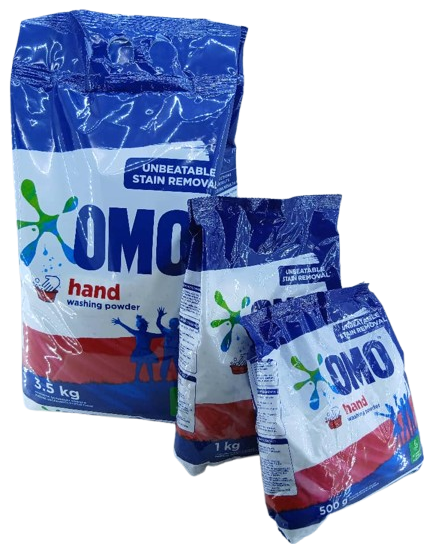
Hand washing powder
1 to 2 packs Must havePowder is easier for soaking socks and white shirts that need extra work.
How to use it: Buy the hand washing type, not machine powder. Soak whites for 20 minutes before scrubbing.
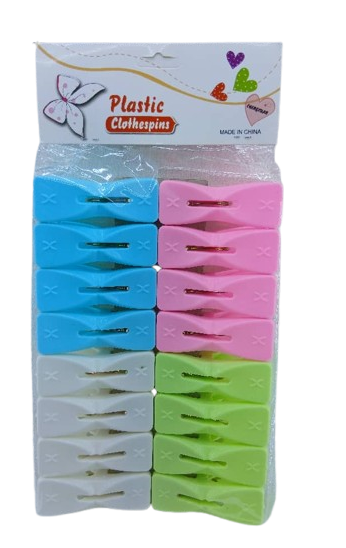
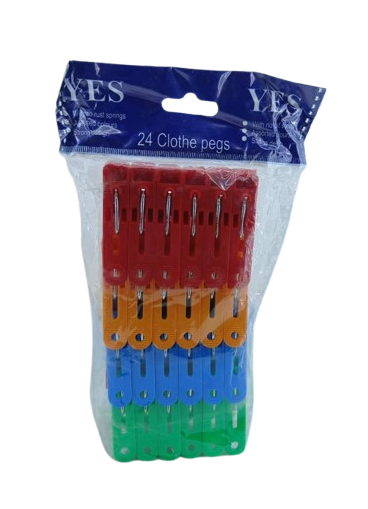
Clothes pegs
1 pack Must haveWashing lines are shared, and pegs stop clothes from blowing away or getting mixed up.
How to use it: Pick a bright color and mark them with the student's initials.
Shoe polish and brush
1 each Must haveSchool shoes take a beating on dusty paths, and shoe checks are common.
How to use it: Polish on Sunday evening for the week ahead. A small brush fits in the toiletries box.




Toiletries for the term
Buy enough for the whole term. Running out of toothpaste at school is a small crisis.
Bathing soap
4 to 6 bars Must haveDaily bathing in a busy dorm needs plenty of soap. Bars are cheaper and travel better than liquid.
How to use it: Pack enough for one bar every two to three weeks. A soap dish keeps it from melting away.
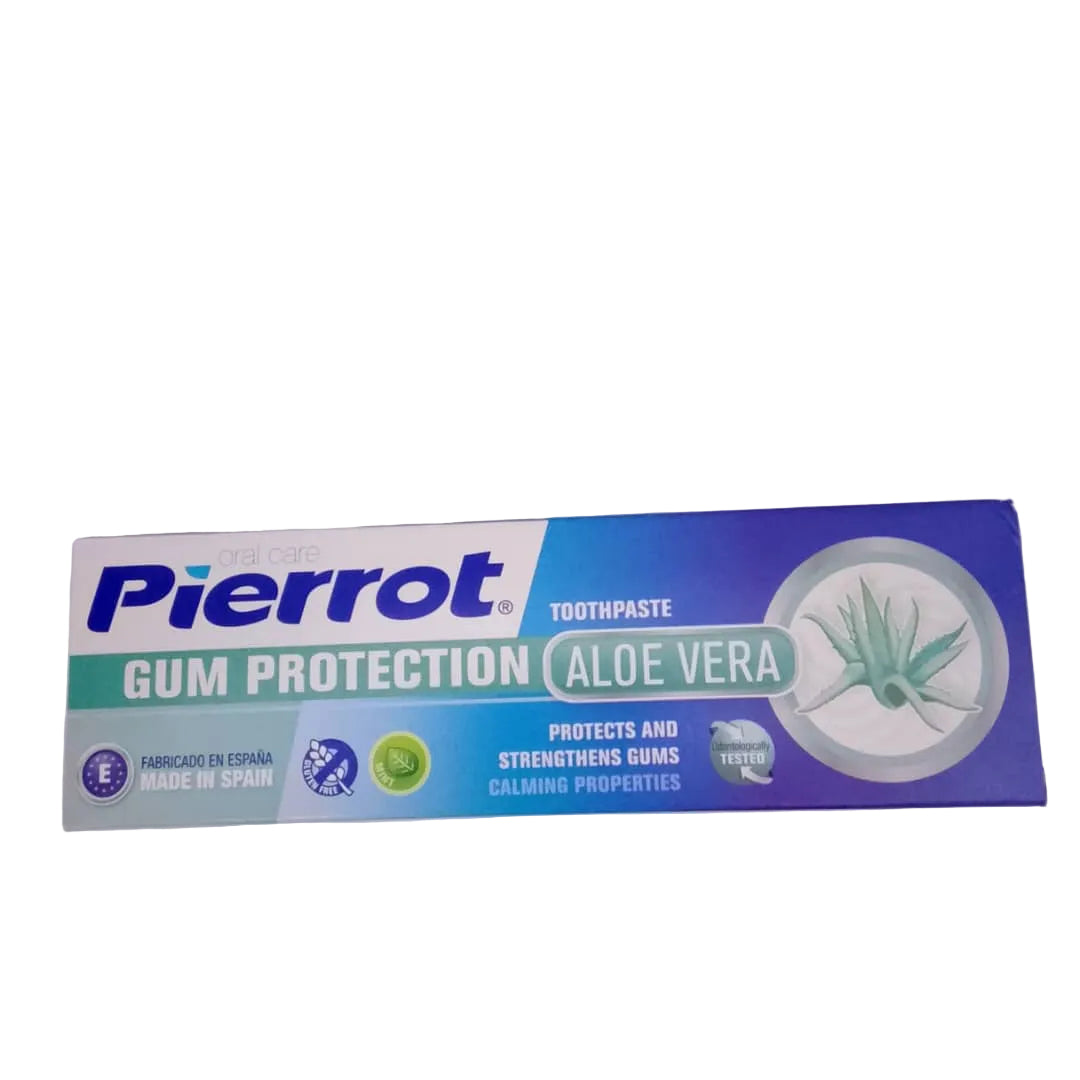
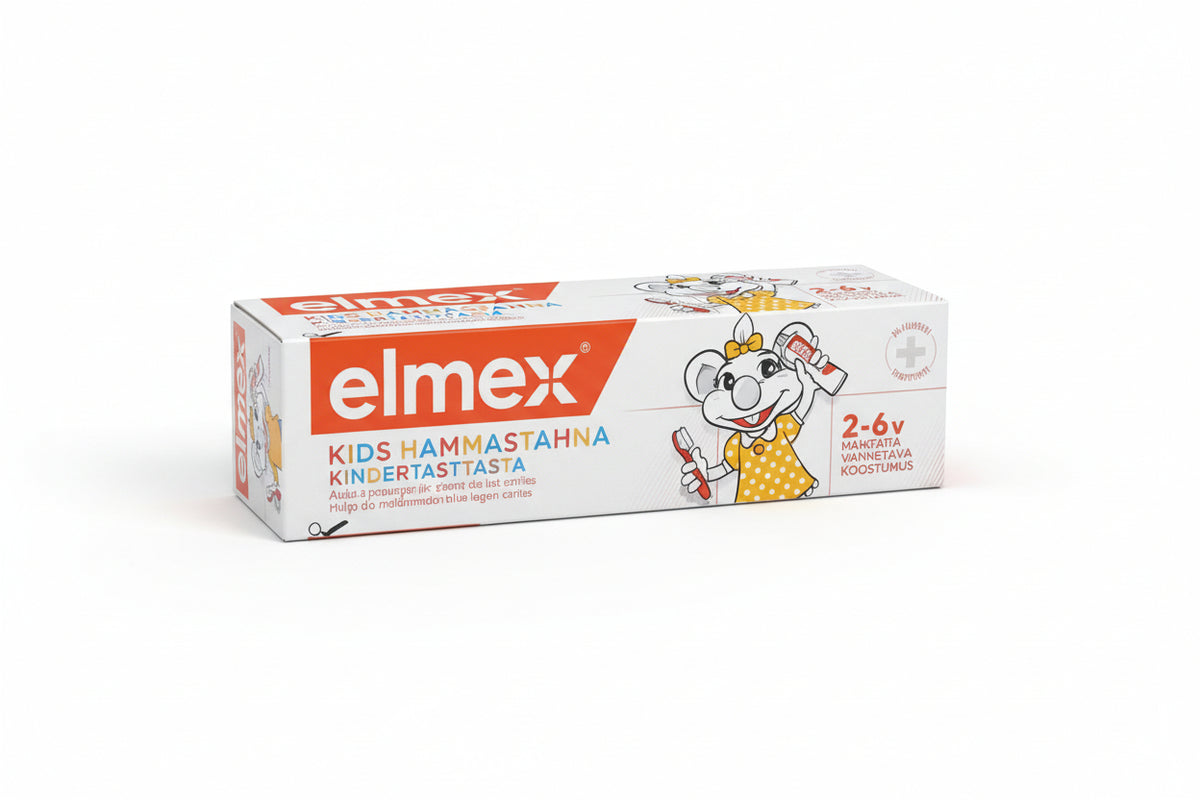
Toothpaste and toothbrush
2 each Must haveA full term is long, and toothbrushes wear out. Pack a spare of both.
How to use it: Two tubes of toothpaste and two brushes is a safe amount for most terms.
Body lotion or petroleum jelly
1 large Must haveCold water, hard soap and dry season dust leave skin dry and cracked.
How to use it: A big tub of petroleum jelly lasts the term. Lotion is nicer but goes faster.
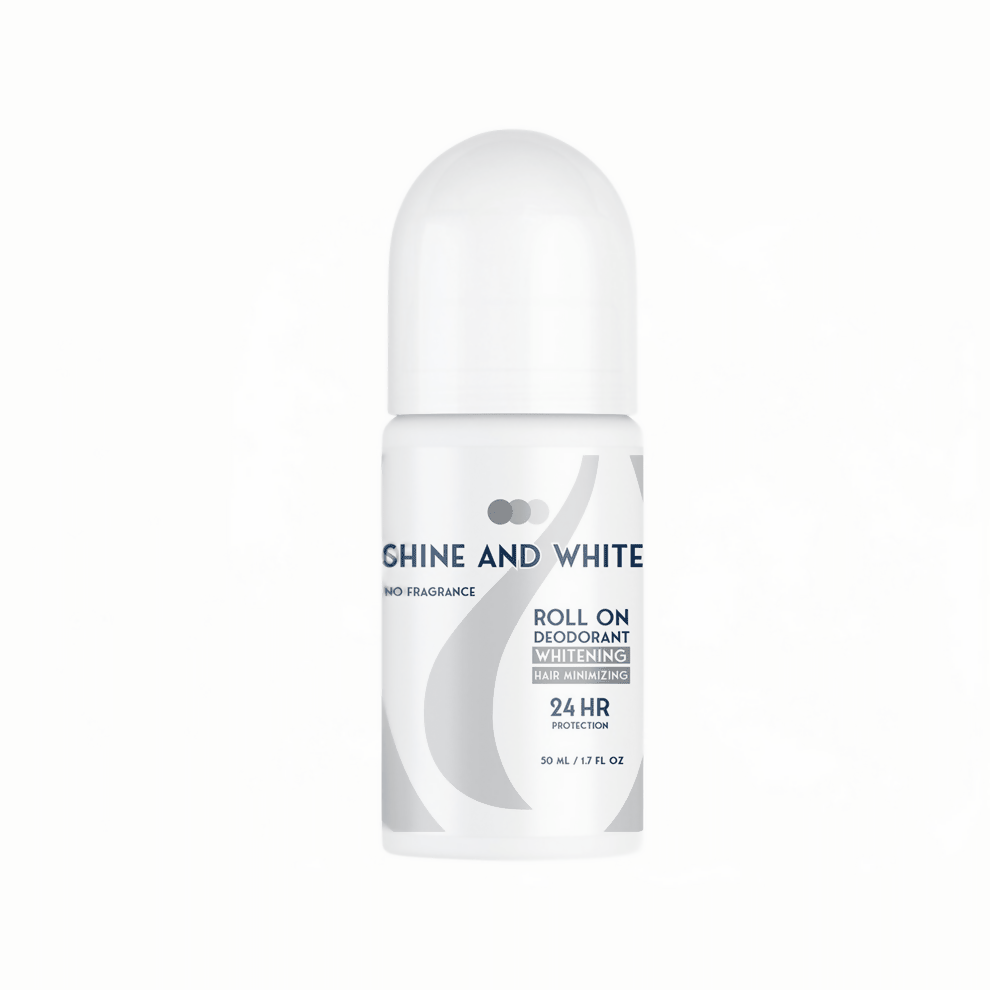
Deodorant
2 Must haveSports, chores and shared dorms make deodorant a kindness to everyone.
How to use it: Roll on lasts longer than spray and is less likely to be borrowed and emptied.
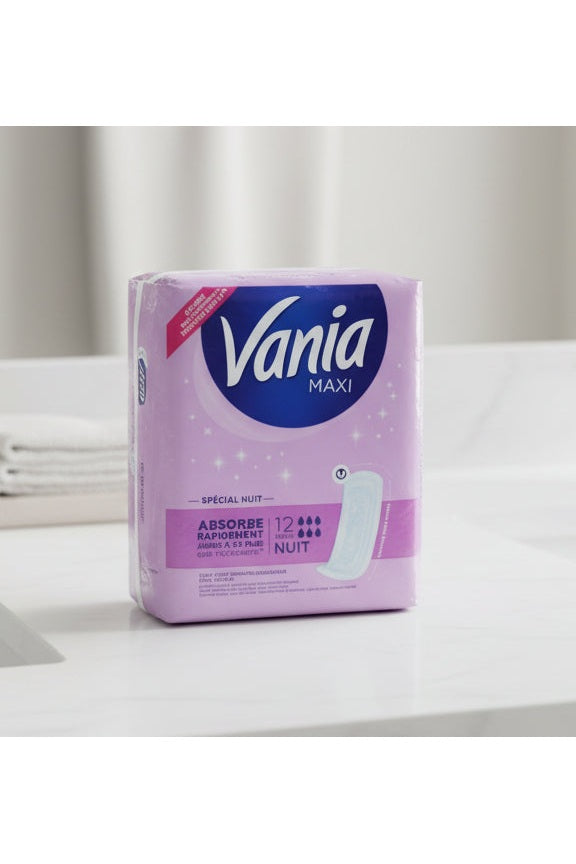
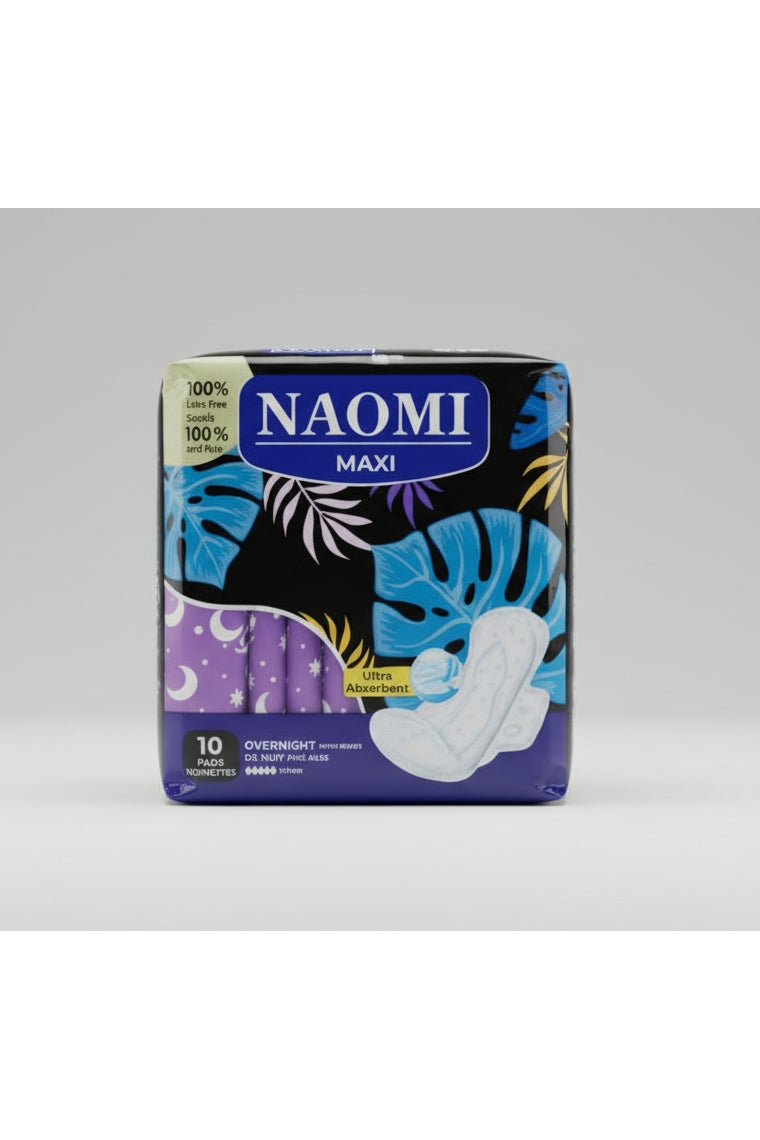
Sanitary pads
4 to 6 packs Must haveGirls should never have to ask a friend or wait for visiting day. Pack more than you think.
How to use it: Pack enough for the whole term plus one extra pack. Add a small pouch for carrying them discreetly.
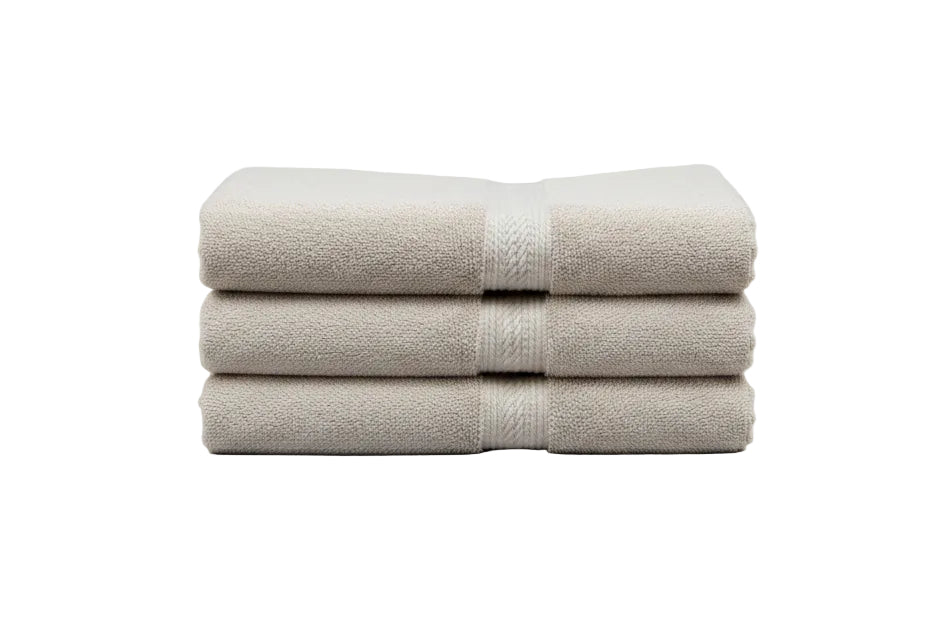
Towels, large and small
2 large, 1 small Must haveOne bath towel for bathing and a small one for the face. Towels take long to dry in the rainy season.
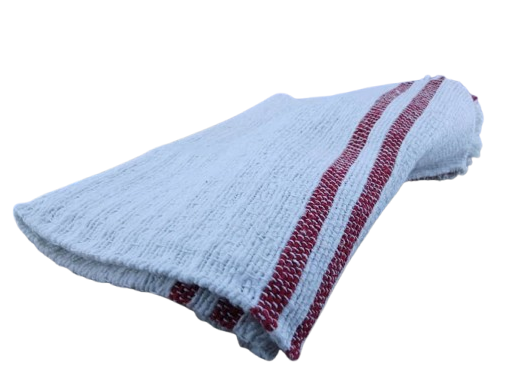
How to use it: Two bath towels let one dry while the other is in use. Pick a dark color.
Bathroom slippers
1 pair Must haveShared showers are wet and not always clean. Slippers protect feet and are usually required.
How to use it: Rubber slippers dry fast. Write the name inside with a marker.
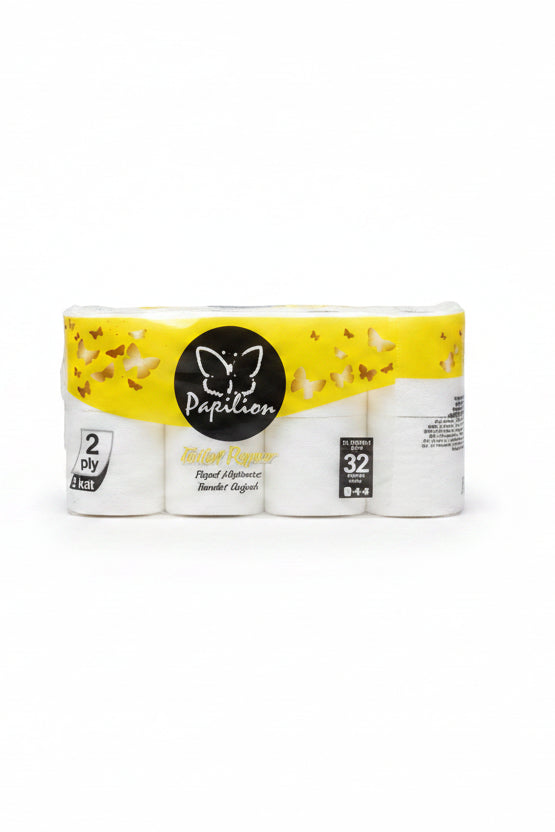
Toilet paper
As on school list Must haveMany schools ask each student to bring rolls for the term.
How to use it: Pack them inside the bucket with a lid or a cloth on top to keep them dry on the journey.
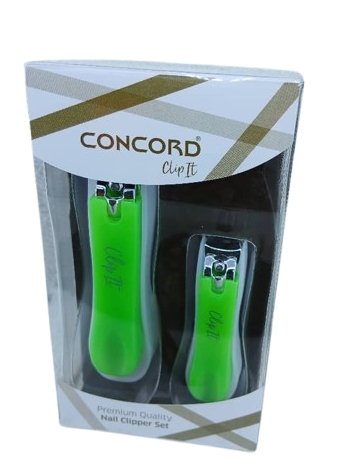
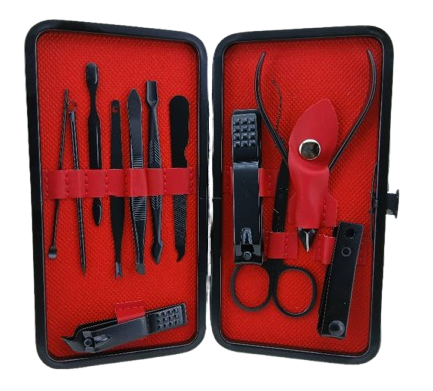
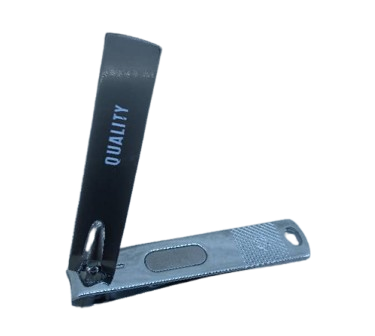
Nail clipper
1Nice to haveSchools often check nails, and a clipper avoids borrowing from friends.
How to use it: Keep it in the toiletries box and clean it with soap now and then.














Eating and snacks
Check what food your school allows from home. Many limit snacks to dry items and ban anything that needs cooking.
Plate, cup and spoon
1 set Must haveMany schools ask boarders to bring their own eating set. Plastic is safer than ceramic in a busy dining hall.
How to use it: Choose unbreakable plates and a cup with a handle. Mark each piece with the name.
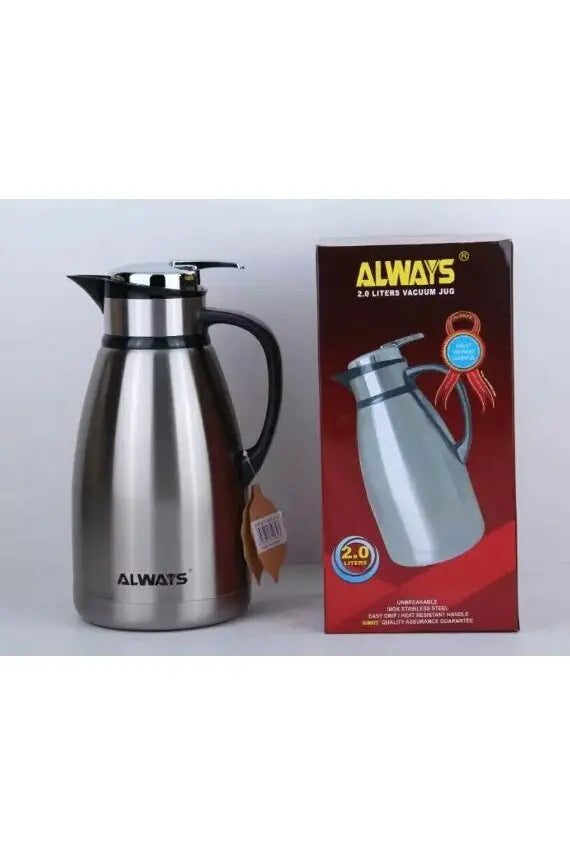
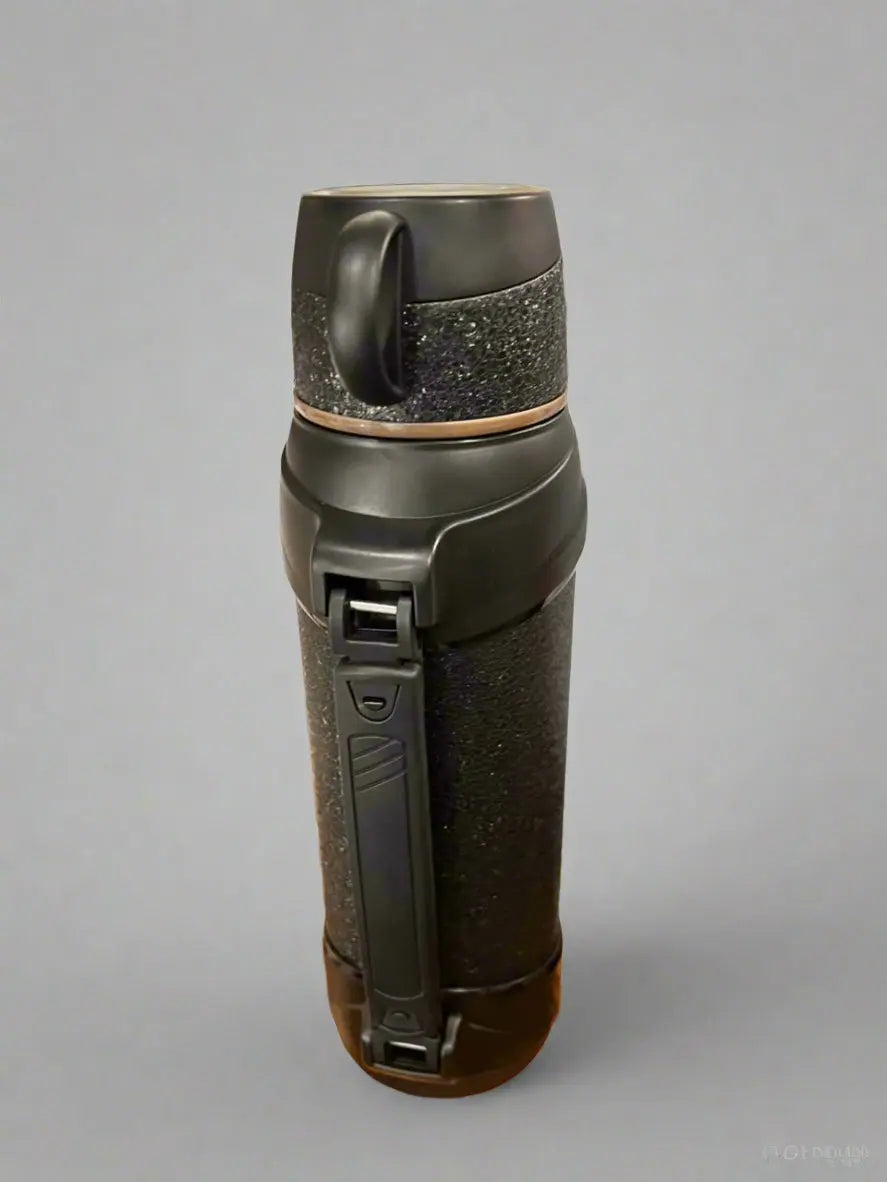
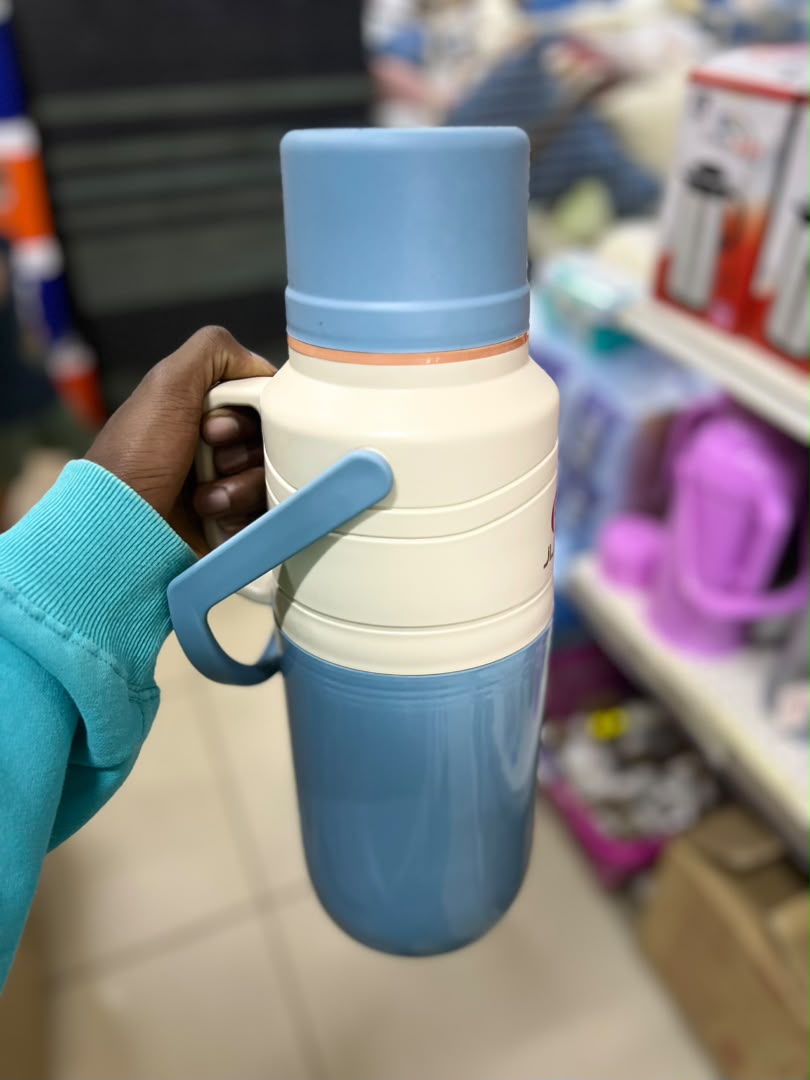
Flask
1Nice to haveUseful for keeping tea or porridge warm if the school allows it, and for drinking water at night.
How to use it: Check the rules first. A small 1 litre flask is enough and easier to carry.
Sugar
1 to 2 kgNice to haveTea at school is often served with little or no sugar. A small tin from home is a common request.
How to use it: Pack 1 to 2 kg in a sealed container so ants do not find it.
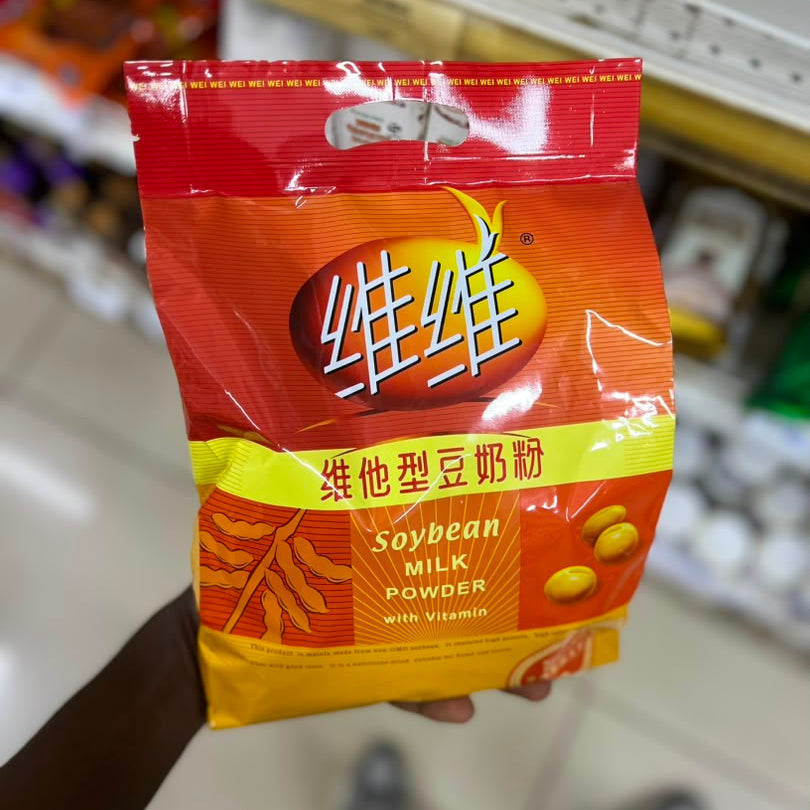
Milk powder
1 tinNice to haveAdds something filling to tea or porridge and keeps for weeks without a fridge.
How to use it: Pack in its sealed tin and keep it closed tightly after each use.
Biscuits and groundnuts
Term supplyNice to haveEvening prep is long and supper may feel early. Dry snacks keep energy up for studying.
How to use it: Buy family packs and portion them so the term supply does not vanish in the first week.
Peanut butter
1 jarNice to haveTurns plain bread from the canteen into a real meal and keeps without a fridge.
How to use it: One large jar per term is plenty. Keep the lid tight in the food box.













Study supplies
Secondary school burns through paper and pens. Pack a term's worth.
Exercise books
As on school list, plus 3 Must haveEach subject needs its own book, and secondary students fill them faster than you think.
How to use it: Buy the number on the school list plus a few spares. Label covers at home.
Pens, a full box
1 box Must havePens get lost and borrowed in a dorm all the time. A box saves calls home.
How to use it: Pack blue for writing and a few red or black for notes if the school allows.
Mathematical set
1 Must haveNeeded for geometry and technical drawing throughout secondary.
How to use it: Keep it in the bag, not the trunk, so it is there in class.
Scientific calculator
1 Must haveMaths, physics and chemistry all need one from around S1 or S2. Exams usually require a non programmable model.
How to use it: Check your school's list for the type. Write the name on the back with a marker.
Rechargeable torch
1Nice to havePower cuts and dark paths between dorm and toilets are a reality at many schools.
How to use it: Check whether torches are allowed. Charge it on weekends when power is reliable.


Step by step
- 1
When the list arrives
Read the school list together with your child and mark what you already have. Note any items the school says not to bring.
- 2
Two weeks before
Order the bulky items first: bucket, basin, blanket, sheets and padlock. Order toiletries and laundry soap in term sized quantities.
- 3
One week before
Label everything with name and class. Pack the trunk with heavy things at the bottom and toiletries in a separate box.
- 4
Two days before
Add snacks, check the padlock keys and make a written list of what is in the trunk to tape inside the lid.
- 5
Reporting day
Bring a copy of the school list, the fees receipt if required, and a little extra soap in case something was forgotten.
Tips that help
- Tape a list of everything packed inside the trunk lid. It helps your child notice when something goes missing.
- Nest the basin inside the bucket and fill both with soap, toilet paper and towels to save space on the journey.
- Label everything, including slippers, pegs and the bucket. Identical items disappear in a dorm.
- Pack a few extra bars of soap. They are the most common thing boarders run out of.
- Ask an older student or parent at the same school what is really needed beyond the official list.
- Keep a spare padlock key at home in a safe place.
Mistakes to avoid
- Packing food the school does not allow, which gets confiscated on reporting day.
- Buying a weak padlock or bucket that breaks in the first week.
- Sending one tube of toothpaste and one bar of soap for a full term.
- Forgetting a warm blanket because Kigali feels warm, when the school may be somewhere much colder.
- Not labeling items, then losing half the pegs and towels by mid term.
Questions people ask
What do boarding schools in Rwanda usually require students to bring?+
Most lists include a mattress or bedding, a mosquito net, a bucket and basin, a trunk with a padlock, toiletries, laundry soap, uniforms and study supplies. Some schools also ask for toilet paper or cleaning items. Always follow your school's own list, since it varies between schools.
How much soap does a boarder need for a term?+
Plan on one bathing bar every two to three weeks and several laundry bars, since uniforms are often washed by hand. Many parents pack a few extra bars because it is the most common thing to run out.
Can boarders bring food from home?+
Rules differ a lot. Many schools allow dry snacks like biscuits, groundnuts, sugar and milk powder, but ban anything that needs cooking or a fridge. Check your school's rules before buying.
Should I buy a trunk or a box?+
Many schools ask for a lockable metal trunk because it is strong and secure. Check your school's list for the type. Whatever you choose, add a solid padlock and label it clearly.
How do I help my child not lose things at boarding school?+
Label everything with name and class, tape a packing list inside the trunk, and buy items in distinctive colors. Check the list together on visiting day and top up what is missing.
A well packed trunk means a calmer reporting day and a student who settles in quickly. Go through this list with your child, check it against the school's own list, and order everything you need on Isokko so it arrives at home in Kigali before the big day.
Shop this list
Get everything delivered in Kigali
Order from local stores on Isokko and pay with MoMo, card or cash. Same-day delivery.