
Checklist · Home & moving
Bathroom Essentials for a New Home in Kigali: Checklist
Bathroom essentials for a new home in Kigali: towels, storage, daily toiletries, the cleaning kit and water cut backup, with tips on what to buy first.
Updated November 15, 2026 · By Isokko
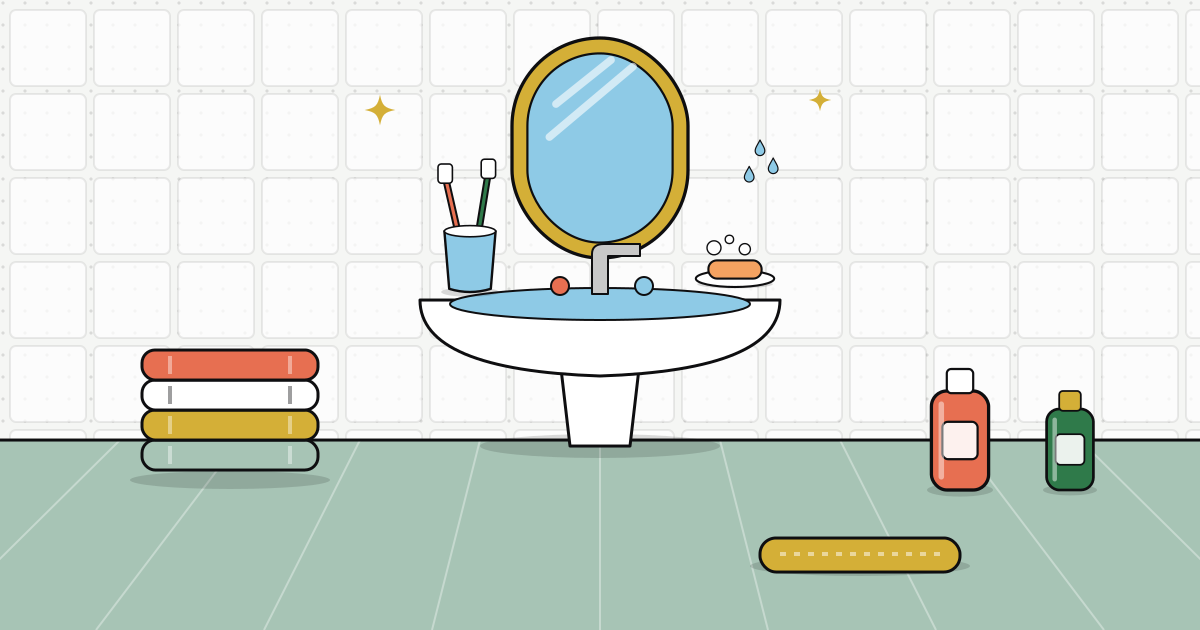
The bathroom is the room everyone needs on the first night, and the one most people forget to plan. Toilet paper, a towel and soap are obvious. A plunger, a bucket for water cuts and somewhere to put your toothbrush usually are not, until the moment you need them.
This checklist covers a complete bathroom for a home in Kigali: setup and storage, towels, daily toiletries, a proper cleaning kit and a simple backup plan for days when the water goes off.
If you have more than one bathroom, multiply the setup items and share the cleaning kit. If you have guests often, add a small basket of spare toiletries.
Who it's for
Anyone setting up one or more bathrooms in a new house or apartment in Kigali
Time needed
One order for the essentials, 30 minutes to set up
When to shop
Have toilet paper, soap and the cleaning kit delivered on moving day
On the list
30 items, 20 must haves
0 of 30 ready
Setup and storage
Most rented bathrooms in Kigali have a sink, a toilet and a shower, and very little storage. These fix that.
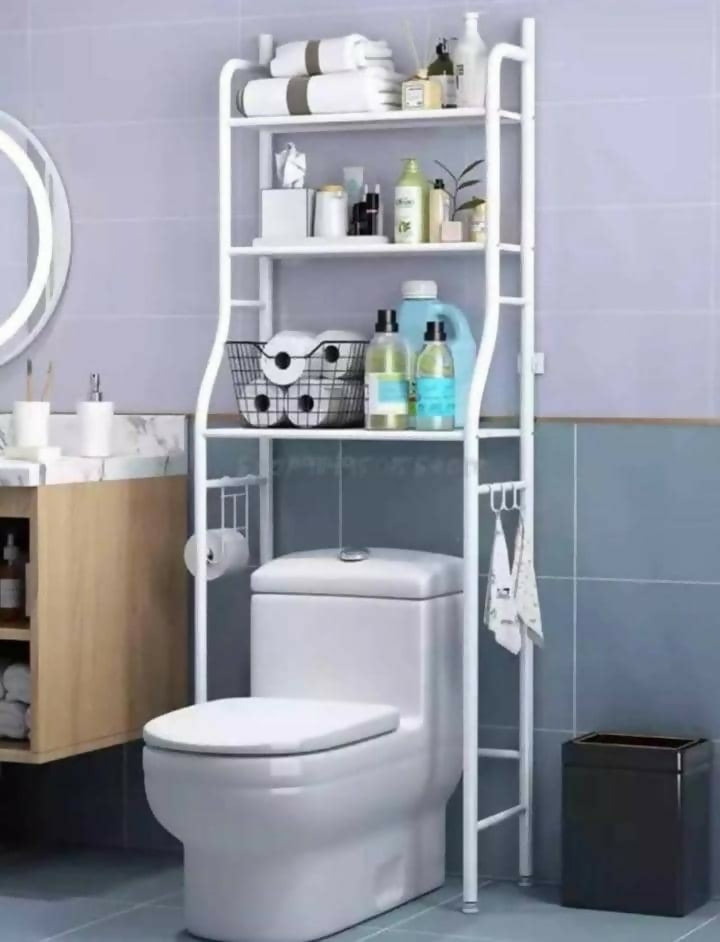
Over the toilet storage rack
1Nice to haveUses the empty wall above the toilet for toilet paper, towels and toiletries, which is perfect for small bathrooms.
How to use it: Measure the toilet width and the height to any window before buying. Put heavier things on the lower shelves.
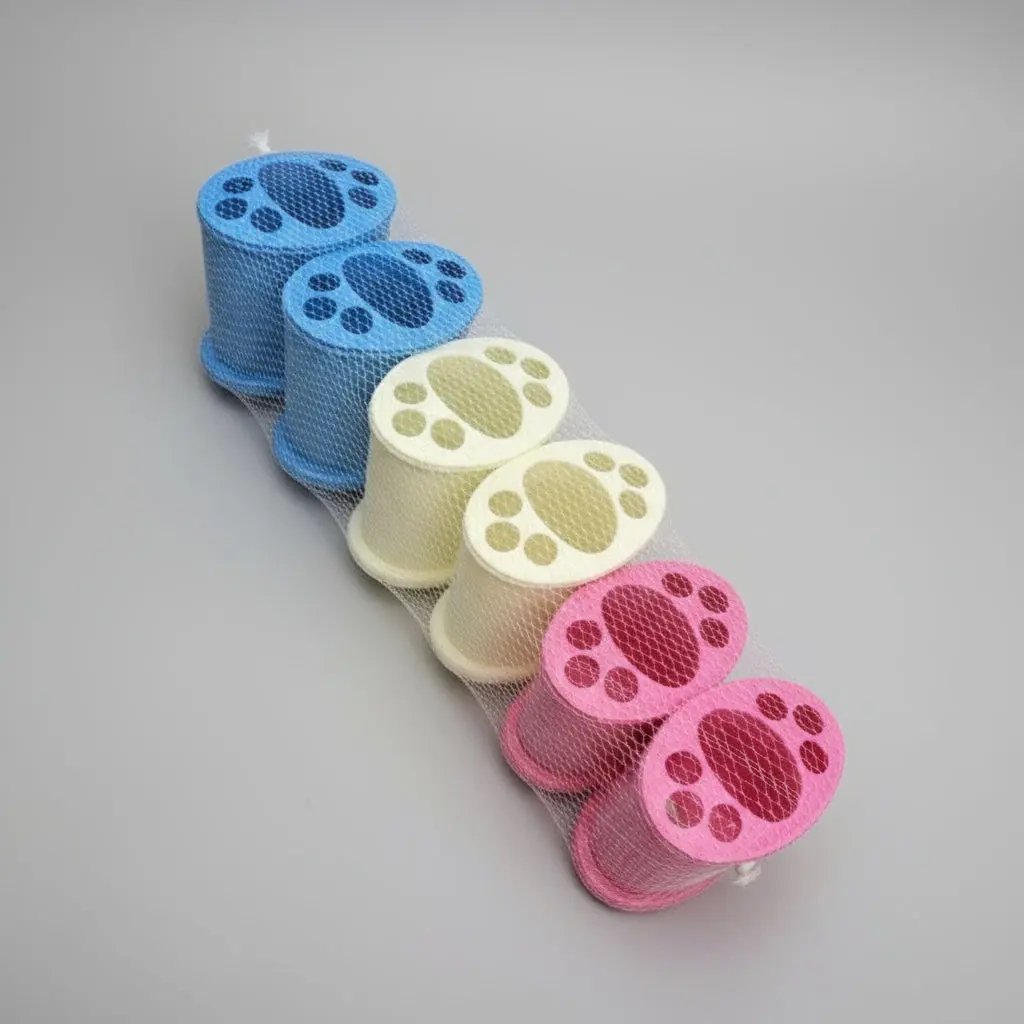
Toothbrush holder
1 Must haveKeeps toothbrushes upright, dry and off the wet sink edge.
How to use it: Rinse it weekly. Water collects at the bottom and gets slimy.
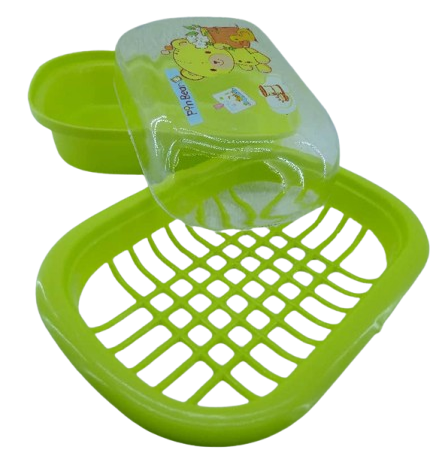
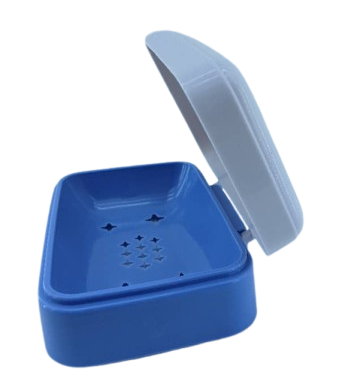
Soap holder
1 or 2 Must haveA soap bar sitting in water melts away fast.
How to use it: Choose one with drainage holes so the soap dries between uses.
Soap dispenser
1Nice to haveLiquid soap by the sink is cleaner for guests and children than one shared bar.
How to use it: Refill from a large bottle to save money.
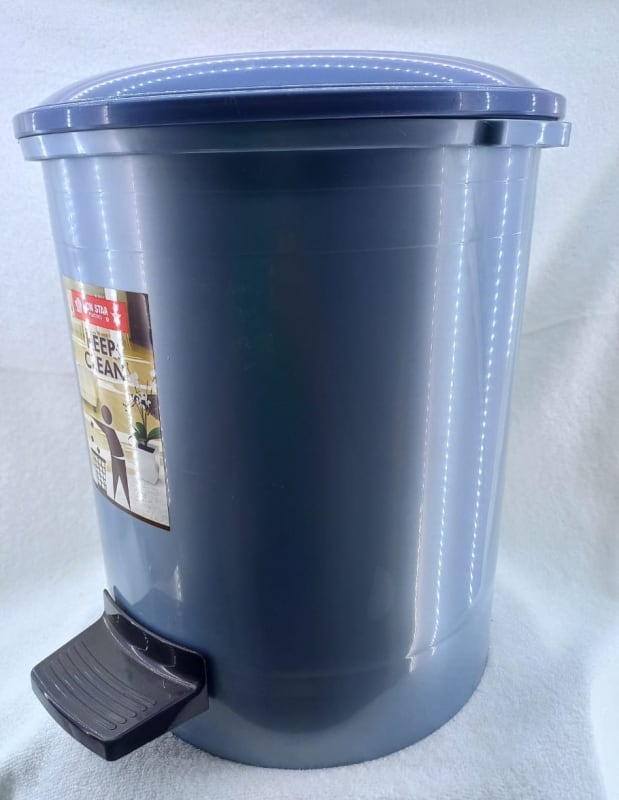
Small bin with lid
1 Must haveEvery bathroom needs a bin for tissues, cotton and sanitary products.
How to use it: A pedal bin with a lid keeps smells in. Empty it every few days.
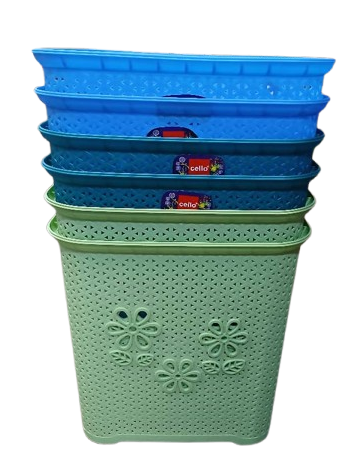
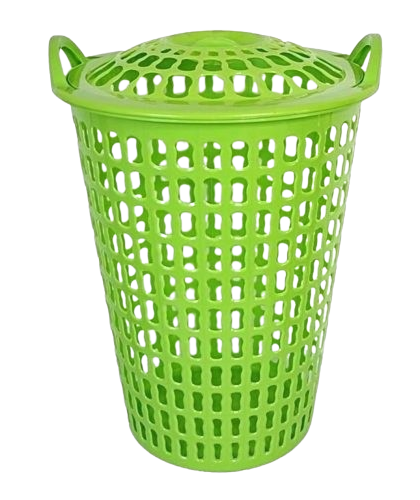
Laundry basket
1Nice to haveWet towels and dirty clothes on the floor make a bathroom feel messy.
How to use it: A basket with a lid and air holes keeps clothes from getting musty.






Towels and mats
Plan for each person in the home, plus a set in the wash and a set for guests.
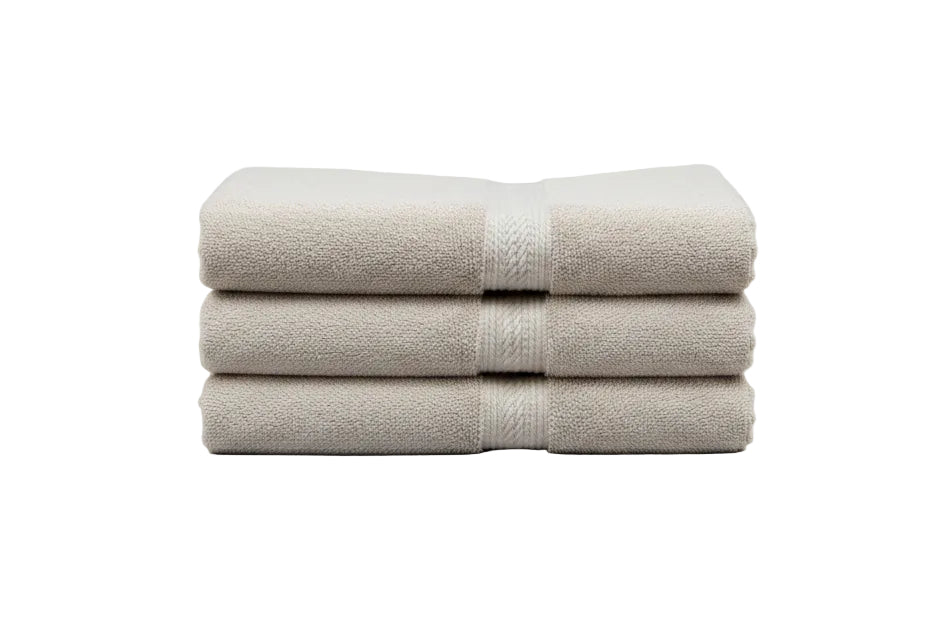
Bath towels
2 per person Must haveEach person needs their own towel, and you need spares for wash days.
How to use it: Two towels per person lets one dry while the other is in use. Dry them in the sun when you can.
Hand towels
2 or 3 Must haveA small towel by the sink gets used many times a day.
How to use it: Change it every two or three days, more often if someone is sick.
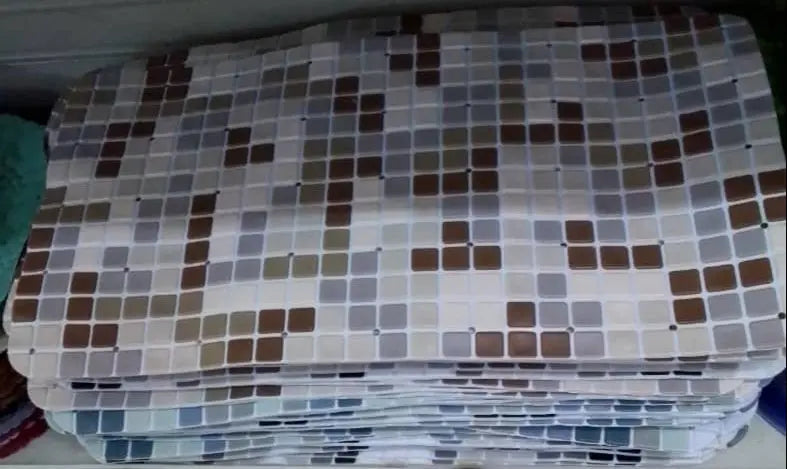
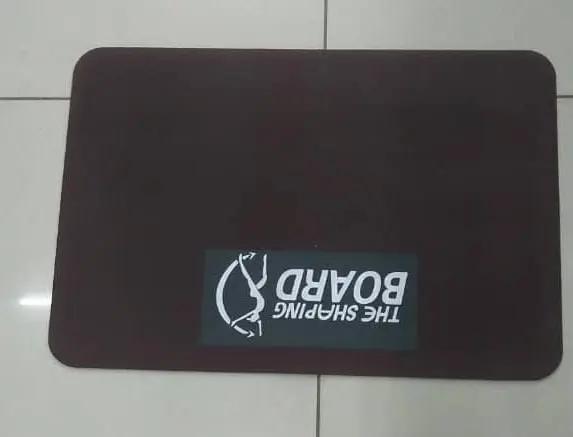
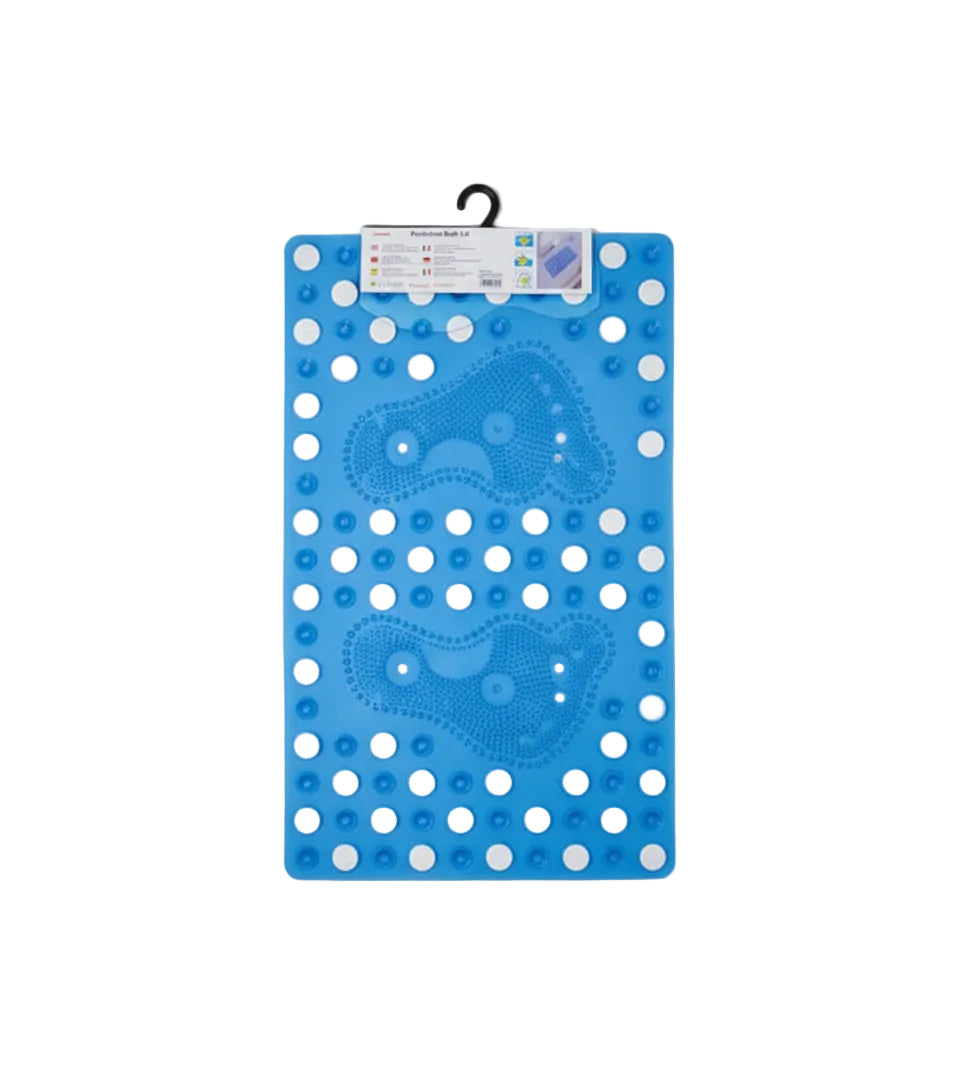
Non-slip bath mat
1 or 2 Must haveWet tiles are one of the most common places people slip at home, especially children and older relatives.
How to use it: Put one inside or right outside the shower. Wash it weekly so it does not get moldy.
Bathrobe
1 per personNice to haveNice for cool Kigali mornings and for walking from the bathroom to the bedroom.
How to use it: Hang it on a hook to dry between uses.





Daily toiletries
Stock these on day one so nobody has to run to the shop in a towel.
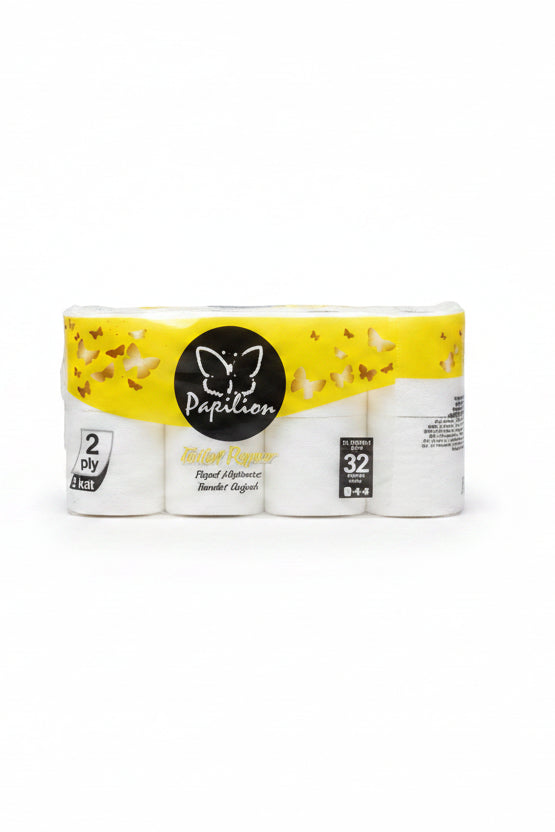
Toilet paper
1 large pack Must haveThe most important item on this list.
How to use it: Keep at least two rolls in each bathroom and a pack in storage.
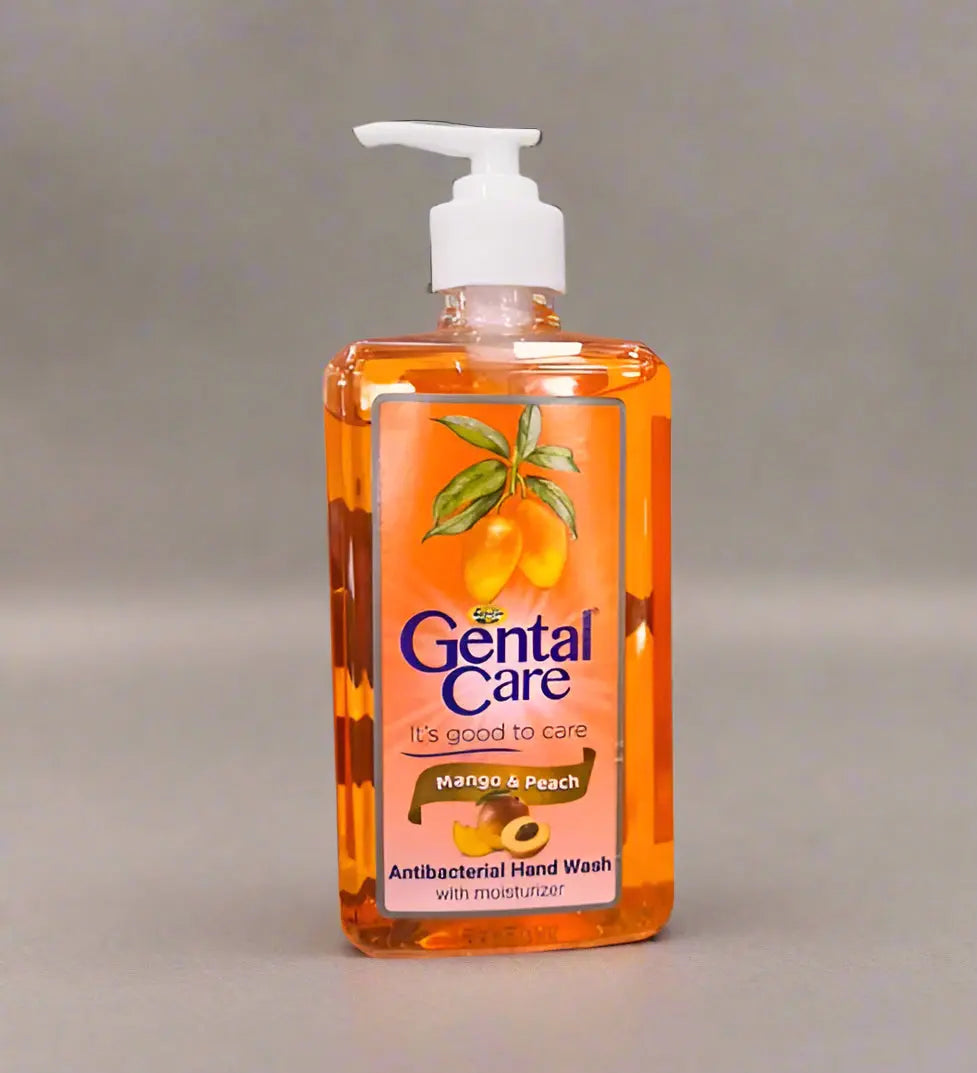
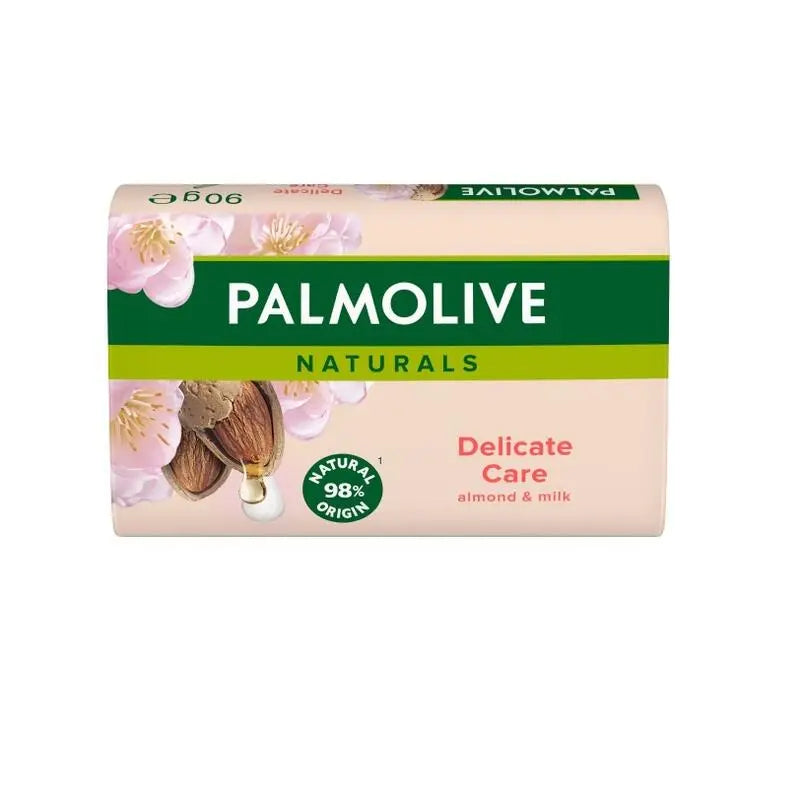
Hand wash or bar soap
2 Must haveClean hands are the simplest health habit in any home.
How to use it: Keep soap at every sink, including the kitchen.
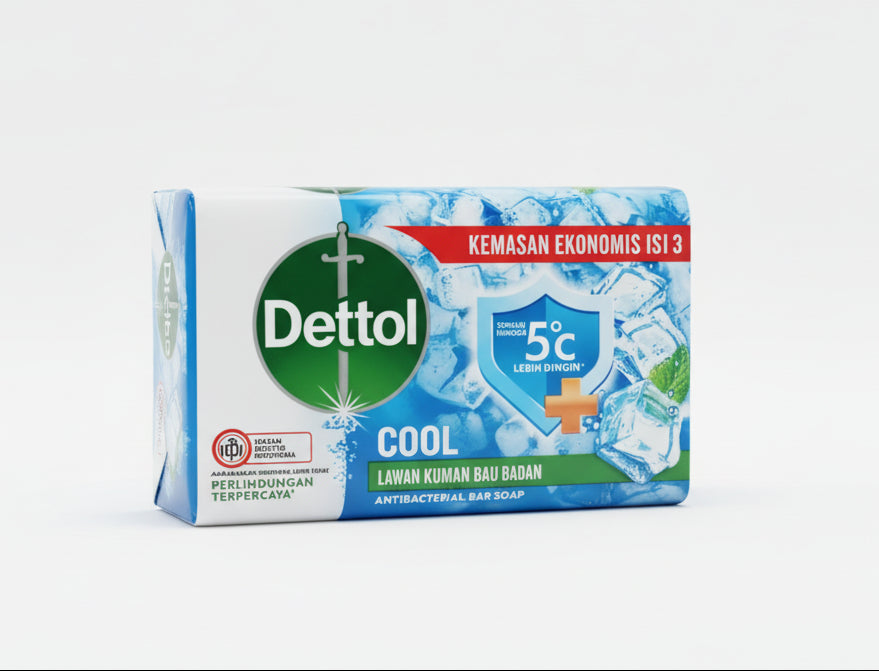
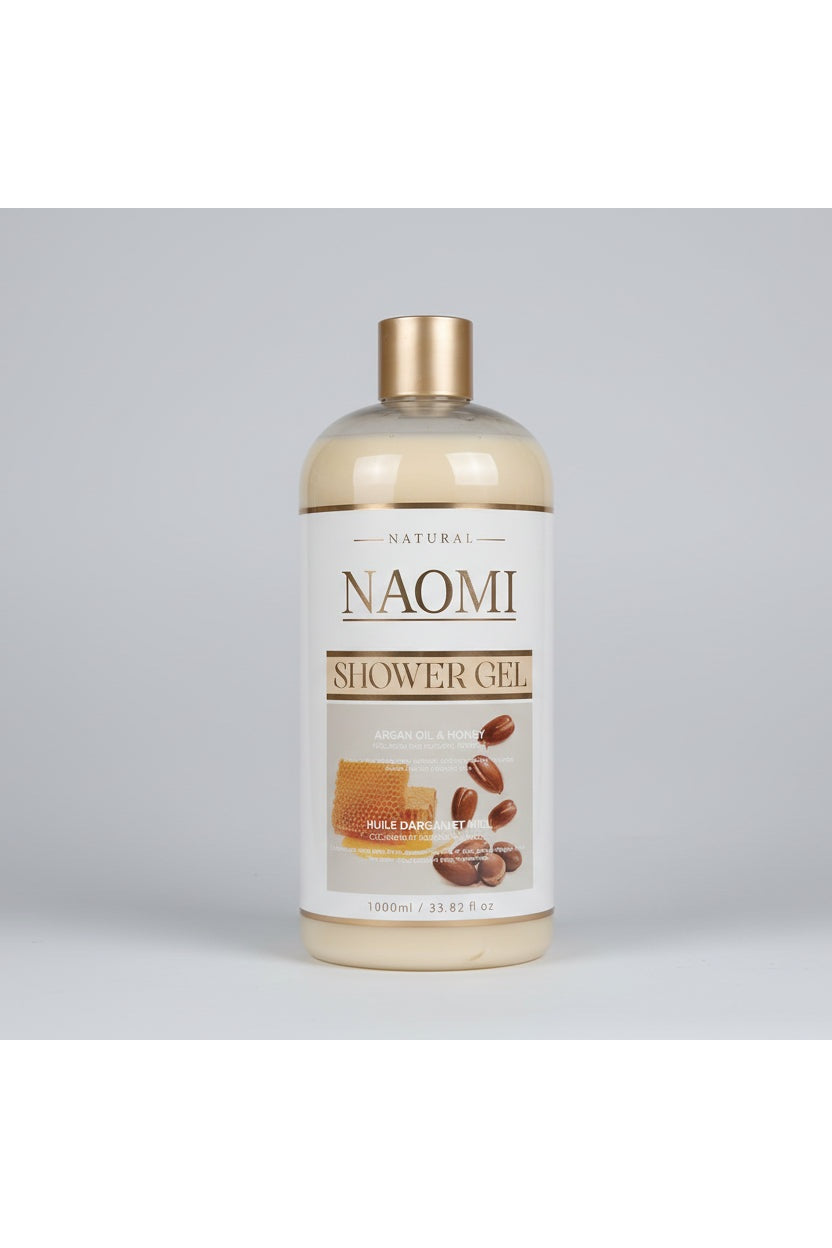
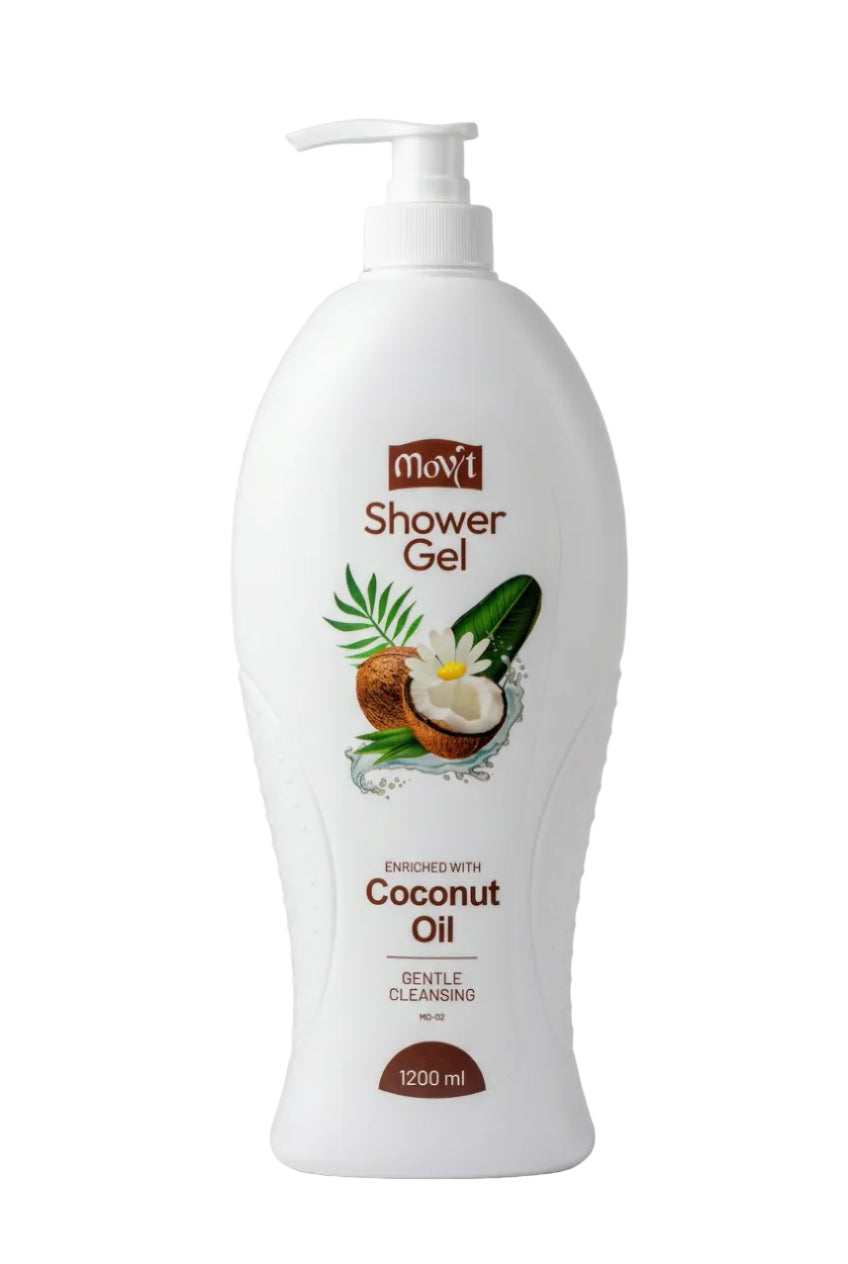
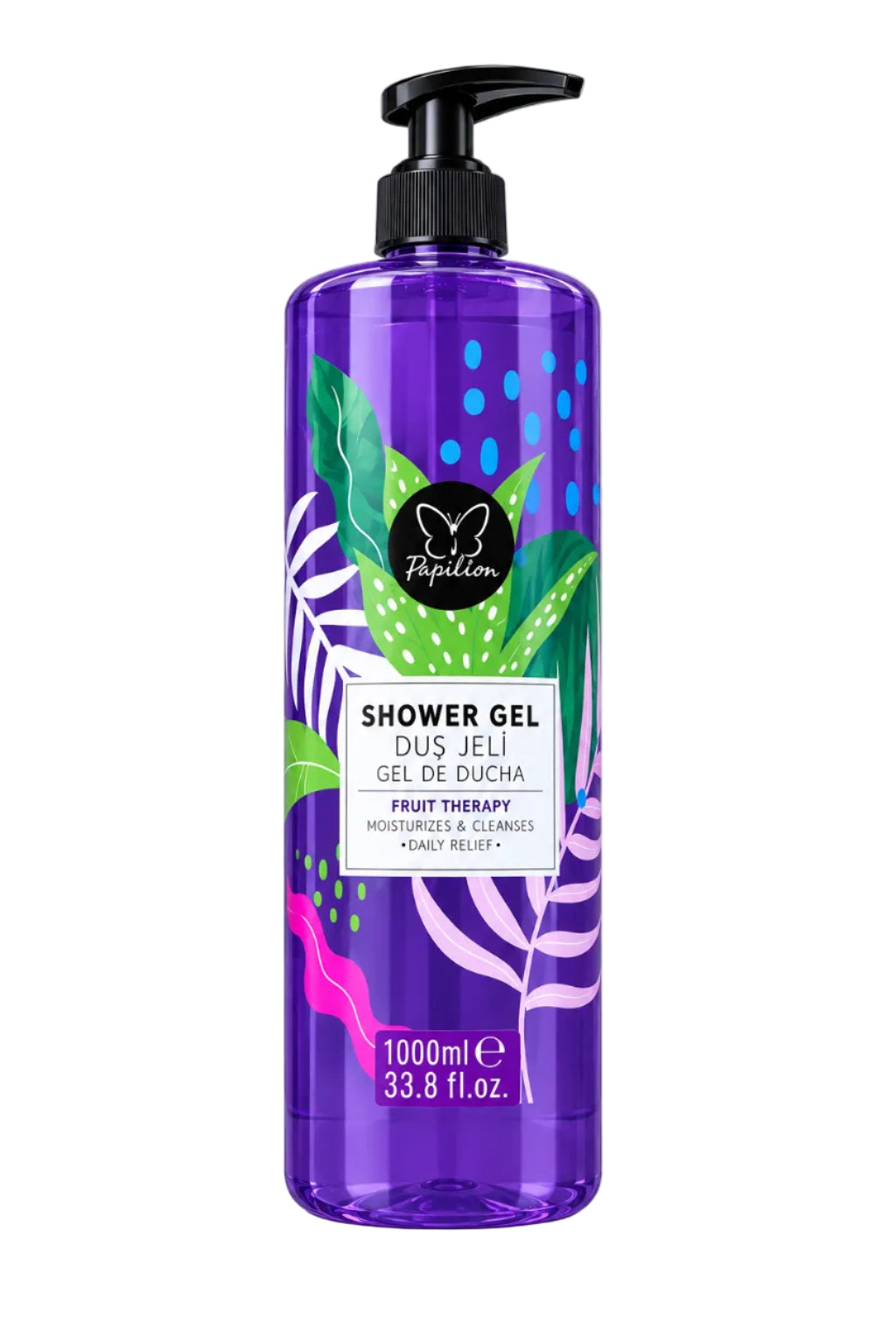
Shower gel or body soap
1 or 2 Must haveFor the daily shower.
How to use it: Bigger bottles are better value for a family.
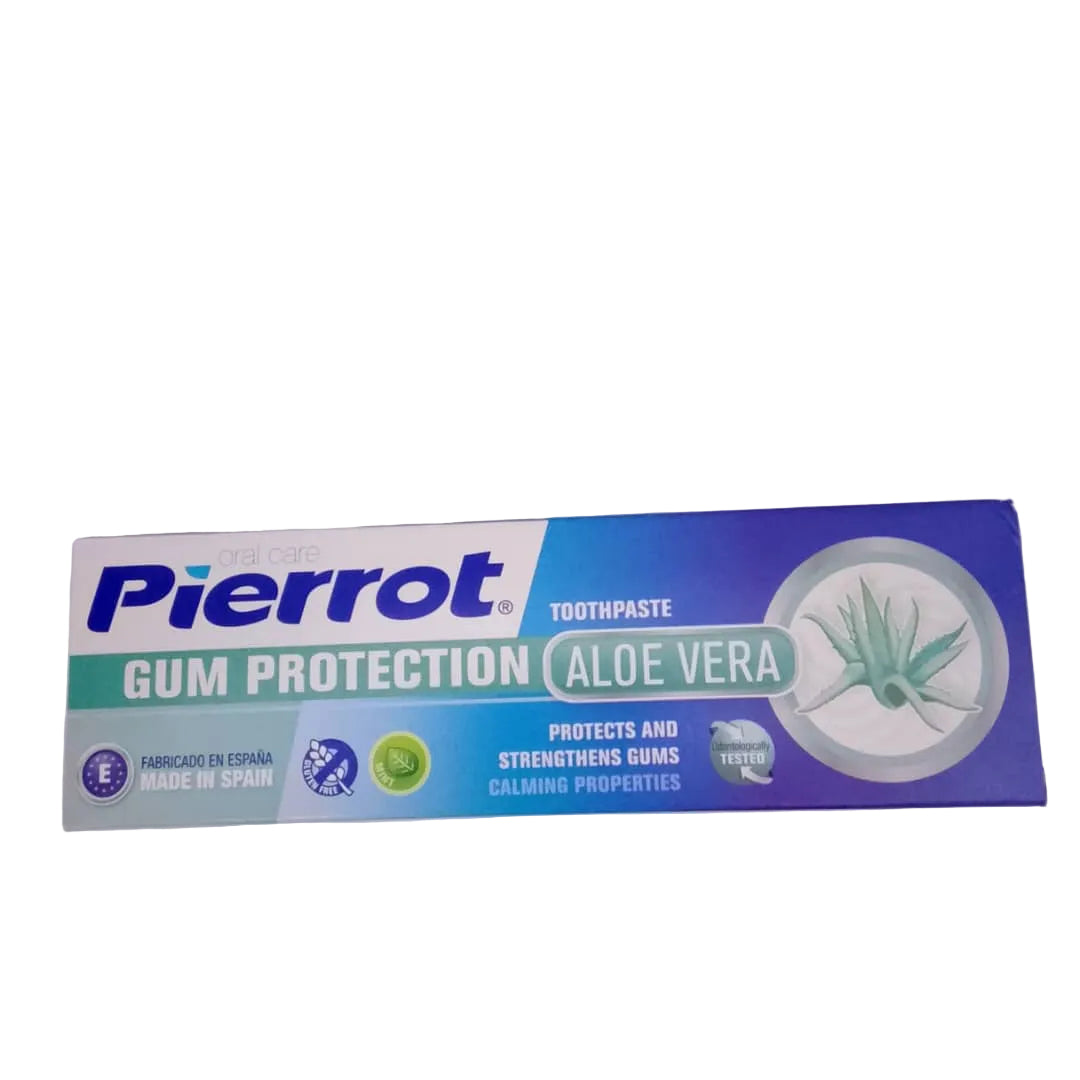
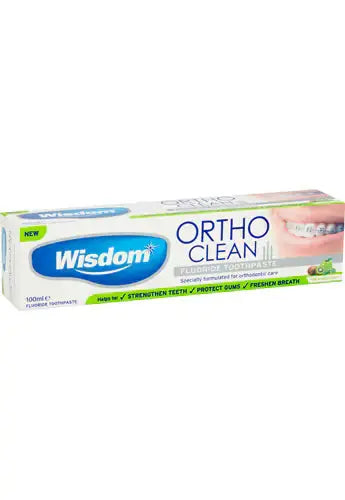
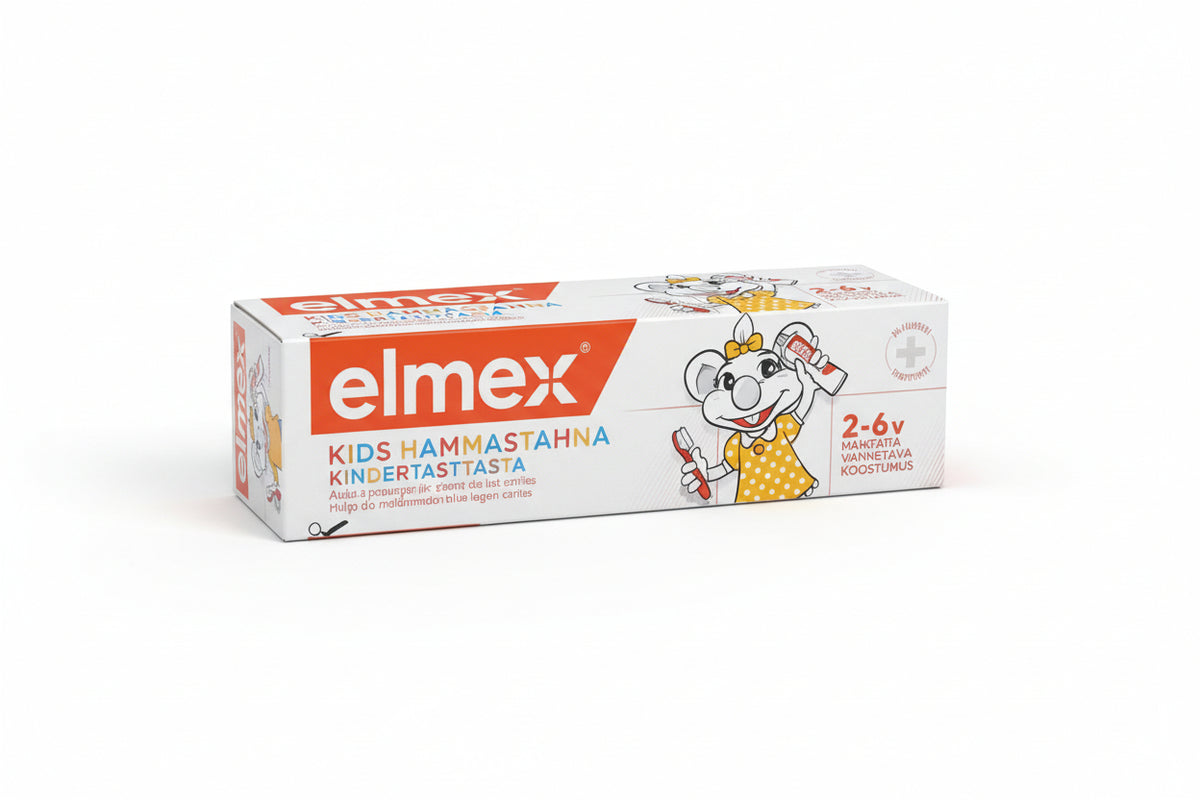
Toothpaste and toothbrushes
1 tube, 1 brush each Must havePack them in your moving day bag, then stock the bathroom.
How to use it: Replace toothbrushes every three months or after an illness.
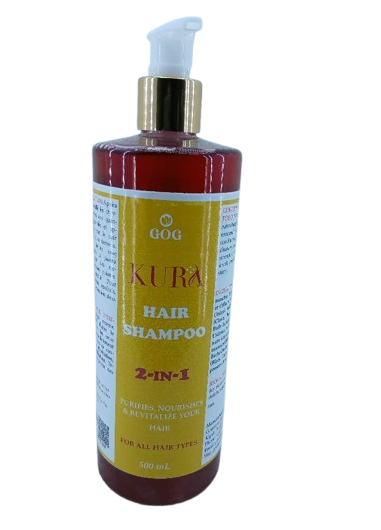
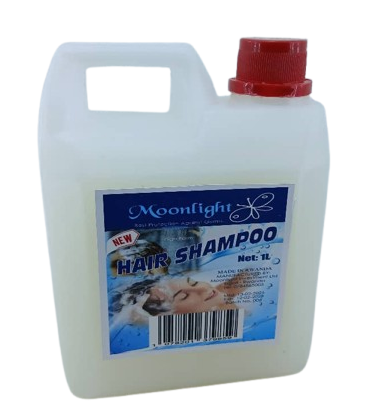
Shampoo
1 Must haveHair care is personal, but the bathroom needs at least one bottle.
How to use it: Store bottles on a shelf, not on the shower floor where they get slimy.
Body lotion
1Nice to haveKigali sun and hard water can dry out skin.
How to use it: Apply after showering while skin is still slightly damp.
Cotton buds and nail clipper
1 eachNice to haveSmall grooming items that always get lost in a move.
How to use it: Keep them together in a small box or cup.
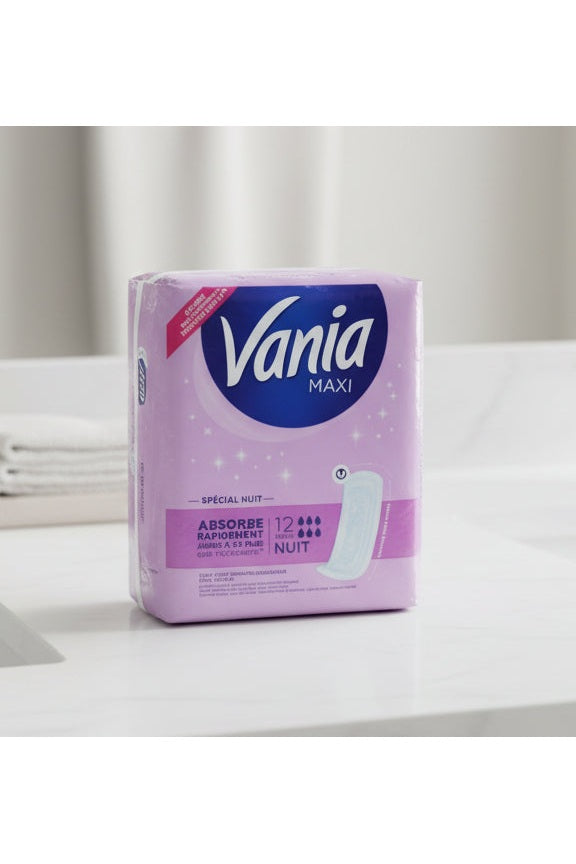
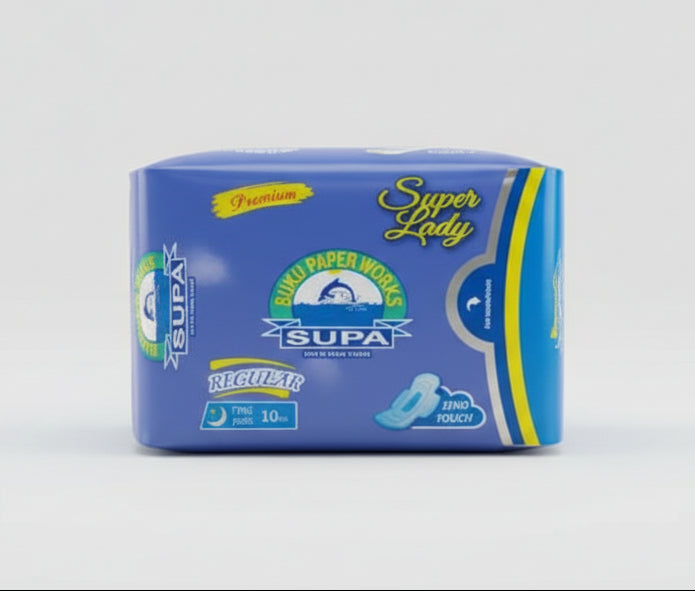
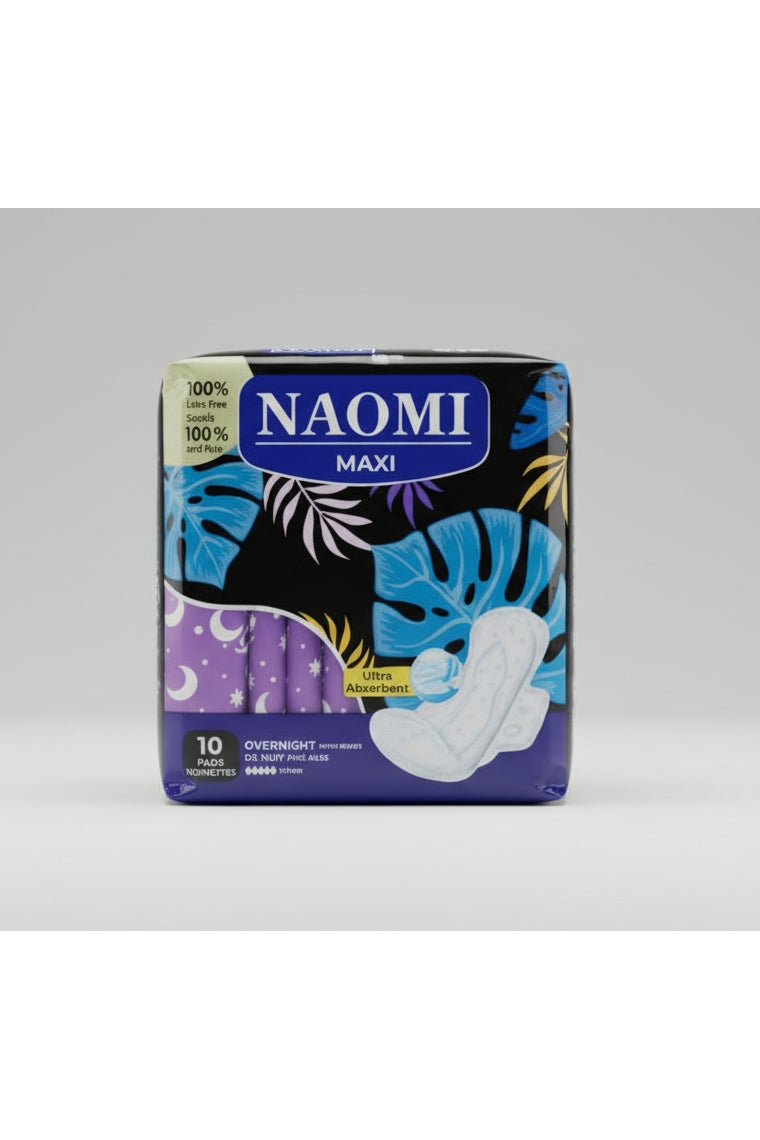
Sanitary pads
1 pack Must haveIf anyone in the home needs them, keep a spare pack in the bathroom for them and for guests.
How to use it: Store them in a closed box or cupboard away from moisture.





The cleaning kit
Keep these together under the sink or in a bucket in the corner, so cleaning takes ten minutes, not an hour.
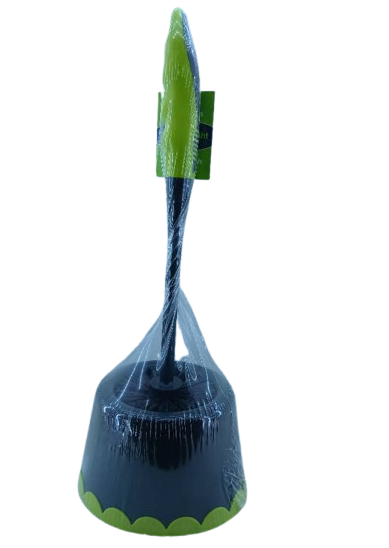
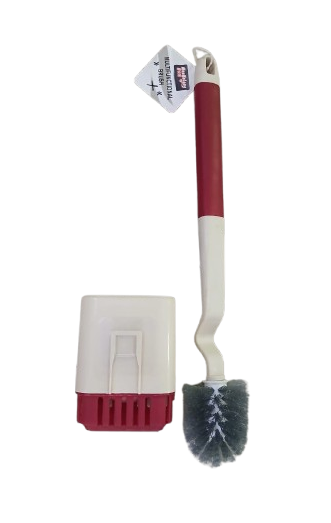
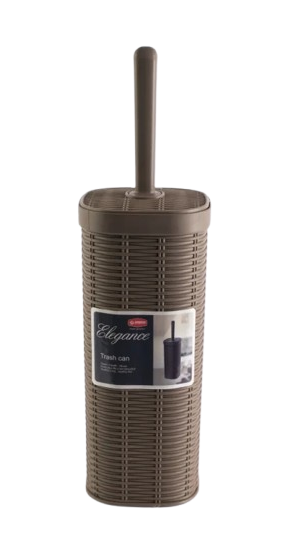
Toilet brush
1 per toilet Must haveOne for every toilet. Nobody wants to share.
How to use it: Choose one with a holder. Rinse it in the flush water after use.
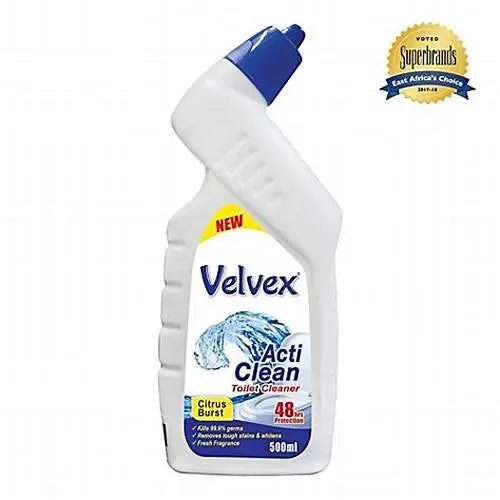
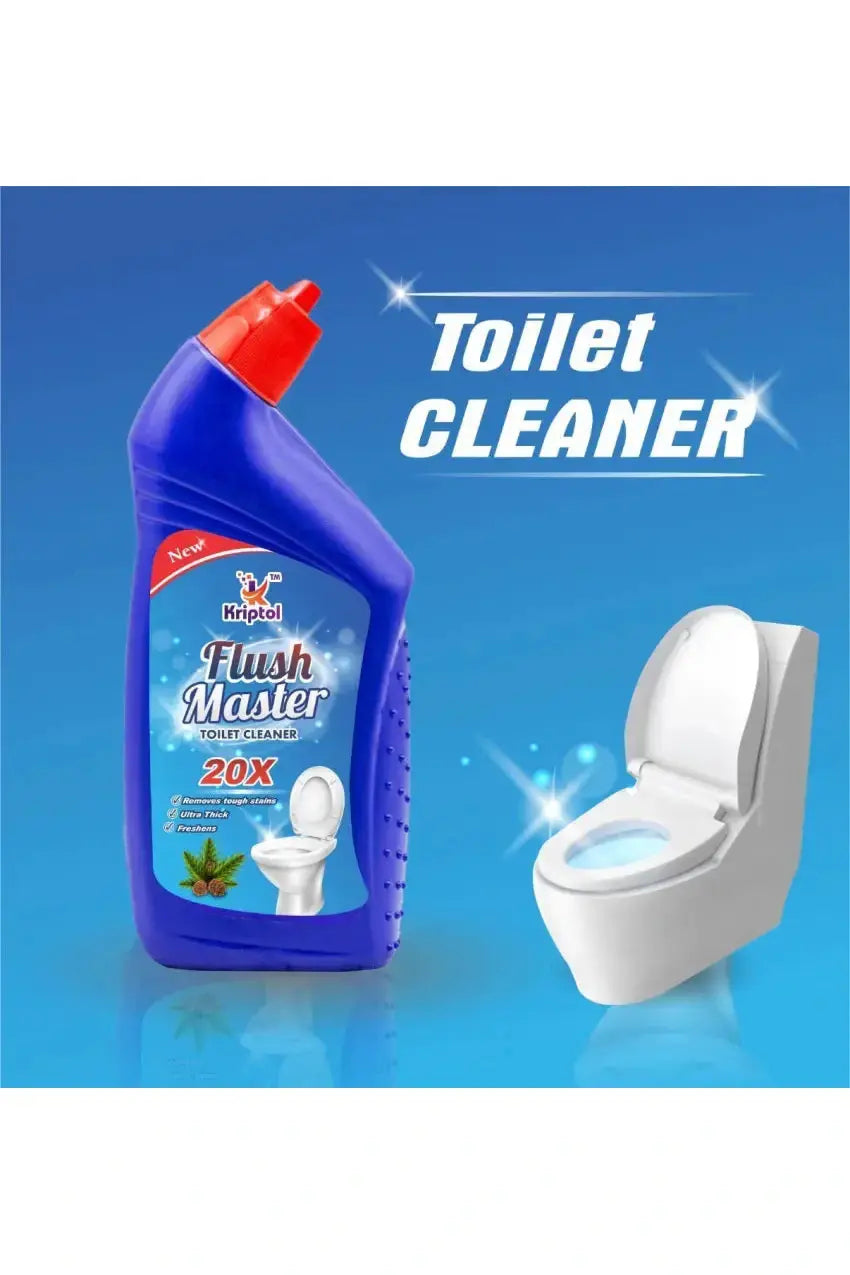
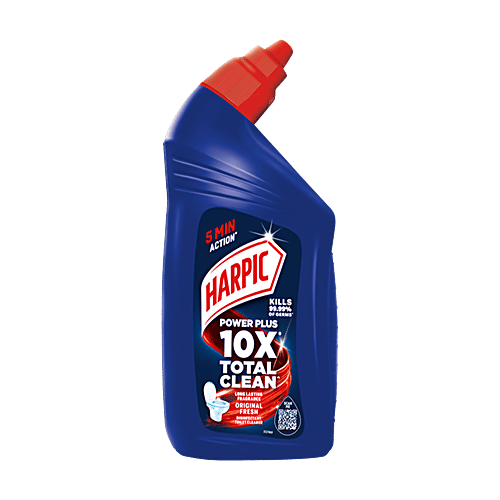
Toilet cleaner
1 Must haveThick toilet cleaner clings under the rim where stains and smells start.
How to use it: Squeeze under the rim, leave for 10 minutes, brush and flush.
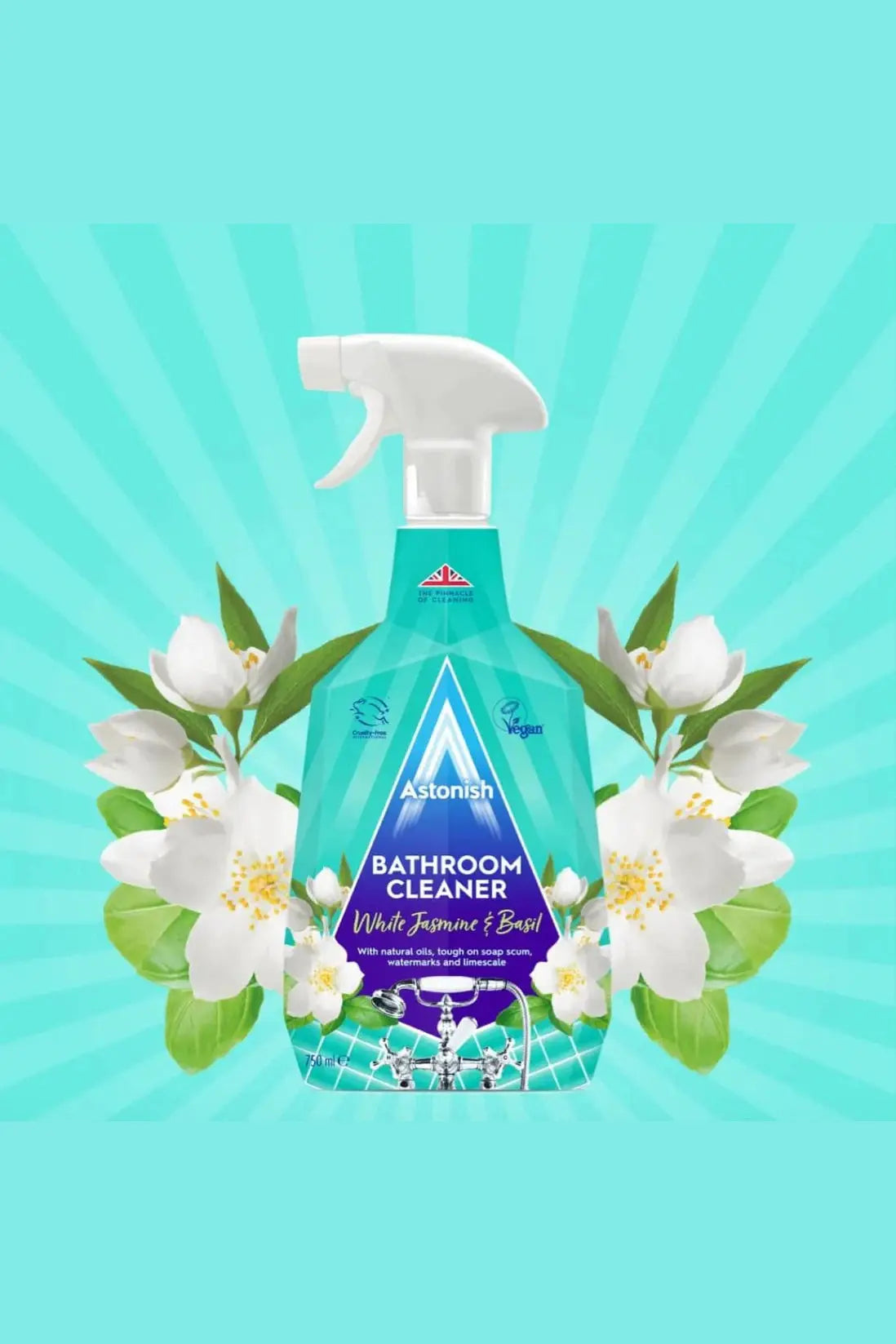
Bathroom or tile cleaner
1 Must haveSoap scum and hard water marks build up on tiles and taps.
How to use it: Spray, wait a few minutes, scrub, then rinse. Open the window for air.
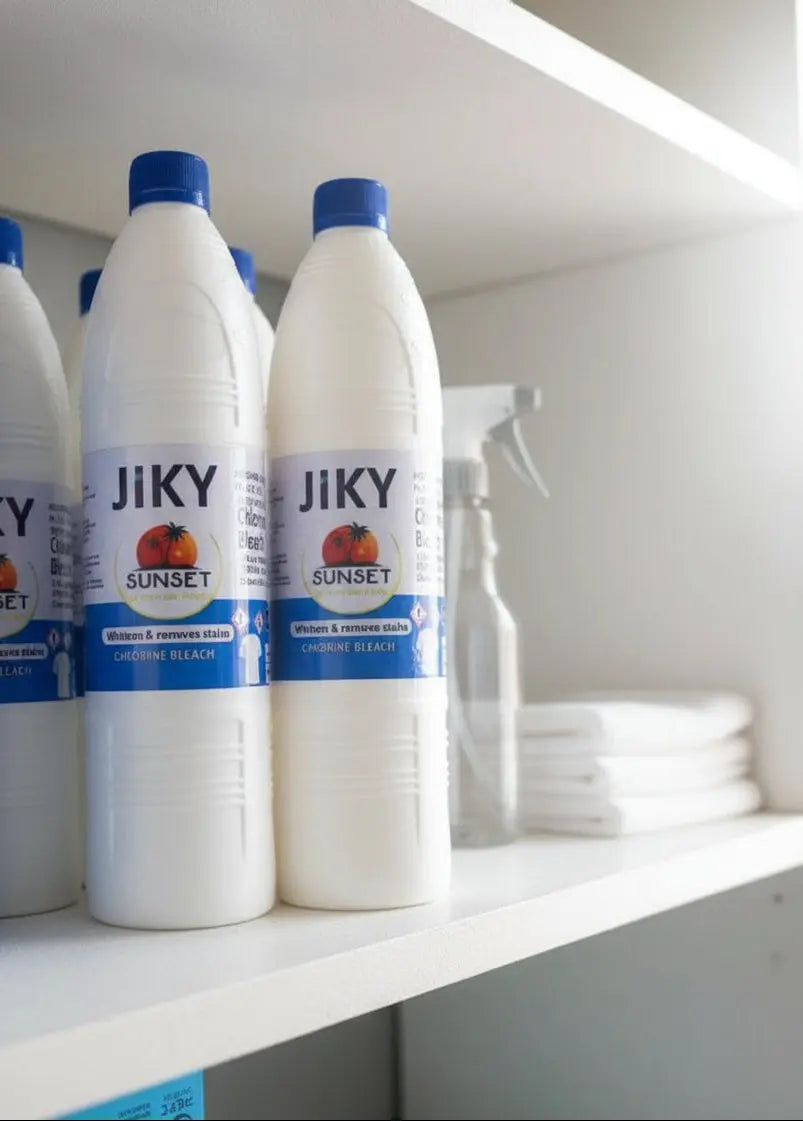
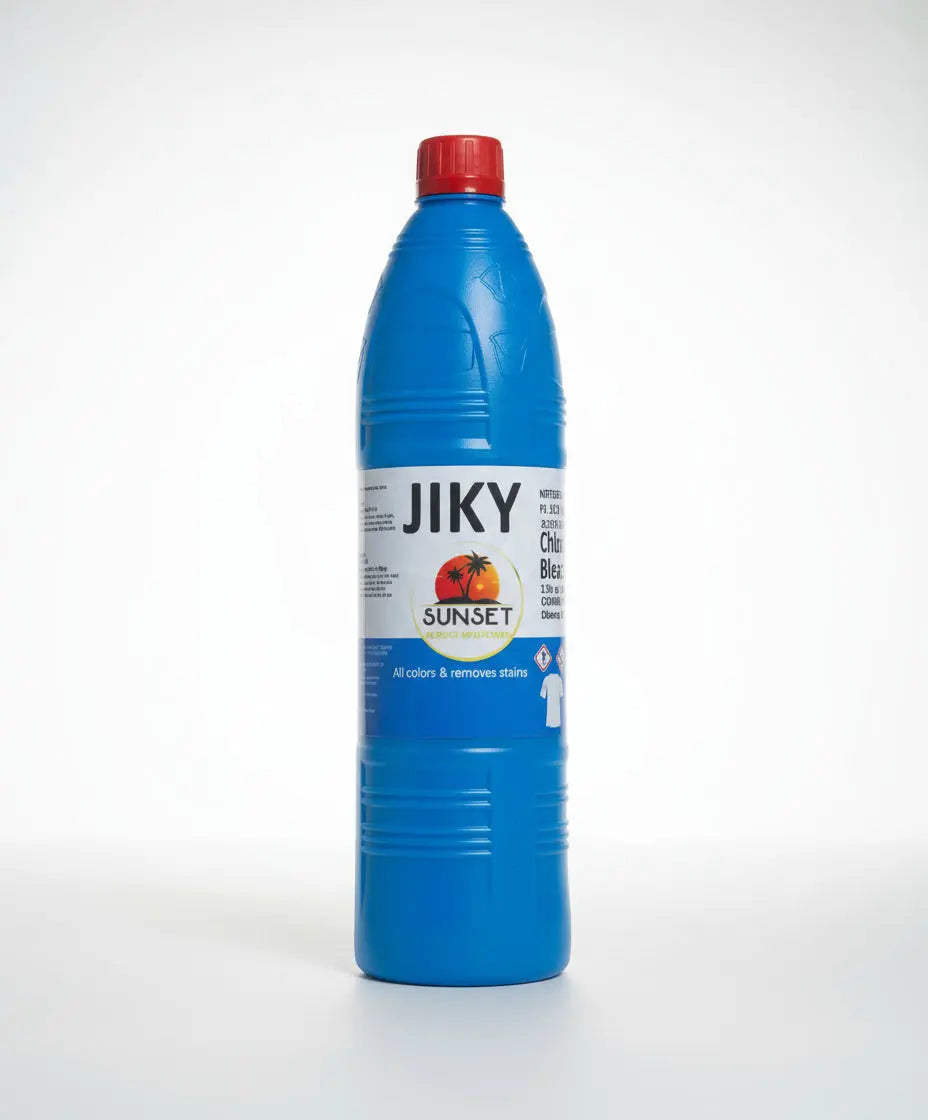
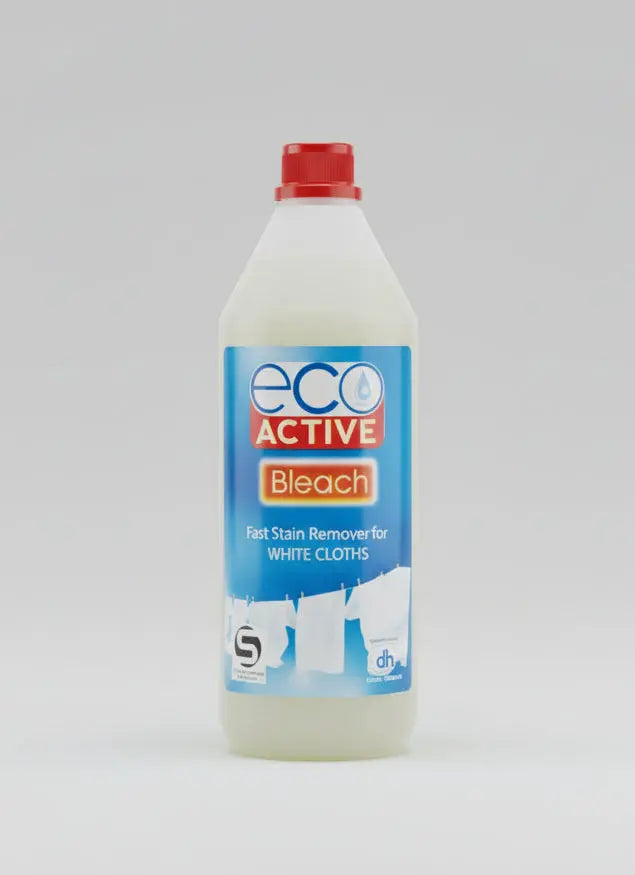
Bleach
1 Must haveKills germs and whitens grout, the sink and the shower floor.
How to use it: Always dilute as the label says, and never mix with toilet cleaner or ammonia.
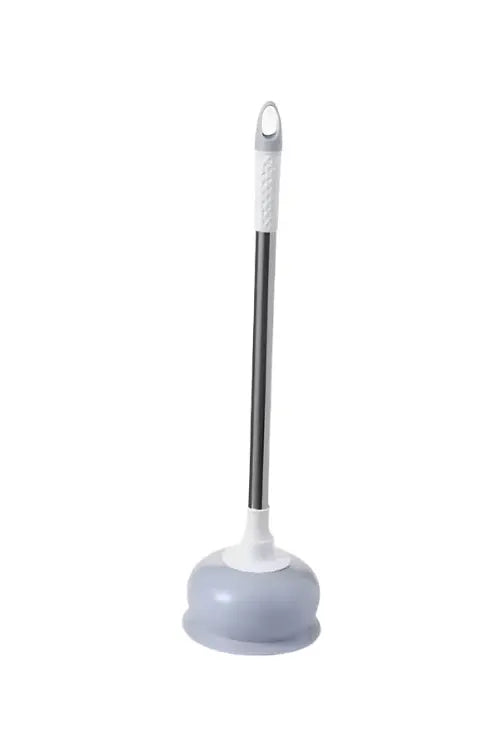
Plunger
1 Must haveA blocked toilet always happens at the worst moment, often with guests.
How to use it: Buy it now and store it next to the toilet, out of sight.
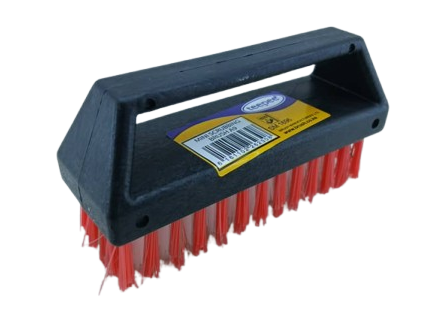
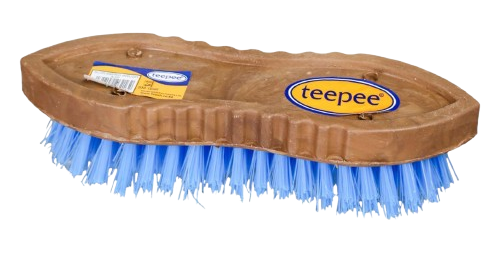
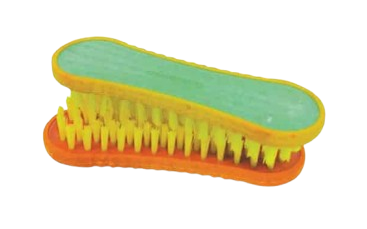
Scrubbing brush
1 Must haveGrout lines and the corners of the shower need a stiff brush.
How to use it: Use with warm soapy water once a week.
Gloves
1 packNice to haveProtects your hands from bleach and germs.
How to use it: Keep a pair just for the bathroom.
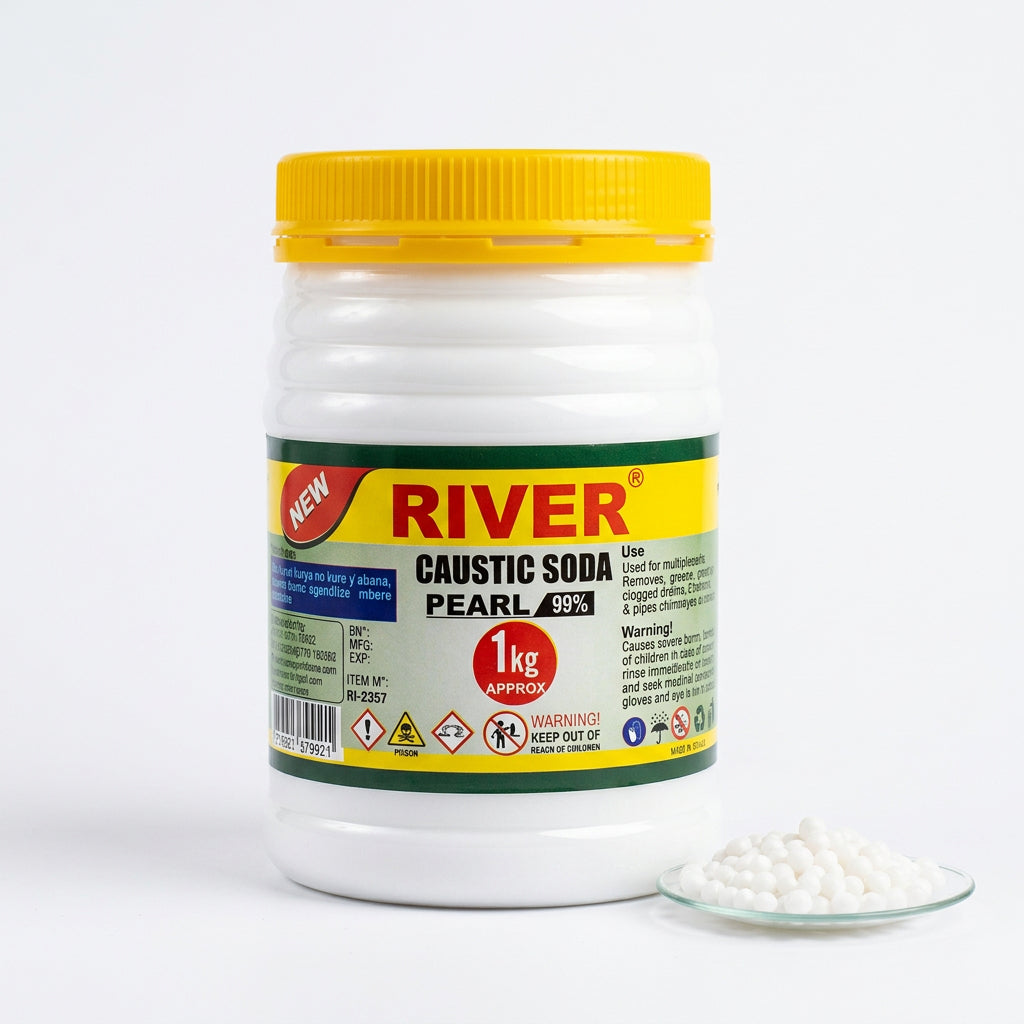
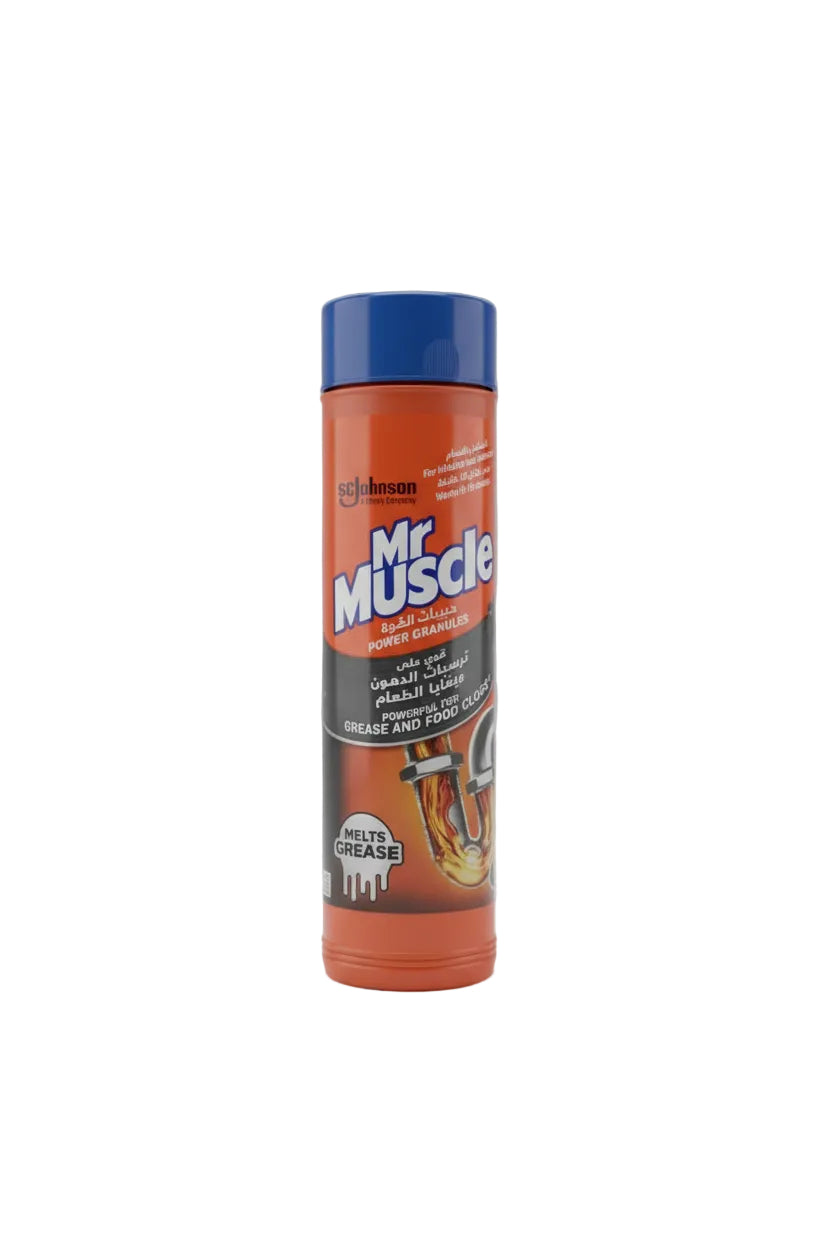
Drain cleaner
1Nice to haveHair and soap block shower drains over time.
How to use it: Use it once a month as prevention, following the label carefully.



Water cut backup
Water cuts are part of life in many Kigali neighborhoods. A small backup keeps the bathroom usable.
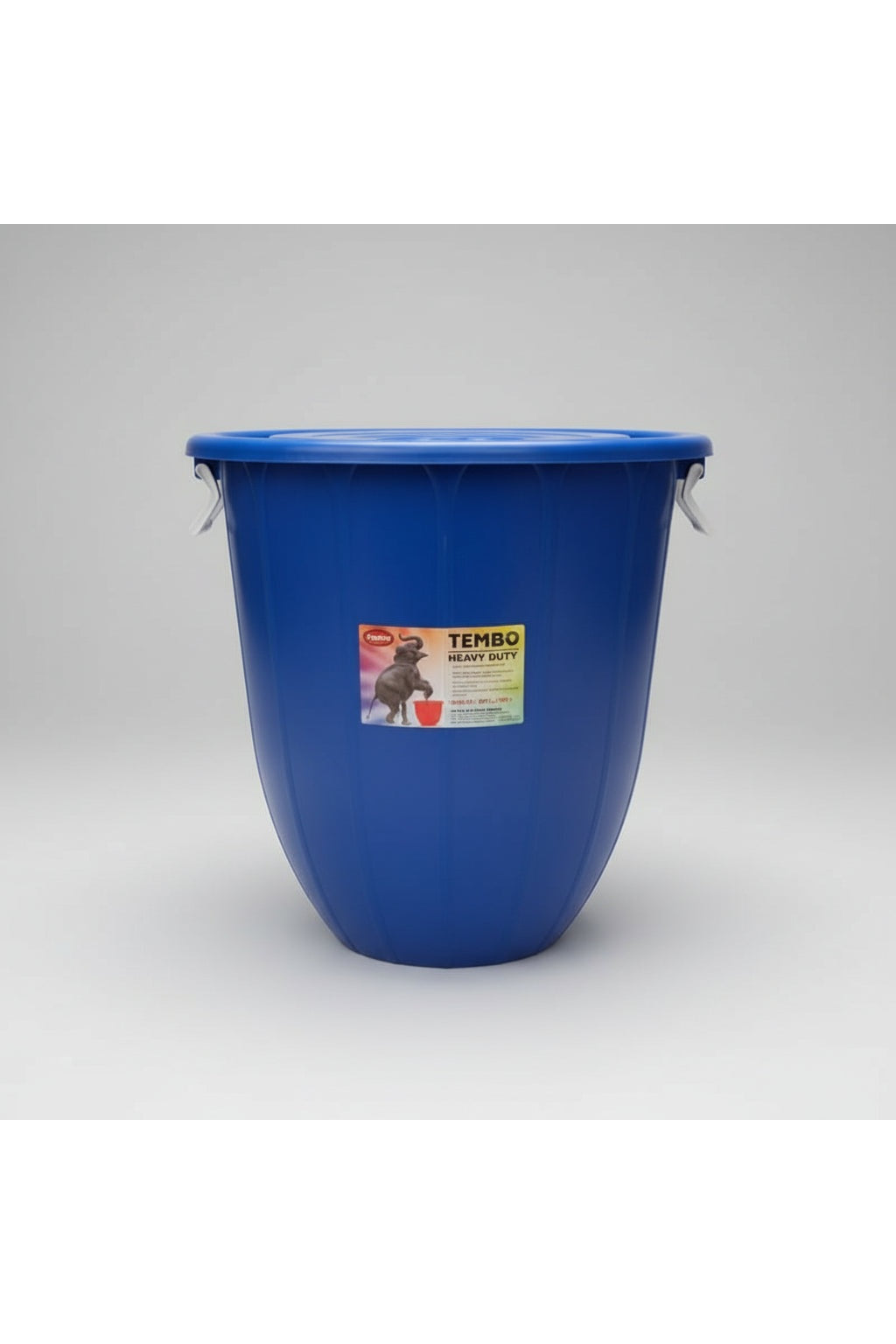
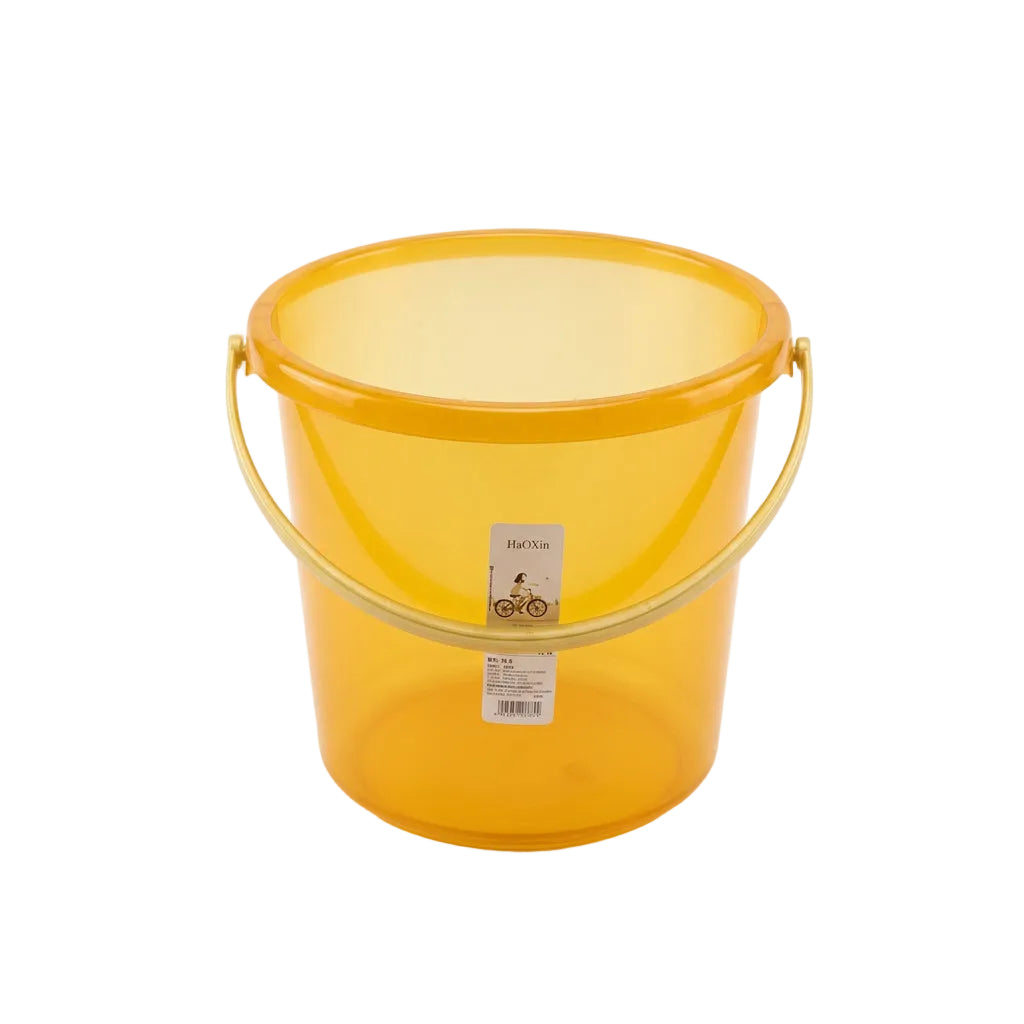
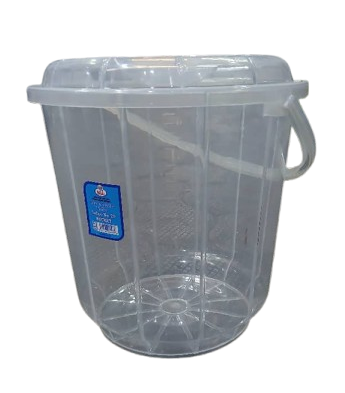
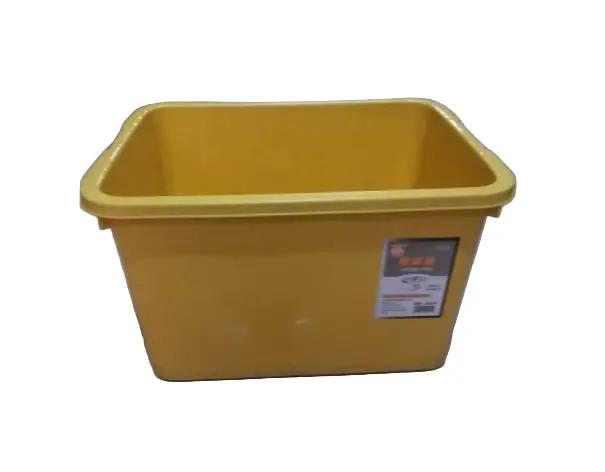
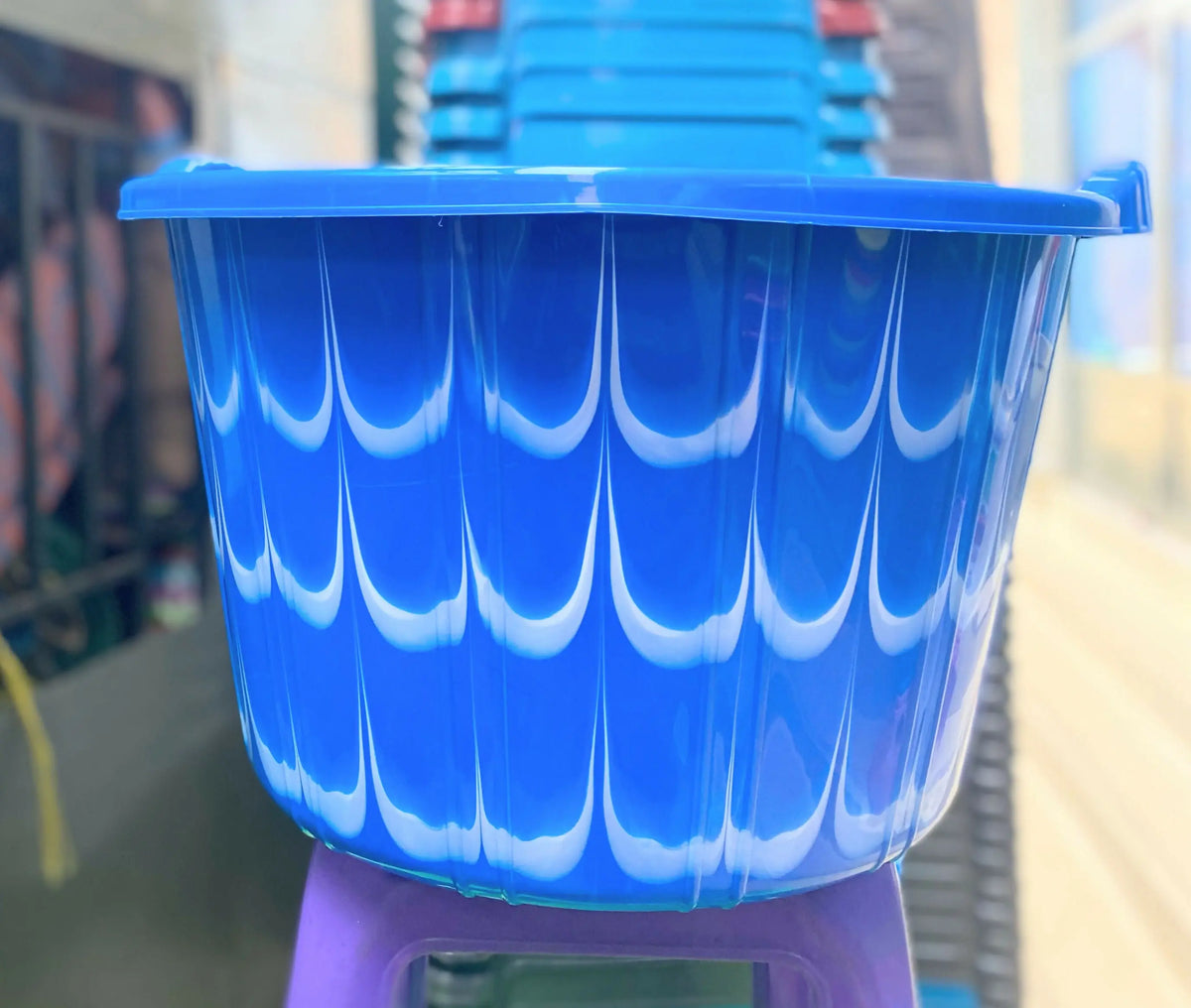
Large bucket
1 or 2 Must haveFor flushing and washing when the taps run dry.
How to use it: Keep one full in the bathroom during dry spells or when your area has announced cuts.
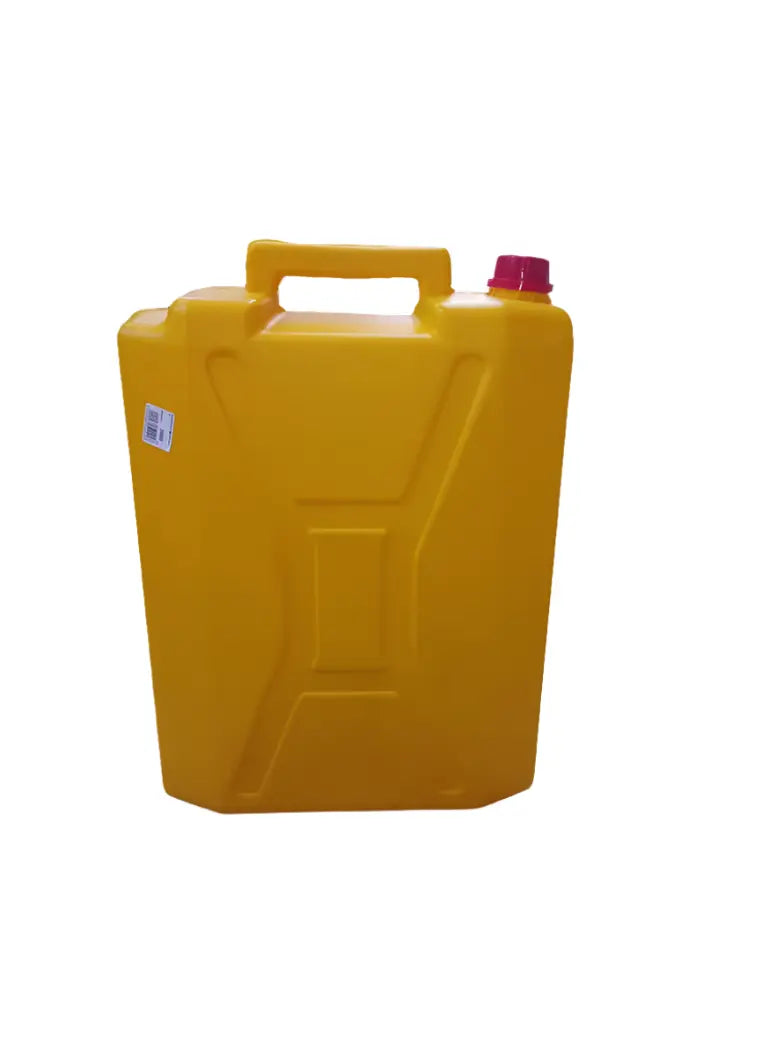
Jerrycan
1 Must haveStores clean water for washing hands and faces during a cut.
How to use it: Keep at least one full jerrycan and change the water every week or two.
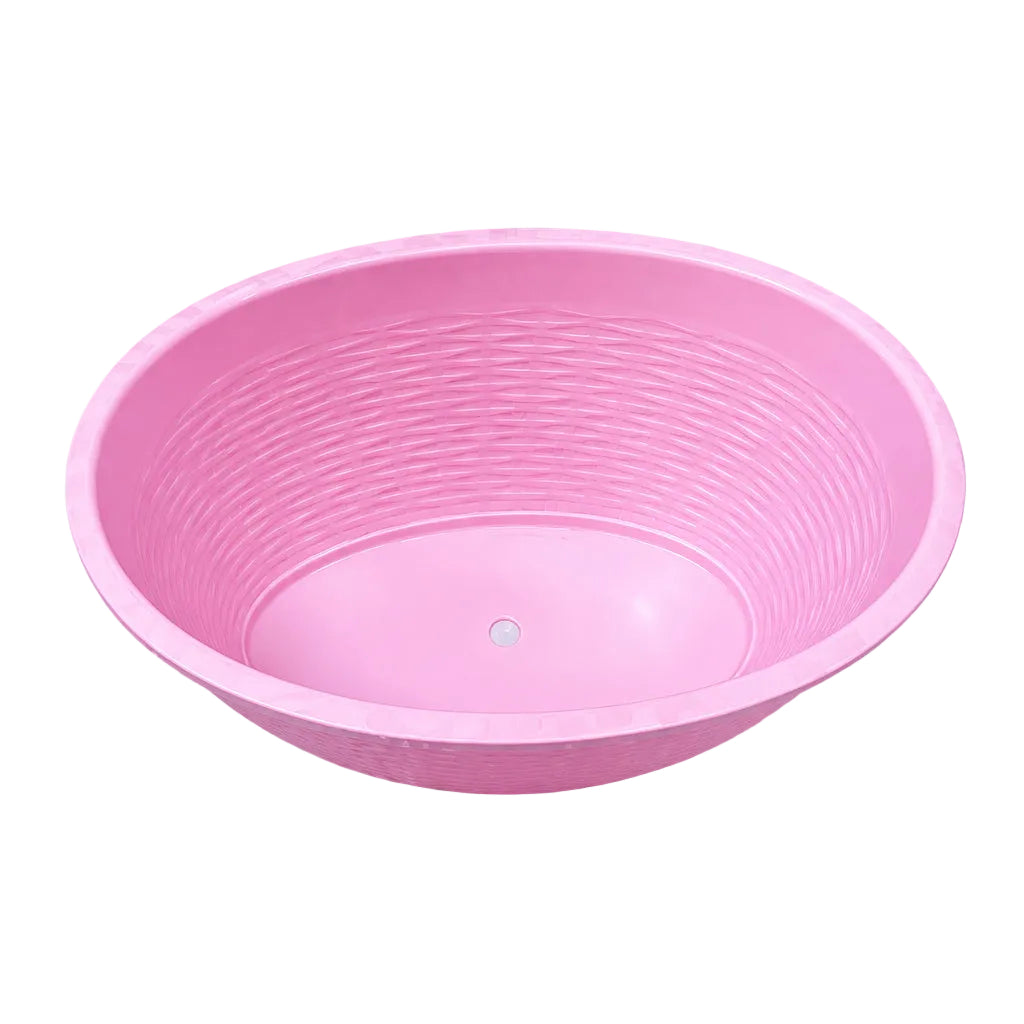
Basin
1Nice to haveA basin and a jug make a proper wash possible without running water.
How to use it: Also useful for hand washing small clothes.
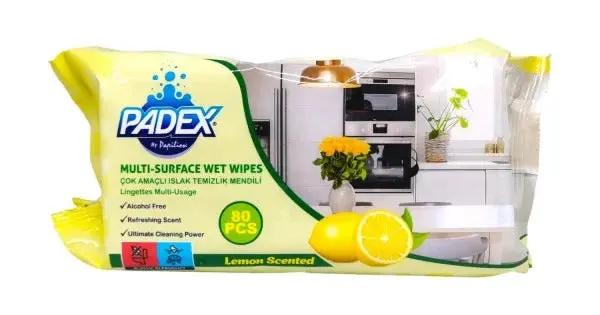
Wet wipes and hand sanitizer
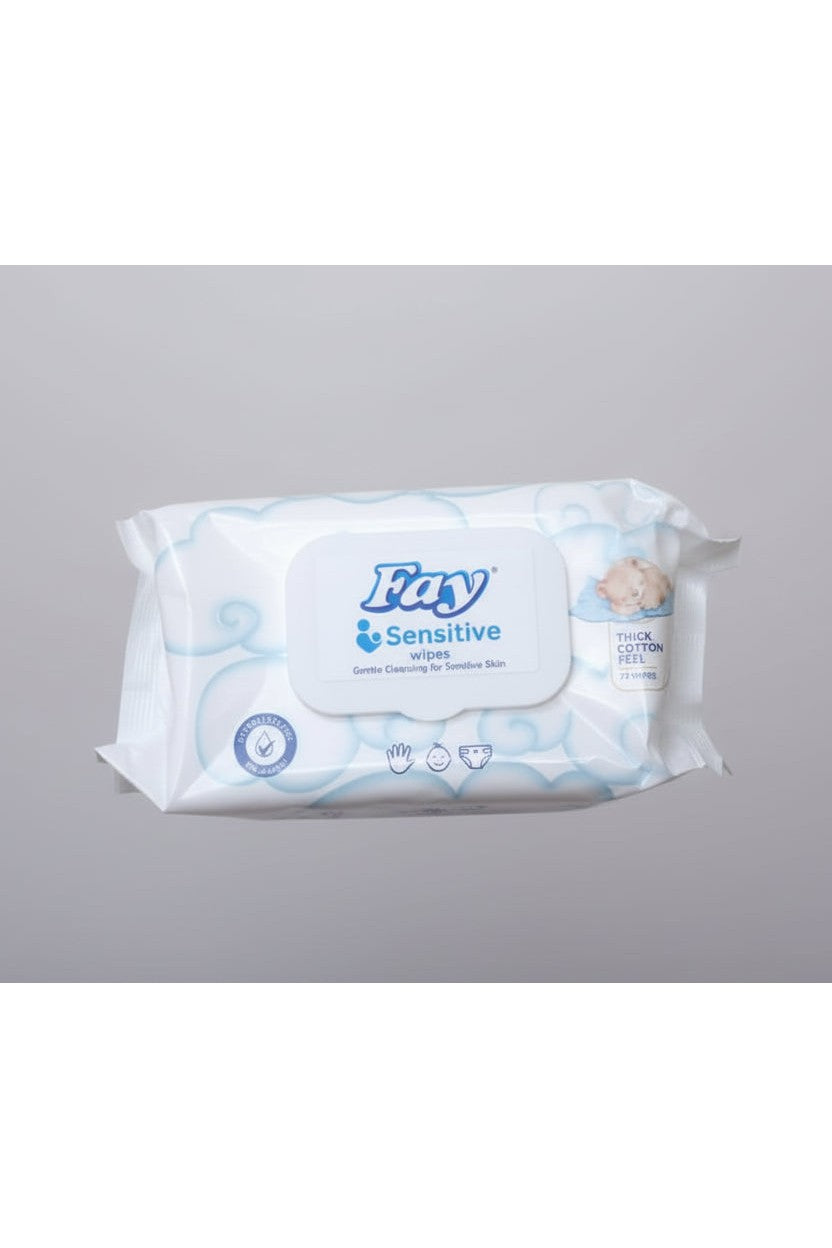
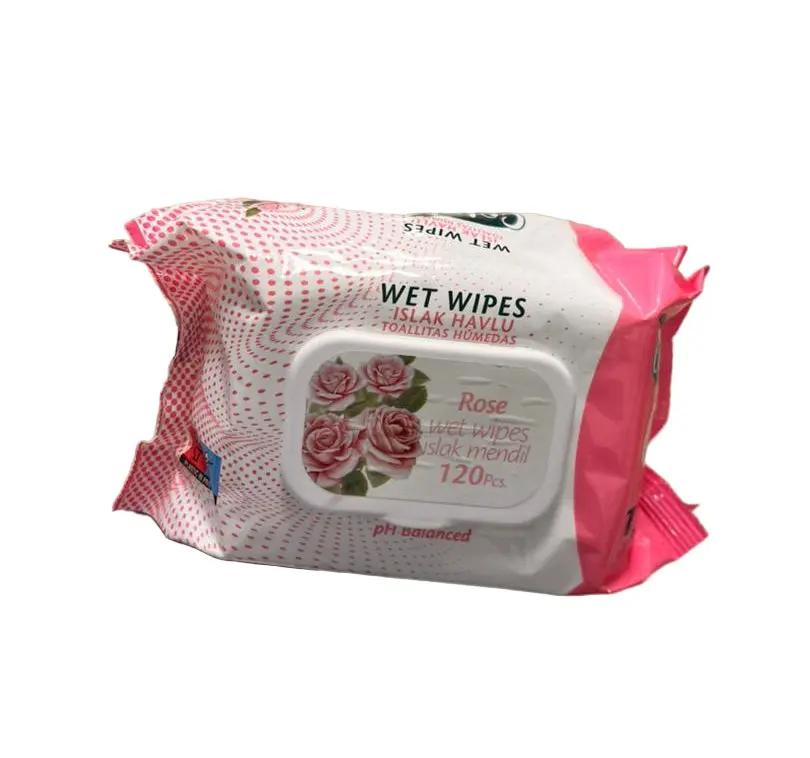
1 eachNice to haveFor days when water is off and someone needs to clean up quickly.
How to use it: Never flush wipes, they block toilets. Put them in the bin.
Step by step
- 1
Check the bathroom
Before moving in, flush every toilet, run every tap and shower, and check the water heater. Report leaks to your landlord before you sign.
- 2
Deep clean first
Clean the toilet, sink, shower and tiles with bleach or bathroom cleaner before you unpack anything into the room.
- 3
Set up storage
Fit the storage rack, toothbrush holder, soap holder and bin. Hang hooks or a rail for towels if allowed.
- 4
Stock and store
Put out toilet paper, soap and towels. Store the cleaning kit and plunger under the sink or in a bucket in the corner.
Tips that help
- Open the window or run the fan after every shower. Damp bathrooms grow mold fast in rainy season.
- Keep a small basket of spare toiletries for guests: a new toothbrush, soap and a clean towel.
- A full bucket of water in the corner means a water cut never becomes an emergency.
- Clean a little every few days instead of a big scrub once a month.
- Label bleach and cleaners clearly and store them high up if you have children.
Mistakes to avoid
- Mixing bleach with other cleaners. The fumes are dangerous in a small closed room.
- Waiting for the first blocked toilet to buy a plunger.
- Leaving wet towels on the floor, which makes the room smell musty.
- Flushing wet wipes or sanitary products, which blocks pipes and septic tanks.
Questions people ask
What are the essential bathroom items for a new home?+
Toilet paper, soap, towels, a bath mat, a toothbrush holder, a bin, a toilet brush, toilet cleaner, bleach and a plunger. Add storage, a laundry basket and a bucket for water cuts when you can.
How many towels do I need per person?+
Two bath towels per person is a good minimum, so one can be washed while the other is in use. Add hand towels for each sink and one or two guest towels.
How do I stop mold in my bathroom in rainy season?+
Let air in after showers, hang towels to dry instead of piling them, and clean tiles and grout weekly with bathroom cleaner or diluted bleach. Fix leaks quickly and wipe water off windowsills.
What should I do when the water goes off?+
Keep a full bucket for flushing and a jerrycan of clean water for washing. A basin and jug make washing easy, and wet wipes and hand sanitizer help in between.
Can I clean the toilet and the shower with the same products?+
Many bathroom cleaners work on both, but use a separate brush or cloth for the toilet. Never mix bleach with toilet cleaner or other products.
A well set up bathroom makes every morning easier and every guest more comfortable. Get the essentials first, keep the cleaning kit together, and always have a bucket of water ready. You can shop this bathroom checklist on Isokko and get it delivered anywhere in Kigali.
Shop this list
Get everything delivered in Kigali
Order from local stores on Isokko and pay with MoMo, card or cash. Same-day delivery.