
Checklist · Emergencies & power cuts
Building a Home Solar Backup Kit in Kigali: What to Buy
Build a simple solar backup kit for Kigali power cuts: panel, battery, lamps and phone charging, with a checklist of what to buy and why.
Updated November 24, 2026 · By Isokko
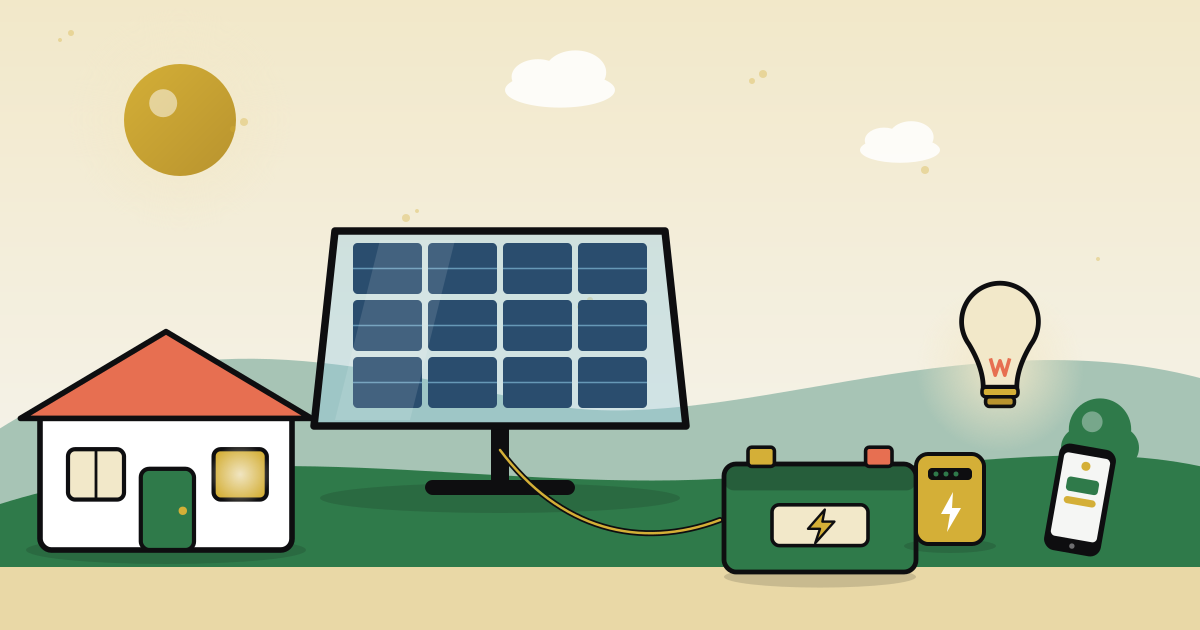
Kigali gets plenty of sun, and a small solar kit can turn that into light and phone charge when the grid goes down. You do not need a whole house system to feel the difference.
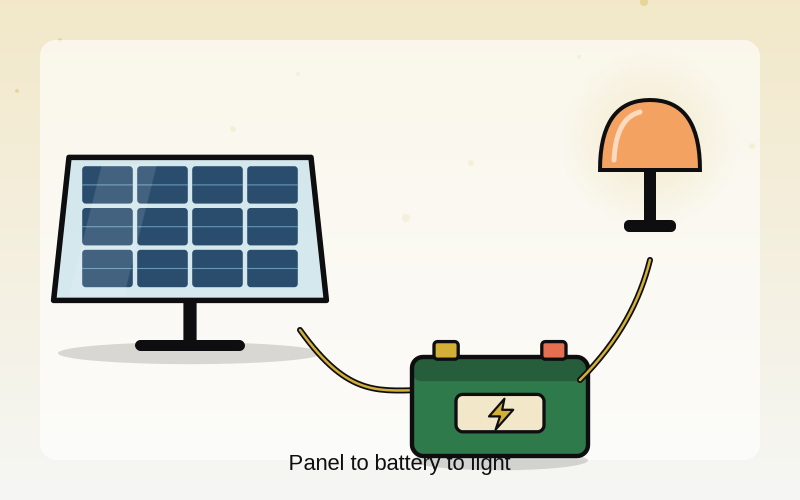
A basic kit has four parts: a panel to catch sunlight, a battery to store it, a controller to protect the battery, and the things you power, such as lamps and phones. Start small and add parts when you know what you use.
This checklist covers the full list. Isokko stocks lamps, power banks, bulbs and cables. Panels, controllers and batteries are best bought from a trusted solar dealer who can check that the parts fit together.
Who it's for
Households in Kigali that want lights and phone charging during long power cuts
Time needed
A weekend to plan, 1 to 3 weeks to buy and set up
When to shop
Before the rainy seasons, March to May and October to December, when cloud cuts solar output
On the list
21 items, 12 must haves
0 of 21 ready
Panel, battery and controller
The core of the system. Sizes must match, so ask a solar dealer to confirm.
Solar panel
1 or 2 Must haveThe panel turns sunlight into power. A bigger panel charges faster and still works on cloudy days, but slowly.
How to use it: Place it where no roof, tree or wall shades it from morning to afternoon. Wipe red dust off the glass with a soft damp cloth.
Charge controller
1 Must haveIt stops the panel from overcharging the battery and damaging it. Without it, a battery can fail quickly.
How to use it: Buy one matched to your panel and battery voltage. Ask the dealer to confirm.
Deep cycle battery
1 Must haveThe battery stores the power for the evening. It is the part that decides how many hours of light you get.
How to use it: Keep it in a dry, shaded, ventilated spot, off the ground. Do not drain it fully.
Solar cable and connectors
As needed Must haveSolar cable is made to handle sun and rain. Ordinary wire can crack and fail outdoors.
How to use it: Buy cable thick enough for the distance. A long thin run wastes power.
Lights
Light is the first thing most people miss in a power cut.
Solar lamp
2 Must haveA lamp with its own small panel charges in the day and lights the evening, with no wiring.
How to use it: Put it in the sun every morning. Some have a USB port that also charges a phone.
LED bulbs
3 to 6 Must haveLED bulbs use little power, so they are the best bulbs to run from a battery.
How to use it: Choose 5 to 9 watt bulbs. They give enough light for a room.
Rechargeable lamp
2 Must haveA rechargeable lamp is a good partner to the solar system, as it can be charged from the kit or from the grid.
How to use it: Charge it fully each week. Keep one by the beds and one in the kitchen.
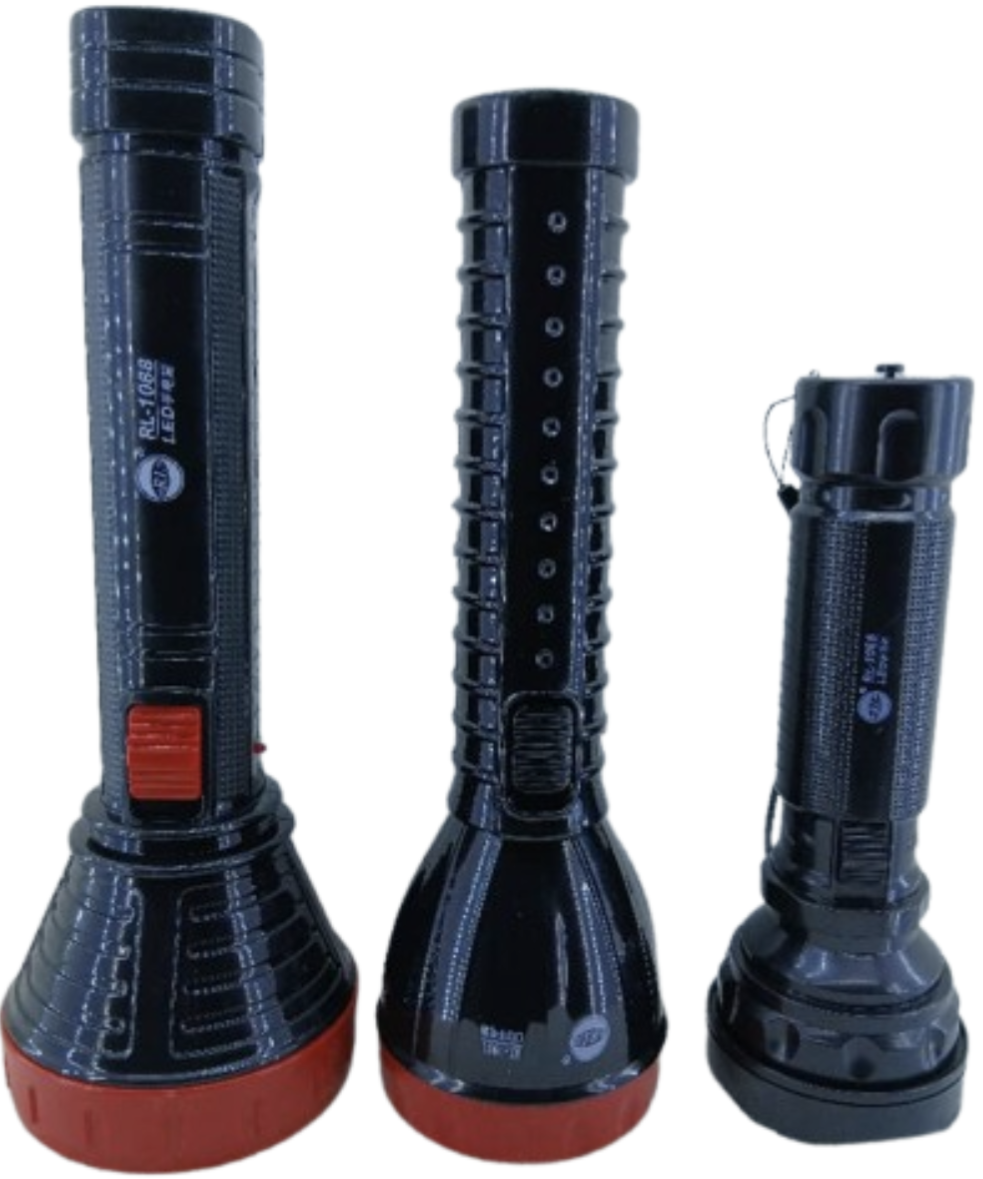
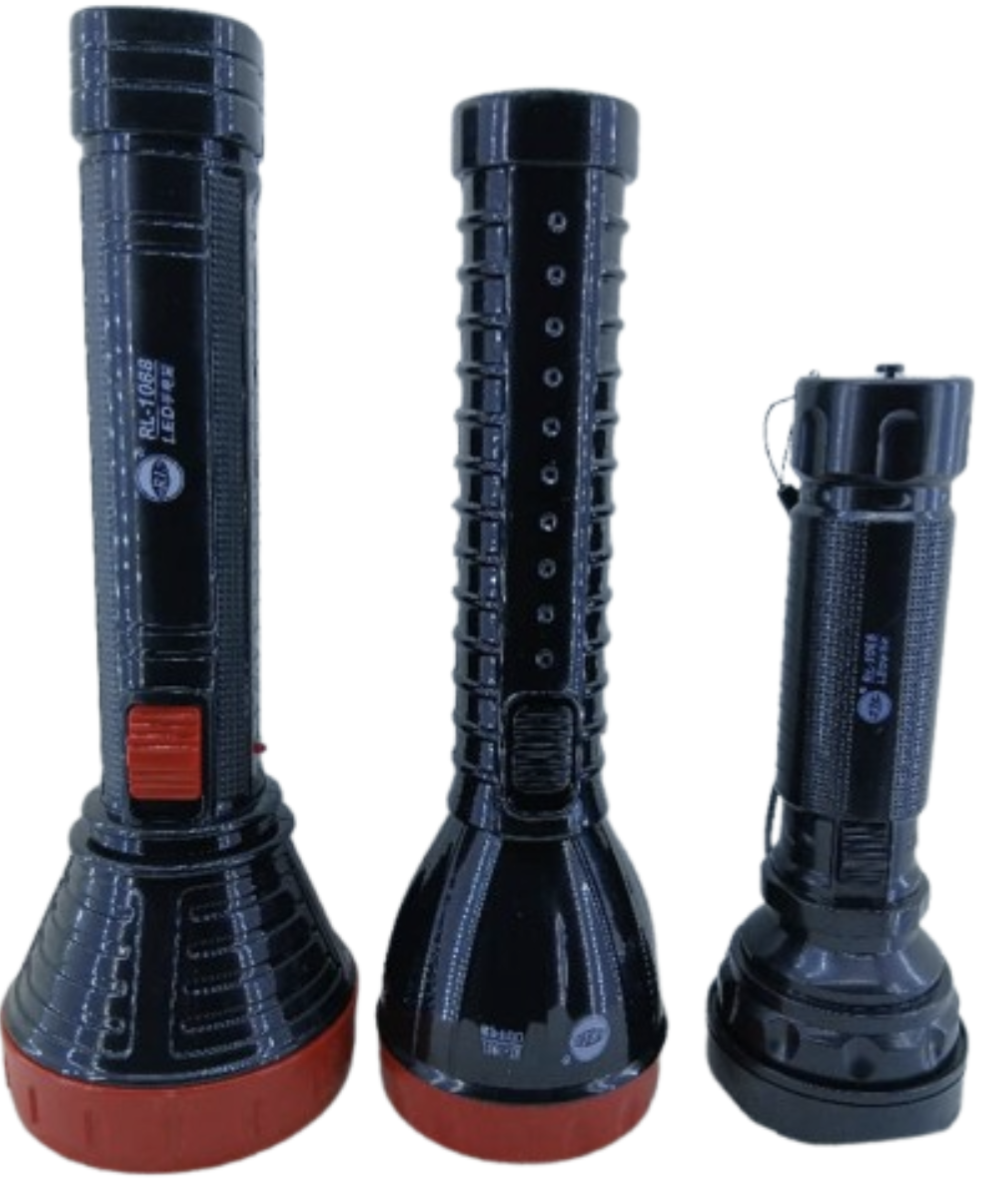
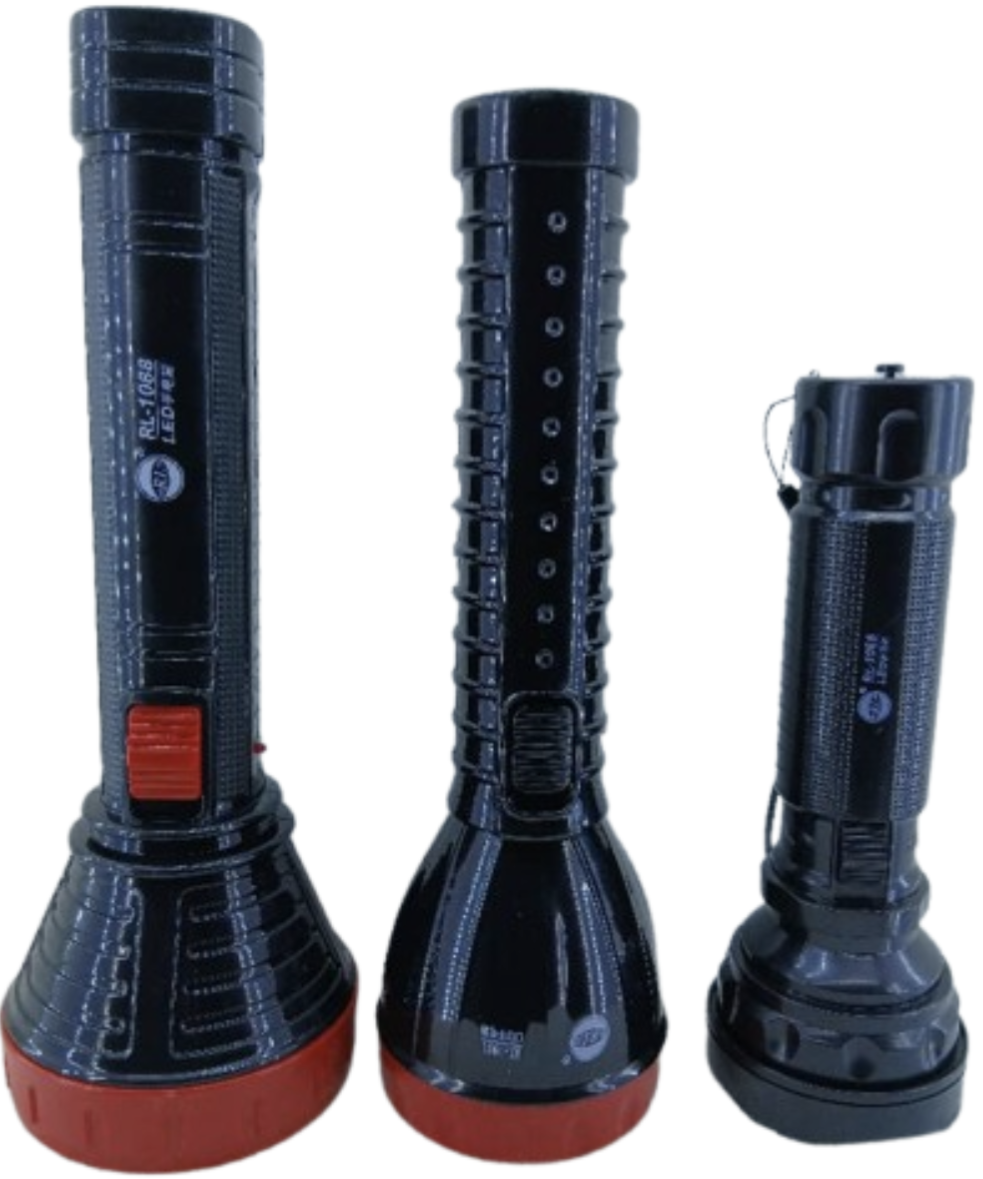
Torch
2 Must haveA torch is for outdoors, for checking the panel and for moving around.
How to use it: Choose a rechargeable one if you can. Keep it where everyone knows.
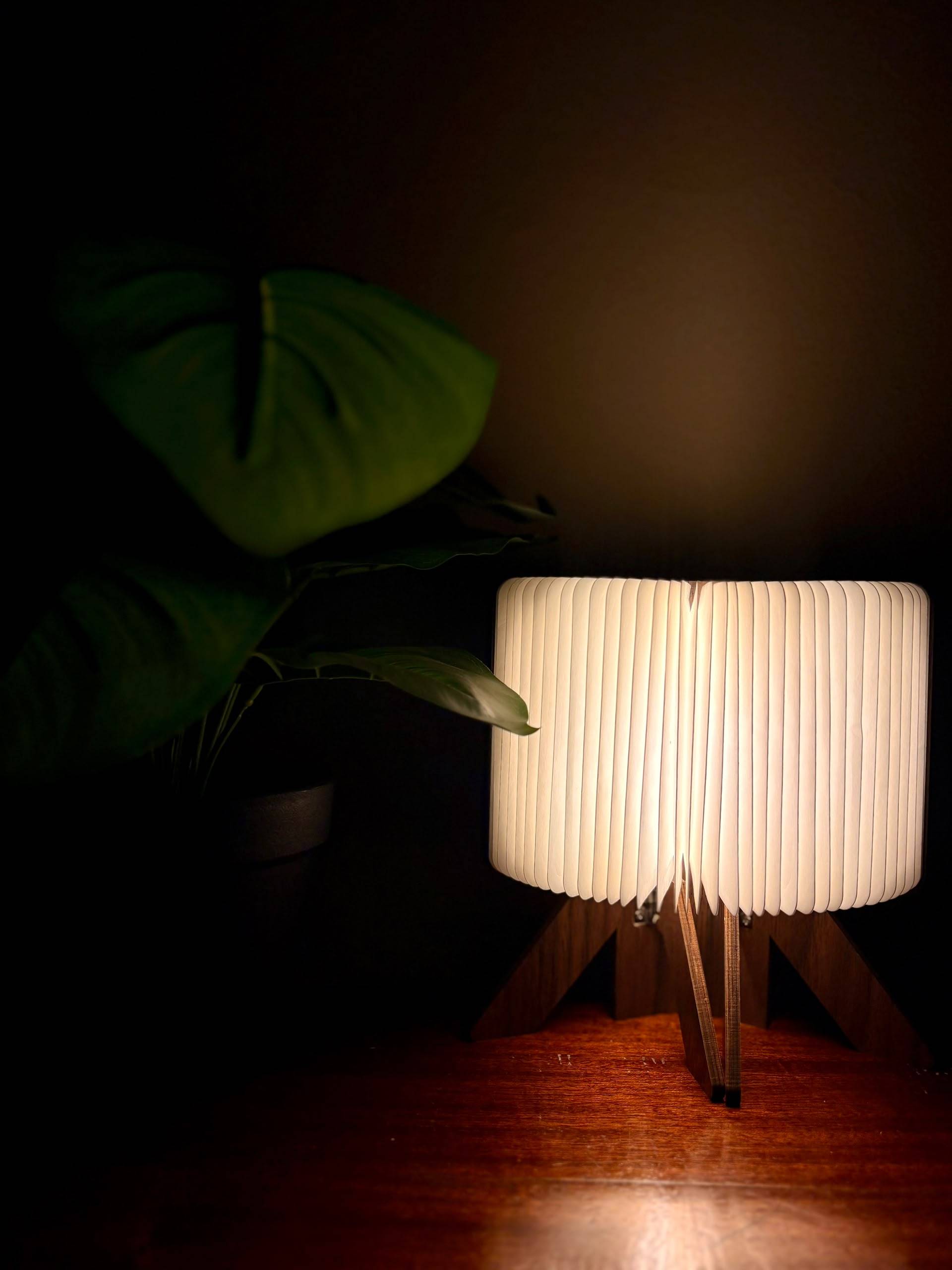
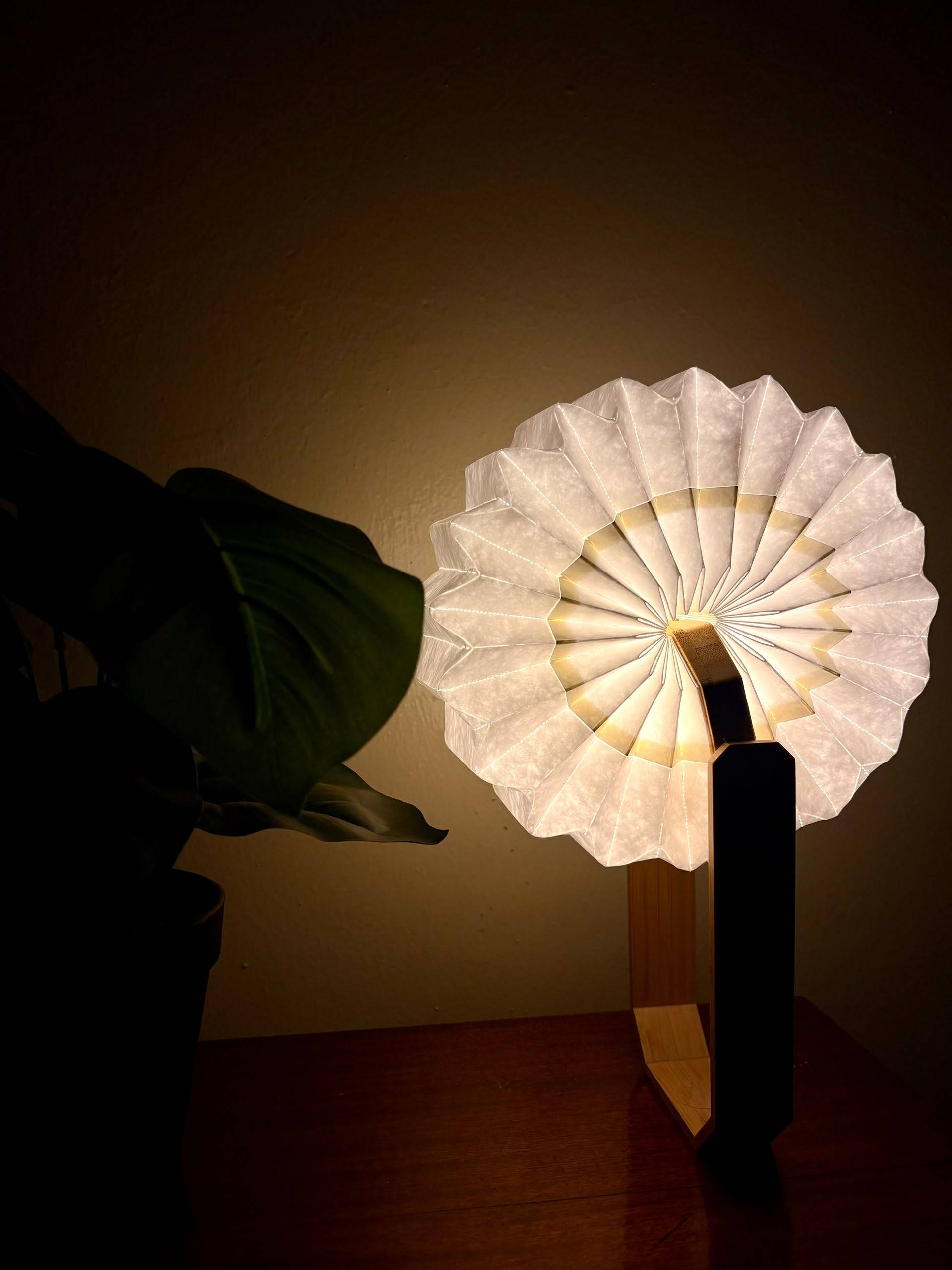
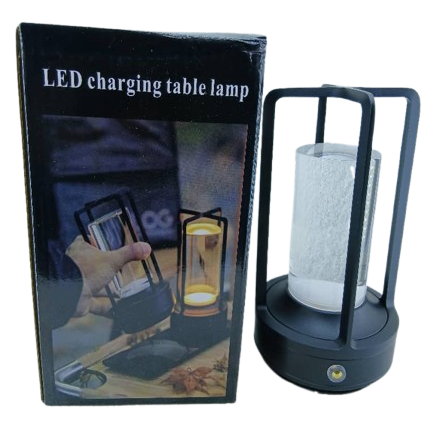
LED charging table lamp
1Nice to haveA table lamp that charges is good for homework and reading at night.
How to use it: Charge it in the day. Turn it off when not in use.

Phones and small devices
The main reason people want backup power is to keep phones and MoMo working.
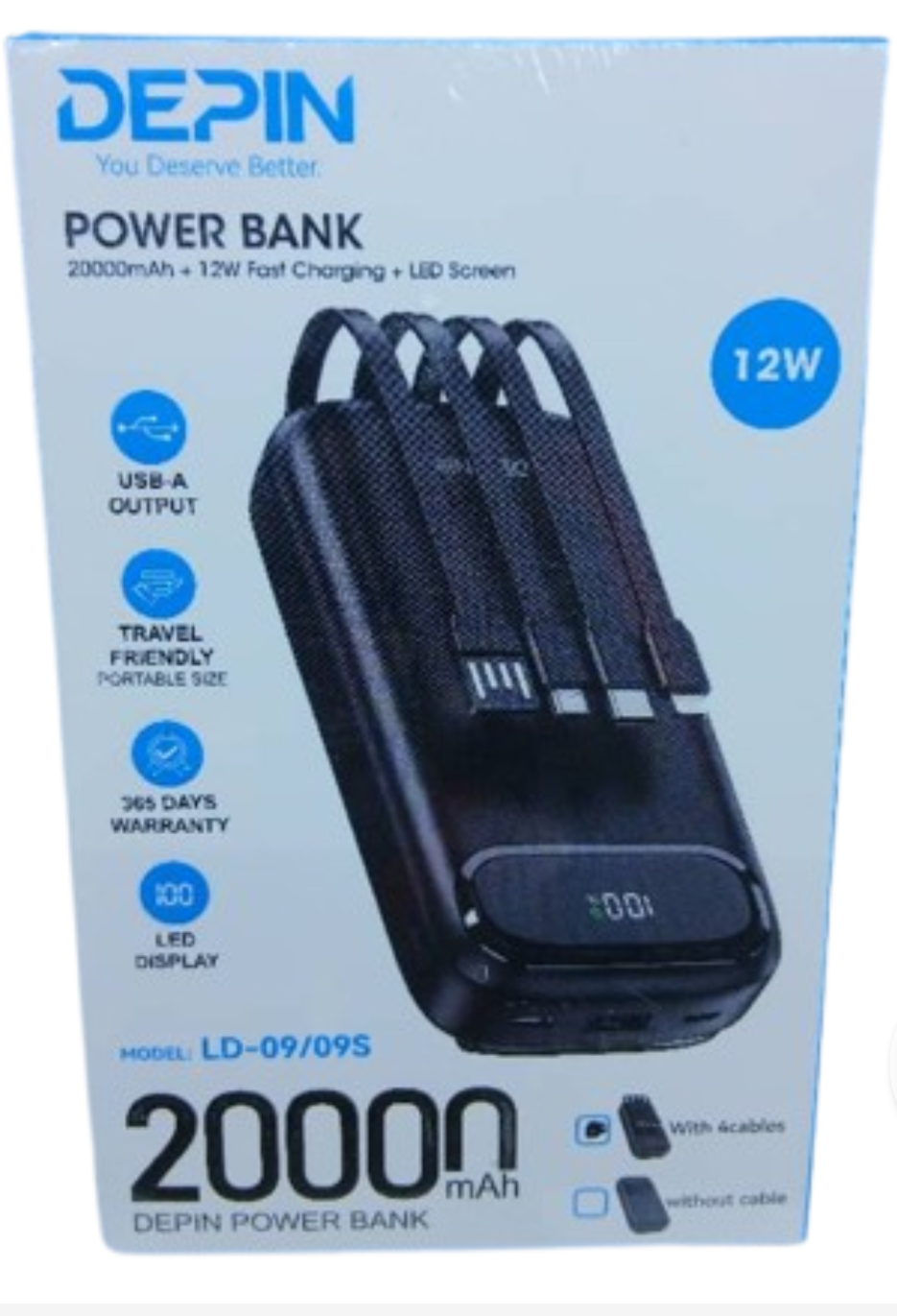
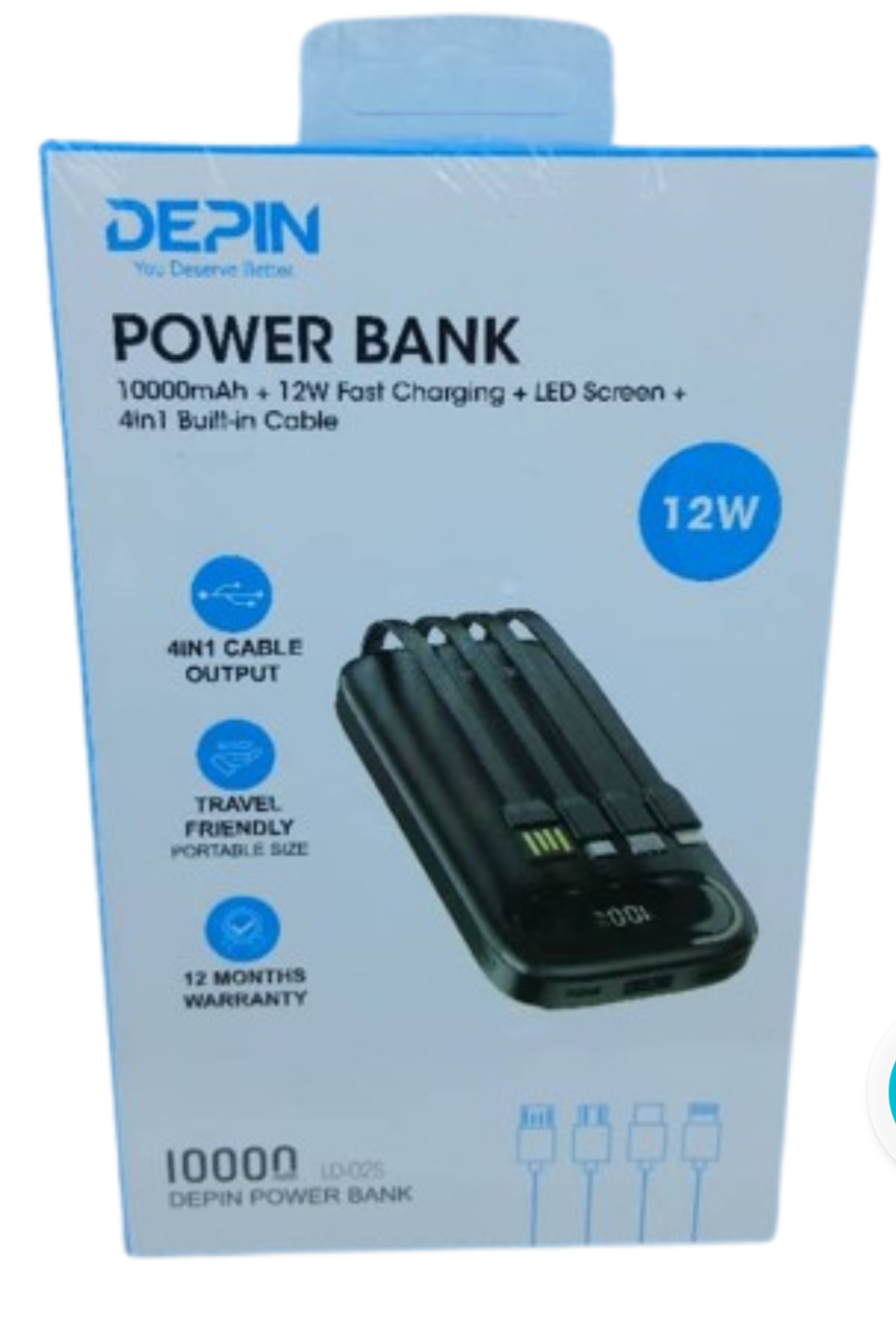
Power bank
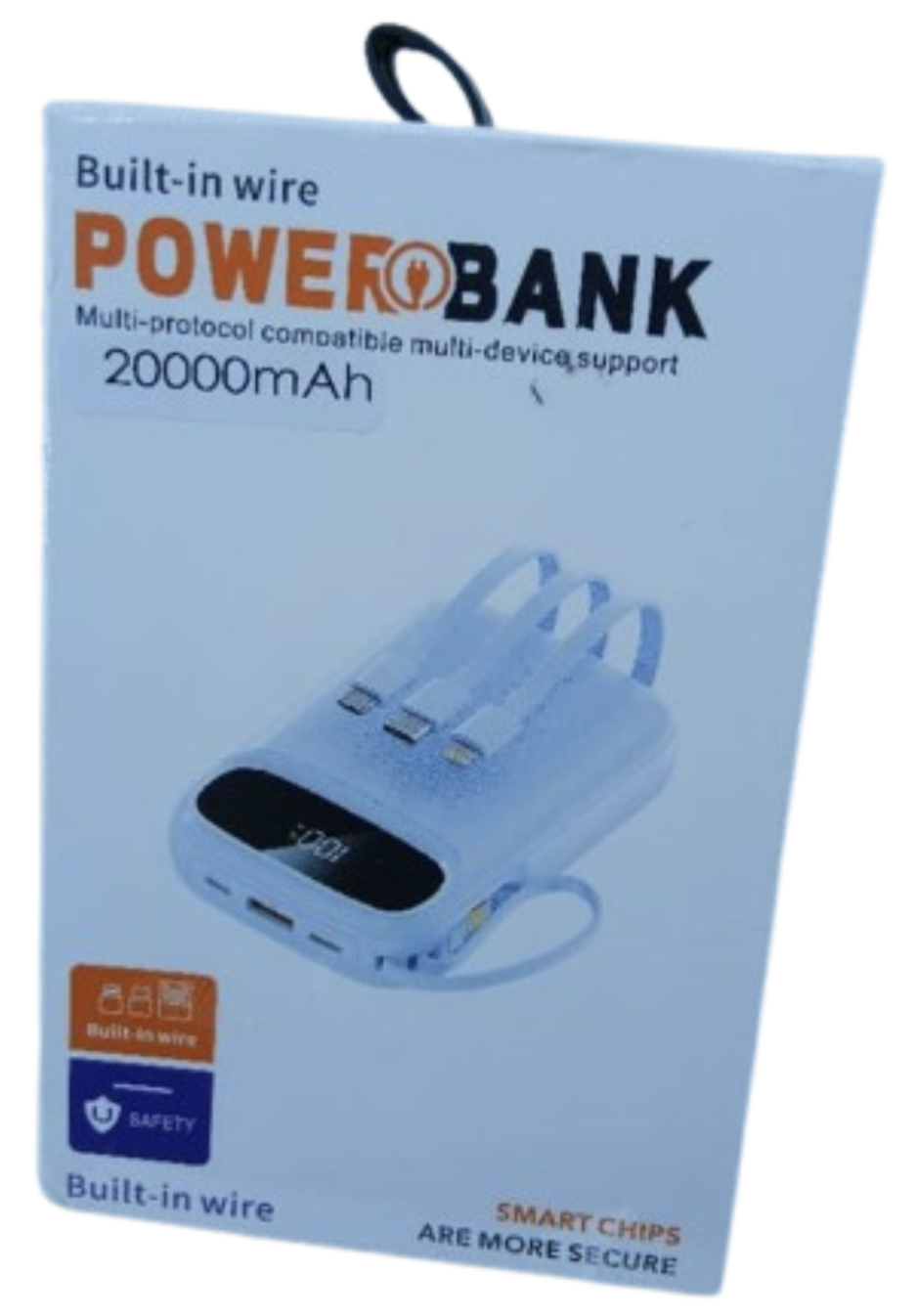
1 or 2 Must haveA power bank stores energy to charge phones, even when the sun is hidden.
How to use it: Charge it from the solar kit on sunny days. A larger one holds more charges.
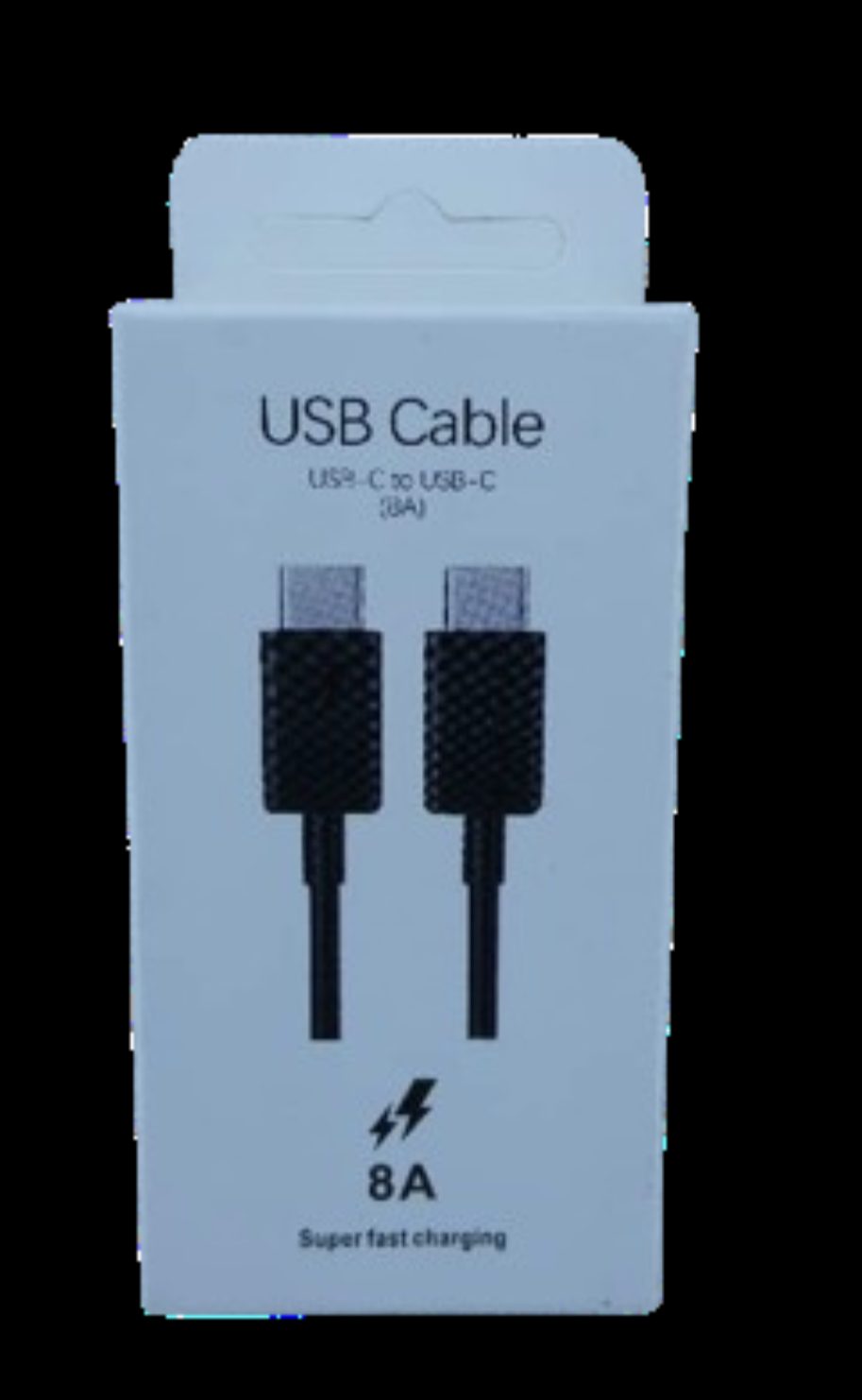
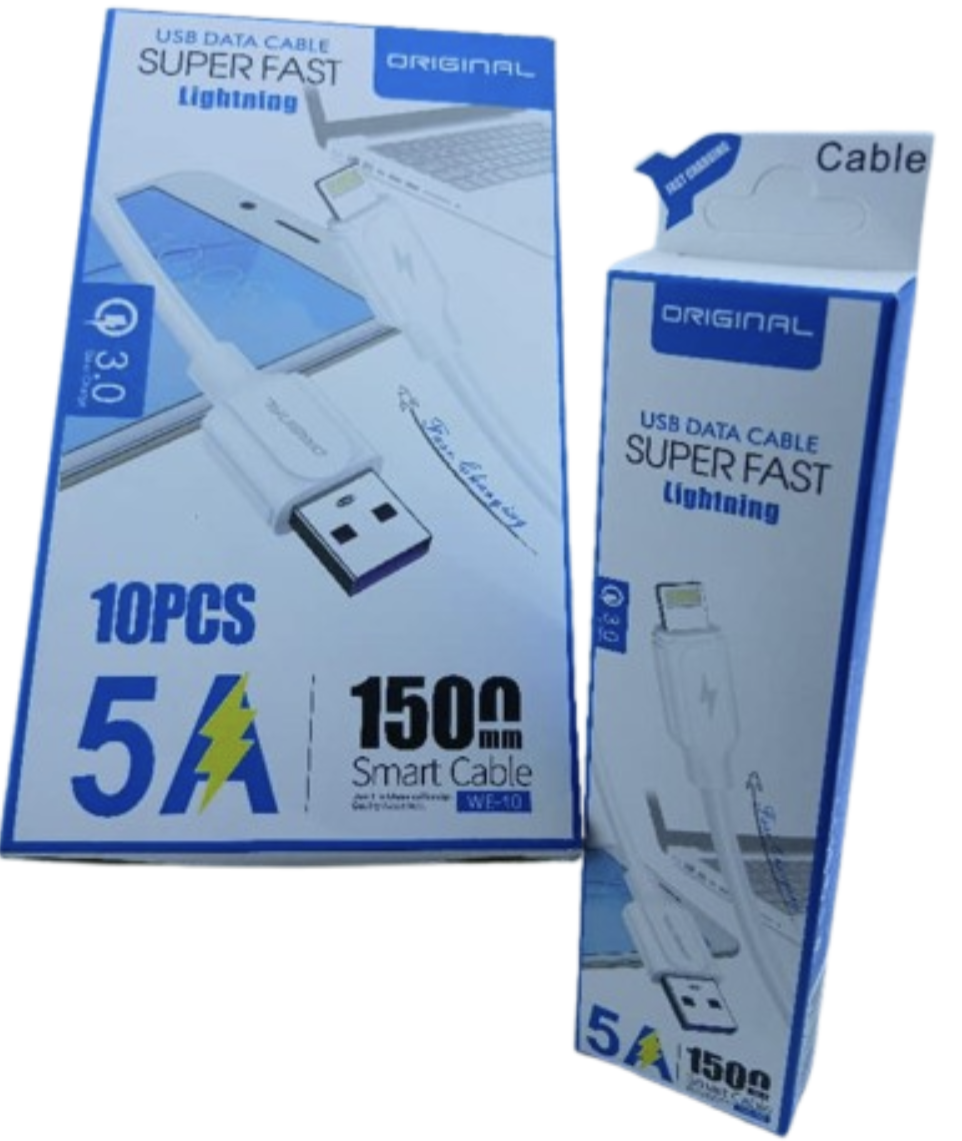
USB cables
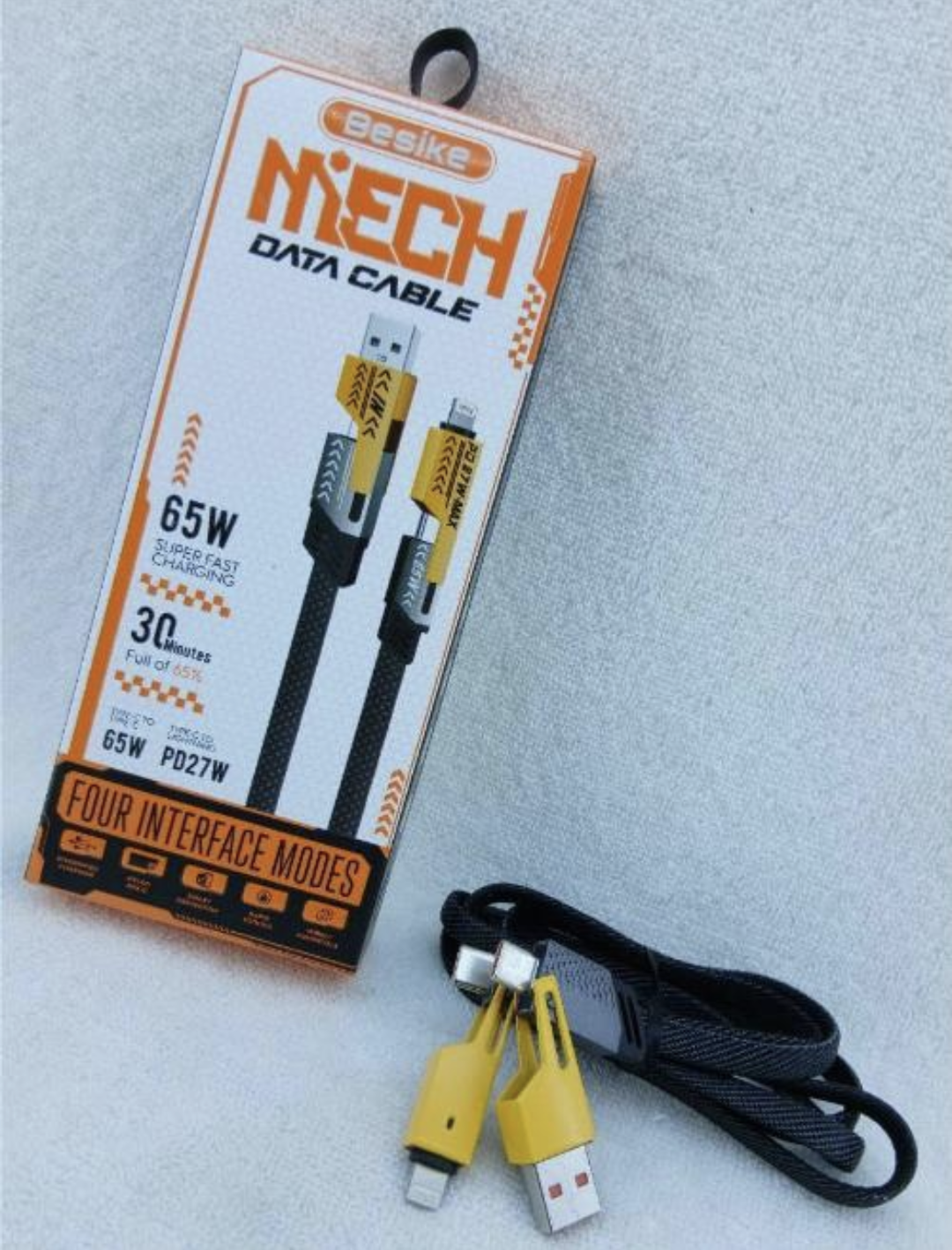
3 Must haveA spare, strong cable keeps charging when one breaks.
How to use it: Keep one in a drawer, one in a bag, one by the kit.
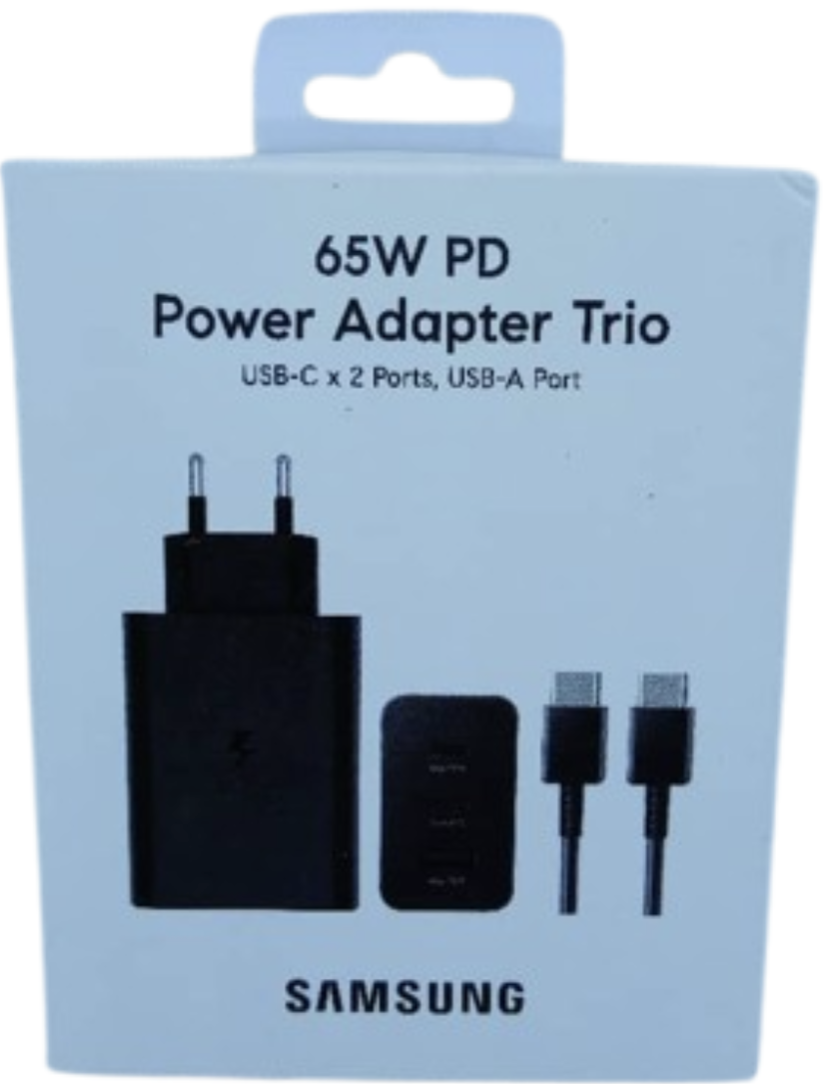
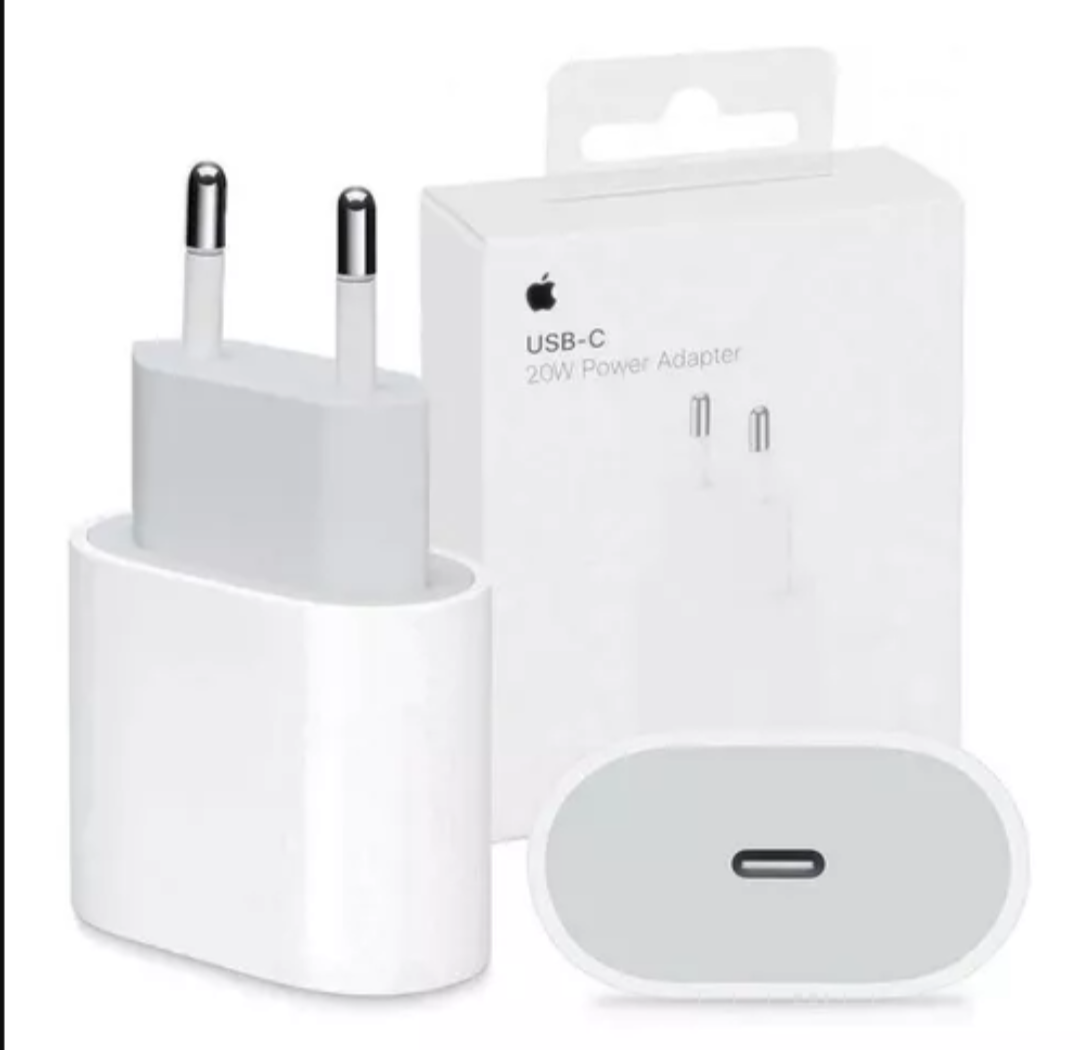
Phone charger
1 or 2Nice to haveA wall charger lets you use the inverter or a socket on the kit.
How to use it: Use the charger that came with your phone, or a good quality one.
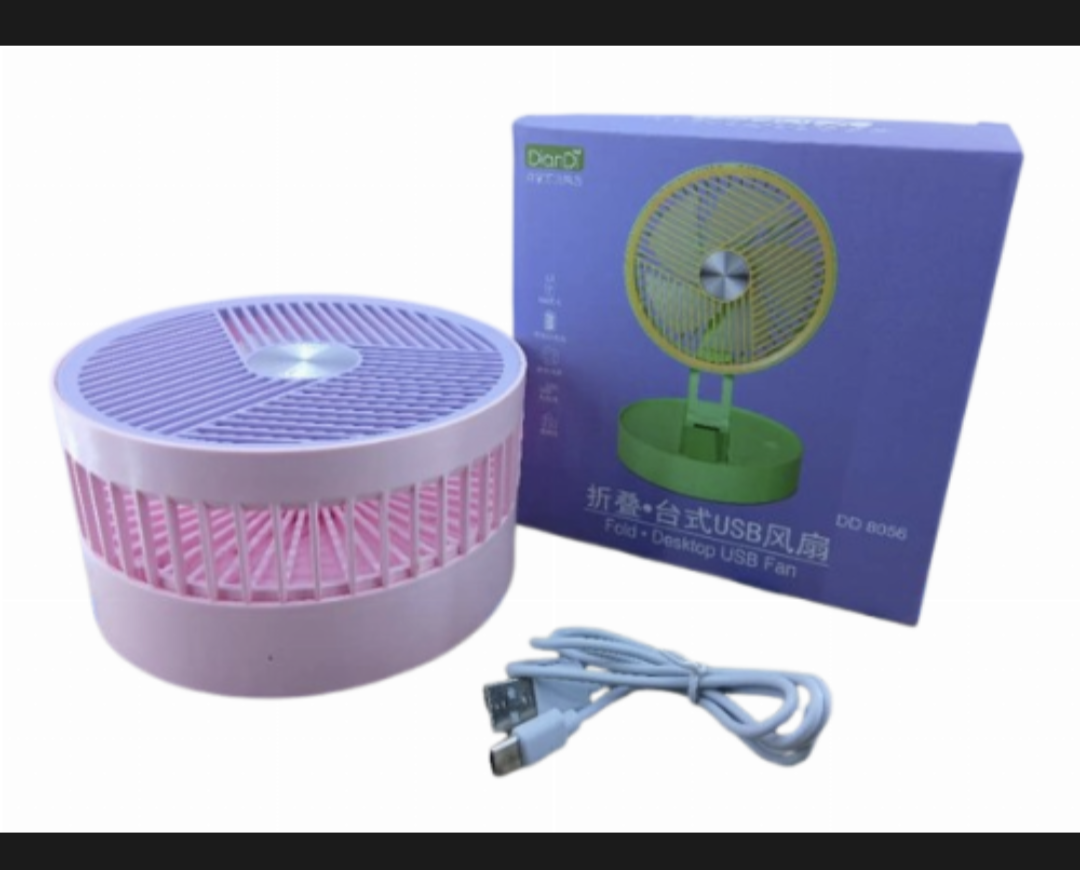
USB fan
1Nice to haveA small fan makes warm afternoons easier and uses little power.
How to use it: Run it from a power bank or the controller USB port.
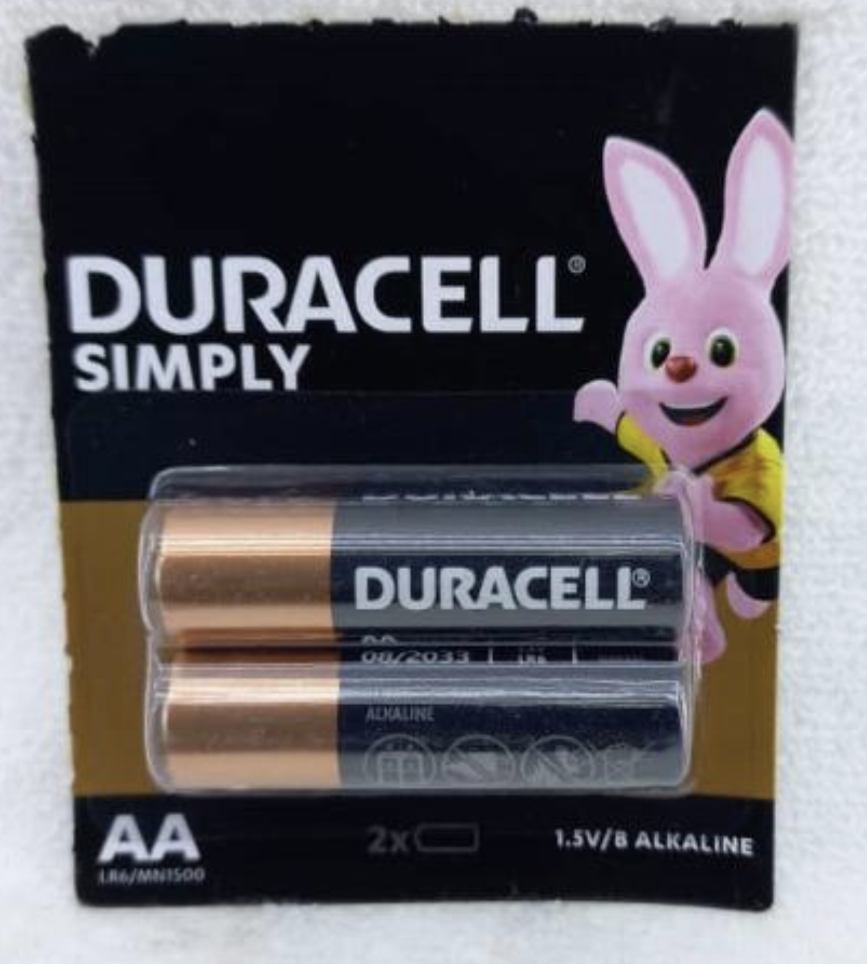
AA batteries
1 packNice to haveRadios, torches and remotes use AA batteries. They keep working when the main system is empty.
How to use it: Keep spares dry and out of the heat.
Wiring, mounting and safety
Good wiring is what keeps a solar kit safe in rain, wind and dust.
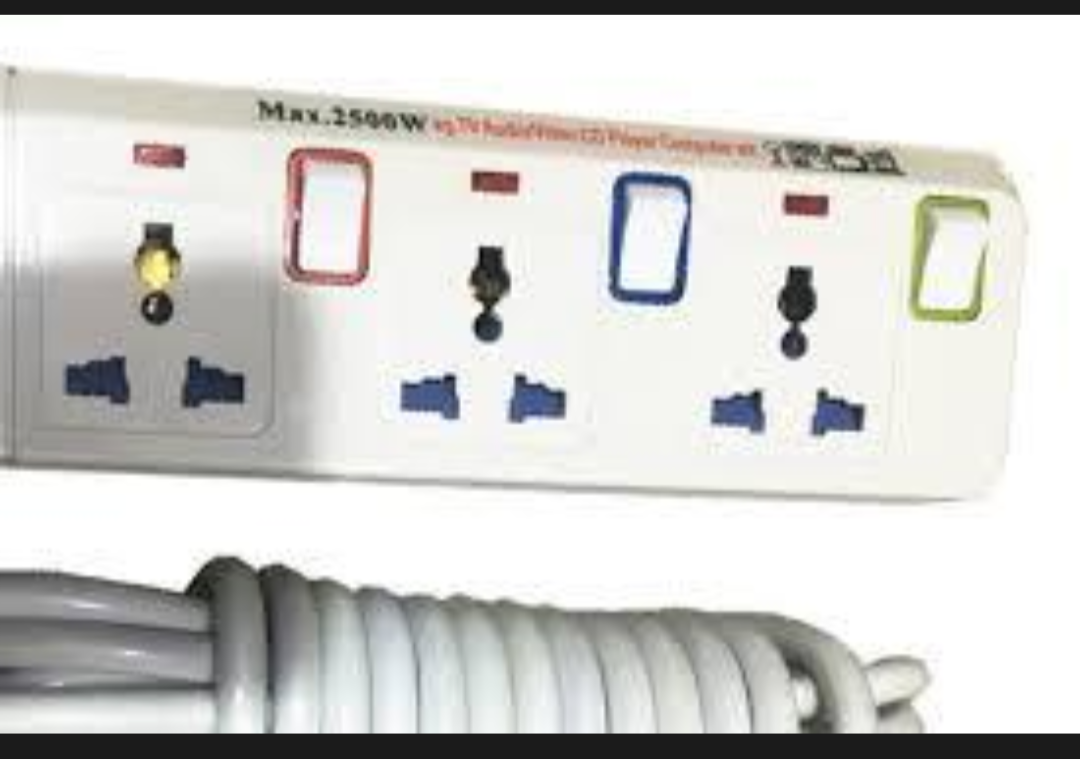
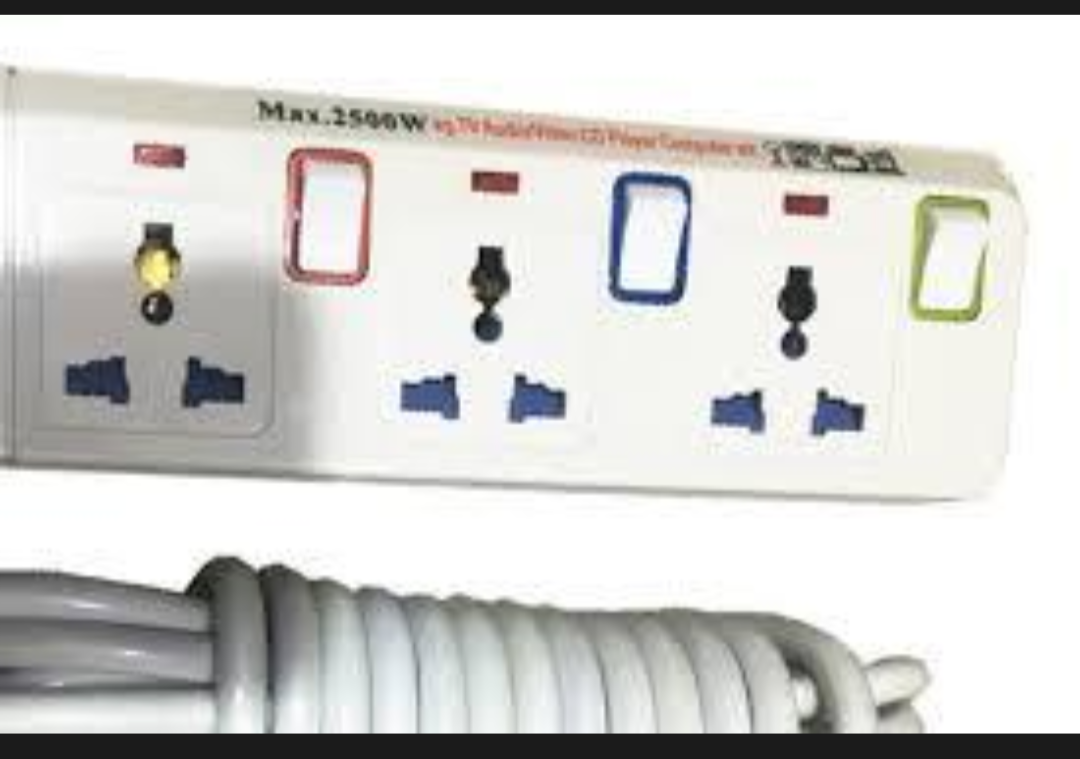
Multi socket
1Nice to haveA strip shares one inverter outlet between chargers and small devices.
How to use it: Do not overload it. Add up the watts first.
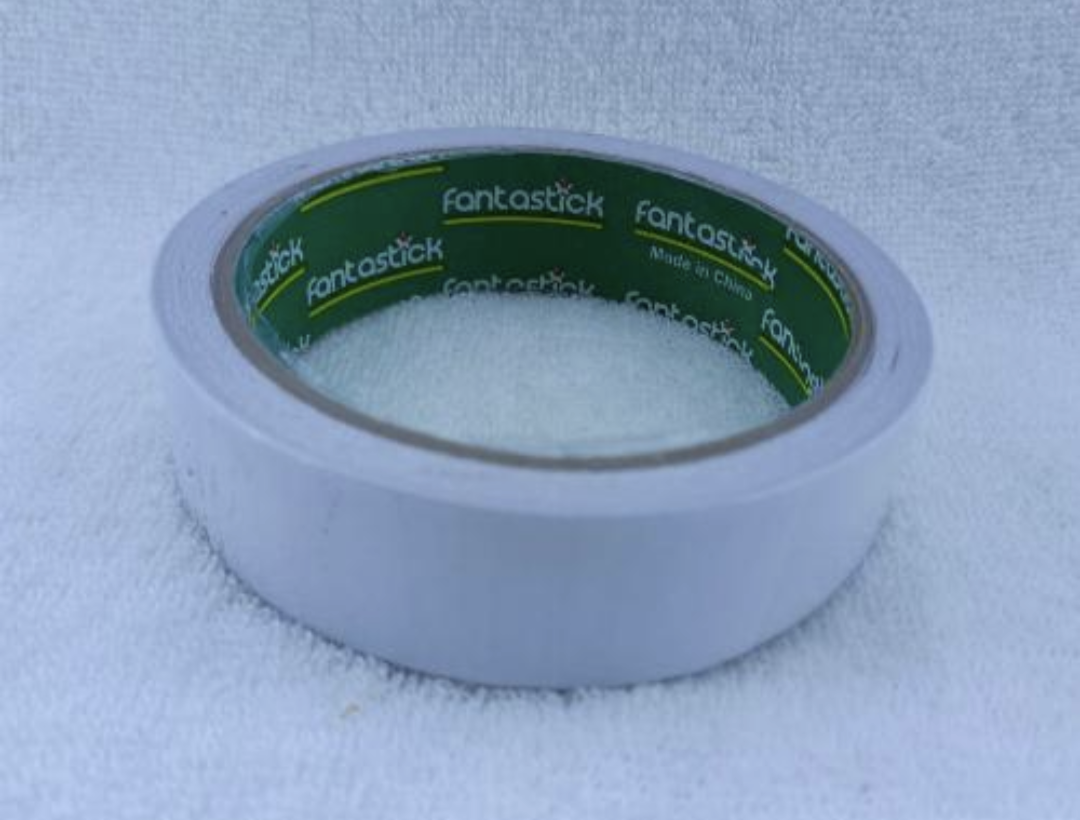
Insulating tape
1 rollNice to haveIt protects cable joints from dust and drizzle.
How to use it: Use it as a short term cover. Use proper connectors for permanent joins.
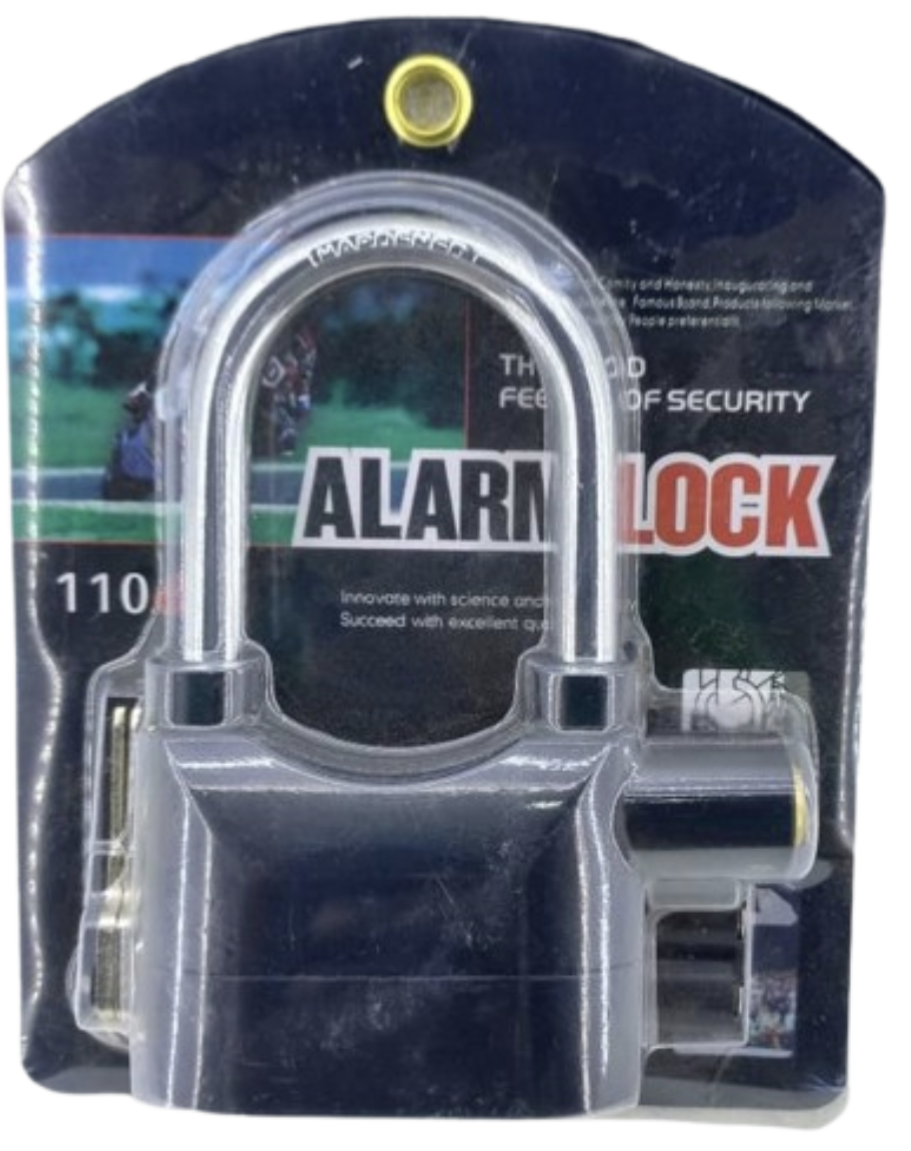
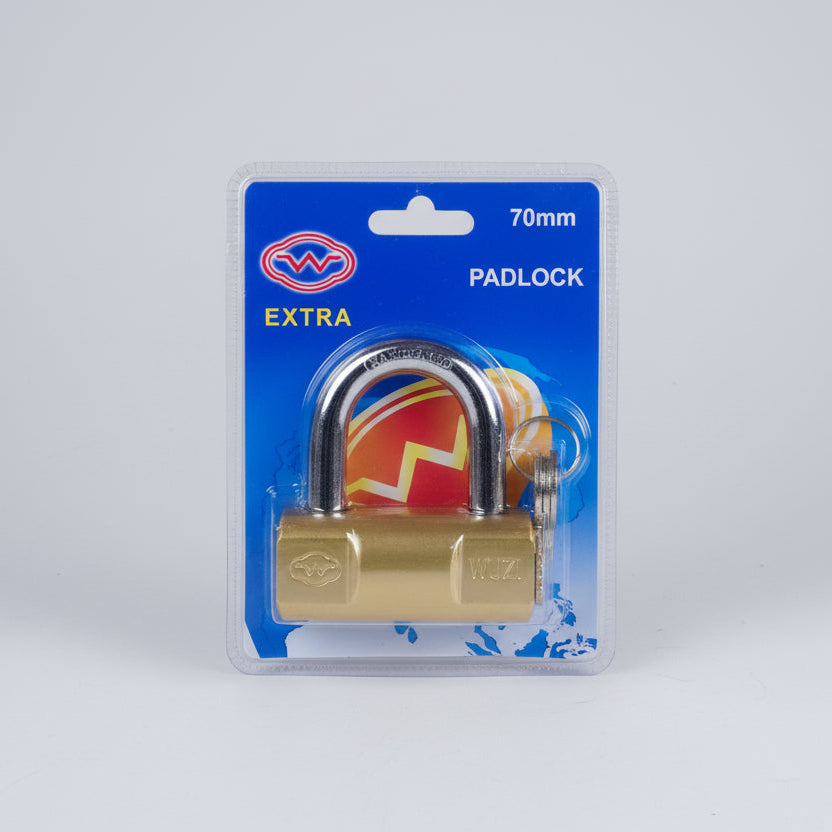
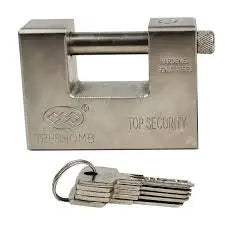
Padlock and chain
1Nice to havePanels and batteries can be stolen from a roof or garden.
How to use it: Fix the panel to a solid frame and lock the battery in a cupboard.
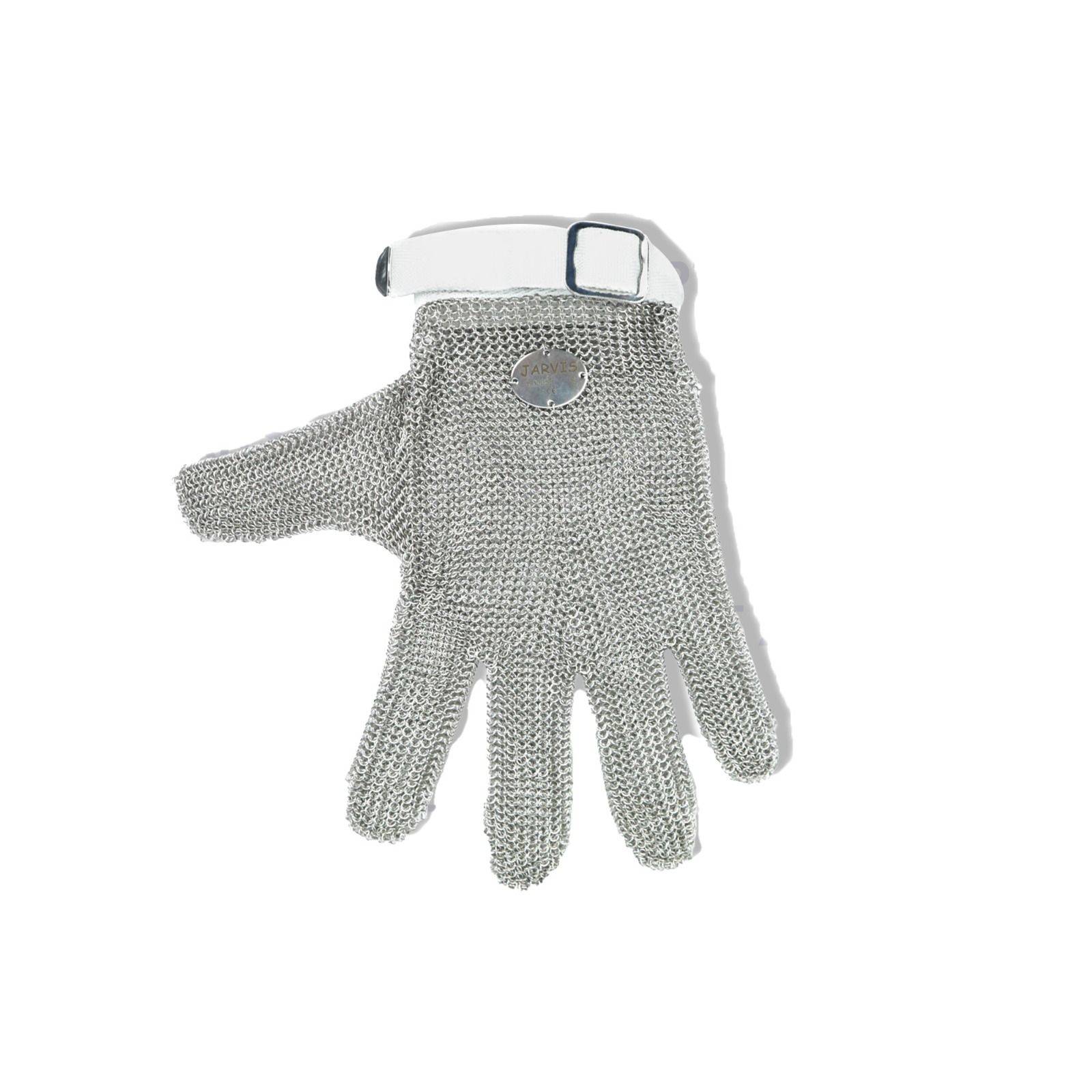
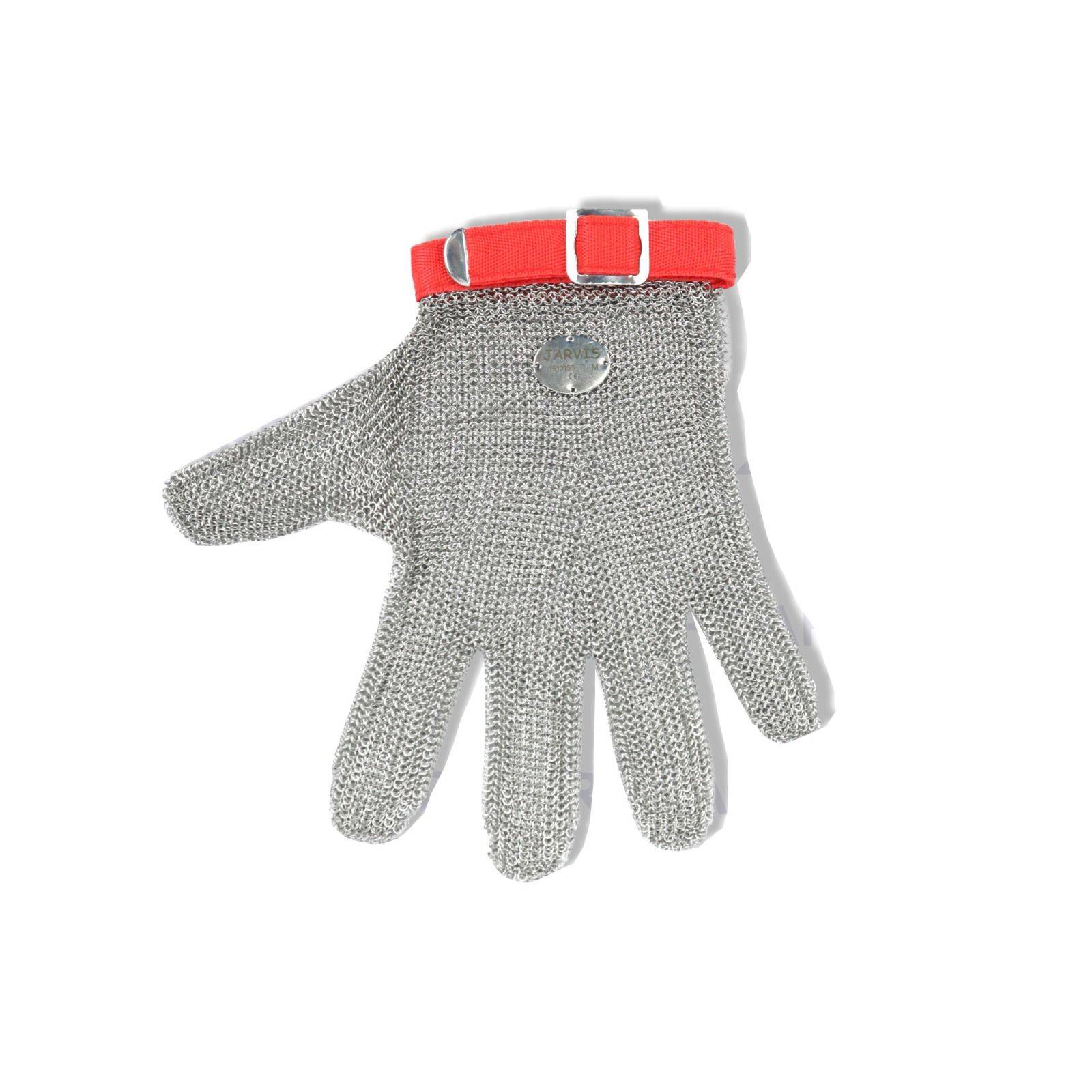
Work gloves
1 pairNice to haveGloves protect your hands from sharp edges and hot roof surfaces.
How to use it: Wear them when you handle the frame. Be careful on wet roofs and ladders.
First aid kit
1 Must haveSmall cuts and burns happen with any DIY work.
How to use it: See a doctor for any shock or deep cut.




Plan and track
A little planning stops you from buying too much or too little.
Notebook
1 Must haveWriting down what each device uses helps you size the kit.
How to use it: List each device, its watts and the hours you use it. Ask the dealer to check your numbers.
Marker for labeling
1Nice to haveLabeling cables and switches saves time when something stops working.
How to use it: Label both ends of each cable.

Step by step
- 1
Write your needs
List lights, phones and devices, how many watts they use and for how long.
- 2
Talk to a solar dealer
Show your list and ask for a panel, battery and controller that match.
- 3
Buy lights and small items
Get LED bulbs, lamps, power banks and cables from Isokko.
- 4
Install and test
Set up the panel in full sun. Test lights and charging on a clear day.
- 5
Check every month
Wipe the panel, check cables and charge all lamps and power banks.
Tips that help
- Start with lamps and a power bank. Add a panel and battery later.
- Clean the panel with a soft damp cloth. Red dust cuts output.
- Face the panel to catch the most daylight and keep shade off it.
- Use LED bulbs everywhere. They stretch your battery.
- Charge all lamps and power banks before the rainy seasons.
- Ask your landlord before you put a panel on a rented roof.
- Keep the battery cool and dry.
Mistakes to avoid
- Buying a panel, battery and controller that do not match each other.
- Placing the panel where a tree or wall shades it.
- Using thin indoor wire for outdoor panel cables.
- Draining the battery to zero every night.
- Plugging a fridge or heater into a small kit.
Questions people ask
Can a small solar kit run my whole house?+
No. A small kit is for lights, phone charging and a few small devices. Running a whole house takes a much larger, professionally installed system.
Does solar work on cloudy or rainy days in Kigali?+
Yes, but it charges more slowly. In the rainy seasons keep your lamps and power banks charged from the grid when you can, as a backup.
How do I clean a solar panel?+
Use a soft cloth and water, in the cool part of the day. Do not scrub hard or use harsh cleaners. Be careful on a roof.
Do I need a charge controller?+
Yes, for a panel connected to a battery. It protects the battery from overcharging. Small lamps with a built in panel already have one.
Who should install the panel?+
A trusted solar dealer or electrician. Roofs are risky and wrong wiring can damage the battery or start a fire.
You can start with a solar lamp and a power bank this week, and grow into a full kit over time. Shop the lights, cables and small items on Isokko, and ask a solar dealer for the panel and battery.
Shop this list
Get everything delivered in Kigali
Order from local stores on Isokko and pay with MoMo, card or cash. Same-day delivery.