
Checklist · Emergencies & power cuts
Choosing a Generator or Inverter for Power Cuts: What to Buy
Choose between a generator and an inverter for power cuts in Kigali, with fuel, cables and safety items to buy before the lights go out.
Updated November 24, 2026 · By Isokko
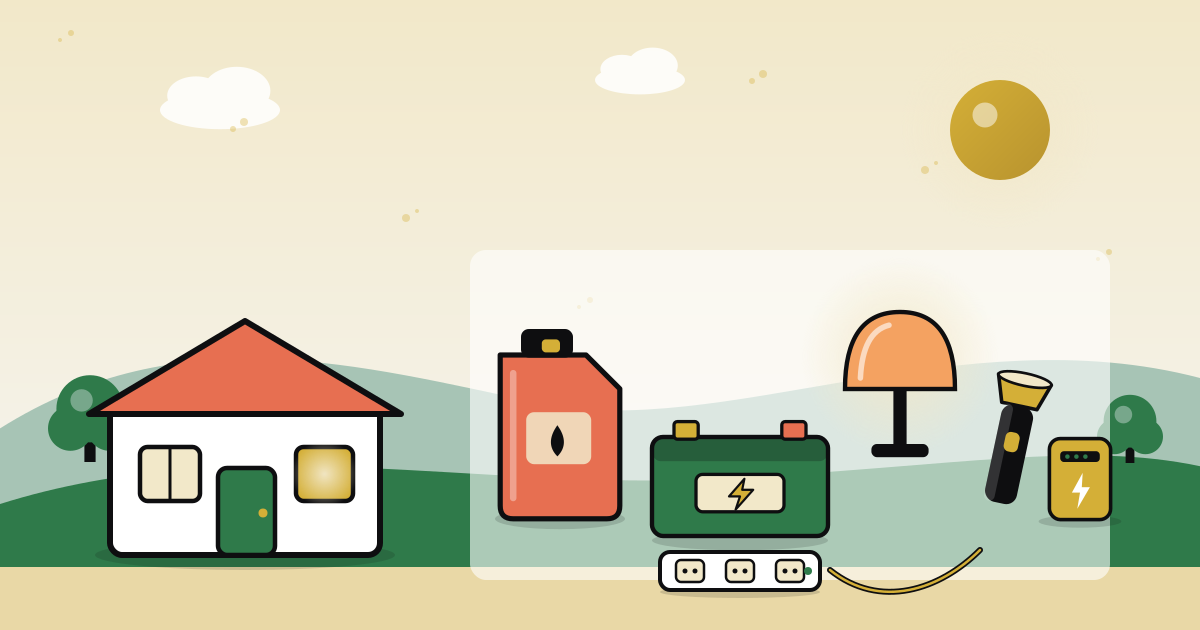
A power cut is easy to live with for an hour. It is harder at night, with a laptop to charge, a baby to feed or a fridge full of food. The right backup depends on what you actually need to keep running.
A generator burns fuel and can run big loads, but it is loud and must stay outside. An inverter stores power in a battery and runs quietly indoors, but only for as long as the battery lasts. Many homes use a small inverter for lights and Wi-Fi and keep cheap lamps and power banks for everything else.
This checklist helps you decide, then lists the cables, fuel items and safety gear you need. Isokko stocks many of the small items. For a generator, inverter or solar equipment, ask a trusted electrician in Kigali to size it for your home.
Who it's for
Households in Kigali that want backup power for lights, phones, Wi-Fi and a fridge
Time needed
Plan for one weekend, then buy over 1 to 2 weeks
When to shop
Before the rainy seasons, March to May and October to December, when storms can cut power
On the list
22 items, 12 must haves
0 of 22 ready
Choose your main power source
Write down what must keep running before you spend money. Add up the watts printed on each appliance label.
Appliance list and watt notes
1 notebook page Must haveA list of what must run during a cut, with the watts on each label, tells you what size generator or inverter you need. Without it you can buy too small or pay for power you never use.
How to use it: Check the label on the back of each appliance. Lights, phone chargers and a router use little. Kettles, irons and heaters use a lot and are usually not worth running on backup.
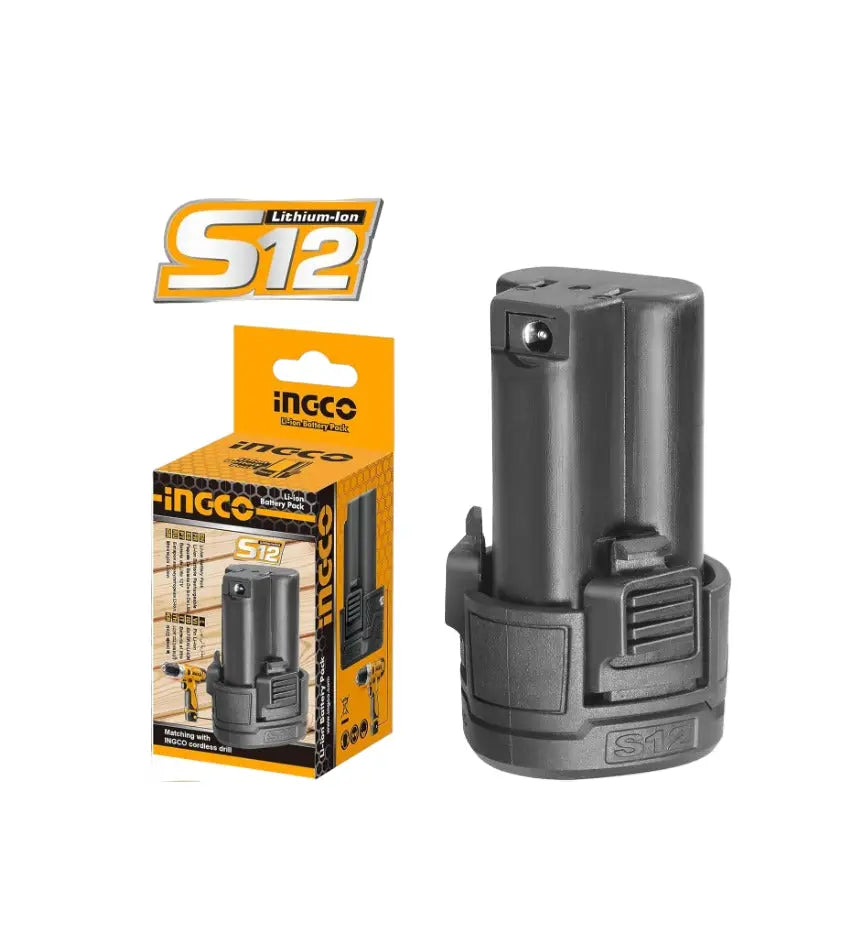
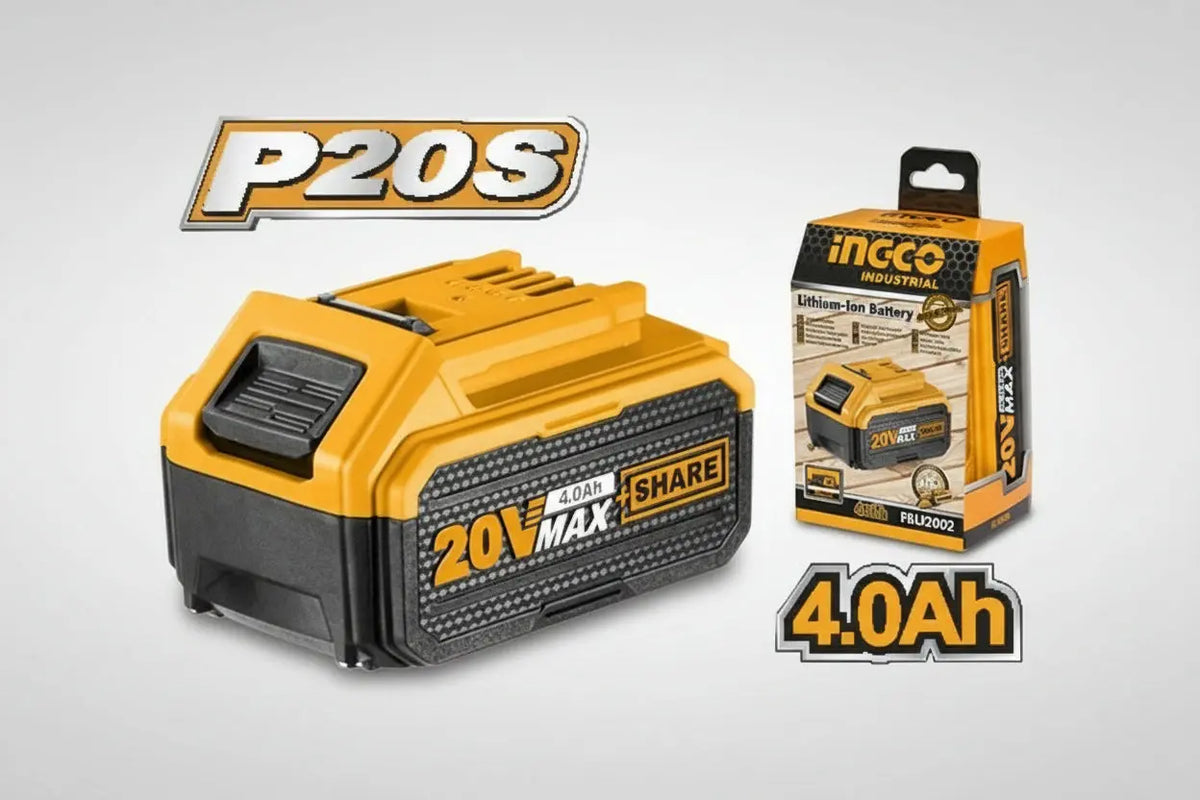
Deep cycle battery for the inverter
1 or 2 Must haveThe battery decides how long an inverter runs. A small battery may last only a short time with a fridge connected.
How to use it: Ask the seller how many hours it will run your watt total. Keep it in a dry, ventilated place and keep it charged.



Fuel and storage
A generator is only useful when it has fuel. Store fuel carefully.
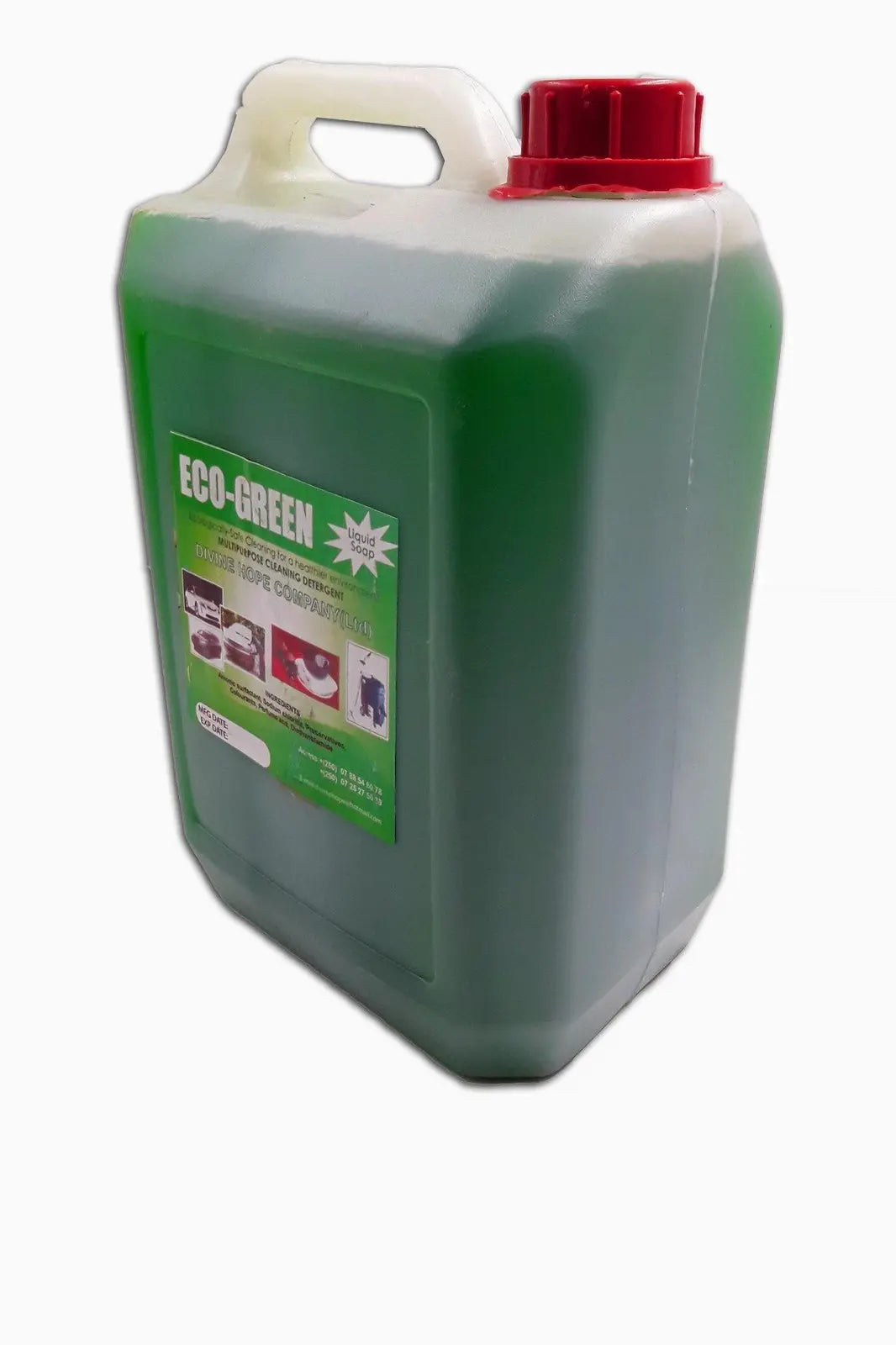
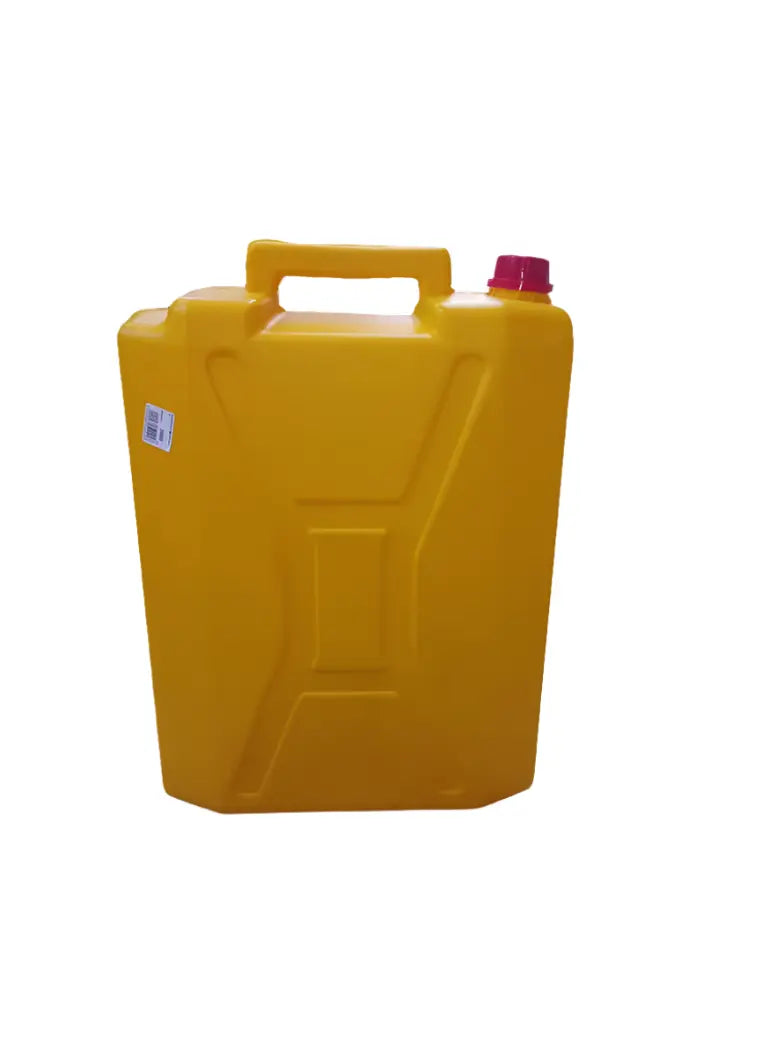
Fuel jerrycan
1 can of 5 to 20 litres Must haveFuel must be kept in a container made for it, not in a drink bottle. A proper can has a tight cap and a clear mark.
How to use it: Buy a jerrycan used only for fuel and mark it clearly. Keep it outside the living area, in shade, far from flames.
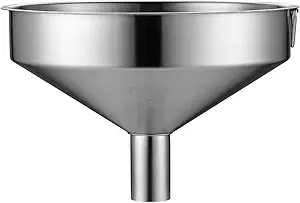
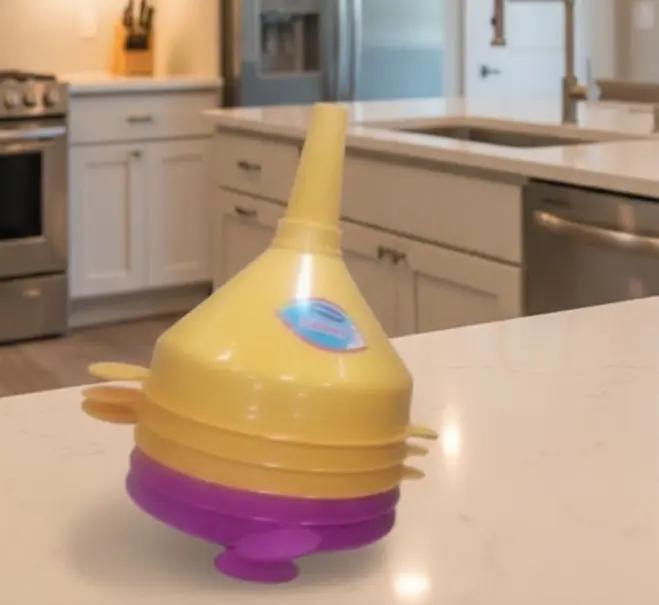
Funnel for pouring fuel
1Nice to haveSpilled fuel is waste and a fire risk.
How to use it: Let the generator cool fully before you refill it. Pour slowly, in daylight if you can, and wipe up spills.
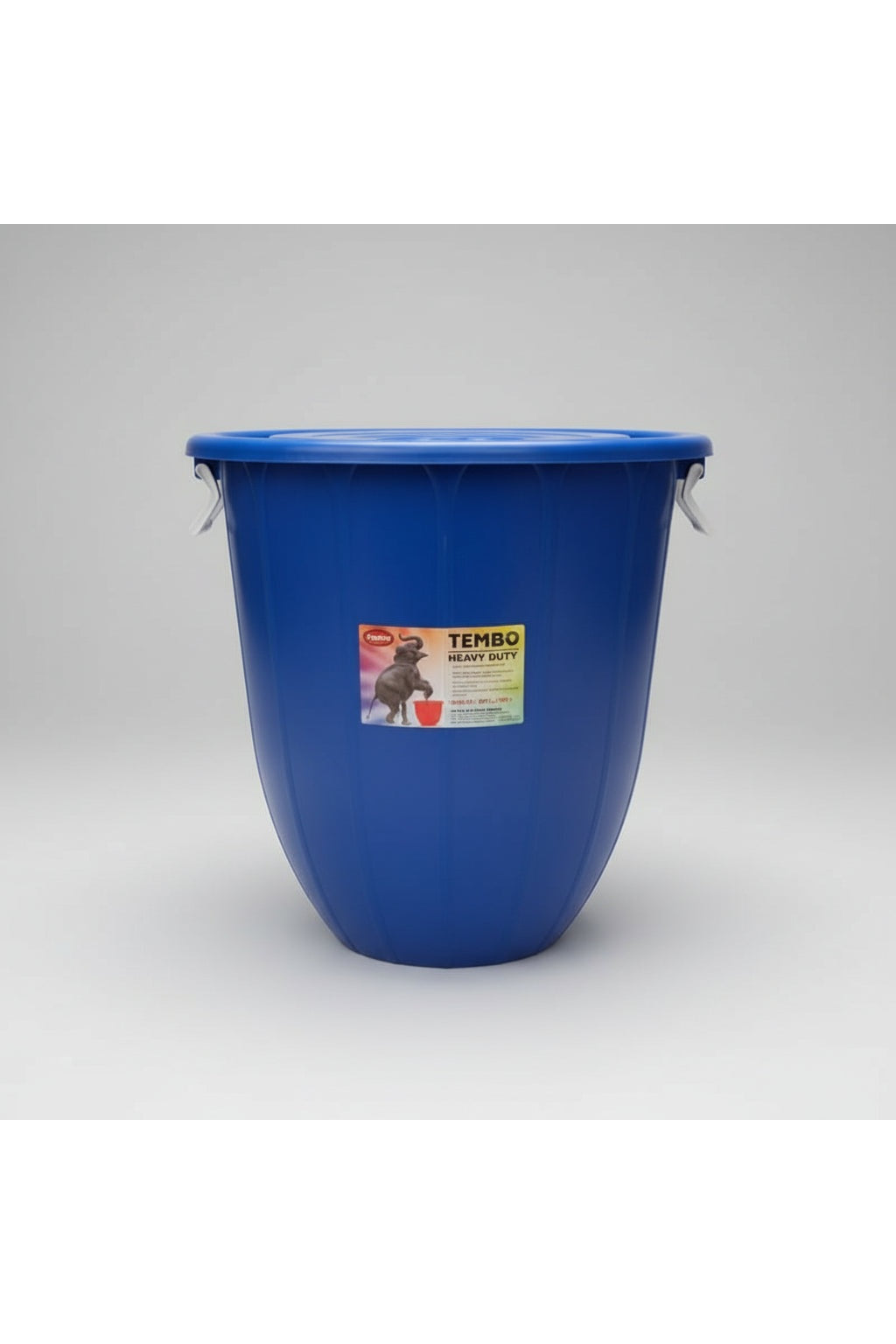
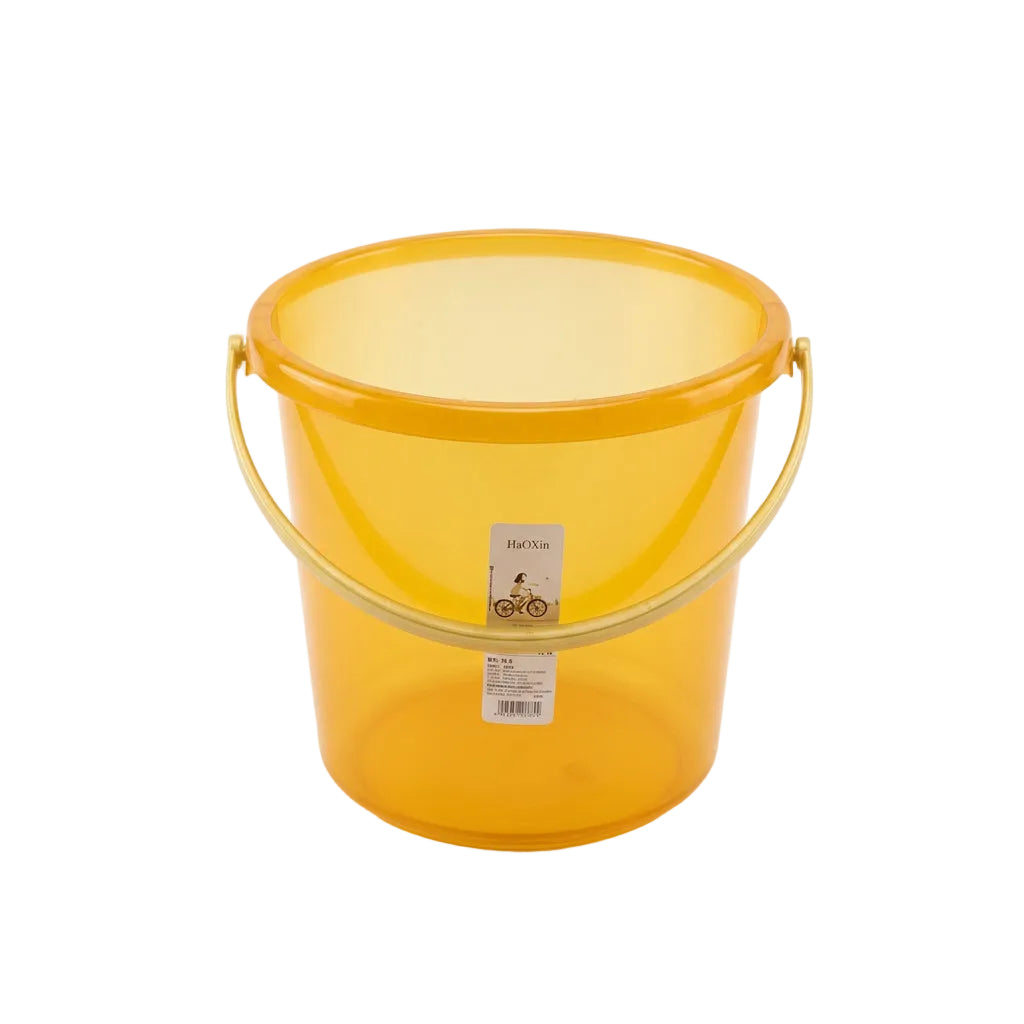
Bucket of dry sand or soil
1 bucketNice to haveSand can smother a small fuel spill. It gives you something to use while you wait for help.
How to use it: Keep a covered bucket near where the generator stands. Do not use water on a fuel fire.
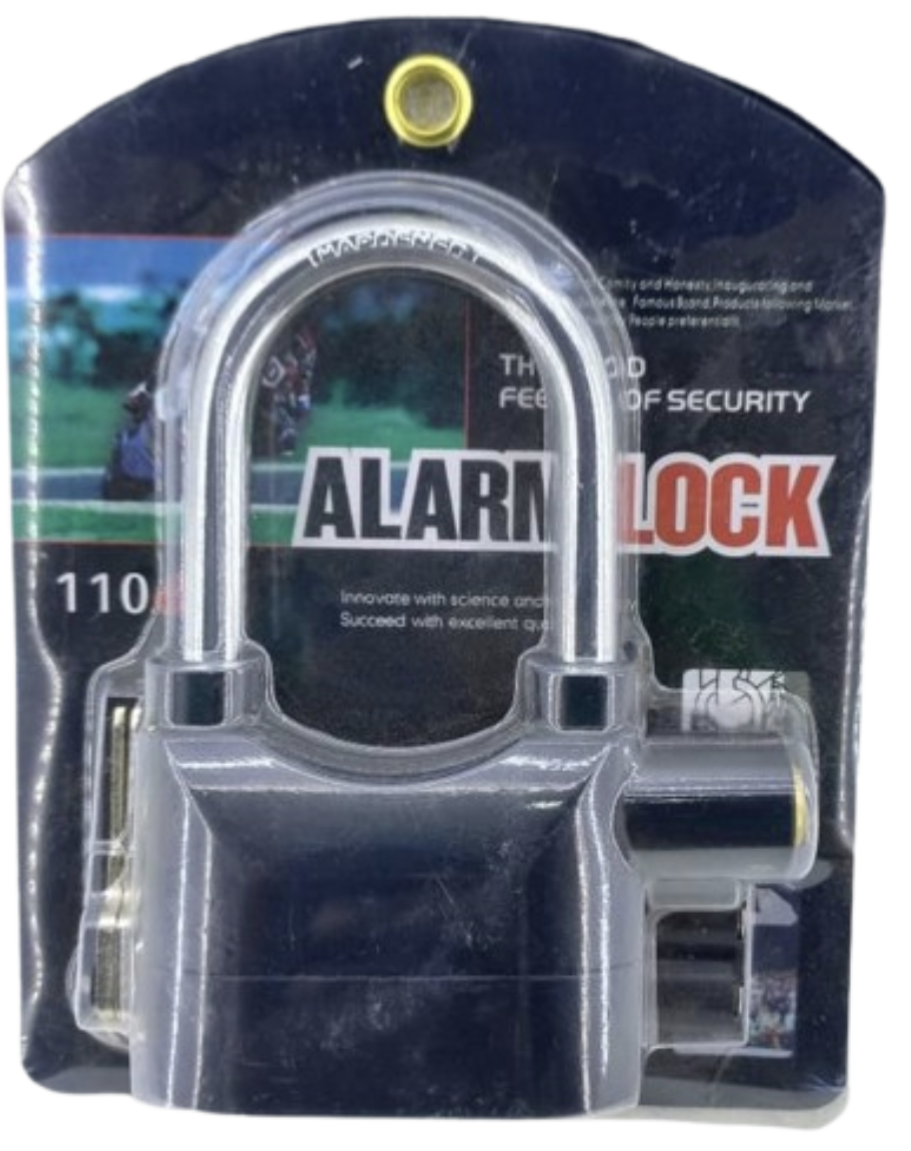
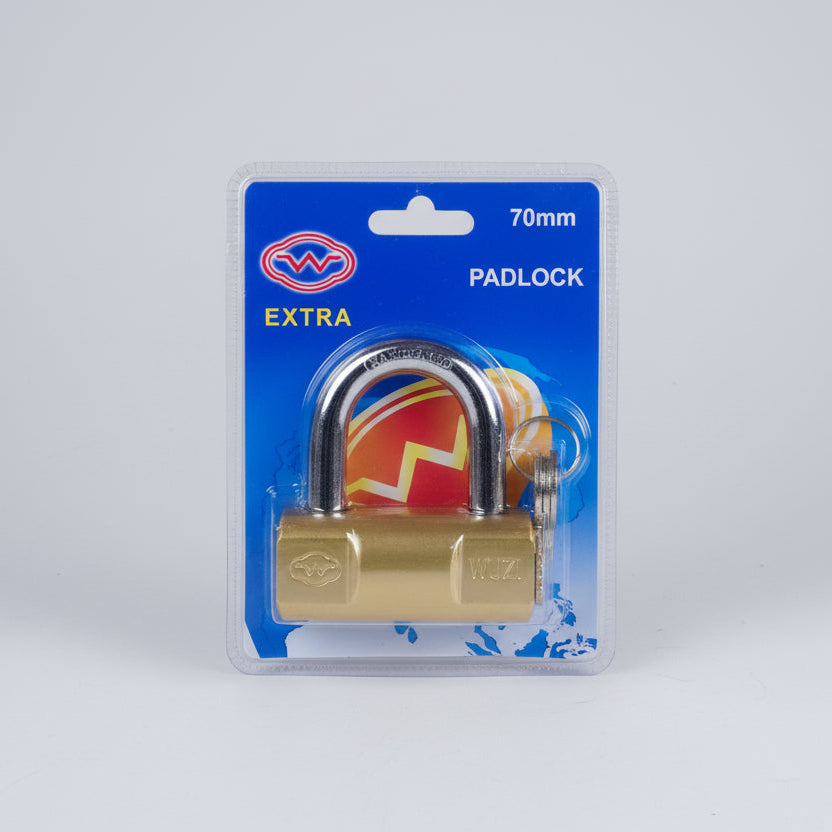
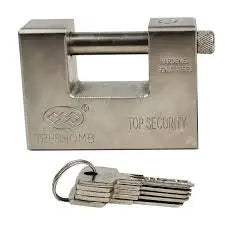
Chain and padlock
1 setNice to haveGenerators and batteries are valuable and heavy to carry, but thieves can still take them.
How to use it: Chain the generator to a fixed point when it stands outside. Keep the key somewhere only adults know.
Cables, plugs and sockets
Cheap, thin cables overheat. Buy for the load, not for the price.
Heavy duty extension cord
1 or 2 Must haveA thin cord can overheat when it carries a fridge or a TV for hours. A thick one is safer.
How to use it: Unroll the whole cord before use so it does not heat up in a coil. Check that it is rated for the watts you plan to run.
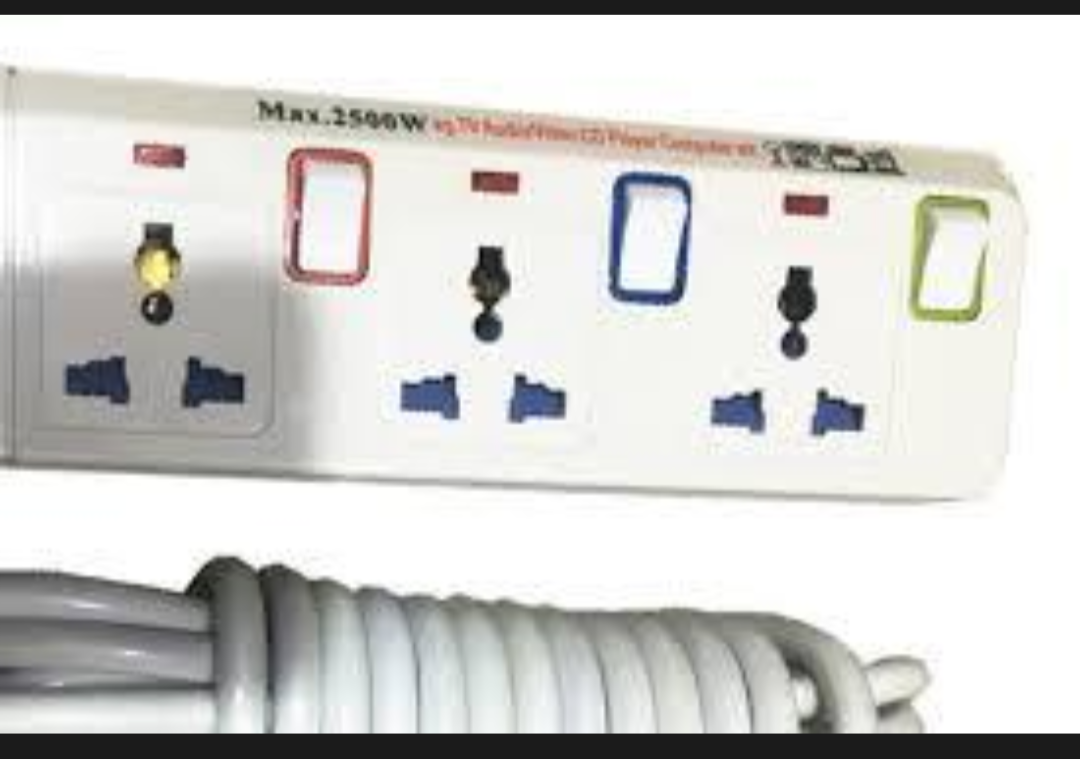
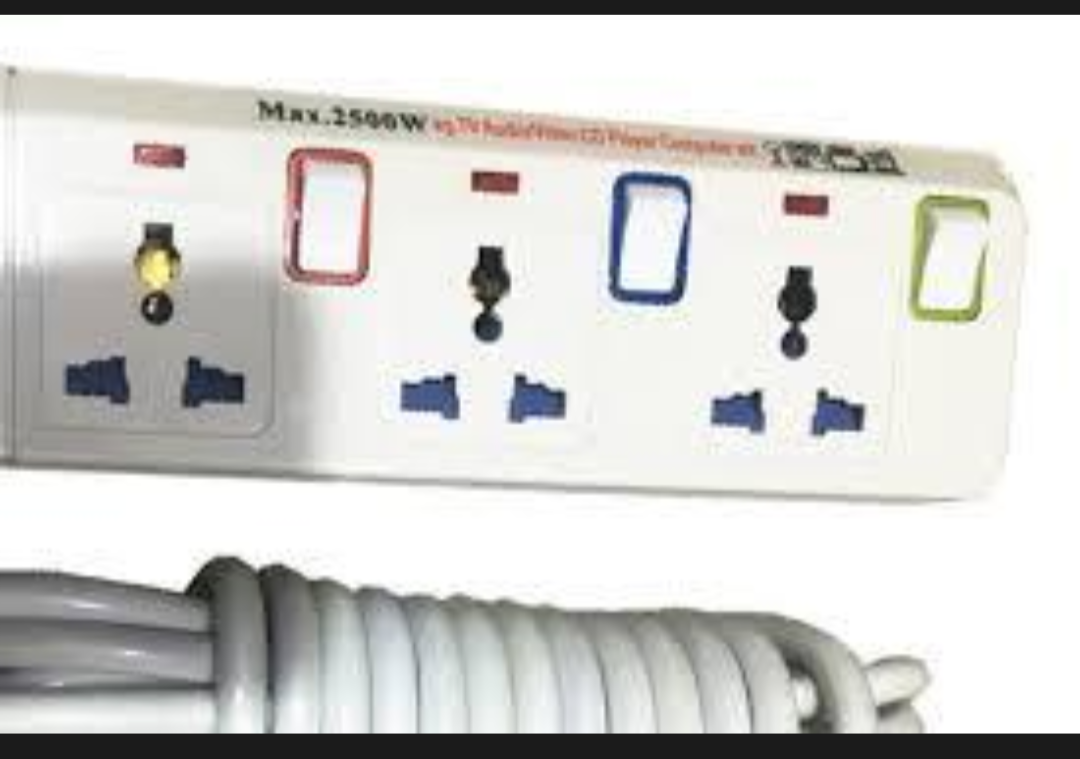
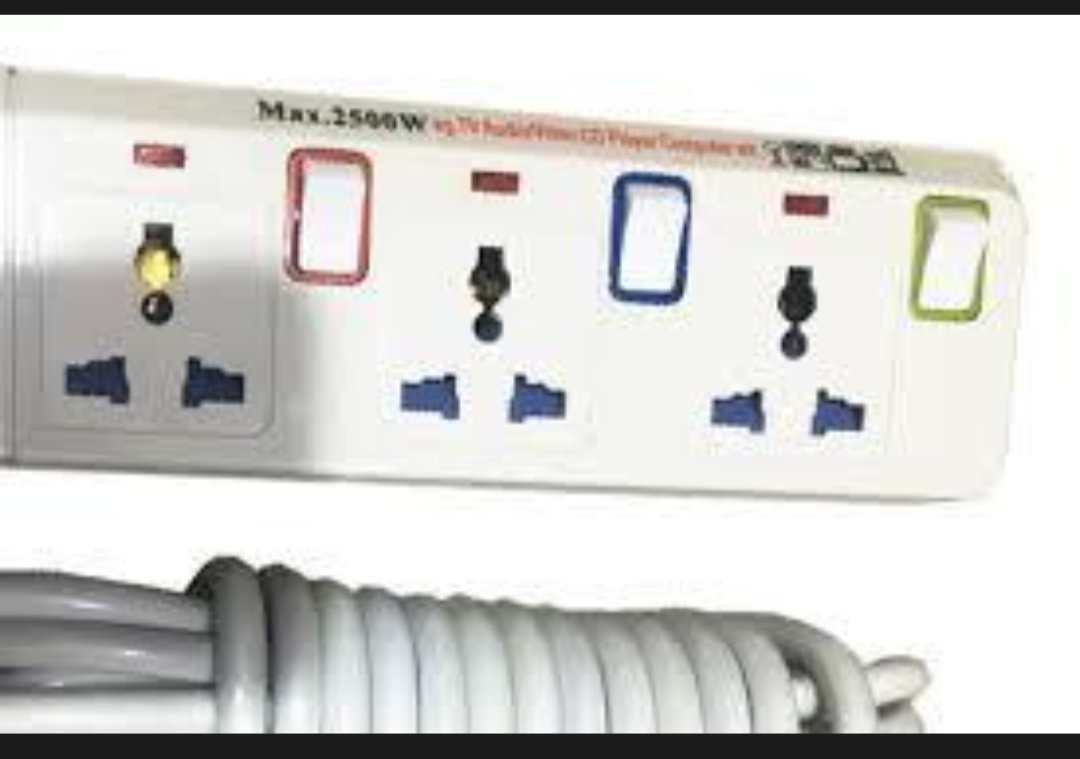
Multi socket with a switch
1 Must haveOne strip lets you plug in the router, the TV box and chargers from one generator or inverter outlet.
How to use it: Do not plug one strip into another. Count the watts of everything on it.
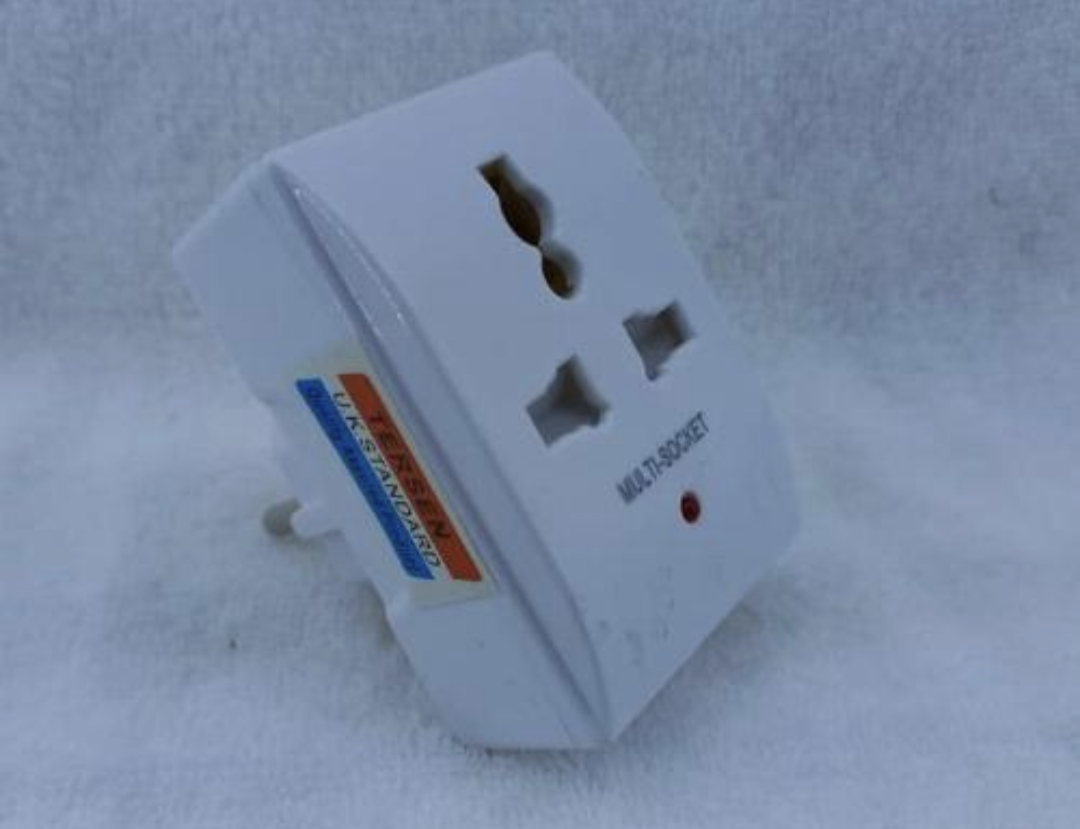
Plug adapter
2Nice to haveSome appliances and chargers have a different plug type from the outlets on your backup.
How to use it: Test every plug before the first cut, not during it.
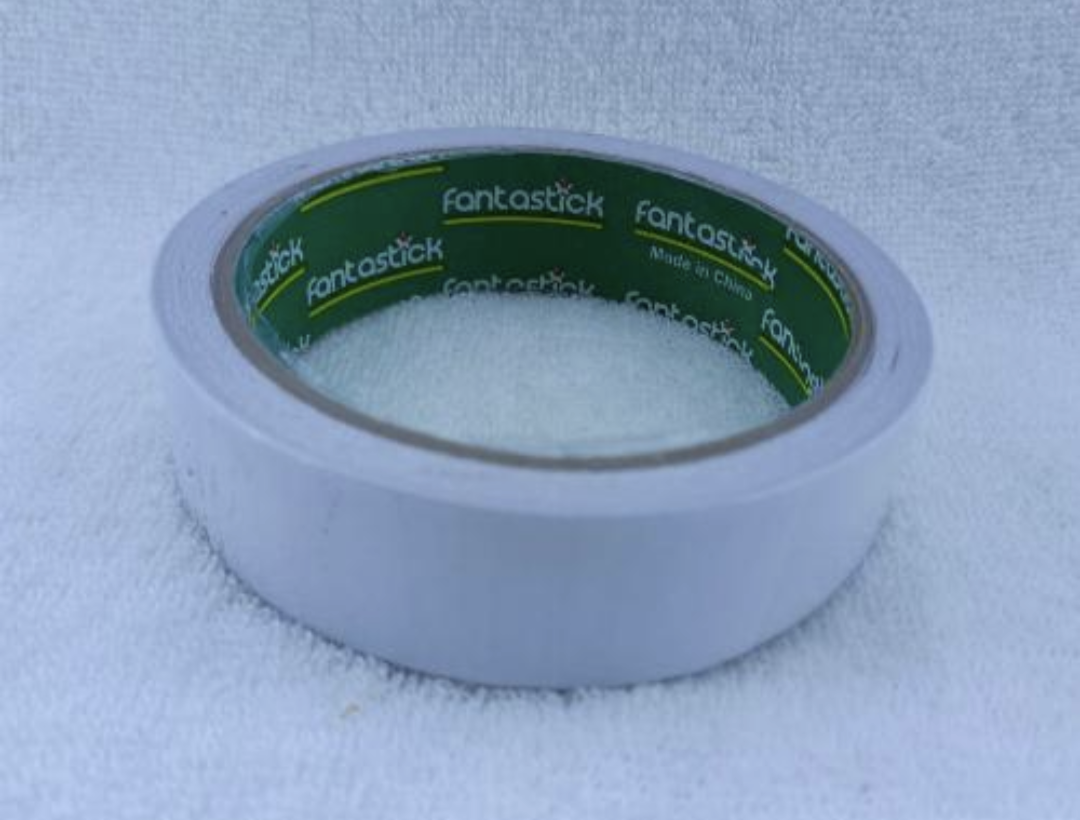
Insulating tape
1 rollNice to haveIt covers small cable nicks and marks cables so you know which is which.
How to use it: Never repair a damaged cable with tape alone and keep using it. Replace damaged cords.




Lights and small devices
These cheap items give you hours of light for almost no cost, and save your generator fuel.
LED bulbs
3 to 6 Must haveLED bulbs use very little power, so the same inverter battery lasts much longer.
How to use it: Replace the bulbs in the rooms you use most at night. Pick warm or daylight, whichever you find comfortable.
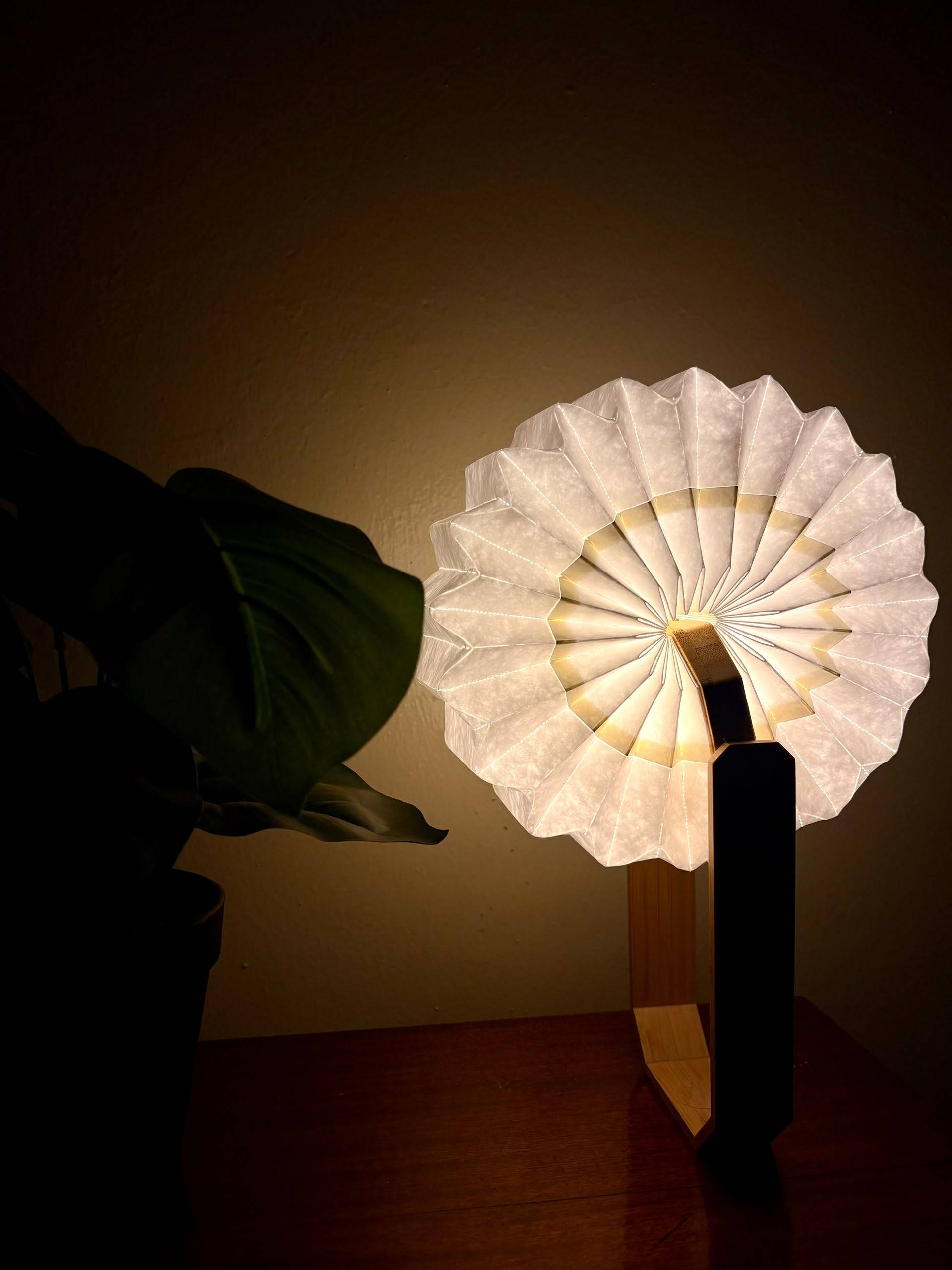
Rechargeable lamp
2 Must haveA rechargeable lamp gives steady light for hours without any generator.
How to use it: Charge it fully every week, even if the power has not gone out. Keep one in the kitchen and one by the beds.
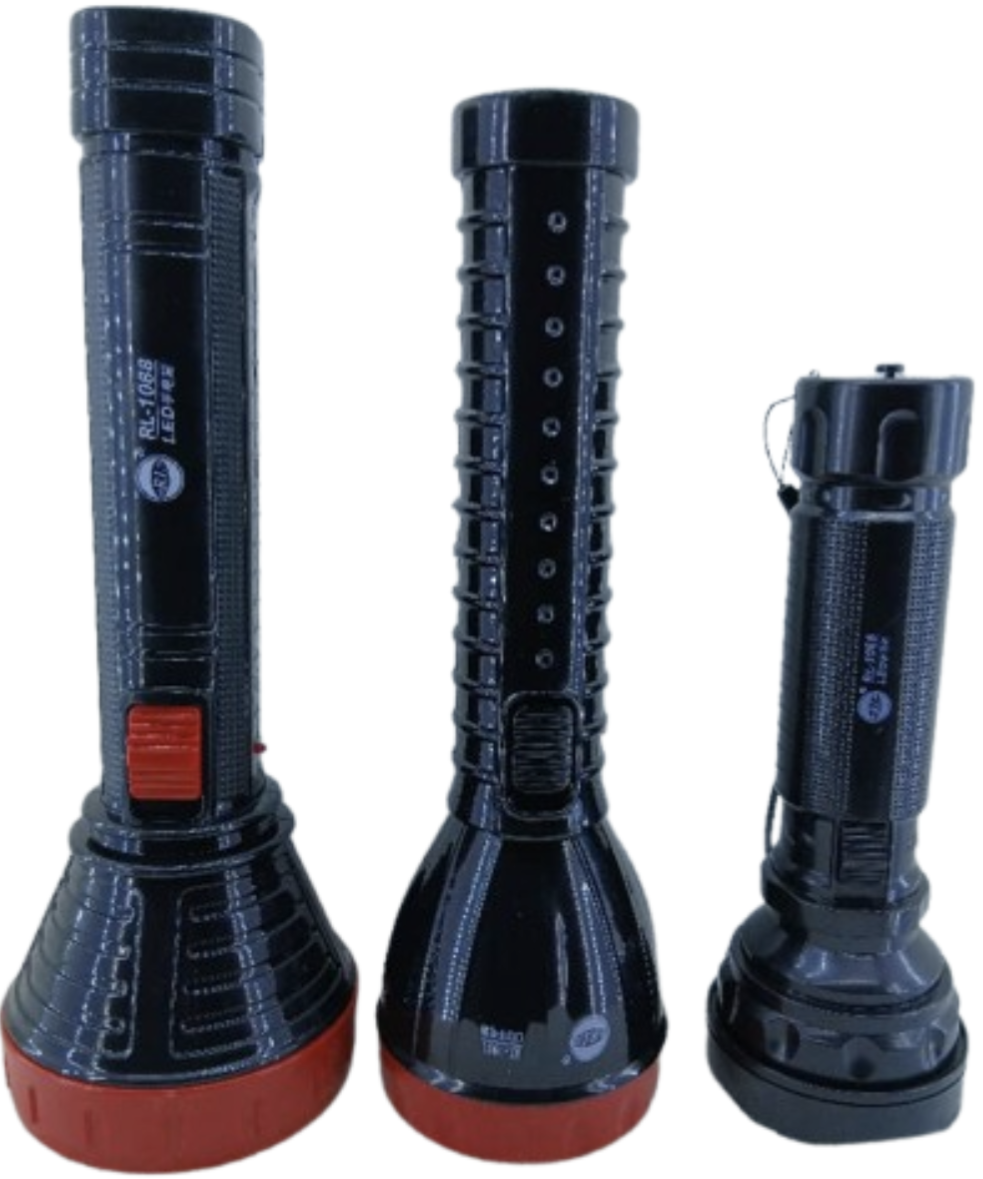
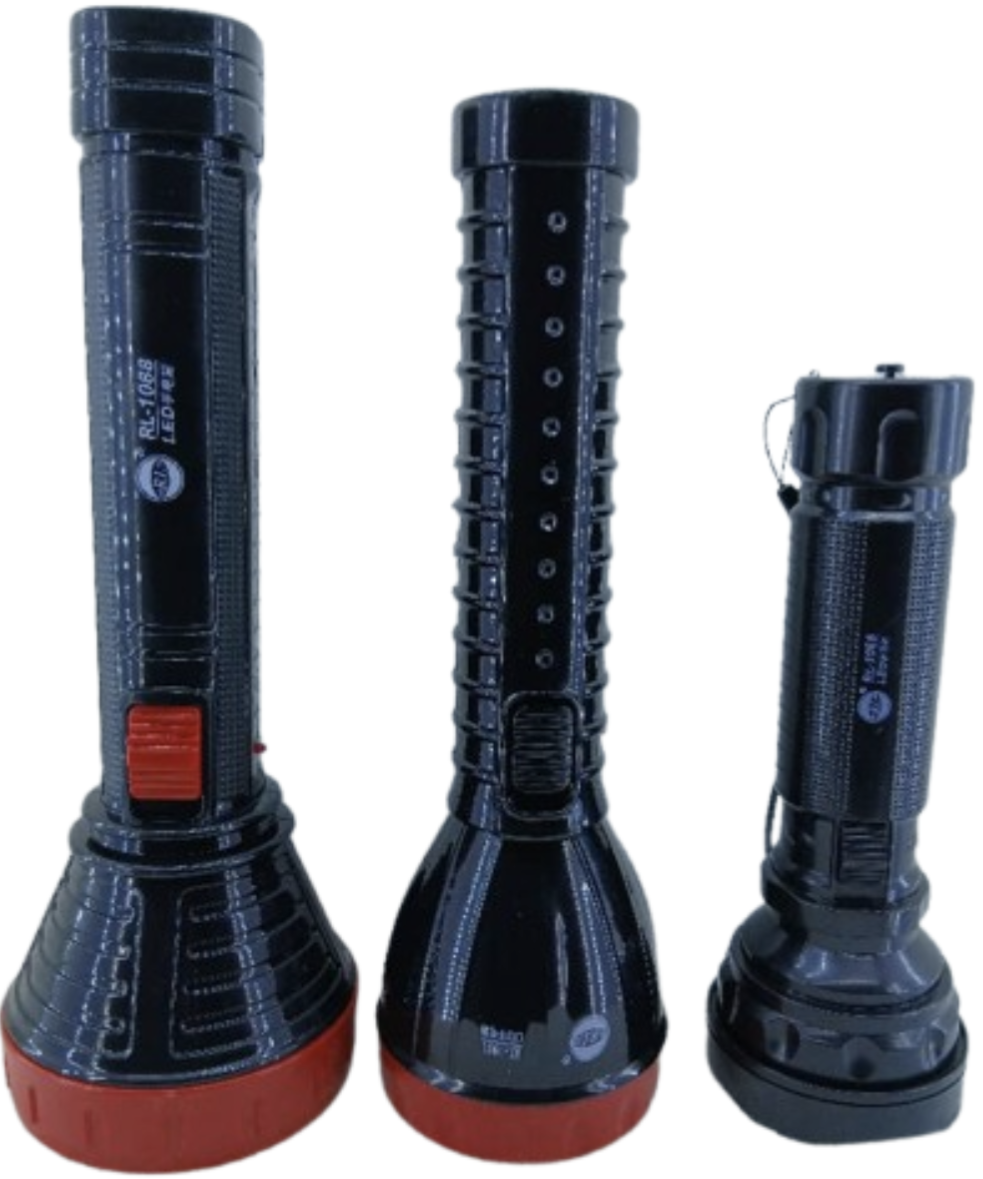
Torch
2 Must haveA torch is for walking outside, finding a fuse box or checking the generator.
How to use it: Keep it in the same place every time, and check it works each month.
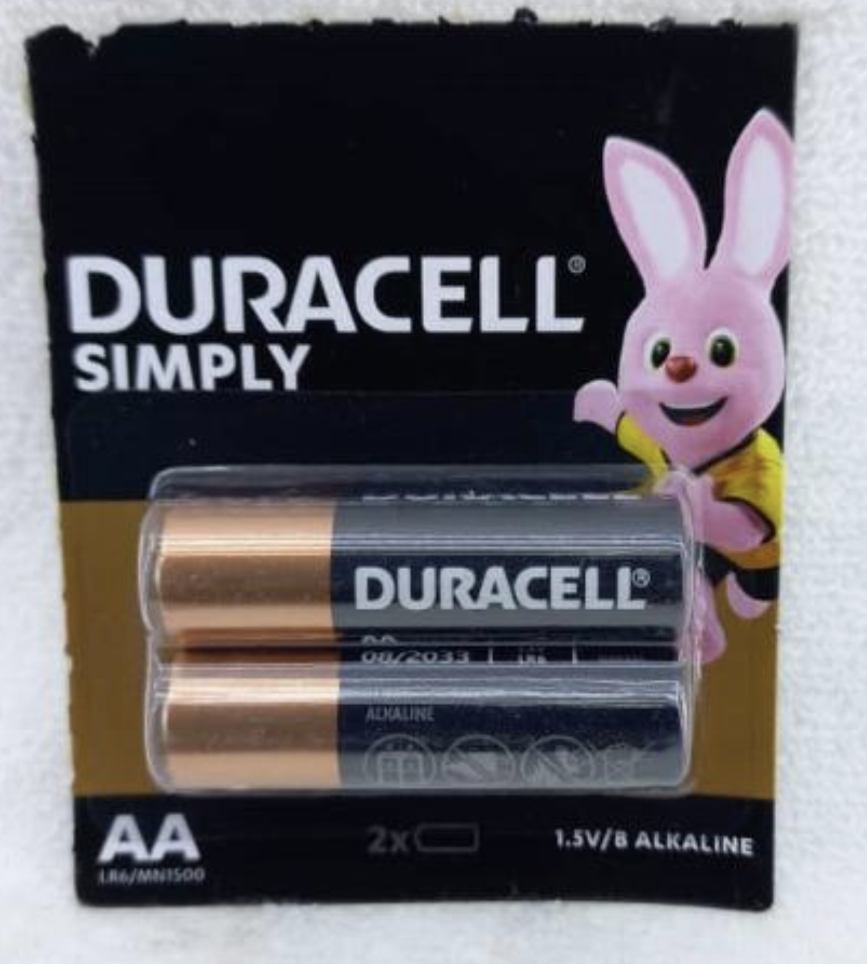
AA batteries
1 packNice to haveRemote controls, small torches and radios often run on AA batteries.
How to use it: Store spares in a dry drawer. Replace all batteries in a device at once.
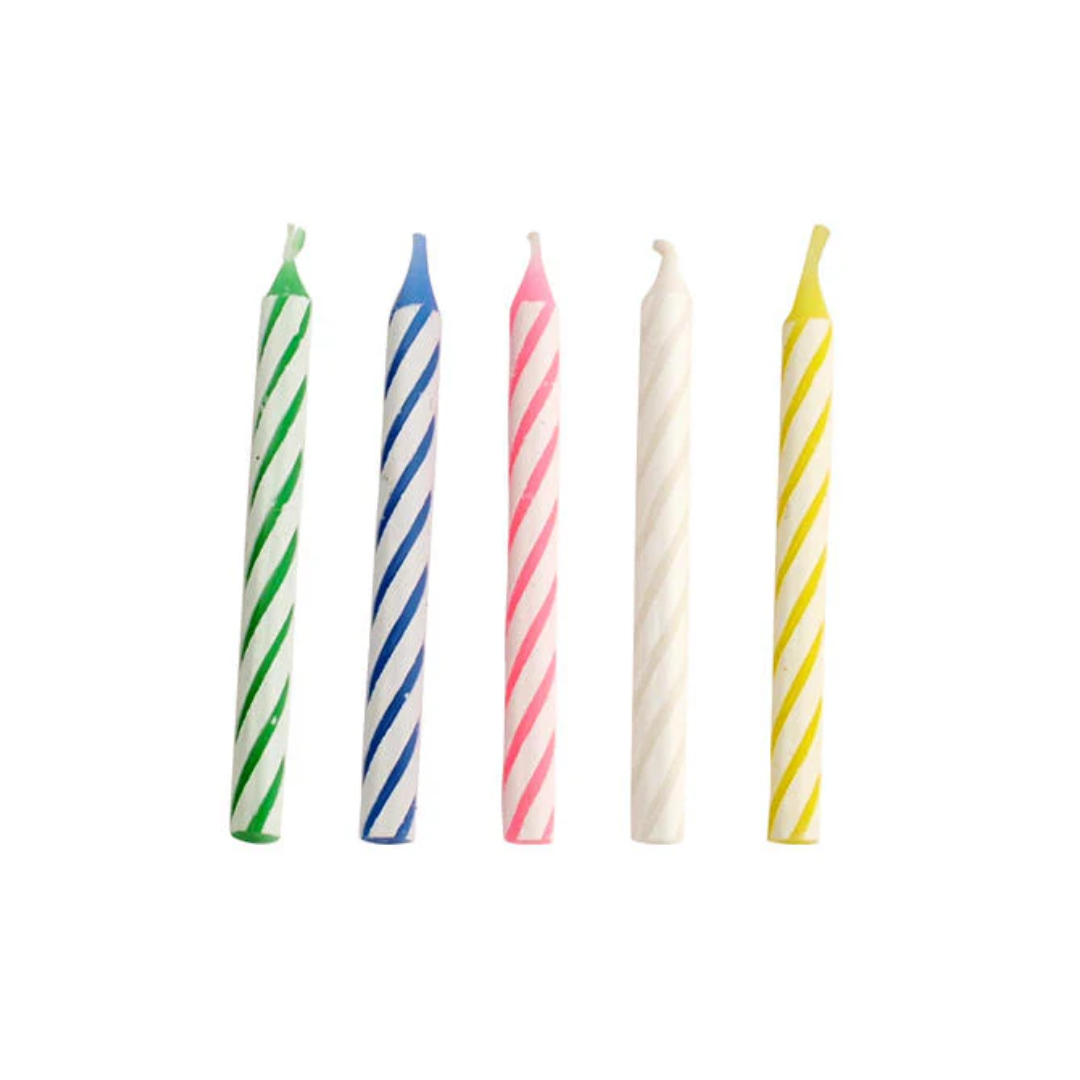
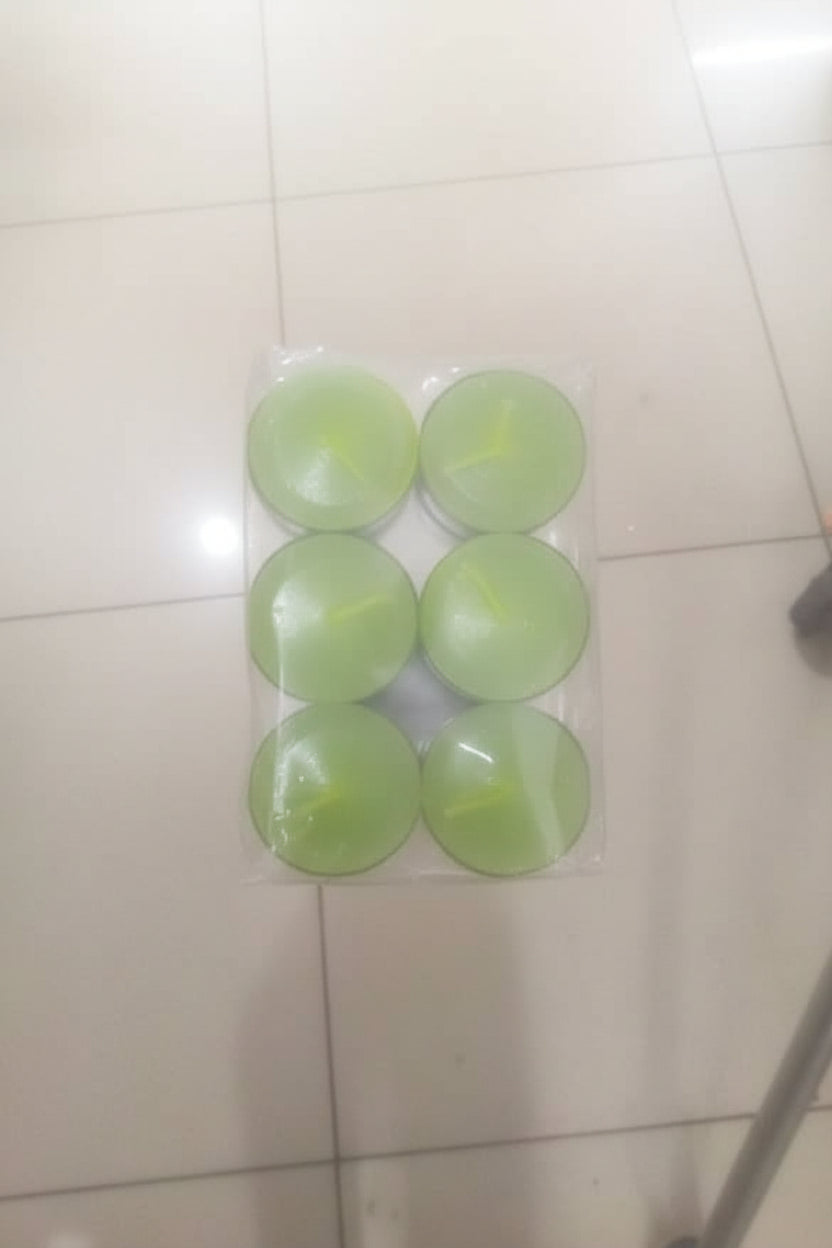
Candles and matches
6 candles, 1 boxNice to haveCandles are a last resort when everything else is empty. They are a fire risk if left alone.
How to use it: Use a stable holder, keep them away from curtains and children, and never leave them burning when you sleep.


Phones, internet and work
Keeping phones and Wi-Fi alive helps with MoMo, news and work.
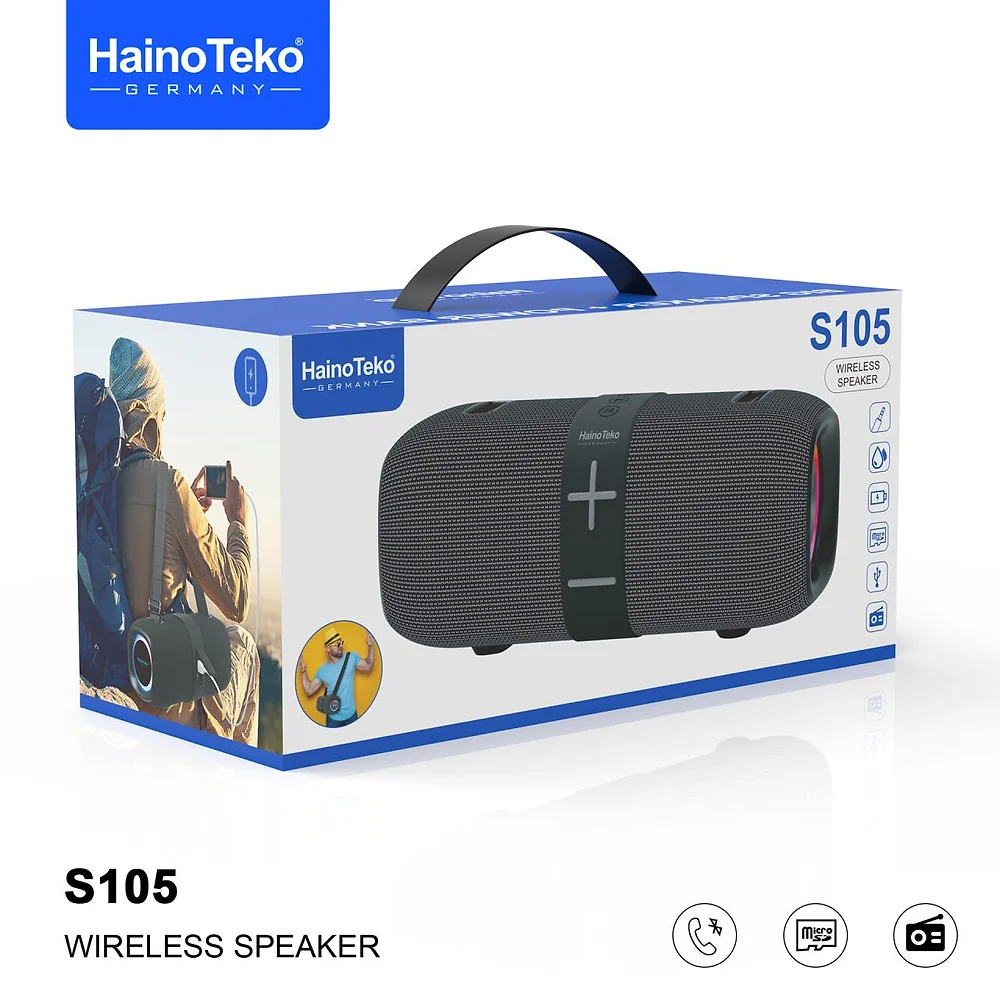
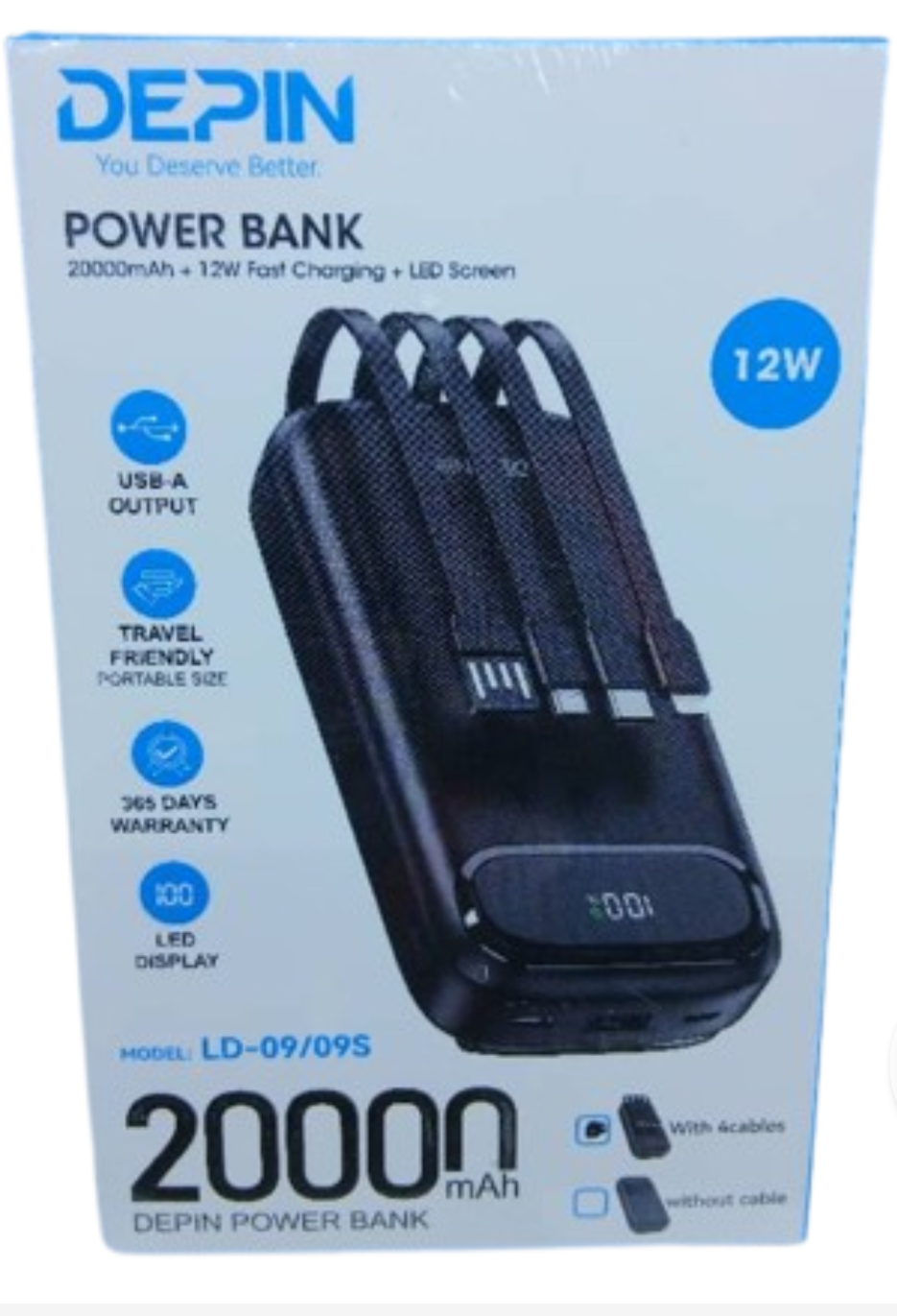
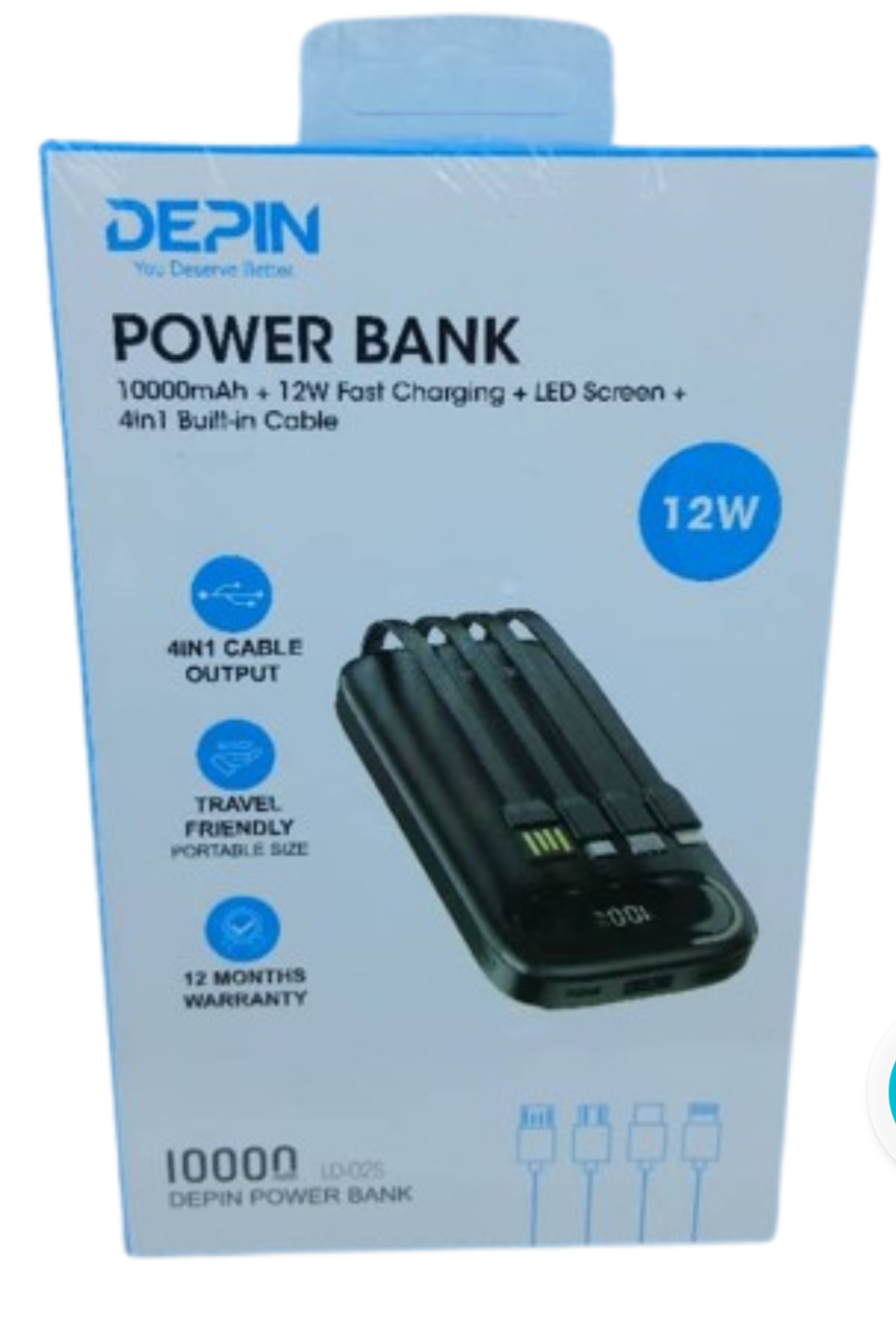
Power bank
1 or 2 Must haveA power bank charges a phone several times with no outlet.
How to use it: Charge it every weekend. A larger one gives more charges but takes longer to refill.
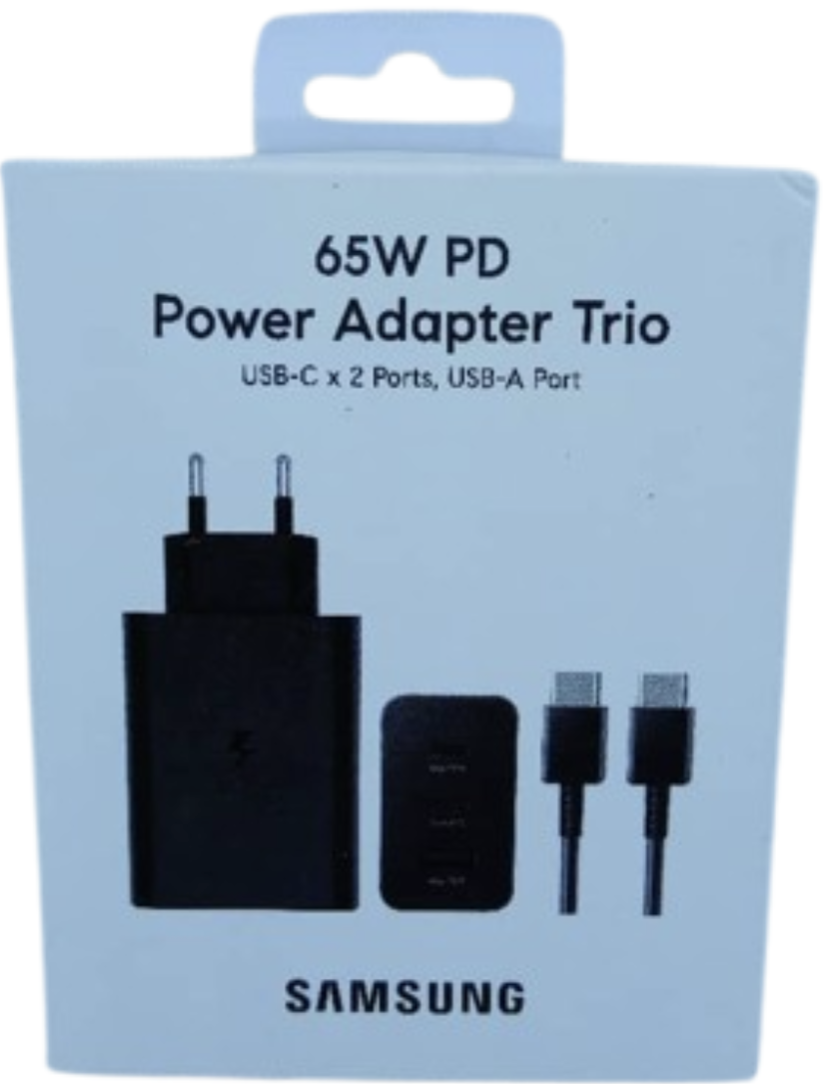
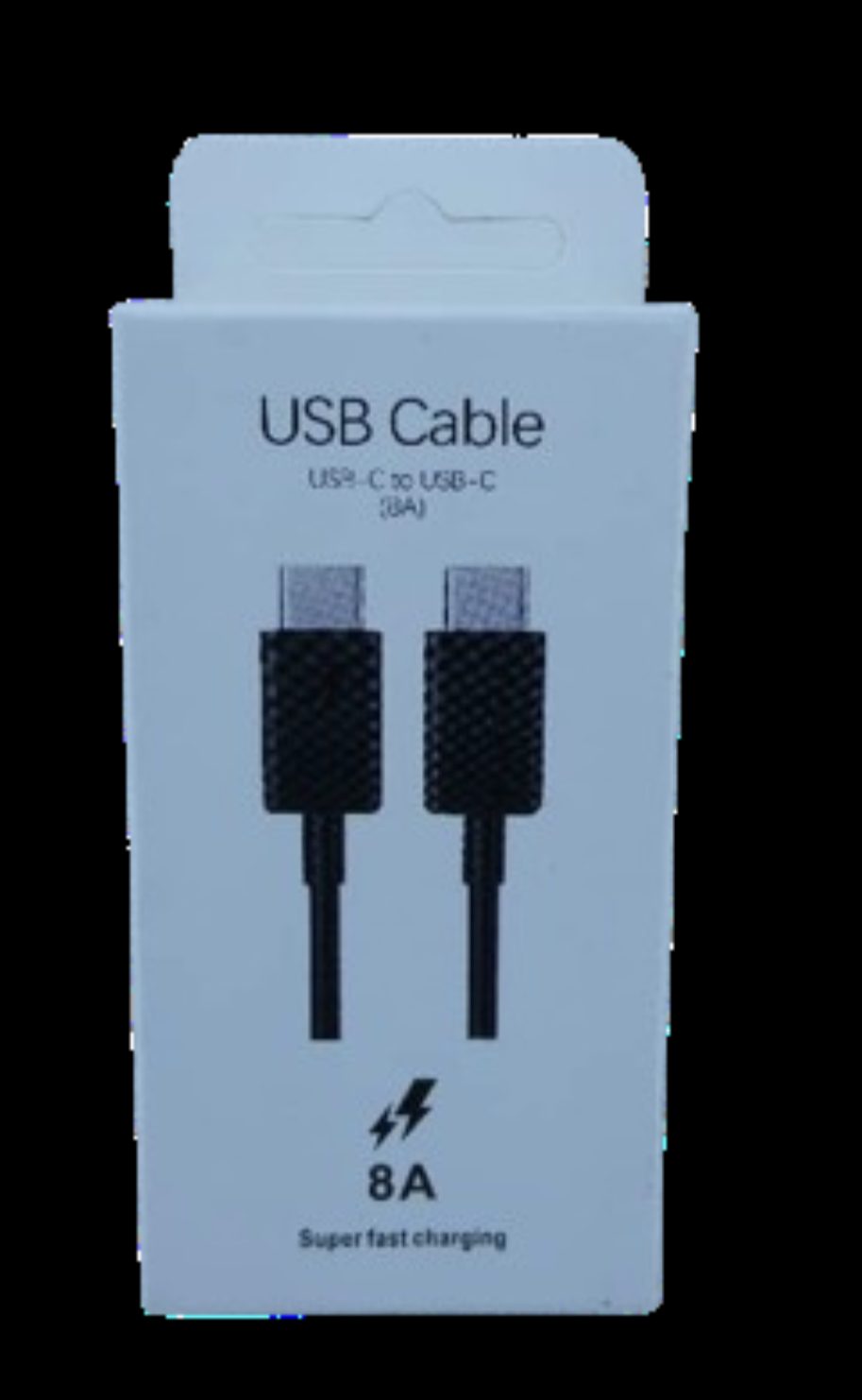
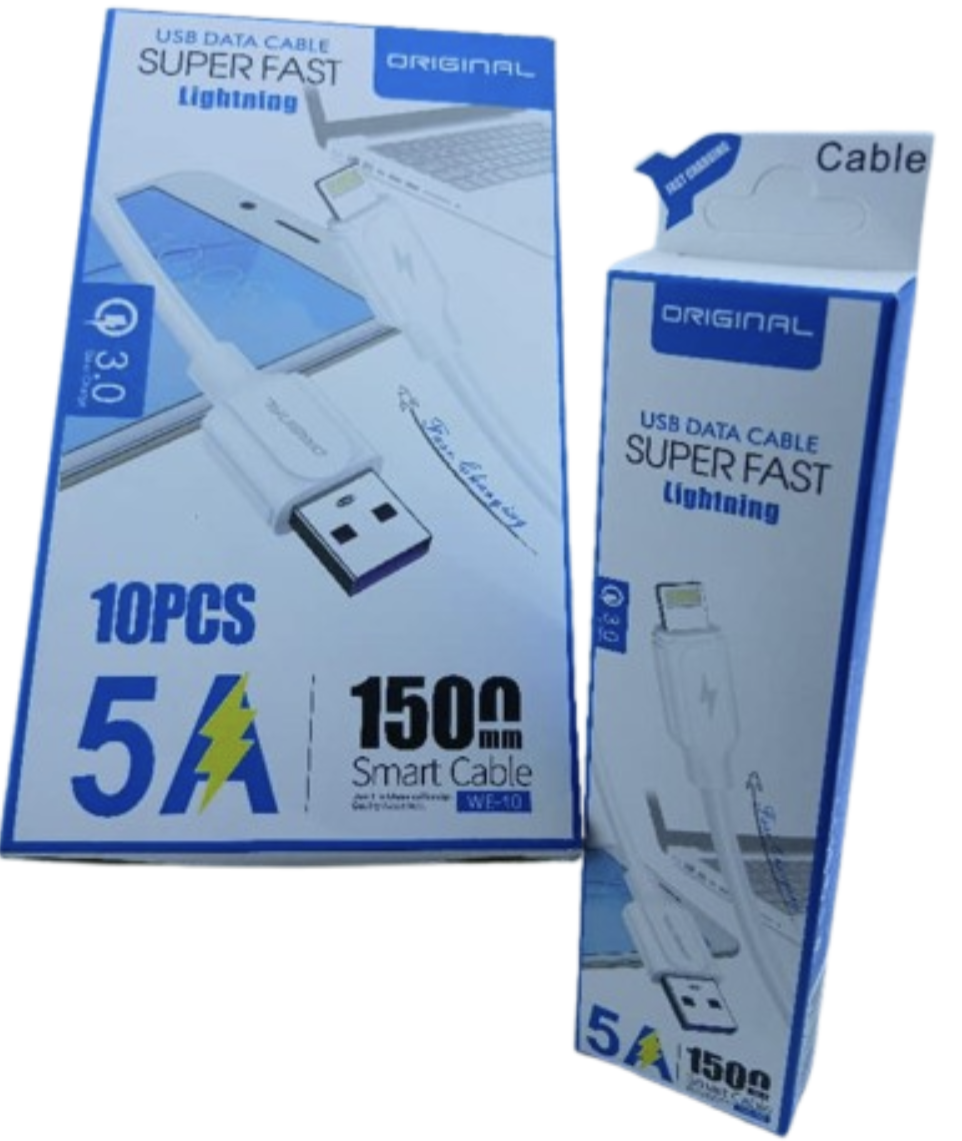
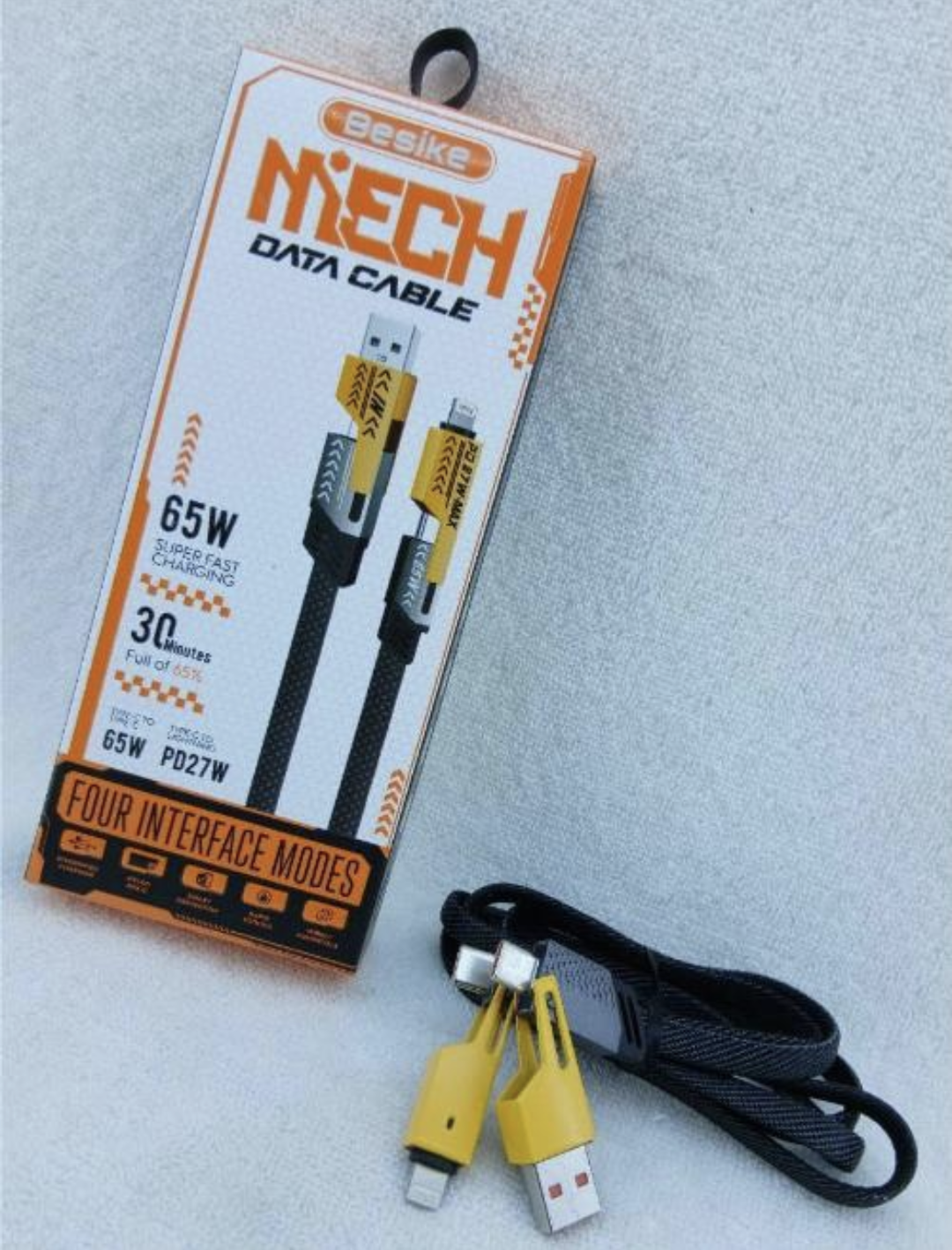
Phone charger and spare cable
1 spare Must haveCables fail at the worst times. A spare saves a trip.
How to use it: Keep a spare in a bag or drawer, not plugged into the wall.
Small UPS for the router
1Nice to haveA small UPS keeps the Wi-Fi router and a laptop on for a while with no gap, so work does not drop when power cuts.
How to use it: Check the plug type of the router before buying. A UPS is not meant for a fridge.
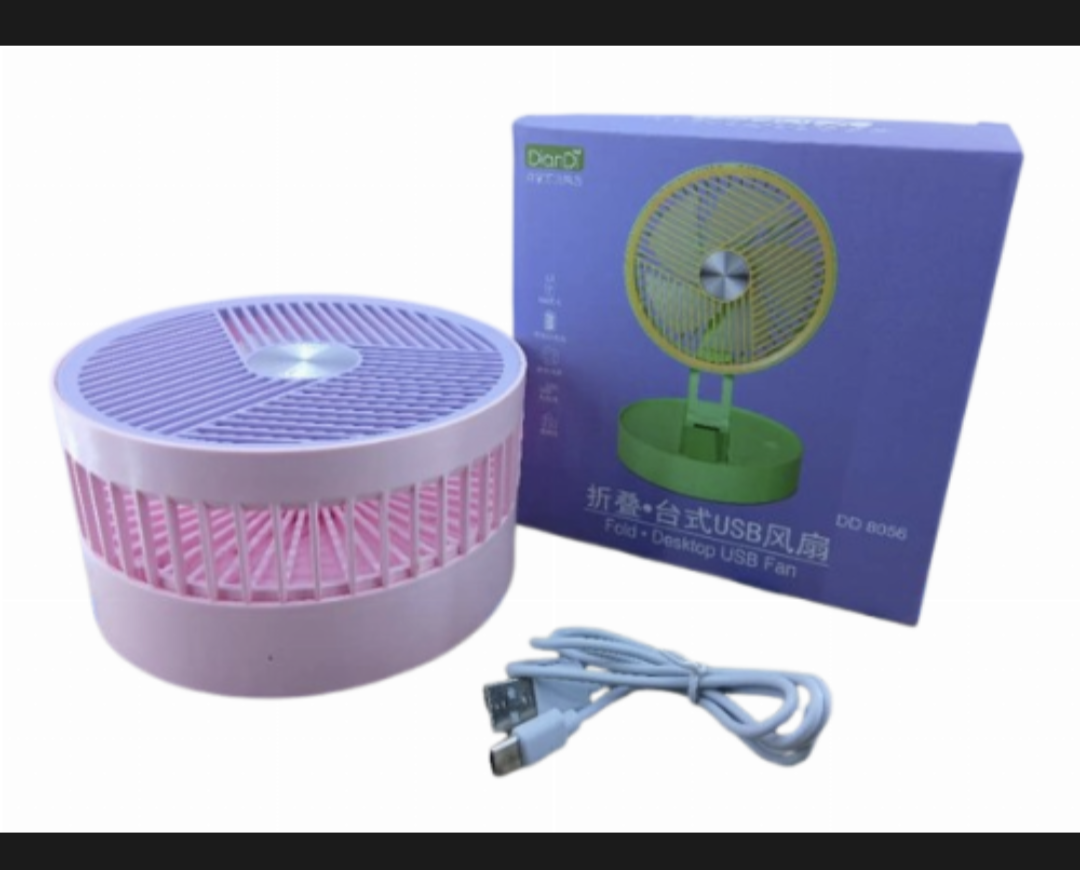
Desk fan on USB
1Nice to haveOn warm afternoons a small USB fan uses very little power from a power bank.
How to use it: Plug it into a power bank, not into your phone.


Safety gear
A generator brings fumes and fire risks. These items are not optional.
Carbon monoxide alarm
1 Must haveGenerators give off carbon monoxide, a gas you cannot see or smell. It can be deadly in a closed space.
How to use it: If you cannot find one, simply never run a generator indoors, in a garage or near a window.
First aid kit
1 Must haveBurns, cuts and shocks happen when people work with fuel and cables.
How to use it: Check the kit twice a year. See a doctor for any serious burn or electric shock.
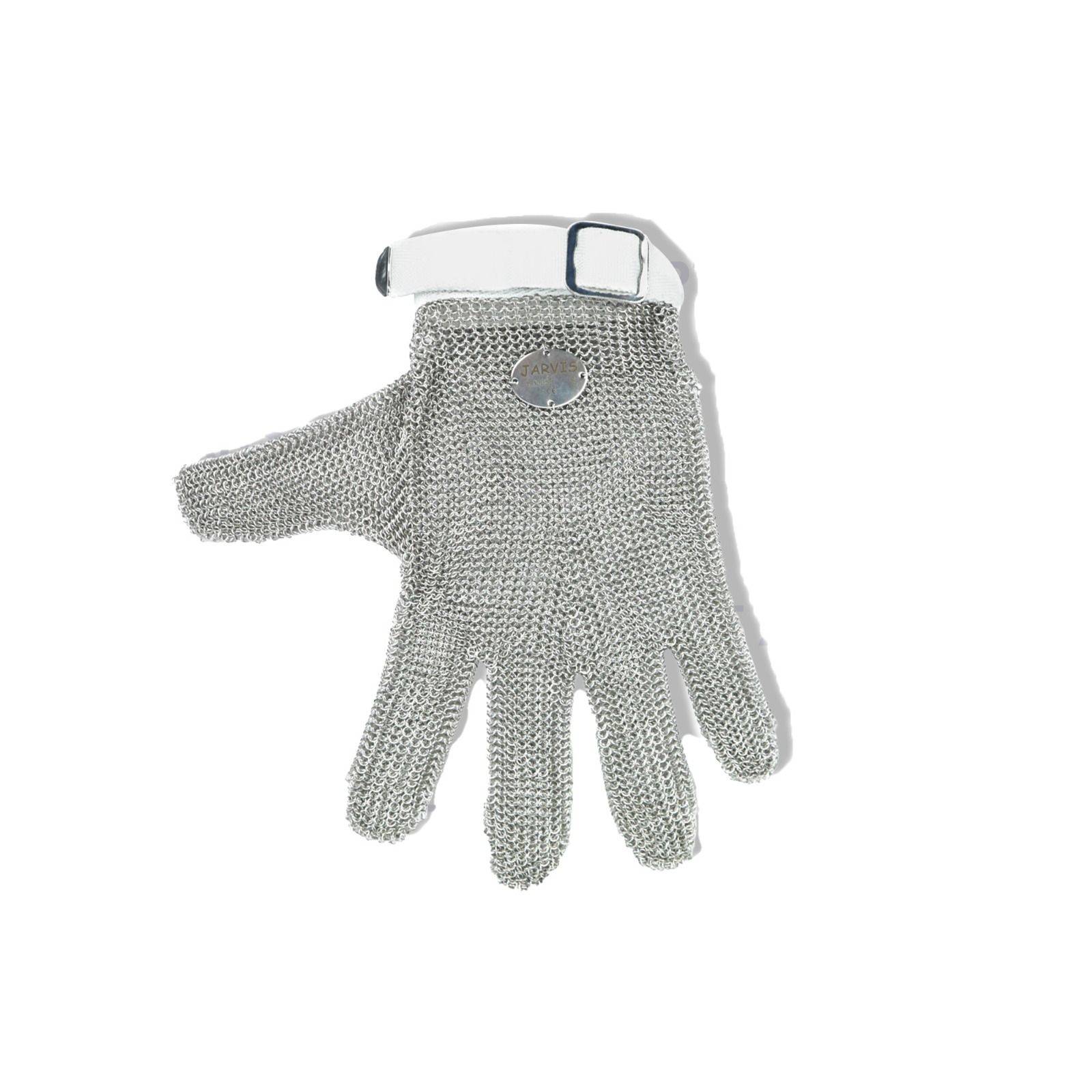
Work gloves
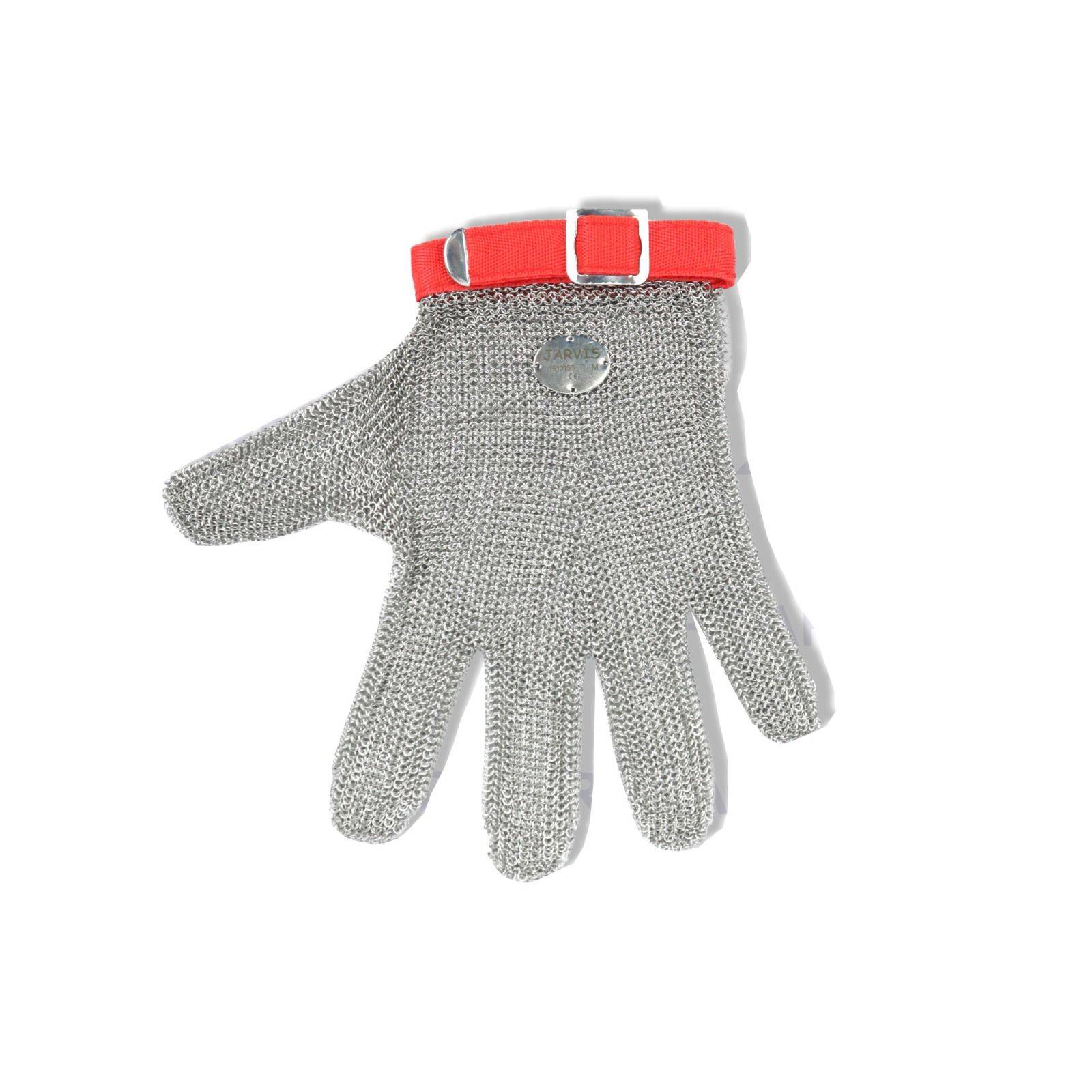
1 pairNice to haveGloves protect your hands when you move a generator or handle a hot engine.
How to use it: Let the engine cool before you touch it. Keep gloves with the generator.

Step by step
- 1
Make a watt list
Write down every appliance you want to keep on and the watts on its label.
- 2
Pick generator or inverter
Use the list to choose. Ask an electrician for a quote and a size.
- 3
Buy cables and safety gear
Get a heavy extension cord, a fire extinguisher and a first aid kit before the backup arrives.
- 4
Install and test
Have it installed, then do a test cut at home in daylight to check everything works.
- 5
Stock lights and power banks
Charge lamps and power banks before every rainy season.
Tips that help
- Add up watts before you shop, not after.
- Use LED bulbs and fewer appliances to make a battery last longer.
- Never refuel a running or hot generator.
- Run a generator outdoors, with the exhaust pointing away from windows and doors.
- Ask your landlord before you install a generator or inverter in a rented home.
- Test your backup once a month for a few minutes.
- Keep fuel only in containers made for fuel.
Mistakes to avoid
- Running a generator in a garage, kitchen or any closed room.
- Buying a generator or inverter that is too small for the appliances you want to run.
- Using thin, cheap extension cords for a fridge or TV.
- Storing fuel in drink bottles.
- Never testing the backup until the first night cut.
Questions people ask
Is a generator or an inverter better for a home in Kigali?+
It depends on what you need to run. An inverter is quiet and switches on by itself, so it suits lights, phones, Wi-Fi and a TV. A generator can run bigger loads for longer but needs fuel and must stay outside.
How big a generator or inverter do I need?+
Add up the watts on the labels of the appliances you want to run at the same time. Then ask a trusted electrician or dealer to recommend a size with some extra room.
Can I run a fridge on an inverter?+
Often yes, but a fridge needs more power when its motor starts. Tell the seller you want to run a fridge so they can size the inverter and battery correctly.
Can I use a generator inside the house?+
No. Generators give off carbon monoxide, which can be deadly. Always run them outdoors, well away from doors and windows.
Do I need a professional to install it?+
Yes, for anything connected to your home wiring. Ask a licensed electrician. Plugging single appliances into a generator with a proper cord is different, but still follow the manual.
A good backup plan is mostly small things done early: a watt list, safe cables, charged lamps and a working extinguisher. Shop the small items on Isokko and have them delivered before the next storm.
Shop this list
Get everything delivered in Kigali
Order from local stores on Isokko and pay with MoMo, card or cash. Same-day delivery.