
Checklist · Baby & family
Feeding a Picky Toddler: A Week of Meals and Snacks Checklist
Picky toddler at your table in Kigali? Use this checklist of foods, tools and a week of simple meals and snacks to help them try new things.
Updated November 17, 2026 · By Isokko
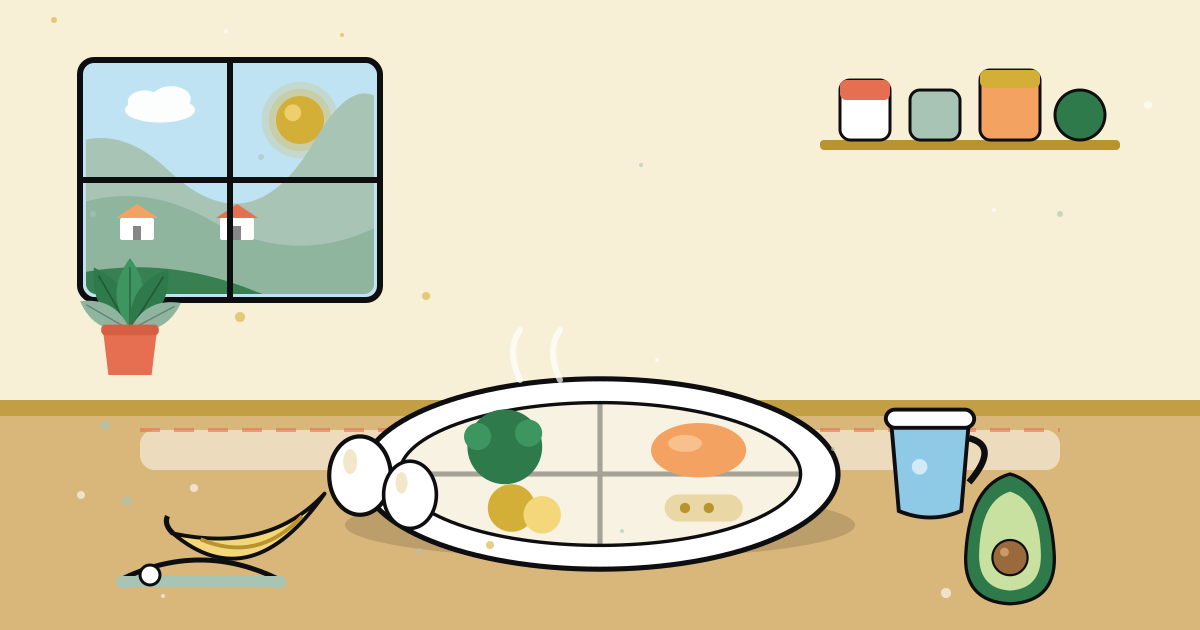
Almost every toddler goes through a picky stage. One day they love bananas and the next they push them away. It is stressful, but it is also normal, and it usually passes with patience and a calm table.
This checklist gives you tools that make food look inviting, familiar foods that most toddlers accept, and gentle ways to add new ones. It also includes a simple week plan so you do not have to decide every day.
If your child is losing weight, avoids whole food groups for a long time or gags or chokes often, talk to your doctor or a clinic. This guide is for ordinary picky eating, not medical advice.
Who it's for
Parents and caregivers in Kigali with a toddler who refuses vegetables, turns away new food or eats very little
Time needed
Shop once, then rotate foods over one week
When to shop
Order fresh food 2 to 3 times a week, and pantry items once a week or month
On the list
30 items, 10 must haves
0 of 30 ready
Tools for the table
Small, fun tools often do more than a long talk. Toddlers like choosing, scooping and pouring.
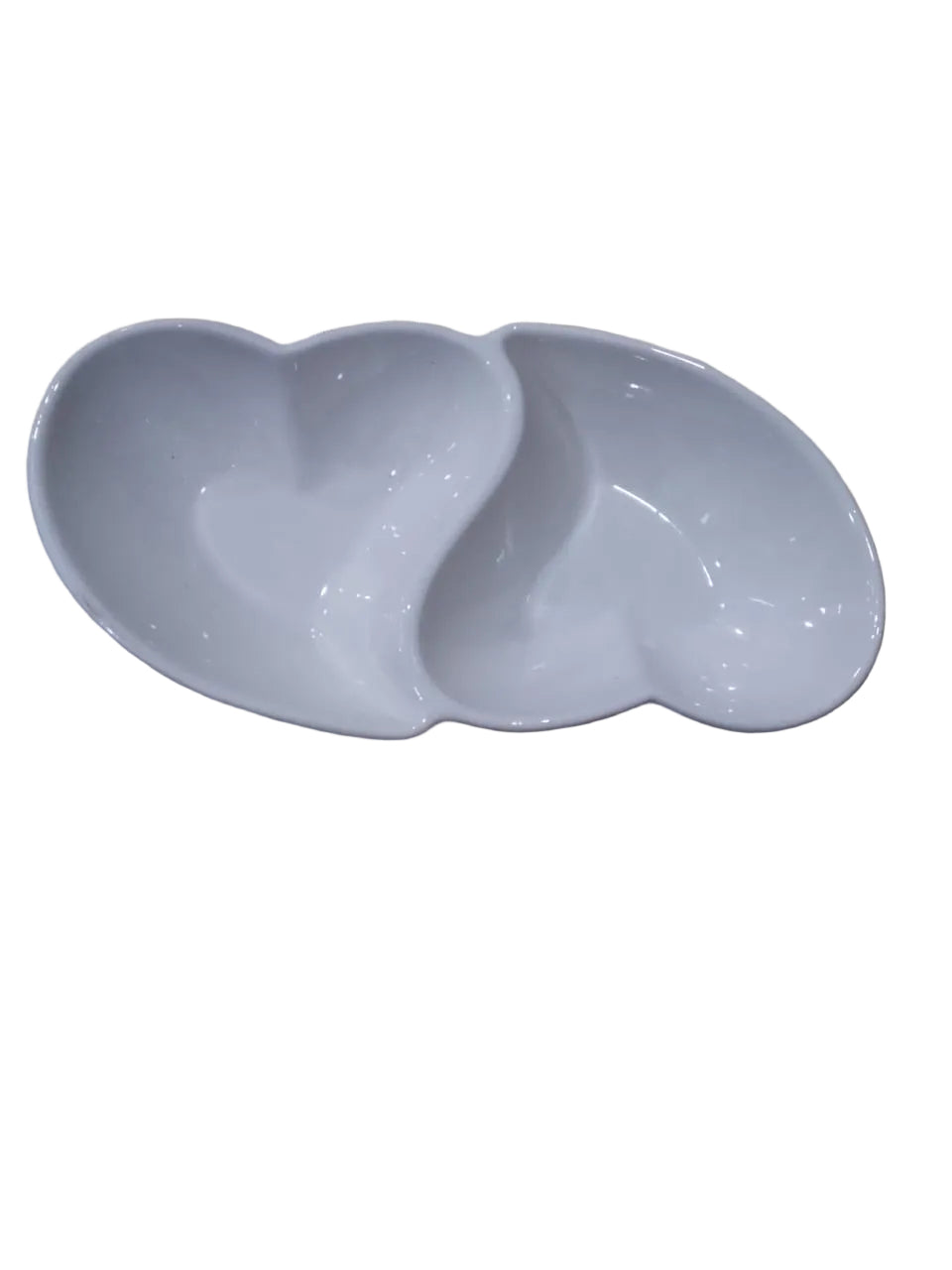
Divided bowl
1 Must haveSmall separate sections let a toddler see each food on its own, which many picky eaters prefer to a mix.
How to use it: Put a tiny amount of each food in each section, including one new food next to two favorites.
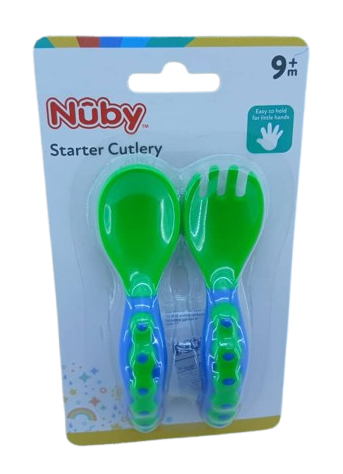
Toddler cutlery
1 set Must haveSmall, easy to hold cutlery encourages a toddler to feed themselves, which makes them more likely to eat.
How to use it: Let them practice with soft food such as yogurt or mashed potato. Stay beside them.
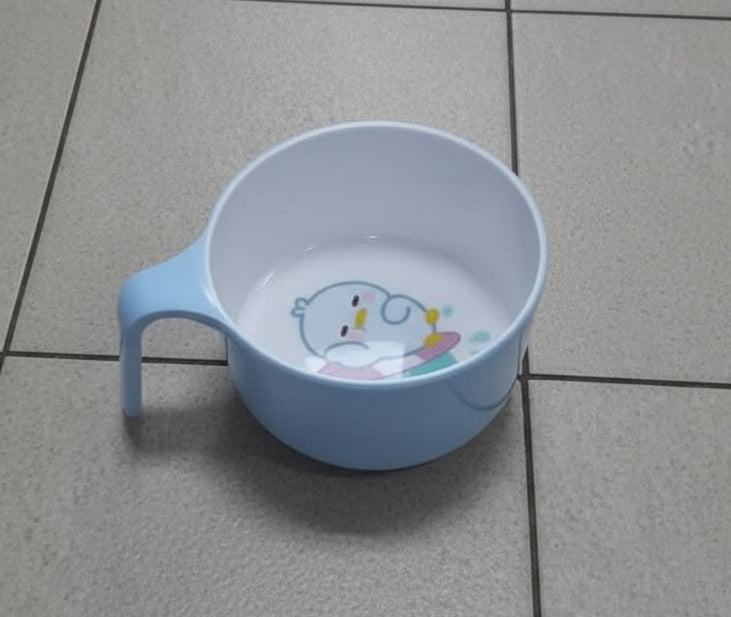
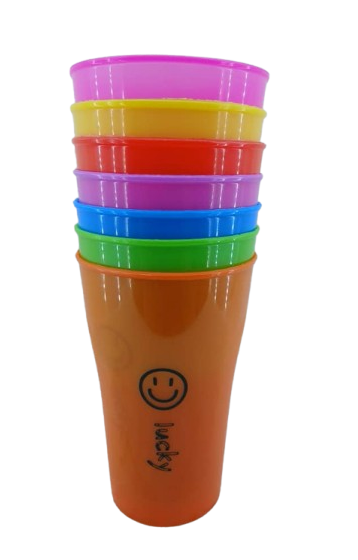
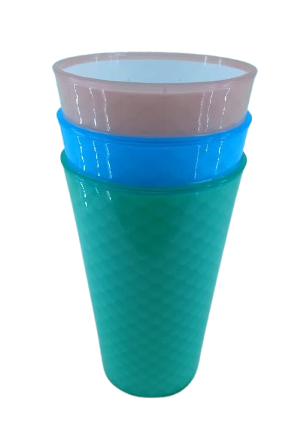
Plastic cups
2Nice to haveChild sized cups with a handle or light weight help toddlers drink without spilling and gives them a sense of control.
How to use it: Offer water with meals. Keep milk for after, so it does not fill the stomach.
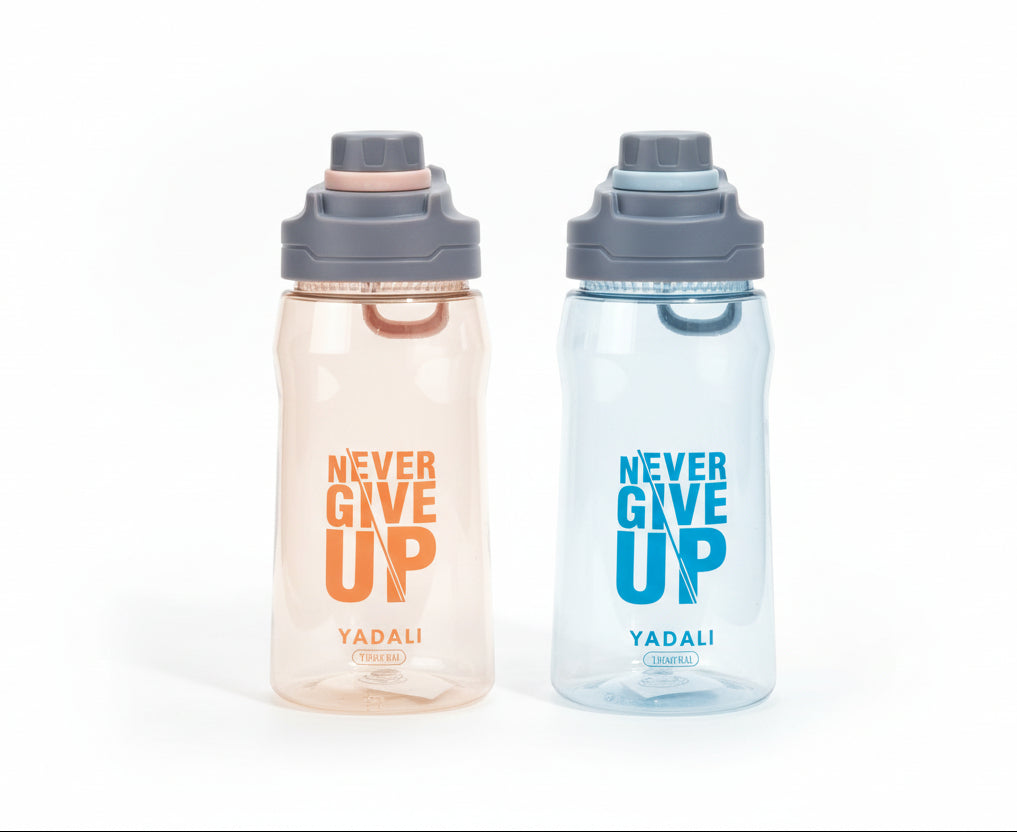
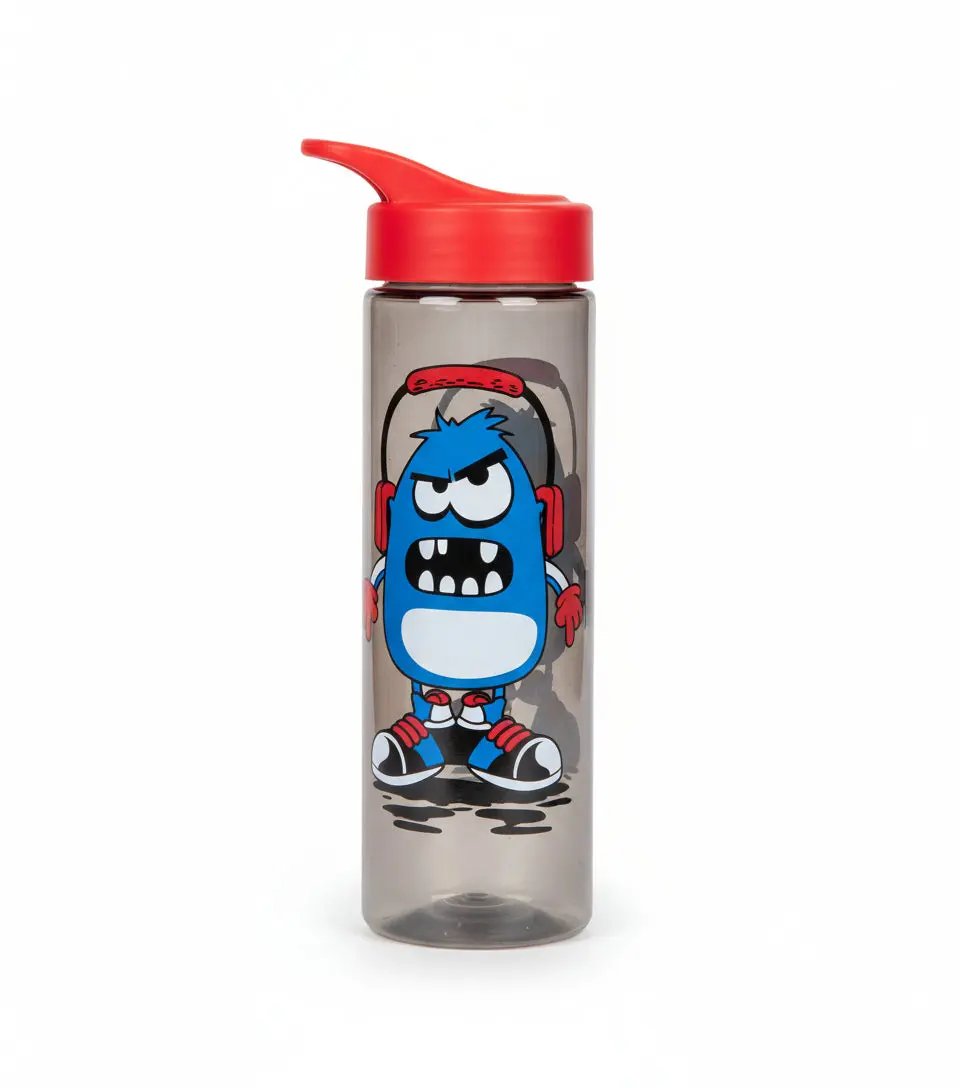
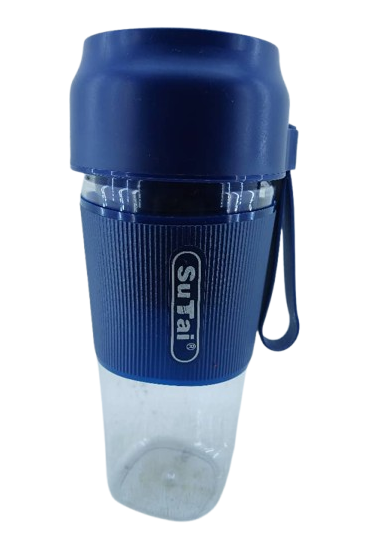
Water bottle
1Nice to haveA bottle of water within reach through the day lets a toddler drink when thirsty without juice.
How to use it: Refill morning and afternoon. Wash daily.
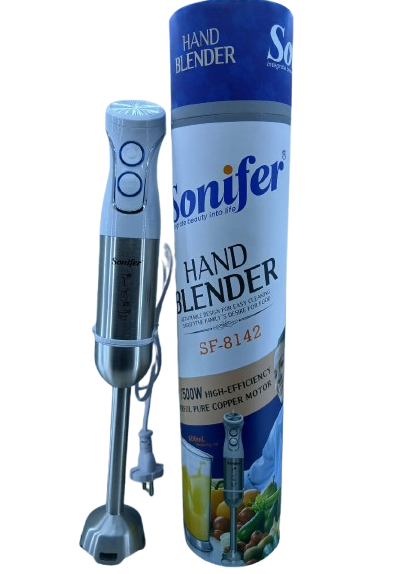
Hand blender
1Nice to haveSmooth soups and sauces hide vegetables and are good for a toddler who dislikes texture.
How to use it: Blend a little at first and keep some pieces if your child is ready for them. Clean after use.
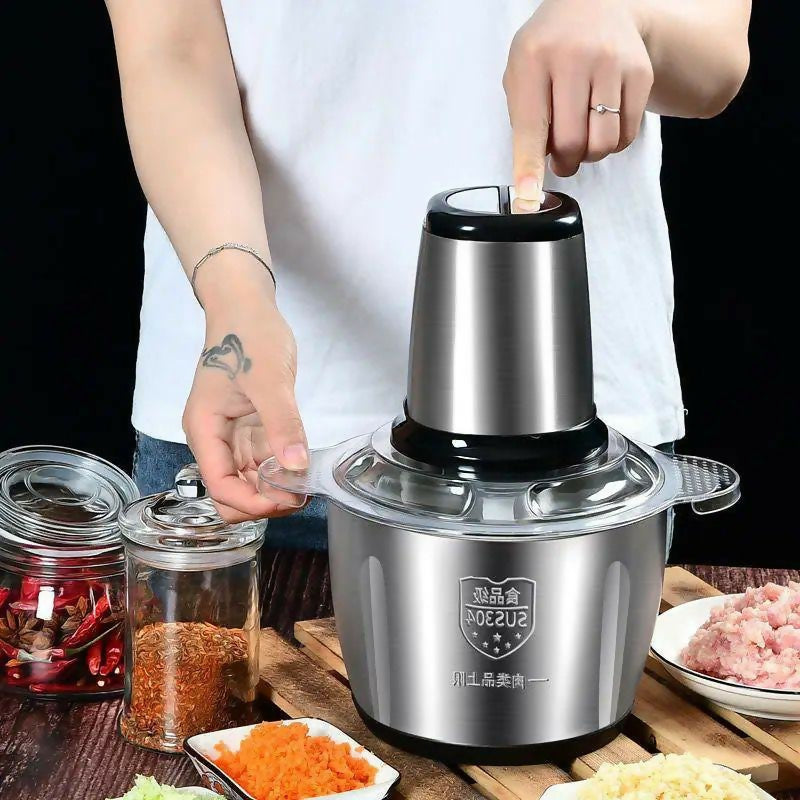
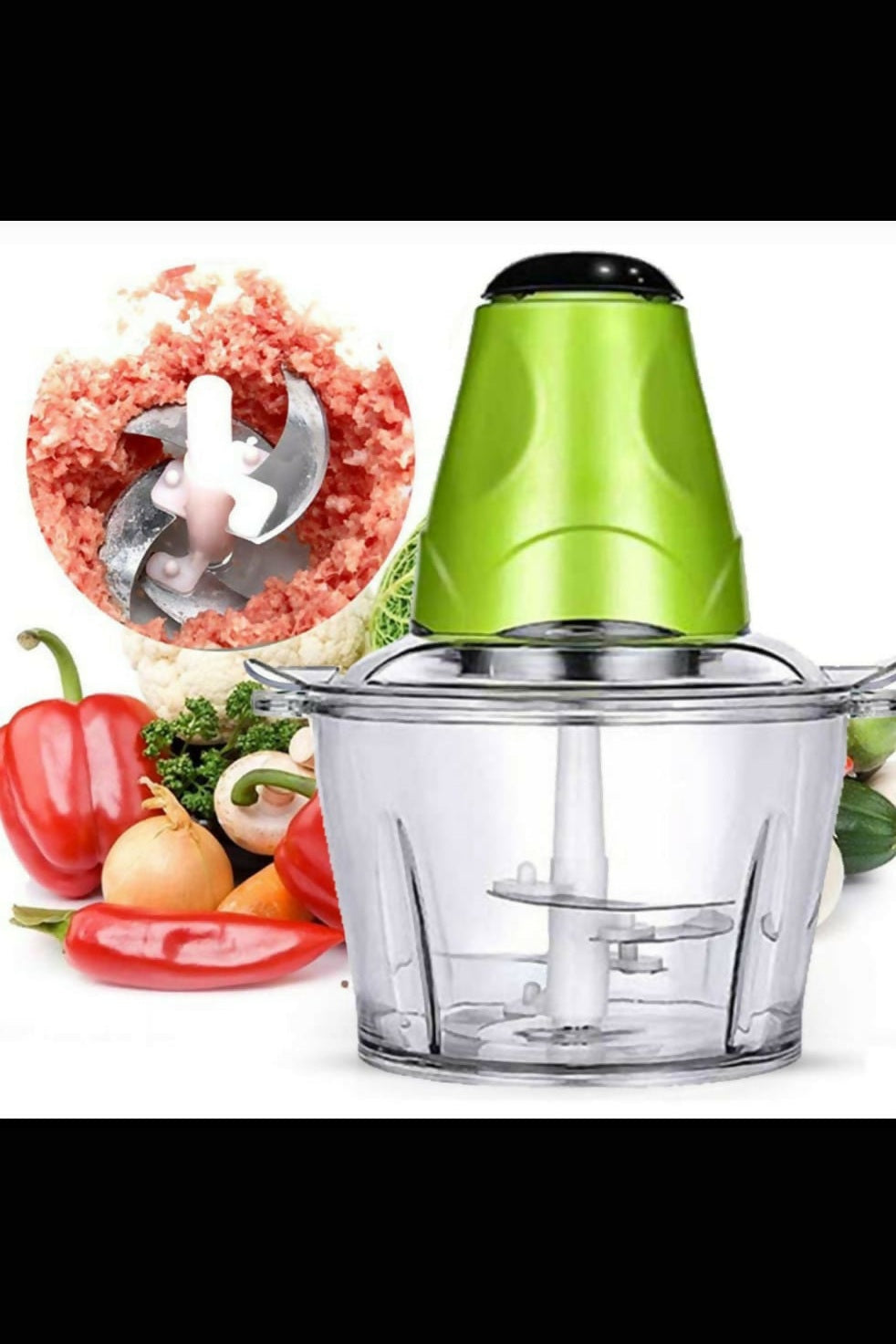
Food chopper
1Nice to haveFine chopping makes vegetables less obvious in rice, eggs and stews.
How to use it: Chop only what you will cook the same day. Wash the blades by hand.
Grater
1Nice to haveGrated vegetable and cheese melt into food and are easier to chew than chunks.
How to use it: Grate and add to pancakes, omelet or mashed potatoes.
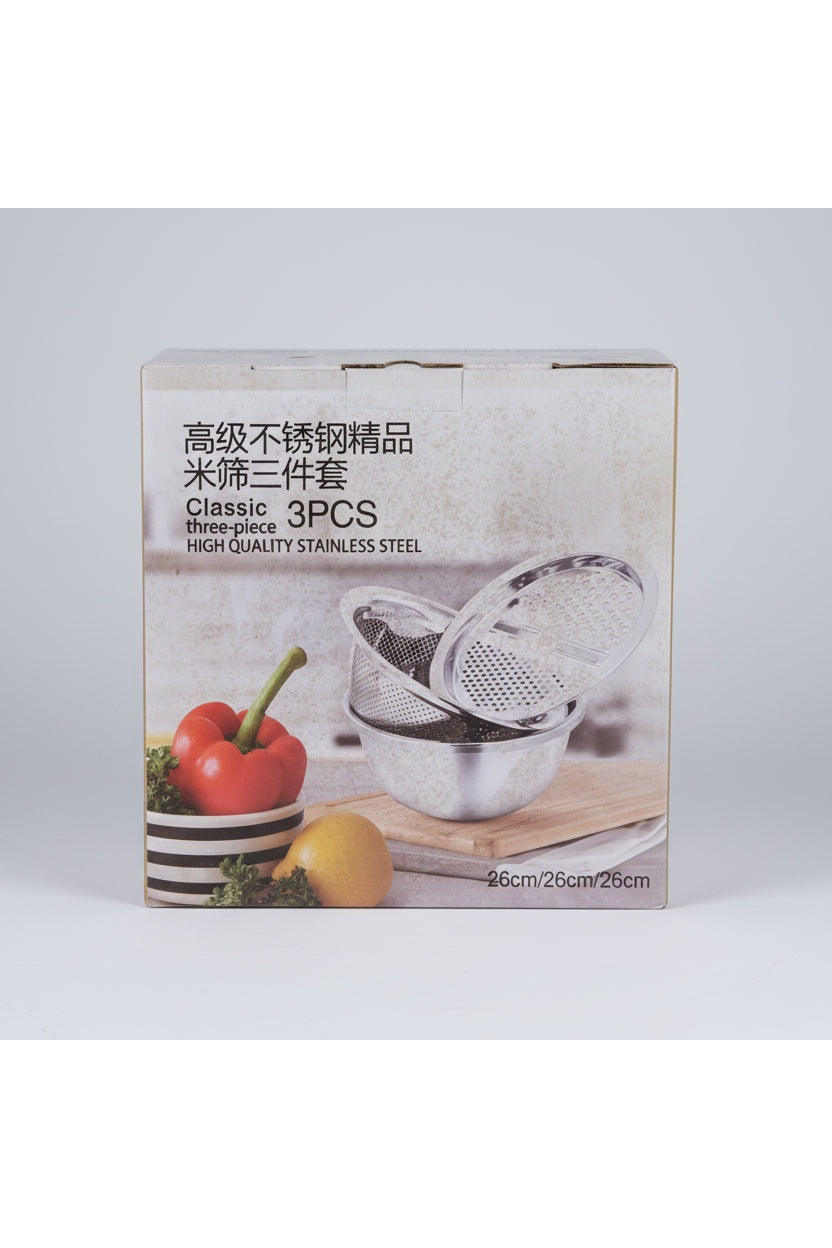 3-in-1 Multifunctional Stainless Steel Kitchen Basin Set with Grater Strainer & Drain Basket 3pcsKimironko MarketRWF 18,000
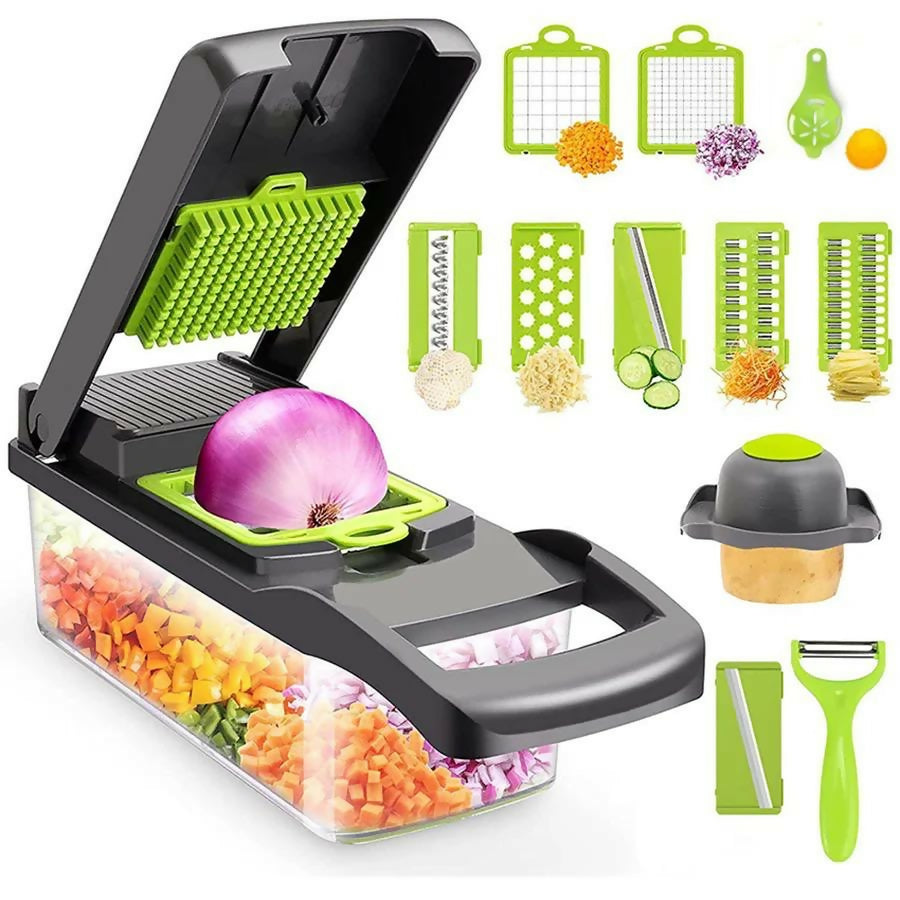 Multi-Function Vegetable and Fruit Chopper, Slicer, Dicer, and Grater 14-in-1Kimironko MarketRWF 15,000
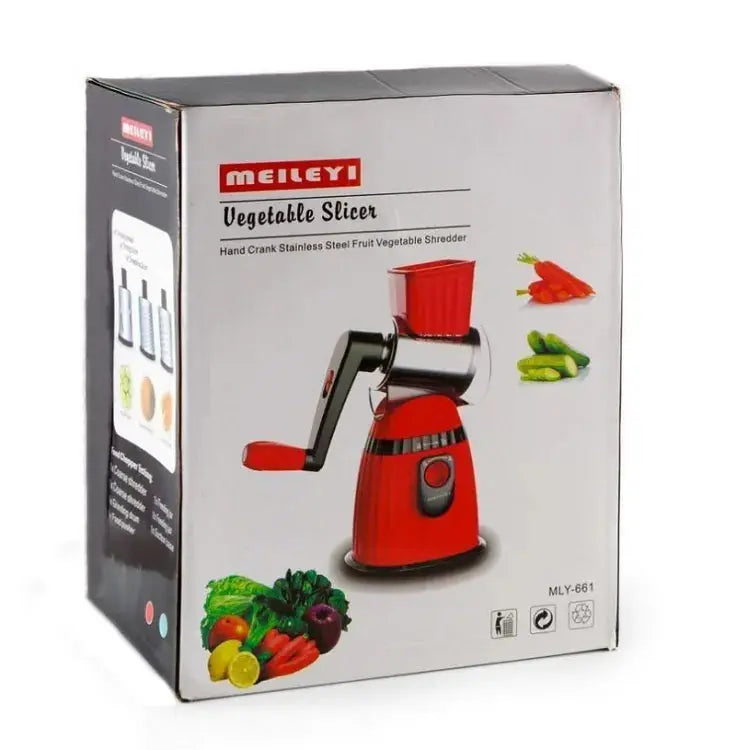 Meileyi Rotary Cheese Grater, 3-in-1 Multi-functional Mandoline Vegetable Shredder, Slicer, 3 Drum Blades in SetKimironko MarketRWF 18,000See more on Isokko
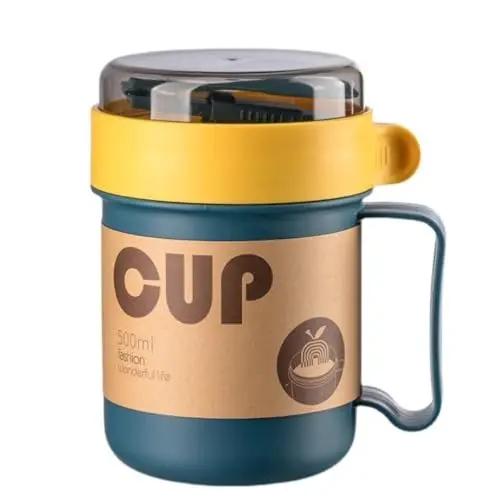
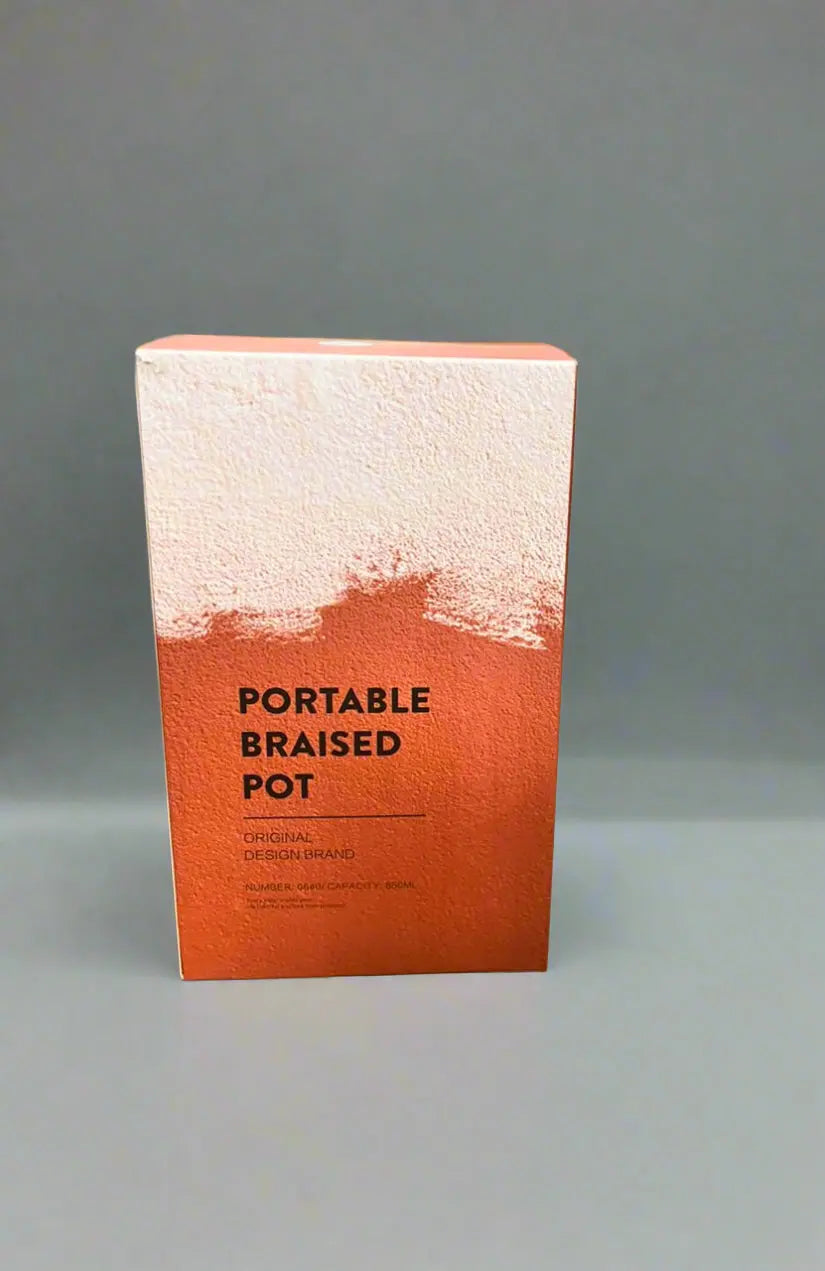
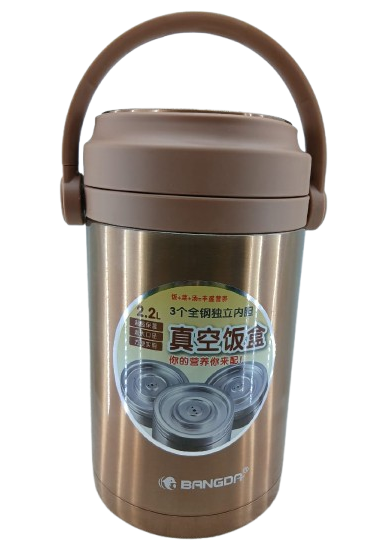
Lunch box
1Nice to haveA small box with compartments is perfect for daycare, a picnic or a snack in the car.
How to use it: Pack three small foods and let your child choose one in the morning.






Breakfast and porridge
A good breakfast makes the rest of the day easier, and porridge is a Rwandan favorite.
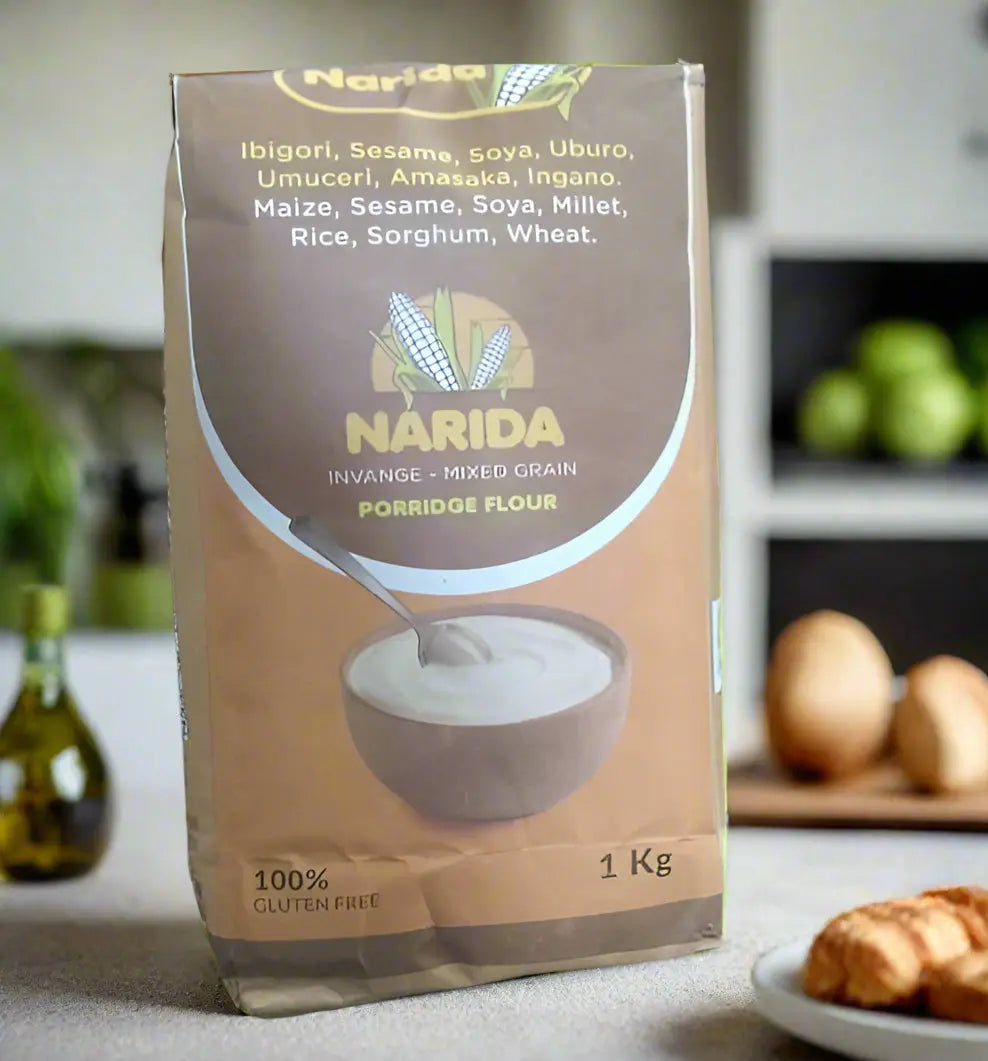
Porridge flour
1 pack Must haveA bowl of warm porridge is a gentle, familiar start. It can carry extras such as mashed banana or a little peanut butter.
How to use it: Cook it thin for young toddlers and a little thicker for older ones. Do not add honey for children under one year.
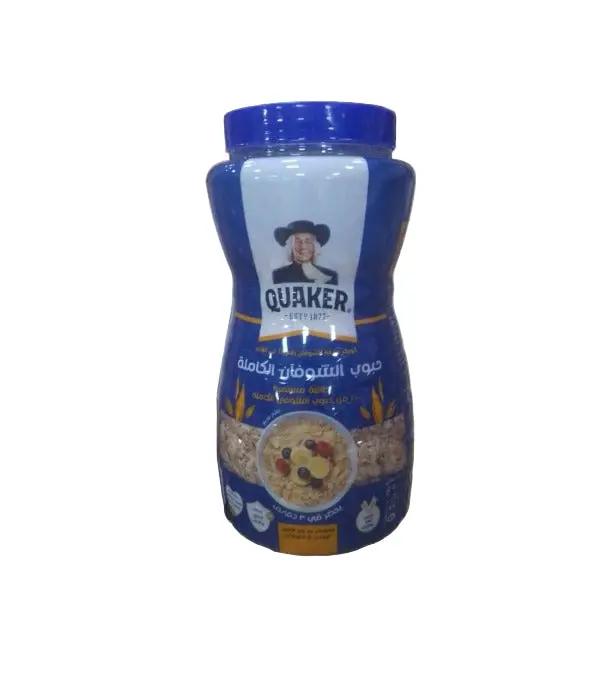
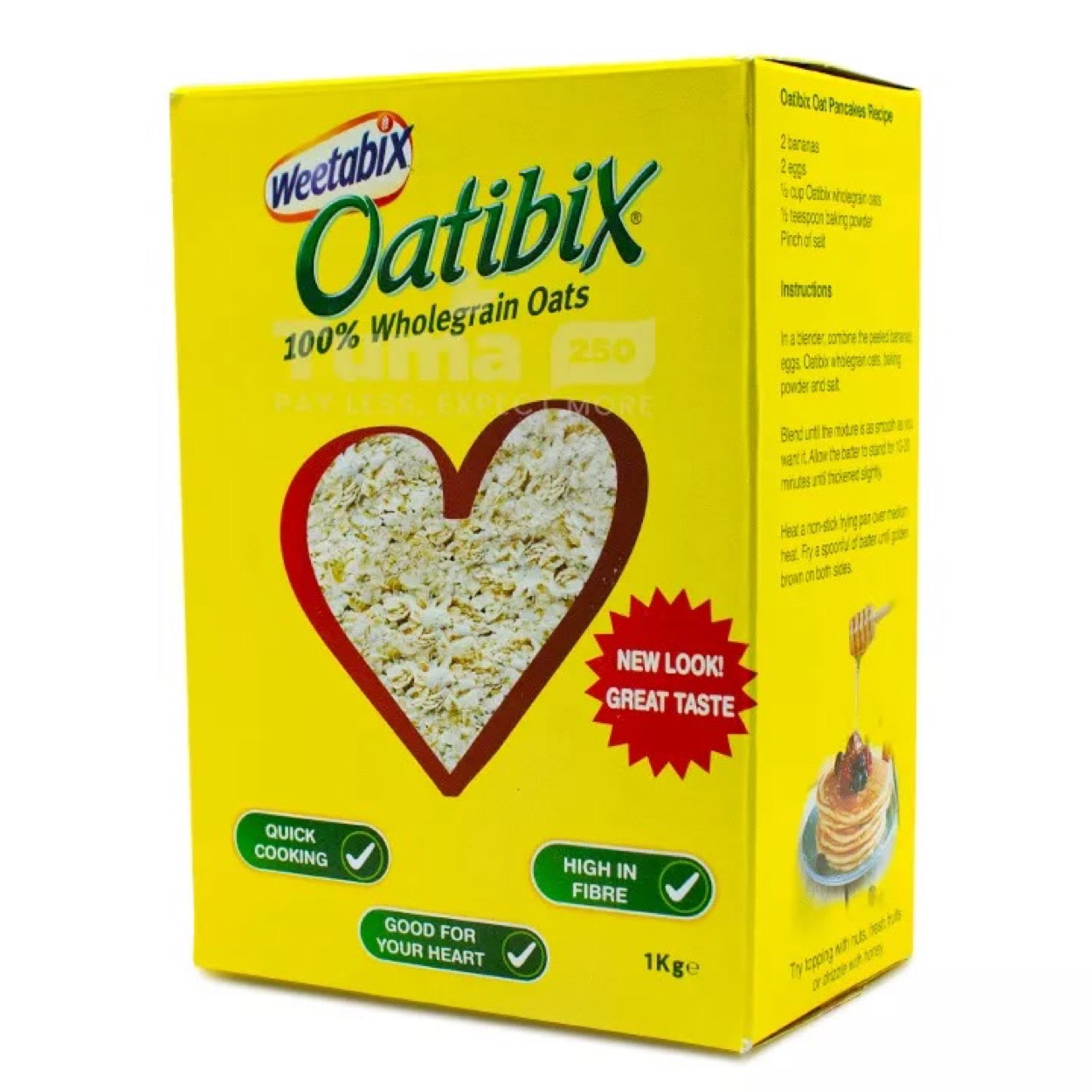
Oats
1 packNice to haveOats cook quickly and can be a base for porridge, pancakes or banana cookies.
How to use it: Cook with milk or water, then stir in mashed fruit. Let it cool before serving.
Eggs
1 tray Must haveEggs are soft, quick and often accepted. They carry protein and are easy to hide vegetables in.
How to use it: Cook until firm. Offer as scrambled egg, omelet strips or a boiled egg cut in quarters.
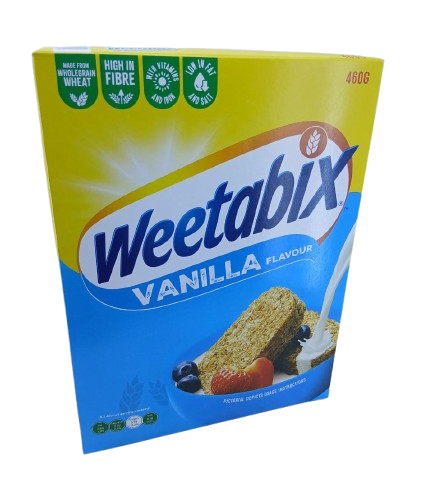
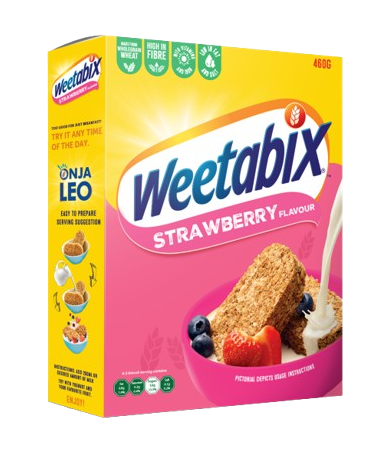
Weetabix or soft cereal
1 boxNice to haveSoft cereal biscuits soften in milk and are easy for little hands.
How to use it: Soften with warm milk. Pick one with little added sugar.
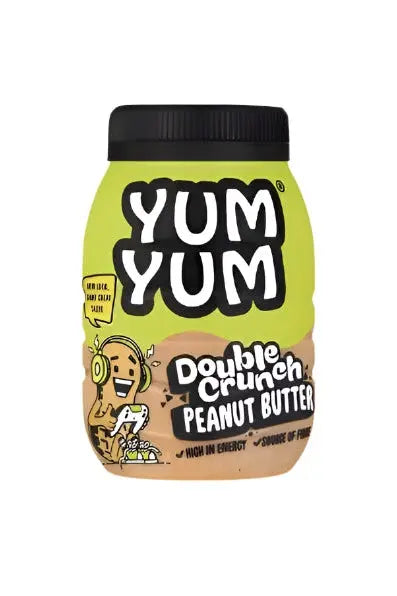
Peanut butter
1 jarNice to haveA thin spread on bread or a banana adds energy and healthy fat. Check for allergy before offering.
How to use it: Spread thinly. Never give a spoonful of peanut butter alone to a young child.







Fruits and vegetables
Offer small portions often. Toddlers may need 10 or more tastes before they accept a new food.
Sweet bananas
1 bunch Must haveSweet, soft and easy to hold, bananas are a safe favorite.
How to use it: Cut into rounds or mash into porridge. Keep some unripe for a lower sugar option.
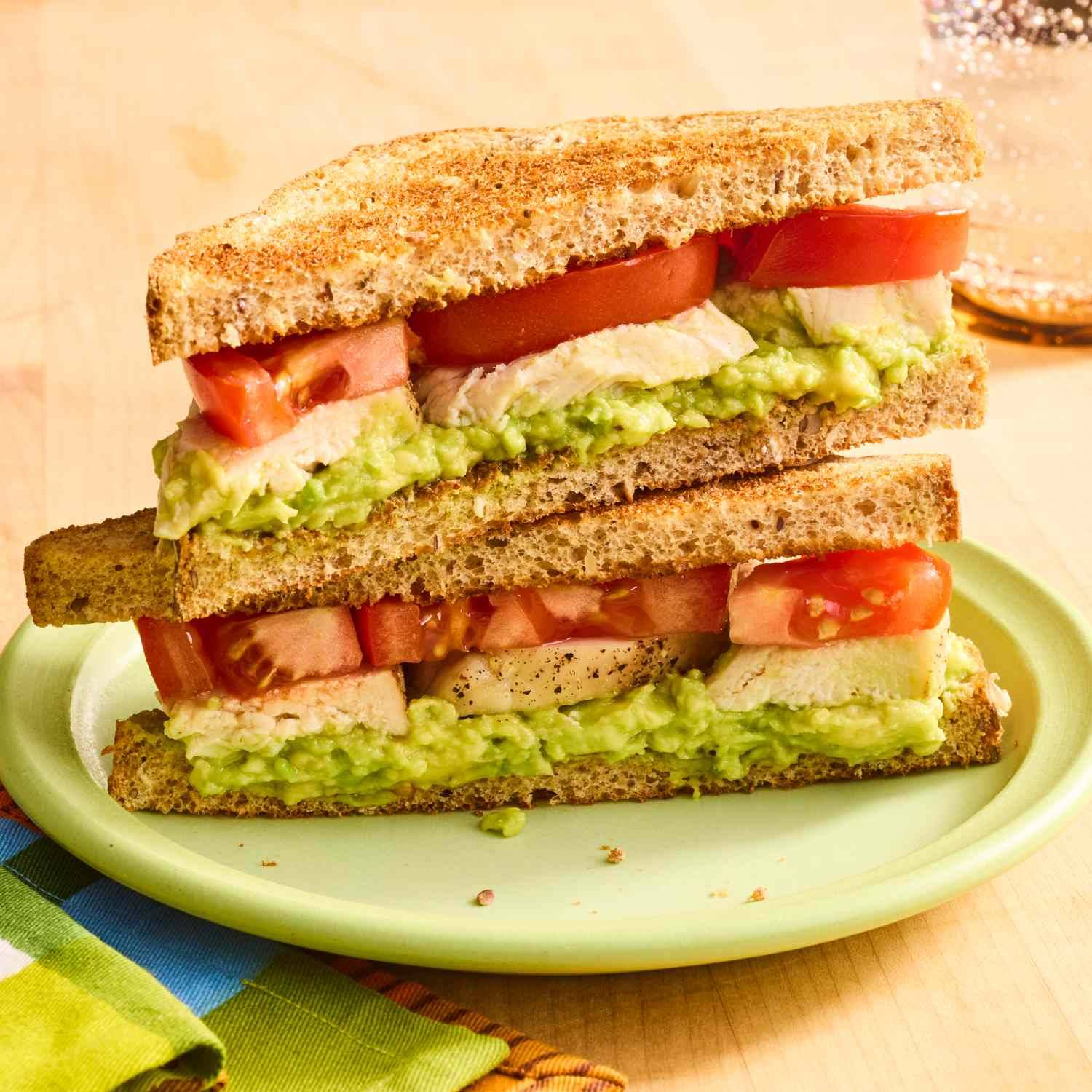
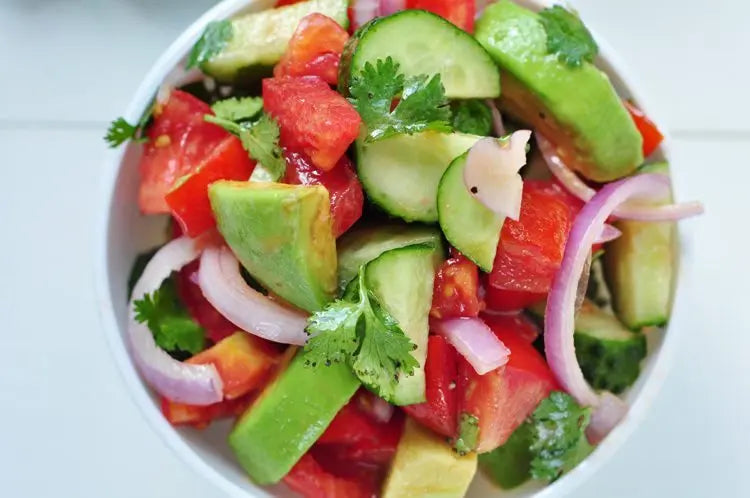
Avocado
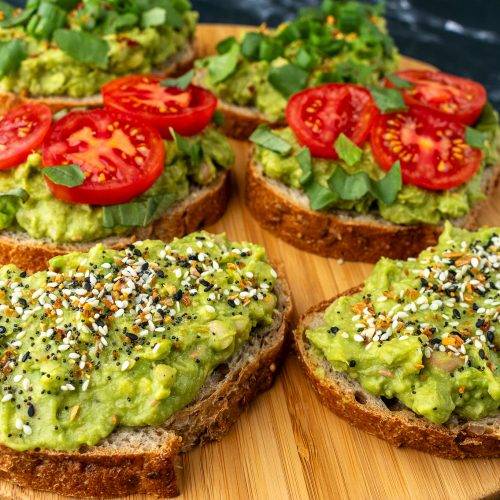
2 to 3 Must haveSoft, mild and full of healthy fat, avocado is a good first green food.
How to use it: Mash it on toast, slice into fingers or mix into yogurt.
Mango
3 to 4Nice to haveSweet fruit encourages a child to try new fruits and works as a treat after a meal.
How to use it: Cut off the skin and slice into thin pieces or strips.
Sweet potatoes
1 kg Must haveNaturally sweet and soft when cooked, sweet potatoes suit a toddler who avoids plain vegetables.
How to use it: Boil, steam or bake and cut into wedges. Mash with a little milk.
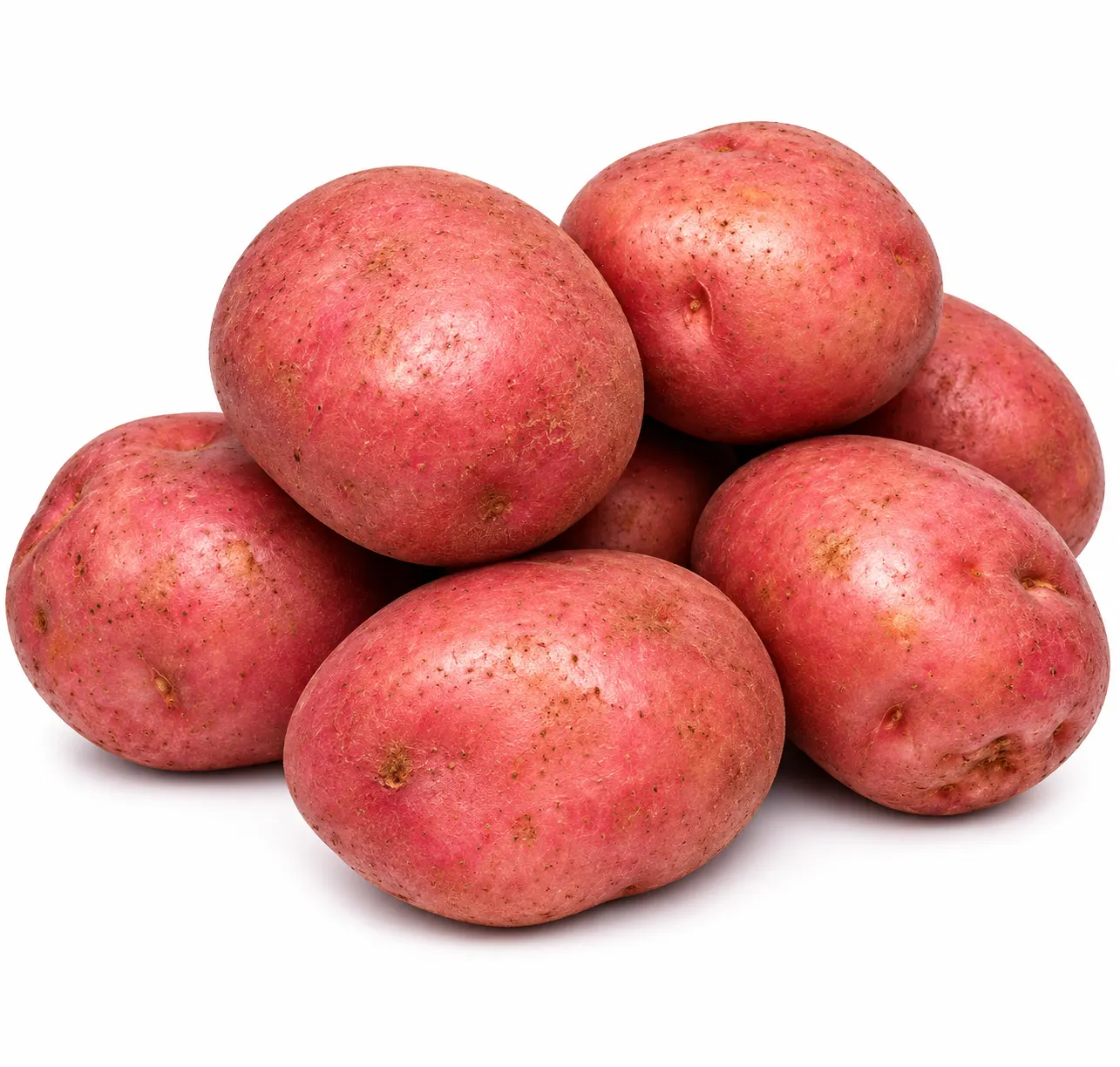
Irish potatoes
1 kgNice to haveFamiliar food with a mild taste, good for mash, chips or soup.
How to use it: Boil and mash with a little oil. Stir in grated vegetables.
Broccoli
1Nice to haveA mild green vegetable that is easy to hold as a little tree.
How to use it: Steam until very soft. Offer with a dip of yogurt.
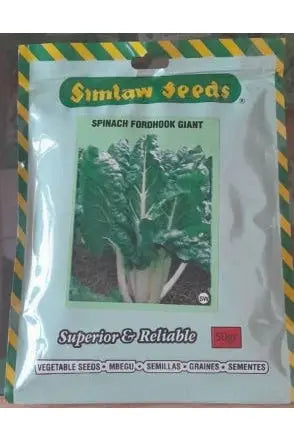
Spinach
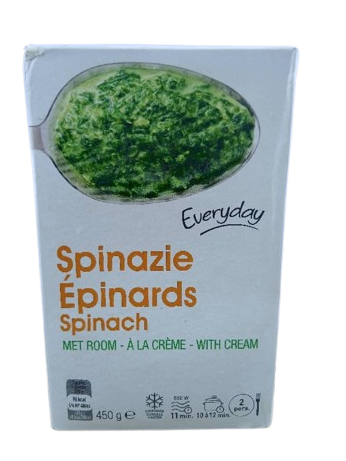
1 bunchNice to haveCooked spinach can be mixed into eggs, pasta or soup without a strong taste.
How to use it: Chop finely and stir in at the end of cooking.






Protein and dairy
Small amounts of protein across the day make a toddler's meals more filling and balanced.
Yogurt
1 pack Must haveSmooth, cold and mild, yogurt is accepted by many toddlers and works as a dip for fruit or vegetables.
How to use it: Choose plain or lightly flavored. Offer in a small bowl with a small spoon.
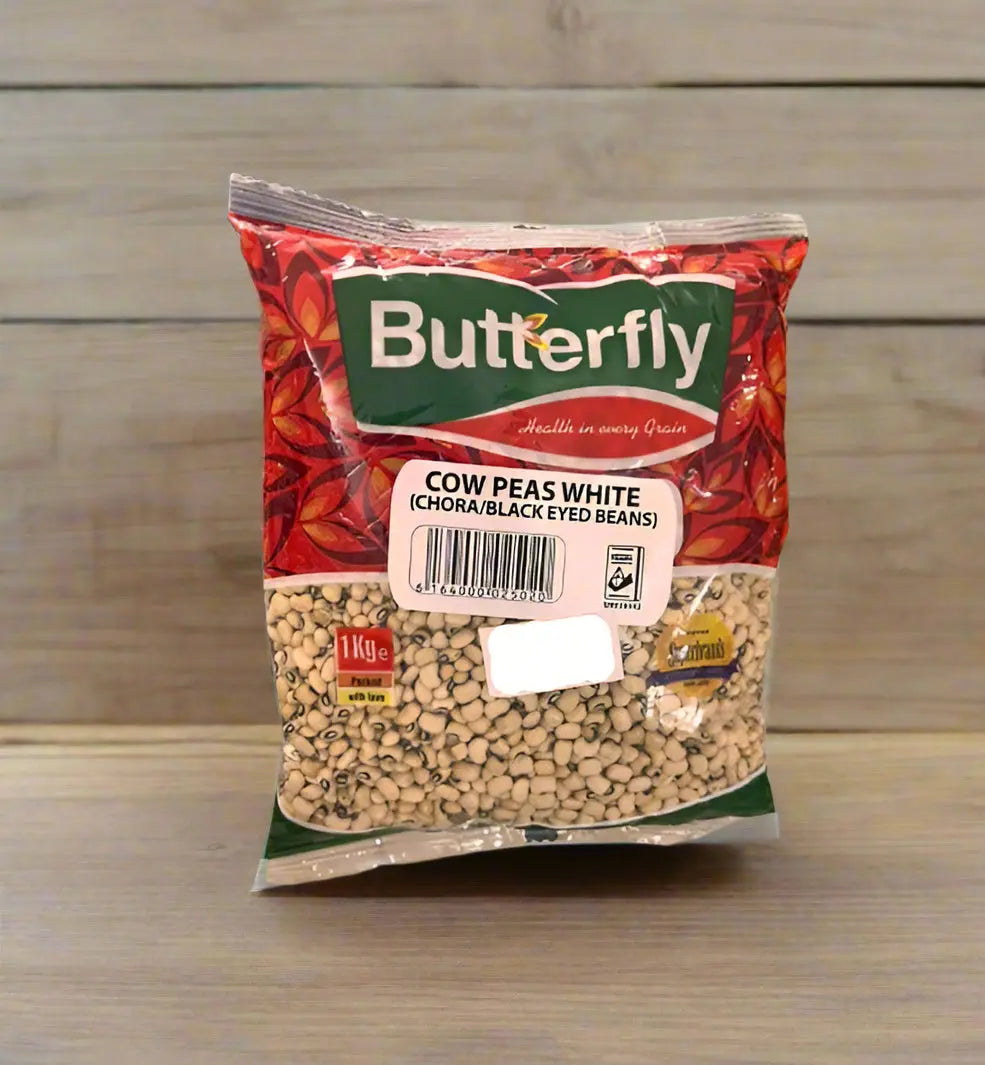
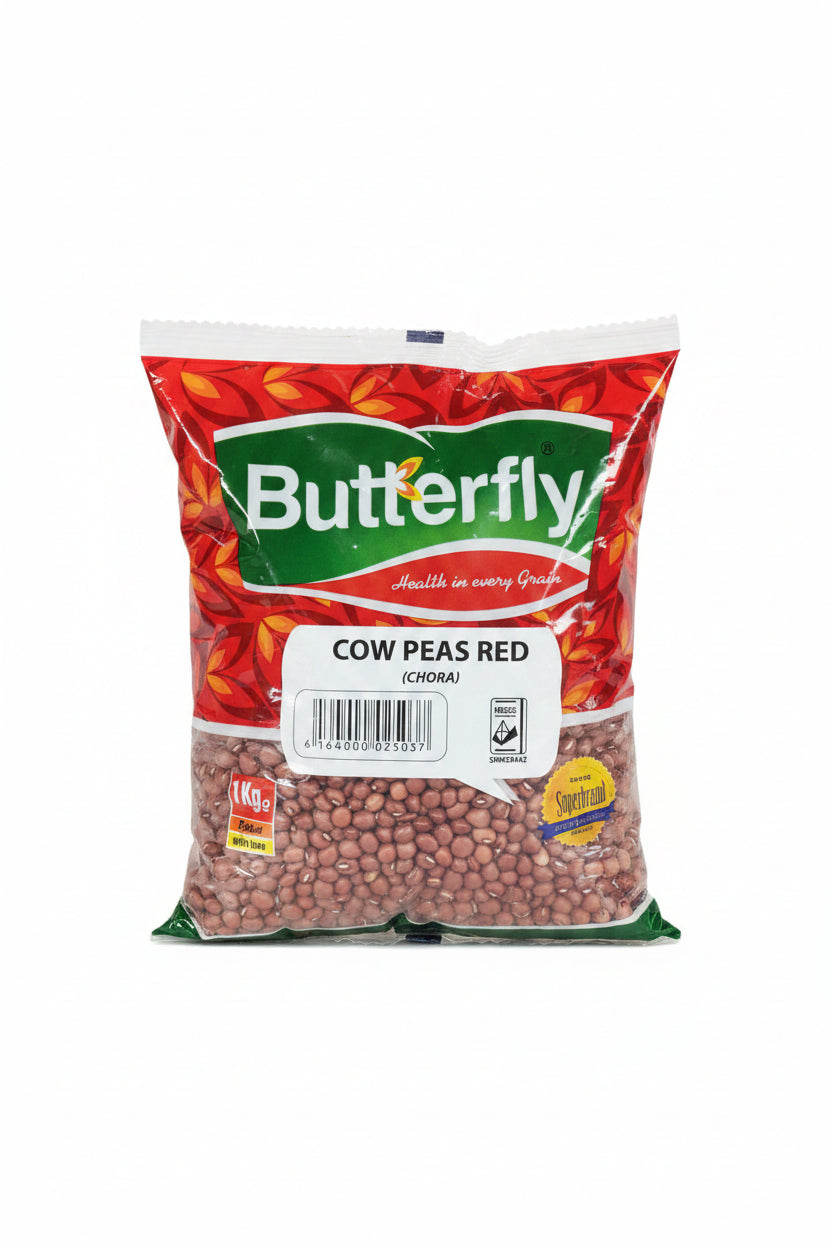
Beans
1 kg Must haveA Rwandan staple, soft cooked beans are rich in protein and iron, and easy to mash.
How to use it: Cook until very soft, mash lightly for younger toddlers and mix with rice or potatoes.
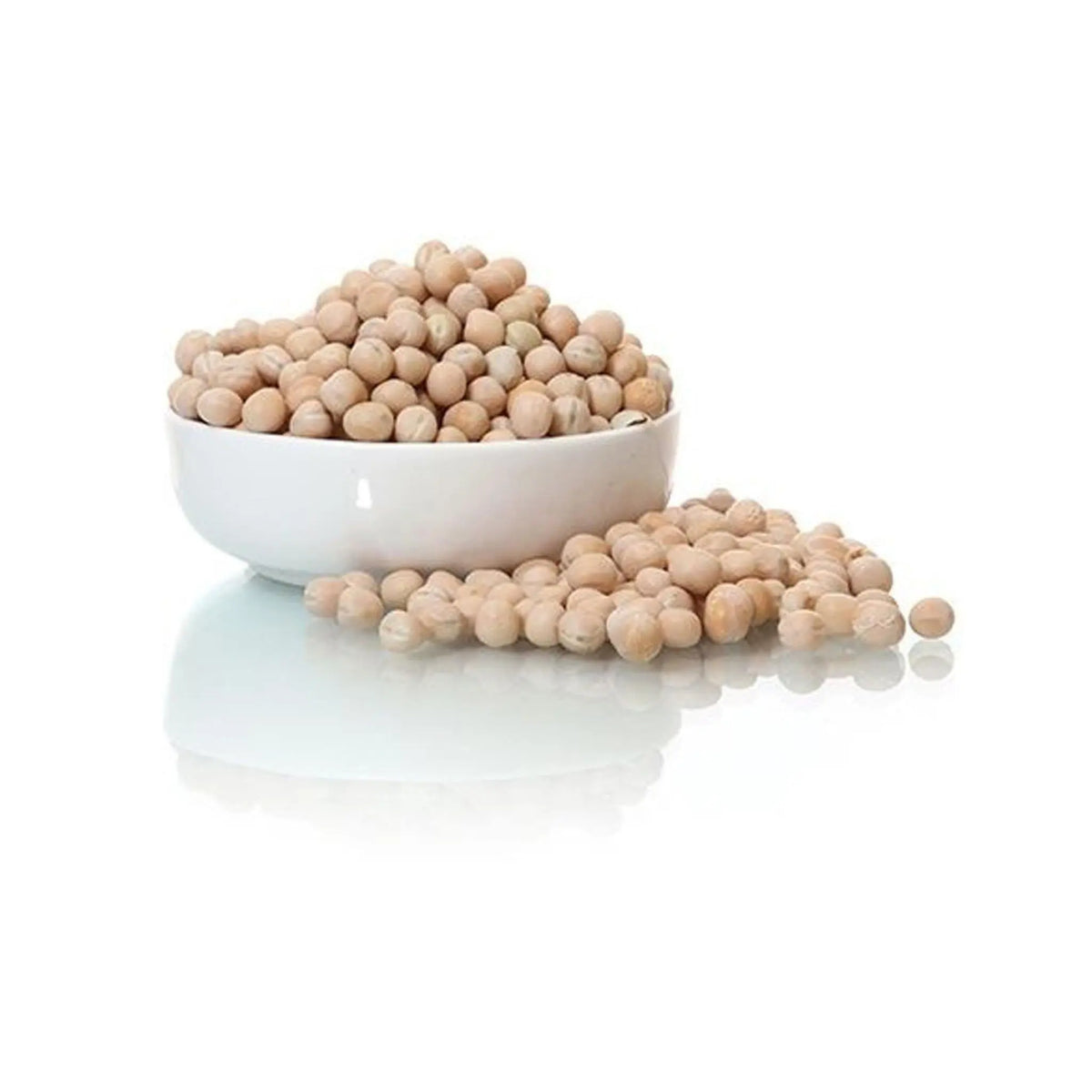
Peas
1 packNice to haveSmall and sweet, peas add color and protein to rice and mash.
How to use it: Cook until soft and squash lightly for younger children.
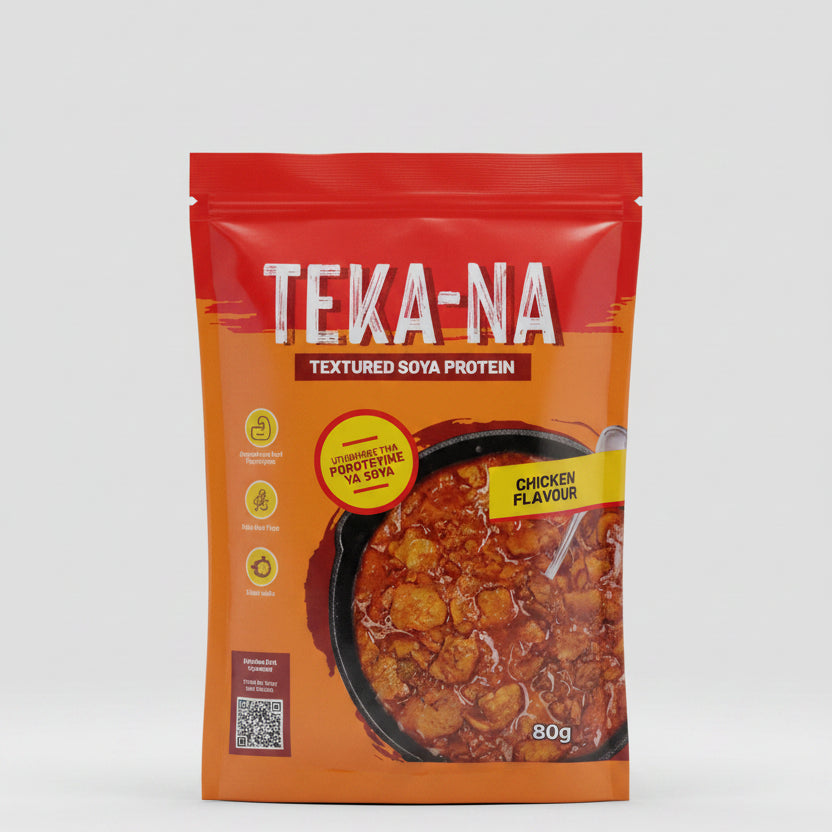
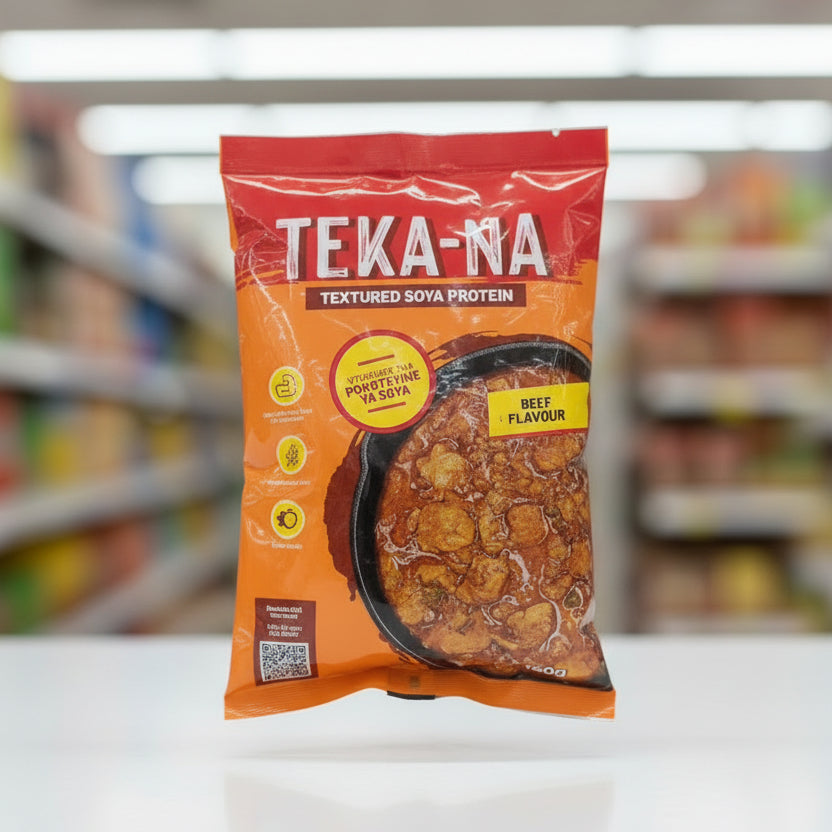
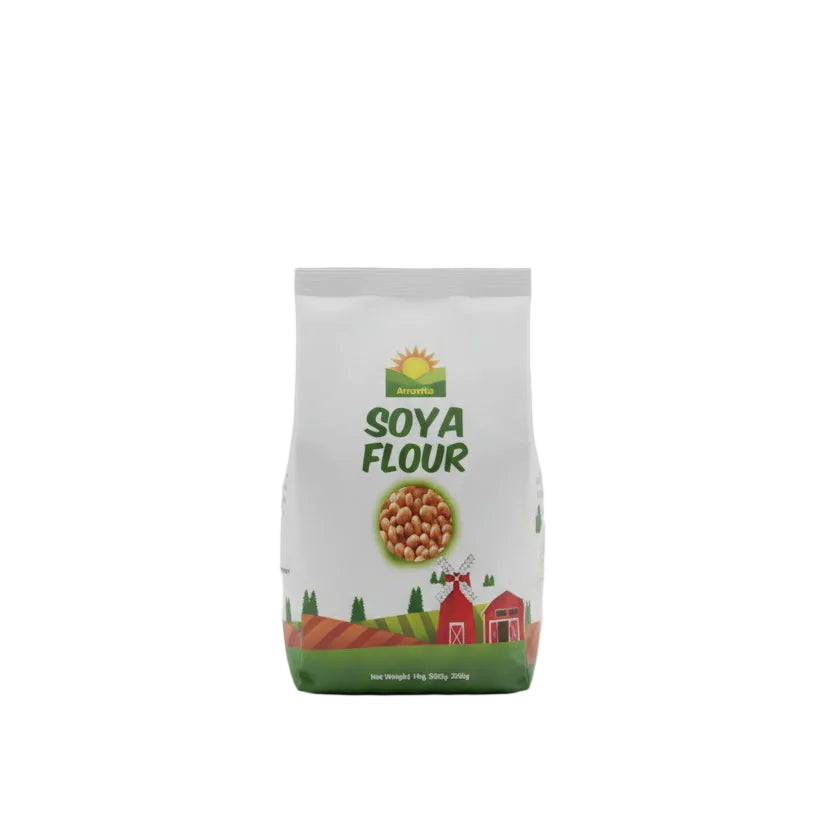
Soya flour
1 packNice to haveAdds protein to porridge and pancakes without changing the taste much.
How to use it: Add a spoonful to porridge flour before cooking.
Rice
1 kg Must haveA plain base that many toddlers accept, to which you can add small bits of new foods.
How to use it: Cook soft and serve in a small mound next to the new food.
Pasta
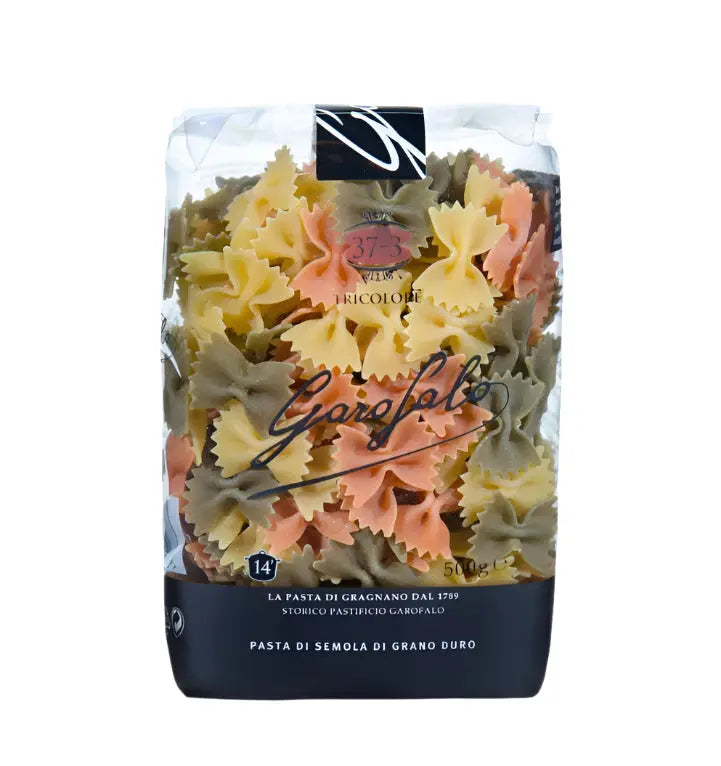
1 packNice to haveShort shapes are fun to pick up, and plain pasta is a safe backup on a hard day.
How to use it: Cook until soft and toss with a little oil and grated vegetables.






Snacks and treats
Plan snacks so they do not replace meals. Two small planned snacks a day usually work well.
Rice cakes
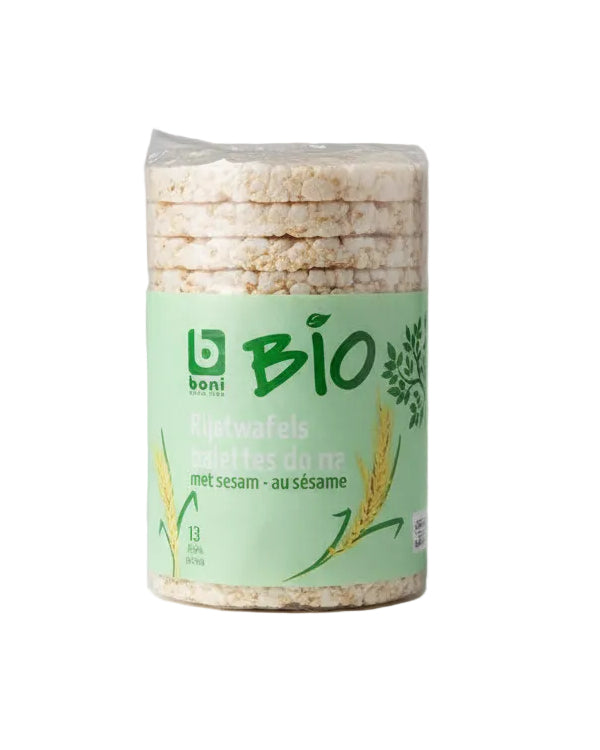
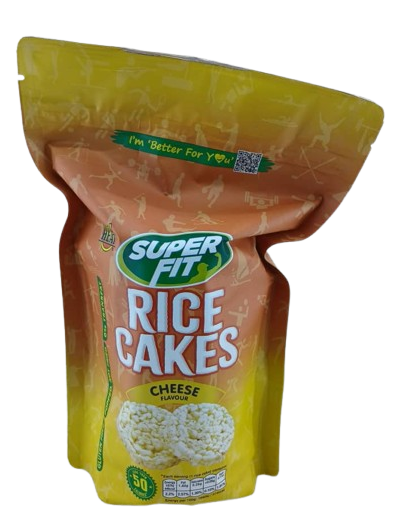
1 packNice to haveLight, crunchy and easy to hold, they melt in the mouth and suit toddlers who like texture.
How to use it: Offer on a plate with a spread or a fruit on the side. Stay close while they eat.
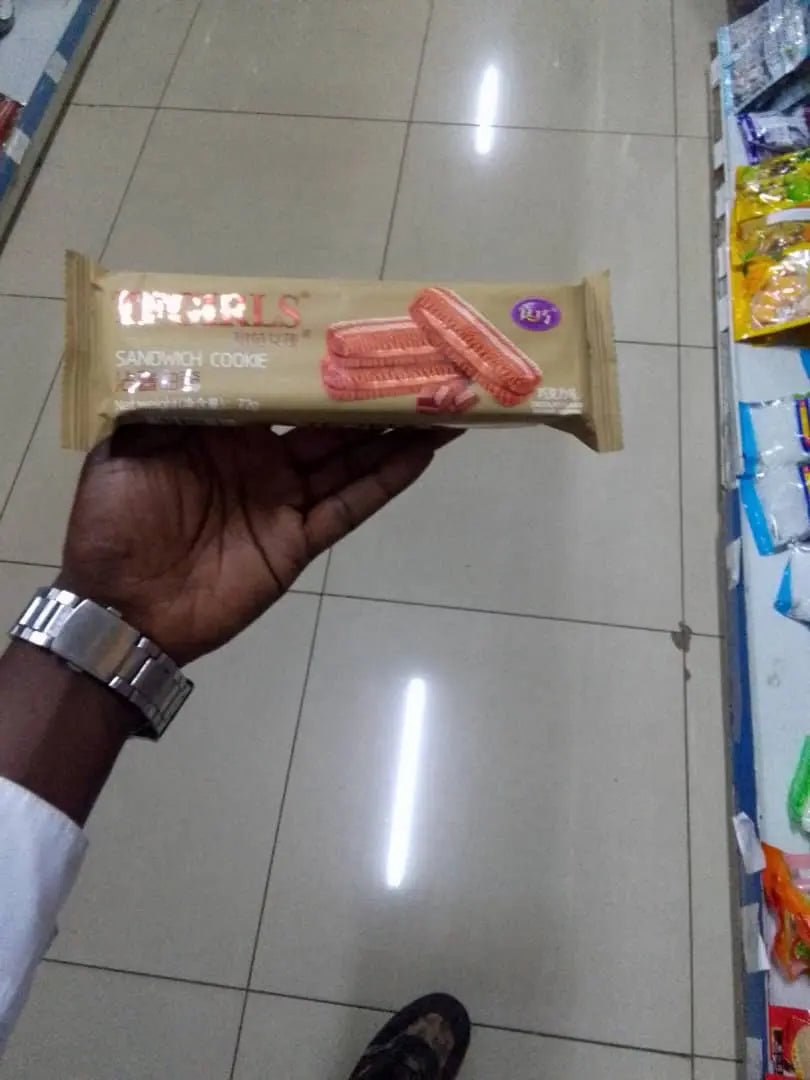
Baby biscuits
1 packNice to haveA simple biscuit for a car ride or a quiet moment, and a good reward for trying a new food.
How to use it: Offer after the meal, not instead of it.
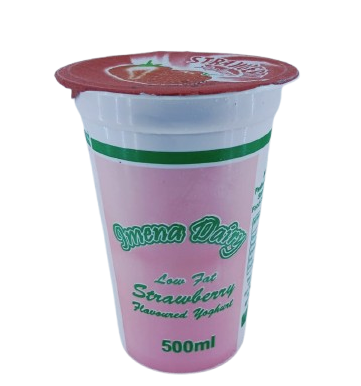
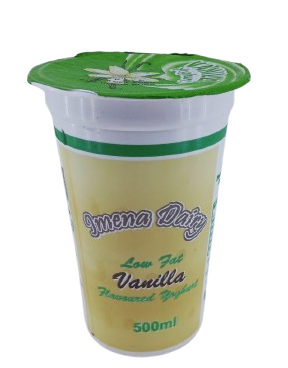
Yogurt cups
1 or 2Nice to haveA portion that is easy to carry for daycare or a walk.
How to use it: Keep cold and use the same day once opened.
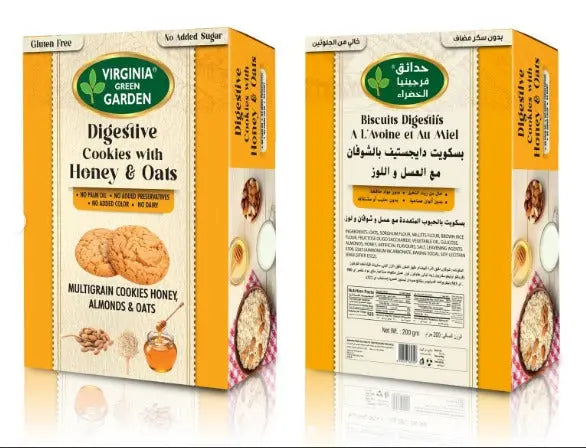
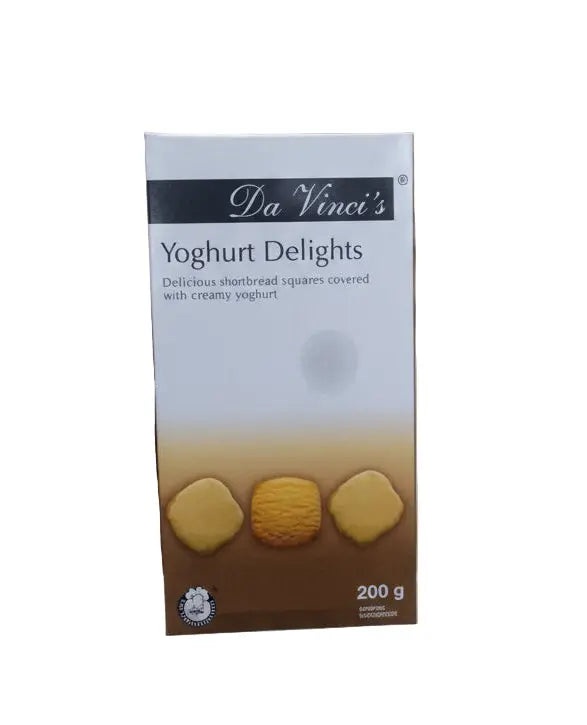
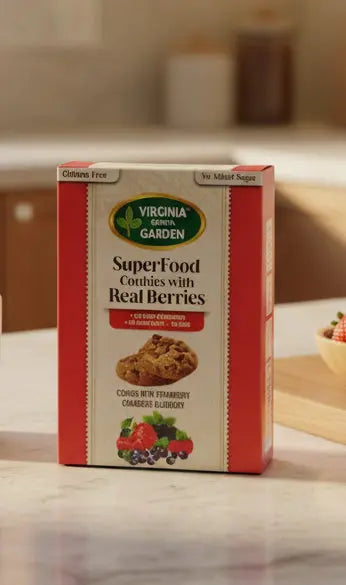
Cookies with oats
1 packNice to haveA small sweet treat that has more fiber than a plain sweet biscuit.
How to use it: Offer one as dessert, not as a bribe.



Step by step
- 1
Monday and Tuesday
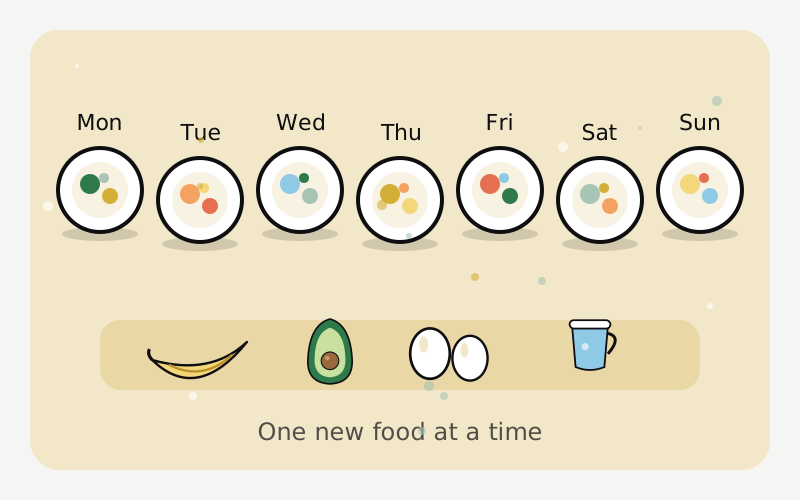
Offer a familiar breakfast like porridge with banana, a lunch of rice and beans, and an evening of eggs with soft potato. Put one tiny piece of avocado on the plate and say nothing about it.
- 2
Wednesday and Thursday
Add sweet potato wedges and yogurt with mango. Try broccoli 'trees' with a yogurt dip. Let your child touch and smell the food without pressure.
- 3
Friday
Make a build your own plate: rice, beans, grated vegetable and a fruit. Let your child choose what goes where.
- 4
Saturday
Cook together. Let your toddler stir porridge, squash banana or tear spinach. Children eat more of what they help make.
- 5
Sunday
Plan the next week. Note which foods were accepted, which were refused and which can try again. Reorder fresh food and restock snacks.
Tips that help
- Serve a new food together with one you know your child likes.
- Do not force, bribe or beg. Offer, then calmly remove the plate after the meal.
- Offer small portions, about a spoonful. A full plate can be overwhelming.
- Eat the same food at the same time. Toddlers copy the adults near them.
- Keep meal and snack times regular so your child comes to the table hungry.
- Limit juice and sweet drinks, so water and milk fit around meals.
- Be patient. A food can take many tries before it is accepted.
Mistakes to avoid
- Making a separate meal every time your child refuses food.
- Using sweets as a reward for eating vegetables.
- Giving large amounts of milk or juice between meals, which fills the stomach.
- Offering a new food only once and giving up.
- Giving whole nuts, grapes or hard raw pieces that can choke a toddler.
- Stressing at the table, which can make mealtime a battle.
Questions people ask
Why is my toddler suddenly refusing food?+
Toddlers grow more slowly than babies, so they need less food, and they are also learning to say no. This stage is common and usually passes. If you are worried about growth, speak to a doctor or clinic.
How many times should I offer a new food?+
Many children need 10 or more small tastes before they accept a new food. Keep offering in tiny amounts, with no pressure, and let your child see you eating it.
What can I hide in food for a picky eater?+
Finely grated or blended vegetables can go into stews, omelets, pancakes and mashed potato. Also offer them openly so your child learns what they look like.
How much should a toddler eat in a day?+
Toddler appetites change a lot from day to day. Look at the whole week, not one meal. If your child is active, growing and has energy, they are likely eating enough. Ask a clinic if you are unsure.
Are snacks bad for a picky eater?+
Not if they are planned. Two small snacks between meals are fine. Constant grazing or large drinks of milk can spoil appetite for meals.
Picky eating is a phase, and a calm, steady table is your best tool. Shop the list on Isokko, have fresh food and kitchen tools delivered to your door in Kigali, and take the week one plate at a time.
Shop this list
Get everything delivered in Kigali
Order from local stores on Isokko and pay with MoMo, card or cash. Same-day delivery.