
Checklist · Baby & family
Finger Foods for a Nine Month Old Baby: What to Buy
Finger foods for a nine month old baby in Kigali: soft foods, feeding tools, safe storage and cleaning supplies to buy for the next stage after first solids.
Updated November 17, 2026 · By Isokko
At around nine months many babies want to feed themselves. They grab, squash and taste, and finger foods help them build chewing skills and a love of eating. This guide is not about first purees but about what comes next: soft foods in small pieces, spoons and bowls, and storage for leftovers.
Every baby is different, so follow your baby's cues and ask your clinic or doctor about allergies, textures and any foods to avoid. Always stay with your baby while they eat, and cut food into safe shapes.
Use this list to shop for the week in Kigali, from fruit and soft vegetables to the bowls and wipes that make mealtimes easier.
Who it's for
Parents and caregivers in Kigali whose baby is around nine months old and has already started solids
Time needed
Buy for a week at a time, since fruit and vegetables need to be fresh
When to shop
Order fresh produce close to feeding days, and buy tools and storage once
On the list
29 items, 9 must haves
0 of 29 ready
Soft fruit
Ripe, soft fruit is a good start for fingers. Offer it in pieces your baby can hold, and always watch while they eat.
Ripe banana
3 to 4 Must haveBananas are soft, easy to hold and sweet. They are easy to find in Kigali and cost little.
How to use it: Peel and cut into long sticks or thick slices. Choose very ripe ones for the youngest eaters.
Avocado
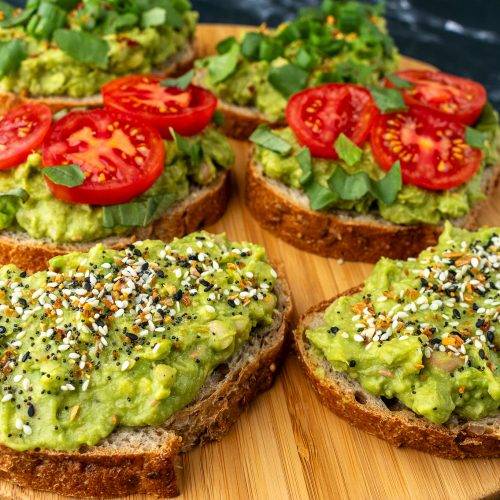
1 to 2 Must haveAvocado is soft with healthy fats, and is easy to grip when cut into wedges.
How to use it: Choose a ripe one that gives slightly when pressed. Cut into thick slices and roll in a little baby cereal to make them less slippery.
Papaya
1 smallNice to havePapaya is very soft and gentle on the tummy for many babies.
How to use it: Peel and remove all seeds, then cut into chunks the size of your finger.
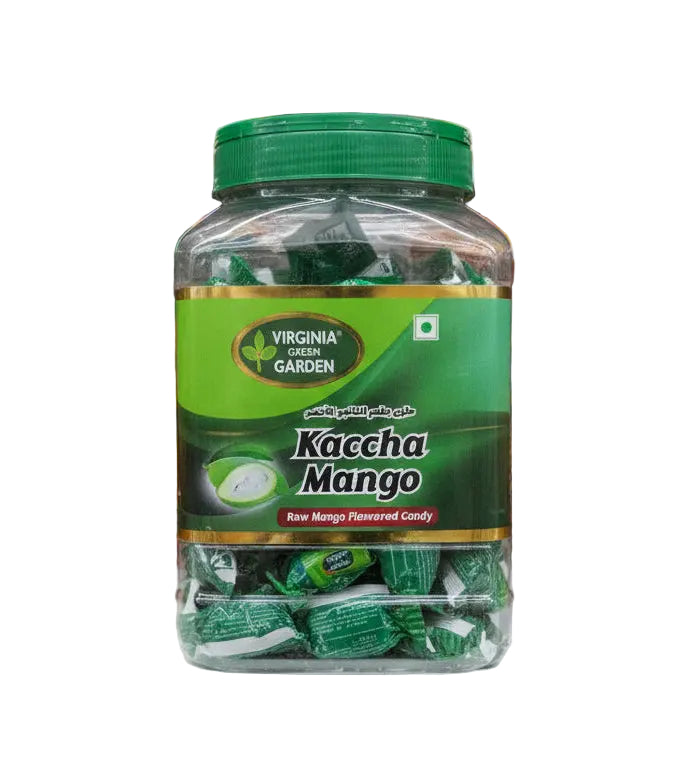
Ripe mango
2Nice to haveMango is naturally sweet and soft when ripe. Make sure it is not stringy.
How to use it: Peel and cut into long strips. Watch for the slippery pieces and stay with your baby.
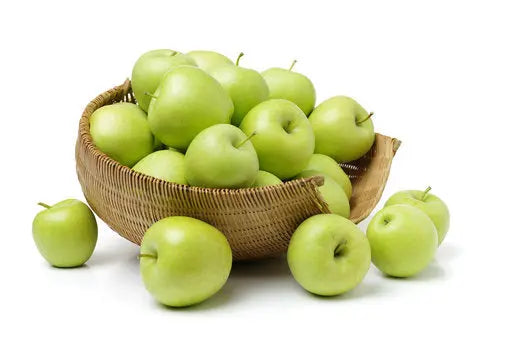
Apples for steaming
3 to 4Nice to haveRaw apple is too hard for babies at this age, but steamed or cooked soft, it makes a good finger food.
How to use it: Peel, slice thinly and steam until very soft. Let it cool before serving.






Vegetables and starchy foods
These fill little tummies and are easy to cook soft in a pot at home.
Sweet potatoes
1 kg Must haveSweet potatoes are soft when cooked, filling and mildly sweet, and are easy to find in Kigali markets and shops.
How to use it: Peel, cut into sticks and boil or steam until very soft. Cool before serving.
Carrots
1 bunch Must haveCarrots are good for fingers once cooked until very soft. Raw carrot is a choking risk.
How to use it: Cut into sticks and steam until they can be squashed between your fingers.
Pumpkin
1 sliceNice to havePumpkin cooks quickly and becomes tender and soft.
How to use it: Cut into wedges, steam and remove the skin. Let it cool completely before serving.
Soft bread
1 loafNice to haveSoft bread cut into strips is a good first finger food for practice.
How to use it: Choose plain soft bread, remove the crusts and cut into strips. Try it lightly toasted for a firmer grip.
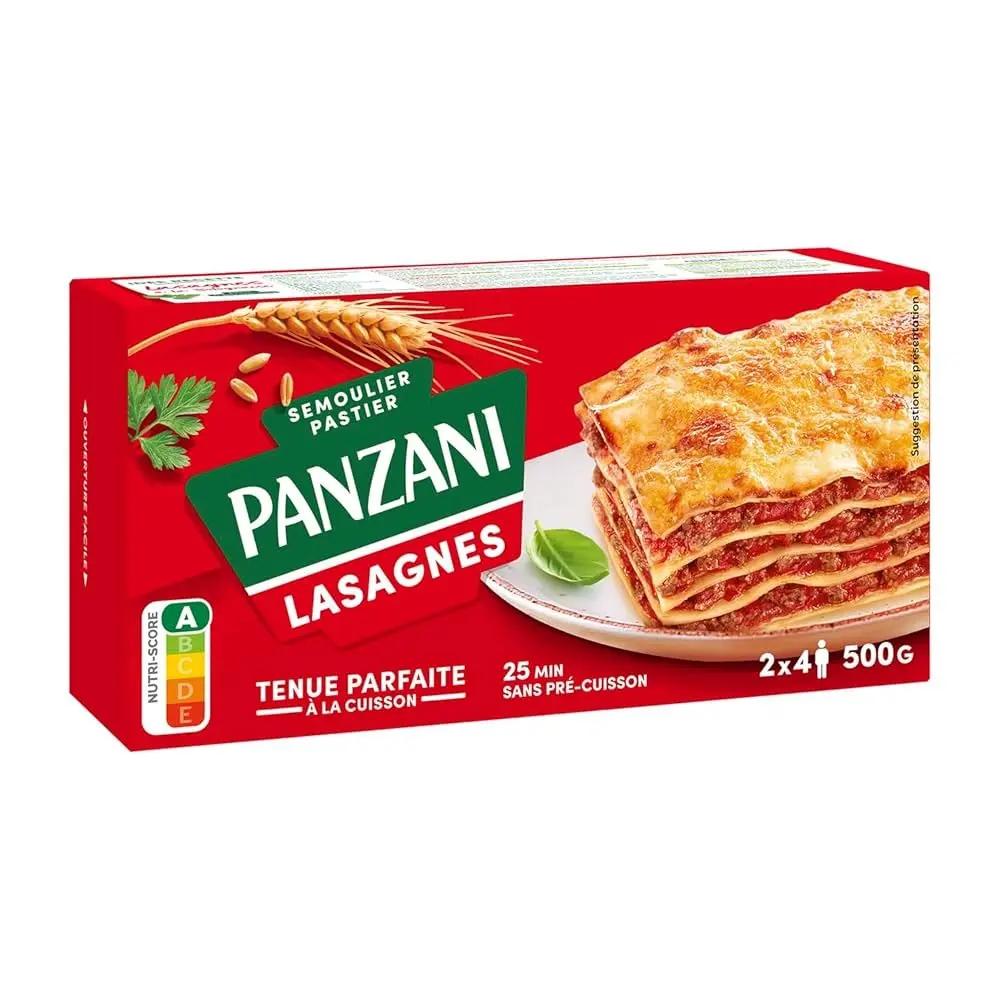
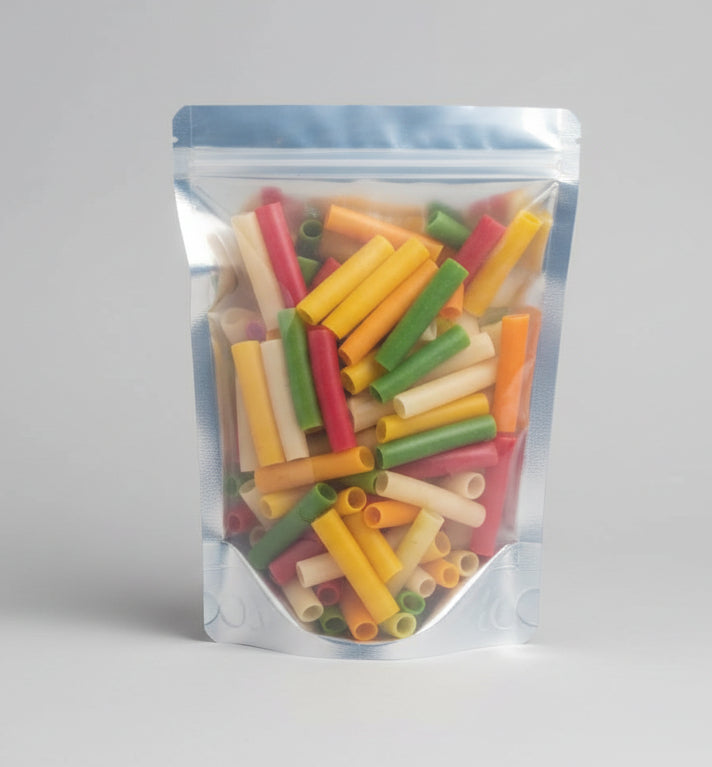
Pasta
1 packNice to haveSmall pasta shapes cooked until very soft are easy for a baby to pick up and chew.
How to use it: Cook longer than the packet says. Cool and serve plain or with a little mashed vegetable.
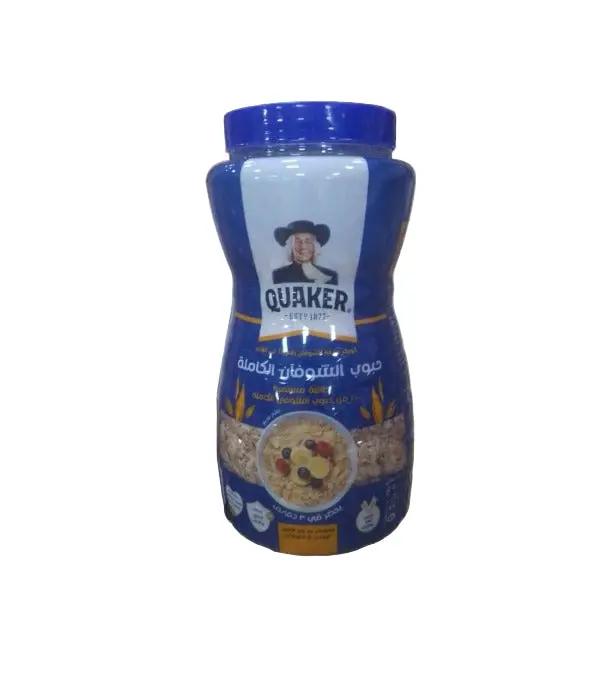
Oats
1 packNice to haveOats can be cooked into soft porridge, and made into baby friendly pancakes that are easy to hold.
How to use it: Mix with mashed banana and cook on a pan into small, soft pancakes.
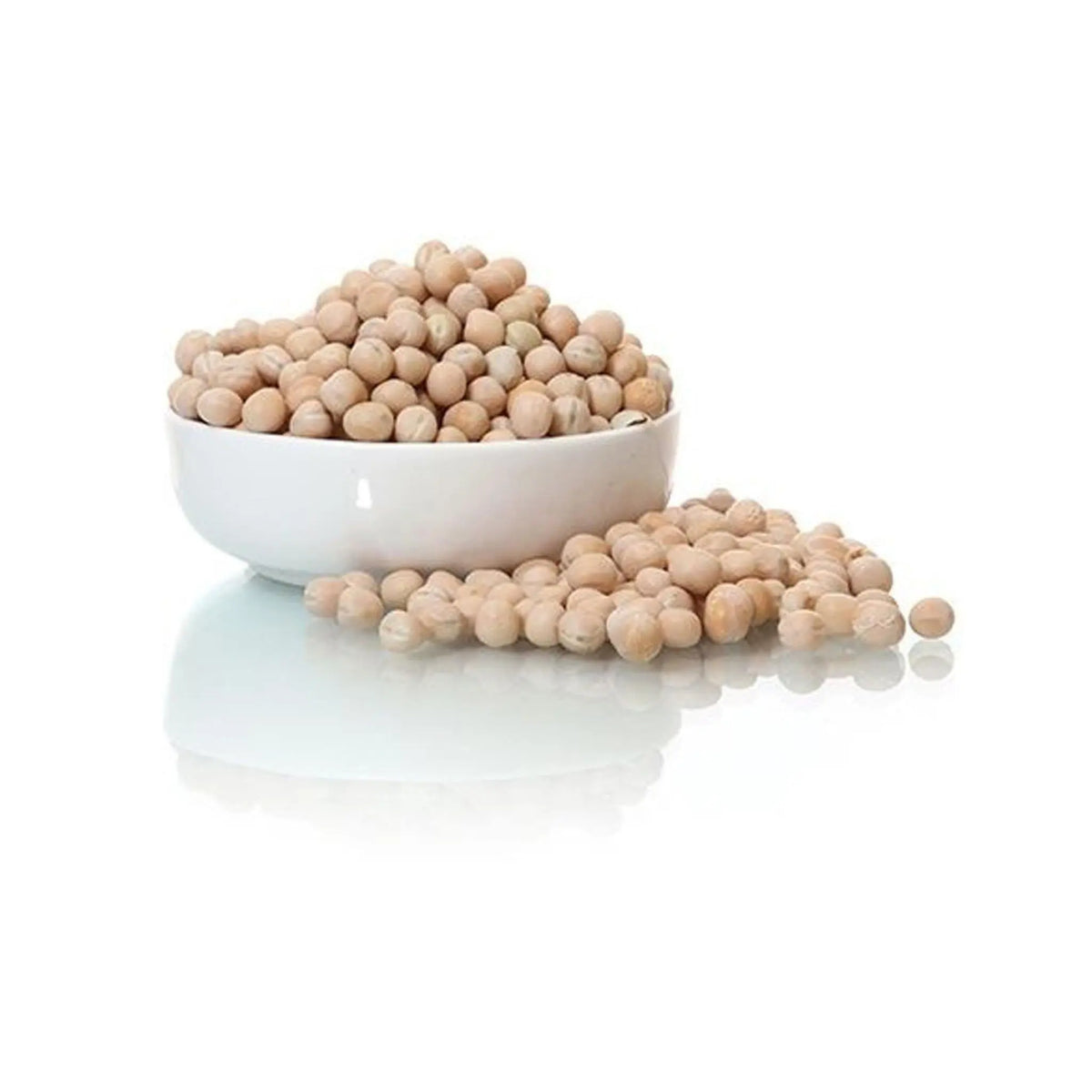
Peas
1 packNice to haveCooked green peas squashed lightly are great for developing the pincer grasp.
How to use it: Boil until soft. Press each pea slightly flat before serving so it is less of a choking risk.





Protein and dairy
Babies at this stage need iron and protein. Ask your clinic about which foods are right for your baby and about allergies.
Eggs
1 trayNice to haveEggs are a good source of protein and easy to cook soft. Introduce eggs as your clinic advises and watch for any reaction.
How to use it: Cook until fully firm, cool, and cut into small strips or pieces.
Plain yogurt
2 to 4 cupsNice to haveYogurt is soft and easy to eat with a spoon or fingers. Choose plain, with no added sugar.
How to use it: Check the label for sugar. Mix in mashed fruit instead of sweetened flavors.
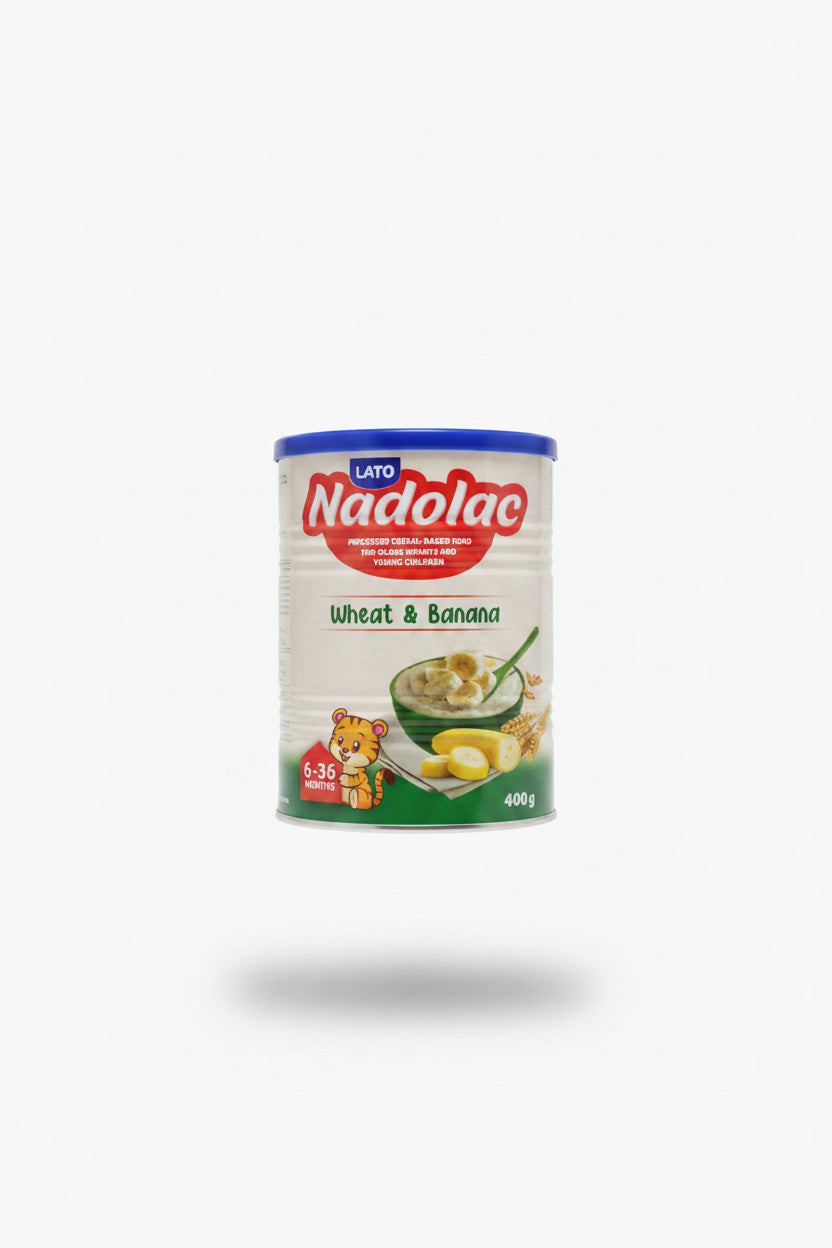
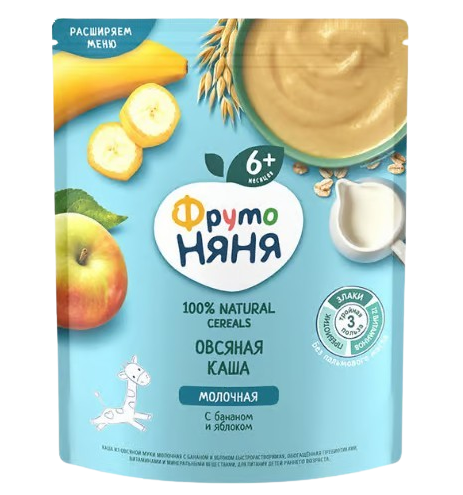
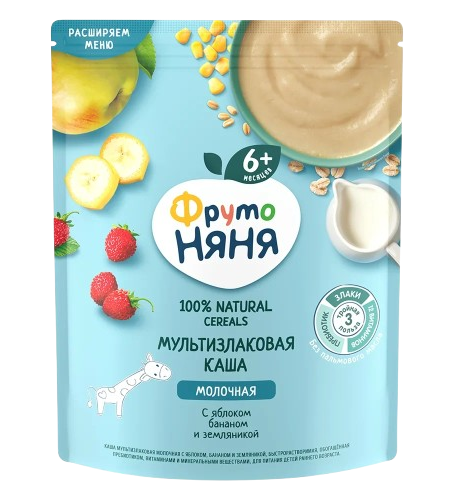
Baby cereal
1 packNice to haveFortified baby cereal can be mixed with milk or water and also used as a coating to help slippery foods stay in the fingers.
How to use it: Follow the pack's mixing guidance and prepare with safe boiled water.
 MARMOOM Miralac Wheat and Milk Banana Baby Cereals from 6months 400grIgihozo SupermarketRWF 12,500
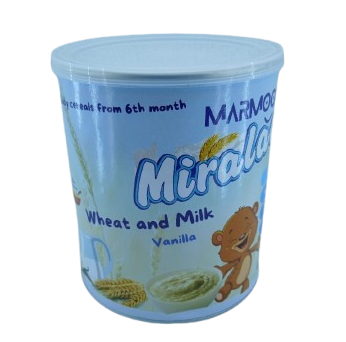 MARMOOM Miralac Wheat and Milk Vanilla Baby Cereals from 6months 400grAmper SupermarketRWF 12,700
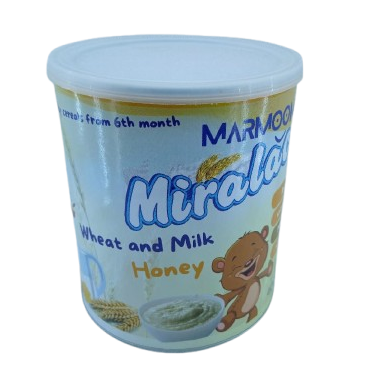 MARMOOM Miralac Wheat and Milk Honey Baby Cereals from 6months 400grAmper SupermarketRWF 12,700See more on Isokko
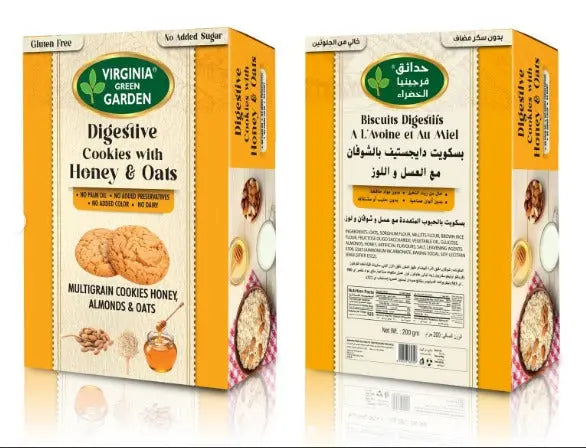
Baby biscuits
1 packNice to haveDissolving biscuits are easy for babies to hold and melt in the mouth.
How to use it: Use as an occasional snack. Check the label for the age range and sugar.
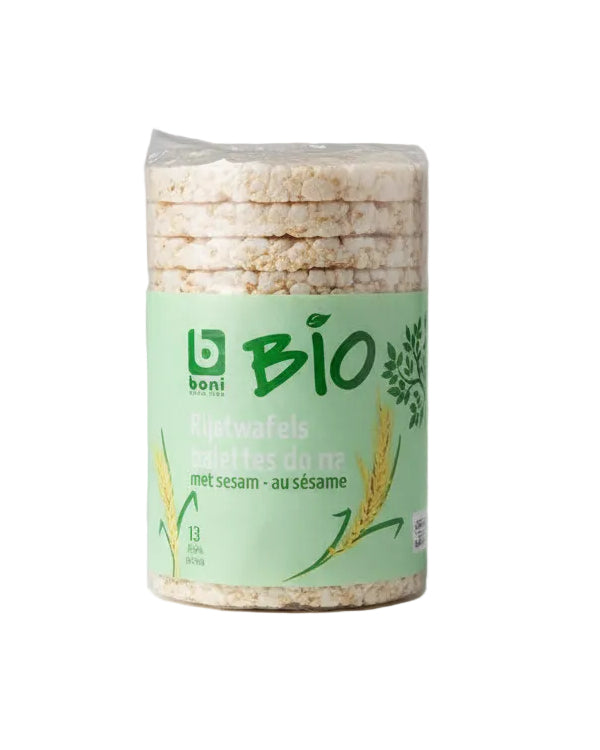
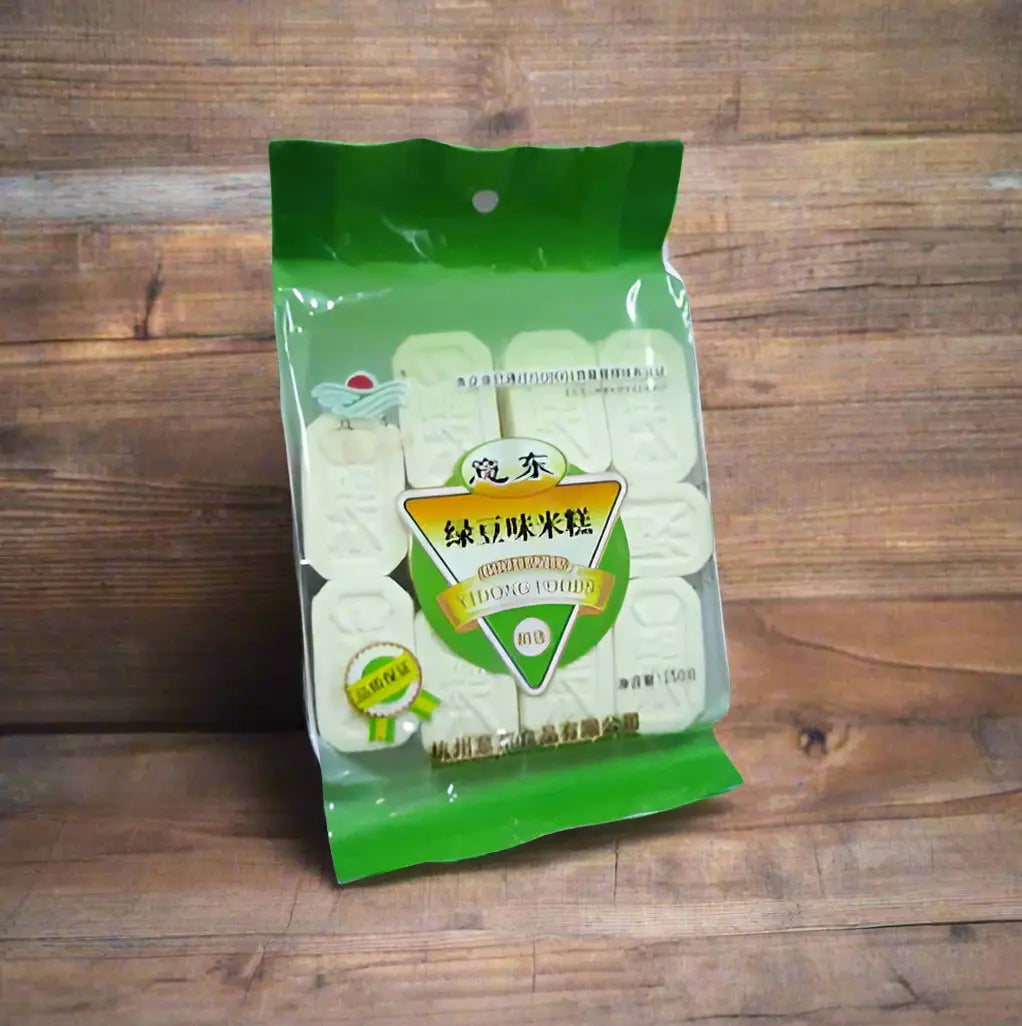
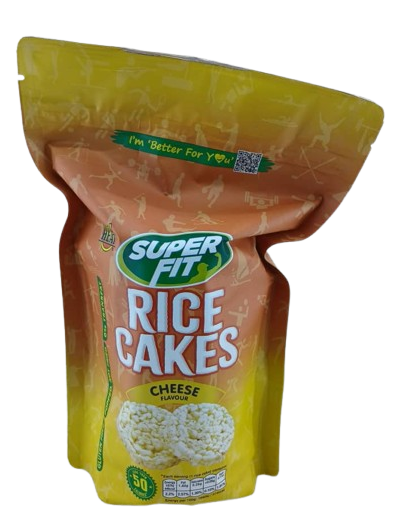
Rice cakes for babies
1 packNice to haveLight rice cakes dissolve quickly and give practice with holding and biting.
How to use it: Choose plain, unsalted ones and always watch your baby while eating.




Utensils and feeding gear
Small tools make self feeding safer, and less messy.
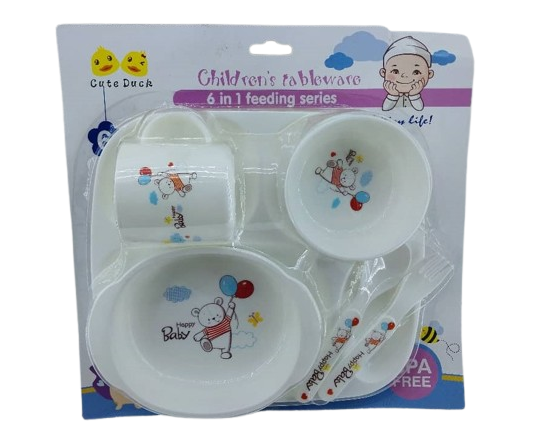
Baby feeding set
1 set Must haveA set with a bowl, plate and spoon of the right size makes mealtimes easier. Suction bowls stay put when your baby tries to throw them.
How to use it: Wash with hot soapy water. Check for cracks and replace broken items.
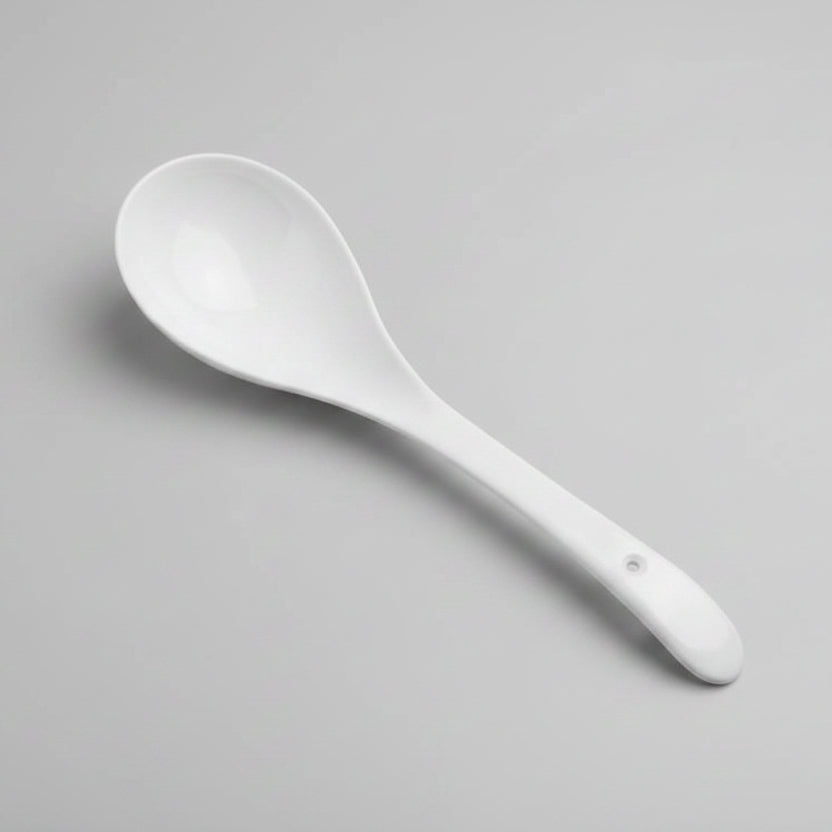
Soft baby spoons
2 to 4 Must haveSoft, short spoons are gentle on gums and easy for small hands.
How to use it: Let your baby hold one spoon while you use another to help.
Plastic bowl
2Nice to haveA sturdy bowl is useful for mixing and for serving small portions.
How to use it: Use a bowl with a wide base so it does not tip easily.
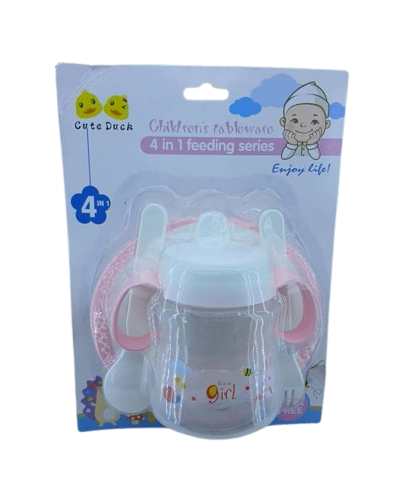
Baby cup
1Nice to haveIntroducing a small cup for water helps your baby learn to drink from something other than a bottle.
How to use it: Offer small sips of safe boiled water, held steady while your baby learns.
Bibs
3 to 5 Must haveBibs protect clothes and save laundry for messy eaters.
How to use it: Use washable ones and keep a few clean spares for the day.
Mini food chopper
1Nice to haveA small chopper helps you make soft textured foods for your baby from family meals.
How to use it: Pulse briefly for lumpy textures, as babies at nine months need some texture, not smooth puree. Wash straight after use.




Storage and cleanup
Fresh food is best, but a little planning saves time during the week.
Food storage containers
4 to 6 Must haveContainers keep cooked foods fresh in the fridge for a short time, which helps when you cook in batches.
How to use it: Label with the date. Use leftovers within the time recommended by your clinic or doctor and never reheat more than once.
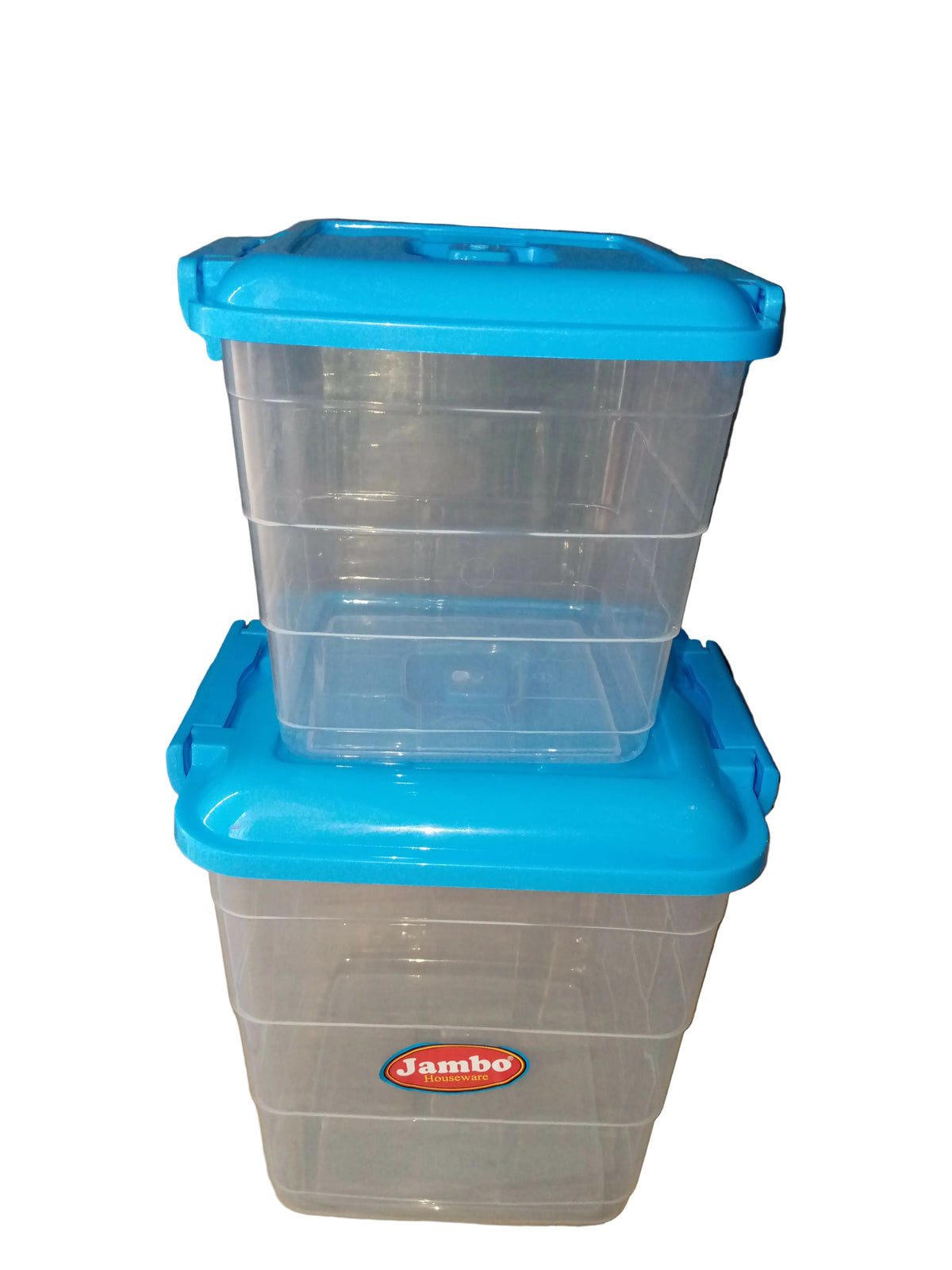 Jambo Clear Plastic Storage Container Set with Latching Lid/2 PiecesKimironko MarketRWF 9,000
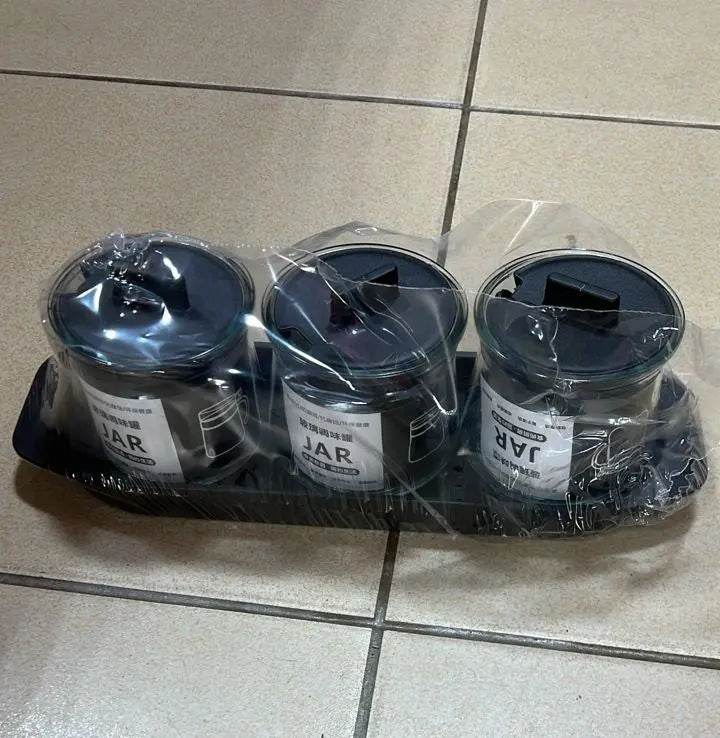
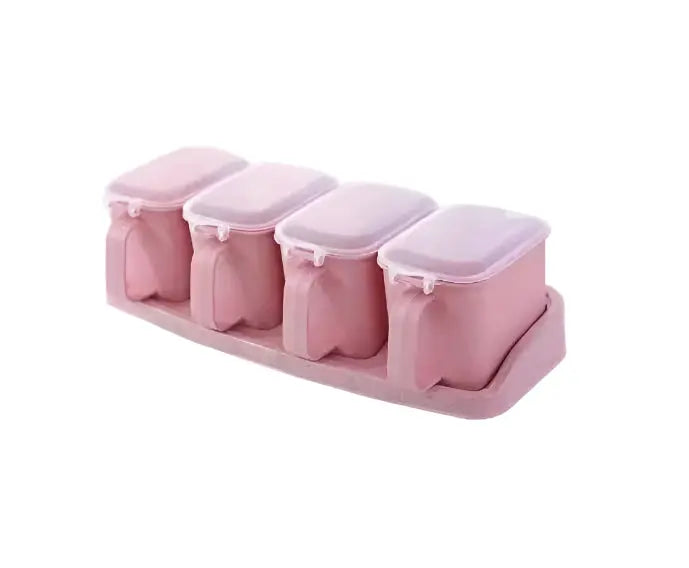 4 Pcs Set Plastic Lid Condiment Box Seasoning Box Plastic Kitchen Supplies Spice Rack Salt Pepper Storage ContainerKimironko MarketRWF 9,000
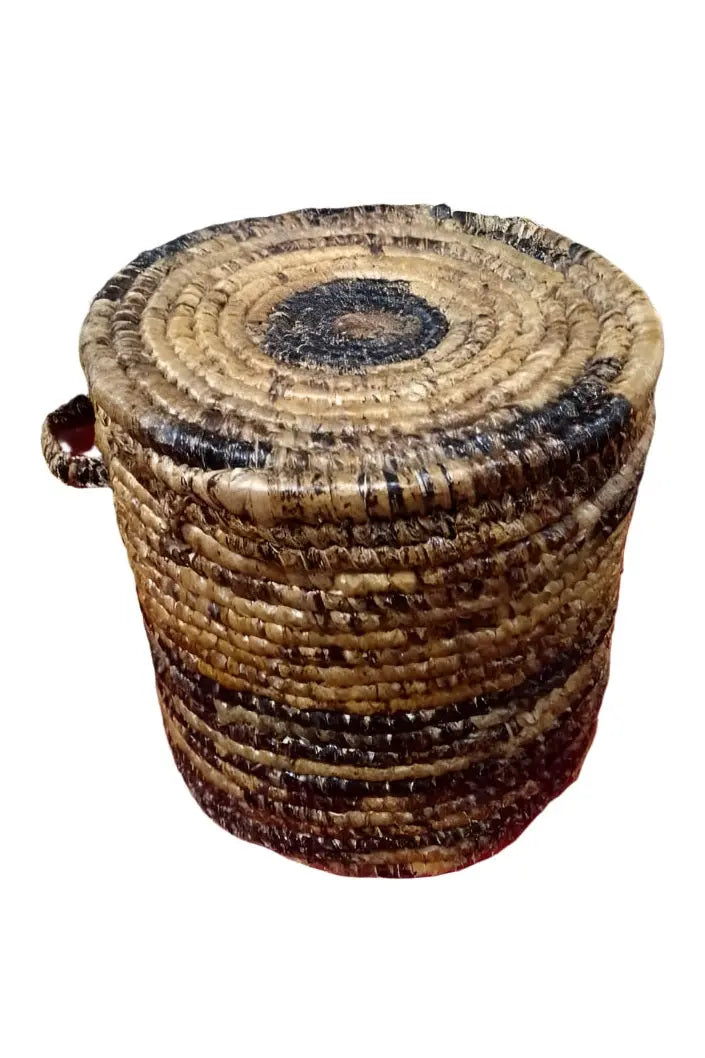
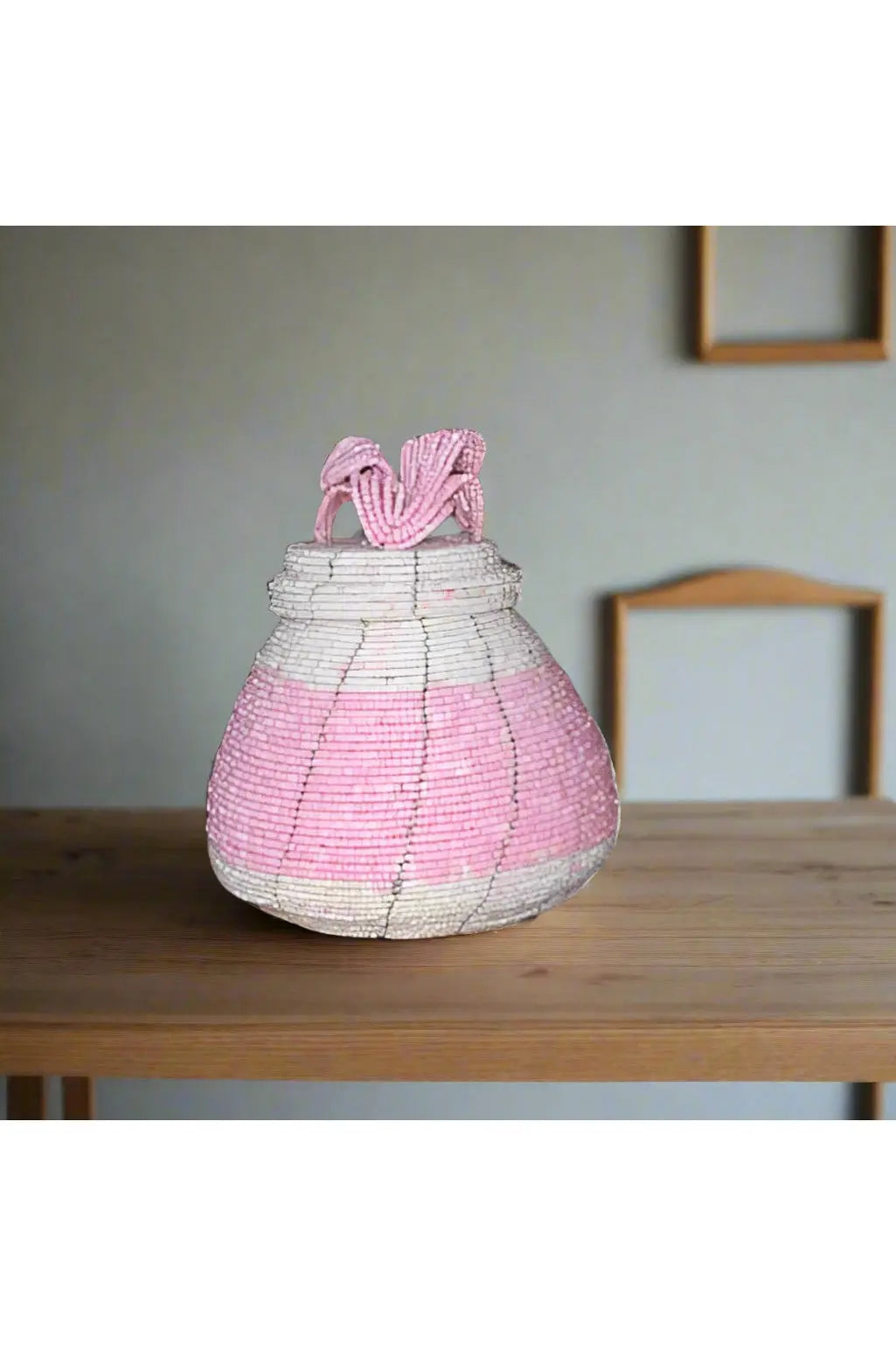 Maasai Beaded Pot Container BasketKimironko MarketRWF 22,000See more on Isokko
Ice cube tray
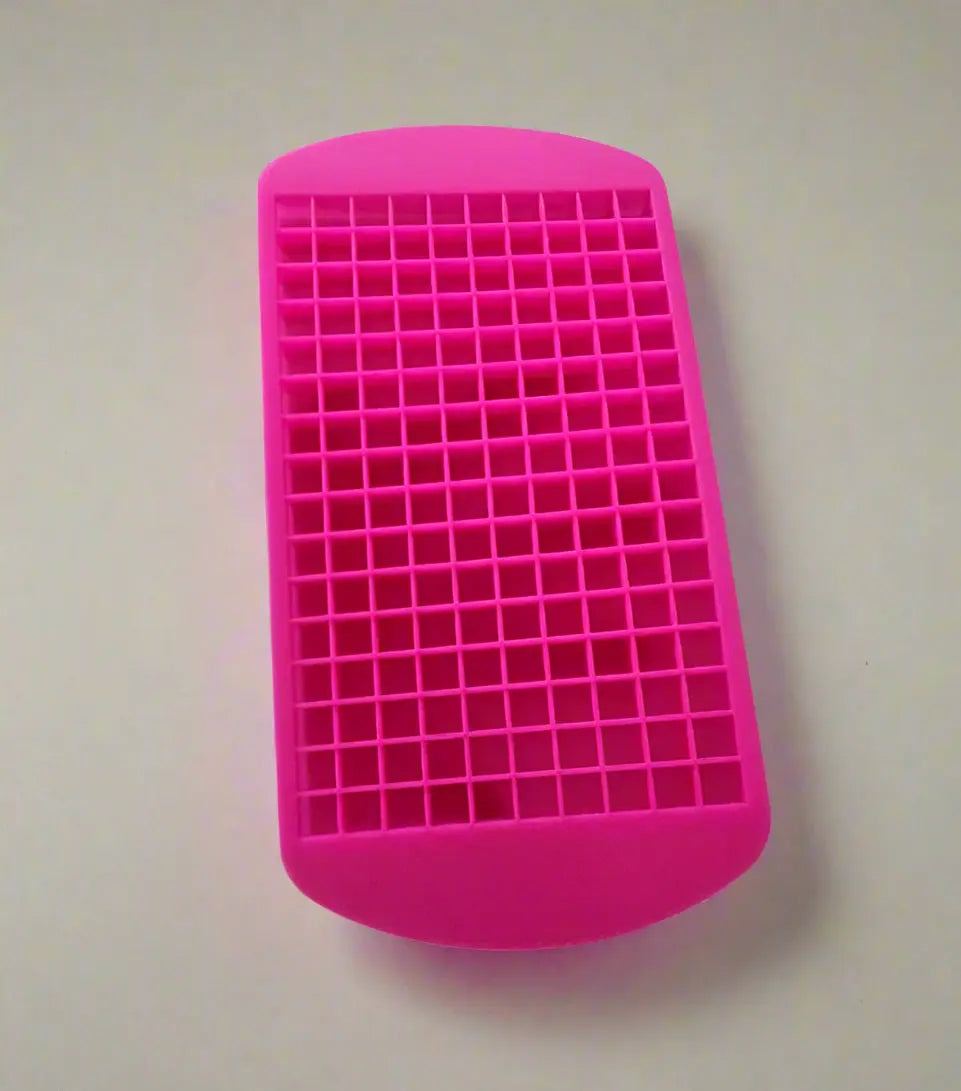
1Nice to haveFreezing soft, cooked food in small portions makes quick meals later, if you have a freezer.
How to use it: Cool the food, fill the tray, freeze, then transfer to a container. Thaw in the fridge.
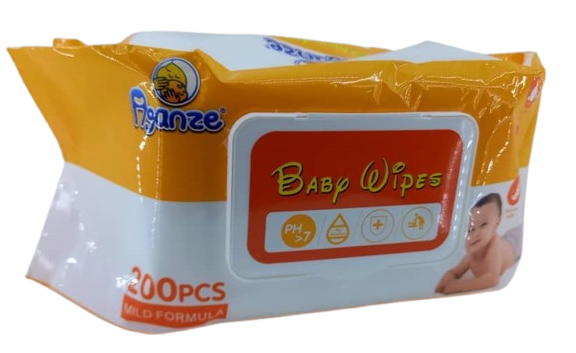
Baby wipes
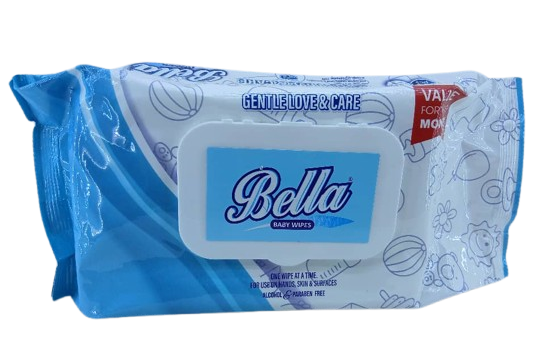
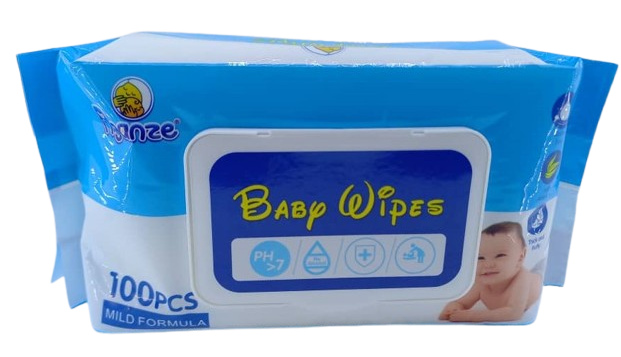
2 packs Must haveSelf feeding is messy. Wipes clean hands and faces quickly, even outside.
How to use it: Keep a pack in the kitchen and one in your bag.
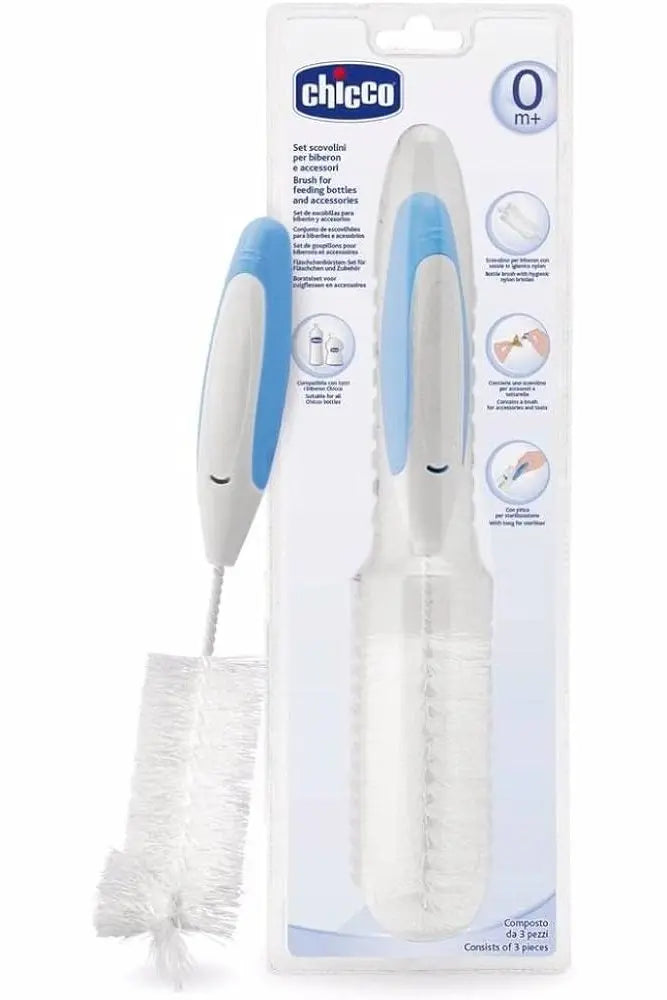
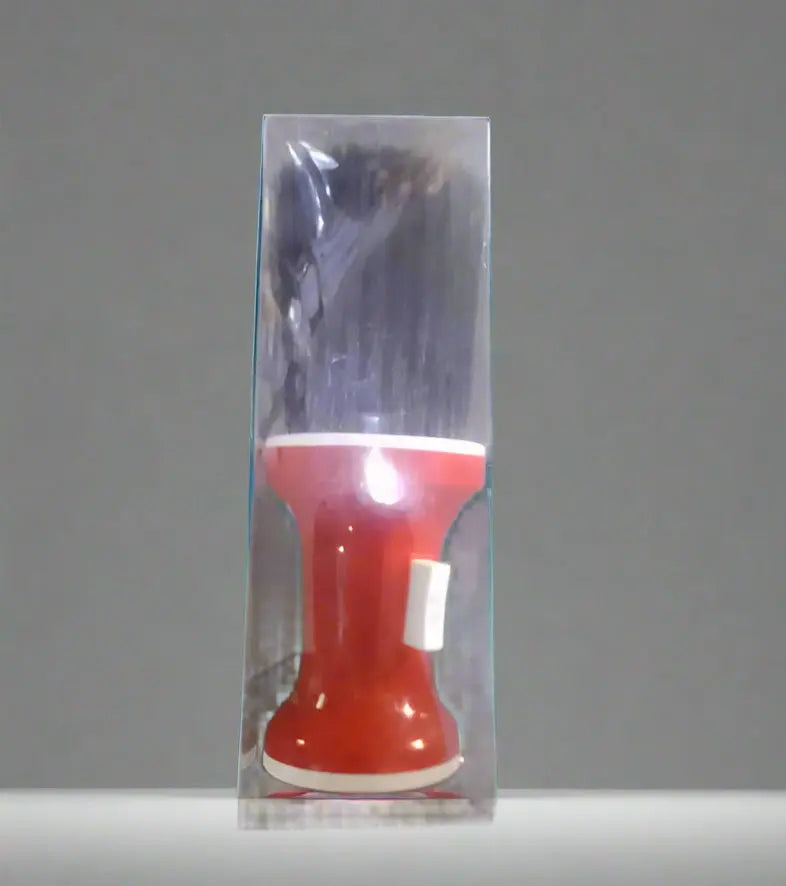
Baby bottle brush
1Nice to haveA small brush reaches inside cups and bottles to remove milk and food.
How to use it: Replace when the bristles wear out. Dry upside down.
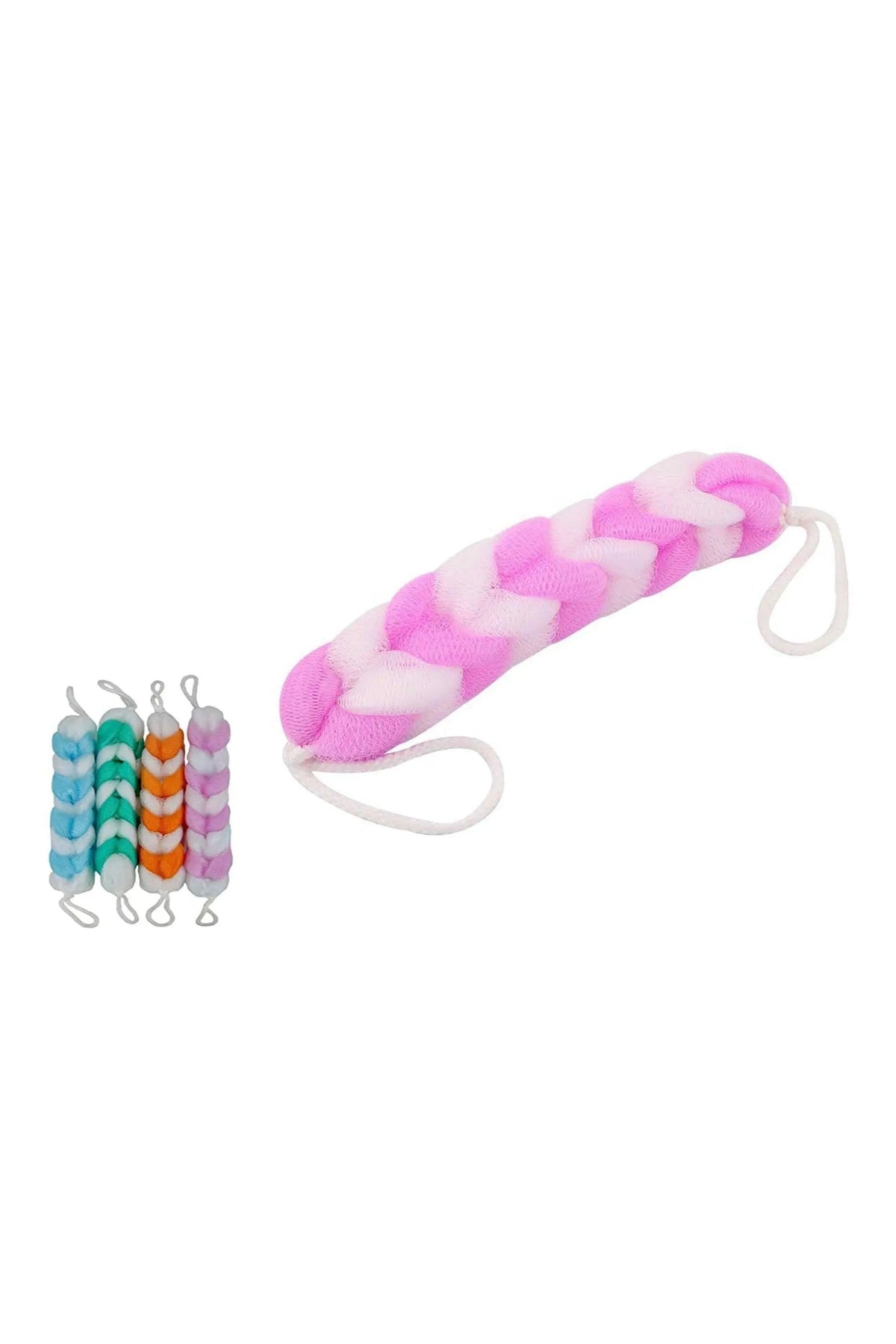
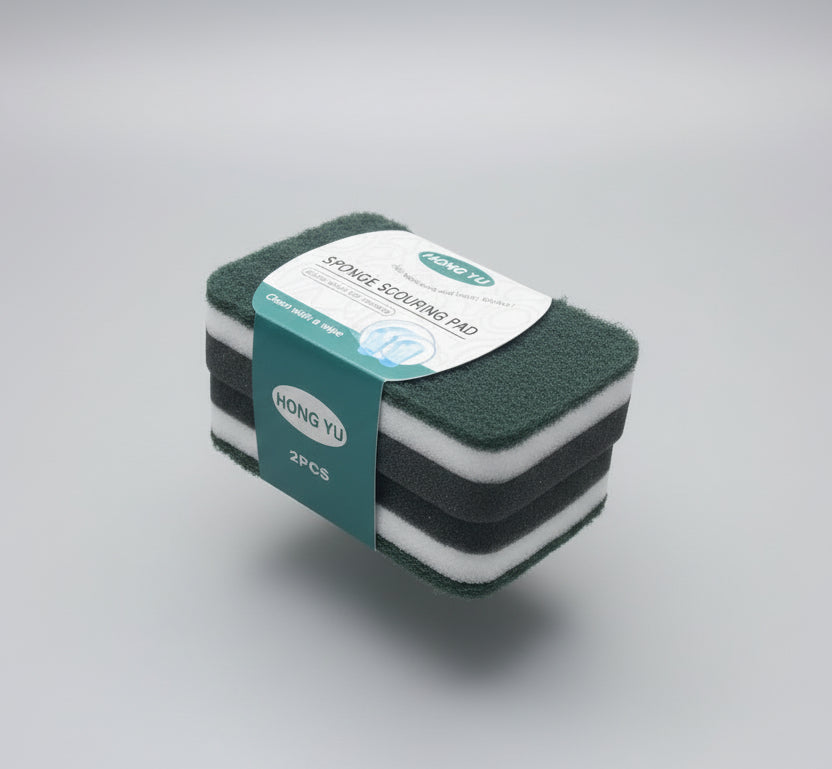
Dish soap and sponge
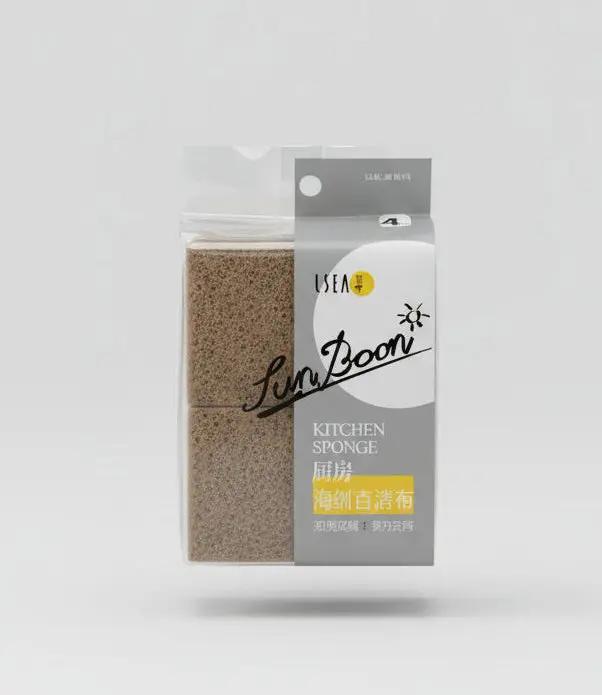
1 eachNice to haveClean feeding tools matter at this age. Use a separate sponge for baby items.
How to use it: Wash in hot soapy water and let dry in the air.
Towel for the highchair area
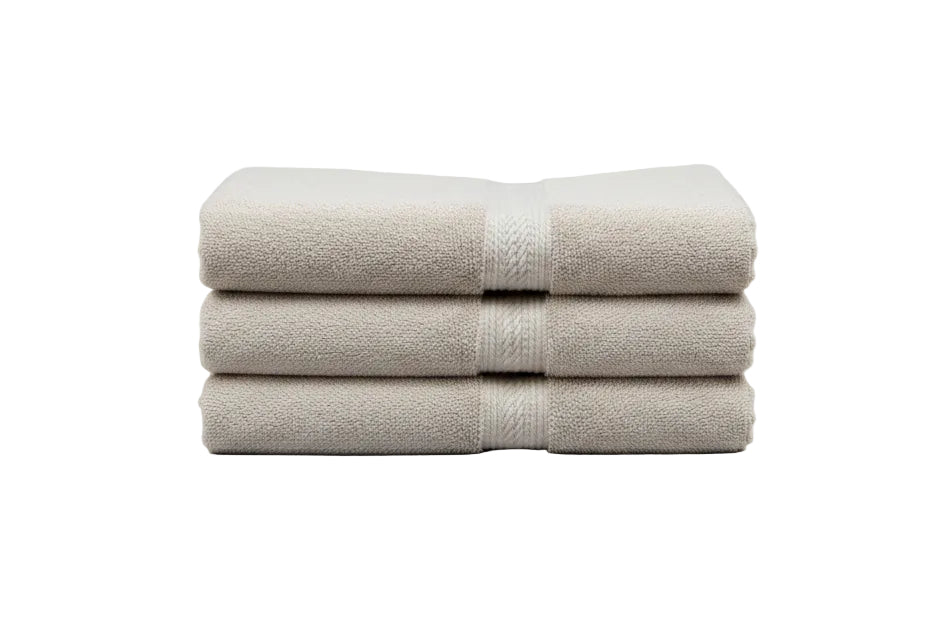
1 to 2Nice to haveA floor cloth or small towel catches spills and makes cleanup faster.
How to use it: Wash it daily and dry in the sun.

Step by step
- 1
Before shopping
Check with your clinic about foods your baby should or should not have, including allergy advice. Check what you already have at home.
- 2
Fresh produce day
Buy ripe fruit, sweet potatoes, carrots and other soft vegetables for three or four days. Order more mid week.
- 3
Prepare in batches
Steam vegetables, cut into sticks and store in containers in the fridge. Cut fruit just before serving.
- 4
At mealtime
Seat your baby upright, stay with them, offer two or three foods and let them explore. Offer water in a small cup.
- 5
Clean up
Wipe your baby's hands and face, wash feeding tools with hot soapy water and let them dry in the air.
Tips that help
- Always stay with your baby during meals and keep them sitting upright.
- Cut foods into finger shaped sticks, or small soft pieces, never hard round pieces.
- Offer one new food at a time and wait a few days before adding another, so you can spot a reaction.
- Avoid honey, whole nuts, hard raw vegetables, whole grapes and added salt or sugar for babies. Check with your clinic for current guidance.
- Let your baby get messy. Touching food is part of learning.
- Cook family food without salt for the baby portion, then season the rest.
- Offer water with meals in a small cup, and keep breast milk or formula as the main drink at this age unless your clinic advises otherwise.
Mistakes to avoid
- Leaving the baby alone during meals, even for a moment.
- Giving hard raw foods such as raw carrot, whole grapes or nuts, which can cause choking.
- Adding salt, sugar or honey to the baby's food.
- Offering too many new foods at once, making it hard to spot allergies.
- Storing cooked food too long without proper refrigeration.
Questions people ask
What are the best finger foods for a nine month old?+
Soft cooked vegetables like sweet potato and carrot, ripe fruits like banana and avocado, soft bread strips and small soft pasta are good places to start. Cut foods into finger sized sticks or small soft pieces.
How do I prevent choking?+
Sit your baby upright, stay with them, and avoid hard, round or sticky foods. Gagging is common and different from choking. Ask your clinic about baby first aid classes.
How many meals should a nine month old have?+
Many babies at this age eat about three meals plus milk feeds, but amounts vary. Follow your baby's hunger and fullness signs and your clinic's advice.
Can I use food from the family pot?+
Often yes, if you set aside the baby's portion before adding salt, sugar, hot spices or anything not suitable. Cut it into safe shapes and soft textures.
Should I buy ready baby food?+
Fresh food from the market is great, and ready cereals and biscuits can be handy for busy days. Check the age on the label and the ingredients.
Finger foods are an exciting step. With soft fruit, cooked vegetables and a few feeding tools, mealtimes become a fun learning time. Shop the list on Isokko and enjoy this stage with your baby.
Shop this list
Get everything delivered in Kigali
Order from local stores on Isokko and pay with MoMo, card or cash. Same-day delivery.