
Checklist · Sports & fitness
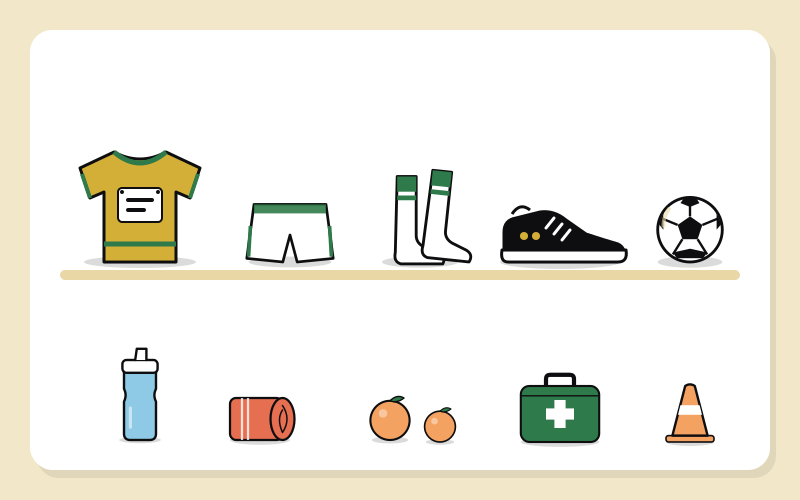
Football Training Kit for Kids: The Parent's Checklist
Signing your child up for football training in Kigali? A parent's checklist of the kit, water, snacks, sun care, first aid and laundry basics they will need each week.
Updated November 16, 2026 · By Isokko
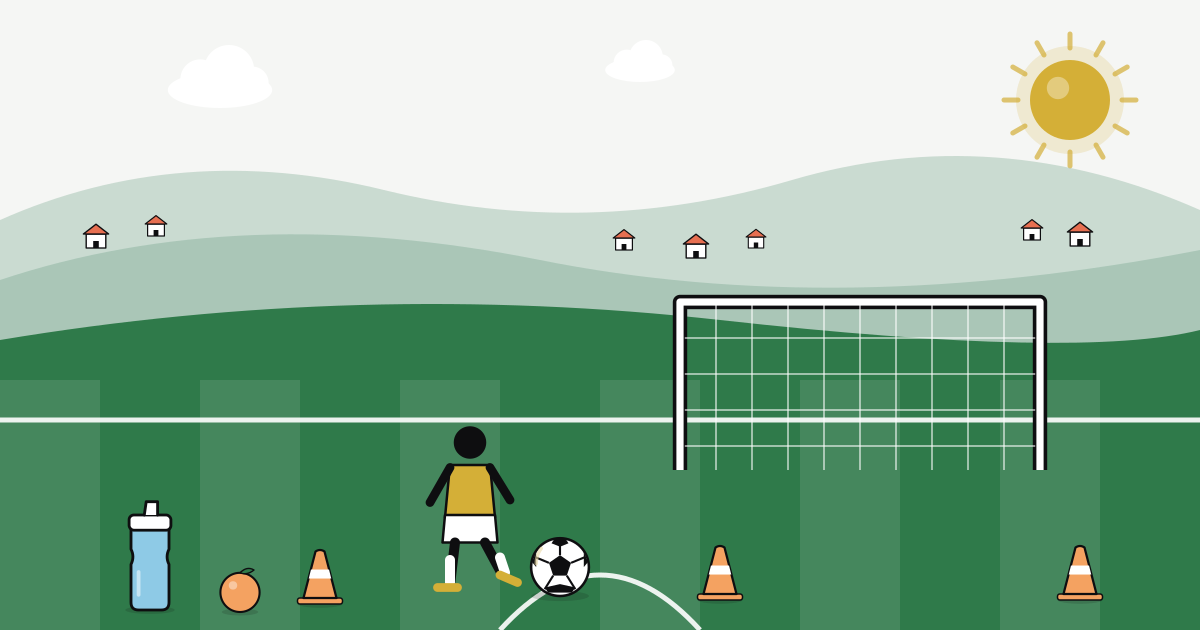
Football is everywhere in Rwanda, from dusty neighborhood pitches to school fields and academies around Kigali. Signing your child up for training is a great way to build fitness, friendships and confidence.
The kit list can feel confusing at first. Some things are essential for safety, like shin guards and proper shoes, while others just make the week easier, like a spare water bottle and a good stain remover for red soil.
Here is a practical checklist for parents. Ask the coach or academy what they require, since many have their own jersey, colors or rules about boots.
Who it's for
Parents and guardians of children starting football training at a club, academy or school in Kigali
Time needed
Shop once at the start of the season, then weekly snacks and laundry
When to shop
Buy kit a week before the first session and restock snacks every weekend
On the list
26 items, 15 must haves
0 of 26 ready
The kit
Comfortable, breathable clothes that can get dirty. Check whether the club gives a team jersey.
Football
1 Must haveKids improve fastest when they can practice at home too.
How to use it: Ask the coach which ball size suits your child's age. Size 4 is common for younger children and size 5 for older kids and adults.
T-shirts
2 to 3 Must haveTraining is hot and sweaty. Two or three tops let you rotate through the week.
How to use it: Choose breathable fabric and a size with a little room to grow.
Sports shorts
2 pairs Must haveLight shorts let kids run and kick freely.
How to use it: Elastic waists with a drawstring stay up best.
Long football socks
2 to 3 pairs Must haveThey hold shin guards in place and protect legs from scrapes.
How to use it: Buy a few pairs, since they get dirty every session.
Football boots
1 pair Must haveGrip on grass or dirt prevents slips and twisted ankles.
How to use it: Ask the coach whether boots or flat trainers suit your pitch. Leave a thumb's width of space at the toes.
Shin guards
1 pair Must haveProtect young shins from kicks and studs. Many clubs require them.
How to use it: They should cover most of the shin, from just below the knee to above the ankle.
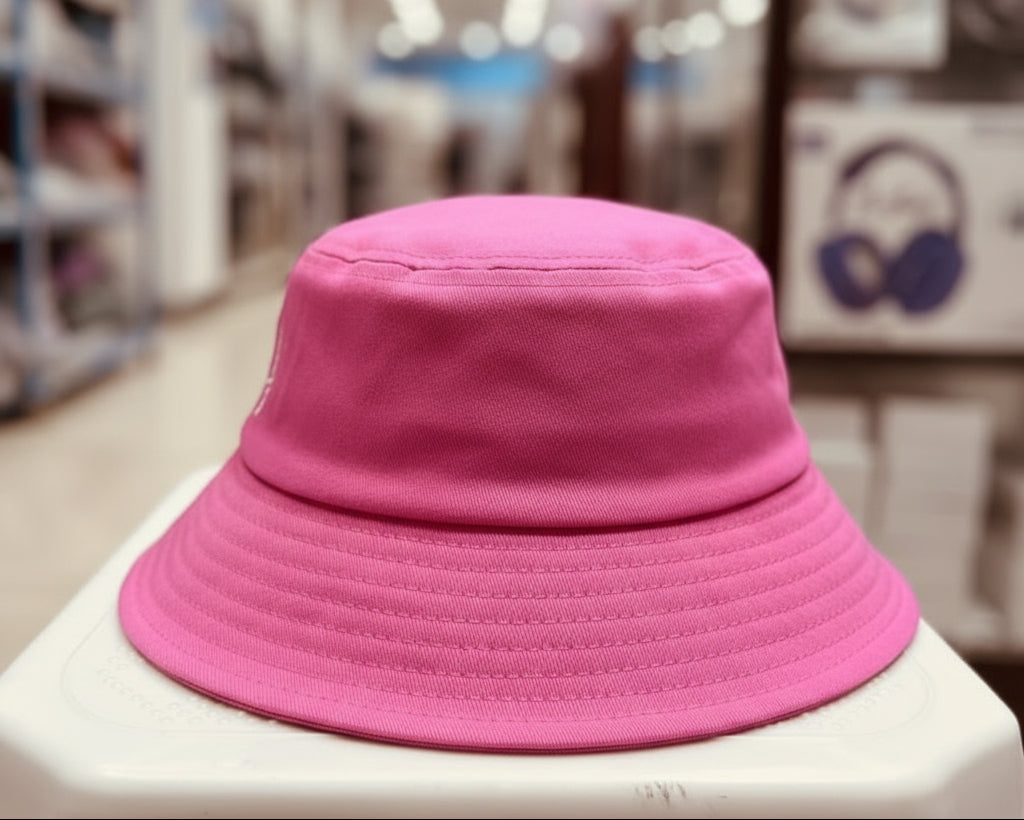
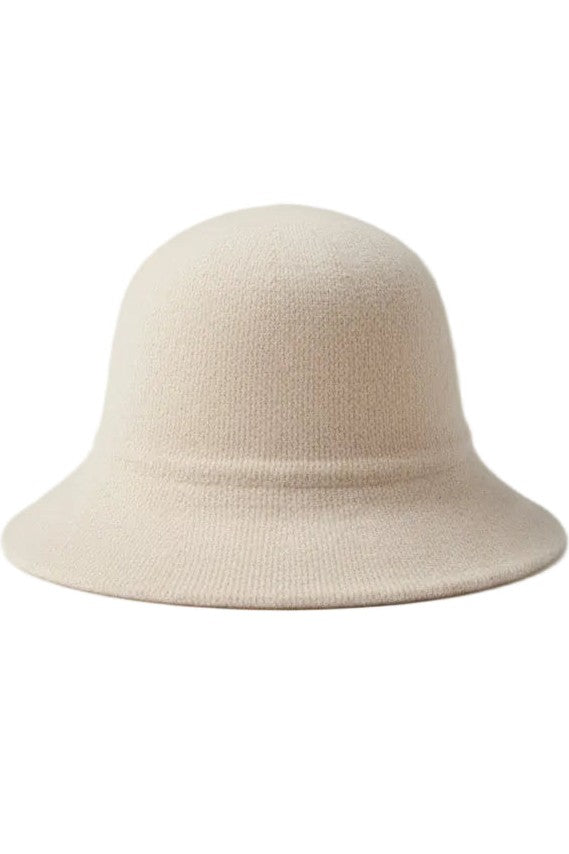
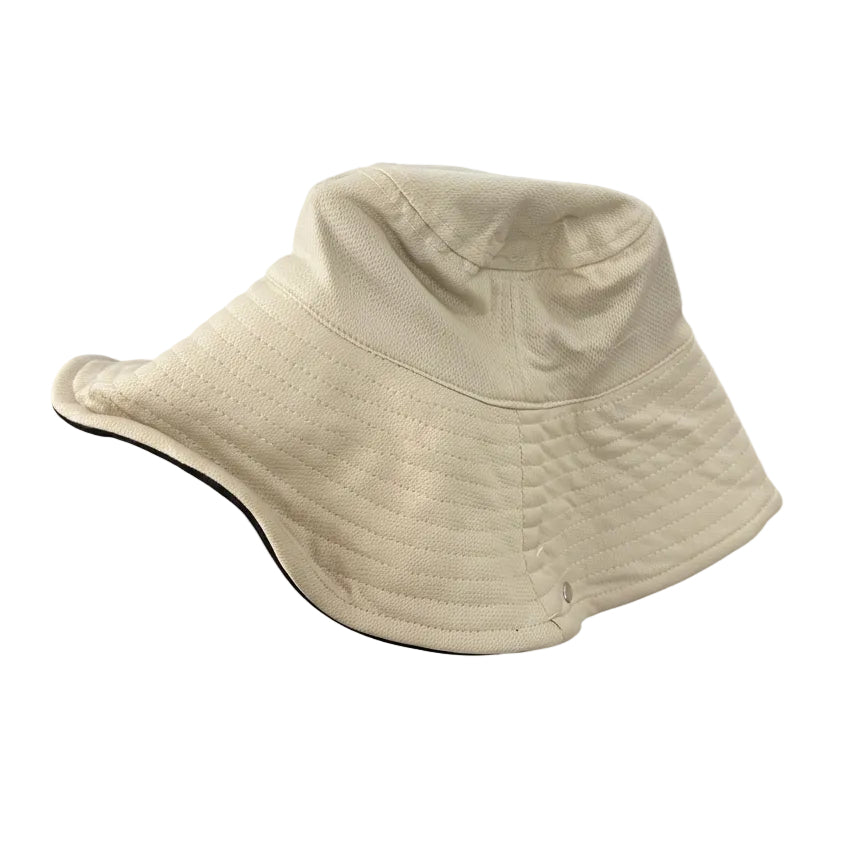
Cap or sun hat
1Nice to haveShades young faces during sunny afternoon sessions and while waiting on the sidelines.
How to use it: Write your child's name inside.


Water and snacks
Kids often forget to drink while they play. Pack water and a snack every time.
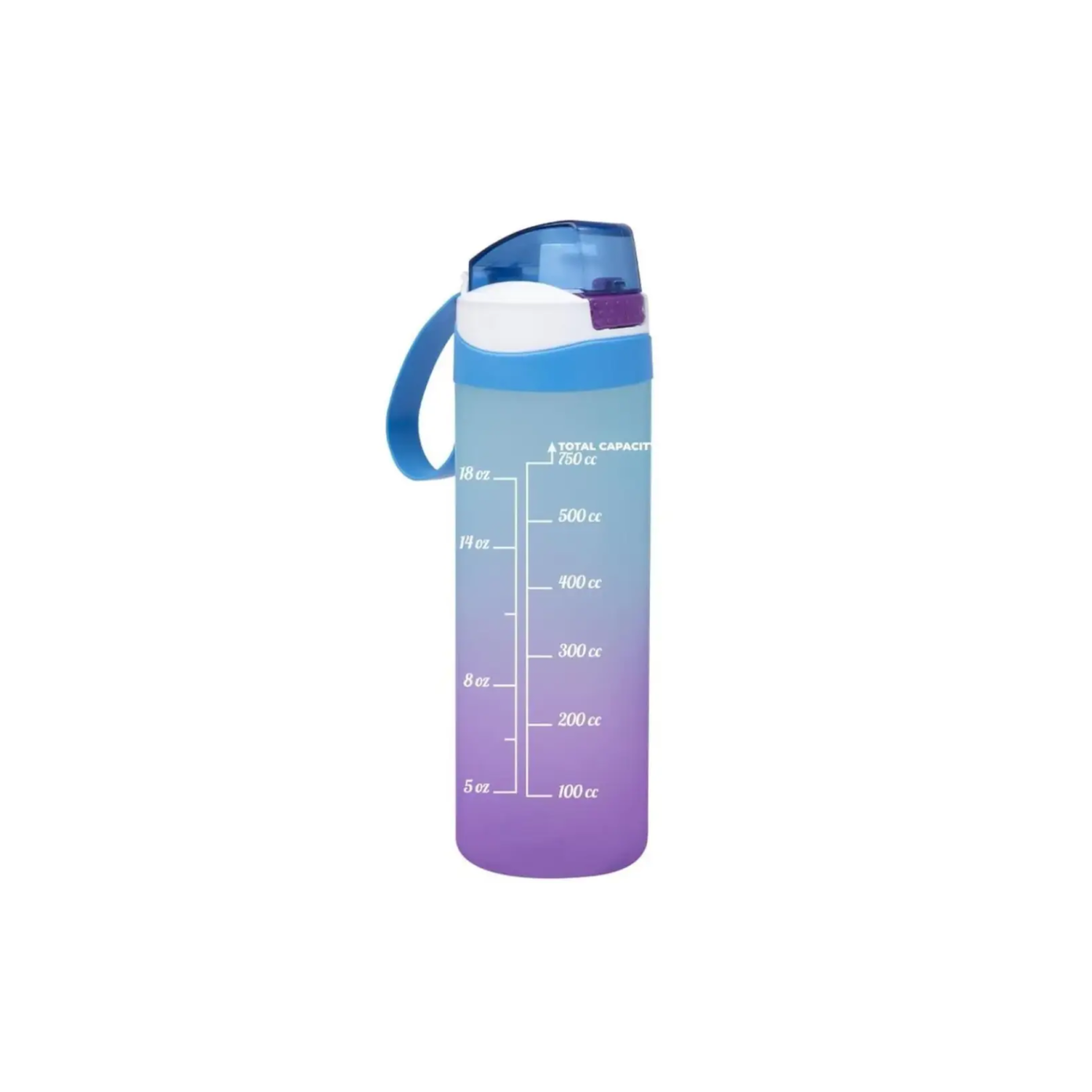
Water bottle
1 to 2 Must haveChildren get dehydrated quickly running in the sun.
How to use it: Fill it with cold water and write their name on it. Remind them to drink at every break.
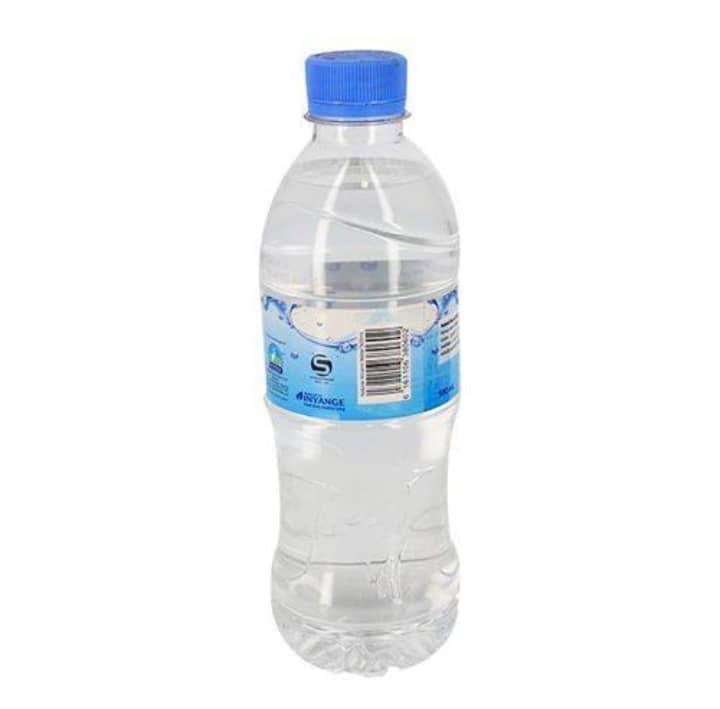
Bottled water
1 pack Must haveSpare water for long sessions, tournaments or sharing with a teammate.
How to use it: Keep a pack in the car or at the door on training days.
Oranges
1 to 2 per child Must haveThe classic half time snack. Juicy, refreshing and full of vitamin C.
How to use it: Cut them into quarters at home and pack in a container.
Bananas
1 to 2 Must haveQuick energy before training or a snack for the ride home.
How to use it: Give one 30 minutes before training.
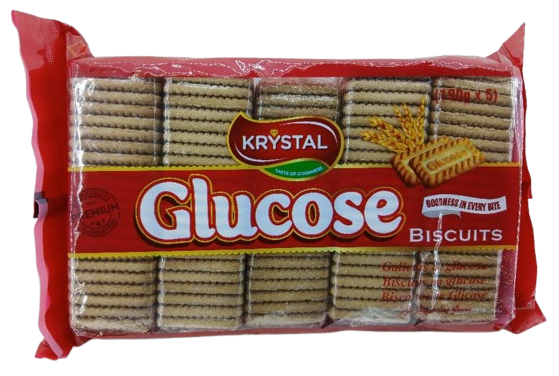
Glucose biscuits
1 small packNice to haveA small energy boost for tired legs after a long session.
How to use it: Pack a small pack for after training, not during.
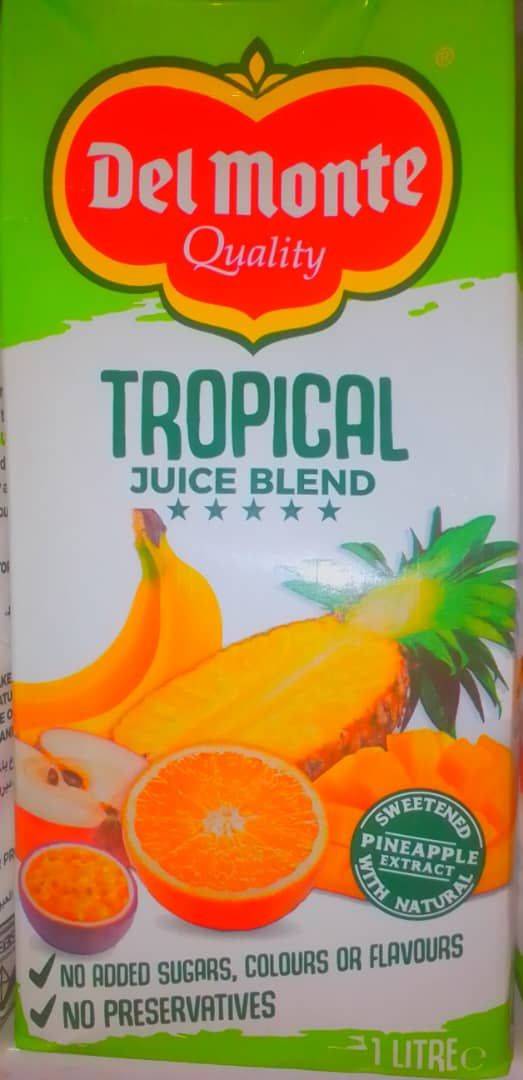
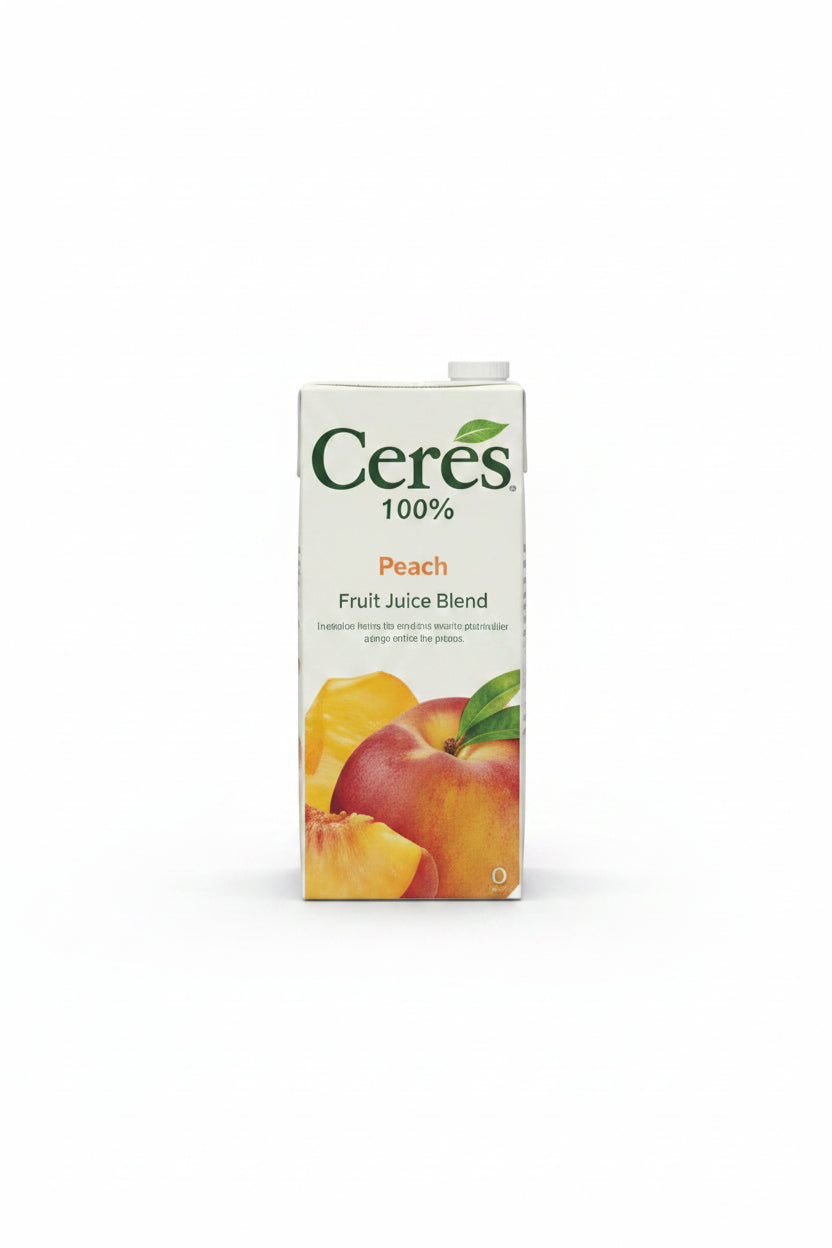
Juice
A fewNice to haveA treat after a big game or tournament.
How to use it: Water is best during play. Save juice for afterward.







Sun and first aid
Pitches have little shade, and small knocks are part of the game.
Sunscreen
1 Must haveChildren's skin burns more easily, even darker skin, especially during long afternoon sessions.
How to use it: Apply before training on face, ears, neck and arms.
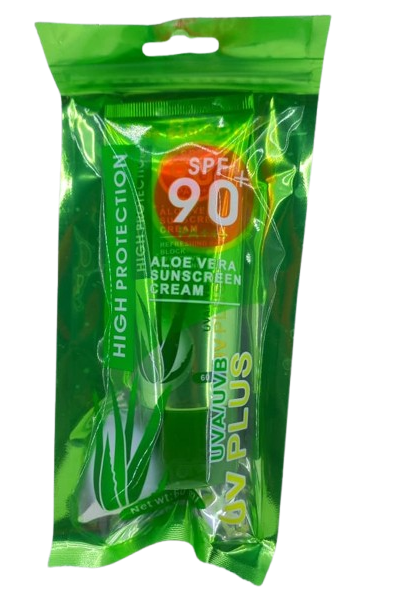 Kiss Beauty spf 90+ Aloe Vera Sunscreen Cream 60mlAmper SupermarketRWF 8,100
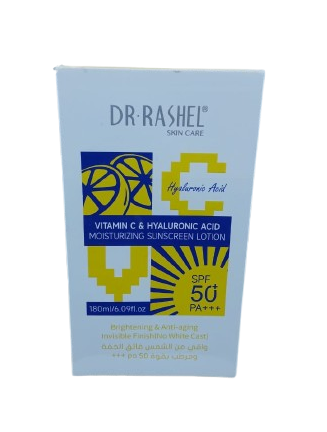 Dr.Rashel Vitamin C & Hyaluronic Acid Moisturizing Sunscreen Lotion SPF50+ PA+++180mlAmper SupermarketRWF 21,300
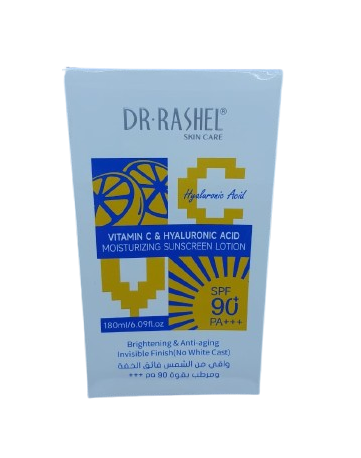 Dr.Rashel Vitamin C & Hyaluronic Acid Moisturizing Sunscreen Lotion SPF90+ PA+++180mlAmper SupermarketRWF 21,300See more on Isokko
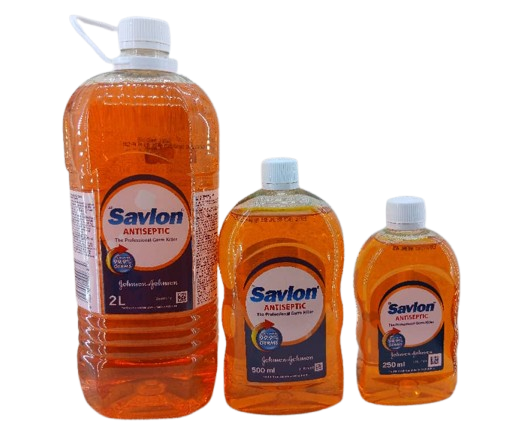
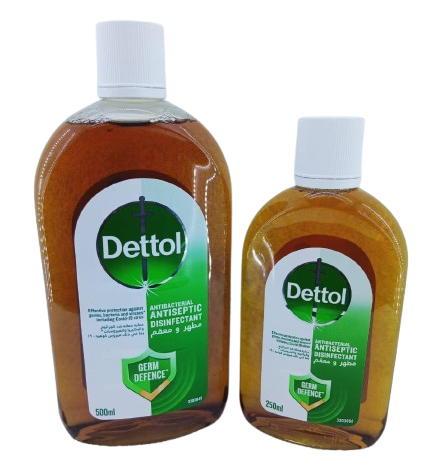
Antiseptic
1 Must haveGrazed knees and elbows from falls on dirt and artificial turf need cleaning.
How to use it: Clean the cut with clean water first, then antiseptic. Get medical help for deep cuts, head knocks or suspected fractures.
First aid kit
1Nice to havePlasters, cotton and a cold pack handle most small knocks at training.
How to use it: Keep it in the car or the kit bag.
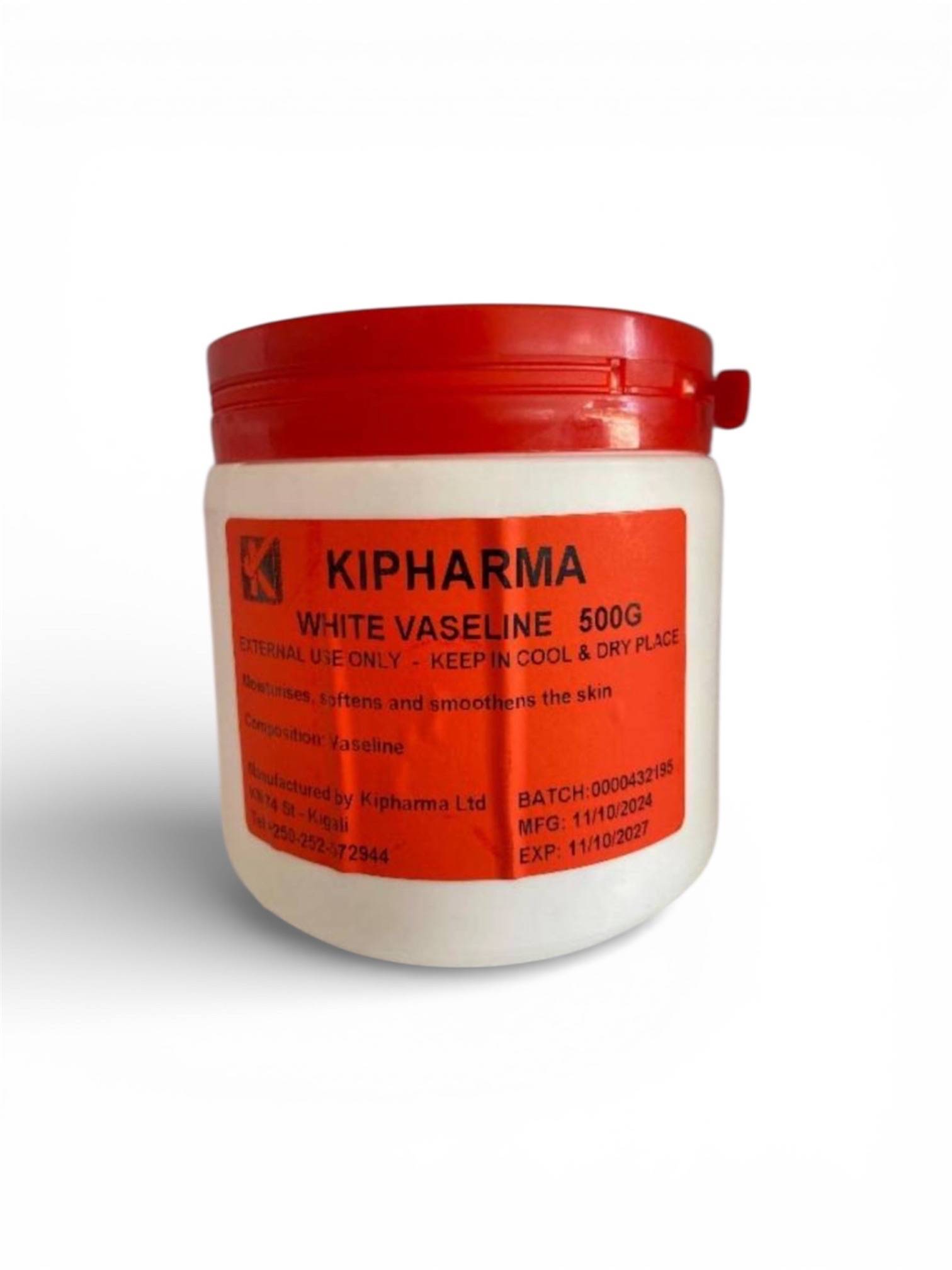
Petroleum jelly
1Nice to haveSoothes dry, dusty skin and prevents rubbing from new boots or shin guards.
How to use it: Apply a little on areas that rub before training.
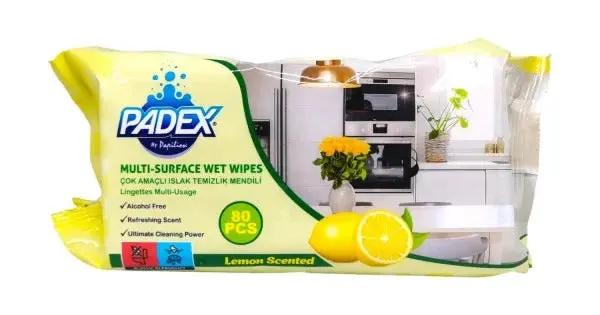
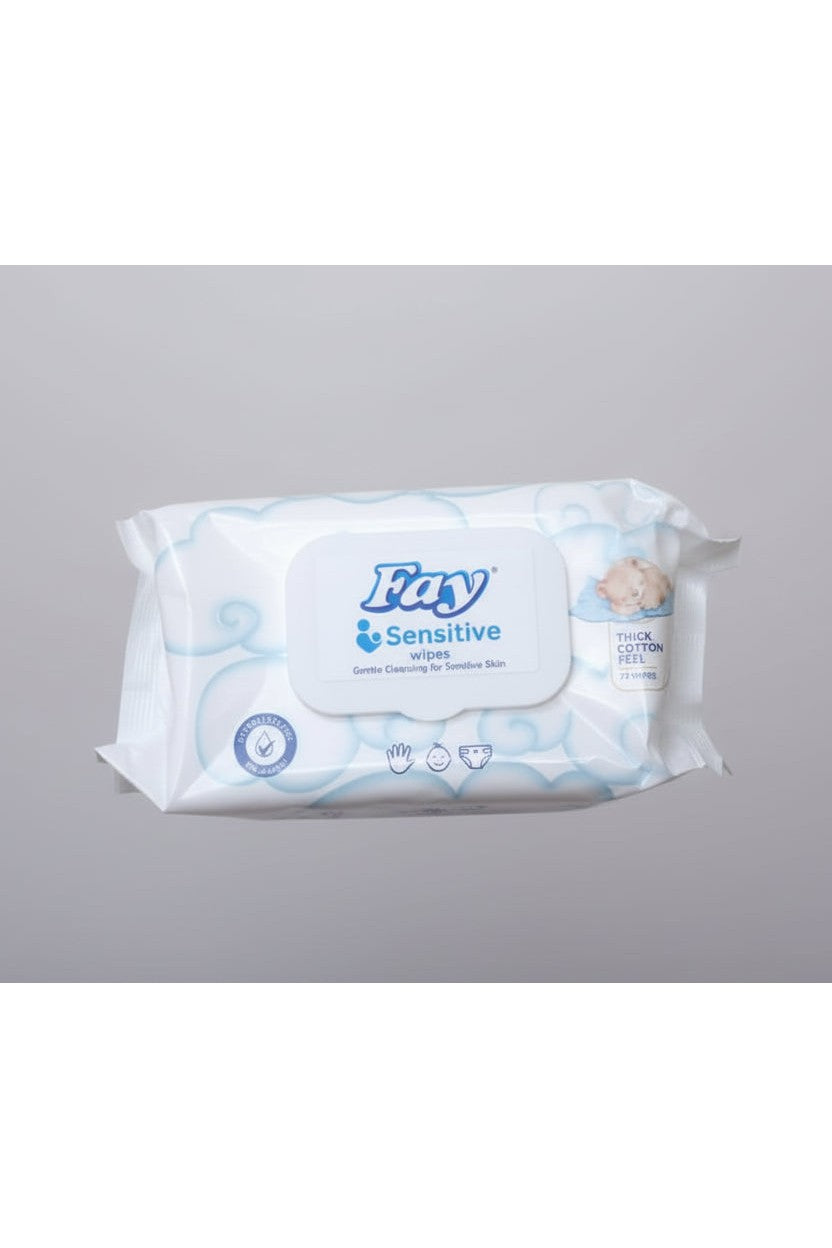
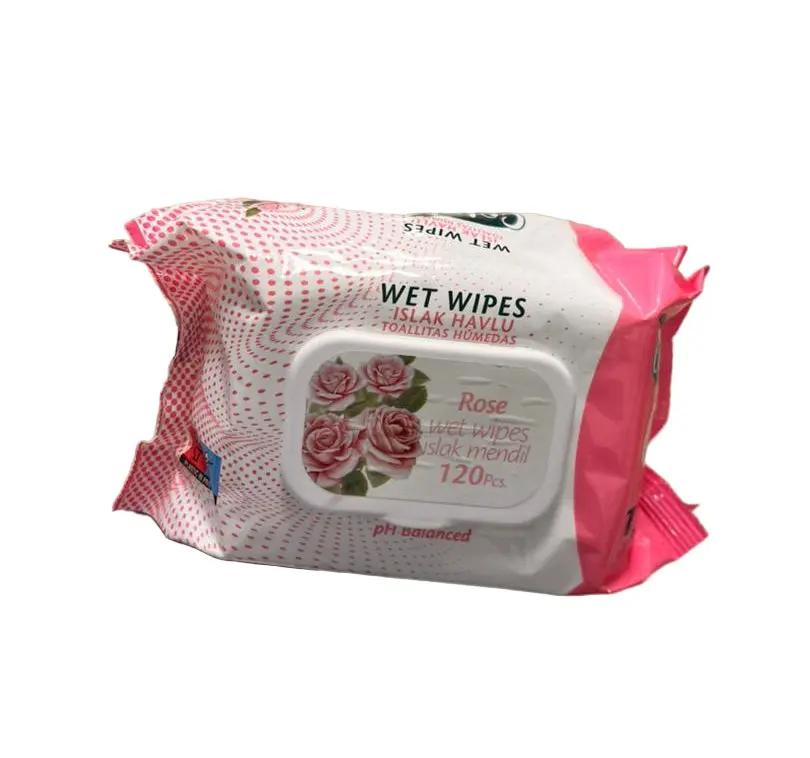
Wet wipes
1 pack Must haveClean muddy hands and faces before snacks or the ride home.
How to use it: Keep a pack in the kit bag.




The kit bag and after training
Help your child learn to pack and look after their own kit.
Kit bag
1Nice to haveOne bag for boots, ball, water and clothes keeps everything together.
How to use it: A drawstring or small sports bag is enough. Teach them to pack it the night before.
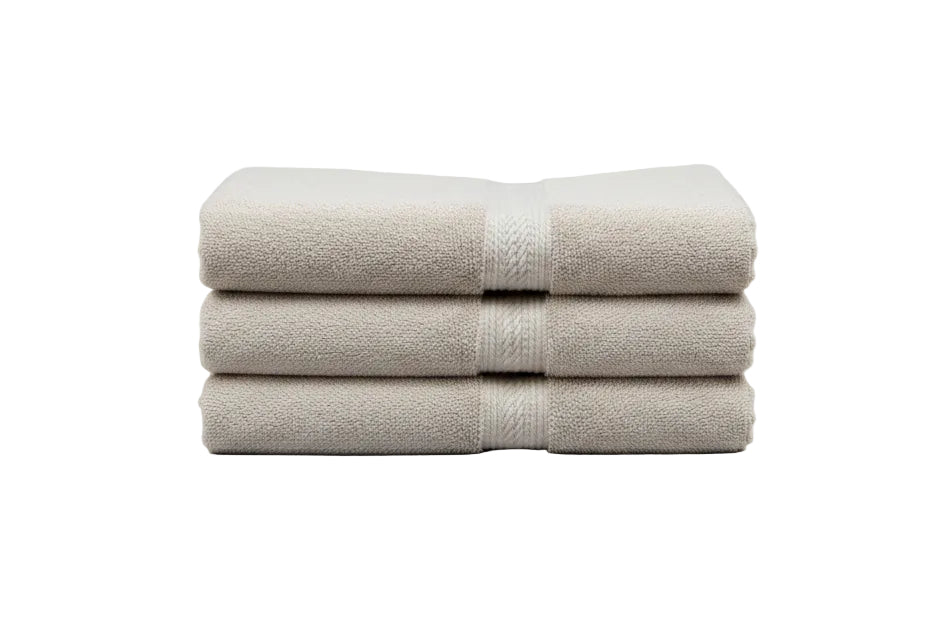
Small towel
1 Must haveWipe sweat during breaks and dry off after training.
How to use it: Pack one in every training bag.
Spare clothes
1 setNice to haveA clean t-shirt for the ride home after a muddy or rainy session.
How to use it: Pack in a plastic bag so it stays dry.
Training cones
1 setNice to haveLets kids practice dribbling and passing drills at home.
How to use it: Set up a simple zigzag in the compound and time them.
Skipping rope
1Nice to haveBuilds footwork, speed and stamina at home.
How to use it: Make it a game, such as how many skips in a minute.



Washing the kit
Red soil and grass stains are part of football in Kigali. The right products save your white socks.
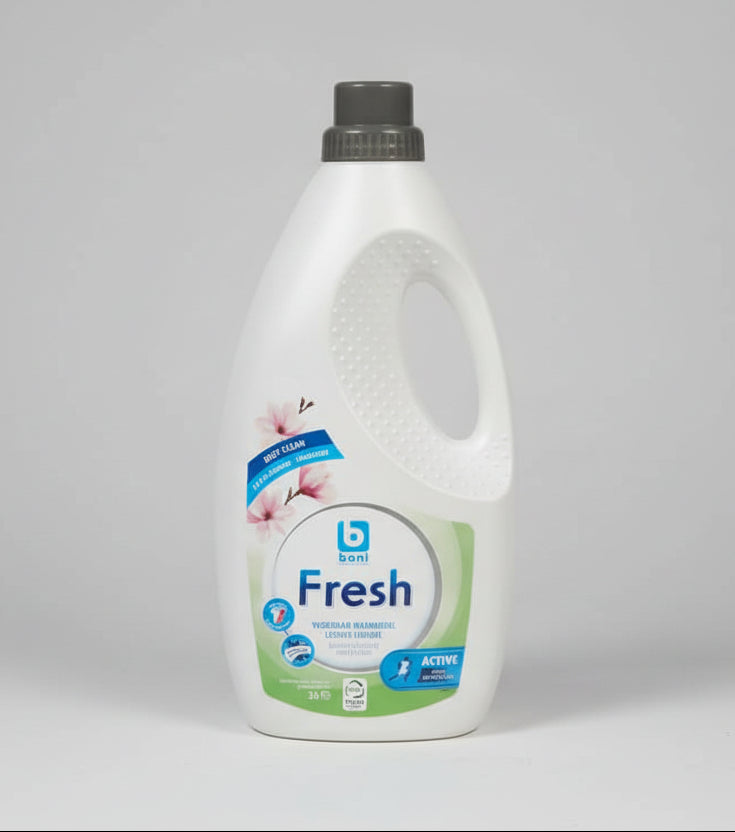
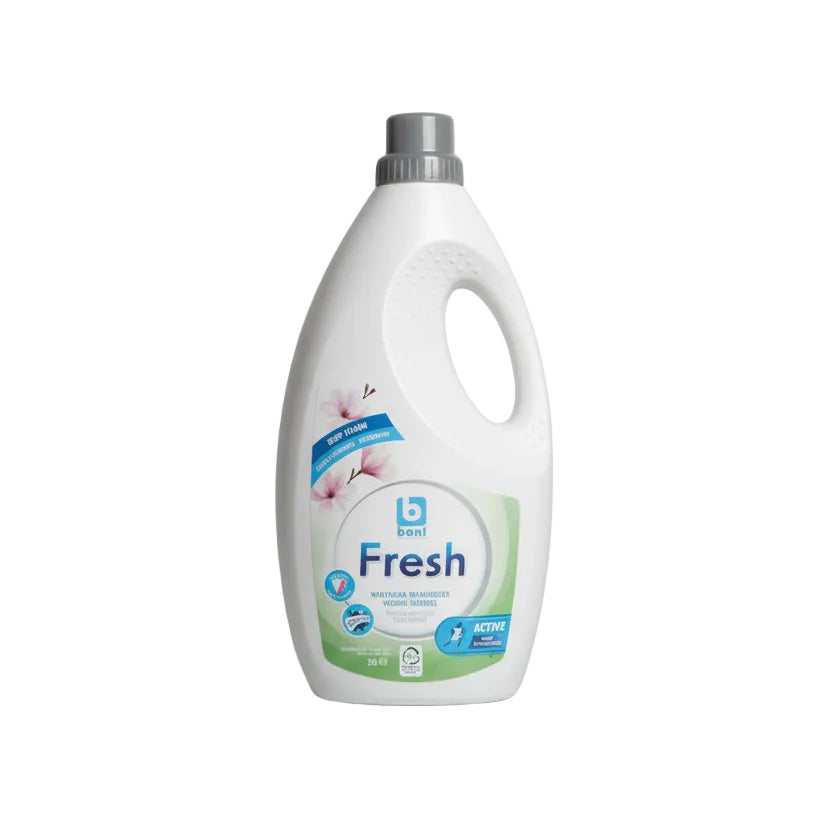
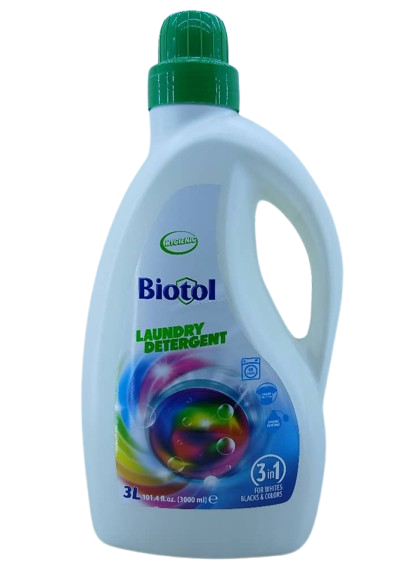
Laundry detergent
1 Must haveTraining kit needs washing after every session.
How to use it: Wash as soon as possible, inside out, in cool water.
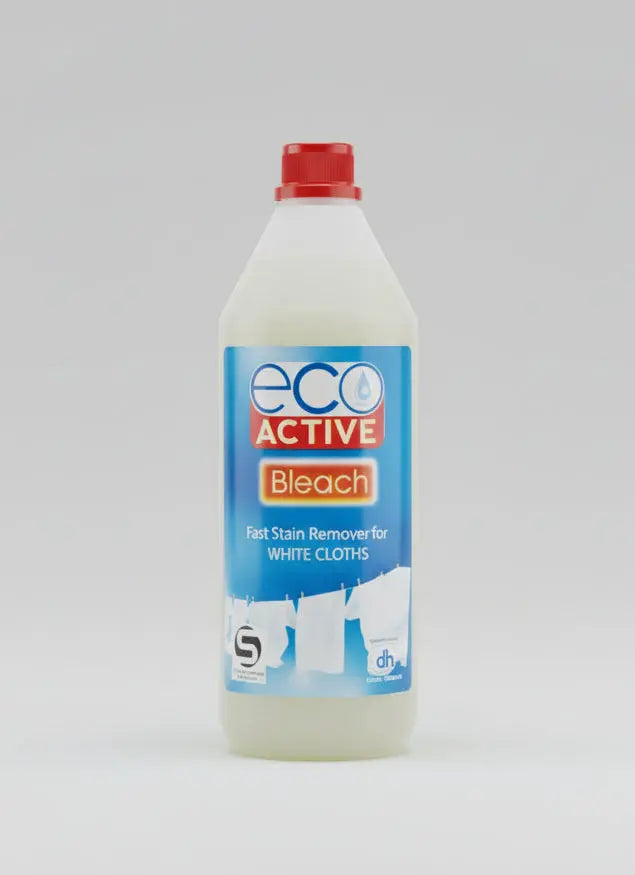
Stain remover
1Nice to haveRed soil stains set quickly, especially on white socks and shirts.
How to use it: Soak dirty items before washing and test on a small area first.
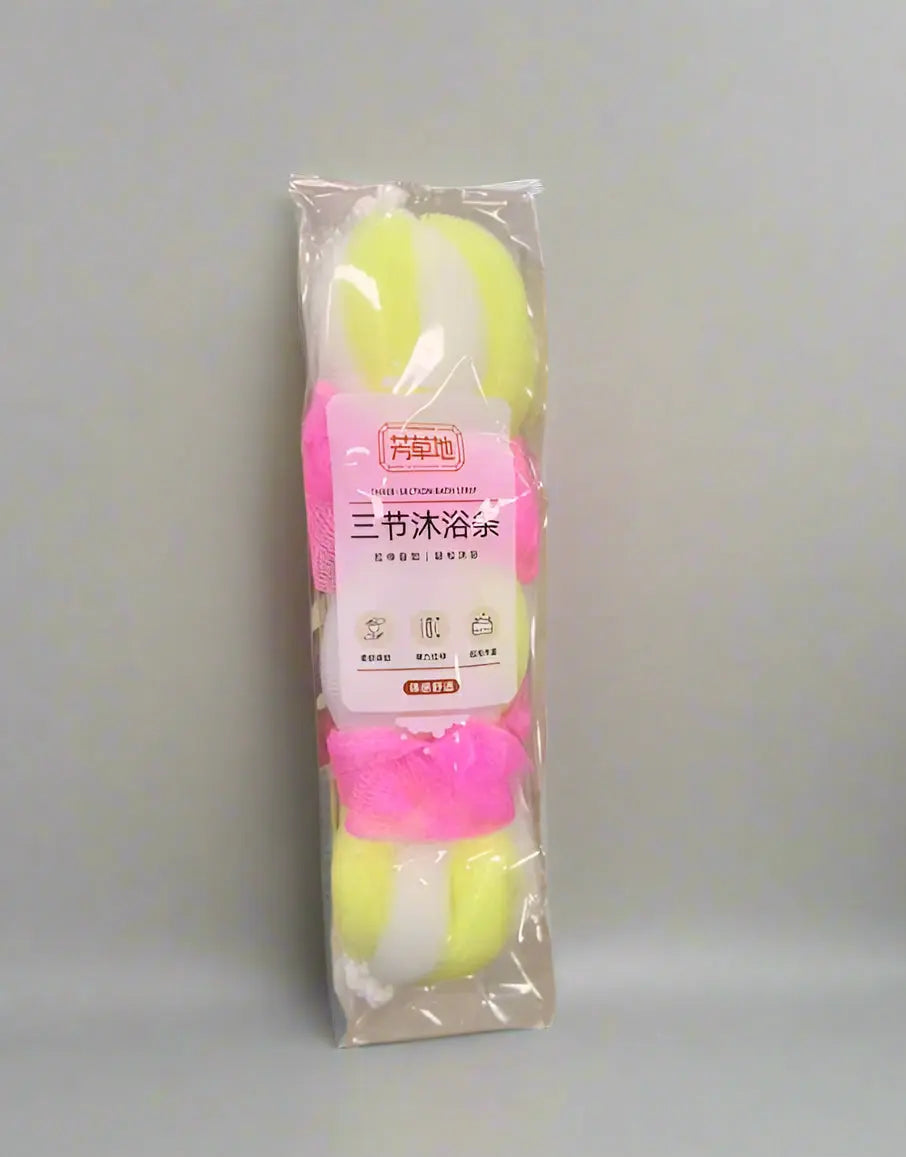
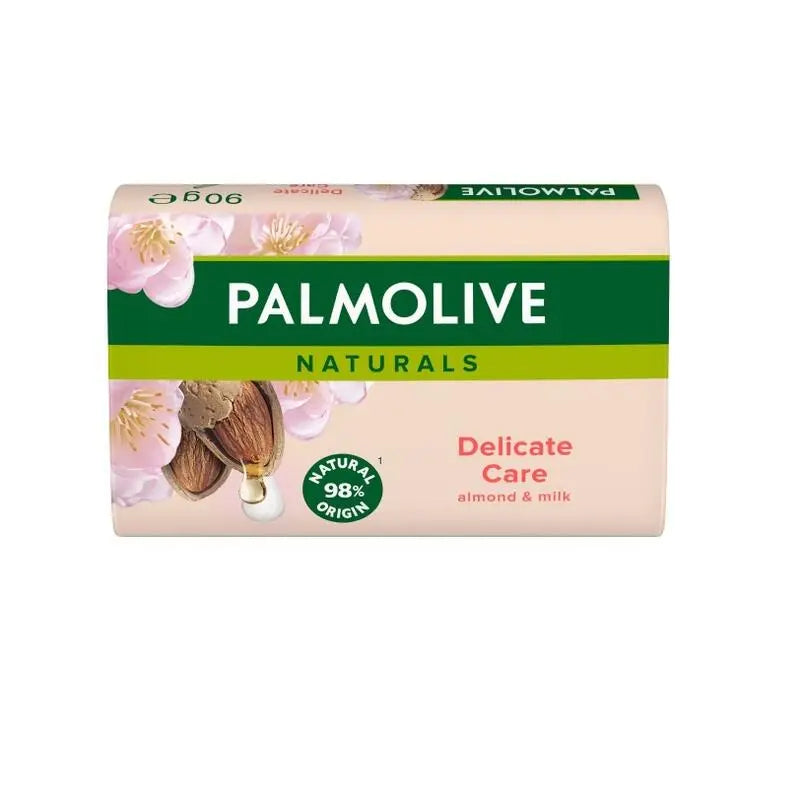
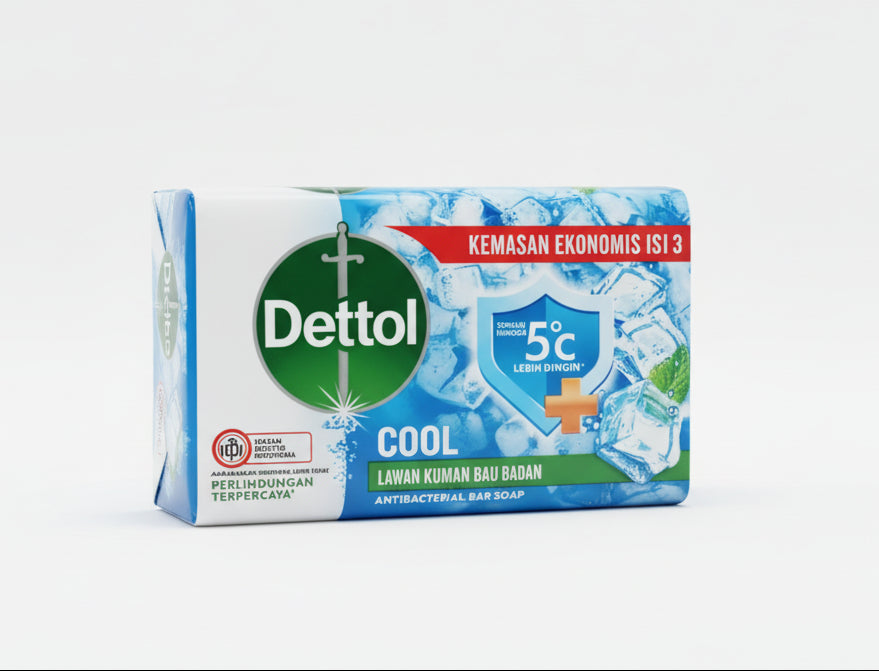
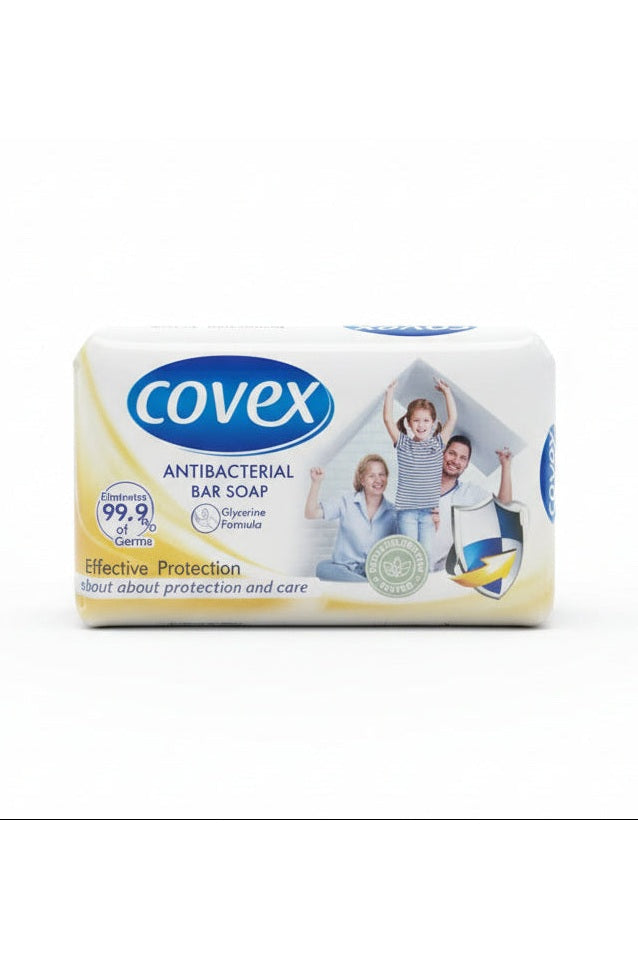
Bar soap
1 to 2Nice to haveGreat for scrubbing boots and soaking muddy socks by hand.
How to use it: Brush mud off boots once dry, then wipe with a damp soapy cloth.
Step by step
- 1
Talk to the coach
Ask about the training schedule, what kit is required, the team colors, ball size and whether boots or trainers are best for the pitch.
- 2
A week before the first session
Order the ball, socks, shorts, water bottle, sunscreen and snacks on Isokko. Try the shoes and shin guards on together at home.
- 3
The night before training
Pack the kit bag with your child: clothes, boots, shin guards, water bottle, towel and a snack. Label everything.
- 4
Training day
Give a light snack before, apply sunscreen, fill the water bottle and arrive a few minutes early to warm up.
- 5
After training
Empty the bag, soak dirty clothes, air out boots and refill the water bottle for next time.
Tips that help
- Label everything with your child's name. Water bottles and jerseys go missing at every club.
- Buy boots with a little room to grow, but not so big that they slip.
- Teach your child to pack their own bag. It builds responsibility.
- Keep a spare water bottle in the car for days they forget.
- Stay positive on the sidelines. Encouragement keeps kids loving the game.
- Wash kit right after training so red soil stains do not set.
Mistakes to avoid
- Skipping shin guards to save money.
- Buying boots several sizes too big so they last longer, which causes blisters and falls.
- Sending kids to training without water.
- Leaving muddy kit in the bag for days.
- Forgetting sunscreen for long afternoon sessions.
Questions people ask
What does my child need for football training?+
The basics are comfortable sports clothes, long socks, shin guards, suitable football boots or trainers, a water bottle and a snack. Add sunscreen, a towel and a small first aid kit, and check with the coach for any club specific kit.
What size football should my child use?+
Smaller children often use a size 3 or 4 ball, while older children and teens use size 5. Ask the coach, since it depends on age and the club.
Does my child need football boots?+
Boots give better grip on grass, but on hard or artificial surfaces some coaches prefer trainers. Ask the coach what suits the pitch and your child's age.
What should my child eat before football training?+
A light snack 30 to 60 minutes before, like a banana, a piece of bread or some fruit. Avoid heavy meals right before training, and always pack water.
How do I get red soil stains out of football socks?+
Rinse off loose dirt, soak in water with detergent or a stain remover, then wash. Act quickly, as dried stains are harder to remove.
With the right kit, water and a snack, your child can focus on what matters most: learning, playing and having fun with their team. Buy the essentials once, keep the kit bag ready and restock snacks each week. Shop the list on Isokko and have it delivered before the first session.
Shop this list
Get everything delivered in Kigali
Order from local stores on Isokko and pay with MoMo, card or cash. Same-day delivery.