
Checklist · Sports & fitness
Starting a Workout Routine at Home in Kigali: Equipment Checklist
A home workout equipment checklist for Kigali beginners: the mat, rope and bands worth buying, what to wear, what to eat, and how to start without a gym.
Updated November 15, 2026 · By Isokko
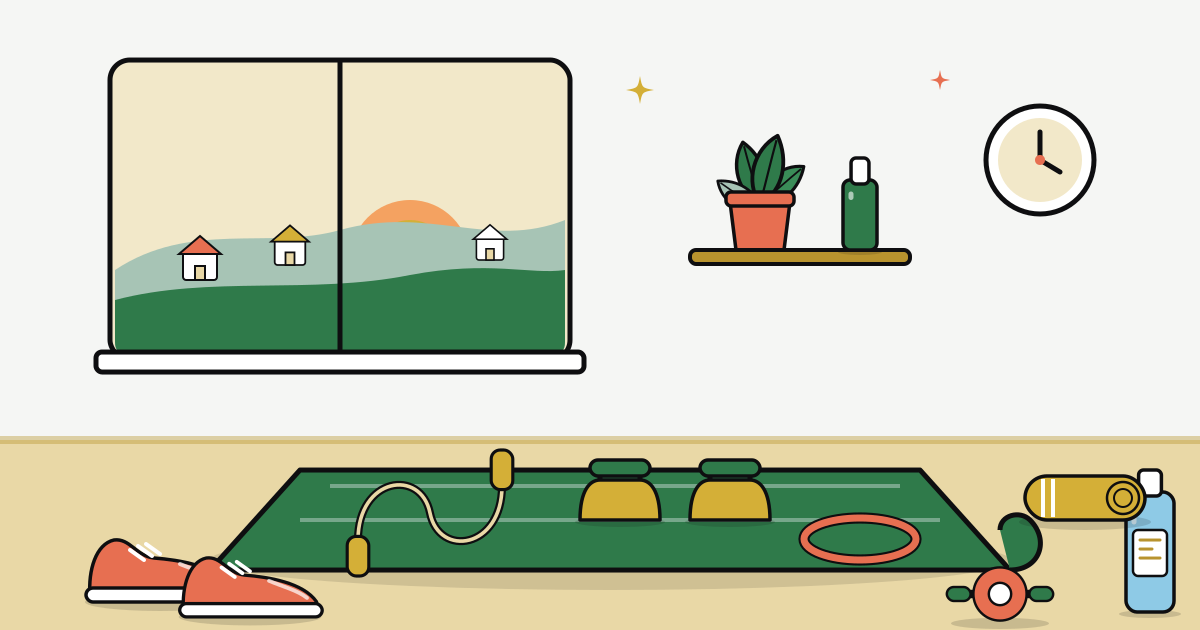
Gym memberships, traffic to get there and the time it takes all add up. Meanwhile, the space between your sofa and the wall is free and is about the right size for a mat. A home routine is the simplest way to start, and Kigali's cool mornings make early workouts genuinely pleasant.
You do not need a home gym. A good mat, a skipping rope, a set of resistance bands and a water bottle cover most beginner routines. The rest of this list is about making it comfortable and making it stick.
If you have a health condition, are pregnant, or have not exercised in a long time, check with your doctor before you start, and build up slowly.
Who it's for
Beginners in Kigali who want to get fit at home without a gym membership
Time needed
20 to 40 minutes, three or four times a week
When to shop
Order the basics before your planned start day, so nothing stops you
On the list
23 items, 7 must haves
0 of 23 ready
The core equipment
These four items cover warm ups, strength, core and stretching. Start here.
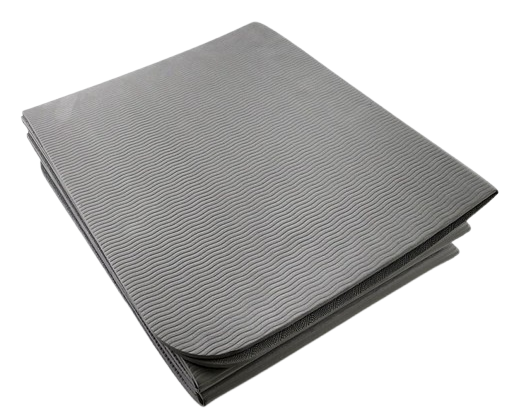
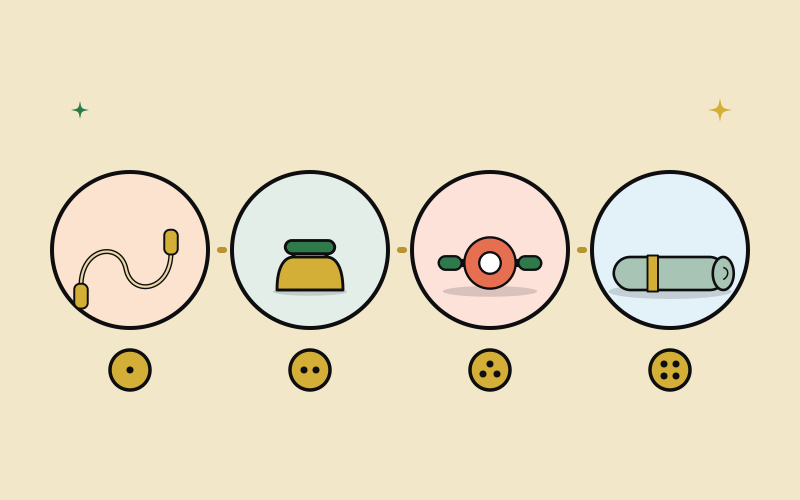
Exercise mat
1 Must haveCushions your knees, back and hands on hard tiled or cement floors, and marks out your workout space so the habit feels real.
How to use it: Choose one thick enough to kneel on comfortably. Wipe it after each session and roll it up to keep it clean from dust.
Skipping rope
1 Must haveOne of the best warm ups and cardio tools that fits in a drawer. A few minutes gets your heart going on mornings you cannot go running.
How to use it: Adjust the length so the handles reach your armpits when you stand on the middle. Skip on the mat or outside on flat ground, not on bare tiles.
Resistance bands
1 set Must haveLight, cheap and quiet, which matters in an apartment. They add strength work for legs, arms and back without heavy weights.
How to use it: Start with the lightest band and focus on slow, controlled movement. Check for nicks before each use and replace a band that is worn.
Push up stands
1 pairNice to haveMake push ups easier on the wrists and let you go deeper as you get stronger.
How to use it: Place them shoulder width apart on the mat. Start with knee push ups if a full push up is too hard.
Ab roller
1Nice to haveA compact tool for core strength once the basics feel easy.
How to use it: Start on your knees and roll out only a short distance. Stop if you feel it in your lower back rather than your stomach.



What to wear
Comfortable clothes and good shoes help you move freely and avoid injury.
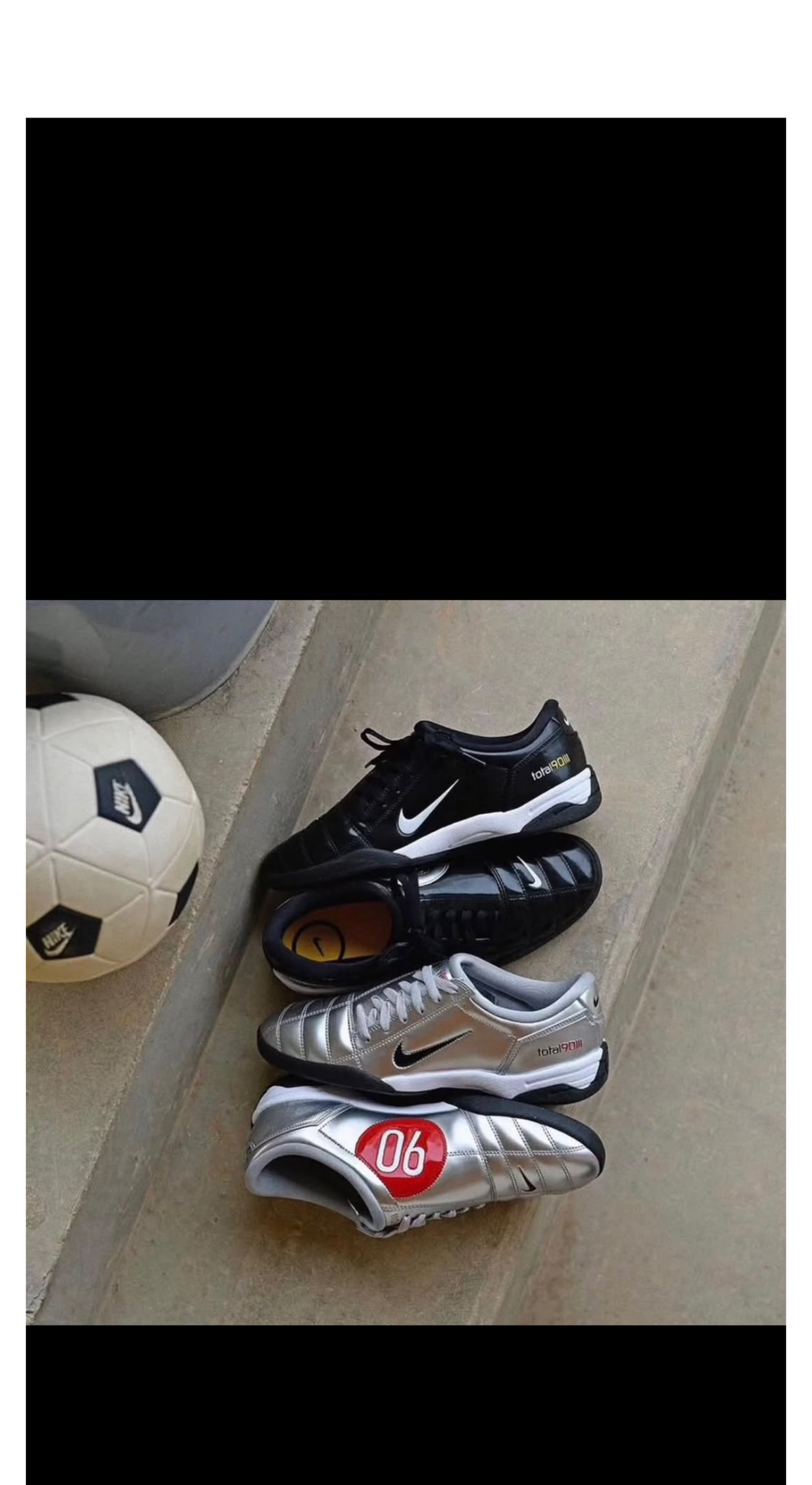
Supportive sneakers
1 pair Must haveJumping and skipping on hard floors is tough on knees and ankles. Proper shoes absorb impact.
How to use it: Keep one pair just for workouts so the soles stay clean and grippy.
Breathable t-shirts
2 to 3 Must haveCotton or sports fabric keeps you cool, even in a warm apartment in the afternoon.
How to use it: Have two or three so you always have a clean one ready.
Training gloves
1 pairNice to haveProtect your hands from blisters with bands and push ups, and improve grip.
How to use it: Optional for most beginners, helpful if your palms get sore.
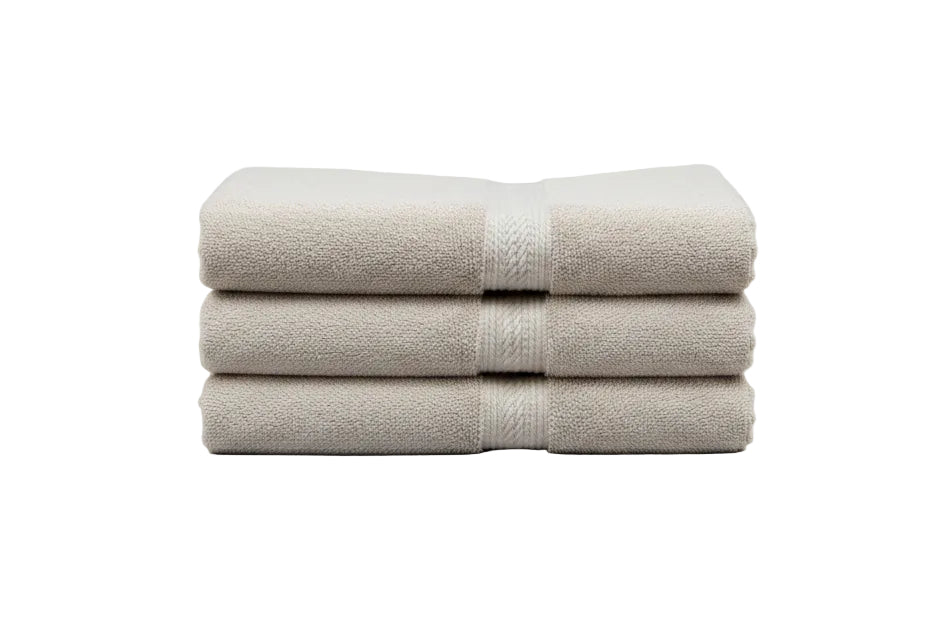
Small towel
2 Must haveFor sweat during the workout and to put on the mat for floor stretches.
How to use it: Keep it with your mat and wash it after each use.


Hydration and fuel
You do not need supplements to start. Water and normal food do most of the work.
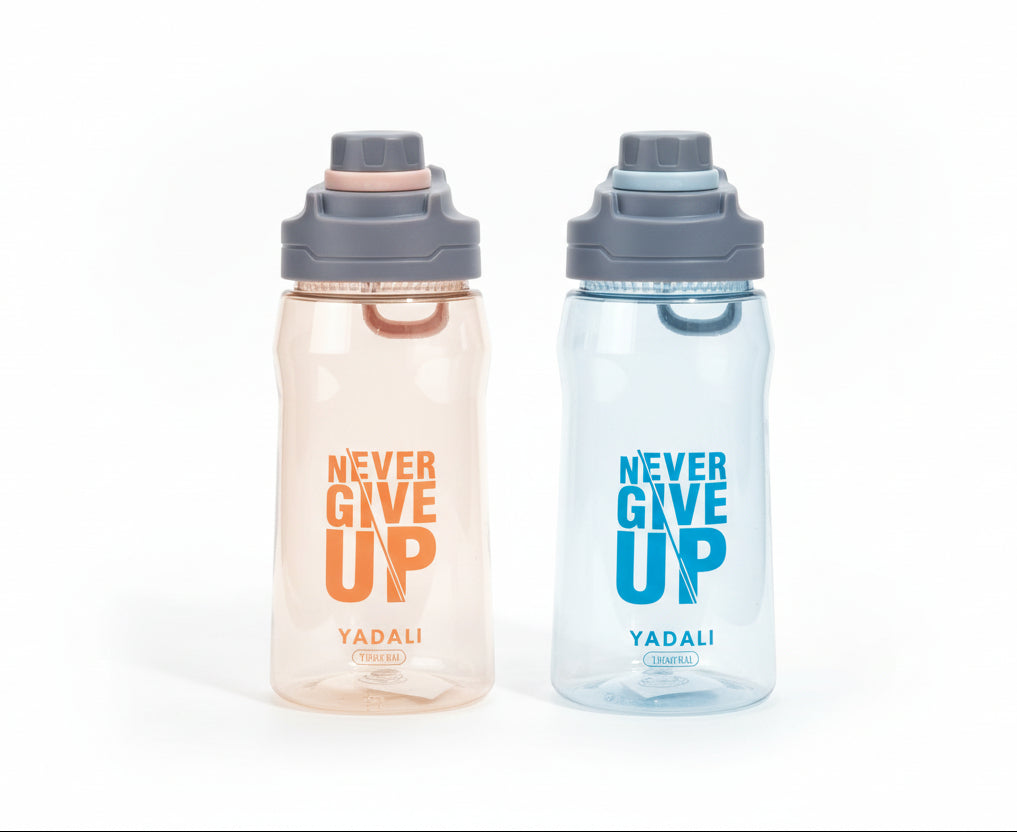
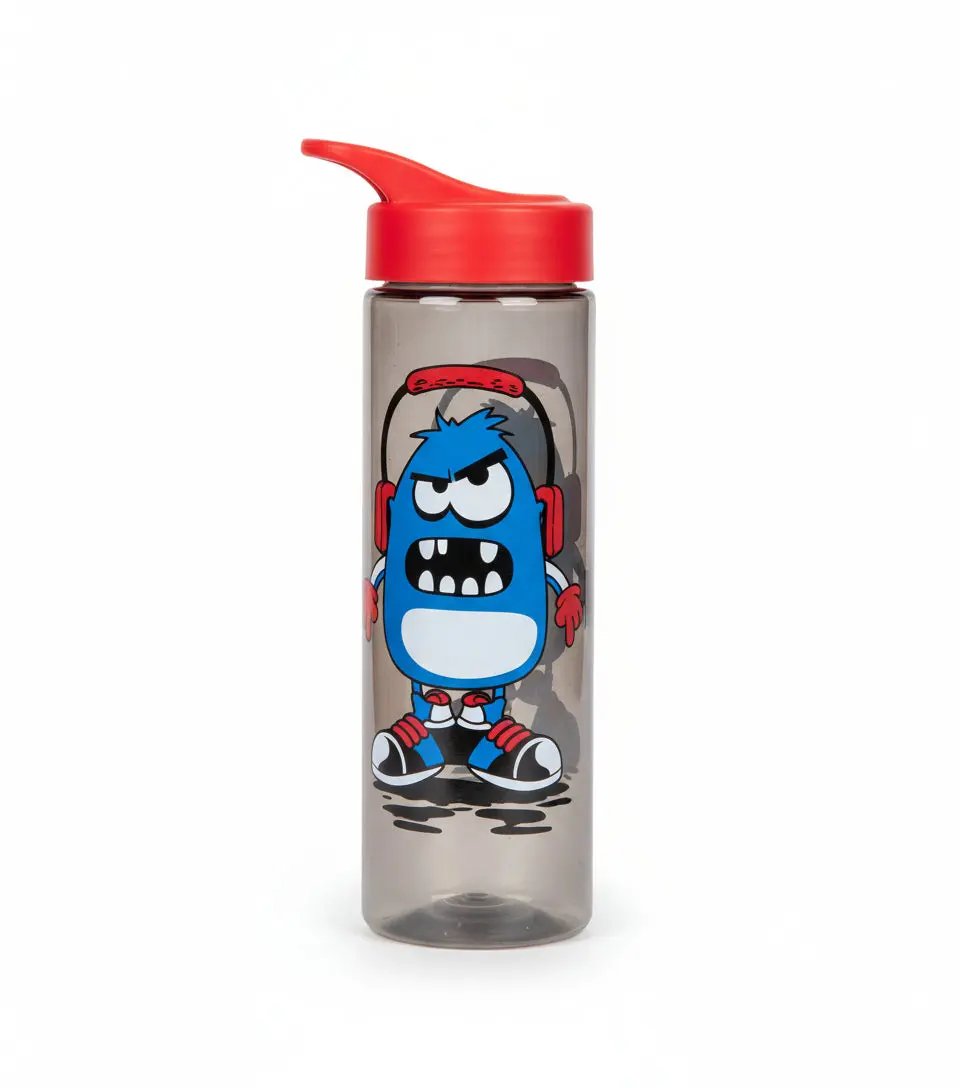
Water bottle
1 Must haveSipping through a workout keeps you going, especially in the warmer dry season.
How to use it: Fill it before you start and keep it at the edge of the mat.
Bananas
1 bunch a weekNice to haveAn easy, cheap snack before or after training that does not sit heavy.
How to use it: Eat one 30 to 60 minutes before a workout if you train after work.
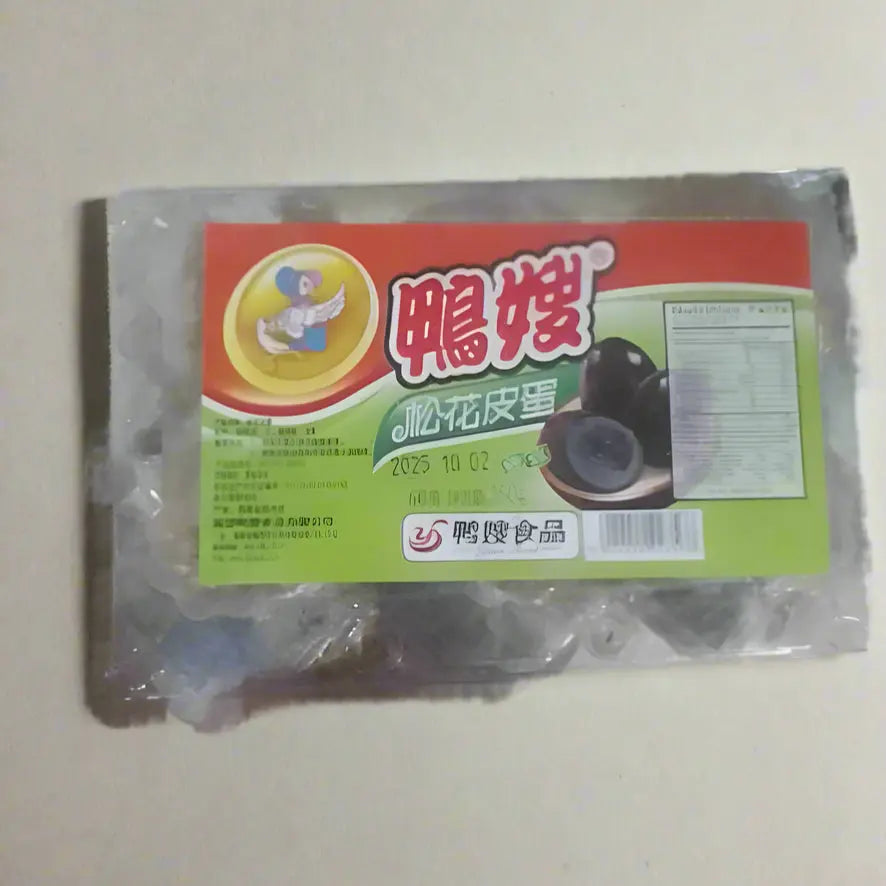
Eggs
1 trayNice to haveSimple protein to help your body recover.
How to use it: Boil a batch for quick breakfasts after morning workouts.
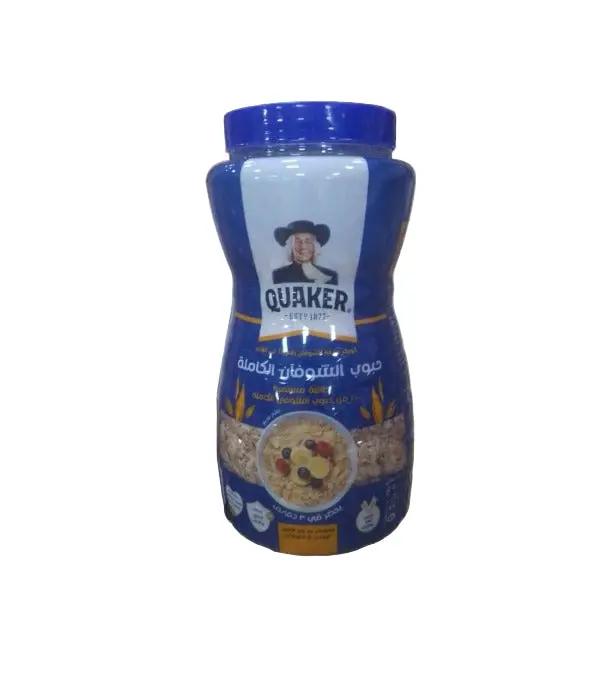
Oats
1 kgNice to haveA filling breakfast that gives steady energy for training.
How to use it: Cook with milk and top with banana or peanut butter.
Peanut butter
1 jarNice to haveAdds protein and energy to bread, oats or a banana.
How to use it: A spoonful is plenty; it is calorie rich.
Dates
1 packNice to haveA quick natural snack for an energy boost.
How to use it: Two or three before a longer workout.











Motivation and setup
The best equipment is the one you actually use. These make the routine easier to stick with.
Headphones
1Nice to haveMusic or a guided workout in your ears keeps you going and keeps the noise down for neighbors.
How to use it: Wireless ones are easier when you are jumping.
Bluetooth speaker
1Nice to haveIf you live alone or work out with family, a speaker makes it more fun.
How to use it: Keep the volume reasonable for early mornings in shared compounds.
Phone holder
1Nice to haveHolds your phone at eye level to follow workout videos without bending over.
How to use it: Set it on a shelf or table at the end of the mat.
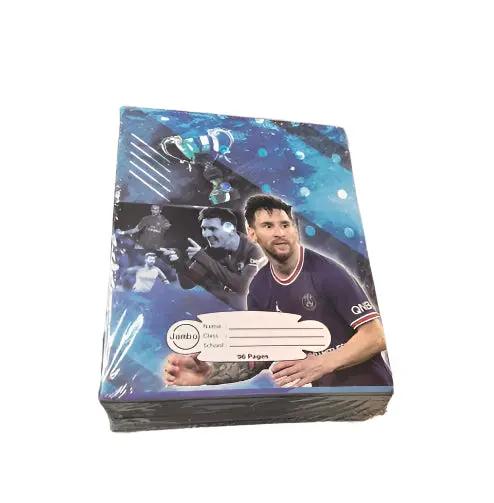
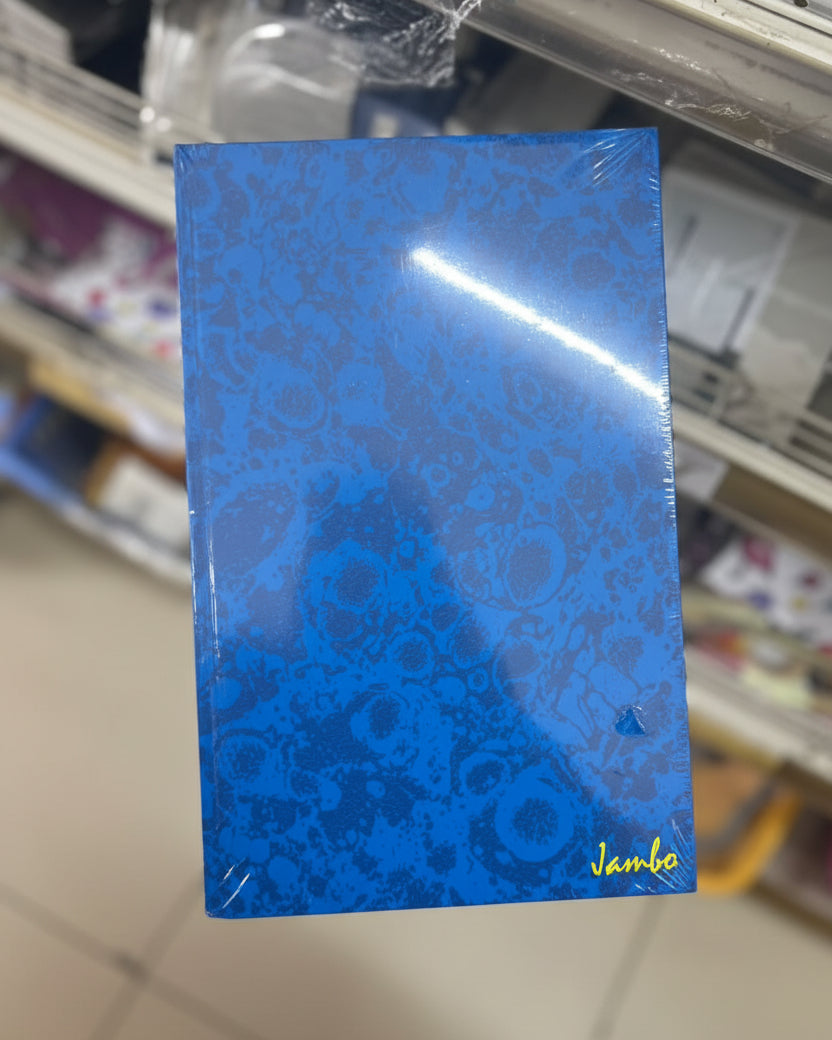
Notebook
1Nice to haveWriting down what you did each session shows progress you might not notice in the mirror.
How to use it: Note the date, exercises and how many you managed. Try to beat it slowly.
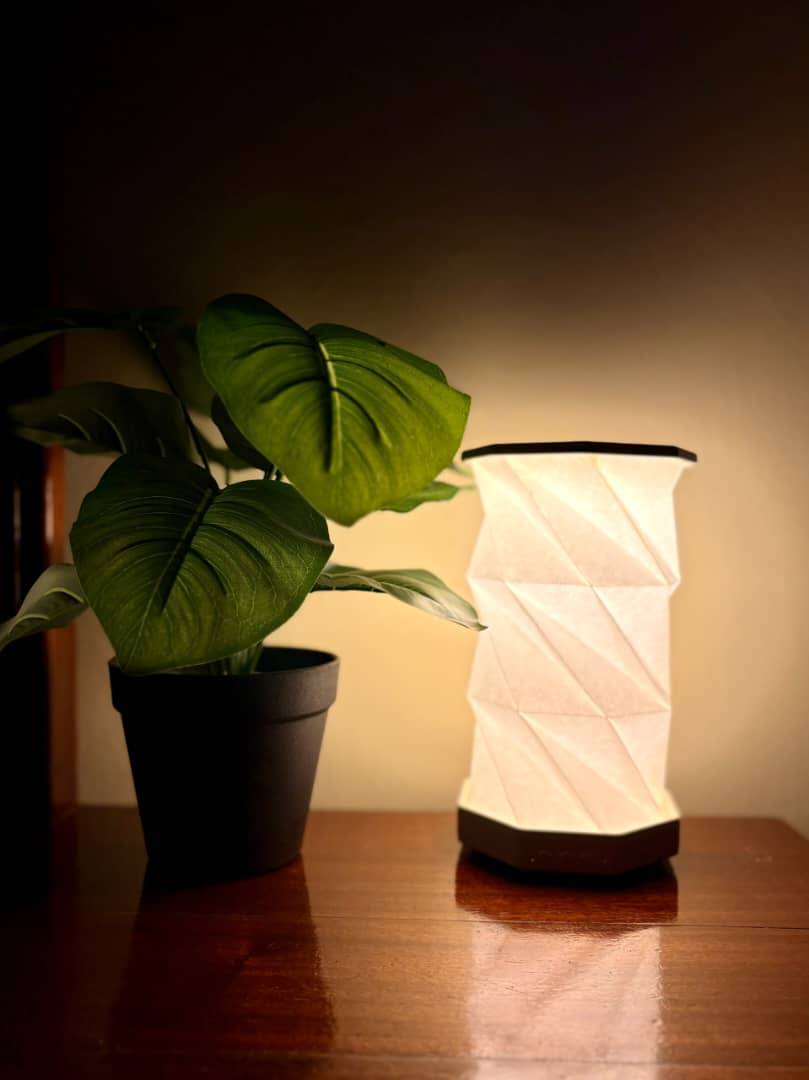
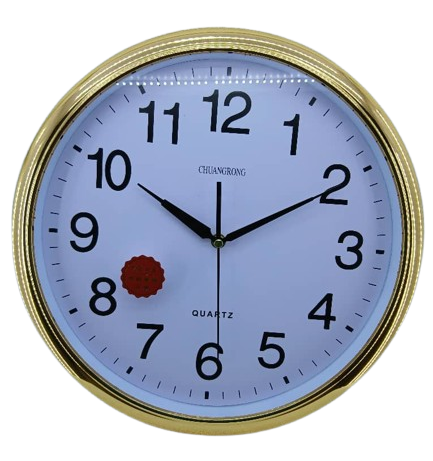
Plant or clock for your workout corner
1Nice to haveA clear, pleasant corner makes it easier to show up. Small things help.
How to use it: Keep the corner tidy so you can roll out the mat in seconds.





Recovery and freshening up
Look after your body between sessions so you can keep going.
Massage oil
1 bottleNice to haveA gentle rub on sore calves and shoulders feels good after the first weeks.
How to use it: Massage in slowly after a warm shower.
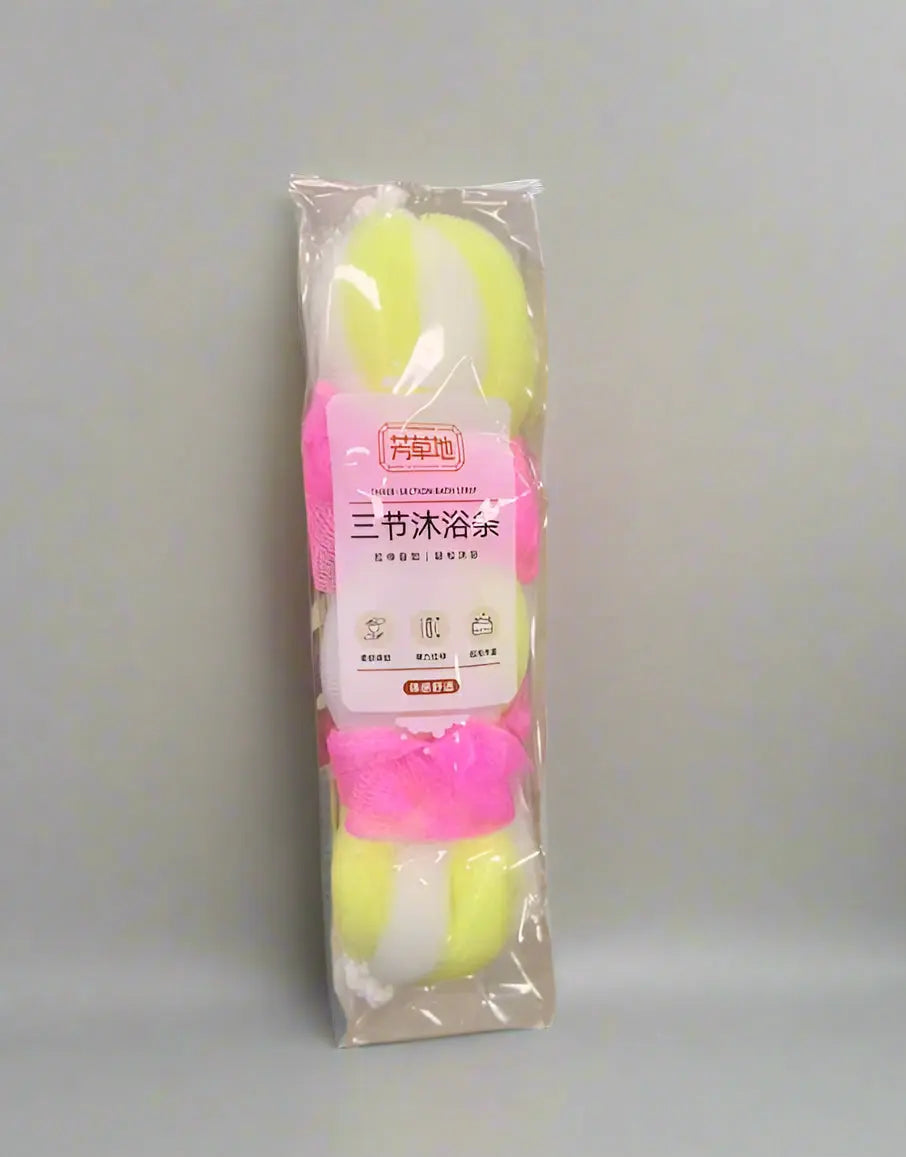
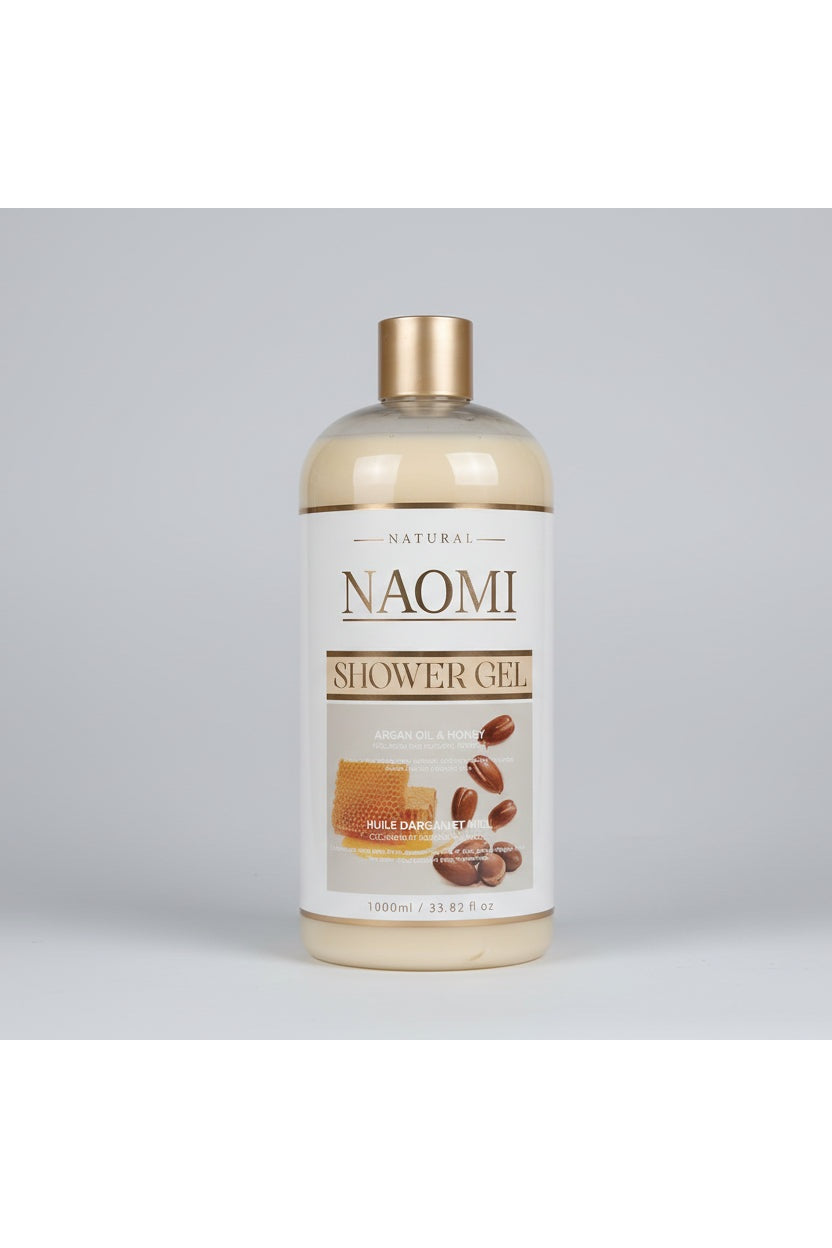
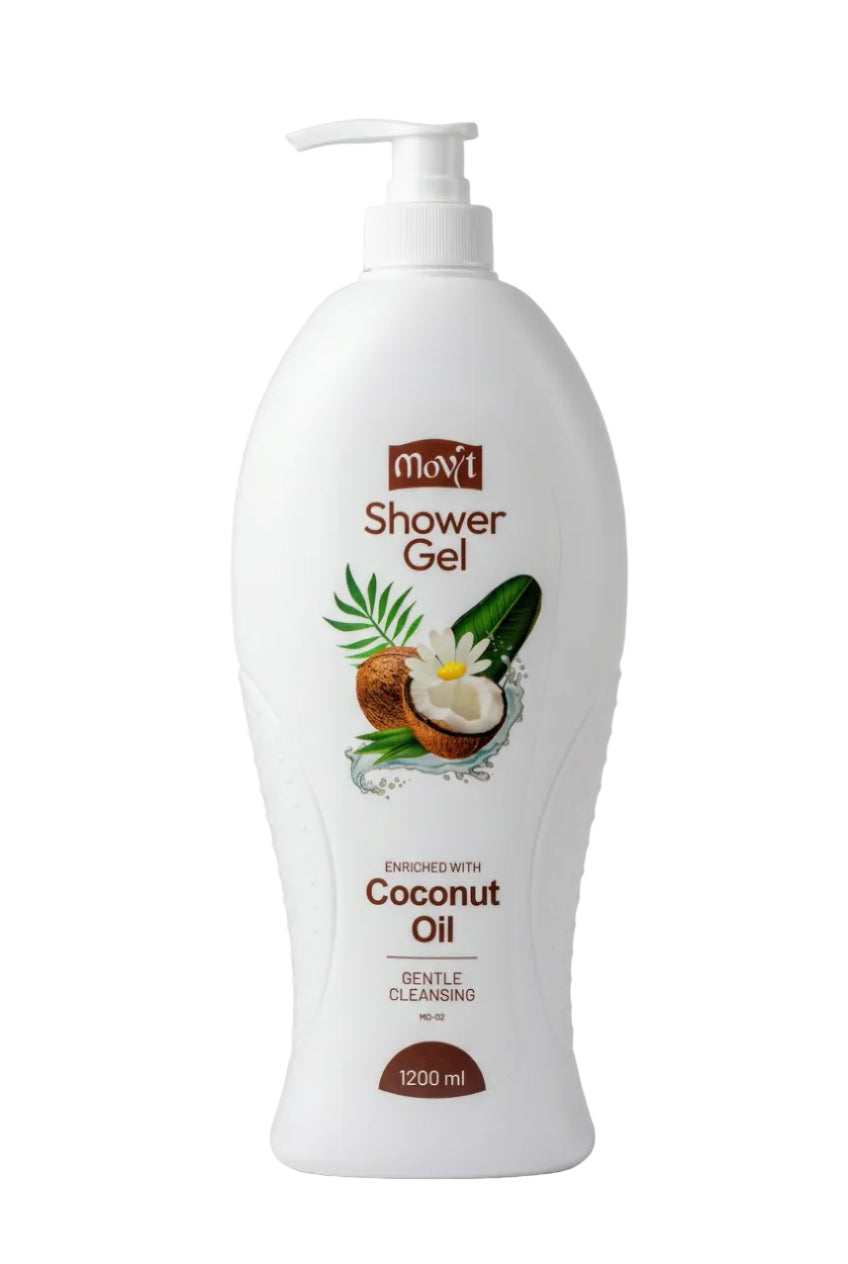
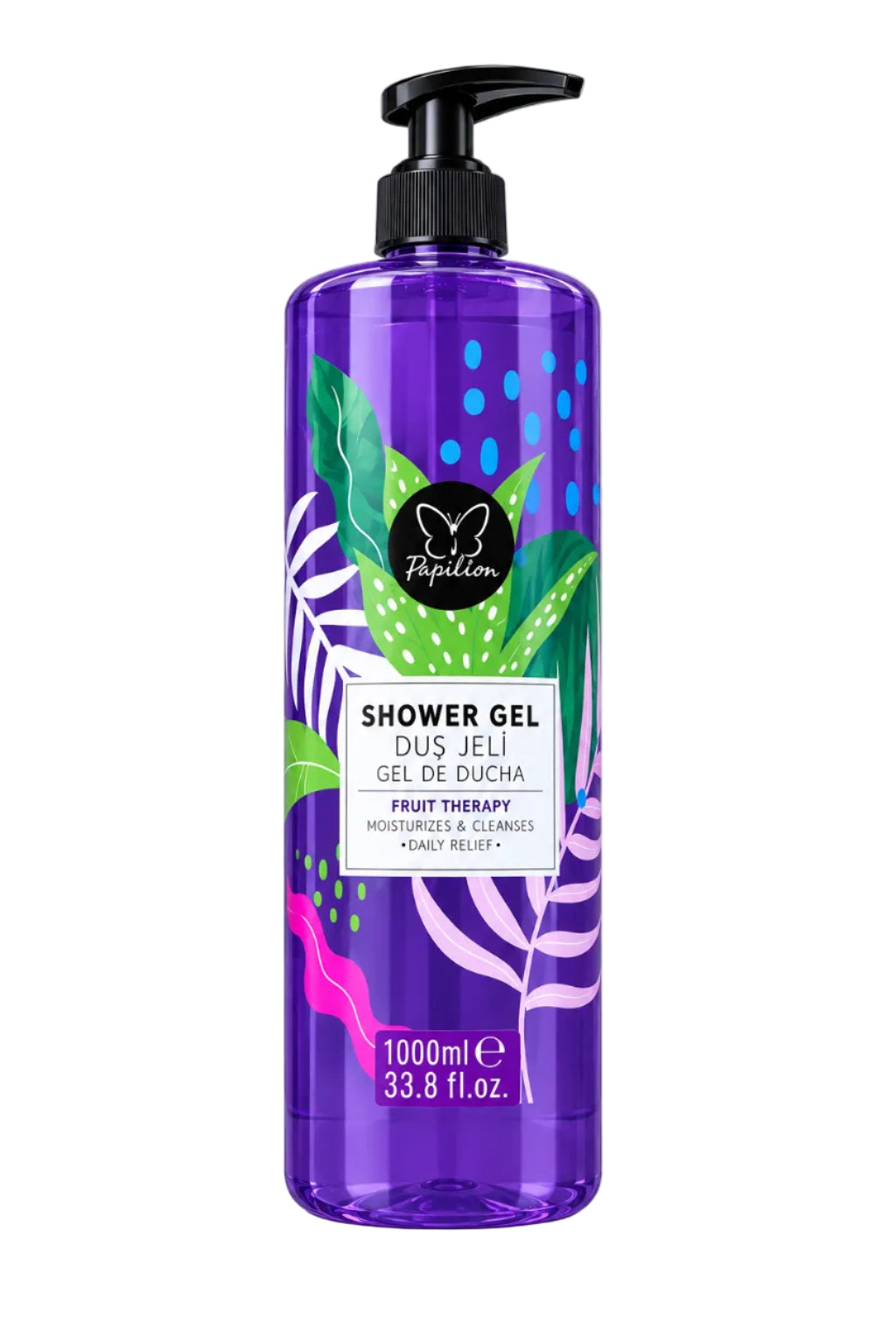
Shower gel
1Nice to haveA refreshing shower is the best reward after a workout.
How to use it: Choose a gentle one if you shower more often.
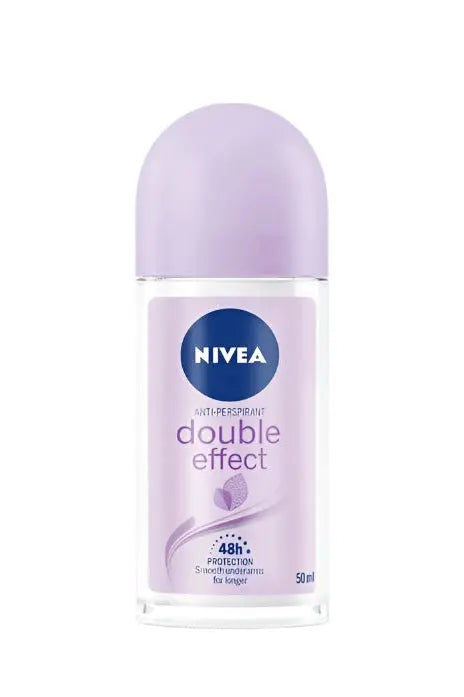
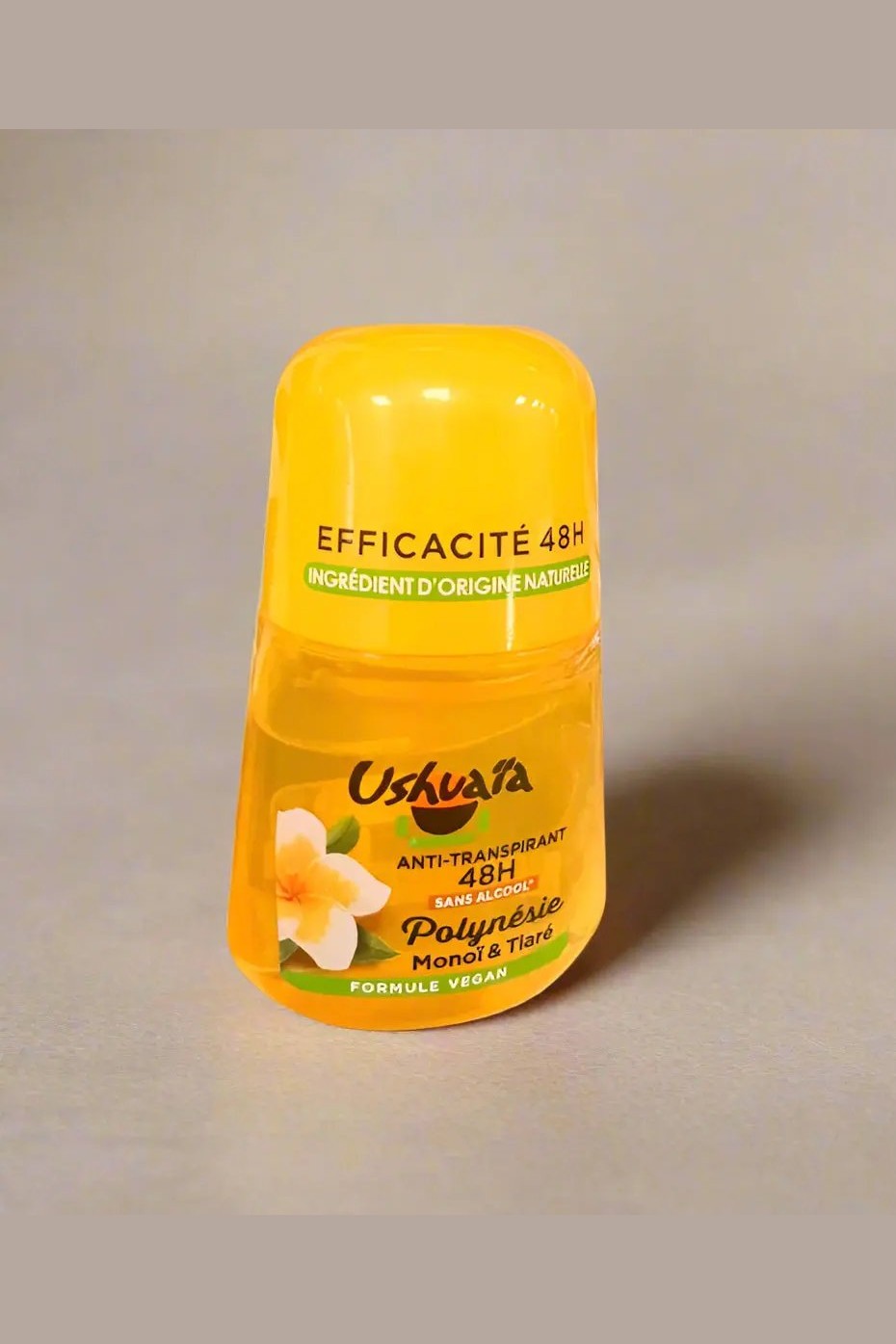
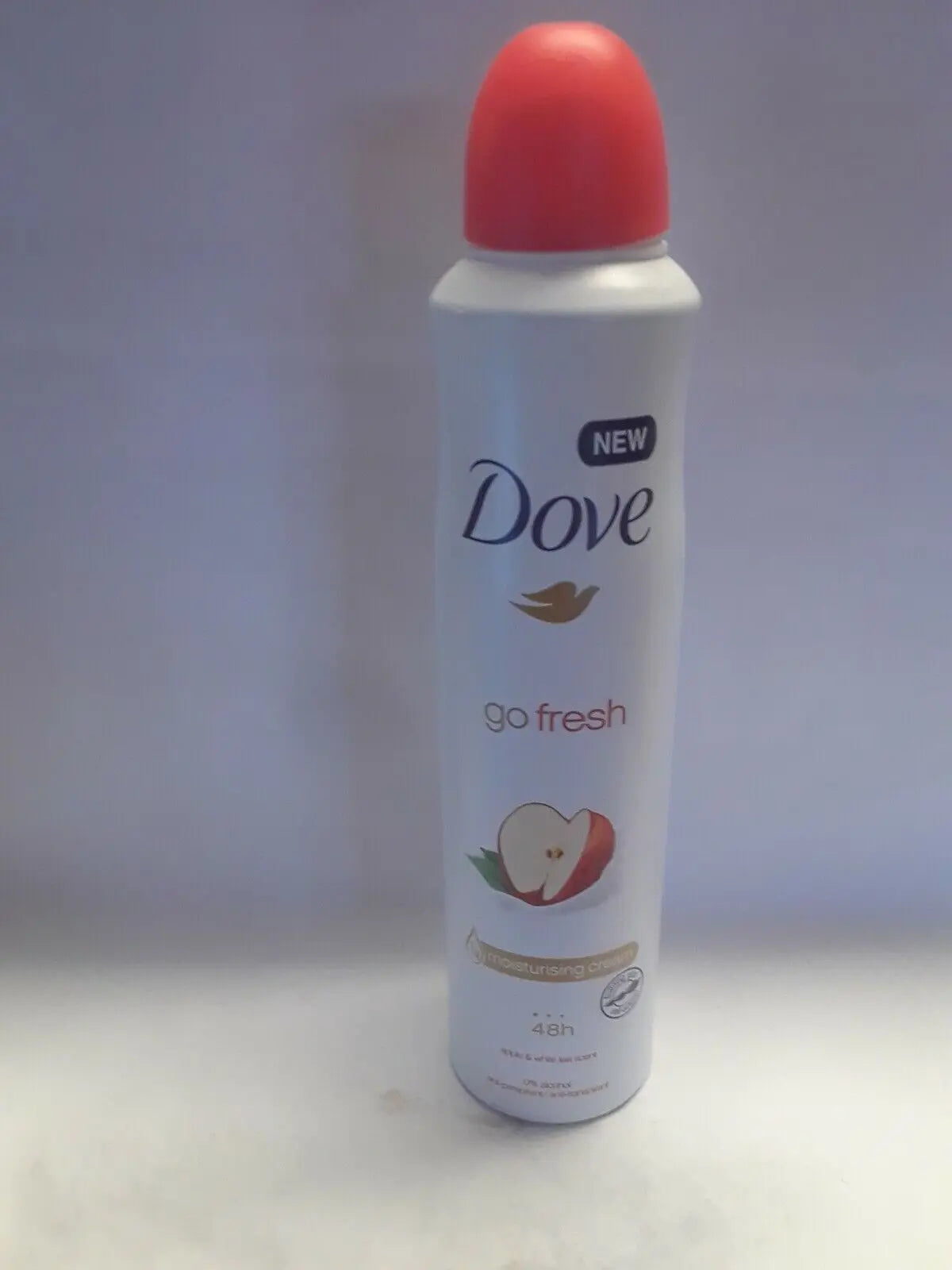
Deodorant
1Nice to haveKeeps you fresh if you work out before work or errands.
How to use it: Apply after showering, on clean dry skin.


Step by step
- 1
Pick your days and time
Choose three days a week and a time you can protect, like 6 in the morning before the house wakes up or straight after work before you sit down.
- 2
Set up a corner
Clear a space a little bigger than your mat. Keep the mat, rope, bands and bottle there so starting takes seconds.
- 3
Week one and two: learn the moves
Do short sessions of 15 to 20 minutes: a skipping warm up, squats, knee push ups, band rows and stretching. Focus on form, not speed.
- 4
Weeks three to six: build up
Add a few more repetitions or a minute more each week. Try full push ups, longer skipping and harder bands.
- 5
Keep it going
Mix in outdoor walks or runs on weekends, join a Car Free Day if there is one in your area, and track progress in your notebook.
Tips that help
- Kigali mornings are cool and fresh. Early workouts beat the afternoon heat and the evening fatigue.
- Warm up for five minutes before strength work and stretch for five minutes after.
- Schedule around power cuts by having offline workout videos downloaded on your phone.
- Start easier than you think you need to. Soreness that stops you for a week ruins the habit.
- Workout buddies help. Invite a housemate, partner or neighbor.
- If you live on an upper floor, choose low impact moves or a thick mat to keep the peace with neighbors below.
Mistakes to avoid
- Buying lots of equipment before building the habit. Start with the basics.
- Skipping on bare tiles or cement in socks, which is slippery and hard on joints.
- Doing too much in the first week and quitting because of soreness.
- Ignoring pain. Muscle tiredness is normal; sharp or joint pain means stop and rest, and see a doctor if it persists.
- Forgetting to drink water before and after a session.
Questions people ask
What equipment do I need to work out at home?+
A mat, a skipping rope, resistance bands and a water bottle are enough for most beginners. Add push up stands or an ab roller later as you get stronger. Good sneakers matter more than any gadget.
Can I get fit at home without a gym?+
Yes. Bodyweight exercises like squats, lunges, push ups and planks, plus skipping and bands, build strength and fitness. Consistency over weeks matters more than where you train.
How often should a beginner work out?+
Three or four sessions a week of 20 to 40 minutes is a solid start, with rest days in between. Increase slowly as it feels easier.
Do I need protein supplements to start?+
Usually not. Normal food like eggs, beans, fish, milk and peanut butter covers a beginner's needs. Talk to a doctor or dietitian before taking supplements.
What is a good home workout for beginners?+
Warm up with three minutes of skipping or marching, then do squats, knee push ups, band rows, lunges and a plank, two or three rounds. Finish with stretching.
Getting fit at home starts with a mat on the floor and a decision to show up three times a week. Order the basics on Isokko, set up your corner this weekend and start on Monday morning. Your future self will thank you.
Shop this list
Get everything delivered in Kigali
Order from local stores on Isokko and pay with MoMo, card or cash. Same-day delivery.