
Checklist · Cooking & meals
Freezer Meal Prep for a Month of Busy Weeknights: Checklist
A freezer meal prep checklist for Kigali: containers, labels, proteins and pantry staples to cook once and eat well all month.
Updated November 18, 2026 · By Isokko
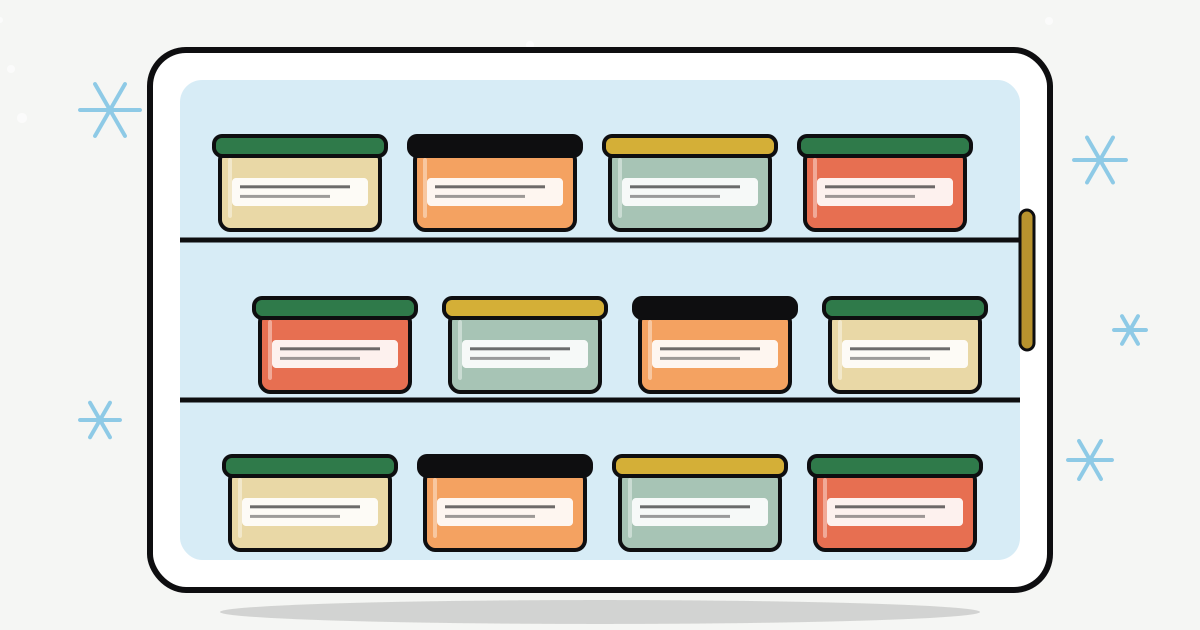
Many weeknights in Kigali mean a long commute, traffic in the rain and a tired family waiting for dinner. A freezer full of ready meals turns that evening from stress into a ten minute job.
Freezer meal prep is simple: cook big pots of a few dishes in one day, cool them, pack them in labeled containers and freeze. You need the right containers, a way to label them and ingredients that freeze well.
This checklist helps you shop for all of it. Check first that your freezer is cold and has space, and plan for power cuts, since a frozen block of food keeps its cold longer when the freezer stays shut.
Who it's for
Busy families and workers in Kigali who want home cooked dinners with little weeknight effort
Time needed
One shopping trip and one long cooking day, then 10 minutes to reheat each night
When to shop
Shop the day before you cook. Buy meat and fresh vegetables last
On the list
40 items, 21 must haves
0 of 40 ready
Containers and wraps
Good packing stops freezer burn and keeps meals easy to stack.
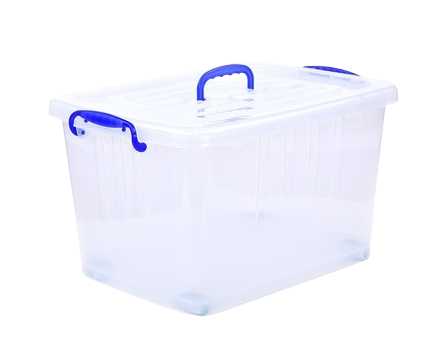
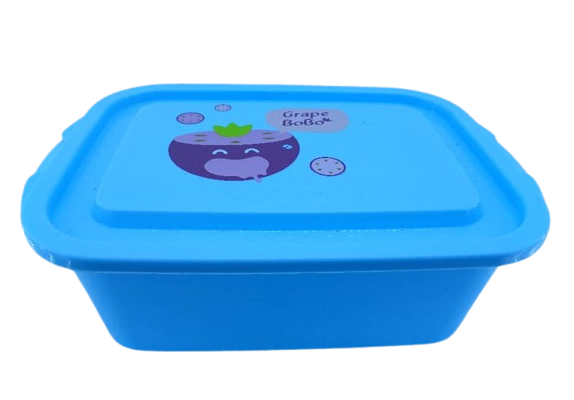
Storage boxes with lids
10 to 20 Must haveBoxes with tight lids stack neatly and keep stew, sauce and rice fresh.
How to use it: Leave a little space at the top because food expands when it freezes. Let hot food cool before closing the lid.
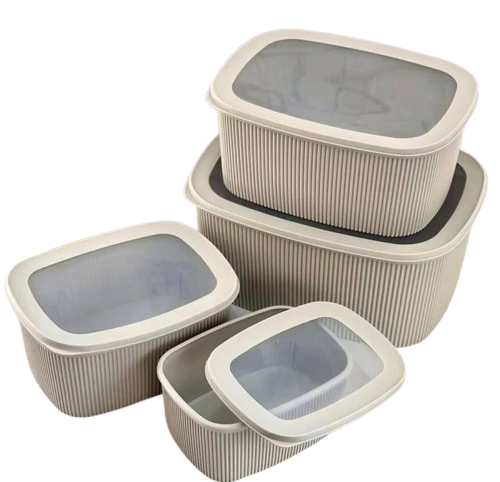
Plastic containers set
1 set Must haveSmaller containers fit single portions for lunch or one person's dinner.
How to use it: Choose sizes by how many people eat. Single portions thaw faster than a big block.
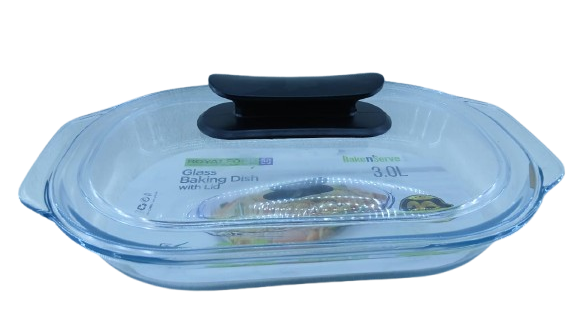
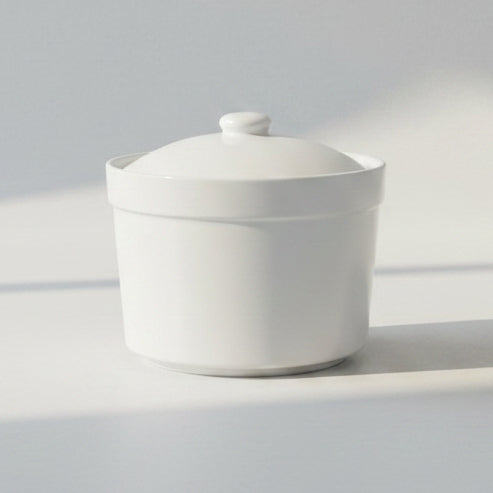
Glass baking dish with lid
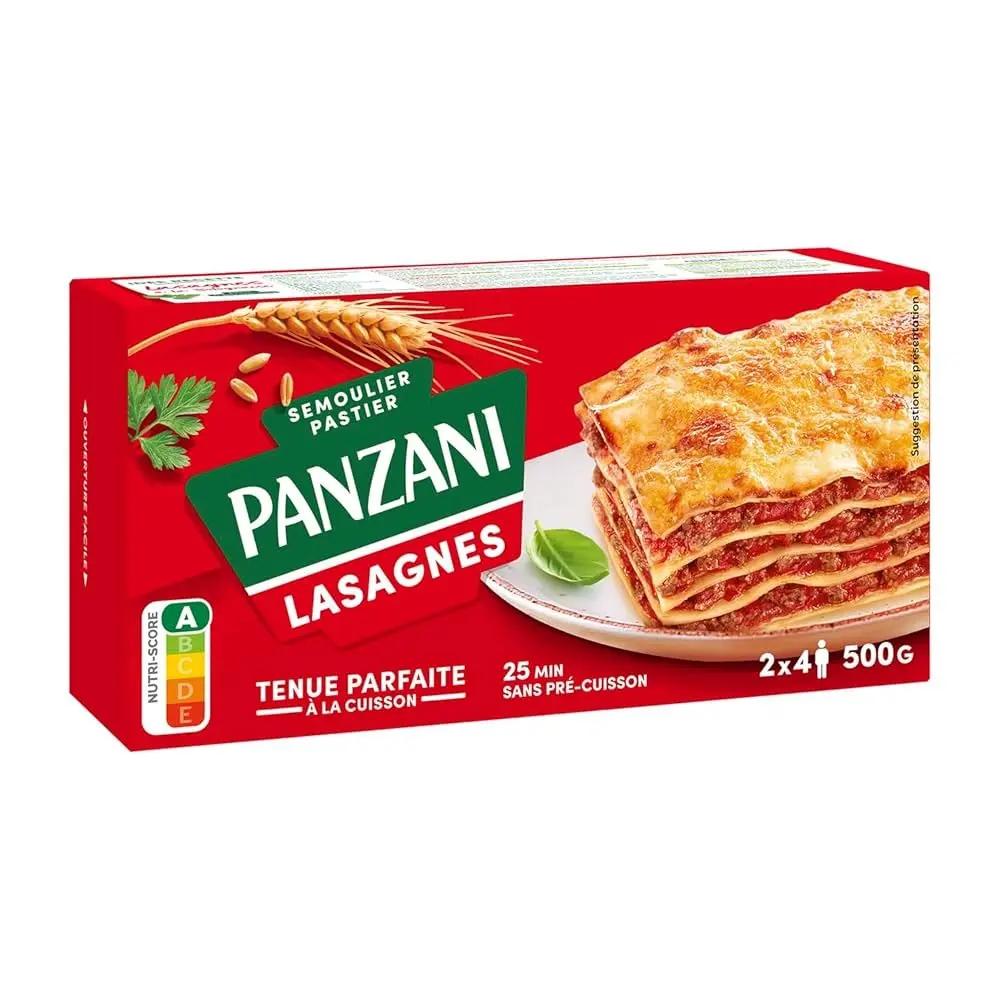
1 or 2Nice to haveA dish that goes from freezer to oven works well for bakes and lasagna.
How to use it: Let it warm on the counter for 20 minutes before the oven so the glass does not crack.
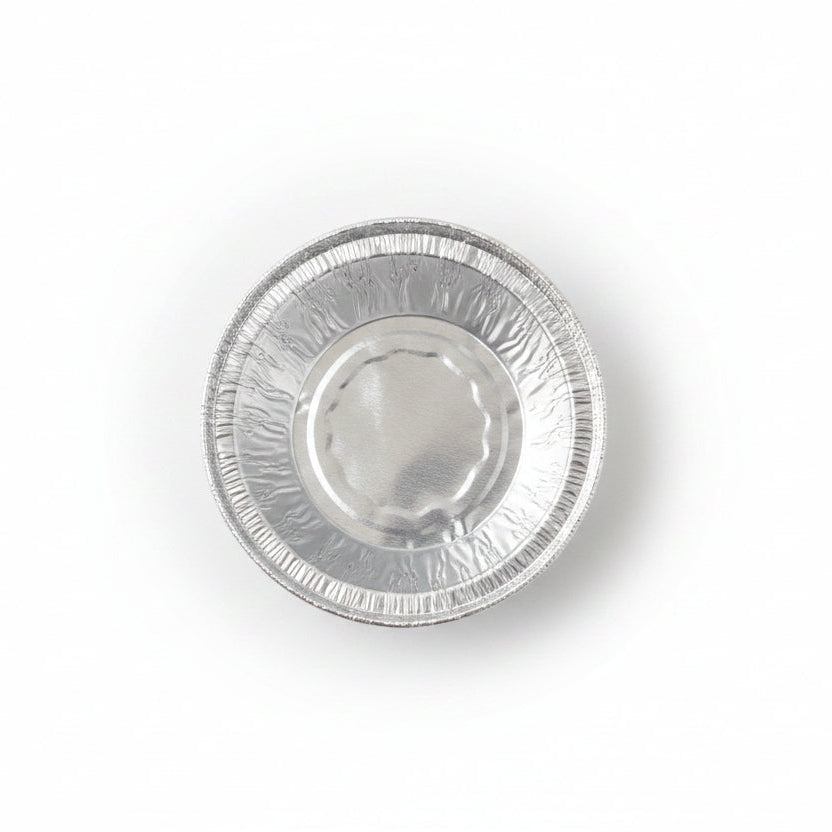
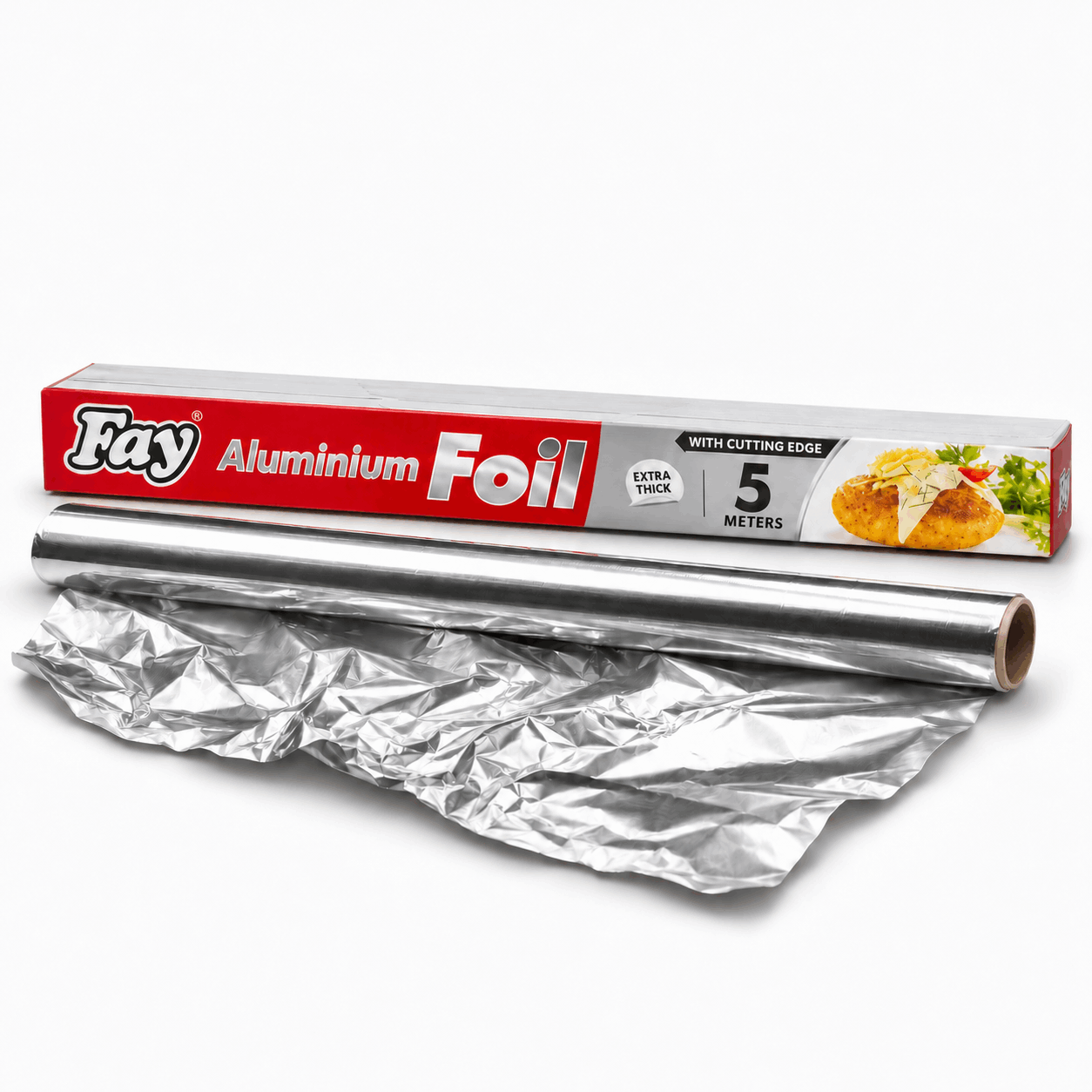
Aluminum foil
1 roll Must haveFoil wraps portions of chicken or bread and covers dishes in the oven.
How to use it: Wrap tightly and press out the air. Do not put foil in a microwave.
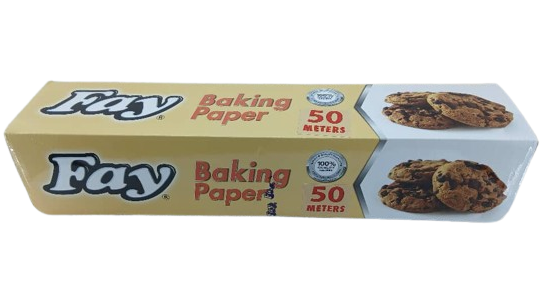
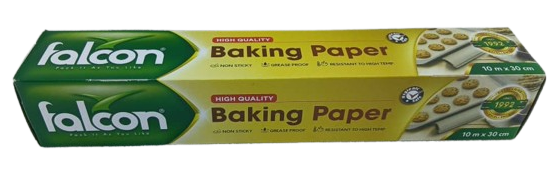
Baking paper
1 rollNice to haveBaking paper keeps patties and meatballs from sticking together on the tray.
How to use it: Freeze the pieces on a lined tray first, then move them to one box.
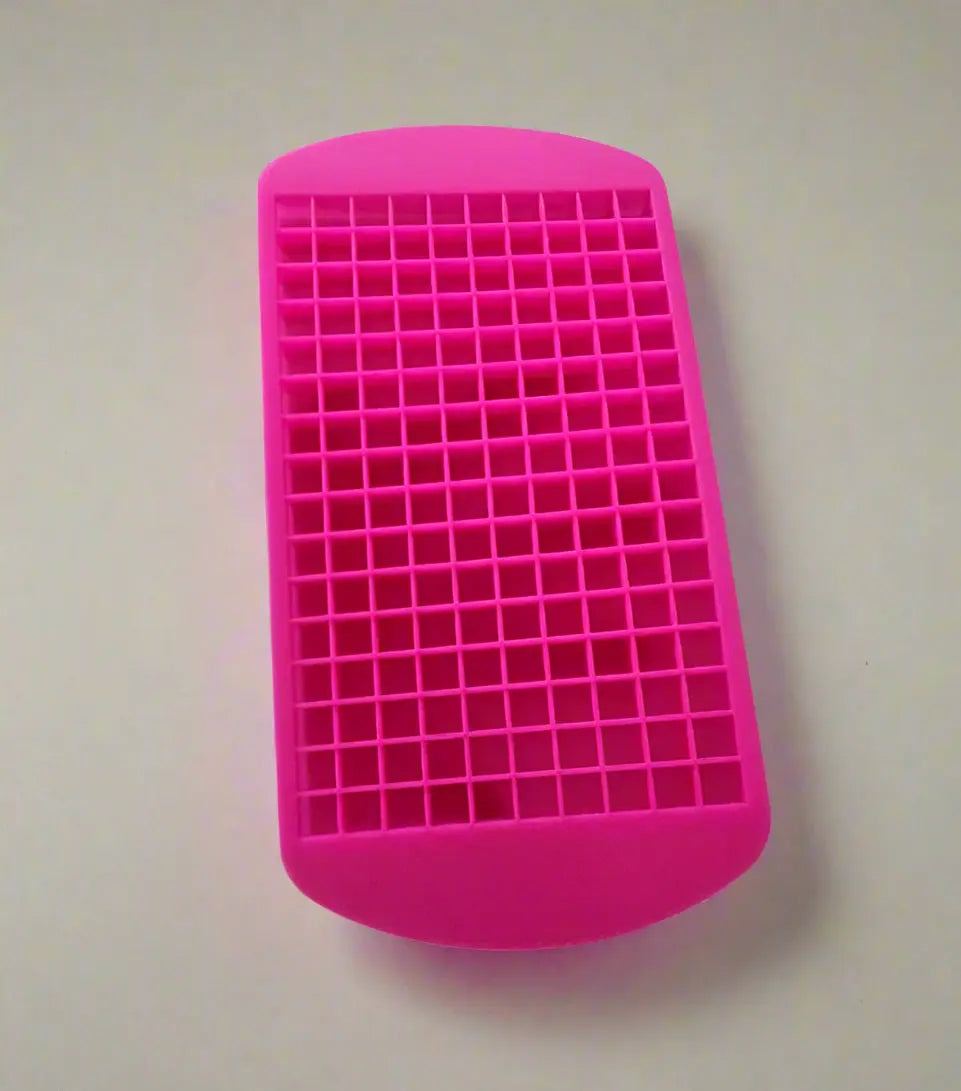
Silicone ice cube tray
1 or 2Nice to haveSmall cubes of tomato paste, stock or ginger can go into dishes in seconds.
How to use it: Freeze, pop out and keep the cubes in a covered box. One cube flavors one pot.





Labels and planning
If you cannot tell what a container holds, you will not use it.
Permanent marker
2 Must haveA marker writes the dish name and date directly on a lid or on tape.
How to use it: Write the dish, the date and the number of portions. Use permanent ink because freezer damp wipes off pens.
Stickers or tape
1 pack Must haveLabels let you write on a clean surface and remove it later without damage.
How to use it: Stick the label on the side and not on the lid if you will wash lids often.
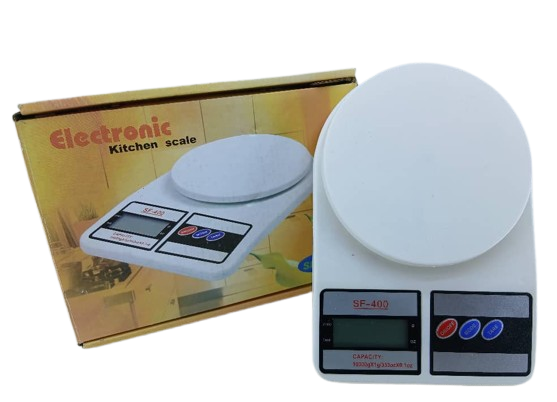
Kitchen scale
1Nice to haveA scale helps you portion meat and rice evenly so every meal feeds the same number of people.
How to use it: Weigh raw meat for each batch and divide cooked food by weight.



Cooking tools
A big cooking day needs big pots and sharp tools.
Large stew pot with lid
1 Must haveA large pot lets you cook enough stew or sauce for several meals at once.
How to use it: Pick a pot with a thick base to prevent burning. Stir often when making a big batch.
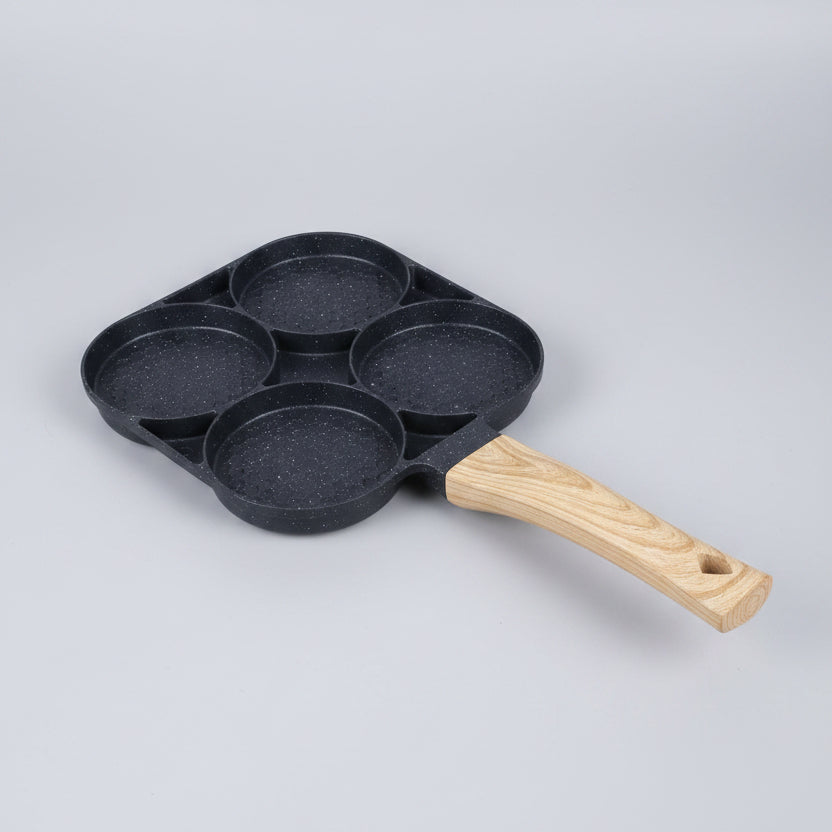
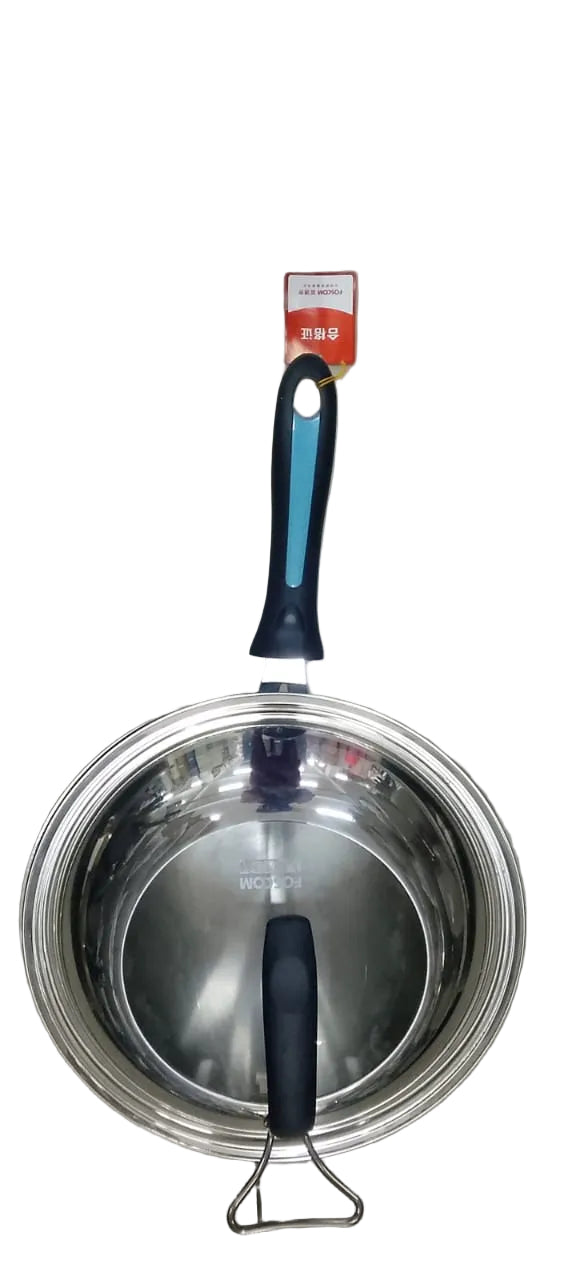
Frying pan
1 Must haveA frying pan browns onions, minced meat and chicken for a deeper flavor.
How to use it: Brown meat in batches so it fries rather than steams.
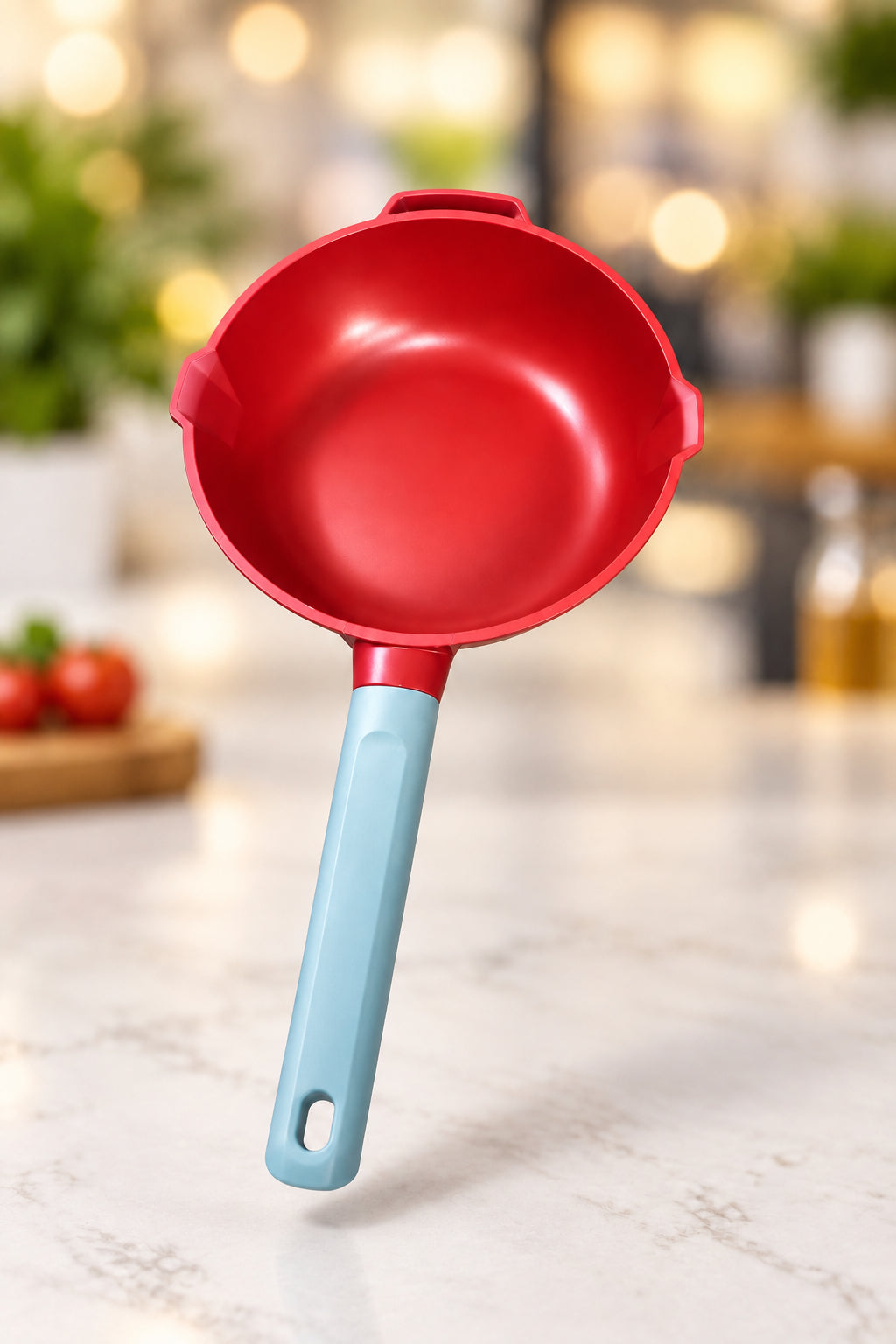
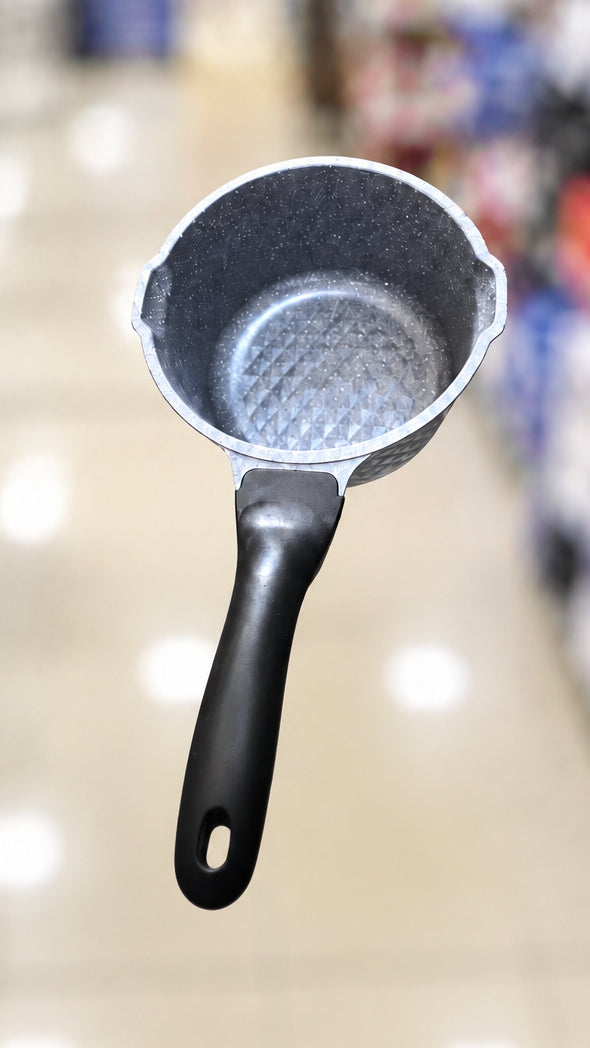
Saucepan
1Nice to haveA saucepan is ideal for rice, sauces and small batches of beans.
How to use it: Cook rice slightly firm because it softens when reheated.
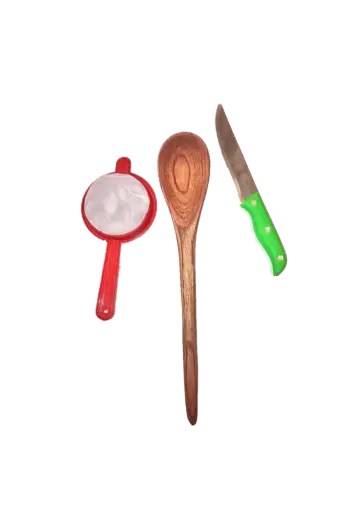
Kitchen knife
1 Must haveChopping onions, carrots and peppers for several meals is faster with a sharp knife.
How to use it: Keep the tip on the board and use a rocking motion. Sharpen the knife before the big day.
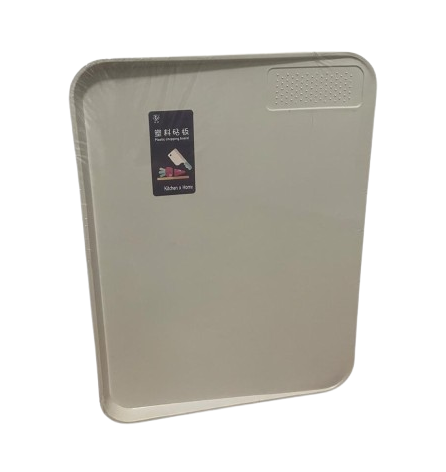
Chopping board
2 Must haveA sturdy board gives you space to prepare large amounts of vegetables safely.
How to use it: Keep one board for raw meat and one for vegetables if you can.
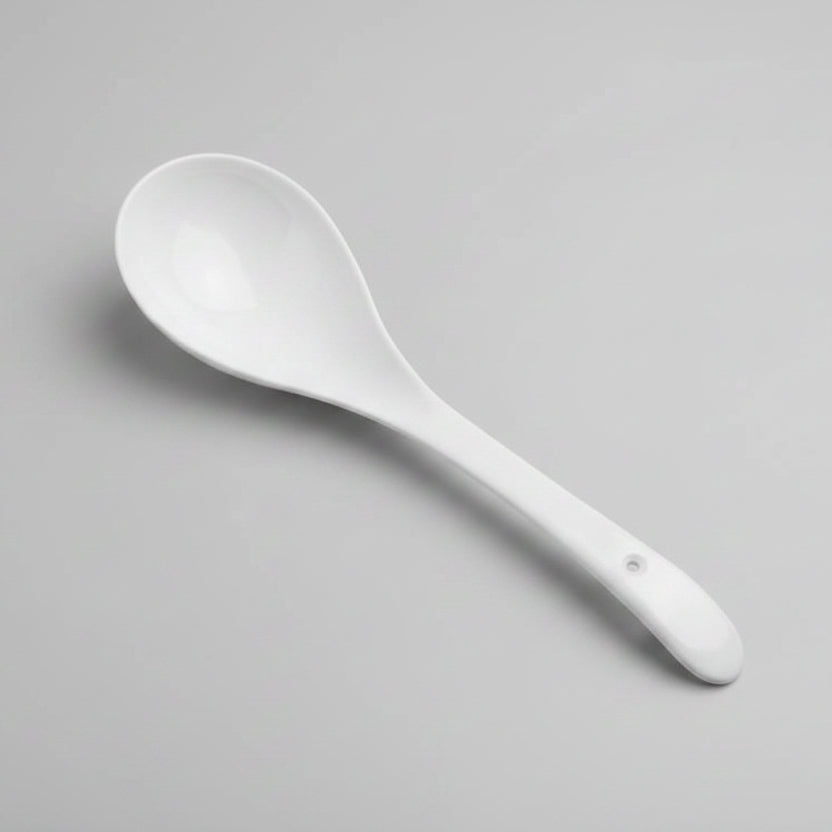
Serving ladle
1 Must haveA ladle fills containers fast and with less mess.
How to use it: Use a funnel or a wide mouth container to keep the rims clean so lids seal.
Kitchen tongs
1Nice to haveTongs turn meat in a hot pan and lift pieces without burning your hands.
How to use it: Use separate tongs for raw and cooked meat.
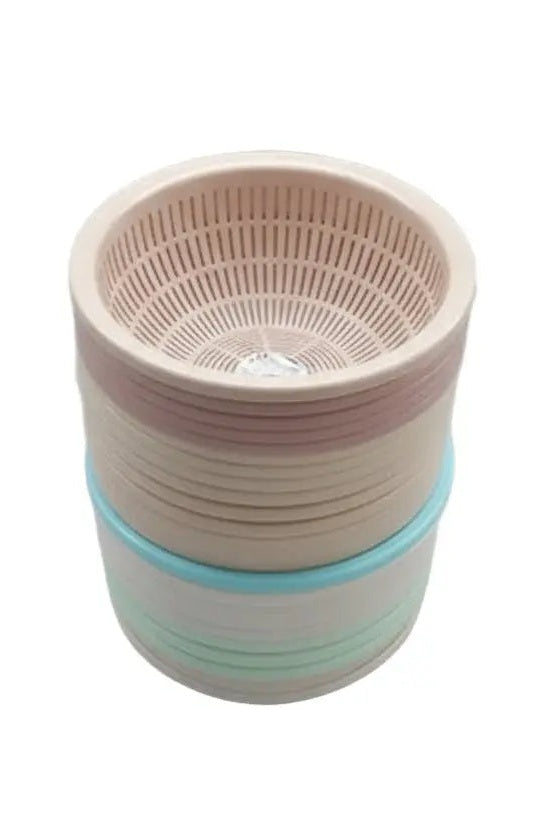
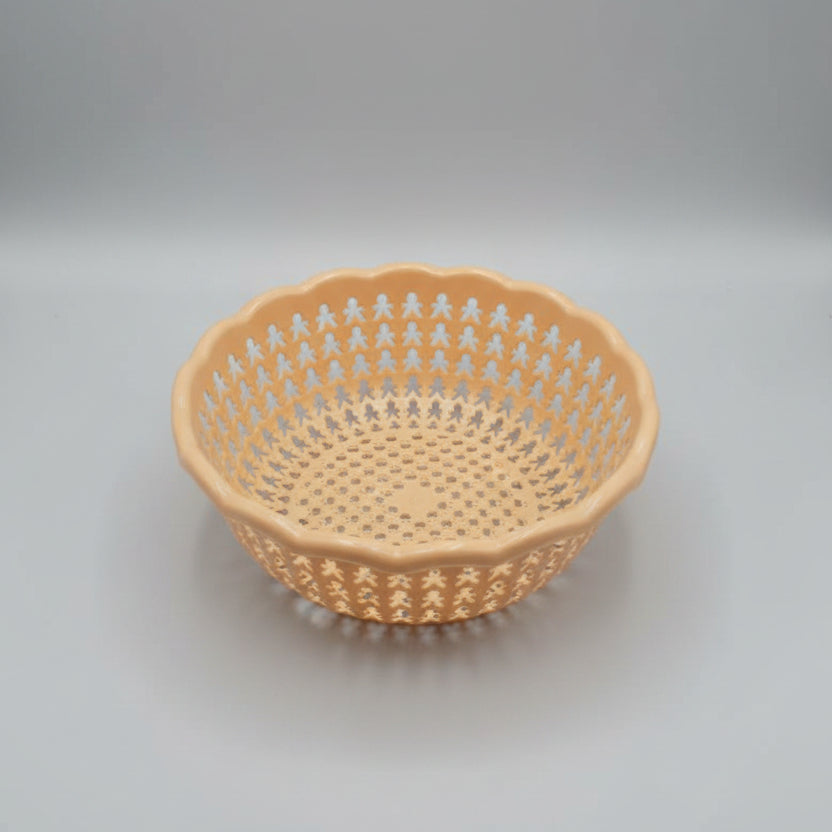
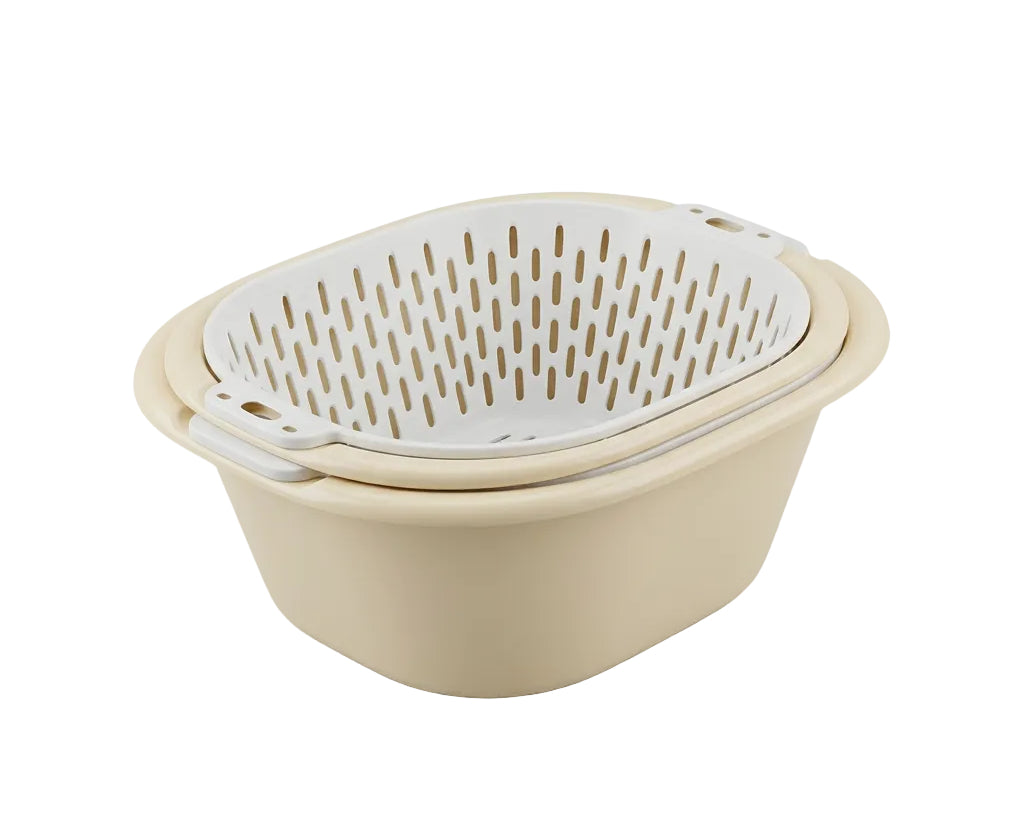
Colander
1Nice to haveA colander drains pasta and washed vegetables in one step.
How to use it: Rinse pasta in cold water if you plan to freeze it so it does not clump.






Proteins
Buy fresh meat from a place you trust, and cook it the same day or freeze it right away.
Minced meat
2 kg Must haveMinced meat is the base for sauces, meatballs, samosa filling and shepherd's pie.
How to use it: Cook it with onions until fully browned, cool fast and freeze in flat portions.
Chicken pieces
2 kg Must haveChicken thighs stay juicy after freezing and reheating, which makes them good for stews and curries.
How to use it: Cook until there is no pink and the juices run clear. Cool before freezing.
Stewing beef
1 kgNice to haveSlow cooked beef stew freezes very well and tastes better the next day.
How to use it: Cut into even cubes and simmer until tender before packing.
Beans
1 kg Must haveCooked beans are a cheap protein that freezes well in portions with their liquid.
How to use it: Cook beans fully and cool them. Freeze with a little of the cooking water.
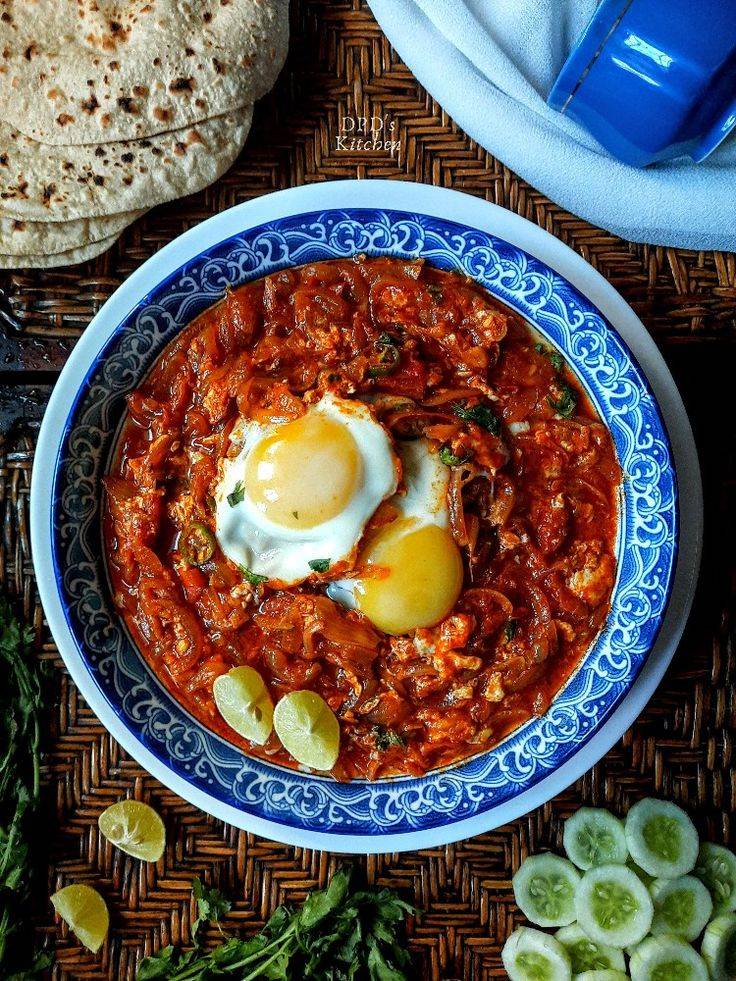
Eggs
1 trayNice to haveEggs help with bakes, fried rice and breakfast style meals.
How to use it: Do not freeze eggs in the shell. Use them fresh for the week.





Vegetables and flavor makers
These make each dish taste like home and are cheap in Kigali markets.
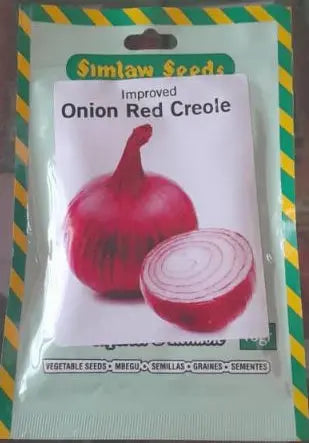
Onions
2 kg Must haveOnions start nearly every stew and sauce.
How to use it: Chop several onions at once and cook them together to save time.
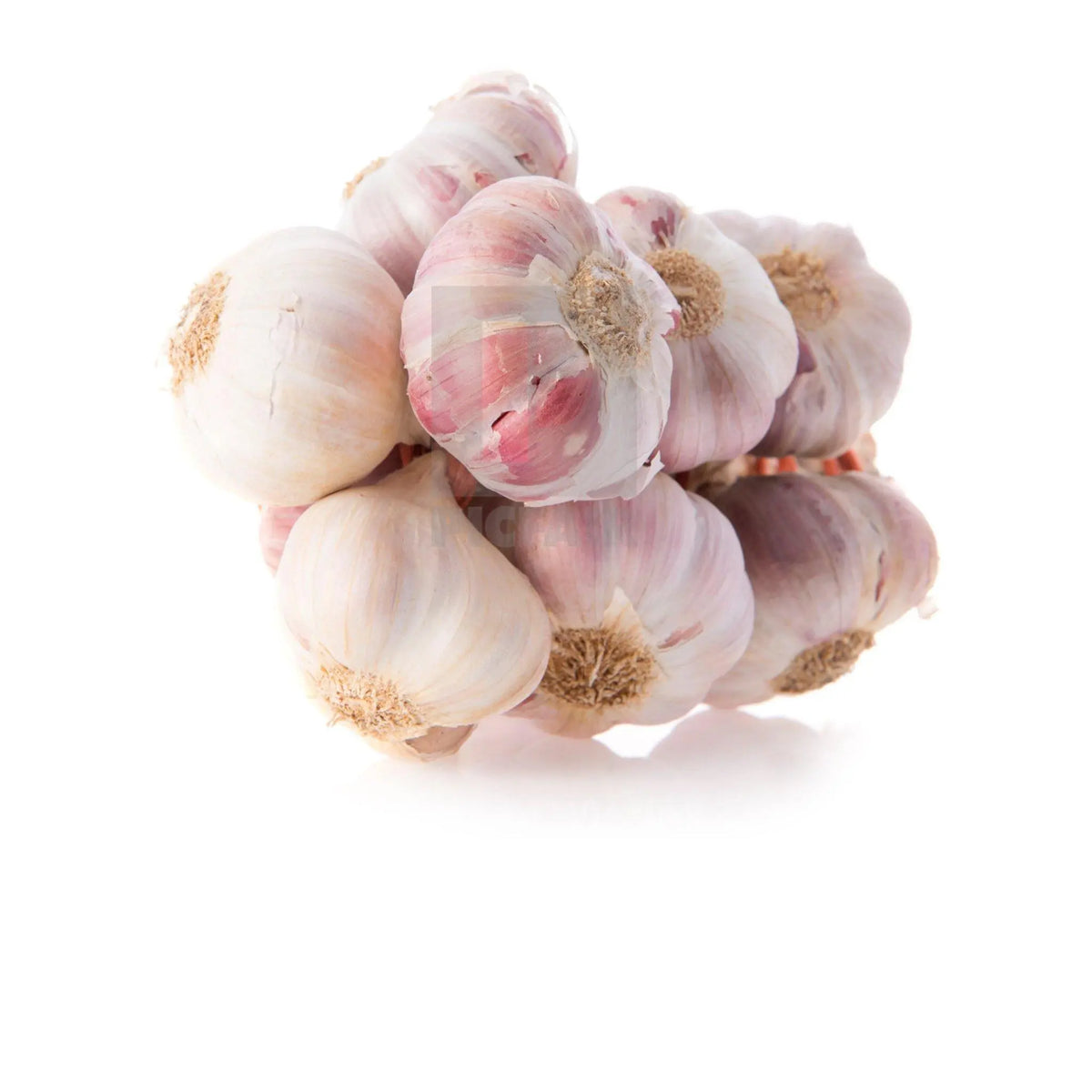
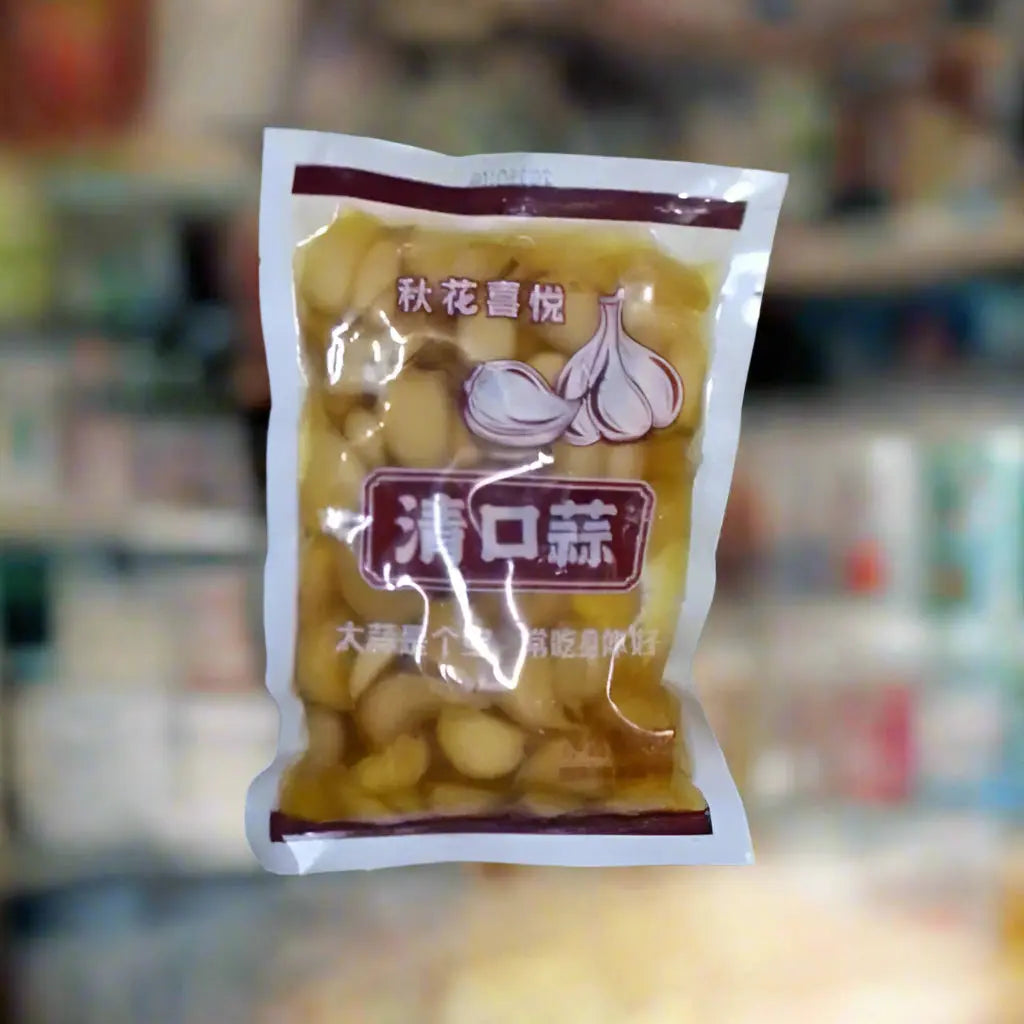
Garlic
1 bunch Must haveGarlic adds depth to every pot.
How to use it: Peel and crush it, then freeze it in an ice cube tray with a little oil.
Carrots
1 kg Must haveCarrots freeze well in stews, soups and sauces.
How to use it: Cut into small pieces so they cook through and keep their shape.
Bell peppers
500 gNice to havePeppers give color and sweetness to sauces and rice dishes.
How to use it: Slice and add to sauces. Raw peppers go soft after freezing, so use them cooked.
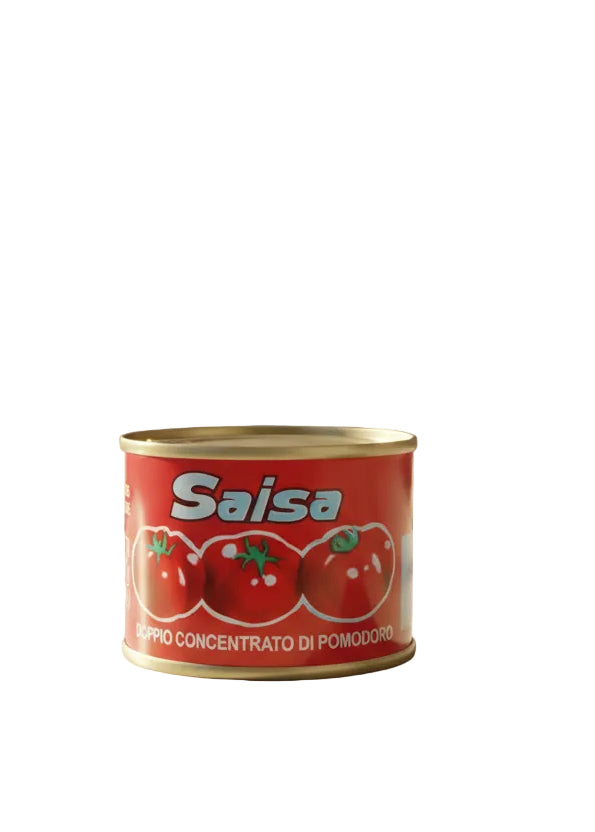
Tomato paste
3 tins Must haveTomato paste makes rich sauce with little cooking time.
How to use it: Fry it with onions first for a deeper flavor before adding water.
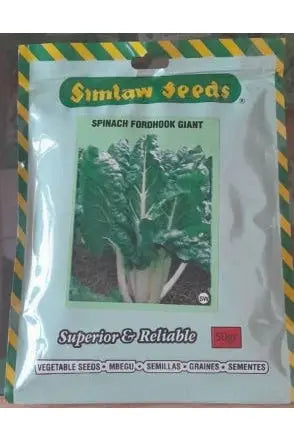
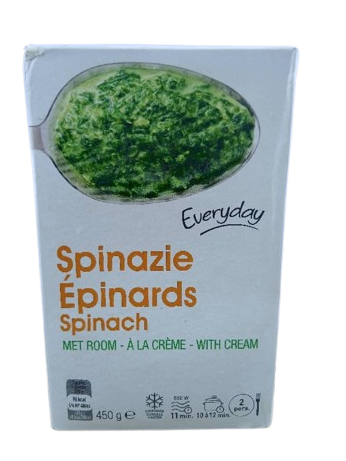
Spinach
2 bunchesNice to haveSpinach can be blended into sauces or stirred into stews near the end.
How to use it: Wash well and cook briefly. Freeze cooked spinach in small portions.





Pantry staples
Stock these so you do not need to shop again mid cooking.
Rice
5 kg Must haveRice is the base for many reheated meals.
How to use it: Cook slightly firm, cool fast on a tray and freeze in flat portions.
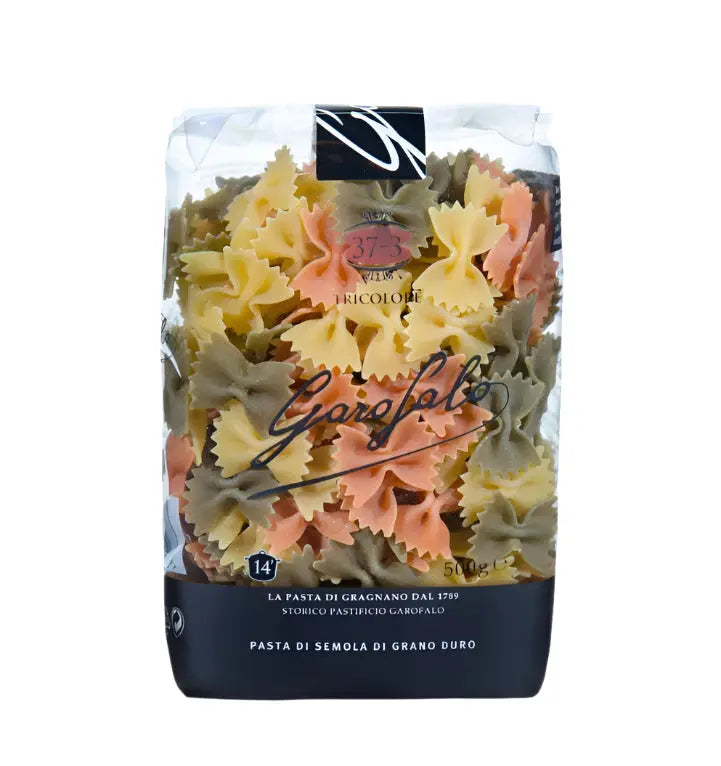
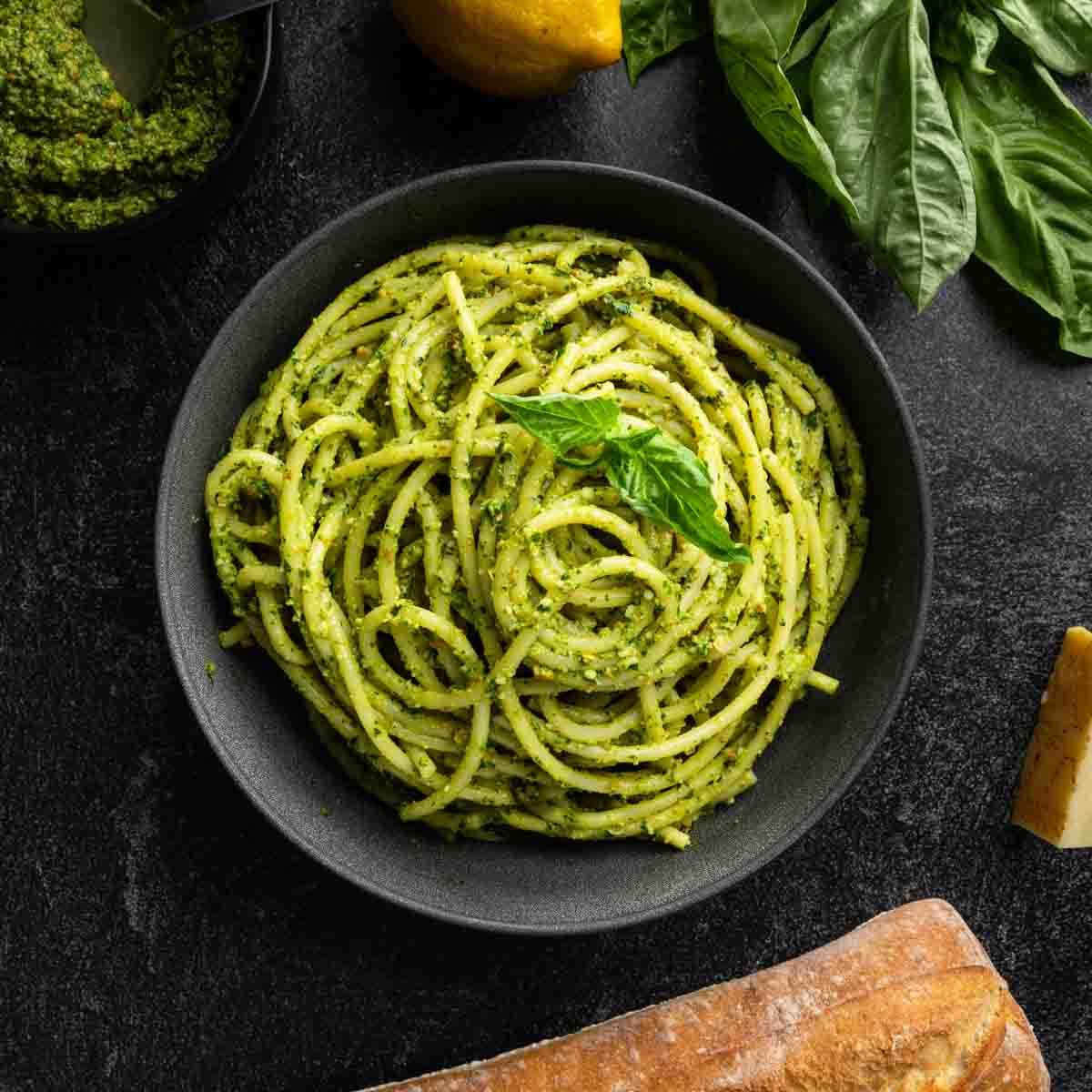
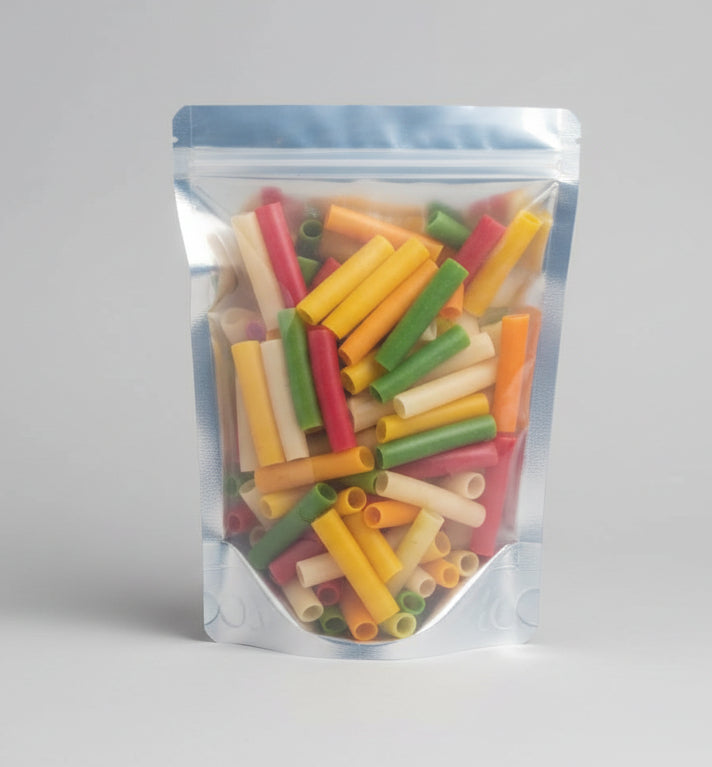
Pasta
1 kgNice to havePasta bakes and sauces freeze well and feed children easily.
How to use it: Cook one minute less than the pack says, as it softens when reheated.
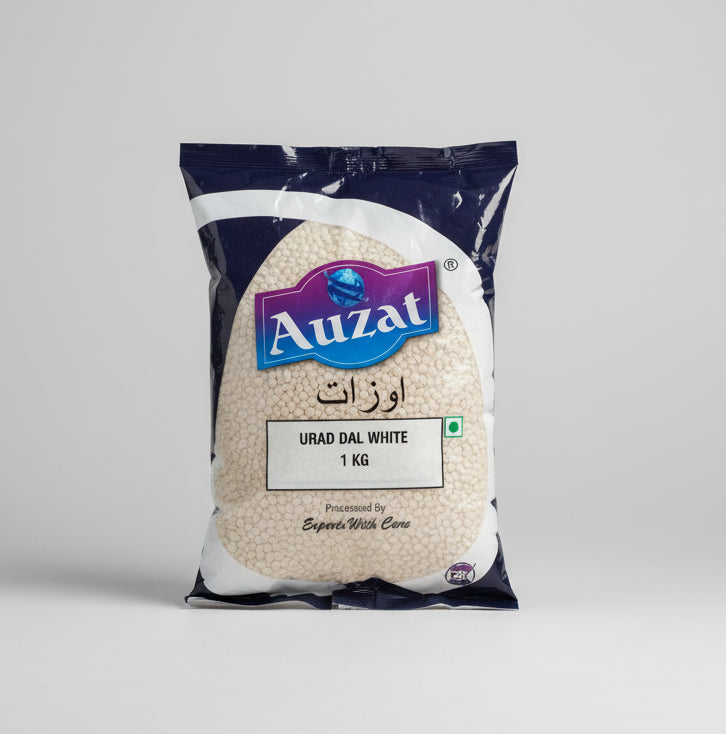
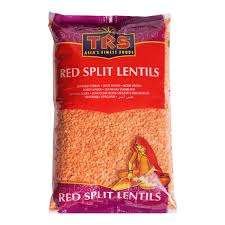
Lentils
1 kgNice to haveLentils make a quick, filling and cheap dish that freezes well.
How to use it: Rinse well and cook until soft. Freeze with some of the broth.
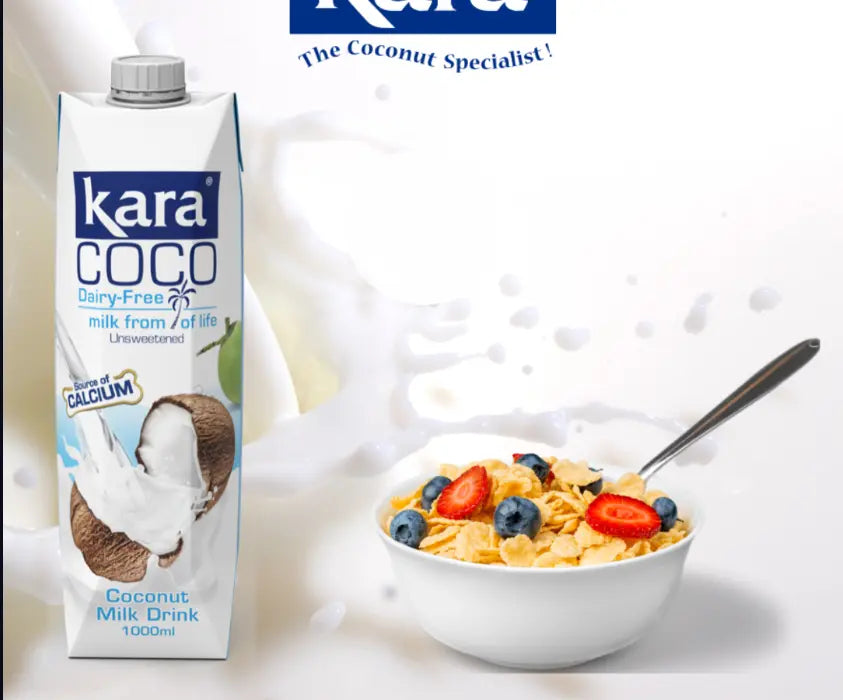
Coconut milk
2 tinsNice to haveCoconut milk makes curries and bean stews creamy.
How to use it: Add it in the last 10 minutes. Stir well when reheating, as it can separate.
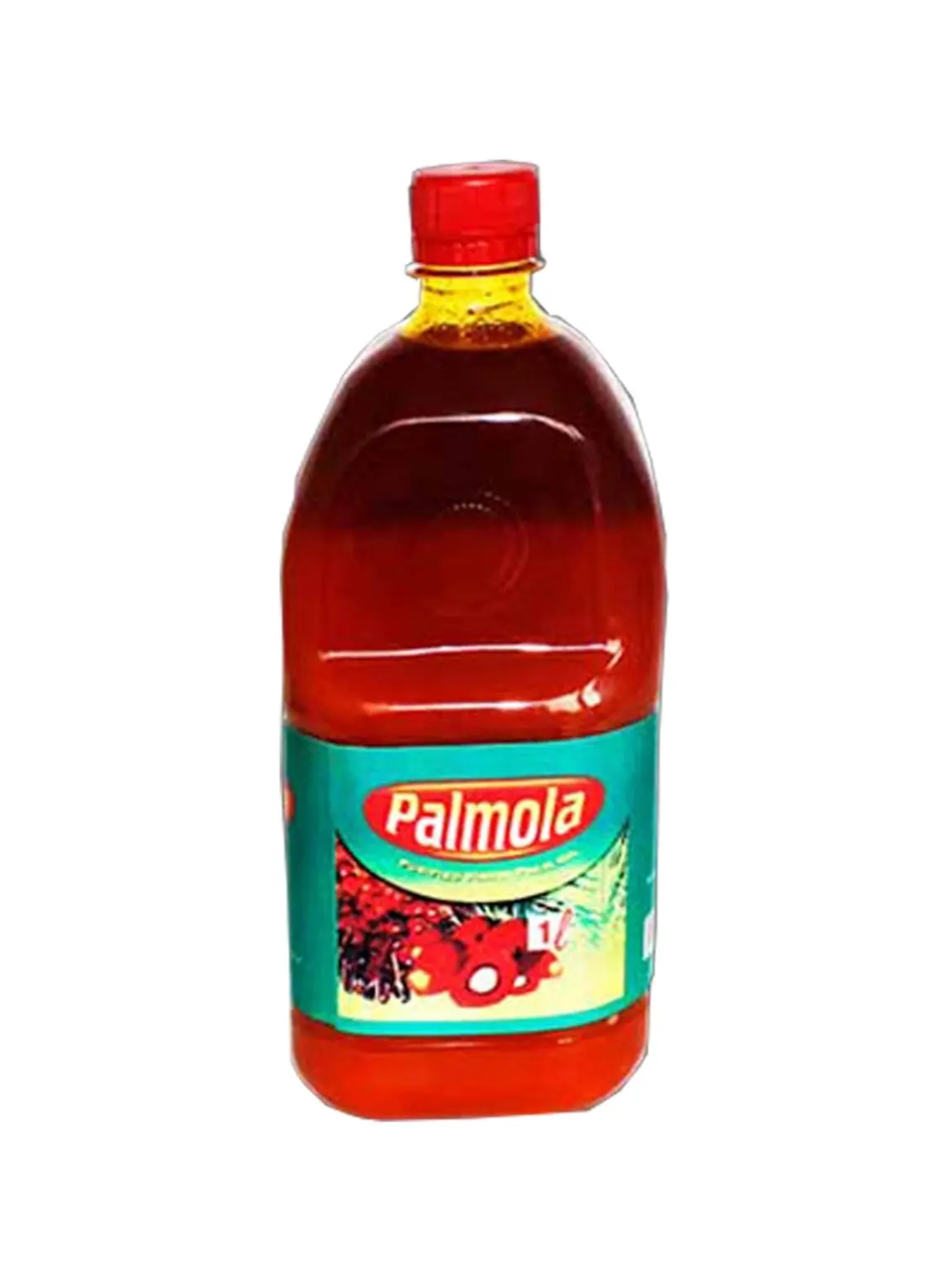
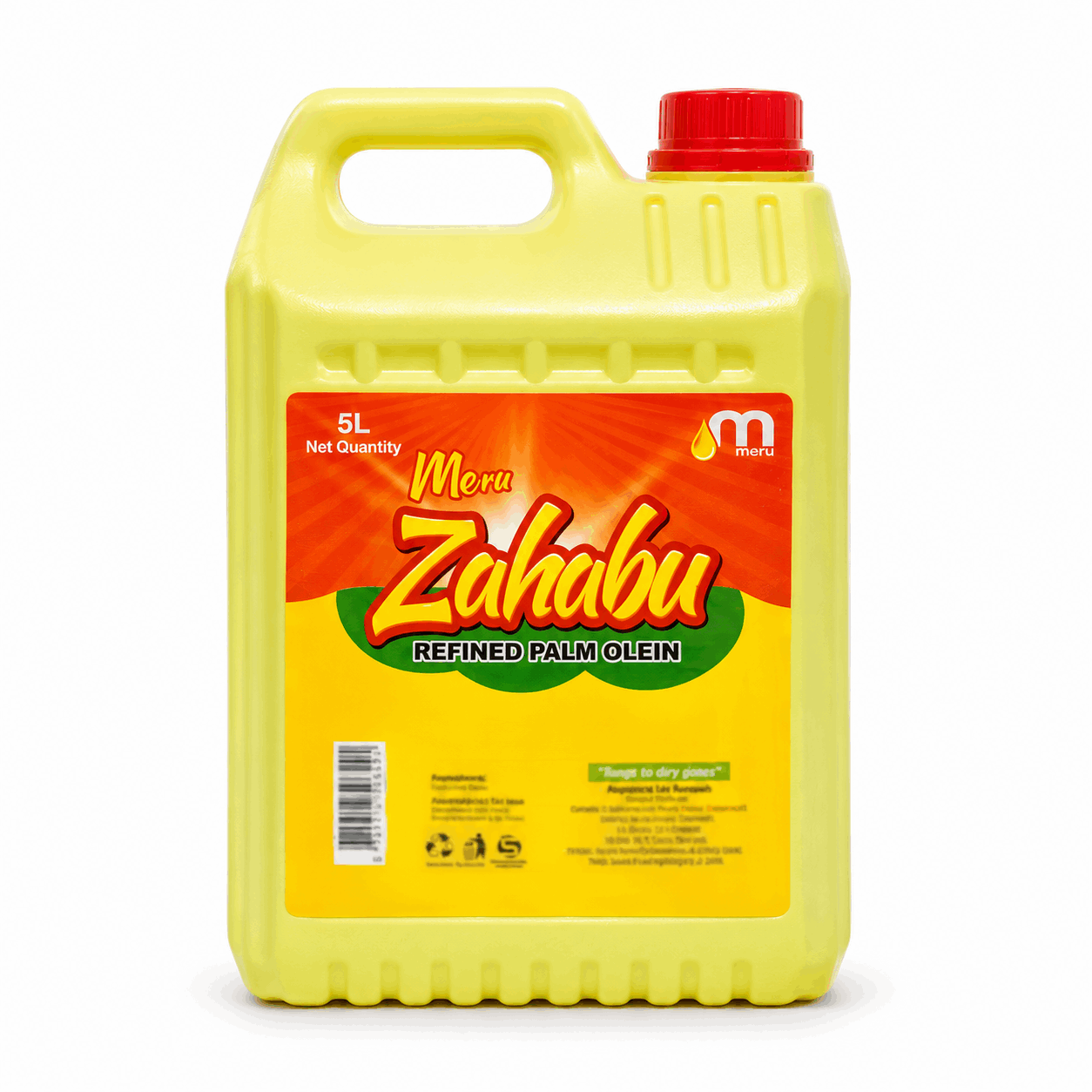
Cooking oil
3 L Must haveYou will fry onions and meat for many dishes in one day.
How to use it: Use just enough to brown the food. Do not reuse oil from meat.
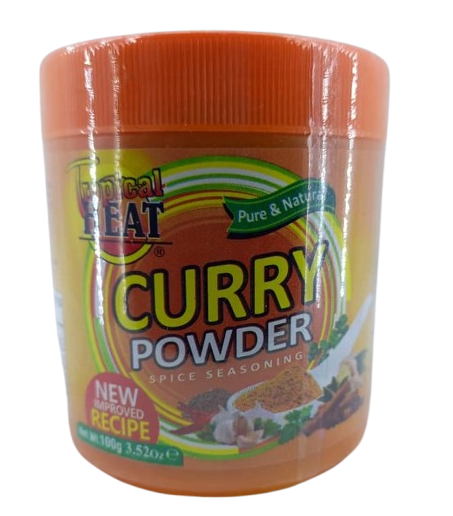
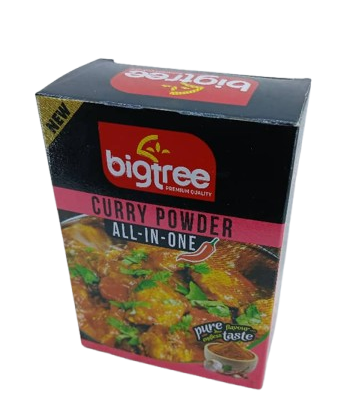
Curry powder
1 packNice to haveCurry powder gives chicken and bean dishes plenty of flavor with one spoon.
How to use it: Fry it for a minute in oil before adding liquid to bring out the aroma.
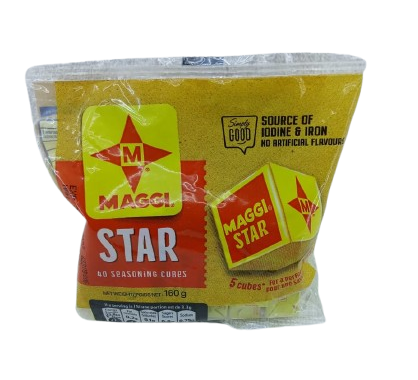
Seasoning cubes
1 pack Must haveCubes season large pots quickly.
How to use it: Crush and mix them into the pot early. Taste before adding more salt.
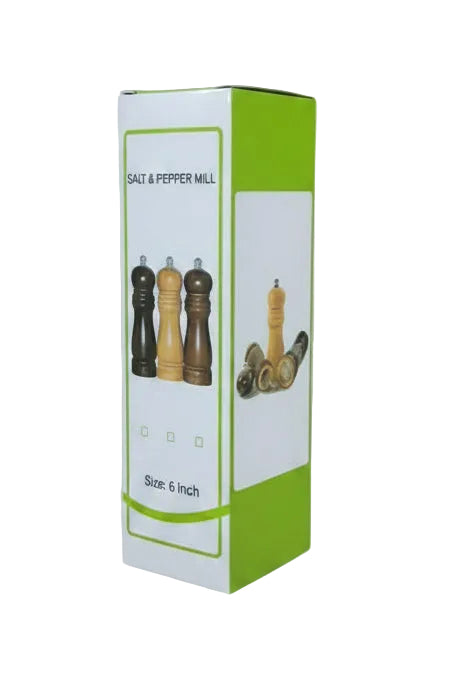
Salt
1 pack Must haveSalt is basic, but add it a little at a time, since reheating makes flavors stronger.
How to use it: Season lightly and adjust when you reheat.









Reheating and carrying
Make reheating easy so the system lasts all month.
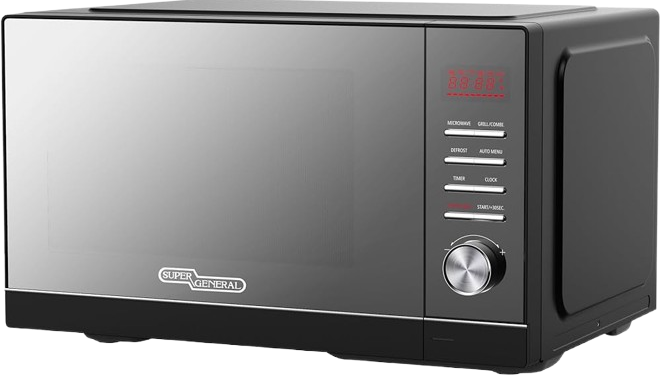
Microwave oven
1Nice to haveA microwave thaws and reheats a portion in minutes when the power is on.
How to use it: Use microwave safe containers and stir halfway. Make sure food is steaming hot all the way through.
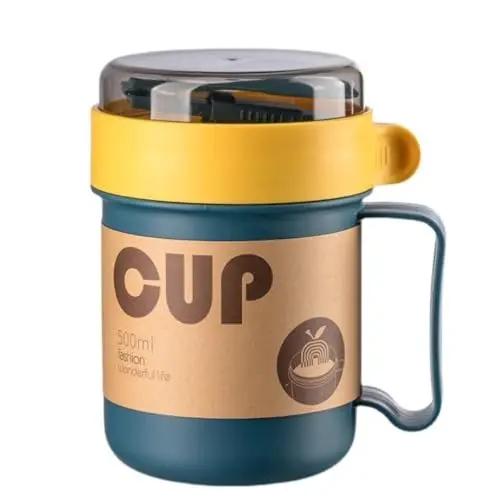
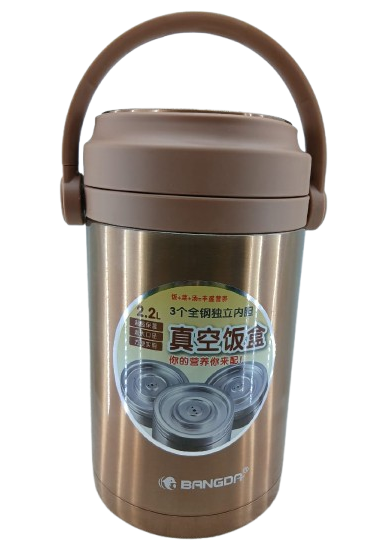
Lunch box
2Nice to haveA lunch box lets you take a thawed portion to work.
How to use it: Thaw in the fridge overnight and carry it in the morning.
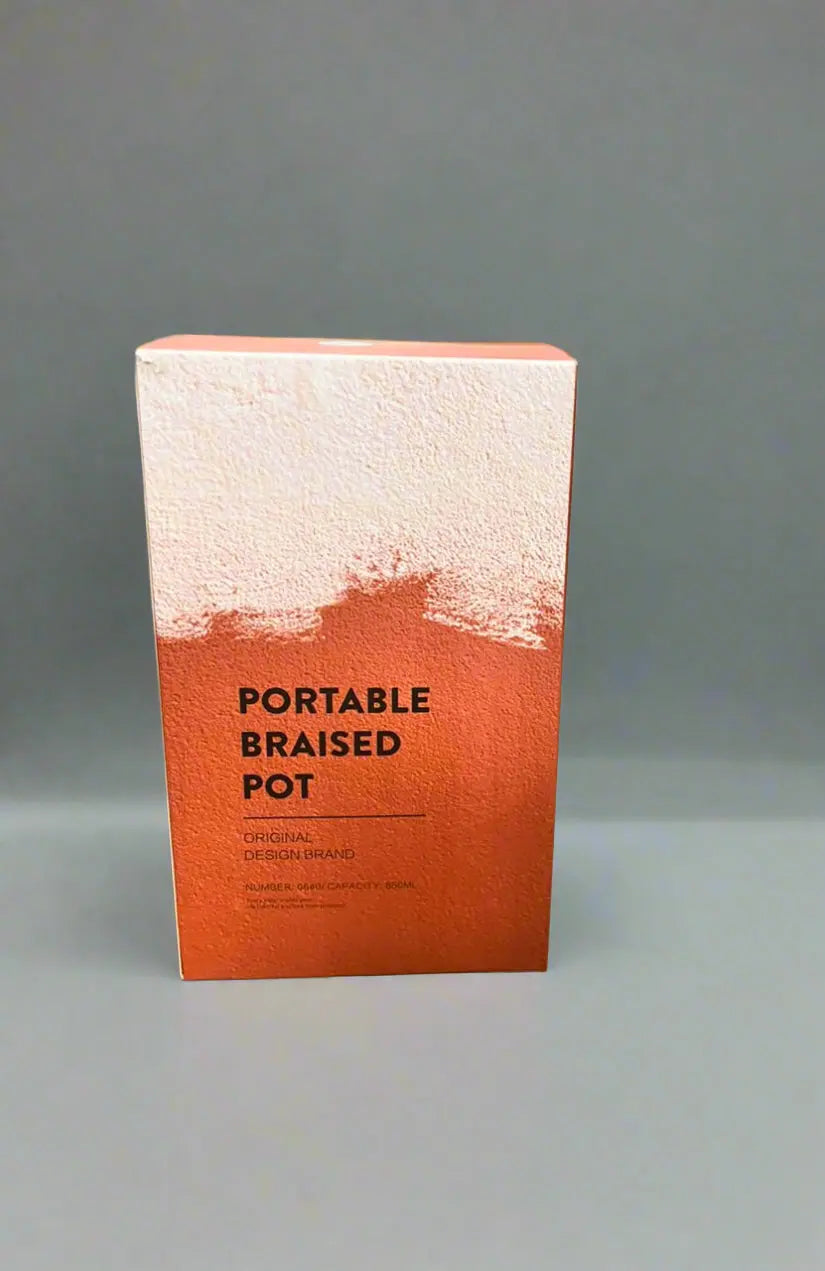
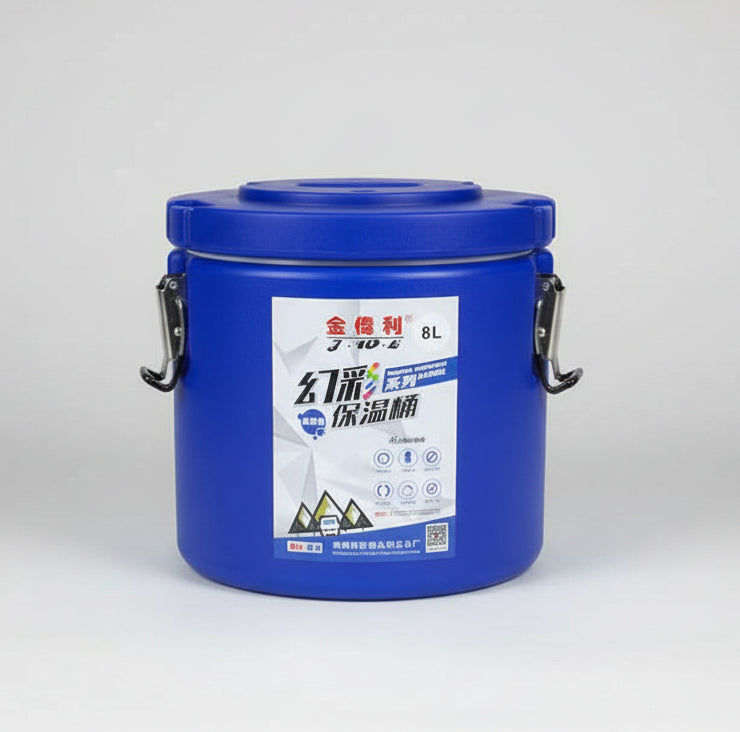
Insulated cooler box
1Nice to haveA cooler box carries frozen food home from the market or keeps meals cold during a long power cut.
How to use it: Pack tightly and open as little as possible.
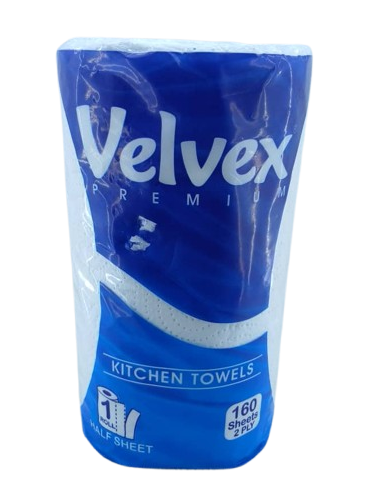
Kitchen towels
1 rollNice to haveTowels dry containers before freezing and wipe spills when reheating.
How to use it: Dry containers fully because water makes ice crystals.




Step by step
- 1
One week before
Clear and clean the freezer, then plan 4 to 6 dishes and write your shopping list.
- 2
Day before
Buy meat, vegetables and pantry items, then buy containers and labels.
- 3
Cooking day
Chop everything first, cook the big pots one after another and cool each dish quickly.
- 4
Pack and label
Portion into containers, label with dish and date, then freeze flat.
- 5
Each weeknight
Move a meal to the fridge in the morning and reheat it fully at night.
Tips that help
- Cook 4 to 6 different dishes rather than one dish in huge amounts so the family does not get bored.
- Freeze meals flat in boxes or bags so they thaw quickly and use less space.
- Keep a list on the freezer door of what is inside and tick off each meal you use.
- Put the oldest meals at the front and the newest at the back.
- Thaw in the fridge overnight rather than on the counter, especially in warm weather.
- During a power cut, keep the freezer closed. Check your food carefully after, and throw away anything that thawed and warmed.
Mistakes to avoid
- Putting hot food straight into the freezer. Cool it first, or it warms other items.
- Forgetting to label, then finding mystery boxes three weeks later.
- Freezing food in very large blocks that take a day to thaw.
- Refreezing food that has fully thawed. Reheat thawed food and eat it instead.
- Overfilling the freezer so air cannot move, which makes it work harder.
Questions people ask
How long can cooked meals stay in the freezer?+
Most cooked stews and sauces keep their best taste for a few months if sealed well. Label the date and use the oldest first. If something smells or looks wrong, do not eat it.
Which dishes freeze well?+
Stews, bean dishes, curries, meat sauces, soups, meatballs and cooked rice freeze well. Fried food and salads do not freeze well.
Can I freeze cooked rice?+
Yes. Cool it quickly, pack it flat in portions and freeze. Reheat until steaming hot. Do not leave cooked rice out for hours before freezing.
What if the power goes out?+
Keep the freezer closed as much as you can. A full freezer holds cold longer. If food has thawed fully and warmed, it is safest to throw it away. Ask a local health officer if you are unsure.
How do I thaw and reheat safely?+
Thaw in the fridge overnight, or use a microwave if you cook right away. Reheat until it is steaming hot in the middle and eat it the same day.
Do I need a big freezer?+
A small chest freezer or a fridge freezer can work if you pack flat and plan fewer meals. Start with two weeks of meals if space is small.
One long cooking day can give you a month of calm evenings. Gather your containers and ingredients, shop the list on Isokko and fill your freezer.
Shop this list
Get everything delivered in Kigali
Order from local stores on Isokko and pay with MoMo, card or cash. Same-day delivery.