
Checklist · Cooking & meals
Making Fresh Juice Every Morning in Kigali: What to Buy
A practical fresh juice checklist for Kigali: blender or juicer, the right fruit, bottles and cleaning tools so a daily juice habit lasts.
Updated November 18, 2026 · By Isokko

Kigali has some of the best fruit you can find: sweet pineapples, passion fruit, mangoes, tree tomatoes and oranges, often sold close to where you live. Turning them into juice at home costs little and you decide how much sugar goes in.
A morning juice habit only works if it is easy. That means one good machine, a few small tools, bottles that seal well and a way to clean up in two minutes. Without those, the blender ends up on the shelf after a week.
This checklist covers the tools, the fruit and vegetables worth keeping at home, and the storage and cleaning items that make the routine stick. Start with the must items and add the nice ones later.
Who it's for
Anyone in Kigali who wants fresh juice at home instead of boxed or sugary drinks
Time needed
Set up in one shop, then about 10 minutes each morning
When to shop
Buy tools once, then buy fruit twice a week so it stays fresh
On the list
28 items, 13 must haves
0 of 28 ready
Machines and juicing tools
Pick one main machine. A blender is the most flexible and the easiest to find.
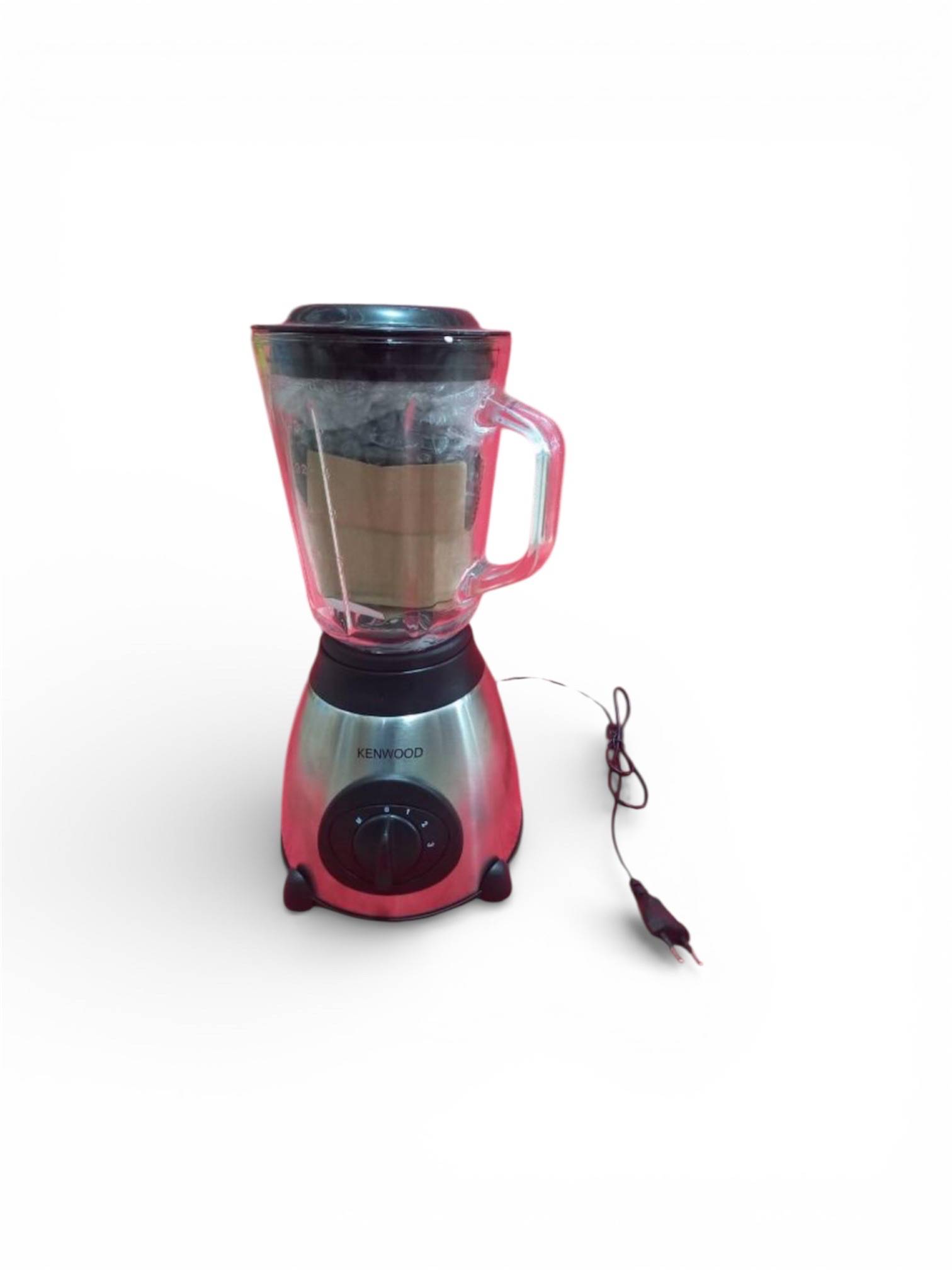
Blender
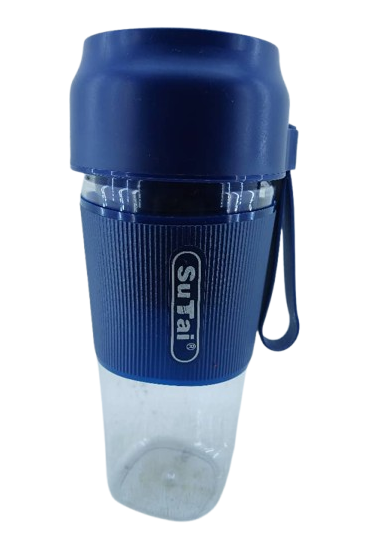
1 Must haveA blender turns whole fruit into smooth juice and also makes smoothies, soups and sauces, so it earns its place in a Kigali kitchen.
How to use it: Add soft fruit and a little water first, then harder pieces. Blend in short bursts and never fill past the max line.
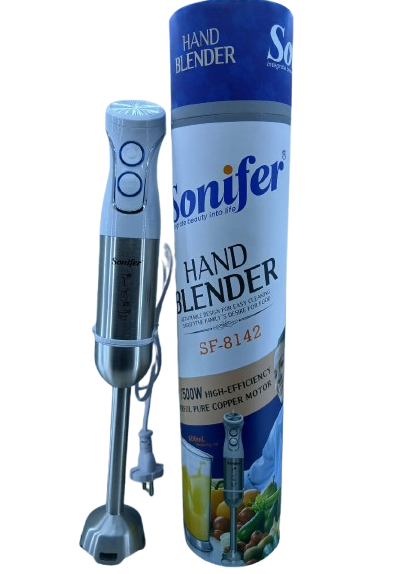
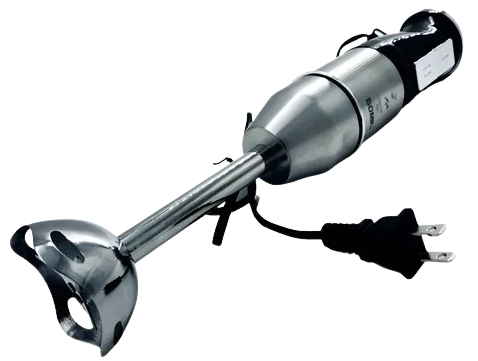
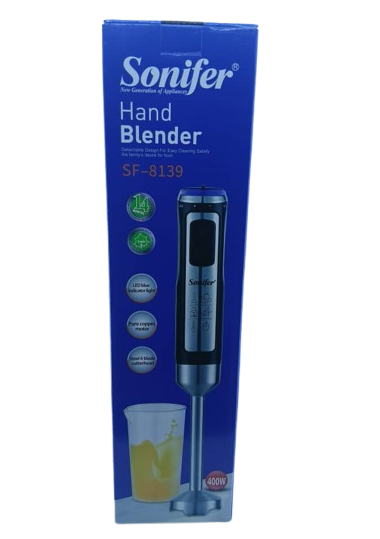
Hand blender
1Nice to haveA hand blender is cheaper and easy to store. It works well for one or two glasses at a time.
How to use it: Use it in the tall measuring cup that comes with it. Keep the blade fully under the juice to stop splashes.
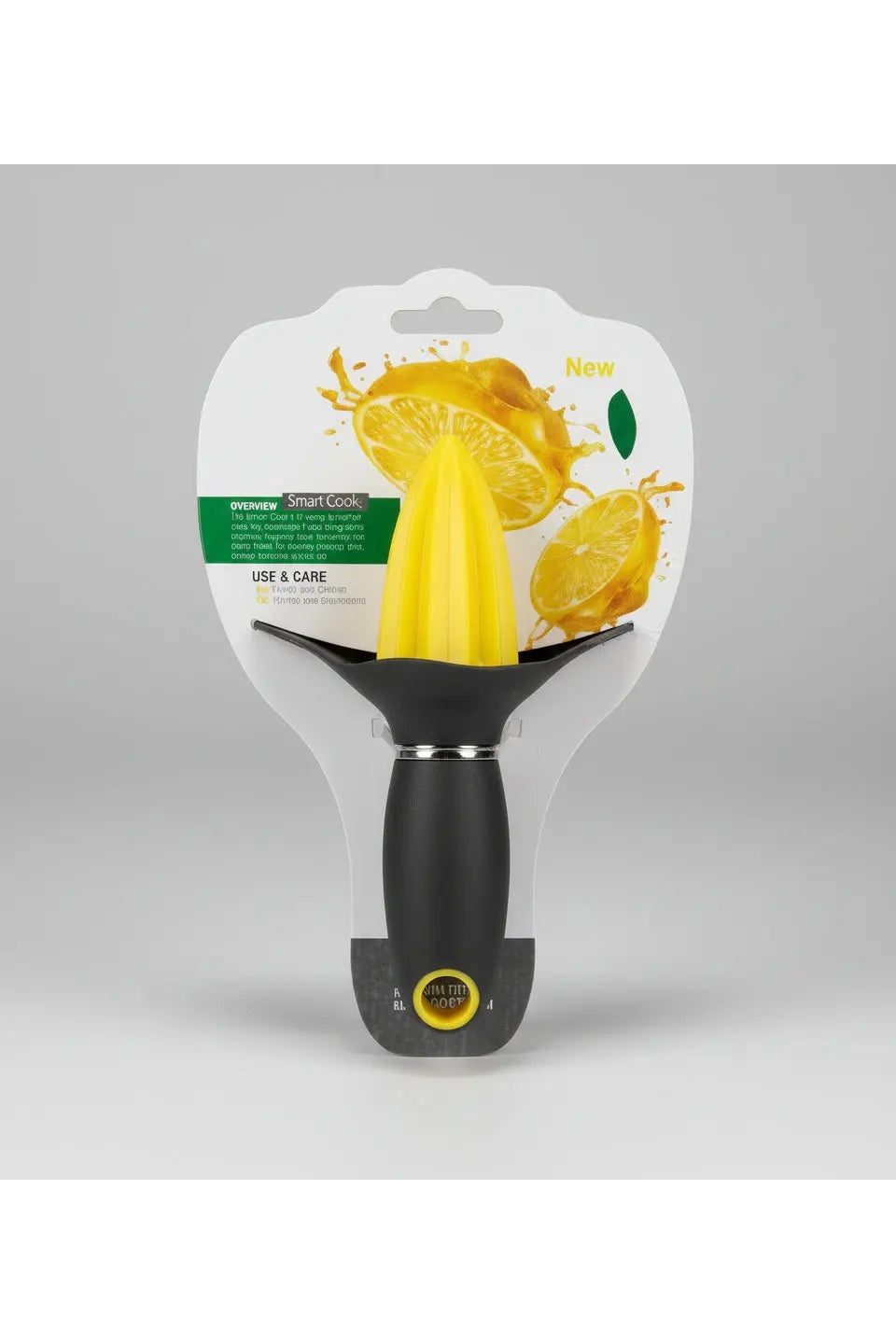
Citrus juicer
1 Must haveOranges, lemons and limes give the best flavor when pressed by hand, and no electricity is needed during a power cut.
How to use it: Cut the fruit in half, place it cut side down and twist while pressing. Press out the last drops before you throw the peel away.
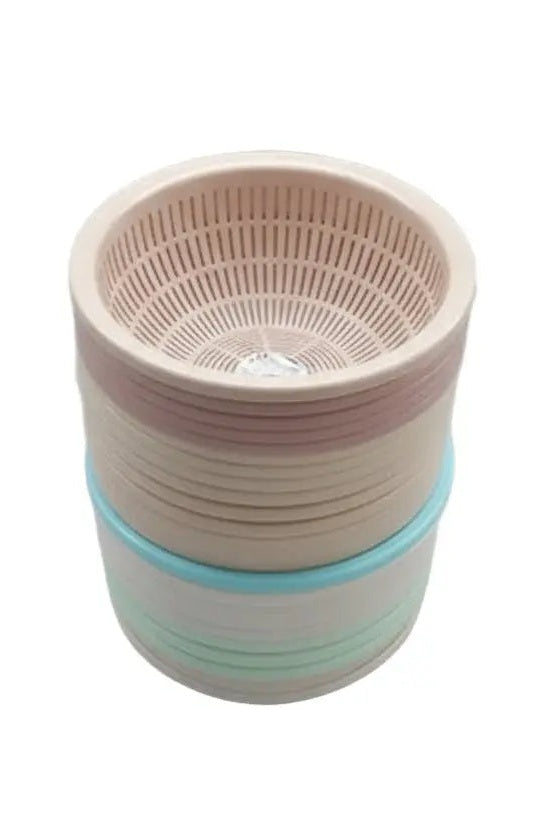
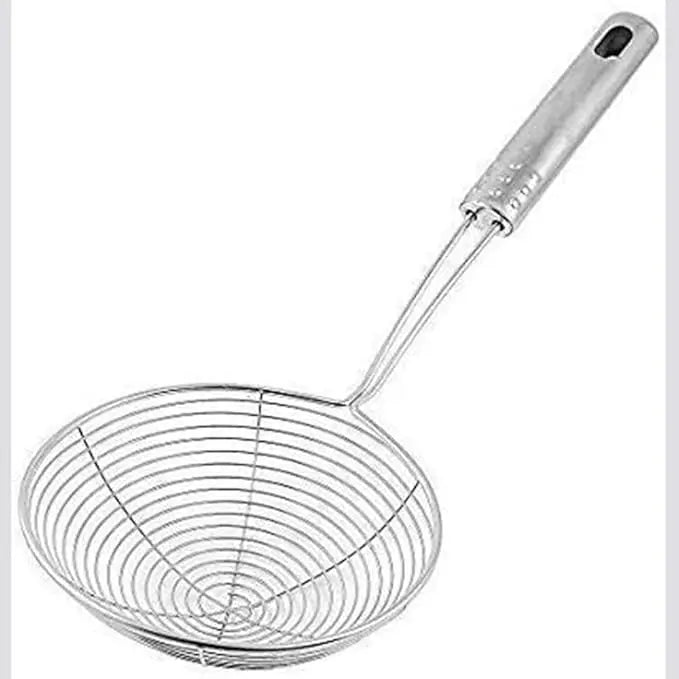
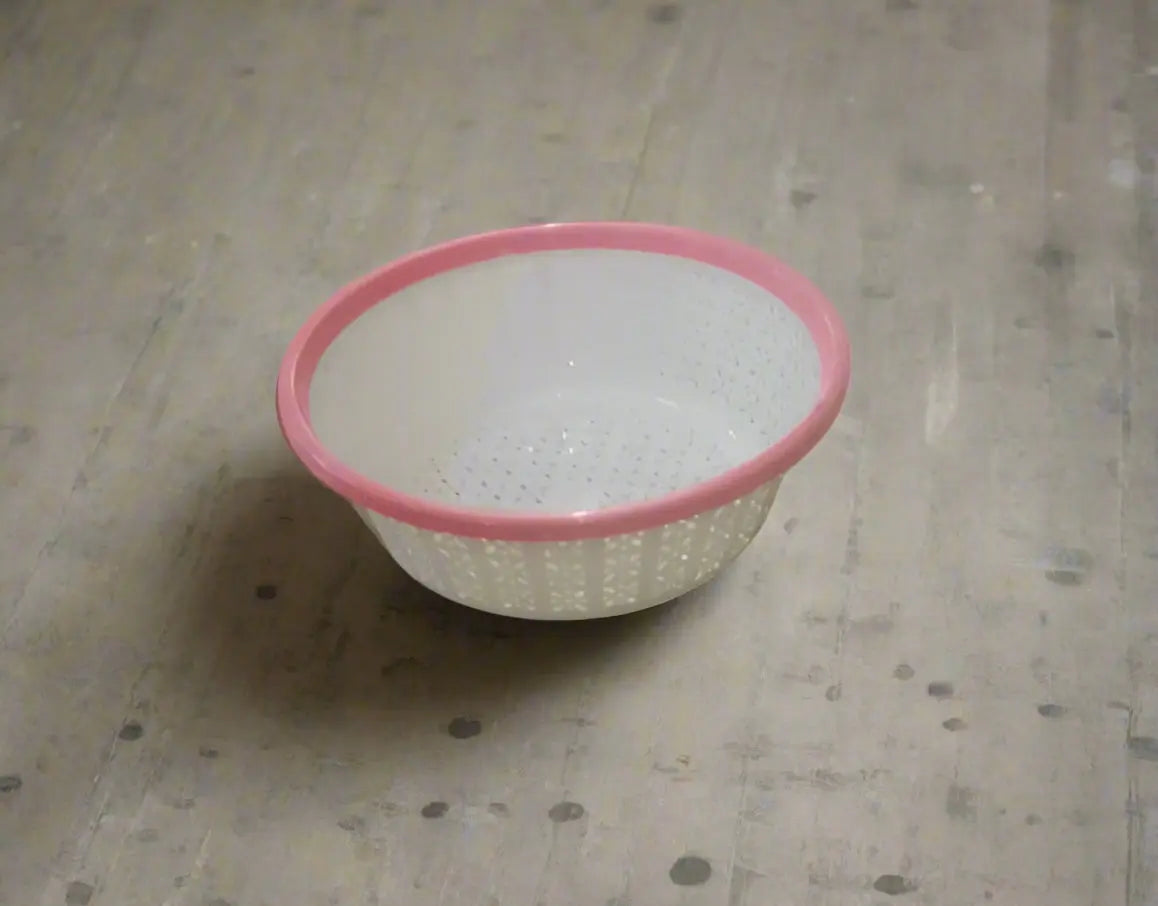
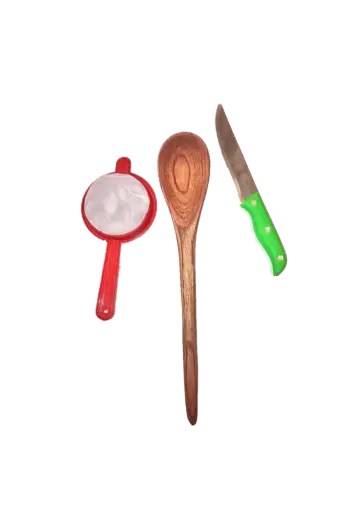
Kitchen strainer
1 Must haveIf you like smooth juice, a strainer removes pulp, seeds and fibers from passion fruit, pineapple and ginger.
How to use it: Pour the juice through slowly and press the pulp with a spoon. Keep the pulp for cakes or soup.
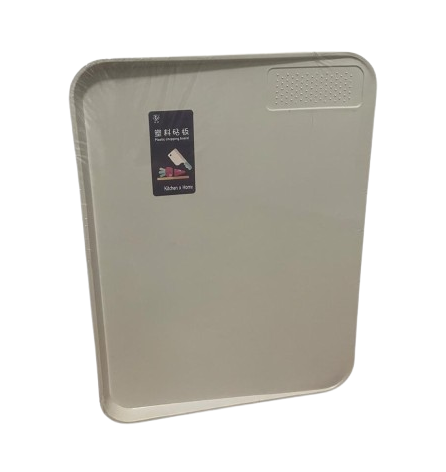
Chopping board
1 Must haveFruit needs a clean surface of its own so it does not pick up the taste of onions or raw meat.
How to use it: Use one board only for fruit. Wash it with hot water and soap after every use and let it dry upright.
Kitchen knife
1 Must haveA sharp knife peels and cuts pineapple and mango safely and quickly. Dull knives slip.
How to use it: Cut pineapple into thick rounds first, then slice off the skin. Always cut away from your fingers.
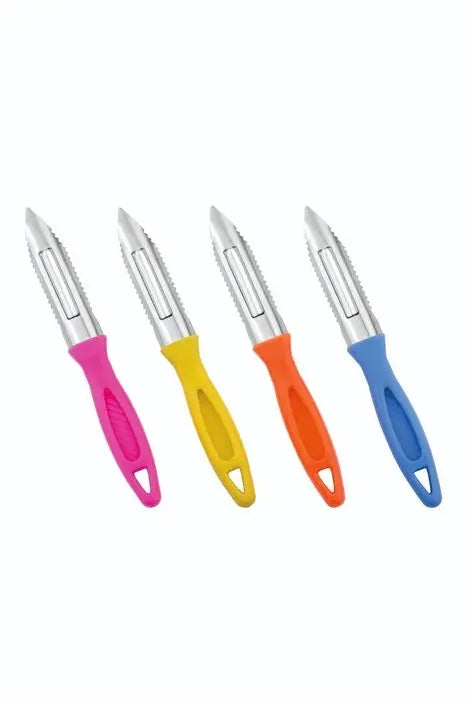
Vegetable peeler
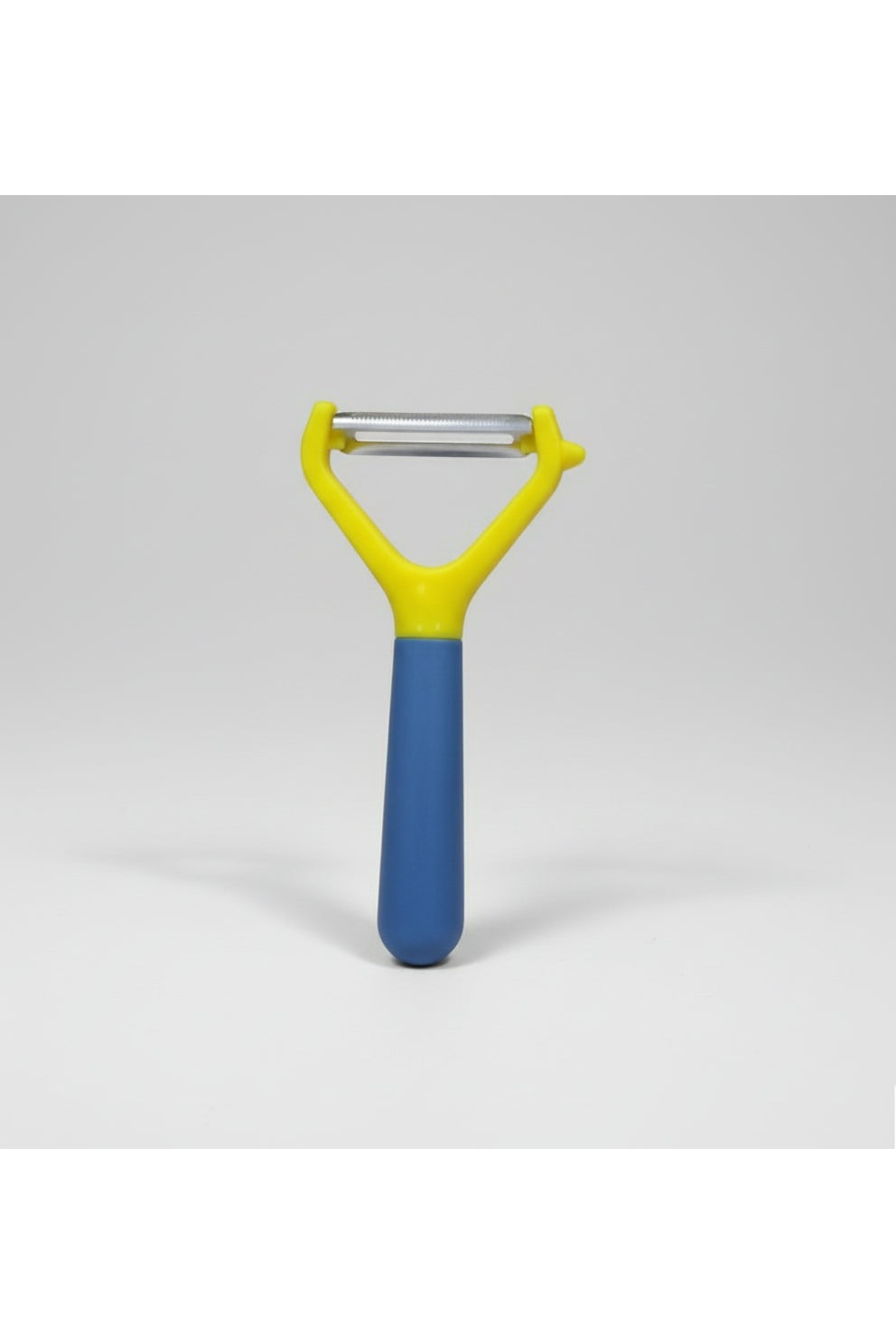
1Nice to haveA peeler removes thin skin from carrots, ginger and beetroot without wasting the flesh.
How to use it: Peel away from you in long strokes. Wash vegetables before peeling so dirt does not reach the blade.
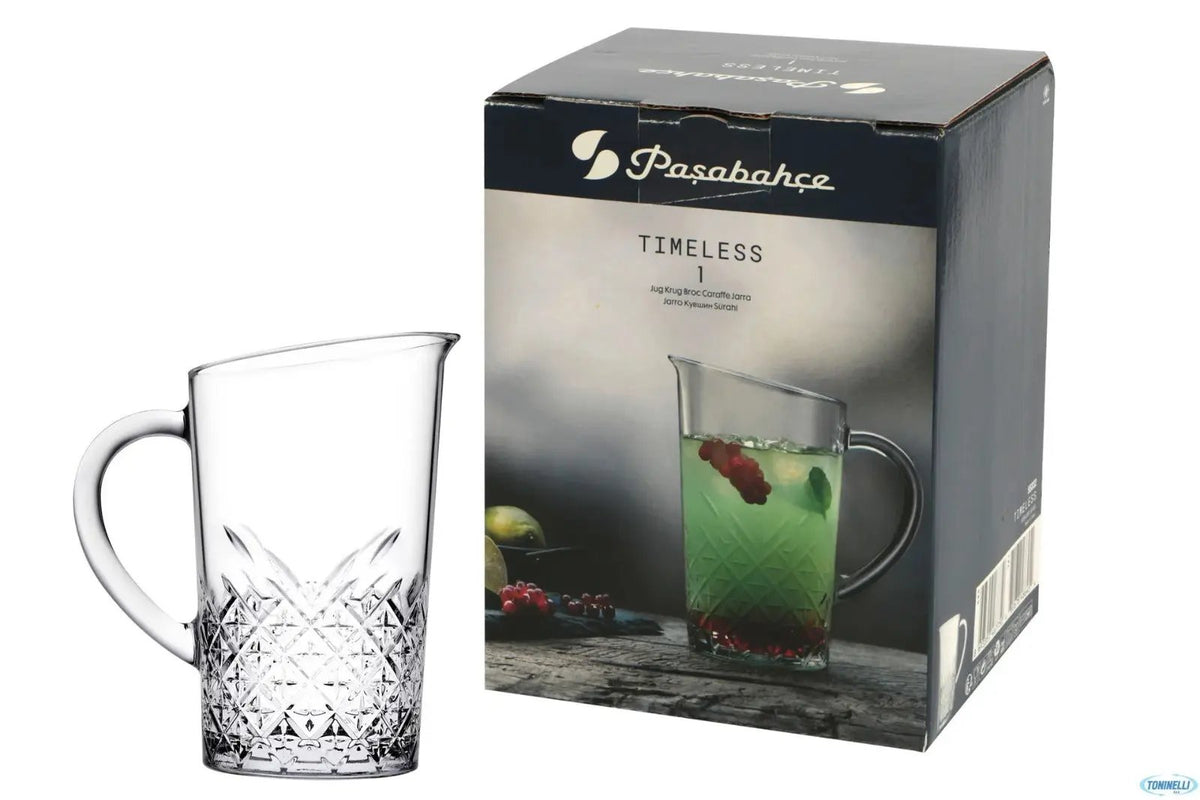
Measuring jug
1Nice to haveA jug with marks helps you repeat a recipe you liked, and it doubles as a serving pitcher.
How to use it: Measure fruit and water by the cup the first week. Write down the mix you enjoy most.






Fruit for the week
Buy a mix of ripe fruit for the next two days and firmer fruit that can wait.
Oranges
1 kg Must haveOranges are the easy base for a morning glass and give natural sweetness.
How to use it: Roll the orange on the table before cutting to loosen the juice. Drink within 20 minutes for the best taste.
Pineapple
1 piece Must havePineapple is sweet and bright, and blends well with ginger or mint.
How to use it: A ripe pineapple smells sweet at the base. Cut off the core if it feels hard before blending.
Mangoes
1 kgNice to haveMangoes make thick, creamy juice with no added sugar needed.
How to use it: Choose fruit that gives slightly when pressed. Cut the flesh off the stone and blend with water or orange juice.
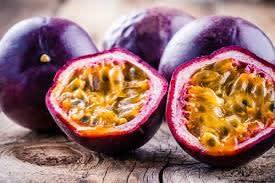
Passion fruit
500 g Must havePassion fruit adds a strong, sour flavor that people in Kigali love, and a few go a long way.
How to use it: Scoop out the pulp, blend briefly so the seeds stay whole, then strain. Mix with water and a little honey.
Lemons
4 to 6Nice to haveA little lemon juice brightens flavor and slows browning in juices with apple or avocado.
How to use it: Squeeze a few drops into each glass or bottle just before serving.
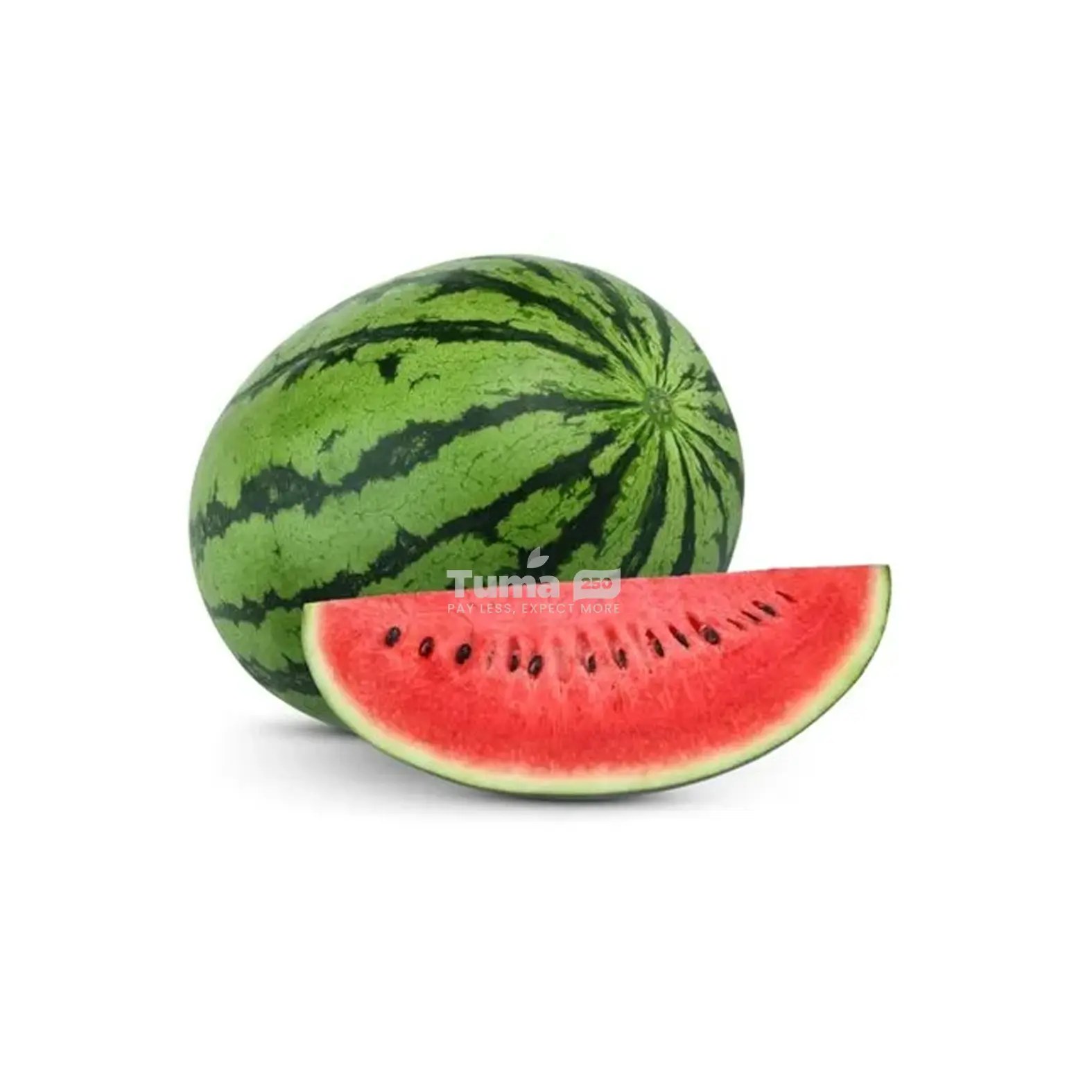
Watermelon
1 smallNice to haveWatermelon is a cooling choice on hot afternoons and needs no sweetener.
How to use it: Cut away the rind, remove large seeds and blend the red part with a few ice cubes.
Tree tomatoes
500 gNice to haveTree tomatoes (ibinyomoro) are a local favorite with a sweet and tangy taste.
How to use it: Cut in half, scoop out the pulp, blend lightly and strain to remove the seeds.








Vegetables and boosters
A few extras make juice more filling and give you variety.
Carrots
1 kg Must haveCarrots add natural sweetness and body, and mix well with orange and ginger.
How to use it: Wash, peel and chop small so the blender does not struggle. Blend with a little water.
Beetroot
2 or 3Nice to haveBeetroot gives a deep red color and an earthy taste that is nice with orange or apple.
How to use it: Use a small piece at first, since the flavor is strong. Wear an apron because it stains.
Fresh ginger
1 piece Must haveGinger adds warmth and a clean taste, and is popular with lemon and honey.
How to use it: Peel a thumb sized piece and grate or blend it with the fruit. Start small.
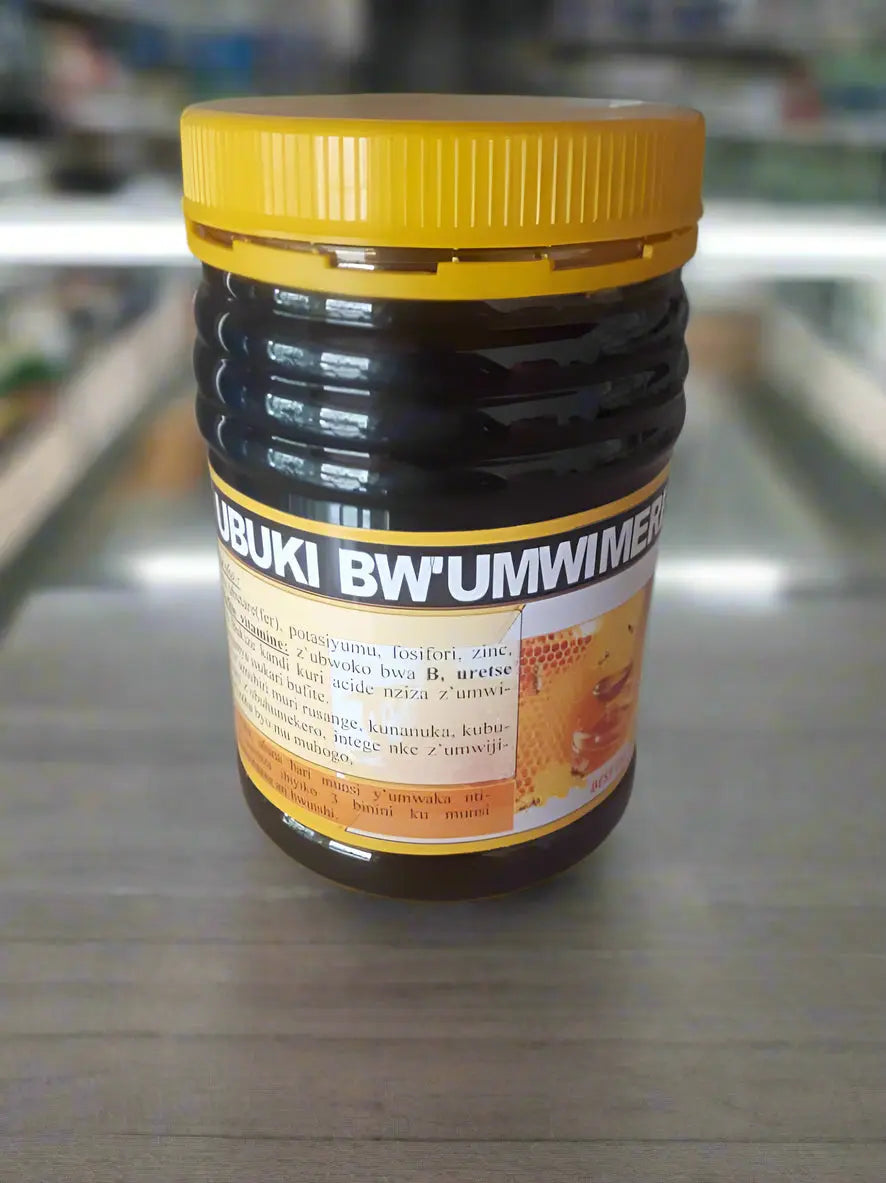
Honey
1 jarNice to haveA spoon of honey can replace sugar in sour juices such as passion fruit or lemon.
How to use it: Stir it into a little warm water first so it mixes evenly. Do not give honey to babies under one year.
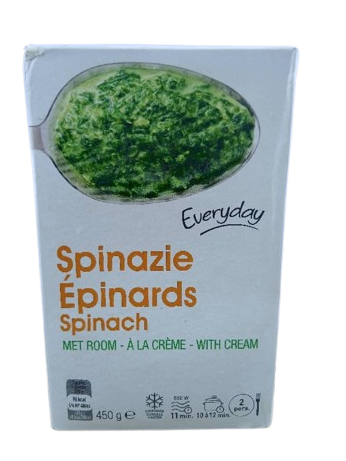
Spinach
1 bunchNice to haveA handful of spinach adds greens without changing the taste much when mixed with pineapple.
How to use it: Wash well in clean water. Blend with the liquid first, then add the fruit.



Bottles, glasses and cold storage
Fresh juice tastes best right away, but you can keep some for the day with the right containers.
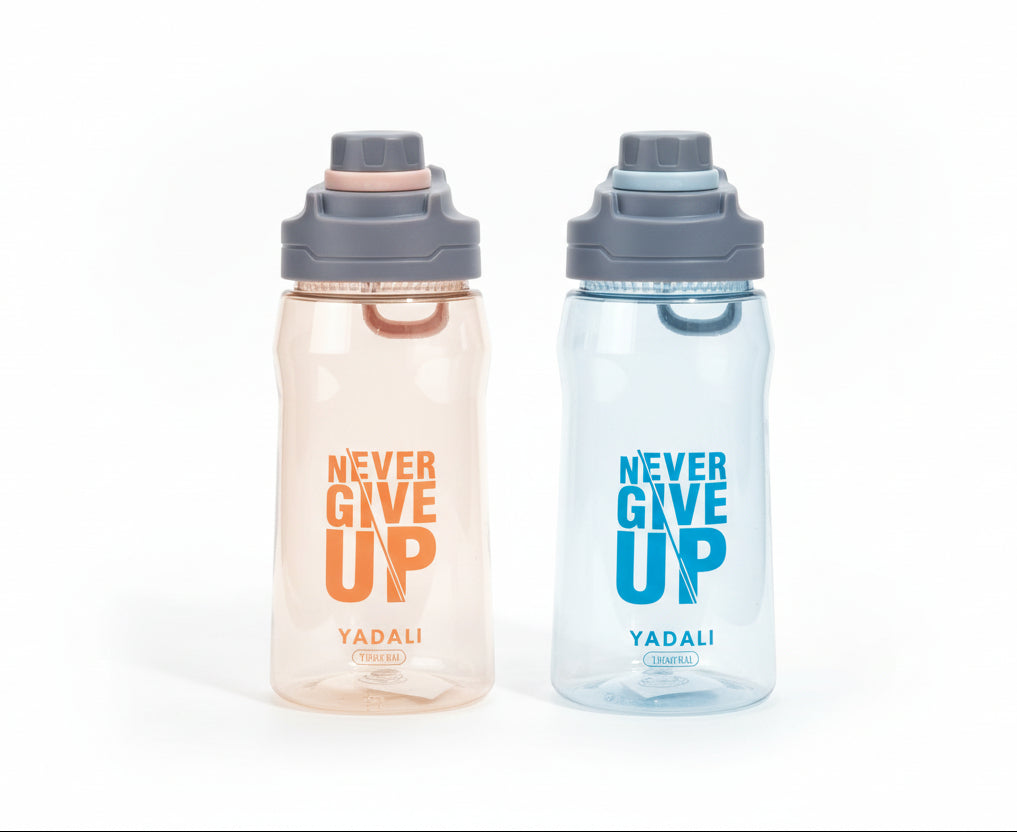
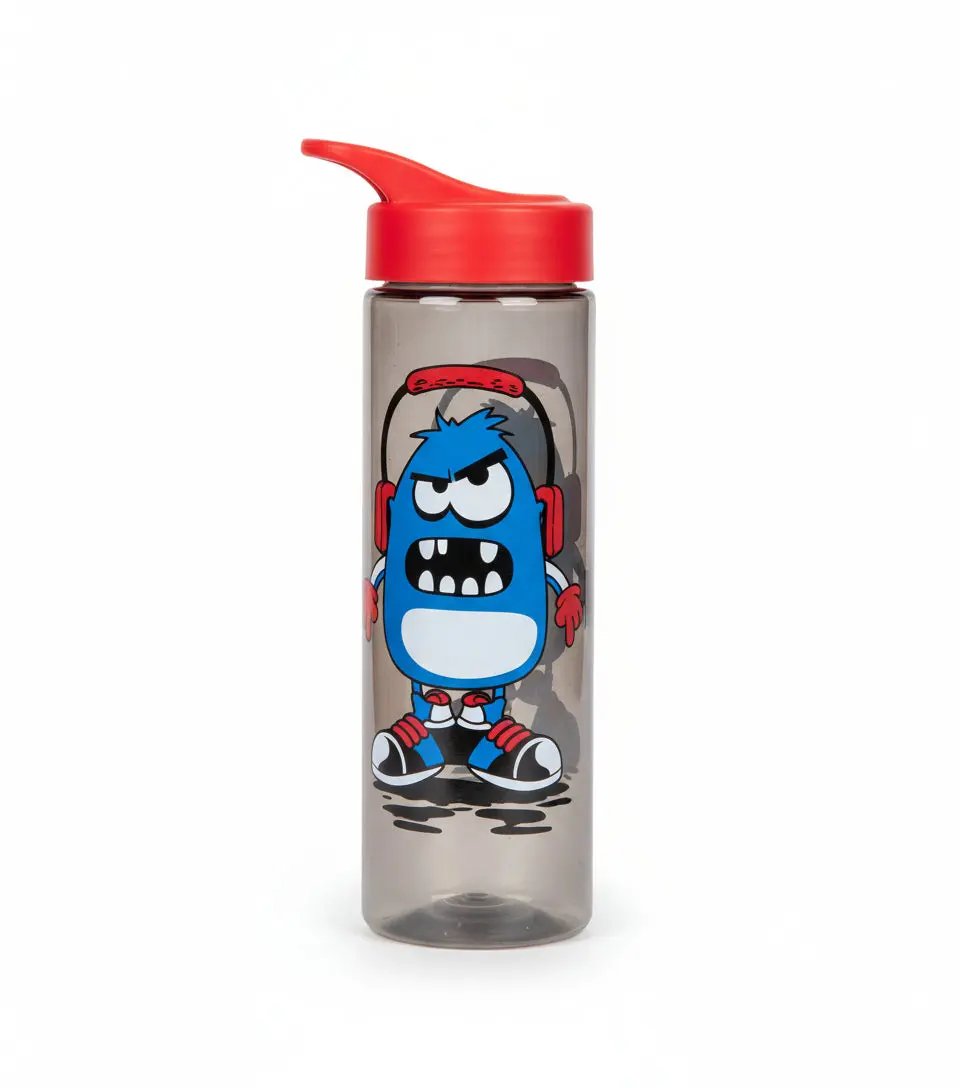
Water bottles
2 Must haveA bottle with a tight lid lets you carry juice to work or school without spills.
How to use it: Fill to the top to reduce air. Keep it cold and drink the same day.
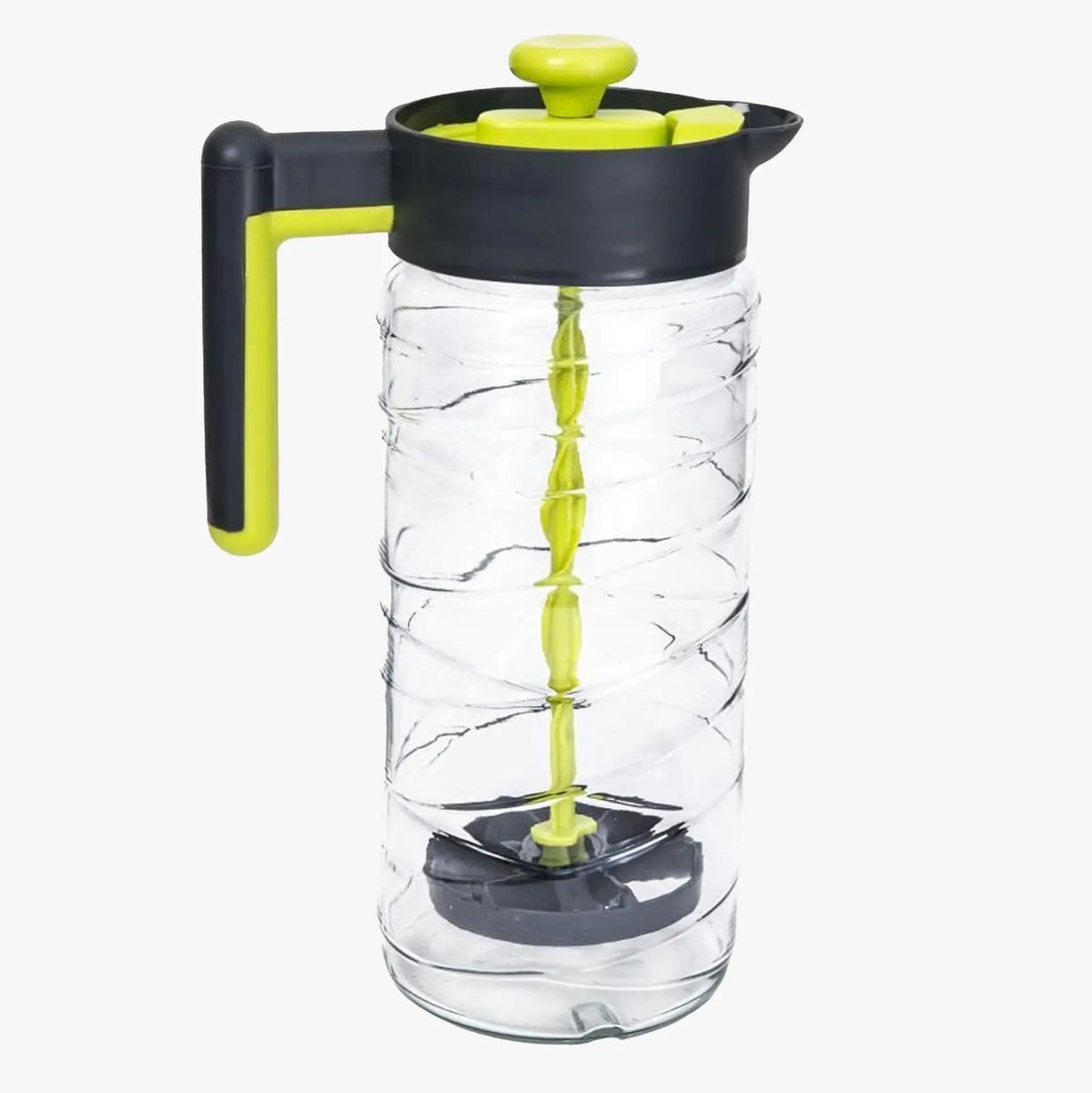
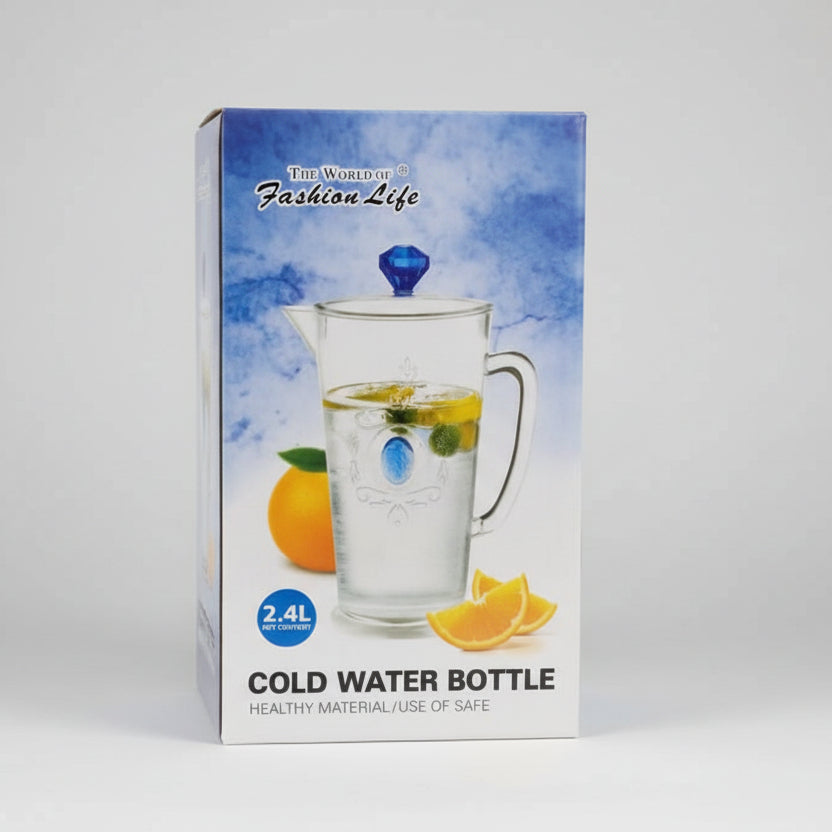
Water jug with cups
1 setNice to haveA jug on the table makes it easy to serve the family or guests in the morning.
How to use it: Chill the jug before filling. Stir before pouring because pulp settles.
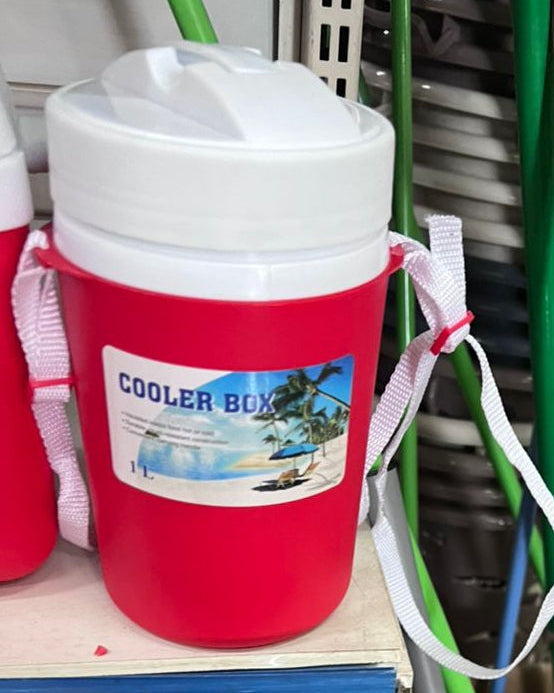
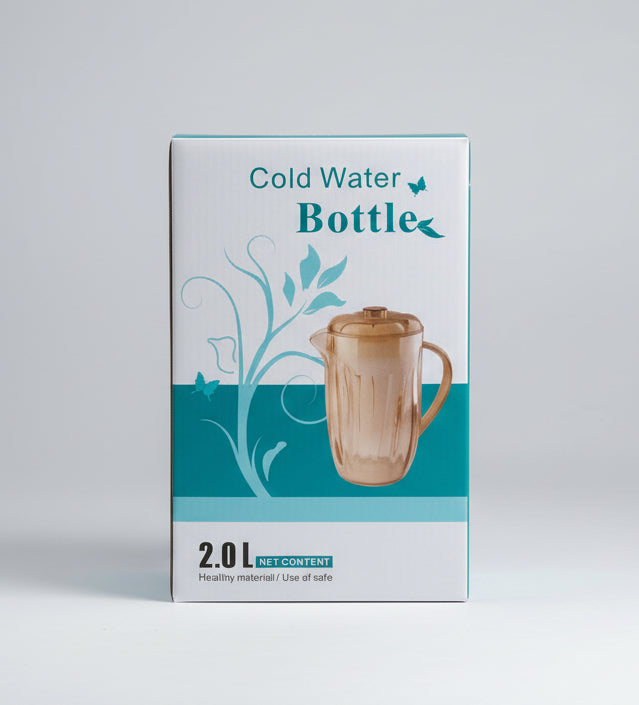 Plastic Cold Water Jug and Cup 4pcs – Safe & Durable Beverage Container 2.0LKimironko MarketRWF 12,000
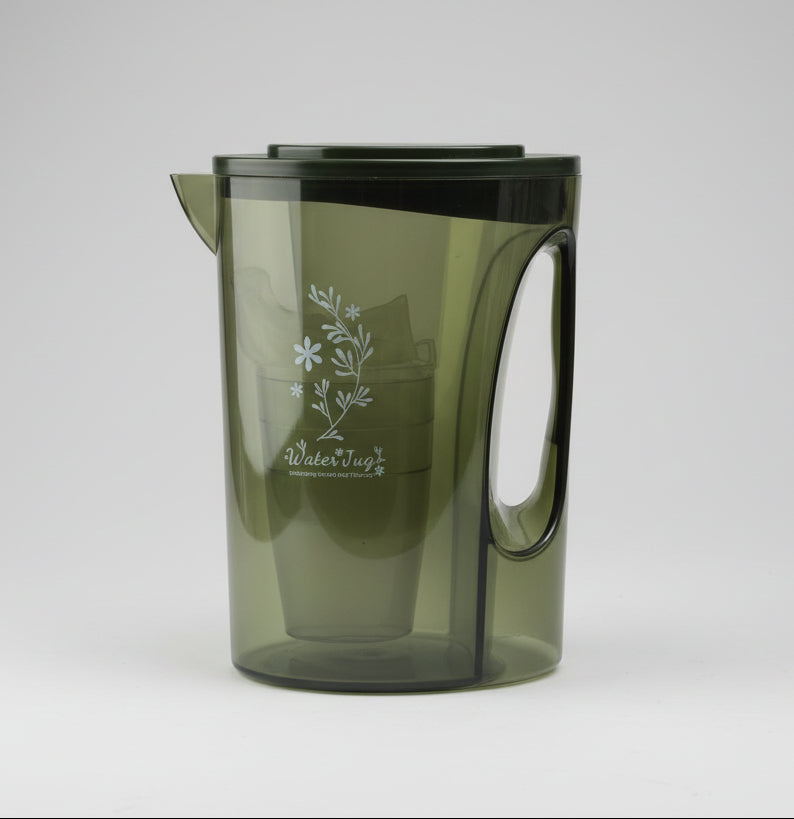 Nayasa Icon Plastic Water Jug set and Cups 4pcs – 2.1L BPA-Free Leak-Proof with HandleKimironko MarketRWF 15,000
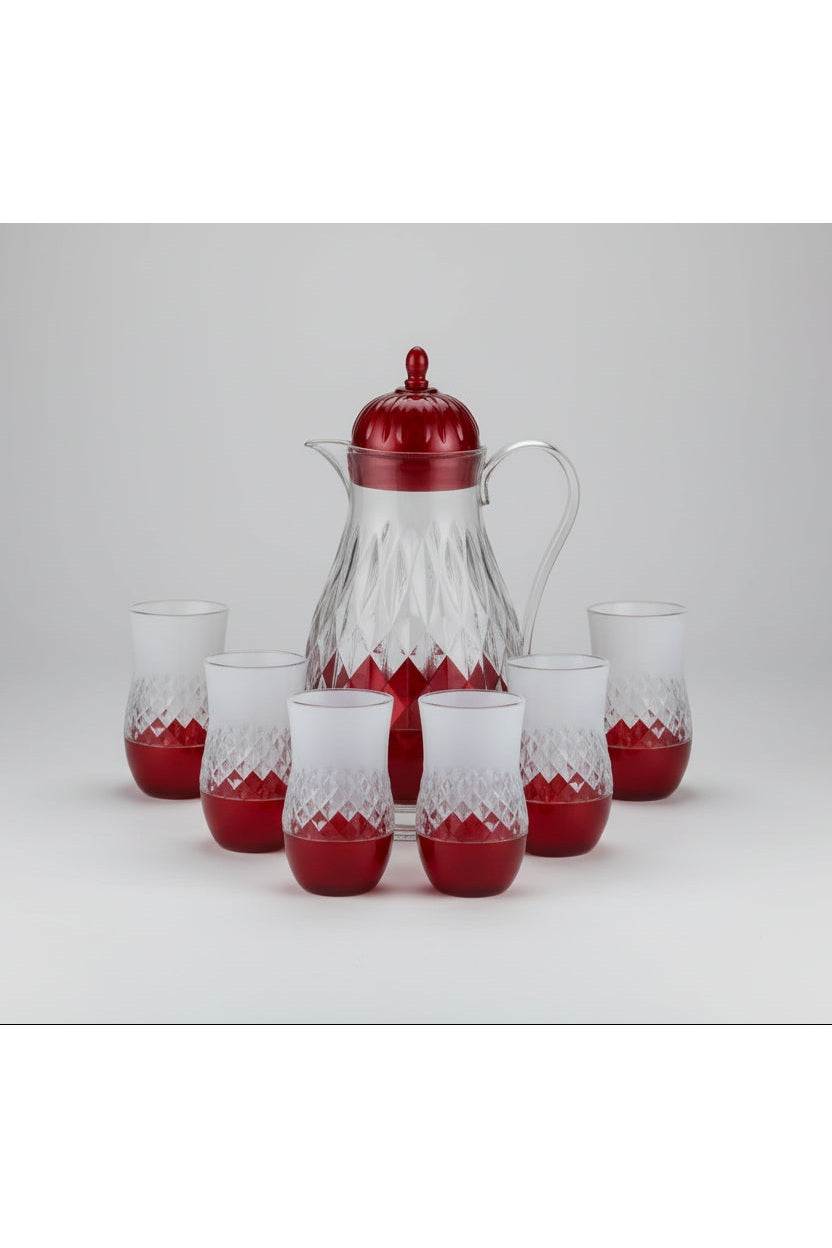 JIE HUIOMEI Glass Water Jug and Glass Set 7 PieceKimironko MarketRWF 22,000See more on Isokko
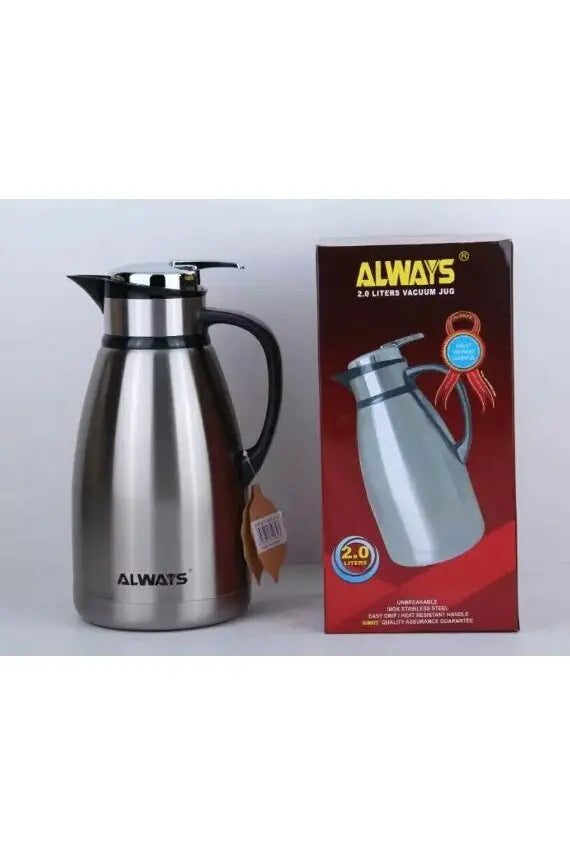
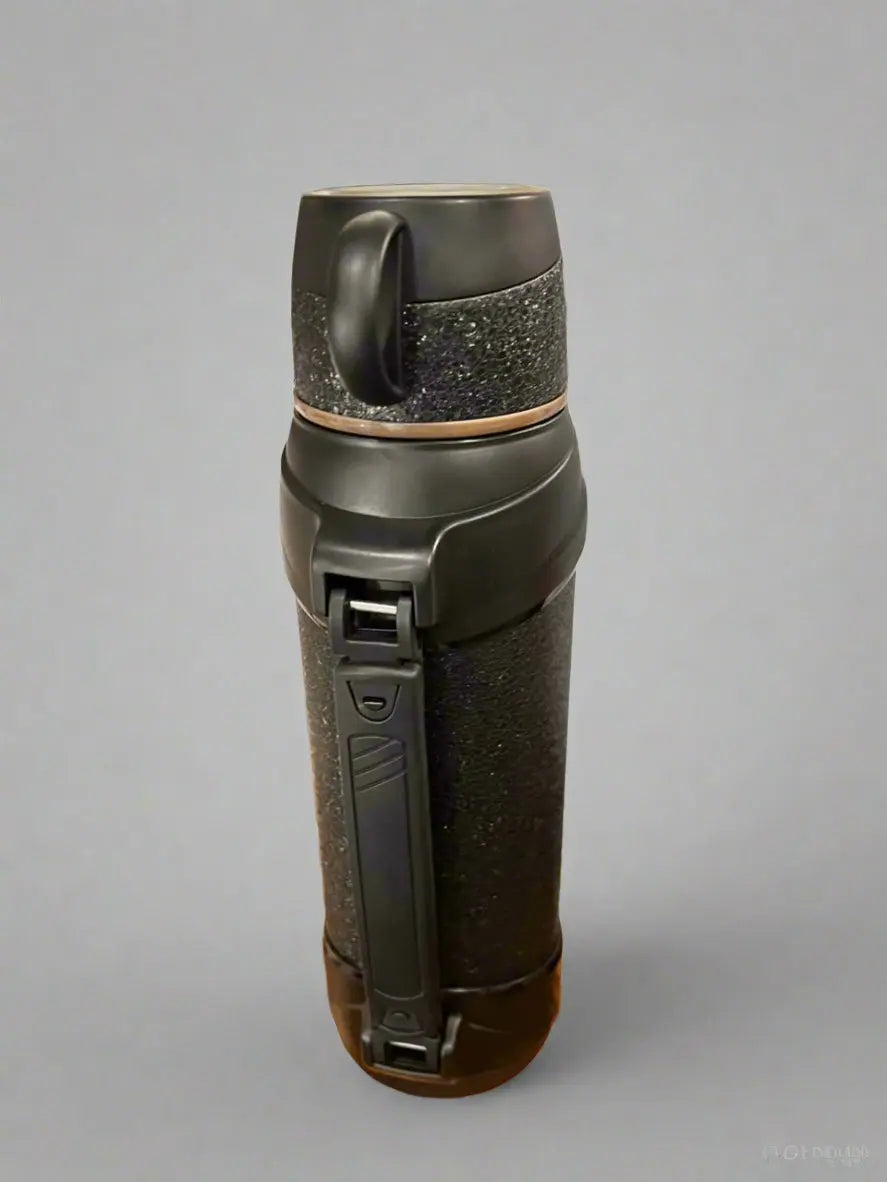
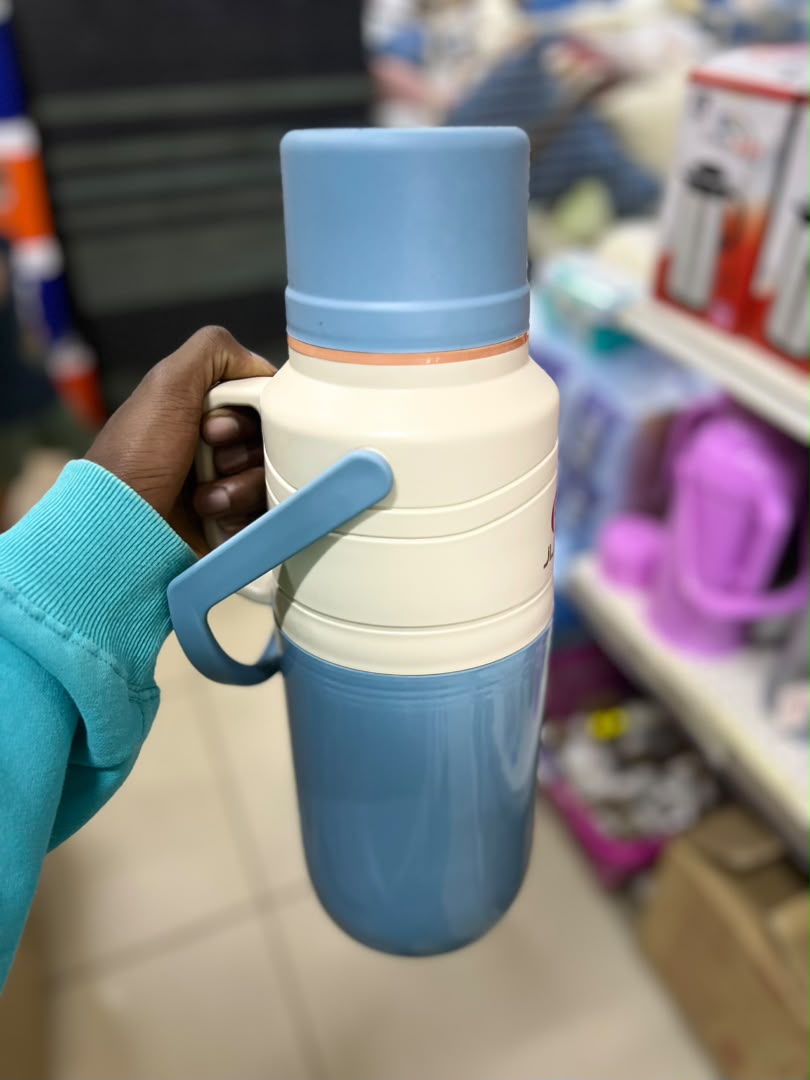
Thermal flask
1Nice to haveA flask keeps juice cold for hours on days when you travel or work away from a fridge.
How to use it: Rinse it with cold water first. Add ice cubes for the hottest days.
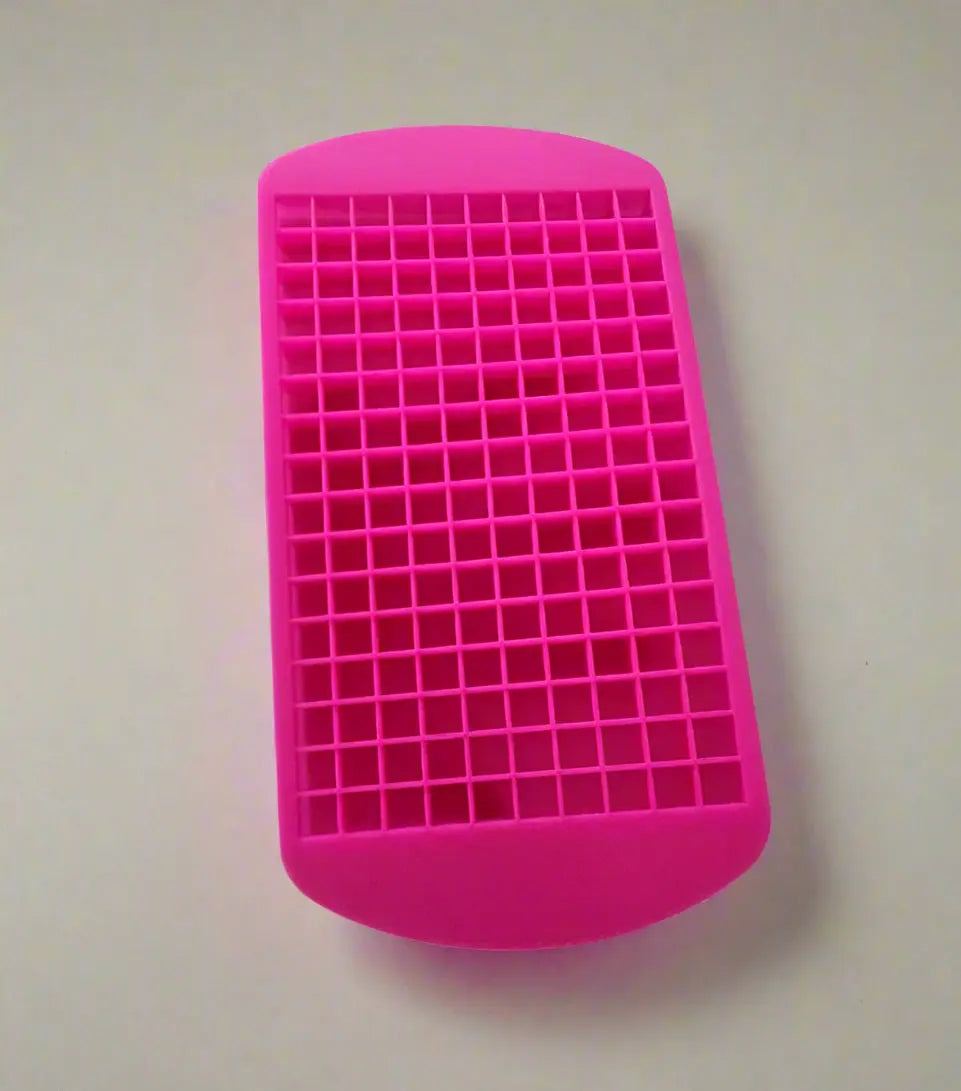
Ice cube tray
1Nice to haveIce cubes chill the glass fast, and you can freeze leftover juice into cubes.
How to use it: Fill the tray, freeze, then keep the cubes in a covered container for smoothies.
Reusable straws
1 packNice to haveStraws make thick juice easier to drink and help children enjoy it.
How to use it: Wash right after use with a small brush so pulp does not dry inside.





Cleaning up fast
Clean tools straight away. Dried pulp is hard to remove and spoils the next juice.
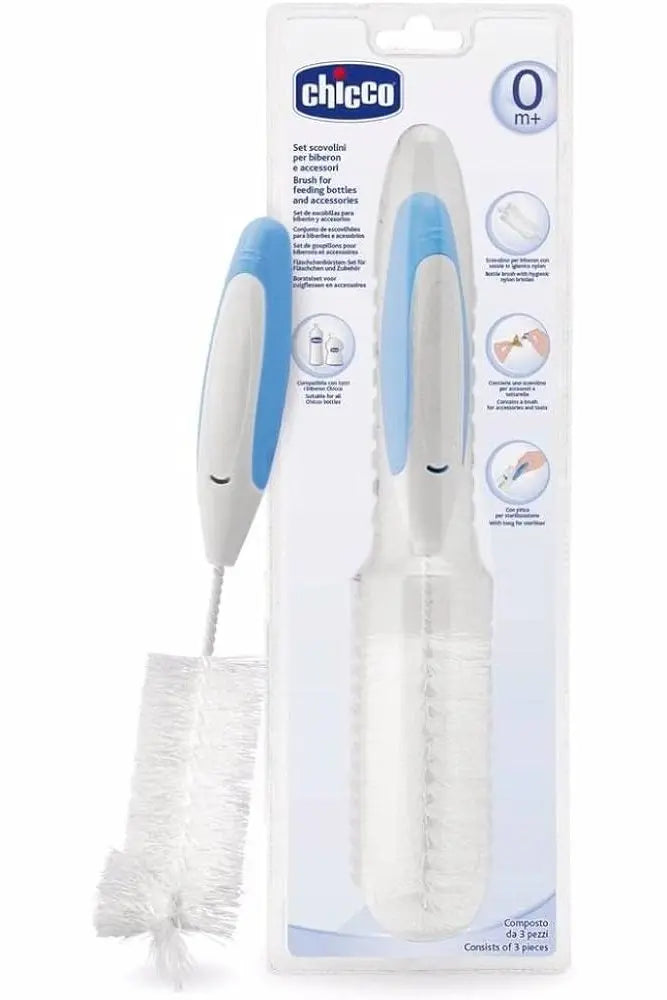
Bottle brush
1 Must haveBottle necks are narrow, and a brush reaches the bottom where juice sticks.
How to use it: Fill with warm soapy water, scrub, rinse well and let the bottle dry upside down.
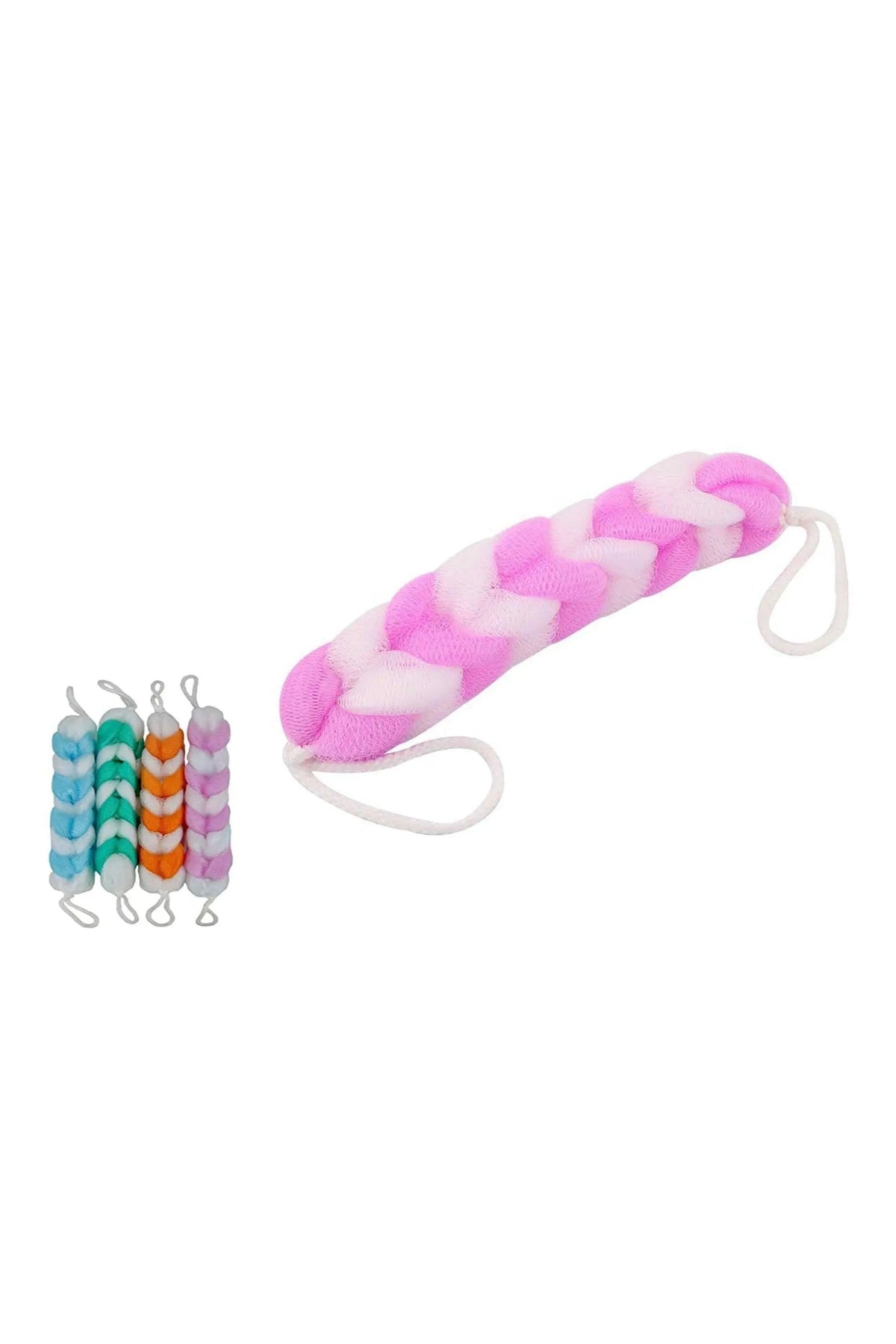
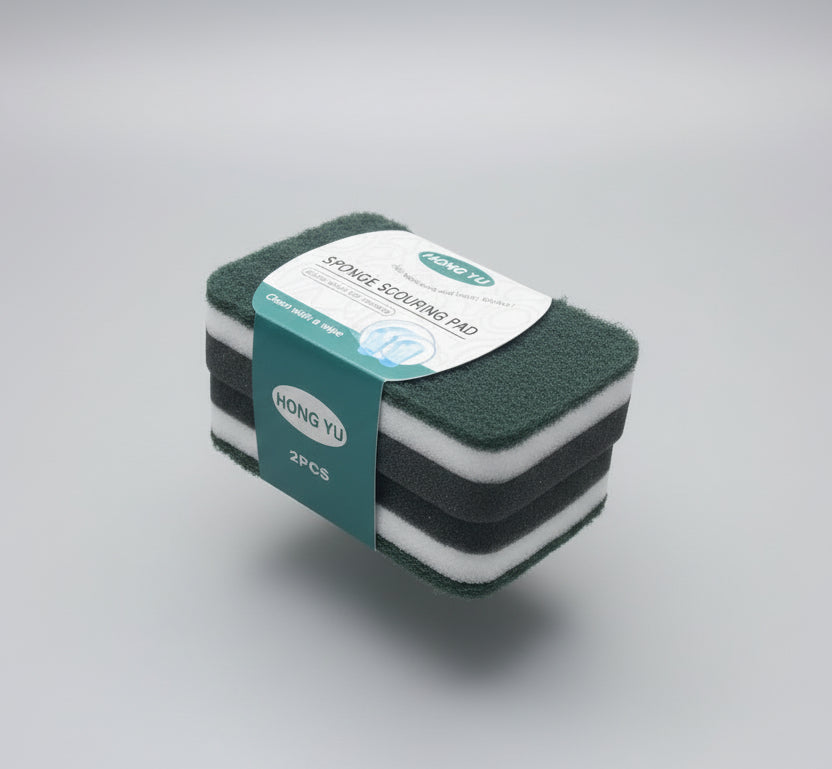
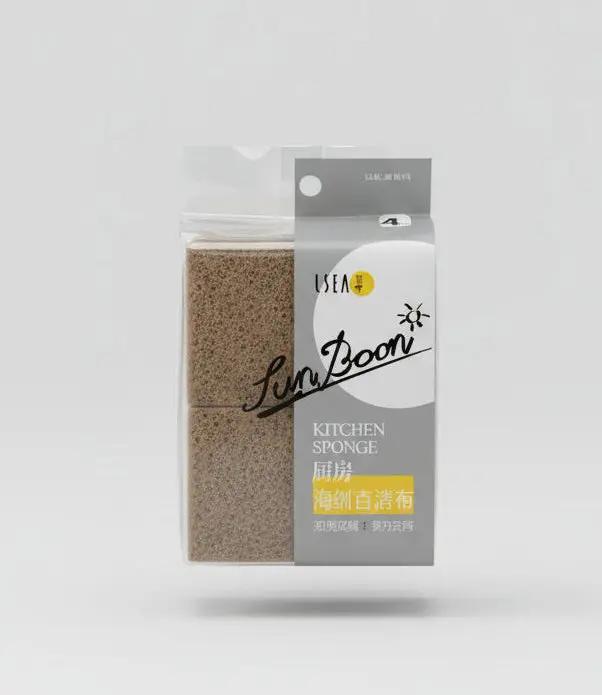
Kitchen sponge
2 Must haveA sponge cleans blades, jugs and boards in seconds.
How to use it: Replace it when it smells sour. Keep it dry between uses.
Kitchen towels
1 rollNice to haveTowels wipe splashes and dry tools so mold does not start in humid weather.
How to use it: Wipe the counter at once because sugary spills attract ants.



Step by step
- 1
Before you shop
Choose one machine, check your power setup and decide how many people will drink juice.
- 2
First shop
Buy the blender or juicer, a strainer, a board, a knife and two bottles.
- 3
Twice a week
Buy fruit for two days of ripe fruit and for four days of firm fruit.
- 4
Each morning
Wash, cut, blend, strain if you like, pour and rinse tools right away.
- 5
Every week
Deep clean the bottles and the blender jar, then plan next week's fruit mix.
Tips that help
- Prepare fruit the night before. Cut it, put it in a covered container and keep it in the fridge so mornings take five minutes.
- Mix one sweet fruit with one sour fruit, such as mango with passion fruit, and you will not need sugar.
- Wash all fruit and vegetables in clean water before cutting, even if you will peel them.
- Freeze overripe bananas and mangoes in pieces to blend into thick, cold juice later.
- If the power goes out often, keep a manual citrus juicer as a backup.
- Keep fruit bought for the week in different places: ripe in the fridge, firm on the counter in the shade.
Mistakes to avoid
- Buying a big machine before you know you will use it every day. Start simple.
- Leaving juice in the sun or on the counter for hours. Drink it fresh or keep it cold and finish it the same day.
- Adding too much sugar or honey and losing the point of fresh juice.
- Leaving pulp in the blender jar overnight. It is much harder to clean the next day.
- Filling the blender past the max line, which can leak and strain the motor.
Questions people ask
Is a blender or a juicer better for making juice at home?+
A blender is more flexible and usually cheaper, and it keeps the fiber in the drink. A juicer gives thinner juice with less pulp. If you only buy one machine, most households in Kigali start with a blender and a hand citrus juicer.
How long can fresh juice stay in the fridge?+
Fresh juice tastes best the same day. If you must store it, use a clean bottle, fill it to the top, keep it cold and drink it within a day. If it smells sour or looks fizzy, throw it away.
Which fruits are best for juice in Kigali?+
Pineapple, oranges, mangoes, passion fruit and tree tomatoes are easy to find and full of flavor. What is cheapest and sweetest depends on the season, so buy what looks best that week.
Do I need to peel the fruit?+
Peel pineapple, mango, oranges, ginger and beetroot. Always wash the fruit first. For fruit with thin edible skin, such as apples, you can leave the skin on if it is washed well.
Can children and babies drink fresh juice?+
Older children can enjoy small glasses mixed with water. For babies and for any health concern, ask your doctor or pharmacist what is right for your child.
How do I stop juice from separating?+
Separation is normal. Stir or shake the bottle before you drink. A little lemon juice and drinking it quickly helps keep it fresh.
A fresh juice routine is a small habit that pays you back every morning. Pick your tools, stock up on fruit and shop the full list on Isokko, then enjoy your first glass.
Shop this list
Get everything delivered in Kigali
Order from local stores on Isokko and pay with MoMo, card or cash. Same-day delivery.