
Checklist · Health & wellness
Healthy Eating on a Student Budget in Kigali: What to Buy
Healthy eating on a student budget in Kigali: cheap, nutritious staples, simple cooking tools and a weekly shopping list.
Updated November 17, 2026 · By Isokko
When money is tight, it is easy to live on chips, bread and tea. You feel full for an hour, then tired. A few cheap staples can do much better for your energy and your focus in class.
This list is built around foods that are affordable in Kigali and give you real value: beans, eggs, rice, potatoes, cabbage, groundnuts and seasonal fruit. You also get the small kitchen tools to cook for yourself in a hostel or shared room.
Prices change, so buy what fits your budget this week. The goal is a simple routine, not a perfect plan.
Who it's for
University and secondary school students in Kigali who cook for themselves
Time needed
One shop per week, about 20 minutes to cook a batch meal
When to shop
Right after allowance or MoMo money arrives, buying staples first
On the list
32 items, 15 must haves
0 of 32 ready
Cheap staples
These fill you up and last long in a hostel room. Buy them in bigger packs when you can.
Rice
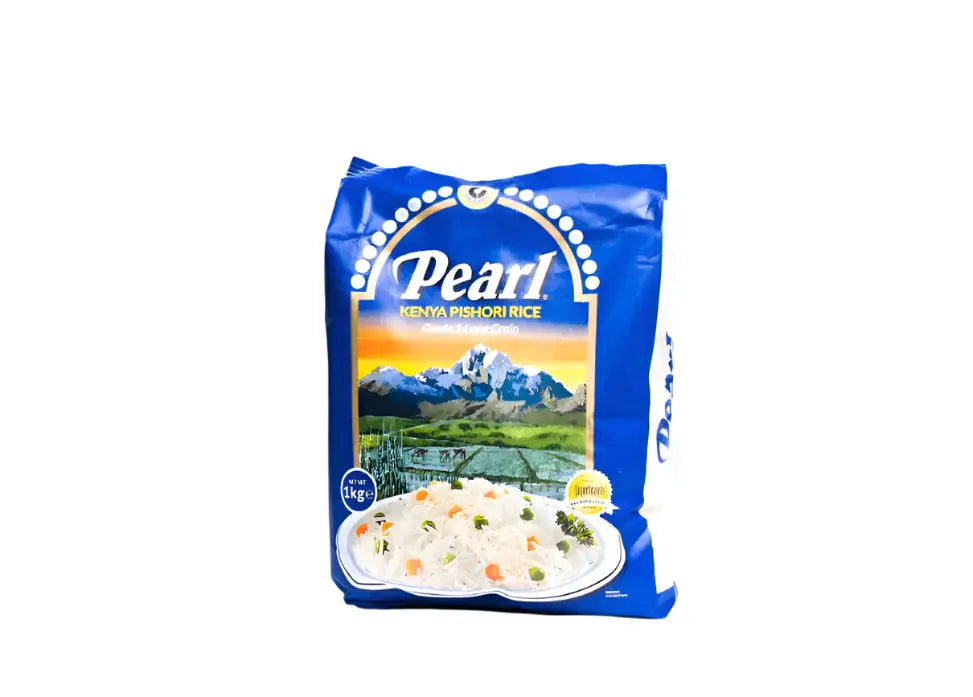
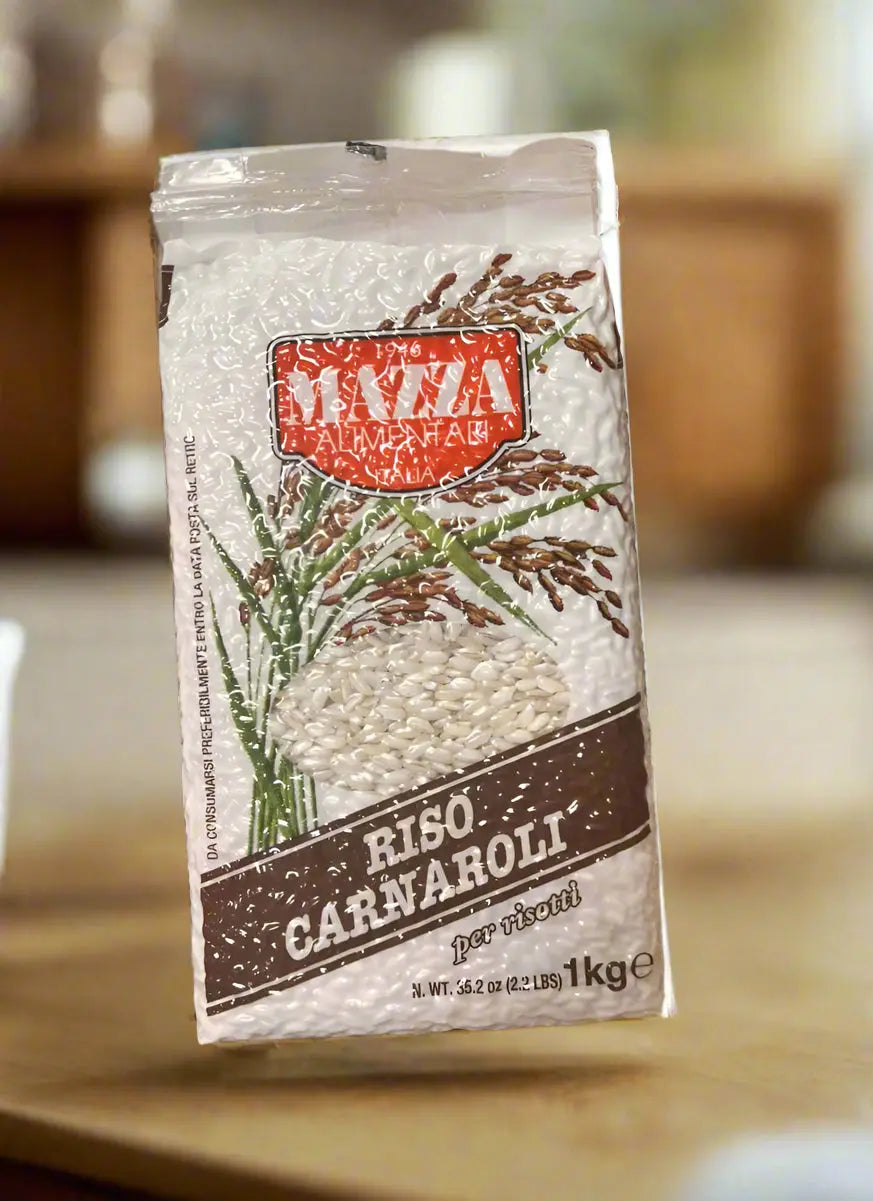
1 to 2 kg Must haveRice is filling and goes with almost any sauce, beans or vegetables.
How to use it: Rinse before cooking and measure with a cup so you cook only what you will eat.
Dry beans
1 kg Must haveBeans give protein and fiber at a low price and keep you full through lectures.
How to use it: Soak overnight. Cook a big pot and keep portions in the fridge for 2 to 3 days.
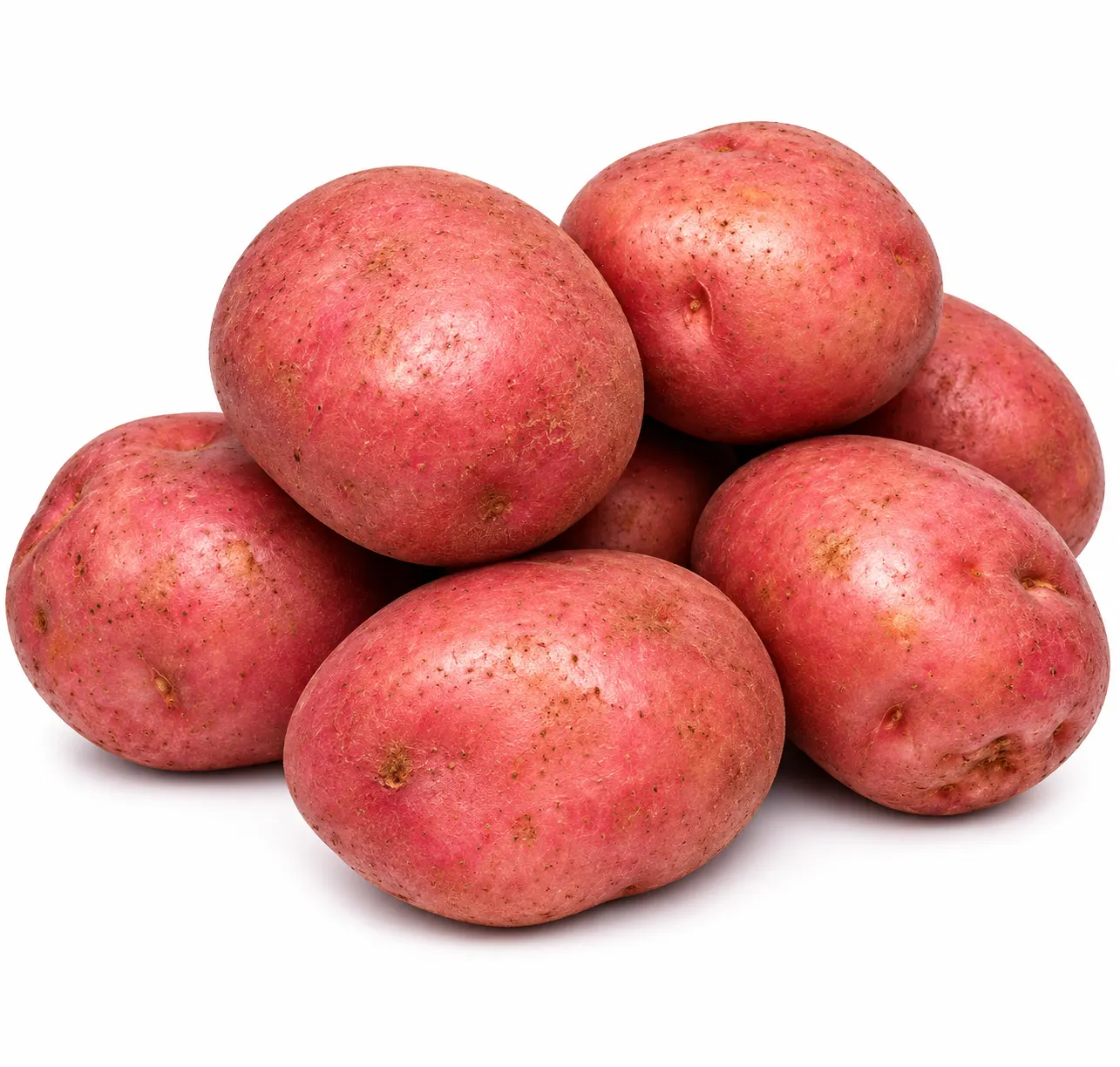
Irish potatoes
2 kg Must haveCheap, filling and quick to boil or cook in a stew.
How to use it: Store in a dark, dry place. Throw out any that are green or soft.
Sweet potatoes
1 kgNice to haveSweet potatoes give steady energy and need no extra cooking skills.
How to use it: Boil with the skin on. Eat with beans or an egg for a full meal.
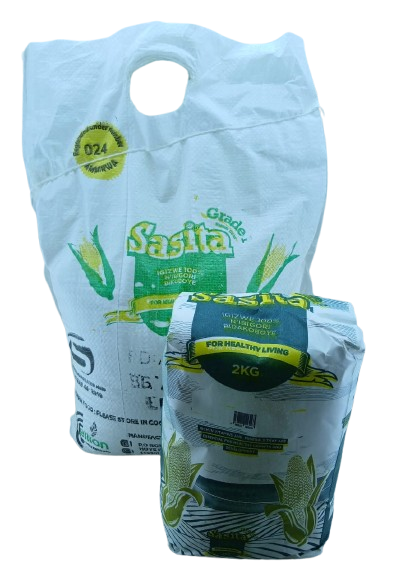
Maize flour
1 packNice to haveFlour lets you make ugali or porridge quickly with only water.
How to use it: Add flour slowly to boiling water and stir to avoid lumps.
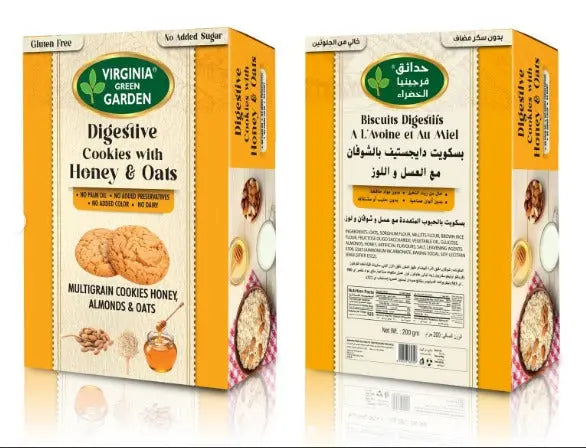
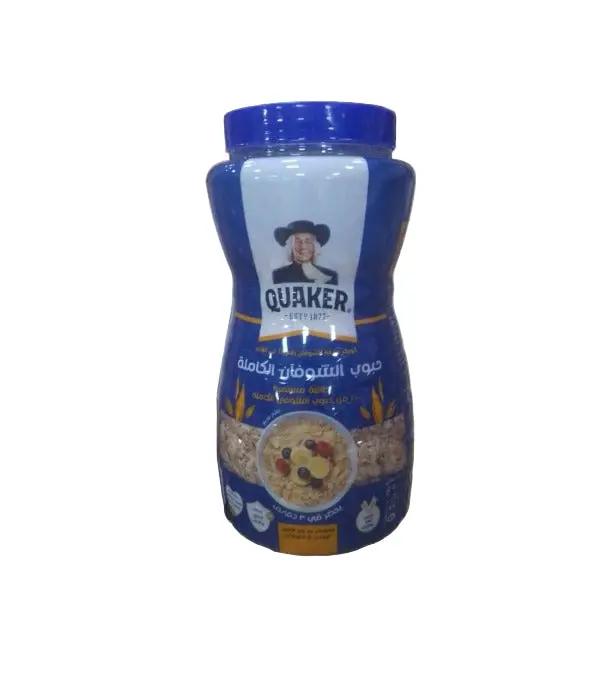
Oats
1 packNice to haveOats are an easy breakfast that you can make with hot water in two minutes.
How to use it: Cook with water or milk. Add a banana if you have one.








Protein on a budget
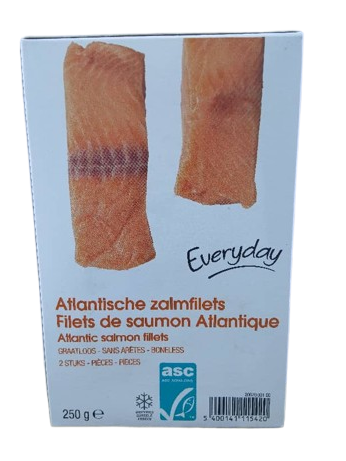
Protein helps you concentrate and stops you from snacking all day.
Eggs
1 tray Must haveEggs are one of the cheapest protein foods and need very little cooking.
How to use it: Boil, scramble or add to rice. Buy a tray if you have a fridge, or a few at a time if not.
Peanut flour or groundnuts
500 gNice to haveGroundnuts add protein and healthy fat to vegetables and porridge.
How to use it: Mix peanut flour into a sauce or stew. A little goes a long way.
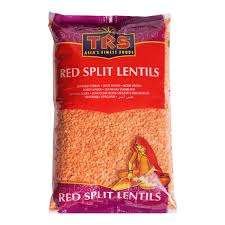
Lentils
500 gNice to haveLentils cook quicker than beans and need no soaking when they are red.
How to use it: Simmer with onion and tomato for a simple stew.
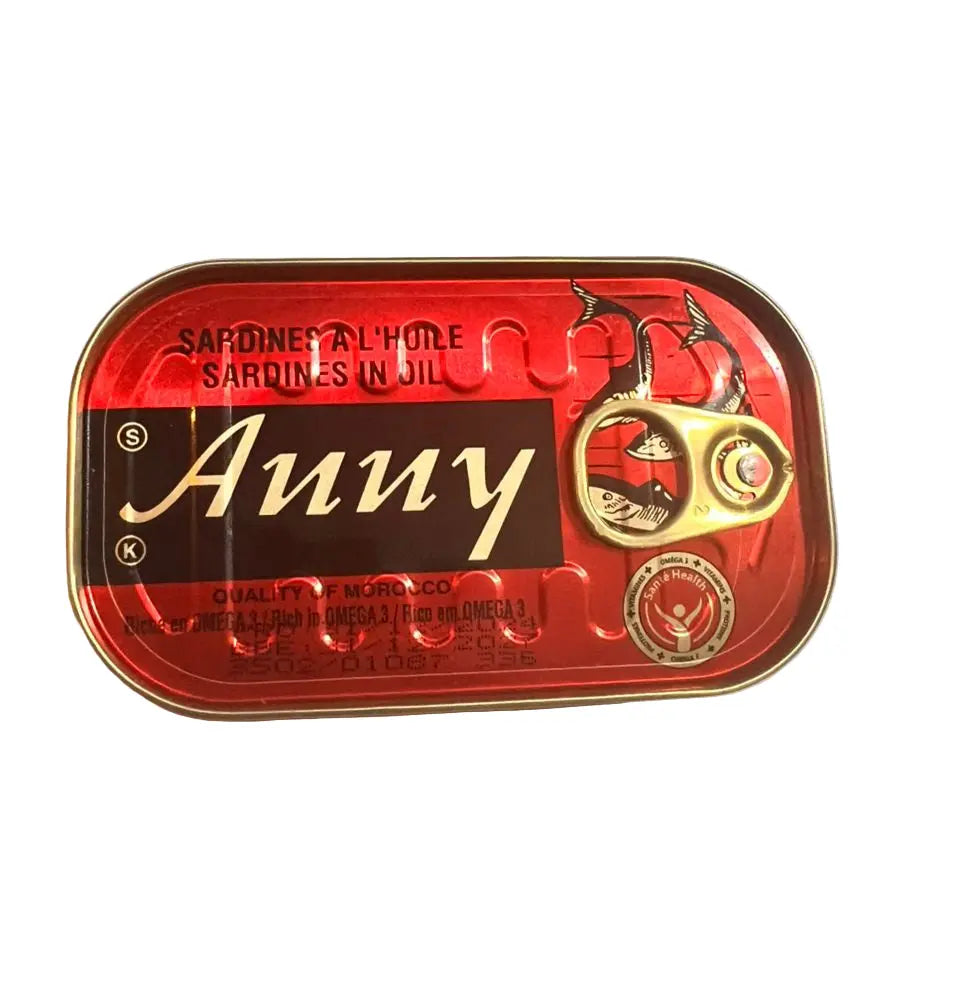
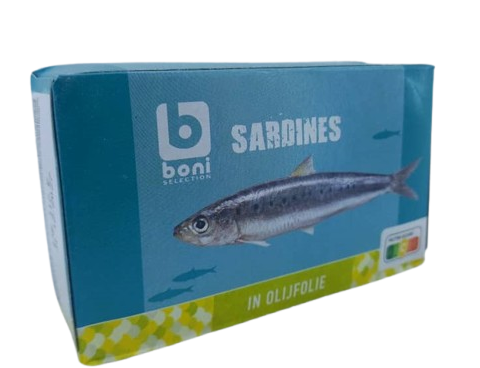
Canned sardines
2 to 4 tinsNice to haveA tin gives protein without a fridge and is good for busy exam days.
How to use it: Open, drain and mix with onion, tomato and rice or bread.
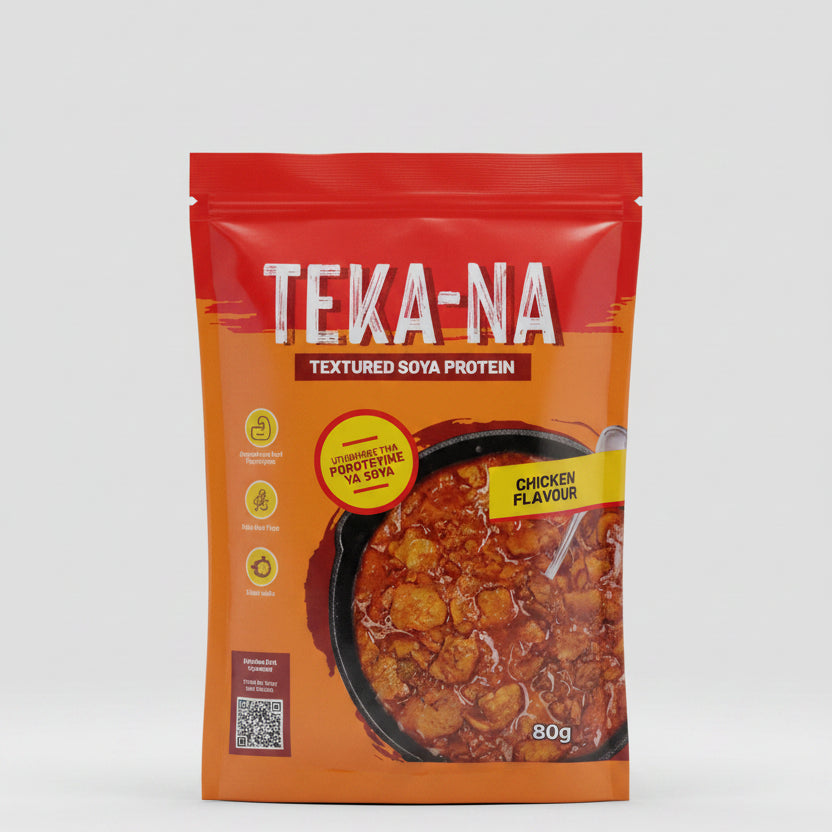
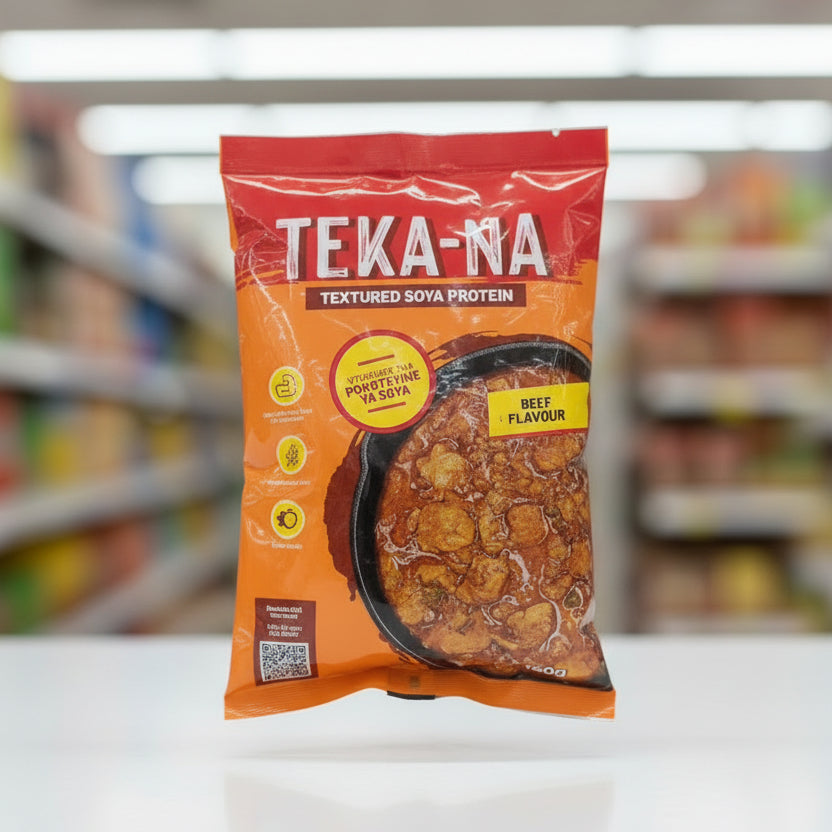
Soya pieces
1 packNice to haveSoya is a cheap protein that you can use like meat in sauces.
How to use it: Soak in hot water first, then cook with spices and vegetables.
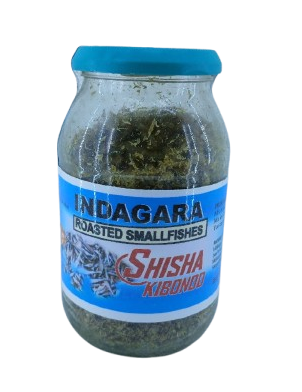
Indagara (small fish)
500 gNice to haveSmall dried or fresh fish are a classic Rwandan source of protein.
How to use it: Cook with tomato and onion. Make sure it is cleaned well and cooked fully.






Vegetables and fruit
Buy what is in season and cheap at the market. Eat vegetables every day if you can.
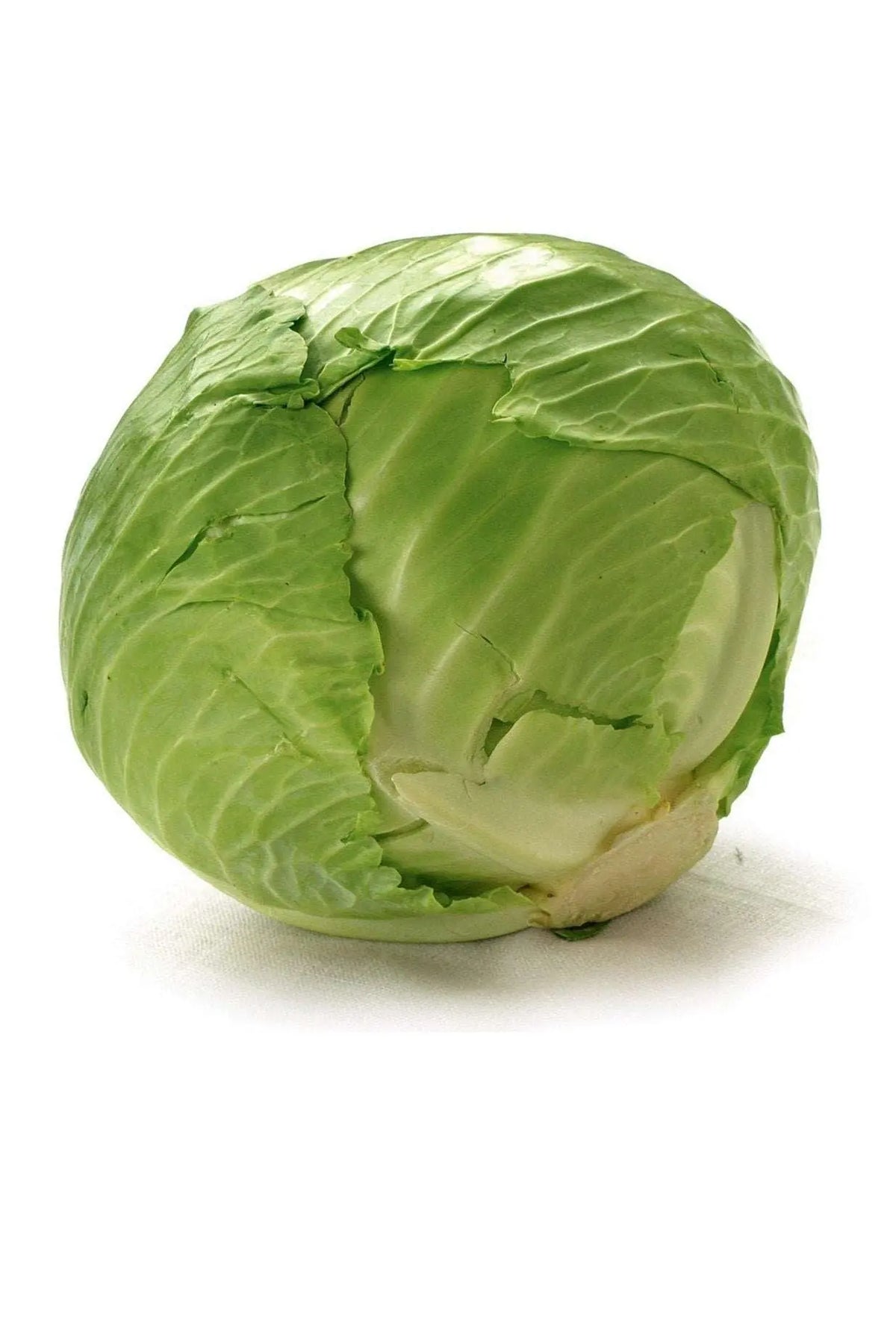
Cabbage
1 head Must haveCabbage is one of the cheapest vegetables and stays fresh for many days.
How to use it: Slice thin and cook with onion and tomato or eat raw as salad.
Carrots
1 kg Must haveCarrots are cheap, sweet and good raw or cooked.
How to use it: Wash, peel and add to rice or stews. Eat one as a snack.
Onions
1 kg Must haveOnions add flavor to every meal so simple food tastes good.
How to use it: Store in a dry, airy place. Buy a small bag if your room is hot.
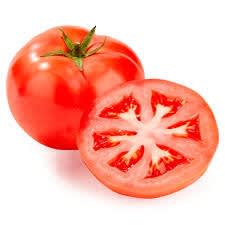
Tomatoes
1 kg Must haveTomatoes make a fast sauce for rice, beans and potatoes.
How to use it: Buy some ripe and some firm. Use ripe ones first.
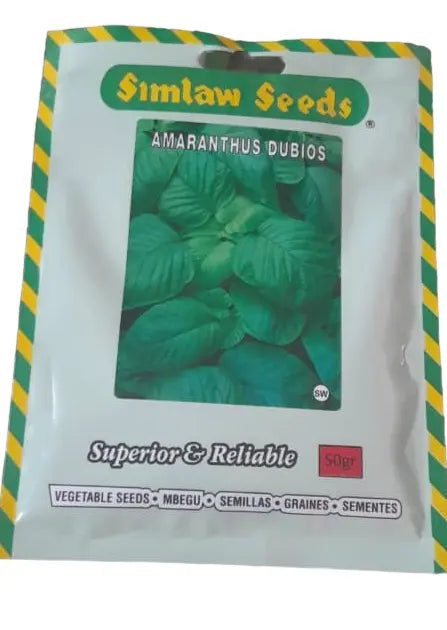
Amaranth leaves (dodo)
2 bunchesNice to haveDodo is a traditional leafy green that is cheap and cooks in minutes.
How to use it: Wash very well and cook quickly with onion.
Sweet bananas
1 bunch Must haveA banana is the cheapest fruit snack and gives quick energy.
How to use it: Keep in your bag for a snack between classes.
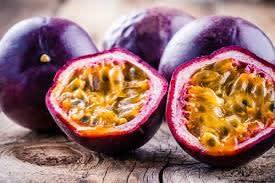
Passion fruit
1 kgNice to haveIt is a seasonal, tasty fruit that can replace sugary drinks.
How to use it: Scoop the pulp into water for a fresh drink with no added sugar.






Cooking basics
You do not need a full kitchen. A few good tools are enough to cook every day.
Cooking pot
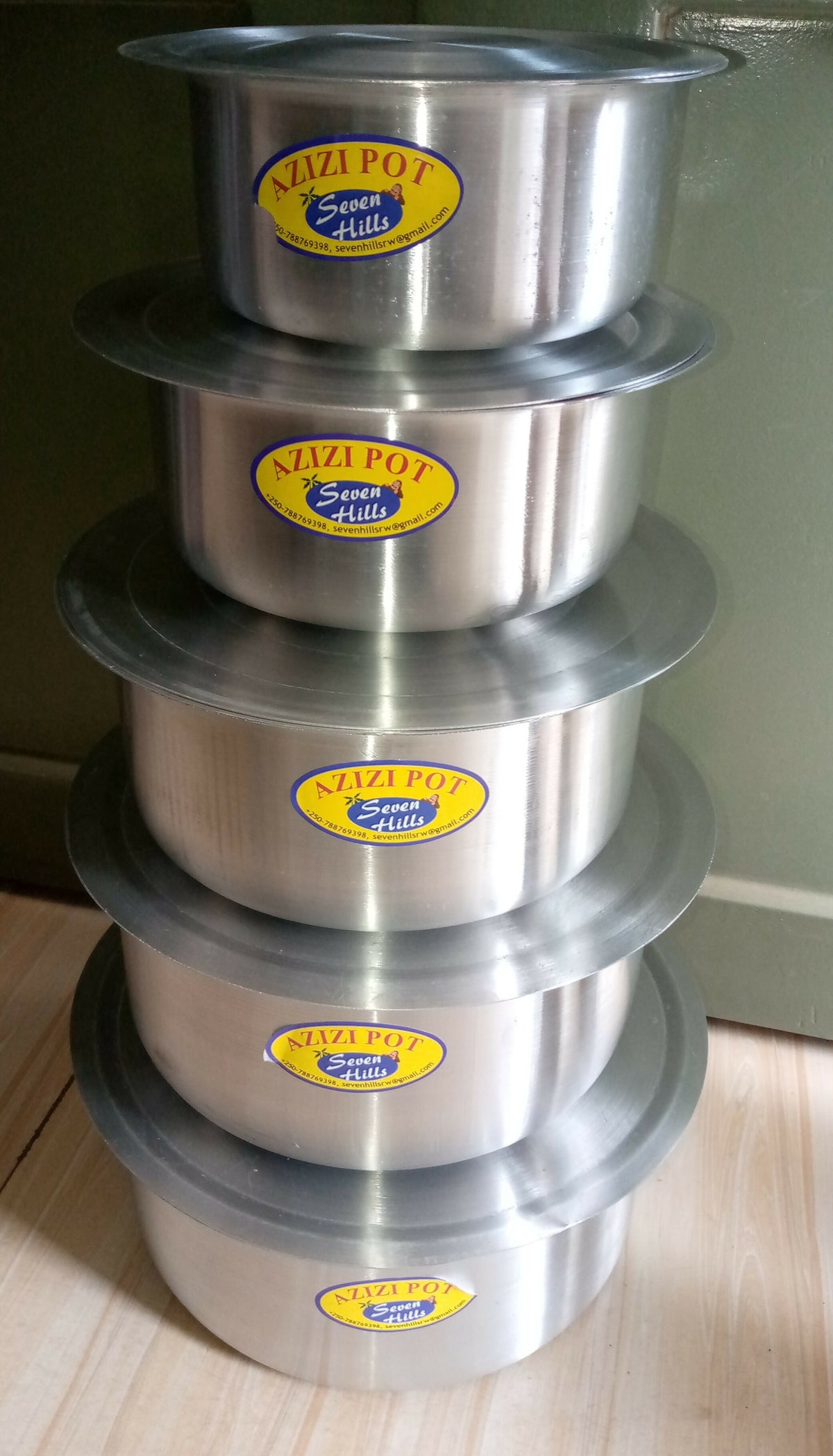
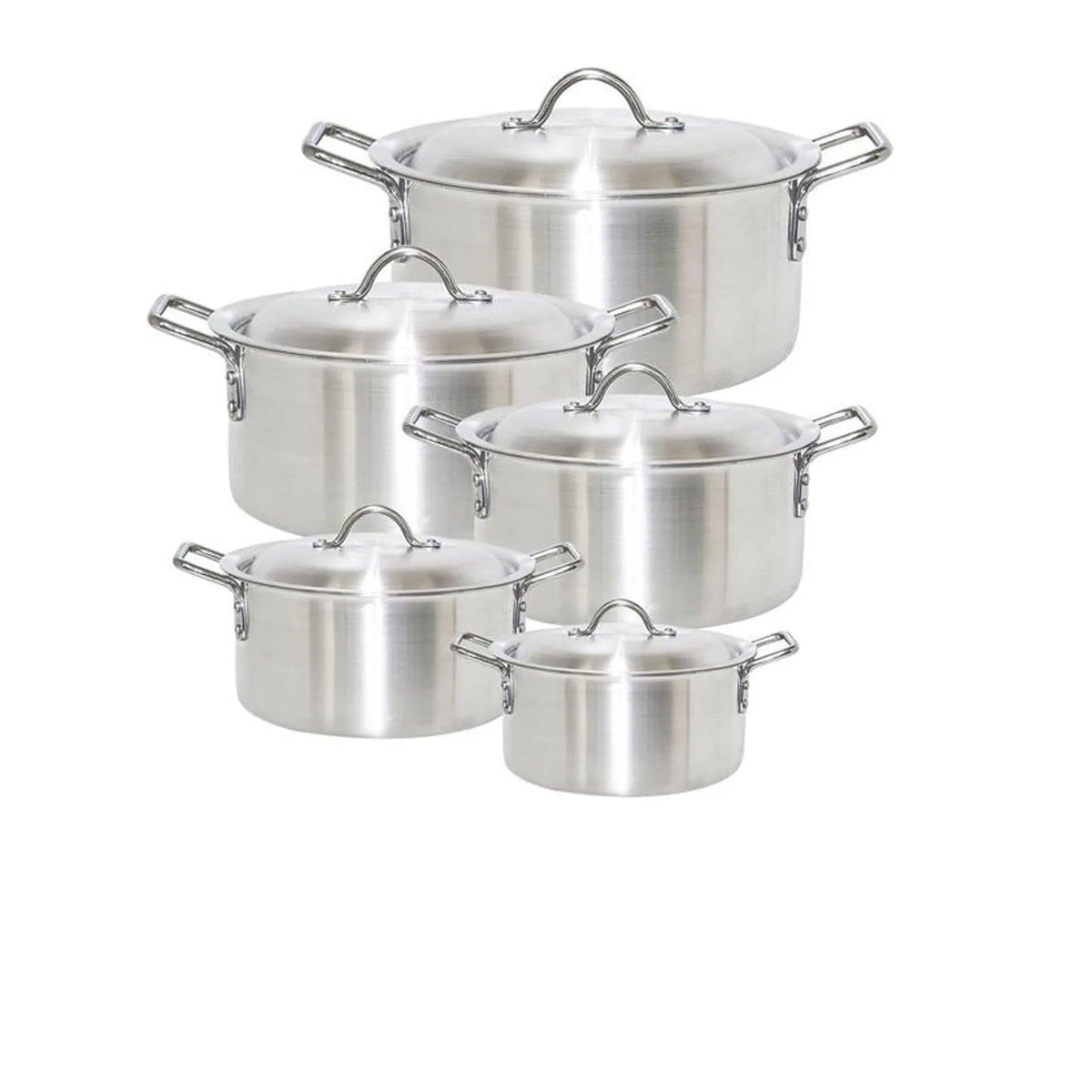
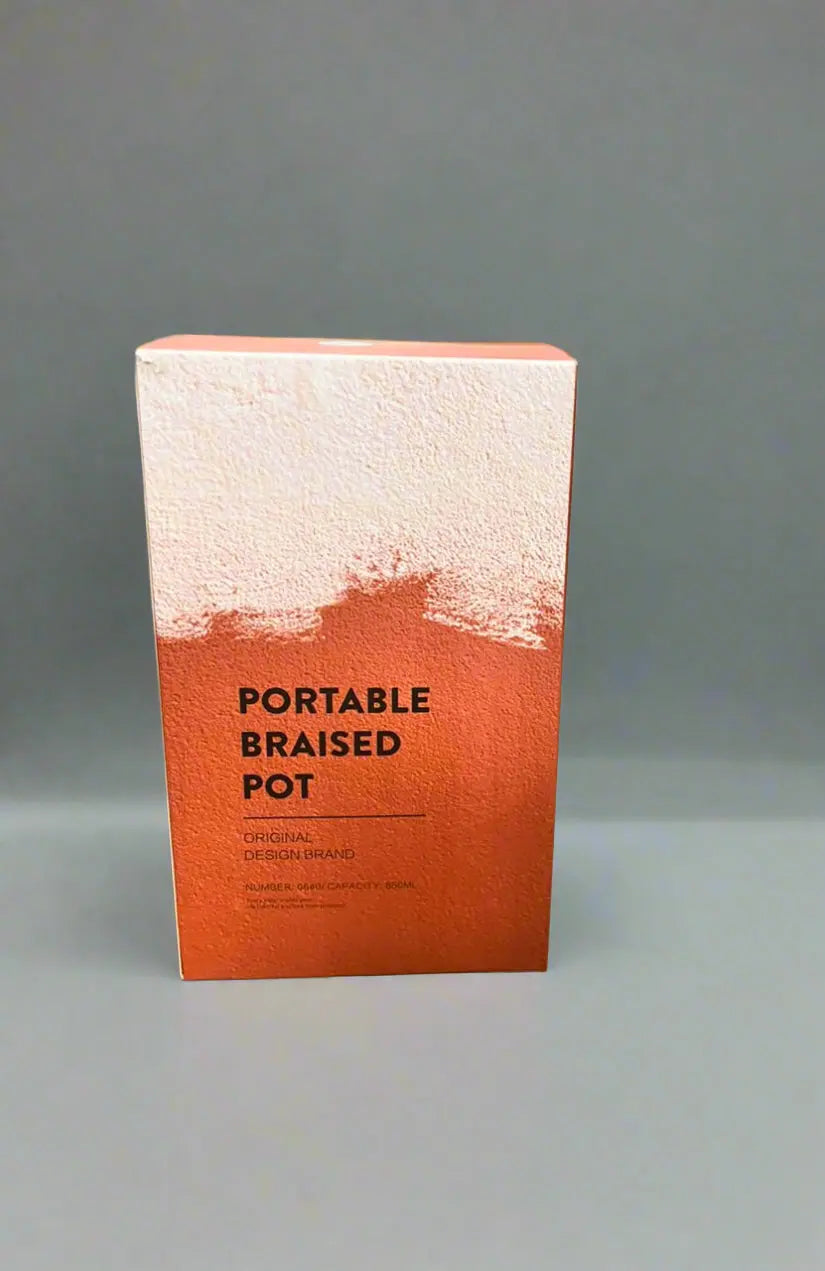
1 Must haveOne medium pot is enough for rice, beans and stews.
How to use it: Choose a pot with a lid so food cooks faster and uses less fuel.
Kitchen knife
1 Must haveA sharp knife makes cooking faster and safer than a blunt one.
How to use it: Always cut on a board and keep the knife away from children and bags.
Chopping board
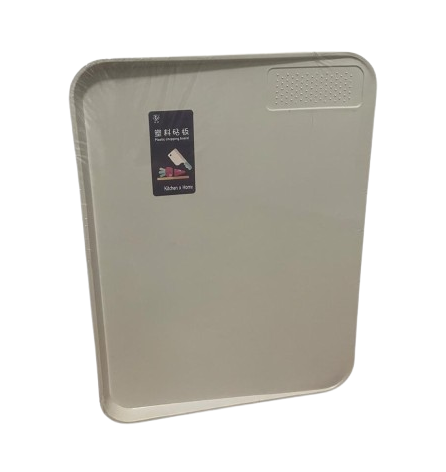
1Nice to haveIt protects your table and keeps your knife in good condition.
How to use it: Wash with soap and hot water after cutting raw fish or meat.
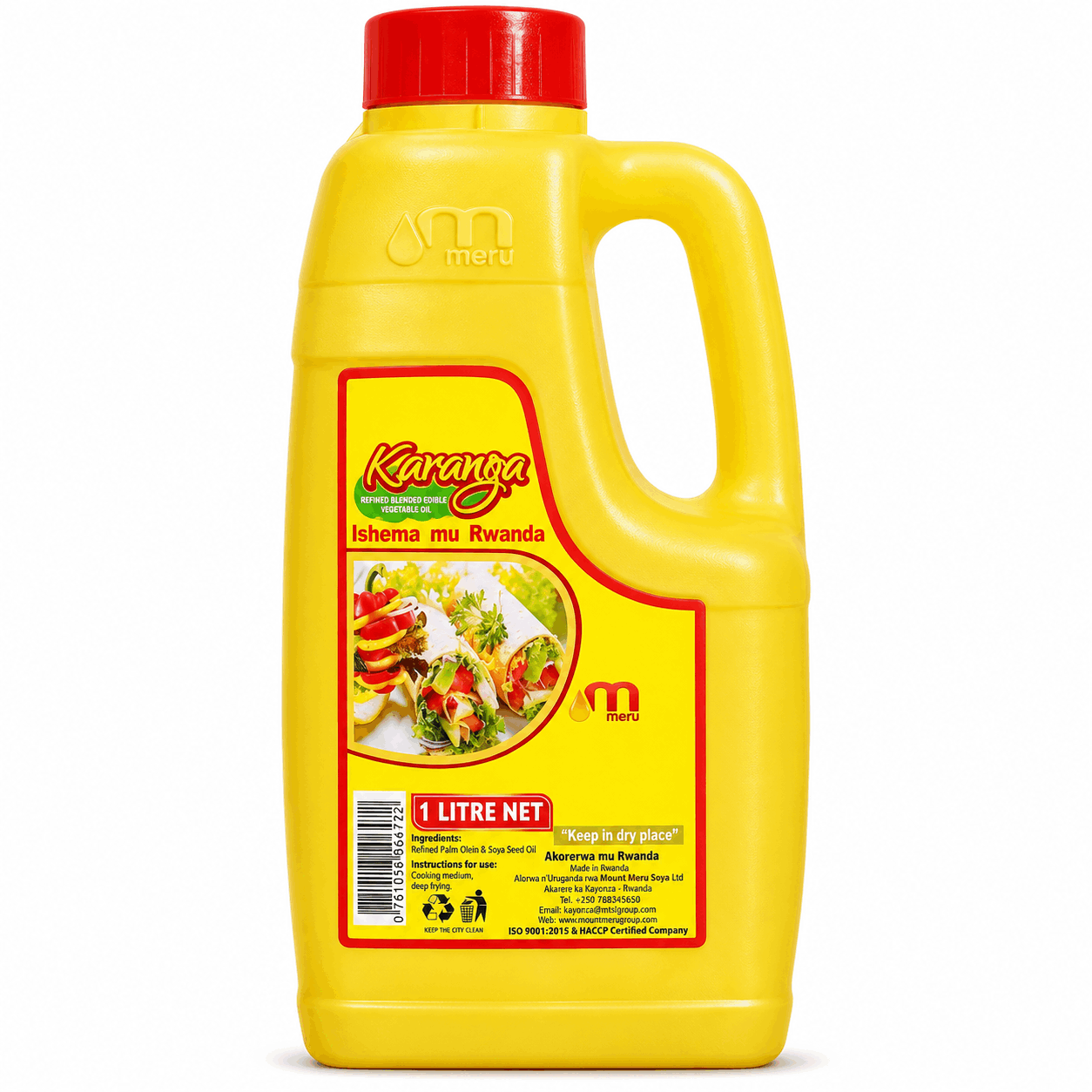
Cooking oil
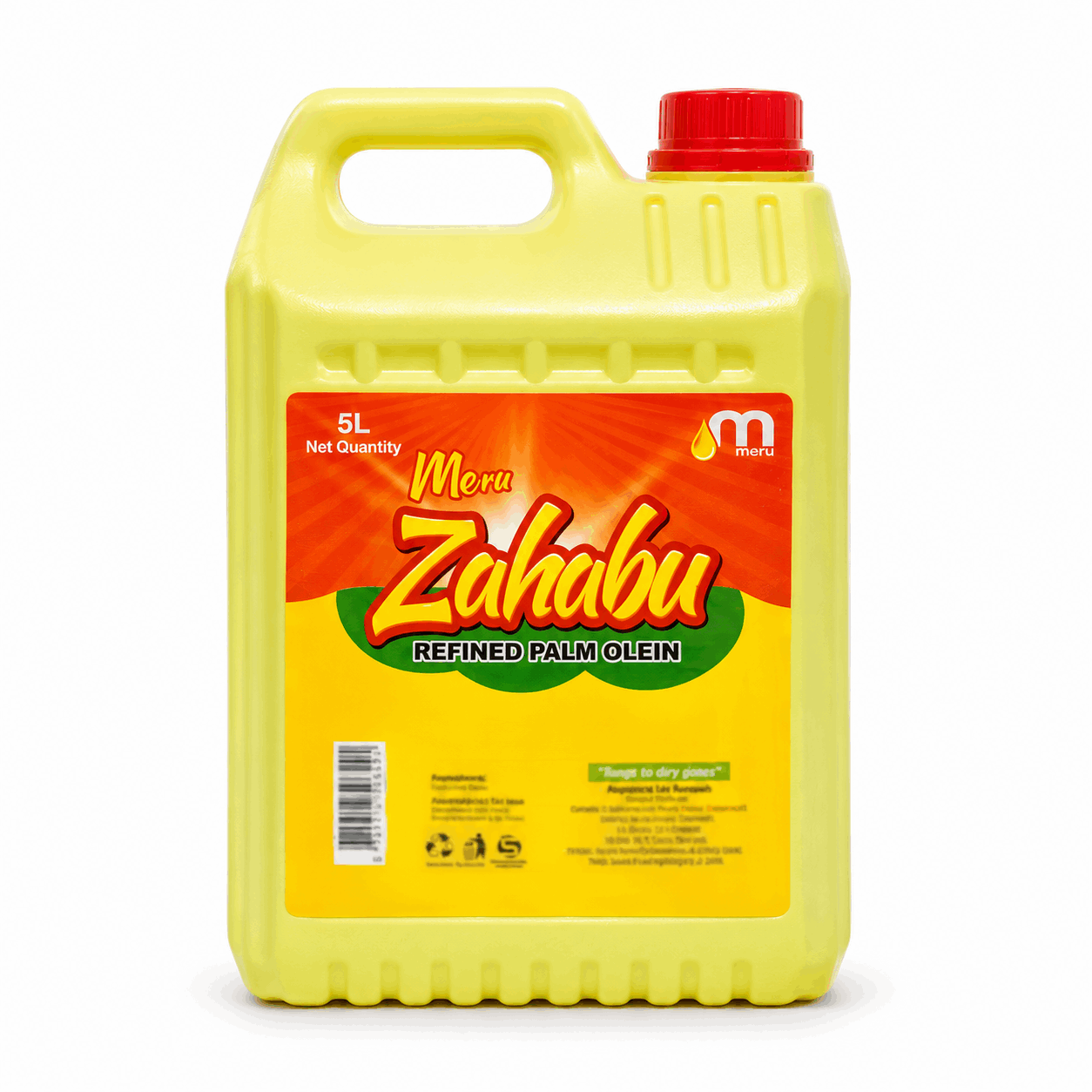
500 ml to 1 L Must haveYou need only a little oil for each meal.
How to use it: Buy a small bottle first. Measure with a spoon and avoid deep frying.
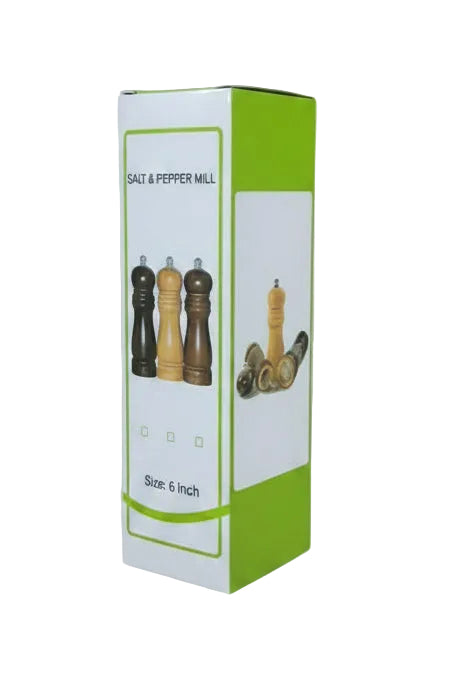
Salt
1 pack Must haveSalt makes simple food taste good so you eat it happily.
How to use it: Add small amounts and taste. Iodized salt is a common choice.
Mixed spices
1 small packNice to haveA little spice makes beans and potatoes more interesting.
How to use it: Add at the start of cooking with onion. Try a small pack first.
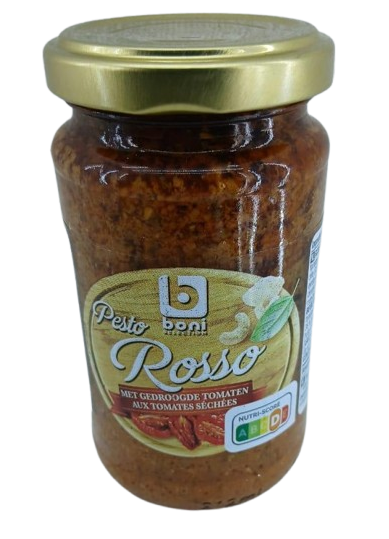
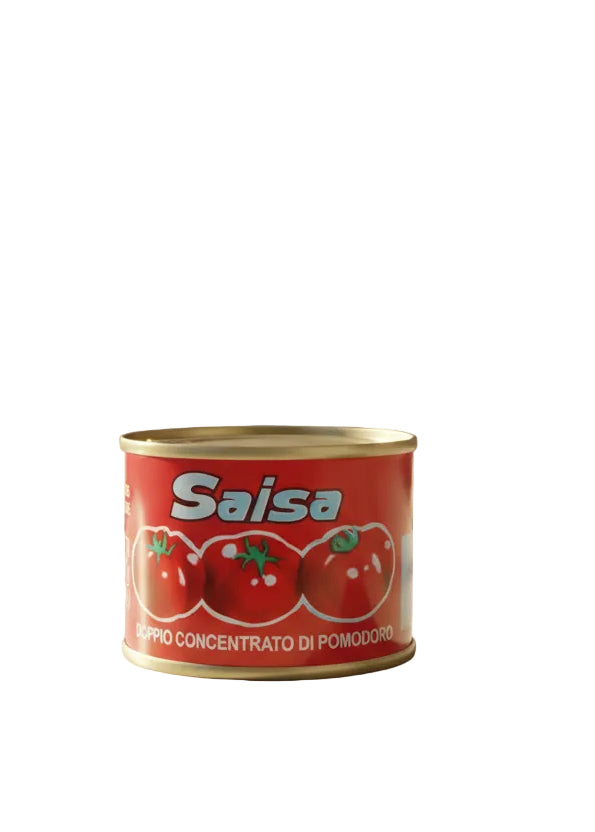
Tomato paste
1 small tinNice to haveA spoon of paste gives a rich sauce when fresh tomatoes are expensive.
How to use it: Keep a small tin in the cupboard and use one spoon at a time.









Breakfast, drinks and carrying food
Skipping breakfast and buying lunch is expensive. Small habits save money every week.
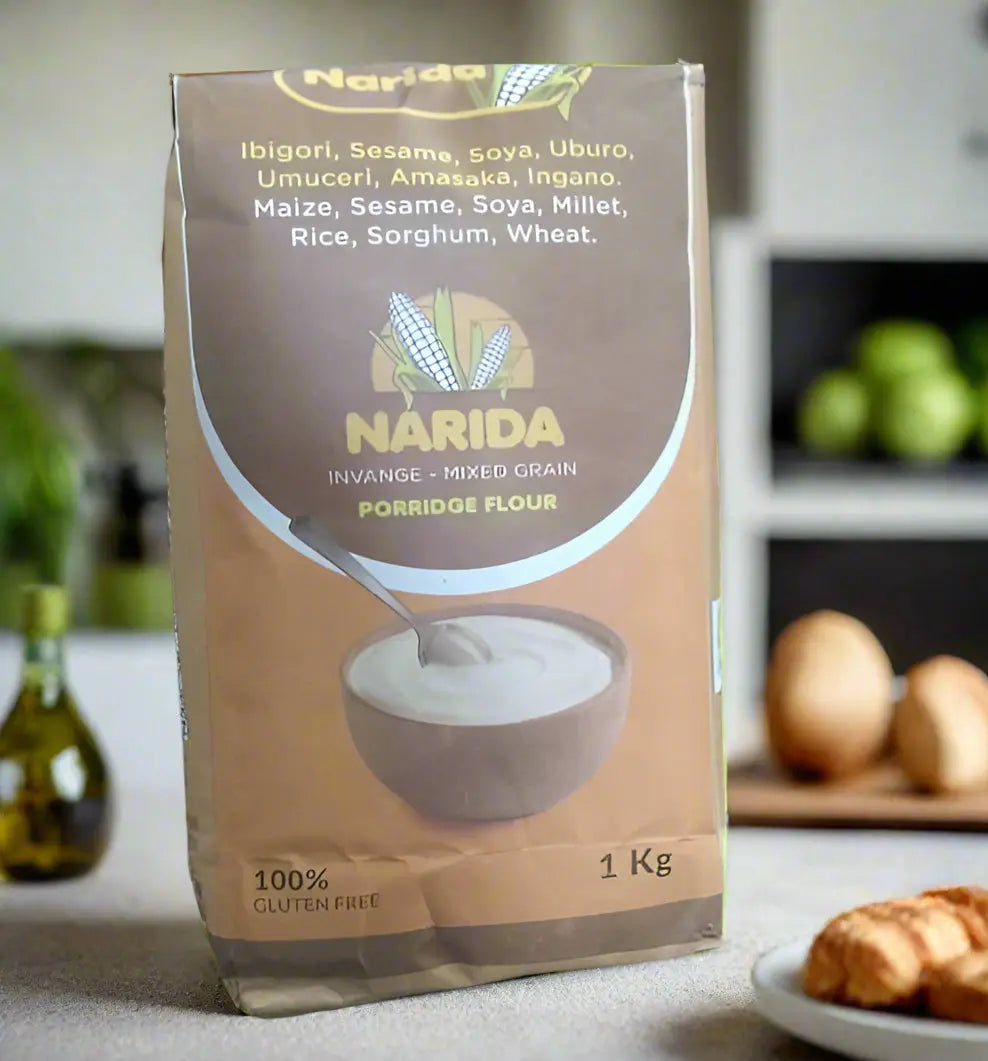
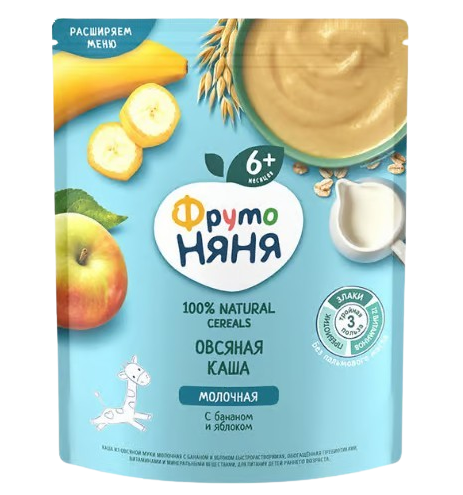
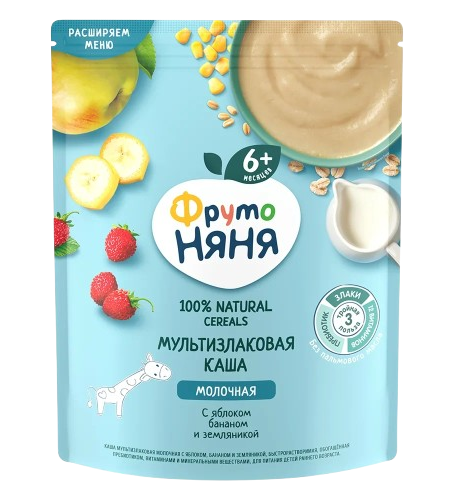
Porridge flour
1 kgNice to havePorridge is cheap, warm and filling before early classes.
How to use it: Mix flour with a little cold water first, then add to boiling water to avoid lumps.
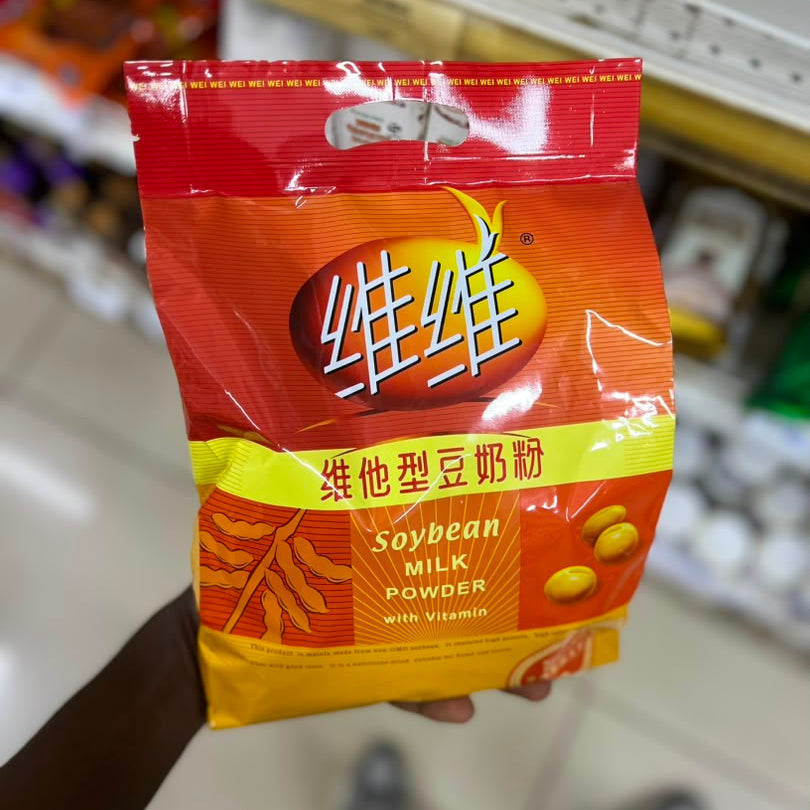
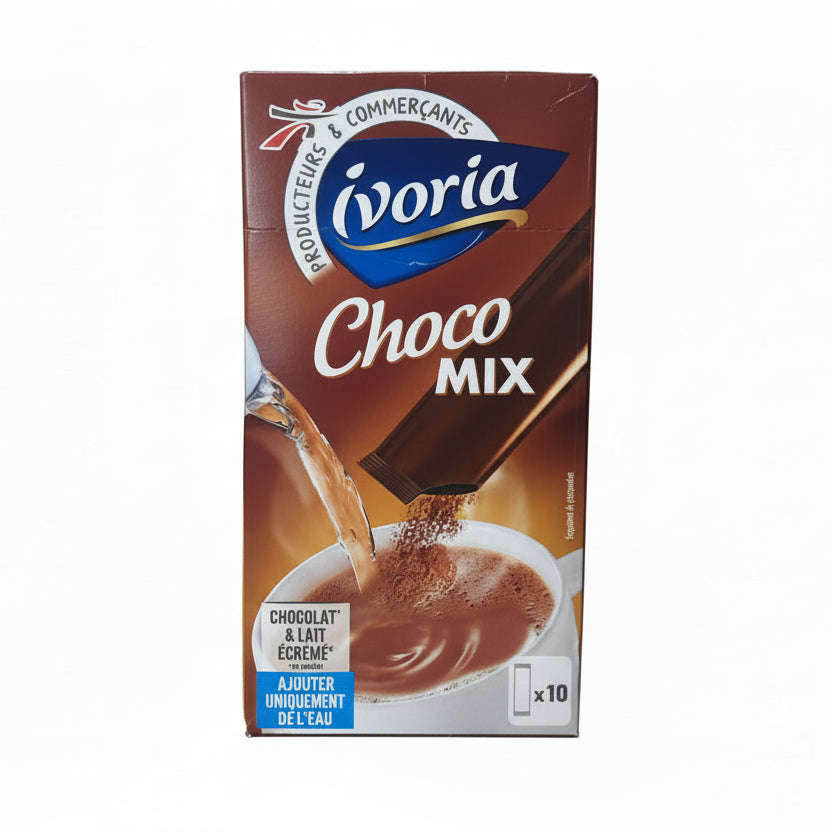
Milk powder
1 small packNice to haveMilk powder lasts long without a fridge and improves porridge and tea.
How to use it: Mix with water as the pack says. Keep the tin closed and dry.
Tea leaves
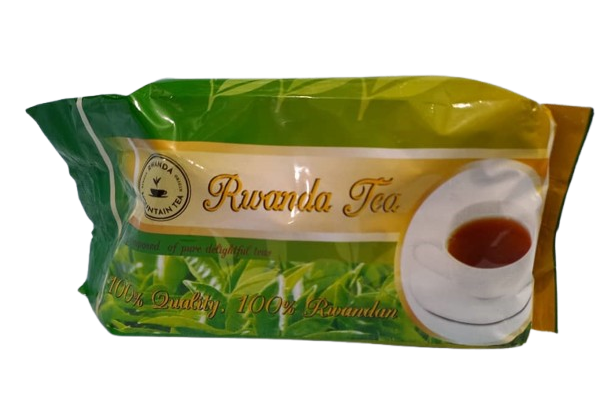
1 packNice to haveTea is a cheap, warm drink for early mornings and late nights of study.
How to use it: Brew in a pot and drink with a little milk. Cut sugar when you can.
Water bottle
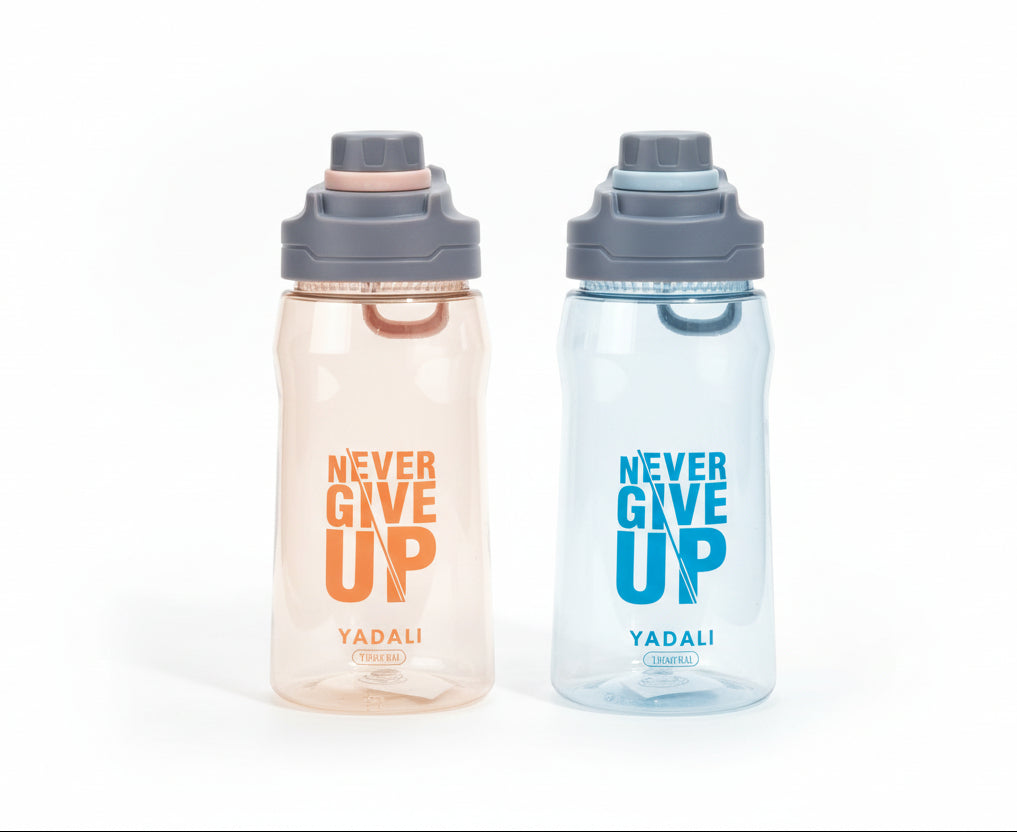
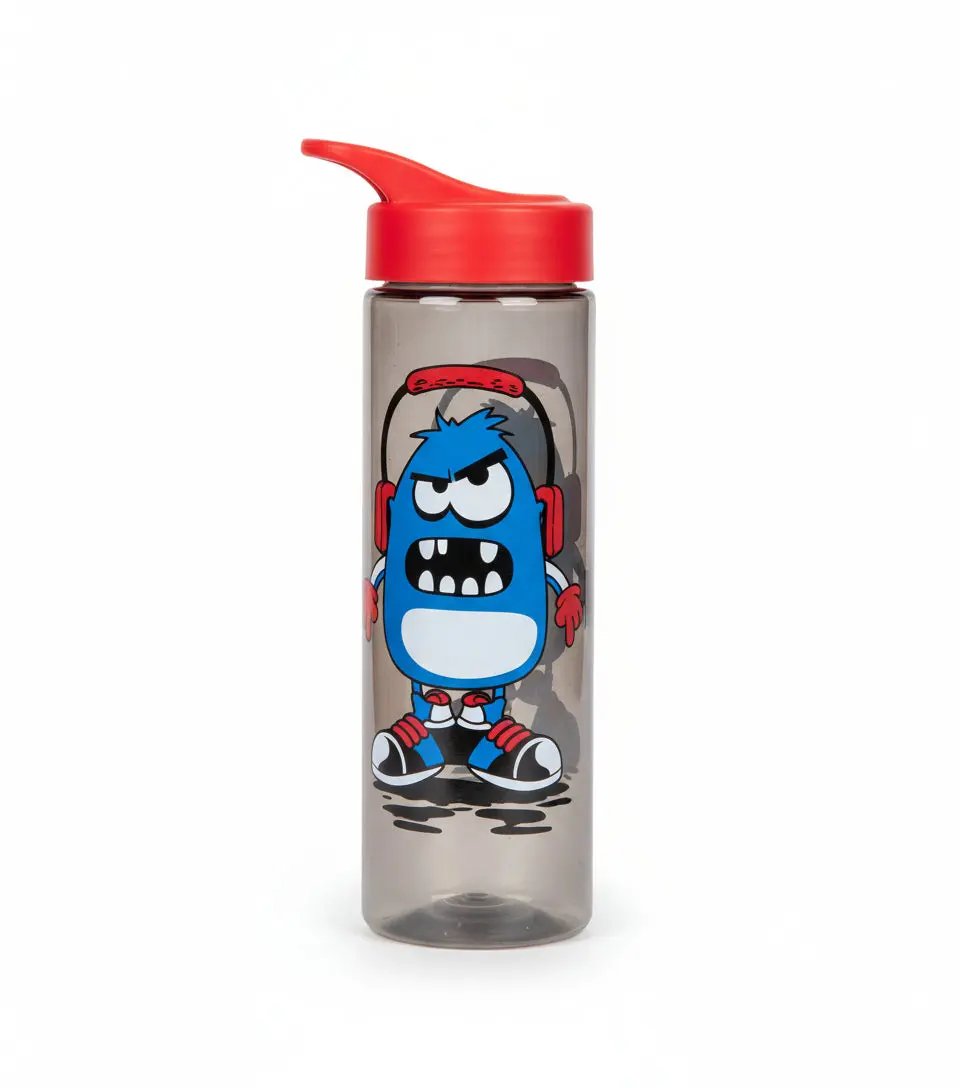
1 Must haveCarrying water saves money and keeps you from buying sugary drinks.
How to use it: Refill from boiled or filtered water where you live.
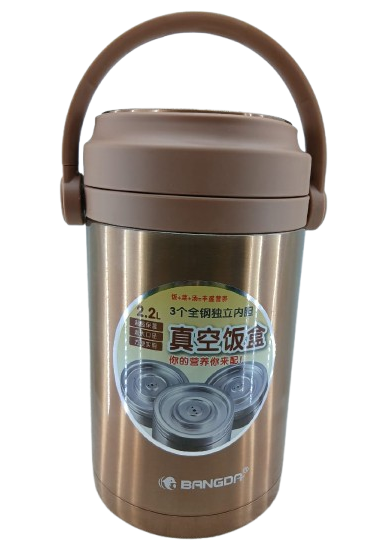
Lunch box
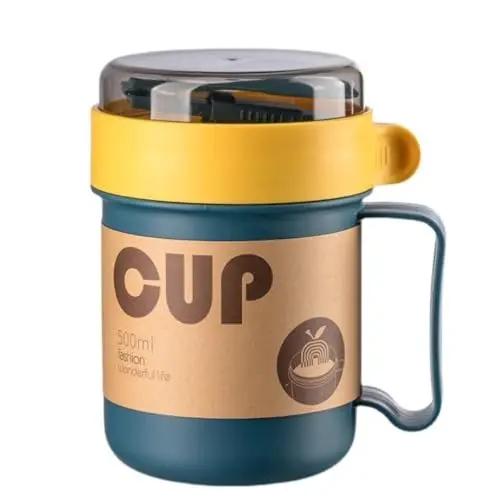
1 Must havePacking lunch from last night's dinner is cheaper than buying.
How to use it: Let food cool before closing the lid. Eat the same day.
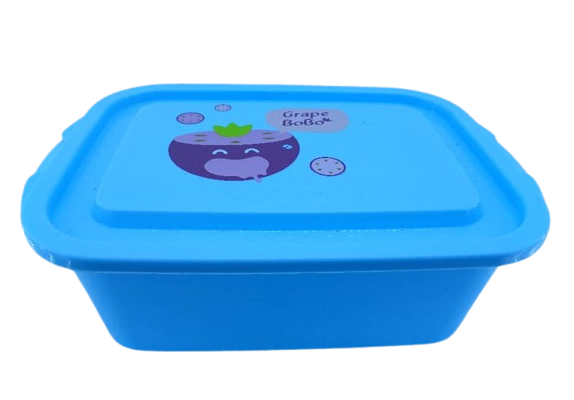
Food containers
3 to 4Nice to haveContainers let you cook once and eat twice or three times.
How to use it: Keep the fridge or your cool corner organized. Label with the day.





Step by step
- 1
Set a food budget
Decide how much you can spend each week on food and write it down.
- 2
Buy staples first
Rice, beans, potatoes, flour and oil come first. They are the base of every meal.
- 3
Add fresh food
Add cabbage, carrots, onion, tomatoes, eggs and one fruit. Buy small amounts of fresh items.
- 4
Cook in batches
Cook beans and a sauce once or twice a week and eat them over several days.
- 5
Check and adjust
At the end of the week see what was wasted and buy less of it next time.
Tips that help
- Shop at the market or with delivery in the morning when fresh food is at its best.
- Buy staples in bigger packs and share with a roommate to save money.
- Cook beans in large batches and keep portions covered in the fridge.
- Use leftover rice to make a quick fried rice with egg and vegetables.
- Eat fruit instead of buying sodas and biscuits between classes.
- Plan 3 or 4 simple meals for the week so you do not shop without a plan.
- Keep fresh food visible so it does not get forgotten and wasted.
Mistakes to avoid
- Living on bread, chips and tea because it is quick.
- Buying many snacks and no real meal ingredients.
- Cooking too much and letting food spoil in a warm room.
- Skipping breakfast and then spending more at lunch.
- Buying expensive imported foods when local ones are cheaper and just as good.
Questions people ask
What is the cheapest healthy food in Kigali?+
Beans, rice, potatoes, cabbage, carrots, bananas and eggs are usually the best value. Prices change by season, so compare before you buy.
How can I eat healthy without a fridge?+
Choose foods that keep well: rice, dry beans, potatoes, onions, cabbage and canned fish. Buy fresh items in small amounts and cook the same day.
How much protein do I need?+
Needs differ from person to person. Include a protein food in most meals, such as beans, eggs, fish or groundnuts. Ask a health worker if you have special needs.
Can I cook with only one pot?+
Yes. One medium pot can cook rice, beans, stews and porridge. Cook things one after the other and keep extra in containers.
How do I stop spending on snacks?+
Keep fruit and groundnuts with you. Eat a good breakfast and carry water. Snacks are easier to skip when you are not hungry.
Eating well as a student is about a few smart staples and a simple routine. Take this list, change it to fit your money this week, and order it on Isokko to be delivered to your hostel or home.
Shop this list
Get everything delivered in Kigali
Order from local stores on Isokko and pay with MoMo, card or cash. Same-day delivery.