
Checklist · Health & wellness
A Diabetes-Friendly Kitchen: Shopping Checklist for Kigali Homes
A diabetes-friendly kitchen shopping checklist for Kigali: fiber-rich staples, local vegetables, lean proteins, smart drinks and tools, alongside your doctor's advice.
Updated November 15, 2026 · By Isokko
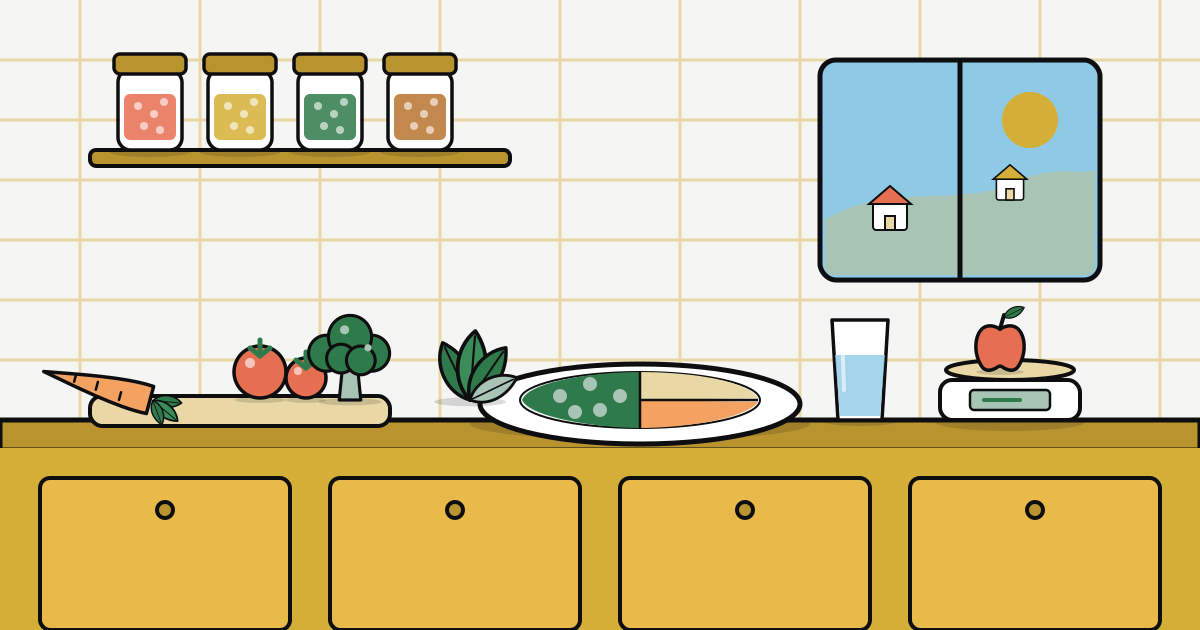
A diabetes diagnosis often comes with a long list of things to avoid and very little help with what to actually put in the kitchen. Then you stand in front of the shelf wondering whether sorghum flour, sweet bananas or brown bread are friends or foes.
This checklist is the practical side: a kitchen stocked so the easy choice is the good one. It leans on what Kigali already does well, like beans, dodo, fresh vegetables, fish and sorghum, and adds a few tools that make portions and planning simple.
It is a common sense shopping guide, not a treatment plan. Your doctor, nurse or dietitian knows your numbers and medicines, so use this alongside their advice, and ask them before big changes.
Who it's for
People in Kigali living with diabetes or prediabetes, and the families who cook for them
Time needed
One big pantry order, then weekly fresh produce
When to shop
After a check-up, once you know your doctor's or dietitian's guidance
On the list
34 items, 14 must haves
0 of 34 ready
Fiber-rich staples
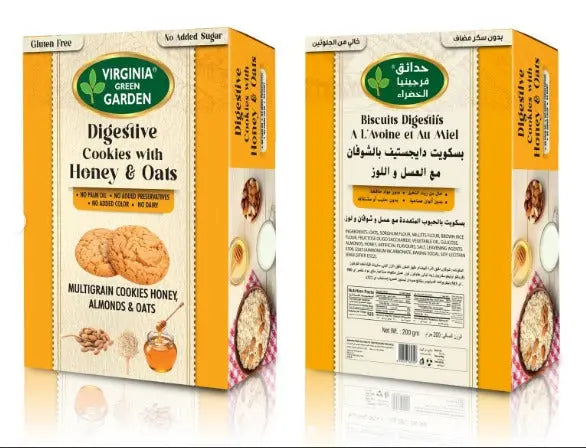
Starches are part of most Rwandan meals. Choosing higher fiber versions, in sensible portions, is the main swap.
Whole oats
1 kg Must haveOats are high in fiber and make a filling breakfast that is gentler on blood sugar than sugary cereals or white bread with jam.
How to use it: Cook plain oats with water or low fat milk. Add cinnamon, a few nuts or fruit for flavor instead of sugar.
Brown bread
1 loaf a week Must haveHas more fiber than white bread, which helps you feel full for longer.
How to use it: Check the label: some brown breads are just colored white bread. Keep to one or two slices and pair with egg or peanut butter.
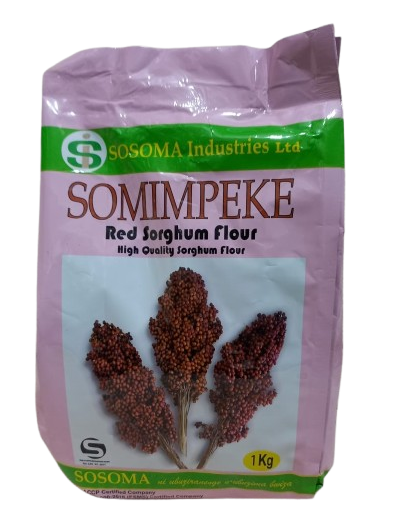
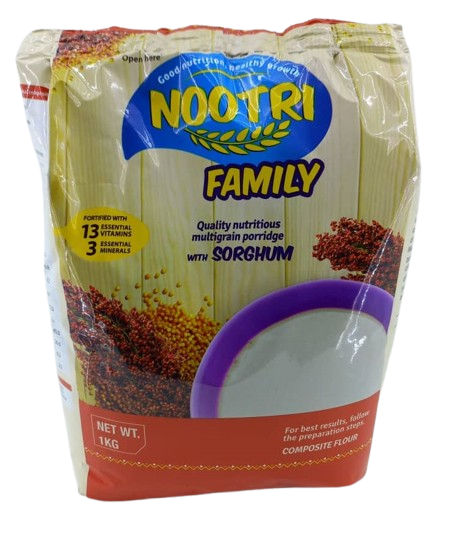
Sorghum flour
1 kg Must haveA traditional grain for igikoma and ugali that is rich in fiber and familiar to most Rwandan kitchens.
How to use it: Make thinner porridge without added sugar, or mix it with maize flour for ugali. Watch the portion.
Millet flour
1 kgNice to haveAnother whole grain for porridge and ugali with more fiber than refined flours.
How to use it: Rotate it with sorghum so breakfast stays interesting.
Whole wheat flour
1 to 2 kgNice to haveFor chapati and baking at home, so you control the sugar and oil.
How to use it: Swap half the white flour in your chapati recipe for whole wheat flour to start.






Beans, lentils and lean proteins
Protein and legumes slow down how fast a meal hits your blood sugar, and they keep you full.
Dry beans
2 kg Must haveBeans are already a Rwandan staple, and that is good news: they are rich in fiber and protein.
How to use it: Soak overnight, then cook in a pressure cooker to save gas or charcoal. Cook a big batch and freeze portions.
Lentils
1 kg Must haveCook faster than beans and work in soups and stews.
How to use it: Add a handful to vegetable soup or make a lentil stew with tomatoes and onions.
Chickpeas
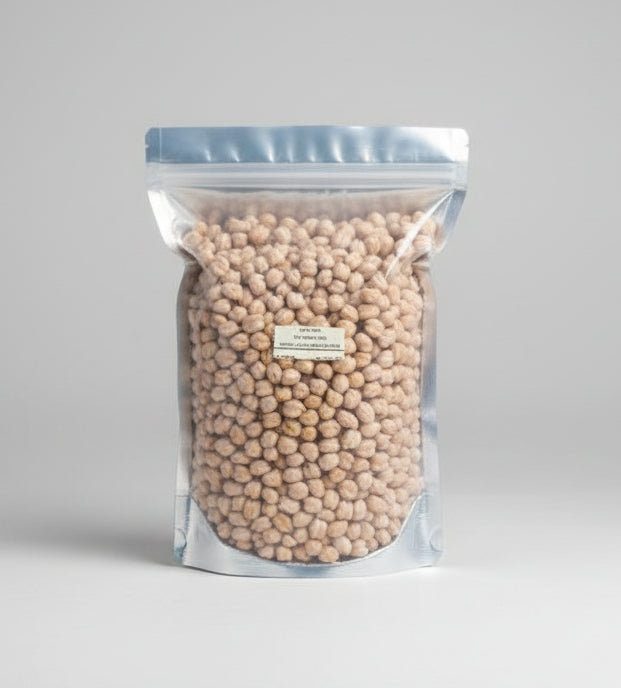
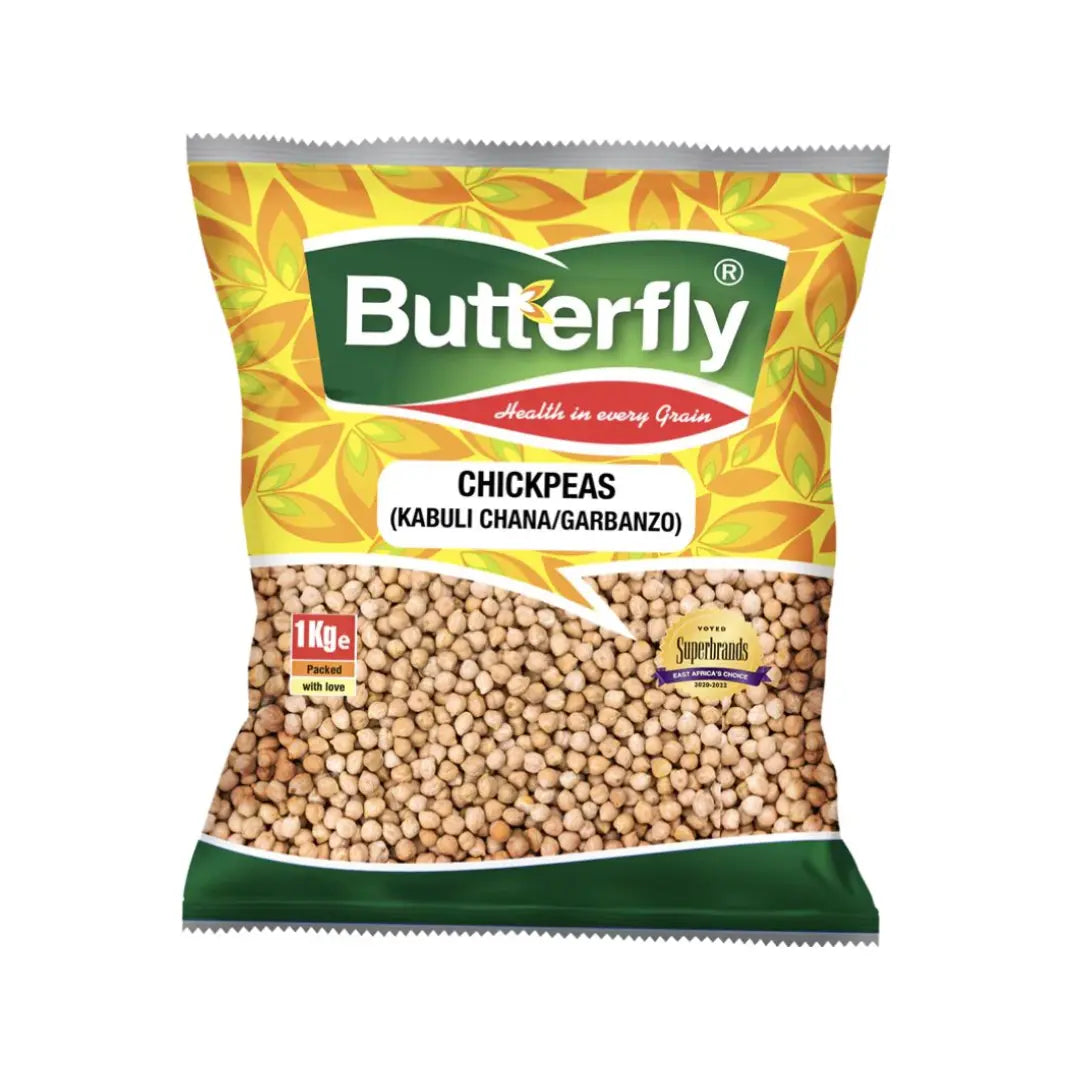
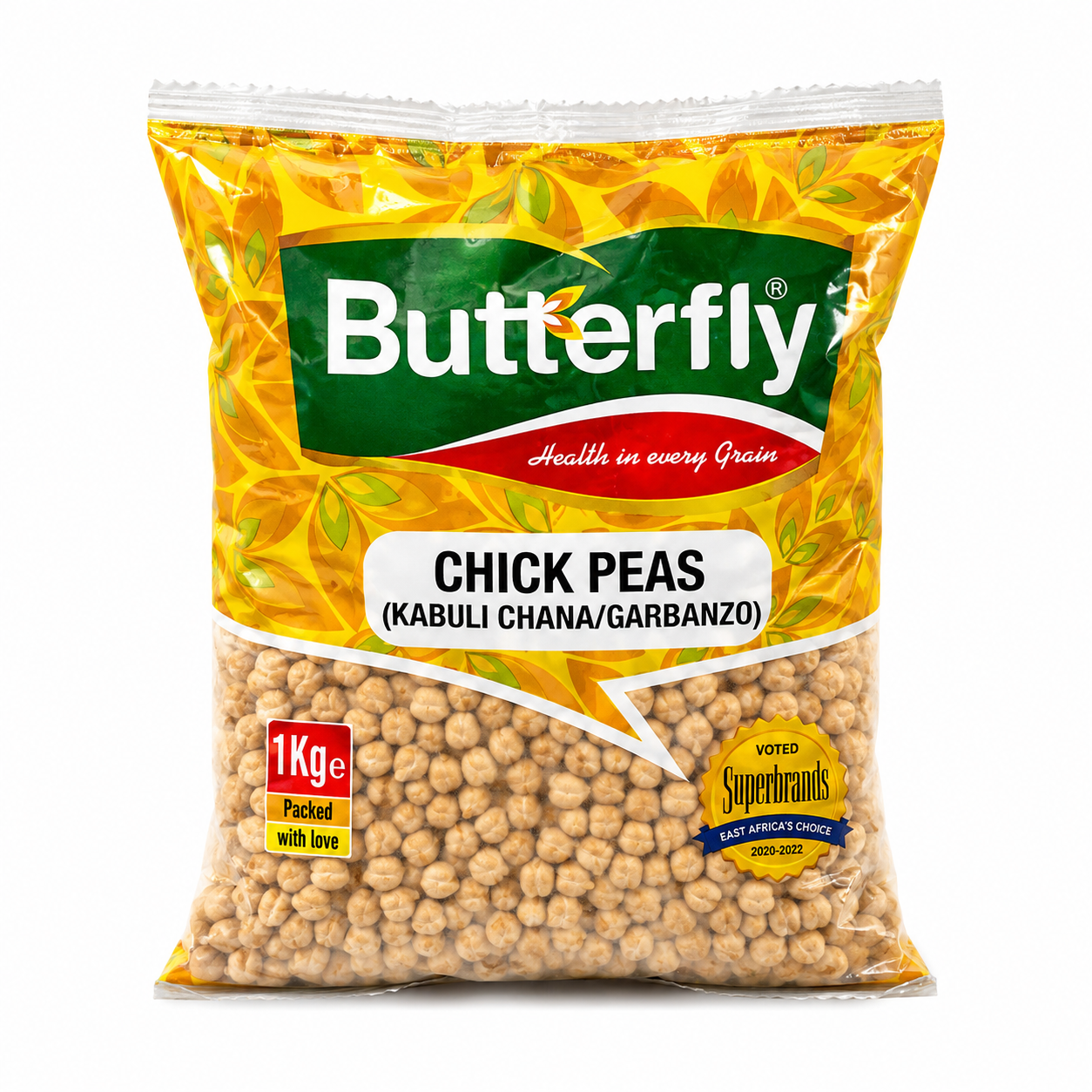
1 kg or 2 tinsNice to haveAnother fiber and protein source that adds variety.
How to use it: Roast cooked chickpeas with spices for a crunchy snack instead of crisps.
Eggs
1 tray Must haveQuick protein for breakfast that does not raise blood sugar the way bread and sugary tea can.
How to use it: Boil a few at once for grab-and-go breakfasts and snacks.
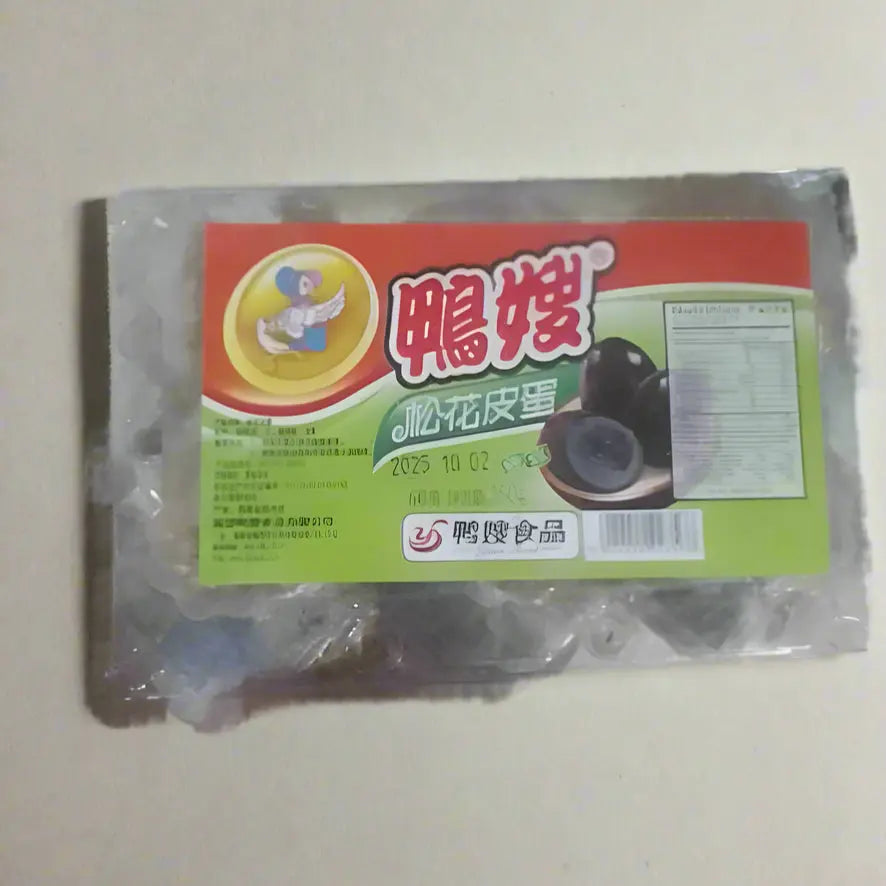
Fresh fish
1 or 2 fish a week Must haveTilapia from the lakes is a lean protein that suits grilling and stews.
How to use it: Grill, steam or stew it instead of deep frying.
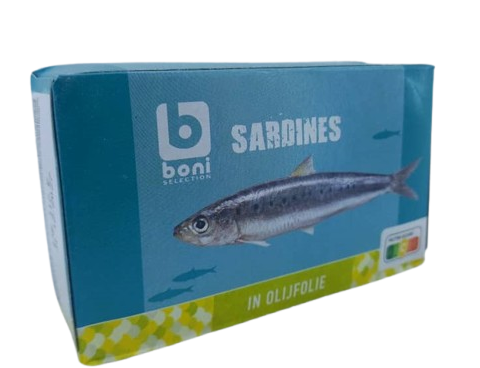
Sardines or tuna
4 tinsNice to haveCanned fish is an easy, shelf-stable protein for quick lunches.
How to use it: Choose fish in brine or water when you can, and drain the oil.
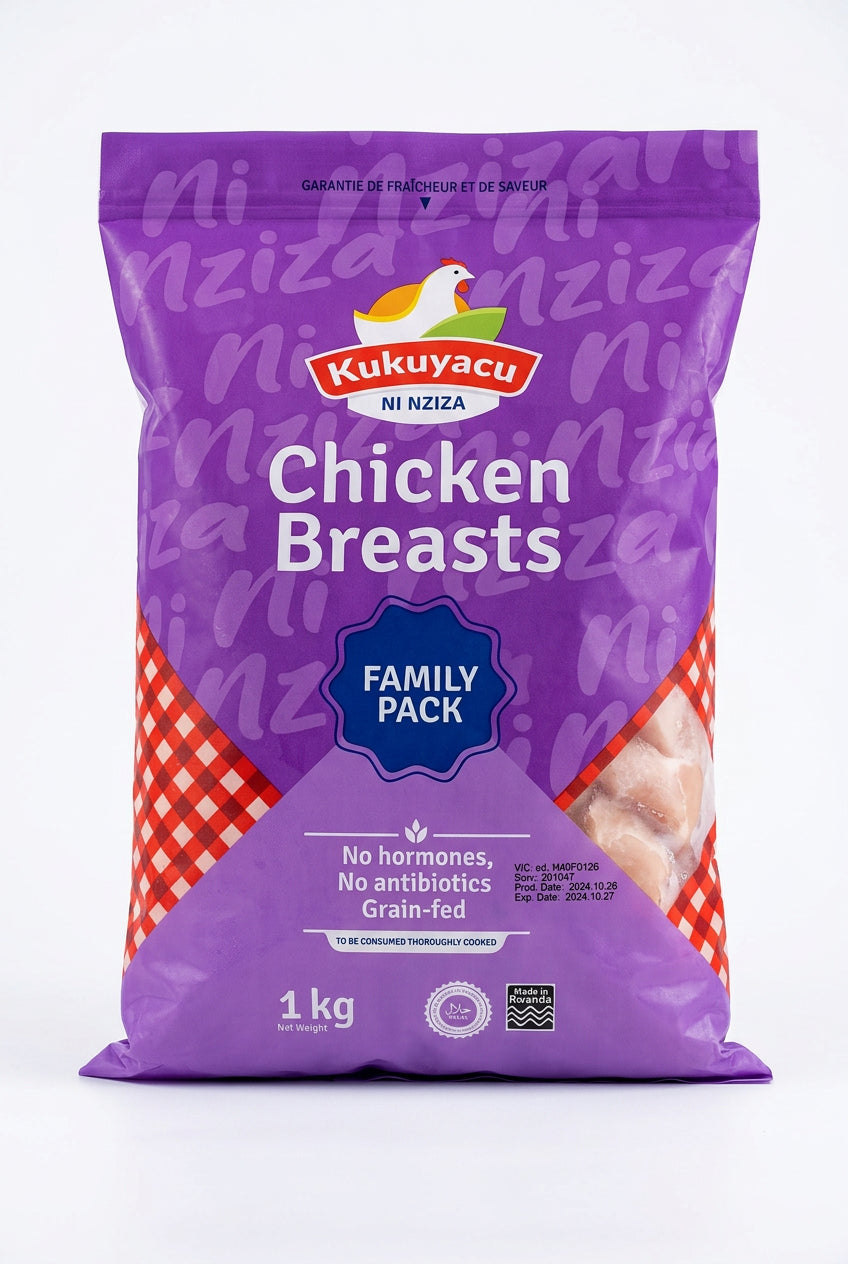
Chicken breast
1 kgNice to haveLean protein for stews, salads and grills.
How to use it: Remove the skin and grill or stew with vegetables.













Vegetables, the half plate
Aim for vegetables to fill half your plate. Kigali's markets make this easy and affordable.
Dodo (amaranth greens)
2 bunches a week Must haveLeafy greens are low in carbohydrates and full of fiber and nutrients.
How to use it: Saute with onion and tomato, or add to beans at the end of cooking.
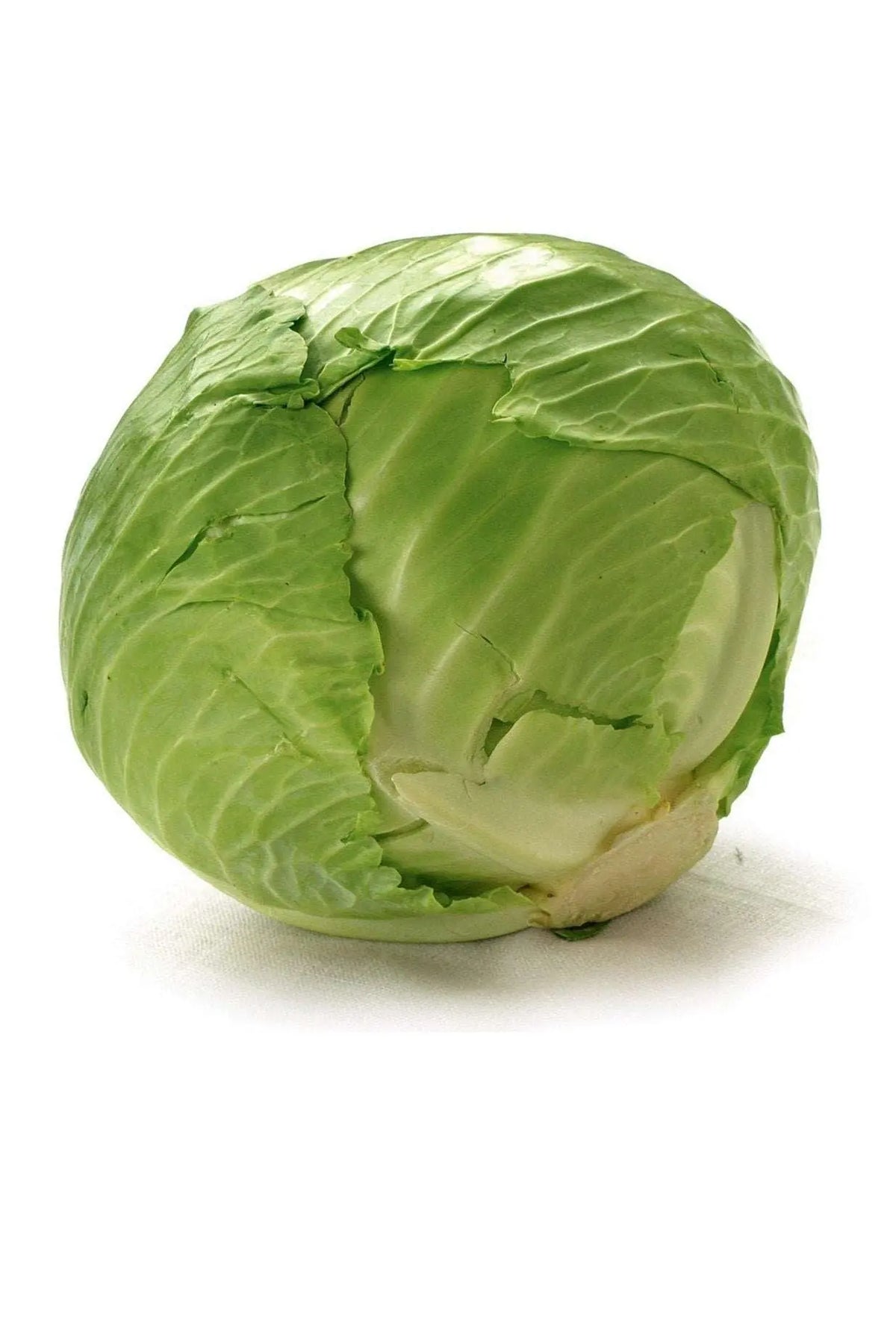
Cabbage
1 head a week Must haveCheap, filling and lasts well in the fridge.
How to use it: Shred it into a quick salad or stir fry it with carrots.
Carrots
1 kg Must haveAdd color, crunch and sweetness without needing sugar.
How to use it: Eat raw sticks as a snack or grate into salads.
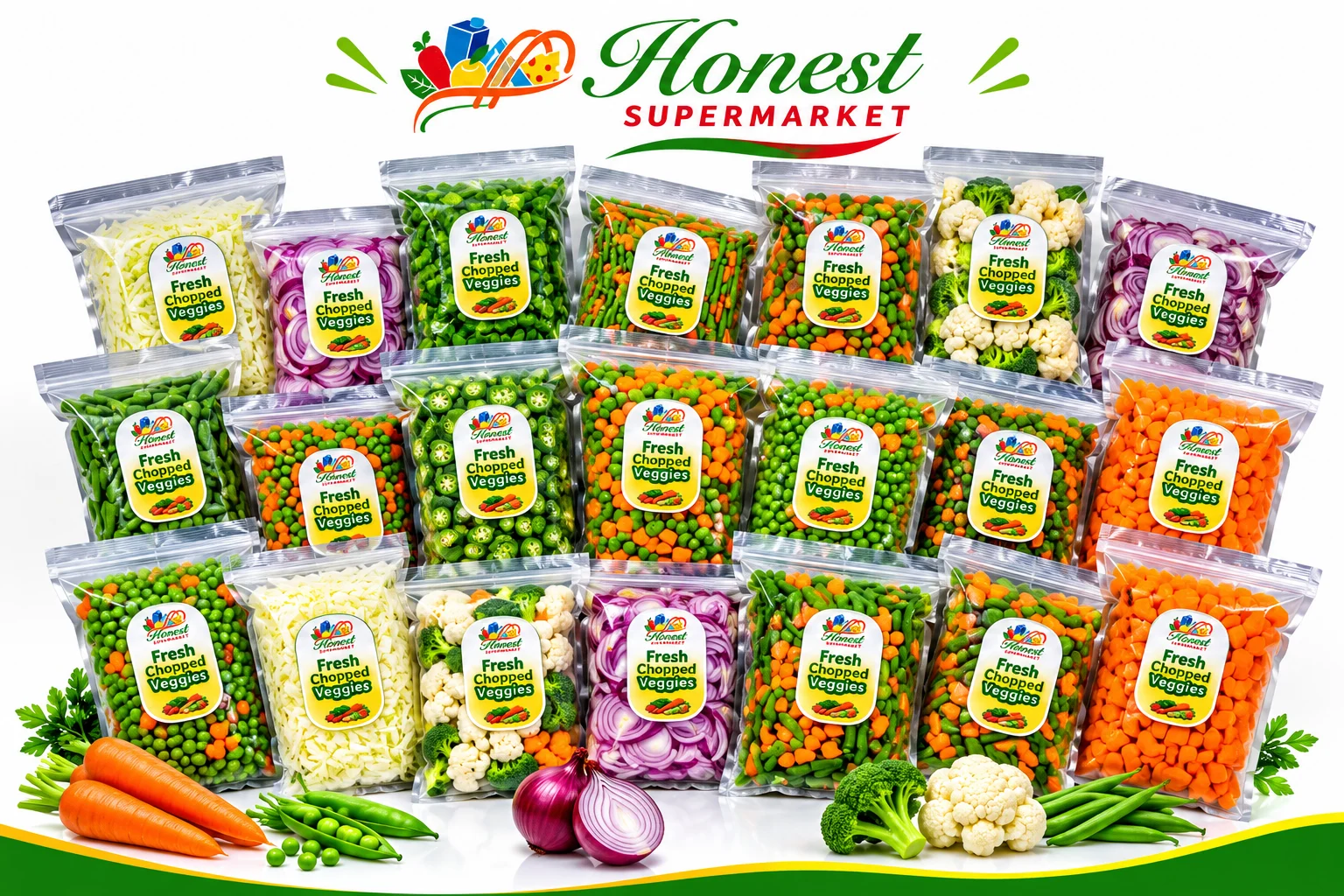
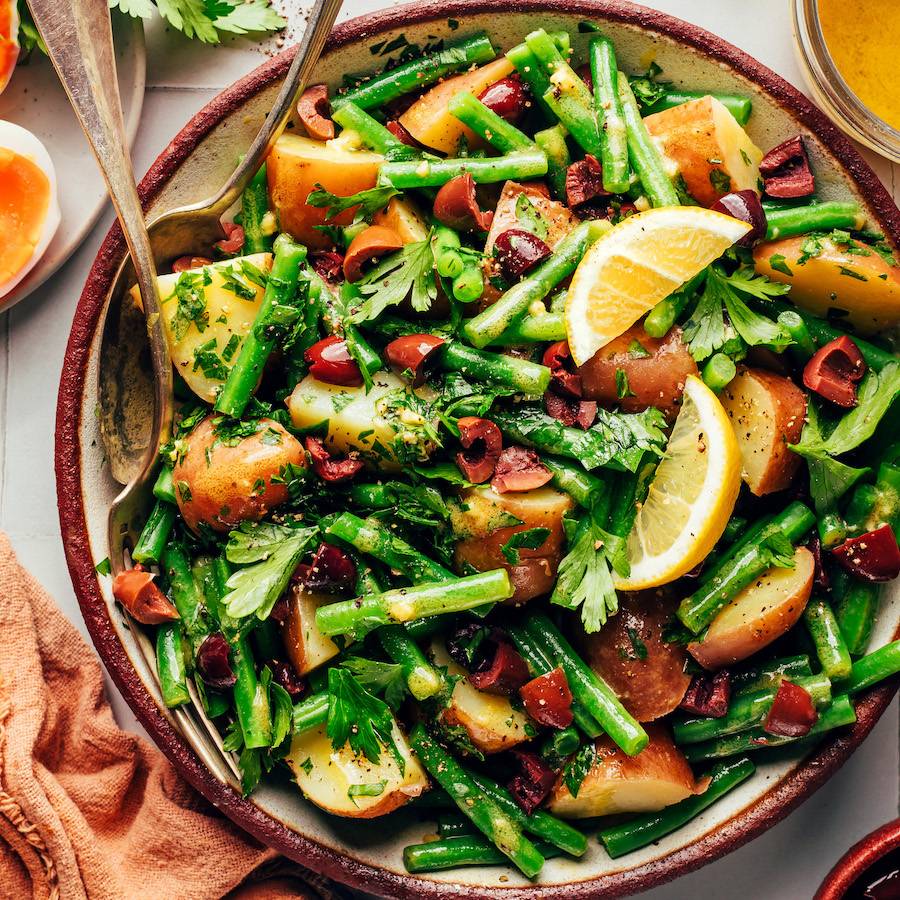
Fresh green beans
1 kgNice to haveImiteja are a quick-cooking, fiber-rich side.
How to use it: Steam lightly so they keep their crunch.
Broccoli
2 headsNice to haveA filling, low carbohydrate vegetable that bulks up any meal.
How to use it: Steam for a few minutes and add a little olive oil and garlic.
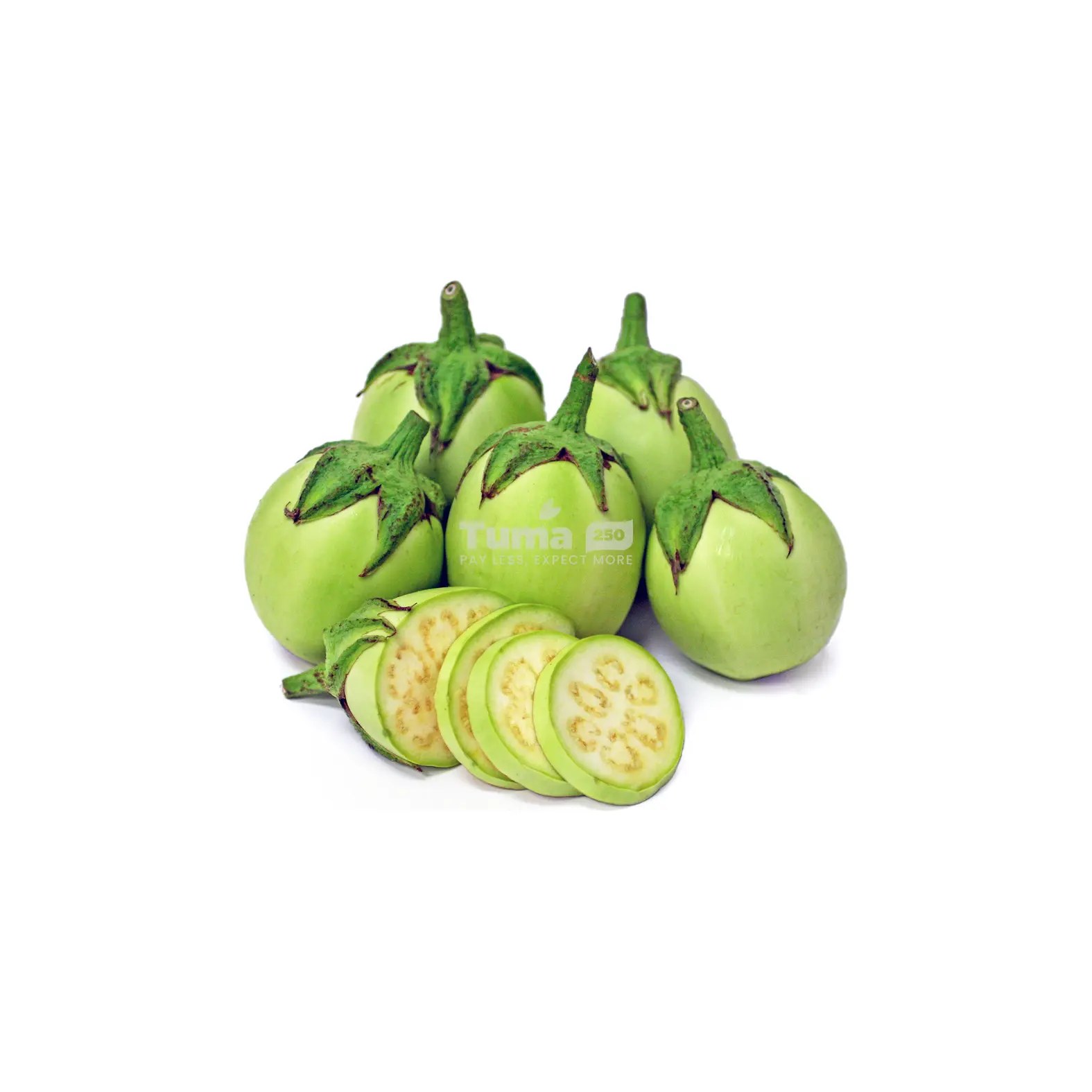
Eggplant (intoryi)
1 kgNice to haveSmall eggplants cook down into rich stews with few calories.
How to use it: Add them to bean or fish stews.
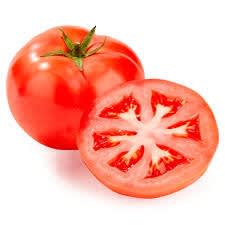
Tomatoes and onions
1 to 2 kg each Must haveThe base of most Rwandan sauces, adding flavor without sugar.
How to use it: Buy fresh each week and cook them down for stews.











Smart snacks and fruit
Snacks are where sugar sneaks in. Keep better options ready.
Groundnuts or peanuts
500 g Must haveA handful of nuts is filling and has little effect on blood sugar compared with biscuits or mandazi.
How to use it: Choose unsalted or lightly salted, and keep to a small handful.
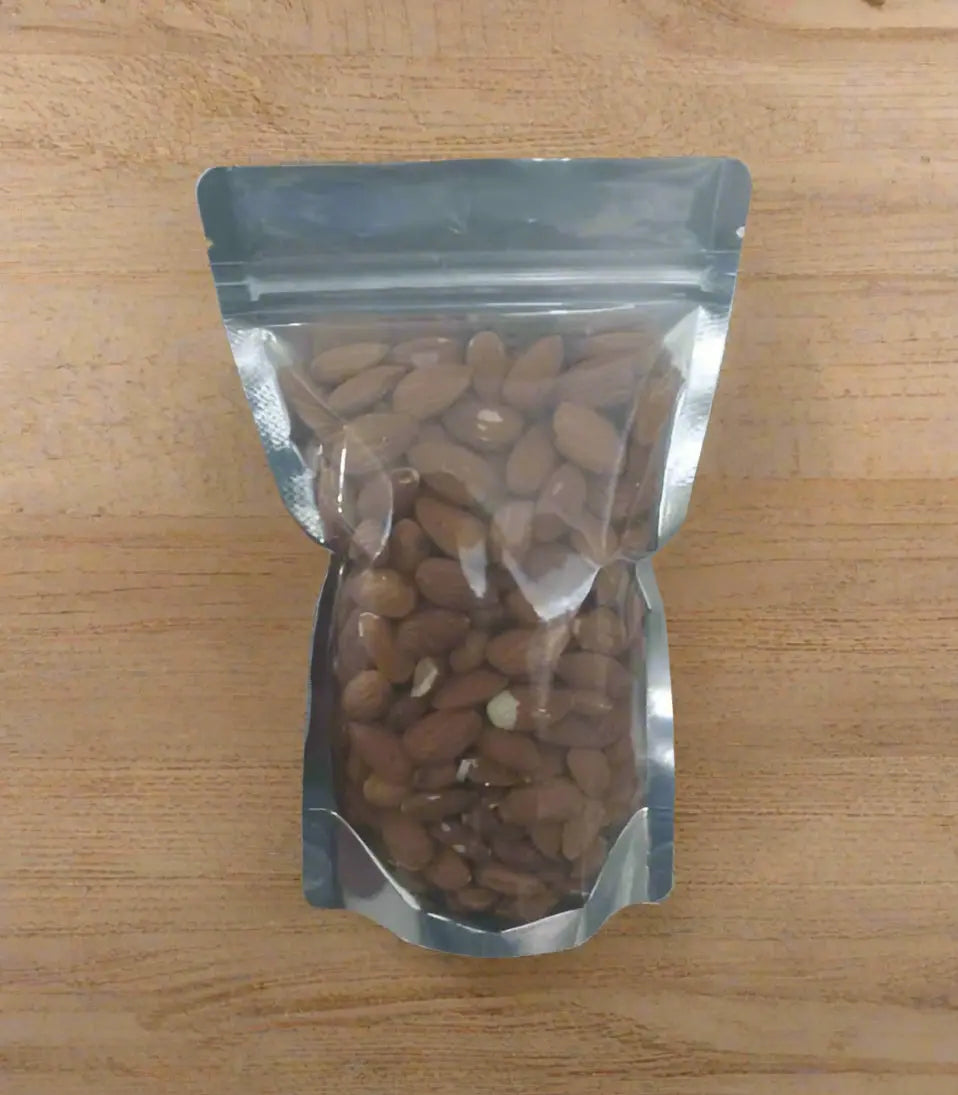
Almonds
250 gNice to haveA crunchy snack with protein and healthy fats.
How to use it: Portion into small containers so you do not finish the bag at once.
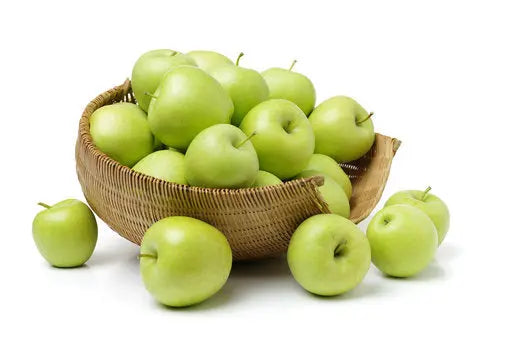
Apples
6 to 10Nice to haveWhole fruit with skin brings fiber along with the sweetness.
How to use it: Eat whole fruit rather than juice. Pair an apple with a few nuts.
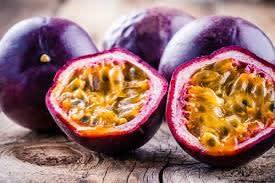
Passion fruit
1 kgNice to haveSmall, tangy and full of seeds and fiber.
How to use it: Eat fresh with a spoon. Skip sweetened passion juice.
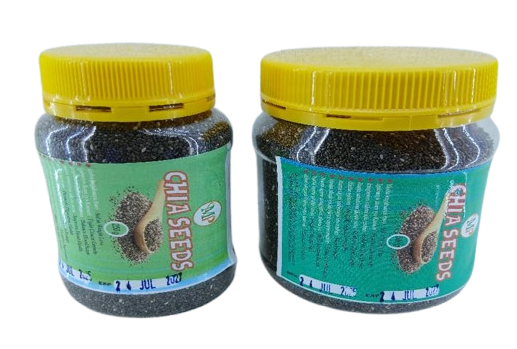
Chia seeds
1 packNice to haveAdd fiber to porridge, yogurt or water.
How to use it: Stir a spoon into breakfast porridge or soak in milk overnight.








Drinks, oils and flavor
Sugary drinks raise blood sugar fastest. Swaps here make a big difference.
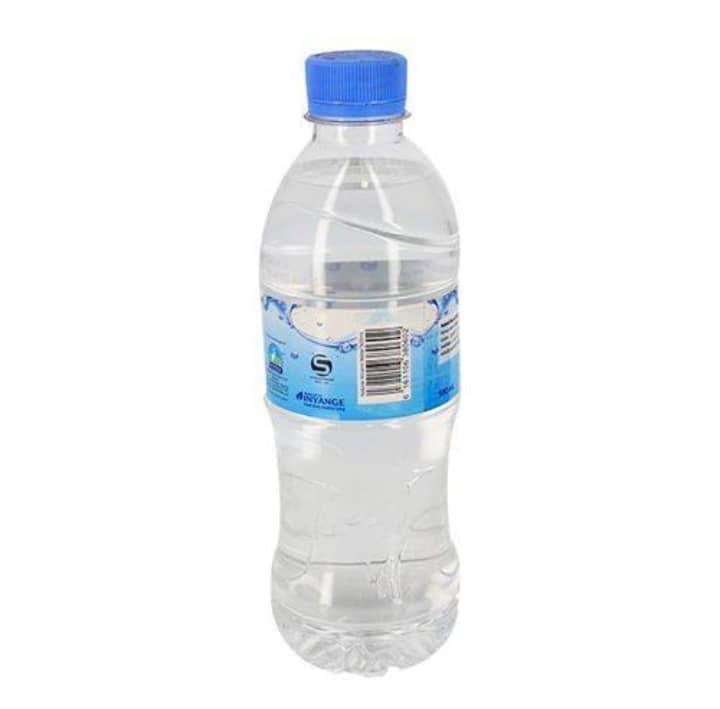
Bottled or filtered water
As needed Must haveWater should be the everyday drink.
How to use it: Keep a jug or bottle in the fridge and on your desk.
Sparkling water
6 bottlesNice to haveA fizzy alternative to soda when you want something special.
How to use it: Add a slice of lemon or a few mint leaves.
Low fat milk
As neededNice to haveFor tea and porridge with less fat than whole milk.
How to use it: Ask your dietitian how much milk fits your plan.
Sweetener
1 packNice to haveHelps you cut sugar in tea while you adjust to less sweetness.
How to use it: Ask your doctor or dietitian which sweeteners suit you, and try to slowly need less over time.
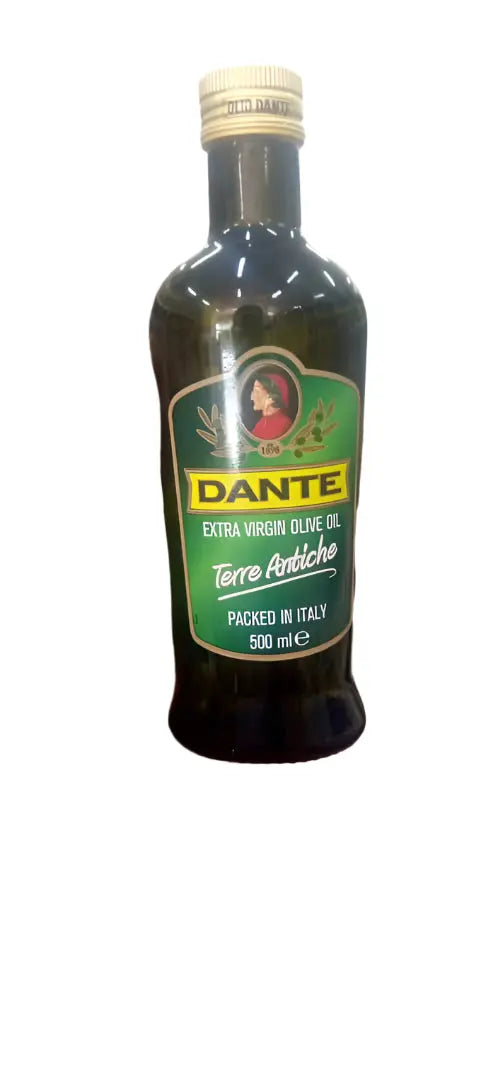
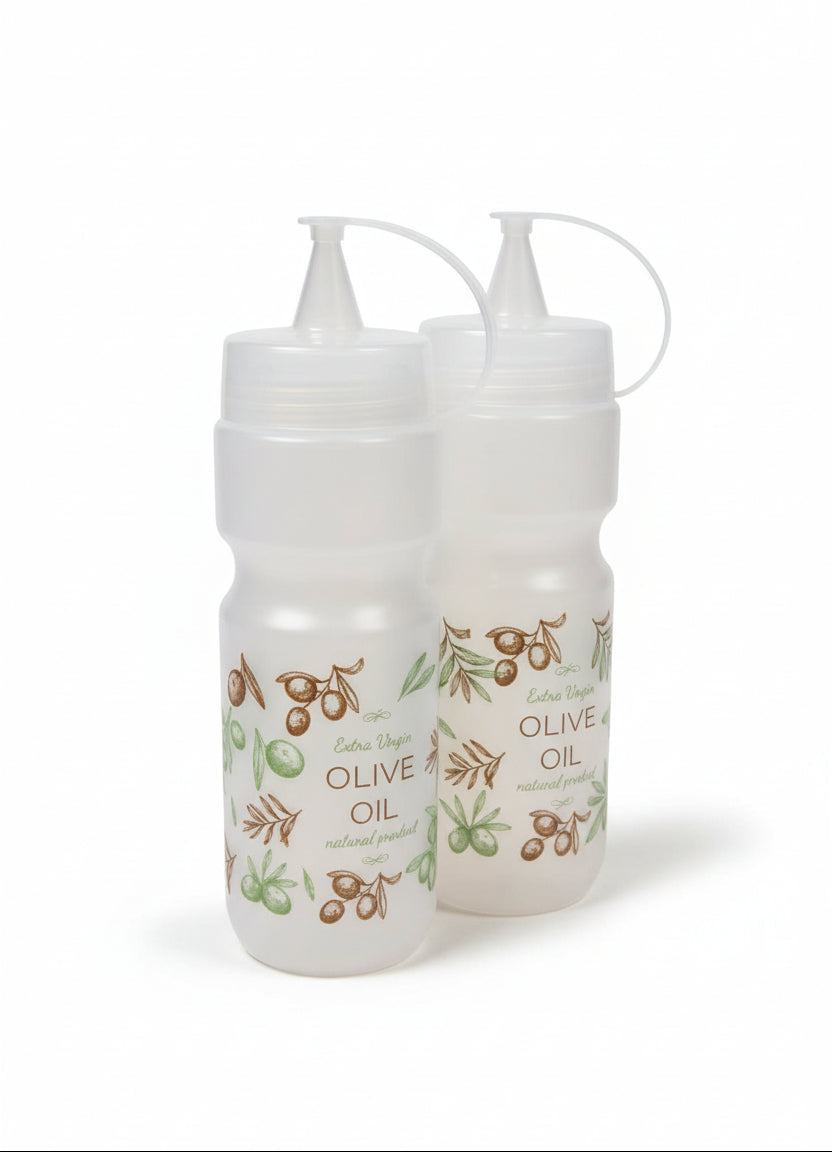
Olive oil
500 mlNice to haveA better everyday fat for cooking and salads in modest amounts.
How to use it: Measure oil with a spoon rather than pouring from the bottle.
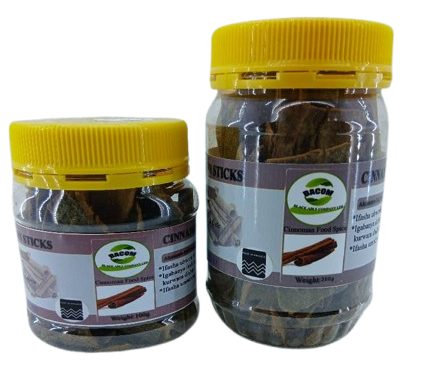
Spices and cinnamon
A few jarsNice to haveBig flavor without sugar or salt. Cinnamon makes porridge taste sweeter without sugar.
How to use it: Use pilipili, garlic, ginger, curry and cinnamon generously.










Tools that make it easier
Portions and planning matter as much as food choices.
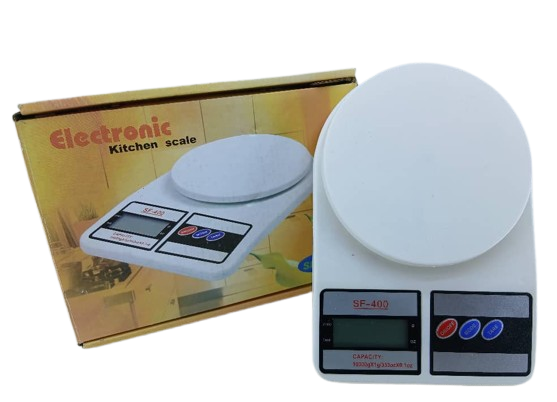
Kitchen scale
1Nice to haveHelps you learn what a portion of rice, potatoes or ugali actually looks like.
How to use it: Weigh portions for a week or two until you can judge them by eye.
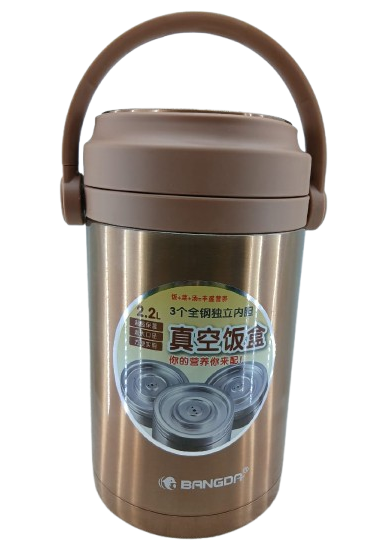
Lunch box
1 or 2 Must haveBringing lunch to work means you are not stuck with fried snacks from the kiosk.
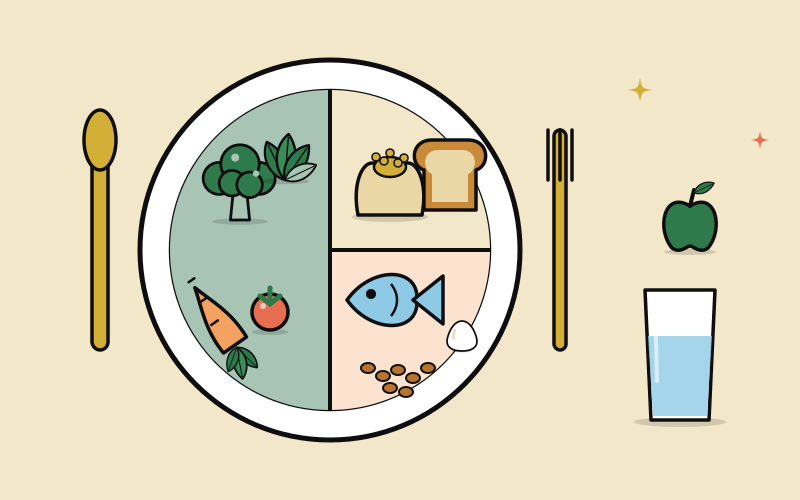
How to use it: Pack half vegetables, a quarter protein and a quarter starch.
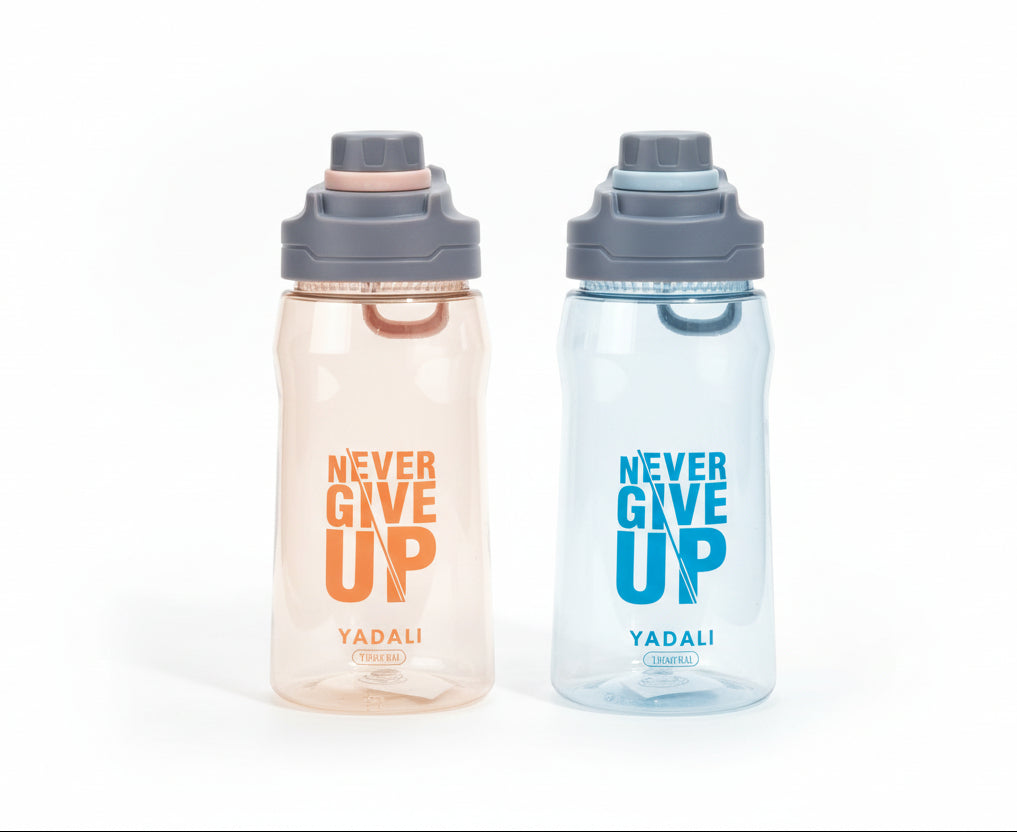
Water bottle
1Nice to haveMakes it easy to drink water all day.
How to use it: Refill it each morning and keep it with you.
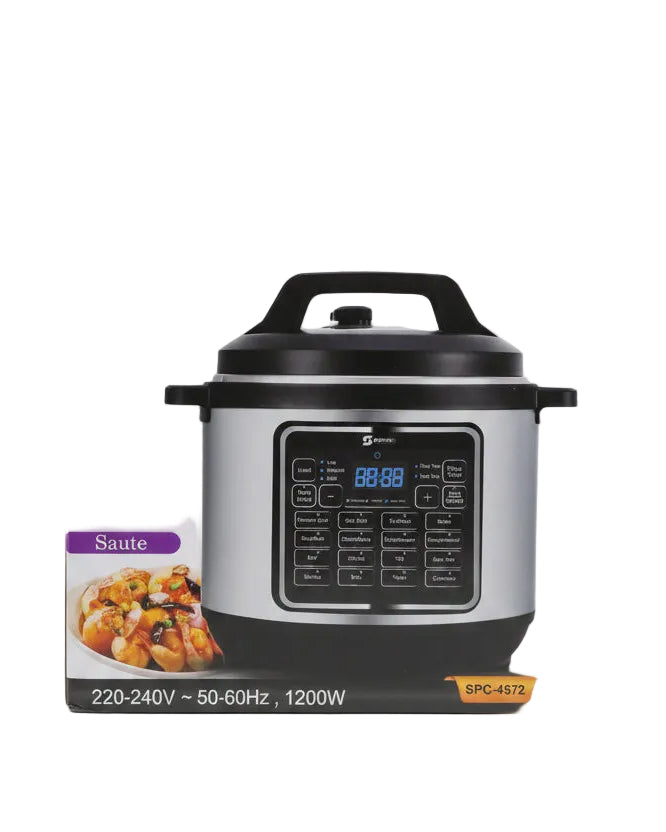
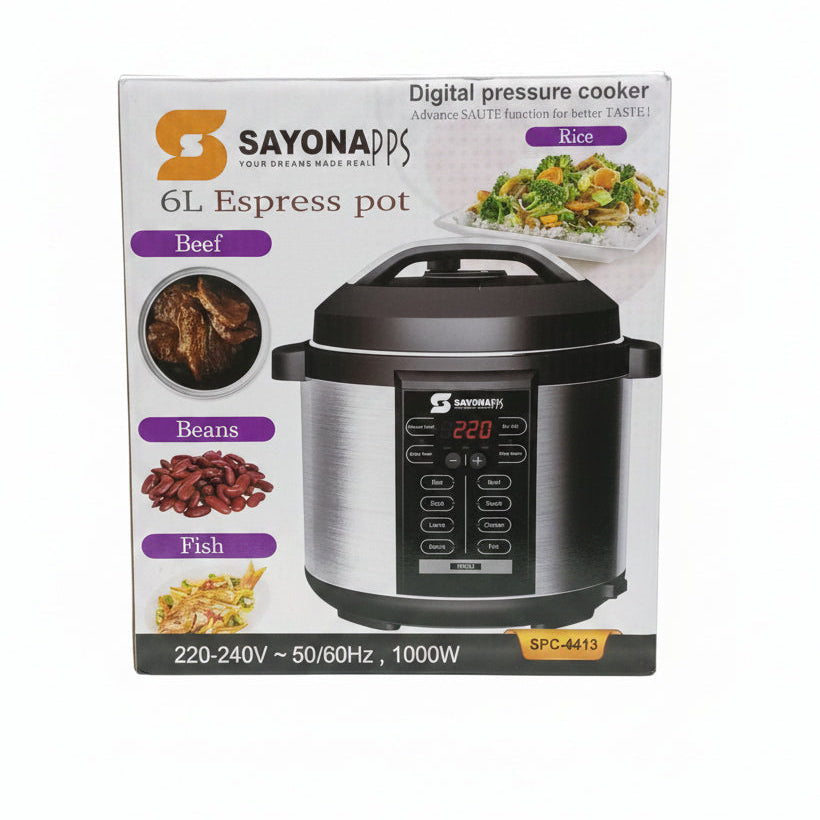
Pressure cooker
1Nice to haveCooks beans and whole grains fast, saving fuel and time so home cooking is realistic on weeknights.
How to use it: Follow the safety instructions and never force the lid open.





Step by step
- 1
Talk to your health team
Ask your doctor, nurse or dietitian about portion sizes, how often to eat, and whether your medicines need meals at set times. Write it down.
- 2
Clear the easy traps
Move sodas, sweet juices, biscuits and sugary cereals out of sight or out of the house. You do not need willpower against what is not there.
- 3
Stock the pantry
Order oats, sorghum and millet flour, dry beans, lentils, nuts, olive oil and spices in one go.
- 4
Fresh produce every week
Order dodo, cabbage, carrots, tomatoes, onions, fish or chicken and a little fruit weekly so the half plate of vegetables is always possible.
- 5
Plan and batch cook
On the weekend, cook a big pot of beans and a vegetable stew and portion them for the week. Pack lunches the night before.
Tips that help
- Use the plate method: half vegetables, a quarter protein, a quarter starch like sorghum ugali, potatoes or rice.
- Drink tea and coffee without sugar, or cut the sugar slowly over a few weeks. Taste buds adjust.
- Eat whole fruit instead of juice; the fiber matters.
- Read labels for sugar, especially on yogurt, cereals and drinks marketed as healthy.
- Keep a healthy snack in your bag so a long day or traffic does not end with a sugary snack.
- Walk after meals when you can. Even a short walk around the compound helps.
Mistakes to avoid
- Cutting out all starch suddenly without advice, which can cause problems for people on some diabetes medicines.
- Buying products labeled sugar free and eating twice as much of them.
- Replacing soda with fruit juice, which is still very sugary.
- Skipping meals and then overeating later.
- Changing diet or medicines based on online advice instead of your health team.
Questions people ask
What foods should be in a diabetic kitchen?+
Fiber-rich staples like oats, sorghum and beans, lots of vegetables, lean protein like fish, eggs and chicken, nuts, water and spices for flavor. Your doctor or dietitian can tailor portions to your needs.
Can people with diabetes eat ugali, rice or potatoes?+
Many people with diabetes still eat starches, in controlled portions and paired with vegetables and protein. Higher fiber options like sorghum or whole wheat are often a better choice. Ask your dietitian what portion suits you.
Are bananas and other fruits okay for diabetes?+
Whole fruit is usually part of a healthy diet, but portions matter because fruit contains natural sugar. Spread fruit through the day and pair it with nuts or a meal. Your health team can advise on amounts.
What can I drink instead of soda?+
Water, sparkling water with lemon, unsweetened tea and coffee, and herbal teas. Watch out for juices and drinks marketed as healthy that are full of sugar.
Do I need special diabetic foods?+
Usually not. Ordinary, minimally processed foods like beans, vegetables, fish and whole grains are the base. Special products can be expensive and are not always better.
A diabetes-friendly kitchen is not about a list of forbidden foods. It is about making the good choice the easy one, every day. Stock up on the staples and fresh produce on Isokko, follow your health team's advice, and let the delivery handle the heavy bags of beans and flour.
Shop this list
Get everything delivered in Kigali
Order from local stores on Isokko and pay with MoMo, card or cash. Same-day delivery.