
Checklist · Health & wellness
Home First Aid Kit Checklist for Kigali Families: What to Buy
A practical home first aid kit checklist for Kigali: what to buy for cuts, burns, fevers and bites, how to store it, and when to see a doctor.
Updated November 15, 2026 · By Isokko
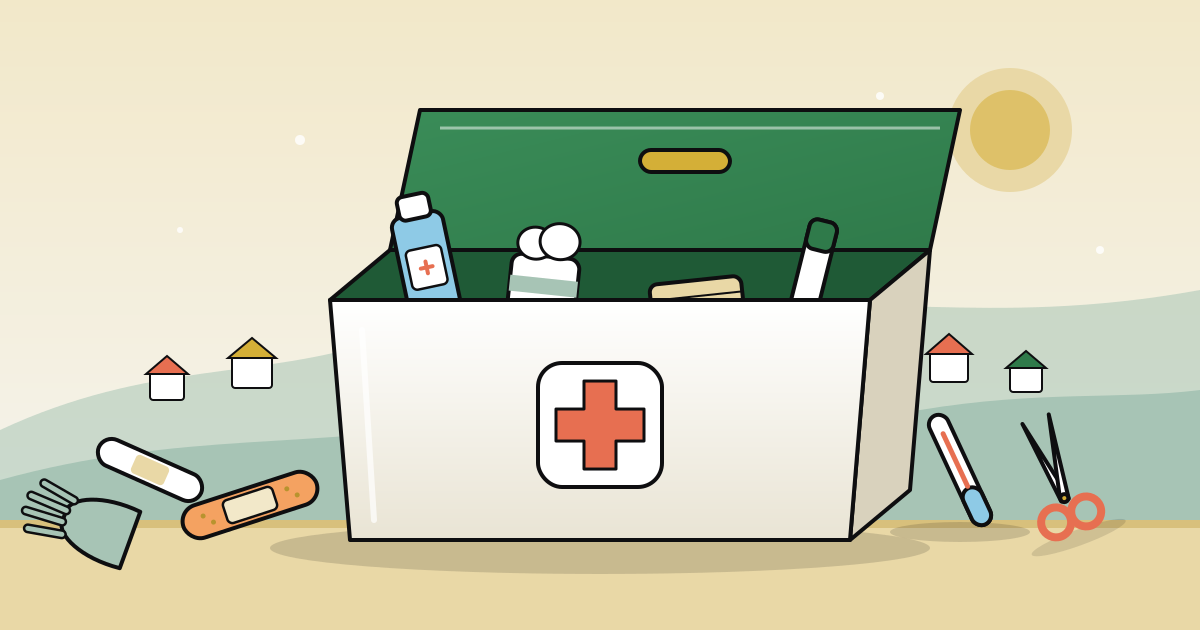
Most home injuries are small: a kitchen knife slip, a child's grazed knee from the compound, a burn from the charcoal stove, a fever that starts at 10 at night. The problem is rarely the injury itself. It is the scramble to find something clean to cover it with while everyone is shouting.
A home first aid kit fixes that. One box, in one known place, with everything you need to clean, cover and calm the common stuff, plus a clear plan for when it is not common stuff and you need a health center or hospital.
This checklist covers what to buy, why each thing earns its place, and how to use it. Medicines and dosages are for your pharmacist or doctor to advise on, so we flag where to ask them instead of guessing.
Who it's for
Any household in Kigali, from a student room to a family compound with children
Time needed
One shopping order plus 20 minutes to pack and label the box
When to shop
Today, before you need it. Then check the box every three months
On the list
28 items, 18 must haves
0 of 28 ready
Clean hands and clean wounds
Infection is the real risk with small cuts. These items keep your hands and the wound clean before anything else happens.
Disposable gloves
10 to 20 pairs Must haveThey protect a wound from your hands and protect you from someone else's blood. Useful when you are helping a neighbor or a child you do not know well.
How to use it: Keep a small handful in a zip pouch inside the kit so they stay clean. Put them on before touching any open wound and throw them away after one use.
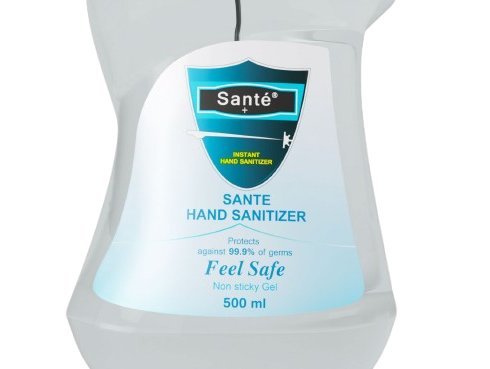
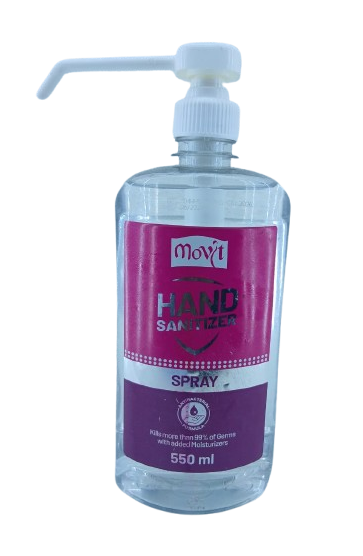
Hand sanitizer
1 bottle Must haveWater is not always running when you need it, especially during cuts on the water supply. Sanitizer lets you clean your hands in seconds.
How to use it: Rub it in until fully dry before you touch a wound. It is for hands, not for pouring into cuts.
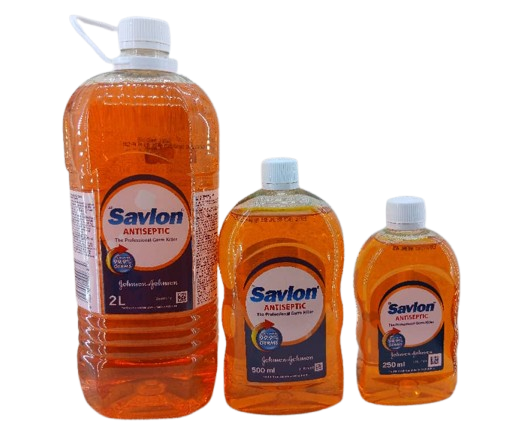
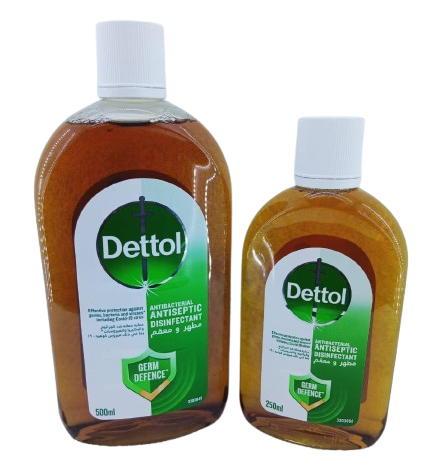
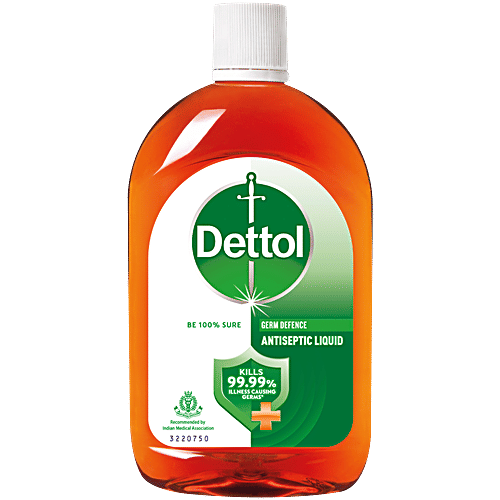
Antiseptic liquid
1 bottle Must haveCleans the skin around cuts and grazes and is the item people reach for most. A good one also doubles as a household disinfectant.
How to use it: Dilute it exactly as the label says, then rinse the wound with clean water first and dab antiseptic around it. Undiluted liquid can sting and irritate skin.
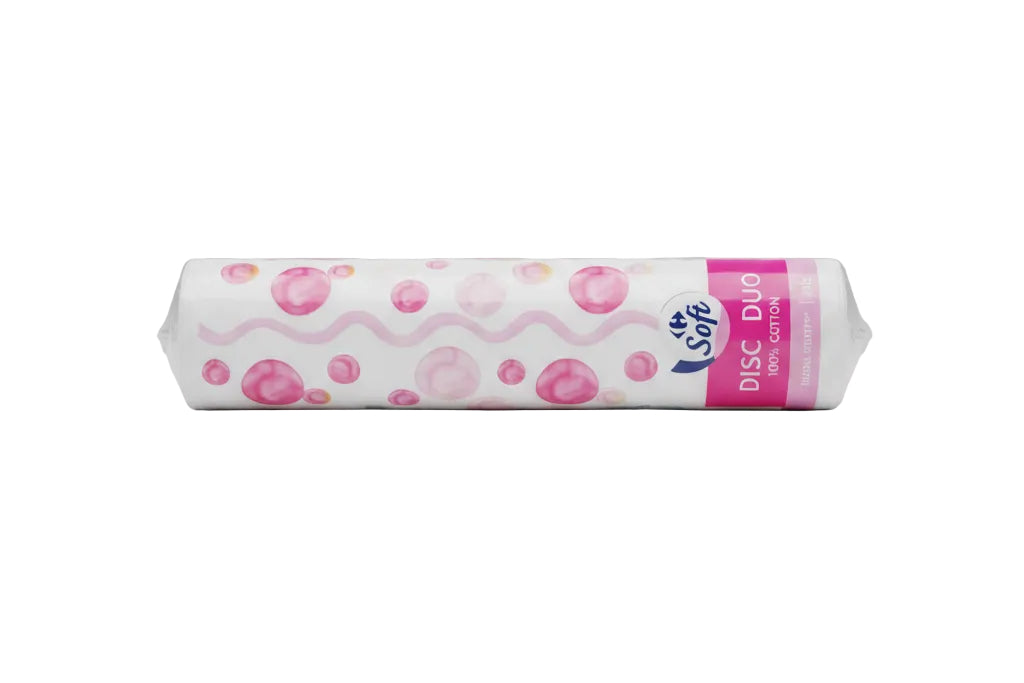
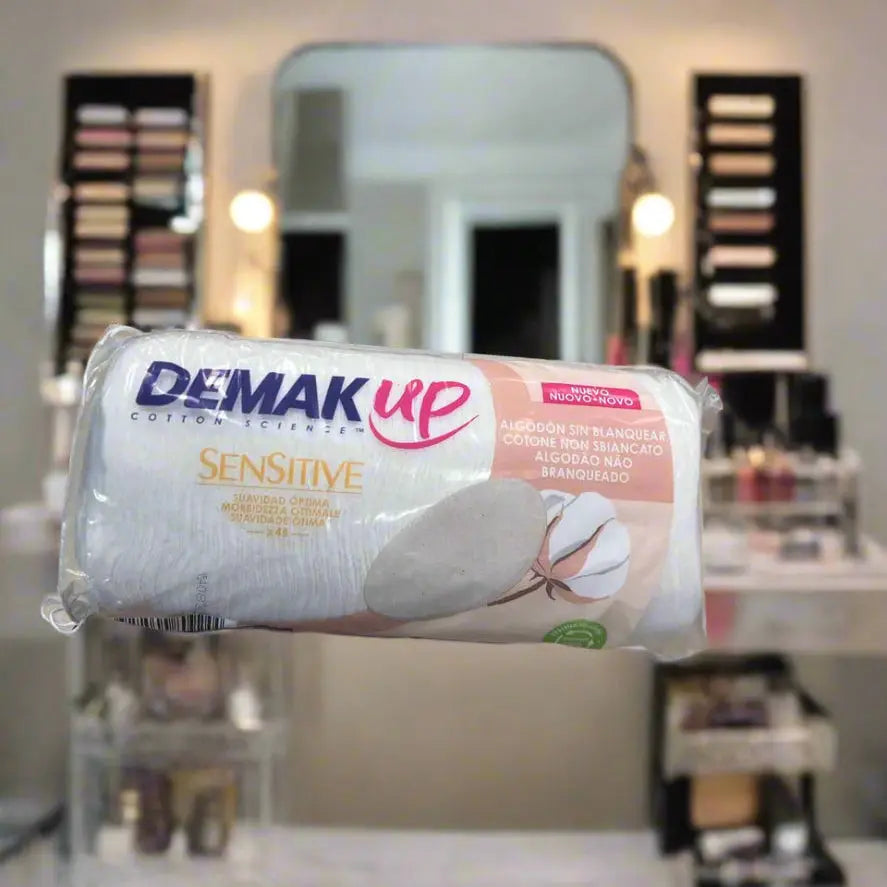
Cotton pads
1 pack Must haveClean, soft and lint-free enough to dab antiseptic on skin without leaving fibers in the wound.
How to use it: Use each pad once and throw it away. Keep them in their sealed pack or a clean container so they stay dry.
Cotton buds
1 packNice to haveGood for cleaning around small wounds, applying cream to a tiny spot, or cleaning a child's graze without pressing on it.
How to use it: Never push cotton buds into ears or a deep wound. Use them only on the surface of the skin.
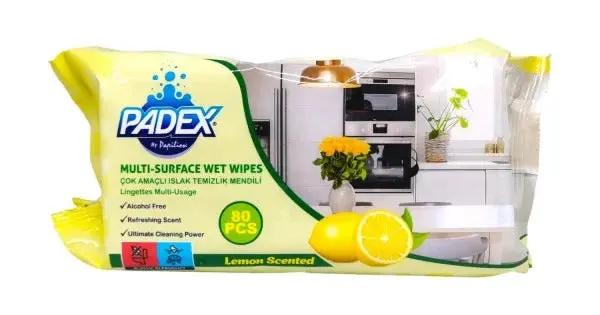
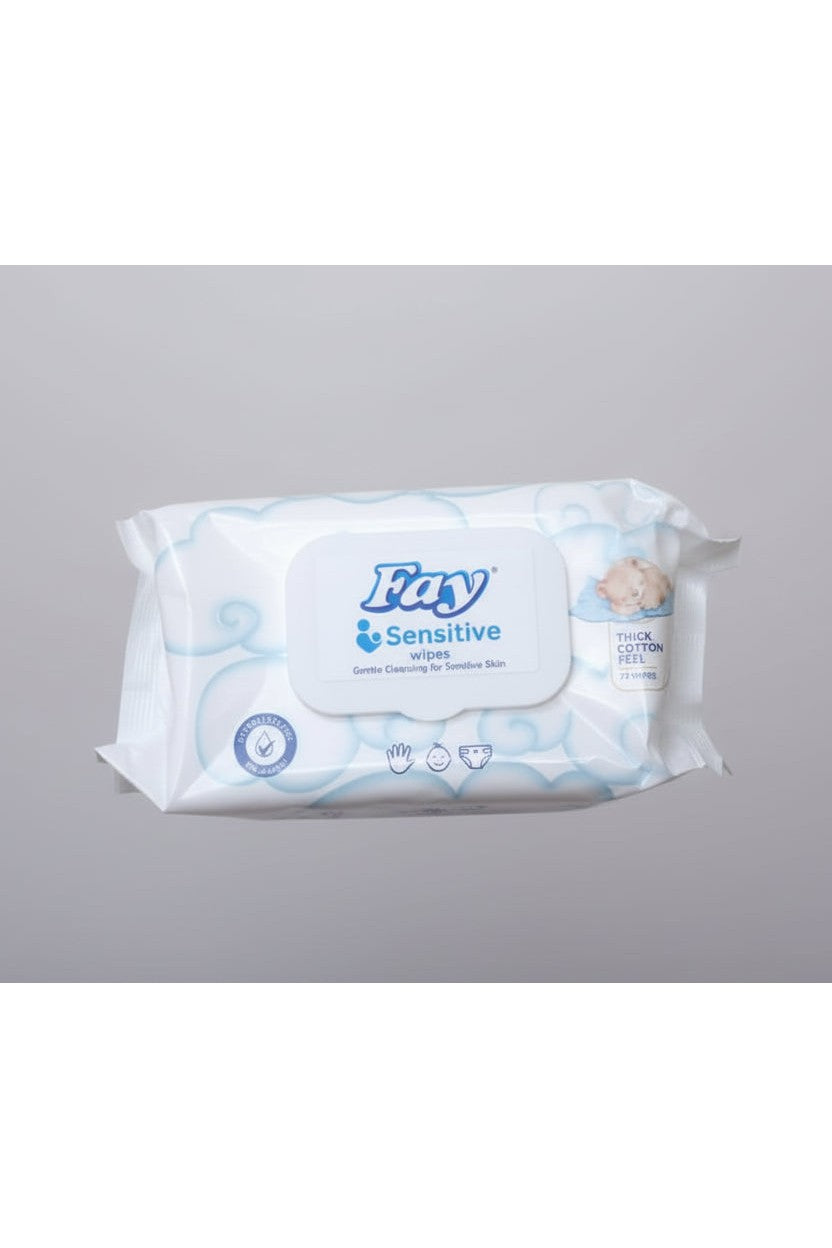
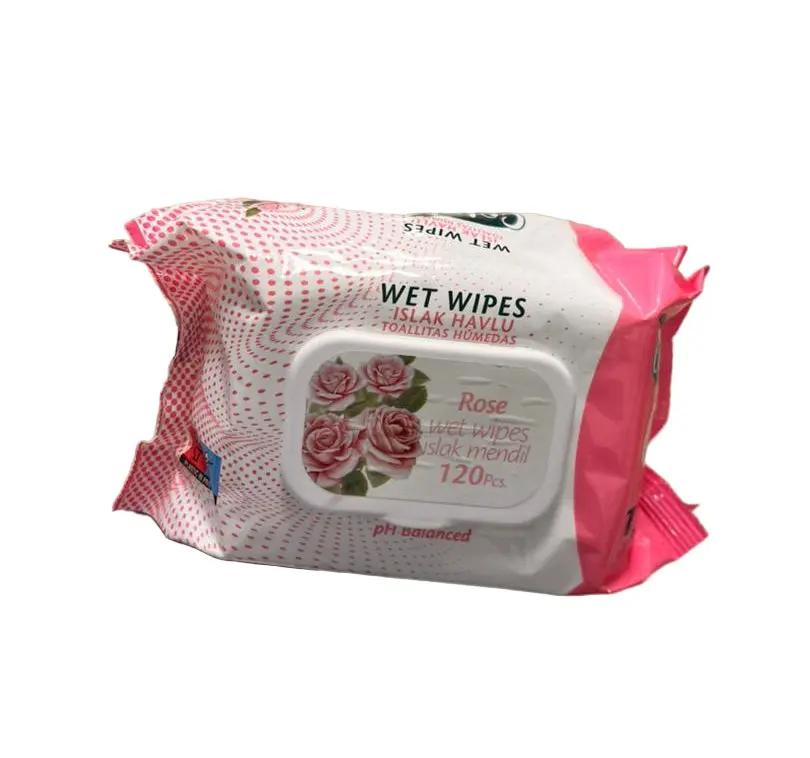
Wet wipes
1 packNice to haveFor wiping away dirt and red dust around a scrape before you clean the wound itself, especially when you are out or the tap is dry.
How to use it: Use them on the skin around the wound, not inside it. Choose plain, unscented wipes for sensitive skin.






Cuts, scrapes and burns
The core of the kit. These cover and protect wounds while they heal.
Plasters in mixed sizes
1 box of 20 or more Must haveMost home cuts are small enough for a plaster. Mixed sizes mean you are not trying to stretch one over a knuckle.
How to use it: Clean and dry the skin first so it sticks. Change it daily or when it gets wet or dirty. Keep a few fun ones for children, it helps.
Sterile gauze pads and a roll bandage
4 to 6 pads and 1 roll Must haveFor cuts too big for a plaster. Gauze covers the wound, the roll holds it in place and gives gentle pressure.
How to use it: Press gauze firmly on a bleeding cut for several minutes without lifting to check. If bleeding does not slow, go to a health center.
Small sharp scissors
1 pair Must haveFor cutting gauze, bandage and tape to size. Kitchen scissors are rarely clean or in the right place when you need them.
How to use it: Keep this pair only for the kit. Wipe the blades with antiseptic after each use.
Tweezers
1 pairNice to haveSplinters from wooden furniture and thorns from the garden are common. Tweezers get them out cleanly.
How to use it: Wipe the tips with antiseptic before and after use. If a splinter is deep or near the eye, leave it to a health worker.
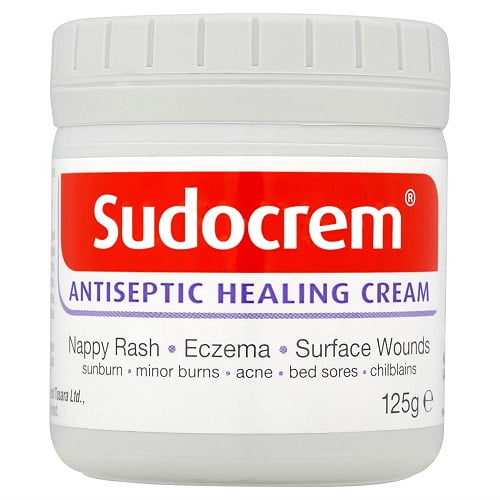
Antiseptic healing cream
1 tub Must haveSoothes and protects minor grazes, nappy rash and dry, cracked skin. A family workhorse.
How to use it: Apply a thin layer to clean, dry skin. Do not use it on deep wounds or serious burns; those need a health worker.
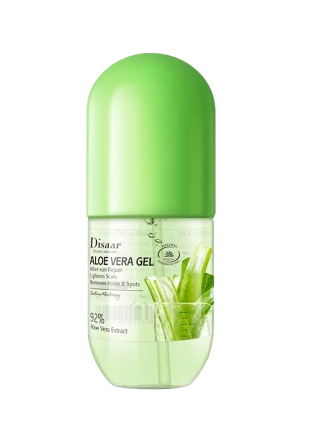
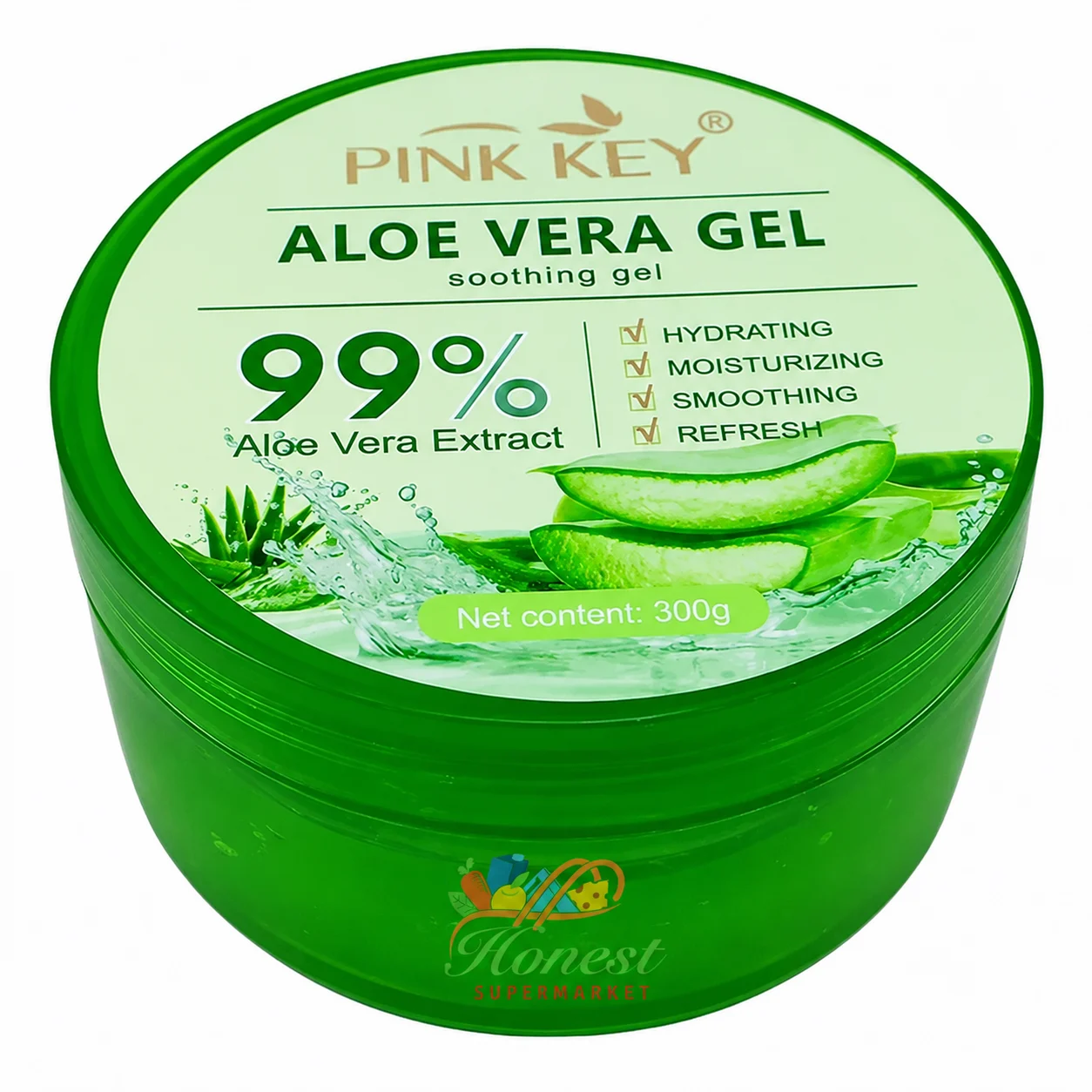
Aloe vera gel
1 tubeNice to haveCools mild sunburn after a long day out, which is easy to get on Kigali's high, bright afternoons.
How to use it: Apply to unbroken, mildly red skin only. A blistering or large burn needs medical care, not gel.
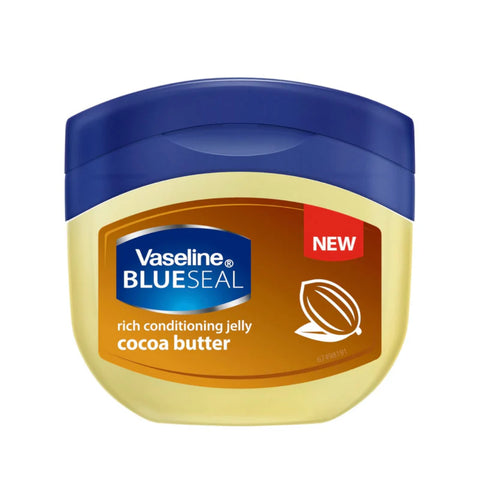
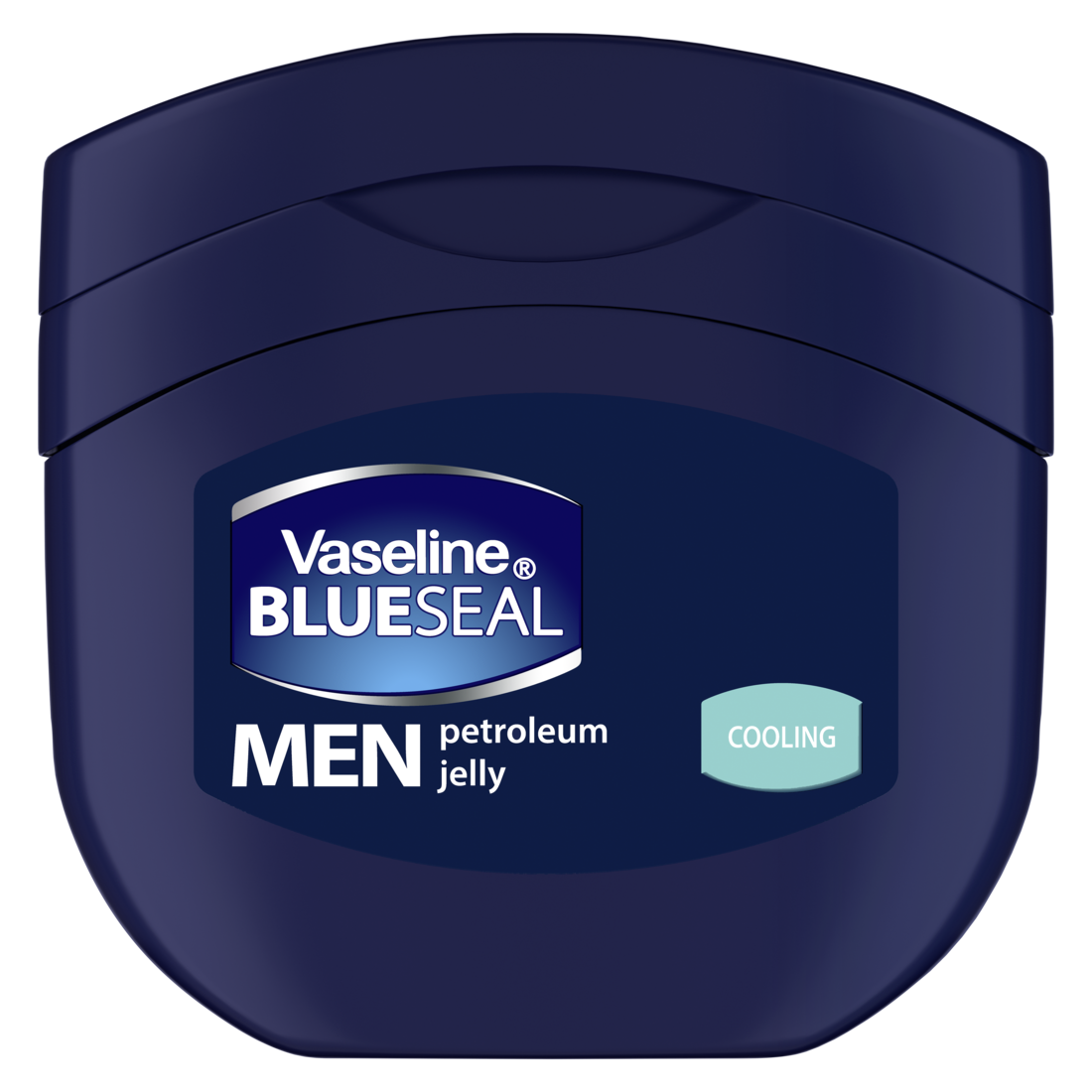
Petroleum jelly
1 tubNice to haveProtects chapped lips, dry heels and skin rubbed raw by new shoes. Helps a healing graze stay soft.
How to use it: Use a clean cotton bud to take some out so you do not contaminate the whole tub.
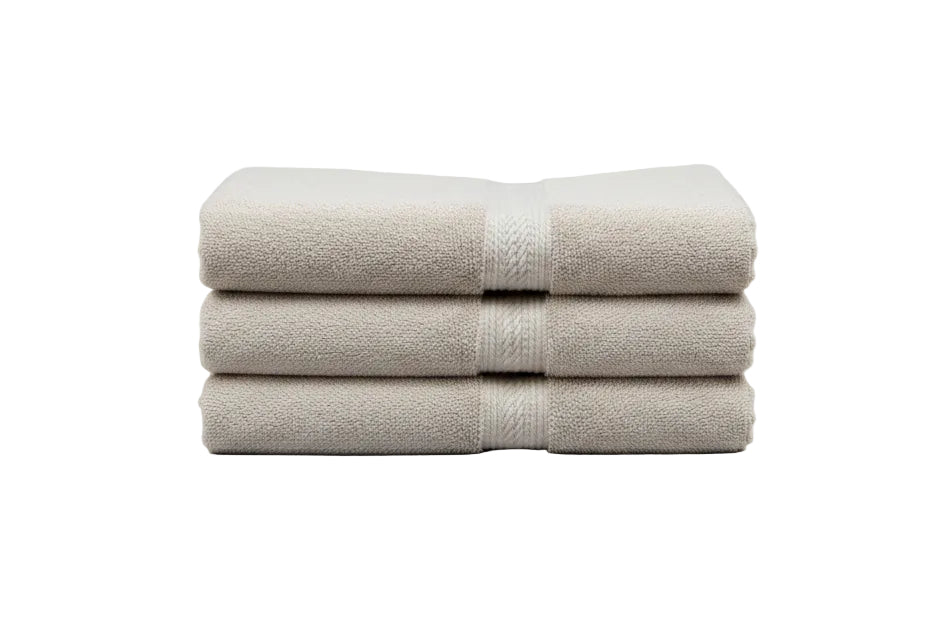
Clean small towel
1 or 2 Must haveFor pressing on a bleeding wound, wrapping ice for a bump, or cooling a burn with a cool damp cloth.
How to use it: Keep one freshly washed towel sealed in a bag inside the kit. Replace it after use.




Fevers, colds and tummy upsets
Not injuries, but the reason most people open the kit at night. Ask your pharmacist which medicines suit your family.
Thermometer
1 Must haveA fever is the first thing a doctor or pharmacist will ask about. A reading beats guessing by touching a forehead.
How to use it: Clean it with antiseptic after each use. Write down the reading and time, especially for children, so you can tell a doctor.
Basic pain and fever medicine
1 pack, as advised Must haveFor headaches, toothaches and fevers until you can see a doctor. Having it at home saves a late night search for an open pharmacy.
How to use it: Ask a pharmacist which product and dose suits each person in your home, including children. Keep it in its original box with the leaflet.
Oral rehydration salts
4 to 6 sachets Must haveDiarrhea and vomiting dehydrate quickly, especially in children. Rehydration salts are a first step while you get advice.
How to use it: Buy them from a pharmacy and mix exactly as the pack says, with clean water. See a doctor fast if a child stops drinking or seems very drowsy.
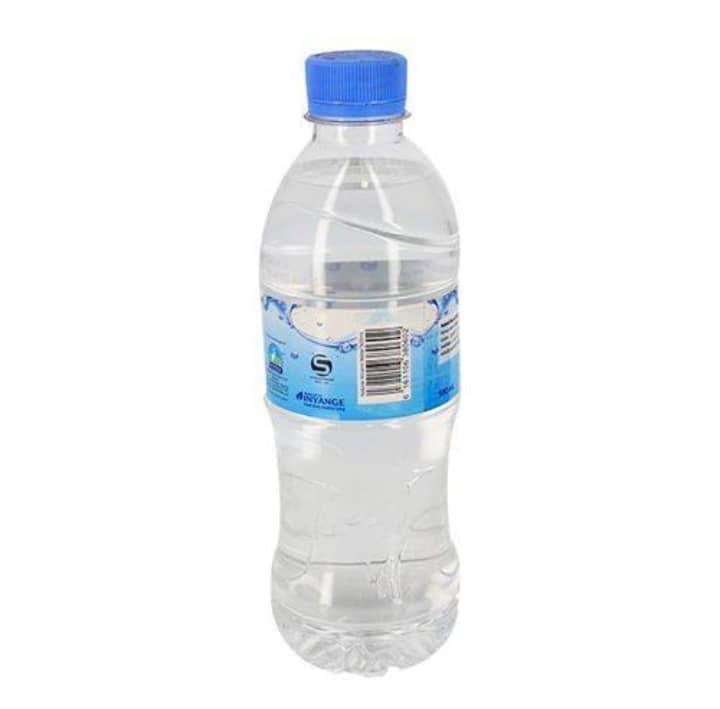
Bottled drinking water
2 to 3 bottles Must haveFor mixing rehydration salts, rinsing wounds and taking medicine when the tap water is off or not safe to drink unboiled.
How to use it: Keep two or three sealed bottles with the kit and rotate them every few months.
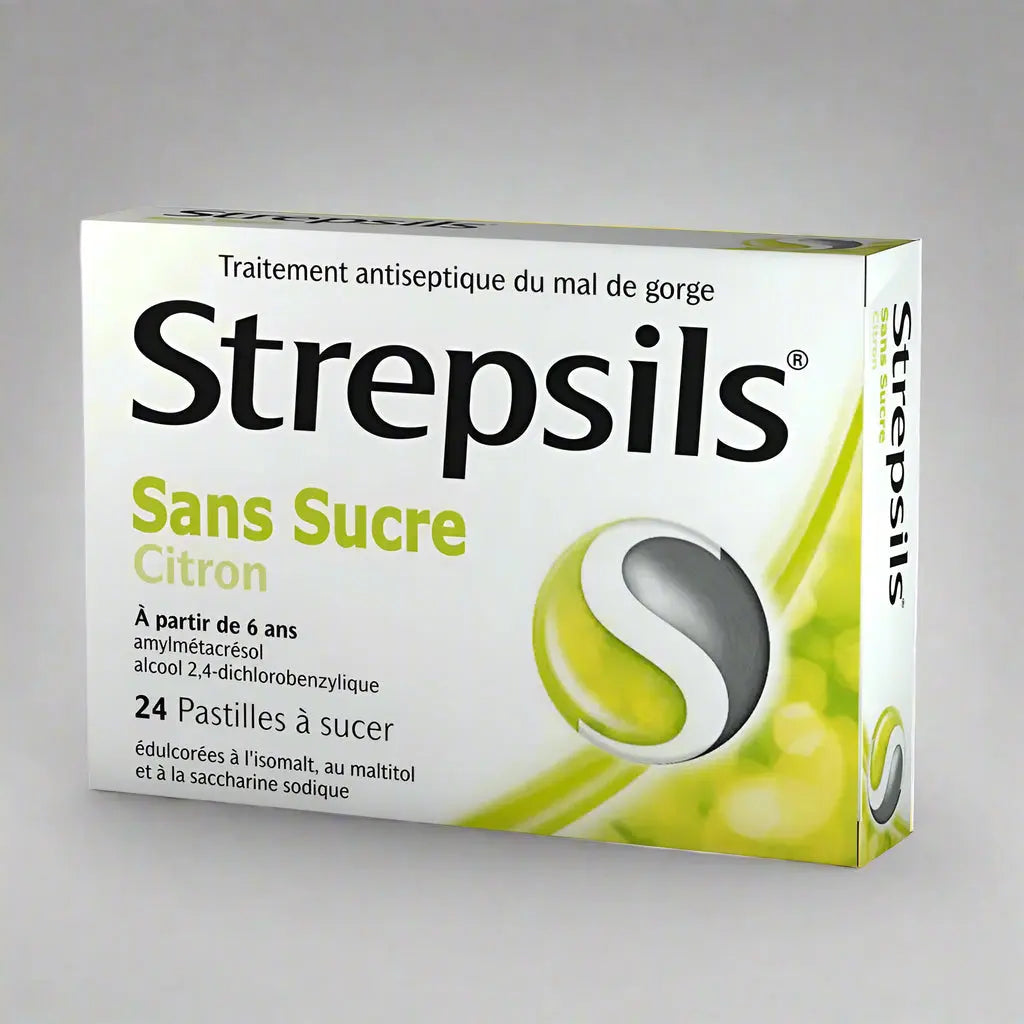
Throat lozenges
1 packNice to haveSoothe a scratchy throat during the cold seasons, when the rains and dust bring coughs.
How to use it: Use as the pack says. A sore throat with high fever or trouble swallowing needs a doctor.
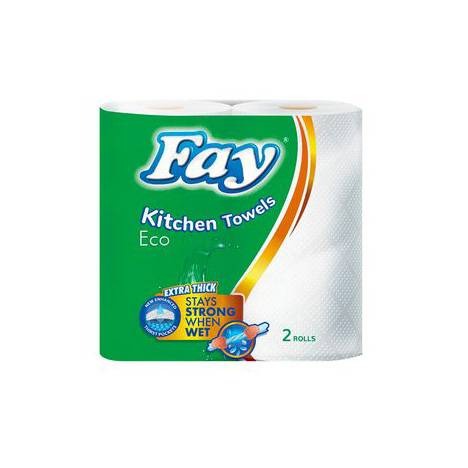
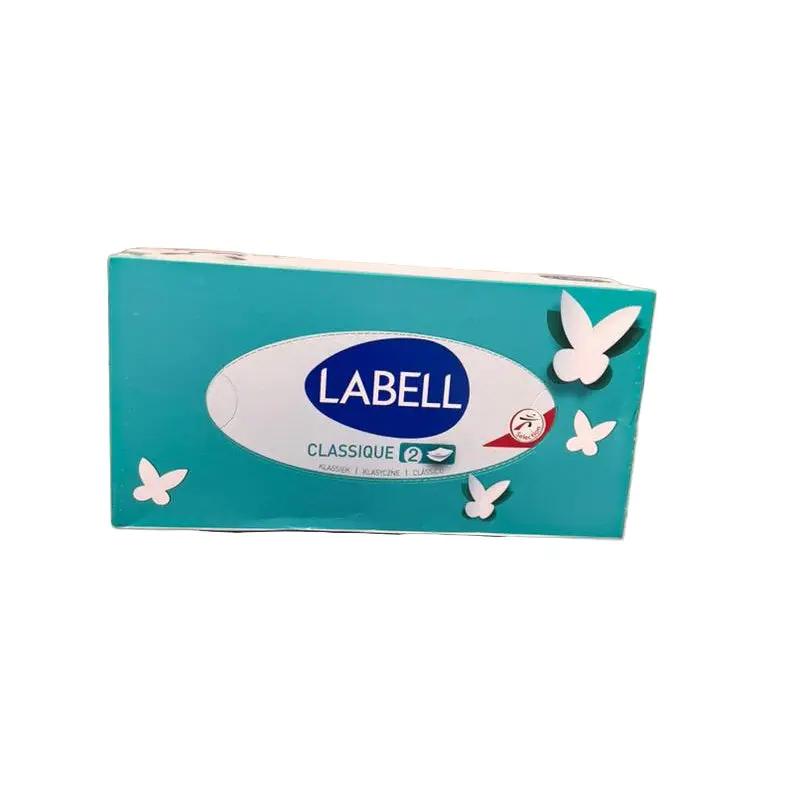
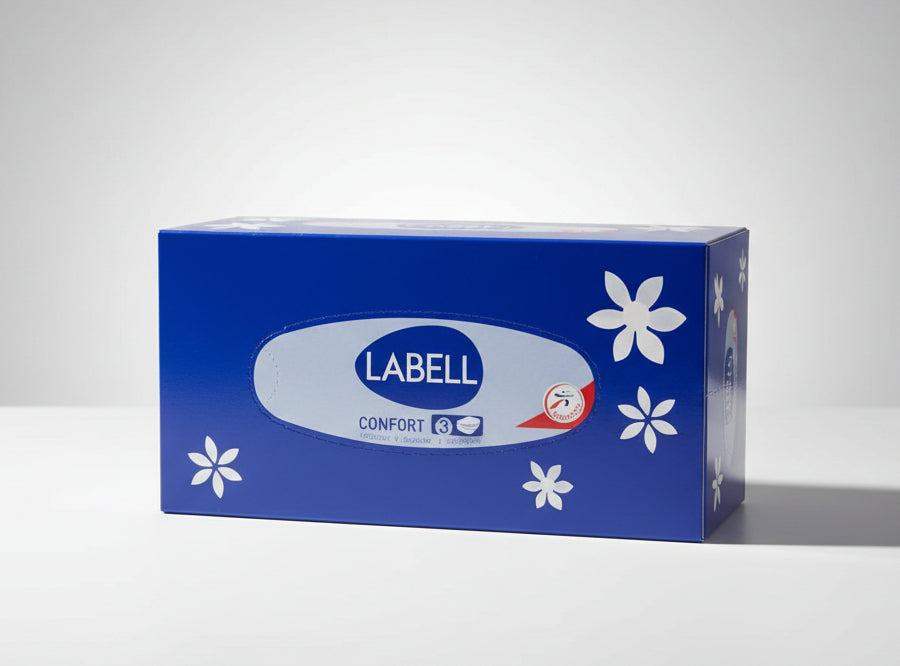
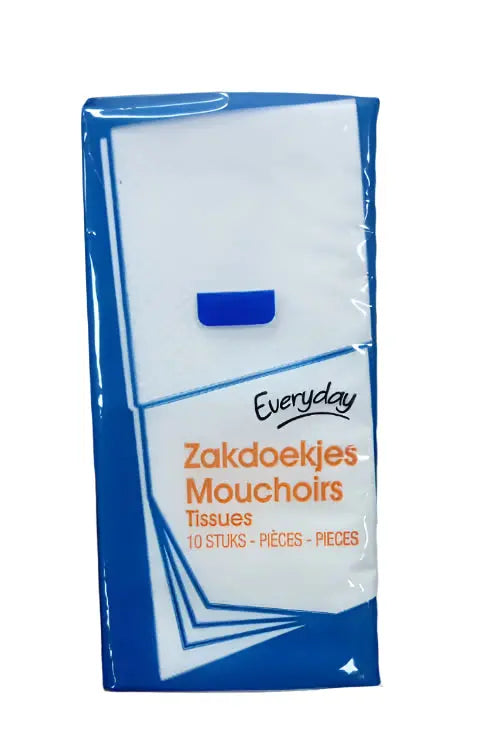
Facial tissues
1 packNice to haveFor runny noses, cleaning up and as a clean surface to set things on.
How to use it: Keep a small pack in the kit and a box nearby.
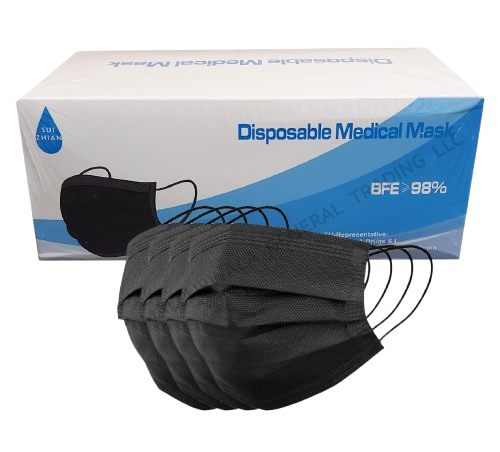
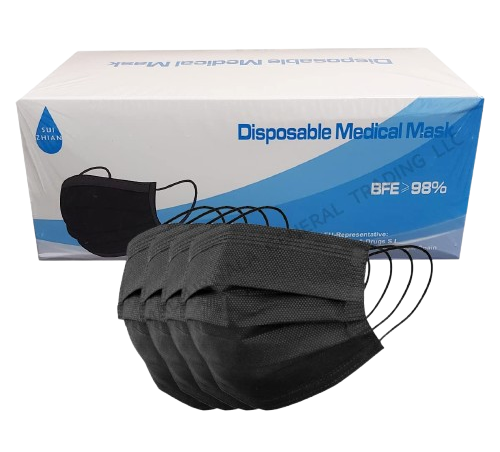
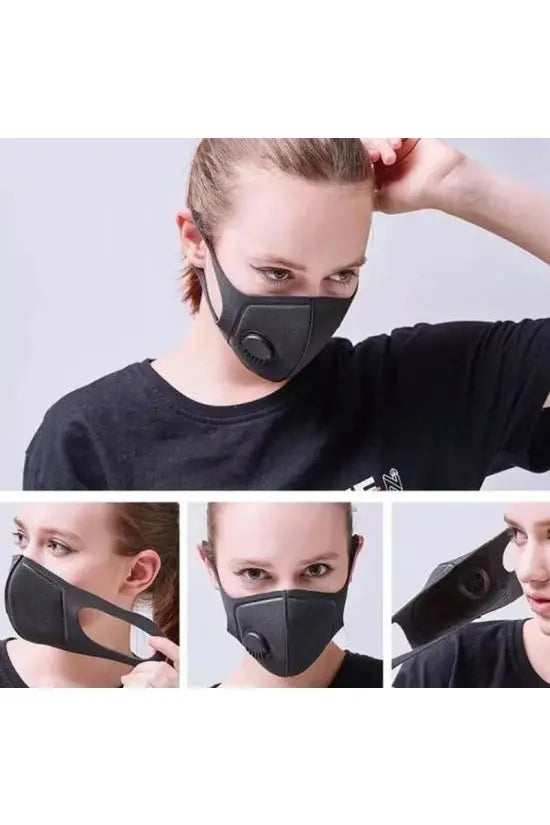
Disposable face masks
1 boxNice to haveWhen someone at home has a cough or flu, a mask helps protect the rest of the family, especially babies and elders.
How to use it: Wear it over nose and mouth and change it when damp.


Mosquitoes and bites
Prevention belongs in a first aid plan in Rwanda. Fewer bites means fewer fevers.
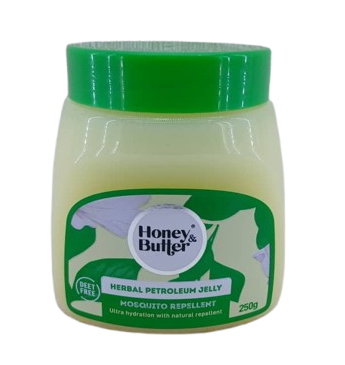
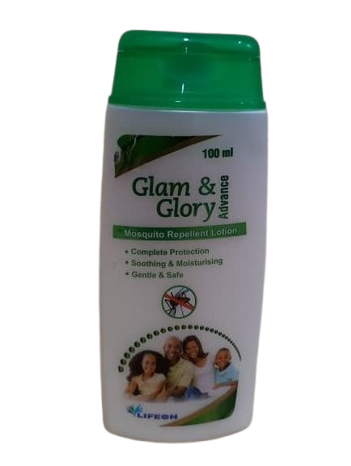
Mosquito repellent
1 Must haveBites in the evening are the main way mosquito-borne illness spreads. Repellent protects you on the balcony, at dinner and when the power is out.
How to use it: Apply to exposed skin in the evening and reapply as the label says. Follow the age guidance on the pack for children.
Mosquito net
1 per bed Must haveThe simplest protection for sleeping, especially for children and anyone pregnant.
How to use it: Tuck it under the mattress every night and check for holes. Patch small holes with tape.
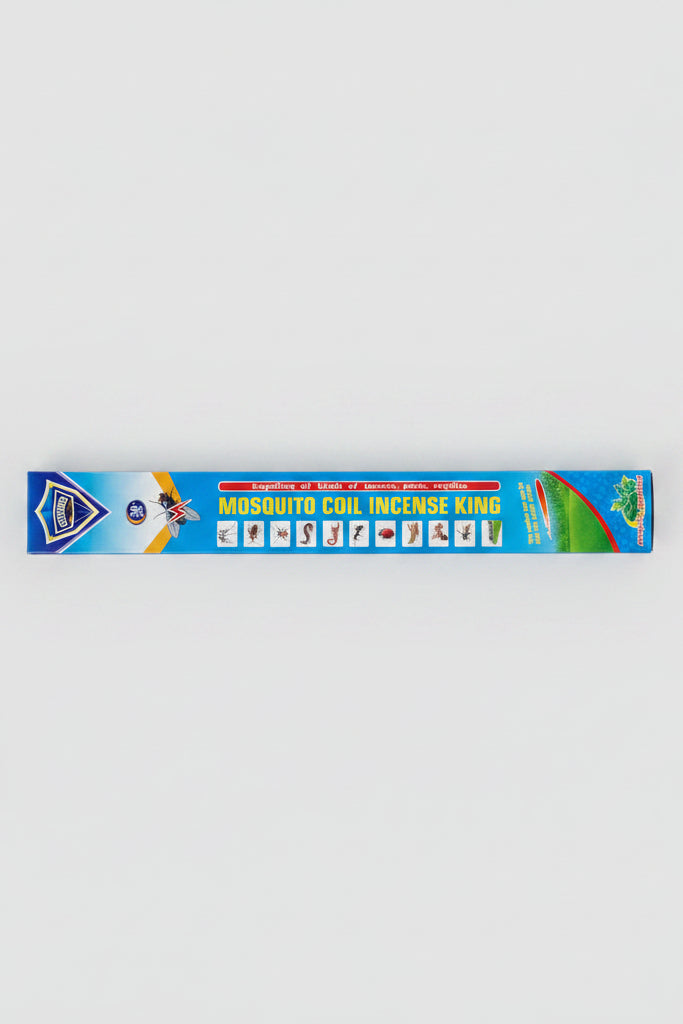
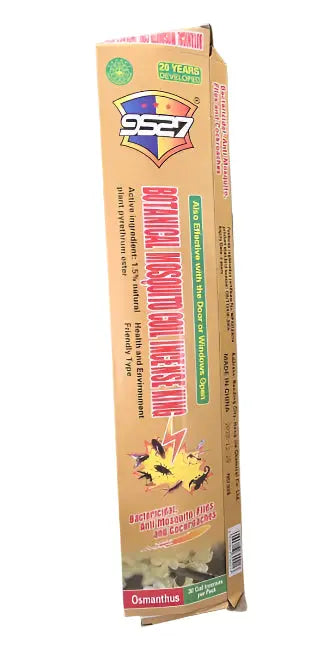
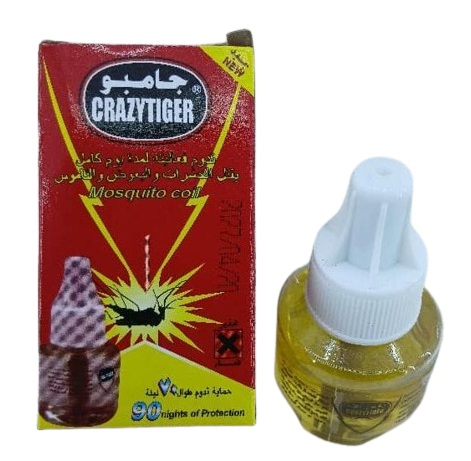
Plug-in repellent or mosquito coils
1 device or 1 boxNice to haveKeeps a room calmer in the evening while the family eats or the children do homework, before nets go down.
How to use it: Use plug-ins in a ventilated room and coils outside or on a balcony, never next to a sleeping baby. Follow the pack's safety notes.


Storage and readiness
A kit only works if you can find it in the dark and the contents are still good.
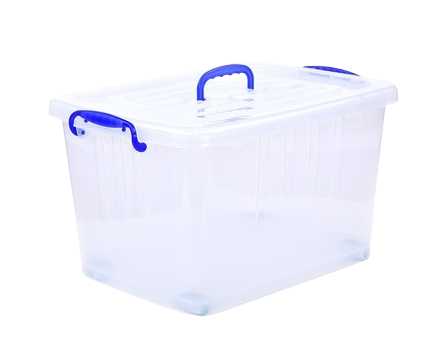
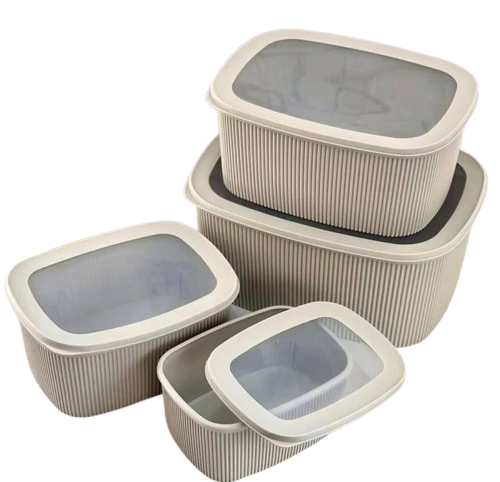
Storage box with a lid
1 Must haveKeeps everything dry, clean and together. A clear box lets you see what is running low.
How to use it: Choose one that closes firmly and is easy to carry. Store it high, away from children, and somewhere cool, not in a hot car or near the stove.
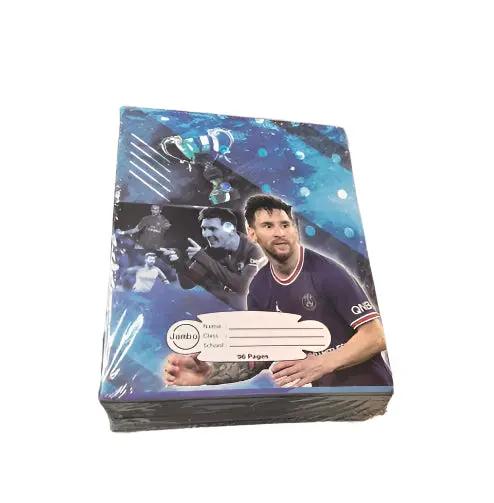
Notebook and pen
1 Must haveFor emergency contacts, allergies, blood groups and the name of your nearest health center, plus a log of fevers and medicines given.
How to use it: Write the list on the first page and tape a copy inside the lid. Update it when numbers change.
Rechargeable torch
1 Must havePower cuts happen, and you cannot clean a wound by phone light while holding the phone in your mouth.
How to use it: Charge it monthly and keep it next to the kit, not buried in a drawer.
Power bank
1Nice to haveA charged phone is how you call for help, a moto or a family member during an outage.
How to use it: Keep it charged and stored with the torch.


Step by step
- 1
Shop the basics
Order the cleaning items, plasters, gauze, scissors and a storage box in one go. Visit a pharmacy for medicines, a thermometer and rehydration salts, and ask what suits children.
- 2
Pack by group
Put cleaning items in one bag, wound care in another and medicines in a third. Small zip pouches or old clean containers work well, so you can grab one group fast.
- 3
Write your emergency page
On the notebook's first page, write family allergies, any regular medicines, your nearest health center and hospital, and two trusted contacts. Tape a copy inside the lid.
- 4
Choose one home for the box
Pick a high, cool, dry shelf that every adult knows about and children cannot reach. Tell your house help or anyone who babysits where it is.
- 5
Check it every three months
Replace anything used, expired or damp. A good habit is to check it on Umuganda Saturday, once a quarter.
Tips that help
- Keep a mini kit in your bag or car: a few plasters, wipes, sanitizer and a pain reliever your pharmacist recommends.
- Write the date you bought each medicine on its box with a marker so expiry is easy to spot.
- For burns, cool the area under cool running water for a long while, about 20 minutes, before anything else. Skip butter, toothpaste and oil.
- If you have small children, ask your pharmacist about child-friendly versions of fever medicine and how to measure it.
- Teach older children where the kit is and how to use a plaster. It builds confidence.
- Keep the kit away from the kitchen heat and the bathroom steam; both spoil supplies faster.
Mistakes to avoid
- Storing medicines loose without their boxes and leaflets, so nobody knows the dose or expiry date.
- Using the kit's scissors and towel for everyday jobs until they are gone when you need them.
- Putting cotton wool straight on an open wound; the fibers stick. Use gauze or a pad.
- Waiting too long with a child's high fever, a deep cut or a burn larger than the palm. Those need a health center.
- Buying a kit once and never checking it again.
Questions people ask
What should be in a basic home first aid kit?+
Gloves, sanitizer, antiseptic, plasters, gauze and a bandage, scissors, a thermometer, a healing cream and pain or fever medicine your pharmacist recommends. Add rehydration salts, bottled water and a torch for Kigali's power cuts. Keep it all in a lidded box.
Where should I keep a first aid kit at home?+
Somewhere cool, dry and high, out of children's reach but known to every adult. A bedroom wardrobe shelf often works better than the kitchen or bathroom, where heat and steam spoil supplies.
Can I buy medicines for my first aid kit online?+
You can order general supplies like antiseptic, cotton, plasters and masks for delivery. For medicines, ask a licensed pharmacist which product and dose suits your family, especially for children and anyone with a health condition.
When should I go to a health center instead of using the kit?+
Go if bleeding will not stop with firm pressure, a cut is deep or gaping, a burn is large or blistered, someone has trouble breathing, or a child has a high fever, is very drowsy or will not drink. When in doubt, get checked.
How often should I replace first aid supplies?+
Check the kit every three months. Replace anything used, damp or past its expiry date, and refresh the bottled water and towel.
A first aid kit is one of those things you buy once, hope you rarely use, and are deeply grateful for at 11 at night. Shop the list on Isokko, get it delivered, and spend 20 minutes packing it this weekend. Then pick up medicines with your pharmacist's advice and you are ready.
Shop this list
Get everything delivered in Kigali
Order from local stores on Isokko and pay with MoMo, card or cash. Same-day delivery.