
Checklist · Health & wellness
Getting Over a Cold or Flu at Home in Kigali: What to Buy
Everything to buy for getting over a cold or flu at home in Kigali: warm drinks, easy food, comfort items, and clear signs it is time to see a doctor.
Updated November 16, 2026 · By Isokko
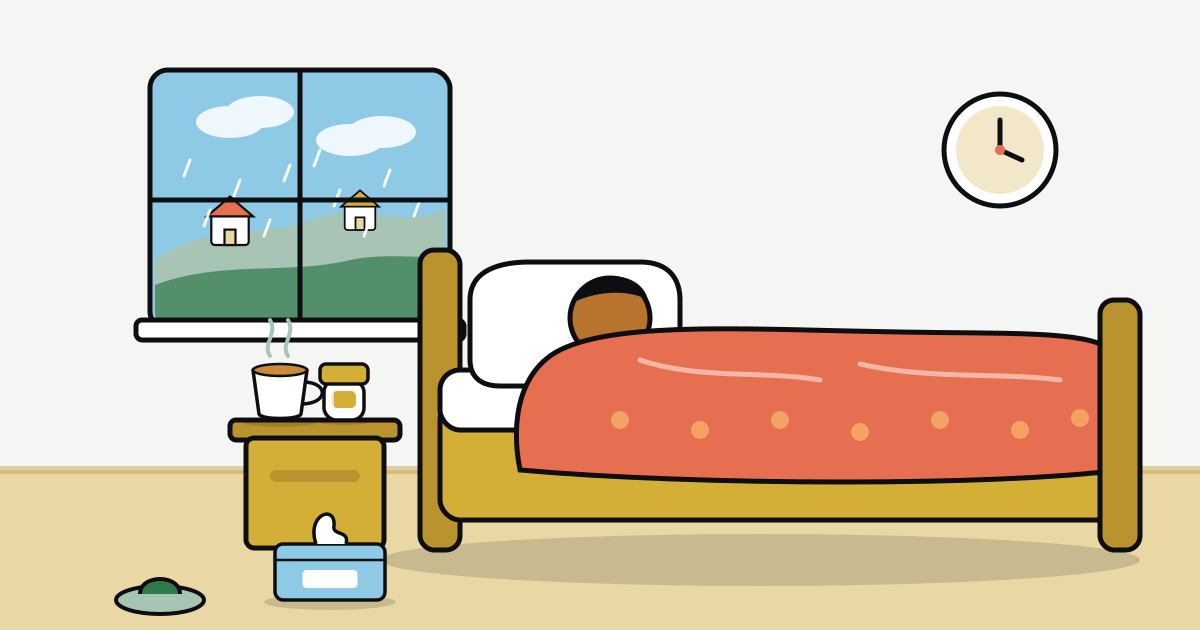
The rainy seasons in Kigali, March to May and October to December, are also cough and cold seasons. Damp mornings, packed buses and a sneezing office do the rest. One day you have a scratchy throat, the next you are on the sofa wishing someone would bring you tea.
Most colds and many flus get better with rest, fluids, warmth and time. What helps is having everything within arm's reach so you can actually rest instead of walking to the shop in the rain.
This checklist covers warm drinks, easy food, comfort items and the things that stop the whole house catching it. It is common sense, not medical advice, so we also list the signs that mean you should see a doctor or pharmacist.
Who it's for
Anyone in Kigali nursing a cold or flu at home, or caring for someone who is
Time needed
One delivery order, ideally on day one of feeling unwell
When to shop
Order at the first sniffle so you are not shopping while feverish
On the list
27 items, 12 must haves
0 of 27 ready
Warm drinks that soothe
Warm fluids ease a sore throat and keep you drinking, which matters more than any single remedy.
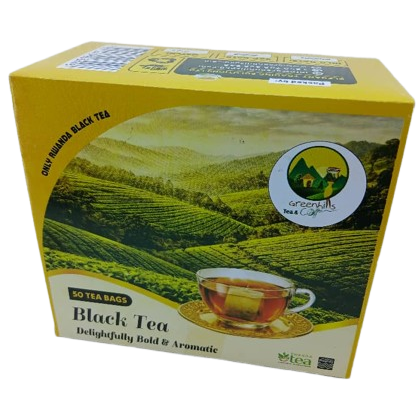
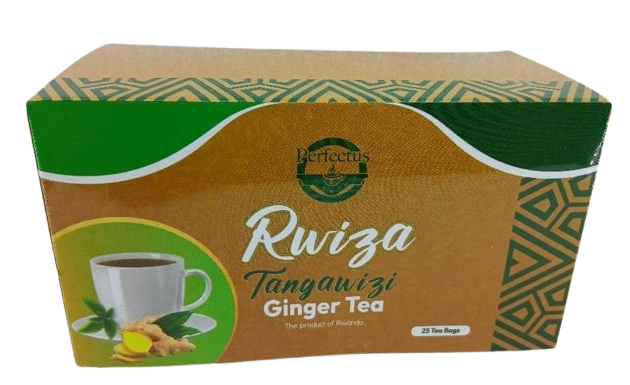
Ginger tea bags
1 box Must haveTangawizi tea is a Kigali favorite for a reason. A hot cup feels good on a sore throat and keeps you sipping.
How to use it: Brew a fresh cup several times a day. Add honey and a squeeze of lemon if you like.
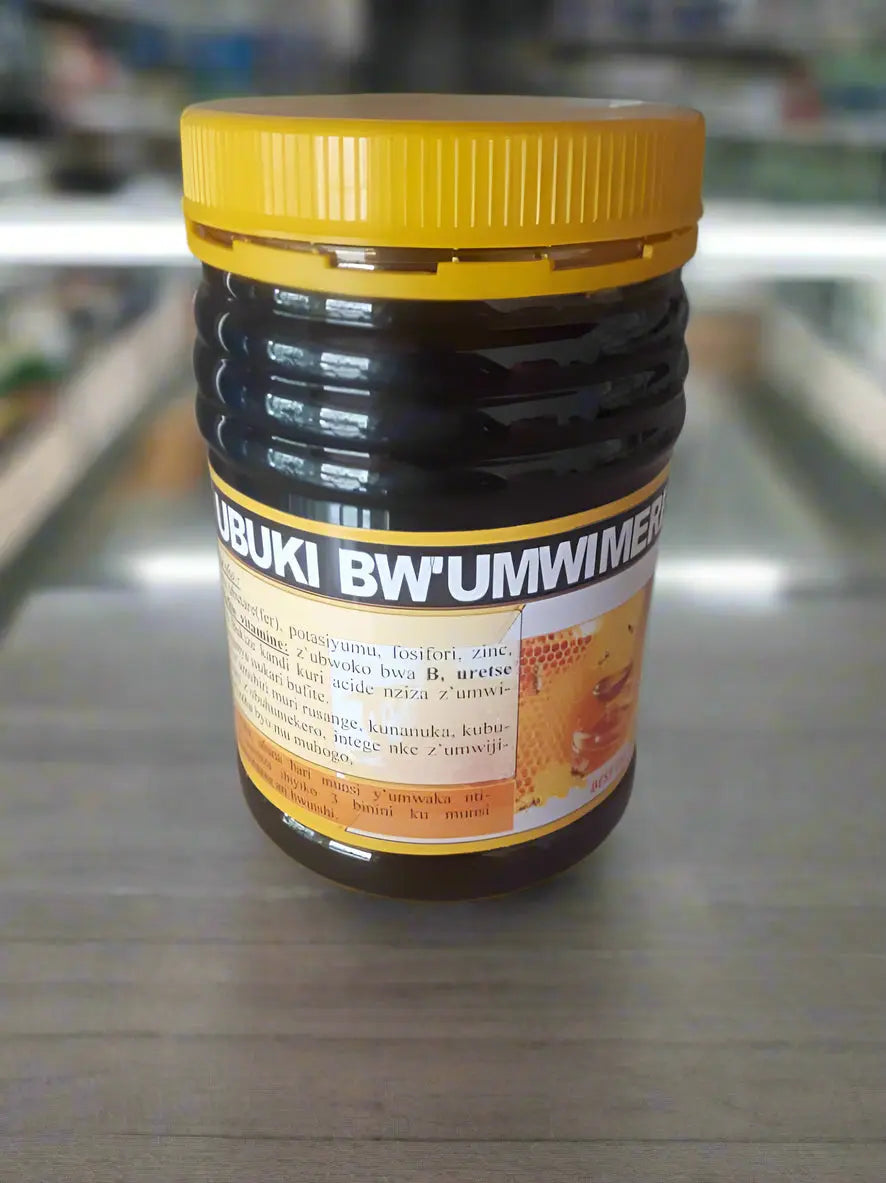
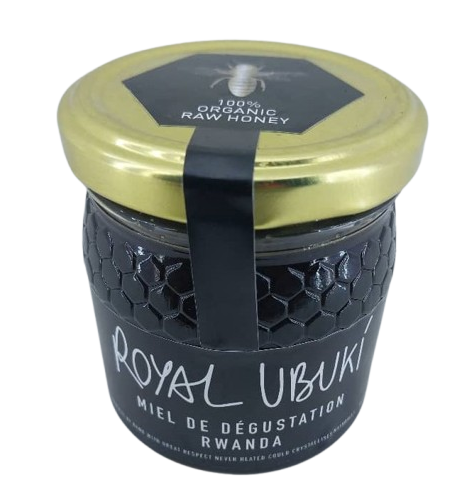
Natural honey
1 jar Must haveA spoon of honey in warm water or tea soothes a scratchy throat and is a classic home comfort.
How to use it: Stir it into warm, not boiling, drinks. Never give honey to babies under one year old.
Lemon or ginger and lemon tea
1 boxNice to haveLemon adds flavor when everything tastes dull, which helps you keep drinking.
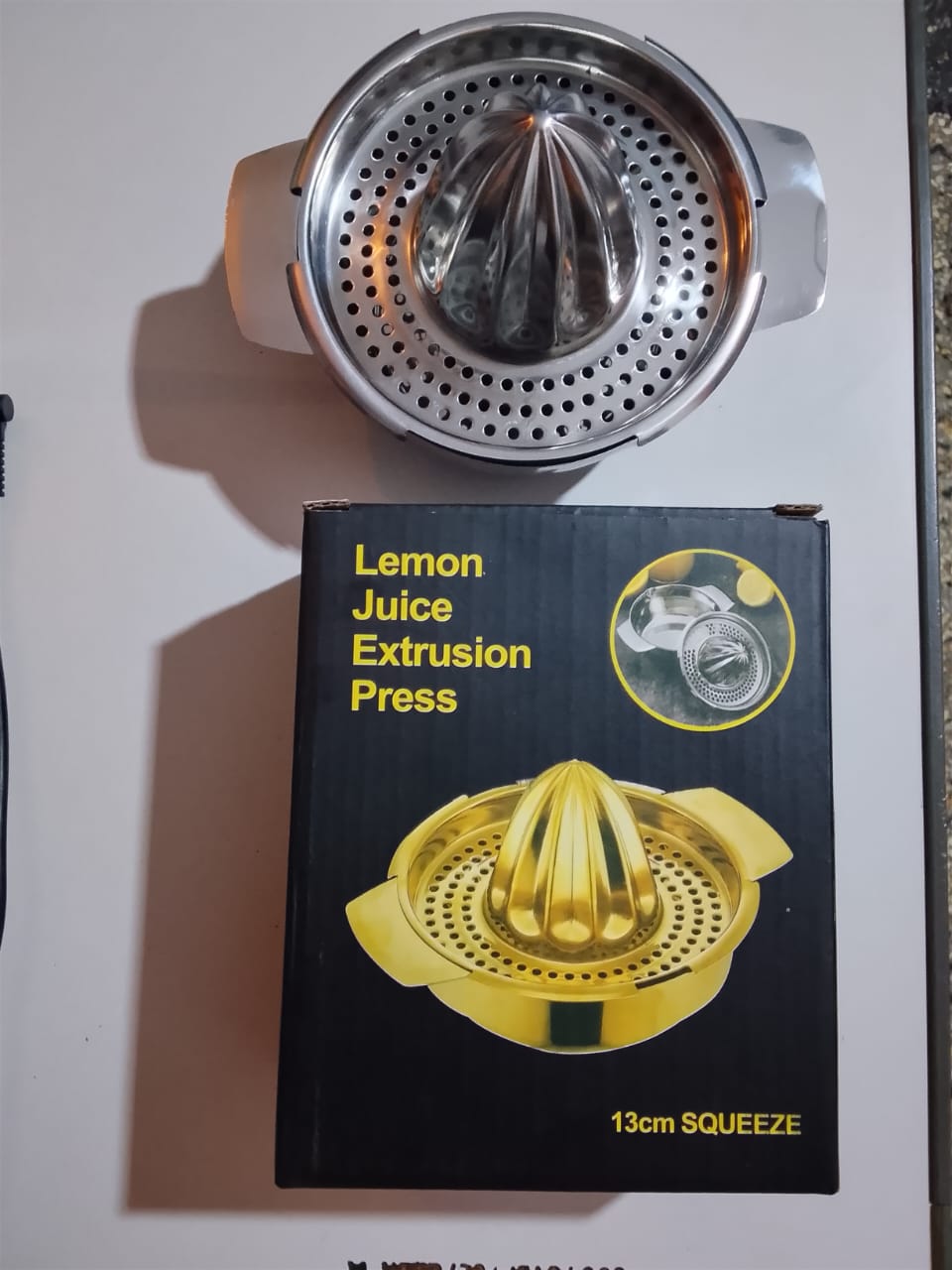
How to use it: Alternate with ginger tea. If you can find fresh lemons, a few slices in hot water work too.
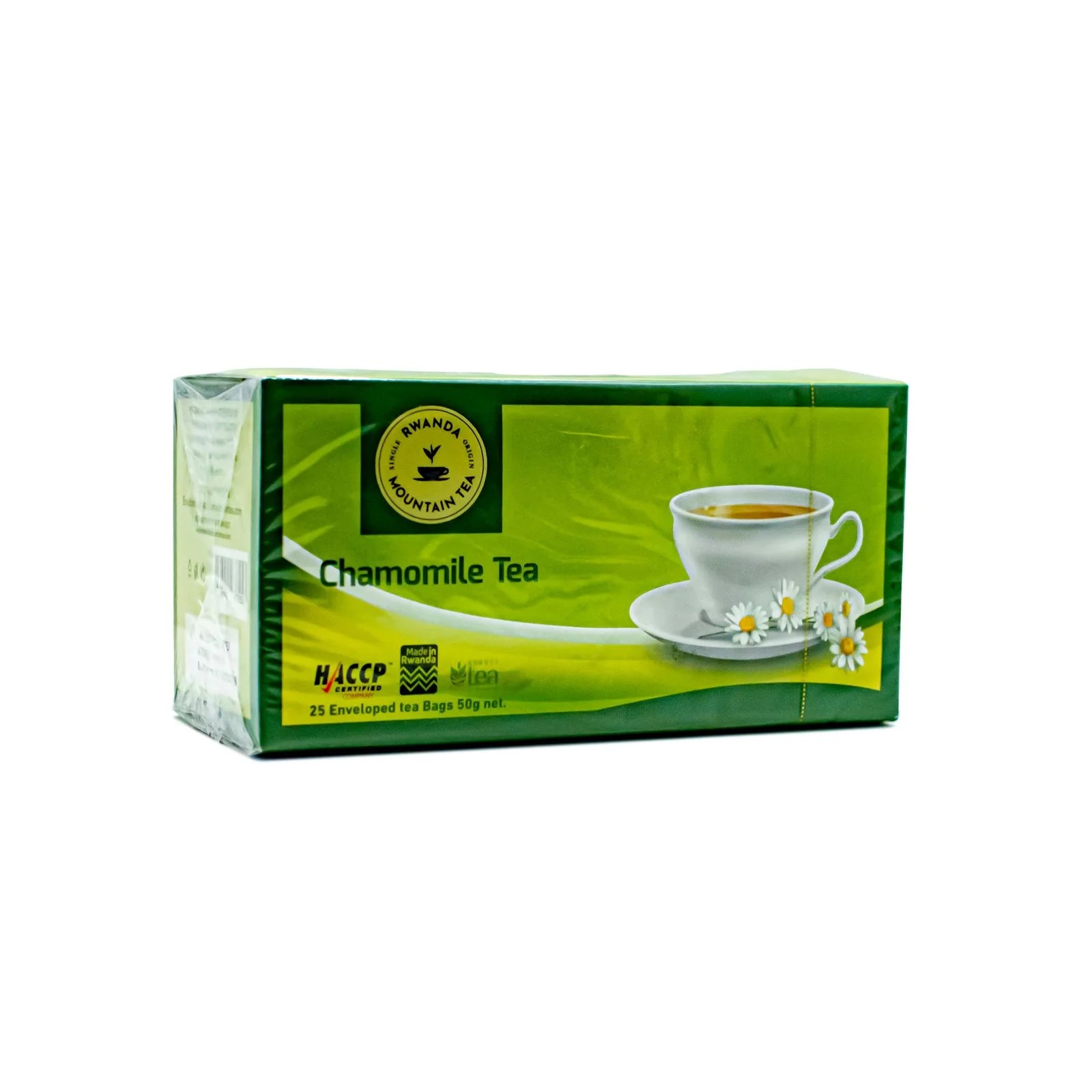
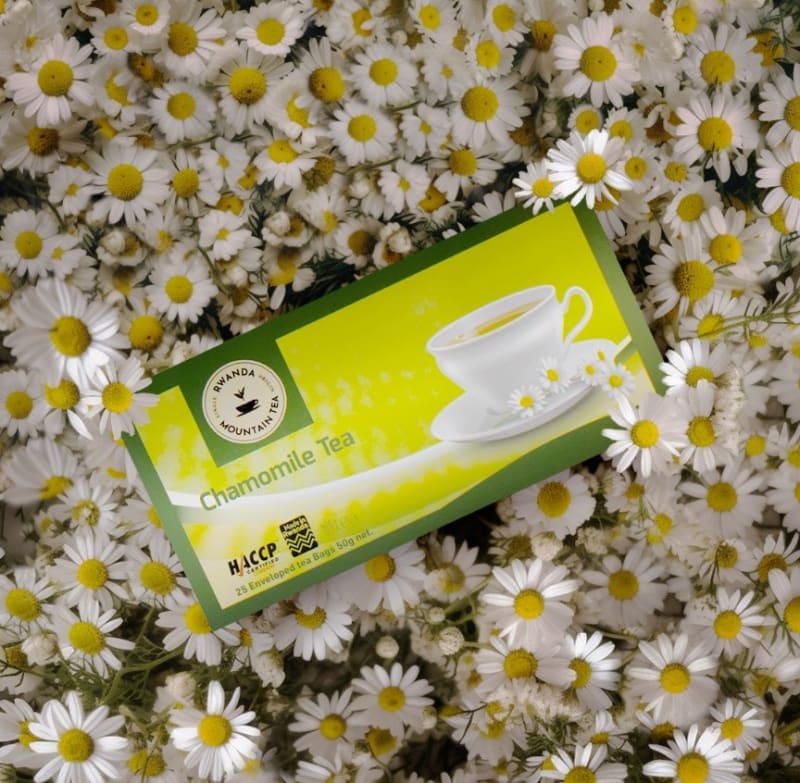
Chamomile tea
1 boxNice to haveA caffeine-free cup for the evening that helps you wind down and sleep, which is when your body does most of its recovering.
How to use it: Drink a cup an hour before bed instead of coffee or black tea.
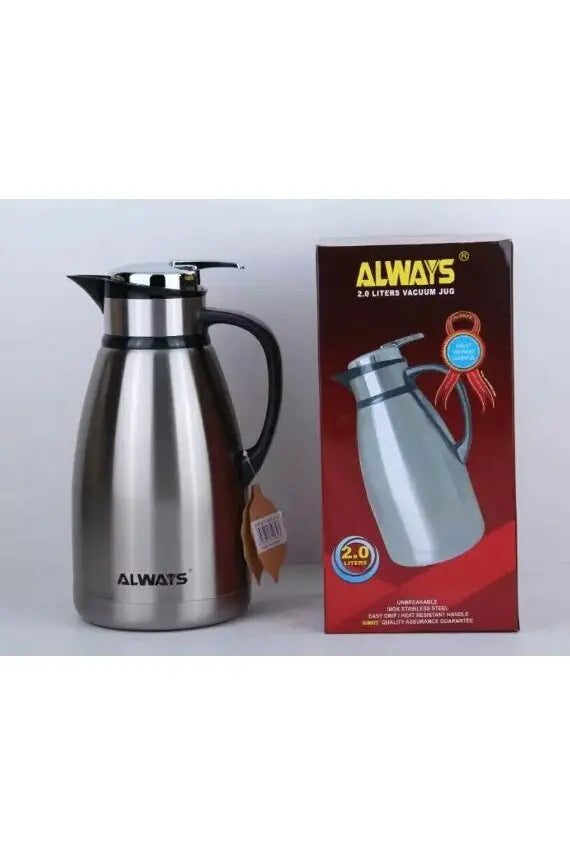
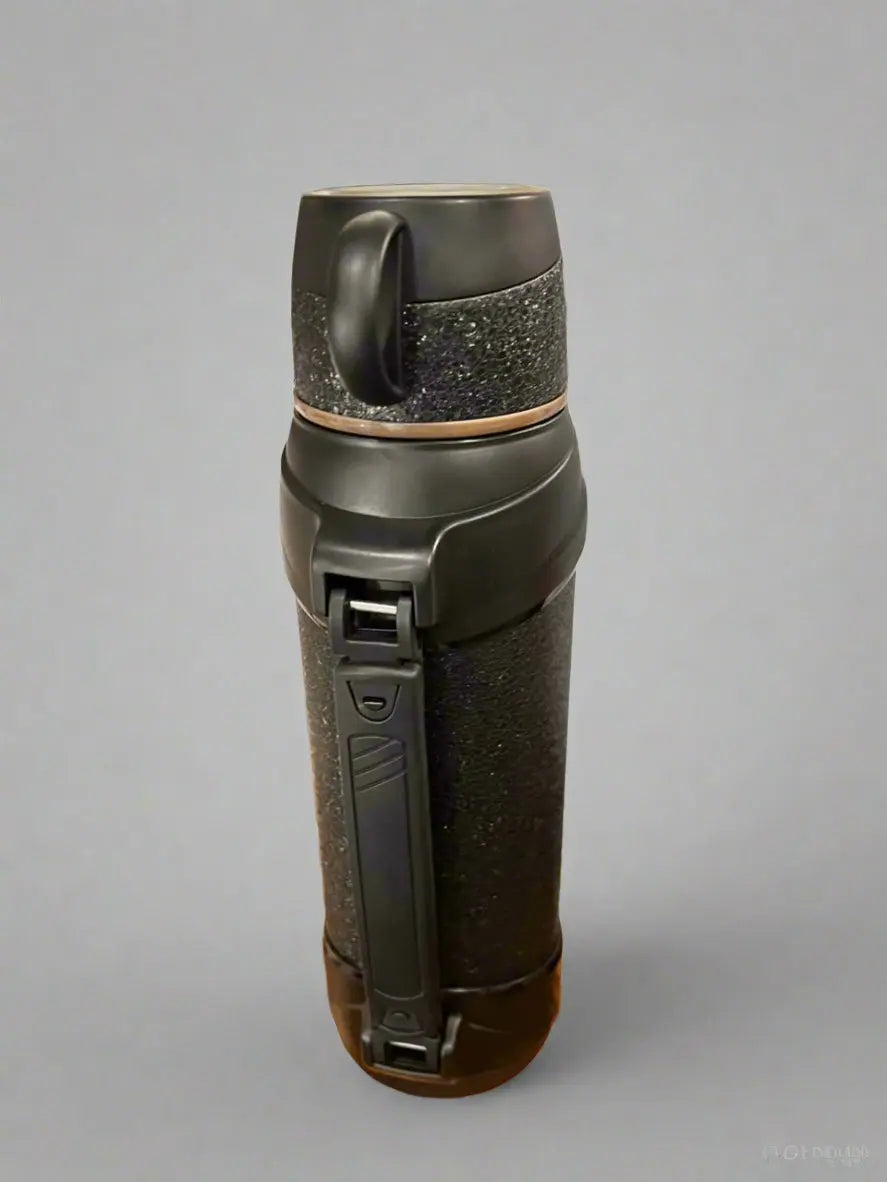
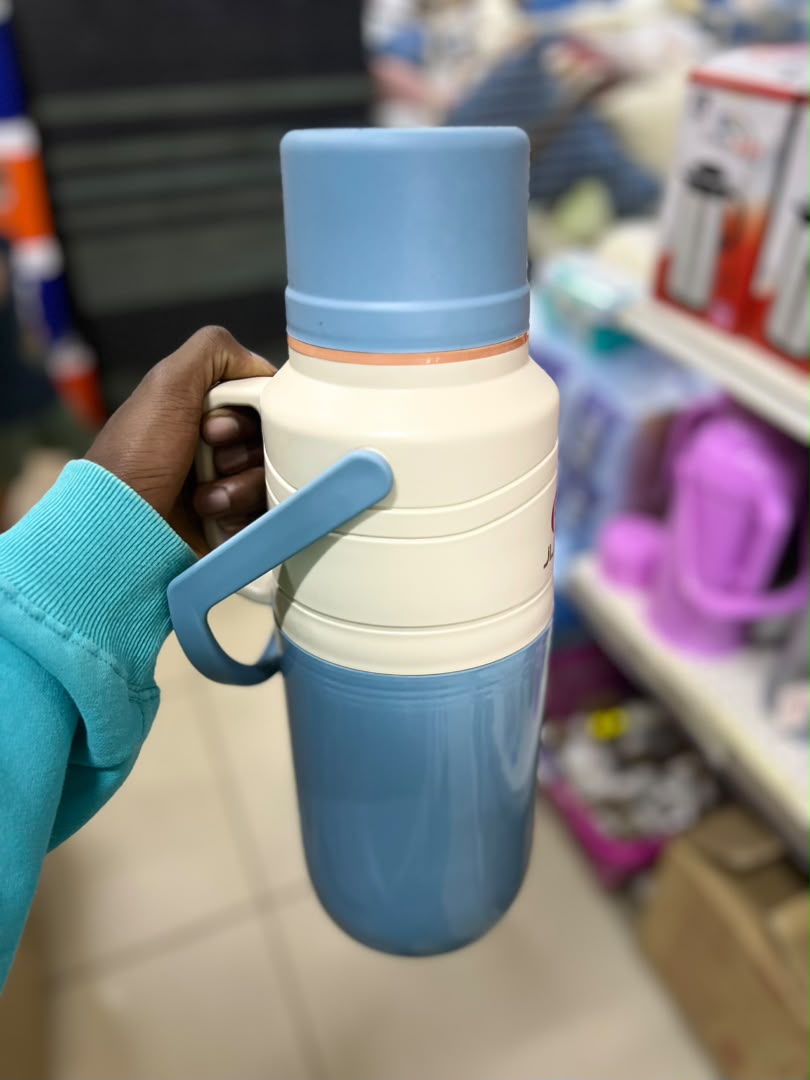
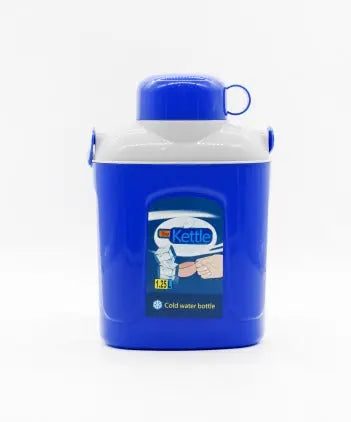
Thermal flask
1 Must haveKeeps tea or hot water warm by your bed all night, so you do not need to get up and boil the kettle at 3 in the morning.
How to use it: Fill it with hot water before bed and keep tea bags and honey beside it.
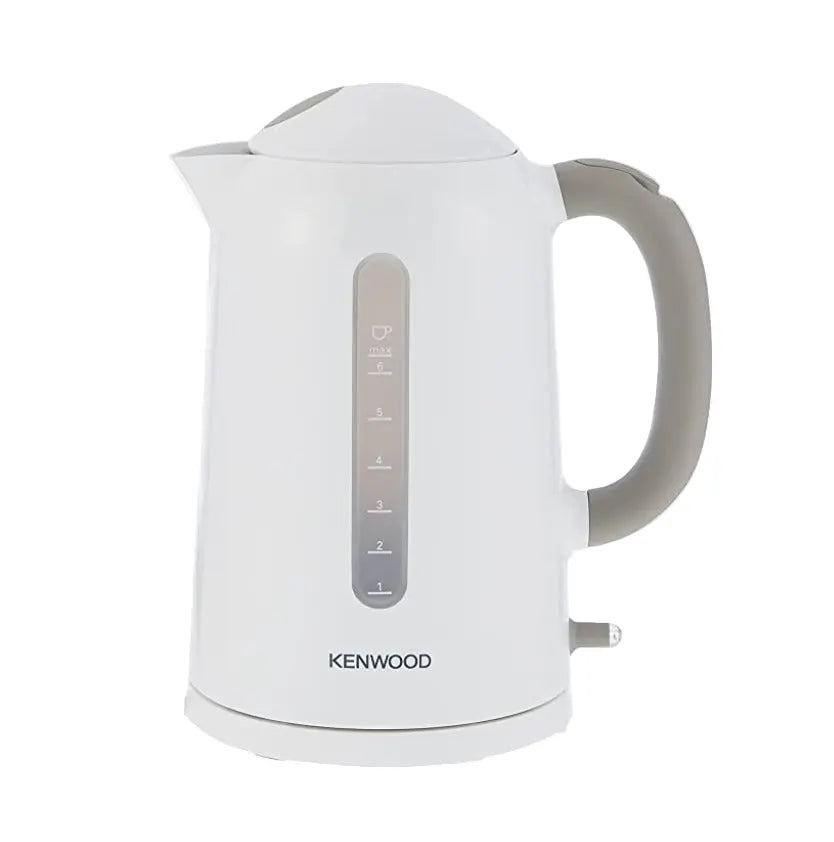
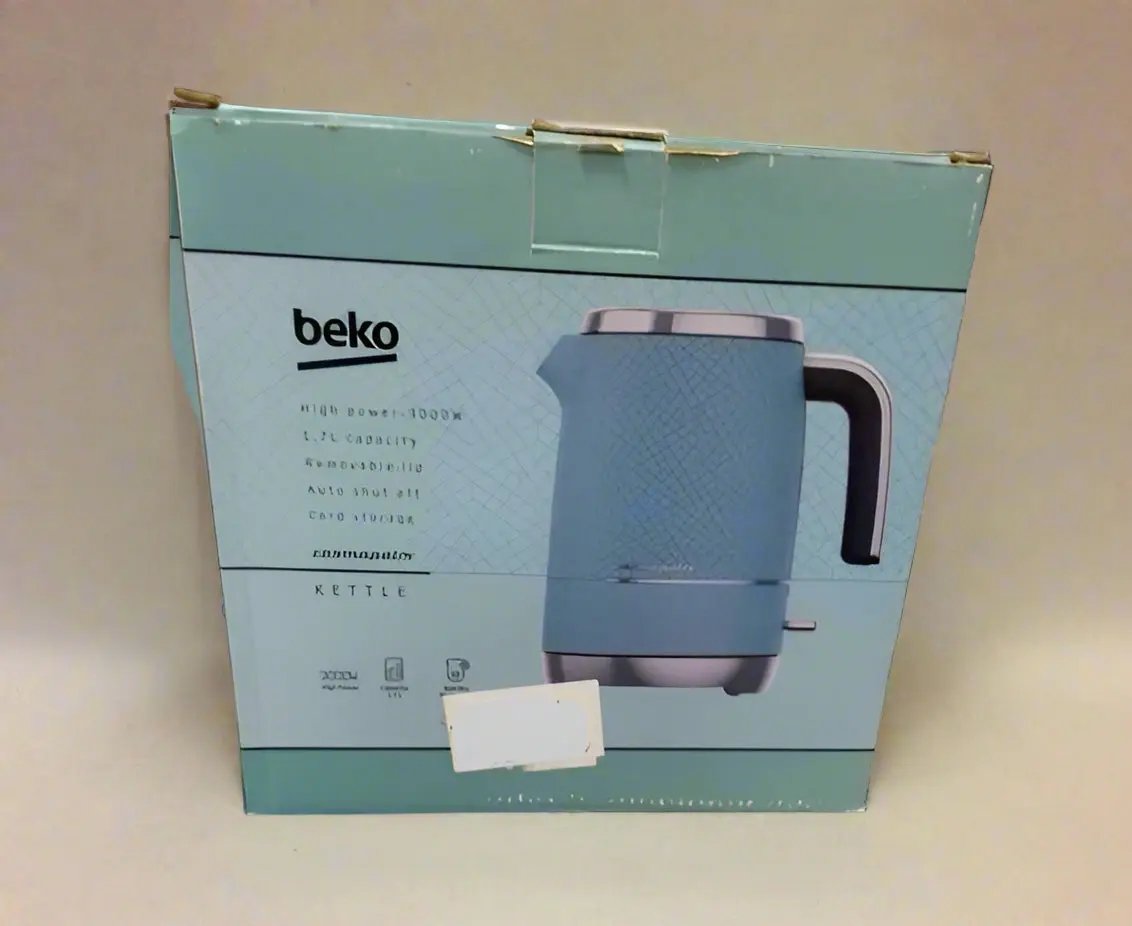
Electric kettle
1Nice to haveHot water on demand for tea, steam and soup, without standing over a charcoal stove when you feel weak.
How to use it: Keep it in the room if you live alone, with a safe spot away from bedding.





Fluids and easy food
Appetite usually drops. Choose food that is easy to swallow and digest, and keep drinking.
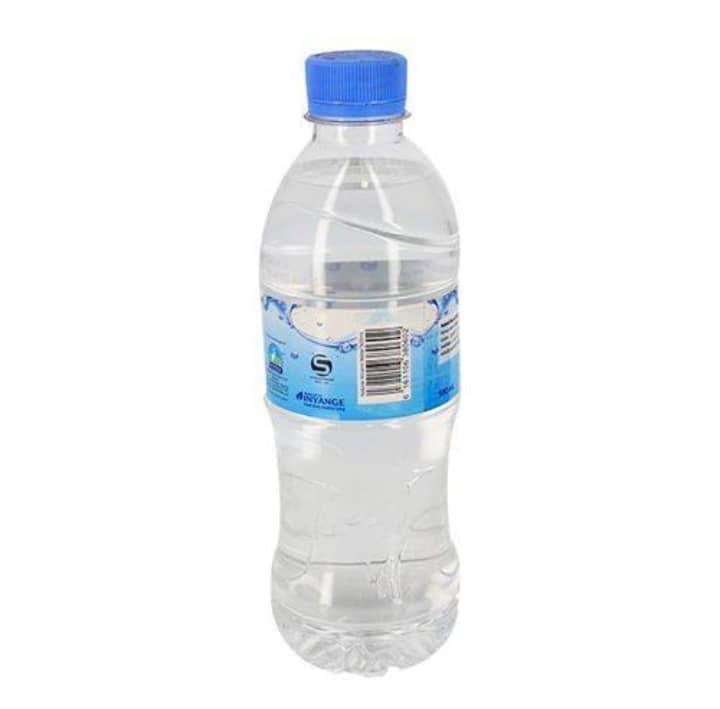
Bottled drinking water
1 large bottle or a pack Must haveFever and a runny nose dry you out. Water within reach is the simplest way to keep drinking.
How to use it: Keep a large bottle by the bed and aim to sip regularly. Pale urine is a good sign you are drinking enough.
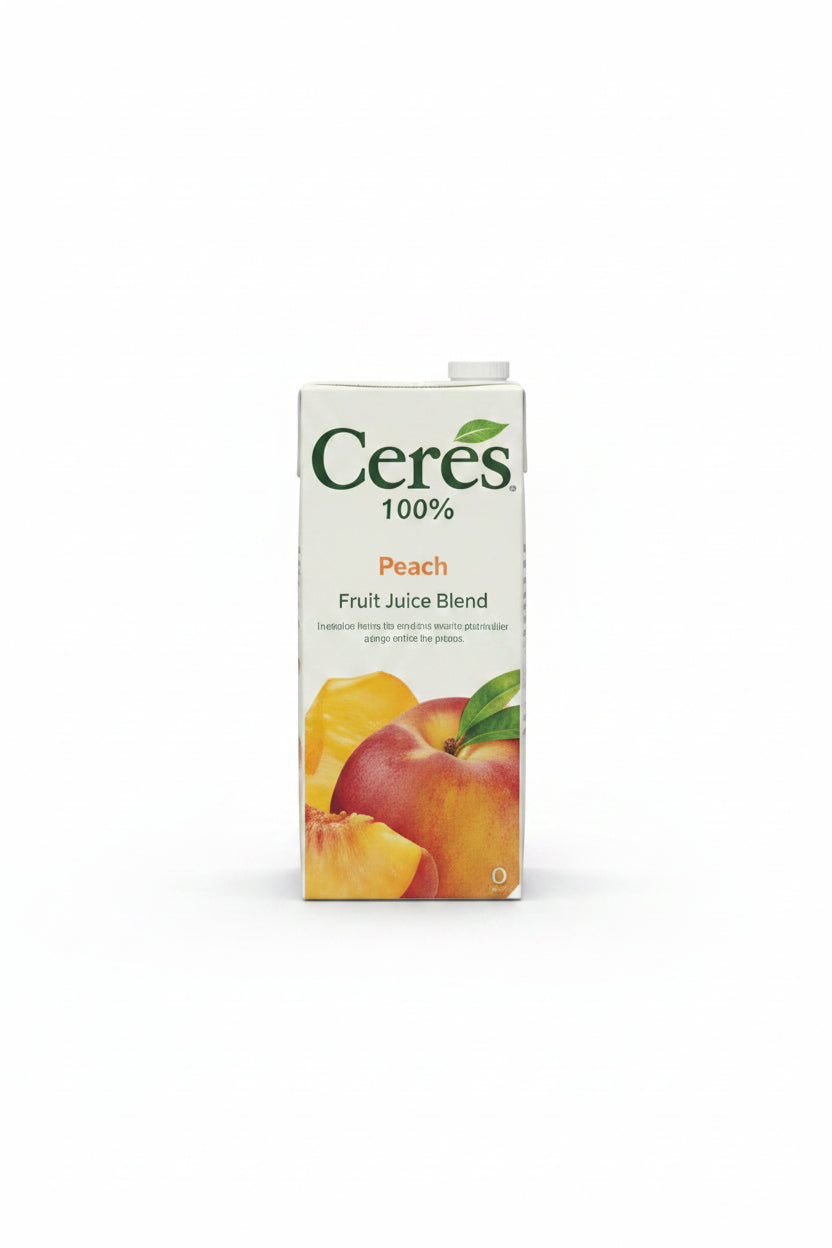
Fruit juice
1 or 2 litresNice to haveAdds a little energy and flavor when you cannot face food.
How to use it: Dilute it with water if it is very sweet. Cold juice can also feel good on a sore throat.
Oranges or tangerines
1 kgNice to haveFresh fruit when you want something light and juicy.
How to use it: Peel and share them out in small portions through the day.
Ready soup
2 to 4 packs or tins Must haveWarm, salty and easy to swallow. A pot of soup is the classic sick day meal for good reason.
How to use it: Heat a cup at a time. Add chopped vegetables or shredded chicken if someone is cooking for you.
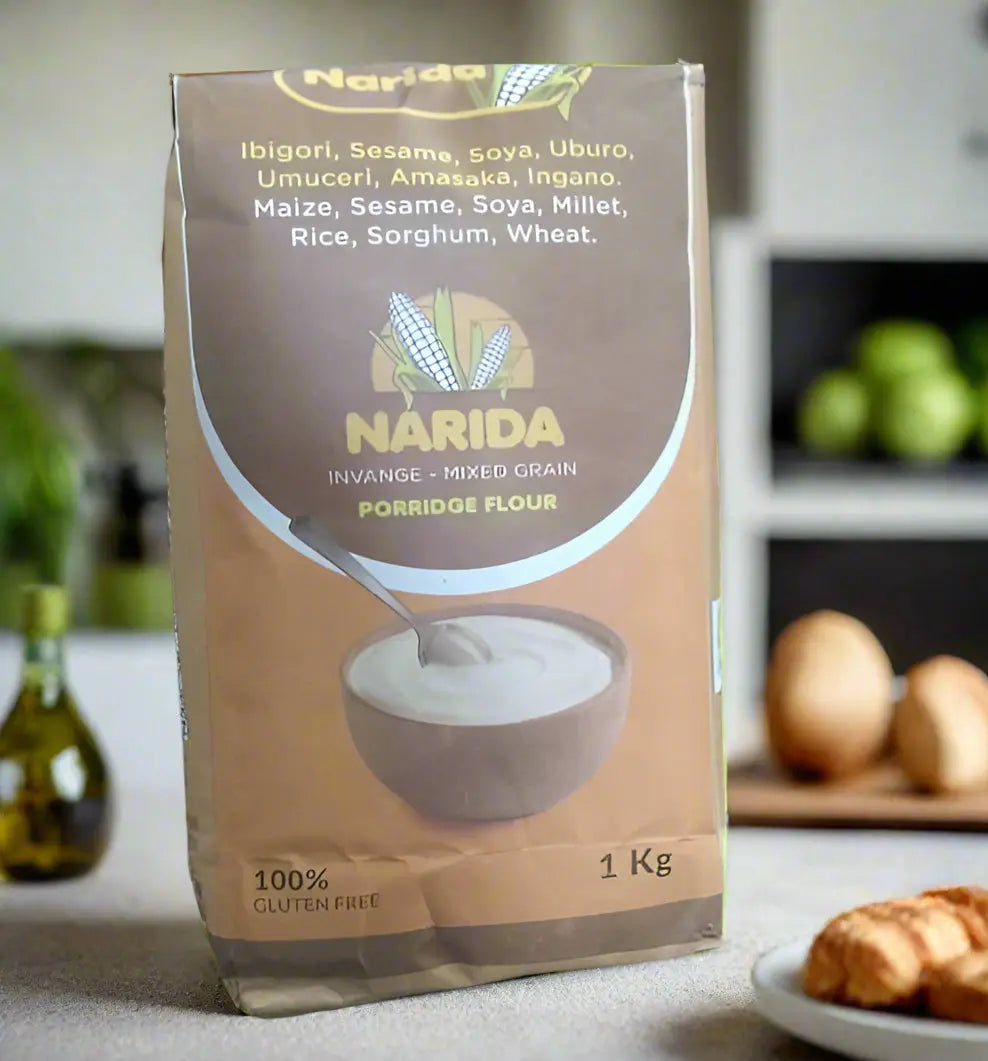
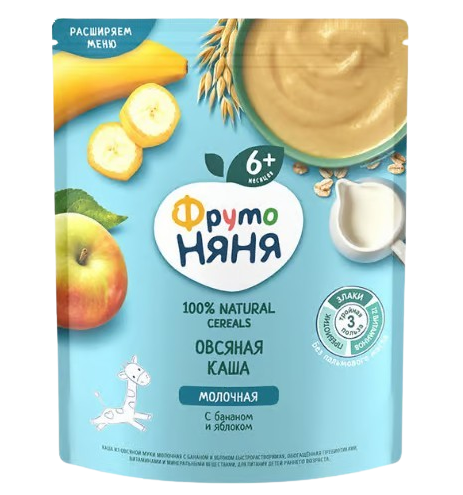
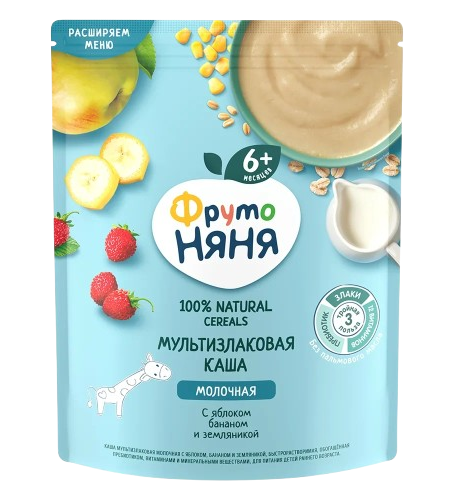
Porridge flour
1 pack Must haveIgikoma is gentle, warm and filling, and easy to make when you have little energy.
How to use it: Cook it thin and drink it warm. Add a little milk or honey for taste.
Ripe bananas
1 bunchNice to haveSoft, easy to eat and gentle on an upset stomach.
How to use it: Keep a bunch on the bedside table for when you feel peckish.
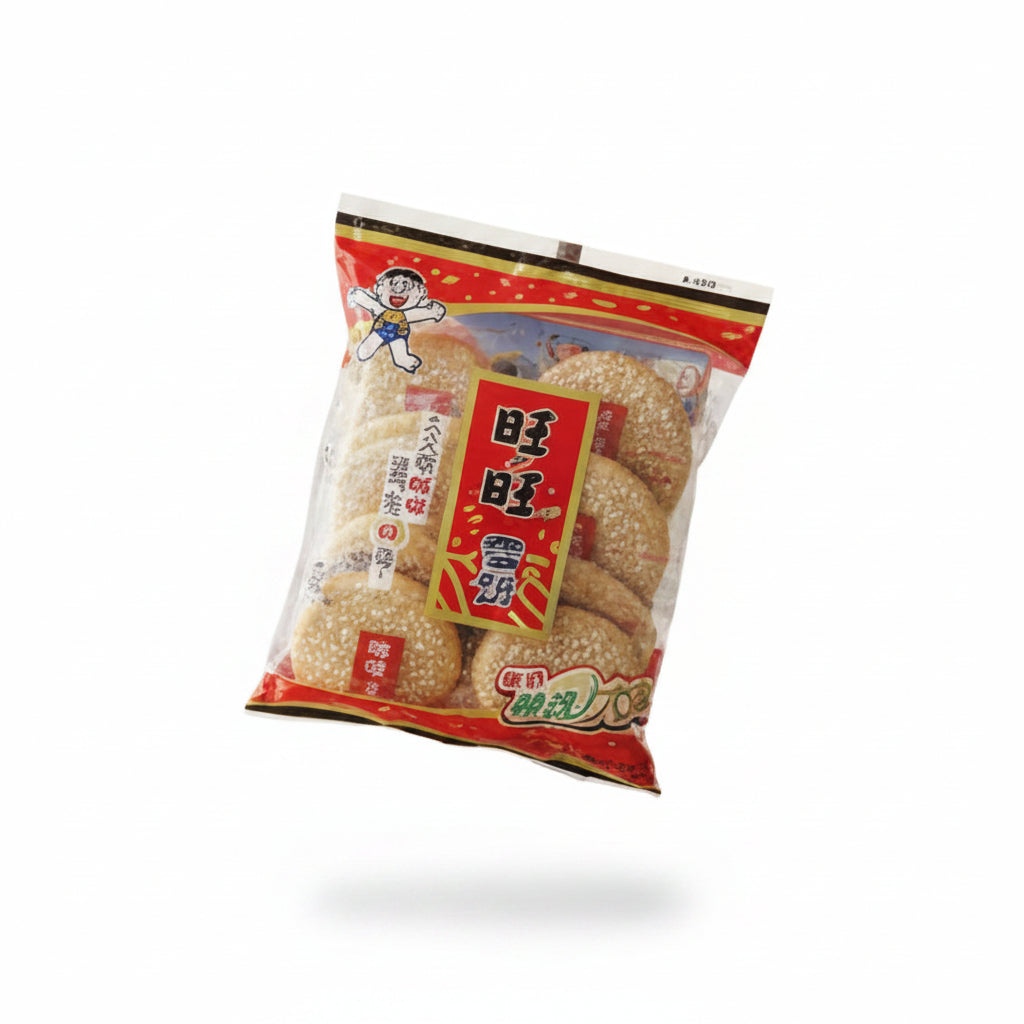
Plain crackers
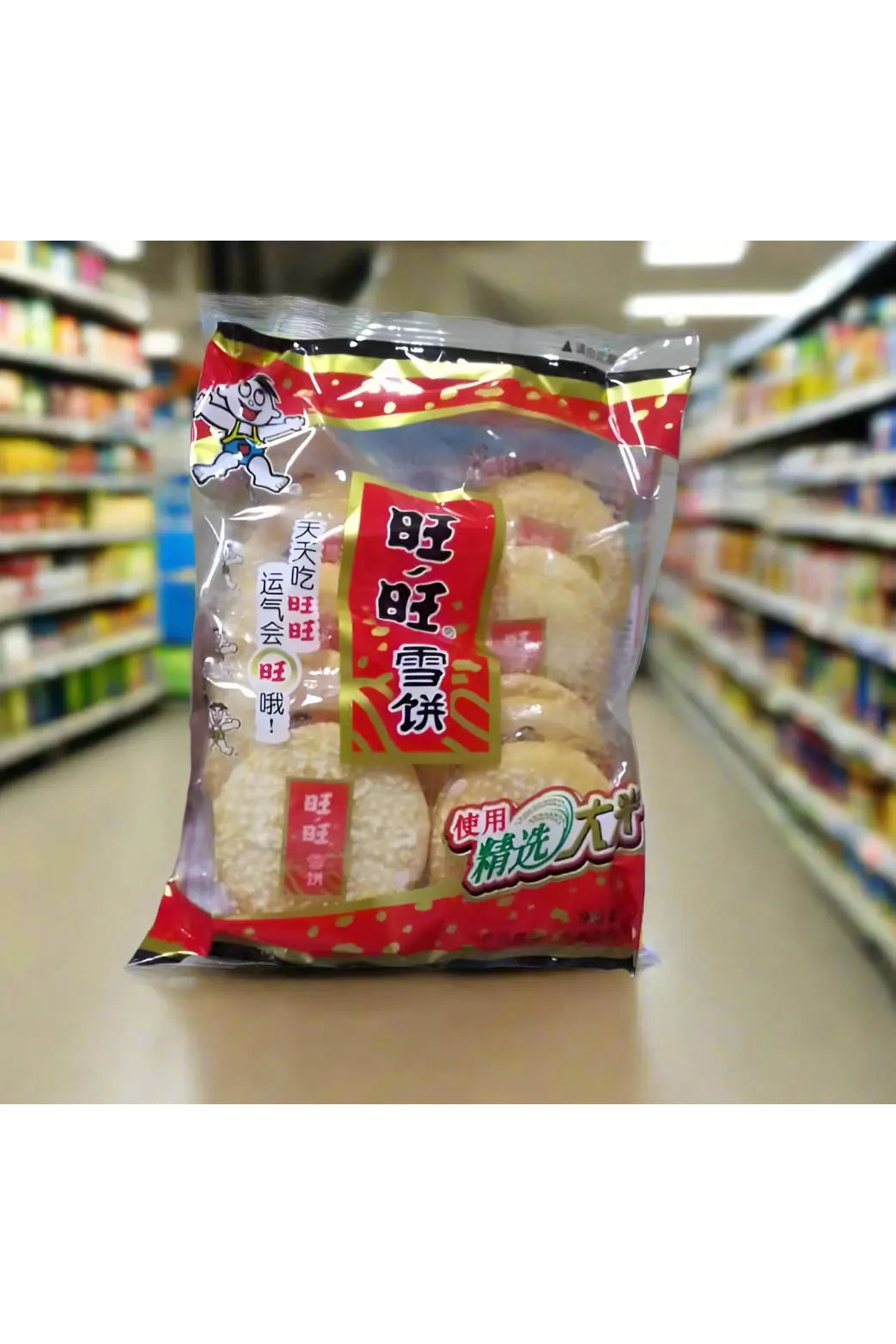
1 packNice to haveSomething dry and plain when your stomach is unsettled or you need to take medicine with food.
How to use it: Keep a pack by the bed.
Garlic
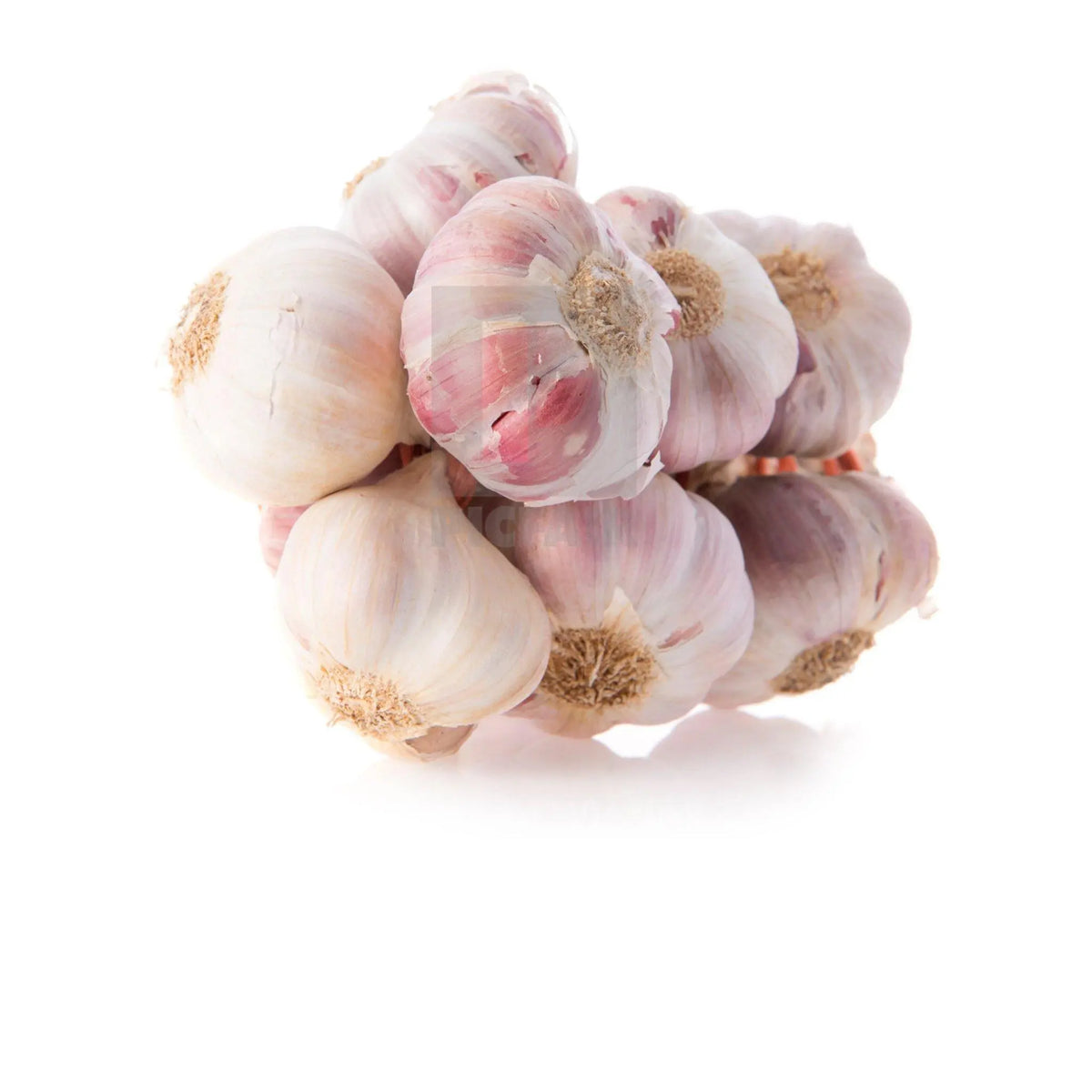
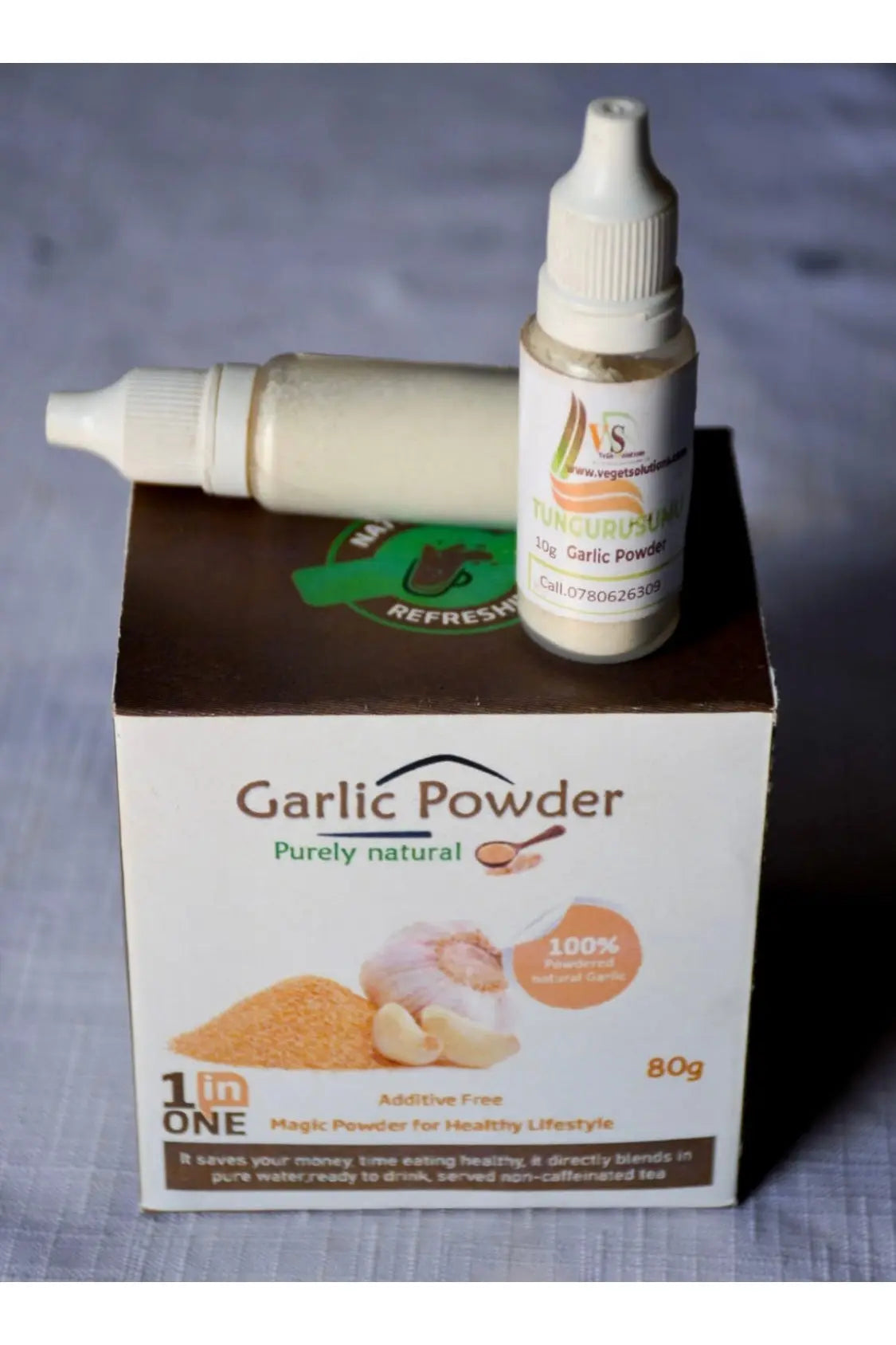
1 bunchNice to haveAdds flavor to soups and sauces when your taste buds are dull.
How to use it: Crush a clove or two into soup at the end of cooking.












Throat, nose and comfort
Small comforts that make the days in bed far less miserable.
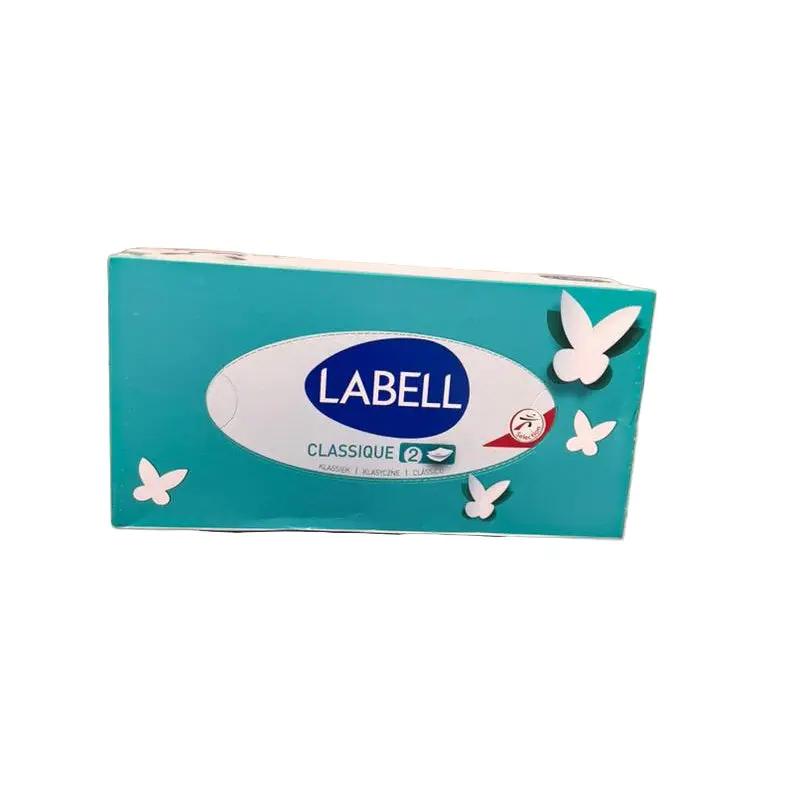
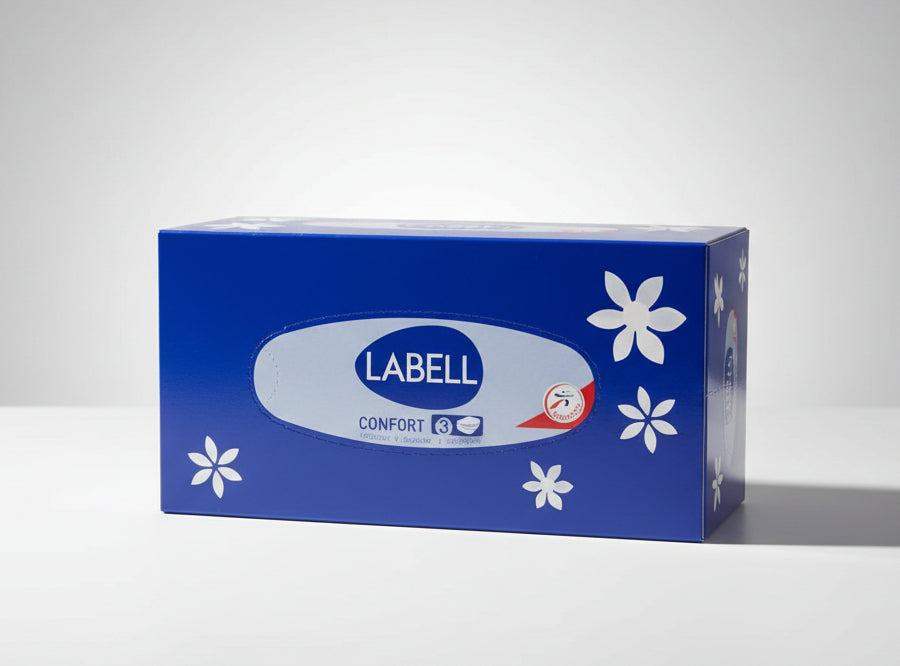
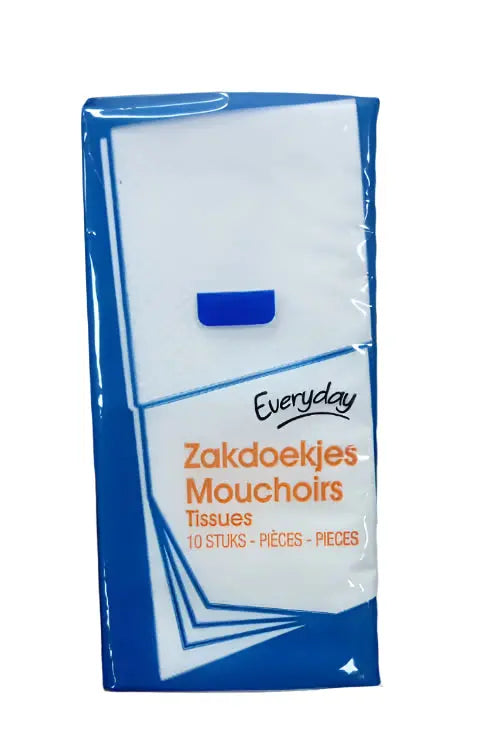
Soft facial tissues
2 boxes Must haveYou will go through a lot. Soft ones save your nose from getting raw.
How to use it: Keep a box by the bed and a small pack in your pocket.
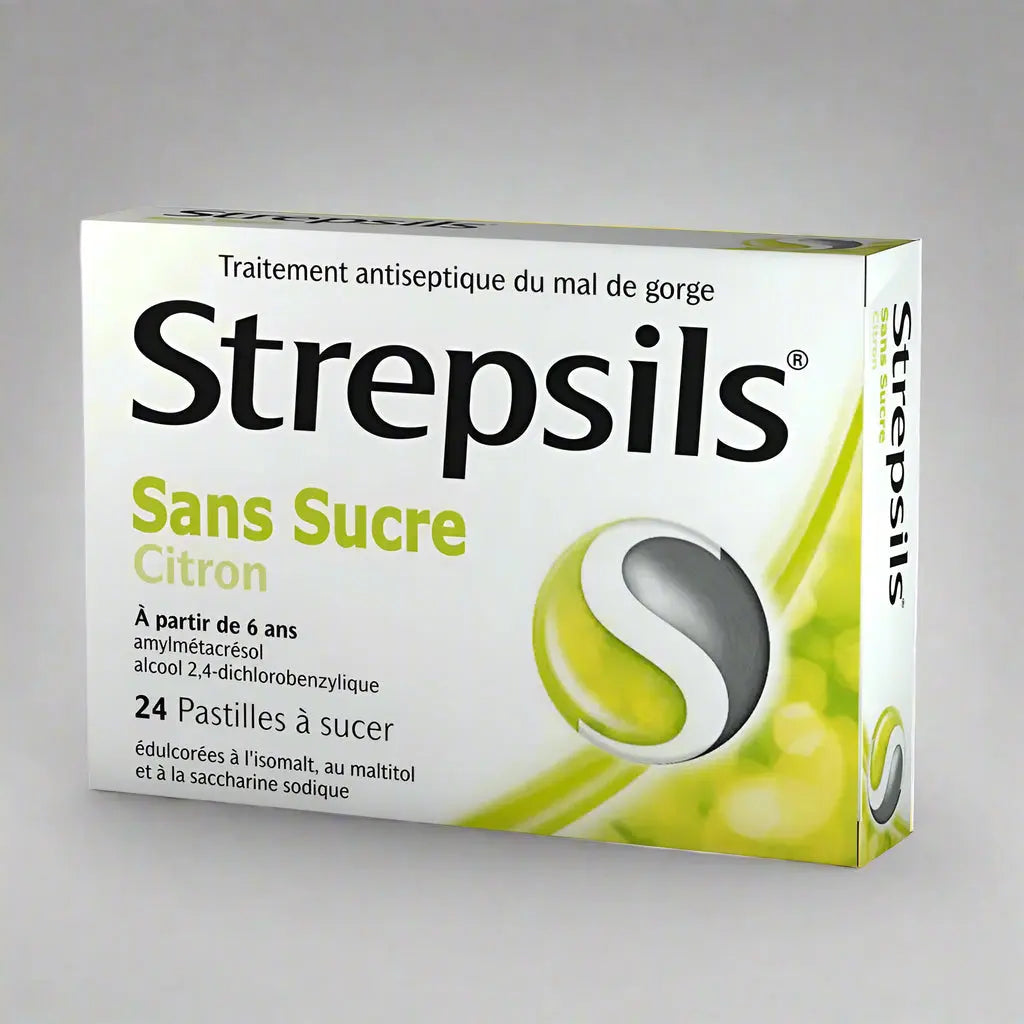
Throat lozenges
1 packNice to haveSoothe a scratchy throat between cups of tea, especially at night.
How to use it: Use as the pack says and keep them out of reach of small children.
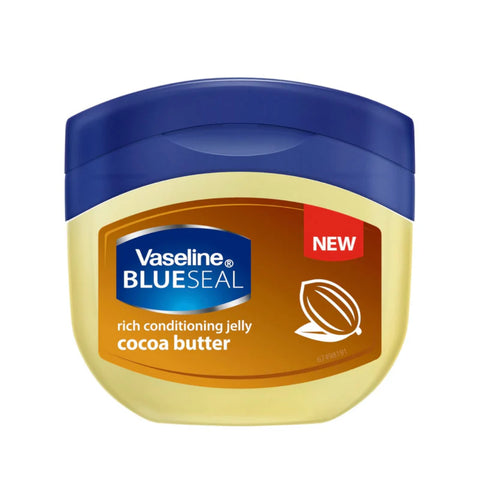
Petroleum jelly
1 small tubNice to haveA sore, red nose from blowing it all day stings. A thin layer protects the skin.
How to use it: Dab a little around the nostrils with a clean cotton bud.
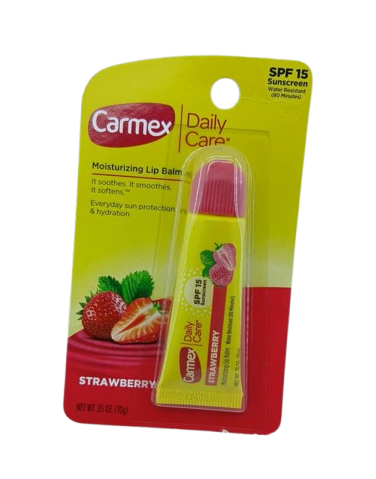
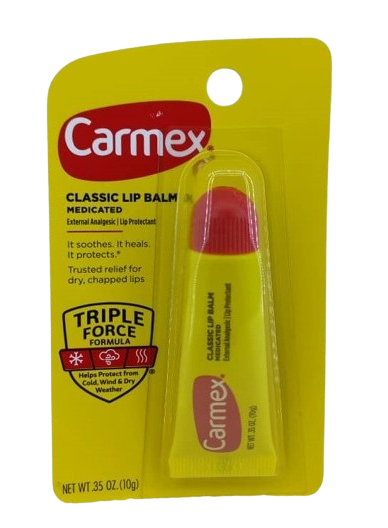
Lip balm
1Nice to haveFever and breathing through your mouth leave lips dry and cracked.
How to use it: Apply often, especially before sleep.
Clean bed sheets
1 spare setNice to haveFever sweats leave bedding damp. Fresh sheets feel wonderful and help you sleep.
How to use it: Change them every couple of days while you are sick.
Comfortable sleepwear
1 or 2 setsNice to haveLoose, breathable clothes you can change when you sweat.
How to use it: Keep two sets so one can be washed and dried.




Keep the rest of the house well
Colds spread fast in a shared home. A few habits protect babies, elders and housemates.
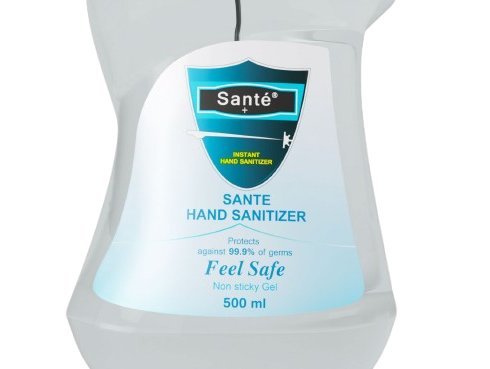
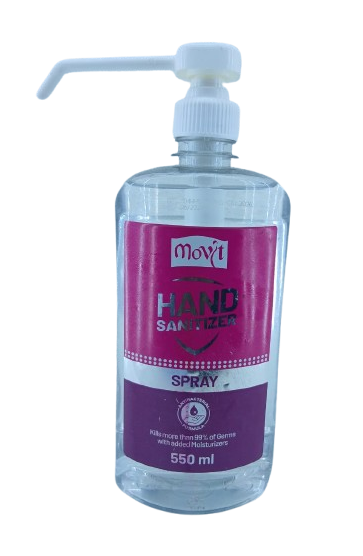
Hand sanitizer
1 or 2 bottles Must haveThe easiest way to stop germs moving from tissues to door handles to everyone else.
How to use it: Put a bottle by the bed, the door and the kitchen. Use it after every nose blow.
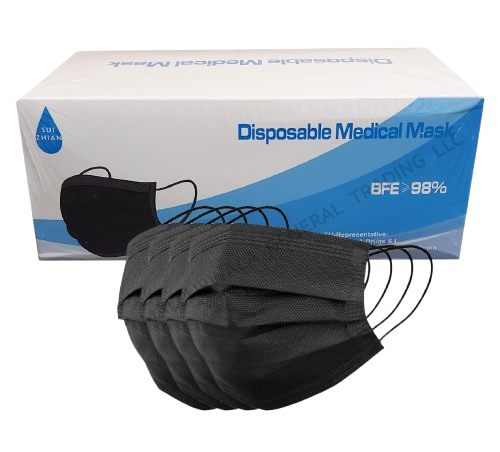
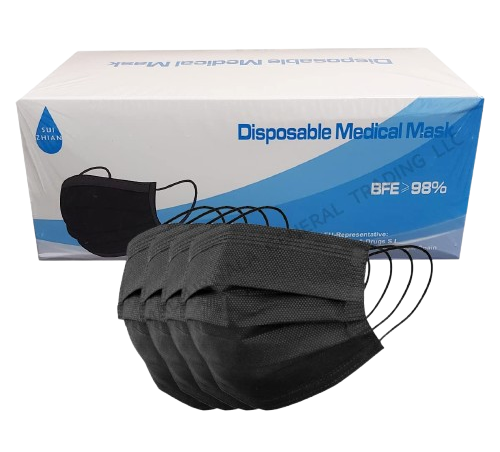
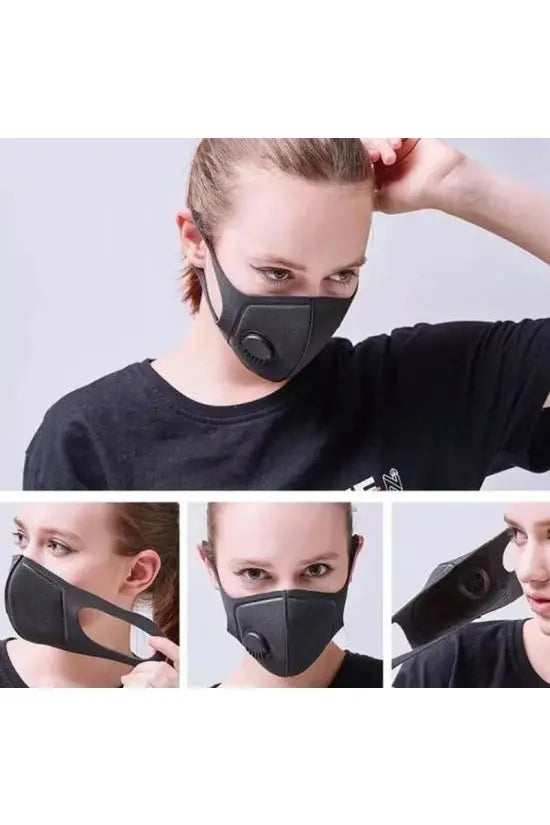
Disposable face masks
1 box Must haveWhen you must be near others, a mask cuts down on spreading the cold, especially around babies and older relatives.
How to use it: Wear it over your nose and mouth and change it when damp.
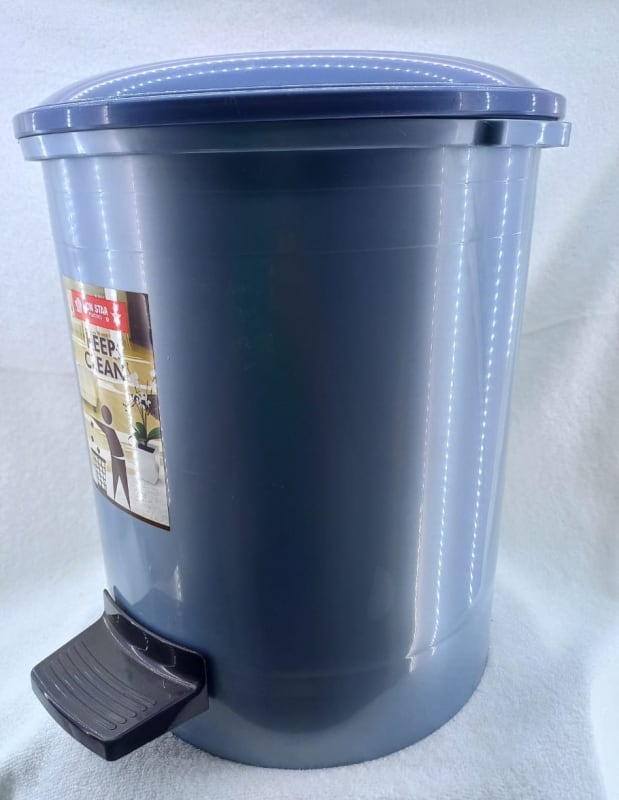
Pedal bin for used tissues
1Nice to haveA lidded bin by the bed keeps used tissues contained instead of piling up on the floor.
How to use it: Line it with a bag and empty it daily.
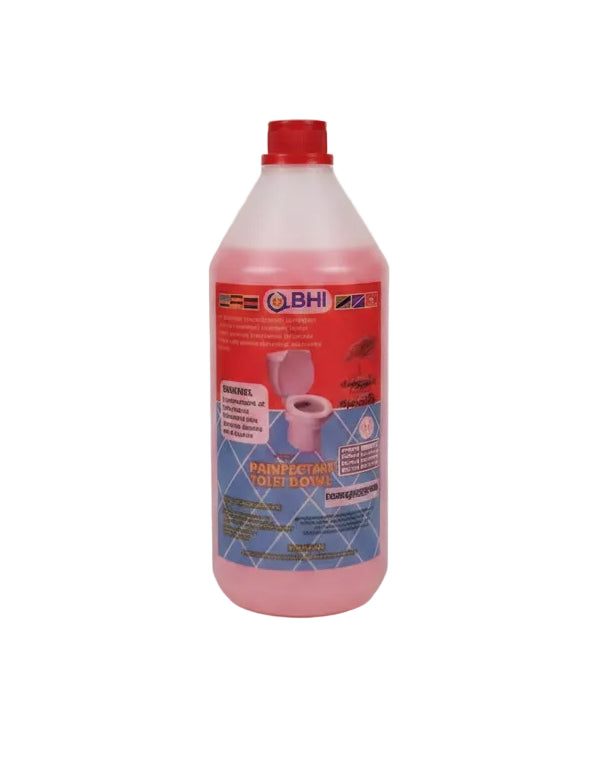
Disinfectant
1 bottle Must haveFor wiping door handles, phones, light switches and the TV remote that everyone touches.
How to use it: Wipe shared surfaces once a day while someone is sick. Dilute as the label says.





Track it and know when to get help
Most colds pass in a week or so. Keep an eye on how things change.
Thermometer
1 Must haveKnowing whether there is a fever, and how high, helps you decide when to see a doctor.
How to use it: Take a reading morning and evening and write it down with the time.
Pain and fever medicine from a pharmacy
As advised Must haveCan ease aches and fever so you can rest. The right product and dose depend on age and health.
How to use it: Ask a pharmacist what suits you or your child and follow the leaflet. Do not double up on cold remedies that contain the same medicine.
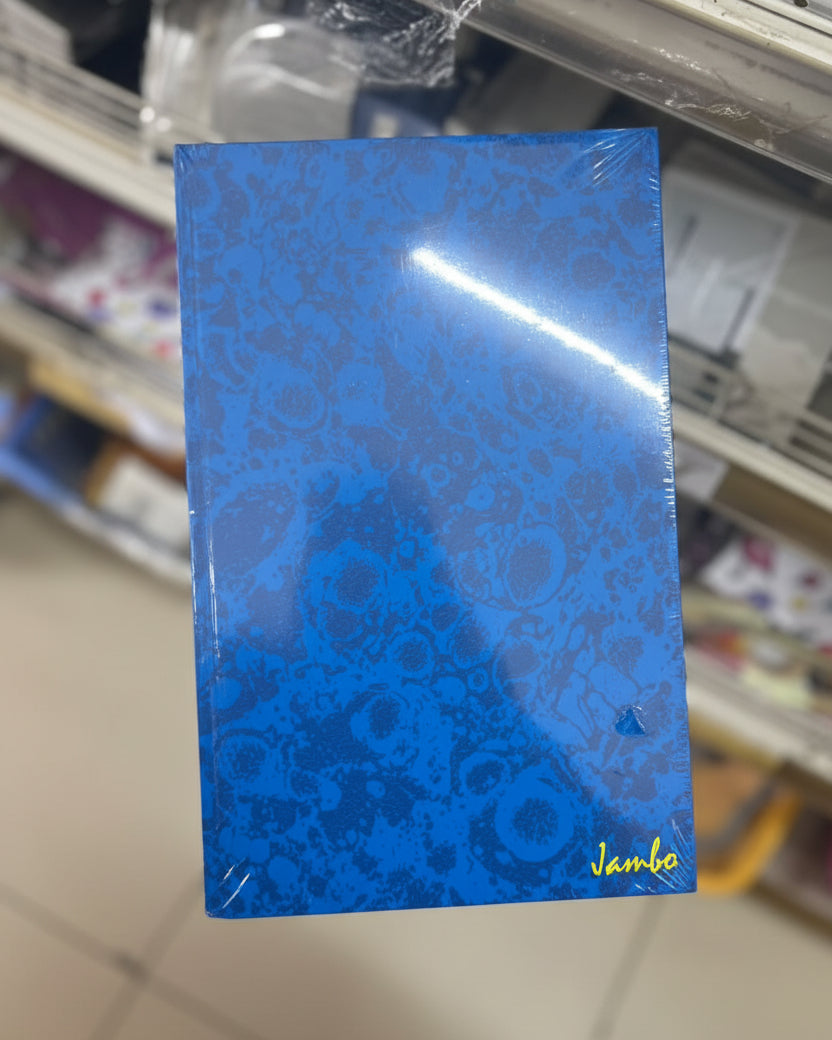
Notebook
1Nice to haveWhen you are foggy with fever, notes help: temperature, medicines taken and when, and how you feel.
How to use it: Bring it if you see a doctor. It makes the visit faster and clearer.
Step by step
- 1
At the first sniffle
Order tea, honey, soup, tissues and water so they arrive before you feel worse. Tell work or school early.
- 2
Set up a rest station
Put water, a flask of hot water, tea, tissues, a bin, your phone charger and the thermometer within reach of the bed or sofa.
- 3
Days one to three
Rest as much as you can, keep drinking, eat small easy meals and check your temperature twice a day.
- 4
Protect the household
Use your own cup and towel, wash hands often, wear a mask around babies and elders and open windows for fresh air when it is not raining.
- 5
Know when to get checked
See a doctor if fever is high or lasts more than a few days, breathing is hard, you feel worse after starting to improve, or a child is very drowsy or not drinking.
Tips that help
- In Kigali, a fever with chills, headache or body aches can also be malaria. Get tested at a health center or pharmacy rather than assuming it is the flu.
- Open a window for fresh air in the dry hours of the day; a stuffy closed room feels worse.
- Steam from a bowl of hot water can feel soothing for a blocked nose. Be careful with children and boiling water.
- Keep your phone charged with a power bank so you can order more supplies or call for help during a power cut.
- Sleep with your head a little higher on an extra pillow if a blocked nose keeps you awake.
- Wash used towels and sheets in hot water once you feel better.
Mistakes to avoid
- Assuming every fever is a cold. Malaria and other infections share symptoms, so get tested if fever is strong or lasts.
- Taking antibiotics left over from a past illness. They do not work on colds and flu viruses, and only a doctor should prescribe them.
- Going back to work or the gym while still feverish and spreading it around.
- Forgetting to drink because you are not hungry.
- Giving honey to a baby under one year old.
Questions people ask
What should I eat when I have a cold or flu?+
Warm, easy foods like soup, porridge, bananas and plain crackers, plus lots of fluids. Small portions through the day are easier than big meals. Appetite usually comes back as you recover.
How long does a cold usually last?+
Most colds improve within about a week, though a cough can linger longer. If you are getting worse instead of better, or fever stays high, see a doctor.
Is it a cold, flu or malaria?+
They can feel similar at the start, with fever, aches and tiredness. In Rwanda, a fever should be tested for malaria, which a health center or many pharmacies can do quickly. Do not guess.
Does honey help a sore throat?+
Many people find honey in warm water or tea soothing for a sore throat. It is a comfort, not a cure, and it should never be given to babies under one year old.
When should I see a doctor for a cold or flu?+
Go if you have trouble breathing, chest pain, a high or lasting fever, confusion, or you improve and then suddenly get worse. For babies and young children, see a doctor quickly if they are very drowsy, not drinking, or breathing fast.
Nobody plans to get sick, but you can plan to be comfortable when you do. Order the tea, soup, tissues and water on Isokko and let the moto bring them to your door while you stay under the blanket. Rest, drink, and get checked if things do not improve.
Shop this list
Get everything delivered in Kigali
Order from local stores on Isokko and pay with MoMo, card or cash. Same-day delivery.