
Checklist · Pets & garden
Indoor Plants for a Kigali Apartment: Pots and What to Buy
Bring green into a Kigali apartment with low light plants. Find the pots, soil, watering tools and care items to buy first.
Updated November 25, 2026 · By Isokko
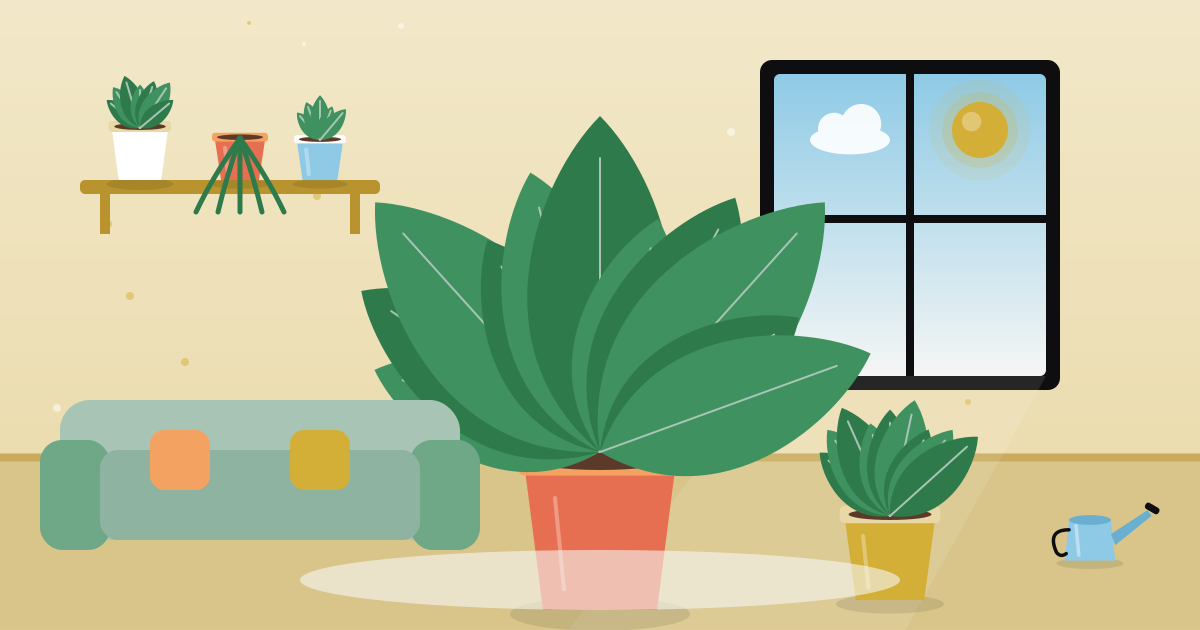
A few plants can make a rented apartment feel like home. They soften bare corners, add color and give you something to look after. The right ones also forgive a missed watering.
Many Kigali apartments have small windows, balconies shaded by the next building, or rooms that stay dim in rainy months. This list focuses on easy, low light friendly plants and the pots, soil and small tools that help them last.
Buy fewer plants and care for them well. Three healthy plants look better than ten tired ones.
Who it's for
Apartment renters and owners in Kigali who want plants that survive low light and busy weeks
Time needed
One shopping trip, then a few minutes of care each week
When to shop
Any time, but repot at the start of a rainy season when plants grow fastest
On the list
28 items, 7 must haves
0 of 28 ready
Choosing your plants
Pick plants that match the light in your room. Ask the seller about each plant before you buy.
Snake plant or similar tough plant
1 Must haveIt is known for surviving low light and long gaps between waterings, so it is a good first plant.
How to use it: Water only when the soil is completely dry. Ask the seller how big it will grow.
Trailing plant for a shelf
1Nice to haveA trailing plant softens the edge of a shelf and brings green to a high spot.
How to use it: Let the stems hang over the edge and trim any that get long.
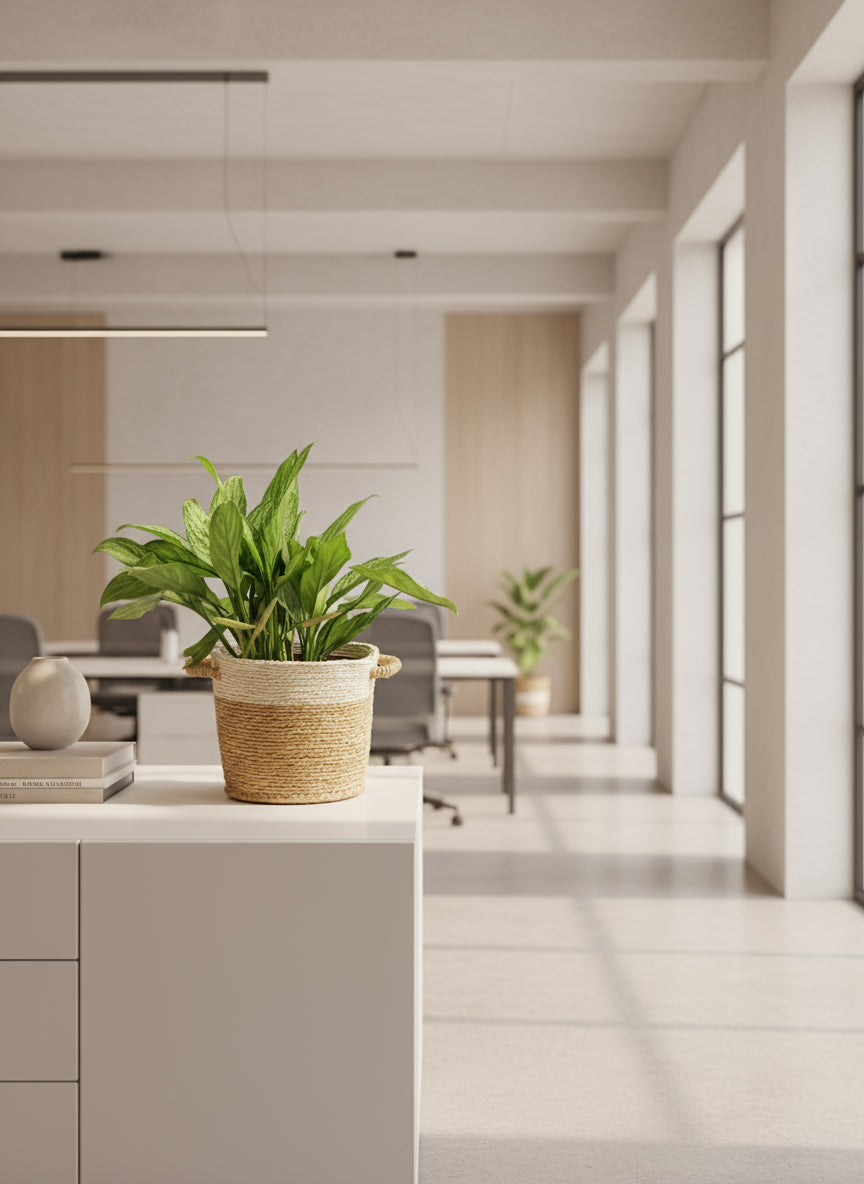
Planted flower or green plant in a basket
1Nice to haveOne bigger plant makes a corner feel finished.
How to use it: Place it near the brightest window you have and turn it from time to time.
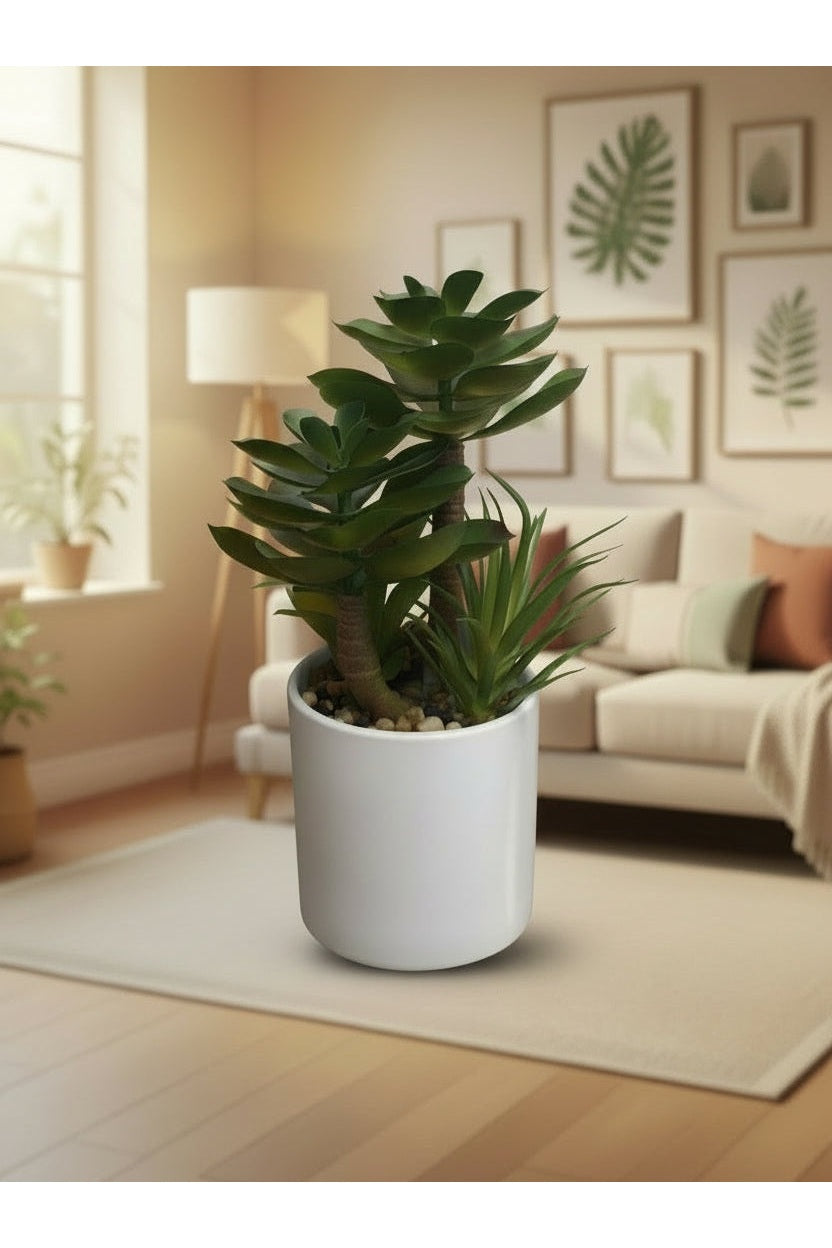
Small succulent or cactus
1 to 3Nice to haveThey store water and suit a sunny sill with little care.
How to use it: Water lightly and only when the soil is dry. Give them the most light.
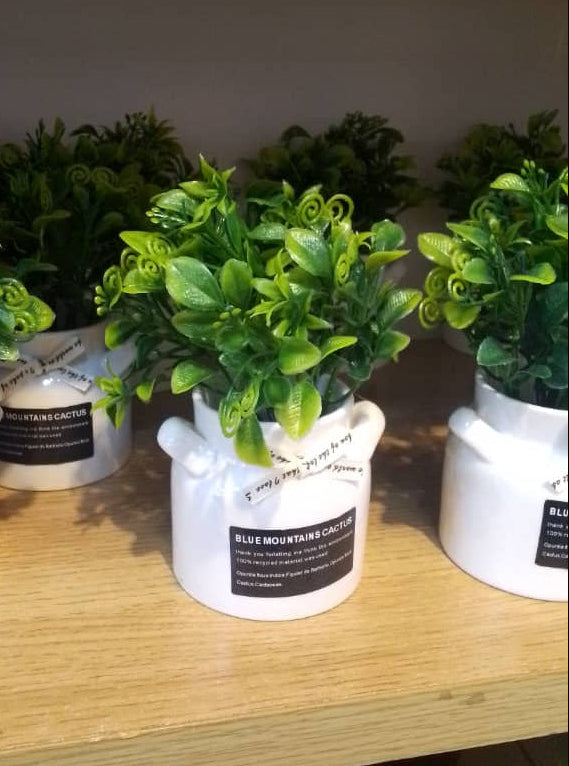
Artificial plant for a dark corner
1Nice to haveA real plant will struggle in a spot with no light. An artificial one adds green without work.
How to use it: Dust it with a damp cloth now and then.
Pots and drainage
A pot without drainage is the most common reason plants die.
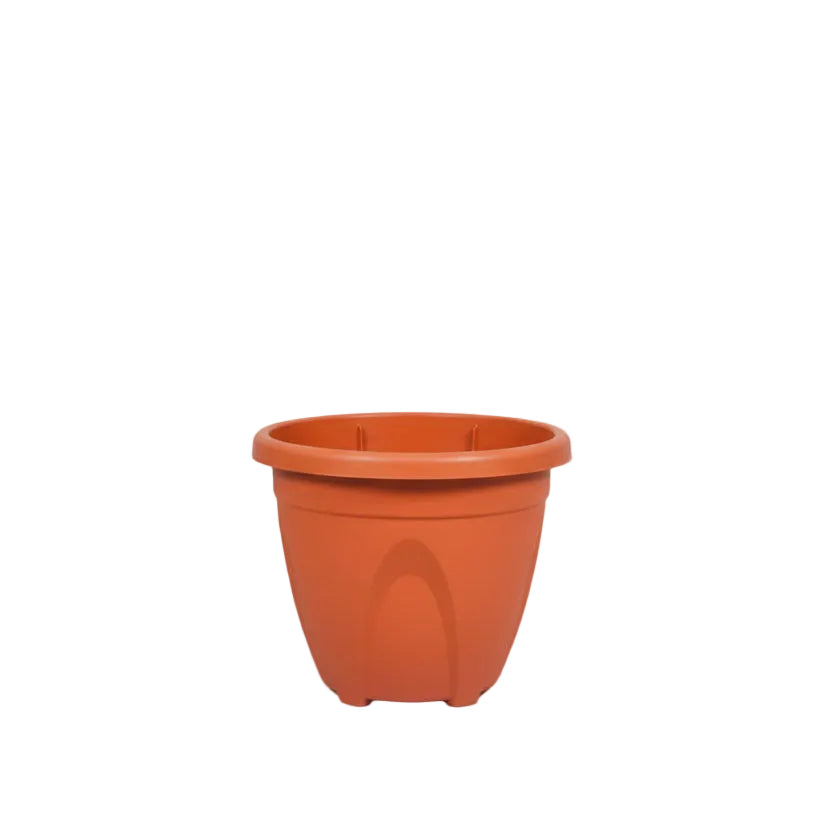
Plant pots with drainage holes
2 to 4 Must haveHoles let extra water escape so roots do not rot.
How to use it: Pick a pot a little wider than the plant root ball. Too big a pot holds too much wet soil.
Saucers or trays
One per pot Must haveThey protect your floor and furniture from water stains.
How to use it: Empty the saucer after about half an hour. Do not leave water standing.
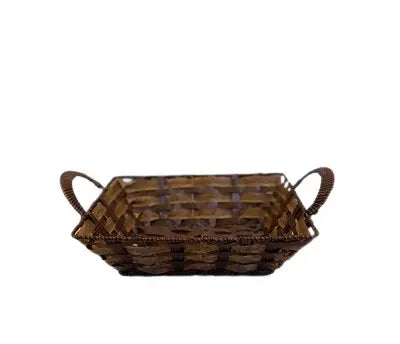
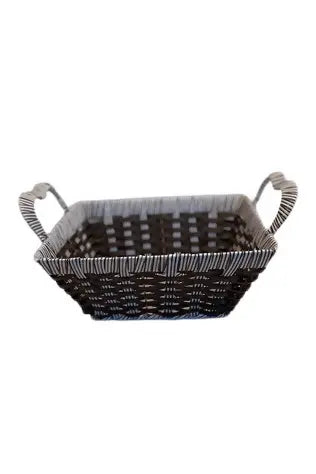
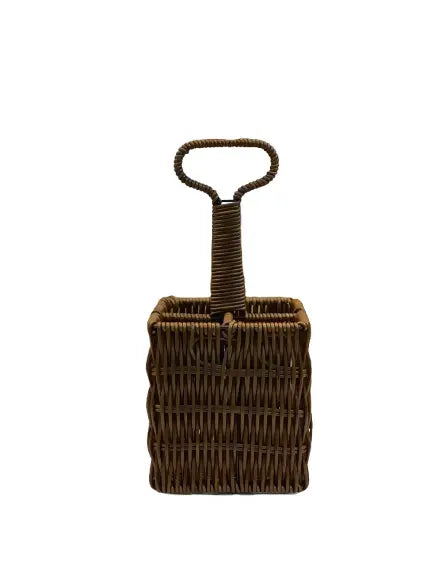
Decorative outer pot or basket
1 or 2Nice to haveHide a plain plastic pot inside a nicer one.
How to use it: Take the plant out to water it, then put it back so the outer pot never holds water.
Plant stand or small stool
1Nice to haveIt lifts a plant into the light and saves floor space.
How to use it: Keep stands away from doorways and balcony edges where they can be knocked.
Stones for the bottom of the saucer
1 bagNice to haveA layer of stones keeps the pot above any water.
How to use it: Rinse stones before use.
Soil and feeding
Indoor plants need little, but the right basics matter.
Potting soil
1 bag Must haveLoose soil drains water and lets roots breathe.
How to use it: Fill the pot loosely and press lightly. Leave a thumb of space below the rim.
Compost or plant food
1 small packNice to haveA little feed once in a while keeps leaves green.
How to use it: Use only the amount on the pack. Never feed a plant that is dry or sick.
Hand trowel or old spoon
1Nice to haveIt helps you fill pots without a mess.
How to use it: An old kitchen spoon works for small pots.
Newspaper or plastic sheet
1Nice to haveRepotting is messy. Cover the floor or table.
How to use it: Do it outside on the balcony if you can.
Watering tools
Water the soil, not the leaves, and do it only when the plant needs it.
Small watering can
1 Must haveA narrow spout puts water right at the soil.
How to use it: Water slowly until it just starts to run out of the bottom.
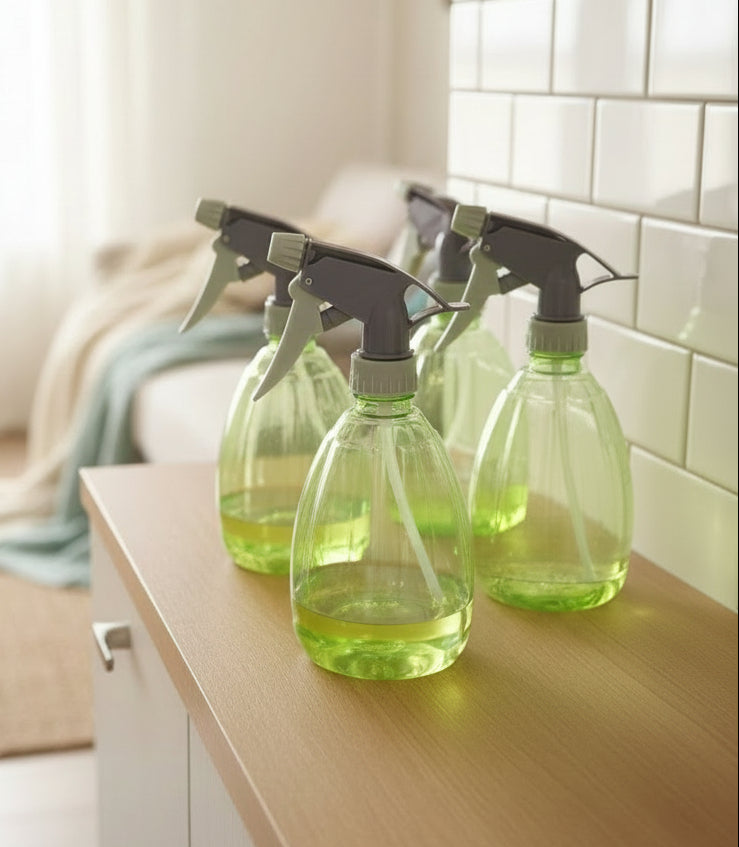
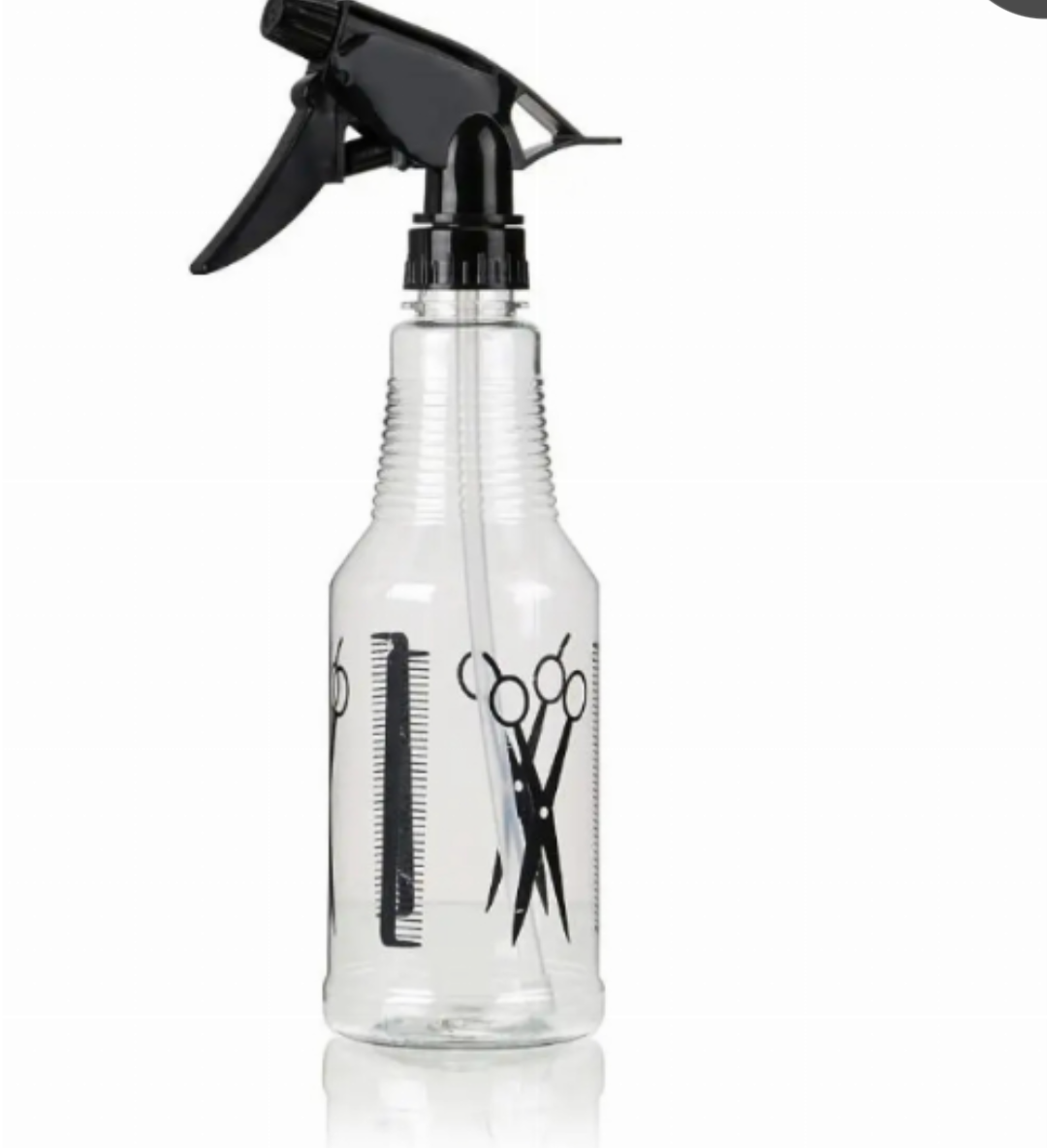
Spray bottle
1Nice to haveA light mist helps plants that like humidity and washes dust off leaves.
How to use it: Use clean water in a clean bottle that never held chemicals.
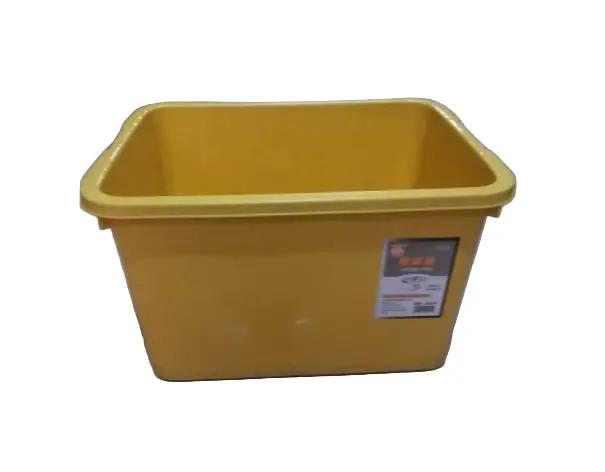
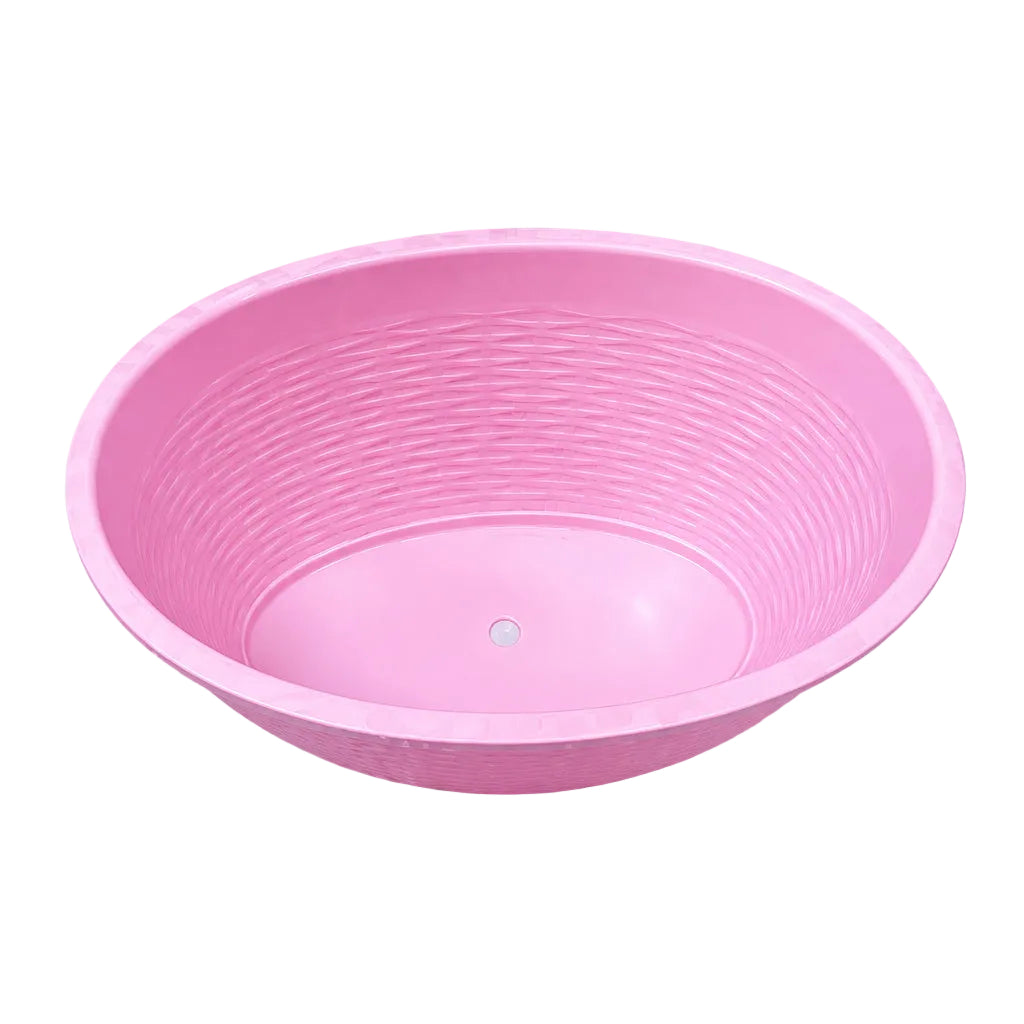
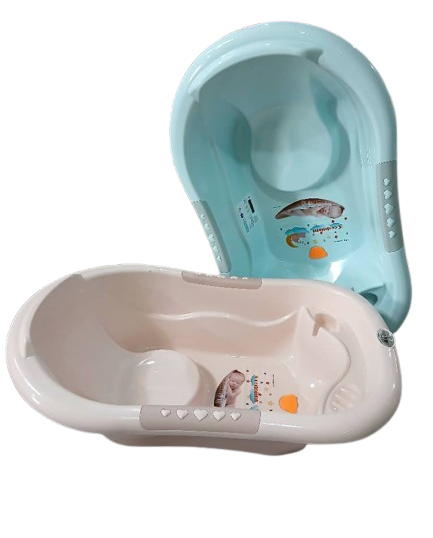
Bucket or basin for soaking
1Nice to haveSmall plants can sit in a basin of water for a short time to drink from below.
How to use it: Let them drain fully before putting them back on the saucer.
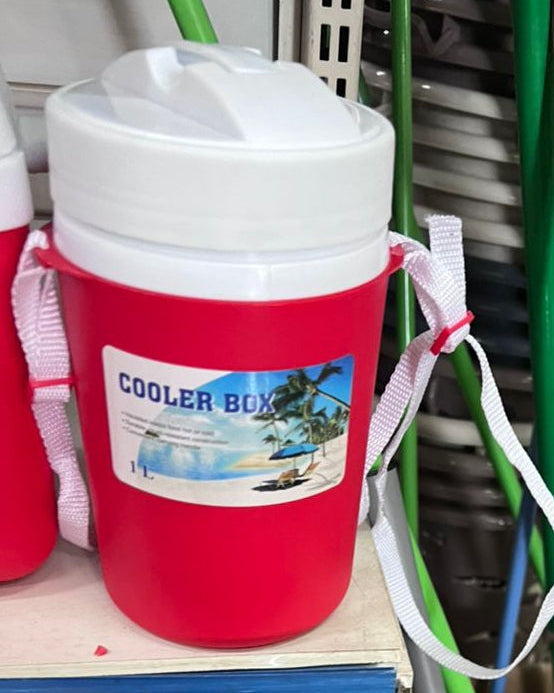
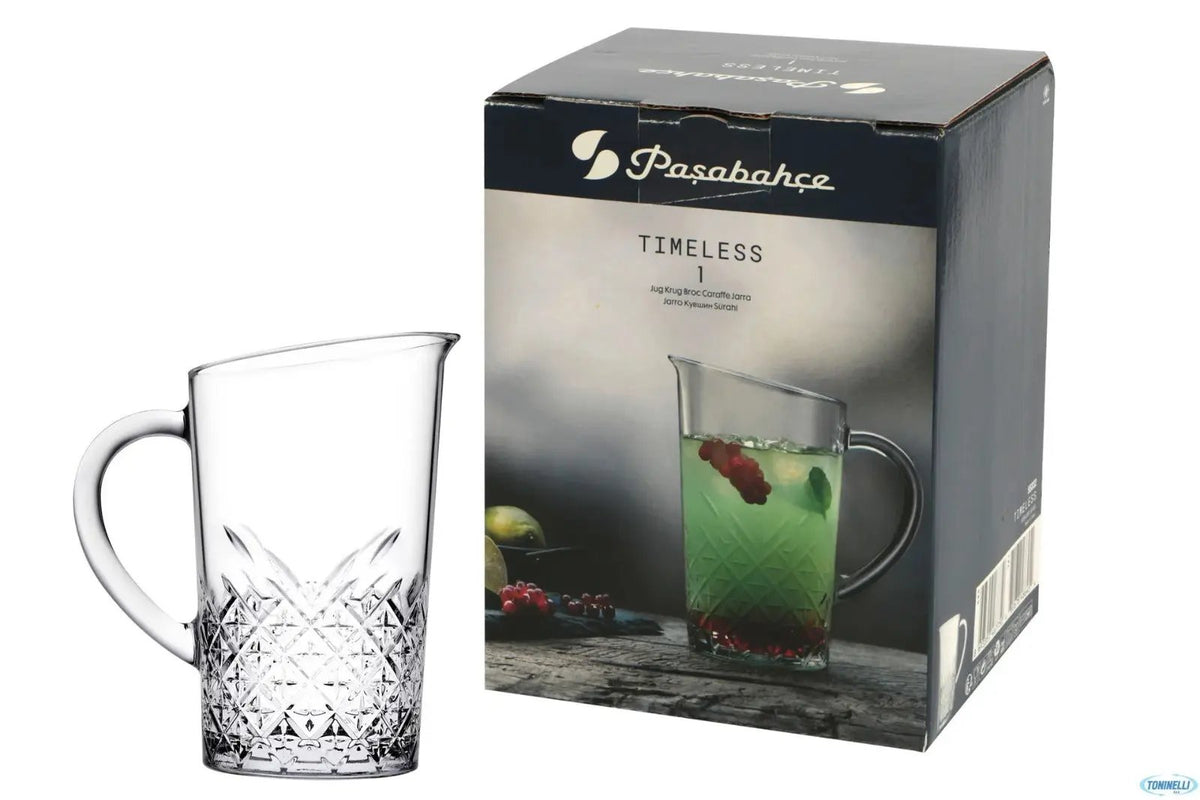
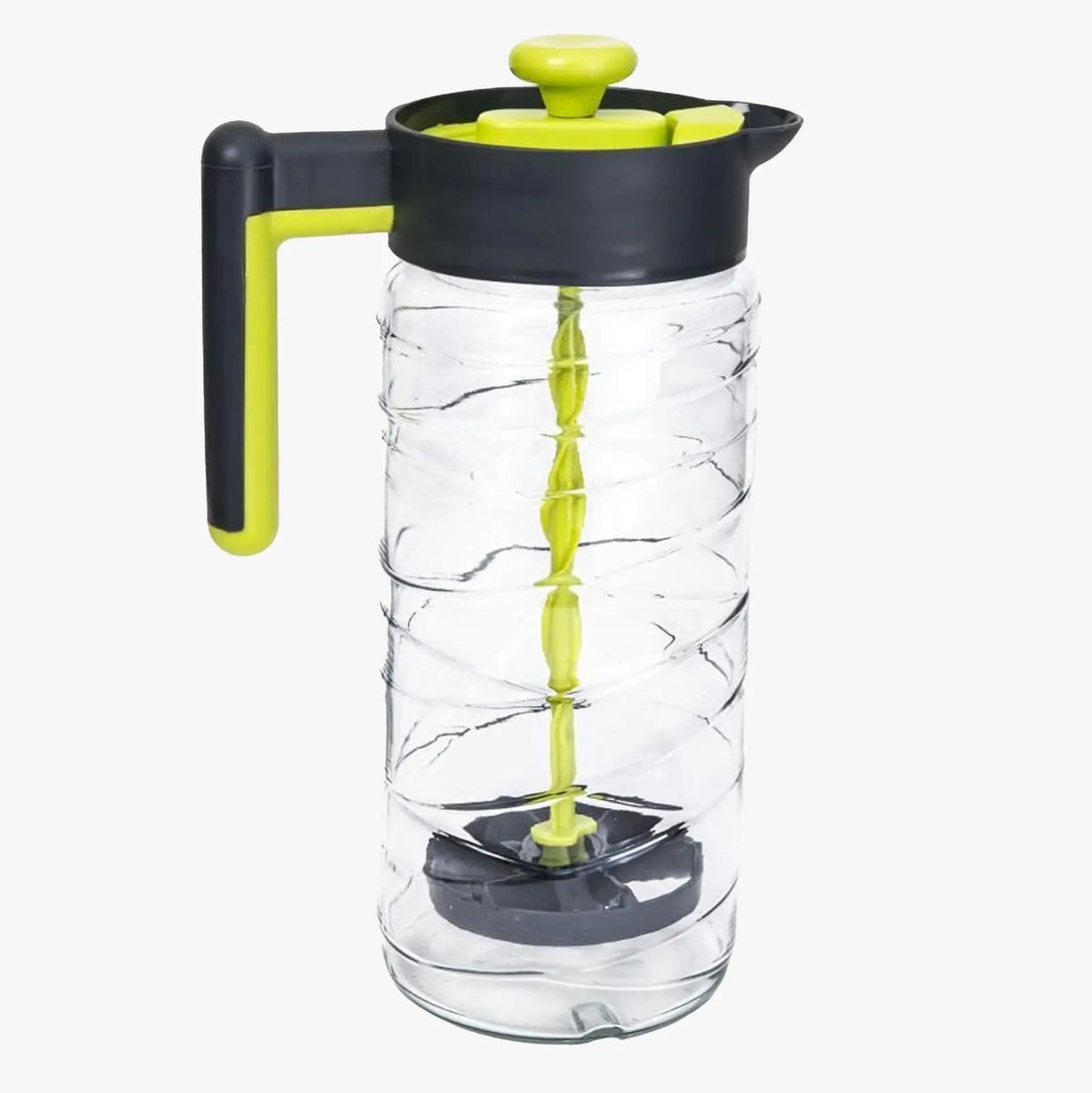
Jug for letting tap water stand
1Nice to haveLeaving water to stand for a while is a simple habit many plant owners use.
How to use it: Fill the jug the evening before you water.
Finger or a thin stick to test the soil
1Nice to haveChecking soil moisture is better than watering by the calendar.
How to use it: Push a finger one knuckle deep. If it feels dry, water.
Cleaning and care
Dust blocks light and clean leaves help plants breathe.
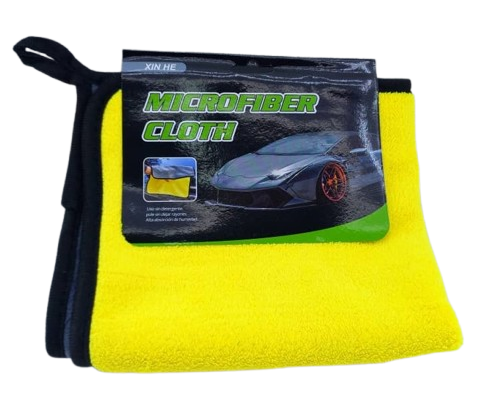
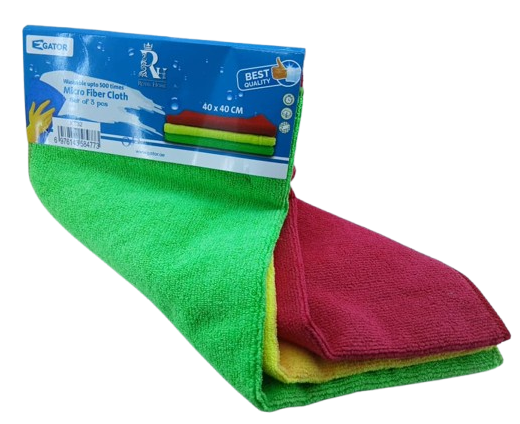
Soft cloth for leaves
2 Must haveKigali dust settles quickly, even indoors.
How to use it: Wipe each leaf gently with a damp cloth every few weeks.
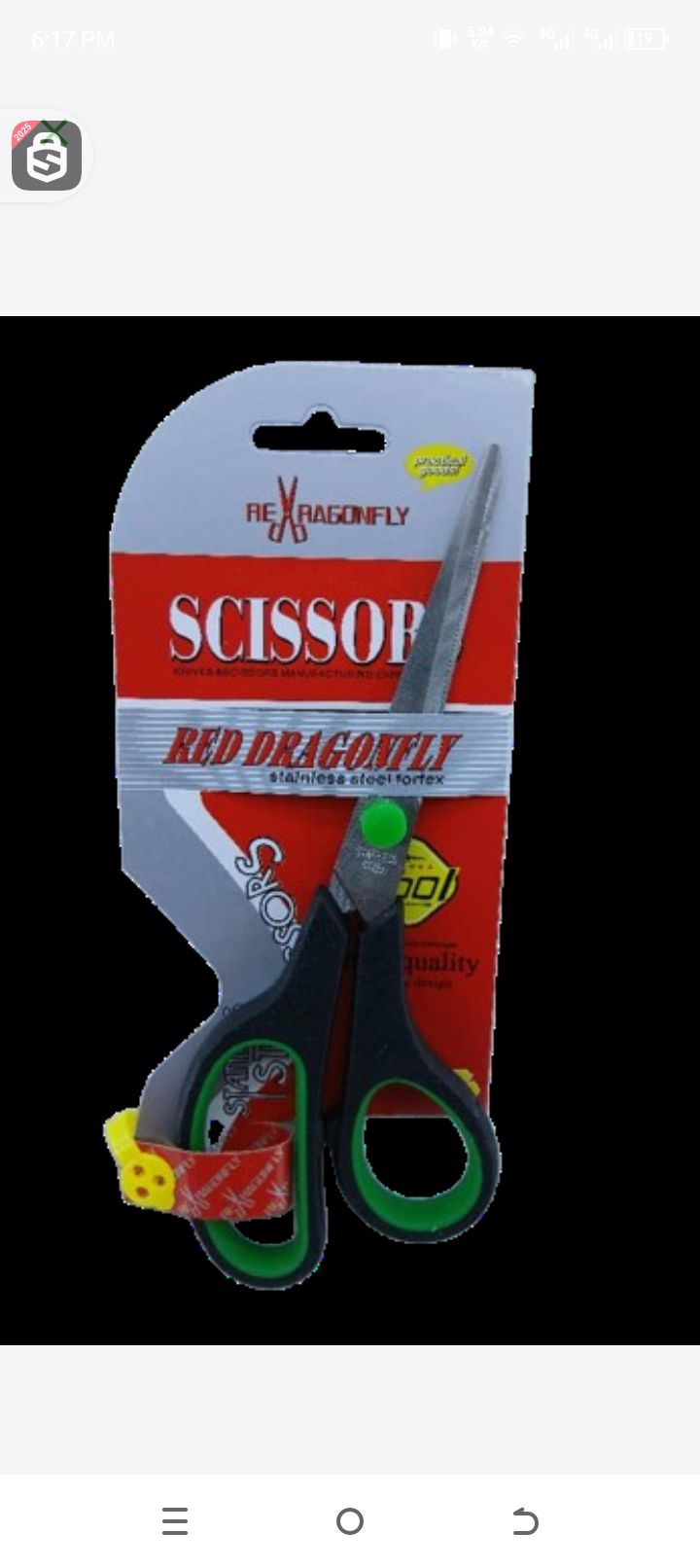
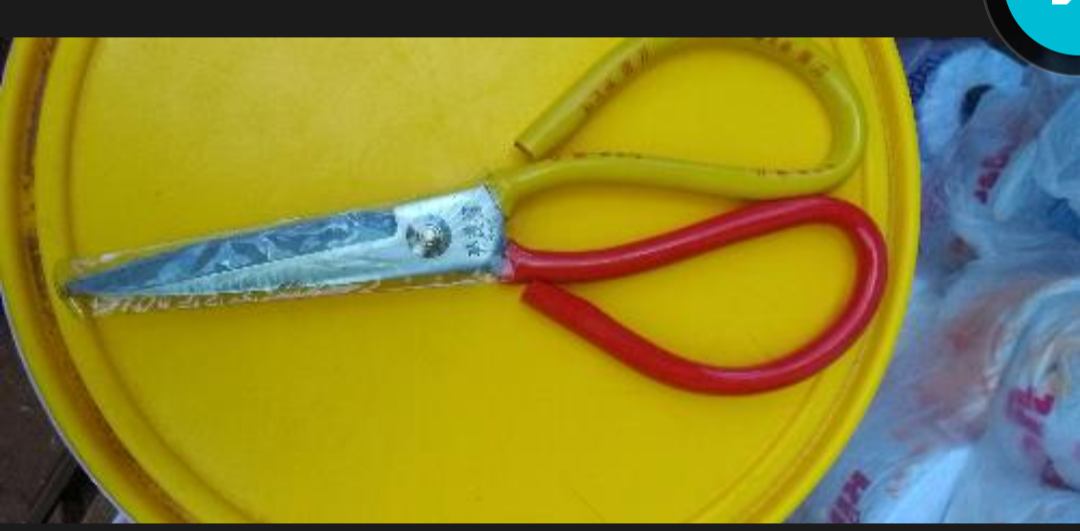
Scissors
1 Must haveTrim brown tips and dead leaves to keep plants tidy.
How to use it: Wipe the blades before and after cutting.
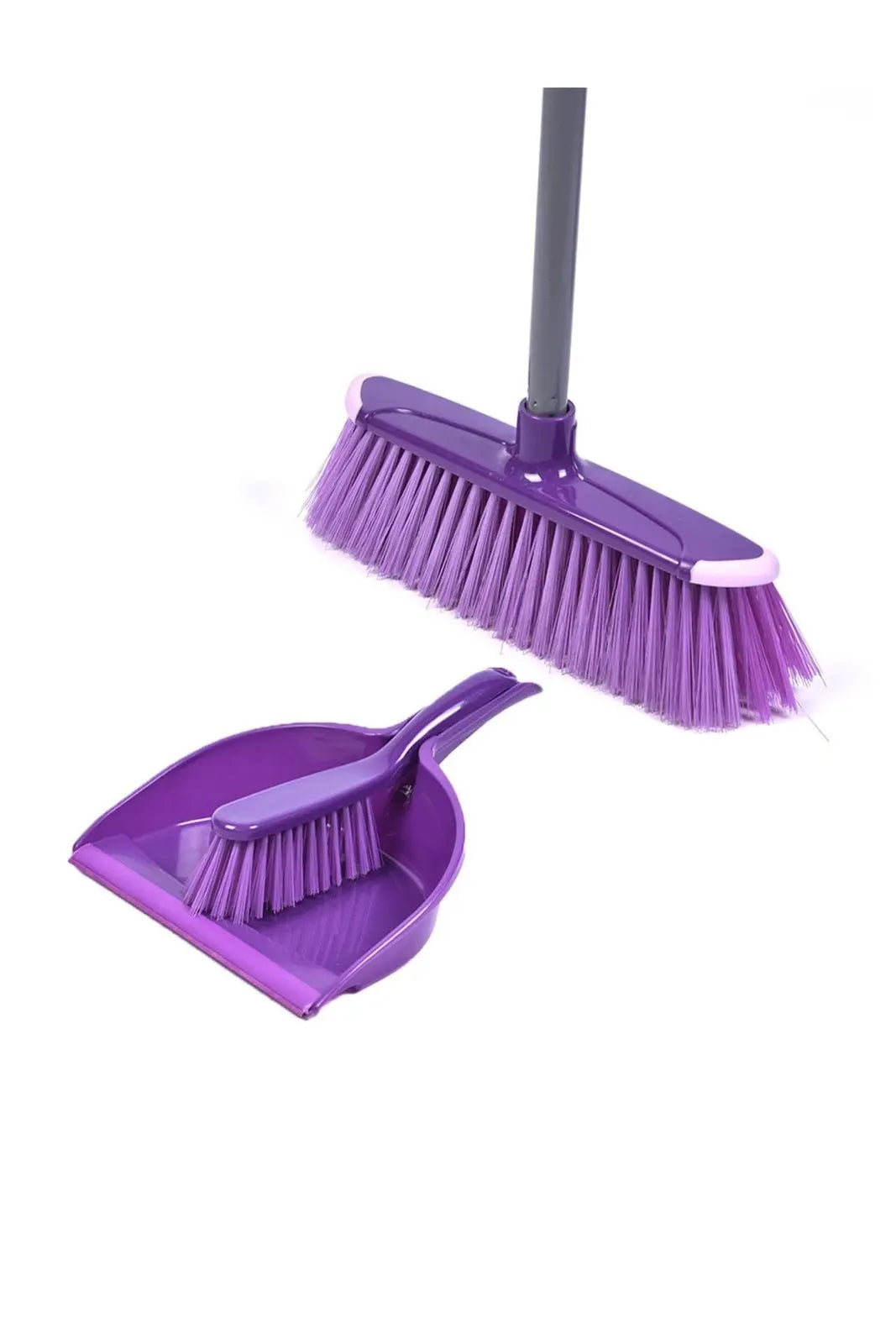
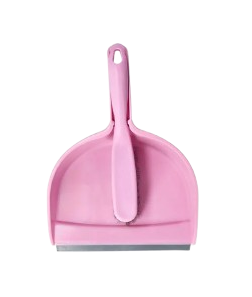
Dust pan and brush
1Nice to haveSoil and fallen leaves are easy to sweep up.
How to use it: Keep it near your plant corner.
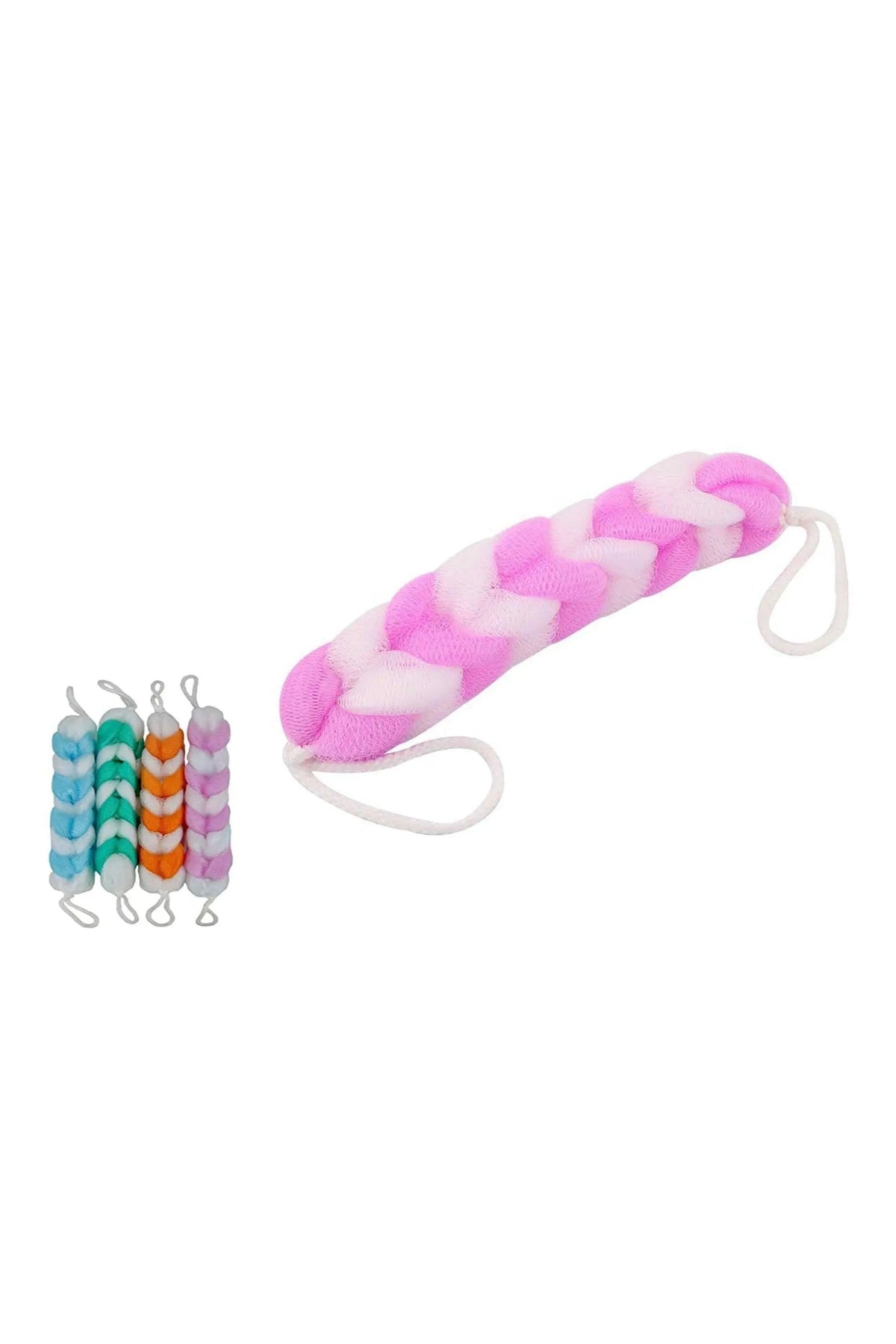
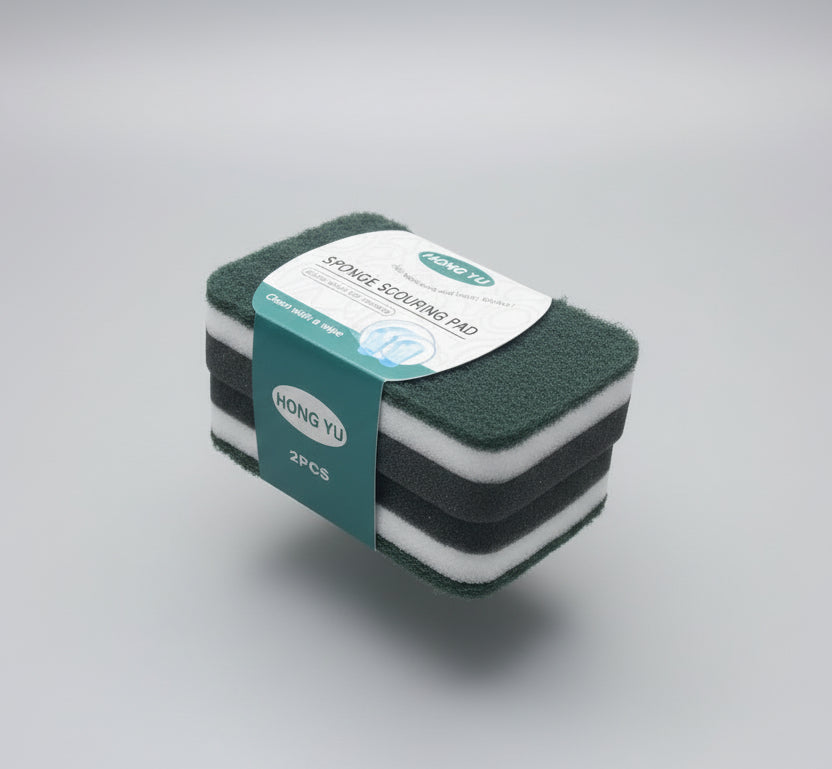
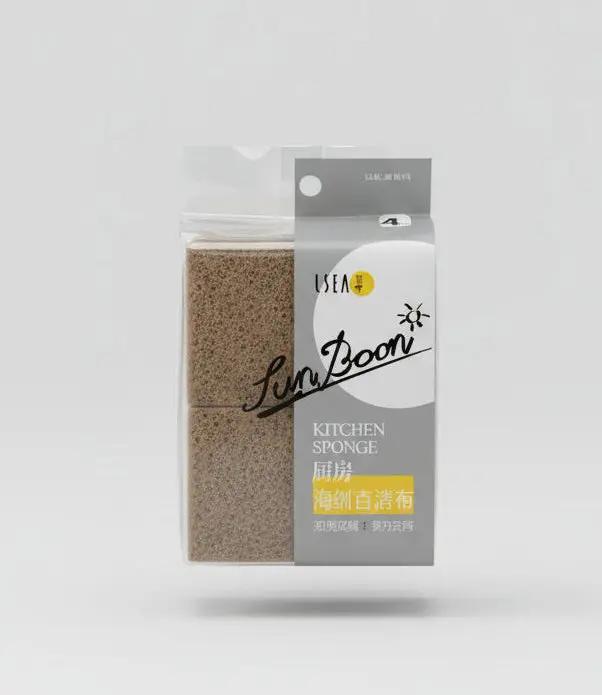
Sponge for wiping pots and saucers
1Nice to haveWater leaves white marks on pots and shelves.
How to use it: Wipe with a damp sponge when you water.
Gloves
1 pairNice to haveSome plants have sap that can irritate skin.
How to use it: Wear them when you cut or repot unknown plants.

Light and placement
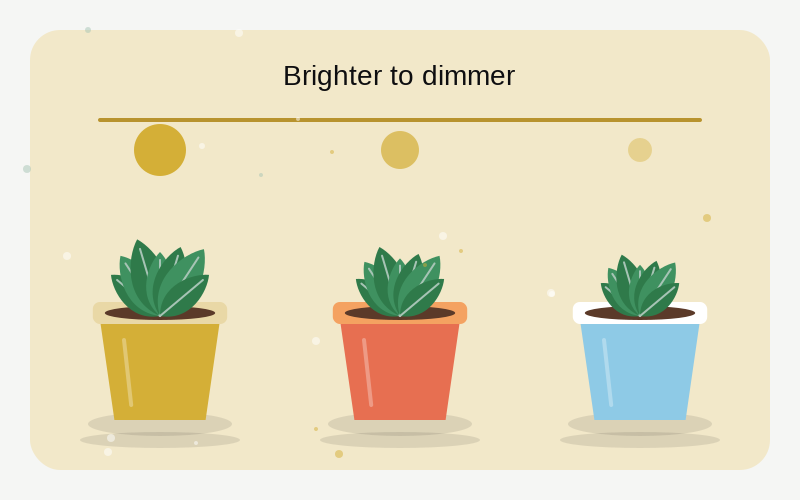
Light matters more than anything else. Walk around your home and see where it falls.
Sheer curtain
1Nice to haveIt softens strong sun that can burn leaves behind glass.
How to use it: Hang it close to the window on sunny sides.
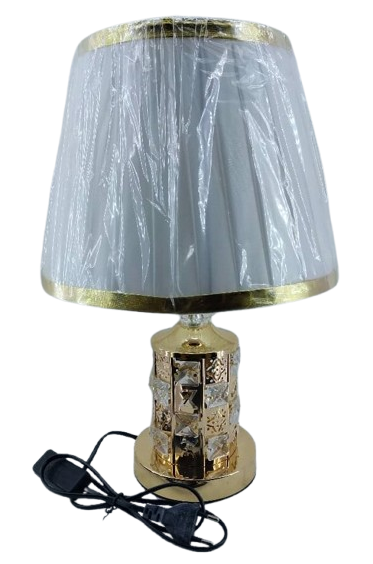
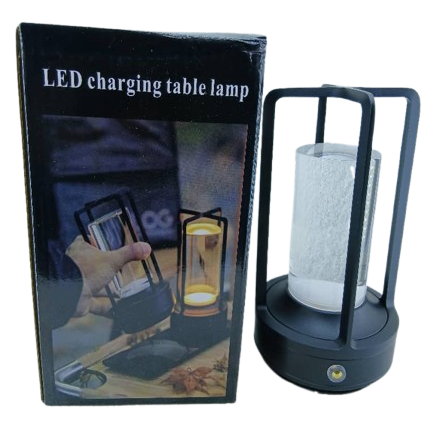
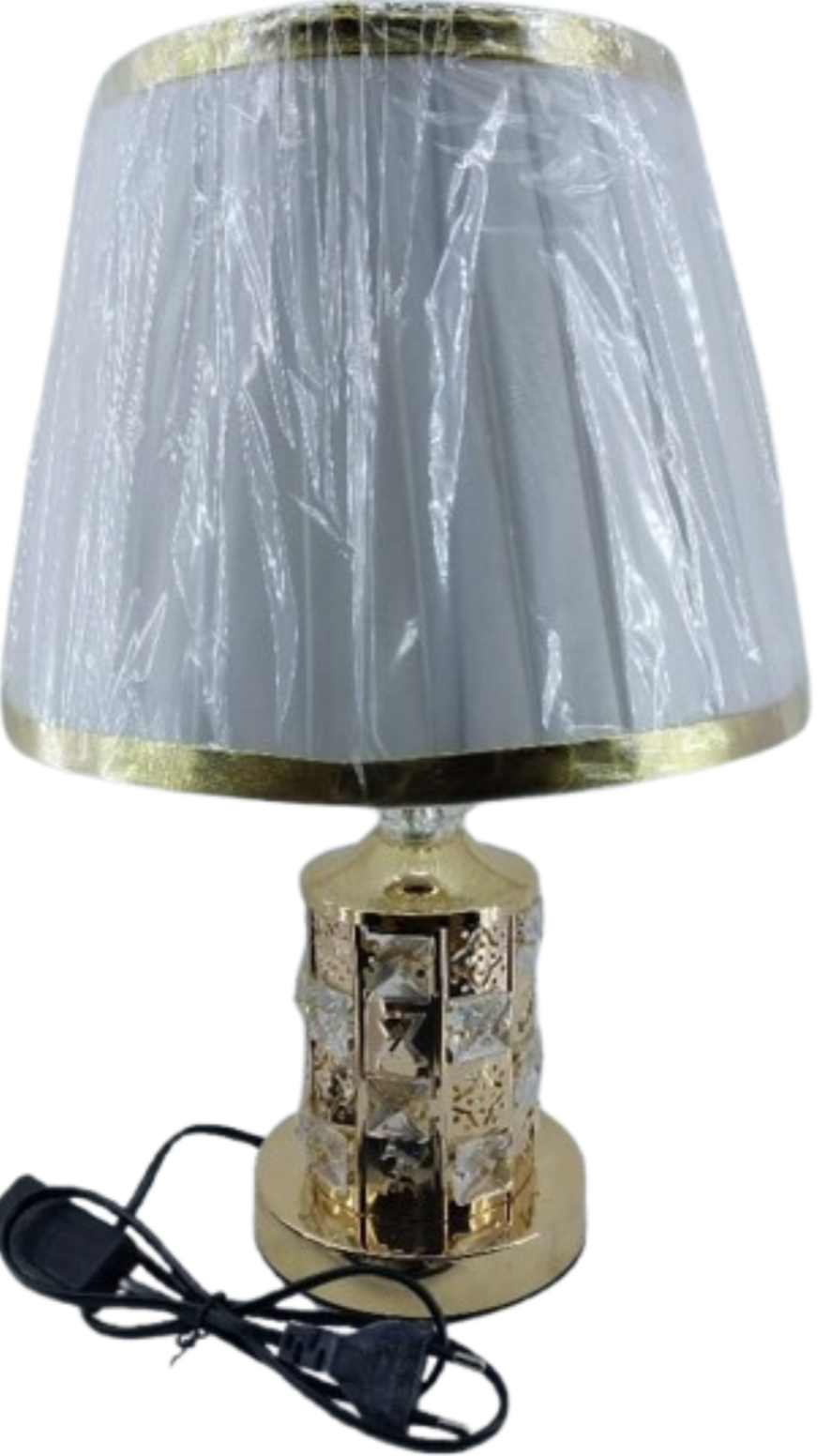
Table lamp for dim corners
1Nice to haveA lamp can help plants in a dark room, especially in rainy months.
How to use it: Place it close and use a timer if you have one.
Plant labels and a marker
1 setNice to haveYou will forget which plant needs what.
How to use it: Write the name and watering notes on a small label.
Notebook for care notes
1Nice to haveA short note about when you watered or moved a plant helps you learn.
How to use it: Write the date each time.


Step by step
- 1
Check your light
Walk through your home in the morning and afternoon. Mark the bright, medium and dark spots.
- 2
Choose plants
Pick plants that match the light and ask the seller how often to water each one.
- 3
Buy pots and soil
Choose pots with drainage holes and saucers, and a bag of potting soil.
- 4
Pot and place
Pot each plant, water lightly and put it in its spot. Wipe up any soil.
- 5
Make a routine
Check the soil once a week and wipe leaves every few weeks.
Tips that help
- Start with one or two plants and learn their needs before you buy more.
- Always check the soil with your finger before you water.
- Wipe dust off leaves every few weeks, because Kigali dust blocks light.
- Rotate plants a quarter turn every week so they grow evenly.
- Keep plants away from cold drafts and from hot windows in the afternoon.
- Ask the seller if a plant is safe around pets and children before you bring it home.
- Group plants of the same needs together to make care easier.
Mistakes to avoid
- Watering on a fixed schedule rather than checking the soil.
- Using pots with no drainage holes.
- Putting a plant in a dark room and hoping for the best.
- Buying a plant without asking about its light and water needs.
- Moving plants constantly, which stresses them.
Questions people ask
Which indoor plants are easiest to look after in Kigali?+
Tough, low light friendly plants like snake plants are a good place to start. Ask the plant seller which ones they know do well in your kind of window.
How often should I water indoor plants?+
It depends on the plant, pot and weather. Check the soil with your finger and water only when it is dry. Most indoor plants need water less in the cool rainy months.
Do I need special soil?+
A loose potting soil that drains well is best. Heavy red clay on its own holds too much water in a pot.
My apartment has very little light. What can I do?+
Choose low light plants, place them near the brightest window and wipe the leaves to keep them clean. A small lamp can help in a dark room, or use an artificial plant for the darkest corner.
Can I keep plants if I travel often?+
Choose succulents and snake plants, water them well before you leave and ask a neighbor to check on them if you are away for more than a couple of weeks.
Plants turn an apartment into a home, one pot at a time. Find your pots, soil and care tools on Isokko and have them delivered in Kigali so your corner can start turning green.
Shop this list
Get everything delivered in Kigali
Order from local stores on Isokko and pay with MoMo, card or cash. Same-day delivery.