
Checklist · Pets & garden
Raising Backyard Chickens for Eggs in a Kigali Compound: What to Buy
A practical checklist for keeping a few laying hens in your Kigali compound: coop, feeders, feed and health basics, with the gear to buy first.
Updated November 25, 2026 · By Isokko
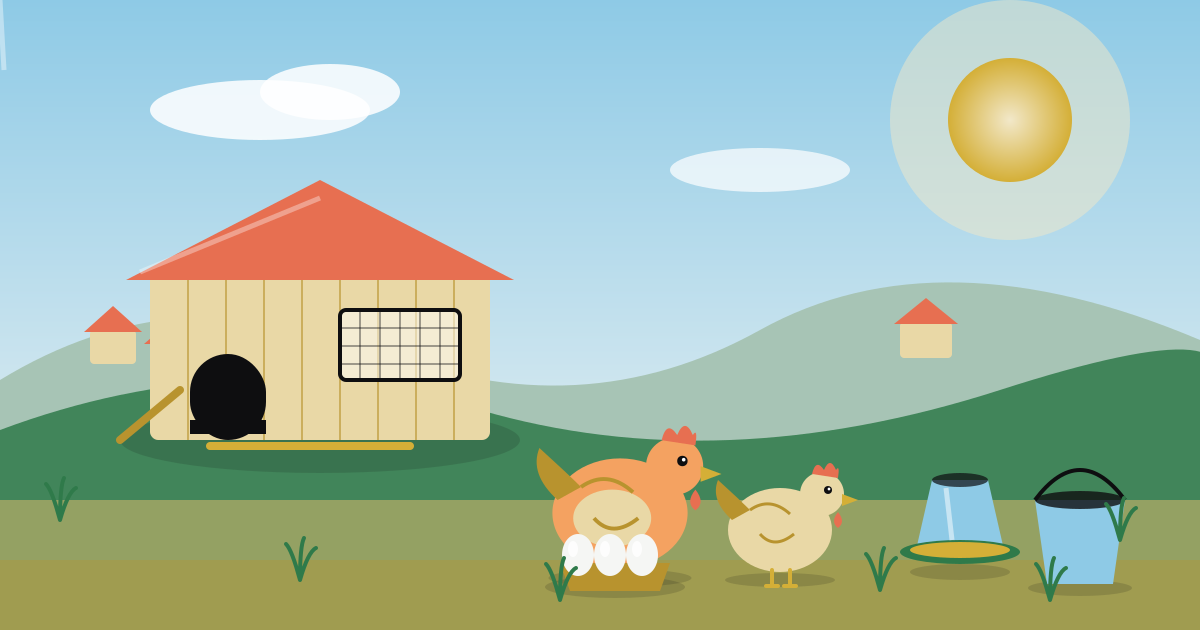
A few hens in the compound can give you fresh eggs most days, use up kitchen scraps and show children where food comes from. Hens do not need much, but they do need a safe, dry house, clean water that never runs out and the right feed.
Kigali adds its own challenges: heavy rain from March to May and October to December, cool nights on the hills, and thieves or stray dogs after dark. This checklist covers what to set up before the birds arrive, what to feed, and how to keep them healthy.
If you rent or share a compound, check with your landlord and neighbors first, and ask your local sector office or a vet whether any rules apply to keeping poultry where you live.
Who it's for
Compound owners and renters in Kigali who want fresh eggs from a few hens
Time needed
Prepare the coop for 1 to 2 weeks before the hens arrive
When to shop
Buy the coop gear and feed storage first, then feed the day the hens come home
On the list
26 items, 18 must haves
0 of 26 ready
Coop and run
A dry, strong house with a fenced run keeps hens safe from rain, dogs and thieves.
Chicken coop or hen house
1 Must haveHens need a dry, shaded place to sleep and lay. Plan for three to four hens in a small compound corner.
How to use it: Raise the floor off the ground so rain does not flood it. Face the door away from the wind and keep the roof sound for the rainy seasons.
Wire mesh
1 roll Must haveMesh around the run lets the hens scratch outside while keeping dogs, cats and birds of prey out.
How to use it: Bury the bottom edge a hand deep or fix it to a low wall. Check the gaps are too small for chicks to squeeze through.
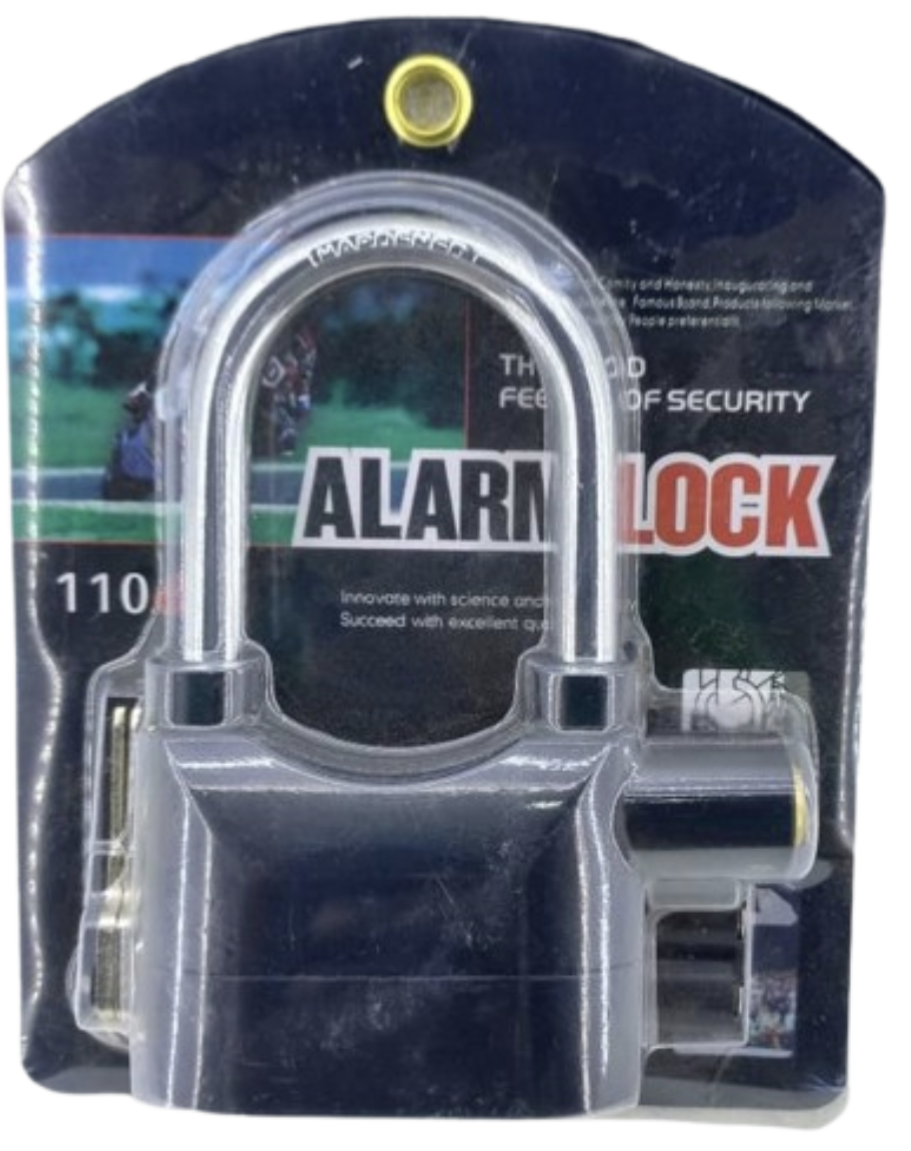
Padlock for the coop door
1 Must haveHens sleep deeply at night, which is when thieves and predators come.
How to use it: Lock the door every evening after you count the birds in. Keep the key where the whole household can find it.
Roosting poles
2 Must haveHens like to sleep up off the floor. Poles keep them out of the droppings.
How to use it: Use smooth wooden poles about as thick as your wrist, placed higher than the nest boxes.
Nest boxes
2 Must haveA quiet, dark box teaches hens to lay in one place, so eggs stay clean and easy to find.
How to use it: Plan one box for every three hens, fill it with soft dry material and place it at the darker end of the coop.
Dry bedding
1 bag Must haveA deep layer of dry material soaks up droppings and keeps the floor from smelling.
How to use it: Spread it about a hand thick and add fresh material whenever it looks wet or smells strong.


Feed and water
Layers need a complete feed, clean water and a few treats, given in the right containers.
Layer feed
1 bag Must haveFeed made for laying hens has the protein and calcium they need to produce eggs with strong shells.
How to use it: Ask the feed shop for layer feed and check the date on the bag. Give each hen a measured portion daily and watch how much is left.
Maize or grain
2 kgNice to haveA little grain scattered in the run keeps hens busy and gives them energy.
How to use it: Give grain as an afternoon treat, not as the only food. Keep it dry so it does not grow mold.
Hanging feeder
1 Must haveA feeder keeps feed clean and off the ground, so less is wasted in the mud.
How to use it: Hang it at the height of the hens' backs and refill each morning.
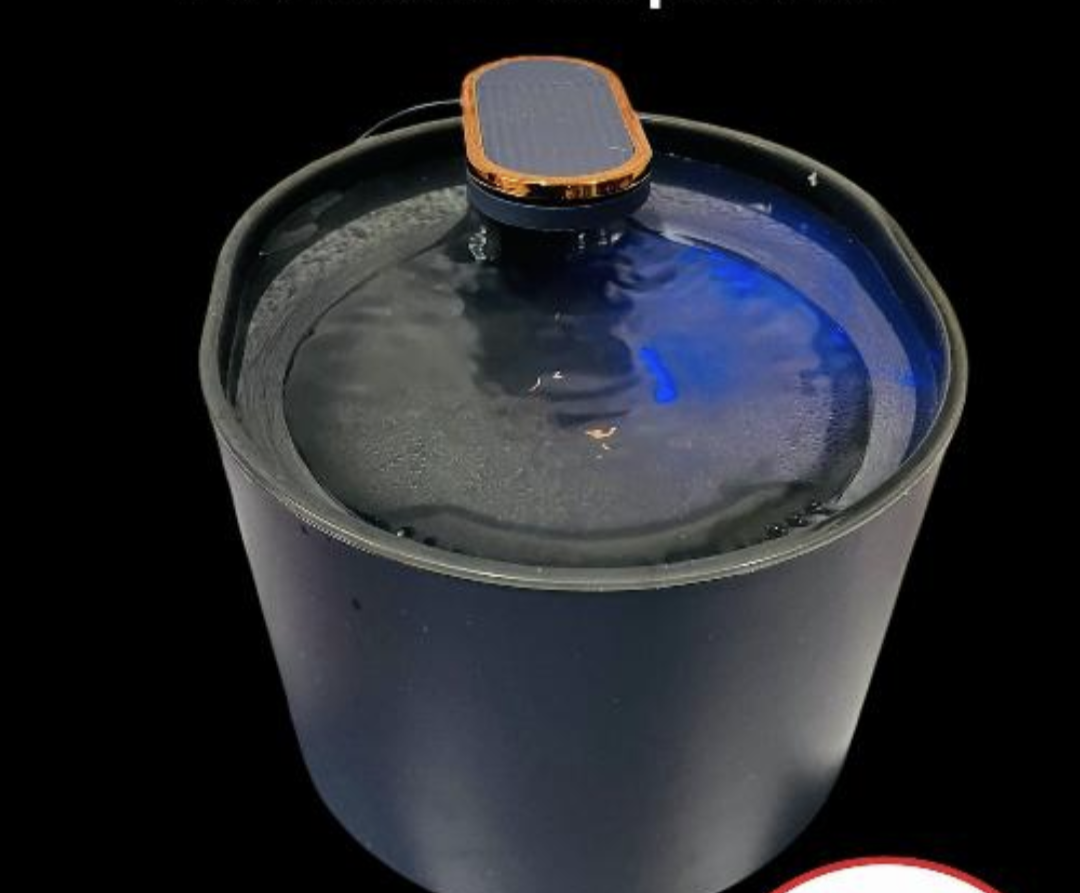
Chicken drinker
1 Must haveClean water is the most important thing you give. Hens drink a lot, especially on hot days.
How to use it: Raise it off the floor, rinse it every day and top it up before you leave for work.
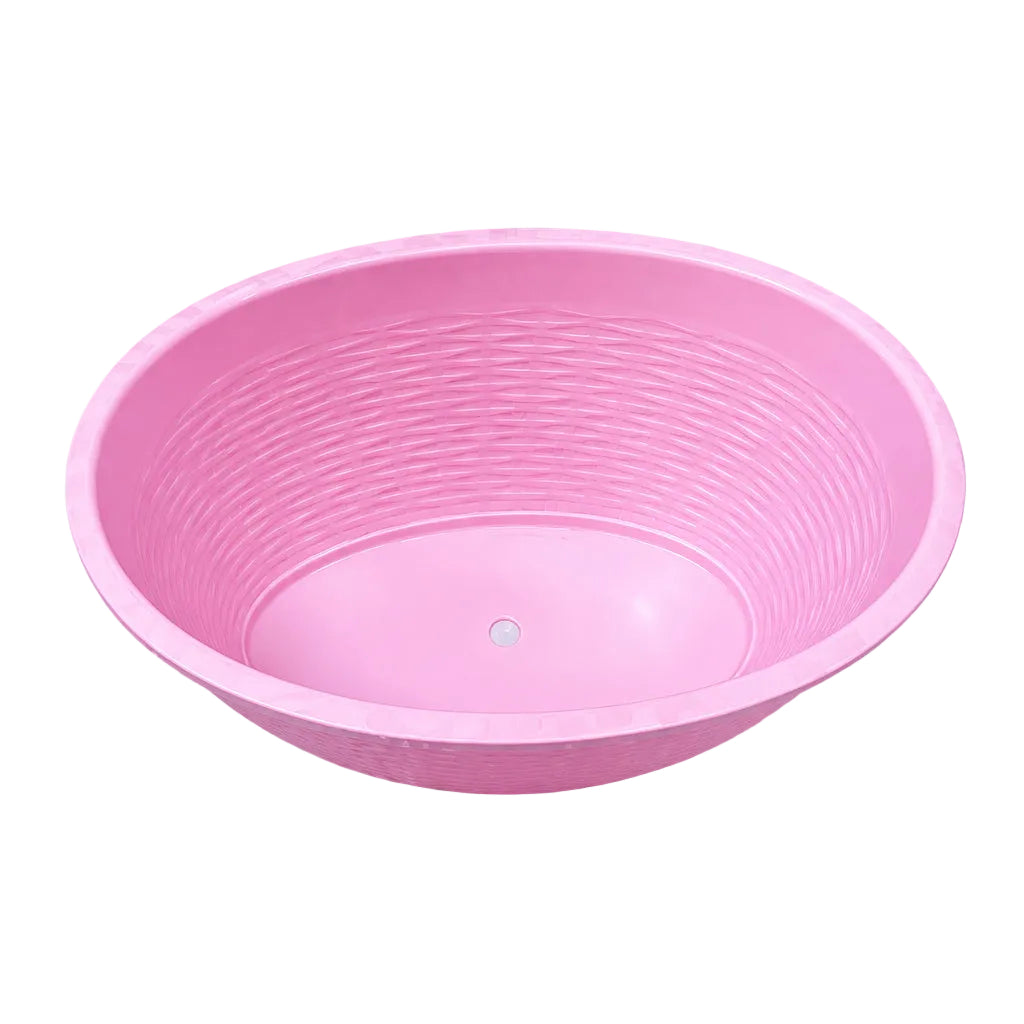
Large plastic basin
1Nice to haveA second wide basin is a backup water bowl and handy for rinsing the drinker.
How to use it: Place it in the shade. Empty and scrub it often because algae grows quickly.
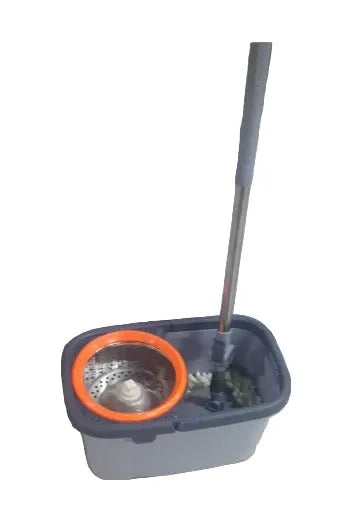
Bucket with handle
1 Must haveA bucket carries water and feed from the house to the coop without spilling.
How to use it: Keep one bucket only for the hens so it never goes back to kitchen use.
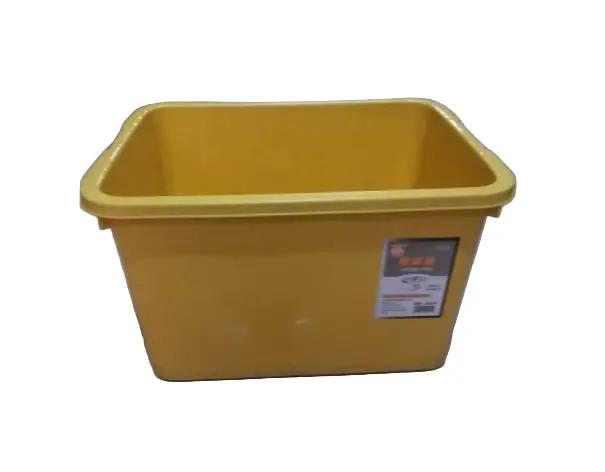
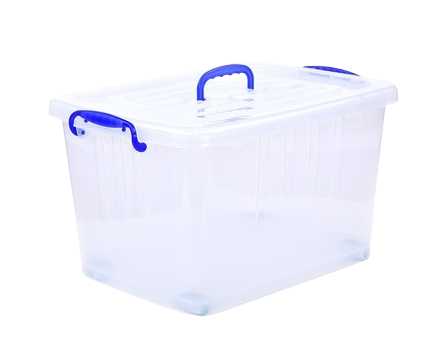
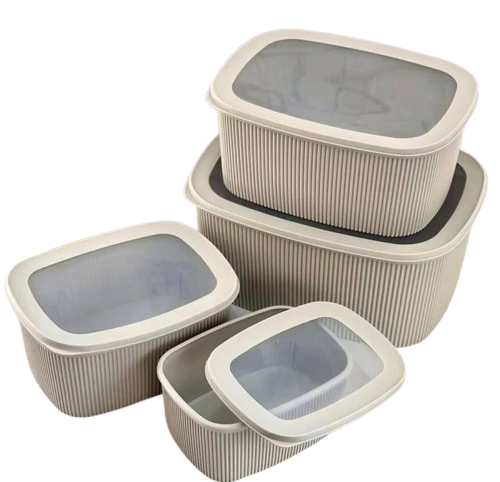
Storage box with a lid
1 Must haveFeed left open attracts rats and gets damp in the rainy seasons.
How to use it: Store the feed in a dry corner off the floor and keep the lid shut.






Eggs
A few simple tools keep eggs clean and safe to eat.
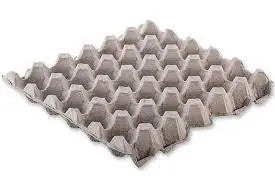
Egg trays
2 Must haveTrays store eggs without cracking them and make it easy to share extras.
How to use it: Write the date on the tray and use the oldest eggs first. Wipe dirty eggs gently with a dry cloth.
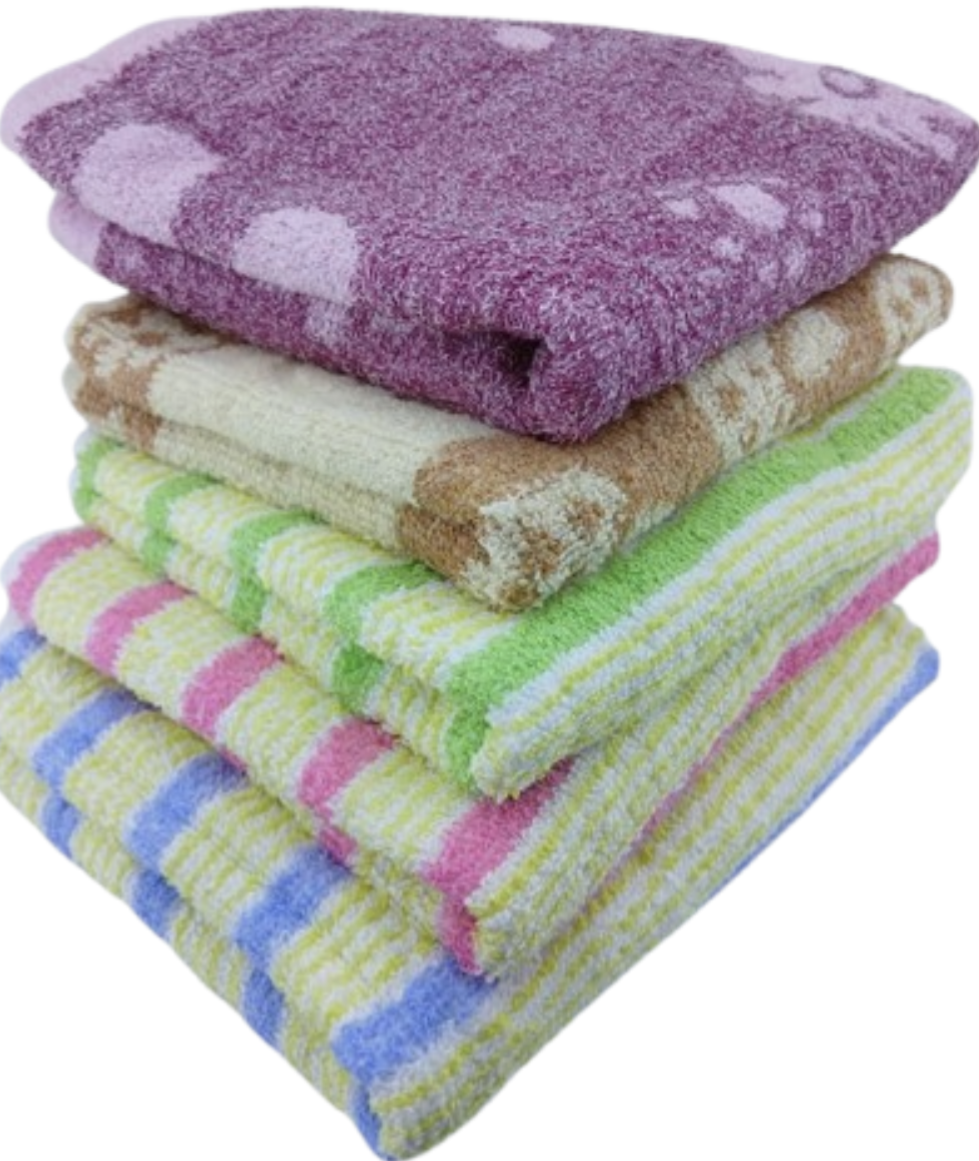
Soft cloth or small towel
1Nice to haveA dry cloth cleans eggs without washing off the natural coating that protects them.
How to use it: Keep a small towel by the coop for eggs and wash it weekly.
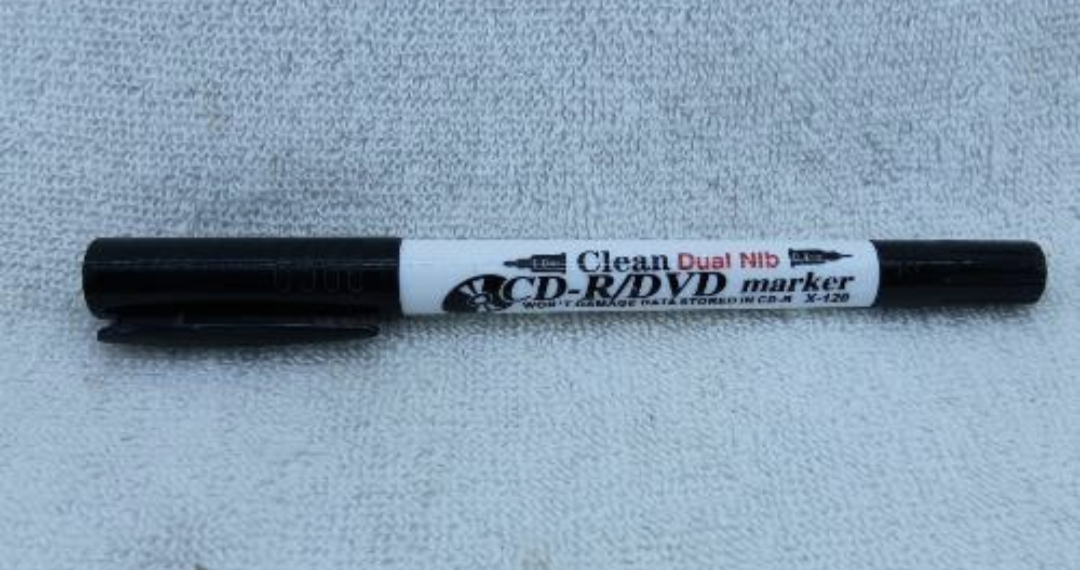
Marker pen
1Nice to haveDating eggs helps you keep them fresh and notice when a hen stops laying.
How to use it: Mark the date on the tray each day you collect.



Cleaning and hygiene
A clean coop means fewer mites, flies and sick birds.
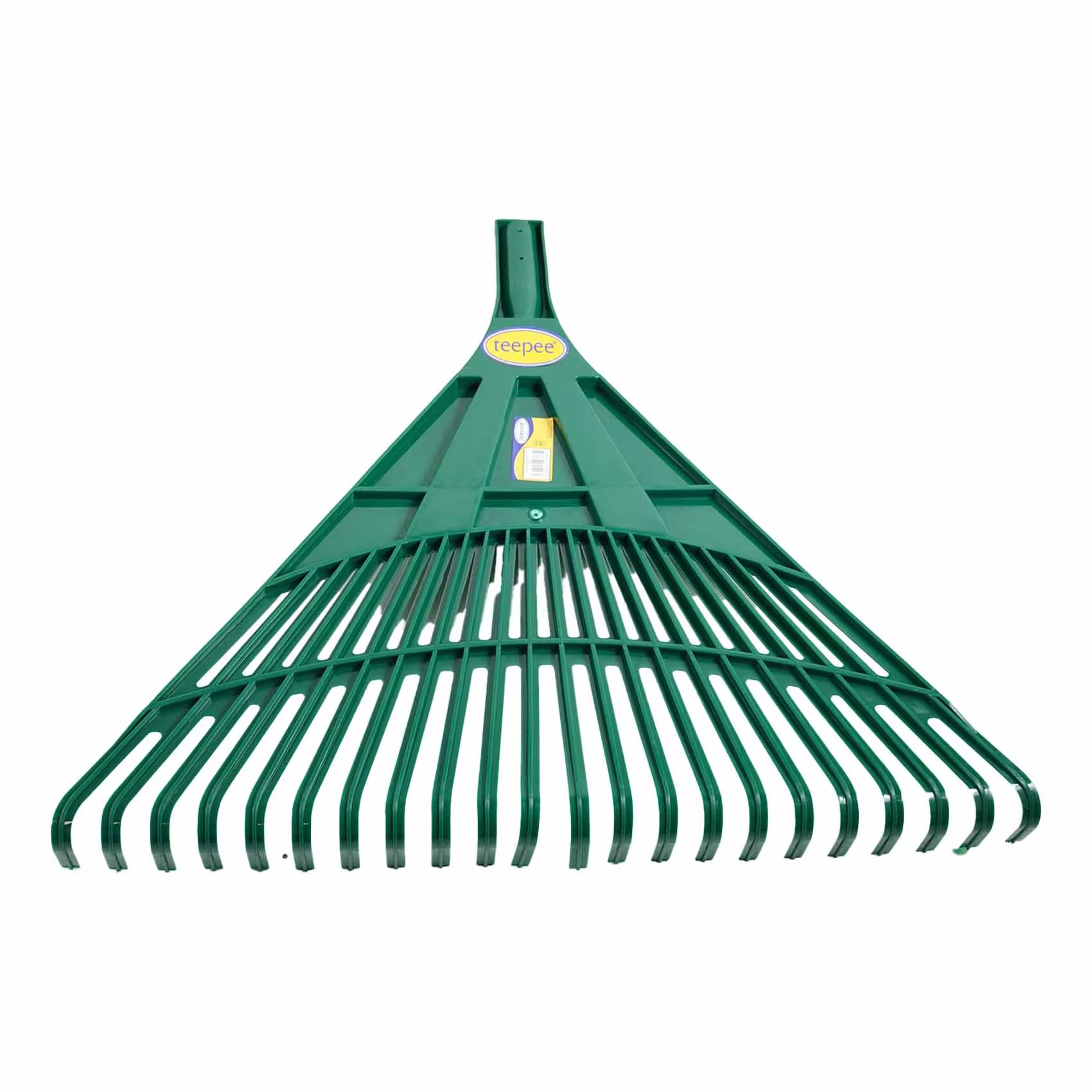
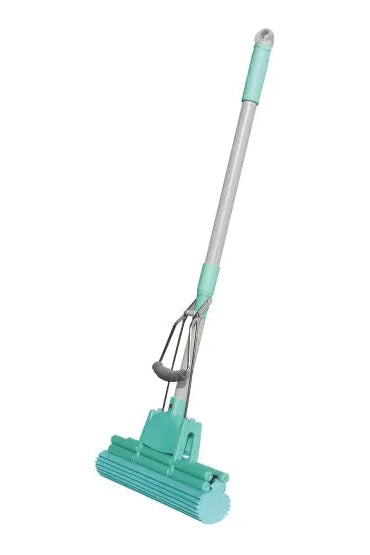
Garden rake
1 Must haveA rake pulls out old bedding and droppings quickly.
How to use it: Rake out the coop once a week, and clear under the roosting poles more often.
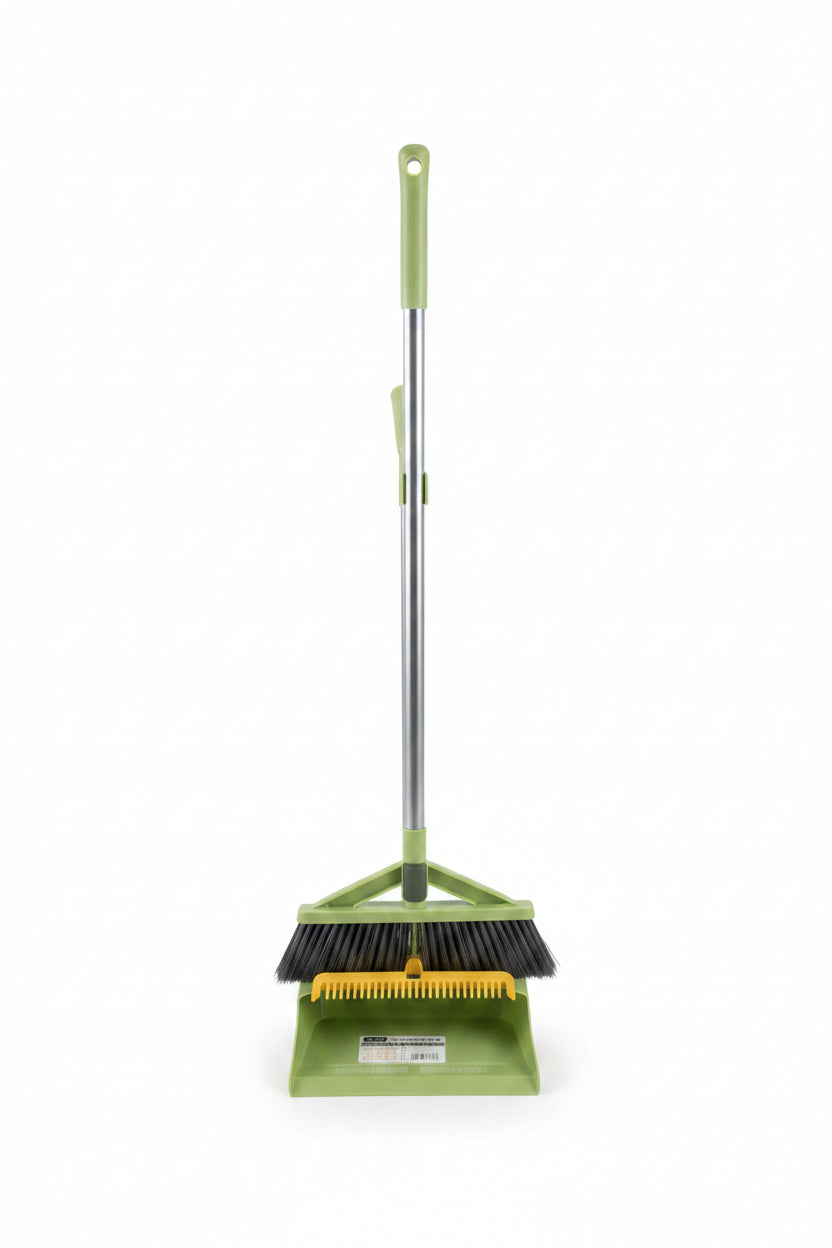
Broom
1 Must haveSweeping the floor and the run keeps dust and droppings from building up.
How to use it: Use a stiff broom and sweep before you add new bedding.
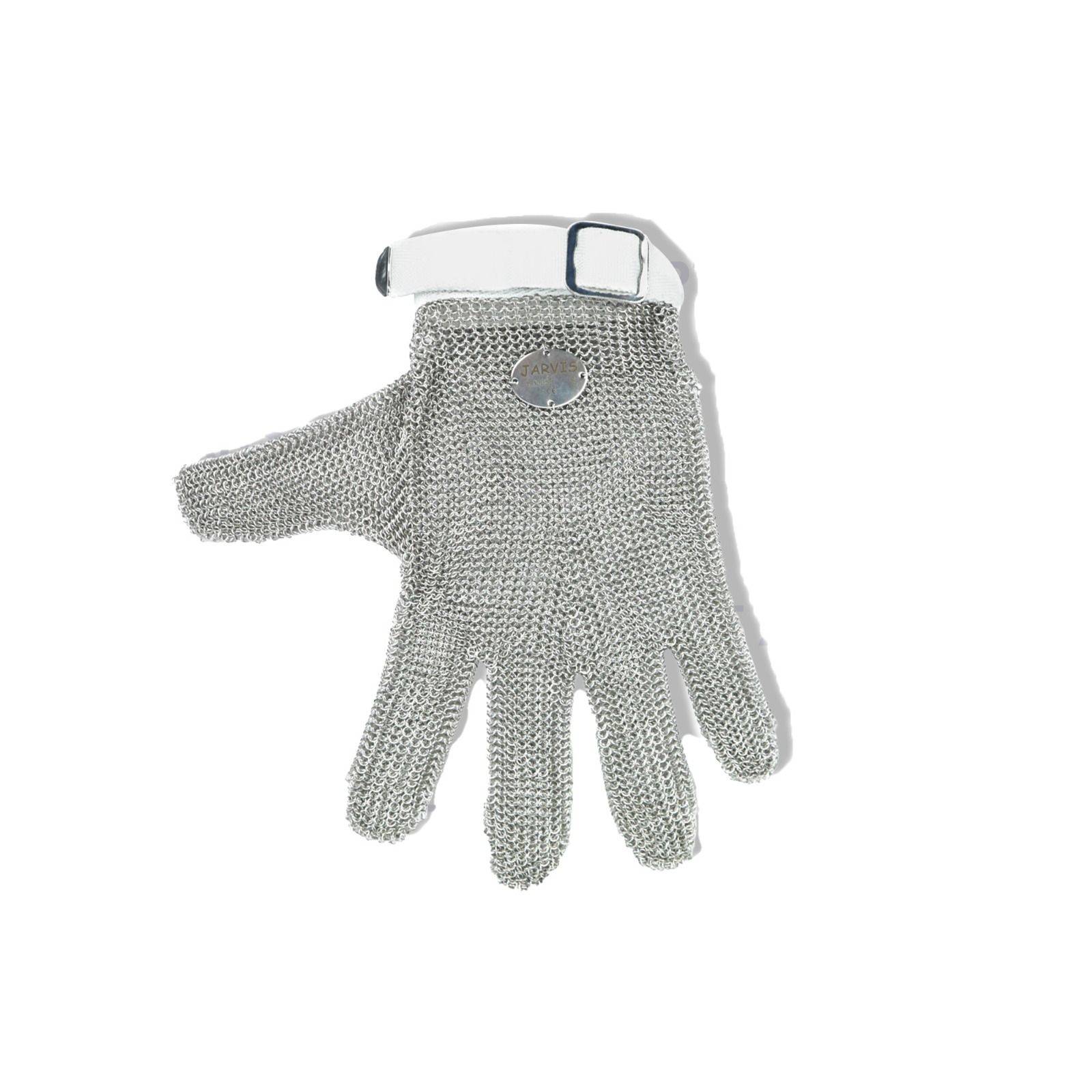
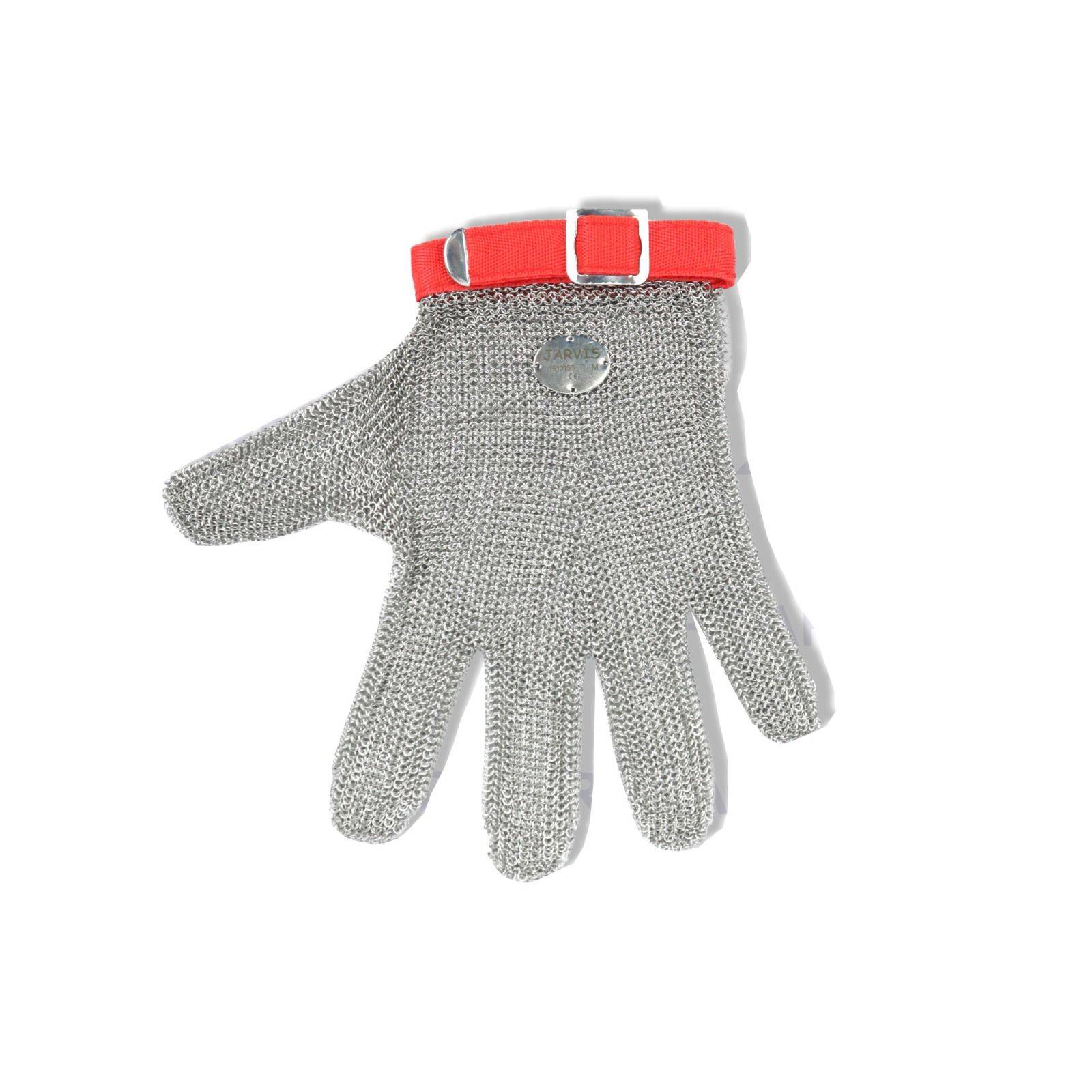
Gloves
1 pair Must haveDroppings can carry germs. Gloves protect your hands during cleaning.
How to use it: Wear them when cleaning and collecting, then wash your hands with soap.
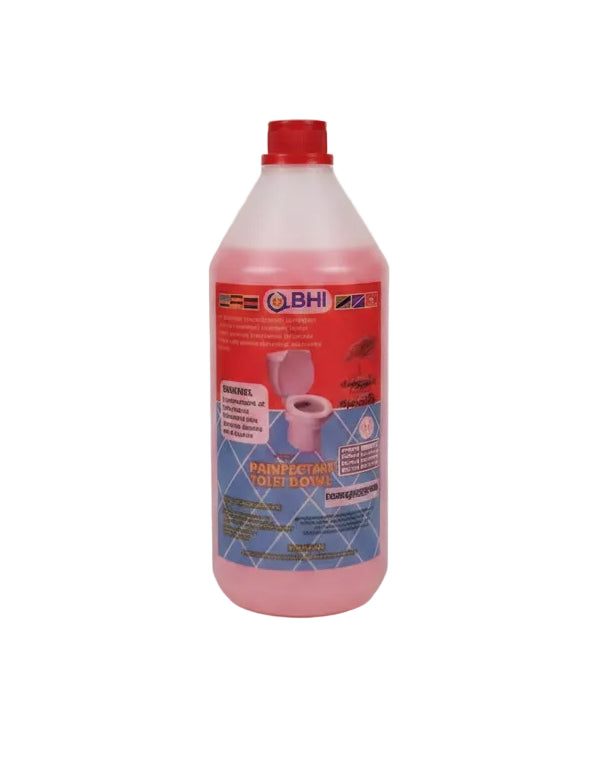
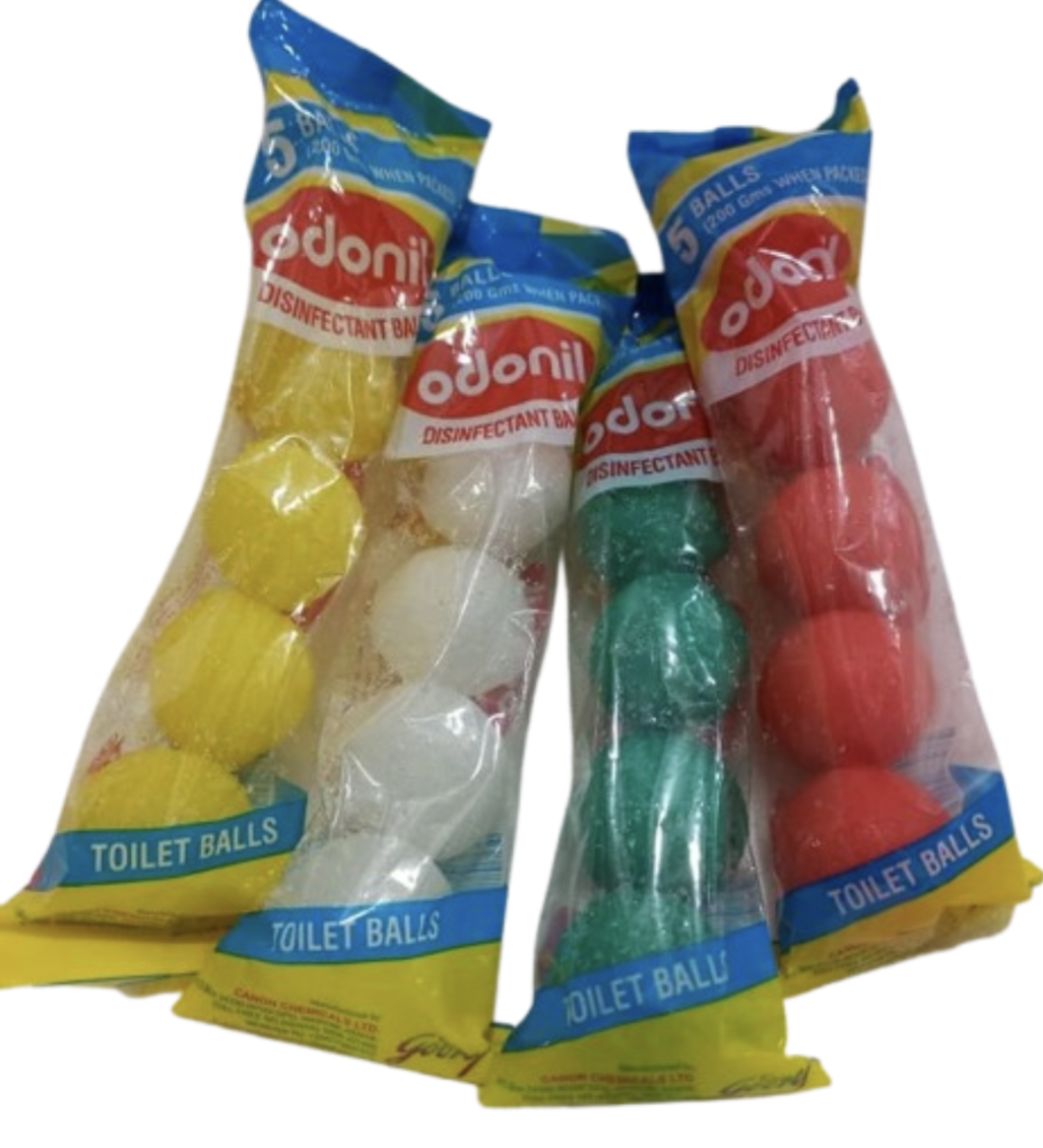
Disinfectant
1 bottle Must haveA regular wash helps stop mites and disease from spreading in the coop.
How to use it: Remove the birds, scrub the floor and perches, rinse well and let everything dry fully before they return.
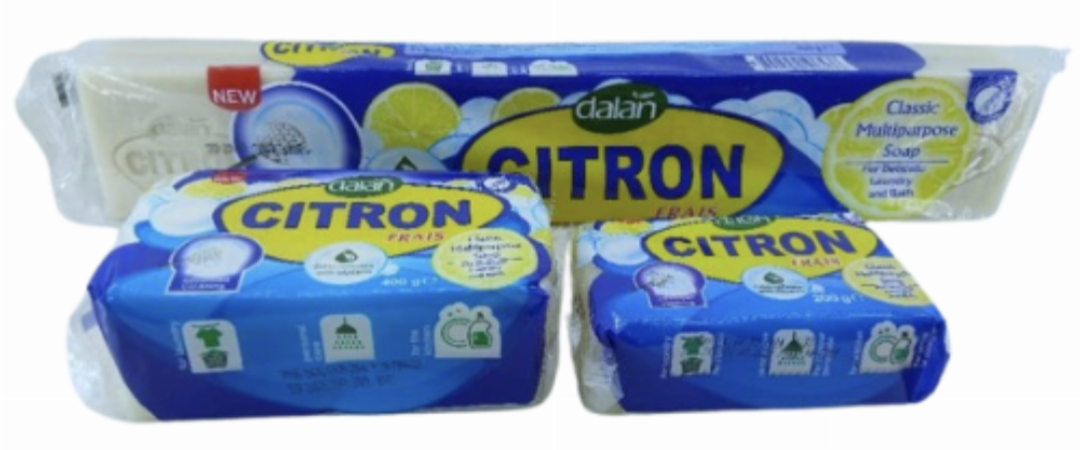
Hand soap
1 Must haveWash your hands every time you touch the hens, eggs or droppings.
How to use it: Keep soap by the outdoor tap so everyone, especially children, washes after handling.
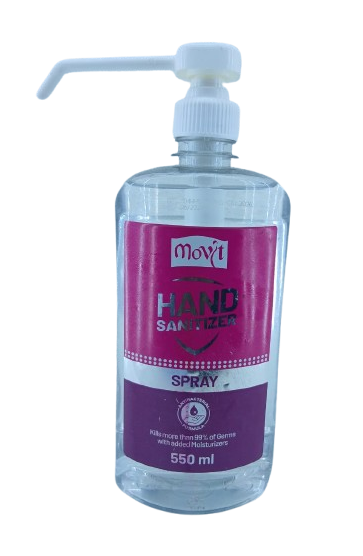
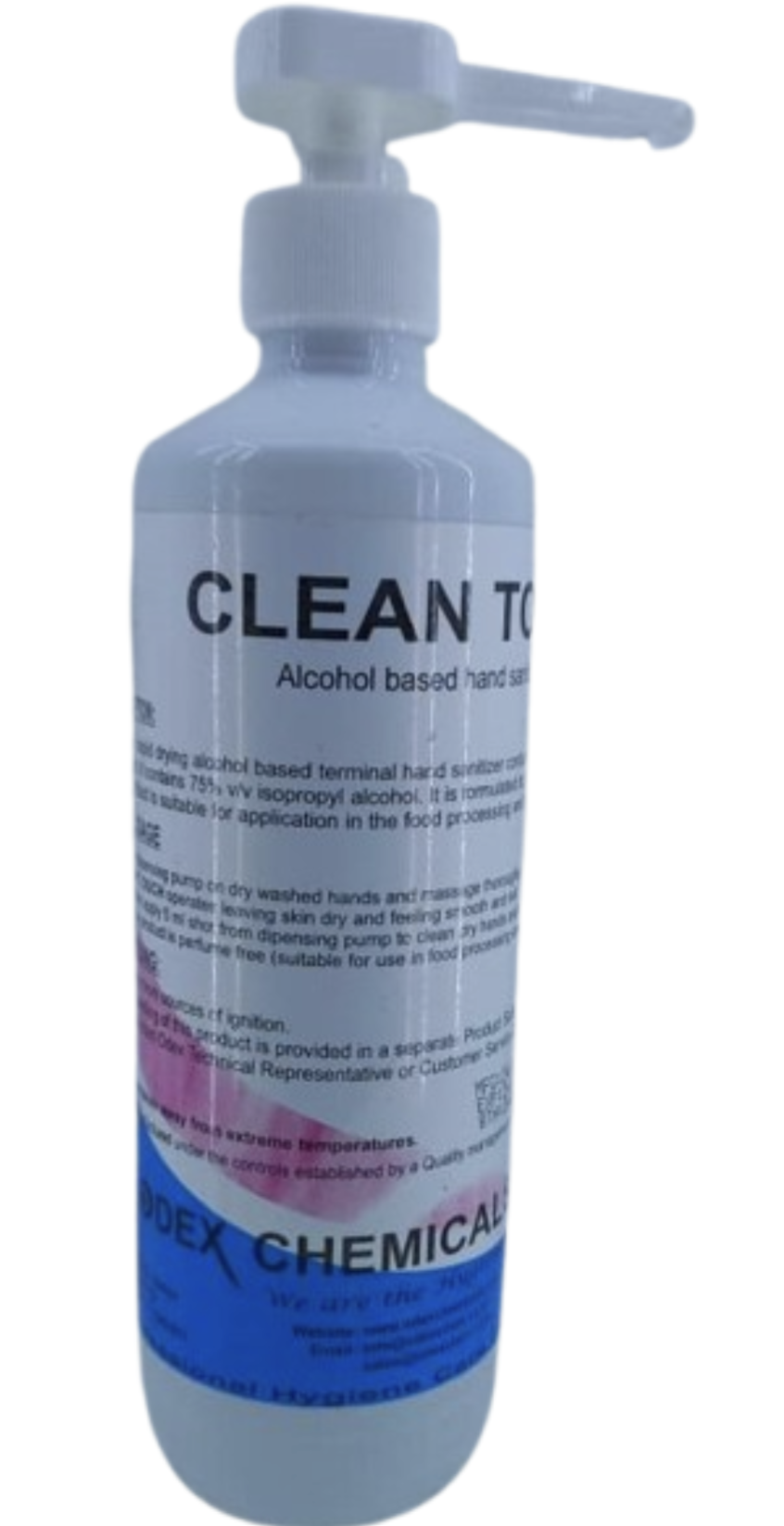
Hand sanitizer
1Nice to haveA quick option when there is no water near the coop.
How to use it: Use it when you finish, then wash with soap and water when you get inside.






Health and safety
Watch your hens daily and be ready if one looks unwell.
Torch
1 Must haveChecking the coop at night or during a power cut needs a good light.
How to use it: Keep a rechargeable torch by the door and charge it every week.
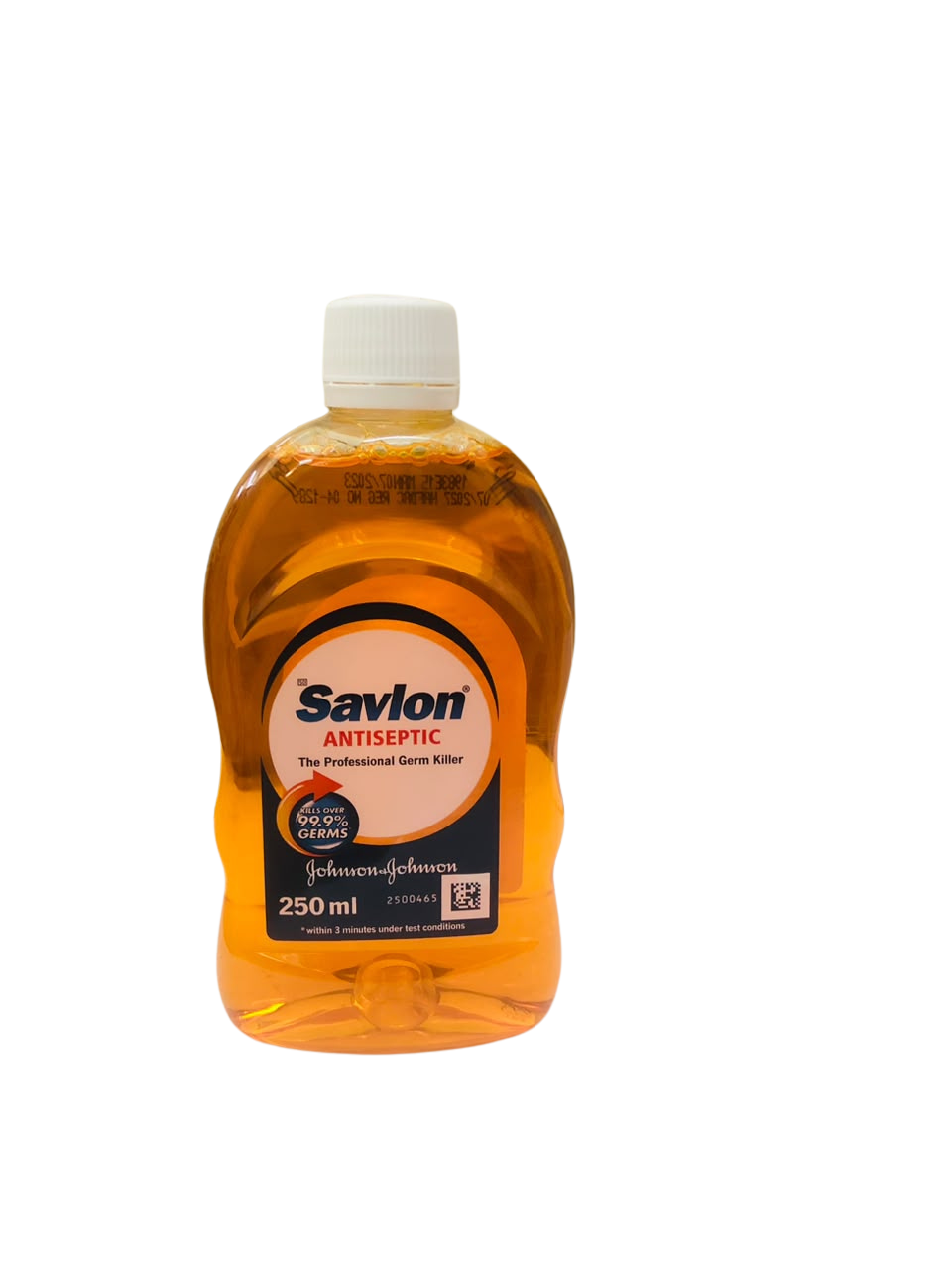
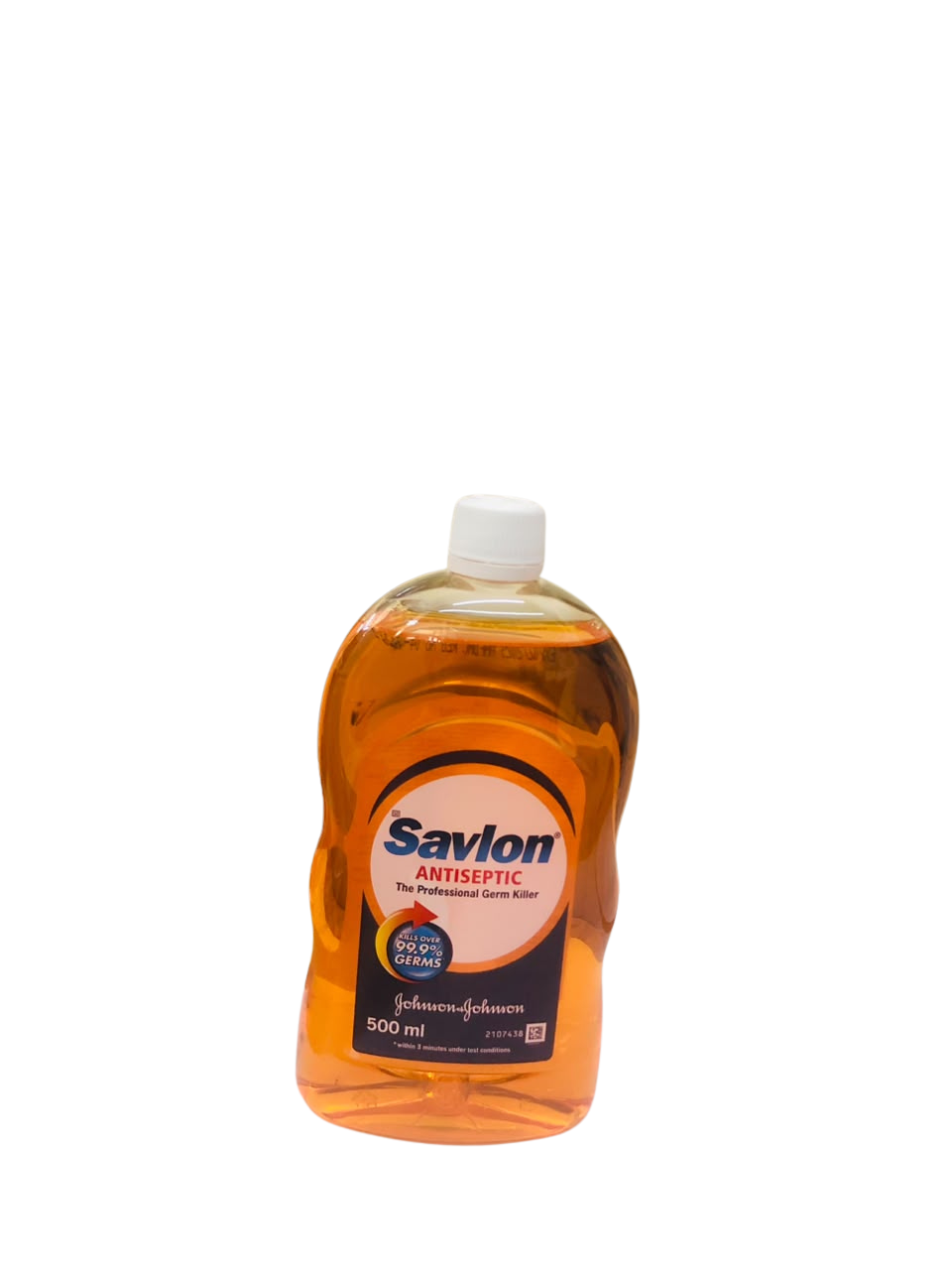
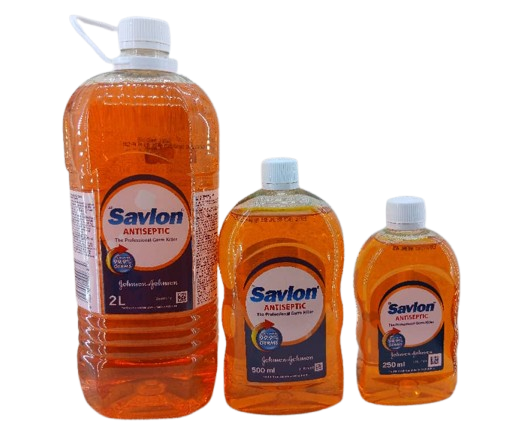
Antiseptic
1 bottleNice to haveSmall scratches and pecks can happen. Clean them quickly.
How to use it: Dilute as the label says, clean the spot and keep the hen apart until it heals. Call a vet if it looks serious.
Rope
1 rollNice to haveA strong rope ties fence panels, doors and tarps in place before storms.
How to use it: Check your ties before the rainy seasons.
Tool box
1Nice to haveA basic kit with a hammer, nails and pliers repairs the coop quickly.
How to use it: Fix small holes the same day. A rat or dog finds even a small gap.









Step by step
- 1
Two weeks before
Check with your landlord or neighbors, choose the spot, and build or buy the coop, run and nest boxes.
- 2
One week before
Fence the run, add bedding, hang the feeder and drinker and fit the padlock.
- 3
The day the hens arrive
Buy hens from a seller you trust and check they look bright and active. Keep them in the coop for a day or two so they learn it is home.
- 4
First weeks
Feed and water every day, collect eggs and rake the coop once a week.
- 5
Every month
Disinfect the coop, check the fence and refill your feed storage.
Tips that help
- Put the coop where it gets morning sun and afternoon shade.
- Raise the floor so the rainy seasons do not flood the coop.
- Count your hens every evening when you lock the door.
- Give kitchen scraps in small amounts and never give anything moldy.
- Feed at the same time every day so the hens learn your routine.
- Keep a small notebook of eggs per day to spot health problems early.
- Ask a vet or the feed shop about vaccines and parasites.
Mistakes to avoid
- Letting the water run out on hot days.
- Using a coop with gaps that dogs or rats can reach.
- Giving only maize and no complete layer feed.
- Leaving wet bedding in the rainy seasons.
- Keeping too many hens in a small space.
Questions people ask
How many hens do I need for eggs?+
A small family usually starts with three to six hens. A healthy hen that is well fed and not stressed lays often, so a few hens can supply a family's eggs.
Do I need a rooster to get eggs?+
No. Hens lay eggs without a rooster. A rooster is only needed for fertilized eggs, and the noise may bother neighbors.
What do backyard chickens eat?+
Layer feed should be the main food, with clean water always available. Scraps and grain can be treats, but never give moldy food.
Can I keep chickens in a shared compound in Kigali?+
It depends on the space and the rules. Check with your landlord and neighbors first, and ask your local sector office or a vet if any rules apply.
How do I protect hens from rain and cold nights?+
Use a coop with a good roof, a raised dry floor and walls without drafts. Keep bedding dry, especially from March to May and October to December.
With a strong coop, steady feed and clean water, a few hens can supply fresh eggs for years. Order the gear on this list on Isokko and have it delivered to your door in Kigali.
Shop this list
Get everything delivered in Kigali
Order from local stores on Isokko and pay with MoMo, card or cash. Same-day delivery.