
Checklist · Home & moving
Making Your Home Safer for Elderly Parents Moving In: Checklist
What to buy to make your Kigali home safer for elderly parents: lighting, bath mats, chairs and easy-reach storage, with product picks on Isokko.
Updated November 26, 2026 · By Isokko

When an elderly parent moves in, the house you know well can suddenly feel risky. Slippery tiles, dim corridors, low chairs and high shelves are small things for you, but they matter a lot for someone with weaker legs or eyes.
This checklist walks through the home room by room. It focuses on cheap, simple items: light, grip, firm seating and storage within easy reach. Most can be set up in a weekend.
Start by walking the house at night with a torch, the way your parent will. You will quickly see where you need light, a mat or a clear path.
Who it's for
Families in Kigali welcoming an older parent or grandparent into their home
Time needed
Shop over 1 to 2 weeks before they arrive, then check the home again after one week
When to shop
Buy lights, mats and bathroom items first, as these prevent the most falls
On the list
30 items, 16 must haves
0 of 30 ready
Lighting that shows the way
Many falls at home happen in the dark, on the way to the toilet at night. Good light is the cheapest safety upgrade.
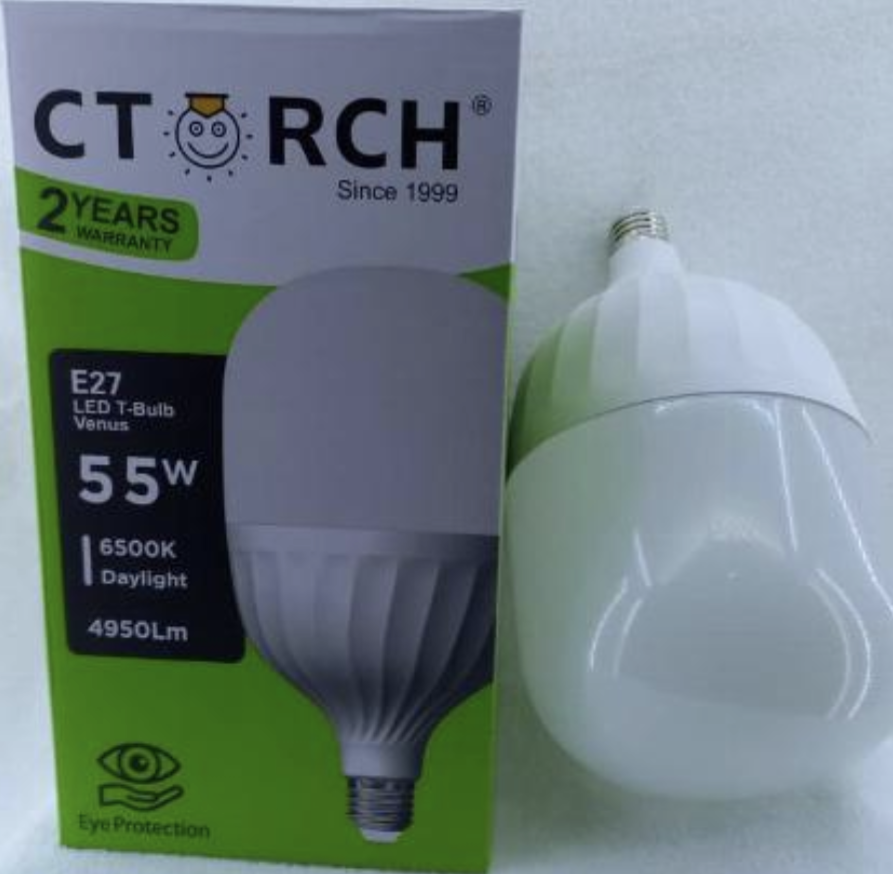
Bright LED bulbs
4 to 6 Must haveOlder eyes need more light to see steps, door frames and floor edges. Dim rooms and corridors make trips more likely.
How to use it: Replace weak bulbs in the corridor, bathroom and bedroom. Check the bulb fits your fitting before you buy.
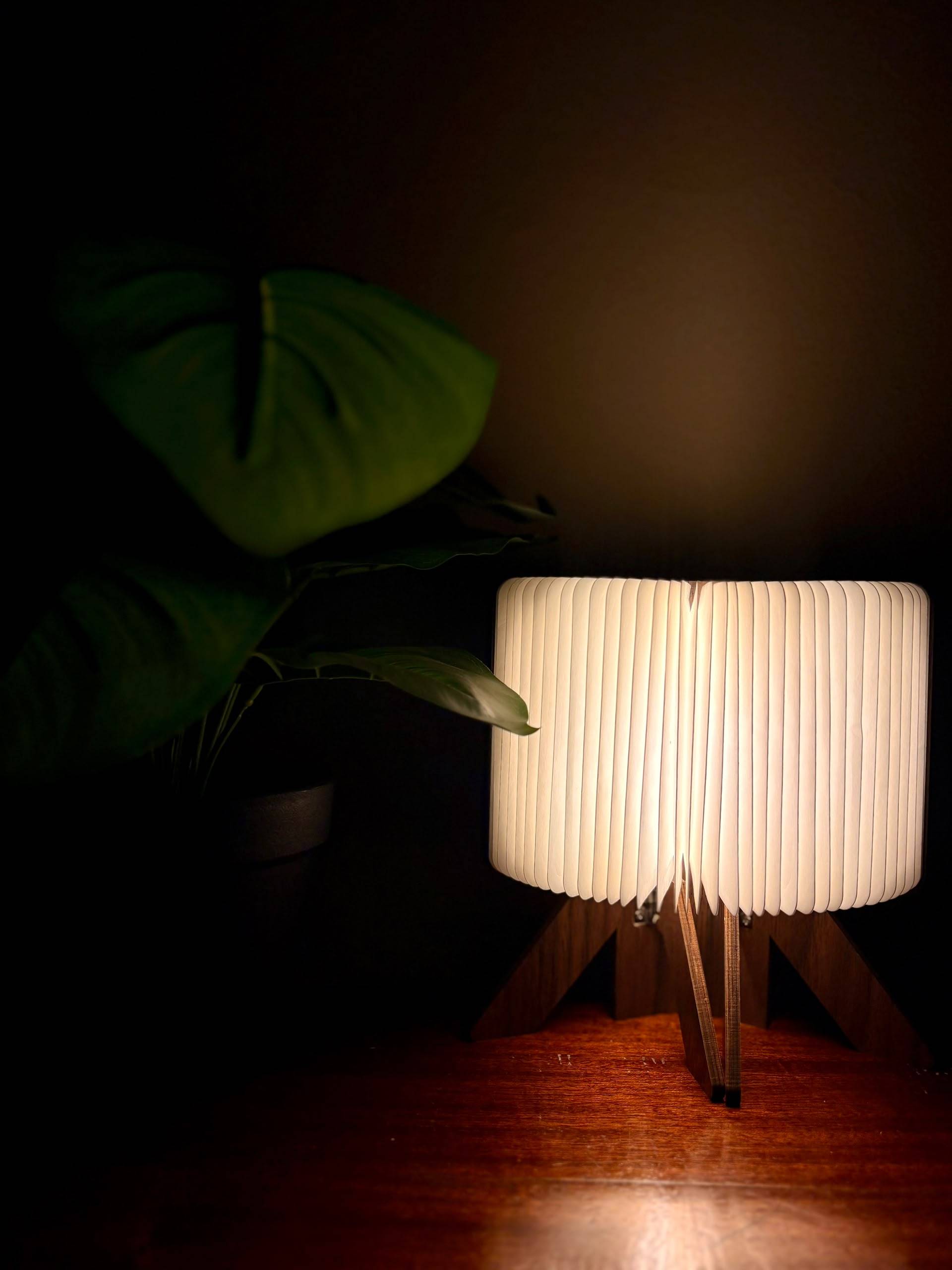
Small night light or LED lamp
1 to 2 Must haveA soft light left on between bed and bathroom means no fumbling for a switch at night.
How to use it: Place it low near the bedroom door or in the corridor. Pick one that you can charge so it works in a power cut.
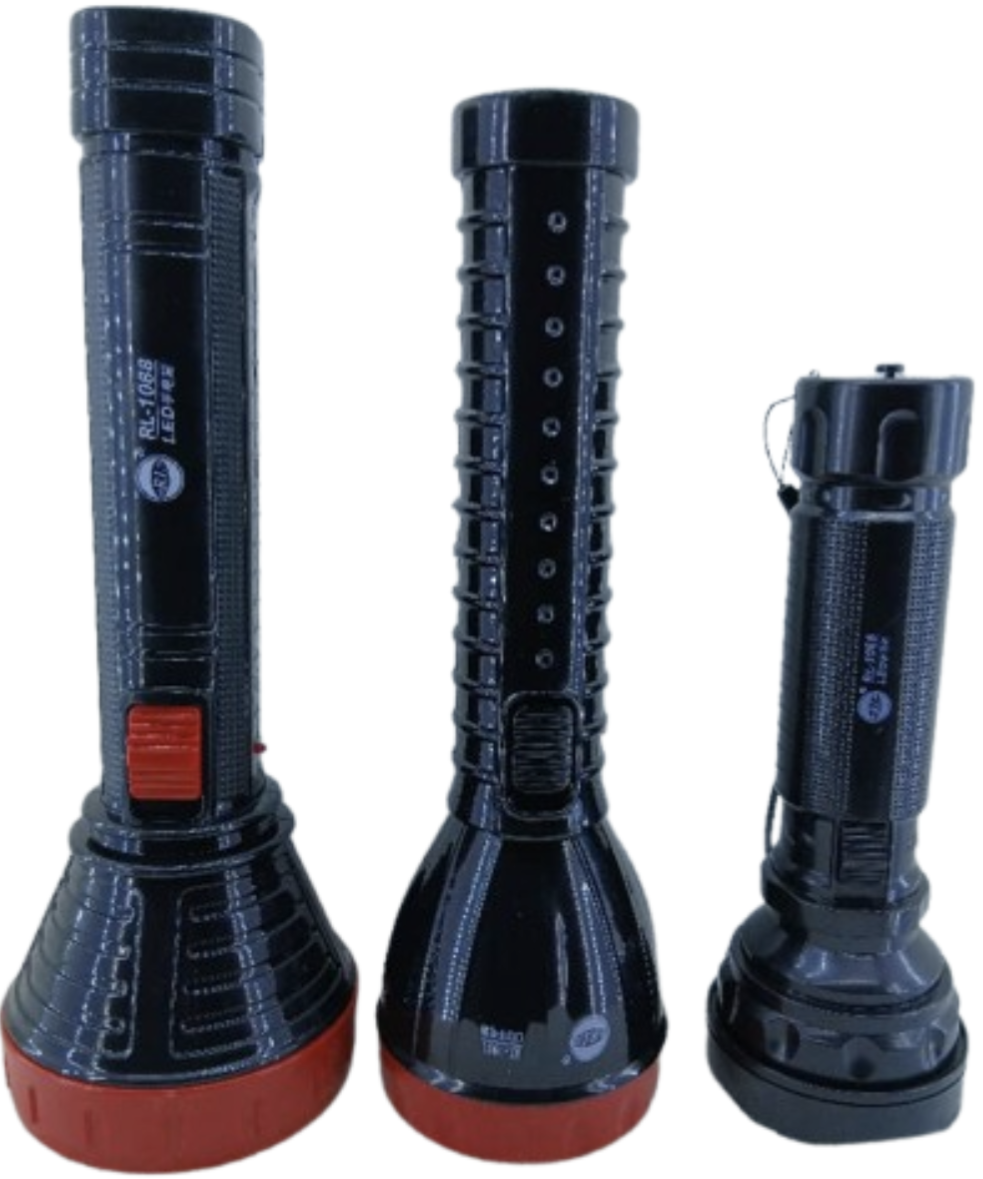
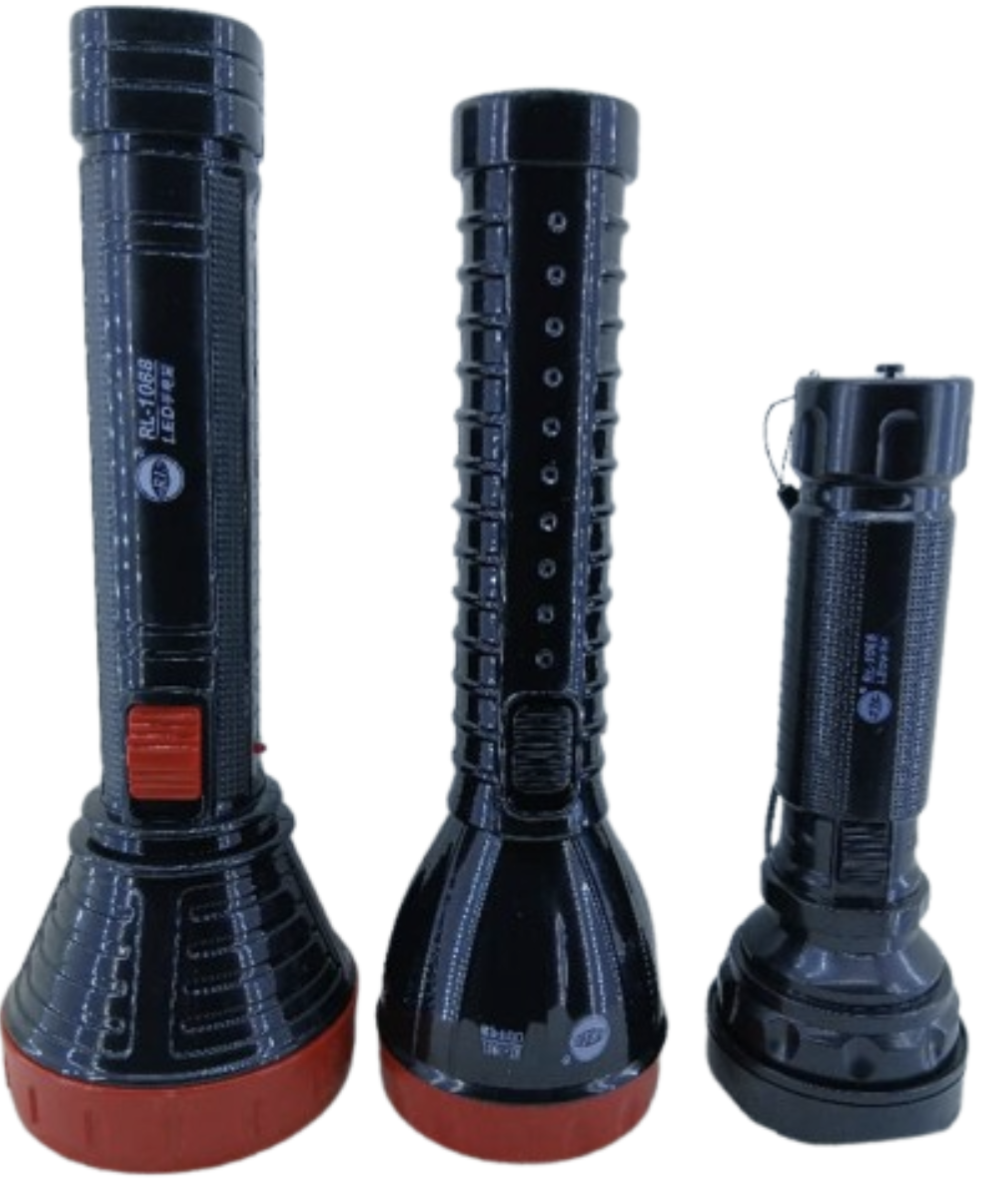
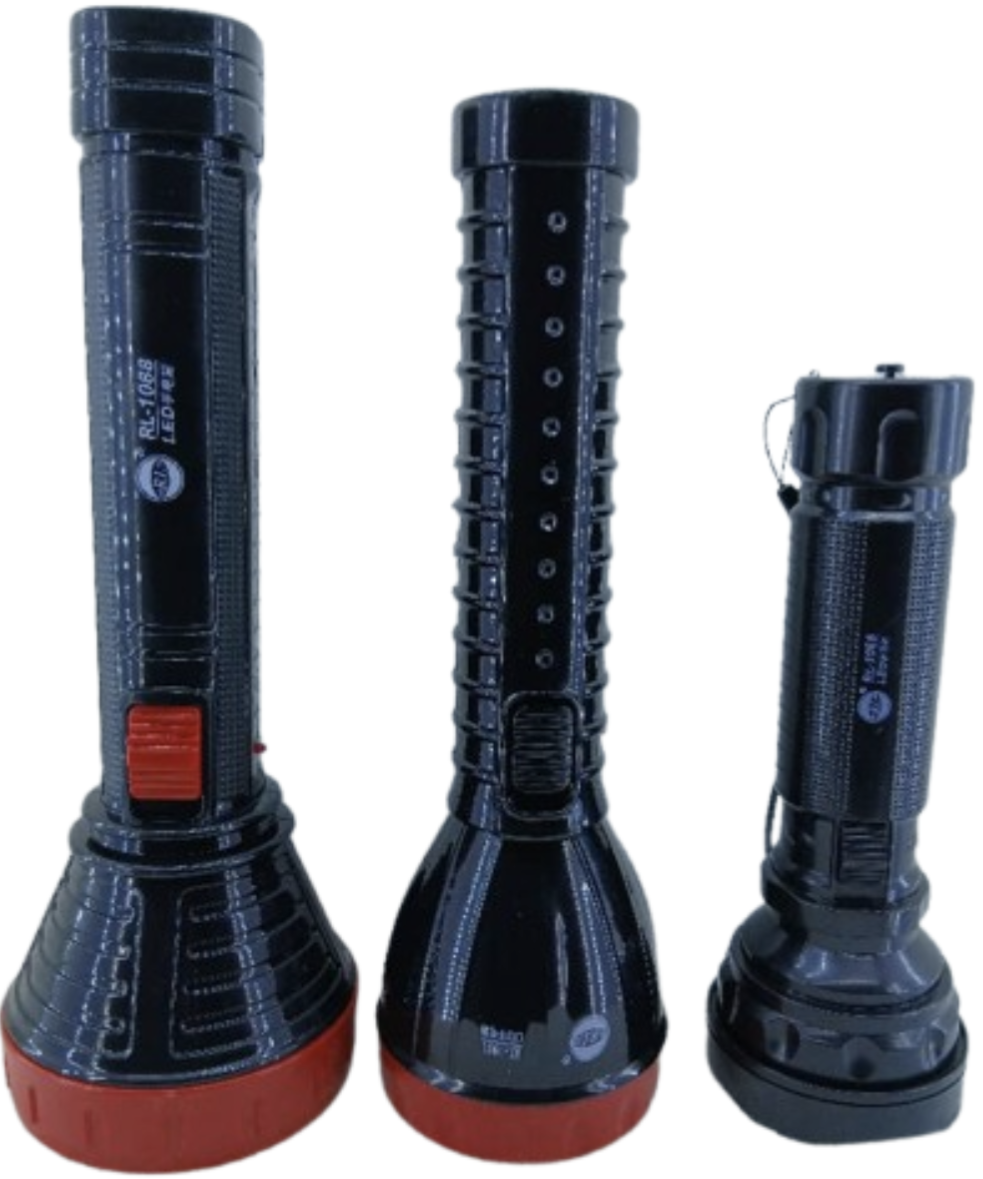
Rechargeable torch
1 to 2 Must havePower cuts are common in Kigali. A torch within arm's reach of the bed stops a scary walk in the dark.
How to use it: Keep it on the bedside table and charge it every week. Show your parent how the switch works.
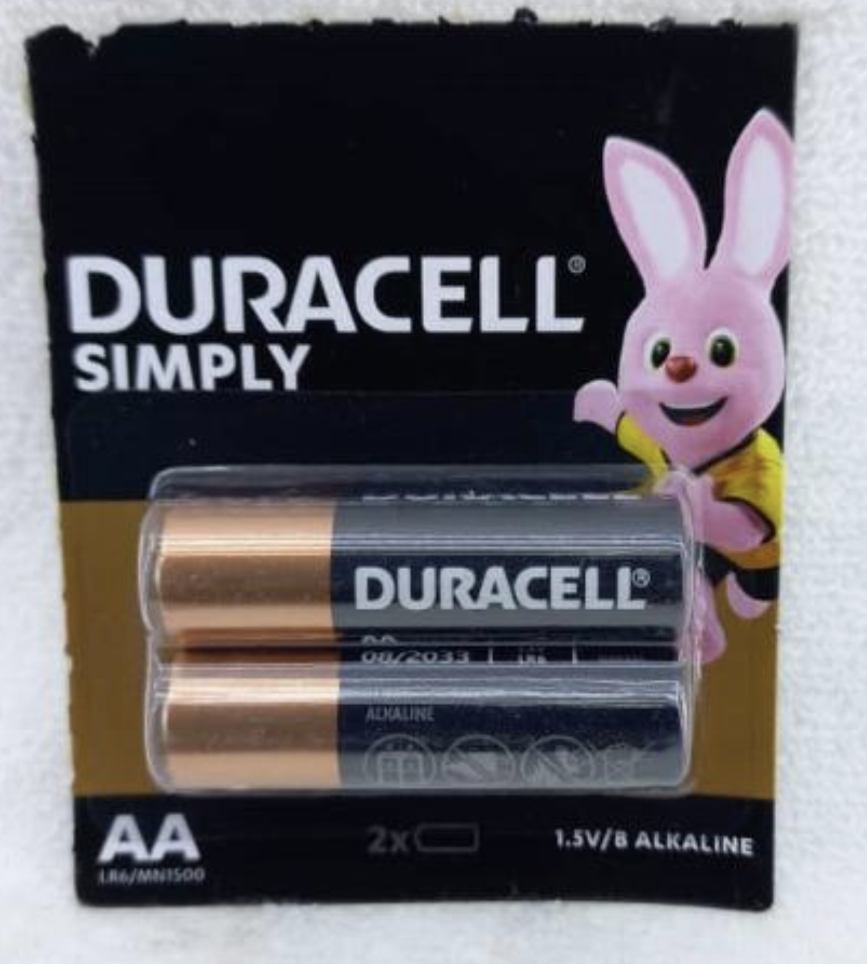
Spare batteries
1 pack of eachNice to haveRemotes, small lamps and torches stop at the worst time if there are no spares.
How to use it: Keep AA and AAA batteries together in a small box in an easy-reach drawer.
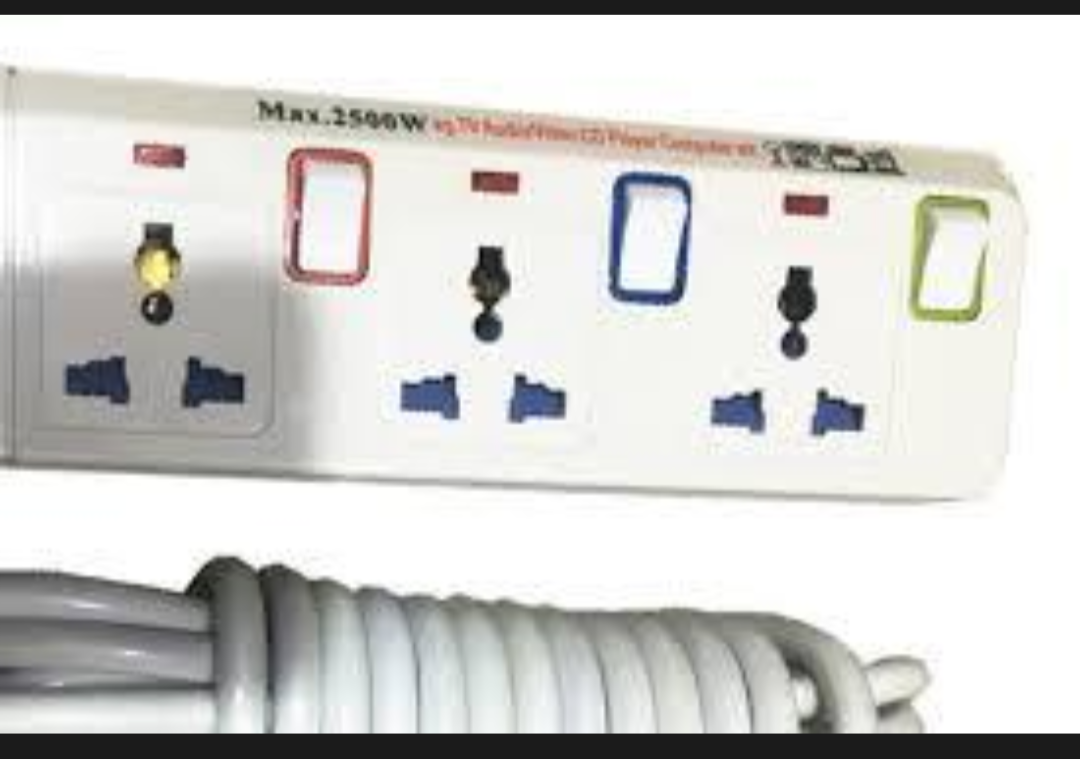
Multi-socket with switch
1 to 2Nice to haveStops long cords from crossing the floor where someone can trip. One switch also turns off several devices.
How to use it: Fix the socket near the bed or chair, off the walking path. Never overload it.







Safer bathroom
Wet tiles are the biggest danger in most homes. A few cheap items make a big difference.
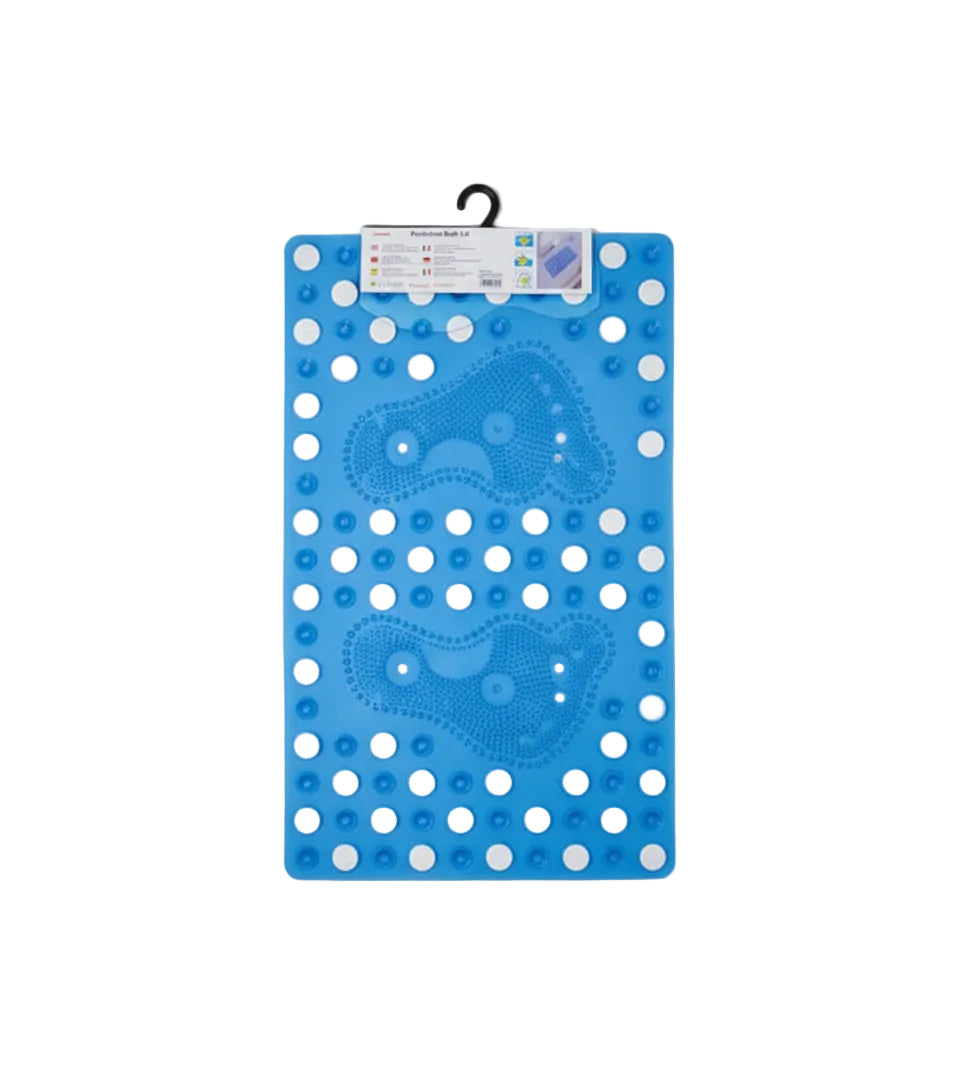
Anti-slip bath mat
1 to 2 Must haveWet tile is very slippery, especially for someone with stiff legs or poor balance.
How to use it: Choose one with suction cups or a rubber back. Press it flat and wash it often so soap does not build up.
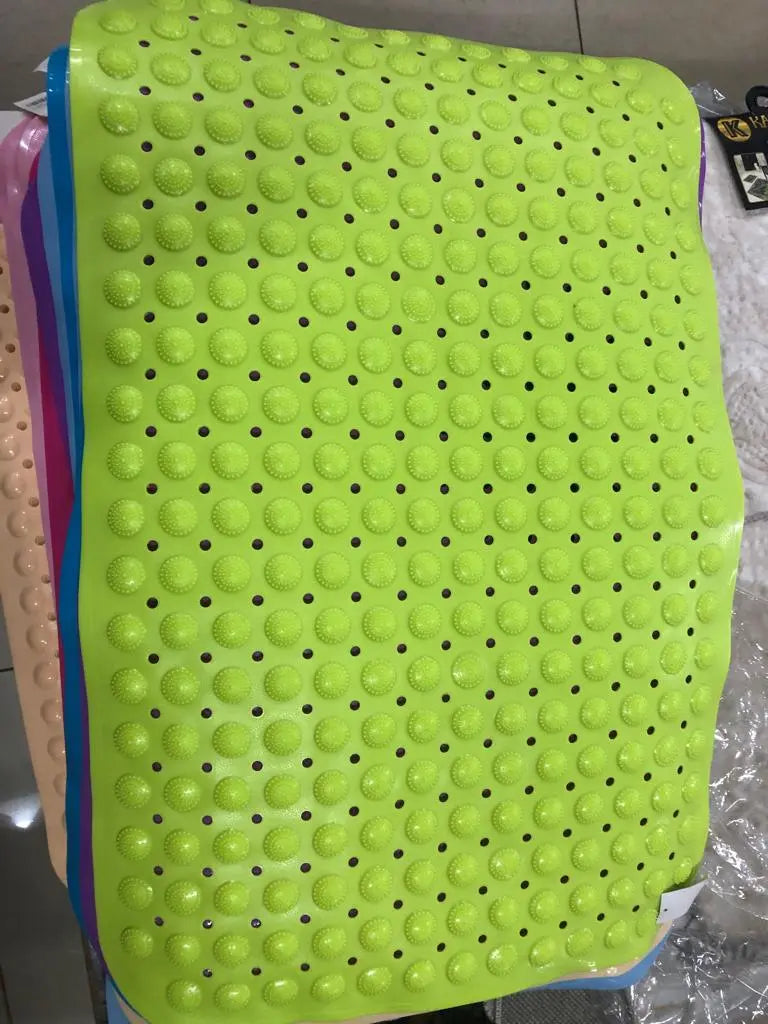
Anti-slip mat for the shower floor
1 Must haveA mat inside the shower gives grip exactly where feet are wet and soapy.
How to use it: Rinse it after each shower and lift it weekly to clean under it.
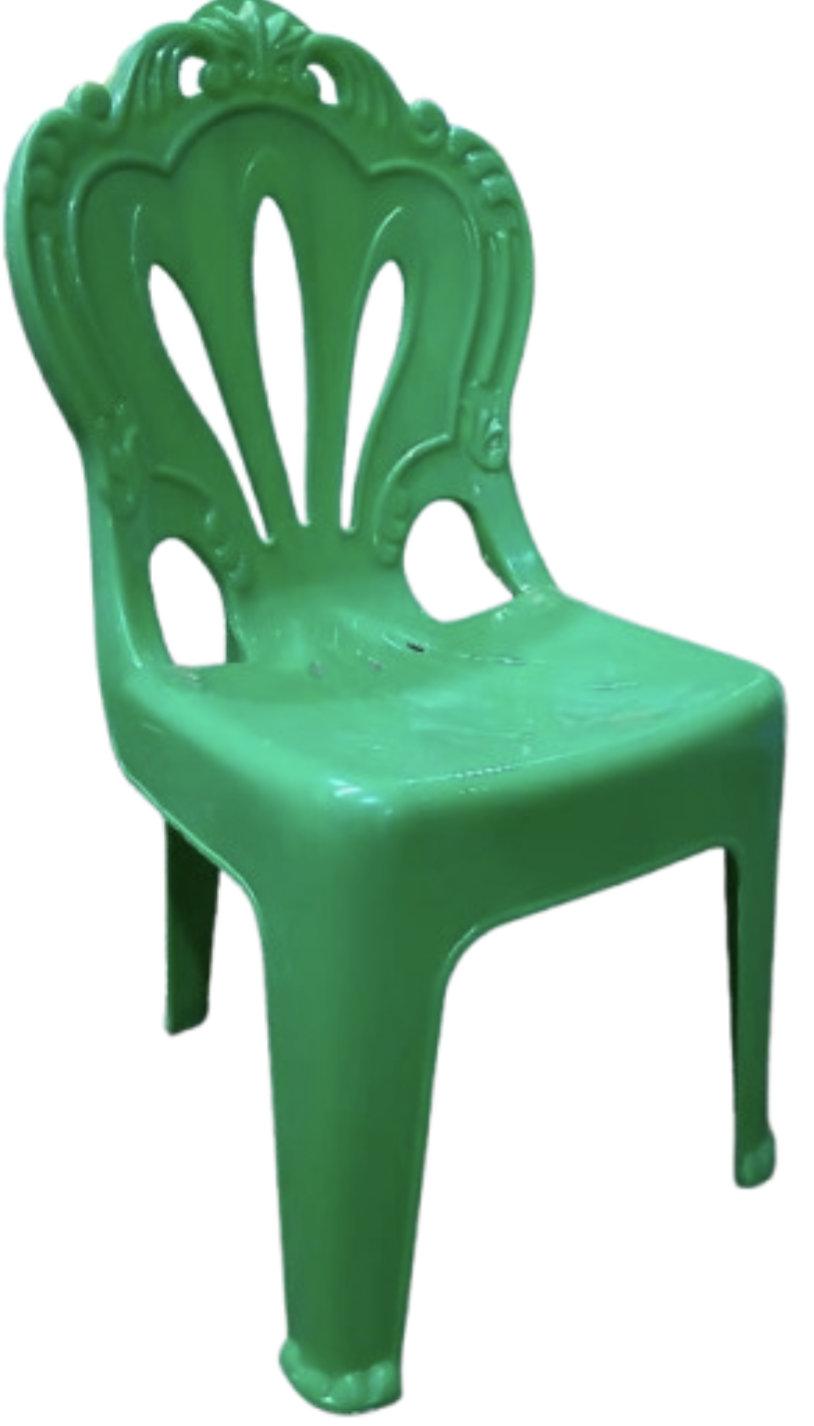
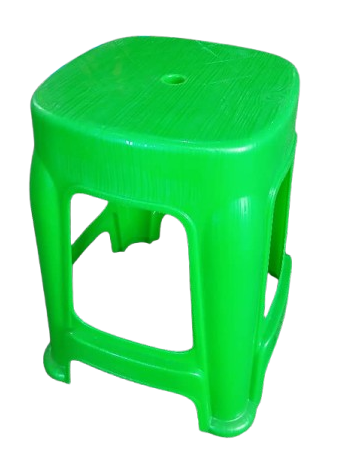
Plastic chair for the shower
1 Must haveSitting to wash is safer than standing when someone feels tired or dizzy.
How to use it: Use a sturdy plastic chair with a flat seat and non-slip feet. Keep it only for the bathroom and dry the floor after.
Liquid soap in a pump bottle
1Nice to haveA bar of soap drops and becomes a slip hazard. A pump bottle is easy to use with weak hands.
How to use it: Place it at waist height within reach of the chair or basin.
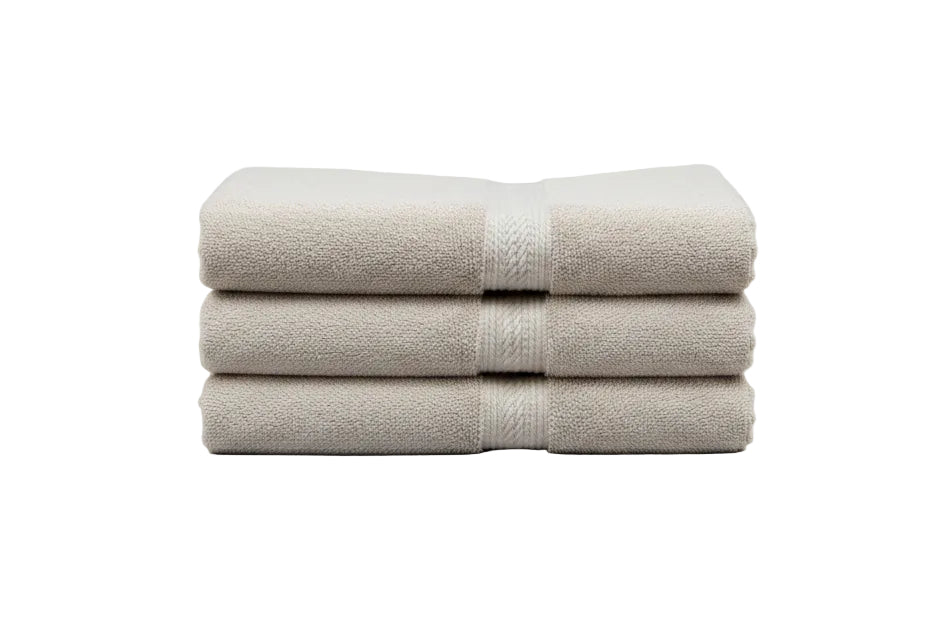
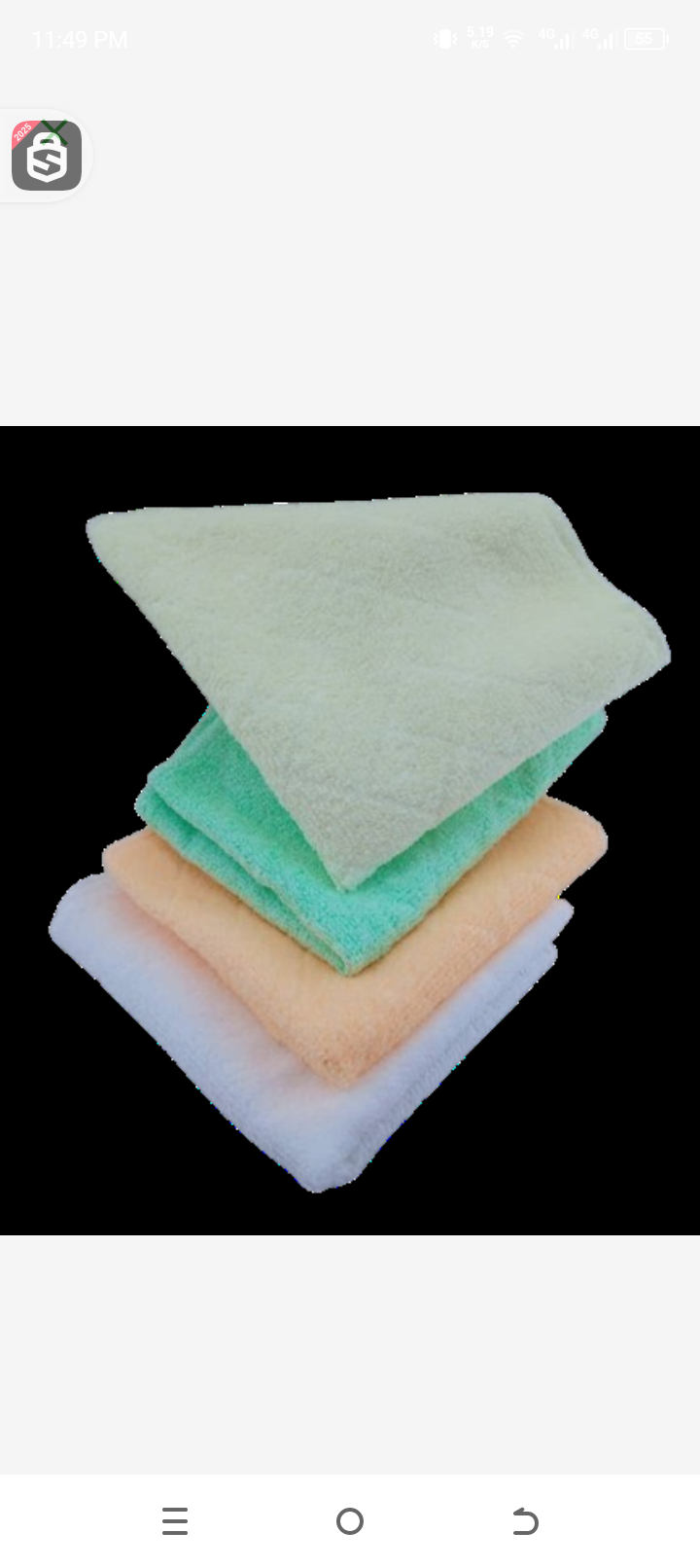
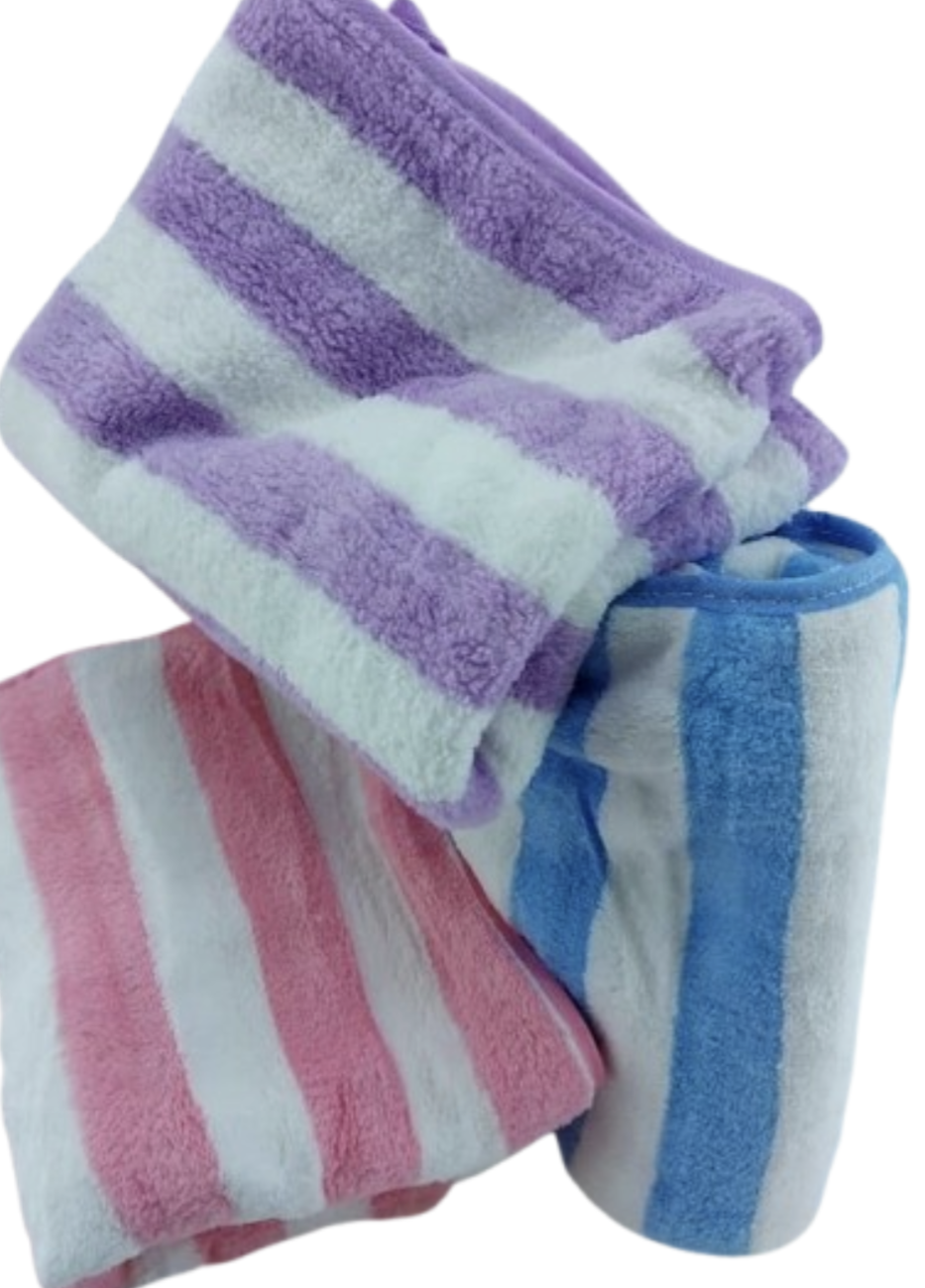
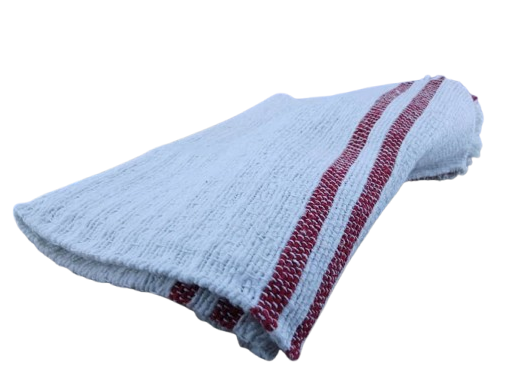
Hand towel
2Nice to haveA towel hung close to the basin avoids walking across a wet floor with dripping hands.
How to use it: Hang it on a low hook at the basin and wash it twice a week.
Toilet paper
1 pack Must haveRunning out means a trip to the store cupboard. Keep extra within sitting reach.
How to use it: Store a few rolls in a small basket next to the toilet.








Floors and walkways
Loose rugs, wet floors and clutter cause most trips. Make the main routes clear, dry and grippy.
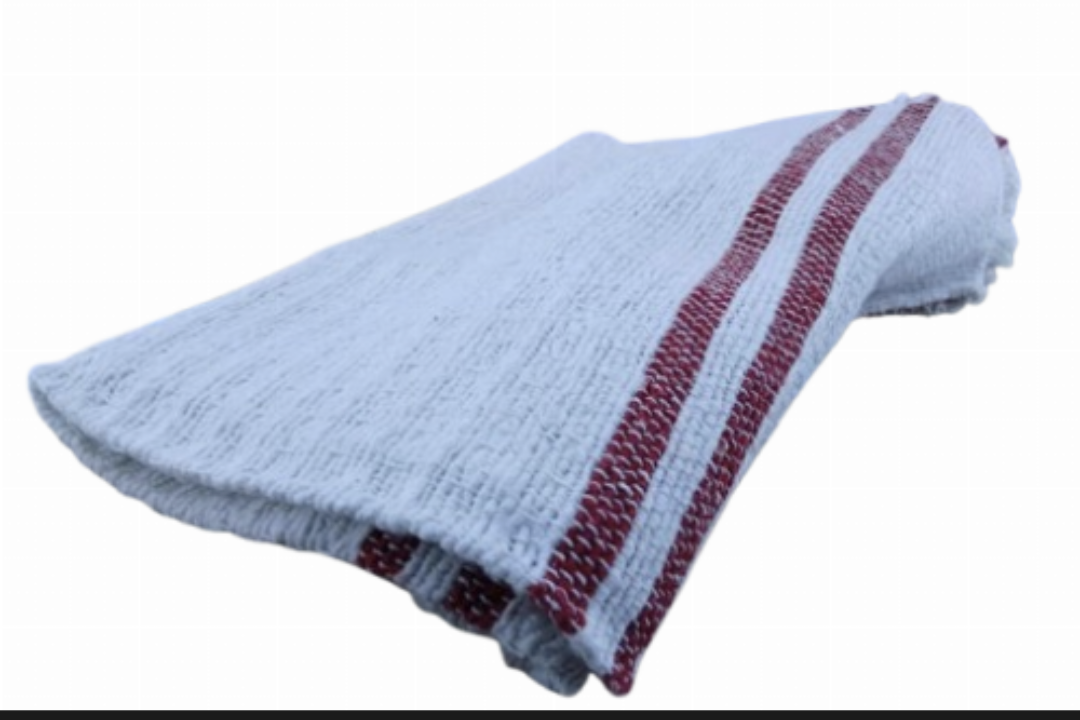
Non-slip mat roll
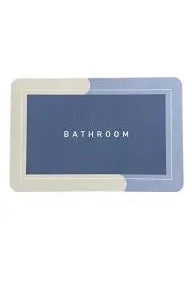
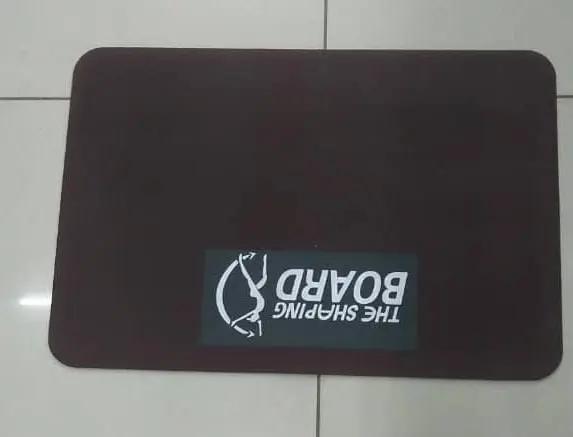
1 roll Must havePlaced under rugs or in a doorway it keeps them from sliding on smooth tiles.
How to use it: Cut to size and lay under any mat you keep. Remove any rug that still curls at the edge.
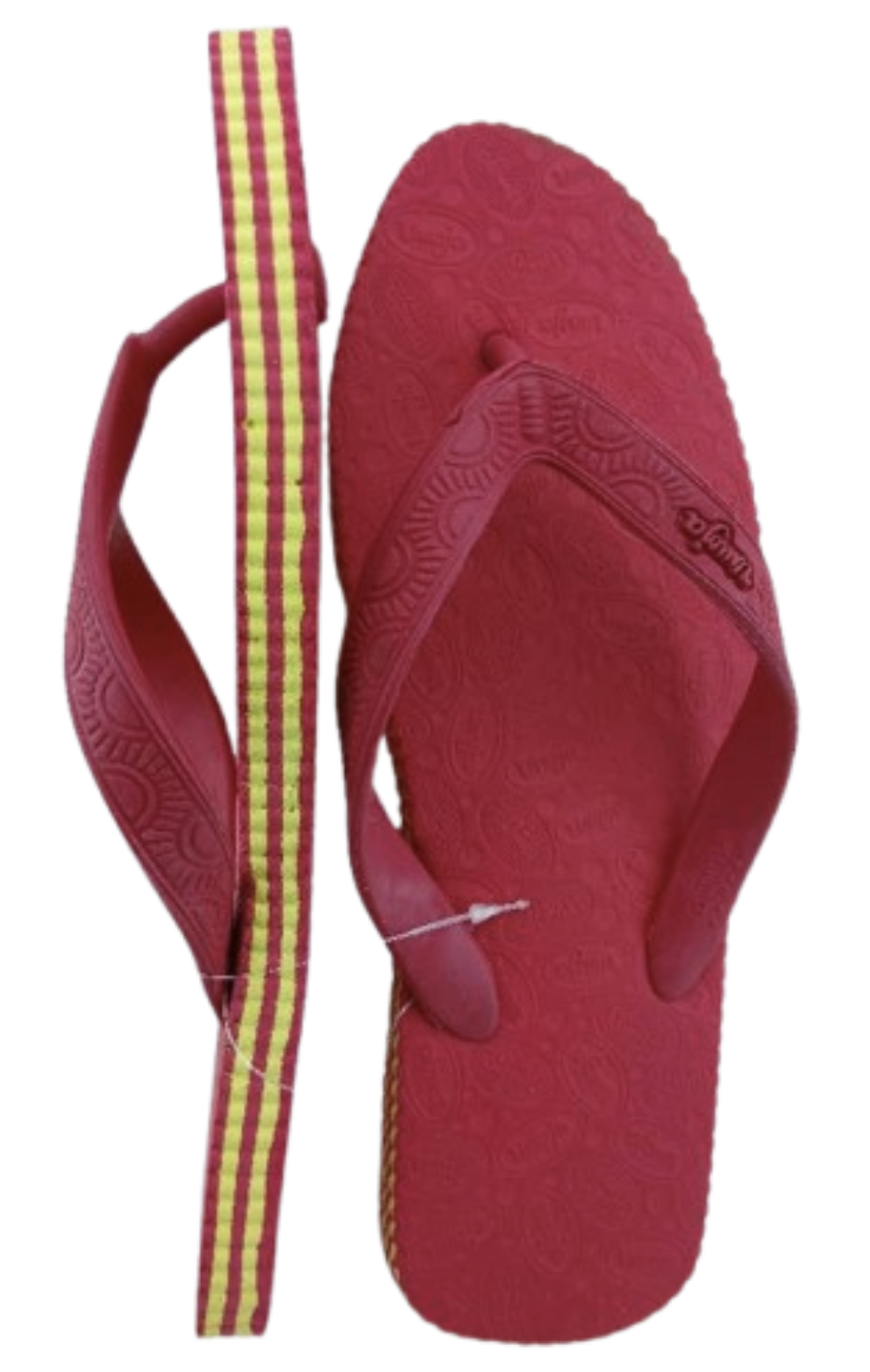
Closed slippers with grip
2 pairs Must haveSocks and bare feet slip on tiles. Open flip flops can slide off.
How to use it: Choose a pair with a thick, grippy sole that fits snugly. Keep one pair by the bed and one by the bathroom.
Double-sided tape
1 rollNice to haveHolds down mat corners and cord ends flat against the floor.
How to use it: Clean and dry the floor first, then press the tape down firmly. Replace it when it loses grip.
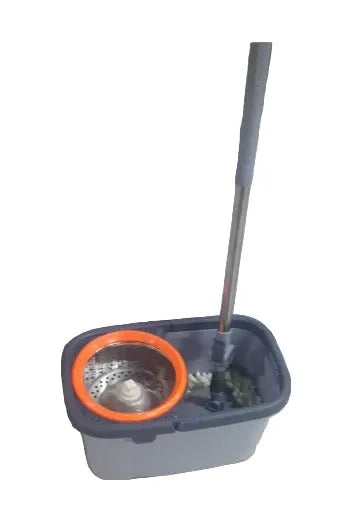
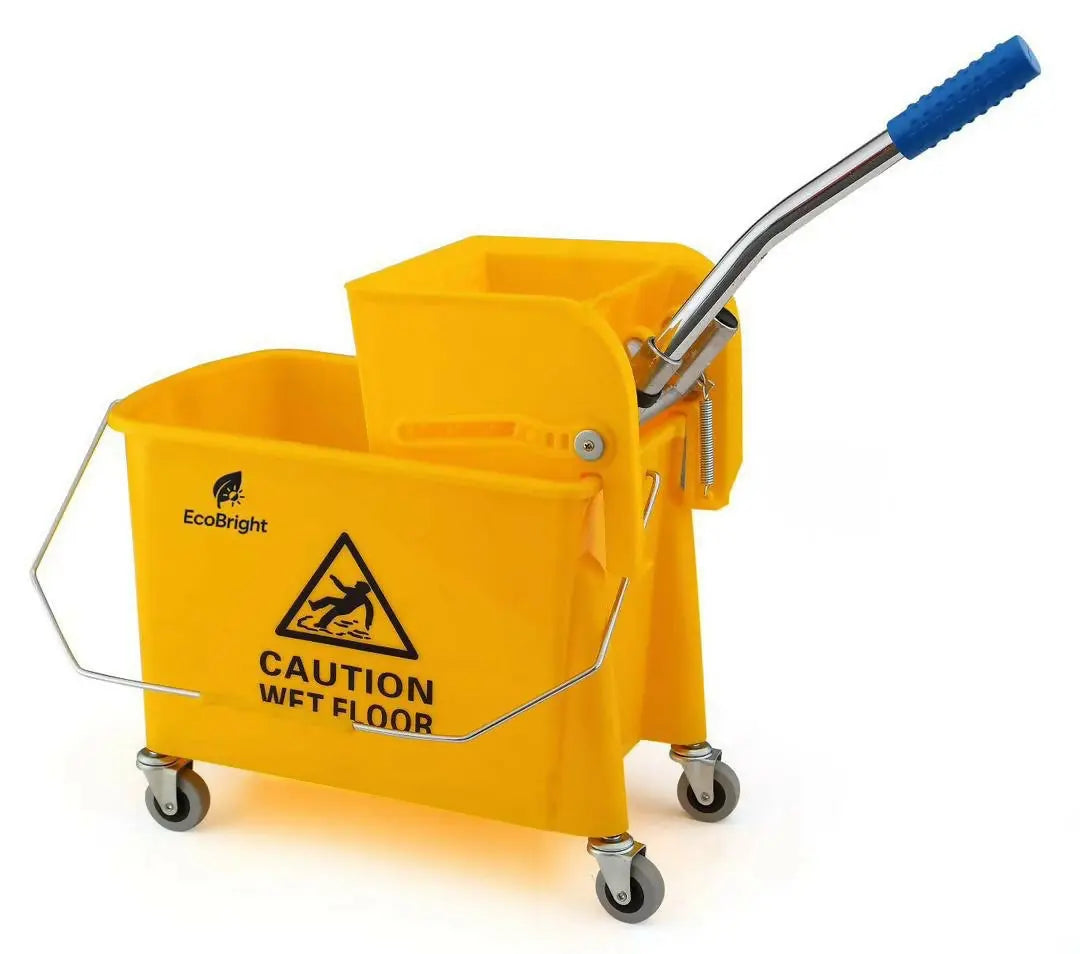
Mop and bucket
1 set Must haveSpills and wet patches should be dried right away, not left to dry alone.
How to use it: Mop dry after wet cleaning and warn the family while the floor is wet.
Walking stick
1Nice to haveSome parents feel safer with extra support outside on Kigali's uneven, hilly paths.
How to use it: Ask a doctor or pharmacist to help set the right height. The elbow should bend slightly when you hold it.





Comfortable seating and bed
Getting up from a low or soft seat is hard. Firm, steady seating protects knees and backs.
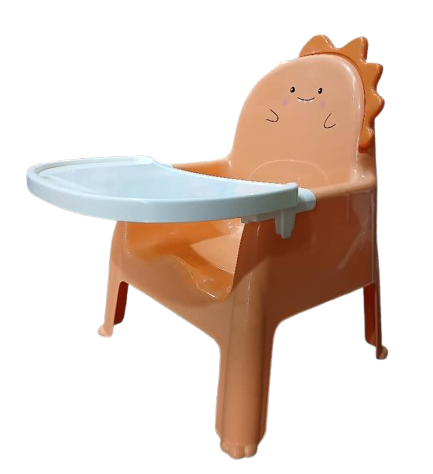
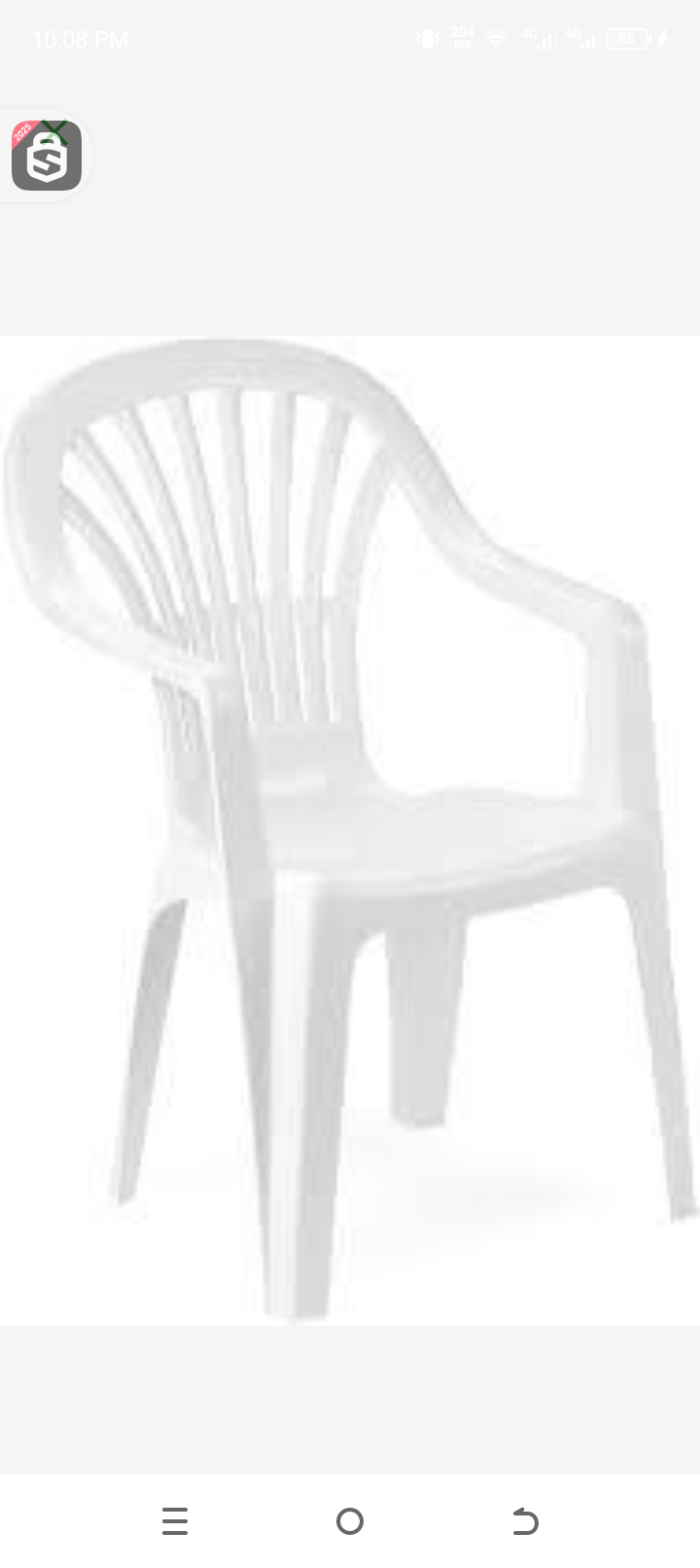
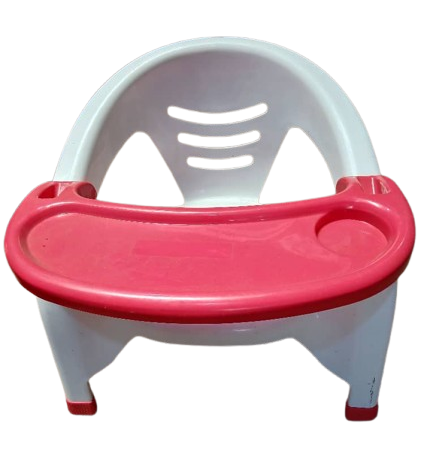
Sturdy chair with arms
1 to 2 Must haveArmrests help your parent push up. Chairs that wobble or tip are a risk.
How to use it: Choose one with a firm seat at about knee height. Test it yourself by sitting and standing up.
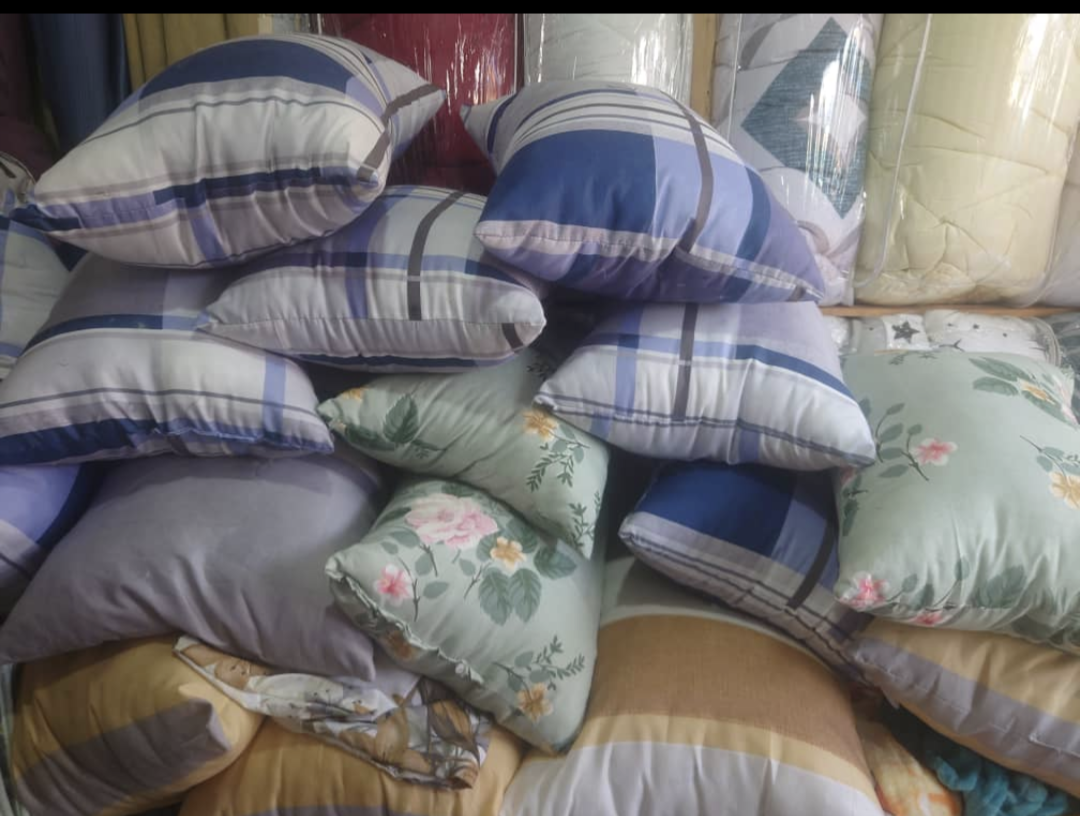
Firm pillows
2Nice to haveA good pillow helps with neck comfort and with sitting up in bed to rest or read.
How to use it: Pick a medium firm one, and replace pillows that have gone flat.
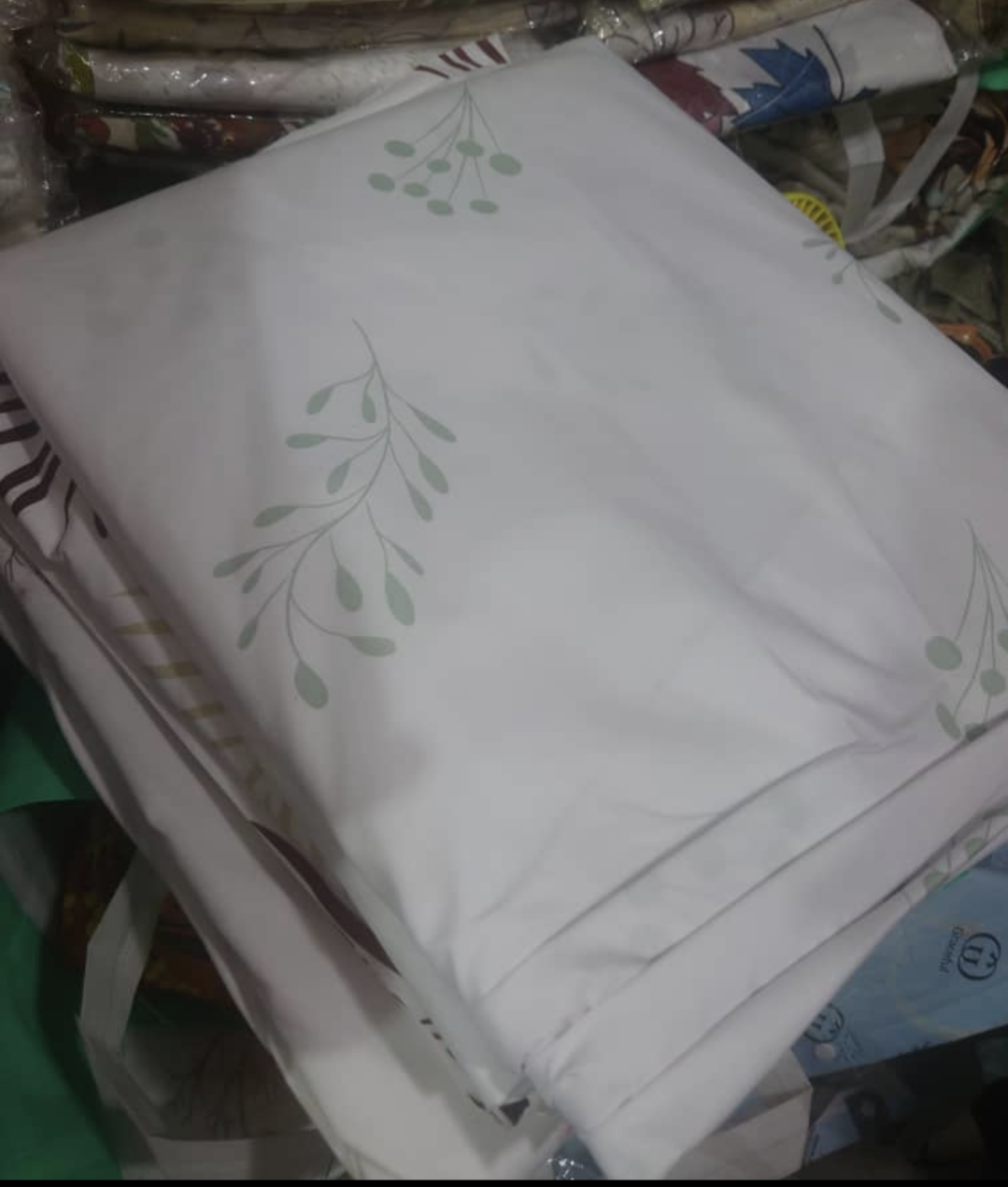
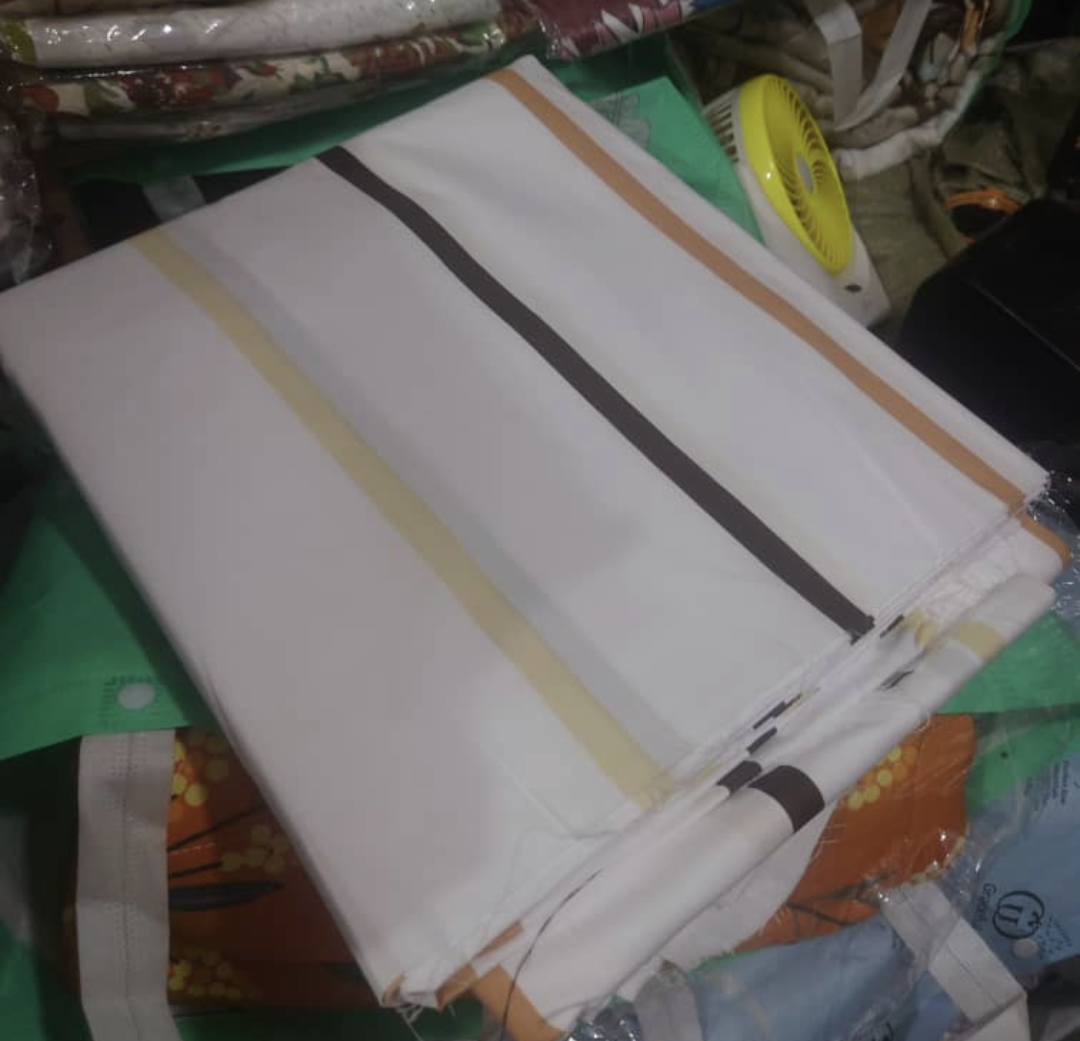
Cotton bed sheets
2 sets Must haveCotton breathes in warm weather and does not slip as much as silky fabric.
How to use it: Buy at least two sets so one is always clean and dry. Tuck in the corners firmly.
Warm blanket
1 to 2 Must haveCool nights in the rainy seasons can be hard on older joints.
How to use it: Keep one folded at the foot of the bed, light enough to lift with one hand.





Easy-reach storage
Everything used daily should sit between hip and shoulder height. No stretching, no stools, no ladders.
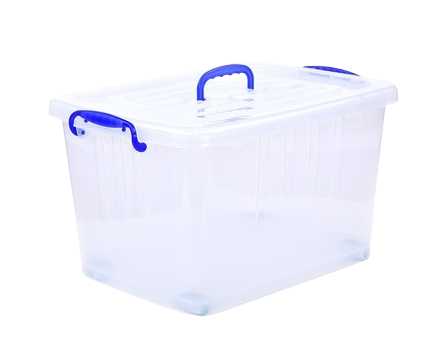
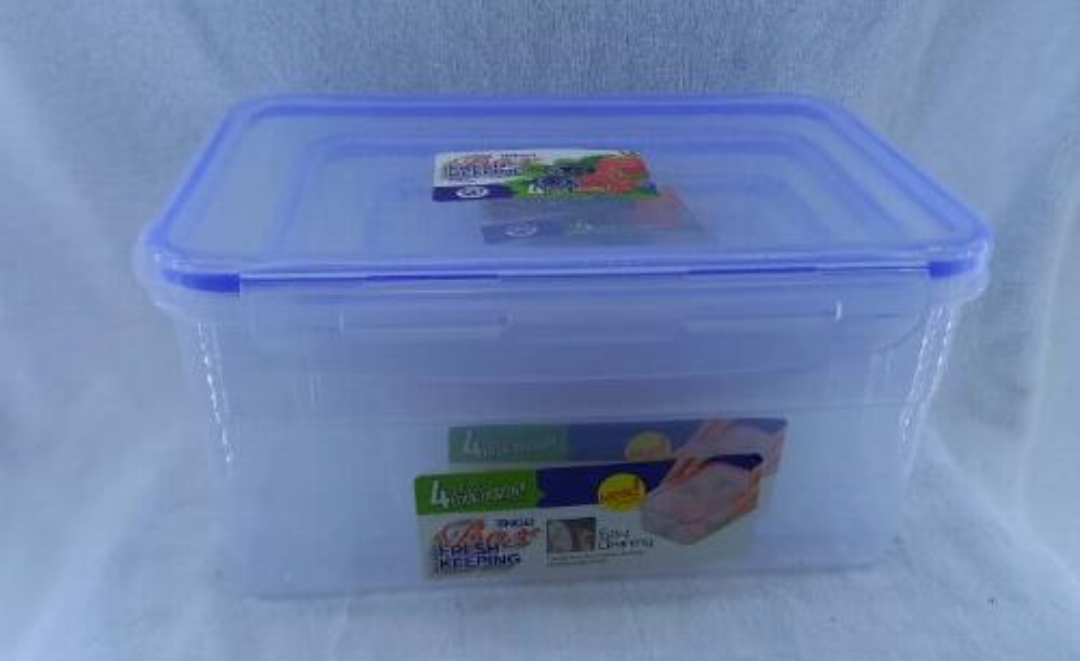
Storage boxes with lids
3 to 4 Must haveKeeps medicines, papers and small items together and easy to find.
How to use it: Label each with large letters. Use light boxes that are easy to lift.
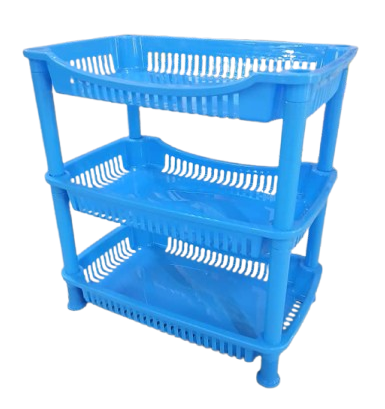
Open shelf or rack
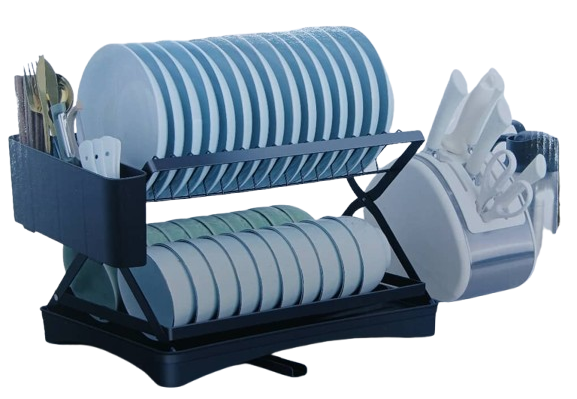
1 to 2Nice to haveMoves cups, plates and towels to a reachable height.
How to use it: Place it near where the items are used and fix tall racks to the wall if possible.
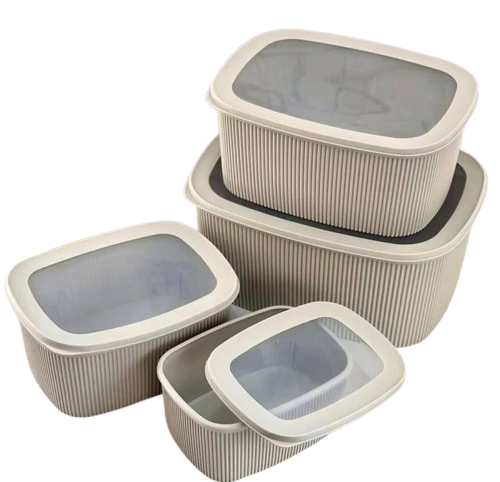
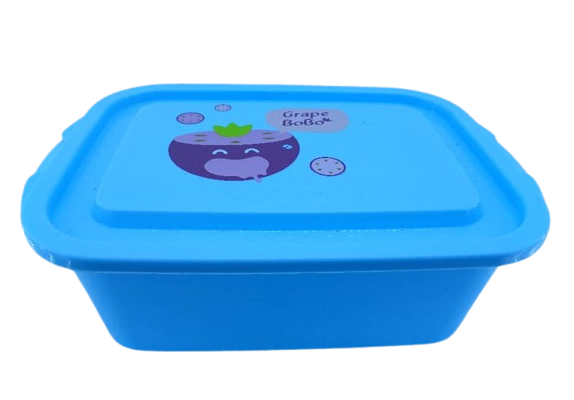
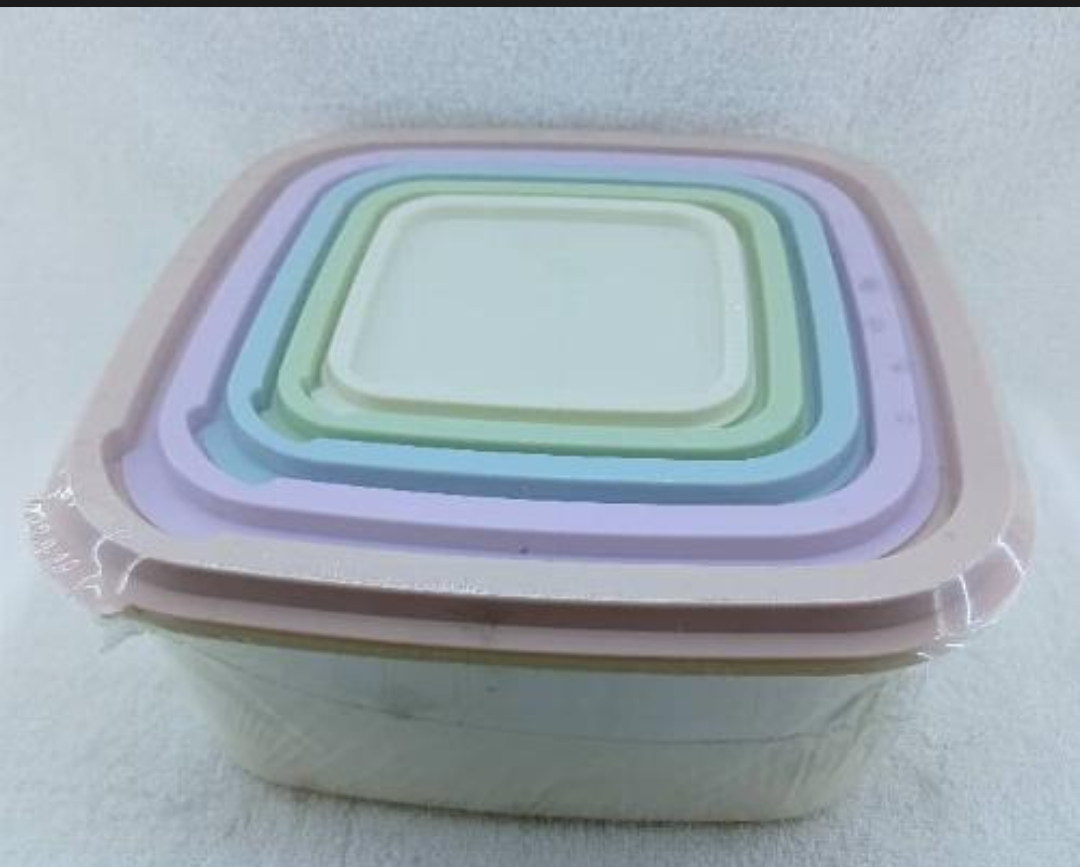
Plastic containers
4 to 6Nice to haveRice, beans and flour in smaller tubs are lighter to lift than big sacks.
How to use it: Fill with one week of food at a time and keep the big sack on a low shelf.
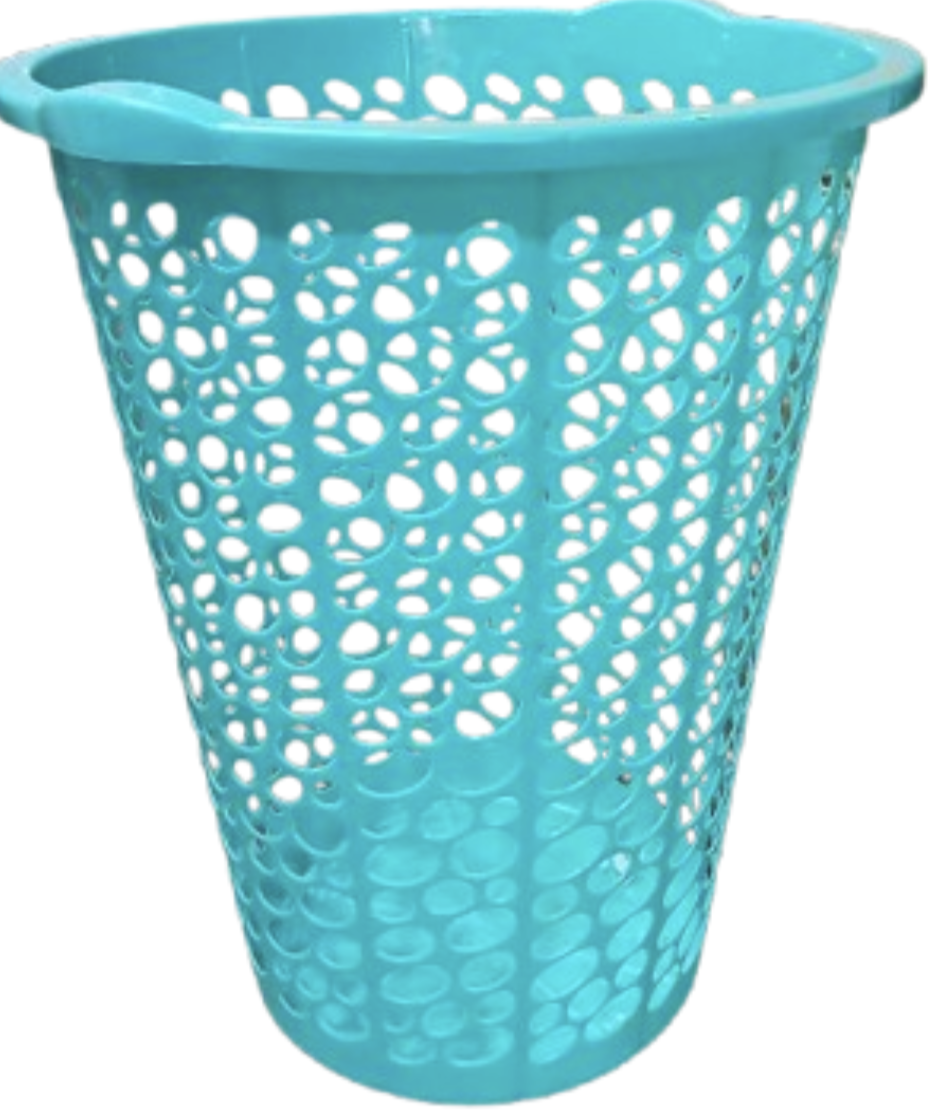
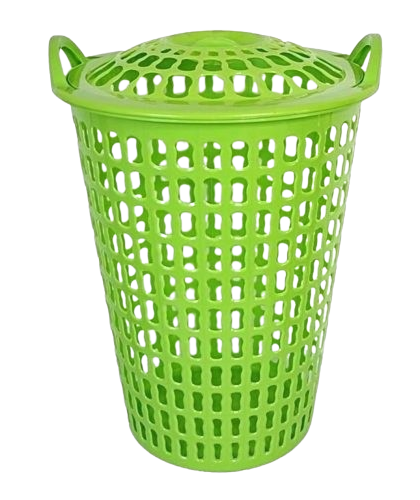
Laundry basket
1Nice to havePrevents bending and carrying bundles of clothes through the house.
How to use it: Pick one with side handles and keep it at the bedroom door.
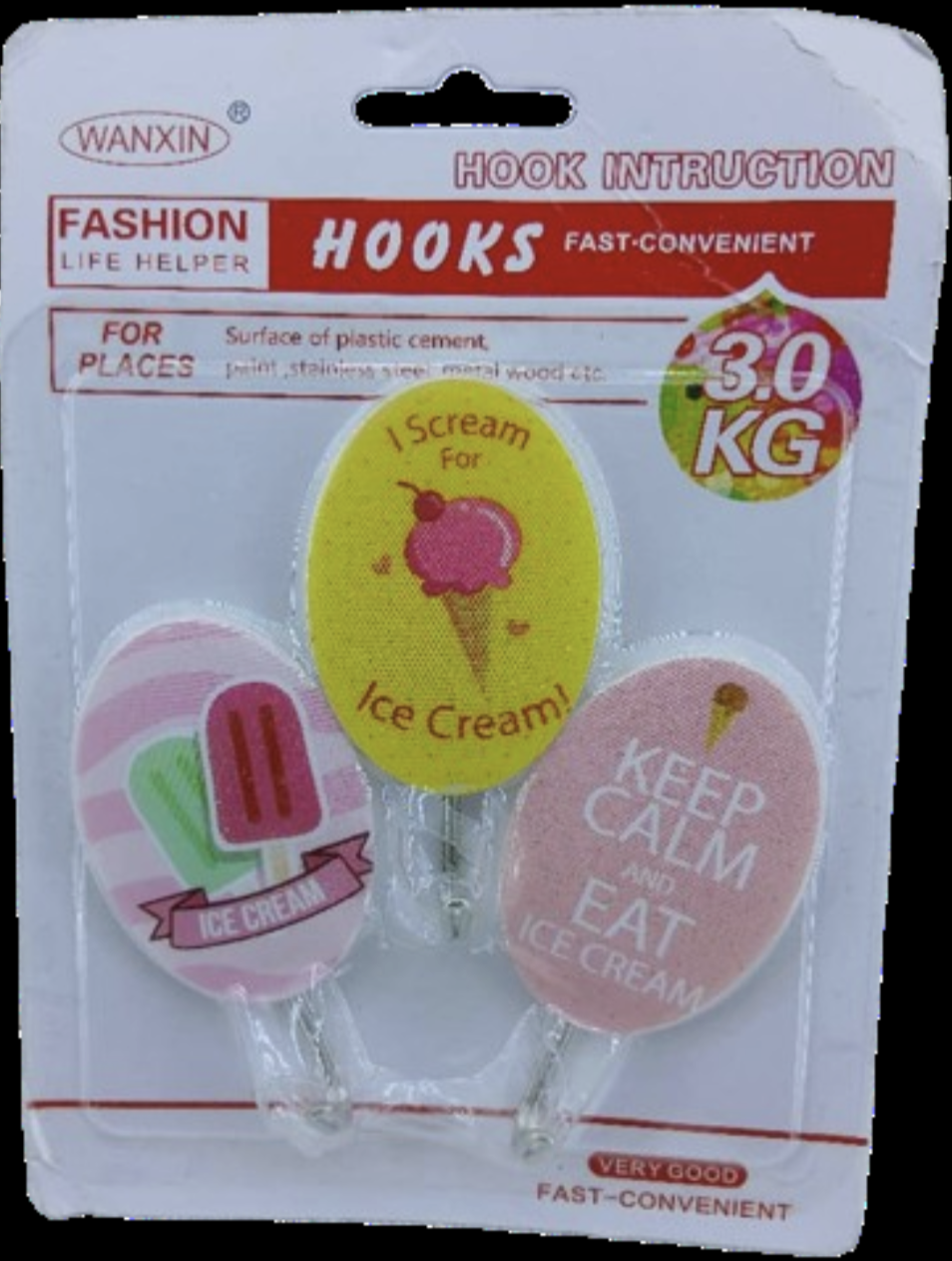
Wall hooks
1 packNice to haveHooks at chest height hold keys, a cardigan, a bag or a torch where they are always visible.
How to use it: Fix at a height the person can see and reach easily.
Water, health and comfort
Small daily comforts keep an older person hydrated, safe and independent.
First aid kit
1 Must haveCuts and scrapes can happen. A kit means quick help without a search.
How to use it: Keep it in a known place and check expiry dates twice a year. For anything serious, call a doctor.
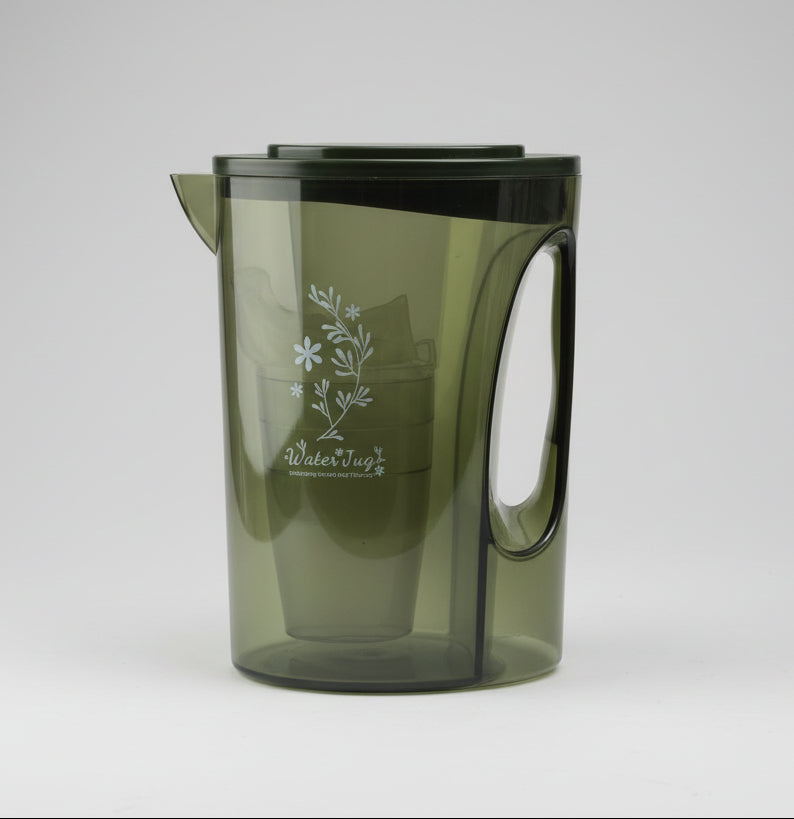
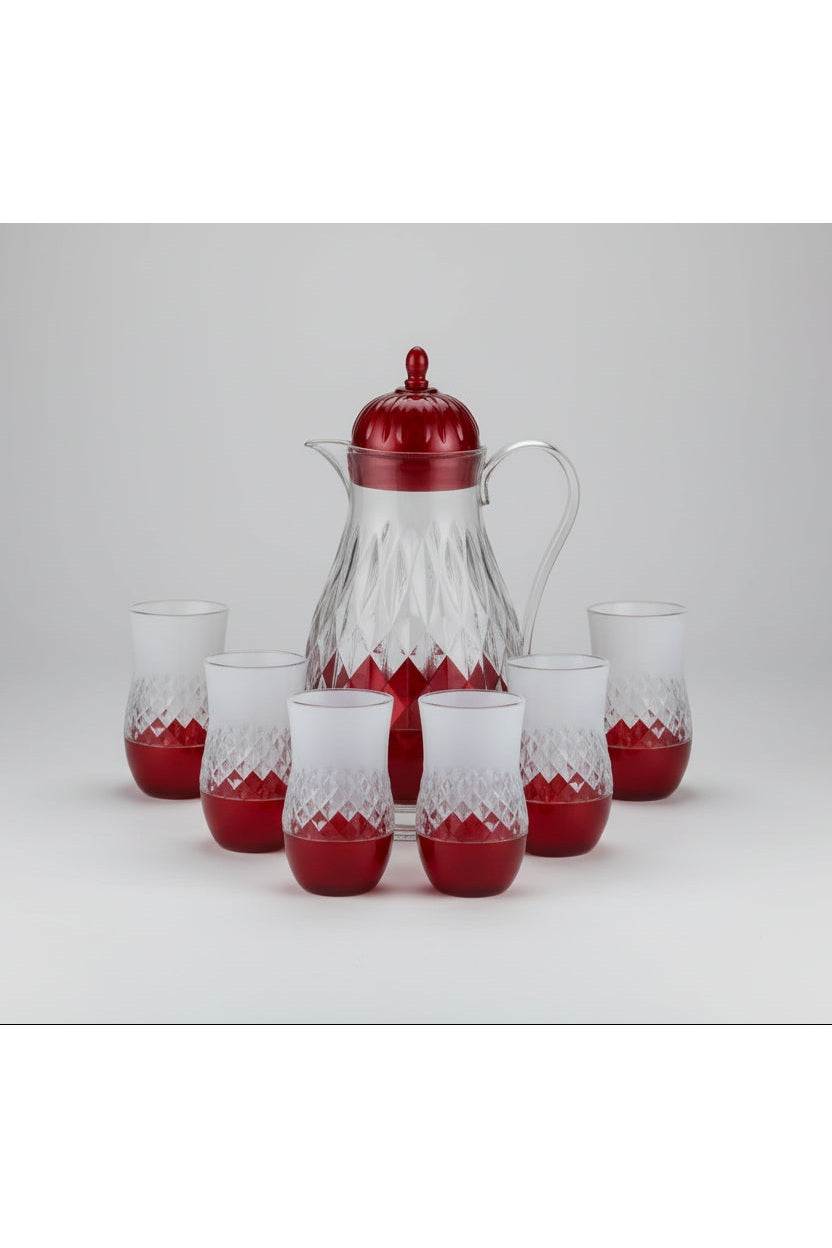
Water jug and cup
1 Must haveStaying hydrated is easier when water is at the bedside or chair.
How to use it: Fill it each morning. A lightweight plastic jug is safer than a heavy glass one.
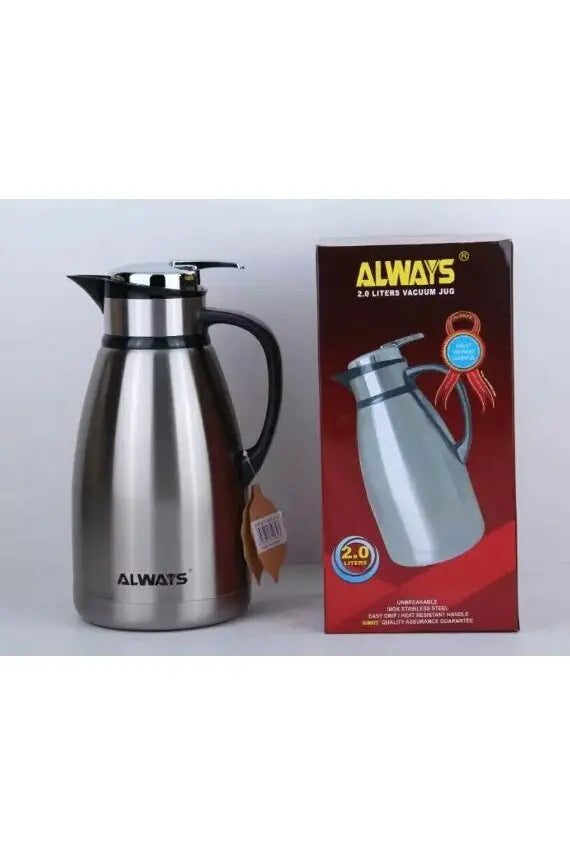
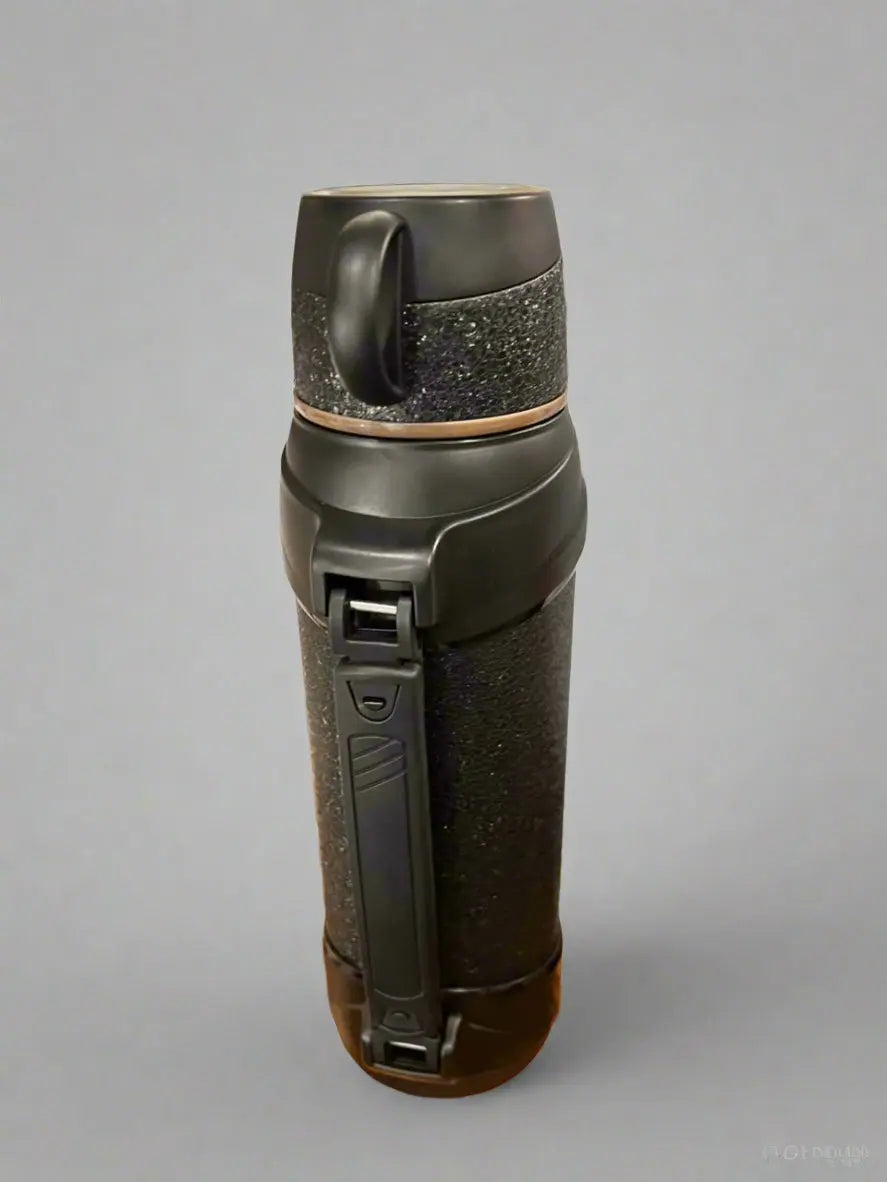
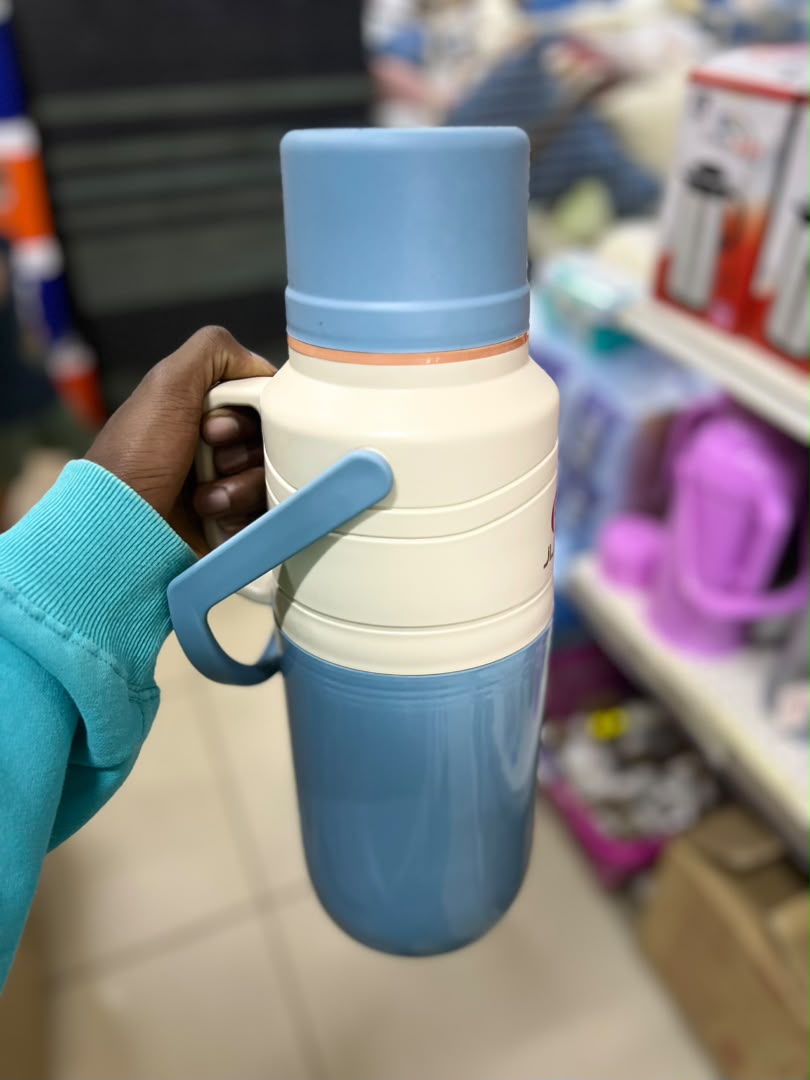
Thermal flask
1Nice to haveKeeps tea or warm water ready without a trip to the kitchen or gas stove.
How to use it: Fill it in the morning. Be careful with very hot liquid and place it on a stable surface.
Pill organizer
1Nice to haveHelps your parent take the right medicine at the right time.
How to use it: Ask the doctor or pharmacist about doses, then fill the box weekly together.
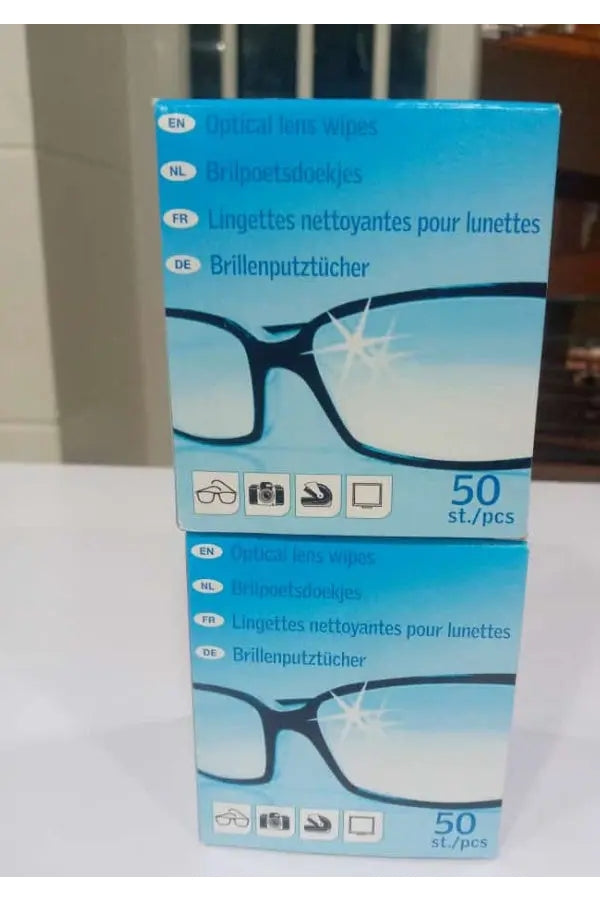
Lens cleaning wipes
1 packNice to haveClean lenses help with reading labels, steps and screens.
How to use it: Keep a few wipes with the glasses so they are cleaned often.




Step by step
- 1
Walk the home
Walk each route your parent will use, in daylight and at night. Note slippery, dark or cluttered spots.
- 2
Fix the bathroom first
Buy and place anti-slip mats and a shower chair. These prevent the most serious falls.
- 3
Add light
Change weak bulbs, add a night light and keep a charged torch by the bed.
- 4
Clear and secure floors
Remove loose rugs, tape down cords and place non-slip mats under anything that stays.
- 5
Move daily items
Put cups, medicine, clothes and the water jug between hip and shoulder height.
- 6
Check again after a week
Ask your parent what feels awkward or scary, then adjust.
Tips that help
- Ask your parent what they find difficult before you buy. Their answers beat any list.
- Keep the path from bed to toilet free of furniture, cords and shoes.
- Choose light colors on steps and door edges so they are easy to see.
- Keep a charged torch and a phone with emergency numbers within reach of the bed.
- Fix wobbly furniture instead of working around it.
- If your parent takes medicine, ask a doctor or pharmacist about the best way to organize it.
- Check with your landlord before you drill into walls in a rented home.
Mistakes to avoid
- Leaving loose rugs on smooth tile.
- Putting a night light far from the bathroom route.
- Storing heavy items on high shelves or low floor cupboards.
- Buying soft, deep chairs that are hard to get out of.
- Making all changes at once without asking your parent what they need.
- Ignoring wet floors in the bathroom after a shower.
Questions people ask
What is the biggest danger at home for older people?+
Falls are the most common risk, and wet bathroom floors, poor light and loose rugs are usual causes. Fixing these three gives the biggest safety gain.
Do I need to rebuild my bathroom?+
Not at first. Anti-slip mats, a plastic shower chair and good light are cheap and work well. If your parent has serious mobility problems, ask a doctor about bigger changes.
What kind of chair is best?+
A sturdy chair with a firm seat at about knee height and armrests if possible. Avoid low, soft or wobbly chairs that are hard to push up from.
How can I prepare for power cuts?+
Keep a rechargeable torch or lamp at the bedside, spare batteries in a known place and a clear path from bed to bathroom.
Should I buy a walking stick?+
Only if your parent already uses one or wants one. Ask a doctor or pharmacist to help set the correct height.
A safer home does not need big spending. A few lights, mats, a sturdy chair and neat storage give your parent confidence and give you peace of mind. Order what you need on Isokko and have it delivered to your door in Kigali.
Shop this list
Get everything delivered in Kigali
Order from local stores on Isokko and pay with MoMo, card or cash. Same-day delivery.