
Checklist · Home & moving
Moving Out Into Your Own Place in Kigali for the First Time: Checklist
A first apartment checklist for young adults in Kigali: bed, kitchen, cleaning, laundry and safety basics, with what to buy first and what can wait.
Updated November 26, 2026 · By Isokko
Moving out is exciting, and it is also the first time every small thing is your job: the pot, the soap, the toilet paper, the bulb that blew. At home someone else usually had these covered.
This list is a starter kit. It covers what you need to sleep, cook, eat, clean and stay safe in your first week, in the order you will need it. Items marked nice can wait until your first salary or until you see how the place feels.
Before you buy, measure the room, ask your landlord what is already included, and check if the place has a cooker, a water heater or a fridge. Do not duplicate what you already have at your family home. Ask if you can take a few spare plates and towels.
Who it's for
Young adults in Kigali leaving the family home for a first room, studio or apartment
Time needed
Shop over 2 to 3 weeks before and a few days after the move
When to shop
Buy bed and kitchen basics first, then order cleaning, laundry and extras once you know the space
On the list
44 items, 28 must haves
0 of 44 ready
Sleep well
A good night's sleep is the first thing you need on night one.
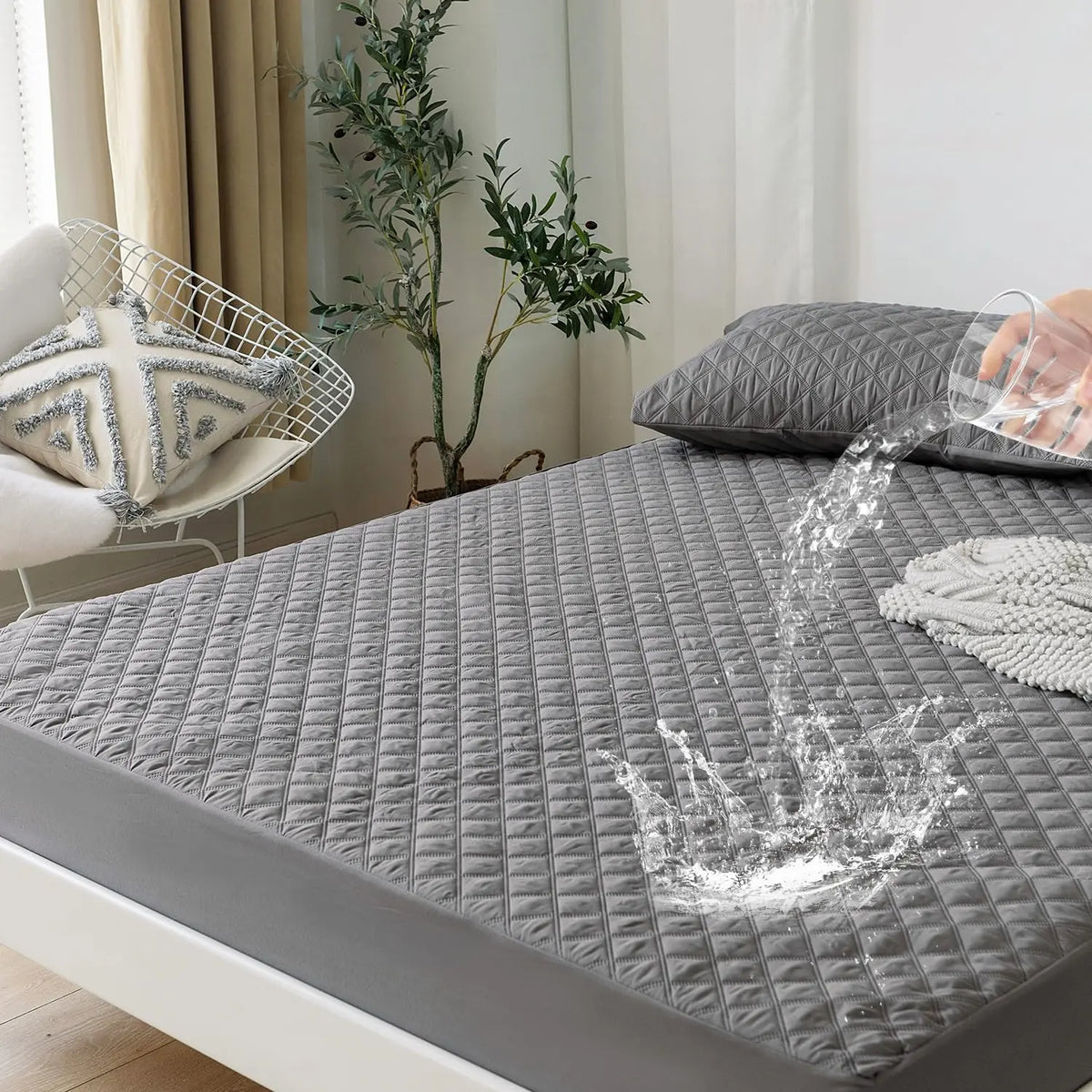
Mattress protector
1Nice to haveA protector keeps a rented or new mattress clean and dry, and is easy to wash.
How to use it: Put it on before the sheets. Wash it every month or two.
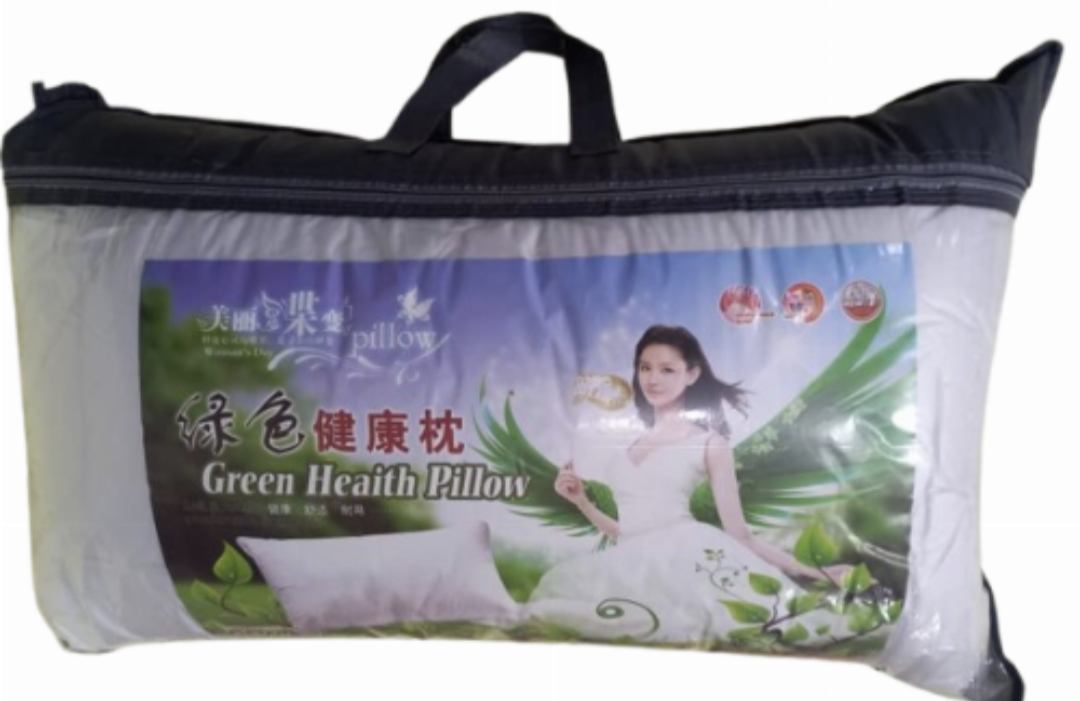
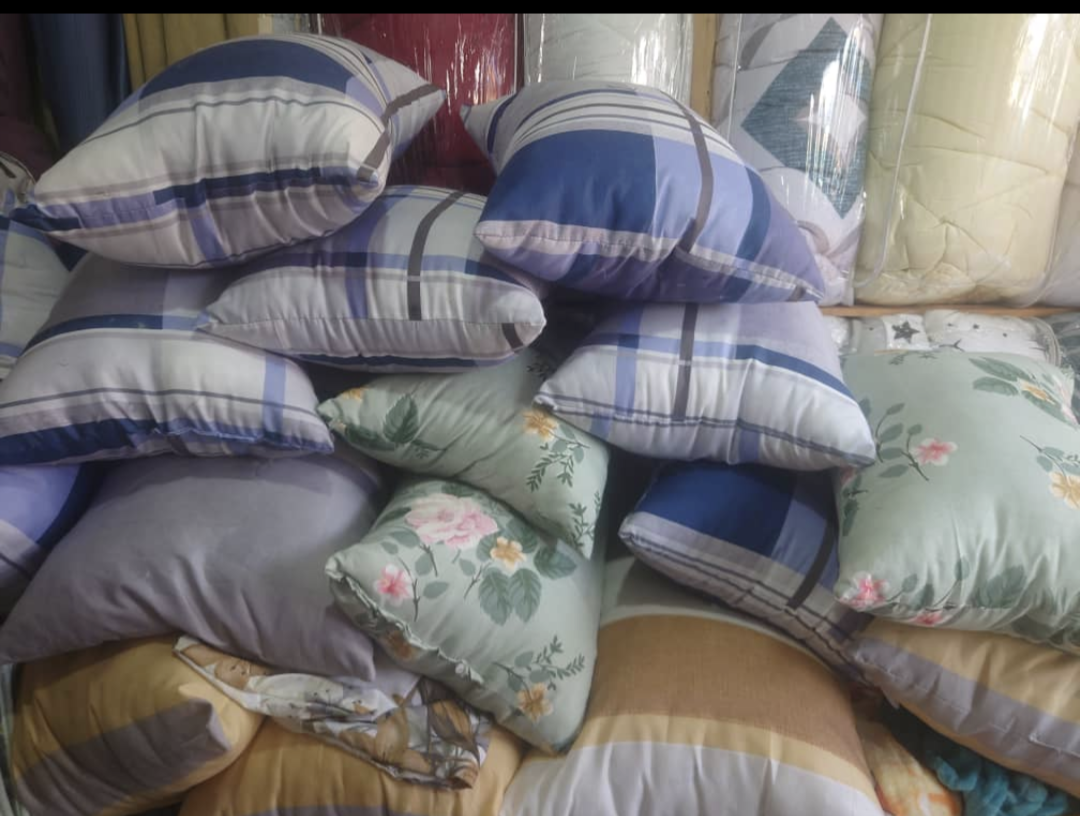
Pillows
2 Must haveSleep is bad without a pillow, and shops may be closed when you arrive.
How to use it: Buy two so one is always clean and one is spare for visitors.
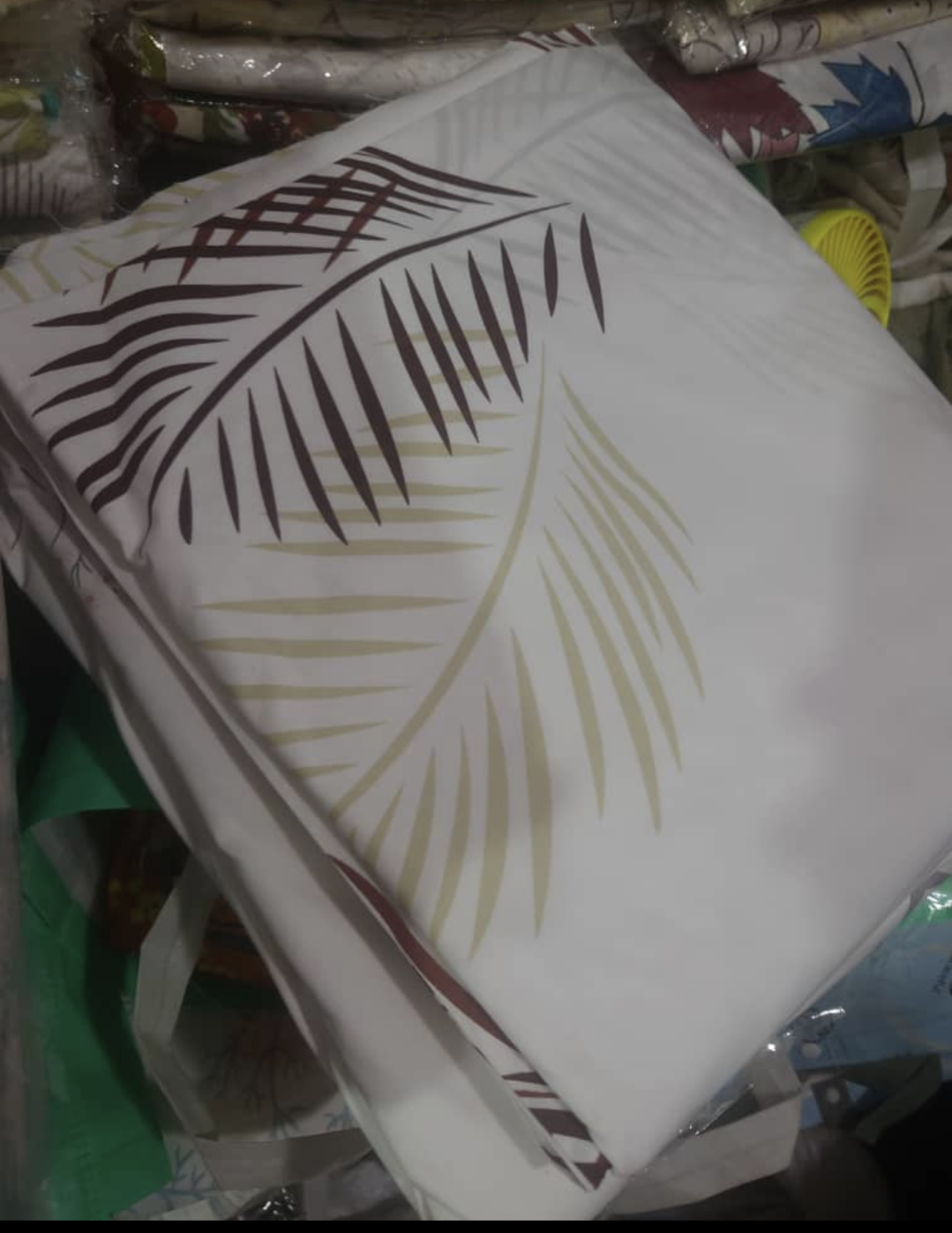
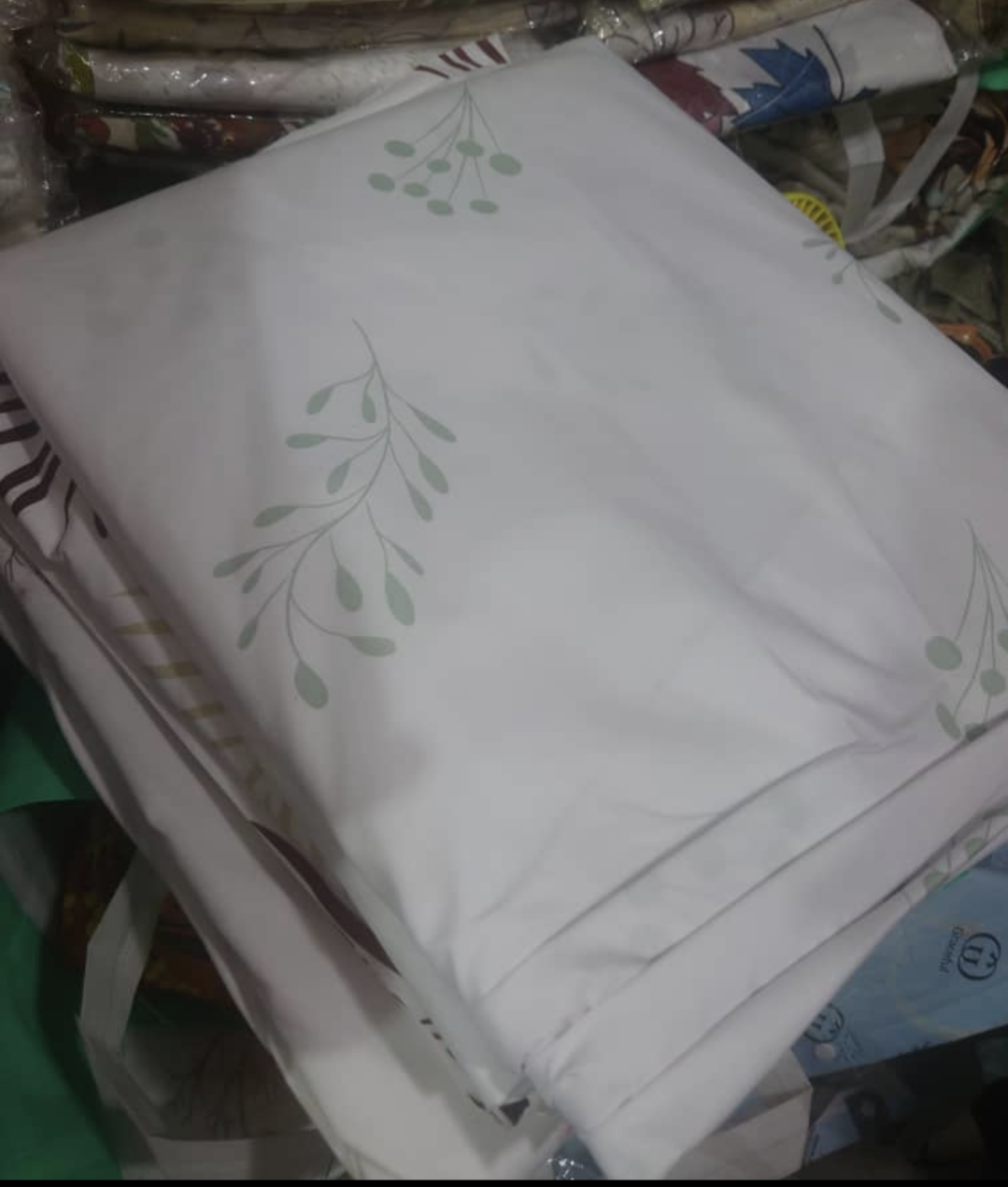
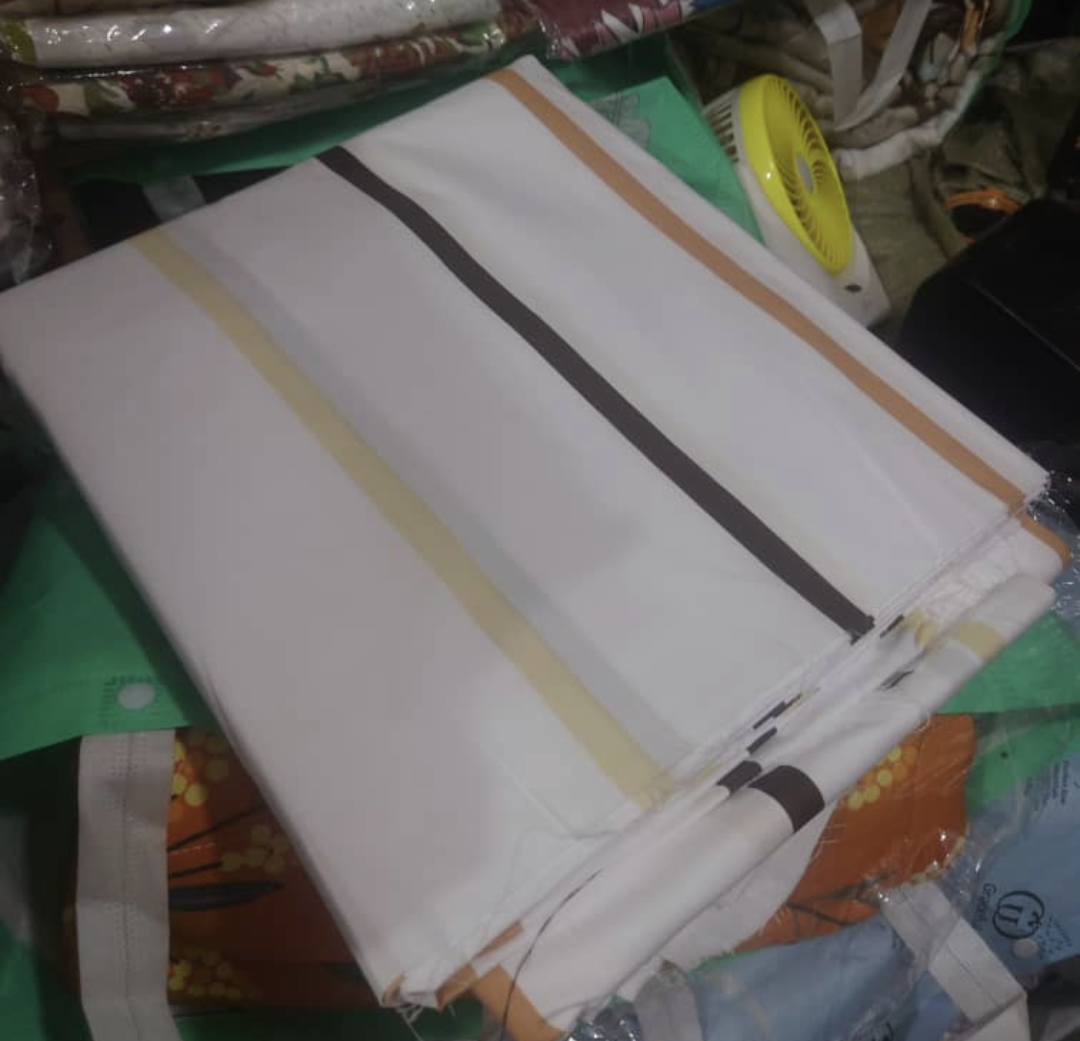
Bed sheets
2 sets Must haveYou need at least two sets so one can be washed while the other is on the bed.
How to use it: Check the bed size before you buy. Wash new sheets once before using them.
Blanket
1 Must haveNights in Kigali can be cool, especially in the rainy months and on higher hills.
How to use it: Choose a medium weight blanket that you can wash at home.
Mosquito net
1 Must haveMosquitoes are common around Kigali, especially near drains and in rainy seasons. A net helps you sleep.
How to use it: Hang it over the bed before the first night. Check with your landlord before drilling or fixing hooks to the ceiling.
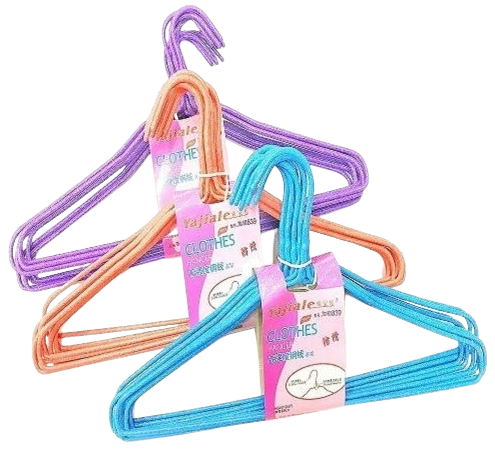
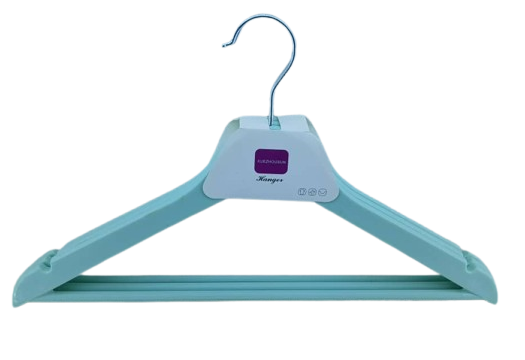
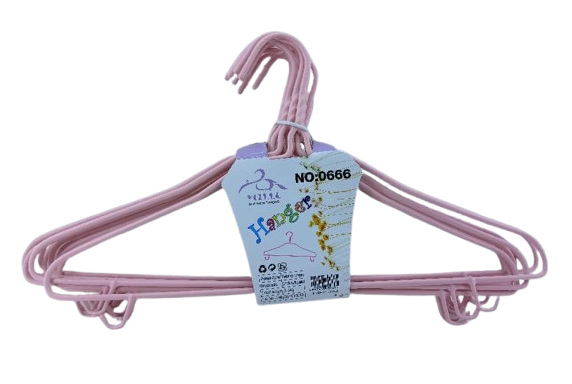
Hangers
10Nice to haveHanging clothes keeps them neat and wrinkle free in a small room.
How to use it: Start with 10 and add more as needed.




Cooking basics
Start with a few good pieces. You can add more once you know what you cook most.
Gas cooker or hot plate
1 Must haveYou need a way to cook. Some places include one, so ask the landlord first.
How to use it: Keep gas cylinders upright, away from sleeping areas and out of direct sun. Check connections with soapy water, never a flame.
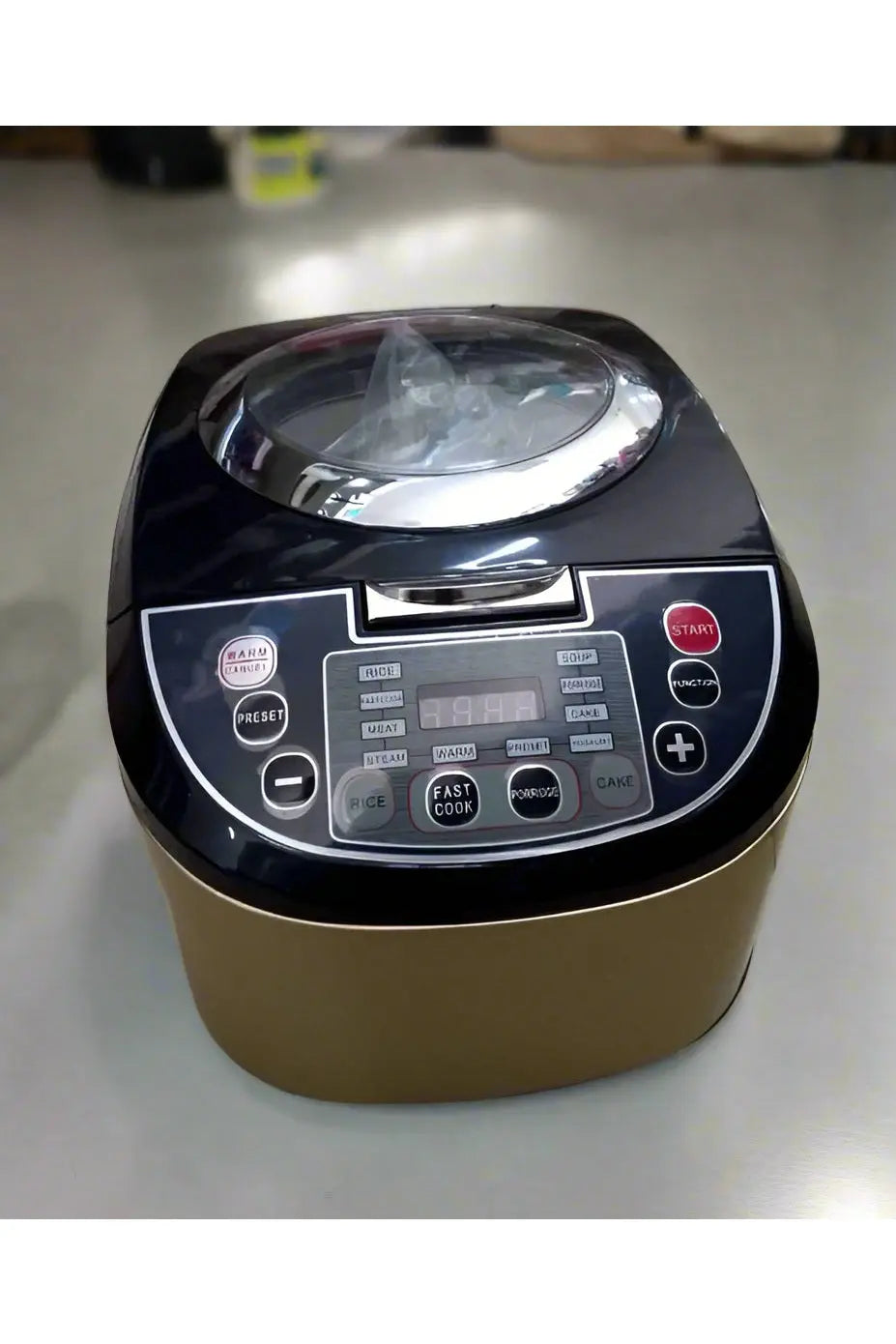
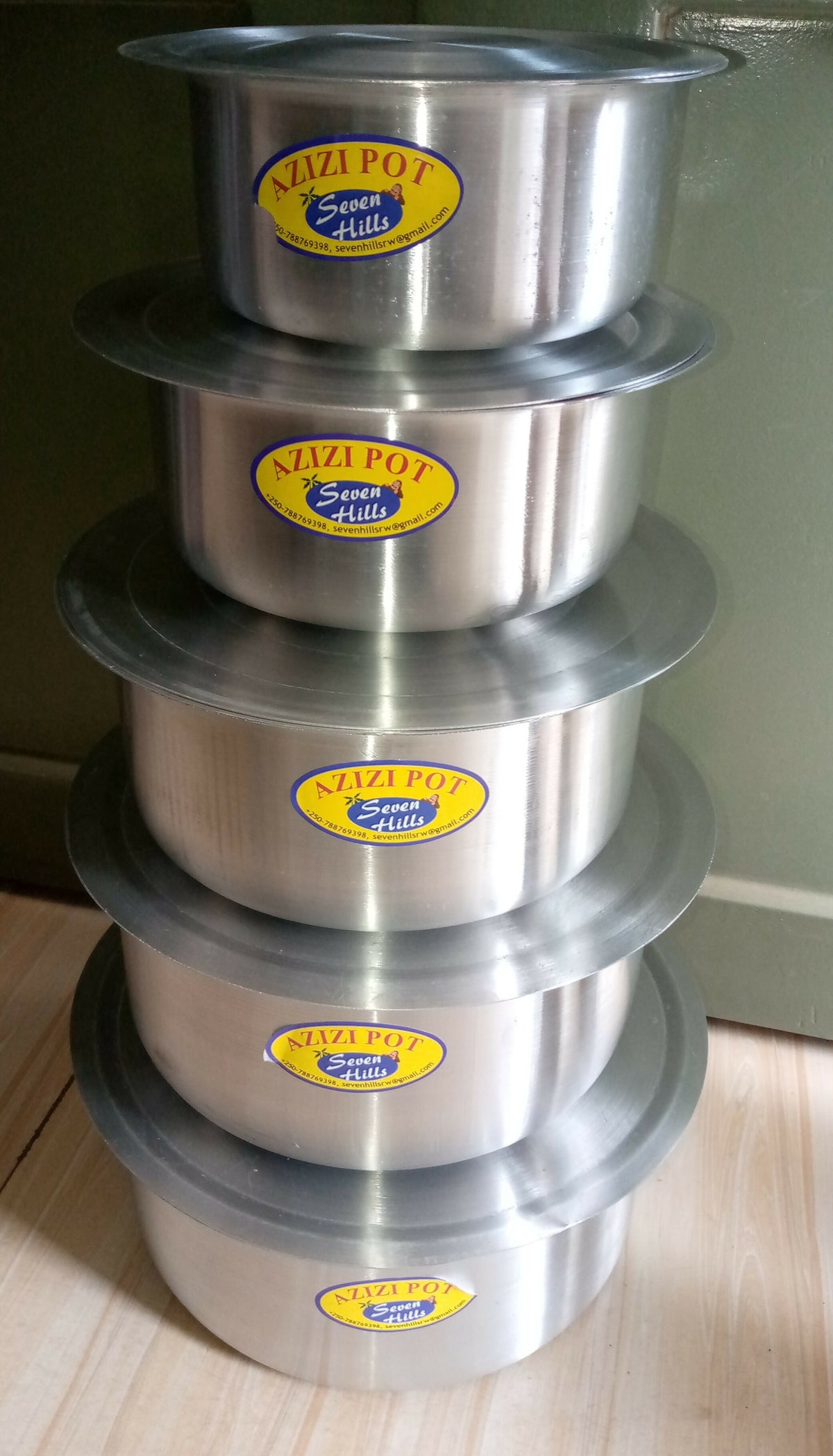
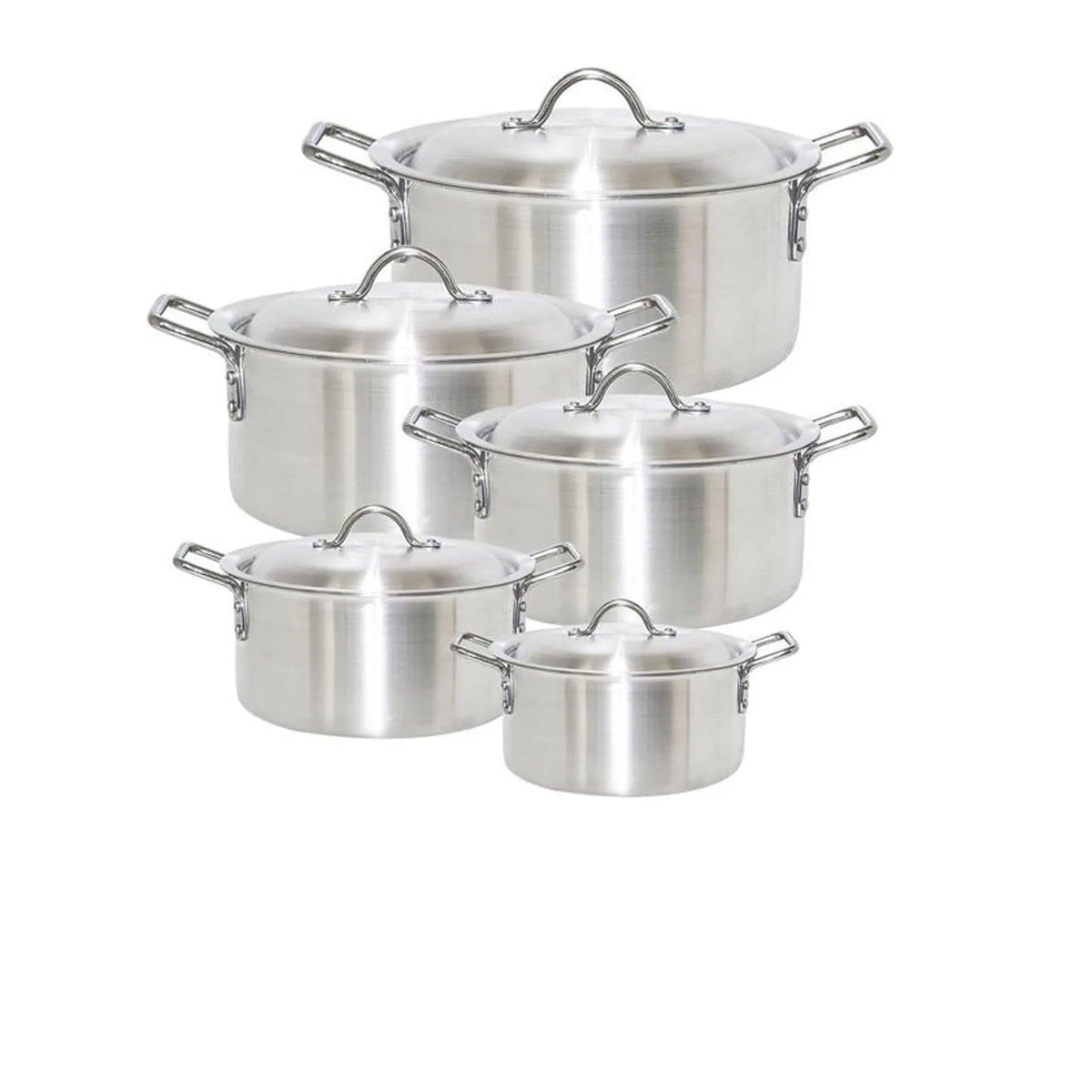
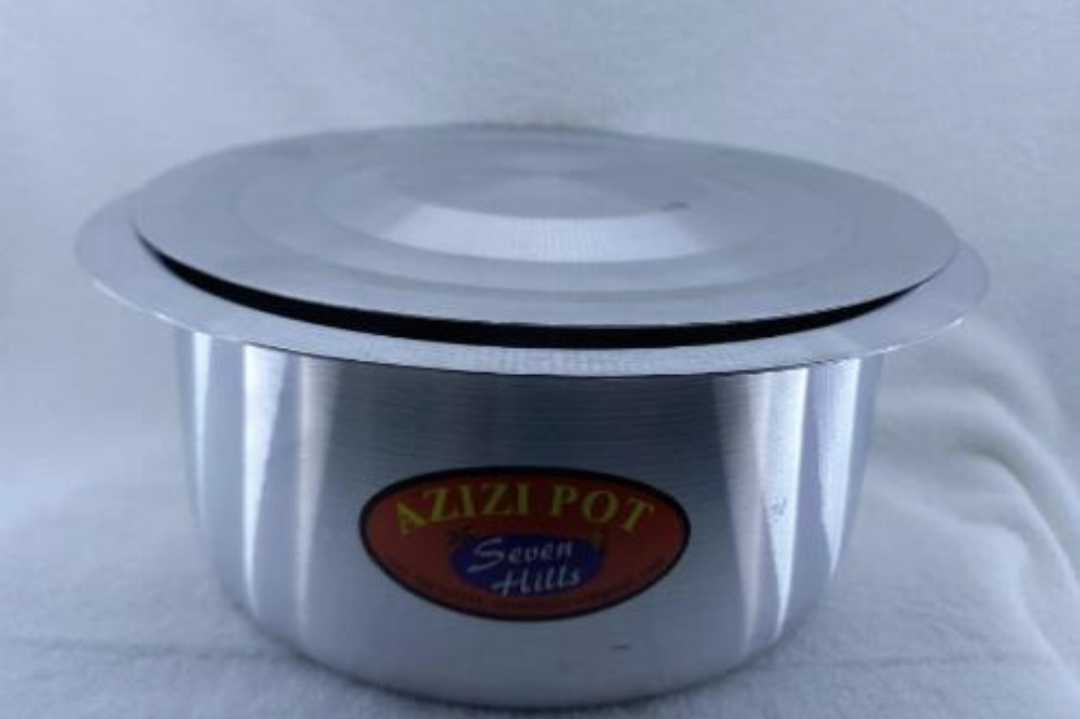
Cooking pot
1 to 2 Must haveA medium pot covers rice, beans, stews and boiling.
How to use it: Choose one with a lid that fits well. A set of pots is cheaper per pot if you cook often.
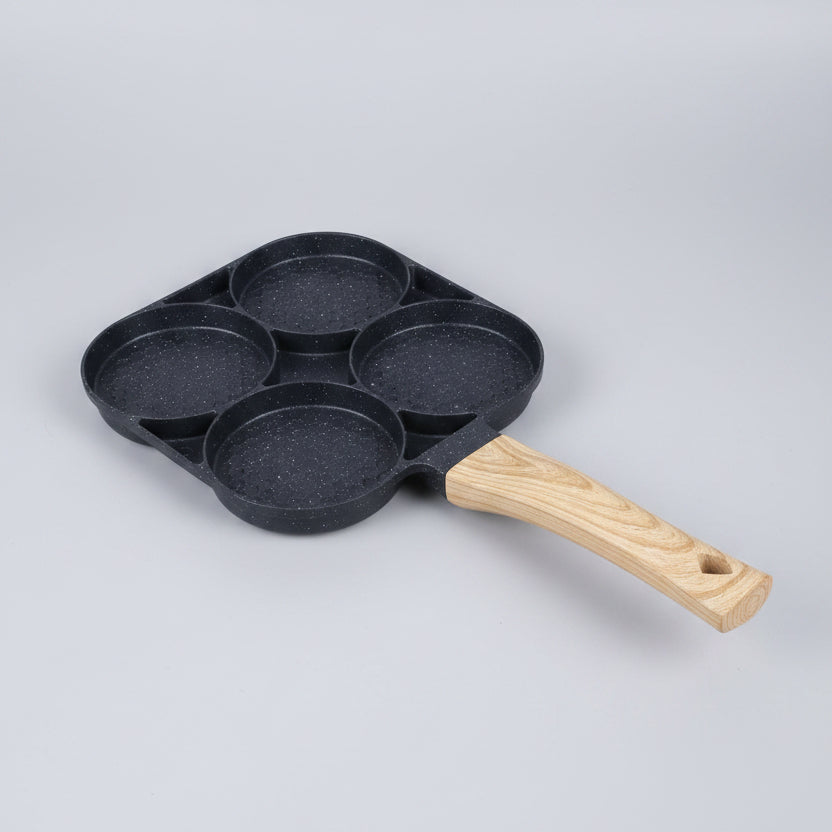
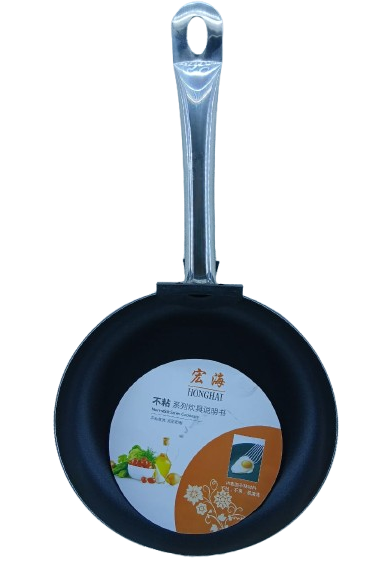
Frying pan
1 Must haveFor eggs, chapati, onions and quick meals.
How to use it: Use wooden or plastic tools on non-stick pans so they last.
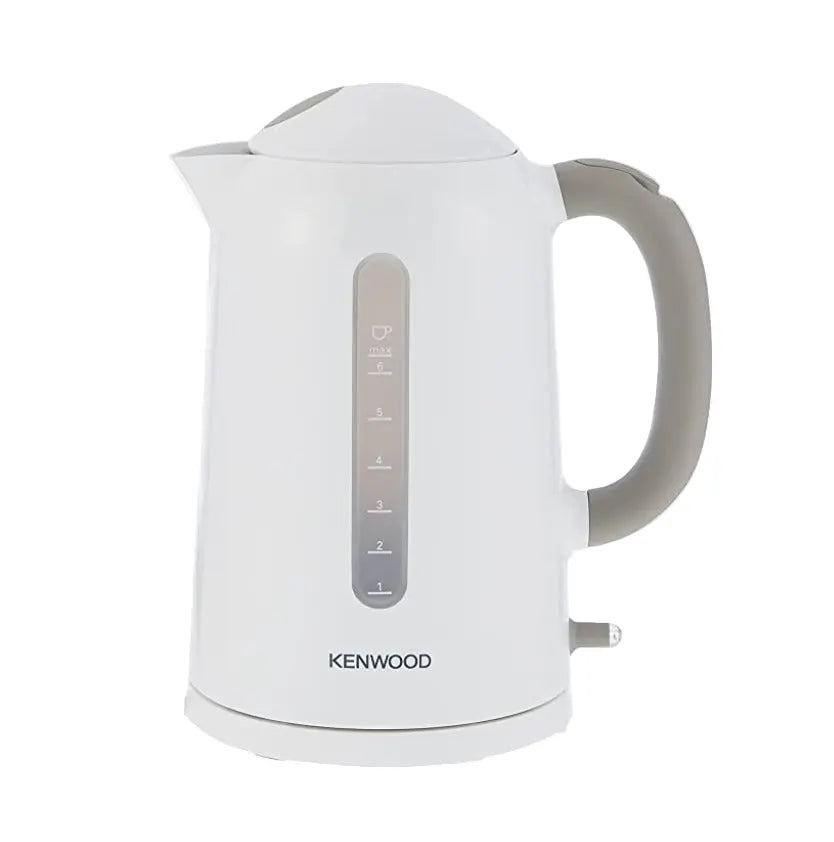
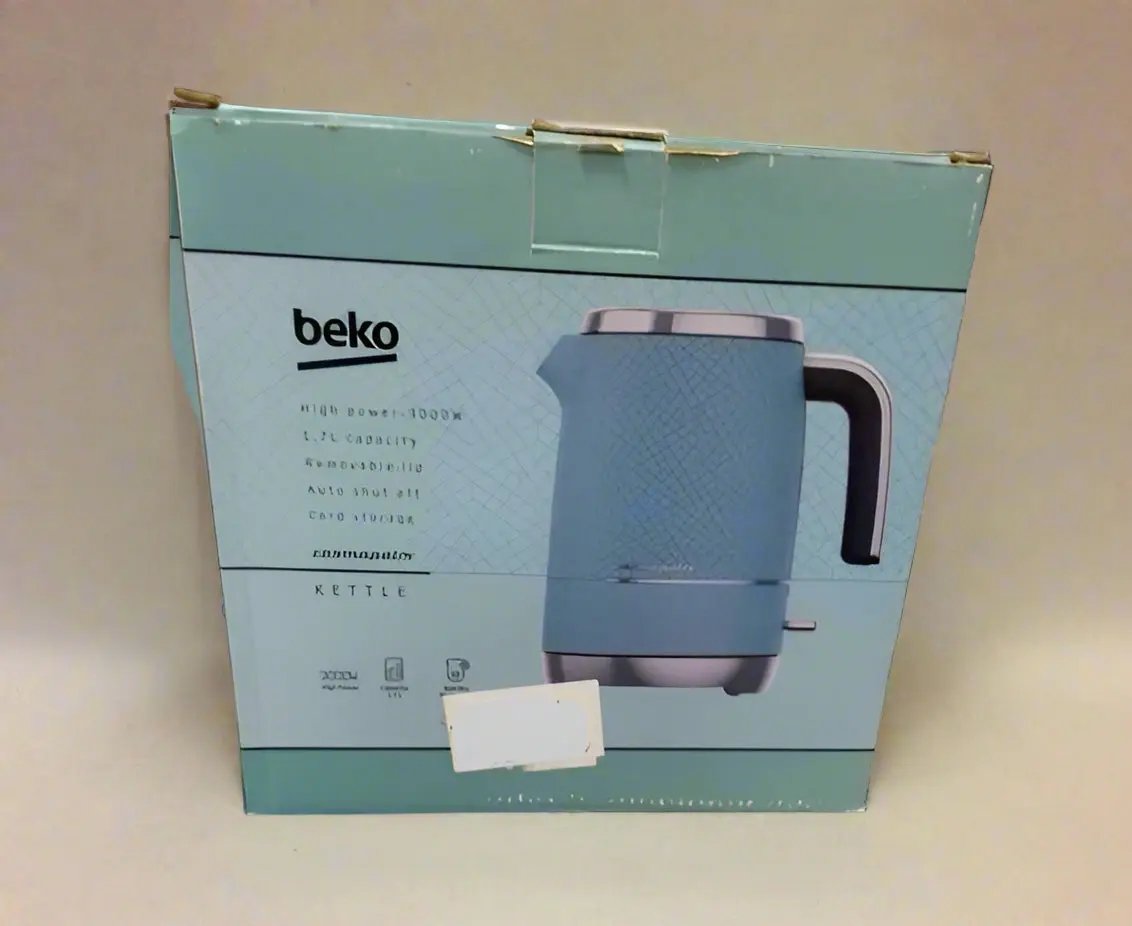
Kettle
1Nice to haveBoiling water for tea, coffee, instant porridge and washing up is a daily need.
How to use it: Descale with vinegar now and then if you see white buildup. Never switch on an empty kettle.
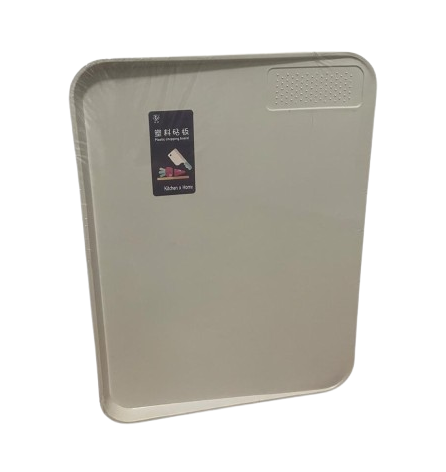
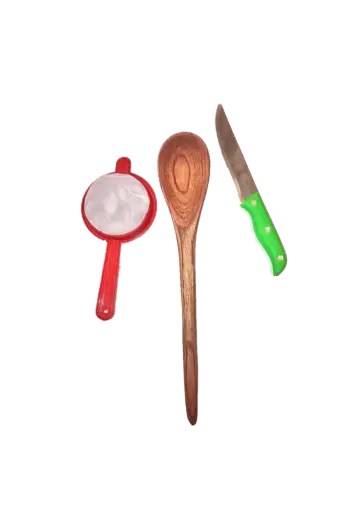
Chopping board
1 Must haveIt protects your counter and your knife, and keeps food clean.
How to use it: Wash with hot water and soap after raw meat or fish.
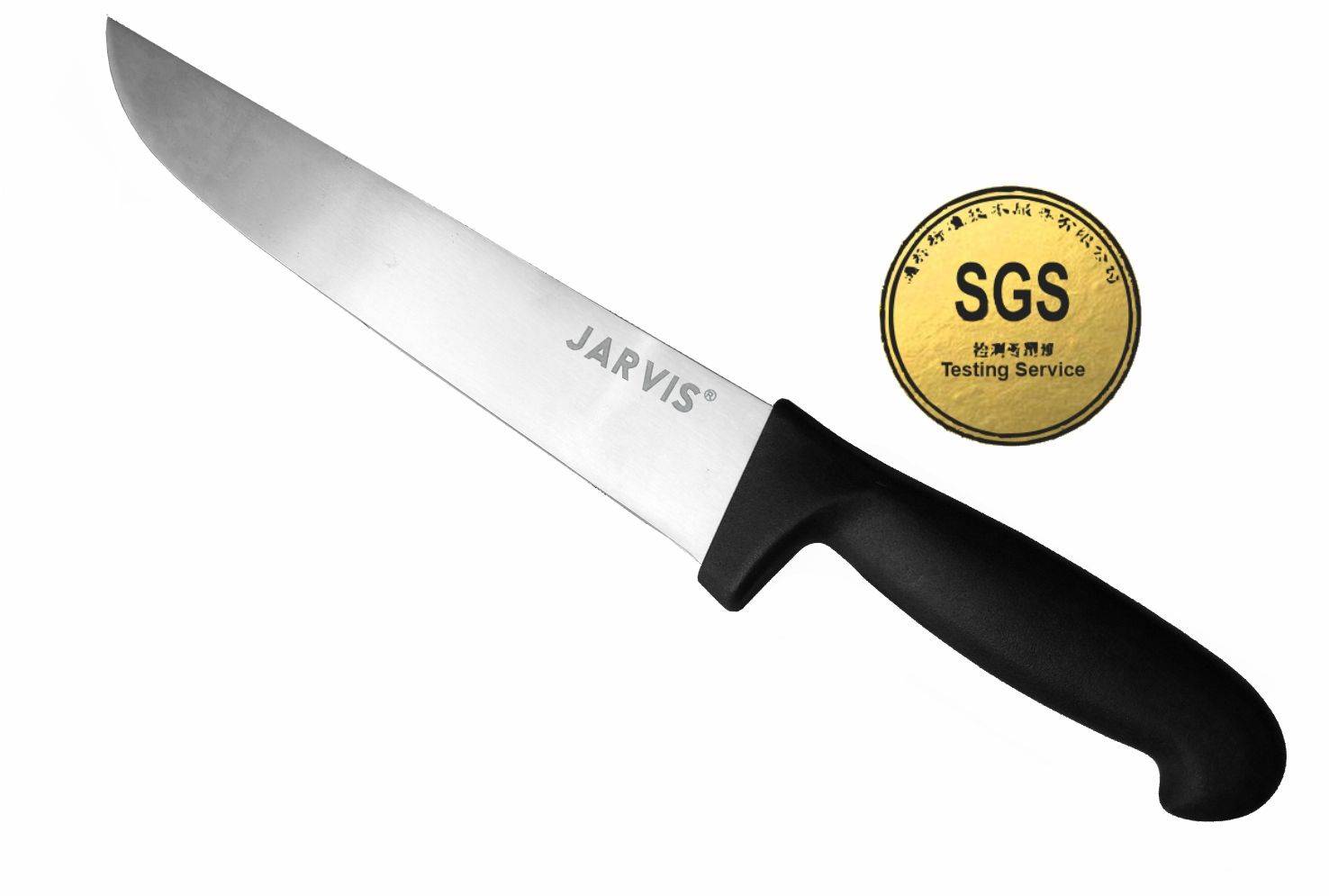
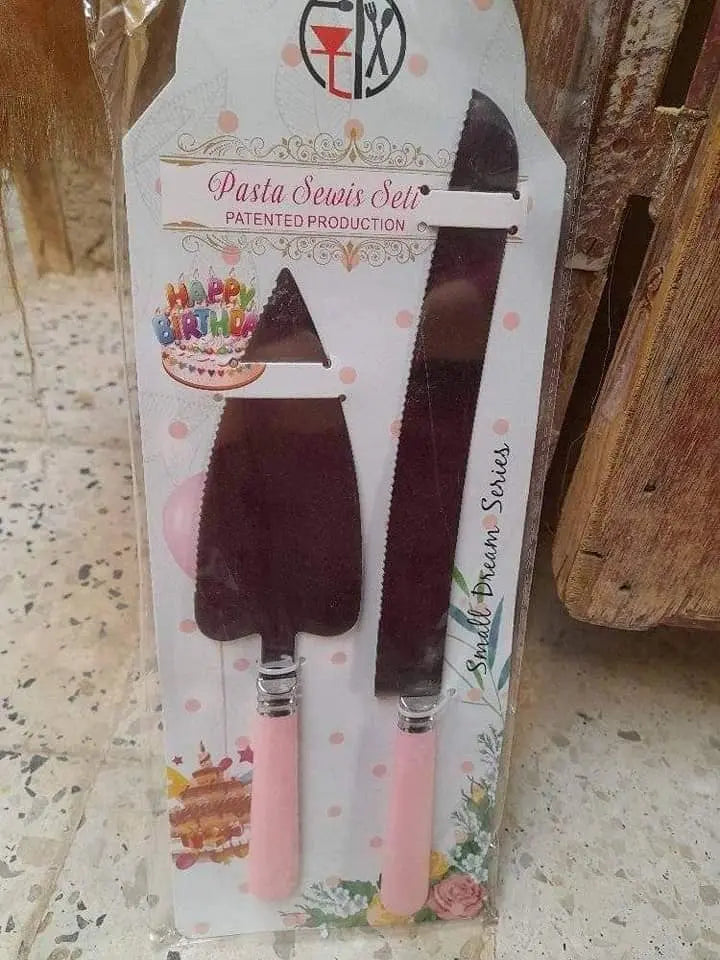
Kitchen knife
1 Must haveOne sharp knife makes cooking faster and safer than a dull one.
How to use it: Cut on a board, wash by hand and dry straight away.
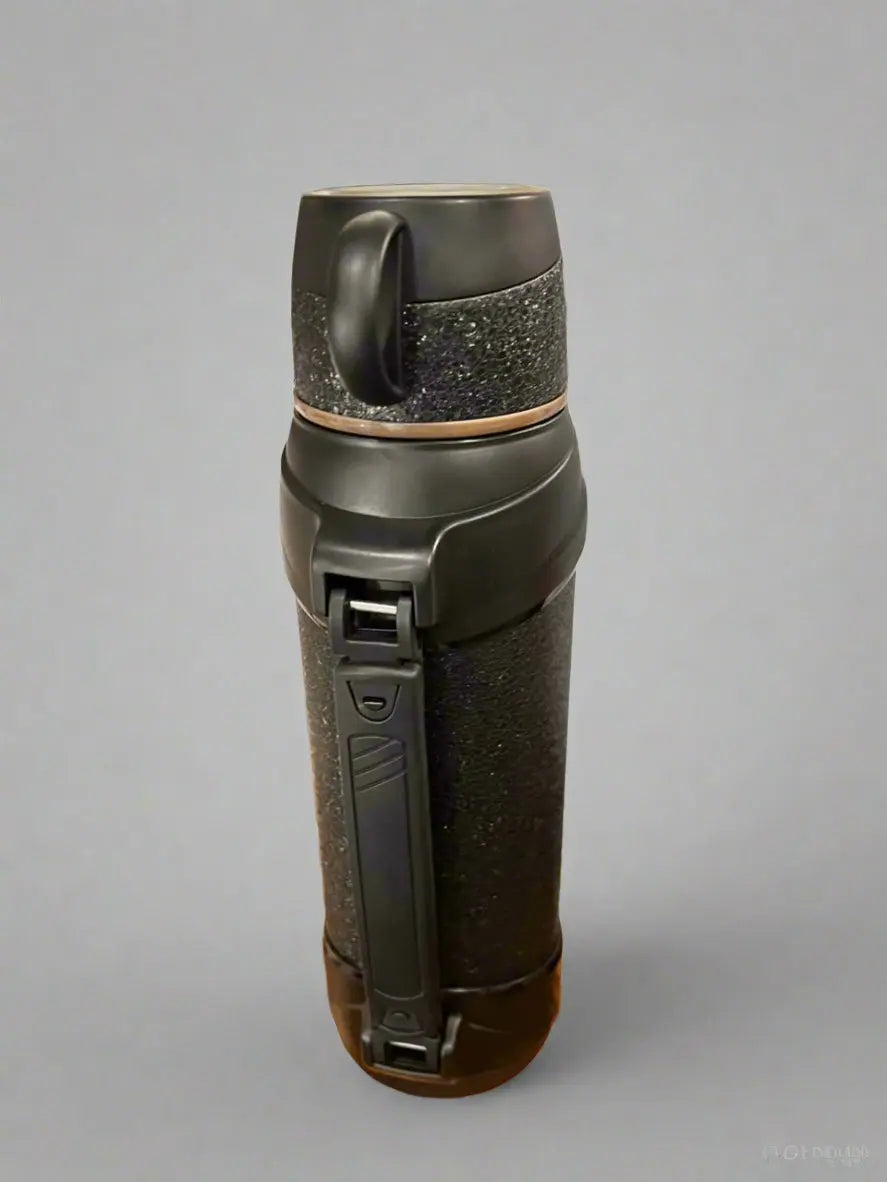
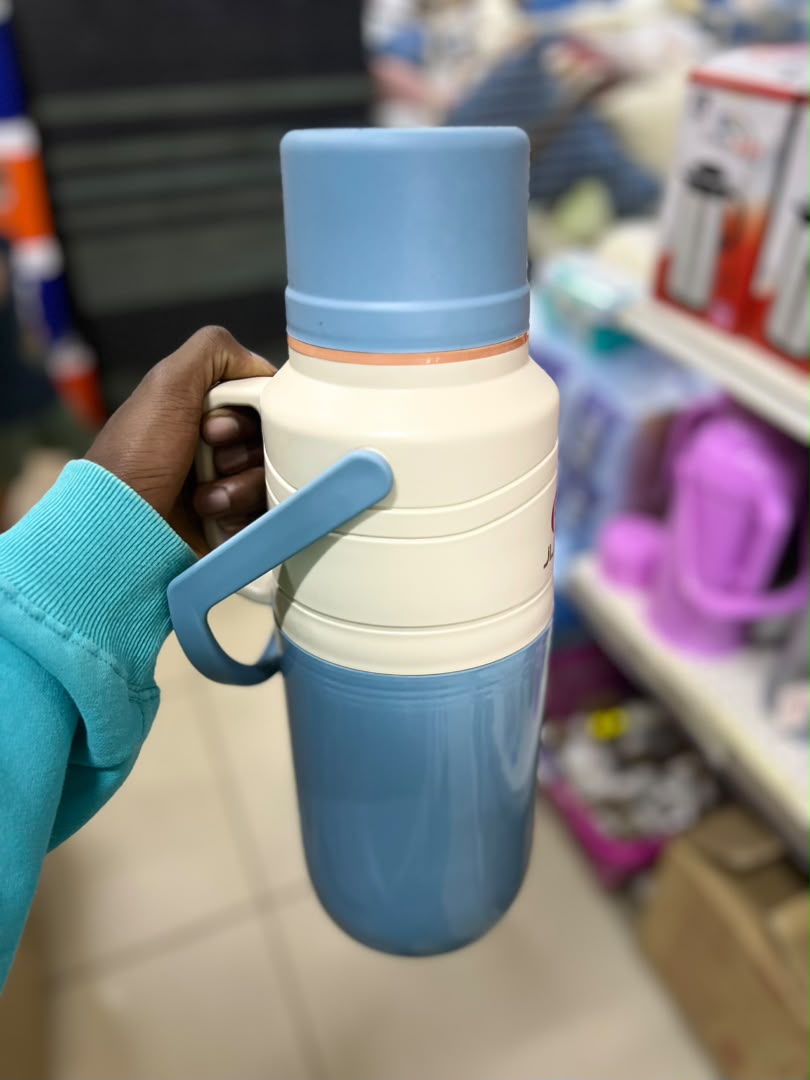
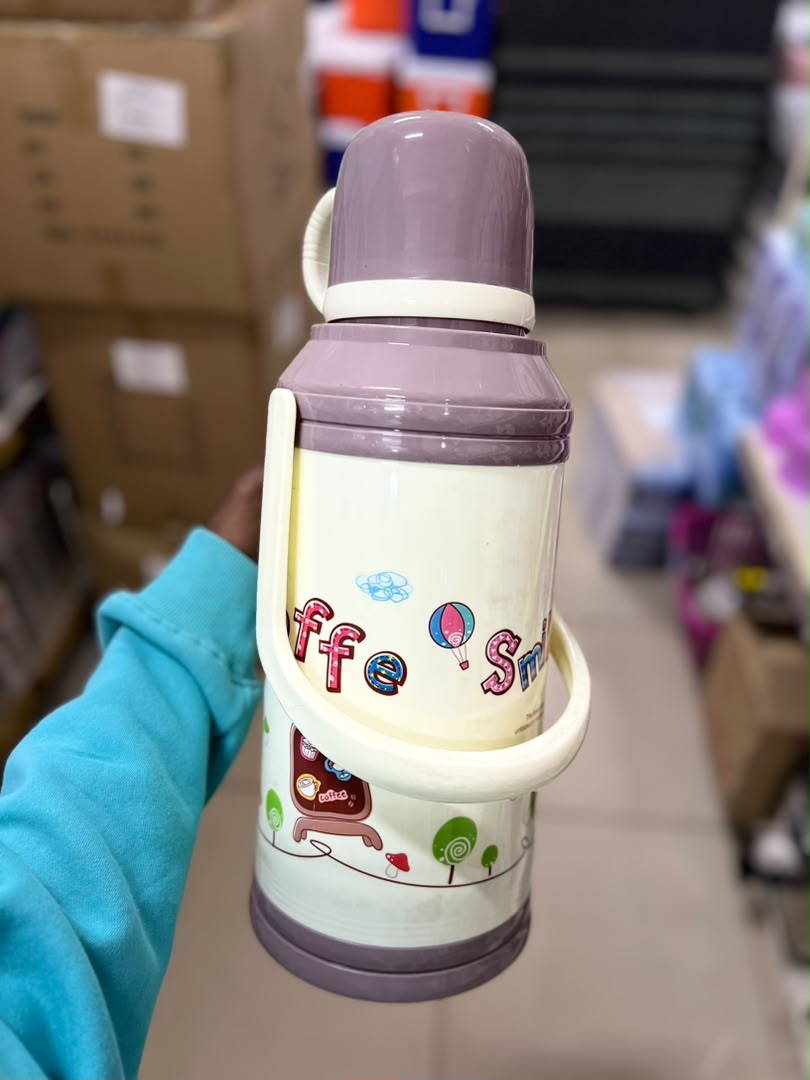
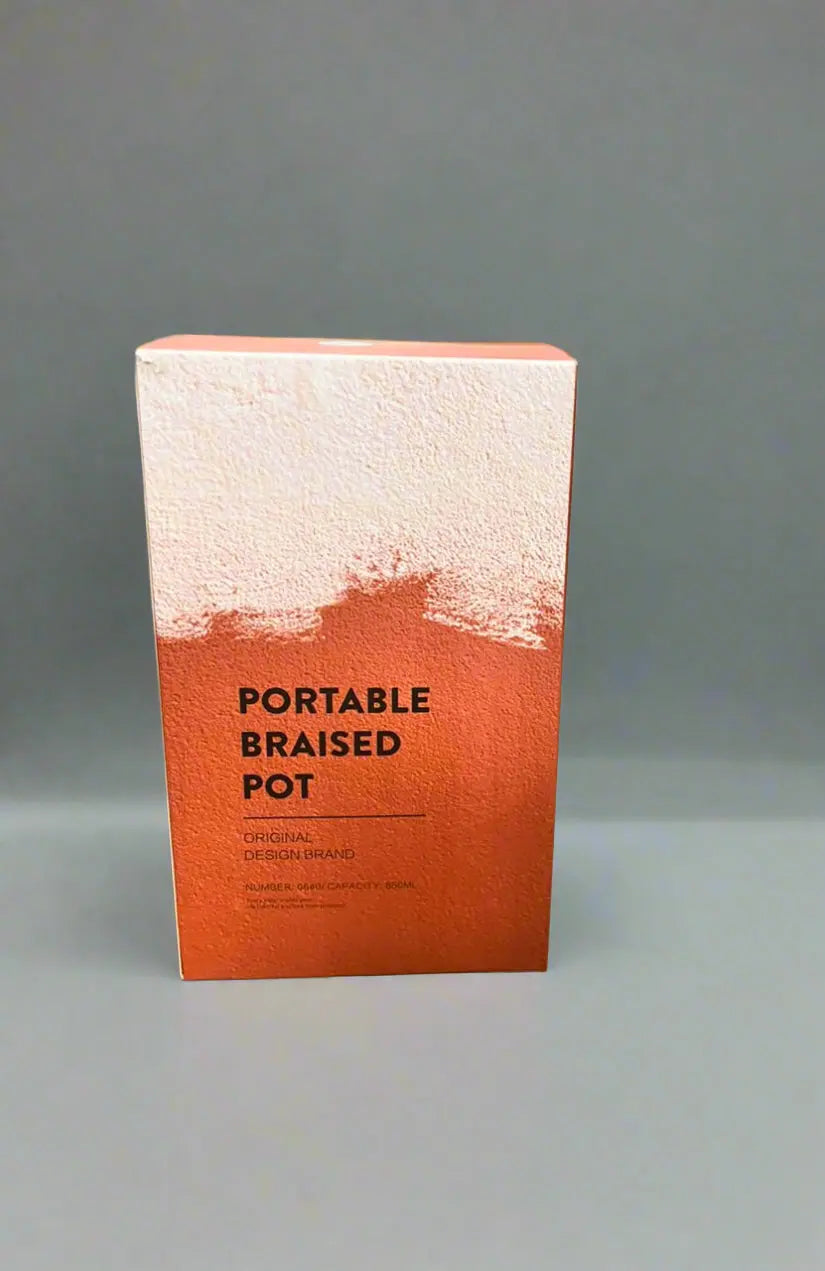
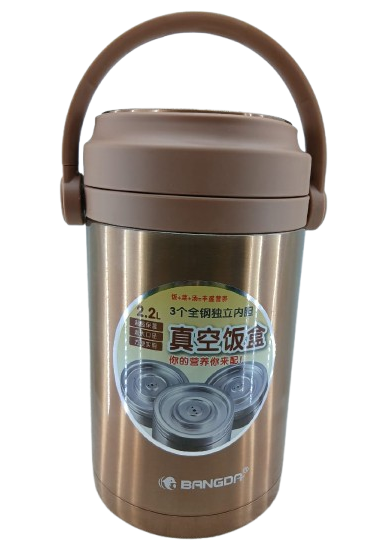
Thermal flask
1Nice to haveKeeps hot water hot for hours, which helps when gas runs out or the power goes.
How to use it: Rinse with hot water first. Fill it hot for longer heat.




Eating and drinking
The small things you use at every meal.
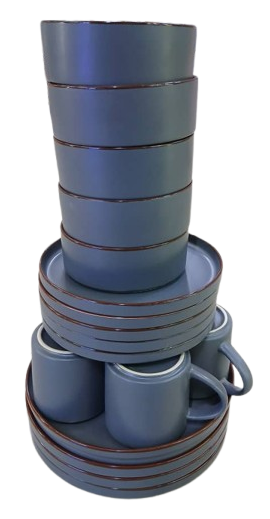
Dinner set
1 set Must havePlates and bowls for you and a friend or two.
How to use it: Buy a small set so you do not fill the cupboard.
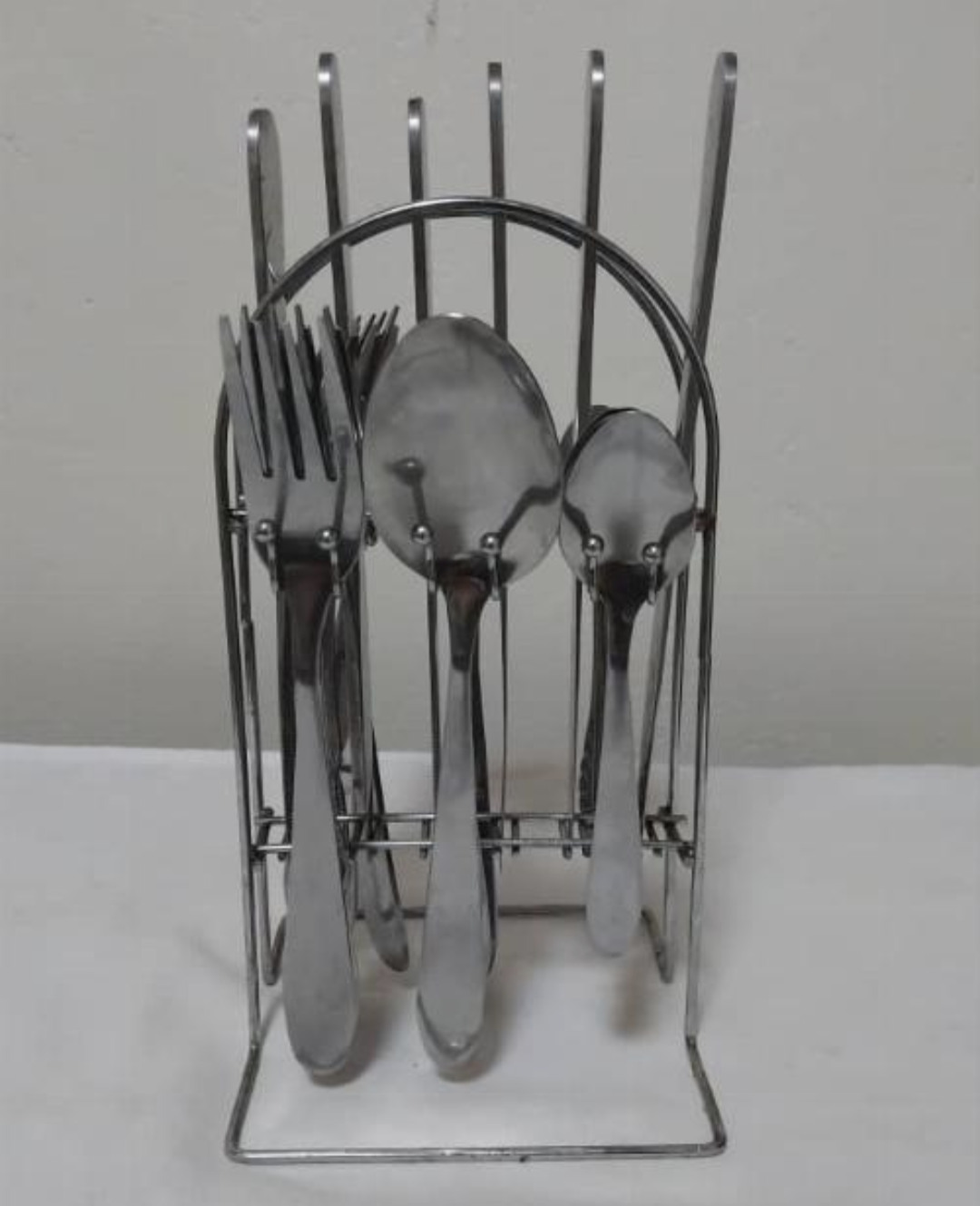
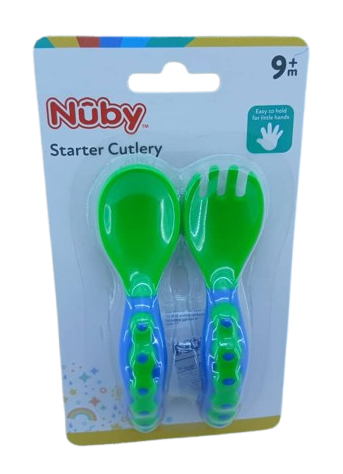
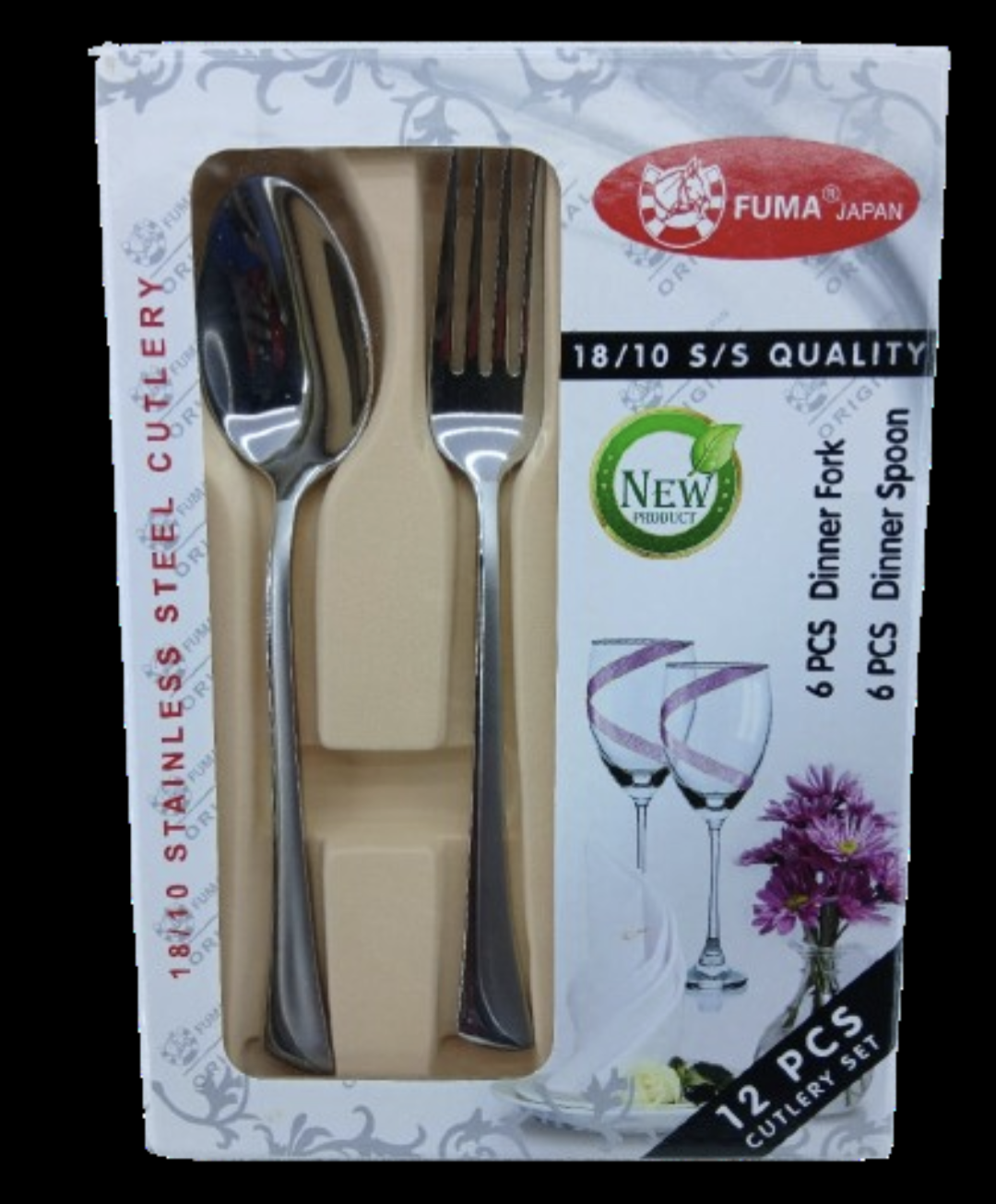
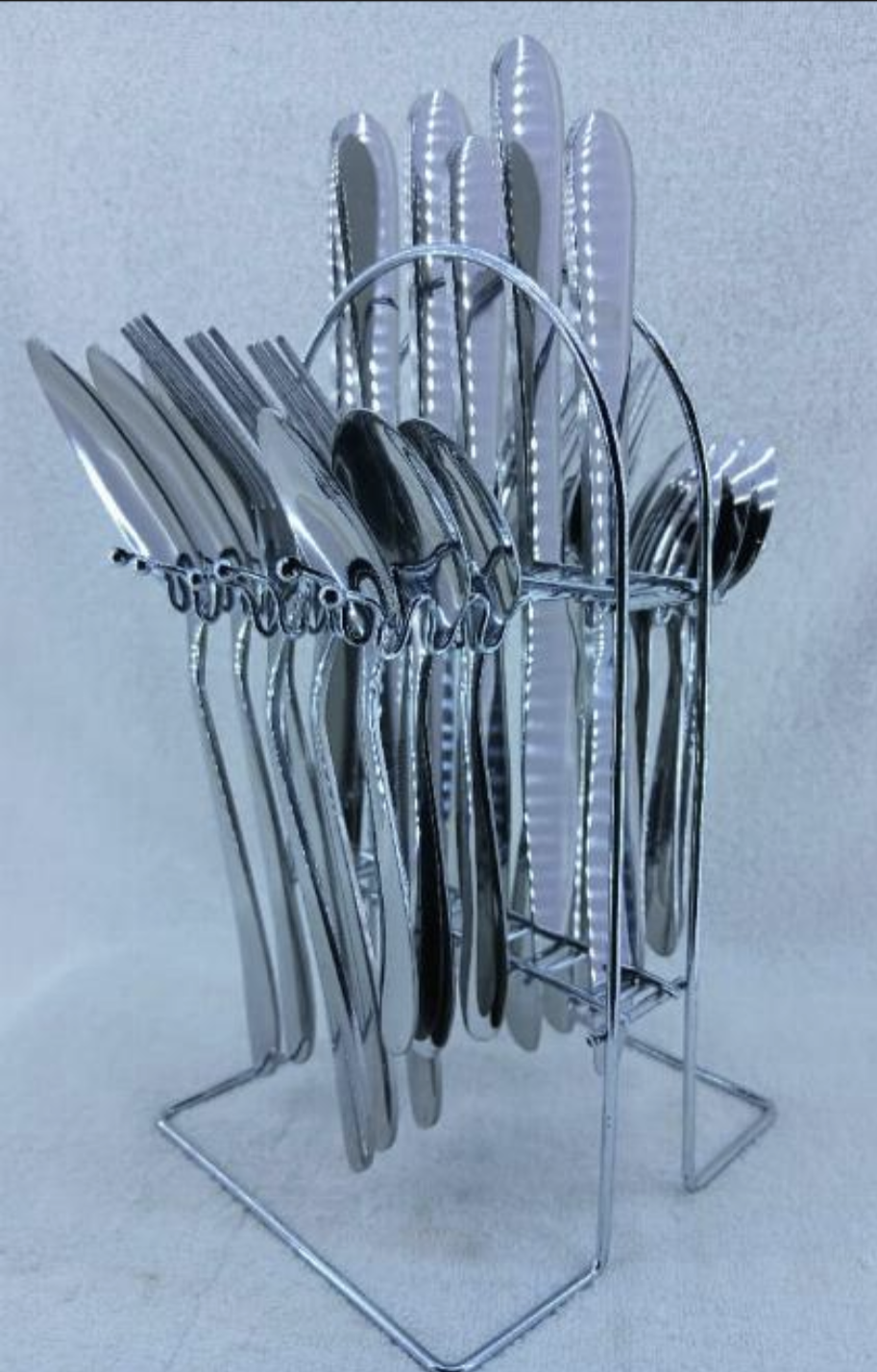
Cutlery set
1 set Must haveForks and spoons make every meal easier.
How to use it: A set of six is enough to start.
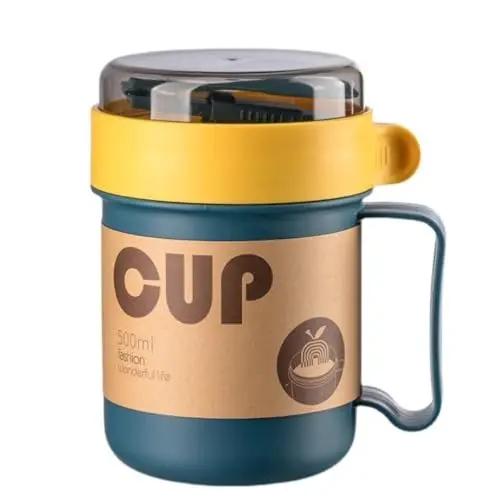
Mugs
2 Must haveFor tea, coffee and soup. Mugs also make a good present for guests.
How to use it: Buy two so a guest is never left out.
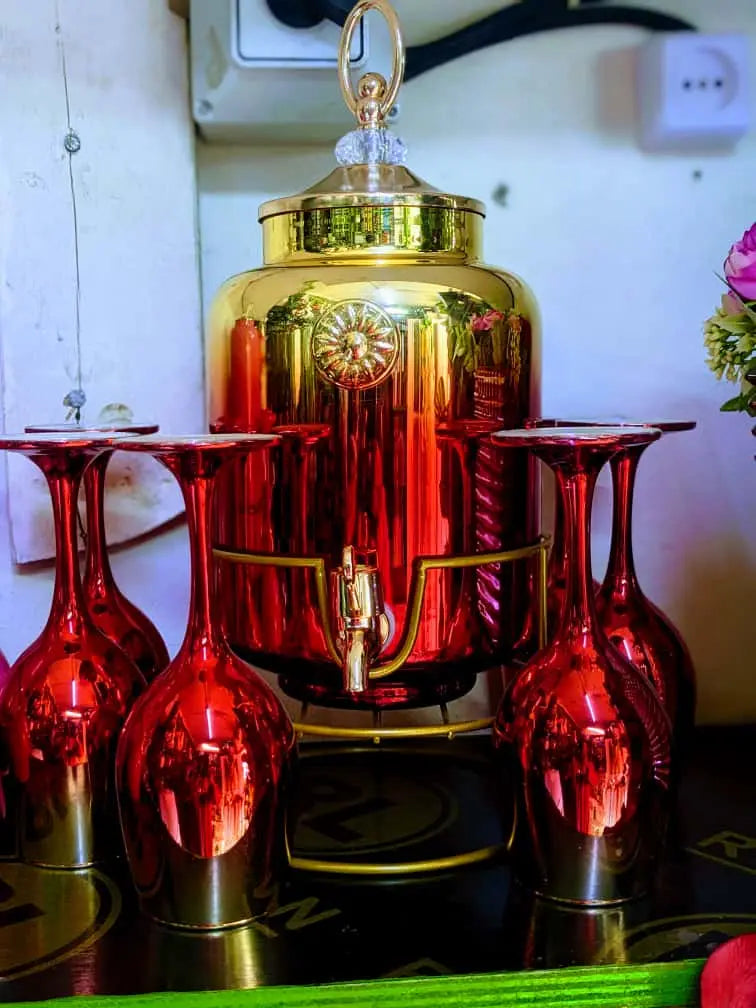
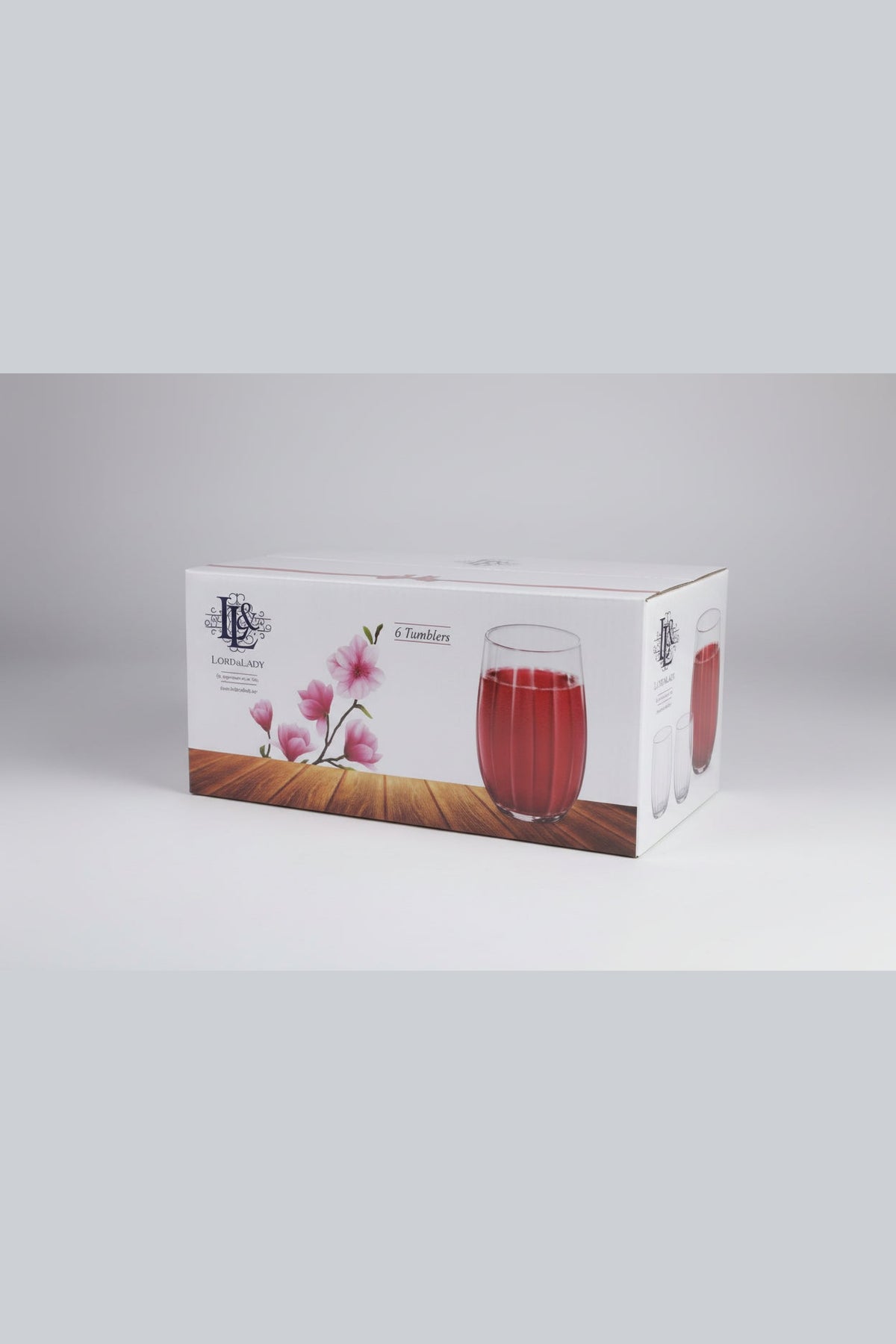
Drinking glasses
2 to 6Nice to haveFor water and juice at the table.
How to use it: Plastic is safer in a busy shared kitchen. Glass looks better if you host.
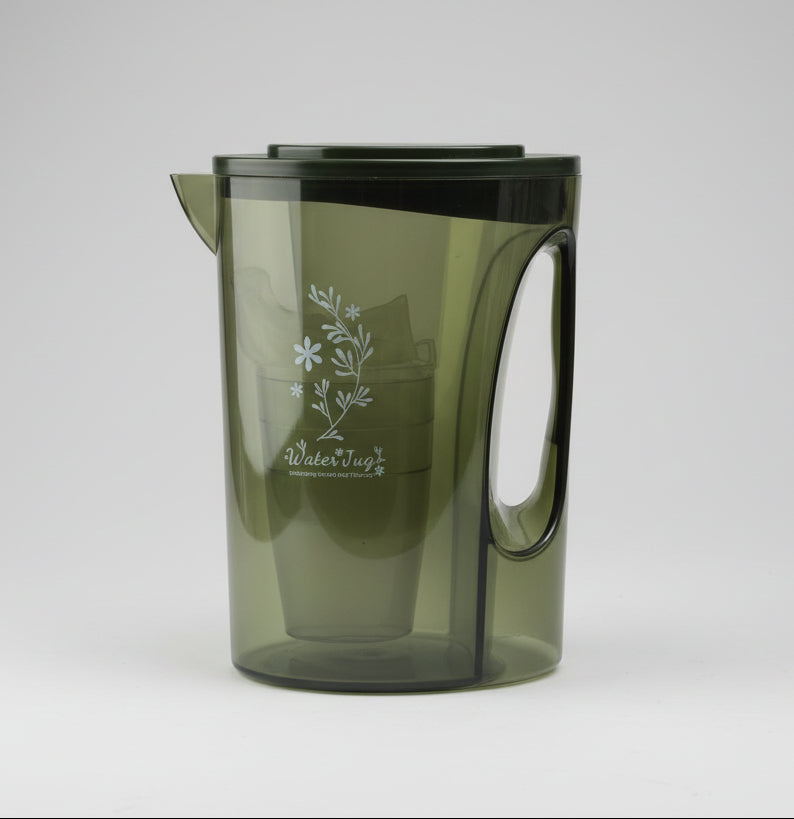
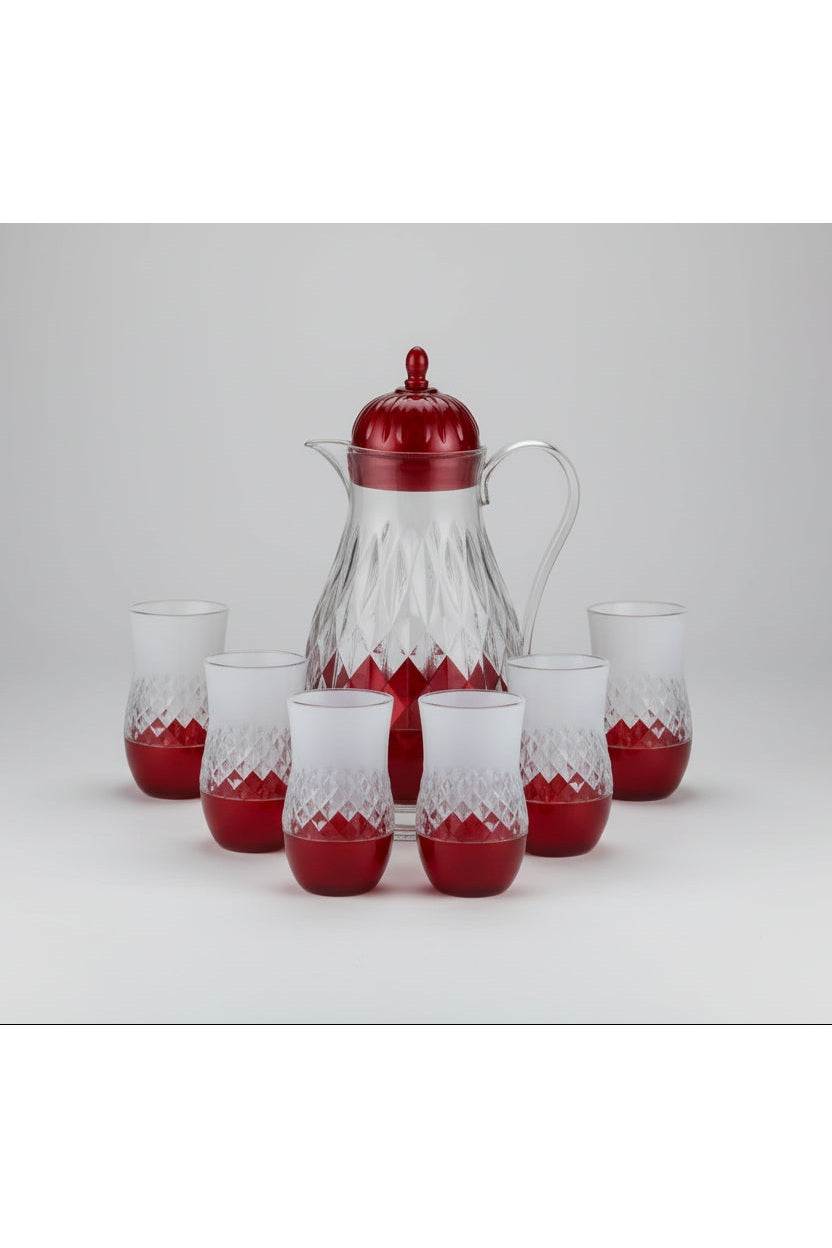
Water jug
1Nice to haveA jug with a lid keeps boiled or filtered water cold in the fridge and ready to drink.
How to use it: Wash it every few days. Keep boiled water covered.
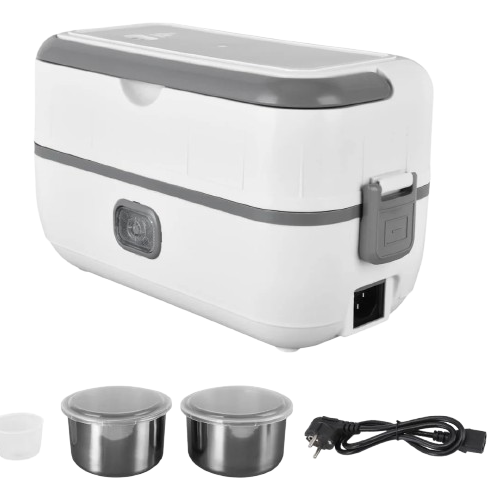
Food containers
2 to 4Nice to haveStore leftovers and take lunch to work. Cooking once and eating twice saves money.
How to use it: Cool food before closing the lid. Do not keep rice at room temperature for hours.
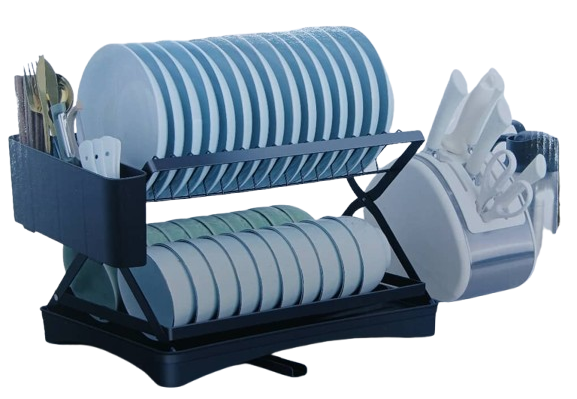
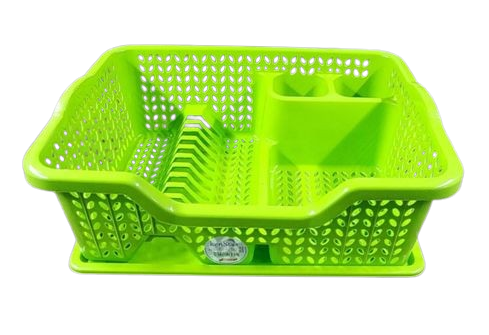
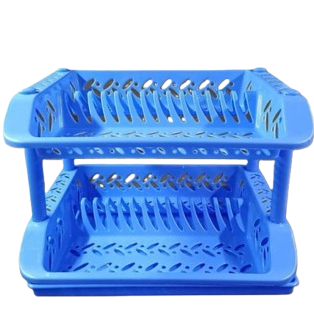
Dish rack
1Nice to haveLets plates dry in the air so you do not need a lot of towels.
How to use it: Place it near the sink, with a tray to catch water.




Starter pantry
A few staples let you cook on night one without shopping again.
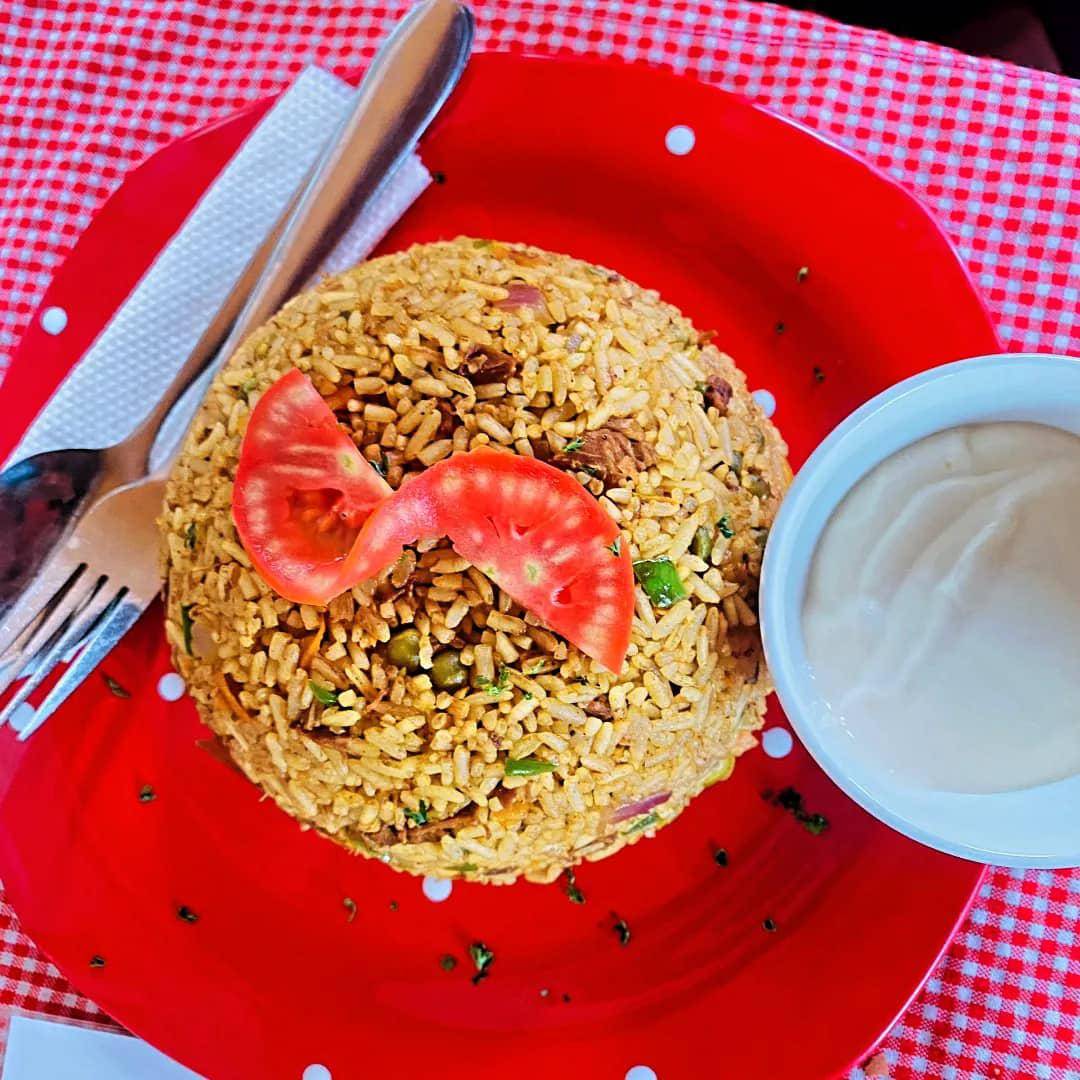
Rice
1 to 2 kg Must haveA filling base for many meals, and it stores well.
How to use it: Store in a closed container. Rinse before cooking.
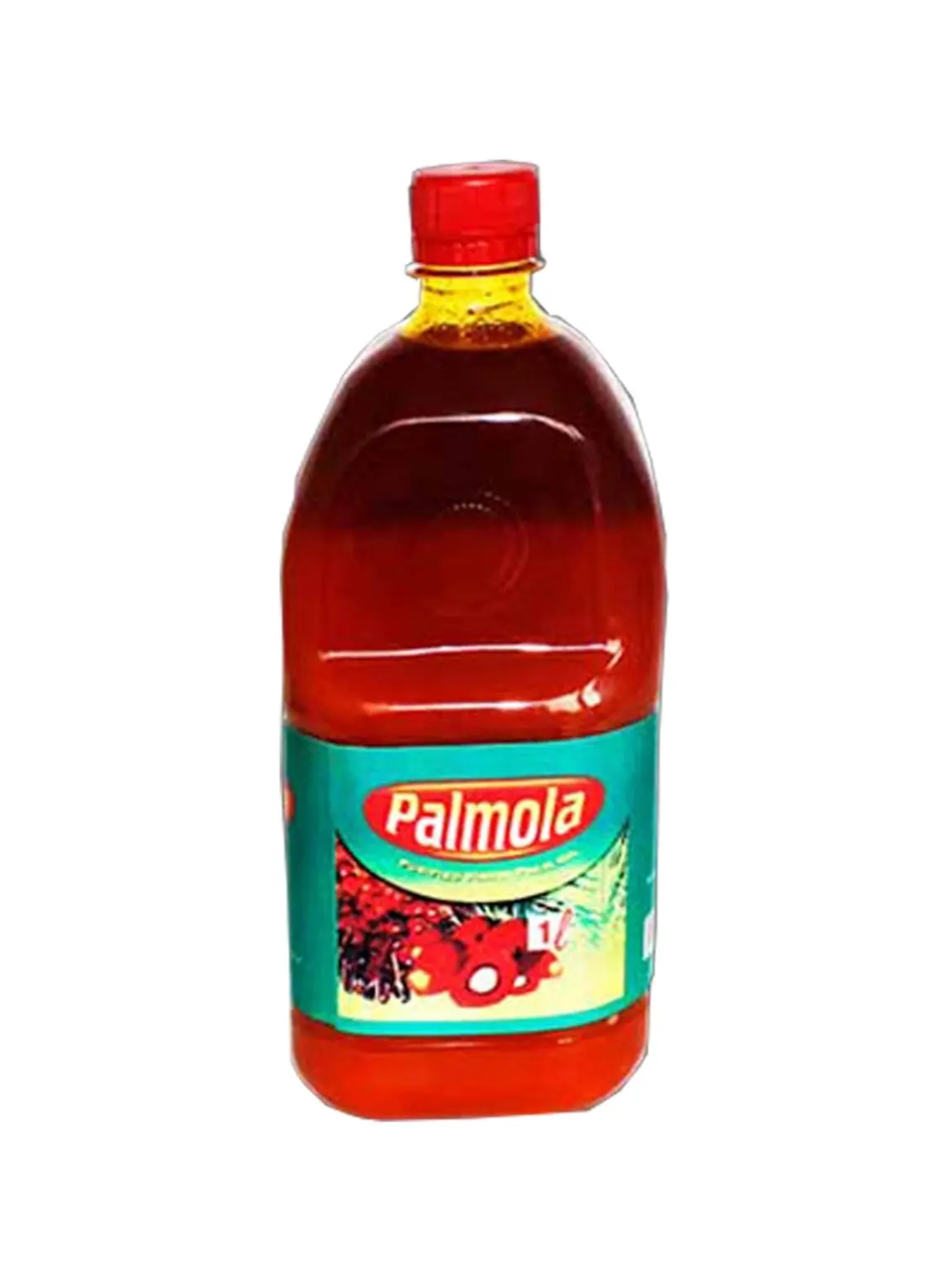
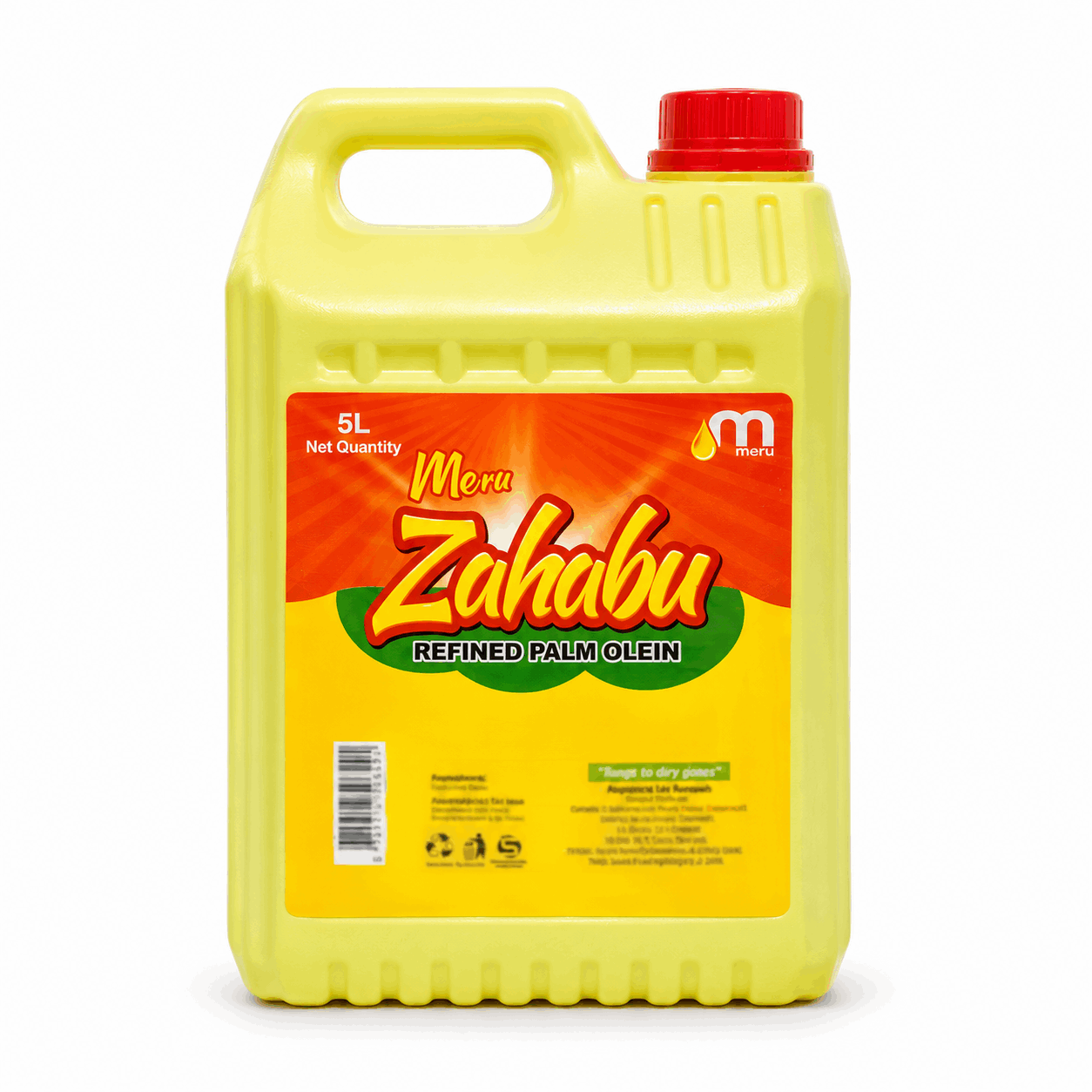
Cooking oil
1 litre Must haveYou need it for almost every cooked meal.
How to use it: Buy a small bottle first so it does not go off.
Salt
1 Must haveThe one ingredient every meal needs.
How to use it: Keep it dry in a closed jar.
Sugar
1 kgNice to haveFor tea, coffee and baking.
How to use it: Buy a small bag if you rarely use it.
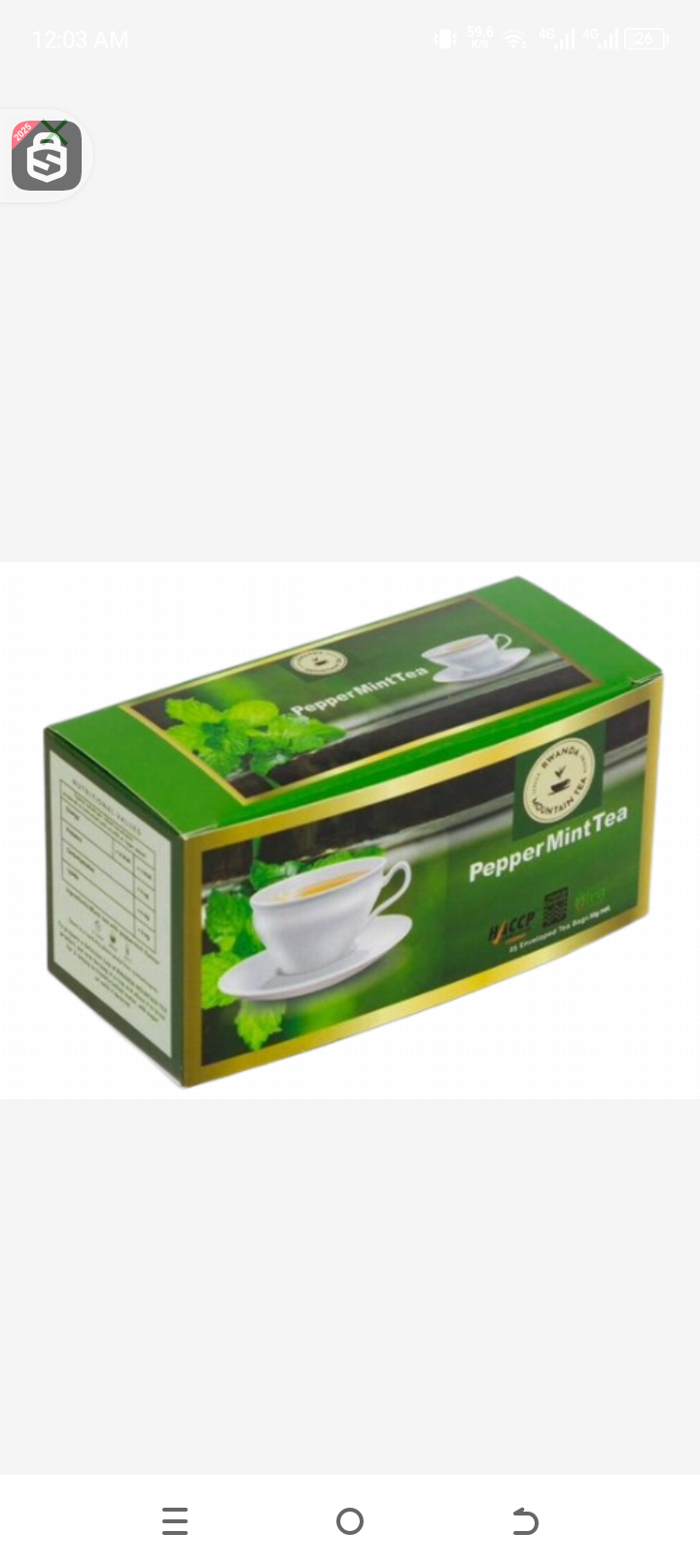
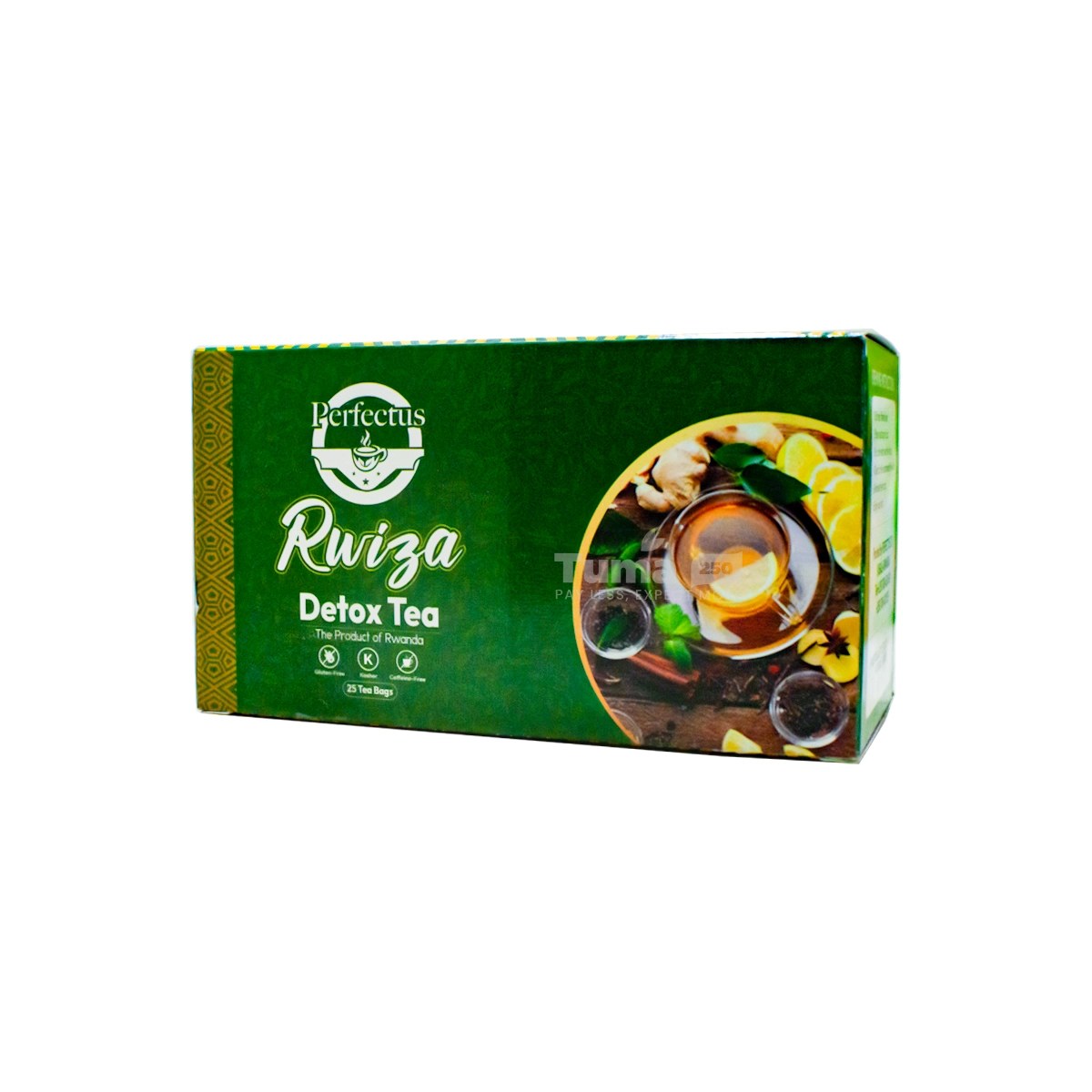
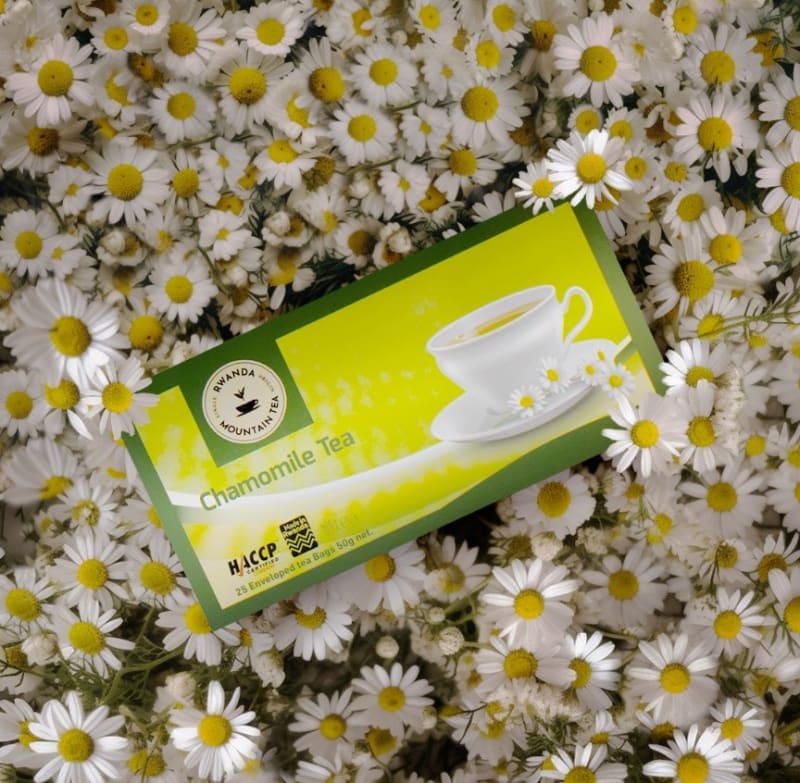
Tea bags
1 boxNice to haveA cup of tea is the easiest comfort on your first evening.
How to use it: Store dry in a closed tin.






Cleaning and rubbish
Keep the room clean from day one and you will never face a big clean up.
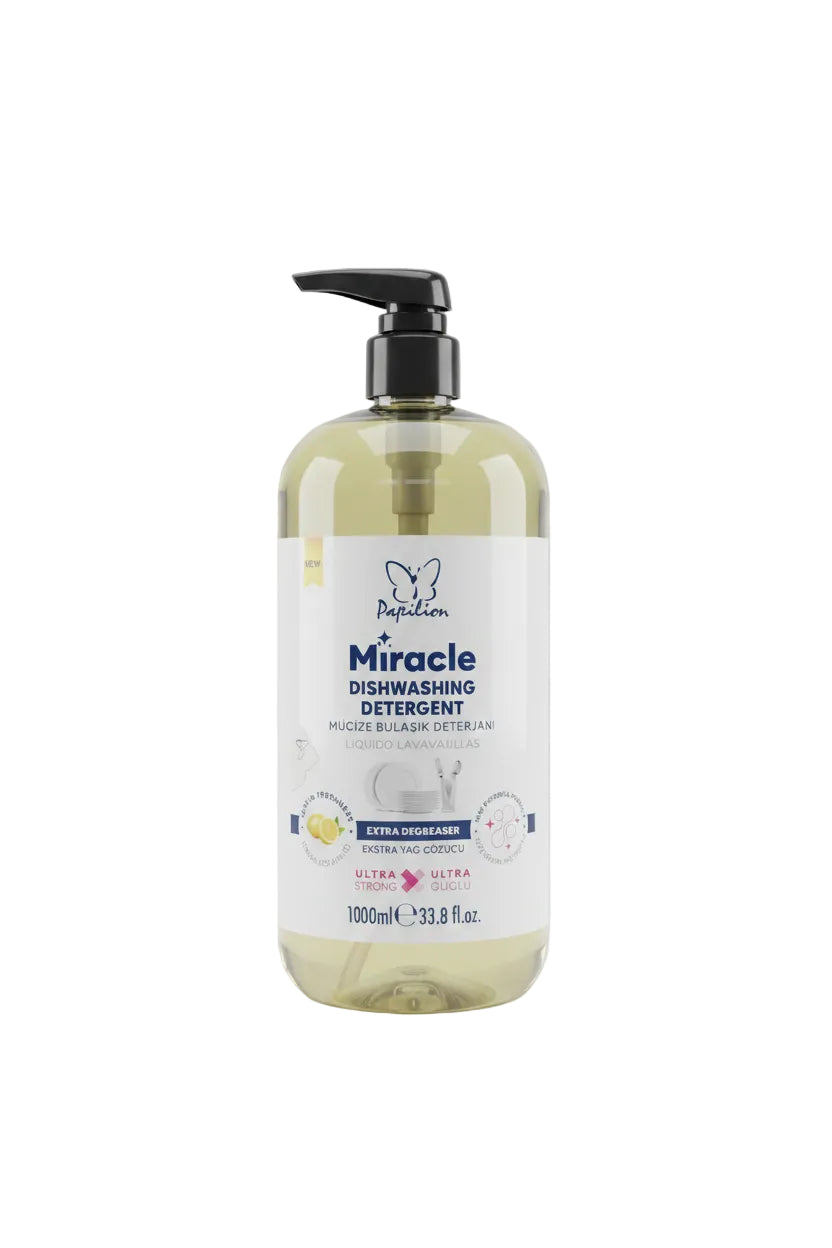
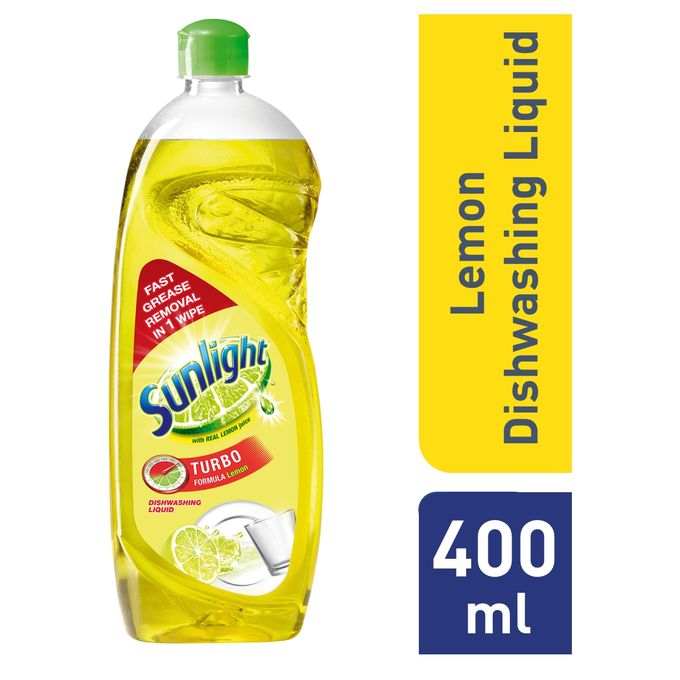
Dishwashing liquid
1 Must haveA little goes a long way for plates, pots and cups.
How to use it: Wash dishes after eating so food does not dry and attract insects.
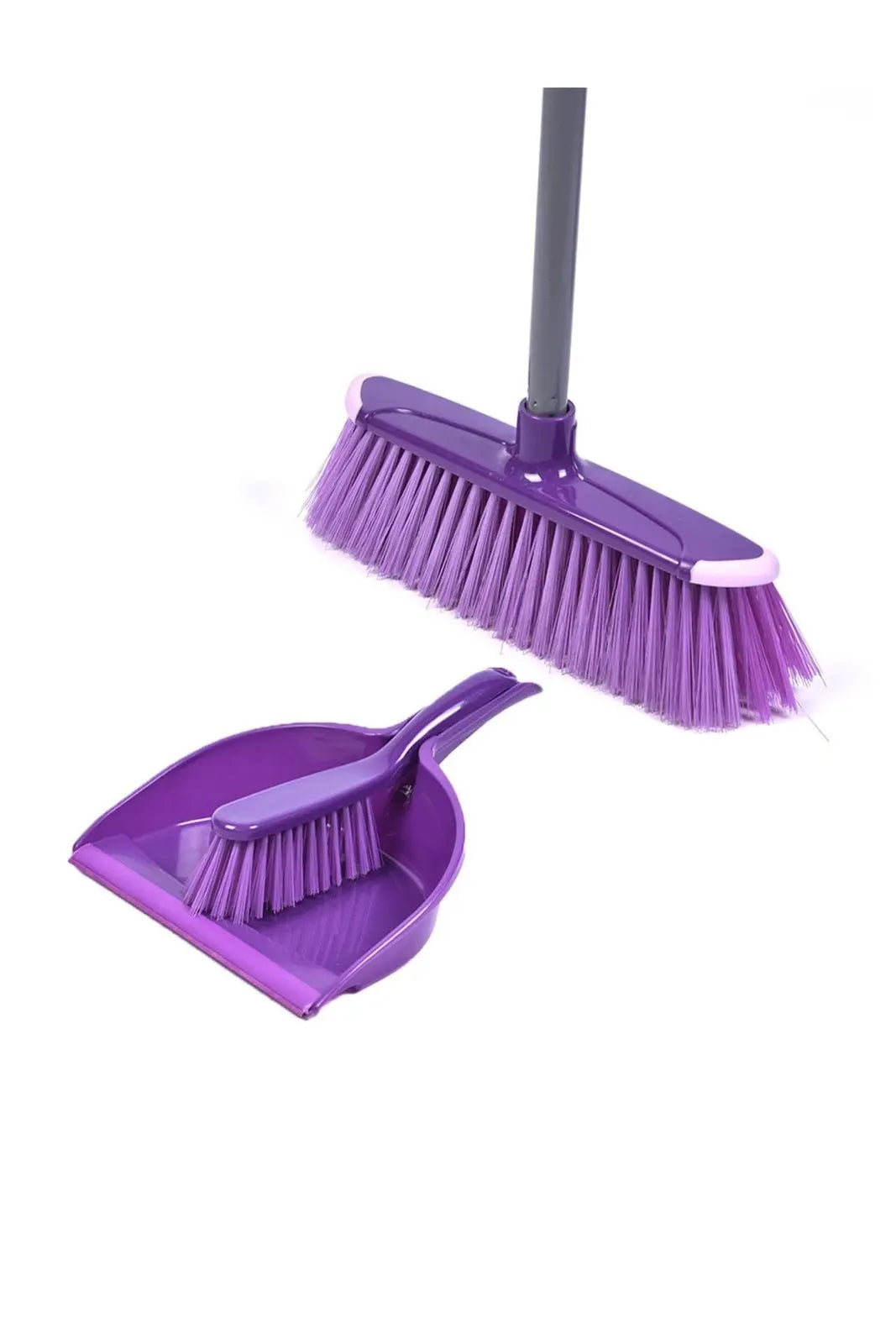
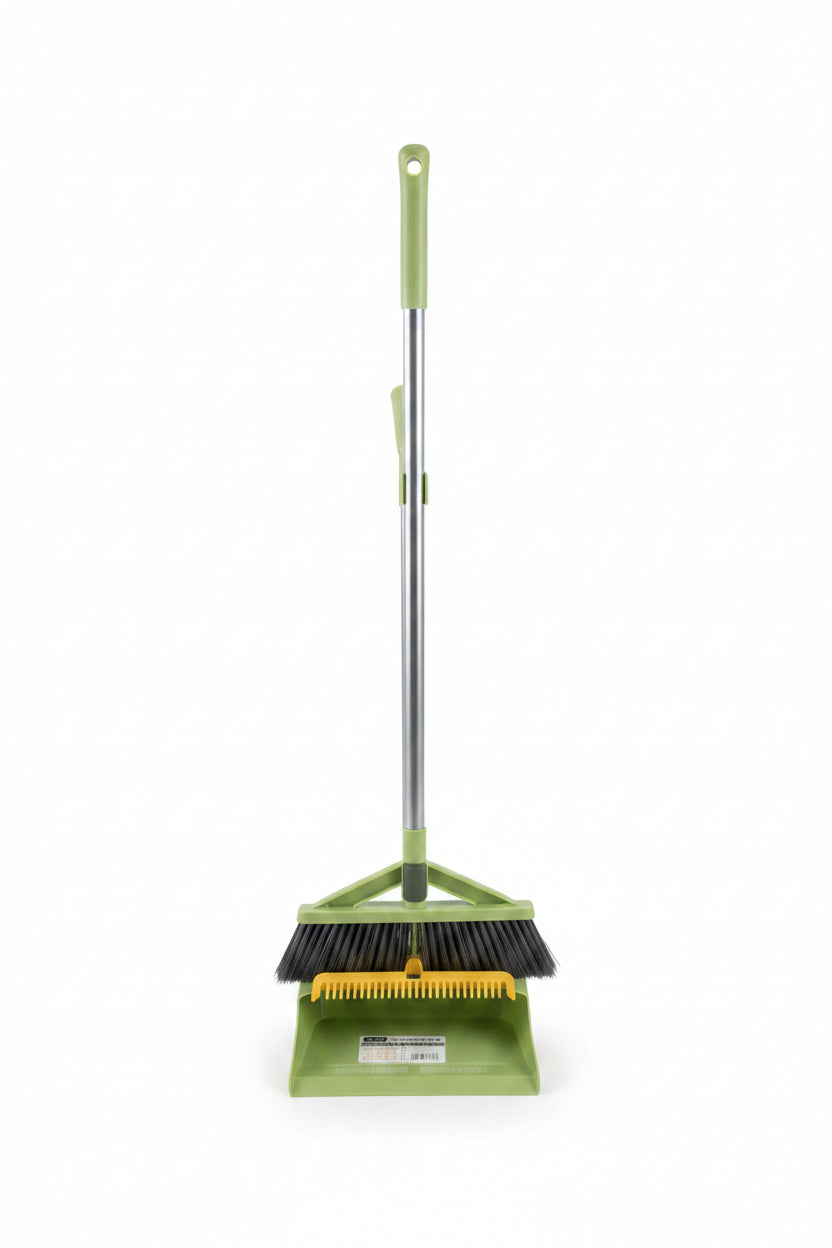
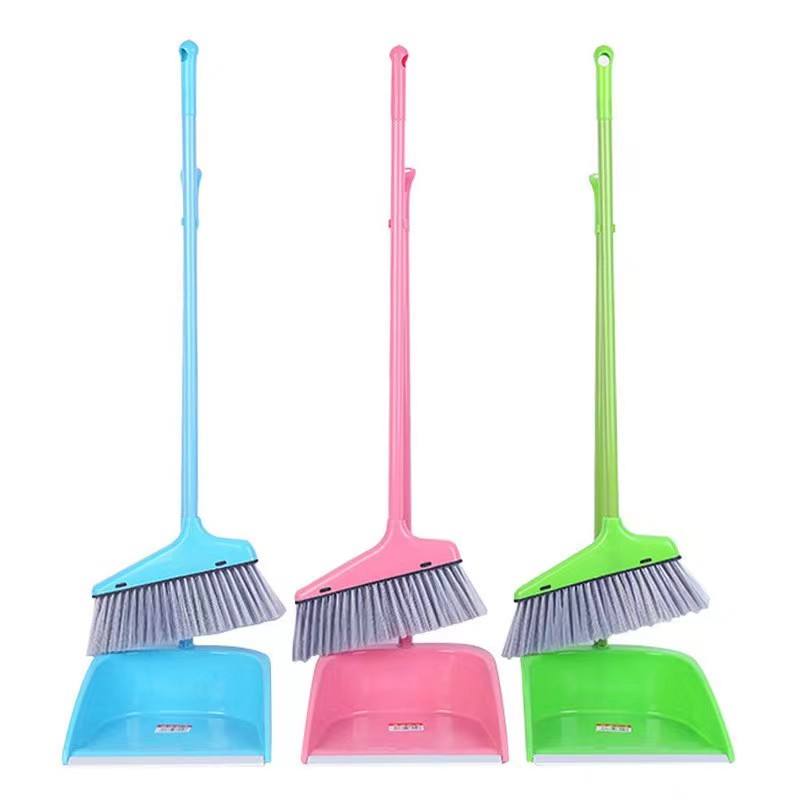
Broom and dustpan
1 set Must haveRed dust and sand come in on shoes. You will sweep often.
How to use it: Sweep every day, and mop once a week.
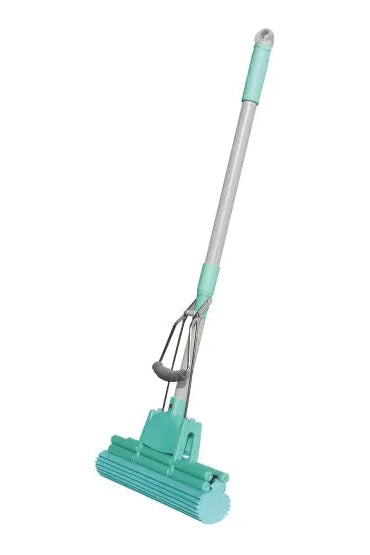
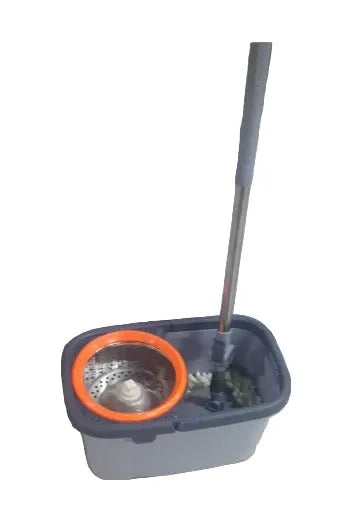
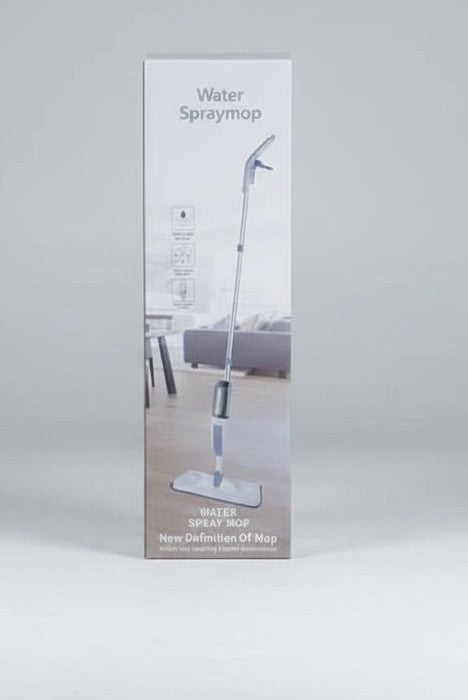
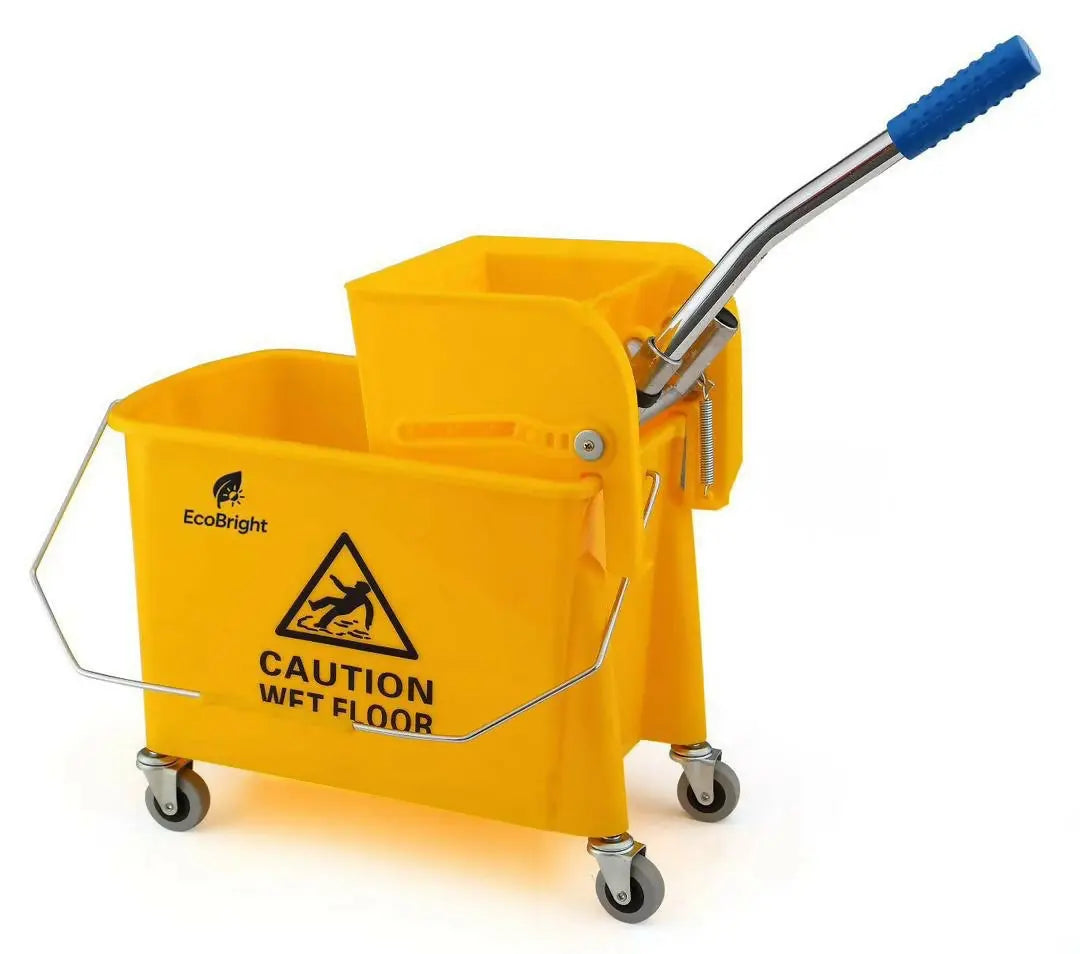
Mop
1 Must haveTile and cement floors look best with a regular mop.
How to use it: Rinse and let it dry in the sun after use.
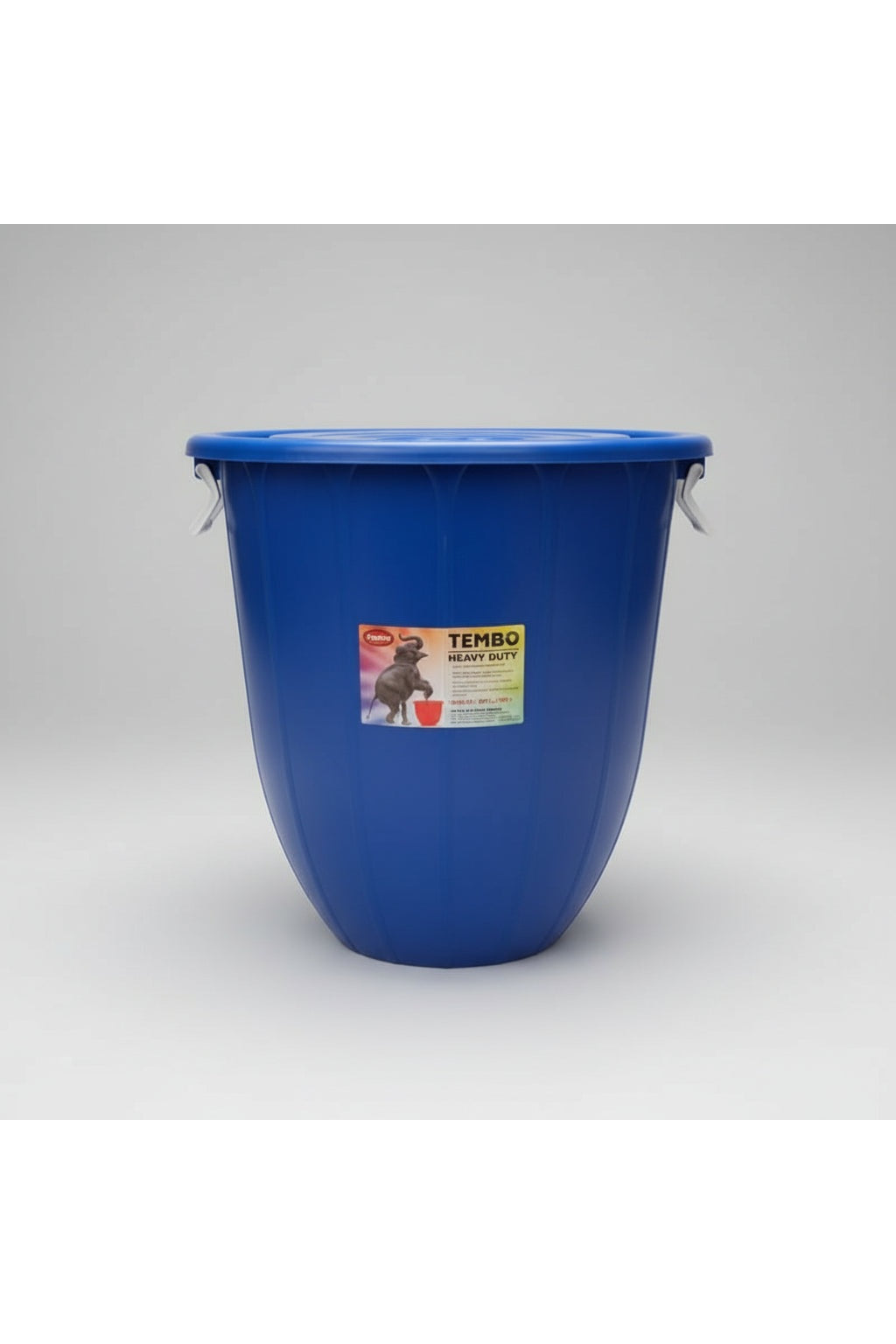
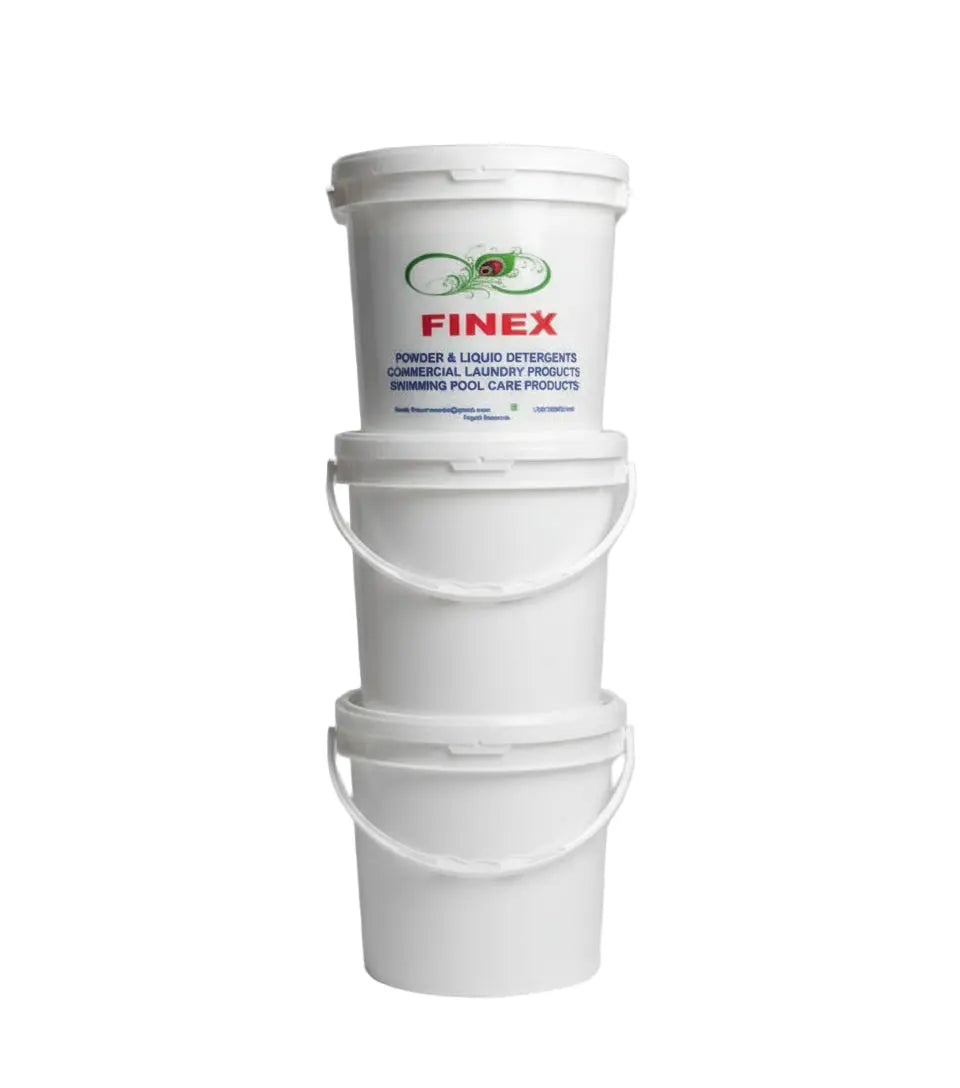
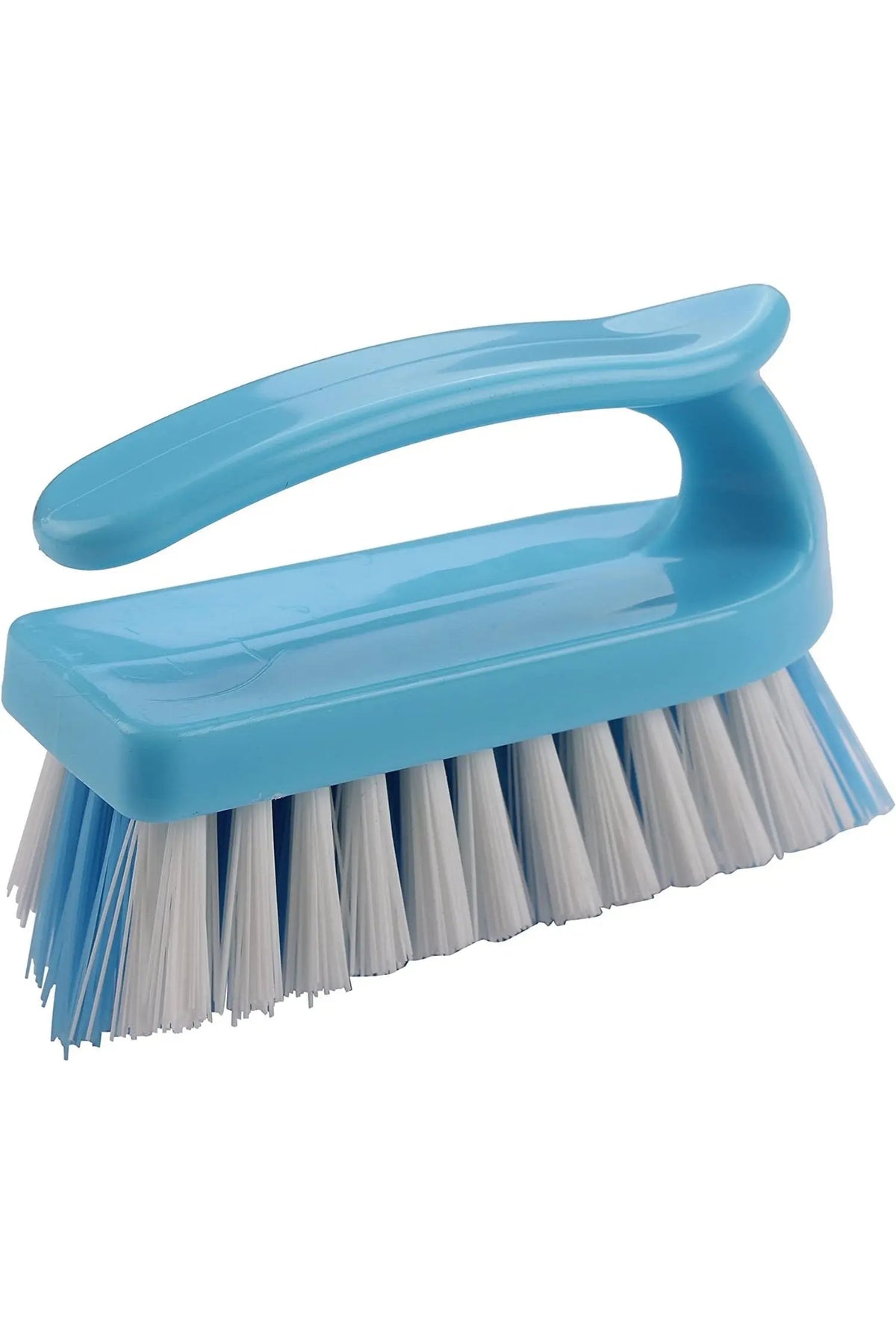
Bucket
1 to 2 Must haveFor mopping, laundry by hand and storing water.
How to use it: Choose one with a handle and, if possible, a lid.
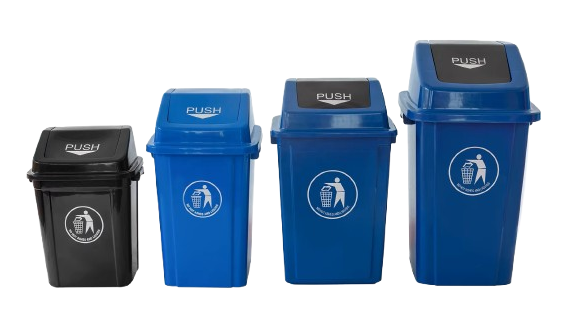
Dustbin
1 to 2 Must haveA bin with a lid keeps smells and insects away.
How to use it: Take rubbish out every day or two, and follow your area's collection days.
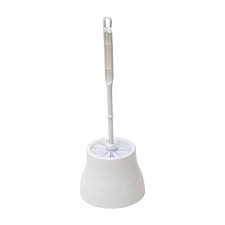
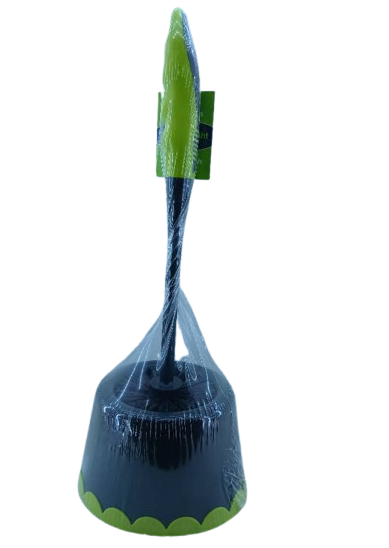
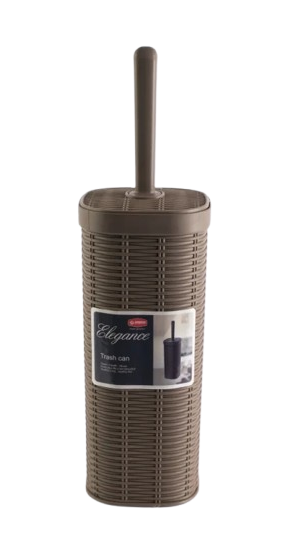
Toilet brush
1 Must haveKeeps the toilet clean, which matters most in a shared building.
How to use it: Rinse after use and keep it in its holder.



Laundry and bathroom
Clean clothes and towels make a place feel like home.
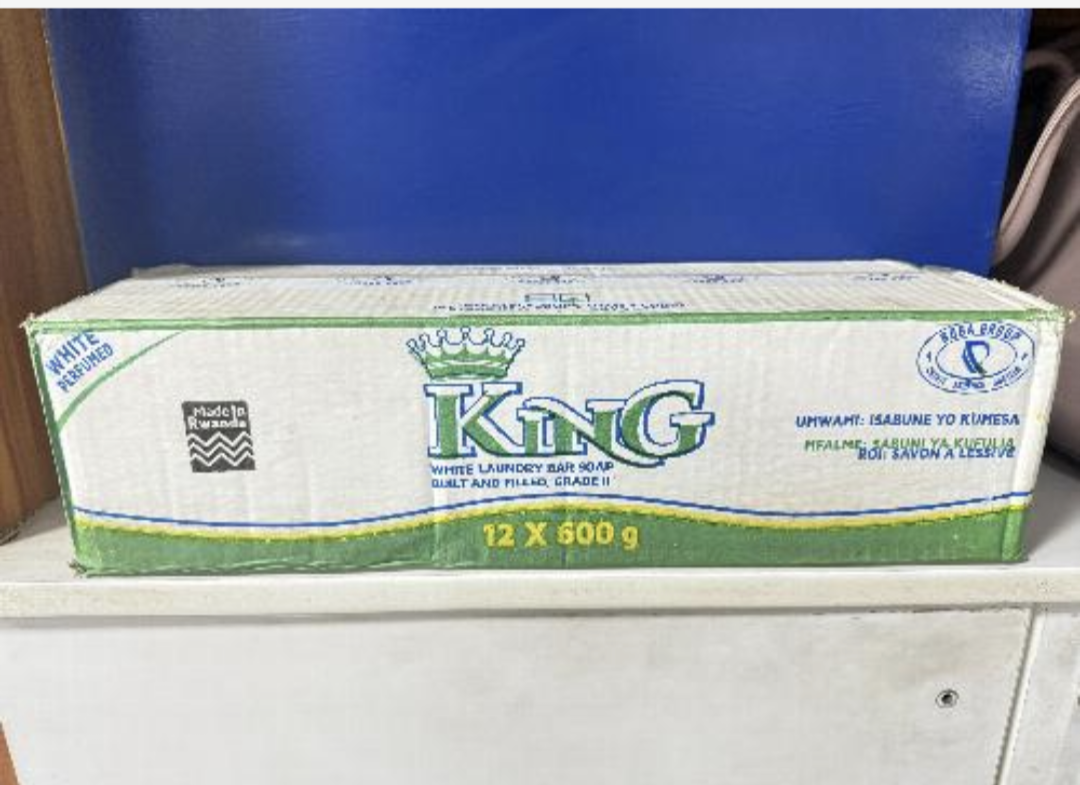
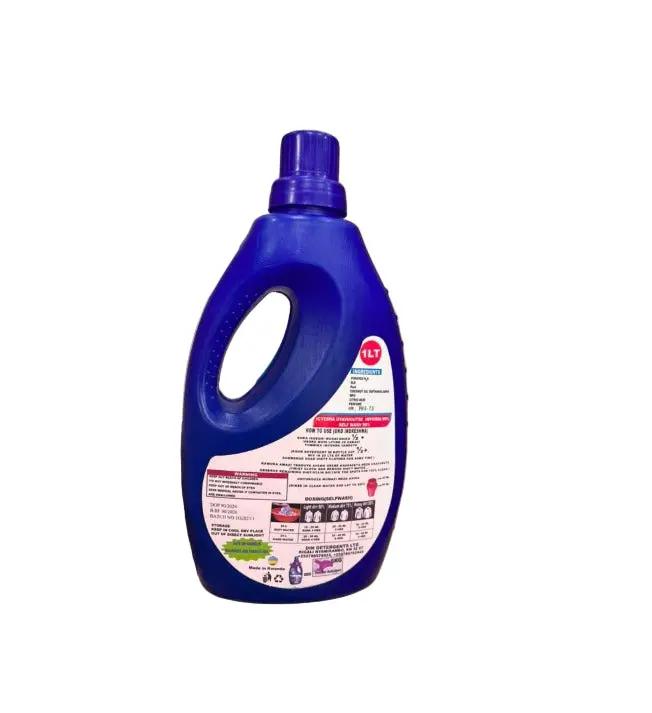
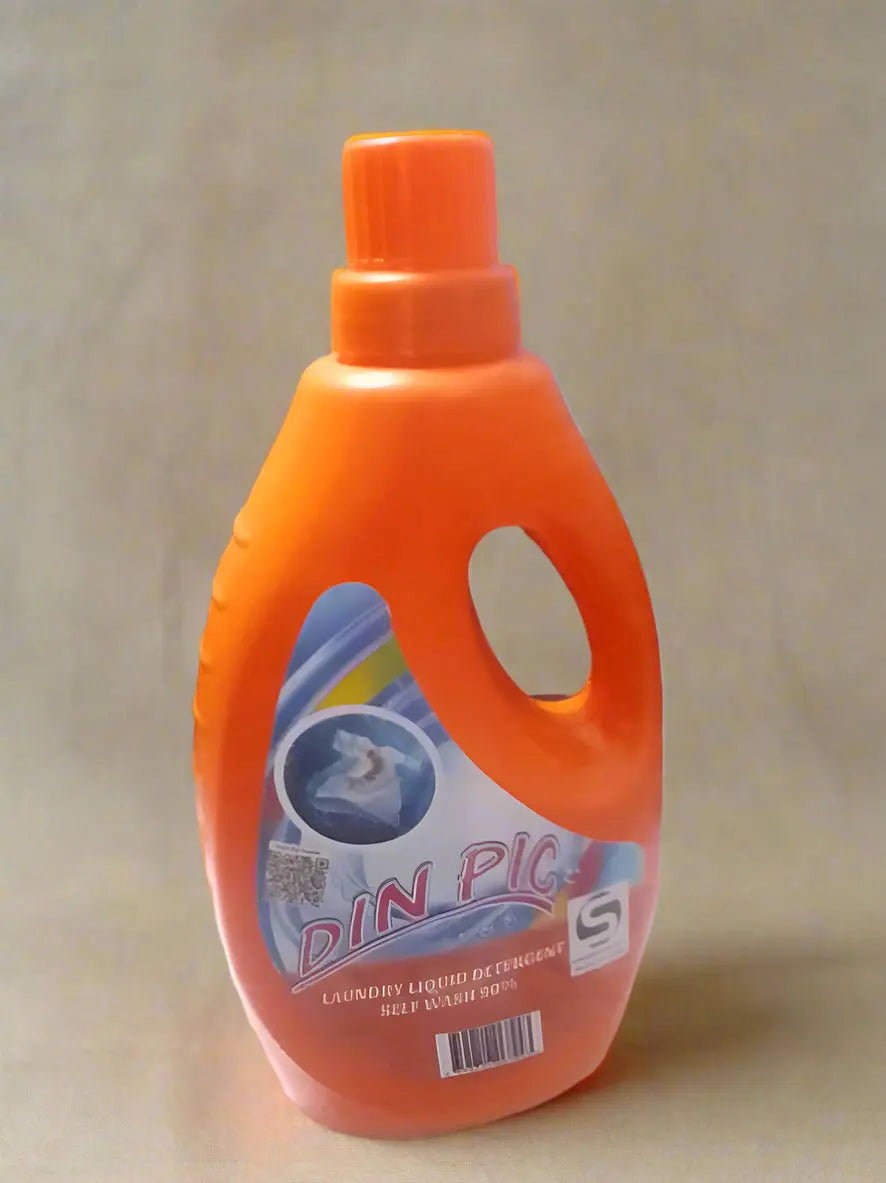
Laundry detergent
1 Must haveFor hand washing or machine washing.
How to use it: Buy a small pack first and see how much you use each week.
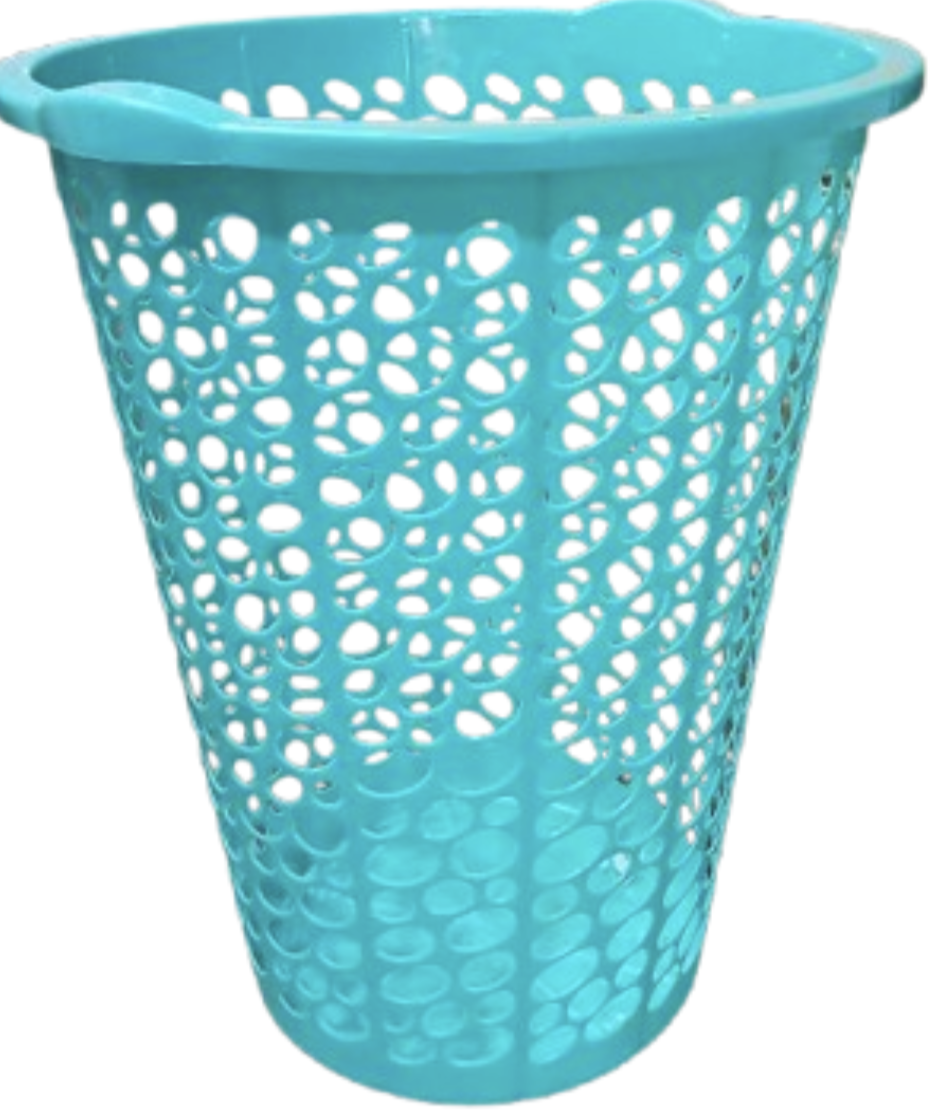
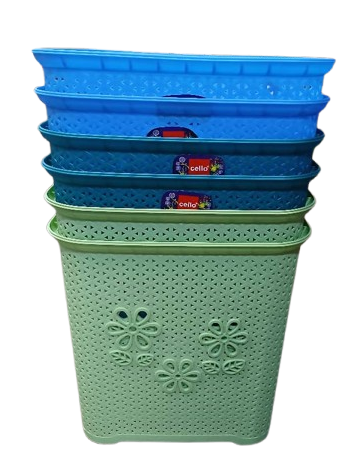
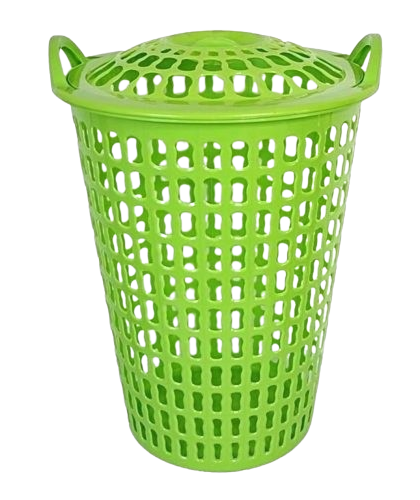
Laundry basket
1Nice to haveA basket keeps dirty clothes off the floor and makes wash day easy.
How to use it: Choose one that lets air in, so clothes do not smell.
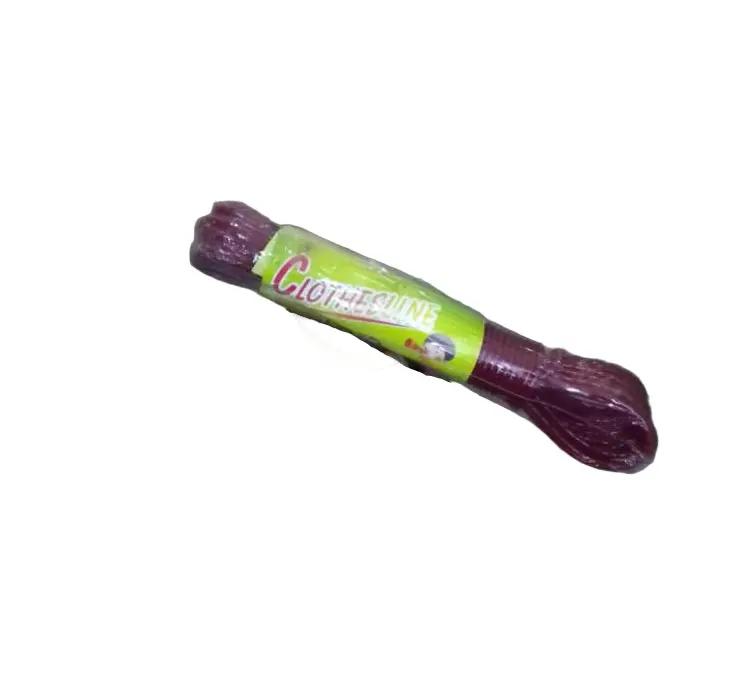
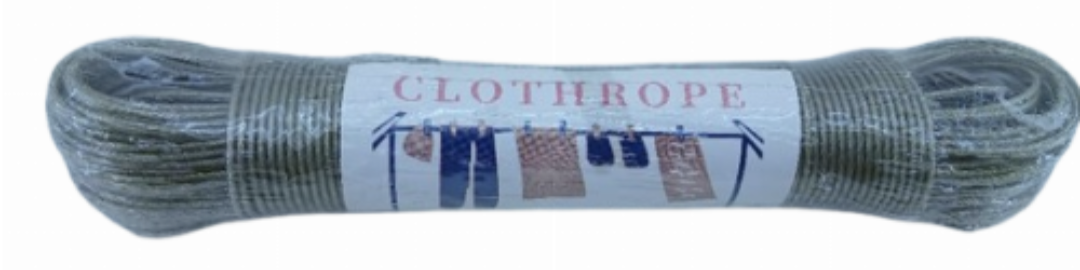
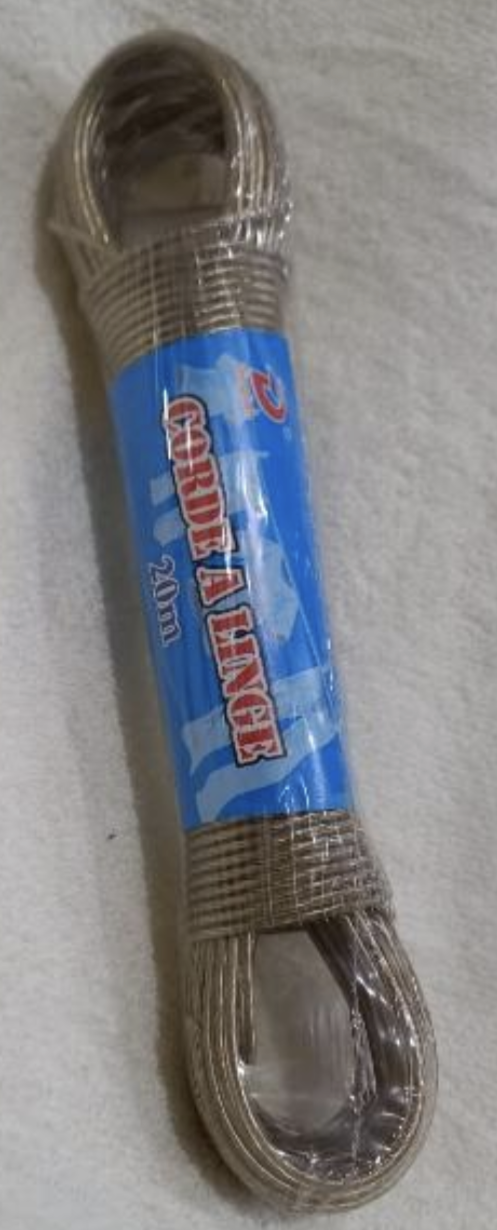
Clothesline
1 Must haveMost Kigali homes dry clothes outside. Rainy seasons need an indoor option too.
How to use it: Ask the landlord where you may hang it. Bring clothes in before rain.
Iron
1Nice to haveNeat clothes for work, interviews and church or events.
How to use it: Use it on a flat, protected surface and unplug it after use.
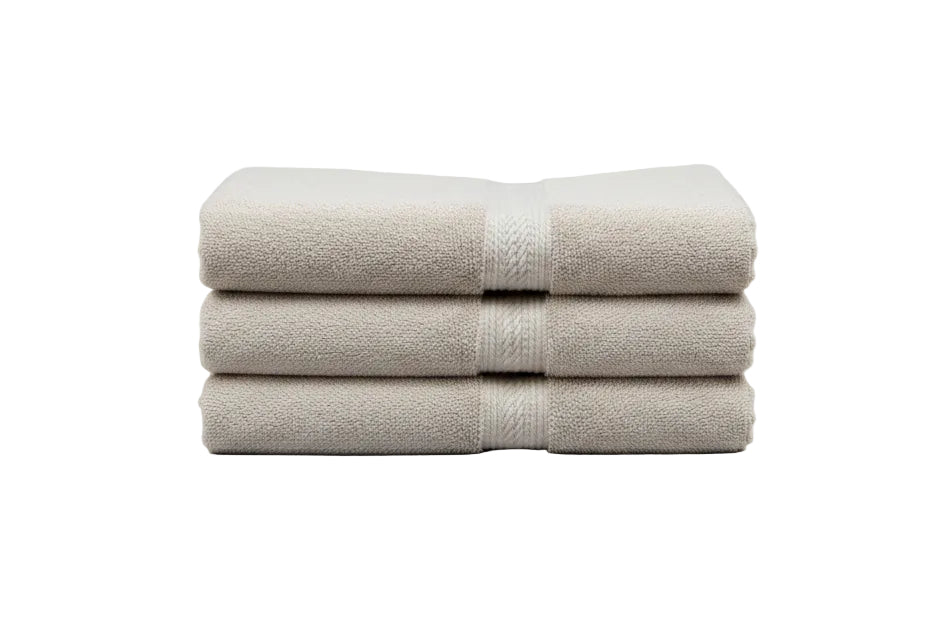
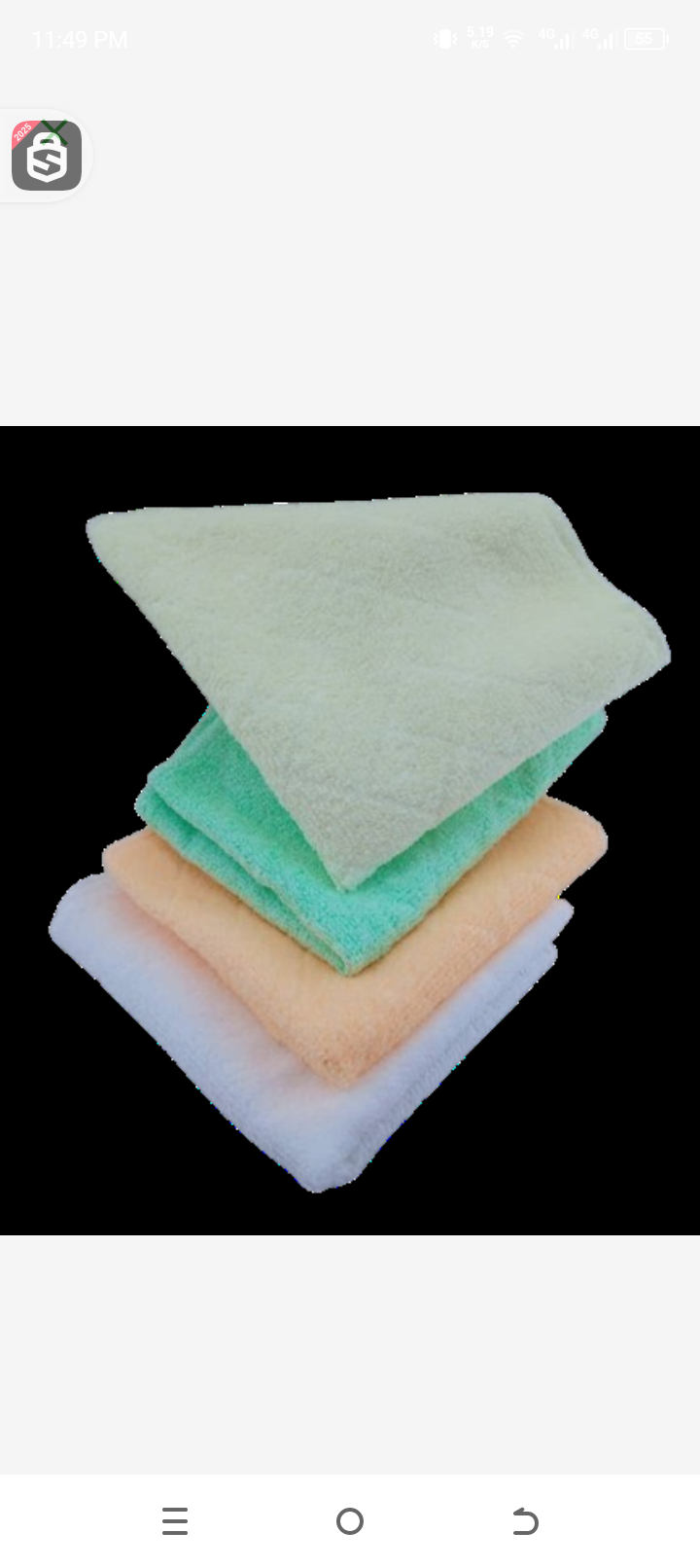
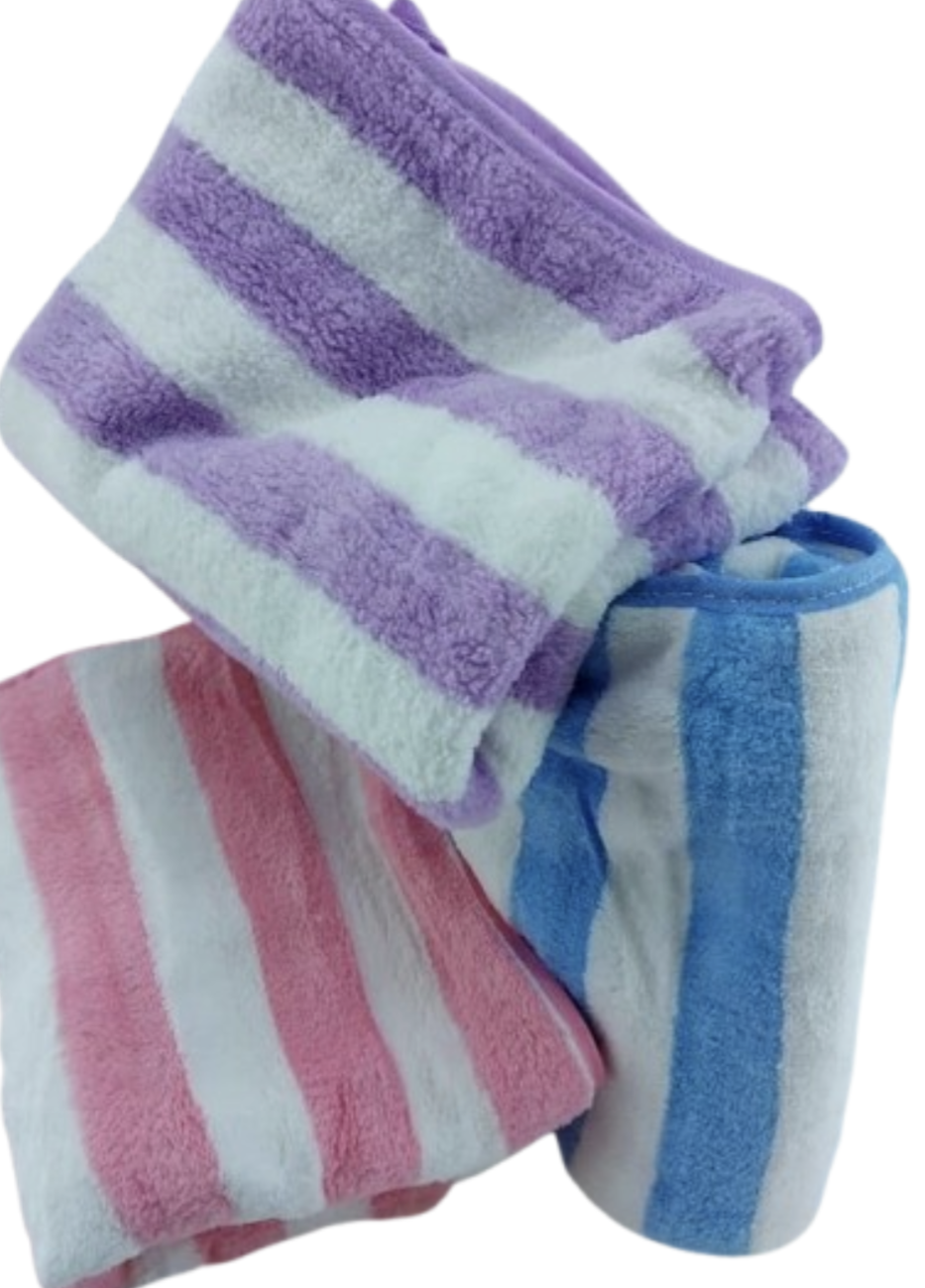
Towels
2 Must haveOne in use and one in the wash.
How to use it: Dry them in the sun when you can.
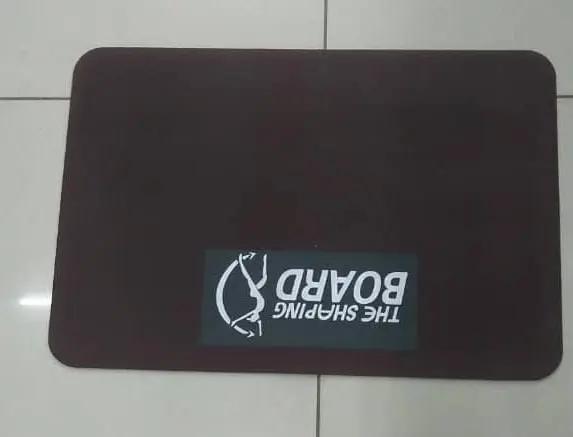
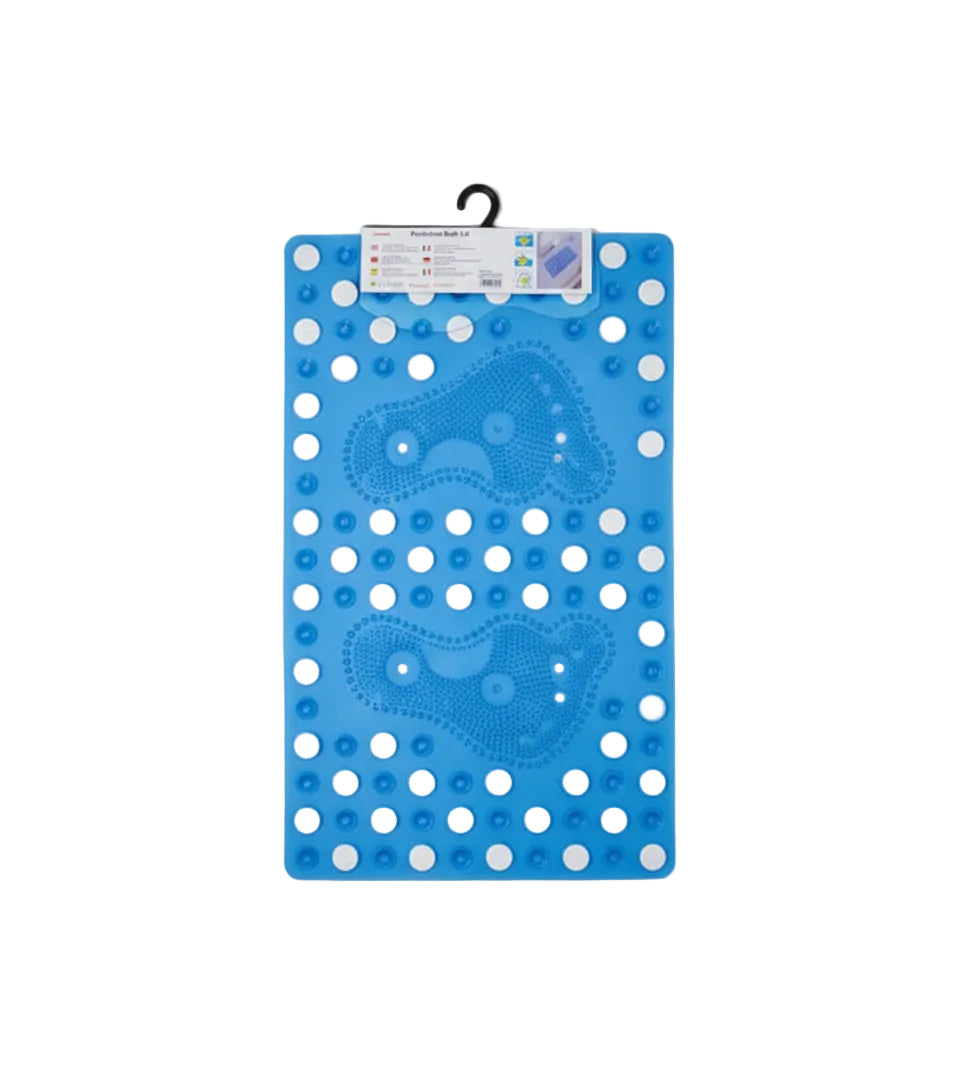
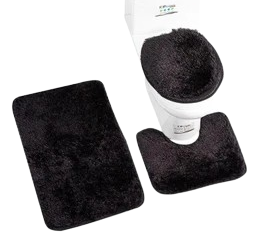
Bath mat
1Nice to haveWet tiles are slippery, especially without a rubber floor.
How to use it: Hang it to dry after each shower.
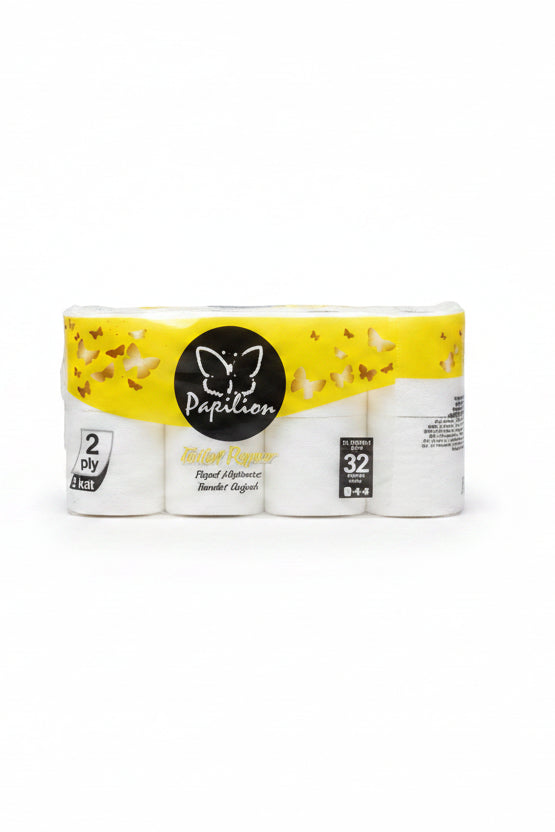
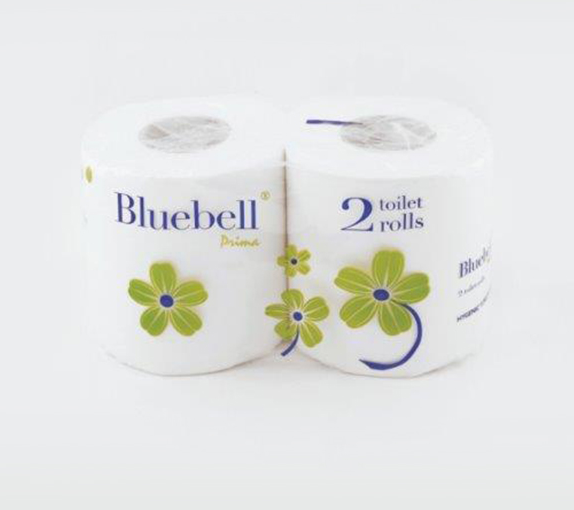
Toilet paper
1 pack Must haveNever run out. It is the first thing you notice when it is gone.
How to use it: Buy a large pack, which usually costs less per roll.



Power, light and safety
Power cuts and safety questions come up sooner than you think.
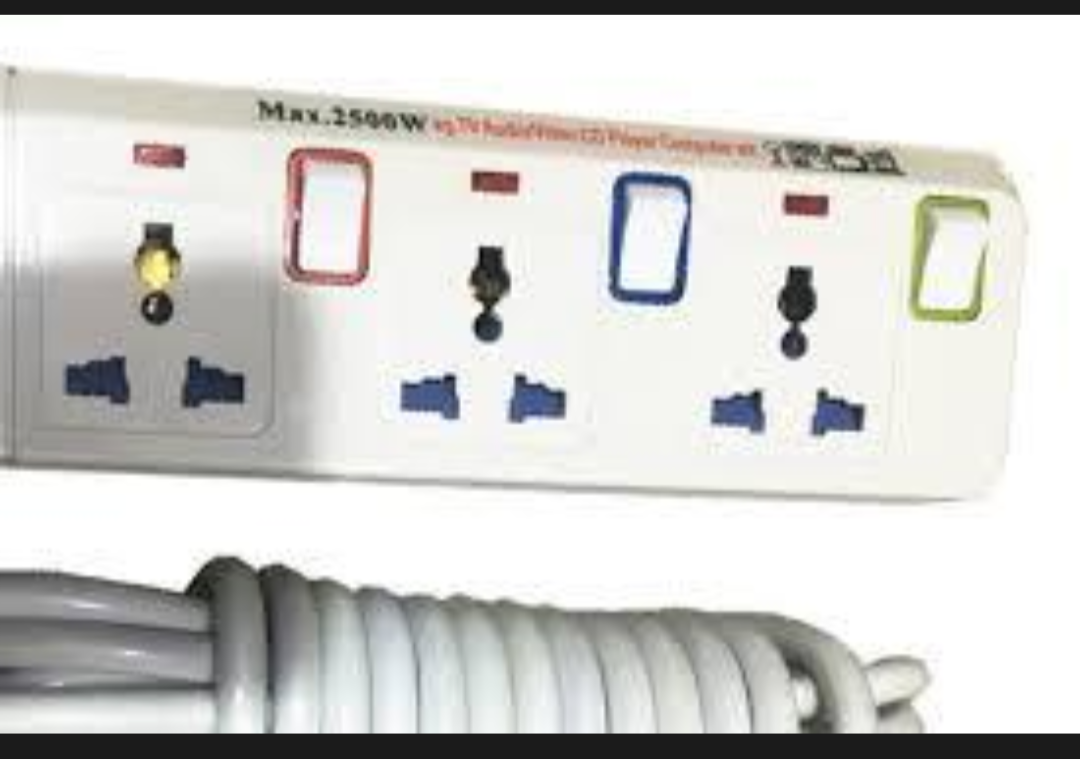
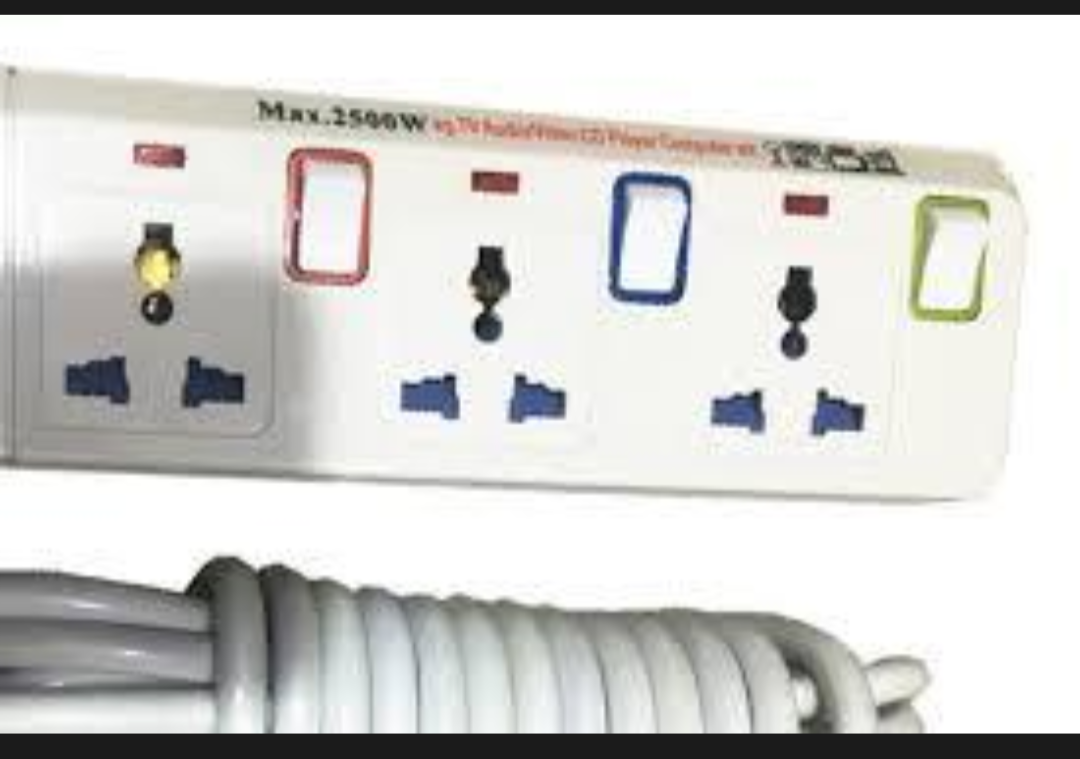
Multi socket
1 Must haveMost rooms have too few sockets for a phone, a lamp and a fan.
How to use it: Do not overload it with heaters or irons. Keep it away from water.
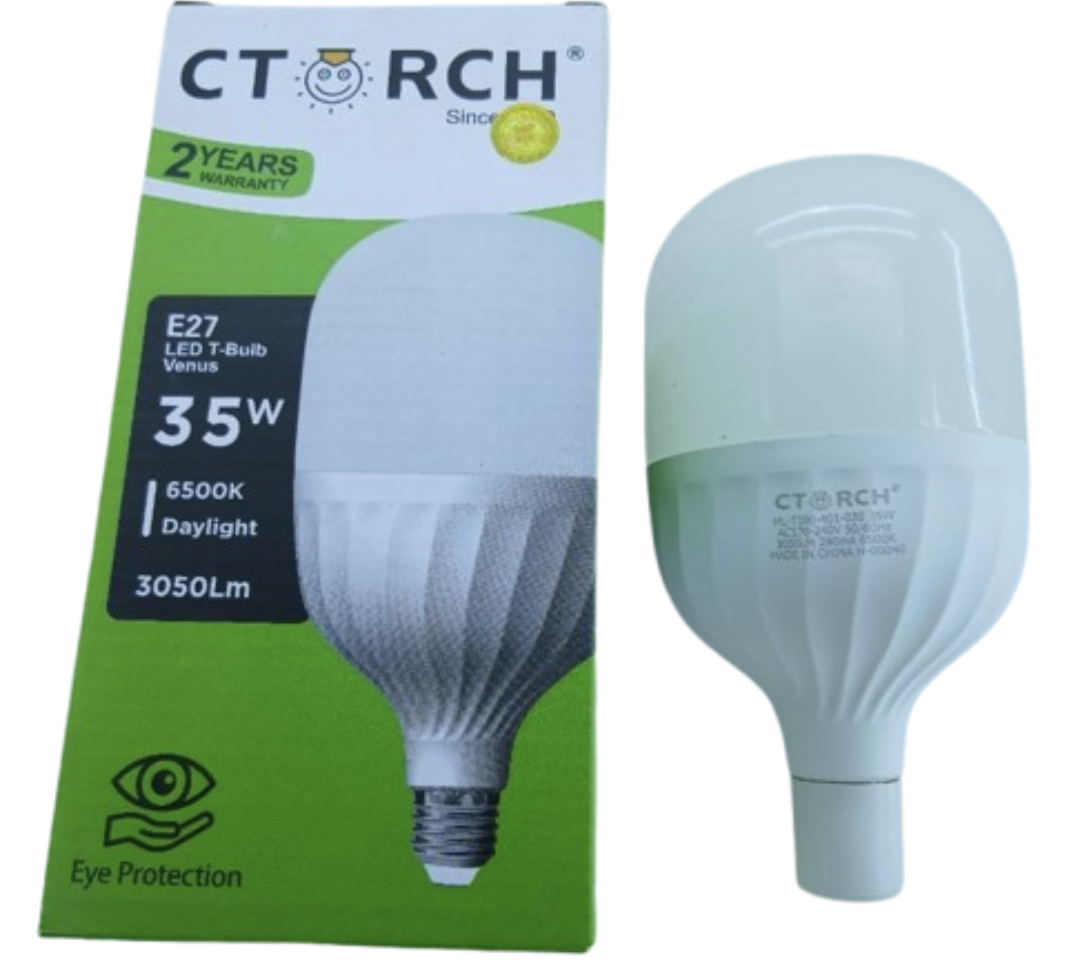
Light bulbs
2 Must haveOld bulbs may be missing or weak when you arrive.
How to use it: Take one spare of the right fitting. Switch off power before changing.
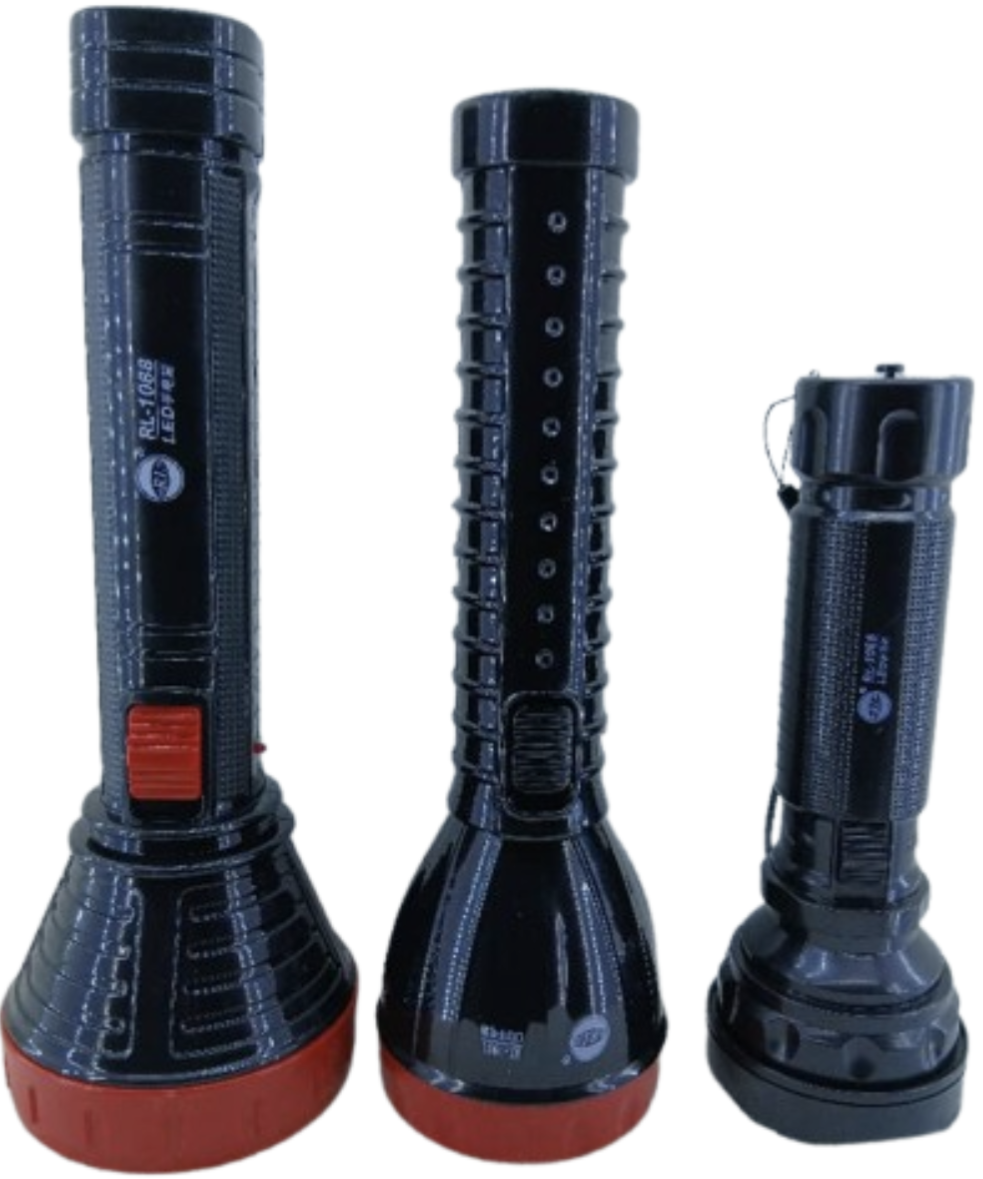
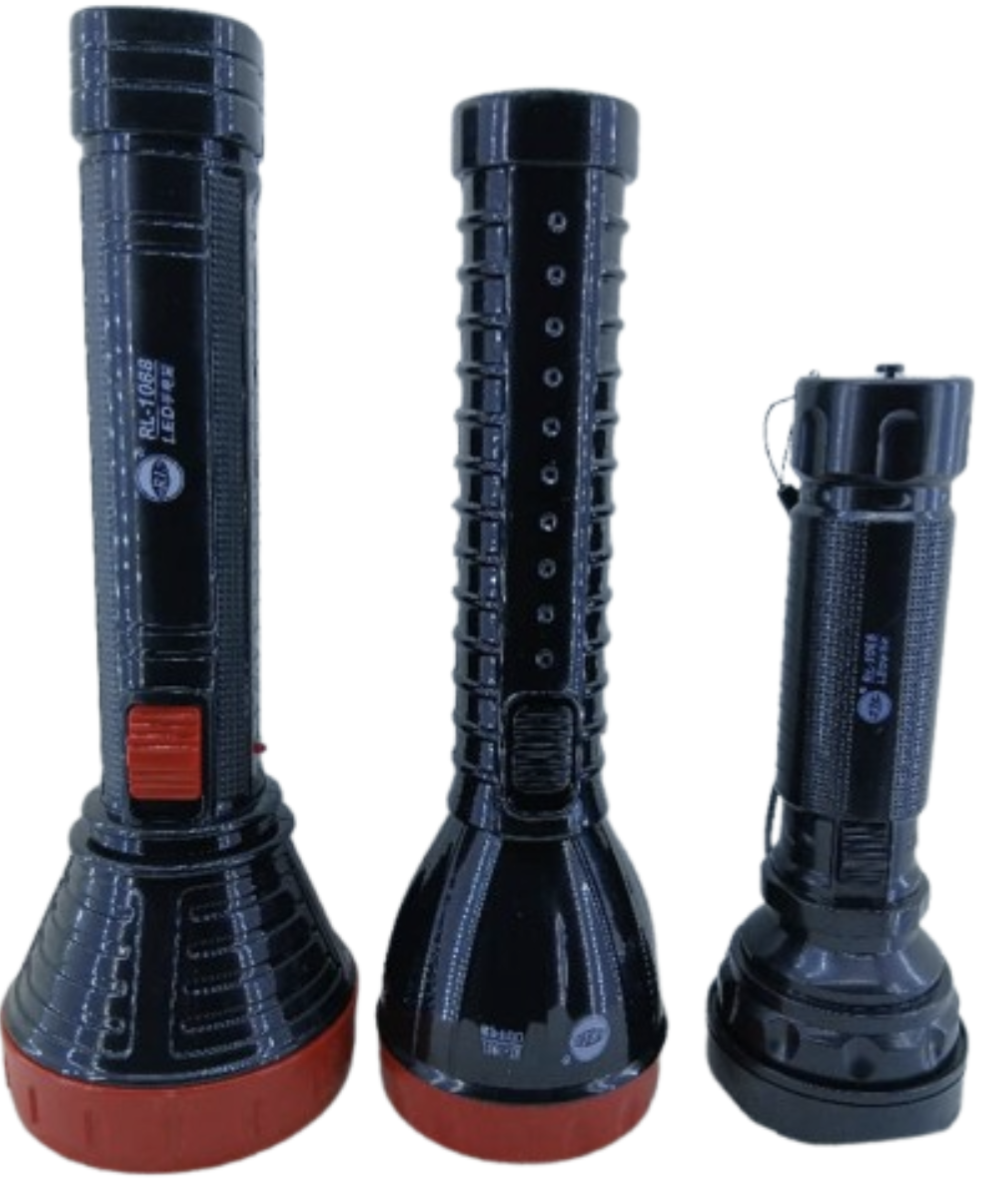
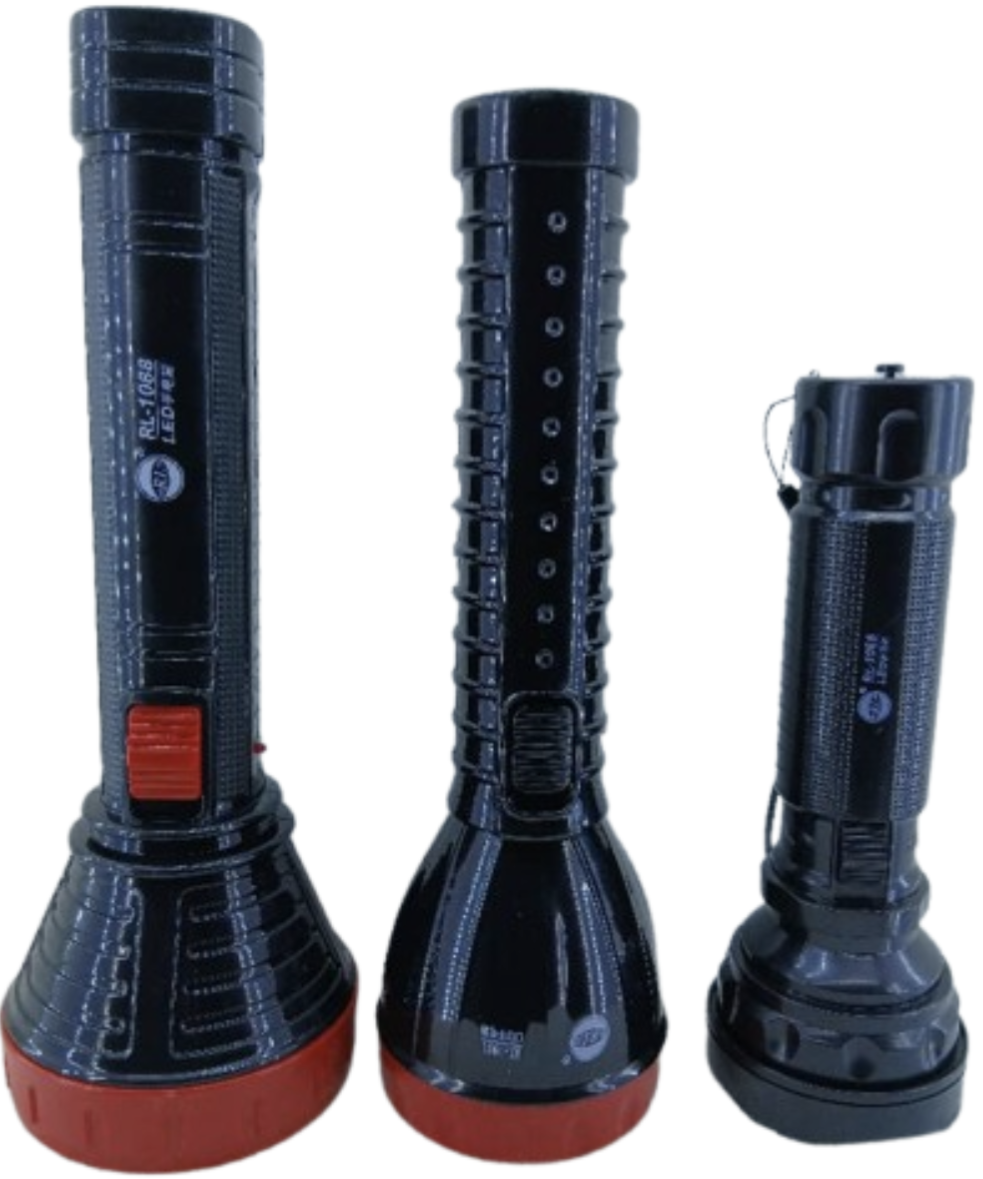
Torch
1 Must haveFor power cuts and the walk home on a dark night.
How to use it: Keep it in the same place, such as next to the bed.
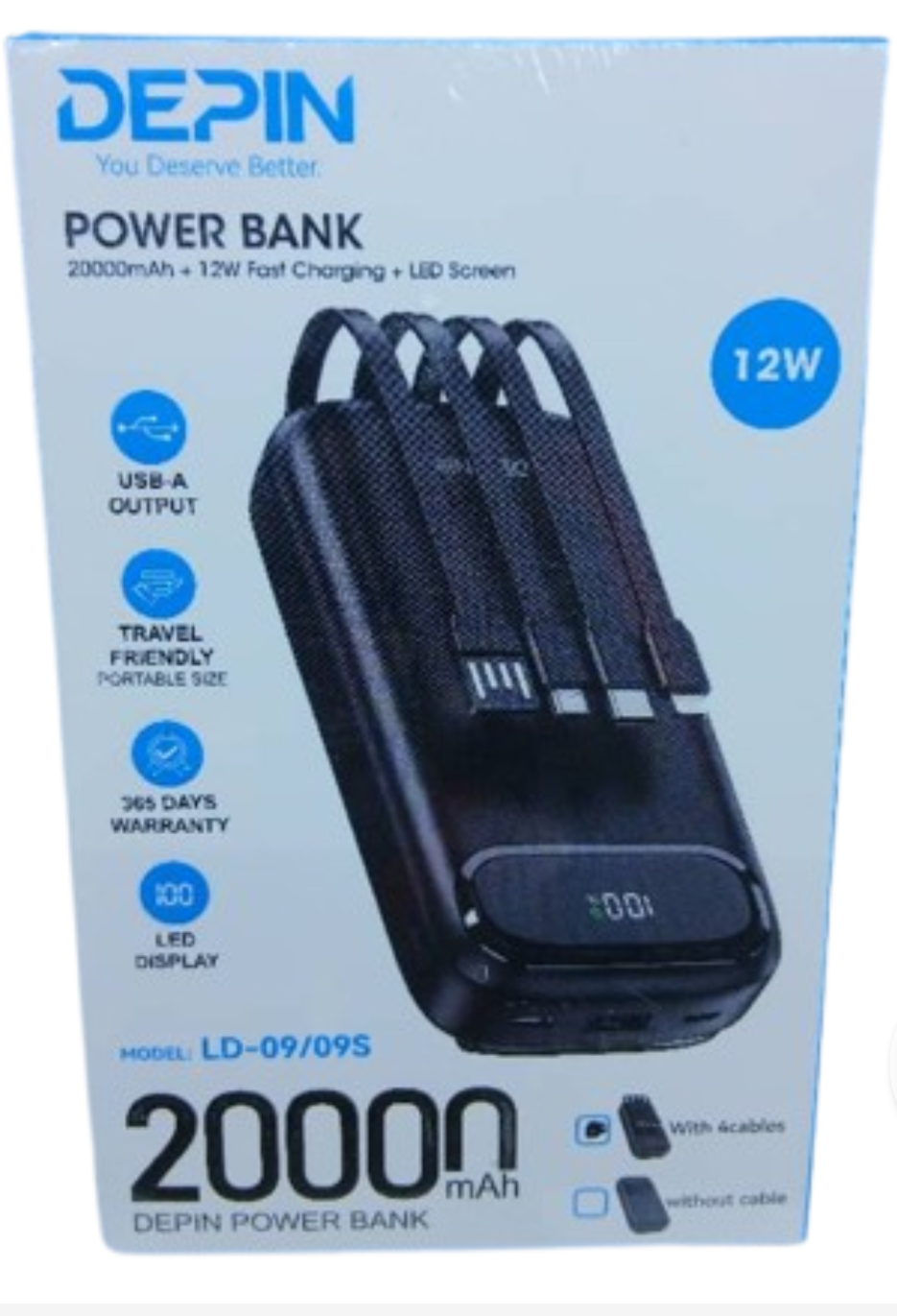
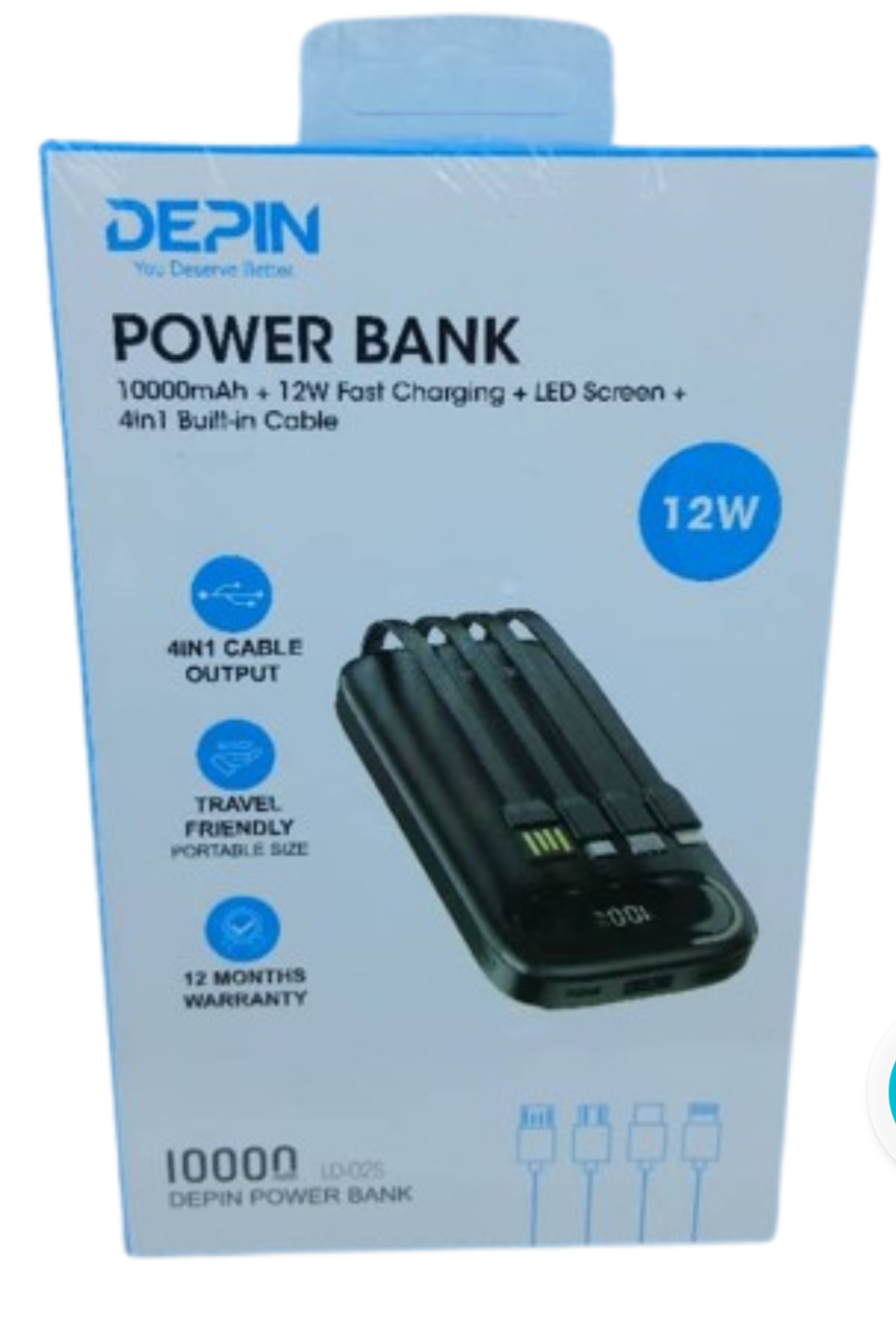
Power bank
1Nice to haveKeeps your phone alive during cuts, so you can still call and use MoMo.
How to use it: Charge it every week even if you do not use it.
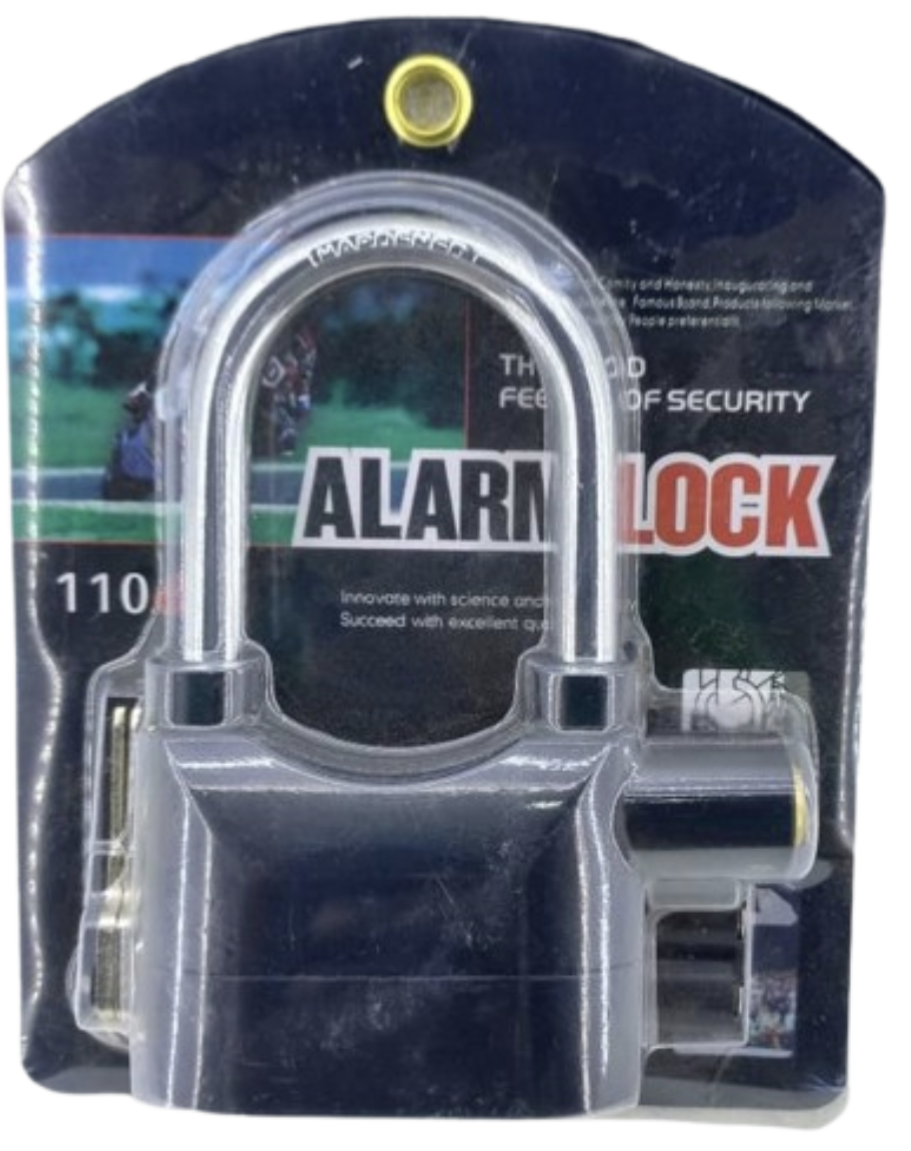
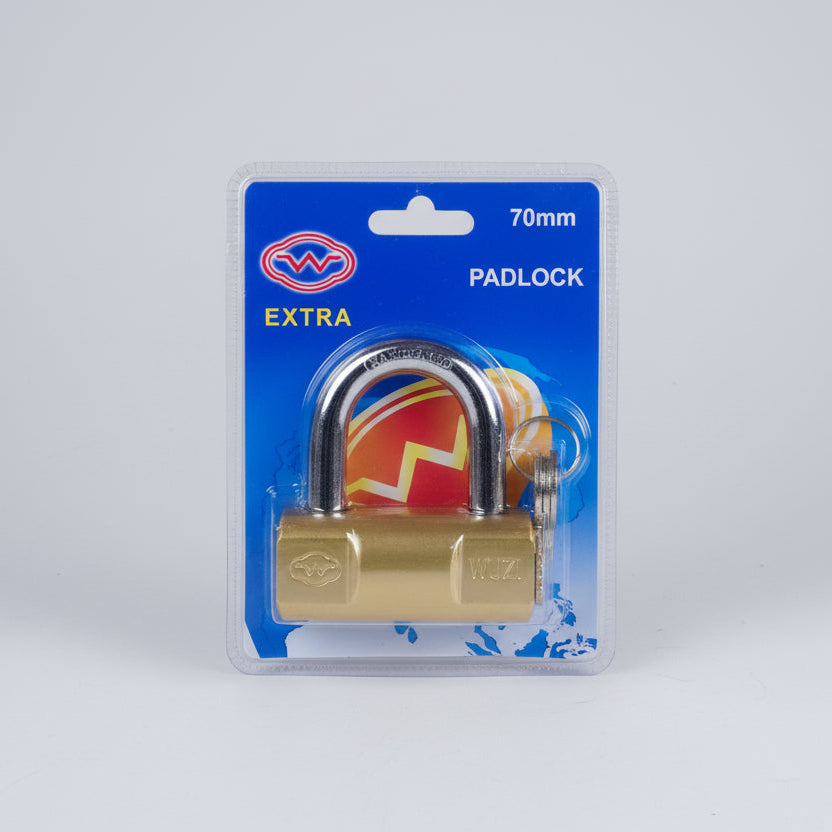
Padlock
1Nice to haveFor a gate, a locker or a storage room, if the landlord allows.
How to use it: Keep one spare key with someone you trust.
First aid kit
1Nice to haveSmall cuts and burns happen in a new kitchen.
How to use it: Check what is inside every few months and replace used items. See a doctor or pharmacist for anything serious.



Step by step
- 1
Before you sign
Ask what the place includes: cooker, water heater, fridge, furniture, sockets. Check water and power. Measure the rooms.
- 2
Two weeks before
Buy sleep items, a pot, a pan and cleaning basics. Ask family for spare plates and towels.
- 3
Moving day
Bring toilet paper, a torch, sheets, a kettle and a bag of staples. Clean the floor before you unpack.
- 4
First week
Buy groceries, set up the kitchen, and notice what is missing. Write the gaps on a list.
- 5
First month
Add the nice to have items one by one. Keep a small budget for repairs and surprises.
Tips that help
- Buy fewer things of better quality, because small rooms fill up fast.
- Ask the landlord for the contract, meter details and any house rules in writing.
- Take photos of the place on day one so you can show its state when you leave.
- Keep a small cash reserve and MoMo balance for deposits and surprises.
- Share costs with a flatmate if you can, because one set of pots serves two people.
- Learn where the shops, water vendors and gas refill points are in your area.
- Check with the landlord before you paint walls or drill holes.
Mistakes to avoid
- Buying decor before basics like a pot, sheets and a bulb.
- Skipping the mosquito net, then paying with sleepless nights.
- Cooking with gas in a closed room without opening a window.
- Spending all your money on furniture and forgetting the deposit, transport and food for the first month.
- Not checking the water supply and meter before moving in.
Questions people ask
What do I need first when I move into my own place?+
Sleep, water, light and a way to cook. Buy a bed or mattress, sheets, a pillow, a torch, a pot, a plate, a cup, soap and toilet paper first. The rest can come over time.
How much should I budget to move out in Kigali?+
It depends on the place and what is included. Plan for the deposit and first rent, transport, the basics on this list and food for the first month. Ask friends who moved out recently what surprised them.
Should I buy furniture before moving in?+
Wait until you have measured and lived there for a week. Start with a bed and a place to sit and eat. Many people buy secondhand items later.
Is it safe to cook with gas in a small room?+
It can be if you take care. Keep the cylinder upright and outside if possible, check connections with soapy water and keep a window open. If you smell gas, turn it off, open windows and do not switch on lights or sparks.
What can wait until later?+
Decor, a second set of everything, an iron and fancy kitchen tools. Buy those once you know your space and routine.
Your first place does not need to be perfect on day one. Cover sleep, cooking, cleaning and safety, and build from there. Shop the list on Isokko and have it delivered to your new door.
Shop this list
Get everything delivered in Kigali
Order from local stores on Isokko and pay with MoMo, card or cash. Same-day delivery.