
Checklist · Home & moving
Setting Up a Security Light and Gate Kit for a Compound: Checklist
A Kigali checklist for a safer compound at night: security lights, padlocks, chains, bolts and torches, with tips on how to use each.
Updated November 26, 2026 · By Isokko
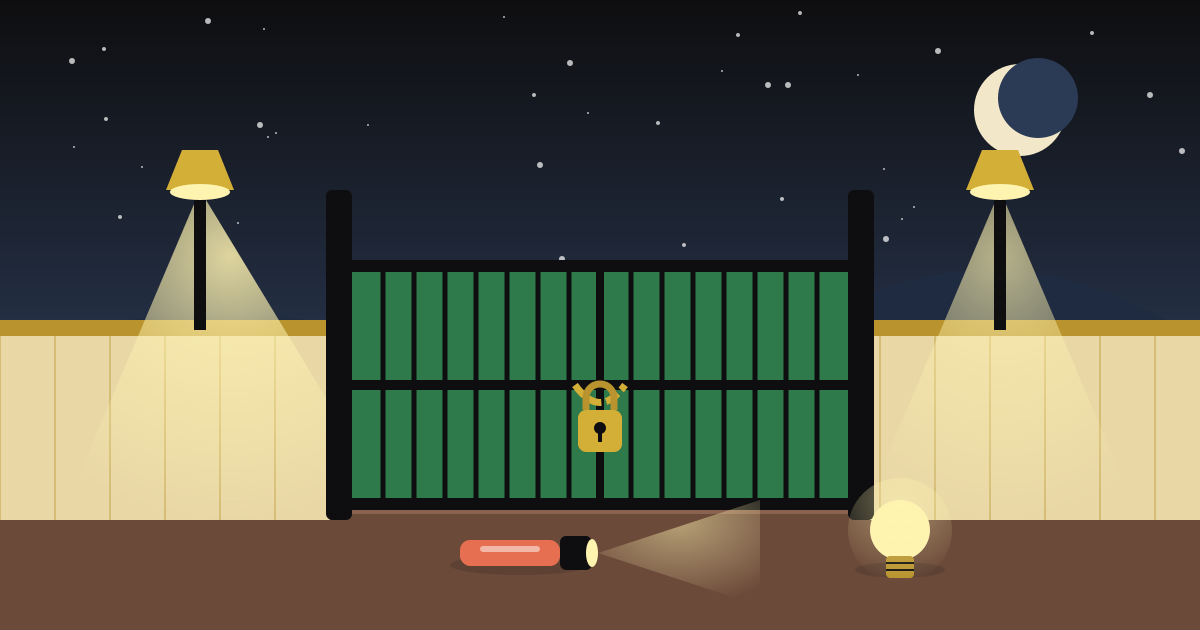
A compound feels very different after dark. A dark gate, a weak lock or a dead torch makes the whole family uneasy. Good light and strong locks cost little, and they make break ins less likely and nights calmer.
This checklist covers the lights, locks, torches and small tools for a safe compound. It also covers backup items, because power cuts often happen when you need light most.
No kit makes a home perfectly safe, so combine good items with good habits. For fixed wiring or gate welding, use a qualified electrician or welder, and ask your landlord before changing the gate.
Who it's for
Families and landlords with a compound, gate or yard in Kigali
Time needed
Buy in one week, then install in a weekend
When to shop
Before the dark season starts, or right after moving in
On the list
25 items, 10 must haves
0 of 25 ready
Lighting for dark corners
Light is the first layer of security. A lit compound gives intruders fewer places to hide.
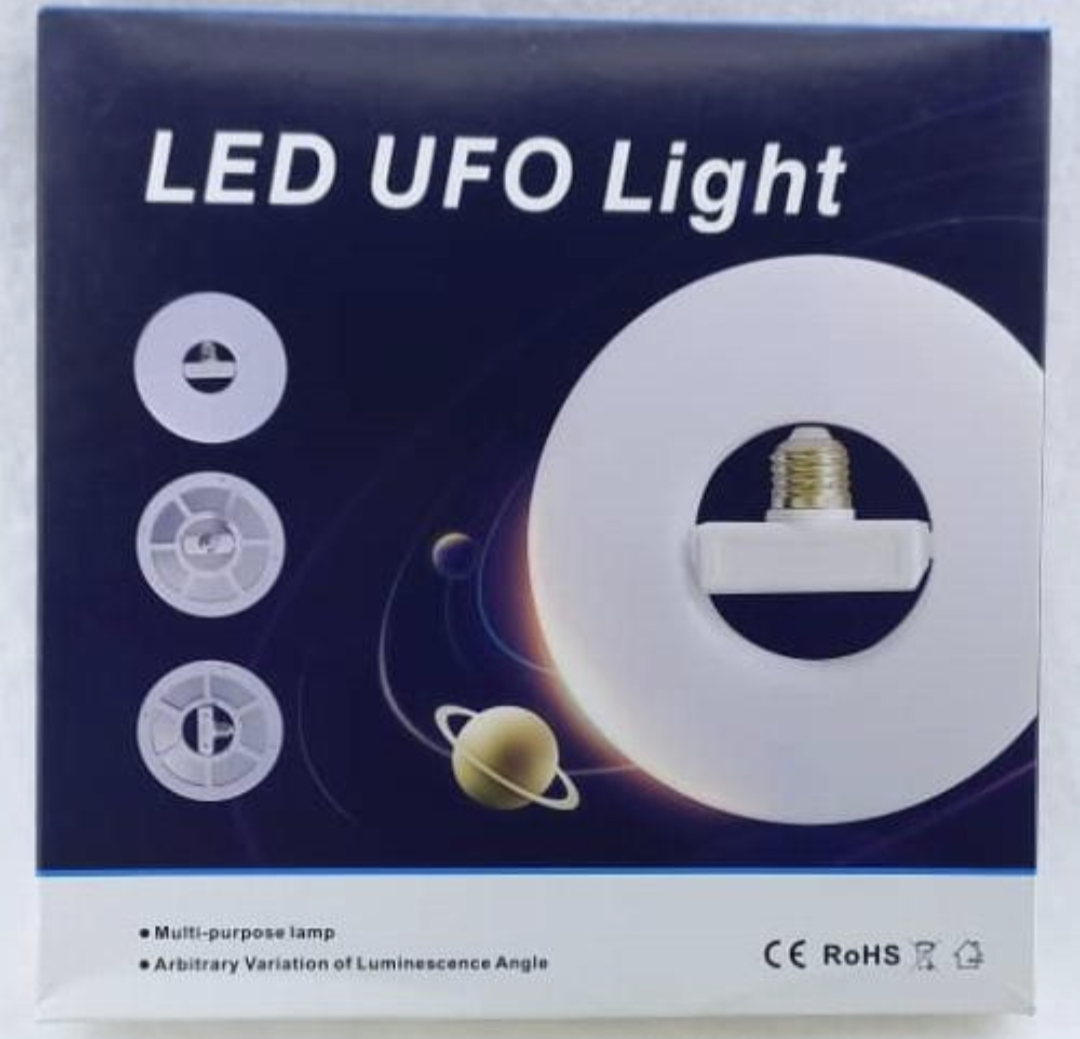
LED bulbs for outside
3 to 5 Must haveBright LED bulbs light the gate, steps and corners and use little power, so you can leave them on all night.
How to use it: Choose bulbs with the right fitting. Place one at the gate, one at the door and one at the darkest corner.
Flood light
1 to 2Nice to haveA flood light covers a wide area, such as a yard or a parking space.
How to use it: Fix it high and angle it down. Ask an electrician to wire it, and use an outdoor rated model.
Solar sensor light
1 to 2Nice to haveA sensor light switches on when someone moves near it, and a solar one keeps working during power cuts.
How to use it: Place it facing the path to your door, where it gets sun in the day. Clean the panel now and then.
Outdoor wall lamp
1 to 2Nice to haveA wall lamp lights the door and steps so you can see who is there before opening.
How to use it: Choose an outdoor rated lamp, and place it above head height.
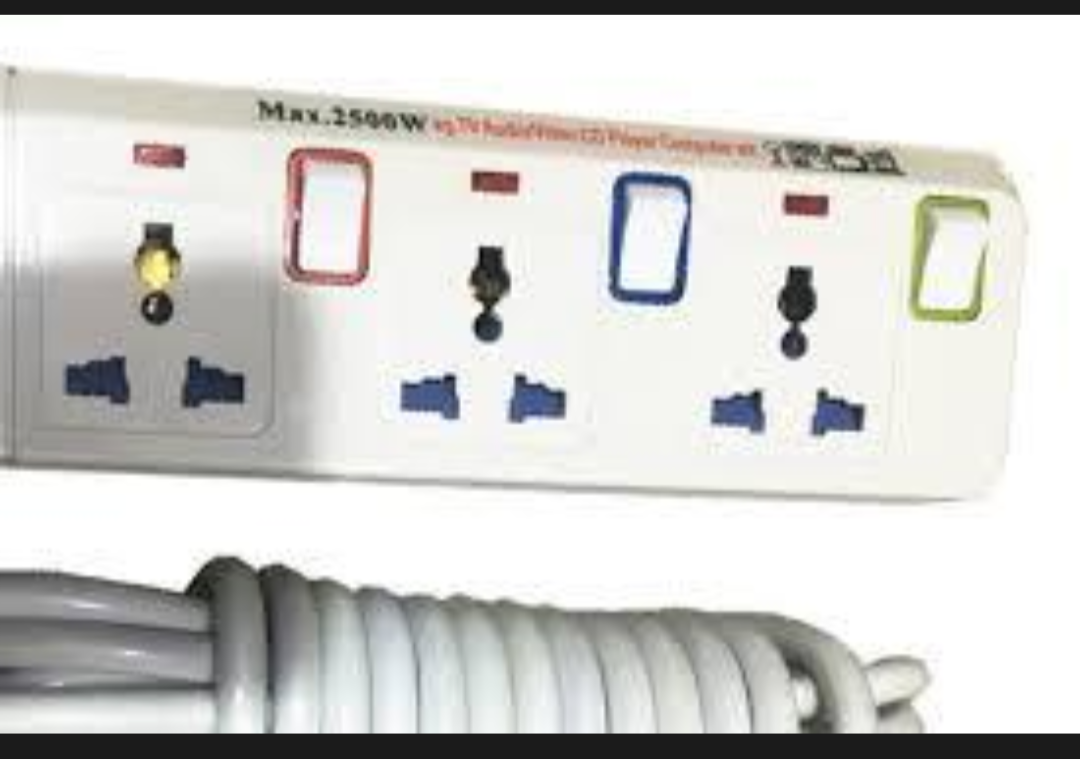
Extension socket
1Nice to haveExtra sockets let you plug in lights and chargers near the door without long loose wires.
How to use it: Keep sockets off the wet ground and away from rain. Do not overload them.



Locks and chains
Strong locks slow down anyone who tries your gate, and deter casual attempts.
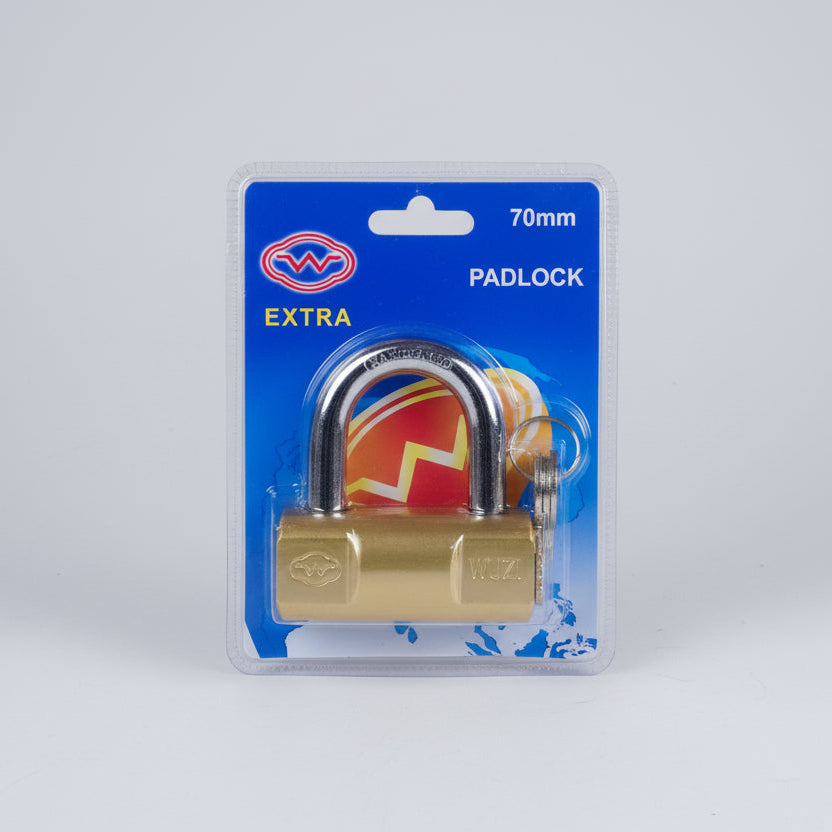
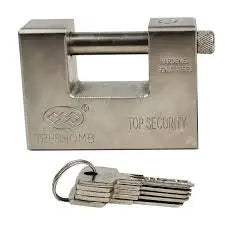
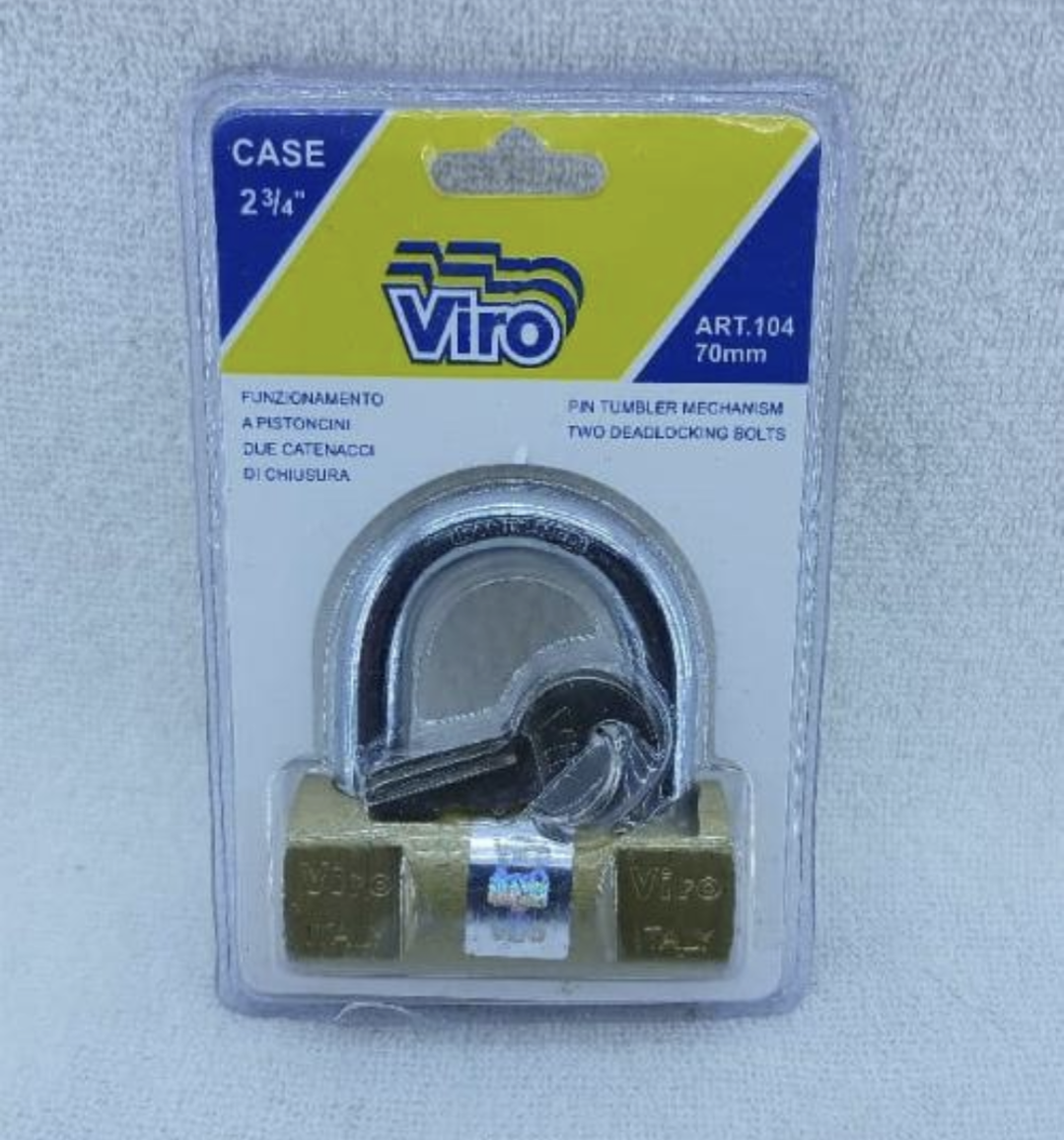
Heavy padlock
1 to 2 Must haveA solid padlock is the main lock on a gate or door. A weak one can be cut in seconds.
How to use it: Choose a thick, hardened steel lock, ideally with a covered shackle for rain. Keep spare keys in a safe place.
Gate chain
1 Must haveA chain adds a second layer and keeps a gate shut when a lock alone is not enough.
How to use it: Choose thick links, and wrap it twice around the gate. Check it for rust every few months.
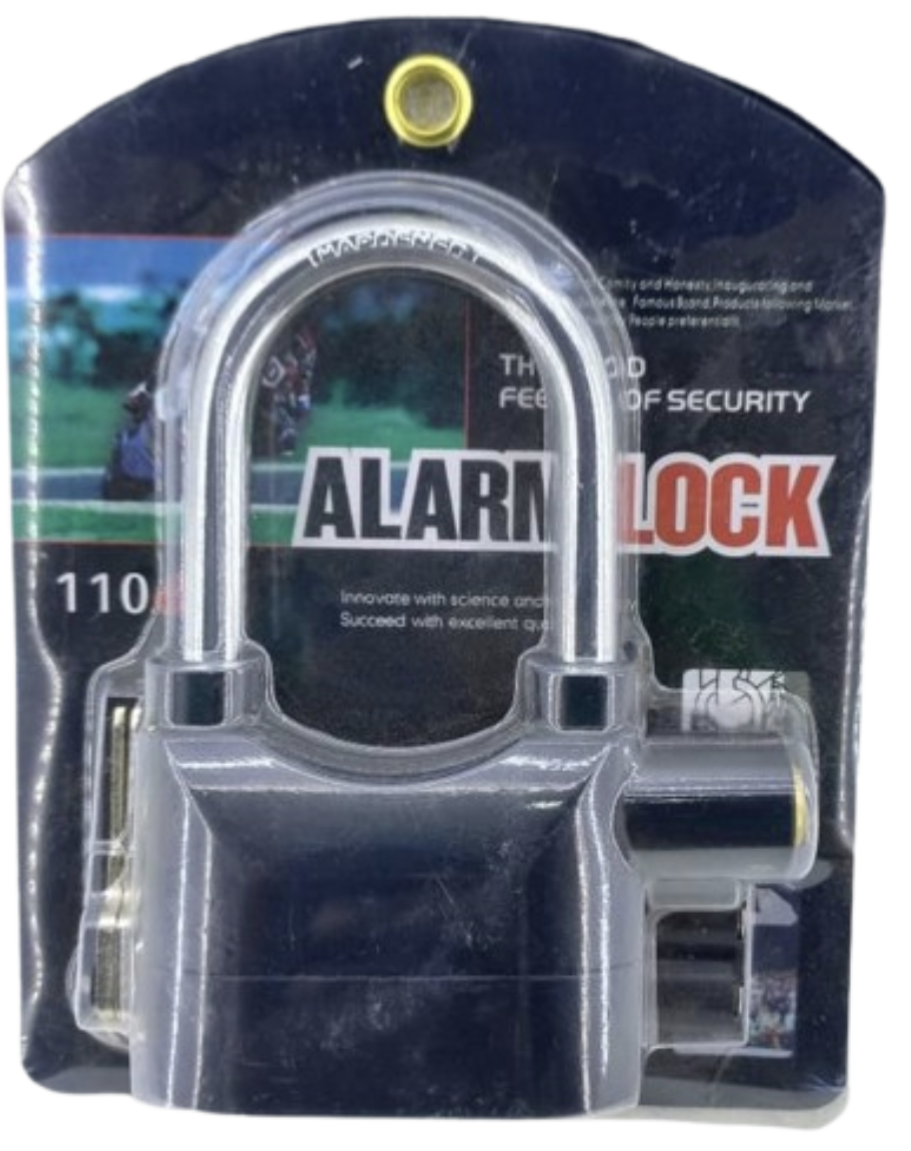
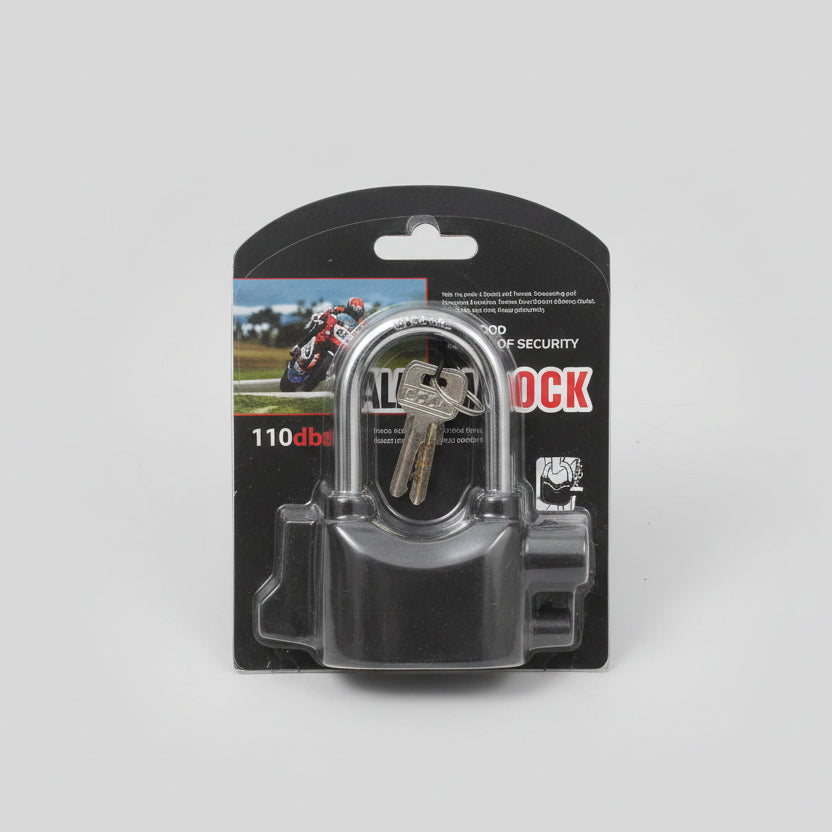
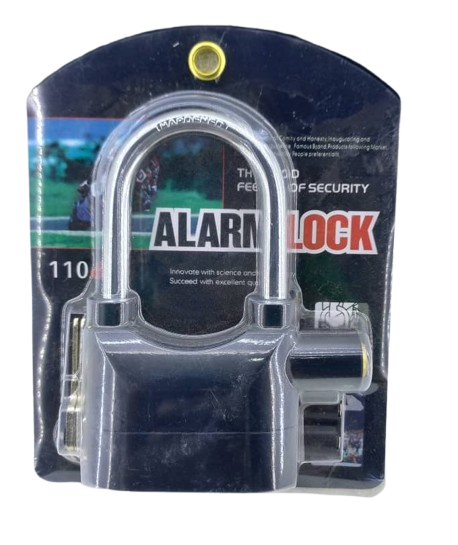
Alarm padlock
1Nice to haveAn alarm lock makes noise if someone tampers with it, which draws attention.
How to use it: Test the alarm often, and keep spare batteries.
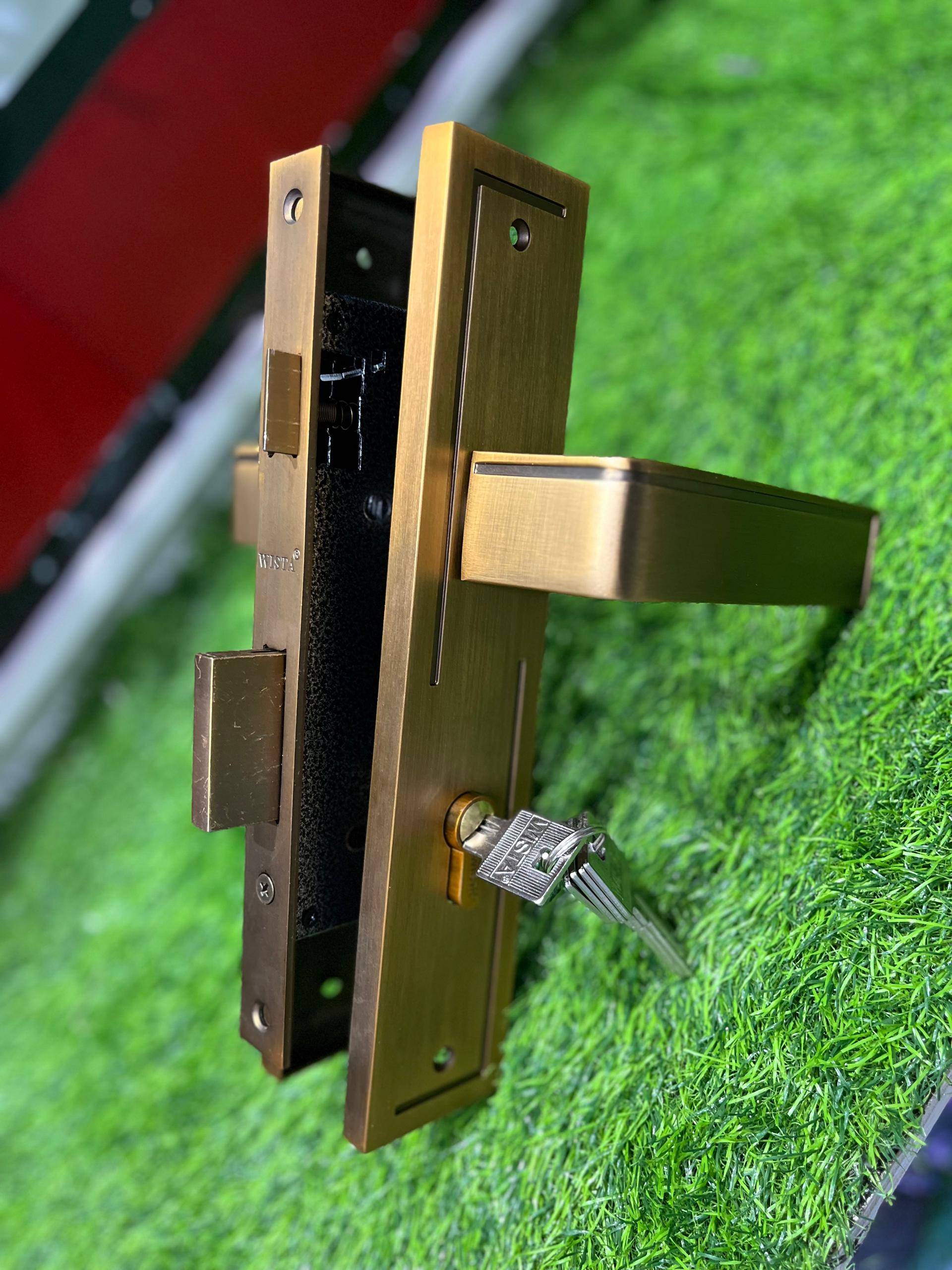
Door lock
1Nice to haveYour main door needs a proper lock and not just a latch.
How to use it: Ask your landlord before changing a lock. Keep the old one for when you move out.
Door bolt
1 to 2 Must haveA bolt on the inside lets you secure the door at night, even if someone has a key.
How to use it: Fix it with screws that go into the frame, not just the door. Test that it slides easily.
Torches and backup light
Power cuts leave a compound dark, so you need light that does not depend on the grid.
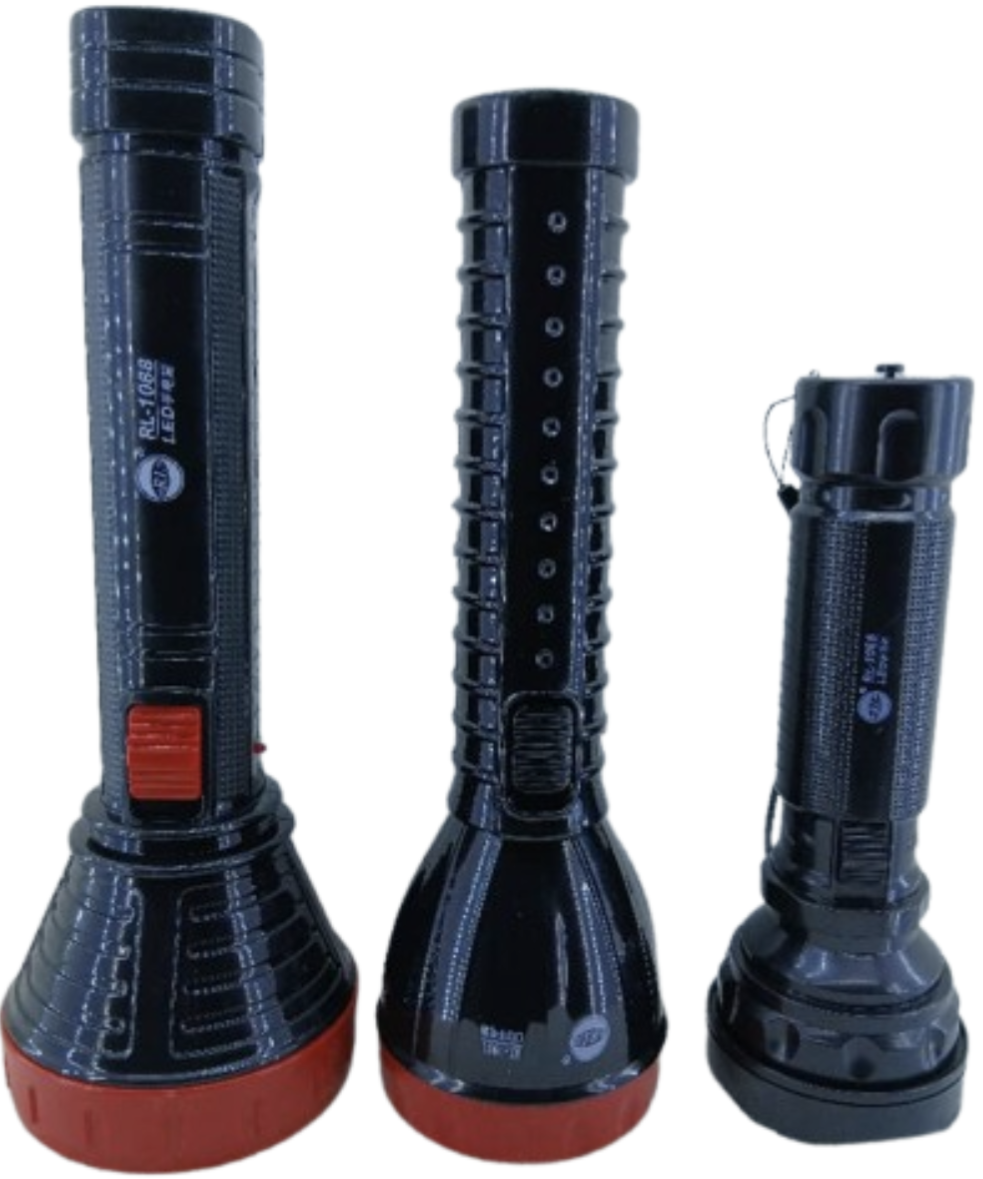
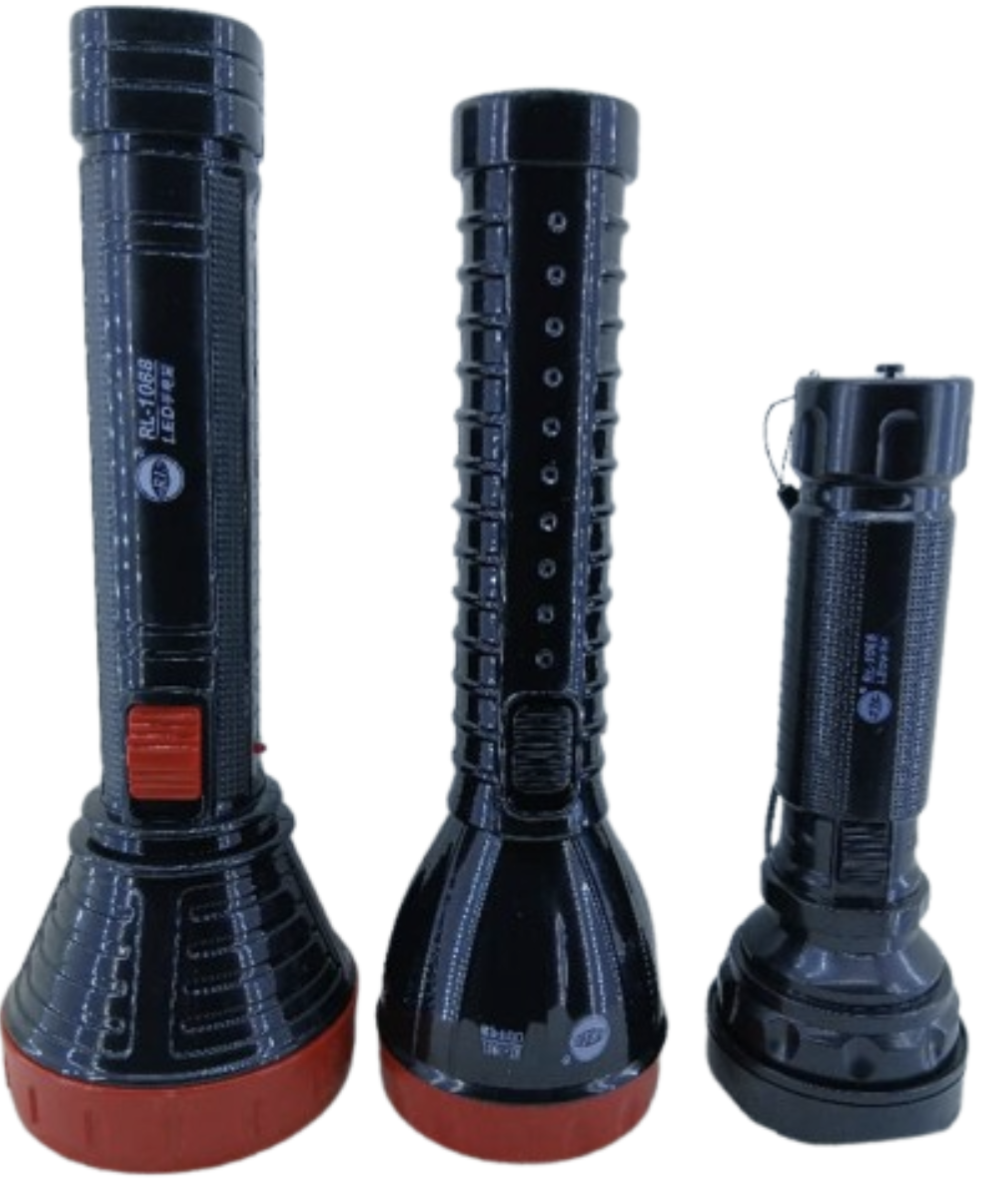
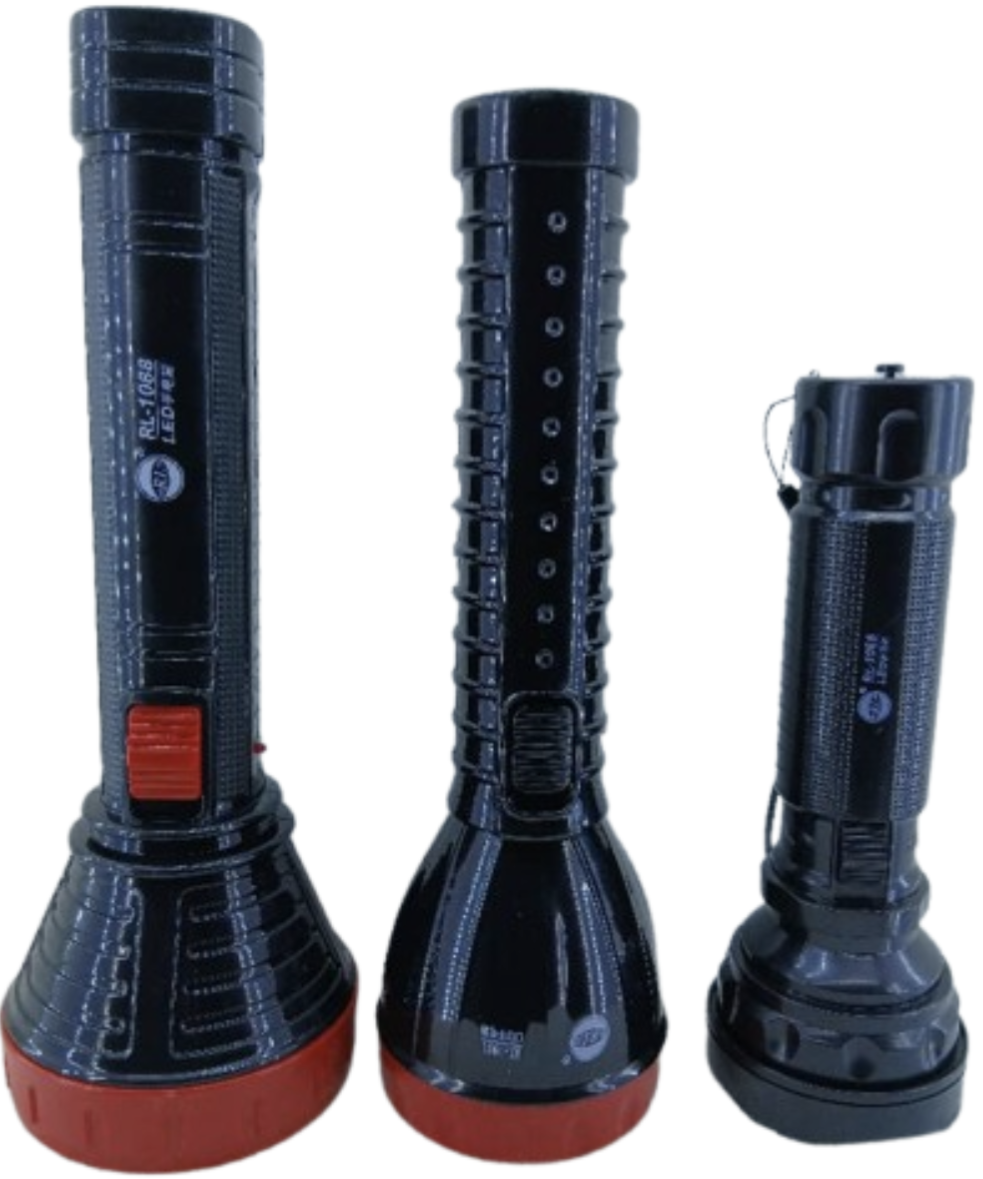
Rechargeable torch
2 Must haveA bright torch helps you check the yard, find the gate and walk safely at night.
How to use it: Charge it every week, even if unused. Keep one by the bed and one by the door.
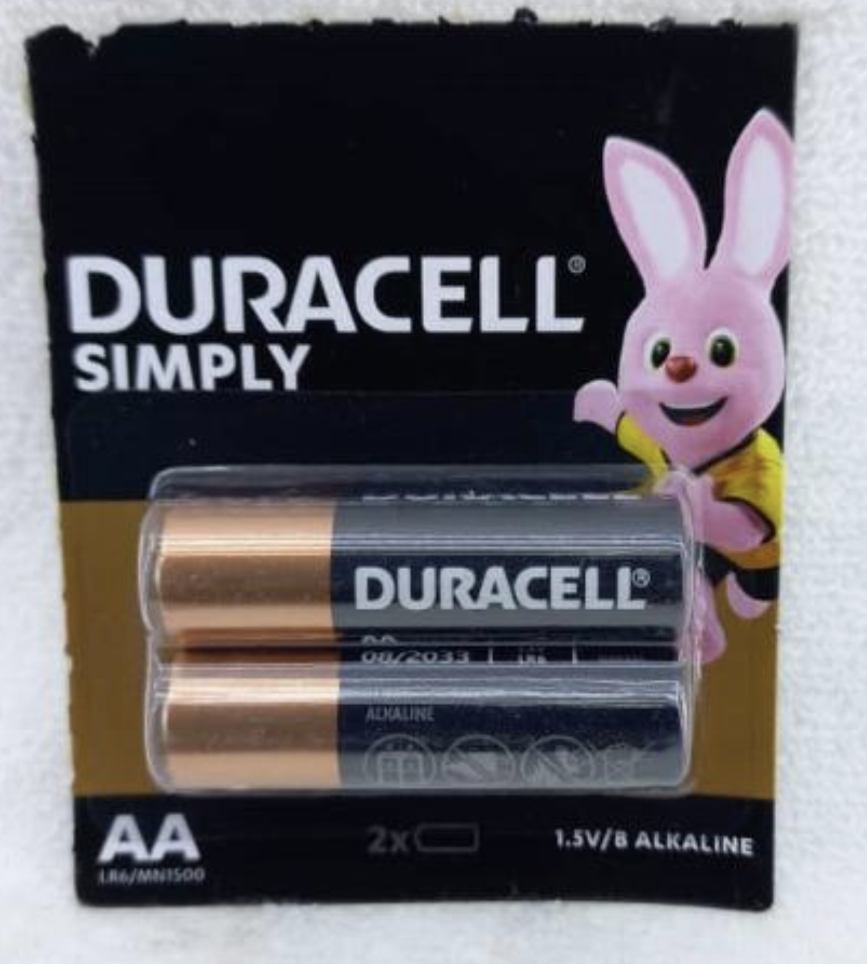
Batteries
1 pack Must haveSpare batteries make sure torches and alarms work when you need them.
How to use it: Check the size your devices need. Store them in a cool dry place, and replace them together.
Rechargeable lamp
1 Must haveA lamp lights a whole room, so a power cut does not leave the family in the dark.
How to use it: Charge it when power is on. Place it where all the family can find it.
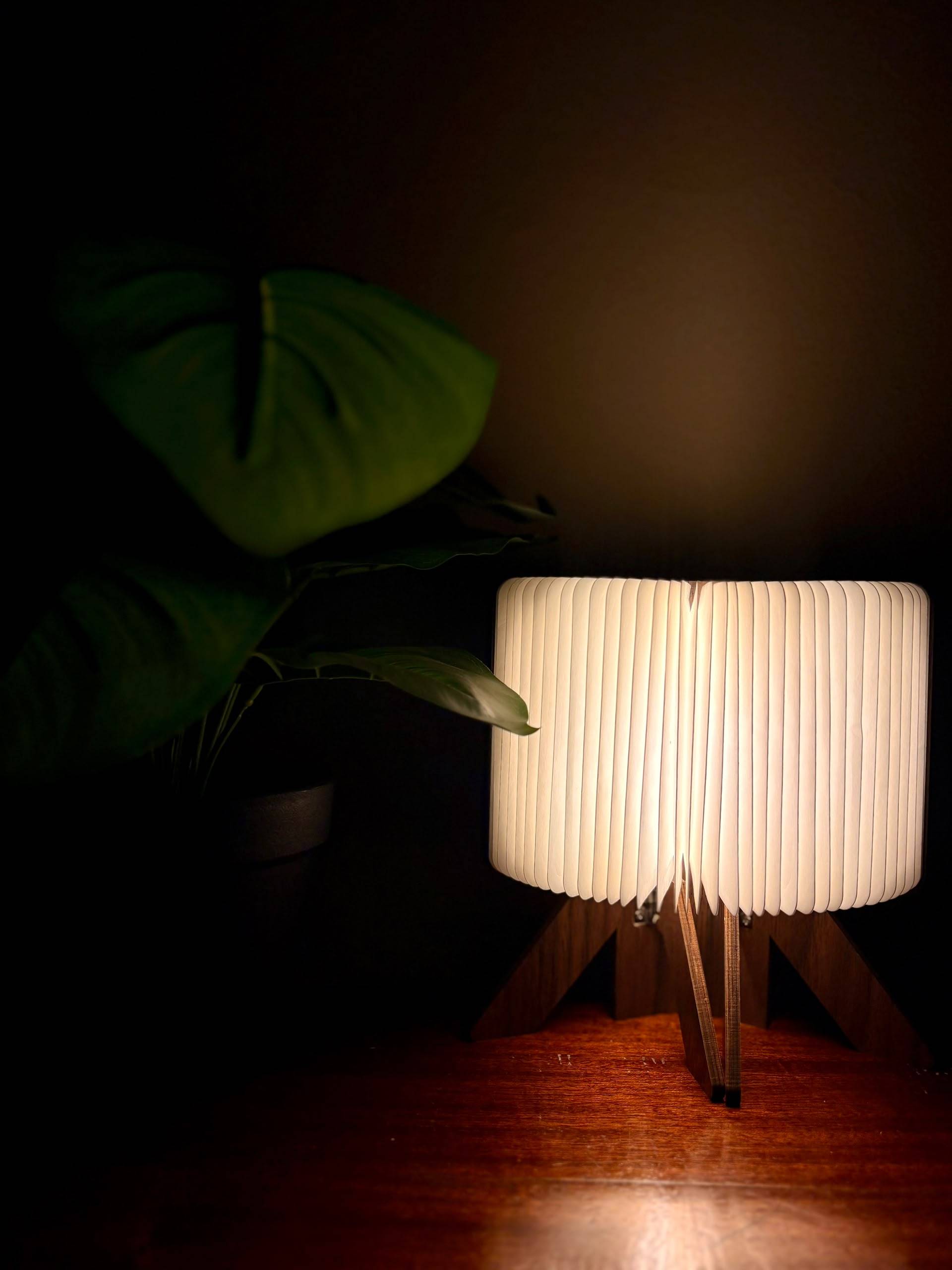
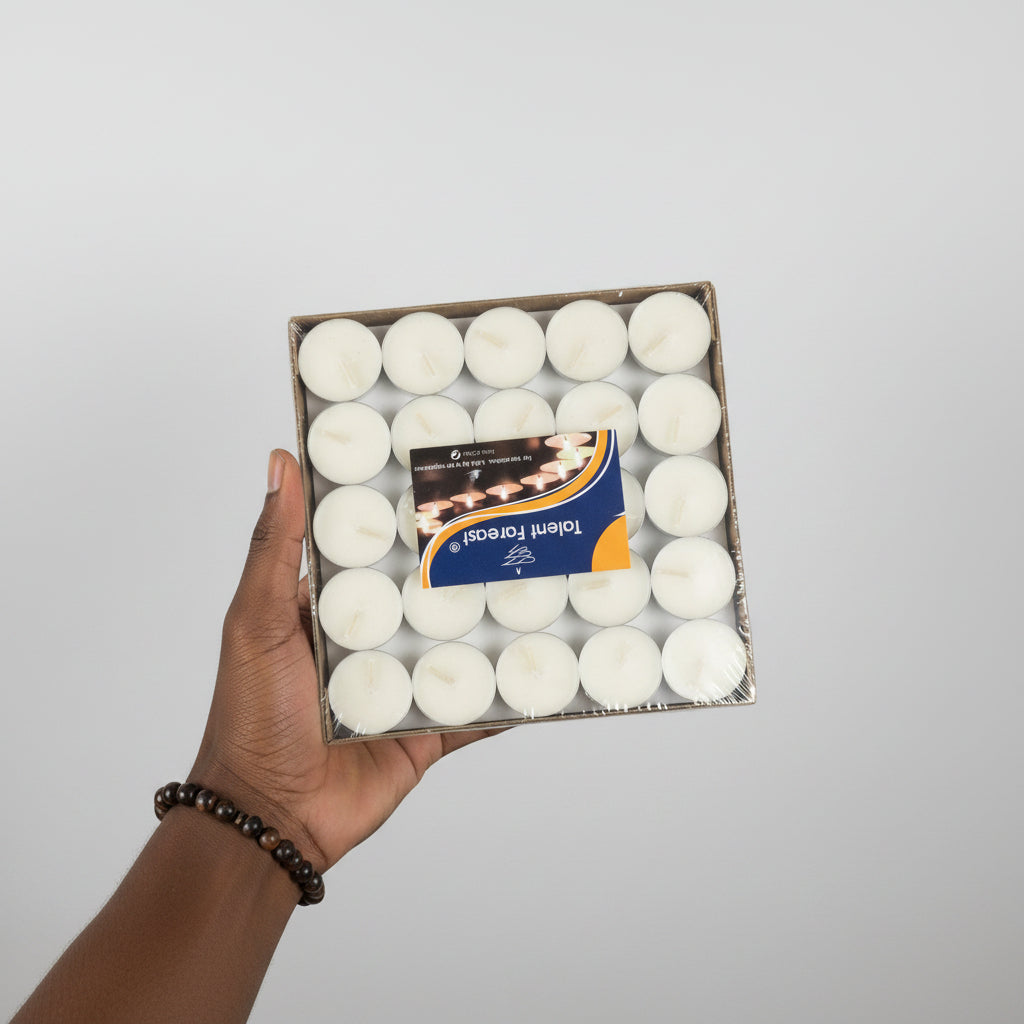
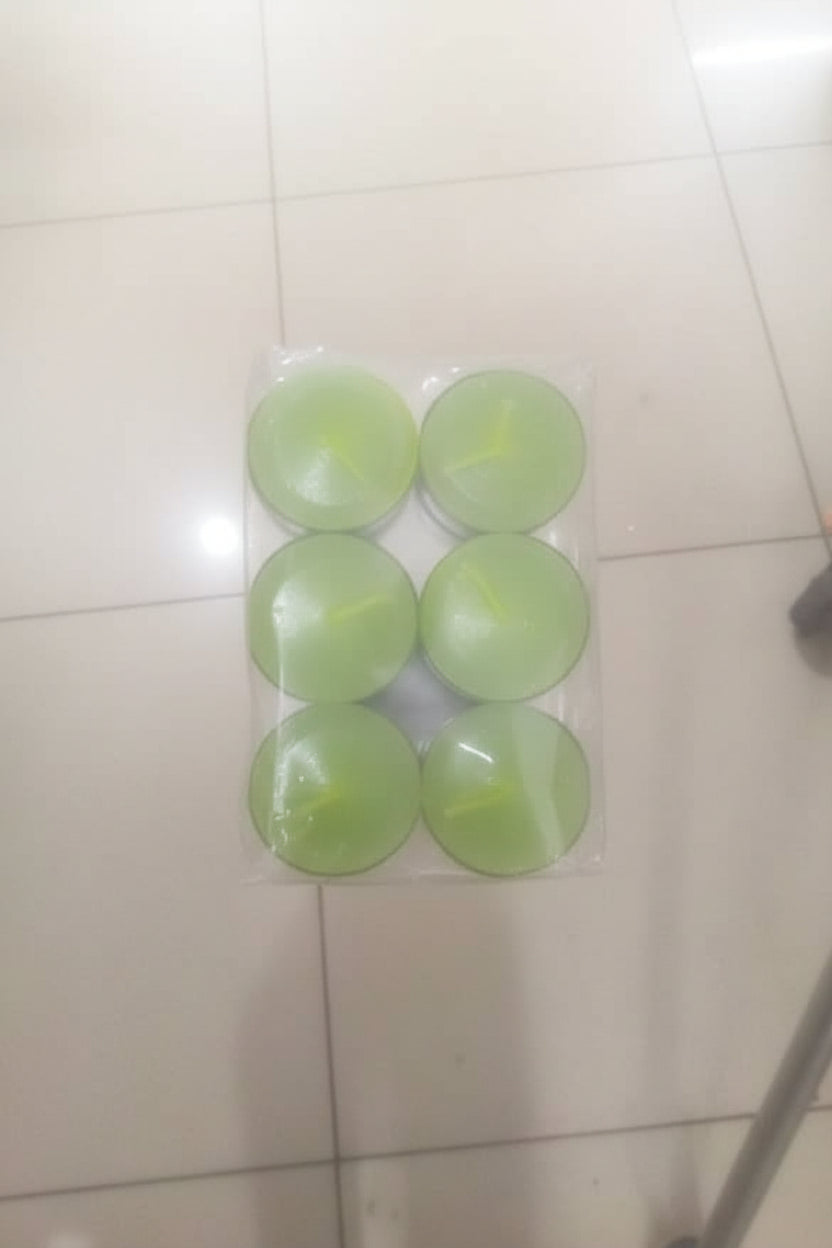
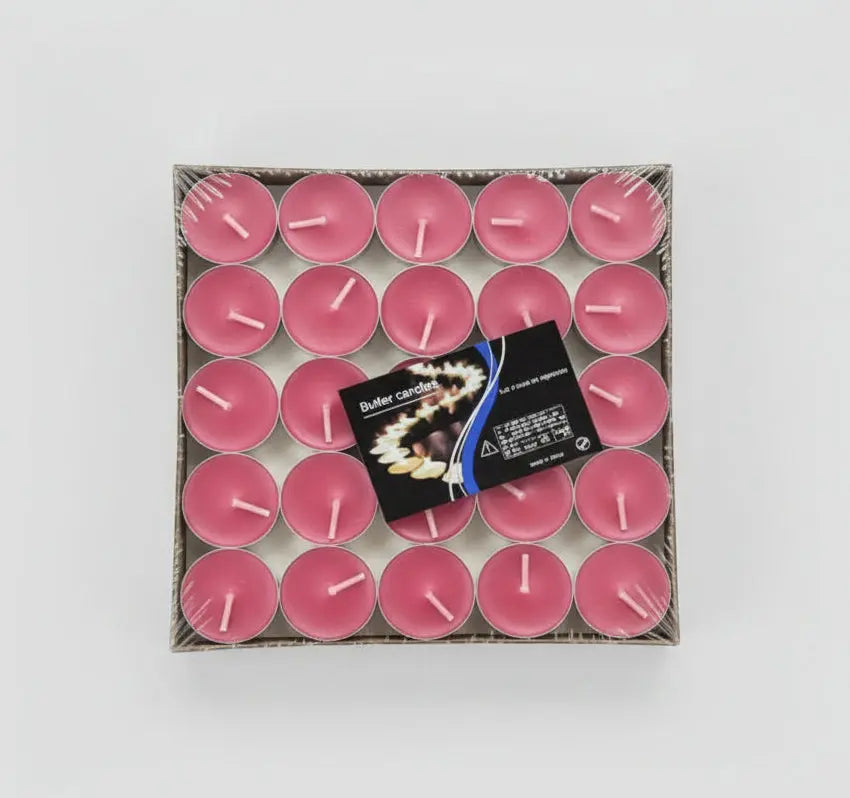
Candles
1 packNice to haveCandles are a cheap last backup if torches fail.
How to use it: Use a stable holder. Never leave a lit candle alone, and keep matches away from children.
Power bank
1Nice to haveA power bank keeps your phone charged so you can call for help during a long cut.
How to use it: Charge it fully each month. Keep it with the torch.
Gate and wall tools
Small tools help you fix and check the compound before something fails.
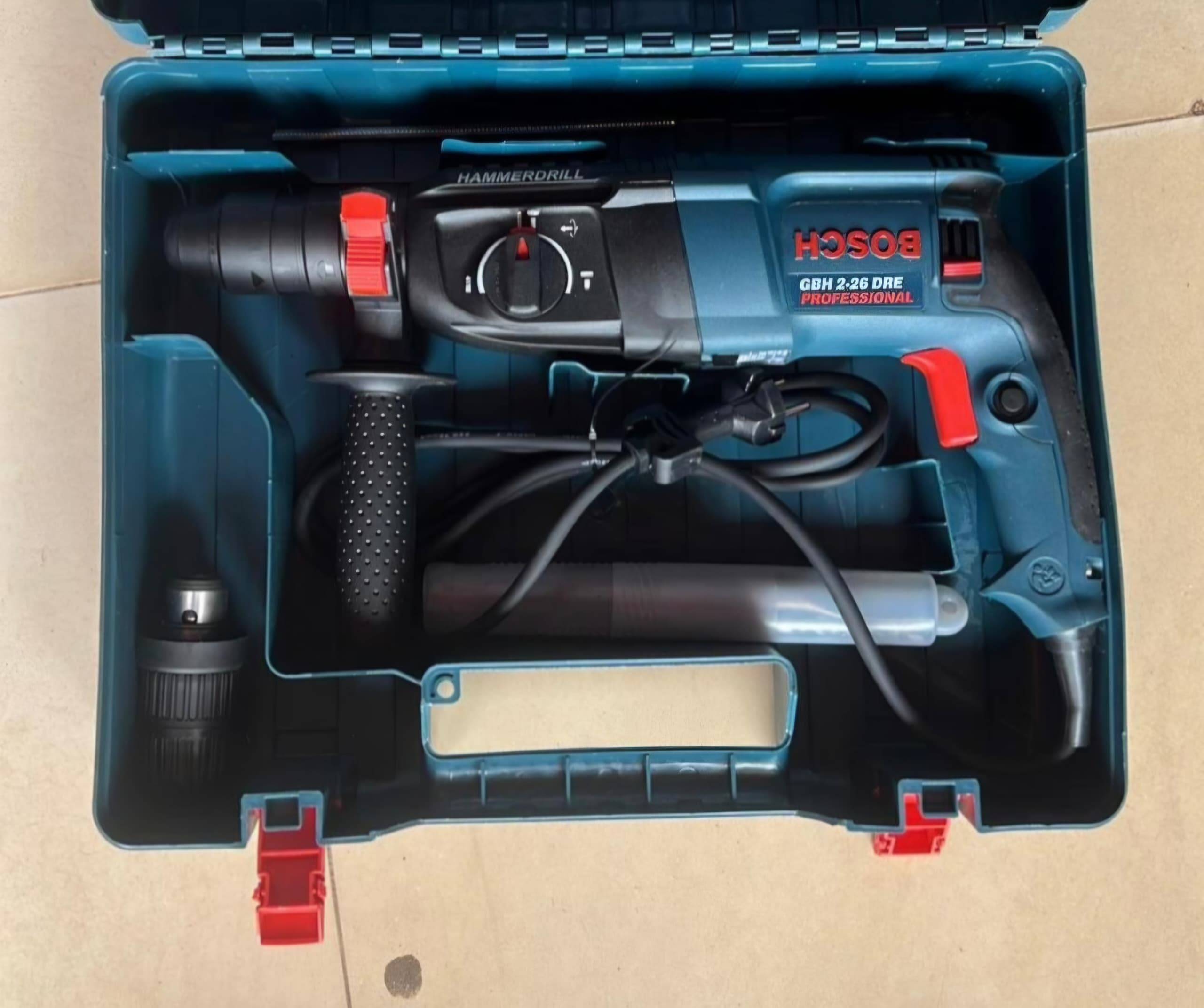
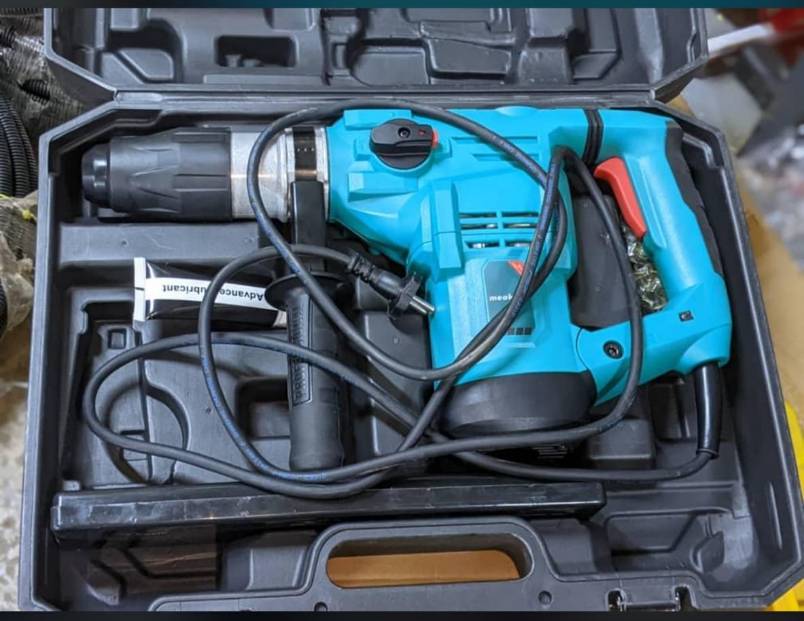
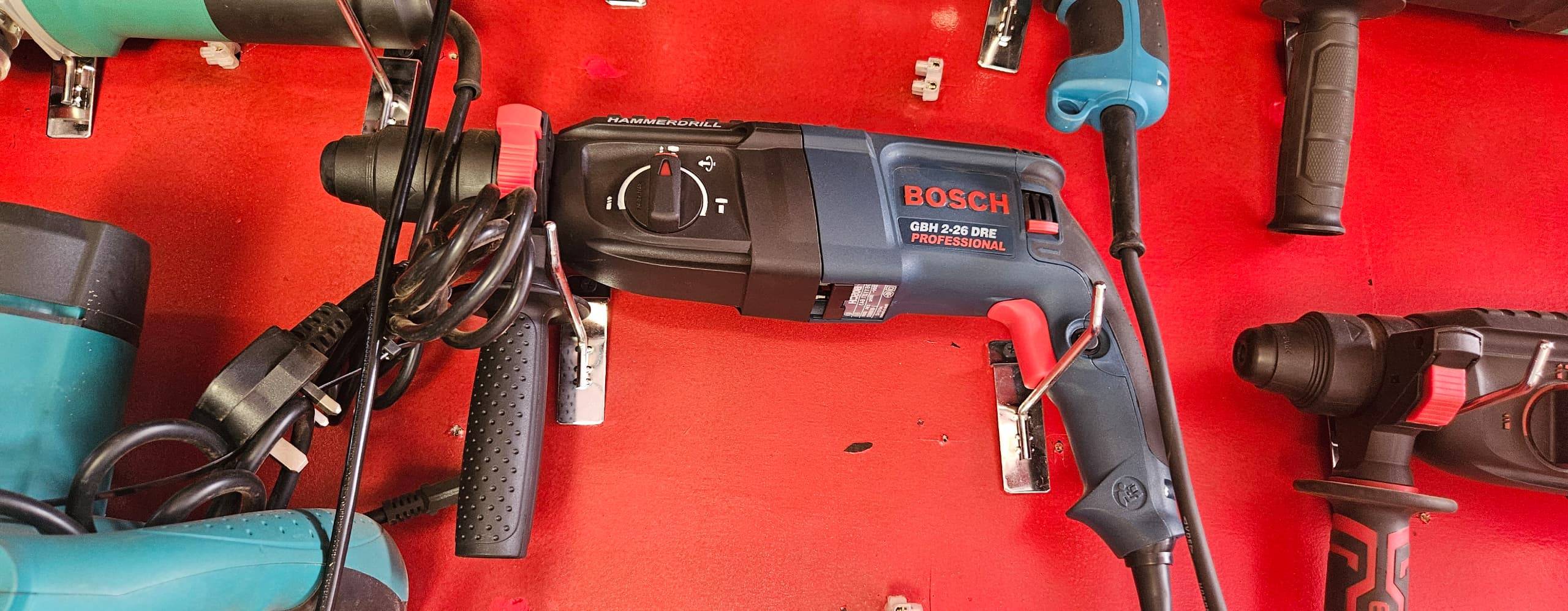
Hand drill
1Nice to haveA drill helps you fix lights, bolts and hooks properly into the wall or gate.
How to use it: Use the right bit for the wall type. Wear eye protection.
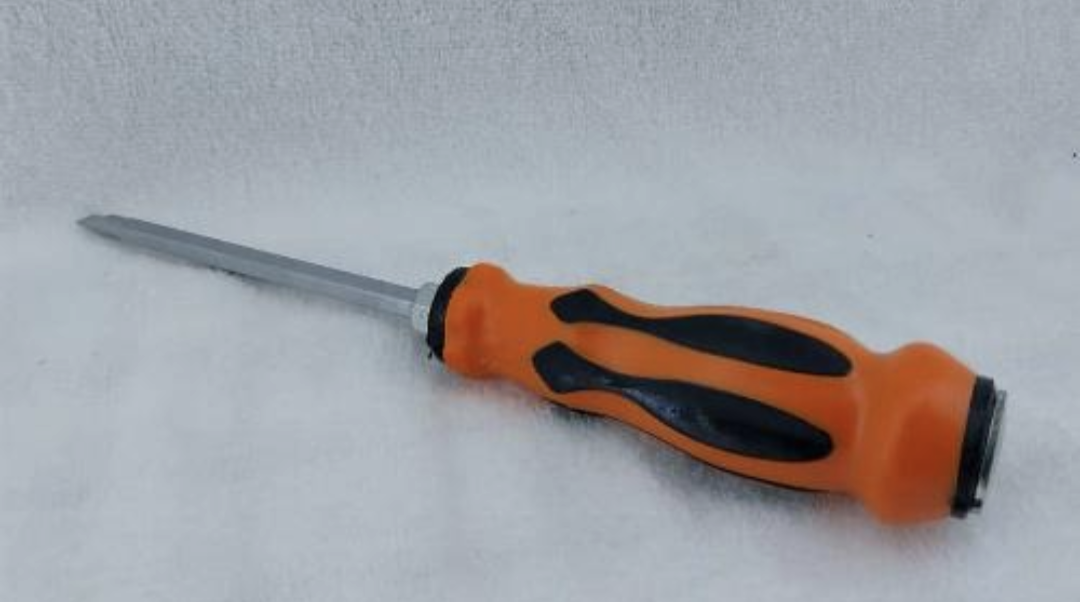
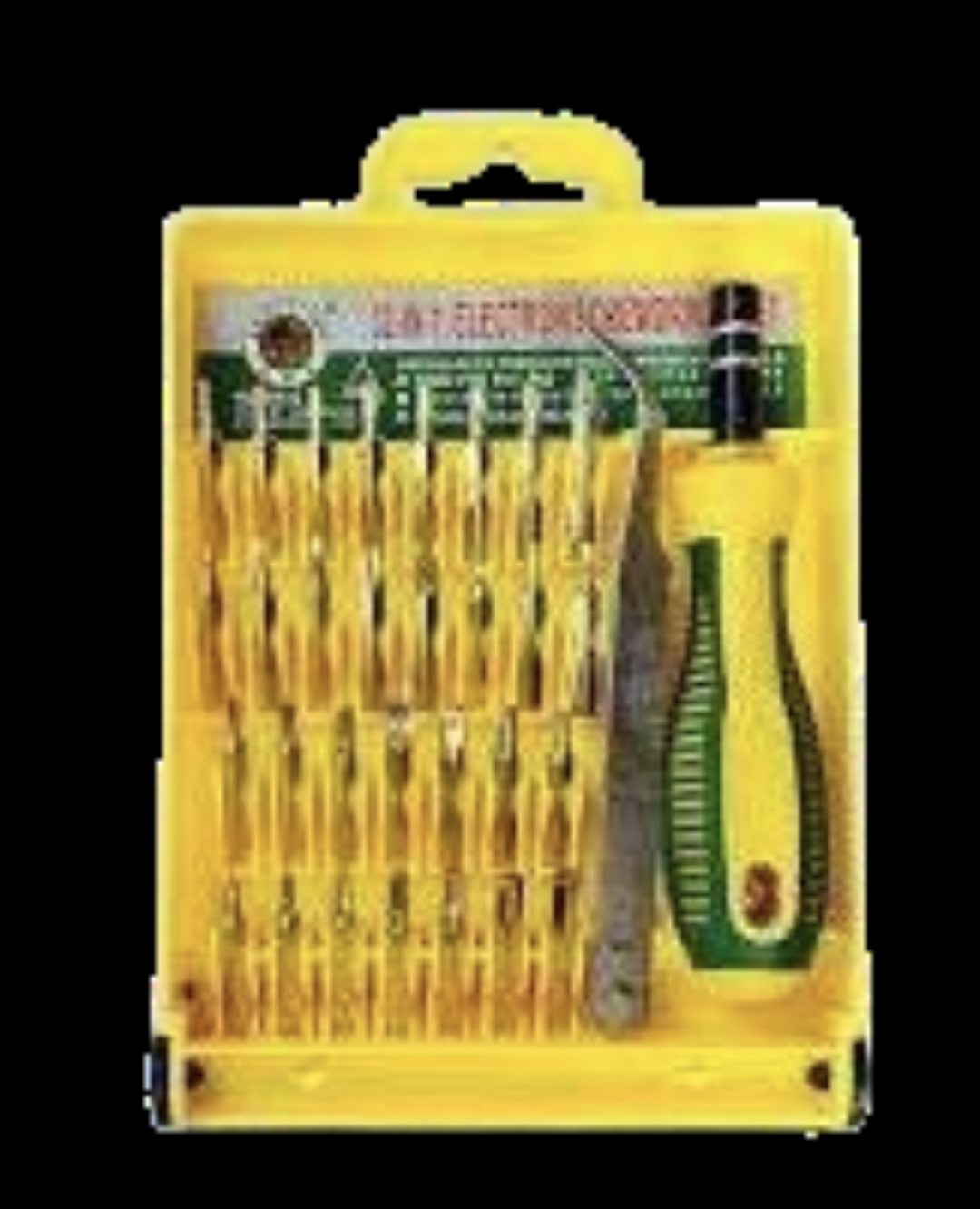
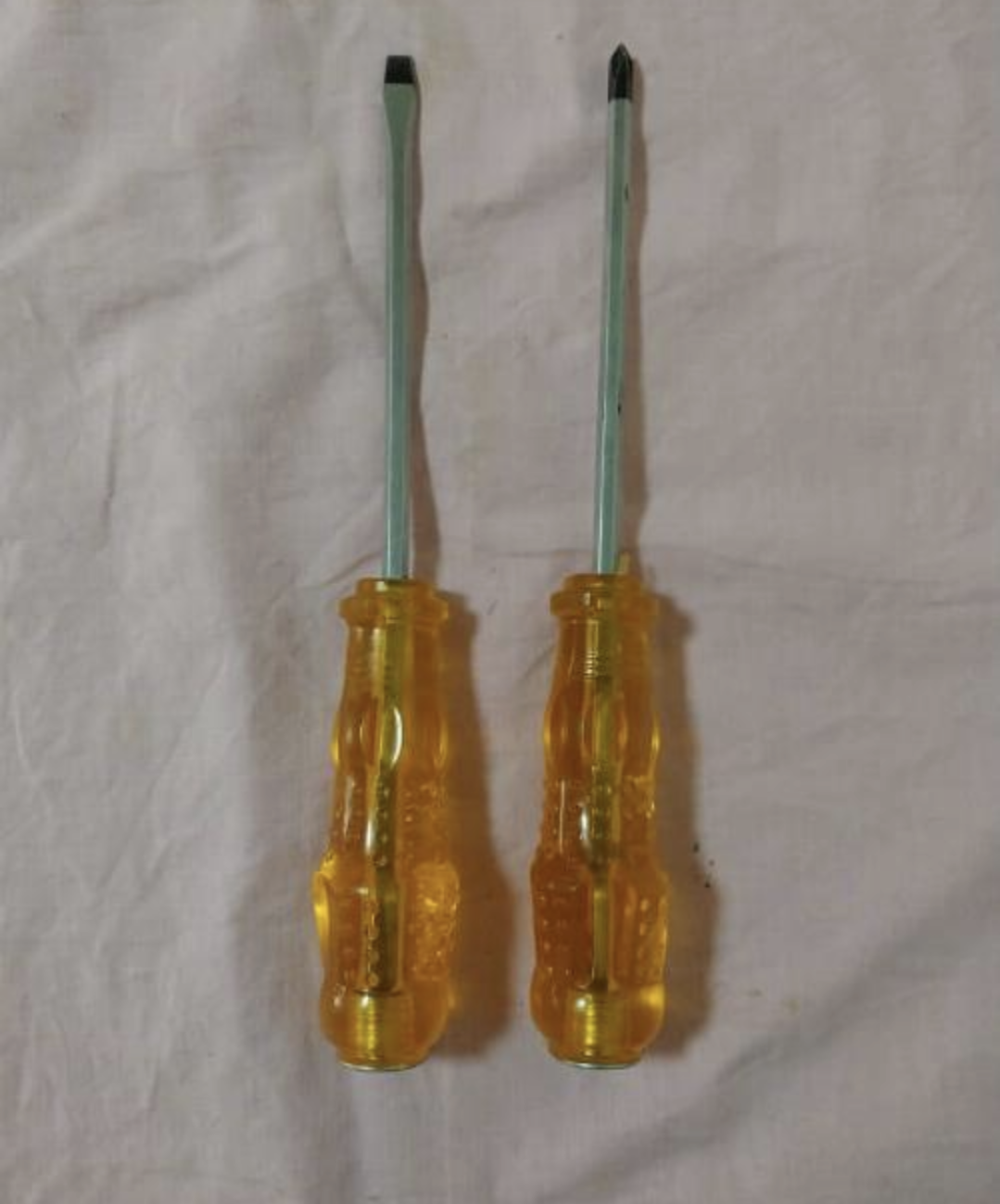
Screwdriver set
1 Must haveScrews loosen over time on gates, bolts and lamps, so a set helps you tighten them.
How to use it: Check hinges and bolts monthly. Choose a set with several sizes.
Hammer
1Nice to haveA hammer helps with nails, hooks and quick repairs to the gate.
How to use it: Keep it in a set place, so you find it quickly.
Cable ties
1 packNice to haveTies hold cables neatly along the wall, so nobody trips and rain cannot wear them.
How to use it: Trim the ends. Do not tie power cables tightly around hot parts.
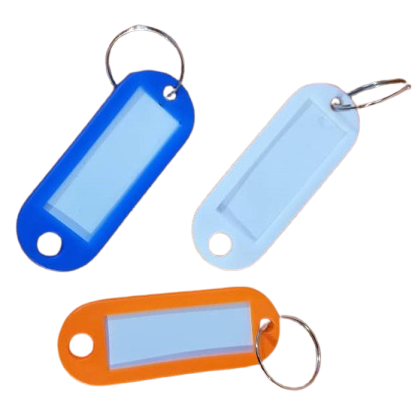
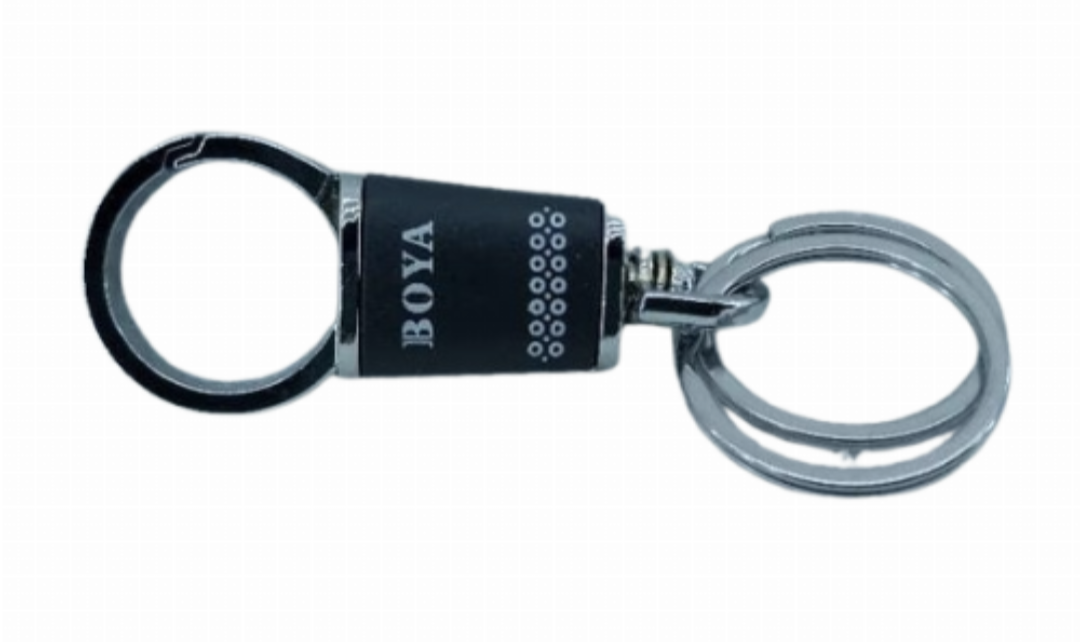
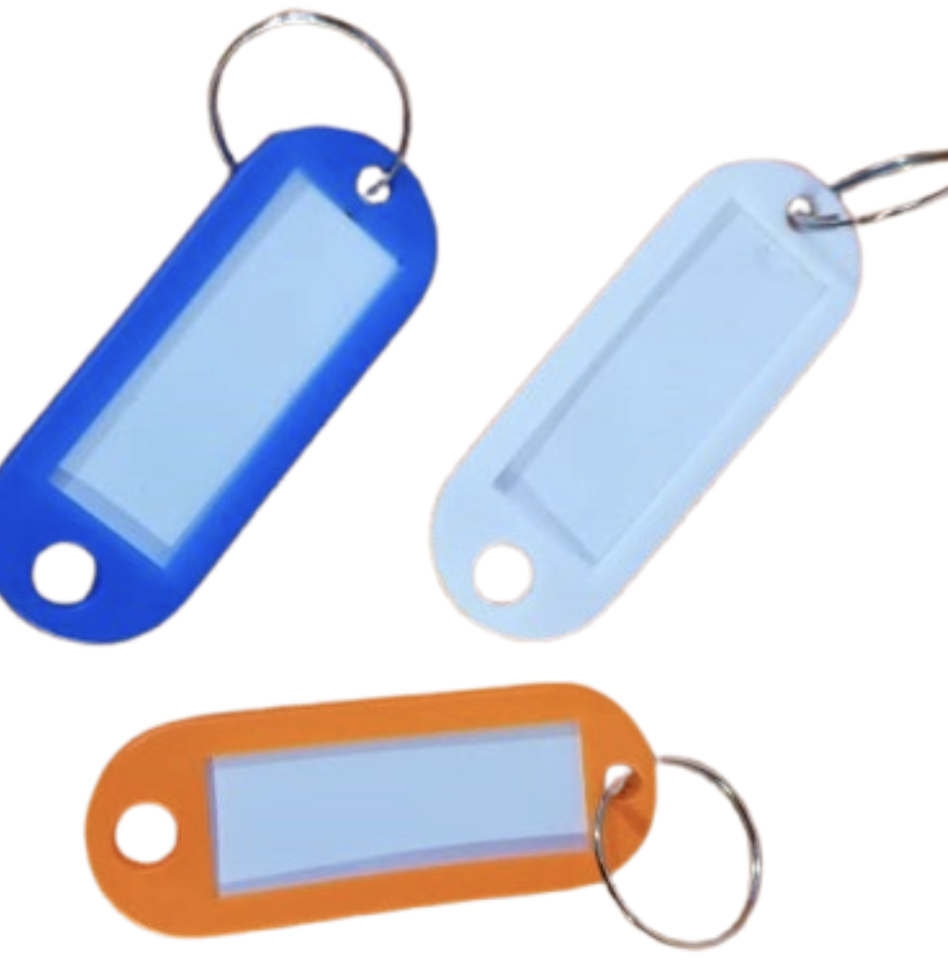
Key holder
1Nice to haveA key holder keeps spare keys in one known place, so a lost key does not become an emergency.
How to use it: Place it inside, away from windows and the front door.
Alerts and safety
Habits and small devices that tell you early when something is wrong.
Doorbell
1Nice to haveA bell lets you know someone is at the gate, so you check before you open.
How to use it: Pick one with a long range if the gate is far from the house.
Whistle
2Nice to haveA loud whistle calls neighbors if you need help, and is useful for children and elders.
How to use it: Keep one by the door and one on the key ring. Teach everyone what it means.
First aid kit
1 Must haveAccidents happen in the dark, so a kit nearby is useful.
How to use it: Check it every 3 months, and replace used or old items.
Fire extinguisher
1Nice to haveCandles and lamps raise fire risk during power cuts, so a small extinguisher helps.
How to use it: Keep it near the exit and learn how to use it. Check the gauge often.
Notebook for contacts
1 Must haveKeep your landlord, neighbors, local leader and emergency numbers written in one place.
How to use it: Do not trust phone memory alone, as a phone can run flat. Put a copy near the door.
Step by step
- 1
Walk the compound at night
Check which corners are dark and which locks are weak.
- 2
Buy lights and locks
Order bulbs, a heavy padlock, a chain and bolts first.
- 3
Install on a weekend
Fit bulbs and bolts. Use an electrician for any fixed wiring.
- 4
Add backup light
Buy torches, batteries and a lamp, then charge and place them.
- 5
Check monthly
Test lights, locks and torches once a month and replace worn parts.
Tips that help
- Light the gate and the door first, since those are where people approach.
- Choose a thick padlock with a covered shackle for rain and dust.
- Charge torches weekly, and keep one near every bed.
- Teach children what the whistle means, and where the torch is kept.
- Keep spare keys with a trusted neighbor or in a hidden safe place inside.
- Walk the compound at dusk and fix any dark spots.
- Ask your landlord before changing the gate or main lock.
Mistakes to avoid
- Buying a cheap padlock that can be cut easily.
- Leaving the gate dark, so anyone can stand there unseen.
- Forgetting spare batteries, so torches fail on the night they matter.
- Fixing outdoor lights without a rated fitting, so rain damages them.
- Hiding a spare key under a mat or pot where everyone looks first.
Questions people ask
What is the first thing to buy for compound security?+
Start with bright lights at the gate and door and a heavy padlock with a chain. Add torches and a lamp for power cuts.
Which bulbs are best for outside lights?+
LED bulbs last long and use little power. Choose the right fitting and place them above head height.
Do I need an electrician?+
Yes for any fixed wiring or flood lights. Simple plug in items and bolts can be fitted at home with care.
How often should I check locks and lights?+
Check once a month. Test the lights, tighten screws, look for rust and charge your torches.
Can I change the gate or lock in a rented house?+
Ask your landlord first. Many landlords agree if you keep the old lock and tell them about any changes.
A safer compound comes from light, strong locks and a few good habits. Start at the gate, then add backup light for power cuts. Shop the full list on Isokko and have it delivered anywhere in Kigali.
Shop this list
Get everything delivered in Kigali
Order from local stores on Isokko and pay with MoMo, card or cash. Same-day delivery.