
Checklist · Work & business
Opening a Barbershop in Kigali: What to Buy Checklist
A clear checklist for opening a barbershop in Kigali: clippers, chairs, capes, razors, sanitizers and styling products, with tips on what to buy first.
Updated November 23, 2026 · By Isokko
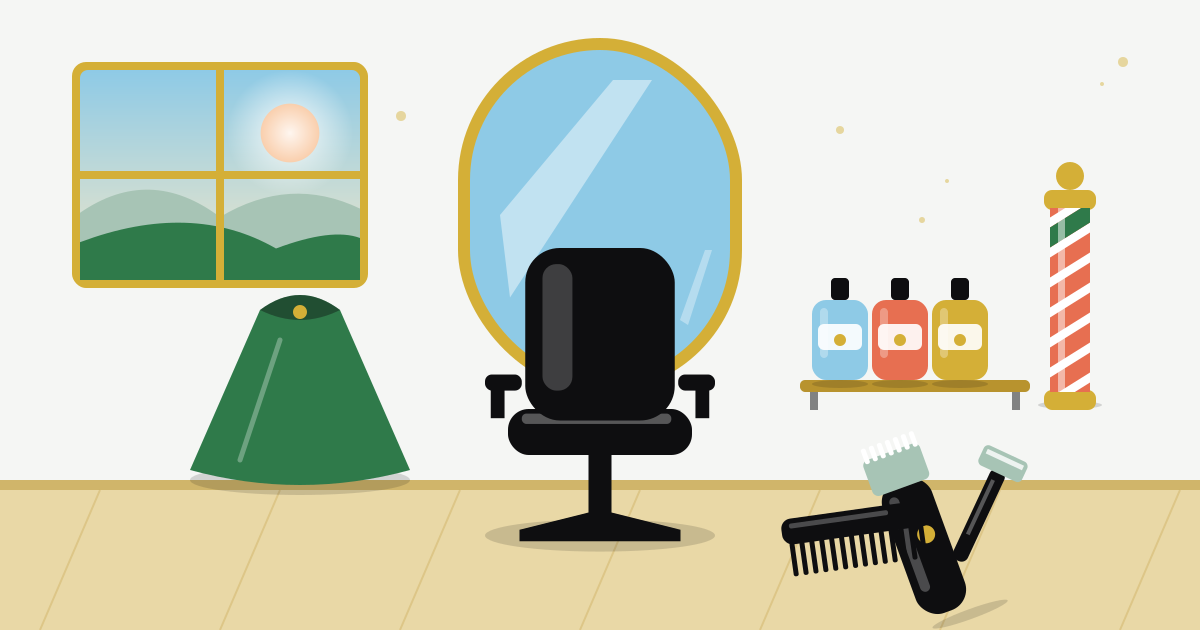
A barbershop runs on trust. Clients return because the cut is sharp, the seat is comfortable and the tools are clean. A good start means buying the right basics, not everything at once.
This checklist covers the station, cutting tools, capes and towels, shaving supplies, styling products and hygiene items you need. Each item says why it matters and how to use it.
Start with the must have items to open your doors, then add products as regular clients tell you what they like.
Who it's for
Barbers and new owners opening a small shop in Kigali
Time needed
Shop over 1 to 3 weeks before opening
When to shop
Buy clippers, chairs and hygiene items first, then styling products
On the list
40 items, 22 must haves
0 of 40 ready
Station and power
The space where you spend your day should be comfortable, well lit and safe.
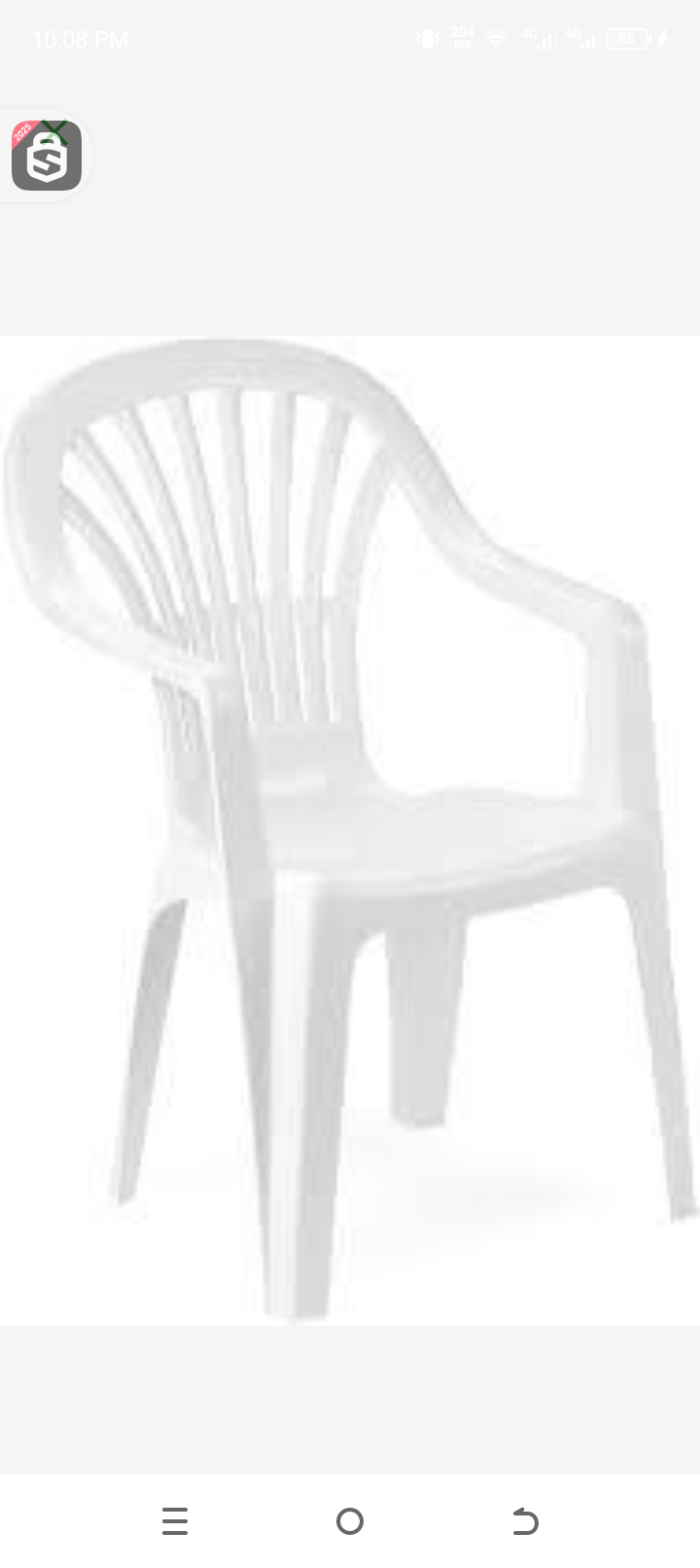
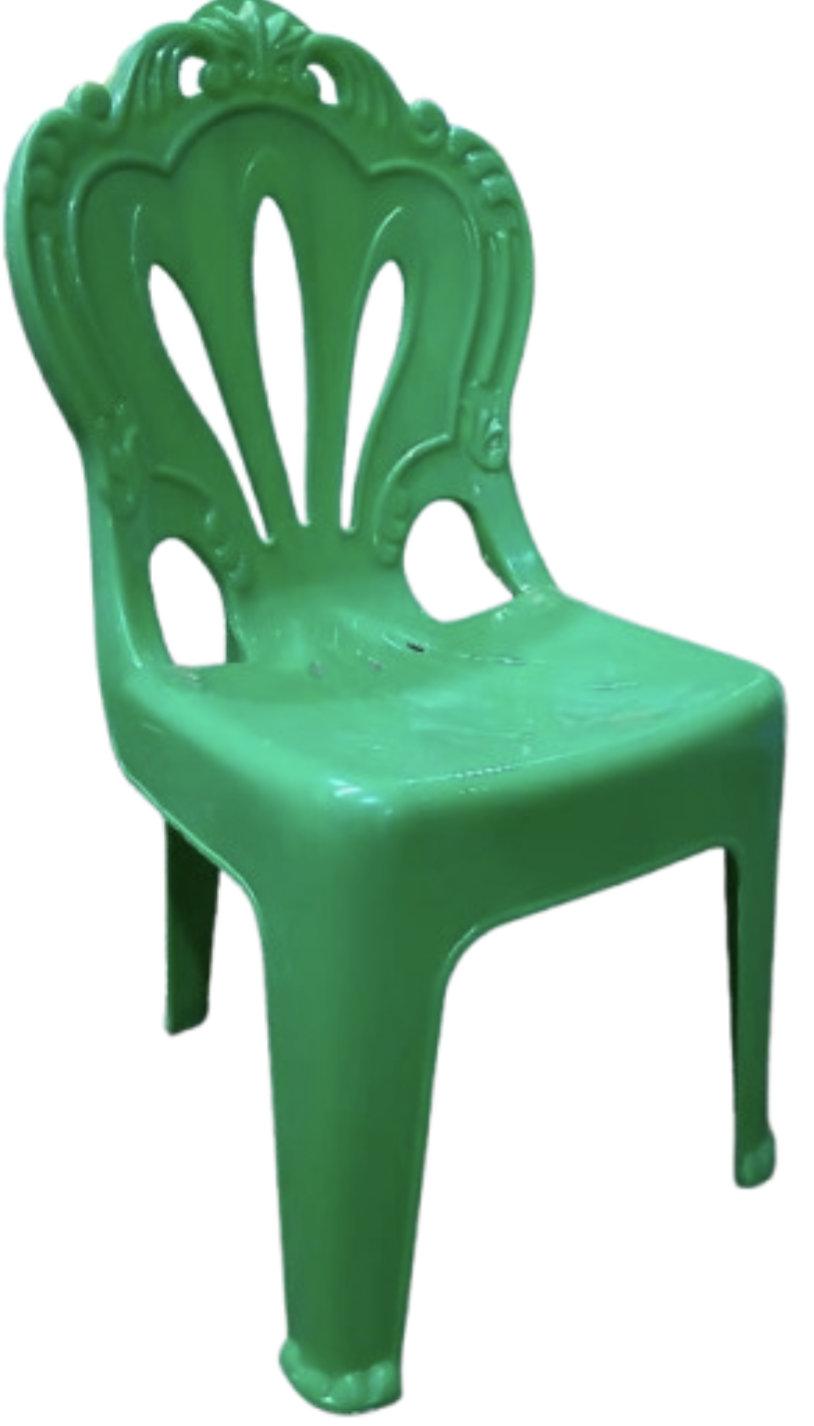
Barber chair or sturdy chair
1 to 3 Must haveThe client sits for 20 to 40 minutes. A stable, comfortable chair at a good height protects your back and makes the cut easier.
How to use it: Wipe it with a damp cloth between clients. Check screws and legs regularly.
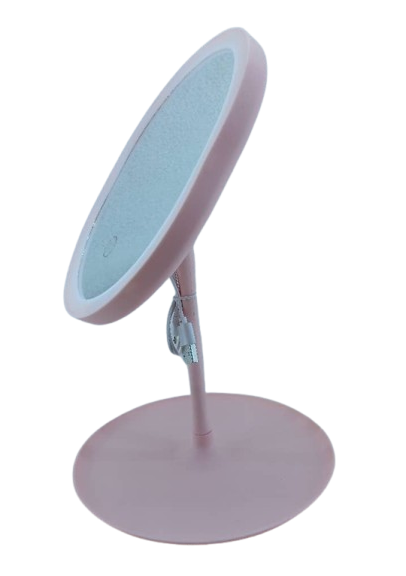
Mirror
1 per chair Must haveClients check the cut and you check the sides and back.
How to use it: Place it facing the chair with light on the face, and clean it every day.
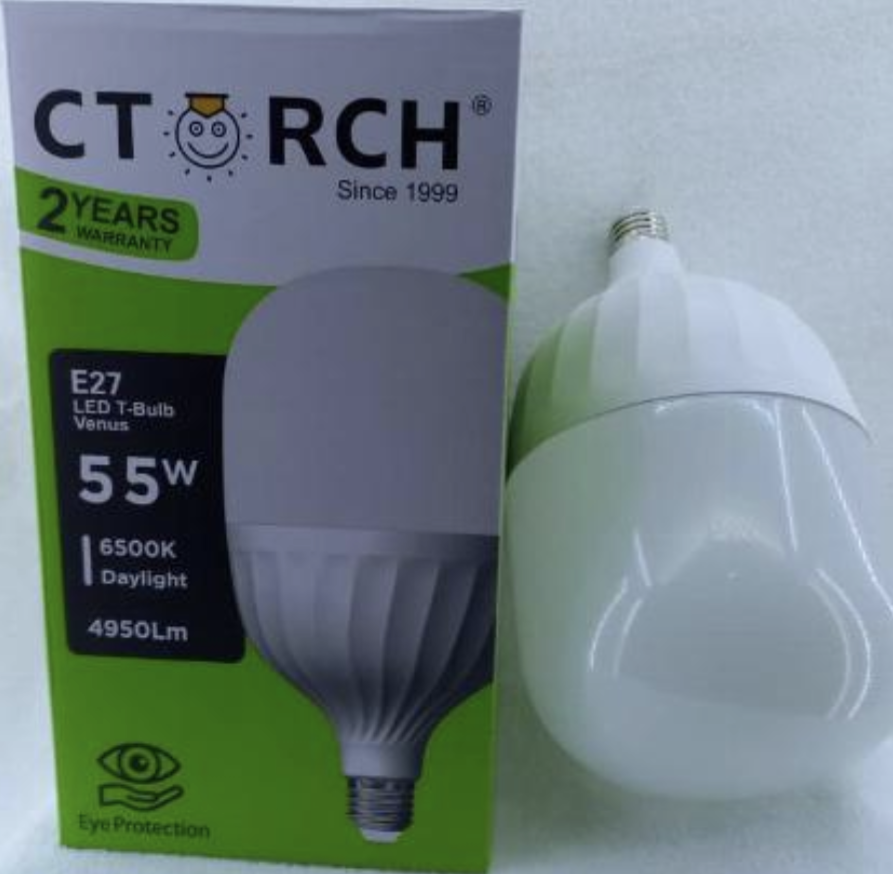
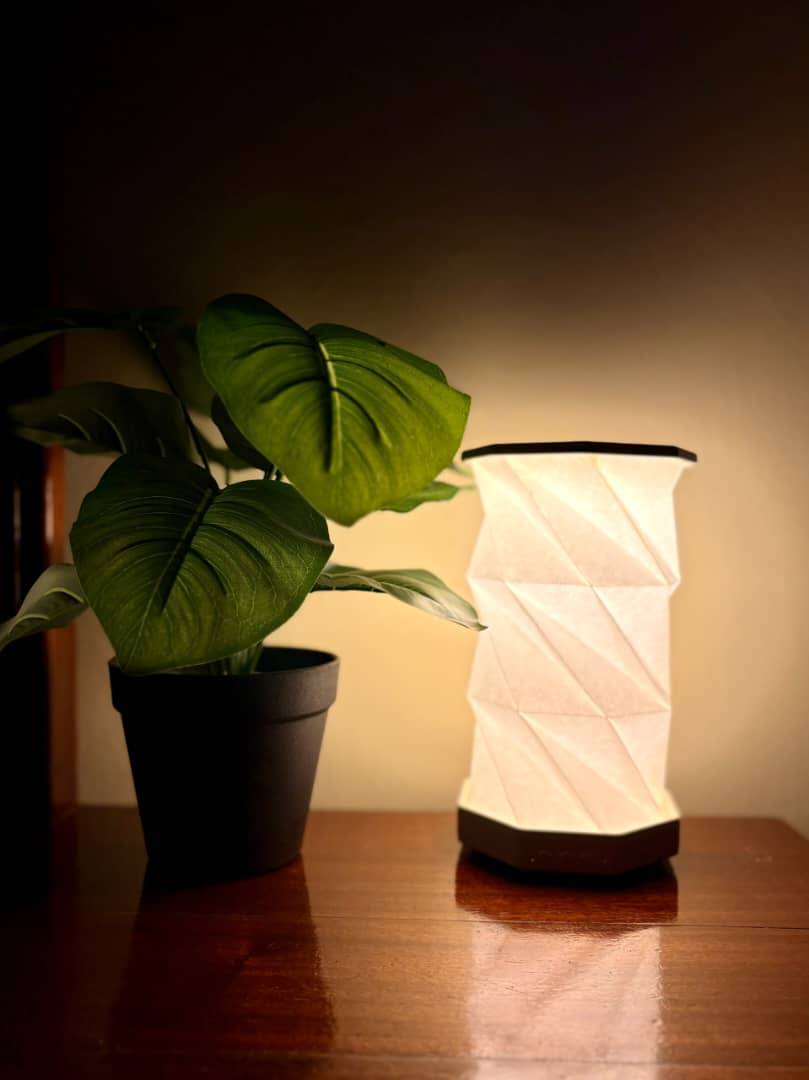
Bright bulbs
3 to 6 Must haveFades and lines need good light to look clean.
How to use it: Use daylight bulbs and keep a few spares. Clean the bulb covers of dust.
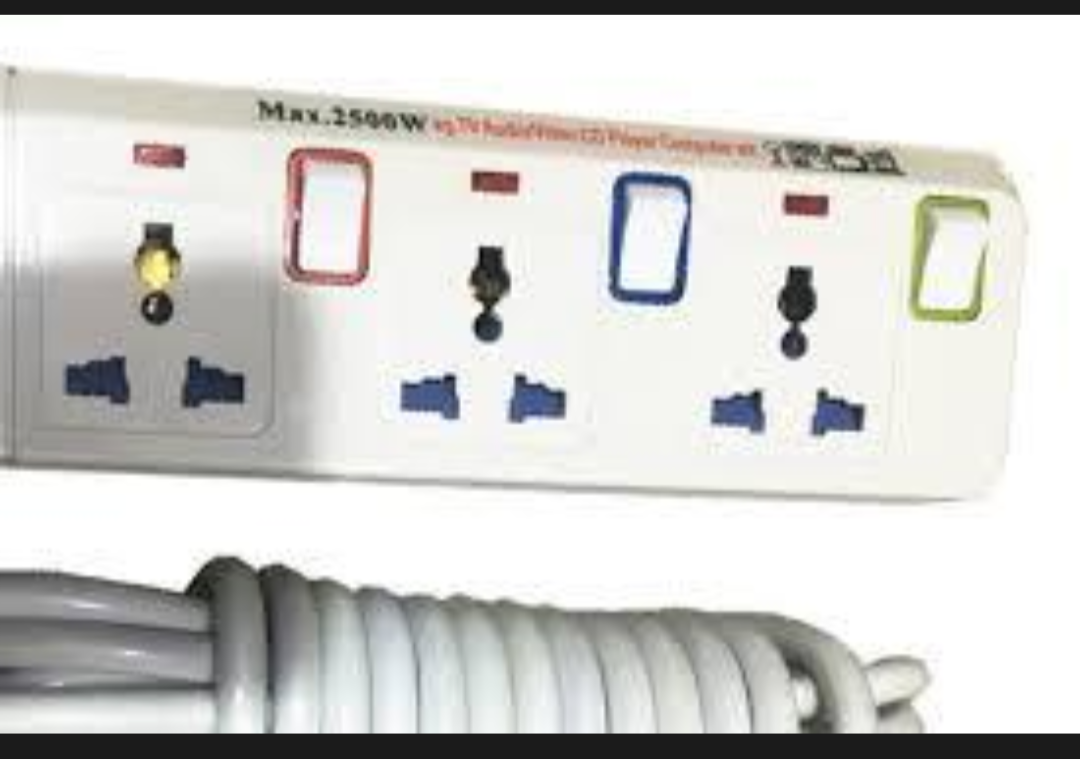
Extension sockets
2 to 3 Must haveClippers, trimmers and chargers need safe power points near each chair.
How to use it: Do not overload one socket. Keep cables off the floor where hair and water gather.
Fan
1Nice to haveKeeps the shop comfortable on hot afternoons.
How to use it: Place it so it does not blow hair on the client or into the tools.
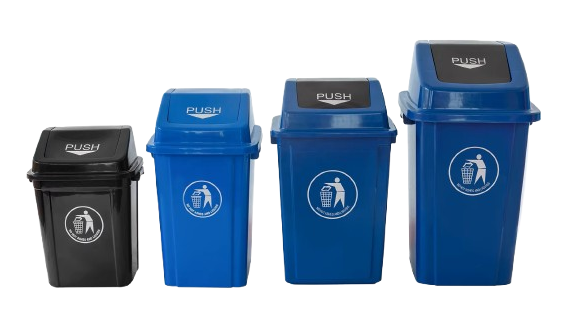
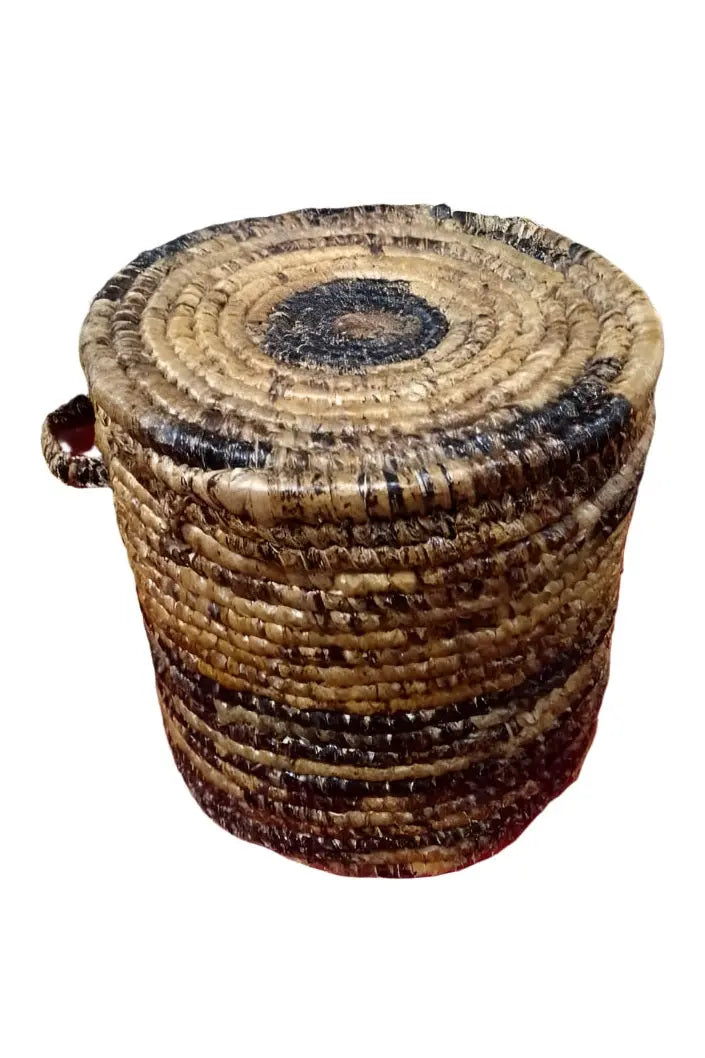
Dustbin
1 to 2 Must haveHair and used paper pile up fast.
How to use it: Empty it often and keep it away from the clean tools.
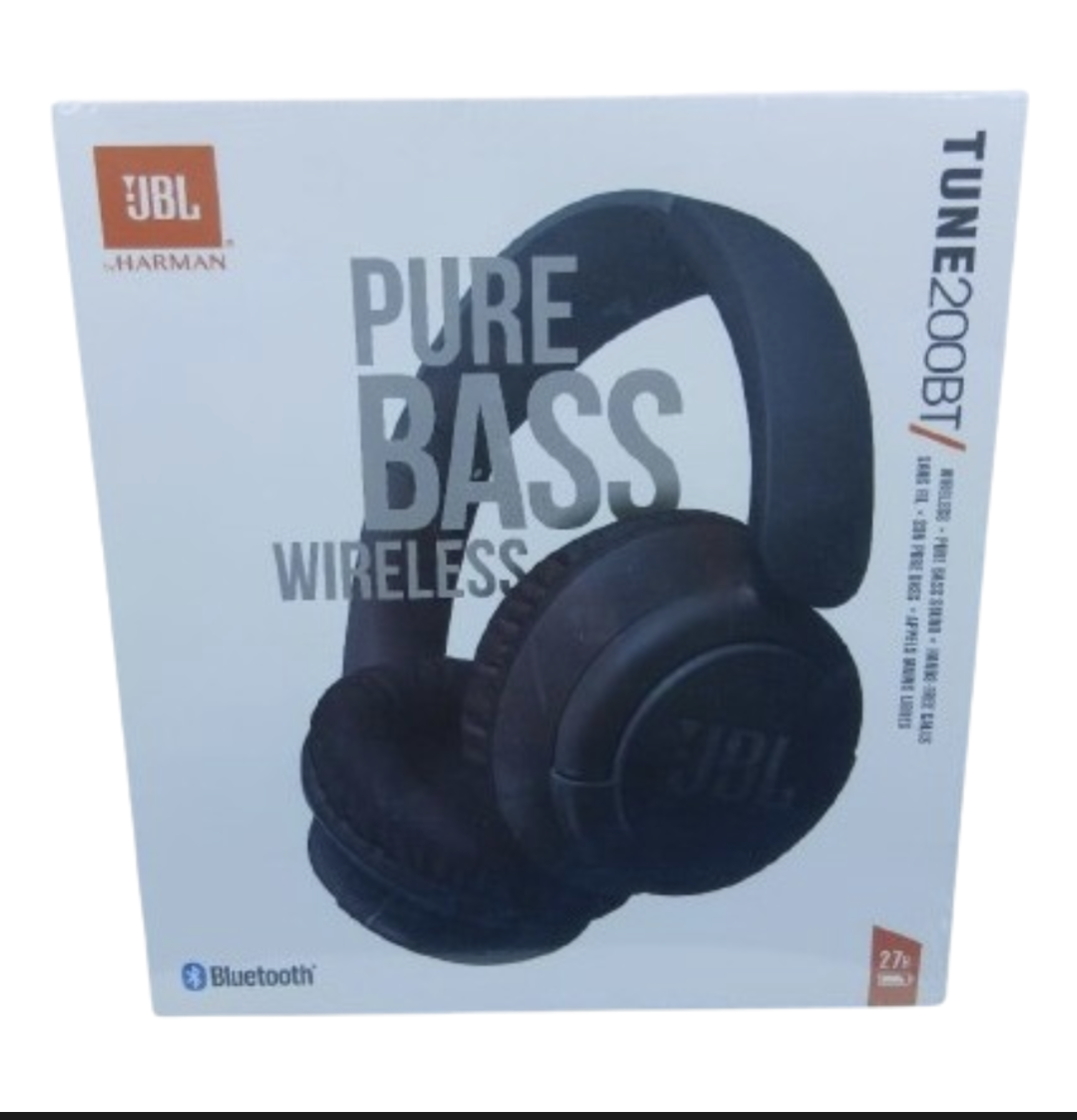
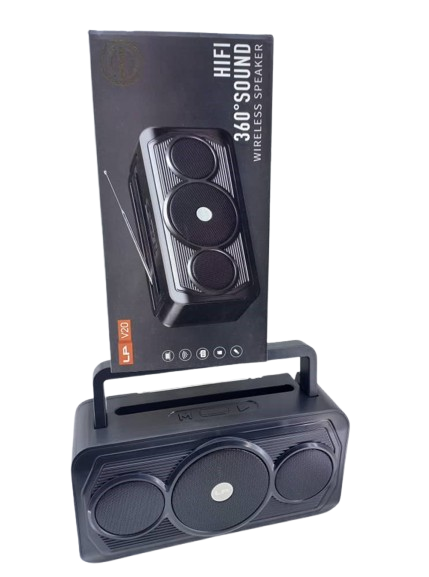
Speaker
1Nice to haveMusic or radio makes the wait easier and gives your shop a feel.
How to use it: Keep the volume low enough for people to talk. Charge it overnight.




Cutting tools
Your tools are your skill. Keep them sharp, clean and in good working order.
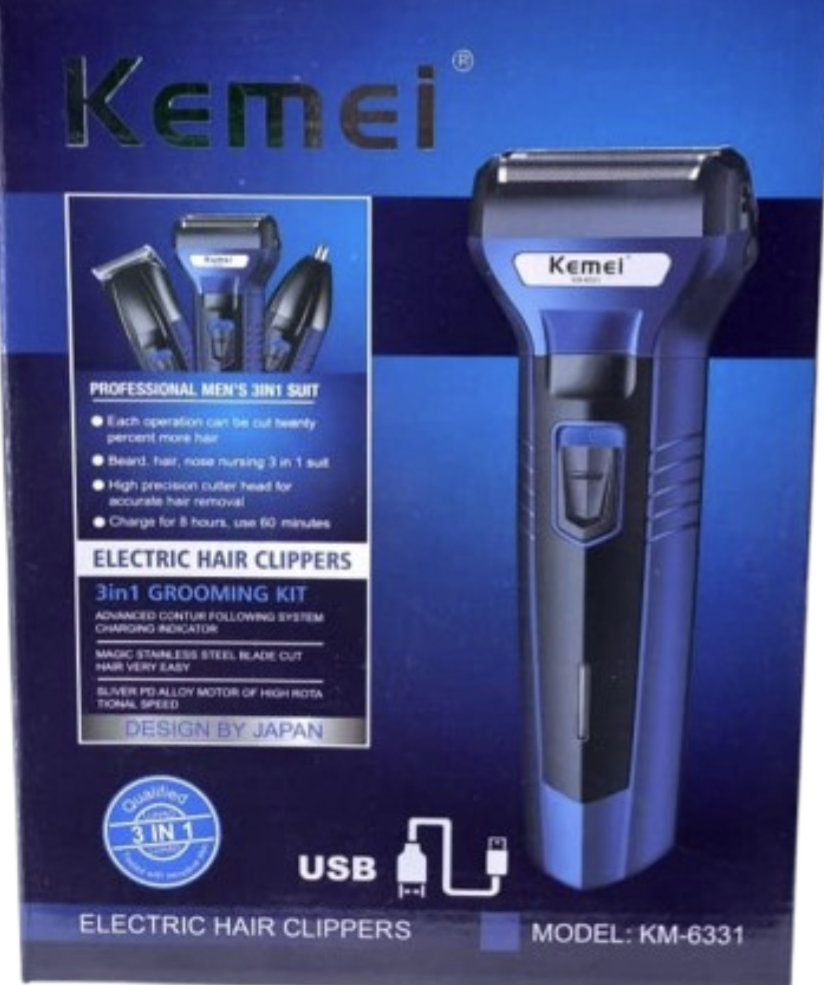
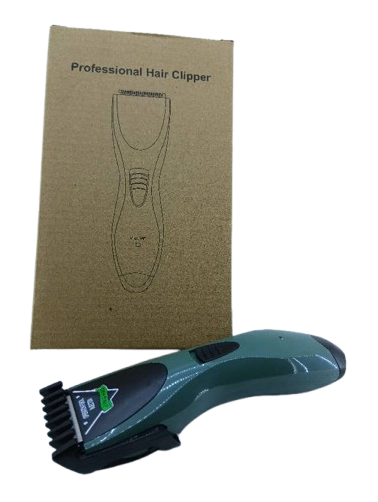
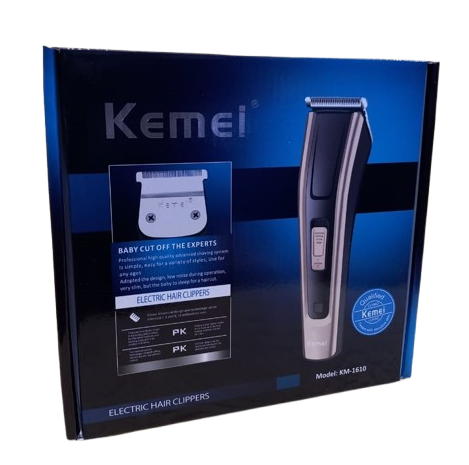
Hair clippers
2 Must haveThe most used tool in any barbershop for fades and tapers.
How to use it: Brush hair out of the blades after each client. Use clipper oil if you have it.
Hair trimmer
1 Must haveFor lines, edges and beard shaping.
How to use it: Keep a small brush with it and clean the blade after each use.
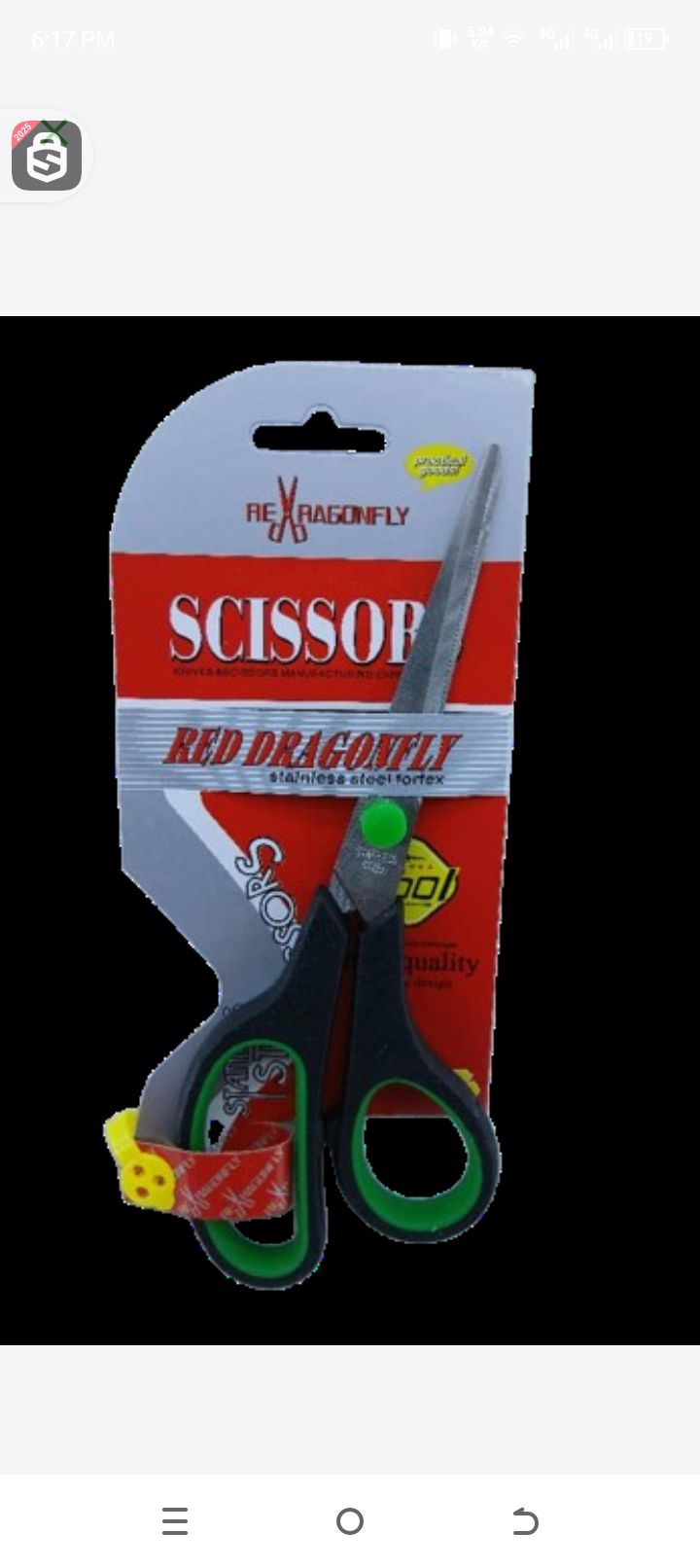
Hair scissors
2 Must haveFor longer styles and for blending on top.
How to use it: Use only on hair and keep them sharp.
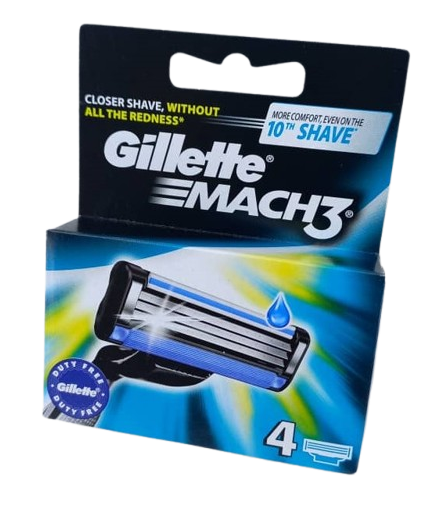
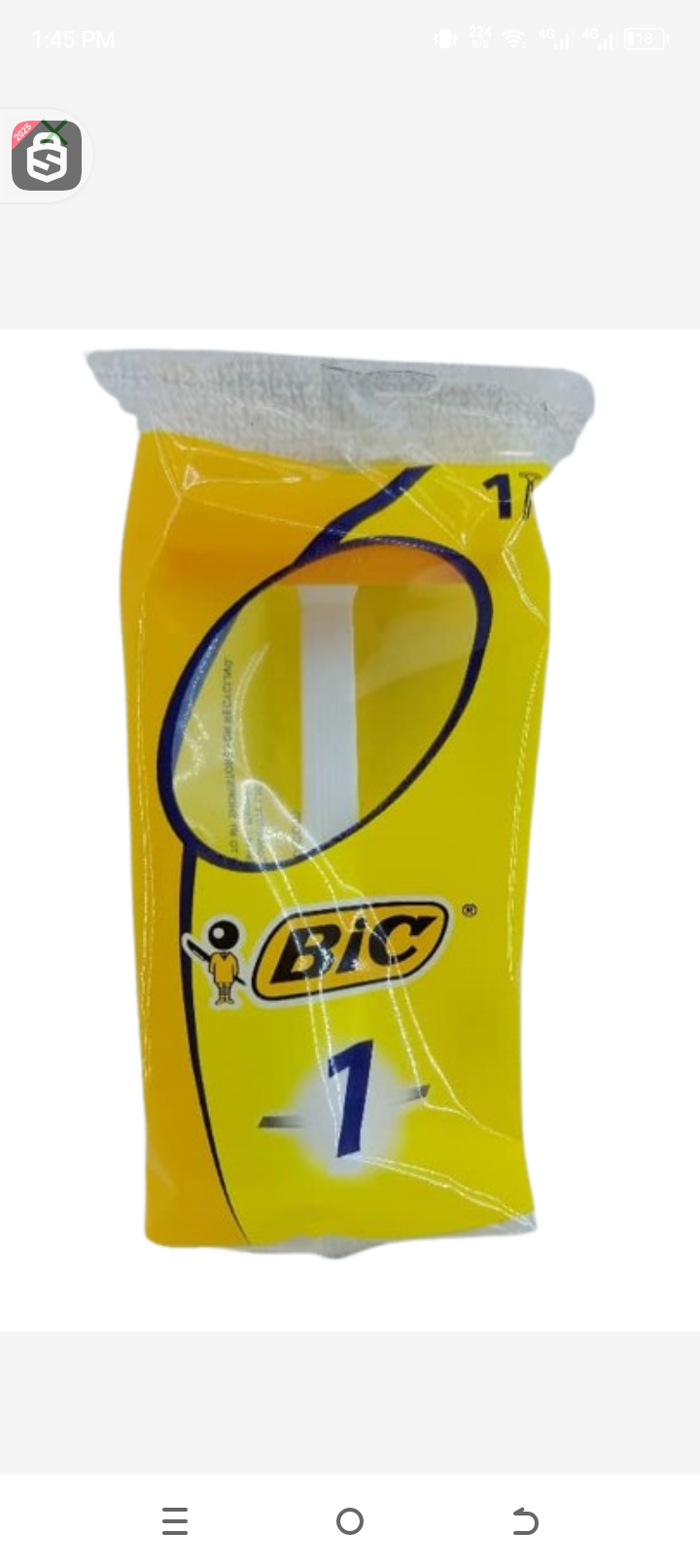
Razor blades
1 pack Must haveUsed for neck lines, edges and shaves.
How to use it: Use a fresh blade for every client. Never share or reuse blades, and dispose of used ones safely.
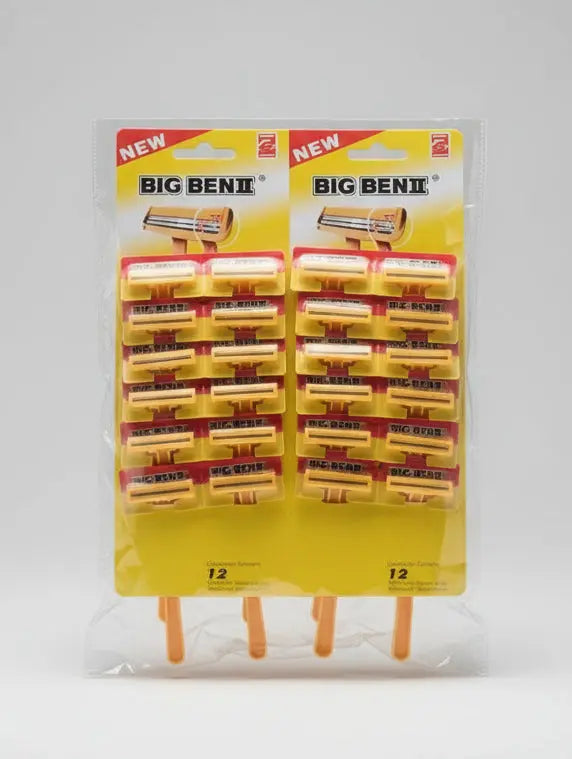
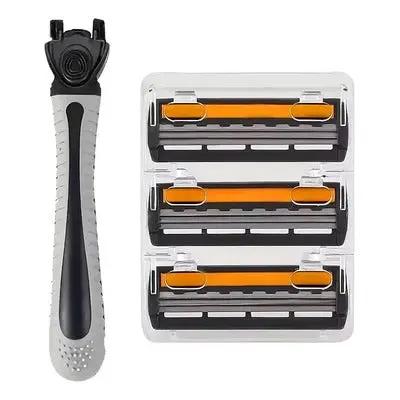
Razors
3Nice to haveFor straight lines and quick shaves.
How to use it: Hold at a steady angle and always use fresh blades. Keep a first aid plaster nearby.
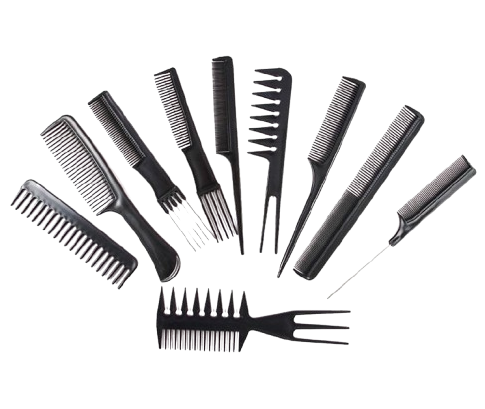
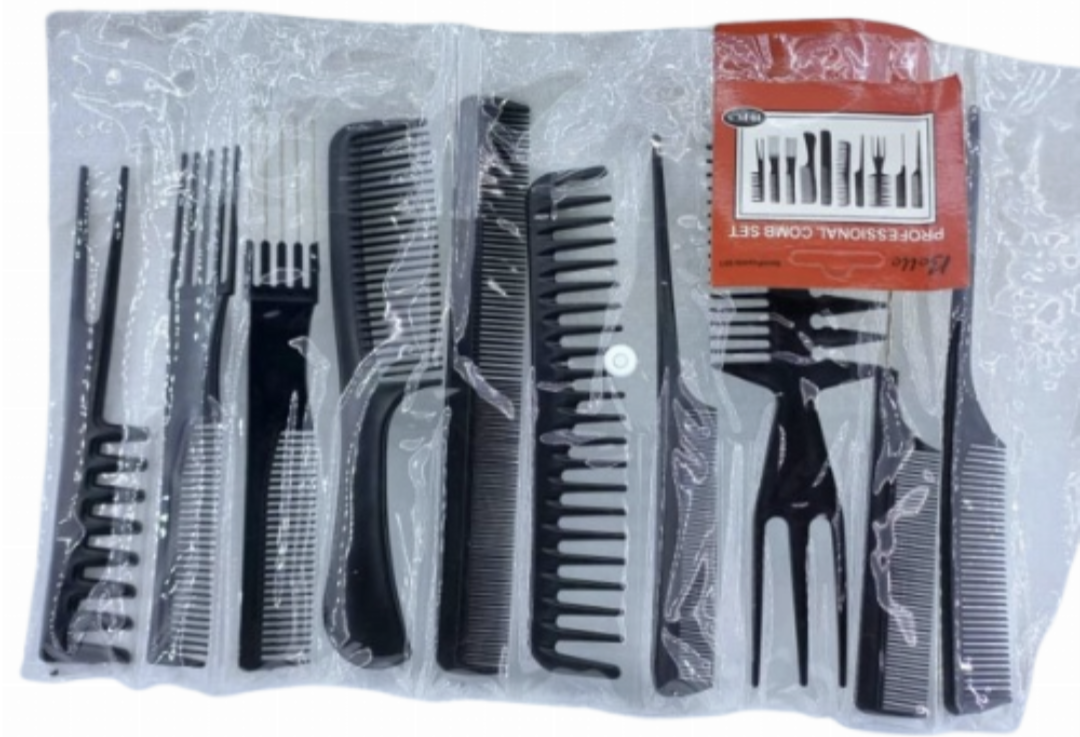
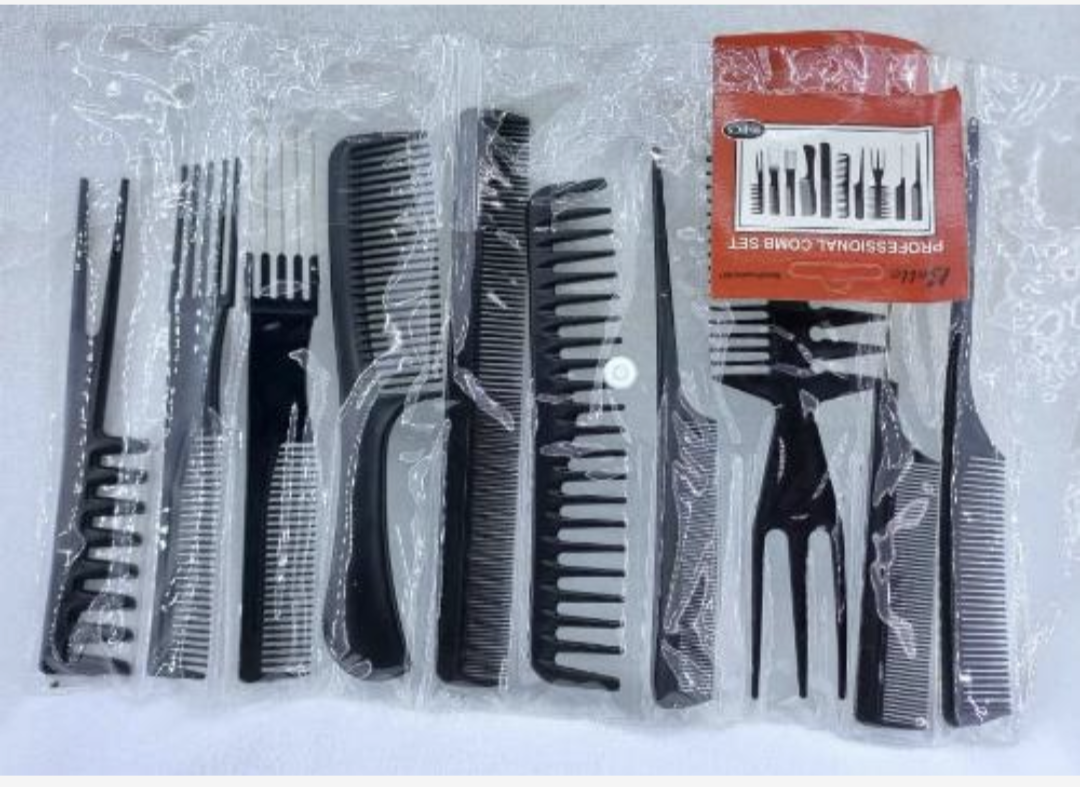
Comb set
2 sets Must haveFor parting, blending and finishing.
How to use it: Wash combs between clients and let them dry fully.
Styling comb
3 Must haveA fine tooth comb helps with clean parts.
How to use it: Check the teeth for cracks before each shift.
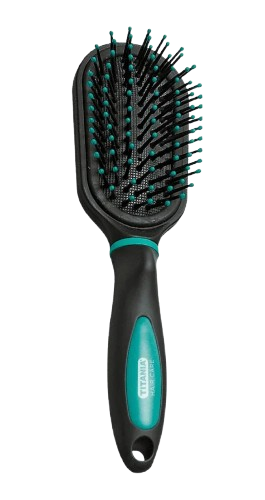
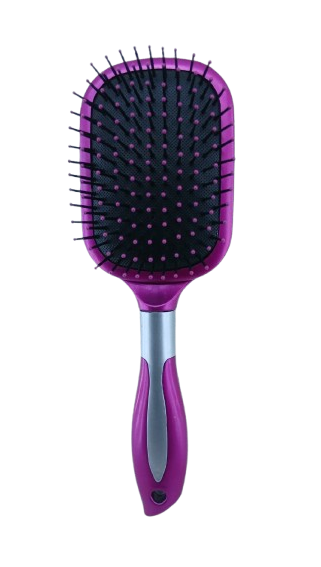
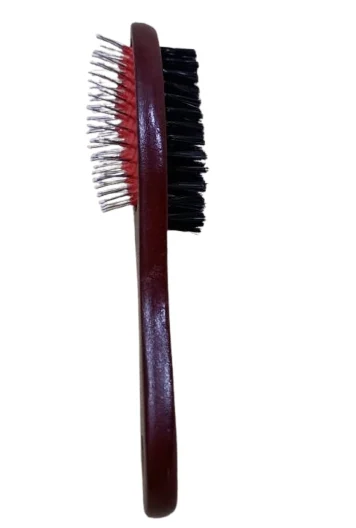
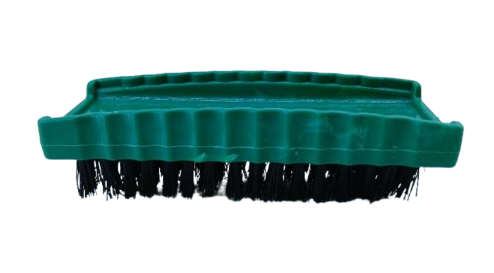
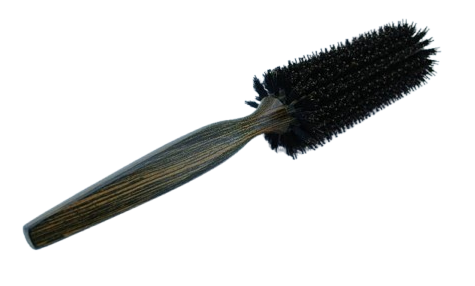
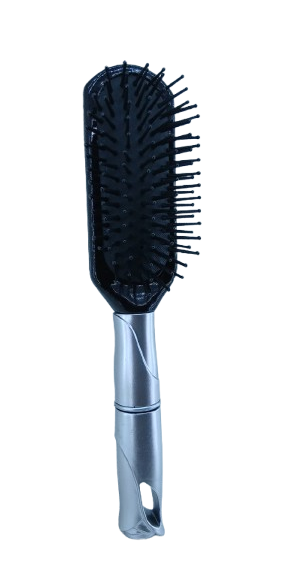
Hair brush
2 Must haveSweeps hair from the neck and clothes after the cut.
How to use it: Brush down, then off the client. Clean the bristles after each use.
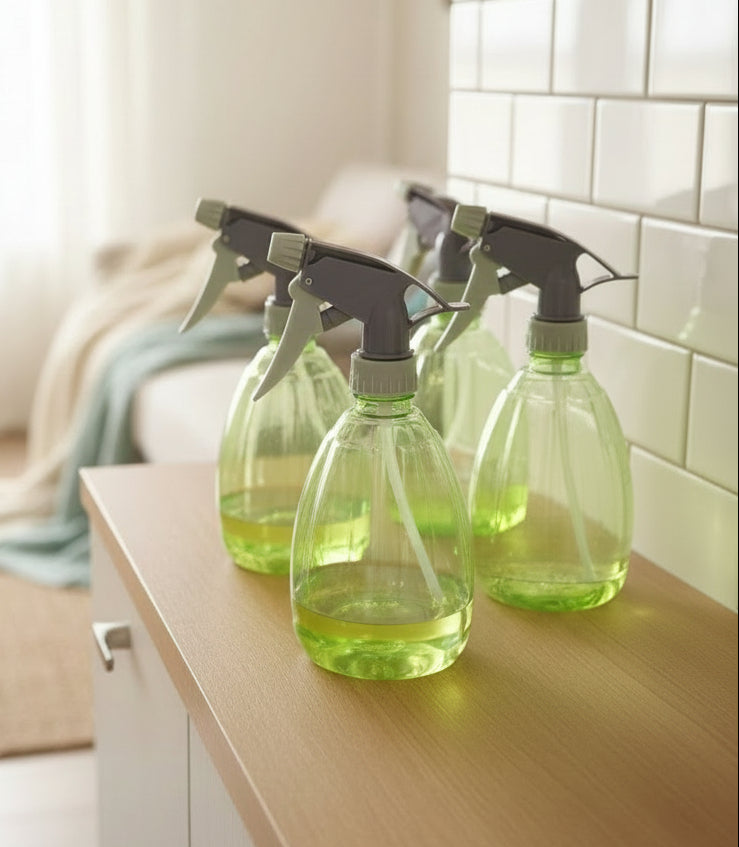
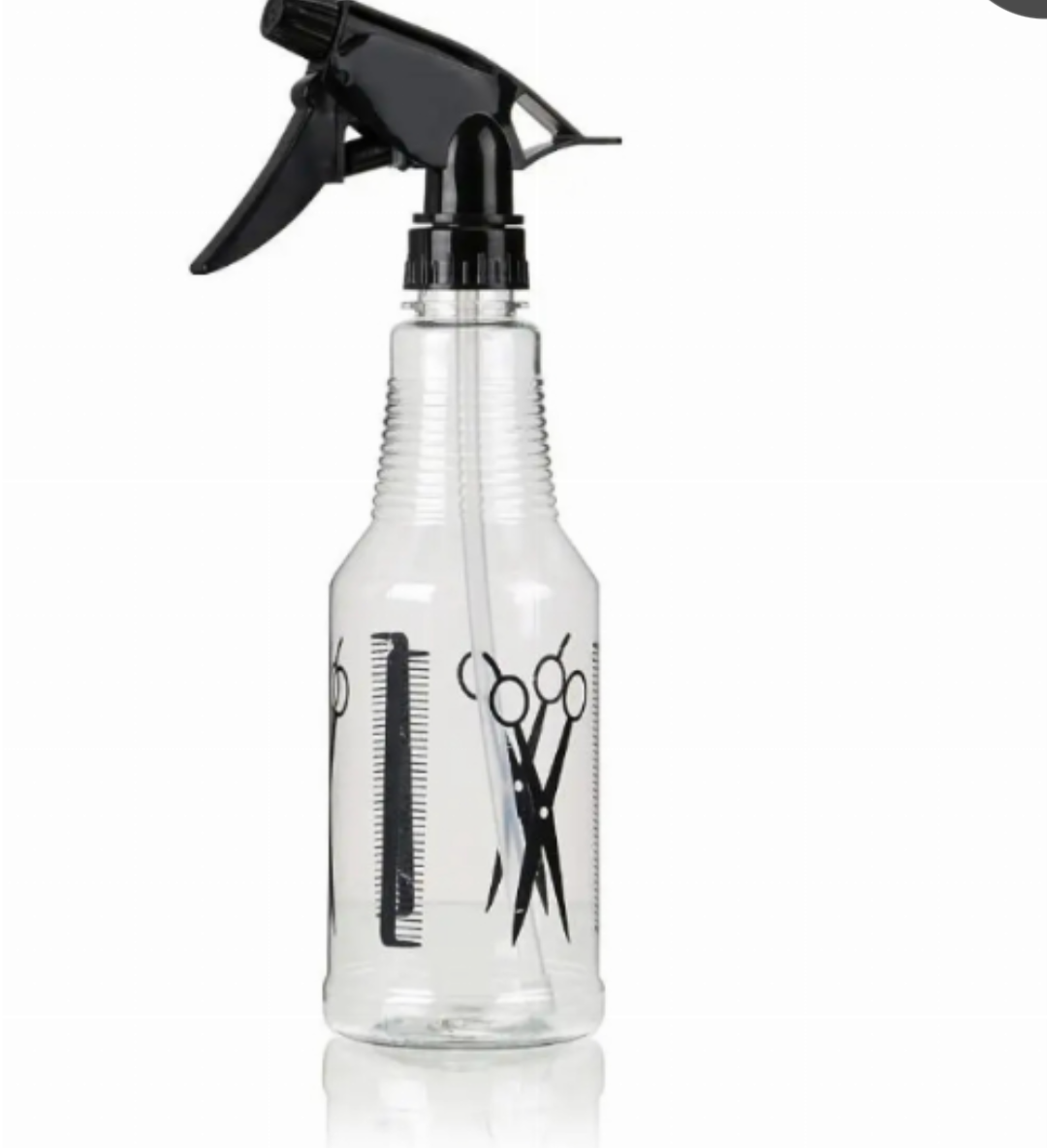
Spray bottle
3 Must haveKeeps hair damp so it cuts cleanly.
How to use it: Use clean water only and refill daily.


Capes, towels and protection
These protect the client and keep you safe too.
Barber capes
3 Must haveKeep hair off clothes and keep clients tidy.
How to use it: Shake outside after every client and wash weekly.
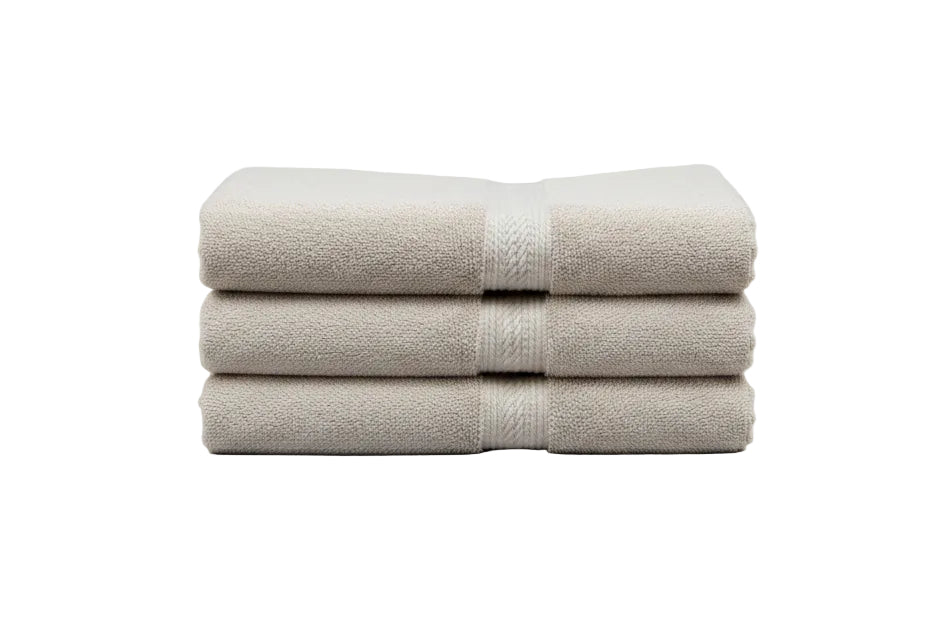
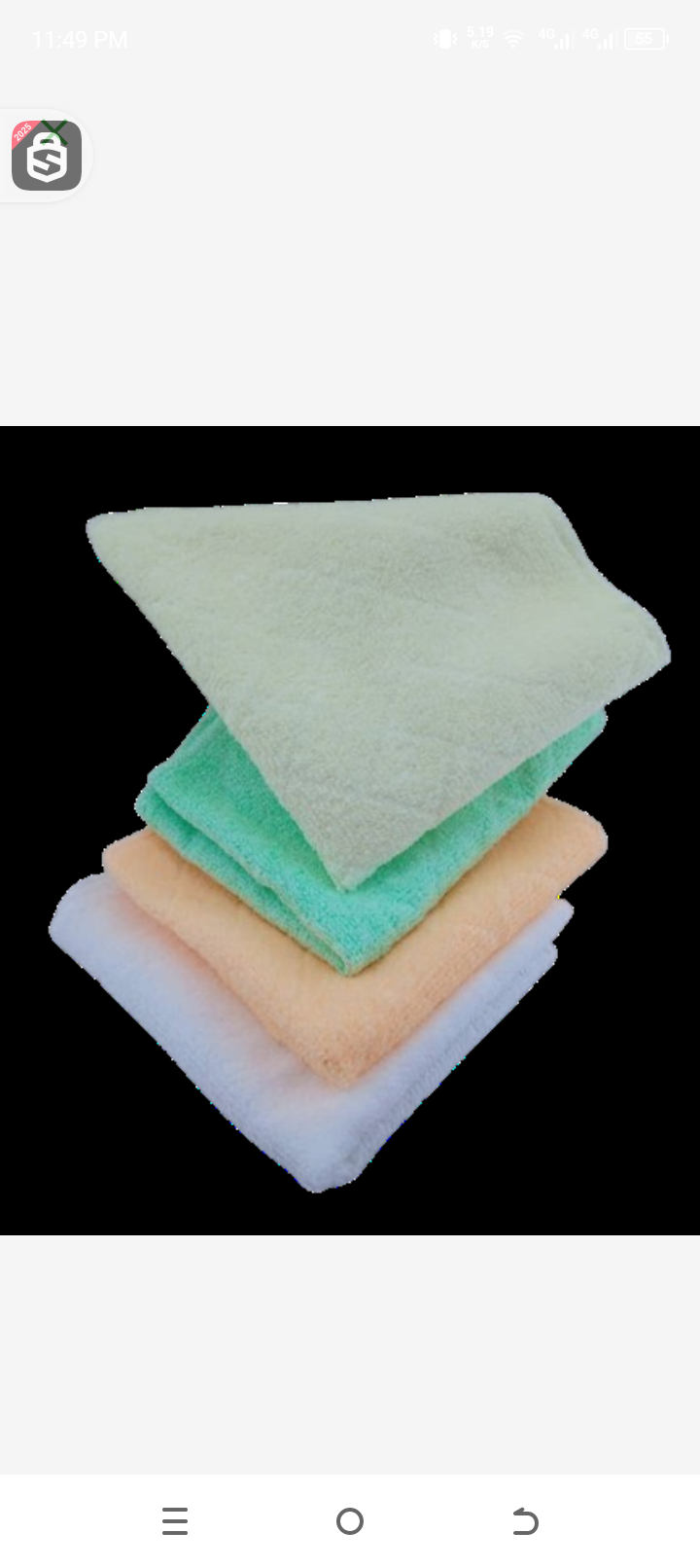
Towels
10 Must haveFor warm towels after shaves and for wiping the neck.
How to use it: Wash used towels in hot water and dry in sun when possible.
Neck strips
1 rollNice to haveA thin paper layer between the cape and the skin keeps things clean.
How to use it: Use a new one for every client. If the roll runs out, use a clean tissue instead.
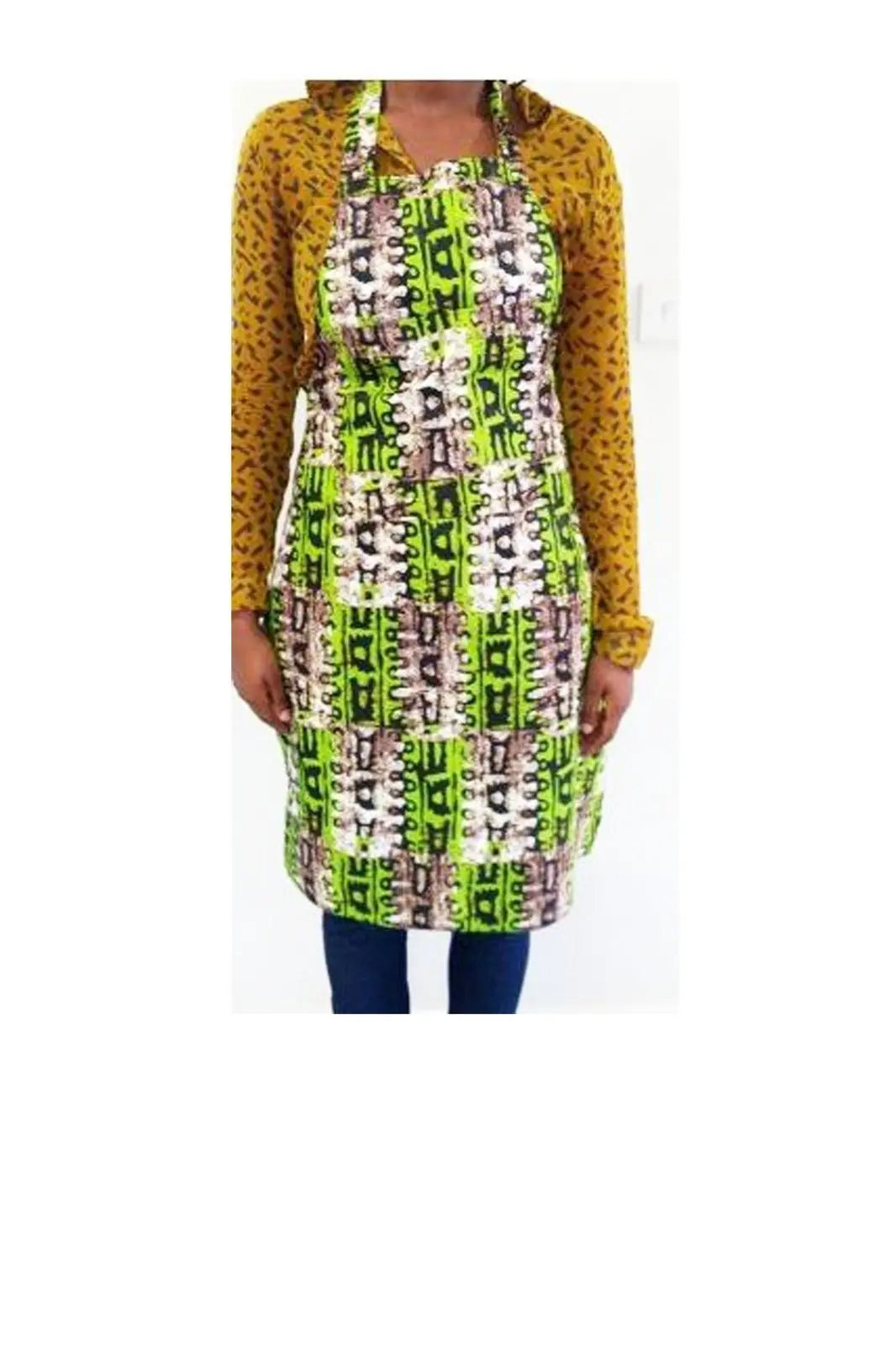
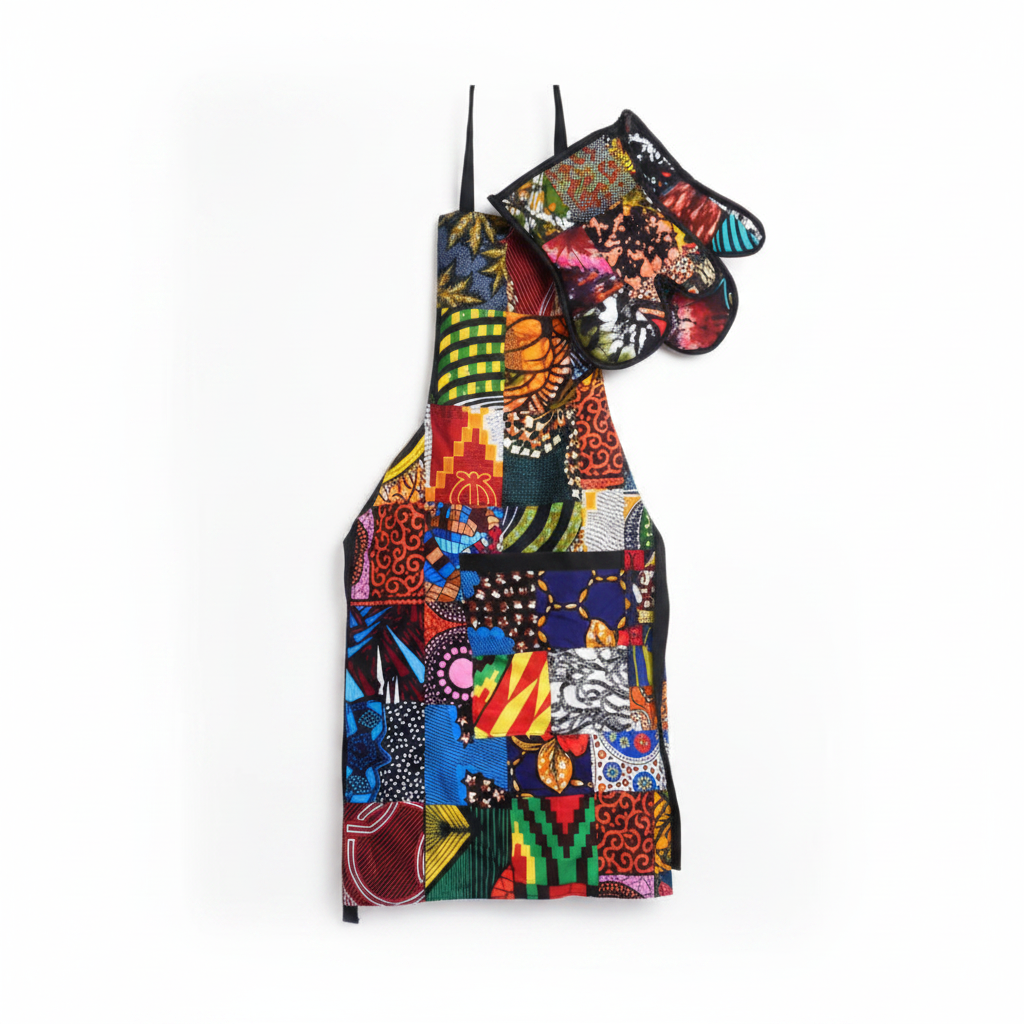
Apron
2Nice to haveProtects your clothes from hair.
How to use it: Wash it often and keep a spare ready.
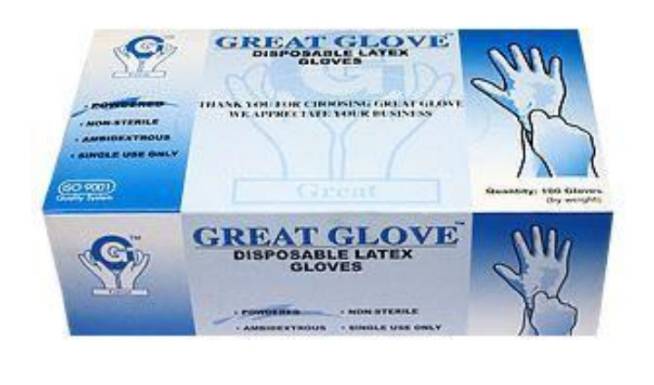
Disposable gloves
1 boxNice to haveUseful when shaving or if a client has a skin problem.
How to use it: Change gloves between clients and wash your hands first.

Shaving and after care
For clients who ask for a clean shave or neat beard.
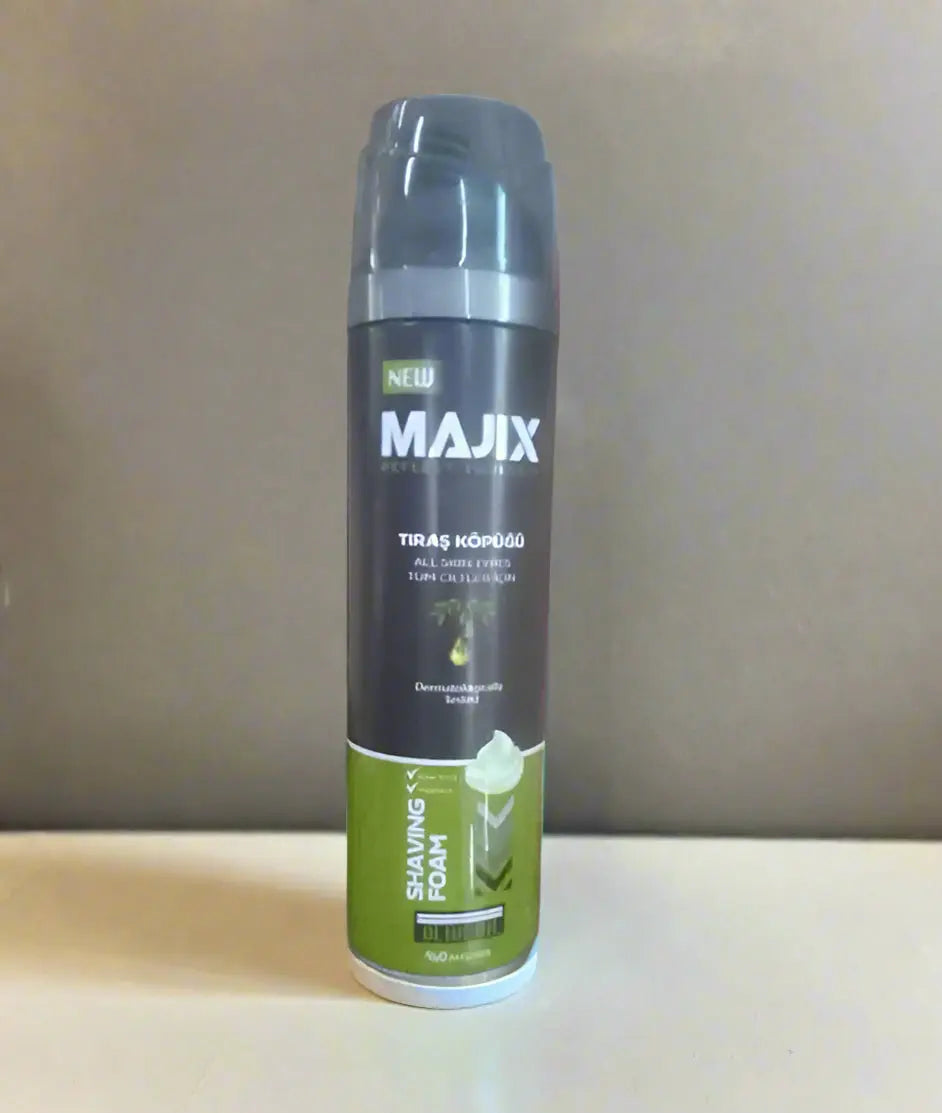
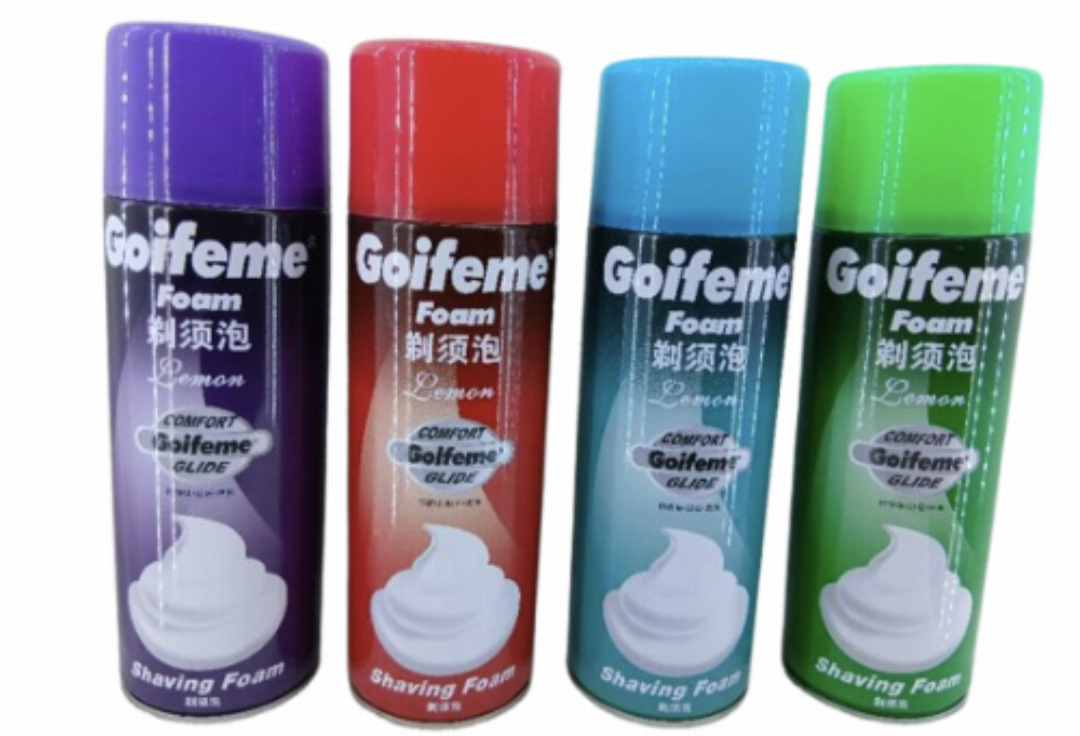
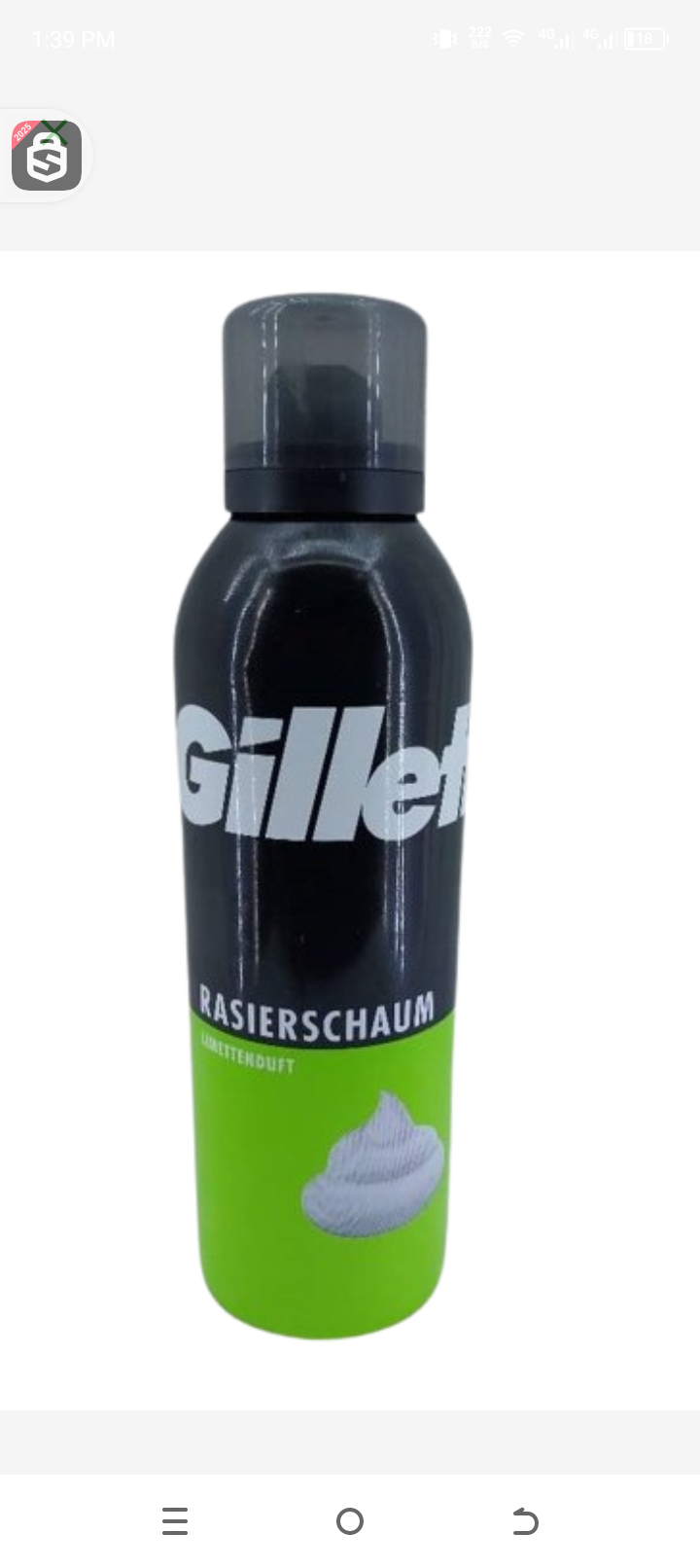
Shaving foam
3 Must haveSoftens hair and protects the skin during a shave.
How to use it: Apply an even layer and wait about a minute before the razor.
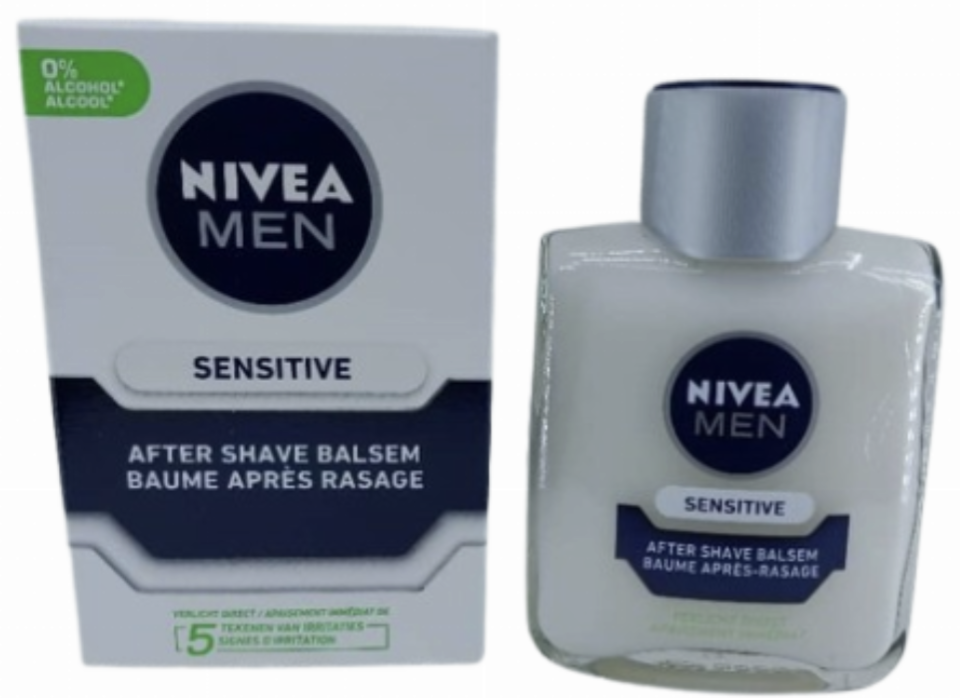
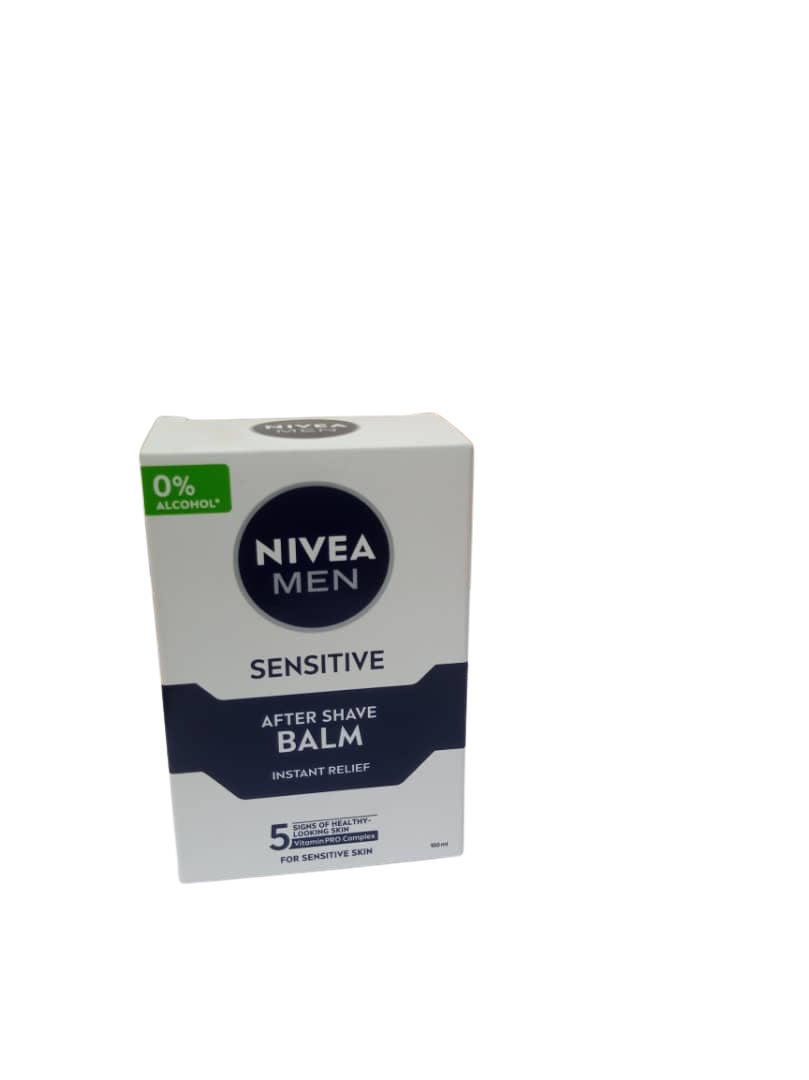
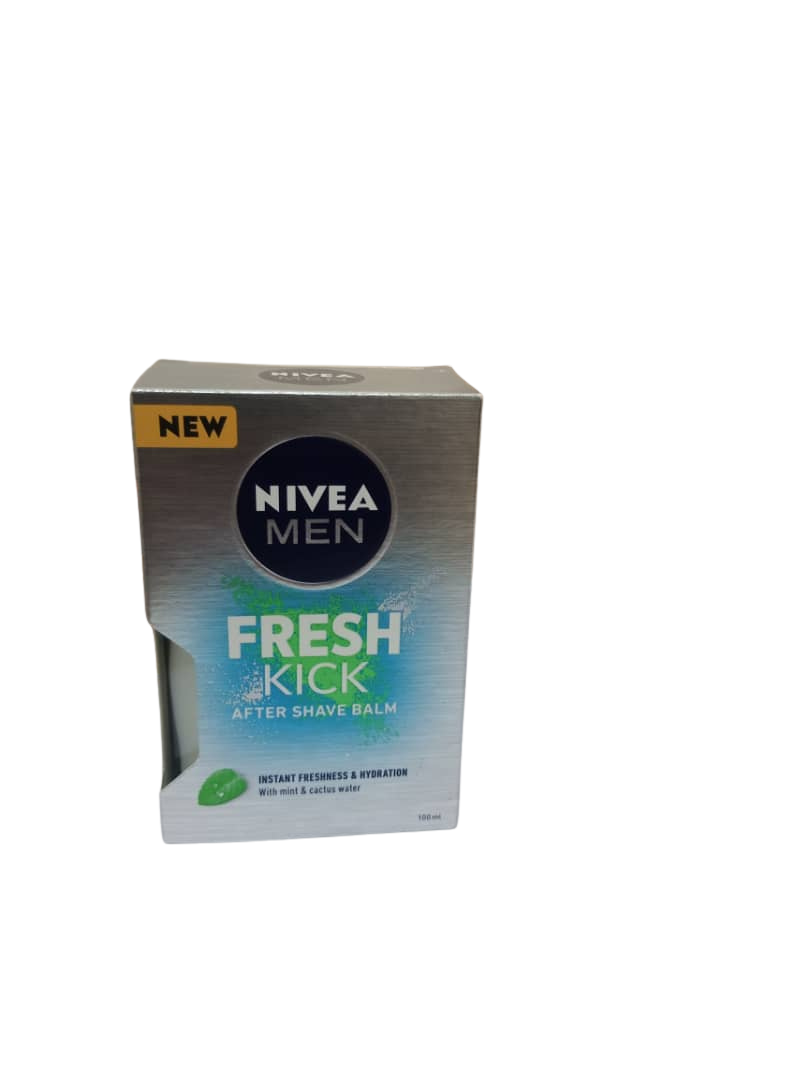
After shave balm
3Nice to haveCalms skin after a shave and reduces redness.
How to use it: Dab a little on clean, dry skin. Do not use on cuts.
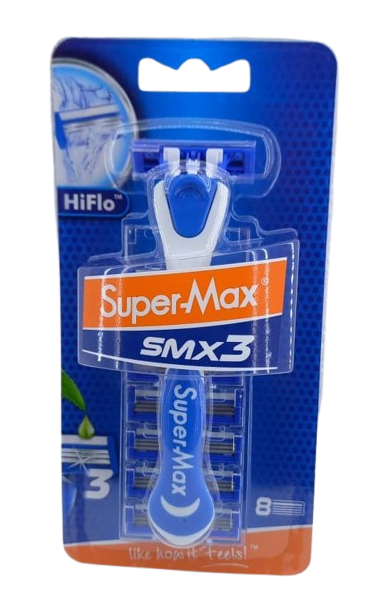
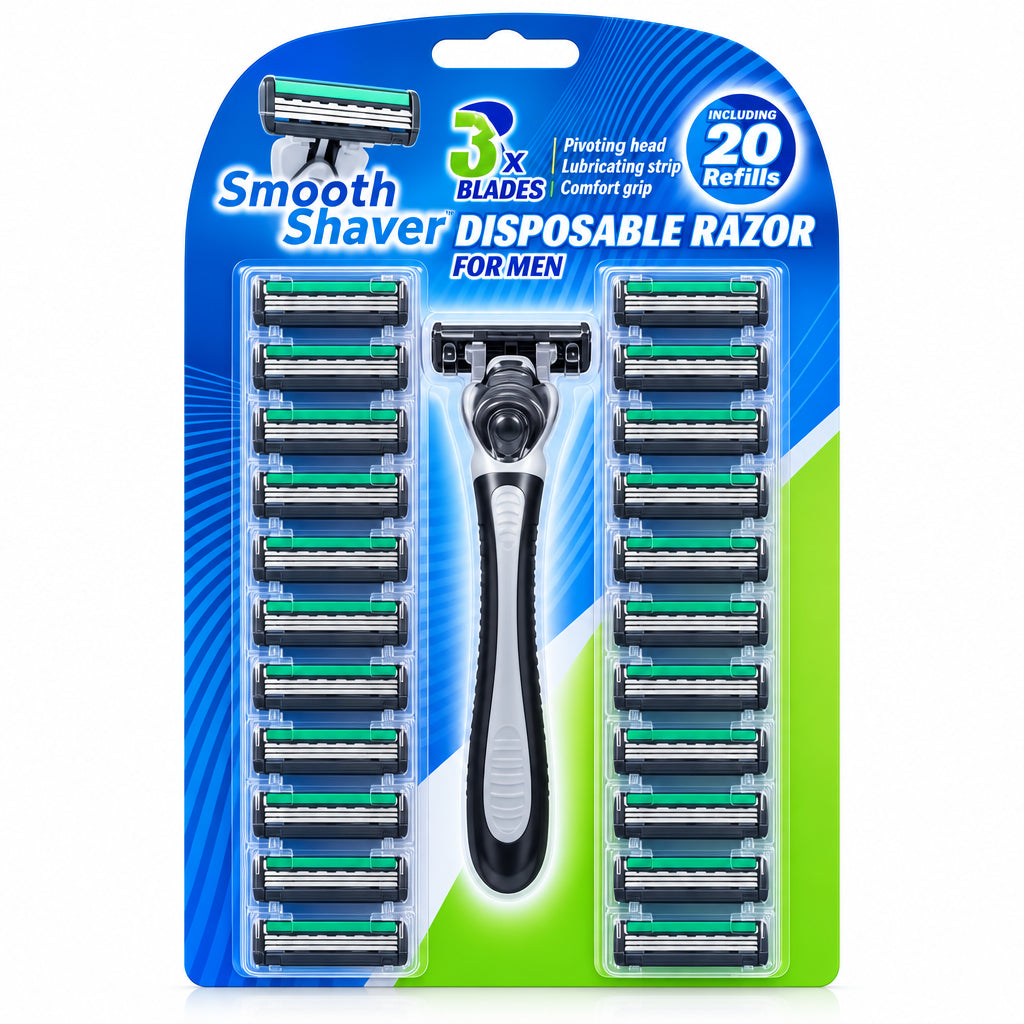
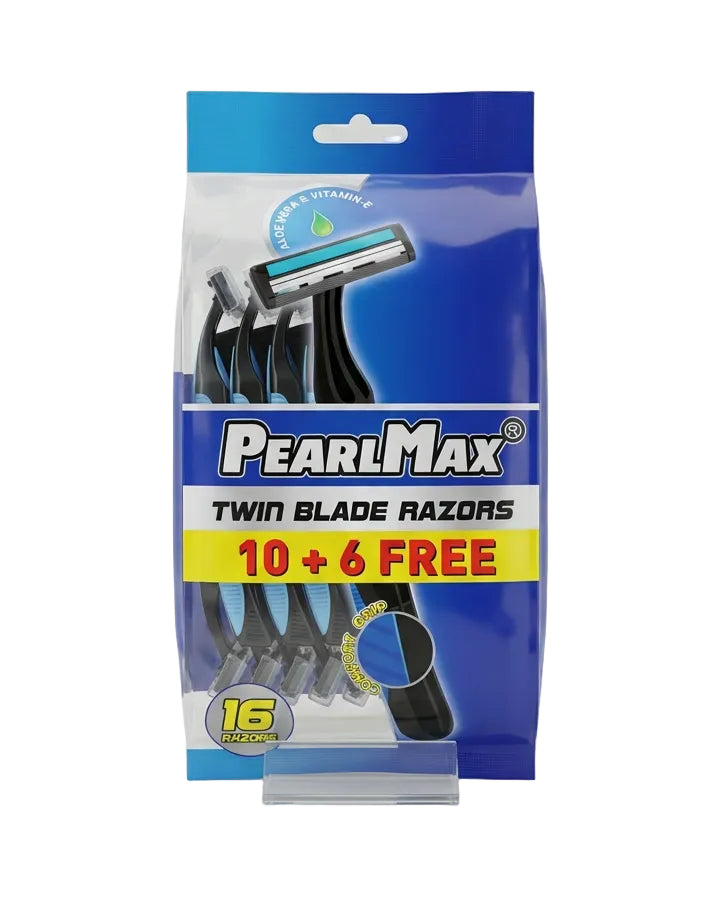
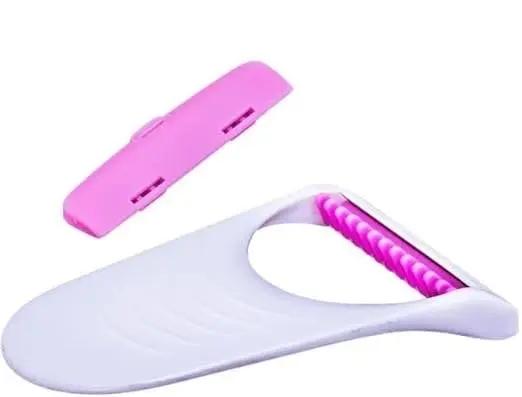
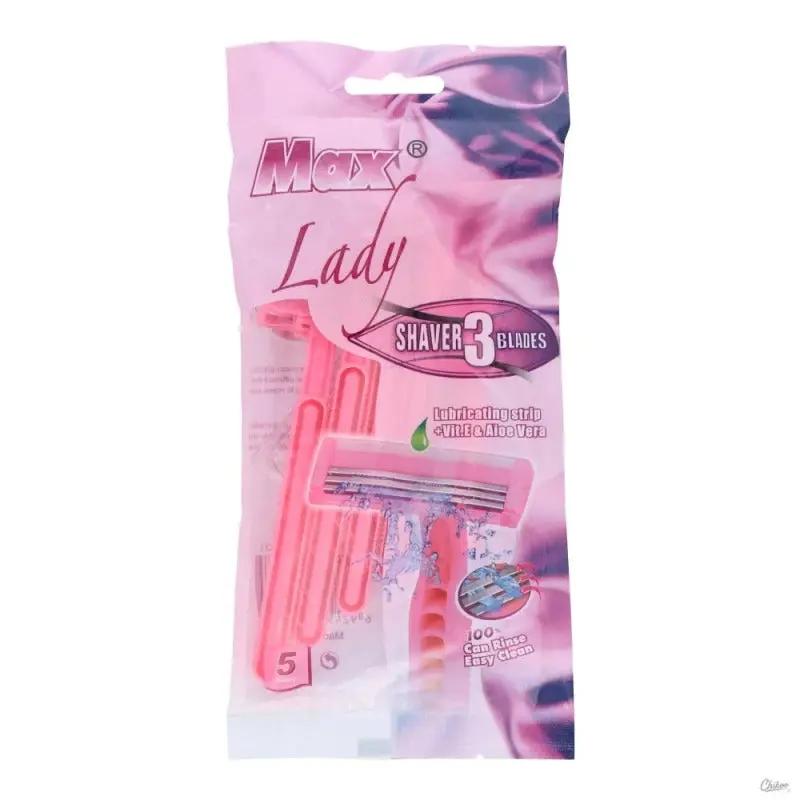
Disposable razors
1 packNice to haveFor quick touch ups and beard lines.
How to use it: Use one per client and throw it away afterward.
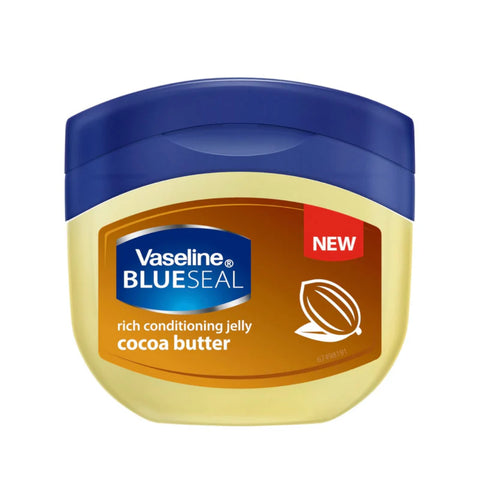
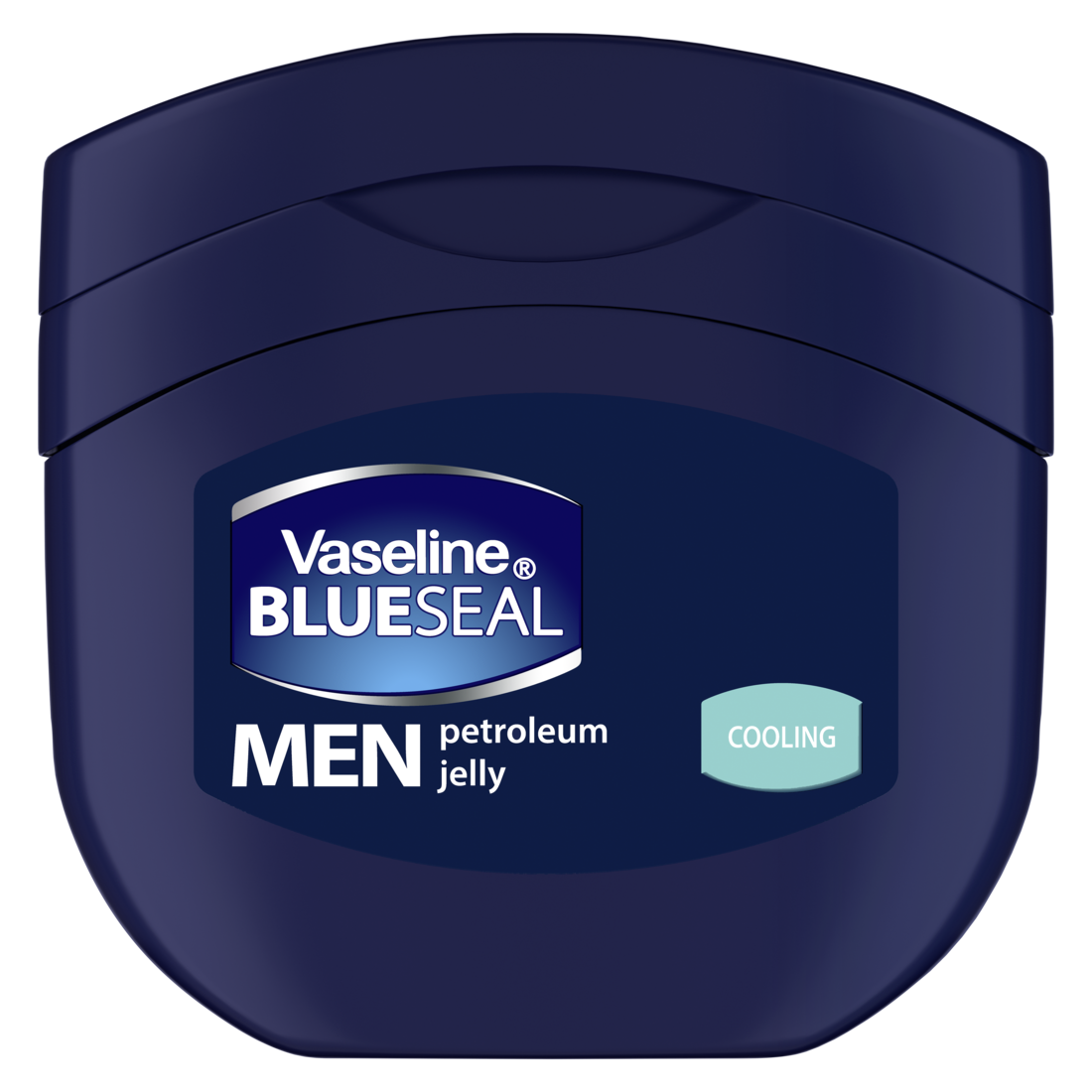
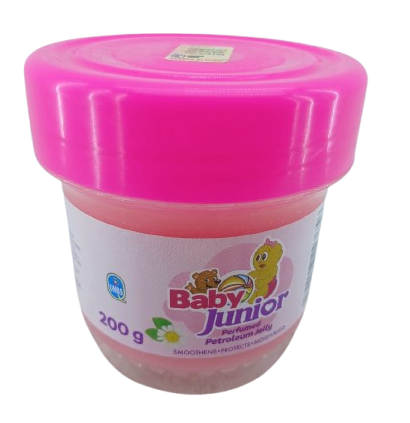
Petroleum jelly
2Nice to haveProtects around ears and the hairline during treatments.
How to use it: Use a thin layer with a clean finger or cotton bud.
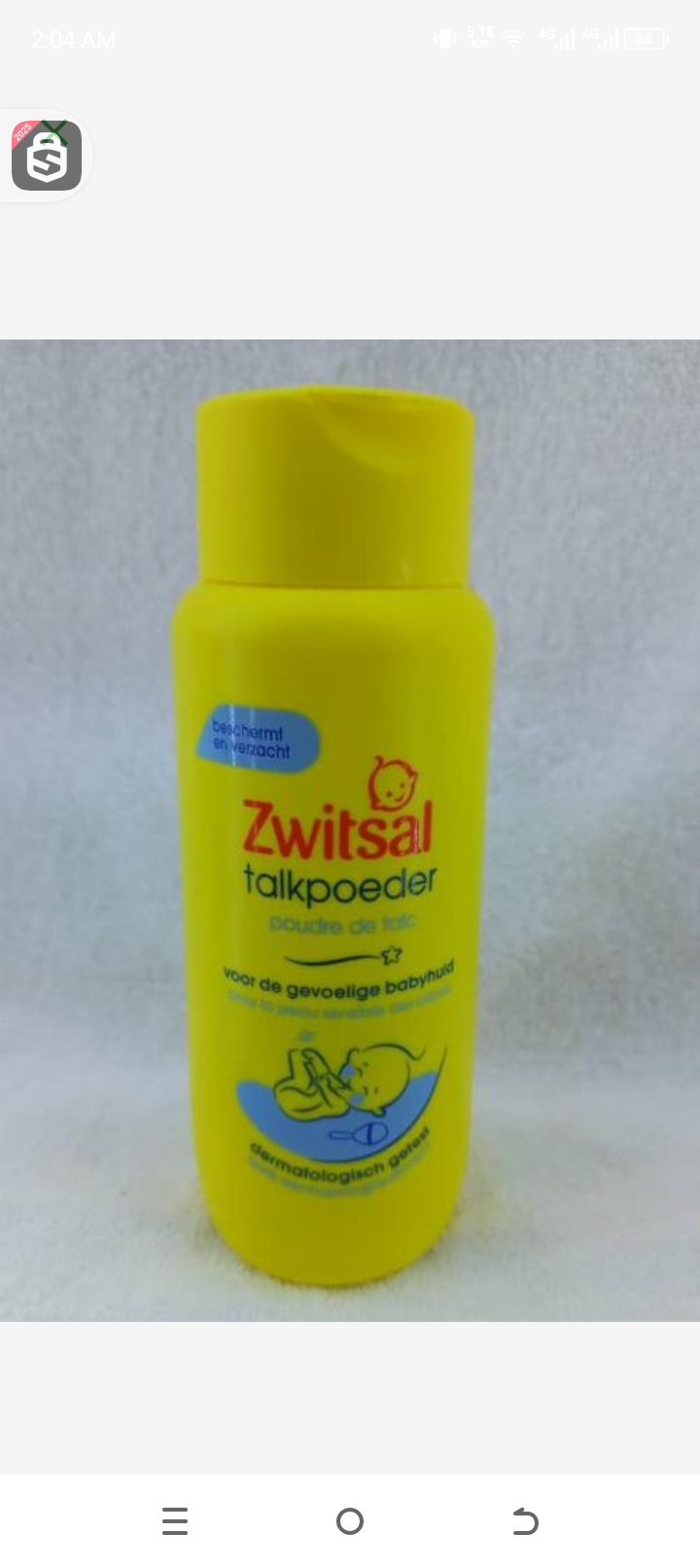
Talcum powder
1Nice to haveShake lightly on the neck after a cut for comfort.
How to use it: Use a soft brush and avoid breathing the dust.

Styling products
Finishing products that clients often buy from you.
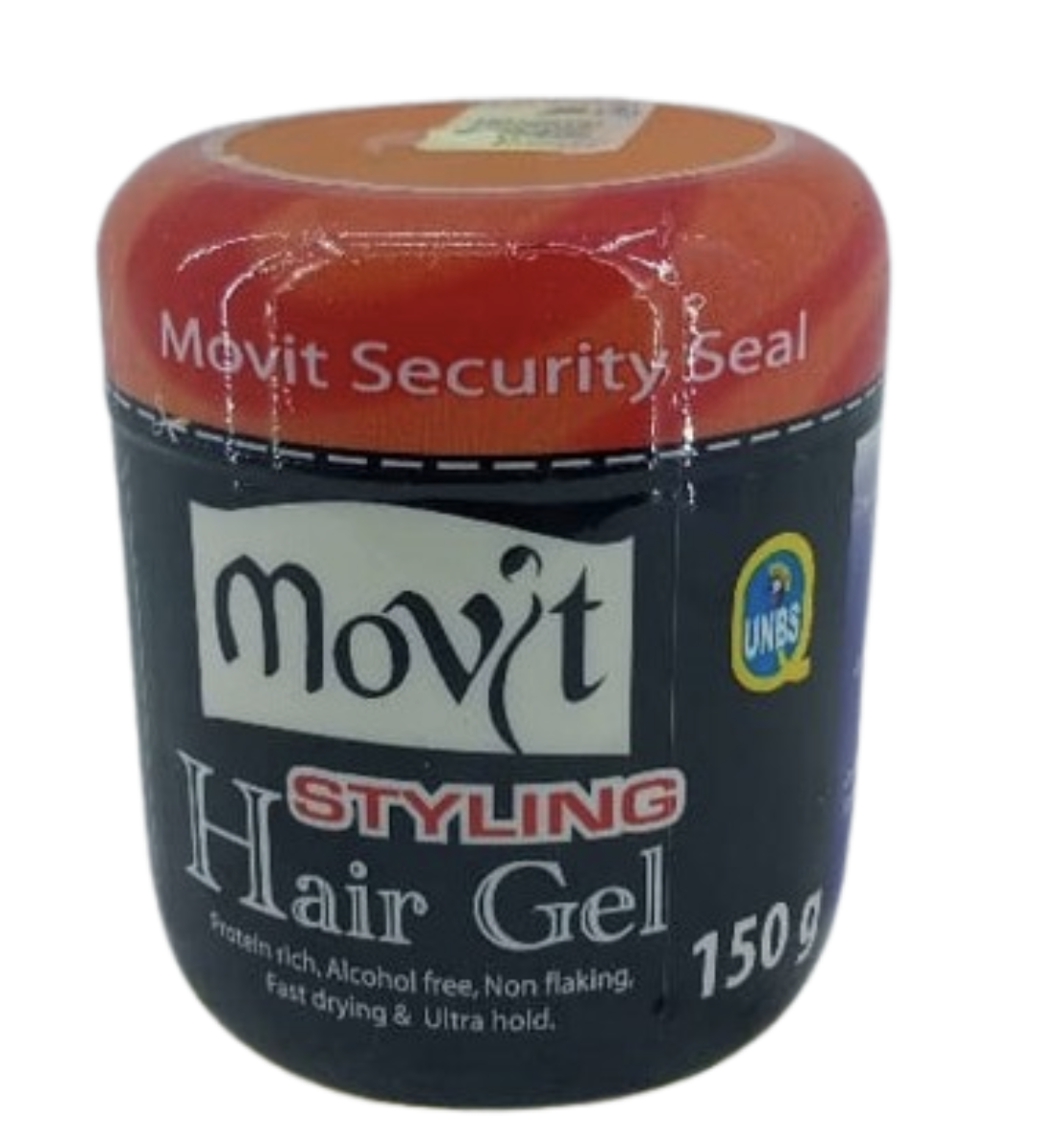
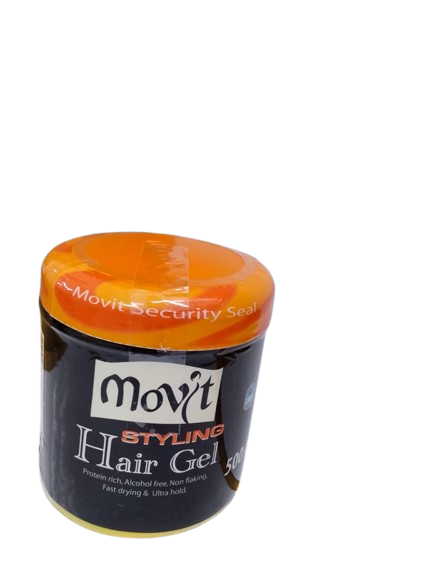
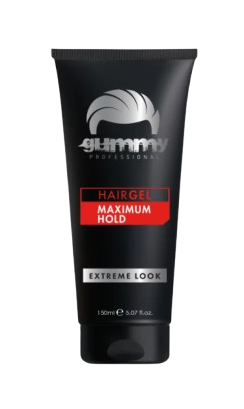
Hair gel
3Nice to haveFor slick, neat styles.
How to use it: Apply on dry or damp hair and style before it sets.
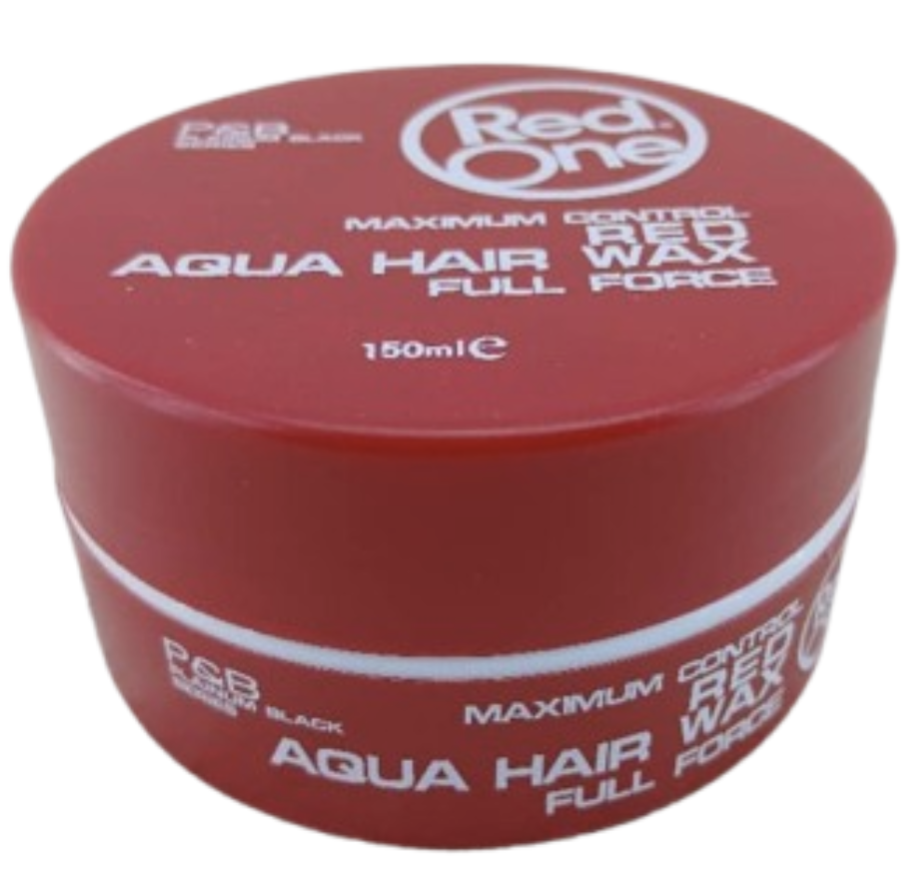
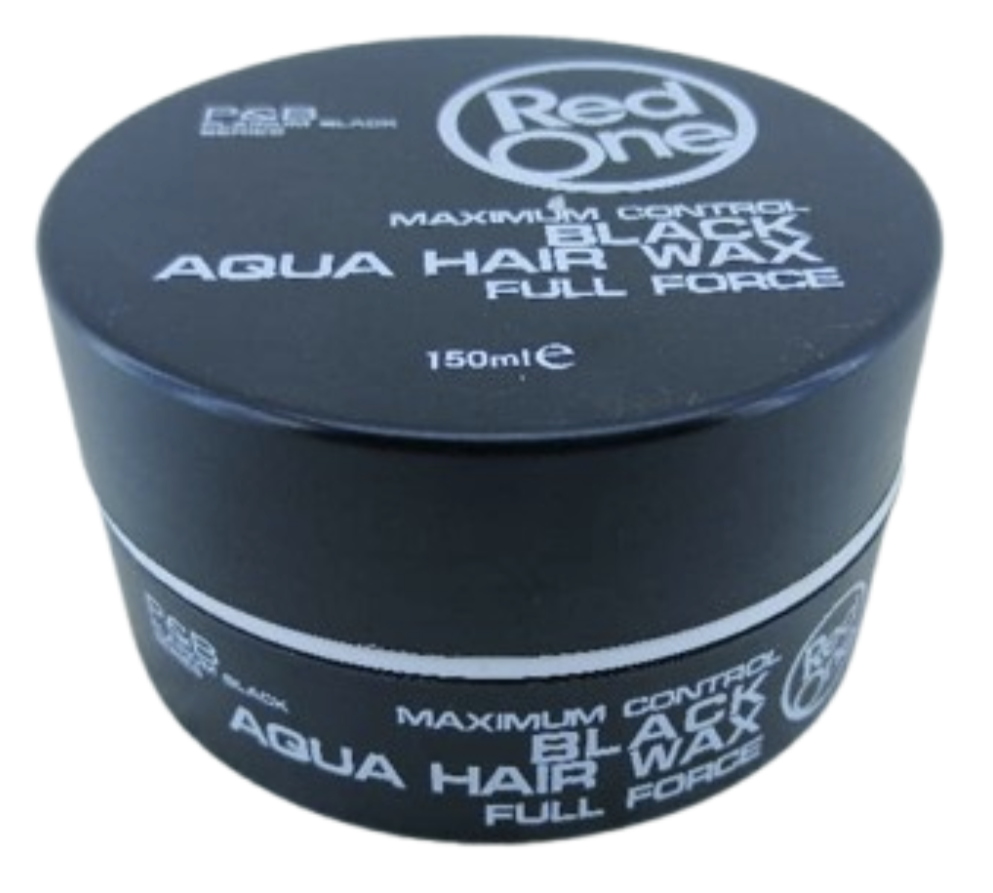
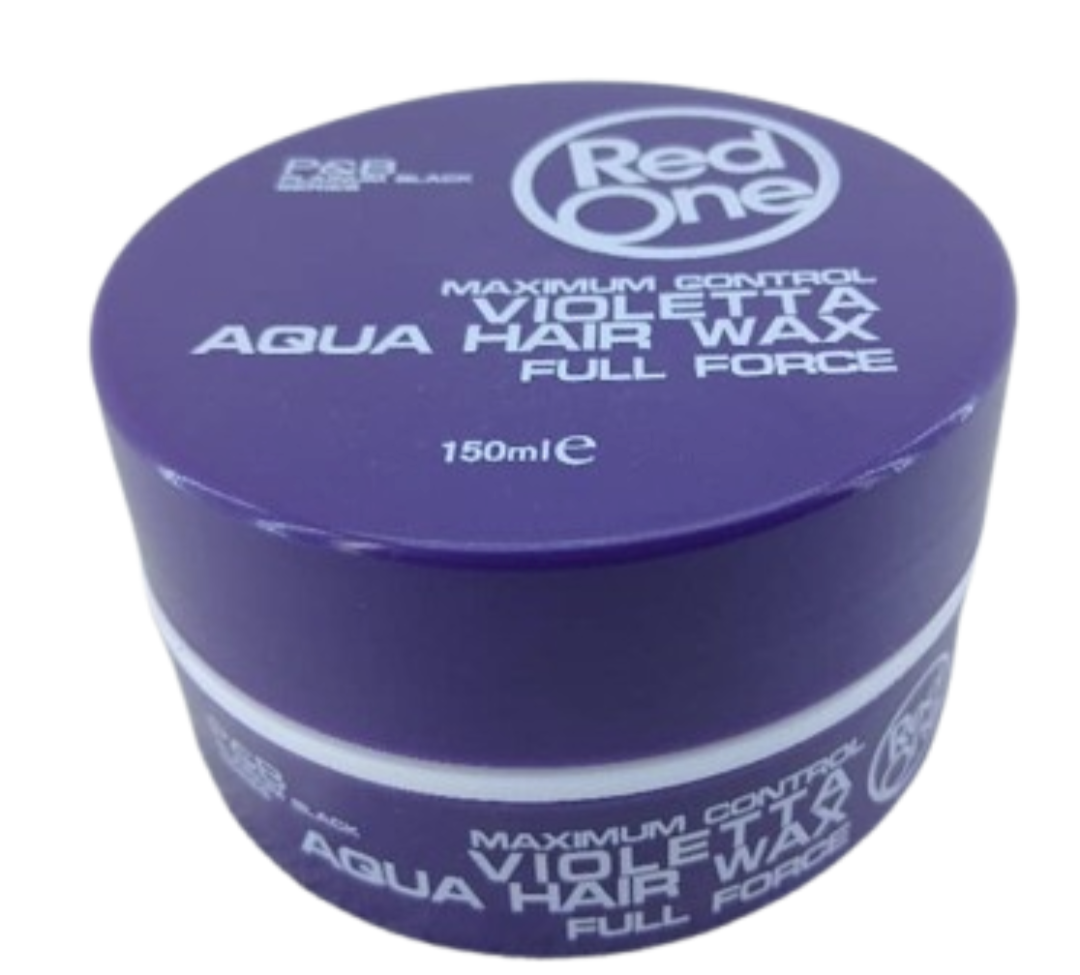
Hair wax
3Nice to haveFor texture and a matte look.
How to use it: Warm a little in your palms before applying.
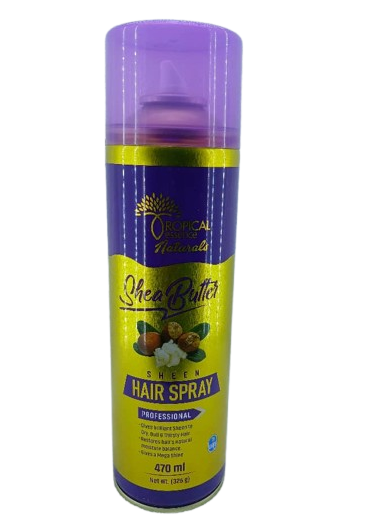
Hair spray
2Nice to haveHolds a finished style in place.
How to use it: Cover the client's eyes before spraying.
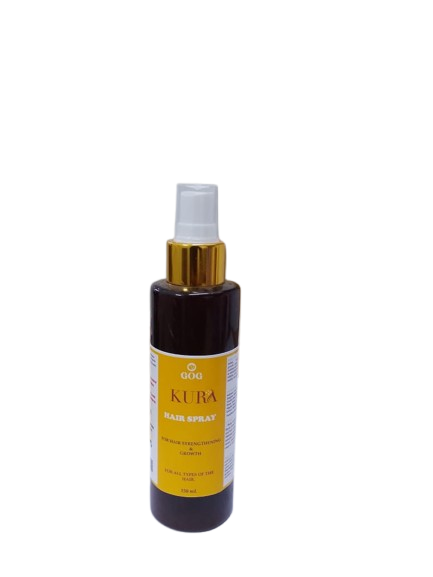
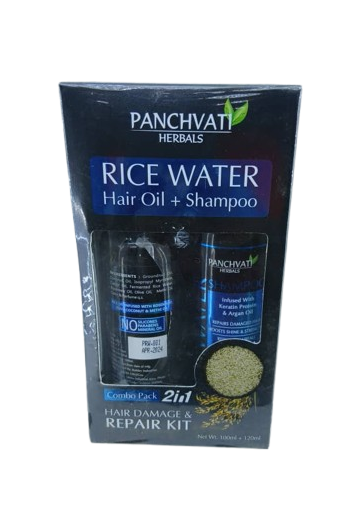
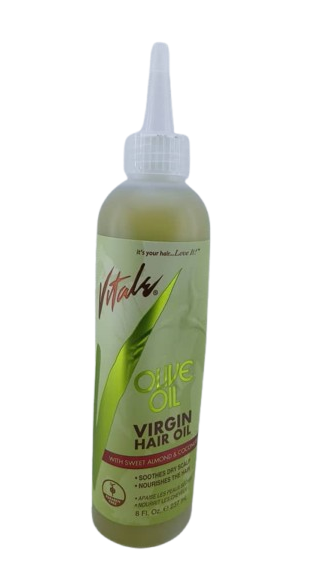
Hair oil
3Nice to haveAdds shine and eases dry scalp.
How to use it: Use a few drops only, as too much leaves hair greasy.
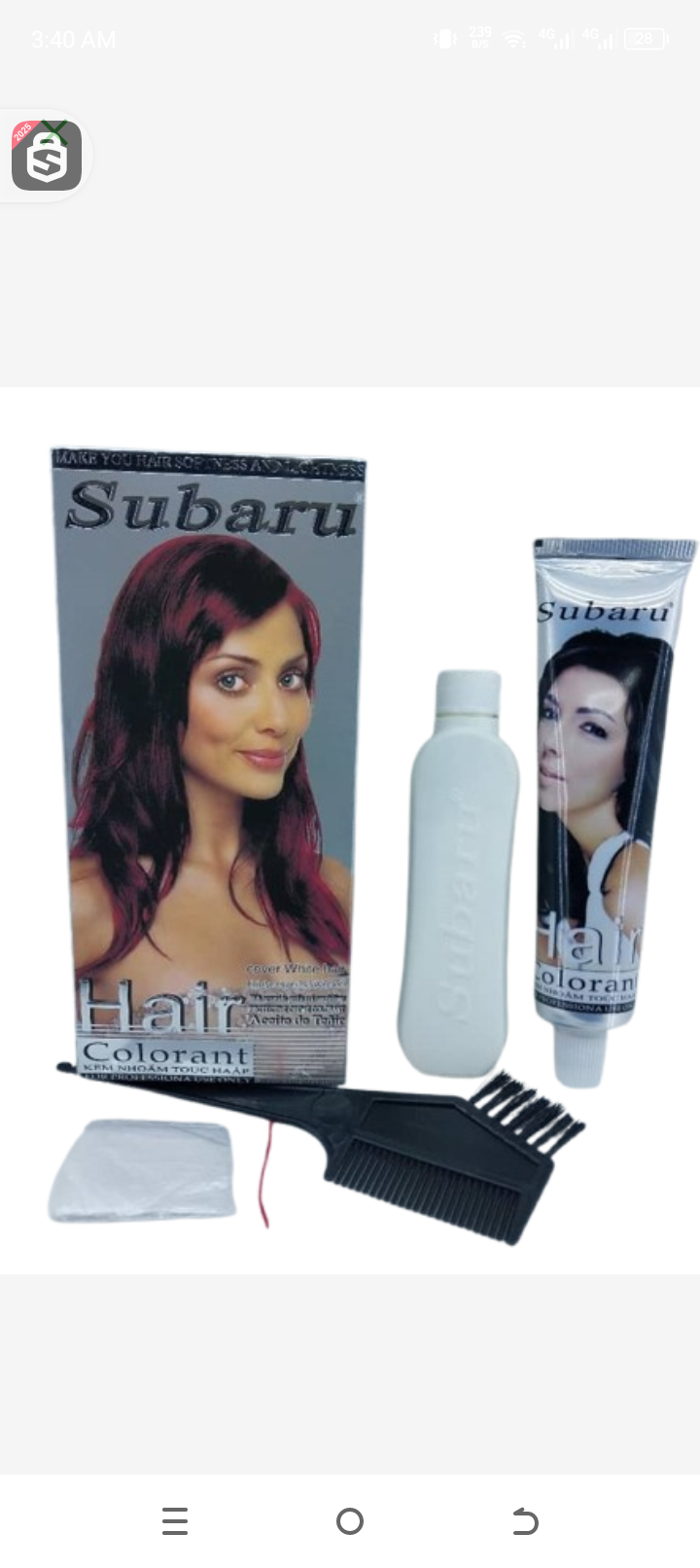
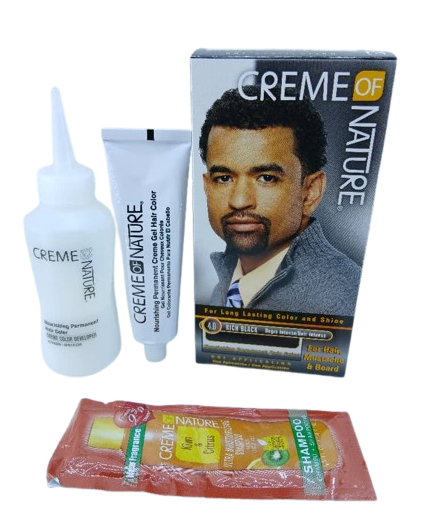
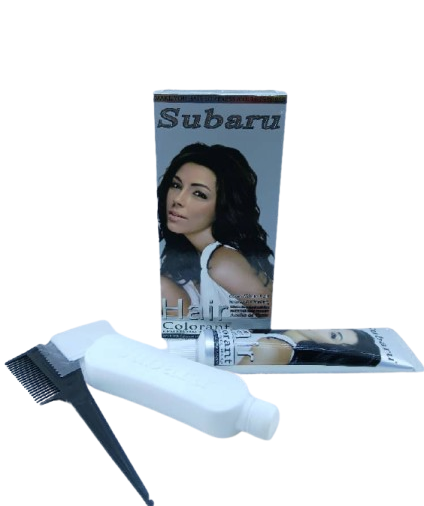
Hair color
2Nice to haveFor covering gray or color services.
How to use it: Do a patch test first and follow the pack timing.


Hygiene and cleaning
Clean tools protect you and your clients and keep them coming back.
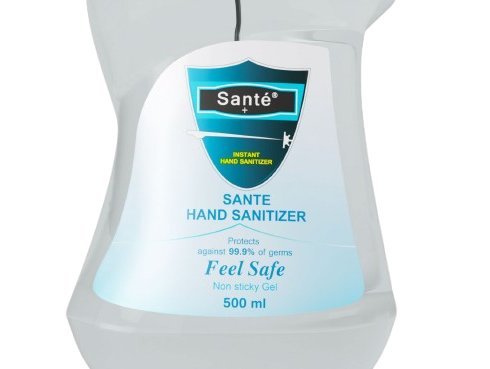
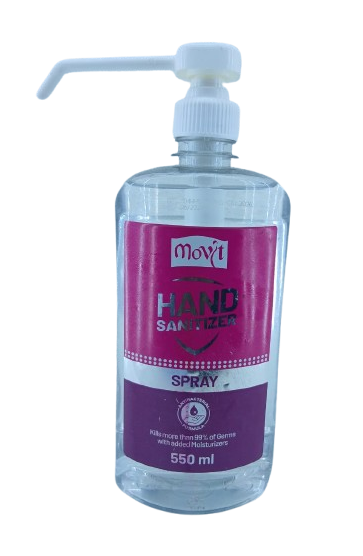
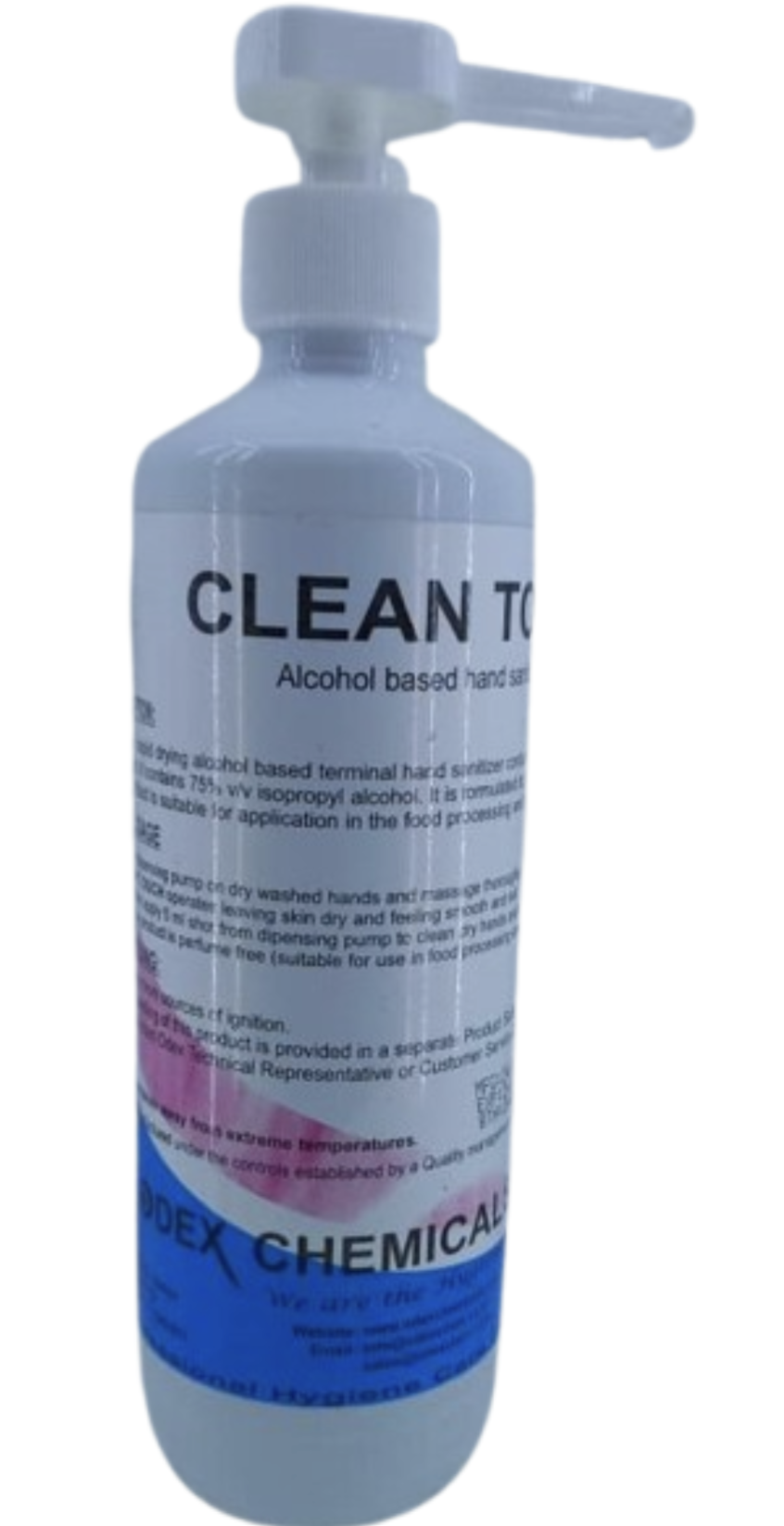
Hand sanitizer
2 bottles Must haveFor quick hand cleaning between clients.
How to use it: Use on dry hands and let it air dry.
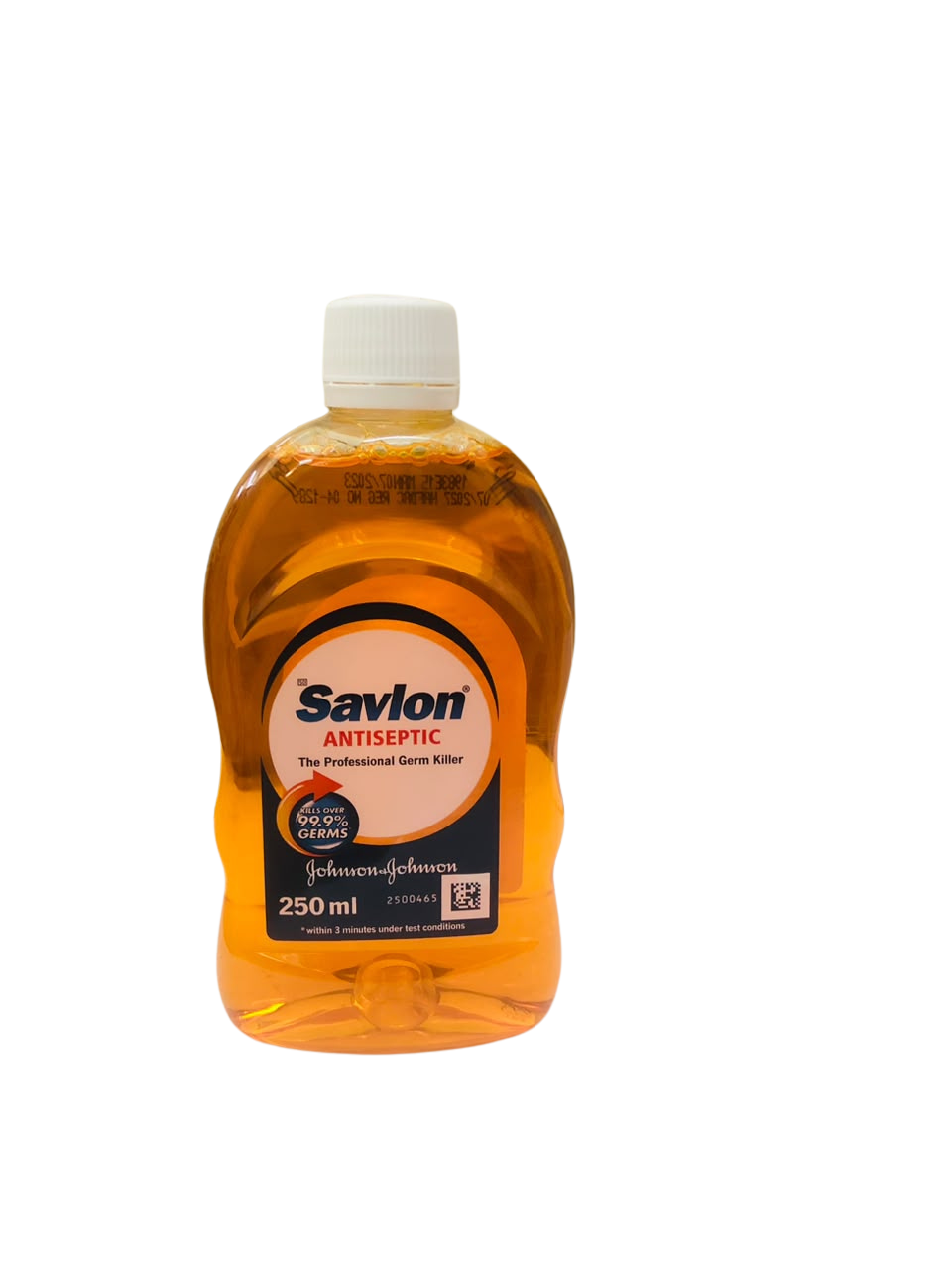
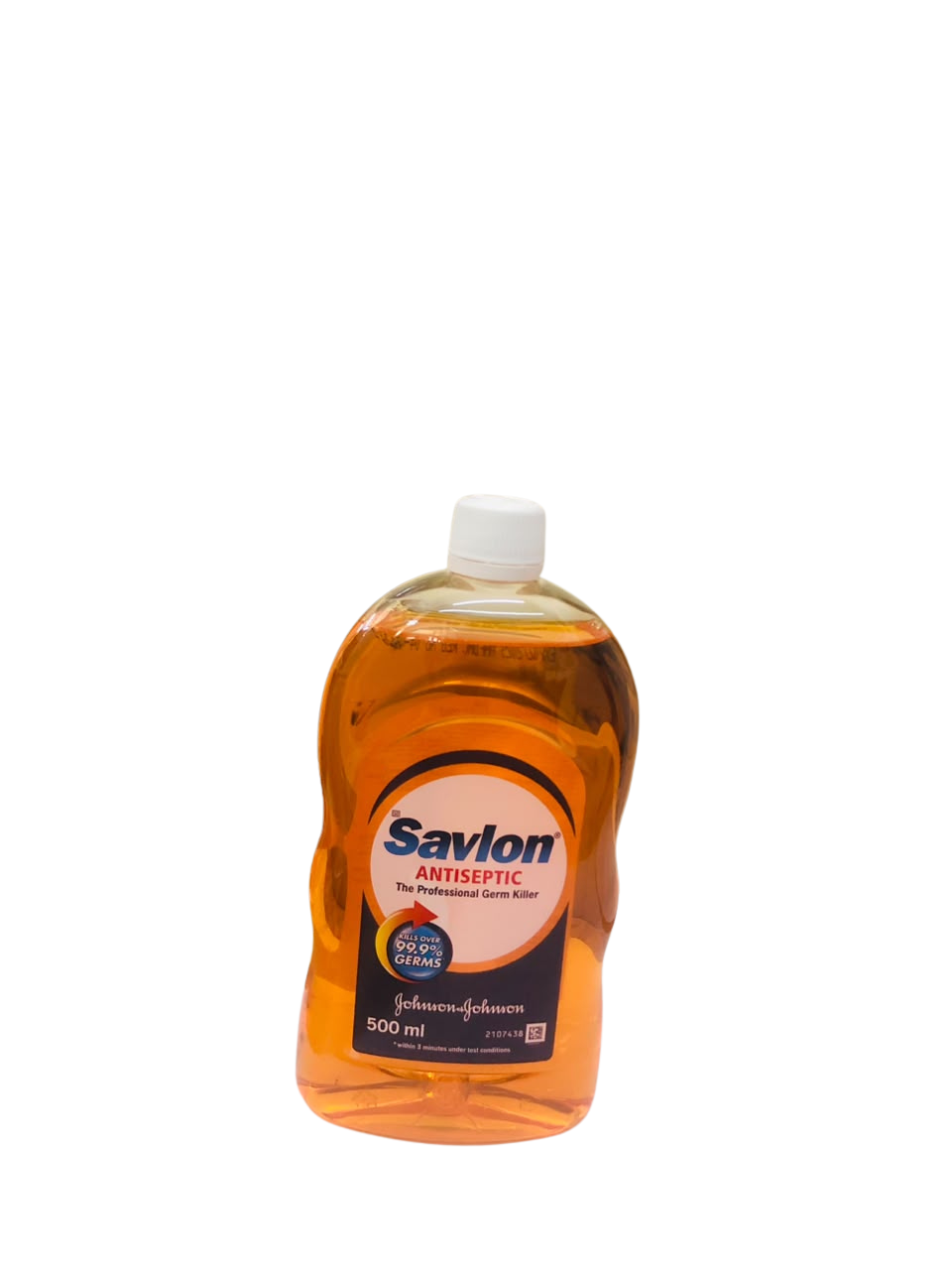
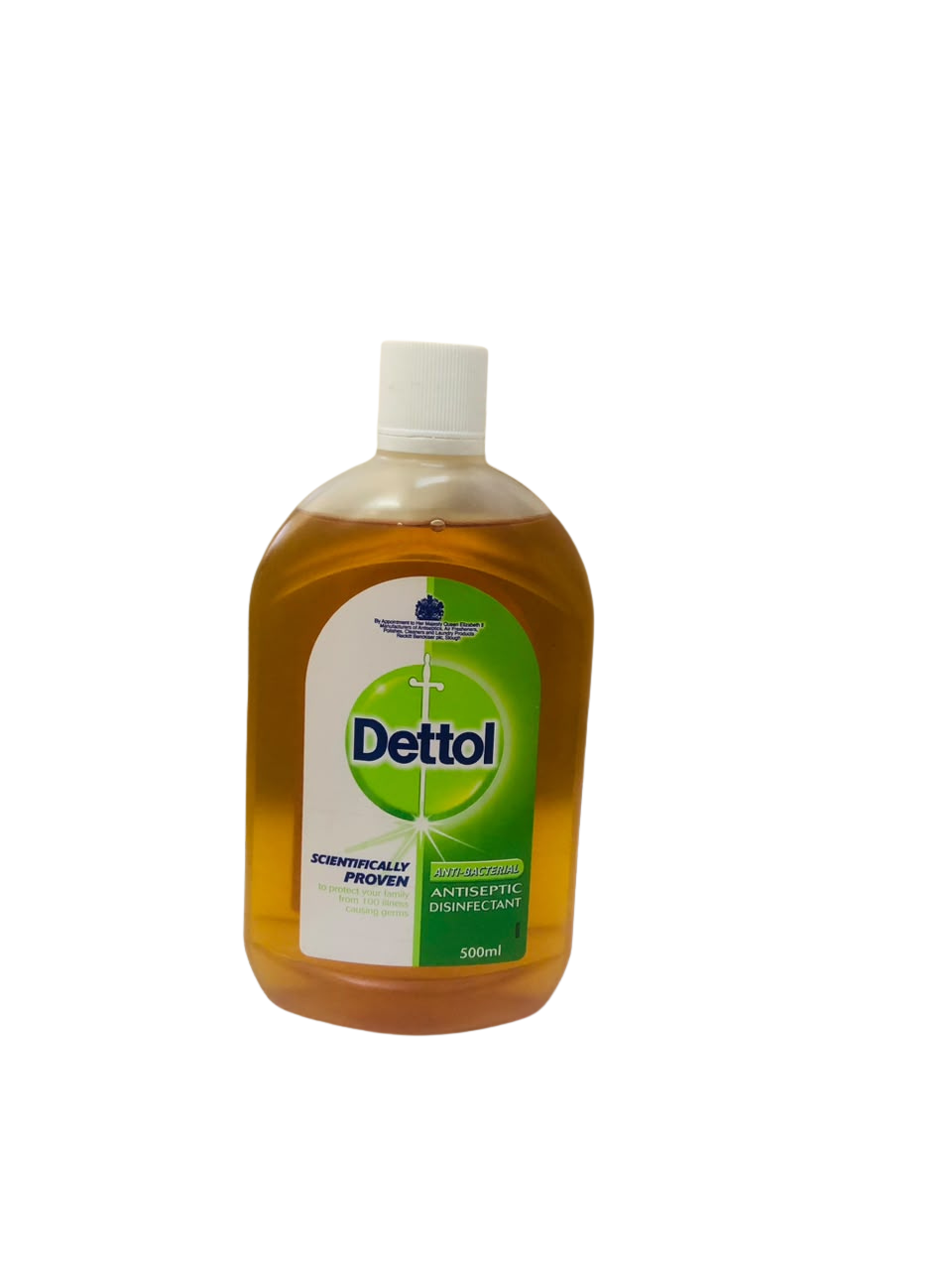
Antiseptic liquid
1 bottle Must haveFor small cuts and for cleaning small tools as the label allows.
How to use it: Dilute as the label says and keep it out of eyes.
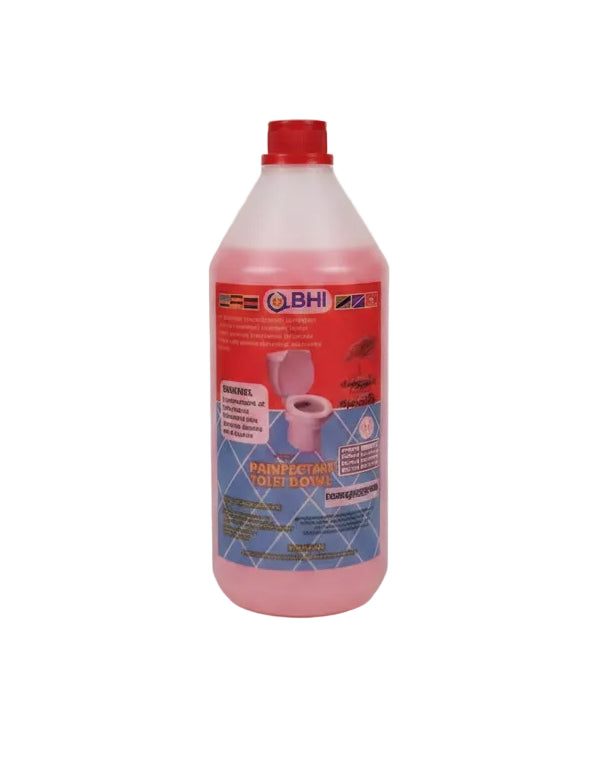
Disinfectant
2 L Must haveFor wiping chairs, counters and tool trays.
How to use it: Dilute as directed and leave a short time before wiping.
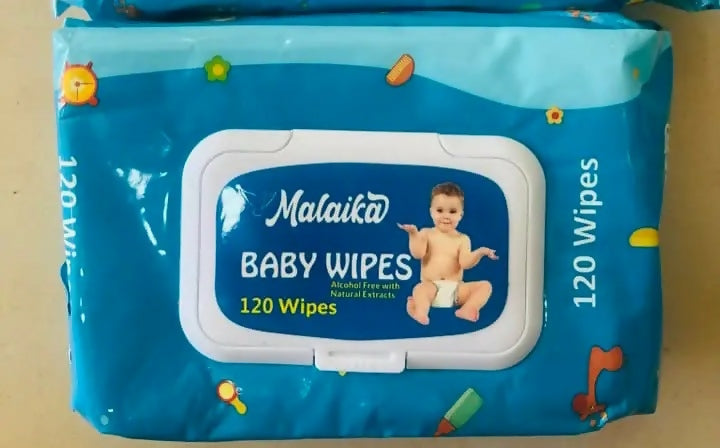
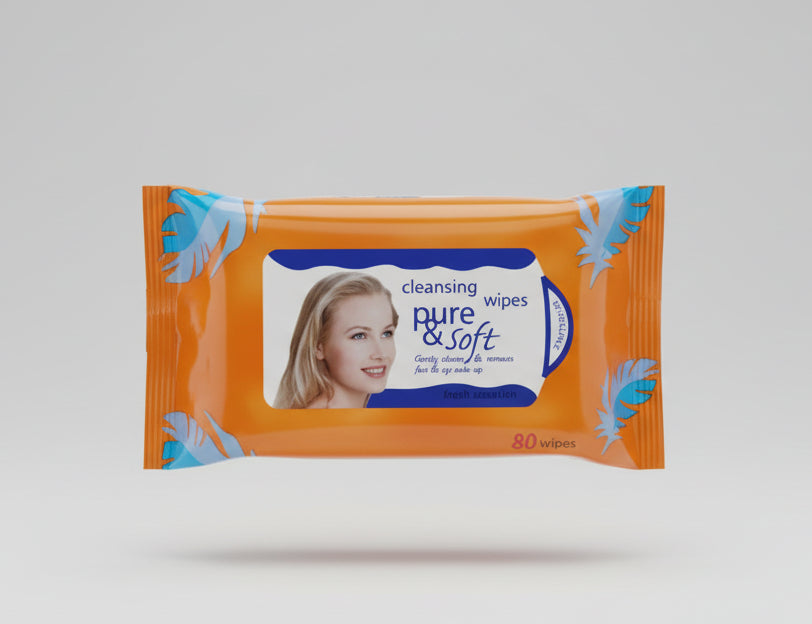
Wet wipes
2 packsNice to haveQuick cleaning of hands, clippers and counters.
How to use it: Use one wipe per surface and bin them straight away.
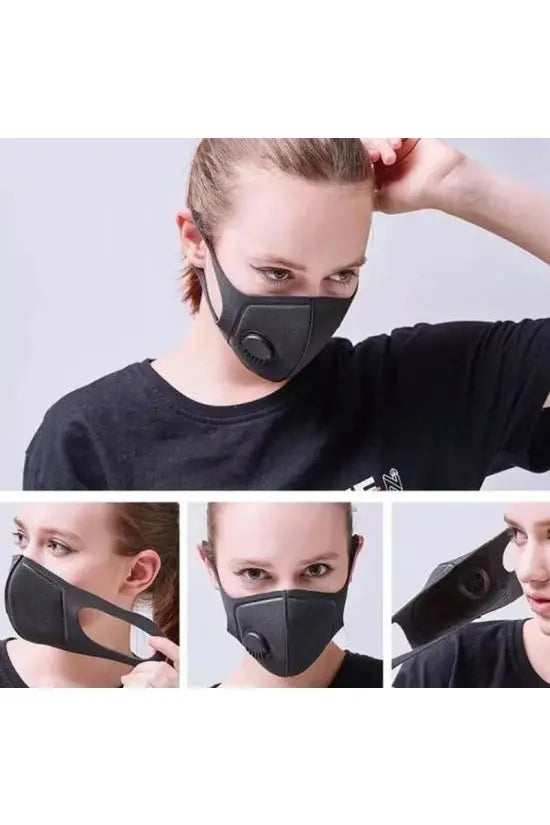
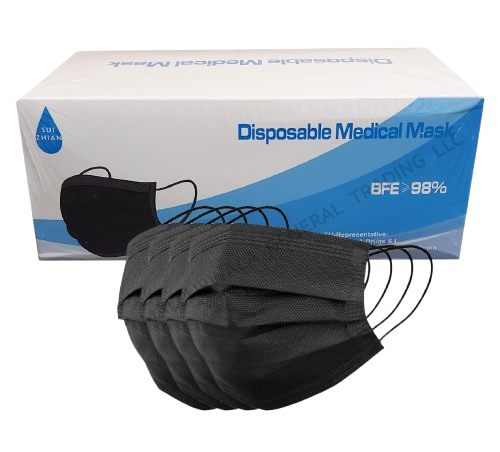
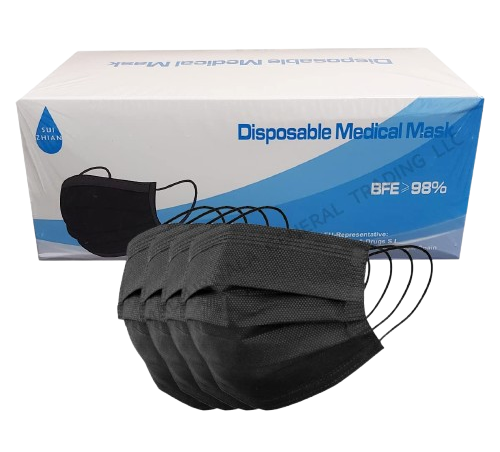
Face masks
1 boxNice to haveProtect you from hair dust during busy days.
How to use it: Replace when damp or dirty.
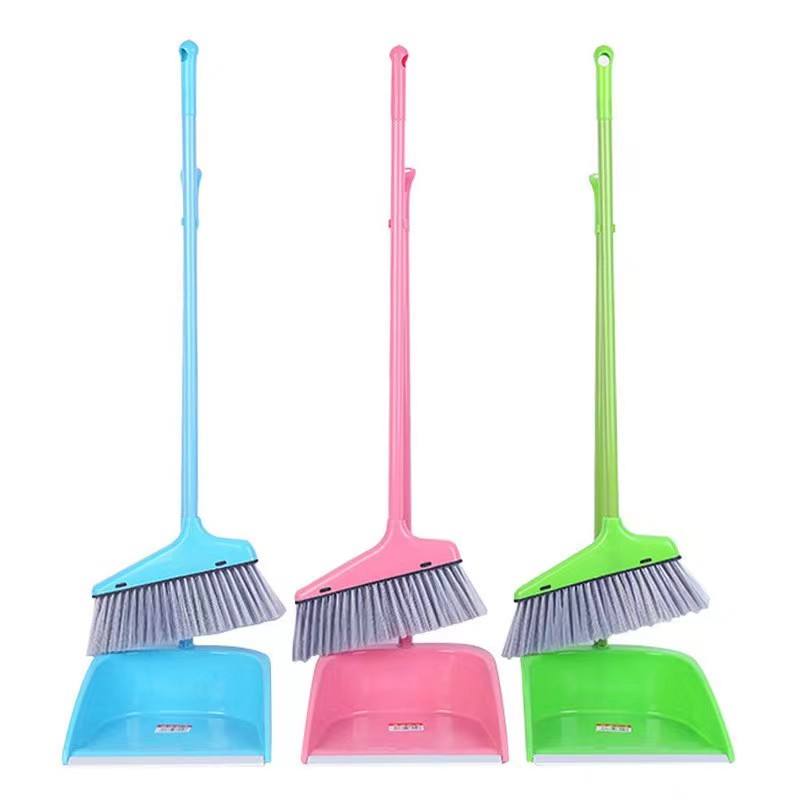
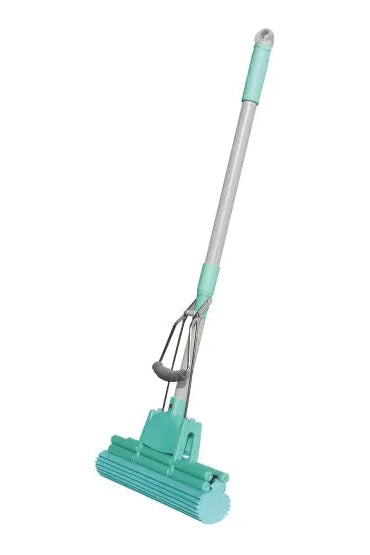
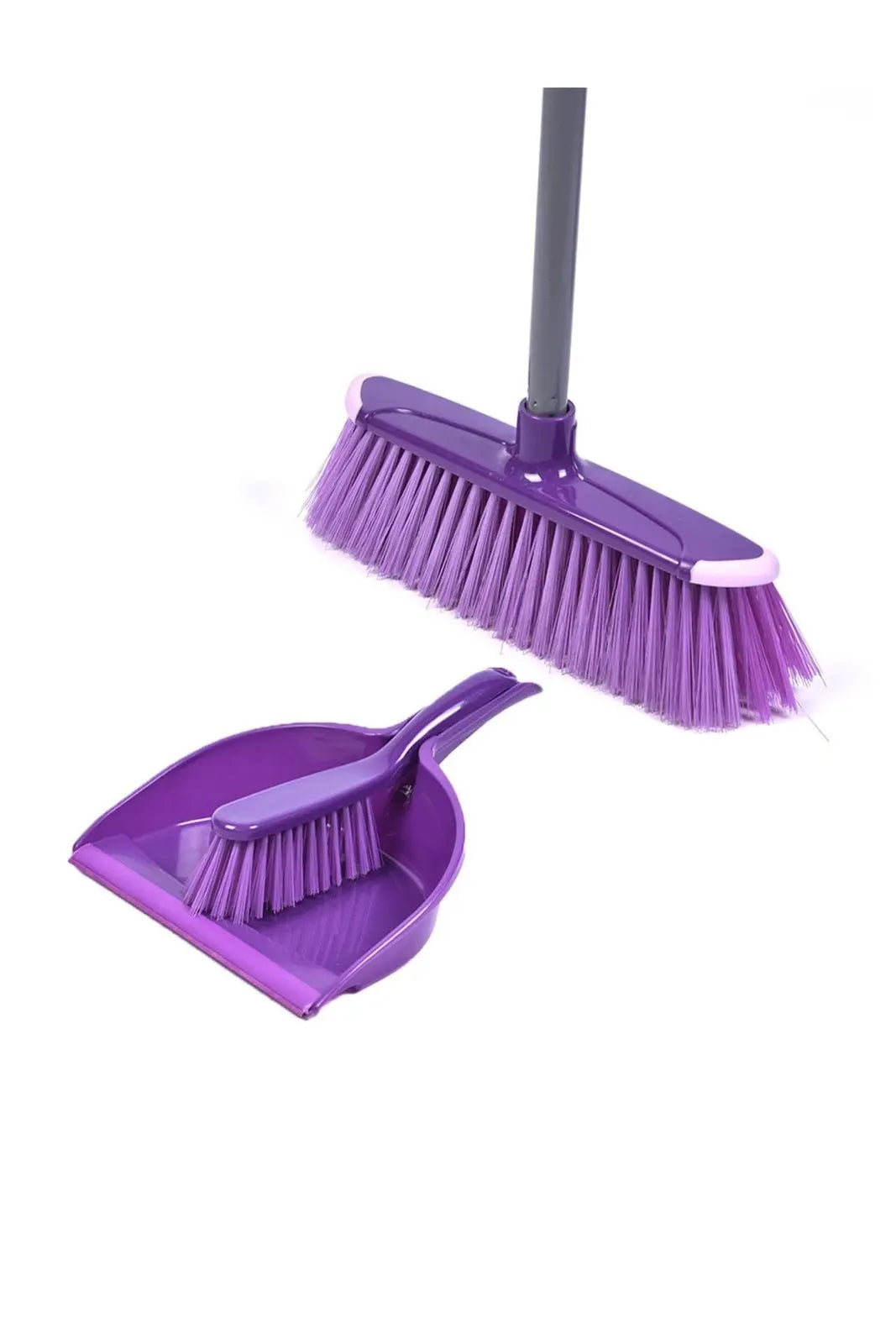
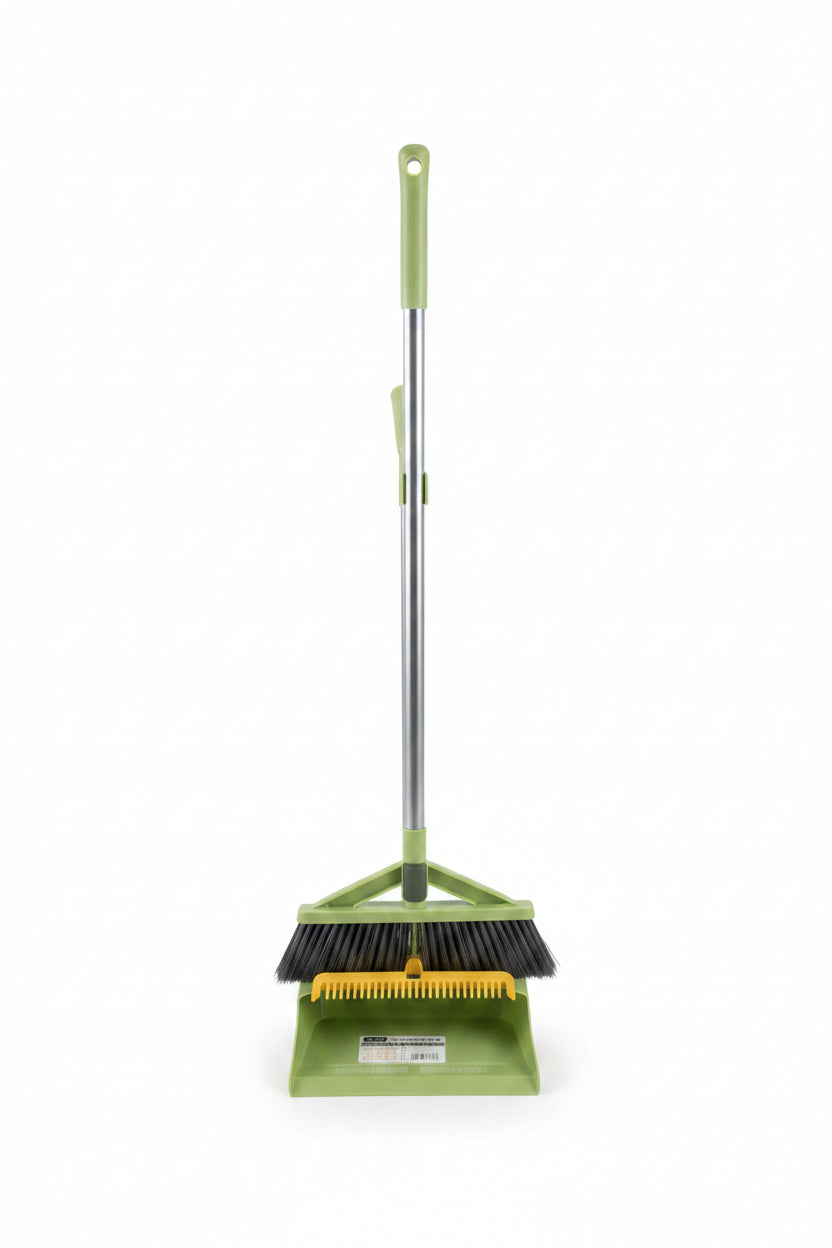
Broom and dustpan
1 set Must haveHair needs sweeping after every client.
How to use it: Sweep toward the door and tip hair into a bin.


Business basics
Simple tools for running the shop.
Appointment notebook
1 Must haveWrite bookings and regular clients so nobody waits too long.
How to use it: Write time, name and phone number. Confirm by message.
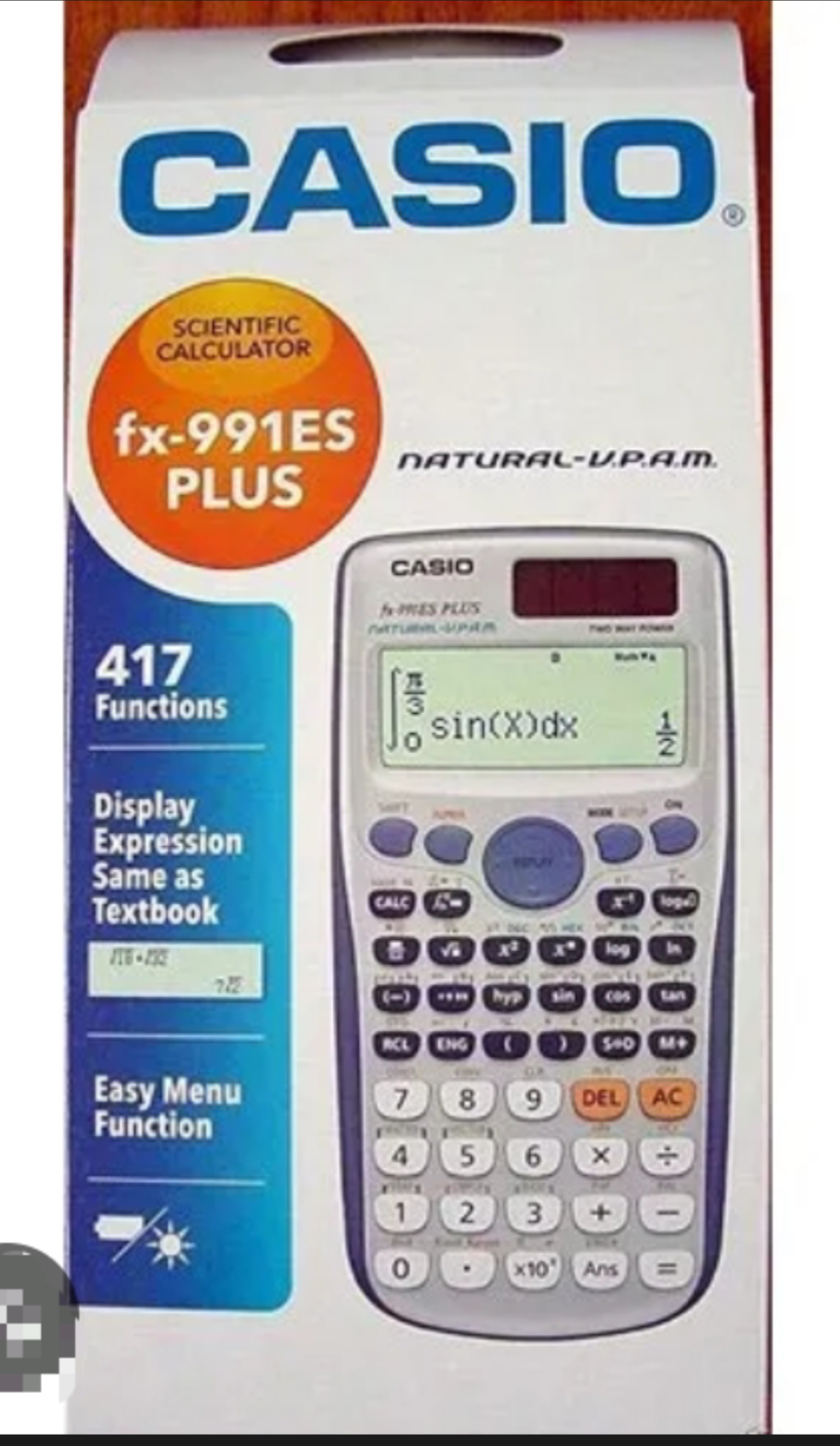
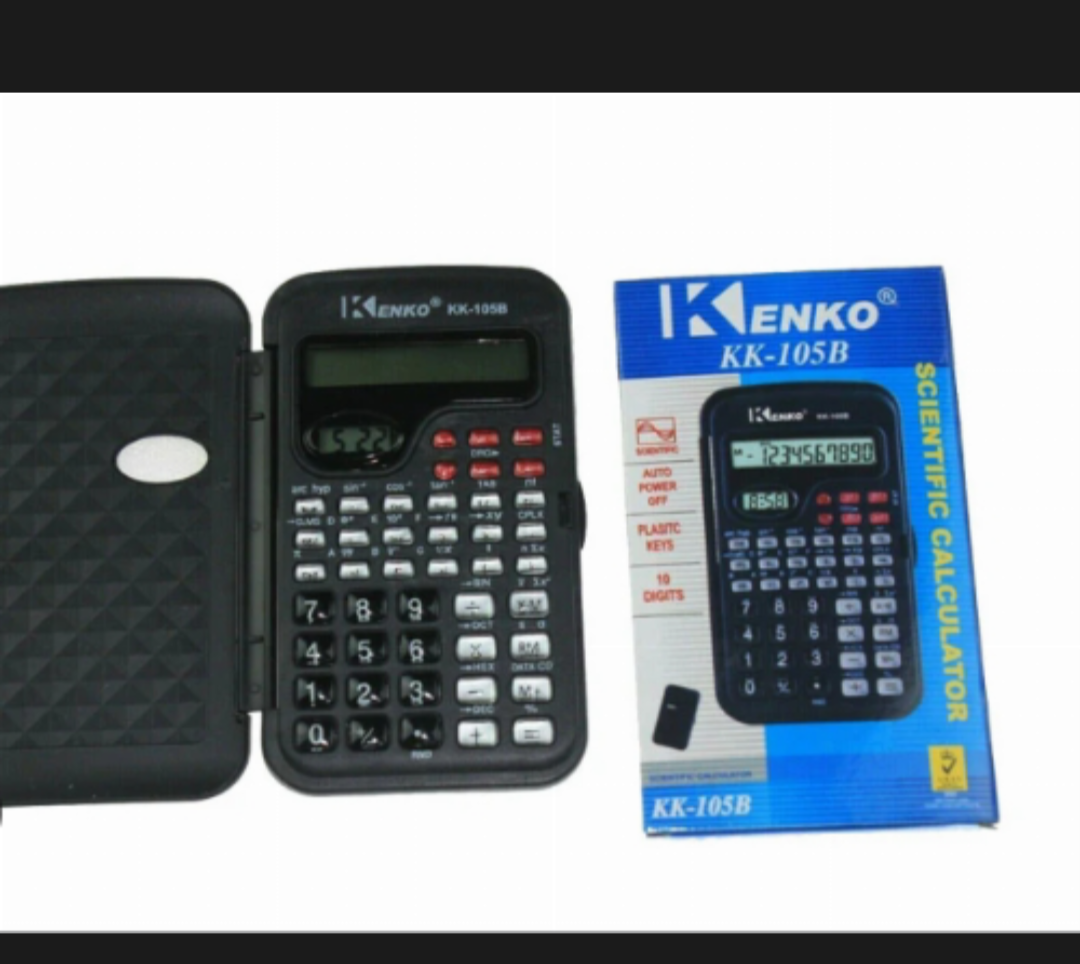
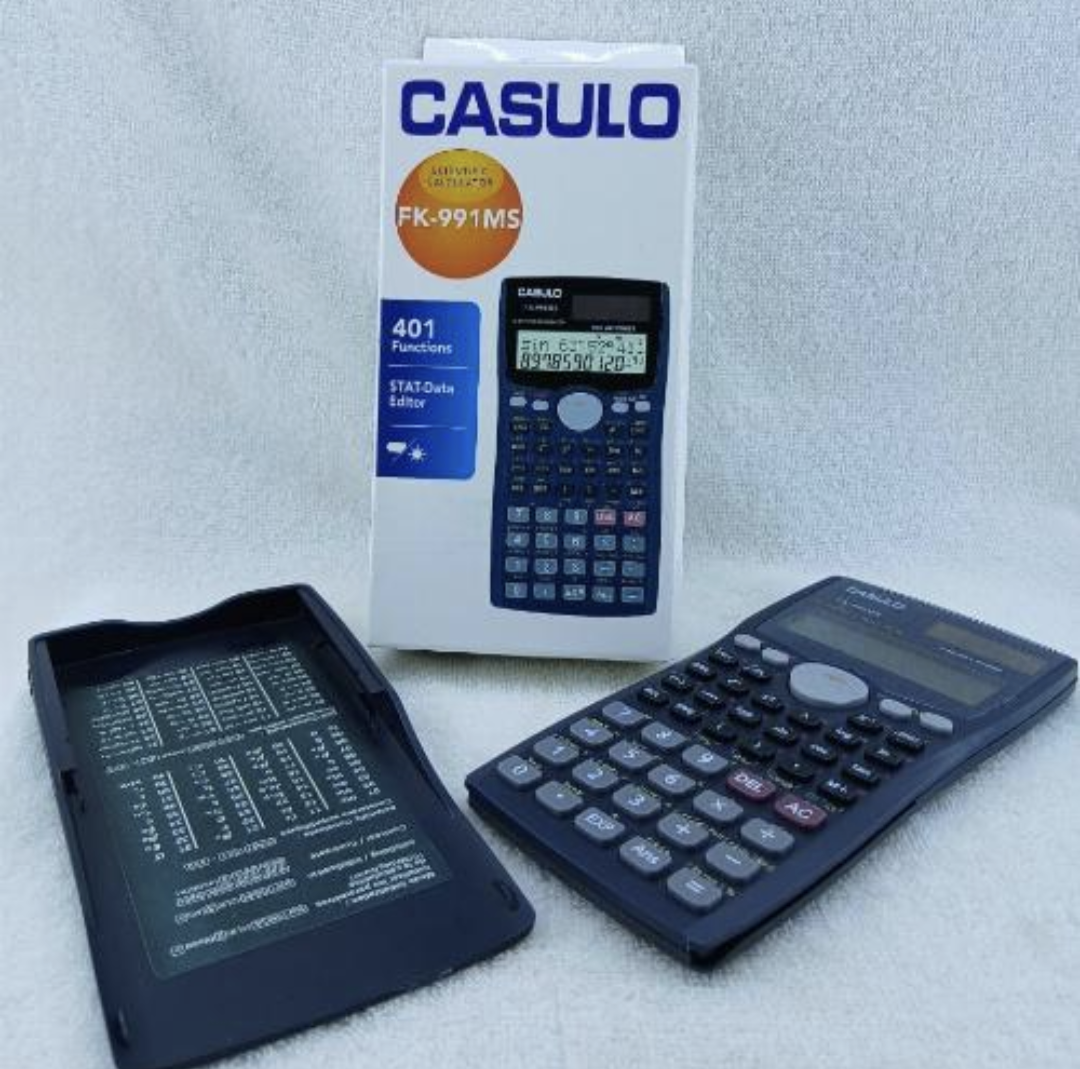
Calculator
1 Must haveQuick totals when clients pay with cash or MoMo.
How to use it: Write each payment in the notebook right away.
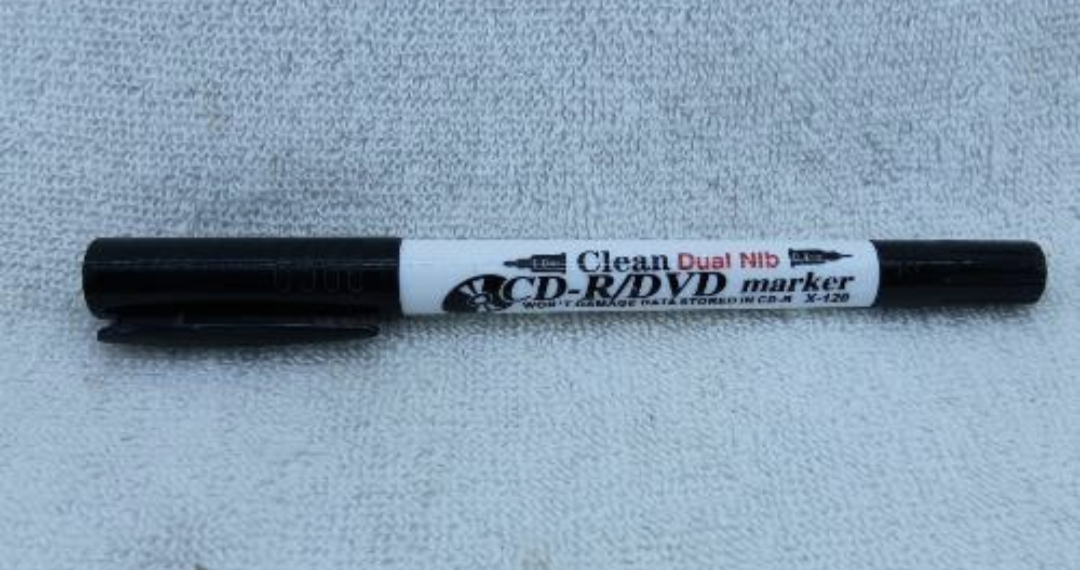
Permanent marker
2Nice to haveLabel products and sign prices.
How to use it: Put your price list where all clients can see it.

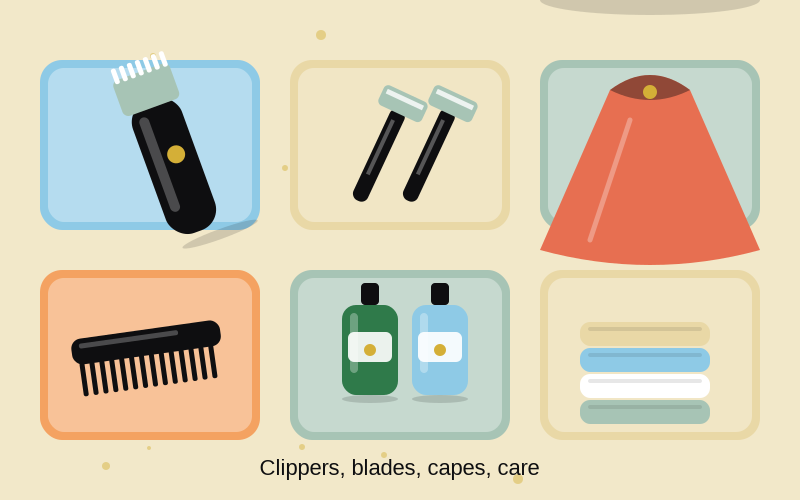
Step by step
- 1
Pick your location
Check the space, power and light, and ask your landlord about rules.
- 2
Buy the station
Get the chair, mirror, bulbs and sockets so the shop is ready to work.
- 3
Buy cutting tools
Choose clippers, trimmer, scissors, combs and enough fresh blades.
- 4
Set up hygiene
Stock sanitizer, disinfectant, capes and towels and plan daily cleaning.
- 5
Add products slowly
Buy styling and shaving products in small amounts and see what sells.
Tips that help
- Keep spare blades, bulbs and a power backup in case of power cuts.
- Use a fresh blade for every shave and throw it away safely.
- Wash capes and towels often to prevent skin problems.
- Put your price list and opening hours on the wall.
- Keep a small first aid kit near the chair.
- Check with your landlord and local office about rules for running a barbershop.
- Keep combs and brushes clean between clients.
- Ask regular clients which products they like and stock those.
Mistakes to avoid
- Reusing blades between clients.
- Buying many styling products before knowing what sells.
- Overloading one socket with clippers and chargers.
- Forgetting to clean clippers after each client.
- Skipping a daily cleaning routine.
Questions people ask
What do I need to open a barbershop in Kigali?+
At minimum: a chair, a mirror, good light, power sockets, clippers, scissors, combs, capes, towels, fresh blades and hygiene supplies. Add styling and shaving products as you grow.
How many clippers should I buy?+
Start with two so one can rest or charge while you work. If you have several chairs, buy one per barber and a spare.
How do I keep my tools clean?+
Brush hair off after each client, wipe tools as the maker advises and use a fresh blade every time. Never share blades. Ask a pharmacist for safe cleaning advice if unsure.
Do I need a license to open a barbershop?+
Rules depend on your location and business size and may change. Ask your landlord and local sector office before you open.
What should I stock for clients who want a shave?+
Shaving foam, fresh blades, warm towels and an after shave balm. Keep antiseptic and plasters for small nicks.
A sharp cut and a clean shop win clients for life. Shop this list on Isokko, set up your chair and open with the basics you trust.
Shop this list
Get everything delivered in Kigali
Order from local stores on Isokko and pay with MoMo, card or cash. Same-day delivery.