
Checklist · Work & business
Opening a Small Shop or Kiosk in Kigali: Supplies Checklist
Everything to buy before opening a small shop or kiosk in Kigali: shelves, scale, sales book, security, cleaning kit and first stock, with tips.
Updated November 16, 2026 · By Isokko
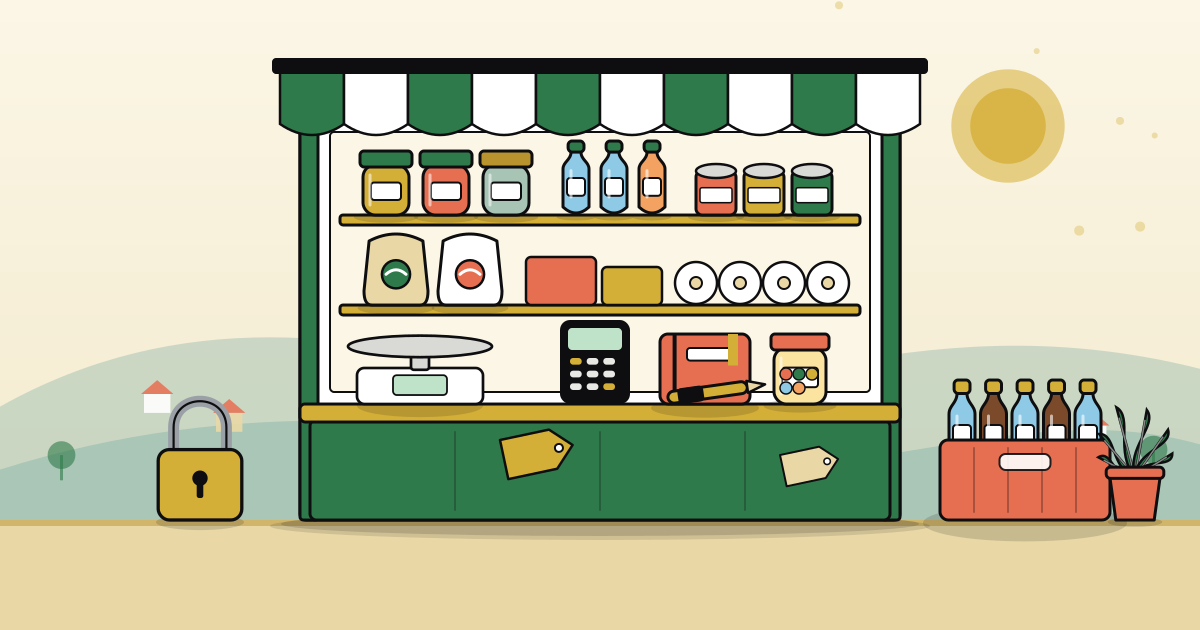
A small shop in Kigali lives or dies on the boring details. Can a customer see the price? Can you weigh sugar quickly, give change, keep a record of who owes you, and lock up safely when the power goes out at 7 pm? Getting the setup right before the first customer walks in saves you money every single day after.
This checklist covers the supplies most small shops and kiosks need: shelving and display, the tools for selling and record keeping, packing for customers, power and security, cleaning, and a sensible first stock of fast moving goods. It does not cover permits or tax. For registration, trading licenses and anything legal, check with RDB and your sector office before you open.
Start with the must items, open, and let your customers tell you what to add next.
Who it's for
Anyone opening a small boutique, kiosk or corner shop in a Kigali neighborhood
Time needed
Shop over 2 to 3 weeks before opening day
When to shop
Order equipment first, then fast moving stock 2 to 3 days before you open
On the list
38 items, 27 must haves
0 of 38 ready
Shelving and display
Customers buy what they can see. Good shelving keeps stock clean, off the floor and easy to count.
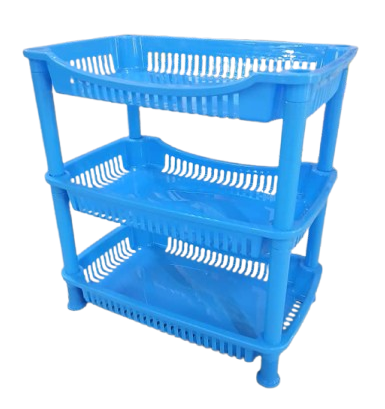
Sturdy shelf or rack
2 to 4 units Must haveShelves turn a small room into a shop. Goods on the floor get dusty, damp in the rainy season and are hard to count.
How to use it: Put heavy items like oil and sacks on the lowest level and small, high margin items at eye level. Leave the top for spare stock.
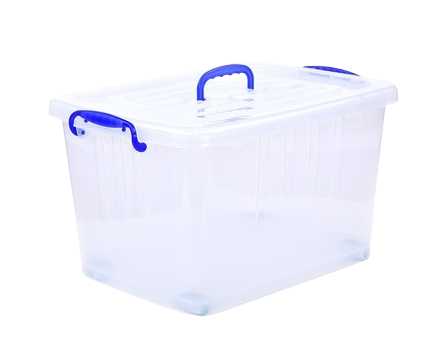
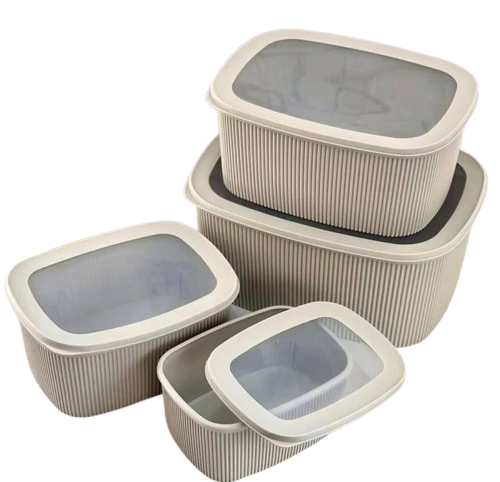
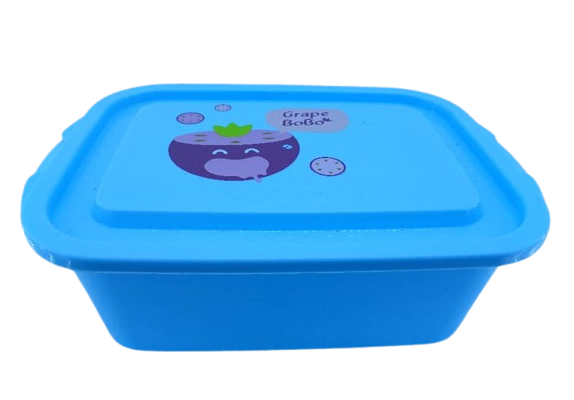
Clear storage boxes and containers
6 to 10 Must haveLoose items like sweets, matches and spices look messy and disappear without containers. Clear boxes keep them visible and dry.
How to use it: Group small items by type and label each box on the side facing the customer.
Price tags
1 pack Must haveWhen prices are visible, customers decide faster and you avoid arguing over every item. It also helps a relative or helper sell correctly when you step out.
How to use it: Tag every item or shelf edge. Update tags the same day a supplier price changes.
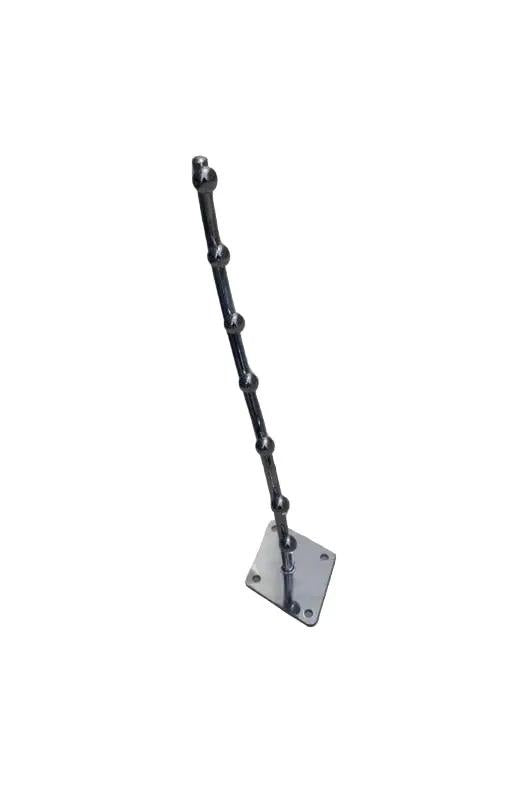
Display hooks
4 to 6Nice to haveSmall packets like sachets, airtime cards and snacks sell better when they hang at the counter where people wait.
How to use it: Fix hooks behind or beside the counter so you can reach them but customers can see them clearly.
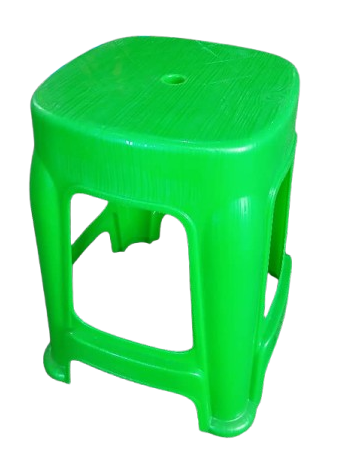
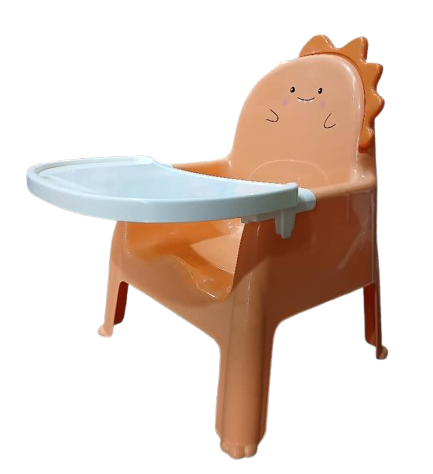
Plastic chair
1 to 2Nice to haveYou will sit for long hours. A simple chair behind the counter keeps you fresh for the evening rush.
How to use it: Choose a stackable one so it does not block the space when you need to move stock.



Selling and record keeping
These tools help you sell accurately and know at the end of the day whether you made money.
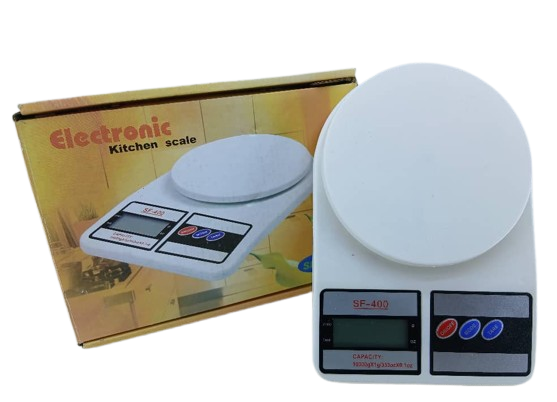
Weighing scale
1 Must haveMany Kigali shops sell sugar, rice, beans and flour by the kilo or smaller. A scale means fair portions and no loss from guessing.
How to use it: Check it each morning with a known weight, like a sealed 1 kg packet. Keep it on a flat, dry surface.
Calculator
1 Must haveQuick, correct totals and change build trust. Mistakes in your own favor lose customers, mistakes against you lose profit.
How to use it: Pick one with big buttons and a solar panel so it keeps working during power cuts.
Sales and credit book
2 to 3 Must haveNeighborhood shops often give small credit to regular customers. Without a written record, that money quietly disappears.
How to use it: Use one book for daily sales and another for credit, with the name, date and amount. Ask the customer to see the entry.
Ball pens
1 pack Must havePens walk away from shop counters. Keep several so you are never stuck.
How to use it: Tie one to the credit book with string and keep spares in a drawer.
Cash box or lockable drawer
1 Must haveMixing cash with your pocket money makes it impossible to know your real takings. A dedicated box keeps the shop money separate.
How to use it: Count the float in the morning, count again at closing, and record the difference in your sales book.
MoMo payment sign
1 Must haveMany customers prefer to pay by mobile money. A clear sign with your MoMo pay code or number speeds up payment and avoids typing errors.
How to use it: Ask your mobile money provider about a merchant code, then print it large and stick it at the counter.
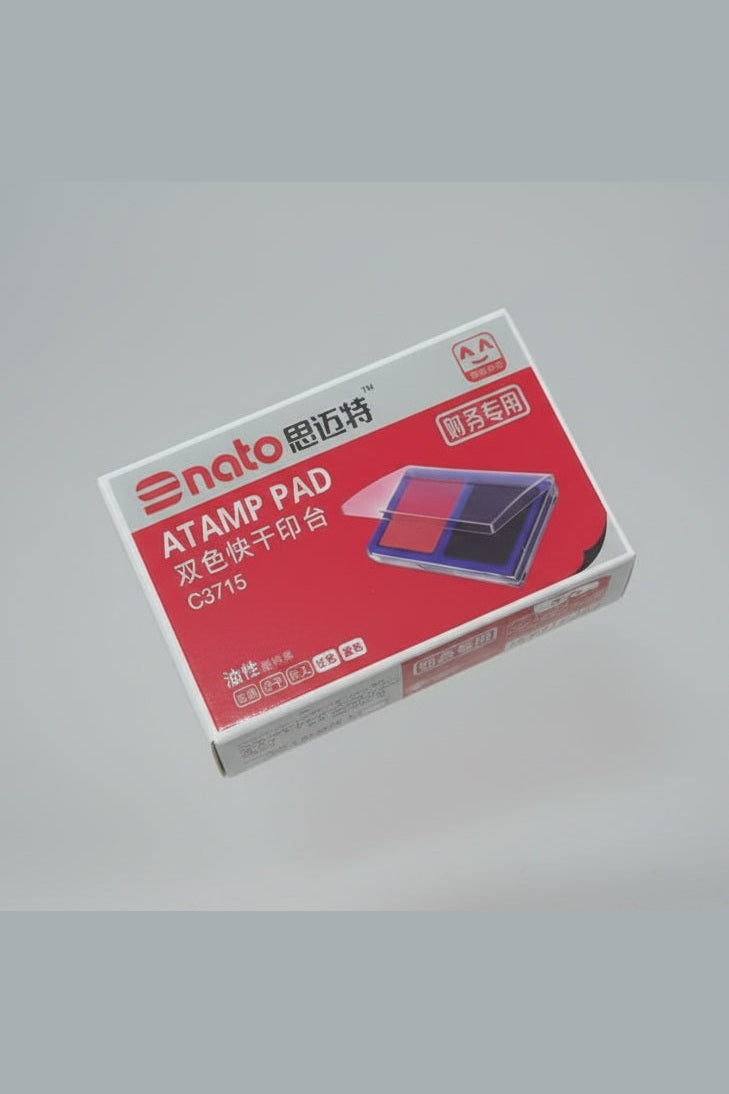
Self-inking stamp
1Nice to haveA stamp with your shop name makes receipts and delivery notes look professional, which matters if you sell to offices or restaurants.
How to use it: Order it with your shop name and phone number. Keep the ink pad closed so it does not dry out.
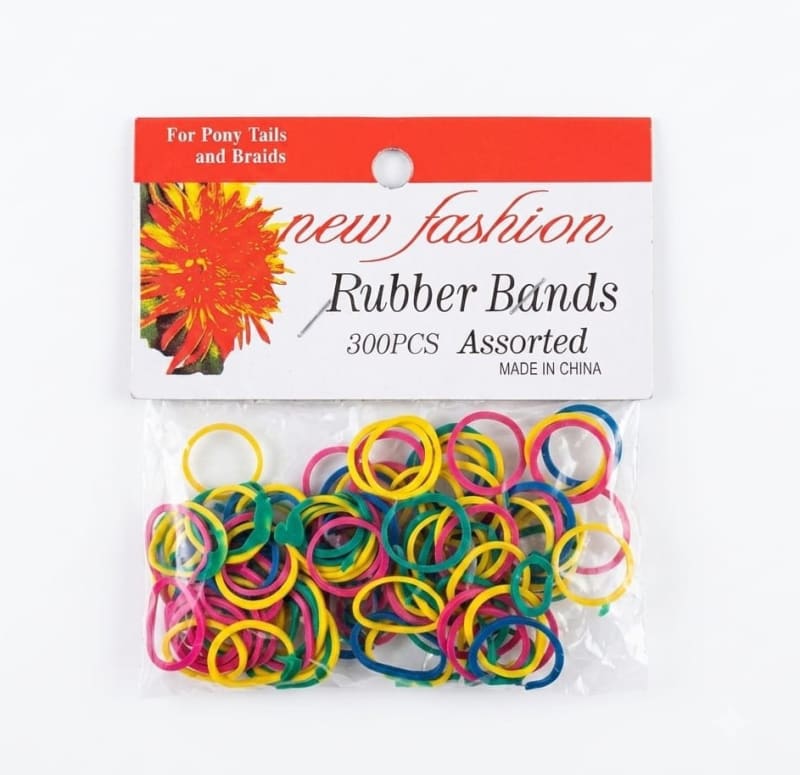
Rubber bands
1 boxNice to haveHandy for bundling cash, closing opened packets and grouping small items.
How to use it: Keep a small box by the cash box and another near the shelves.








Packing for customers
Rwanda does not allow plastic carrier bags, so plan your packing around paper and reusable bags from day one.
Paper bags
Several bundles Must haveCustomers expect something to carry their shopping in. Paper bags are the usual choice in Kigali shops.
How to use it: Buy two or three sizes. Fold and stack them under the counter so they stay dry.
Reusable tote bags to sell
5 to 10Nice to haveRegulars who forget a bag will often buy a reusable one. It is a small extra sale and good for the neighborhood.
How to use it: Hang a few near the till with a visible price.
Packing tape
2 rollsNice to haveUseful for sealing paper bags of loose goods and repacking opened cartons.
How to use it: Keep one roll on the counter and one in the store room.
Scissors
1 to 2 Must haveFor opening cartons, cutting tape and splitting multipacks without damaging the stock.
How to use it: Keep them on a string at the counter so they do not go missing.




Power, light and security
Evening is often the busiest time for neighborhood shops, and it is also when power cuts happen. Plan for both.
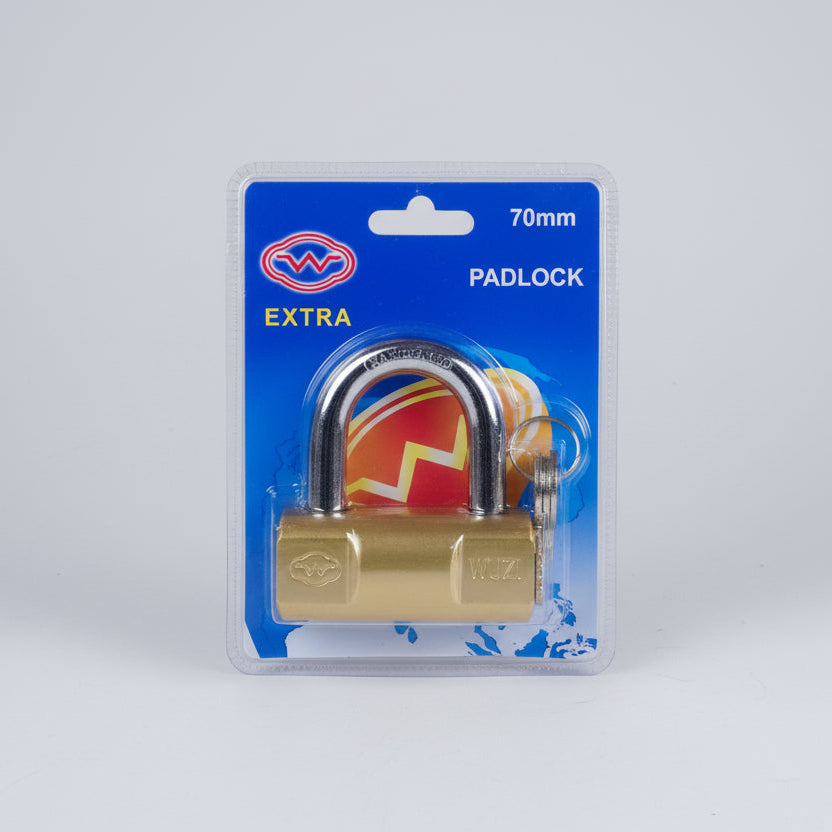
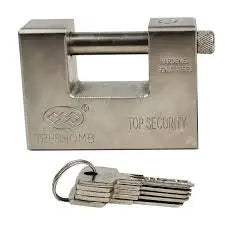
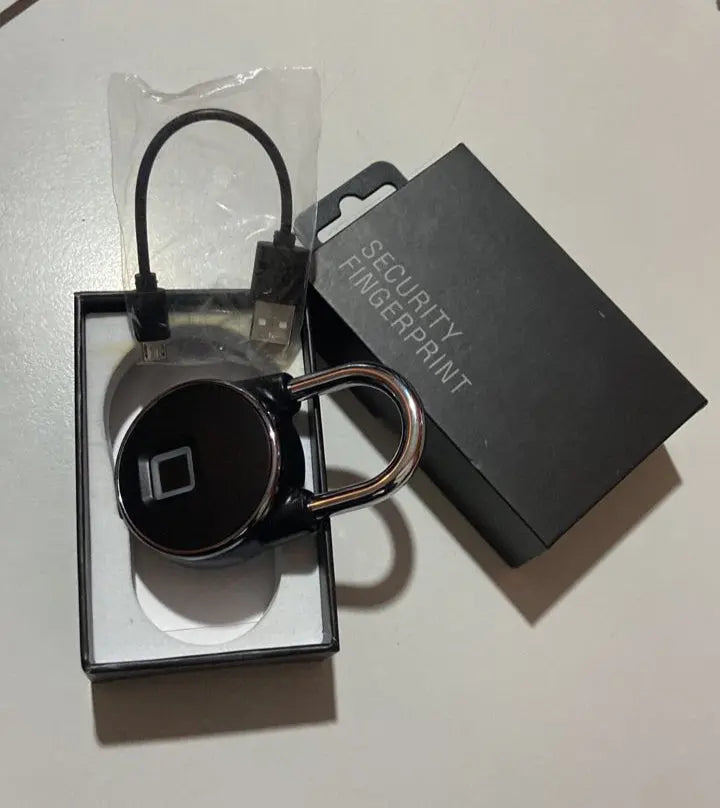
Strong padlocks
2 to 3 Must haveYour stock is your capital. Good locks on doors, grilles and the store room are the cheapest insurance you can buy.
How to use it: Buy brass or hardened steel. Keep a spare key with someone you trust, not inside the shop.
Bright LED bulbs
2 to 4 Must haveA well lit shop looks open and safe from the road and helps customers see what you sell.
How to use it: Use daylight LED bulbs. They give more light for less electricity.
Rechargeable torch or lamp
1 to 2 Must havePower cuts in the evening should not mean closing. A rechargeable light lets you keep selling safely.
How to use it: Charge it fully every afternoon so it is ready by dusk.
Extension socket
1 Must haveA fridge, phone charger and lights quickly use up a single wall socket.
How to use it: Choose one with a switch and do not overload it. Unplug at closing time.
Power bank
1Nice to haveYour phone is your MoMo terminal, your supplier hotline and your calculator backup. It must not die during a power cut.
How to use it: Keep it charged and plug in your phone when it drops below half.
Drinks fridge
1Nice to haveCold drinks and dairy are steady sellers and bring people back daily.
How to use it: Start with a small fridge, keep it full but not packed, and stock the coldest items at the back.


Cleaning and hygiene
Red dust from the road settles on everything. A clean shop sells more and keeps stock in good condition.
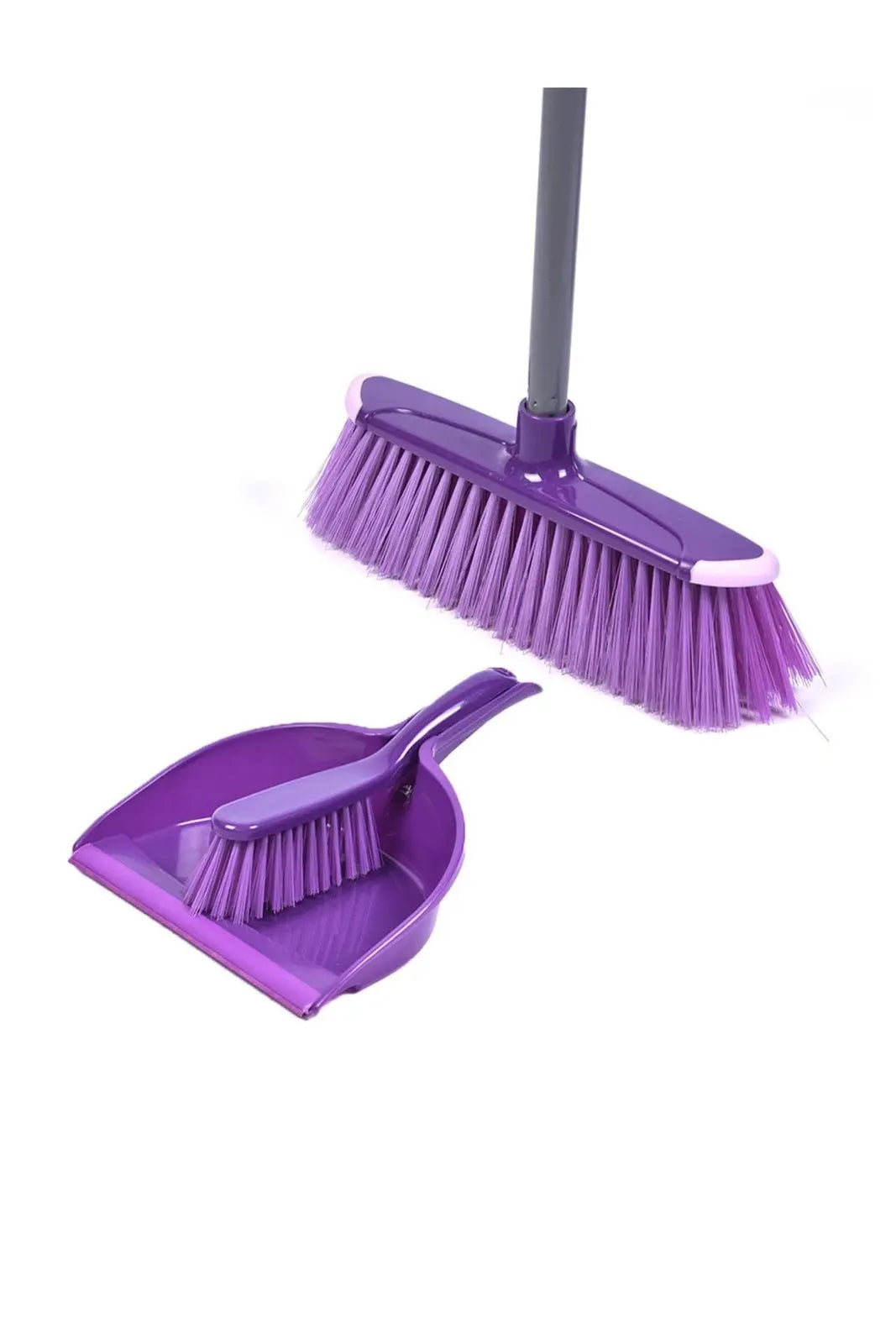
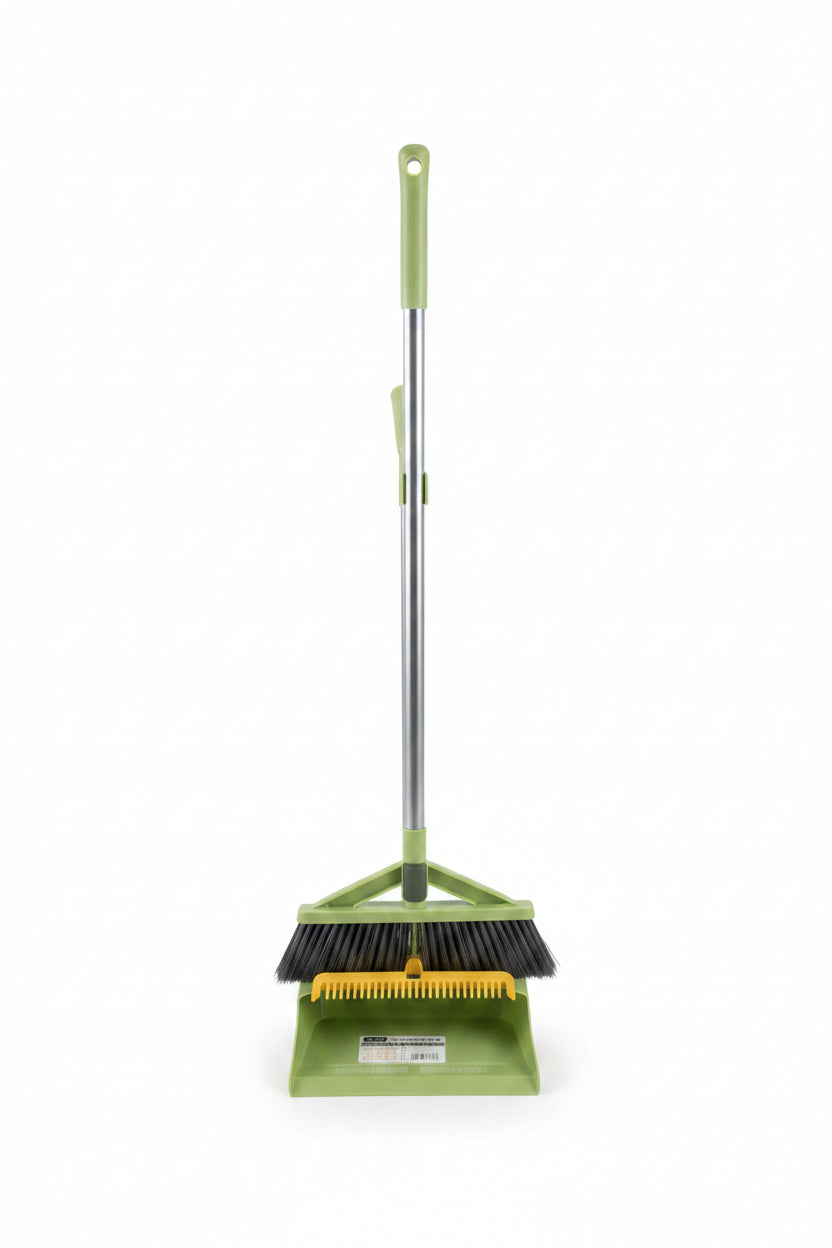
Broom and dustpan
1 set Must haveDaily sweeping keeps dust and mud off your stock, especially in the rainy season.
How to use it: Sweep before opening and after the evening rush.
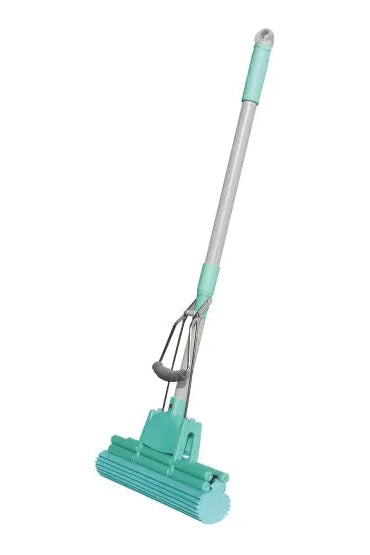
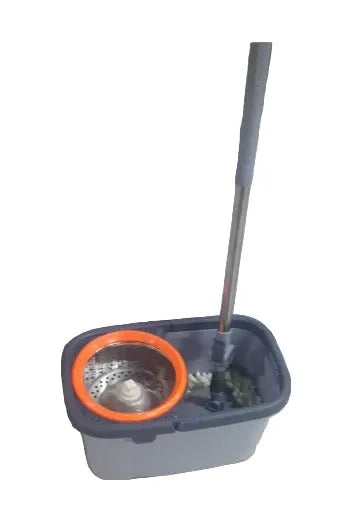
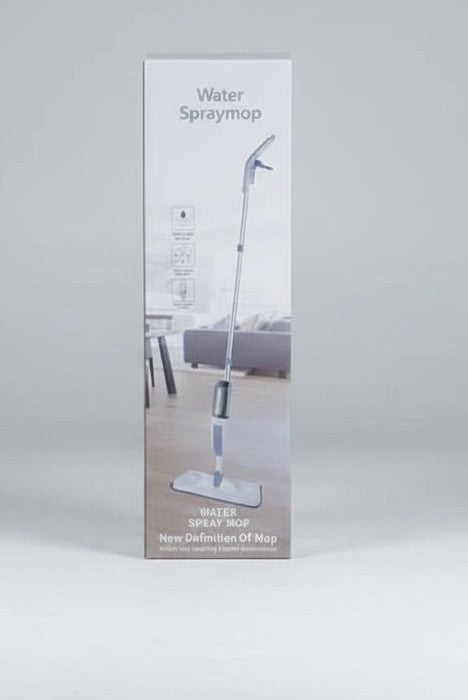
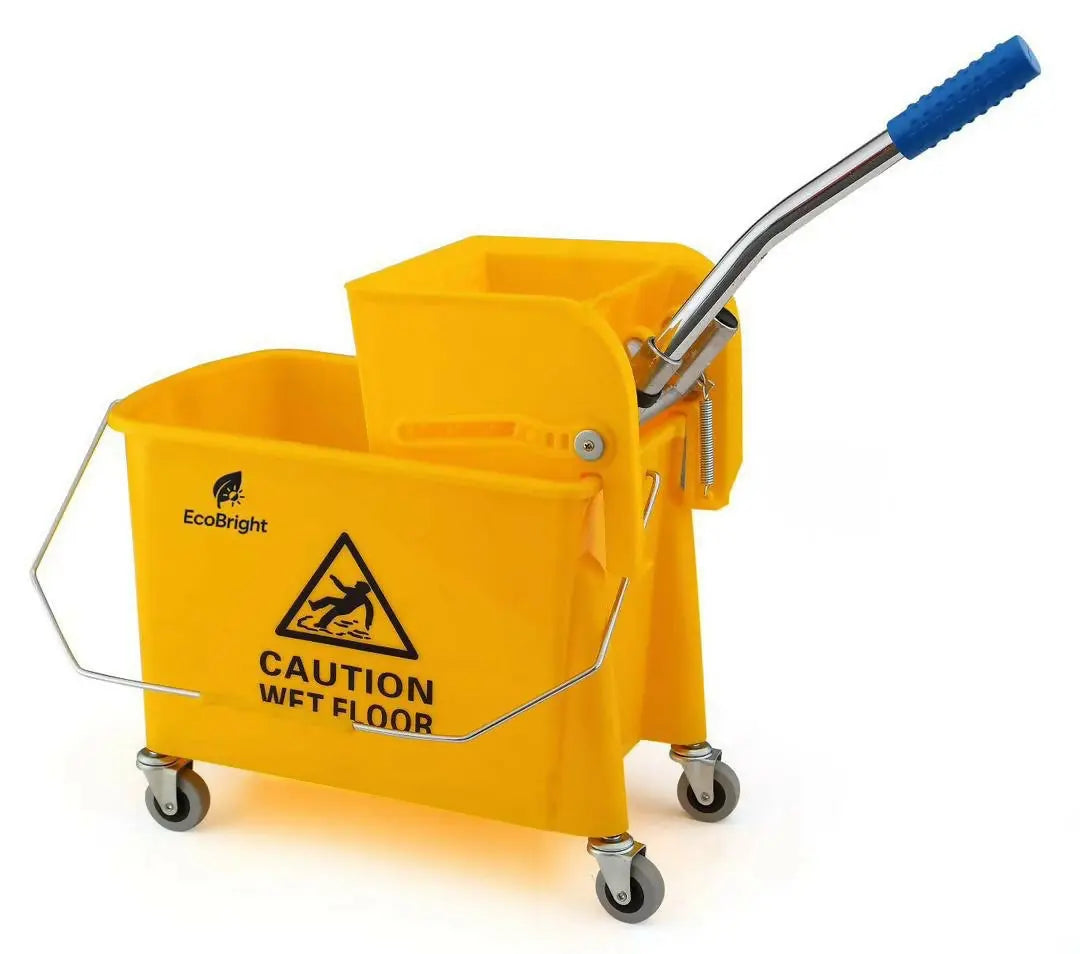
Mop and bucket
1 set Must haveRainy days bring muddy floors. A mop keeps the shop safe and pleasant.
How to use it: Mop with a little bleach in the water once a day.
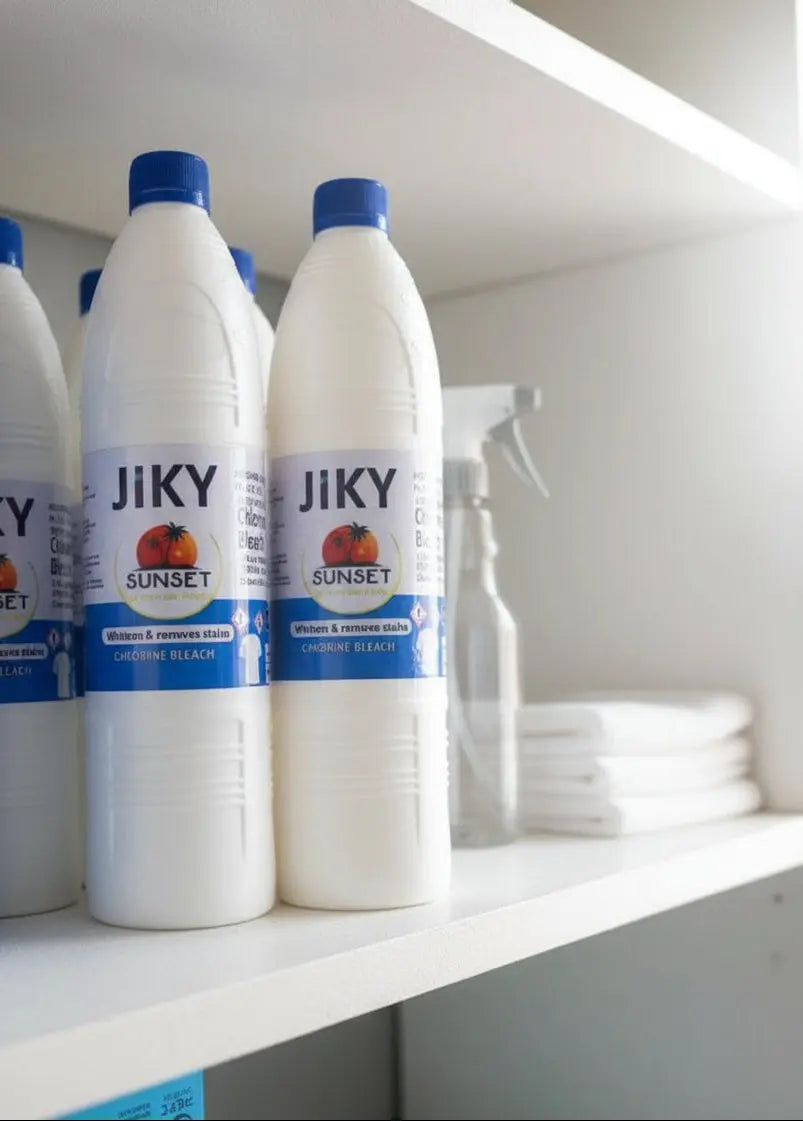
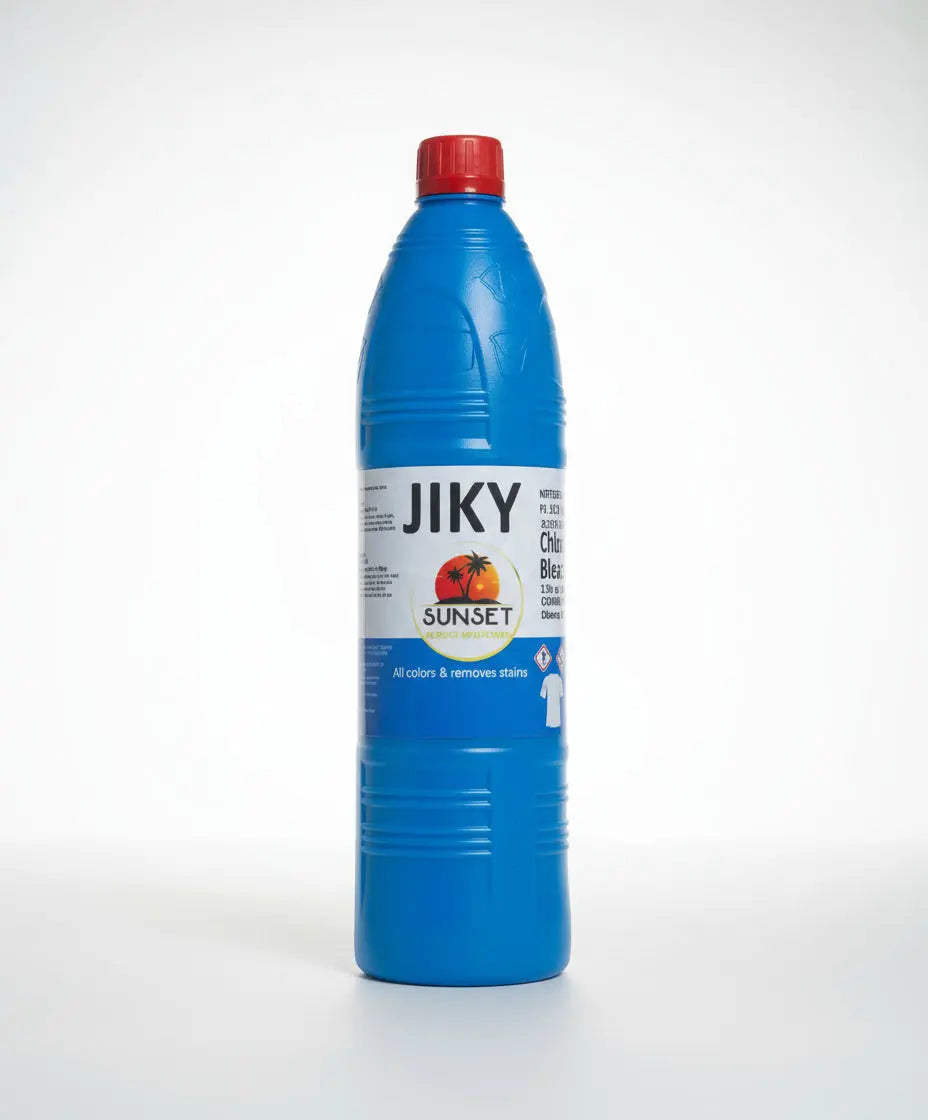
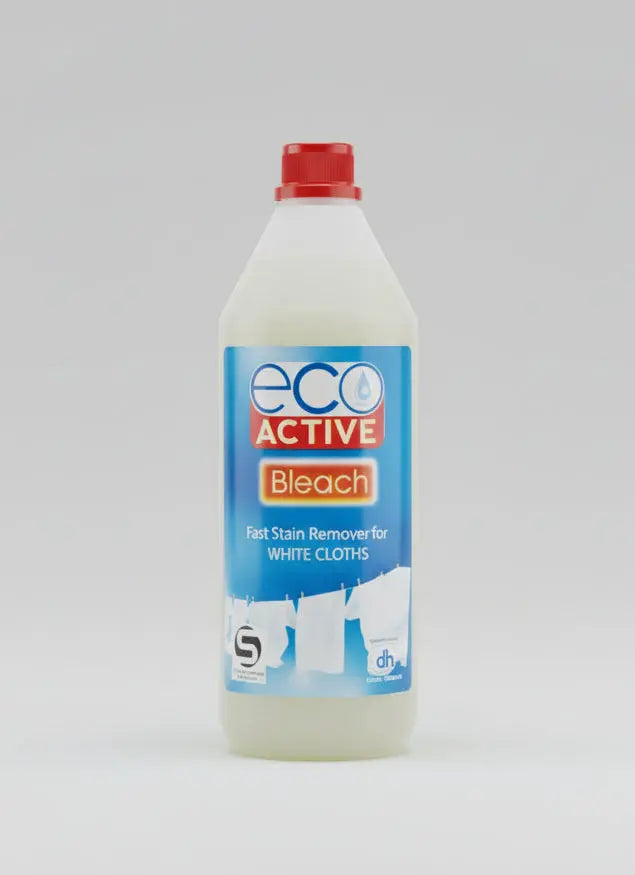
Bleach
1 bottle Must haveFor cleaning floors, the counter and any spills on shelves.
How to use it: Always dilute as the label says and never mix it with other cleaners.
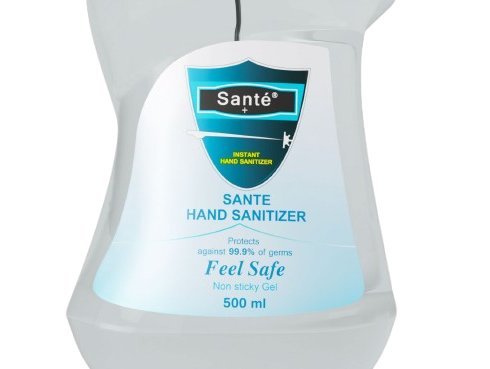
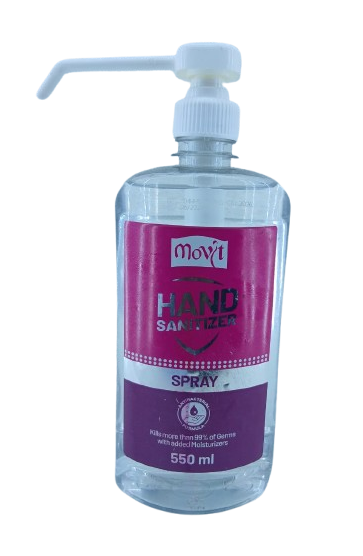
Hand sanitizer
1 to 2 Must haveYou handle cash, goods and phones all day. Clean hands protect you and reassure customers.
How to use it: Keep a bottle at the counter for you and offer it to customers.
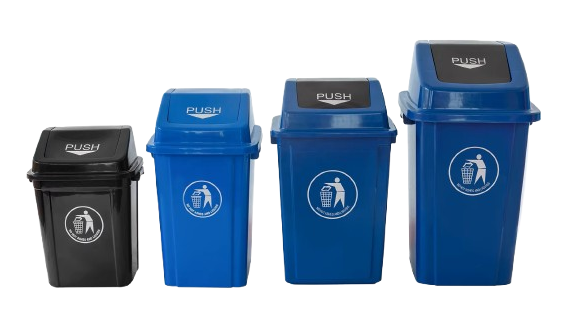
Dustbin
1 to 2 Must haveA bin with a lid keeps packaging waste and food scraps away from stock and pests.
How to use it: Empty it every evening. Never leave food waste overnight.
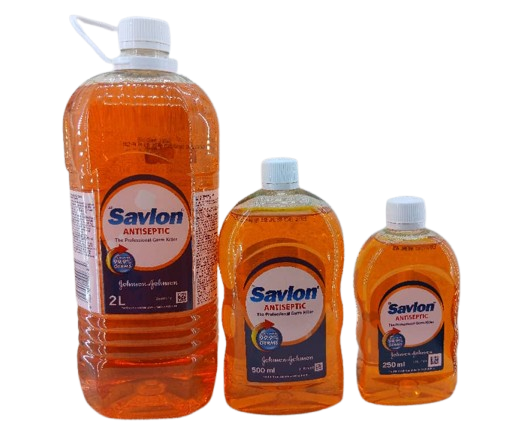
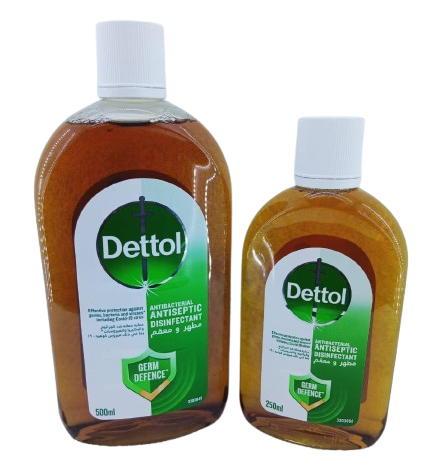
First aid kit and antiseptic
1Nice to haveCuts from cartons and tins happen. A small kit handles minor injuries right away.
How to use it: Keep plasters, antiseptic and gauze in it, and see a pharmacist or clinic for anything serious.



Your first stock
Start with fast moving basics your neighbors buy every day. Add slower items only when people ask for them.
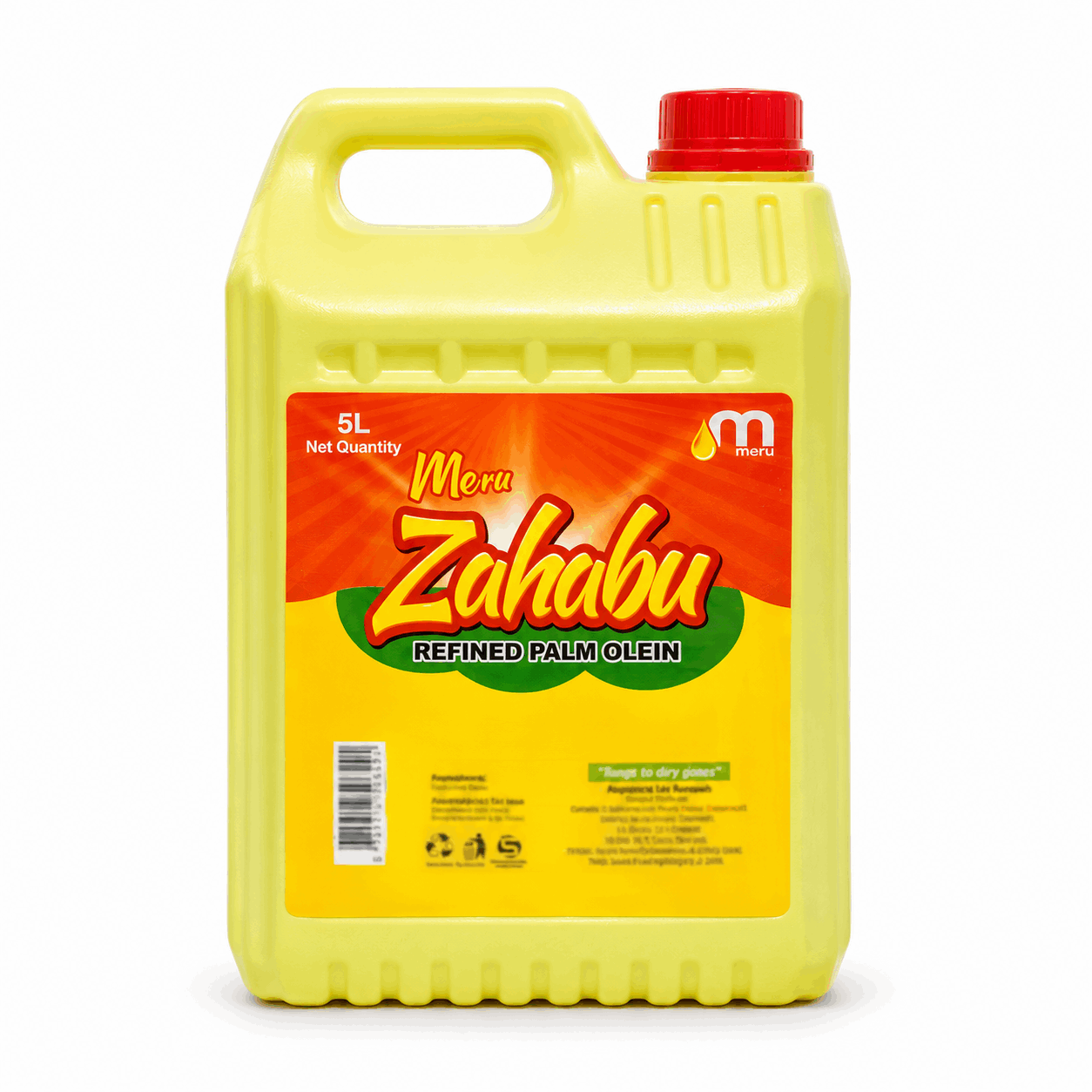
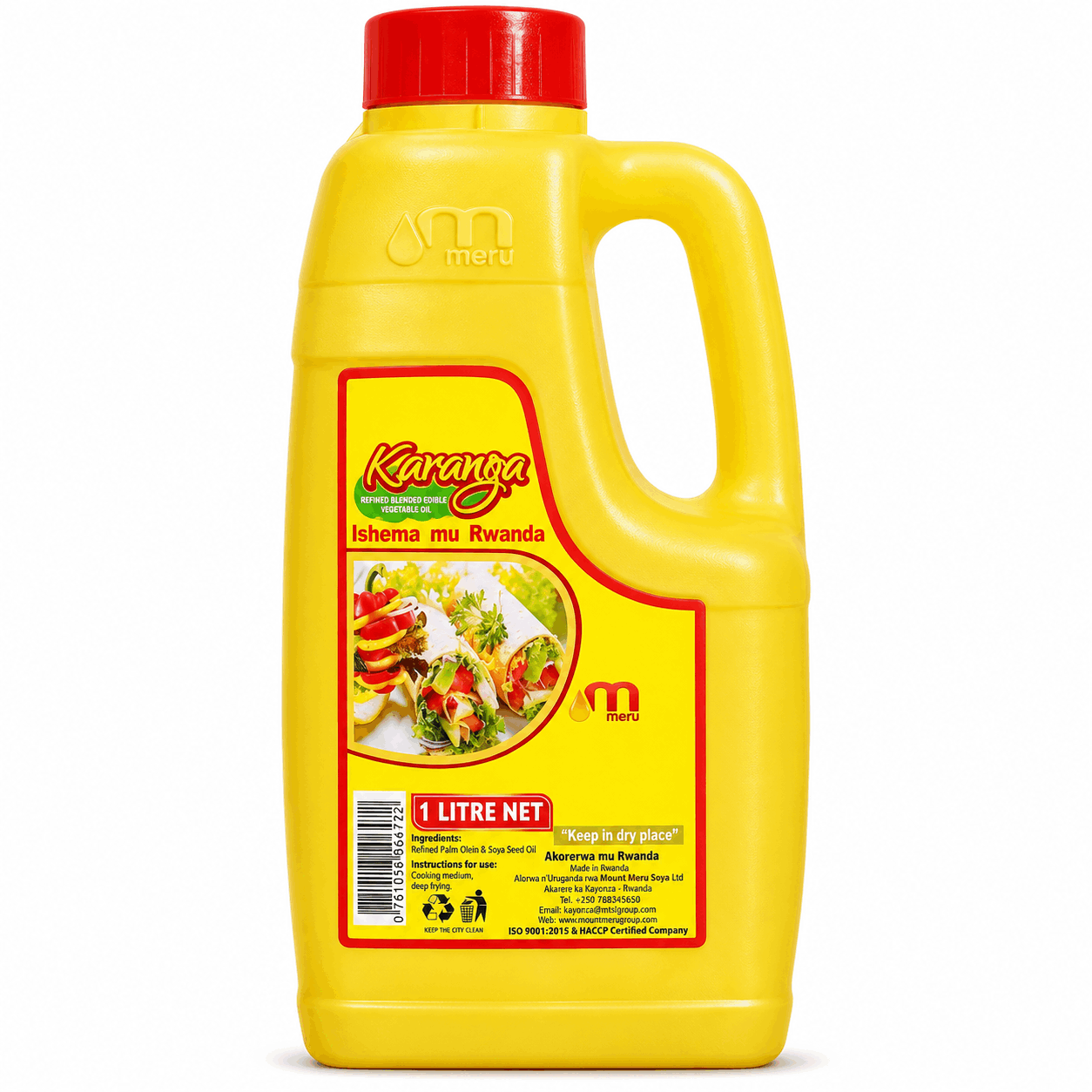
Cooking oil
A few cartons Must haveEvery household cooks with it, and many customers buy small amounts often.
How to use it: Stock a few large containers and some small bottles. Keep them out of direct sun.
Rice
1 to 2 sacks Must haveA daily staple that sells all month, both in bags and by the kilo.
How to use it: Keep sacks raised off the floor on a pallet or shelf to avoid damp.
Sugar
1 to 2 sacks or bales Must haveTea and porridge mean sugar sells every morning.
How to use it: Sell sealed packets and weighed portions. Store in a closed container away from ants.
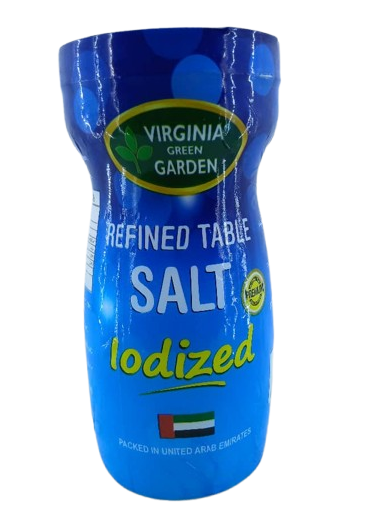
Salt
1 bale Must haveCheap, essential and always needed.
How to use it: Keep it dry. It goes hard in humid weather if left open.
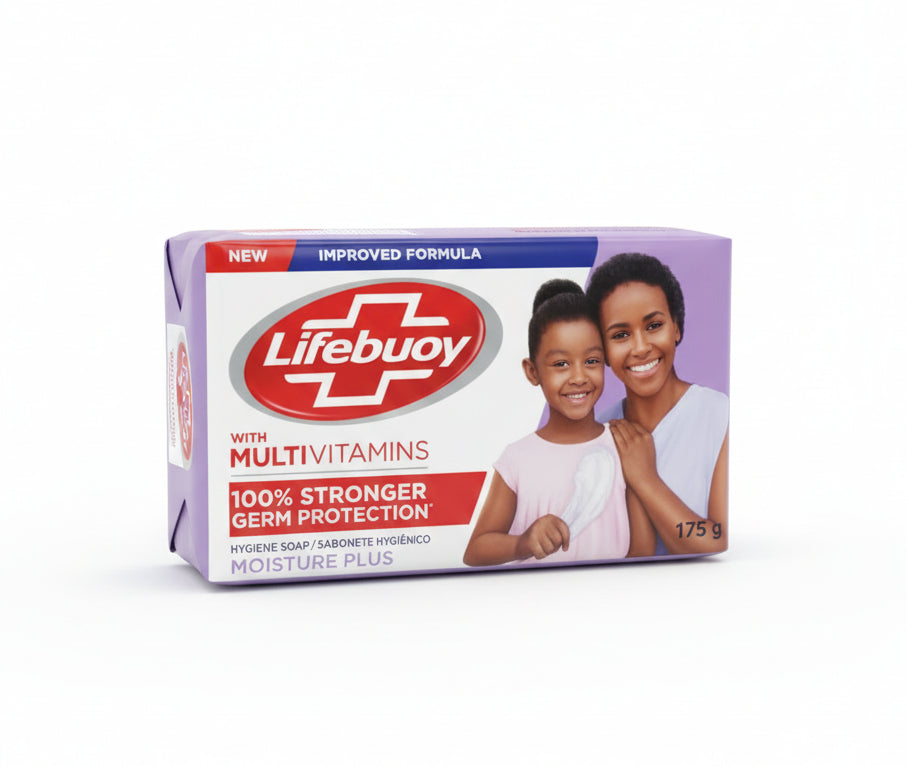
Bar soap
1 to 2 cartons Must haveLaundry and bathing soap are steady sellers in every neighborhood.
How to use it: Stock a large bar for laundry and smaller bathing bars.
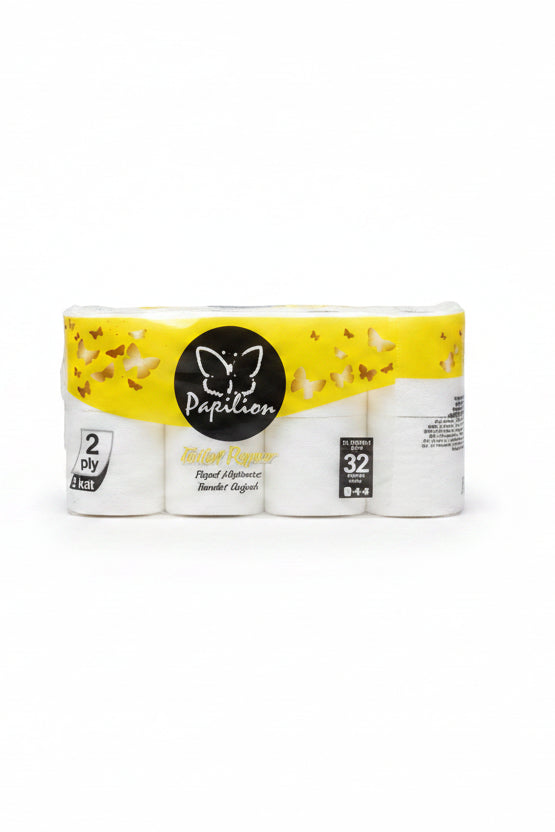
Toilet paper
1 to 2 bales Must haveA basic people prefer to buy close to home.
How to use it: Sell single rolls and packs.
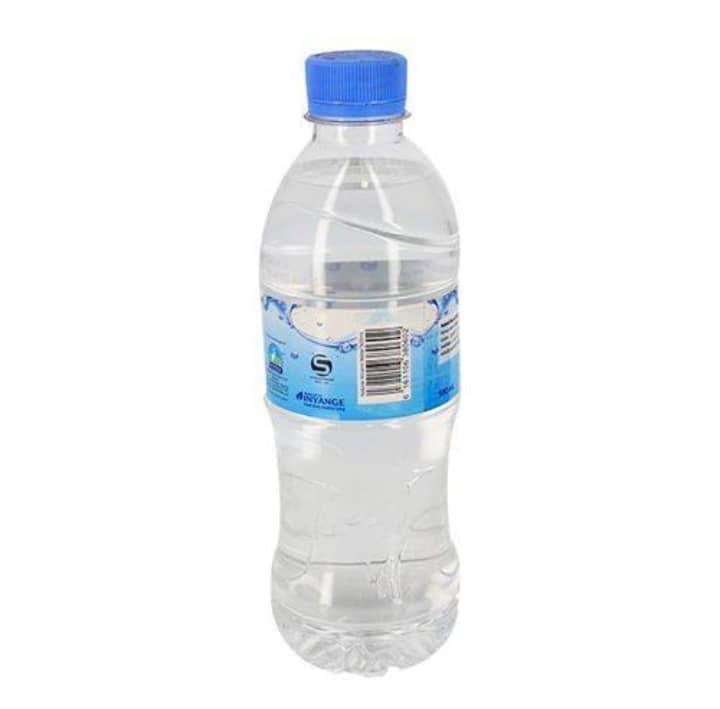
Drinking water
Several cases Must haveWater sells all day, especially in the dry season and near bus stops and schools.
How to use it: Stock small bottles for walkers and large bottles for homes.
Soft drinks
A few cratesNice to haveCold sodas are an easy impulse buy and pair well with a fridge.
How to use it: Ask your supplier about crate deposits, and keep empties together to return.
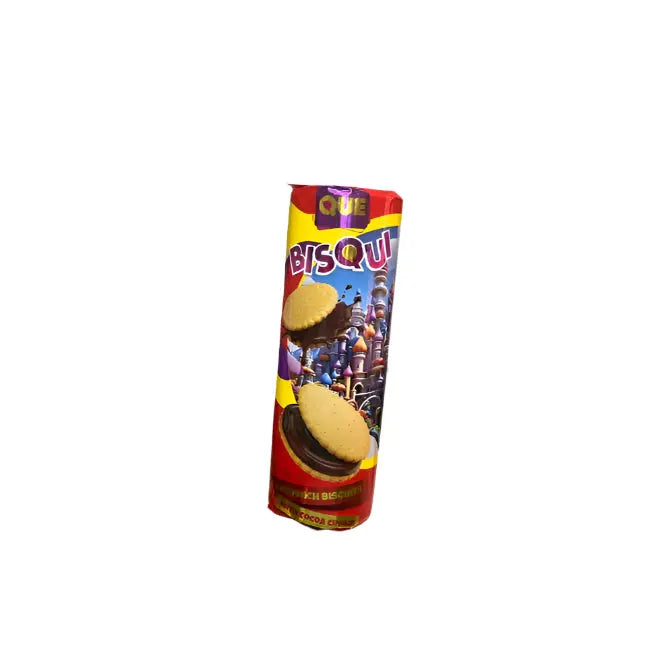
Biscuits and sweets
Mixed cartonsNice to haveChildren and commuters buy small treats several times a day. They are cheap to stock and turn over quickly.
How to use it: Keep them in clear jars at the counter, at a child's eye level.













Step by step
- 1
Three weeks before
Confirm your location, talk to the landlord about electricity and security, and check with RDB and your sector office about what you need to operate legally.
- 2
Two weeks before
Buy and install shelves, locks, lights and the extension. Clean the space fully before anything goes on the shelves.
- 3
One week before
Get your scale, calculator, books, price tags and MoMo sign ready. Decide your opening hours and write them on the door.
- 4
Two to three days before
Order your first stock. Price and tag every item as it arrives and write the cost price in your book.
- 5
Opening week
Write down every request for something you do not stock. Those notes are your next shopping list.
Tips that help
- Keep your cost price for each item in your book, so you always know your margin when prices change.
- Buy small amounts of many items at first. It is better to restock often than to sit on slow stock.
- Rotate stock: put new deliveries behind older ones so nothing expires on the shelf.
- Raise sacks and cartons off the floor, especially from March to May and October to December when rain can seep in.
- A clean, bright shop front at night attracts customers from the road.
- Close the day by counting cash, checking MoMo payments and noting what ran out.
Mistakes to avoid
- Giving credit without writing it down, then forgetting who owes what.
- Mixing shop money with personal money, so you never know if the business is profitable.
- Overstocking slow items before you know what your neighbors actually buy.
- Leaving no light source for power cuts and losing the busy evening hours.
- Using plastic carrier bags, which are not allowed in Rwanda.
Questions people ask
What do I need to open a small shop in Kigali?+
At minimum you need shelves, a scale, a calculator, a sales and credit book, locks, light and a first stock of basics like oil, rice, sugar, soap and water. For registration and licenses, check with RDB and your sector office before opening.
How much stock should I buy for a new kiosk?+
Start small with fast moving items and enough to last about a week. Restock as you learn what sells. This keeps your money working instead of sitting on shelves.
Can I use plastic bags in my shop in Rwanda?+
No. Rwanda does not allow plastic carrier bags. Use paper bags or offer reusable bags for sale.
Should I accept MoMo payments?+
Yes, many customers in Kigali prefer to pay by mobile money. Ask your provider about a merchant code and display it clearly at the counter.
How do I protect stock from rain and dust?+
Keep everything off the floor on shelves or pallets, store loose goods in closed containers, sweep daily and check the roof and door seals before the rainy seasons.
Opening a shop is a big step, and a good setup makes every day easier. Tick off the must items first, open your doors, and let your customers guide what comes next. You can order most of this list on Isokko and have it delivered to your shop.
Shop this list
Get everything delivered in Kigali
Order from local stores on Isokko and pay with MoMo, card or cash. Same-day delivery.