
Checklist · Work & business
Starting a Small Café or Restaurant Kitchen in Kigali: Checklist
The equipment and supplies checklist for a small café or restaurant kitchen in Kigali: cooking, coffee, prep, serving, takeaway and cleaning.
Updated November 16, 2026 · By Isokko
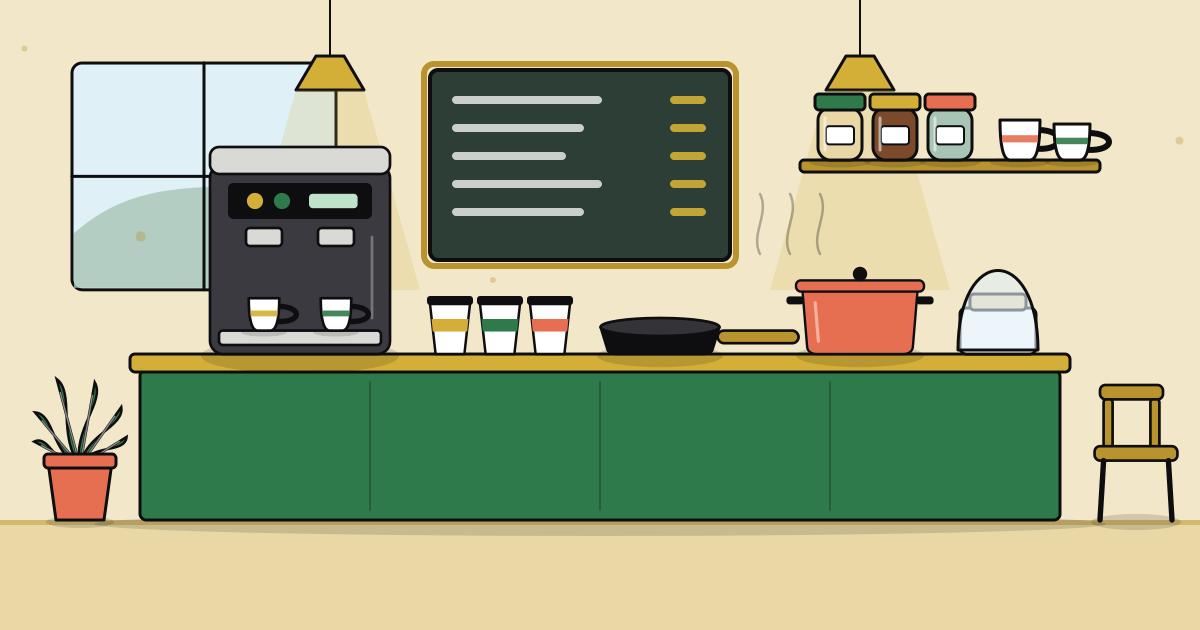
Kigali loves a good café. Office workers want a fast coffee and a reliable lunch, students want somewhere to sit, and everyone wants their food hot and their tea the way they like it. Behind every busy counter is a kitchen that was set up with care.
This checklist walks through what a small café or restaurant kitchen actually needs: the cooking line, the coffee and tea station, prep tools, serving ware, takeaway packaging and the cleaning and safety kit. It is written for a small team serving a simple menu, not a hotel kitchen, so you can start lean and grow.
Before you buy, write your menu. Every piece of equipment should earn its place by helping you cook something on it. For permits, hygiene inspections and business registration, check with RDB, your sector office and the relevant health authorities.
Who it's for
Anyone opening a small café, coffee corner, snack bar or restaurant kitchen in Kigali
Time needed
Shop over 3 to 4 weeks before opening
When to shop
Buy big equipment first, then smallwares, then food stock in the final days
On the list
38 items, 30 must haves
0 of 38 ready
The cooking line
These are the workhorses. Buy for the busiest hour you expect, not the quiet afternoon.
Cooker (gas or electric)
1 Must haveYour cooker sets how many dishes you can make at once. Many Kigali kitchens use gas because it keeps working when the power goes out.
How to use it: Choose at least four burners for a lunch menu. Keep the area clear of paper and cloths.
Gas regulator and hose
1 set Must haveA good regulator and hose are what make a gas setup safe. A cheap or worn part is a real fire risk.
How to use it: Check the hose for cracks every month, and test joints with soapy water. Bubbles mean a leak. Always keep a spare full cylinder.
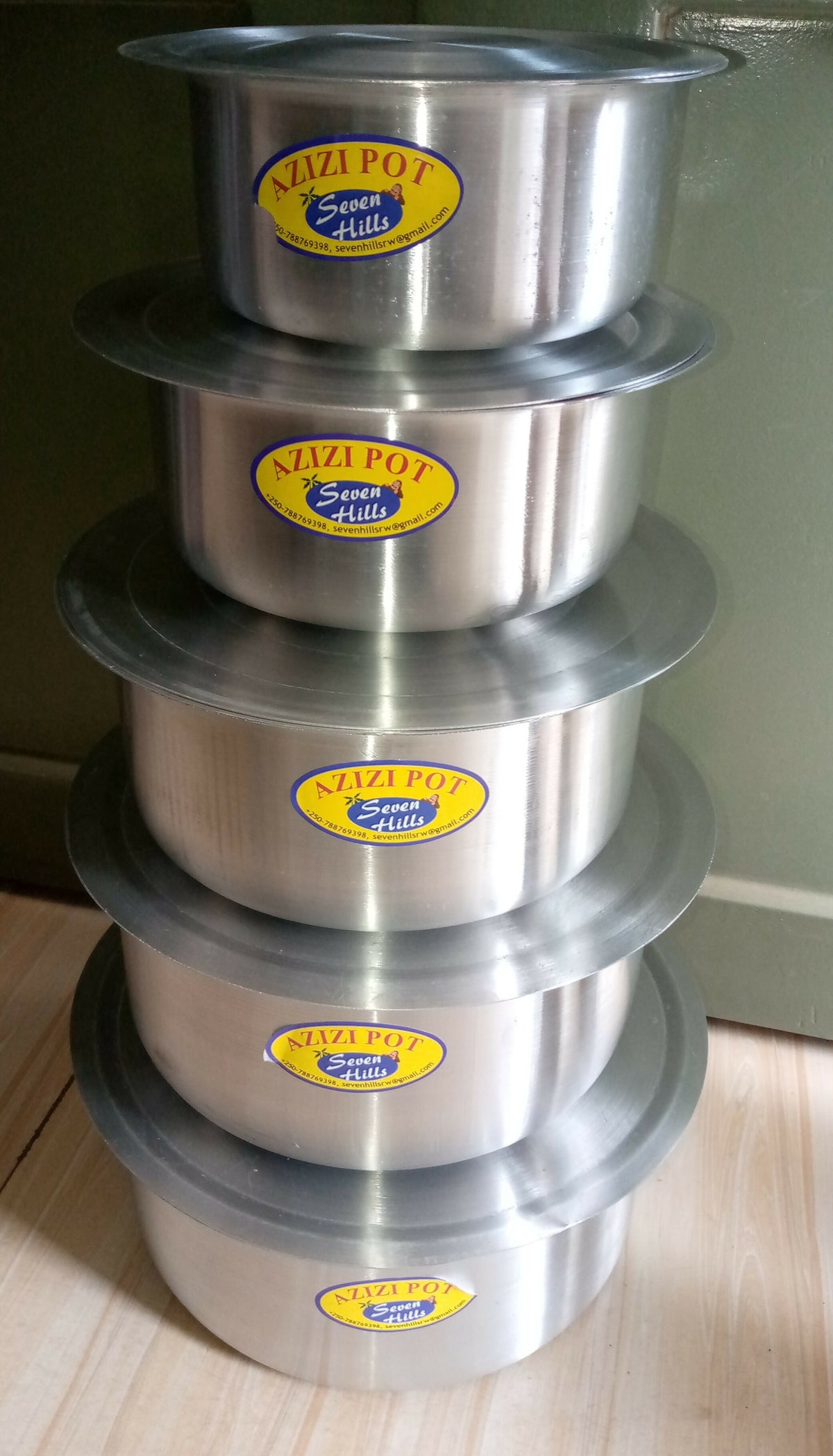
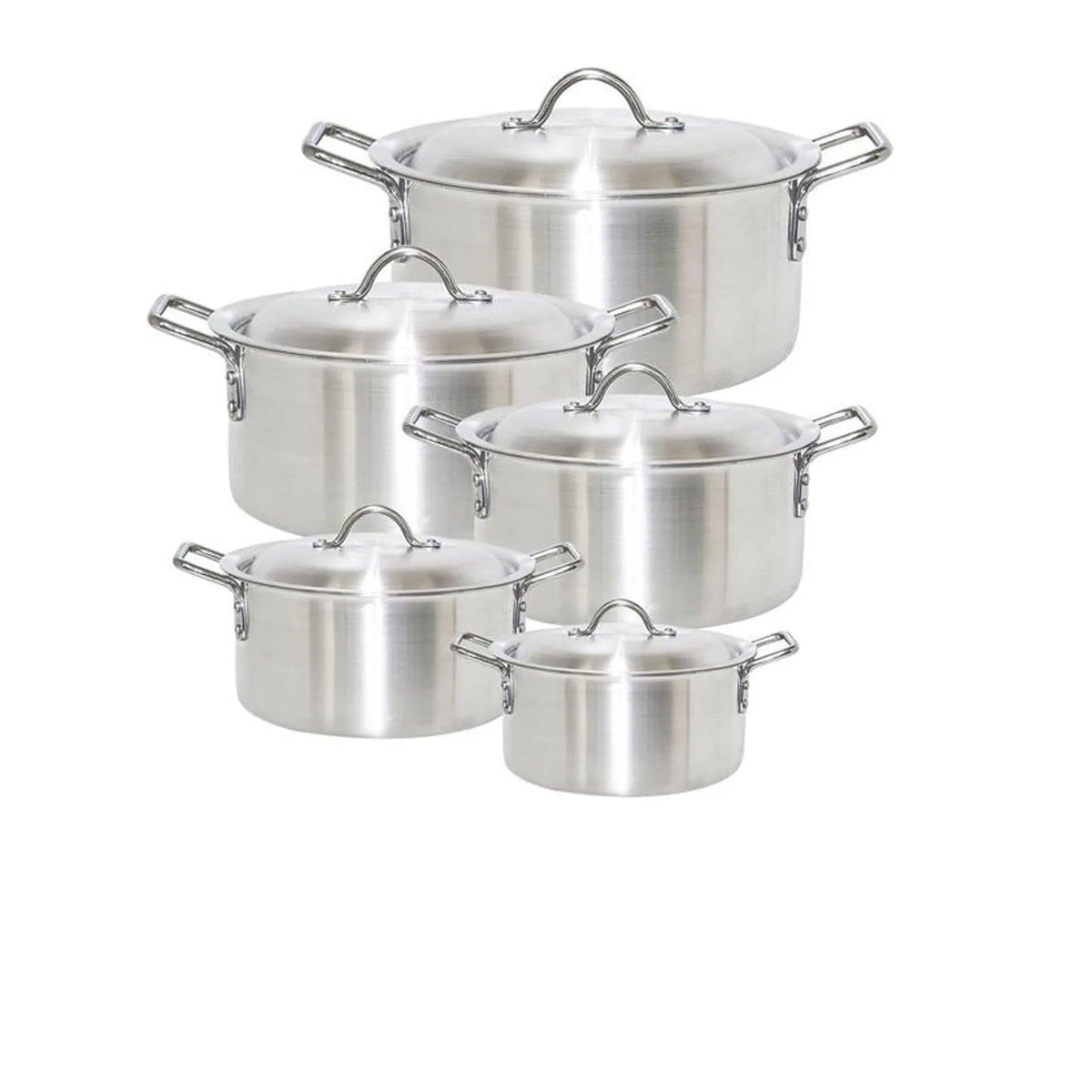
Cooking pots in several sizes
1 set plus 1 large Must haveRice, beans, sauces and stews need big pots that hold heat. A café menu usually runs on two or three large ones.
How to use it: Buy heavy based pots so food does not burn at the bottom during long cooking.
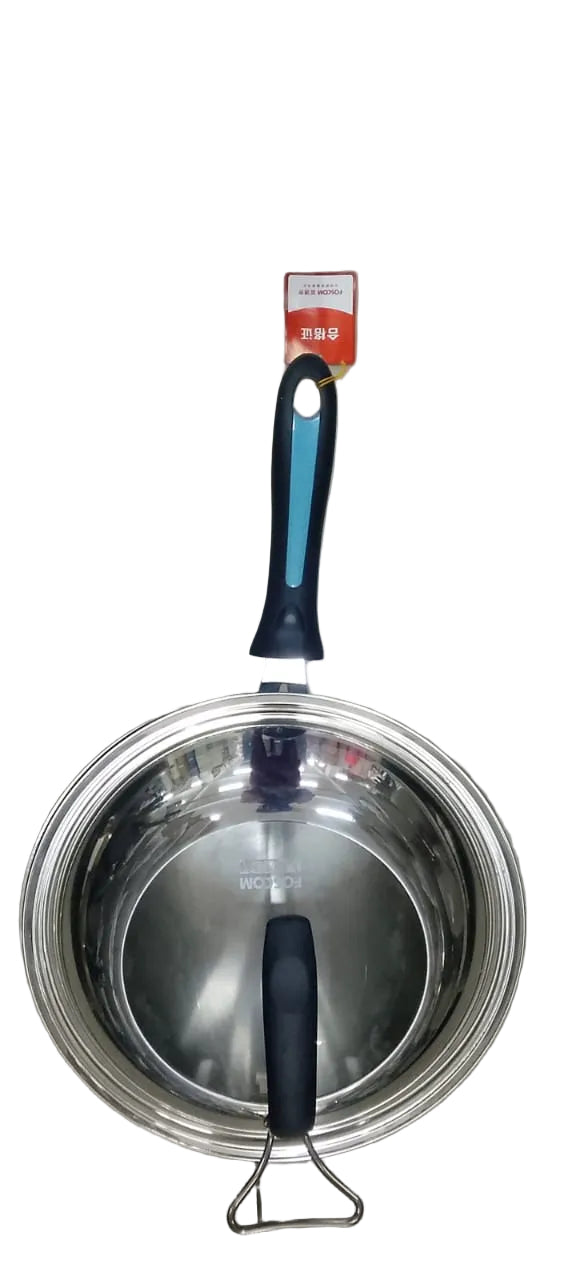
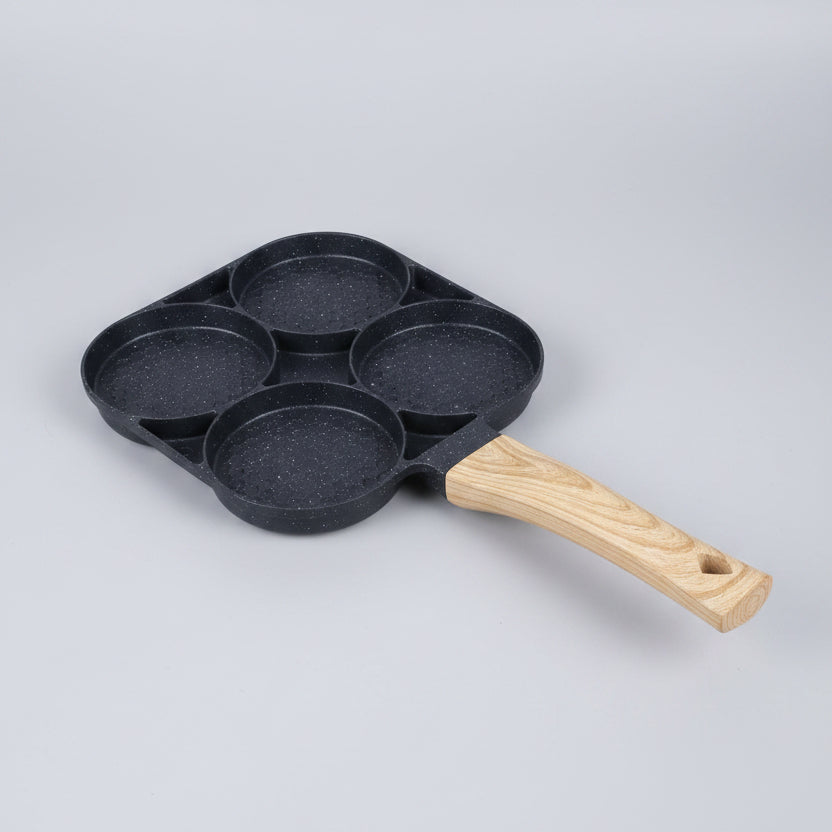
Frying pans
2 to 3 Must haveEggs, omelettes, chapati and quick fried dishes are breakfast and lunch favorites.
How to use it: Keep one pan only for eggs. Use wooden or silicone tools on non-stick pans.
Deep fryer
1Nice to haveChips, samosas and fried chicken are some of the best sellers in many Kigali snack spots.
How to use it: Strain and change the oil regularly. Never leave a fryer running unattended.
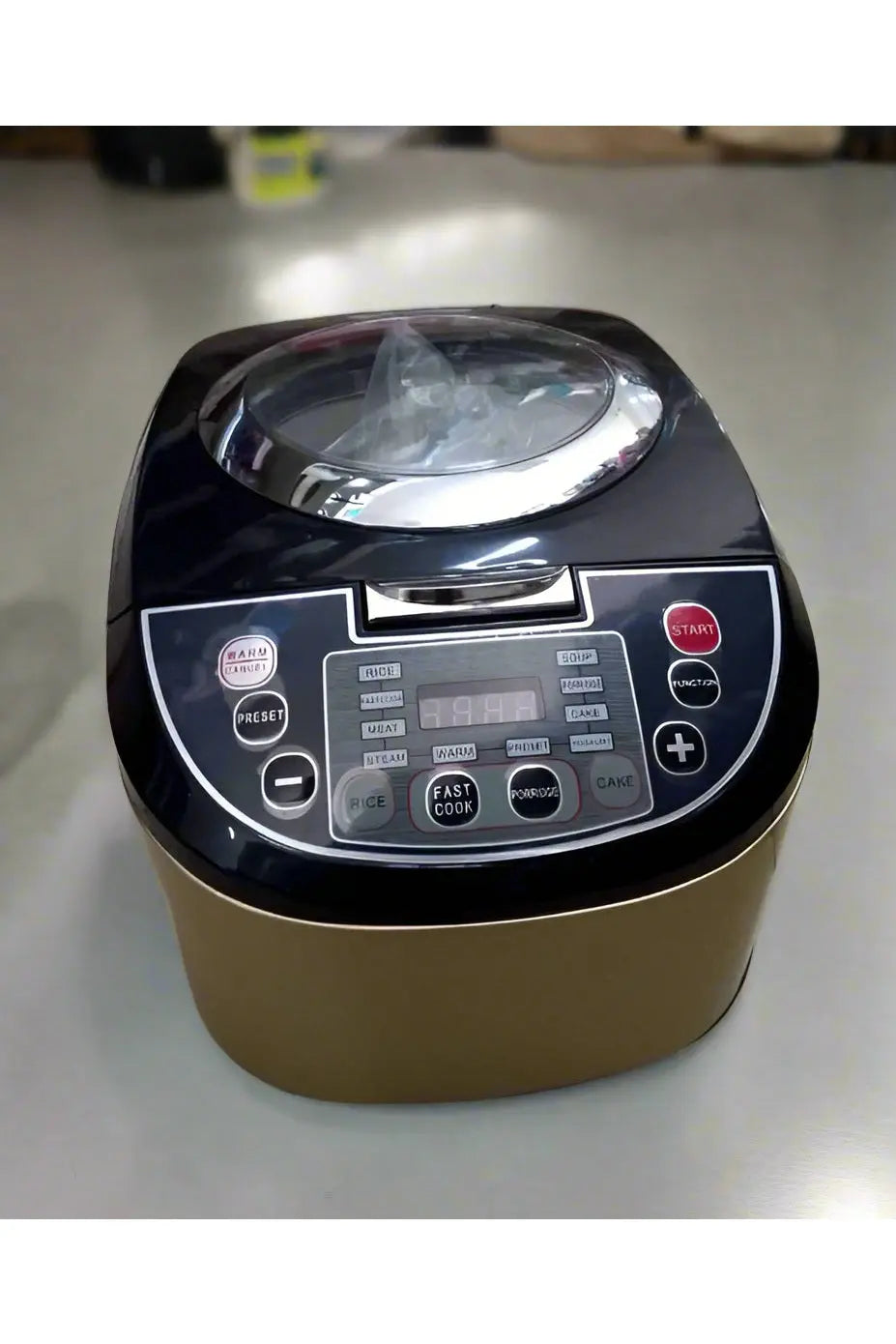
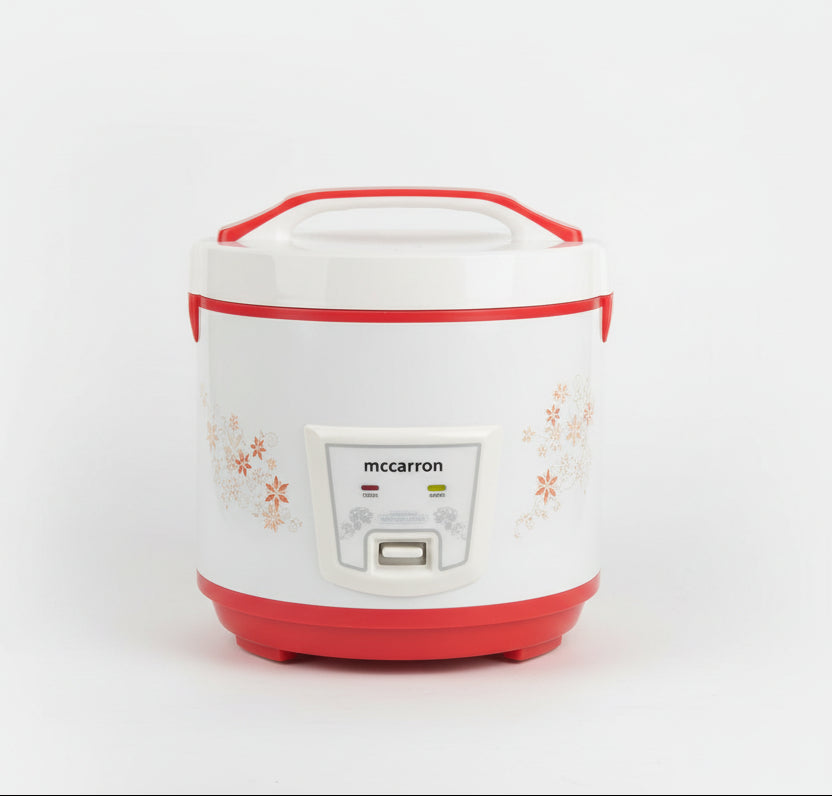
Rice cooker
1Nice to haveIt frees up a burner and keeps rice warm through the lunch rush.
How to use it: Size it to your lunch volume and keep the lid closed to hold heat.
Sandwich maker
1Nice to haveToasted sandwiches are quick to make, easy to price and popular with office customers.
How to use it: Wipe the plates while warm, never with metal tools.






Coffee and tea station
Rwanda grows wonderful coffee and tea, and your customers know it. Serve it well.
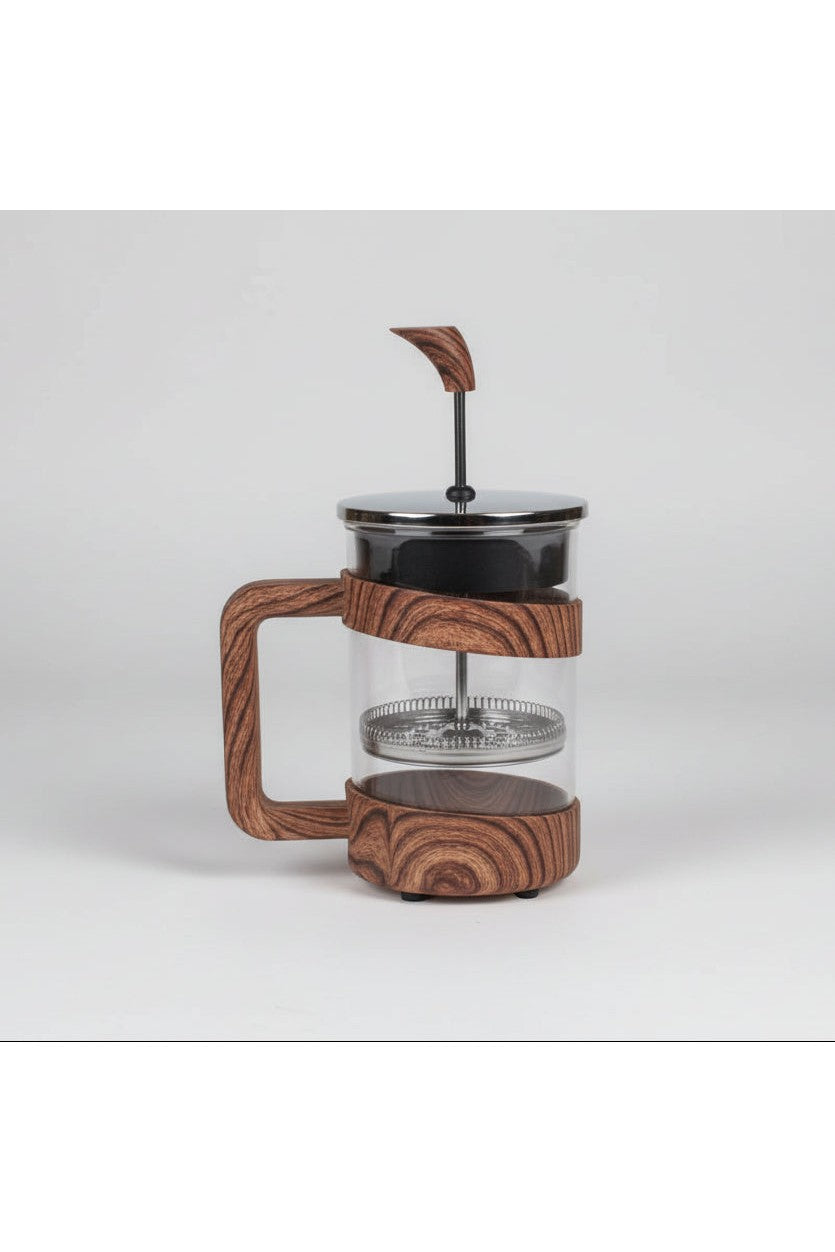
Coffee machine
1 Must haveA reliable machine turns local beans into consistent coffee, which is what brings regulars back every morning.
How to use it: Clean it at the end of every day and descale on schedule. Keep it on a stable, dedicated socket.
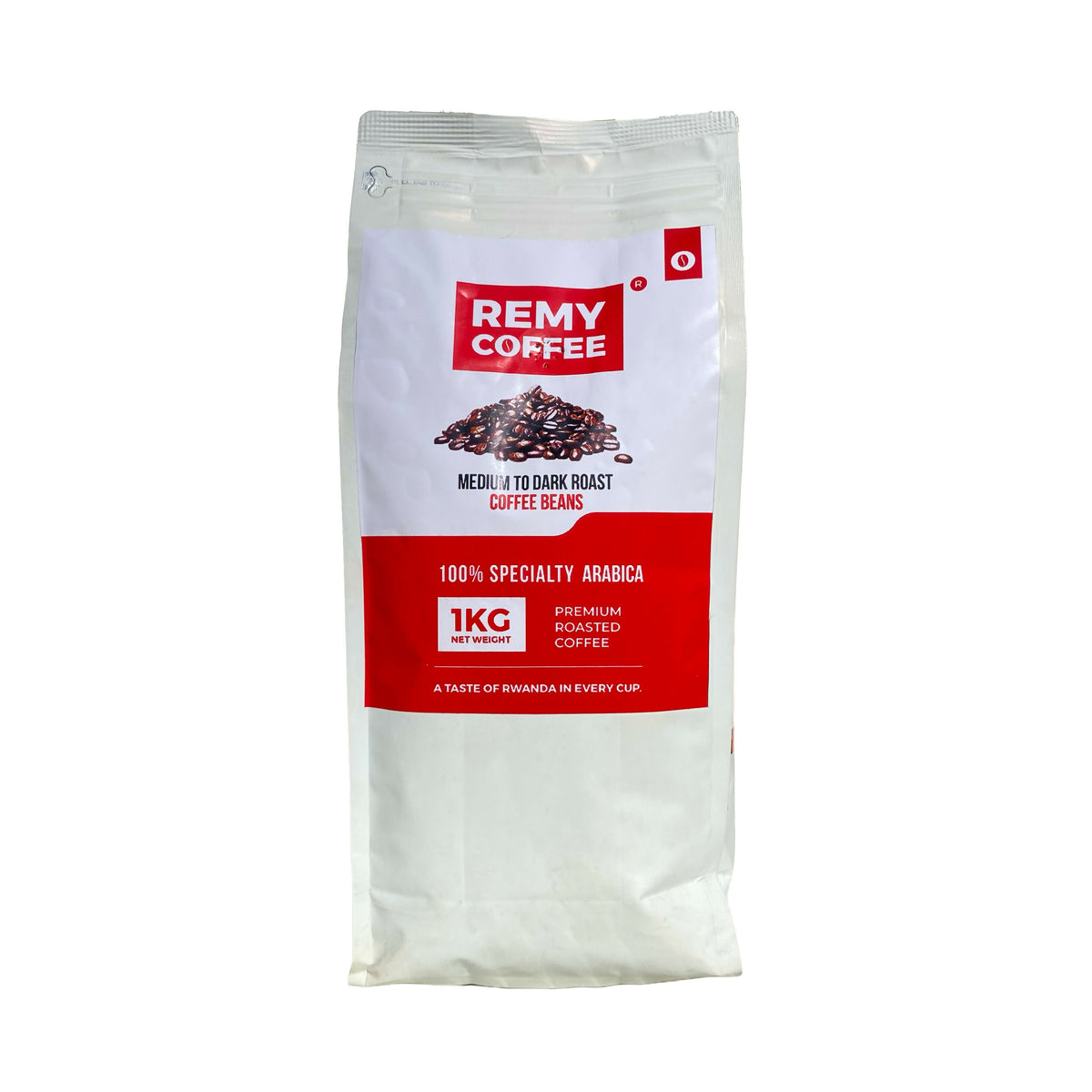
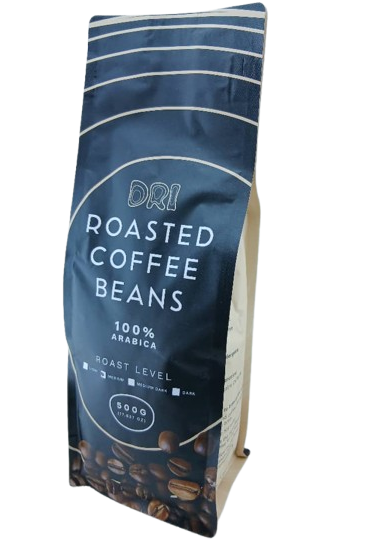
Coffee beans or ground coffee
2 to 4 kg to start Must haveFreshness is everything. Rwandan coffee is a point of pride, and customers notice stale coffee.
How to use it: Buy in amounts you will use in two to three weeks and store in an airtight container away from heat.
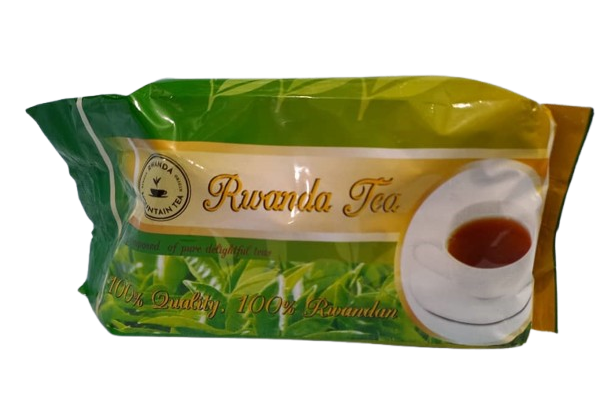
Loose tea leaves
1 to 2 kg Must haveMany customers prefer African tea with milk, so tea often outsells coffee.
How to use it: Brew a large batch in the morning and hold it in a flask so service stays fast.
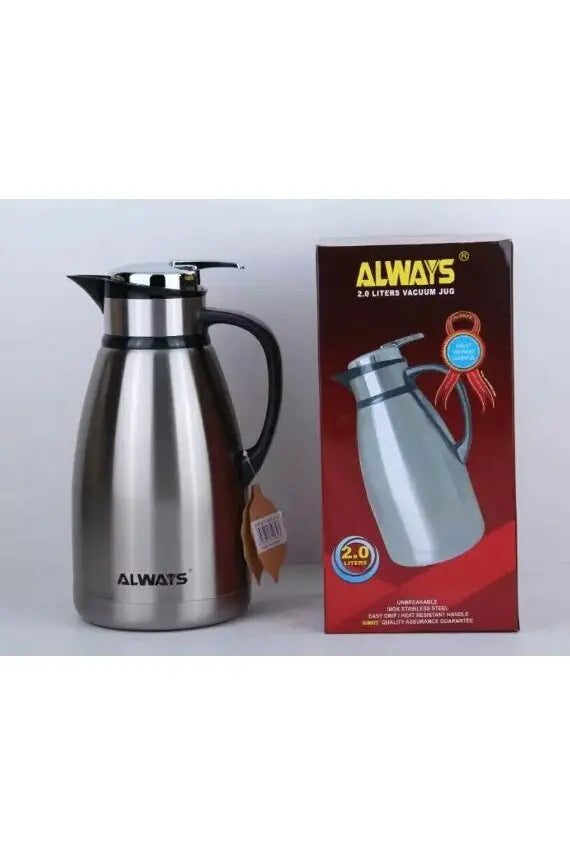
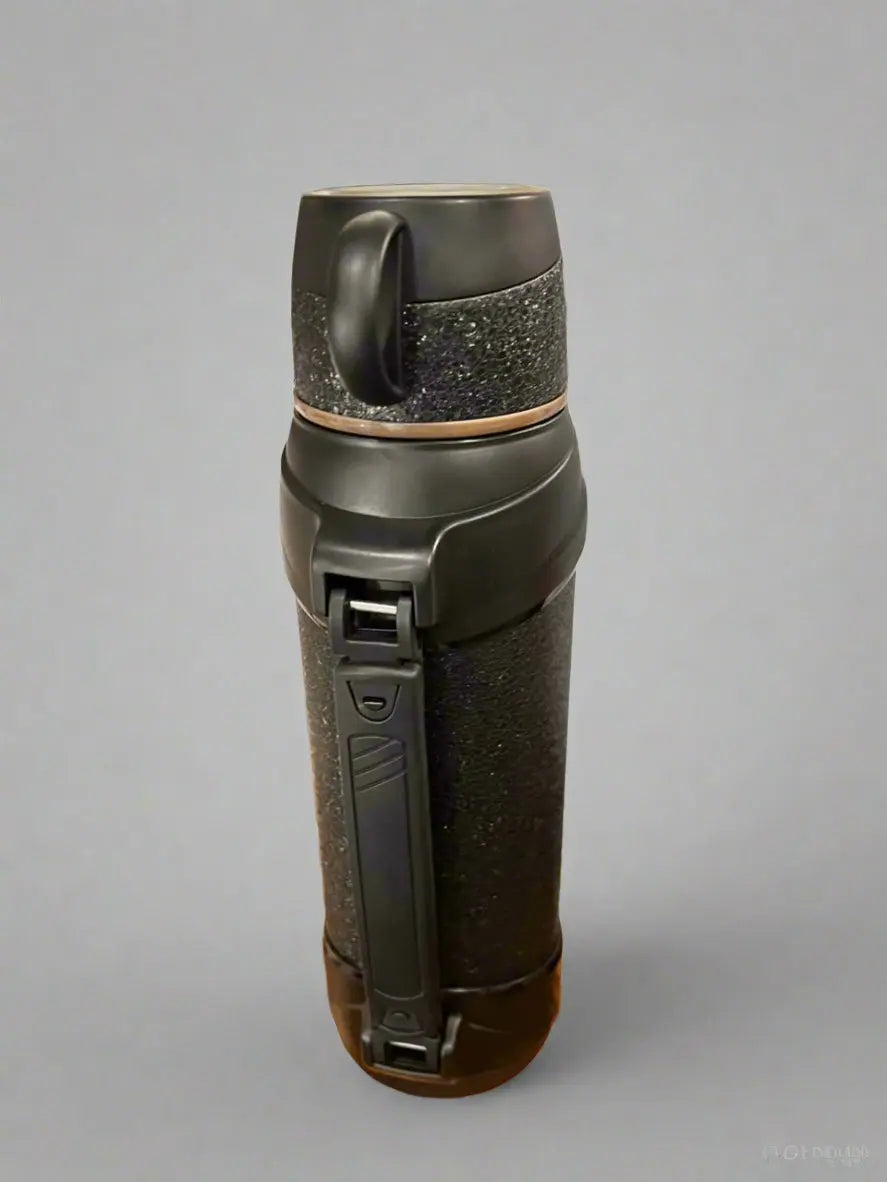
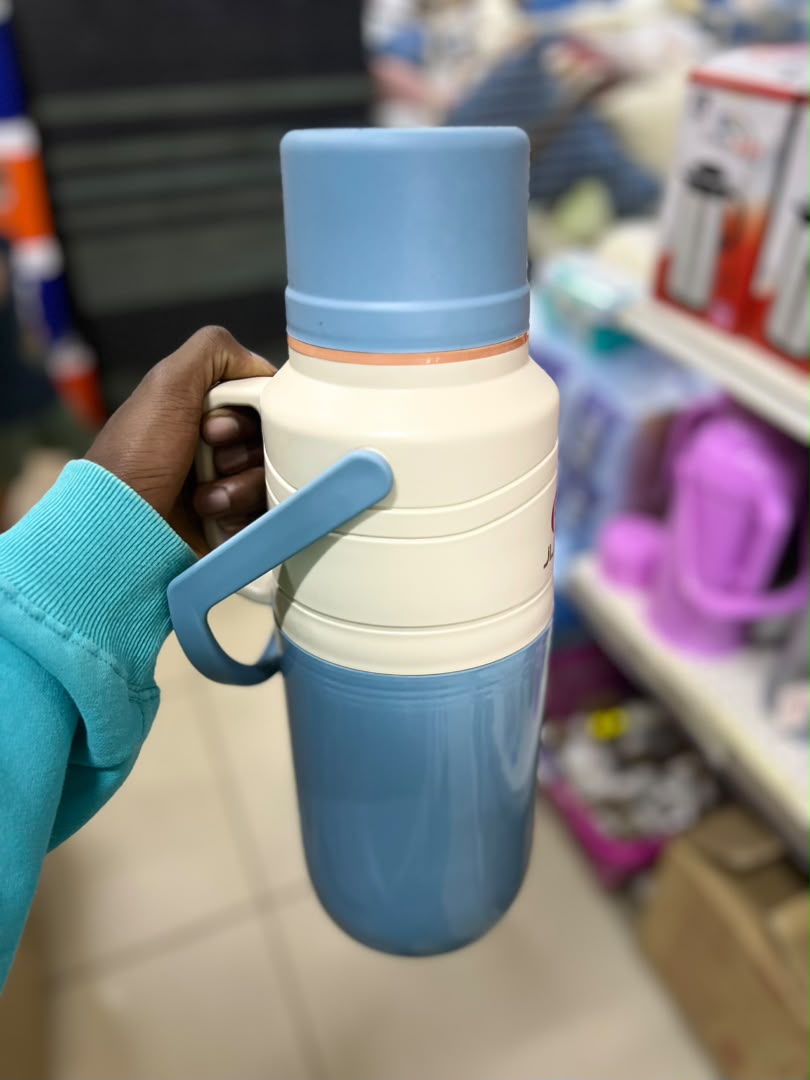
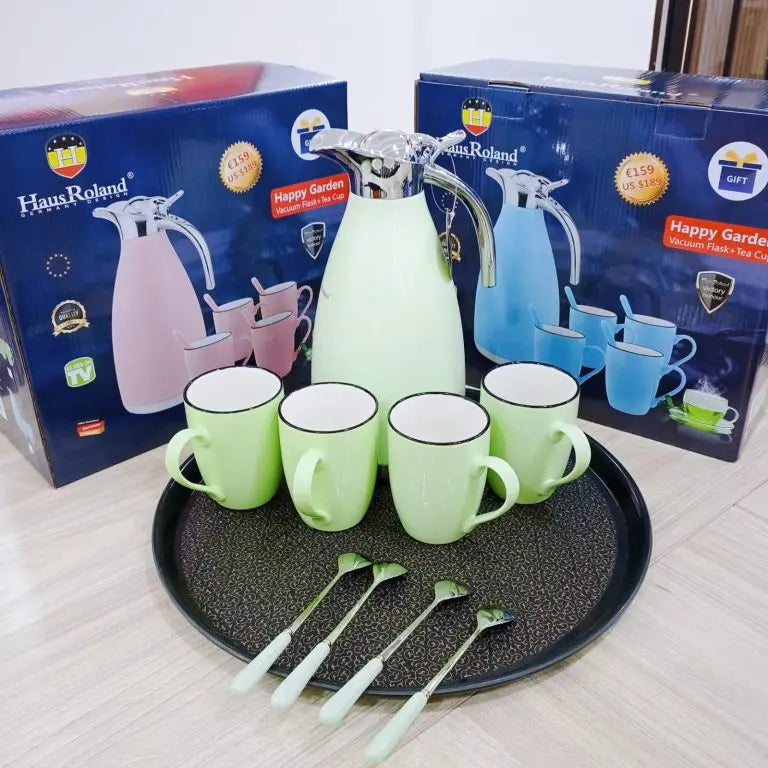
Large thermos flasks
3 to 4 Must haveFlasks keep tea, milk and hot water ready all day without running the cooker.
How to use it: Rinse with hot water before filling so drinks stay hot longer.
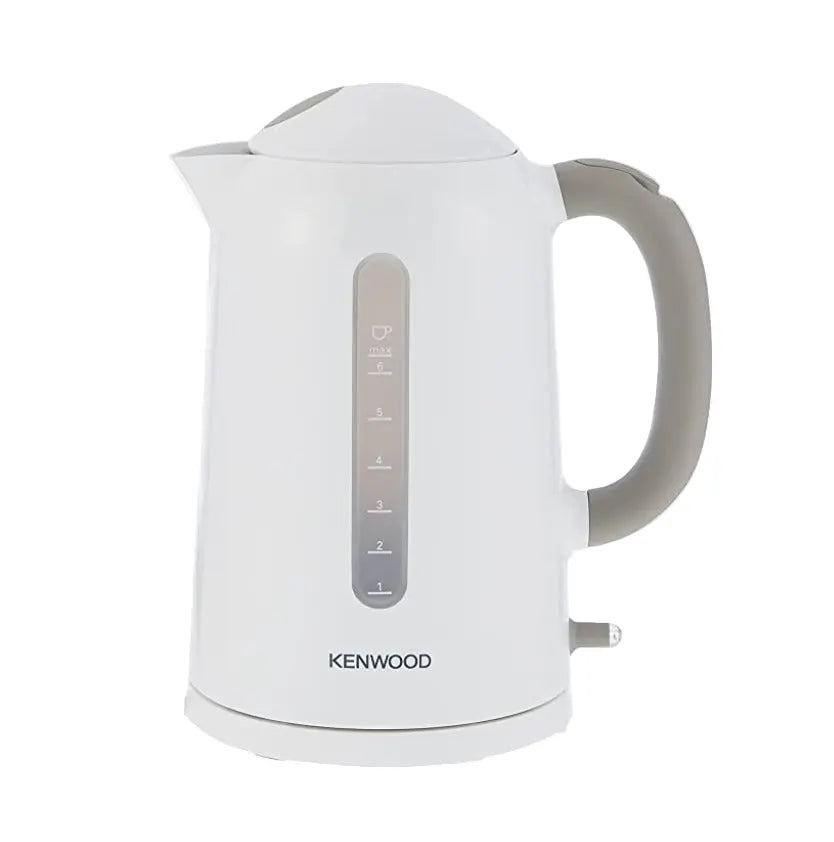
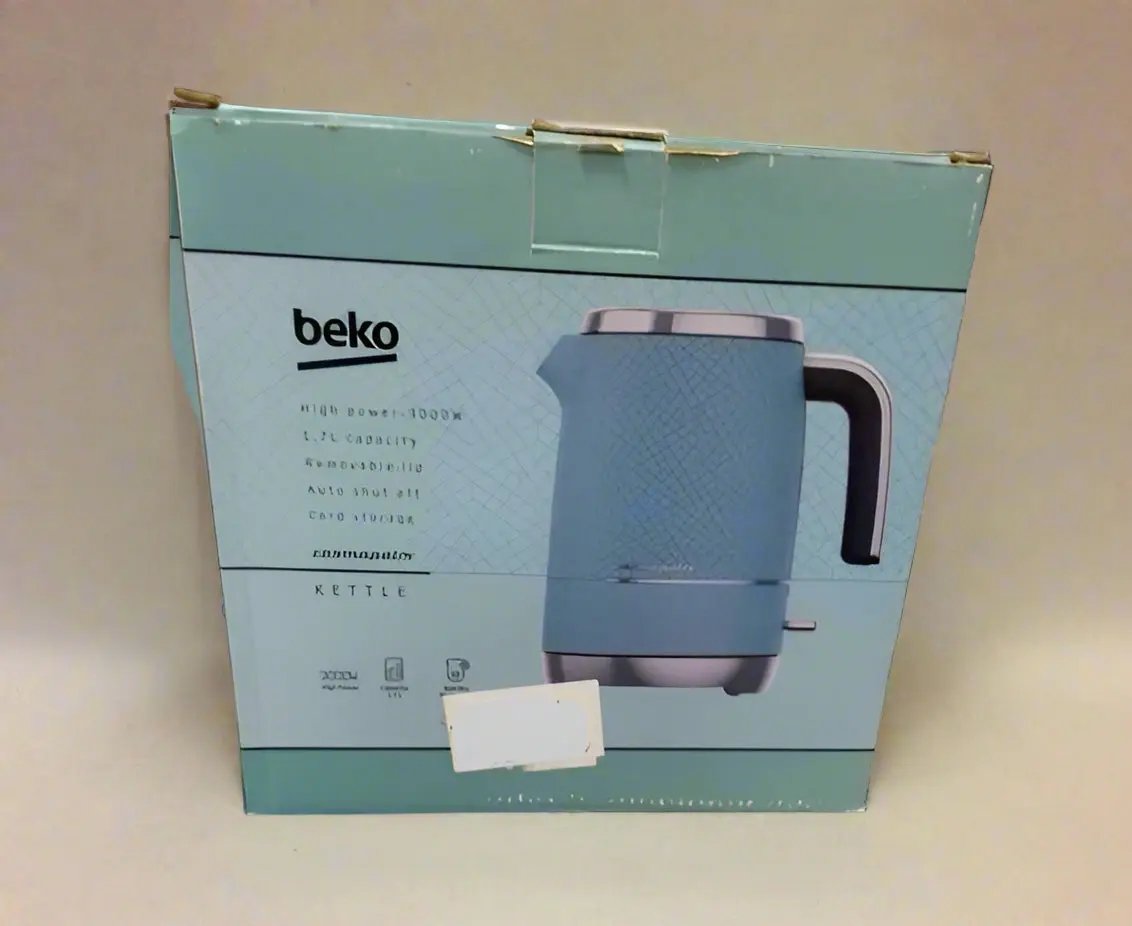
Electric kettle
1 Must haveFor quick hot water when a flask runs out or for herbal teas.
How to use it: Descale weekly if your water is hard.
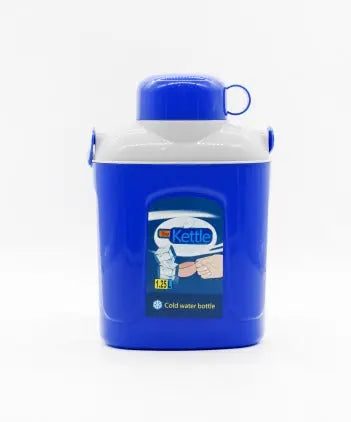
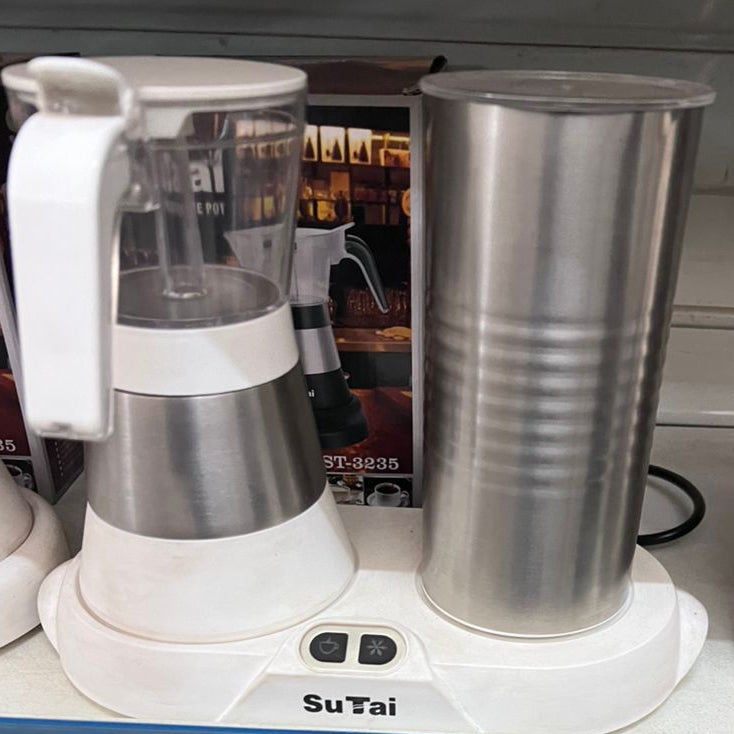
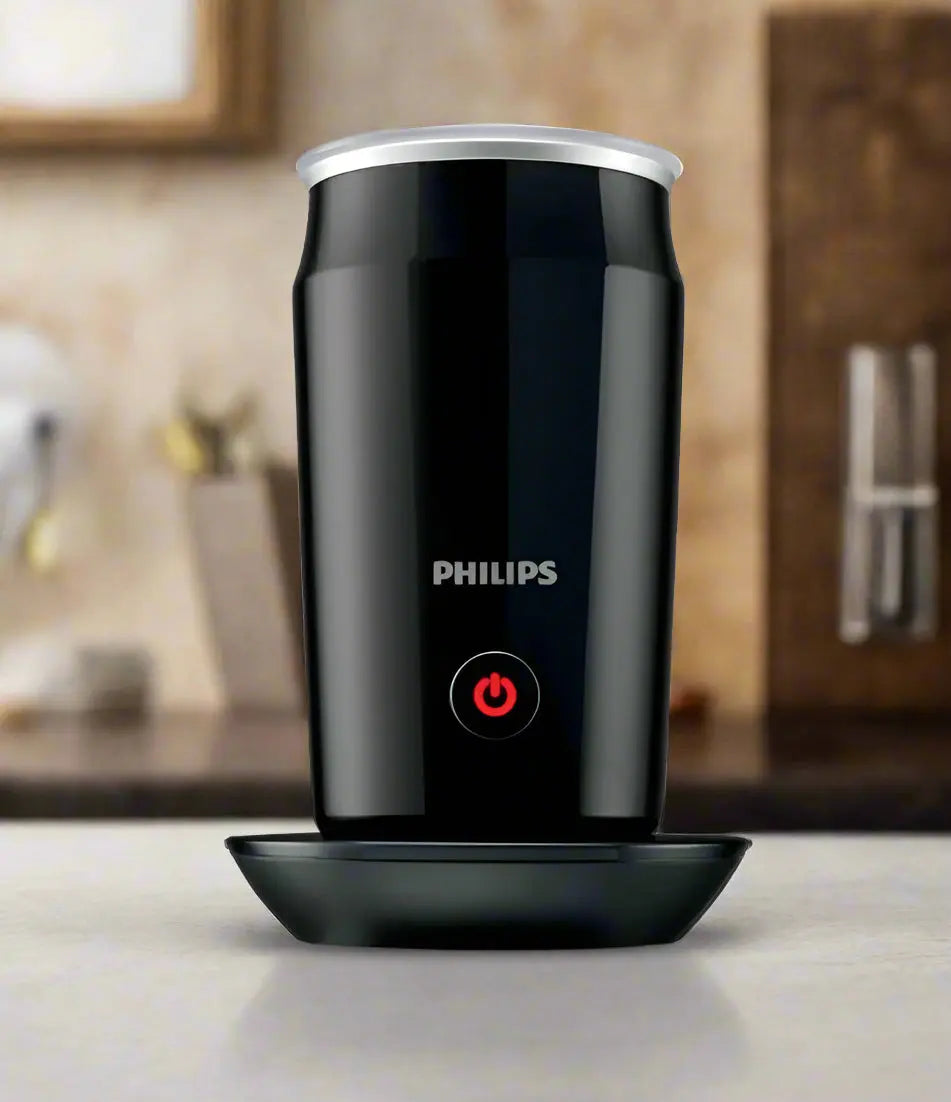
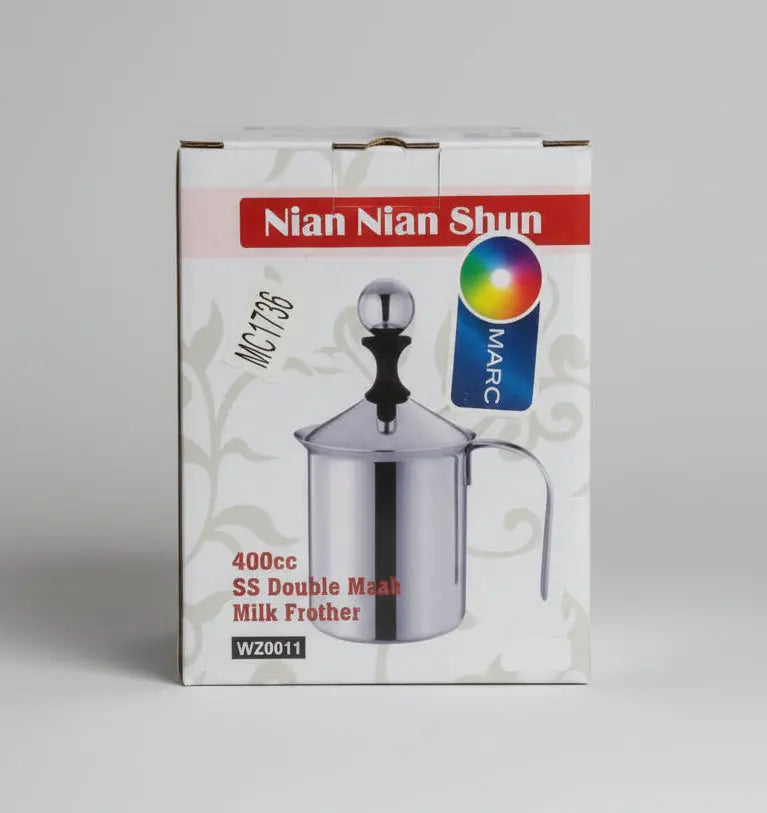
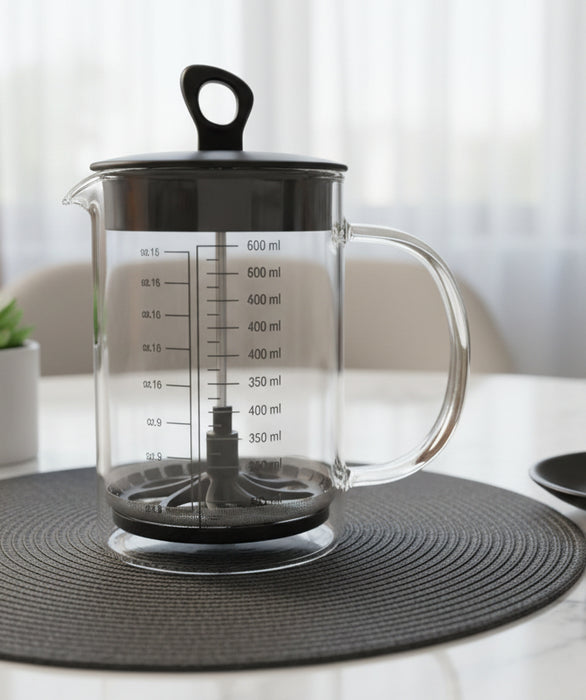
Milk frother
1Nice to haveLets you offer cappuccino and lattes without a big espresso machine.
How to use it: Use cold milk and clean the frother right after each use.
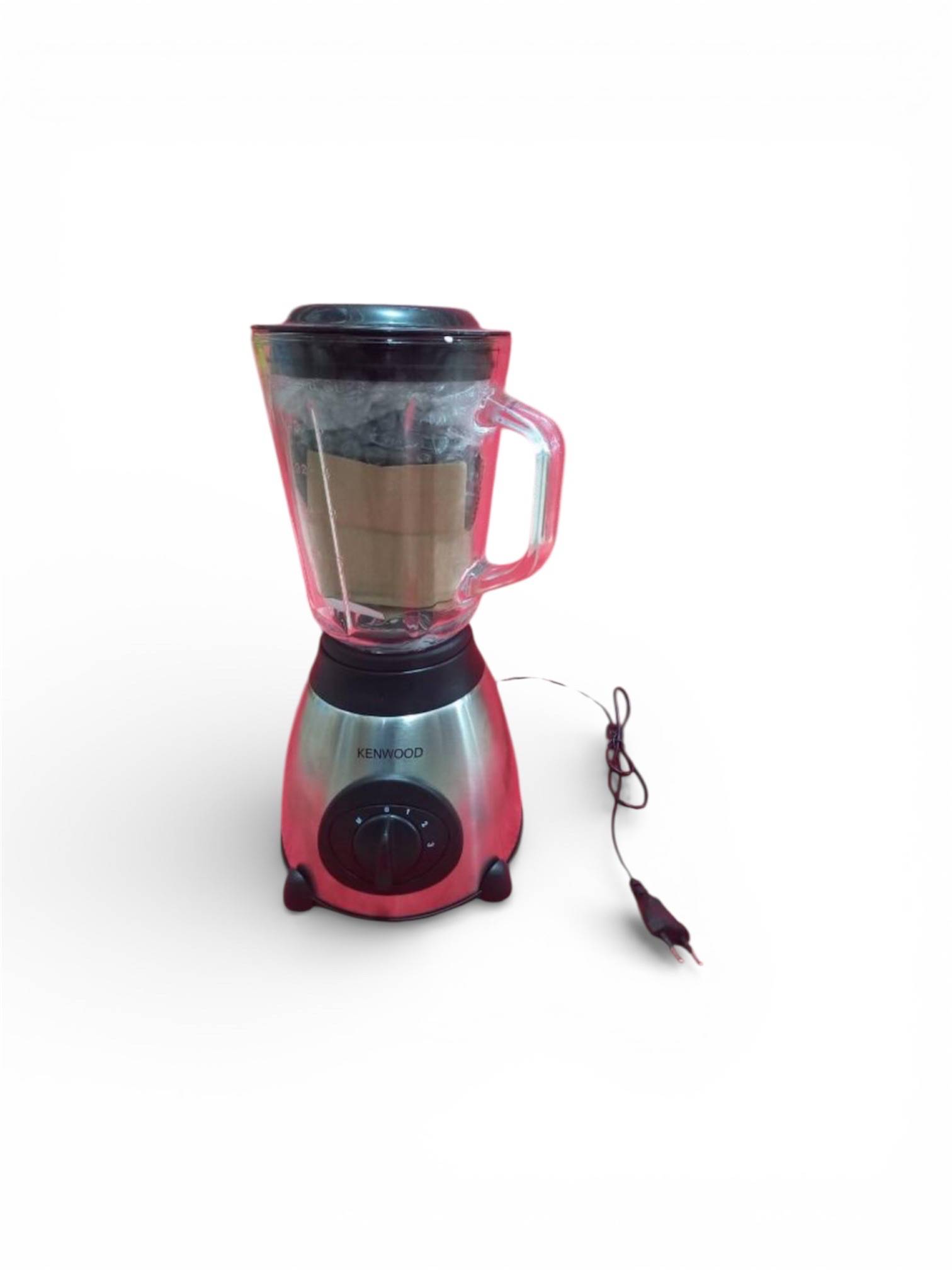
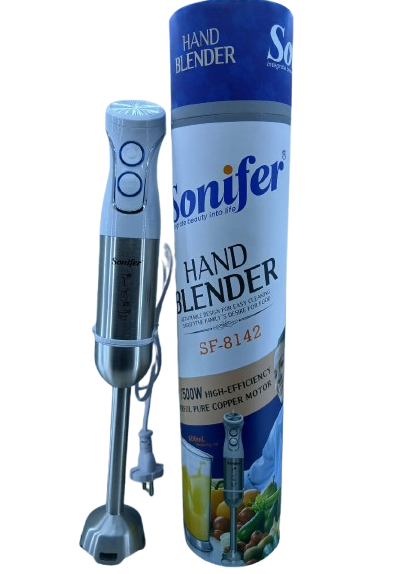
Blender
1Nice to haveFresh juices and smoothies sell well in the dry season and are good margin items.
How to use it: Buy a strong motor. Cheap blenders burn out quickly with ice and frozen fruit.






Prep tools
Good tools make prep faster, safer and more consistent from one cook to the next.
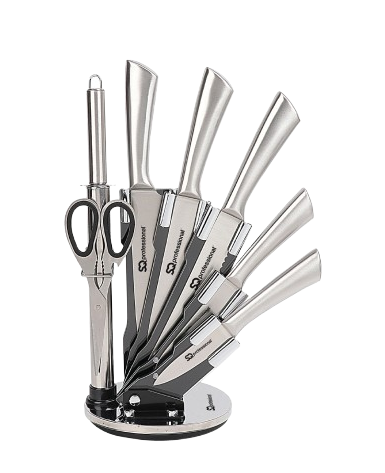
Kitchen knives
1 set Must haveSharp knives are safer than dull ones and speed up every vegetable and meat job.
How to use it: Sharpen weekly and store them in a block or on a magnetic strip, never loose in a drawer.
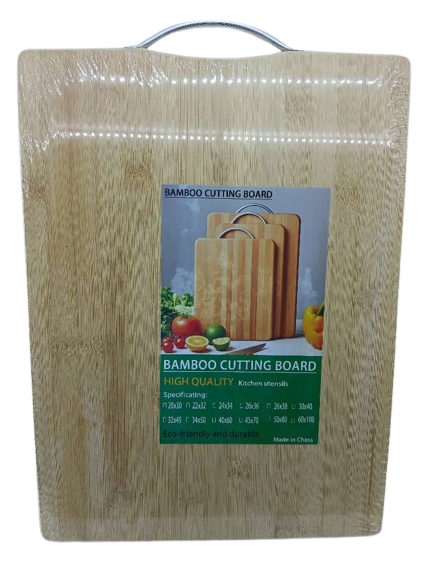
Cutting boards
3 to 4 Must haveSeparate boards for raw meat and for vegetables are one of the simplest ways to prevent food poisoning.
How to use it: Use color coded boards so staff never mix them up. Scrub and dry after every use.
Measuring cups
2 Must haveMeasuring keeps portions and recipes the same every day, which protects your margins.
How to use it: Write recipes with exact amounts and keep the cups next to the prep area.
Spatulas, ladles and tongs
2 to 3 of each Must haveYou need these at every station for flipping, serving and turning food.
How to use it: Buy a few of each so cooks are not waiting for one tool.
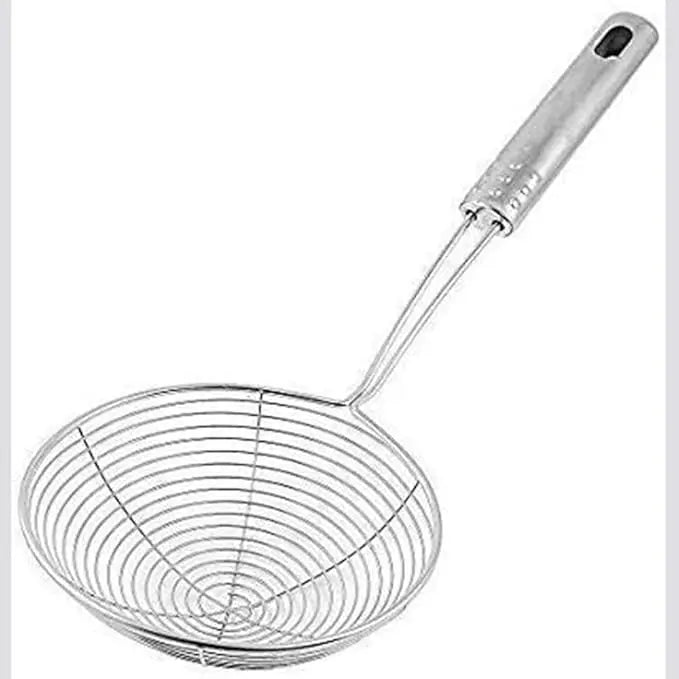
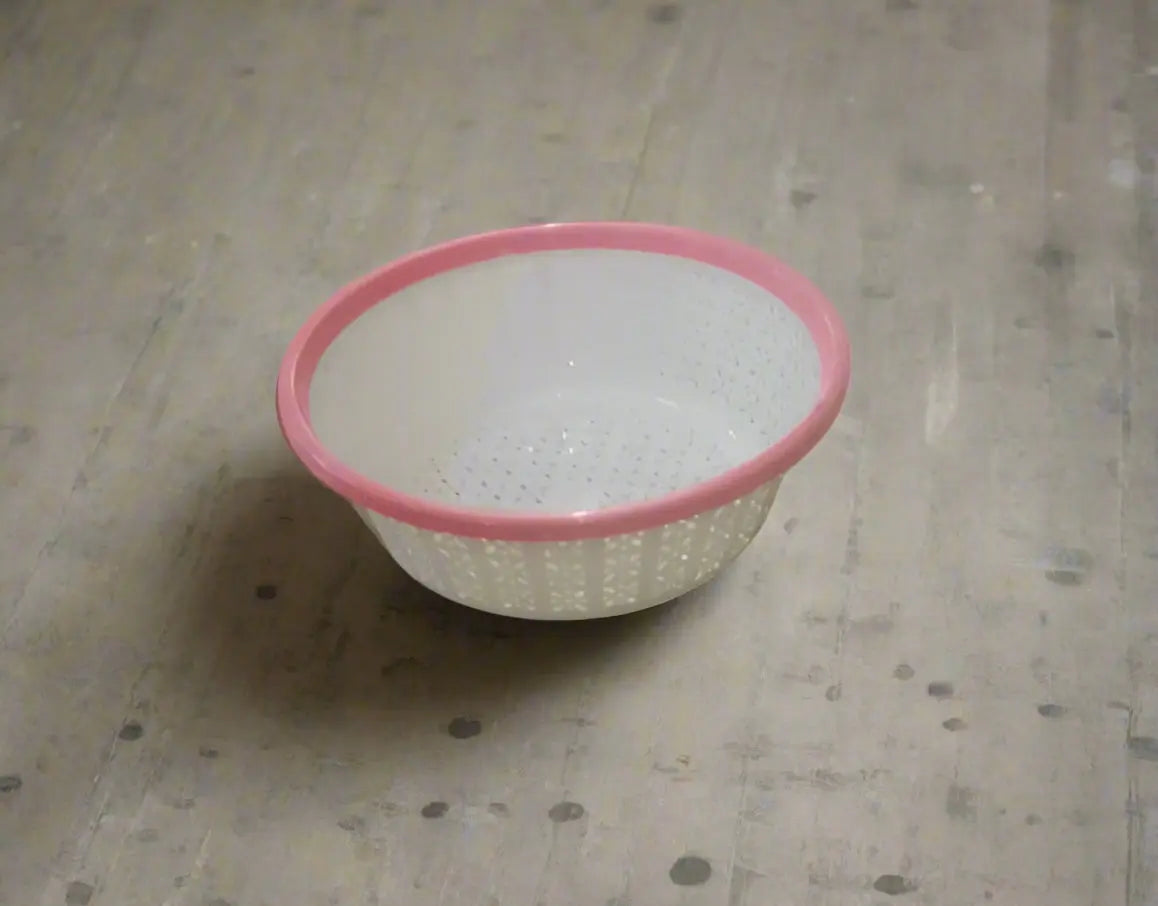
Strainers
2 Must haveFor draining rice, pasta, vegetables and straining fresh juice.
How to use it: Keep one fine strainer only for juice and drinks.
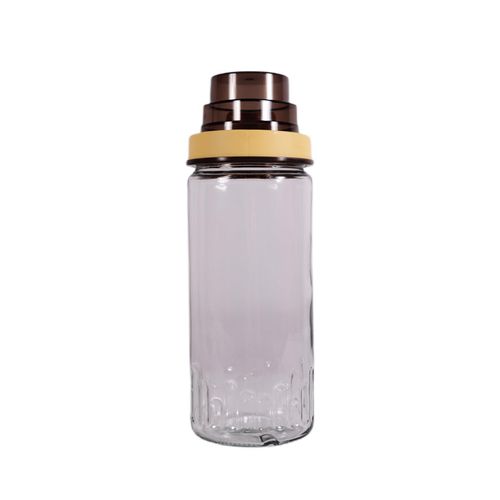
Food storage containers
10 or more Must havePrepped ingredients and leftovers must be covered and labeled to stay safe and avoid waste.
How to use it: Label each container with the date. Use the oldest first.
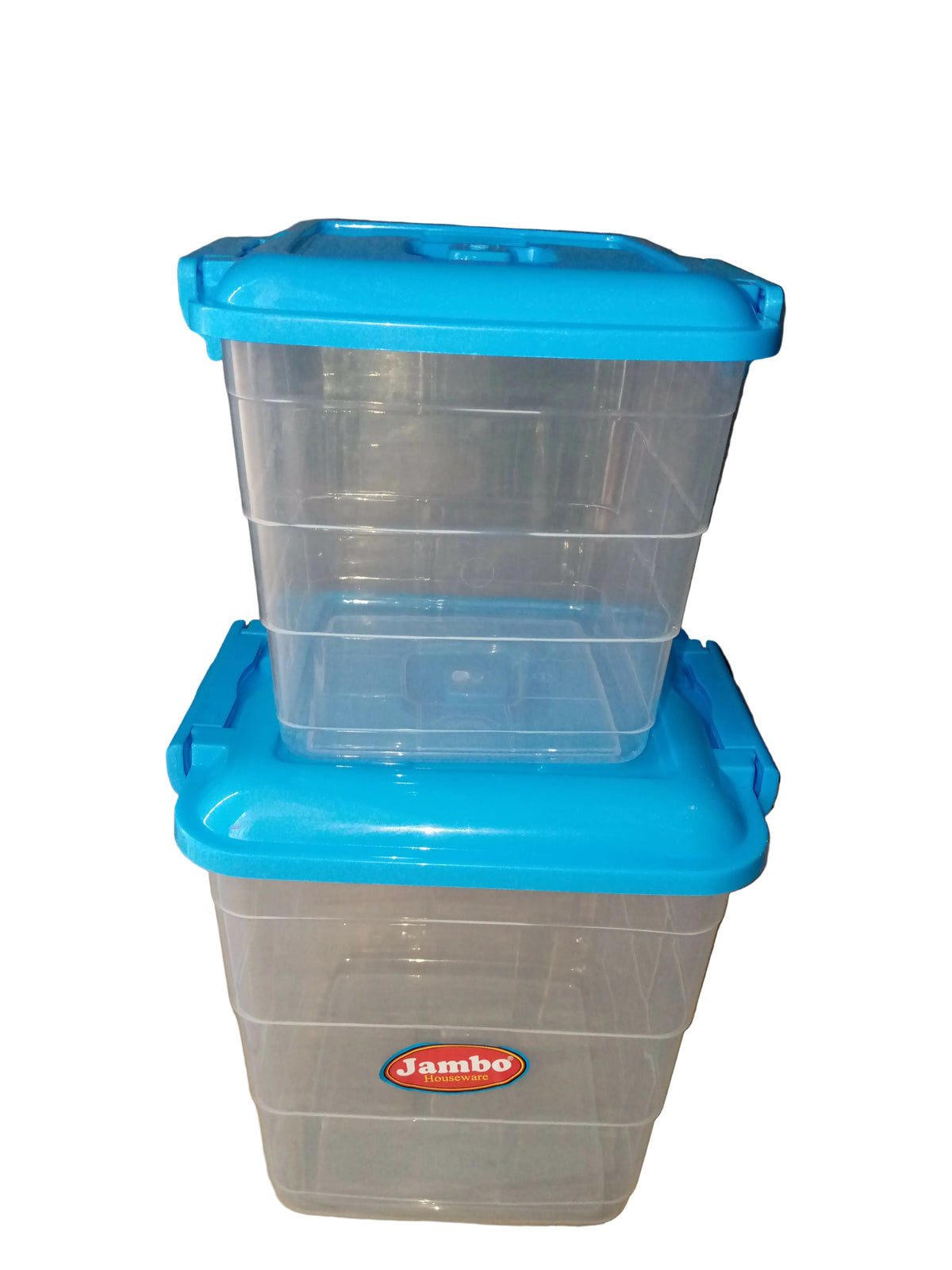 Jambo Clear Plastic Storage Container Set with Latching Lid/2 PiecesKimironko MarketRWF 9,000
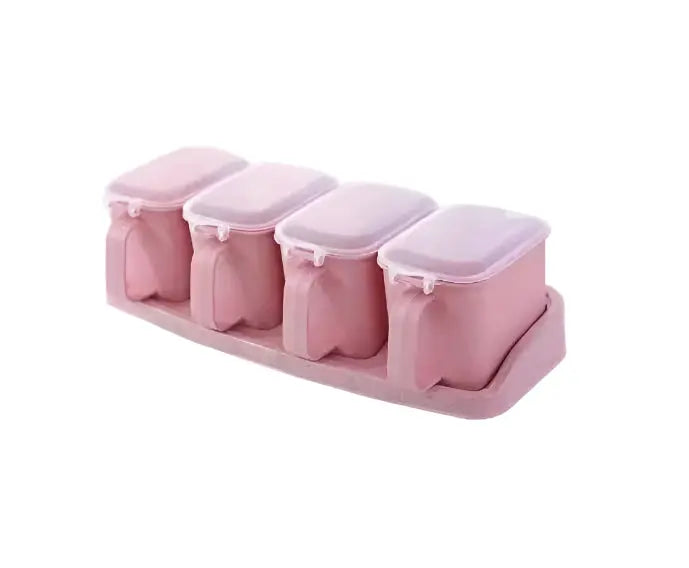 4 Pcs Set Plastic Lid Condiment Box Seasoning Box Plastic Kitchen Supplies Spice Rack Salt Pepper Storage ContainerKimironko MarketRWF 9,000
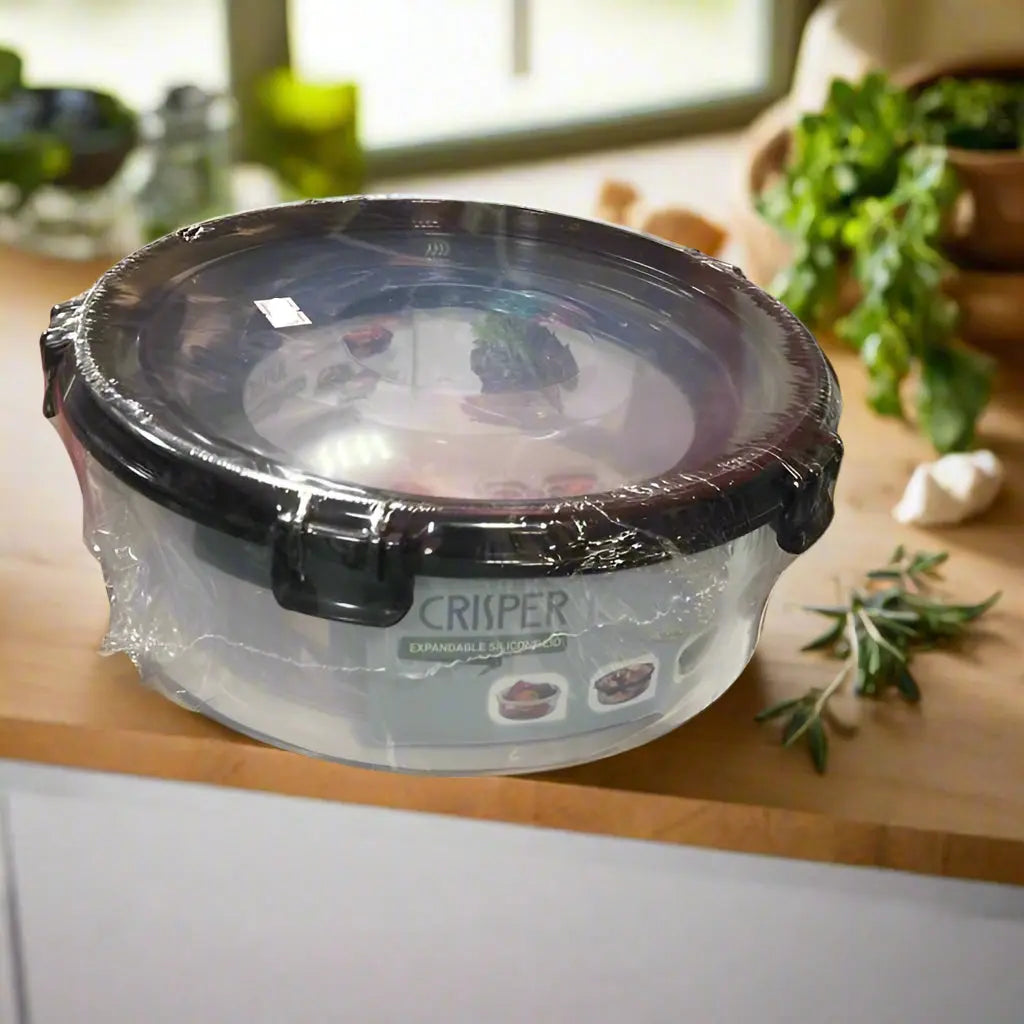 Crisper Food Storage Container This is a type of food storage container designed to keep fruits and vegetables fresh by controlling humidity.Kimironko MarketRWF 6,000See more on Isokko
Chest freezer
1Nice to haveBuying meat, fish and frozen items in bulk is cheaper, and a freezer keeps them safe.
How to use it: Keep it full, organized and closed. Think about what to do in a long power cut.






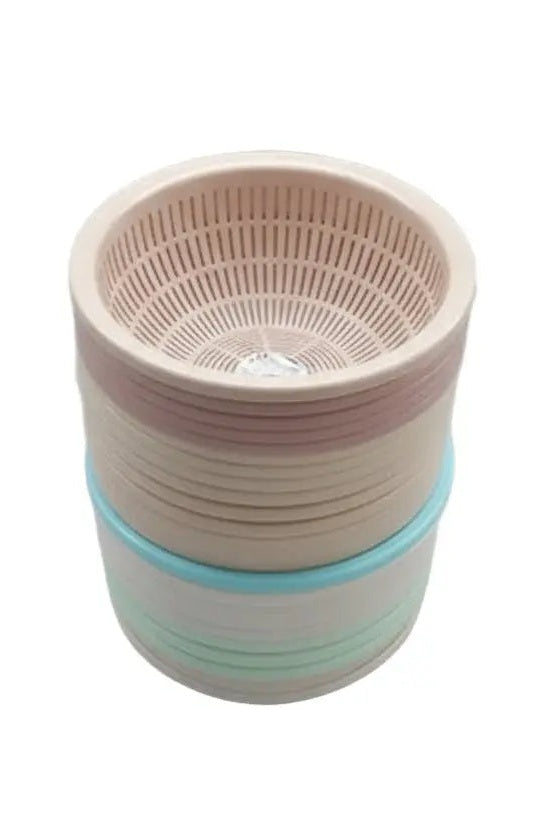


Serving ware
Plates, cups and cutlery are what your customer actually touches. Buy enough to get through the rush without washing up mid service.
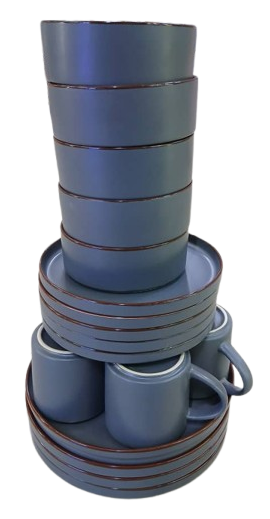
Plates and bowls
2 per seat Must haveMatching plates make even a simple dish look good.
How to use it: Buy about twice as many as your seats so you are never short at lunch.
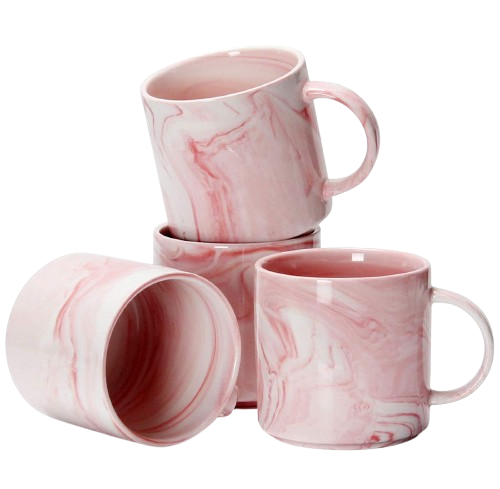
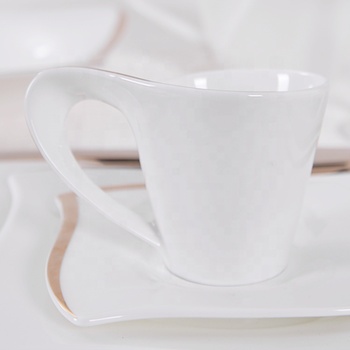
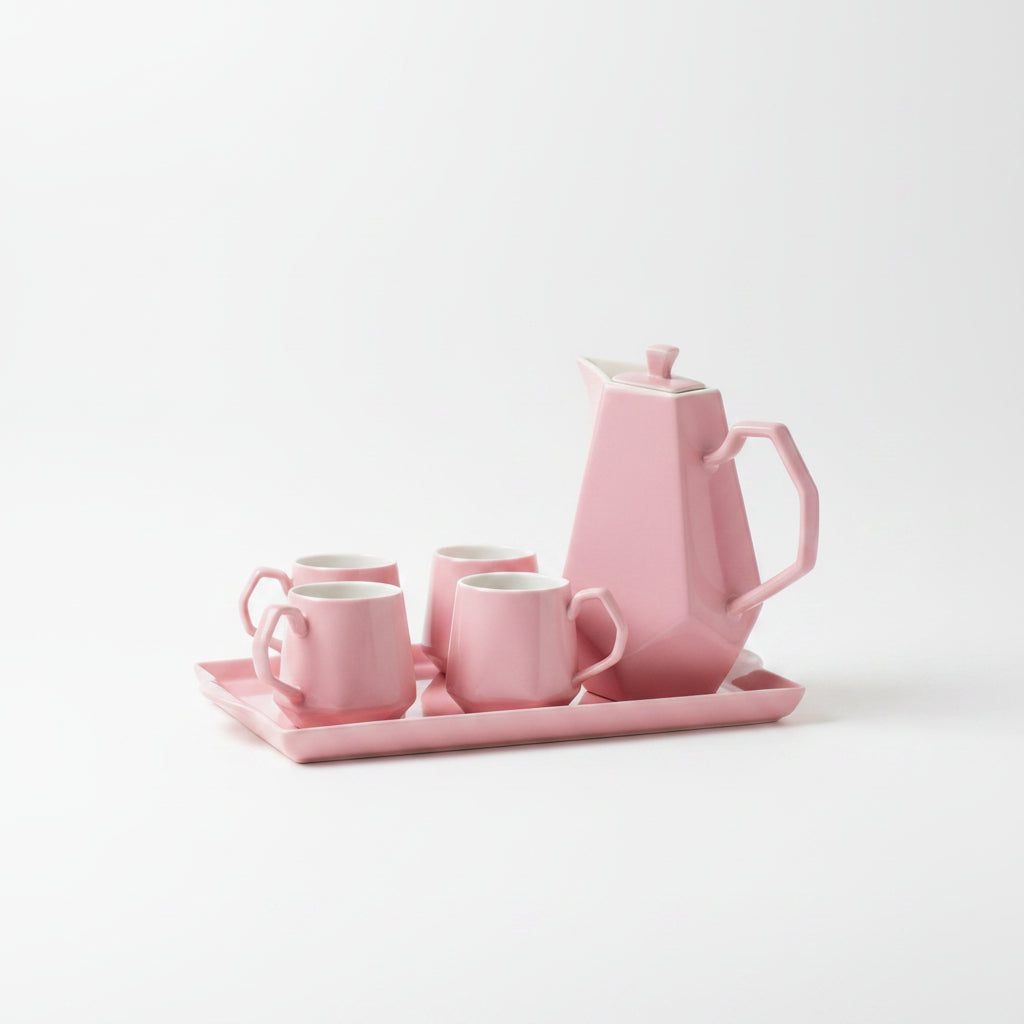
Coffee and tea cups
2 per seat Must haveCoffee and tea are your fastest moving drinks.
How to use it: Pick sturdy cups that stack well and survive daily washing.
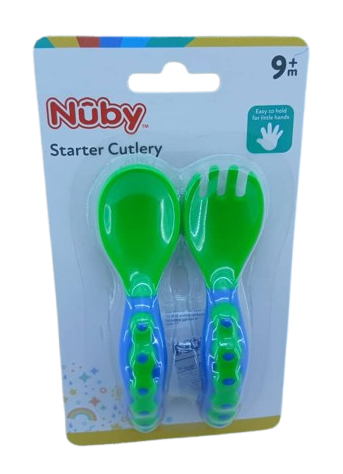
Cutlery
2 sets per seat Must haveForks, knives and spoons go missing, so buy more than you think.
How to use it: Count cutlery at closing time once a week.
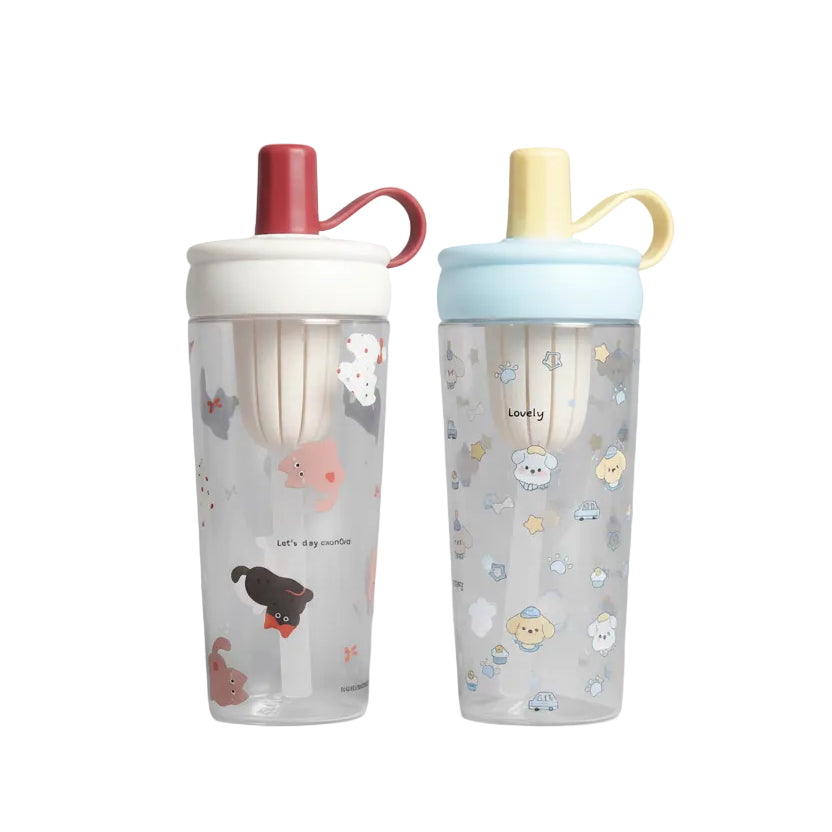
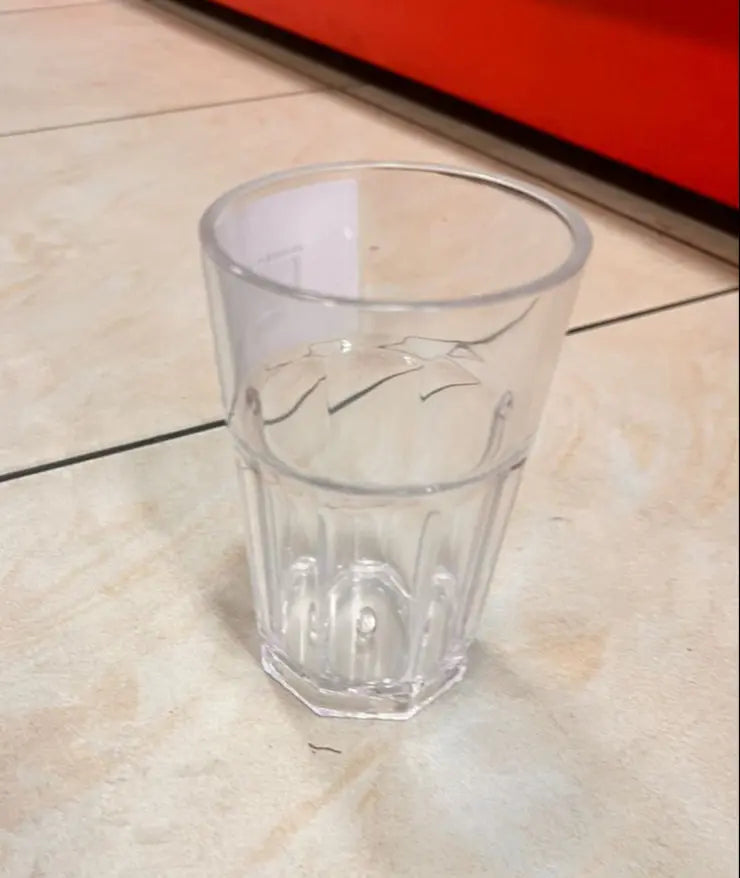
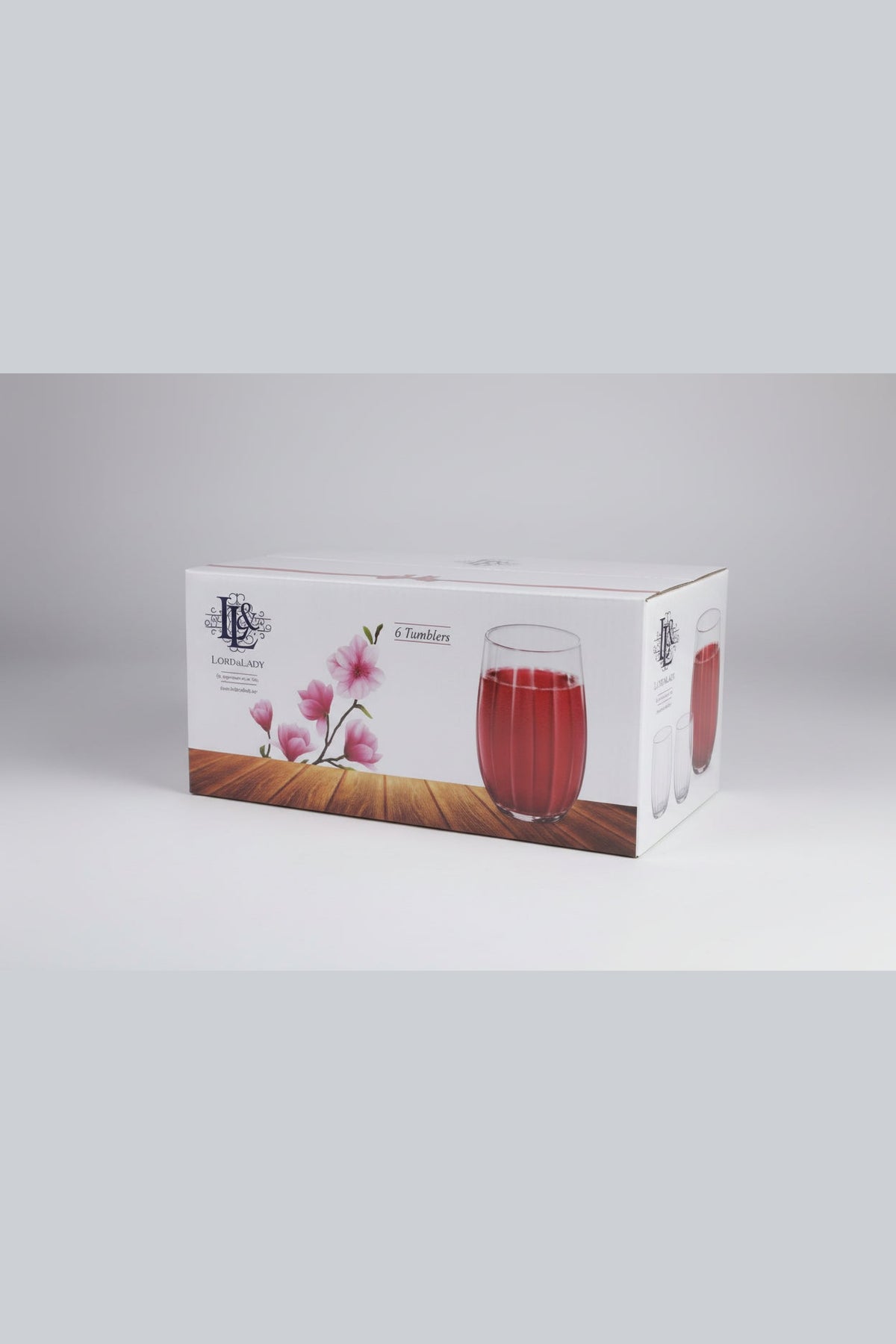
Drinking glasses
2 per seat Must haveFor water, juice and smoothies.
How to use it: Choose tumblers that are hard to break.
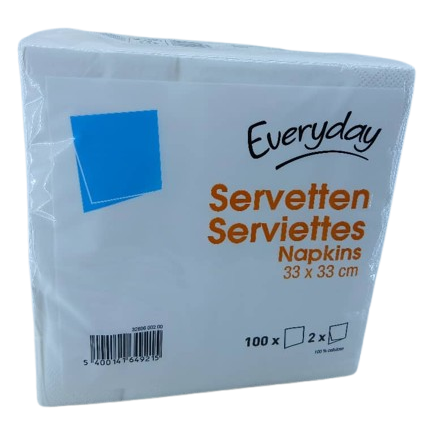
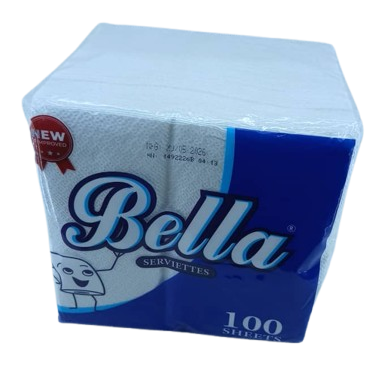
Serviettes
Several packs Must haveSmall item, big impression. Customers expect them at every table.
How to use it: Keep a holder on each table and refill before every rush.
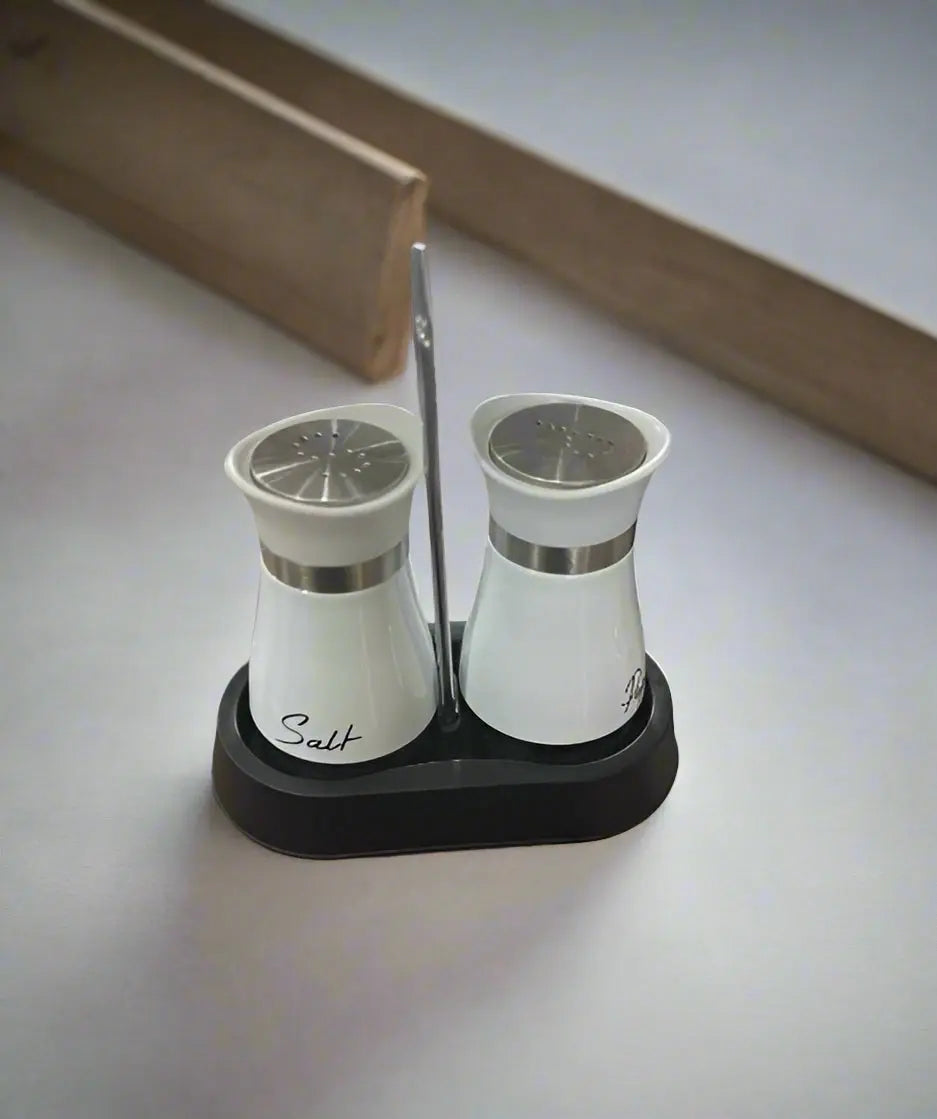
Salt, pepper and sauce bottles
1 set per tableNice to haveTables with condiments save staff trips and keep customers happy.
How to use it: Refill and wipe them every morning.
Serving trays
3 to 4Nice to haveTrays let one person carry a full order safely.
How to use it: Pick non-slip trays and keep them at the pass.

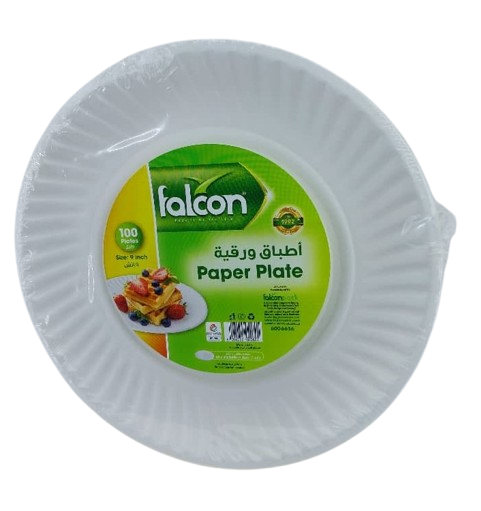






Takeaway packaging
Delivery and takeaway are a big part of food business in Kigali. Packaging that keeps food hot and sealed protects your reputation.
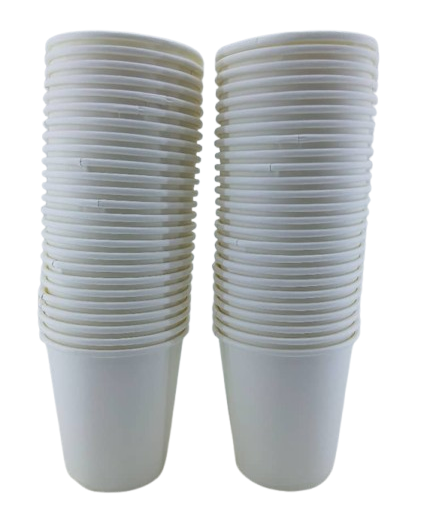
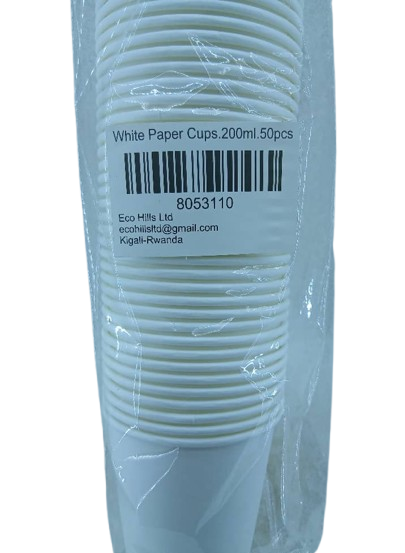
Takeaway cups with lids
1 to 2 packs Must haveOffice workers want coffee on the go.
How to use it: Stock two sizes and keep lids that fit tightly.
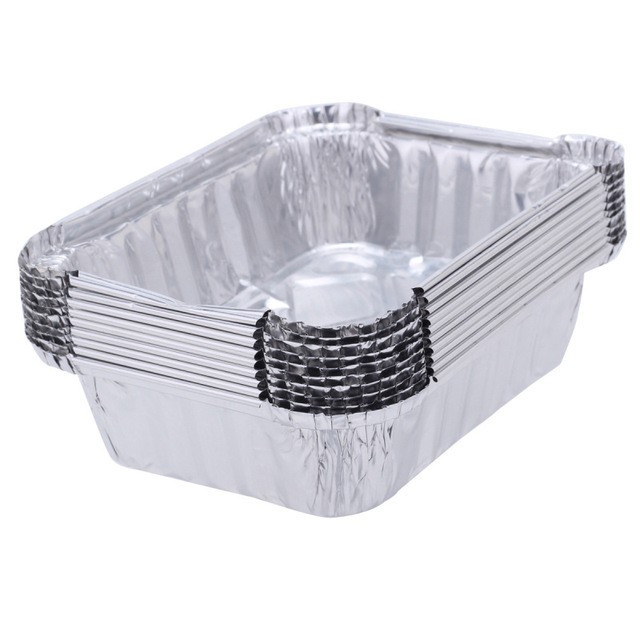
Takeaway food boxes
Several packs Must haveLunch orders need boxes that close firmly and survive a moto ride.
How to use it: Test a full box by shaking it before you buy in bulk.
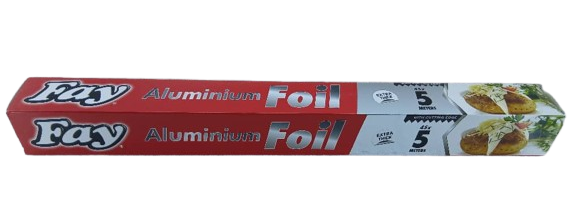
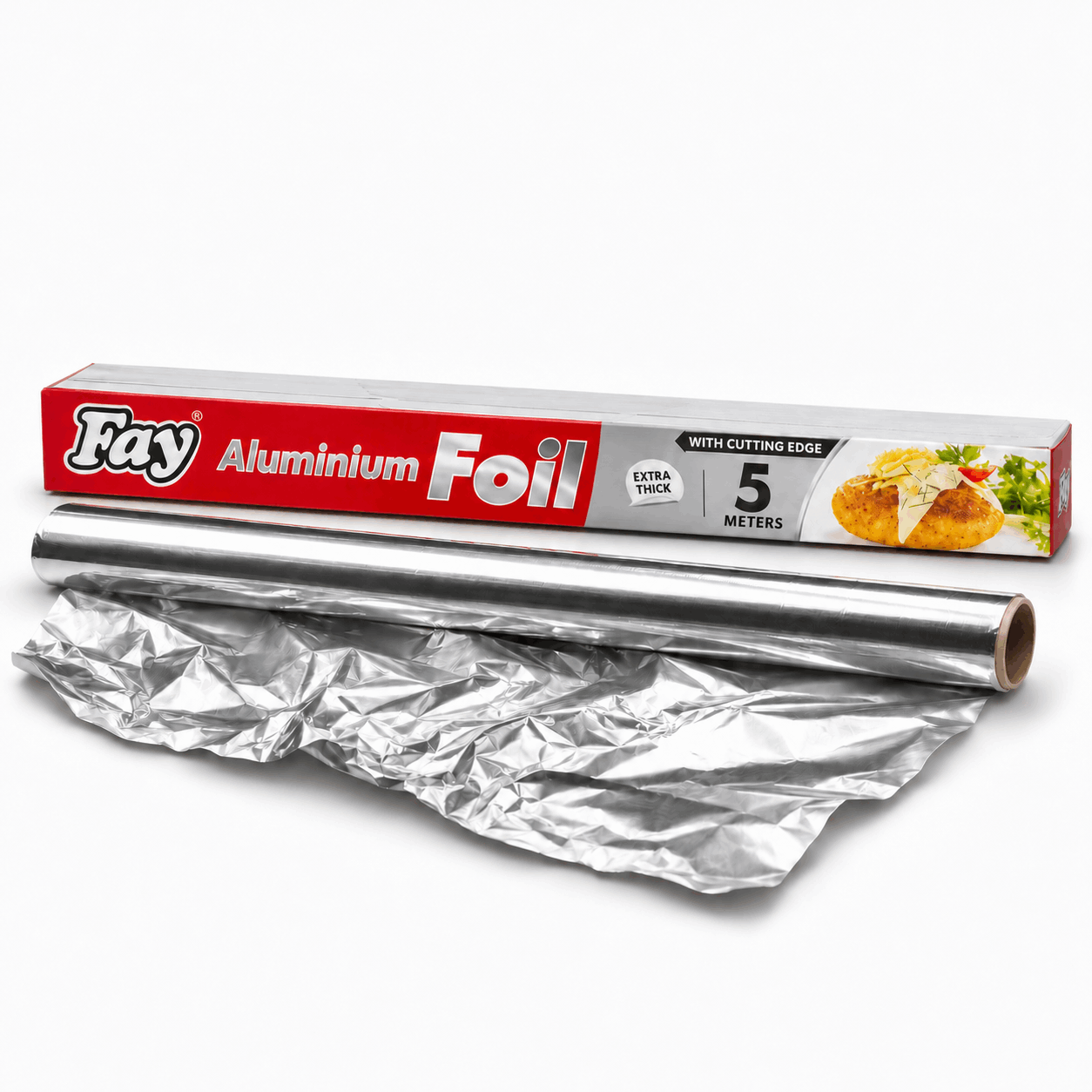
Aluminium foil
2 rolls Must haveKeeps food warm and wraps chapati, sandwiches and samosas neatly.
How to use it: Buy the large catering rolls, they work out cheaper.



Cleaning and safety
A clean kitchen keeps customers safe and is the first thing inspectors look at.
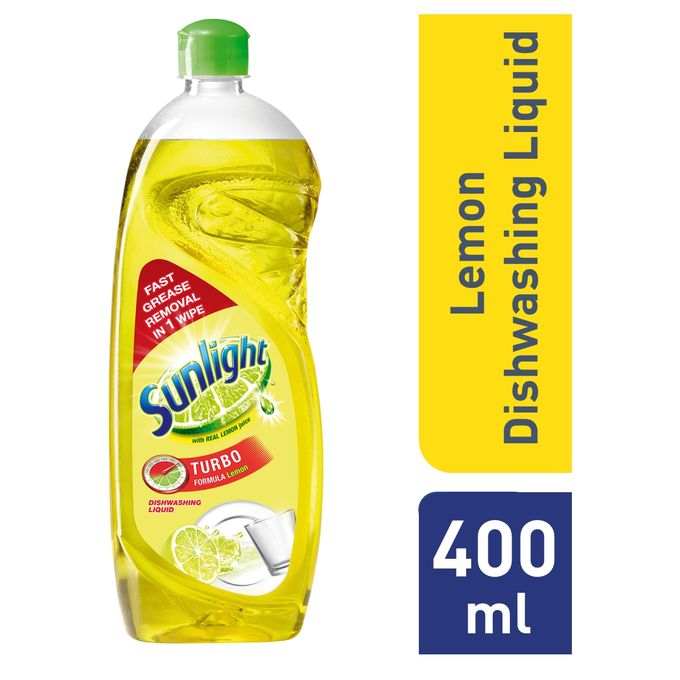
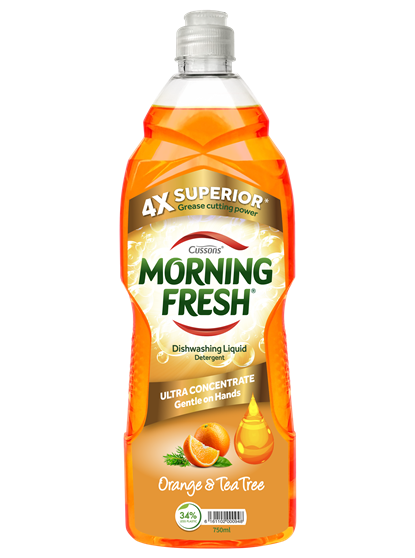
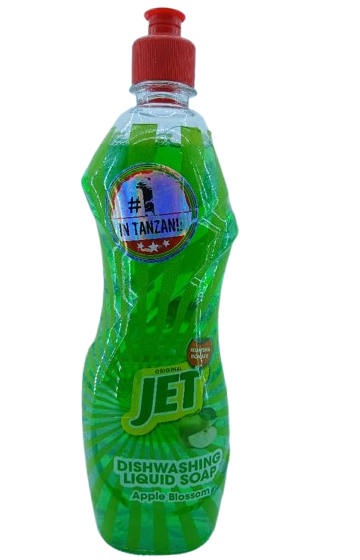
Dishwashing liquid
Several litres Must haveYou will wash hundreds of plates a day.
How to use it: Buy large containers and dilute as the label says.
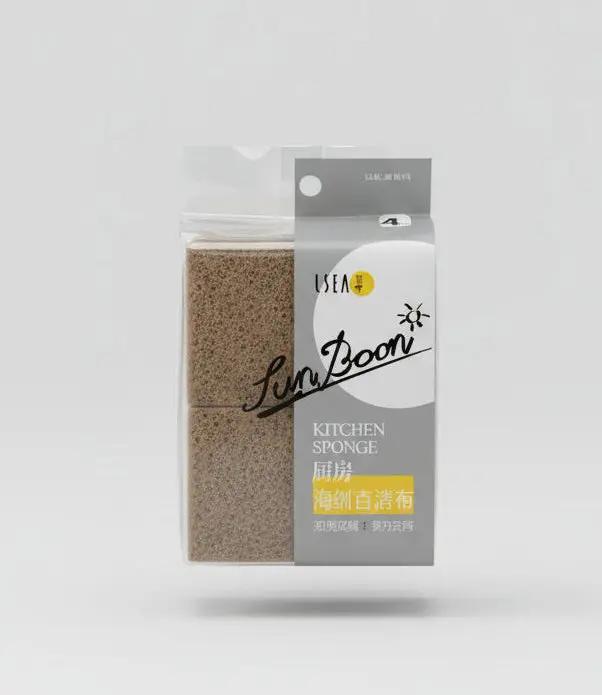
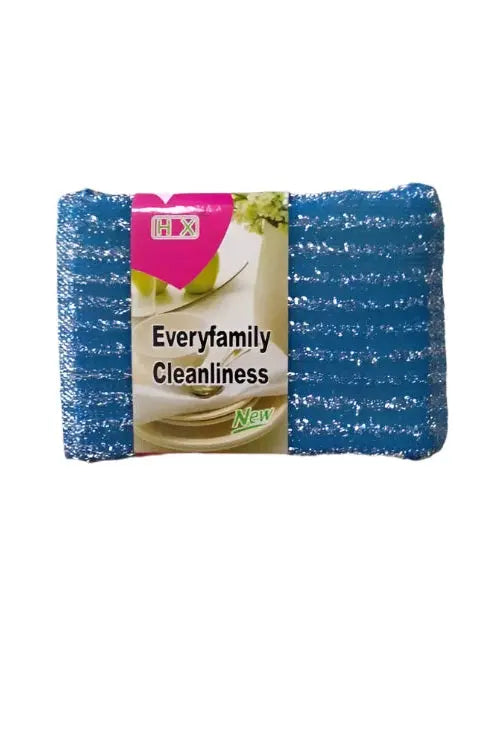
Kitchen sponges
1 pack weekly Must haveSponges wear out fast in a busy kitchen.
How to use it: Replace them often. Old sponges spread germs.
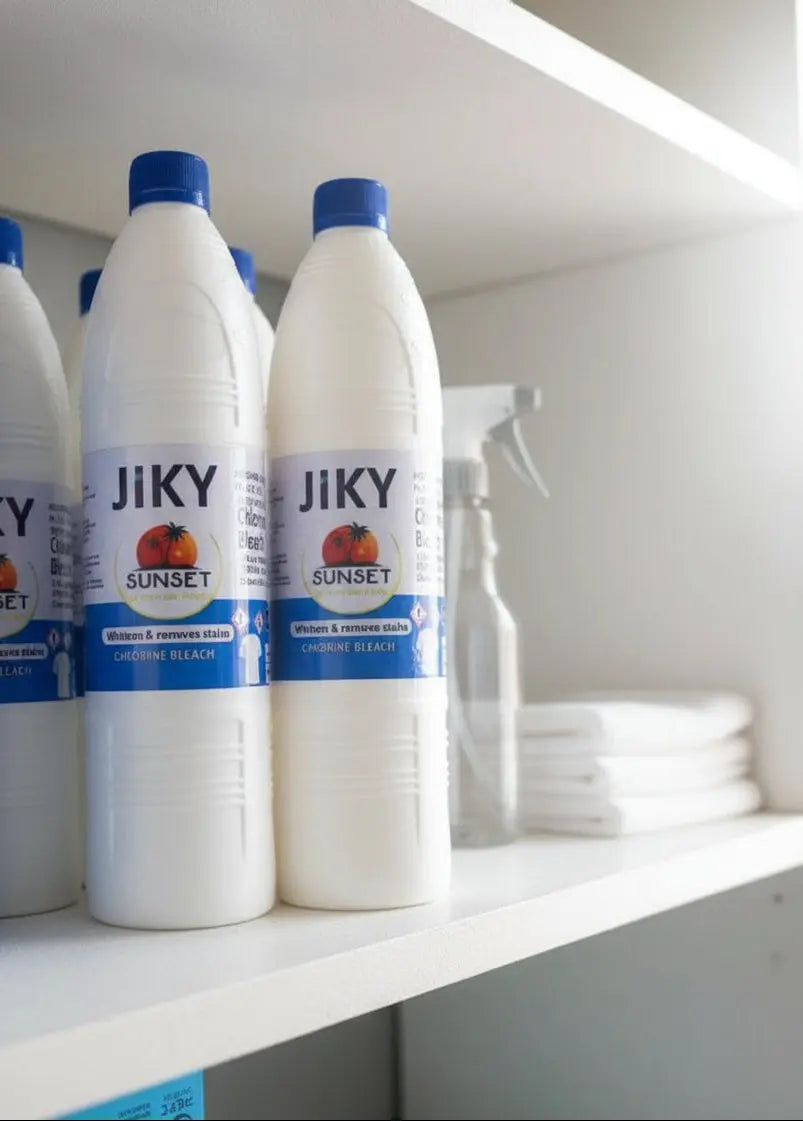
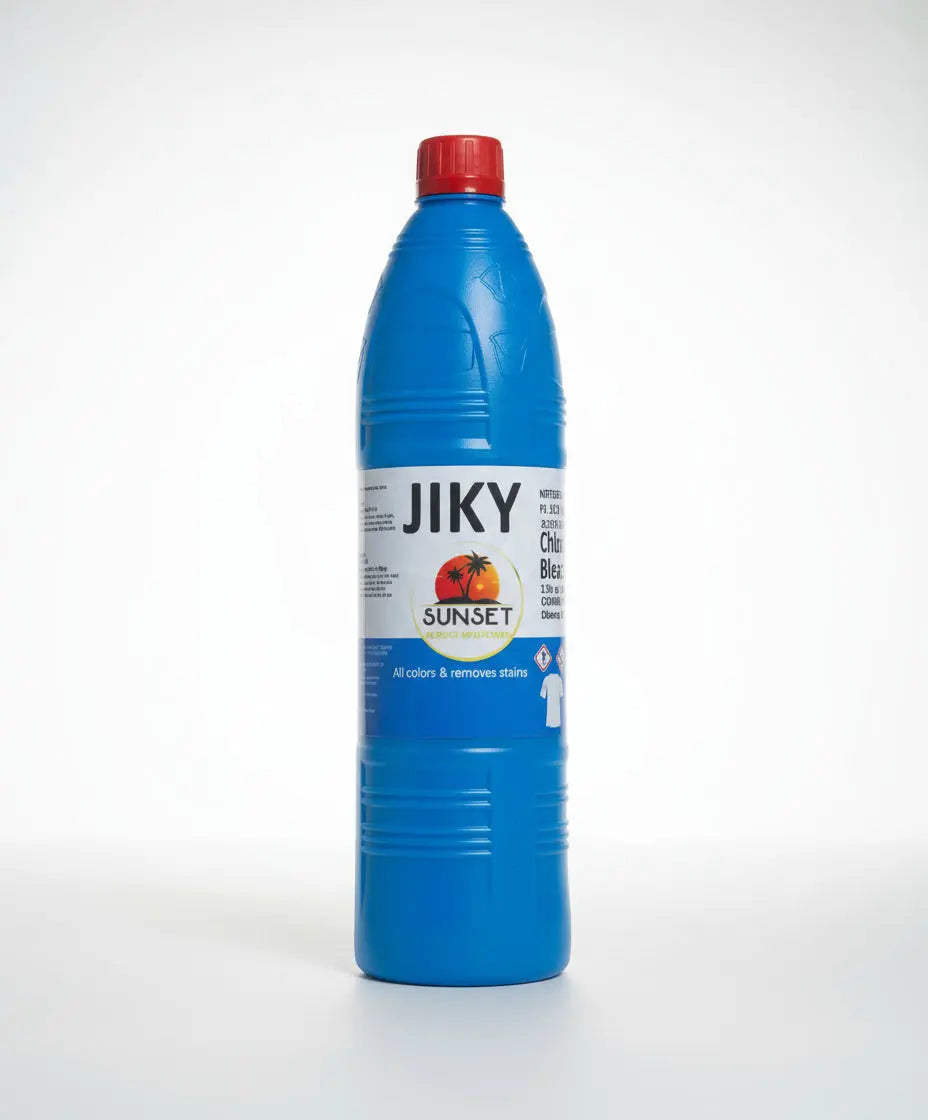
Bleach
Several bottles Must haveFor sanitizing surfaces, cutting boards and floors.
How to use it: Dilute properly and never mix with other cleaners.
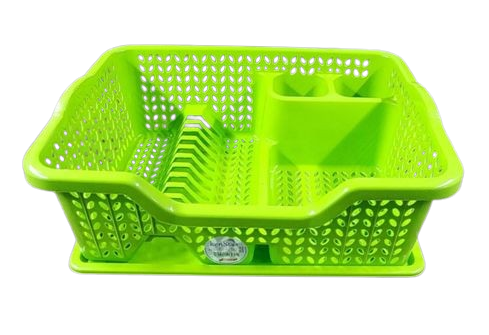
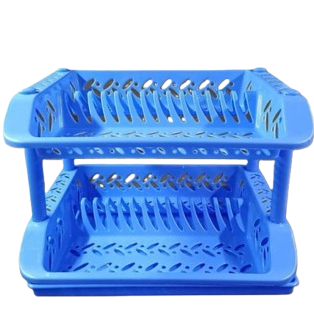
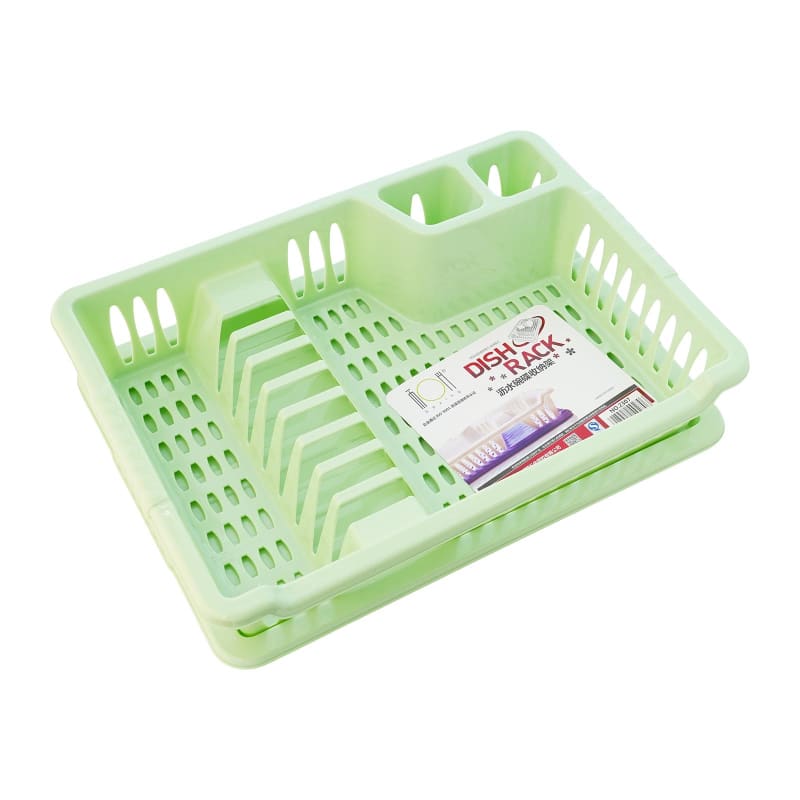
Dish rack
1 to 2 Must haveAir drying is more hygienic than drying with a shared cloth.
How to use it: Place it near the sink and empty it often.
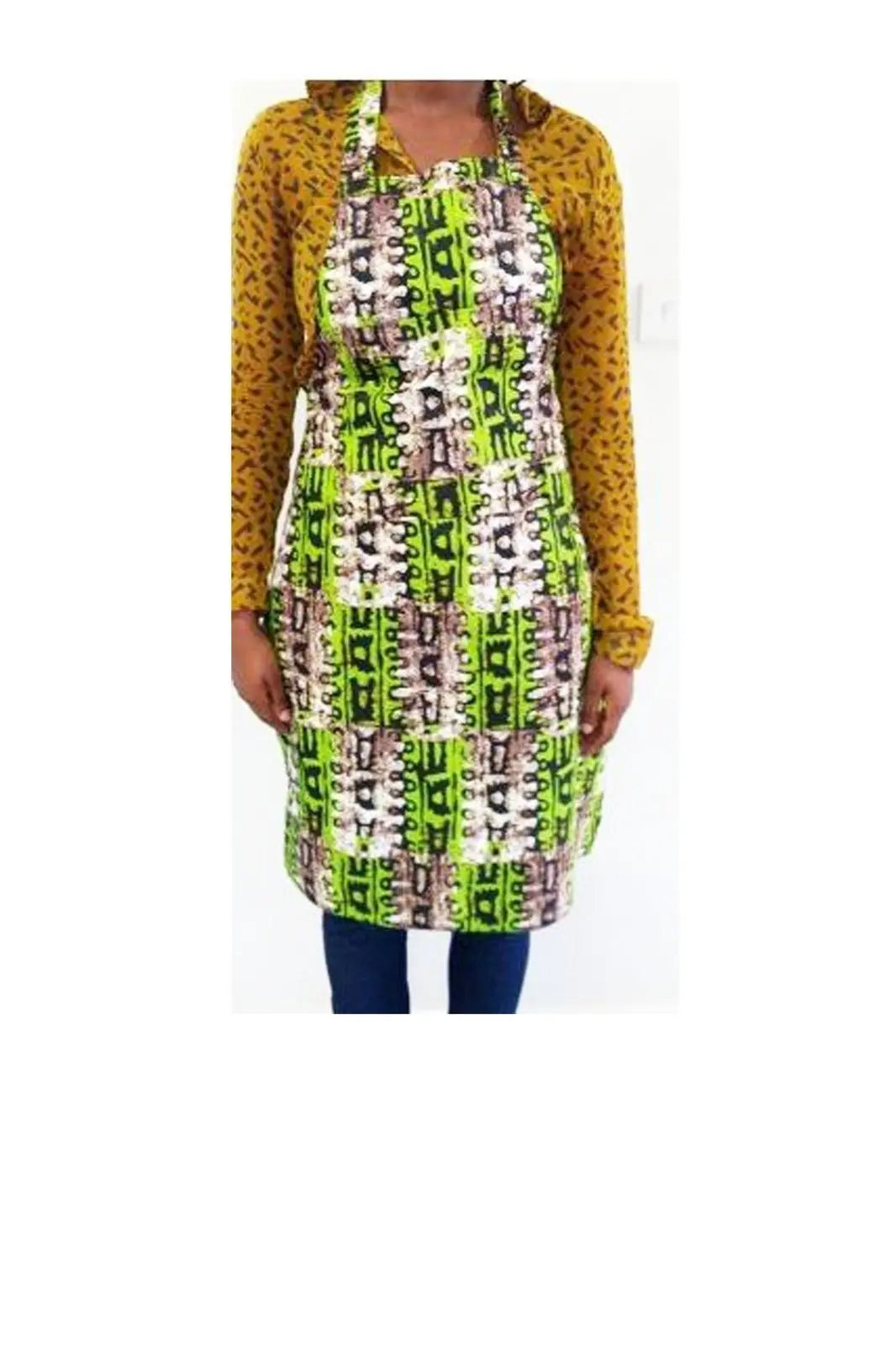
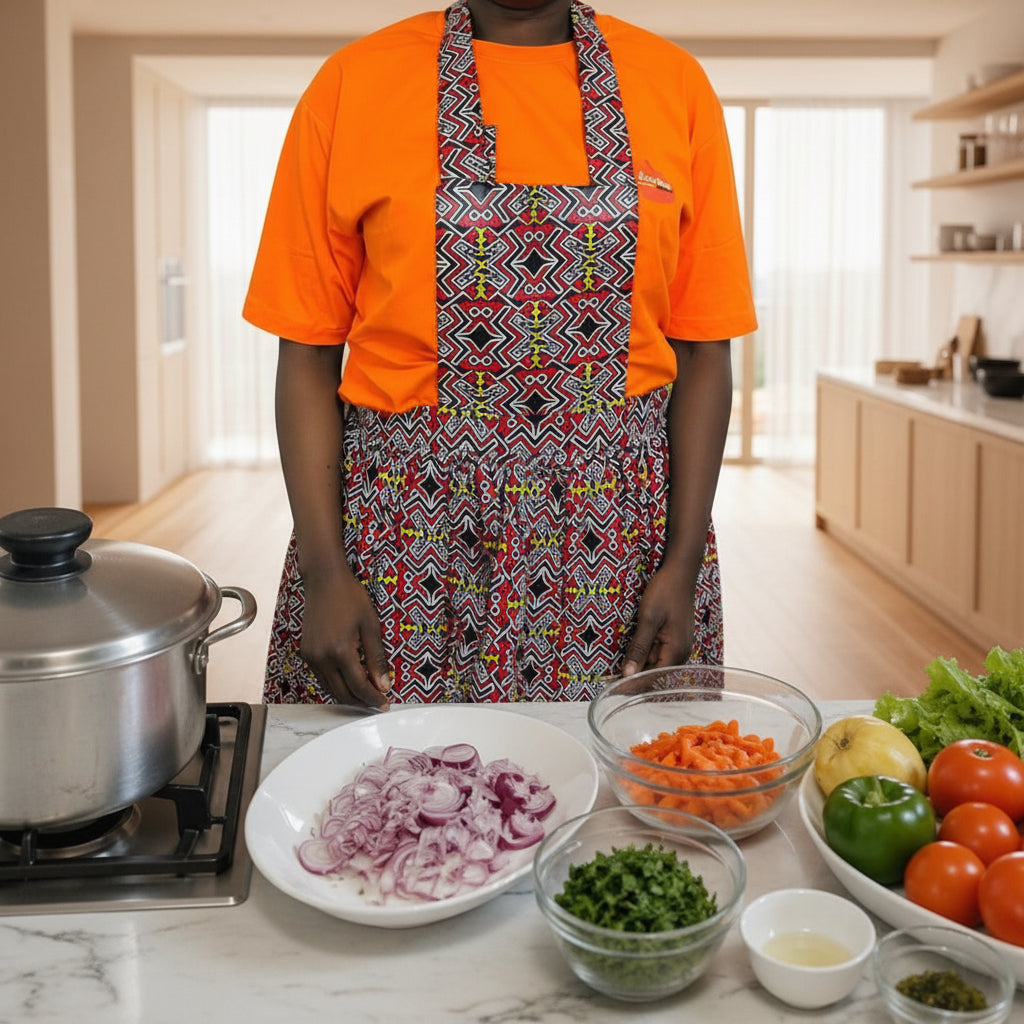
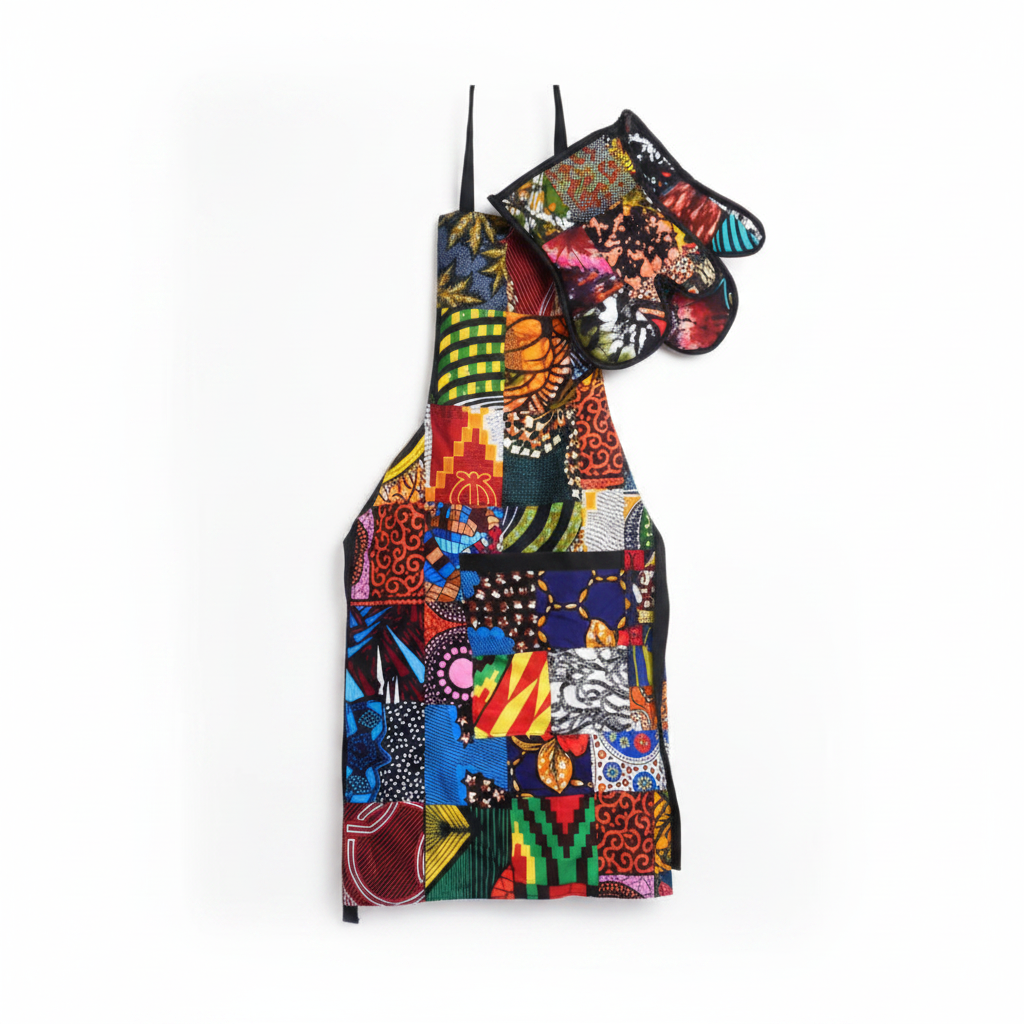
Aprons
2 per person Must haveProtect clothes and make your team look professional.
How to use it: Give each staff member two so one can be washed.
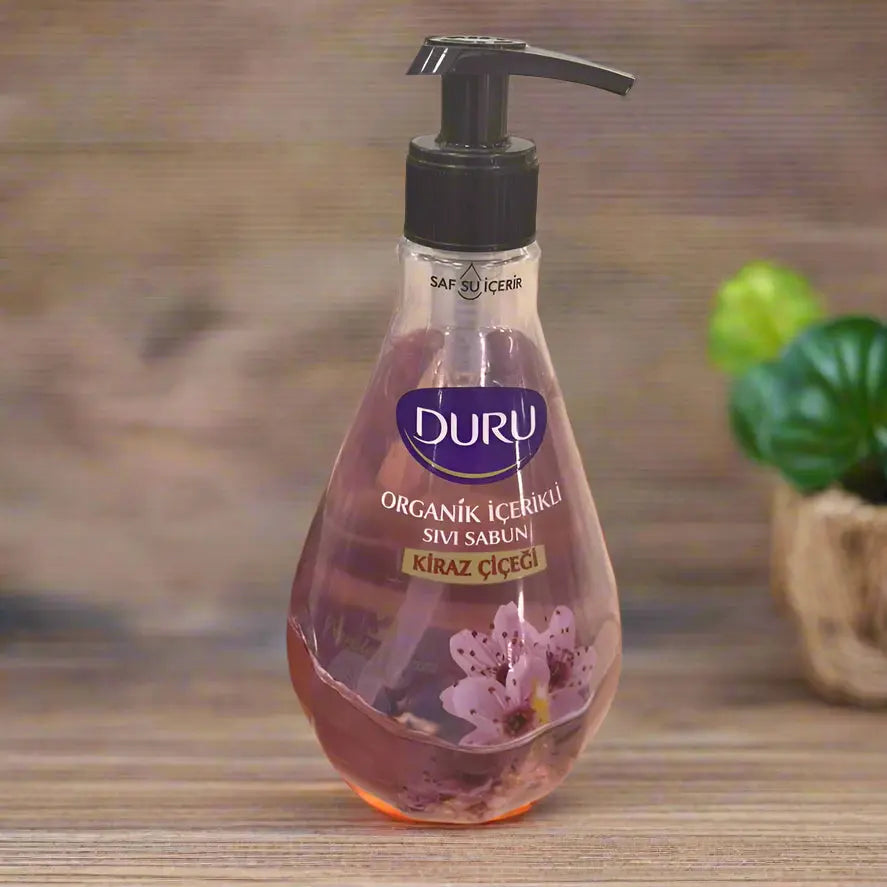
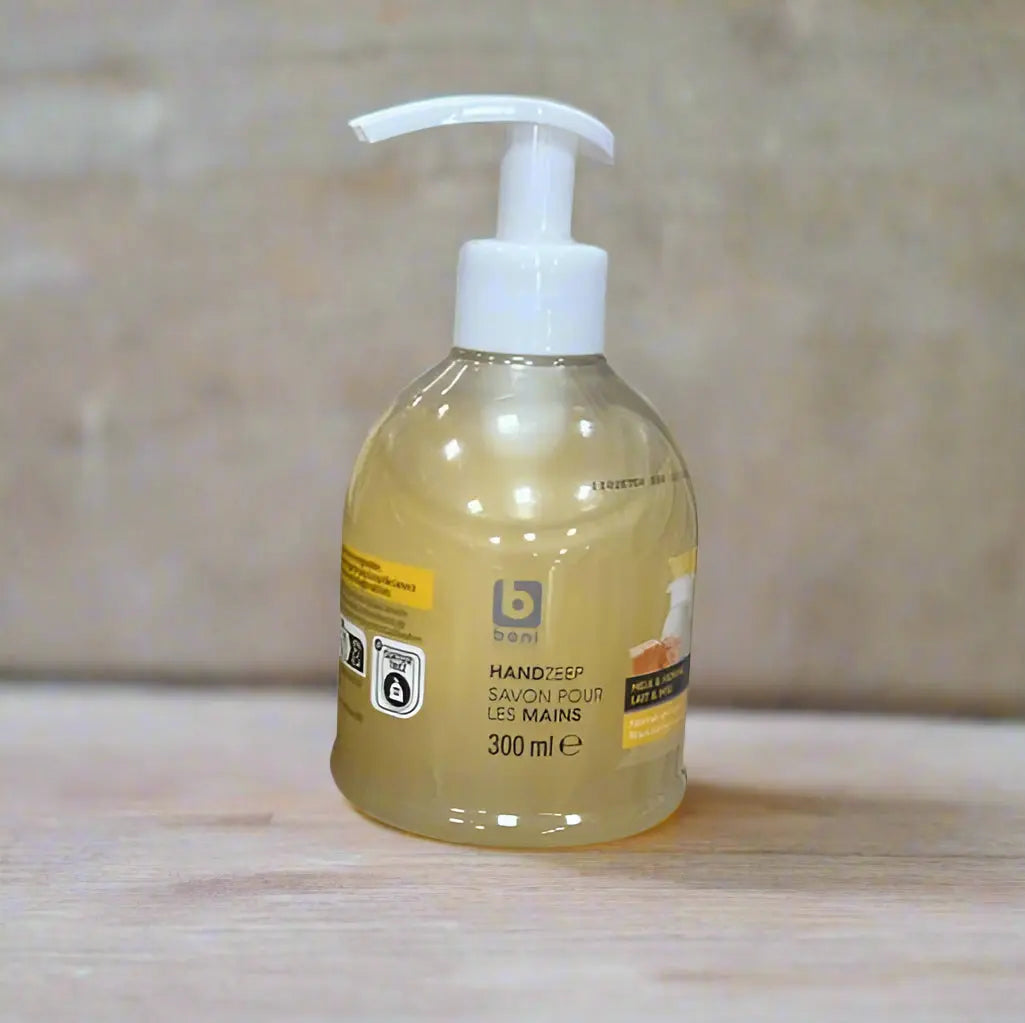
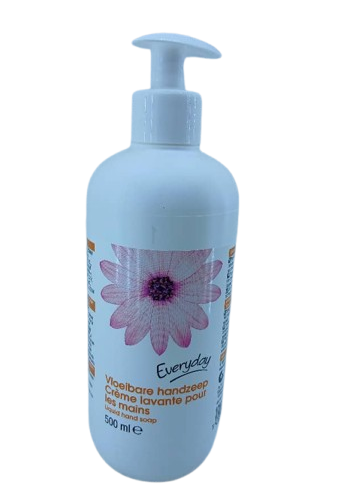
Hand soap
2 bottles Must haveStaff must wash hands often, especially after handling raw food or money.
How to use it: Keep soap at a dedicated hand basin, separate from the dish sink.
Fire extinguisher
1 Must haveAny kitchen with gas and hot oil needs one within reach.
How to use it: Buy from a safety supplier, mount it near the exit, and learn how to use it before you need it.

Step by step
- 1
Write your menu
List every dish and drink, then write down which equipment each one needs. This becomes your buying list.
- 2
Four weeks before
Order the big equipment: cooker, coffee machine, freezer and fryer. Arrange gas supply and check sockets with an electrician.
- 3
Two weeks before
Buy prep tools, serving ware and cleaning supplies. Wash everything before first use.
- 4
One week before
Do trial runs with your team. Time each dish and fix bottlenecks.
- 5
Final days
Order your first food stock, coffee, tea and packaging. Do a soft opening for friends and neighbors.
Tips that help
- Start with a short menu. It means less equipment, less waste and faster service.
- Keep a spare full gas cylinder at all times so you never stop mid service.
- Buy plates and cups that are easy to replace in the same style.
- Label and date everything in the fridge and freezer.
- Set up the coffee and tea station near the entrance so drink orders are fast.
- Plan for power cuts: know which equipment can run on gas and which cannot.
Mistakes to avoid
- Buying expensive equipment for dishes you might add later.
- Using one cutting board for raw meat and vegetables.
- Running out of plates or cups halfway through the lunch rush.
- Cheap takeaway boxes that leak on the back of a moto.
- No fire extinguisher or gas safety checks.
Questions people ask
What equipment do I need to start a small café in Kigali?+
At minimum, a cooker, a coffee machine or good coffee maker, flasks for tea, pots and pans, prep tools, enough plates and cups for your seats, takeaway packaging and a full cleaning kit. Add a freezer, fryer or blender when your menu needs them.
Should my café kitchen use gas or electricity?+
Many Kigali kitchens use gas for cooking because it keeps working during power cuts, and electricity for coffee machines, blenders and fridges. A mix gives you flexibility.
How many plates and cups should a new café buy?+
A good rule is about two of each per seat, so you can keep serving while the first round is being washed.
Do I need a license to open a café in Rwanda?+
Food businesses usually need registration and hygiene approval. Check with RDB, your sector office and the relevant health authorities for the current requirements.
What sells best in small Kigali cafés?+
Coffee, African tea, fresh juice, breakfast eggs, chapati, samosas and simple lunch plates are common favorites. Watch what your customers order in the first weeks and adjust.
A small kitchen that is well equipped can serve a lot of happy customers. Start with your menu, buy what it needs, and build from there. You can order equipment, smallwares, coffee, tea and packaging on Isokko and have it delivered to your café.
Shop this list
Get everything delivered in Kigali
Order from local stores on Isokko and pay with MoMo, card or cash. Same-day delivery.