
Checklist · Home & moving
Organizing a Wardrobe in a House With No Built-In Closets: What to Buy
What to buy to organize clothes in a Kigali home with no built-in closets: hanging rails, boxes, hangers and dust and moth care.
Updated November 27, 2026 · By Isokko

Many houses and rooms in Kigali are rented with bare walls and no closet at all. Clothes end up in bags, on the bed or in a corner, and wrinkles, dust and damp follow. A few smart buys make a neat wardrobe out of nothing.
This checklist covers hanging rails, boxes, hangers, shelves and the small items that protect clothes from red dust, damp and moths. Start by deciding what you hang, what you fold and what you store away.
Buy only what your clothes need. Sort first, then shop, so you do not buy five boxes and still have a pile on the floor.
Who it's for
Anyone renting a house or room in Kigali with no fitted closet or cupboard
Time needed
Half a day to sort, one weekend to set up
When to shop
After you count your clothes and measure the wall space you can use
On the list
29 items, 11 must haves
0 of 29 ready
Sort and plan first
A good system begins before you buy anything.
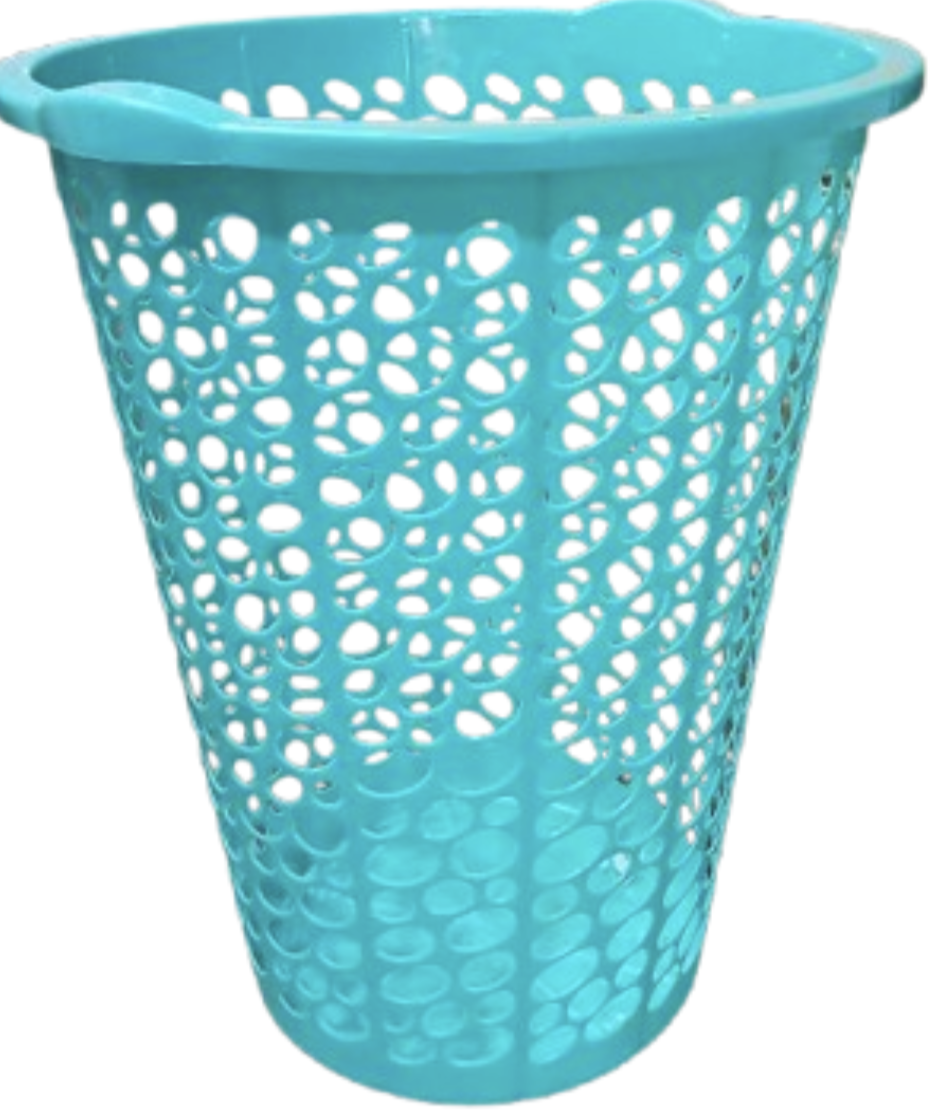
Laundry basket for sorting
1 Must haveYou need a place to put clothes you are not sure about while you sort. It also stops piles on the floor.
How to use it: Make three piles: keep, give away, and store. Wash anything that smells before it goes back.
Measuring tape
1 Must haveMeasure the wall, the height to the ceiling and the floor space before you buy a rail or a rack. Items that do not fit waste money.
How to use it: Measure twice. Leave room to open doors and to walk past.
Notebook
1Nice to haveA short list of how many shirts, dresses, trousers and shoes you own helps you buy the right number of hangers and boxes.
How to use it: Count by type. Write the number next to each.
Tool box
1Nice to haveA screwdriver and basic tools help you fix a rail or shelf at the end.
How to use it: Keep them near the wardrobe corner for later changes.



Hanging space
Hanging stops creases on shirts, dresses and work clothes.
Free-standing clothes rail or wardrobe
1 Must haveThis is the main item when there is no closet. A rail with a frame stands on the floor and needs no drilling.
How to use it: Check the weight limit. Place it against a dry wall, away from windows that let in rain.
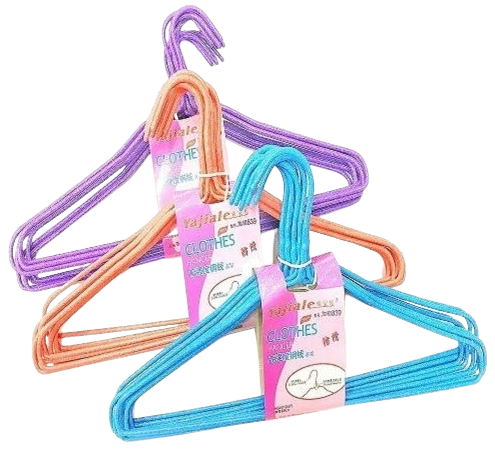
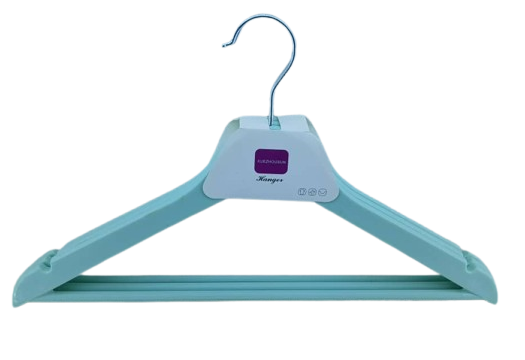
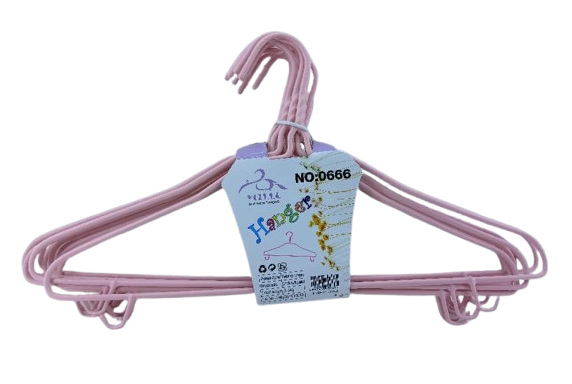
Clothes hangers
20 to 40 Must haveMatching hangers keep clothes straight and use space better than mixed ones.
How to use it: Buy one per hanging item plus a few spares. Use thicker ones for jackets and coats.
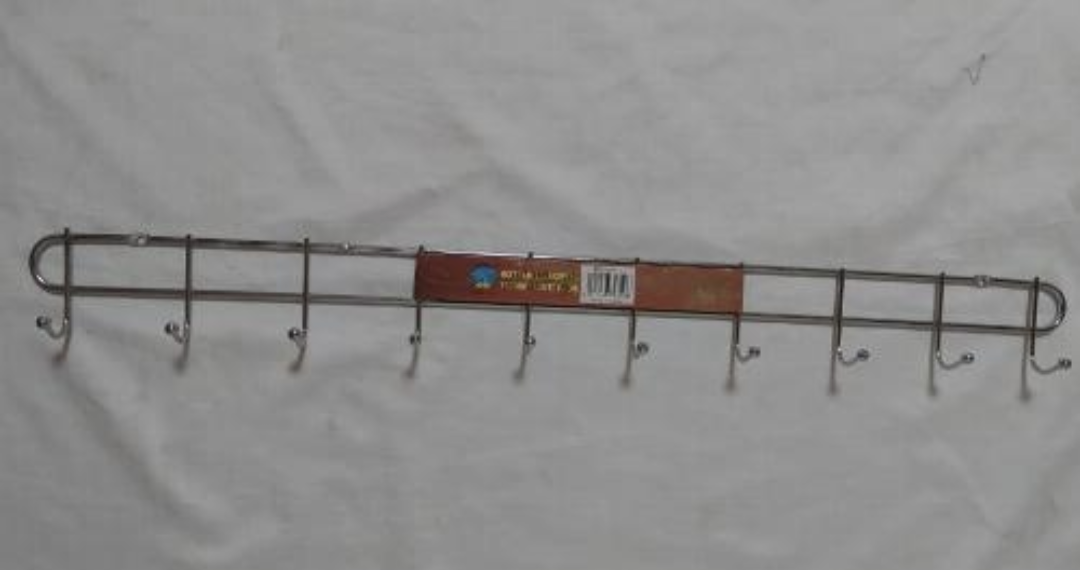
Wall hooks
3 to 6Nice to haveHooks hold bags, belts, scarves and a jacket you wear every day.
How to use it: Fix at a height you can reach easily. Check with the landlord if you need to drill.
Hanging organizer
1Nice to haveA cloth organizer with pockets holds small items like socks, belts and scarves on the rail.
How to use it: Use it for things that do not need folding.
Garment cover or cloth bag
1 or 2Nice to haveProtects a suit, a wedding dress or a school uniform from red dust.
How to use it: Choose a breathable one. Plastic can trap damp.

Folded clothes and drawers
T-shirts, jeans and knitwear store better folded than hung.
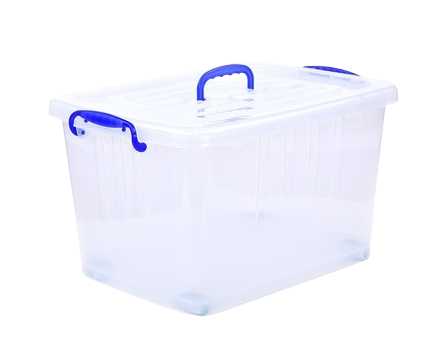
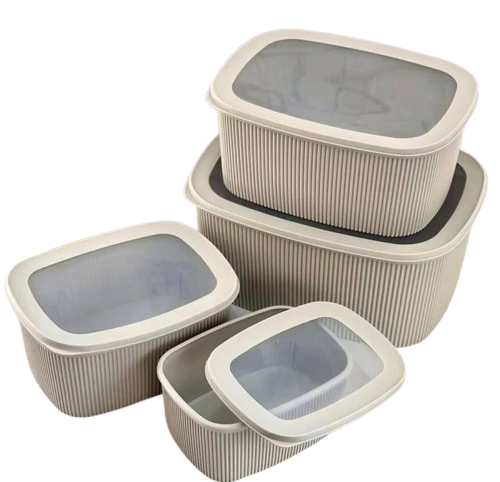
Storage boxes with lids
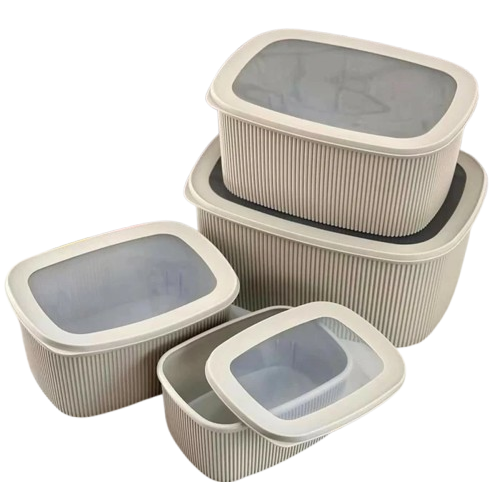
4 to 8 Must haveBoxes keep dust and insects out of folded clothes and stack easily against a wall.
How to use it: Label each box. Put the heavy items at the bottom and the things you use often at the top.
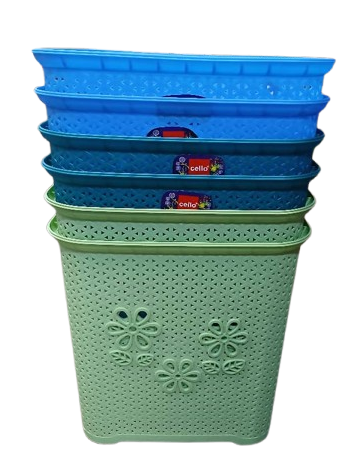
Plastic cabinet or drawer unit
1Nice to haveA cabinet with drawers works like a small chest of drawers and keeps clothes together.
How to use it: Place it on a flat floor and keep it away from damp walls.
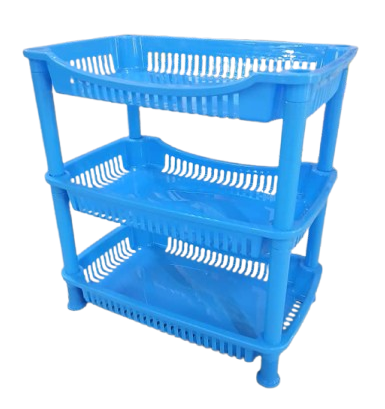
Shelf or rack
1 or 2Nice to haveA shelf or a plastic rack creates layers for folded clothes and shoes.
How to use it: Do not overload the top shelf. Place heavy items low.
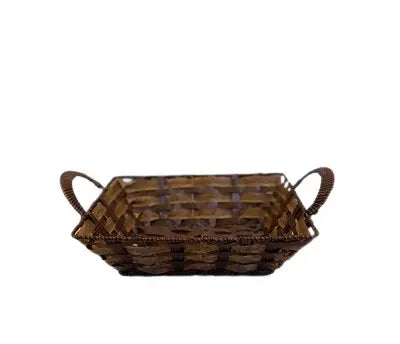
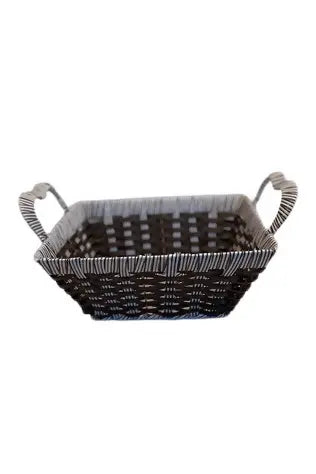
Wicker or fabric basket
2 to 4Nice to haveGood for towels, scarves or children's clothes and looks neat in the open.
How to use it: Choose one with a lining so threads do not snag clothes.
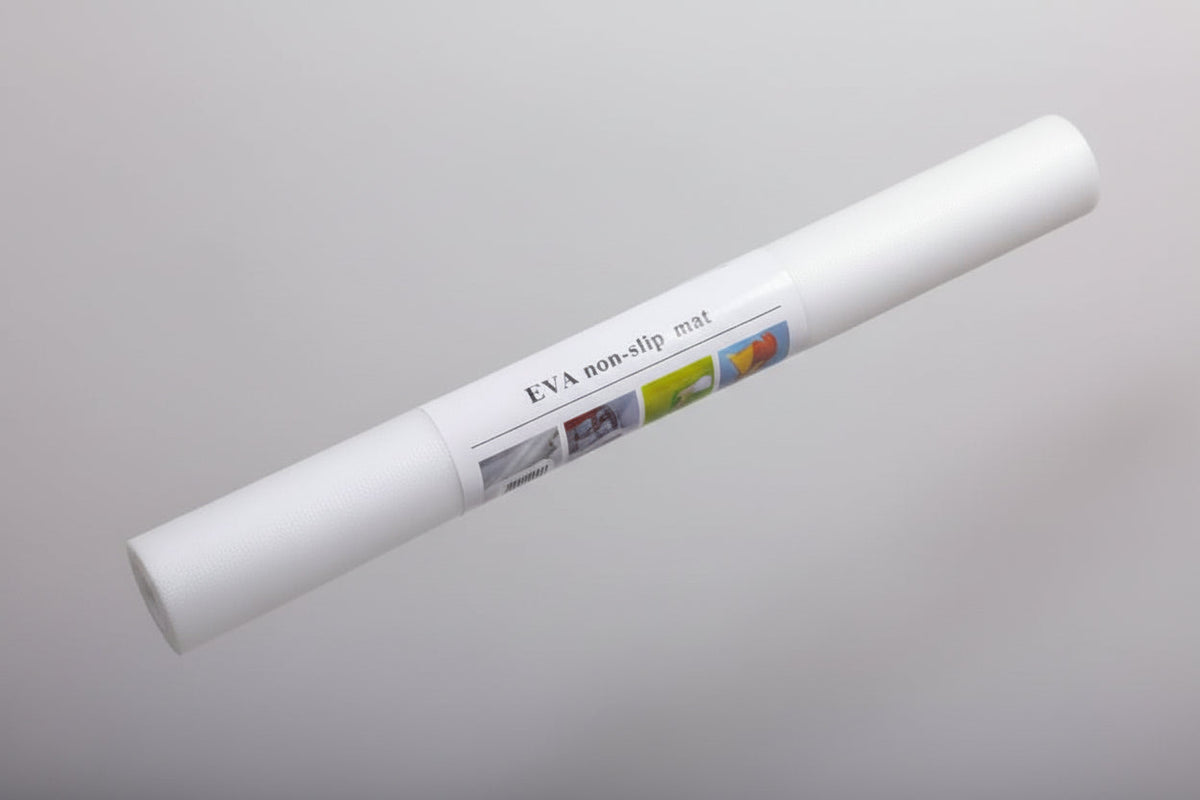
Drawer divider or shelf liner
1 rollNice to haveDividers keep socks and underwear in order, and a liner stops drawers from scratching clothes.
How to use it: Cut to size and place at the bottom of drawers.
Under-bed box
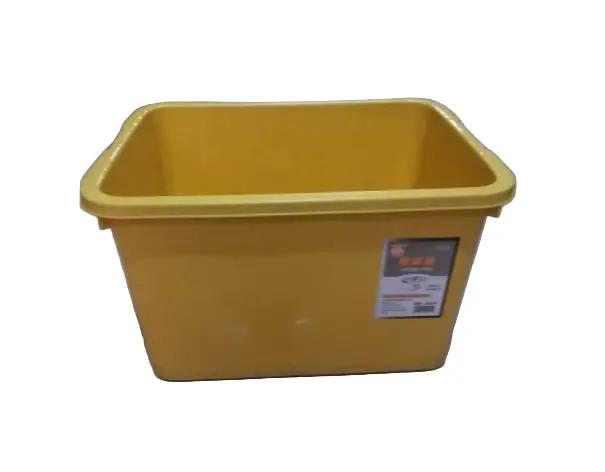
2Nice to haveFree space under the bed for seasonal clothes, blankets or shoes.
How to use it: Measure the gap under the bed first. Wipe the floor before you slide it in.

Shoes, bags and accessories
Shoes and bags make a mess if they have no home.
Shoe rack
1 Must haveKeeps shoes off the dusty floor and lets them dry after rain.
How to use it: Put it near the door or in the bedroom. Leave wet shoes to dry before storing.
Shoe boxes
4Nice to haveGood for good shoes you do not wear daily.
How to use it: Add a note on the front. Tuck in a paper sheet to absorb damp.
Hooks for bags
2Nice to haveHanging bags keeps their shape and gets them off the floor.
How to use it: Use strong hooks for heavy bags.
Jewelry or small items box
1Nice to haveSmall things are easy to lose.
How to use it: Choose one with sections.
Belt and tie holder
1Nice to haveGives these small items a clear place so they do not tangle.
How to use it: Fit it on the inside of a door or on the side of the rail.
Dust, damp and moth protection
Kigali's dry season brings red dust, and the rainy seasons bring damp.
Moth protection
1 per box or rail Must haveMoths can damage wool and cotton in closed boxes or cupboards.
How to use it: Place one sachet or block in each box or on the rail. Replace as the pack says.
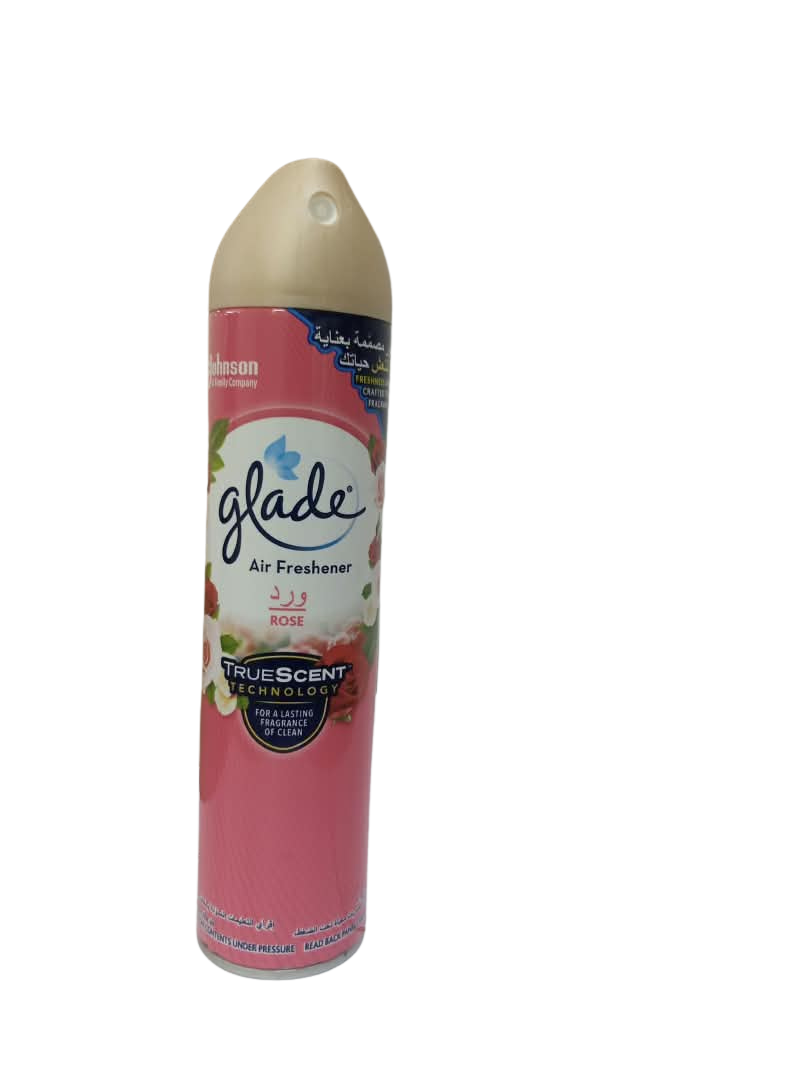
Air freshener or lavender sachet
1 or 2Nice to haveKeeps clothes smelling fresh in a small, closed space.
How to use it: Do not spray directly on clothes. Place it near them.
Light sheet cover for the rail
1Nice to haveA light sheet over an open rail keeps dust off clothes between uses.
How to use it: Wash it every month during the dry season.
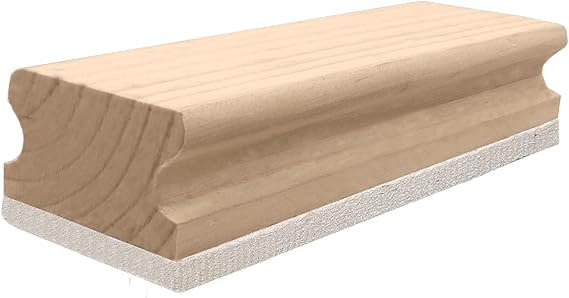
Duster
1 Must haveWipe shelves, rails and boxes regularly to keep red dust from settling.
How to use it: A quick wipe once a week saves a big clean later.
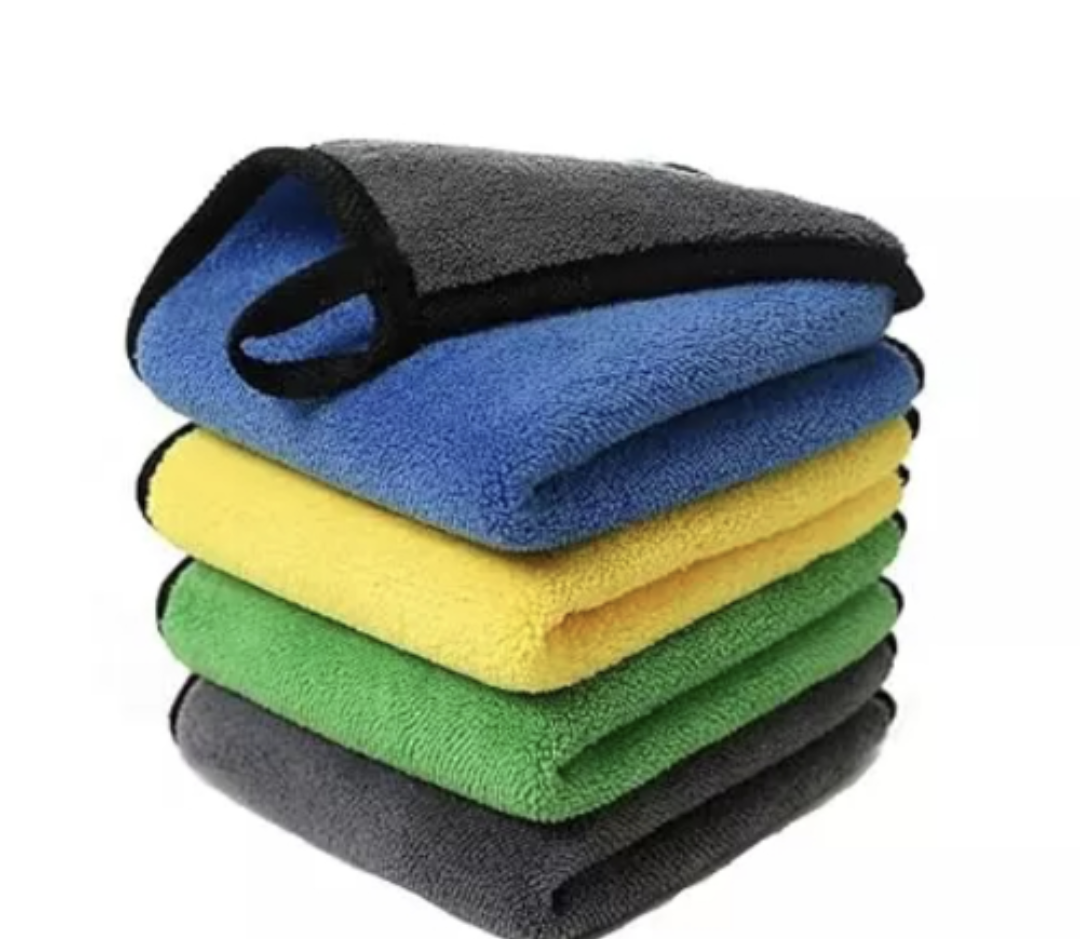
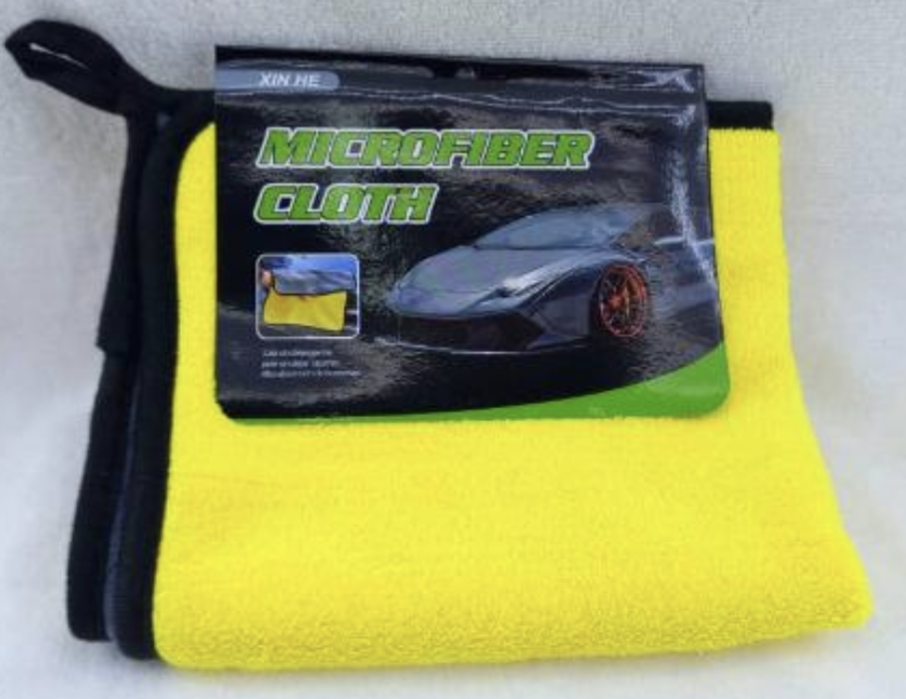
Microfiber cloth
2Nice to haveWipes boxes and shelves without scratching.
How to use it: Use it damp and then dry the surface.
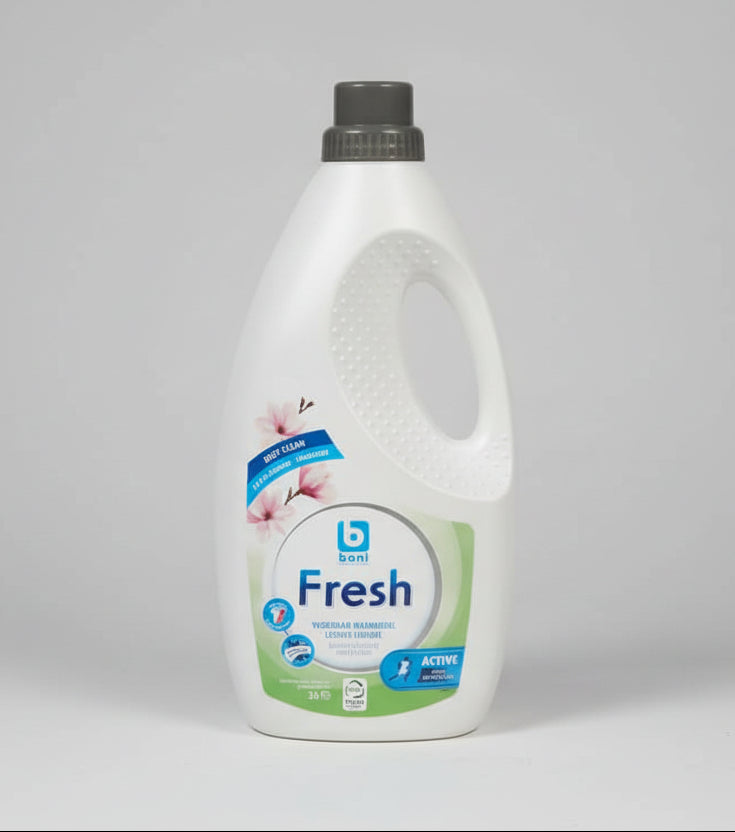
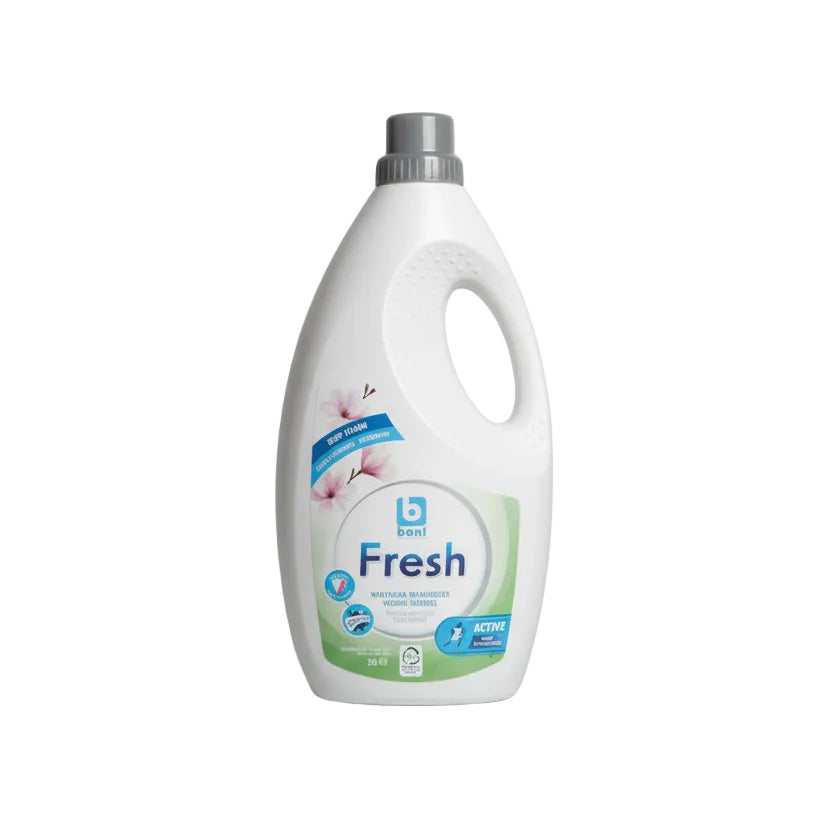
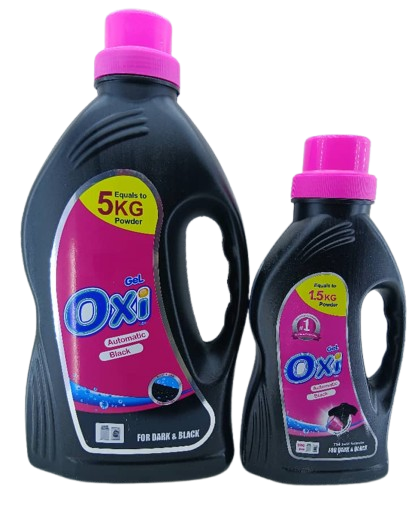
Detergent for washing before storage
1 Must haveNever store dirty clothes. Stains and smells set and attract insects.
How to use it: Wash and dry clothes fully before they go into boxes.







Daily upkeep
A system only works if it is easy to keep.
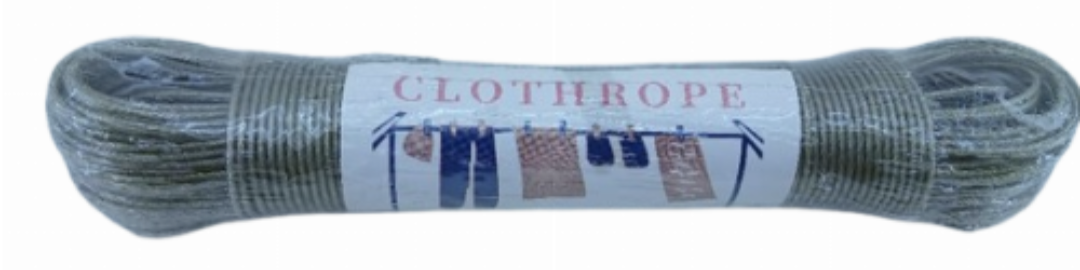
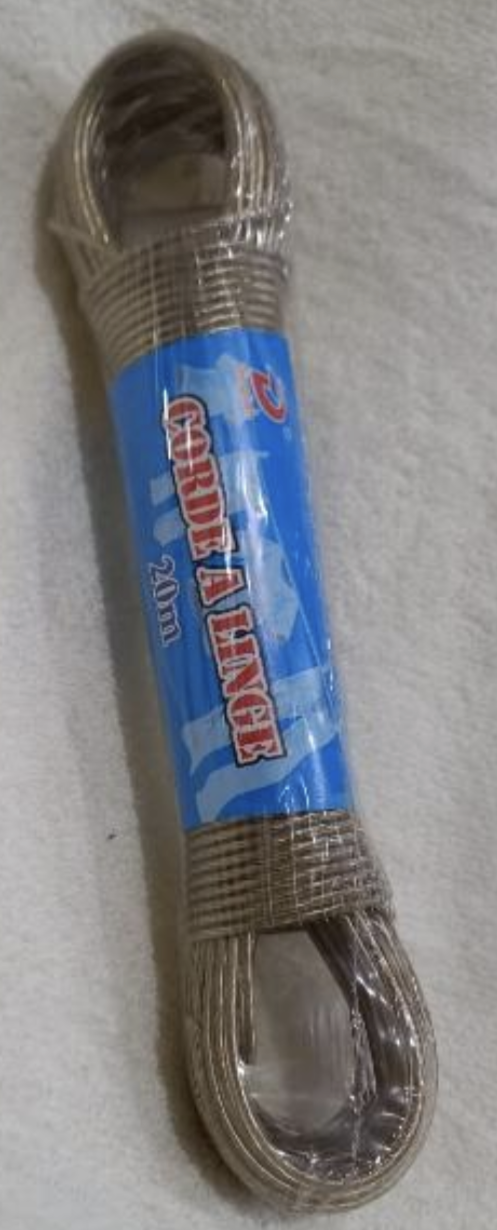
Clothesline
1 Must haveA line lets you dry clothes outside or indoors, so only dry clothes go into the wardrobe.
How to use it: Set it where air can pass. In the rainy season, use an indoor spot near an open window.
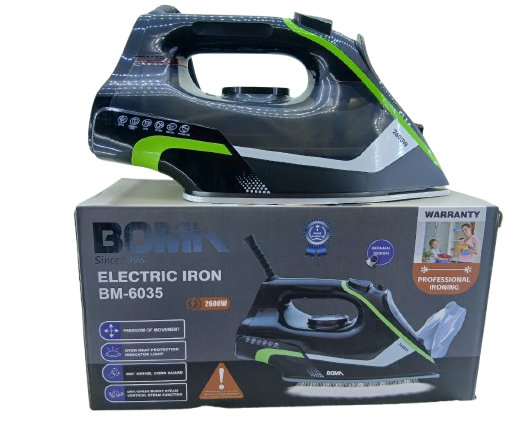
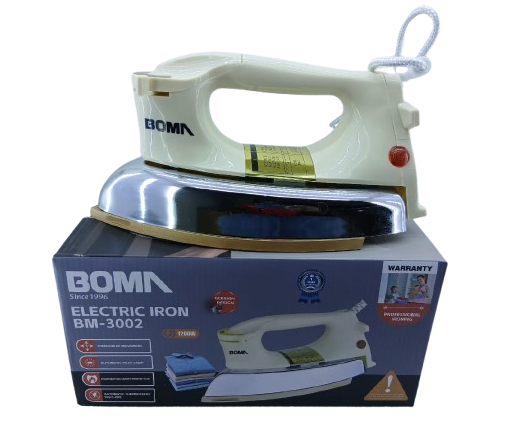
Iron and ironing board
1 setNice to haveLets you press clothes so they look neat when they come out of storage.
How to use it: Iron when slightly damp for the best result.
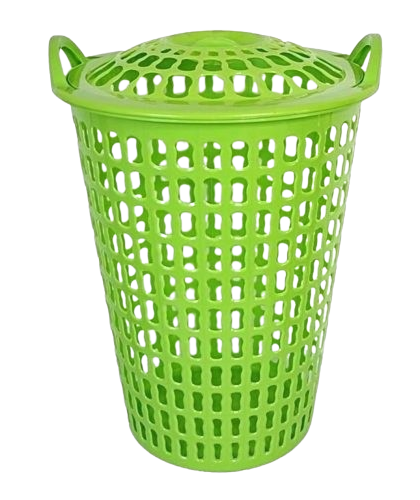
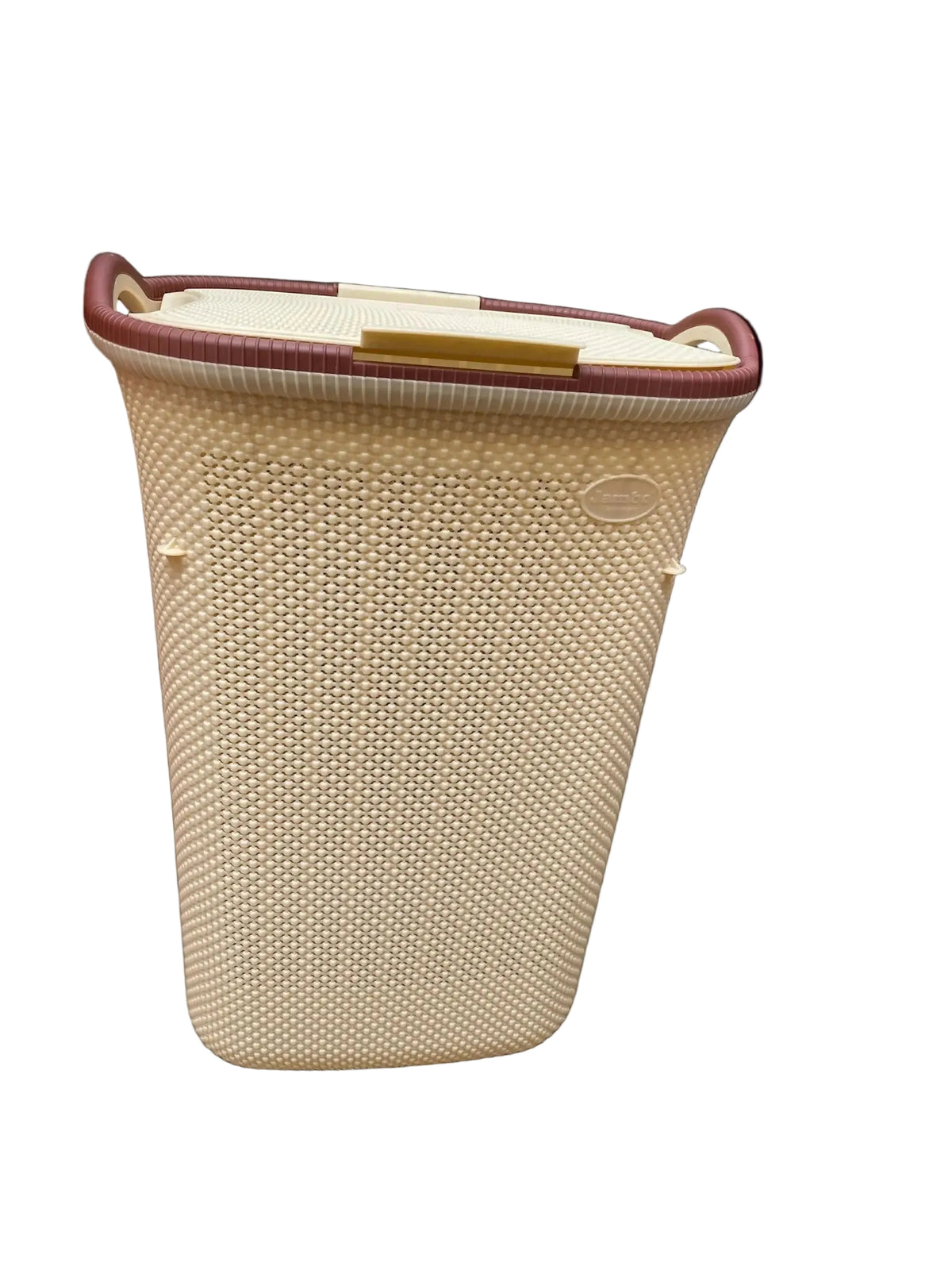
Clothes basket for dirty laundry
1 Must haveKeeps dirty clothes out of the wardrobe.
How to use it: Place it near the door or in the bathroom area.



Step by step
- 1
Sort your clothes
Empty every bag and pile. Sort into keep, give away and store, and wash what needs washing.
- 2
Count and measure
Count hanging items and folded items. Measure the wall and floor space you can use.
- 3
Buy the main pieces
Buy the rail or wardrobe, hangers and boxes first. Add small items after you see what fits.
- 4
Set it up
Place the rail on a dry wall. Hang clothes by type, fold the rest into labeled boxes and add moth protection.
- 5
Keep it tidy
Spend five minutes each week putting things back and wiping dust from shelves.
Tips that help
- Hang what wrinkles easily, fold what does not.
- Group clothes by type, then by color, so you can find an outfit fast.
- Use matching hangers to save rail space.
- Keep your everyday clothes at eye level and rare items higher or lower.
- Do not place a wardrobe or rail against a wall that gets wet in rain.
- Check your clothes every month in the rainy season for damp smells.
- Use the space under the bed before you buy another large piece.
Mistakes to avoid
- Buying storage before sorting, so you store things you never wear.
- Putting a free-standing rail where the sun fades clothes.
- Storing clothes that are not fully dry, which leads to mold.
- Buying boxes without lids in a dusty season.
- Overloading a plastic rail with heavy coats so it bends or tips.
Questions people ask
What can I use if my house has no built-in closet?+
A free-standing wardrobe or a clothes rail, plus hangers and storage boxes, covers most needs. Many people add hooks on the wall for bags and jackets.
How do I keep dust off my clothes in Kigali?+
Use boxes with lids and garment covers, and wipe shelves weekly. Keep windows closed on windy dry days or use a net or curtain.
How do I stop moths and damp?+
Wash and dry clothes before storing them, and place a moth product in each box or on the rail. Open boxes now and then so air can move.
Should I hang or fold my clothes?+
Hang shirts, dresses and trousers that crease. Fold knitwear and T-shirts, because hanging can stretch them.
Can I fix a rail to the wall in a rental?+
Ask your landlord first. If drilling is not allowed, a free-standing rail or a tall rack needs no holes.
A small plan, a few boxes and a good rail are enough to make any room work as a wardrobe. Shop the list on Isokko and get your clothes off the floor this week.
Shop this list
Get everything delivered in Kigali
Order from local stores on Isokko and pay with MoMo, card or cash. Same-day delivery.