
Checklist · Home & moving
Preparing a House for a Family Returning From Abroad: Checklist
Restock a closed-up Kigali house so it is livable on day one. A checklist for a family returning from abroad: beds, cleaning, food, power.
Updated November 27, 2026 · By Isokko

A house that has been closed for months does not feel ready, even if the furniture is all there. Dust, stale air, empty cupboards and a fridge that is switched off can turn a happy homecoming into a tiring first night.
This checklist helps you restock the house so the family can sleep well, eat a proper meal, wash and find light on day one. Work from the top: clean, then beds, then the kitchen, then power and safety.
Not everything has to be bought. Check what is already in the house, test the water and power early, and order the rest for delivery before the family lands.
Who it's for
Relatives or friends getting a Kigali house ready for a family arriving from abroad
Time needed
Start shopping 1 to 2 weeks before the flight lands
When to shop
Clean first, then order food and fresh items for the day before arrival
On the list
34 items, 21 must haves
0 of 34 ready
Clean the closed-up house
Do this first, while the house is still empty and easy to move around in.
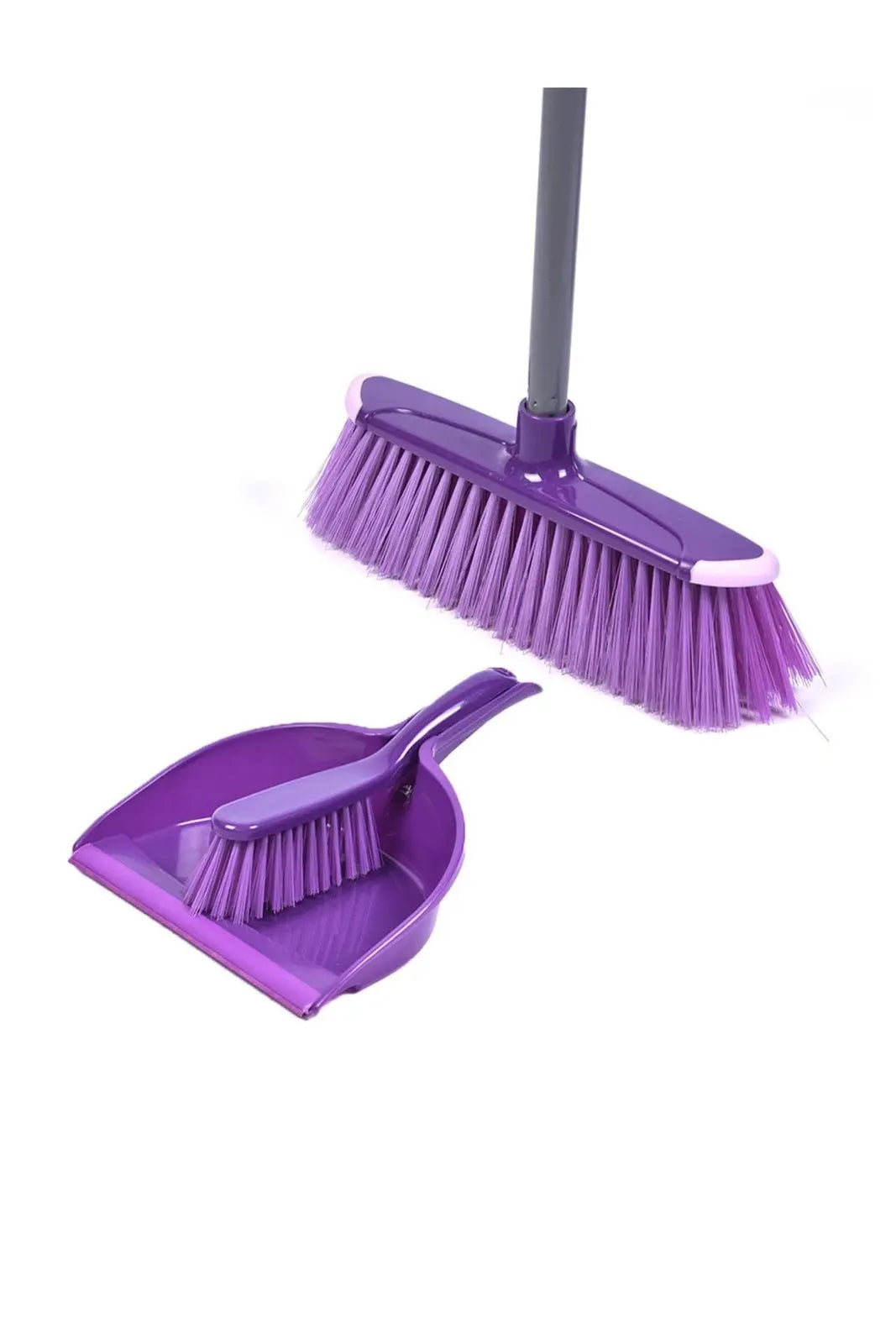
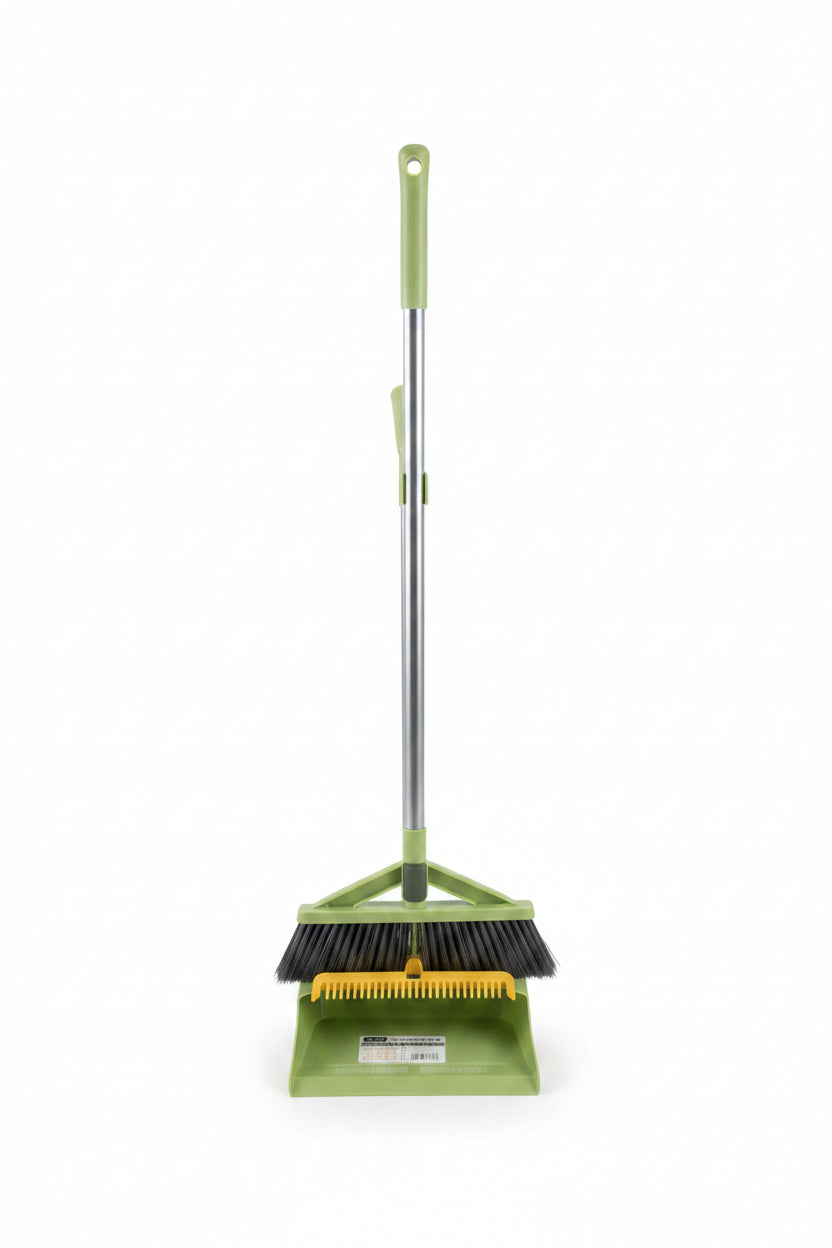
Broom and dustpan
1 set Must haveRed dust and cobwebs collect fast in a closed house, on floors, corners and behind doors.
How to use it: Sweep from the back of each room toward the door. Open windows while you sweep so the dust can leave.
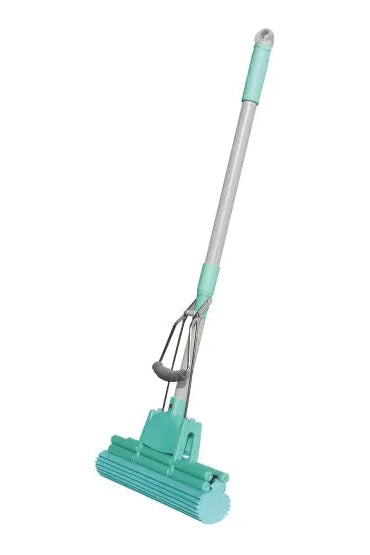
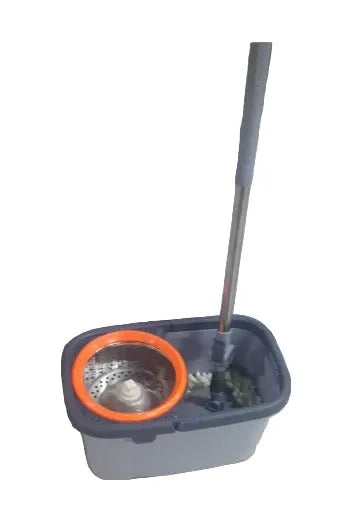
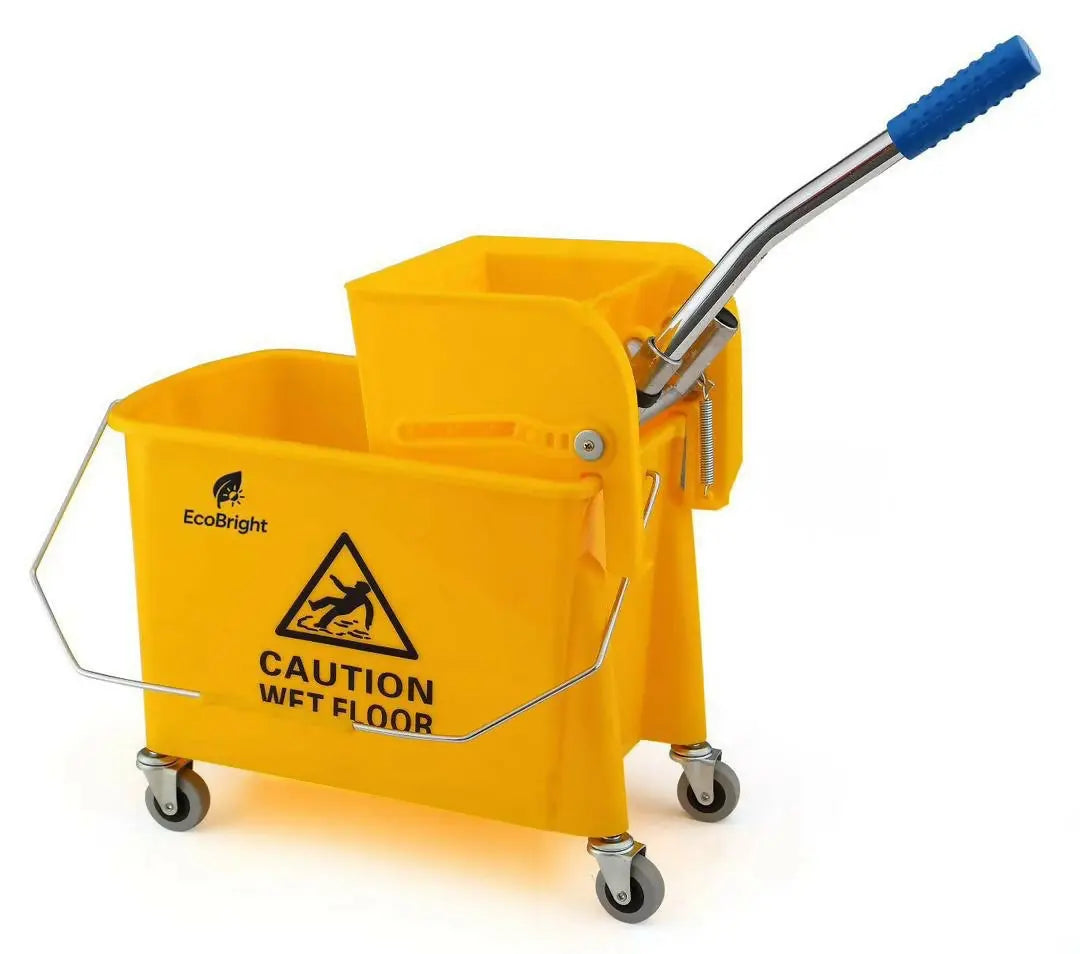
Mop and bucket
1 mop, 1 bucket Must haveSweeping alone leaves a film of fine dust on tiles. A wet mop makes floors safe for children to crawl or walk barefoot.
How to use it: Change the water as soon as it turns brown. Mop the bedrooms and bathrooms last so they stay clean.
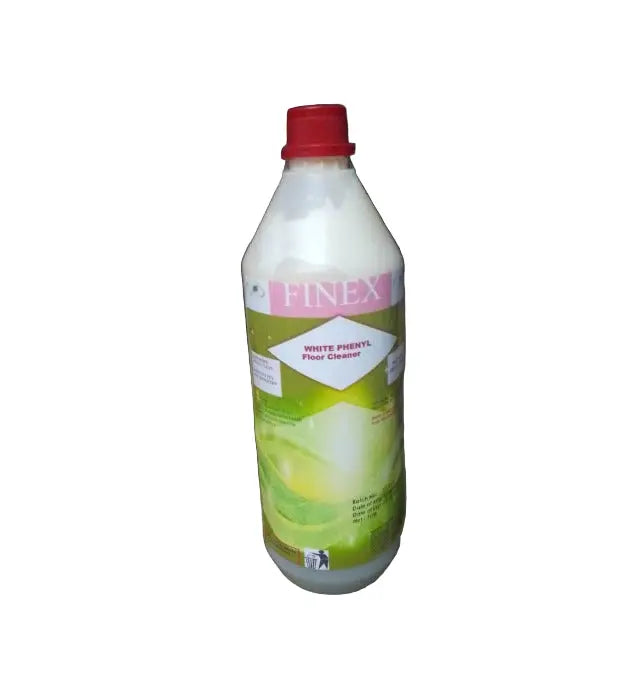
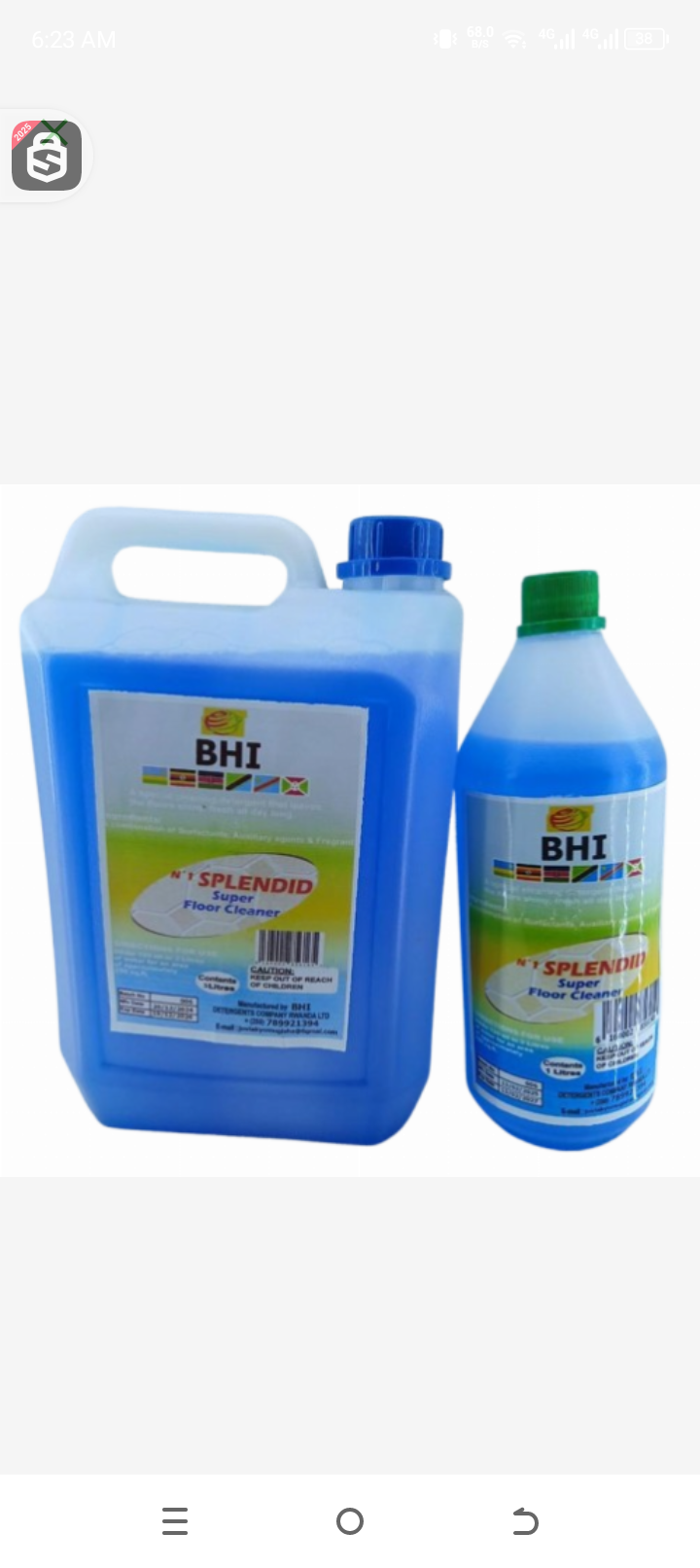
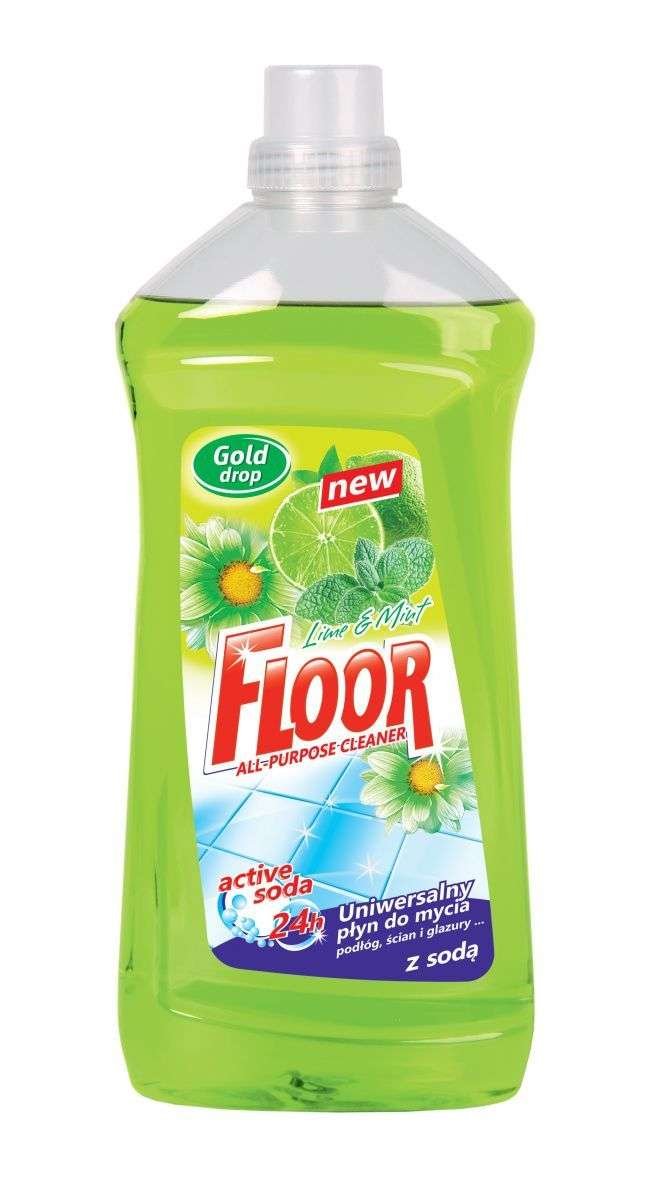
Floor cleaner
1 bottle Must haveIt cleans and leaves a fresh smell, which helps a house that smells shut in.
How to use it: Dilute as the label says. Do not mix it with bleach.
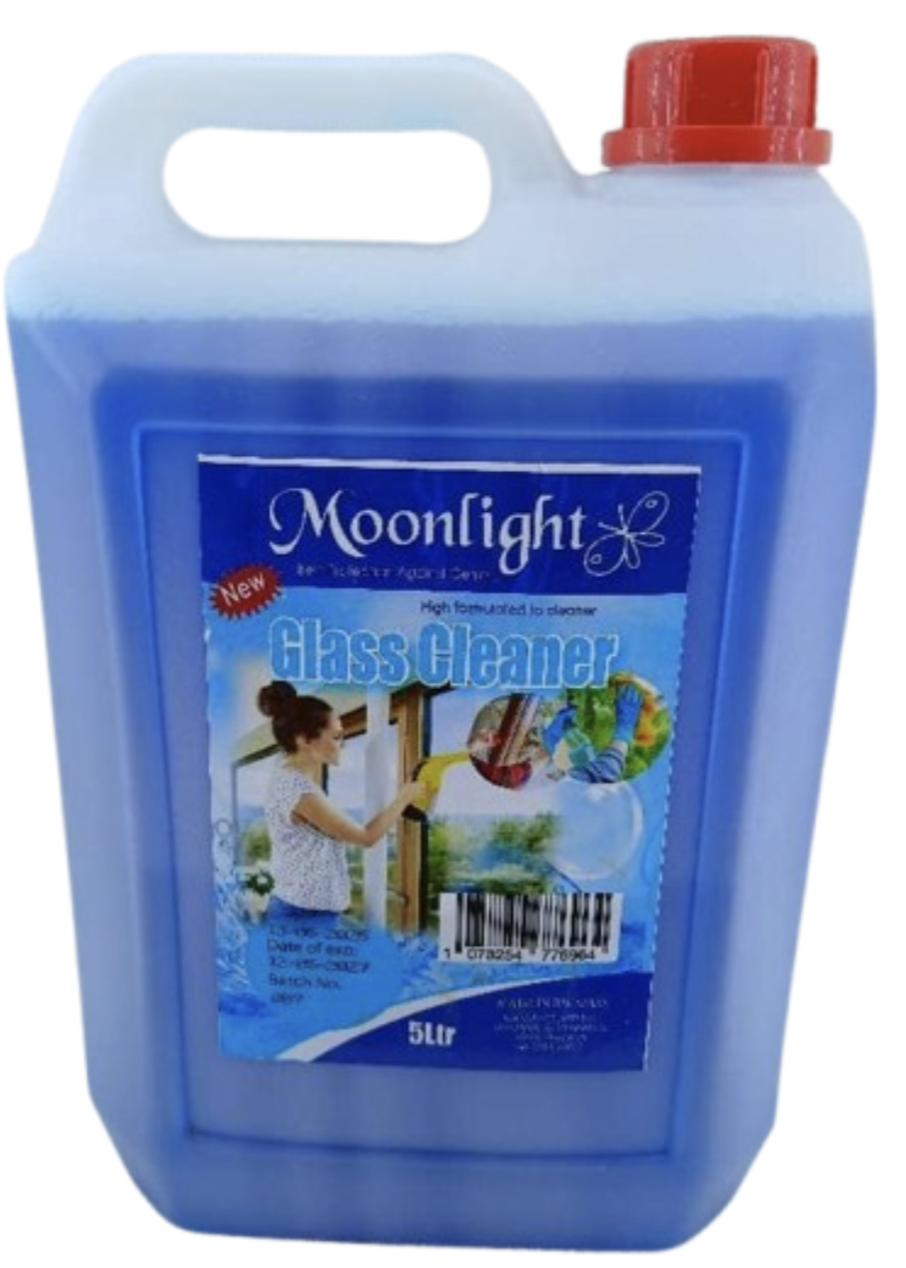
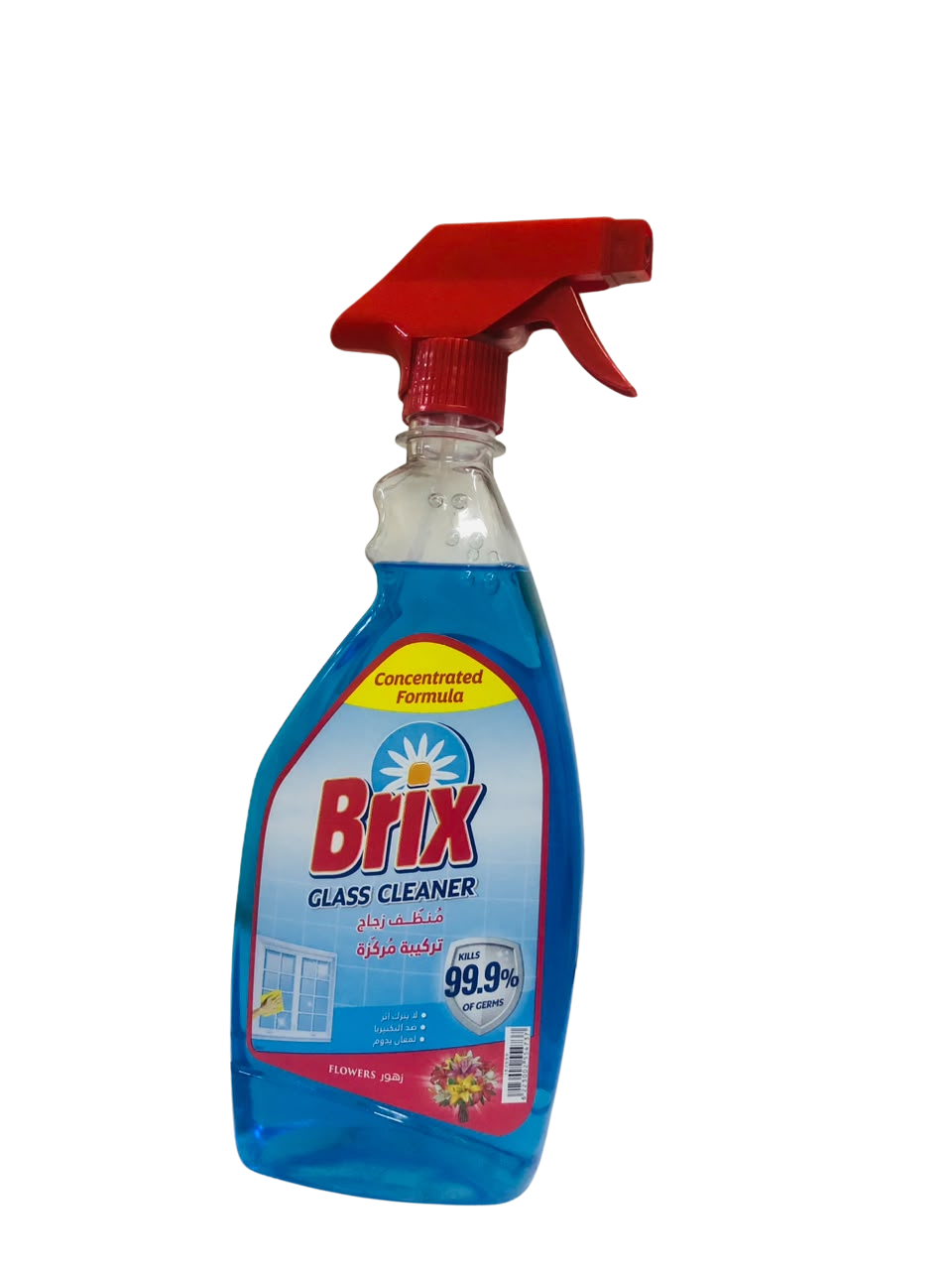
Glass cleaner
1 bottleNice to haveWindows get cloudy after months shut. Clear glass lets in the light the family will notice first.
How to use it: Spray, then wipe with a dry cloth so there are no streaks.
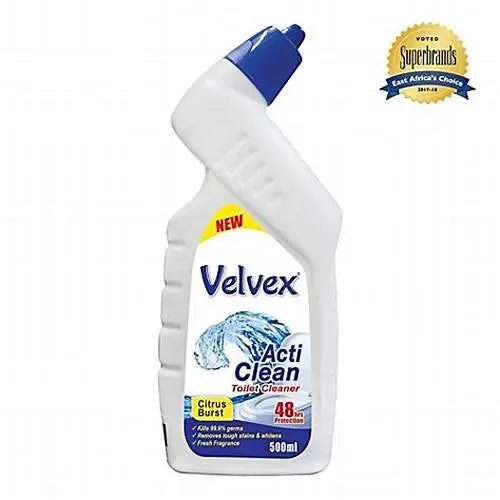
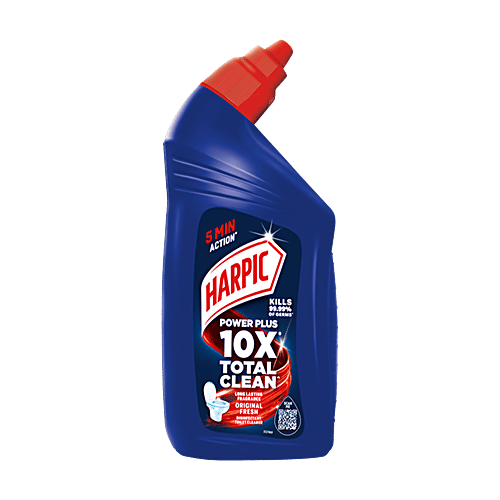
Toilet cleaner
1 bottle Must haveToilets and drains that were not used can have stains and smell.
How to use it: Pour it round the bowl, wait 10 minutes, brush, then flush. Run every tap and flush for a few minutes before first use.
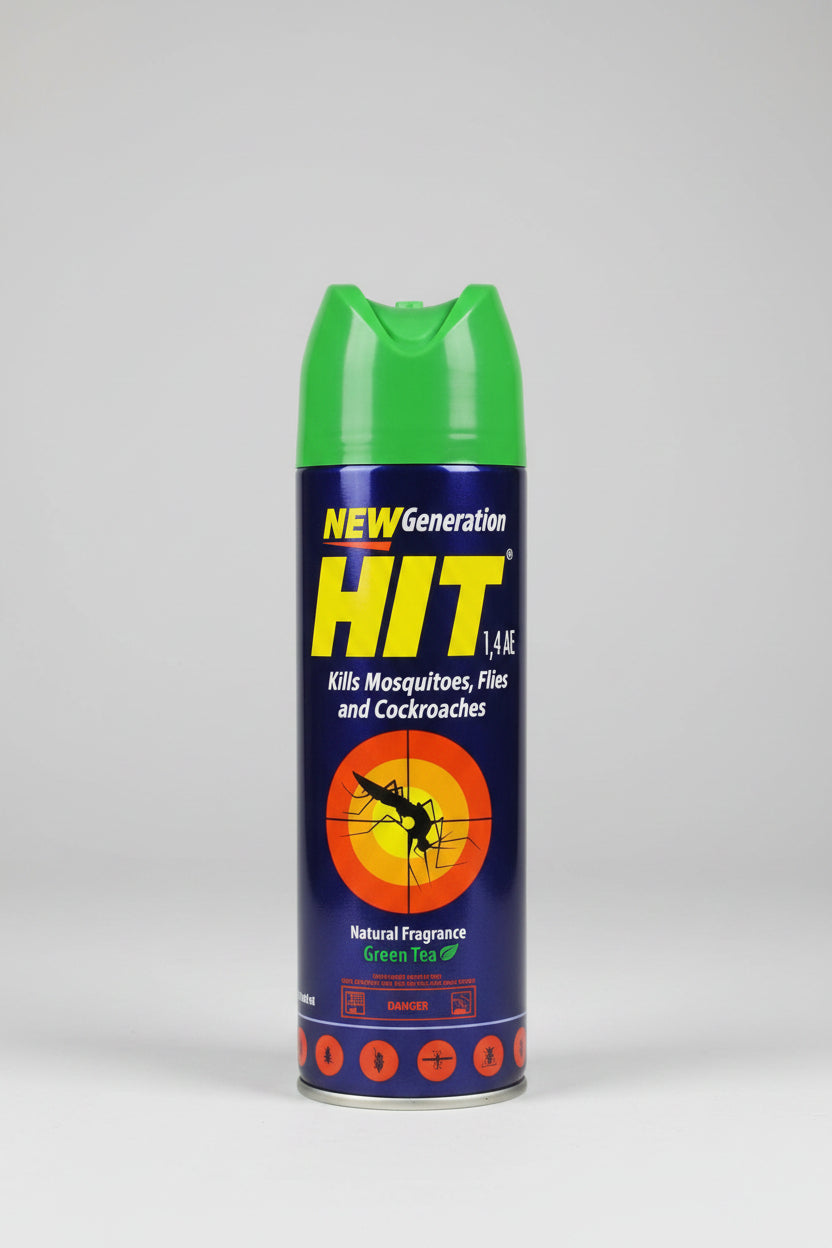
Insect spray
1 canNice to haveCockroaches, ants and spiders move into empty houses. Spray a few days early so you can clean up after.
How to use it: Keep children and food away while spraying and let the room air out. Follow the label.
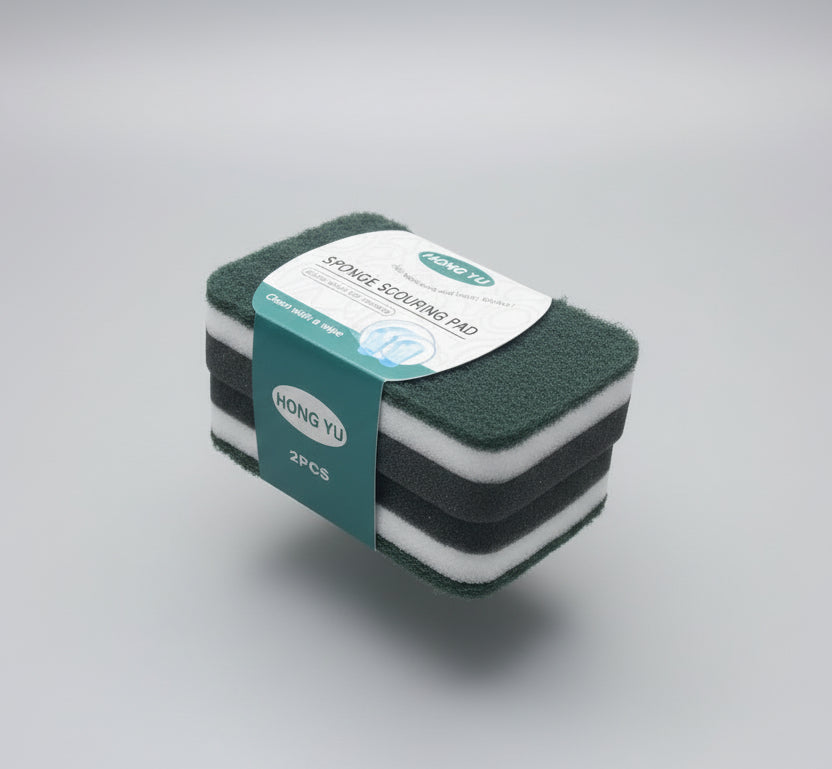
Cleaning sponges and cloths
4 to 6 Must haveYou need something to wipe cupboards, shelves and counters before any food goes in.
How to use it: Wash and wring them often. Use separate cloths for the kitchen and the toilet.





Beds and bedding
After a long journey, sleep matters most. Make the beds before the family arrives.
Bed sheets
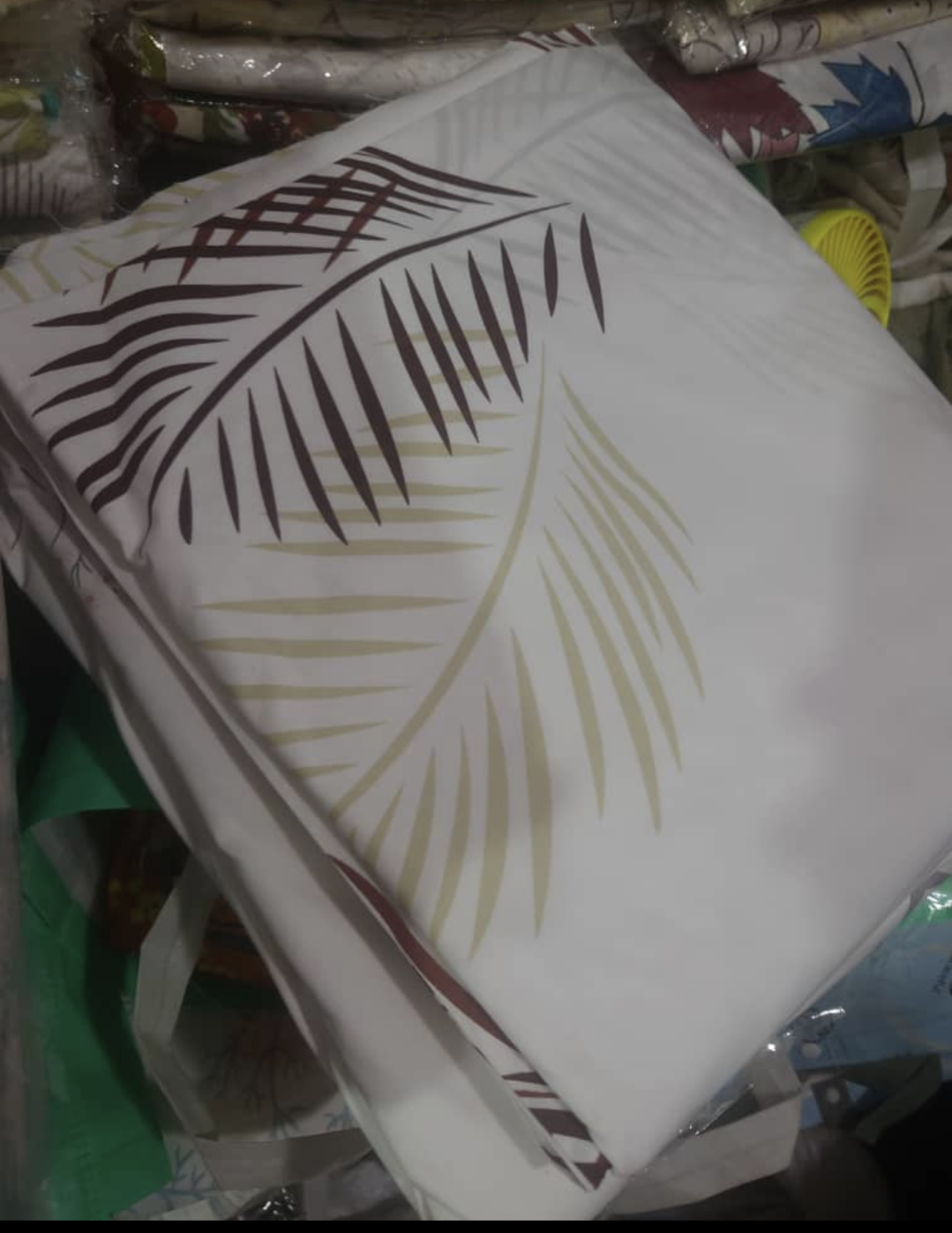
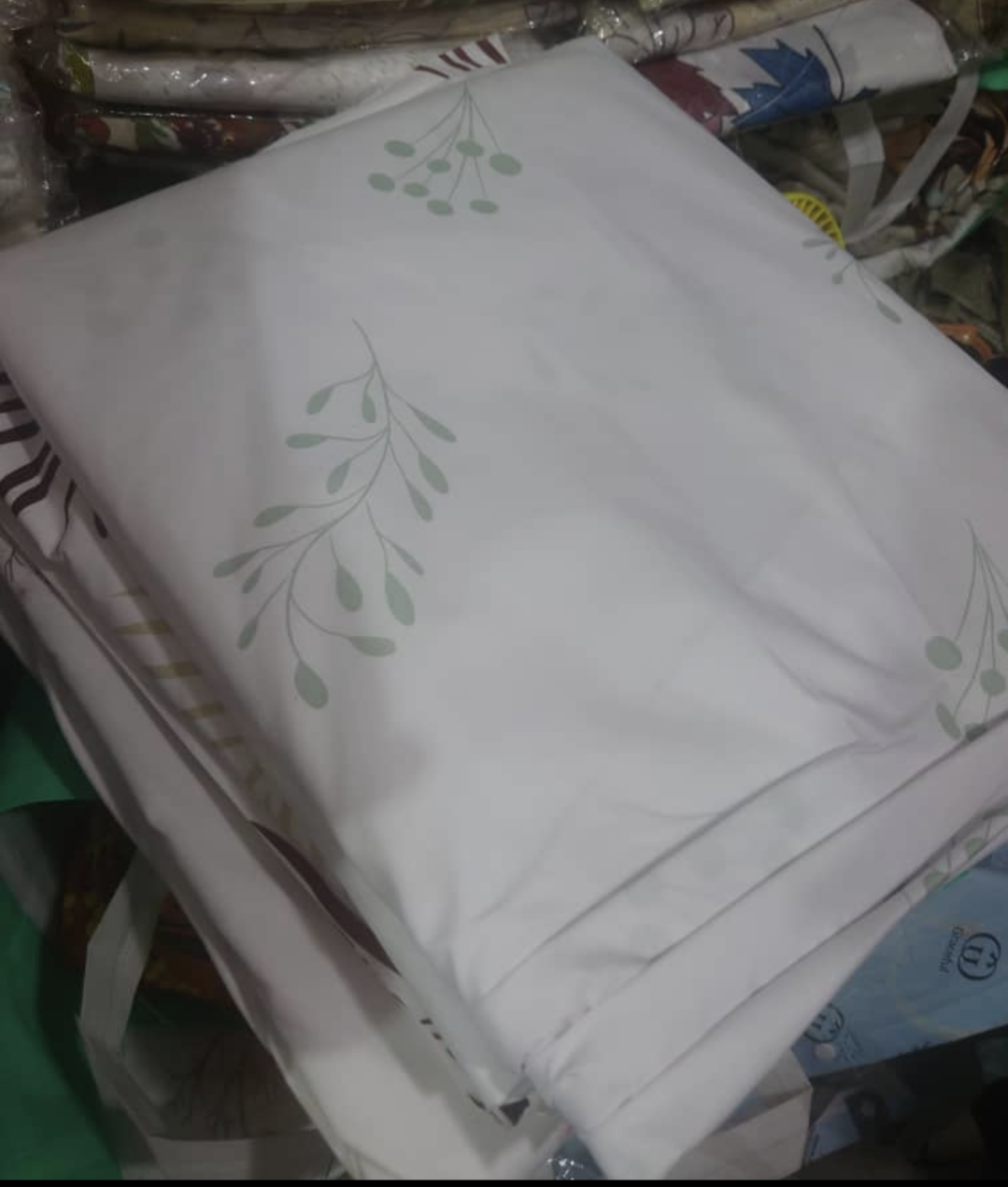
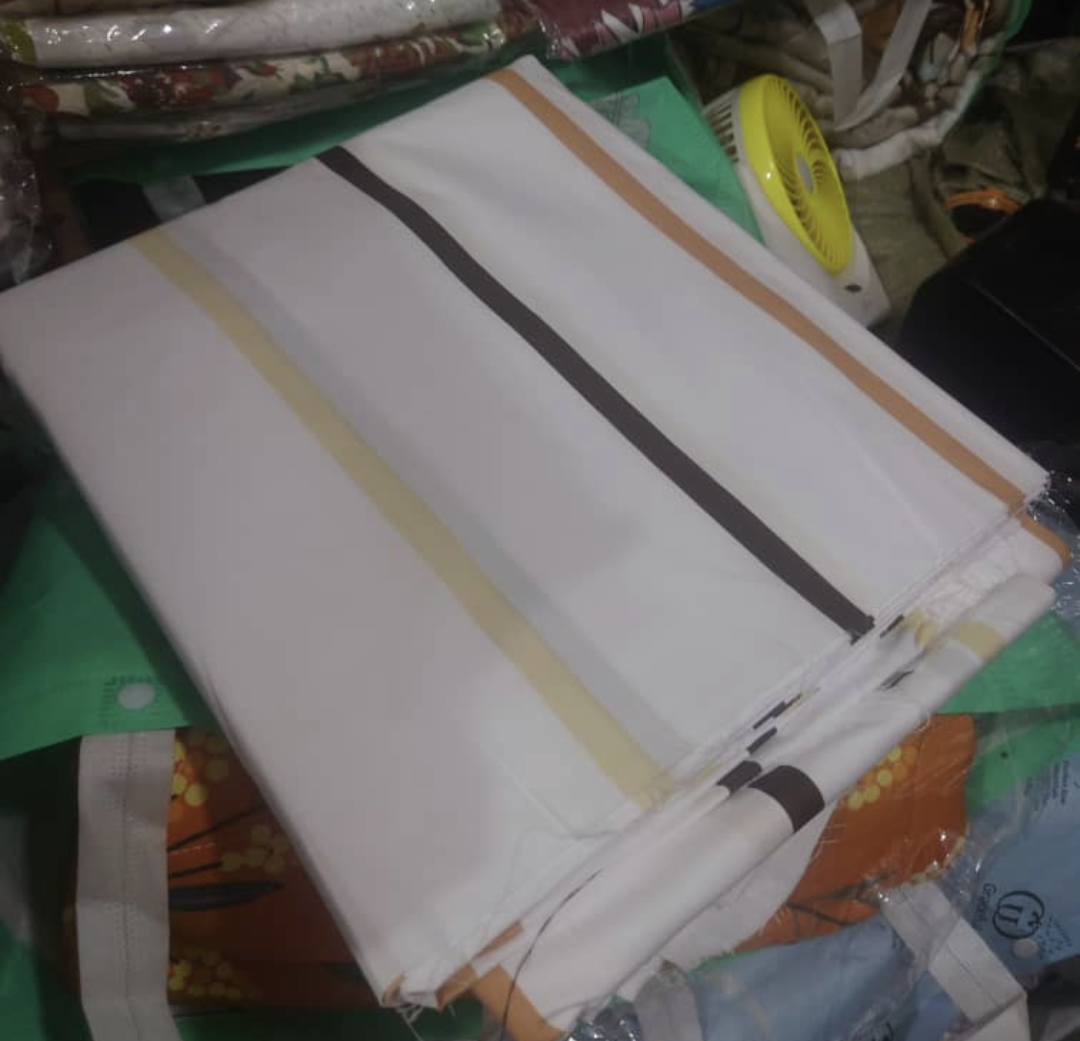
1 to 2 per bed Must haveSheets stored for months can smell musty. Fresh sheets make a bed feel welcome straight away.
How to use it: Match the sheets to your bed sizes. Wash new ones once before use.
Pillows
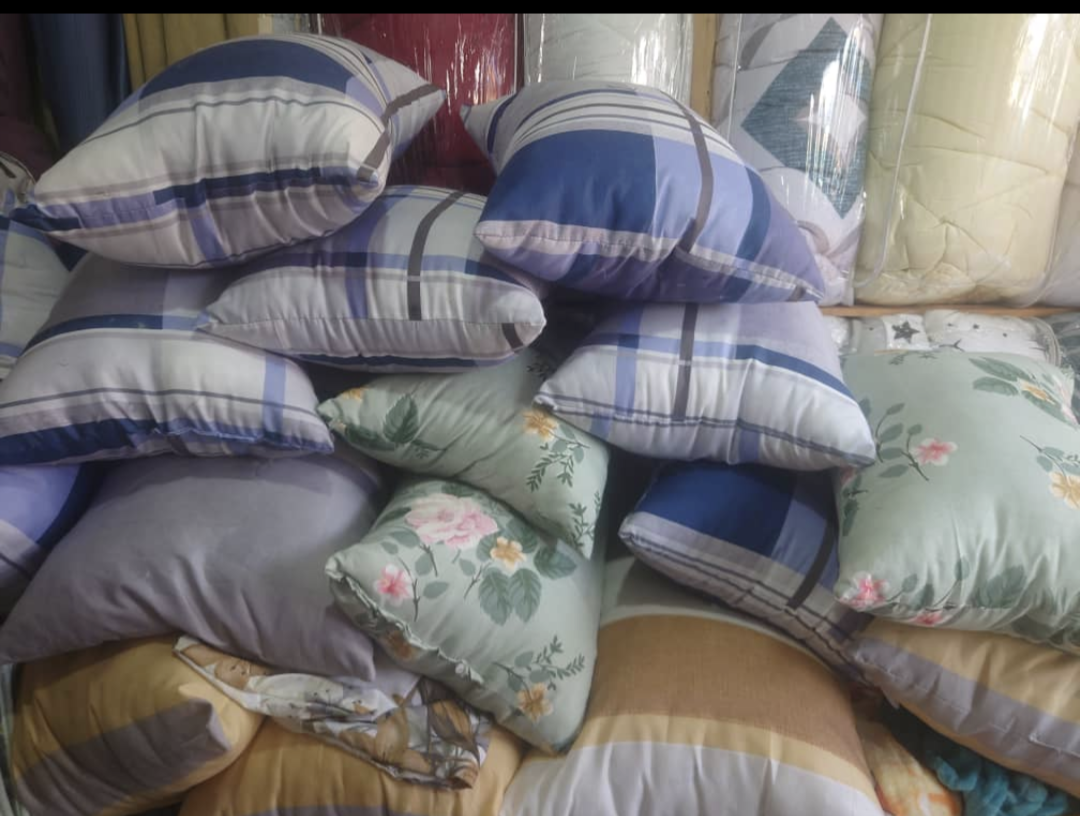
1 or 2 per person Must haveOld pillows can hold dust and damp, and travelers often arrive with stiff necks.
How to use it: Check them in the sun before the family comes. Replace any that are flat or smell.
Blankets
1 per bed Must haveKigali nights can be cool, and people used to a different climate often feel it more.
How to use it: Air blankets outside on a dry, sunny day to remove stale smells.
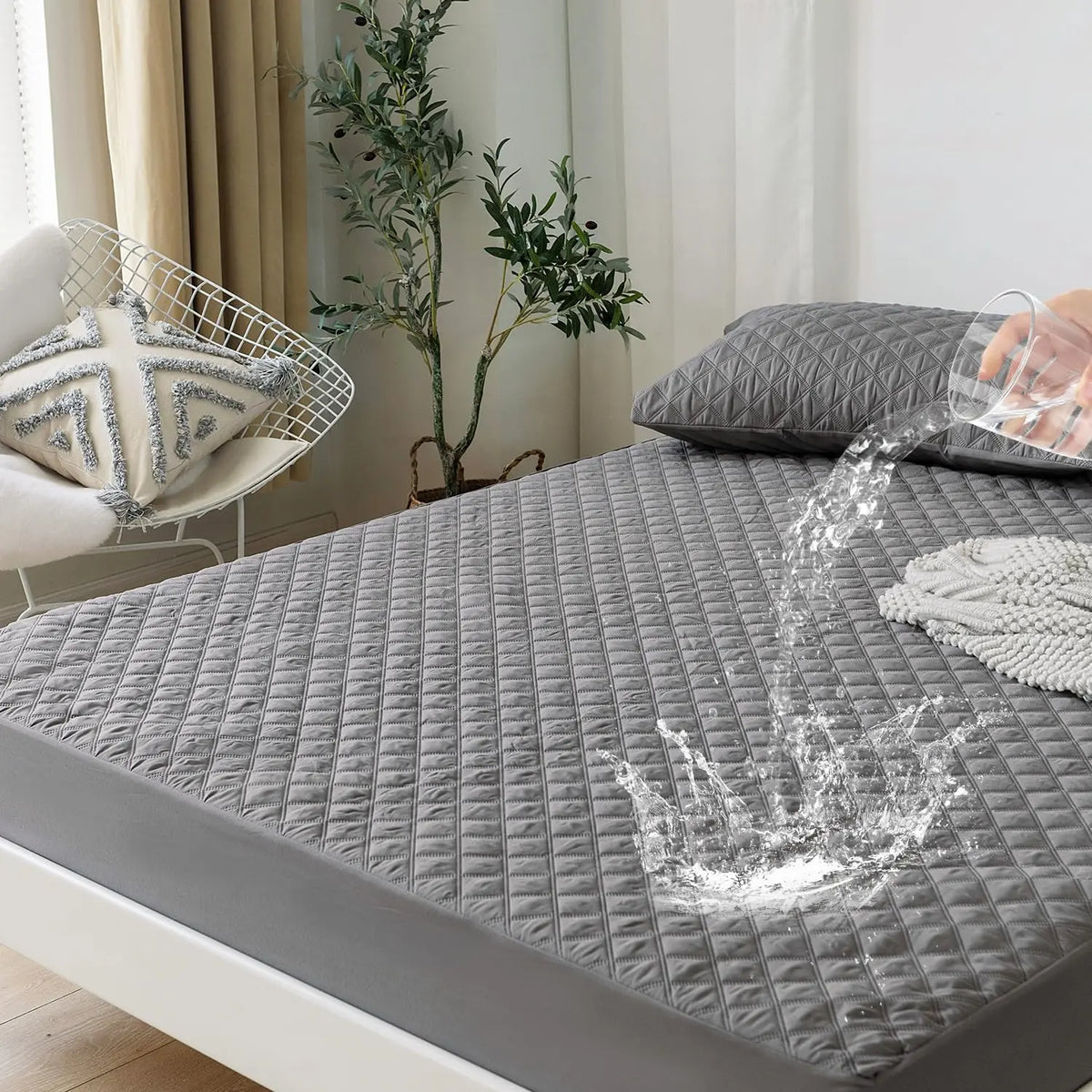
Mattress protector
1 per bedNice to haveA protector keeps the mattress clean and is easy to wash if a tired child has an accident.
How to use it: Fit it under the sheet. Wash it every few weeks.
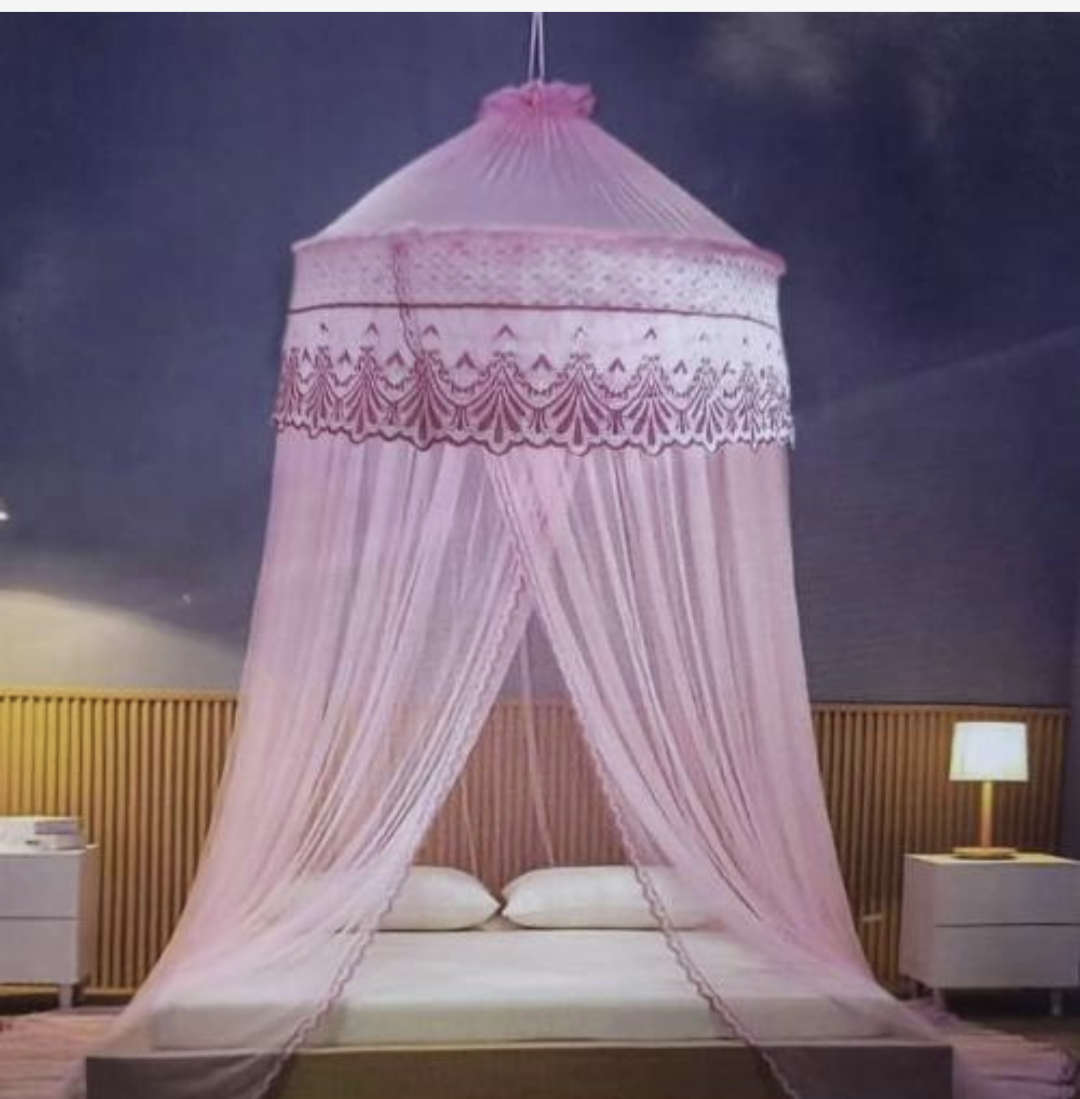
Mosquito net
1 per bed Must haveMosquitoes find a new family quickly. A net lets the first nights be peaceful.
How to use it: Hang it before bedtime and tuck the edges under the mattress. Check for holes.
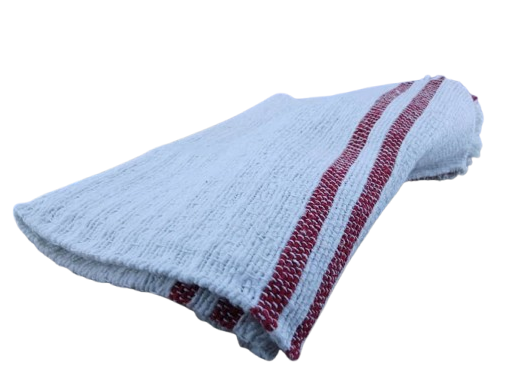
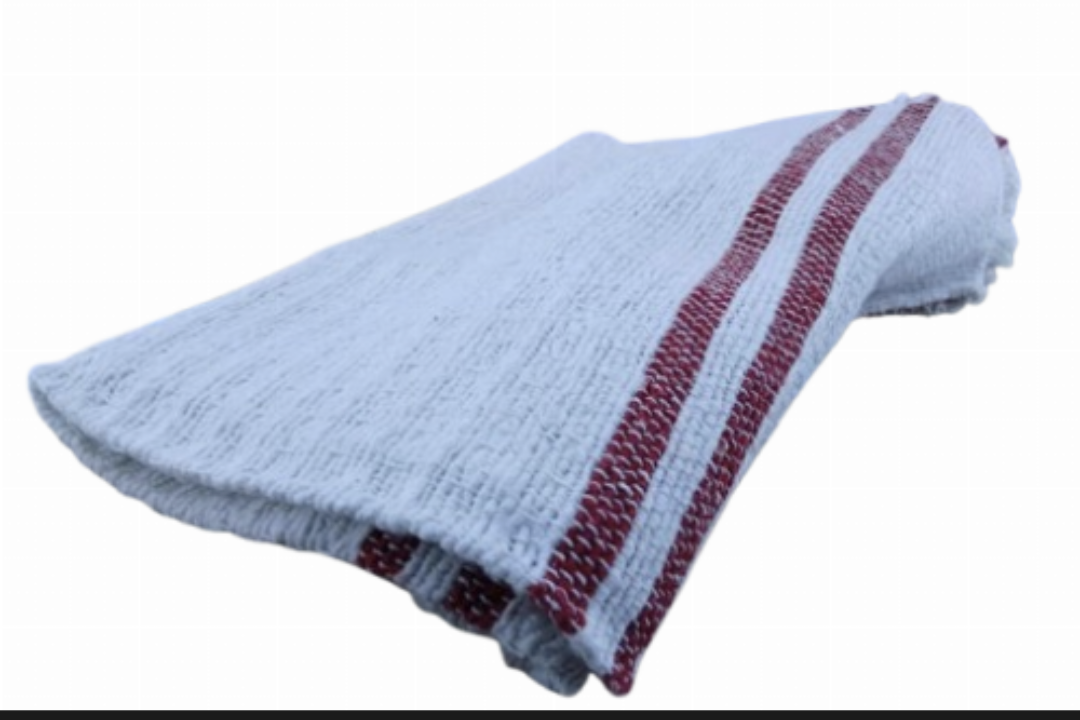
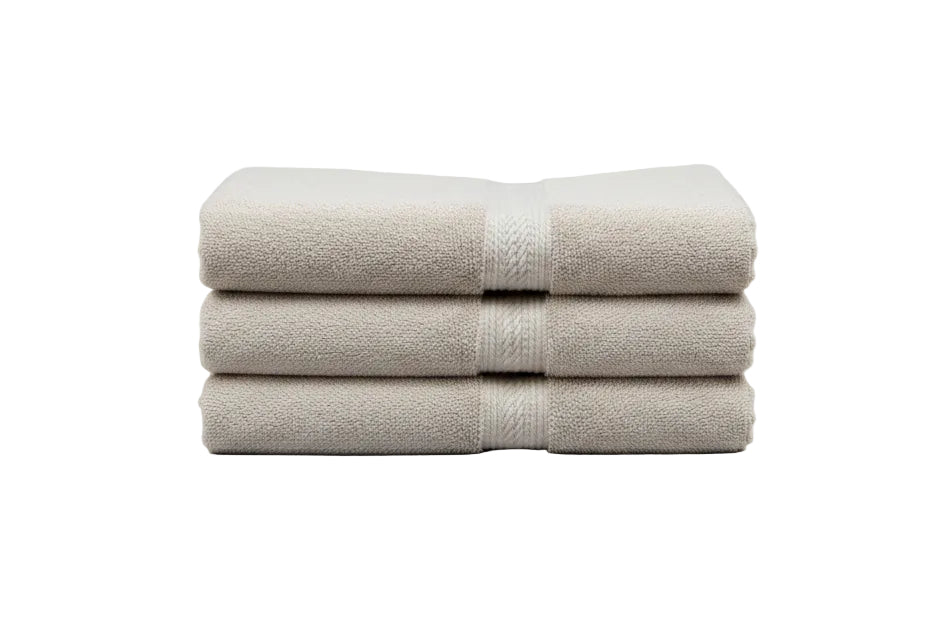
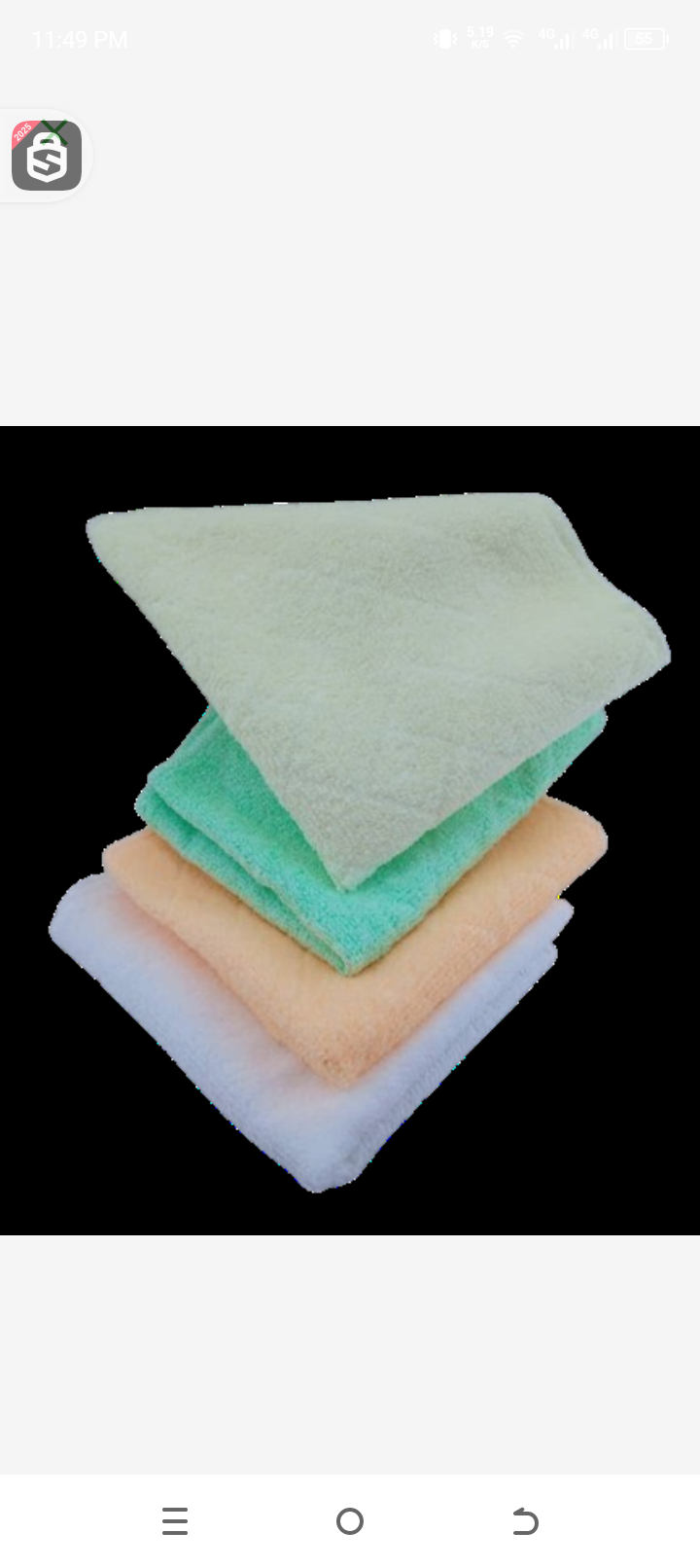
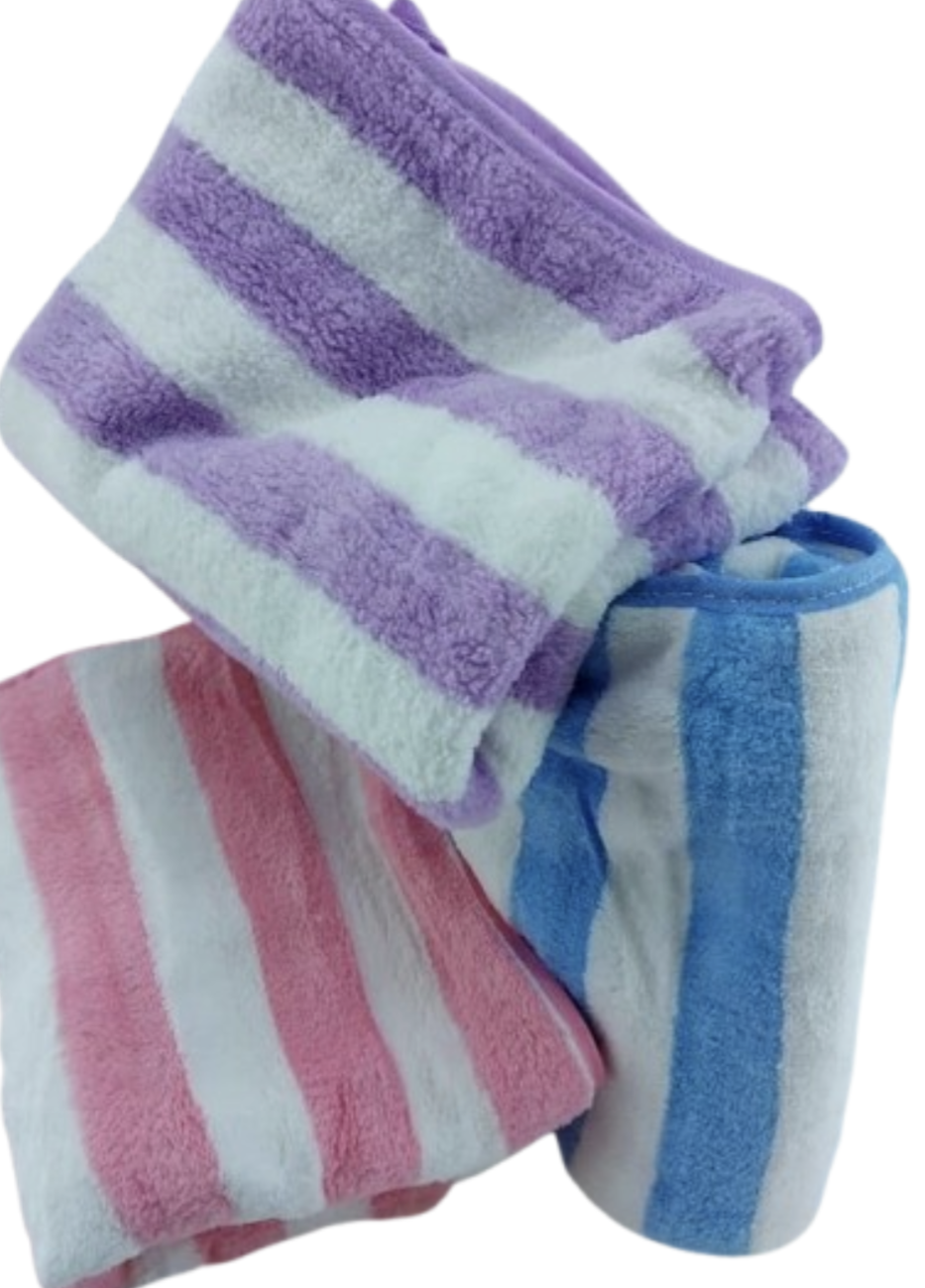
Bath towels
1 to 2 per person Must haveTowels are one of the first things people ask for after a long flight.
How to use it: Wash new towels before use so they absorb water well.



Kitchen and food for day one
Stock enough for the first few meals so nobody has to shop on the day they land.
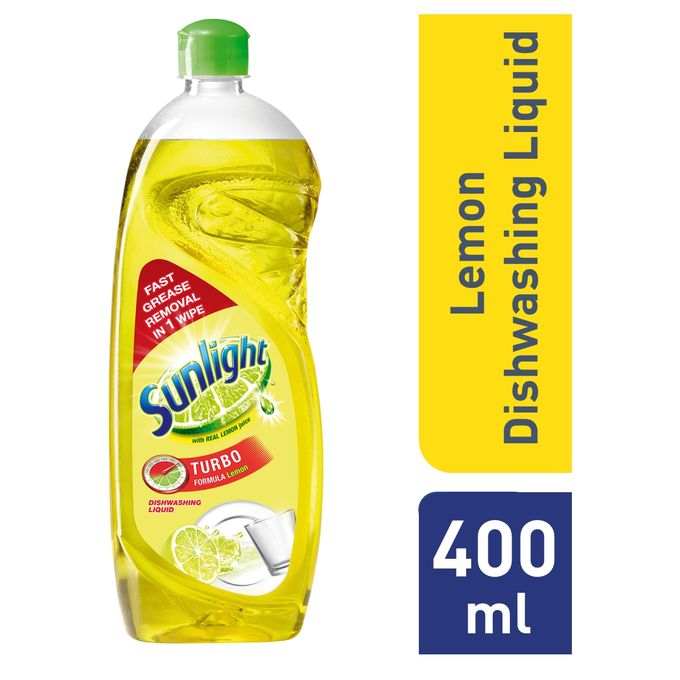
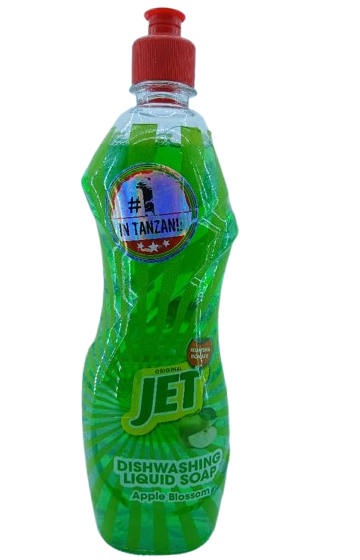
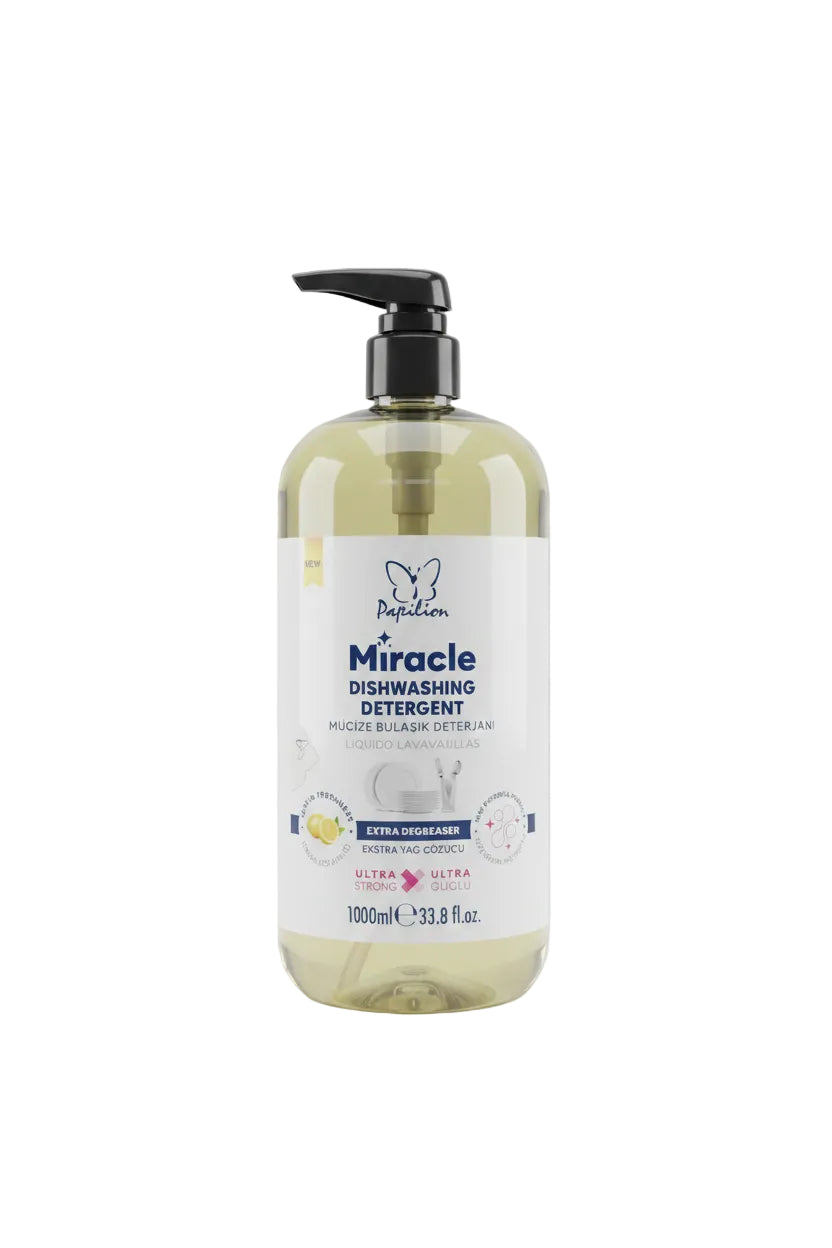
Dishwashing liquid
1 bottle Must haveDishes and pots that sat in cupboards need a proper wash before use.
How to use it: Wash everything once before the first meal, including cups.
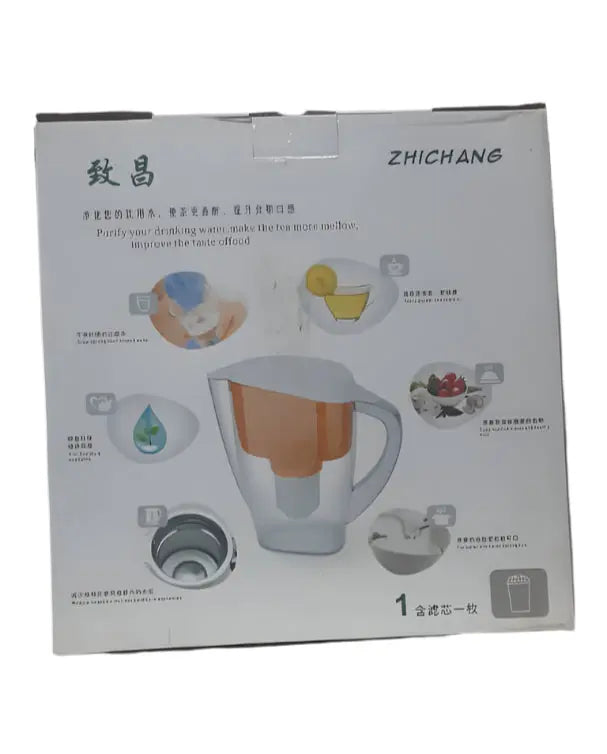
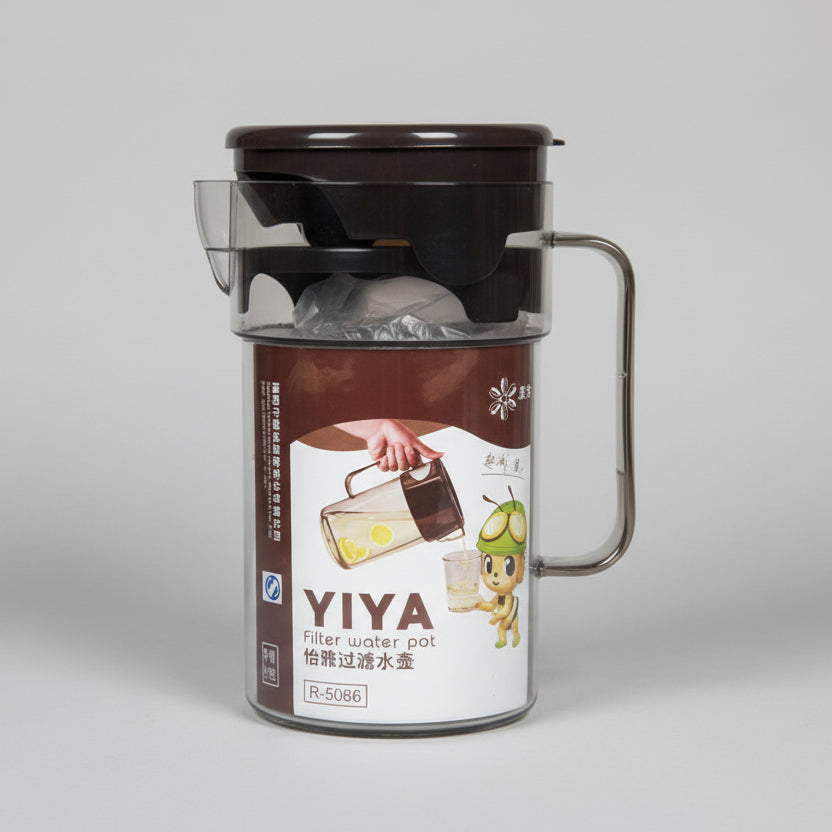
Drinking water supply
Enough for 2 days Must haveSafe drinking water is the first need on arrival. Water that sat in tanks may need care.
How to use it: Have bottled or filtered water ready and ask a plumber or landlord about tank cleaning if the house was closed a long time.
Rice
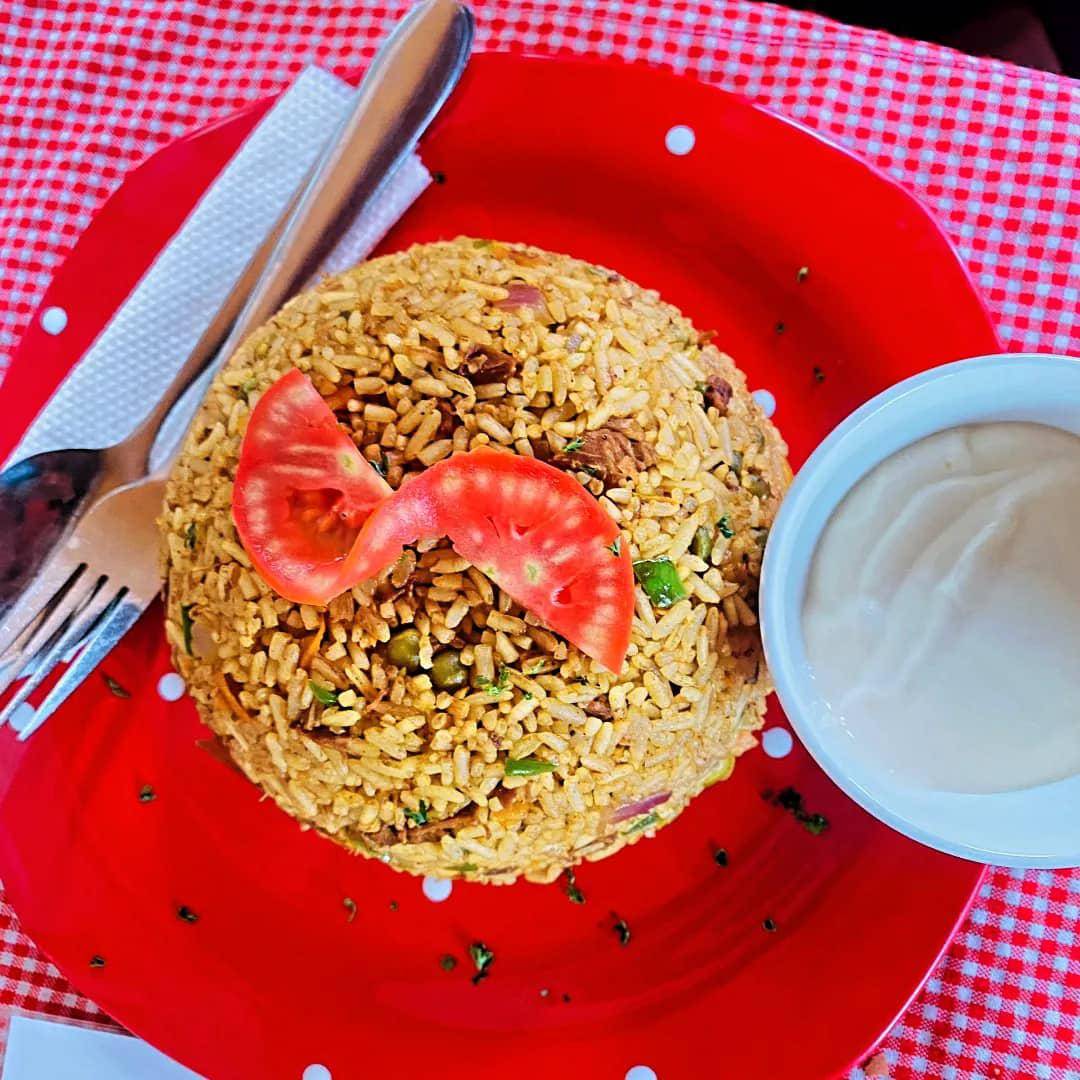
2 to 5 kg Must haveA simple pot of rice is the easiest first meal for tired people.
How to use it: Keep a few kilograms in a closed container, away from damp and insects.
Cooking oil
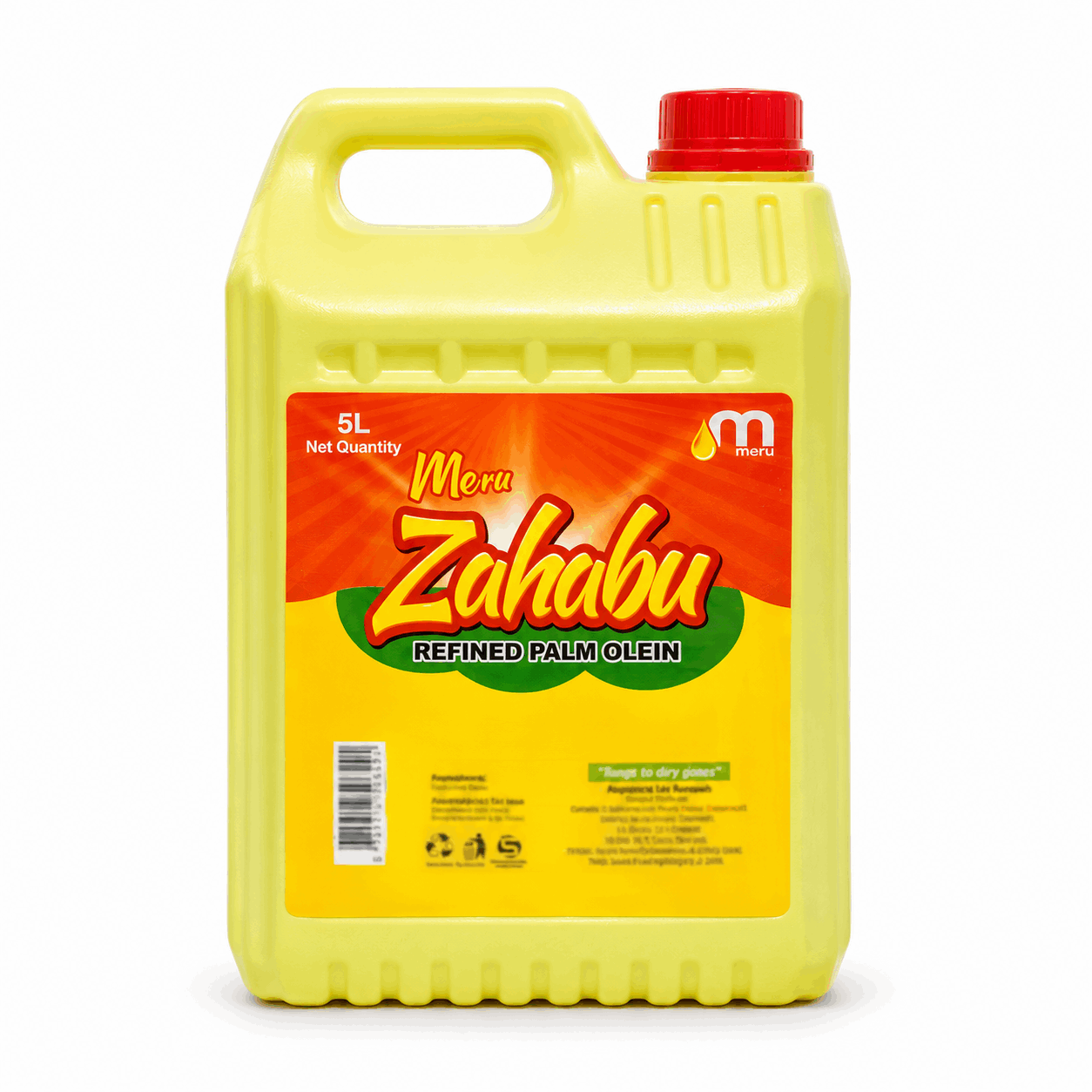
1 bottle Must haveYou cannot cook any hot meal without it.
How to use it: Store it away from the stove heat. Buy a small bottle first if you are unsure what the family likes.
Salt and sugar
1 each Must haveBoth are needed on the first day, for food and for tea.
How to use it: Keep them in dry, closed jars.
Bread and eggs
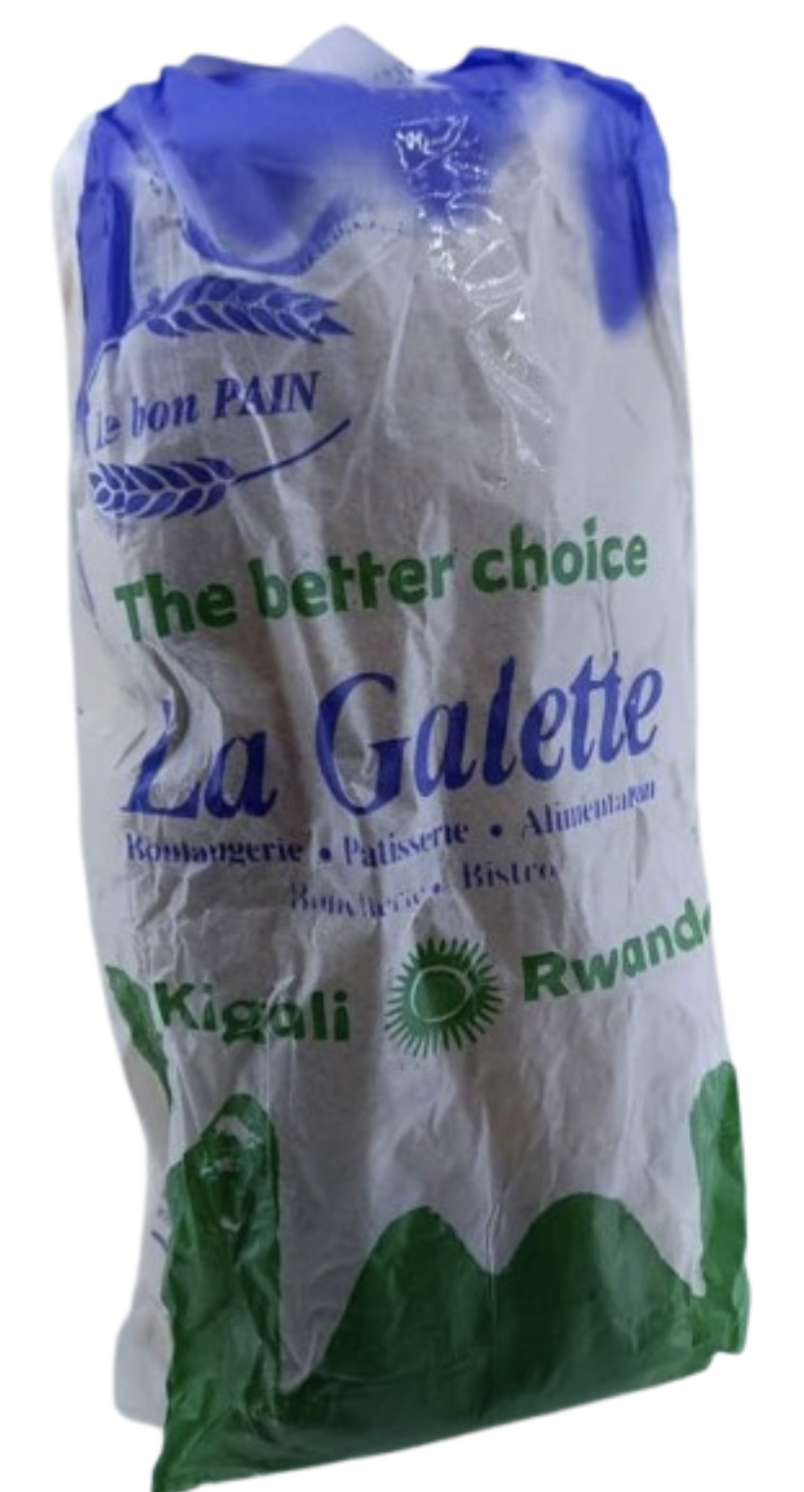
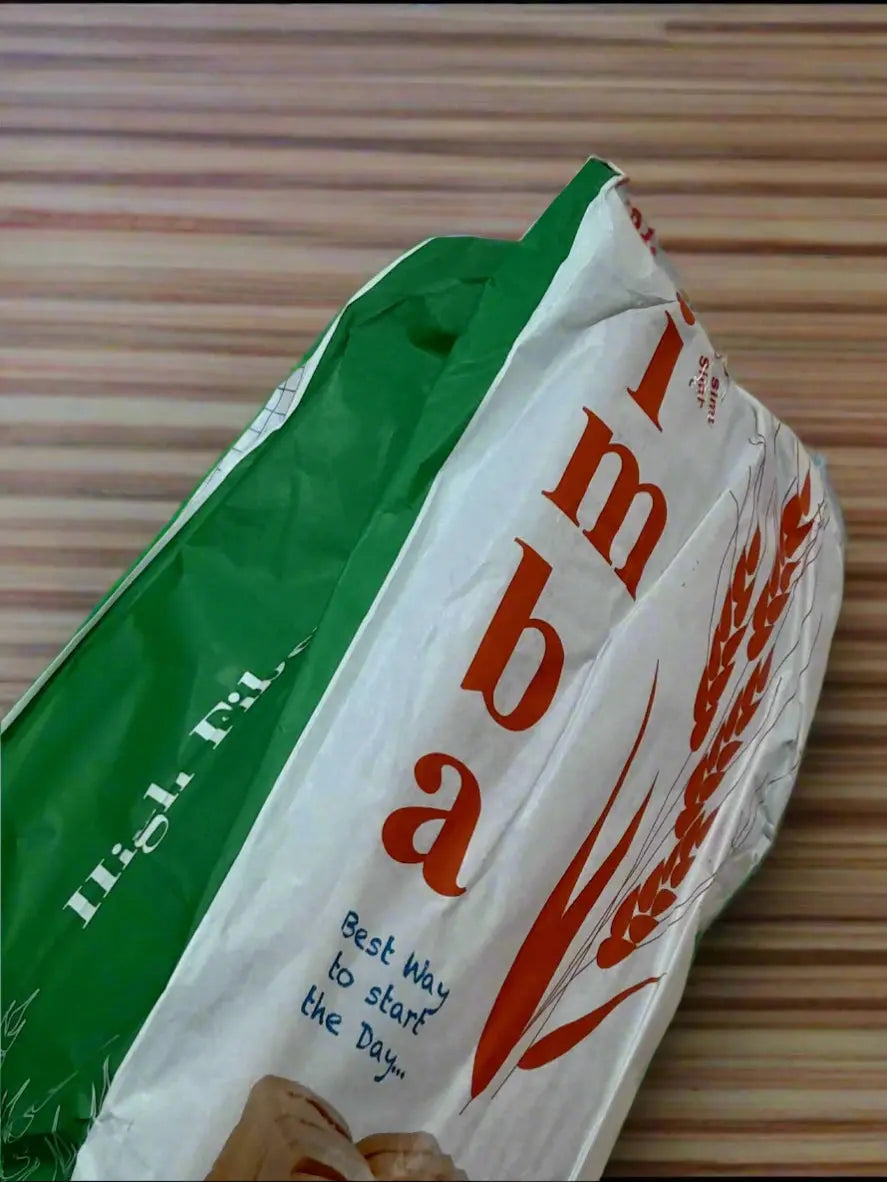
1 loaf, 1 trayNice to haveEggs and bread make an easy first breakfast.
How to use it: Buy these the day before arrival so they are fresh. Keep the eggs in the fridge.
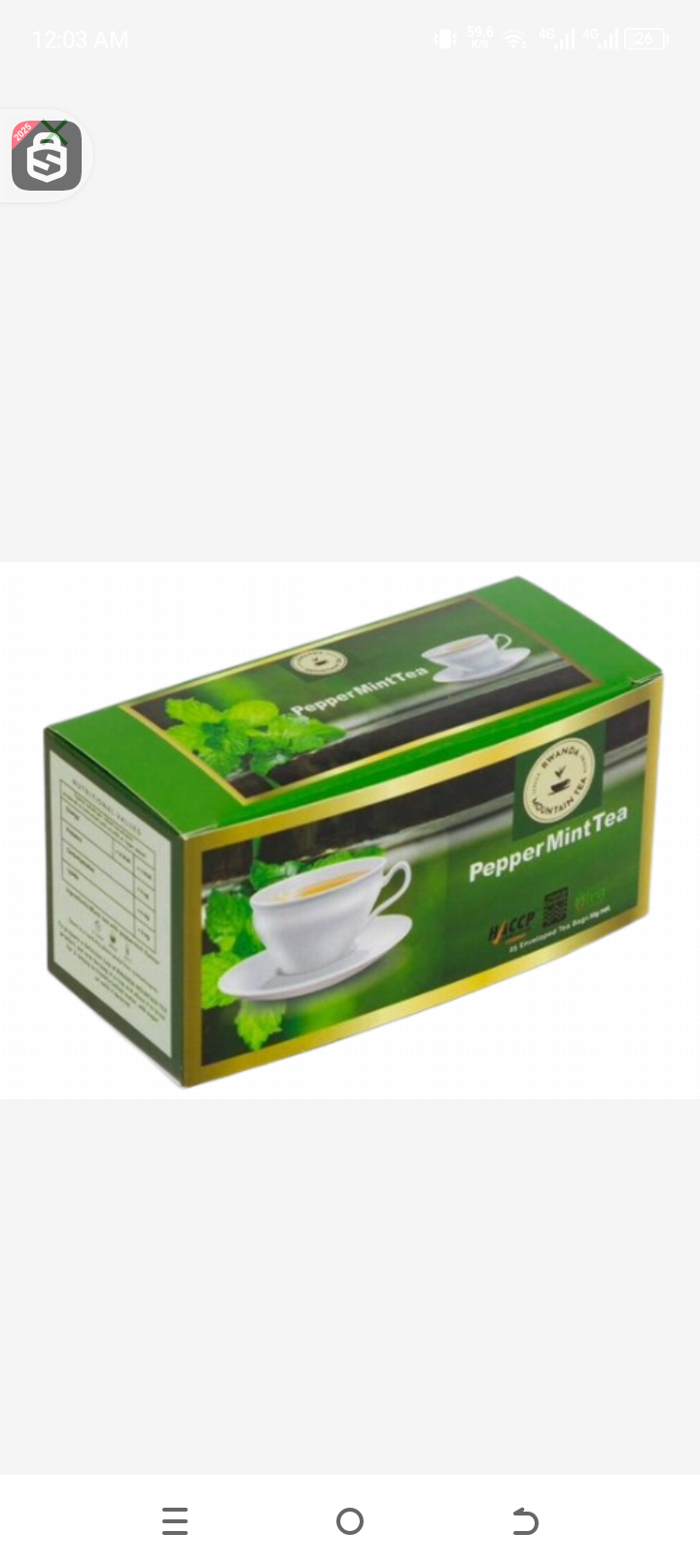
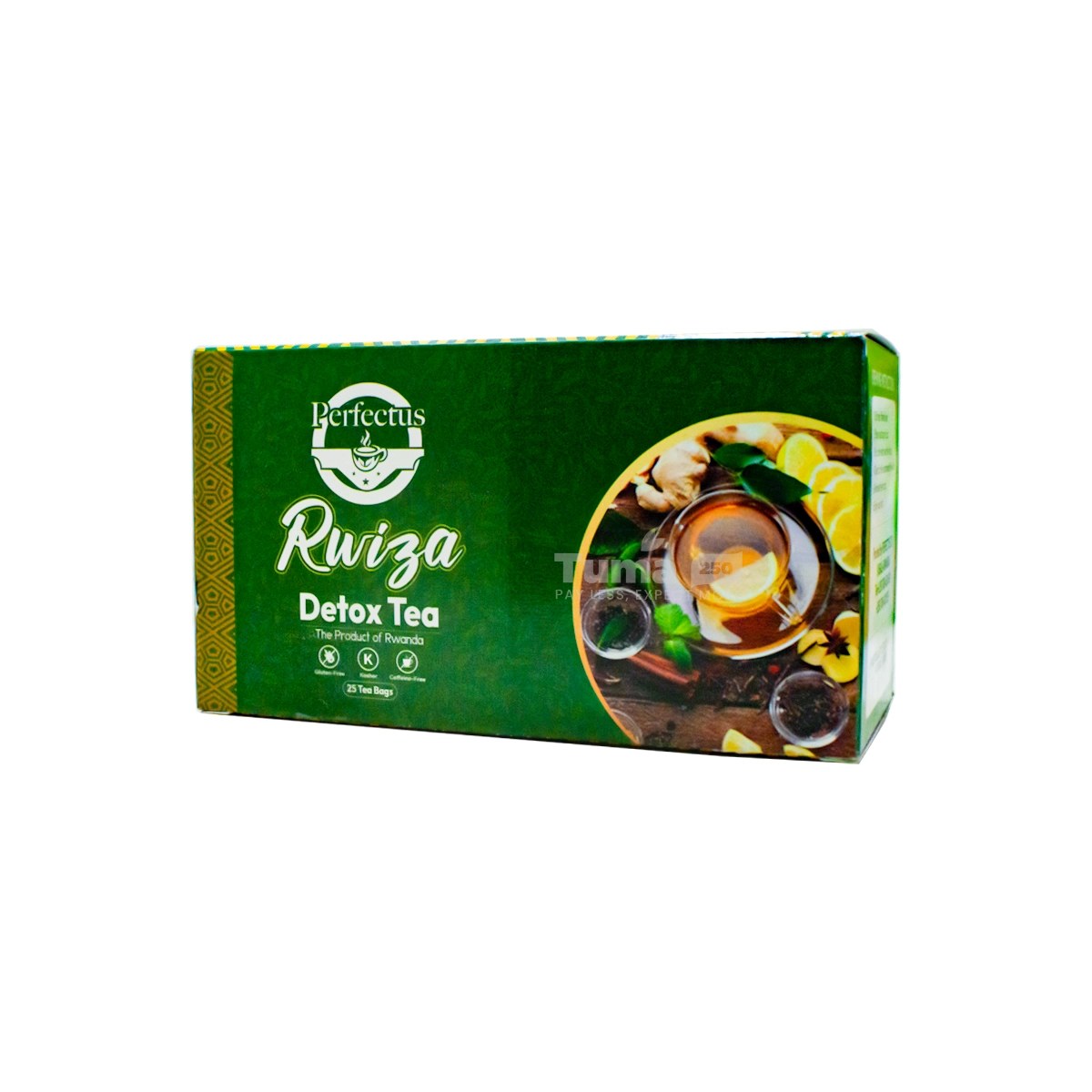
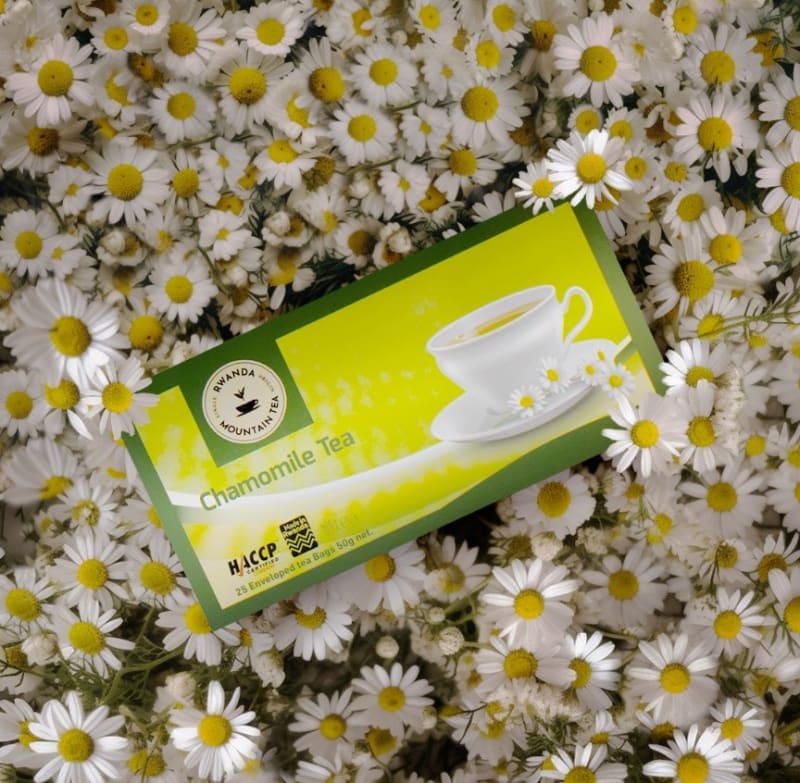
Tea and coffee
1 pack eachNice to haveA hot drink is a warm welcome after a long trip.
How to use it: Check your family's tastes. Rwandan tea and coffee are good to have on the first morning.
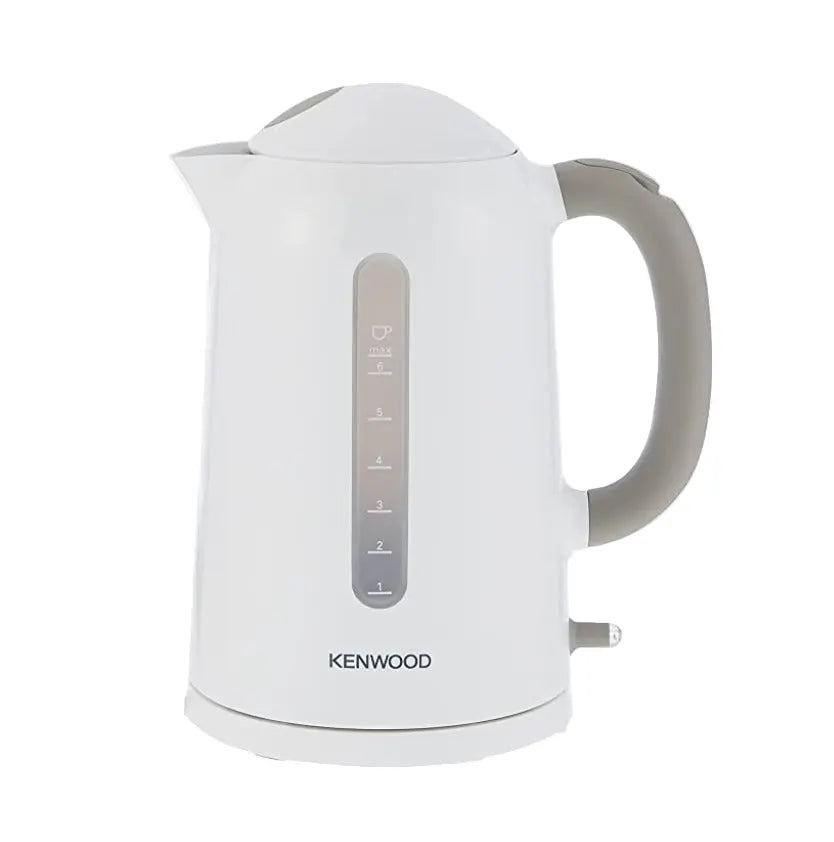
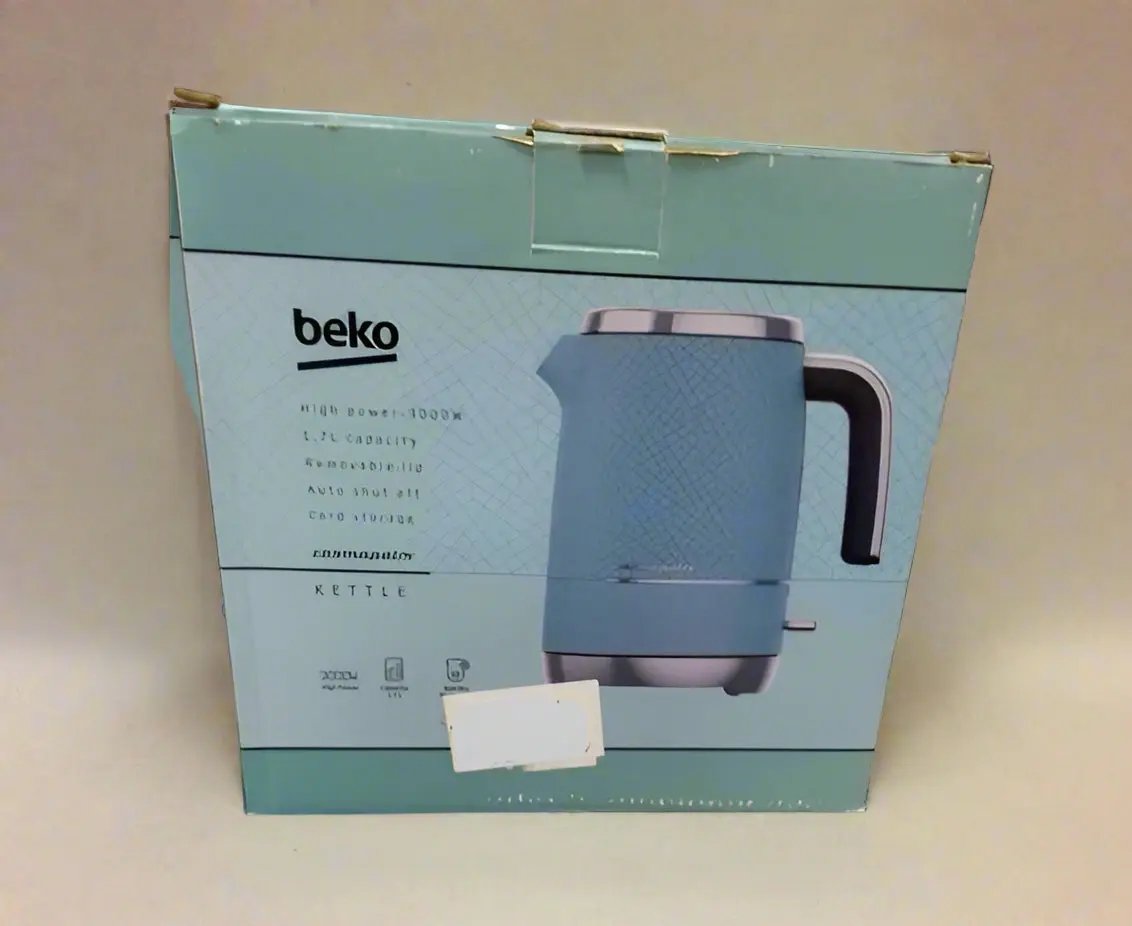
Kettle
1Nice to haveIt boils water fast for tea, baby bottles or hot water bottles.
How to use it: Boil and throw away one kettle of water before first use to remove any dust inside.
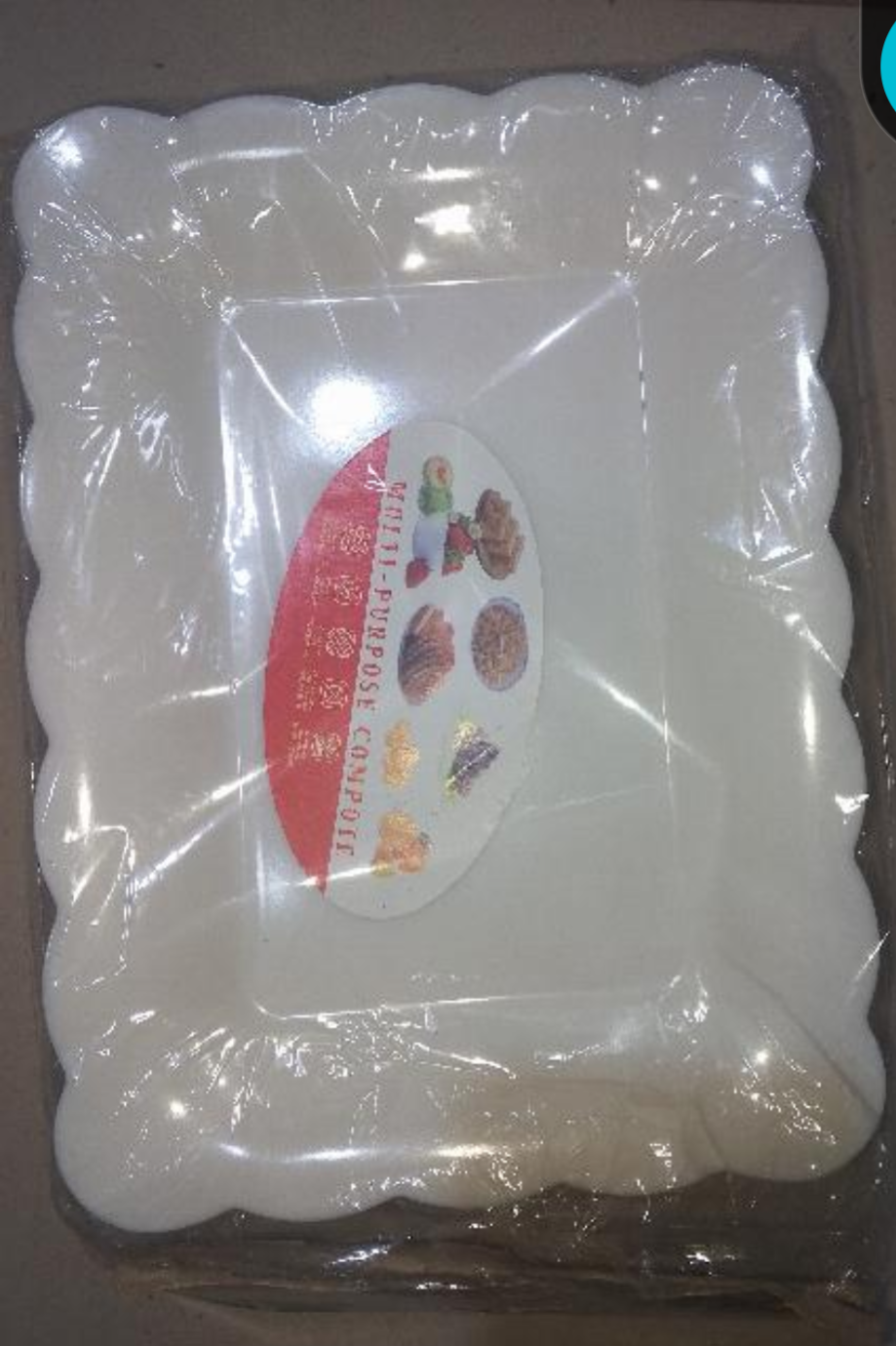
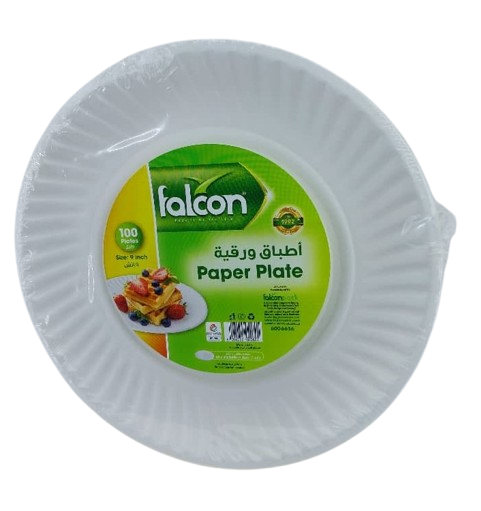
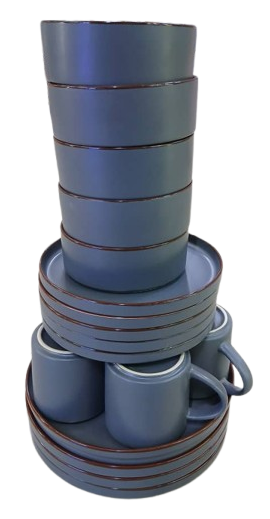
Plates, cups and cutlery
1 set per personNice to haveIf these were given away or are missing, the first meal has to be eaten from pots.
How to use it: Count what is in the house before you buy more.










Power, light and safety
Check that the house is safe and that nothing fails in the first evening.
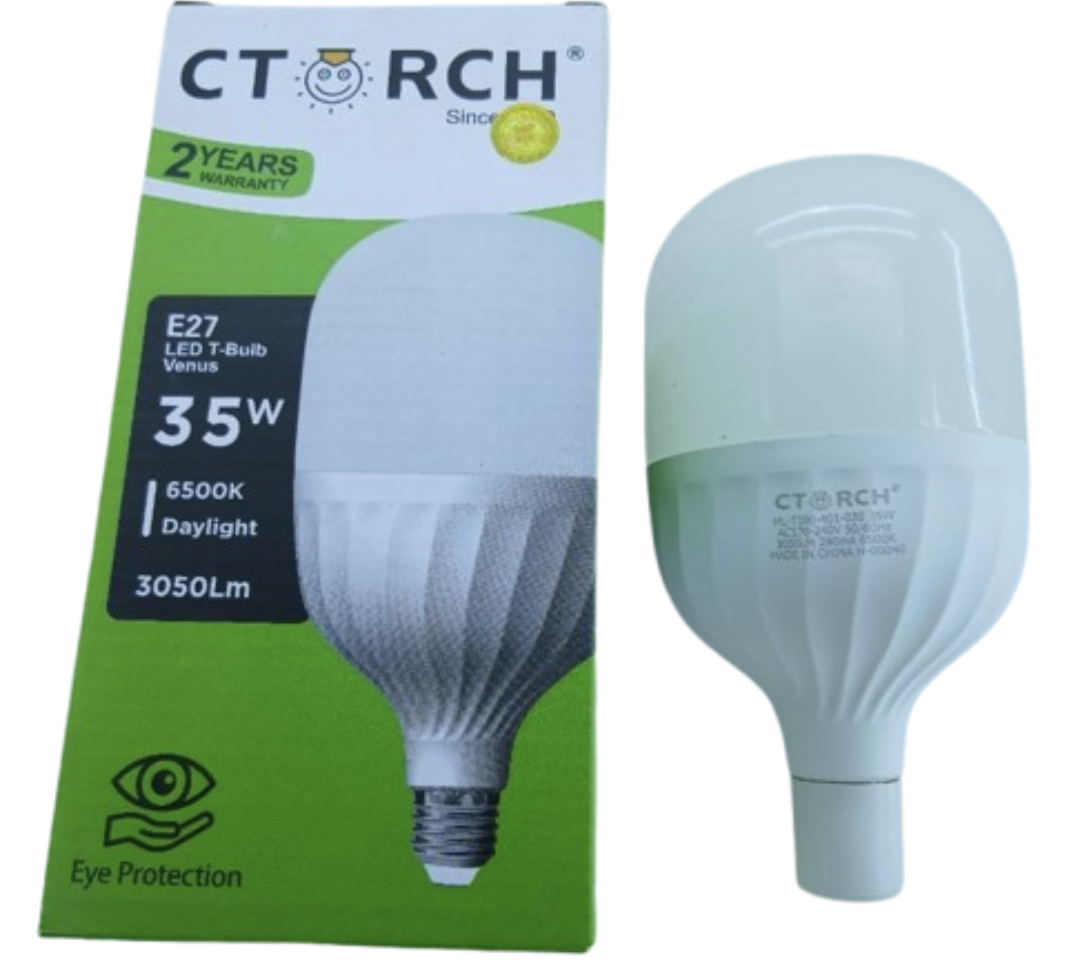
Light bulbs
4 spare Must haveBulbs that have been off for months often burn out when switched on.
How to use it: Test every room a few days before. Keep two spare bulbs for the hall and kitchen.
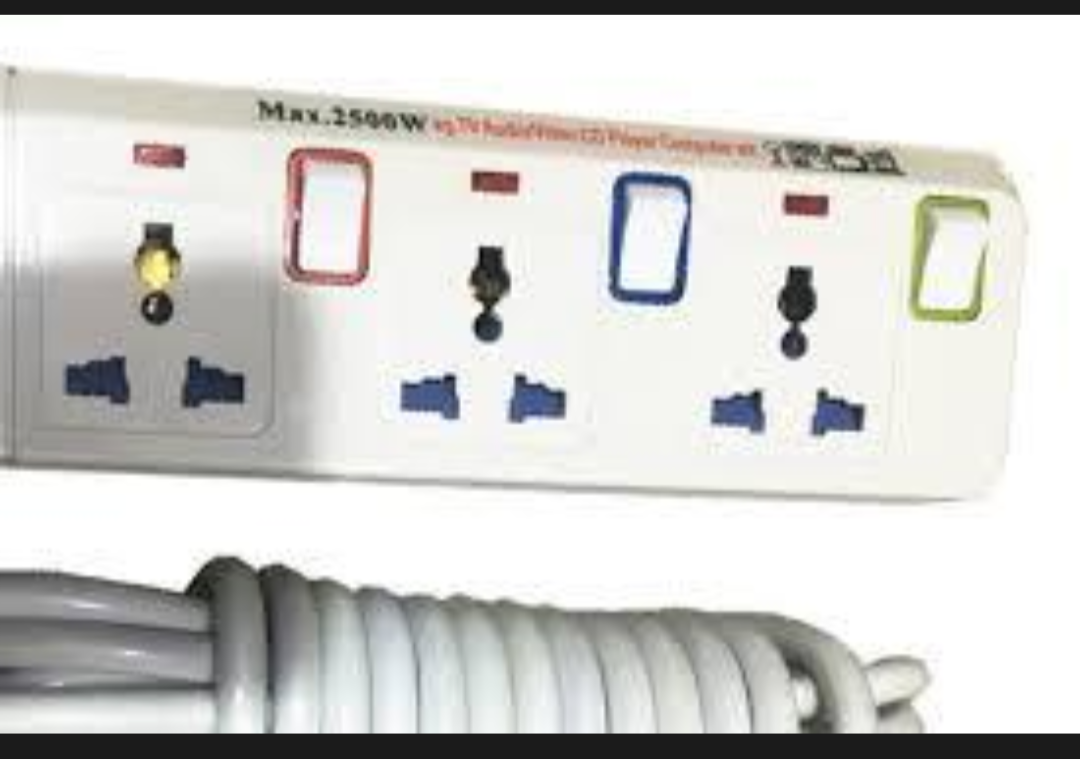
Extension socket
2 Must haveReturning families arrive with many devices to charge and often too few plugs near the beds.
How to use it: Plug in only what you need. Do not stack many heavy appliances on one socket.
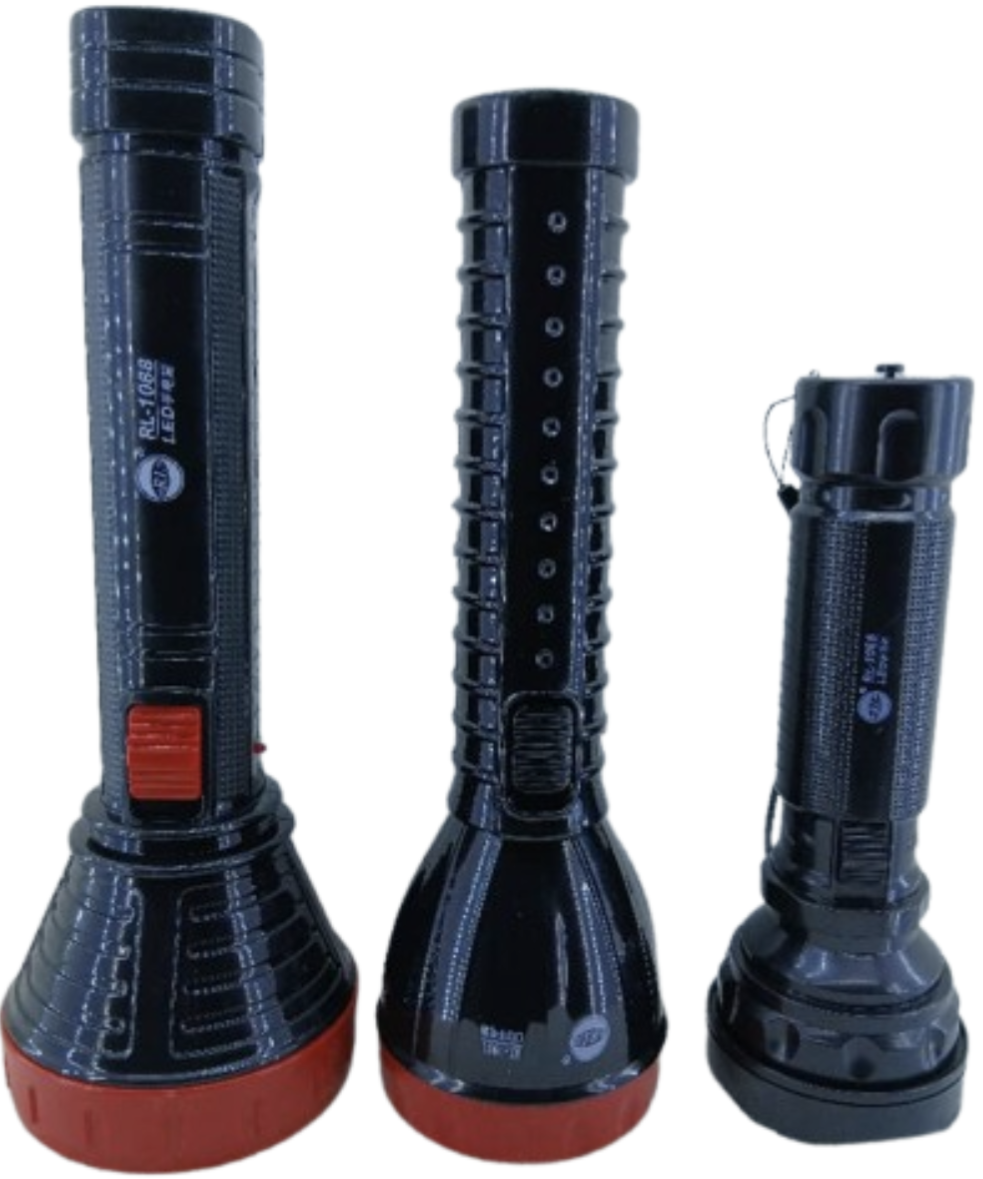
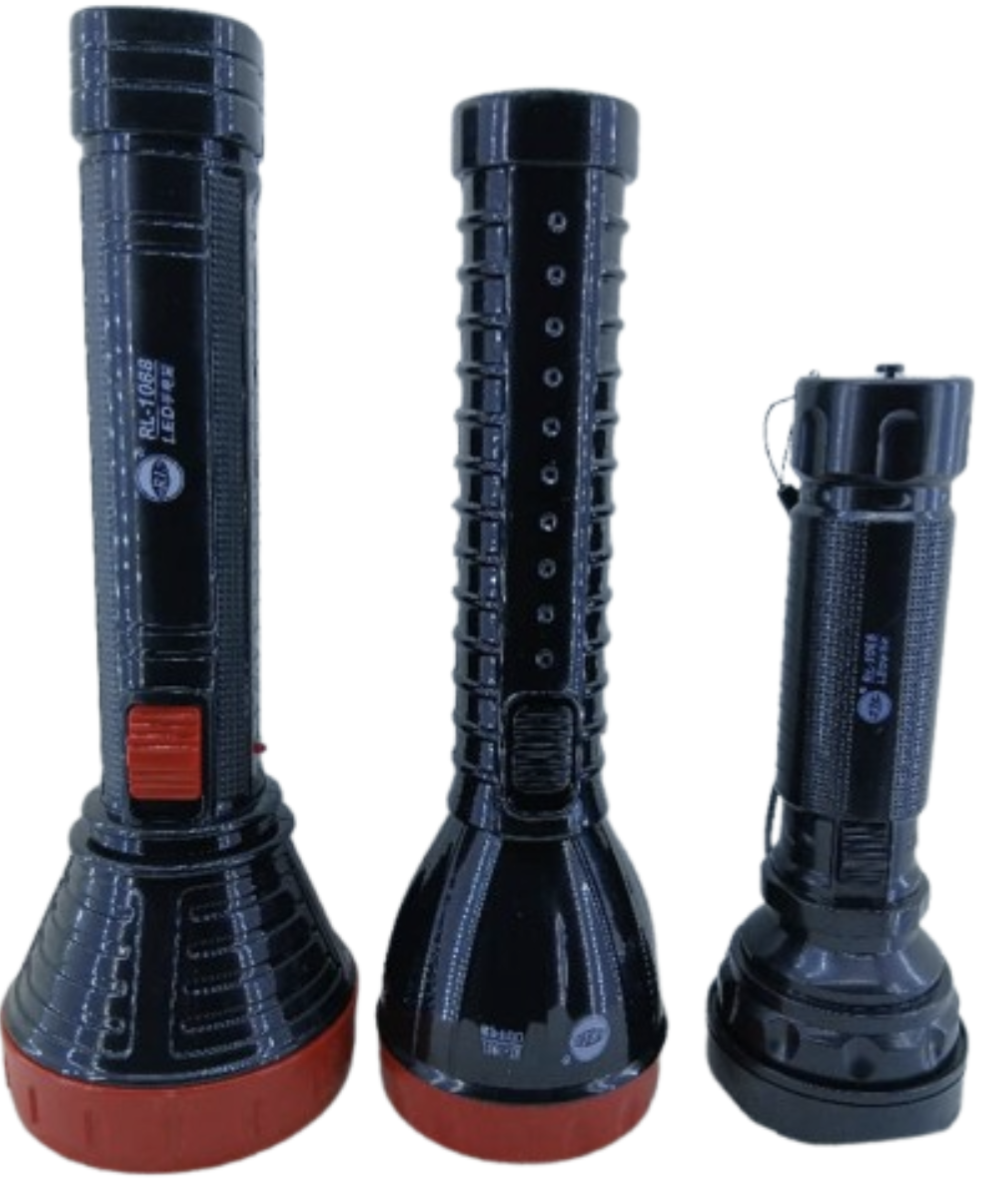
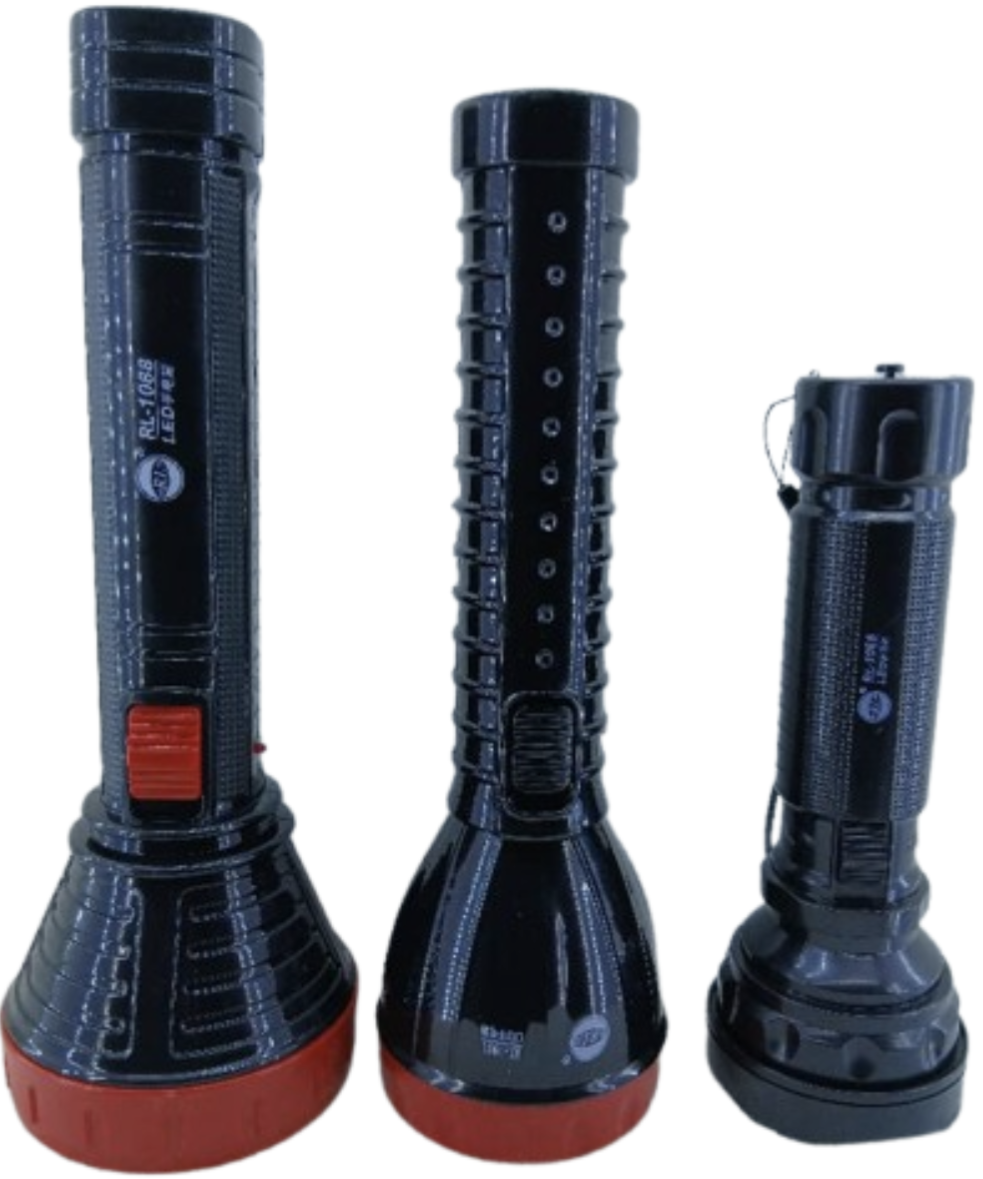
Torch
2 Must havePower cuts do not wait for a family to settle in. A torch helps them find things in the dark.
How to use it: Keep one by the front door and one in the bedroom. Check the charge.
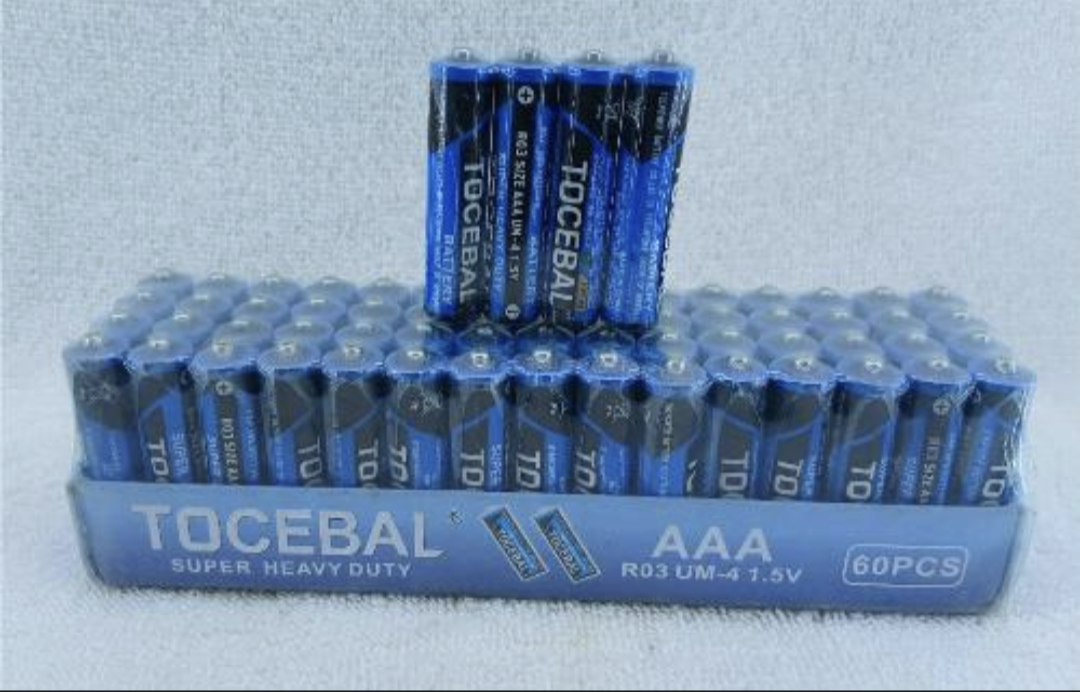
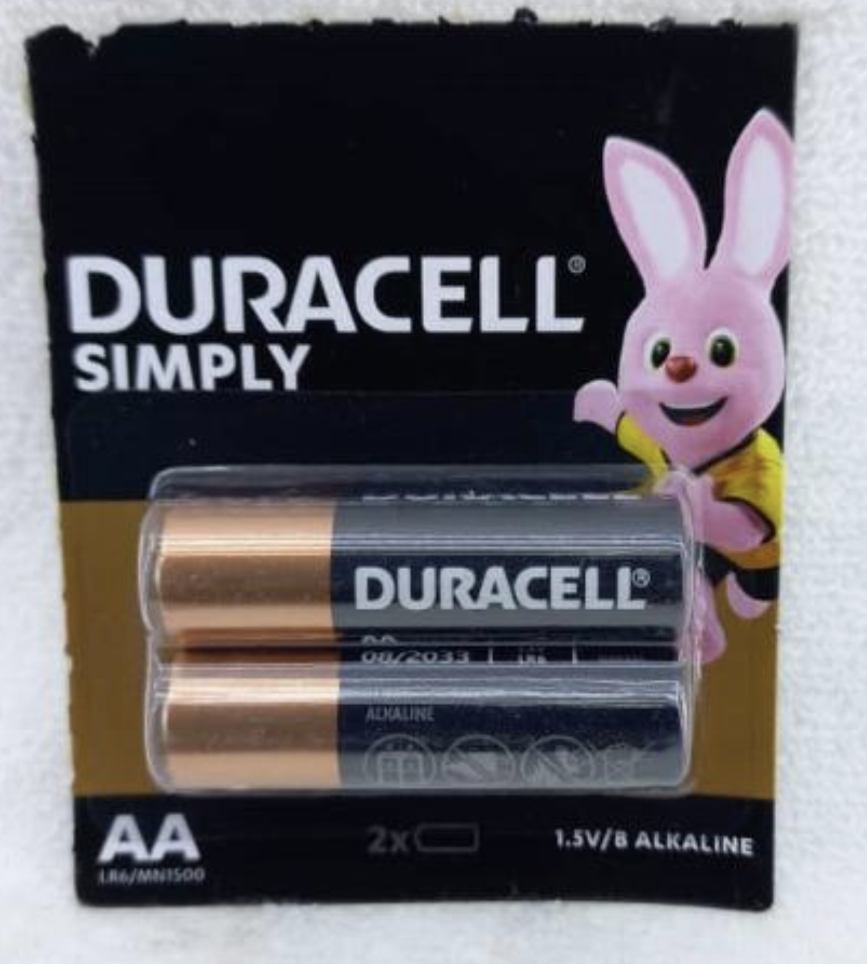
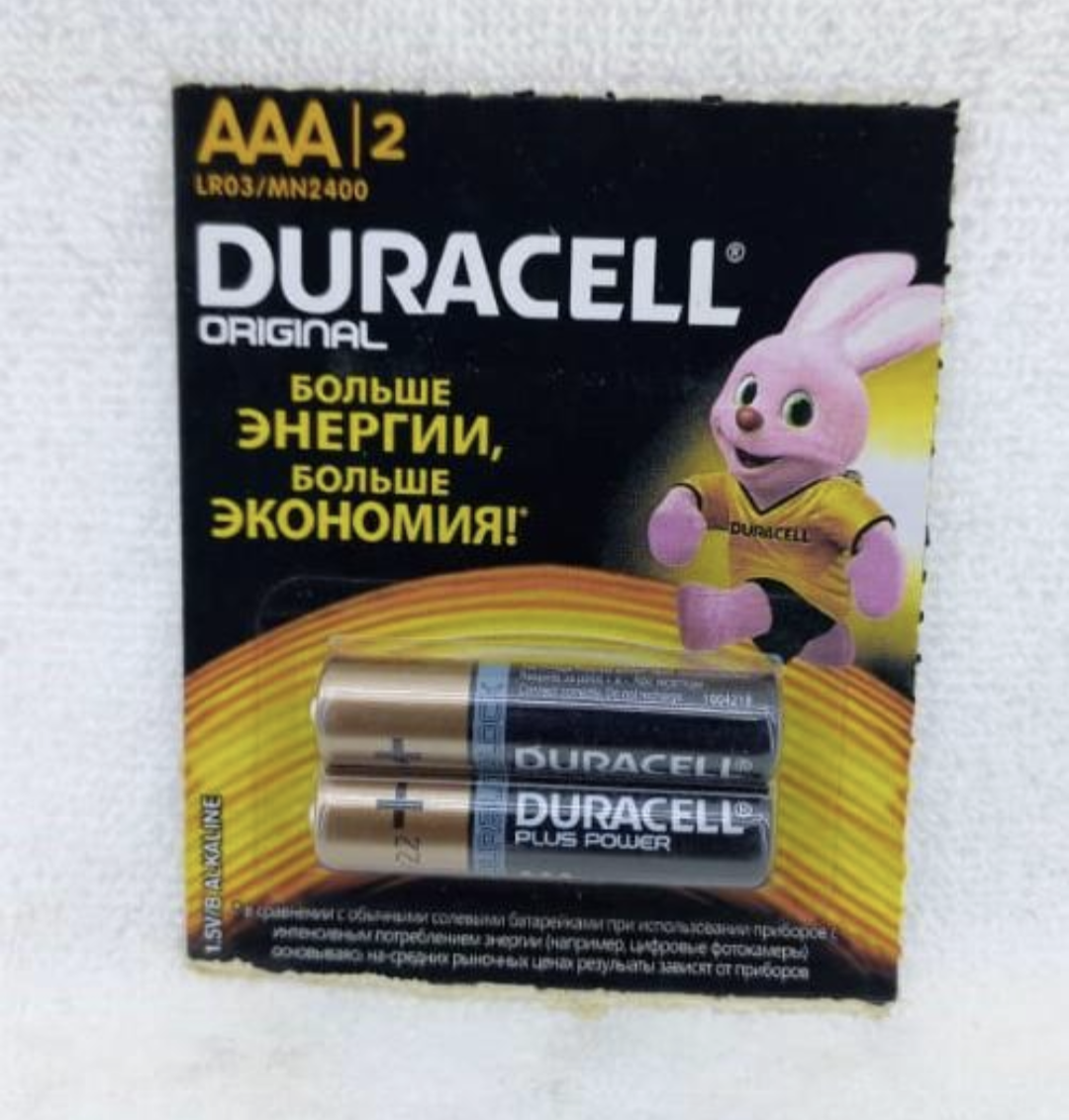
Batteries
1 pack of eachNice to haveRemote controls, clocks and torches all need them, and old ones may have leaked.
How to use it: Replace old batteries and keep a pack of spare AA and AAA.
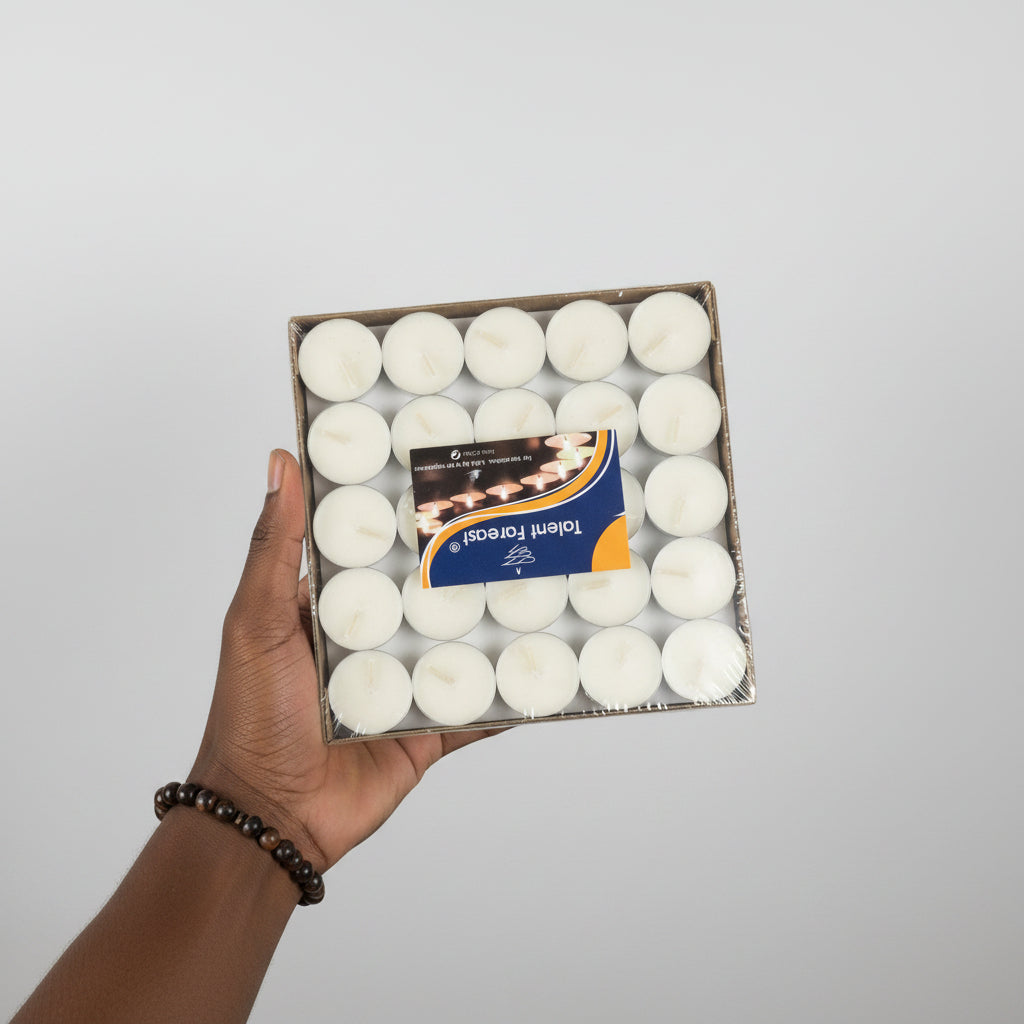
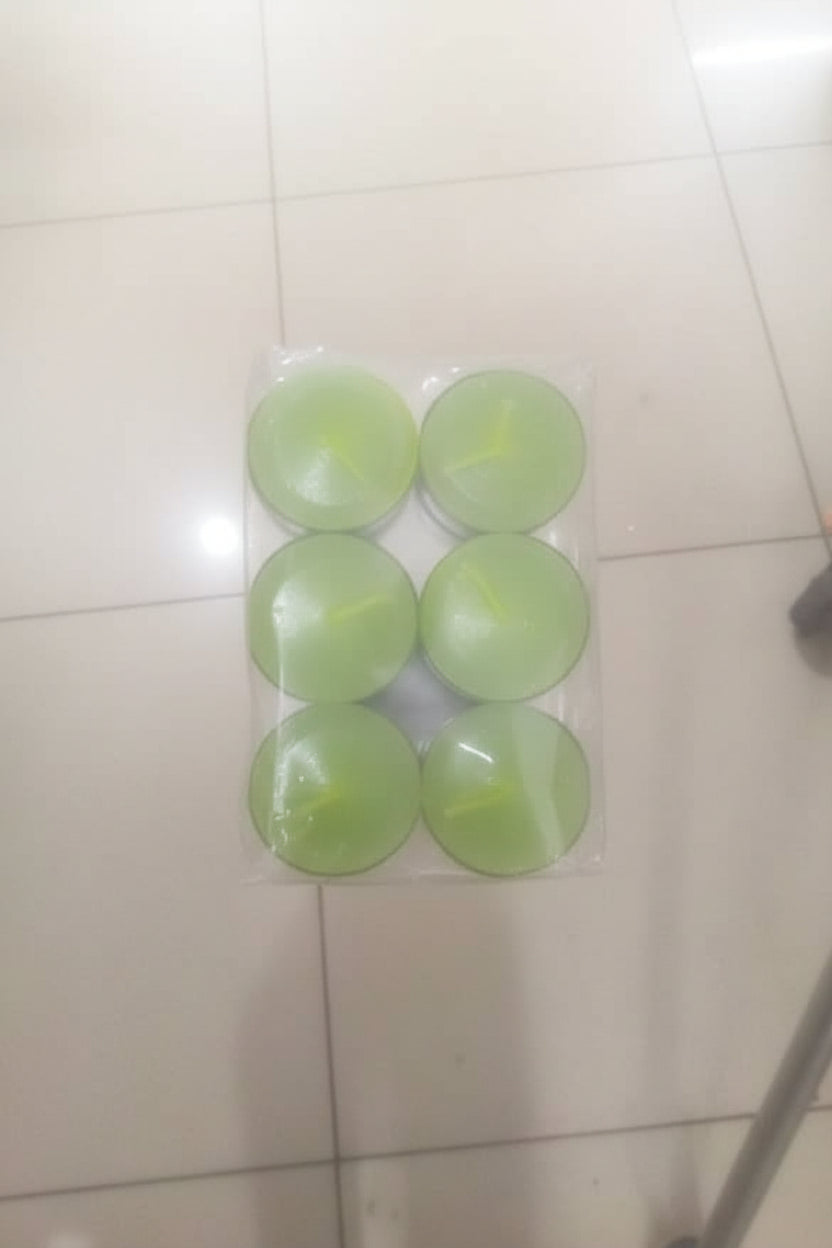
Candles and matches
1 pack, 1 boxNice to haveThey are a simple backup when the torch is flat.
How to use it: Use a stable holder, keep them away from curtains and never leave them burning near sleeping children.
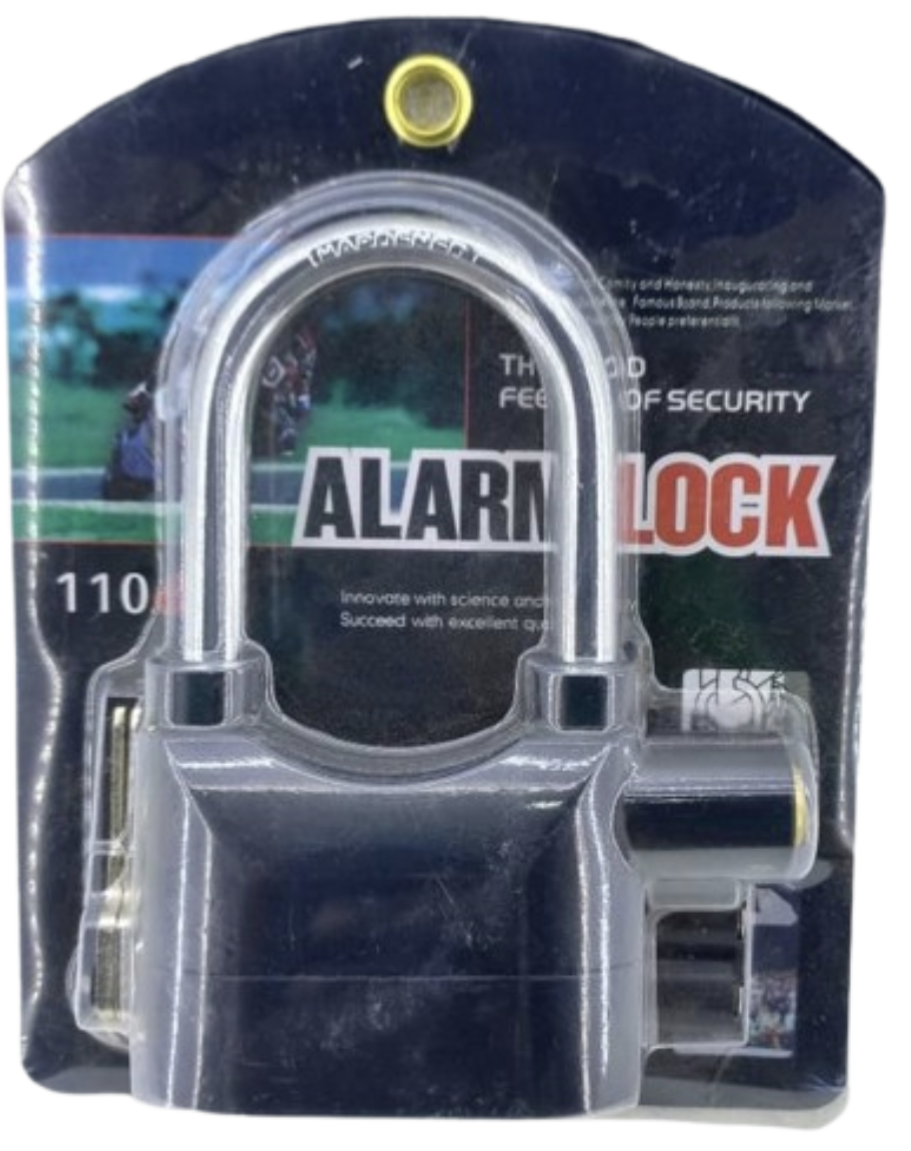
Padlock for gate or store
1Nice to haveYou may want to lock the store room or gate while unpacking.
How to use it: Keep a spare key with a trusted neighbor or relative.







Bathroom and laundry
Families usually want a shower and clean clothes right after landing.
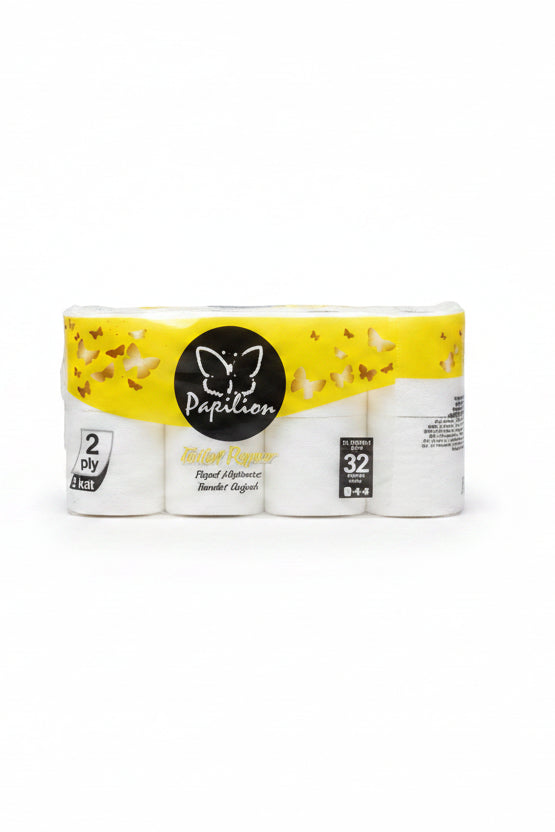
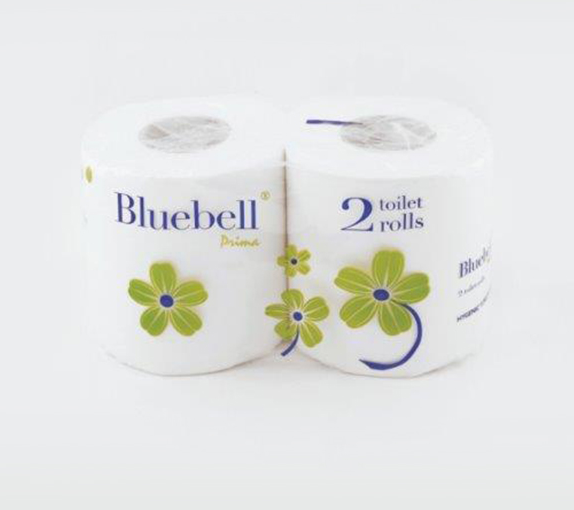
Toilet paper
1 big pack Must haveIt runs out fast with a full house, and it is hard to go without.
How to use it: Buy a pack so there is enough for the first week.
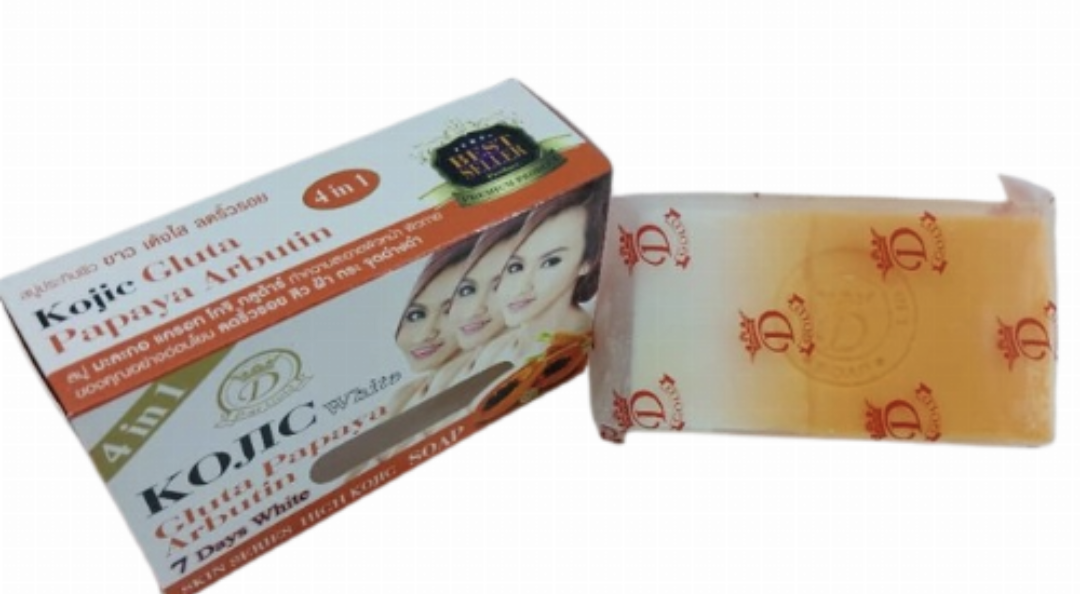
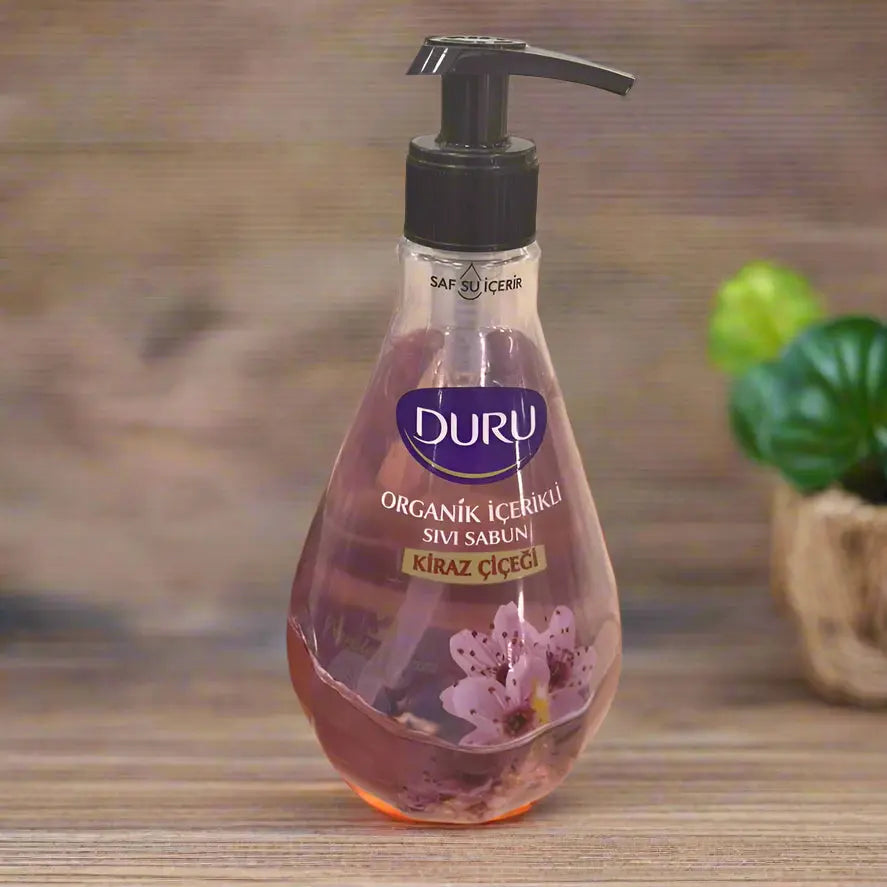
Bath soap
1 per bathroom, plus spares Must haveA fresh bar or liquid soap by every basin and shower is a small thing people notice.
How to use it: Put soap near each tap and sink.
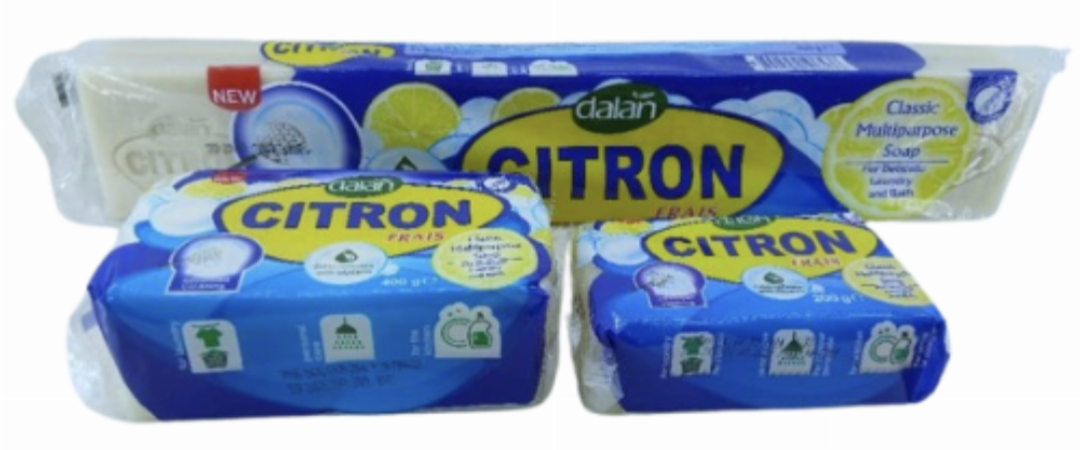
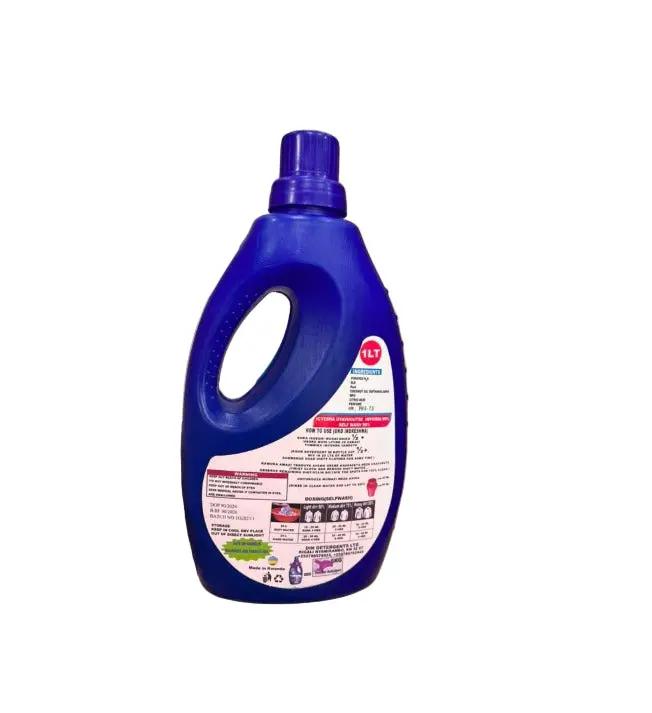
Laundry detergent
1 pack Must haveTravel clothes and bedding will need washing in the first days.
How to use it: A small bag or bottle is enough for the first week.
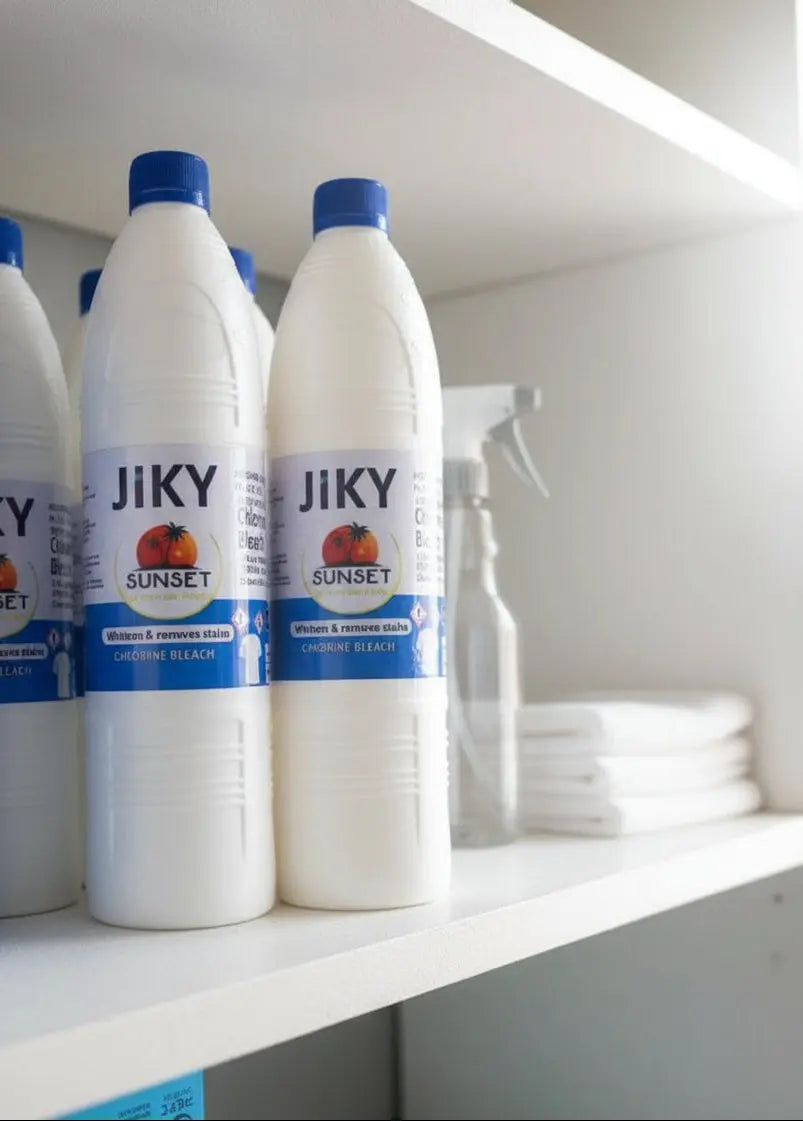
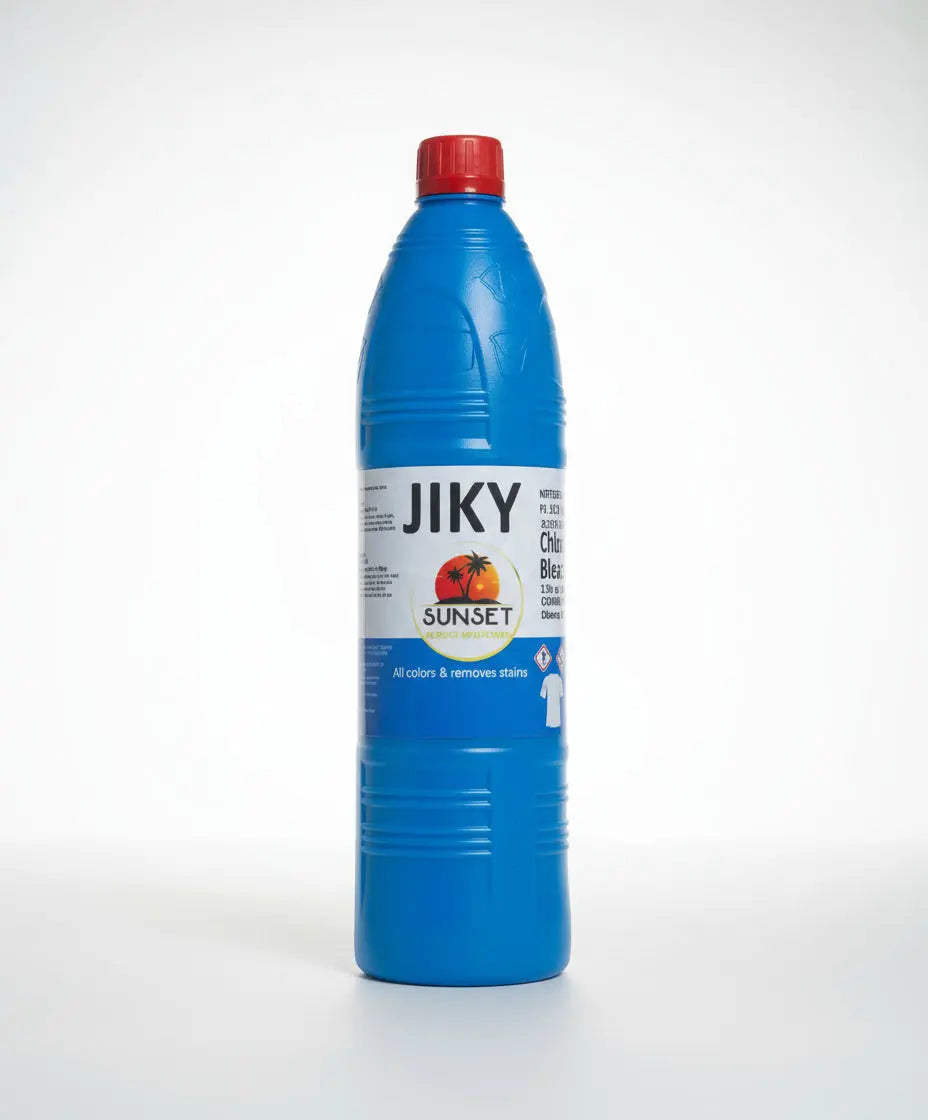
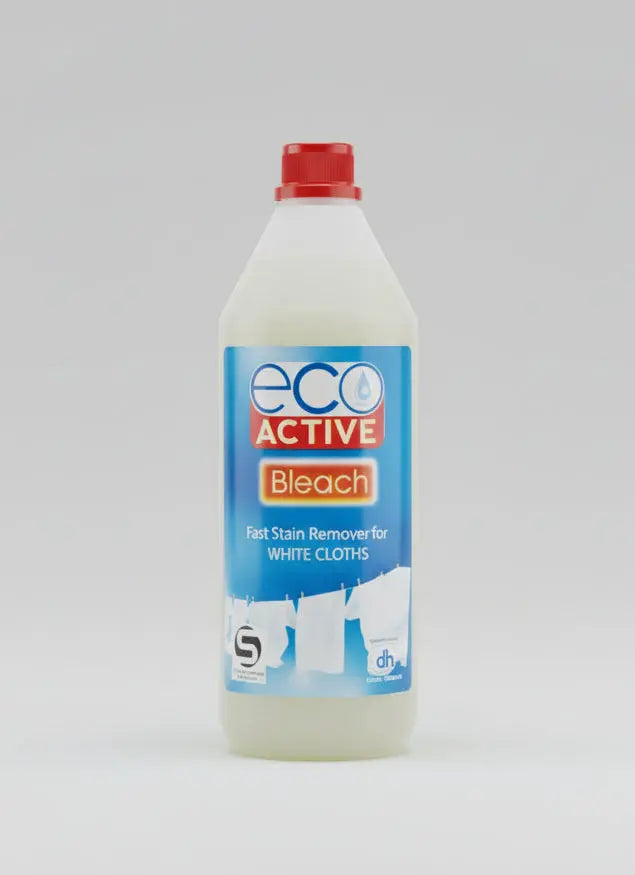
Bleach
1 bottleNice to haveIt is useful for washing white items and cleaning the bathroom drains and floors.
How to use it: Never mix it with other cleaners. Wear gloves and keep it away from children.
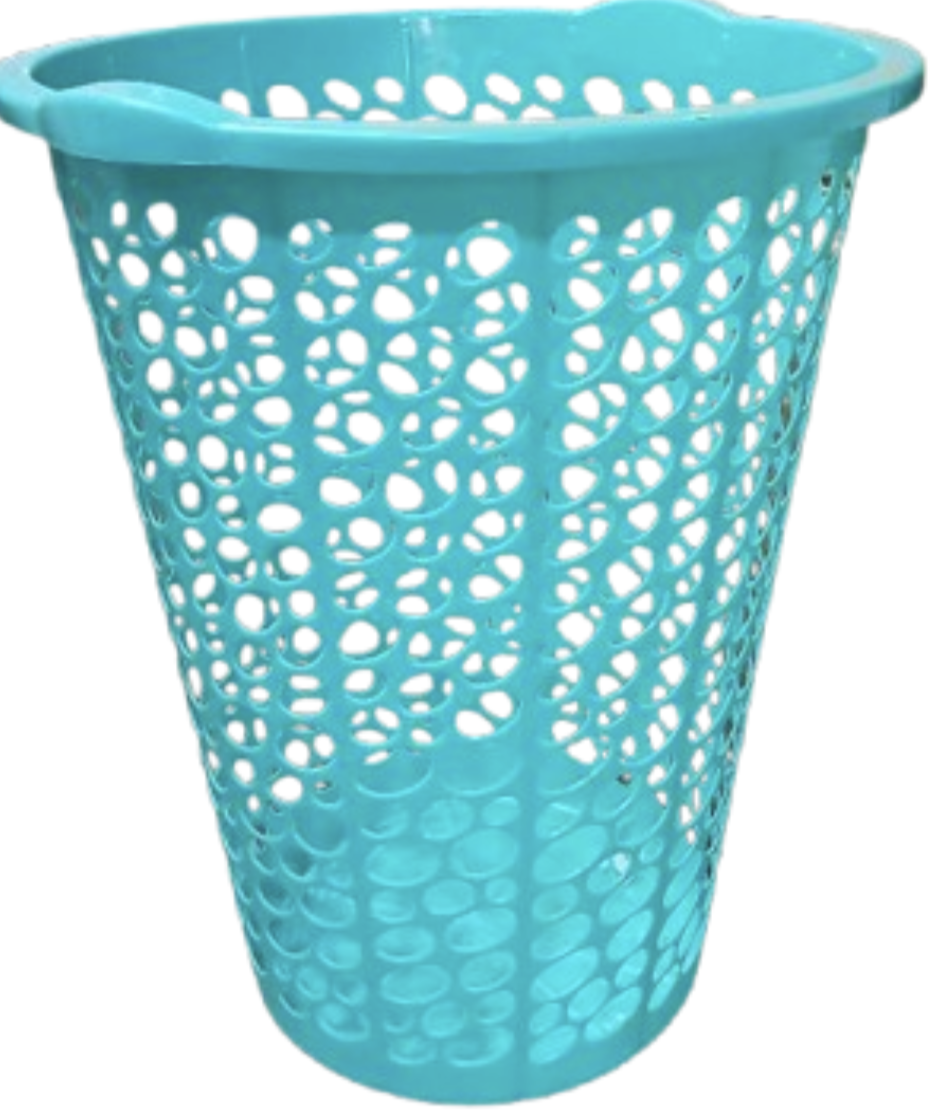
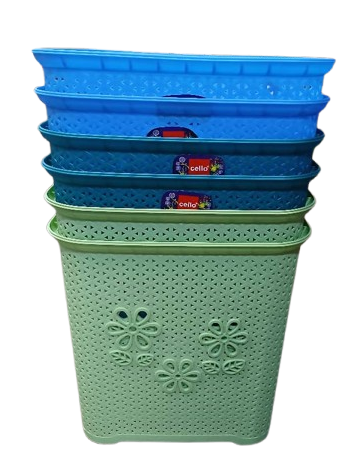
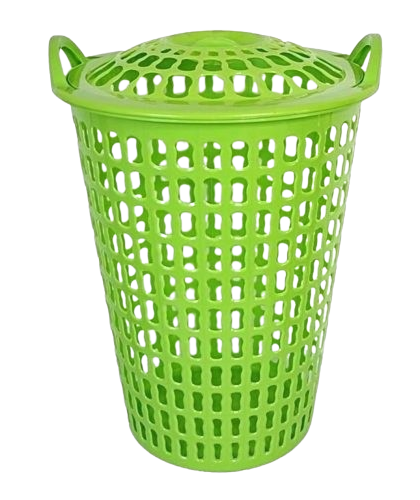
Laundry basket
1Nice to haveOne place for dirty clothes keeps the house tidy while suitcases are being emptied.
How to use it: Put it in the bedroom or bathroom, not in the walkway.
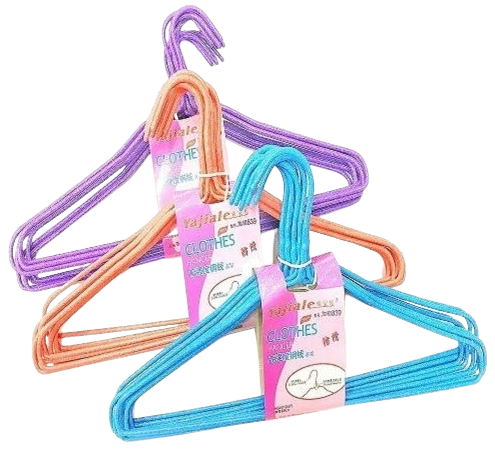
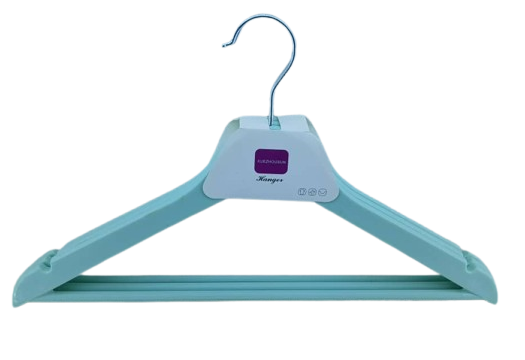
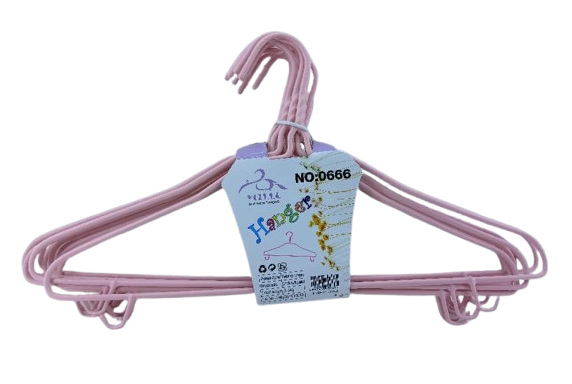
Hangers
10 to 20Nice to haveNew wardrobes may be empty, and suitcases take up a lot of floor space.
How to use it: Hang clothes as soon as they come out of the suitcase to reduce creases.

Step by step
- 1
Two weeks before
Check water, power, gas and the roof. Fix anything broken. Open windows on dry days to air the house.
- 2
One week before
Clean the whole house, spray for insects and wash or buy bedding.
- 3
Three days before
Test every light, socket and tap. Stock the bathrooms and the cleaning supplies.
- 4
The day before
Order fresh food, bread and eggs. Make the beds and turn on the fridge.
- 5
Arrival day
Have water, a simple meal and tea ready. Keep torches where you can find them.
Tips that help
- Turn the fridge on at least a day before so it is cold when the food comes.
- Run every tap for a few minutes to clear stale water from the pipes.
- Ask the family for a short list of foods they miss, then buy only those.
- Keep a sheet of paper with important numbers on the fridge: landlord, plumber, electrician and a close relative.
- Plan a cleaner for the day after arrival to catch what was missed.
- Air mattresses and blankets in the sun for a few hours the week before.
- Order bulky items early so they are delivered before the house fills with luggage.
Mistakes to avoid
- Cleaning after the family arrives, when they are tired and the house is full of bags.
- Buying all the fresh food a week early, so it spoils.
- Not testing the water and power until the family is already inside.
- Mixing bleach with other cleaning liquids.
- Buying everything new before checking what is already in the house.
Questions people ask
How early should I start preparing a house for a returning family?+
Start one to two weeks before the flight. That gives time to fix problems with water, power or the roof, and to clean without rushing.
What should I buy first for a family coming home to Kigali?+
Cleaning supplies, bedding, drinking water and food for the first two days. After that, add small comforts as the family tells you what they need.
Is it safe to drink tap water in a house that was closed for months?+
Do not assume so. Use bottled or filtered water at first, and ask a professional to check or clean the tank if the house was closed for a long time.
How do I get rid of a stale smell in a closed house?+
Open windows on dry days, wash floors, wash or air bedding and curtains in the sun, and clean the drains. Fresh air does most of the work.
Should I turn the fridge on before the family arrives?+
Yes. Clean it, turn it on a day early and check that it gets cold before you put food in.
A ready house tells a returning family that they were missed. Use this list, adjust it to your household, and order what you need on Isokko so it arrives before they do.
Shop this list
Get everything delivered in Kigali
Order from local stores on Isokko and pay with MoMo, card or cash. Same-day delivery.