
Checklist · Home & moving
Setting Up a Home for a Family Member With Limited Mobility
A practical Kigali checklist for making a home safer and easier for a family member with limited mobility: non-slip mats, bedside items and more.
Updated November 26, 2026 · By Isokko
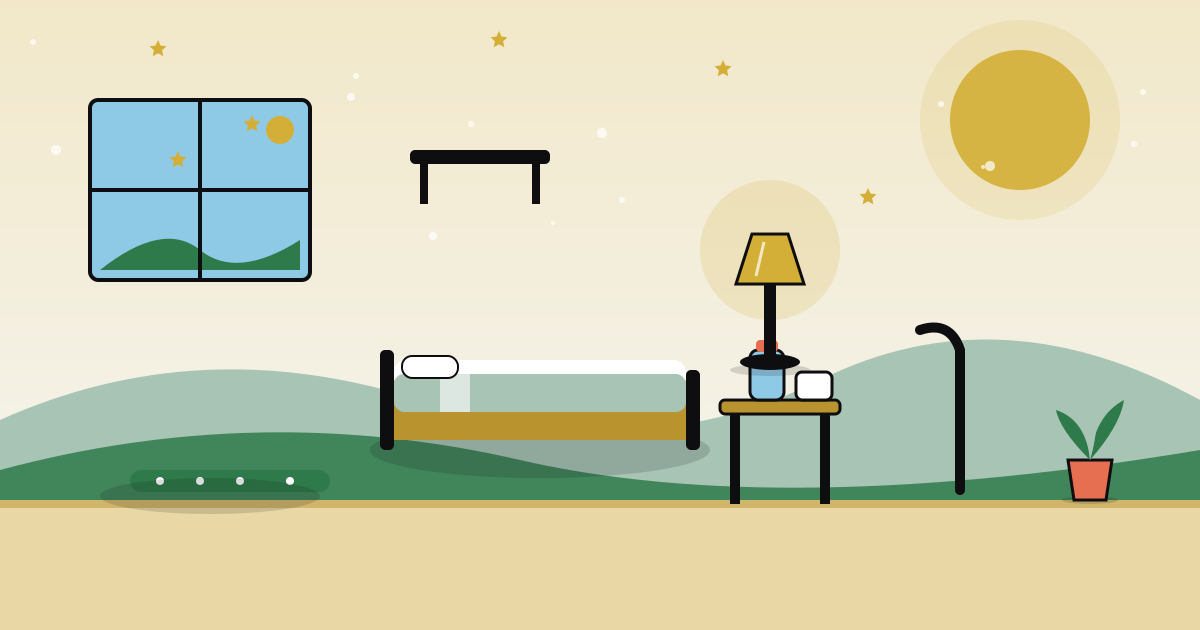
When someone you love finds it hard to move around, the home can turn from comfortable to risky. Wet floors, loose mats, poor light and things placed too high all make daily life harder.
This checklist is about simple things you can buy and set up in a Kigali home: non-slip mats, bedside essentials, good light and easy to reach items. It is not medical advice. For mobility aids such as frames, wheelchairs or commodes, ask a doctor, nurse or physiotherapist what suits the person.
Start with the bathroom and the bedside, since those are where falls and difficulty happen most.
Who it's for
Families in Kigali caring for a parent, grandparent or relative who finds walking or standing hard
Time needed
Prepare over a few days, adjust as needs change
When to shop
Before the person arrives or as soon as you see difficulty with movement
On the list
34 items, 21 must haves
0 of 34 ready
Safe bathroom
Wet, smooth floors are a big risk. A few items make bathing and toilet use safer.
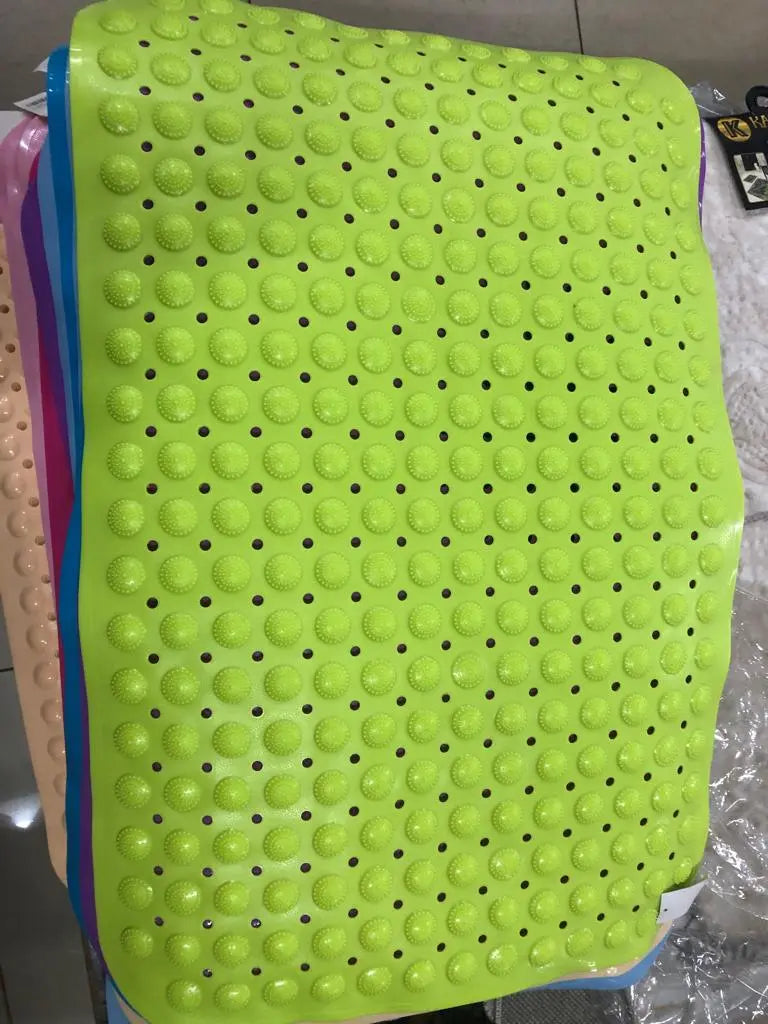
Non-slip bath mat
1 to 2 Must haveGives grip on wet floors where slips are most likely.
How to use it: Place it flat in the shower area. Check often that it does not curl or slide.
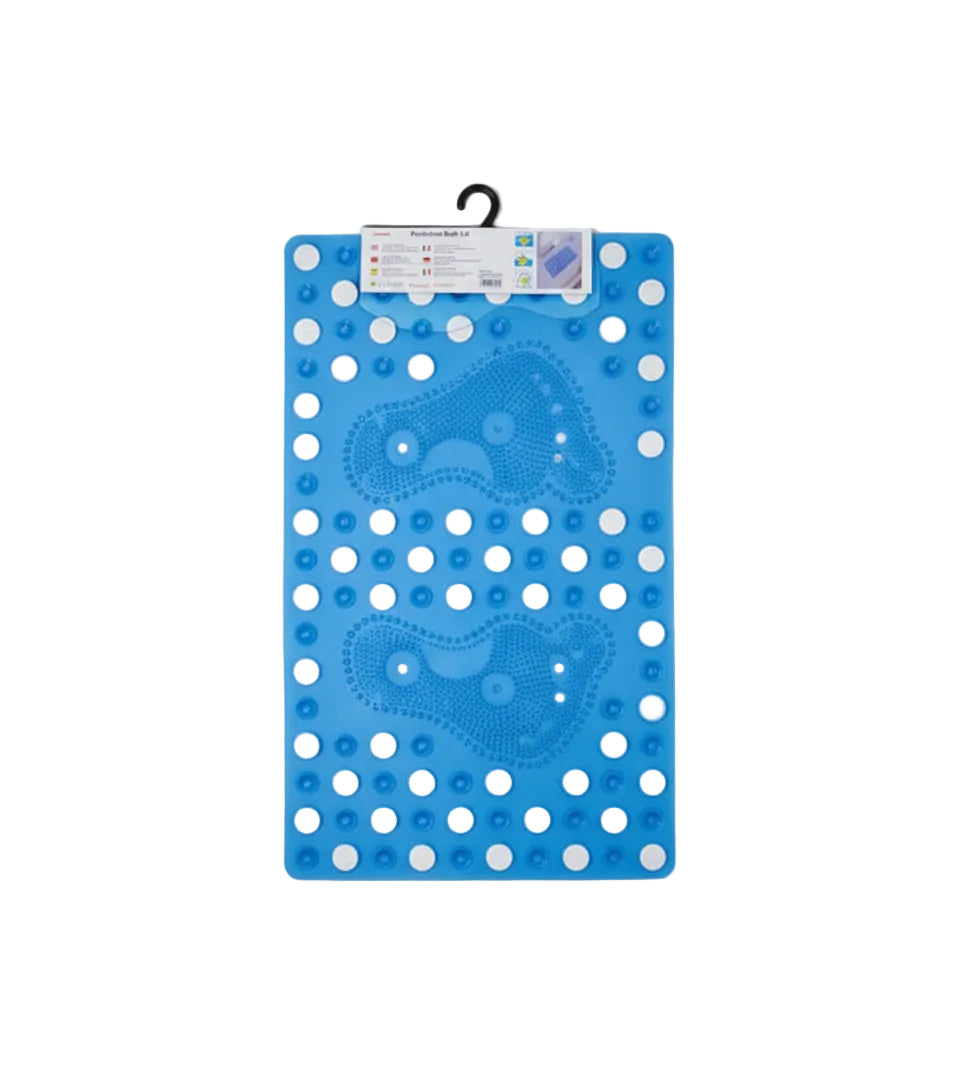
Shower mat
1 Must haveA second mat for the shower floor itself, with a surface that grips bare feet.
How to use it: Rinse and dry it after use so soap does not build up.
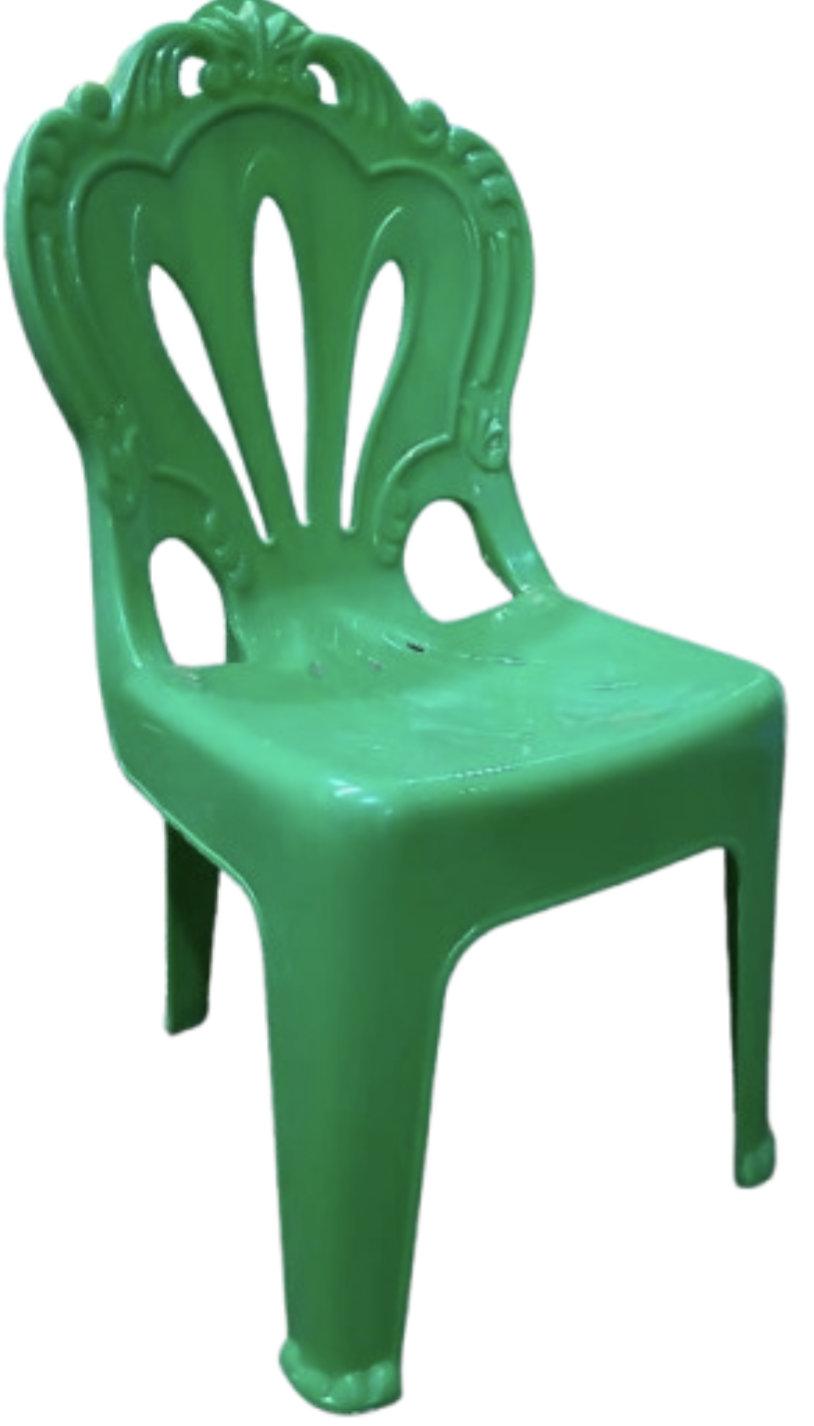
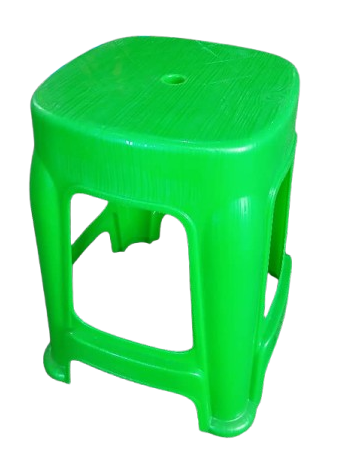
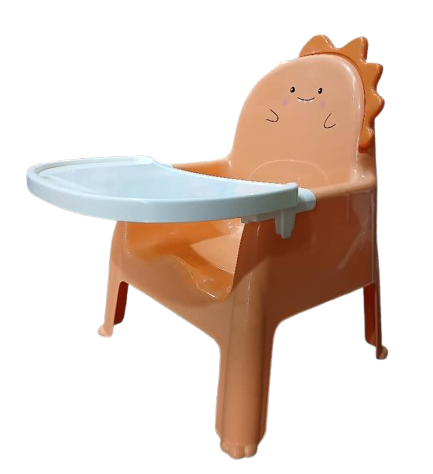
Plastic chair for bathing
1Nice to haveSitting to wash is safer for someone who tires or loses balance. Ask a health professional if a special shower chair is needed.
How to use it: Choose a sturdy chair with non-slip feet. Test it on a dry floor first.
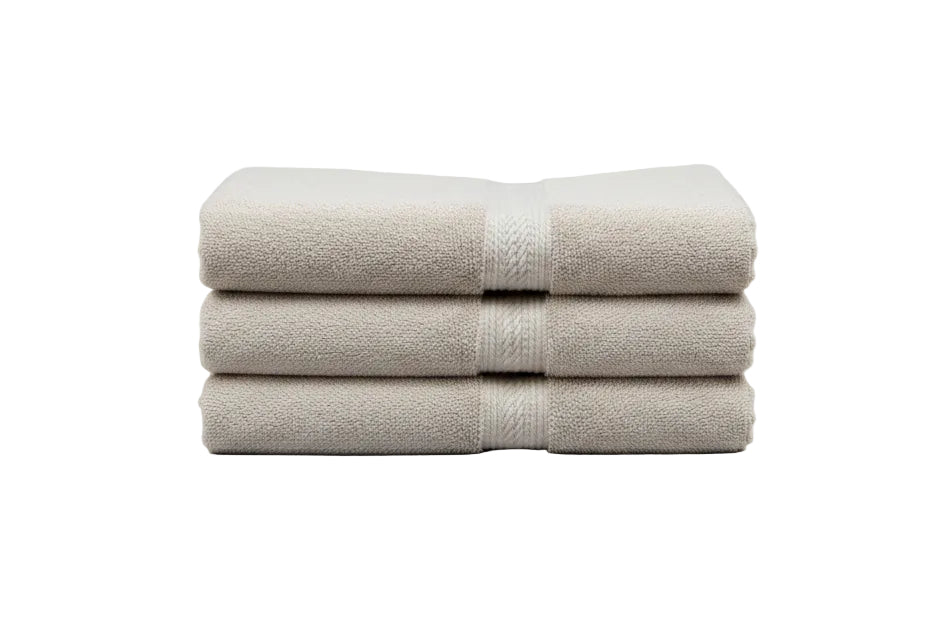
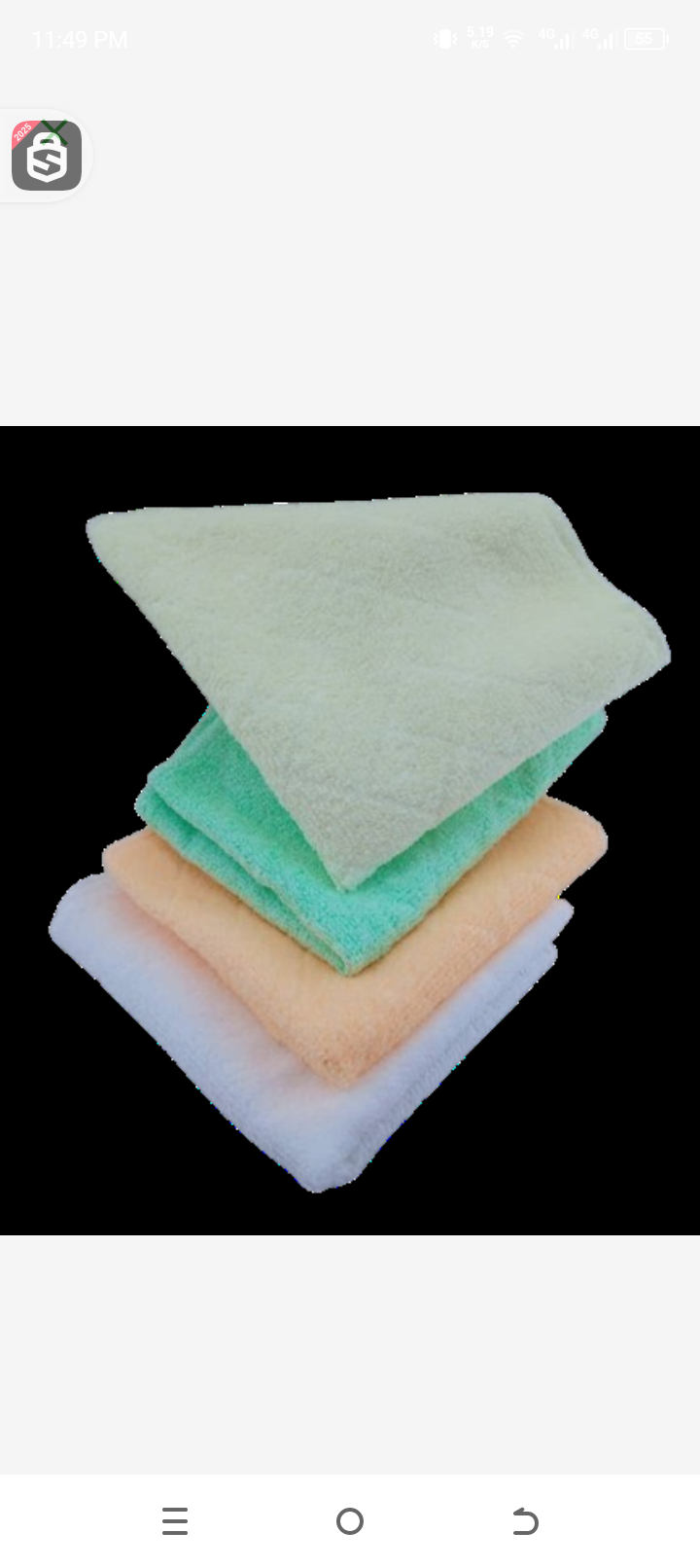
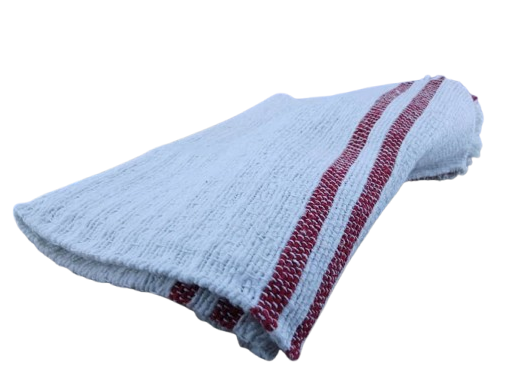
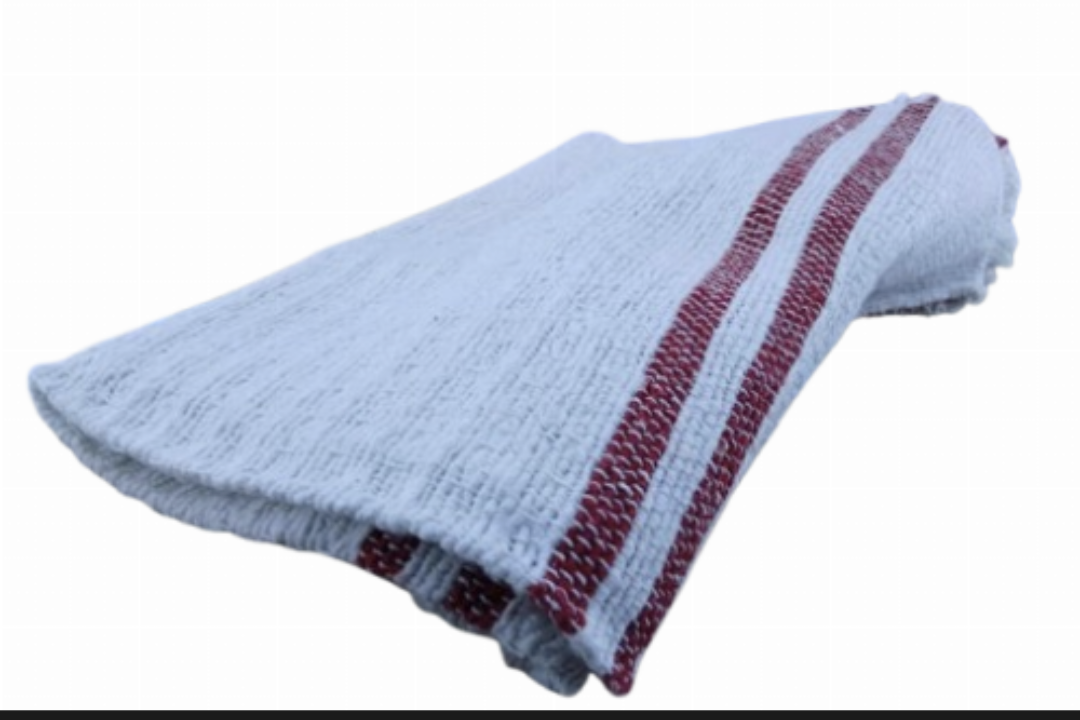
Bath towels
2 Must haveSoft towels help dry quickly and avoid chills.
How to use it: Hang them at waist height, not high on a hook.
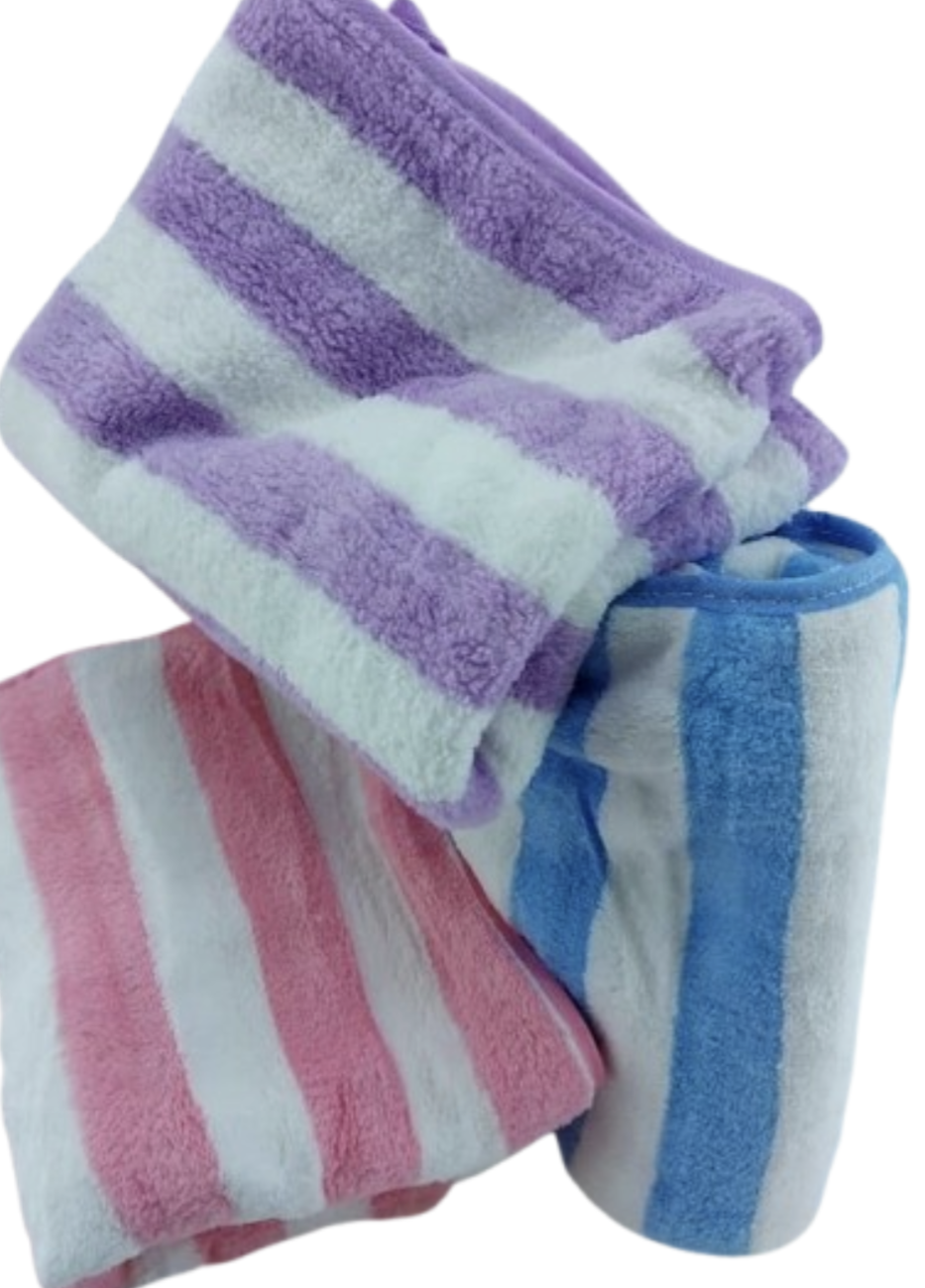
Hand towel
2Nice to haveA small towel by the basin keeps hands dry without reaching far.
How to use it: Wash often.
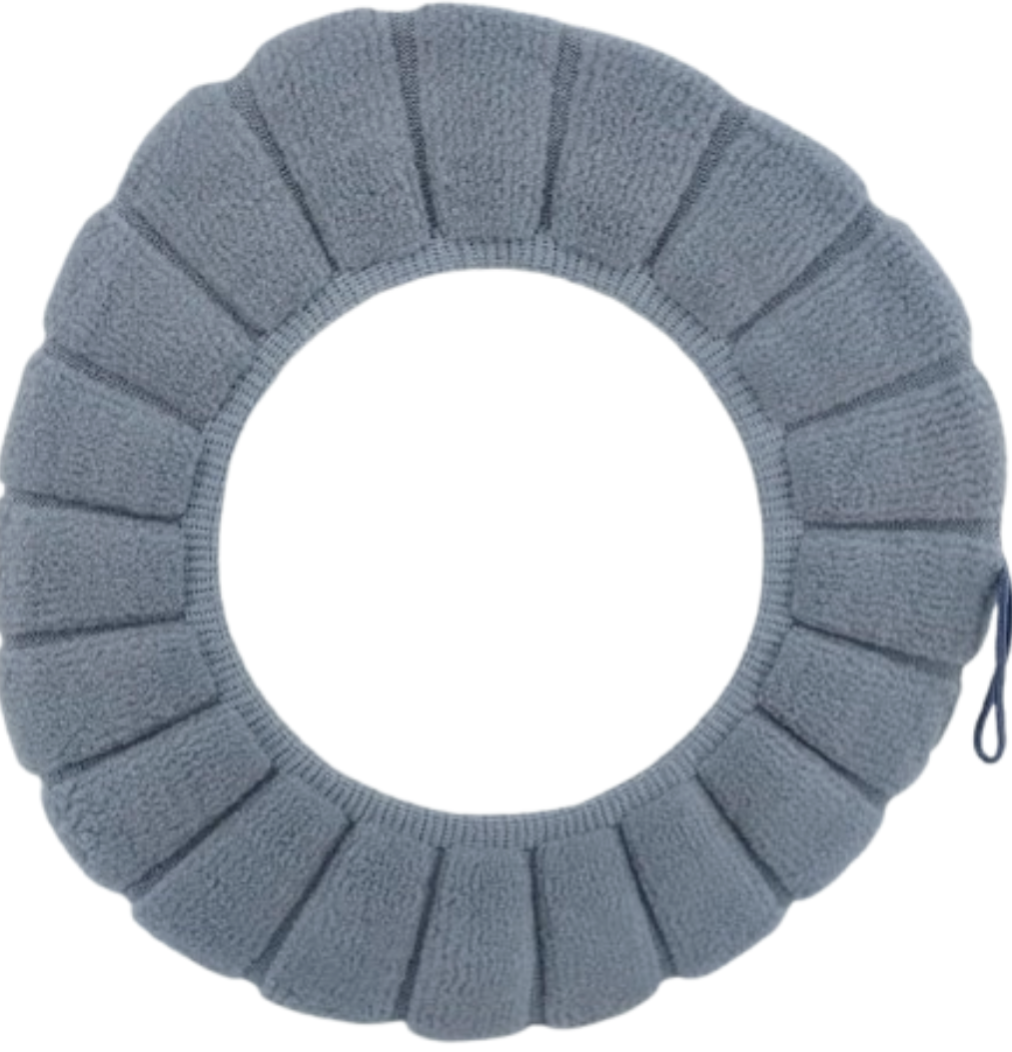
Toilet seat covers
1 packNice to haveDisposable covers give a clean seat when away from home or sharing with visitors.
How to use it: Use one each time. Place the pack by the toilet within reach.
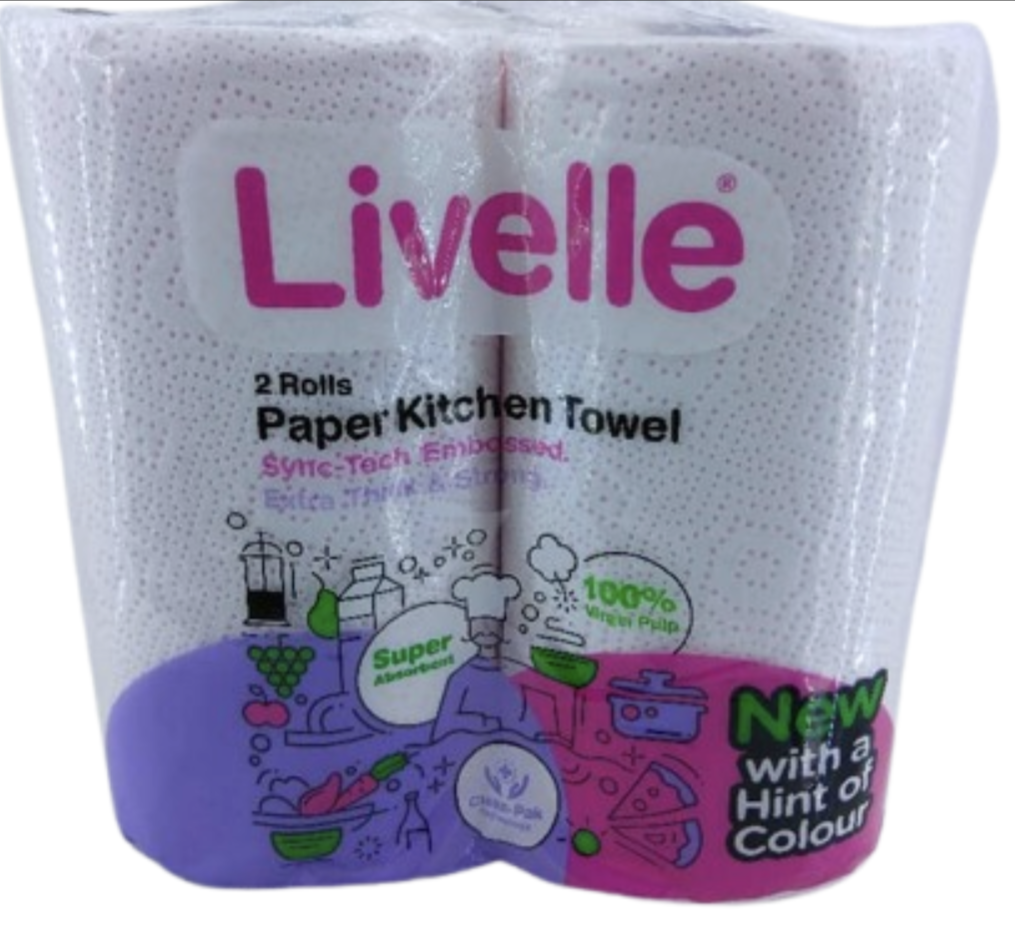
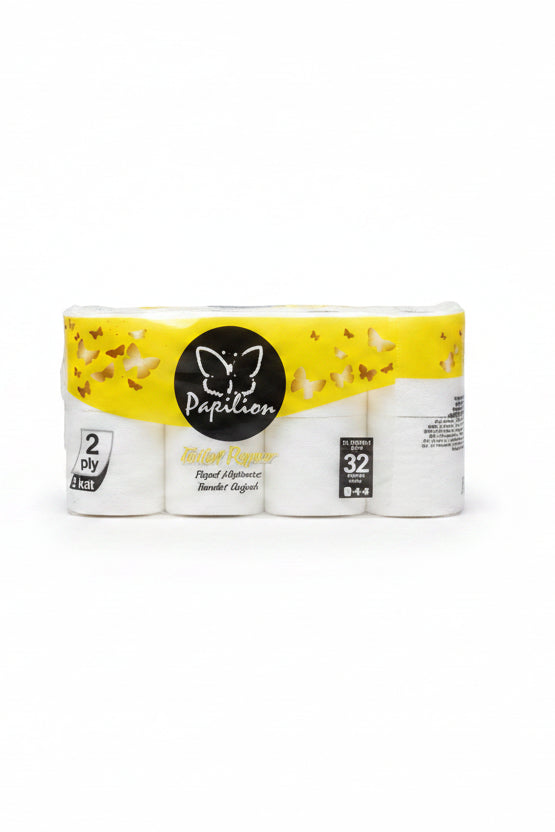
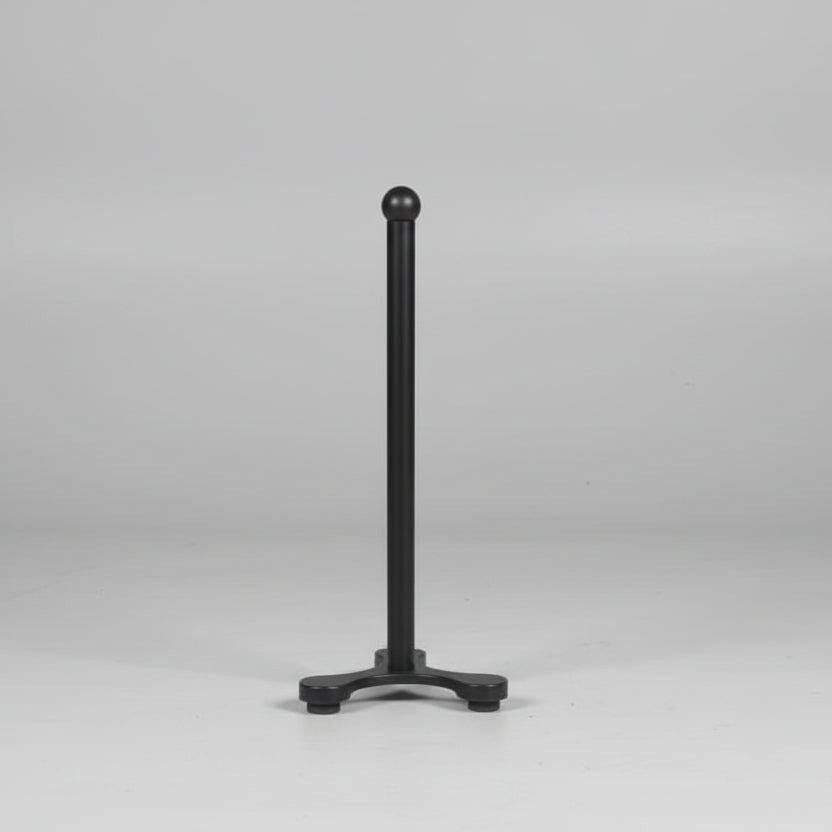
Toilet paper
1 pack Must haveAlways keep a roll in easy reach so no one has to stretch or get up.
How to use it: Store a spare roll near the toilet, not on a high shelf.




Floors and walking paths
Clear, grippy floors help people walk and keep their balance.
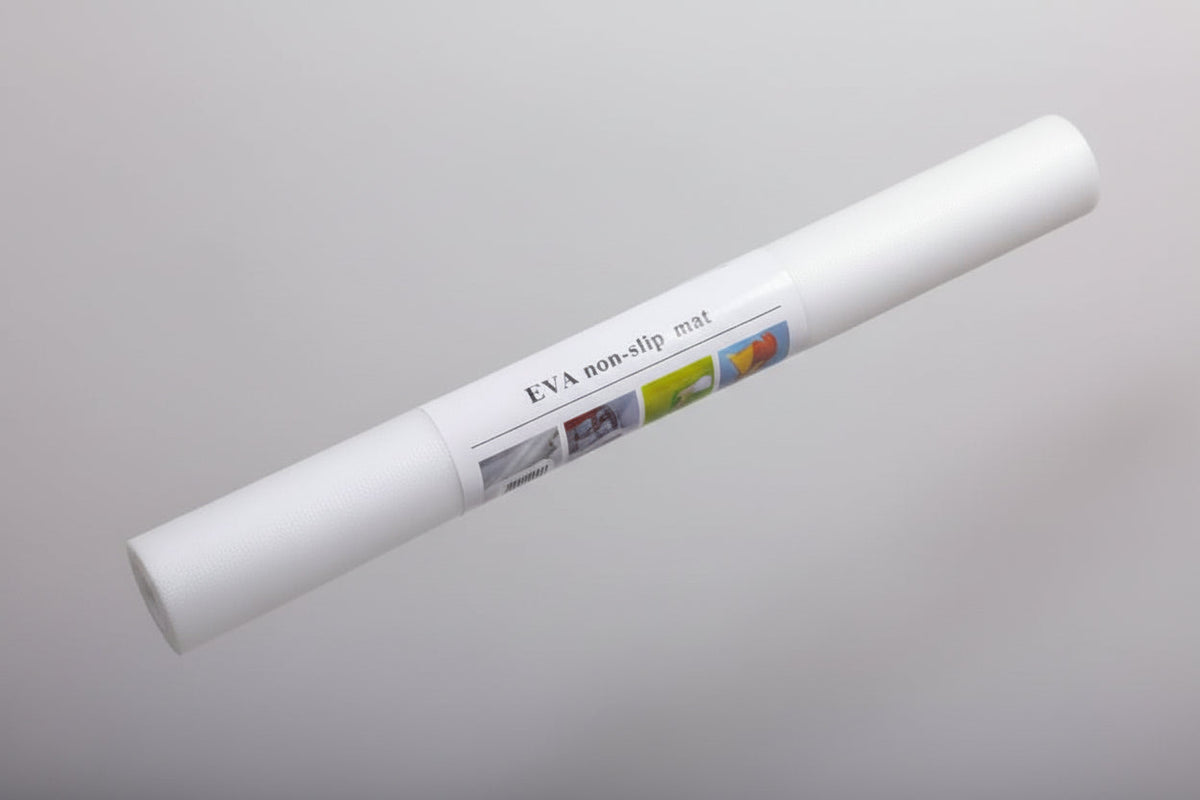
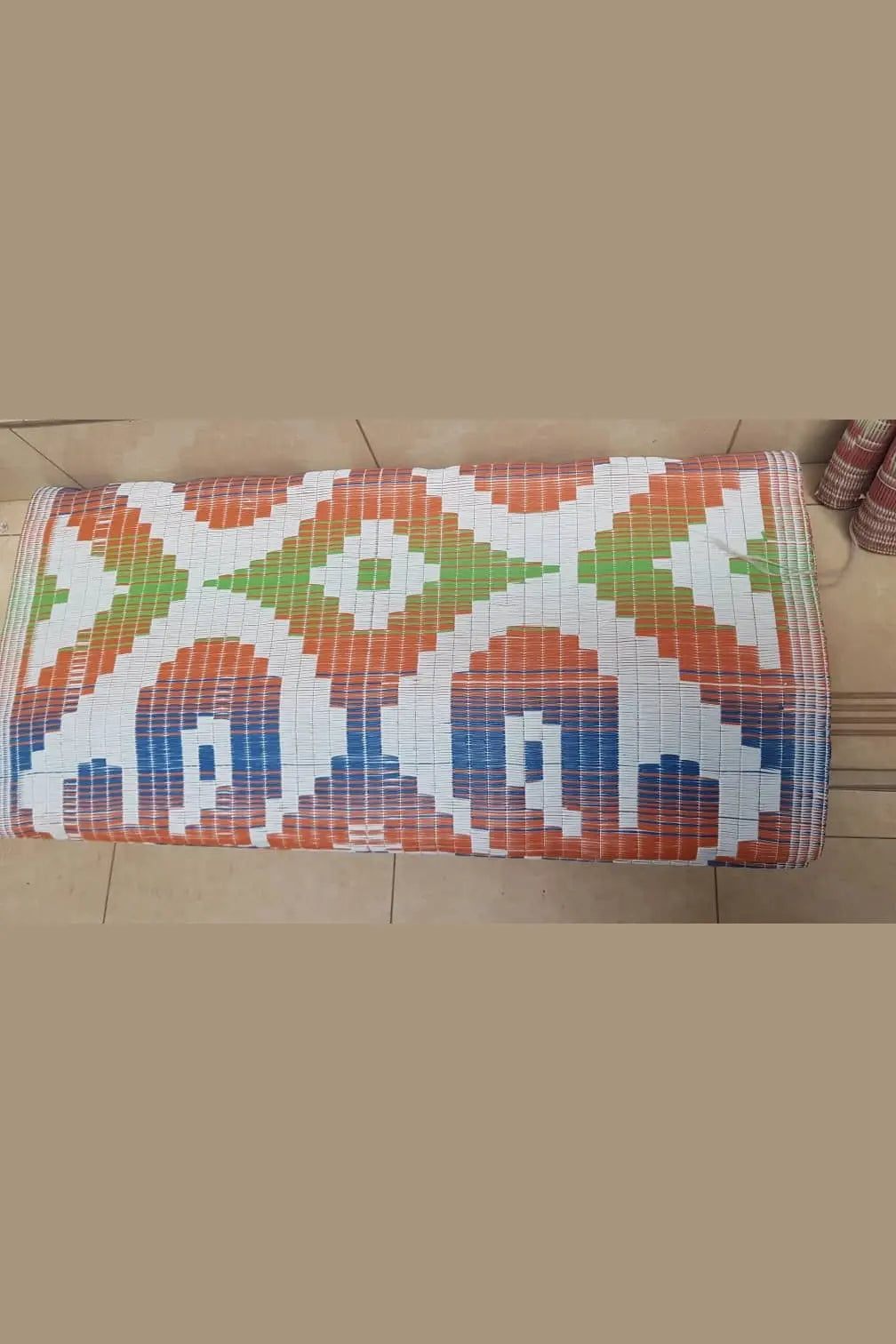
Non-slip mat roll
1 roll Must haveUnder small rugs and in the kitchen, a non-slip layer stops sliding. A good grip matters on tiled floors.
How to use it: Cut to size and place flat. Remove loose rugs where possible.
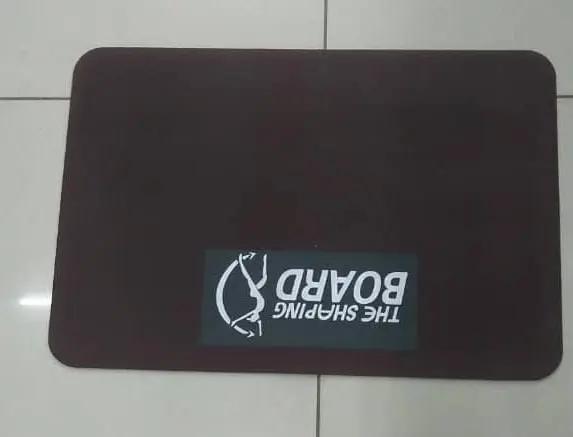
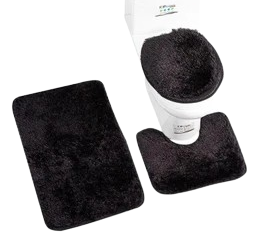
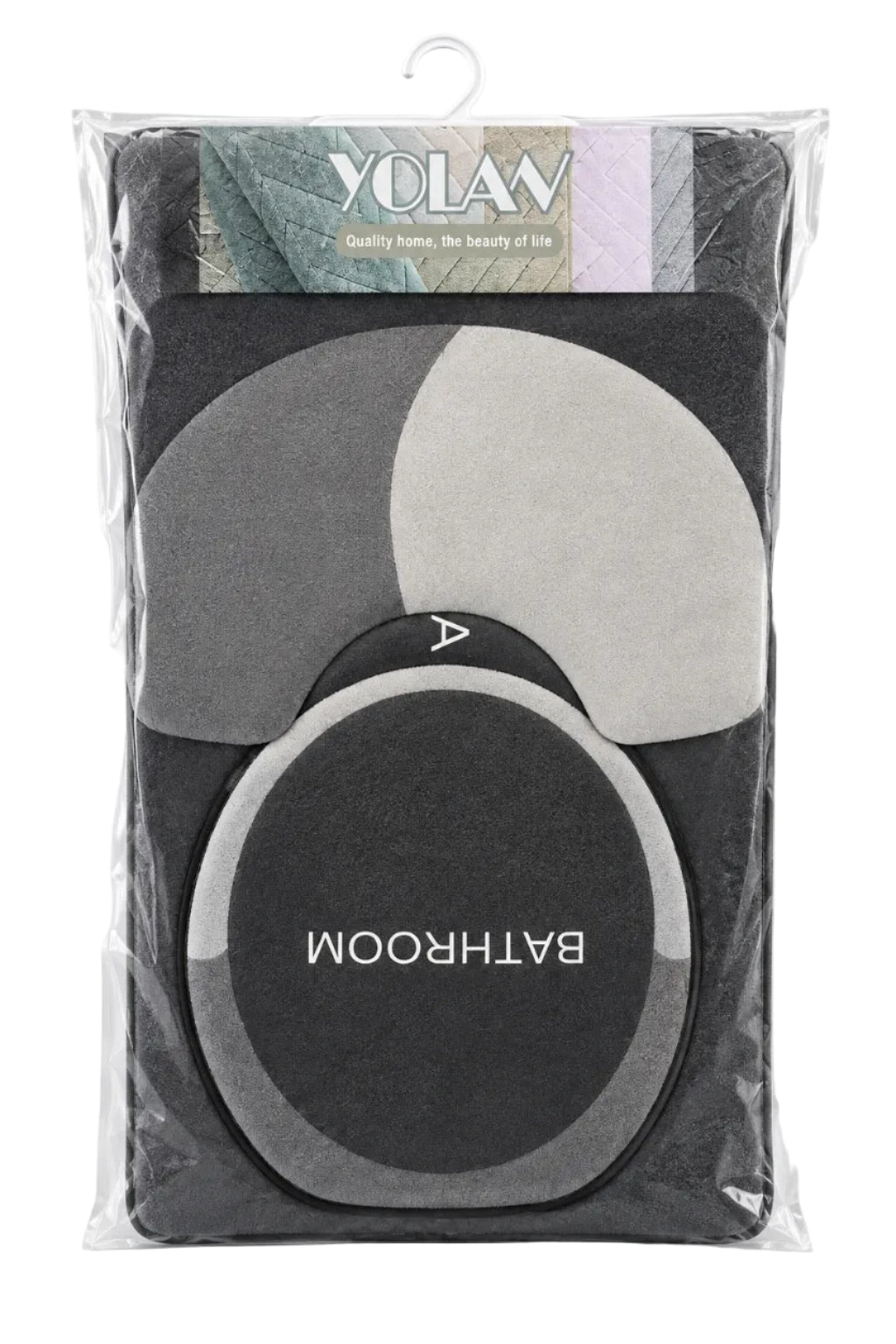
Indoor mat for the door
1 Must haveA firm mat at the entrance catches dust and mud so floors are less slippery in rainy season.
How to use it: Choose a flat, firm mat. Avoid thick, loose ones that can trip.
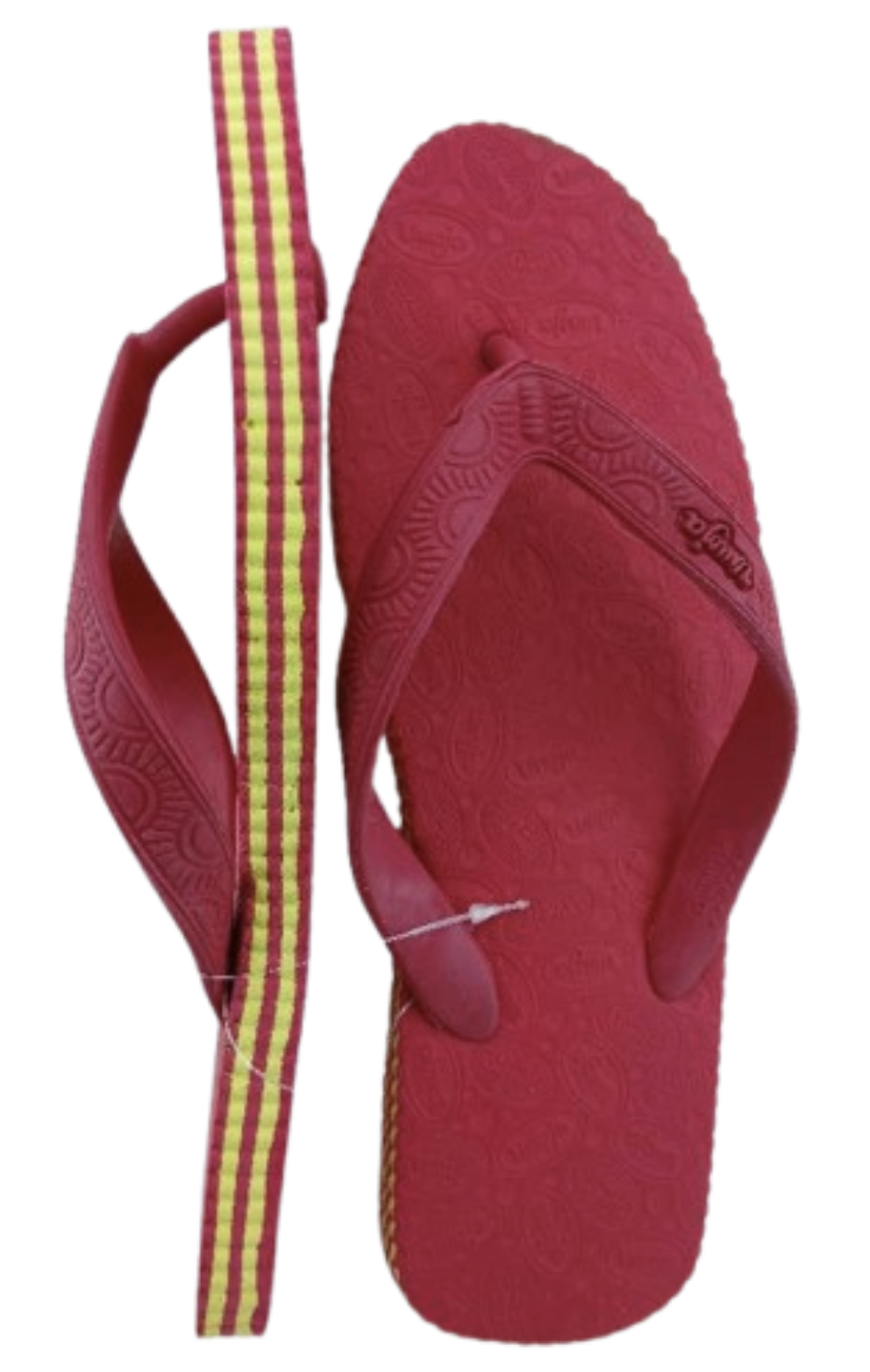
Slippers with grip
1 to 2 pairs Must haveWalking barefoot on tile is risky. Slippers with a grip help.
How to use it: Pick the right size, not too loose. Replace when worn smooth.
Walking stick
1Nice to haveIf a doctor or physiotherapist agrees, a stick can help with balance.
How to use it: Ask a health professional to adjust the height. Check the rubber tip often.
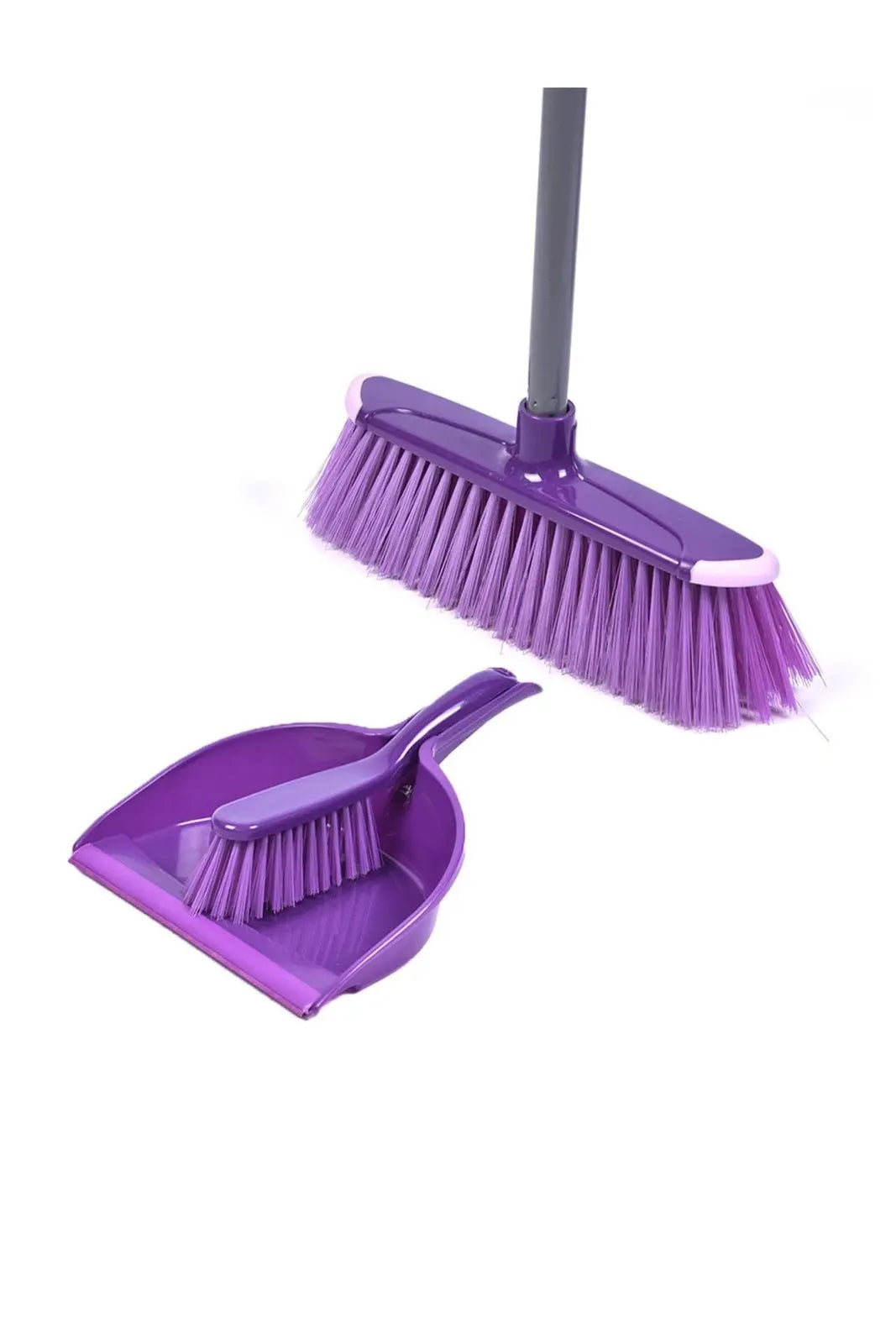
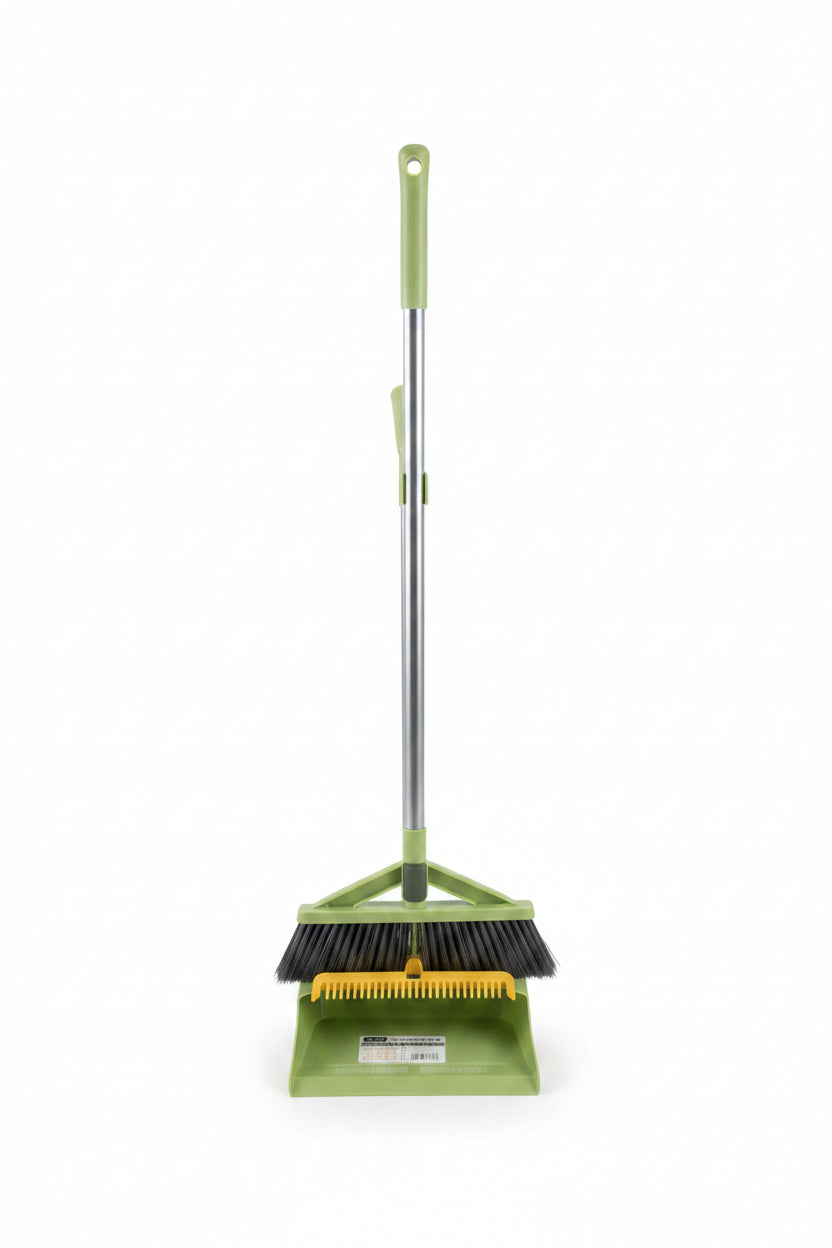
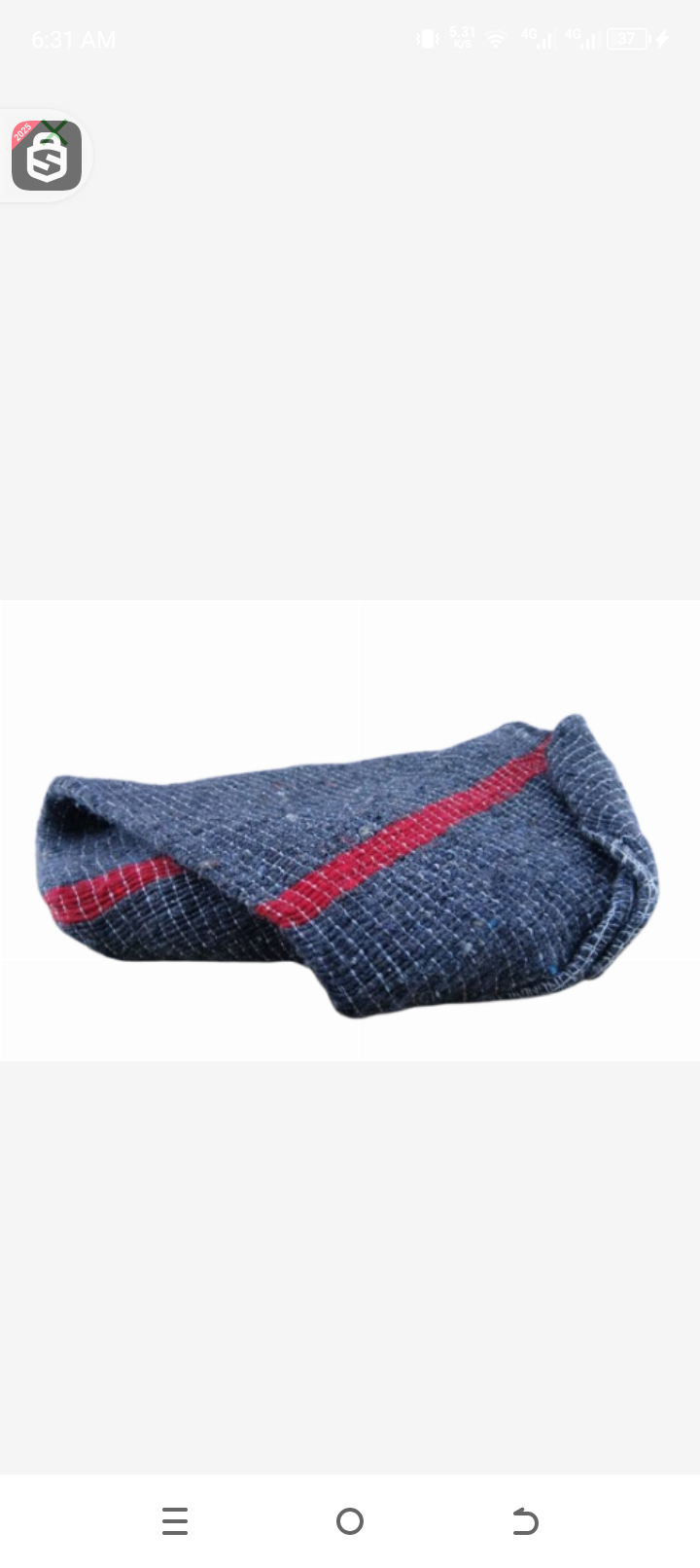
Broom and dustpan
1 Must haveClear floors daily. Dust and small objects on the floor become slips.
How to use it: Sweep before the person gets up in the morning.
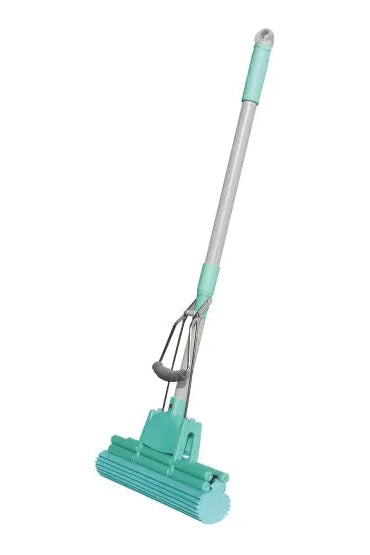
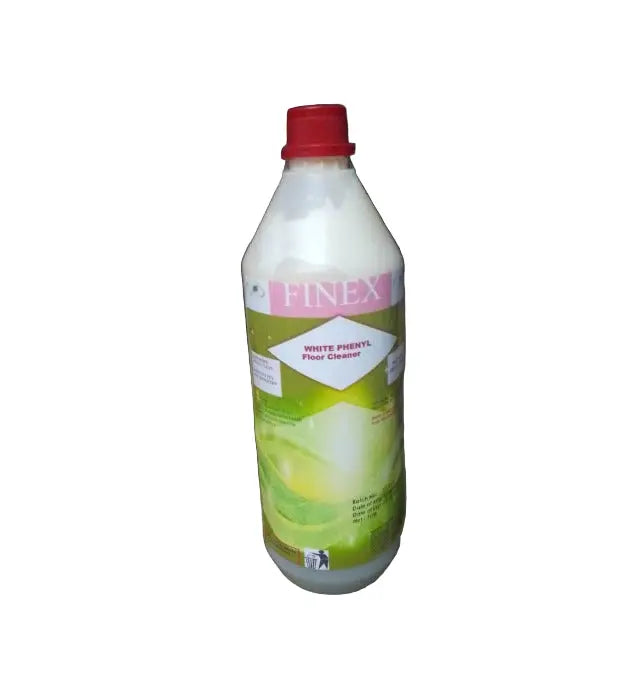
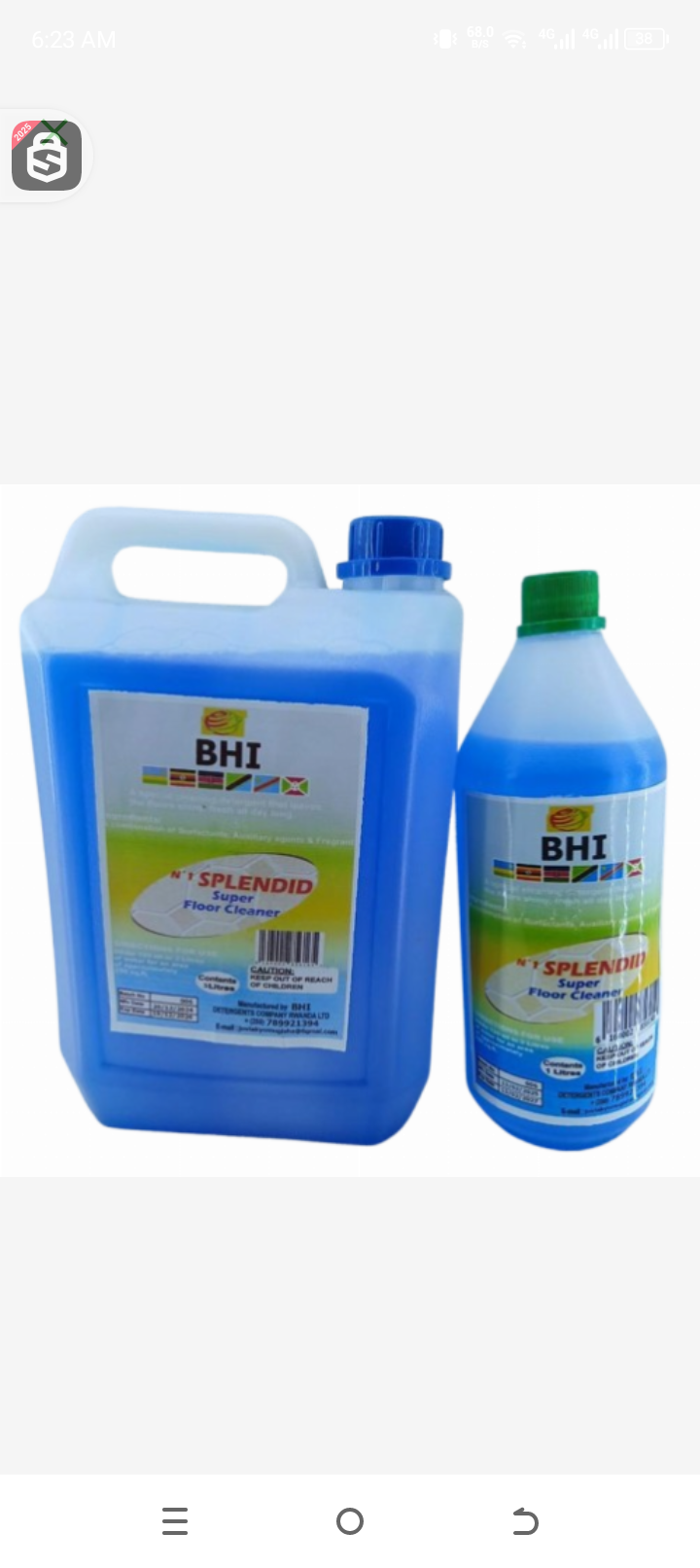
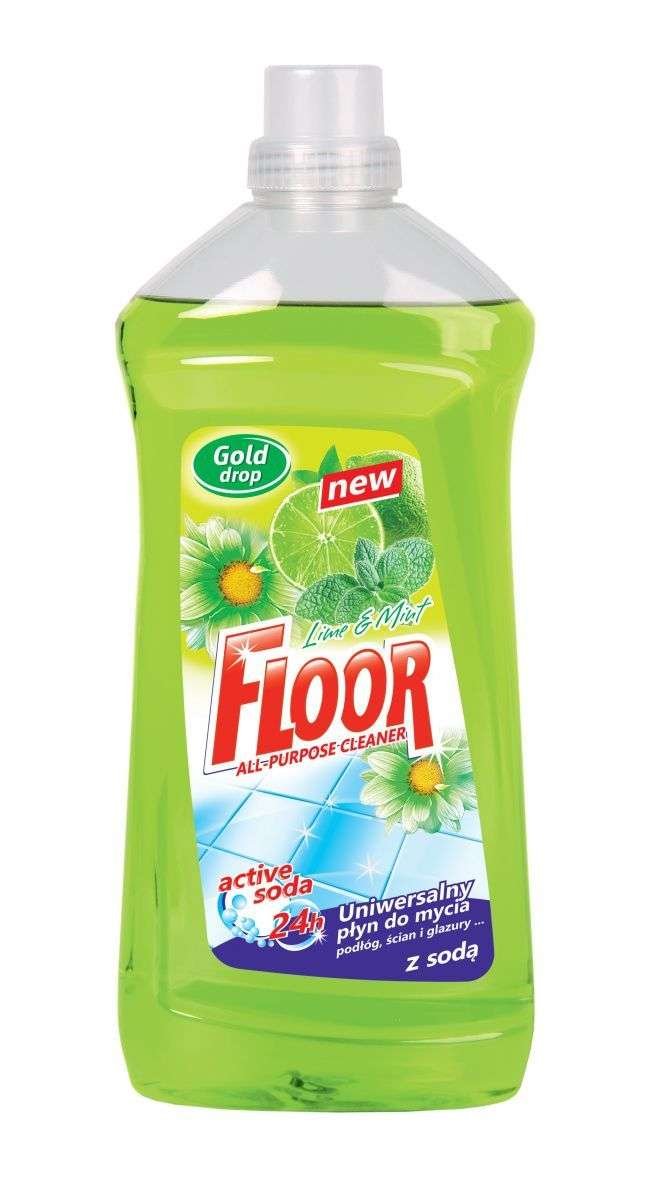
Floor cleaner
1Nice to haveCleans without leaving a slick film when used as directed.
How to use it: Dry the floor after mopping. Warn others when it is wet.


Bedside essentials
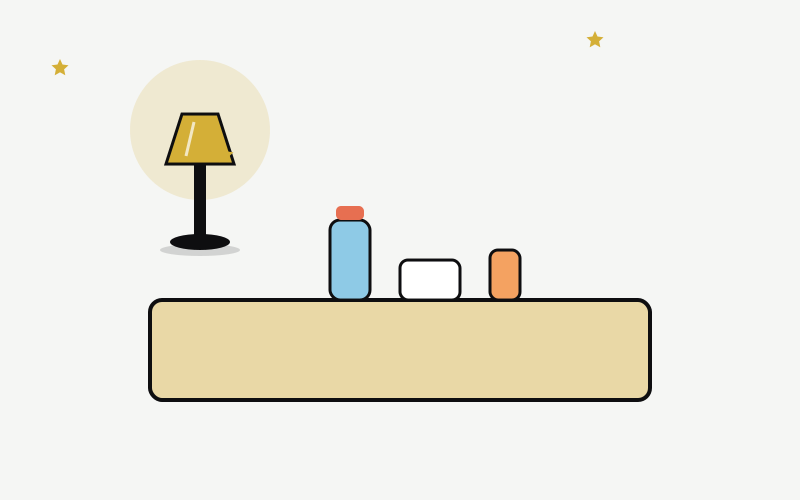
Everything the person needs at night and in the morning should be within arm's reach.
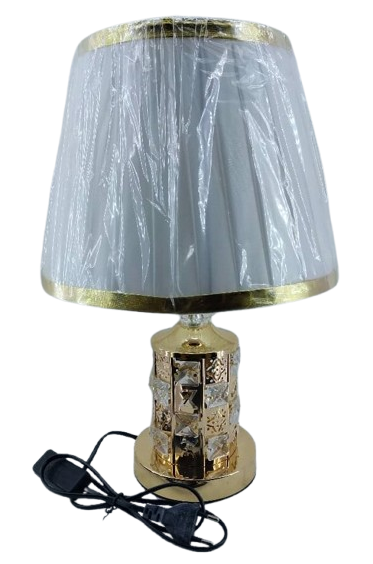
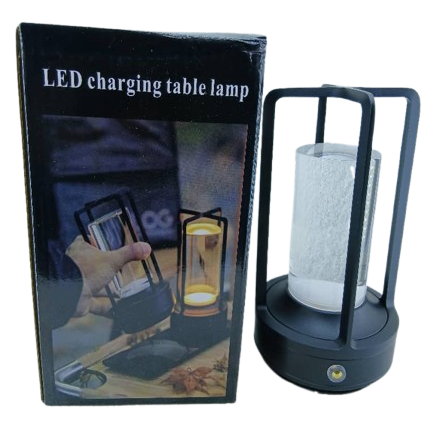
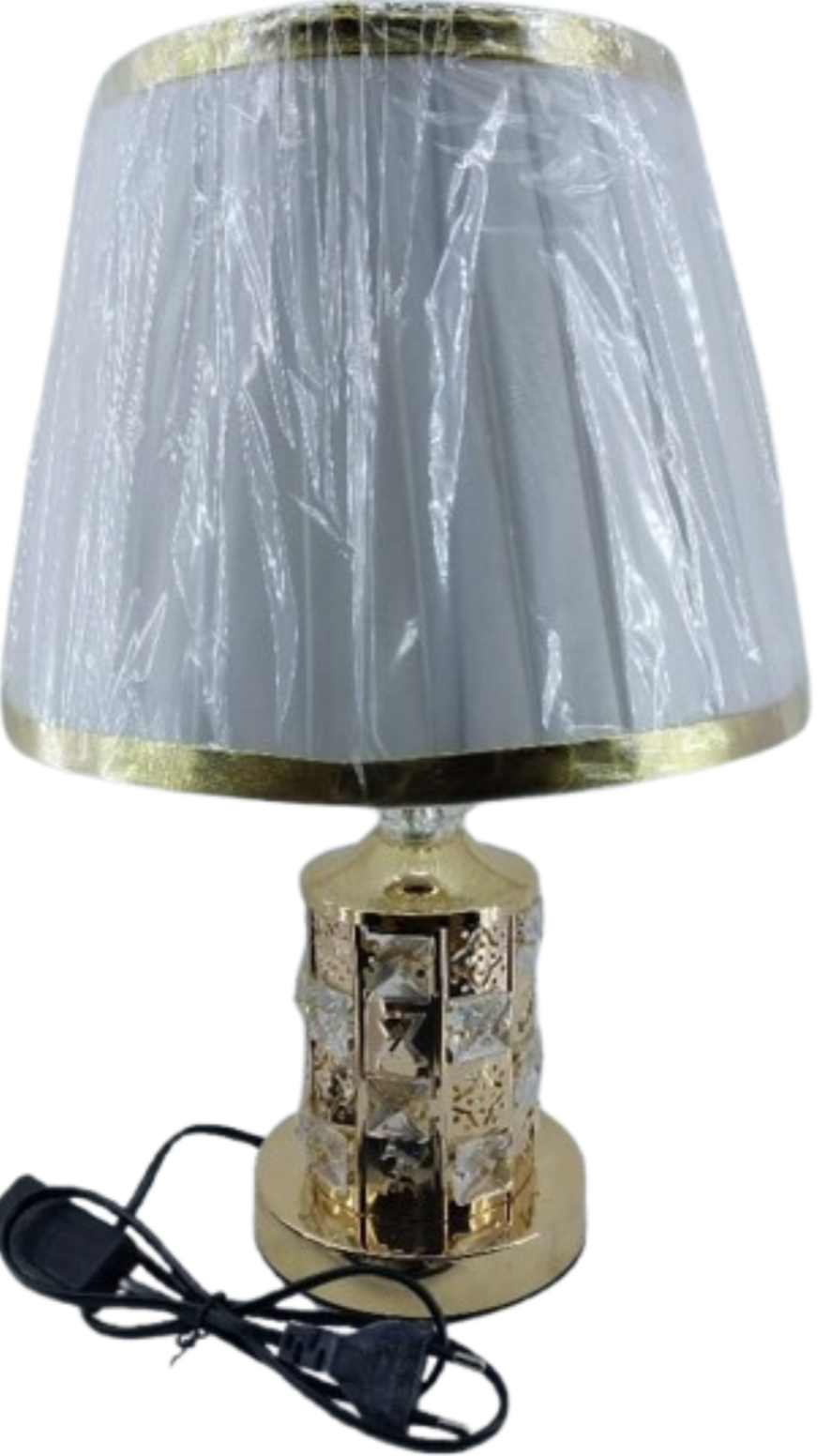
Table lamp
1 Must haveA lamp that is easy to switch on helps at night and stops groping in the dark.
How to use it: Place it on a stable table within reach of the bed.
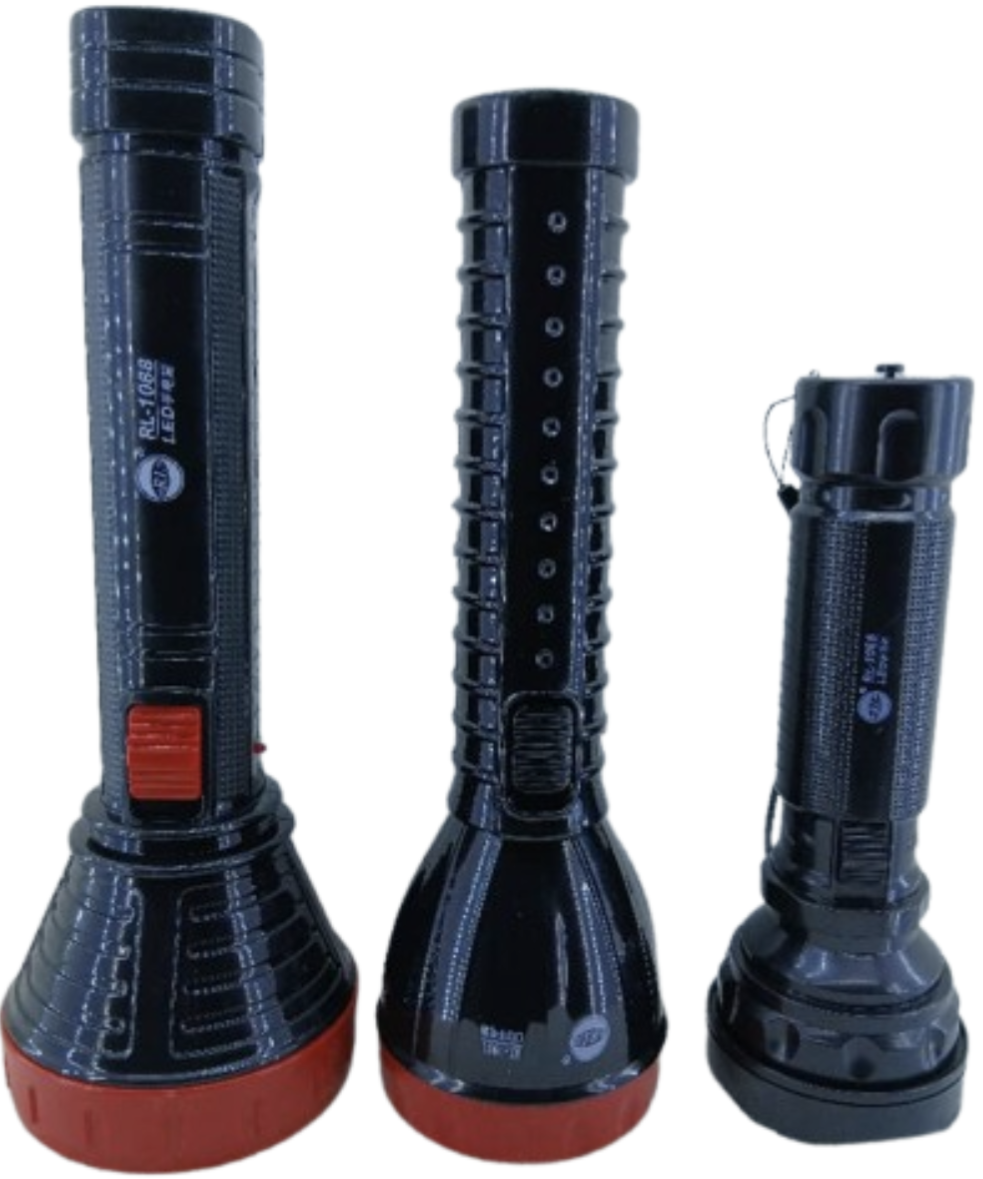
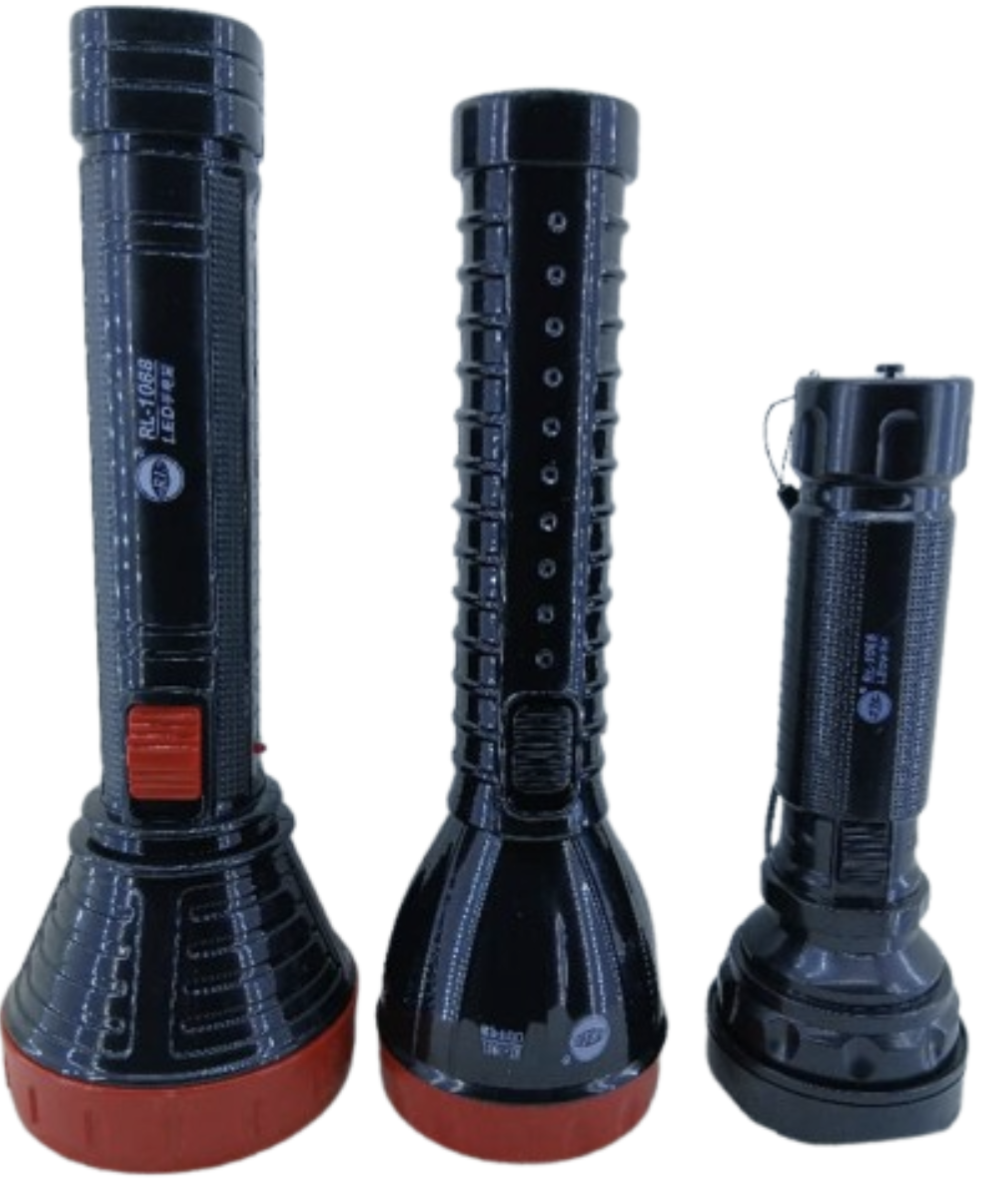
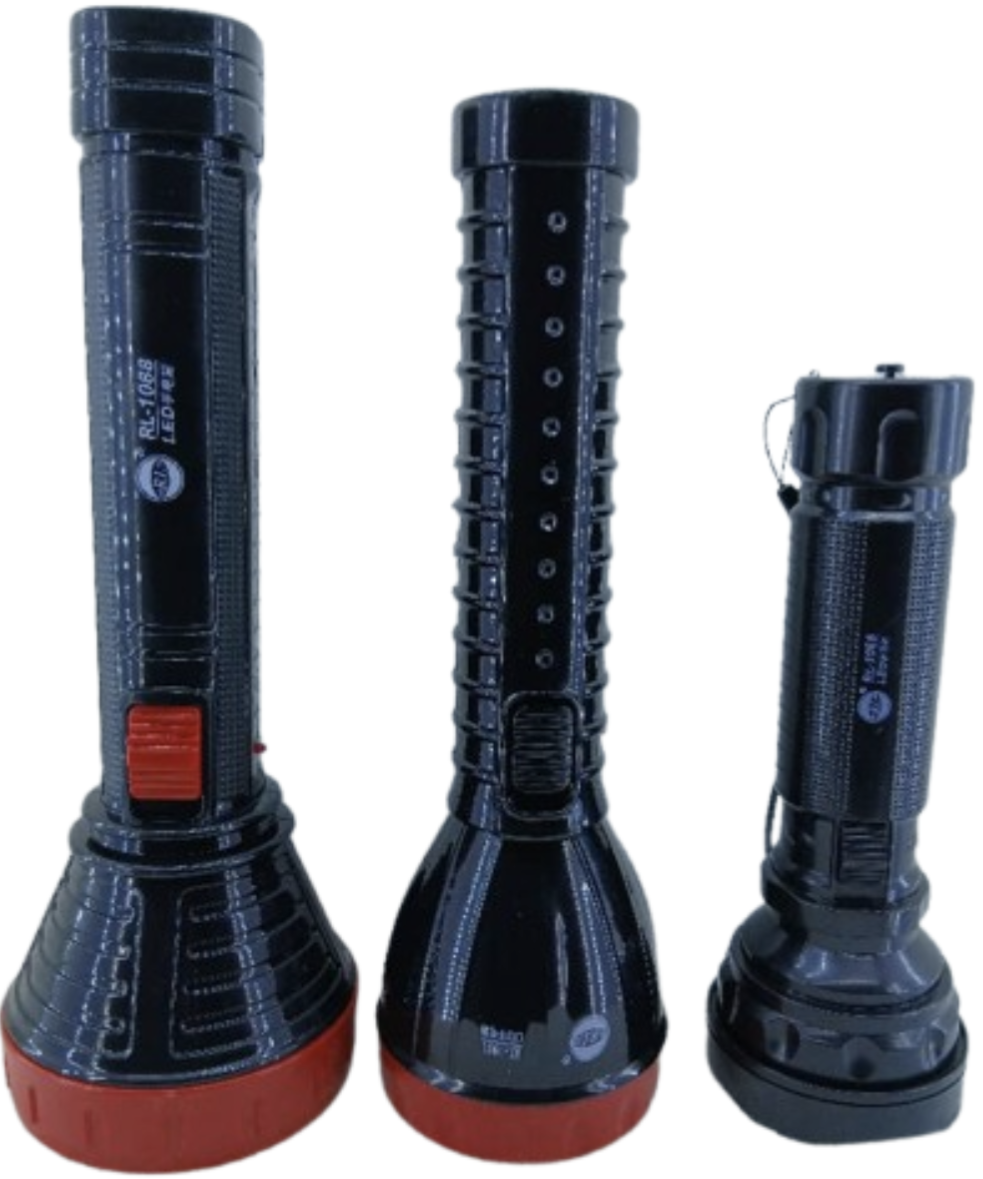
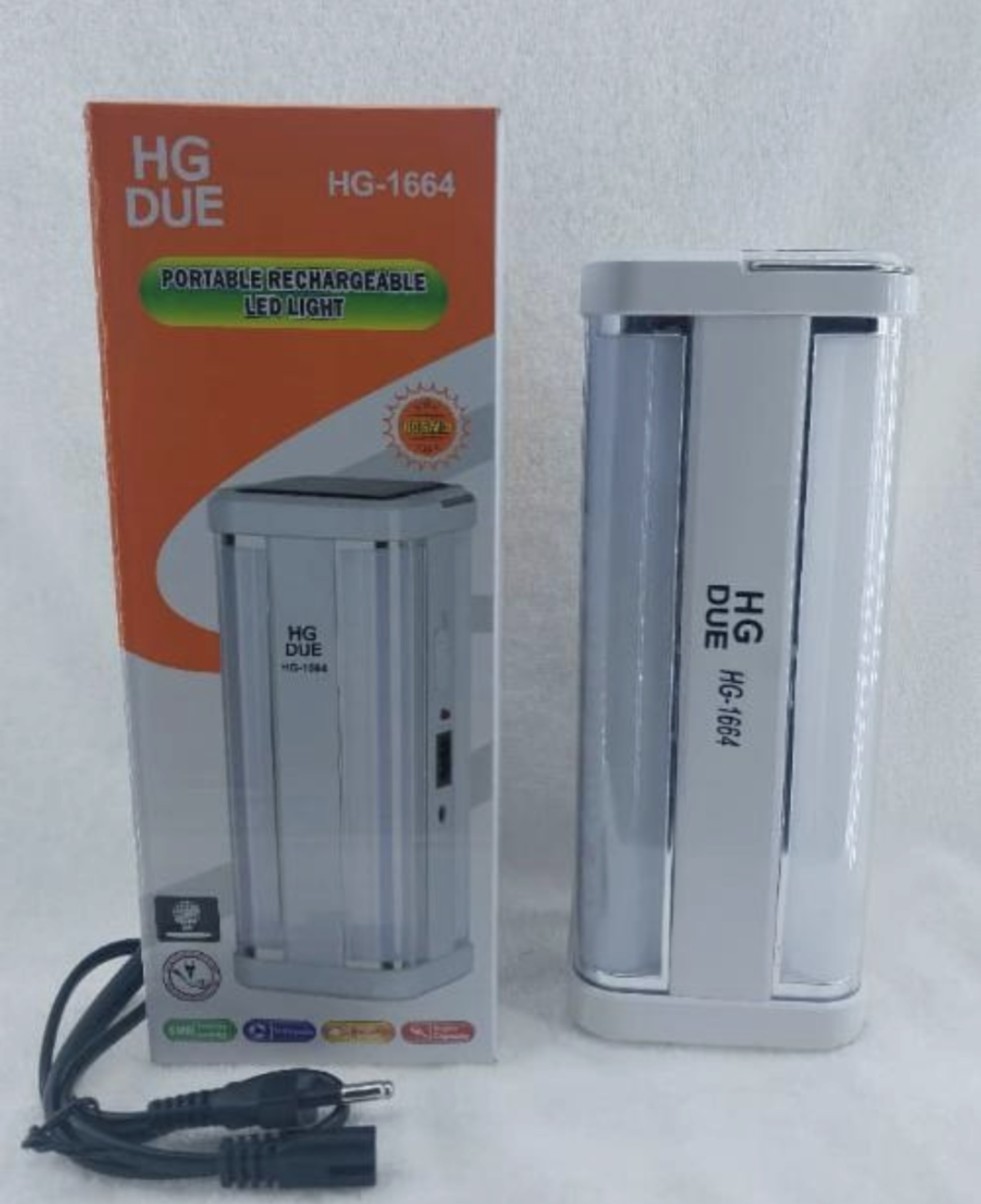
Rechargeable torch
1 Must haveFor power cuts, which are common in Kigali.
How to use it: Keep it by the bed in the same spot. Charge weekly.
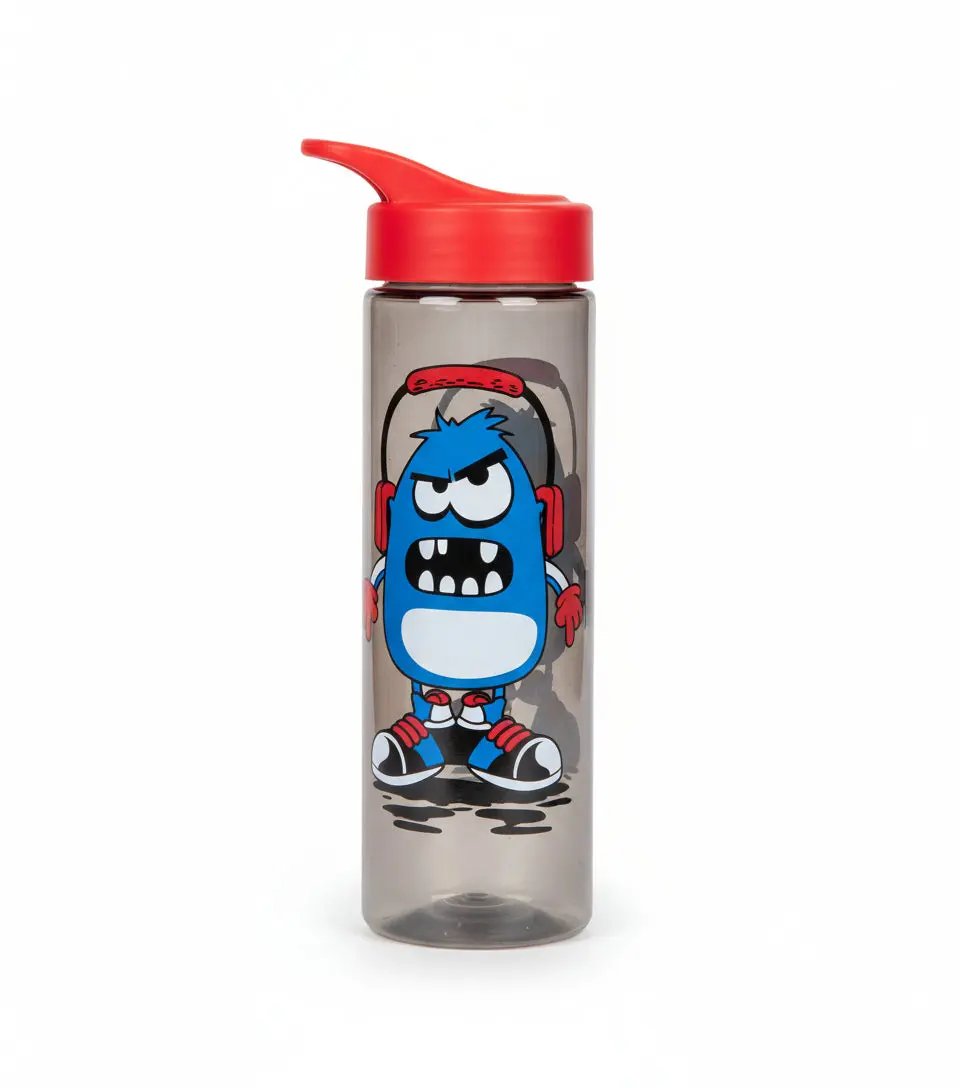
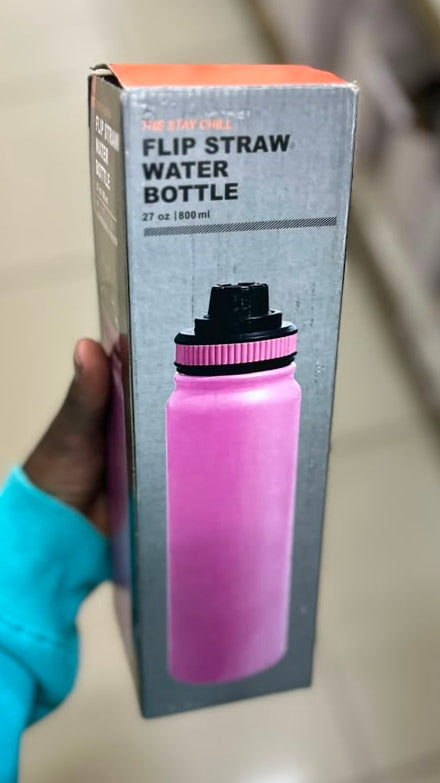
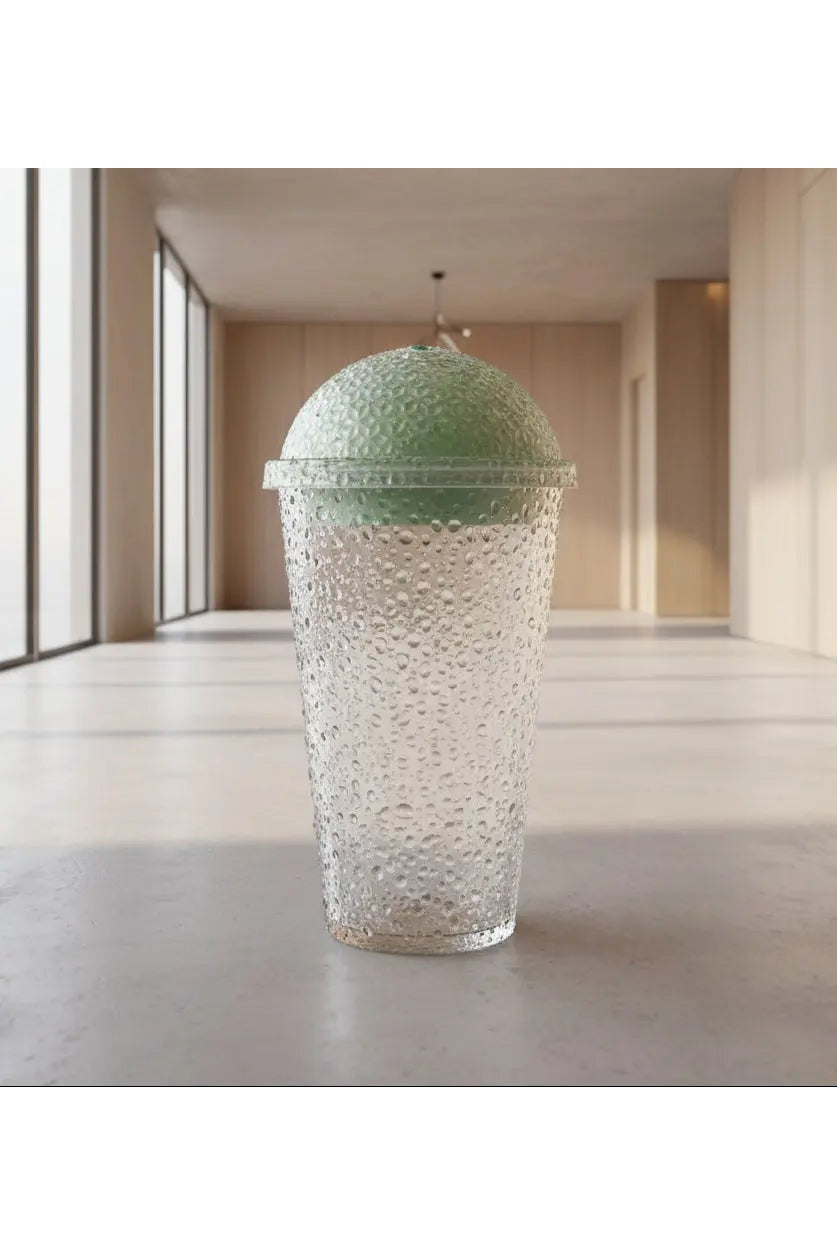
Water bottle or cup
1 Must haveSipping water through the night and day keeps one hydrated without getting up.
How to use it: Use a cup with a lid if shaking or spilling is a risk. Refill daily.
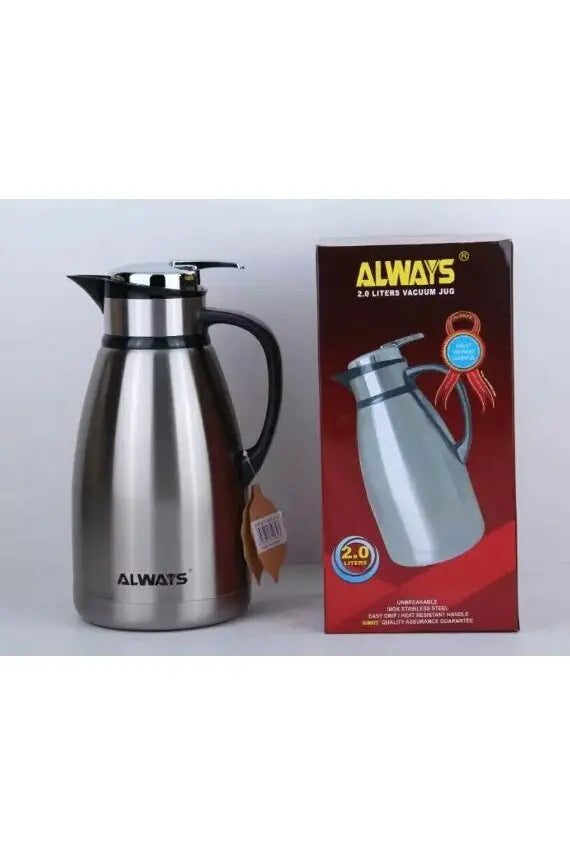
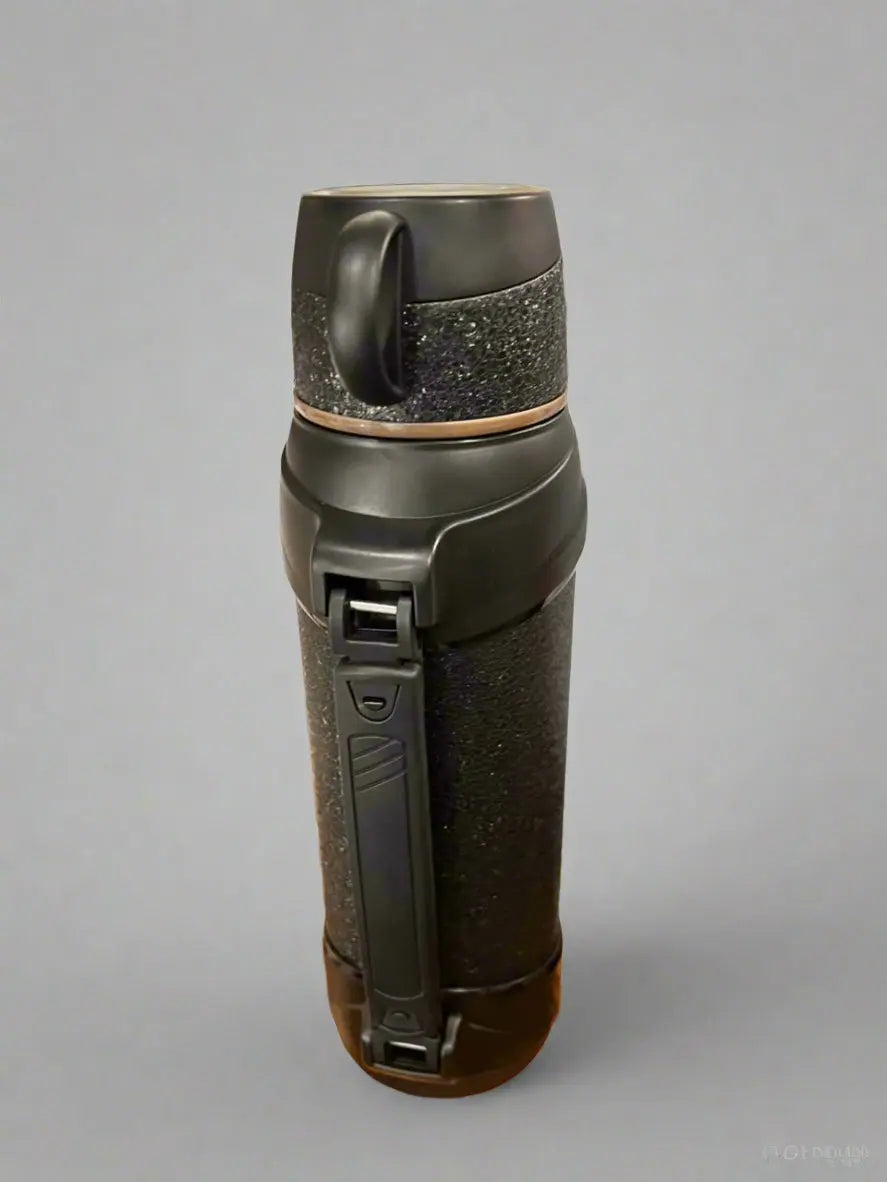
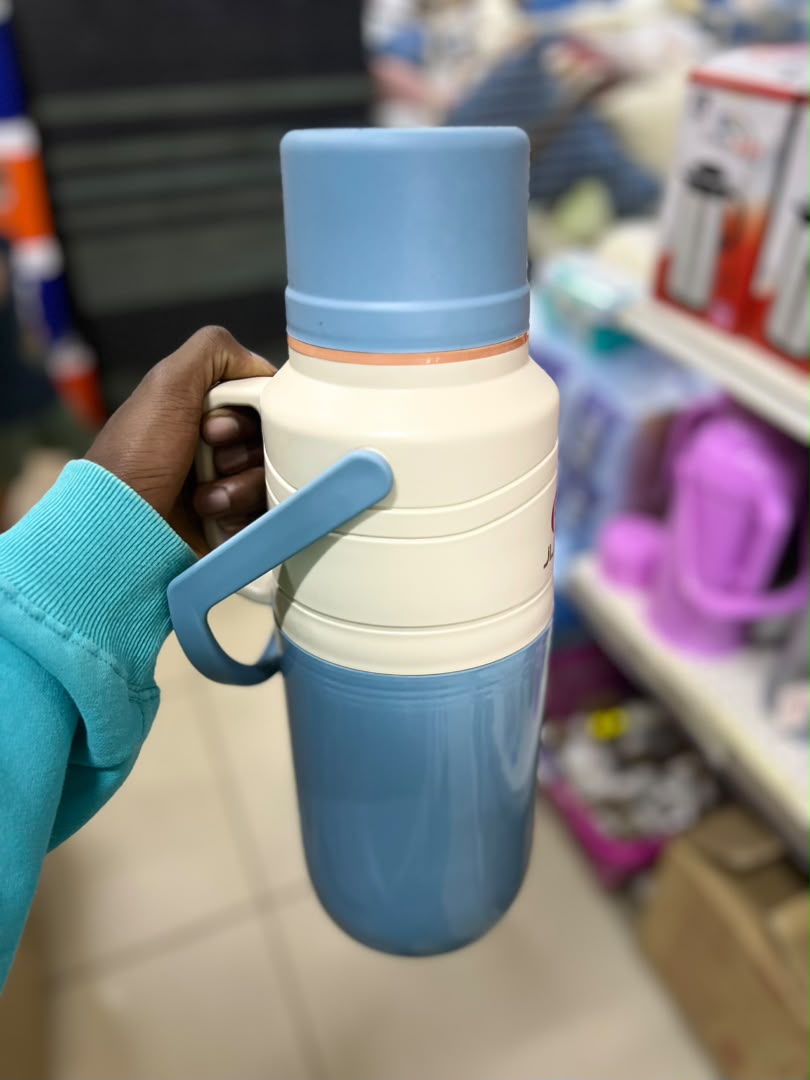
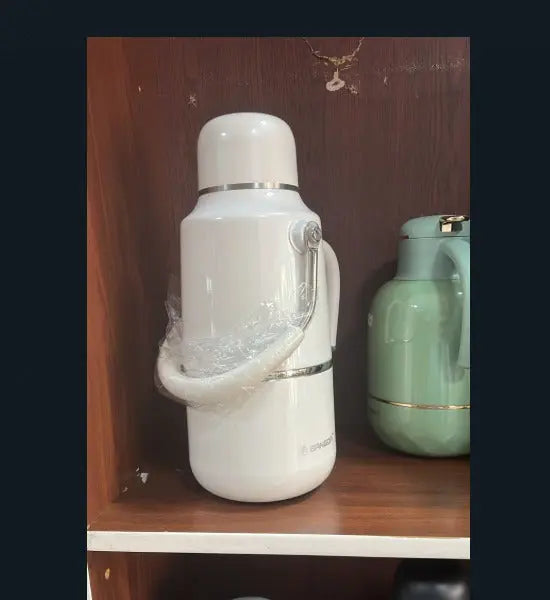
Flask
1Nice to haveA thermal flask keeps tea or warm water near the bed.
How to use it: Fill in the morning. Place it on a sturdy surface to avoid burns.
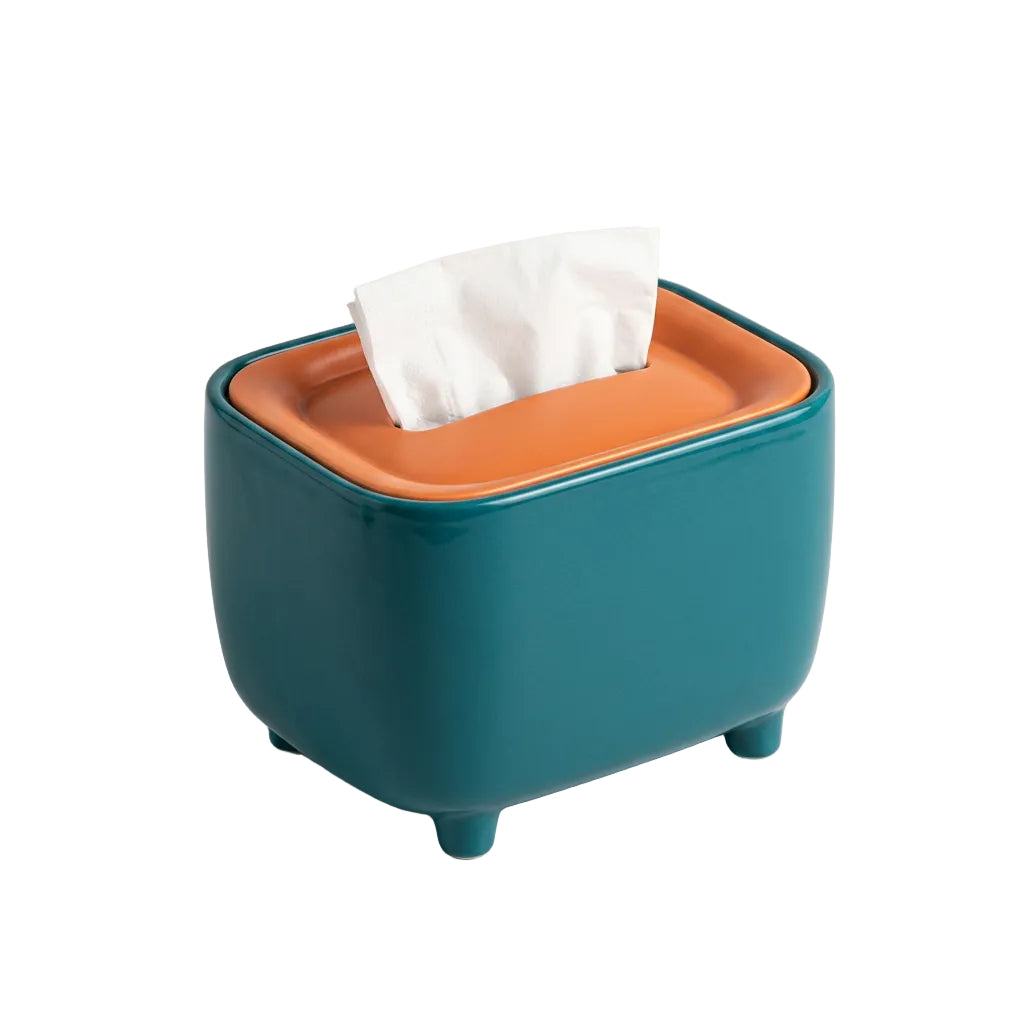
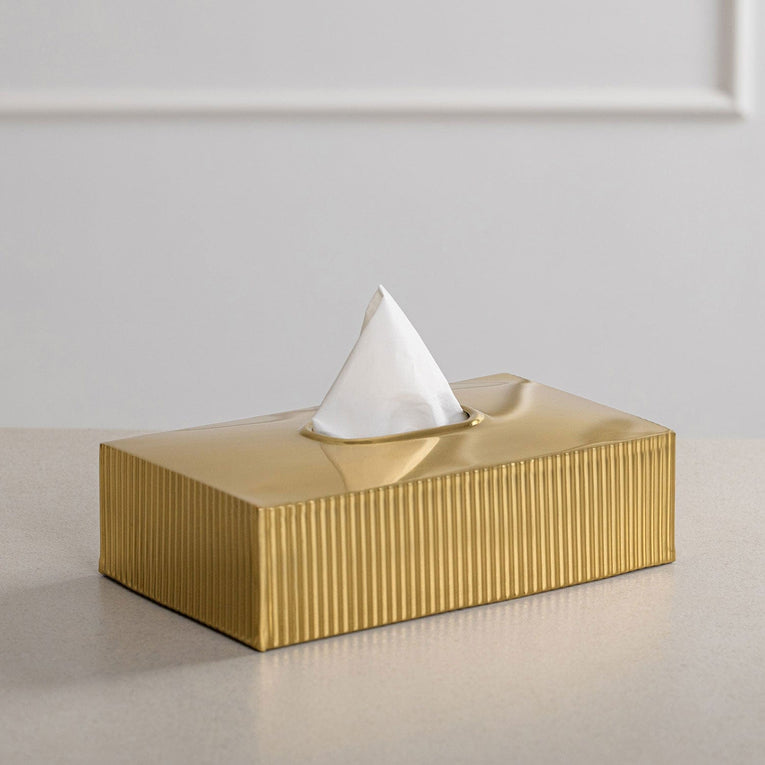
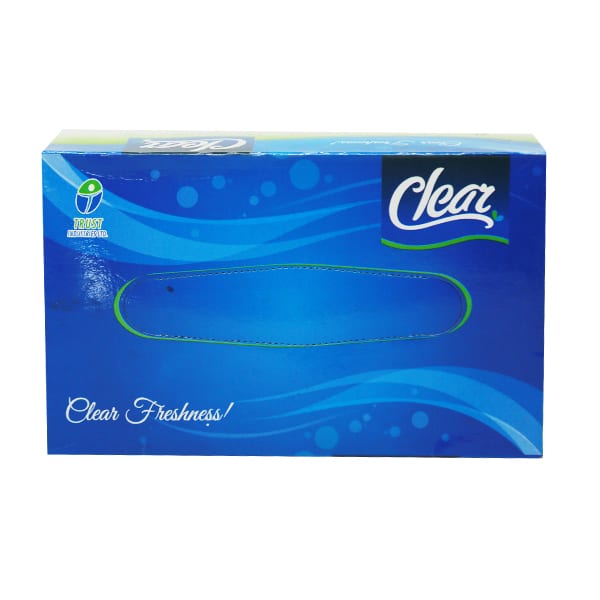
Tissue box
2 Must haveAlways near at hand for the nose, eyes and spills.
How to use it: Keep one beside the bed and one in the sitting room.
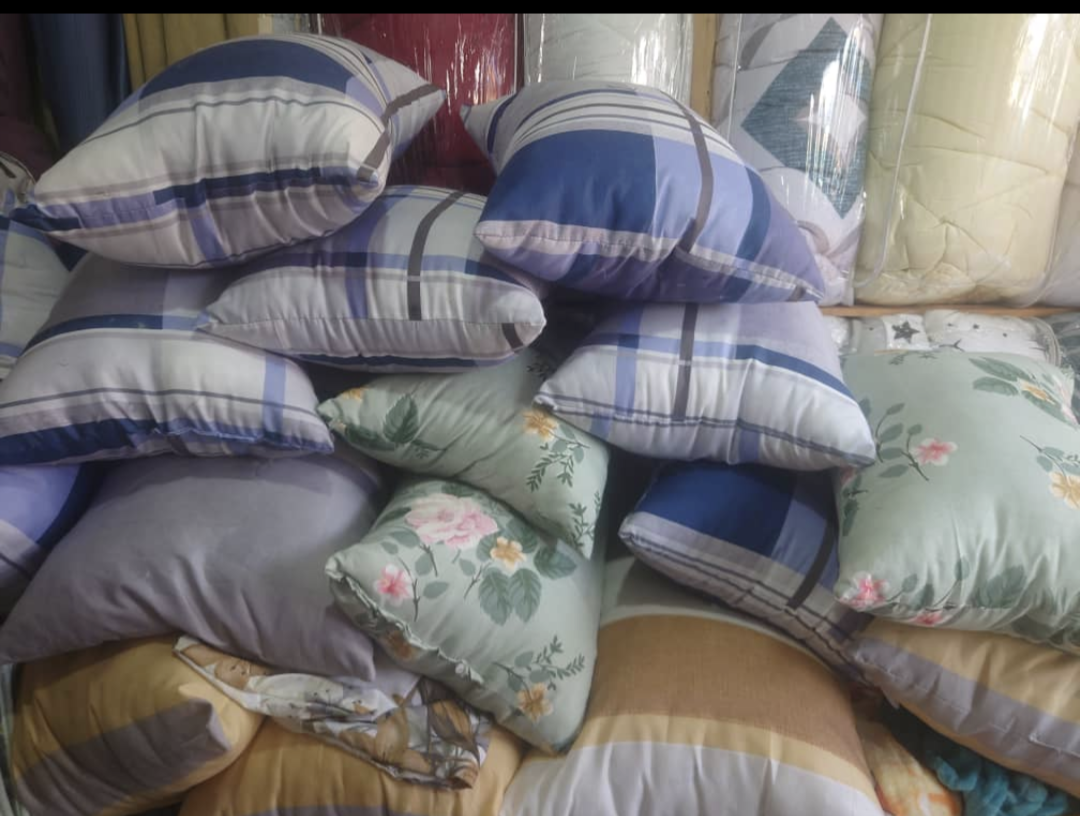
Pillows
2 to 3 Must haveAn extra pillow helps with sitting up and getting comfortable.
How to use it: Ask a nurse or doctor how to place pillows for the person's needs.
Blanket
1 to 2 Must haveCool mornings and nights call for a blanket within reach.
How to use it: Keep one folded at the foot of the bed.
Hot water bottle
1Nice to haveSome people like warmth on sore areas. Ask a doctor first if skin is numb.
How to use it: Fill with warm, not boiling, water. Cover with cloth.



Comfort and hygiene
Staying clean and dry matters for comfort and skin health.
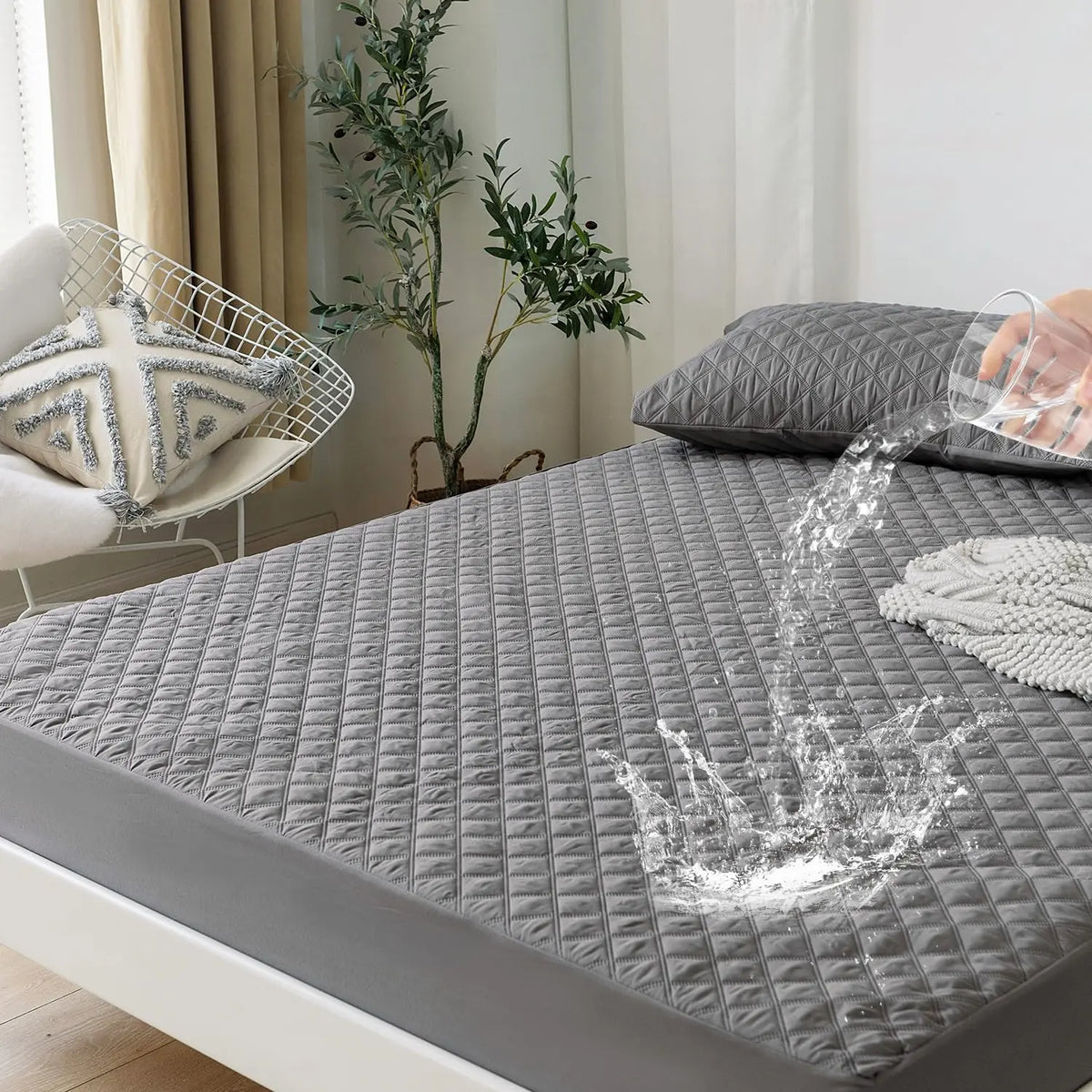
Mattress protector
1 to 2 Must haveProtects the mattress and makes cleanup easier if there are accidents.
How to use it: Wash regularly as per the label.
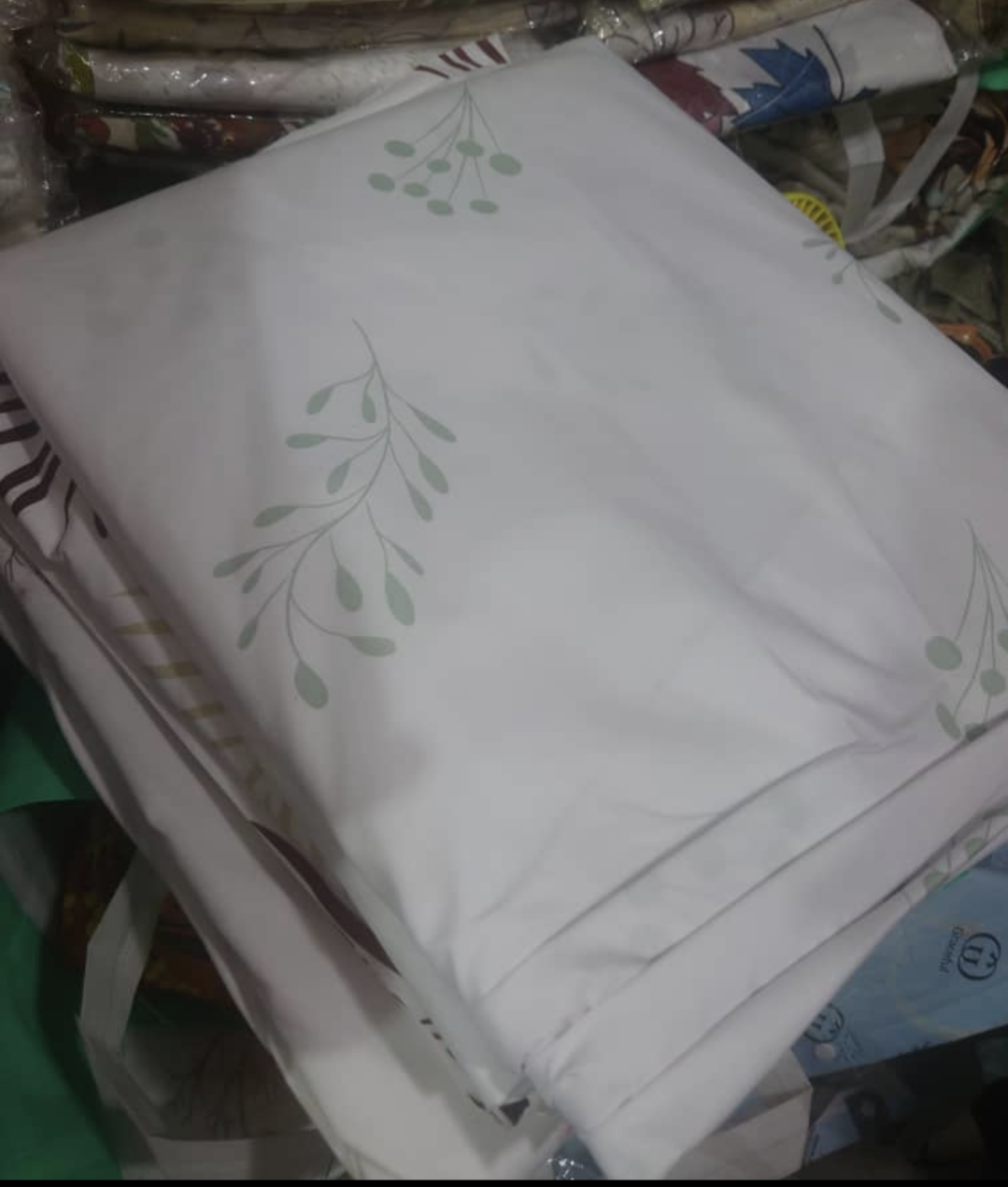
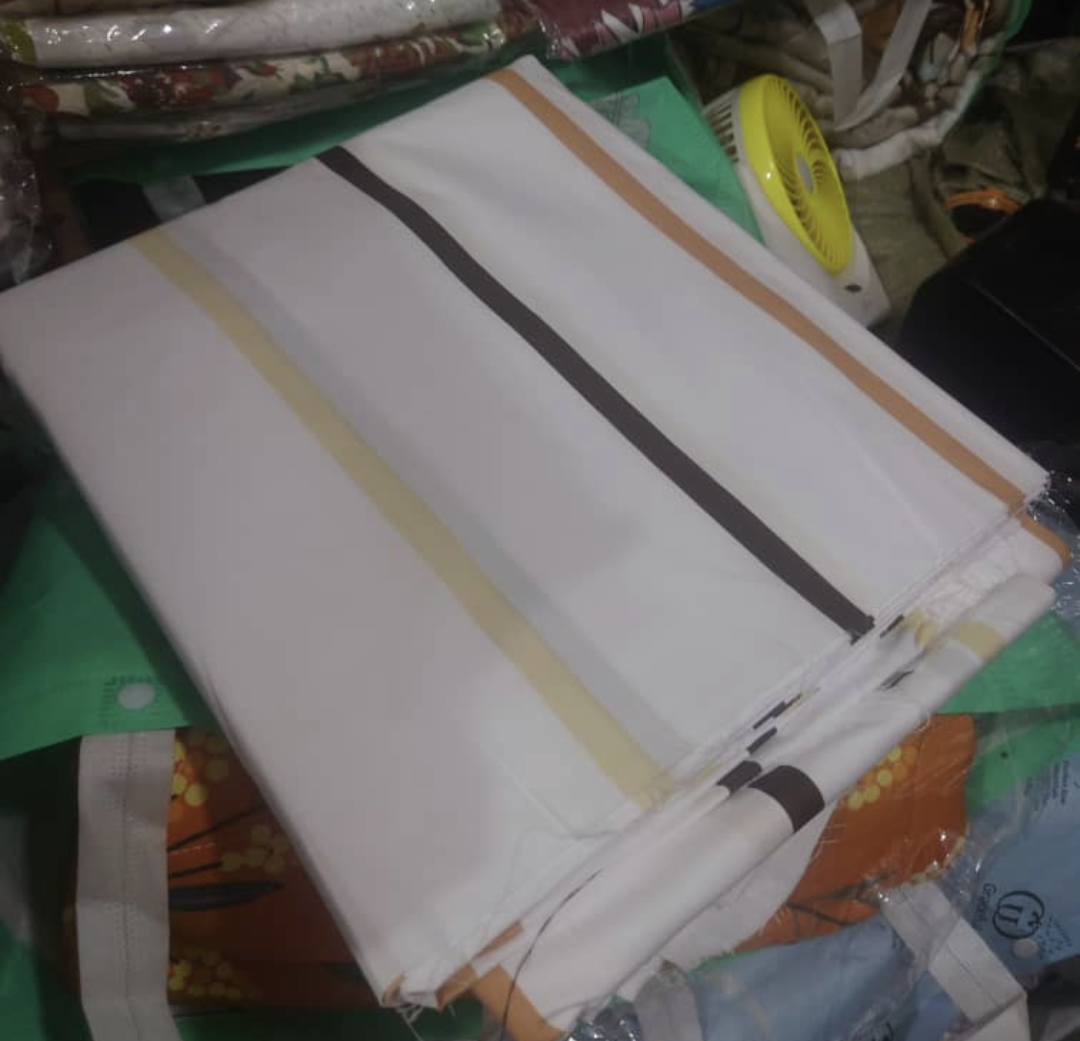
Bed sheets
2 sets Must haveKeep two sets so you can change quickly when needed.
How to use it: Change when damp or dirty, not only weekly.
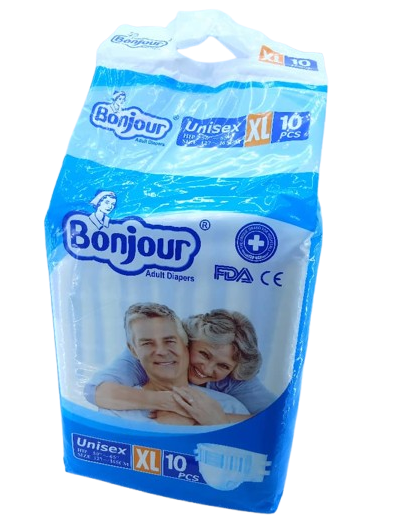
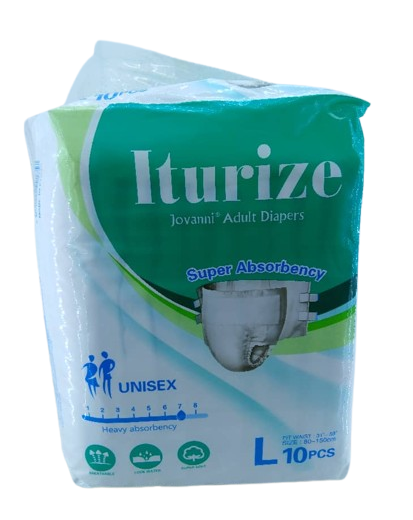
Adult diapers
1 packNice to haveIf needed, they bring comfort and dignity. Ask a doctor or nurse first about continence care.
How to use it: Use the right size. Change often and clean the skin gently.
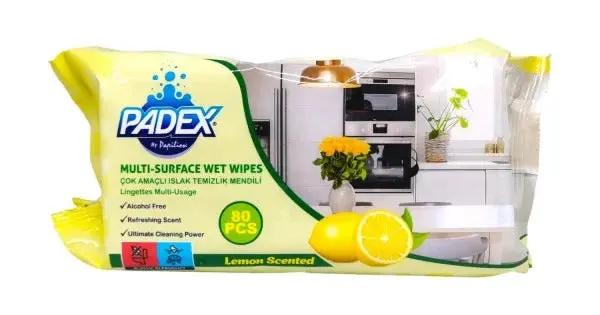
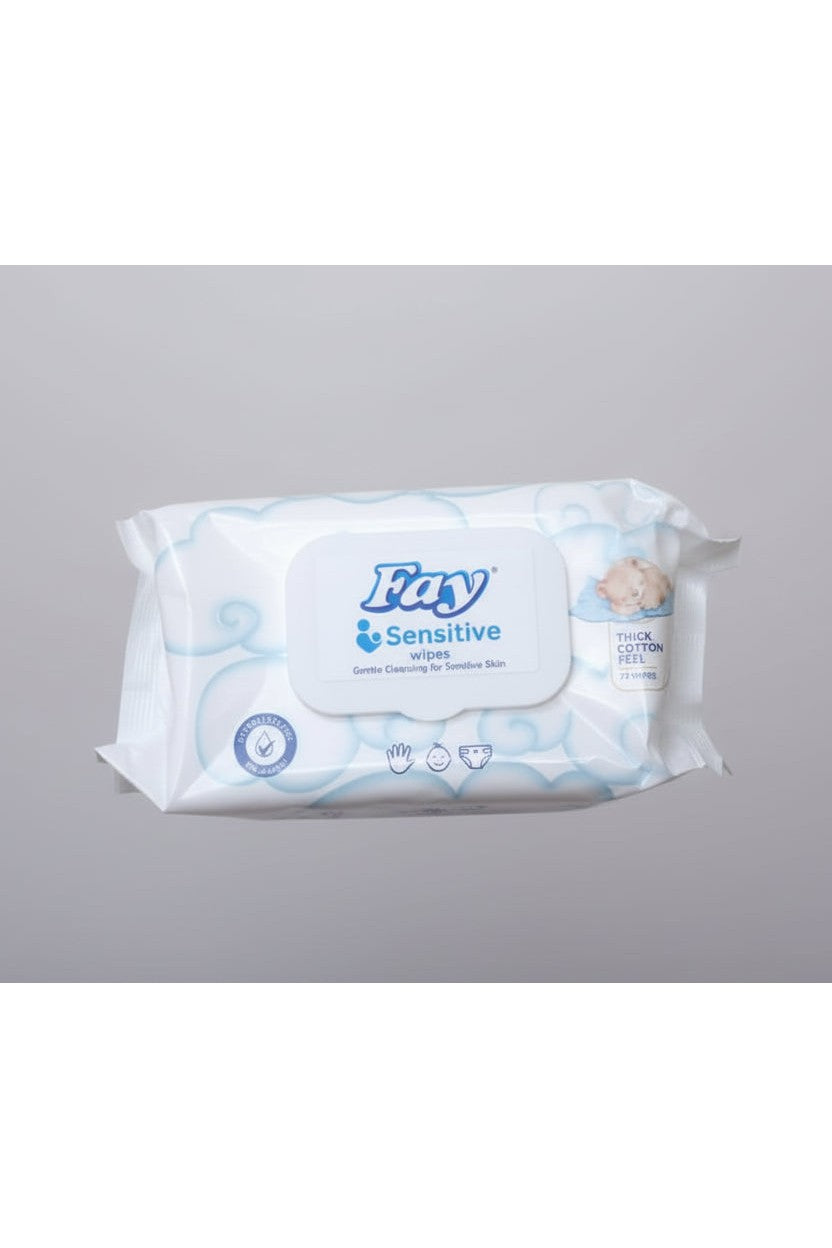
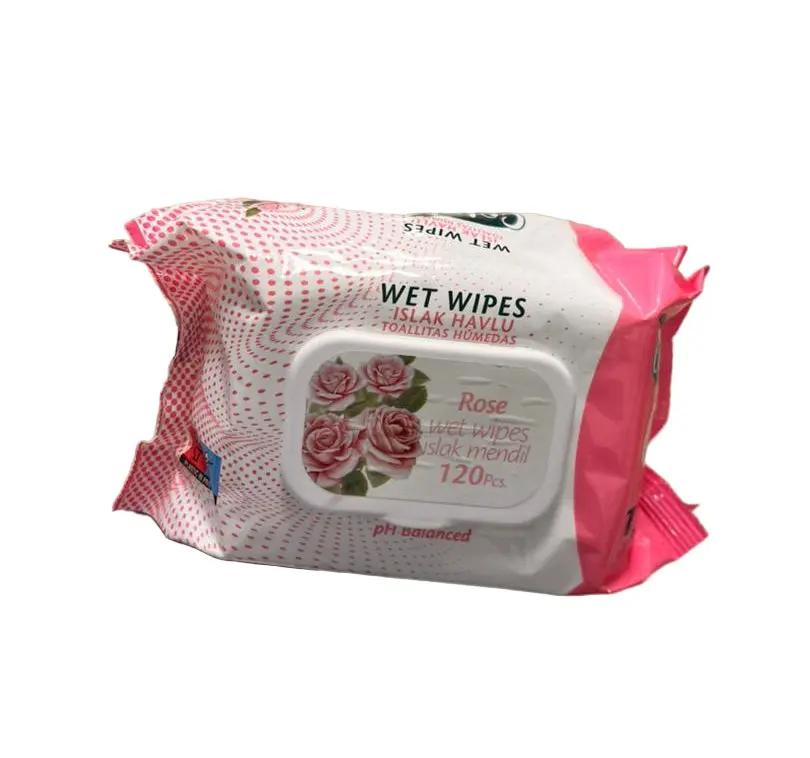
Wet wipes
1 pack Must haveQuick, gentle cleaning when washing is not easy.
How to use it: Choose a mild type. Do not flush.
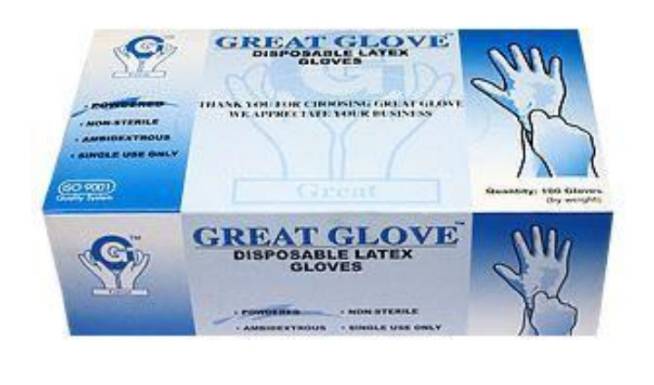
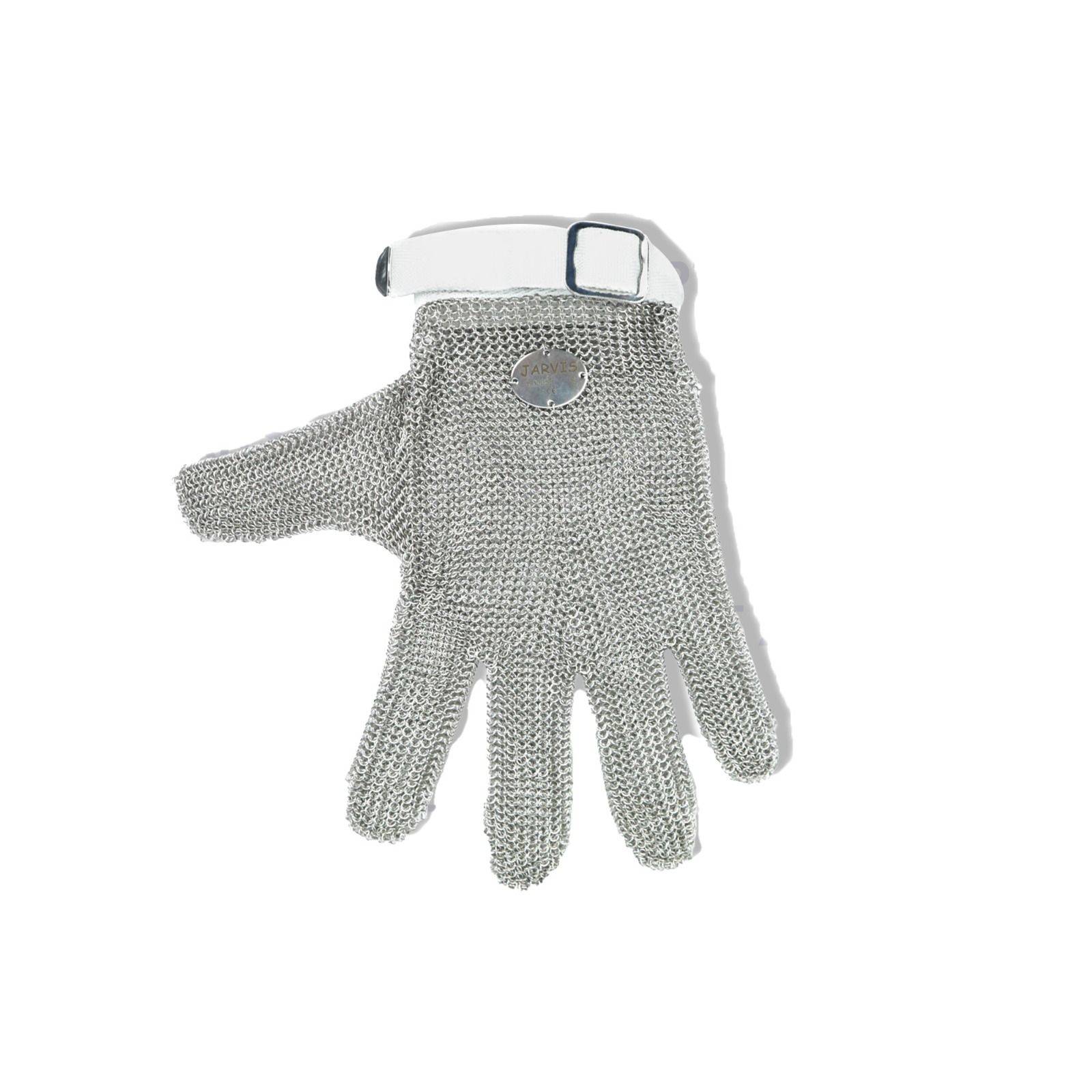
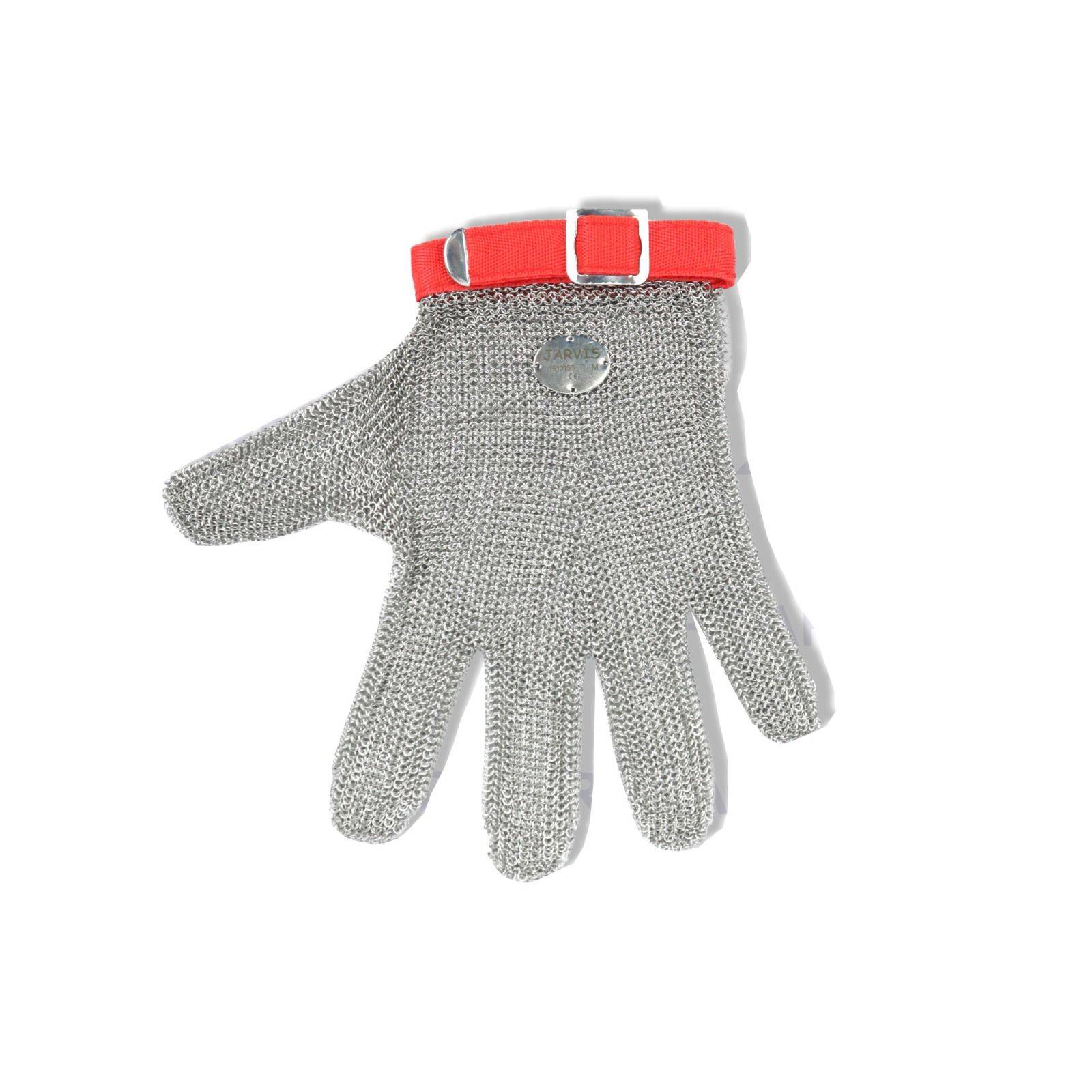
Gloves
1 boxNice to haveDisposable gloves protect carer and person while cleaning or helping with personal care.
How to use it: Wear fresh gloves each time. Wash hands afterward.
Body lotion
1Nice to haveSoft skin is more comfortable and less likely to crack.
How to use it: Apply after washing, especially on elbows and heels.
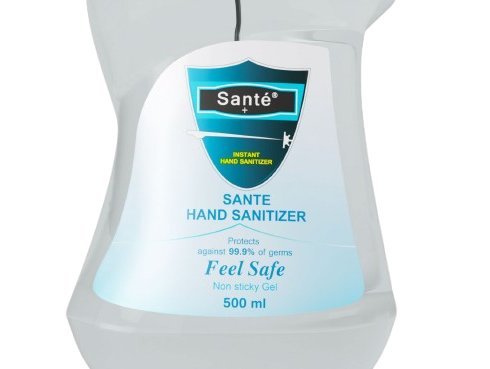
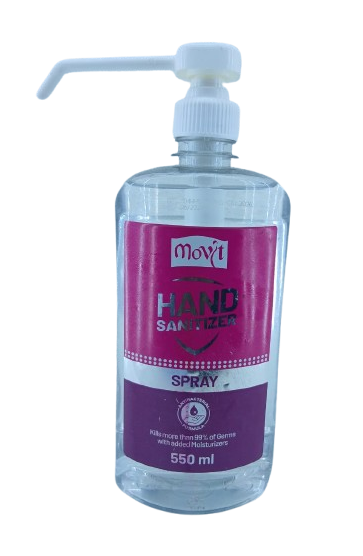
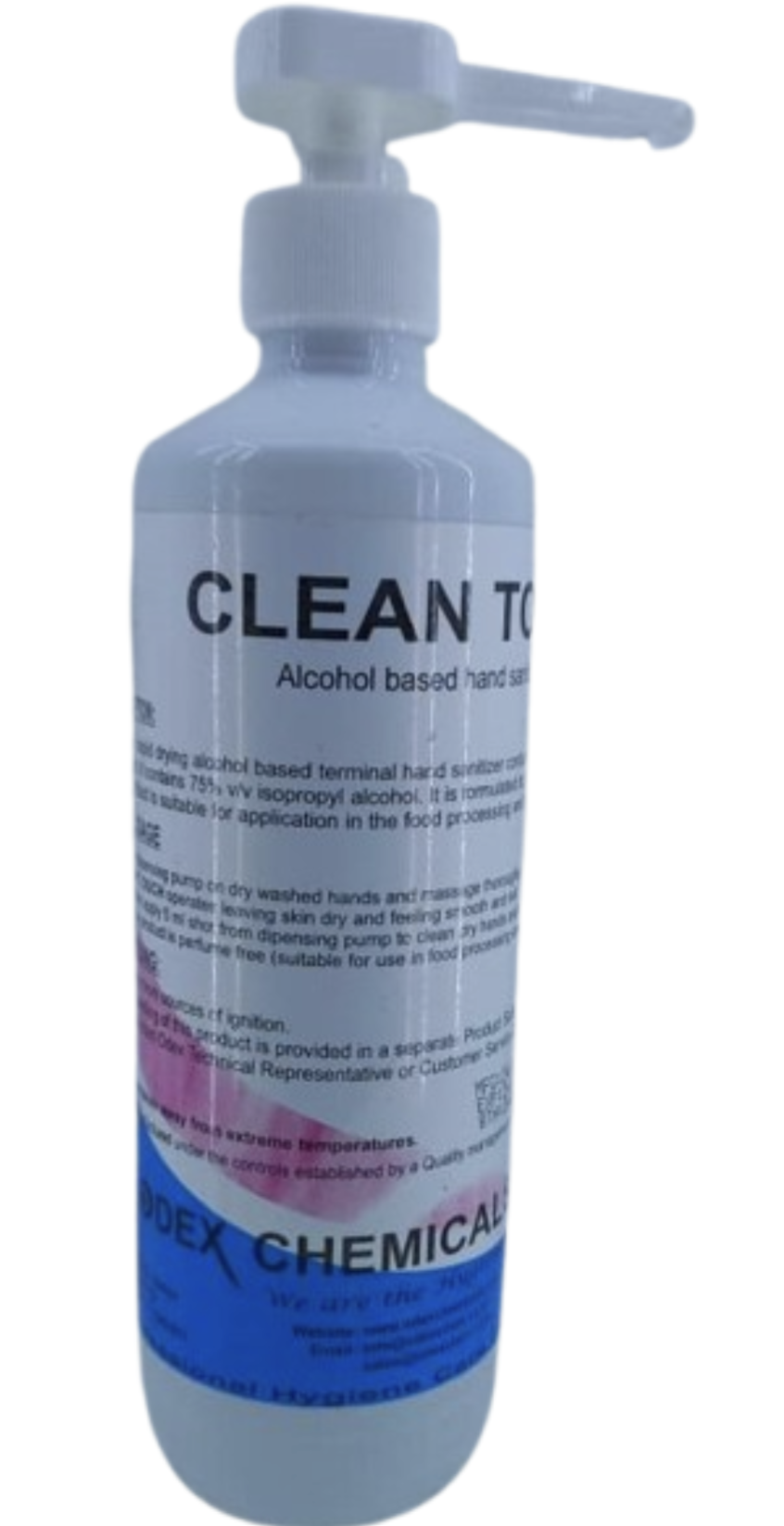
Hand sanitizer
1Nice to haveFor carers and visitors before touching the person or their things.
How to use it: Rub until dry.





Meals and power
Simple tools for eating and a steady supply of light and power.
Plates and bowls
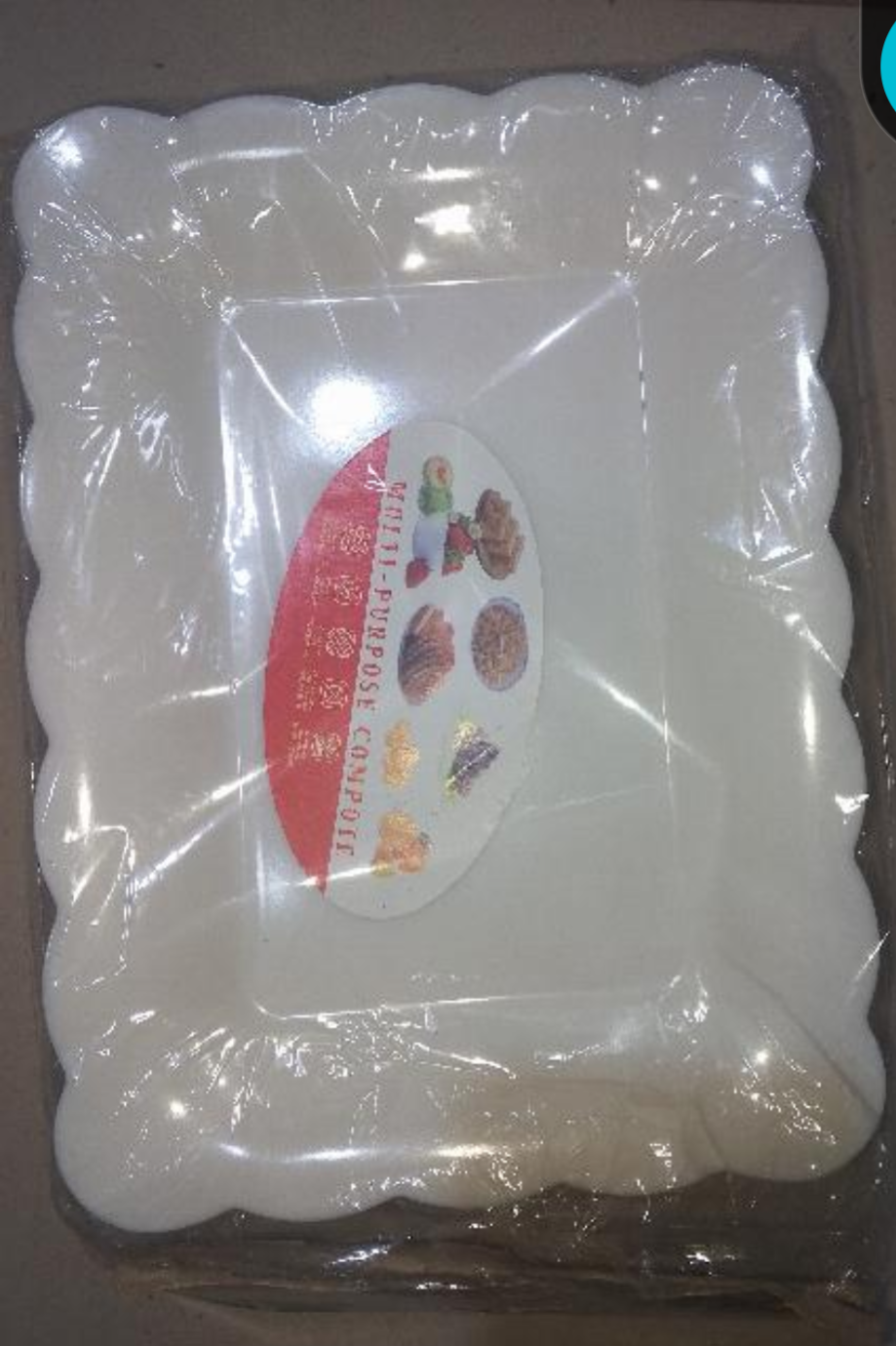
2 each Must haveLight, non-breakable plates and bowls are easier to hold.
How to use it: Pick a bowl with a low edge. Avoid very heavy ceramic.
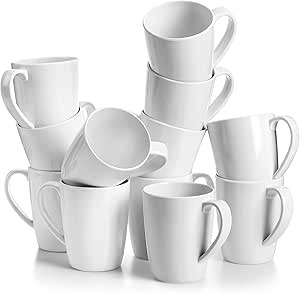
Drinking cups
2 Must haveCups with handles are easier to grip.
How to use it: Avoid thin glass.
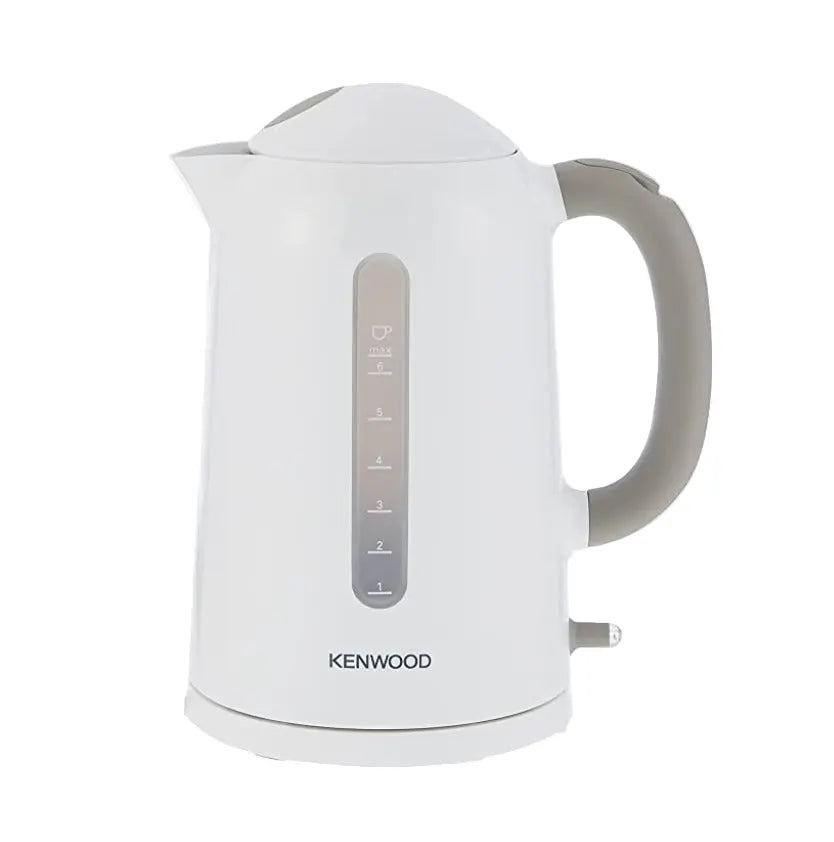
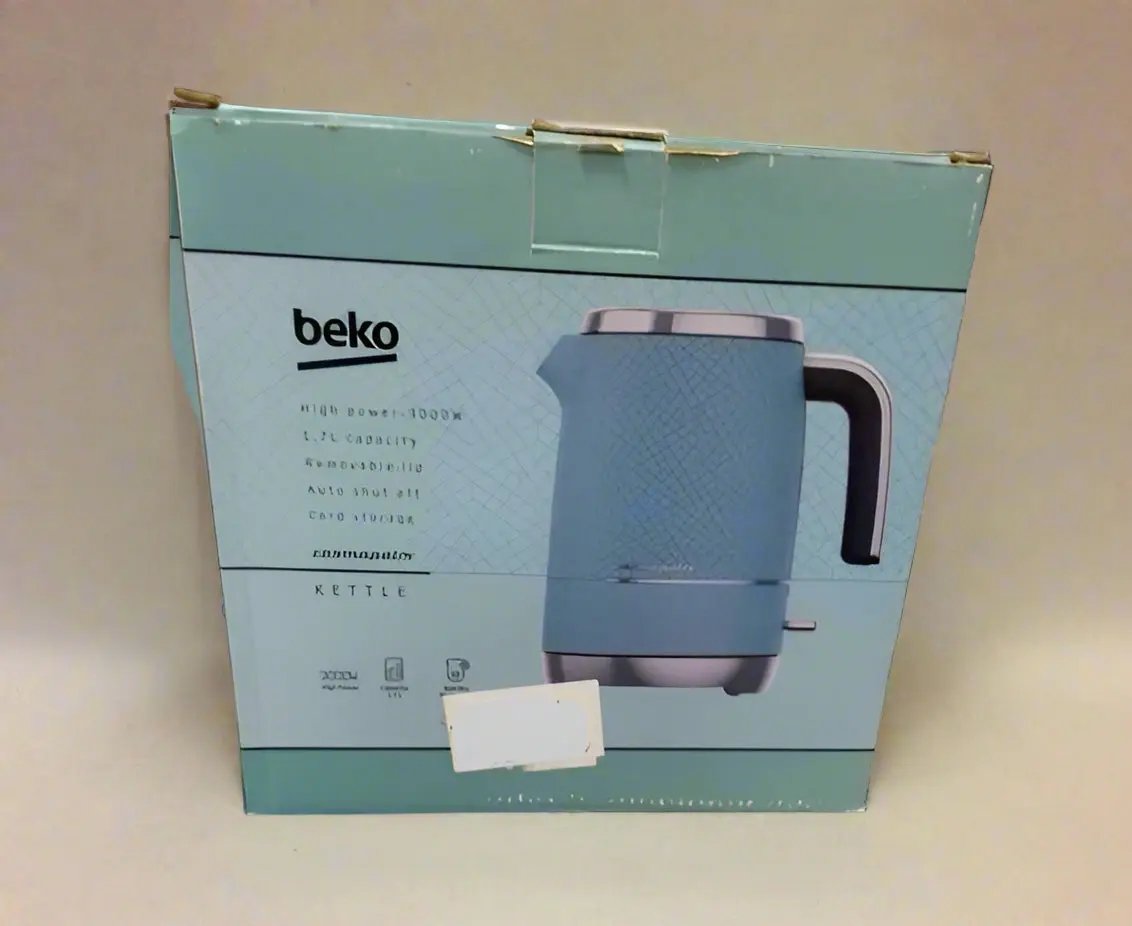
Electric kettle
1Nice to haveMakes warm drinks quick without a stove.
How to use it: Place on a low, stable surface near a socket. Keep the cord short.
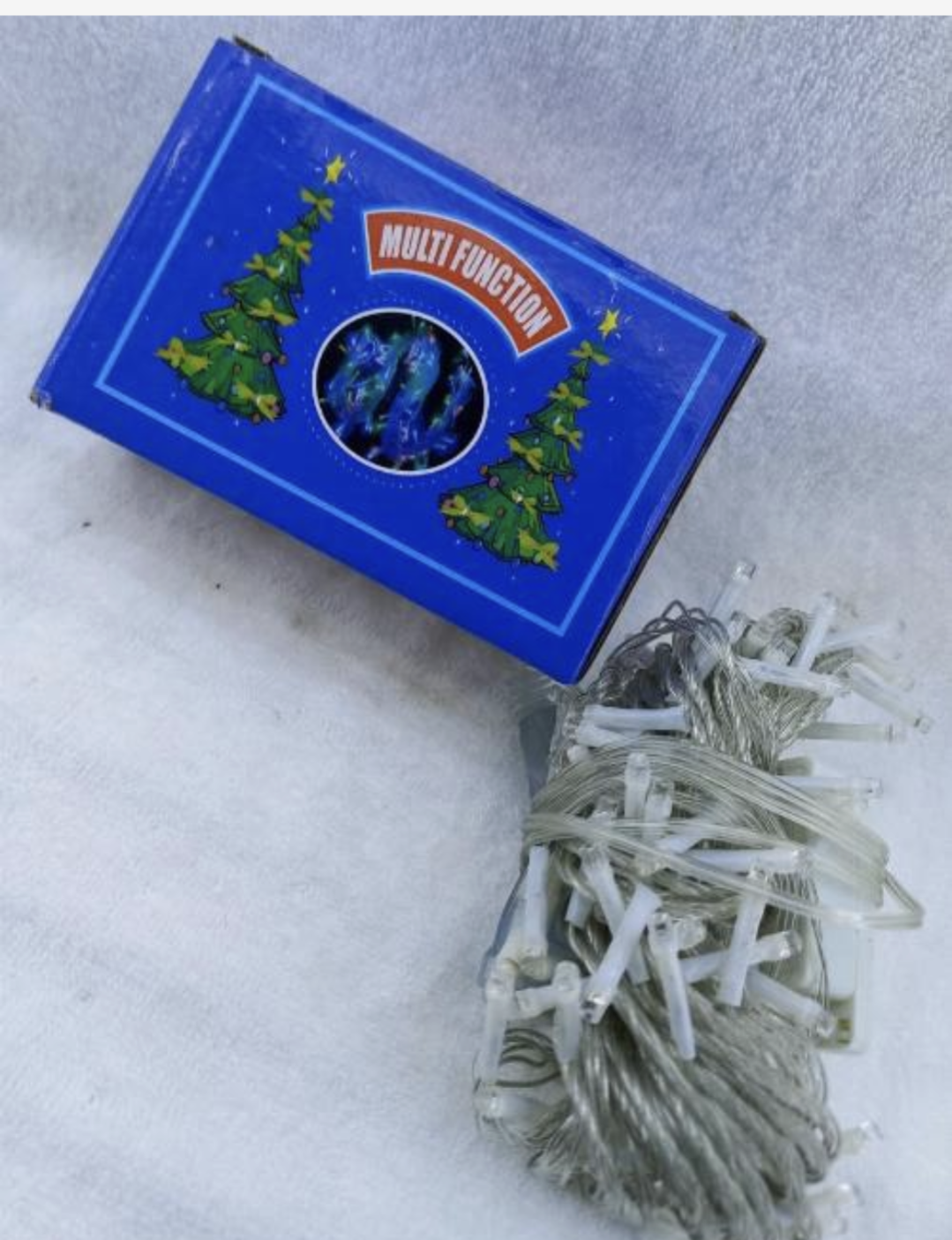
LED light
2 Must haveA small light in the hallway and bathroom prevents night falls.
How to use it: Place it low. Choose one with a long life.
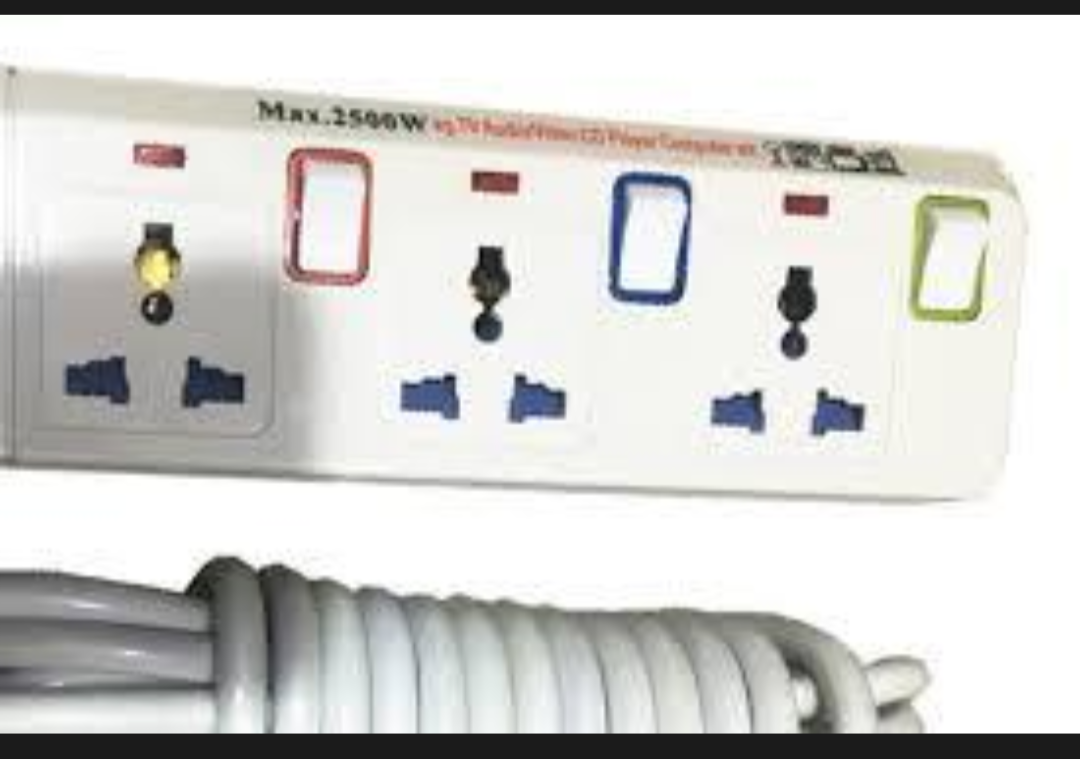
Extension socket
1Nice to haveKeeps a lamp, charger and fan on one safe lead.
How to use it: Keep it off the floor and away from water.
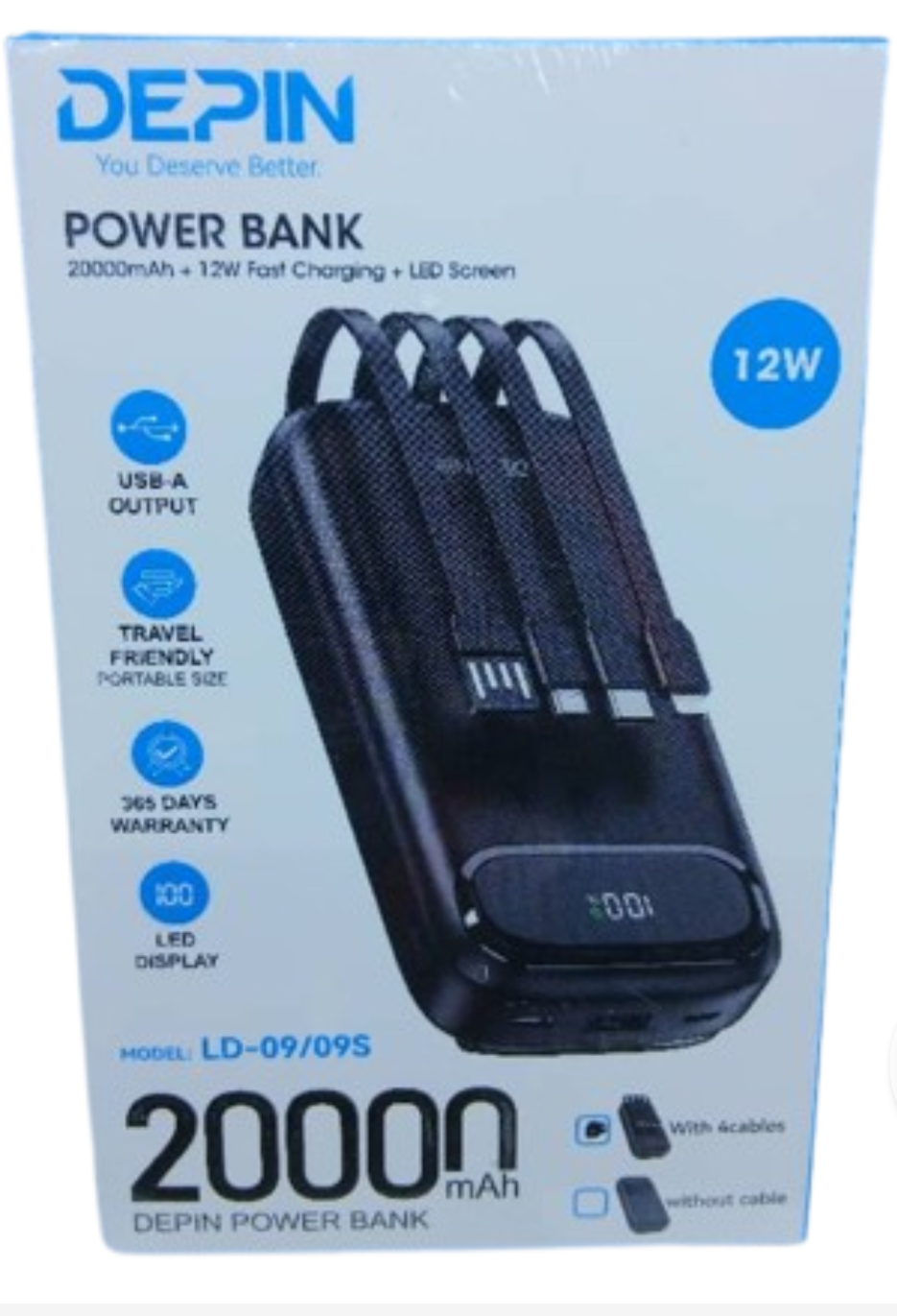
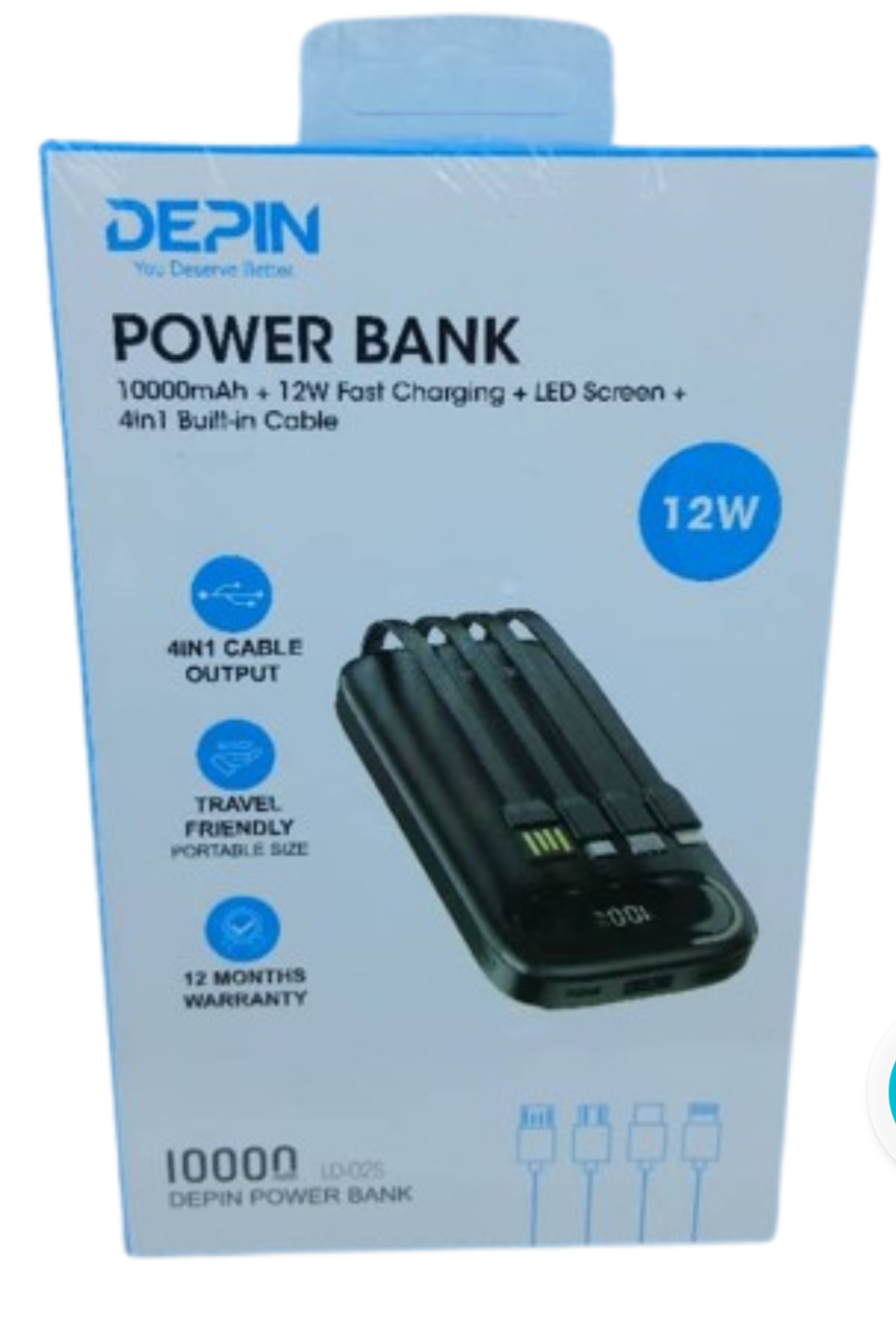
Power bank
1 Must haveKeeps a phone charged during power cuts so the person can call for help.
How to use it: Keep it charged and with the phone.




Step by step
- 1
Walk through the home
Look at each room for slippery floors, steps, loose mats and poor light. Note what is hard for the person.
- 2
Talk to a professional
Ask a doctor, nurse or physiotherapist about needed aids and how to use them.
- 3
Fix the bathroom and floors
Add non-slip mats, remove loose rugs and clear walking paths.
- 4
Set up the bedside
Place water, light, tissues and a phone within easy reach.
- 5
Check and adjust
Review after a week. Move things as you see what the person needs.
Tips that help
- Keep the walking path clear of cables, shoes and bags.
- Put the most used items at waist height, not too high or too low.
- Add light in the hallway and bathroom for night time.
- Keep a phone and a list of emergency numbers by the bed.
- Ask the person what feels hard. They know best.
- Check mats and rubber feet every week for wear.
Mistakes to avoid
- Leaving loose rugs on tiled floors.
- Placing water or medicine on a high shelf.
- Buying mobility aids without asking a health professional.
- Ignoring poor light in the bathroom and corridor.
- Not planning for power cuts.
Questions people ask
What is the first thing to fix at home?+
The bathroom and the bedside. Add non-slip mats, good light and put daily items within reach. These changes are cheap and make a big difference.
Do I need special equipment?+
It depends on the person. A doctor, nurse or physiotherapist can advise on frames, wheelchairs, commodes and other aids. Use this list for everyday items.
How can I prevent slips on tiled floors?+
Use non-slip mats, remove loose rugs, keep floors dry and wear slippers with grip. Dry the floor after cleaning.
What should be by the bed?+
Water, a light, tissues, a phone, a torch and any items the doctor suggests. Everything should be within arm's reach.
How do I deal with power cuts?+
Keep a charged torch and a power bank by the bed. Light the hallway and bathroom with a small rechargeable light.
A safe home for someone with limited mobility is built from small, simple choices. Shop the checklist on Isokko and have items delivered to your home in Kigali.
Shop this list
Get everything delivered in Kigali
Order from local stores on Isokko and pay with MoMo, card or cash. Same-day delivery.