
Checklist · Home & moving
Setting Up a Kids' Shared Bedroom in Kigali: Checklist
What to buy for a kids' shared bedroom in Kigali: bedding, storage, night lights and a study corner so siblings share space calmly.
Updated November 26, 2026 · By Isokko
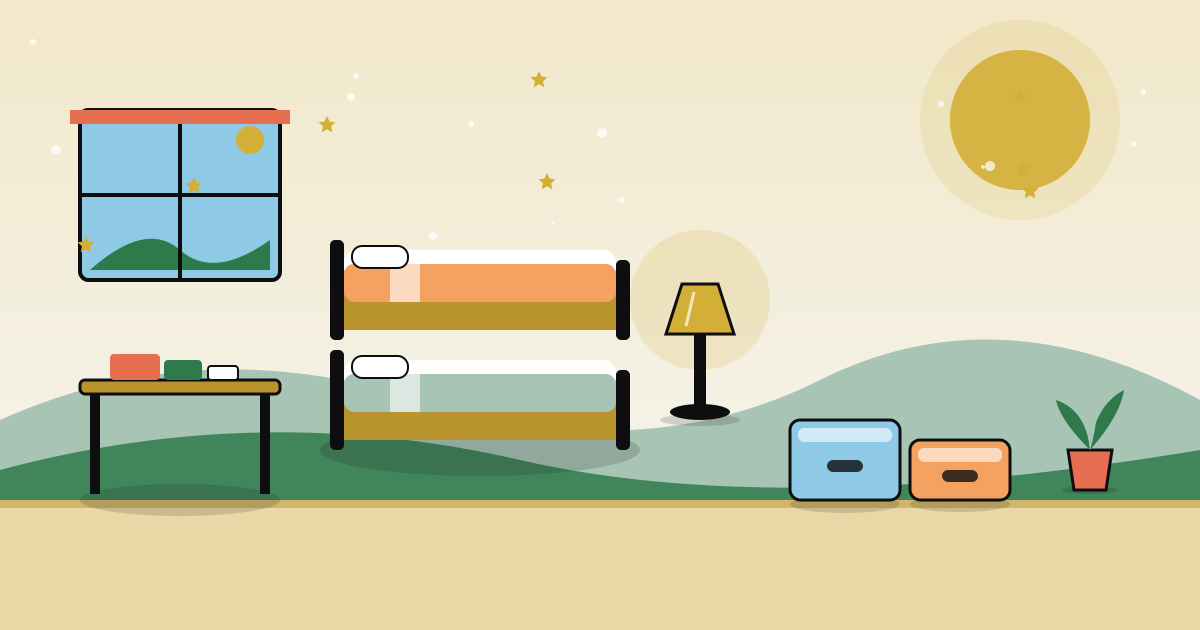
Two children in one room can be fun, or it can be a daily argument about space, light and whose socks are where. A little planning before you buy turns one bedroom into two small zones that each child can call theirs.
This checklist covers what you need for a shared room in a Kigali apartment or compound house: bedding for each child, storage that is easy for small hands, soft lights for bedtime, and a study corner. Every item says why it matters and how to use it.
Start with sleep and storage. Everything else is easier once beds are comfortable and clothes and toys have a home.
Who it's for
Parents and guardians putting two or more children in one bedroom in Kigali
Time needed
Shop over 1 week, set up in one afternoon
When to shop
Order bedding and storage first, then lights and study items before school terms start
On the list
27 items, 14 must haves
0 of 27 ready
Beds and bedding
Each child needs their own clean, comfortable sleeping spot, even if the beds are bunk beds or side by side.
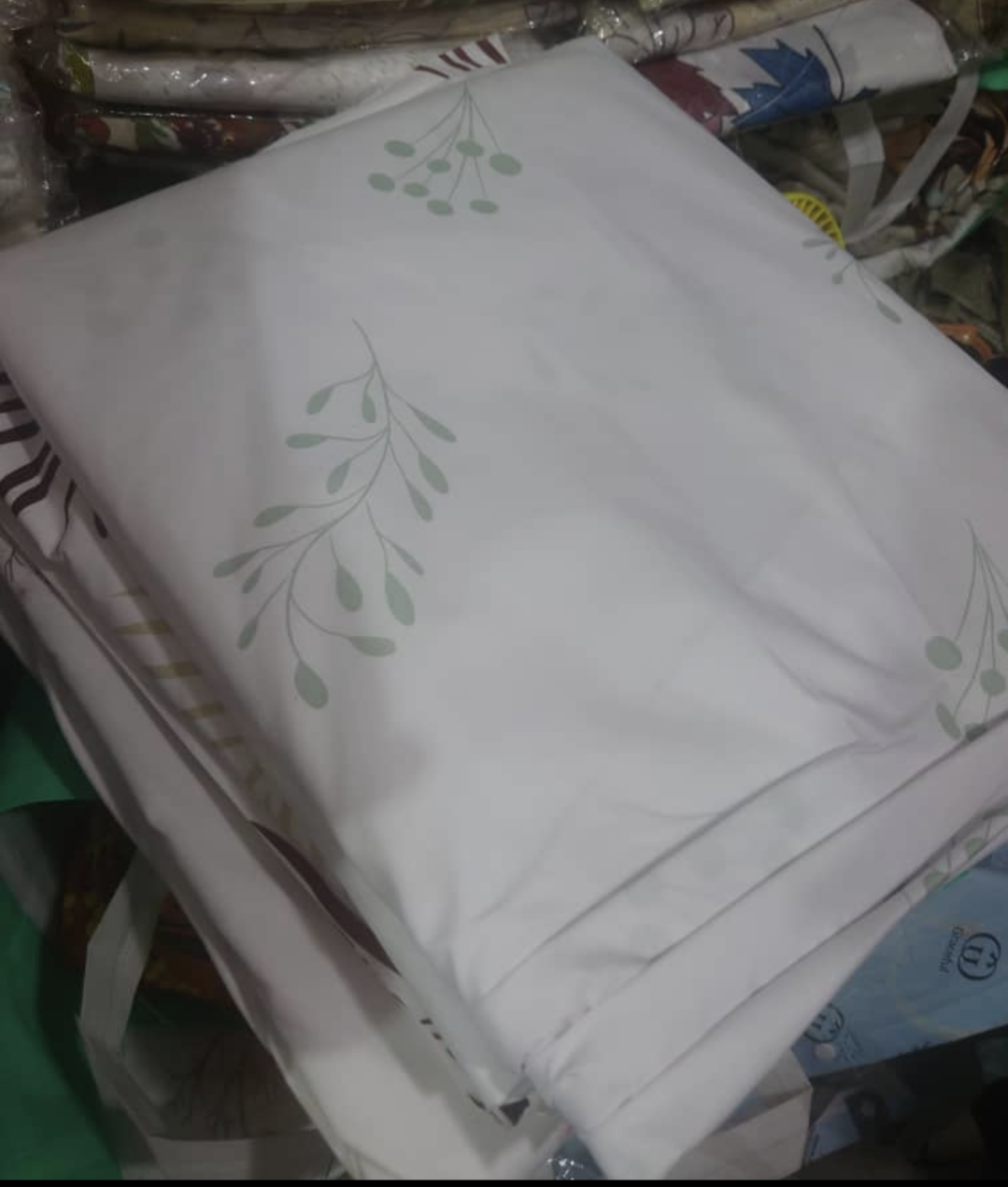
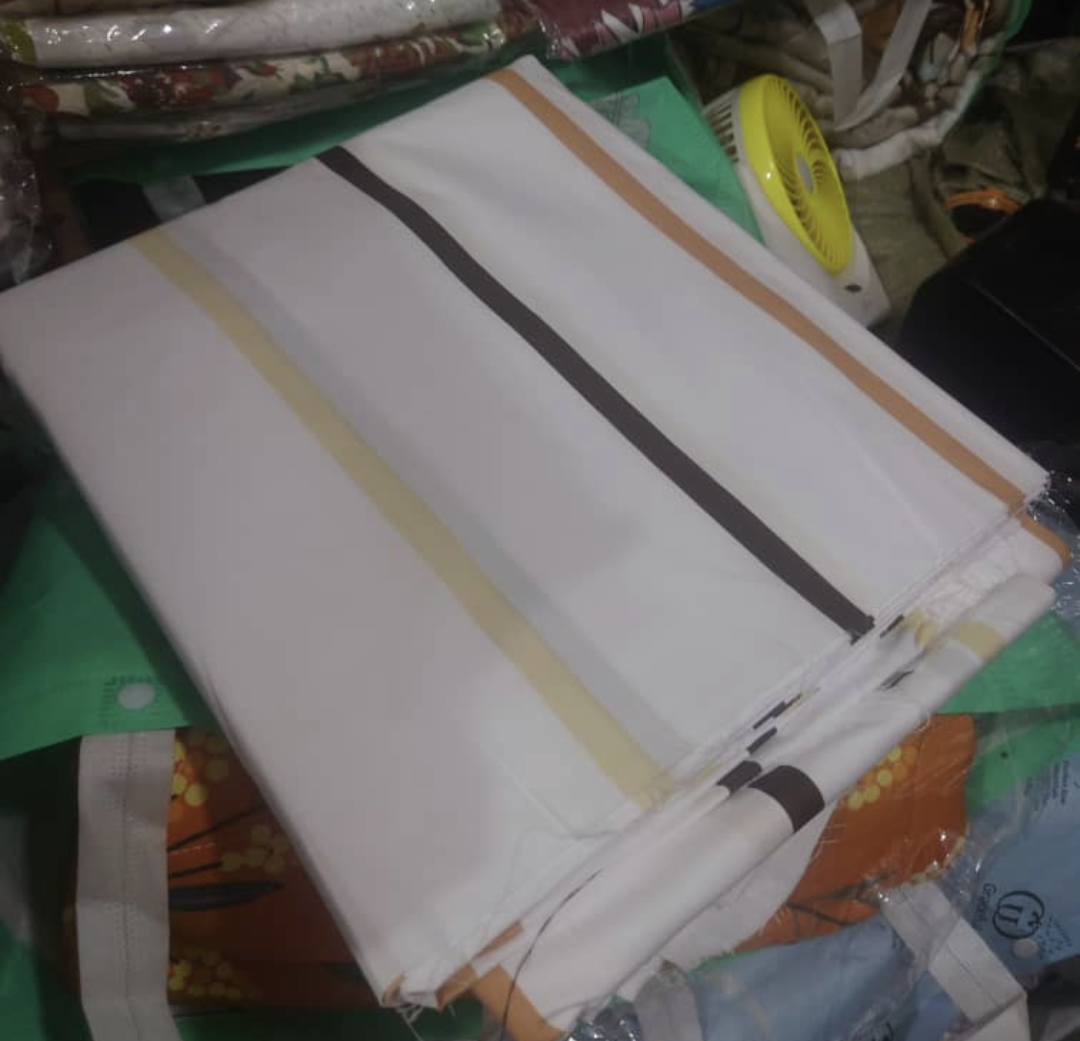
Bed sheets, one set per child
2 sets per child Must haveTwo sets per child means one on the bed and one in the wash. Different colors help each child know which bed is theirs.
How to use it: Wash weekly. In rainy season, dry fully in the sun or indoors before putting back on the bed.
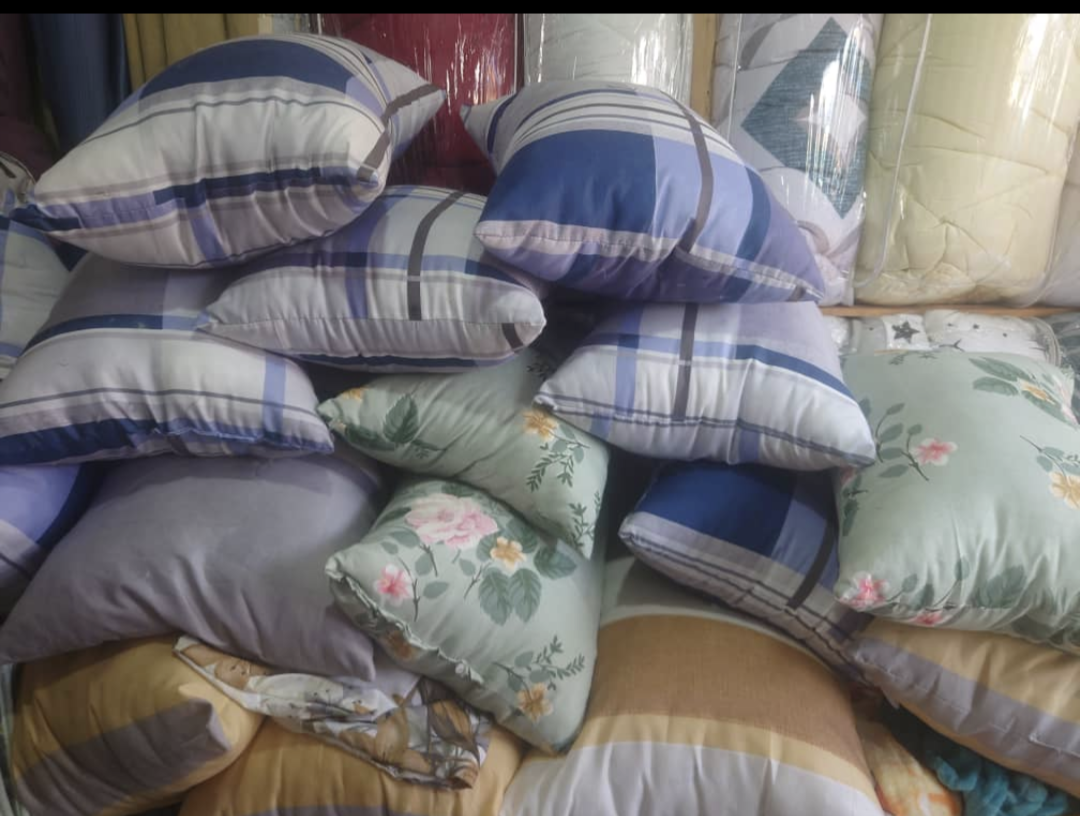
Pillows
1 per child Must haveChildren sleep better with their own pillow. It also keeps shared bedding from becoming a hygiene problem.
How to use it: Choose a soft, not too thick pillow for small children. Air them in the sun now and then.
Blankets
1 to 2 per child Must haveKigali nights get cool, especially in rainy season, and upper bunks still catch drafts.
How to use it: Use a light blanket for most nights. Keep one extra folded at the foot of each bed.
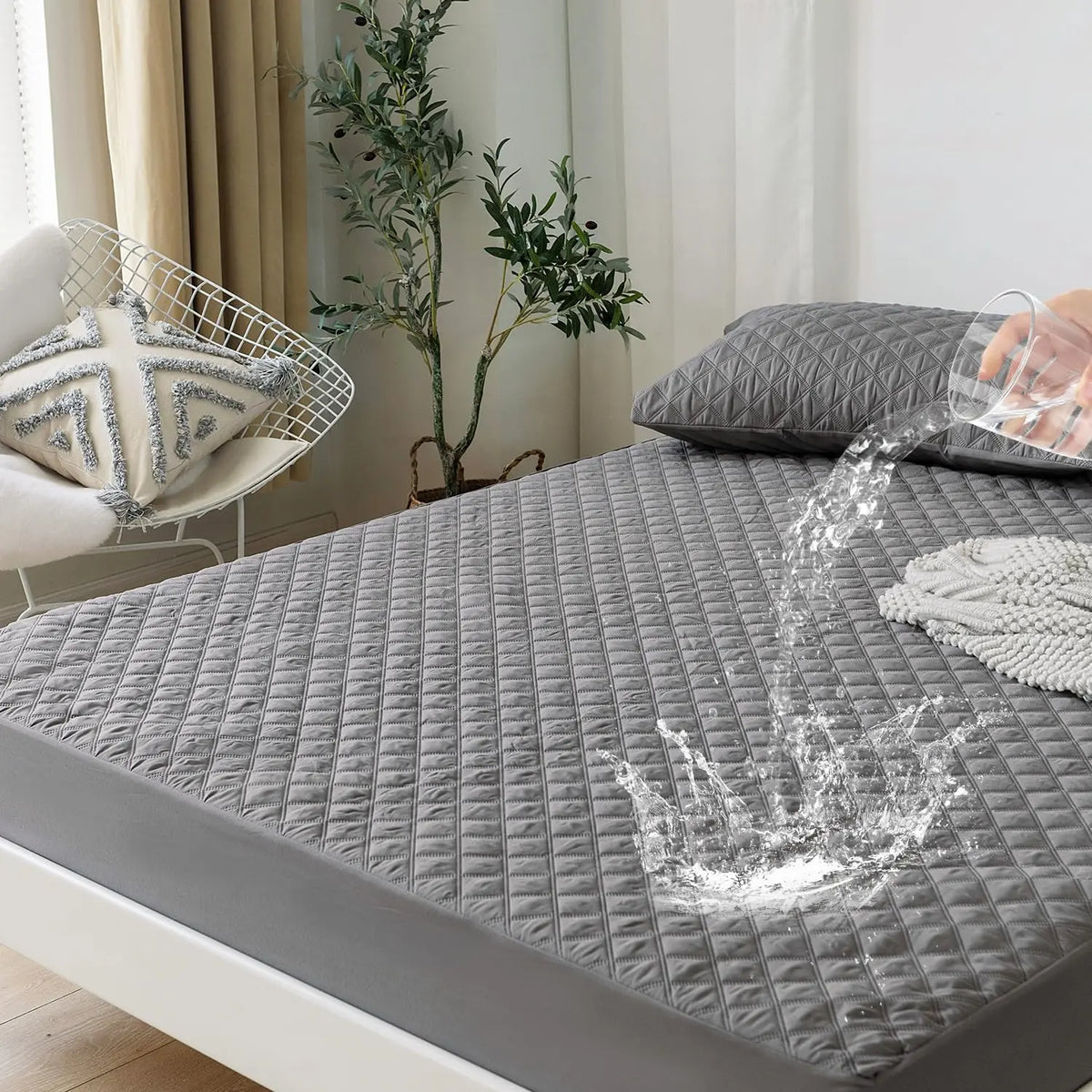
Waterproof mattress protector
1 per bed Must haveProtects mattresses from spills and accidents, which is a real worry with younger children.
How to use it: Fit it under the sheet. Wipe clean or wash according to the label and dry well.
Mosquito net
1 per bed Must haveA net gives a quiet night in the months when mosquitoes are more active. Ask your doctor or health center about malaria protection for your area.
How to use it: Tuck it under the mattress every evening so there are no gaps. Check for holes often.
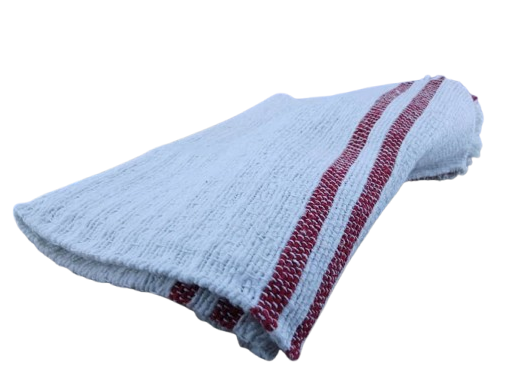
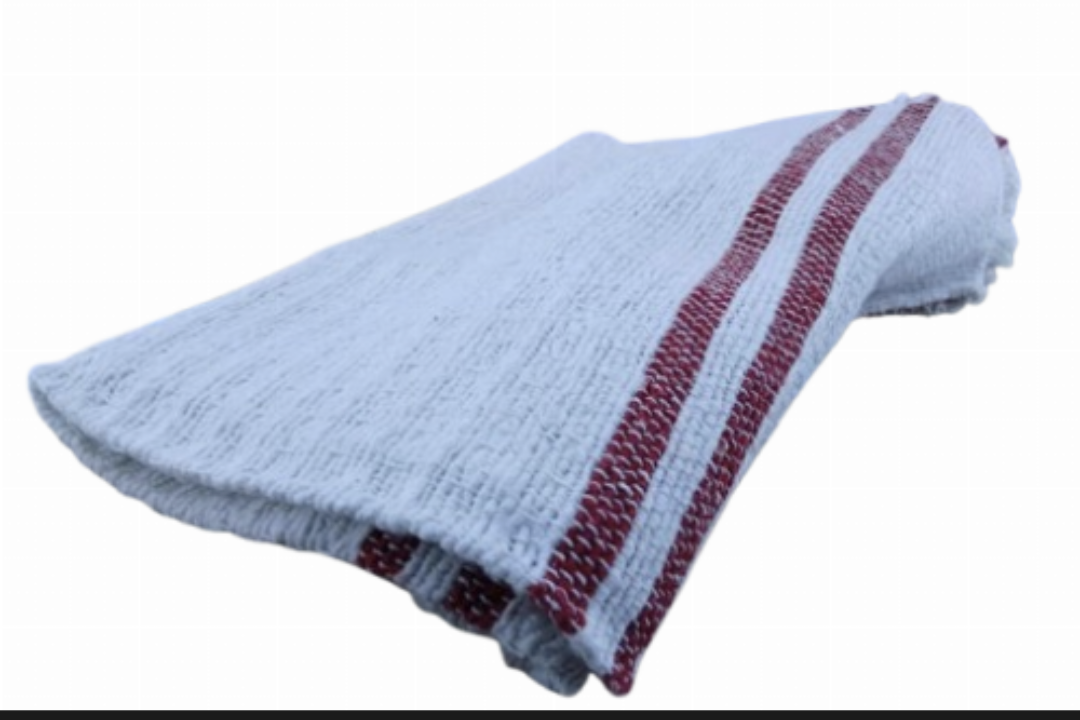
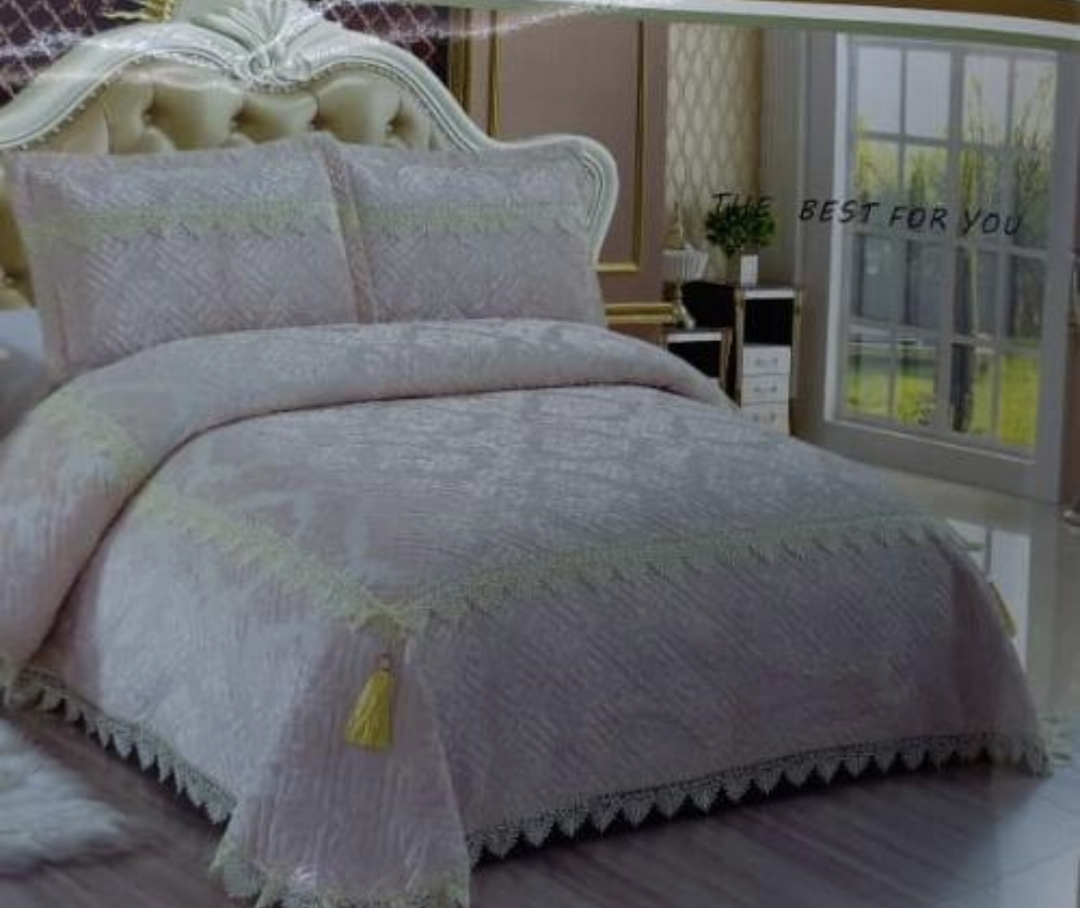
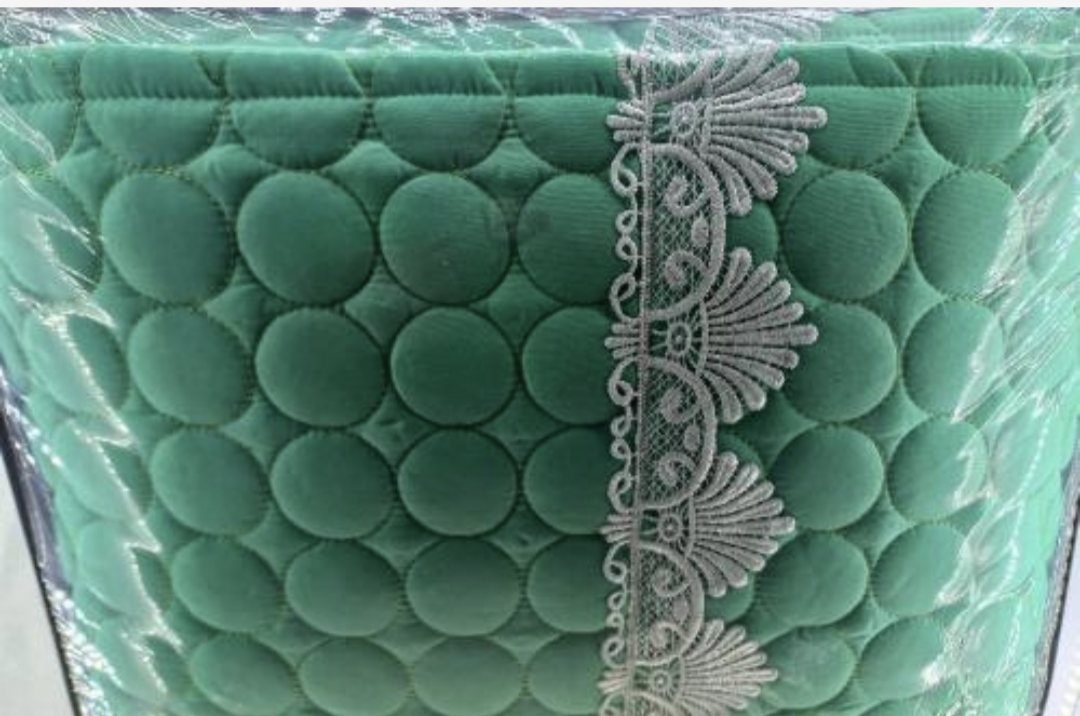
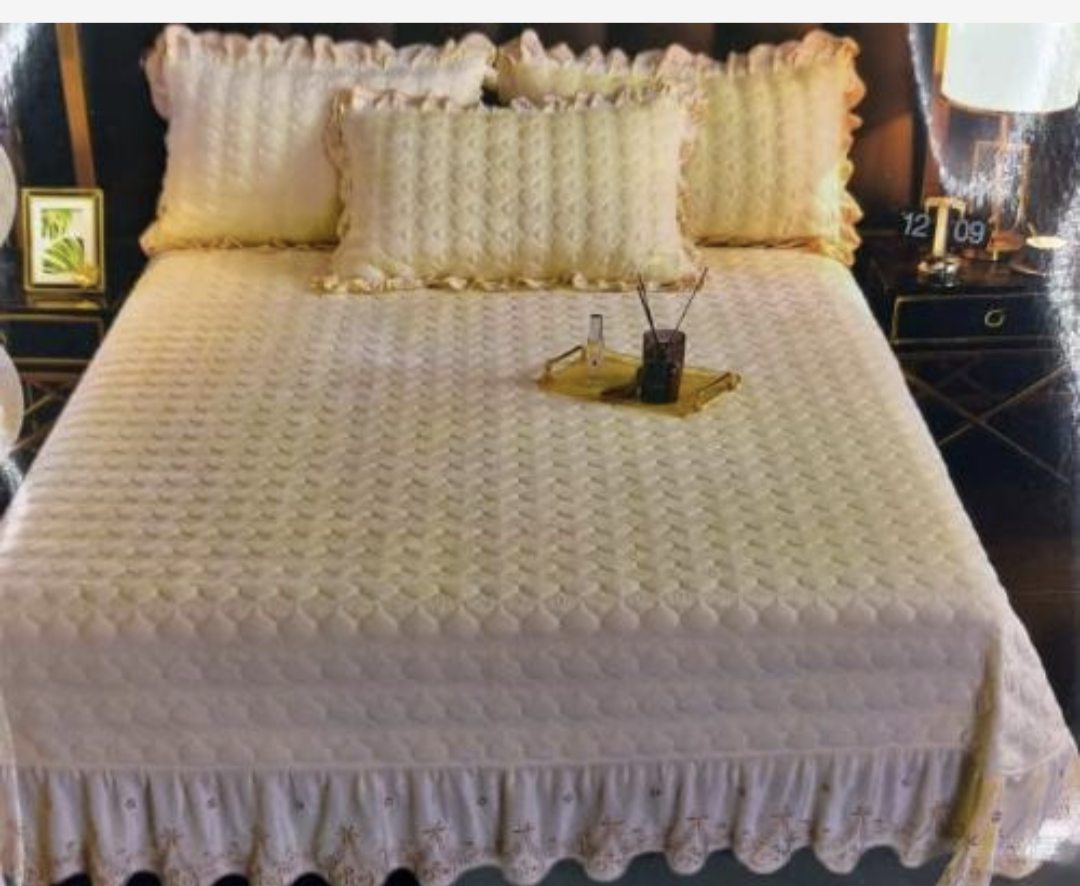
Decorative bed cover
1 per bedNice to haveLets each child choose a color or pattern, which gives a sense of ownership of their space.
How to use it: Spread it in the morning when making the bed. It also hides small stains between washes.






Storage and tidiness
The secret of a shared room is a place for everything. Separate storage prevents most arguments.
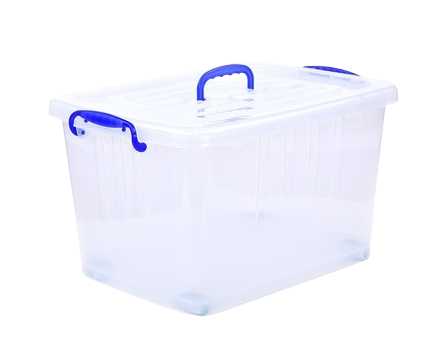
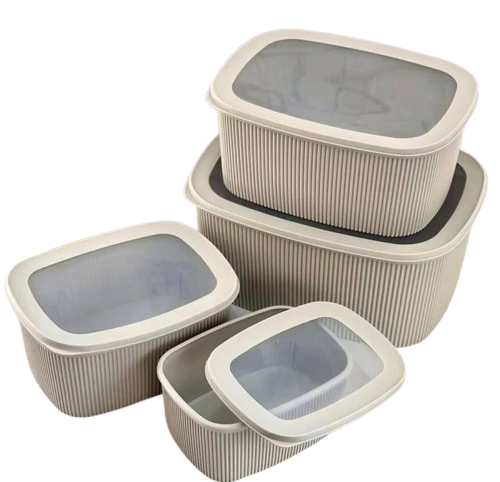
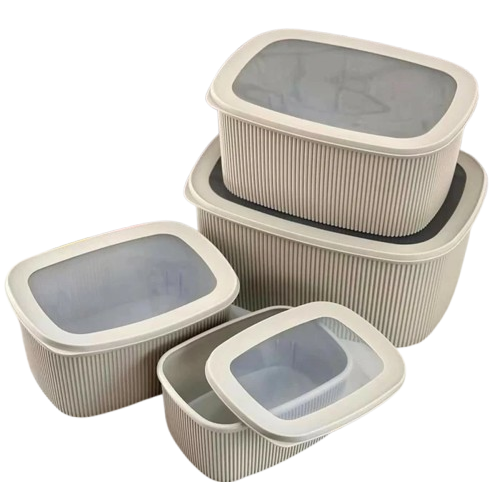
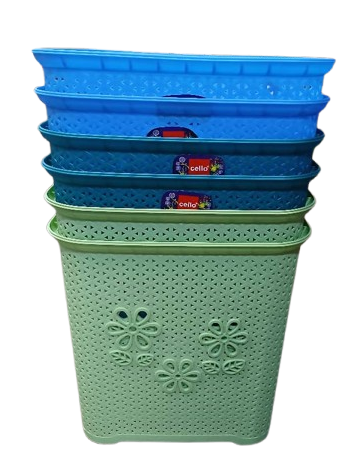
Storage boxes with lids
2 per child Must haveEach child gets their own box or two for toys, books or craft items. Lids keep dust out in the dry season.
How to use it: Label or color code each child's boxes. Keep them low enough for the child to reach.
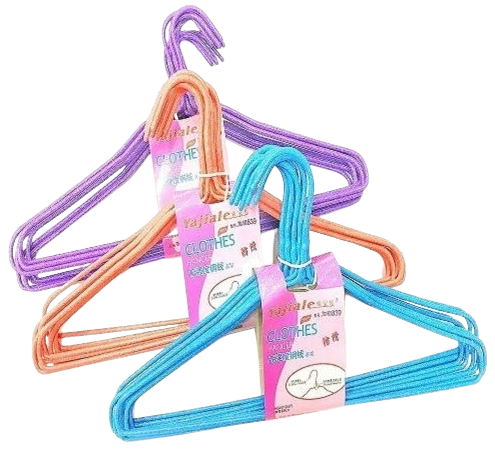
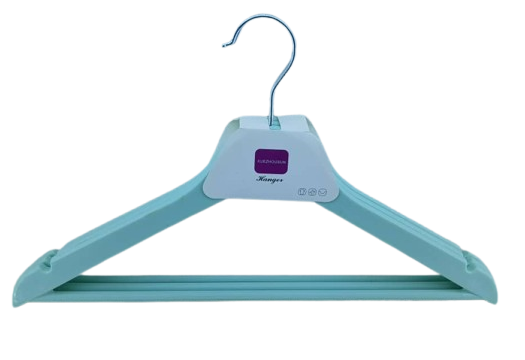
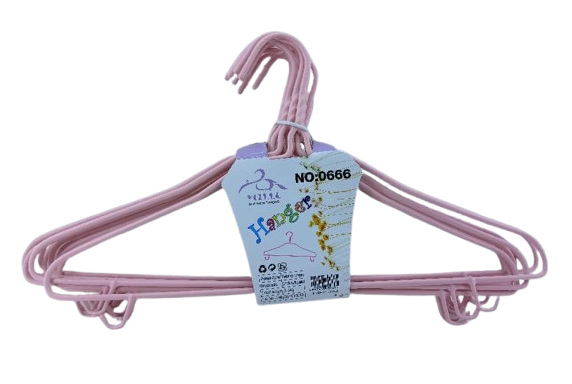
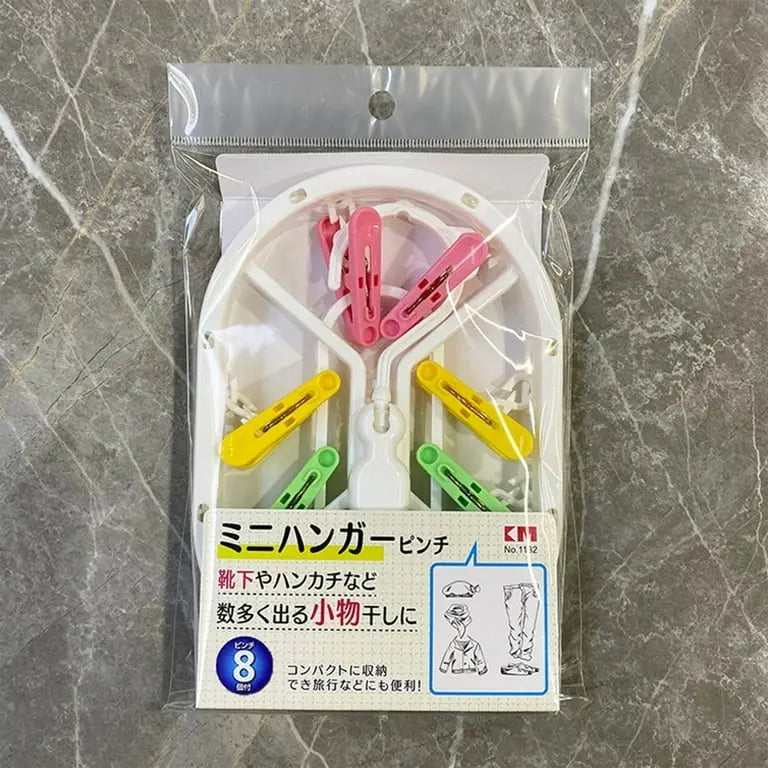
Clothes hangers
10 to 20 Must haveHanging school uniforms keeps them neat and ready for Monday morning.
How to use it: Give each child their own hangers in one color. Hang uniforms as soon as they are dry.
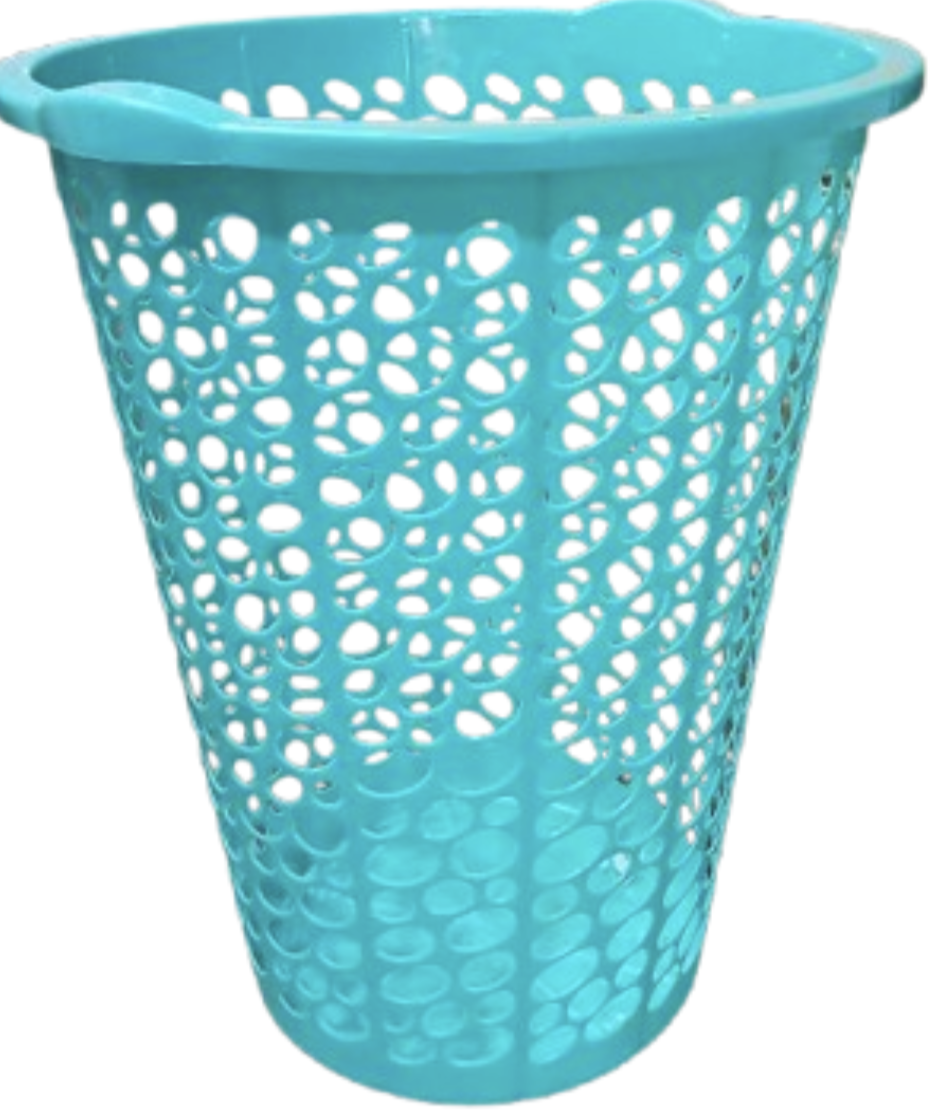
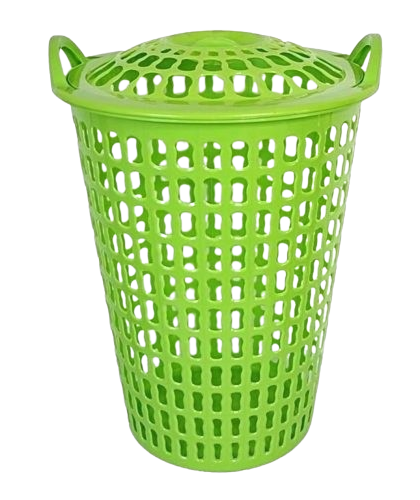
Laundry basket
1 to 2 Must haveOne basket in the room stops dirty clothes from living on the floor.
How to use it: Teach children to drop clothes in after changing. Empty it on wash day.
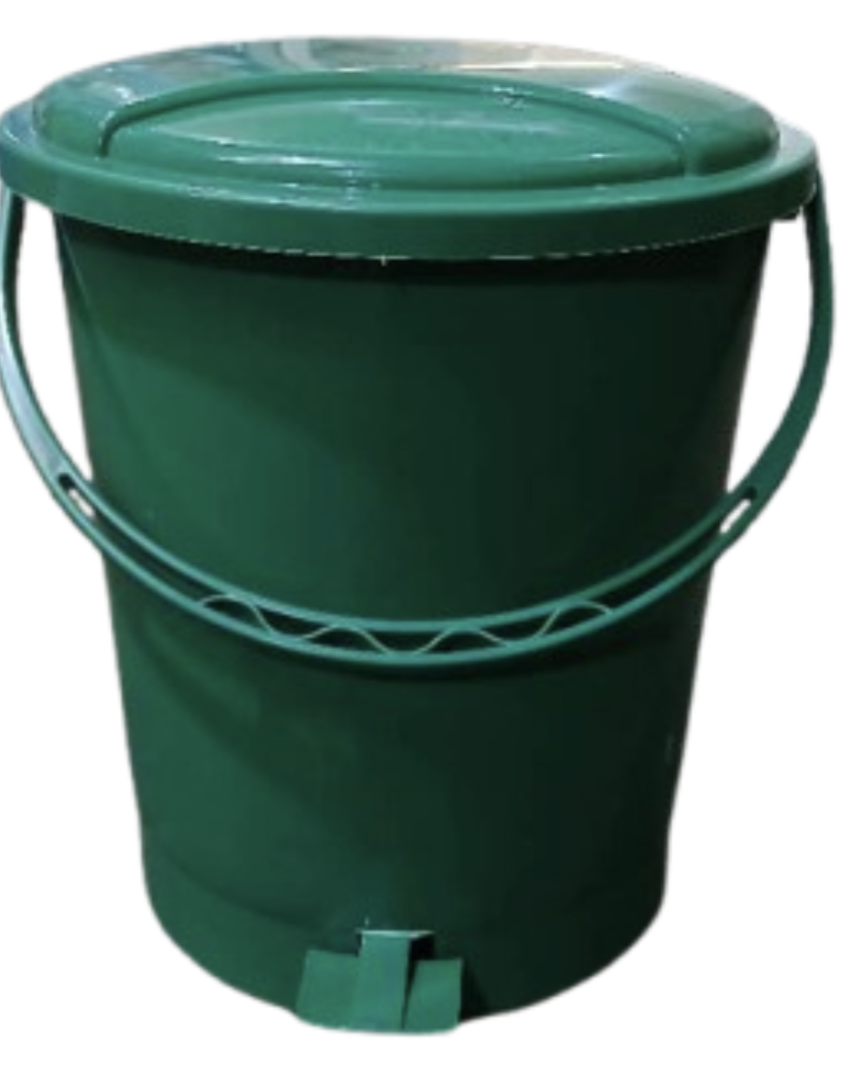
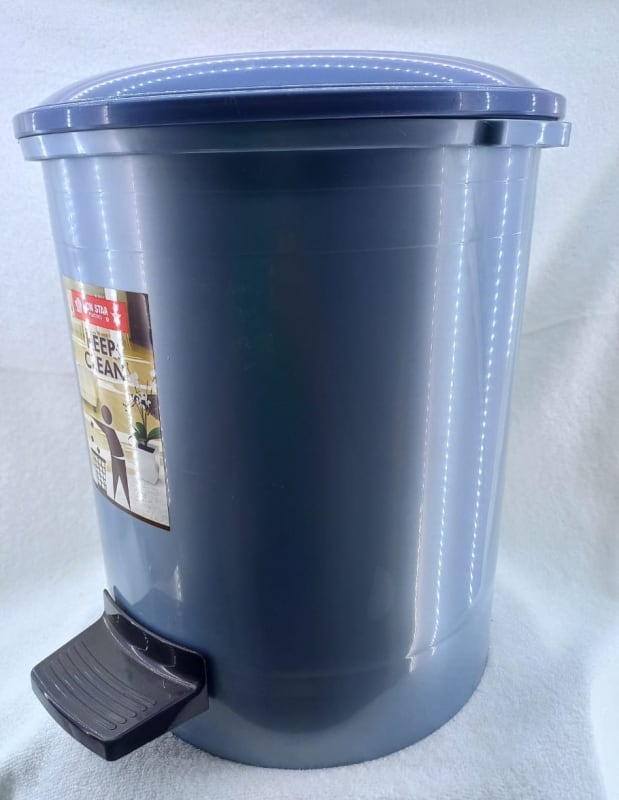
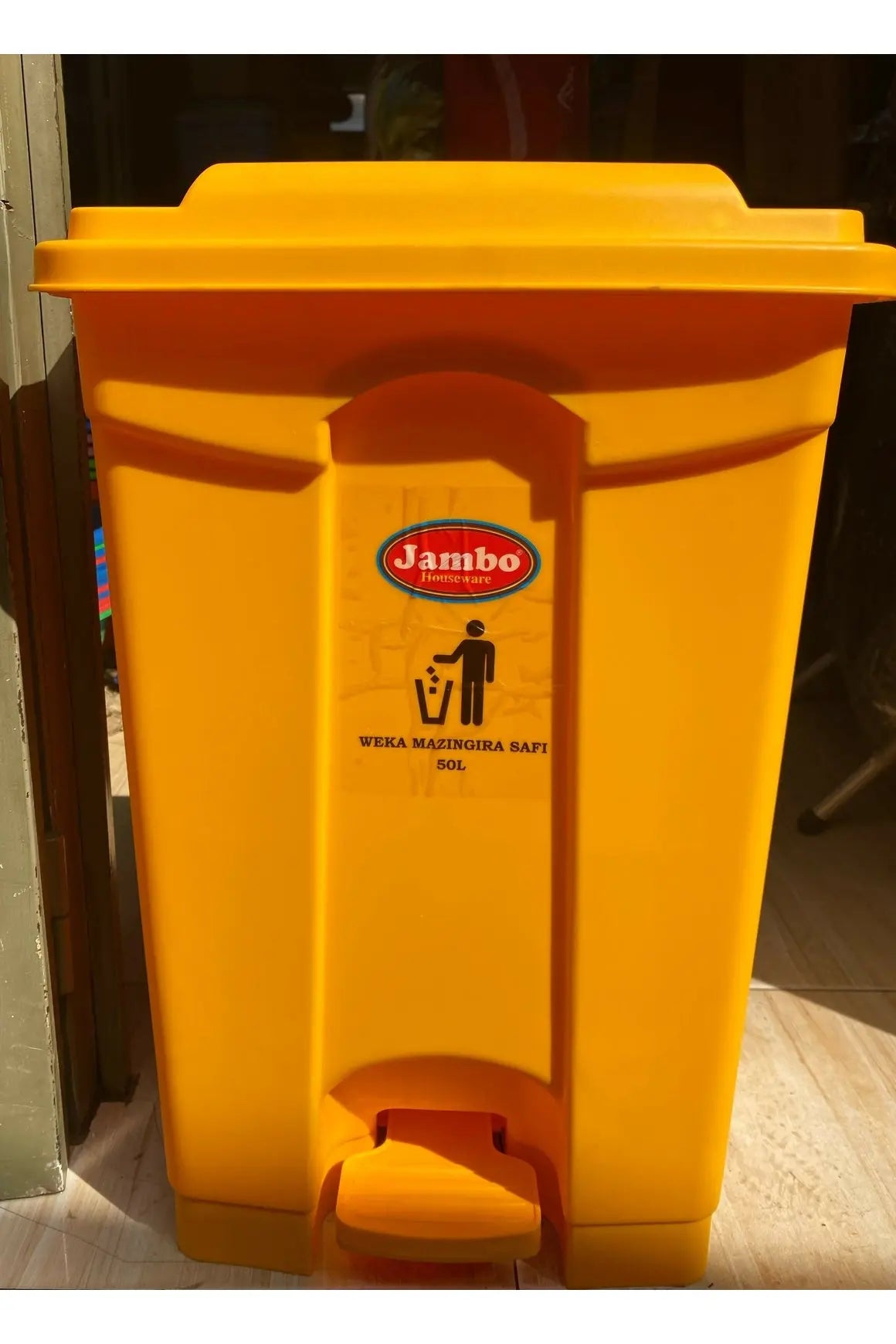
Pedal bin
1Nice to haveA small bin by the study corner catches paper, wrappers and pencil shavings.
How to use it: Line it with a bag if you have one. Empty it daily so it does not smell.
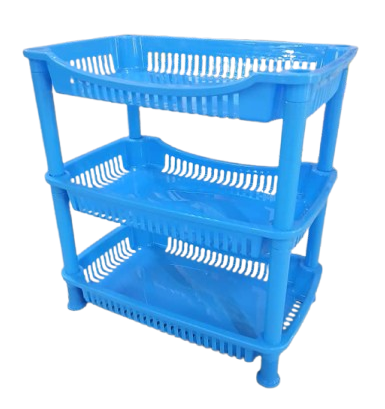
Plastic rack for shelves
1Nice to haveA small rack gives books and school supplies one tidy home off the floor.
How to use it: Place it near the study corner so supplies are easy to find.
Night lights and calm evenings
Younger children may fear the dark, older children may want to read. Gentle light solves both.
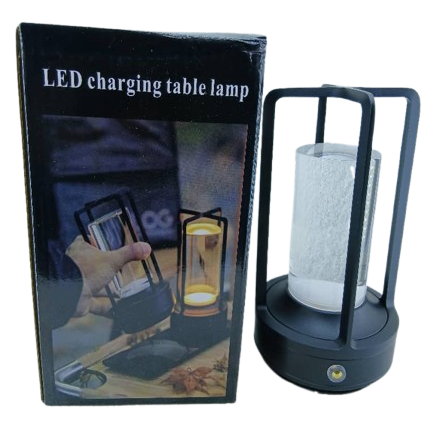
LED night light or small lamp
1 to 2 Must haveA dim light helps a child who wakes at night find the way without waking the sibling.
How to use it: Put it low and away from the beds. Switch off at the plug when not in use.
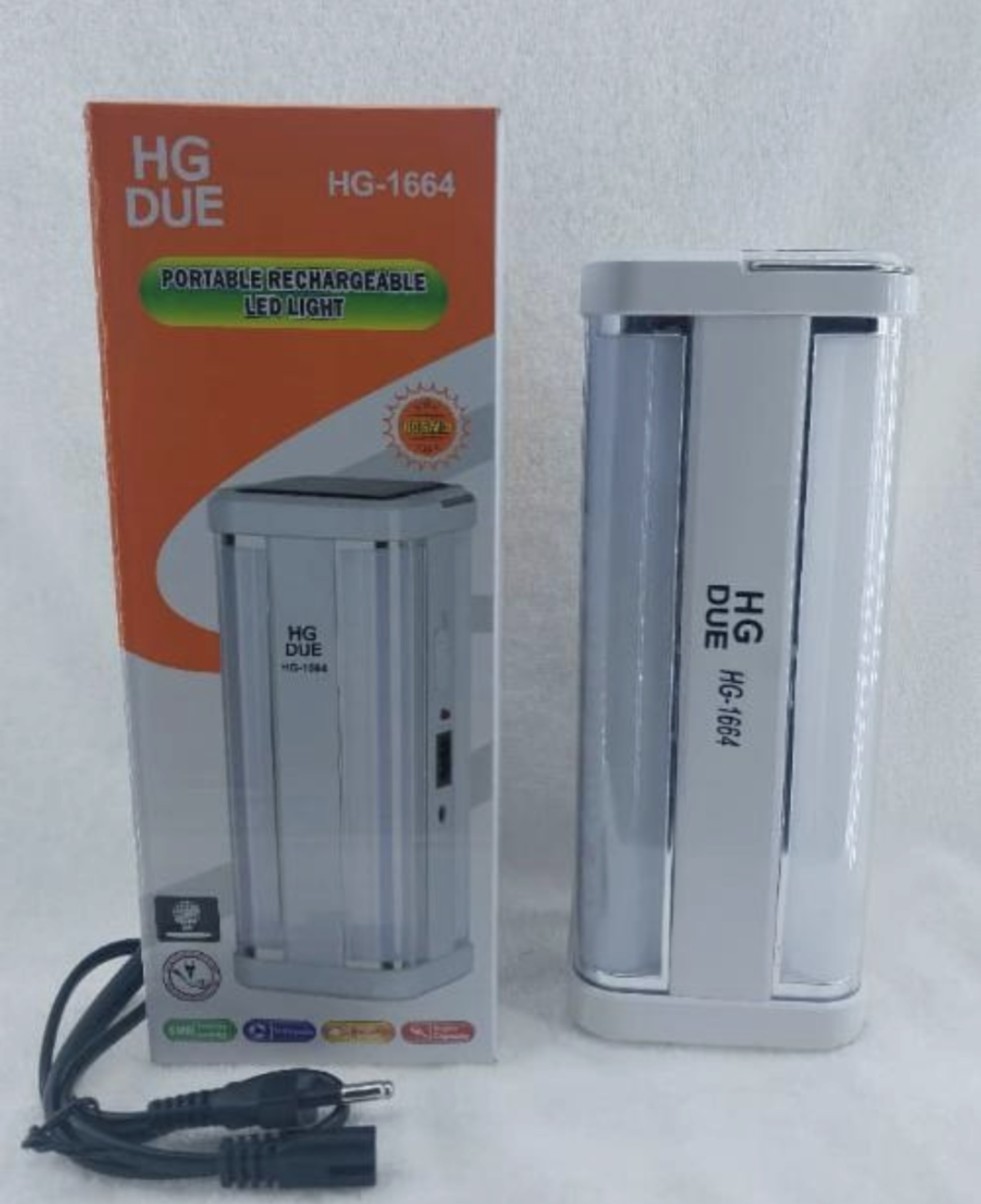
Rechargeable torch
1 Must haveKigali has power cuts. A torch in the room means no stumbling and no panic at night.
How to use it: Keep it in the same place every day, out of the youngest child's reach if it is a bright one. Charge it weekly.
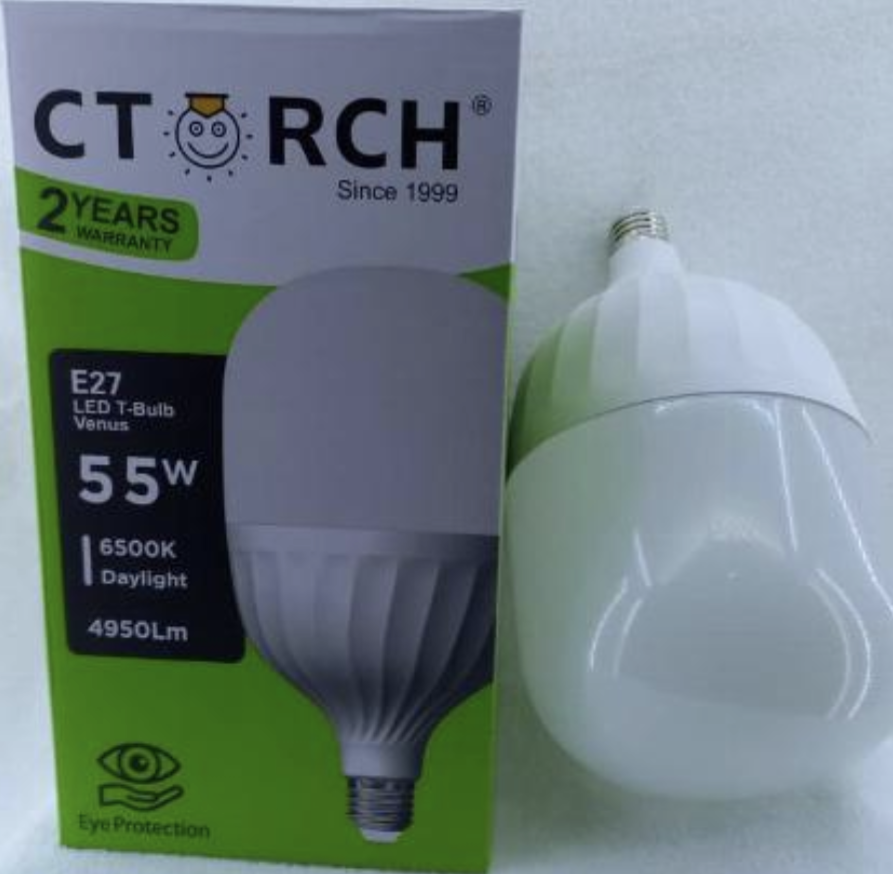
Bright bulb for the ceiling
1 to 2Nice to haveA warm, bright bulb makes homework and reading easier on the eyes.
How to use it: Check the fitting and wattage with your electrician or shop before buying.
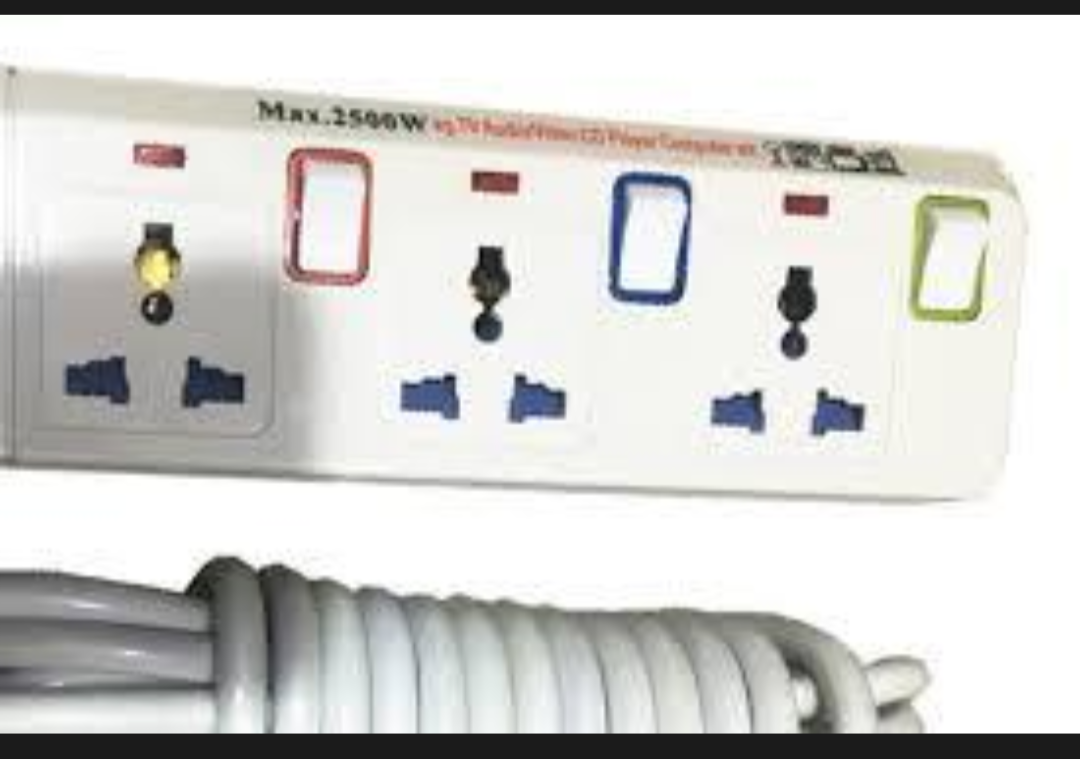
Extension socket
1Nice to haveMany rooms have only one socket. An extension keeps lamp and charger safe and in reach.
How to use it: Do not overload it. Keep it off the floor and away from water.
Slippers
1 pair per childNice to haveCold floors in the morning and dust outside both call for room slippers.
How to use it: Keep a pair per child by the door so they do not get mixed up.










Study corner
A small spot for homework helps children focus, even if it is only a table at one end of the room.
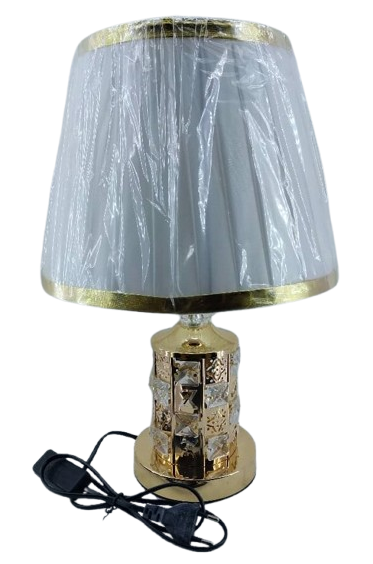
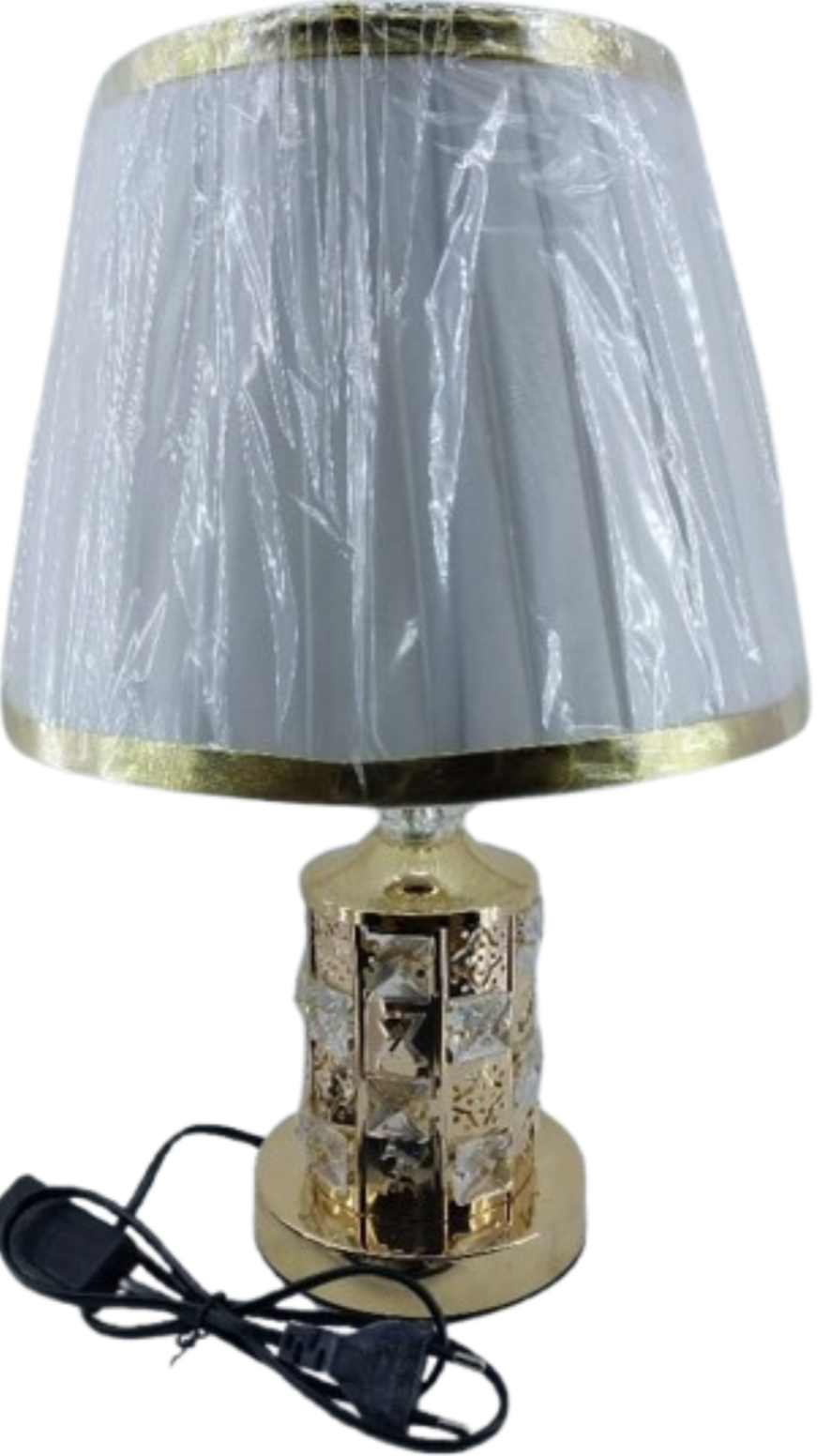
Table lamp
1 Must haveGood light at homework time protects eyes and helps concentration, especially in the evening when it gets dark early.
How to use it: Place it on the side opposite the writing hand so there is no shadow.
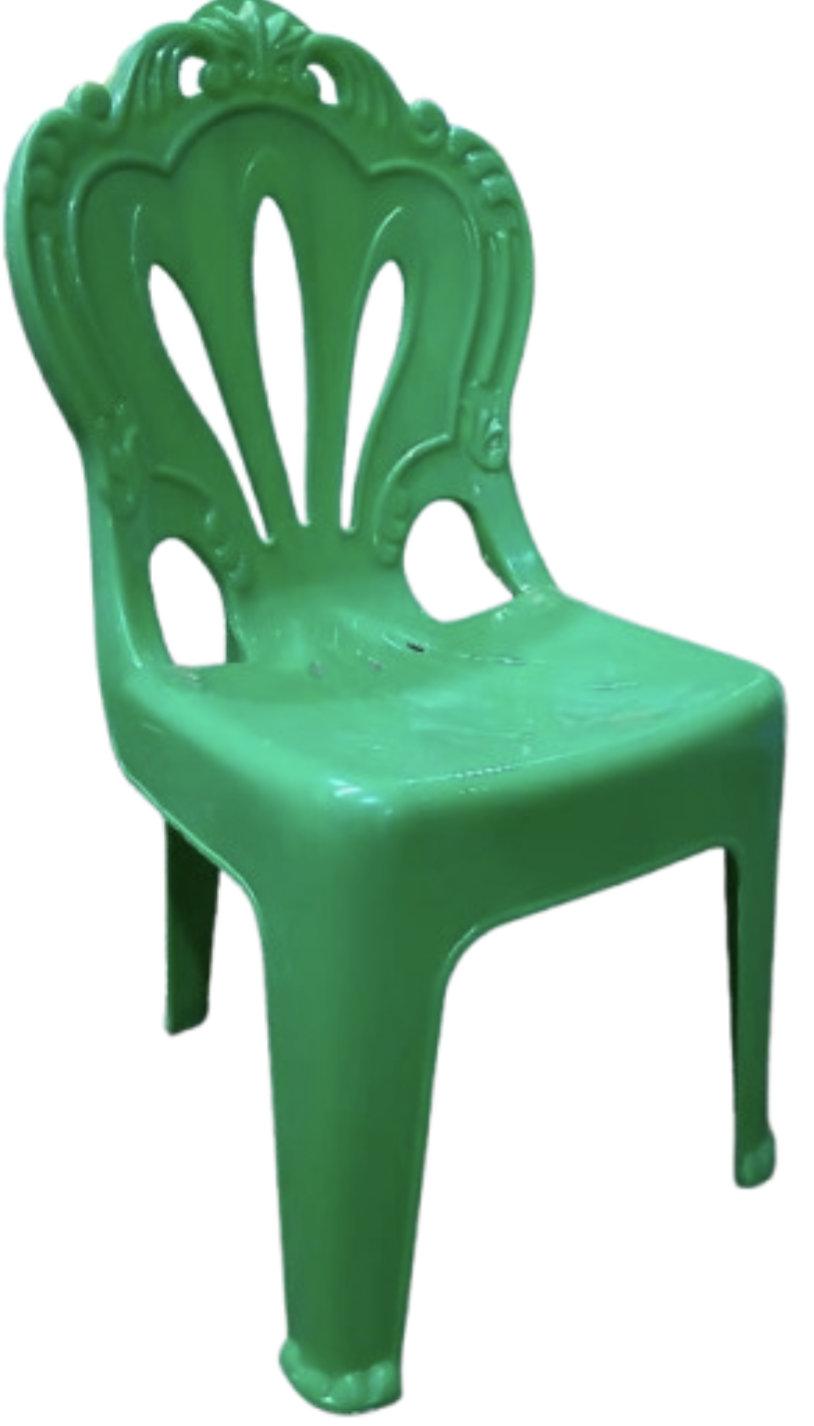
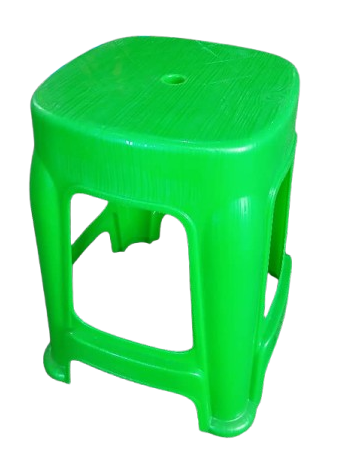
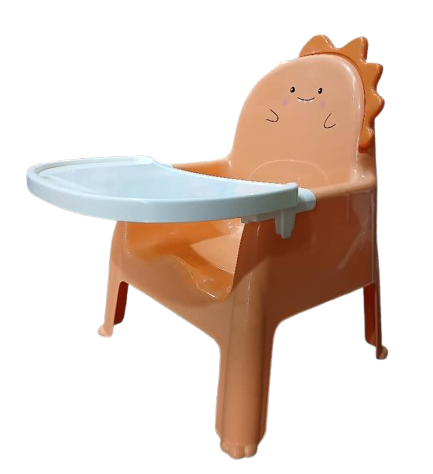
Plastic chairs for children
1 per child Must haveA chair at the right height helps a child sit well and keep writing neat.
How to use it: Choose sturdy chairs. Their feet should rest on the floor.
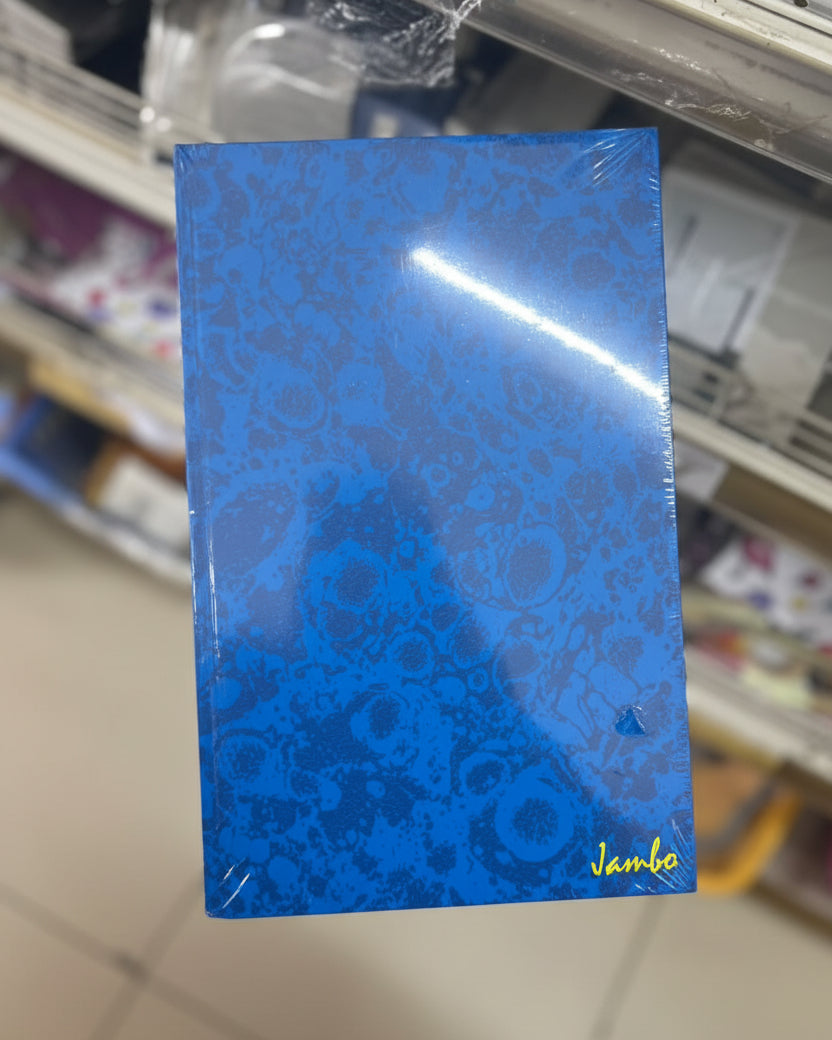
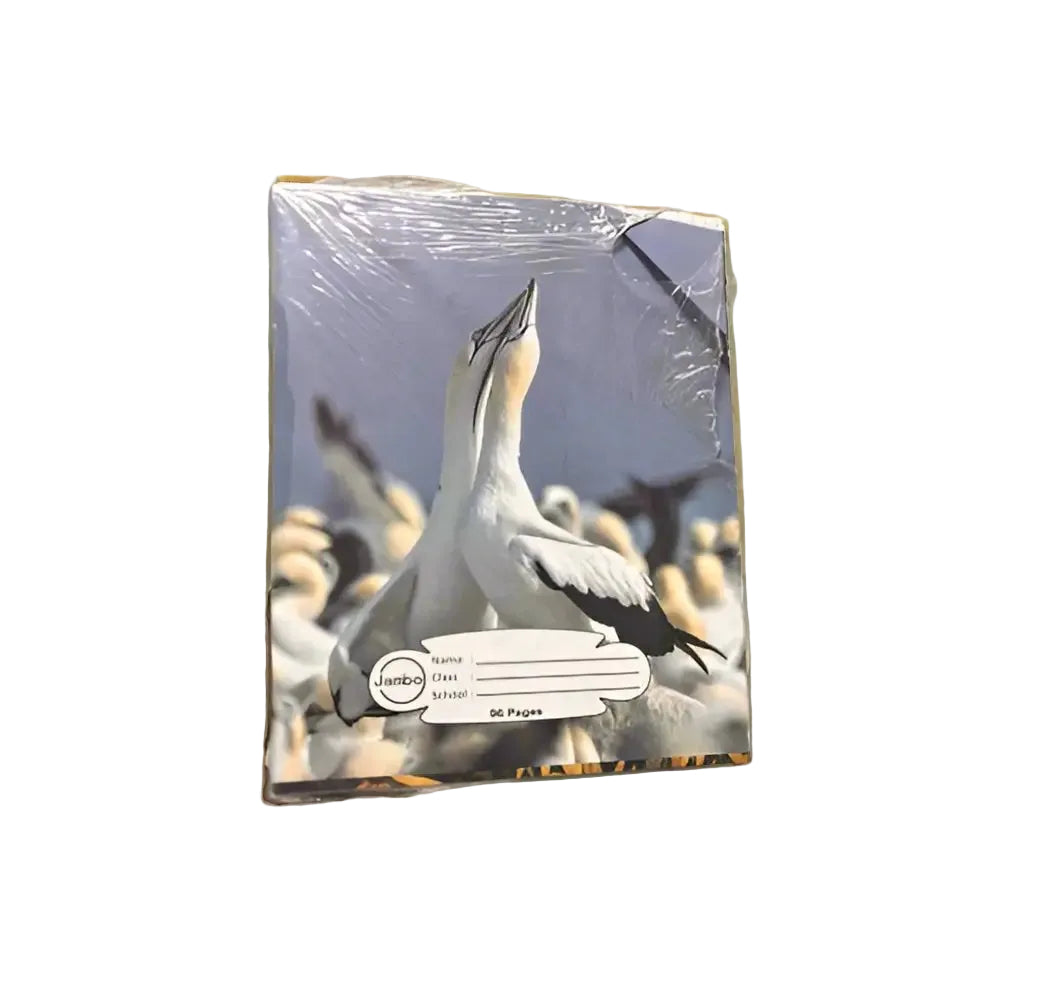
Notebooks
As needed Must haveOne notebook per subject keeps school work tidy and easy to find.
How to use it: Label the cover with the subject and the child's name.
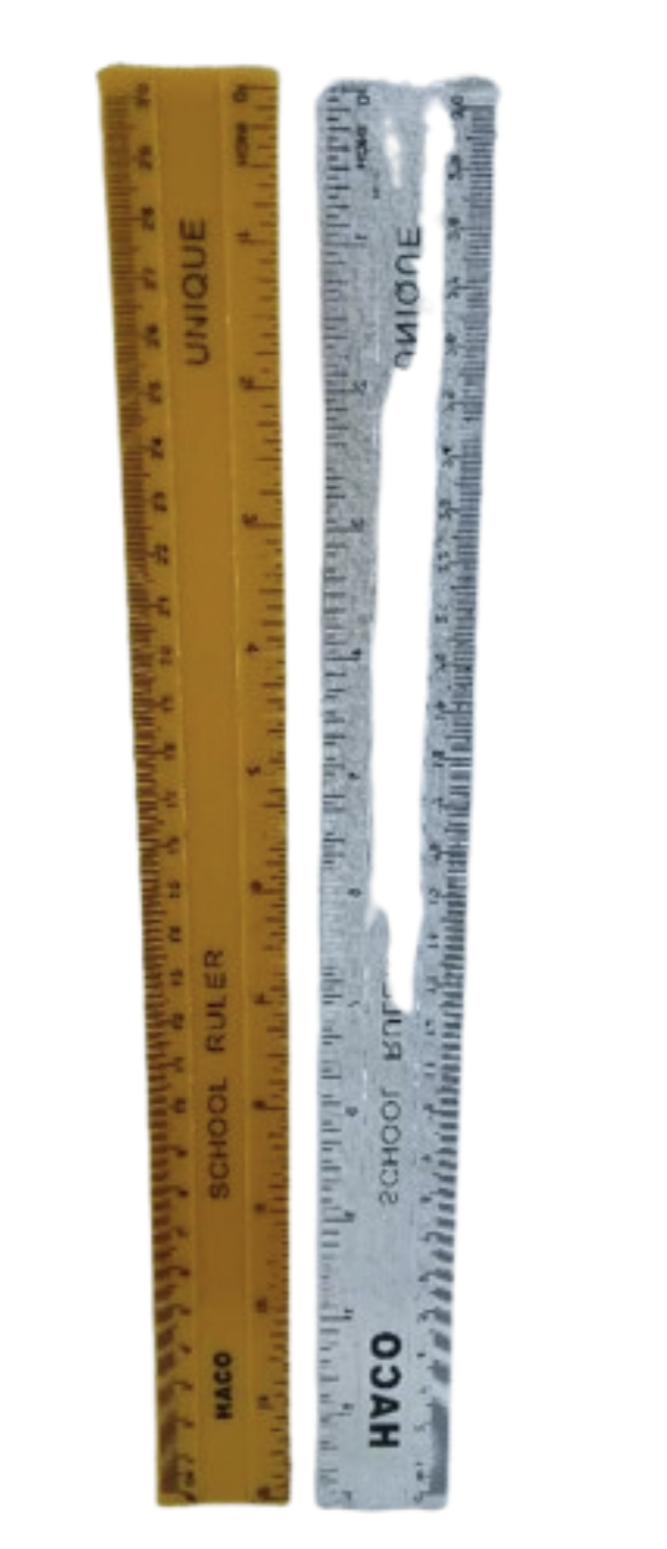
Rulers
1 per childNice to haveChildren use a ruler daily at school. One at home means no missing ruler in the morning.
How to use it: Keep it in a pencil case with a pencil and eraser.
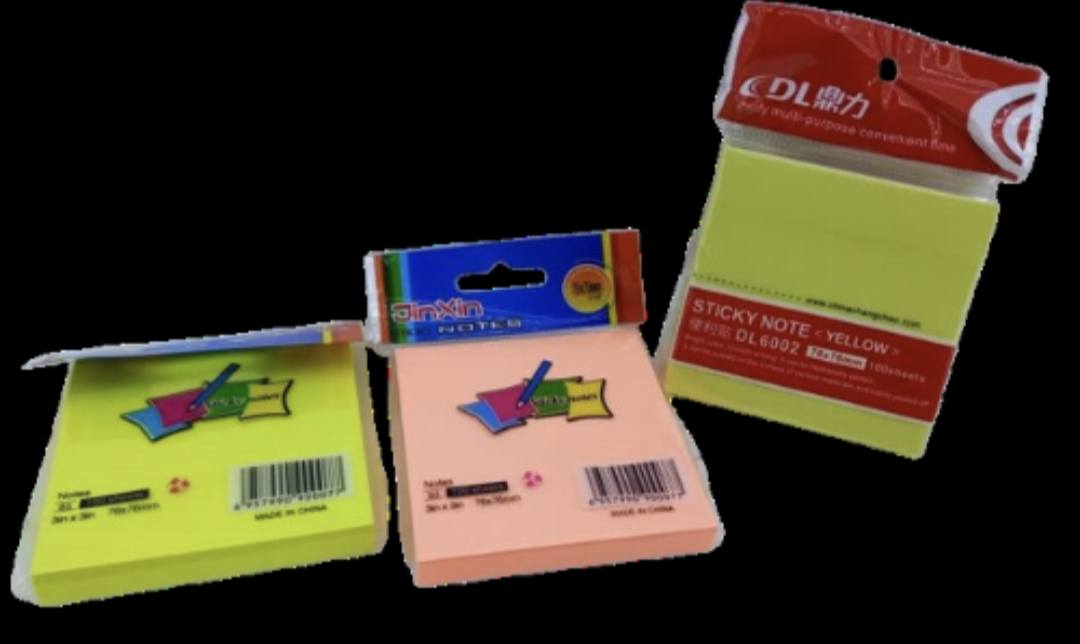
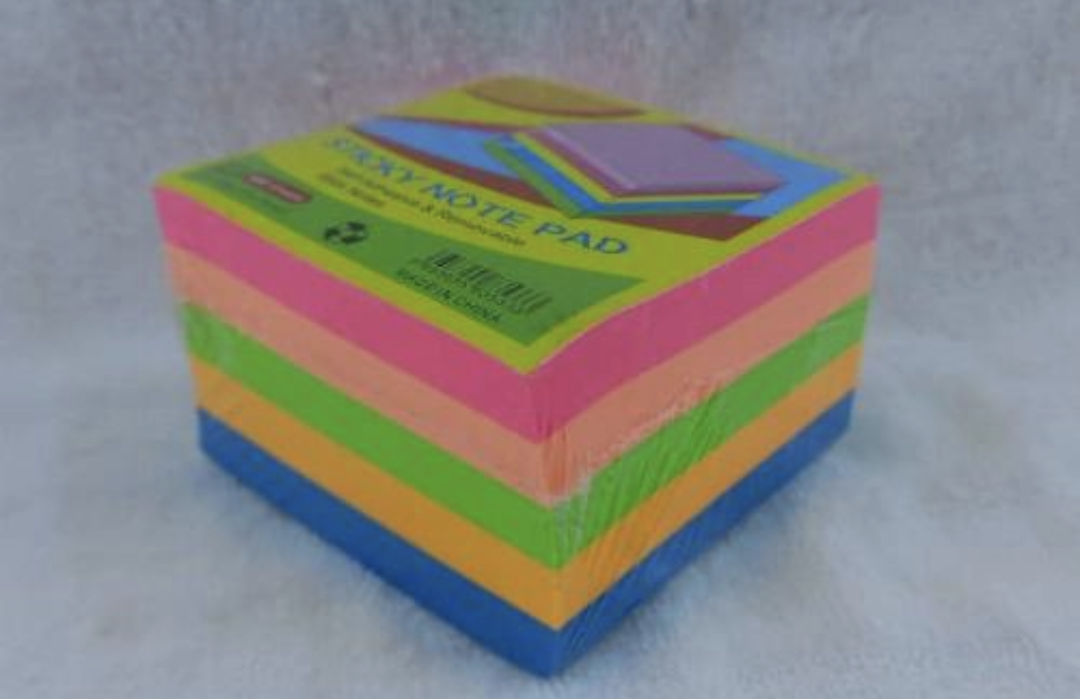
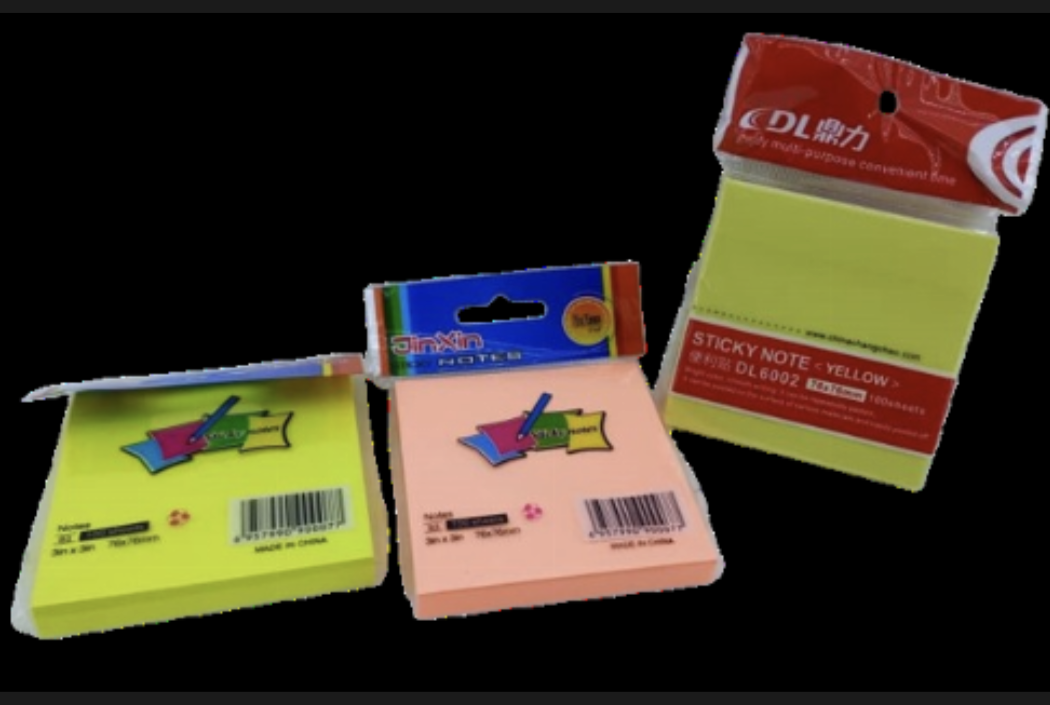
Sticky notes
1 packNice to haveLittle reminders for homework, chores or a kind message for a sibling.
How to use it: Use one color per child so notes are not mixed up.
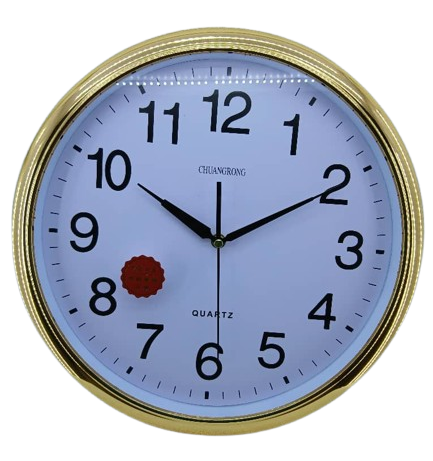
Wall clock
1Nice to haveHelps children learn to read time and keeps the morning routine on track.
How to use it: Hang it at eye level where both can see.





Keeping the room fresh and healthy
Two active children make dust and smells quickly. A few small items keep the room pleasant.
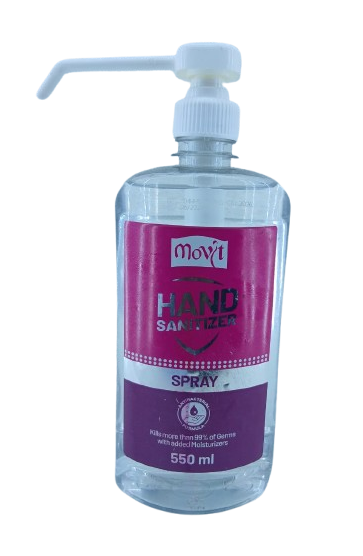
Hand sanitizer
1Nice to haveUseful when water is not close, for example after outdoor play and before bed.
How to use it: Use a small amount and rub until dry. Keep out of very small children's reach.
Wet wipes
1 packNice to haveFor quick clean up of hands, faces and sticky toys.
How to use it: Keep a pack in the room. Throw used wipes in the bin, not the toilet.
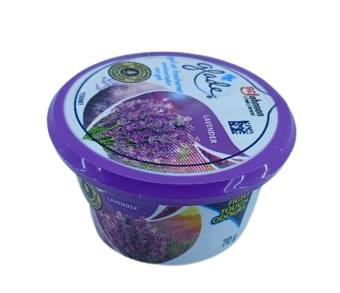
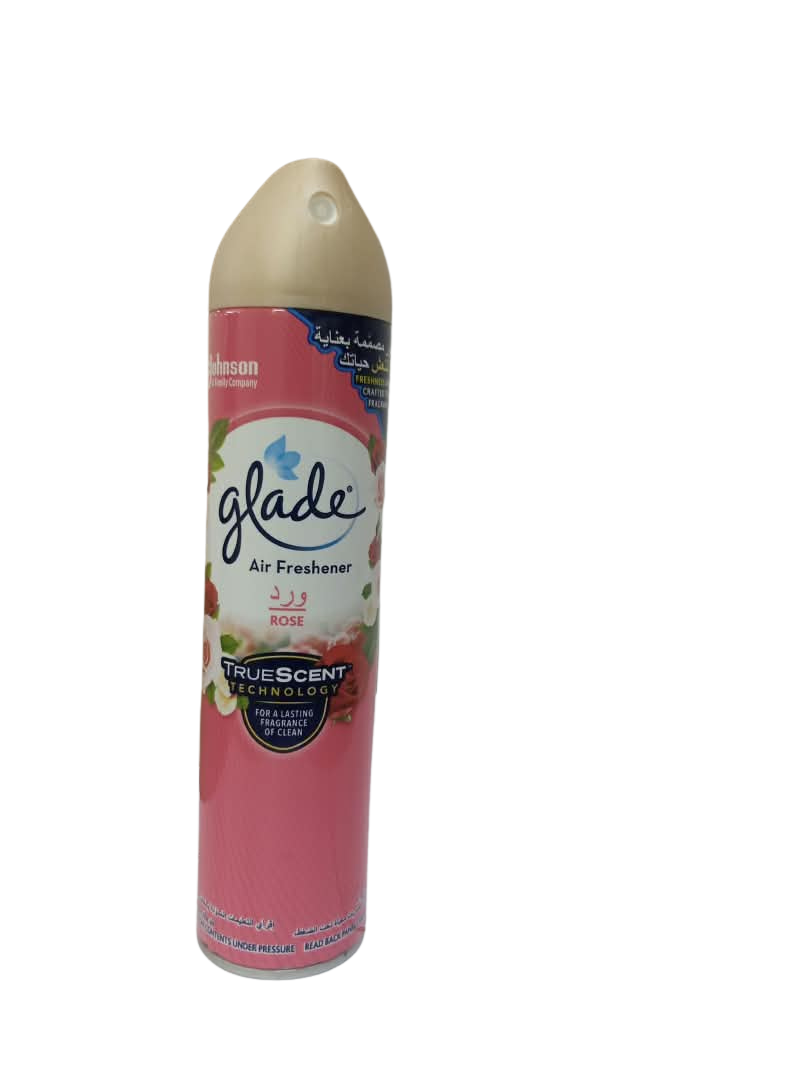
Air freshener
1Nice to haveKeeps the room smelling clean between sweeping days.
How to use it: Use lightly. Always open the window for fresh air first.
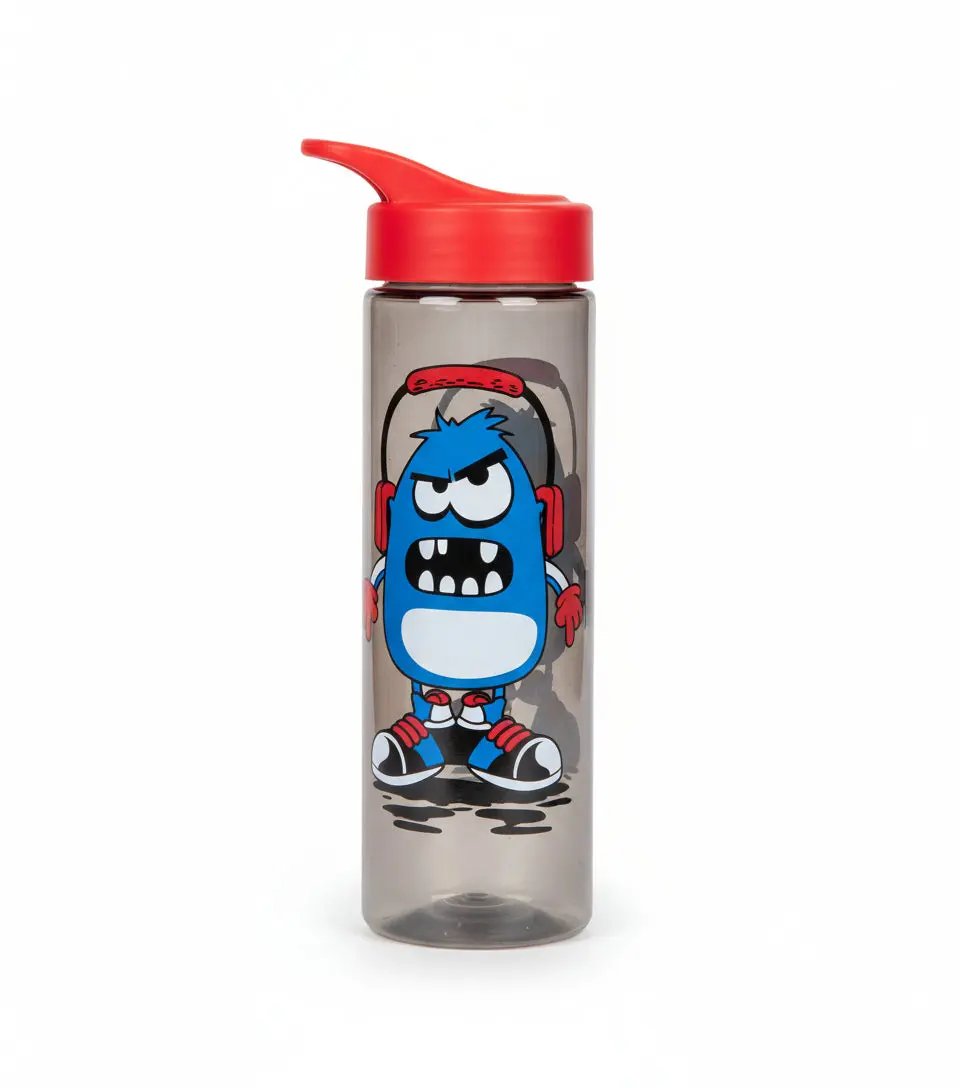
Water bottles
1 per childNice to haveEach child has their own bottle to keep by the bed, which avoids sharing and many night trips to the kitchen.
How to use it: Wash daily. Use a different color for each child.
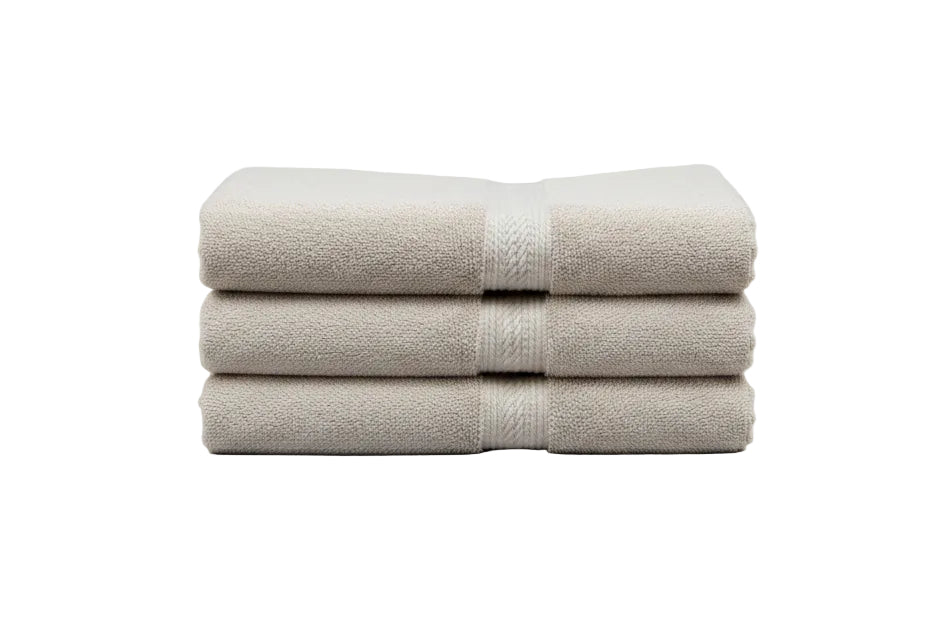
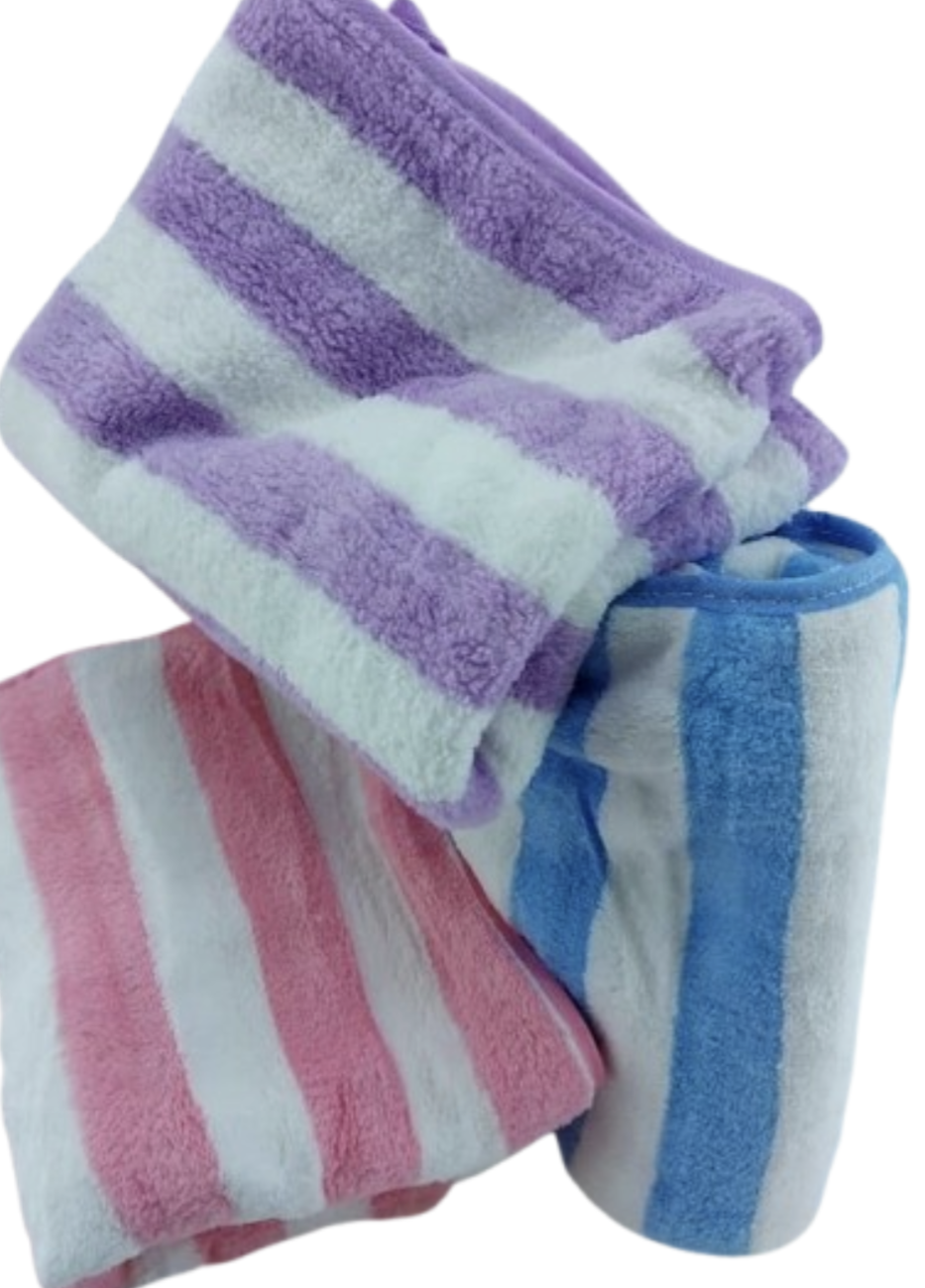
Bath towels
1 per child Must haveA hook and towel per child keeps things fair and hygienic.
How to use it: Hang to dry after use and wash weekly.









Step by step
- 1
Plan the layout
Measure the room. Decide where the beds, storage and study table will go so each child has a zone.
- 2
Buy sleep items
Get bedding, mattress protectors and mosquito nets first so nights are comfortable from day one.
- 3
Add storage
Set up boxes, hangers and a laundry basket. Show each child which ones are theirs.
- 4
Sort lights and study
Fit lights and set up the study corner before the next school term.
- 5
Agree on house rules
Make simple room rules together, such as quiet time and tidy up before bed.
Tips that help
- Give each child a color so sheets, boxes and towels are easy to tell apart.
- Put heavier items on the lower shelves and lighter things higher up.
- If you use bunk beds, check the top bunk is safe for the child's age and has a rail.
- Let children help choose small things like a bed cover. They care more for what they pick.
- Keep one shared shelf for games so sharing feels fair.
- Do a five minute tidy together every evening before bed.
Mistakes to avoid
- Buying only one set of sheets per child, then having nothing to change on wash day.
- Placing a lamp or extension cord where a child can pull it or reach water.
- Skipping the mosquito net because it looks like a hassle.
- Giving all the storage to the room and none to each child, which causes arguments.
- Putting the study table where the TV or the door distracts.
Questions people ask
How do I share a small bedroom between two kids?+
Divide the room into two zones with separate storage for each child. Use bunk beds if space is tight. Keep the floor free for play.
At what age can children share a bedroom?+
Many families share rooms from early on. Think about how different the children's ages and bedtimes are, and ask a doctor or school counselor if you are unsure.
What is the safest way to use bunk beds?+
Check that the frame is sturdy and that the top bunk has a rail. Younger children usually sleep on the lower bed. Follow the maker's advice for age and weight.
Do I need a night light?+
Not always, but it helps children who wake in the dark or are afraid of it. A small dim light is enough, and a torch is a good backup in a power cut.
How do I stop my kids from arguing over space?+
Give each child their own storage, a color, and one personal shelf or corner. Agree on a few room rules together and keep them simple.
A shared room works best when every child has a bed, a box and a bit of light that belongs to them. Shop the list on Isokko and have it delivered to your door in Kigali.
Shop this list
Get everything delivered in Kigali
Order from local stores on Isokko and pay with MoMo, card or cash. Same-day delivery.