
Checklist · School & students
Primary Six National Exam Prep at Home: What to Buy
A Primary Six exam prep checklist for Rwandan families: practice books, a quiet study corner, snacks and rest items to help your child prepare at home.
Updated November 17, 2026 · By Isokko
Primary Six is a big moment for a child and for the family. You do not need expensive items or long hours to help. A calm place, the right books and a steady routine matter more than anything else.
This checklist shows what to buy for a simple home study setup: practice material, a quiet study corner, healthy snacks and basics for good rest. It is written for busy parents in Kigali who want to help without adding stress.
Check with your child's teacher about the books and materials the school recommends, and use this list to fill the gaps.
Who it's for
Parents and guardians helping a Primary Six child get ready for national exams
Time needed
Set up over 1 to 2 weekends, then keep a simple routine
When to shop
Buy books and tools first, snacks weekly so they stay fresh
On the list
31 items, 10 must haves
0 of 31 ready
Practice books and writing tools
Daily practice builds confidence. Short, regular sessions work better than a long night before a test.
Exercise books
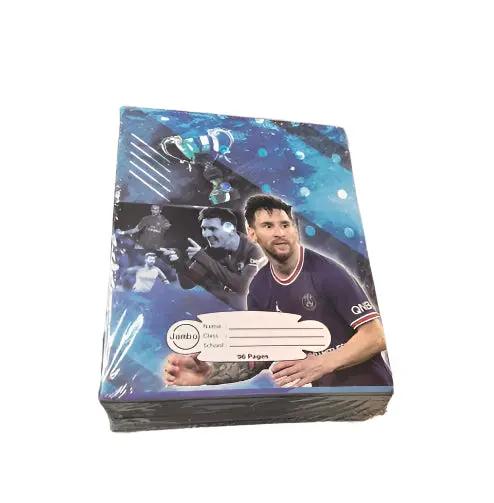
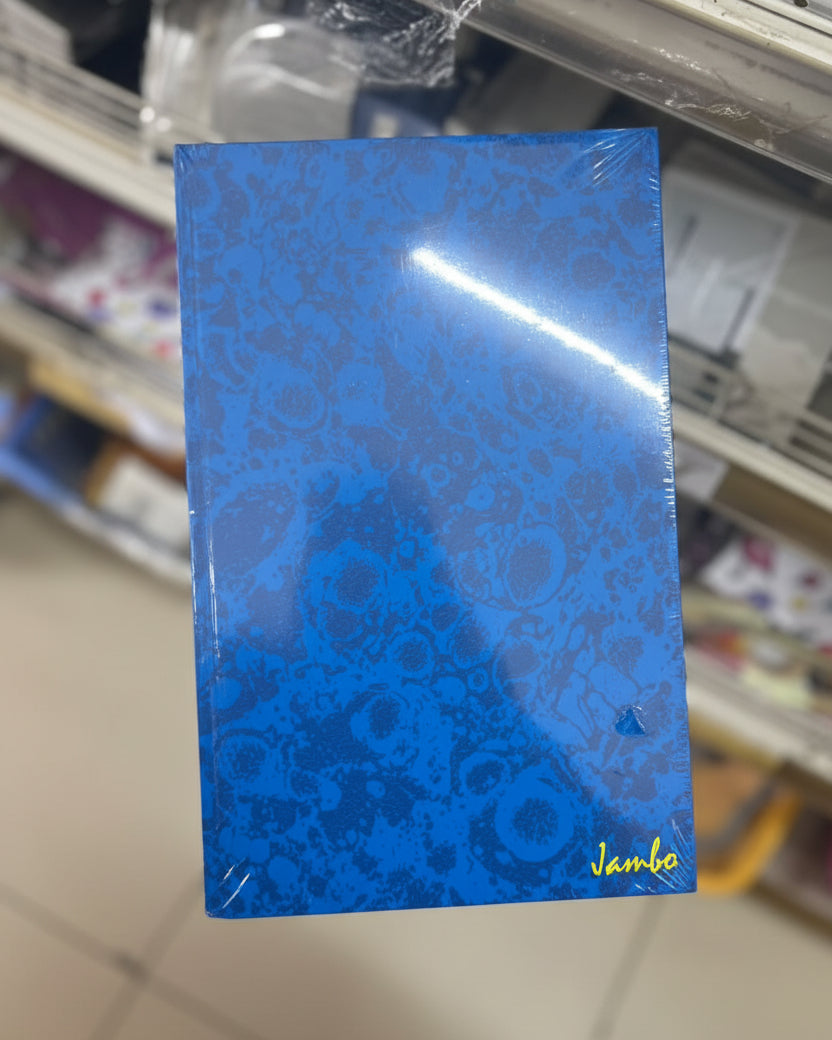
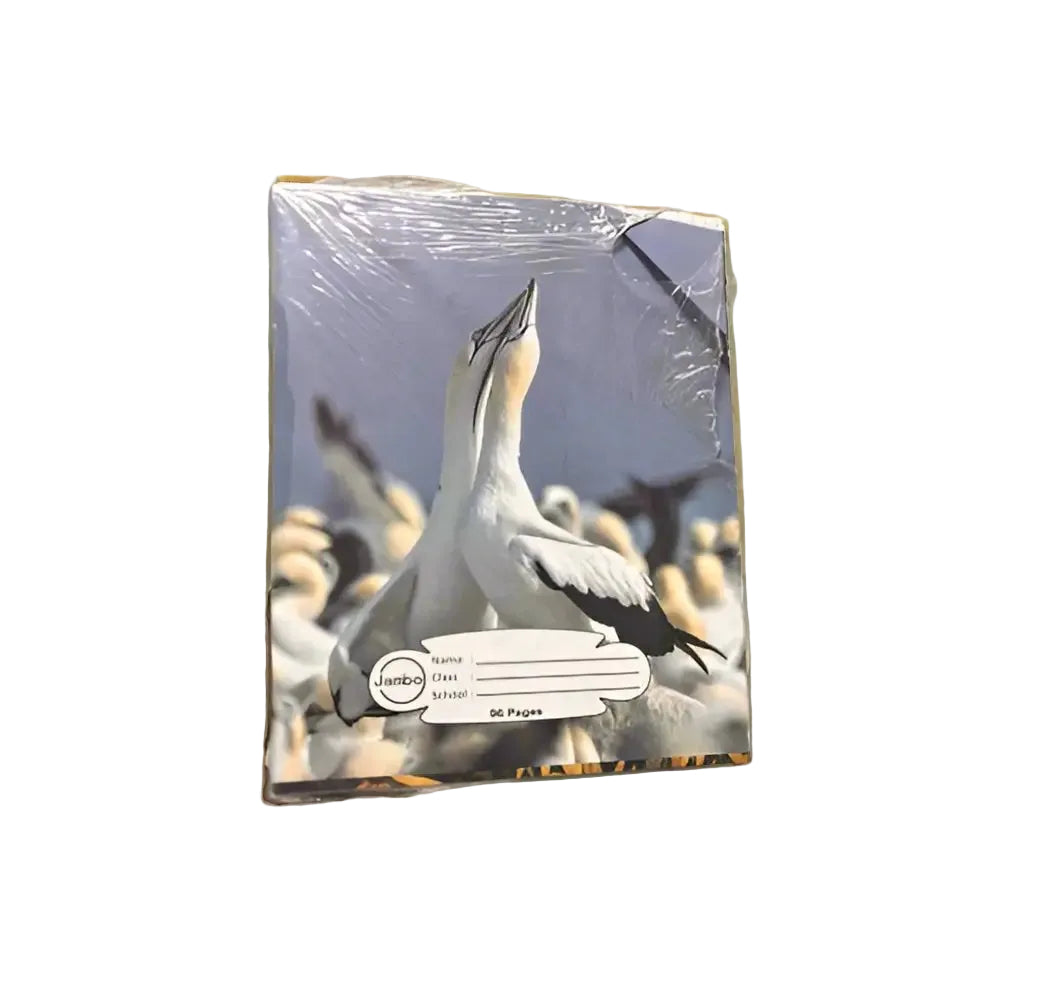
1 per subject Must haveA dedicated book for each subject keeps practice work neat and easy to review.
How to use it: Write the subject on the cover. Ask your child to date each page.
Notebook for mistakes
1Nice to haveA small notebook for mistakes helps your child learn from them and see progress.
How to use it: Write the question, the right answer and one short note about why. Review once a week.
Pencils
1 box Must havePencils are needed for maths, drawing and rough work.
How to use it: Keep two sharpened pencils ready each evening.
Blue or black pens
4 to 6 Must haveMany exam papers are written in pen, and practicing with one builds neat habits.
How to use it: Check with the school on pen rules and practice with the same kind.
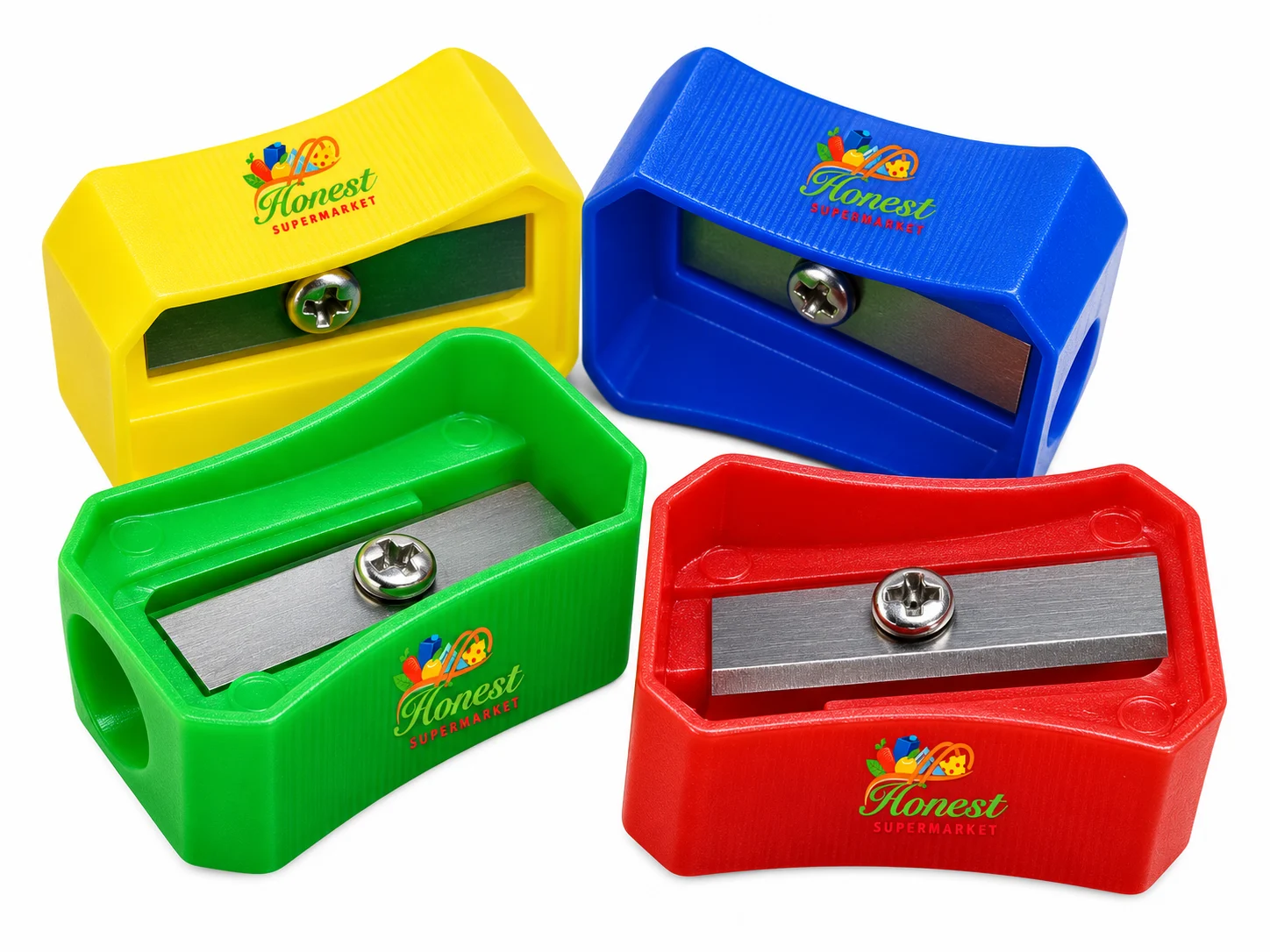
Pencil sharpener
1 Must haveSharp pencils make cleaner work, and a sharpener at home saves time.
How to use it: Keep it in the pencil case so it never goes missing.
Ruler
1 to 2 Must haveA ruler is needed for maths, tables and neat underlining.
How to use it: Choose a clear ruler with clear numbers and keep a spare at home.
Geometry set
1Nice to haveShapes, angles and measuring appear in maths. A full set helps with practice.
How to use it: Check it has all pieces and that the compass point is firm.
Colored pencils
1 setNice to haveColors help with maps, science diagrams and neat headings.
How to use it: Keep one small set for drawing and labeling.






A quiet study corner
You do not need a separate room. A small, calm corner with light and a table is enough.
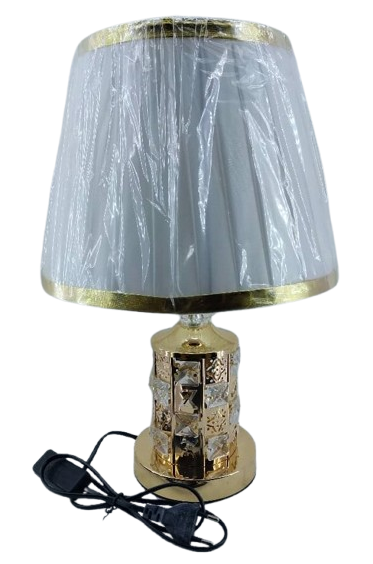
Table lamp
1 Must haveGood light protects young eyes and keeps your child focused in the evening.
How to use it: Place the lamp on the side opposite the writing hand.
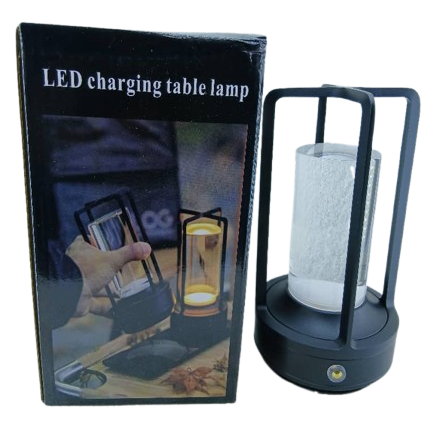
Rechargeable torch
1 Must havePower cuts happen. A torch means the evening study session can continue.
How to use it: Charge it every few days and keep it in the same place.
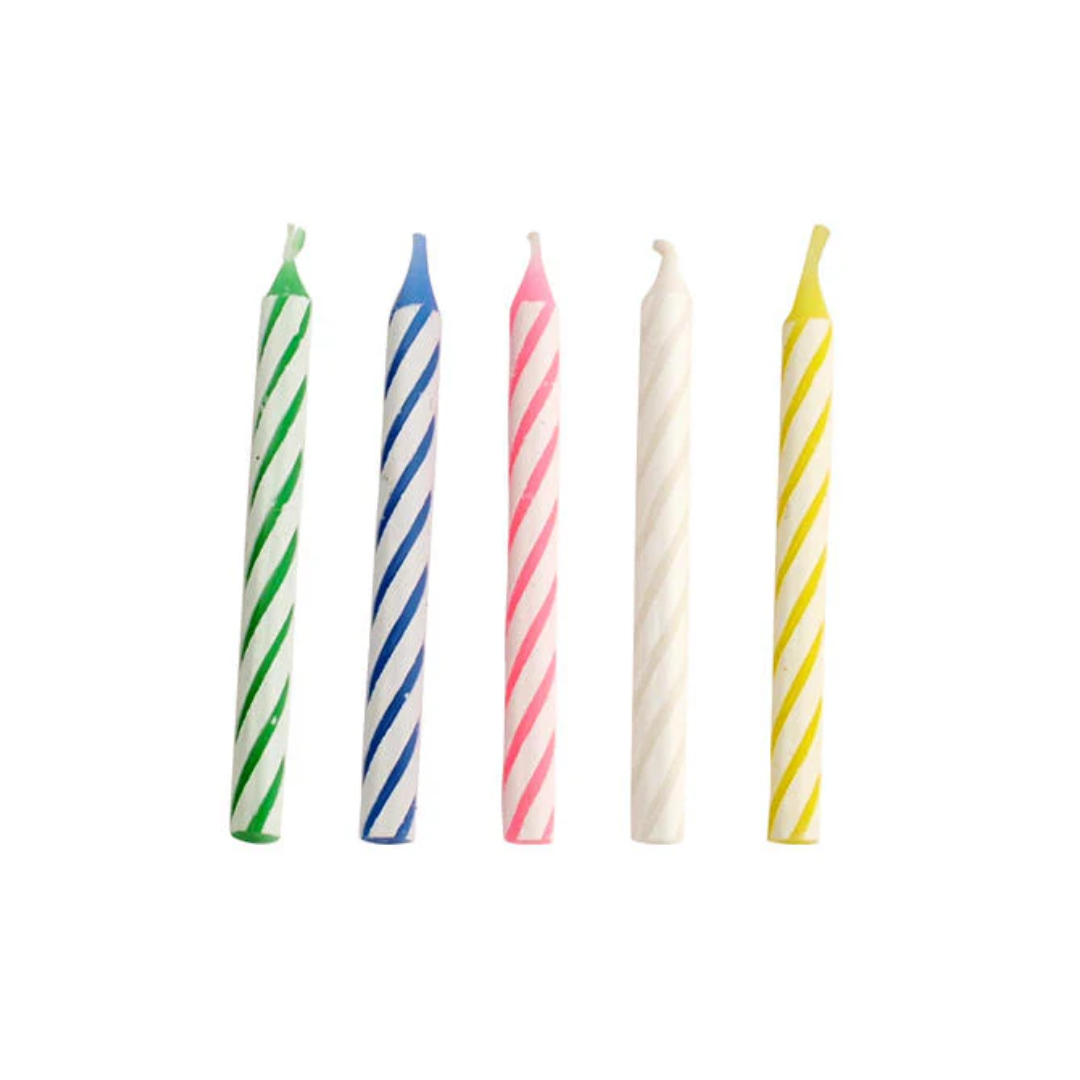
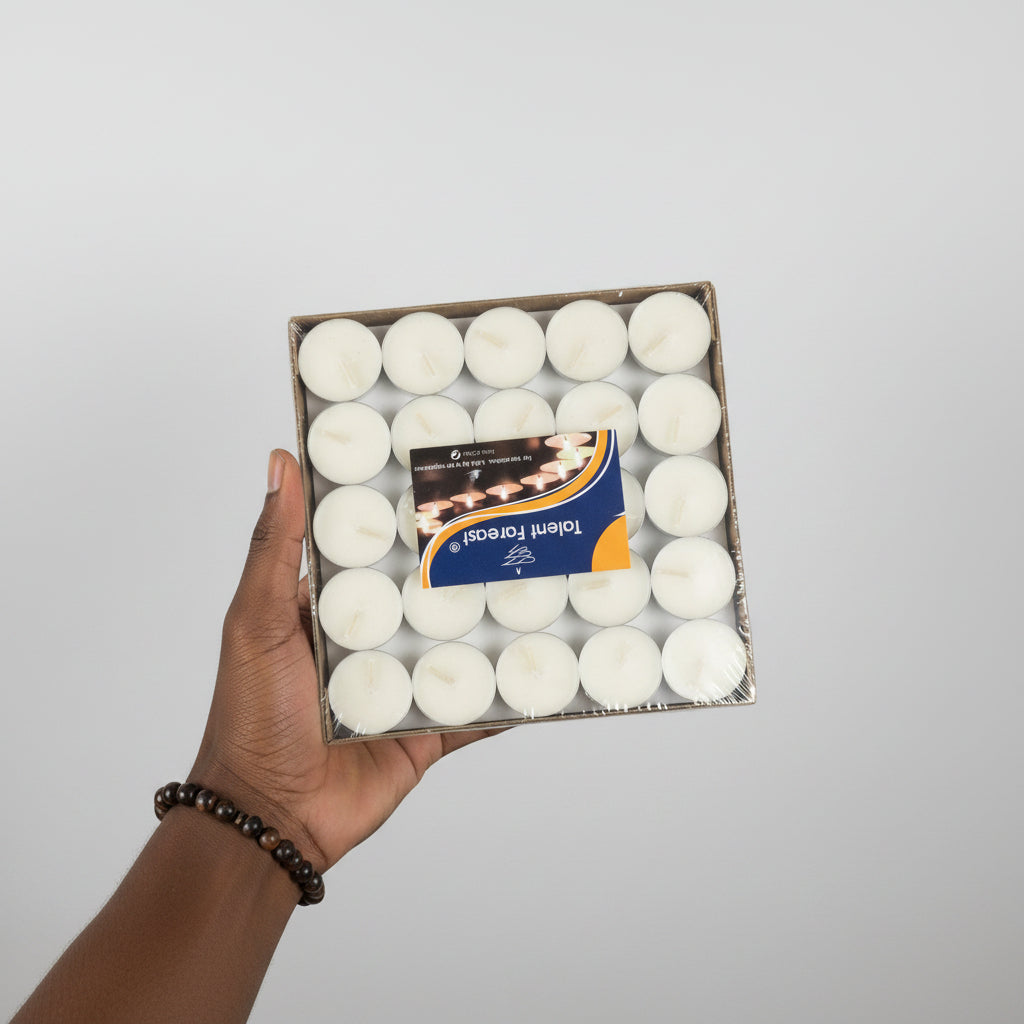
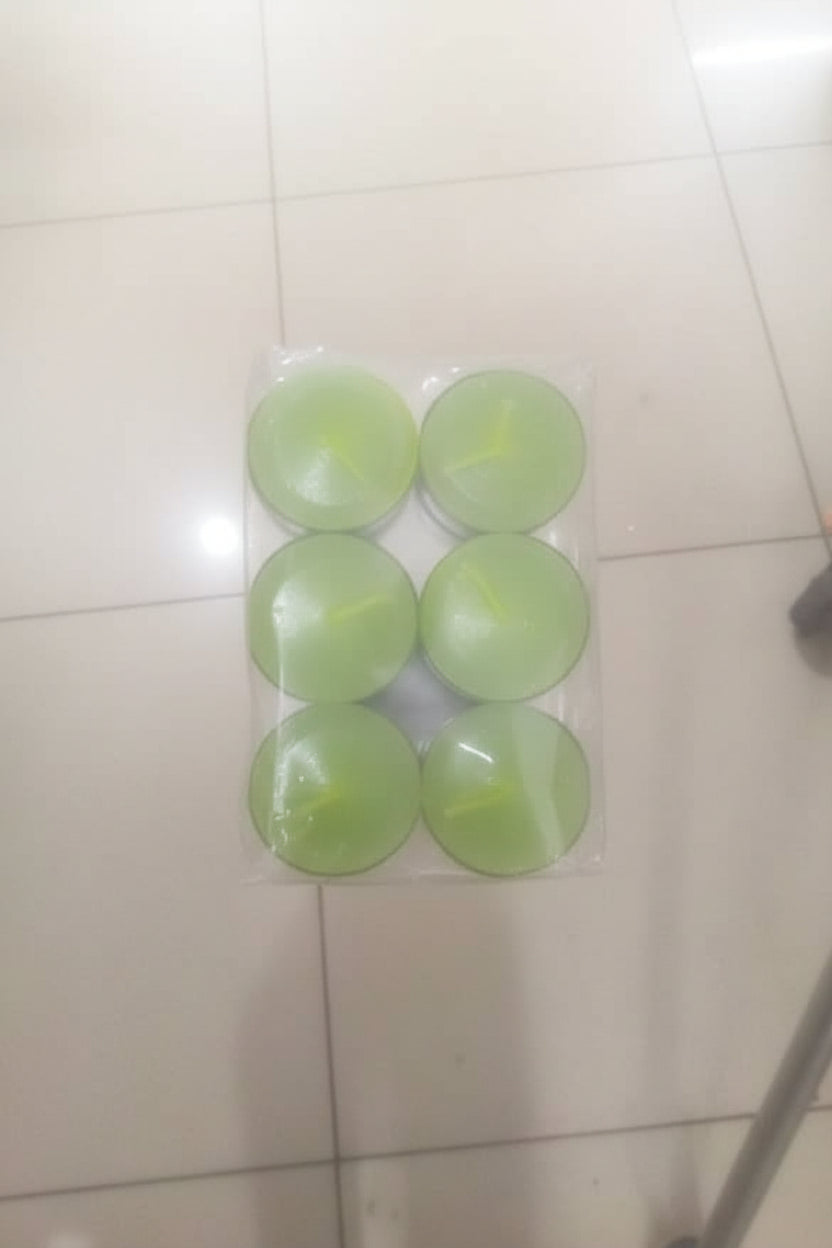
Candles
1 packNice to haveA backup for long power cuts when the torch battery is low.
How to use it: Keep them in a holder, away from curtains, and never leave a child alone with a flame.
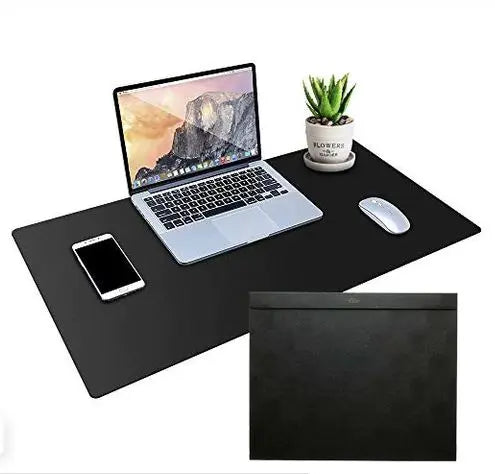
Desk mat or plastic mat
1Nice to haveA mat protects the table and gives a clear, smooth writing surface.
How to use it: Keep only what is needed for today on the table.
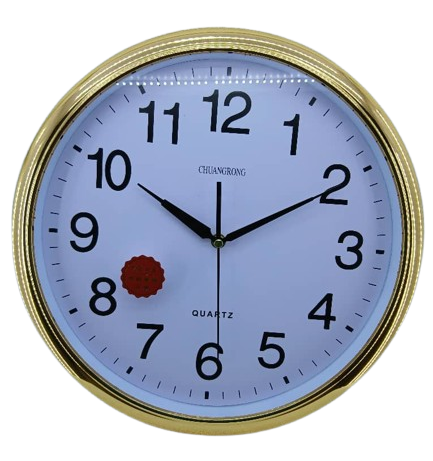
Wall clock
1Nice to haveA clock helps your child see how long a task takes and builds a sense of time.
How to use it: Place it where it can be seen from the study spot.
Extension socket
1Nice to haveLets you plug in a lamp and a charger without cables across the floor.
How to use it: Keep cables tidy and out of the reach of small children.




Tools for parents
Small things that help you support the routine without taking over.
Sticky notes
2 padsNice to haveShort reminders and key facts on the wall help your child review in small steps.
How to use it: Write one fact per note. Change them every few days.
Marker pens
1 packNice to haveUse markers to write a weekly plan on a large paper and stick it on the wall.
How to use it: Keep markers capped so they do not dry out.
Scissors and glue
1 eachNice to haveHandy for making flash cards, charts and simple models.
How to use it: Keep them out of reach of younger siblings.
Stapler
1Nice to haveKeeps practice sheets and copied past papers together.
How to use it: Buy a small box of staples at the same time.


Snacks and drinks
A hungry child can not focus. Give a small, healthy snack before study and keep water close.
Bananas
Daily Must haveA banana is an easy, cheap energy snack before homework.
How to use it: Offer one after school, with water.
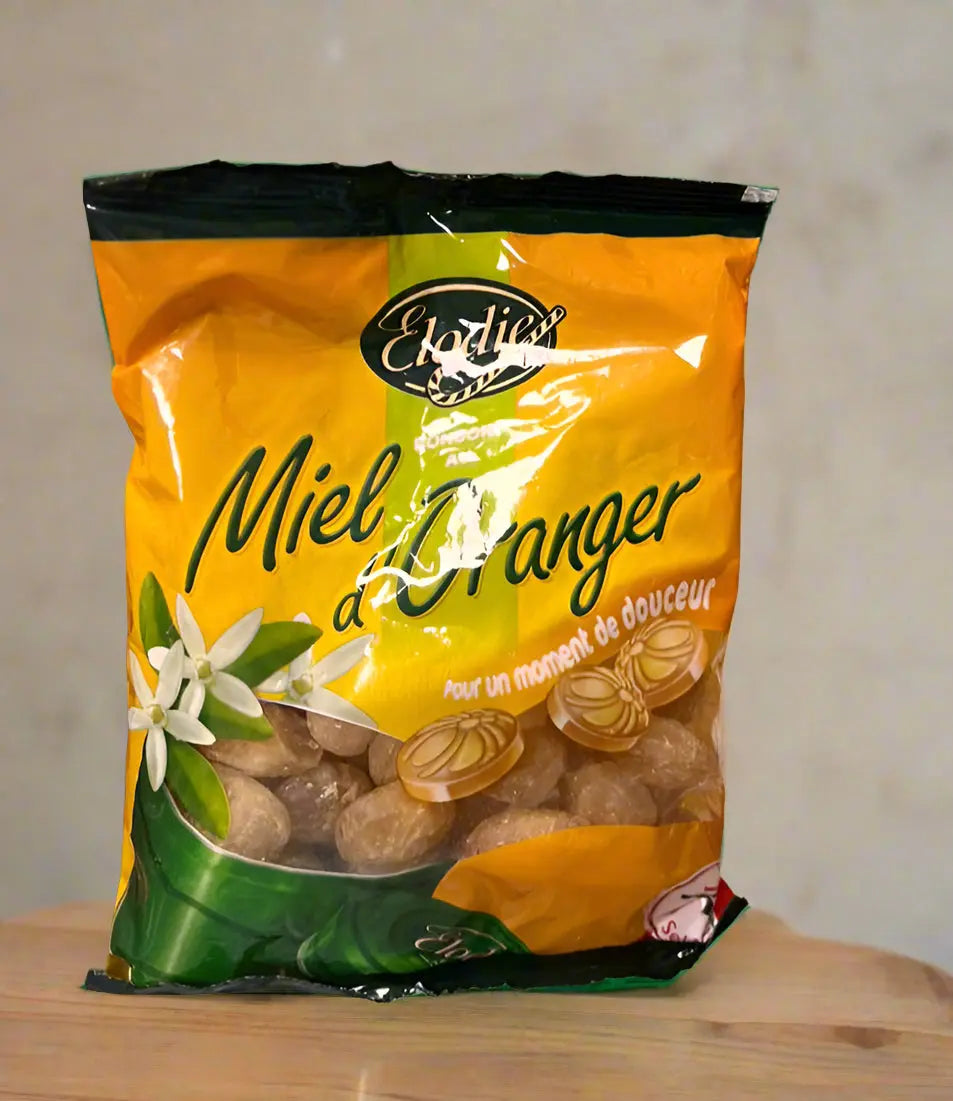
Oranges
DailyNice to haveFruit adds vitamins and a fresh taste after a long school day.
How to use it: Wash and peel before study time.
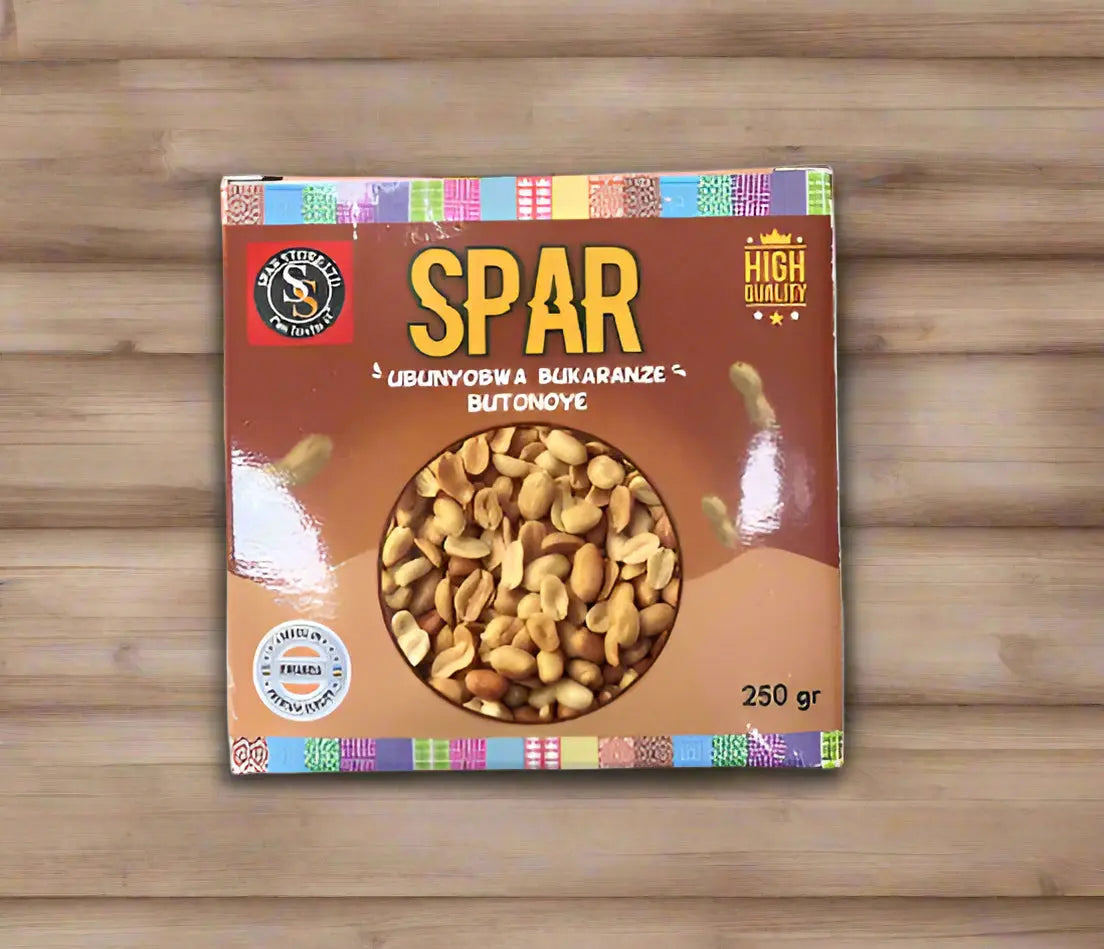
Roasted groundnuts
1 to 2 packsNice to haveGroundnuts give energy and protein for a growing child.
How to use it: Give a small handful, not a big bag, to avoid mess and over eating.
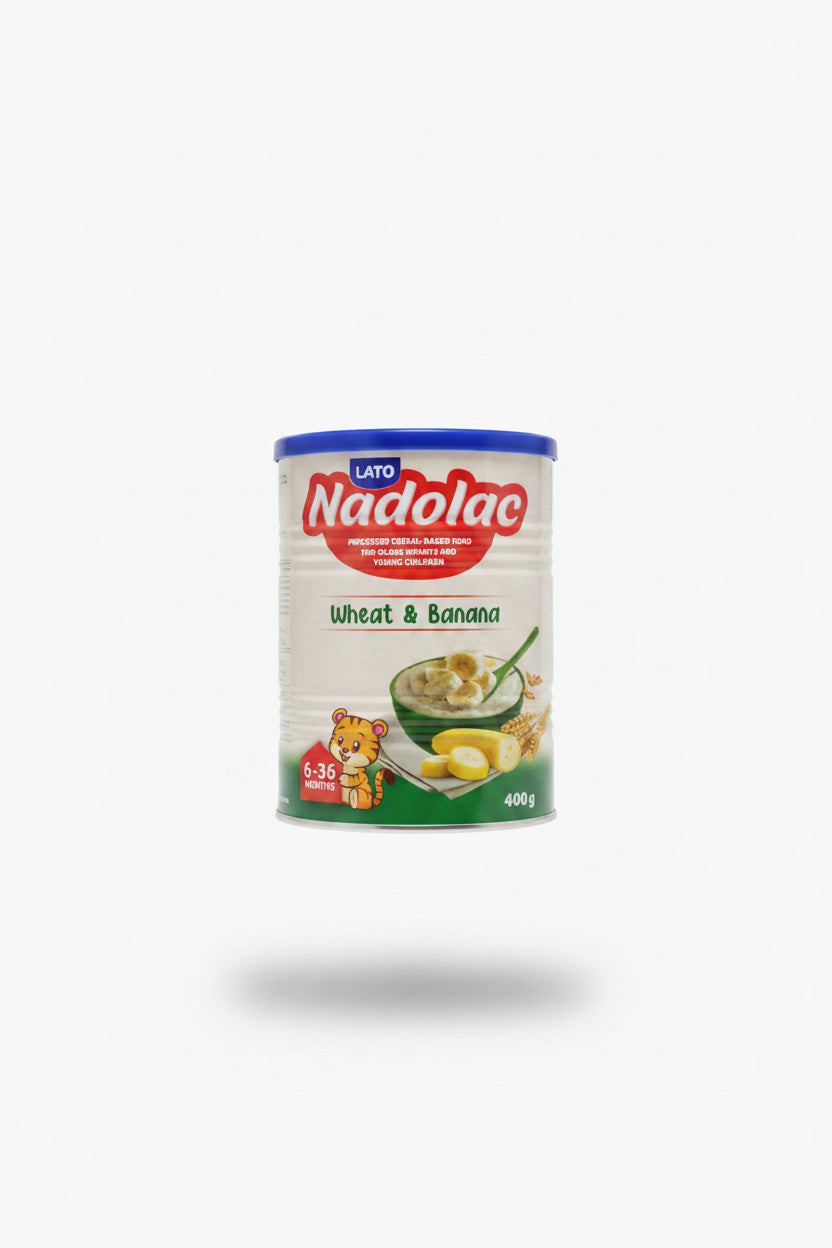
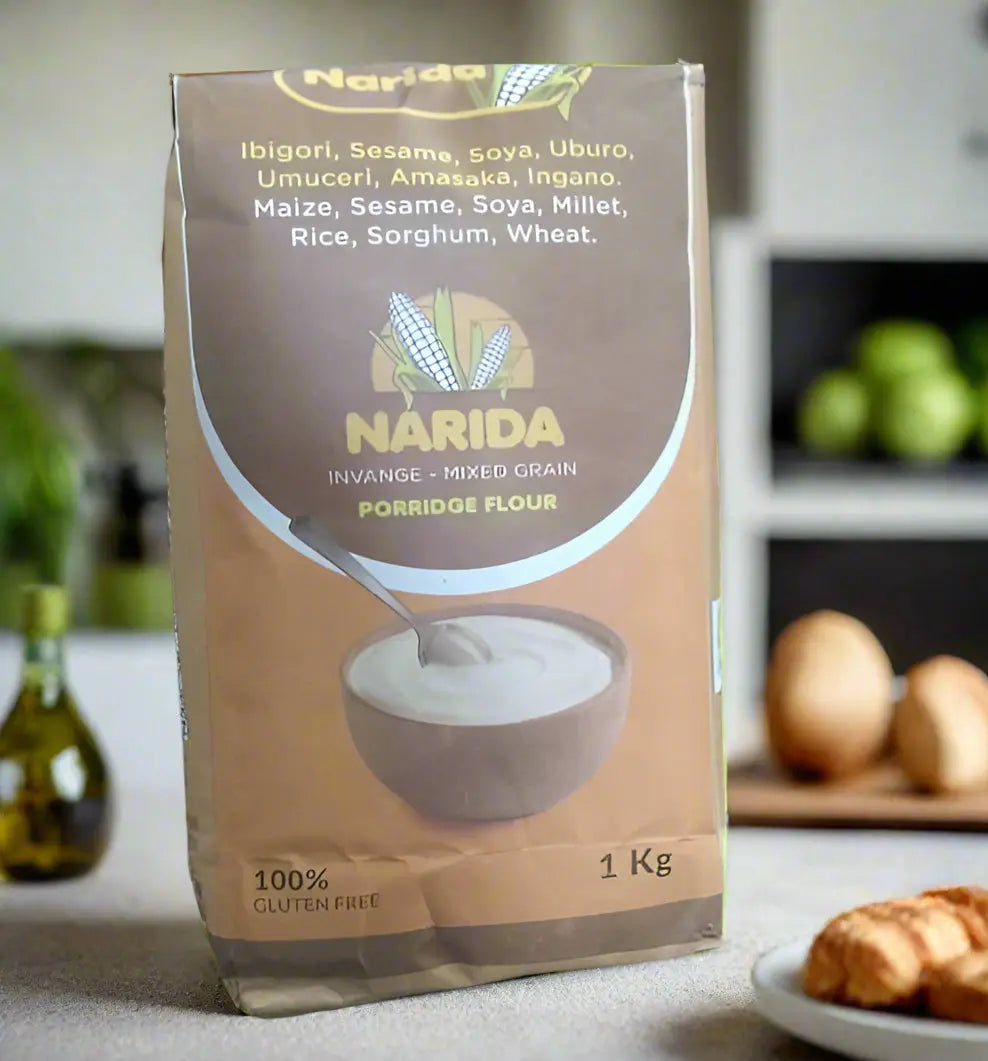
Porridge flour
1 kg Must haveA warm cup of porridge before school or study is filling and familiar.
How to use it: Cook it fresh. Add a little milk if you like.
Eggs
1 trayNice to haveEggs are an easy protein that most children enjoy.
How to use it: Boil a few at a time for quick breakfasts.
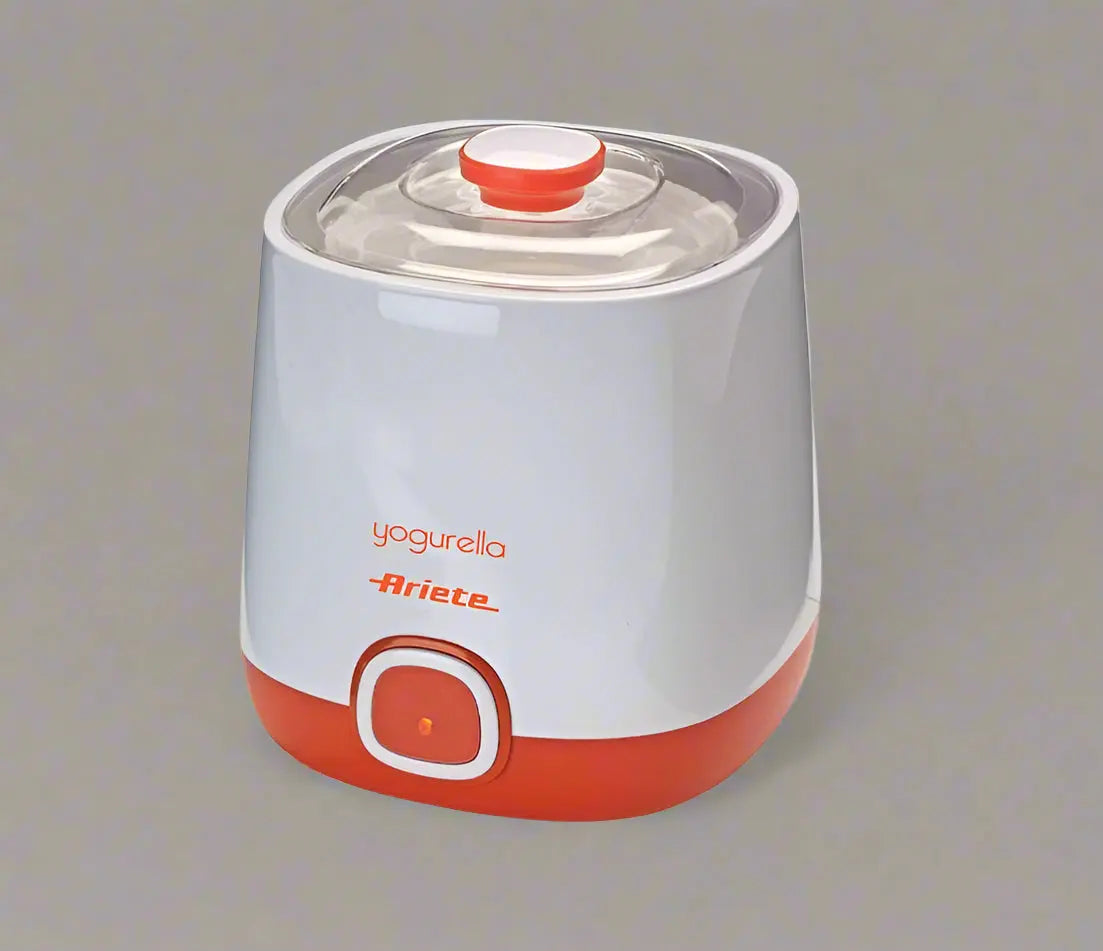
Yogurt
A few cups per weekNice to haveA small cup of yogurt is a simple and tasty snack.
How to use it: Keep it in the fridge and check the date.
Plain biscuits
1 packNice to haveA biscuit is a small treat to reward effort, not a main snack.
How to use it: Offer one or two with water or milk, not before meals.
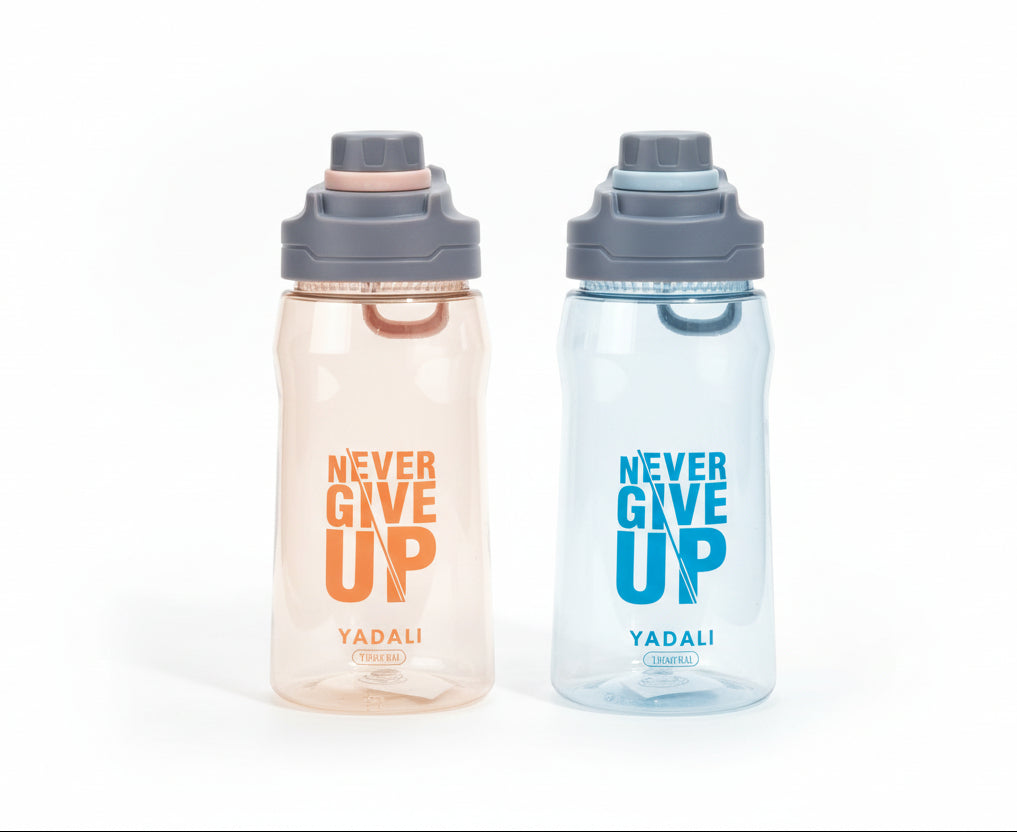
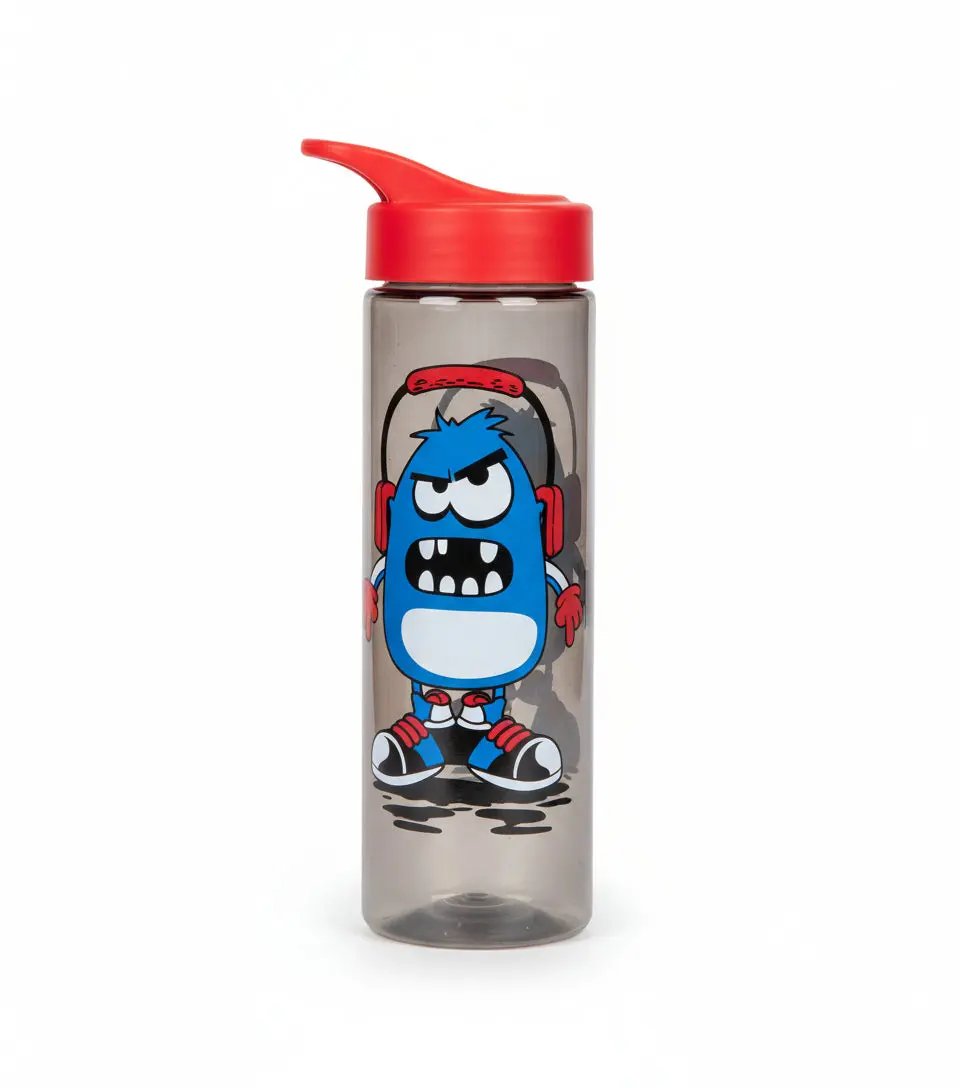
Water bottle
1 Must haveWater keeps your child alert and cuts down on sugary drinks.
How to use it: Fill it every morning and check that it comes home.











Rest, health and school day
Good sleep and a calm morning are part of exam preparation.
Mosquito net
1Nice to haveGood sleep matters, and a net protects your child from bites during the night.
How to use it: Check for holes and tuck it in every night.
Bed sheets
1 setNice to haveClean, comfortable bedding helps your child rest well.
How to use it: Wash weekly, especially in the rainy season when drying is slow.
Warm blanket
1Nice to haveCool nights in Kigali are easier with a warm blanket.
How to use it: Air it in the sun on dry days.
Umbrella
1Nice to haveRain can make a child late, wet and unhappy before an exam.
How to use it: Keep it in the school bag from the start of the rainy season.
Shoe polish
1Nice to haveTidy shoes help a child feel ready on test mornings.
How to use it: Polish the night before. Let your child do it as part of the routine.




Step by step
- 1
Two weeks before
Talk to the teacher about weak topics. Buy books, pencils and a lamp, and set up the study corner.
- 2
Each week
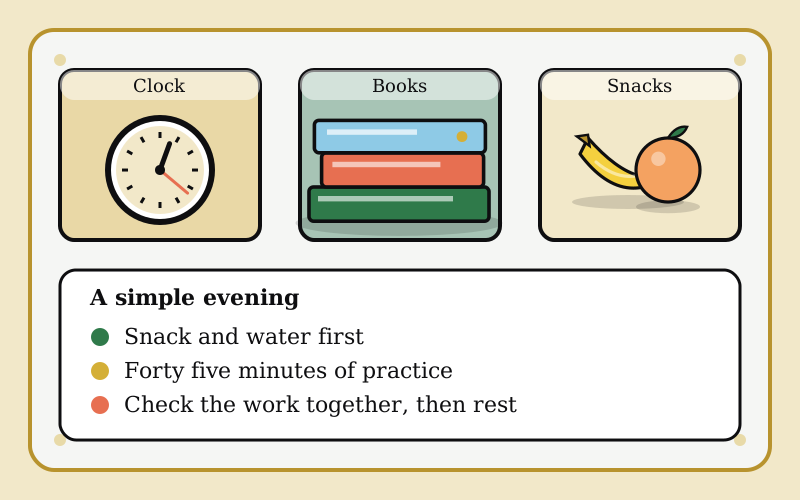
Write a simple plan on large paper. Keep sessions short, about 30 to 45 minutes.
- 3
Each evening
Give a snack and water, then study in the same spot. Review the day's work together.
- 4
Week of the exam
Check pens, pencils, ruler and documents. Prepare the uniform and bag the night before.
- 5
Exam morning
Give a warm breakfast, leave early and stay calm and encouraging.
Tips that help
- Keep sessions short and regular. Thirty minutes daily beats three hours once a week.
- Praise effort, not only marks. Children learn better when they feel safe.
- Use the same spot and time each day so the routine becomes a habit.
- Ask your child to teach you one thing they learned. Teaching helps memory.
- Keep the TV and phones off during study time.
- Share the plan with the teacher and ask for past papers.
- Prepare for power cuts with a torch so study time is not lost.
Mistakes to avoid
- Piling on long hours that leave your child tired and afraid.
- Comparing your child with other children.
- Skipping meals or giving only sugary snacks.
- Studying late the night before the exam.
- Waiting until the last week to find missing books and tools.
Questions people ask
How can I help my child prepare for Primary Six exams at home?+
Create a quiet spot, set a short daily routine and practice with past papers from the teacher. Praise effort and keep the mood calm.
How long should a Primary Six child study each day?+
Short sessions of 30 to 45 minutes with a break are usually better than long hours. Ask the teacher what suits your child.
What snacks are good before studying?+
A banana, a small handful of groundnuts, fruit, yogurt or porridge are simple choices. Give water and avoid too many sweets.
Do I need to buy extra books?+
Ask the teacher first. Many families only need exercise books and the practice material the school recommends.
What if my child is anxious about the exam?+
Listen, reassure and keep the routine steady. Talk to the teacher if the worry is strong, and ask a doctor or counselor if it affects sleep or eating.
A calm home and a simple routine help your child do their best. Shop this list on Isokko and have it delivered to your door in Kigali, then enjoy the study time together.
Shop this list
Get everything delivered in Kigali
Order from local stores on Isokko and pay with MoMo, card or cash. Same-day delivery.