
Checklist · School & students
First Year at University in Kigali: What to Buy
What to buy for your first year at university in Kigali: study tech, a room starter kit, a simple kitchen, pantry basics and power cut backups, in order of priority.
Updated November 15, 2026 · By Isokko

Your first year at university in Kigali is the first time many students run their own life: a room to set up, meals to figure out, a budget to stretch and lectures that start whether or not the power is on. It is exciting, and it is also a long list of things you did not have to think about at home.
This checklist is built around how student life actually works here. Some of you will be in a campus hostel, others in a shared house or a small rented room near campus. Either way, you need a few things for studying, a few for your room, a small kitchen setup and a pantry that gets you through the week before the next transfer from home.
Do not buy everything at once. Get the must items for week one, then add the nice ones once you see what your room, your roommates and your timetable actually need.
Who it's for
New university students in Kigali living in a hostel, a shared house or a rented room near campus
Time needed
Buy the essentials in week one, add the rest over the first month
When to shop
Order bulky room and kitchen items to arrive the day you move in
On the list
32 items, 19 must haves
0 of 32 ready
Study essentials
Most courses are digital now, but notes, power and a quiet hour still matter.
Flash disk
1 to 2 Must haveAssignments get printed, shared and submitted from flash disks all the time on campus. A backup copy also saves you when a laptop dies the night before a deadline.
How to use it: A 16 or 32 GB disk is plenty. Back up your coursework to it every Sunday.
Power bank
1 Must havePower cuts, crowded sockets in the library and long days on campus drain phones fast. Your phone is your MoMo, your timetable and your group chat.
How to use it: Charge it overnight and keep it in your bag. A 10,000 mAh size charges most phones twice.
Extension socket
1 Must haveRooms rarely have enough sockets for a laptop, phone, kettle and a roommate's devices.
How to use it: Pick one with a switch and at least four ways. Do not plug a kettle and a cooker into the same one at once.
Headphones or earphones
1 Must haveShared rooms and busy hostels are loud. Headphones let you focus, take online classes and sleep through a roommate's music.
How to use it: Wired ones are cheap and never run out of charge. Keep a spare pair in your bag.
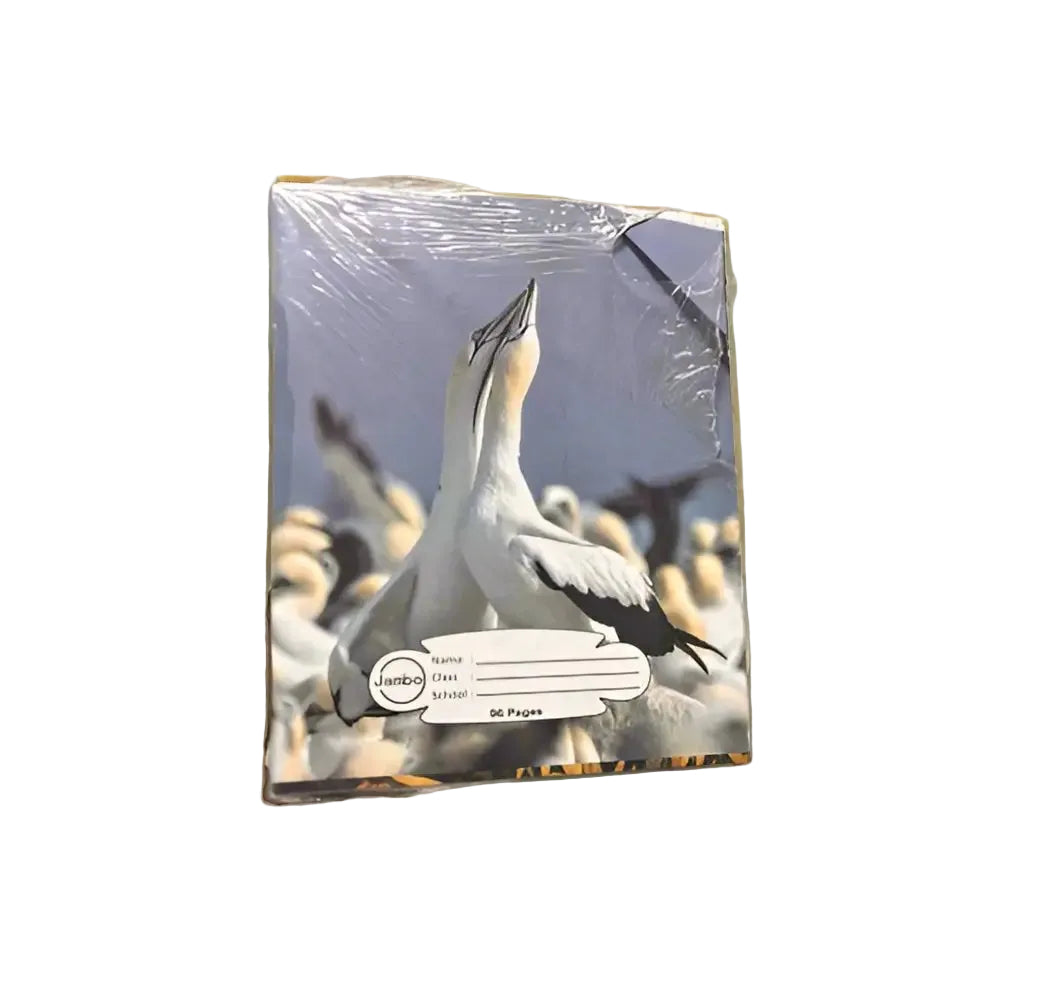
Notebooks
4 to 6 Must haveEven with a laptop, many lecturers still expect handwritten work, and writing notes helps you remember.
How to use it: One notebook per course keeps things simple. Write the course code on the cover.
Pens and highlighters
1 box, 3 highlighters Must havePens go missing weekly. Highlighters make revision faster when exams arrive.
How to use it: Buy a box of pens and two or three highlighter colors, one for definitions and one for key points.
Scientific calculator
1Nice to haveEngineering, science, economics and business courses all use one in tests and exams.
How to use it: Check your course outline for any rule on calculator models before buying.
Sticky notes
1 padNice to haveGood for marking pages in library books and putting deadlines on your wall where you will see them.
How to use it: Put each assignment on its own note above your desk and throw it away when it is done.






Your room
Some hostels provide a bed and mattress only, others nothing at all. Check with your hostel or landlord before you buy.
Bed sheets and pillow
2 sets, 1 pillow Must haveA clean bed of your own makes a new room feel like home from night one.
How to use it: Two sets of sheets means one can be washed while the other is in use. Check the bed size first.
Mosquito net
1 Must haveMany student rooms have no window screens, and evenings can bring mosquitoes in.
How to use it: Ask whether the room has hooks for a net, or buy a small hook to put one up.
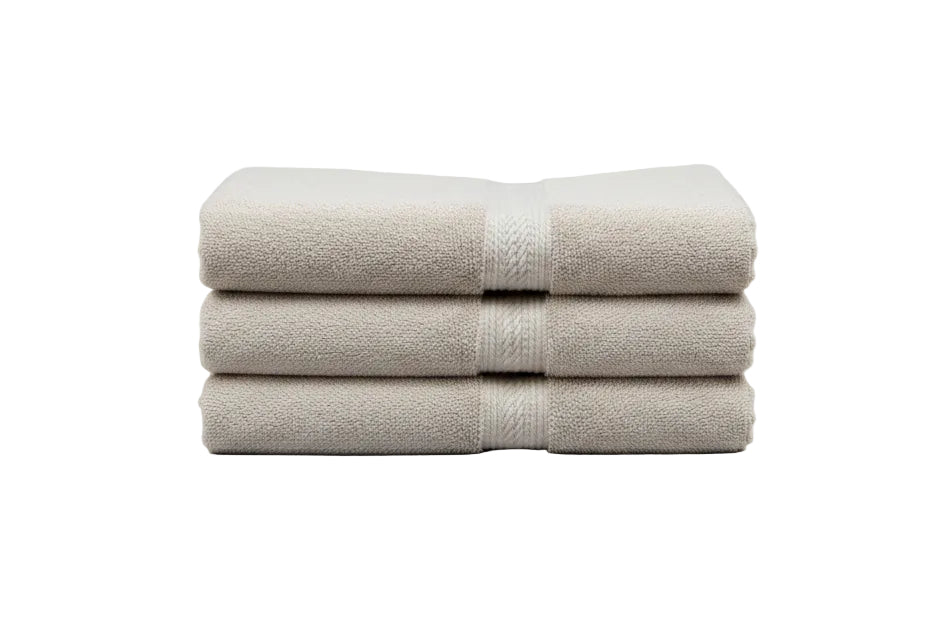
Towels
2 Must haveYou will need at least two so one can dry, especially in the rainy season when nothing dries fast.
How to use it: Dark colors hide red dust and last longer looking clean.
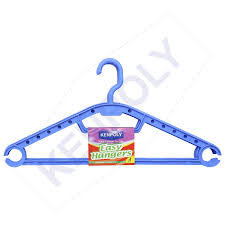
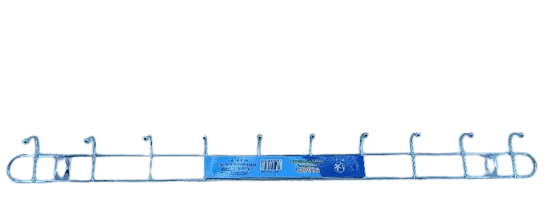
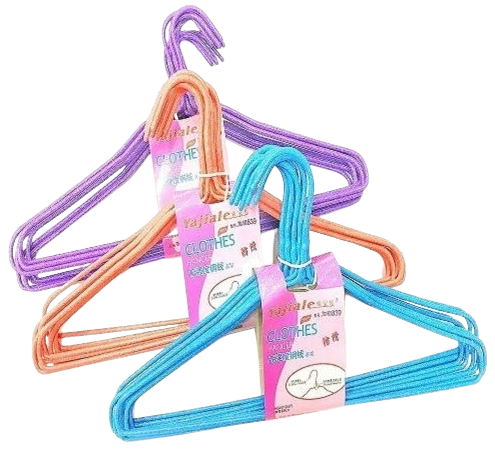
Clothes hangers
10Nice to haveWardrobe space in student rooms is small, and hangers double what you can fit.
How to use it: Strong plastic ones last the year. Hang shirts the night you wash them.
LED bulb
1 to 2Nice to haveThe bulb in a rented room is often dim or dead when you arrive. Good light makes late night reading easier on your eyes.
How to use it: Check the fitting before buying. LED uses little power and lasts years.
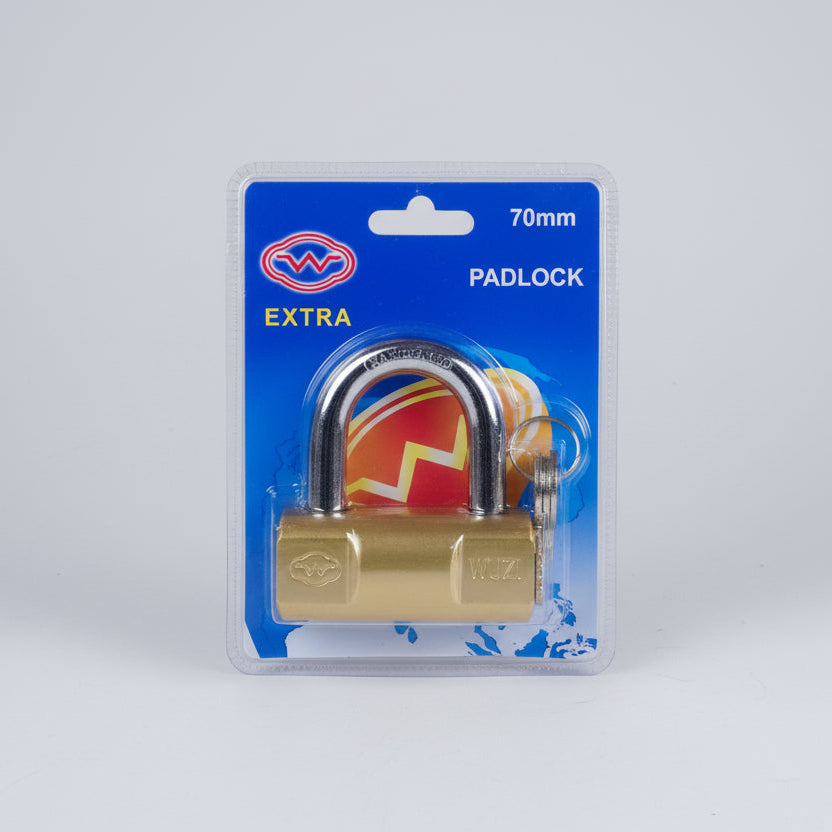
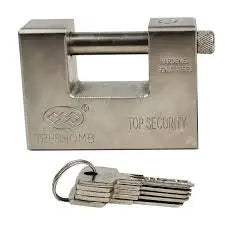
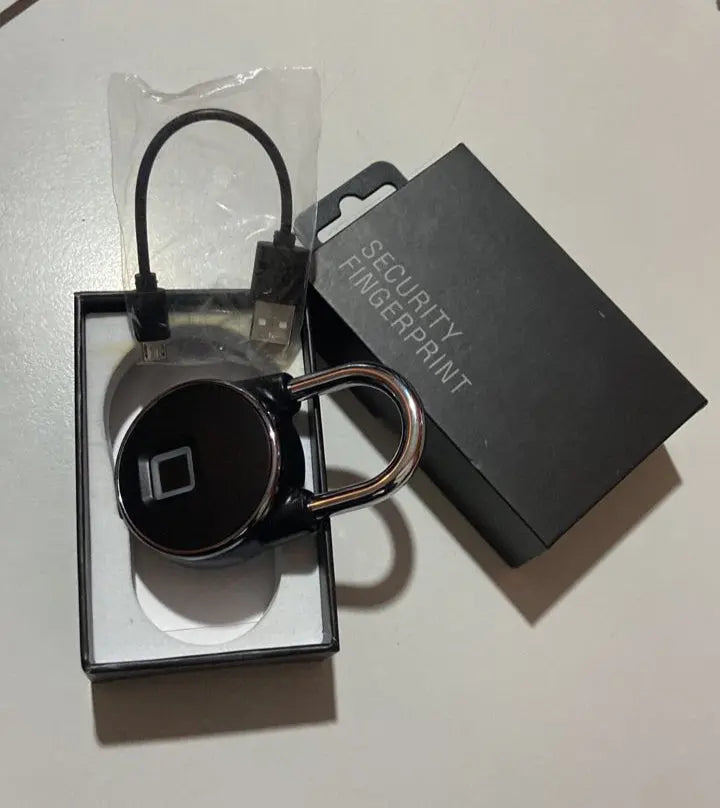
Padlock
1 Must haveShared houses and hostels have a lot of people coming and going. Lock your door or cupboard.
How to use it: Buy one with spare keys and leave one with someone you trust.
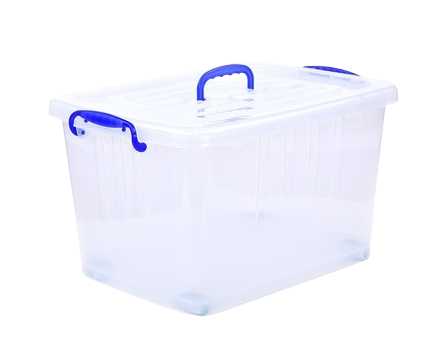
Storage box
1 to 2Nice to haveKeeps food away from insects and clutter off a tiny floor.
How to use it: One box under the bed for food, one for documents and chargers.





Cleaning and laundry
Nobody else is going to sweep your room. These few things keep it pleasant.
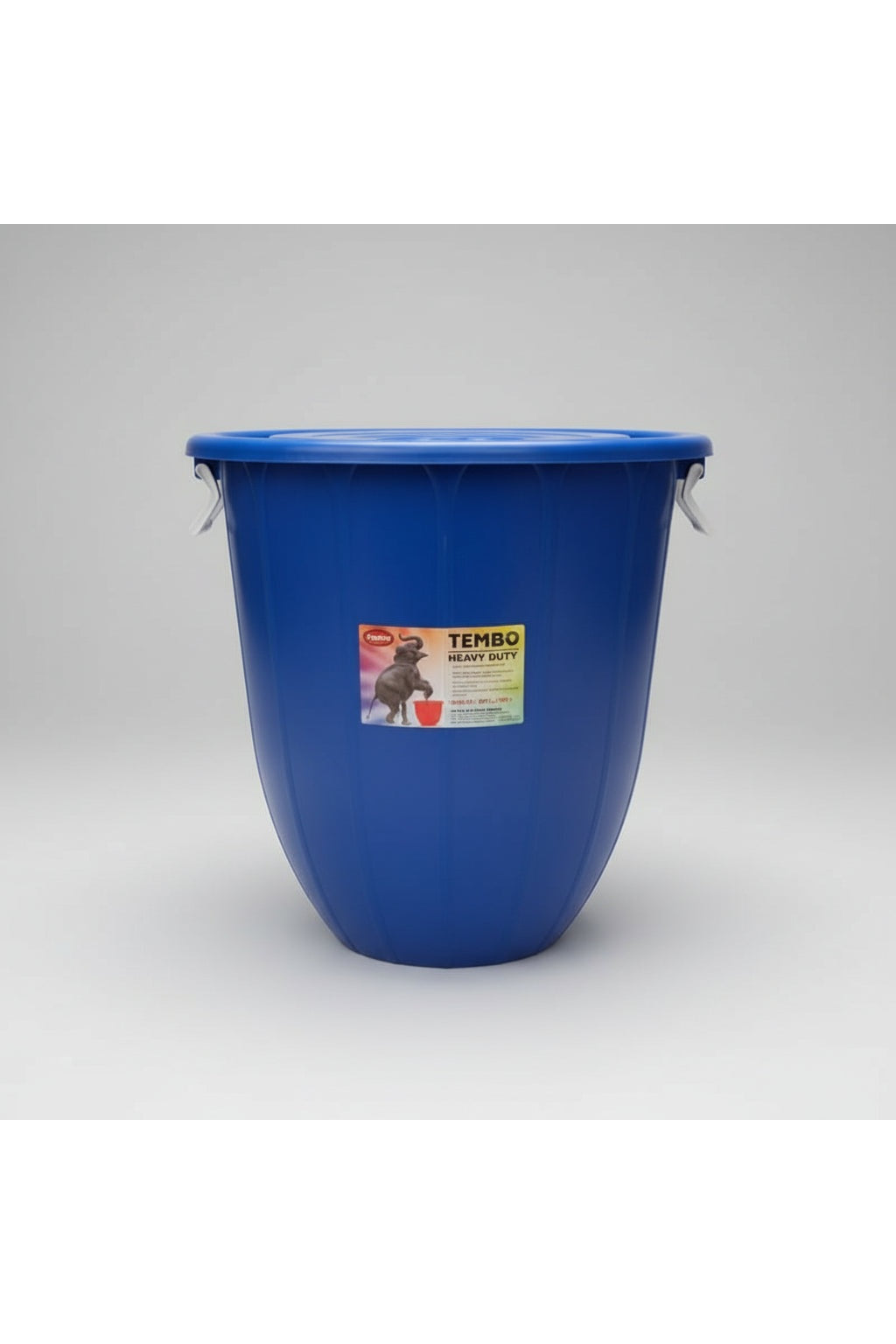
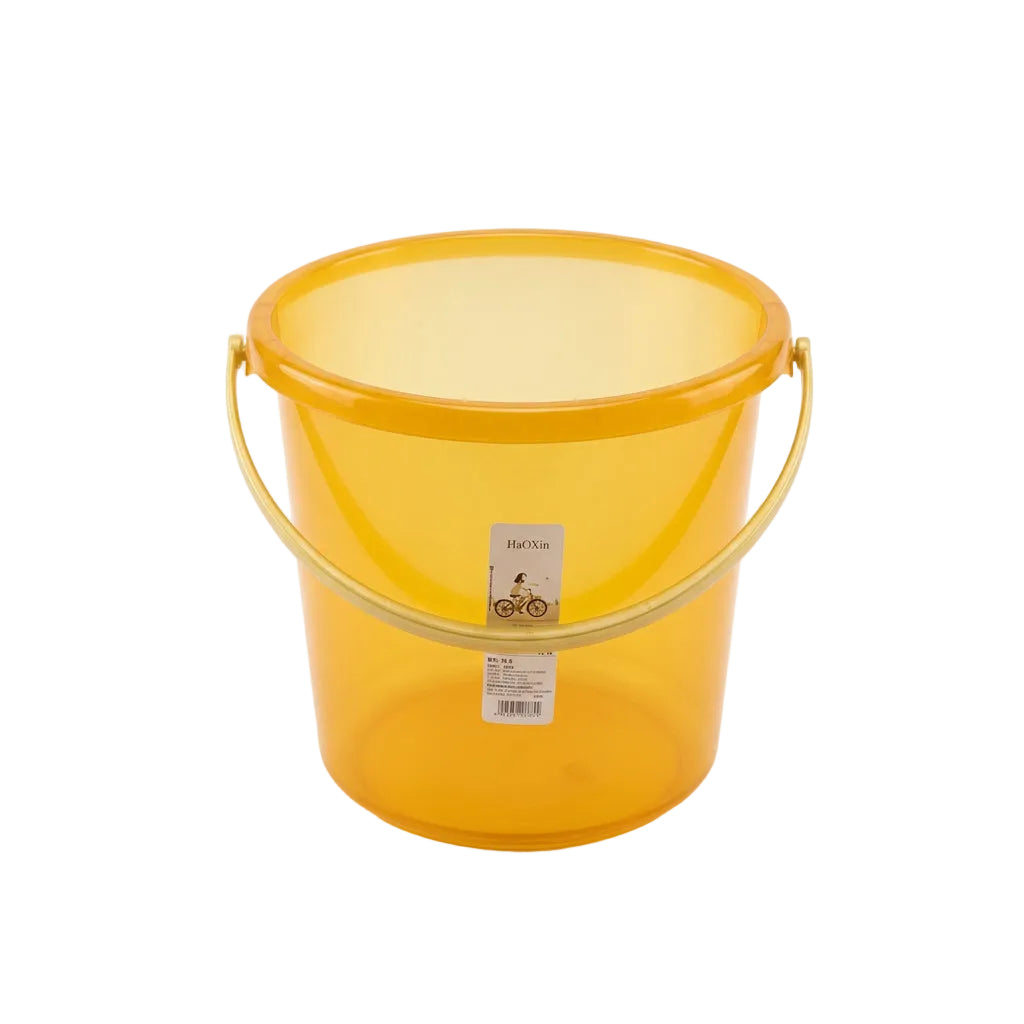
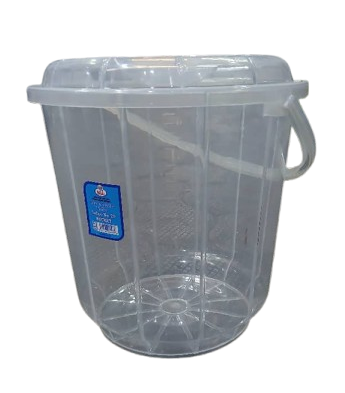
Bucket and basin
1 each Must haveFor laundry, cleaning and carrying water if the tap pressure drops, which happens in some neighborhoods.
How to use it: Get a bucket with a lid so it can also store water during cuts.
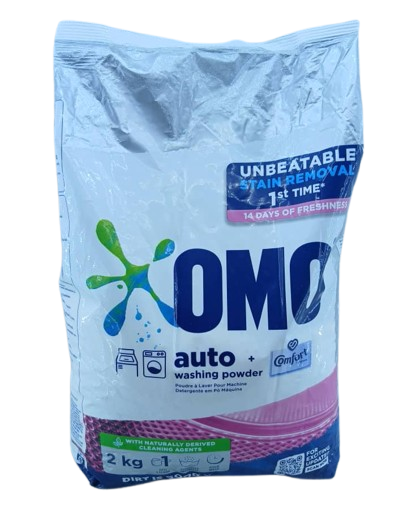
Washing powder and bar soap
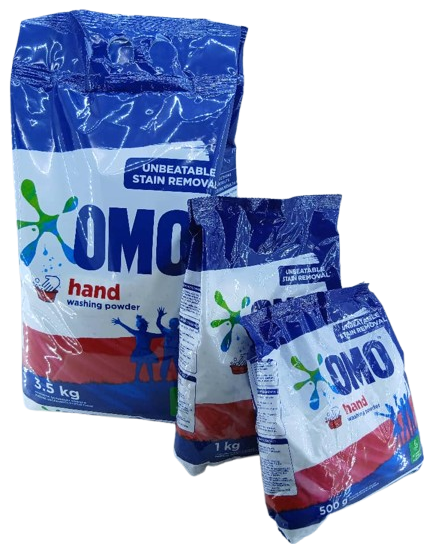
1 pack + 2 bars Must haveMost students hand wash clothes on weekends. Powder for soaking, bar soap for collars and socks.
How to use it: Buy a larger pack to save money. Store it off the floor in rainy season.
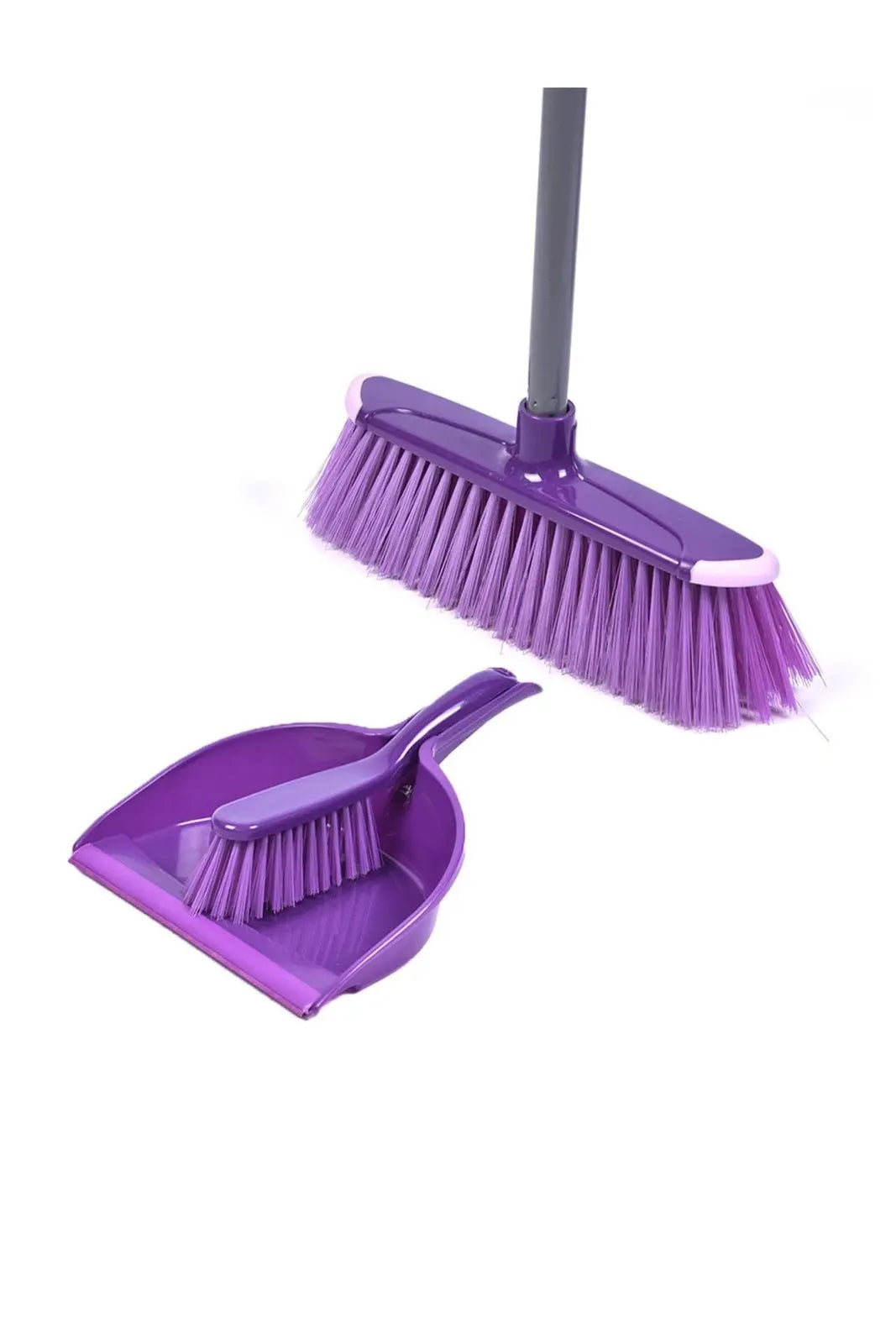
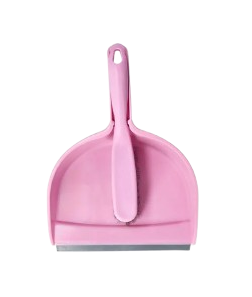
Broom and dust pan
1 set Must haveRed dust gets into every room in Kigali, especially in dry season.
How to use it: Sweep daily and you will never need a big clean. A small set fits behind the door.
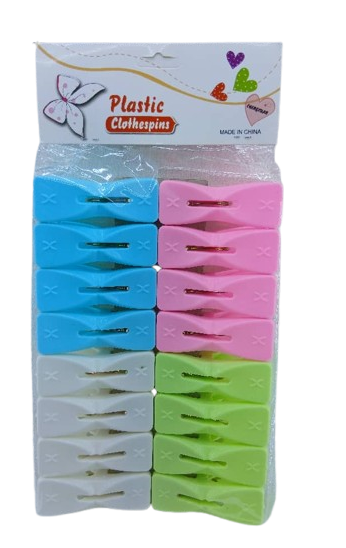
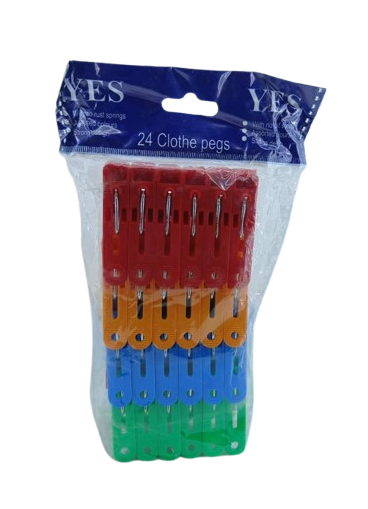
Clothes pegs
1 packNice to haveShared washing lines mean clothes get mixed up or blown away.
How to use it: Bright colored pegs are easy to spot as yours.


Simple kitchen
Check what your hostel or landlord allows. Many hostels ban cookers in rooms but allow kettles.
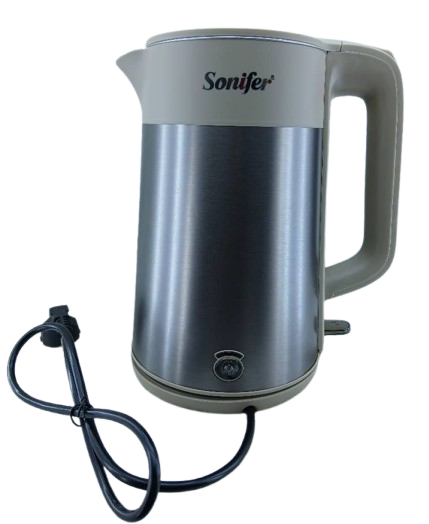
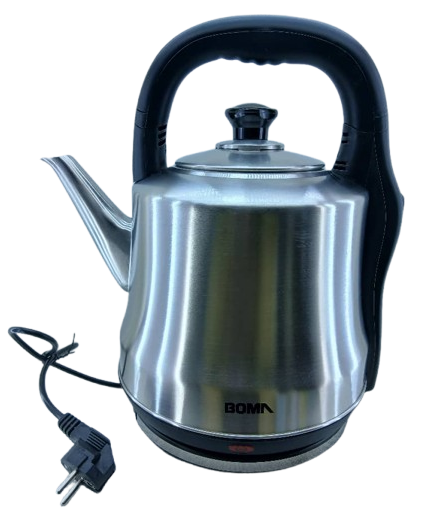
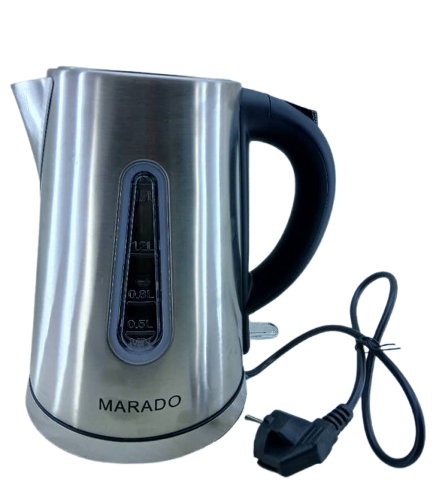
Electric kettle
1 Must haveTea, coffee, instant noodles, oats and hot water for washing. The most used item in any student room.
How to use it: Descale it with a little vinegar once a month if your water is hard.
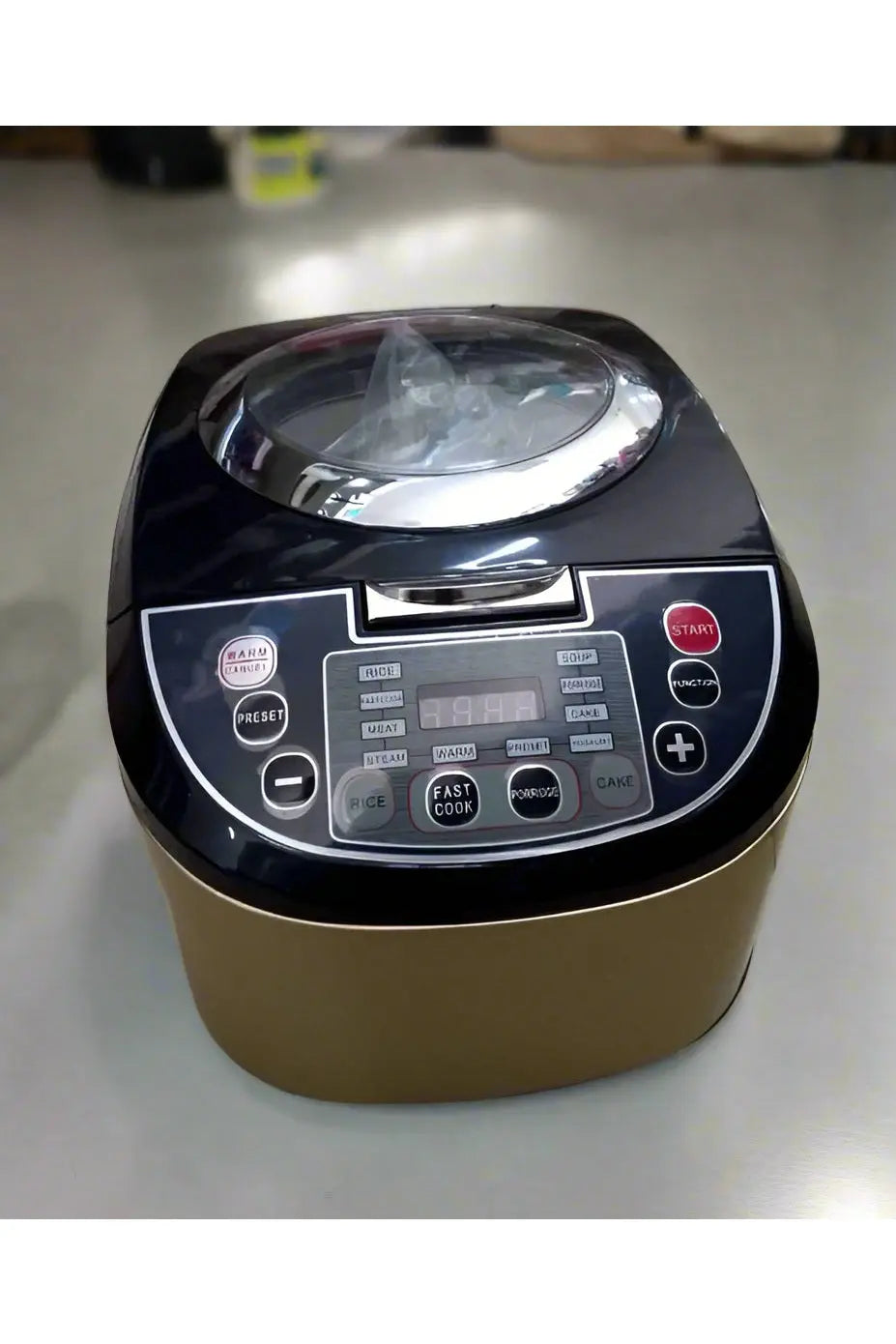
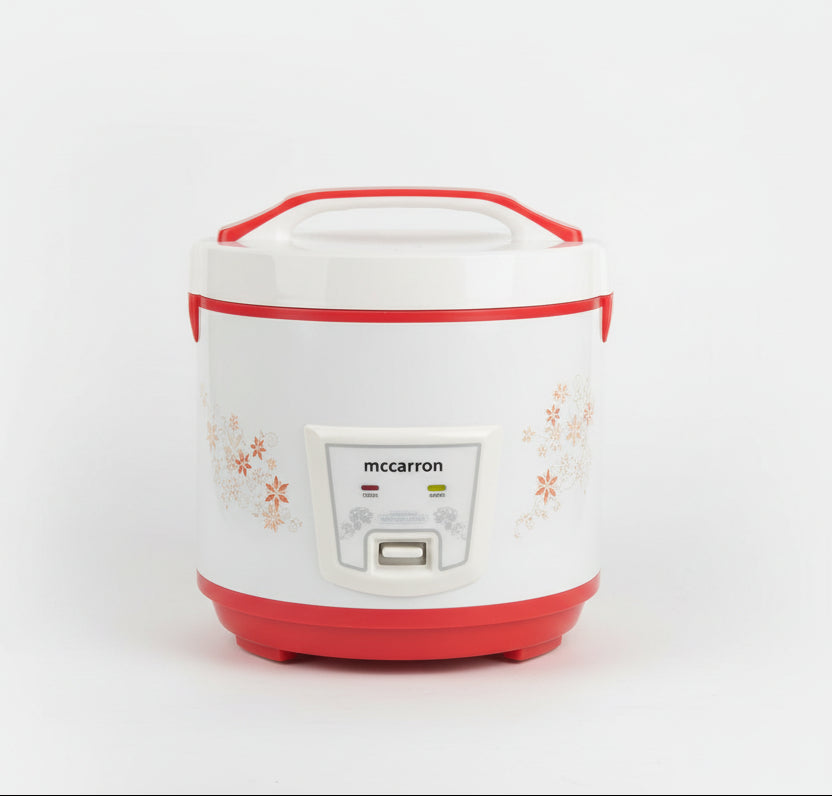
Rice cooker
1Nice to haveIf cooking is allowed, a rice cooker makes rice, beans, stews and porridge with one button and little attention.
How to use it: Rinse rice first, add water to the line and leave it. Never run it unattended in a shared extension.
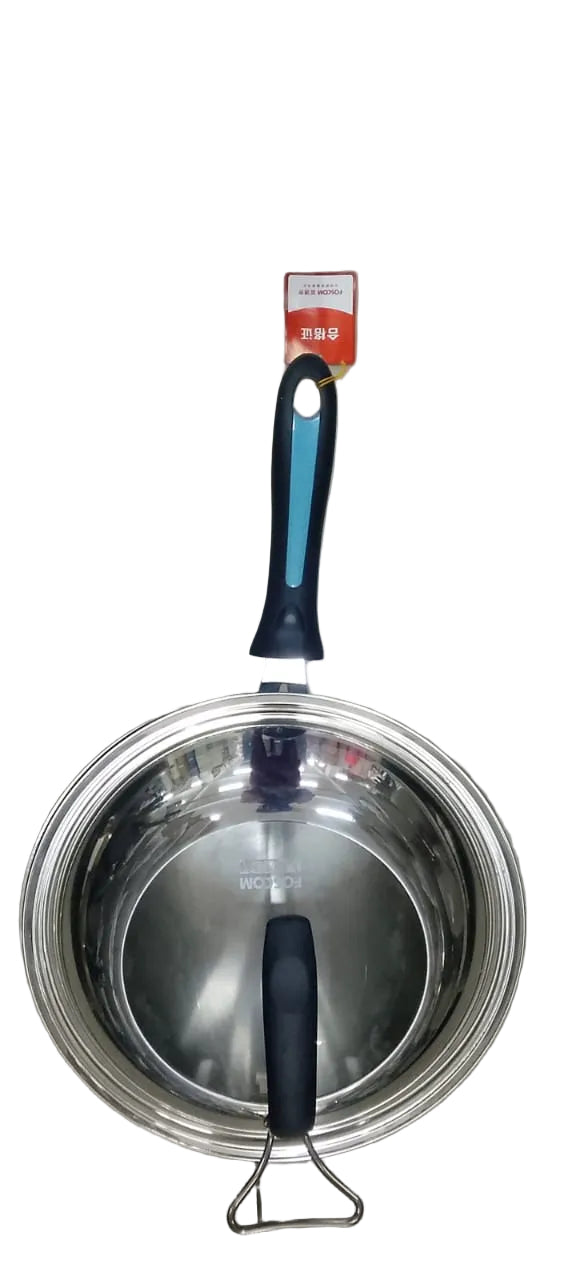
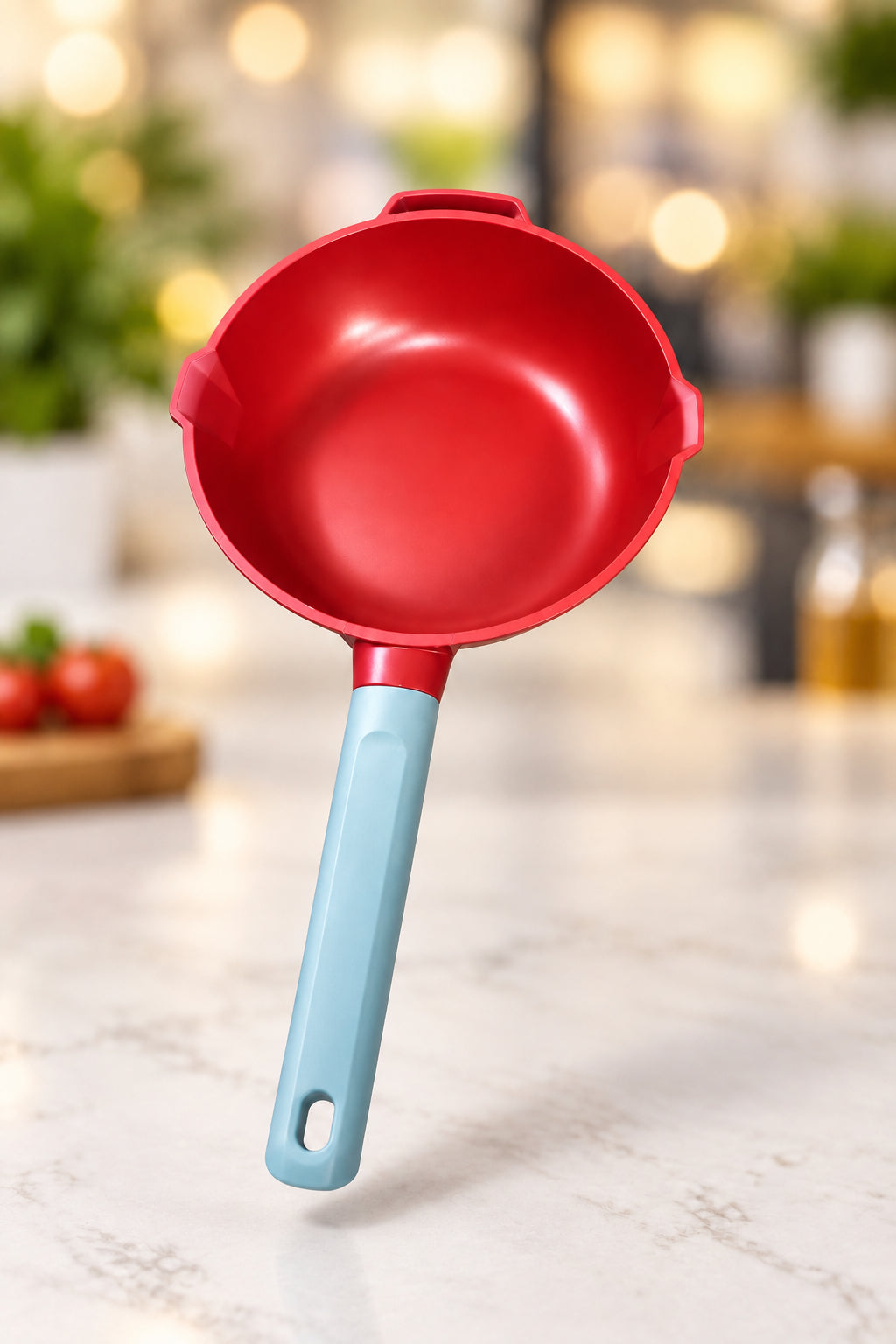
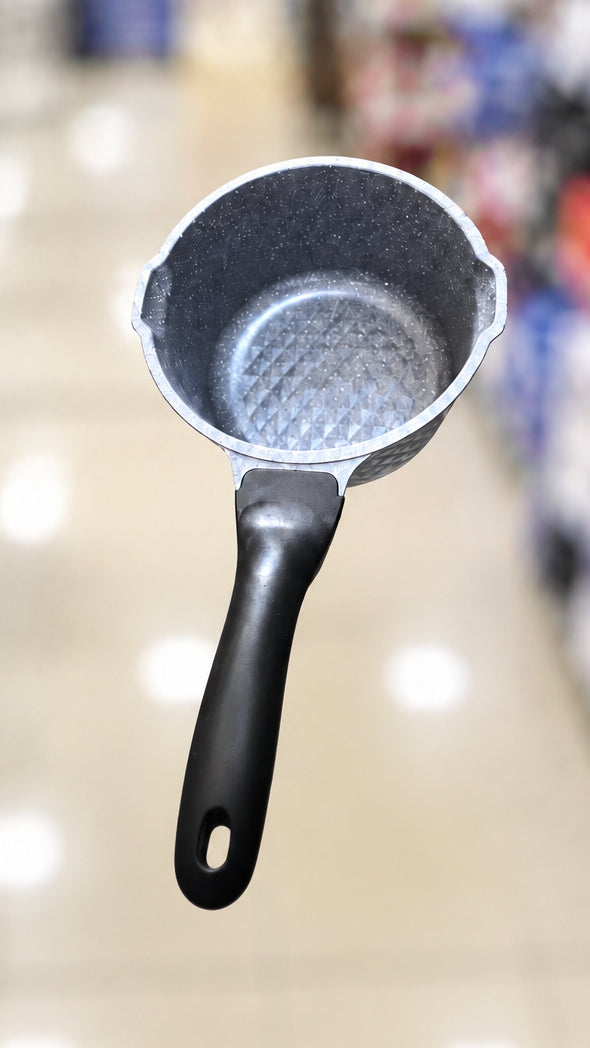
Saucepan
1Nice to haveOne good pan covers eggs, sauces and noodles if you have any heat source.
How to use it: Non stick is easier to clean with little water. Use a wooden spoon so you do not scratch it.
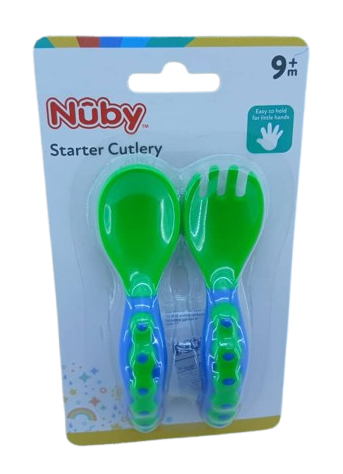
Plate, bowl, mug and cutlery
1 set Must haveEating from takeaway boxes gets expensive and messy. A simple set of your own is enough.
How to use it: One of each is plenty. Wash them right after eating to keep insects away.
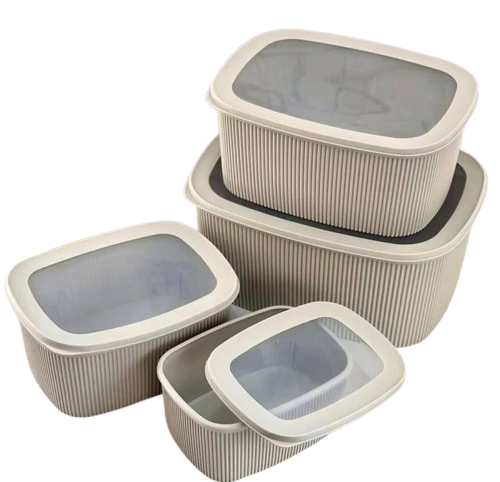
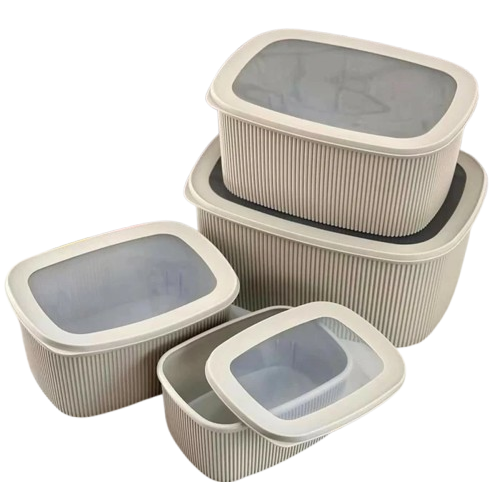
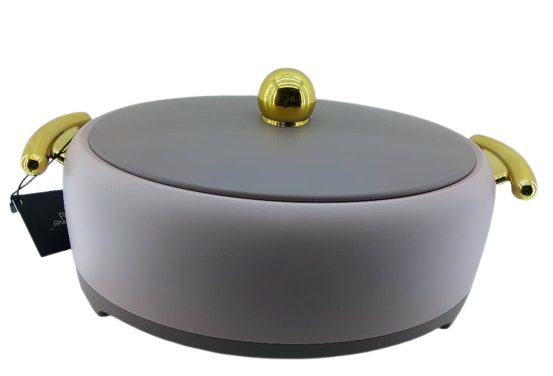
Food container
2Nice to haveBring lunch to campus and save money, or keep leftovers safe overnight.
How to use it: Choose one with a tight lid that does not leak in your bag.





Pantry starter
Stock these on day one so a late lecture or a delayed transfer never means going hungry.
Rice
5 kg Must haveCheap, filling and keeps for months. The base of most student meals.
How to use it: Buy a 5 kg bag to save money over small packs.
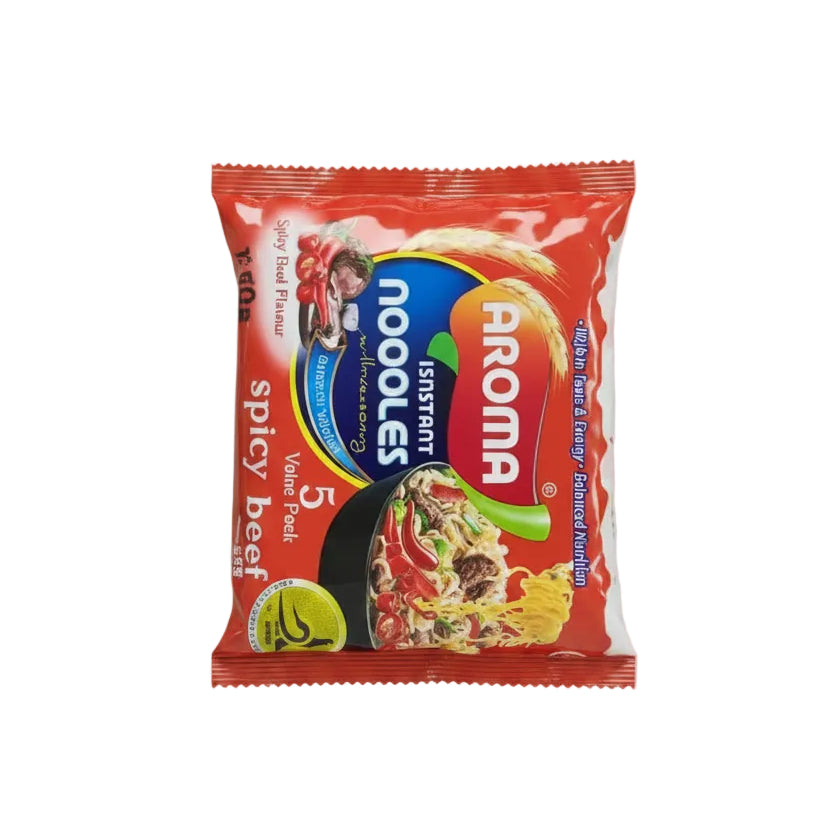
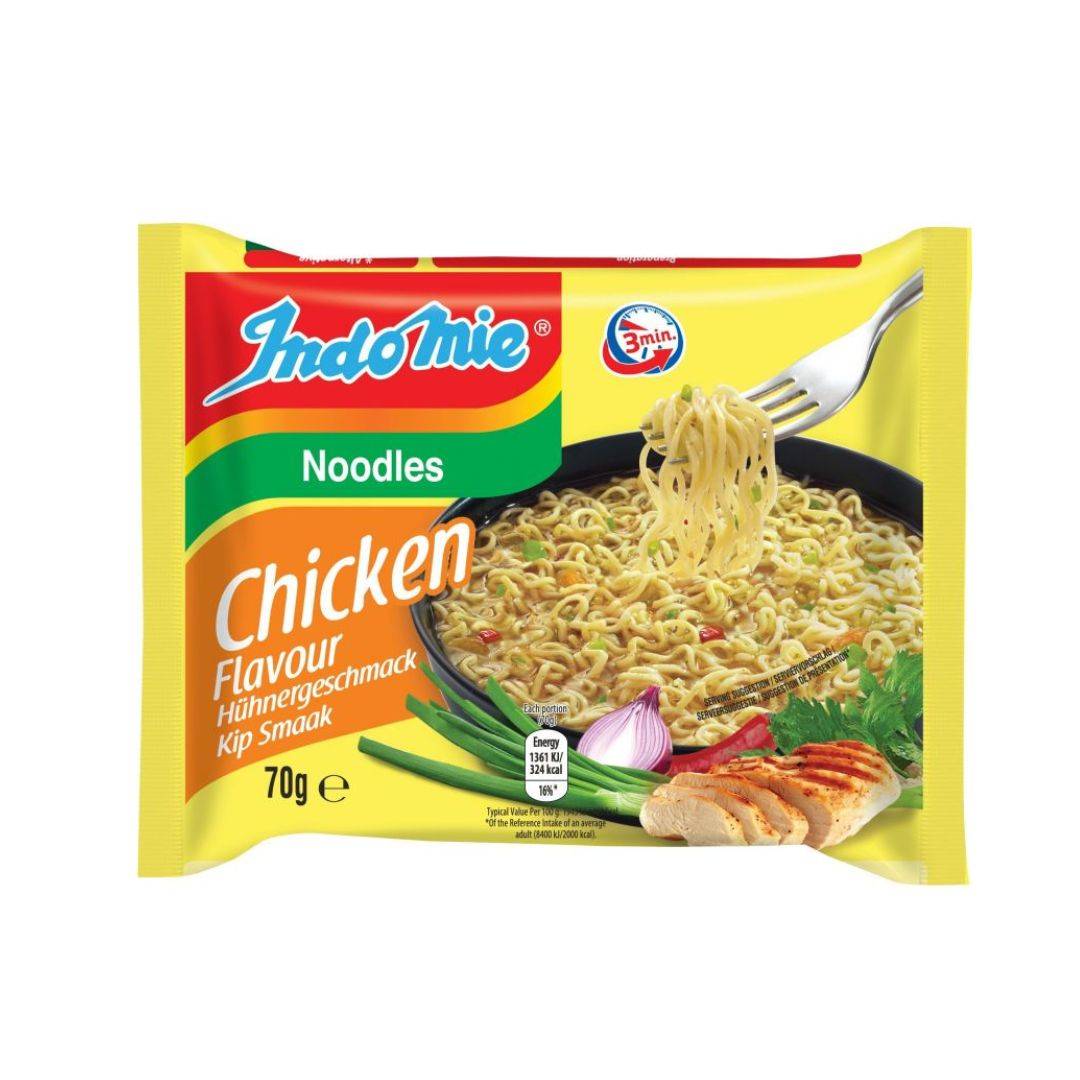
Instant noodles
1 boxNice to haveThe late night emergency meal. Add an egg or vegetables to make it a real dinner.
How to use it: Keep a few packs, but do not live on them. Add cabbage or carrots for nutrients.
Tea leaves and sugar
1 pack each Must haveTea is the cheapest comfort in Kigali and keeps you going through late study sessions.
How to use it: Rwanda tea is strong, so a little goes far. Keep sugar in a sealed jar.
Oats or porridge flour
1 pack Must haveA quick, filling breakfast with just hot water from the kettle.
How to use it: Mix with milk powder or a banana for a better start to the day.
Peanut butter
1 jarNice to haveTurns bread into a proper meal and needs no fridge.
How to use it: One large jar lasts a month or more.
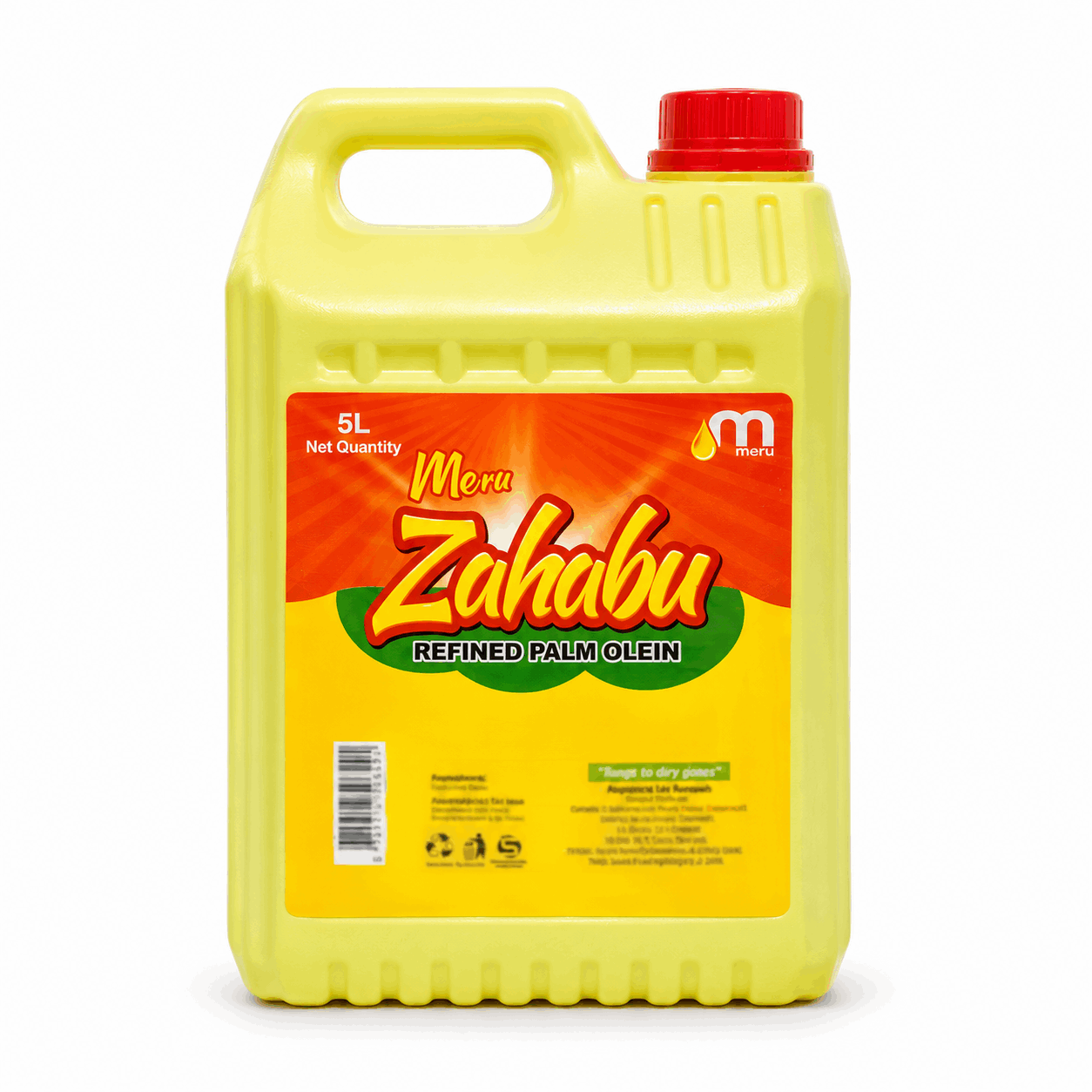
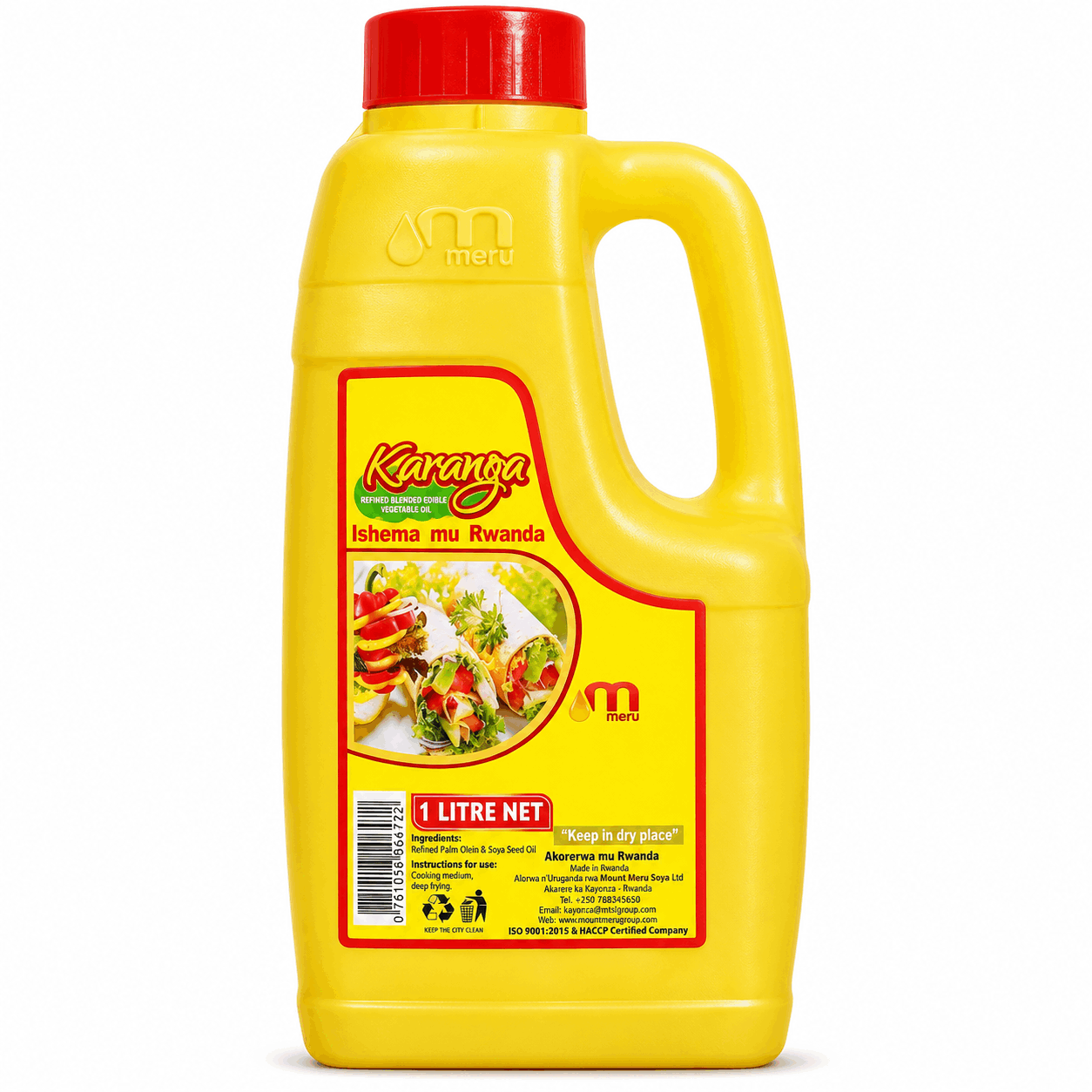
Cooking oil and salt
1 eachNice to haveIf you cook at all, you need these. Everything else builds on them.
How to use it: Buy a small bottle first and see how fast you use it.












Power cut backup
Lights go out in the evening exactly when you need to study.
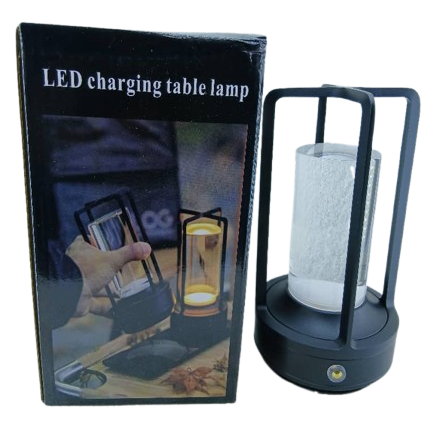
Rechargeable torch or table lamp
1 Must haveA charged light means a power cut is a small break, not a lost study night.
How to use it: Charge it every day when there is power. Keep it in the same spot so you can find it in the dark.
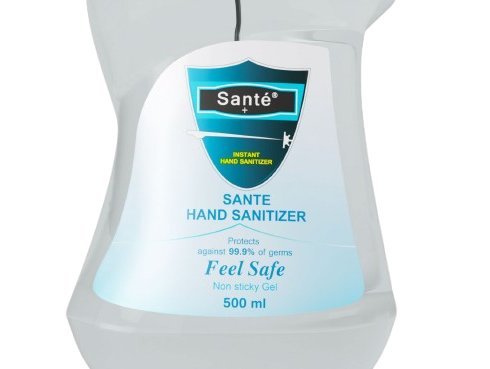
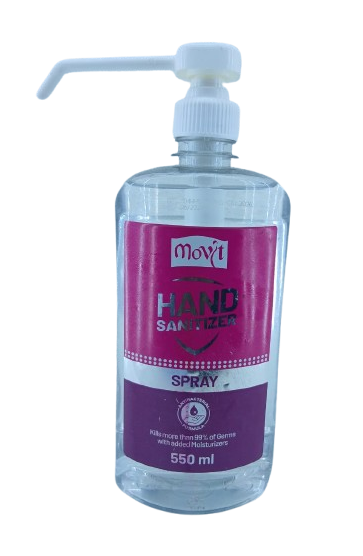
Hand sanitizer
1Nice to haveCampus bathrooms do not always have soap, and you will eat a lot of food on the go.
How to use it: Keep a small bottle in your bag and refill from a big one in your room.



Step by step
- 1
Before you move
Ask your hostel or landlord what is provided and what is allowed: bed, mattress, cooking, kettle. Make your list from the answers.
- 2
Move in day
Have the bed sheets, bucket, padlock, extension, kettle and a few pantry basics ready. Clean the room before you unpack.
- 3
First week
Buy study basics once you have your timetable. Stock rice, tea, oats and noodles so you are not spending on takeaway every day.
- 4
First month
Add the nice items you actually missed, like a rice cooker or storage box. Set a monthly shopping day for groceries and soap.
Tips that help
- Split big items like a rice cooker or broom with your roommate and agree who keeps them at the end of the year.
- Back up coursework to a flash disk and to your email every week.
- Buy rice, soap and toilet paper in larger packs. They are cheaper per kilo or roll and you will use them.
- Keep a small emergency food shelf for the end of the month when money is tight.
- Label your chargers and flash disk. They all look the same in a shared room.
- Set a fixed shopping day each month so groceries become routine, not a surprise.
Mistakes to avoid
- Buying a cooker or hot plate before checking whether the hostel allows it.
- Plugging a kettle, iron and laptop into one cheap extension at the same time.
- Living on takeaway in the first month and running out of money by week three.
- Not backing up assignments, then losing them to a broken laptop or lost flash disk.
- Bringing too much from home and having nowhere to put it in a small room.
Questions people ask
What should I buy first for university in Kigali?+
Start with bed sheets, a padlock, a bucket, an extension socket, a power bank and a kettle. Add basic food like rice, tea and oats. Everything else can wait until you see your room and your timetable.
Can I cook in a university hostel in Kigali?+
It depends on the hostel. Many allow kettles but not cookers in rooms, while private rentals usually allow cooking. Ask before you buy anything that heats up.
Do I need a laptop for university in Rwanda?+
Most courses expect students to type assignments and use online platforms, so a laptop helps a lot. If you cannot get one right away, campus computer labs exist at many universities. Ask your department what students commonly use.
How do I deal with power cuts as a student?+
Keep a charged power bank and a rechargeable lamp, and save your work often. Charge everything when the power is on in the afternoon. Use the library for long study sessions when your area is affected.
How much food should I stock as a student?+
Keep enough dry food for one to two weeks: rice, beans, noodles, oats, tea and sugar. Buy fresh food weekly. A stocked shelf protects you when money from home is late.
University is a big step, and getting your room and kitchen sorted early leaves your energy for classes and friends. Start with the must items, add the rest as you go, and order everything on Isokko for delivery right to your hostel or room in Kigali.
Shop this list
Get everything delivered in Kigali
Order from local stores on Isokko and pay with MoMo, card or cash. Same-day delivery.