
Checklist · Holidays & seasons
Ramadan Pantry and Iftar Checklist for Kigali Homes
A Ramadan pantry and iftar checklist for Kigali: what to stock before the month starts, iftar staples, filling suhoor foods, drinks and kitchen helpers.
Updated November 16, 2026 · By Isokko

Ramadan changes the rhythm of the whole house. Meals move to before dawn and after sunset, energy is lower in the afternoon, and the last thing anyone wants is a trip to the shops an hour before iftar.
The answer is a well stocked pantry. Do one big shop before the month begins for everything that keeps, then top up fresh fruit, vegetables and meat once a week. This checklist shows what to stock, why it helps when you are fasting, and how to use it.
It is written for Kigali kitchens: gas or charcoal, small fridges, porridge flours from the market, and families who share iftar with neighbors and friends.
Who it's for
Muslim households in Kigali preparing for the month of Ramadan, and anyone hosting a friend for iftar
Time needed
One big shop before Ramadan, then a small fresh top-up each week
When to shop
Stock dry goods in the week before Ramadan, order fresh produce weekly
On the list
27 items, 19 must haves
0 of 27 ready
Breaking the fast
Many people open the fast with dates and water, then something light before the main meal.
Dates
2 to 3 kg for a family Must haveBreaking the fast with dates is a beloved Sunnah, and they give quick, gentle energy after a long day.
How to use it: Buy enough for the whole month in one go and keep them in a closed container in a cool cupboard. Three a day per person is a simple guide.
Drinking water
Several 5 litre bottles a week Must haveRehydrating well between iftar and suhoor matters more than anything else you eat.
How to use it: Keep a full 5 litre bottle in the fridge or a cool corner, and sip steadily through the evening rather than all at once.
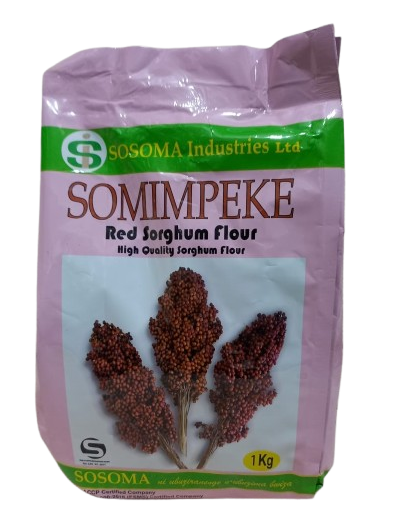
Porridge flour
2 to 4 kg Must haveA warm cup of sorghum or millet porridge (igikoma or uji) is gentle on an empty stomach and very Rwandan.
How to use it: Whisk the flour into cold water first, then add to boiling water and stir until thick. Add a little sugar, lemon or milk to taste.
Fresh fruit
A few pieces each week Must haveWatermelon, mango and pineapple are juicy and refreshing after a day without water.
How to use it: Cut a tray of fruit in the afternoon and keep it chilled, so it is ready the moment the adhan is heard.
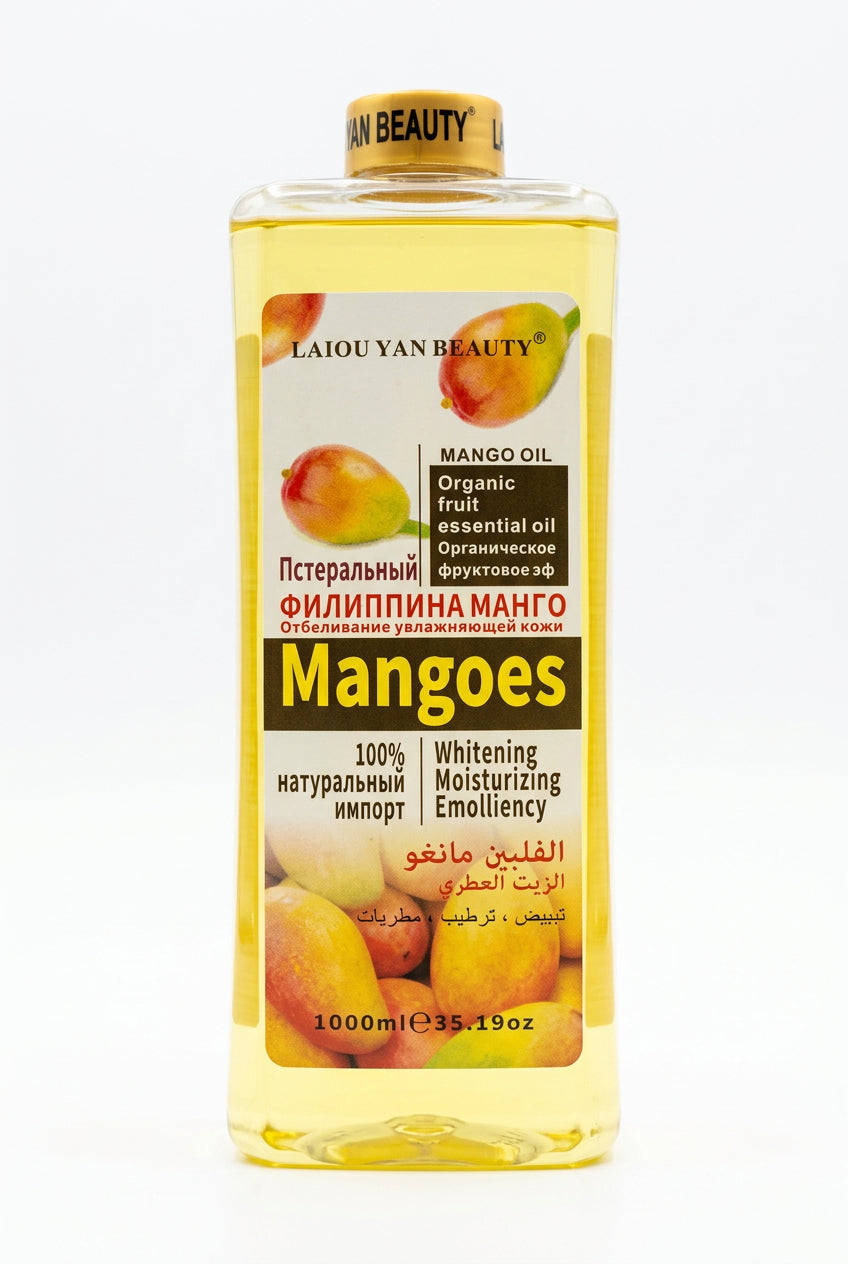
Juice
1 litre per day for a familyNice to haveA glass of passion or mango juice is a small joy at iftar and helps children who fast part of the day.
How to use it: Dilute with cold water. Sweet drinks are best in moderation so they do not leave you thirsty later.











Iftar staples to stock before Ramadan
These keep for weeks, so buy them once and stop worrying.
Rice
5 to 10 kg Must haveRice is the base of many iftar meals, from pilau to plain rice with beans or stew.
How to use it: A 10 kg bag covers most families for the month. Keep it sealed and off the floor.
Beans
3 to 5 kg Must haveBeans are filling, cheap and full of protein, which helps you stay strong through the next day.
How to use it: Soak overnight, then cook a big pot twice a week and reheat portions. Beans freeze well too.
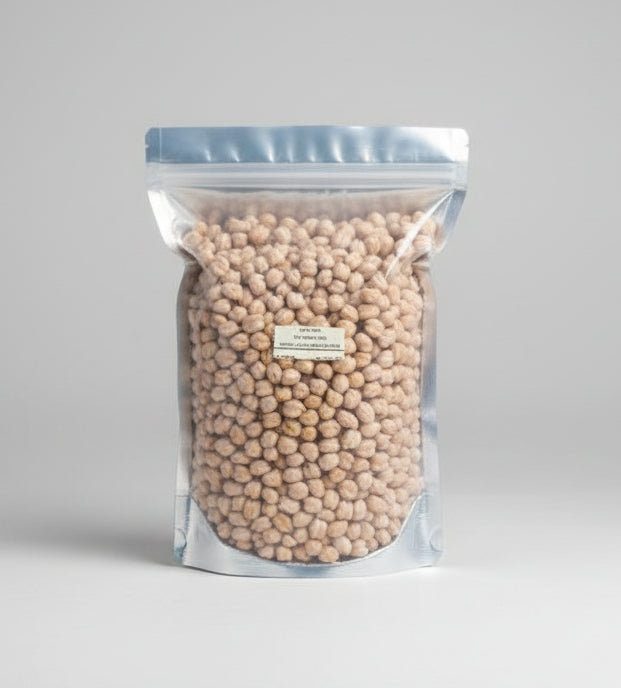
Lentils and chickpeas
1 to 2 kgNice to haveThey make quick soups and stews that are easy to digest after fasting.
How to use it: Red lentils cook in about 20 minutes with onion, tomato and cumin for a comforting iftar soup.
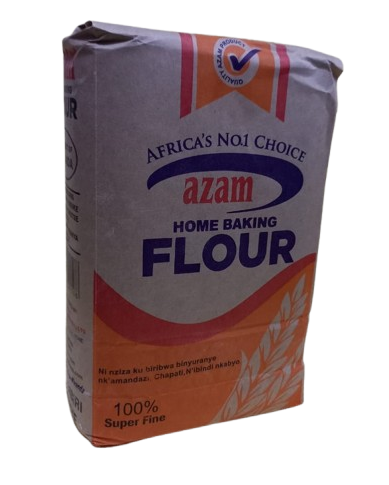
Wheat flour
4 to 6 kg Must haveChapati, mandazi and sambusa wrappers are iftar favorites in many Kigali homes.
How to use it: Make a big batch of chapati dough on the weekend, roll and freeze between sheets of plastic.
Cooking oil
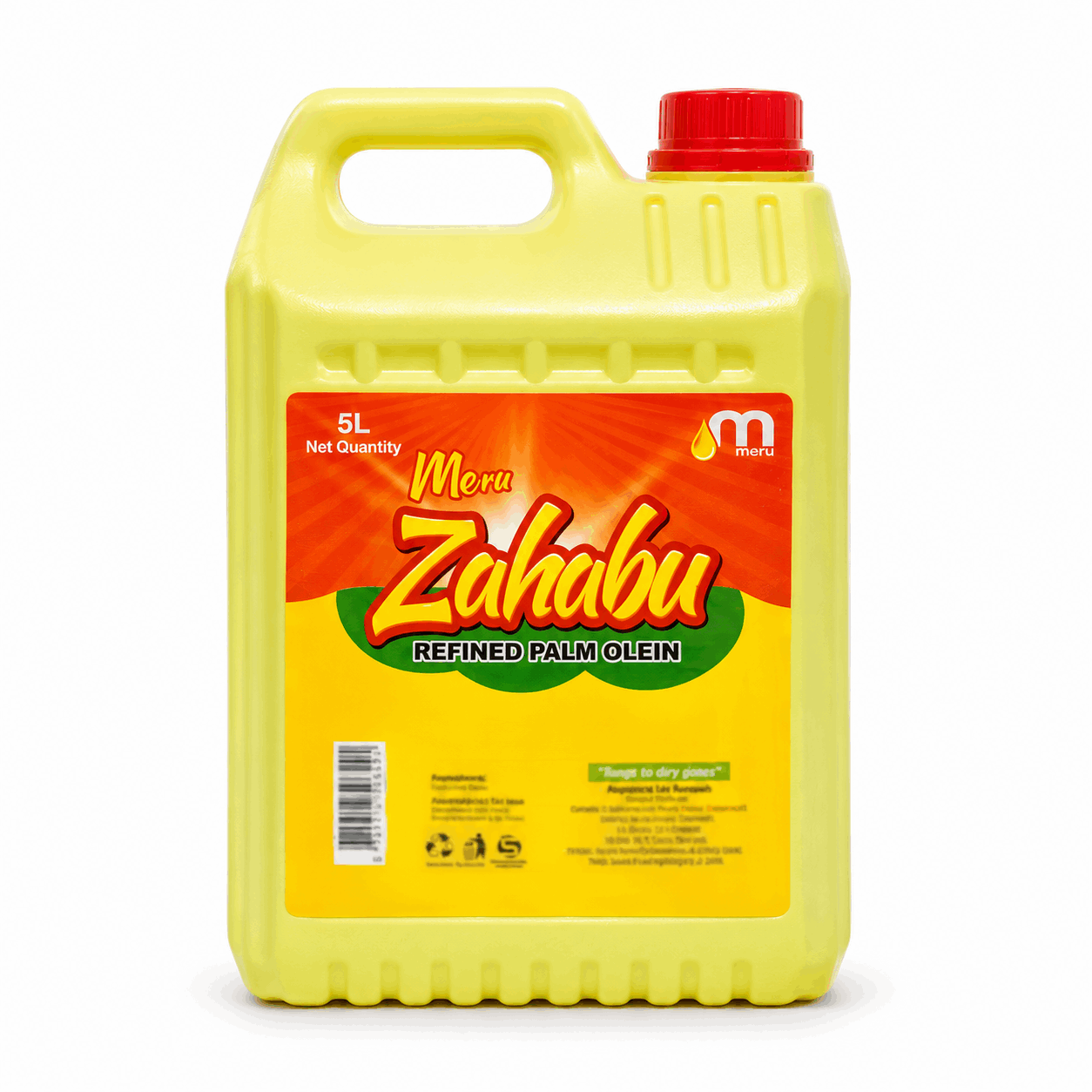
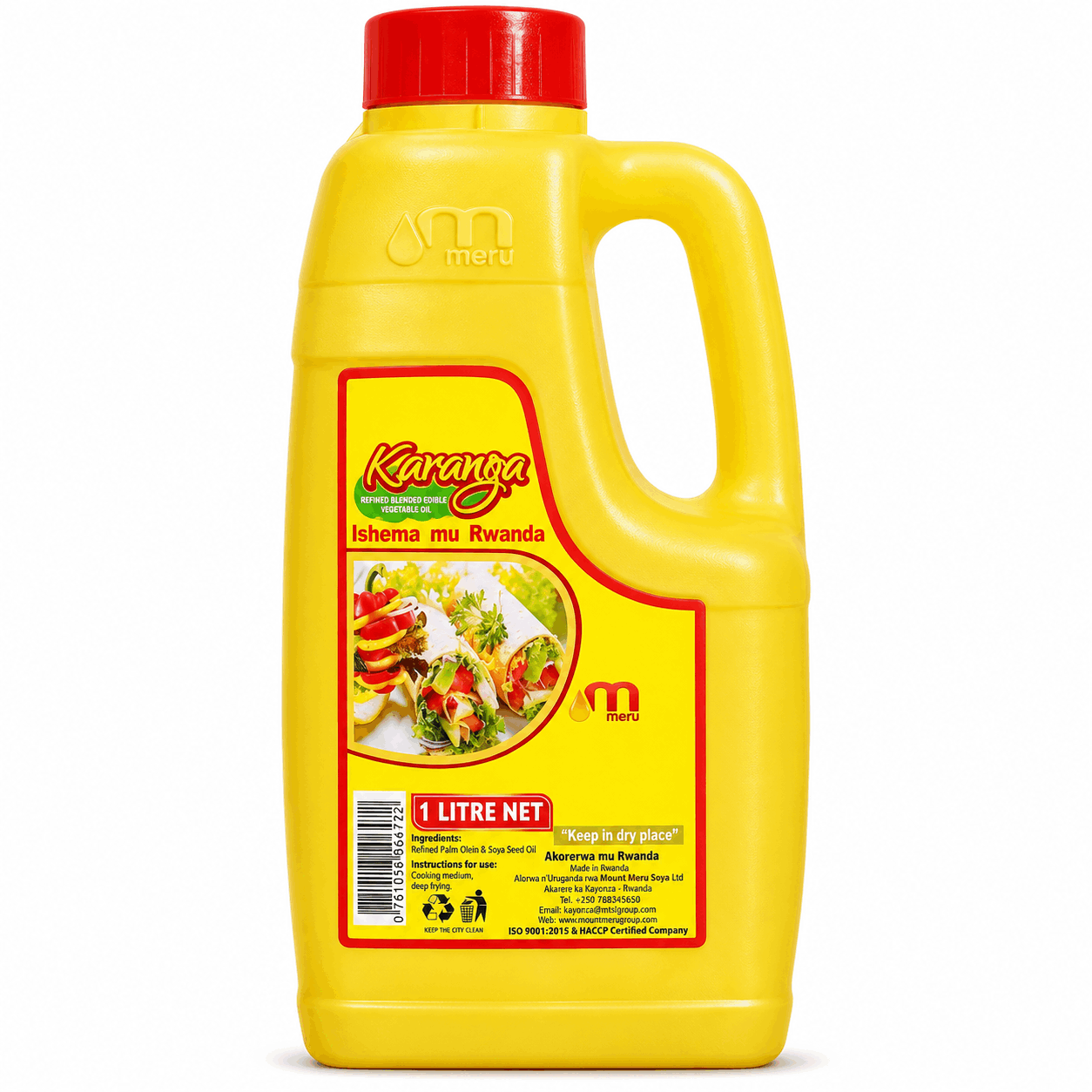
5 litres Must haveFrying sambusa and mandazi uses a lot of oil over the month.
How to use it: Buy a big bottle and strain frying oil to reuse once or twice, not more.
Sugar
3 to 5 kg Must haveTea, porridge and juice all need sugar, and it runs out fast in Ramadan.
How to use it: Buy in bulk and keep in a sealed tin away from ants.
Spices
1 pack each Must havePilau masala, cumin, cardamom and curry powder keep simple iftar dishes exciting all month.
How to use it: Store spices away from the stove so the heat does not dull them.
Tomato paste and onions
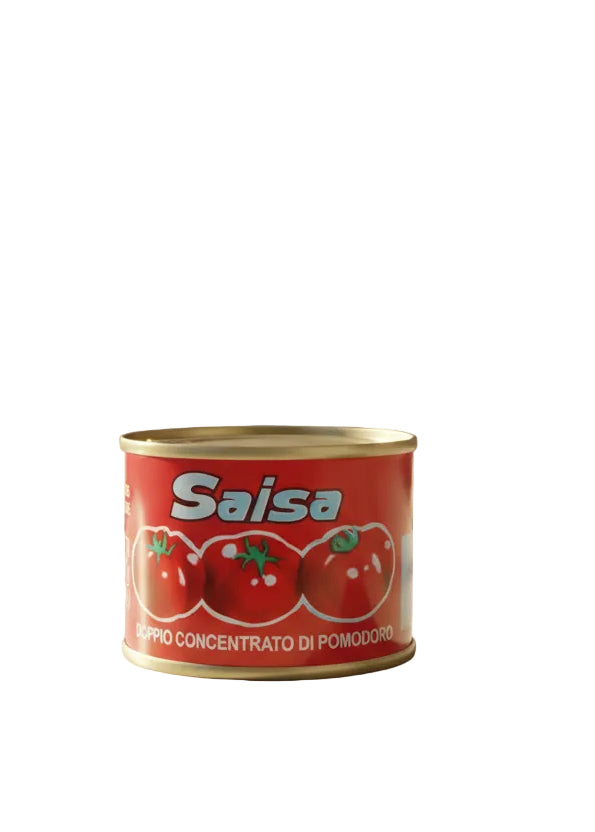
5 kg onions, several tins Must haveThey are the base of almost every stew and soup.
How to use it: Onions keep for weeks in a dry, airy basket. Tomato paste saves you when fresh tomatoes are expensive.















Suhoor foods that keep you going
Suhoor should be slow and filling. Think whole grains, protein and water, not just sweet tea.
Oats
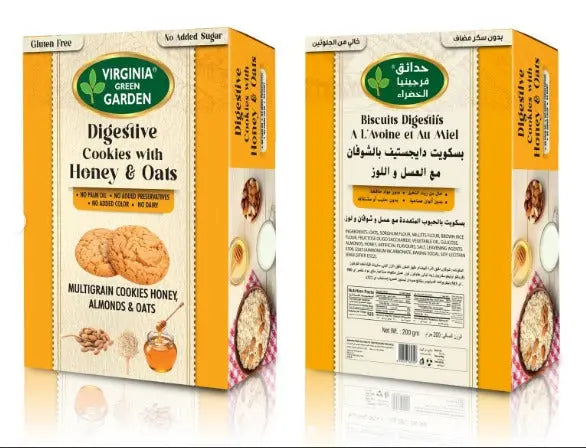
1 to 2 kg Must haveOats release energy slowly, which helps you feel full for longer into the day.
How to use it: Cook with milk or water and top with banana, dates or a spoon of peanut butter.
Eggs
1 tray a week Must haveEggs are quick protein at 4 in the morning, when nobody wants to cook a full meal.
How to use it: Boil a batch in the evening and keep them in the fridge for suhoor.
Bread
2 to 3 loaves a week Must haveBread is the fastest suhoor, especially for children and those who wake up late.
How to use it: Brown bread is more filling than white. Keep it in a bread box and freeze half if it will not finish in time.
Peanut butter
1 jarNice to haveIt adds protein and healthy fat to bread or oats and keeps hunger away.
How to use it: Spread thinly on bread or stir a spoon into hot porridge.
Milk and yogurt
1 kg powder or fresh milk weekly Must haveDairy is soothing, filling and helps with hydration at suhoor.
How to use it: Milk powder is handy when fridge space is short. A cup of yogurt with fruit is a light suhoor.
Bananas
1 bunch a week Must haveBananas are easy to eat half asleep and help replace minerals lost during the day.
How to use it: Buy a bunch at different ripeness so some are ready each morning.
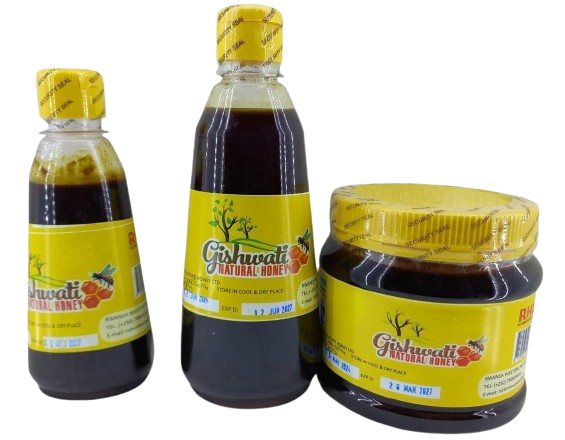
Honey
1 jarNice to haveA spoon of honey in warm water or tea is a gentle sweetener many families love in Ramadan.
How to use it: Use it instead of sugar in tea and porridge, in moderation.













Tea and warm drinks
Tea is part of every iftar and suhoor. Keep it simple and always ready.
Tea leaves
500 g to 1 kg Must haveGood Rwandan tea is the comfort drink of the evening.
How to use it: Boil with milk, ginger and cardamom. Remember tea is mildly drying, so drink water too.
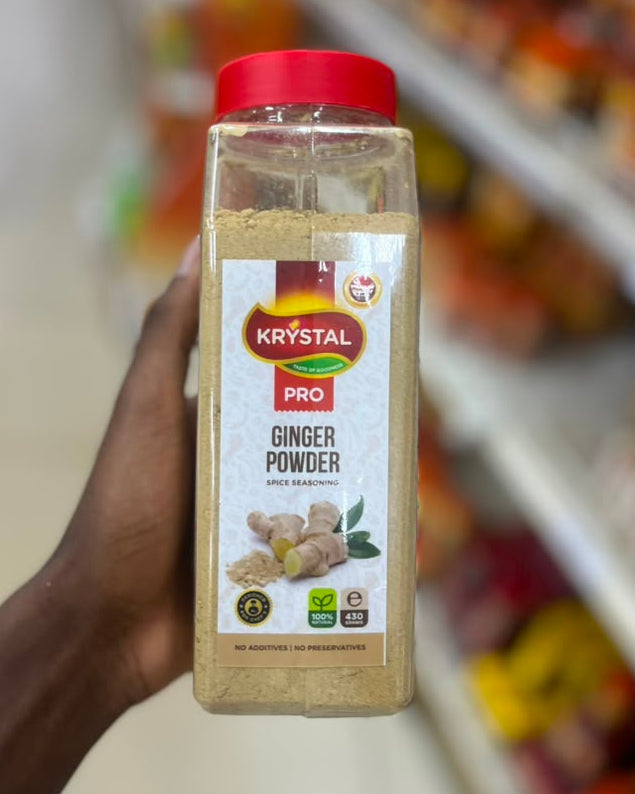
Ginger and spices for tea
1 piece ginger weeklyNice to haveGinger and cardamom make tea warming and fragrant and many people find ginger soothing.
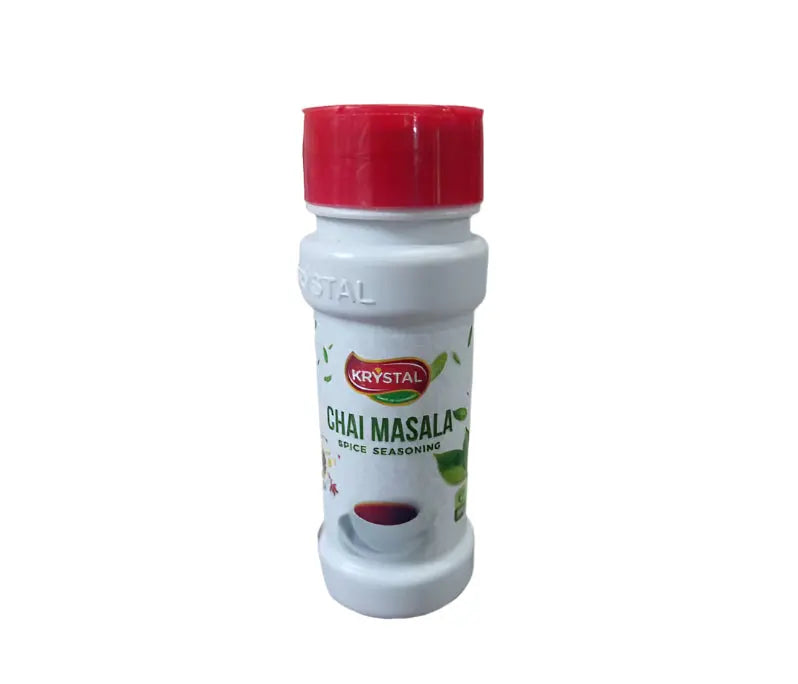
How to use it: Crush fresh ginger into the pot, or use a ready chai spice mix.
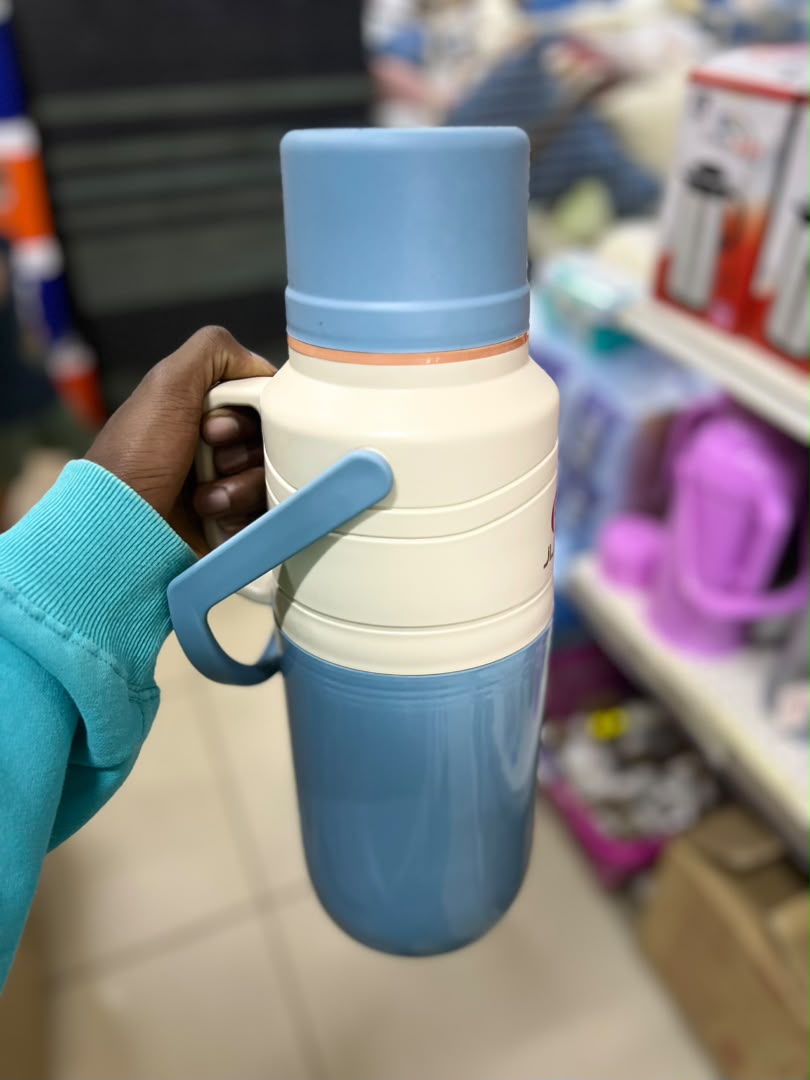
Thermos flask
1 Must haveA flask means hot tea at suhoor without lighting the gas at 4 in the morning.
How to use it: Fill it with tea after iftar, close tightly and it will still be warm before dawn.






Kitchen helpers for the month
A few tools make cooking twice a day much easier.
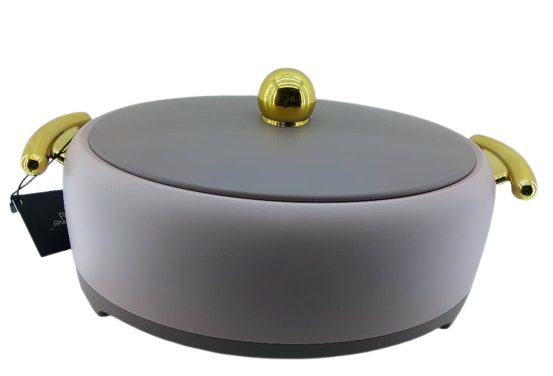
Food containers
6 to 10 Must haveCooking ahead and freezing portions is the secret to a calm Ramadan kitchen.
How to use it: Cook stews and beans in batches and store meal-sized portions. Label with the day you cooked them.
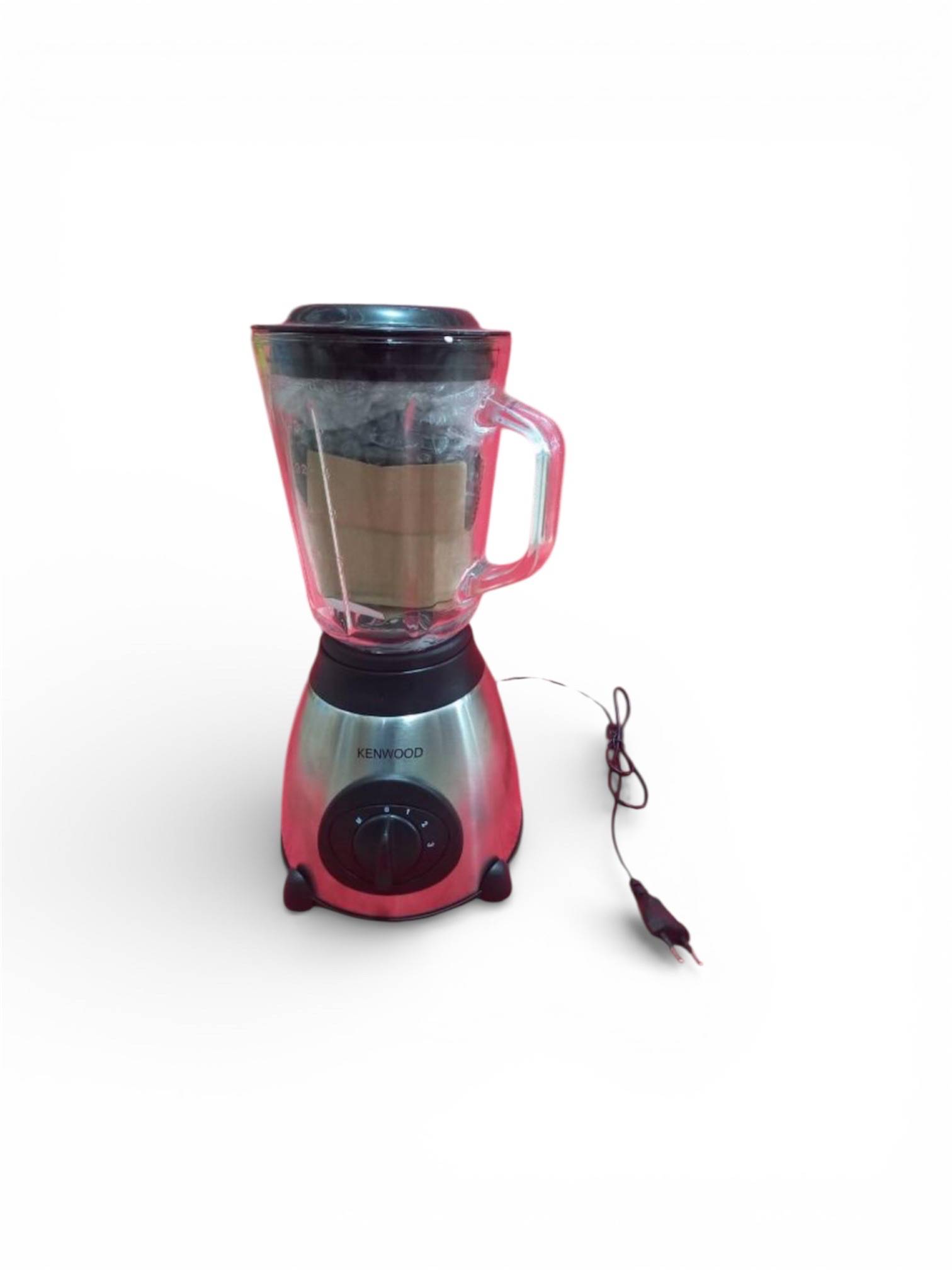
Blender
1Nice to haveFresh juice, smoothies and blended soups are quick iftar wins with a blender.
How to use it: Blend fruit with a little water and ice, or blend lentil soup smooth for children.
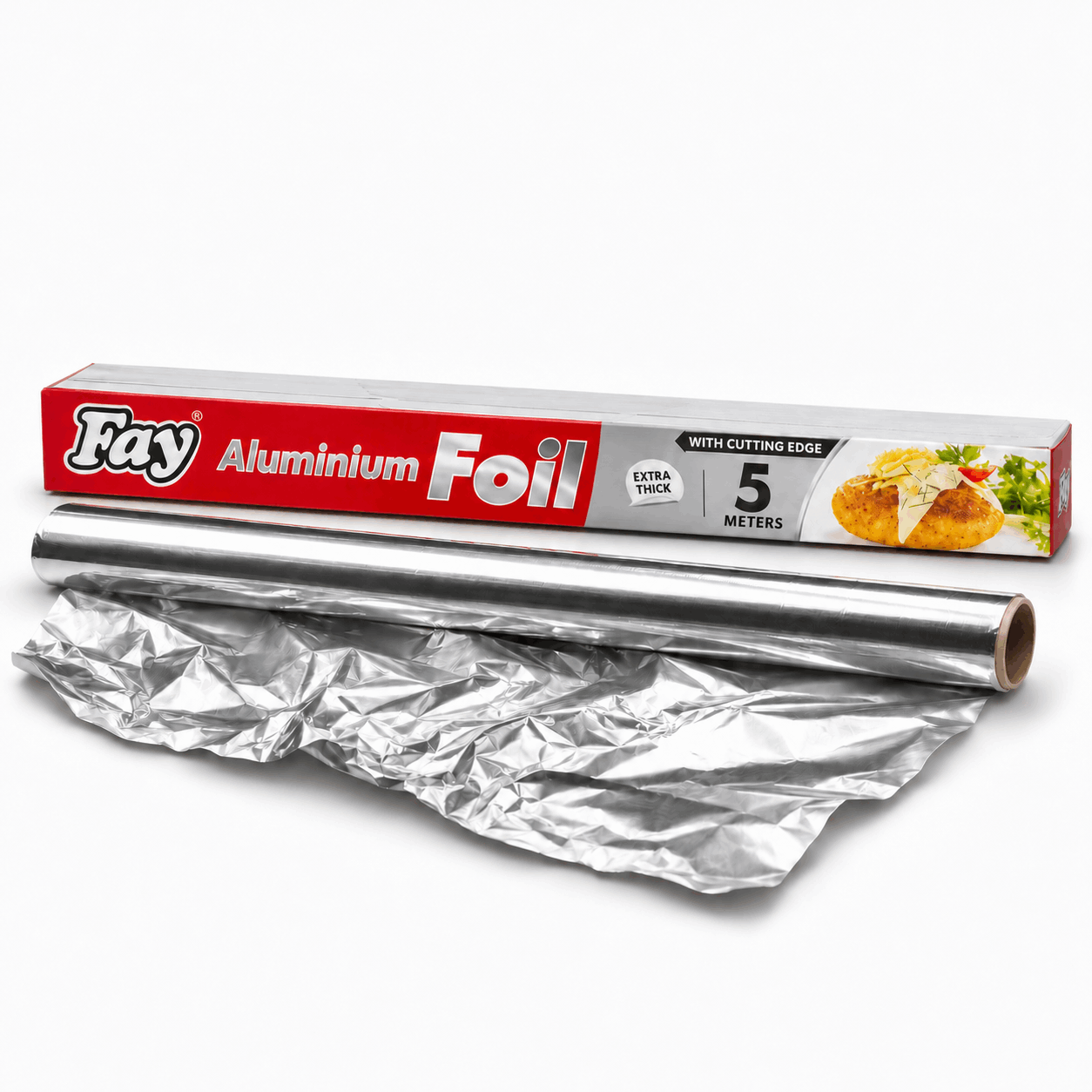
Aluminum foil
1 rollNice to haveFoil keeps sambusa and chapati warm while everyone gathers for iftar.
How to use it: Wrap chapati stacks in foil and a clean cloth to keep them soft.
Rechargeable torch
1Nice to haveA power cut at suhoor time is common enough to plan for.
How to use it: Keep it charged on the kitchen shelf so you can cook and eat before dawn without fumbling.








Step by step
- 1
One week before Ramadan
Count how many people will eat at home and how many iftars you will host. Buy rice, beans, flour, oil, sugar, spices, dates, tea and porridge flour for the month.
- 2
The weekend before
Cook and freeze a few batches of beans and stew, make chapati dough, and clean out the fridge and freezer to make space.
- 3
Each week of Ramadan
Order fresh fruit, vegetables, eggs, bread, milk and meat for the week so you never need a last-minute trip before iftar.
- 4
Last ten days
Top up the staples, then start your Eid shopping early so these special nights stay calm.
Tips that help
- Put water and fruit on the table first at iftar and eat the main meal a little later. It is easier on the stomach.
- Cook iftar and suhoor at the same time in the evening, so the morning only needs reheating.
- Drink water steadily between iftar and sleep instead of a lot at once.
- Choose filling foods like oats, eggs, beans and bread for suhoor rather than only sweet tea.
- Share. An extra plate of food sent to a neighbor at iftar is a beautiful Ramadan habit.
- If you have a health condition or take daily medicine, talk to your doctor before fasting.
Mistakes to avoid
- Shopping every day before iftar, when you are tired and roads are busy.
- Skipping suhoor or eating only sugar, then feeling weak by noon.
- Forgetting water and drinking only tea and juice.
- Frying everything every night. Balance fried snacks with soups, beans and fruit.
Questions people ask
What should I buy before Ramadan starts?+
Stock the things that keep for weeks: dates, rice, beans, flour, oil, sugar, spices, tea, porridge flour and oats. Then buy fresh fruit, vegetables, eggs, bread and meat each week.
What is a good suhoor to stay full in Kigali?+
Slow foods work best: oats or porridge, eggs, brown bread with peanut butter, bananas and milk or yogurt, with plenty of water. Avoid relying only on sweet tea, which can leave you thirsty.
What do people eat for iftar in Rwanda?+
Many families break the fast with dates and water, then porridge or soup, sambusa or mandazi, fruit, and a main dish such as rice, beans, stew or pilau. Every home has its own favorites.
How many dates do I need for Ramadan?+
A simple guide is three dates per person per day. For a family of four that is around 360 dates for the month, so 2 to 3 kg is a good amount to buy.
Can I get my Ramadan groceries delivered in Kigali?+
Yes. You can order the whole pantry list on Isokko and have it delivered by moto, and then top up fresh items each week without leaving home.
A calm Ramadan starts with a full pantry. Do the big shop once, top up fresh food weekly, and keep your energy for fasting, prayer and family. Ramadan Kareem, and when you are ready, you can shop this checklist on Isokko and have it brought to your door.
Shop this list
Get everything delivered in Kigali
Order from local stores on Isokko and pay with MoMo, card or cash. Same-day delivery.