
Checklist · School & students
Senior Six National Exam Preparation Kit: What to Buy
A practical Senior Six exam kit for Rwanda: stationery, calculators, study corner items and brain food to help you prepare and stay well.
Updated November 17, 2026 · By Isokko
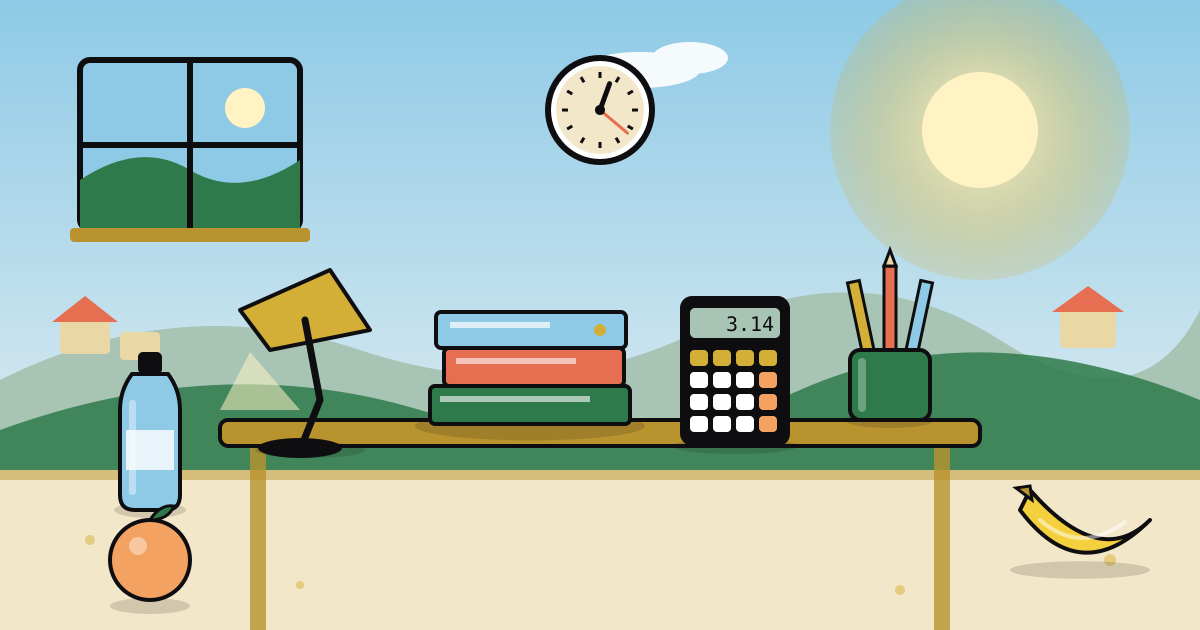
Senior Six is a long push, and the last weeks before the national exam matter. You can not control the questions, but you can control how ready, rested and calm you are. The right tools make revision easier.
This checklist covers stationery, a calculator, a proper study corner, simple brain food and the small things that keep you healthy during the exam period. Not everything is needed by everyone, so start with the must items.
Check with your school and the exam board for exactly what is allowed in the exam room, then shop the rest.
Who it's for
Senior Six students and their families getting ready for national exams
Time needed
Shop 4 to 6 weeks before revision begins
When to shop
Buy stationery and calculator early, and food and batteries one week before the exam
On the list
34 items, 11 must haves
0 of 34 ready
Writing and drawing tools
Always carry a spare of everything you need to write. Losing a pen mid paper should never be a problem.
Blue or black ballpoint pens
6 to 10 Must haveYou need reliable pens for the exam and for practice. A pen that skips costs time.
How to use it: Buy more than you think. Test them on paper before the exam and keep two in your bag.
Pencils
4 to 6 Must havePencils are needed for diagrams, graphs and maps in many subjects.
How to use it: Keep them sharpened the night before. Carry at least two.
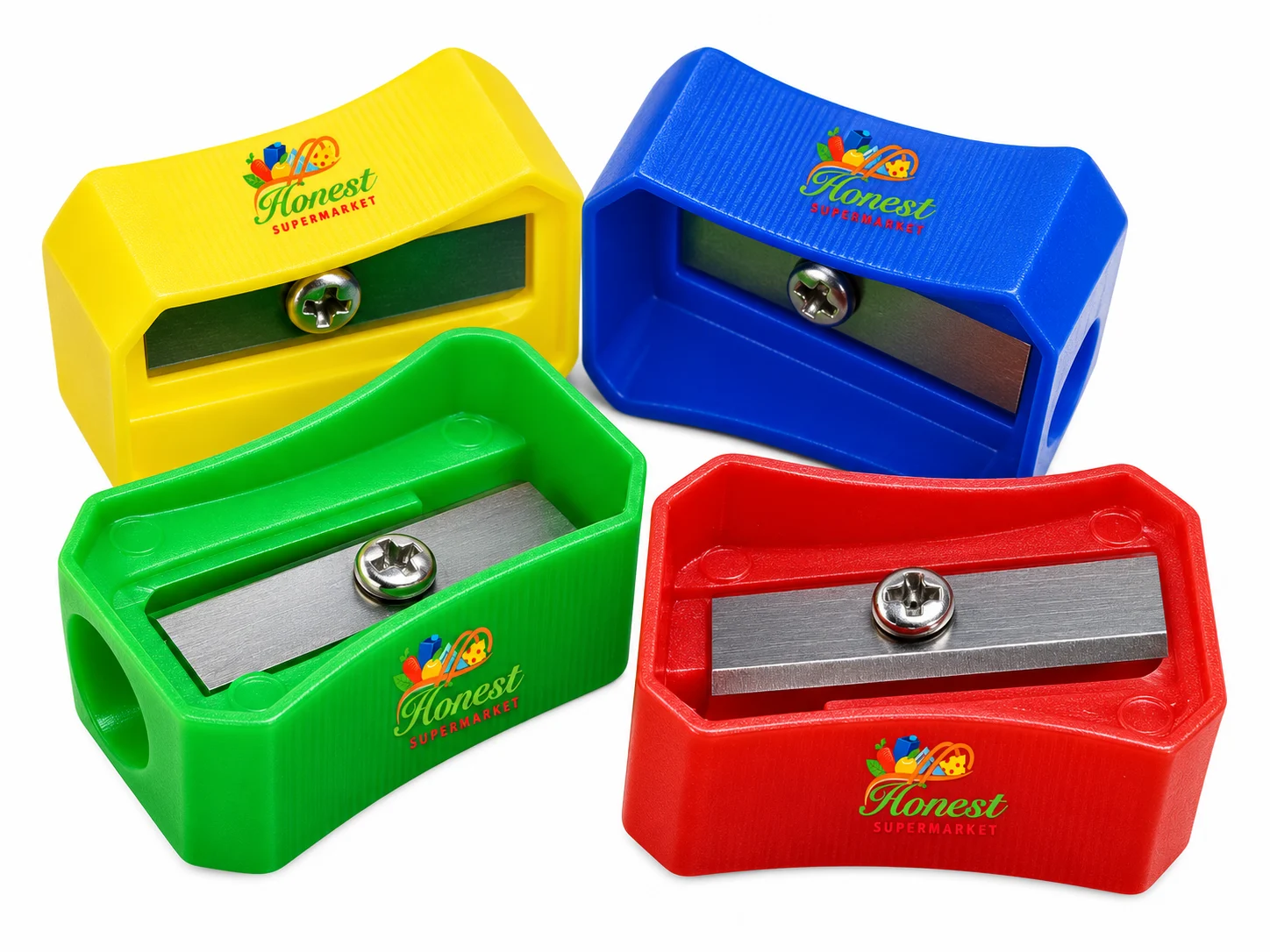
Pencil sharpener
1 to 2 Must haveA sharpener keeps your pencils ready without borrowing in the exam.
How to use it: Check that the blade is sharp and the case is not cracked.
Ruler
1 to 2 Must haveRulers are needed for mathematics, physics and geography diagrams.
How to use it: Choose a clear ruler with clear markings. Keep one at home and one in your exam bag.
Geometry set
1 Must haveCompasses, set squares and protractors are essential for maths and drawing.
How to use it: Check the set is complete and the compass point is not loose before the exam.
Highlighters
3 to 5Nice to haveHighlighters make notes easier to review and key points easier to find.
How to use it: Use two or three colors with a clear meaning, like definitions and dates. Do not highlight the whole page.
Colored pencils
1 setNice to haveColored pencils help in biology, geography and drawing based subjects.
How to use it: Keep one small set in your pencil case for diagrams.




Notes and revision paper
Neat, organized notes save time. Exams reward clear working, so practice that way.
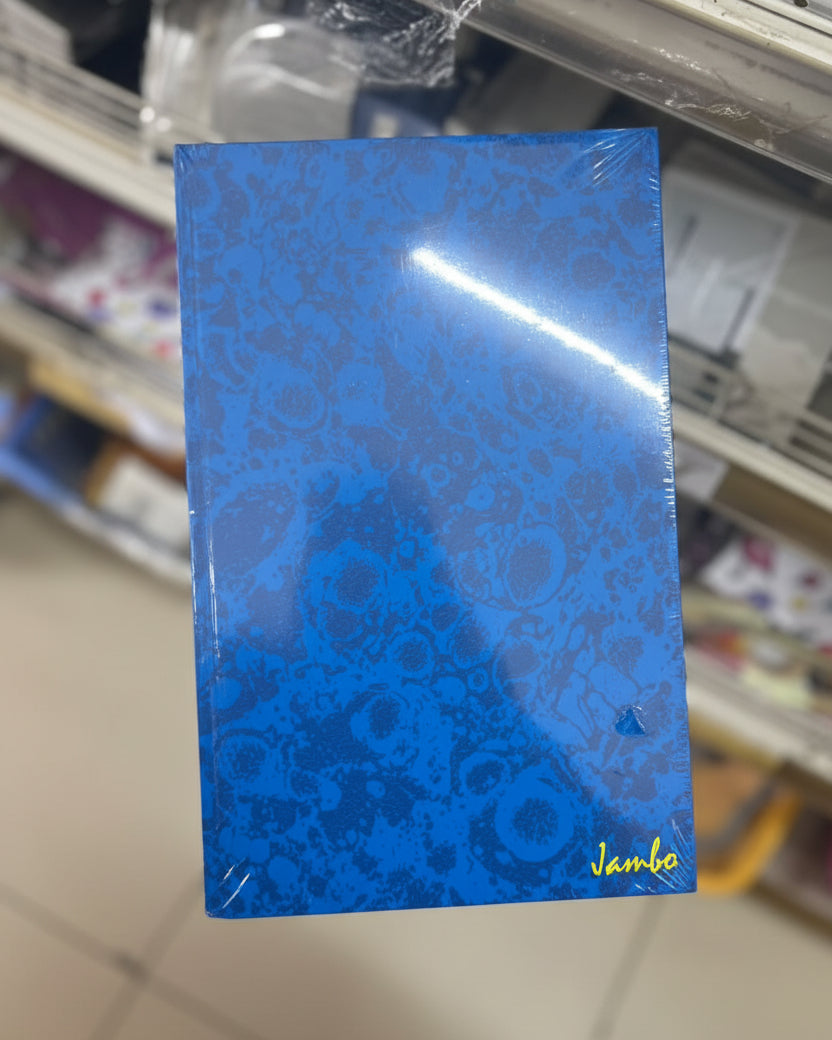
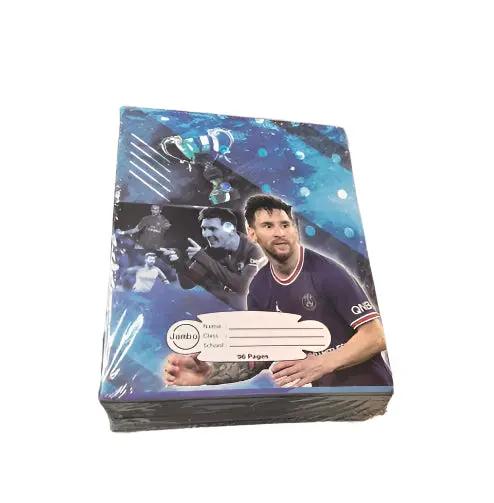
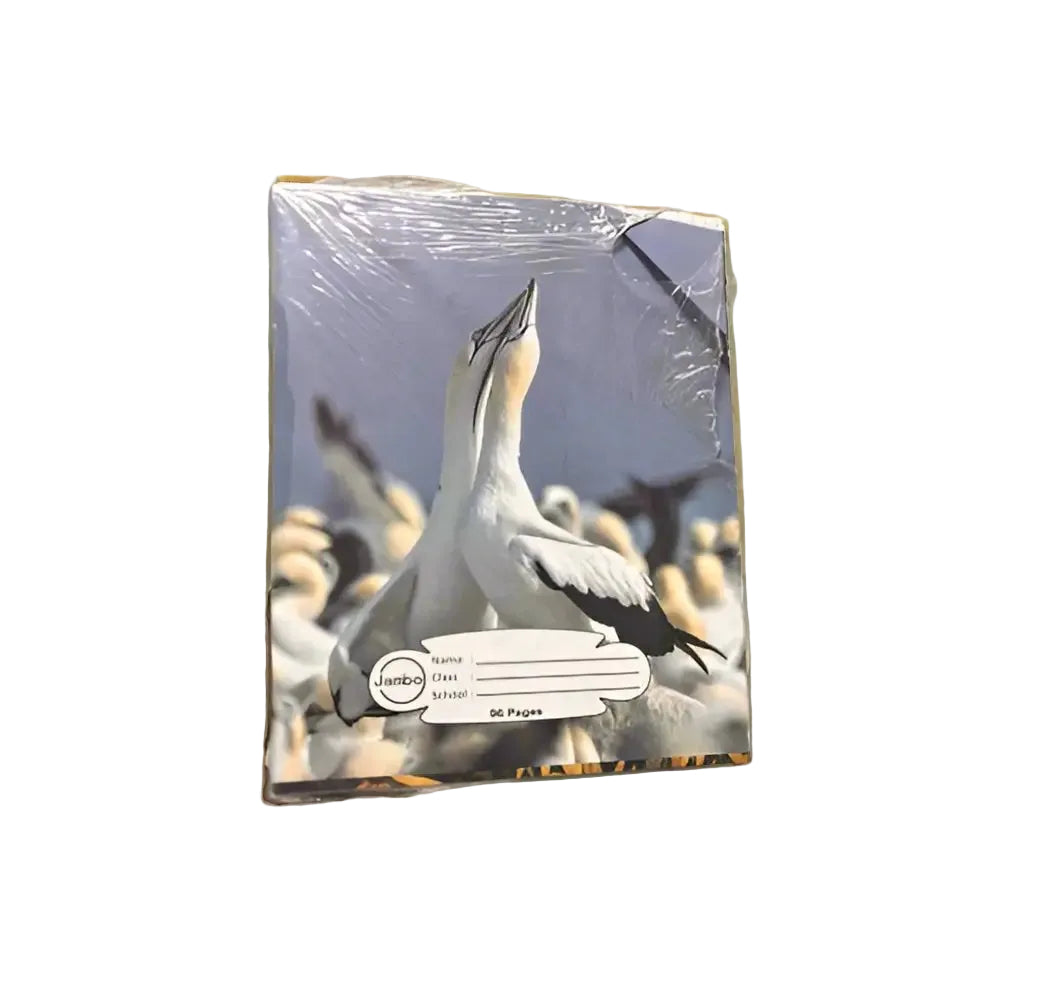
Exercise books for each subject
1 per subject Must haveSeparate books keep notes and practice questions apart and easy to find.
How to use it: Label the cover with the subject and keep past paper answers in the same book.
A4 notebook
1 to 2Nice to haveA bigger notebook is useful for summaries, mind maps and long working.
How to use it: Keep one for mixed revision and one for mistakes you want to learn from.
Manuscript book or squared paper
1 to 2Nice to haveSquared paper helps with graphs and maths working, and extra paper is useful for practice.
How to use it: Use one side first, then flip and reuse for rough work.
Sticky notes
2 padsNice to haveShort notes on formulas, dates and key words help you remember in short bursts.
How to use it: Stick them on the wall, mirror or study table. Change them weekly.
Stapler
1Nice to haveA stapler keeps handouts and past papers together and organized.
How to use it: Buy staples at the same time and keep them in the pencil case.
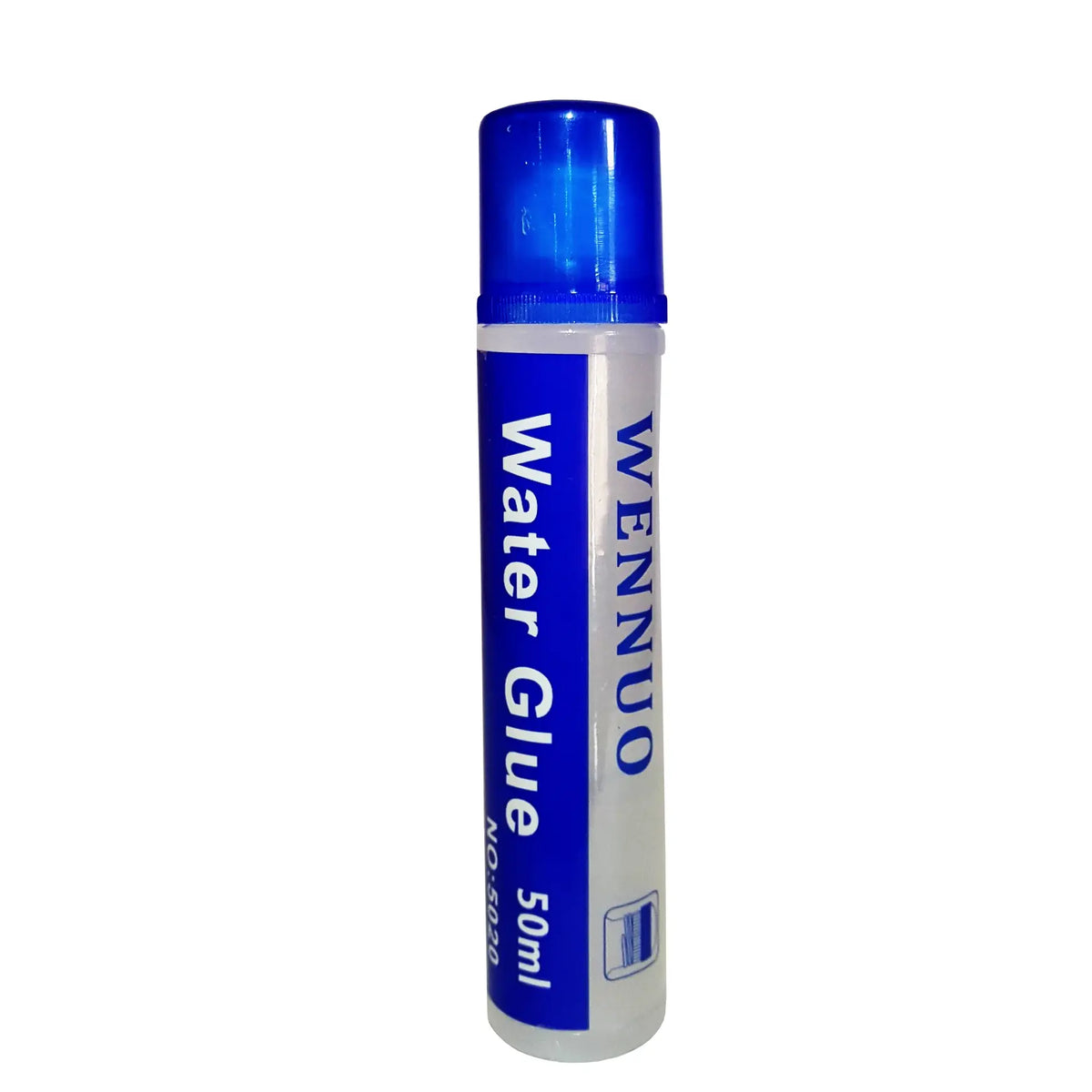
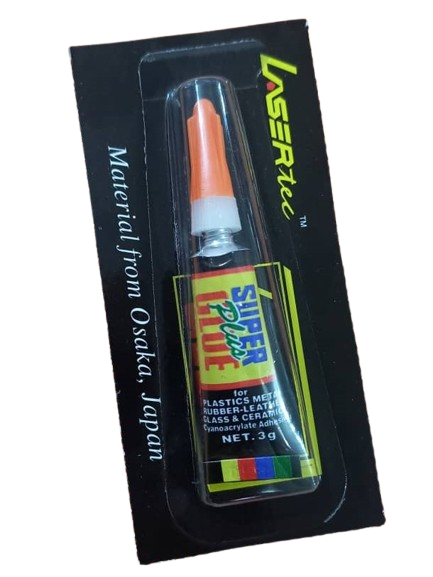
Glue and scissors
1 eachNice to haveUseful for making revision cards, summaries and posters.
How to use it: Keep them in a box with your stationery so they do not go missing.




Calculator and electronics
The right calculator and power for your study hours are worth planning for.
Scientific calculator
1 Must haveMathematics, physics, chemistry and economics often need a scientific calculator.
How to use it: Check the school or exam rules for allowed models. Practice with the same one you will use in the exam.
Spare calculator batteries
2 sets Must haveA dead calculator on exam day is a serious problem.
How to use it: Replace batteries a week before the exam and carry spares if your model uses them.
Power bank
1Nice to havePower cuts happen. A charged power bank keeps your phone alive for alarms, learning videos and calls.
How to use it: Charge it every night and keep it away from water.
Extension socket
1Nice to haveA study table needs lights and chargers, and an extension saves moving around.
How to use it: Do not overload the socket. Switch off at night.


Your study corner
A fixed place to study tells your mind it is time to focus, even in a small room.
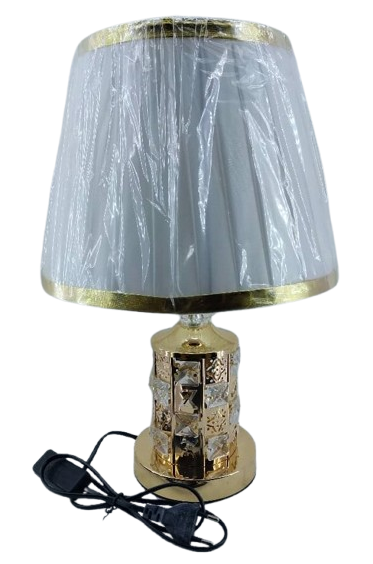
Study table lamp
1 Must haveGood light protects your eyes and keeps you awake in the evenings.
How to use it: Place the lamp on the side opposite your writing hand to avoid shadows.
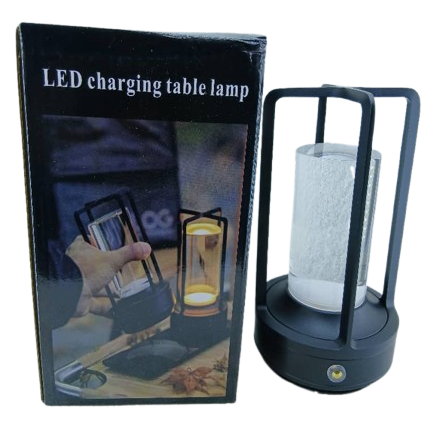
Rechargeable torch
1 Must haveKigali power cuts can come at any time, and a torch means revision does not stop.
How to use it: Charge it fully every few days and keep it near your study table.
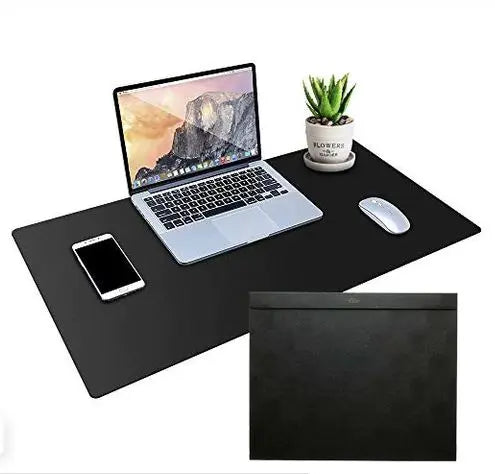
Desk mat
1Nice to haveA desk mat protects the table and gives a clean, smooth surface to write on.
How to use it: Keep only the books you need on the table.
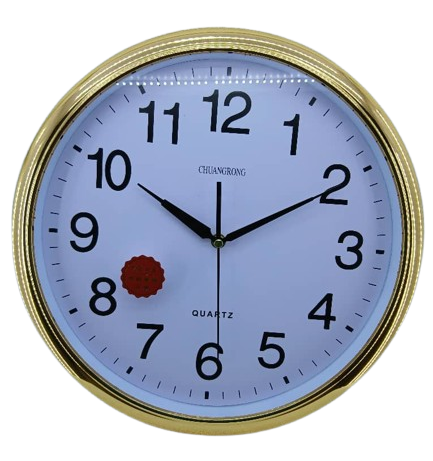
Wall clock
1Nice to haveA clock helps you time practice questions like a real exam, without looking at your phone.
How to use it: Place it where you can see it from your seat.
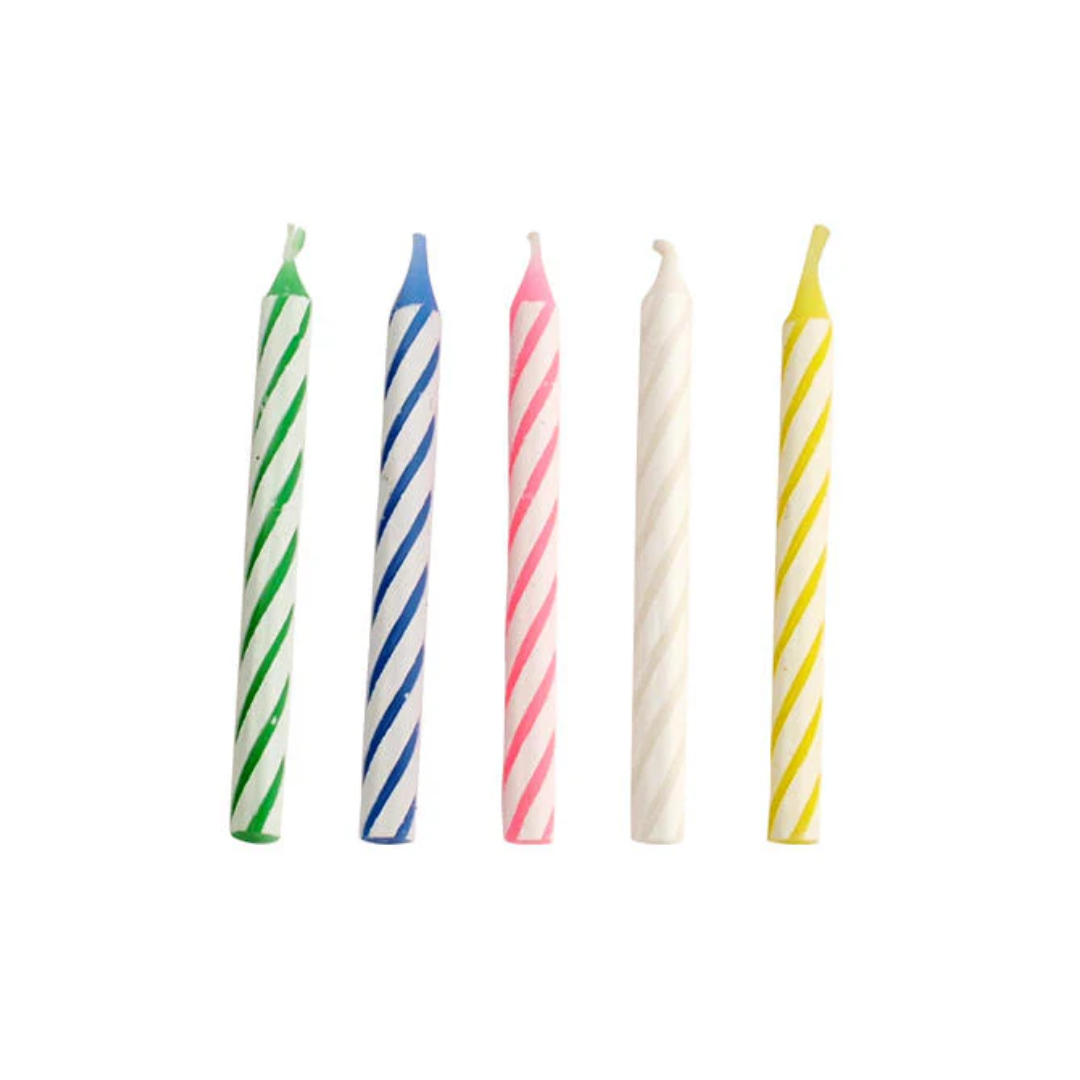
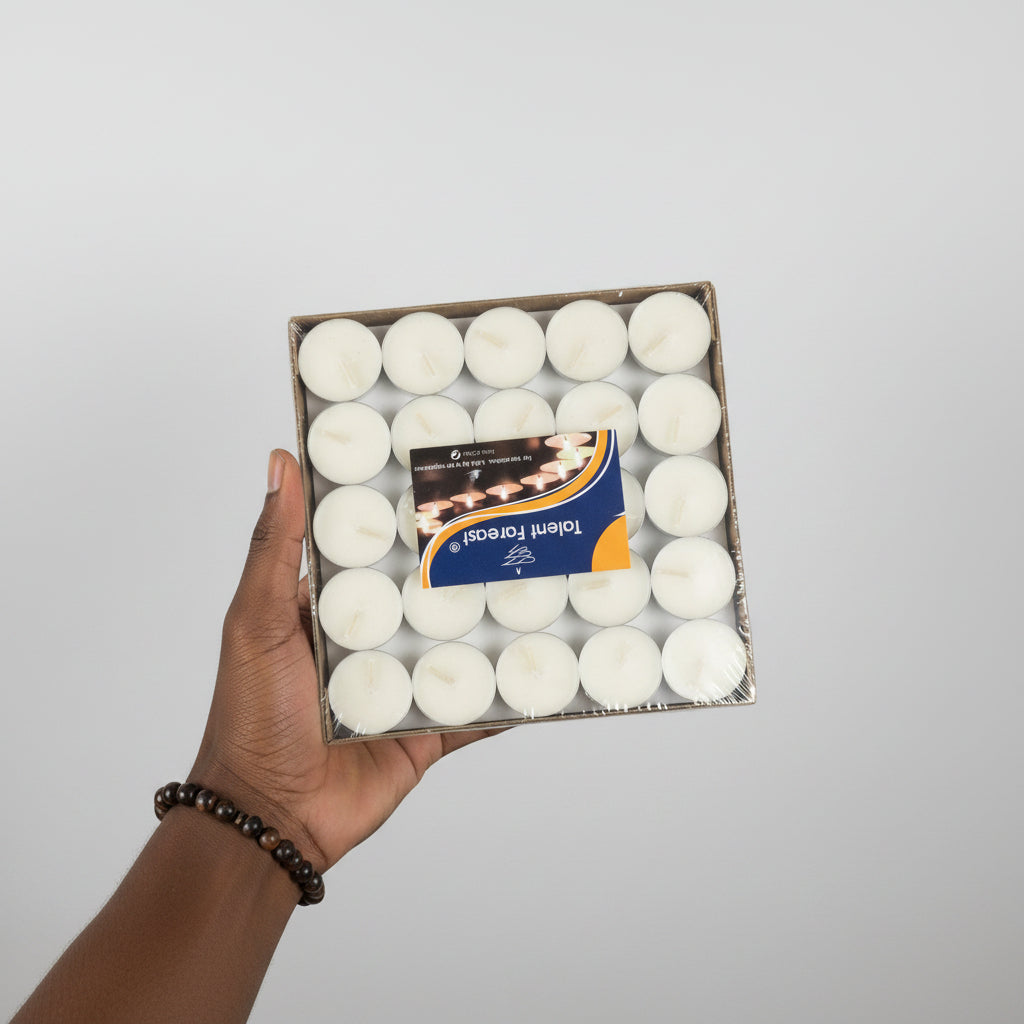
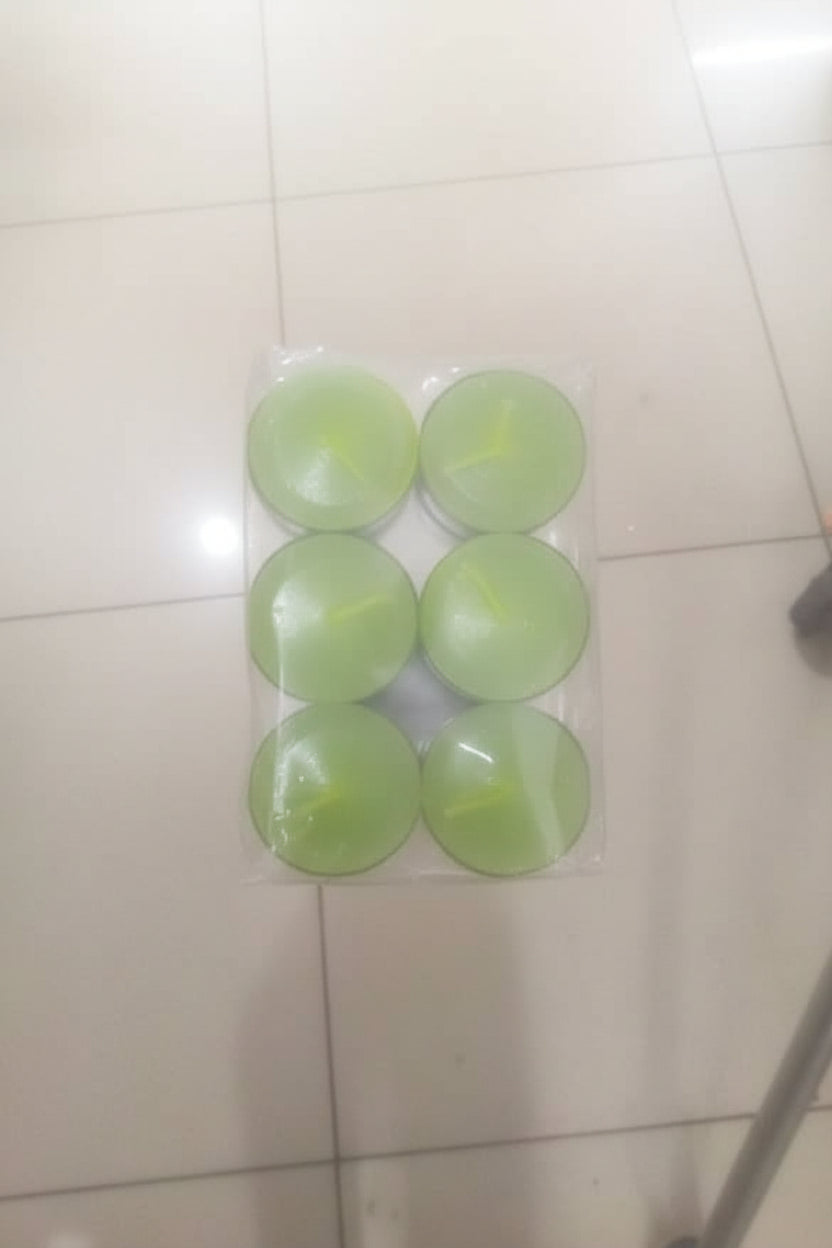
Candles
1 packNice to haveCandles are a backup in a long power cut when other lights are low.
How to use it: Use a holder on a safe surface. Never leave them burning when you sleep.






Brain food and drinks
Eat regularly, drink water and avoid long gaps. A good meal before a long paper helps you focus.
Bananas
1 to 2 per dayNice to haveBananas are an easy, cheap energy snack that fits in a bag.
How to use it: Eat one in the break before a paper, or with breakfast.
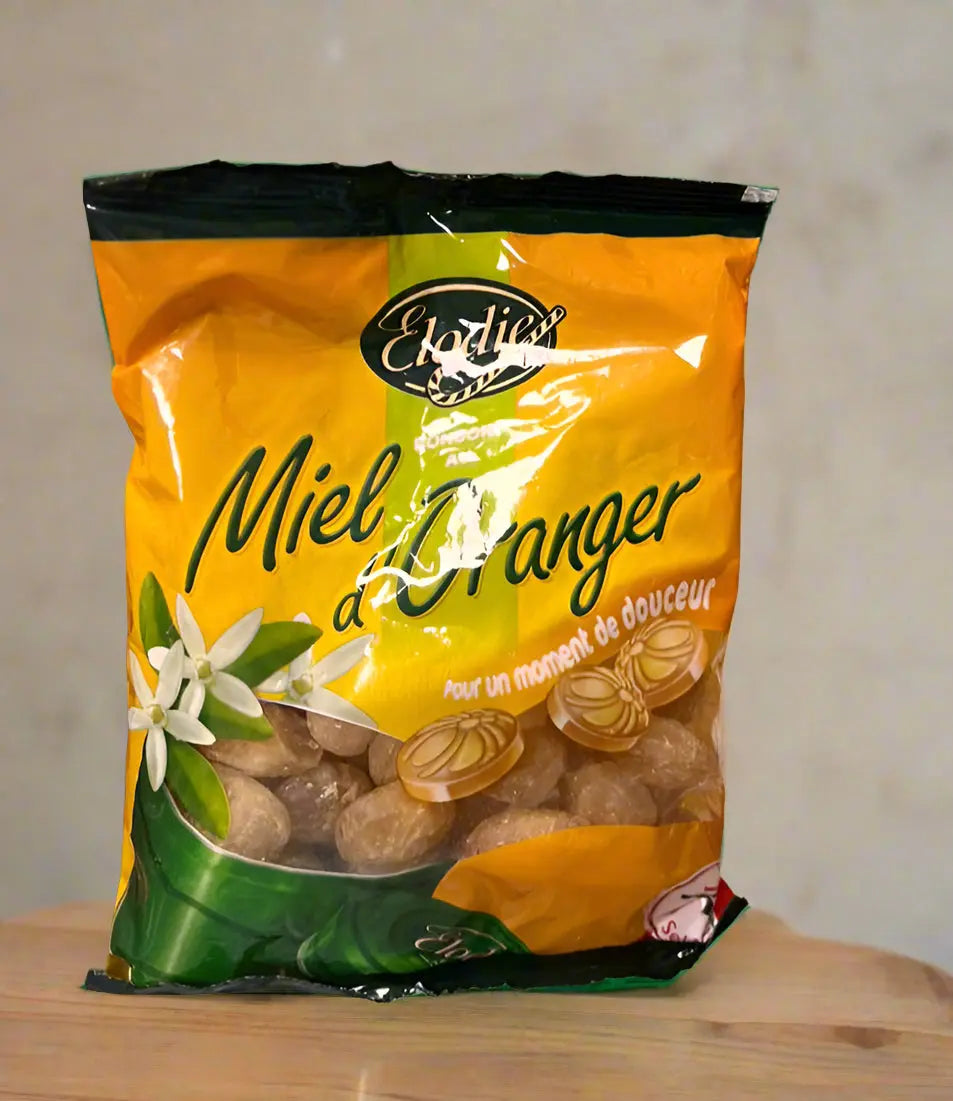
Oranges and fruit
DailyNice to haveFruit gives vitamins and refreshment during long study sessions.
How to use it: Wash fruit well and carry a piece for the break.
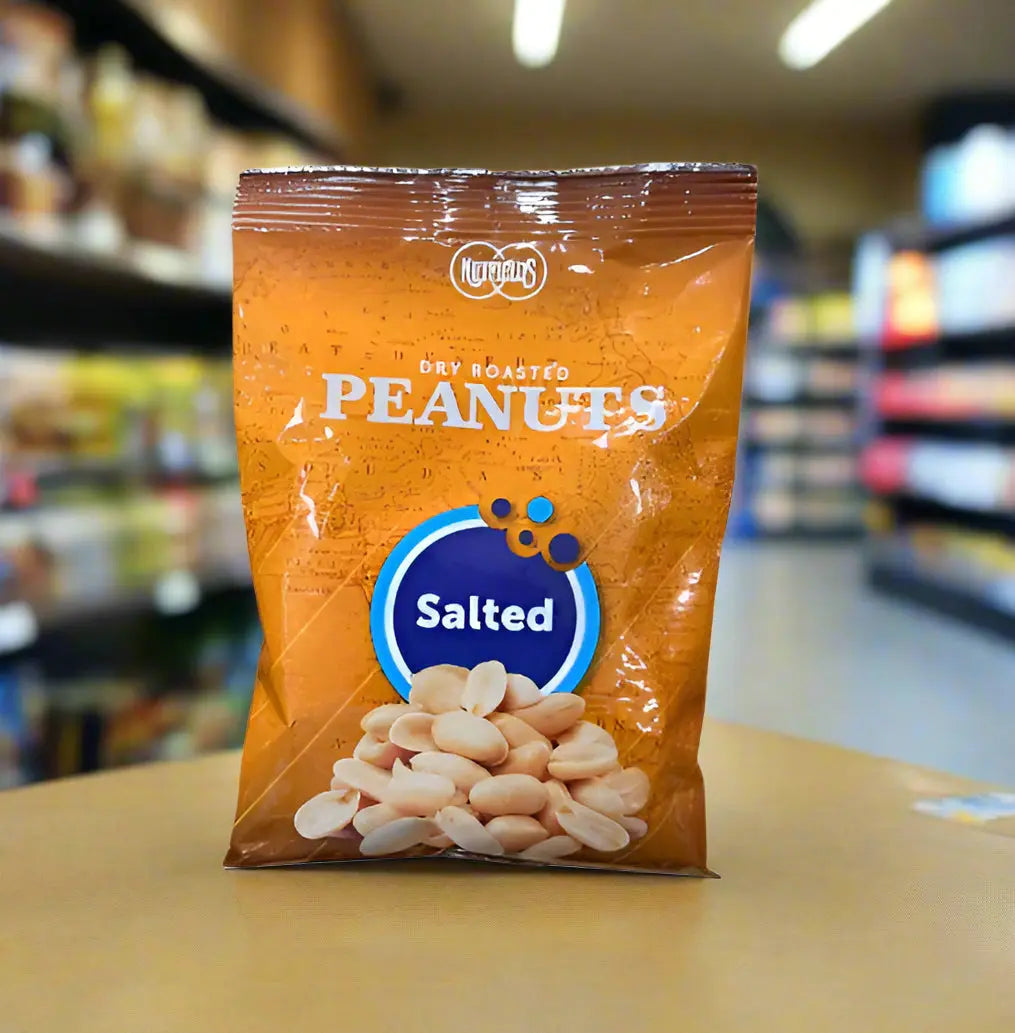
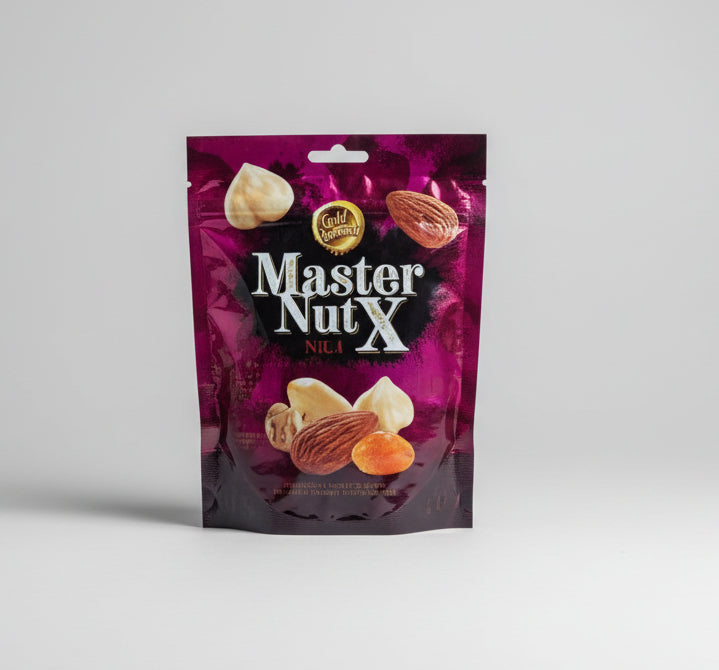
Groundnuts and mixed nuts
1 to 2 packsNice to haveNuts give steady energy and protein for long revision hours.
How to use it: Take a small handful at a time, not a full bag.
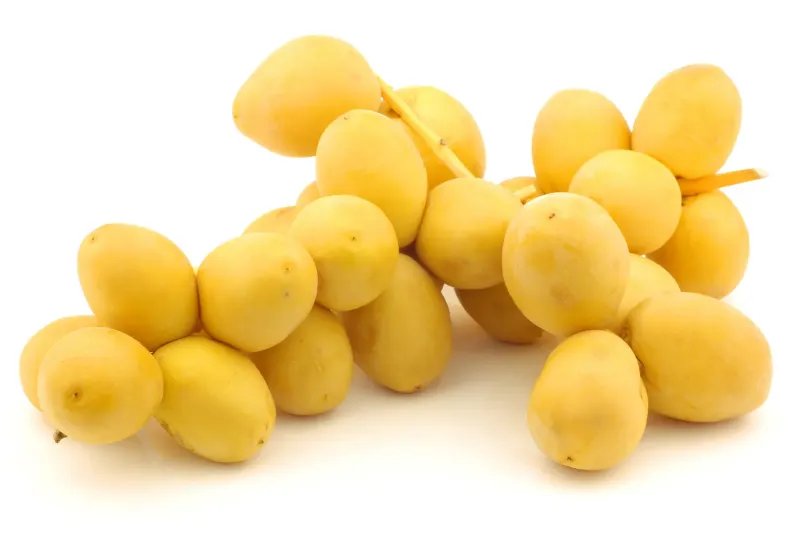
Dates
1 packNice to haveDates give quick natural sweetness, useful when you feel tired.
How to use it: Keep a small pack in your bag.
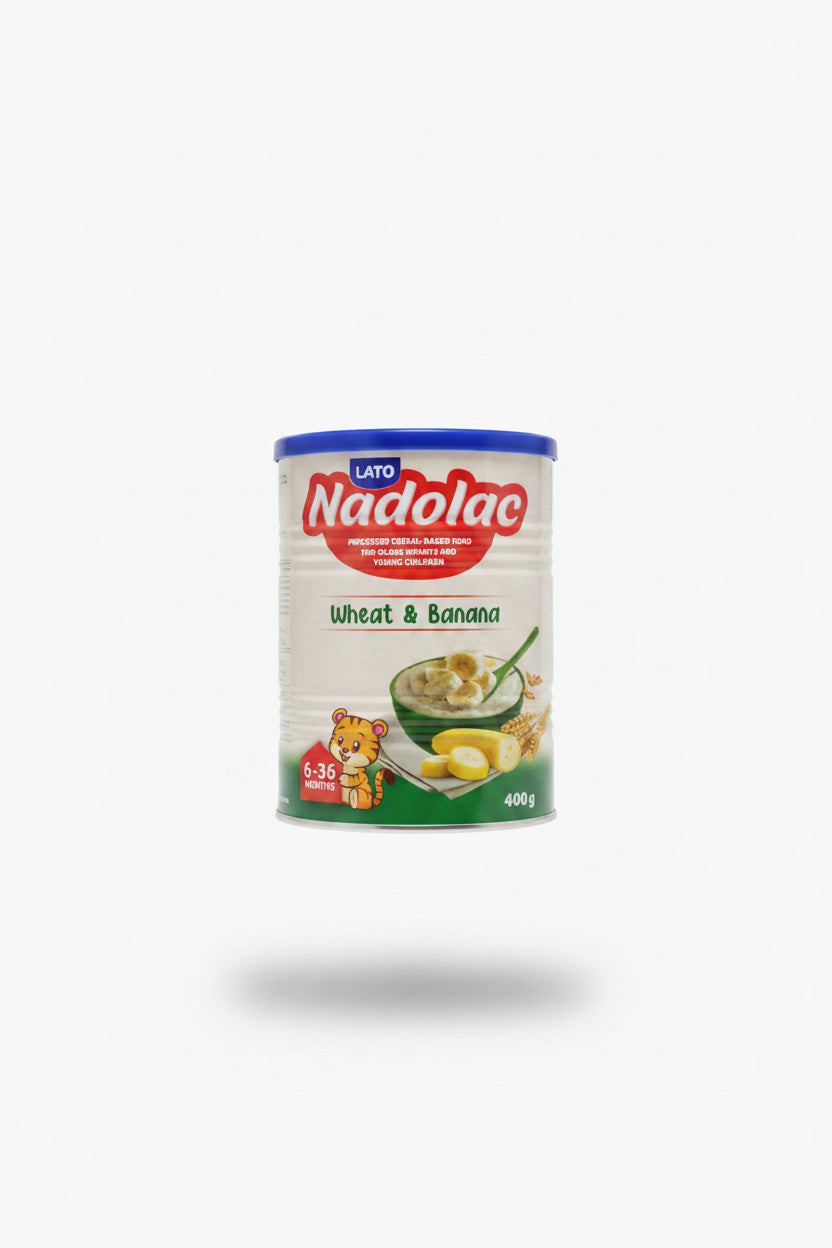
Oats or porridge flour
1 packNice to haveA warm breakfast of oats or porridge keeps you full through a morning paper.
How to use it: Cook it fresh in the morning. Add a banana or a spoon of honey if you like.
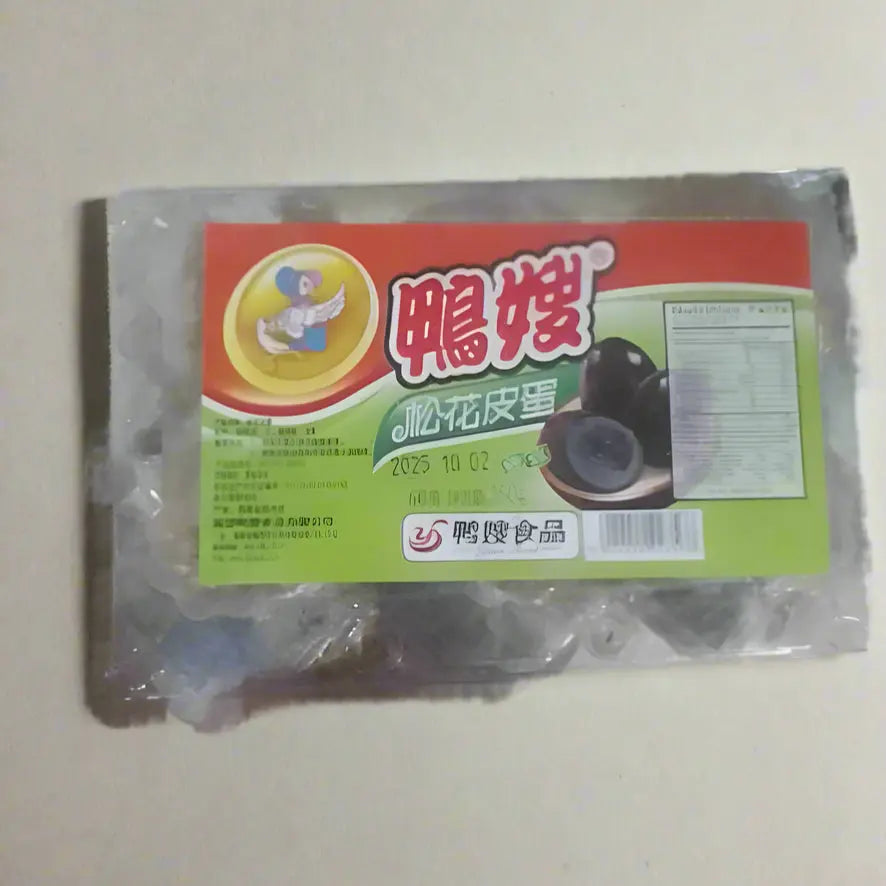
Eggs
1 trayNice to haveEggs are an easy protein that helps you feel full.
How to use it: Boil a few at once and keep them for the day.
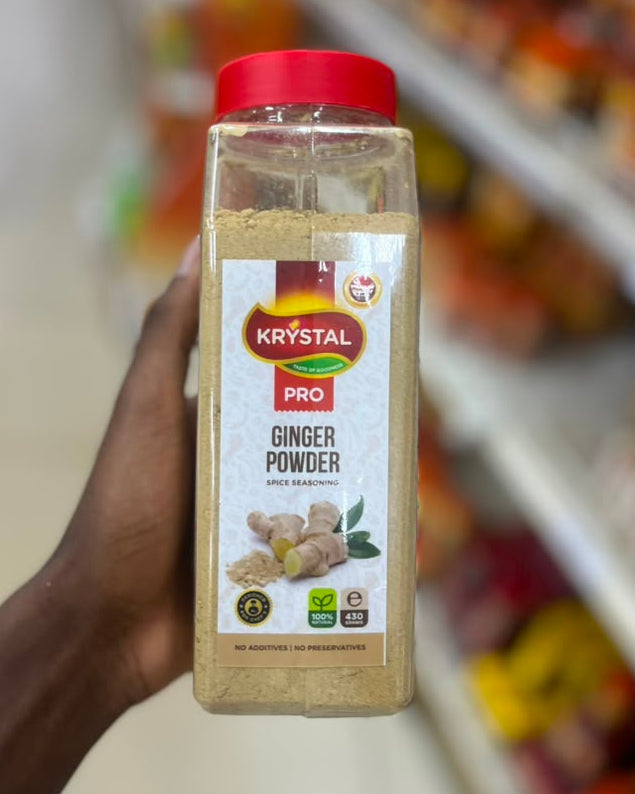
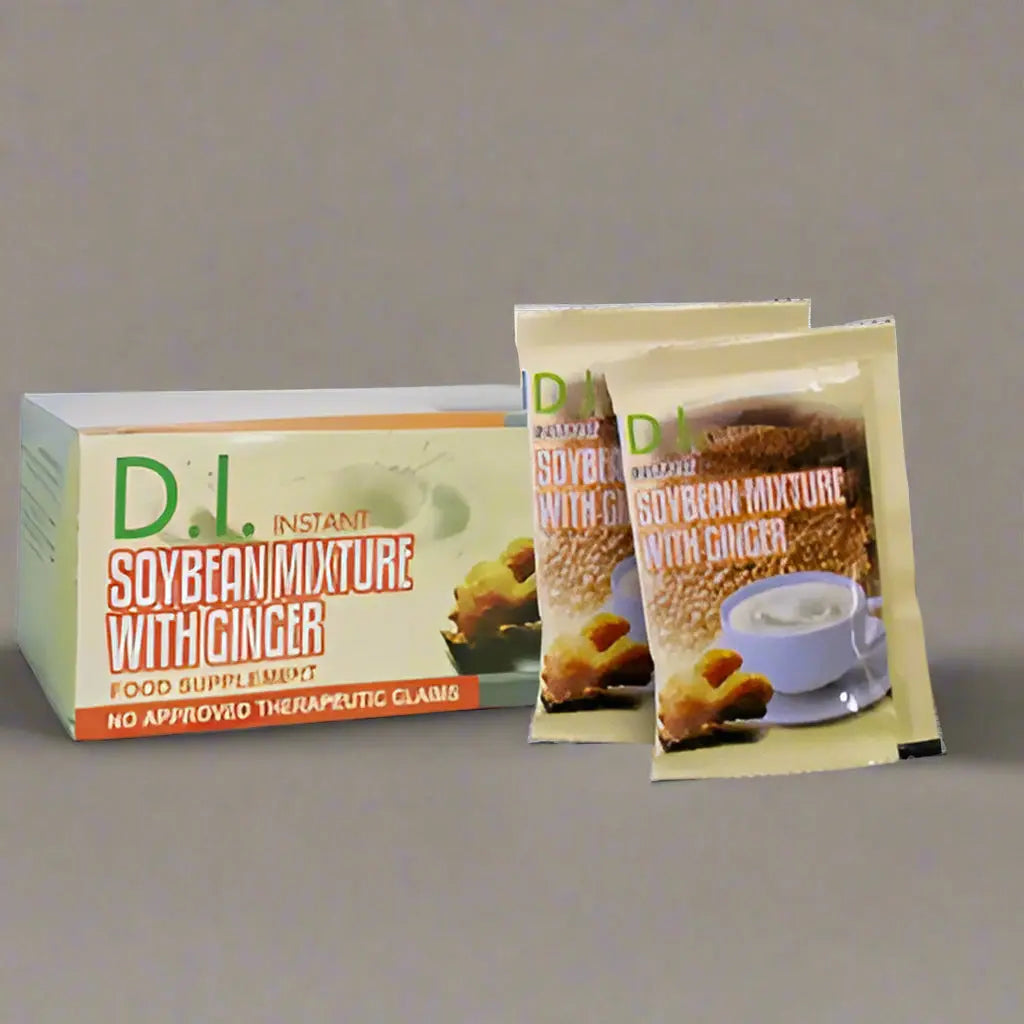
Tea, ginger and honey
DailyNice to haveA warm drink with ginger and honey is comforting in cold evenings and rainy weather.
How to use it: Use fresh ginger or tea bags. Keep sugary drinks for treats only.









Rest, health and exam day
Sleep, hydration and a calm morning are part of preparation, not extras.
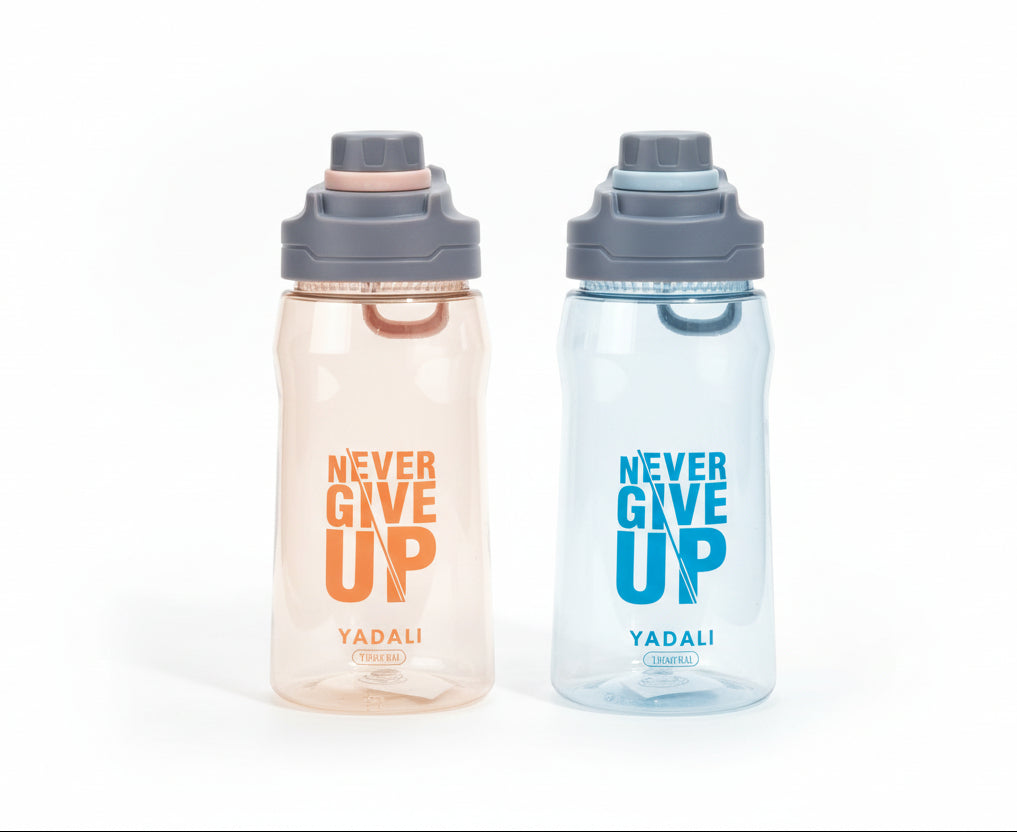
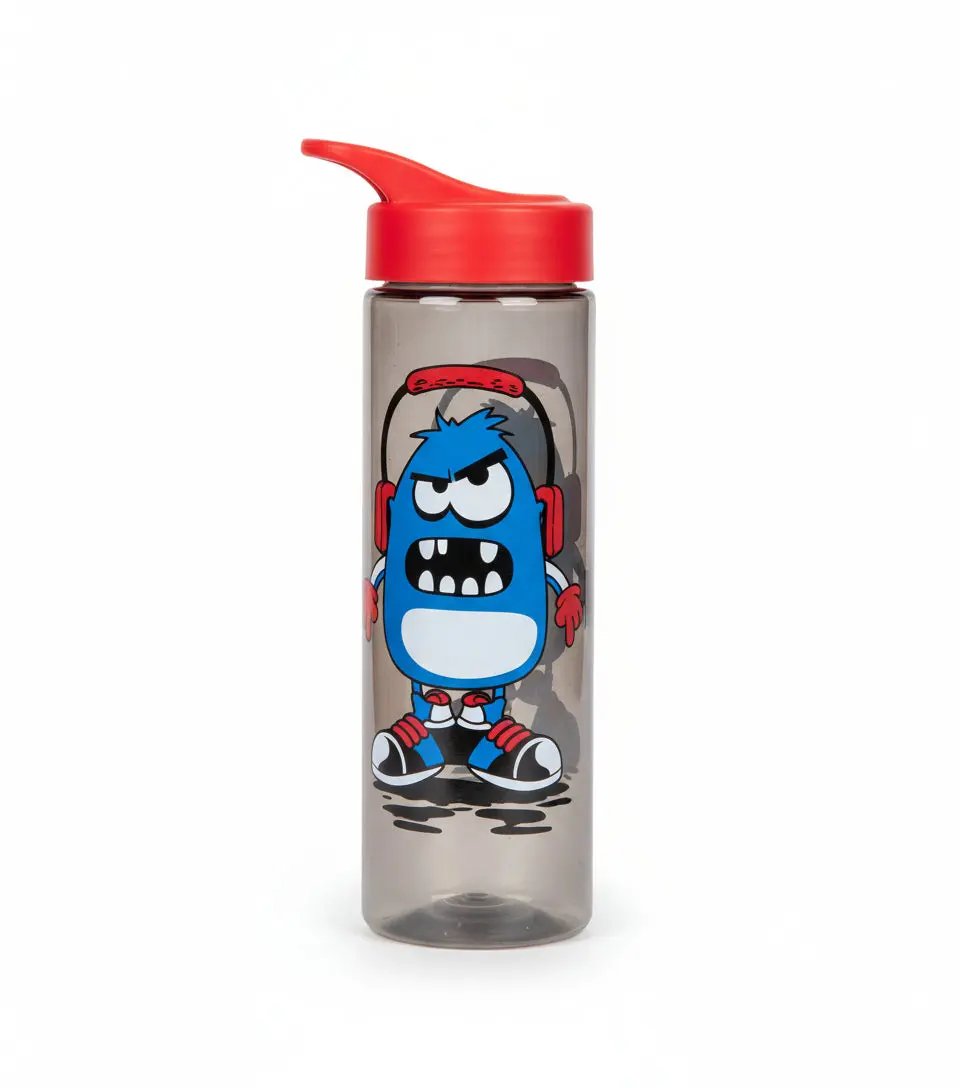
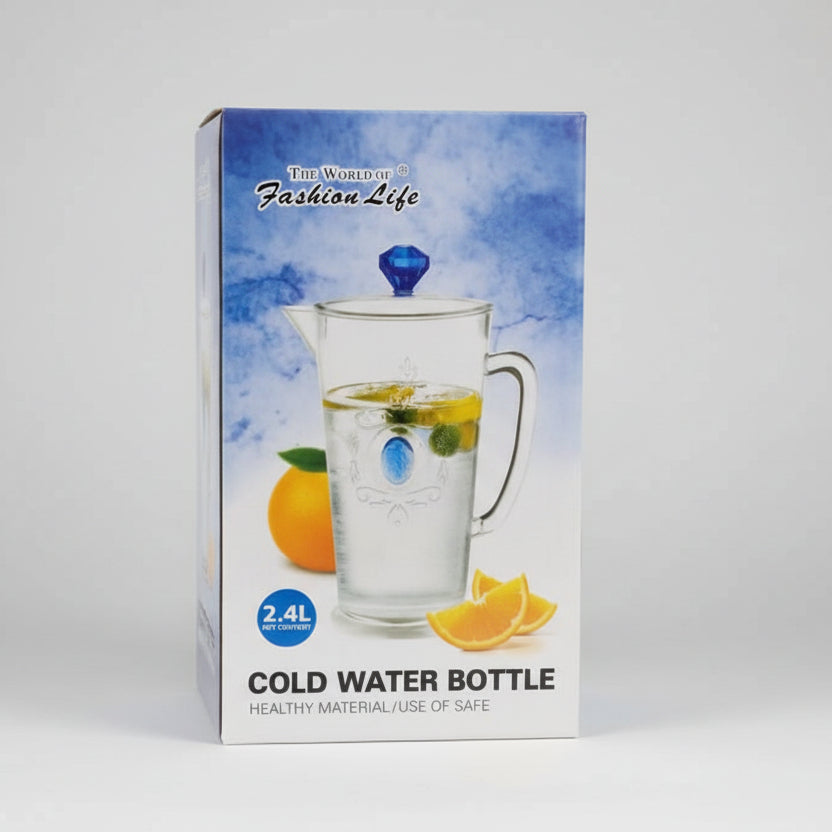
Water bottle
1 Must haveWater keeps you focused. A bottle on the table reminds you to drink.
How to use it: Refill it often and carry it on exam days if the rules allow.
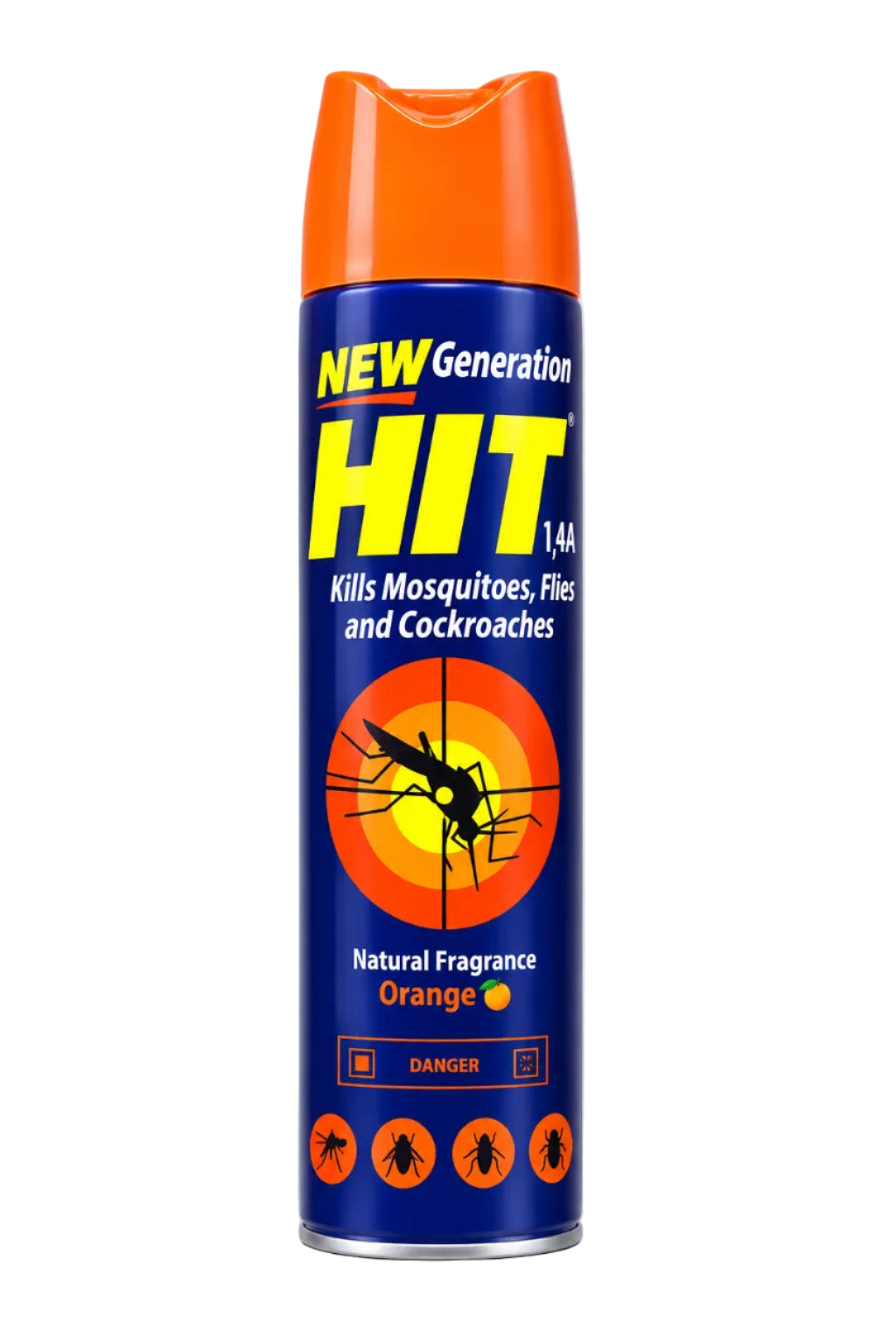
Mosquito net
1Nice to haveA good sleep is vital in the exam weeks, and a net protects you from bites.
How to use it: Check the net for holes and tuck it in every night.
Warm blanket
1Nice to haveCold nights make it hard to rest and to wake up well for early papers.
How to use it: Keep it clean and dry, especially in the rainy season.
Umbrella
1Nice to haveYou can not be late or soaked on the day of a paper, and rain is common in some seasons.
How to use it: Keep it in your bag from a week before the exam.
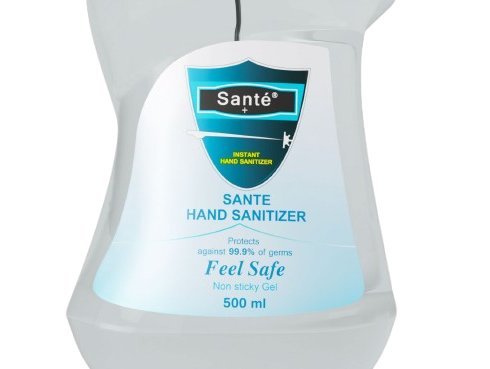
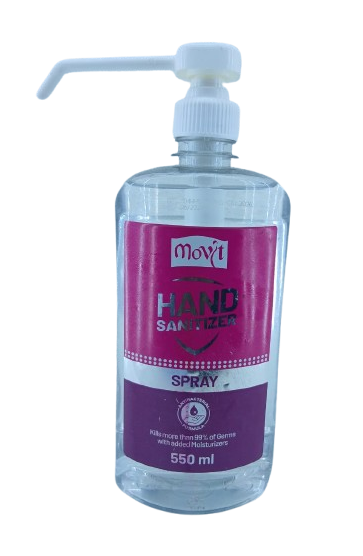
Hand sanitizer
1Nice to haveA small bottle is helpful when you travel to the exam centre and eat on the go.
How to use it: Use it before eating and wash with soap when you can.





Step by step
- 1
Six weeks before
Buy exercise books, pens, a calculator and a lamp. Set up your study table and make a revision timetable.
- 2
Four weeks before
Start timed past papers. Use sticky notes for formulas and key points.
- 3
Two weeks before
Check pens, pencils, geometry set and calculator. Replace anything weak and buy spare batteries.
- 4
One week before
Buy fruit, oats and snacks. Plan your route to the exam centre and your transport.
- 5
The night before
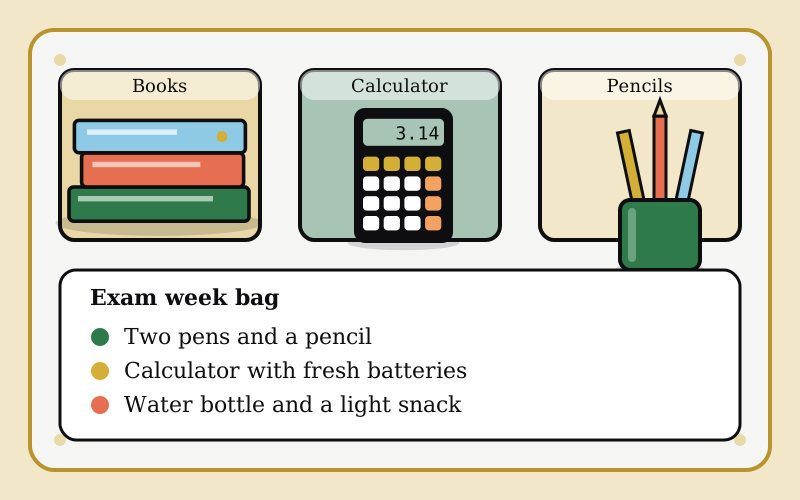
Pack your bag with your exam documents, pens, calculator, water and a light snack. Sleep early.
Tips that help
- Use past papers under a clock. It trains speed and reduces fear.
- Study in short blocks of 45 minutes with a short break in between.
- Keep your phone away from the study table during focused sessions.
- Eat breakfast on exam days, even a small one.
- Pack the exam bag the night before, including documents your school asks for.
- Sleep matters more than one extra late hour of reading.
- Make a list of your own common mistakes and review it each week.
Mistakes to avoid
- Buying a calculator in exam week and not knowing how to use it.
- Skipping meals and relying on sugar and energy drinks.
- Studying all night before a paper.
- Leaving pens, geometry set and documents until the morning.
- Forgetting to check the exam rules on what is allowed.
Questions people ask
What do I need for the Senior Six national exam?+
Your required documents, reliable pens, pencils, a ruler, a geometry set and a scientific calculator if your subjects use one. Check the exact list with your school and the exam board.
Which calculator should I buy for Senior Six?+
A scientific calculator is common for maths, physics and chemistry. Ask your school which models are allowed and practice with the same one before the exam.
What should I eat during revision?+
Regular meals with fruit, nuts, eggs and porridge or oats, plus plenty of water. Avoid long gaps without food and too much sugar.
How can I study during power cuts?+
Keep a charged torch or lamp, a power bank and a few candles on hand. Use outage time for reading notes or revision cards.
How early should I start preparing my kit?+
Start four to six weeks before revision gets serious. Buy the main tools first, then fresh items like fruit and snacks closer to the exam.
What should I do if I feel too stressed?+
Talk to a teacher, parent or counselor. Sleep, regular meals and short breaks help. If stress feels heavy, ask a doctor or school nurse.
Preparation is built from small habits and good tools. Shop this list on Isokko, set up your study corner and walk into the exam rested and ready.
Shop this list
Get everything delivered in Kigali
Order from local stores on Isokko and pay with MoMo, card or cash. Same-day delivery.